
#tether
tether
4.8M views
7,170 Discussing
Hot
Latest


·
--
Tether Has Been Accused Of Fraud For Years And Still Moves More Volume Than BitcoinTether launched in 2014 with one simple pitch: every token in circulation would be backed one to one by a dollar sitting in reserve. For years, almost nobody could verify that claim, because Tether never published a full audit, only periodic attestations from accounting firms describing a snapshot of reserves, not a complete audited financial statement.
That gap between promise and proof turned into years of accusations. In 2019, the New York Attorney General opened an investigation into whether Tether and its sister exchange Bitfinex tried to cover up the loss of about $850 million in customer and corporate funds held by a third-party payment processor, using Tether reserves to plug the hole without telling anyone. The inquiry ran nearly two years. In February 2021, Tether and Bitfinex settled, paying $18.5 million and agreeing to publish quarterly reports on Tether's reserve composition for two years, without admitting wrongdoing.
The NYAG's findings were blunt. Investigators said Tether had, at times, held no reserves at all backing the dollar peg, and that from mid-2017 the company lost banking access and misled its own users about liquidity problems during that stretch. That's about as close as a regulator gets to saying a stablecoin issuer wasn't telling the truth about the one thing that makes it a stablecoin.
None of that stopped Tether from growing into the backbone of crypto trading. By early 2026, USDT's circulating supply had crossed $185 billion, holding well over half of the entire stablecoin market, ahead of USDC and every other competitor combined. Over a recent 30-day stretch, USDT changed hands roughly $3.76 trillion worth of times, more volume than Bitcoin itself moved in the same period. In parts of the world dealing with currency instability, from Argentina to Nigeria, USDT has become a practical way people move dollars without touching a bank.
That's the strange part of this story. Tether is simultaneously the asset regulators called out for misleading its own reserve claims, and the asset the entire crypto trading industry depends on to move money between everything else. Every BTC to USDT pair, every arbitrage trade, every exchange balance parked in stablecoin between positions runs through a token whose issuer has never opened its books to a full independent audit.
Tether has published attestations more frequently since the settlement and reports holding a large share of reserves in short-term US Treasuries, a very different balance sheet than the one regulators described in 2019. Whether that's enough transparency depends on who you ask, and mostly on whether you've ever needed to redeem a large amount during a moment of stress.
The peg has held through multiple market crashes that took other stablecoins down with them. Usage keeps climbing every year regardless of the headlines. Maybe that's the market deciding the old accusations don't matter as long as redemptions keep working. Or maybe nobody's tested the reserves under real pressure since 2019.
Do you treat USDT and USDC as the same kind of asset, or does the history change how much of each you're willing to hold?
Personal view, not advice. Do your own research.
#Tether #USDT
Tether Has Been Accused Of Fraud For Years And Still Moves More Volume Than Bitcoin
Tether launched in 2014 with one simple pitch: every token in circulation would be backed one to one by a dollar sitting in reserve. For years, almost nobody could verify that claim, because Tether never published a full audit, only periodic attestations from accounting firms describing a snapshot of reserves, not a complete audited financial statement.
That gap between promise and proof turned into years of accusations. In 2019, the New York Attorney General opened an investigation into whether Tether and its sister exchange Bitfinex tried to cover up the loss of about $850 million in customer and corporate funds held by a third-party payment processor, using Tether reserves to plug the hole without telling anyone. The inquiry ran nearly two years. In February 2021, Tether and Bitfinex settled, paying $18.5 million and agreeing to publish quarterly reports on Tether's reserve composition for two years, without admitting wrongdoing.
The NYAG's findings were blunt. Investigators said Tether had, at times, held no reserves at all backing the dollar peg, and that from mid-2017 the company lost banking access and misled its own users about liquidity problems during that stretch. That's about as close as a regulator gets to saying a stablecoin issuer wasn't telling the truth about the one thing that makes it a stablecoin.
None of that stopped Tether from growing into the backbone of crypto trading. By early 2026, USDT's circulating supply had crossed $185 billion, holding well over half of the entire stablecoin market, ahead of USDC and every other competitor combined. Over a recent 30-day stretch, USDT changed hands roughly $3.76 trillion worth of times, more volume than Bitcoin itself moved in the same period. In parts of the world dealing with currency instability, from Argentina to Nigeria, USDT has become a practical way people move dollars without touching a bank.
That's the strange part of this story. Tether is simultaneously the asset regulators called out for misleading its own reserve claims, and the asset the entire crypto trading industry depends on to move money between everything else. Every BTC to USDT pair, every arbitrage trade, every exchange balance parked in stablecoin between positions runs through a token whose issuer has never opened its books to a full independent audit.
Tether has published attestations more frequently since the settlement and reports holding a large share of reserves in short-term US Treasuries, a very different balance sheet than the one regulators described in 2019. Whether that's enough transparency depends on who you ask, and mostly on whether you've ever needed to redeem a large amount during a moment of stress.
The peg has held through multiple market crashes that took other stablecoins down with them. Usage keeps climbing every year regardless of the headlines. Maybe that's the market deciding the old accusations don't matter as long as redemptions keep working. Or maybe nobody's tested the reserves under real pressure since 2019.
Do you treat USDT and USDC as the same kind of asset, or does the history change how much of each you're willing to hold?
Personal view, not advice. Do your own research.
#Tether #USDT
That gap between promise and proof turned into years of accusations. In 2019, the New York Attorney General opened an investigation into whether Tether and its sister exchange Bitfinex tried to cover up the loss of about $850 million in customer and corporate funds held by a third-party payment processor, using Tether reserves to plug the hole without telling anyone. The inquiry ran nearly two years. In February 2021, Tether and Bitfinex settled, paying $18.5 million and agreeing to publish quarterly reports on Tether's reserve composition for two years, without admitting wrongdoing.
The NYAG's findings were blunt. Investigators said Tether had, at times, held no reserves at all backing the dollar peg, and that from mid-2017 the company lost banking access and misled its own users about liquidity problems during that stretch. That's about as close as a regulator gets to saying a stablecoin issuer wasn't telling the truth about the one thing that makes it a stablecoin.
None of that stopped Tether from growing into the backbone of crypto trading. By early 2026, USDT's circulating supply had crossed $185 billion, holding well over half of the entire stablecoin market, ahead of USDC and every other competitor combined. Over a recent 30-day stretch, USDT changed hands roughly $3.76 trillion worth of times, more volume than Bitcoin itself moved in the same period. In parts of the world dealing with currency instability, from Argentina to Nigeria, USDT has become a practical way people move dollars without touching a bank.
That's the strange part of this story. Tether is simultaneously the asset regulators called out for misleading its own reserve claims, and the asset the entire crypto trading industry depends on to move money between everything else. Every BTC to USDT pair, every arbitrage trade, every exchange balance parked in stablecoin between positions runs through a token whose issuer has never opened its books to a full independent audit.
Tether has published attestations more frequently since the settlement and reports holding a large share of reserves in short-term US Treasuries, a very different balance sheet than the one regulators described in 2019. Whether that's enough transparency depends on who you ask, and mostly on whether you've ever needed to redeem a large amount during a moment of stress.
The peg has held through multiple market crashes that took other stablecoins down with them. Usage keeps climbing every year regardless of the headlines. Maybe that's the market deciding the old accusations don't matter as long as redemptions keep working. Or maybe nobody's tested the reserves under real pressure since 2019.
Do you treat USDT and USDC as the same kind of asset, or does the history change how much of each you're willing to hold?
Personal view, not advice. Do your own research.
#Tether #USDT
267

Article
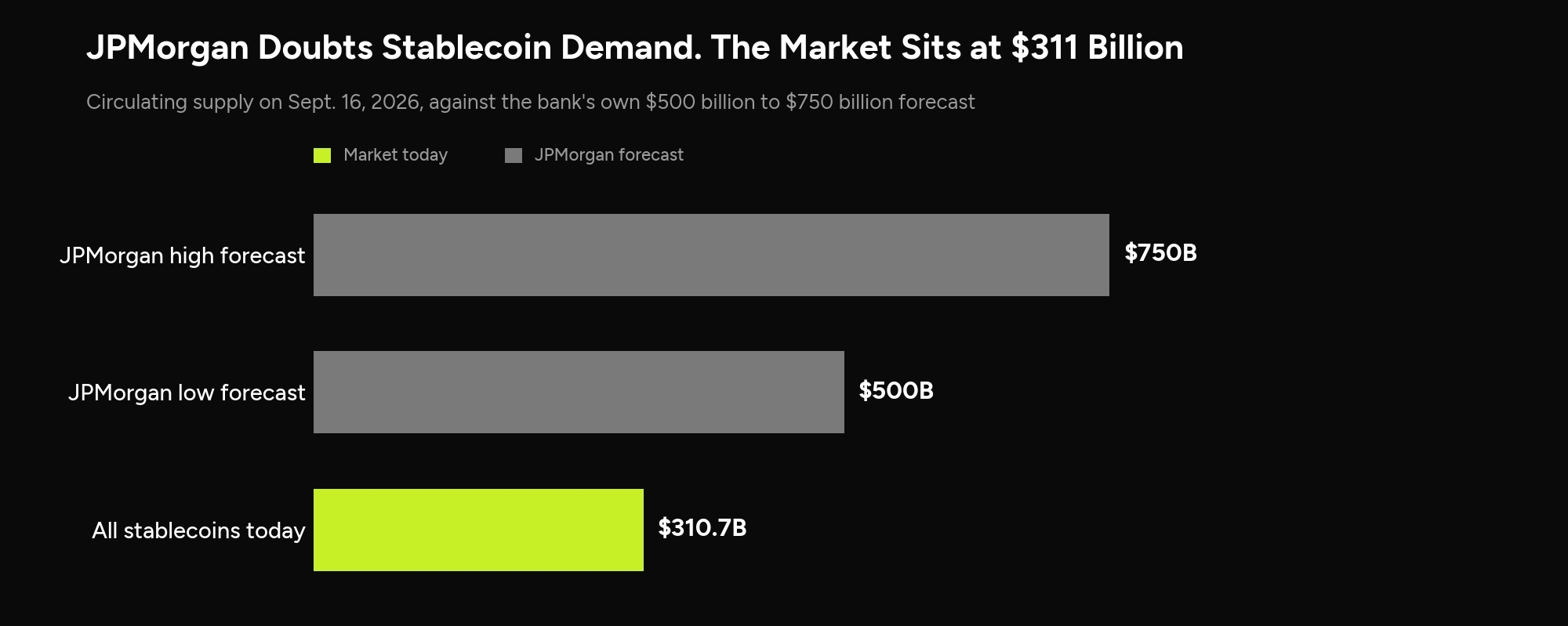
🍿 The Clash of Titans: Tether’s CEO Mocks JPMorgan Over Claims of Low Institutional Stablecoin DemaA fresh war of words has broken out between traditional banking giants and the digital asset ecosystem. Tether CEO Paolo Ardoino publicly mocked JPMorgan Chase, firing back after one of the bank’s top executives downplayed institutional adoption of stablecoins.
The public feud highlights a growing rift between how Wall Street sees digital currency infrastructure and how the actual market is deploying it.
🏛️ The Spark: JPMorgan Downplays Stablecoin Growth
The drama began when a JPMorgan co-president stated that the banking giant sees very little immediate institutional appetite for stablecoins. The bank argued that large corporations and hedge funds are highly hesitant to adopt asset-backed digital tokens due to:
Regulatory Ambiguity: Ongoing friction regarding definitive compliance standards.Counterparty Risks: Reluctance to fully trust non-bank issuers.Existing Infrastructure: A preference for traditional, institutional treasury management rails.
🧊 Tether’s Cold Response: "Imported Ice to the North Pole"
Tether's CEO didn't let the critique slide. Responding with characteristic candor, Paolo Ardoino compared JPMorgan’s comments to observing a "lack of demand from the North Pole for imported ice."
Ardoino's sharp response cuts straight to the core of Tether's business model and massive market dominance:
Tether’s Actual Market: The primary utility for USDT thrives exactly where traditional financial institutions fail—providing instant, borderless liquidity in emerging markets, cross-border trade settlements, and high-velocity crypto markets.Record-Breaking Financials: Tether recently recorded a staggering $5.2 billion profit for the first half of the year, driven heavily by its massive $100B+ portfolio of U.S. Treasury bills.The Irony: Tether is currently one of the largest global buyers of short-term U.S. government debt, outperforming many traditional sovereign states and tier-one Wall Street banks.
🔮 The Market Takeaway
While JPMorgan looks at stablecoins through the narrow lens of conservative domestic corporate treasuries, Tether has already scaled USDT into a foundational global payment rail.
For crypto market participants, this public clash emphasizes that stablecoin growth is completely detached from whether tier-one U.S. commercial banks approve of it. As liquidity continues to flow into digital dollars for international settlement and on-chain yield, stablecoins are proving to be the primary engine driving real-world Web3 adoption.
#Tether #USDT #JPMorgan #Stablecoins #Write2Earn
🍿 The Clash of Titans: Tether’s CEO Mocks JPMorgan Over Claims of Low Institutional Stablecoin Dema
A fresh war of words has broken out between traditional banking giants and the digital asset ecosystem. Tether CEO Paolo Ardoino publicly mocked JPMorgan Chase, firing back after one of the bank’s top executives downplayed institutional adoption of stablecoins.
The public feud highlights a growing rift between how Wall Street sees digital currency infrastructure and how the actual market is deploying it.
🏛️ The Spark: JPMorgan Downplays Stablecoin Growth
The drama began when a JPMorgan co-president stated that the banking giant sees very little immediate institutional appetite for stablecoins. The bank argued that large corporations and hedge funds are highly hesitant to adopt asset-backed digital tokens due to:
Regulatory Ambiguity: Ongoing friction regarding definitive compliance standards.Counterparty Risks: Reluctance to fully trust non-bank issuers.Existing Infrastructure: A preference for traditional, institutional treasury management rails.
🧊 Tether’s Cold Response: "Imported Ice to the North Pole"
Tether's CEO didn't let the critique slide. Responding with characteristic candor, Paolo Ardoino compared JPMorgan’s comments to observing a "lack of demand from the North Pole for imported ice."
Ardoino's sharp response cuts straight to the core of Tether's business model and massive market dominance:
Tether’s Actual Market: The primary utility for USDT thrives exactly where traditional financial institutions fail—providing instant, borderless liquidity in emerging markets, cross-border trade settlements, and high-velocity crypto markets.Record-Breaking Financials: Tether recently recorded a staggering $5.2 billion profit for the first half of the year, driven heavily by its massive $100B+ portfolio of U.S. Treasury bills.The Irony: Tether is currently one of the largest global buyers of short-term U.S. government debt, outperforming many traditional sovereign states and tier-one Wall Street banks.
🔮 The Market Takeaway
While JPMorgan looks at stablecoins through the narrow lens of conservative domestic corporate treasuries, Tether has already scaled USDT into a foundational global payment rail.
For crypto market participants, this public clash emphasizes that stablecoin growth is completely detached from whether tier-one U.S. commercial banks approve of it. As liquidity continues to flow into digital dollars for international settlement and on-chain yield, stablecoins are proving to be the primary engine driving real-world Web3 adoption.
#Tether #USDT #JPMorgan #Stablecoins #Write2Earn
The public feud highlights a growing rift between how Wall Street sees digital currency infrastructure and how the actual market is deploying it.
🏛️ The Spark: JPMorgan Downplays Stablecoin Growth
The drama began when a JPMorgan co-president stated that the banking giant sees very little immediate institutional appetite for stablecoins. The bank argued that large corporations and hedge funds are highly hesitant to adopt asset-backed digital tokens due to:
Regulatory Ambiguity: Ongoing friction regarding definitive compliance standards.Counterparty Risks: Reluctance to fully trust non-bank issuers.Existing Infrastructure: A preference for traditional, institutional treasury management rails.
🧊 Tether’s Cold Response: "Imported Ice to the North Pole"
Tether's CEO didn't let the critique slide. Responding with characteristic candor, Paolo Ardoino compared JPMorgan’s comments to observing a "lack of demand from the North Pole for imported ice."
Ardoino's sharp response cuts straight to the core of Tether's business model and massive market dominance:
Tether’s Actual Market: The primary utility for USDT thrives exactly where traditional financial institutions fail—providing instant, borderless liquidity in emerging markets, cross-border trade settlements, and high-velocity crypto markets.Record-Breaking Financials: Tether recently recorded a staggering $5.2 billion profit for the first half of the year, driven heavily by its massive $100B+ portfolio of U.S. Treasury bills.The Irony: Tether is currently one of the largest global buyers of short-term U.S. government debt, outperforming many traditional sovereign states and tier-one Wall Street banks.
🔮 The Market Takeaway
While JPMorgan looks at stablecoins through the narrow lens of conservative domestic corporate treasuries, Tether has already scaled USDT into a foundational global payment rail.
For crypto market participants, this public clash emphasizes that stablecoin growth is completely detached from whether tier-one U.S. commercial banks approve of it. As liquidity continues to flow into digital dollars for international settlement and on-chain yield, stablecoins are proving to be the primary engine driving real-world Web3 adoption.
#Tether #USDT #JPMorgan #Stablecoins #Write2Earn
1
210

·
--
Bullish
Artificial intelligence applies the brakes… while Bitcoin applies the gasBitcoin and the Strategic Reserve
A committee in the US House of Representatives approved the ARMA Act by a vote of 28 to 21. It includes the creation of a strategic Bitcoin reserve under the supervision of the Treasury Department, with a holding period of no less than 20 years.
It also includes a separate reserve for other digital assets, with research into ways to increase BTC holdings without imposing new taxes or increasing debt.
The CLARITY Act stalls… but the Bitcoin reserve proposal moves forward.
Crypto wins on some fronts and loses on others.
$BTC
{spot}(BTCUSDT)
Bernstein expects the US Securities and Exchange Commission and the US Commodity Futures Trading Commission to issue “strict and fast” regulatory rules for cryptocurrencies after the CLARITY bill failed to advance.
$XAUT
{spot}(XAUTUSDT)
#tether
Moves strongly into gold financing
Tether lent $1.5 billion to Gold.com and is now financing almost most of the company’s gold-backed loans.
Tether already holds around 146 tons of actual gold in its reserves, valued at approximately $18.8 billion.
The USDT printer is also becoming one of the world’s largest gold financiers.
Artificial intelligence applies the brakes… while Bitcoin applies the gasBitcoin and the Strategic Reserve
A committee in the US House of Representatives approved the ARMA Act by a vote of 28 to 21. It includes the creation of a strategic Bitcoin reserve under the supervision of the Treasury Department, with a holding period of no less than 20 years.
It also includes a separate reserve for other digital assets, with research into ways to increase BTC holdings without imposing new taxes or increasing debt.
The CLARITY Act stalls… but the Bitcoin reserve proposal moves forward.
Crypto wins on some fronts and loses on others.
$BTC
Bernstein expects the US Securities and Exchange Commission and the US Commodity Futures Trading Commission to issue “strict and fast” regulatory rules for cryptocurrencies after the CLARITY bill failed to advance.
$XAUT
#tether
Moves strongly into gold financing
Tether lent $1.5 billion to Gold.com and is now financing almost most of the company’s gold-backed loans.
Tether already holds around 146 tons of actual gold in its reserves, valued at approximately $18.8 billion.
The USDT printer is also becoming one of the world’s largest gold financiers.
A committee in the US House of Representatives approved the ARMA Act by a vote of 28 to 21. It includes the creation of a strategic Bitcoin reserve under the supervision of the Treasury Department, with a holding period of no less than 20 years.
It also includes a separate reserve for other digital assets, with research into ways to increase BTC holdings without imposing new taxes or increasing debt.
The CLARITY Act stalls… but the Bitcoin reserve proposal moves forward.
Crypto wins on some fronts and loses on others.
$BTC
Bernstein expects the US Securities and Exchange Commission and the US Commodity Futures Trading Commission to issue “strict and fast” regulatory rules for cryptocurrencies after the CLARITY bill failed to advance.
$XAUT
#tether
Moves strongly into gold financing
Tether lent $1.5 billion to Gold.com and is now financing almost most of the company’s gold-backed loans.
Tether already holds around 146 tons of actual gold in its reserves, valued at approximately $18.8 billion.
The USDT printer is also becoming one of the world’s largest gold financiers.

1
655

·
--
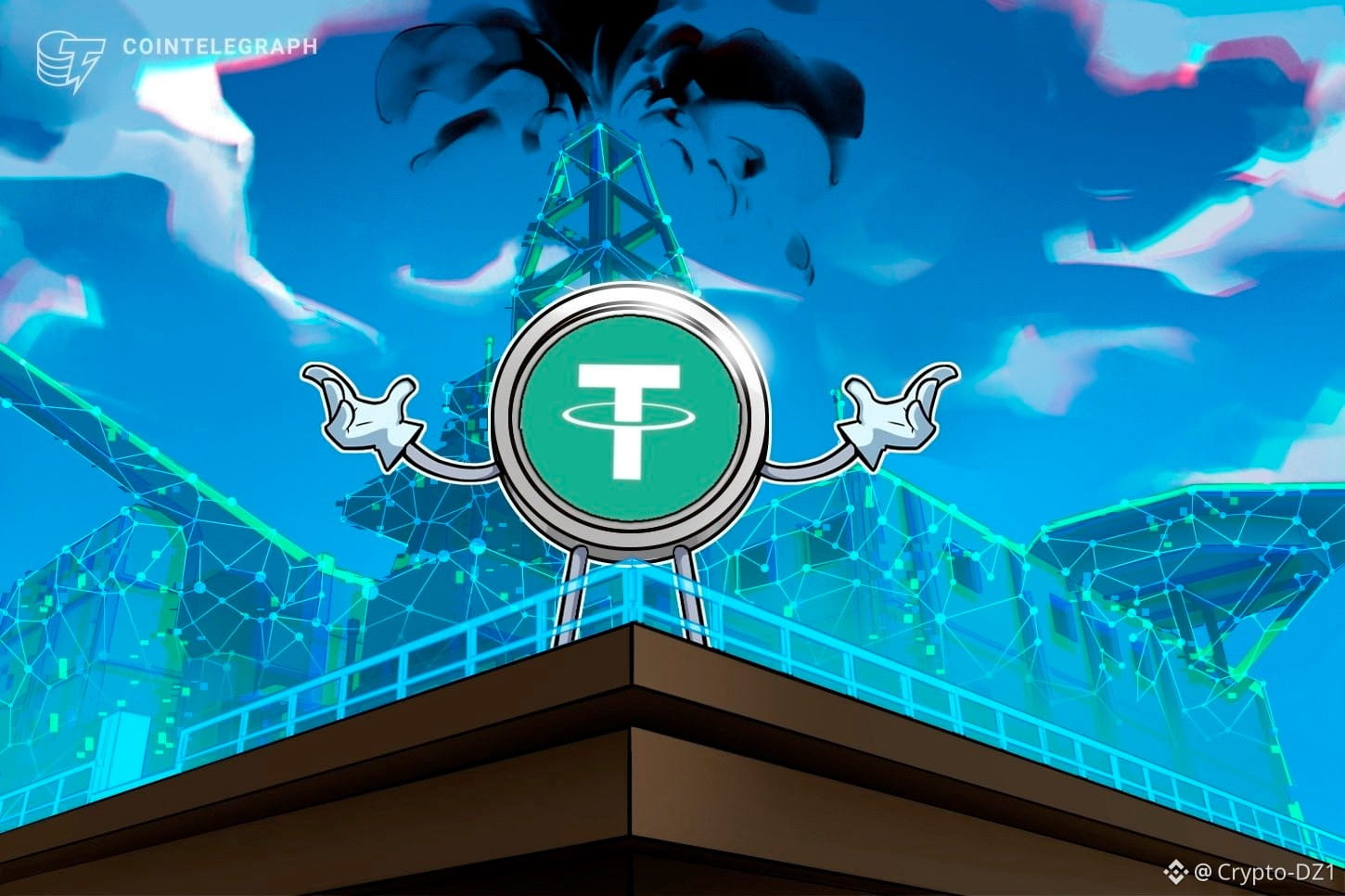
🎯 Tether is no longer issuing tokens; it’s pivoting to lending
📰 Lending about $1.5 billion to top U.S. bullion merchants—its gold holdings have already entered the ranks of the world’s largest private vaults. The stablecoin issuer has transformed into a physical gold lender
💬 On-chain U.S. dollars and physical gold are fused together; the USDT credit peg is moved from U.S. Treasuries to a hard currency. A trillion-dollar giant really enters the commodity game—this one is wild.
🏷️ #Tether #稳定币 #黄金 #RWA #机构
🎯 Tether is no longer issuing tokens; it’s pivoting to lending
📰 Lending about $1.5 billion to top U.S. bullion merchants—its gold holdings have already entered the ranks of the world’s largest private vaults. The stablecoin issuer has transformed into a physical gold lender
💬 On-chain U.S. dollars and physical gold are fused together; the USDT credit peg is moved from U.S. Treasuries to a hard currency. A trillion-dollar giant really enters the commodity game—this one is wild.
🏷️ #Tether #稳定币 #黄金 #RWA #机构
📰 Lending about $1.5 billion to top U.S. bullion merchants—its gold holdings have already entered the ranks of the world’s largest private vaults. The stablecoin issuer has transformed into a physical gold lender
💬 On-chain U.S. dollars and physical gold are fused together; the USDT credit peg is moved from U.S. Treasuries to a hard currency. A trillion-dollar giant really enters the commodity game—this one is wild.
🏷️ #Tether #稳定币 #黄金 #RWA #机构
4

$USDT TODAY
$USDC # is holding very close to its $1 peg, showing stable demand and strong liquidity across crypto markets. With a market cap above $183B, Tether remains a major source of trading liquidity.
#USDT #Tether r #Stablecoin #Crypto
$USDT TODAY
$USDC # is holding very close to its $1 peg, showing stable demand and strong liquidity across crypto markets. With a market cap above $183B, Tether remains a major source of trading liquidity.
#USDT #Tether r #Stablecoin #Crypto
$USDC # is holding very close to its $1 peg, showing stable demand and strong liquidity across crypto markets. With a market cap above $183B, Tether remains a major source of trading liquidity.
#USDT #Tether r #Stablecoin #Crypto
1
168

·
--
"restrained" $52 million isn't seized $52 million
seized: two wallets, about $12 million. the rest is restraint sought on 47 more wallets
Xinbi moved at least $21 billion by April 2026
next to that, this is a rounding error
the freeze button is the story. USDT can be stopped, that's why this worked
and Xinbi had already shifted about $2.8 million into USDD, which can't be frozen
i keep part of my stables in USDT. same button works on me. fine with that, mostly)
#Tether
"restrained" $52 million isn't seized $52 million
seized: two wallets, about $12 million. the rest is restraint sought on 47 more wallets
Xinbi moved at least $21 billion by April 2026
next to that, this is a rounding error
the freeze button is the story. USDT can be stopped, that's why this worked
and Xinbi had already shifted about $2.8 million into USDD, which can't be frozen
i keep part of my stables in USDT. same button works on me. fine with that, mostly)
#Tether
seized: two wallets, about $12 million. the rest is restraint sought on 47 more wallets
Xinbi moved at least $21 billion by April 2026
next to that, this is a rounding error
the freeze button is the story. USDT can be stopped, that's why this worked
and Xinbi had already shifted about $2.8 million into USDD, which can't be frozen
i keep part of my stables in USDT. same button works on me. fine with that, mostly)
#Tether
3
3

·
--
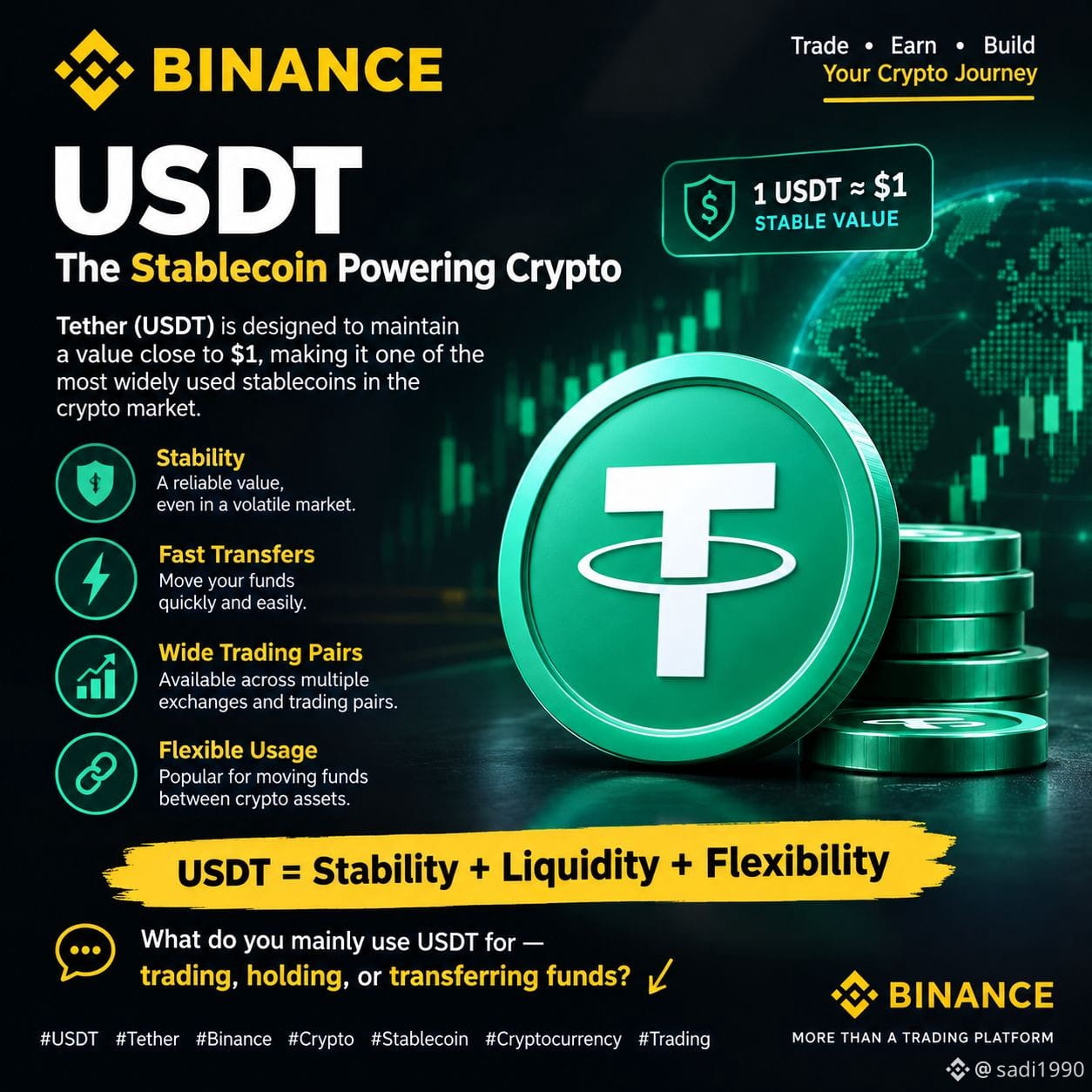
$USDT — The Stablecoin Powering Crypto
Tether (USDT) is designed to maintain a value close to $1, making it one of the most widely used stablecoins in the crypto market.
🔹 Stability in a volatile market
🔹 Fast crypto transfers
🔹 Easy trading pair across exchanges
📊 $USDT = Stability + Liquidity + Flexibility
What do you mainly use $USDT for — trading, holding, or transferring funds? 👇
#USDT #Tether #Binance #Crypto
{future}(USDCUSDT)
$USDT — The Stablecoin Powering Crypto
Tether (USDT) is designed to maintain a value close to $1, making it one of the most widely used stablecoins in the crypto market.
🔹 Stability in a volatile market
🔹 Fast crypto transfers
🔹 Easy trading pair across exchanges
📊 $USDT = Stability + Liquidity + Flexibility
What do you mainly use $USDT for — trading, holding, or transferring funds? 👇
#USDT #Tether #Binance #Crypto
Tether (USDT) is designed to maintain a value close to $1, making it one of the most widely used stablecoins in the crypto market.
🔹 Stability in a volatile market
🔹 Fast crypto transfers
🔹 Easy trading pair across exchanges
📊 $USDT = Stability + Liquidity + Flexibility
What do you mainly use $USDT for — trading, holding, or transferring funds? 👇
#USDT #Tether #Binance #Crypto
41

·
--
Verified
🔷 Tether freezes $52M. The scam goes into hiding
Facts:
• On September 11, Tether helped the DOJ freeze $52M in crypto from the Xinbi Guarantee scam network in a single day
• The network is linked to scam operations across Southeast Asia, where workers are held in forced labor
• The same pattern already happened: after Tether froze $45M, the scam operations migrated to stables where the issuer cannot block a wallet
• At the same time, Tether is launching StableFund for $400M in the Wall Street private debt market ($3T), with defaults at a 5-year high
• $USDT market cap — ~ $183B; Tether remains the #1 issuer
🧠 My take: the paradox of the cop. The harsher Tether freezes wallets at the DOJ’s request, the faster criminals move to places where there’s no freeze at all. Tether fights with one hand while the other pushes the scam into an area where its weapon doesn’t work. Also, a question about strategy: why does the biggest stablecoin issuer go into private debt when defaults are at a maximum? High yield, but real risks too.
⚠️ Tether freezes don’t protect everyone: if your counterparty is already operating on a non-freezable stable, Tether won’t help you. Check which stable your settlements run on.
❓ Tether pushes the scam into hiding — victory or capitulation?👇
#Tether #USDT
🔷 Tether freezes $52M. The scam goes into hiding
Facts:
• On September 11, Tether helped the DOJ freeze $52M in crypto from the Xinbi Guarantee scam network in a single day
• The network is linked to scam operations across Southeast Asia, where workers are held in forced labor
• The same pattern already happened: after Tether froze $45M, the scam operations migrated to stables where the issuer cannot block a wallet
• At the same time, Tether is launching StableFund for $400M in the Wall Street private debt market ($3T), with defaults at a 5-year high
• $USDT market cap — ~ $183B; Tether remains the #1 issuer
🧠 My take: the paradox of the cop. The harsher Tether freezes wallets at the DOJ’s request, the faster criminals move to places where there’s no freeze at all. Tether fights with one hand while the other pushes the scam into an area where its weapon doesn’t work. Also, a question about strategy: why does the biggest stablecoin issuer go into private debt when defaults are at a maximum? High yield, but real risks too.
⚠️ Tether freezes don’t protect everyone: if your counterparty is already operating on a non-freezable stable, Tether won’t help you. Check which stable your settlements run on.
❓ Tether pushes the scam into hiding — victory or capitulation?👇
#Tether #USDT
Facts:
• On September 11, Tether helped the DOJ freeze $52M in crypto from the Xinbi Guarantee scam network in a single day
• The network is linked to scam operations across Southeast Asia, where workers are held in forced labor
• The same pattern already happened: after Tether froze $45M, the scam operations migrated to stables where the issuer cannot block a wallet
• At the same time, Tether is launching StableFund for $400M in the Wall Street private debt market ($3T), with defaults at a 5-year high
• $USDT market cap — ~ $183B; Tether remains the #1 issuer
🧠 My take: the paradox of the cop. The harsher Tether freezes wallets at the DOJ’s request, the faster criminals move to places where there’s no freeze at all. Tether fights with one hand while the other pushes the scam into an area where its weapon doesn’t work. Also, a question about strategy: why does the biggest stablecoin issuer go into private debt when defaults are at a maximum? High yield, but real risks too.
⚠️ Tether freezes don’t protect everyone: if your counterparty is already operating on a non-freezable stable, Tether won’t help you. Check which stable your settlements run on.
❓ Tether pushes the scam into hiding — victory or capitulation?👇
#Tether #USDT
2
123

·
--
USDT: The ballast stone of the stablecoin track
Even now, the USDT issued by Tether remains the most commonly used unit of account and bridging tool in crypto trading. It does not promise value appreciation; its function is to move fiat purchasing power onto the chain: trading, deposits/withdrawals, and market making all rely on it to enable turnover. Now, stablecoins with over hundreds of billions in supply are highly concentrated. Later entrants have to rely on “issuing another coin” to carve out their own market share, which is extremely difficult.
When looking at stablecoins, don’t just focus on slogans. Reserve transparency, whether redemptions are smooth, and liquidity depth on major chains matter more than short-term premiums. USDT’s volatility is usually smaller than that of many low-cap “altcoins,” but changes in the issuer, banking channels, and regulatory interpretations will still transmit to liquidity across the entire market.
$USDT
#稳定币 #Tether does not constitute investment advice
USDT: The ballast stone of the stablecoin track
Even now, the USDT issued by Tether remains the most commonly used unit of account and bridging tool in crypto trading. It does not promise value appreciation; its function is to move fiat purchasing power onto the chain: trading, deposits/withdrawals, and market making all rely on it to enable turnover. Now, stablecoins with over hundreds of billions in supply are highly concentrated. Later entrants have to rely on “issuing another coin” to carve out their own market share, which is extremely difficult.
When looking at stablecoins, don’t just focus on slogans. Reserve transparency, whether redemptions are smooth, and liquidity depth on major chains matter more than short-term premiums. USDT’s volatility is usually smaller than that of many low-cap “altcoins,” but changes in the issuer, banking channels, and regulatory interpretations will still transmit to liquidity across the entire market.
$USDT
#稳定币 #Tether does not constitute investment advice
Even now, the USDT issued by Tether remains the most commonly used unit of account and bridging tool in crypto trading. It does not promise value appreciation; its function is to move fiat purchasing power onto the chain: trading, deposits/withdrawals, and market making all rely on it to enable turnover. Now, stablecoins with over hundreds of billions in supply are highly concentrated. Later entrants have to rely on “issuing another coin” to carve out their own market share, which is extremely difficult.
When looking at stablecoins, don’t just focus on slogans. Reserve transparency, whether redemptions are smooth, and liquidity depth on major chains matter more than short-term premiums. USDT’s volatility is usually smaller than that of many low-cap “altcoins,” but changes in the issuer, banking channels, and regulatory interpretations will still transmit to liquidity across the entire market.
$USDT
#稳定币 #Tether does not constitute investment advice

1
24
·
--
Stablecoins worth more than $10 billion—only two left
In a chart shared by Lorenzo Valente, ARK Invest’s Director of Digital Assets Research, he points out that stablecoins have clear network effects. There are many names in the market, but once the bar is raised, very few survive. In 2021, the number of stablecoins with a market cap exceeding $1 billion was still in single digits; now there are only about 12. For those above $10 billion, there were 4 at the 2022 peak; today only $USDT and $USDC remain.
His view is that it’s already very difficult to squeeze into the $10 billion tier. For the $100 billion+ tier, it may for a long time just be a contest between these two. For those above $500 billion, over the next two years it’s more likely that only one will emerge as the leading runner. It’s easy to issue a new coin; it’s hard to build a “board” that everyone is willing to hold and use for settlement long-term. New entrants will be competing not just on market-cap numbers, but on usage habits.
#稳定币 #Tether
Not investment advice
Stablecoins worth more than $10 billion—only two left
In a chart shared by Lorenzo Valente, ARK Invest’s Director of Digital Assets Research, he points out that stablecoins have clear network effects. There are many names in the market, but once the bar is raised, very few survive. In 2021, the number of stablecoins with a market cap exceeding $1 billion was still in single digits; now there are only about 12. For those above $10 billion, there were 4 at the 2022 peak; today only $USDT and $USDC remain.
His view is that it’s already very difficult to squeeze into the $10 billion tier. For the $100 billion+ tier, it may for a long time just be a contest between these two. For those above $500 billion, over the next two years it’s more likely that only one will emerge as the leading runner. It’s easy to issue a new coin; it’s hard to build a “board” that everyone is willing to hold and use for settlement long-term. New entrants will be competing not just on market-cap numbers, but on usage habits.
#稳定币 #Tether
Not investment advice
In a chart shared by Lorenzo Valente, ARK Invest’s Director of Digital Assets Research, he points out that stablecoins have clear network effects. There are many names in the market, but once the bar is raised, very few survive. In 2021, the number of stablecoins with a market cap exceeding $1 billion was still in single digits; now there are only about 12. For those above $10 billion, there were 4 at the 2022 peak; today only $USDT and $USDC remain.
His view is that it’s already very difficult to squeeze into the $10 billion tier. For the $100 billion+ tier, it may for a long time just be a contest between these two. For those above $500 billion, over the next two years it’s more likely that only one will emerge as the leading runner. It’s easy to issue a new coin; it’s hard to build a “board” that everyone is willing to hold and use for settlement long-term. New entrants will be competing not just on market-cap numbers, but on usage habits.
#稳定币 #Tether
Not investment advice

20

·
--
Bullish
$USDT /USD — Tight Range, Peg Holding Strong 🔥
Pattern: Sideways consolidation near the $1.0000 peg.
Entry: 0.99940–0.99960
TP1: 0.99990 | TP2: 1.00020 | TP3: 1.00050
SL: 0.99870 — below key support.
Bias: 🟢 Bullish while 0.9990 holds; breakout above 1.0000 can push higher.
#USDT #Tether #Binance #CryptoTrading
$USDT /USD — Tight Range, Peg Holding Strong 🔥
Pattern: Sideways consolidation near the $1.0000 peg.
Entry: 0.99940–0.99960
TP1: 0.99990 | TP2: 1.00020 | TP3: 1.00050
SL: 0.99870 — below key support.
Bias: 🟢 Bullish while 0.9990 holds; breakout above 1.0000 can push higher.
#USDT #Tether #Binance #CryptoTrading
Pattern: Sideways consolidation near the $1.0000 peg.
Entry: 0.99940–0.99960
TP1: 0.99990 | TP2: 1.00020 | TP3: 1.00050
SL: 0.99870 — below key support.
Bias: 🟢 Bullish while 0.9990 holds; breakout above 1.0000 can push higher.
#USDT #Tether #Binance #CryptoTrading

1
17

$USDT IS DOING WHAT IT'S DESIGNED TO DO: STAY STABLE.
Tether is trading around $0.9995, with virtually no major movement over the past 24 hours.
📊 Market Cap: $183.37B
💰 24h Volume: $70.3B
While crypto markets move, USDT remains close to its $1 peg.
Stability isn't always exciting but in crypto, it's essential.
#USDT #Tether #Crypto #Stablecoins #Web3
$USDT IS DOING WHAT IT'S DESIGNED TO DO: STAY STABLE.
Tether is trading around $0.9995, with virtually no major movement over the past 24 hours.
📊 Market Cap: $183.37B
💰 24h Volume: $70.3B
While crypto markets move, USDT remains close to its $1 peg.
Stability isn't always exciting but in crypto, it's essential.
#USDT #Tether #Crypto #Stablecoins #Web3
Tether is trading around $0.9995, with virtually no major movement over the past 24 hours.
📊 Market Cap: $183.37B
💰 24h Volume: $70.3B
While crypto markets move, USDT remains close to its $1 peg.
Stability isn't always exciting but in crypto, it's essential.
#USDT #Tether #Crypto #Stablecoins #Web3

39

Verified
Tether has helped law enforcement agencies worldwide freeze more than $5 billion in illegal assets, involving over 2,800 cases
On September 11, according to disclosures on Tether’s official website, the company has established cooperation with 340+ law enforcement agencies across 67 countries. In total, it has helped handle more than 2,800 cases worldwide, including more than 1,600 involving U.S. law enforcement agencies.
As of now, Tether’s cooperation with law enforcement agencies around the world has led to the freezing of over $5 billion worth of assets related to illegal activities, including more than $2.5 billion achieved through joint efforts between Tether and officials from the U.S. Department of Justice (DOJ).
In its cooperation with the DOJ, Tether recently assisted the DOJ in seizing two wallets tied to “new-coin-backed” arrangements used to collect payments from vendors, and filed requests to freeze an additional 47 wallets suspected of money laundering. The combined coordinated actions resulted in freezes totaling more than $52 million.
The scope of this collaboration goes far beyond that. Tether also helped dispose of approximately $225 million worth of USDT related to international human trafficking and “pig butchering” scam groups.
Meanwhile, nearly $61 million in additional USDT related to large-scale cryptocurrency investment fraud has also entered the disposal process. In addition, Tether has cooperated with the OFAC and U.S. law enforcement agencies to freeze more than $344 million in USDT.
Taken together, these figures demonstrate the depth of Tether’s involvement in cooperation with law enforcement agencies worldwide, and also mark a comprehensive upgrade of the institution’s collaboration capability—from case-by-case responses to systematic cooperation across institutions and borders.
#Tether
Tether has helped law enforcement agencies worldwide freeze more than $5 billion in illegal assets, involving over 2,800 cases
On September 11, according to disclosures on Tether’s official website, the company has established cooperation with 340+ law enforcement agencies across 67 countries. In total, it has helped handle more than 2,800 cases worldwide, including more than 1,600 involving U.S. law enforcement agencies.
As of now, Tether’s cooperation with law enforcement agencies around the world has led to the freezing of over $5 billion worth of assets related to illegal activities, including more than $2.5 billion achieved through joint efforts between Tether and officials from the U.S. Department of Justice (DOJ).
In its cooperation with the DOJ, Tether recently assisted the DOJ in seizing two wallets tied to “new-coin-backed” arrangements used to collect payments from vendors, and filed requests to freeze an additional 47 wallets suspected of money laundering. The combined coordinated actions resulted in freezes totaling more than $52 million.
The scope of this collaboration goes far beyond that. Tether also helped dispose of approximately $225 million worth of USDT related to international human trafficking and “pig butchering” scam groups.
Meanwhile, nearly $61 million in additional USDT related to large-scale cryptocurrency investment fraud has also entered the disposal process. In addition, Tether has cooperated with the OFAC and U.S. law enforcement agencies to freeze more than $344 million in USDT.
Taken together, these figures demonstrate the depth of Tether’s involvement in cooperation with law enforcement agencies worldwide, and also mark a comprehensive upgrade of the institution’s collaboration capability—from case-by-case responses to systematic cooperation across institutions and borders.
#Tether
On September 11, according to disclosures on Tether’s official website, the company has established cooperation with 340+ law enforcement agencies across 67 countries. In total, it has helped handle more than 2,800 cases worldwide, including more than 1,600 involving U.S. law enforcement agencies.
As of now, Tether’s cooperation with law enforcement agencies around the world has led to the freezing of over $5 billion worth of assets related to illegal activities, including more than $2.5 billion achieved through joint efforts between Tether and officials from the U.S. Department of Justice (DOJ).
In its cooperation with the DOJ, Tether recently assisted the DOJ in seizing two wallets tied to “new-coin-backed” arrangements used to collect payments from vendors, and filed requests to freeze an additional 47 wallets suspected of money laundering. The combined coordinated actions resulted in freezes totaling more than $52 million.
The scope of this collaboration goes far beyond that. Tether also helped dispose of approximately $225 million worth of USDT related to international human trafficking and “pig butchering” scam groups.
Meanwhile, nearly $61 million in additional USDT related to large-scale cryptocurrency investment fraud has also entered the disposal process. In addition, Tether has cooperated with the OFAC and U.S. law enforcement agencies to freeze more than $344 million in USDT.
Taken together, these figures demonstrate the depth of Tether’s involvement in cooperation with law enforcement agencies worldwide, and also mark a comprehensive upgrade of the institution’s collaboration capability—from case-by-case responses to systematic cooperation across institutions and borders.
#Tether


972

·
--
🔍 Tether under the spotlight: what the new USDT reserve reports are hiding?
The cryptocurrency market is storming again, and the planet’s main stablecoin is at the center of attention. Fresh discussions about the Tether reserve audit and the risks of address blocking by banks have made investors nervous.
New reserve data from Tether has sparked heated debate among experts about the actual liquidity of the company’s short-term U.S. Treasury bills. Bank pressure: Reports have emerged of potential risks of transaction blocking by traditional banks that work with the stablecoin issuer.
Market reaction: Traders began partially diversifying their portfolios, moving volumes into alternative stablecoins and $BTC to reduce risk.
And what do you think: will Tether withstand another wave of checks, or is it time to switch to other stablecoins? Share your opinion in the comments! 👇
#BinanceSquareFamily #Write2Earn #Tether
{future}(BTCUSDT)
🔍 Tether under the spotlight: what the new USDT reserve reports are hiding?
The cryptocurrency market is storming again, and the planet’s main stablecoin is at the center of attention. Fresh discussions about the Tether reserve audit and the risks of address blocking by banks have made investors nervous.
New reserve data from Tether has sparked heated debate among experts about the actual liquidity of the company’s short-term U.S. Treasury bills. Bank pressure: Reports have emerged of potential risks of transaction blocking by traditional banks that work with the stablecoin issuer.
Market reaction: Traders began partially diversifying their portfolios, moving volumes into alternative stablecoins and $BTC to reduce risk.
And what do you think: will Tether withstand another wave of checks, or is it time to switch to other stablecoins? Share your opinion in the comments! 👇
#BinanceSquareFamily #Write2Earn #Tether
The cryptocurrency market is storming again, and the planet’s main stablecoin is at the center of attention. Fresh discussions about the Tether reserve audit and the risks of address blocking by banks have made investors nervous.
New reserve data from Tether has sparked heated debate among experts about the actual liquidity of the company’s short-term U.S. Treasury bills. Bank pressure: Reports have emerged of potential risks of transaction blocking by traditional banks that work with the stablecoin issuer.
Market reaction: Traders began partially diversifying their portfolios, moving volumes into alternative stablecoins and $BTC to reduce risk.
And what do you think: will Tether withstand another wave of checks, or is it time to switch to other stablecoins? Share your opinion in the comments! 👇
#BinanceSquareFamily #Write2Earn #Tether
91

·
--
Bullish
USDT news today: Tether just launched a $400M private credit fund with Fasanara.
They’re using USDT to settle real loans, and they want to scale it up to $3B.
Same old USDT though. Still sitting at $1. No drama on the peg.
They’re not just parking money anymore. They’re pushing it into actual lending.
That’s the real story.
$USDT #Tether #stablecoin
USDT news today: Tether just launched a $400M private credit fund with Fasanara.
They’re using USDT to settle real loans, and they want to scale it up to $3B.
Same old USDT though. Still sitting at $1. No drama on the peg.
They’re not just parking money anymore. They’re pushing it into actual lending.
That’s the real story.
$USDT #Tether #stablecoin
They’re using USDT to settle real loans, and they want to scale it up to $3B.
Same old USDT though. Still sitting at $1. No drama on the peg.
They’re not just parking money anymore. They’re pushing it into actual lending.
That’s the real story.
$USDT #Tether #stablecoin
2
93

·
--
🚨 BREAKING: TETHER ENTERS PRIVATE CREDIT! 💰
Tether is making a major move beyond stablecoins. 👀
🇺🇸 Tether is backing a $400 MILLION private credit fund with Fasanara.
The partnership will focus on: 🔹 Sourcing new lending opportunities
🔹 Expanding private credit access
🔹 Using stablecoins for faster payments
🔹 Connecting traditional lending with crypto infrastructure
💡 Why does this matter for crypto?
This could be another major step toward bringing real-world finance onto blockchain rails. 🌍
Stablecoins may be moving beyond simple trading and payments — they could become a key part of global lending infrastructure. 🚀
⚠️ $400M is not a small experiment.
Could this be the beginning of a much bigger institutional push into tokenized credit? 👀
Bullish for stablecoin adoption? 🔥 👇 What do you think?
#Tether #USDT #Crypto #Stablecoins #DeFi #Bitcoin
#Ethereum
#RWA
#PrivateCredit
🚨 BREAKING: TETHER ENTERS PRIVATE CREDIT! 💰
Tether is making a major move beyond stablecoins. 👀
🇺🇸 Tether is backing a $400 MILLION private credit fund with Fasanara.
The partnership will focus on: 🔹 Sourcing new lending opportunities
🔹 Expanding private credit access
🔹 Using stablecoins for faster payments
🔹 Connecting traditional lending with crypto infrastructure
💡 Why does this matter for crypto?
This could be another major step toward bringing real-world finance onto blockchain rails. 🌍
Stablecoins may be moving beyond simple trading and payments — they could become a key part of global lending infrastructure. 🚀
⚠️ $400M is not a small experiment.
Could this be the beginning of a much bigger institutional push into tokenized credit? 👀
Bullish for stablecoin adoption? 🔥 👇 What do you think?
#Tether #USDT #Crypto #Stablecoins #DeFi #Bitcoin
#Ethereum
#RWA
#PrivateCredit
Tether is making a major move beyond stablecoins. 👀
🇺🇸 Tether is backing a $400 MILLION private credit fund with Fasanara.
The partnership will focus on: 🔹 Sourcing new lending opportunities
🔹 Expanding private credit access
🔹 Using stablecoins for faster payments
🔹 Connecting traditional lending with crypto infrastructure
💡 Why does this matter for crypto?
This could be another major step toward bringing real-world finance onto blockchain rails. 🌍
Stablecoins may be moving beyond simple trading and payments — they could become a key part of global lending infrastructure. 🚀
⚠️ $400M is not a small experiment.
Could this be the beginning of a much bigger institutional push into tokenized credit? 👀
Bullish for stablecoin adoption? 🔥 👇 What do you think?
#Tether #USDT #Crypto #Stablecoins #DeFi #Bitcoin
#Ethereum
#RWA
#PrivateCredit
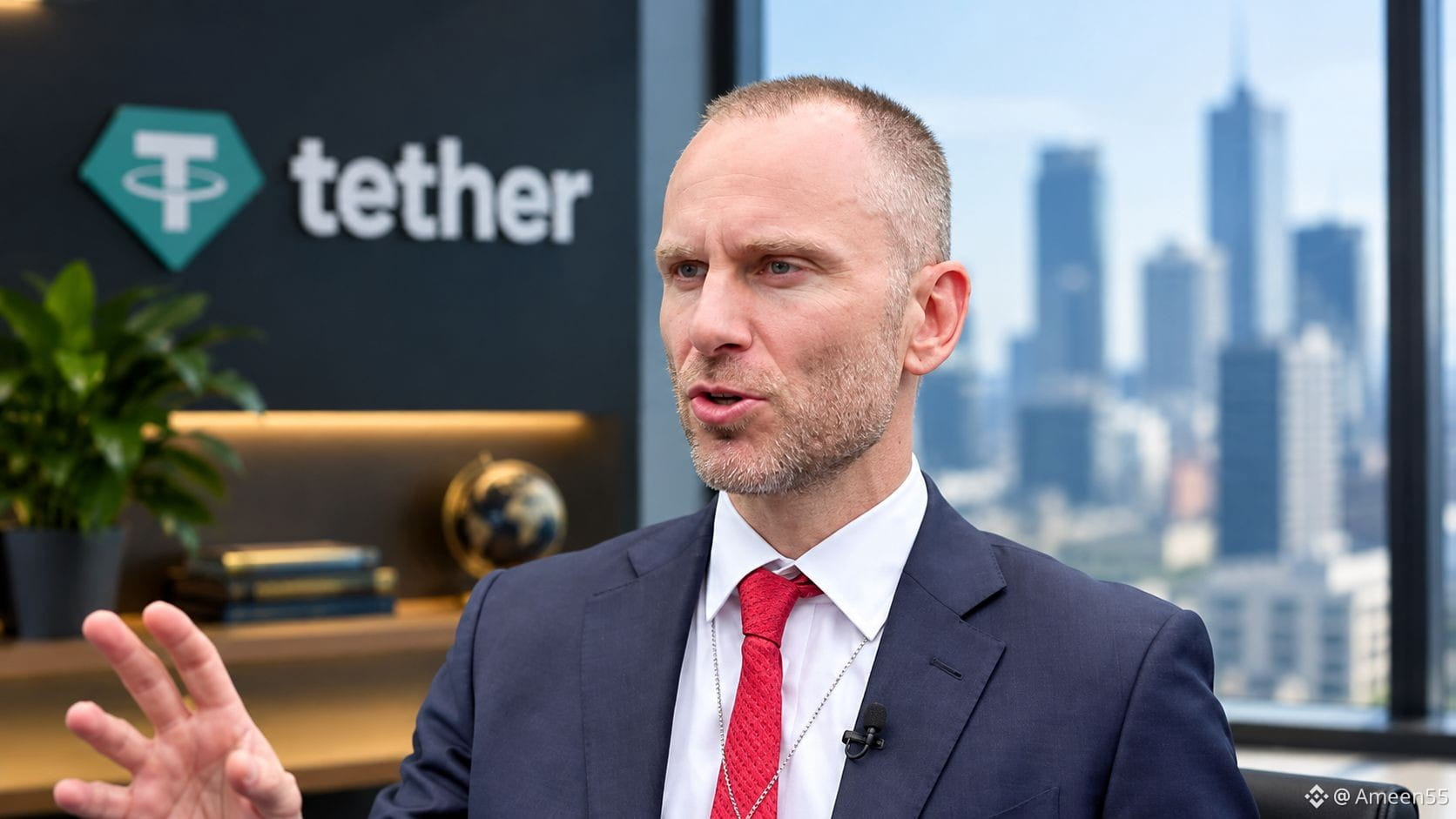
12

💵 Tether wants to take USDT to private credit
#Tether | USDT wants to stop being only the “exchange dollar”.
Tether has just launched StableFund, a $400 million private credit fund together with Fasanara Capital. The goal is quite ambitious: to secure up to $3,000 million in third-party capital to finance small and mid-sized businesses that traditionally have trouble accessing bank credit.
The move is interesting because it brings together two worlds that until now had been walking fairly separate: stablecoins + private credit.
Tether wants $USDT to be more than just a tool for entering and exiting the crypto market. It wants to turn it into a piece of financial infrastructure.
And here comes an important question: are we starting to see the real next use case for stablecoins?
#CryptoNews #USDT
💵 Tether wants to take USDT to private credit
#Tether | USDT wants to stop being only the “exchange dollar”.
Tether has just launched StableFund, a $400 million private credit fund together with Fasanara Capital. The goal is quite ambitious: to secure up to $3,000 million in third-party capital to finance small and mid-sized businesses that traditionally have trouble accessing bank credit.
The move is interesting because it brings together two worlds that until now had been walking fairly separate: stablecoins + private credit.
Tether wants $USDT to be more than just a tool for entering and exiting the crypto market. It wants to turn it into a piece of financial infrastructure.
And here comes an important question: are we starting to see the real next use case for stablecoins?
#CryptoNews #USDT
#Tether | USDT wants to stop being only the “exchange dollar”.
Tether has just launched StableFund, a $400 million private credit fund together with Fasanara Capital. The goal is quite ambitious: to secure up to $3,000 million in third-party capital to finance small and mid-sized businesses that traditionally have trouble accessing bank credit.
The move is interesting because it brings together two worlds that until now had been walking fairly separate: stablecoins + private credit.
Tether wants $USDT to be more than just a tool for entering and exiting the crypto market. It wants to turn it into a piece of financial infrastructure.
And here comes an important question: are we starting to see the real next use case for stablecoins?
#CryptoNews #USDT
25
·
--
🚀 Tether reaches a new level: $400 million for real business!
The issuer of the most popular stablecoin $USDT is taking a powerful step toward traditional finance. The company officially launches a large-scale lending program that could change the game.
Here’s what you need to know about this initiative:
A large-scale alliance. Tether joins forces with the major investment fund Fasanara to launch a $400 million credit program. Focus on the real sector. These funds will go toward developing the private lending market, giving companies outside the crypto industry access to capital. Strengthening the ecosystem. This move allows Tether to diversify its income and further solidify $USDT ’s position as a reliable financial tool.
This step proves that stablecoins have long moved beyond being just a tool for trading on exchanges. Crypto continues to actively penetrate the real economy.
What do you think—will Tether’s expansion into the real sector strengthen trust in stablecoins, or does it create additional risks for the company? Share your thoughts in the comments! 👇
#BinanceSquareFamily #Write2Earn #Tether
{future}(BNBUSDT)
🚀 Tether reaches a new level: $400 million for real business!
The issuer of the most popular stablecoin $USDT is taking a powerful step toward traditional finance. The company officially launches a large-scale lending program that could change the game.
Here’s what you need to know about this initiative:
A large-scale alliance. Tether joins forces with the major investment fund Fasanara to launch a $400 million credit program. Focus on the real sector. These funds will go toward developing the private lending market, giving companies outside the crypto industry access to capital. Strengthening the ecosystem. This move allows Tether to diversify its income and further solidify $USDT ’s position as a reliable financial tool.
This step proves that stablecoins have long moved beyond being just a tool for trading on exchanges. Crypto continues to actively penetrate the real economy.
What do you think—will Tether’s expansion into the real sector strengthen trust in stablecoins, or does it create additional risks for the company? Share your thoughts in the comments! 👇
#BinanceSquareFamily #Write2Earn #Tether
The issuer of the most popular stablecoin $USDT is taking a powerful step toward traditional finance. The company officially launches a large-scale lending program that could change the game.
Here’s what you need to know about this initiative:
A large-scale alliance. Tether joins forces with the major investment fund Fasanara to launch a $400 million credit program. Focus on the real sector. These funds will go toward developing the private lending market, giving companies outside the crypto industry access to capital. Strengthening the ecosystem. This move allows Tether to diversify its income and further solidify $USDT ’s position as a reliable financial tool.
This step proves that stablecoins have long moved beyond being just a tool for trading on exchanges. Crypto continues to actively penetrate the real economy.
What do you think—will Tether’s expansion into the real sector strengthen trust in stablecoins, or does it create additional risks for the company? Share your thoughts in the comments! 👇
#BinanceSquareFamily #Write2Earn #Tether
60

·
--
🔥 Tether & Fasanara Launch $400M StableFund! 💰
Tether and asset manager Fasanara Capital have launched StableFund, a private credit fund backed by $400M in combined capital.
🏦 The goal:
Provide financing to small and medium-sized businesses (SMEs) while attracting additional institutional capital.
🌍 Why it matters: This brings stablecoin-linked capital deeper into real-world lending and private credit, showing how digital assets can connect with traditional finance.
👀 The bigger question: Can StableFund scale SME lending while maintaining strong risk controls?
#Tether #Stablecoin #PrivateCredit #RWA
🔥 Tether & Fasanara Launch $400M StableFund! 💰
Tether and asset manager Fasanara Capital have launched StableFund, a private credit fund backed by $400M in combined capital.
🏦 The goal:
Provide financing to small and medium-sized businesses (SMEs) while attracting additional institutional capital.
🌍 Why it matters: This brings stablecoin-linked capital deeper into real-world lending and private credit, showing how digital assets can connect with traditional finance.
👀 The bigger question: Can StableFund scale SME lending while maintaining strong risk controls?
#Tether #Stablecoin #PrivateCredit #RWA
Tether and asset manager Fasanara Capital have launched StableFund, a private credit fund backed by $400M in combined capital.
🏦 The goal:
Provide financing to small and medium-sized businesses (SMEs) while attracting additional institutional capital.
🌍 Why it matters: This brings stablecoin-linked capital deeper into real-world lending and private credit, showing how digital assets can connect with traditional finance.
👀 The bigger question: Can StableFund scale SME lending while maintaining strong risk controls?
#Tether #Stablecoin #PrivateCredit #RWA

59

Holding $USDT 1.6 USDT
💵 Tether Launches a $400M Private Credit Fund
Tether is partnering with Fasanara to launch a $400 million fund focused on private credit.
The partnership will also use stablecoin infrastructure for payments.
This shows how stablecoins are expanding beyond traditional crypto trading.
$USDT
#Tether #USDT #Stablecoins #Crypto
💵 Tether Launches a $400M Private Credit Fund
Tether is partnering with Fasanara to launch a $400 million fund focused on private credit.
The partnership will also use stablecoin infrastructure for payments.
This shows how stablecoins are expanding beyond traditional crypto trading.
$USDT
#Tether #USDT #Stablecoins #Crypto
Tether is partnering with Fasanara to launch a $400 million fund focused on private credit.
The partnership will also use stablecoin infrastructure for payments.
This shows how stablecoins are expanding beyond traditional crypto trading.
$USDT
#Tether #USDT #Stablecoins #Crypto

26
Log in to explore more content
Join global crypto users on Binance Square
⚡️ Get latest and useful information about crypto.
💬 Trusted by the world’s largest crypto exchange.
👍 Discover real insights from verified creators.
Email / Phone number
Trending Topics
1
#BitcoinSurpasses$77000
14,912 views
213 Discussing
2
#ParadigmDisclosesZECHolding
58,274 views
962 Discussing
3
#BitcoinETFsShed$450M
24,246 views
214 Discussing
4
#USWeeklyJoblessClaimsFallTo196K
31,603 views
557 Discussing
5
#ArkhamSaysBlackRockBuys$1.5BInETH
5,741 views
69 Discussing
6
#ElSalvadorBTCHoldingsRiseTo7777
60,683 views
843 Discussing
7
#MemeLaunchpads82%OfArcDayOneVolume
61,312 views
1,014 Discussing
8
#OstiumLoanDisputeHearingSetInNYFederalCourt
48,752 views
717 Discussing
9
#HyperliquidUSDCSupplyOvertakesSolana
22,546 views
368 Discussing
10
#SKPoliceRefer18PolymarketUsersToProsecutors
27,702 views
521 Discussing