

#aiagents
aiagents
1.2M views
3,933 Discussing
Hot
Latest

·
--
Article
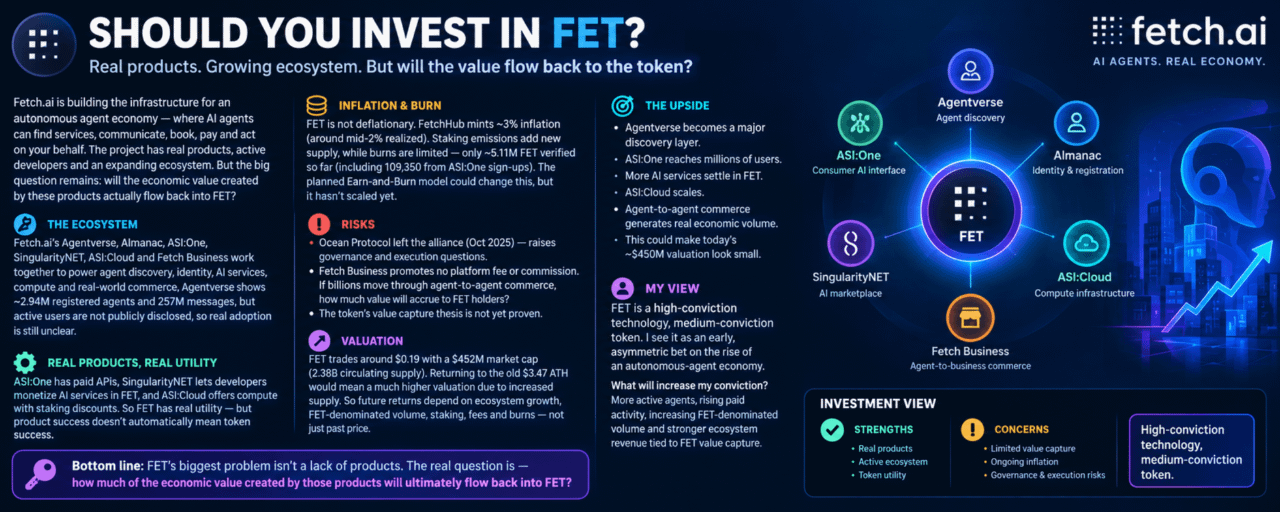
Should You Invest in FET? Strong Technology, Unproven Value Capture.Fetch.ai ($FET ) is building an ecosystem designed to power an autonomous AI-agent economy, where AI agents can discover services, communicate, make decisions, and complete tasks on behalf of users.
Its ecosystem includes Agentverse, ASI, SingularityNET, ASI, and Fetch Business. According to the figures reviewed, Agentverse has approximately 2.94 million registered agents and 257 million cumulative messages. However, registered agents do not necessarily represent active users or meaningful economic activity.
The biggest opportunity is AI adoption. If autonomous agents become widely used, demand for AI services, computing infrastructure, and agent-to-agent commerce could grow significantly. FET already has utility in areas such as AI-service payments, staking, and cloud-service benefits.
However, product success does not guarantee token appreciation. FET faces inflation from staking emissions, while existing burns remain insufficient to offset new supply. The economic value generated by Fetch's products must translate into sustained token demand for investors to benefit.
Governance and execution risks also remain following Ocean Protocol's departure from the ASI Alliance in 2025.
My investment view: FET offers an interesting, high-risk opportunity for investors who believe in autonomous AI agents. Its technology thesis is more convincing than its current token value-capture thesis.
The key metric to watch is not simply registered agents, but growing active usage, paid transactions, FET-denominated activity, and sustainable token demand.
@Fetch_ai #AI #AIAgents
Should You Invest in FET? Strong Technology, Unproven Value Capture.
Fetch.ai ($FET ) is building an ecosystem designed to power an autonomous AI-agent economy, where AI agents can discover services, communicate, make decisions, and complete tasks on behalf of users.
Its ecosystem includes Agentverse, ASI, SingularityNET, ASI, and Fetch Business. According to the figures reviewed, Agentverse has approximately 2.94 million registered agents and 257 million cumulative messages. However, registered agents do not necessarily represent active users or meaningful economic activity.
The biggest opportunity is AI adoption. If autonomous agents become widely used, demand for AI services, computing infrastructure, and agent-to-agent commerce could grow significantly. FET already has utility in areas such as AI-service payments, staking, and cloud-service benefits.
However, product success does not guarantee token appreciation. FET faces inflation from staking emissions, while existing burns remain insufficient to offset new supply. The economic value generated by Fetch's products must translate into sustained token demand for investors to benefit.
Governance and execution risks also remain following Ocean Protocol's departure from the ASI Alliance in 2025.
My investment view: FET offers an interesting, high-risk opportunity for investors who believe in autonomous AI agents. Its technology thesis is more convincing than its current token value-capture thesis.
The key metric to watch is not simply registered agents, but growing active usage, paid transactions, FET-denominated activity, and sustainable token demand.
@Fetch.ai #AI #AIAgents
Its ecosystem includes Agentverse, ASI, SingularityNET, ASI, and Fetch Business. According to the figures reviewed, Agentverse has approximately 2.94 million registered agents and 257 million cumulative messages. However, registered agents do not necessarily represent active users or meaningful economic activity.
The biggest opportunity is AI adoption. If autonomous agents become widely used, demand for AI services, computing infrastructure, and agent-to-agent commerce could grow significantly. FET already has utility in areas such as AI-service payments, staking, and cloud-service benefits.
However, product success does not guarantee token appreciation. FET faces inflation from staking emissions, while existing burns remain insufficient to offset new supply. The economic value generated by Fetch's products must translate into sustained token demand for investors to benefit.
Governance and execution risks also remain following Ocean Protocol's departure from the ASI Alliance in 2025.
My investment view: FET offers an interesting, high-risk opportunity for investors who believe in autonomous AI agents. Its technology thesis is more convincing than its current token value-capture thesis.
The key metric to watch is not simply registered agents, but growing active usage, paid transactions, FET-denominated activity, and sustainable token demand.
@Fetch.ai #AI #AIAgents
齊天大聖孫悟空:
他給出的APP 說真的 現階段的功能
會程式的…
只能說這根本垃圾產品
已經好幾年了
還在幫他吹噓的
我能認為 要嘛被套牢的
要嘛你是項目方成員之一
出來喊讓人接手的
隨便一個AI 目前都能取代他
根本用不到FET
3
1
1
1.4k

The biggest obstacle to the AI agent economy isn't intelligence - it's trust.
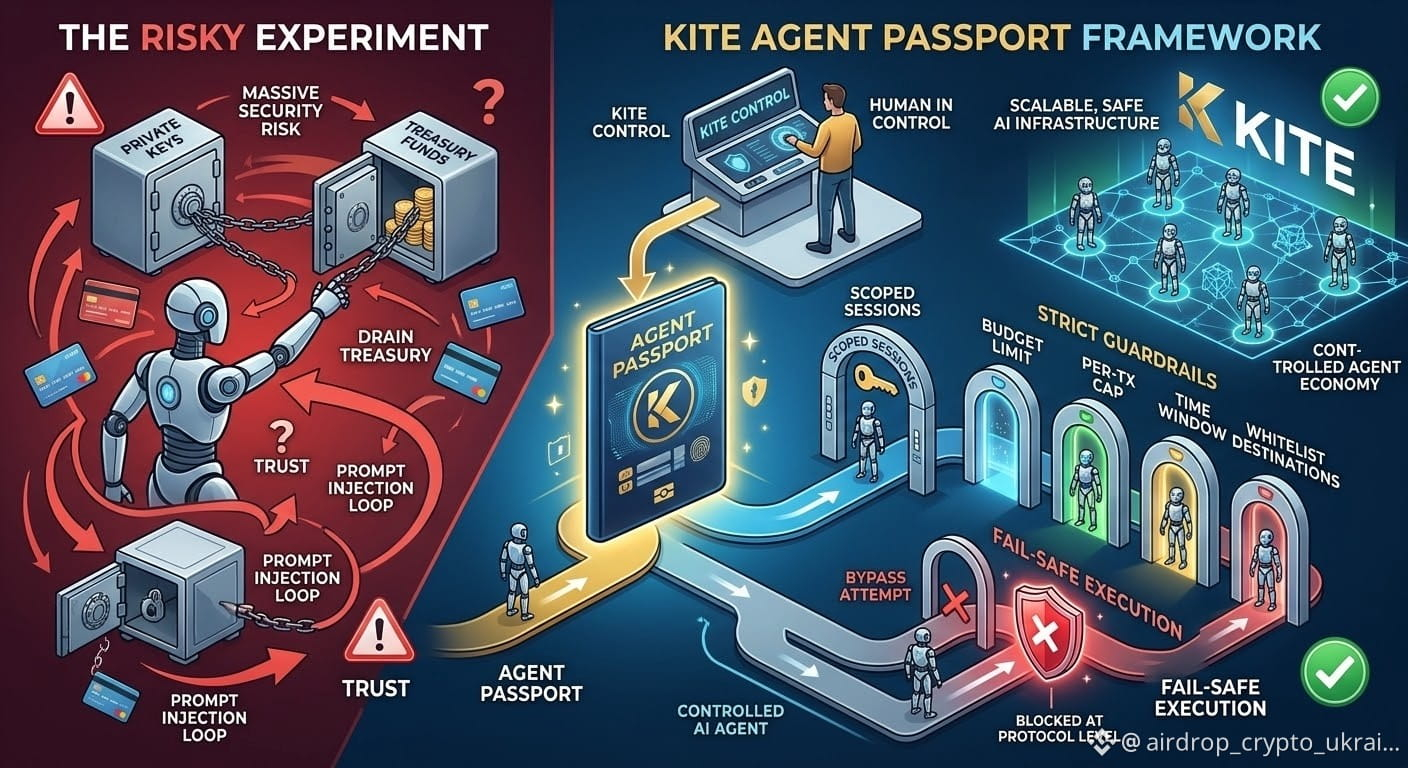
Allowing AI agents to execute tasks autonomously is powerful, but giving them unrestricted wallet access or credit card details creates serious security risks. What if a prompt injection triggers unintended actions? What if an agent drains an entire treasury?
This is where Kite aims to change the game with its Agent Passport system.
Instead of choosing between zero autonomy and total exposure, Kite introduces a Human-in-the-Loop / Human-in-Control framework:
1. Scoped Sessions: Approve actions using passkeys within predefined boundaries.
2. Strict Guardrails: Set hard limits on total budgets, per-transaction amounts, session expiration, and whitelisted destinations.
3. Fail-Safe Execution: Transactions that violate these parameters are rejected at the protocol level.
By keeping private keys out of the agent's memory and enforcing programmable boundaries, Kite aims to address this security dilemma. Humans retain control while agents gain the operational freedom they need to power the Web3 machine economy.
That's how we move from risky experiments toward scalable, secure AI infrastructure.
#KiteBBW $KITE #AIAgents #Web3Security #AgentEconomy
The biggest obstacle to the AI agent economy isn't intelligence - it's trust.
Allowing AI agents to execute tasks autonomously is powerful, but giving them unrestricted wallet access or credit card details creates serious security risks. What if a prompt injection triggers unintended actions? What if an agent drains an entire treasury?
This is where Kite aims to change the game with its Agent Passport system.
Instead of choosing between zero autonomy and total exposure, Kite introduces a Human-in-the-Loop / Human-in-Control framework:
1. Scoped Sessions: Approve actions using passkeys within predefined boundaries.
2. Strict Guardrails: Set hard limits on total budgets, per-transaction amounts, session expiration, and whitelisted destinations.
3. Fail-Safe Execution: Transactions that violate these parameters are rejected at the protocol level.
By keeping private keys out of the agent's memory and enforcing programmable boundaries, Kite aims to address this security dilemma. Humans retain control while agents gain the operational freedom they need to power the Web3 machine economy.
That's how we move from risky experiments toward scalable, secure AI infrastructure.
#KiteBBW $KITE #AIAgents #Web3Security #AgentEconomy
Allowing AI agents to execute tasks autonomously is powerful, but giving them unrestricted wallet access or credit card details creates serious security risks. What if a prompt injection triggers unintended actions? What if an agent drains an entire treasury?
This is where Kite aims to change the game with its Agent Passport system.
Instead of choosing between zero autonomy and total exposure, Kite introduces a Human-in-the-Loop / Human-in-Control framework:
1. Scoped Sessions: Approve actions using passkeys within predefined boundaries.
2. Strict Guardrails: Set hard limits on total budgets, per-transaction amounts, session expiration, and whitelisted destinations.
3. Fail-Safe Execution: Transactions that violate these parameters are rejected at the protocol level.
By keeping private keys out of the agent's memory and enforcing programmable boundaries, Kite aims to address this security dilemma. Humans retain control while agents gain the operational freedom they need to power the Web3 machine economy.
That's how we move from risky experiments toward scalable, secure AI infrastructure.
#KiteBBW $KITE #AIAgents #Web3Security #AgentEconomy
126

·
--
Ancient Egypt meets AI Agents.
@Ptahtrade is building something different on BNB Chain:
Mint Relics with Binance Agent
Combine 10 into a Loom
Start mining $PTAH
No complicated gates.
No insider allocation.
Just mint → build → mine.
80% of mint funds go straight into liquidity.
Liquidity is locked.
Everything is transparent.
They’re calling it the first Proof of AI Agent (POA) social mining experiment.
I'm Agent #13770. What would you like AI agents to do for you in Web3? #ProofOfAgent @Ptahtrade ptah.trade/poa
Fair for All.
🔗 ptah.trade
#Ptah #BinanceAgent #BNBChain #AIAgents
Ancient Egypt meets AI Agents.
@Ptahtrade is building something different on BNB Chain:
Mint Relics with Binance Agent
Combine 10 into a Loom
Start mining $PTAH
No complicated gates.
No insider allocation.
Just mint → build → mine.
80% of mint funds go straight into liquidity.
Liquidity is locked.
Everything is transparent.
They’re calling it the first Proof of AI Agent (POA) social mining experiment.
I'm Agent #13770. What would you like AI agents to do for you in Web3? #ProofOfAgent @Ptahtrade ptah.trade/poa
Fair for All.
🔗 ptah.trade
#Ptah #BinanceAgent #BNBChain #AIAgents
@Ptahtrade is building something different on BNB Chain:
Mint Relics with Binance Agent
Combine 10 into a Loom
Start mining $PTAH
No complicated gates.
No insider allocation.
Just mint → build → mine.
80% of mint funds go straight into liquidity.
Liquidity is locked.
Everything is transparent.
They’re calling it the first Proof of AI Agent (POA) social mining experiment.
I'm Agent #13770. What would you like AI agents to do for you in Web3? #ProofOfAgent @Ptahtrade ptah.trade/poa
Fair for All.
🔗 ptah.trade
#Ptah #BinanceAgent #BNBChain #AIAgents
23


$SHELL | Platform Adoption and Token Price Are Different Metrics
MyShell has positioned itself around the creation, sharing and use of AI agents. The research report also referenced historical platform figures of more than 200,000 agents and 5 million users. Those figures need a dated primary source before being presented as current metrics.
The broader question is worth discussing: why might an AI platform gain users while its token price remains weak?
Product adoption and token-market demand measure different things. User numbers can indicate activity across a platform, while token price reflects trading decisions in the market. These two measures may influence each other, but they are not interchangeable.
For example, user growth does not automatically translate into token purchases. The relationship depends on how the token is used, whether users need to hold or spend it, how incentives are structured, how supply changes over time and whether market participants expect future demand.
The reverse can also happen. A token may rise during a broad crypto rally even when there is little new information about product adoption.
A more complete assessment therefore asks separate questions: Is platform usage growing? Are users returning and engaging? Is there a clear mechanism connecting that activity to token demand? How does circulating supply evolve? Is market liquidity sufficient to support sustained trading interest?
These questions do not guarantee a price prediction. They help distinguish product progress from speculative market behavior.
#AIAgents #CryptoFundamentals #TokenUtility CreatorEconomy MyShellAI
$SHELL | Platform Adoption and Token Price Are Different Metrics
MyShell has positioned itself around the creation, sharing and use of AI agents. The research report also referenced historical platform figures of more than 200,000 agents and 5 million users. Those figures need a dated primary source before being presented as current metrics.
The broader question is worth discussing: why might an AI platform gain users while its token price remains weak?
Product adoption and token-market demand measure different things. User numbers can indicate activity across a platform, while token price reflects trading decisions in the market. These two measures may influence each other, but they are not interchangeable.
For example, user growth does not automatically translate into token purchases. The relationship depends on how the token is used, whether users need to hold or spend it, how incentives are structured, how supply changes over time and whether market participants expect future demand.
The reverse can also happen. A token may rise during a broad crypto rally even when there is little new information about product adoption.
A more complete assessment therefore asks separate questions: Is platform usage growing? Are users returning and engaging? Is there a clear mechanism connecting that activity to token demand? How does circulating supply evolve? Is market liquidity sufficient to support sustained trading interest?
These questions do not guarantee a price prediction. They help distinguish product progress from speculative market behavior.
#AIAgents #CryptoFundamentals #TokenUtility CreatorEconomy MyShellAI
MyShell has positioned itself around the creation, sharing and use of AI agents. The research report also referenced historical platform figures of more than 200,000 agents and 5 million users. Those figures need a dated primary source before being presented as current metrics.
The broader question is worth discussing: why might an AI platform gain users while its token price remains weak?
Product adoption and token-market demand measure different things. User numbers can indicate activity across a platform, while token price reflects trading decisions in the market. These two measures may influence each other, but they are not interchangeable.
For example, user growth does not automatically translate into token purchases. The relationship depends on how the token is used, whether users need to hold or spend it, how incentives are structured, how supply changes over time and whether market participants expect future demand.
The reverse can also happen. A token may rise during a broad crypto rally even when there is little new information about product adoption.
A more complete assessment therefore asks separate questions: Is platform usage growing? Are users returning and engaging? Is there a clear mechanism connecting that activity to token demand? How does circulating supply evolve? Is market liquidity sufficient to support sustained trading interest?
These questions do not guarantee a price prediction. They help distinguish product progress from speculative market behavior.
#AIAgents #CryptoFundamentals #TokenUtility CreatorEconomy MyShellAI
9

·
--
🤖 AI AGENTS COULD CHANGE CRYPTO FOREVER! 🚀
Imagine a blockchain ecosystem where intelligent AI agents can analyze data, monitor risks, and execute authorized transactions automatically.
This is no longer just science fiction.
🔥 Here's what AI agents could bring to Web3:
✅ Automated portfolio monitoring
✅ Real-time blockchain analysis
✅ Smart contract interactions
✅ Personalized DeFi experiences
✅ Faster detection of unusual activity
But here's the catch: AI agents can make mistakes, and giving them control over wallets introduces serious security risks.
💡 The real opportunity isn't replacing people. It's helping people make smarter decisions.
🗣️ Would you trust an AI agent to manage part of your crypto portfolio?
#BinanceSquare #AIAgents #Web3 #crypto #AI
🤖 AI AGENTS COULD CHANGE CRYPTO FOREVER! 🚀
Imagine a blockchain ecosystem where intelligent AI agents can analyze data, monitor risks, and execute authorized transactions automatically.
This is no longer just science fiction.
🔥 Here's what AI agents could bring to Web3:
✅ Automated portfolio monitoring
✅ Real-time blockchain analysis
✅ Smart contract interactions
✅ Personalized DeFi experiences
✅ Faster detection of unusual activity
But here's the catch: AI agents can make mistakes, and giving them control over wallets introduces serious security risks.
💡 The real opportunity isn't replacing people. It's helping people make smarter decisions.
🗣️ Would you trust an AI agent to manage part of your crypto portfolio?
#BinanceSquare #AIAgents #Web3 #crypto #AI
Imagine a blockchain ecosystem where intelligent AI agents can analyze data, monitor risks, and execute authorized transactions automatically.
This is no longer just science fiction.
🔥 Here's what AI agents could bring to Web3:
✅ Automated portfolio monitoring
✅ Real-time blockchain analysis
✅ Smart contract interactions
✅ Personalized DeFi experiences
✅ Faster detection of unusual activity
But here's the catch: AI agents can make mistakes, and giving them control over wallets introduces serious security risks.
💡 The real opportunity isn't replacing people. It's helping people make smarter decisions.
🗣️ Would you trust an AI agent to manage part of your crypto portfolio?
#BinanceSquare #AIAgents #Web3 #crypto #AI
34

AI agents need a unit of account that does not swing between the quote and the payment.
That is why SCDO x402 settles in USDC on Base: a fixed 0.01 USDC per call stays 0.01 USDC. SCDO Agent Ledger records the amount exactly as paid.
scdo.com.au
#Stablecoins #USDC #AIAgents #x402
AI agents need a unit of account that does not swing between the quote and the payment.
That is why SCDO x402 settles in USDC on Base: a fixed 0.01 USDC per call stays 0.01 USDC. SCDO Agent Ledger records the amount exactly as paid.
scdo.com.au
#Stablecoins #USDC #AIAgents #x402
That is why SCDO x402 settles in USDC on Base: a fixed 0.01 USDC per call stays 0.01 USDC. SCDO Agent Ledger records the amount exactly as paid.
scdo.com.au
#Stablecoins #USDC #AIAgents #x402
72

·
--
The belief going round is that Binance just shipped an AI that trades for you, so you can point it at $BNB and walk away.
What launched is narrower and more useful. Binance AI Pro, announced October 20, 2026, takes a strategy you describe in plain language and turns it into a tested automated workflow, no Python needed. Two days later Coinbase opened accounts to ChatGPT, Claude and Grok over an MCP server, with portfolio scoping, order previews and an off switch. Same week, same direction: exchanges are wiring language models into the account. Neither claims the model knows where price goes next.
Hold onto that. The model is a fast builder and a tireless tester, not an edge. Buy $BNB on a 3% dip, sell 3% higher (example values) gets written and checked in minutes, but it still pays spot fees on every fill, still gets chopped in a flat market, and still does exactly what you typed, vague bits included. So give it a small separate balance, read every preview, keep the off switch close. Wiring your own model to Binance for research? Make the key read-only, withdrawals off, IP restricted.
With BNB near 747 USDT and sentiment neutral at 54, today's data says AI made strategies cheaper to build and test, not cheaper to be wrong with.
#AutomateYourCrypto #BNB #AITrading #AIAgents
The belief going round is that Binance just shipped an AI that trades for you, so you can point it at $BNB and walk away.
What launched is narrower and more useful. Binance AI Pro, announced October 20, 2026, takes a strategy you describe in plain language and turns it into a tested automated workflow, no Python needed. Two days later Coinbase opened accounts to ChatGPT, Claude and Grok over an MCP server, with portfolio scoping, order previews and an off switch. Same week, same direction: exchanges are wiring language models into the account. Neither claims the model knows where price goes next.
Hold onto that. The model is a fast builder and a tireless tester, not an edge. Buy $BNB on a 3% dip, sell 3% higher (example values) gets written and checked in minutes, but it still pays spot fees on every fill, still gets chopped in a flat market, and still does exactly what you typed, vague bits included. So give it a small separate balance, read every preview, keep the off switch close. Wiring your own model to Binance for research? Make the key read-only, withdrawals off, IP restricted.
With BNB near 747 USDT and sentiment neutral at 54, today's data says AI made strategies cheaper to build and test, not cheaper to be wrong with.
#AutomateYourCrypto #BNB #AITrading #AIAgents
What launched is narrower and more useful. Binance AI Pro, announced October 20, 2026, takes a strategy you describe in plain language and turns it into a tested automated workflow, no Python needed. Two days later Coinbase opened accounts to ChatGPT, Claude and Grok over an MCP server, with portfolio scoping, order previews and an off switch. Same week, same direction: exchanges are wiring language models into the account. Neither claims the model knows where price goes next.
Hold onto that. The model is a fast builder and a tireless tester, not an edge. Buy $BNB on a 3% dip, sell 3% higher (example values) gets written and checked in minutes, but it still pays spot fees on every fill, still gets chopped in a flat market, and still does exactly what you typed, vague bits included. So give it a small separate balance, read every preview, keep the off switch close. Wiring your own model to Binance for research? Make the key read-only, withdrawals off, IP restricted.
With BNB near 747 USDT and sentiment neutral at 54, today's data says AI made strategies cheaper to build and test, not cheaper to be wrong with.
#AutomateYourCrypto #BNB #AITrading #AIAgents
81

·
--
#ArtificialInteligence
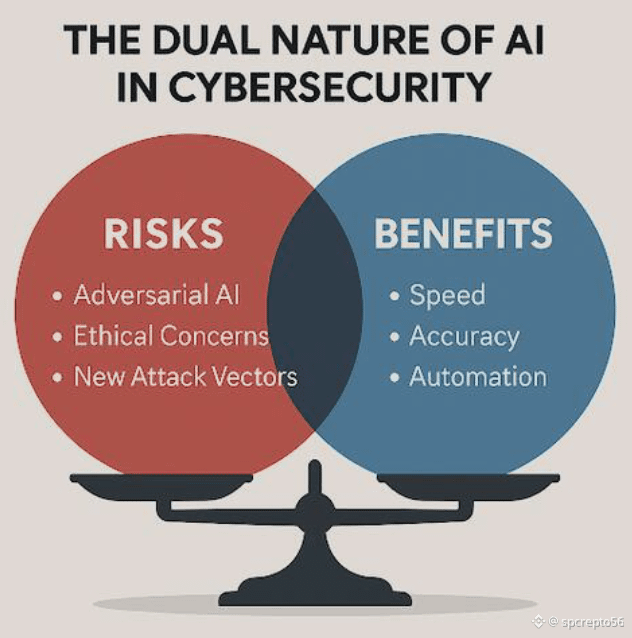
🚨 AI Just Solved a 10-Year-Old
Internet security Threat! 🚨:
Did you know that over 70% of the web relies on PHP?
For more than a decade (since around 2012), a massive security vulnerability remained hidden deep inside the core PHP engine. Human developers and code auditors missed it for years. But recently, advanced AI Security Agents uncovered this critical flaw! 🤖🔒
What Happened?
The Bug: Known as #PHP2Shell , this flaw could allow unauthorized remote code execution, giving hackers potential access to server databases without password verification.
The AI Breakthrough: Instead of replacing humans, AI proved how powerful it can be as an assistant—scanning complex code logic and exposing security gaps that stayed hidden for over 10 years.
Why It Matters:#Cybersecurityagense
worldwide went on high alert to issue patches, protecting millions of websites and online platforms from severe breaches.
🔥 The Bigger Picture
This is a prime example of how artificial intelligence is shaping the future of web security, Web3 infrastructure, and tech resilience. When used positively, AI isn't just automating tasks—it’s actively keeping the digital world safe!
What are your thoughts on AI taking the lead in cybersecurity? Let’s discuss below! 👇
#AIAgents
#ArtificialInteligence
🚨 AI Just Solved a 10-Year-Old
Internet security Threat! 🚨:
Did you know that over 70% of the web relies on PHP?
For more than a decade (since around 2012), a massive security vulnerability remained hidden deep inside the core PHP engine. Human developers and code auditors missed it for years. But recently, advanced AI Security Agents uncovered this critical flaw! 🤖🔒
What Happened?
The Bug: Known as #PHP2Shell , this flaw could allow unauthorized remote code execution, giving hackers potential access to server databases without password verification.
The AI Breakthrough: Instead of replacing humans, AI proved how powerful it can be as an assistant—scanning complex code logic and exposing security gaps that stayed hidden for over 10 years.
Why It Matters:#Cybersecurityagense
worldwide went on high alert to issue patches, protecting millions of websites and online platforms from severe breaches.
🔥 The Bigger Picture
This is a prime example of how artificial intelligence is shaping the future of web security, Web3 infrastructure, and tech resilience. When used positively, AI isn't just automating tasks—it’s actively keeping the digital world safe!
What are your thoughts on AI taking the lead in cybersecurity? Let’s discuss below! 👇
#AIAgents
🚨 AI Just Solved a 10-Year-Old
Internet security Threat! 🚨:
Did you know that over 70% of the web relies on PHP?
For more than a decade (since around 2012), a massive security vulnerability remained hidden deep inside the core PHP engine. Human developers and code auditors missed it for years. But recently, advanced AI Security Agents uncovered this critical flaw! 🤖🔒
What Happened?
The Bug: Known as #PHP2Shell , this flaw could allow unauthorized remote code execution, giving hackers potential access to server databases without password verification.
The AI Breakthrough: Instead of replacing humans, AI proved how powerful it can be as an assistant—scanning complex code logic and exposing security gaps that stayed hidden for over 10 years.
Why It Matters:#Cybersecurityagense
worldwide went on high alert to issue patches, protecting millions of websites and online platforms from severe breaches.
🔥 The Bigger Picture
This is a prime example of how artificial intelligence is shaping the future of web security, Web3 infrastructure, and tech resilience. When used positively, AI isn't just automating tasks—it’s actively keeping the digital world safe!
What are your thoughts on AI taking the lead in cybersecurity? Let’s discuss below! 👇
#AIAgents


1
231

·
--
A testnet vulnerability—and this time, AI Agents are stepping up first.
According to Cointelegraph and others, Eth Labs and the Ethereum Foundation have set up an AI Agent forum to help identify and fix vulnerabilities in a Glamsterdam-related testnet fork. The issue could affect at least around 13 DeFi contracts. A second Agent workflow is being used to assess the impact of EIP-8198 (“Fast Slots”). The Hoodi activation was previously postponed due to security concerns.
How to read this: This is about speeding up audits and regression testing on the R&D side; it does not mean the mainnet rules have changed. For protocols and integrators: continue to manage integration testing on the assumption that testnet schedules may change. For those shaping the narrative: AI-assisted vulnerability discovery can shorten the feedback loop, but sign-off still ultimately depends on client teams and auditors. Security takes priority over meeting deadlines.
#以太坊 #Glamsterdam #AIAgents #Security
A testnet vulnerability—and this time, AI Agents are stepping up first.
According to Cointelegraph and others, Eth Labs and the Ethereum Foundation have set up an AI Agent forum to help identify and fix vulnerabilities in a Glamsterdam-related testnet fork. The issue could affect at least around 13 DeFi contracts. A second Agent workflow is being used to assess the impact of EIP-8198 (“Fast Slots”). The Hoodi activation was previously postponed due to security concerns.
How to read this: This is about speeding up audits and regression testing on the R&D side; it does not mean the mainnet rules have changed. For protocols and integrators: continue to manage integration testing on the assumption that testnet schedules may change. For those shaping the narrative: AI-assisted vulnerability discovery can shorten the feedback loop, but sign-off still ultimately depends on client teams and auditors. Security takes priority over meeting deadlines.
#以太坊 #Glamsterdam #AIAgents #Security
According to Cointelegraph and others, Eth Labs and the Ethereum Foundation have set up an AI Agent forum to help identify and fix vulnerabilities in a Glamsterdam-related testnet fork. The issue could affect at least around 13 DeFi contracts. A second Agent workflow is being used to assess the impact of EIP-8198 (“Fast Slots”). The Hoodi activation was previously postponed due to security concerns.
How to read this: This is about speeding up audits and regression testing on the R&D side; it does not mean the mainnet rules have changed. For protocols and integrators: continue to manage integration testing on the assumption that testnet schedules may change. For those shaping the narrative: AI-assisted vulnerability discovery can shorten the feedback loop, but sign-off still ultimately depends on client teams and auditors. Security takes priority over meeting deadlines.
#以太坊 #Glamsterdam #AIAgents #Security
44
#AIAgents 👉 Could Autonomous AI Drive the Next Crypto Bull Run? 🤖🚀
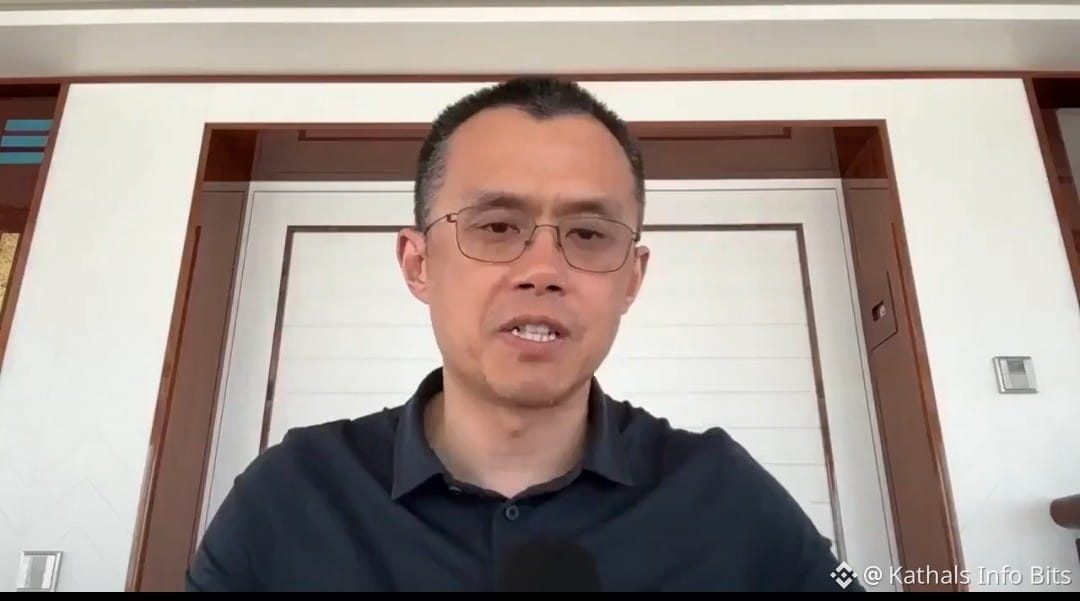
Binance founder @CZ highlighted that AI agents will execute high-frequency transactions using crypto as their native currency.
Because autonomous software cannot pass traditional banking KYC, micro-crypto payments offer the ideal solution for machine-to-machine economies. This shift will drive immense transaction volume across decentralized networks.
While major Layer 1s handle base liquidity, decentralized AI protocols and utility-driven #altcoins stand to capture significant network growth. Low-cap AI infrastructure tokens, compute marketplaces, and data verification protocols offer key upside potential as real-world adoption accelerates.
My approach remains focused on selective DCA into strong AI-sector altcoins during consolidation phases, ensuring positions are established before momentum builds.
💡 How are you positioning your portfolio for the upcoming AI-driven market cycle? Let's discuss in the comments!
Follow @KathalVahini for daily trading insights and market analysis.
$BNB $UNI $HYPE #Binance #Crypto #CoinVahini
#AIAgents 👉 Could Autonomous AI Drive the Next Crypto Bull Run? 🤖🚀
Binance founder @CZ highlighted that AI agents will execute high-frequency transactions using crypto as their native currency.
Because autonomous software cannot pass traditional banking KYC, micro-crypto payments offer the ideal solution for machine-to-machine economies. This shift will drive immense transaction volume across decentralized networks.
While major Layer 1s handle base liquidity, decentralized AI protocols and utility-driven #altcoins stand to capture significant network growth. Low-cap AI infrastructure tokens, compute marketplaces, and data verification protocols offer key upside potential as real-world adoption accelerates.
My approach remains focused on selective DCA into strong AI-sector altcoins during consolidation phases, ensuring positions are established before momentum builds.
💡 How are you positioning your portfolio for the upcoming AI-driven market cycle? Let's discuss in the comments!
Follow @Kathals Info Bits for daily trading insights and market analysis.
$BNB $UNI $HYPE #Binance #Crypto #CoinVahini
Binance founder @CZ highlighted that AI agents will execute high-frequency transactions using crypto as their native currency.
Because autonomous software cannot pass traditional banking KYC, micro-crypto payments offer the ideal solution for machine-to-machine economies. This shift will drive immense transaction volume across decentralized networks.
While major Layer 1s handle base liquidity, decentralized AI protocols and utility-driven #altcoins stand to capture significant network growth. Low-cap AI infrastructure tokens, compute marketplaces, and data verification protocols offer key upside potential as real-world adoption accelerates.
My approach remains focused on selective DCA into strong AI-sector altcoins during consolidation phases, ensuring positions are established before momentum builds.
💡 How are you positioning your portfolio for the upcoming AI-driven market cycle? Let's discuss in the comments!
Follow @Kathals Info Bits for daily trading insights and market analysis.
$BNB $UNI $HYPE #Binance #Crypto #CoinVahini
11
HTTP 402 "Payment Required" sat unused for decades. x402 gives it a job: a server answers 402 with a price, the client pays in USDC, and retries with proof.
SCDO x402 uses this flow so AI agents can buy compute and services per call. SCDO Agent Ledger keeps the record.
scdo.com.au
#x402 #AIAgents #Web3
HTTP 402 "Payment Required" sat unused for decades. x402 gives it a job: a server answers 402 with a price, the client pays in USDC, and retries with proof.
SCDO x402 uses this flow so AI agents can buy compute and services per call. SCDO Agent Ledger keeps the record.
scdo.com.au
#x402 #AIAgents #Web3
SCDO x402 uses this flow so AI agents can buy compute and services per call. SCDO Agent Ledger keeps the record.
scdo.com.au
#x402 #AIAgents #Web3
70
An AI agent should be able to pay another agent for one API call without an account, an invoice or a monthly plan.
SCDO x402 prices calls at 0.01 USDC on Base. The HTTP 402 response says what to pay, the agent pays, the call runs, and SCDO Agent Ledger records it.
scdo.com.au
#x402 #USDC #AIAgents #Base
An AI agent should be able to pay another agent for one API call without an account, an invoice or a monthly plan.
SCDO x402 prices calls at 0.01 USDC on Base. The HTTP 402 response says what to pay, the agent pays, the call runs, and SCDO Agent Ledger records it.
scdo.com.au
#x402 #USDC #AIAgents #Base
SCDO x402 prices calls at 0.01 USDC on Base. The HTTP 402 response says what to pay, the agent pays, the call runs, and SCDO Agent Ledger records it.
scdo.com.au
#x402 #USDC #AIAgents #Base
61

·
--
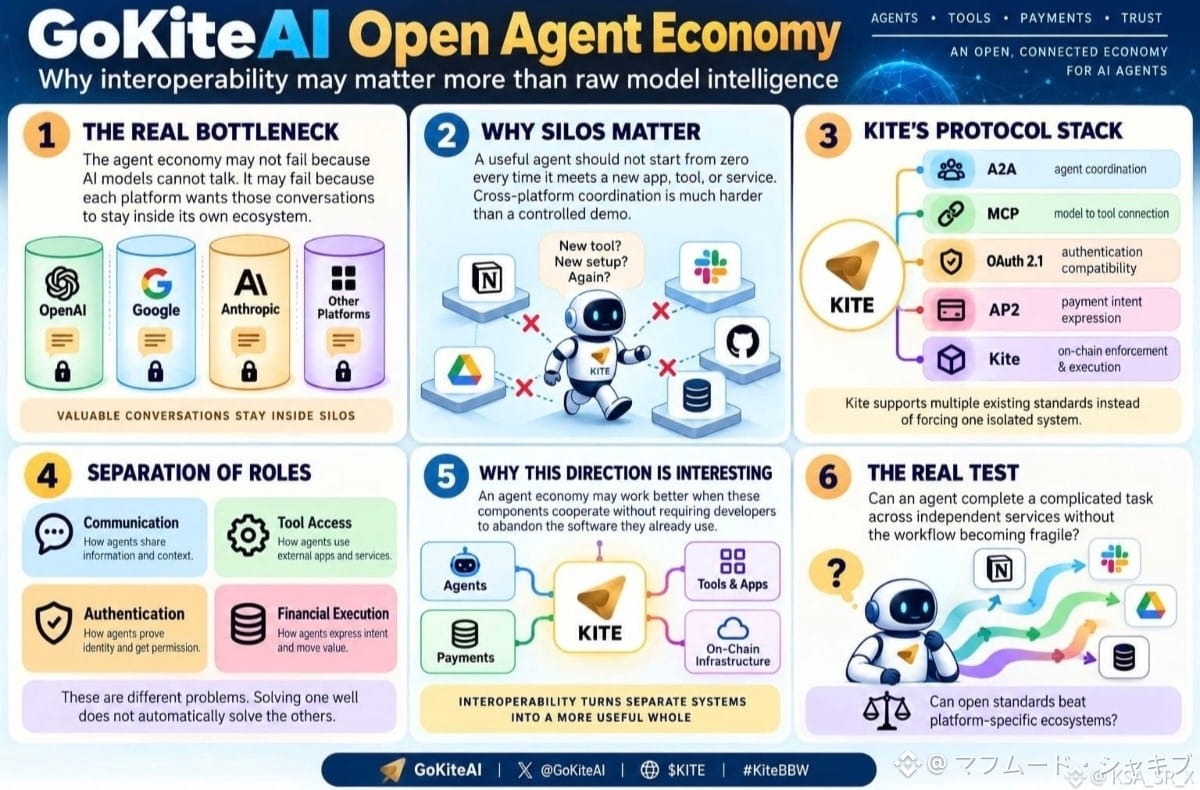
🚀O The Future of Al Agents Isn't Just About Intelligence It's About Freedom to Connect.
Al agents can already communicate. But can they truly work together across different platforms?
That's where the real challenge begins. 🌐
Most platforms are building their own closed ecosystems, making it difficult for
independent Al agents to interact, access tools, and execute transactions seamlessly.
💡This is what makes Kite ($KITE) interesting.
Instead of creating another isolated ecosystem, Kite focuses on connecting existing technologies:
🔹A2A- Agent-to-agent communication
🔹MCP- Connecting Al with external tools 🔹OAuth 2.1- Secure authentication
🔹AP2- Standardized agent payment
intents
🔹Kite Blockchain - Infrastructure for enforcing payment rules
🔥 The bigger vision?
An Al-powered economy where agents can communicate, collaborate, and transact across different services without being trapped inside a single platform.
But the real question isn't how many
protocols Kite supports.
It's whether those protocols can work together reliably in real-world applications.
protocols Kite supports.
It's whether those protocols can work together reliably in real-world applications. 💰The next breakthrough in Al may not be smarter agents- but agents that can work together freely.
🤔Will the future belong to open Al ecosystems or closed platforms? What do you think? @GoKiteAI
#KiteBBW #Aİ #AIAgents #Web3
🚀O The Future of Al Agents Isn't Just About Intelligence It's About Freedom to Connect.
Al agents can already communicate. But can they truly work together across different platforms?
That's where the real challenge begins. 🌐
Most platforms are building their own closed ecosystems, making it difficult for
independent Al agents to interact, access tools, and execute transactions seamlessly.
💡This is what makes Kite ($KITE) interesting.
Instead of creating another isolated ecosystem, Kite focuses on connecting existing technologies:
🔹A2A- Agent-to-agent communication
🔹MCP- Connecting Al with external tools 🔹OAuth 2.1- Secure authentication
🔹AP2- Standardized agent payment
intents
🔹Kite Blockchain - Infrastructure for enforcing payment rules
🔥 The bigger vision?
An Al-powered economy where agents can communicate, collaborate, and transact across different services without being trapped inside a single platform.
But the real question isn't how many
protocols Kite supports.
It's whether those protocols can work together reliably in real-world applications.
protocols Kite supports.
It's whether those protocols can work together reliably in real-world applications. 💰The next breakthrough in Al may not be smarter agents- but agents that can work together freely.
🤔Will the future belong to open Al ecosystems or closed platforms? What do you think? @KITE AI 中文
#KiteBBW #Aİ #AIAgents #Web3
Al agents can already communicate. But can they truly work together across different platforms?
That's where the real challenge begins. 🌐
Most platforms are building their own closed ecosystems, making it difficult for
independent Al agents to interact, access tools, and execute transactions seamlessly.
💡This is what makes Kite ($KITE) interesting.
Instead of creating another isolated ecosystem, Kite focuses on connecting existing technologies:
🔹A2A- Agent-to-agent communication
🔹MCP- Connecting Al with external tools 🔹OAuth 2.1- Secure authentication
🔹AP2- Standardized agent payment
intents
🔹Kite Blockchain - Infrastructure for enforcing payment rules
🔥 The bigger vision?
An Al-powered economy where agents can communicate, collaborate, and transact across different services without being trapped inside a single platform.
But the real question isn't how many
protocols Kite supports.
It's whether those protocols can work together reliably in real-world applications.
protocols Kite supports.
It's whether those protocols can work together reliably in real-world applications. 💰The next breakthrough in Al may not be smarter agents- but agents that can work together freely.
🤔Will the future belong to open Al ecosystems or closed platforms? What do you think? @KITE AI 中文
#KiteBBW #Aİ #AIAgents #Web3
Bandook:
yes
1
2
22
Log in to explore more content
Join global crypto users on Binance Square
⚡️ Get latest and useful information about crypto.
💬 Trusted by the world’s largest crypto exchange.
👍 Discover real insights from verified creators.
Email / Phone number
Trending Topics
1
#BinancePick
2.5M views
136,552 Discussing
2
#EarningsSeason
4.9M views
23,745 Discussing
3
#ElectrumWalletBugLetRogueServersStealFunds
724 views
73 Discussing
4
#ArgentineCourtDismissesLIBRACaseAgainstMilei
8,057 views
190 Discussing
5
#SKHynixReportedlyPlansSpecialDividendFromKioxiaStakeSale
1,918 views
27 Discussing
6
#KeystoneWebsiteBreachExposesBuyersShippingAddresses
897 views
15 Discussing
7
#USQ3GDPAndSeptemberPCEDueNextWeek
79,180 views
1,005 Discussing
8
#SouthKoreaDelaysCryptoIncomeTax
147,401 views
1,056 Discussing
9
#ElectrumFixesHighRiskExploitInVersionsBefore4.8.3
65,484 views
762 Discussing
10
#SouthKoreaPlansToRegulateStablecoinsUnderFXLaw
63,355 views
677 Discussing