

#hack
hack
1.1M views
1,036 Discussing
Hot
Latest

·
--
⚠️ COINDCX CONFIRMS A $16M LOSS DAYS AFTER CALLING IT A "FALSE ALARM"
The Indian exchange now admits it:
→ User deposits piled up in old wallets that were retired after its $44M hack in July 2025
→ An automated fund-sweeping system failed, and about $15.99M in USDT was drained from TRON deposit addresses
→ Losses from the two incidents now total nearly $60M
CoinDCX says it will cover the loss and that user funds are safe. Onchain investigator ZachXBT, who challenged the first denials, is urging customers to withdraw.
Lesson for every platform: "retired" wallets are still wallets. If keys were compromised once, they stay compromised.
How much of your crypto do you keep on exchanges right now? 👇
#CoinDCX #CryptoSecurity #Hack #CryptoNews
⚠️ COINDCX CONFIRMS A $16M LOSS DAYS AFTER CALLING IT A "FALSE ALARM"
The Indian exchange now admits it:
→ User deposits piled up in old wallets that were retired after its $44M hack in July 2025
→ An automated fund-sweeping system failed, and about $15.99M in USDT was drained from TRON deposit addresses
→ Losses from the two incidents now total nearly $60M
CoinDCX says it will cover the loss and that user funds are safe. Onchain investigator ZachXBT, who challenged the first denials, is urging customers to withdraw.
Lesson for every platform: "retired" wallets are still wallets. If keys were compromised once, they stay compromised.
How much of your crypto do you keep on exchanges right now? 👇
#CoinDCX #CryptoSecurity #Hack #CryptoNews
The Indian exchange now admits it:
→ User deposits piled up in old wallets that were retired after its $44M hack in July 2025
→ An automated fund-sweeping system failed, and about $15.99M in USDT was drained from TRON deposit addresses
→ Losses from the two incidents now total nearly $60M
CoinDCX says it will cover the loss and that user funds are safe. Onchain investigator ZachXBT, who challenged the first denials, is urging customers to withdraw.
Lesson for every platform: "retired" wallets are still wallets. If keys were compromised once, they stay compromised.
How much of your crypto do you keep on exchanges right now? 👇
#CoinDCX #CryptoSecurity #Hack #CryptoNews

1
80

🚨 REKT: CoinDCX now confirms a $15.99M loss from old wallets it said were retired after last year's hack.
#Crypto #Hack
🚨 REKT: CoinDCX now confirms a $15.99M loss from old wallets it said were retired after last year's hack.
#Crypto #Hack
#Crypto #Hack

1
69
🚨Chamath Palihapitiya believes Bitcoin will get hacked and go to ZERO.
Chamath says if AI is aimed at crypto, the obvious target would be "Satoshi's wallet," to "drain the wallet and then go short."
What's your take?
#Bitcoin $BTC #Hack
🚨Chamath Palihapitiya believes Bitcoin will get hacked and go to ZERO.
Chamath says if AI is aimed at crypto, the obvious target would be "Satoshi's wallet," to "drain the wallet and then go short."
What's your take?
#Bitcoin $BTC #Hack
Chamath says if AI is aimed at crypto, the obvious target would be "Satoshi's wallet," to "drain the wallet and then go short."
What's your take?
#Bitcoin $BTC #Hack
181
🚨CrowdStrike CEO urges fast patching after AI proved the PHP flaws can be exploited, putting tens of millions of servers at risk.
George Kurtz says exploiting the almost 20-year-old flaws was only "theoretical" until AI proved it could be done.
That has forced everyone into a
#Crypto #Hack
🚨CrowdStrike CEO urges fast patching after AI proved the PHP flaws can be exploited, putting tens of millions of servers at risk.
George Kurtz says exploiting the almost 20-year-old flaws was only "theoretical" until AI proved it could be done.
That has forced everyone into a
#Crypto #Hack
George Kurtz says exploiting the almost 20-year-old flaws was only "theoretical" until AI proved it could be done.
That has forced everyone into a
#Crypto #Hack
1
84

Initia just hit the kill switch.
The modular L1 halted its entire network and rollups at 15:41 UTC after an attacker exploited what co-founder Zon calls a "Day 0" bug in its MoveVM implementation — minting tokens out of thin air, then swapping the unbacked stablecoins into ETH through 1inch and 0x.
The numbers: security researcher Spreek's initial estimate put the cash-out at ~$2.6M; Zon says ~$2.7M in AUSD, ETH and USDC got bridged out before the chain was paused. D2 Finance traced the first move to a transaction at 14:59:26 UTC that created 2 million unbacked AUSD — and 153 seconds later, a LayerZero message released 1.4M of it from an adapter on Ethereum. The trail consolidates to roughly 1,135 ETH in a fresh wallet.
INIT fell 14% on the news, then whipsawed back to +14% on the day. Upbit and Bithumb have now suspended INIT deposits and withdrawals and issued an investment warning.
Audited code, serious backing — and a mint bug still shipped. Before you trust a bridge's TVL numbers, what do you actually check?
#CryptoNews #DeFi #Initia #Hack
Initia just hit the kill switch.
The modular L1 halted its entire network and rollups at 15:41 UTC after an attacker exploited what co-founder Zon calls a "Day 0" bug in its MoveVM implementation — minting tokens out of thin air, then swapping the unbacked stablecoins into ETH through 1inch and 0x.
The numbers: security researcher Spreek's initial estimate put the cash-out at ~$2.6M; Zon says ~$2.7M in AUSD, ETH and USDC got bridged out before the chain was paused. D2 Finance traced the first move to a transaction at 14:59:26 UTC that created 2 million unbacked AUSD — and 153 seconds later, a LayerZero message released 1.4M of it from an adapter on Ethereum. The trail consolidates to roughly 1,135 ETH in a fresh wallet.
INIT fell 14% on the news, then whipsawed back to +14% on the day. Upbit and Bithumb have now suspended INIT deposits and withdrawals and issued an investment warning.
Audited code, serious backing — and a mint bug still shipped. Before you trust a bridge's TVL numbers, what do you actually check?
#CryptoNews #DeFi #Initia #Hack
The modular L1 halted its entire network and rollups at 15:41 UTC after an attacker exploited what co-founder Zon calls a "Day 0" bug in its MoveVM implementation — minting tokens out of thin air, then swapping the unbacked stablecoins into ETH through 1inch and 0x.
The numbers: security researcher Spreek's initial estimate put the cash-out at ~$2.6M; Zon says ~$2.7M in AUSD, ETH and USDC got bridged out before the chain was paused. D2 Finance traced the first move to a transaction at 14:59:26 UTC that created 2 million unbacked AUSD — and 153 seconds later, a LayerZero message released 1.4M of it from an adapter on Ethereum. The trail consolidates to roughly 1,135 ETH in a fresh wallet.
INIT fell 14% on the news, then whipsawed back to +14% on the day. Upbit and Bithumb have now suspended INIT deposits and withdrawals and issued an investment warning.
Audited code, serious backing — and a mint bug still shipped. Before you trust a bridge's TVL numbers, what do you actually check?
#CryptoNews #DeFi #Initia #Hack
2
#CertiKInsight 🚨
We have seen a ~$820K exploit.
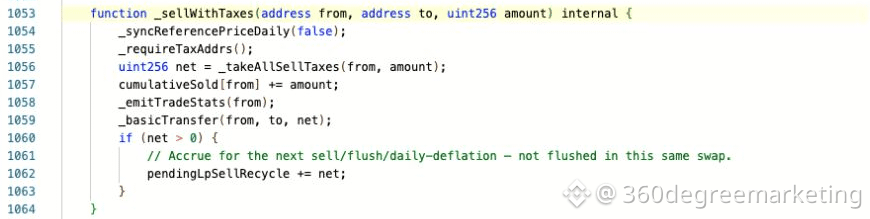
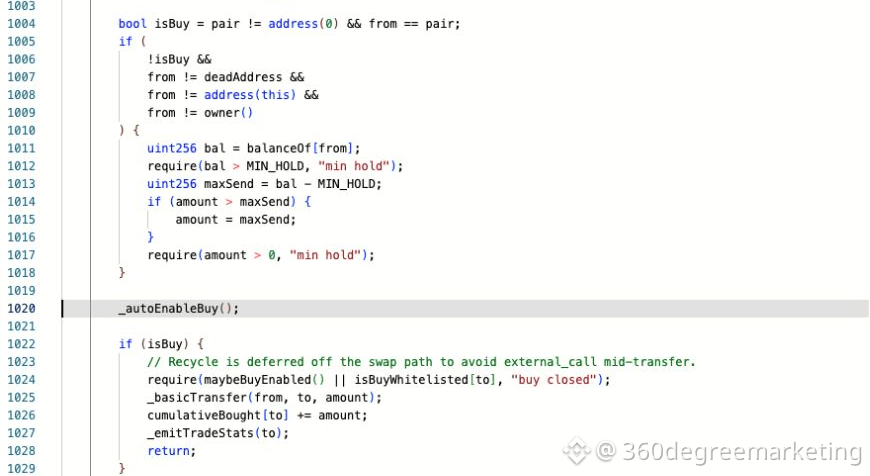
$NEM 'pendingLpSellRecycle' created when tokens enter pool, remained after they left, allowing existing NEM reserve be burned and manipulated.
CertiK Report Security Dashboard 👇
#Crypto #Hack
#CertiKInsight 🚨
We have seen a ~$820K exploit.
$NEM 'pendingLpSellRecycle' created when tokens enter pool, remained after they left, allowing existing NEM reserve be burned and manipulated.
CertiK Report Security Dashboard 👇
#Crypto #Hack
We have seen a ~$820K exploit.
$NEM 'pendingLpSellRecycle' created when tokens enter pool, remained after they left, allowing existing NEM reserve be burned and manipulated.
CertiK Report Security Dashboard 👇
#Crypto #Hack
6
ZachXBT just linked North Korea-linked SquidSquad to $2.84 million stolen from an unnamed institutional wallet on BNB Chain on October 8.
The onchain trail is fresh: on October 20 the attacker pushed 1,111.2 $ETH through Tornado Cash, split it across three Ethereum addresses, then bridged to Tron via USDT0 and consolidated into two wallets. Both Tron wallets have exposure to addresses previously tied to North Korean operations. Minutes later the funds landed at addresses attributed to Chinese OTC dealers — ZachXBT reads that as a rush to cash out before Tether could freeze anything.
The attribution is onchain-only and unconfirmed; the victim is unnamed; the compromise method unknown. And there's context: the same day, wallets tied to the Drift exploit moved $61.6M through Tornado Cash — a different case, same laundering treadmill.
North Korean crews remain this industry's persistent tax. But here's the trader's question: does any of this actually move markets, or is mixer traffic now just background noise? NFA/DYOR.
#CryptoNews #Hack #NorthKorea #ZachXBT
ZachXBT just linked North Korea-linked SquidSquad to $2.84 million stolen from an unnamed institutional wallet on BNB Chain on October 8.
The onchain trail is fresh: on October 20 the attacker pushed 1,111.2 $ETH through Tornado Cash, split it across three Ethereum addresses, then bridged to Tron via USDT0 and consolidated into two wallets. Both Tron wallets have exposure to addresses previously tied to North Korean operations. Minutes later the funds landed at addresses attributed to Chinese OTC dealers — ZachXBT reads that as a rush to cash out before Tether could freeze anything.
The attribution is onchain-only and unconfirmed; the victim is unnamed; the compromise method unknown. And there's context: the same day, wallets tied to the Drift exploit moved $61.6M through Tornado Cash — a different case, same laundering treadmill.
North Korean crews remain this industry's persistent tax. But here's the trader's question: does any of this actually move markets, or is mixer traffic now just background noise? NFA/DYOR.
#CryptoNews #Hack #NorthKorea #ZachXBT
The onchain trail is fresh: on October 20 the attacker pushed 1,111.2 $ETH through Tornado Cash, split it across three Ethereum addresses, then bridged to Tron via USDT0 and consolidated into two wallets. Both Tron wallets have exposure to addresses previously tied to North Korean operations. Minutes later the funds landed at addresses attributed to Chinese OTC dealers — ZachXBT reads that as a rush to cash out before Tether could freeze anything.
The attribution is onchain-only and unconfirmed; the victim is unnamed; the compromise method unknown. And there's context: the same day, wallets tied to the Drift exploit moved $61.6M through Tornado Cash — a different case, same laundering treadmill.
North Korean crews remain this industry's persistent tax. But here's the trader's question: does any of this actually move markets, or is mixer traffic now just background noise? NFA/DYOR.
#CryptoNews #Hack #NorthKorea #ZachXBT
5


·
--
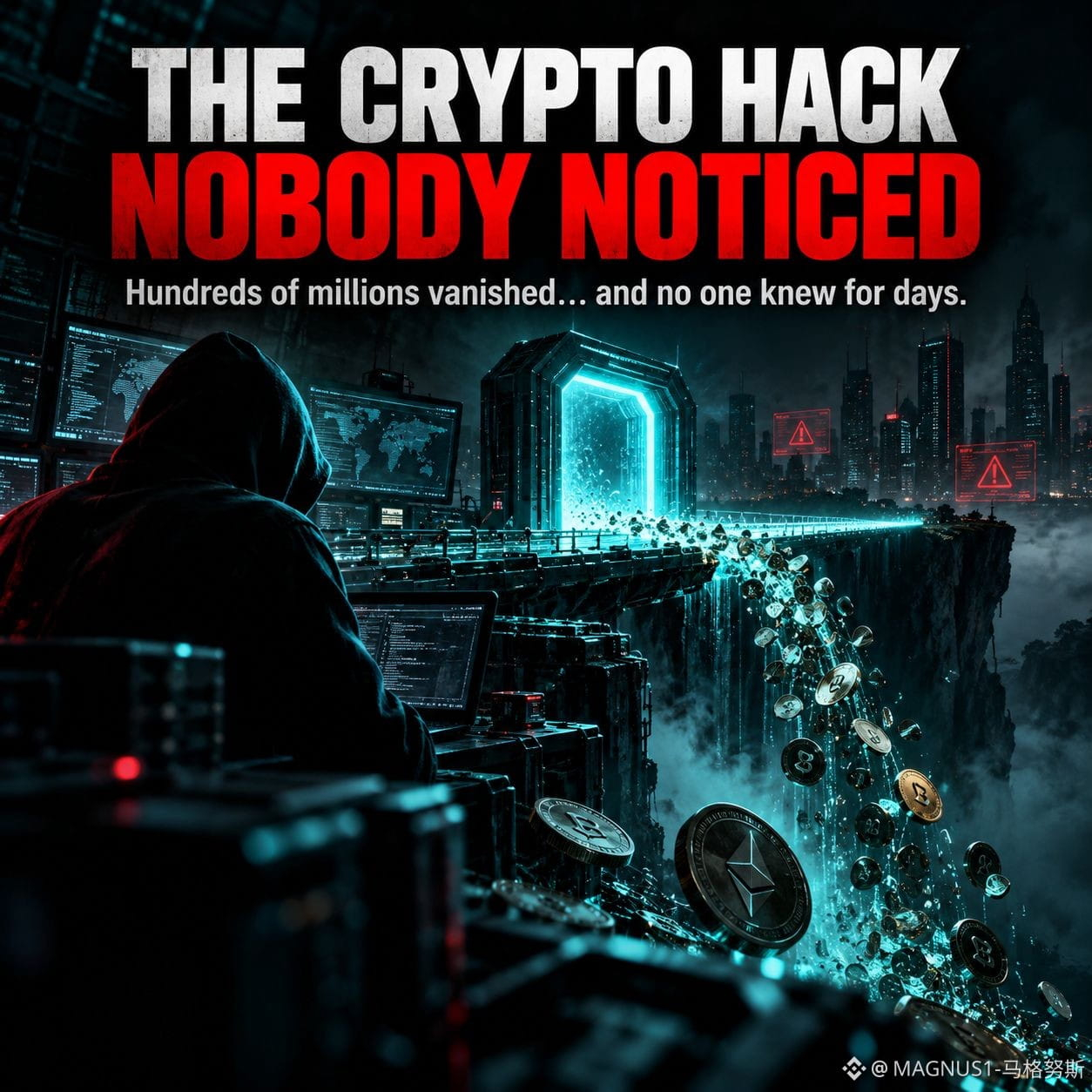
Imagine stealing more than half a billion dollars…
and nobody notices.
Not for minutes.
Not for hours.
For DAYS.
This actually happened in crypto.
And the story gets worse.
March 2022.
Axie Infinity was one of the biggest names in blockchain gaming.
Millions of users.
Billions of dollars had moved through its ecosystem.
Behind it was a blockchain called Ronin.
And Ronin had a bridge.
A bridge is basically a doorway that allows crypto to move from one blockchain to another.
That doorway was protecting an enormous amount of money.
Then someone found the keys.
The attacker managed to gain control over enough validator keys to authorize withdrawals.
Then they made two transactions.
No dramatic warning.
No flashing red screen.
No exchange immediately freezing everything.
Just two transactions.
And then…
173,600 ETH disappeared.
Along with 25.5 MILLION USDC.
The attacker walked away with crypto worth hundreds of millions of dollars.
But here's the part that sounds almost impossible.
The team didn't immediately discover the hack.
The money was already gone.
The blockchain had recorded everything.
The transactions were sitting there publicly.
Yet the breach remained unnoticed until a user tried to withdraw 5,000 $ETH from the bridge…
and couldn't.
That failed withdrawal helped expose what had happened.
Think about that.
One of the largest crypto hacks in history wasn't discovered because some sophisticated security system sounded an alarm.
It was discovered because someone wanted their money.
The bridge was shut down.
Investigators moved in.
The FBI later attributed the attack to North Korea's Lazarus Group.
But the most disturbing part of the story wasn't just the amount stolen.
It was how quietly it happened.
Hundreds of millions of dollars.
Gone.
While everyone else carried on as normal.
And that is one of the strangest things about blockchain:
Every transaction can be visible…
yet the danger can still be hiding in plain sight.
#Hack #ETH
Imagine stealing more than half a billion dollars…
and nobody notices.
Not for minutes.
Not for hours.
For DAYS.
This actually happened in crypto.
And the story gets worse.
March 2022.
Axie Infinity was one of the biggest names in blockchain gaming.
Millions of users.
Billions of dollars had moved through its ecosystem.
Behind it was a blockchain called Ronin.
And Ronin had a bridge.
A bridge is basically a doorway that allows crypto to move from one blockchain to another.
That doorway was protecting an enormous amount of money.
Then someone found the keys.
The attacker managed to gain control over enough validator keys to authorize withdrawals.
Then they made two transactions.
No dramatic warning.
No flashing red screen.
No exchange immediately freezing everything.
Just two transactions.
And then…
173,600 ETH disappeared.
Along with 25.5 MILLION USDC.
The attacker walked away with crypto worth hundreds of millions of dollars.
But here's the part that sounds almost impossible.
The team didn't immediately discover the hack.
The money was already gone.
The blockchain had recorded everything.
The transactions were sitting there publicly.
Yet the breach remained unnoticed until a user tried to withdraw 5,000 $ETH from the bridge…
and couldn't.
That failed withdrawal helped expose what had happened.
Think about that.
One of the largest crypto hacks in history wasn't discovered because some sophisticated security system sounded an alarm.
It was discovered because someone wanted their money.
The bridge was shut down.
Investigators moved in.
The FBI later attributed the attack to North Korea's Lazarus Group.
But the most disturbing part of the story wasn't just the amount stolen.
It was how quietly it happened.
Hundreds of millions of dollars.
Gone.
While everyone else carried on as normal.
And that is one of the strangest things about blockchain:
Every transaction can be visible…
yet the danger can still be hiding in plain sight.
#Hack #ETH
and nobody notices.
Not for minutes.
Not for hours.
For DAYS.
This actually happened in crypto.
And the story gets worse.
March 2022.
Axie Infinity was one of the biggest names in blockchain gaming.
Millions of users.
Billions of dollars had moved through its ecosystem.
Behind it was a blockchain called Ronin.
And Ronin had a bridge.
A bridge is basically a doorway that allows crypto to move from one blockchain to another.
That doorway was protecting an enormous amount of money.
Then someone found the keys.
The attacker managed to gain control over enough validator keys to authorize withdrawals.
Then they made two transactions.
No dramatic warning.
No flashing red screen.
No exchange immediately freezing everything.
Just two transactions.
And then…
173,600 ETH disappeared.
Along with 25.5 MILLION USDC.
The attacker walked away with crypto worth hundreds of millions of dollars.
But here's the part that sounds almost impossible.
The team didn't immediately discover the hack.
The money was already gone.
The blockchain had recorded everything.
The transactions were sitting there publicly.
Yet the breach remained unnoticed until a user tried to withdraw 5,000 $ETH from the bridge…
and couldn't.
That failed withdrawal helped expose what had happened.
Think about that.
One of the largest crypto hacks in history wasn't discovered because some sophisticated security system sounded an alarm.
It was discovered because someone wanted their money.
The bridge was shut down.
Investigators moved in.
The FBI later attributed the attack to North Korea's Lazarus Group.
But the most disturbing part of the story wasn't just the amount stolen.
It was how quietly it happened.
Hundreds of millions of dollars.
Gone.
While everyone else carried on as normal.
And that is one of the strangest things about blockchain:
Every transaction can be visible…
yet the danger can still be hiding in plain sight.
#Hack #ETH
149

Article
CRYPTO DRAINERS: HOW THEY CAN EMPTY A WALLET FROM A WEBSITE$BTC $ETH $USDC
Someone goes to claim $200 in cryptocurrency they earned. Minutes later, they discover that the $3,000 they had saved has disappeared...
They didn't download a virus. They didn't share their password. They didn't reveal their 12 recovery words, either.
What happened was different: they ended up granting permission that allowed a third party to transfer their assets.
This type of scam is known as a Wallet Drainer and combines social engineering, fraudulent websites, and legitimate smart contract functions.
CRYPTO DRAINERS: HOW THEY CAN EMPTY A WALLET FROM A WEBSITE
$BTC $ETH $USDC
Someone goes to claim $200 in cryptocurrency they earned. Minutes later, they discover that the $3,000 they had saved has disappeared...
They didn't download a virus. They didn't share their password. They didn't reveal their 12 recovery words, either.
What happened was different: they ended up granting permission that allowed a third party to transfer their assets.
This type of scam is known as a Wallet Drainer and combines social engineering, fraudulent websites, and legitimate smart contract functions.
Someone goes to claim $200 in cryptocurrency they earned. Minutes later, they discover that the $3,000 they had saved has disappeared...
They didn't download a virus. They didn't share their password. They didn't reveal their 12 recovery words, either.
What happened was different: they ended up granting permission that allowed a third party to transfer their assets.
This type of scam is known as a Wallet Drainer and combines social engineering, fraudulent websites, and legitimate smart contract functions.
1
120

·
--
$META HACK: PRIVATE SOURCE CODE EXPOSED
Hackers reportedly accessed Meta’s private GitHub repositories using stolen employee credentials, compromising software code and personal information linked to around 1,500 people, mostly Meta employees in the US.
🔹 Around 99% of the stolen data was business-related, mainly software code.
🔹 The remaining 1% contained personal information.
🔹 Sensitive data was reportedly stored in repositories against Meta’s internal security policy.
Meta says it has blocked the unauthorized access, contacted law enforcement, and is offering affected individuals credit and dark web monitoring services.
The biggest concern Even major tech companies can face serious security risks when employee credentials are compromised
Source: SecurityWeek
#meta
#Hack
#CPIWatch
$META HACK: PRIVATE SOURCE CODE EXPOSED
Hackers reportedly accessed Meta’s private GitHub repositories using stolen employee credentials, compromising software code and personal information linked to around 1,500 people, mostly Meta employees in the US.
🔹 Around 99% of the stolen data was business-related, mainly software code.
🔹 The remaining 1% contained personal information.
🔹 Sensitive data was reportedly stored in repositories against Meta’s internal security policy.
Meta says it has blocked the unauthorized access, contacted law enforcement, and is offering affected individuals credit and dark web monitoring services.
The biggest concern Even major tech companies can face serious security risks when employee credentials are compromised
Source: SecurityWeek
#meta
#Hack
#CPIWatch
Hackers reportedly accessed Meta’s private GitHub repositories using stolen employee credentials, compromising software code and personal information linked to around 1,500 people, mostly Meta employees in the US.
🔹 Around 99% of the stolen data was business-related, mainly software code.
🔹 The remaining 1% contained personal information.
🔹 Sensitive data was reportedly stored in repositories against Meta’s internal security policy.
Meta says it has blocked the unauthorized access, contacted law enforcement, and is offering affected individuals credit and dark web monitoring services.
The biggest concern Even major tech companies can face serious security risks when employee credentials are compromised
Source: SecurityWeek
#meta
#Hack
#CPIWatch

12
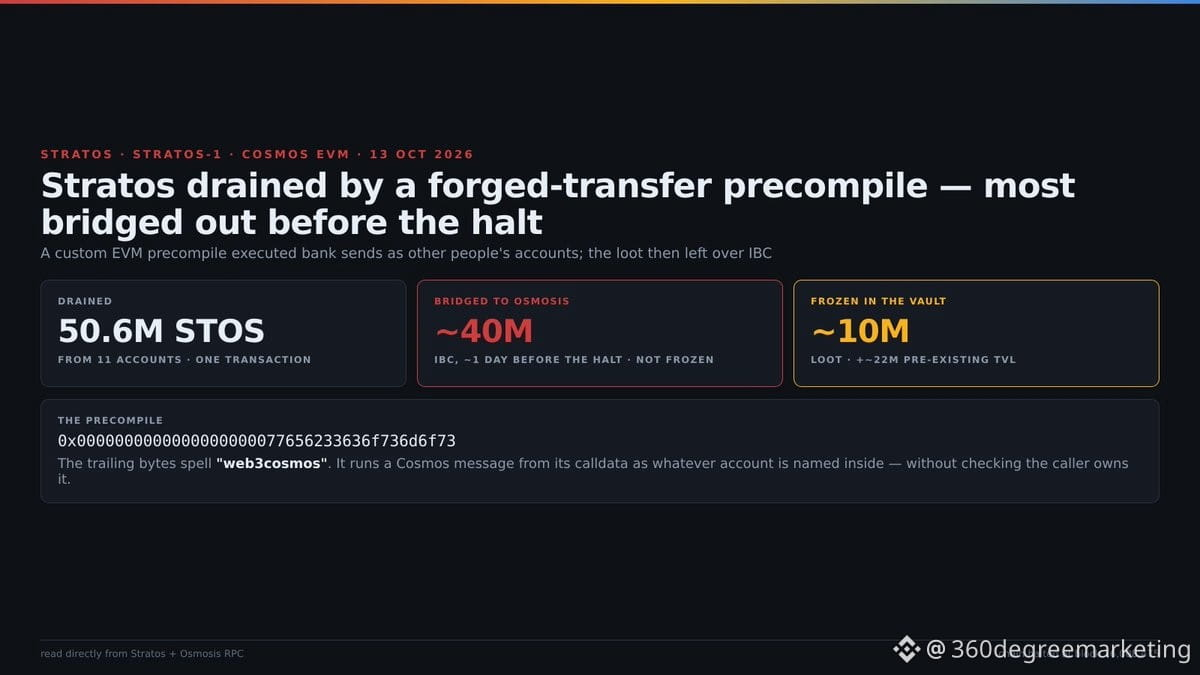
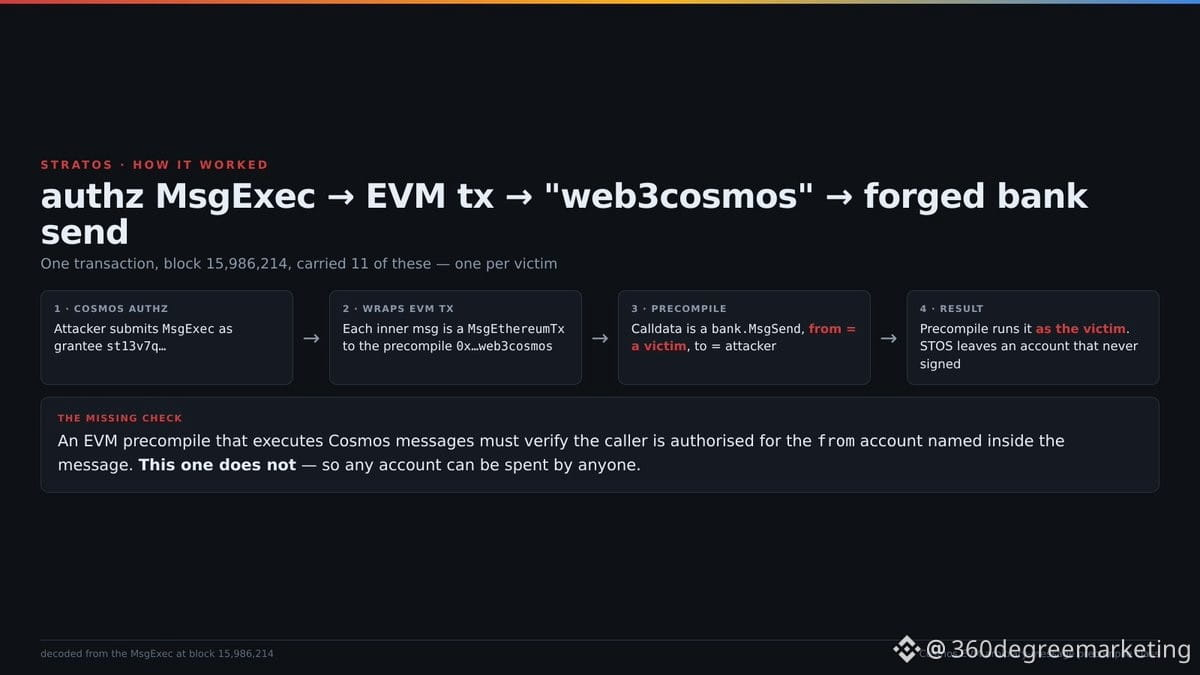
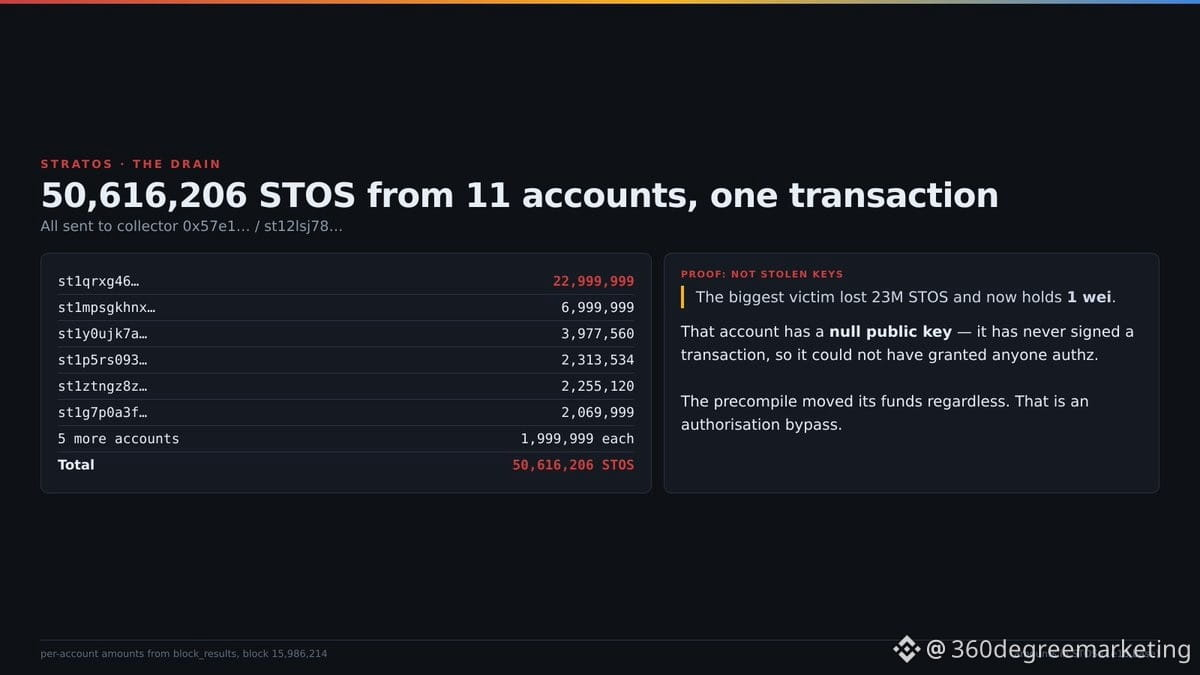
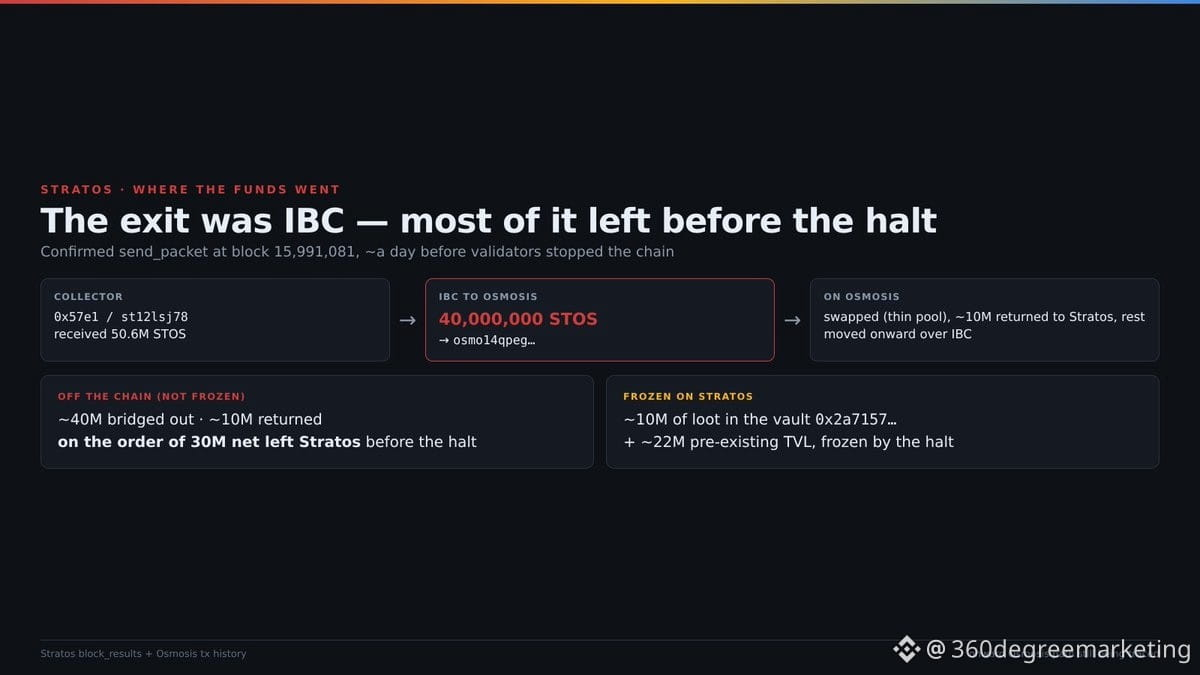
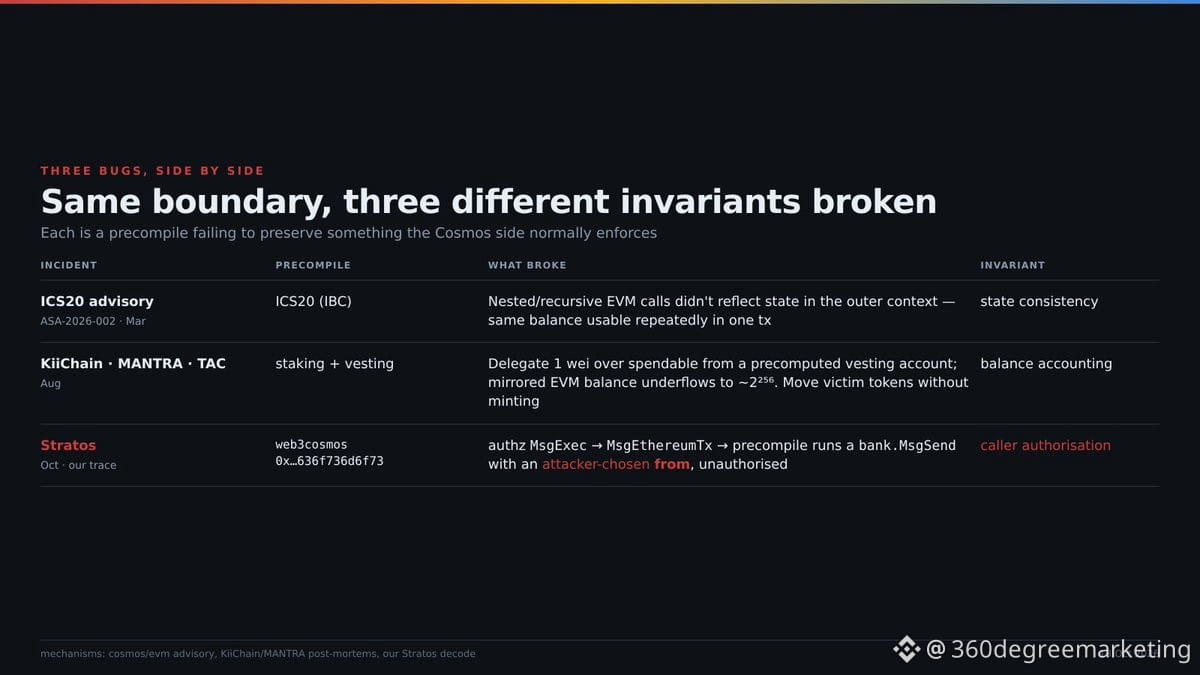
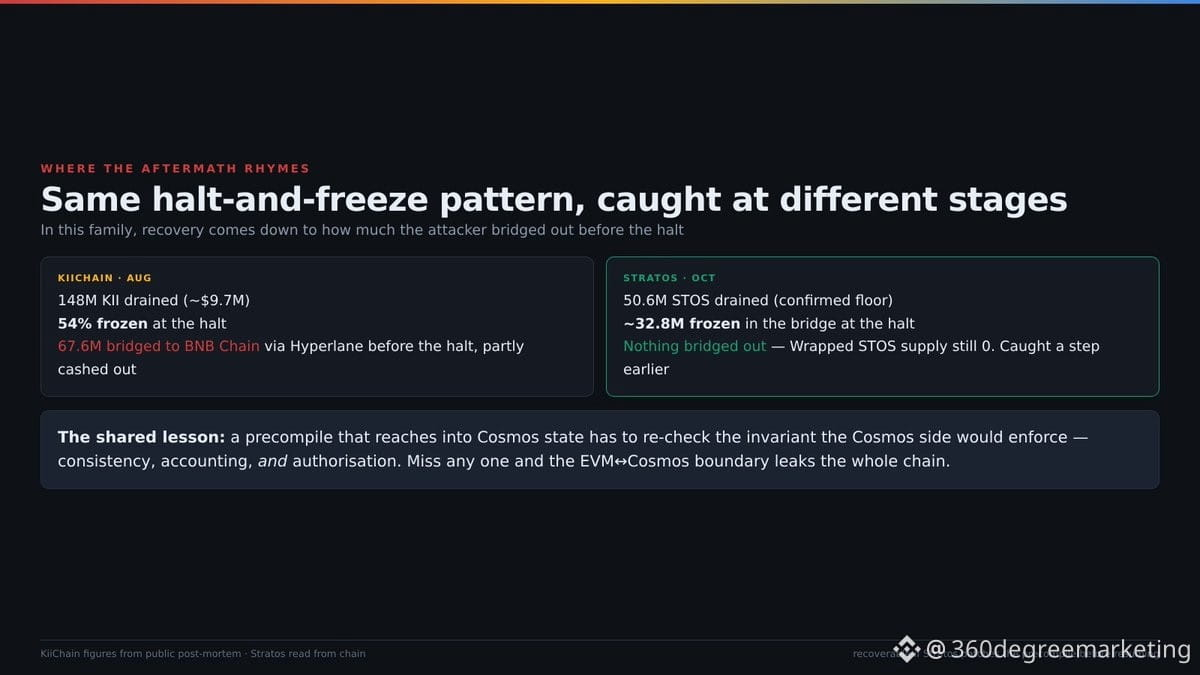
Stratos (stratos-1), a Cosmos EVM chain, was exploited and its validators halted the chain. Here is what happened and where the funds went, read directly from the chain.
The chain is frozen at block 16,008,475, last block 05:21 UTC.
The bug is a custom EVM precompile at
#Crypto #Hack
Stratos (stratos-1), a Cosmos EVM chain, was exploited and its validators halted the chain. Here is what happened and where the funds went, read directly from the chain.
The chain is frozen at block 16,008,475, last block 05:21 UTC.
The bug is a custom EVM precompile at
#Crypto #Hack
The chain is frozen at block 16,008,475, last block 05:21 UTC.
The bug is a custom EVM precompile at
#Crypto #Hack
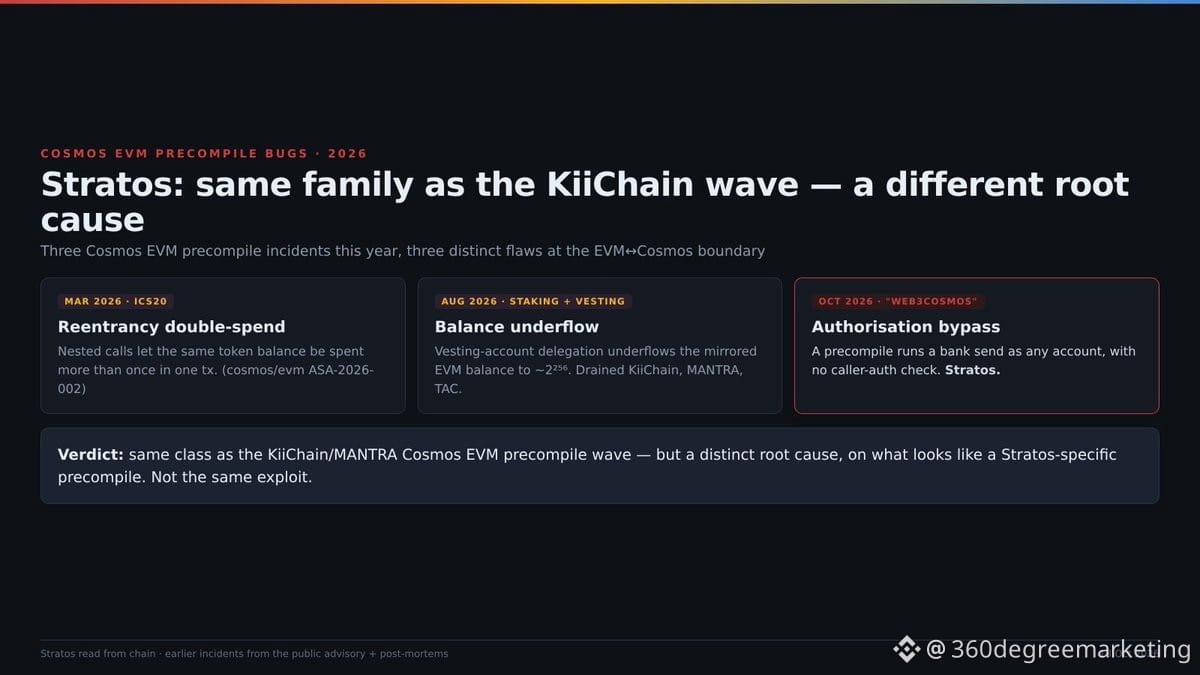
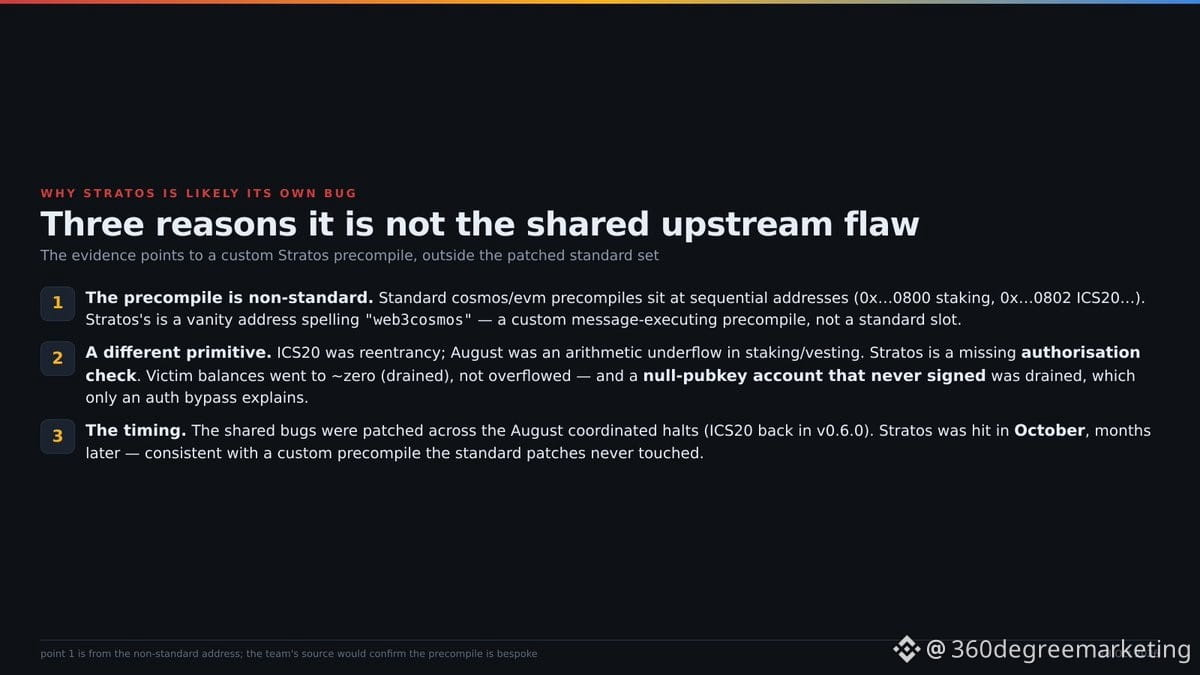
Is the Stratos exploit the same bug that drained KiiChain, MANTRA and TAC earlier this year?
Same family. Different root cause. The distinction matters, so here it is.
All of these are Cosmos EVM "precompile boundary" bugs — the layer that lets EVM contracts call into Cosmos
#Crypto #Hack
Is the Stratos exploit the same bug that drained KiiChain, MANTRA and TAC earlier this year?
Same family. Different root cause. The distinction matters, so here it is.
All of these are Cosmos EVM "precompile boundary" bugs — the layer that lets EVM contracts call into Cosmos
#Crypto #Hack
Same family. Different root cause. The distinction matters, so here it is.
All of these are Cosmos EVM "precompile boundary" bugs — the layer that lets EVM contracts call into Cosmos
#Crypto #Hack
1
1.7k

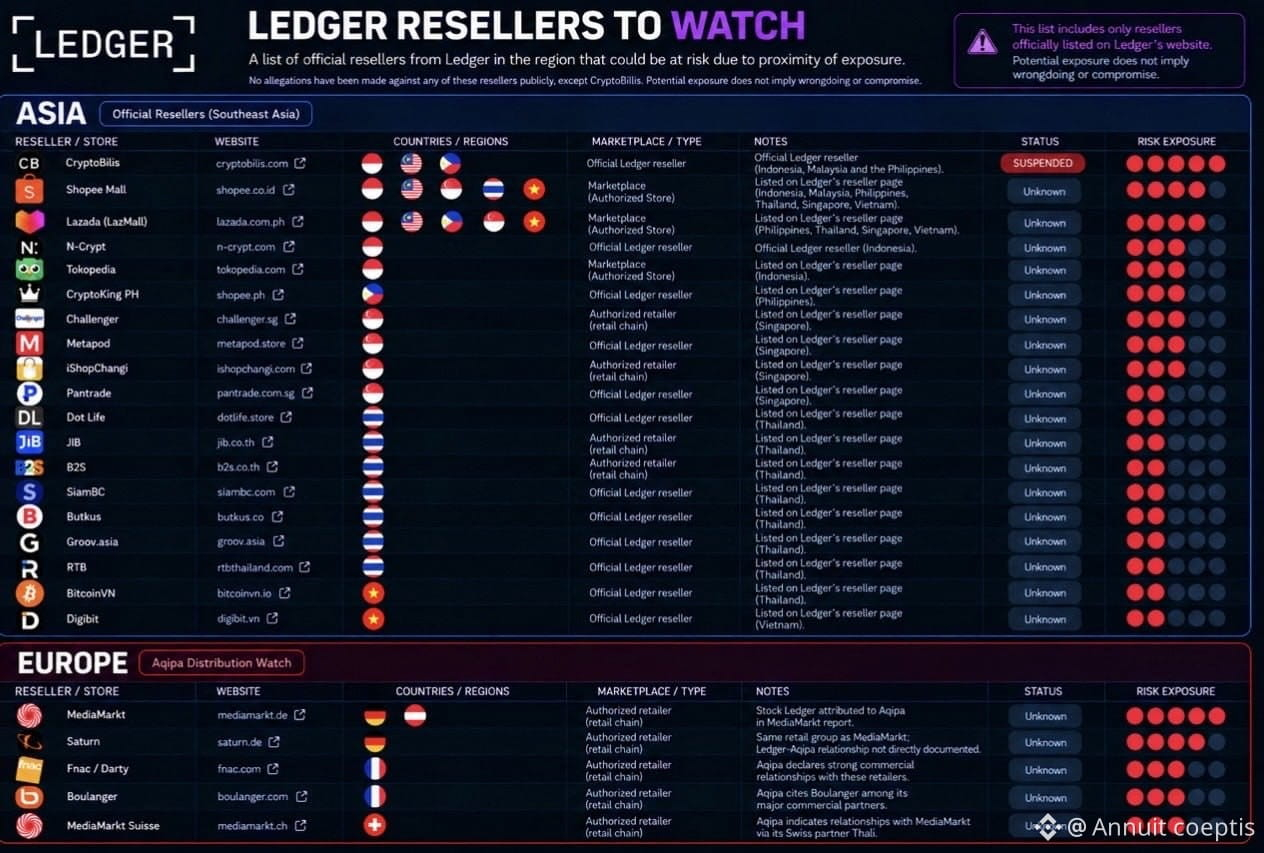
⚠️✴️#hack #wallets #RBNZPausesDigitalCashDevelopment Compromised Ledger wallets are flooding the world. Analysts have already compiled a list of stores in Asia and Europe that may have sold such wallets.
⚠️✴️#hack #wallets #RBNZPausesDigitalCashDevelopment Compromised Ledger wallets are flooding the world. Analysts have already compiled a list of stores in Asia and Europe that may have sold such wallets.
30

·
--
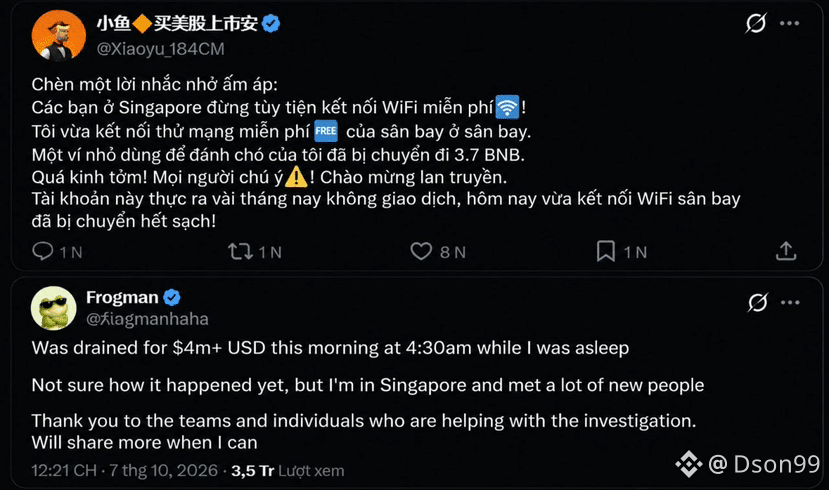
🚨Reports have emerged of 2,3 cases of people allegedly being hacked and losing crypto while attending Token 2049 in Sing...
Anyone on the ground, can you check if this is accurate?
$BTC $DOS $COLLECT
#token2049 #Hack
{future}(COLLECTUSDT)
{future}(DOSUSDT)
{future}(BTCUSDT)
🚨Reports have emerged of 2,3 cases of people allegedly being hacked and losing crypto while attending Token 2049 in Sing...
Anyone on the ground, can you check if this is accurate?
$BTC $DOS $COLLECT
#token2049 #Hack
Anyone on the ground, can you check if this is accurate?
$BTC $DOS $COLLECT
#token2049 #Hack
4
758
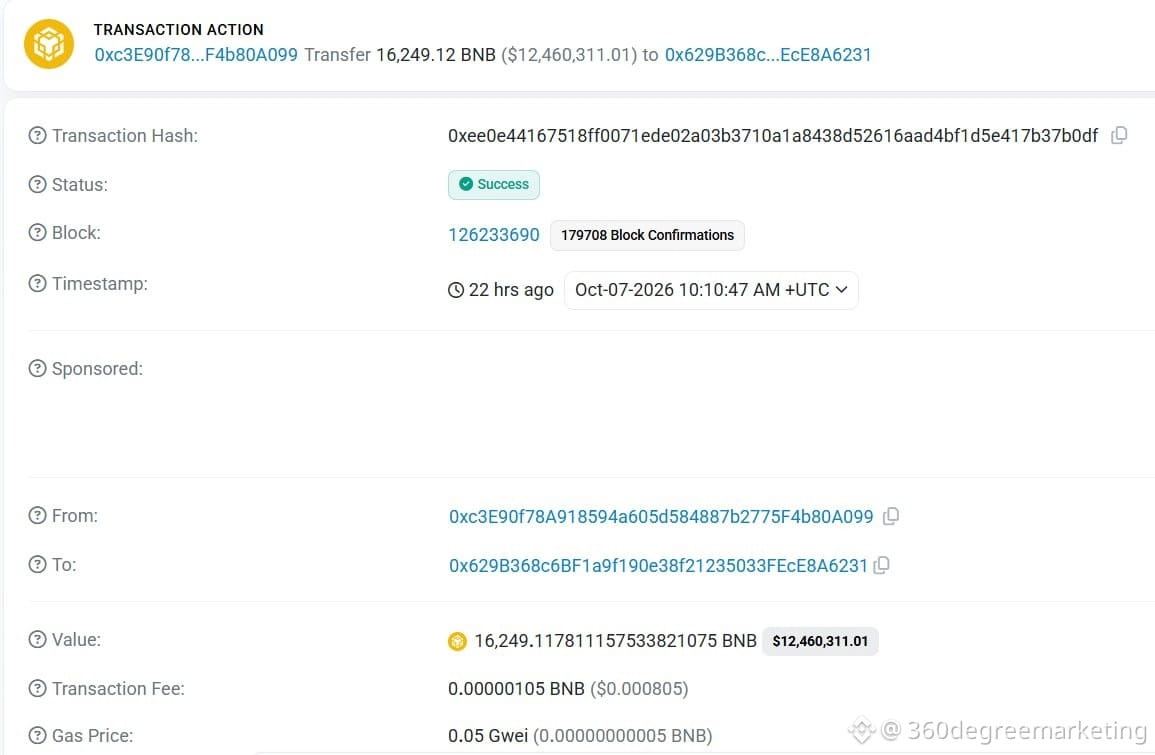
🚨 ALERT: CertiK flags a suspected 79Vault exploit moving $12.5M in BNB via a privileged function.
#BNB $BNB #Hack
🚨 ALERT: CertiK flags a suspected 79Vault exploit moving $12.5M in BNB via a privileged function.
#BNB $BNB #Hack
#BNB $BNB #Hack
21

·
--
🚨 BLINK RELEASES FULL HACK POST-MORTEM + 3.3 $BTC BOUNTY
Blink has published its full post-mortem on the September 19 attack, where 6.61 BTC was stolen from 24 customer accounts.
According to Blink, the vulnerability had been around since October 2023. It could allow anyone with a free account to gain support-level access, take control of customer accounts, and increase withdrawal limits.
The attacker also accessed data from 3,817 accounts, including some phone numbers and email addresses. However, Blink says names, IDs, addresses, passwords, and seed phrases were not exposed.
One important detail: none of the 24 affected accounts had 2FA enabled. The attacker tried 18 withdrawals from nine 2FA-protected accounts and failed every time.
Blink says all affected customers have now been fully reimbursed by its shareholders.
Around 5 BTC of the stolen funds has since moved through a cross-chain swap service.
Blink is now offering a recovery bounty of up to 3.3 BTC — 50% of recovered funds will be shared with anyone who provides information that helps recover the stolen BTC, while the other half will go toward Bitcoin circular economies.
#btcnews #CryptoNews #Hack #Alert🔴
🚨 BLINK RELEASES FULL HACK POST-MORTEM + 3.3 $BTC BOUNTY
Blink has published its full post-mortem on the September 19 attack, where 6.61 BTC was stolen from 24 customer accounts.
According to Blink, the vulnerability had been around since October 2023. It could allow anyone with a free account to gain support-level access, take control of customer accounts, and increase withdrawal limits.
The attacker also accessed data from 3,817 accounts, including some phone numbers and email addresses. However, Blink says names, IDs, addresses, passwords, and seed phrases were not exposed.
One important detail: none of the 24 affected accounts had 2FA enabled. The attacker tried 18 withdrawals from nine 2FA-protected accounts and failed every time.
Blink says all affected customers have now been fully reimbursed by its shareholders.
Around 5 BTC of the stolen funds has since moved through a cross-chain swap service.
Blink is now offering a recovery bounty of up to 3.3 BTC — 50% of recovered funds will be shared with anyone who provides information that helps recover the stolen BTC, while the other half will go toward Bitcoin circular economies.
#btcnews #CryptoNews #Hack #Alert🔴
Blink has published its full post-mortem on the September 19 attack, where 6.61 BTC was stolen from 24 customer accounts.
According to Blink, the vulnerability had been around since October 2023. It could allow anyone with a free account to gain support-level access, take control of customer accounts, and increase withdrawal limits.
The attacker also accessed data from 3,817 accounts, including some phone numbers and email addresses. However, Blink says names, IDs, addresses, passwords, and seed phrases were not exposed.
One important detail: none of the 24 affected accounts had 2FA enabled. The attacker tried 18 withdrawals from nine 2FA-protected accounts and failed every time.
Blink says all affected customers have now been fully reimbursed by its shareholders.
Around 5 BTC of the stolen funds has since moved through a cross-chain swap service.
Blink is now offering a recovery bounty of up to 3.3 BTC — 50% of recovered funds will be shared with anyone who provides information that helps recover the stolen BTC, while the other half will go toward Bitcoin circular economies.
#btcnews #CryptoNews #Hack #Alert🔴
1
1
60

Microsoft’s X account with 13 million followers was hacked, straight-up pumping a memecoin $SOL l on the newsfeed.
On the night of 2/10, the attackers took over Microsoft’s official X account and then posted a promotion for a token named Clippy, cashing in on the old office assistant icon of the company. The token runs on Solana via pump.fun, having nothing to do with Microsoft.
Many cybersecurity firms and tech news outlets have confirmed the incident. The post was later taken down, and the account was restored.
Microsoft has not yet issued an official statement explaining where the vulnerability came from.
This isn’t the first time—recently, large X accounts have been repeatedly hacked in this way to pump tokens and then dump them. The verified blue check is no longer a guarantee of safety; a bot waiting in the wings can buy it instantly in the first second.
What to watch today: whether Microsoft publicly discloses the reason it was taken over, or stays silent like in many previous cases.
Personal observations, not investment advice
#Crypto #Solana #Hack #Scam #CryptoNews
Support me by placing an order through here 👇
Microsoft’s X account with 13 million followers was hacked, straight-up pumping a memecoin $SOL l on the newsfeed.
On the night of 2/10, the attackers took over Microsoft’s official X account and then posted a promotion for a token named Clippy, cashing in on the old office assistant icon of the company. The token runs on Solana via pump.fun, having nothing to do with Microsoft.
Many cybersecurity firms and tech news outlets have confirmed the incident. The post was later taken down, and the account was restored.
Microsoft has not yet issued an official statement explaining where the vulnerability came from.
This isn’t the first time—recently, large X accounts have been repeatedly hacked in this way to pump tokens and then dump them. The verified blue check is no longer a guarantee of safety; a bot waiting in the wings can buy it instantly in the first second.
What to watch today: whether Microsoft publicly discloses the reason it was taken over, or stays silent like in many previous cases.
Personal observations, not investment advice
#Crypto #Solana #Hack #Scam #CryptoNews
Support me by placing an order through here 👇
On the night of 2/10, the attackers took over Microsoft’s official X account and then posted a promotion for a token named Clippy, cashing in on the old office assistant icon of the company. The token runs on Solana via pump.fun, having nothing to do with Microsoft.
Many cybersecurity firms and tech news outlets have confirmed the incident. The post was later taken down, and the account was restored.
Microsoft has not yet issued an official statement explaining where the vulnerability came from.
This isn’t the first time—recently, large X accounts have been repeatedly hacked in this way to pump tokens and then dump them. The verified blue check is no longer a guarantee of safety; a bot waiting in the wings can buy it instantly in the first second.
What to watch today: whether Microsoft publicly discloses the reason it was taken over, or stays silent like in many previous cases.
Personal observations, not investment advice
#Crypto #Solana #Hack #Scam #CryptoNews
Support me by placing an order through here 👇

466

Why AI became the preferred weapon of hackers against $BTC ..
Artificial intelligence (AI) has become a double-edged tool for Bitcoin (BTC) and the entire crypto ecosystem due to the various threats posed by the use of this technology.
While developers and security companies use it to detect vulnerabilities and strengthen systems, cybercriminals also turn to AI models to speed up their attacks.
Maximiliano Carjuzaa, co-founder of Money On Chain, recently said that nearly 100% of the attacks observed during the past few months incorporated AI at some stage of the process.
#Binance #Portal #Hack
Why AI became the preferred weapon of hackers against $BTC ..
Artificial intelligence (AI) has become a double-edged tool for Bitcoin (BTC) and the entire crypto ecosystem due to the various threats posed by the use of this technology.
While developers and security companies use it to detect vulnerabilities and strengthen systems, cybercriminals also turn to AI models to speed up their attacks.
Maximiliano Carjuzaa, co-founder of Money On Chain, recently said that nearly 100% of the attacks observed during the past few months incorporated AI at some stage of the process.
#Binance #Portal #Hack
Artificial intelligence (AI) has become a double-edged tool for Bitcoin (BTC) and the entire crypto ecosystem due to the various threats posed by the use of this technology.
While developers and security companies use it to detect vulnerabilities and strengthen systems, cybercriminals also turn to AI models to speed up their attacks.
Maximiliano Carjuzaa, co-founder of Money On Chain, recently said that nearly 100% of the attacks observed during the past few months incorporated AI at some stage of the process.
#Binance #Portal #Hack

1
1
104

·
--
Bitget just got hacked for $388M and users reacted fast! Within 1 hour of withdrawals resuming, over 4000 BTC were withdrawn. This shows how quickly trust can disappear when security fails. exchanges really need to step up their security game!
Bitget刚被黑走3.88亿,用户反应真快!提款恢复才1小时,4000+个比特币就被提光了。这波操作,看得出来用户心里已经慌了,赶紧把币转走安心。交易所安全,真的太重要了!
#crypto #exchange #security #hack $BTC
Bitget just got hacked for $388M and users reacted fast! Within 1 hour of withdrawals resuming, over 4000 BTC were withdrawn. This shows how quickly trust can disappear when security fails. exchanges really need to step up their security game!
Bitget刚被黑走3.88亿,用户反应真快!提款恢复才1小时,4000+个比特币就被提光了。这波操作,看得出来用户心里已经慌了,赶紧把币转走安心。交易所安全,真的太重要了!
#crypto #exchange #security #hack $BTC
Bitget刚被黑走3.88亿,用户反应真快!提款恢复才1小时,4000+个比特币就被提光了。这波操作,看得出来用户心里已经慌了,赶紧把币转走安心。交易所安全,真的太重要了!
#crypto #exchange #security #hack $BTC
115

Bitget CEO Gracy Chen is “not very optimistic” about recovering the stolen funds. 📢
The exchange confirmed its $464 MILLION protection fund covers every user.
Trading and deposits never stopped.
Withdrawals resumed today.
#Bitget #BitgetExchange #Hack #FUND
Bitget CEO Gracy Chen is “not very optimistic” about recovering the stolen funds. 📢
The exchange confirmed its $464 MILLION protection fund covers every user.
Trading and deposits never stopped.
Withdrawals resumed today.
#Bitget #BitgetExchange #Hack #FUND
The exchange confirmed its $464 MILLION protection fund covers every user.
Trading and deposits never stopped.
Withdrawals resumed today.
#Bitget #BitgetExchange #Hack #FUND


329
Log in to explore more content
Join global crypto users on Binance Square
⚡️ Get latest and useful information about crypto.
💬 Trusted by the world’s largest crypto exchange.
👍 Discover real insights from verified creators.
Email / Phone number
Trending Topics
1
#BinancePick
3.2M views
156,132 Discussing
2
#EarningsSeason
5.4M views
26,176 Discussing
3
#OCCUrgesCommunityBanksToEnterStablecoinPayments
0 views
0 Discussing
4
#RippleWinsFullApprovalAsNationalTrustBank
0 views
0 Discussing
5
#AnthropicTTMRevenueGrewAbout1200%
40,165 views
489 Discussing
6
#AnthropicS1ExpectedToday
32,928 views
379 Discussing
7
#SouthKoreaReportedlyWeighsFourthCryptoTaxDelay
35,295 views
511 Discussing
8
#FranklinTempletonFilesForTwoDividendToBitcoinETFs
46,623 views
582 Discussing
9
#StrategyMSTRSurpassesNasdaqInMarketCap
35,993 views
406 Discussing
10
#CanadaProposesStablecoinRedemptionWithin3BusinessDays
1,469 views
39 Discussing