

owlonchain
27 Beiträge

owlonchain
Melden
Nutzer blockieren
Charts don't sleep, so neither do I. Sharing what I'm watching across Web3 and spot markets — jump in if the timezone works for you.👍🏽
2 Following
1 Follower
8 Like gegeben
Beiträge
·
--
@Binance_Ukraine #BinanceUkraine
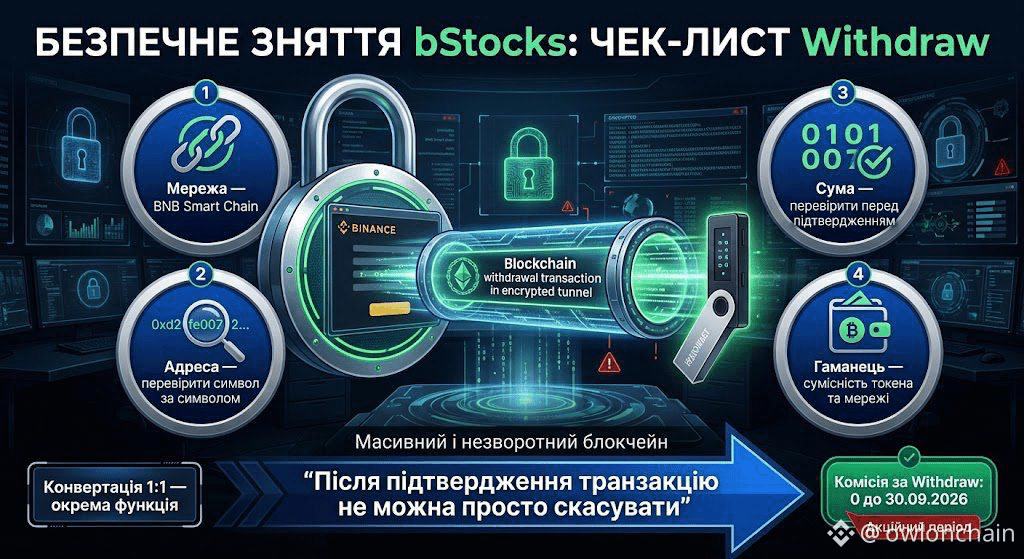
Binance hat eine Promotion mit 0 % Kommission für Auszahlungen von bStocks über die BNB Smart Chain bis zum 30. September 2026, 23:59 UTC, gestartet.
Vor der Auszahlung würde ich vier Dinge prüfen:
1️⃣ Das Netzwerk — genau BNB Smart Chain.
2️⃣ Die Adresse — vor der Bestätigung abgleichen.
3️⃣ Den Betrag — besonders wenn Sie eine kleine Position auszahlen.
4️⃣ Die Kompatibilität der Wallet — sie muss den entsprechenden Token und das Netzwerk unterstützen.
Eine Blockchain-Transaktion kann nach der Bestätigung nicht einfach rückgängig gemacht werden, wenn bei der Adresse oder dem Netzwerk ein Fehler passiert ist.
Und noch ein wichtiger Punkt: Die Umwandlung zwischen der unterstützten Aktion und #bstock 1:1 ist eine separate Funktion und kein Bestandteil dieser Aktion.
Binance erhebt keine Gebühr für die Umwandlung selbst, obwohl sie in einzelnen Fällen vorübergehend ausgesetzt sein kann, z. B. während Unternehmensaktionen.
Daher ist es vor „Withdraw“ am besten, 20 Sekunden für die Überprüfung aller Parameter einzuplanen.
Haben Sie eine eigene Checkliste, bevor Sie Assets in self-custody auszahlen?
@Binance_Ukraine #BinanceUkraine
Binance hat eine Promotion mit 0 % Kommission für Auszahlungen von bStocks über die BNB Smart Chain bis zum 30. September 2026, 23:59 UTC, gestartet.
Vor der Auszahlung würde ich vier Dinge prüfen:
1️⃣ Das Netzwerk — genau BNB Smart Chain.
2️⃣ Die Adresse — vor der Bestätigung abgleichen.
3️⃣ Den Betrag — besonders wenn Sie eine kleine Position auszahlen.
4️⃣ Die Kompatibilität der Wallet — sie muss den entsprechenden Token und das Netzwerk unterstützen.
Eine Blockchain-Transaktion kann nach der Bestätigung nicht einfach rückgängig gemacht werden, wenn bei der Adresse oder dem Netzwerk ein Fehler passiert ist.
Und noch ein wichtiger Punkt: Die Umwandlung zwischen der unterstützten Aktion und #bstock 1:1 ist eine separate Funktion und kein Bestandteil dieser Aktion.
Binance erhebt keine Gebühr für die Umwandlung selbst, obwohl sie in einzelnen Fällen vorübergehend ausgesetzt sein kann, z. B. während Unternehmensaktionen.
Daher ist es vor „Withdraw“ am besten, 20 Sekunden für die Überprüfung aller Parameter einzuplanen.
Haben Sie eine eigene Checkliste, bevor Sie Assets in self-custody auszahlen?
Binance hat eine Promotion mit 0 % Kommission für Auszahlungen von bStocks über die BNB Smart Chain bis zum 30. September 2026, 23:59 UTC, gestartet.
Vor der Auszahlung würde ich vier Dinge prüfen:
1️⃣ Das Netzwerk — genau BNB Smart Chain.
2️⃣ Die Adresse — vor der Bestätigung abgleichen.
3️⃣ Den Betrag — besonders wenn Sie eine kleine Position auszahlen.
4️⃣ Die Kompatibilität der Wallet — sie muss den entsprechenden Token und das Netzwerk unterstützen.
Eine Blockchain-Transaktion kann nach der Bestätigung nicht einfach rückgängig gemacht werden, wenn bei der Adresse oder dem Netzwerk ein Fehler passiert ist.
Und noch ein wichtiger Punkt: Die Umwandlung zwischen der unterstützten Aktion und #bstock 1:1 ist eine separate Funktion und kein Bestandteil dieser Aktion.
Binance erhebt keine Gebühr für die Umwandlung selbst, obwohl sie in einzelnen Fällen vorübergehend ausgesetzt sein kann, z. B. während Unternehmensaktionen.
Daher ist es vor „Withdraw“ am besten, 20 Sekunden für die Überprüfung aller Parameter einzuplanen.
Haben Sie eine eigene Checkliste, bevor Sie Assets in self-custody auszahlen?
165
·
--
Übersetzung ansehen
#BinanceUkraine
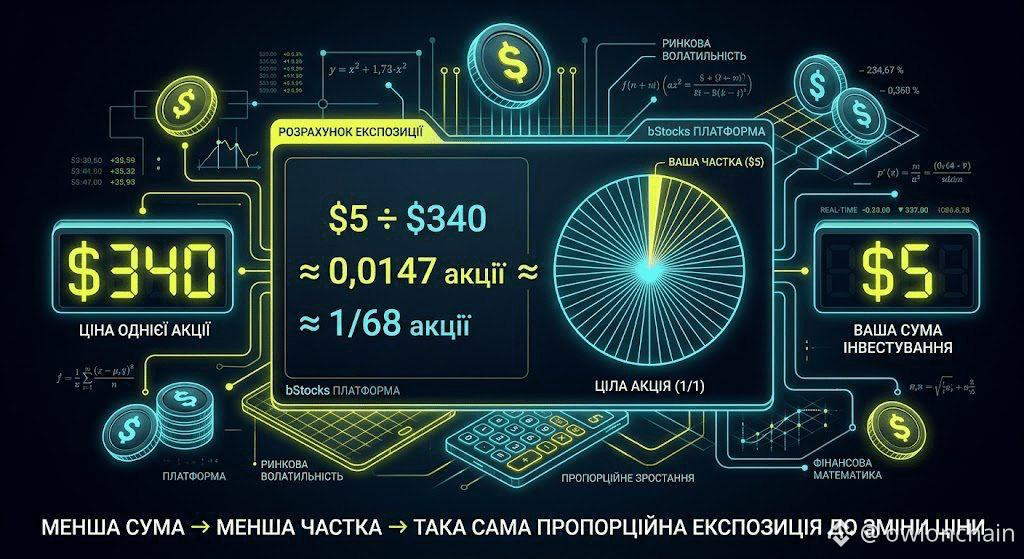
Практичний кейс на реальних цифрах: скільки насправді означає "почати з $5" у bStocks. 🧮
Візьмемо для прикладу акцію вартістю $340 за штуку — цілком реалістична ціна для багатьох відомих компаній зі списку #BStocks . Внесок у $5 дає частку приблизно 1/68 повної акції — цифра, яка на перший погляд здається мізерною, але це справжня, пропорційна економічна експозиція до руху ціни, а не символічний "квиток на участь". 📊 Тобто прибуток чи збиток масштабується рівно так само, як і на повній акції, просто в меншому абсолютному розмірі.
Це змінює саму логіку рішення: питання більше не "чи вистачає грошей на акцію", а "яку частку позиції я хочу відкрити прямо зараз". 💡
Ще один спосіб подивитись на ці самі цифри: та ж сама логіка працює і у зворотному напрямку — якщо у вас є конкретна сума для інвестування, можна заздалегідь порахувати, яку частку акції ви фактично отримуєте, замість того щоб орієнтуватися лише на суму покупки.
Ви зазвичай рахуєте частку акції перед входом чи просто визначаєте суму, яку готові інвестувати?
@Binance_Ukraine
#BinanceUkraine
Практичний кейс на реальних цифрах: скільки насправді означає "почати з $5" у bStocks. 🧮
Візьмемо для прикладу акцію вартістю $340 за штуку — цілком реалістична ціна для багатьох відомих компаній зі списку #BStocks . Внесок у $5 дає частку приблизно 1/68 повної акції — цифра, яка на перший погляд здається мізерною, але це справжня, пропорційна економічна експозиція до руху ціни, а не символічний "квиток на участь". 📊 Тобто прибуток чи збиток масштабується рівно так само, як і на повній акції, просто в меншому абсолютному розмірі.
Це змінює саму логіку рішення: питання більше не "чи вистачає грошей на акцію", а "яку частку позиції я хочу відкрити прямо зараз". 💡
Ще один спосіб подивитись на ці самі цифри: та ж сама логіка працює і у зворотному напрямку — якщо у вас є конкретна сума для інвестування, можна заздалегідь порахувати, яку частку акції ви фактично отримуєте, замість того щоб орієнтуватися лише на суму покупки.
Ви зазвичай рахуєте частку акції перед входом чи просто визначаєте суму, яку готові інвестувати?
@Binance_Ukraine
Практичний кейс на реальних цифрах: скільки насправді означає "почати з $5" у bStocks. 🧮
Візьмемо для прикладу акцію вартістю $340 за штуку — цілком реалістична ціна для багатьох відомих компаній зі списку #BStocks . Внесок у $5 дає частку приблизно 1/68 повної акції — цифра, яка на перший погляд здається мізерною, але це справжня, пропорційна економічна експозиція до руху ціни, а не символічний "квиток на участь". 📊 Тобто прибуток чи збиток масштабується рівно так само, як і на повній акції, просто в меншому абсолютному розмірі.
Це змінює саму логіку рішення: питання більше не "чи вистачає грошей на акцію", а "яку частку позиції я хочу відкрити прямо зараз". 💡
Ще один спосіб подивитись на ці самі цифри: та ж сама логіка працює і у зворотному напрямку — якщо у вас є конкретна сума для інвестування, можна заздалегідь порахувати, яку частку акції ви фактично отримуєте, замість того щоб орієнтуватися лише на суму покупки.
Ви зазвичай рахуєте частку акції перед входом чи просто визначаєте суму, яку готові інвестувати?
@Binance_Ukraine
82
·
--
Übersetzung ansehen
@Binance_Ukraine @BinanceCIS
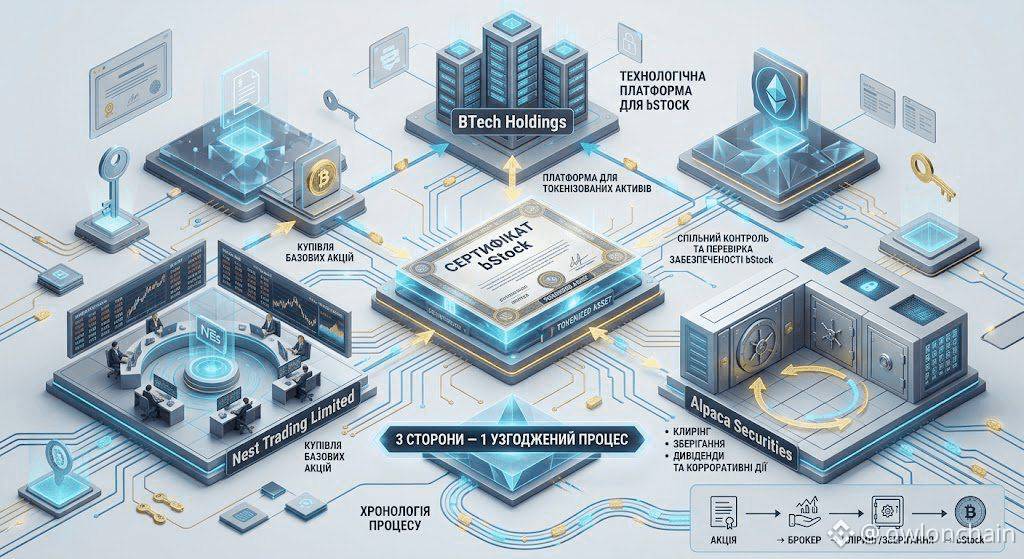
Гайд для тих, хто досі думає, що за bStock стоїть лише одна компанія. Насправді там три сторони одразу. 🧱
BTech Holdings випускає сам сертифікат — це те, що ви бачите й тримаєте на своєму балансі щодня. Nest Trading Limited, регульований в ADGM брокер, фактично купує базову акцію на відкритому ринку. А Alpaca Securities займається кліринговою частиною: зберіганням, дивідендами й корпоративними діями на традиційній стороні процесу. 🔗
"Конвертація 1:1, миттєво, без комісій" звучить просто, тому що це не два учасники тиснуть один одному руку, а три — і саме тому, що всі три сидять в одному узгодженому конвеєрі, а не в окремих незалежних брокерах, кожен крок відбувається без затримки. ⚙️
Практичний наслідок цієї структури особливо помітний у ситуаціях, коли щось іде не за планом: розуміння того, яка саме сторона відповідає за конкретний етап, допомагає швидше визначити, де шукати відповідь на своє питання чи проблему.
А ви до цього моменту знали, хто саме стоїть за різними етапами роботи bStocks?
@Binance_Ukraine @BinanceCIS
Гайд для тих, хто досі думає, що за bStock стоїть лише одна компанія. Насправді там три сторони одразу. 🧱
BTech Holdings випускає сам сертифікат — це те, що ви бачите й тримаєте на своєму балансі щодня. Nest Trading Limited, регульований в ADGM брокер, фактично купує базову акцію на відкритому ринку. А Alpaca Securities займається кліринговою частиною: зберіганням, дивідендами й корпоративними діями на традиційній стороні процесу. 🔗
"Конвертація 1:1, миттєво, без комісій" звучить просто, тому що це не два учасники тиснуть один одному руку, а три — і саме тому, що всі три сидять в одному узгодженому конвеєрі, а не в окремих незалежних брокерах, кожен крок відбувається без затримки. ⚙️
Практичний наслідок цієї структури особливо помітний у ситуаціях, коли щось іде не за планом: розуміння того, яка саме сторона відповідає за конкретний етап, допомагає швидше визначити, де шукати відповідь на своє питання чи проблему.
А ви до цього моменту знали, хто саме стоїть за різними етапами роботи bStocks?
Гайд для тих, хто досі думає, що за bStock стоїть лише одна компанія. Насправді там три сторони одразу. 🧱
BTech Holdings випускає сам сертифікат — це те, що ви бачите й тримаєте на своєму балансі щодня. Nest Trading Limited, регульований в ADGM брокер, фактично купує базову акцію на відкритому ринку. А Alpaca Securities займається кліринговою частиною: зберіганням, дивідендами й корпоративними діями на традиційній стороні процесу. 🔗
"Конвертація 1:1, миттєво, без комісій" звучить просто, тому що це не два учасники тиснуть один одному руку, а три — і саме тому, що всі три сидять в одному узгодженому конвеєрі, а не в окремих незалежних брокерах, кожен крок відбувається без затримки. ⚙️
Практичний наслідок цієї структури особливо помітний у ситуаціях, коли щось іде не за планом: розуміння того, яка саме сторона відповідає за конкретний етап, допомагає швидше визначити, де шукати відповідь на своє питання чи проблему.
А ви до цього моменту знали, хто саме стоїть за різними етапами роботи bStocks?
77
·
--
Übersetzung ansehen
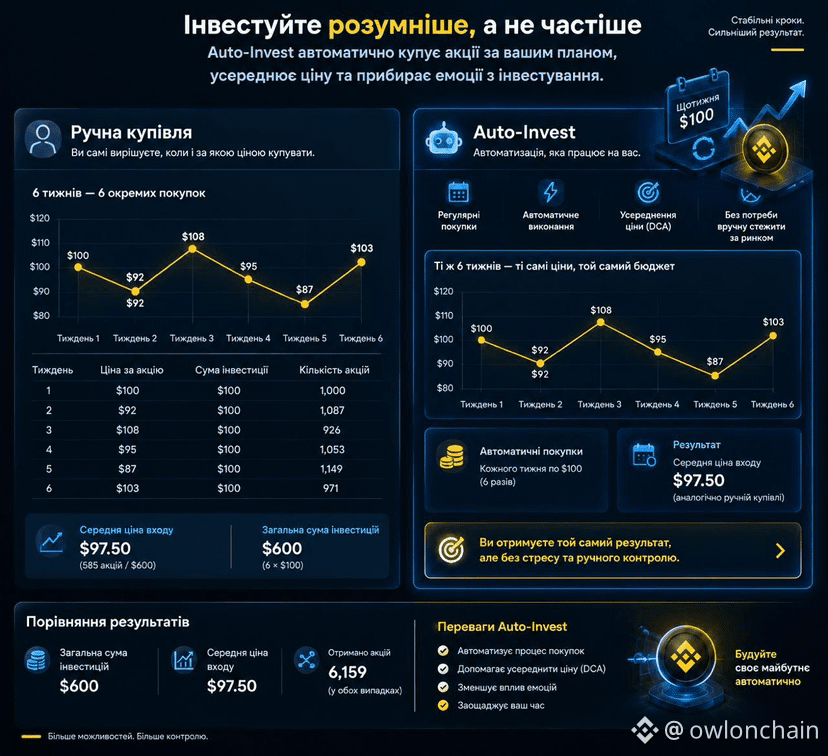
#BinanceUkraine Спробував Auto-Invest на Binance цього тижня і одразу порівняв його з ручним підходом до купівлі активів, яким користувався раніше. 🧪
Ідея проста: обираєте актив, суму та регулярність — наприклад, щотижня — і система автоматично виконує покупку за розкладом, без потреби заходити щоразу вручну. Найцікавіший ефект тут навіть не фінансовий, а поведінковий: зникає спокуса підлаштовувати момент входу під настрій чи новини конкретного дня. ⚙️
Порівняно з ручними покупками, регулярність дає ефект усереднення ціни в часі: купуєте і на просадках, і на зростанні, без необхідності щоразу заново приймати рішення. Це не гарантує кращий результат за будь-яку конкретну ручну угоду, але прибирає частину емоційного компонента з процесу. 📊
Єдине, що варто періодично контролювати, — список активів у розкладі. Переглядати його раз на кілька тижнів достатньо, щоб автоматизація не перетворилася на повністю неконтрольований процес.
Користуєтесь автоматизованими покупками регулярно, чи все ще контролюєте кожен вхід вручну?
@Binance_Ukraine
#BinanceUkraine Спробував Auto-Invest на Binance цього тижня і одразу порівняв його з ручним підходом до купівлі активів, яким користувався раніше. 🧪
Ідея проста: обираєте актив, суму та регулярність — наприклад, щотижня — і система автоматично виконує покупку за розкладом, без потреби заходити щоразу вручну. Найцікавіший ефект тут навіть не фінансовий, а поведінковий: зникає спокуса підлаштовувати момент входу під настрій чи новини конкретного дня. ⚙️
Порівняно з ручними покупками, регулярність дає ефект усереднення ціни в часі: купуєте і на просадках, і на зростанні, без необхідності щоразу заново приймати рішення. Це не гарантує кращий результат за будь-яку конкретну ручну угоду, але прибирає частину емоційного компонента з процесу. 📊
Єдине, що варто періодично контролювати, — список активів у розкладі. Переглядати його раз на кілька тижнів достатньо, щоб автоматизація не перетворилася на повністю неконтрольований процес.
Користуєтесь автоматизованими покупками регулярно, чи все ще контролюєте кожен вхід вручну?
@Binance_Ukraine
Ідея проста: обираєте актив, суму та регулярність — наприклад, щотижня — і система автоматично виконує покупку за розкладом, без потреби заходити щоразу вручну. Найцікавіший ефект тут навіть не фінансовий, а поведінковий: зникає спокуса підлаштовувати момент входу під настрій чи новини конкретного дня. ⚙️
Порівняно з ручними покупками, регулярність дає ефект усереднення ціни в часі: купуєте і на просадках, і на зростанні, без необхідності щоразу заново приймати рішення. Це не гарантує кращий результат за будь-яку конкретну ручну угоду, але прибирає частину емоційного компонента з процесу. 📊
Єдине, що варто періодично контролювати, — список активів у розкладі. Переглядати його раз на кілька тижнів достатньо, щоб автоматизація не перетворилася на повністю неконтрольований процес.
Користуєтесь автоматизованими покупками регулярно, чи все ще контролюєте кожен вхід вручну?
@Binance_Ukraine
116
·
--
Übersetzung ansehen
@Binance_Ukraine @BinanceCIS #BinanceUkraine
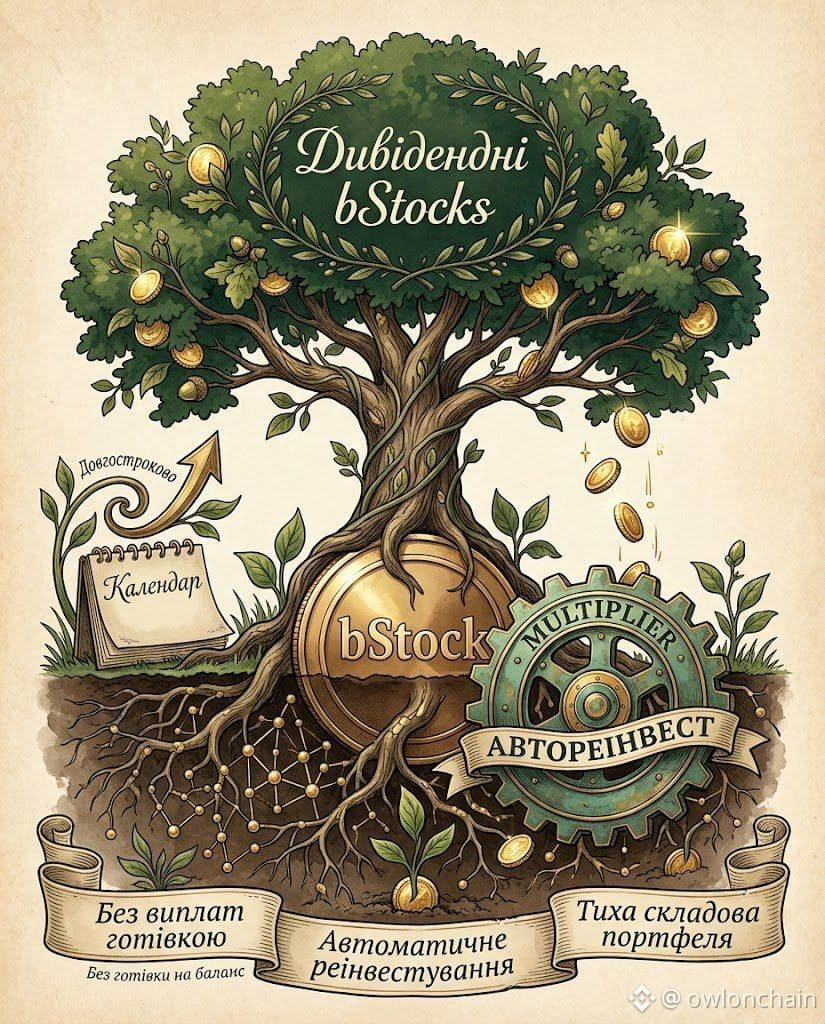
Ділюсь тим, як розглядаю дивідендні bStocks у портфелі — не як ставку на зростання, а як «тиху» складову. 📐
Механізм через Multiplier працює повністю автоматично: виплата не йде готівкою, а збільшує кількість токенів без дій з мого боку. Це дозволяє частині капіталу працювати фоном, поки увага йде на активніші, волатильні позиції в портфелі. ⚙️
Дивідендні bStocks — це не швидкий заробіток, а навмисно повільний компонент, ефект від якого помітний завдяки часу та регулярності, а не за один квартал. Виділяю під нього невелику фіксовану частку портфеля свідомо й не змінюю її під впливом ринкових коливань. 🧩
Це не порада, а мій спосіб структурувати розподіл. На довгій дистанції регулярність і реінвестування поступово збільшують позицію без зайвого стресу.
Виділяєте окрему частку портфеля під подібні позиції, чи тримаєте все в одному кошику?
@Binance_Ukraine @BinanceCIS #BinanceUkraine
Ділюсь тим, як розглядаю дивідендні bStocks у портфелі — не як ставку на зростання, а як «тиху» складову. 📐
Механізм через Multiplier працює повністю автоматично: виплата не йде готівкою, а збільшує кількість токенів без дій з мого боку. Це дозволяє частині капіталу працювати фоном, поки увага йде на активніші, волатильні позиції в портфелі. ⚙️
Дивідендні bStocks — це не швидкий заробіток, а навмисно повільний компонент, ефект від якого помітний завдяки часу та регулярності, а не за один квартал. Виділяю під нього невелику фіксовану частку портфеля свідомо й не змінюю її під впливом ринкових коливань. 🧩
Це не порада, а мій спосіб структурувати розподіл. На довгій дистанції регулярність і реінвестування поступово збільшують позицію без зайвого стресу.
Виділяєте окрему частку портфеля під подібні позиції, чи тримаєте все в одному кошику?
Ділюсь тим, як розглядаю дивідендні bStocks у портфелі — не як ставку на зростання, а як «тиху» складову. 📐
Механізм через Multiplier працює повністю автоматично: виплата не йде готівкою, а збільшує кількість токенів без дій з мого боку. Це дозволяє частині капіталу працювати фоном, поки увага йде на активніші, волатильні позиції в портфелі. ⚙️
Дивідендні bStocks — це не швидкий заробіток, а навмисно повільний компонент, ефект від якого помітний завдяки часу та регулярності, а не за один квартал. Виділяю під нього невелику фіксовану частку портфеля свідомо й не змінюю її під впливом ринкових коливань. 🧩
Це не порада, а мій спосіб структурувати розподіл. На довгій дистанції регулярність і реінвестування поступово збільшують позицію без зайвого стресу.
Виділяєте окрему частку портфеля під подібні позиції, чи тримаєте все в одному кошику?
97
·
--
Übersetzung ansehen
#bstockscis Two comeback stories, two very different playbooks.
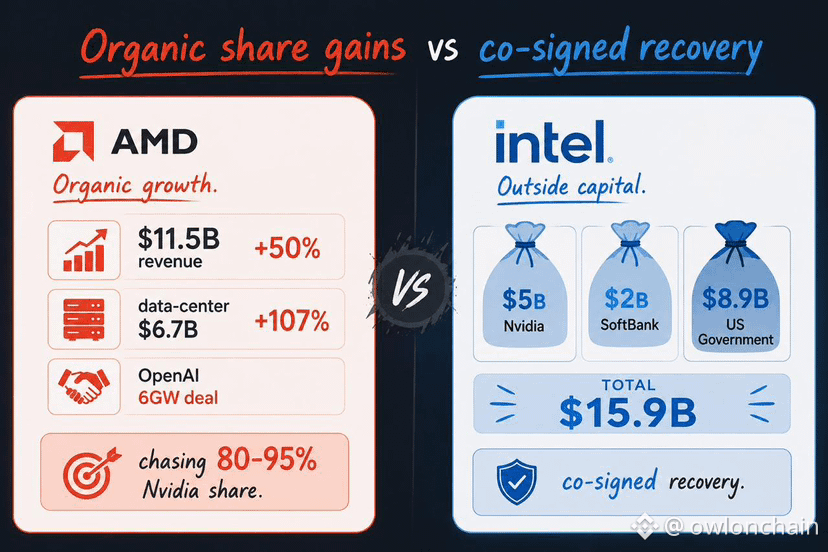
AMD ($AMDB) 🔴 Q2 2026 revenue: $11.536B, +50% YoY Data-center revenue: $6.718B (up from $3.240B) → roughly +107% YoY OpenAI framework deal: up to 6 GW of AMD Instinct GPUs, 1 GW rollout starting 2026, reportedly "tens of billions" over time
Fast, real, compounding growth. But market commentary still puts Nvidia at ~80–95% of AI GPU/accelerator share. AMD just doubled its data-center business and it's still fighting for what's likely single-digit share of the segment that matters most.
Intel ($INTCB) 🔵 Q2 2026 revenue: $16.1B, +25% YoY DCAI revenue: $6.3B, +59% YoY — genuine acceleration Foundry: still a $2.1B operating loss (improved $348M sequentially, but still a loss)
What's propping this turnaround up isn't just internal execution: 💵 Nvidia → $5.0B into Intel common stock (~4% stake) 💵 SoftBank → $2.0B 💵 US government → $8.9B support package (~10% equity position)
Add it up: $15.9B in outside capital behind one turnaround. More than triple what a "normal" semiconductor comeback would raise from a single strategic partner. 🏛️
So here's the actual comparison: One company is winning share but chasing an 80%+ head start. The other is losing money on its core bet but got competitors AND a government to co-sign the recovery.
My take: I'd rather bet on organic share gains than on three outside checks holding a turnaround together. But I get why others disagree. Which comeback story do you trust more — AMD's organic growth or Intel's outside-backed recovery? 🤝📉
@BinanceCIS $AMDB $INTCB #bStocksCIS
{spot}(INTCBUSDT)
{spot}(AMDBUSDT)
#bstockscis Two comeback stories, two very different playbooks.
AMD ($AMDB ) 🔴 Q2 2026 revenue: $11.536B, +50% YoY Data-center revenue: $6.718B (up from $3.240B) → roughly +107% YoY OpenAI framework deal: up to 6 GW of AMD Instinct GPUs, 1 GW rollout starting 2026, reportedly "tens of billions" over time
Fast, real, compounding growth. But market commentary still puts Nvidia at ~80–95% of AI GPU/accelerator share. AMD just doubled its data-center business and it's still fighting for what's likely single-digit share of the segment that matters most.
Intel ($INTCB ) 🔵 Q2 2026 revenue: $16.1B, +25% YoY DCAI revenue: $6.3B, +59% YoY — genuine acceleration Foundry: still a $2.1B operating loss (improved $348M sequentially, but still a loss)
What's propping this turnaround up isn't just internal execution: 💵 Nvidia → $5.0B into Intel common stock (~4% stake) 💵 SoftBank → $2.0B 💵 US government → $8.9B support package (~10% equity position)
Add it up: $15.9B in outside capital behind one turnaround. More than triple what a "normal" semiconductor comeback would raise from a single strategic partner. 🏛️
So here's the actual comparison: One company is winning share but chasing an 80%+ head start. The other is losing money on its core bet but got competitors AND a government to co-sign the recovery.
My take: I'd rather bet on organic share gains than on three outside checks holding a turnaround together. But I get why others disagree. Which comeback story do you trust more — AMD's organic growth or Intel's outside-backed recovery? 🤝📉
@BinanceCIS $AMDB $INTCB #bStocksCIS
AMD ($AMDB ) 🔴 Q2 2026 revenue: $11.536B, +50% YoY Data-center revenue: $6.718B (up from $3.240B) → roughly +107% YoY OpenAI framework deal: up to 6 GW of AMD Instinct GPUs, 1 GW rollout starting 2026, reportedly "tens of billions" over time
Fast, real, compounding growth. But market commentary still puts Nvidia at ~80–95% of AI GPU/accelerator share. AMD just doubled its data-center business and it's still fighting for what's likely single-digit share of the segment that matters most.
Intel ($INTCB ) 🔵 Q2 2026 revenue: $16.1B, +25% YoY DCAI revenue: $6.3B, +59% YoY — genuine acceleration Foundry: still a $2.1B operating loss (improved $348M sequentially, but still a loss)
What's propping this turnaround up isn't just internal execution: 💵 Nvidia → $5.0B into Intel common stock (~4% stake) 💵 SoftBank → $2.0B 💵 US government → $8.9B support package (~10% equity position)
Add it up: $15.9B in outside capital behind one turnaround. More than triple what a "normal" semiconductor comeback would raise from a single strategic partner. 🏛️
So here's the actual comparison: One company is winning share but chasing an 80%+ head start. The other is losing money on its core bet but got competitors AND a government to co-sign the recovery.
My take: I'd rather bet on organic share gains than on three outside checks holding a turnaround together. But I get why others disagree. Which comeback story do you trust more — AMD's organic growth or Intel's outside-backed recovery? 🤝📉
@BinanceCIS $AMDB $INTCB #bStocksCIS
96
·
--
Übersetzung ansehen
#bstockscis MSTRB and BMNRB both get called "bitcoin proxy stocks." Are they actually the same trade, though? ⚖️ Running the NAV math on both says no.
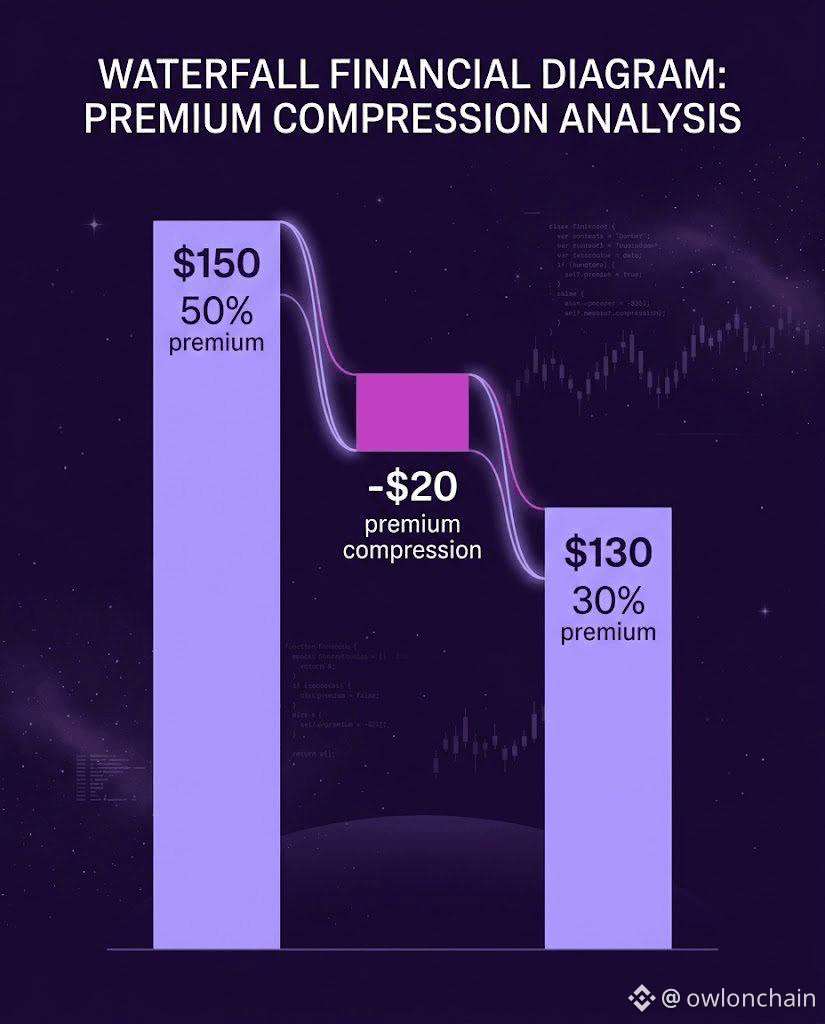
Both companies hold real reserves on their balance sheets tied to crypto — bitcoin directly for one, related treasury assets for the other — and both can trade at a premium or discount to what those reserves are literally worth on paper. 💎 Say MSTR's BTC holdings work out to $100 per share in raw NAV terms, and the stock trades at $150 — a 50% premium. If sentiment toward the treasury strategy cools and that premium compresses to 30% while bitcoin itself doesn't move an inch, MSTRB falls from $150 to $130 — a 13% drop with zero contribution from the asset it's supposedly tracking.
🔄 BMNRB carries a comparable premium/discount dynamic on its own treasury assets, but the two companies' capital structures and debt loads differ enough that the same percentage move in the underlying asset doesn't translate to identical stock moves for both names. 🧩
"Bitcoin proxy" is doing a lot of work to flatten two names that can diverge from each other even while both moving in the same general direction as BTC. ₿
Which of the two would you trust more with a leveraged view on bitcoin sentiment specifically, rather than bitcoin price alone? And has premium/discount ever moved one of these against your expectations before?
@BinanceCIS $MSTRB $BMNRB #bStocksCIS
{spot}(BMNRBUSDT)
{spot}(MSTRBUSDT)
#bstockscis MSTRB and BMNRB both get called "bitcoin proxy stocks." Are they actually the same trade, though? ⚖️ Running the NAV math on both says no.
Both companies hold real reserves on their balance sheets tied to crypto — bitcoin directly for one, related treasury assets for the other — and both can trade at a premium or discount to what those reserves are literally worth on paper. 💎 Say MSTR's BTC holdings work out to $100 per share in raw NAV terms, and the stock trades at $150 — a 50% premium. If sentiment toward the treasury strategy cools and that premium compresses to 30% while bitcoin itself doesn't move an inch, MSTRB falls from $150 to $130 — a 13% drop with zero contribution from the asset it's supposedly tracking.
🔄 BMNRB carries a comparable premium/discount dynamic on its own treasury assets, but the two companies' capital structures and debt loads differ enough that the same percentage move in the underlying asset doesn't translate to identical stock moves for both names. 🧩
"Bitcoin proxy" is doing a lot of work to flatten two names that can diverge from each other even while both moving in the same general direction as BTC. ₿
Which of the two would you trust more with a leveraged view on bitcoin sentiment specifically, rather than bitcoin price alone? And has premium/discount ever moved one of these against your expectations before?
@BinanceCIS $MSTRB $BMNRB #bStocksCIS
Both companies hold real reserves on their balance sheets tied to crypto — bitcoin directly for one, related treasury assets for the other — and both can trade at a premium or discount to what those reserves are literally worth on paper. 💎 Say MSTR's BTC holdings work out to $100 per share in raw NAV terms, and the stock trades at $150 — a 50% premium. If sentiment toward the treasury strategy cools and that premium compresses to 30% while bitcoin itself doesn't move an inch, MSTRB falls from $150 to $130 — a 13% drop with zero contribution from the asset it's supposedly tracking.
🔄 BMNRB carries a comparable premium/discount dynamic on its own treasury assets, but the two companies' capital structures and debt loads differ enough that the same percentage move in the underlying asset doesn't translate to identical stock moves for both names. 🧩
"Bitcoin proxy" is doing a lot of work to flatten two names that can diverge from each other even while both moving in the same general direction as BTC. ₿
Which of the two would you trust more with a leveraged view on bitcoin sentiment specifically, rather than bitcoin price alone? And has premium/discount ever moved one of these against your expectations before?
@BinanceCIS $MSTRB $BMNRB #bStocksCIS
1
1
92
·
--
Übersetzung ansehen
#bstockscis
SK Hynix has three tickers tied to it on Binance and I still see people mix them up, so worth restating plainly — with the actual mechanics of why the distinction matters financially, not just definitionally. 🧩
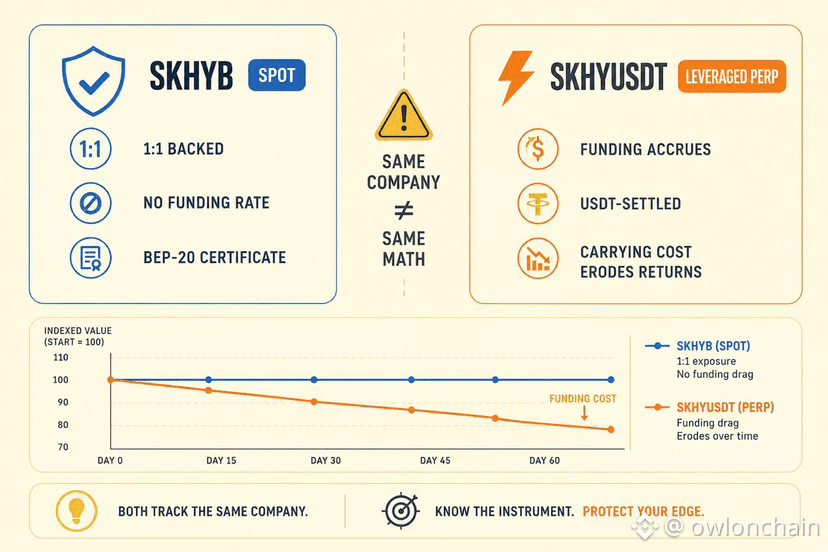
📊The two, side by side: — SKHYB: spot bStock, BEP-20 certificate backed 1:1 by the real share, no leverage, no funding rate. — SKHYUSDT: leveraged, USDT-settled perpetual future, funding accrues regardless of whether your direction call is right.
Hold a leveraged long through a funding-heavy stretch and the carrying cost alone can quietly erode a chunk of an otherwise-correct directional call — a cost that simply doesn't exist for someone holding SKHYB spot through the same move. 🧠💾
Check which instrument you're actually in before you compare your returns to someone holding the other one — "same company" doesn't mean "same math."
Have you ever compared notes with someone on "SK Hynix returns" only to realize you were in completely different instruments?
@BinanceCIS $SKHYB #bStocksCIS
{spot}(SKHYBUSDT)
#bstockscis
SK Hynix has three tickers tied to it on Binance and I still see people mix them up, so worth restating plainly — with the actual mechanics of why the distinction matters financially, not just definitionally. 🧩
📊The two, side by side: — SKHYB: spot bStock, BEP-20 certificate backed 1:1 by the real share, no leverage, no funding rate. — SKHYUSDT: leveraged, USDT-settled perpetual future, funding accrues regardless of whether your direction call is right.
Hold a leveraged long through a funding-heavy stretch and the carrying cost alone can quietly erode a chunk of an otherwise-correct directional call — a cost that simply doesn't exist for someone holding SKHYB spot through the same move. 🧠💾
Check which instrument you're actually in before you compare your returns to someone holding the other one — "same company" doesn't mean "same math."
Have you ever compared notes with someone on "SK Hynix returns" only to realize you were in completely different instruments?
@BinanceCIS $SKHYB #bStocksCIS
SK Hynix has three tickers tied to it on Binance and I still see people mix them up, so worth restating plainly — with the actual mechanics of why the distinction matters financially, not just definitionally. 🧩
📊The two, side by side: — SKHYB: spot bStock, BEP-20 certificate backed 1:1 by the real share, no leverage, no funding rate. — SKHYUSDT: leveraged, USDT-settled perpetual future, funding accrues regardless of whether your direction call is right.
Hold a leveraged long through a funding-heavy stretch and the carrying cost alone can quietly erode a chunk of an otherwise-correct directional call — a cost that simply doesn't exist for someone holding SKHYB spot through the same move. 🧠💾
Check which instrument you're actually in before you compare your returns to someone holding the other one — "same company" doesn't mean "same math."
Have you ever compared notes with someone on "SK Hynix returns" only to realize you were in completely different instruments?
@BinanceCIS $SKHYB #bStocksCIS
83
·
--
Übersetzung ansehen
#bstockscis $PLTRB had one of the strongest quarters of its public life this month, and the stock is still down for the year. Sit with that contradiction for a second. 🤯
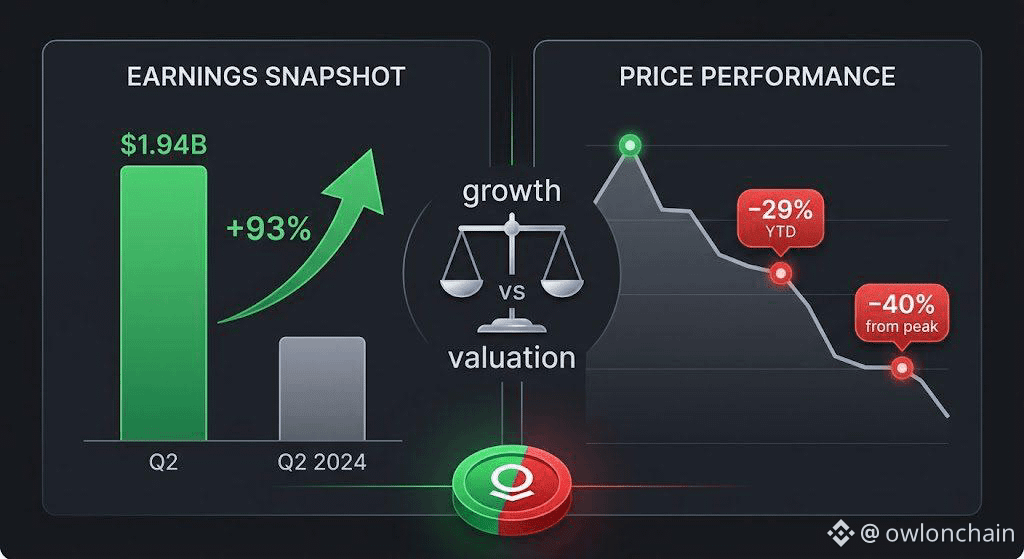
🖇️Q2 revenue grew 93% year-over-year to $1.94B, beating estimates. US commercial revenue alone jumped 149%. The stock surged roughly 30% on the earnings print, erasing billions in short-seller losses in a single session. And yet PLTRB is still down about 29% year-to-date, sitting around 40% below its earlier peak. The earnings were genuinely excellent. The stock is still underwater on the year.
📈Growth this strong usually silences valuation concerns. Here, it clearly hasn't — the market's still working through whether a business growing this fast can justify the multiple it was already trading at before this quarter even printed. 💭
Does a quarter this strong change your read on PLTRB, or does the YTD number still matter more to you⁉️
@BinanceCIS $PLTRB #bStocksCIS
{spot}(PLTRBUSDT)
#bstockscis $PLTRB had one of the strongest quarters of its public life this month, and the stock is still down for the year. Sit with that contradiction for a second. 🤯
🖇️Q2 revenue grew 93% year-over-year to $1.94B, beating estimates. US commercial revenue alone jumped 149%. The stock surged roughly 30% on the earnings print, erasing billions in short-seller losses in a single session. And yet PLTRB is still down about 29% year-to-date, sitting around 40% below its earlier peak. The earnings were genuinely excellent. The stock is still underwater on the year.
📈Growth this strong usually silences valuation concerns. Here, it clearly hasn't — the market's still working through whether a business growing this fast can justify the multiple it was already trading at before this quarter even printed. 💭
Does a quarter this strong change your read on PLTRB, or does the YTD number still matter more to you⁉️
@BinanceCIS $PLTRB #bStocksCIS
🖇️Q2 revenue grew 93% year-over-year to $1.94B, beating estimates. US commercial revenue alone jumped 149%. The stock surged roughly 30% on the earnings print, erasing billions in short-seller losses in a single session. And yet PLTRB is still down about 29% year-to-date, sitting around 40% below its earlier peak. The earnings were genuinely excellent. The stock is still underwater on the year.
📈Growth this strong usually silences valuation concerns. Here, it clearly hasn't — the market's still working through whether a business growing this fast can justify the multiple it was already trading at before this quarter even printed. 💭
Does a quarter this strong change your read on PLTRB, or does the YTD number still matter more to you⁉️
@BinanceCIS $PLTRB #bStocksCIS
1
66
·
--
Übersetzung ansehen
#bstockscis
Quick gut-check before you read the number. 🎯 #bstockscis
In bStocks' first month, what share of net inflows do you think went into tech names specifically, versus everything else on the list combined?
1️⃣ Around 30%
2️⃣ Around 50%
3️⃣ Around 65%
4️⃣ Around 83%
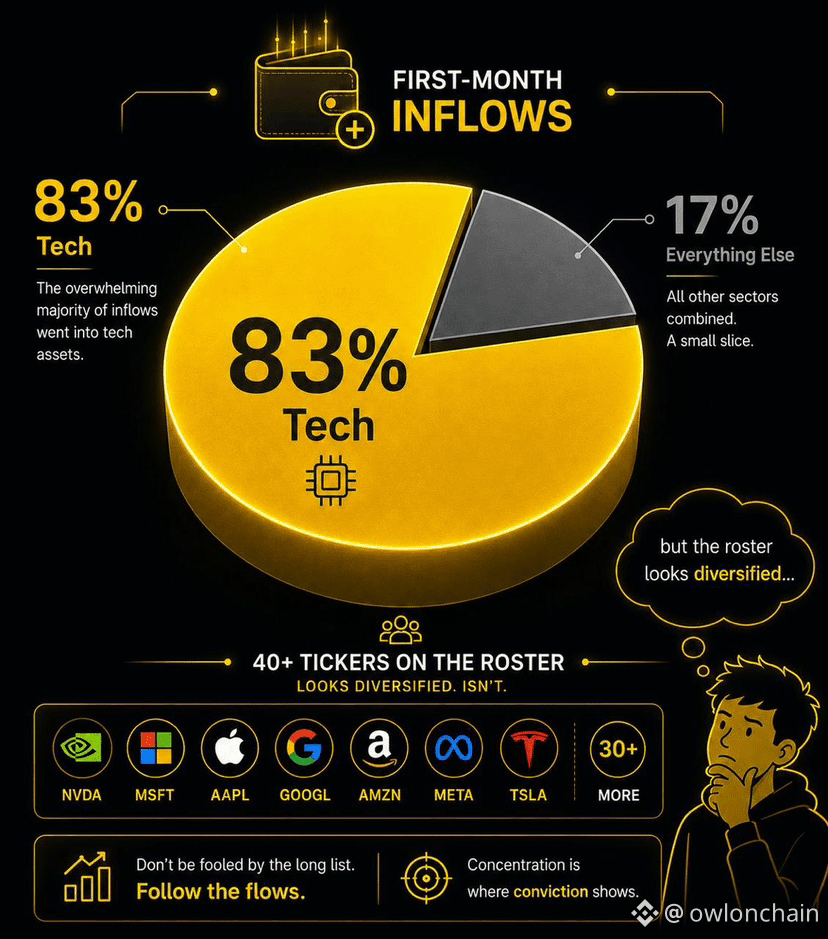
Real number: 83% — tech pulled the overwhelming majority of first-month demand, leaving every other sector on the roster splitting the remaining 17%. If your gut said 50% or lower, that's the gap between how diversified the roster looks on paper (40+ tickers across sectors) and how concentrated the actual money moving through it has been. 📊
Does that concentration change how you'd weight a "diversified" bStocks basket, or were you already assuming it skewed tech-heavy?
@BinanceCIS #bStocksCIS
#bstockscis
Quick gut-check before you read the number. 🎯 #bstockscis
In bStocks' first month, what share of net inflows do you think went into tech names specifically, versus everything else on the list combined?
1️⃣ Around 30%
2️⃣ Around 50%
3️⃣ Around 65%
4️⃣ Around 83%
Real number: 83% — tech pulled the overwhelming majority of first-month demand, leaving every other sector on the roster splitting the remaining 17%. If your gut said 50% or lower, that's the gap between how diversified the roster looks on paper (40+ tickers across sectors) and how concentrated the actual money moving through it has been. 📊
Does that concentration change how you'd weight a "diversified" bStocks basket, or were you already assuming it skewed tech-heavy?
@BinanceCIS #bStocksCIS
Quick gut-check before you read the number. 🎯 #bstockscis
In bStocks' first month, what share of net inflows do you think went into tech names specifically, versus everything else on the list combined?
1️⃣ Around 30%
2️⃣ Around 50%
3️⃣ Around 65%
4️⃣ Around 83%
Real number: 83% — tech pulled the overwhelming majority of first-month demand, leaving every other sector on the roster splitting the remaining 17%. If your gut said 50% or lower, that's the gap between how diversified the roster looks on paper (40+ tickers across sectors) and how concentrated the actual money moving through it has been. 📊
Does that concentration change how you'd weight a "diversified" bStocks basket, or were you already assuming it skewed tech-heavy?
@BinanceCIS #bStocksCIS
1
1
160
·
--
Übersetzung ansehen
#bstockscis distilled everything I actually check before using a bStock as collateral down to three numbers, because the VIP tier alone isn't the whole picture. 📋
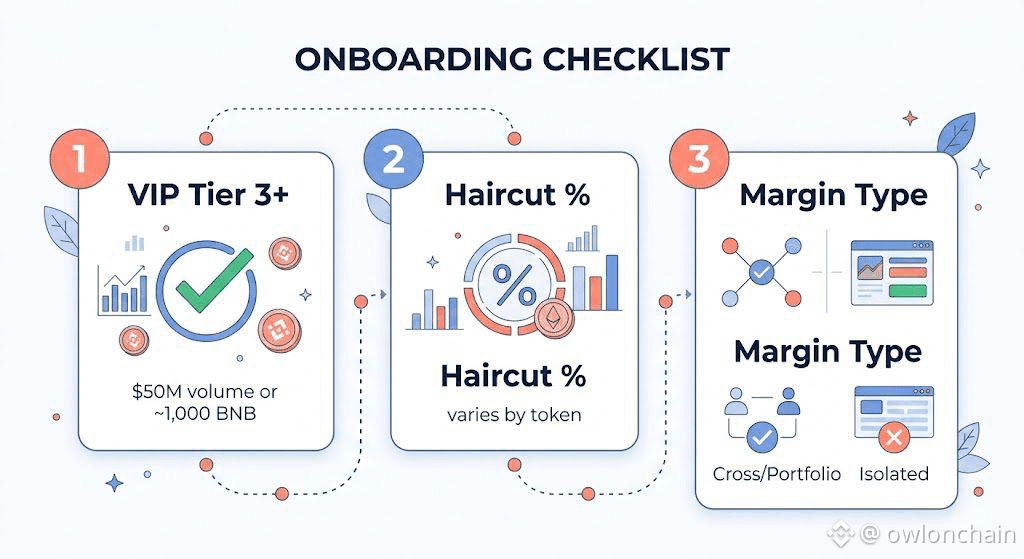
1️⃣ Your VIP tier — 3+ required, via $50M/30-day volume or ~1,000 BNB.
2️⃣ The specific haircut on that bStock — varies token to token, not a flat rate across the board. 3️⃣ Margin account type — Cross or Portfolio Margin only, Isolated Margin doesn't qualify at all.
Miss any one of the three and the collateral feature either doesn't apply to you yet, or applies differently than you assumed going in. 🧩
Which of these three did you actually know before reading this — honestly, all three or just one?
@BinanceCIS #bStocksCIS
#bstockscis distilled everything I actually check before using a bStock as collateral down to three numbers, because the VIP tier alone isn't the whole picture. 📋
1️⃣ Your VIP tier — 3+ required, via $50M/30-day volume or ~1,000 BNB.
2️⃣ The specific haircut on that bStock — varies token to token, not a flat rate across the board. 3️⃣ Margin account type — Cross or Portfolio Margin only, Isolated Margin doesn't qualify at all.
Miss any one of the three and the collateral feature either doesn't apply to you yet, or applies differently than you assumed going in. 🧩
Which of these three did you actually know before reading this — honestly, all three or just one?
@BinanceCIS #bStocksCIS
1️⃣ Your VIP tier — 3+ required, via $50M/30-day volume or ~1,000 BNB.
2️⃣ The specific haircut on that bStock — varies token to token, not a flat rate across the board. 3️⃣ Margin account type — Cross or Portfolio Margin only, Isolated Margin doesn't qualify at all.
Miss any one of the three and the collateral feature either doesn't apply to you yet, or applies differently than you assumed going in. 🧩
Which of these three did you actually know before reading this — honestly, all three or just one?
@BinanceCIS #bStocksCIS
1
1
72
·
--
Übersetzung ansehen
#bstockscis bought EWYB assuming "Korea ETF" meant I was just holding Korean companies. There's a currency layer in there too that's easy to miss. 💱
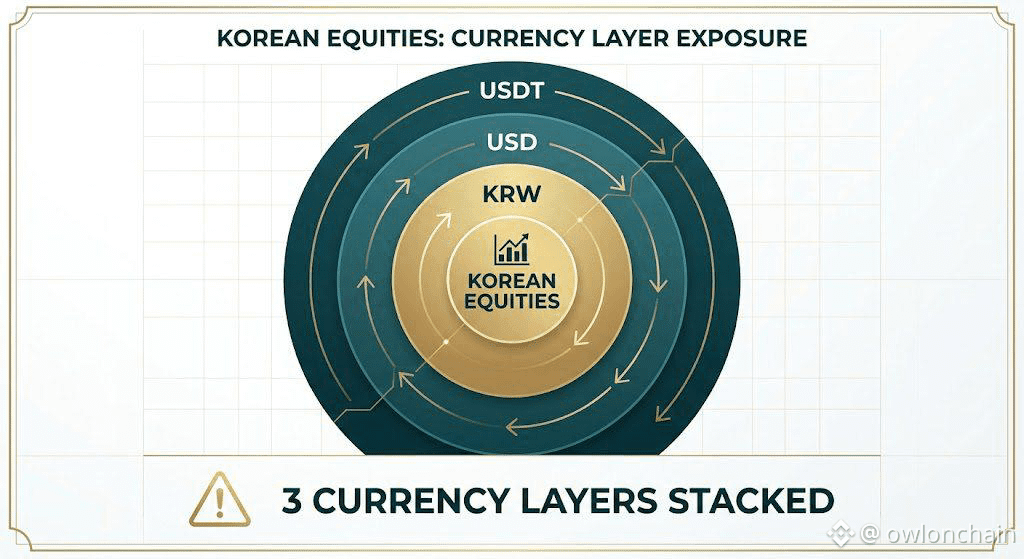
🌏 You fund the purchase in USDT, and the underlying ETF holds a basket of companies priced in Korean won. That means your EWYB exposure isn't just "Korean equities go up or down" — it's Korean equities priced in won, wrapped in a USD-denominated ETF, purchased with a USD-pegged stablecoin. Three currency layers stacked on top of each other, even though the whole transaction feels like a single click in USDT. 🌏
$EWYB
Doesn't make it a bad trade — just means "the market" moving isn't the only thing that can move your position. Currency can too.
Did you know there was a currency layer in EWYB before this, or did "ETF bStock" just read as one simple thing?
@BinanceCIS #bStocksCIS
{spot}(EWYBUSDT)
#bstockscis bought EWYB assuming "Korea ETF" meant I was just holding Korean companies. There's a currency layer in there too that's easy to miss. 💱
🌏 You fund the purchase in USDT, and the underlying ETF holds a basket of companies priced in Korean won. That means your EWYB exposure isn't just "Korean equities go up or down" — it's Korean equities priced in won, wrapped in a USD-denominated ETF, purchased with a USD-pegged stablecoin. Three currency layers stacked on top of each other, even though the whole transaction feels like a single click in USDT. 🌏
$EWYB
Doesn't make it a bad trade — just means "the market" moving isn't the only thing that can move your position. Currency can too.
Did you know there was a currency layer in EWYB before this, or did "ETF bStock" just read as one simple thing?
@BinanceCIS #bStocksCIS
🌏 You fund the purchase in USDT, and the underlying ETF holds a basket of companies priced in Korean won. That means your EWYB exposure isn't just "Korean equities go up or down" — it's Korean equities priced in won, wrapped in a USD-denominated ETF, purchased with a USD-pegged stablecoin. Three currency layers stacked on top of each other, even though the whole transaction feels like a single click in USDT. 🌏
$EWYB
Doesn't make it a bad trade — just means "the market" moving isn't the only thing that can move your position. Currency can too.
Did you know there was a currency layer in EWYB before this, or did "ETF bStock" just read as one simple thing?
@BinanceCIS #bStocksCIS
1
77
·
--
Übersetzung ansehen
#bstockscis 👇
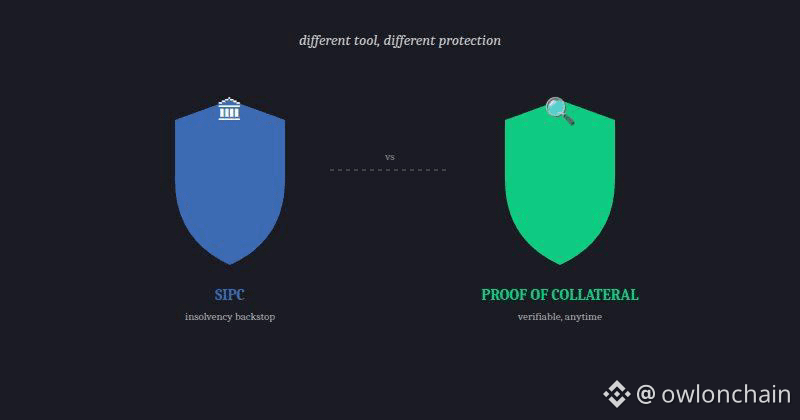
bStocks aren't SIPC-insured. Said like that, it sounds like a red flag. It's more of a "different tool, different protections" situation once you actually look at what replaces it.
SIPC protects US brokerage accounts against the brokerage itself failing — up to certain limits, if your broker collapses, SIPC steps in. bStocks don't carry that specific protection because they're not a US brokerage product; they're certificates issued under ADGM/FSRA regulation, backed 1:1 by real shares held with a regulated custodian. What actually protects you here is different: verifiable on-chain proof of collateral, reconciled and published regularly, so anyone can check that circulating tokens genuinely match issuer holdings — a transparency mechanism a traditional SIPC-covered account doesn't give you at all.
Neither system is strictly "better." SIPC protects against brokerage insolvency with a government-backed program. Proof of collateral protects against the token being unbacked, verifiable by anyone, anytime, without waiting for a claims process.
🛡️If you had to pick, would you rather have SIPC's insolvency backstop or the on-chain verifiability bStocks actually give you?🛡️
@BinanceCIS #bStocksCIS
#bstockscis 👇
bStocks aren't SIPC-insured. Said like that, it sounds like a red flag. It's more of a "different tool, different protections" situation once you actually look at what replaces it.
SIPC protects US brokerage accounts against the brokerage itself failing — up to certain limits, if your broker collapses, SIPC steps in. bStocks don't carry that specific protection because they're not a US brokerage product; they're certificates issued under ADGM/FSRA regulation, backed 1:1 by real shares held with a regulated custodian. What actually protects you here is different: verifiable on-chain proof of collateral, reconciled and published regularly, so anyone can check that circulating tokens genuinely match issuer holdings — a transparency mechanism a traditional SIPC-covered account doesn't give you at all.
Neither system is strictly "better." SIPC protects against brokerage insolvency with a government-backed program. Proof of collateral protects against the token being unbacked, verifiable by anyone, anytime, without waiting for a claims process.
🛡️If you had to pick, would you rather have SIPC's insolvency backstop or the on-chain verifiability bStocks actually give you?🛡️
@BinanceCIS #bStocksCIS
bStocks aren't SIPC-insured. Said like that, it sounds like a red flag. It's more of a "different tool, different protections" situation once you actually look at what replaces it.
SIPC protects US brokerage accounts against the brokerage itself failing — up to certain limits, if your broker collapses, SIPC steps in. bStocks don't carry that specific protection because they're not a US brokerage product; they're certificates issued under ADGM/FSRA regulation, backed 1:1 by real shares held with a regulated custodian. What actually protects you here is different: verifiable on-chain proof of collateral, reconciled and published regularly, so anyone can check that circulating tokens genuinely match issuer holdings — a transparency mechanism a traditional SIPC-covered account doesn't give you at all.
Neither system is strictly "better." SIPC protects against brokerage insolvency with a government-backed program. Proof of collateral protects against the token being unbacked, verifiable by anyone, anytime, without waiting for a claims process.
🛡️If you had to pick, would you rather have SIPC's insolvency backstop or the on-chain verifiability bStocks actually give you?🛡️
@BinanceCIS #bStocksCIS
73
·
--
Übersetzung ansehen
#bstockscis
I went looking for one specific number this week and stumbled into a bigger one by accident, and I don't think enough people are talking about it. 📈
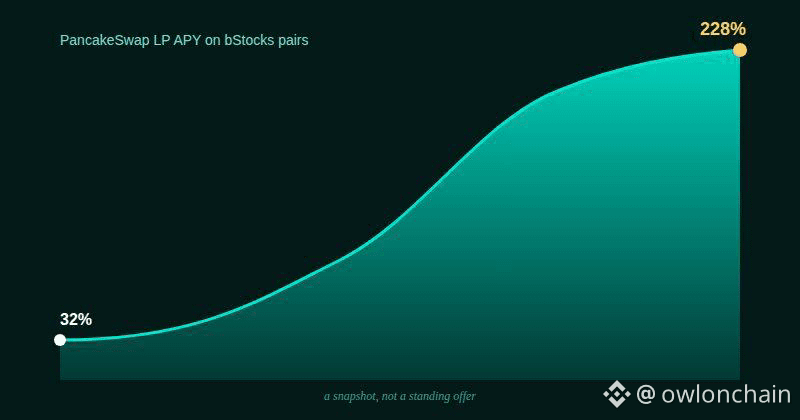
I wanted current bStocks collateral totals. What I actually found: PancakeSwap liquidity pool APYs on bStocks pairs have reportedly climbed from roughly 32% up to as high as 228% since the DeFi integrations with Venus, Lista DAO, and Aster rolled out. I want to be careful here ⚠️ — numbers like that move fast, and a spike that sharp can compress just as quickly as it appeared, so treat it as a snapshot of a specific moment, not a standing offer.
But here's why it's worth sitting with anyway: that's not a number you get from idle tokens. LP yield that high means real capital 💰 is actively being deployed, borrowed against, and rebalanced inside these pools — bStocks are being used as working collateral inside DeFi, not just held as a spot balance waiting for price to move. That's a meaningfully different behavior pattern than "buy and hold on Binance," and it's happening whether or not it's showing up in the conversations I'm seeing.
Has anyone here actually farmed a bStocks LP through one of these protocols, or is this still news to most people holding spot?
Source: CoinGape, "An Early Look Into Binance's TradFi Stack."
@BinanceCIS #bStocksCIS
#bstockscis
I went looking for one specific number this week and stumbled into a bigger one by accident, and I don't think enough people are talking about it. 📈
I wanted current bStocks collateral totals. What I actually found: PancakeSwap liquidity pool APYs on bStocks pairs have reportedly climbed from roughly 32% up to as high as 228% since the DeFi integrations with Venus, Lista DAO, and Aster rolled out. I want to be careful here ⚠️ — numbers like that move fast, and a spike that sharp can compress just as quickly as it appeared, so treat it as a snapshot of a specific moment, not a standing offer.
But here's why it's worth sitting with anyway: that's not a number you get from idle tokens. LP yield that high means real capital 💰 is actively being deployed, borrowed against, and rebalanced inside these pools — bStocks are being used as working collateral inside DeFi, not just held as a spot balance waiting for price to move. That's a meaningfully different behavior pattern than "buy and hold on Binance," and it's happening whether or not it's showing up in the conversations I'm seeing.
Has anyone here actually farmed a bStocks LP through one of these protocols, or is this still news to most people holding spot?
Source: CoinGape, "An Early Look Into Binance's TradFi Stack."
@BinanceCIS #bStocksCIS
I went looking for one specific number this week and stumbled into a bigger one by accident, and I don't think enough people are talking about it. 📈
I wanted current bStocks collateral totals. What I actually found: PancakeSwap liquidity pool APYs on bStocks pairs have reportedly climbed from roughly 32% up to as high as 228% since the DeFi integrations with Venus, Lista DAO, and Aster rolled out. I want to be careful here ⚠️ — numbers like that move fast, and a spike that sharp can compress just as quickly as it appeared, so treat it as a snapshot of a specific moment, not a standing offer.
But here's why it's worth sitting with anyway: that's not a number you get from idle tokens. LP yield that high means real capital 💰 is actively being deployed, borrowed against, and rebalanced inside these pools — bStocks are being used as working collateral inside DeFi, not just held as a spot balance waiting for price to move. That's a meaningfully different behavior pattern than "buy and hold on Binance," and it's happening whether or not it's showing up in the conversations I'm seeing.
Has anyone here actually farmed a bStocks LP through one of these protocols, or is this still news to most people holding spot?
Source: CoinGape, "An Early Look Into Binance's TradFi Stack."
@BinanceCIS #bStocksCIS
72
·
--
#bstockscis genuine Frage, die mir oft gestellt wird: Ist die Kursbewegung von bStocks am Wochenende überhaupt „echt“, wenn der tatsächliche Aktienmarkt geschlossen ist? 🌙
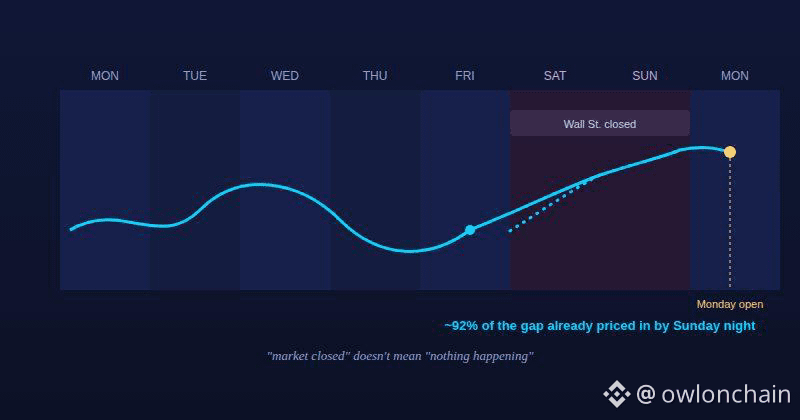
Ehrliche Antwort — ja, sie ist insofern echt, dass es ein echter Supply-and-Demand-Mechanismus auf Binance ist, echtes Geld, das sich in echte Preisbewegungen umsetzt. 💸 Nur wird sie nicht bis Montag anhand der zugrunde liegenden Börse bestätigt. Genau deshalb ist die gemeldete 92%ige Median-Vorab-Bepreisung der Kurslücke am Montag so wichtig — der Wochenendkurs ist kein Rauschen, sondern meistens ein ziemlich guter Vorgeschmack. 📊
Das heißt nicht, dass es immer stimmt. Es heißt nur: „Der Markt ist geschlossen“ bedeutet nicht „Es passiert nichts Bedeutungsvolles.“ 🕯️
Verändert die Kursbewegung am Wochenende, wie du tatsächlich am Montagmorgen handelst, oder ignorierst du sie, bis der echte Markt wieder geöffnet ist? 🤔
@BinanceCIS #bStocksCIS
#bstockscis genuine Frage, die mir oft gestellt wird: Ist die Kursbewegung von bStocks am Wochenende überhaupt „echt“, wenn der tatsächliche Aktienmarkt geschlossen ist? 🌙
Ehrliche Antwort — ja, sie ist insofern echt, dass es ein echter Supply-and-Demand-Mechanismus auf Binance ist, echtes Geld, das sich in echte Preisbewegungen umsetzt. 💸 Nur wird sie nicht bis Montag anhand der zugrunde liegenden Börse bestätigt. Genau deshalb ist die gemeldete 92%ige Median-Vorab-Bepreisung der Kurslücke am Montag so wichtig — der Wochenendkurs ist kein Rauschen, sondern meistens ein ziemlich guter Vorgeschmack. 📊
Das heißt nicht, dass es immer stimmt. Es heißt nur: „Der Markt ist geschlossen“ bedeutet nicht „Es passiert nichts Bedeutungsvolles.“ 🕯️
Verändert die Kursbewegung am Wochenende, wie du tatsächlich am Montagmorgen handelst, oder ignorierst du sie, bis der echte Markt wieder geöffnet ist? 🤔
@BinanceCIS #bStocksCIS
Ehrliche Antwort — ja, sie ist insofern echt, dass es ein echter Supply-and-Demand-Mechanismus auf Binance ist, echtes Geld, das sich in echte Preisbewegungen umsetzt. 💸 Nur wird sie nicht bis Montag anhand der zugrunde liegenden Börse bestätigt. Genau deshalb ist die gemeldete 92%ige Median-Vorab-Bepreisung der Kurslücke am Montag so wichtig — der Wochenendkurs ist kein Rauschen, sondern meistens ein ziemlich guter Vorgeschmack. 📊
Das heißt nicht, dass es immer stimmt. Es heißt nur: „Der Markt ist geschlossen“ bedeutet nicht „Es passiert nichts Bedeutungsvolles.“ 🕯️
Verändert die Kursbewegung am Wochenende, wie du tatsächlich am Montagmorgen handelst, oder ignorierst du sie, bis der echte Markt wieder geöffnet ist? 🤔
@BinanceCIS #bStocksCIS
70
·
--
#bstockscis COINB ist ein seltsamer, um kurz innezuhalten.
Du handelst den Coinbase-Aktienwert tokenisiert auf Binance — einer Börse eines Wettbewerbers. Wie auch immer du dazu stehst: Es ist eine wirklich direkte Art, Zugang zu den Einnahmen der Börse zu bekommen, statt nur der Kursbewegung von Token zu folgen.
Coinbase verdient Geld, egal ob der Markt steigt oder fällt, solange Menschen handeln. Das ist eine andere Wette als das Halten von NVDAB oder TSLAB. 🤔
@BinanceCIS $COINB #bStocksCIS
Was hat dich zu COINB hingezogen, wenn du es hältst?
#bstockscis COINB ist ein seltsamer, um kurz innezuhalten.
Du handelst den Coinbase-Aktienwert tokenisiert auf Binance — einer Börse eines Wettbewerbers. Wie auch immer du dazu stehst: Es ist eine wirklich direkte Art, Zugang zu den Einnahmen der Börse zu bekommen, statt nur der Kursbewegung von Token zu folgen.
Coinbase verdient Geld, egal ob der Markt steigt oder fällt, solange Menschen handeln. Das ist eine andere Wette als das Halten von NVDAB oder TSLAB. 🤔
@BinanceCIS $COINB #bStocksCIS
Was hat dich zu COINB hingezogen, wenn du es hältst?
Du handelst den Coinbase-Aktienwert tokenisiert auf Binance — einer Börse eines Wettbewerbers. Wie auch immer du dazu stehst: Es ist eine wirklich direkte Art, Zugang zu den Einnahmen der Börse zu bekommen, statt nur der Kursbewegung von Token zu folgen.
Coinbase verdient Geld, egal ob der Markt steigt oder fällt, solange Menschen handeln. Das ist eine andere Wette als das Halten von NVDAB oder TSLAB. 🤔
@BinanceCIS $COINB #bStocksCIS
Was hat dich zu COINB hingezogen, wenn du es hältst?
Exchange revenue exposure
0%
Diversify my bStocks
0%
Just learned COINB exists
0%
Not touching it
0%
0 Stimmen • Abstimmung beendet
150
·
--
Übersetzung ansehen
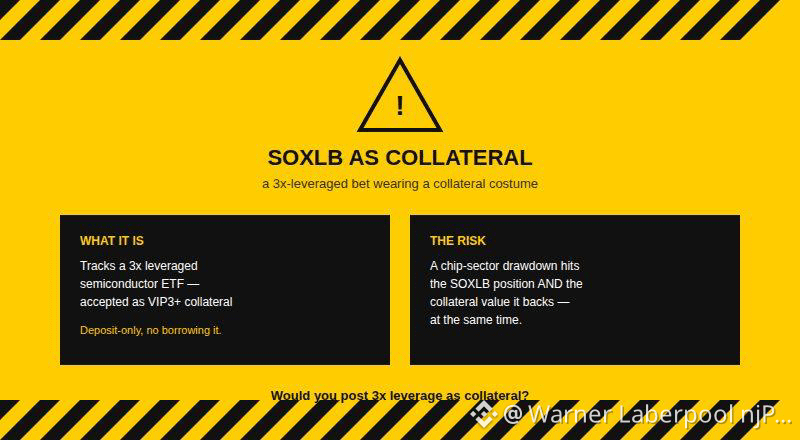
#bstockscis SOXLB is a 3x leveraged semiconductor ETF token. Binance takes it as margin collateral for VIP 3+ users. Read that again. ⚠️ You can post a triple-leveraged instrument to back a separate leveraged position. Think through what that actually does in a bad week: a semiconductor drawdown doesn't just hit your SOXLB holding, it can shrink the collateral value backing everything else you're trading — at the exact same moment. Two legs of the same storm hitting together isn't diversification, it's concentration wearing a disguise. I'm not telling you to avoid it. I'm asking whether you know what you're actually stacking before you stack it. Would you personally put 3x leverage up as collateral, or is that a hard no for you? 🎢
@BinanceCIS $SOXLB #bStocksCIS
#bstockscis SOXLB is a 3x leveraged semiconductor ETF token. Binance takes it as margin collateral for VIP 3+ users. Read that again. ⚠️ You can post a triple-leveraged instrument to back a separate leveraged position. Think through what that actually does in a bad week: a semiconductor drawdown doesn't just hit your SOXLB holding, it can shrink the collateral value backing everything else you're trading — at the exact same moment. Two legs of the same storm hitting together isn't diversification, it's concentration wearing a disguise. I'm not telling you to avoid it. I'm asking whether you know what you're actually stacking before you stack it. Would you personally put 3x leverage up as collateral, or is that a hard no for you? 🎢
@BinanceCIS $SOXLB #bStocksCIS
@BinanceCIS $SOXLB #bStocksCIS
80
·
--
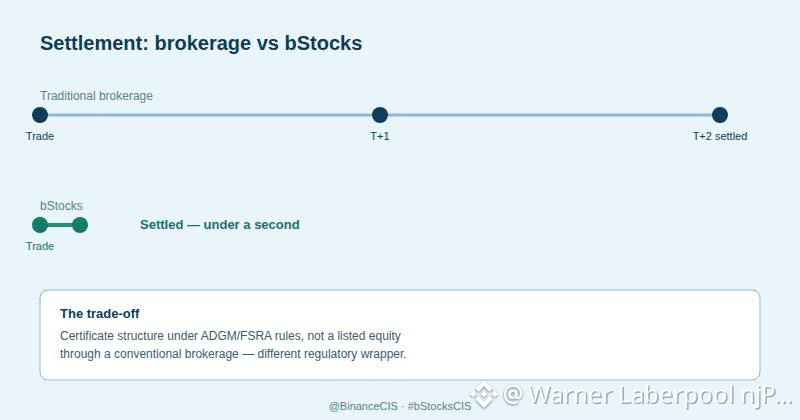
#bstockscis Settlement Without the Wait: T+0 vs T+2
Eine Annahme, die viele aus traditionellen Brokerages mitbringen, ist, dass die Abwicklung immer Zeit in Anspruch nimmt – T+1, T+2, also eine Verzögerung zwischen dem Handel und dem Zeitpunkt, an dem das Asset tatsächlich Ihnen gehört.
bAktien funktionieren nicht auf diese Weise. Handel und Abwicklung laufen kontinuierlich. Es gibt keine mehrtägige Lücke zwischen Ausführung und Eigentum, die in Ihrem Kontostand auftaucht.
Die sinnvolle Abwägung, die es zu verstehen gilt: Hierbei handelt es sich um ein Zertifikatsprodukt, das unter ADGM/FSRA-Regeln betrieben wird – nicht um eine gelistete Aktie, die über ein herkömmliches Brokerage gehandelt wird. Das bedeutet, dass der regulatorische Rahmen ein anderer ist als bei einem Standard-Brokerage-Konto. Schnellere Abwicklung kommt mit einer anderen Art von rechtlichem Rahmenwerk – nicht mit demselben, nur „abgekürzten“ Modell.
@BinanceCIS #bStocksCIS
#bstockscis Settlement Without the Wait: T+0 vs T+2
Eine Annahme, die viele aus traditionellen Brokerages mitbringen, ist, dass die Abwicklung immer Zeit in Anspruch nimmt – T+1, T+2, also eine Verzögerung zwischen dem Handel und dem Zeitpunkt, an dem das Asset tatsächlich Ihnen gehört.
bAktien funktionieren nicht auf diese Weise. Handel und Abwicklung laufen kontinuierlich. Es gibt keine mehrtägige Lücke zwischen Ausführung und Eigentum, die in Ihrem Kontostand auftaucht.
Die sinnvolle Abwägung, die es zu verstehen gilt: Hierbei handelt es sich um ein Zertifikatsprodukt, das unter ADGM/FSRA-Regeln betrieben wird – nicht um eine gelistete Aktie, die über ein herkömmliches Brokerage gehandelt wird. Das bedeutet, dass der regulatorische Rahmen ein anderer ist als bei einem Standard-Brokerage-Konto. Schnellere Abwicklung kommt mit einer anderen Art von rechtlichem Rahmenwerk – nicht mit demselben, nur „abgekürzten“ Modell.
@BinanceCIS #bStocksCIS
Eine Annahme, die viele aus traditionellen Brokerages mitbringen, ist, dass die Abwicklung immer Zeit in Anspruch nimmt – T+1, T+2, also eine Verzögerung zwischen dem Handel und dem Zeitpunkt, an dem das Asset tatsächlich Ihnen gehört.
bAktien funktionieren nicht auf diese Weise. Handel und Abwicklung laufen kontinuierlich. Es gibt keine mehrtägige Lücke zwischen Ausführung und Eigentum, die in Ihrem Kontostand auftaucht.
Die sinnvolle Abwägung, die es zu verstehen gilt: Hierbei handelt es sich um ein Zertifikatsprodukt, das unter ADGM/FSRA-Regeln betrieben wird – nicht um eine gelistete Aktie, die über ein herkömmliches Brokerage gehandelt wird. Das bedeutet, dass der regulatorische Rahmen ein anderer ist als bei einem Standard-Brokerage-Konto. Schnellere Abwicklung kommt mit einer anderen Art von rechtlichem Rahmenwerk – nicht mit demselben, nur „abgekürzten“ Modell.
@BinanceCIS #bStocksCIS
69
·
--
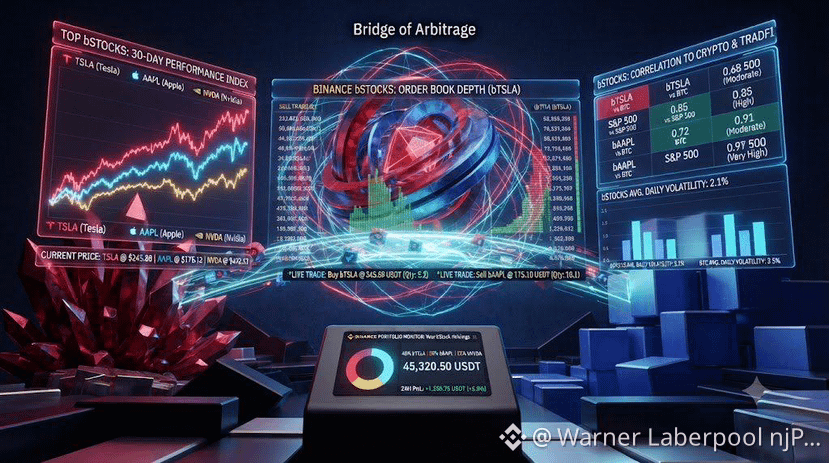
#bstockscis Marktineffizienzen erzeugen die höchste risikoadjustierte Alpha-Quote für analytisch orientierte Trader. Wenn traditionelle Aktienmärkte bei Extremschwankungen nach Handelsschluss oder durch makrogetriebene Sentiment-Schocks unter Druck geraten, können vorübergehende Kursdeltas über globale digitale Handelsplätze hinweg auftreten.
Während algorithmische Systeme institutionelle Arbitragefenster erfassen, können Retail-Teilnehmer, die Binance bStocks nutzen, Cross-Market-Korrelationen untersuchen, um die Ein- und Ausstiegs-Ausführung zu optimieren. Das Beobachten, wie sich die Dynamik aus dem Technologiesektor auf kryptonative tokenisierte Entsprechungen überträgt, stärkt fortgeschrittene Fähigkeiten im Chartlesen und bei der zeitlichen Abstimmung.
#bStocksCIS @BinanceCIS
#bstockscis Marktineffizienzen erzeugen die höchste risikoadjustierte Alpha-Quote für analytisch orientierte Trader. Wenn traditionelle Aktienmärkte bei Extremschwankungen nach Handelsschluss oder durch makrogetriebene Sentiment-Schocks unter Druck geraten, können vorübergehende Kursdeltas über globale digitale Handelsplätze hinweg auftreten.
Während algorithmische Systeme institutionelle Arbitragefenster erfassen, können Retail-Teilnehmer, die Binance bStocks nutzen, Cross-Market-Korrelationen untersuchen, um die Ein- und Ausstiegs-Ausführung zu optimieren. Das Beobachten, wie sich die Dynamik aus dem Technologiesektor auf kryptonative tokenisierte Entsprechungen überträgt, stärkt fortgeschrittene Fähigkeiten im Chartlesen und bei der zeitlichen Abstimmung.
#bStocksCIS @BinanceCIS
Während algorithmische Systeme institutionelle Arbitragefenster erfassen, können Retail-Teilnehmer, die Binance bStocks nutzen, Cross-Market-Korrelationen untersuchen, um die Ein- und Ausstiegs-Ausführung zu optimieren. Das Beobachten, wie sich die Dynamik aus dem Technologiesektor auf kryptonative tokenisierte Entsprechungen überträgt, stärkt fortgeschrittene Fähigkeiten im Chartlesen und bei der zeitlichen Abstimmung.
#bStocksCIS @BinanceCIS
365
·
--
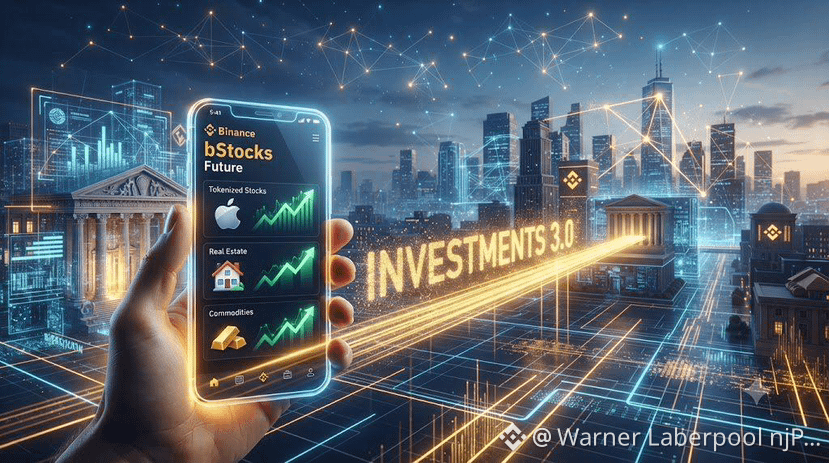
#bstockscis Wir erleben derzeit einen massiven Generationswechsel in der Art, wie Vermögen gespeichert, bewegt und vermehrt wird. Wir haben uns von physischem Bargeld hin zum digitalen Banking (Fintech 1.0/2.0) bewegt und betreten nun das Zeitalter der Investments 3.0.
Binance bStocks stehen genau für diese Entwicklung. Es geht nicht nur darum, mit einem Aktien-Token zu handeln; es geht darum, die unsichtbaren Barrieren abzubauen, die dezentrale Finanzwelt von traditionellen Konzernriesen getrennt haben. Indem wir die Liquidität und Geschwindigkeit von Web3 mit der grundlegenden Stabilität globaler Aktien verbinden, gestalten wir ein Ökosystem, das schneller, gerechter und unendlich zugänglicher ist.
Wir schauen nicht nur dabei zu, wie die Zukunft des Finanzwesens entsteht – wir sind aktiv dabei.
#bStocksCIS @BinanceCIS
#bstockscis Wir erleben derzeit einen massiven Generationswechsel in der Art, wie Vermögen gespeichert, bewegt und vermehrt wird. Wir haben uns von physischem Bargeld hin zum digitalen Banking (Fintech 1.0/2.0) bewegt und betreten nun das Zeitalter der Investments 3.0.
Binance bStocks stehen genau für diese Entwicklung. Es geht nicht nur darum, mit einem Aktien-Token zu handeln; es geht darum, die unsichtbaren Barrieren abzubauen, die dezentrale Finanzwelt von traditionellen Konzernriesen getrennt haben. Indem wir die Liquidität und Geschwindigkeit von Web3 mit der grundlegenden Stabilität globaler Aktien verbinden, gestalten wir ein Ökosystem, das schneller, gerechter und unendlich zugänglicher ist.
Wir schauen nicht nur dabei zu, wie die Zukunft des Finanzwesens entsteht – wir sind aktiv dabei.
#bStocksCIS @BinanceCIS
Binance bStocks stehen genau für diese Entwicklung. Es geht nicht nur darum, mit einem Aktien-Token zu handeln; es geht darum, die unsichtbaren Barrieren abzubauen, die dezentrale Finanzwelt von traditionellen Konzernriesen getrennt haben. Indem wir die Liquidität und Geschwindigkeit von Web3 mit der grundlegenden Stabilität globaler Aktien verbinden, gestalten wir ein Ökosystem, das schneller, gerechter und unendlich zugänglicher ist.
Wir schauen nicht nur dabei zu, wie die Zukunft des Finanzwesens entsteht – wir sind aktiv dabei.
#bStocksCIS @BinanceCIS
75
Anmelden und weiter Inhalte entdecken
Krypto-Nutzer weltweit auf Binance Square kennenlernen
⚡️ Bleib in Sachen Krypto stets am Puls.
💬 Die weltgrößte Kryptobörse vertraut darauf.
👍 Erhalte verlässliche Einblicke von verifizierten Creators.
E-Mail-Adresse/Telefonnummer
Trendthemen
NvidiaApproves$150BBuyback
235 Aufrufe
12 Kommentare
🚨 NVIDIA HAT SOEBEN EINE WETTE ÜBER 150 MILLIARDEN DOLLAR AUF SICH SELBST ABGEGEBEN!
Der KI-Riese NVIDIA hat eine zusätzliche Aktienrückkauf-Ermächtigung in Höhe von 150 Milliarden US-Dollar genehmigt und damit seine verbleibende Gesamt-Ermächtigung für den Aktienrückkauf auf 235 Milliarden US-Dollar erhöht — das größte Aktienrückkaufprogramm in der US-Unternehmensgeschichte.
Warum ist das wichtig? 👇
🔥 Massive Aktienrückkäufe signalisieren häufig starkes Vertrauen des Managements.
💰 NVIDIA nutzt riesige, KI-getriebene Cashflows, um Kapital an die Aktionäre zurückzugeben.
📈 Der Schritt unterstreicht zudem NVIDIA’s Überzeugung, dass der KI-Boom noch lange nicht vorbei ist.
CEO Jensen Huang sagt, dass KI und beschleunigtes Computing eine „Gelegenheit einmal pro Generation“ schaffen, und NVIDIA plant, weiterhin aggressiv zu investieren und gleichzeitig Investoren zu belohnen.
👀 Trader beobachten nun, ob diese historische Ankündigung mehr Schwung in KI-bezogene Aktien und den breiteren Tech-Markt bringt.
#NvidiaApproves$150BBuyback #NVIDIA
$NVDA.US $NVDAB
ASHFAQ NAEEM
·1 Likes
·42 Aufrufe
OpenAIDelaysGPT6.1OverSafetyIssues
769 Aufrufe
59 Kommentare
AMDToAcquireWorldLabsFor$8.2B
96 Aufrufe
16 Kommentare