

ResidentEvil2020777
5.8k Beiträge

ResidentEvil2020777
Melden
Nutzer blockieren
Square Creator | Binance Creator | BNBChain Creator | UID: 422 000 280 🔸 Follow for tech, news, and market insights 🤜🤛@resident2020777 on X
Trade eröffnen
Hochfrequenz-Trader
4.6 Jahre
1.0K+ Following
872 Follower
4.9K+ Like gegeben
Beiträge
Portfolio
Alle
Zitierungen
Videos

Ich unterstütze den Autor!
Ich unterstütze den Autor!

MoonMan567
·
--
CreatorPad geht in die falsche Richtung. Wir sehen das - und sind bereit, zu helfen, es zu korrigieren
Offener Brief von einem Autor der ukrainischen Square-Community an das Team von CreatorPad @Binance Square Official
Ich bin ein Autor aus der Ukraine, der für CreatorPad schreibt, ständig mit anderen ukrainischen Autoren kommuniziert und daher die allgemeinen Stimmungen unserer Gemeinschaft versteht. Wir haben viel Zeit, Mühe und aufrichtigen Wunsch in diese Plattform investiert, um qualitativ hochwertigen Content zu erstellen. Wir haben an die Mission von Binance Square geglaubt und glauben weiterhin daran: Aufklärung der Krypto-Gemeinschaft, Förderung qualitativ hochwertiger Projekte und Bildung einer Kultur des verantwortungsvollen Umgangs mit Informationen in Web3.
Ich bin ein Autor aus der Ukraine, der für CreatorPad schreibt, ständig mit anderen ukrainischen Autoren kommuniziert und daher die allgemeinen Stimmungen unserer Gemeinschaft versteht. Wir haben viel Zeit, Mühe und aufrichtigen Wunsch in diese Plattform investiert, um qualitativ hochwertigen Content zu erstellen. Wir haben an die Mission von Binance Square geglaubt und glauben weiterhin daran: Aufklärung der Krypto-Gemeinschaft, Förderung qualitativ hochwertiger Projekte und Bildung einer Kultur des verantwortungsvollen Umgangs mit Informationen in Web3.

2
61
·
--
Bullisch
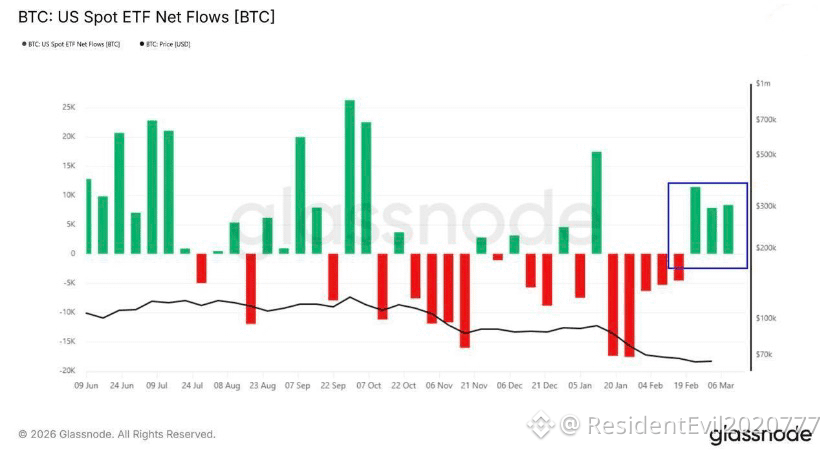
📈 Stabile Zuflüsse in $BTC ETFs setzen fort
Spot Bitcoin ETFs haben in den letzten drei Wochen mehr als 2 Milliarden Dollar in BTC angesammelt.
Dies markiert die erste anhaltende Zuflussserie seit September letzten Jahres, einen Trend, den viele Investoren als ein gesundes Signal für den breiteren Kryptomarkt ansehen.
#etf #ETFvsBTC
#BTC #BTC走势分析
📈 Stabile Zuflüsse in $BTC ETFs setzen fort
Spot Bitcoin ETFs haben in den letzten drei Wochen mehr als 2 Milliarden Dollar in BTC angesammelt.
Dies markiert die erste anhaltende Zuflussserie seit September letzten Jahres, einen Trend, den viele Investoren als ein gesundes Signal für den breiteren Kryptomarkt ansehen.
#etf #ETFvsBTC
#BTC #BTC走势分析
Spot Bitcoin ETFs haben in den letzten drei Wochen mehr als 2 Milliarden Dollar in BTC angesammelt.
Dies markiert die erste anhaltende Zuflussserie seit September letzten Jahres, einen Trend, den viele Investoren als ein gesundes Signal für den breiteren Kryptomarkt ansehen.
#etf #ETFvsBTC
#BTC #BTC走势分析
4
70
·
--
Bullisch
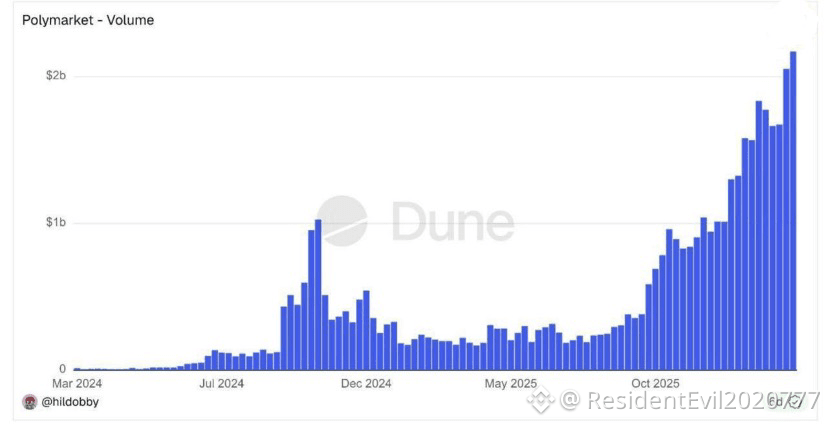
📊 Polymarket setzt neuen Handelsvolumenrekord…
Die Prognosemarktplattform Polymarket hat ein neues Rekordhoch an Handelsaktivitäten erreicht.
In der vergangenen Woche überstieg das gesamte Handelsvolumen 2,1 Milliarden Dollar und markierte das höchste wöchentliche Volumen in der Geschichte der Plattform.
$NIGHT
#TrendingTopic #news
📊 Polymarket setzt neuen Handelsvolumenrekord…
Die Prognosemarktplattform Polymarket hat ein neues Rekordhoch an Handelsaktivitäten erreicht.
In der vergangenen Woche überstieg das gesamte Handelsvolumen 2,1 Milliarden Dollar und markierte das höchste wöchentliche Volumen in der Geschichte der Plattform.
$NIGHT
#TrendingTopic #news
Die Prognosemarktplattform Polymarket hat ein neues Rekordhoch an Handelsaktivitäten erreicht.
In der vergangenen Woche überstieg das gesamte Handelsvolumen 2,1 Milliarden Dollar und markierte das höchste wöchentliche Volumen in der Geschichte der Plattform.
$NIGHT
#TrendingTopic #news
4
138
·
--
Bullisch
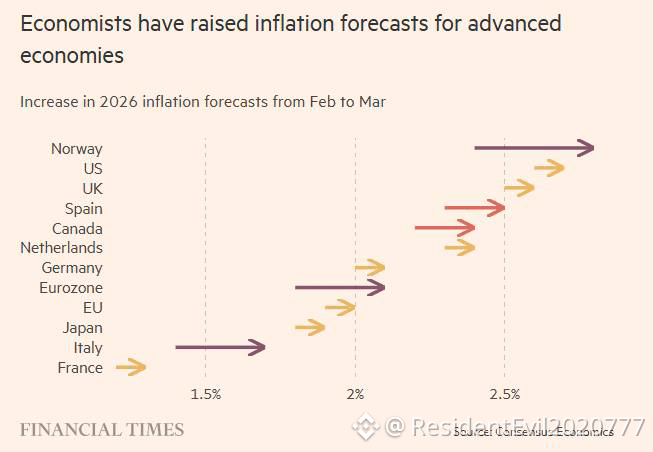
📈 Ökonomen erhöhen bereits die Inflationsprognosen…
Neue Prognosen zeigen eine HÖHERE Inflation in großen Volkswirtschaften:
🇺🇸 US: 2,7 % erwartet vs. 2,6 %
🇬🇧 UK: 2,6 % erwartet vs. 2,5 %
🇪🇺 Eurozone: 2,1 % erwartet vs. 2 %
Alle in diesem Monat nach oben korrigiert.
Warum? Steigende Öl- und Energiekosten...
$NIGHT
#TrendingTopic #news
📈 Ökonomen erhöhen bereits die Inflationsprognosen…
Neue Prognosen zeigen eine HÖHERE Inflation in großen Volkswirtschaften:
🇺🇸 US: 2,7 % erwartet vs. 2,6 %
🇬🇧 UK: 2,6 % erwartet vs. 2,5 %
🇪🇺 Eurozone: 2,1 % erwartet vs. 2 %
Alle in diesem Monat nach oben korrigiert.
Warum? Steigende Öl- und Energiekosten...
$NIGHT
#TrendingTopic #news
Neue Prognosen zeigen eine HÖHERE Inflation in großen Volkswirtschaften:
🇺🇸 US: 2,7 % erwartet vs. 2,6 %
🇬🇧 UK: 2,6 % erwartet vs. 2,5 %
🇪🇺 Eurozone: 2,1 % erwartet vs. 2 %
Alle in diesem Monat nach oben korrigiert.
Warum? Steigende Öl- und Energiekosten...
$NIGHT
#TrendingTopic #news
4
93
·
--
Bullisch
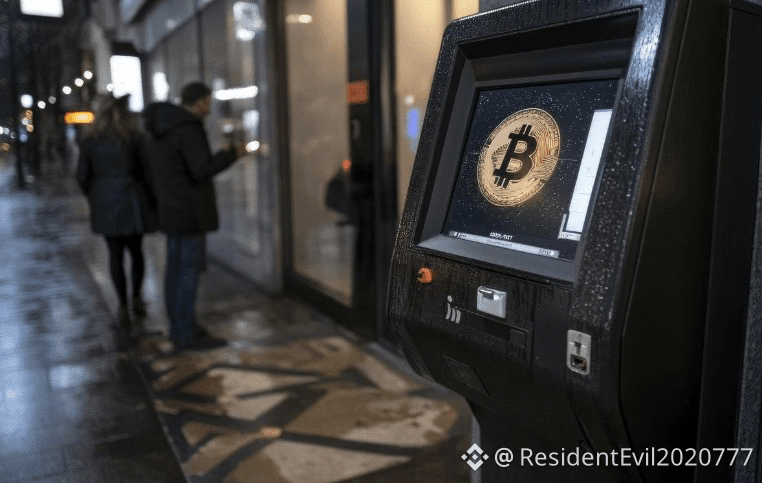
🏧 Krypto-ATM-Betrügereien steigen innerhalb eines Jahres um ein Drittel..
Die Verluste durch Krypto-ATM-Betrügereien in den USA beliefen sich 2025 auf 333 Millionen Dollar.
✍️ Die Anzahl der Beschwerden, die beim Federal Bureau of Investigation eingereicht wurden, stieg um 33 % und erreichte insgesamt 12.000 Meldungen, da Betrüger zunehmend Deepfake-Technologie einsetzen, um Opfer zu täuschen.
Die Fähigkeit, Bargeld schnell in Vermögenswerte wie $BTC und andere Kryptowährungen umzuwandeln, macht diese Maschinen zu einem attraktiven Kanal für Kriminelle, um illegale Gelder zu bewegen und abzuheben.
#TrendingTopic #SAFU🙏 #news #breakingnews #scam
🏧 Krypto-ATM-Betrügereien steigen innerhalb eines Jahres um ein Drittel..
Die Verluste durch Krypto-ATM-Betrügereien in den USA beliefen sich 2025 auf 333 Millionen Dollar.
✍️ Die Anzahl der Beschwerden, die beim Federal Bureau of Investigation eingereicht wurden, stieg um 33 % und erreichte insgesamt 12.000 Meldungen, da Betrüger zunehmend Deepfake-Technologie einsetzen, um Opfer zu täuschen.
Die Fähigkeit, Bargeld schnell in Vermögenswerte wie $BTC und andere Kryptowährungen umzuwandeln, macht diese Maschinen zu einem attraktiven Kanal für Kriminelle, um illegale Gelder zu bewegen und abzuheben.
#TrendingTopic #SAFU🙏 #news #breakingnews #scam
Die Verluste durch Krypto-ATM-Betrügereien in den USA beliefen sich 2025 auf 333 Millionen Dollar.
✍️ Die Anzahl der Beschwerden, die beim Federal Bureau of Investigation eingereicht wurden, stieg um 33 % und erreichte insgesamt 12.000 Meldungen, da Betrüger zunehmend Deepfake-Technologie einsetzen, um Opfer zu täuschen.
Die Fähigkeit, Bargeld schnell in Vermögenswerte wie $BTC und andere Kryptowährungen umzuwandeln, macht diese Maschinen zu einem attraktiven Kanal für Kriminelle, um illegale Gelder zu bewegen und abzuheben.
#TrendingTopic #SAFU🙏 #news #breakingnews #scam
4
130
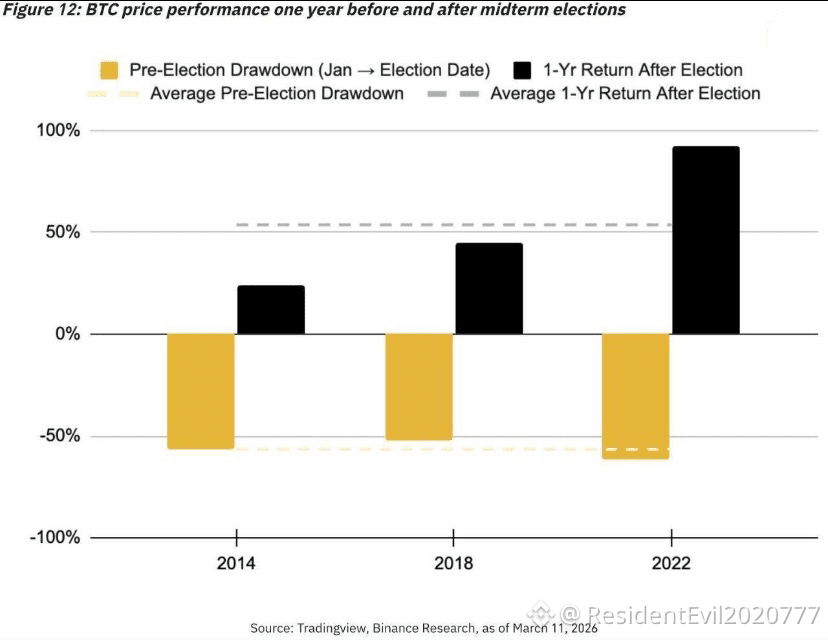
📊 U.S. Wahlen = Marktvolatilität…
Laut einer Studie von #Binance Research wurden die Zwischenwahlen in den USA historisch mit signifikanter Marktvolatilität in Verbindung gebracht.
In diesen Perioden ist der S&P 500 im Durchschnitt um 16% gefallen, während $BTC durchschnittliche Rückgänge von etwa 56% verzeichnet hat.
Es ist jedoch typisch, dass sich die Märkte nach der Bekanntgabe der Wahlergebnisse erholen. In den folgenden 12 Monaten hat der S&P 500 historisch etwa 19% zugelegt, während Bitcoin im Durchschnitt um 54% gestiegen ist.
#TrendingTopic #BTC
📊 U.S. Wahlen = Marktvolatilität…
Laut einer Studie von #Binance Research wurden die Zwischenwahlen in den USA historisch mit signifikanter Marktvolatilität in Verbindung gebracht.
In diesen Perioden ist der S&P 500 im Durchschnitt um 16% gefallen, während $BTC durchschnittliche Rückgänge von etwa 56% verzeichnet hat.
Es ist jedoch typisch, dass sich die Märkte nach der Bekanntgabe der Wahlergebnisse erholen. In den folgenden 12 Monaten hat der S&P 500 historisch etwa 19% zugelegt, während Bitcoin im Durchschnitt um 54% gestiegen ist.
#TrendingTopic #BTC
Laut einer Studie von #Binance Research wurden die Zwischenwahlen in den USA historisch mit signifikanter Marktvolatilität in Verbindung gebracht.
In diesen Perioden ist der S&P 500 im Durchschnitt um 16% gefallen, während $BTC durchschnittliche Rückgänge von etwa 56% verzeichnet hat.
Es ist jedoch typisch, dass sich die Märkte nach der Bekanntgabe der Wahlergebnisse erholen. In den folgenden 12 Monaten hat der S&P 500 historisch etwa 19% zugelegt, während Bitcoin im Durchschnitt um 54% gestiegen ist.
#TrendingTopic #BTC
5
124
·
--
Bullisch
🟢 $BTC
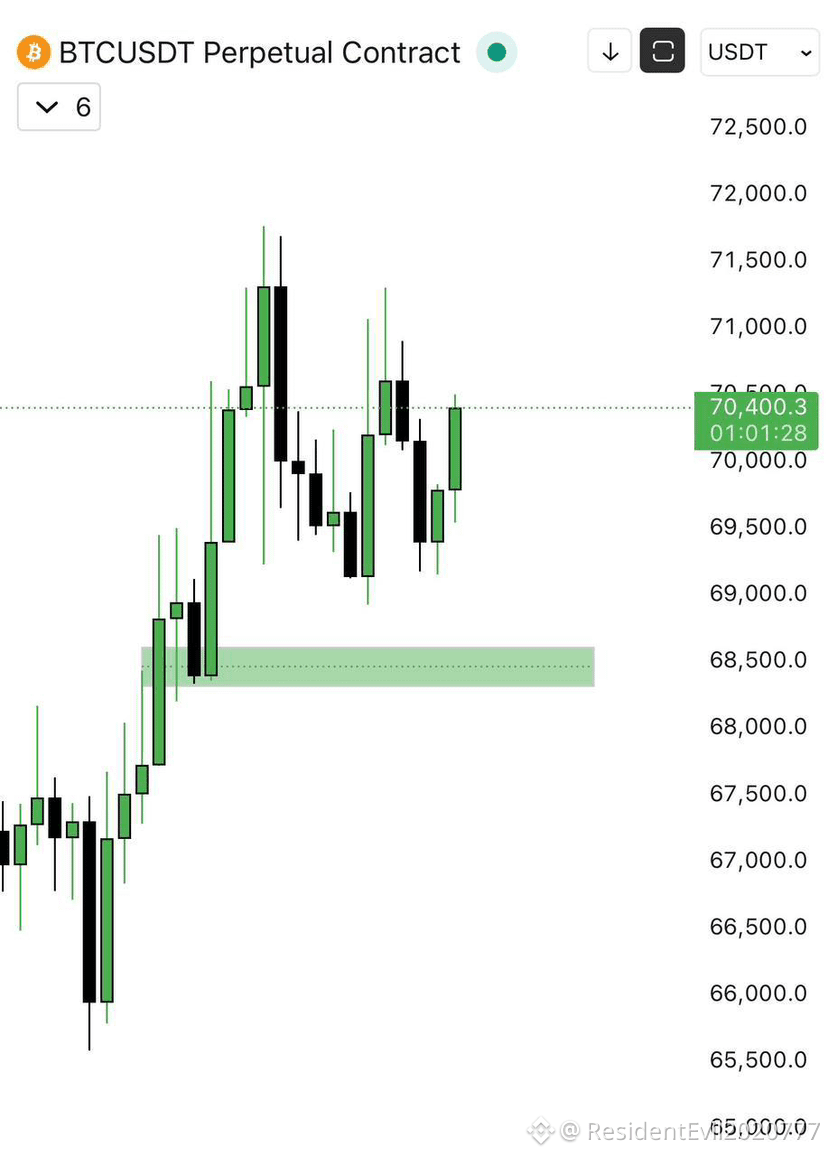
Es gab keine wesentlichen Änderungen, der Preis handelt weiterhin um die 70.000 $-Marke, mit nur lokalen Liquiditätsschwankungen in beide Richtungen.
Ob wir einen weiteren Rückgang sehen oder nicht, ich glaube, der Preis sollte erheblich höher steigen, zumindest in Richtung des Bereichs von 75.000 $–76.000 $.
Für jetzt bleibt das Hauptszenario eine Fortsetzung der Aufwärtsbewegung aus der aktuellen Konsolidierungszone (68.000 $–70.000 $).
#TrendingTopic #BTC #BTC☀ #BTC走势分析 #bitcoin
🟢 $BTC
Es gab keine wesentlichen Änderungen, der Preis handelt weiterhin um die 70.000 $-Marke, mit nur lokalen Liquiditätsschwankungen in beide Richtungen.
Ob wir einen weiteren Rückgang sehen oder nicht, ich glaube, der Preis sollte erheblich höher steigen, zumindest in Richtung des Bereichs von 75.000 $–76.000 $.
Für jetzt bleibt das Hauptszenario eine Fortsetzung der Aufwärtsbewegung aus der aktuellen Konsolidierungszone (68.000 $–70.000 $).
#TrendingTopic #BTC #BTC☀ #BTC走势分析 #bitcoin
Es gab keine wesentlichen Änderungen, der Preis handelt weiterhin um die 70.000 $-Marke, mit nur lokalen Liquiditätsschwankungen in beide Richtungen.
Ob wir einen weiteren Rückgang sehen oder nicht, ich glaube, der Preis sollte erheblich höher steigen, zumindest in Richtung des Bereichs von 75.000 $–76.000 $.
Für jetzt bleibt das Hauptszenario eine Fortsetzung der Aufwärtsbewegung aus der aktuellen Konsolidierungszone (68.000 $–70.000 $).
#TrendingTopic #BTC #BTC☀ #BTC走势分析 #bitcoin
2
5
145

Artikel
Midnight Network: Die Zukunft des privaten Web3 mit $NIGHT gestaltenDie Krypto-Industrie tritt in eine neue Phase ein, in der Datenschutz, Skalierbarkeit und Compliance koexistieren müssen, und genau hier
und sein Ökosystem-Token
immer wichtiger werden.
Über Jahre hinweg standen Blockchain-Nutzer vor einem schwierigen Dilemma: entweder vollständige Transparenz wählen oder Benutzerfreundlichkeit für Datenschutz opfern. Öffentliche Blockchains wie Bitcoin und Ethereum sind von Natur aus transparent, was für Vertrauen großartig, aber problematisch für Unternehmen und Einzelpersonen ist, die sensible Daten schützen müssen. Hier bringt Midnight Network einen leistungsstarken neuen Ansatz.
Midnight Network: Die Zukunft des privaten Web3 mit $NIGHT gestalten
Die Krypto-Industrie tritt in eine neue Phase ein, in der Datenschutz, Skalierbarkeit und Compliance koexistieren müssen, und genau hier
und sein Ökosystem-Token
immer wichtiger werden.
Über Jahre hinweg standen Blockchain-Nutzer vor einem schwierigen Dilemma: entweder vollständige Transparenz wählen oder Benutzerfreundlichkeit für Datenschutz opfern. Öffentliche Blockchains wie Bitcoin und Ethereum sind von Natur aus transparent, was für Vertrauen großartig, aber problematisch für Unternehmen und Einzelpersonen ist, die sensible Daten schützen müssen. Hier bringt Midnight Network einen leistungsstarken neuen Ansatz.
und sein Ökosystem-Token
immer wichtiger werden.
Über Jahre hinweg standen Blockchain-Nutzer vor einem schwierigen Dilemma: entweder vollständige Transparenz wählen oder Benutzerfreundlichkeit für Datenschutz opfern. Öffentliche Blockchains wie Bitcoin und Ethereum sind von Natur aus transparent, was für Vertrauen großartig, aber problematisch für Unternehmen und Einzelpersonen ist, die sensible Daten schützen müssen. Hier bringt Midnight Network einen leistungsstarken neuen Ansatz.
1
4
198
·
--
Bärisch
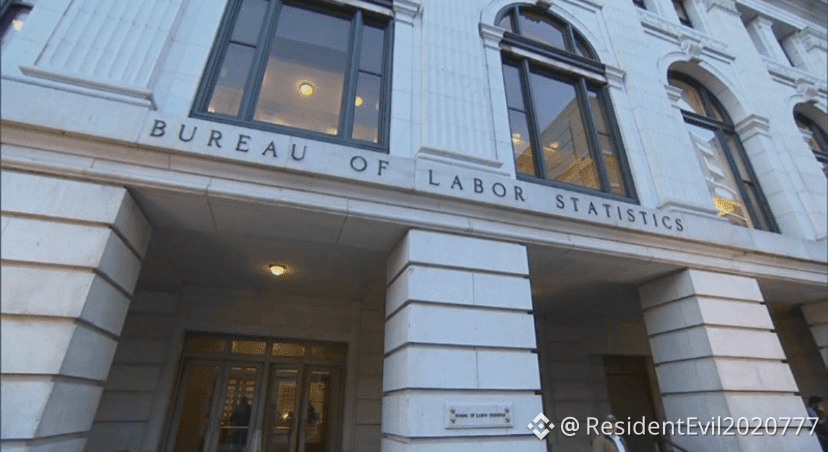
⚡️ Die US-Inflation (CPI) lag bei 2,4%.
Der vorherige Wert betrug ebenfalls 2,4%.
Es ist jedoch wichtig zu beachten, dass die Auswirkungen des Konflikts mit dem Iran und steigende Ölpreise in diesem Bericht noch nicht berücksichtigt sind, da die Inflationsdaten mit Verzögerung erfasst werden.
$NIGHT
#TrendingTopic #cpi #news #breakingnews #night
⚡️ Die US-Inflation (CPI) lag bei 2,4%.
Der vorherige Wert betrug ebenfalls 2,4%.
Es ist jedoch wichtig zu beachten, dass die Auswirkungen des Konflikts mit dem Iran und steigende Ölpreise in diesem Bericht noch nicht berücksichtigt sind, da die Inflationsdaten mit Verzögerung erfasst werden.
$NIGHT
#TrendingTopic #cpi #news #breakingnews #night
Der vorherige Wert betrug ebenfalls 2,4%.
Es ist jedoch wichtig zu beachten, dass die Auswirkungen des Konflikts mit dem Iran und steigende Ölpreise in diesem Bericht noch nicht berücksichtigt sind, da die Inflationsdaten mit Verzögerung erfasst werden.
$NIGHT
#TrendingTopic #cpi #news #breakingnews #night
3
346
·
--
Bärisch
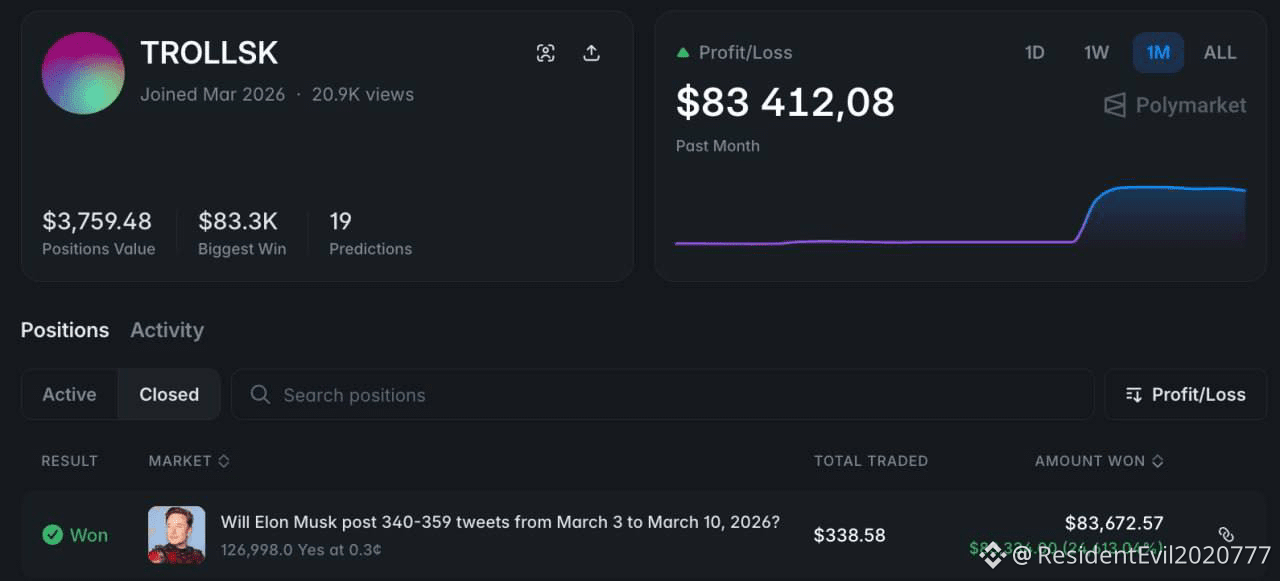
🗣 Ein Polymarket-Nutzer verwandelte $339 in $83.700, indem er korrekt die Anzahl der von Elon Musk in einer einzigen Woche geposteten Tweets vorhersagte 👀
$ACX
#TrendingTopic #CryptoNewss #predictons #prediction #ElonMusk
🗣 Ein Polymarket-Nutzer verwandelte $339 in $83.700, indem er korrekt die Anzahl der von Elon Musk in einer einzigen Woche geposteten Tweets vorhersagte 👀
$ACX
#TrendingTopic #CryptoNewss #predictons #prediction #ElonMusk
$ACX
#TrendingTopic #CryptoNewss #predictons #prediction #ElonMusk
3
389
·
--
Bärisch
🤔 #CZ mocked Forbes’ Schätzung seines Nettovermögens…
Changpeng Zhao sagte, dass er den Artikel von Forbes nicht einmal gelesen habe, aber allein aus dem Diagramm erkannte, dass die darin enthaltenen Daten falsch waren.
Laut ihm wäre es illogisch, wenn die Preise für Kryptowährungen im Jahr 2026 um mehr als 50% fallen würden, dass sein Nettovermögen steigen würde.
Früher schätzte Forbes CZs Vermögen auf etwa 111 Milliarden Dollar und platzierte ihn auf den 17. Platz unter den reichsten Menschen der Welt.
#TrendingTopic #CryptoNewss #BinanceSquareFamily #Binance
$BNB
{spot}(BNBUSDT)
🤔 #CZ mocked Forbes’ Schätzung seines Nettovermögens…
Changpeng Zhao sagte, dass er den Artikel von Forbes nicht einmal gelesen habe, aber allein aus dem Diagramm erkannte, dass die darin enthaltenen Daten falsch waren.
Laut ihm wäre es illogisch, wenn die Preise für Kryptowährungen im Jahr 2026 um mehr als 50% fallen würden, dass sein Nettovermögen steigen würde.
Früher schätzte Forbes CZs Vermögen auf etwa 111 Milliarden Dollar und platzierte ihn auf den 17. Platz unter den reichsten Menschen der Welt.
#TrendingTopic #CryptoNewss #BinanceSquareFamily #Binance
$BNB
Changpeng Zhao sagte, dass er den Artikel von Forbes nicht einmal gelesen habe, aber allein aus dem Diagramm erkannte, dass die darin enthaltenen Daten falsch waren.
Laut ihm wäre es illogisch, wenn die Preise für Kryptowährungen im Jahr 2026 um mehr als 50% fallen würden, dass sein Nettovermögen steigen würde.
Früher schätzte Forbes CZs Vermögen auf etwa 111 Milliarden Dollar und platzierte ihn auf den 17. Platz unter den reichsten Menschen der Welt.
#TrendingTopic #CryptoNewss #BinanceSquareFamily #Binance
$BNB

ResidentEvil2020777
·
--
Bullisch🐳 CZ ist zurück unter den reichsten der Welt – Vermögen erreicht 110 Milliarden Dollar…
Laut Forbes hat das Vermögen des ehemaligen CEO Changpeng Zhao etwa 110 Milliarden Dollar erreicht, was 47 Milliarden Dollar mehr ist als vor einem Jahr.
Er belegt jetzt den 17. Platz unter den reichsten Menschen der Welt und überholt Bill Gates.
Der Anstieg des Vermögens ist mit der Erholung der Bewertung von #Binance verbunden, die der Markt derzeit auf etwa 100 Milliarden Dollar schätzt. 📈
$BNB
#CZ #TrendingTopic #BinanceSquareFamily #BinanceSquareTalks
Laut Forbes hat das Vermögen des ehemaligen CEO Changpeng Zhao etwa 110 Milliarden Dollar erreicht, was 47 Milliarden Dollar mehr ist als vor einem Jahr.
Er belegt jetzt den 17. Platz unter den reichsten Menschen der Welt und überholt Bill Gates.
Der Anstieg des Vermögens ist mit der Erholung der Bewertung von #Binance verbunden, die der Markt derzeit auf etwa 100 Milliarden Dollar schätzt. 📈
$BNB
#CZ #TrendingTopic #BinanceSquareFamily #BinanceSquareTalks
5
192
·
--
Bullisch
$ETH 💬
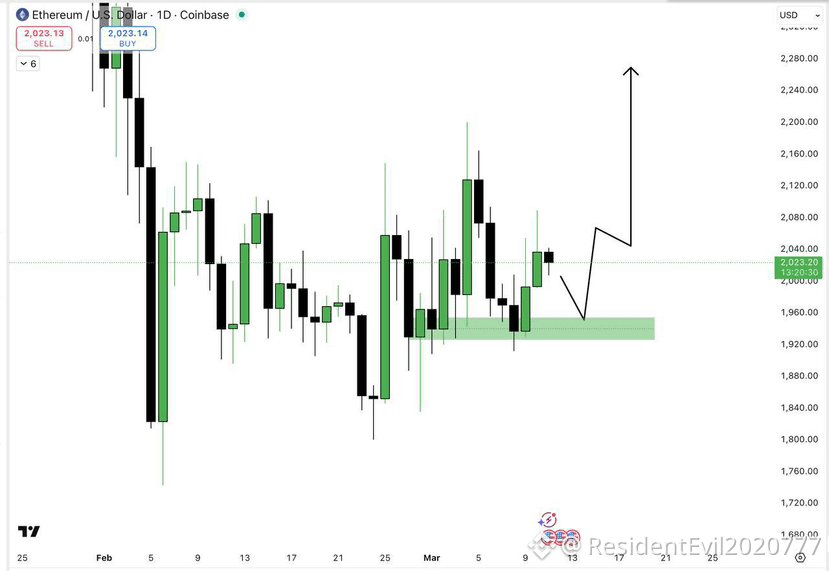
Für #Ethereum erwarte ich ebenfalls einen kleinen Rücksetzer auf die nächste Unterstützungsstufe, nach dem der Aufwärtstrend voraussichtlich mit einem Ziel von etwa ~$2.300 weitergehen wird. 📈
#eth #ETH🔥🔥🔥🔥🔥🔥 #ETH(二饼) #Price-Prediction
$ETH 💬
Für #Ethereum erwarte ich ebenfalls einen kleinen Rücksetzer auf die nächste Unterstützungsstufe, nach dem der Aufwärtstrend voraussichtlich mit einem Ziel von etwa ~$2.300 weitergehen wird. 📈
#eth #ETH🔥🔥🔥🔥🔥🔥 #ETH(二饼) #Price-Prediction
Für #Ethereum erwarte ich ebenfalls einen kleinen Rücksetzer auf die nächste Unterstützungsstufe, nach dem der Aufwärtstrend voraussichtlich mit einem Ziel von etwa ~$2.300 weitergehen wird. 📈
#eth #ETH🔥🔥🔥🔥🔥🔥 #ETH(二饼) #Price-Prediction
6
174
🎙 TOM LEE erklärt, warum höhere Ölpreise gut für den US-Aktienmarkt sind…
#oil #OilPricesSlide #OilMarket #TrendingTopic #TrumpSaysIranWarWillEndVerySoon
$BTC $ETH $BNB
🎙 TOM LEE erklärt, warum höhere Ölpreise gut für den US-Aktienmarkt sind…
#oil #OilPricesSlide #OilMarket #TrendingTopic #TrumpSaysIranWarWillEndVerySoon
$BTC $ETH $BNB
#oil #OilPricesSlide #OilMarket #TrendingTopic #TrumpSaysIranWarWillEndVerySoon
$BTC $ETH $BNB
5
230
·
--
Bärisch
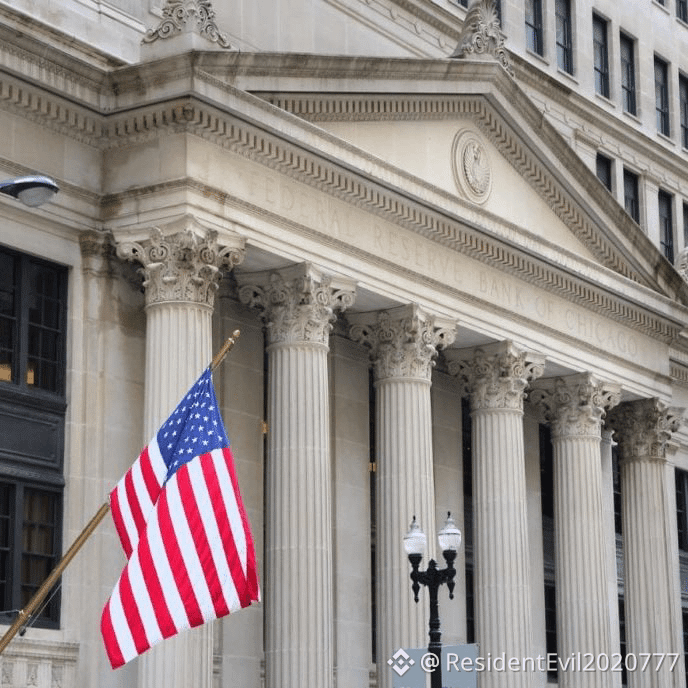
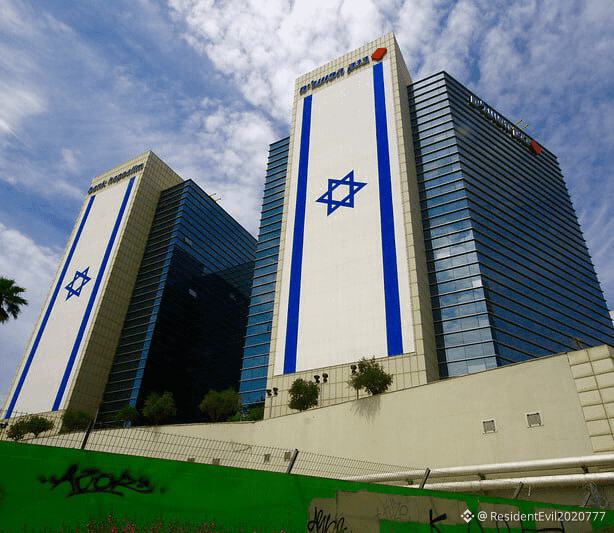
Der Iran droht, die wirtschaftlichen und banklichen Interessen der USA und Israels ins Visier zu nehmen.
Das Militär des Iran gab bekannt, dass es wirtschaftliche und bankliche Institutionen, die mit den USA und Israel in der Region verbunden sind, ins Visier nehmen wird, nach einem Angriff auf eine iranische Bank.
Der Sprecher warnte die Menschen in der Region, sich 1 km von Banken fernzuhalten, da sich der Konflikt über rein militärische Ziele hinaus ausdehnt.
#TrendingTopic #IsraelIranConflict #IranIsraelConflict #iran #news
$ROBO
Der Iran droht, die wirtschaftlichen und banklichen Interessen der USA und Israels ins Visier zu nehmen.
Das Militär des Iran gab bekannt, dass es wirtschaftliche und bankliche Institutionen, die mit den USA und Israel in der Region verbunden sind, ins Visier nehmen wird, nach einem Angriff auf eine iranische Bank.
Der Sprecher warnte die Menschen in der Region, sich 1 km von Banken fernzuhalten, da sich der Konflikt über rein militärische Ziele hinaus ausdehnt.
#TrendingTopic #IsraelIranConflict #IranIsraelConflict #iran #news
$ROBO
Das Militär des Iran gab bekannt, dass es wirtschaftliche und bankliche Institutionen, die mit den USA und Israel in der Region verbunden sind, ins Visier nehmen wird, nach einem Angriff auf eine iranische Bank.
Der Sprecher warnte die Menschen in der Region, sich 1 km von Banken fernzuhalten, da sich der Konflikt über rein militärische Ziele hinaus ausdehnt.
#TrendingTopic #IsraelIranConflict #IranIsraelConflict #iran #news
$ROBO
4
32
·
--
Bullisch
$BTC 🟢
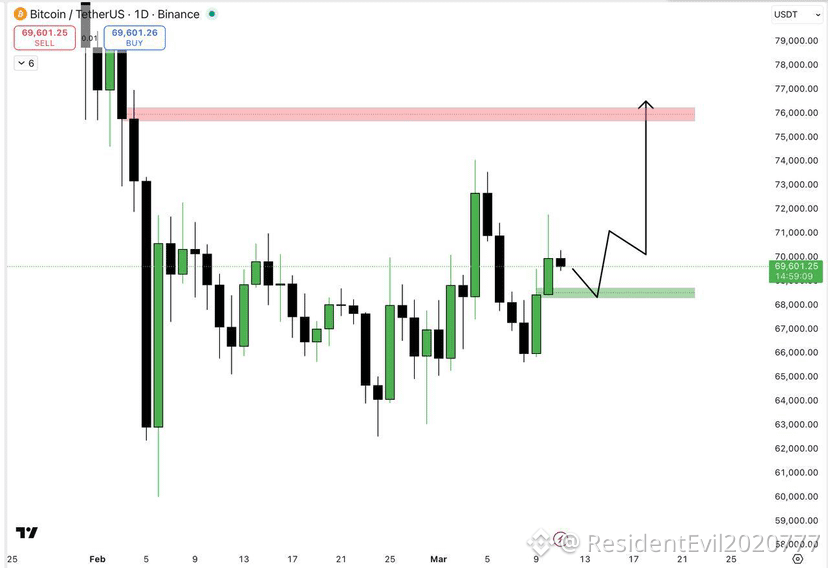
Der Preis ist auf $69.600 zurückgegangen...
Bevor die Aufwärtsbewegung fortgesetzt wird, sollte eine Preiskorrektur auf die nächste Unterstützung bei etwa $68.300 erwartet werden.
Nach diesem lokalen Rückgang wird eine Fortsetzung des Aufwärtstrends erwartet.
#BTC #BTC☀ #BTC走势分析 #bitcoin #Price-Prediction
$BTC 🟢
Der Preis ist auf $69.600 zurückgegangen...
Bevor die Aufwärtsbewegung fortgesetzt wird, sollte eine Preiskorrektur auf die nächste Unterstützung bei etwa $68.300 erwartet werden.
Nach diesem lokalen Rückgang wird eine Fortsetzung des Aufwärtstrends erwartet.
#BTC #BTC☀ #BTC走势分析 #bitcoin #Price-Prediction
Der Preis ist auf $69.600 zurückgegangen...
Bevor die Aufwärtsbewegung fortgesetzt wird, sollte eine Preiskorrektur auf die nächste Unterstützung bei etwa $68.300 erwartet werden.
Nach diesem lokalen Rückgang wird eine Fortsetzung des Aufwärtstrends erwartet.
#BTC #BTC☀ #BTC走势分析 #bitcoin #Price-Prediction
2
6
459
·
--
Bullisch
💰 Altseason 2026 steht kurz bevor… oder vielleicht auch nicht?
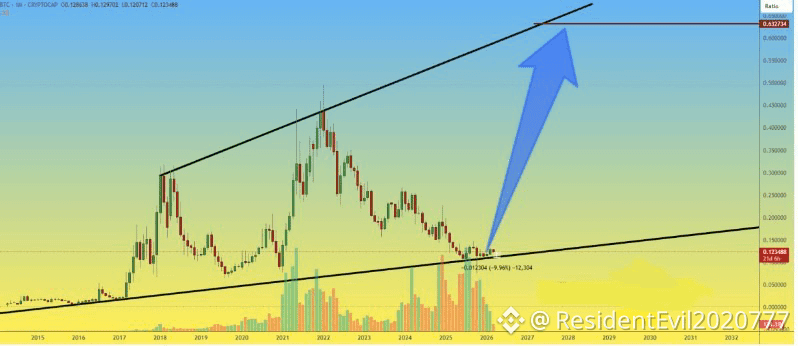
Auf Twitter zirkuliert ein Diagramm, das zeigt, dass die Marktkapitalisierung von Kryptowährungen ohne die Top 10 Münzen angeblich sehr nah am Beginn einer neuen Altseason ist, die möglicherweise sogar stärker ist als in 2017 und 2021.
🔥 Dieses Diagramm basiert auf einer arithmetischen Skala (Bild 1), und die Struktur sieht ziemlich optimistisch aus.
Aber wie man so schön sagt: „Ich bin ein Künstler — so sehe ich das“ 🙂
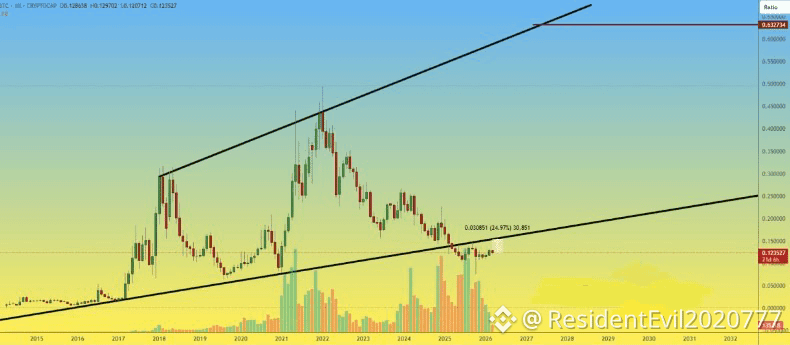
Schauen wir uns also zwei weitere Versionen des gleichen Diagramms an.
Bild 2 — ebenfalls eine arithmetische Skala.
Hier liegt die Konsolidierungszone bereits unter der Trendlinie.
In diesem Fall sieht das Bild viel schwächer aus — mehr wie ein „nichts Aufregendes“ Szenario, oder höchstens +20–25% Wachstum, bevor ein neuer Kampf beginnt, um über die Trendlinie zurückzukehren.
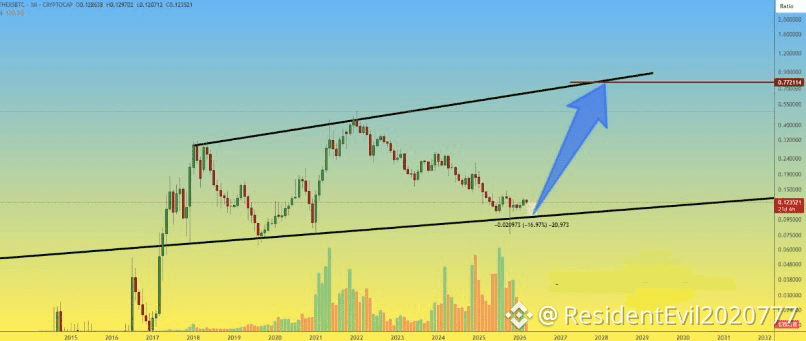
Bild 3 — logarithmische Skala.
Dies ist die Skala, die wir normalerweise für die technische Analyse der meisten Münzen verwenden.
Hier ist das Bild noch interessanter:
Vor einer potenziellen Altseason deutet das Diagramm auf eine zusätzliche Korrektur von etwa −17% für Altcoins hin.
Daher können die Szenarien stark variieren, von einem schnellen Start der Altseason bis zu einer weiteren Phase der Marktbereinigung vor dem Wachstum.
❓ Welches Szenario möchtest du glauben?
Und noch wichtiger, welches sieht realistischer aus?
$BTC
#altsesaon #signaladvisor #TrendingTopic #predictons #Write2Earn
💰 Altseason 2026 steht kurz bevor… oder vielleicht auch nicht?
Auf Twitter zirkuliert ein Diagramm, das zeigt, dass die Marktkapitalisierung von Kryptowährungen ohne die Top 10 Münzen angeblich sehr nah am Beginn einer neuen Altseason ist, die möglicherweise sogar stärker ist als in 2017 und 2021.
🔥 Dieses Diagramm basiert auf einer arithmetischen Skala (Bild 1), und die Struktur sieht ziemlich optimistisch aus.
Aber wie man so schön sagt: „Ich bin ein Künstler — so sehe ich das“ 🙂
Schauen wir uns also zwei weitere Versionen des gleichen Diagramms an.
Bild 2 — ebenfalls eine arithmetische Skala.
Hier liegt die Konsolidierungszone bereits unter der Trendlinie.
In diesem Fall sieht das Bild viel schwächer aus — mehr wie ein „nichts Aufregendes“ Szenario, oder höchstens +20–25% Wachstum, bevor ein neuer Kampf beginnt, um über die Trendlinie zurückzukehren.
Bild 3 — logarithmische Skala.
Dies ist die Skala, die wir normalerweise für die technische Analyse der meisten Münzen verwenden.
Hier ist das Bild noch interessanter:
Vor einer potenziellen Altseason deutet das Diagramm auf eine zusätzliche Korrektur von etwa −17% für Altcoins hin.
Daher können die Szenarien stark variieren, von einem schnellen Start der Altseason bis zu einer weiteren Phase der Marktbereinigung vor dem Wachstum.
❓ Welches Szenario möchtest du glauben?
Und noch wichtiger, welches sieht realistischer aus?
$BTC
#altsesaon #signaladvisor #TrendingTopic #predictons #Write2Earn
Auf Twitter zirkuliert ein Diagramm, das zeigt, dass die Marktkapitalisierung von Kryptowährungen ohne die Top 10 Münzen angeblich sehr nah am Beginn einer neuen Altseason ist, die möglicherweise sogar stärker ist als in 2017 und 2021.
🔥 Dieses Diagramm basiert auf einer arithmetischen Skala (Bild 1), und die Struktur sieht ziemlich optimistisch aus.
Aber wie man so schön sagt: „Ich bin ein Künstler — so sehe ich das“ 🙂
Schauen wir uns also zwei weitere Versionen des gleichen Diagramms an.
Bild 2 — ebenfalls eine arithmetische Skala.
Hier liegt die Konsolidierungszone bereits unter der Trendlinie.
In diesem Fall sieht das Bild viel schwächer aus — mehr wie ein „nichts Aufregendes“ Szenario, oder höchstens +20–25% Wachstum, bevor ein neuer Kampf beginnt, um über die Trendlinie zurückzukehren.
Bild 3 — logarithmische Skala.
Dies ist die Skala, die wir normalerweise für die technische Analyse der meisten Münzen verwenden.
Hier ist das Bild noch interessanter:
Vor einer potenziellen Altseason deutet das Diagramm auf eine zusätzliche Korrektur von etwa −17% für Altcoins hin.
Daher können die Szenarien stark variieren, von einem schnellen Start der Altseason bis zu einer weiteren Phase der Marktbereinigung vor dem Wachstum.
❓ Welches Szenario möchtest du glauben?
Und noch wichtiger, welches sieht realistischer aus?
$BTC
#altsesaon #signaladvisor #TrendingTopic #predictons #Write2Earn
4
195
·
--
Bullisch
🐳 CZ ist zurück unter den reichsten der Welt – Vermögen erreicht 110 Milliarden Dollar…
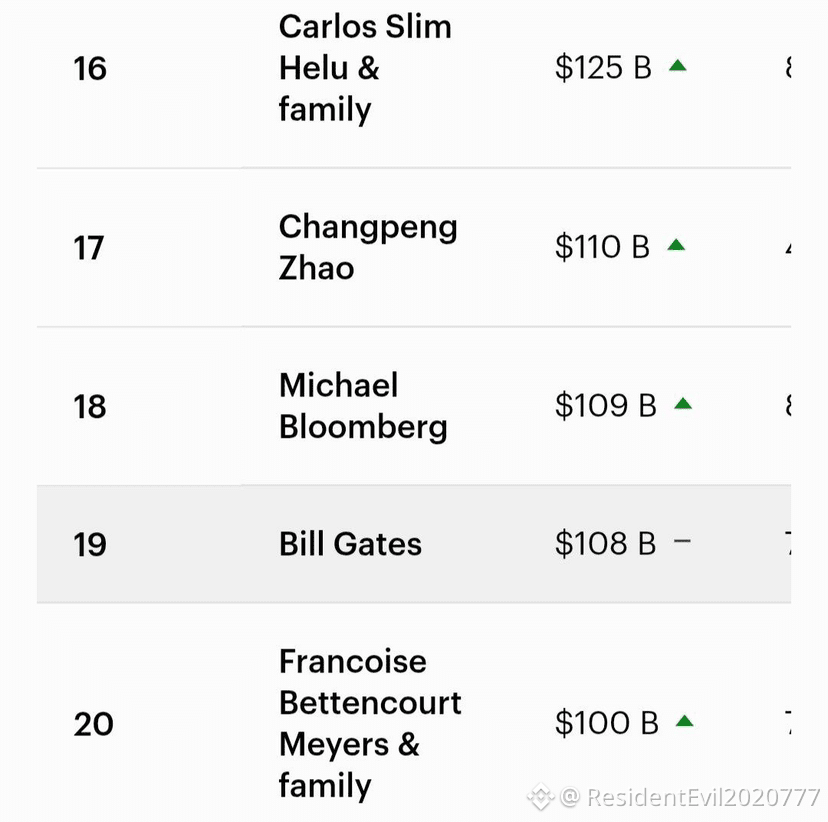
Laut Forbes hat das Vermögen des ehemaligen CEO Changpeng Zhao etwa 110 Milliarden Dollar erreicht, was 47 Milliarden Dollar mehr ist als vor einem Jahr.
Er belegt jetzt den 17. Platz unter den reichsten Menschen der Welt und überholt Bill Gates.
Der Anstieg des Vermögens ist mit der Erholung der Bewertung von #Binance verbunden, die der Markt derzeit auf etwa 100 Milliarden Dollar schätzt. 📈
$BNB
#CZ #TrendingTopic #BinanceSquareFamily #BinanceSquareTalks
🐳 CZ ist zurück unter den reichsten der Welt – Vermögen erreicht 110 Milliarden Dollar…
Laut Forbes hat das Vermögen des ehemaligen CEO Changpeng Zhao etwa 110 Milliarden Dollar erreicht, was 47 Milliarden Dollar mehr ist als vor einem Jahr.
Er belegt jetzt den 17. Platz unter den reichsten Menschen der Welt und überholt Bill Gates.
Der Anstieg des Vermögens ist mit der Erholung der Bewertung von #Binance verbunden, die der Markt derzeit auf etwa 100 Milliarden Dollar schätzt. 📈
$BNB
#CZ #TrendingTopic #BinanceSquareFamily #BinanceSquareTalks
Laut Forbes hat das Vermögen des ehemaligen CEO Changpeng Zhao etwa 110 Milliarden Dollar erreicht, was 47 Milliarden Dollar mehr ist als vor einem Jahr.
Er belegt jetzt den 17. Platz unter den reichsten Menschen der Welt und überholt Bill Gates.
Der Anstieg des Vermögens ist mit der Erholung der Bewertung von #Binance verbunden, die der Markt derzeit auf etwa 100 Milliarden Dollar schätzt. 📈
$BNB
#CZ #TrendingTopic #BinanceSquareFamily #BinanceSquareTalks
1
5
211
·
--
Bullisch
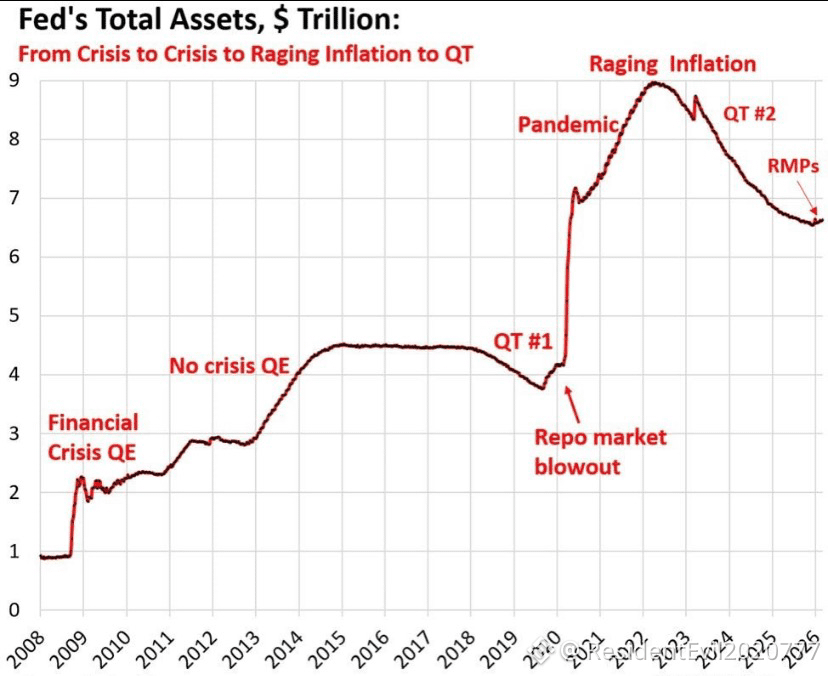
Die Bilanz der Fed stieg im Februar um 42 Milliarden Dollar auf 6,63 Billionen Dollar, die zweithöchste seit August.
Seit Beginn der Reserve Management Purchases (RMPs) im Dezember sind die Gesamtvermögen um 93 Milliarden Dollar gestiegen.
Im Rahmen dieses Programms kauft die Fed monatlich etwa 40 Milliarden Dollar an Schatzwechseln, ein Tempo, das bis Mitte April fortgesetzt werden soll.
Die Bestände an Schatzwechseln sprangen im letzten Monat um 55 Milliarden Dollar auf einen Rekord von 344 Milliarden Dollar.
In der Zwischenzeit fielen die Bestände an MBS im Februar um 13 Milliarden Dollar auf 2,01 Billionen Dollar, was nun 27 % unter ihrem Höhepunkt von 730 Milliarden Dollar liegt.
Die Bilanz der Fed wächst weiter.
#TrendingTopic #Fed #JobsDataShock #BinanceSquareFamily #news
$HYPE
Die Bilanz der Fed stieg im Februar um 42 Milliarden Dollar auf 6,63 Billionen Dollar, die zweithöchste seit August.
Seit Beginn der Reserve Management Purchases (RMPs) im Dezember sind die Gesamtvermögen um 93 Milliarden Dollar gestiegen.
Im Rahmen dieses Programms kauft die Fed monatlich etwa 40 Milliarden Dollar an Schatzwechseln, ein Tempo, das bis Mitte April fortgesetzt werden soll.
Die Bestände an Schatzwechseln sprangen im letzten Monat um 55 Milliarden Dollar auf einen Rekord von 344 Milliarden Dollar.
In der Zwischenzeit fielen die Bestände an MBS im Februar um 13 Milliarden Dollar auf 2,01 Billionen Dollar, was nun 27 % unter ihrem Höhepunkt von 730 Milliarden Dollar liegt.
Die Bilanz der Fed wächst weiter.
#TrendingTopic #Fed #JobsDataShock #BinanceSquareFamily #news
$HYPE
Seit Beginn der Reserve Management Purchases (RMPs) im Dezember sind die Gesamtvermögen um 93 Milliarden Dollar gestiegen.
Im Rahmen dieses Programms kauft die Fed monatlich etwa 40 Milliarden Dollar an Schatzwechseln, ein Tempo, das bis Mitte April fortgesetzt werden soll.
Die Bestände an Schatzwechseln sprangen im letzten Monat um 55 Milliarden Dollar auf einen Rekord von 344 Milliarden Dollar.
In der Zwischenzeit fielen die Bestände an MBS im Februar um 13 Milliarden Dollar auf 2,01 Billionen Dollar, was nun 27 % unter ihrem Höhepunkt von 730 Milliarden Dollar liegt.
Die Bilanz der Fed wächst weiter.
#TrendingTopic #Fed #JobsDataShock #BinanceSquareFamily #news
$HYPE
4
68
Anmelden und weiter Inhalte entdecken
Krypto-Nutzer weltweit auf Binance Square kennenlernen
⚡️ Bleib in Sachen Krypto stets am Puls.
💬 Die weltgrößte Kryptobörse vertraut darauf.
👍 Erhalte verlässliche Einblicke von verifizierten Creators.
E-Mail-Adresse/Telefonnummer
Trendthemen
BinancePick
3.2M Aufrufe
155,421 Kommentare
Mach bei #Gewinnsaison mit: Prognostiziere Unternehmensergebnisse auf Binance Pick und teile deine Meinung auf Binance Square!
Binance Square Official
·413 Likes
·343.7k Aufrufe
EarningsSeason
5.3M Aufrufe
26,142 Kommentare
AnthropicTTMRevenueGrewAbout1200%
39,110 Aufrufe
477 Kommentare