

#blockchainpayments
blockchainpayments
53,016 Aufrufe
253 Kommentare
Hot
Zuletzt
·
--
Könnte XLM eines Tages XRP überholen? Meine Perspektive.Seit Jahren dominiert XRP das Gespräch, wenn es um grenzüberschreitende Zahlungen und blockchain-basierte Finanzinfrastruktur geht. Aber während die meisten Investoren sich auf die aktuelle Position von XRP konzentrieren, achte ich genau auf etwas, das in Zukunft eine große Geschichte werden könnte: Stellar (XLM).
Der Unterschied im Angebot zählt
Einer der größten Unterschiede zwischen diesen beiden Projekten ist das Angebot.
XRP hat ein Gesamtangebot von etwa 100 Milliarden Token.
XLM hat ein Gesamtangebot von etwa 30 Milliarden Token.
Das Angebot allein bestimmt nicht den Wert, spielt aber eine signifikante Rolle, wenn die Marktnachfrage zu steigen beginnt. Ein niedrigeres Angebot bedeutet, dass weniger Kapitalzufluss erforderlich ist, um den Preis höher zu treiben, insbesondere in starken Bullenmarktbedingungen.
Könnte XLM eines Tages XRP überholen? Meine Perspektive.
Seit Jahren dominiert XRP das Gespräch, wenn es um grenzüberschreitende Zahlungen und blockchain-basierte Finanzinfrastruktur geht. Aber während die meisten Investoren sich auf die aktuelle Position von XRP konzentrieren, achte ich genau auf etwas, das in Zukunft eine große Geschichte werden könnte: Stellar (XLM).
Der Unterschied im Angebot zählt
Einer der größten Unterschiede zwischen diesen beiden Projekten ist das Angebot.
XRP hat ein Gesamtangebot von etwa 100 Milliarden Token.
XLM hat ein Gesamtangebot von etwa 30 Milliarden Token.
Das Angebot allein bestimmt nicht den Wert, spielt aber eine signifikante Rolle, wenn die Marktnachfrage zu steigen beginnt. Ein niedrigeres Angebot bedeutet, dass weniger Kapitalzufluss erforderlich ist, um den Preis höher zu treiben, insbesondere in starken Bullenmarktbedingungen.
Der Unterschied im Angebot zählt
Einer der größten Unterschiede zwischen diesen beiden Projekten ist das Angebot.
XRP hat ein Gesamtangebot von etwa 100 Milliarden Token.
XLM hat ein Gesamtangebot von etwa 30 Milliarden Token.
Das Angebot allein bestimmt nicht den Wert, spielt aber eine signifikante Rolle, wenn die Marktnachfrage zu steigen beginnt. Ein niedrigeres Angebot bedeutet, dass weniger Kapitalzufluss erforderlich ist, um den Preis höher zu treiben, insbesondere in starken Bullenmarktbedingungen.
154

·
--
🚨 $DOT SET TO RIDE CITI'S BLOCKCHAIN PAYMENT REVOLUTION 📈
Citi’s sofortige grenzüberschreitende Ledger ist ein klares Smart‑Money-Signal: Es bündelt FX‑Liquidität über eine permissionierte Kette, die die Abwicklung von Tagen auf Sekunden verkürzt. 🦈 Die Bewegung bringt institutionelle Feuerkraft in das $DOT Ökosystem und schärft die Nachfrage nach interoperablen Bridges.
Frühe Kennzahlen zur Einführung werden der Lackmustest sein; Volumenspitzen und Gebührenkompression könnten das Remittance‑Playbook neu schreiben. 📊 Händler, die den in Yen denominierten Fluss beobachten, sollten Order‑Block‑Formationen rund um die Liquiditätspools von $DOT im Blick behalten, während Banken eilen, das Modell zu kopieren. ⚡
💬 Wie wirst du dich positionieren, wenn die nächste Welle blockchain‑gestützter FX‑Rollouts startet? 👇
⚠️ Keine Finanzberatung. Verwalte immer dein Risiko. 🛡️
🏷️ #DOT #SmartMoney #BlockchainPayments #Crypto
🔥 💎
🚨 $DOT SET TO RIDE CITI'S BLOCKCHAIN PAYMENT REVOLUTION 📈
Citi’s sofortige grenzüberschreitende Ledger ist ein klares Smart‑Money-Signal: Es bündelt FX‑Liquidität über eine permissionierte Kette, die die Abwicklung von Tagen auf Sekunden verkürzt. 🦈 Die Bewegung bringt institutionelle Feuerkraft in das $DOT Ökosystem und schärft die Nachfrage nach interoperablen Bridges.
Frühe Kennzahlen zur Einführung werden der Lackmustest sein; Volumenspitzen und Gebührenkompression könnten das Remittance‑Playbook neu schreiben. 📊 Händler, die den in Yen denominierten Fluss beobachten, sollten Order‑Block‑Formationen rund um die Liquiditätspools von $DOT im Blick behalten, während Banken eilen, das Modell zu kopieren. ⚡
💬 Wie wirst du dich positionieren, wenn die nächste Welle blockchain‑gestützter FX‑Rollouts startet? 👇
⚠️ Keine Finanzberatung. Verwalte immer dein Risiko. 🛡️
🏷️ #DOT #SmartMoney #BlockchainPayments #Crypto
🔥 💎
Citi’s sofortige grenzüberschreitende Ledger ist ein klares Smart‑Money-Signal: Es bündelt FX‑Liquidität über eine permissionierte Kette, die die Abwicklung von Tagen auf Sekunden verkürzt. 🦈 Die Bewegung bringt institutionelle Feuerkraft in das $DOT Ökosystem und schärft die Nachfrage nach interoperablen Bridges.
Frühe Kennzahlen zur Einführung werden der Lackmustest sein; Volumenspitzen und Gebührenkompression könnten das Remittance‑Playbook neu schreiben. 📊 Händler, die den in Yen denominierten Fluss beobachten, sollten Order‑Block‑Formationen rund um die Liquiditätspools von $DOT im Blick behalten, während Banken eilen, das Modell zu kopieren. ⚡
💬 Wie wirst du dich positionieren, wenn die nächste Welle blockchain‑gestützter FX‑Rollouts startet? 👇
⚠️ Keine Finanzberatung. Verwalte immer dein Risiko. 🛡️
🏷️ #DOT #SmartMoney #BlockchainPayments #Crypto
🔥 💎

59

·
--
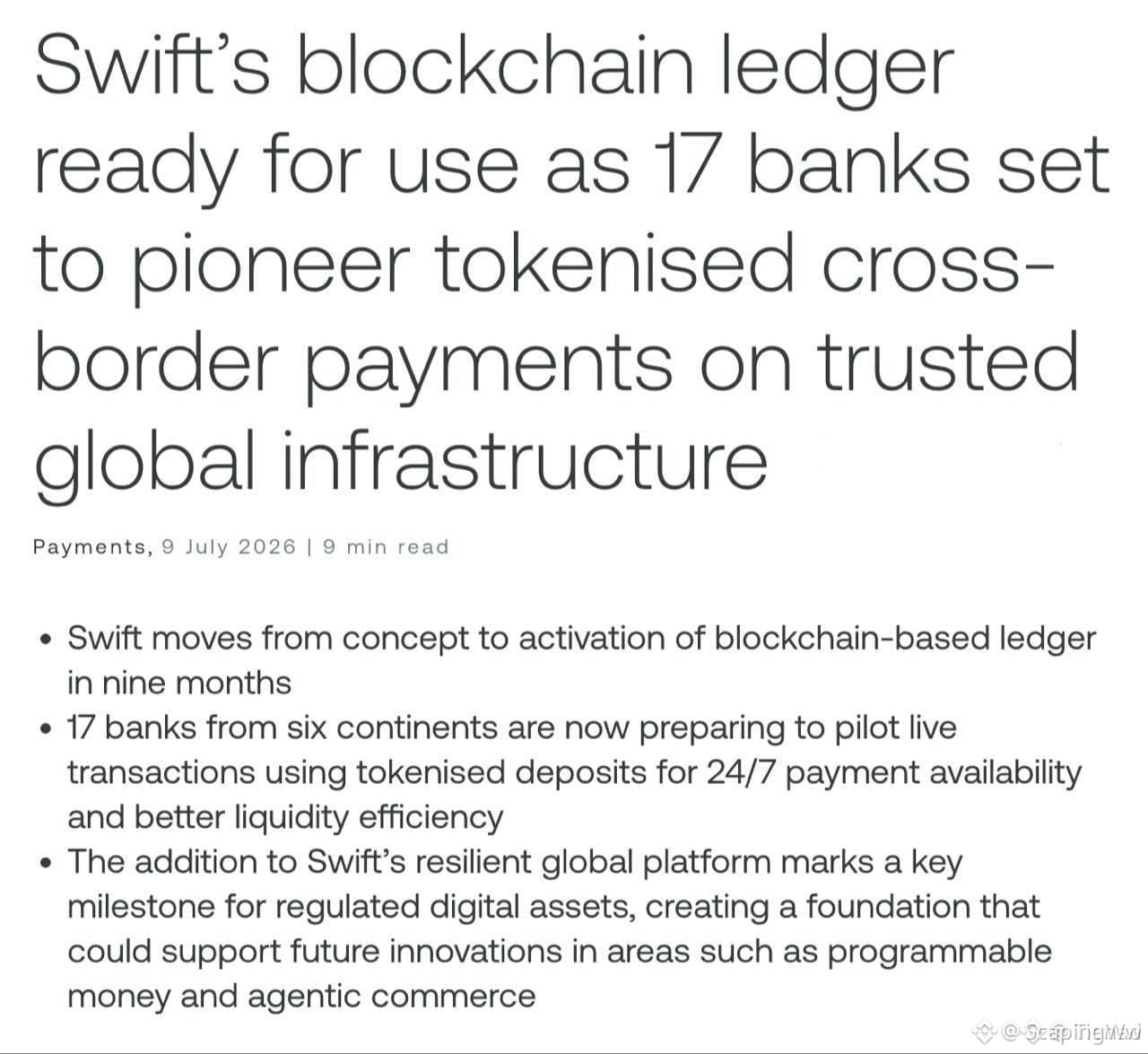
SWIFT STARTET BLOCKCHAIN-LEDGER FÜR GRENZÜBERSCHREITENDE ZAHLUNGEN $MITO 🚀
Dies ist ein Paradigmenwechsel, der nicht oft vorkommt. SWIFT hat gerade seine eigene Blockchain für tokenisierte Einzahlungen eingesetzt – mit dem Ziel, die Abwicklungszeiten zu verkürzen und die Liquiditätseffizienz im globalen Zahlungssystem zu steigern.
Die Reaktionen fallen unterschiedlich aus. Einige sehen schnellere Verbindungen als grünes Licht für die institutionelle Krypto-Adoption. Andere interpretieren es als direkten Konkurrenten zu bestehenden Blockchain-Netzwerken. Wie auch immer: Volumen und Aufmerksamkeit werden in dieser Diskussion in die Höhe schnellen.
Siehst du das als positiv für Krypto oder als Bedrohung?
Keine Finanzberatung. Immer dein Risiko managen.
#MITO #BlockchainPayments #SWIFT #CryptoNews
⚡
SWIFT STARTET BLOCKCHAIN-LEDGER FÜR GRENZÜBERSCHREITENDE ZAHLUNGEN $MITO 🚀
Dies ist ein Paradigmenwechsel, der nicht oft vorkommt. SWIFT hat gerade seine eigene Blockchain für tokenisierte Einzahlungen eingesetzt – mit dem Ziel, die Abwicklungszeiten zu verkürzen und die Liquiditätseffizienz im globalen Zahlungssystem zu steigern.
Die Reaktionen fallen unterschiedlich aus. Einige sehen schnellere Verbindungen als grünes Licht für die institutionelle Krypto-Adoption. Andere interpretieren es als direkten Konkurrenten zu bestehenden Blockchain-Netzwerken. Wie auch immer: Volumen und Aufmerksamkeit werden in dieser Diskussion in die Höhe schnellen.
Siehst du das als positiv für Krypto oder als Bedrohung?
Keine Finanzberatung. Immer dein Risiko managen.
#MITO #BlockchainPayments #SWIFT #CryptoNews
⚡
Dies ist ein Paradigmenwechsel, der nicht oft vorkommt. SWIFT hat gerade seine eigene Blockchain für tokenisierte Einzahlungen eingesetzt – mit dem Ziel, die Abwicklungszeiten zu verkürzen und die Liquiditätseffizienz im globalen Zahlungssystem zu steigern.
Die Reaktionen fallen unterschiedlich aus. Einige sehen schnellere Verbindungen als grünes Licht für die institutionelle Krypto-Adoption. Andere interpretieren es als direkten Konkurrenten zu bestehenden Blockchain-Netzwerken. Wie auch immer: Volumen und Aufmerksamkeit werden in dieser Diskussion in die Höhe schnellen.
Siehst du das als positiv für Krypto oder als Bedrohung?
Keine Finanzberatung. Immer dein Risiko managen.
#MITO #BlockchainPayments #SWIFT #CryptoNews
⚡
64

$LTC LOW-FEE-NETZWERKE VERÄNDERN ONLINE-CASINO-ZAHLUNGEN 🎰
Der Wandel hin zu kostengünstigen Blockchain-Netzwerken bei Online-Casino-Zahlungen ist kein Trend mehr – er wird zum Standard. Spieler erwarten sofortige Ein- und Auszahlungen mit minimalen Kosten, und Netzwerke, die das liefern, verzeichnen eine zunehmende Nutzung.
Transaktionsgeschwindigkeit und Kostenkontrolle sind inzwischen entscheidende Faktoren bei der Auswahl der Plattform. Wenn Einzahlungen sofort gutgeschrieben werden und die Gebühren nahe null bleiben, verbessert sich das gesamte Nutzererlebnis. Casinos, die diese Netzwerke integrieren, profitieren von reibungsloseren Abläufen und einer höheren Spielerbindung.
Hält Ihr bevorzugtes Netzwerk mit diesen Anforderungen Schritt?
Keine Finanzberatung. Gehen Sie immer verantwortungsvoll mit Ihrem Risiko um.
#LTC #LowFees #CryptoCasino #BlockchainPayments
🔥
$LTC LOW-FEE-NETZWERKE VERÄNDERN ONLINE-CASINO-ZAHLUNGEN 🎰
Der Wandel hin zu kostengünstigen Blockchain-Netzwerken bei Online-Casino-Zahlungen ist kein Trend mehr – er wird zum Standard. Spieler erwarten sofortige Ein- und Auszahlungen mit minimalen Kosten, und Netzwerke, die das liefern, verzeichnen eine zunehmende Nutzung.
Transaktionsgeschwindigkeit und Kostenkontrolle sind inzwischen entscheidende Faktoren bei der Auswahl der Plattform. Wenn Einzahlungen sofort gutgeschrieben werden und die Gebühren nahe null bleiben, verbessert sich das gesamte Nutzererlebnis. Casinos, die diese Netzwerke integrieren, profitieren von reibungsloseren Abläufen und einer höheren Spielerbindung.
Hält Ihr bevorzugtes Netzwerk mit diesen Anforderungen Schritt?
Keine Finanzberatung. Gehen Sie immer verantwortungsvoll mit Ihrem Risiko um.
#LTC #LowFees #CryptoCasino #BlockchainPayments
🔥
Der Wandel hin zu kostengünstigen Blockchain-Netzwerken bei Online-Casino-Zahlungen ist kein Trend mehr – er wird zum Standard. Spieler erwarten sofortige Ein- und Auszahlungen mit minimalen Kosten, und Netzwerke, die das liefern, verzeichnen eine zunehmende Nutzung.
Transaktionsgeschwindigkeit und Kostenkontrolle sind inzwischen entscheidende Faktoren bei der Auswahl der Plattform. Wenn Einzahlungen sofort gutgeschrieben werden und die Gebühren nahe null bleiben, verbessert sich das gesamte Nutzererlebnis. Casinos, die diese Netzwerke integrieren, profitieren von reibungsloseren Abläufen und einer höheren Spielerbindung.
Hält Ihr bevorzugtes Netzwerk mit diesen Anforderungen Schritt?
Keine Finanzberatung. Gehen Sie immer verantwortungsvoll mit Ihrem Risiko um.
#LTC #LowFees #CryptoCasino #BlockchainPayments
🔥
74

·
--
🇲🇽 Ripple bringt den $60B US-Mexiko-Korridor ins Wanken! 🇺🇸
Der traditionelle Weg, Geld über Grenzen zu senden, steckt in den 1970ern fest. Es ist langsam, teuer und basiert auf veralteten Bankensystemen. Ripple und Bitso verändern das Spiel komplett. Sie verbessern diesen riesigen Zahlungskanal mit der Kraft des XRP Ledgers (XRPL)! 🚀
🔥 Warum das wichtig ist
Massives Volumen: Jedes Jahr fließen über 60 Milliarden Dollar zwischen den USA und Mexiko. 💰
Sofortige Abwicklung: Zahlungen fallen von Tagen auf nur Sekunden. ⚡
Bruchteil der Kosten: Hohe Gebühren für Familien und Unternehmen werden drastisch gesenkt. 📉
Echte Nützlichkeit: Das beweist, dass XRP für die reale globale Finanzwelt gemacht ist. 🌍
📈 Was das für XRP bedeutet
Das ist nicht nur Hype. Das ist massive Nützlichkeit. Indem Milliarden von Dollar auf dem XRPL bewegt werden, beweist Ripple, dass Krypto echte finanzielle Probleme lösen kann. Je mehr Volumen ins Ledger strömt, desto mehr kommt die wahre Kraft von XRP ins Rampenlicht.
Die Zukunft der Zahlungen findet jetzt statt! 💸
#Ripple💰 #XRP #XRPLedger #BlockchainPayments #BinanceSquare
$XRP
{future}(XRPUSDT)
🇲🇽 Ripple bringt den $60B US-Mexiko-Korridor ins Wanken! 🇺🇸
Der traditionelle Weg, Geld über Grenzen zu senden, steckt in den 1970ern fest. Es ist langsam, teuer und basiert auf veralteten Bankensystemen. Ripple und Bitso verändern das Spiel komplett. Sie verbessern diesen riesigen Zahlungskanal mit der Kraft des XRP Ledgers (XRPL)! 🚀
🔥 Warum das wichtig ist
Massives Volumen: Jedes Jahr fließen über 60 Milliarden Dollar zwischen den USA und Mexiko. 💰
Sofortige Abwicklung: Zahlungen fallen von Tagen auf nur Sekunden. ⚡
Bruchteil der Kosten: Hohe Gebühren für Familien und Unternehmen werden drastisch gesenkt. 📉
Echte Nützlichkeit: Das beweist, dass XRP für die reale globale Finanzwelt gemacht ist. 🌍
📈 Was das für XRP bedeutet
Das ist nicht nur Hype. Das ist massive Nützlichkeit. Indem Milliarden von Dollar auf dem XRPL bewegt werden, beweist Ripple, dass Krypto echte finanzielle Probleme lösen kann. Je mehr Volumen ins Ledger strömt, desto mehr kommt die wahre Kraft von XRP ins Rampenlicht.
Die Zukunft der Zahlungen findet jetzt statt! 💸
#Ripple💰 #XRP #XRPLedger #BlockchainPayments #BinanceSquare
$XRP
Der traditionelle Weg, Geld über Grenzen zu senden, steckt in den 1970ern fest. Es ist langsam, teuer und basiert auf veralteten Bankensystemen. Ripple und Bitso verändern das Spiel komplett. Sie verbessern diesen riesigen Zahlungskanal mit der Kraft des XRP Ledgers (XRPL)! 🚀
🔥 Warum das wichtig ist
Massives Volumen: Jedes Jahr fließen über 60 Milliarden Dollar zwischen den USA und Mexiko. 💰
Sofortige Abwicklung: Zahlungen fallen von Tagen auf nur Sekunden. ⚡
Bruchteil der Kosten: Hohe Gebühren für Familien und Unternehmen werden drastisch gesenkt. 📉
Echte Nützlichkeit: Das beweist, dass XRP für die reale globale Finanzwelt gemacht ist. 🌍
📈 Was das für XRP bedeutet
Das ist nicht nur Hype. Das ist massive Nützlichkeit. Indem Milliarden von Dollar auf dem XRPL bewegt werden, beweist Ripple, dass Krypto echte finanzielle Probleme lösen kann. Je mehr Volumen ins Ledger strömt, desto mehr kommt die wahre Kraft von XRP ins Rampenlicht.
Die Zukunft der Zahlungen findet jetzt statt! 💸
#Ripple💰 #XRP #XRPLedger #BlockchainPayments #BinanceSquare
$XRP
178

·
--
Visa streicht 2.600 Arbeitsplätze,fast 7% seiner globalen Belegschaft,um alles in Stablecoins und Blockchain-Kreuzborder-Zahlungen zu stecken.
Krypto-Händler jagen weiterhin FOMO-bedingt jeder TradFi-Wende wie dieser hinterher, nur um später zerschmettert zu werden, wenn die Abwärtsrisiken tatsächlich eintreten und Positionen auslöschen.
Der Zahlungsriese verlagert sein Kapital hart weg von Altsystemen. Er sieht Stablecoins als die schnellere, günstigere Alternative für internationale Überweisungen, die derzeit durch langsame Bankenschienen schleppen. Vermögenswerte wie $USDT und $USDC bewegen bereits riesige Überweisungsvolumina auf Ketten wie $ETH, und Visa will einen größeren Anteil an diesem Datenstrom. Doch die Lernbotschaft trägt eine klare Warnung: Wenn ein so großes Unternehmen einsteigt, bringt es oft zusätzliche Compliance-Ebenen und Einfrierbefugnisse mit, die reine Krypto-Setups nicht haben. Ein einzelner regulatorischer Stolperer oder ein operativer Fehltritt im Rahmen ihres Imperiums könnte sich zu Liquiditätsfrösten und erzwungenen Liquidationen über den gesamten Markt ausweiten. Wir haben bereits gesehen, wie Depegs und bankähnliche Beschränkungen zuvor zuschlugen; skaliere das mit TradFi-Kraft, und der Schmerz vervielfacht sich für jeden, der Stables als risikofreien Ertrag oder als handelbares Sicherheiten-Asset betrachtet.
Wohin wird das deiner Meinung nach als Nächstes führen?
#Stablecoins #Crypto #BlockchainPayments
Visa streicht 2.600 Arbeitsplätze,fast 7% seiner globalen Belegschaft,um alles in Stablecoins und Blockchain-Kreuzborder-Zahlungen zu stecken.
Krypto-Händler jagen weiterhin FOMO-bedingt jeder TradFi-Wende wie dieser hinterher, nur um später zerschmettert zu werden, wenn die Abwärtsrisiken tatsächlich eintreten und Positionen auslöschen.
Der Zahlungsriese verlagert sein Kapital hart weg von Altsystemen. Er sieht Stablecoins als die schnellere, günstigere Alternative für internationale Überweisungen, die derzeit durch langsame Bankenschienen schleppen. Vermögenswerte wie $USDT und $USDC bewegen bereits riesige Überweisungsvolumina auf Ketten wie $ETH , und Visa will einen größeren Anteil an diesem Datenstrom. Doch die Lernbotschaft trägt eine klare Warnung: Wenn ein so großes Unternehmen einsteigt, bringt es oft zusätzliche Compliance-Ebenen und Einfrierbefugnisse mit, die reine Krypto-Setups nicht haben. Ein einzelner regulatorischer Stolperer oder ein operativer Fehltritt im Rahmen ihres Imperiums könnte sich zu Liquiditätsfrösten und erzwungenen Liquidationen über den gesamten Markt ausweiten. Wir haben bereits gesehen, wie Depegs und bankähnliche Beschränkungen zuvor zuschlugen; skaliere das mit TradFi-Kraft, und der Schmerz vervielfacht sich für jeden, der Stables als risikofreien Ertrag oder als handelbares Sicherheiten-Asset betrachtet.
Wohin wird das deiner Meinung nach als Nächstes führen?
#Stablecoins #Crypto #BlockchainPayments
Krypto-Händler jagen weiterhin FOMO-bedingt jeder TradFi-Wende wie dieser hinterher, nur um später zerschmettert zu werden, wenn die Abwärtsrisiken tatsächlich eintreten und Positionen auslöschen.
Der Zahlungsriese verlagert sein Kapital hart weg von Altsystemen. Er sieht Stablecoins als die schnellere, günstigere Alternative für internationale Überweisungen, die derzeit durch langsame Bankenschienen schleppen. Vermögenswerte wie $USDT und $USDC bewegen bereits riesige Überweisungsvolumina auf Ketten wie $ETH , und Visa will einen größeren Anteil an diesem Datenstrom. Doch die Lernbotschaft trägt eine klare Warnung: Wenn ein so großes Unternehmen einsteigt, bringt es oft zusätzliche Compliance-Ebenen und Einfrierbefugnisse mit, die reine Krypto-Setups nicht haben. Ein einzelner regulatorischer Stolperer oder ein operativer Fehltritt im Rahmen ihres Imperiums könnte sich zu Liquiditätsfrösten und erzwungenen Liquidationen über den gesamten Markt ausweiten. Wir haben bereits gesehen, wie Depegs und bankähnliche Beschränkungen zuvor zuschlugen; skaliere das mit TradFi-Kraft, und der Schmerz vervielfacht sich für jeden, der Stables als risikofreien Ertrag oder als handelbares Sicherheiten-Asset betrachtet.
Wohin wird das deiner Meinung nach als Nächstes führen?
#Stablecoins #Crypto #BlockchainPayments
90

·
--
AUSBRUCH
KB Kookmin Bank hat gerade eine historische Partnerschaft mit Kinexys entfesselt und markiert damit die erste südkoreanische Bank, die das Blockchain-Zahlungsnetzwerk von J.P. Morgan für Handelssiedlungen nutzt, #blockchainpayments #krwimpact #bankingrevolution.
Die Zusammenarbeit ebnet den Weg für einen von Kinexys angetriebenen grenzüberschreitenden Firmenzahlungsdienst, der nächsten Monat an den Start gehen soll und internationale Transaktionen revolutionieren wird.
Dieser monumentale Schritt treibt nicht nur die südkoreanische Fintech-Branche nach vorn, sondern sendet auch ein starkes Signal an die globale Bankenwelt, da das traditionelle Finanzsystem nicht mehr den Status quo darstellt.
Werden Sie sich der Blockchain-Revolution anschließen oder zurückgelassen werden?
AUSBRUCH
KB Kookmin Bank hat gerade eine historische Partnerschaft mit Kinexys entfesselt und markiert damit die erste südkoreanische Bank, die das Blockchain-Zahlungsnetzwerk von J.P. Morgan für Handelssiedlungen nutzt, #blockchainpayments #krwimpact #bankingrevolution.
Die Zusammenarbeit ebnet den Weg für einen von Kinexys angetriebenen grenzüberschreitenden Firmenzahlungsdienst, der nächsten Monat an den Start gehen soll und internationale Transaktionen revolutionieren wird.
Dieser monumentale Schritt treibt nicht nur die südkoreanische Fintech-Branche nach vorn, sondern sendet auch ein starkes Signal an die globale Bankenwelt, da das traditionelle Finanzsystem nicht mehr den Status quo darstellt.
Werden Sie sich der Blockchain-Revolution anschließen oder zurückgelassen werden?
KB Kookmin Bank hat gerade eine historische Partnerschaft mit Kinexys entfesselt und markiert damit die erste südkoreanische Bank, die das Blockchain-Zahlungsnetzwerk von J.P. Morgan für Handelssiedlungen nutzt, #blockchainpayments #krwimpact #bankingrevolution.
Die Zusammenarbeit ebnet den Weg für einen von Kinexys angetriebenen grenzüberschreitenden Firmenzahlungsdienst, der nächsten Monat an den Start gehen soll und internationale Transaktionen revolutionieren wird.
Dieser monumentale Schritt treibt nicht nur die südkoreanische Fintech-Branche nach vorn, sondern sendet auch ein starkes Signal an die globale Bankenwelt, da das traditionelle Finanzsystem nicht mehr den Status quo darstellt.
Werden Sie sich der Blockchain-Revolution anschließen oder zurückgelassen werden?
27

·
--
Stablecoins sind das Trojanische Pferd, das den Zahlungsverkehrskrieg gewinnt
Bei der Debatte über die Akzeptanz von Kryptowährungen geht es oft um den Preis – wann erreichen $BTC oder $ETH ein neues Allzeithoch? Doch die eigentliche Geschichte ihrer Verbreitung ist leiser und nachhaltiger: Stablecoin-Zahlungswege dringen bereits in die etablierten Zahlungsnetzwerke vor – Händler für Händler.
Was die meisten übersehen: Stablecoins konkurrieren nicht im Marketing mit PayPal oder Visa. Sie konkurrieren bei den Kosten. Eine Überweisung mit einem USD-Stablecoin über eine Blockchain mit niedrigen Gebühren kostet nur Bruchteile eines Cents, wird in weniger als fünf Sekunden abgewickelt, benötigt keine Korrespondenzbank und ist standardmäßig programmierbar. Eine Auslandsüberweisung kostet 25 Dollar und dauert zwei Tage. Der Unterschied ist offensichtlich.
Blockchains mit hohem Durchsatz und nahezu null Gebühren entwickeln sich unauffällig zur Infrastrukturebene dafür. Dank der hohen Liquidität von Stablecoins eignen sie sich besonders als Zahlungswege für grenzüberschreitende Zahlungen an Freiberufler, die Rechnungsstellung von KMU und Rücküberweisungen in Volkswirtschaften mit hoher Inflation. Architekturen mit Subnetzen auf Enterprise-Niveau sind gezielt auf Zahlungskorridore ausgerichtet.
Das Signal, auf das man achten sollte, ist nicht der Stablecoin-Preis, sondern die Umlaufgeschwindigkeit von Stablecoins. Wenn das Gesamtvolumen der Stablecoin-Überweisungen in Schwellenländern dauerhaft das Abwicklungsvolumen der Kartennetzwerke übersteigt, wird die These ihrer Verbreitung nicht mehr spekulativ, sondern strukturell.
Wir stehen diesem Wendepunkt näher, als die meisten denken.
#Stablecoins #CryptoPayments #Web3Adoption #DeFi #BlockchainPayments
Stablecoins sind das Trojanische Pferd, das den Zahlungsverkehrskrieg gewinnt
Bei der Debatte über die Akzeptanz von Kryptowährungen geht es oft um den Preis – wann erreichen $BTC oder $ETH ein neues Allzeithoch? Doch die eigentliche Geschichte ihrer Verbreitung ist leiser und nachhaltiger: Stablecoin-Zahlungswege dringen bereits in die etablierten Zahlungsnetzwerke vor – Händler für Händler.
Was die meisten übersehen: Stablecoins konkurrieren nicht im Marketing mit PayPal oder Visa. Sie konkurrieren bei den Kosten. Eine Überweisung mit einem USD-Stablecoin über eine Blockchain mit niedrigen Gebühren kostet nur Bruchteile eines Cents, wird in weniger als fünf Sekunden abgewickelt, benötigt keine Korrespondenzbank und ist standardmäßig programmierbar. Eine Auslandsüberweisung kostet 25 Dollar und dauert zwei Tage. Der Unterschied ist offensichtlich.
Blockchains mit hohem Durchsatz und nahezu null Gebühren entwickeln sich unauffällig zur Infrastrukturebene dafür. Dank der hohen Liquidität von Stablecoins eignen sie sich besonders als Zahlungswege für grenzüberschreitende Zahlungen an Freiberufler, die Rechnungsstellung von KMU und Rücküberweisungen in Volkswirtschaften mit hoher Inflation. Architekturen mit Subnetzen auf Enterprise-Niveau sind gezielt auf Zahlungskorridore ausgerichtet.
Das Signal, auf das man achten sollte, ist nicht der Stablecoin-Preis, sondern die Umlaufgeschwindigkeit von Stablecoins. Wenn das Gesamtvolumen der Stablecoin-Überweisungen in Schwellenländern dauerhaft das Abwicklungsvolumen der Kartennetzwerke übersteigt, wird die These ihrer Verbreitung nicht mehr spekulativ, sondern strukturell.
Wir stehen diesem Wendepunkt näher, als die meisten denken.
#Stablecoins #CryptoPayments #Web3Adoption #DeFi #BlockchainPayments
Bei der Debatte über die Akzeptanz von Kryptowährungen geht es oft um den Preis – wann erreichen $BTC oder $ETH ein neues Allzeithoch? Doch die eigentliche Geschichte ihrer Verbreitung ist leiser und nachhaltiger: Stablecoin-Zahlungswege dringen bereits in die etablierten Zahlungsnetzwerke vor – Händler für Händler.
Was die meisten übersehen: Stablecoins konkurrieren nicht im Marketing mit PayPal oder Visa. Sie konkurrieren bei den Kosten. Eine Überweisung mit einem USD-Stablecoin über eine Blockchain mit niedrigen Gebühren kostet nur Bruchteile eines Cents, wird in weniger als fünf Sekunden abgewickelt, benötigt keine Korrespondenzbank und ist standardmäßig programmierbar. Eine Auslandsüberweisung kostet 25 Dollar und dauert zwei Tage. Der Unterschied ist offensichtlich.
Blockchains mit hohem Durchsatz und nahezu null Gebühren entwickeln sich unauffällig zur Infrastrukturebene dafür. Dank der hohen Liquidität von Stablecoins eignen sie sich besonders als Zahlungswege für grenzüberschreitende Zahlungen an Freiberufler, die Rechnungsstellung von KMU und Rücküberweisungen in Volkswirtschaften mit hoher Inflation. Architekturen mit Subnetzen auf Enterprise-Niveau sind gezielt auf Zahlungskorridore ausgerichtet.
Das Signal, auf das man achten sollte, ist nicht der Stablecoin-Preis, sondern die Umlaufgeschwindigkeit von Stablecoins. Wenn das Gesamtvolumen der Stablecoin-Überweisungen in Schwellenländern dauerhaft das Abwicklungsvolumen der Kartennetzwerke übersteigt, wird die These ihrer Verbreitung nicht mehr spekulativ, sondern strukturell.
Wir stehen diesem Wendepunkt näher, als die meisten denken.
#Stablecoins #CryptoPayments #Web3Adoption #DeFi #BlockchainPayments
30

·
--
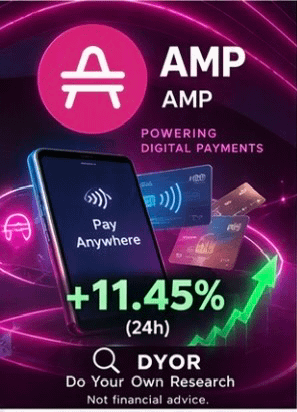
⚡️⚡️#amp
¿ AMP steigt in den letzten 24 Stunden um +11,45 %!
Der auf Zahlungen ausgerichtete Token zeigt erneut Stärke, da Anleger Blockchain-Zahlungslösungen wieder in Betracht ziehen.
✅DYOR (Recherchiere selbst) und investiere niemals mehr, als du dir leisten kannst zu verlieren.
#AMP #BlockchainPayments #crypto #dyor
⚡️⚡️#amp
¿ AMP steigt in den letzten 24 Stunden um +11,45 %!
Der auf Zahlungen ausgerichtete Token zeigt erneut Stärke, da Anleger Blockchain-Zahlungslösungen wieder in Betracht ziehen.
✅DYOR (Recherchiere selbst) und investiere niemals mehr, als du dir leisten kannst zu verlieren.
#AMP #BlockchainPayments #crypto #dyor
¿ AMP steigt in den letzten 24 Stunden um +11,45 %!
Der auf Zahlungen ausgerichtete Token zeigt erneut Stärke, da Anleger Blockchain-Zahlungslösungen wieder in Betracht ziehen.
✅DYOR (Recherchiere selbst) und investiere niemals mehr, als du dir leisten kannst zu verlieren.
#AMP #BlockchainPayments #crypto #dyor
189

Artikel
Solanas größtes technisches Upgrade in der Geschichte steht bevor – und die Wall Street baut bereits darauf aufSolanas größtes technisches Upgrade in der Geschichte steht bevor – und die Wall Street baut bereits darauf auf
Mastercard. Western Union. Worldpay. Goldman Sachs. Das sind keine kryptonativen Unternehmen – sie sind das Rückgrat der globalen Zahlungsindustrie. Und im Moment entwickeln alle von ihnen aktiv eine führende Hochleistungs-Blockchain-Netzwerk-Plattform weiter.
So sieht die institutionelle Akzeptanz in der Praxis aus, wenn sie von der Theorie in den produktiven Einsatz übergeht.
Das Alpenglow-Upgrade – das wichtigste technische Ereignis des Jahres 2026
Solanas größtes technisches Upgrade in der Geschichte steht bevor – und die Wall Street baut bereits darauf auf
Solanas größtes technisches Upgrade in der Geschichte steht bevor – und die Wall Street baut bereits darauf auf
Mastercard. Western Union. Worldpay. Goldman Sachs. Das sind keine kryptonativen Unternehmen – sie sind das Rückgrat der globalen Zahlungsindustrie. Und im Moment entwickeln alle von ihnen aktiv eine führende Hochleistungs-Blockchain-Netzwerk-Plattform weiter.
So sieht die institutionelle Akzeptanz in der Praxis aus, wenn sie von der Theorie in den produktiven Einsatz übergeht.
Das Alpenglow-Upgrade – das wichtigste technische Ereignis des Jahres 2026
Mastercard. Western Union. Worldpay. Goldman Sachs. Das sind keine kryptonativen Unternehmen – sie sind das Rückgrat der globalen Zahlungsindustrie. Und im Moment entwickeln alle von ihnen aktiv eine führende Hochleistungs-Blockchain-Netzwerk-Plattform weiter.
So sieht die institutionelle Akzeptanz in der Praxis aus, wenn sie von der Theorie in den produktiven Einsatz übergeht.
Das Alpenglow-Upgrade – das wichtigste technische Ereignis des Jahres 2026
61
·
--
Stablecoins bauen die Überweisungsbranche still und leise ab
Der globale Markt für Überweisungen bewegt jährlich über 800 Milliarden US-Dollar — doch traditionelle Anbieter verlangen weiterhin 5–8 % pro Transfer und brauchen oft 3–5 Werktage, um den Betrag gutzuschreiben. Für Familien in Schwellenländern ist diese Reibung eine echte Abgabe auf das Überleben.
Stablecoins verändern diese Rechnung grundlegend. Ein USDT- oder USDC-Transfer von den USA nach Südostasien oder Lateinamerika wird in Sekunden für wenige Cent abgewickelt. Keine Korrespondenzbanken. Keine Sperrzeit-Fenster. Keine Verzögerungen am Wochenende.
Was diesen Moment von früherem Krypto-Zahlungs-Hype unterscheidet, ist die Reife der Infrastruktur. $BNB Smart Chain, $SOL und $XRP zeigen mittlerweile routinemäßig, dass Stablecoin-Transfers unter einem Cent mit nahezu sofortiger Endgültigkeit produktionsreif sind. Mobile Wallets haben sich deutlich verbessert. Off-Ramp-Schienen — die entscheidende letzte Meile — wachsen durch lokale Börsen und Zahlungsagenten.
Die On-Chain-Zahlen spiegeln die echte Nutzung wider. Das Volumen von Stablecoin-Transfers überstieg 2024 27 Billionen US-Dollar, übertrifft PayPal deutlich und kommt an Visa-Dimensionen heran. Ein großer Teil dieses Wachstums ist organisch — echte Menschen bewegen echtes Kapital über Grenzen hinweg, ohne eine Bank.
Die Überweisungsindustrie stirbt nicht über Nacht. Aber das Wertversprechen für blockchainbasierte Transfers ist inzwischen nicht mehr theoretisch — es ist messbar, live und beschleunigt sich.
Die Frage lautet nicht mehr, ob Krypto Banküberweisungen verdrängt. Sondern wie schnell die Off-Ramp-Infrastruktur nachzieht, um die On-Chain-Geschwindigkeit zu erreichen, die bereits existiert.
#Stablecoins #Crypto #Remittance #DeFi #BlockchainPayments
Stablecoins bauen die Überweisungsbranche still und leise ab
Der globale Markt für Überweisungen bewegt jährlich über 800 Milliarden US-Dollar — doch traditionelle Anbieter verlangen weiterhin 5–8 % pro Transfer und brauchen oft 3–5 Werktage, um den Betrag gutzuschreiben. Für Familien in Schwellenländern ist diese Reibung eine echte Abgabe auf das Überleben.
Stablecoins verändern diese Rechnung grundlegend. Ein USDT- oder USDC-Transfer von den USA nach Südostasien oder Lateinamerika wird in Sekunden für wenige Cent abgewickelt. Keine Korrespondenzbanken. Keine Sperrzeit-Fenster. Keine Verzögerungen am Wochenende.
Was diesen Moment von früherem Krypto-Zahlungs-Hype unterscheidet, ist die Reife der Infrastruktur. $BNB Smart Chain, $SOL und $XRP zeigen mittlerweile routinemäßig, dass Stablecoin-Transfers unter einem Cent mit nahezu sofortiger Endgültigkeit produktionsreif sind. Mobile Wallets haben sich deutlich verbessert. Off-Ramp-Schienen — die entscheidende letzte Meile — wachsen durch lokale Börsen und Zahlungsagenten.
Die On-Chain-Zahlen spiegeln die echte Nutzung wider. Das Volumen von Stablecoin-Transfers überstieg 2024 27 Billionen US-Dollar, übertrifft PayPal deutlich und kommt an Visa-Dimensionen heran. Ein großer Teil dieses Wachstums ist organisch — echte Menschen bewegen echtes Kapital über Grenzen hinweg, ohne eine Bank.
Die Überweisungsindustrie stirbt nicht über Nacht. Aber das Wertversprechen für blockchainbasierte Transfers ist inzwischen nicht mehr theoretisch — es ist messbar, live und beschleunigt sich.
Die Frage lautet nicht mehr, ob Krypto Banküberweisungen verdrängt. Sondern wie schnell die Off-Ramp-Infrastruktur nachzieht, um die On-Chain-Geschwindigkeit zu erreichen, die bereits existiert.
#Stablecoins #Crypto #Remittance #DeFi #BlockchainPayments
Der globale Markt für Überweisungen bewegt jährlich über 800 Milliarden US-Dollar — doch traditionelle Anbieter verlangen weiterhin 5–8 % pro Transfer und brauchen oft 3–5 Werktage, um den Betrag gutzuschreiben. Für Familien in Schwellenländern ist diese Reibung eine echte Abgabe auf das Überleben.
Stablecoins verändern diese Rechnung grundlegend. Ein USDT- oder USDC-Transfer von den USA nach Südostasien oder Lateinamerika wird in Sekunden für wenige Cent abgewickelt. Keine Korrespondenzbanken. Keine Sperrzeit-Fenster. Keine Verzögerungen am Wochenende.
Was diesen Moment von früherem Krypto-Zahlungs-Hype unterscheidet, ist die Reife der Infrastruktur. $BNB Smart Chain, $SOL und $XRP zeigen mittlerweile routinemäßig, dass Stablecoin-Transfers unter einem Cent mit nahezu sofortiger Endgültigkeit produktionsreif sind. Mobile Wallets haben sich deutlich verbessert. Off-Ramp-Schienen — die entscheidende letzte Meile — wachsen durch lokale Börsen und Zahlungsagenten.
Die On-Chain-Zahlen spiegeln die echte Nutzung wider. Das Volumen von Stablecoin-Transfers überstieg 2024 27 Billionen US-Dollar, übertrifft PayPal deutlich und kommt an Visa-Dimensionen heran. Ein großer Teil dieses Wachstums ist organisch — echte Menschen bewegen echtes Kapital über Grenzen hinweg, ohne eine Bank.
Die Überweisungsindustrie stirbt nicht über Nacht. Aber das Wertversprechen für blockchainbasierte Transfers ist inzwischen nicht mehr theoretisch — es ist messbar, live und beschleunigt sich.
Die Frage lautet nicht mehr, ob Krypto Banküberweisungen verdrängt. Sondern wie schnell die Off-Ramp-Infrastruktur nachzieht, um die On-Chain-Geschwindigkeit zu erreichen, die bereits existiert.
#Stablecoins #Crypto #Remittance #DeFi #BlockchainPayments
76
·
--
Was ist Reveel ($REVA) — Der nächste Schritt von Crypto in Web3-Zahlungen
Reveel — auch bekannt durch seinen Token REVA — ist ein aufstrebendes Web3-Projekt, das darauf abzielt, die Art und Weise, wie wir Geld in Blockchain-Netzwerken senden und empfangen, zu vereinfachen. Anstatt sich mit Wallet-Adressen oder manuellen Token-Swaps herumschlagen zu müssen, ermöglicht Reveel den Nutzern, eine universelle Pay(ID) zu verwenden — das bedeutet, dass Sie mühelos jeden Stablecoin von jeder Kette empfangen können.
Was Reveel einzigartig macht, ist sein KI-unterstützter Zahlungsassistent namens Reva AI. Damit können Sie Zahlungen einfach durch das Eingeben natürlicher Sprachbefehle senden — ähnlich wie beim Chatten mit einem Freund — direkt in Apps wie WhatsApp, Telegram oder X. Dies beseitigt technische Komplexität und hilft, alltägliche Nutzer in Krypto-Zahlungen einzuführen.
Der native Token $REVA spielt eine zentrale Rolle im Ökosystem:
✅ Wird für Plattformfunktionen, Abonnements und das Freischalten fortschrittlicher Tools verwendet
✅ Belohnt Nutzer mit Prämien für Engagement, Empfehlungen und Nutzung
✅ Entwickelt mit einer gemeinschaftsorientierten Token-Ökonomie — 37% sind der Gemeinschaft zugewiesen
✅ Entworfen mit Rückkauf- und Governance-Mechanismen im Hinterkopf
Reveel hat auch durch Binance Wallet-Events wie sein Pre-TGE-Abonnement und die Booster-Kampagne Aufmerksamkeit erregt, die den Nutzern frühen Zugang und Belohnungsmöglichkeiten bot.
💡 Kurz gesagt — Reveel könnte die Art und Weise, wie Krypto-Zahlungen funktionieren, neu definieren, indem es KI-Chat-Schnittstellen mit universellen Stablecoin-Transaktionen kombiniert und Blockchain-Zahlungen so einfach macht wie das Senden einer Nachricht.
#Reveel #REVA #Web3 #Aİ #BlockchainPayments
Was ist Reveel ($REVA) — Der nächste Schritt von Crypto in Web3-Zahlungen
Reveel — auch bekannt durch seinen Token REVA — ist ein aufstrebendes Web3-Projekt, das darauf abzielt, die Art und Weise, wie wir Geld in Blockchain-Netzwerken senden und empfangen, zu vereinfachen. Anstatt sich mit Wallet-Adressen oder manuellen Token-Swaps herumschlagen zu müssen, ermöglicht Reveel den Nutzern, eine universelle Pay(ID) zu verwenden — das bedeutet, dass Sie mühelos jeden Stablecoin von jeder Kette empfangen können.
Was Reveel einzigartig macht, ist sein KI-unterstützter Zahlungsassistent namens Reva AI. Damit können Sie Zahlungen einfach durch das Eingeben natürlicher Sprachbefehle senden — ähnlich wie beim Chatten mit einem Freund — direkt in Apps wie WhatsApp, Telegram oder X. Dies beseitigt technische Komplexität und hilft, alltägliche Nutzer in Krypto-Zahlungen einzuführen.
Der native Token $REVA spielt eine zentrale Rolle im Ökosystem:
✅ Wird für Plattformfunktionen, Abonnements und das Freischalten fortschrittlicher Tools verwendet
✅ Belohnt Nutzer mit Prämien für Engagement, Empfehlungen und Nutzung
✅ Entwickelt mit einer gemeinschaftsorientierten Token-Ökonomie — 37% sind der Gemeinschaft zugewiesen
✅ Entworfen mit Rückkauf- und Governance-Mechanismen im Hinterkopf
Reveel hat auch durch Binance Wallet-Events wie sein Pre-TGE-Abonnement und die Booster-Kampagne Aufmerksamkeit erregt, die den Nutzern frühen Zugang und Belohnungsmöglichkeiten bot.
💡 Kurz gesagt — Reveel könnte die Art und Weise, wie Krypto-Zahlungen funktionieren, neu definieren, indem es KI-Chat-Schnittstellen mit universellen Stablecoin-Transaktionen kombiniert und Blockchain-Zahlungen so einfach macht wie das Senden einer Nachricht.
#Reveel #REVA #Web3 #Aİ #BlockchainPayments
Reveel — auch bekannt durch seinen Token REVA — ist ein aufstrebendes Web3-Projekt, das darauf abzielt, die Art und Weise, wie wir Geld in Blockchain-Netzwerken senden und empfangen, zu vereinfachen. Anstatt sich mit Wallet-Adressen oder manuellen Token-Swaps herumschlagen zu müssen, ermöglicht Reveel den Nutzern, eine universelle Pay(ID) zu verwenden — das bedeutet, dass Sie mühelos jeden Stablecoin von jeder Kette empfangen können.
Was Reveel einzigartig macht, ist sein KI-unterstützter Zahlungsassistent namens Reva AI. Damit können Sie Zahlungen einfach durch das Eingeben natürlicher Sprachbefehle senden — ähnlich wie beim Chatten mit einem Freund — direkt in Apps wie WhatsApp, Telegram oder X. Dies beseitigt technische Komplexität und hilft, alltägliche Nutzer in Krypto-Zahlungen einzuführen.
Der native Token $REVA spielt eine zentrale Rolle im Ökosystem:
✅ Wird für Plattformfunktionen, Abonnements und das Freischalten fortschrittlicher Tools verwendet
✅ Belohnt Nutzer mit Prämien für Engagement, Empfehlungen und Nutzung
✅ Entwickelt mit einer gemeinschaftsorientierten Token-Ökonomie — 37% sind der Gemeinschaft zugewiesen
✅ Entworfen mit Rückkauf- und Governance-Mechanismen im Hinterkopf
Reveel hat auch durch Binance Wallet-Events wie sein Pre-TGE-Abonnement und die Booster-Kampagne Aufmerksamkeit erregt, die den Nutzern frühen Zugang und Belohnungsmöglichkeiten bot.
💡 Kurz gesagt — Reveel könnte die Art und Weise, wie Krypto-Zahlungen funktionieren, neu definieren, indem es KI-Chat-Schnittstellen mit universellen Stablecoin-Transaktionen kombiniert und Blockchain-Zahlungen so einfach macht wie das Senden einer Nachricht.
#Reveel #REVA #Web3 #Aİ #BlockchainPayments
2
74


🚨 Breaking: Großes Umdenken in der globalen Zahlungslandschaft
Der digitale Banking-Riese aus Südkorea hat offiziell eine Partnerschaft geschlossen, um die Zukunft grenzüberschreitender Transaktionen zu erkunden – und das könnte ein echter Game Changer werden.
Diese Zusammenarbeit konzentriert sich auf einen Proof-of-Concept für on-chain internationale Zahlungen, mit dem Ziel, Transfers schneller, günstiger und viel transparenter zu machen, indem traditionelle Intermediäre wie SWIFT eliminiert werden.
Die frühen Tests beinhalten reale Überweisungskorridore wie VAE und Thailand, was auf einen starken Schub in Richtung globaler Blockchain-Adoption im Banking hinweist.
Sollte das erfolgreich sein, könnte dieser Schritt redefinieren, wie Geld sofort und ohne Reibung über Grenzen fließt.
#Ripple #CryptoAdoption #BlockchainPayments #Fintech #DigitalBanking $XRP
{spot}(XRPUSDT)
🚨 Breaking: Großes Umdenken in der globalen Zahlungslandschaft
Der digitale Banking-Riese aus Südkorea hat offiziell eine Partnerschaft geschlossen, um die Zukunft grenzüberschreitender Transaktionen zu erkunden – und das könnte ein echter Game Changer werden.
Diese Zusammenarbeit konzentriert sich auf einen Proof-of-Concept für on-chain internationale Zahlungen, mit dem Ziel, Transfers schneller, günstiger und viel transparenter zu machen, indem traditionelle Intermediäre wie SWIFT eliminiert werden.
Die frühen Tests beinhalten reale Überweisungskorridore wie VAE und Thailand, was auf einen starken Schub in Richtung globaler Blockchain-Adoption im Banking hinweist.
Sollte das erfolgreich sein, könnte dieser Schritt redefinieren, wie Geld sofort und ohne Reibung über Grenzen fließt.
#Ripple #CryptoAdoption #BlockchainPayments #Fintech #DigitalBanking $XRP
Der digitale Banking-Riese aus Südkorea hat offiziell eine Partnerschaft geschlossen, um die Zukunft grenzüberschreitender Transaktionen zu erkunden – und das könnte ein echter Game Changer werden.
Diese Zusammenarbeit konzentriert sich auf einen Proof-of-Concept für on-chain internationale Zahlungen, mit dem Ziel, Transfers schneller, günstiger und viel transparenter zu machen, indem traditionelle Intermediäre wie SWIFT eliminiert werden.
Die frühen Tests beinhalten reale Überweisungskorridore wie VAE und Thailand, was auf einen starken Schub in Richtung globaler Blockchain-Adoption im Banking hinweist.
Sollte das erfolgreich sein, könnte dieser Schritt redefinieren, wie Geld sofort und ohne Reibung über Grenzen fließt.
#Ripple #CryptoAdoption #BlockchainPayments #Fintech #DigitalBanking $XRP
142

·
--
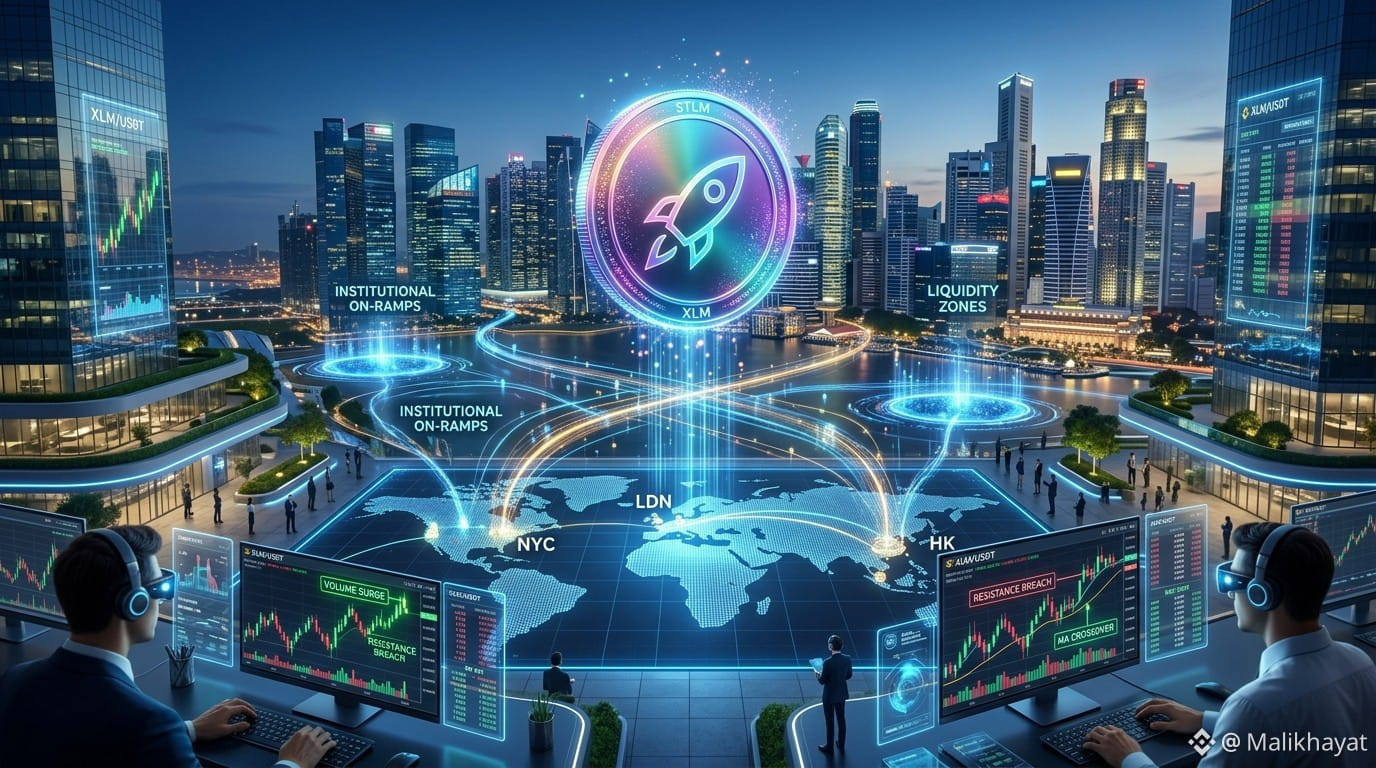
$XLM Nachdem wir eine längere Zeit in einer breiten Akkumulationszone verbracht haben, zeigt $XLM nun Merkmale, die Trader oft mit einer aufkommenden Momentum-Expansion assoziieren.
Eine der bemerkenswertesten Entwicklungen ist der signifikante Anstieg der Handelsaktivität im Vergleich zu den letzten Durchschnittswerten. Ein steigendes Volumen während eines Ausbruchs kann darauf hindeuten, dass frische Marktteilnehmer in den Markt eintreten, anstatt dass bestehende Halter einfach ihre Positionen rotieren.
Aus technischer Sicht bleibt der Fokus darauf, ob Stellar es schaffen kann, über der oberen Grenze seiner langfristigen Range akzeptiert zu werden. Märkte besuchen häufig Ausbruchszonen erneut, weshalb das Reaktionsverhalten in der Nähe der Unterstützung besonders wichtig ist.
📊 Bildungs-Trading-Szenario
Markt-Bias: Ausbruch-Entwicklung
Einstiegszone: $0.212–$0.222
Wichtige Unterstützungszone: $0.195
Primäre Widerstandszone: $0.240
Primäres Zielgebiet: $0.260
Sekundäres Zielgebiet: $0.285
Erweitertes Zielgebiet: $0.310
Bullishes Ungültigkeitsniveau: Unter $0.180
Risikoverhältnis: Verbessert sich, wenn der Preis über der Ausbruchsregion bleibt und das Volumen hoch bleibt.
Bestätigungsfaktoren, auf die man achten sollte:
✅ Überdurchschnittliches tägliches Volumen
✅ Erfolgreicher Ausbruch aus der Akkumulationszone
✅ Bildung einer höheren Hochstruktur im Markt
✅ Entwicklungen im institutionellen Zahlungsnetzwerk
✅ Starke Käuferreaktion bei Rücksetzern
Starke Trends werden oft durch wiederholte Bestätigungen und nicht durch einzelne explosive Bewegungen aufgebaut.
#XLM #Stellar #CrossBorderPayments #DigitalFinance #BlockchainPayments
{future}(XLMUSDT)
$XLM Nachdem wir eine längere Zeit in einer breiten Akkumulationszone verbracht haben, zeigt $XLM nun Merkmale, die Trader oft mit einer aufkommenden Momentum-Expansion assoziieren.
Eine der bemerkenswertesten Entwicklungen ist der signifikante Anstieg der Handelsaktivität im Vergleich zu den letzten Durchschnittswerten. Ein steigendes Volumen während eines Ausbruchs kann darauf hindeuten, dass frische Marktteilnehmer in den Markt eintreten, anstatt dass bestehende Halter einfach ihre Positionen rotieren.
Aus technischer Sicht bleibt der Fokus darauf, ob Stellar es schaffen kann, über der oberen Grenze seiner langfristigen Range akzeptiert zu werden. Märkte besuchen häufig Ausbruchszonen erneut, weshalb das Reaktionsverhalten in der Nähe der Unterstützung besonders wichtig ist.
📊 Bildungs-Trading-Szenario
Markt-Bias: Ausbruch-Entwicklung
Einstiegszone: $0.212–$0.222
Wichtige Unterstützungszone: $0.195
Primäre Widerstandszone: $0.240
Primäres Zielgebiet: $0.260
Sekundäres Zielgebiet: $0.285
Erweitertes Zielgebiet: $0.310
Bullishes Ungültigkeitsniveau: Unter $0.180
Risikoverhältnis: Verbessert sich, wenn der Preis über der Ausbruchsregion bleibt und das Volumen hoch bleibt.
Bestätigungsfaktoren, auf die man achten sollte:
✅ Überdurchschnittliches tägliches Volumen
✅ Erfolgreicher Ausbruch aus der Akkumulationszone
✅ Bildung einer höheren Hochstruktur im Markt
✅ Entwicklungen im institutionellen Zahlungsnetzwerk
✅ Starke Käuferreaktion bei Rücksetzern
Starke Trends werden oft durch wiederholte Bestätigungen und nicht durch einzelne explosive Bewegungen aufgebaut.
#XLM #Stellar #CrossBorderPayments #DigitalFinance #BlockchainPayments
Eine der bemerkenswertesten Entwicklungen ist der signifikante Anstieg der Handelsaktivität im Vergleich zu den letzten Durchschnittswerten. Ein steigendes Volumen während eines Ausbruchs kann darauf hindeuten, dass frische Marktteilnehmer in den Markt eintreten, anstatt dass bestehende Halter einfach ihre Positionen rotieren.
Aus technischer Sicht bleibt der Fokus darauf, ob Stellar es schaffen kann, über der oberen Grenze seiner langfristigen Range akzeptiert zu werden. Märkte besuchen häufig Ausbruchszonen erneut, weshalb das Reaktionsverhalten in der Nähe der Unterstützung besonders wichtig ist.
📊 Bildungs-Trading-Szenario
Markt-Bias: Ausbruch-Entwicklung
Einstiegszone: $0.212–$0.222
Wichtige Unterstützungszone: $0.195
Primäre Widerstandszone: $0.240
Primäres Zielgebiet: $0.260
Sekundäres Zielgebiet: $0.285
Erweitertes Zielgebiet: $0.310
Bullishes Ungültigkeitsniveau: Unter $0.180
Risikoverhältnis: Verbessert sich, wenn der Preis über der Ausbruchsregion bleibt und das Volumen hoch bleibt.
Bestätigungsfaktoren, auf die man achten sollte:
✅ Überdurchschnittliches tägliches Volumen
✅ Erfolgreicher Ausbruch aus der Akkumulationszone
✅ Bildung einer höheren Hochstruktur im Markt
✅ Entwicklungen im institutionellen Zahlungsnetzwerk
✅ Starke Käuferreaktion bei Rücksetzern
Starke Trends werden oft durch wiederholte Bestätigungen und nicht durch einzelne explosive Bewegungen aufgebaut.
#XLM #Stellar #CrossBorderPayments #DigitalFinance #BlockchainPayments
2
131
Artikel
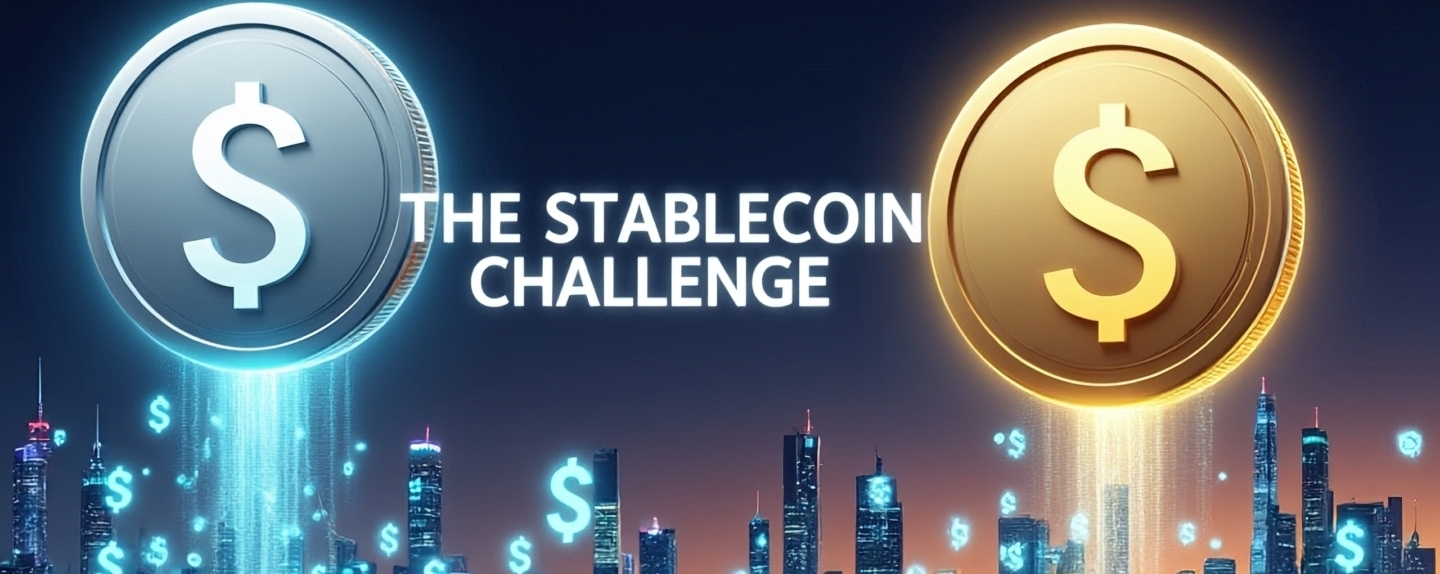
140+ Unternehmen haben gerade eine neue Stablecoin entwickelt, um den Branchenführer herauszufordern140+ Unternehmen haben gerade eine neue Stablecoin entwickelt, um den Branchenführer herauszufordern
73,4 Milliarden US-Dollar. Das ist die Größe des Stablecoin-Imperiums, das eine neue Koalition gerade herauszufordern beschlossen hat.
Eine Koalition aus mehr als 140 Unternehmen – darunter große Zahlungsnetzwerke, globale Banken und führende Krypto-Plattformen – hat einen neuen, an den Dollar gekoppelten Stablecoin auf den Markt gebracht, und das Modell dahinter ist anders als alles, was derzeit den Markt dominiert.
◆ Der neue Stablecoin, Open USD genannt, ist mit Unterstützung von über 140 Unternehmen gestartet, die Zahlungen, Banking und Krypto-Infrastruktur abdecken
140+ Unternehmen haben gerade eine neue Stablecoin entwickelt, um den Branchenführer herauszufordern
140+ Unternehmen haben gerade eine neue Stablecoin entwickelt, um den Branchenführer herauszufordern
73,4 Milliarden US-Dollar. Das ist die Größe des Stablecoin-Imperiums, das eine neue Koalition gerade herauszufordern beschlossen hat.
Eine Koalition aus mehr als 140 Unternehmen – darunter große Zahlungsnetzwerke, globale Banken und führende Krypto-Plattformen – hat einen neuen, an den Dollar gekoppelten Stablecoin auf den Markt gebracht, und das Modell dahinter ist anders als alles, was derzeit den Markt dominiert.
◆ Der neue Stablecoin, Open USD genannt, ist mit Unterstützung von über 140 Unternehmen gestartet, die Zahlungen, Banking und Krypto-Infrastruktur abdecken
73,4 Milliarden US-Dollar. Das ist die Größe des Stablecoin-Imperiums, das eine neue Koalition gerade herauszufordern beschlossen hat.
Eine Koalition aus mehr als 140 Unternehmen – darunter große Zahlungsnetzwerke, globale Banken und führende Krypto-Plattformen – hat einen neuen, an den Dollar gekoppelten Stablecoin auf den Markt gebracht, und das Modell dahinter ist anders als alles, was derzeit den Markt dominiert.
◆ Der neue Stablecoin, Open USD genannt, ist mit Unterstützung von über 140 Unternehmen gestartet, die Zahlungen, Banking und Krypto-Infrastruktur abdecken
131
Artikel
Ripple hat JPMorgan, Mastercard & Deutsche Bank an Bord geholt – aber warum steckt XRP immer noch bei 1 $ fest?Ripple hat JPMorgan, Mastercard & Deutsche Bank an Bord geholt – aber warum steckt XRP immer noch bei 1 $ fest?
Dies ist das größte Paradox im Krypto-Bereich im Moment. Ripple hat jeden institutionellen Kampf gewonnen, den es seit einem Jahrzehnt geführt hat – und der Token wird so gehandelt, als wäre davon nichts passiert.
Das ist keine Misserfolgsstory. Es ist die wichtigste Lektion im Krypto-Bereich: Unternehmenserfolg und Token-Nachfrage sind zwei völlig getrennte Dinge.
Was wirklich passiert ist – verifizierte Fakten
JPMorgan, Mastercard, Ondo Finance und Ripple haben die erste grenzüberschreitende Rückzahlung von tokenisierten U.S.-Treasuries auf dem XRP Ledger abgeschlossen – mit dem Blockchain-Part, der in weniger als fünf Sekunden finalisiert wurde, verglichen mit 3 bis 5 Werktagen auf herkömmlichen Zahlungswegen. (Crypto News)
Ripple hat JPMorgan, Mastercard & Deutsche Bank an Bord geholt – aber warum steckt XRP immer noch bei 1 $ fest?
Ripple hat JPMorgan, Mastercard & Deutsche Bank an Bord geholt – aber warum steckt XRP immer noch bei 1 $ fest?
Dies ist das größte Paradox im Krypto-Bereich im Moment. Ripple hat jeden institutionellen Kampf gewonnen, den es seit einem Jahrzehnt geführt hat – und der Token wird so gehandelt, als wäre davon nichts passiert.
Das ist keine Misserfolgsstory. Es ist die wichtigste Lektion im Krypto-Bereich: Unternehmenserfolg und Token-Nachfrage sind zwei völlig getrennte Dinge.
Was wirklich passiert ist – verifizierte Fakten
JPMorgan, Mastercard, Ondo Finance und Ripple haben die erste grenzüberschreitende Rückzahlung von tokenisierten U.S.-Treasuries auf dem XRP Ledger abgeschlossen – mit dem Blockchain-Part, der in weniger als fünf Sekunden finalisiert wurde, verglichen mit 3 bis 5 Werktagen auf herkömmlichen Zahlungswegen. (Crypto News)
Dies ist das größte Paradox im Krypto-Bereich im Moment. Ripple hat jeden institutionellen Kampf gewonnen, den es seit einem Jahrzehnt geführt hat – und der Token wird so gehandelt, als wäre davon nichts passiert.
Das ist keine Misserfolgsstory. Es ist die wichtigste Lektion im Krypto-Bereich: Unternehmenserfolg und Token-Nachfrage sind zwei völlig getrennte Dinge.
Was wirklich passiert ist – verifizierte Fakten
JPMorgan, Mastercard, Ondo Finance und Ripple haben die erste grenzüberschreitende Rückzahlung von tokenisierten U.S.-Treasuries auf dem XRP Ledger abgeschlossen – mit dem Blockchain-Part, der in weniger als fünf Sekunden finalisiert wurde, verglichen mit 3 bis 5 Werktagen auf herkömmlichen Zahlungswegen. (Crypto News)
81

·
--
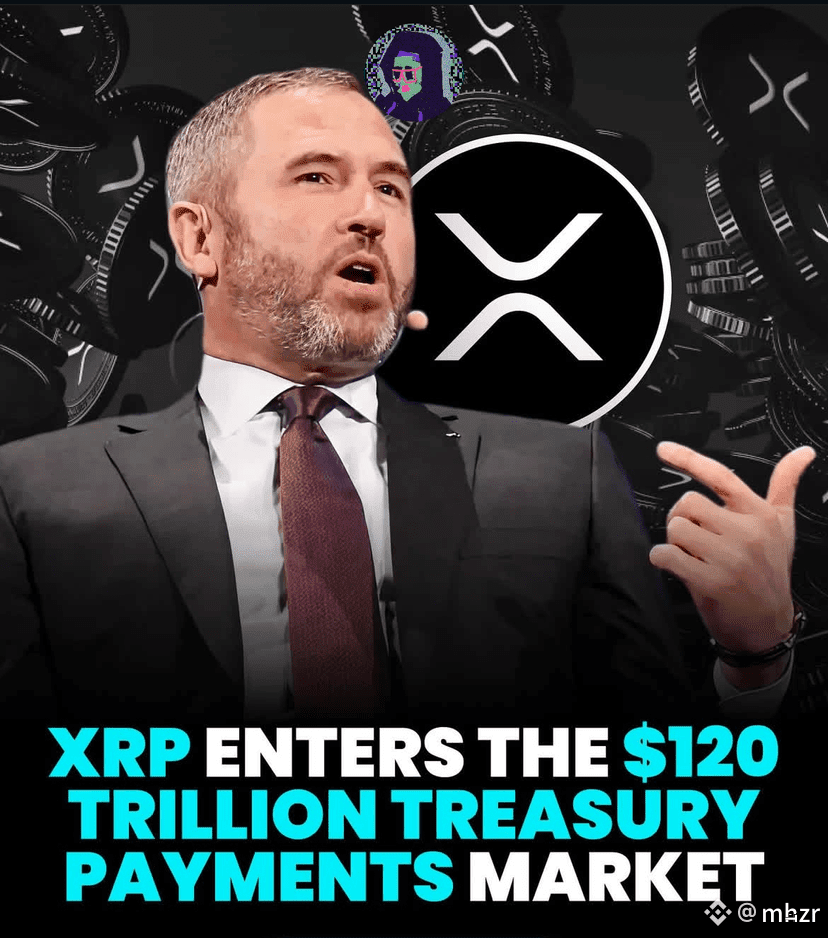
XRP BETRETET DEN $120 BILLIONEN TREASURY-ZAHLUNGSMARKT
{spot}(XRPUSDT)
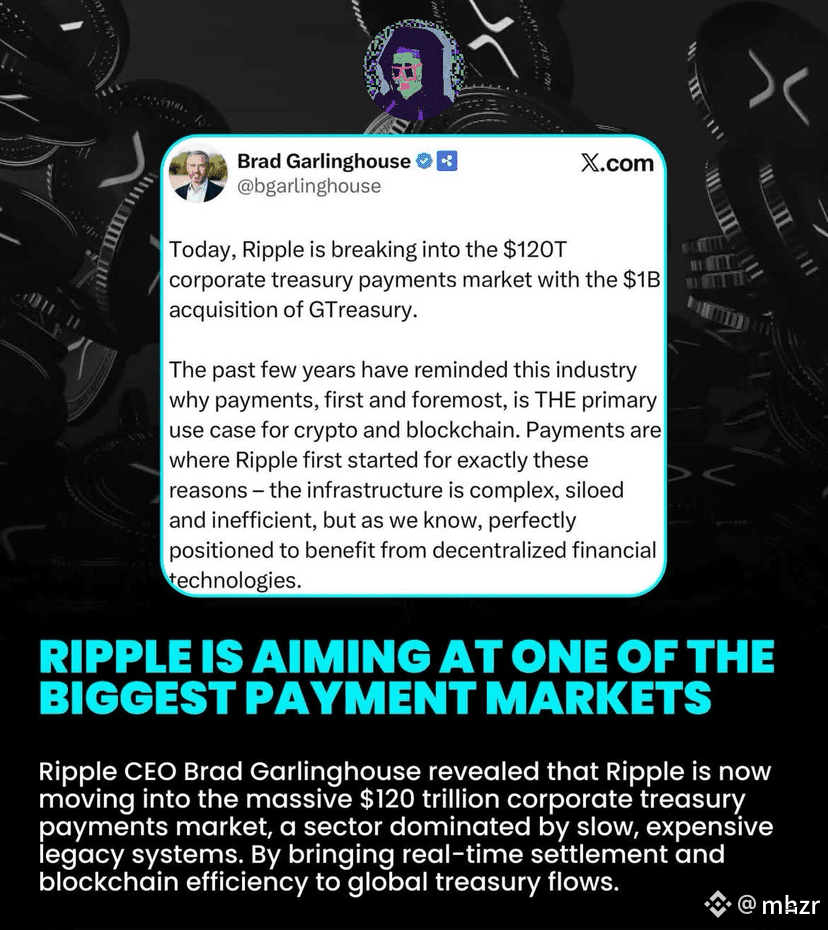
🏦 Ripple hat gerade den $120 Billionen
Markt für Unternehmens-Treasury-Zahlungen mit der Übernahme von Treasury betreten, einer der größten Schritte, die das Unternehmen je gemacht hat.
💡 Dieser Markt wird von langsamen, isolierten, veralteten Bankensystemen dominiert. Ripple hat das Ziel, diese Schienen durch Echtzeit-Abrechnungen und Blockchain-Effizienz zu ersetzen, das genaue Problem, für das $XRP entwickelt wurde.
🚀 Während Institutionen nach schnelleren, günstigeren, globalen Zahlungslösungen suchen, positioniert sich XRP im Zentrum eines der größten finanziellen Flüsse auf dem Planeten.
✨ Dies ist keine Finanzberatung.
-
▫️ Folgen Sie uns für Technologie-, Geschäfts- und Marktanalysen
#Ripple #XRP #BlockchainPayments #Fintech #GlobalFinance
XRP BETRETET DEN $120 BILLIONEN TREASURY-ZAHLUNGSMARKT
🏦 Ripple hat gerade den $120 Billionen
Markt für Unternehmens-Treasury-Zahlungen mit der Übernahme von Treasury betreten, einer der größten Schritte, die das Unternehmen je gemacht hat.
💡 Dieser Markt wird von langsamen, isolierten, veralteten Bankensystemen dominiert. Ripple hat das Ziel, diese Schienen durch Echtzeit-Abrechnungen und Blockchain-Effizienz zu ersetzen, das genaue Problem, für das $XRP entwickelt wurde.
🚀 Während Institutionen nach schnelleren, günstigeren, globalen Zahlungslösungen suchen, positioniert sich XRP im Zentrum eines der größten finanziellen Flüsse auf dem Planeten.
✨ Dies ist keine Finanzberatung.
-
▫️ Folgen Sie uns für Technologie-, Geschäfts- und Marktanalysen
#Ripple #XRP #BlockchainPayments #Fintech #GlobalFinance
🏦 Ripple hat gerade den $120 Billionen
Markt für Unternehmens-Treasury-Zahlungen mit der Übernahme von Treasury betreten, einer der größten Schritte, die das Unternehmen je gemacht hat.
💡 Dieser Markt wird von langsamen, isolierten, veralteten Bankensystemen dominiert. Ripple hat das Ziel, diese Schienen durch Echtzeit-Abrechnungen und Blockchain-Effizienz zu ersetzen, das genaue Problem, für das $XRP entwickelt wurde.
🚀 Während Institutionen nach schnelleren, günstigeren, globalen Zahlungslösungen suchen, positioniert sich XRP im Zentrum eines der größten finanziellen Flüsse auf dem Planeten.
✨ Dies ist keine Finanzberatung.
-
▫️ Folgen Sie uns für Technologie-, Geschäfts- und Marktanalysen
#Ripple #XRP #BlockchainPayments #Fintech #GlobalFinance
6
2
39
5.4k

·
--
Artikel
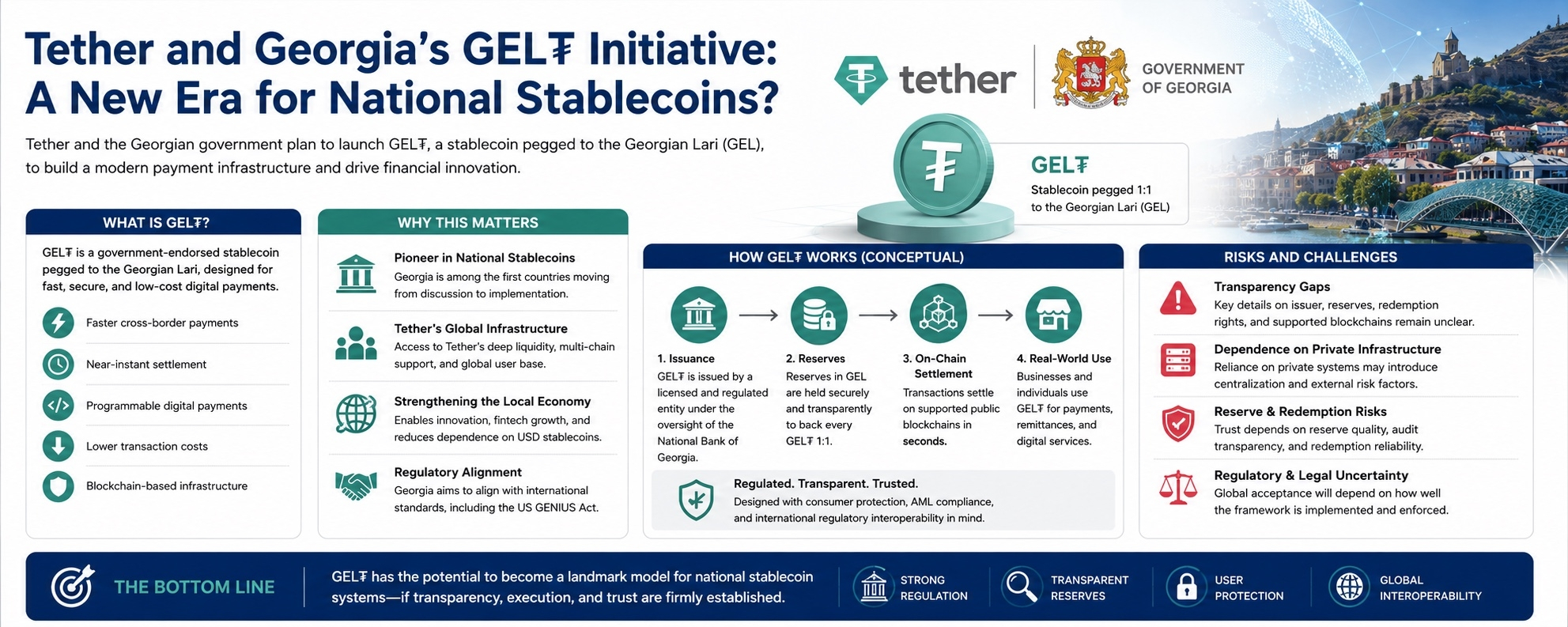
Tether und Georgiens GEL₮-Initiative: Eine neue Ära für nationale Stablecoins?Einführung
Die Partnerschaft zwischen Tether und der georgischen Regierung zur Einführung von GEL₮, einem Stablecoin, der an den georgischen Lari (GEL) gekoppelt ist, stellt einen potenziell historischen Wandel in der Entwicklung der digitalen Finanzen dar. Im Gegensatz zu traditionellen Krypto-Assets, die hauptsächlich für den Handel und Spekulation gedacht sind, ist GEL₮ als nationale Zahlungsinfrastruktur positioniert, die in das regulatorische und finanzielle System eines Landes integriert ist.
Wenn dies erfolgreich umgesetzt wird, könnte Georgien das erste Land werden, das einen fiat-gestützten Stablecoin offiziell in staatlich unterstützte Zahlungsinfrastrukturen integriert, durch die Kooperation mit einem privaten globalen Emittenten.
Tether und Georgiens GEL₮-Initiative: Eine neue Ära für nationale Stablecoins?
Einführung
Die Partnerschaft zwischen Tether und der georgischen Regierung zur Einführung von GEL₮, einem Stablecoin, der an den georgischen Lari (GEL) gekoppelt ist, stellt einen potenziell historischen Wandel in der Entwicklung der digitalen Finanzen dar. Im Gegensatz zu traditionellen Krypto-Assets, die hauptsächlich für den Handel und Spekulation gedacht sind, ist GEL₮ als nationale Zahlungsinfrastruktur positioniert, die in das regulatorische und finanzielle System eines Landes integriert ist.
Wenn dies erfolgreich umgesetzt wird, könnte Georgien das erste Land werden, das einen fiat-gestützten Stablecoin offiziell in staatlich unterstützte Zahlungsinfrastrukturen integriert, durch die Kooperation mit einem privaten globalen Emittenten.
Die Partnerschaft zwischen Tether und der georgischen Regierung zur Einführung von GEL₮, einem Stablecoin, der an den georgischen Lari (GEL) gekoppelt ist, stellt einen potenziell historischen Wandel in der Entwicklung der digitalen Finanzen dar. Im Gegensatz zu traditionellen Krypto-Assets, die hauptsächlich für den Handel und Spekulation gedacht sind, ist GEL₮ als nationale Zahlungsinfrastruktur positioniert, die in das regulatorische und finanzielle System eines Landes integriert ist.
Wenn dies erfolgreich umgesetzt wird, könnte Georgien das erste Land werden, das einen fiat-gestützten Stablecoin offiziell in staatlich unterstützte Zahlungsinfrastrukturen integriert, durch die Kooperation mit einem privaten globalen Emittenten.
1
112

·
--
Western Union setzt auf Stablecoins zur Modernisierung von Zahlungen:
Western Union betritt die Blockchain-Innovation mit dem Launch von USDPT, einem dollar-unterstützten Stablecoin, der auf Solana basiert. Herausgegeben von Anchorage Digital Bank, wurde der Stablecoin entwickelt, um Echtzeit-Zahlungen 24/7 zwischen dem Unternehmen und seinem globalen Netzwerk von Agenten und Partnern zu ermöglichen.
Dieser Schritt spiegelt einen strategischen Wandel hin zu einer schnelleren und effizienteren Zahlungsinfrastruktur wider, die die Abhängigkeit von traditionellen Banköffnungszeiten und Intermediären reduziert. Durch die Nutzung von Solanas Geschwindigkeit und niedrigen Transaktionskosten zielt Western Union darauf ab, grenzüberschreitende Transaktionen zu optimieren und das Liquiditätsmanagement zu verbessern.
Analysten glauben, dass USDPT das Zahlungsmodell von Western Union erheblich umgestalten könnte, was dem Unternehmen hilft, wettbewerbsfähig in einer zunehmend digitalen Finanzlandschaft zu bleiben und gleichzeitig die Akzeptanz von Stablecoins bei globalen Überweisungen zu beschleunigen.
#WesternUnion #Stablecoin #Solana #CryptoNews #BlockchainPayments
Western Union setzt auf Stablecoins zur Modernisierung von Zahlungen:
Western Union betritt die Blockchain-Innovation mit dem Launch von USDPT, einem dollar-unterstützten Stablecoin, der auf Solana basiert. Herausgegeben von Anchorage Digital Bank, wurde der Stablecoin entwickelt, um Echtzeit-Zahlungen 24/7 zwischen dem Unternehmen und seinem globalen Netzwerk von Agenten und Partnern zu ermöglichen.
Dieser Schritt spiegelt einen strategischen Wandel hin zu einer schnelleren und effizienteren Zahlungsinfrastruktur wider, die die Abhängigkeit von traditionellen Banköffnungszeiten und Intermediären reduziert. Durch die Nutzung von Solanas Geschwindigkeit und niedrigen Transaktionskosten zielt Western Union darauf ab, grenzüberschreitende Transaktionen zu optimieren und das Liquiditätsmanagement zu verbessern.
Analysten glauben, dass USDPT das Zahlungsmodell von Western Union erheblich umgestalten könnte, was dem Unternehmen hilft, wettbewerbsfähig in einer zunehmend digitalen Finanzlandschaft zu bleiben und gleichzeitig die Akzeptanz von Stablecoins bei globalen Überweisungen zu beschleunigen.
#WesternUnion #Stablecoin #Solana #CryptoNews #BlockchainPayments
Western Union betritt die Blockchain-Innovation mit dem Launch von USDPT, einem dollar-unterstützten Stablecoin, der auf Solana basiert. Herausgegeben von Anchorage Digital Bank, wurde der Stablecoin entwickelt, um Echtzeit-Zahlungen 24/7 zwischen dem Unternehmen und seinem globalen Netzwerk von Agenten und Partnern zu ermöglichen.
Dieser Schritt spiegelt einen strategischen Wandel hin zu einer schnelleren und effizienteren Zahlungsinfrastruktur wider, die die Abhängigkeit von traditionellen Banköffnungszeiten und Intermediären reduziert. Durch die Nutzung von Solanas Geschwindigkeit und niedrigen Transaktionskosten zielt Western Union darauf ab, grenzüberschreitende Transaktionen zu optimieren und das Liquiditätsmanagement zu verbessern.
Analysten glauben, dass USDPT das Zahlungsmodell von Western Union erheblich umgestalten könnte, was dem Unternehmen hilft, wettbewerbsfähig in einer zunehmend digitalen Finanzlandschaft zu bleiben und gleichzeitig die Akzeptanz von Stablecoins bei globalen Überweisungen zu beschleunigen.
#WesternUnion #Stablecoin #Solana #CryptoNews #BlockchainPayments
104
Artikel
MoneyGram betreibt jetzt Solana-Infrastruktur – und das verändert alles für grenzüberschreitende GeldtransfersMoneyGram betreibt jetzt Solana-Infrastruktur – und das verändert alles für grenzüberschreitende Geldtransfers
Wenn ein Unternehmen, das 60 Millionen Kundinnen und Kunden an 500.000 Standorten betreut, einfach nicht nur Blockchain nutzt, sondern sie jetzt auch absichert – dann ist das keine Ankündigung einer Partnerschaft, sondern ein struktureller Wandel.
◆ Was gerade passiert ist: MoneyGram hat am 22. Juni 2026 angekündigt, dass es zu einem aktiven Validator im Solana-Netzwerk geworden ist und direkt zur Sicherheit, Integrität und Leistungsfähigkeit der Blockchain beiträgt – während es gleichzeitig dem Solana Developer Platform beitritt, zusammen mit Institutionen wie Mastercard. (PR Newswire)
MoneyGram betreibt jetzt Solana-Infrastruktur – und das verändert alles für grenzüberschreitende Geldtransfers
MoneyGram betreibt jetzt Solana-Infrastruktur – und das verändert alles für grenzüberschreitende Geldtransfers
Wenn ein Unternehmen, das 60 Millionen Kundinnen und Kunden an 500.000 Standorten betreut, einfach nicht nur Blockchain nutzt, sondern sie jetzt auch absichert – dann ist das keine Ankündigung einer Partnerschaft, sondern ein struktureller Wandel.
◆ Was gerade passiert ist: MoneyGram hat am 22. Juni 2026 angekündigt, dass es zu einem aktiven Validator im Solana-Netzwerk geworden ist und direkt zur Sicherheit, Integrität und Leistungsfähigkeit der Blockchain beiträgt – während es gleichzeitig dem Solana Developer Platform beitritt, zusammen mit Institutionen wie Mastercard. (PR Newswire)
Wenn ein Unternehmen, das 60 Millionen Kundinnen und Kunden an 500.000 Standorten betreut, einfach nicht nur Blockchain nutzt, sondern sie jetzt auch absichert – dann ist das keine Ankündigung einer Partnerschaft, sondern ein struktureller Wandel.
◆ Was gerade passiert ist: MoneyGram hat am 22. Juni 2026 angekündigt, dass es zu einem aktiven Validator im Solana-Netzwerk geworden ist und direkt zur Sicherheit, Integrität und Leistungsfähigkeit der Blockchain beiträgt – während es gleichzeitig dem Solana Developer Platform beitritt, zusammen mit Institutionen wie Mastercard. (PR Newswire)
47
Anmelden und weiter Inhalte entdecken
Krypto-Nutzer weltweit auf Binance Square kennenlernen
⚡️ Bleib in Sachen Krypto stets am Puls.
💬 Die weltgrößte Kryptobörse vertraut darauf.
👍 Erhalte verlässliche Einblicke von verifizierten Creators.
E-Mail-Adresse/Telefonnummer
Trendthemen
1
#CanMicrosoftDeliverOnAI
105,667 Aufrufe
822 Kommentare
2
#CanGoogleDefindItsCore
50,015 Aufrufe
592 Kommentare
3
#FOMCWatch
9.1M Aufrufe
28,057 Kommentare
4
#EthereumDropsBelow$2300
11,596 Aufrufe
161 Kommentare
5
#BitcoinSlipsBelow$80KAgain
32,505 Aufrufe
126 Kommentare
6
#ThailandLaunchesWORPTStablecoinToQRPaymentApp
67,913 Aufrufe
831 Kommentare
7
#StrategySkipsBitcoinPurchasesSpends$205MOnSTRCBuybacks
12,669 Aufrufe
99 Kommentare
8
#BitmineAdds10452ETH
115,953 Aufrufe
1,241 Kommentare
9
#SouthKoreaConsidersEducationTaxOnCryptoExchanges
72,347 Aufrufe
864 Kommentare
10
#OCCUrgesCommunityBanksToEnterStablecoinPayments
46,839 Aufrufe
615 Kommentare