

ArifAlpha
2.8k Beiträge

ArifAlpha
Melden
Nutzer blockieren
Crypto enthusiast | Lifelong learner | Community builder 🚀 Sharing thoughts on Bitcoin, altcoins, memes, utility & L1/L2 projects. Let’s grow together!
869 Following
473 Follower
2.4K+ Like gegeben
Beiträge
Alle
Zitierungen
Videos
·
--
Artikel
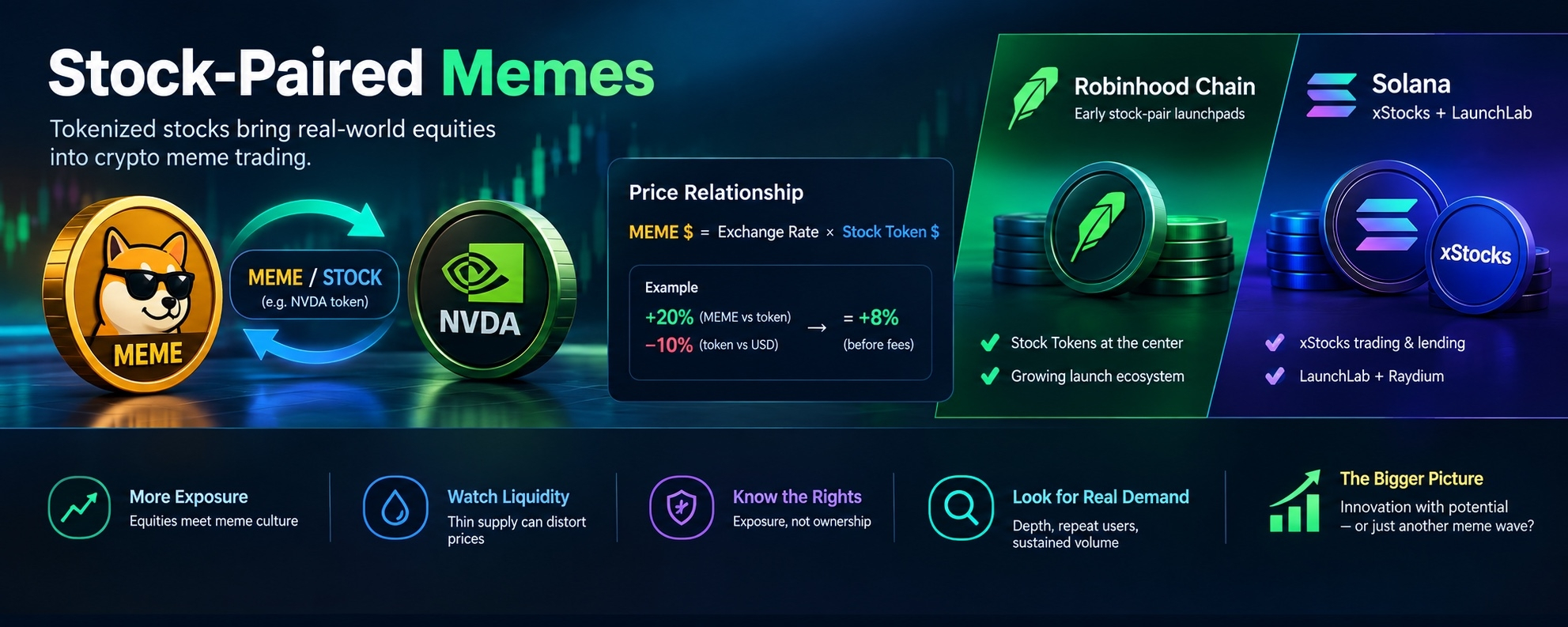
Was sind stockgepaarte Memes? Wie tokenisierte Aktien zu Handelspaaren werdenEinführung
Tokenisierte Aktien werden zu einer Währung für Krypto-Spekulation. Auf der Robinhood Chain und auf Solana können Trader Memes gegen Tokens eintauschen, die Aktien oder ETFs nachbilden, und so Aktienexposure in die Preisbildung eines spekulativen Assets bringen.
Der Unterschied liegt darin, wo jedes Ökosystem beginnt. Die Robinhood Chain entwickelte frühzeitig eine Cluster von Startplätzen für Aktien-Paar-Launchpads. Solana hatte bereits xStocks-Handel und Lending-Integrationen, bevor StonkFun durch erneutes Interesse an Token-Launches auf das Thema aufmerksam machte. Die Frage ist, ob diese Experimente dauerhafte Liquidität für tokenisierte Aktien schaffen.
Was sind stockgepaarte Memes? Wie tokenisierte Aktien zu Handelspaaren werden
Einführung
Tokenisierte Aktien werden zu einer Währung für Krypto-Spekulation. Auf der Robinhood Chain und auf Solana können Trader Memes gegen Tokens eintauschen, die Aktien oder ETFs nachbilden, und so Aktienexposure in die Preisbildung eines spekulativen Assets bringen.
Der Unterschied liegt darin, wo jedes Ökosystem beginnt. Die Robinhood Chain entwickelte frühzeitig eine Cluster von Startplätzen für Aktien-Paar-Launchpads. Solana hatte bereits xStocks-Handel und Lending-Integrationen, bevor StonkFun durch erneutes Interesse an Token-Launches auf das Thema aufmerksam machte. Die Frage ist, ob diese Experimente dauerhafte Liquidität für tokenisierte Aktien schaffen.
Tokenisierte Aktien werden zu einer Währung für Krypto-Spekulation. Auf der Robinhood Chain und auf Solana können Trader Memes gegen Tokens eintauschen, die Aktien oder ETFs nachbilden, und so Aktienexposure in die Preisbildung eines spekulativen Assets bringen.
Der Unterschied liegt darin, wo jedes Ökosystem beginnt. Die Robinhood Chain entwickelte frühzeitig eine Cluster von Startplätzen für Aktien-Paar-Launchpads. Solana hatte bereits xStocks-Handel und Lending-Integrationen, bevor StonkFun durch erneutes Interesse an Token-Launches auf das Thema aufmerksam machte. Die Frage ist, ob diese Experimente dauerhafte Liquidität für tokenisierte Aktien schaffen.
85
·
--
Artikel
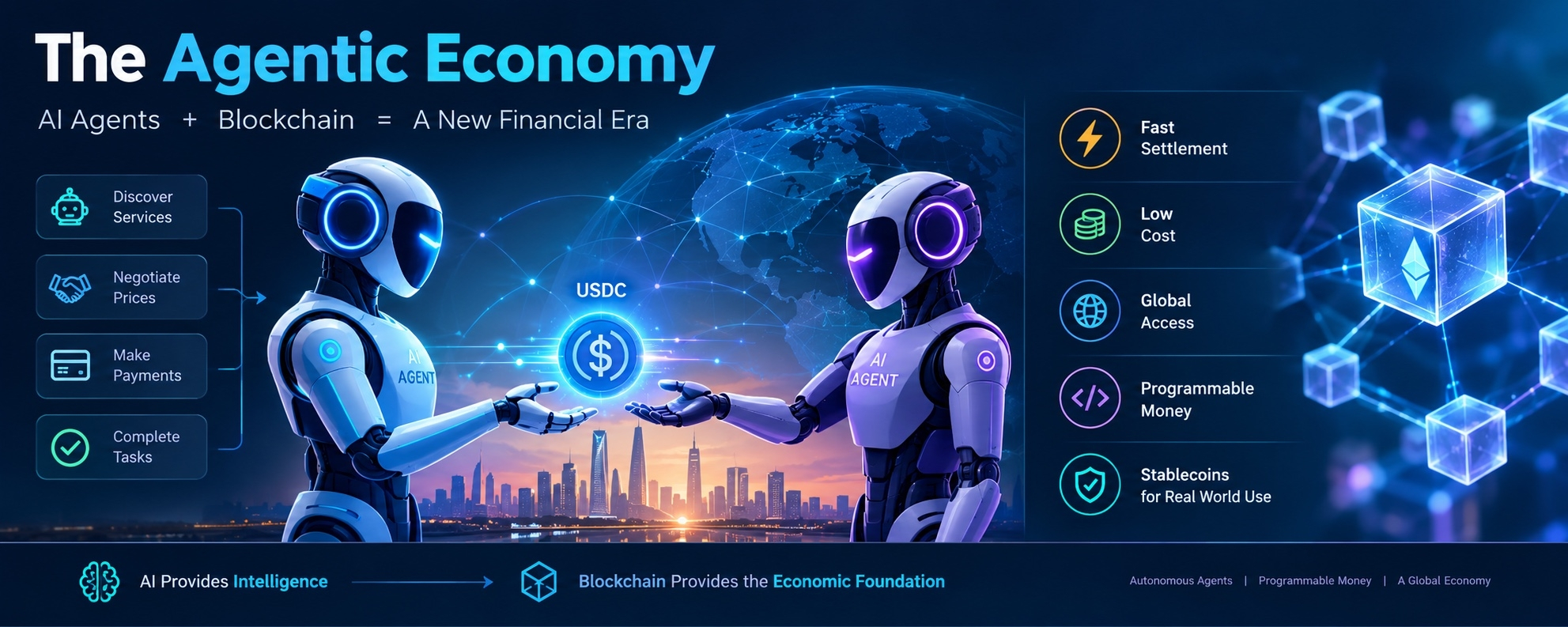
Die Agentic Economy: Warum Krypto der Standard-Zahlungskanal für Künstliche Intelligenz werden könnteKünstliche Intelligenz entwickelt sich rasant von einem Tool zur Informationsbereitstellung zu einem System, das in der Lage ist zu handeln.
In der Zwischenzeit entwickelt sich die Blockchain-Technologie von Spekulation hin zu einer programmierbaren Finanzinfrastruktur, die völlig neue Formen wirtschaftlicher Aktivität unterstützen kann.
Die Kombination dieser beiden Technologien schafft etwas noch nie Dagewesenes: ein Wirtschaftssystem aus autonomen KI-Agenten, in dem KI-Agenten Wert verhandeln, handeln und auf der Grundlage von Regeln ohne menschliches Eingreifen abrechnen.
Die Agentic Economy: Warum Krypto der Standard-Zahlungskanal für Künstliche Intelligenz werden könnte
Künstliche Intelligenz entwickelt sich rasant von einem Tool zur Informationsbereitstellung zu einem System, das in der Lage ist zu handeln.
In der Zwischenzeit entwickelt sich die Blockchain-Technologie von Spekulation hin zu einer programmierbaren Finanzinfrastruktur, die völlig neue Formen wirtschaftlicher Aktivität unterstützen kann.
Die Kombination dieser beiden Technologien schafft etwas noch nie Dagewesenes: ein Wirtschaftssystem aus autonomen KI-Agenten, in dem KI-Agenten Wert verhandeln, handeln und auf der Grundlage von Regeln ohne menschliches Eingreifen abrechnen.
In der Zwischenzeit entwickelt sich die Blockchain-Technologie von Spekulation hin zu einer programmierbaren Finanzinfrastruktur, die völlig neue Formen wirtschaftlicher Aktivität unterstützen kann.
Die Kombination dieser beiden Technologien schafft etwas noch nie Dagewesenes: ein Wirtschaftssystem aus autonomen KI-Agenten, in dem KI-Agenten Wert verhandeln, handeln und auf der Grundlage von Regeln ohne menschliches Eingreifen abrechnen.
75
·
--

Artikel
NEAR: Das Transaktionsvolumen wächst, aber kann dieses Wachstum tatsächlich Token-Wert schaffen?NEAR durchläuft eine wichtige Transformation.
Es begann als leistungsstarker Layer 1 mit Fokus auf Skalierbarkeit, niedrige Gebühren und schnelle Transaktionen. Heute ist die größere Story, dass daraus „Chain Abstraction + Cross-Chain-Infrastruktur + KI-Agenten“ wird.
Das klingt beeindruckend, aber es gibt eine Frage, die Investoren nicht ignorieren sollten:
Wird NEAR nützlicher, oder wird NEAR wertvoller?
Diese beiden Dinge sind nicht immer dasselbe.
▪️ 1. NEAR bewegt sich über das traditionelle Layer-1-Rennen hinaus
Nur auf Geschwindigkeit und niedrige Transaktionsgebühren zu setzen, ist mittlerweile schwierig geworden.
NEAR: Das Transaktionsvolumen wächst, aber kann dieses Wachstum tatsächlich Token-Wert schaffen?
NEAR durchläuft eine wichtige Transformation.
Es begann als leistungsstarker Layer 1 mit Fokus auf Skalierbarkeit, niedrige Gebühren und schnelle Transaktionen. Heute ist die größere Story, dass daraus „Chain Abstraction + Cross-Chain-Infrastruktur + KI-Agenten“ wird.
Das klingt beeindruckend, aber es gibt eine Frage, die Investoren nicht ignorieren sollten:
Wird NEAR nützlicher, oder wird NEAR wertvoller?
Diese beiden Dinge sind nicht immer dasselbe.
▪️ 1. NEAR bewegt sich über das traditionelle Layer-1-Rennen hinaus
Nur auf Geschwindigkeit und niedrige Transaktionsgebühren zu setzen, ist mittlerweile schwierig geworden.
Es begann als leistungsstarker Layer 1 mit Fokus auf Skalierbarkeit, niedrige Gebühren und schnelle Transaktionen. Heute ist die größere Story, dass daraus „Chain Abstraction + Cross-Chain-Infrastruktur + KI-Agenten“ wird.
Das klingt beeindruckend, aber es gibt eine Frage, die Investoren nicht ignorieren sollten:
Wird NEAR nützlicher, oder wird NEAR wertvoller?
Diese beiden Dinge sind nicht immer dasselbe.
▪️ 1. NEAR bewegt sich über das traditionelle Layer-1-Rennen hinaus
Nur auf Geschwindigkeit und niedrige Transaktionsgebühren zu setzen, ist mittlerweile schwierig geworden.
108
·
--
Artikel
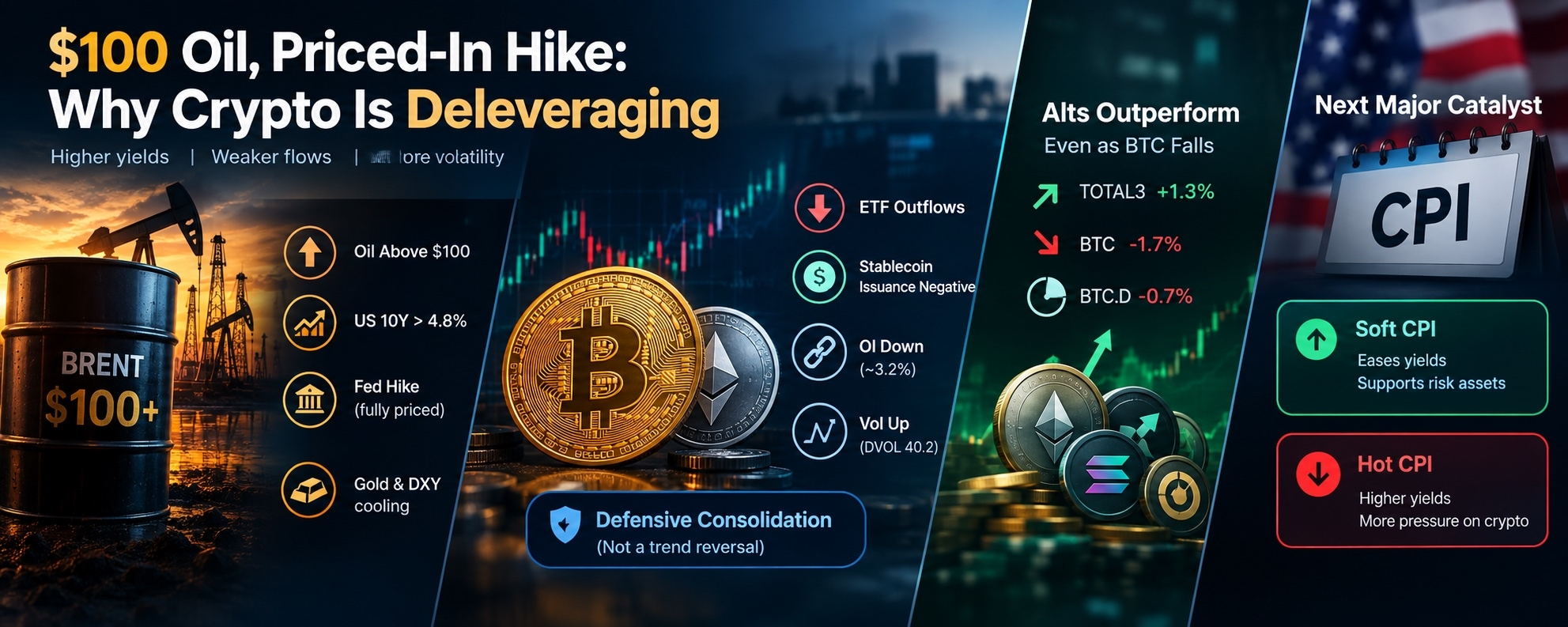
100-Dollar-Öl, eingepreiste Zinserhöhung: Warum Krypto vor dem CPI abgebaut wirdKryptomärkte treten in eine wichtige Makrowoche ein.
Die Zinserhöhung im September ist inzwischen weitgehend eingepreist, aber die größere Frage für risikoreiche Assets ist inzwischen nicht mehr nur, was die Fed tut.
Die größere Frage lautet:
Kann Öl über 100 USD bleiben?
Brent-Rohöl, das über 100 USD steigt, hat die Inflationserwartungen und die Renditen langfristiger Staatsanleihen nach oben gedrückt. Gleichzeitig haben sich die Krypto-Zuflüsse abgeschwächt, die Verschuldung (Leverage) ist zurückgegangen und die Optionen zeigen eine defensivere Marktstruktur.
Das bedeutet nicht zwangsläufig, dass ein großer bärischer Trend begonnen hat.
100-Dollar-Öl, eingepreiste Zinserhöhung: Warum Krypto vor dem CPI abgebaut wird
Kryptomärkte treten in eine wichtige Makrowoche ein.
Die Zinserhöhung im September ist inzwischen weitgehend eingepreist, aber die größere Frage für risikoreiche Assets ist inzwischen nicht mehr nur, was die Fed tut.
Die größere Frage lautet:
Kann Öl über 100 USD bleiben?
Brent-Rohöl, das über 100 USD steigt, hat die Inflationserwartungen und die Renditen langfristiger Staatsanleihen nach oben gedrückt. Gleichzeitig haben sich die Krypto-Zuflüsse abgeschwächt, die Verschuldung (Leverage) ist zurückgegangen und die Optionen zeigen eine defensivere Marktstruktur.
Das bedeutet nicht zwangsläufig, dass ein großer bärischer Trend begonnen hat.
Die Zinserhöhung im September ist inzwischen weitgehend eingepreist, aber die größere Frage für risikoreiche Assets ist inzwischen nicht mehr nur, was die Fed tut.
Die größere Frage lautet:
Kann Öl über 100 USD bleiben?
Brent-Rohöl, das über 100 USD steigt, hat die Inflationserwartungen und die Renditen langfristiger Staatsanleihen nach oben gedrückt. Gleichzeitig haben sich die Krypto-Zuflüsse abgeschwächt, die Verschuldung (Leverage) ist zurückgegangen und die Optionen zeigen eine defensivere Marktstruktur.
Das bedeutet nicht zwangsläufig, dass ein großer bärischer Trend begonnen hat.
153
·
--
Artikel
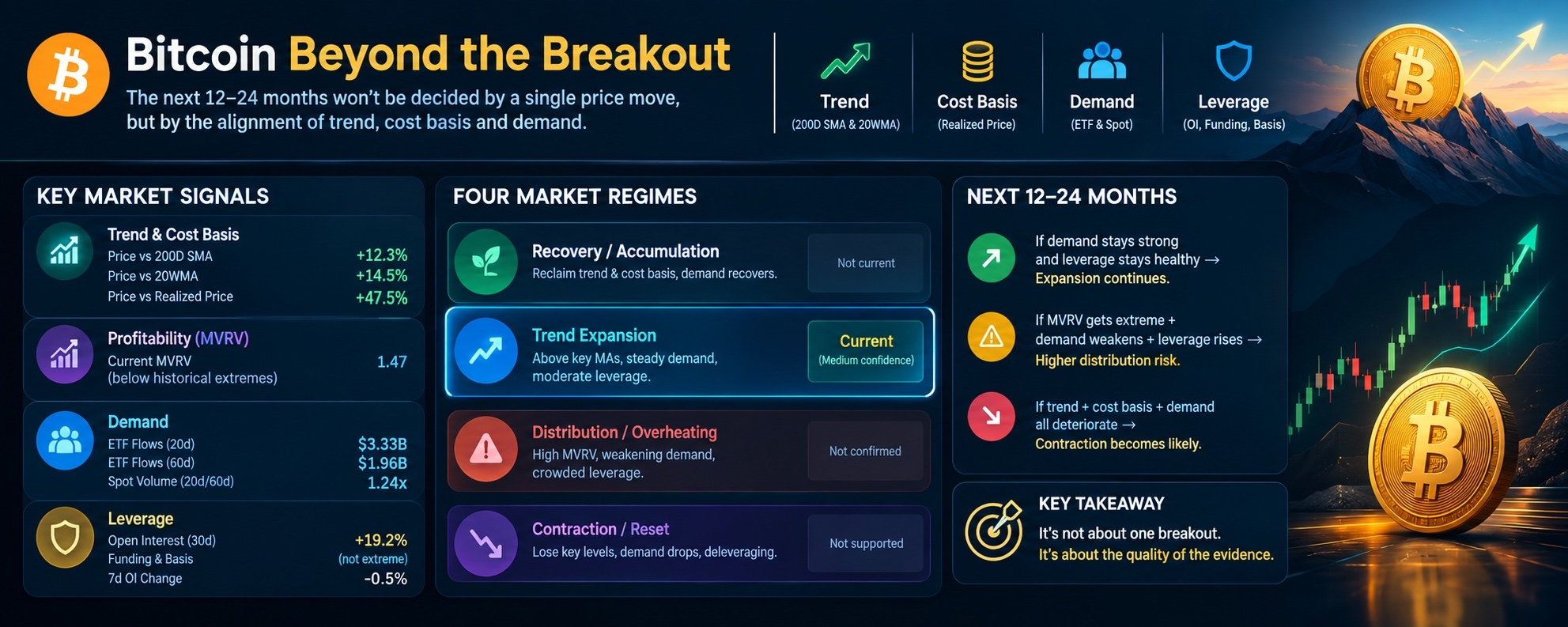
Bitcoin über den Ausbruch hinaus: Was die nächsten 12–24 Monate bestimmen könnte?Ein Bitcoin-Ausbruch kann viel Aufregung auslösen, aber ein Ausbruch allein sagt uns noch nicht, welche Art von Markt wir gerade betreten.
Die entscheidendere Frage ist:
Wird die Stärke des Bitcoin-Preises durch einen nachhaltigen Trend, eine gesunde Kostenbasis der Anleger und echte Nachfrage gestützt?
Wenn sich diese drei Schichten gemeinsam bewegen, wird ein Ausbruch aussagekräftiger.
Wenn der Preis steigt, während die Nachfrage nachlässt und der Leverage übermäßig wird, kann derselbe Ausbruch in eine falsche Bewegung oder eine Distributionsphase übergehen.
Schauen wir also nicht nur auf den Preis, sondern auf die breitere Marktstruktur.
Bitcoin über den Ausbruch hinaus: Was die nächsten 12–24 Monate bestimmen könnte?
Ein Bitcoin-Ausbruch kann viel Aufregung auslösen, aber ein Ausbruch allein sagt uns noch nicht, welche Art von Markt wir gerade betreten.
Die entscheidendere Frage ist:
Wird die Stärke des Bitcoin-Preises durch einen nachhaltigen Trend, eine gesunde Kostenbasis der Anleger und echte Nachfrage gestützt?
Wenn sich diese drei Schichten gemeinsam bewegen, wird ein Ausbruch aussagekräftiger.
Wenn der Preis steigt, während die Nachfrage nachlässt und der Leverage übermäßig wird, kann derselbe Ausbruch in eine falsche Bewegung oder eine Distributionsphase übergehen.
Schauen wir also nicht nur auf den Preis, sondern auf die breitere Marktstruktur.
Die entscheidendere Frage ist:
Wird die Stärke des Bitcoin-Preises durch einen nachhaltigen Trend, eine gesunde Kostenbasis der Anleger und echte Nachfrage gestützt?
Wenn sich diese drei Schichten gemeinsam bewegen, wird ein Ausbruch aussagekräftiger.
Wenn der Preis steigt, während die Nachfrage nachlässt und der Leverage übermäßig wird, kann derselbe Ausbruch in eine falsche Bewegung oder eine Distributionsphase übergehen.
Schauen wir also nicht nur auf den Preis, sondern auf die breitere Marktstruktur.
99
·
--
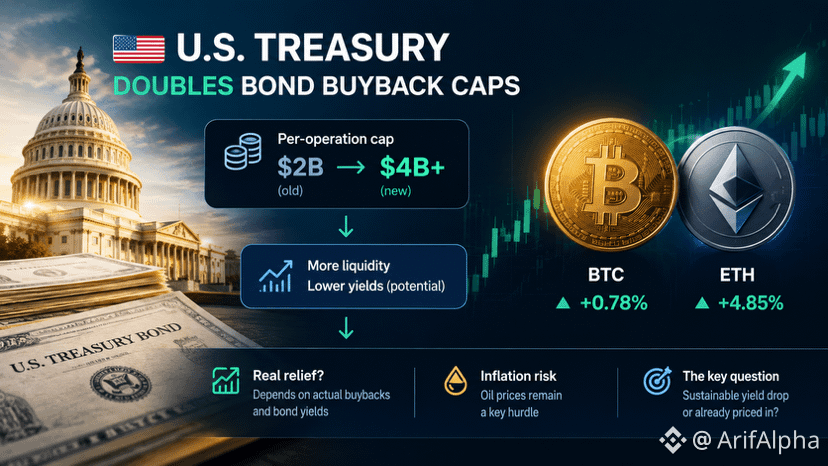
US-Treasury verdoppelt die Obergrenzen für den Bond-Rückkauf: Was signalisiert das für BTC & ETH?
Der erweiterte Rahmen für den Rückkauf von Staatsanleihen ist seit dem 9. September in Kraft. Die Obergrenze pro Rückkauf-Operation wurde von 2 Mrd. USD auf mindestens 4 Mrd. USD angehoben.
🔹 Aufschlüsselung
▪️ Liquidität & Renditen: Ziel der Treasury-Rückkäufe ist es, die Marktliquidität und die Funktionsfähigkeit des Treasury-Marktes zu unterstützen. Wenn der Druck auf die Renditen langfristiger Anleihen nachlässt, könnten die Finanzbedingungen für Krypto relativ unterstützend sein.
▪️ BTC: Bitcoin ist bereits über den Erwartungen bis über 69.000 USD gestiegen. Entscheidend ist nun, ob die tatsächlichen Rückkäufe die Renditen dauerhaft spürbar senken.
▪️ ETH: ETH reagierte stärker als BTC. Wenn sich die Liquiditätsbedingungen verbessern, könnte ETH als höheres Beta-Asset zusätzliches Upside-Potenzial bekommen.
▪️ Größtes Risiko: Der inflationsfördernde Druck durch Ölpreise bleibt bestehen, wodurch der Nutzen sinkender Renditen begrenzt sein kann. Daher ist es riskant, nur die Treasury-Rückkäufe als bullischen Auslöser zu betrachten.
📌 Meine Einschätzung
Dass sich die Rückkauf-Obergrenzen verdoppeln, ist ein kurzfristig positives Liquiditätssignal, aber die echte Bestätigung kommt von den Bond-Renditen, den Inflationsdaten und den gesamten Finanzbedingungen.
Für BTC und ETH ist die Kernfrage einfach:
Werden Treasury-Rückkäufe die tatsächlichen Renditen dauerhaft senken – oder hat der Markt diese Nachricht bereits eingepreist?
#Bitcoin #Ethereum #ArifAlpha
US-Treasury verdoppelt die Obergrenzen für den Bond-Rückkauf: Was signalisiert das für BTC & ETH?
Der erweiterte Rahmen für den Rückkauf von Staatsanleihen ist seit dem 9. September in Kraft. Die Obergrenze pro Rückkauf-Operation wurde von 2 Mrd. USD auf mindestens 4 Mrd. USD angehoben.
🔹 Aufschlüsselung
▪️ Liquidität & Renditen: Ziel der Treasury-Rückkäufe ist es, die Marktliquidität und die Funktionsfähigkeit des Treasury-Marktes zu unterstützen. Wenn der Druck auf die Renditen langfristiger Anleihen nachlässt, könnten die Finanzbedingungen für Krypto relativ unterstützend sein.
▪️ BTC: Bitcoin ist bereits über den Erwartungen bis über 69.000 USD gestiegen. Entscheidend ist nun, ob die tatsächlichen Rückkäufe die Renditen dauerhaft spürbar senken.
▪️ ETH: ETH reagierte stärker als BTC. Wenn sich die Liquiditätsbedingungen verbessern, könnte ETH als höheres Beta-Asset zusätzliches Upside-Potenzial bekommen.
▪️ Größtes Risiko: Der inflationsfördernde Druck durch Ölpreise bleibt bestehen, wodurch der Nutzen sinkender Renditen begrenzt sein kann. Daher ist es riskant, nur die Treasury-Rückkäufe als bullischen Auslöser zu betrachten.
📌 Meine Einschätzung
Dass sich die Rückkauf-Obergrenzen verdoppeln, ist ein kurzfristig positives Liquiditätssignal, aber die echte Bestätigung kommt von den Bond-Renditen, den Inflationsdaten und den gesamten Finanzbedingungen.
Für BTC und ETH ist die Kernfrage einfach:
Werden Treasury-Rückkäufe die tatsächlichen Renditen dauerhaft senken – oder hat der Markt diese Nachricht bereits eingepreist?
#Bitcoin #Ethereum #ArifAlpha
Der erweiterte Rahmen für den Rückkauf von Staatsanleihen ist seit dem 9. September in Kraft. Die Obergrenze pro Rückkauf-Operation wurde von 2 Mrd. USD auf mindestens 4 Mrd. USD angehoben.
🔹 Aufschlüsselung
▪️ Liquidität & Renditen: Ziel der Treasury-Rückkäufe ist es, die Marktliquidität und die Funktionsfähigkeit des Treasury-Marktes zu unterstützen. Wenn der Druck auf die Renditen langfristiger Anleihen nachlässt, könnten die Finanzbedingungen für Krypto relativ unterstützend sein.
▪️ BTC: Bitcoin ist bereits über den Erwartungen bis über 69.000 USD gestiegen. Entscheidend ist nun, ob die tatsächlichen Rückkäufe die Renditen dauerhaft spürbar senken.
▪️ ETH: ETH reagierte stärker als BTC. Wenn sich die Liquiditätsbedingungen verbessern, könnte ETH als höheres Beta-Asset zusätzliches Upside-Potenzial bekommen.
▪️ Größtes Risiko: Der inflationsfördernde Druck durch Ölpreise bleibt bestehen, wodurch der Nutzen sinkender Renditen begrenzt sein kann. Daher ist es riskant, nur die Treasury-Rückkäufe als bullischen Auslöser zu betrachten.
📌 Meine Einschätzung
Dass sich die Rückkauf-Obergrenzen verdoppeln, ist ein kurzfristig positives Liquiditätssignal, aber die echte Bestätigung kommt von den Bond-Renditen, den Inflationsdaten und den gesamten Finanzbedingungen.
Für BTC und ETH ist die Kernfrage einfach:
Werden Treasury-Rückkäufe die tatsächlichen Renditen dauerhaft senken – oder hat der Markt diese Nachricht bereits eingepreist?
#Bitcoin #Ethereum #ArifAlpha
79
·
--
🔴 Bitcoin unter 80.000 $: CPI könnte die nächste Bewegung bestimmen
Bitcoin wird rund bei 79,5K gehandelt und hat die 80K-Marke verloren. Stärkere US-Jobdaten haben die Erwartungen an eine straffere Geldpolitik erhöht.
📌 Kurzer Überblick
▪️ US-Jobs: August-Payrolls bei 162K vs. ~55K erwartet.
▪️ Zinserhöhungs-Wetten: Die Märkte preisen ungefähr 60% Wahrscheinlichkeit für eine 25-bps-Erhöhung am 16. September ein.
▪️ ETF-Nachfrage: US-Spot-BTC-ETFs verzeichneten weiterhin 987 Mio. $ Nettozuflüsse – ein Hinweis darauf, dass die institutionelle Nachfrage nicht verschwunden ist.
▪️ Unterstützung: 77K–78K ist die entscheidende Abwärtszone.
▪️ Widerstand: 80K–82K bleibt die Erholungsbarriere.
🎯 CPI ist der nächste große Auslöser
Da der US-CPI am 11. September ansteht, könnte BTC eine deutliche Volatilität sehen.
Hot CPI:
→ Höhere Zinserwartungen
→ Mehr Druck auf BTC
→ Die Unterstützung bei 77K rückt in den Fokus
Soft CPI:
→ Der Druck für Zinserhöhungen könnte nachlassen
→ Die Risikobereitschaft könnte sich verbessern
→ BTC könnte sich erneut an 80K–82K versuchen
🔎 Worauf ich achte
Die entscheidende Frage ist nicht nur, ob der CPI die Erwartungen über- oder unterschreitet.
Das eigentliche Signal liegt in der Kursreaktion von Bitcoin.
📈 Über 82K und hält: die Erholungsstruktur wird stärker.
📉 Unter 77K: der bärische Druck nimmt zu.
CPI + Fed-Erwartungen + ETF-Zuflüsse + die Kursreaktion – diese Kombination gilt es zu beobachten.
#Bitcoin #CryptoAnalysis #ArifAlpha
🔴 Bitcoin unter 80.000 $: CPI könnte die nächste Bewegung bestimmen
Bitcoin wird rund bei 79,5K gehandelt und hat die 80K-Marke verloren. Stärkere US-Jobdaten haben die Erwartungen an eine straffere Geldpolitik erhöht.
📌 Kurzer Überblick
▪️ US-Jobs: August-Payrolls bei 162K vs. ~55K erwartet.
▪️ Zinserhöhungs-Wetten: Die Märkte preisen ungefähr 60% Wahrscheinlichkeit für eine 25-bps-Erhöhung am 16. September ein.
▪️ ETF-Nachfrage: US-Spot-BTC-ETFs verzeichneten weiterhin 987 Mio. $ Nettozuflüsse – ein Hinweis darauf, dass die institutionelle Nachfrage nicht verschwunden ist.
▪️ Unterstützung: 77K–78K ist die entscheidende Abwärtszone.
▪️ Widerstand: 80K–82K bleibt die Erholungsbarriere.
🎯 CPI ist der nächste große Auslöser
Da der US-CPI am 11. September ansteht, könnte BTC eine deutliche Volatilität sehen.
Hot CPI:
→ Höhere Zinserwartungen
→ Mehr Druck auf BTC
→ Die Unterstützung bei 77K rückt in den Fokus
Soft CPI:
→ Der Druck für Zinserhöhungen könnte nachlassen
→ Die Risikobereitschaft könnte sich verbessern
→ BTC könnte sich erneut an 80K–82K versuchen
🔎 Worauf ich achte
Die entscheidende Frage ist nicht nur, ob der CPI die Erwartungen über- oder unterschreitet.
Das eigentliche Signal liegt in der Kursreaktion von Bitcoin.
📈 Über 82K und hält: die Erholungsstruktur wird stärker.
📉 Unter 77K: der bärische Druck nimmt zu.
CPI + Fed-Erwartungen + ETF-Zuflüsse + die Kursreaktion – diese Kombination gilt es zu beobachten.
#Bitcoin #CryptoAnalysis #ArifAlpha
Bitcoin wird rund bei 79,5K gehandelt und hat die 80K-Marke verloren. Stärkere US-Jobdaten haben die Erwartungen an eine straffere Geldpolitik erhöht.
📌 Kurzer Überblick
▪️ US-Jobs: August-Payrolls bei 162K vs. ~55K erwartet.
▪️ Zinserhöhungs-Wetten: Die Märkte preisen ungefähr 60% Wahrscheinlichkeit für eine 25-bps-Erhöhung am 16. September ein.
▪️ ETF-Nachfrage: US-Spot-BTC-ETFs verzeichneten weiterhin 987 Mio. $ Nettozuflüsse – ein Hinweis darauf, dass die institutionelle Nachfrage nicht verschwunden ist.
▪️ Unterstützung: 77K–78K ist die entscheidende Abwärtszone.
▪️ Widerstand: 80K–82K bleibt die Erholungsbarriere.
🎯 CPI ist der nächste große Auslöser
Da der US-CPI am 11. September ansteht, könnte BTC eine deutliche Volatilität sehen.
Hot CPI:
→ Höhere Zinserwartungen
→ Mehr Druck auf BTC
→ Die Unterstützung bei 77K rückt in den Fokus
Soft CPI:
→ Der Druck für Zinserhöhungen könnte nachlassen
→ Die Risikobereitschaft könnte sich verbessern
→ BTC könnte sich erneut an 80K–82K versuchen
🔎 Worauf ich achte
Die entscheidende Frage ist nicht nur, ob der CPI die Erwartungen über- oder unterschreitet.
Das eigentliche Signal liegt in der Kursreaktion von Bitcoin.
📈 Über 82K und hält: die Erholungsstruktur wird stärker.
📉 Unter 77K: der bärische Druck nimmt zu.
CPI + Fed-Erwartungen + ETF-Zuflüsse + die Kursreaktion – diese Kombination gilt es zu beobachten.
#Bitcoin #CryptoAnalysis #ArifAlpha

95
·
--
Verifiziert
Artikel
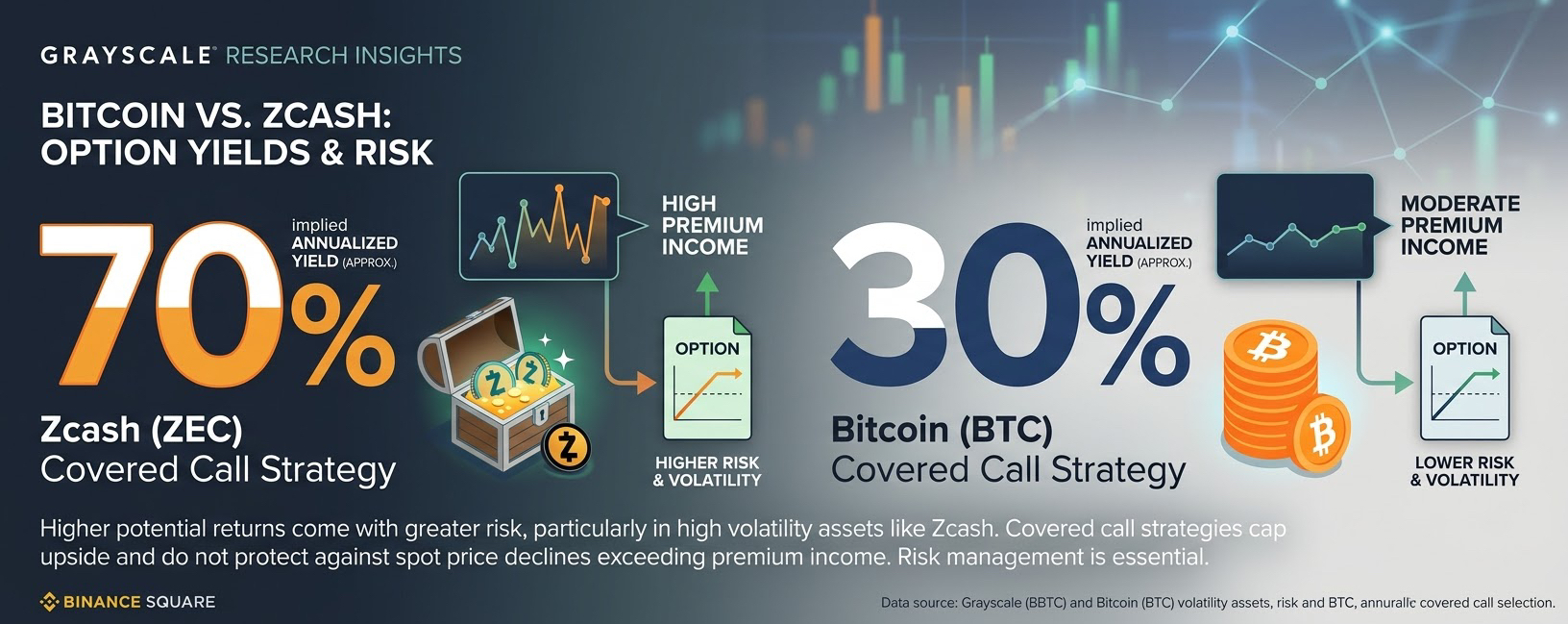
High Yield vs. Tail Risk: Grayscales Options-Einblicke zu BTC und ZEC entschlüsseltGrayscales Leiter für Forschung, Zach Pandl, hat kürzlich einen überzeugenden Vergleich zu Volatilität und Options-Ertragsprofilen zwischen Bitcoin (BTC) und Zcash (ZEC) skizziert. Obwohl sich Strategien mit hohen Renditen aus Derivaten attraktiv anhören, ist es für Krypto-Investoren entscheidend, die zugrunde liegende Volatilität sowie die Risikoabwägungen zu verstehen.
1. Volatilitätsdynamik: Digitales Gold vs. Small-Cap-Assets
Bitcoin (BTC): Während BTC zu einem etablierten Mainstream-Asset heranreift, ist seine Preisvolatilität deutlich zurückgegangen. Zu Beginn seiner Laufbahn lag die realisierte annualisierte Volatilität bei nahezu 125%. In den letzten 12 Monaten ist sie jedoch auf einen Durchschnitt von ~40% gesunken – und ordnet das Risikoprofil von BTC damit eher den High-Growth Mega-Cap-Tech-Aktien wie den „Magnificent Seven“ zu.
High Yield vs. Tail Risk: Grayscales Options-Einblicke zu BTC und ZEC entschlüsselt
Grayscales Leiter für Forschung, Zach Pandl, hat kürzlich einen überzeugenden Vergleich zu Volatilität und Options-Ertragsprofilen zwischen Bitcoin (BTC) und Zcash (ZEC) skizziert. Obwohl sich Strategien mit hohen Renditen aus Derivaten attraktiv anhören, ist es für Krypto-Investoren entscheidend, die zugrunde liegende Volatilität sowie die Risikoabwägungen zu verstehen.
1. Volatilitätsdynamik: Digitales Gold vs. Small-Cap-Assets
Bitcoin (BTC): Während BTC zu einem etablierten Mainstream-Asset heranreift, ist seine Preisvolatilität deutlich zurückgegangen. Zu Beginn seiner Laufbahn lag die realisierte annualisierte Volatilität bei nahezu 125%. In den letzten 12 Monaten ist sie jedoch auf einen Durchschnitt von ~40% gesunken – und ordnet das Risikoprofil von BTC damit eher den High-Growth Mega-Cap-Tech-Aktien wie den „Magnificent Seven“ zu.
1. Volatilitätsdynamik: Digitales Gold vs. Small-Cap-Assets
Bitcoin (BTC): Während BTC zu einem etablierten Mainstream-Asset heranreift, ist seine Preisvolatilität deutlich zurückgegangen. Zu Beginn seiner Laufbahn lag die realisierte annualisierte Volatilität bei nahezu 125%. In den letzten 12 Monaten ist sie jedoch auf einen Durchschnitt von ~40% gesunken – und ordnet das Risikoprofil von BTC damit eher den High-Growth Mega-Cap-Tech-Aktien wie den „Magnificent Seven“ zu.
152
·
--
Artikel
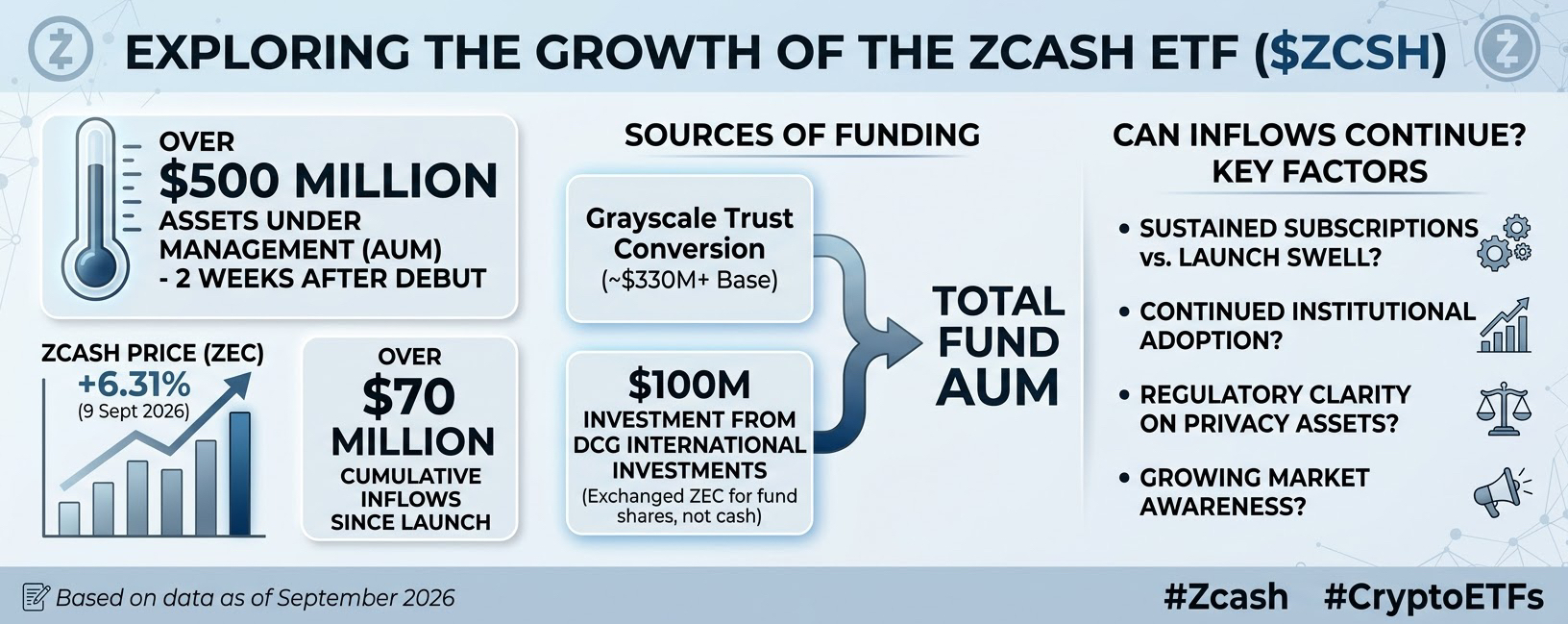
Zcash-ETF überschreitet 500 Mio. US-Dollar AUM: organische Nachfrage oder strategische Allokation?Der Grayscale-Zcash-ETF ($ZCSH) erreichte einen Meilenstein, indem er nur zwei Wochen nach dem Launch die Marke von 500 Mio. US-Dollar Assets Under Management (AUM) überschritt. In Kombination mit $ZEC, das soliden Aufwärtsimpuls gewinnt, ziehen datenschutzorientierte Assets ernsthafte Marktaufmerksamkeit auf sich.
Ein tieferer Blick in die Zusammensetzung des Kapitals hebt entscheidende Faktoren hervor, die dieses Wachstum antreiben, und zeigt auf, was geschehen muss, um den Schwung aufrechtzuerhalten.
Kapitalaufschlüsselung: Tatsächliche Zuflüsse vs. interne Umwandlung
Um die langfristige Nachhaltigkeit zu bewerten, müssen wir die organische Nachfrage im Einzelhandel/bei Institutionen von strukturellen Umverteilungen trennen:
Zcash-ETF überschreitet 500 Mio. US-Dollar AUM: organische Nachfrage oder strategische Allokation?
Der Grayscale-Zcash-ETF ($ZCSH) erreichte einen Meilenstein, indem er nur zwei Wochen nach dem Launch die Marke von 500 Mio. US-Dollar Assets Under Management (AUM) überschritt. In Kombination mit $ZEC, das soliden Aufwärtsimpuls gewinnt, ziehen datenschutzorientierte Assets ernsthafte Marktaufmerksamkeit auf sich.
Ein tieferer Blick in die Zusammensetzung des Kapitals hebt entscheidende Faktoren hervor, die dieses Wachstum antreiben, und zeigt auf, was geschehen muss, um den Schwung aufrechtzuerhalten.
Kapitalaufschlüsselung: Tatsächliche Zuflüsse vs. interne Umwandlung
Um die langfristige Nachhaltigkeit zu bewerten, müssen wir die organische Nachfrage im Einzelhandel/bei Institutionen von strukturellen Umverteilungen trennen:
Ein tieferer Blick in die Zusammensetzung des Kapitals hebt entscheidende Faktoren hervor, die dieses Wachstum antreiben, und zeigt auf, was geschehen muss, um den Schwung aufrechtzuerhalten.
Kapitalaufschlüsselung: Tatsächliche Zuflüsse vs. interne Umwandlung
Um die langfristige Nachhaltigkeit zu bewerten, müssen wir die organische Nachfrage im Einzelhandel/bei Institutionen von strukturellen Umverteilungen trennen:
127
·
--
Artikel
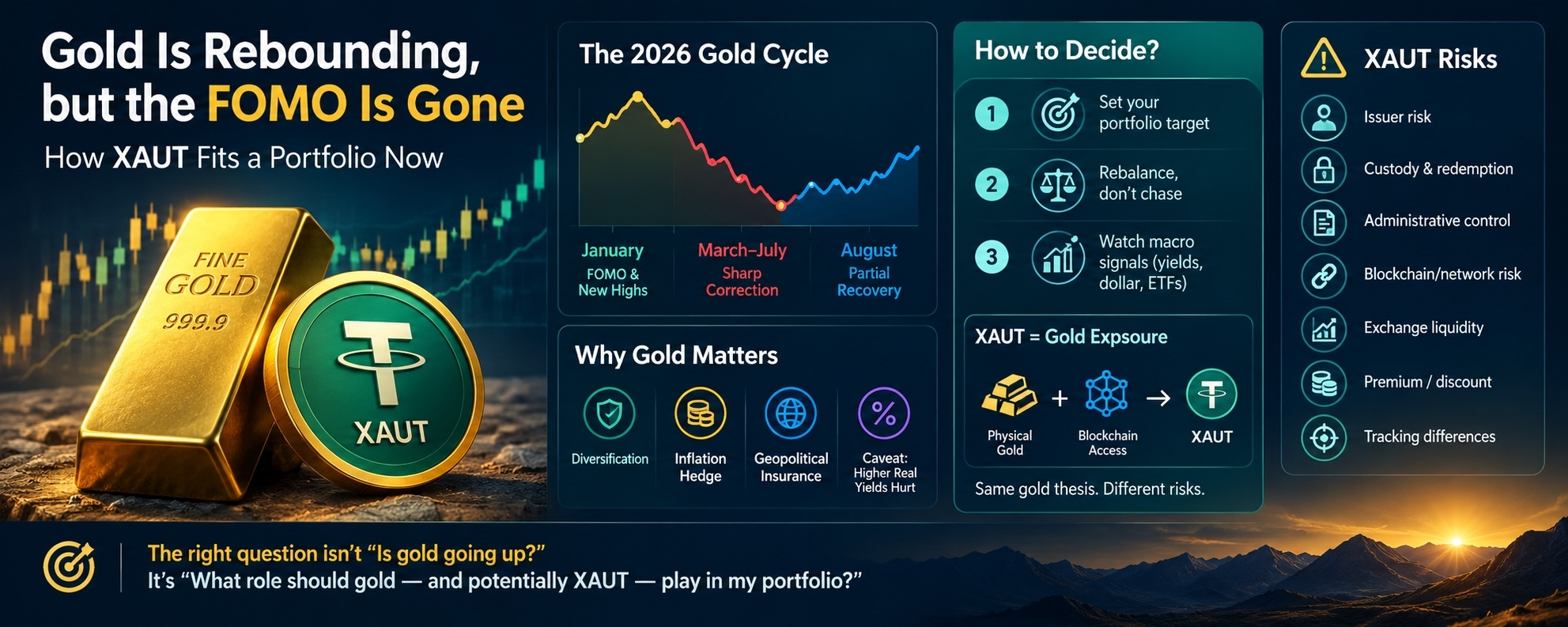
Gold erholt sich, aber das FOMO ist weg: So passt XAUT jetzt ins Portfolio 🥇Der Weg von Gold im Jahr 2026 hat Anlegern eine wichtige Lektion vermittelt:
Sogar ein traditioneller Safe-Haven-Wert kann gefährlich werden, wenn Anleger dem Momentum hinterherlaufen.
Nachdem Gold stark gestiegen war und erhebliche spekulative Nachfrage angezogen hatte, erlebte es eine große Korrektur, bevor es sich teilweise wieder erholte. Die Erholung mag attraktiv aussehen, aber die größere Frage lautet nicht nur:
„Wird Gold weiter steigen?“
Die wichtigeren Fragen sind:
• Welche Rolle sollte Gold heute in einem Portfolio spielen?
• Ist der aktuelle Rückschlag stark genug, um einen neuen Trend zu bestätigen?
Gold erholt sich, aber das FOMO ist weg: So passt XAUT jetzt ins Portfolio 🥇
Der Weg von Gold im Jahr 2026 hat Anlegern eine wichtige Lektion vermittelt:
Sogar ein traditioneller Safe-Haven-Wert kann gefährlich werden, wenn Anleger dem Momentum hinterherlaufen.
Nachdem Gold stark gestiegen war und erhebliche spekulative Nachfrage angezogen hatte, erlebte es eine große Korrektur, bevor es sich teilweise wieder erholte. Die Erholung mag attraktiv aussehen, aber die größere Frage lautet nicht nur:
„Wird Gold weiter steigen?“
Die wichtigeren Fragen sind:
• Welche Rolle sollte Gold heute in einem Portfolio spielen?
• Ist der aktuelle Rückschlag stark genug, um einen neuen Trend zu bestätigen?
Sogar ein traditioneller Safe-Haven-Wert kann gefährlich werden, wenn Anleger dem Momentum hinterherlaufen.
Nachdem Gold stark gestiegen war und erhebliche spekulative Nachfrage angezogen hatte, erlebte es eine große Korrektur, bevor es sich teilweise wieder erholte. Die Erholung mag attraktiv aussehen, aber die größere Frage lautet nicht nur:
„Wird Gold weiter steigen?“
Die wichtigeren Fragen sind:
• Welche Rolle sollte Gold heute in einem Portfolio spielen?
• Ist der aktuelle Rückschlag stark genug, um einen neuen Trend zu bestätigen?
61
·
--
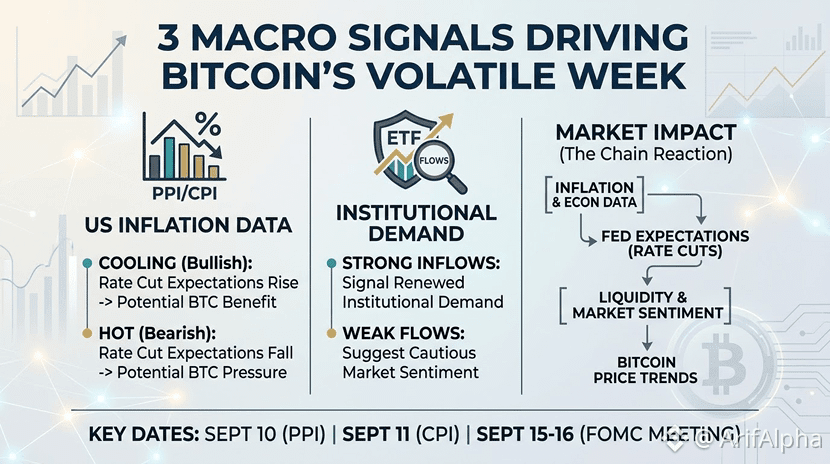
🚨 BITCOIN-WOCHE IM VORAUS: 3 MAKRO-SIGNale, die man im Blick behalten sollte
Bitcoin startet in eine potenziell volatile Woche, da die US-Märkte nach dem Labor-Day-Feiertag wieder öffnen. Die nächsten Sitzungen könnten stark von Inflationsdaten, Aktivitäten im Treasury-Bereich und neuen ETF-Zuflüssen beeinflusst werden.
🔹 1. US-PPI — 10. September
Der Producer Price Index liefert dem Markt einen frühen Eindruck von Inflationsdruck.
→ Heißer PPI: Zinssenkungs-Erwartungen könnten schwächer werden → BTC unter Druck
→ Kühlen PPI: Hoffnungen auf Zinssenkungen stärken sich → BTC könnte profitieren
🔹 2. US-CPI — 11. September
Das dürfte das wichtigste Makro-Ereignis der Woche sein. Der CPI beeinflusst die Erwartungen für das Fed-Treffen am 15.–16. September direkt.
→ Niedrigere als erwartete Inflation = potenziell bullish für BTC
→ Höhere als erwartete Inflation = potenziell bärisch
🔹 3. Bitcoin-ETF-Zuflüsse — Frisches Kaufen
Nach dem Feiertag sollte man beobachten, ob Kapital in Spot-Bitcoin-ETFs zurückkehrt.
Starke Zuflüsse würden auf eine erneuerte institutionelle Nachfrage hindeuten und könnten jede bullische Reaktion auf eine mildere Inflation zusätzlich verstärken.
💡 Mein Marktbild:
Das Setup dreht sich alles um Inflation → Fed-Erwartungen → Liquidität → BTC-Nachfrage.
Wenn PPI und CPI milder ausfallen und die ETF-Zuflüsse anziehen, könnte Bitcoin einen starken makroökonomischen Rückenwind bekommen.
Wenn die Inflation jedoch nach oben überrascht, während die ETF-Zuflüsse schwach bleiben, könnte BTC erneut unter Verkaufsdruck geraten.
📌 Wichtige Daten:
10. September → PPI
11. September → CPI
15.–16. September → FOMC-Treffen
Das ist eine Woche, in der Makrodaten Bitcoins nächsten großen Impuls bestimmen könnten.
#Bitcoin #Crypto #ArifAlpha
🚨 BITCOIN-WOCHE IM VORAUS: 3 MAKRO-SIGNale, die man im Blick behalten sollte
Bitcoin startet in eine potenziell volatile Woche, da die US-Märkte nach dem Labor-Day-Feiertag wieder öffnen. Die nächsten Sitzungen könnten stark von Inflationsdaten, Aktivitäten im Treasury-Bereich und neuen ETF-Zuflüssen beeinflusst werden.
🔹 1. US-PPI — 10. September
Der Producer Price Index liefert dem Markt einen frühen Eindruck von Inflationsdruck.
→ Heißer PPI: Zinssenkungs-Erwartungen könnten schwächer werden → BTC unter Druck
→ Kühlen PPI: Hoffnungen auf Zinssenkungen stärken sich → BTC könnte profitieren
🔹 2. US-CPI — 11. September
Das dürfte das wichtigste Makro-Ereignis der Woche sein. Der CPI beeinflusst die Erwartungen für das Fed-Treffen am 15.–16. September direkt.
→ Niedrigere als erwartete Inflation = potenziell bullish für BTC
→ Höhere als erwartete Inflation = potenziell bärisch
🔹 3. Bitcoin-ETF-Zuflüsse — Frisches Kaufen
Nach dem Feiertag sollte man beobachten, ob Kapital in Spot-Bitcoin-ETFs zurückkehrt.
Starke Zuflüsse würden auf eine erneuerte institutionelle Nachfrage hindeuten und könnten jede bullische Reaktion auf eine mildere Inflation zusätzlich verstärken.
💡 Mein Marktbild:
Das Setup dreht sich alles um Inflation → Fed-Erwartungen → Liquidität → BTC-Nachfrage.
Wenn PPI und CPI milder ausfallen und die ETF-Zuflüsse anziehen, könnte Bitcoin einen starken makroökonomischen Rückenwind bekommen.
Wenn die Inflation jedoch nach oben überrascht, während die ETF-Zuflüsse schwach bleiben, könnte BTC erneut unter Verkaufsdruck geraten.
📌 Wichtige Daten:
10. September → PPI
11. September → CPI
15.–16. September → FOMC-Treffen
Das ist eine Woche, in der Makrodaten Bitcoins nächsten großen Impuls bestimmen könnten.
#Bitcoin #Crypto #ArifAlpha
Bitcoin startet in eine potenziell volatile Woche, da die US-Märkte nach dem Labor-Day-Feiertag wieder öffnen. Die nächsten Sitzungen könnten stark von Inflationsdaten, Aktivitäten im Treasury-Bereich und neuen ETF-Zuflüssen beeinflusst werden.
🔹 1. US-PPI — 10. September
Der Producer Price Index liefert dem Markt einen frühen Eindruck von Inflationsdruck.
→ Heißer PPI: Zinssenkungs-Erwartungen könnten schwächer werden → BTC unter Druck
→ Kühlen PPI: Hoffnungen auf Zinssenkungen stärken sich → BTC könnte profitieren
🔹 2. US-CPI — 11. September
Das dürfte das wichtigste Makro-Ereignis der Woche sein. Der CPI beeinflusst die Erwartungen für das Fed-Treffen am 15.–16. September direkt.
→ Niedrigere als erwartete Inflation = potenziell bullish für BTC
→ Höhere als erwartete Inflation = potenziell bärisch
🔹 3. Bitcoin-ETF-Zuflüsse — Frisches Kaufen
Nach dem Feiertag sollte man beobachten, ob Kapital in Spot-Bitcoin-ETFs zurückkehrt.
Starke Zuflüsse würden auf eine erneuerte institutionelle Nachfrage hindeuten und könnten jede bullische Reaktion auf eine mildere Inflation zusätzlich verstärken.
💡 Mein Marktbild:
Das Setup dreht sich alles um Inflation → Fed-Erwartungen → Liquidität → BTC-Nachfrage.
Wenn PPI und CPI milder ausfallen und die ETF-Zuflüsse anziehen, könnte Bitcoin einen starken makroökonomischen Rückenwind bekommen.
Wenn die Inflation jedoch nach oben überrascht, während die ETF-Zuflüsse schwach bleiben, könnte BTC erneut unter Verkaufsdruck geraten.
📌 Wichtige Daten:
10. September → PPI
11. September → CPI
15.–16. September → FOMC-Treffen
Das ist eine Woche, in der Makrodaten Bitcoins nächsten großen Impuls bestimmen könnten.
#Bitcoin #Crypto #ArifAlpha
67
·
--
🚨 Blockchain-Sicherheit hat eine neue Notbremse
Zwischen dem 20. und 31. August sahen sich mehrere Layer-1-Netzwerke mit Sicherheitsbedenken konfrontiert, die so schwerwiegend waren, dass die Blockproduktion und On-Chain-Transfers pausiert wurden.
Hier ist das größere Bild 👇
🔹 Cronos (CRO)
Ein Angreifer manipulierte den dünn gehandelten TONIC-Token auf Tectonic und lieh sich gegen aufgeblähte Sicherheiten schätzungsweise 75 Mio. $ aus. Nur etwa 6 Mio. $ gelangten vor dem Eingreifen der Validatoren nach Ethereum. Cronos stellte die Chain später auf den Zustand vor dem Exploit zurück.
🔹 Fogo (FOGO)
Etwa 400 Mio. FOGO — mehr als 10 % des umlaufenden Angebots — gelangten an einen Angreifer, woraufhin das Netzwerk pausierte.
🔹 Ontology (ONT)
Die Blöcke wurden vorübergehend für eine Sicherheitsprüfung ausgesetzt. Es wurde kein bestätigter Exploit oder Vermögensverlust gemeldet.
🔹 Injective (INJ)
Auch die Blockproduktion wurde angesichts unbestätigter Exploit-Vorwürfe vorübergehend gestoppt.
🔹 BounceBit (BB)
Nach einem eigenen Sicherheitsvorfall verlagerte das Projekt letztlich den Fokus von seiner eigenständigen Chain hin zur BNB Chain.
📊 Das eigentliche Problem: Sicherheit vs. Dezentralisierung
Chain-Stopps können eine wirksame Notbremse sein. Sie können verhindern, dass Angreifer weitere Mittel bewegen, und Validatoren Zeit geben, zu ermitteln.
Aber es gibt einen ernsthaften Zielkonflikt:
Ein netzwerkweiter Stopp betrifft alle.
Einzahlungen, Auszahlungen, Bridges und zeitkritische Smart Contracts können alle zum Stillstand kommen — auch für Nutzer, die mit dem Exploit nichts zu tun hatten.
Cronos hat außerdem eine noch größere Frage aufgeworfen:
Was passiert, wenn der Schutz des Netzwerks erfordert, die endgültige Transaktionshistorie zu ändern?
🧠 Meine Einschätzung
Diese Vorfälle zeigen, dass Blockchain-Sicherheit nicht nur den Code von Smart Contracts betrifft.
Es geht auch um:
• Validator-Koordination
• Notfall-Governance
• Oracle- und Liquiditätsrisiken
• Bridge-Sicherheit
• Token-Marktmanipulation
• Die Fähigkeit — und die Bereitschaft —, die Chain anzuhalten
Die nächste Generation von L1s wird möglicherweise nicht nur an TPS und Gebühren gemessen, sondern daran, wie souverän sie mit dem Worst-Case-Szenario umgehen.
Sicherheit bedeutet nicht nur, den Angreifer zu stoppen.
Es geht darum, das Ökosystem zu schützen, ohne das Vertrauen der Nutzer zu zerstören.
#CryptoSecurity #ArifAlpha
🚨 Blockchain-Sicherheit hat eine neue Notbremse
Zwischen dem 20. und 31. August sahen sich mehrere Layer-1-Netzwerke mit Sicherheitsbedenken konfrontiert, die so schwerwiegend waren, dass die Blockproduktion und On-Chain-Transfers pausiert wurden.
Hier ist das größere Bild 👇
🔹 Cronos (CRO)
Ein Angreifer manipulierte den dünn gehandelten TONIC-Token auf Tectonic und lieh sich gegen aufgeblähte Sicherheiten schätzungsweise 75 Mio. $ aus. Nur etwa 6 Mio. $ gelangten vor dem Eingreifen der Validatoren nach Ethereum. Cronos stellte die Chain später auf den Zustand vor dem Exploit zurück.
🔹 Fogo (FOGO)
Etwa 400 Mio. FOGO — mehr als 10 % des umlaufenden Angebots — gelangten an einen Angreifer, woraufhin das Netzwerk pausierte.
🔹 Ontology (ONT)
Die Blöcke wurden vorübergehend für eine Sicherheitsprüfung ausgesetzt. Es wurde kein bestätigter Exploit oder Vermögensverlust gemeldet.
🔹 Injective (INJ)
Auch die Blockproduktion wurde angesichts unbestätigter Exploit-Vorwürfe vorübergehend gestoppt.
🔹 BounceBit (BB)
Nach einem eigenen Sicherheitsvorfall verlagerte das Projekt letztlich den Fokus von seiner eigenständigen Chain hin zur BNB Chain.
📊 Das eigentliche Problem: Sicherheit vs. Dezentralisierung
Chain-Stopps können eine wirksame Notbremse sein. Sie können verhindern, dass Angreifer weitere Mittel bewegen, und Validatoren Zeit geben, zu ermitteln.
Aber es gibt einen ernsthaften Zielkonflikt:
Ein netzwerkweiter Stopp betrifft alle.
Einzahlungen, Auszahlungen, Bridges und zeitkritische Smart Contracts können alle zum Stillstand kommen — auch für Nutzer, die mit dem Exploit nichts zu tun hatten.
Cronos hat außerdem eine noch größere Frage aufgeworfen:
Was passiert, wenn der Schutz des Netzwerks erfordert, die endgültige Transaktionshistorie zu ändern?
🧠 Meine Einschätzung
Diese Vorfälle zeigen, dass Blockchain-Sicherheit nicht nur den Code von Smart Contracts betrifft.
Es geht auch um:
• Validator-Koordination
• Notfall-Governance
• Oracle- und Liquiditätsrisiken
• Bridge-Sicherheit
• Token-Marktmanipulation
• Die Fähigkeit — und die Bereitschaft —, die Chain anzuhalten
Die nächste Generation von L1s wird möglicherweise nicht nur an TPS und Gebühren gemessen, sondern daran, wie souverän sie mit dem Worst-Case-Szenario umgehen.
Sicherheit bedeutet nicht nur, den Angreifer zu stoppen.
Es geht darum, das Ökosystem zu schützen, ohne das Vertrauen der Nutzer zu zerstören.
#CryptoSecurity #ArifAlpha
Zwischen dem 20. und 31. August sahen sich mehrere Layer-1-Netzwerke mit Sicherheitsbedenken konfrontiert, die so schwerwiegend waren, dass die Blockproduktion und On-Chain-Transfers pausiert wurden.
Hier ist das größere Bild 👇
🔹 Cronos (CRO)
Ein Angreifer manipulierte den dünn gehandelten TONIC-Token auf Tectonic und lieh sich gegen aufgeblähte Sicherheiten schätzungsweise 75 Mio. $ aus. Nur etwa 6 Mio. $ gelangten vor dem Eingreifen der Validatoren nach Ethereum. Cronos stellte die Chain später auf den Zustand vor dem Exploit zurück.
🔹 Fogo (FOGO)
Etwa 400 Mio. FOGO — mehr als 10 % des umlaufenden Angebots — gelangten an einen Angreifer, woraufhin das Netzwerk pausierte.
🔹 Ontology (ONT)
Die Blöcke wurden vorübergehend für eine Sicherheitsprüfung ausgesetzt. Es wurde kein bestätigter Exploit oder Vermögensverlust gemeldet.
🔹 Injective (INJ)
Auch die Blockproduktion wurde angesichts unbestätigter Exploit-Vorwürfe vorübergehend gestoppt.
🔹 BounceBit (BB)
Nach einem eigenen Sicherheitsvorfall verlagerte das Projekt letztlich den Fokus von seiner eigenständigen Chain hin zur BNB Chain.
📊 Das eigentliche Problem: Sicherheit vs. Dezentralisierung
Chain-Stopps können eine wirksame Notbremse sein. Sie können verhindern, dass Angreifer weitere Mittel bewegen, und Validatoren Zeit geben, zu ermitteln.
Aber es gibt einen ernsthaften Zielkonflikt:
Ein netzwerkweiter Stopp betrifft alle.
Einzahlungen, Auszahlungen, Bridges und zeitkritische Smart Contracts können alle zum Stillstand kommen — auch für Nutzer, die mit dem Exploit nichts zu tun hatten.
Cronos hat außerdem eine noch größere Frage aufgeworfen:
Was passiert, wenn der Schutz des Netzwerks erfordert, die endgültige Transaktionshistorie zu ändern?
🧠 Meine Einschätzung
Diese Vorfälle zeigen, dass Blockchain-Sicherheit nicht nur den Code von Smart Contracts betrifft.
Es geht auch um:
• Validator-Koordination
• Notfall-Governance
• Oracle- und Liquiditätsrisiken
• Bridge-Sicherheit
• Token-Marktmanipulation
• Die Fähigkeit — und die Bereitschaft —, die Chain anzuhalten
Die nächste Generation von L1s wird möglicherweise nicht nur an TPS und Gebühren gemessen, sondern daran, wie souverän sie mit dem Worst-Case-Szenario umgehen.
Sicherheit bedeutet nicht nur, den Angreifer zu stoppen.
Es geht darum, das Ökosystem zu schützen, ohne das Vertrauen der Nutzer zu zerstören.
#CryptoSecurity #ArifAlpha
1
632
·
--
Bitcoin steht vor einem neuen Makro-Test: restriktivere Fed + ETF-Abflüsse
Die jüngste Stärke von Bitcoin sieht sich einer wichtigen makroökonomischen Herausforderung gegenüber, da die Märkte die nächste Entscheidung der Federal Reserve neu bewerten.
🔹 1. Warshs hawkische Botschaft
Der Fed-Vorsitzende Kevin Warsh betonte, dass die Inflation weiterhin über dem Fed-2%-Ziel liegt und dass die Finanzierungsbedingungen möglicherweise nicht restriktiv genug sind.
Obwohl er keine September-Entscheidung ankündigte, reagierten die Märkte schnell.
📊 Chancen auf einen Zinsanstieg im September um 25 Basispunkte:
35,7% → ~57%
Diese Verschiebung drückte Bitcoin von über 80.000 $ Richtung 77.000 $, während auch US-Aktien nachgaben.
🔹 2. Bitcoin-ETF-Zuflüsse kehren sich um
In derselben Sitzung kam ein weiteres Warnsignal.
Spot-Bitcoin-ETFs verzeichneten am 28. August rund 201,9 Mio. $ an Netto-Abflüssen und beendeten damit eine Serie von 9 aufeinanderfolgenden Zufluss-Tagen.
Diese neun Tage hatten ungefähr 3,04 Mrd. $ an Nettozuflüssen angezogen.
Das beweist nicht, dass Warshs Rede den ETF-Verkauf direkt ausgelöst hat, aber der Zeitpunkt ist entscheidend:
Hawkische-Fed-Erwartungen + schwächere ETF-Nachfrage = kurzfristiger Druck auf BTC
🔹 3. Die 80K-Marke ist jetzt entscheidend
Der nächste große Test für Bitcoin ist, ob es die 80.000 $ zurückerobern und halten kann.
Wenn die ETF-Zuflüsse zurückkehren und BTC mit starkem Volumen wieder über 80.000 $ steigt, könnte das ein Signal sein, dass die institutionelle Nachfrage den makroökonomischen Druck absorbiert.
Wenn jedoch ETF-Abflüsse weiter anhalten, während die Erwartungen an Zinserhöhungen hoch bleiben, könnte Bitcoin unter Druck bleiben und niedrigere Unterstützungszonen erneut ansteuern.
Mein Take 📌
Die zentrale Story ist nicht nur: „Bitcoin ist gefallen“.
Die größere Frage lautet:
Kann die institutionelle ETF-Nachfrage eine stärker hawkische Fed-Umgebung übertreffen?
Der September könnte die Antwort liefern.
#Bitcoin #CryptoMarket #ArifAlpha
Bitcoin steht vor einem neuen Makro-Test: restriktivere Fed + ETF-Abflüsse
Die jüngste Stärke von Bitcoin sieht sich einer wichtigen makroökonomischen Herausforderung gegenüber, da die Märkte die nächste Entscheidung der Federal Reserve neu bewerten.
🔹 1. Warshs hawkische Botschaft
Der Fed-Vorsitzende Kevin Warsh betonte, dass die Inflation weiterhin über dem Fed-2%-Ziel liegt und dass die Finanzierungsbedingungen möglicherweise nicht restriktiv genug sind.
Obwohl er keine September-Entscheidung ankündigte, reagierten die Märkte schnell.
📊 Chancen auf einen Zinsanstieg im September um 25 Basispunkte:
35,7% → ~57%
Diese Verschiebung drückte Bitcoin von über 80.000 $ Richtung 77.000 $, während auch US-Aktien nachgaben.
🔹 2. Bitcoin-ETF-Zuflüsse kehren sich um
In derselben Sitzung kam ein weiteres Warnsignal.
Spot-Bitcoin-ETFs verzeichneten am 28. August rund 201,9 Mio. $ an Netto-Abflüssen und beendeten damit eine Serie von 9 aufeinanderfolgenden Zufluss-Tagen.
Diese neun Tage hatten ungefähr 3,04 Mrd. $ an Nettozuflüssen angezogen.
Das beweist nicht, dass Warshs Rede den ETF-Verkauf direkt ausgelöst hat, aber der Zeitpunkt ist entscheidend:
Hawkische-Fed-Erwartungen + schwächere ETF-Nachfrage = kurzfristiger Druck auf BTC
🔹 3. Die 80K-Marke ist jetzt entscheidend
Der nächste große Test für Bitcoin ist, ob es die 80.000 $ zurückerobern und halten kann.
Wenn die ETF-Zuflüsse zurückkehren und BTC mit starkem Volumen wieder über 80.000 $ steigt, könnte das ein Signal sein, dass die institutionelle Nachfrage den makroökonomischen Druck absorbiert.
Wenn jedoch ETF-Abflüsse weiter anhalten, während die Erwartungen an Zinserhöhungen hoch bleiben, könnte Bitcoin unter Druck bleiben und niedrigere Unterstützungszonen erneut ansteuern.
Mein Take 📌
Die zentrale Story ist nicht nur: „Bitcoin ist gefallen“.
Die größere Frage lautet:
Kann die institutionelle ETF-Nachfrage eine stärker hawkische Fed-Umgebung übertreffen?
Der September könnte die Antwort liefern.
#Bitcoin #CryptoMarket #ArifAlpha
Die jüngste Stärke von Bitcoin sieht sich einer wichtigen makroökonomischen Herausforderung gegenüber, da die Märkte die nächste Entscheidung der Federal Reserve neu bewerten.
🔹 1. Warshs hawkische Botschaft
Der Fed-Vorsitzende Kevin Warsh betonte, dass die Inflation weiterhin über dem Fed-2%-Ziel liegt und dass die Finanzierungsbedingungen möglicherweise nicht restriktiv genug sind.
Obwohl er keine September-Entscheidung ankündigte, reagierten die Märkte schnell.
📊 Chancen auf einen Zinsanstieg im September um 25 Basispunkte:
35,7% → ~57%
Diese Verschiebung drückte Bitcoin von über 80.000 $ Richtung 77.000 $, während auch US-Aktien nachgaben.
🔹 2. Bitcoin-ETF-Zuflüsse kehren sich um
In derselben Sitzung kam ein weiteres Warnsignal.
Spot-Bitcoin-ETFs verzeichneten am 28. August rund 201,9 Mio. $ an Netto-Abflüssen und beendeten damit eine Serie von 9 aufeinanderfolgenden Zufluss-Tagen.
Diese neun Tage hatten ungefähr 3,04 Mrd. $ an Nettozuflüssen angezogen.
Das beweist nicht, dass Warshs Rede den ETF-Verkauf direkt ausgelöst hat, aber der Zeitpunkt ist entscheidend:
Hawkische-Fed-Erwartungen + schwächere ETF-Nachfrage = kurzfristiger Druck auf BTC
🔹 3. Die 80K-Marke ist jetzt entscheidend
Der nächste große Test für Bitcoin ist, ob es die 80.000 $ zurückerobern und halten kann.
Wenn die ETF-Zuflüsse zurückkehren und BTC mit starkem Volumen wieder über 80.000 $ steigt, könnte das ein Signal sein, dass die institutionelle Nachfrage den makroökonomischen Druck absorbiert.
Wenn jedoch ETF-Abflüsse weiter anhalten, während die Erwartungen an Zinserhöhungen hoch bleiben, könnte Bitcoin unter Druck bleiben und niedrigere Unterstützungszonen erneut ansteuern.
Mein Take 📌
Die zentrale Story ist nicht nur: „Bitcoin ist gefallen“.
Die größere Frage lautet:
Kann die institutionelle ETF-Nachfrage eine stärker hawkische Fed-Umgebung übertreffen?
Der September könnte die Antwort liefern.
#Bitcoin #CryptoMarket #ArifAlpha
89
·
--
Artikel
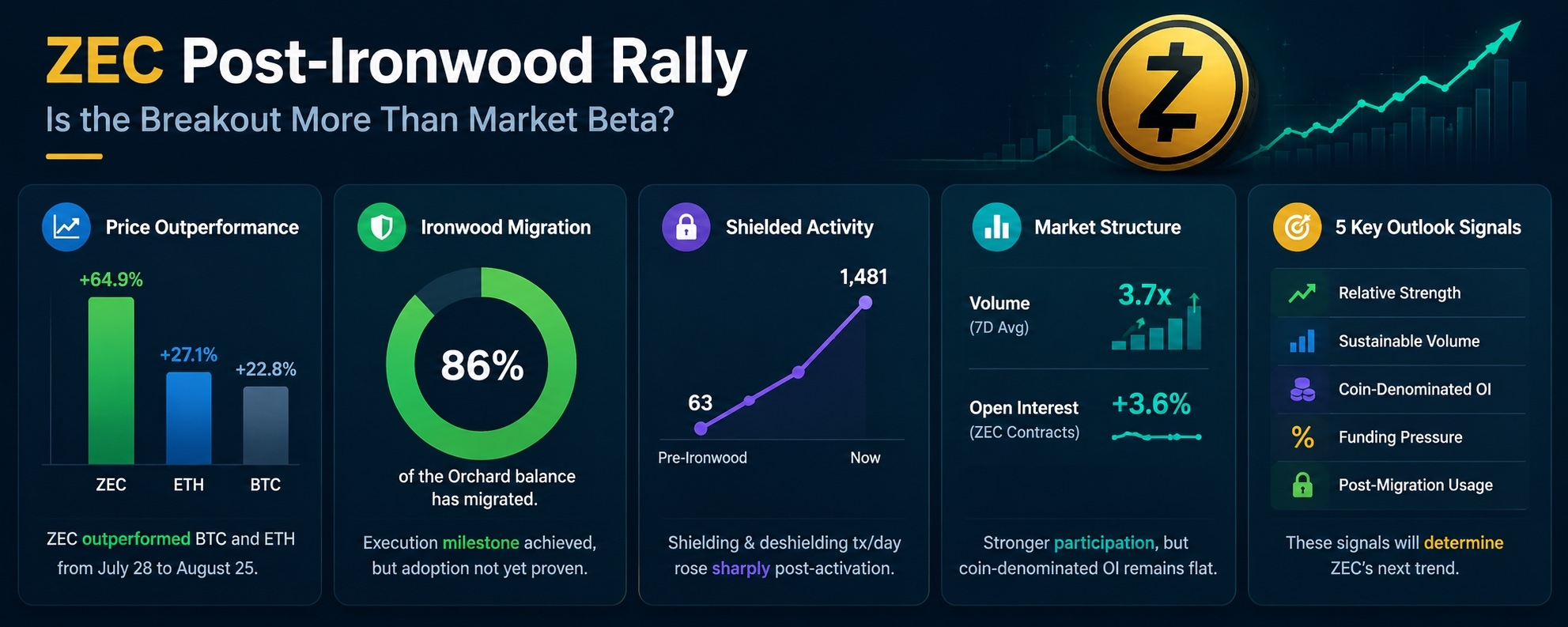
ZECs Rallye nach Ironwood: Ist der Ausbruch mehr als nur Markt-Beta?Executive Summary
Zcash (ZEC) hat nach der Aktivierung des Ironwood-Upgrades eine der stärksten Bewegungen im Kryptomarkt geliefert. Vom 28. Juli bis zum 25. August gewann ZEC ungefähr 64,9% und übertraf damit deutlich Bitcoin (+22,8%) und Ethereum (+27,1%).
Auf den ersten Blick sieht das nach einem klaren Ausbruch aus, angetrieben durch erneutes Interesse an Zcash. Aber allein der Preis reicht nicht aus, um einen nachhaltigen Trend zu bestätigen.
Eine tiefergehende Analyse zeigt ein komplexeres Bild:
Kursentwicklung: Stark bullisch und deutlich vor BTC und ETH.
ZECs Rallye nach Ironwood: Ist der Ausbruch mehr als nur Markt-Beta?
Executive Summary
Zcash (ZEC) hat nach der Aktivierung des Ironwood-Upgrades eine der stärksten Bewegungen im Kryptomarkt geliefert. Vom 28. Juli bis zum 25. August gewann ZEC ungefähr 64,9% und übertraf damit deutlich Bitcoin (+22,8%) und Ethereum (+27,1%).
Auf den ersten Blick sieht das nach einem klaren Ausbruch aus, angetrieben durch erneutes Interesse an Zcash. Aber allein der Preis reicht nicht aus, um einen nachhaltigen Trend zu bestätigen.
Eine tiefergehende Analyse zeigt ein komplexeres Bild:
Kursentwicklung: Stark bullisch und deutlich vor BTC und ETH.
Zcash (ZEC) hat nach der Aktivierung des Ironwood-Upgrades eine der stärksten Bewegungen im Kryptomarkt geliefert. Vom 28. Juli bis zum 25. August gewann ZEC ungefähr 64,9% und übertraf damit deutlich Bitcoin (+22,8%) und Ethereum (+27,1%).
Auf den ersten Blick sieht das nach einem klaren Ausbruch aus, angetrieben durch erneutes Interesse an Zcash. Aber allein der Preis reicht nicht aus, um einen nachhaltigen Trend zu bestätigen.
Eine tiefergehende Analyse zeigt ein komplexeres Bild:
Kursentwicklung: Stark bullisch und deutlich vor BTC und ETH.
130
·
--
Artikel
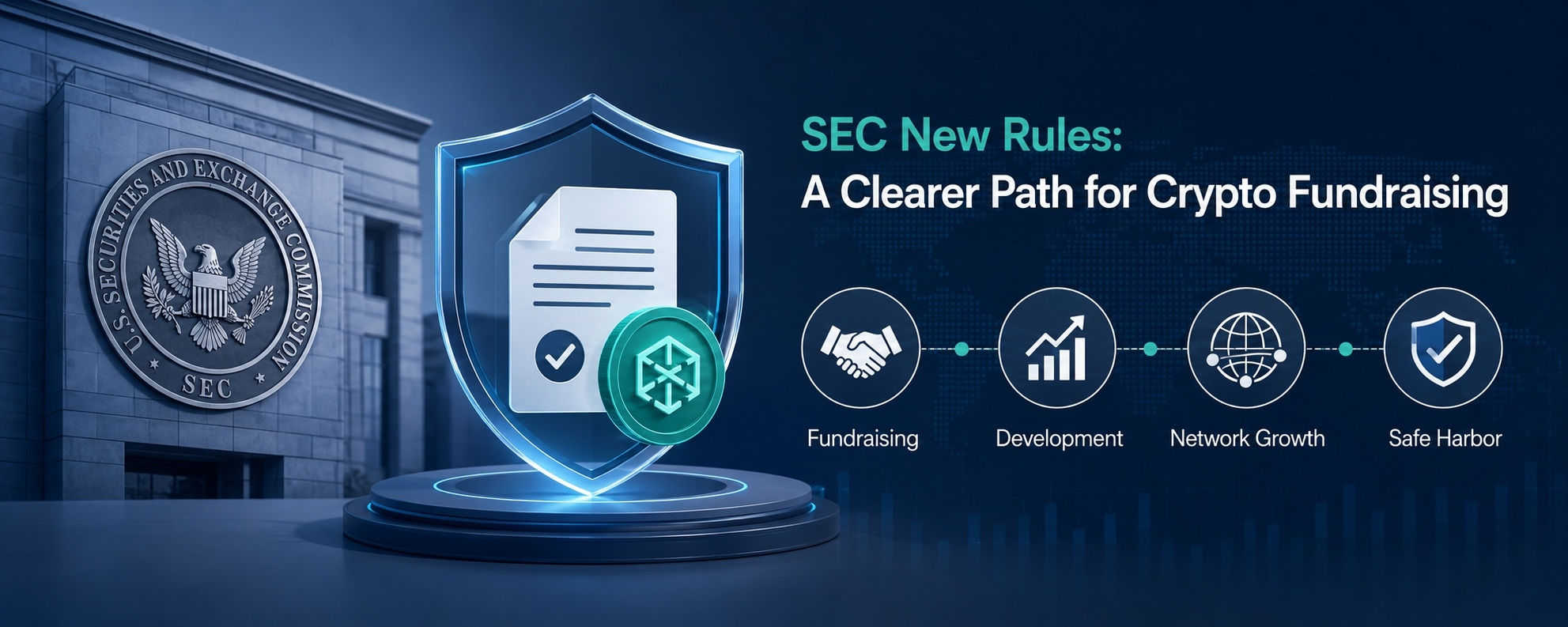
Neue Krypto-Regeln der SEC: Warum regelkonformes Token-Fundraising wieder auf dem Vormarsch sein könnteEin neues Kapitel für die Krypto-Finanzierung
Seit Jahren ist eines der größten Probleme in der Kryptoindustrie die Ungewissheit rund um Token-Starts.
Ein Projekt könnte ein echtes Blockchain-Netzwerk aufbauen, Tokens an Nutzer, Entwickler und Validatoren verteilen und dennoch Fragen darüber aufwerfen, ob das Token-Angebot ein Wertpapierangebot im Sinne des US-Rechts darstellte.
Diese Unsicherheit könnte sich nun langsam zu verändern beginnen.
Am 18. August 2026 schlug die US-Börsenaufsichtsbehörde Securities and Exchange Commission (SEC) „Regulation Crypto Assets“ vor – einen Rahmen, der klarere Regeln für bestimmte Investmentverträge im Zusammenhang mit Krypto-Assets schaffen soll.
Neue Krypto-Regeln der SEC: Warum regelkonformes Token-Fundraising wieder auf dem Vormarsch sein könnte
Ein neues Kapitel für die Krypto-Finanzierung
Seit Jahren ist eines der größten Probleme in der Kryptoindustrie die Ungewissheit rund um Token-Starts.
Ein Projekt könnte ein echtes Blockchain-Netzwerk aufbauen, Tokens an Nutzer, Entwickler und Validatoren verteilen und dennoch Fragen darüber aufwerfen, ob das Token-Angebot ein Wertpapierangebot im Sinne des US-Rechts darstellte.
Diese Unsicherheit könnte sich nun langsam zu verändern beginnen.
Am 18. August 2026 schlug die US-Börsenaufsichtsbehörde Securities and Exchange Commission (SEC) „Regulation Crypto Assets“ vor – einen Rahmen, der klarere Regeln für bestimmte Investmentverträge im Zusammenhang mit Krypto-Assets schaffen soll.
Seit Jahren ist eines der größten Probleme in der Kryptoindustrie die Ungewissheit rund um Token-Starts.
Ein Projekt könnte ein echtes Blockchain-Netzwerk aufbauen, Tokens an Nutzer, Entwickler und Validatoren verteilen und dennoch Fragen darüber aufwerfen, ob das Token-Angebot ein Wertpapierangebot im Sinne des US-Rechts darstellte.
Diese Unsicherheit könnte sich nun langsam zu verändern beginnen.
Am 18. August 2026 schlug die US-Börsenaufsichtsbehörde Securities and Exchange Commission (SEC) „Regulation Crypto Assets“ vor – einen Rahmen, der klarere Regeln für bestimmte Investmentverträge im Zusammenhang mit Krypto-Assets schaffen soll.
64
·
--
Artikel
Neubepreisung des US-Zugangs von HYPE: Regulatorischer Durchbruch oder nur eine Risikoprämie?Executive Summary
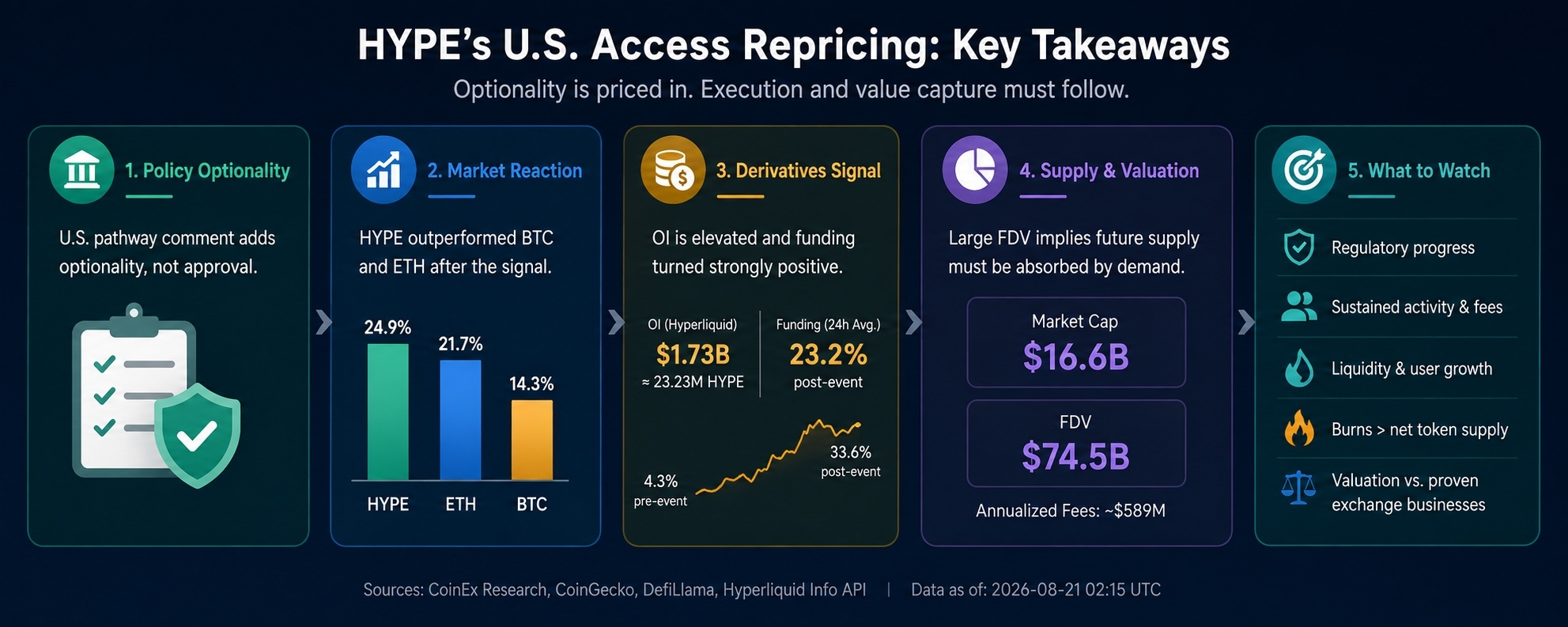
Der native Token von Hyperliquid, HYPE, erlebte nach einer gemeldeten Erklärung vom 19. August, in der US-Beamte darauf hinwiesen, dass die Plattform möglicherweise in den Vereinigten Staaten in einer „vollständig konformen und legalen Weise“ gebracht werden könnte, eine starke Neubewertung.
Der Markt reagierte schnell, aber es muss eine wichtige Unterscheidung getroffen werden:
Ein möglicher regulatorischer Weg ist nicht dasselbe wie eine behördliche Genehmigung.
HYPE gewann während des Ereignisfensters ungefähr 24,9 % und schnitt damit besser ab als BTC und ETH. Allerdings schnitt XRP leicht besser ab, was zeigt, dass die Bewegung nicht ausschließlich HYPE-spezifisch war und in einem breiteren „risk-on“-Umfeld stattfand.
Neubepreisung des US-Zugangs von HYPE: Regulatorischer Durchbruch oder nur eine Risikoprämie?
Executive Summary
Der native Token von Hyperliquid, HYPE, erlebte nach einer gemeldeten Erklärung vom 19. August, in der US-Beamte darauf hinwiesen, dass die Plattform möglicherweise in den Vereinigten Staaten in einer „vollständig konformen und legalen Weise“ gebracht werden könnte, eine starke Neubewertung.
Der Markt reagierte schnell, aber es muss eine wichtige Unterscheidung getroffen werden:
Ein möglicher regulatorischer Weg ist nicht dasselbe wie eine behördliche Genehmigung.
HYPE gewann während des Ereignisfensters ungefähr 24,9 % und schnitt damit besser ab als BTC und ETH. Allerdings schnitt XRP leicht besser ab, was zeigt, dass die Bewegung nicht ausschließlich HYPE-spezifisch war und in einem breiteren „risk-on“-Umfeld stattfand.
Der native Token von Hyperliquid, HYPE, erlebte nach einer gemeldeten Erklärung vom 19. August, in der US-Beamte darauf hinwiesen, dass die Plattform möglicherweise in den Vereinigten Staaten in einer „vollständig konformen und legalen Weise“ gebracht werden könnte, eine starke Neubewertung.
Der Markt reagierte schnell, aber es muss eine wichtige Unterscheidung getroffen werden:
Ein möglicher regulatorischer Weg ist nicht dasselbe wie eine behördliche Genehmigung.
HYPE gewann während des Ereignisfensters ungefähr 24,9 % und schnitt damit besser ab als BTC und ETH. Allerdings schnitt XRP leicht besser ab, was zeigt, dass die Bewegung nicht ausschließlich HYPE-spezifisch war und in einem breiteren „risk-on“-Umfeld stattfand.
188
·
--
Artikel
Krypto steht auf dem Podium, nicht im Rampenlicht: Warum BTC führt, während Altcoins hinterherhinkenDer Kryptomarkt hat eine starke Erholung geliefert, doch die zugrunde liegende Geschichte ist komplizierter, als einfach zu sagen: „Das Risiko ist zurück.“
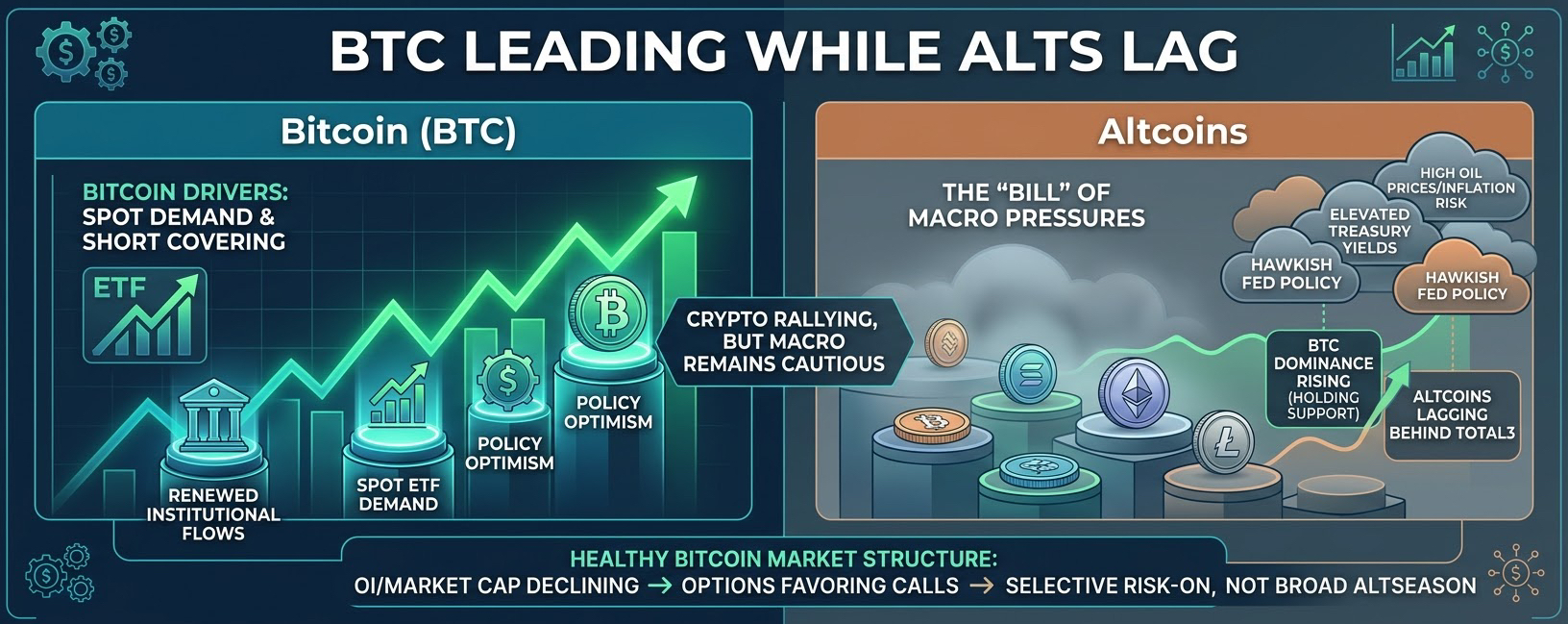
Bitcoin ist aufgrund erneuter institutioneller Zuflüsse, Short-Covering und Optimismus in Bezug auf die US-Krypto-Regulierung nach oben geklettert. Gleichzeitig bleibt das makroökonomische Umfeld jedoch herausfordernd: Öl ist auf einem hohen Niveau, die Renditen langfristiger US-Staatsanleihen sind hoch, und die Federal Reserve hat noch keinen klaren Pfad für Zinssenkungen eröffnet.
Das schafft eine wichtige Unterscheidung:
Krypto rallyt, aber das breitere makroökonomische Umfeld hat sich noch nicht vollständig ins Bullische gedreht.
Krypto steht auf dem Podium, nicht im Rampenlicht: Warum BTC führt, während Altcoins hinterherhinken
Der Kryptomarkt hat eine starke Erholung geliefert, doch die zugrunde liegende Geschichte ist komplizierter, als einfach zu sagen: „Das Risiko ist zurück.“
Bitcoin ist aufgrund erneuter institutioneller Zuflüsse, Short-Covering und Optimismus in Bezug auf die US-Krypto-Regulierung nach oben geklettert. Gleichzeitig bleibt das makroökonomische Umfeld jedoch herausfordernd: Öl ist auf einem hohen Niveau, die Renditen langfristiger US-Staatsanleihen sind hoch, und die Federal Reserve hat noch keinen klaren Pfad für Zinssenkungen eröffnet.
Das schafft eine wichtige Unterscheidung:
Krypto rallyt, aber das breitere makroökonomische Umfeld hat sich noch nicht vollständig ins Bullische gedreht.
Bitcoin ist aufgrund erneuter institutioneller Zuflüsse, Short-Covering und Optimismus in Bezug auf die US-Krypto-Regulierung nach oben geklettert. Gleichzeitig bleibt das makroökonomische Umfeld jedoch herausfordernd: Öl ist auf einem hohen Niveau, die Renditen langfristiger US-Staatsanleihen sind hoch, und die Federal Reserve hat noch keinen klaren Pfad für Zinssenkungen eröffnet.
Das schafft eine wichtige Unterscheidung:
Krypto rallyt, aber das breitere makroökonomische Umfeld hat sich noch nicht vollständig ins Bullische gedreht.
146
·
--
US-Iran-MOU läuft ab – Warum die Märkte genau hinschauen
Das Islamabad-MOU ist am 17. August ohne Verlängerung abgelaufen und lässt die Verhandlungen zwischen den USA und dem Iran in einer kritischen Patt-Situation.
🛢️ Öl: Versorgungsrisiko kehrt zurück
• Brent: ~91 $
• WTI: ~85 $
• Zuvor diese Woche: Brent lag im Bereich der mittleren 87 $-Spanne, WTI in den niedrigen 80 $-Spanne
Die entscheidende Frage ist nicht nur die gescheiterte Verlängerung – sondern die anhaltenden Versandbeschränkungen rund um die Straße von Hormus, eine der wichtigsten Ölrouten der Welt.
Wenn die Restriktionen bestehen bleiben, könnten die Märkte einen höheren geopolitischen Risikozuschlag einpreisen.
📈 Warum teureres Öl wichtig ist
Höhere Ölpreise → höhere Energiekosten → stärkerer Inflationsdruck.
Das könnte eine schwierige Lage für Notenbanken schaffen, denn anhaltende Energie-Inflation kann geldpolitische Lockerungen erschweren.
₿ Was ist mit Bitcoin?
BTC lag leicht höher bei etwa +0,55 %, aber die größere Frage ist, wie der Markt reagiert, wenn der Ölpreis weiter steigt.
Bullisch für BTC:
→ Geopolitische Unsicherheit erhöht die Nachfrage nach alternativen Assets
→ Erwartungen an die Liquidität verbessern sich
Bearish für BTC:
→ Höheres Öl → Inflationssorgen
→ Höhere Renditen / straffere finanzielle Bedingungen
→ Risk Assets geraten unter Druck
🎯 Fazit
Der Ablauf des MOU an sich ist nicht zwangsläufig ein BTC-Auslöser.
Das eigentliche Marktrisiko ist eine lang anhaltende Hormuz-Störung + anhaltender Preisdruck beim Öl.
Für Krypto-Trader gilt: Beobachten Sie Öl + US-Treasury-Renditen + BTC-Liquidität gemeinsam statt BTC isoliert.
#Bitcoin #CryptoMarket #ArifAlpha
US-Iran-MOU läuft ab – Warum die Märkte genau hinschauen
Das Islamabad-MOU ist am 17. August ohne Verlängerung abgelaufen und lässt die Verhandlungen zwischen den USA und dem Iran in einer kritischen Patt-Situation.
🛢️ Öl: Versorgungsrisiko kehrt zurück
• Brent: ~91 $
• WTI: ~85 $
• Zuvor diese Woche: Brent lag im Bereich der mittleren 87 $-Spanne, WTI in den niedrigen 80 $-Spanne
Die entscheidende Frage ist nicht nur die gescheiterte Verlängerung – sondern die anhaltenden Versandbeschränkungen rund um die Straße von Hormus, eine der wichtigsten Ölrouten der Welt.
Wenn die Restriktionen bestehen bleiben, könnten die Märkte einen höheren geopolitischen Risikozuschlag einpreisen.
📈 Warum teureres Öl wichtig ist
Höhere Ölpreise → höhere Energiekosten → stärkerer Inflationsdruck.
Das könnte eine schwierige Lage für Notenbanken schaffen, denn anhaltende Energie-Inflation kann geldpolitische Lockerungen erschweren.
₿ Was ist mit Bitcoin?
BTC lag leicht höher bei etwa +0,55 %, aber die größere Frage ist, wie der Markt reagiert, wenn der Ölpreis weiter steigt.
Bullisch für BTC:
→ Geopolitische Unsicherheit erhöht die Nachfrage nach alternativen Assets
→ Erwartungen an die Liquidität verbessern sich
Bearish für BTC:
→ Höheres Öl → Inflationssorgen
→ Höhere Renditen / straffere finanzielle Bedingungen
→ Risk Assets geraten unter Druck
🎯 Fazit
Der Ablauf des MOU an sich ist nicht zwangsläufig ein BTC-Auslöser.
Das eigentliche Marktrisiko ist eine lang anhaltende Hormuz-Störung + anhaltender Preisdruck beim Öl.
Für Krypto-Trader gilt: Beobachten Sie Öl + US-Treasury-Renditen + BTC-Liquidität gemeinsam statt BTC isoliert.
#Bitcoin #CryptoMarket #ArifAlpha
Das Islamabad-MOU ist am 17. August ohne Verlängerung abgelaufen und lässt die Verhandlungen zwischen den USA und dem Iran in einer kritischen Patt-Situation.
🛢️ Öl: Versorgungsrisiko kehrt zurück
• Brent: ~91 $
• WTI: ~85 $
• Zuvor diese Woche: Brent lag im Bereich der mittleren 87 $-Spanne, WTI in den niedrigen 80 $-Spanne
Die entscheidende Frage ist nicht nur die gescheiterte Verlängerung – sondern die anhaltenden Versandbeschränkungen rund um die Straße von Hormus, eine der wichtigsten Ölrouten der Welt.
Wenn die Restriktionen bestehen bleiben, könnten die Märkte einen höheren geopolitischen Risikozuschlag einpreisen.
📈 Warum teureres Öl wichtig ist
Höhere Ölpreise → höhere Energiekosten → stärkerer Inflationsdruck.
Das könnte eine schwierige Lage für Notenbanken schaffen, denn anhaltende Energie-Inflation kann geldpolitische Lockerungen erschweren.
₿ Was ist mit Bitcoin?
BTC lag leicht höher bei etwa +0,55 %, aber die größere Frage ist, wie der Markt reagiert, wenn der Ölpreis weiter steigt.
Bullisch für BTC:
→ Geopolitische Unsicherheit erhöht die Nachfrage nach alternativen Assets
→ Erwartungen an die Liquidität verbessern sich
Bearish für BTC:
→ Höheres Öl → Inflationssorgen
→ Höhere Renditen / straffere finanzielle Bedingungen
→ Risk Assets geraten unter Druck
🎯 Fazit
Der Ablauf des MOU an sich ist nicht zwangsläufig ein BTC-Auslöser.
Das eigentliche Marktrisiko ist eine lang anhaltende Hormuz-Störung + anhaltender Preisdruck beim Öl.
Für Krypto-Trader gilt: Beobachten Sie Öl + US-Treasury-Renditen + BTC-Liquidität gemeinsam statt BTC isoliert.
#Bitcoin #CryptoMarket #ArifAlpha

91
·
--
US-30-Jahres-Staatsanleiherendite erreicht 2007er-Höchststand — Bitcoin unter Druck
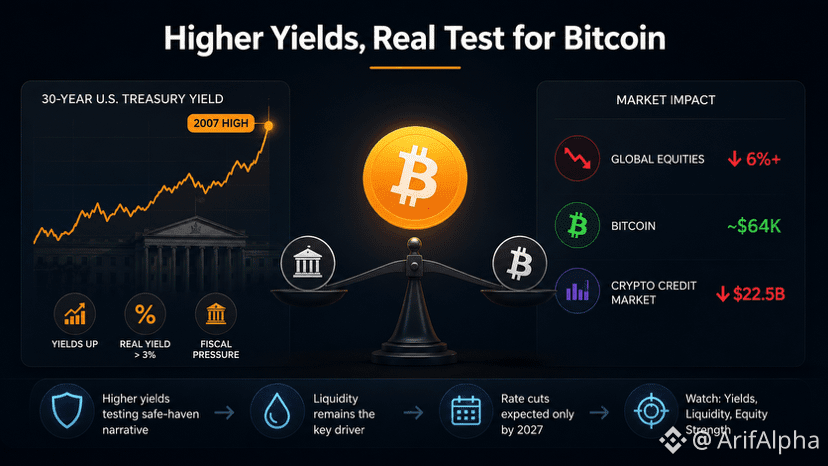
Die US-30-jährige Staatsanleiherendite ist auf ihr höchstes Niveau seit 2007 gestiegen, während die Realrendite erstmals seit der Globalen Finanzkrise über 3% stieg.
Das wird zu einem wichtigen Makrosignal für Bitcoin.
🔹 1. Höhere Renditen = stärkere Konkurrenz für BTC
Wenn risikofreie Treasury-Renditen steigen, haben Anleger mehr Anreiz, traditionelle festverzinsliche Anlagen zu halten, statt Kapital in riskantere Assets wie Bitcoin zu verlagern.
🔹 2. Bitcoin verhält sich noch nicht wie ein sicherer Hafen
Globale Aktien gerieten unter starken Druck: Der KOSPI in Südkorea fiel um mehr als 6%. Wenn Bitcoin sich wie ein echter Hedge für Staatsanleihen verhalten würde, sollten wir stärkere Aufwärtsbewegungen erwarten. Stattdessen blieb BTC bei rund $64K.
🔹 3. Liquidität bleibt der entscheidende Treiber
Der Krypto-Credit-Markt ist um ungefähr $22,5 Mrd. geschrumpft, was auf strengere finanzielle Bedingungen hindeutet. Bitcoin wirkt weiterhin stark von globaler Liquidität abhängig zu sein, statt vollständig gegen makroökonomischen Stress abgeschirmt zu sein.
🔹 4. Zinssenkungserwartungen werden nach hinten geschoben
Märkte preisen zunehmend bedeutende Zinssenkungen erst ungefähr ab 2027 ein. Das senkt die Wahrscheinlichkeit eines unmittelbaren Liquiditätsschubs für riskante Assets.
📌 Mein Fazit:
Dass Bitcoin bei rund $64K bleibt, obwohl die Treasury-Renditen steigen und Aktien schwächeln, ist an sich nicht zwingend bärisch — es zeigt vielmehr eine relative Widerstandsfähigkeit.
Aber die größere Frage ist, ob BTC diese Widerstandsfähigkeit aufrechterhalten kann, wenn die Renditen weiter steigen.
Für BTC beobachte drei Dinge genau:
Treasury-Renditen → globale Liquidität → Stärke des Aktienmarkts.
Solange sich die Liquiditätsbedingungen nicht verbessern, könnte Bitcoins Aufwärtspotenzial weiterhin auf makroökonomischen Widerstand stoßen.
#Bitcoin #CryptoMarket #ArifAlpha
US-30-Jahres-Staatsanleiherendite erreicht 2007er-Höchststand — Bitcoin unter Druck
Die US-30-jährige Staatsanleiherendite ist auf ihr höchstes Niveau seit 2007 gestiegen, während die Realrendite erstmals seit der Globalen Finanzkrise über 3% stieg.
Das wird zu einem wichtigen Makrosignal für Bitcoin.
🔹 1. Höhere Renditen = stärkere Konkurrenz für BTC
Wenn risikofreie Treasury-Renditen steigen, haben Anleger mehr Anreiz, traditionelle festverzinsliche Anlagen zu halten, statt Kapital in riskantere Assets wie Bitcoin zu verlagern.
🔹 2. Bitcoin verhält sich noch nicht wie ein sicherer Hafen
Globale Aktien gerieten unter starken Druck: Der KOSPI in Südkorea fiel um mehr als 6%. Wenn Bitcoin sich wie ein echter Hedge für Staatsanleihen verhalten würde, sollten wir stärkere Aufwärtsbewegungen erwarten. Stattdessen blieb BTC bei rund $64K.
🔹 3. Liquidität bleibt der entscheidende Treiber
Der Krypto-Credit-Markt ist um ungefähr $22,5 Mrd. geschrumpft, was auf strengere finanzielle Bedingungen hindeutet. Bitcoin wirkt weiterhin stark von globaler Liquidität abhängig zu sein, statt vollständig gegen makroökonomischen Stress abgeschirmt zu sein.
🔹 4. Zinssenkungserwartungen werden nach hinten geschoben
Märkte preisen zunehmend bedeutende Zinssenkungen erst ungefähr ab 2027 ein. Das senkt die Wahrscheinlichkeit eines unmittelbaren Liquiditätsschubs für riskante Assets.
📌 Mein Fazit:
Dass Bitcoin bei rund $64K bleibt, obwohl die Treasury-Renditen steigen und Aktien schwächeln, ist an sich nicht zwingend bärisch — es zeigt vielmehr eine relative Widerstandsfähigkeit.
Aber die größere Frage ist, ob BTC diese Widerstandsfähigkeit aufrechterhalten kann, wenn die Renditen weiter steigen.
Für BTC beobachte drei Dinge genau:
Treasury-Renditen → globale Liquidität → Stärke des Aktienmarkts.
Solange sich die Liquiditätsbedingungen nicht verbessern, könnte Bitcoins Aufwärtspotenzial weiterhin auf makroökonomischen Widerstand stoßen.
#Bitcoin #CryptoMarket #ArifAlpha
Die US-30-jährige Staatsanleiherendite ist auf ihr höchstes Niveau seit 2007 gestiegen, während die Realrendite erstmals seit der Globalen Finanzkrise über 3% stieg.
Das wird zu einem wichtigen Makrosignal für Bitcoin.
🔹 1. Höhere Renditen = stärkere Konkurrenz für BTC
Wenn risikofreie Treasury-Renditen steigen, haben Anleger mehr Anreiz, traditionelle festverzinsliche Anlagen zu halten, statt Kapital in riskantere Assets wie Bitcoin zu verlagern.
🔹 2. Bitcoin verhält sich noch nicht wie ein sicherer Hafen
Globale Aktien gerieten unter starken Druck: Der KOSPI in Südkorea fiel um mehr als 6%. Wenn Bitcoin sich wie ein echter Hedge für Staatsanleihen verhalten würde, sollten wir stärkere Aufwärtsbewegungen erwarten. Stattdessen blieb BTC bei rund $64K.
🔹 3. Liquidität bleibt der entscheidende Treiber
Der Krypto-Credit-Markt ist um ungefähr $22,5 Mrd. geschrumpft, was auf strengere finanzielle Bedingungen hindeutet. Bitcoin wirkt weiterhin stark von globaler Liquidität abhängig zu sein, statt vollständig gegen makroökonomischen Stress abgeschirmt zu sein.
🔹 4. Zinssenkungserwartungen werden nach hinten geschoben
Märkte preisen zunehmend bedeutende Zinssenkungen erst ungefähr ab 2027 ein. Das senkt die Wahrscheinlichkeit eines unmittelbaren Liquiditätsschubs für riskante Assets.
📌 Mein Fazit:
Dass Bitcoin bei rund $64K bleibt, obwohl die Treasury-Renditen steigen und Aktien schwächeln, ist an sich nicht zwingend bärisch — es zeigt vielmehr eine relative Widerstandsfähigkeit.
Aber die größere Frage ist, ob BTC diese Widerstandsfähigkeit aufrechterhalten kann, wenn die Renditen weiter steigen.
Für BTC beobachte drei Dinge genau:
Treasury-Renditen → globale Liquidität → Stärke des Aktienmarkts.
Solange sich die Liquiditätsbedingungen nicht verbessern, könnte Bitcoins Aufwärtspotenzial weiterhin auf makroökonomischen Widerstand stoßen.
#Bitcoin #CryptoMarket #ArifAlpha
98
·
--

Artikel
Stablecoins: Das Kapital kühlt ab, aber die Nutzung wächstDie Marktkapitalisierung von Stablecoins ist im Juli auf etwa 308,3 Mrd. USD gefallen, rund 1% weniger als im Juni. Noch wichtiger: Mai–Juli verzeichneten kumulierte Nettoabflüsse von ungefähr 13,3 Mrd. USD – der längste ununterbrochene Abflusszeitraum seit 2022.
🔍 Wichtige Aufschlüsselung
▪️ Marktliquidität
Die Stablecoin-Zirkulation steckt weiterhin zwischen 300 Mrd. und 320 Mrd. USD fest – und zwar seit 10 aufeinanderfolgenden Monaten. Das deutet darauf hin, dass frisches Kapital, das in das Krypto-Ökosystem einfließt, weiterhin relativ begrenzt ist.
▪️ Die Nutzung von USDT nimmt zu
USDT erreichte im Juli einen Rekord von 861,4 Mio. On-Chain-Transaktionen, ein Plus von 11,4% gegenüber dem Vormonat. Das zeigt eine starke Transaktionsaktivität trotz der insgesamt rückläufigen Marktkapitalisierung von Stablecoins.
Stablecoins: Das Kapital kühlt ab, aber die Nutzung wächst
Die Marktkapitalisierung von Stablecoins ist im Juli auf etwa 308,3 Mrd. USD gefallen, rund 1% weniger als im Juni. Noch wichtiger: Mai–Juli verzeichneten kumulierte Nettoabflüsse von ungefähr 13,3 Mrd. USD – der längste ununterbrochene Abflusszeitraum seit 2022.
🔍 Wichtige Aufschlüsselung
▪️ Marktliquidität
Die Stablecoin-Zirkulation steckt weiterhin zwischen 300 Mrd. und 320 Mrd. USD fest – und zwar seit 10 aufeinanderfolgenden Monaten. Das deutet darauf hin, dass frisches Kapital, das in das Krypto-Ökosystem einfließt, weiterhin relativ begrenzt ist.
▪️ Die Nutzung von USDT nimmt zu
USDT erreichte im Juli einen Rekord von 861,4 Mio. On-Chain-Transaktionen, ein Plus von 11,4% gegenüber dem Vormonat. Das zeigt eine starke Transaktionsaktivität trotz der insgesamt rückläufigen Marktkapitalisierung von Stablecoins.
🔍 Wichtige Aufschlüsselung
▪️ Marktliquidität
Die Stablecoin-Zirkulation steckt weiterhin zwischen 300 Mrd. und 320 Mrd. USD fest – und zwar seit 10 aufeinanderfolgenden Monaten. Das deutet darauf hin, dass frisches Kapital, das in das Krypto-Ökosystem einfließt, weiterhin relativ begrenzt ist.
▪️ Die Nutzung von USDT nimmt zu
USDT erreichte im Juli einen Rekord von 861,4 Mio. On-Chain-Transaktionen, ein Plus von 11,4% gegenüber dem Vormonat. Das zeigt eine starke Transaktionsaktivität trotz der insgesamt rückläufigen Marktkapitalisierung von Stablecoins.
62
Anmelden und weiter Inhalte entdecken
Krypto-Nutzer weltweit auf Binance Square kennenlernen
⚡️ Bleib in Sachen Krypto stets am Puls.
💬 Die weltgrößte Kryptobörse vertraut darauf.
👍 Erhalte verlässliche Einblicke von verifizierten Creators.
E-Mail-Adresse/Telefonnummer
Trendthemen
StrategyStriveAdd2305BitcoinThisWeek
15,131 Aufrufe
524 Kommentare
#strategystriveadd2305bitcointhisweek 🚨 2.305 BTC sind gerade in die Unternehmensschatzkammern gewandert
Während die meisten Trader auf die Bitcoin-Preis-Erholung fokussiert waren, haben zwei öffentliche Unternehmen im Stillen große Schritte gemacht. 👀
Strategy und Strive haben gemeinsam 2.305 BTC für 182,7 Millionen Dollar gekauft.
🔹 Strategy kaufte 950 BTC für 75,7 Millionen Dollar
🔹 Strive kaufte 1.355 BTC für rund 107,7 Millionen Dollar
Damit belaufen sich ihre gesamten Bestände auf:
📊 Strategy. 846.000 BTC
📊 Strive. 26.355 BTC
Doch die wahre Geschichte ist nicht die Menge an Bitcoin, die sie gekauft haben.
Sondern, wie sie dafür bezahlt haben.
Strategy nutzte Bargeld, das es bereits hatte.
Strive nutzte sein Aktienfinanzierungsmodell, um den Kauf zu finanzieren. Das bedeutet: Es baut seine Bitcoin-Schatzkammer auf, ohne sich nur auf den Cashflow zu verlassen.
Dieser Unterschied ist entscheidend.
Für Trader und Investoren fügt das eine zusätzliche Analyseebene hinzu: Wie viel Bitcoin hinzugefügt wird, wie es finanziert wird und was das für den langfristigen Wert pro Aktie bedeutet.
Die Kapitalkosten, die bei der BTC-Ansammlung anfallen, und der Aktienwert. Diese Faktoren beginnen, den Markt auf solche Weise zu beeinflussen.
Die Nachfrage nach Corporate-Treasury ist nicht mehr nur am Rande relevant.
Sie wird zu einem Teil des Bitcoin-Ökosystems.
💬 Was denkst du?
Werden mehr Unternehmen anfangen, Bitcoin so zu kaufen?
Wird dieser Trend wachsen?
#bitcoin #Khan62 #BTC #trading
$MSTR
$MARA $BMNR
Khan 62
·4 Likes
·2.8k Aufrufe
TrumpRejectsIranHormuzReopening
18,605 Aufrufe
498 Kommentare
CircleTetherFreezeBitgetHackerWallet
38,946 Aufrufe
621 Kommentare