
#bedrock20
bedrock20
72 Aufrufe
14 Kommentare
Hot
Zuletzt

·
--
Bedrock 2.0 hebt einen wichtigen Trend im DeFi hervor: Kapital-Effizienz wird genauso wichtig wie Ertrag.
Traditionelles Staking zwingt die Nutzer oft dazu, zwischen der Sicherung von Netzwerken und der Aufrechterhaltung von Liquidität zu wählen. Bedrock führte einen Liquid Staking-Ansatz ein, während Bedrock 2.0 das Konzept erweitert, indem es Restaking-Möglichkeiten integriert, die potenziell zusätzlichen Nutzen für gestakte Assets schaffen können.
Die entscheidende Frage ist nicht, ob Restaking wachsen wird, sondern welche Protokolle Sicherheit, Liquidität und nachhaltige Belohnungen in Einklang bringen können.
Bedrock 2.0 positioniert sich im Zentrum dieser Diskussion.
Welches Feature von Bedrock 2.0 wird deiner Meinung nach den größten Einfluss auf die DeFi-Adoption haben?
#BedrockCreatorPad #Bedrock20 #DeFi! #bedrock $BR
Bedrock 2.0 hebt einen wichtigen Trend im DeFi hervor: Kapital-Effizienz wird genauso wichtig wie Ertrag.
Traditionelles Staking zwingt die Nutzer oft dazu, zwischen der Sicherung von Netzwerken und der Aufrechterhaltung von Liquidität zu wählen. Bedrock führte einen Liquid Staking-Ansatz ein, während Bedrock 2.0 das Konzept erweitert, indem es Restaking-Möglichkeiten integriert, die potenziell zusätzlichen Nutzen für gestakte Assets schaffen können.
Die entscheidende Frage ist nicht, ob Restaking wachsen wird, sondern welche Protokolle Sicherheit, Liquidität und nachhaltige Belohnungen in Einklang bringen können.
Bedrock 2.0 positioniert sich im Zentrum dieser Diskussion.
Welches Feature von Bedrock 2.0 wird deiner Meinung nach den größten Einfluss auf die DeFi-Adoption haben?
#BedrockCreatorPad #Bedrock20 #DeFi! #bedrock $BR
Traditionelles Staking zwingt die Nutzer oft dazu, zwischen der Sicherung von Netzwerken und der Aufrechterhaltung von Liquidität zu wählen. Bedrock führte einen Liquid Staking-Ansatz ein, während Bedrock 2.0 das Konzept erweitert, indem es Restaking-Möglichkeiten integriert, die potenziell zusätzlichen Nutzen für gestakte Assets schaffen können.
Die entscheidende Frage ist nicht, ob Restaking wachsen wird, sondern welche Protokolle Sicherheit, Liquidität und nachhaltige Belohnungen in Einklang bringen können.
Bedrock 2.0 positioniert sich im Zentrum dieser Diskussion.
Welches Feature von Bedrock 2.0 wird deiner Meinung nach den größten Einfluss auf die DeFi-Adoption haben?
#BedrockCreatorPad #Bedrock20 #DeFi! #bedrock $BR
1
84

·
--
Bullisch
Die Evolution der dezentralen Finanzen erreicht einen kritischen Wendepunkt, an dem die Branche endlich über die unhaltbare Vermögensschichtfalle hinausgeht, die das frühe BTCFi prägte. Während ich die neuesten architektonischen Veränderungen innerhalb von @Bedrock analysiert habe, wird klar, dass der Übergang zu Bedrock 2.0 darauf abzielt, das grundlegende Problem der Kapitalproduktivität zu lösen.
Jahrelang standen Bitcoin-Halter vor einem schwierigen Trade-off: ein unbewegliches Asset halten oder fragmentierte, hochriskante Renditen verfolgen, die oft während der Marktschwankungen zusammenbrachen. Bedrock 2.0 verändert dieses dynamische Spiel effektiv, indem es eine mehrschichtige Strategie-Engine einführt, die die Lücke zwischen On-Chain-Liquidität und institutionellem Risikomanagement überbrückt.
Was dieses Upgrade besonders bedeutend macht, ist die Integration von Real World Assets und strukturierten Kreditstrategien in die zugrunde liegende Architektur.
Durch die Diversifizierung der Renditequellen über Delta Neutral Quant-Strategien, DeFi-native Bereitstellungen und physische, assetgestützte Tools baut das Protokoll einen echten gegenzyklischen Anker für das Ökosystem auf.
Darüber hinaus ist die Einführung von BRClaw, ihrem neuen KI-gestützten On-Chain-Analysten, ein großer Schritt in Richtung der Transparenz, die institutionelle Teilnehmer benötigen. Für die unter uns, die das $BR -Ökosystem verfolgen, geht es dabei nicht nur um Staking; es geht darum zu beobachten, wie Bitcoin sich von einem passiven digitalen Gold in ein produktives, widerstandsfähiges Kapital-Asset verwandelt, das in der Lage ist, stabile, plattformübergreifende Einnahmequellen zu generieren.
Wir sehen eine Abkehr von zirkulärer Spekulation hin zu einer reiferen Infrastruktur, die nachhaltige, geprüfte Renditen priorisiert. Dieser Wandel ist entscheidend, um die nächste Welle von Kapital in den BTCFi-Bereich zu ziehen.
Verfolgst du, wie diese institutionellen Strategieebenen die Leistung von Bitcoin in deinem Portfolio verändern? Ich würde gerne deine Gedanken hören, ob dieses intelligente Renditemodell die Zukunft von BTCFi ist.
#Bedrock #Bedrock20 $BR
{future}(BRUSDT)
Die Evolution der dezentralen Finanzen erreicht einen kritischen Wendepunkt, an dem die Branche endlich über die unhaltbare Vermögensschichtfalle hinausgeht, die das frühe BTCFi prägte. Während ich die neuesten architektonischen Veränderungen innerhalb von @Bedrock analysiert habe, wird klar, dass der Übergang zu Bedrock 2.0 darauf abzielt, das grundlegende Problem der Kapitalproduktivität zu lösen.
Jahrelang standen Bitcoin-Halter vor einem schwierigen Trade-off: ein unbewegliches Asset halten oder fragmentierte, hochriskante Renditen verfolgen, die oft während der Marktschwankungen zusammenbrachen. Bedrock 2.0 verändert dieses dynamische Spiel effektiv, indem es eine mehrschichtige Strategie-Engine einführt, die die Lücke zwischen On-Chain-Liquidität und institutionellem Risikomanagement überbrückt.
Was dieses Upgrade besonders bedeutend macht, ist die Integration von Real World Assets und strukturierten Kreditstrategien in die zugrunde liegende Architektur.
Durch die Diversifizierung der Renditequellen über Delta Neutral Quant-Strategien, DeFi-native Bereitstellungen und physische, assetgestützte Tools baut das Protokoll einen echten gegenzyklischen Anker für das Ökosystem auf.
Darüber hinaus ist die Einführung von BRClaw, ihrem neuen KI-gestützten On-Chain-Analysten, ein großer Schritt in Richtung der Transparenz, die institutionelle Teilnehmer benötigen. Für die unter uns, die das $BR -Ökosystem verfolgen, geht es dabei nicht nur um Staking; es geht darum zu beobachten, wie Bitcoin sich von einem passiven digitalen Gold in ein produktives, widerstandsfähiges Kapital-Asset verwandelt, das in der Lage ist, stabile, plattformübergreifende Einnahmequellen zu generieren.
Wir sehen eine Abkehr von zirkulärer Spekulation hin zu einer reiferen Infrastruktur, die nachhaltige, geprüfte Renditen priorisiert. Dieser Wandel ist entscheidend, um die nächste Welle von Kapital in den BTCFi-Bereich zu ziehen.
Verfolgst du, wie diese institutionellen Strategieebenen die Leistung von Bitcoin in deinem Portfolio verändern? Ich würde gerne deine Gedanken hören, ob dieses intelligente Renditemodell die Zukunft von BTCFi ist.
#Bedrock #Bedrock20 $BR
Jahrelang standen Bitcoin-Halter vor einem schwierigen Trade-off: ein unbewegliches Asset halten oder fragmentierte, hochriskante Renditen verfolgen, die oft während der Marktschwankungen zusammenbrachen. Bedrock 2.0 verändert dieses dynamische Spiel effektiv, indem es eine mehrschichtige Strategie-Engine einführt, die die Lücke zwischen On-Chain-Liquidität und institutionellem Risikomanagement überbrückt.
Was dieses Upgrade besonders bedeutend macht, ist die Integration von Real World Assets und strukturierten Kreditstrategien in die zugrunde liegende Architektur.
Durch die Diversifizierung der Renditequellen über Delta Neutral Quant-Strategien, DeFi-native Bereitstellungen und physische, assetgestützte Tools baut das Protokoll einen echten gegenzyklischen Anker für das Ökosystem auf.
Darüber hinaus ist die Einführung von BRClaw, ihrem neuen KI-gestützten On-Chain-Analysten, ein großer Schritt in Richtung der Transparenz, die institutionelle Teilnehmer benötigen. Für die unter uns, die das $BR -Ökosystem verfolgen, geht es dabei nicht nur um Staking; es geht darum zu beobachten, wie Bitcoin sich von einem passiven digitalen Gold in ein produktives, widerstandsfähiges Kapital-Asset verwandelt, das in der Lage ist, stabile, plattformübergreifende Einnahmequellen zu generieren.
Wir sehen eine Abkehr von zirkulärer Spekulation hin zu einer reiferen Infrastruktur, die nachhaltige, geprüfte Renditen priorisiert. Dieser Wandel ist entscheidend, um die nächste Welle von Kapital in den BTCFi-Bereich zu ziehen.
Verfolgst du, wie diese institutionellen Strategieebenen die Leistung von Bitcoin in deinem Portfolio verändern? Ich würde gerne deine Gedanken hören, ob dieses intelligente Renditemodell die Zukunft von BTCFi ist.
#Bedrock #Bedrock20 $BR
97
·
--
Bullisch
Übersetzung ansehen
Everyone talks about yield. Not enough people talk about efficiency.
In every market cycle, investors chase the highest returns. But over time, the biggest winners are usually the protocols that make capital work smarter, not just harder.
That's why Bedrock 2.0 caught my attention.
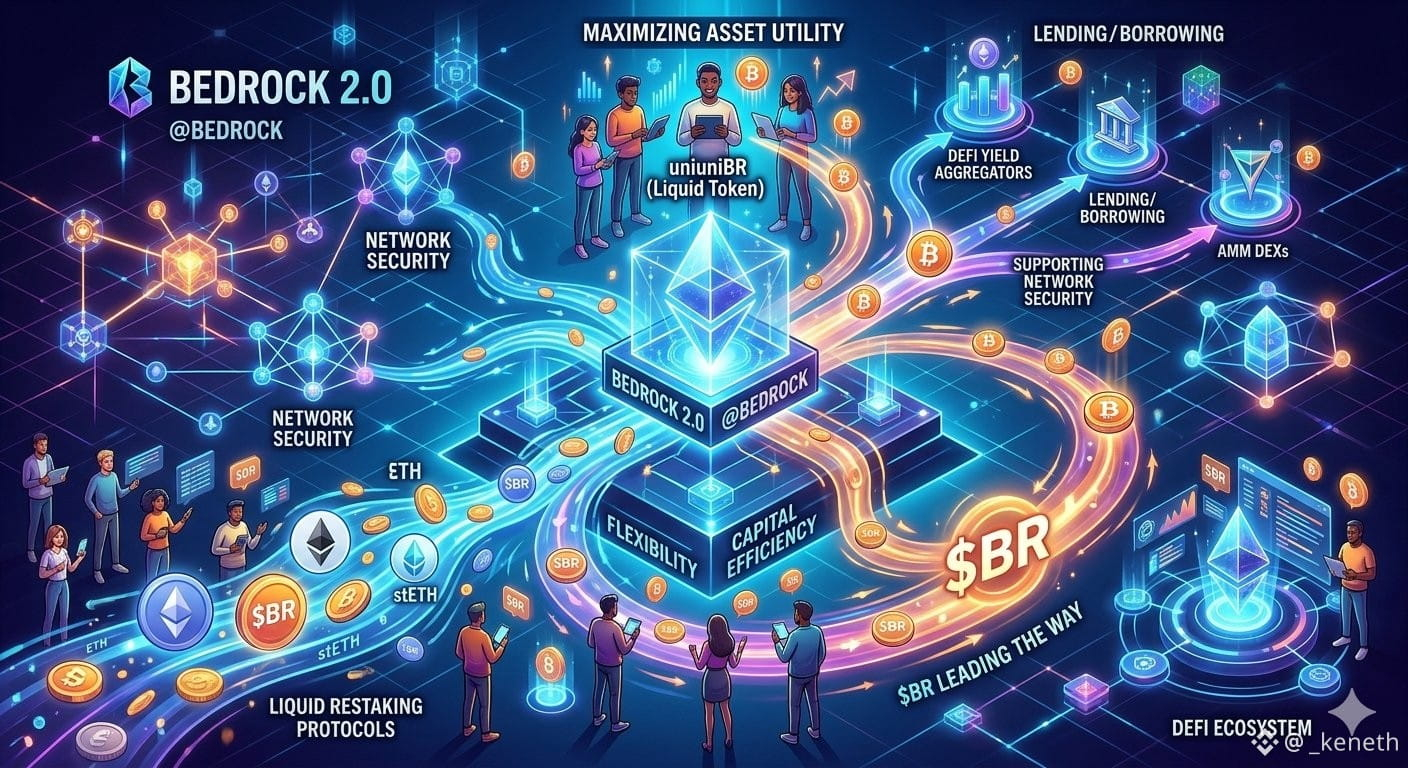
The upgrade isn't simply about adding another layer of rewards, It's part of a larger shift toward maximizing the utility of staked assets through liquidity, composability, and restaking. In other words, the focus is moving from "How much can I earn?" to "How efficiently can my capital operate?"
The protocols that solve this challenge may become critical infrastructure for the next generation of DeFi.
Think about it: if two users earn similar yields, but one has access to deeper liquidity, more flexibility, and broader ecosystem participation, who has the stronger position?
That's the question Bedrock 2.0 is trying to answer.
The next DeFi leaders won't just compete on rewards. They'll compete on capital efficiency.
What's more important to you: higher yield or smarter capital allocation?
#Bedrock #Bedrock20 #bedrock $BR
Everyone talks about yield. Not enough people talk about efficiency.
In every market cycle, investors chase the highest returns. But over time, the biggest winners are usually the protocols that make capital work smarter, not just harder.
That's why Bedrock 2.0 caught my attention.
The upgrade isn't simply about adding another layer of rewards, It's part of a larger shift toward maximizing the utility of staked assets through liquidity, composability, and restaking. In other words, the focus is moving from "How much can I earn?" to "How efficiently can my capital operate?"
The protocols that solve this challenge may become critical infrastructure for the next generation of DeFi.
Think about it: if two users earn similar yields, but one has access to deeper liquidity, more flexibility, and broader ecosystem participation, who has the stronger position?
That's the question Bedrock 2.0 is trying to answer.
The next DeFi leaders won't just compete on rewards. They'll compete on capital efficiency.
What's more important to you: higher yield or smarter capital allocation?
#Bedrock #Bedrock20 #bedrock $BR
In every market cycle, investors chase the highest returns. But over time, the biggest winners are usually the protocols that make capital work smarter, not just harder.
That's why Bedrock 2.0 caught my attention.
The upgrade isn't simply about adding another layer of rewards, It's part of a larger shift toward maximizing the utility of staked assets through liquidity, composability, and restaking. In other words, the focus is moving from "How much can I earn?" to "How efficiently can my capital operate?"
The protocols that solve this challenge may become critical infrastructure for the next generation of DeFi.
Think about it: if two users earn similar yields, but one has access to deeper liquidity, more flexibility, and broader ecosystem participation, who has the stronger position?
That's the question Bedrock 2.0 is trying to answer.
The next DeFi leaders won't just compete on rewards. They'll compete on capital efficiency.
What's more important to you: higher yield or smarter capital allocation?
#Bedrock #Bedrock20 #bedrock $BR
1
3
81
·
--
Übersetzung ansehen
The next chapter of DeFi won't be defined by who offers the highest yield, it will be defined by who unlocks the most utility from every dollar of capital.
We've already seen the evolution: holding assets became staking, staking became liquid staking, and now the conversation is shifting toward restaking and capital efficiency. Each step has pushed DeFi closer to a future where assets are not only secure but also flexible and productive.
What makes Bedrock 2.0 stand out is that it aligns with this broader transformation. Instead of viewing liquidity and security as trade-offs, the vision is to create a framework where both can reinforce each other. That's a powerful concept because the next generation of users won't just look for returns—they'll look for ecosystems that maximize opportunity while minimizing friction.
The protocols that thrive in the coming years may be those that quietly become essential infrastructure. Not because they're the loudest, but because they make the entire ecosystem work better.
Bedrock 2.0 isn't interesting because it's following a trend. It's interesting because it's addressing one of DeFi's biggest long-term challenges: how to make capital more efficient without making participation more complicated.
If DeFi's future is built on productive capital, could capital efficiency become the new measure of innovation?
#Bedrock #Bedrock20 #DeFi #bedrock $BR
The next chapter of DeFi won't be defined by who offers the highest yield, it will be defined by who unlocks the most utility from every dollar of capital.
We've already seen the evolution: holding assets became staking, staking became liquid staking, and now the conversation is shifting toward restaking and capital efficiency. Each step has pushed DeFi closer to a future where assets are not only secure but also flexible and productive.
What makes Bedrock 2.0 stand out is that it aligns with this broader transformation. Instead of viewing liquidity and security as trade-offs, the vision is to create a framework where both can reinforce each other. That's a powerful concept because the next generation of users won't just look for returns—they'll look for ecosystems that maximize opportunity while minimizing friction.
The protocols that thrive in the coming years may be those that quietly become essential infrastructure. Not because they're the loudest, but because they make the entire ecosystem work better.
Bedrock 2.0 isn't interesting because it's following a trend. It's interesting because it's addressing one of DeFi's biggest long-term challenges: how to make capital more efficient without making participation more complicated.
If DeFi's future is built on productive capital, could capital efficiency become the new measure of innovation?
#Bedrock #Bedrock20 #DeFi #bedrock $BR
We've already seen the evolution: holding assets became staking, staking became liquid staking, and now the conversation is shifting toward restaking and capital efficiency. Each step has pushed DeFi closer to a future where assets are not only secure but also flexible and productive.
What makes Bedrock 2.0 stand out is that it aligns with this broader transformation. Instead of viewing liquidity and security as trade-offs, the vision is to create a framework where both can reinforce each other. That's a powerful concept because the next generation of users won't just look for returns—they'll look for ecosystems that maximize opportunity while minimizing friction.
The protocols that thrive in the coming years may be those that quietly become essential infrastructure. Not because they're the loudest, but because they make the entire ecosystem work better.
Bedrock 2.0 isn't interesting because it's following a trend. It's interesting because it's addressing one of DeFi's biggest long-term challenges: how to make capital more efficient without making participation more complicated.
If DeFi's future is built on productive capital, could capital efficiency become the new measure of innovation?
#Bedrock #Bedrock20 #DeFi #bedrock $BR

2
1
88
·
--
Bullisch
Übersetzung ansehen
The most valuable innovation in DeFi may not be a new token, a higher APY, or the next hype cycle, it may be capital efficiency.
For years, staking has played a critical role in securing blockchain networks. But as DeFi matures, a new question is emerging: Can staked assets do more than just sit and earn rewards?
This is where Bedrock 2.0 becomes particularly interesting.
Rather than treating staking as the end goal, Bedrock 2.0 explores a future where liquidity, security, and utility can exist simultaneously. The idea is simple but powerful: assets should remain productive across multiple layers of the ecosystem instead of being confined to a single function.
What excites me isn't just the potential for additional opportunities, it's the broader implication for DeFi infrastructure. Protocols that successfully unlock greater efficiency without sacrificing accessibility could become foundational building blocks for the next wave of adoption.
The crypto industry often rewards innovation, but history shows that infrastructure creates lasting value. Bedrock 2.0 isn't just participating in the evolution of DeFi, it reflects where the industry may be heading next.
Are we entering an era where capital efficiency becomes the most important metric in decentralized finance?
#Bedrock #Bedrock20 #DeFi #bedrock $BR
The most valuable innovation in DeFi may not be a new token, a higher APY, or the next hype cycle, it may be capital efficiency.
For years, staking has played a critical role in securing blockchain networks. But as DeFi matures, a new question is emerging: Can staked assets do more than just sit and earn rewards?
This is where Bedrock 2.0 becomes particularly interesting.
Rather than treating staking as the end goal, Bedrock 2.0 explores a future where liquidity, security, and utility can exist simultaneously. The idea is simple but powerful: assets should remain productive across multiple layers of the ecosystem instead of being confined to a single function.
What excites me isn't just the potential for additional opportunities, it's the broader implication for DeFi infrastructure. Protocols that successfully unlock greater efficiency without sacrificing accessibility could become foundational building blocks for the next wave of adoption.
The crypto industry often rewards innovation, but history shows that infrastructure creates lasting value. Bedrock 2.0 isn't just participating in the evolution of DeFi, it reflects where the industry may be heading next.
Are we entering an era where capital efficiency becomes the most important metric in decentralized finance?
#Bedrock #Bedrock20 #DeFi #bedrock $BR
For years, staking has played a critical role in securing blockchain networks. But as DeFi matures, a new question is emerging: Can staked assets do more than just sit and earn rewards?
This is where Bedrock 2.0 becomes particularly interesting.
Rather than treating staking as the end goal, Bedrock 2.0 explores a future where liquidity, security, and utility can exist simultaneously. The idea is simple but powerful: assets should remain productive across multiple layers of the ecosystem instead of being confined to a single function.
What excites me isn't just the potential for additional opportunities, it's the broader implication for DeFi infrastructure. Protocols that successfully unlock greater efficiency without sacrificing accessibility could become foundational building blocks for the next wave of adoption.
The crypto industry often rewards innovation, but history shows that infrastructure creates lasting value. Bedrock 2.0 isn't just participating in the evolution of DeFi, it reflects where the industry may be heading next.
Are we entering an era where capital efficiency becomes the most important metric in decentralized finance?
#Bedrock #Bedrock20 #DeFi #bedrock $BR

2
1
91
Der dezentrale Finanzbereich durchläuft derzeit eine massive Transformation, da die Branche endlich über die unhaltbare Vermögensschichtung hinwegkommt, die die frühen BTCFi definiert hat. Während ich die neuesten architektonischen Veränderungen innerhalb von @Bedrock analysiert habe, wird klar, dass der Übergang zu Bedrock 2.0 darauf abzielt, das grundlegendste Problem der Kapitalproduktivität für Bitcoin-Halter zu lösen.
Jahrelang standen Bitcoin-Halter vor einem schwierigen Trade-off, weil sie gezwungen waren, zwischen dem Halten eines unbeweglichen Vermögenswerts oder dem Verfolgen fragmentierter, risikobehafteter Erträge zu wählen, die oft während der Marktschwankungen zusammenbrachen. Bedrock 2.0 verändert dieses dynamische Spiel effektiv, indem es ein modulares Vault-Framework einführt, das die Lücke zwischen On-Chain-Liquidität und institutionellem Risikomanagement schließt.
Was dieses Upgrade besonders bedeutend macht, ist die Einführung kommender institutioneller Strategie-Vaults wie delta-neutrale quantitative Vaults und reale Vermögenswerte in die zugrunde liegende Architektur. Durch die Diversifizierung der Ertragsquellen über diese verschiedenen Säulen baut das Protokoll einen echten antizyklischen Anker für das Ökosystem auf.
Darüber hinaus ist die Integration des BRClaw KI-gestützten On-Chain-Analysten ein großer Schritt in Richtung der Transparenz, die institutionelle Teilnehmer benötigen. Für diejenigen von uns, die das $BR -Ökosystem verfolgen, geht es hierbei nicht nur um Staking, denn es geht darum, zu beobachten, wie Bitcoin sich von einem passiven digitalen Gold in ein produktives und widerstandsfähiges Kapitalasset verwandelt, das in der Lage ist, stabile und übergreifende Einnahmequellen zu generieren.
Dieser Wandel ist entscheidend, um die nächste Kapitalwelle in den BTCFi-Bereich zu ziehen, während wir uns von zirkulärer Spekulation hin zu einer reiferen Infrastruktur bewegen, die nachhaltige und geprüfte Erträge priorisiert.
Verfolgen Sie, wie diese institutionellen Strategieebenen die Performance von Bitcoin in Ihrem Portfolio verändern, und glauben Sie, dass dieses intelligente Ertragsmodell die Zukunft von BTCFi ist?
#Bedrock #Bedrock20 #BR
{alpha}(560xff7d6a96ae471bbcd7713af9cb1feeb16cf56b41)
Der dezentrale Finanzbereich durchläuft derzeit eine massive Transformation, da die Branche endlich über die unhaltbare Vermögensschichtung hinwegkommt, die die frühen BTCFi definiert hat. Während ich die neuesten architektonischen Veränderungen innerhalb von @Bedrock analysiert habe, wird klar, dass der Übergang zu Bedrock 2.0 darauf abzielt, das grundlegendste Problem der Kapitalproduktivität für Bitcoin-Halter zu lösen.
Jahrelang standen Bitcoin-Halter vor einem schwierigen Trade-off, weil sie gezwungen waren, zwischen dem Halten eines unbeweglichen Vermögenswerts oder dem Verfolgen fragmentierter, risikobehafteter Erträge zu wählen, die oft während der Marktschwankungen zusammenbrachen. Bedrock 2.0 verändert dieses dynamische Spiel effektiv, indem es ein modulares Vault-Framework einführt, das die Lücke zwischen On-Chain-Liquidität und institutionellem Risikomanagement schließt.
Was dieses Upgrade besonders bedeutend macht, ist die Einführung kommender institutioneller Strategie-Vaults wie delta-neutrale quantitative Vaults und reale Vermögenswerte in die zugrunde liegende Architektur. Durch die Diversifizierung der Ertragsquellen über diese verschiedenen Säulen baut das Protokoll einen echten antizyklischen Anker für das Ökosystem auf.
Darüber hinaus ist die Integration des BRClaw KI-gestützten On-Chain-Analysten ein großer Schritt in Richtung der Transparenz, die institutionelle Teilnehmer benötigen. Für diejenigen von uns, die das $BR -Ökosystem verfolgen, geht es hierbei nicht nur um Staking, denn es geht darum, zu beobachten, wie Bitcoin sich von einem passiven digitalen Gold in ein produktives und widerstandsfähiges Kapitalasset verwandelt, das in der Lage ist, stabile und übergreifende Einnahmequellen zu generieren.
Dieser Wandel ist entscheidend, um die nächste Kapitalwelle in den BTCFi-Bereich zu ziehen, während wir uns von zirkulärer Spekulation hin zu einer reiferen Infrastruktur bewegen, die nachhaltige und geprüfte Erträge priorisiert.
Verfolgen Sie, wie diese institutionellen Strategieebenen die Performance von Bitcoin in Ihrem Portfolio verändern, und glauben Sie, dass dieses intelligente Ertragsmodell die Zukunft von BTCFi ist?
#Bedrock #Bedrock20 #BR
Jahrelang standen Bitcoin-Halter vor einem schwierigen Trade-off, weil sie gezwungen waren, zwischen dem Halten eines unbeweglichen Vermögenswerts oder dem Verfolgen fragmentierter, risikobehafteter Erträge zu wählen, die oft während der Marktschwankungen zusammenbrachen. Bedrock 2.0 verändert dieses dynamische Spiel effektiv, indem es ein modulares Vault-Framework einführt, das die Lücke zwischen On-Chain-Liquidität und institutionellem Risikomanagement schließt.
Was dieses Upgrade besonders bedeutend macht, ist die Einführung kommender institutioneller Strategie-Vaults wie delta-neutrale quantitative Vaults und reale Vermögenswerte in die zugrunde liegende Architektur. Durch die Diversifizierung der Ertragsquellen über diese verschiedenen Säulen baut das Protokoll einen echten antizyklischen Anker für das Ökosystem auf.
Darüber hinaus ist die Integration des BRClaw KI-gestützten On-Chain-Analysten ein großer Schritt in Richtung der Transparenz, die institutionelle Teilnehmer benötigen. Für diejenigen von uns, die das $BR -Ökosystem verfolgen, geht es hierbei nicht nur um Staking, denn es geht darum, zu beobachten, wie Bitcoin sich von einem passiven digitalen Gold in ein produktives und widerstandsfähiges Kapitalasset verwandelt, das in der Lage ist, stabile und übergreifende Einnahmequellen zu generieren.
Dieser Wandel ist entscheidend, um die nächste Kapitalwelle in den BTCFi-Bereich zu ziehen, während wir uns von zirkulärer Spekulation hin zu einer reiferen Infrastruktur bewegen, die nachhaltige und geprüfte Erträge priorisiert.
Verfolgen Sie, wie diese institutionellen Strategieebenen die Performance von Bitcoin in Ihrem Portfolio verändern, und glauben Sie, dass dieses intelligente Ertragsmodell die Zukunft von BTCFi ist?
#Bedrock #Bedrock20 #BR
1
99

·
--
#bitcoin
Spannende Updates rollen gerade für Bedrock 2.0 aus! 🚀 Das Ökosystem wächst rasant und bringt mehr Nutzen, eine reibungslosere Performance und unglaubliche Möglichkeiten für die Community. Wir behalten die Entwicklung genau im Blick und schauen, was als Nächstes für dieses bahnbrechende Upgrade kommt. Bleib dran für weitere tägliche Einblicke!
@Bedrock #Bedrock20 #crypto #blockchain $BTC $ETH $BNB
#bitcoin
Spannende Updates rollen gerade für Bedrock 2.0 aus! 🚀 Das Ökosystem wächst rasant und bringt mehr Nutzen, eine reibungslosere Performance und unglaubliche Möglichkeiten für die Community. Wir behalten die Entwicklung genau im Blick und schauen, was als Nächstes für dieses bahnbrechende Upgrade kommt. Bleib dran für weitere tägliche Einblicke!
@Bedrock #Bedrock20 #crypto #blockchain $BTC $ETH $BNB
Spannende Updates rollen gerade für Bedrock 2.0 aus! 🚀 Das Ökosystem wächst rasant und bringt mehr Nutzen, eine reibungslosere Performance und unglaubliche Möglichkeiten für die Community. Wir behalten die Entwicklung genau im Blick und schauen, was als Nächstes für dieses bahnbrechende Upgrade kommt. Bleib dran für weitere tägliche Einblicke!
@Bedrock #Bedrock20 #crypto #blockchain $BTC $ETH $BNB
1
98
·
--
Bullisch
Übersetzung ansehen
Why Bedrock 2.0 Matters Beyond Yield
Many people look at restaking and immediately focus on potential rewards, but I think the bigger story behind Bedrock 2.0 is infrastructure.
Every major wave of crypto adoption has been driven by better infrastructure. First came basic staking, Then liquid staking unlocked greater flexibility, Now we're entering a phase where protocols are exploring how staked assets can contribute to multiple ecosystems while maintaining usability.
Bedrock 2.0 represents this broader trend. Rather than allowing assets to remain static, the protocol explores ways to increase utility through deeper integration with DeFi. That's important because sustainable growth rarely comes from incentives alone, it comes from creating systems that are genuinely useful.
The most successful protocols in the coming years may not be those offering the highest short-term returns. Instead, they could be the ones building the strongest foundations for liquidity, composability, and long-term participation.
From that perspective, Bedrock 2.0 feels less like a product update and more like a step toward a more efficient DeFi ecosystem.
What's your view: will infrastructure or incentives be the bigger driver of crypto growth in the next cycle?
#Bedrock #Bedrock20 #DeFi #Web3 #bedrock $BR
Why Bedrock 2.0 Matters Beyond Yield
Many people look at restaking and immediately focus on potential rewards, but I think the bigger story behind Bedrock 2.0 is infrastructure.
Every major wave of crypto adoption has been driven by better infrastructure. First came basic staking, Then liquid staking unlocked greater flexibility, Now we're entering a phase where protocols are exploring how staked assets can contribute to multiple ecosystems while maintaining usability.
Bedrock 2.0 represents this broader trend. Rather than allowing assets to remain static, the protocol explores ways to increase utility through deeper integration with DeFi. That's important because sustainable growth rarely comes from incentives alone, it comes from creating systems that are genuinely useful.
The most successful protocols in the coming years may not be those offering the highest short-term returns. Instead, they could be the ones building the strongest foundations for liquidity, composability, and long-term participation.
From that perspective, Bedrock 2.0 feels less like a product update and more like a step toward a more efficient DeFi ecosystem.
What's your view: will infrastructure or incentives be the bigger driver of crypto growth in the next cycle?
#Bedrock #Bedrock20 #DeFi #Web3 #bedrock $BR
Many people look at restaking and immediately focus on potential rewards, but I think the bigger story behind Bedrock 2.0 is infrastructure.
Every major wave of crypto adoption has been driven by better infrastructure. First came basic staking, Then liquid staking unlocked greater flexibility, Now we're entering a phase where protocols are exploring how staked assets can contribute to multiple ecosystems while maintaining usability.
Bedrock 2.0 represents this broader trend. Rather than allowing assets to remain static, the protocol explores ways to increase utility through deeper integration with DeFi. That's important because sustainable growth rarely comes from incentives alone, it comes from creating systems that are genuinely useful.
The most successful protocols in the coming years may not be those offering the highest short-term returns. Instead, they could be the ones building the strongest foundations for liquidity, composability, and long-term participation.
From that perspective, Bedrock 2.0 feels less like a product update and more like a step toward a more efficient DeFi ecosystem.
What's your view: will infrastructure or incentives be the bigger driver of crypto growth in the next cycle?
#Bedrock #Bedrock20 #DeFi #Web3 #bedrock $BR

1
95
·
--
Bullisch
Eine der am meisten unterschätzten Veränderungen im DeFi-Bereich ist der Wechsel von passivem Staking zu produktivem Kapital.
Bedrock begann damit, Liquiditätsgrenzen beim Staking anzugehen, aber Bedrock 2.0 treibt die Idee weiter: Wie kann dasselbe Kapital gleichzeitig zur Netzwerksicherheit beitragen, liquide bleiben und an zusätzlichen Möglichkeiten teilnehmen?
Am meisten interessiert mich nicht die potenzielle Rendite, sondern die langfristige Wirkung auf die Kapitaleffizienz.
Wenn Protokolle es schaffen, Staking, Liquidität und Restaking erfolgreich zu kombinieren, ohne unnötige Komplexität zu erzeugen, könnte das grundlegend verändern, wie Nutzer mit DeFi insgesamt interagieren.
Bedrock 2.0 ist Teil eines größeren Trends, bei dem ungenutzte Vermögenswerte zunehmend produktiv werden, und es wird spannend zu sehen, wie sich dieses Modell entwickelt, während die Akzeptanz wächst.
Glaubst du, dass Kapitaleffizienz in den nächsten Jahren der wichtigste Wettbewerbsvorteil für DeFi-Protokolle sein wird?
#Bedrock #Bedrock20 #DEFİ #Restaking #Web3 #bedrock $BR
Eine der am meisten unterschätzten Veränderungen im DeFi-Bereich ist der Wechsel von passivem Staking zu produktivem Kapital.
Bedrock begann damit, Liquiditätsgrenzen beim Staking anzugehen, aber Bedrock 2.0 treibt die Idee weiter: Wie kann dasselbe Kapital gleichzeitig zur Netzwerksicherheit beitragen, liquide bleiben und an zusätzlichen Möglichkeiten teilnehmen?
Am meisten interessiert mich nicht die potenzielle Rendite, sondern die langfristige Wirkung auf die Kapitaleffizienz.
Wenn Protokolle es schaffen, Staking, Liquidität und Restaking erfolgreich zu kombinieren, ohne unnötige Komplexität zu erzeugen, könnte das grundlegend verändern, wie Nutzer mit DeFi insgesamt interagieren.
Bedrock 2.0 ist Teil eines größeren Trends, bei dem ungenutzte Vermögenswerte zunehmend produktiv werden, und es wird spannend zu sehen, wie sich dieses Modell entwickelt, während die Akzeptanz wächst.
Glaubst du, dass Kapitaleffizienz in den nächsten Jahren der wichtigste Wettbewerbsvorteil für DeFi-Protokolle sein wird?
#Bedrock #Bedrock20 #DEFİ #Restaking #Web3 #bedrock $BR
Bedrock begann damit, Liquiditätsgrenzen beim Staking anzugehen, aber Bedrock 2.0 treibt die Idee weiter: Wie kann dasselbe Kapital gleichzeitig zur Netzwerksicherheit beitragen, liquide bleiben und an zusätzlichen Möglichkeiten teilnehmen?
Am meisten interessiert mich nicht die potenzielle Rendite, sondern die langfristige Wirkung auf die Kapitaleffizienz.
Wenn Protokolle es schaffen, Staking, Liquidität und Restaking erfolgreich zu kombinieren, ohne unnötige Komplexität zu erzeugen, könnte das grundlegend verändern, wie Nutzer mit DeFi insgesamt interagieren.
Bedrock 2.0 ist Teil eines größeren Trends, bei dem ungenutzte Vermögenswerte zunehmend produktiv werden, und es wird spannend zu sehen, wie sich dieses Modell entwickelt, während die Akzeptanz wächst.
Glaubst du, dass Kapitaleffizienz in den nächsten Jahren der wichtigste Wettbewerbsvorteil für DeFi-Protokolle sein wird?
#Bedrock #Bedrock20 #DEFİ #Restaking #Web3 #bedrock $BR
1
82

Übersetzung ansehen
#bedrock $BR
@Bedrock https://www.binance.com/en/square/profile/bedrock
Bedrock 2.0: The Next Evolution of Yield Infrastructure 🚀
The original Bedrock introduced a powerful way to unlock liquidity and maximize capital efficiency across the DeFi ecosystem. Now, Bedrock 2.0 takes things even further.
🔹 Enhanced staking efficiency
🔹 Improved liquidity utilization
🔹 Expanded multi-asset support
🔹 Stronger security architecture
🔹 Greater opportunities for sustainable yield generation
With Bedrock 2.0, users can put their assets to work while maintaining flexibility and composability across DeFi. This upgrade is designed to bridge the gap between staking rewards and on-chain utility, creating a more efficient and scalable ecosystem.
As liquid restaking continues to reshape decentralized finance, Bedrock 2.0 positions itself at the forefront of innovation by delivering a seamless, user-centric experience for both newcomers and advanced DeFi participants.
#Bedrock #Bedrock20 #DeFi #LiquidStaking #BinanceSquare #Crypto
#bedrock $BR
@Bedrock https://www.binance.com/en/square/profile/bedrock
Bedrock 2.0: The Next Evolution of Yield Infrastructure 🚀
The original Bedrock introduced a powerful way to unlock liquidity and maximize capital efficiency across the DeFi ecosystem. Now, Bedrock 2.0 takes things even further.
🔹 Enhanced staking efficiency
🔹 Improved liquidity utilization
🔹 Expanded multi-asset support
🔹 Stronger security architecture
🔹 Greater opportunities for sustainable yield generation
With Bedrock 2.0, users can put their assets to work while maintaining flexibility and composability across DeFi. This upgrade is designed to bridge the gap between staking rewards and on-chain utility, creating a more efficient and scalable ecosystem.
As liquid restaking continues to reshape decentralized finance, Bedrock 2.0 positions itself at the forefront of innovation by delivering a seamless, user-centric experience for both newcomers and advanced DeFi participants.
#Bedrock #Bedrock20 #DeFi #LiquidStaking #BinanceSquare #Crypto
@Bedrock https://www.binance.com/en/square/profile/bedrock
Bedrock 2.0: The Next Evolution of Yield Infrastructure 🚀
The original Bedrock introduced a powerful way to unlock liquidity and maximize capital efficiency across the DeFi ecosystem. Now, Bedrock 2.0 takes things even further.
🔹 Enhanced staking efficiency
🔹 Improved liquidity utilization
🔹 Expanded multi-asset support
🔹 Stronger security architecture
🔹 Greater opportunities for sustainable yield generation
With Bedrock 2.0, users can put their assets to work while maintaining flexibility and composability across DeFi. This upgrade is designed to bridge the gap between staking rewards and on-chain utility, creating a more efficient and scalable ecosystem.
As liquid restaking continues to reshape decentralized finance, Bedrock 2.0 positions itself at the forefront of innovation by delivering a seamless, user-centric experience for both newcomers and advanced DeFi participants.
#Bedrock #Bedrock20 #DeFi #LiquidStaking #BinanceSquare #Crypto
1
64

·
--
#bedrock $BR
🚀❤️ DIE ZUKUNFT DES BITCOIN-ERTRAGS BEGINNT MIT INNOVATION ❤️🚀
JE MEHR ICH ÜBER @Bedrock LERNE, DESTO MEHR SEHE ICH, WARUM SO VIELE LEUTE FÜR SEINE LANGFRISTIGE VISION BEGEISTERT SIND. 🌍✨
💎 BEDROCK 2.0 IST MEHR ALS EIN UPDATE — ES STELLT EINEN NEUEN SCHRITT DAR, UM LIQUID STAKING UND BITCOIN-BASIERTES DEFI EFFIZIENTER, ZUGÄNGLICHER UND BELOHNENDER FÜR DIE COMMUNITY ZU MACHEN. MIT EINEM FOKUS AUF KAPITALEFFIZIENZ, SICHERHEIT UND NACHHALTIGEM WACHSTUM ERWEITERT DAS PROJEKT DIE MÖGLICHKEITEN VON WEB3. 💎
🔥 DER $BR TOKEN STEHT IM MITTELPUNKT DIESER ÖKOSYSTEME, DAS BENUTZER, ENTWICKLER UND UNTERSTÜTZER, DIE AN DIE NÄCHSTE EVOLUTION DER DEZENTRALISIERTEN FINANZEN GLAUBEN, ZUSAMMENBRINGT. JEDES NEUE ENTWICKLUNG BEWEIST DAS ENGAGEMENT, ECHTE NUTZEN ZU SCHAFFEN, ANSTATT KURZFRISTIGEN HYPE ZU JAGEN. 🔥
❤️ WAS ICH AM MEISTEN WERT SCHÄTZE, IST DAS ENGAGEMENT FÜR DEN AUFBAU VON INFRASTRUKTUR, DIE BITCOIN-LIQUIDITÄT MIT NEUEN MÖGLICHKEITEN IM KRYPTO-BEREICH VERBINDEN KANN. SOLCHE VORAUSSCHAUENDE DENKWEISE TREIBT DIE ADOPTION VORAN. ❤️
🔗 https://www.binance.com/en/square/profile/bedrock
💎 $BR 💎
#Bedrock #Bedrock20 #Bitcoin #DeFi #Crypto #Web3 #Staking ❤️🚀✨
{alpha}(560xff7d6a96ae471bbcd7713af9cb1feeb16cf56b41)
#bedrock $BR
🚀❤️ DIE ZUKUNFT DES BITCOIN-ERTRAGS BEGINNT MIT INNOVATION ❤️🚀
JE MEHR ICH ÜBER @Bedrock LERNE, DESTO MEHR SEHE ICH, WARUM SO VIELE LEUTE FÜR SEINE LANGFRISTIGE VISION BEGEISTERT SIND. 🌍✨
💎 BEDROCK 2.0 IST MEHR ALS EIN UPDATE — ES STELLT EINEN NEUEN SCHRITT DAR, UM LIQUID STAKING UND BITCOIN-BASIERTES DEFI EFFIZIENTER, ZUGÄNGLICHER UND BELOHNENDER FÜR DIE COMMUNITY ZU MACHEN. MIT EINEM FOKUS AUF KAPITALEFFIZIENZ, SICHERHEIT UND NACHHALTIGEM WACHSTUM ERWEITERT DAS PROJEKT DIE MÖGLICHKEITEN VON WEB3. 💎
🔥 DER $BR TOKEN STEHT IM MITTELPUNKT DIESER ÖKOSYSTEME, DAS BENUTZER, ENTWICKLER UND UNTERSTÜTZER, DIE AN DIE NÄCHSTE EVOLUTION DER DEZENTRALISIERTEN FINANZEN GLAUBEN, ZUSAMMENBRINGT. JEDES NEUE ENTWICKLUNG BEWEIST DAS ENGAGEMENT, ECHTE NUTZEN ZU SCHAFFEN, ANSTATT KURZFRISTIGEN HYPE ZU JAGEN. 🔥
❤️ WAS ICH AM MEISTEN WERT SCHÄTZE, IST DAS ENGAGEMENT FÜR DEN AUFBAU VON INFRASTRUKTUR, DIE BITCOIN-LIQUIDITÄT MIT NEUEN MÖGLICHKEITEN IM KRYPTO-BEREICH VERBINDEN KANN. SOLCHE VORAUSSCHAUENDE DENKWEISE TREIBT DIE ADOPTION VORAN. ❤️
🔗 https://www.binance.com/en/square/profile/bedrock
💎 $BR 💎
#Bedrock #Bedrock20 #Bitcoin #DeFi #Crypto #Web3 #Staking ❤️🚀✨
🚀❤️ DIE ZUKUNFT DES BITCOIN-ERTRAGS BEGINNT MIT INNOVATION ❤️🚀
JE MEHR ICH ÜBER @Bedrock LERNE, DESTO MEHR SEHE ICH, WARUM SO VIELE LEUTE FÜR SEINE LANGFRISTIGE VISION BEGEISTERT SIND. 🌍✨
💎 BEDROCK 2.0 IST MEHR ALS EIN UPDATE — ES STELLT EINEN NEUEN SCHRITT DAR, UM LIQUID STAKING UND BITCOIN-BASIERTES DEFI EFFIZIENTER, ZUGÄNGLICHER UND BELOHNENDER FÜR DIE COMMUNITY ZU MACHEN. MIT EINEM FOKUS AUF KAPITALEFFIZIENZ, SICHERHEIT UND NACHHALTIGEM WACHSTUM ERWEITERT DAS PROJEKT DIE MÖGLICHKEITEN VON WEB3. 💎
🔥 DER $BR TOKEN STEHT IM MITTELPUNKT DIESER ÖKOSYSTEME, DAS BENUTZER, ENTWICKLER UND UNTERSTÜTZER, DIE AN DIE NÄCHSTE EVOLUTION DER DEZENTRALISIERTEN FINANZEN GLAUBEN, ZUSAMMENBRINGT. JEDES NEUE ENTWICKLUNG BEWEIST DAS ENGAGEMENT, ECHTE NUTZEN ZU SCHAFFEN, ANSTATT KURZFRISTIGEN HYPE ZU JAGEN. 🔥
❤️ WAS ICH AM MEISTEN WERT SCHÄTZE, IST DAS ENGAGEMENT FÜR DEN AUFBAU VON INFRASTRUKTUR, DIE BITCOIN-LIQUIDITÄT MIT NEUEN MÖGLICHKEITEN IM KRYPTO-BEREICH VERBINDEN KANN. SOLCHE VORAUSSCHAUENDE DENKWEISE TREIBT DIE ADOPTION VORAN. ❤️
🔗 https://www.binance.com/en/square/profile/bedrock
💎 $BR 💎
#Bedrock #Bedrock20 #Bitcoin #DeFi #Crypto #Web3 #Staking ❤️🚀✨
2
75
·
--
Bullisch
Übersetzung ansehen
The Evolution of Capital Efficiency
📊
One of the biggest shifts happening in DeFi right now is the race for capital efficiency, and Bedrock 2.0 is an interesting example of that evolution.
For years, staking was largely a passive activity. Users locked assets, earned rewards, and waited. While effective for network security, it often left capital underutilized. The next phase of DeFi is focused on making every asset work harder without sacrificing flexibility.
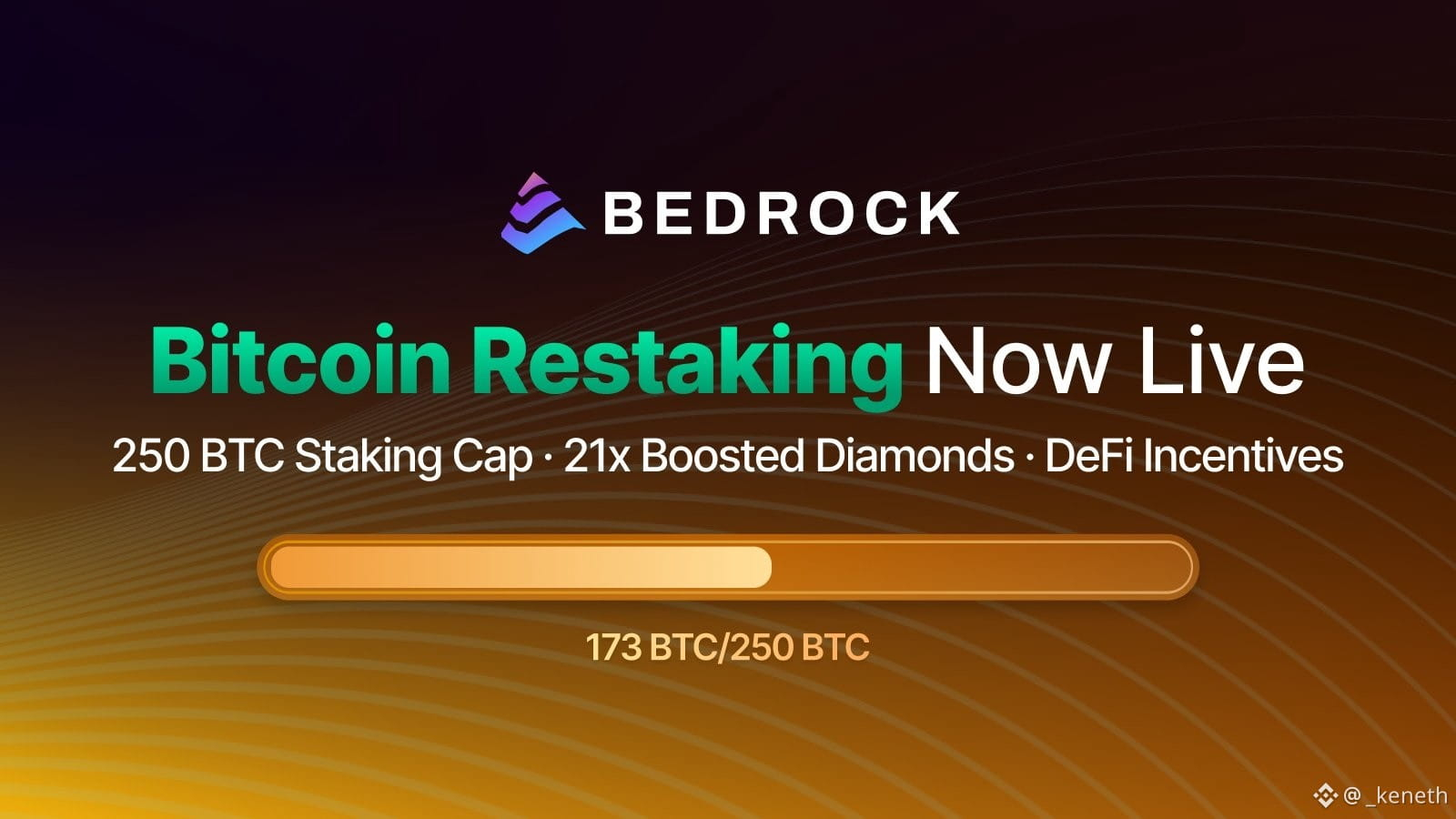
What stands out about Bedrock 2.0 is its vision of combining liquid staking and restaking into a more interconnected ecosystem. Instead of viewing staking as the final destination, the model treats staked assets as productive building blocks that can potentially participate across multiple layers of DeFi.
The real opportunity isn't just higher rewards. It's creating an environment where liquidity, security, and utility can coexist.
If this approach continues gaining traction, protocols that maximize capital efficiency may become the backbone of the next generation of decentralized finance.
Do you think capital efficiency will become the defining metric for DeFi success over the next few years?
#Bedrock #Bedrock20 #DeFi: #Restaking #Web3 #bedrock $BR
The Evolution of Capital Efficiency
📊
One of the biggest shifts happening in DeFi right now is the race for capital efficiency, and Bedrock 2.0 is an interesting example of that evolution.
For years, staking was largely a passive activity. Users locked assets, earned rewards, and waited. While effective for network security, it often left capital underutilized. The next phase of DeFi is focused on making every asset work harder without sacrificing flexibility.
What stands out about Bedrock 2.0 is its vision of combining liquid staking and restaking into a more interconnected ecosystem. Instead of viewing staking as the final destination, the model treats staked assets as productive building blocks that can potentially participate across multiple layers of DeFi.
The real opportunity isn't just higher rewards. It's creating an environment where liquidity, security, and utility can coexist.
If this approach continues gaining traction, protocols that maximize capital efficiency may become the backbone of the next generation of decentralized finance.
Do you think capital efficiency will become the defining metric for DeFi success over the next few years?
#Bedrock #Bedrock20 #DeFi: #Restaking #Web3 #bedrock $BR
📊
One of the biggest shifts happening in DeFi right now is the race for capital efficiency, and Bedrock 2.0 is an interesting example of that evolution.
For years, staking was largely a passive activity. Users locked assets, earned rewards, and waited. While effective for network security, it often left capital underutilized. The next phase of DeFi is focused on making every asset work harder without sacrificing flexibility.
What stands out about Bedrock 2.0 is its vision of combining liquid staking and restaking into a more interconnected ecosystem. Instead of viewing staking as the final destination, the model treats staked assets as productive building blocks that can potentially participate across multiple layers of DeFi.
The real opportunity isn't just higher rewards. It's creating an environment where liquidity, security, and utility can coexist.
If this approach continues gaining traction, protocols that maximize capital efficiency may become the backbone of the next generation of decentralized finance.
Do you think capital efficiency will become the defining metric for DeFi success over the next few years?
#Bedrock #Bedrock20 #DeFi: #Restaking #Web3 #bedrock $BR
1
91
Anmelden und weiter Inhalte entdecken
Krypto-Nutzer weltweit auf Binance Square kennenlernen
⚡️ Bleib in Sachen Krypto stets am Puls.
💬 Die weltgrößte Kryptobörse vertraut darauf.
👍 Erhalte verlässliche Einblicke von verifizierten Creators.
E-Mail-Adresse/Telefonnummer
Trendthemen
1
#ChainlinkPowersBottomlinePaymentPlatform
262 Aufrufe
43 Kommentare
2
#StellarActivatesProtocol28At211TPS
7,749 Aufrufe
240 Kommentare
3
#SECGrantsInnovationExemptionForTokenizedStocks
6,497 Aufrufe
204 Kommentare
4
#XRPGains3%AsRippleAddsMPPSupport
4,784 Aufrufe
148 Kommentare
5
#SPGlobalToAcquireOpenZeppelin
3,068 Aufrufe
118 Kommentare
6
#WorldLaunchesSelfCustodyAppIn150Countries
841 Aufrufe
46 Kommentare
7
#BitcoinSurpasses$77000
20,799 Aufrufe
245 Kommentare
8
#ParadigmDisclosesZECHolding
89,925 Aufrufe
1,244 Kommentare
9
#BitcoinETFsShed$450M
29,120 Aufrufe
230 Kommentare
10
#USWeeklyJoblessClaimsFallTo196K
48,680 Aufrufe
714 Kommentare