

#falconfi̇nance
falconfi̇nance
39,373 Aufrufe
1,341 Kommentare
Hot
Zuletzt

Übersetzung ansehen
FALCON FINANCE: WHAT IF YOU DIDN'T HAVE TO SELL YOUR ASSETS TO ACCESS LIQUIDITY? 👀
I've been looking at Falcon Finance lately, and one thing caught my attention.
In crypto, holding an asset and having liquidity are often two different things. You might believe in a project long term, but sometimes you need access to dollars without selling what you're holding.
That's the problem Falcon Finance is trying to solve.
Its protocol allows users to deposit eligible liquid assets, including digital tokens and tokenized real-world assets, as collateral to mint USDf, an overcollateralized synthetic dollar.
The idea sounds interesting. Instead of selling an asset to free up capital, you could potentially keep your exposure while accessing onchain liquidity.
But here's where I start asking questions.
How well does the collateral system perform when markets turn ugly? How resilient is USDf during extreme volatility? And how sustainable is the yield generated across the ecosystem?
Because building a synthetic dollar is one thing. Maintaining its stability when everyone suddenly wants liquidity is a completely different challenge.
I think the bigger story here isn't simply another dollar-pegged token. It's whether collateral can become more useful across DeFi without introducing risks that users don't fully understand.
I'm interested in seeing how Falcon handles the difficult market conditions, not just how the protocol looks when everything is going well.
Useful infrastructure is proven under pressure, not during a bull market.
What's your take on Falcon Finance? Is universal collateralization a meaningful step forward for DeFi, or does it introduce risks that the market may be underestimating?
@falcon_finance #FalconFİnance $FF
{spot}(FFUSDT)
FALCON FINANCE: WHAT IF YOU DIDN'T HAVE TO SELL YOUR ASSETS TO ACCESS LIQUIDITY? 👀
I've been looking at Falcon Finance lately, and one thing caught my attention.
In crypto, holding an asset and having liquidity are often two different things. You might believe in a project long term, but sometimes you need access to dollars without selling what you're holding.
That's the problem Falcon Finance is trying to solve.
Its protocol allows users to deposit eligible liquid assets, including digital tokens and tokenized real-world assets, as collateral to mint USDf, an overcollateralized synthetic dollar.
The idea sounds interesting. Instead of selling an asset to free up capital, you could potentially keep your exposure while accessing onchain liquidity.
But here's where I start asking questions.
How well does the collateral system perform when markets turn ugly? How resilient is USDf during extreme volatility? And how sustainable is the yield generated across the ecosystem?
Because building a synthetic dollar is one thing. Maintaining its stability when everyone suddenly wants liquidity is a completely different challenge.
I think the bigger story here isn't simply another dollar-pegged token. It's whether collateral can become more useful across DeFi without introducing risks that users don't fully understand.
I'm interested in seeing how Falcon handles the difficult market conditions, not just how the protocol looks when everything is going well.
Useful infrastructure is proven under pressure, not during a bull market.
What's your take on Falcon Finance? Is universal collateralization a meaningful step forward for DeFi, or does it introduce risks that the market may be underestimating?
@Falcon Finance #FalconFİnance $FF

129

·
--
Bullisch
Übersetzung ansehen
🔓 $FF faces a roughly $20M token unlock — but that isn't $20M in confirmed selling
Falcon Finance has a major vesting event scheduled for October 29, with trackers estimating around 209–211 million FF, roughly 2.1% of total supply
$FF
{future}(FFUSDT)
The allocations span ecosystem, foundation, team and investors
💰 Here's the liquidity contrast
At the latest Binance snapshot, FF traded near $0.096, with approximately $3.7M in FF/USDT Spot volume over 24 hours
The estimated unlock value is far larger than turnover on that single Spot pair — though other trading venues also matter
{spot}(FFUSDT)
⚠️ Unlocking creates potential supply, not automatic sell orders
Recipients may hold, stake, transfer or sell
📊 The useful confirmation isn't the calendar alone
Watch recipient-wallet transfers, exchange inflows, Spot selling pressure and whether Futures OI expands as price weakens
An unlock is a supply event — a sell-off requires actual sellers
#ff #FalconFİnance #TokenUnlock
🔓 $FF faces a roughly $20M token unlock — but that isn't $20M in confirmed selling
Falcon Finance has a major vesting event scheduled for October 29, with trackers estimating around 209–211 million FF, roughly 2.1% of total supply
$FF
The allocations span ecosystem, foundation, team and investors
💰 Here's the liquidity contrast
At the latest Binance snapshot, FF traded near $0.096, with approximately $3.7M in FF/USDT Spot volume over 24 hours
The estimated unlock value is far larger than turnover on that single Spot pair — though other trading venues also matter
⚠️ Unlocking creates potential supply, not automatic sell orders
Recipients may hold, stake, transfer or sell
📊 The useful confirmation isn't the calendar alone
Watch recipient-wallet transfers, exchange inflows, Spot selling pressure and whether Futures OI expands as price weakens
An unlock is a supply event — a sell-off requires actual sellers
#ff #FalconFİnance #TokenUnlock

13

·
--
Bullisch
🚀 Wie lassen sich tokenisierte Vermögenswerte (Tokenized Assets) in DeFi produktiv einsetzen?
Das Projekt Falcon Finance stellte eine innovative Lösung vor, bei der tokenisierte Aktien (Tokenized Equities) als Sicherheiten (Collateral) für die Prägung des Stablecoins USDf verwendet werden. So können Anleger Renditen erzielen, ohne ihre Vermögenswerte verkaufen zu müssen.
⚡ Lösung des Problems der Preisstellung an Feiertagen (Weekend Pricing):
Wer Finanzpositionen mit echten Aktien absichert, die am Wochenende nicht gehandelt werden, steht vor einer Herausforderung:
Die Prägung gegen tokenisierte Aktien ist nur während der Handelszeiten des US-Marktes möglich.
Das Protokoll nutzt direkte Preisfeeds des Chainlink-Netzwerks ($LINK), um Stabilität zu gewährleisten und eine Prägung auf Grundlage veralteter oder ungenauer Preise zu vermeiden.
📊 Direkte Auswirkungen auf den Coin $LINK (Chainlink):
Die zunehmende Nutzung traditioneller Finanzanlagen (RWA) in DeFi-Protokollen stärkt die grundlegende Abhängigkeit vom Chainlink-Netzwerk als wichtigstem Oracle-Anbieter für Echtzeitpreise. Dadurch steigt der praktische Nutzen und die Integrationsfähigkeit des LINK-Coins am Markt.
#LINK #FalconFİnance #RWA #Oracle
$LINK $FF
{spot}(FFUSDT)
{spot}(LINKUSDT)
🚀 Wie lassen sich tokenisierte Vermögenswerte (Tokenized Assets) in DeFi produktiv einsetzen?
Das Projekt Falcon Finance stellte eine innovative Lösung vor, bei der tokenisierte Aktien (Tokenized Equities) als Sicherheiten (Collateral) für die Prägung des Stablecoins USDf verwendet werden. So können Anleger Renditen erzielen, ohne ihre Vermögenswerte verkaufen zu müssen.
⚡ Lösung des Problems der Preisstellung an Feiertagen (Weekend Pricing):
Wer Finanzpositionen mit echten Aktien absichert, die am Wochenende nicht gehandelt werden, steht vor einer Herausforderung:
Die Prägung gegen tokenisierte Aktien ist nur während der Handelszeiten des US-Marktes möglich.
Das Protokoll nutzt direkte Preisfeeds des Chainlink-Netzwerks ($LINK ), um Stabilität zu gewährleisten und eine Prägung auf Grundlage veralteter oder ungenauer Preise zu vermeiden.
📊 Direkte Auswirkungen auf den Coin $LINK (Chainlink):
Die zunehmende Nutzung traditioneller Finanzanlagen (RWA) in DeFi-Protokollen stärkt die grundlegende Abhängigkeit vom Chainlink-Netzwerk als wichtigstem Oracle-Anbieter für Echtzeitpreise. Dadurch steigt der praktische Nutzen und die Integrationsfähigkeit des LINK-Coins am Markt.
#LINK #FalconFİnance #RWA #Oracle
$LINK $FF
1
57

·
--
Bärisch
Verifiziert
🚨 141 Mio. $ KLAGE — UND $FF IST BEREITS UM 15 % IN 7 TAGEN GEFALLEN.
Mit DWF verbundene Unternehmen verklagen BitGo und behaupten, dass Falcon Finance- und ESPORTS-Token vor Ablauf ihrer vereinbarten Lock-up-Perioden verkauft wurden.
Die Klage wurde Anfang dieses Monats gemeldet und zieht nun erneut Aufmerksamkeit auf sich.
📉 $FF : -15 % in 7 Tagen
📉 30-Tage-Performance: -29 %
📊 Preis nahe 0,106 $
Die Vorwürfe wurden vor Gericht nicht bewiesen, und der Kursrückgang lässt sich nicht allein auf die Klage zurückführen.
⚡ DIE EIGENTLICHE FRAGE:
Wenn Token-Lock-ups nicht zu vertrauen ist, was bedeutet das für das Marktvertrauen?
$FF -Inhaber — beobachtet ihr die Unterstützung bei 0,105 $?
#FalconFİnance #CryptoNews
{future}(FFUSDT)
🚨 141 Mio. $ KLAGE — UND $FF IST BEREITS UM 15 % IN 7 TAGEN GEFALLEN.
Mit DWF verbundene Unternehmen verklagen BitGo und behaupten, dass Falcon Finance- und ESPORTS-Token vor Ablauf ihrer vereinbarten Lock-up-Perioden verkauft wurden.
Die Klage wurde Anfang dieses Monats gemeldet und zieht nun erneut Aufmerksamkeit auf sich.
📉 $FF : -15 % in 7 Tagen
📉 30-Tage-Performance: -29 %
📊 Preis nahe 0,106 $
Die Vorwürfe wurden vor Gericht nicht bewiesen, und der Kursrückgang lässt sich nicht allein auf die Klage zurückführen.
⚡ DIE EIGENTLICHE FRAGE:
Wenn Token-Lock-ups nicht zu vertrauen ist, was bedeutet das für das Marktvertrauen?
$FF -Inhaber — beobachtet ihr die Unterstützung bei 0,105 $?
#FalconFİnance #CryptoNews

135


·
--
Falcon Finance dringt in institutionelle Märkte ein
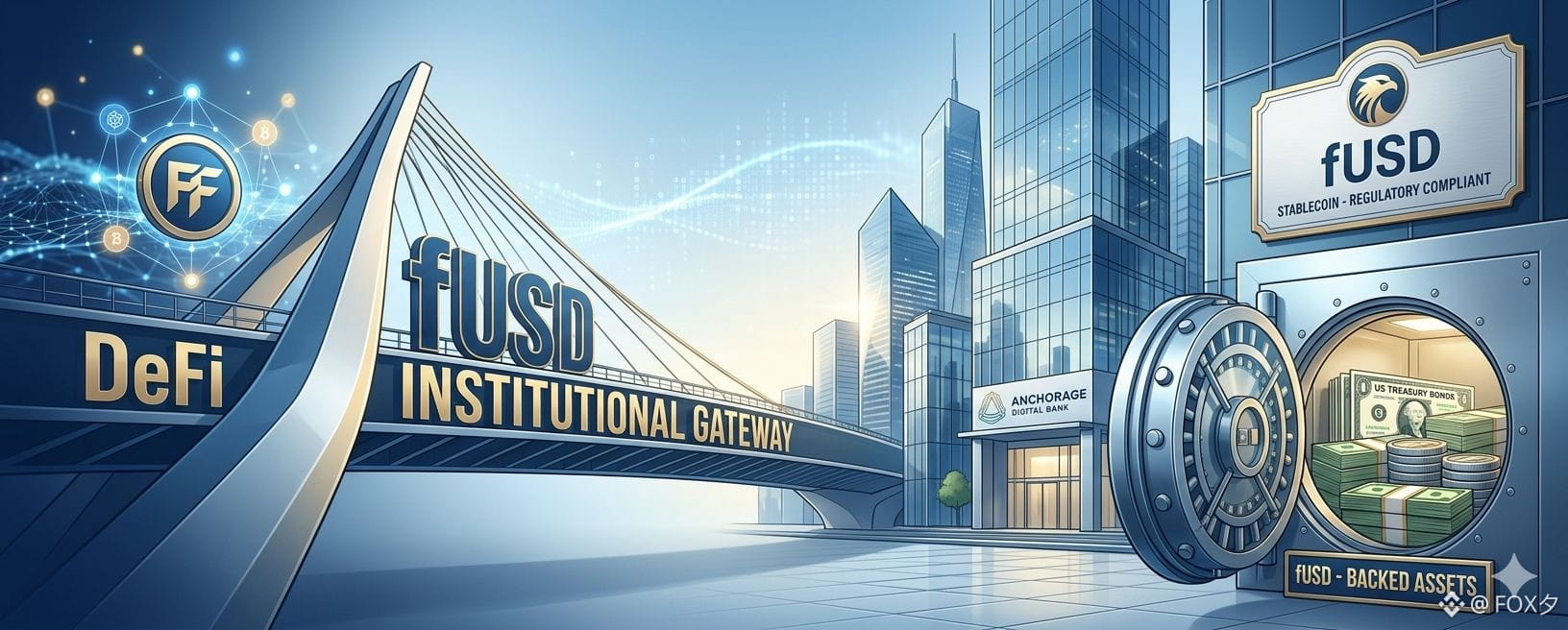
Falcon Finance zieht Aufmerksamkeit auf sich, nachdem es fUSD, einen neuen Stablecoin für institutionelle Nutzer, eingeführt hat. Durch die Partnerschaft mit der Anchorage Digital Bank bringt das Projekt ein reguliertes digitales Dollarprodukt auf den Markt, das durch sichere Reserven unterstützt wird und sich an den sich entwickelnden US-Stablecoin-Regeln orientiert.
Der Launch signalisiert einen breiteren Wandel über DeFi hinaus, da Falcon darauf abzielt, institutionelles Kapital anzuziehen und eine stärkere Finanzinfrastruktur aufzubauen. Wenn die Akzeptanz wächst, könnte fUSD neue Liquidität bringen und die Aktivität im gesamten Falcon-Ökosystem stärken.
Zur gleichen Zeit hat der FF-Token relative Stärke gezeigt, trotz der Schwäche im breiteren Kryptomarkt. Diese Bewegung spiegelt starkes Interesse der Trader wider, obwohl die Preisbewegungen weiterhin stark von der Stimmung und spekulativen Aktivitäten beeinflusst werden.
Insgesamt verfolgt Falcon eine doppelte Strategie: regulierungsfreundliche Produkte für Institutionen aufzubauen und gleichzeitig die Dynamik rund um seinen nativen Token aufrechtzuerhalten. Die entscheidende Frage ist nun, ob fUSD eine bedeutende Akzeptanz erreichen kann und langfristigen Wert für das FF-Ökosystem schaffen kann. #FalconFİnance $FF
1
7
757
·
--
Bullisch
Die Falcon Finance Group hat eine regulierte Plattform zur Tokenisierung realer Vermögenswerte in El Salvador gestartet.
Die ersten Transaktionen begannen sich zu konkretisieren: Ein strukturierter Finanzierungsrahmen für Grafikprozessoren (GPU) für die Recheninfrastruktur für Künstliche Intelligenz, wobei das Unternehmen NEAR AI der Hauptabnehmer dieser Rechenleistung ist.
#FalconFİnance #Near
$FF $NEAR
{spot}(NEARUSDT)
{spot}(FFUSDT)
Die Falcon Finance Group hat eine regulierte Plattform zur Tokenisierung realer Vermögenswerte in El Salvador gestartet.
Die ersten Transaktionen begannen sich zu konkretisieren: Ein strukturierter Finanzierungsrahmen für Grafikprozessoren (GPU) für die Recheninfrastruktur für Künstliche Intelligenz, wobei das Unternehmen NEAR AI der Hauptabnehmer dieser Rechenleistung ist.
#FalconFİnance #Near
$FF $NEAR
Die ersten Transaktionen begannen sich zu konkretisieren: Ein strukturierter Finanzierungsrahmen für Grafikprozessoren (GPU) für die Recheninfrastruktur für Künstliche Intelligenz, wobei das Unternehmen NEAR AI der Hauptabnehmer dieser Rechenleistung ist.
#FalconFİnance #Near
$FF $NEAR
1
145

·
--
Artikel
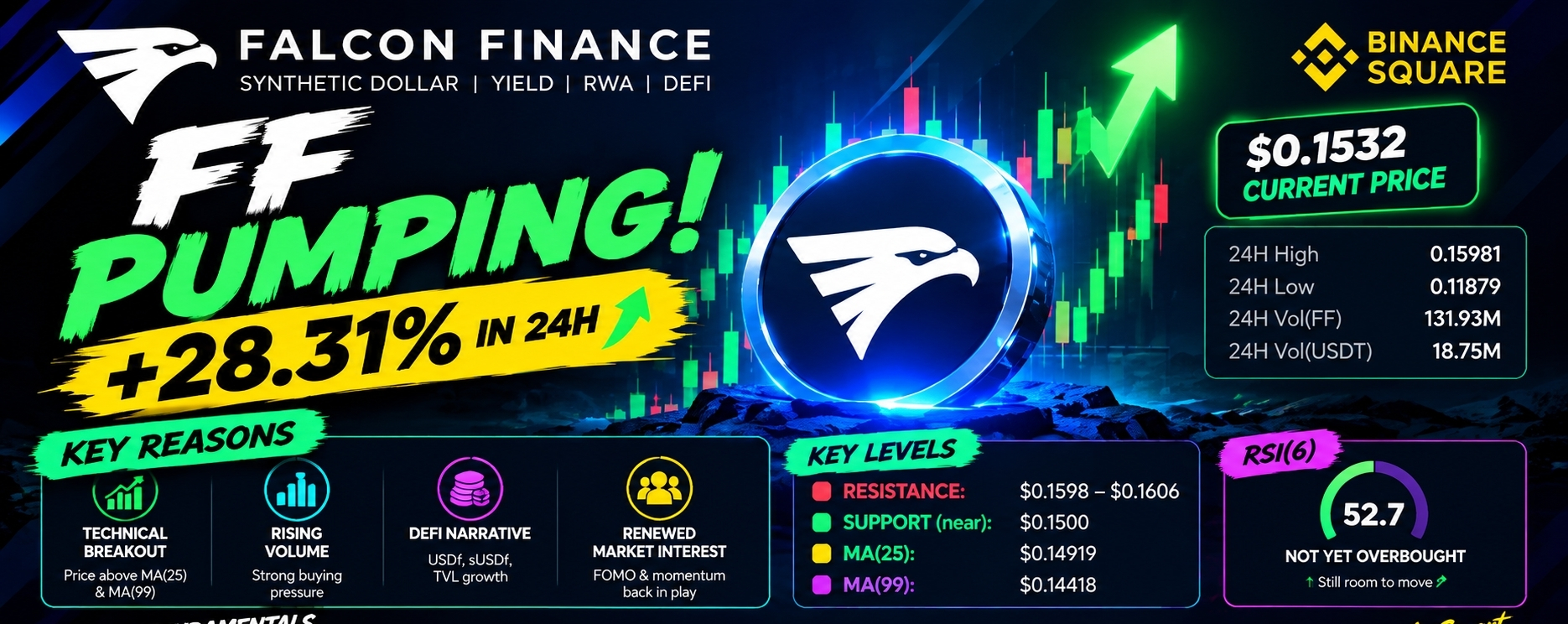
🚀 Warum pumpt $FF? Falcon-Finance-Rallye erklärt$FF (Falcon Finance) zeigt eine starke bullische Bewegung, wobei der Chart in deinem Screenshot einen Preis um $0.1532 zeigt, +28.31% in 24H nach oben, nachdem zuvor $0.15981 erreicht wurde. Der erste wichtige Grund ist ein klarer technischer Ausbruch: $FF ist scharf von der vorherigen Konsolidierung um $0.145–$0.150 weggegangen, während das Handelsvolumen deutlich angestiegen ist. Dein 15-Minuten-Chart zeigt MA(25) bei $0.14919 und MA(99) bei $0.14418, beide unter dem Preis, was bestätigt, dass die kurzfristige Struktur bullisch geworden ist. Der Volumen-Boost ist besonders wichtig, weil er darauf hindeutet, dass die Bewegung frische Beteiligung anzieht und nicht nur ein reiner Sprung bei niedrigem Volumen ist. Aktuelle Marktdaten zeigen außerdem, dass FF heute zu den stärker performenden Krypto-Assets zählt, mit grob +23%–24% Zuwächsen, je nach Datenquelle/Zeit. �
🚀 Warum pumpt $FF? Falcon-Finance-Rallye erklärt
$FF (Falcon Finance) zeigt eine starke bullische Bewegung, wobei der Chart in deinem Screenshot einen Preis um $0.1532 zeigt, +28.31% in 24H nach oben, nachdem zuvor $0.15981 erreicht wurde. Der erste wichtige Grund ist ein klarer technischer Ausbruch: $FF ist scharf von der vorherigen Konsolidierung um $0.145–$0.150 weggegangen, während das Handelsvolumen deutlich angestiegen ist. Dein 15-Minuten-Chart zeigt MA(25) bei $0.14919 und MA(99) bei $0.14418, beide unter dem Preis, was bestätigt, dass die kurzfristige Struktur bullisch geworden ist. Der Volumen-Boost ist besonders wichtig, weil er darauf hindeutet, dass die Bewegung frische Beteiligung anzieht und nicht nur ein reiner Sprung bei niedrigem Volumen ist. Aktuelle Marktdaten zeigen außerdem, dass FF heute zu den stärker performenden Krypto-Assets zählt, mit grob +23%–24% Zuwächsen, je nach Datenquelle/Zeit. �
2
90

·
--
Bullisch
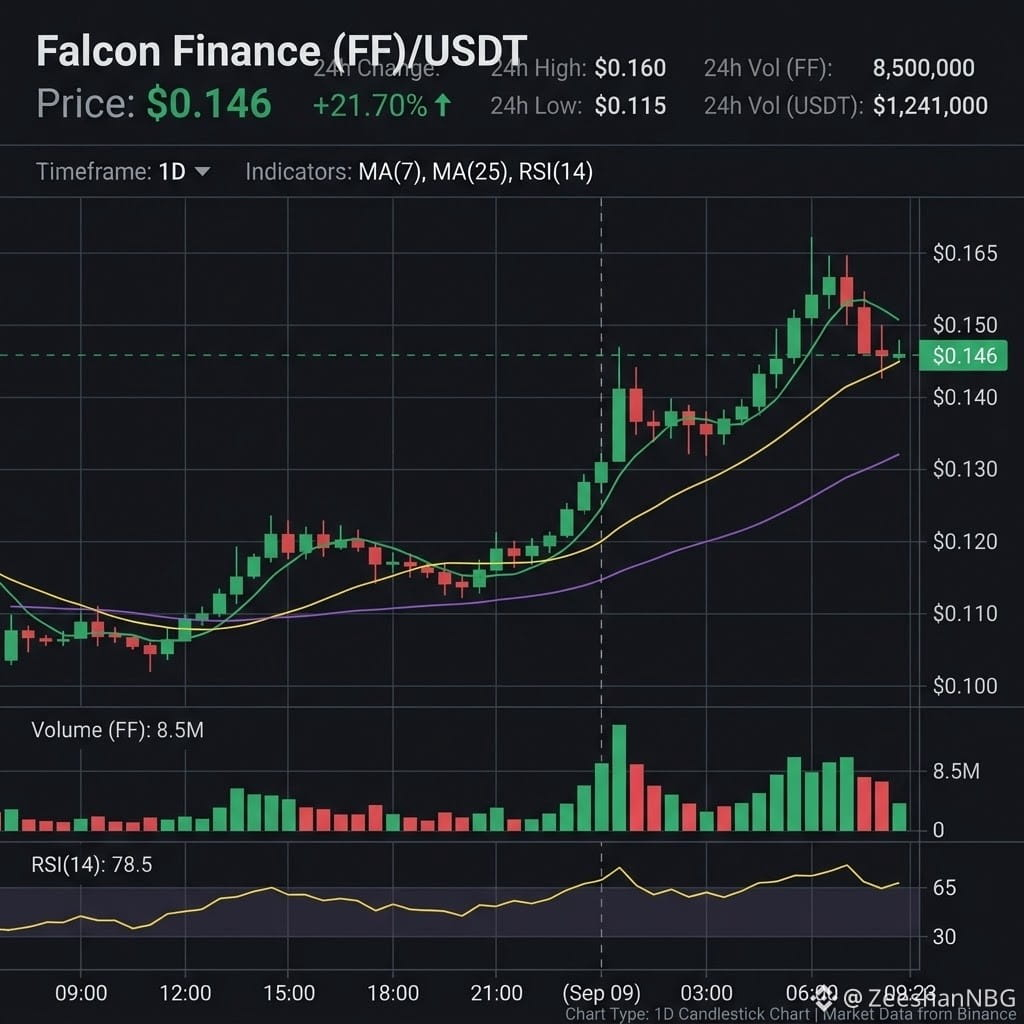
$FF zerlegt es heute absolut, mit einem massiven Anstieg von +21,70 %, und wird derzeit um etwa 0,146 $ gehandelt! 🚀 Ich habe diesen Ausbruch früh erwischt und mir solide Gewinne gesichert, aber der Schwung sieht immer noch unglaublich stark aus. Glaubt ihr, dass $FF weiter Widerstände durchbrechen wird, oder ist ein Rücksetzer unmittelbar bevorstehend? Lasst mich eure Meinung unten wissen!
{spot}(FFUSDT)
#ff #FalconFİnance #topgainer
$FF zerlegt es heute absolut, mit einem massiven Anstieg von +21,70 %, und wird derzeit um etwa 0,146 $ gehandelt! 🚀 Ich habe diesen Ausbruch früh erwischt und mir solide Gewinne gesichert, aber der Schwung sieht immer noch unglaublich stark aus. Glaubt ihr, dass $FF weiter Widerstände durchbrechen wird, oder ist ein Rücksetzer unmittelbar bevorstehend? Lasst mich eure Meinung unten wissen!
#ff #FalconFİnance #topgainer
#ff #FalconFİnance #topgainer
88

·
--
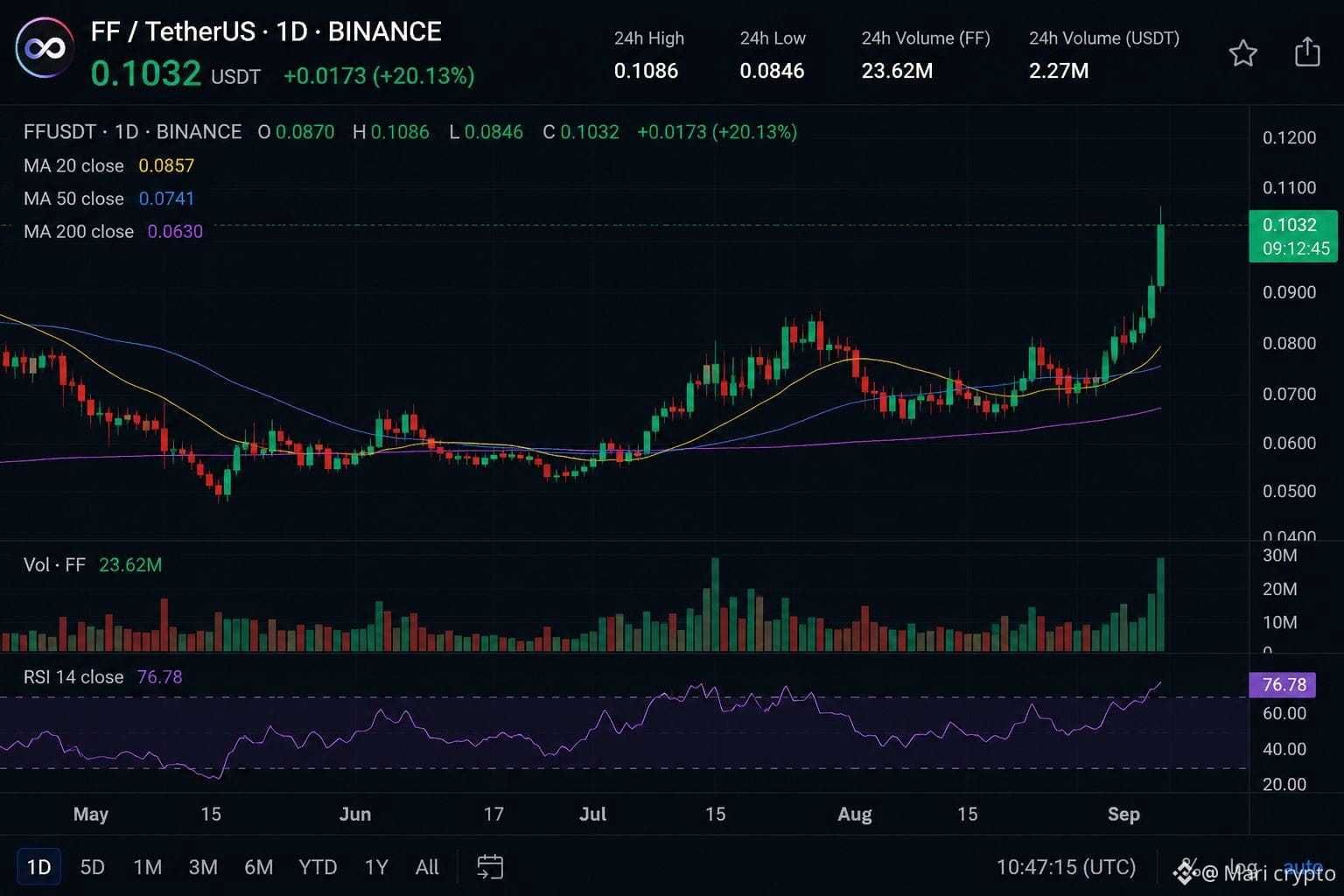
🚀 $FF IS MACHT HEUTE EINE GROßE BEWEGUNG! 🔥📈
Falcon Finance ($FF) erhält nach einem starken Anstieg große Aufmerksamkeit, da der Preis in den letzten 24 Stunden um etwa 20% gestiegen ist und das Handelsvolumen deutlich zunimmt.
⚡ Warum $FF is auf der Beobachtungsliste steht: 📈 Starker bullischer Momentum
🔥 Rasanter Anstieg des Handelsvolumens
💰 Zunehmendes Interesse am Falcon Finance-Ökosystem
👀 Hohe Volatilität, während der Markt die nächste Bewegung abwartet
$FF is ist definitiv eine der Münzen, die heute Aufmerksamkeit auf sich zieht! 🚀
Wird der Schwung anhalten, oder werden Trader nach dem starken Move einen Rücksetzer sehen? 👀
#ff #FalconFİnance #crypto
{spot}(FFUSDT)
🚀 $FF IS MACHT HEUTE EINE GROßE BEWEGUNG! 🔥📈
Falcon Finance ($FF ) erhält nach einem starken Anstieg große Aufmerksamkeit, da der Preis in den letzten 24 Stunden um etwa 20% gestiegen ist und das Handelsvolumen deutlich zunimmt.
⚡ Warum $FF is auf der Beobachtungsliste steht: 📈 Starker bullischer Momentum
🔥 Rasanter Anstieg des Handelsvolumens
💰 Zunehmendes Interesse am Falcon Finance-Ökosystem
👀 Hohe Volatilität, während der Markt die nächste Bewegung abwartet
$FF is ist definitiv eine der Münzen, die heute Aufmerksamkeit auf sich zieht! 🚀
Wird der Schwung anhalten, oder werden Trader nach dem starken Move einen Rücksetzer sehen? 👀
#ff #FalconFİnance #crypto
116

#FalconFİnance
📊 Marktanalyse: Falcon Finance ($FF )
Der Kurs des Falcon Finance-Tokens ($FF ) ist in den letzten 24 Stunden um 3,82% gefallen und liegt nun bei $0.0659. Trotz allem ist ein Anstieg der Handelsaktivität zu beobachten, zusammen mit einer Abweichung vom allgemeinen Markttrend.
📊 Wichtige Fakten und Kennzahlen
Anstieg des Handelsvolumens: Das Handelsvolumen für den Tag ist um 74,16% gestiegen und erreichte 31,44 Millionen US-Dollar. Das deutet auf hohe Liquidität und gestiegenes Interesse von Tradern hin.
Abweichung von Bitcoin: Vor dem Hintergrund der allgemeinen Markterholung und eines leichten Anstiegs von Bitcoin (+0,23%) zeigt der FF-Token einen Rückgang.
🎯 Wichtige Kursniveaus:
Widerstand: $0.067.
Aktuelle Unterstützung: $0.065.
Niedrigere Unterstützung: Wenn das aktuelle Niveau gebrochen wird, könnte der Preis auf $0.062–$0.063 fallen.
⚠️ Ein hohes Handelsvolumen während des Preisrückgangs deutet auf eine aktive Umverteilung von Positionen zwischen den Marktteilnehmern hin. Die nächsten 24–48 Stunden sind entscheidend, um das Niveau von $0.065 zu halten.
{future}(FFUSDT)
#FalconFİnance
📊 Marktanalyse: Falcon Finance ($FF )
Der Kurs des Falcon Finance-Tokens ($FF ) ist in den letzten 24 Stunden um 3,82% gefallen und liegt nun bei $0.0659. Trotz allem ist ein Anstieg der Handelsaktivität zu beobachten, zusammen mit einer Abweichung vom allgemeinen Markttrend.
📊 Wichtige Fakten und Kennzahlen
Anstieg des Handelsvolumens: Das Handelsvolumen für den Tag ist um 74,16% gestiegen und erreichte 31,44 Millionen US-Dollar. Das deutet auf hohe Liquidität und gestiegenes Interesse von Tradern hin.
Abweichung von Bitcoin: Vor dem Hintergrund der allgemeinen Markterholung und eines leichten Anstiegs von Bitcoin (+0,23%) zeigt der FF-Token einen Rückgang.
🎯 Wichtige Kursniveaus:
Widerstand: $0.067.
Aktuelle Unterstützung: $0.065.
Niedrigere Unterstützung: Wenn das aktuelle Niveau gebrochen wird, könnte der Preis auf $0.062–$0.063 fallen.
⚠️ Ein hohes Handelsvolumen während des Preisrückgangs deutet auf eine aktive Umverteilung von Positionen zwischen den Marktteilnehmern hin. Die nächsten 24–48 Stunden sind entscheidend, um das Niveau von $0.065 zu halten.
84

·
--
Bullisch
🚀 Falcon Finance ($FF
{spot}(FFUSDT)
) Heizt sich auf!
Falcon Finance zeigt derzeit starken Aufwind: In den letzten Sitzungen wurden zweistellige Kursgewinne erzielt. Historische Daten belegen, dass FF von etwa $0,065 Ende August auf etwa $0,119 Anfang September gestiegen ist, obwohl der Token auch scharfe tägliche Rücksetzer erlebt hat.
📈 Das ist eine ernstzunehmende Bewegung – aber auch eine Erinnerung daran, dass Volatilität in beide Richtungen wirkt.
FF auf deiner Beobachtungsliste? 👀
#FalconFİnance #ff #crypto #altcoins #defi
🚀 Falcon Finance ($FF
) Heizt sich auf!
Falcon Finance zeigt derzeit starken Aufwind: In den letzten Sitzungen wurden zweistellige Kursgewinne erzielt. Historische Daten belegen, dass FF von etwa $0,065 Ende August auf etwa $0,119 Anfang September gestiegen ist, obwohl der Token auch scharfe tägliche Rücksetzer erlebt hat.
📈 Das ist eine ernstzunehmende Bewegung – aber auch eine Erinnerung daran, dass Volatilität in beide Richtungen wirkt.
FF auf deiner Beobachtungsliste? 👀
#FalconFİnance #ff #crypto #altcoins #defi
2
63

·
--
Bärisch
🚀 $FF
{future}(FFUSDT)
gerade aufgewacht!
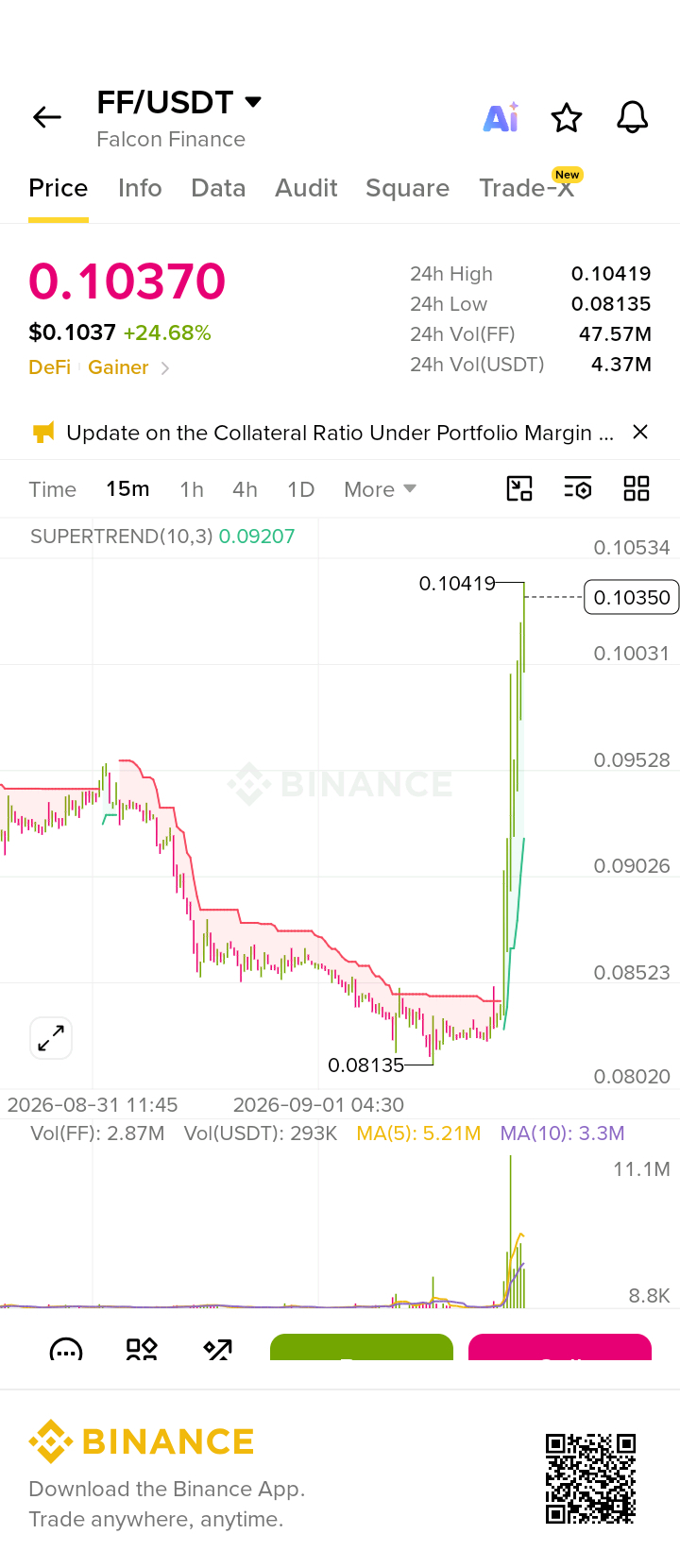
Falcon Finance (FF/USDT) führt die DeFi-Gewinner mit einem massiven Plus von +21,86% in den letzten 24h an!
📈 Aktueller Preis: 0,104
🔥 24h-Hoch: 0,1045
📉 24h-Tief: 0,08135
💰 24h-Volumen: 44,61 Mio. FF | 4,06 Mio. USDT
Nach einem anhaltenden Abwärtstrend ist FF mit einer starken grünen Kerze und einem deutlichen Volumen-Explosion nach oben ausgebrochen. Supertrend wurde gedreht und der Momentum-Shift ist klar erkennbar.
⚠️ Hinweis: Große Token-Unlocks für SUI, EIGEN & FF sind diese Woche geplant — behalte mögliche Volatilität im Blick.
Reitest du diesen Move oder wartest du auf einen Rücksetzer?
Teile deine Gedanken unten 👇
#ff #FalconFİnance #DeFi #Binance #crypto
🚀 $FF
gerade aufgewacht!
Falcon Finance (FF/USDT) führt die DeFi-Gewinner mit einem massiven Plus von +21,86% in den letzten 24h an!
📈 Aktueller Preis: 0,104
🔥 24h-Hoch: 0,1045
📉 24h-Tief: 0,08135
💰 24h-Volumen: 44,61 Mio. FF | 4,06 Mio. USDT
Nach einem anhaltenden Abwärtstrend ist FF mit einer starken grünen Kerze und einem deutlichen Volumen-Explosion nach oben ausgebrochen. Supertrend wurde gedreht und der Momentum-Shift ist klar erkennbar.
⚠️ Hinweis: Große Token-Unlocks für SUI, EIGEN & FF sind diese Woche geplant — behalte mögliche Volatilität im Blick.
Reitest du diesen Move oder wartest du auf einen Rücksetzer?
Teile deine Gedanken unten 👇
#ff #FalconFİnance #DeFi #Binance #crypto
1
386

·
--
Bullisch
🚀 $FF
{future}(FFUSDT)
/USDT Markt-Update**
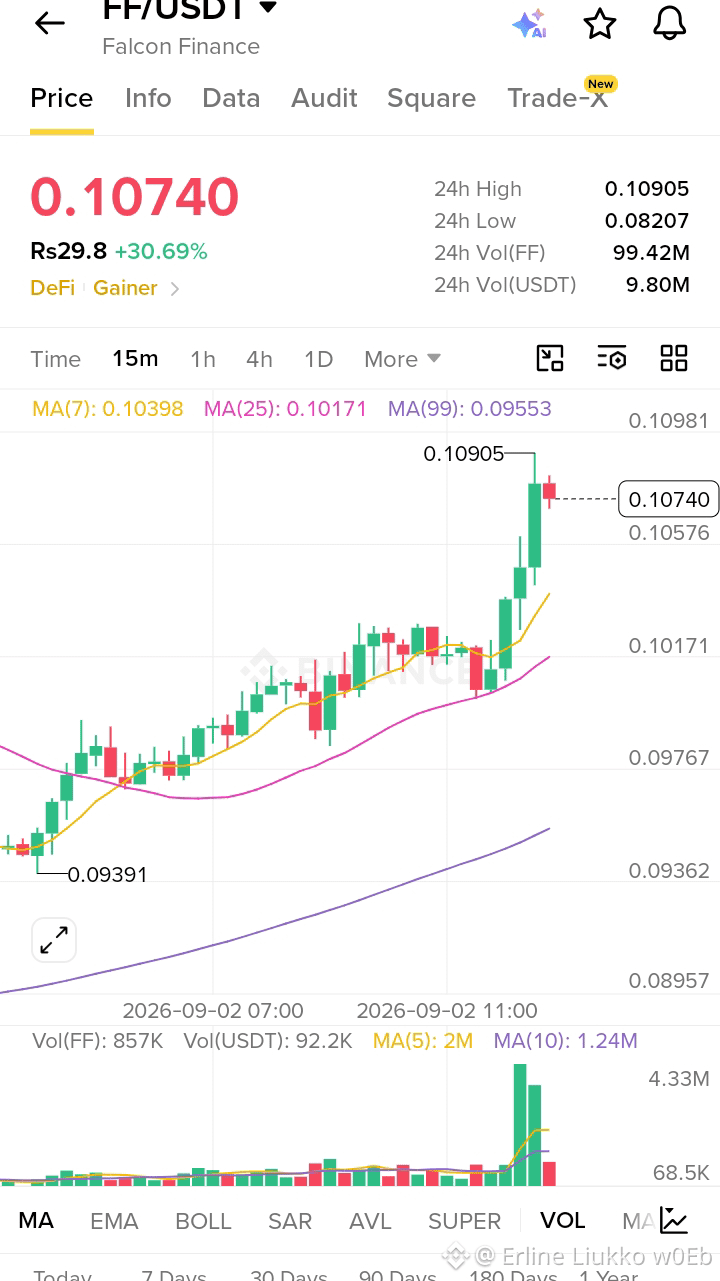
$FF zeigt starke bullische Dynamik und wird aktuell bei etwa **0.10740** gehandelt, mit **+30.69%** in 24 Std. 📈
🔹 24H Hoch: **0.10905**
🔹 24H Tief: **0.08207**
🔹 24H Volumen: **99.42M FF**
🔹 Starker Volumen-Spike + bullische Kursbewegung
🔥 **FF steht heute ganz klar auf dem Radar!**
#FF #FalconFİnance #FFUSDT #Crypto
🚀 $FF
/USDT Markt-Update**
$FF zeigt starke bullische Dynamik und wird aktuell bei etwa **0.10740** gehandelt, mit **+30.69%** in 24 Std. 📈
🔹 24H Hoch: **0.10905**
🔹 24H Tief: **0.08207**
🔹 24H Volumen: **99.42M FF**
🔹 Starker Volumen-Spike + bullische Kursbewegung
🔥 **FF steht heute ganz klar auf dem Radar!**
#FF #FalconFİnance #FFUSDT #Crypto
1
110

·
--
Bullisch
Hallo Krypto-Freunde 😊 📈 $FF Trading-Setup
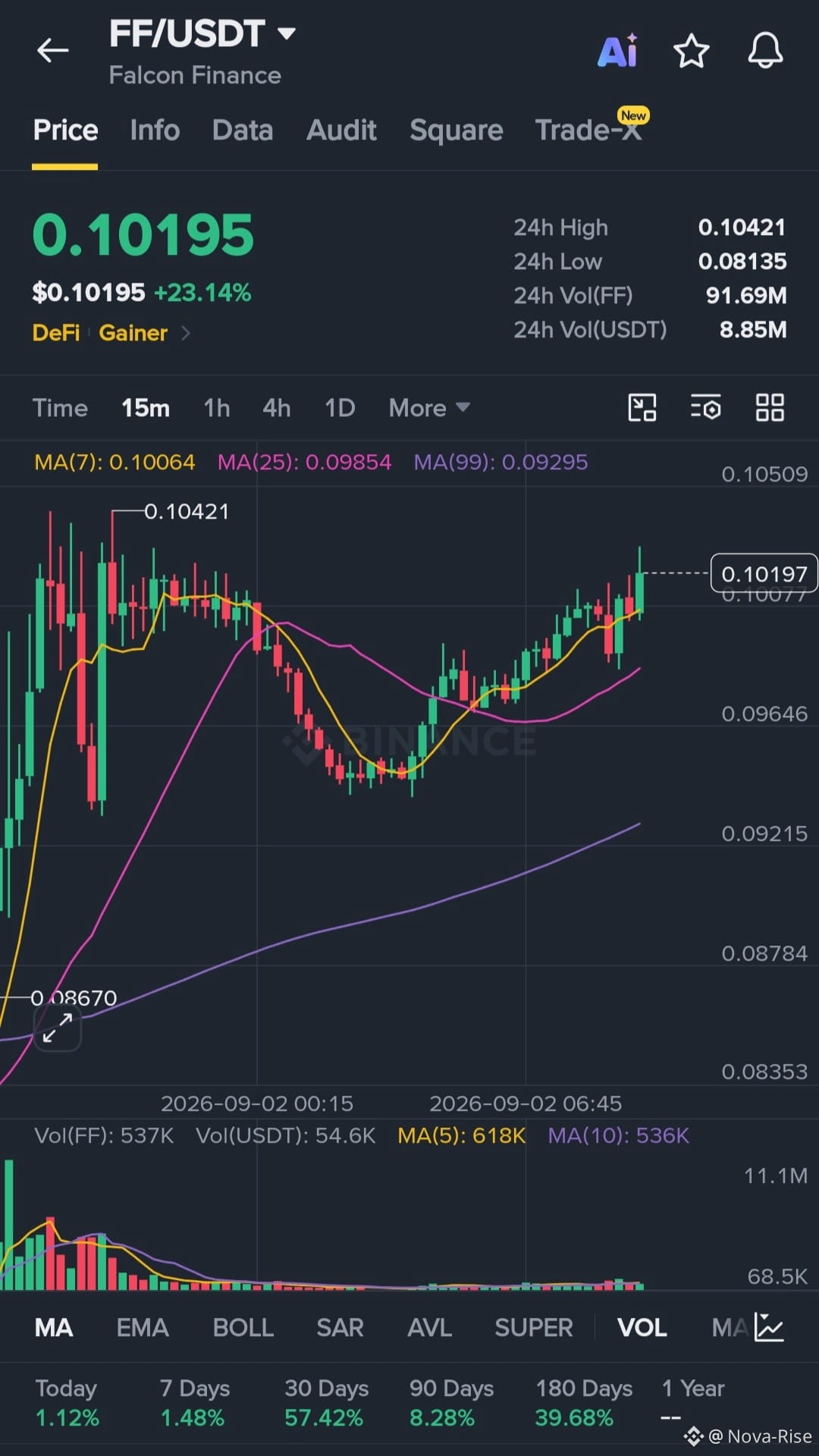
$FF zeigt eine bullische Intraday-Struktur: Der Kurs hält sich oberhalb der jüngsten Tagesrange und über den kurzfristigen gleitenden Durchschnitten. Der neueste Chart-Snapshot von Binance zeigt eine Spanne von 0.09694–0.09963, während der 7-Tage-MA in der Nähe von 0.09274 liegt und die kurzfristige Struktur konstruktiv hält. �
Binance
Trade-Idee
✅ Richtung: Long
Einstieg: 0.0970–0.0980
Stop Loss: 0.0948
Ziele:
🎯 TP1: 0.1015
🎯 TP2: 0.1050
Warum ich dieses Setup beobachte
• 0.0969 ist die wichtige nahe Unterstützung aus dem letzten Session-Tief. �
• Der Kurs handelt oberhalb der jüngsten kurzfristigen Moving-Average-Struktur. �
• Der RSI im FF-Perpetual-Markt liegt bei etwa 69: starke Dynamik, aber auch ein Hinweis, dass das Hinterherjagen eines Spikes riskant sein kann. �
• Die MACD-Signale neigen derzeit bullisch, daher bevorzuge ich einen kontrollierten Pullback statt den Kauf einer überdehnten Kerze.
Binance
Binance
MEXC
MEXC
Ich beobachte den Bereich 0.0970–0.0980 genau. Ich würde lieber sehen, dass Käufer diese Zone verteidigen, statt nach einem plötzlichen Ausbruch einzusteigen.
Risikomanagement ist hier wichtig, weil FF volatil ist. Behalte die Positionsgröße im Rahmen, respektiere den Stop Loss und erhöhe das Risiko nicht nur, weil die Dynamik stark aussieht.
Was denkt ihr?
Würdet ihr dieses Setup nehmen oder auf Bestätigung warten?
$FF
#FalconFİnance #FFUSDT #CryptoTrading. #BinanceSquare #KuwaitAirDefensesRespondToIranianDroneAttacks
{future}(FFUSDT)
Hallo Krypto-Freunde 😊 📈 $FF Trading-Setup
$FF zeigt eine bullische Intraday-Struktur: Der Kurs hält sich oberhalb der jüngsten Tagesrange und über den kurzfristigen gleitenden Durchschnitten. Der neueste Chart-Snapshot von Binance zeigt eine Spanne von 0.09694–0.09963, während der 7-Tage-MA in der Nähe von 0.09274 liegt und die kurzfristige Struktur konstruktiv hält. �
Binance
Trade-Idee
✅ Richtung: Long
Einstieg: 0.0970–0.0980
Stop Loss: 0.0948
Ziele:
🎯 TP1: 0.1015
🎯 TP2: 0.1050
Warum ich dieses Setup beobachte
• 0.0969 ist die wichtige nahe Unterstützung aus dem letzten Session-Tief. �
• Der Kurs handelt oberhalb der jüngsten kurzfristigen Moving-Average-Struktur. �
• Der RSI im FF-Perpetual-Markt liegt bei etwa 69: starke Dynamik, aber auch ein Hinweis, dass das Hinterherjagen eines Spikes riskant sein kann. �
• Die MACD-Signale neigen derzeit bullisch, daher bevorzuge ich einen kontrollierten Pullback statt den Kauf einer überdehnten Kerze.
Binance
Binance
MEXC
MEXC
Ich beobachte den Bereich 0.0970–0.0980 genau. Ich würde lieber sehen, dass Käufer diese Zone verteidigen, statt nach einem plötzlichen Ausbruch einzusteigen.
Risikomanagement ist hier wichtig, weil FF volatil ist. Behalte die Positionsgröße im Rahmen, respektiere den Stop Loss und erhöhe das Risiko nicht nur, weil die Dynamik stark aussieht.
Was denkt ihr?
Würdet ihr dieses Setup nehmen oder auf Bestätigung warten?
$FF
#FalconFİnance #FFUSDT #CryptoTrading. #BinanceSquare #KuwaitAirDefensesRespondToIranianDroneAttacks
1
96

·
--
Bullisch
$FF 🚀 Warum hält die FF weiterhin fest in der Spanne von über +10%?
Die FF übt weiterhin starken Kaufdruck und hohes Volumen auf der Binance aus, getragen vom Interesse am Falcon- Finance-Ökosystem und von der Infrastruktur des USDf. Wenn das Volumen weiter einfließt und die Käufer diese Zone verteidigen, kann es zu einem neuen Anstieg kommen — aber der Markt bleibt volatil und nichts ist garantiert. 📈
#FFT #FalconFİnance #BİNANCE #Crypto
{spot}(FFUSDT)
$FF 🚀 Warum hält die FF weiterhin fest in der Spanne von über +10%?
Die FF übt weiterhin starken Kaufdruck und hohes Volumen auf der Binance aus, getragen vom Interesse am Falcon- Finance-Ökosystem und von der Infrastruktur des USDf. Wenn das Volumen weiter einfließt und die Käufer diese Zone verteidigen, kann es zu einem neuen Anstieg kommen — aber der Markt bleibt volatil und nichts ist garantiert. 📈
#FFT #FalconFİnance #BİNANCE #Crypto

122

·
--
Bullisch
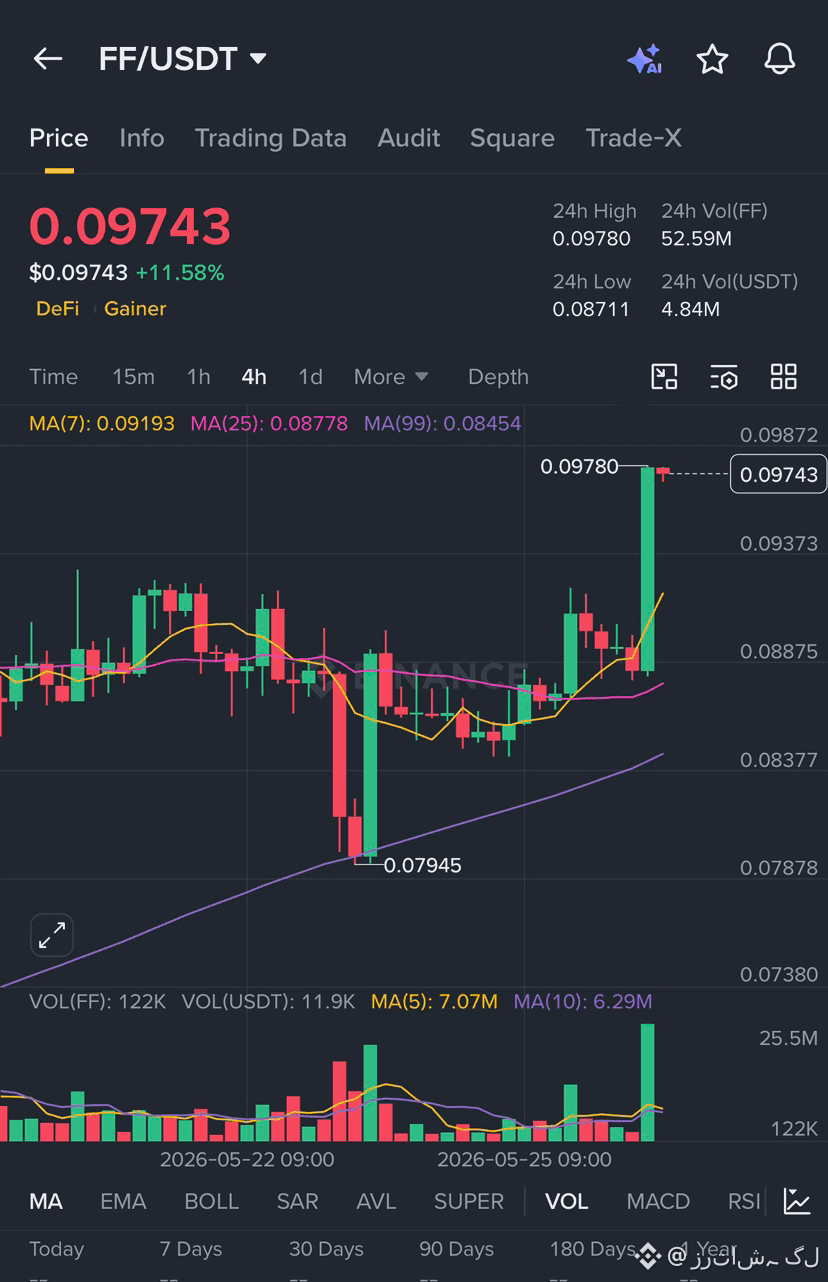
$FF zeigt heute echte Stärke, mit einem Plus von 11,43% auf $0,0973. Das Chart sieht solide aus, mit $0,09 als Unterstützung, die eine Basis für den nächsten Move bildet.
Die Stimmung ist stark bullish bei 91,6%, mit 53 KOLs, die posten, und das Suchinteresse steigt auf 1,4k. Käufer steigen ein und die Liquidität fließt, außerdem halten Events im Ökosystem das Engagement hoch.
Es gibt immer noch etwas Verkaufsdruck auf lange Sicht, aber der Momentum liegt eindeutig bei den Bullen gerade jetzt.
{spot}(FFUSDT)
#ff #FalconFİnance @falcon_finance
$FF zeigt heute echte Stärke, mit einem Plus von 11,43% auf $0,0973. Das Chart sieht solide aus, mit $0,09 als Unterstützung, die eine Basis für den nächsten Move bildet.
Die Stimmung ist stark bullish bei 91,6%, mit 53 KOLs, die posten, und das Suchinteresse steigt auf 1,4k. Käufer steigen ein und die Liquidität fließt, außerdem halten Events im Ökosystem das Engagement hoch.
Es gibt immer noch etwas Verkaufsdruck auf lange Sicht, aber der Momentum liegt eindeutig bei den Bullen gerade jetzt.
#ff #FalconFİnance @Falcon Finance
3
217
·
--
Bullisch
Der Marktwert des Unternehmens „Falcon Finance“ übersteigt 465 Millionen US-Dollar, nachdem er um 25% gestiegen ist und damit seinen höchsten Stand in vier Monaten erreicht hat. Der Marktwert von „Falcon Finance“ hat die Marke von 465 Millionen US-Dollar durchbrochen – und zwar nach einem Anstieg des Aktienkurses um 25% auf 0,159 US-Dollar, dem höchsten Stand seit vier Monaten. Angetrieben wird dies durch starken Kaufdruck und ein wachsendes Marktinteresse an ihrer umfassenden Infrastruktur für Sicherheiten.
#FalconFİnance #memecoins #defi
$FF
{spot}(FFUSDT)
Der Marktwert des Unternehmens „Falcon Finance“ übersteigt 465 Millionen US-Dollar, nachdem er um 25% gestiegen ist und damit seinen höchsten Stand in vier Monaten erreicht hat. Der Marktwert von „Falcon Finance“ hat die Marke von 465 Millionen US-Dollar durchbrochen – und zwar nach einem Anstieg des Aktienkurses um 25% auf 0,159 US-Dollar, dem höchsten Stand seit vier Monaten. Angetrieben wird dies durch starken Kaufdruck und ein wachsendes Marktinteresse an ihrer umfassenden Infrastruktur für Sicherheiten.
#FalconFİnance #memecoins #defi
$FF
#FalconFİnance #memecoins #defi
$FF
1
172

·
--
Bärisch
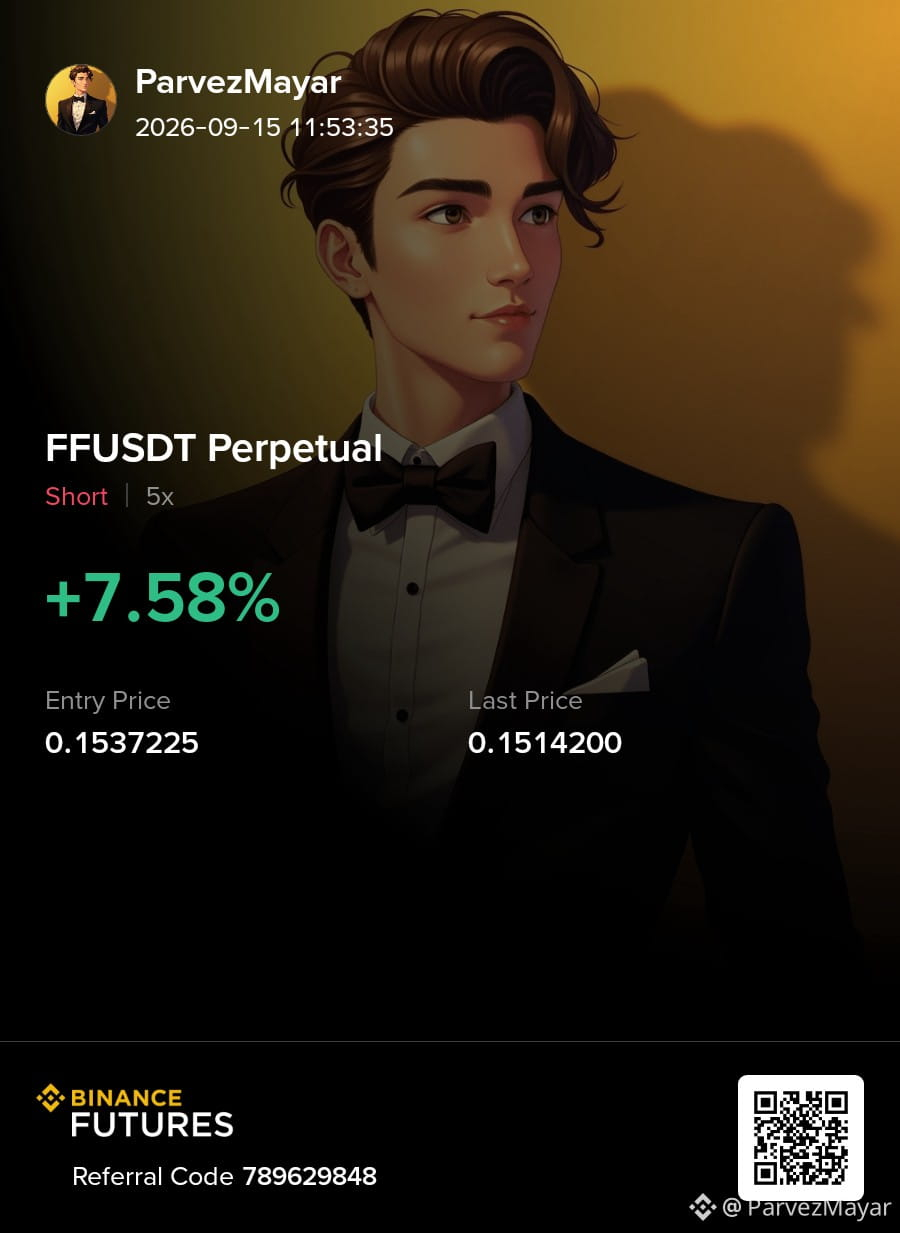
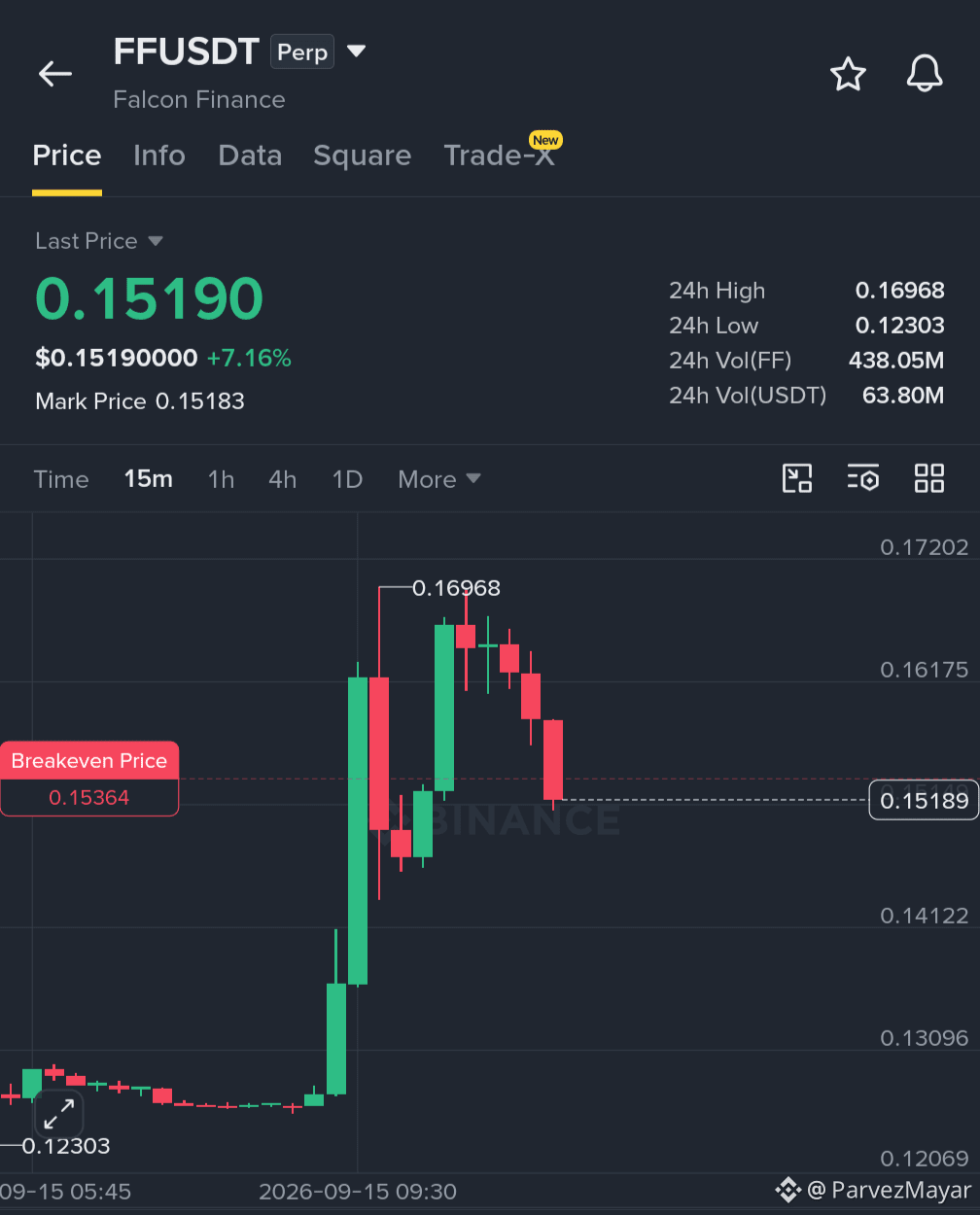
Ich gehe short auf $FF 🤑
🎯 ZIEL unter 0.140 $
Los geht’s.
{future}(FFUSDT)
$AIN
{future}(AINUSDT)
$POWER
{future}(POWERUSDT)
#FalconFİnance
#trading
Mach dir selbst eine Meinung (DYOR)!
Ich gehe short auf $FF 🤑
🎯 ZIEL unter 0.140 $
Los geht’s.
$AIN
$POWER
#FalconFİnance
#trading
Mach dir selbst eine Meinung (DYOR)!
🎯 ZIEL unter 0.140 $
Los geht’s.
$AIN
$POWER
#FalconFİnance
#trading
Mach dir selbst eine Meinung (DYOR)!
1
9
859

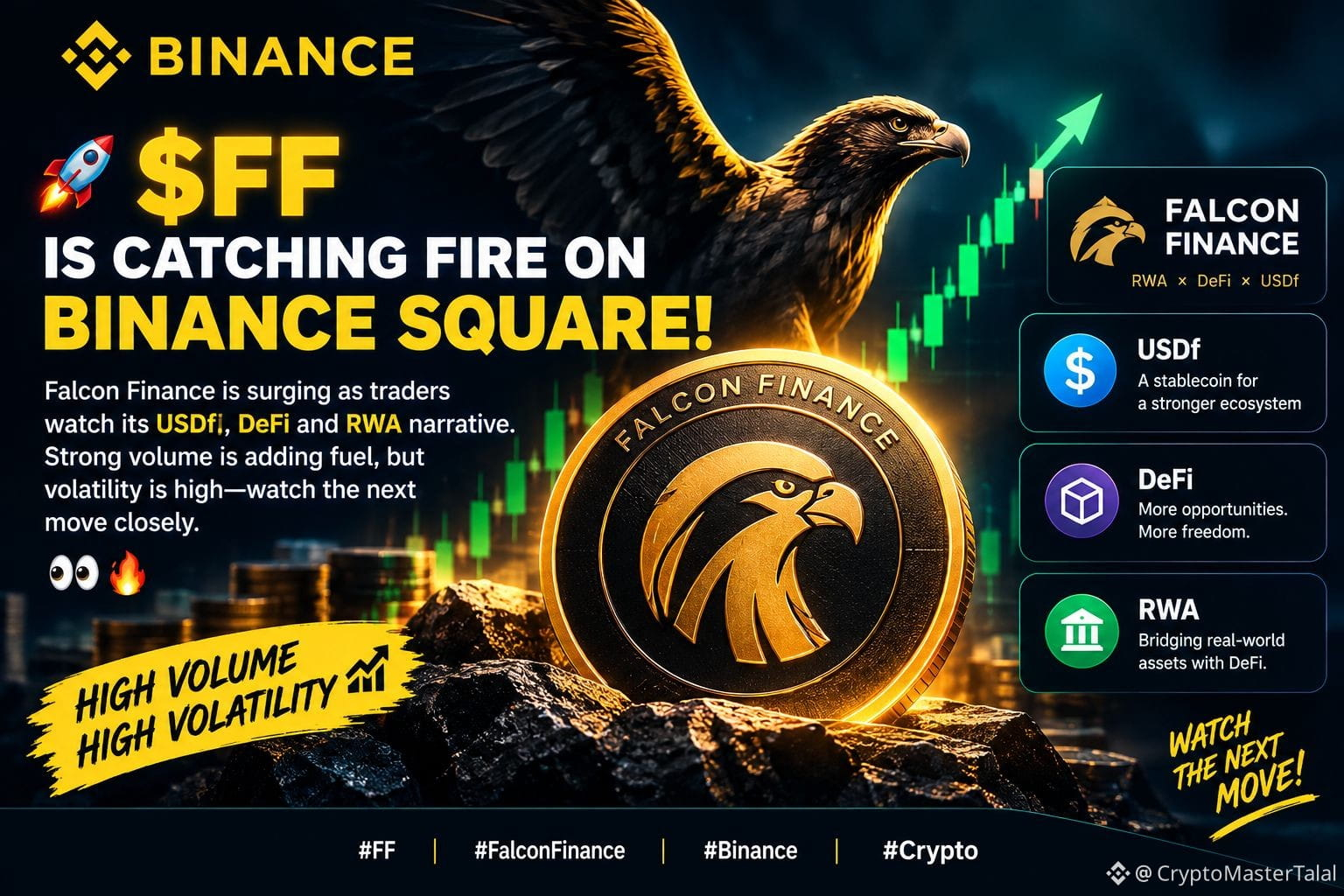
🚀 $FF fängt auf der Binance Square an zu brennen! Falcon Finance steigt stark, während Trader seine USDf-, DeFi- und RWA-Story im Blick haben. Starkes Volumen liefert zusätzliche Energie, aber die Volatilität ist hoch – beobachte die nächste Bewegung genau. 👀🔥 #ff #FalconFİnance #Binance #crypto
{spot}(FFUSDT)
🚀 $FF fängt auf der Binance Square an zu brennen! Falcon Finance steigt stark, während Trader seine USDf-, DeFi- und RWA-Story im Blick haben. Starkes Volumen liefert zusätzliche Energie, aber die Volatilität ist hoch – beobachte die nächste Bewegung genau. 👀🔥 #ff #FalconFİnance #Binance #crypto
76

·
--
#falconfinance $FF Falcon Finance positioniert sich als starker Akteur im DeFi-Bereich der nächsten Generation, indem das Unternehmen auf Effizienz, Transparenz und nachhaltige Renditemodelle setzt. Mit @falcon_finance, das echten Nutzen und langfristigen Mehrwert schafft, ist $FF definitiv ein Projekt, das man im Auge behalten sollte. Innovation, die von einer Vision getragen wird, setzt sich immer durch 🚀 #FalconFİnance
#falconfinance $FF Falcon Finance positioniert sich als starker Akteur im DeFi-Bereich der nächsten Generation, indem das Unternehmen auf Effizienz, Transparenz und nachhaltige Renditemodelle setzt. Mit @falcon_finance, das echten Nutzen und langfristigen Mehrwert schafft, ist $FF definitiv ein Projekt, das man im Auge behalten sollte. Innovation, die von einer Vision getragen wird, setzt sich immer durch 🚀 #FalconFİnance
7
Anmelden und weiter Inhalte entdecken
Krypto-Nutzer weltweit auf Binance Square kennenlernen
⚡️ Bleib in Sachen Krypto stets am Puls.
💬 Die weltgrößte Kryptobörse vertraut darauf.
👍 Erhalte verlässliche Einblicke von verifizierten Creators.
E-Mail-Adresse/Telefonnummer
Trendthemen
1
#FedWatch
16.2M Aufrufe
38,585 Kommentare
2
#EarningsSeason
6.3M Aufrufe
31,331 Kommentare
3
#USMidtermElections
5,977 Aufrufe
235 Kommentare
4
#BitcoinDropsBelow$80K
7,618 Aufrufe
50 Kommentare
5
#比特币跌破8万美元
161,634 Aufrufe
72 Kommentare
6
#BoEOpensConsultationOnTokenizedCollateralForClearing
16 Aufrufe
4 Kommentare
7
#BrazilCryptoExchangesMustApplyForLicensesByFriday
3,317 Aufrufe
205 Kommentare
8
#ICEPartnersWithTradeXYZToBringPerpetualContractsToUS
453 Aufrufe
12 Kommentare
9
#SolidusLabsReportsSuspected$170MSpoofingOnHyperliquidOilContracts
805 Aufrufe
20 Kommentare
10
#StanDruckenmillerBecomesInvestorInTradeXYZ
4,892 Aufrufe
220 Kommentare