

Zartasha Gul
13.9k Beiträge

Zartasha Gul
 Square Verified+
Melden
Nutzer blockieren
a little linguistics, a little market madness romanticising web3 charts @aashee7890
Trade eröffnen
Regelmäßiger Trader
2.8 Jahre
122 Following
40.8K+ Follower
37.7K+ Like gegeben
Beiträge
Portfolio
Alle
Zitierungen
Live
·
--
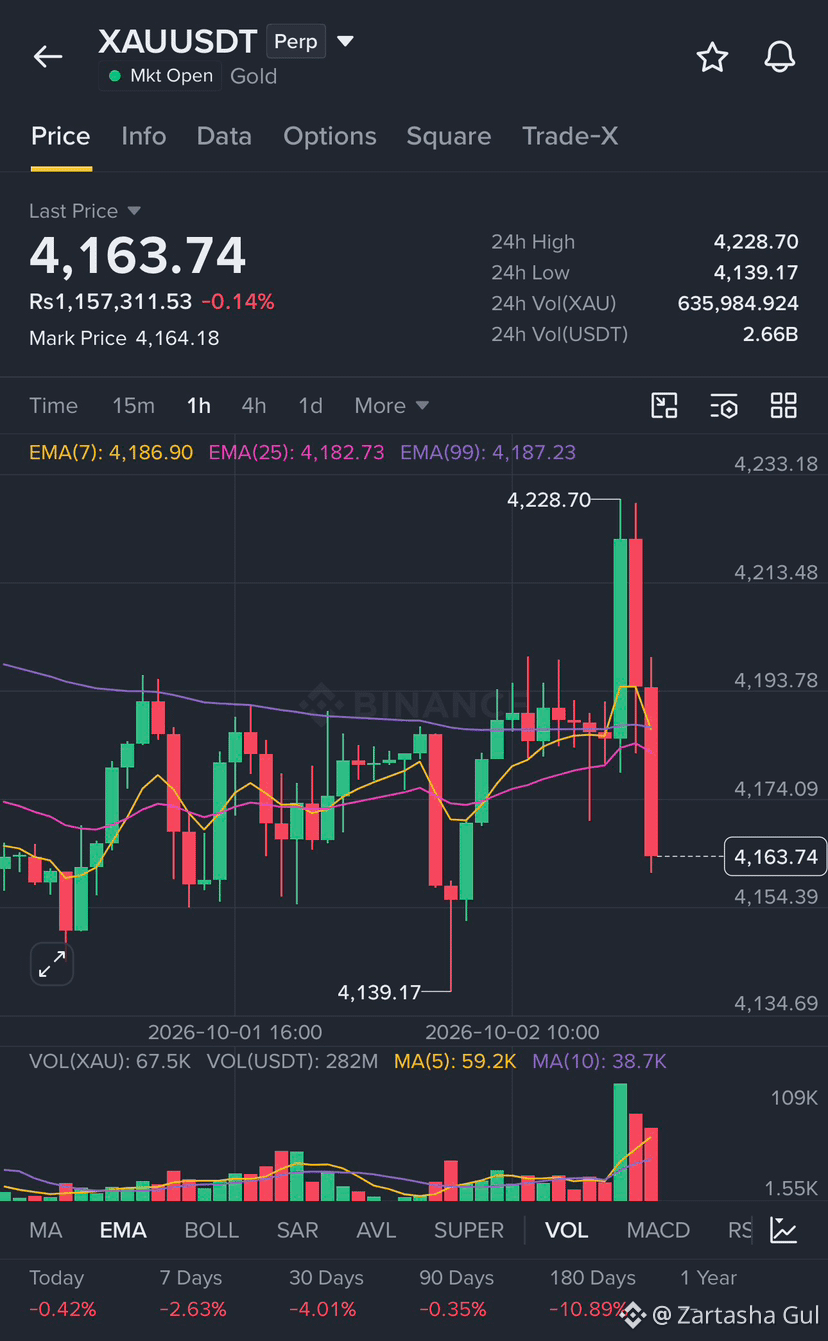
Gold ($XAU ) Update – Abgelehnt an der Spitze
> Gold erreichte heute $4.228,70, wurde aber abgelehnt und handelt jetzt bei $4.163,74(-0,14%)
>
Was ist passiert:
> Der Kurs versuchte, $4.228 zu durchbrechen, aber Verkäufer drückten ihn nach unten. Jetzt liegt die Spanne bei $4.171 bis $4.228.
Zu beobachtende Levels:
Support 1: $4.171
Nächster Support: $4.156 (unteres Bollinger-Band)
Widerstand: $4.228,70
Wenn $4.171 hält, können Käufer zurückkommen. Wenn es bricht, ist $4.156 das Nächste.
Kein Hype, nur Kursbewegung. Handel mit richtigem Risikomanagement.
Gold ($XAU ) Update – Abgelehnt an der Spitze
> Gold erreichte heute $4.228,70, wurde aber abgelehnt und handelt jetzt bei $4.163,74(-0,14%)
>
Was ist passiert:
> Der Kurs versuchte, $4.228 zu durchbrechen, aber Verkäufer drückten ihn nach unten. Jetzt liegt die Spanne bei $4.171 bis $4.228.
Zu beobachtende Levels:
Support 1: $4.171
Nächster Support: $4.156 (unteres Bollinger-Band)
Widerstand: $4.228,70
Wenn $4.171 hält, können Käufer zurückkommen. Wenn es bricht, ist $4.156 das Nächste.
Kein Hype, nur Kursbewegung. Handel mit richtigem Risikomanagement.
> Gold erreichte heute $4.228,70, wurde aber abgelehnt und handelt jetzt bei $4.163,74(-0,14%)
>
Was ist passiert:
> Der Kurs versuchte, $4.228 zu durchbrechen, aber Verkäufer drückten ihn nach unten. Jetzt liegt die Spanne bei $4.171 bis $4.228.
Zu beobachtende Levels:
Support 1: $4.171
Nächster Support: $4.156 (unteres Bollinger-Band)
Widerstand: $4.228,70
Wenn $4.171 hält, können Käufer zurückkommen. Wenn es bricht, ist $4.156 das Nächste.
Kein Hype, nur Kursbewegung. Handel mit richtigem Risikomanagement.
445
·
--
Bullisch
Krypto-Markt heute - 2 verschiedene Geschichten
>$MAGMA - Fliegend 🚀
> Preis: 0,30598 $ (+52,88%)
> 24h Tief 0,19 $ bis Hoch 0,31 $ - Volles Pump-Modus. Käufer haben die volle Kontrolle.
> 2. ($龙虾 ) - Fallend 📉
> Preis: 0,03540 $ (-61,98%)
> 24h Hoch 0,113 $ bis Tief 0,025 $ - Pump and dump abgeschlossen, jetzt versuchend, den Boden zu finden.
>
> Gleicher Markt, entgegengesetzte Bewegungen. Deshalb ist Risikomanagement so wichtig.
Keine Finanzberatung, nur ein Marktupdate.
DYOR.
{future}(龙虾USDT)
{future}(MAGMAUSDT)
#GulGains #Write2Earn
Auf welche schaust du?
Krypto-Markt heute - 2 verschiedene Geschichten
>$MAGMA - Fliegend 🚀
> Preis: 0,30598 $ (+52,88%)
> 24h Tief 0,19 $ bis Hoch 0,31 $ - Volles Pump-Modus. Käufer haben die volle Kontrolle.
> 2. ($龙虾 ) - Fallend 📉
> Preis: 0,03540 $ (-61,98%)
> 24h Hoch 0,113 $ bis Tief 0,025 $ - Pump and dump abgeschlossen, jetzt versuchend, den Boden zu finden.
>
> Gleicher Markt, entgegengesetzte Bewegungen. Deshalb ist Risikomanagement so wichtig.
Keine Finanzberatung, nur ein Marktupdate.
DYOR.
#GulGains #Write2Earn
Auf welche schaust du?
>$MAGMA - Fliegend 🚀
> Preis: 0,30598 $ (+52,88%)
> 24h Tief 0,19 $ bis Hoch 0,31 $ - Volles Pump-Modus. Käufer haben die volle Kontrolle.
> 2. ($龙虾 ) - Fallend 📉
> Preis: 0,03540 $ (-61,98%)
> 24h Hoch 0,113 $ bis Tief 0,025 $ - Pump and dump abgeschlossen, jetzt versuchend, den Boden zu finden.
>
> Gleicher Markt, entgegengesetzte Bewegungen. Deshalb ist Risikomanagement so wichtig.
Keine Finanzberatung, nur ein Marktupdate.
DYOR.
#GulGains #Write2Earn
Auf welche schaust du?
Magma 🤑
龙虾 🩸
8 Stunde(n) übrig
1
1
5.8k
·
--
Artikel
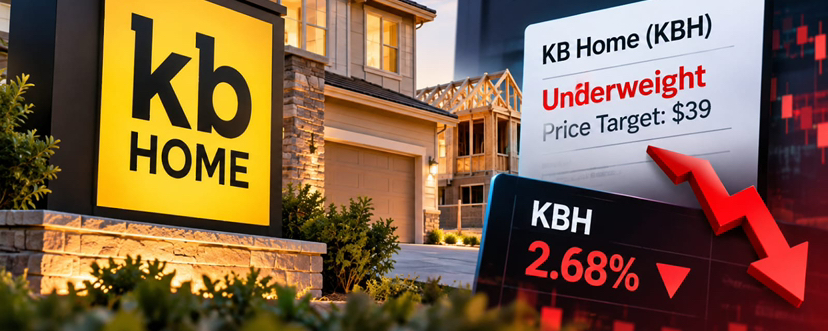
KB Home-Aktien fallen nach Morgan Stanleys Underweight-EinschätzungKB Home ($KBH.US ) verzeichnete nach Angaben des vorliegenden Berichts einen Rückgang von 2,68 %, nachdem Morgan Stanley die Beobachtung mit einer Underweight-Einstufung und einem Kursziel von 39 US-Dollar aufgenommen hatte.
Der Analyst Adam Kramer hob die Erschwinglichkeit, die Landexponierung von KB Home und die schlechter als erwarteten EPS-Schätzungen als zentrale Bedenken hervor. Morgan Stanley merkte außerdem an, dass die wachsende Mischung aus "Built-to-Order" bei KB Home die Margen stützen könnte.
Für Anleger sind die nächsten wichtigen Signale die Hypothekenzinsen, neue Bestellungen, Stornoraten und die Bruttomargen. Die anstehenden Ergebnisse des Unternehmens werden ein klareres Bild darüber liefern, ob die aktuellen Gewinnerwartungen zu hoch oder zu niedrig angesetzt sind.
KB Home-Aktien fallen nach Morgan Stanleys Underweight-Einschätzung
KB Home ($KBH.US ) verzeichnete nach Angaben des vorliegenden Berichts einen Rückgang von 2,68 %, nachdem Morgan Stanley die Beobachtung mit einer Underweight-Einstufung und einem Kursziel von 39 US-Dollar aufgenommen hatte.
Der Analyst Adam Kramer hob die Erschwinglichkeit, die Landexponierung von KB Home und die schlechter als erwarteten EPS-Schätzungen als zentrale Bedenken hervor. Morgan Stanley merkte außerdem an, dass die wachsende Mischung aus "Built-to-Order" bei KB Home die Margen stützen könnte.
Für Anleger sind die nächsten wichtigen Signale die Hypothekenzinsen, neue Bestellungen, Stornoraten und die Bruttomargen. Die anstehenden Ergebnisse des Unternehmens werden ein klareres Bild darüber liefern, ob die aktuellen Gewinnerwartungen zu hoch oder zu niedrig angesetzt sind.
Der Analyst Adam Kramer hob die Erschwinglichkeit, die Landexponierung von KB Home und die schlechter als erwarteten EPS-Schätzungen als zentrale Bedenken hervor. Morgan Stanley merkte außerdem an, dass die wachsende Mischung aus "Built-to-Order" bei KB Home die Margen stützen könnte.
Für Anleger sind die nächsten wichtigen Signale die Hypothekenzinsen, neue Bestellungen, Stornoraten und die Bruttomargen. Die anstehenden Ergebnisse des Unternehmens werden ein klareres Bild darüber liefern, ob die aktuellen Gewinnerwartungen zu hoch oder zu niedrig angesetzt sind.
KBHUS-1,72%
1
3
368
·
--
Bullisch
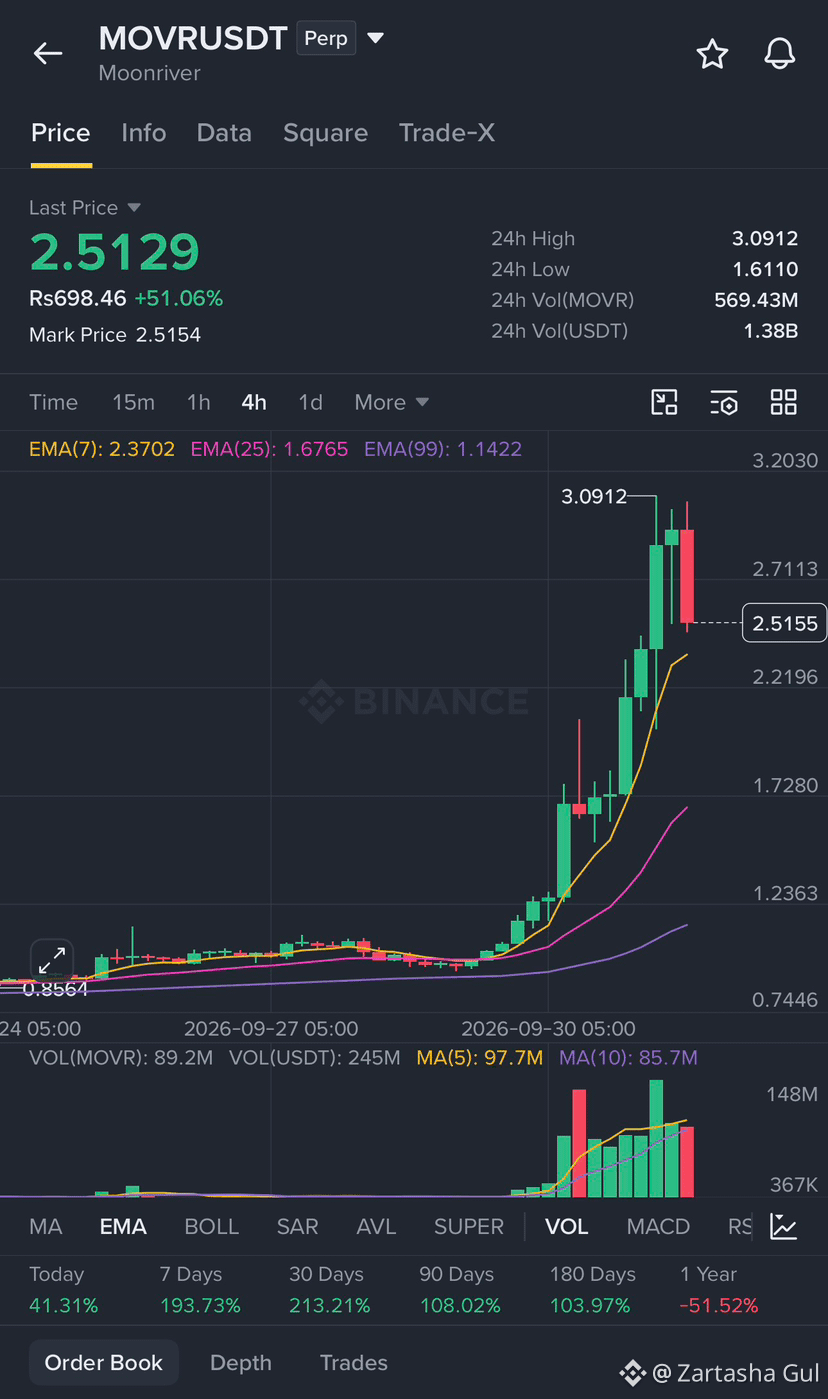
$MOVR hat in letzter Zeit einen starken Move gesehen, aber die aktuelle 4H-Kerze zeigt etwas Abkühlung um $2.51, nachdem zuvor $3.09 erreicht wurde.
EMA 7: $2.37
EMA 25: $1.68
24H-Spanne: $1.61–$3.09
24H-Volumen: $1.38B
Für den Moment zeigt das Chartbild nach dem starken Anstieg einen kleinen Rücksetzer/eine Konsolidierung. Das Volumen ist jedoch weiterhin erhöht, daher könnten die nächsten paar Kerzen einen Blick wert sein.
Nur eine Chart-Beobachtung — keine Finanzberatung. DYOR.
{future}(MOVRUSDT)
#movr #GulGains #Write2Earn
$MOVR hat in letzter Zeit einen starken Move gesehen, aber die aktuelle 4H-Kerze zeigt etwas Abkühlung um $2.51, nachdem zuvor $3.09 erreicht wurde.
EMA 7: $2.37
EMA 25: $1.68
24H-Spanne: $1.61–$3.09
24H-Volumen: $1.38B
Für den Moment zeigt das Chartbild nach dem starken Anstieg einen kleinen Rücksetzer/eine Konsolidierung. Das Volumen ist jedoch weiterhin erhöht, daher könnten die nächsten paar Kerzen einen Blick wert sein.
Nur eine Chart-Beobachtung — keine Finanzberatung. DYOR.
#movr #GulGains #Write2Earn
EMA 7: $2.37
EMA 25: $1.68
24H-Spanne: $1.61–$3.09
24H-Volumen: $1.38B
Für den Moment zeigt das Chartbild nach dem starken Anstieg einen kleinen Rücksetzer/eine Konsolidierung. Das Volumen ist jedoch weiterhin erhöht, daher könnten die nächsten paar Kerzen einen Blick wert sein.
Nur eine Chart-Beobachtung — keine Finanzberatung. DYOR.
#movr #GulGains #Write2Earn
354
·
--
Bullisch
$TAKE zeigt eine starke Bewegung im 4H-Chart. Derzeit liegt der Kurs bei etwa 0,180, nachdem er zuvor 0,1848 erreicht hat.
• Starkes Volumen kam mit dem Ausbruch
• EMA 7, 25 und 99 liegen alle unter dem Kurs und zeigen damit starke kurzfristige Dynamik
• 0,1848 ist der unmittelbare Widerstand
• 0,1620–0,1630 kann man als nahe Unterstützungszone im Blick behalten
Die Bewegung ist bereits ziemlich weit gelaufen, daher kann die Volatilität weiterhin hoch bleiben. 👀
NFA — DYOR.
{future}(TAKEUSDT)
Umfrage: Was denkst du, was als Nächstes für TAKE kommt? 👀
$TAKE zeigt eine starke Bewegung im 4H-Chart. Derzeit liegt der Kurs bei etwa 0,180, nachdem er zuvor 0,1848 erreicht hat.
• Starkes Volumen kam mit dem Ausbruch
• EMA 7, 25 und 99 liegen alle unter dem Kurs und zeigen damit starke kurzfristige Dynamik
• 0,1848 ist der unmittelbare Widerstand
• 0,1620–0,1630 kann man als nahe Unterstützungszone im Blick behalten
Die Bewegung ist bereits ziemlich weit gelaufen, daher kann die Volatilität weiterhin hoch bleiben. 👀
NFA — DYOR.
Umfrage: Was denkst du, was als Nächstes für TAKE kommt? 👀
• Starkes Volumen kam mit dem Ausbruch
• EMA 7, 25 und 99 liegen alle unter dem Kurs und zeigen damit starke kurzfristige Dynamik
• 0,1848 ist der unmittelbare Widerstand
• 0,1620–0,1630 kann man als nahe Unterstützungszone im Blick behalten
Die Bewegung ist bereits ziemlich weit gelaufen, daher kann die Volatilität weiterhin hoch bleiben. 👀
NFA — DYOR.
Umfrage: Was denkst du, was als Nächstes für TAKE kommt? 👀
🟢 Breakout above $0.1848
37%
🟡 Consolidation
4%
🔴 Pullback
55%
⚪ Too early to tell
4%
51 Stimmen • Abstimmung beendet
4
5.2k
·
--
Bullisch
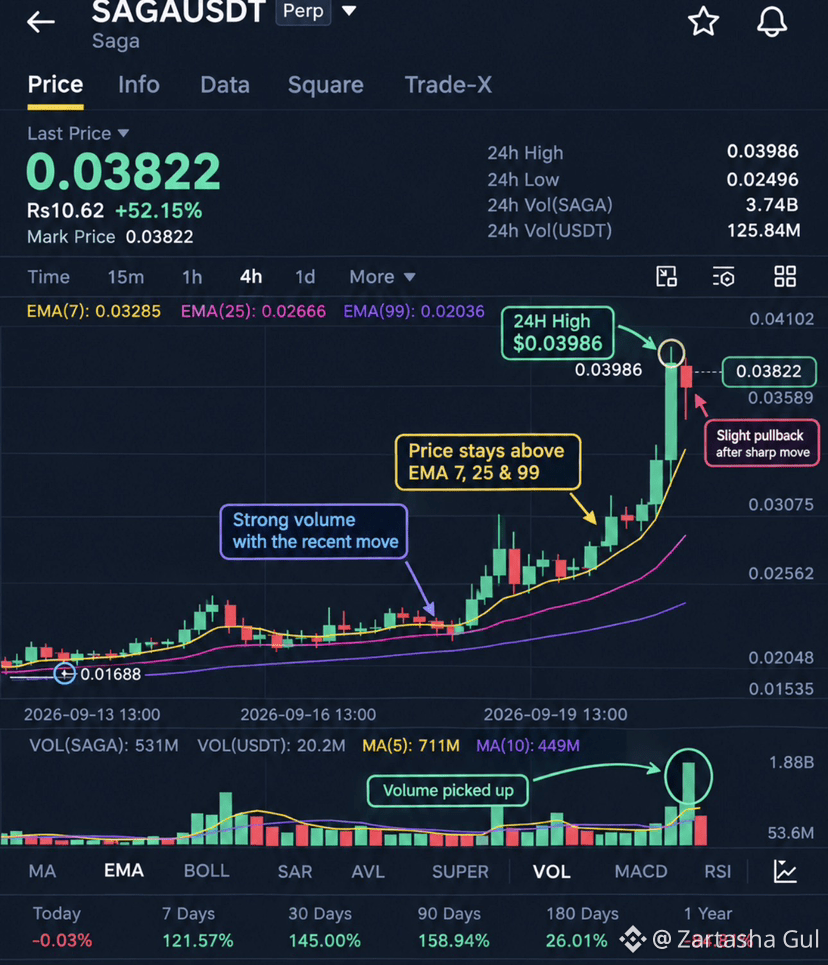
$SAGA zeigt auf dem 4H-Chart eine starke Dynamik, handelt um 0,03822 $ und ist in 24 Std. um 52,15 % gestiegen.
• 24H-Hoch: 0,03986 $
• Der Preis bleibt oberhalb der EMA 7, 25 & 99
• Das Volumen hat sich mit der jüngsten Bewegung verstärkt
• Nach dem steilen Anstieg ist ein kleiner Rücksetzer erkennbar
Das Wichtigste, worauf es zu achten gilt, ist, wie sich der Preis rund um das jüngste Hoch und die gleitenden Durchschnitte verhält.
NFA — DYOR.
{future}(SAGAUSDT)
#SAGA 🔥#Saga #GulGains
$SAGA zeigt auf dem 4H-Chart eine starke Dynamik, handelt um 0,03822 $ und ist in 24 Std. um 52,15 % gestiegen.
• 24H-Hoch: 0,03986 $
• Der Preis bleibt oberhalb der EMA 7, 25 & 99
• Das Volumen hat sich mit der jüngsten Bewegung verstärkt
• Nach dem steilen Anstieg ist ein kleiner Rücksetzer erkennbar
Das Wichtigste, worauf es zu achten gilt, ist, wie sich der Preis rund um das jüngste Hoch und die gleitenden Durchschnitte verhält.
NFA — DYOR.
#SAGA 🔥#Saga #GulGains
• 24H-Hoch: 0,03986 $
• Der Preis bleibt oberhalb der EMA 7, 25 & 99
• Das Volumen hat sich mit der jüngsten Bewegung verstärkt
• Nach dem steilen Anstieg ist ein kleiner Rücksetzer erkennbar
Das Wichtigste, worauf es zu achten gilt, ist, wie sich der Preis rund um das jüngste Hoch und die gleitenden Durchschnitte verhält.
NFA — DYOR.
#SAGA 🔥#Saga #GulGains
2
362
·
--
Verifiziert
Artikel
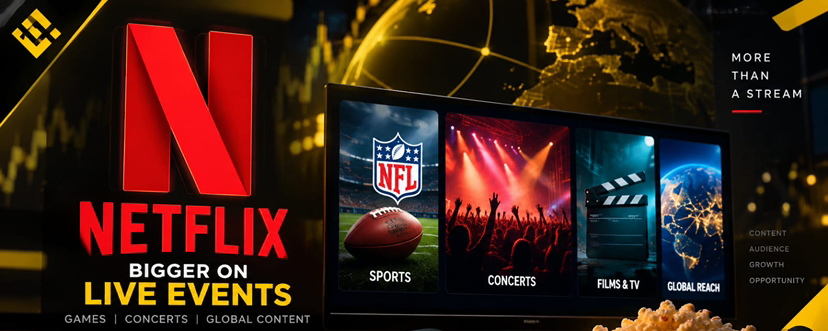
Netflix setzt stärker auf Live-Events — aber Investoren wollen BelegeNetflix macht Live-Events zu einem größeren Bestandteil seiner Strategie, aber die Kursreaktion zeigt, dass Investoren dem Unternehmen keinen einfachen Freifahrtschein ausstellen.
Am 18. September schloss Netflix ($NFLX ) bei 71,79 US-Dollar, ein Minus von 4,67%. Die Bewegung kam zustande, während Investoren weiterhin über Netflix’ Content-Strategie, die Nutzerbindung und das zukünftige Wachstum diskutierten.
Chief Content Officer Bela Bajaria hat Live-Programmierung als einen Teil von Neflix’ umfassendem Wachstumsplan hervorgehoben. Das Unternehmen versucht nicht, über Nacht zu einem traditionellen Sportsender zu werden. Stattdessen setzt Netflix verstärkt auf Events, die einen großen kulturellen Moment schaffen und Menschen gleichzeitig zusammenbringen können.
Netflix setzt stärker auf Live-Events — aber Investoren wollen Belege
Netflix macht Live-Events zu einem größeren Bestandteil seiner Strategie, aber die Kursreaktion zeigt, dass Investoren dem Unternehmen keinen einfachen Freifahrtschein ausstellen.
Am 18. September schloss Netflix ($NFLX ) bei 71,79 US-Dollar, ein Minus von 4,67%. Die Bewegung kam zustande, während Investoren weiterhin über Netflix’ Content-Strategie, die Nutzerbindung und das zukünftige Wachstum diskutierten.
Chief Content Officer Bela Bajaria hat Live-Programmierung als einen Teil von Neflix’ umfassendem Wachstumsplan hervorgehoben. Das Unternehmen versucht nicht, über Nacht zu einem traditionellen Sportsender zu werden. Stattdessen setzt Netflix verstärkt auf Events, die einen großen kulturellen Moment schaffen und Menschen gleichzeitig zusammenbringen können.
Am 18. September schloss Netflix ($NFLX ) bei 71,79 US-Dollar, ein Minus von 4,67%. Die Bewegung kam zustande, während Investoren weiterhin über Netflix’ Content-Strategie, die Nutzerbindung und das zukünftige Wachstum diskutierten.
Chief Content Officer Bela Bajaria hat Live-Programmierung als einen Teil von Neflix’ umfassendem Wachstumsplan hervorgehoben. Das Unternehmen versucht nicht, über Nacht zu einem traditionellen Sportsender zu werden. Stattdessen setzt Netflix verstärkt auf Events, die einen großen kulturellen Moment schaffen und Menschen gleichzeitig zusammenbringen können.
1
3
762
·
--
Bullisch
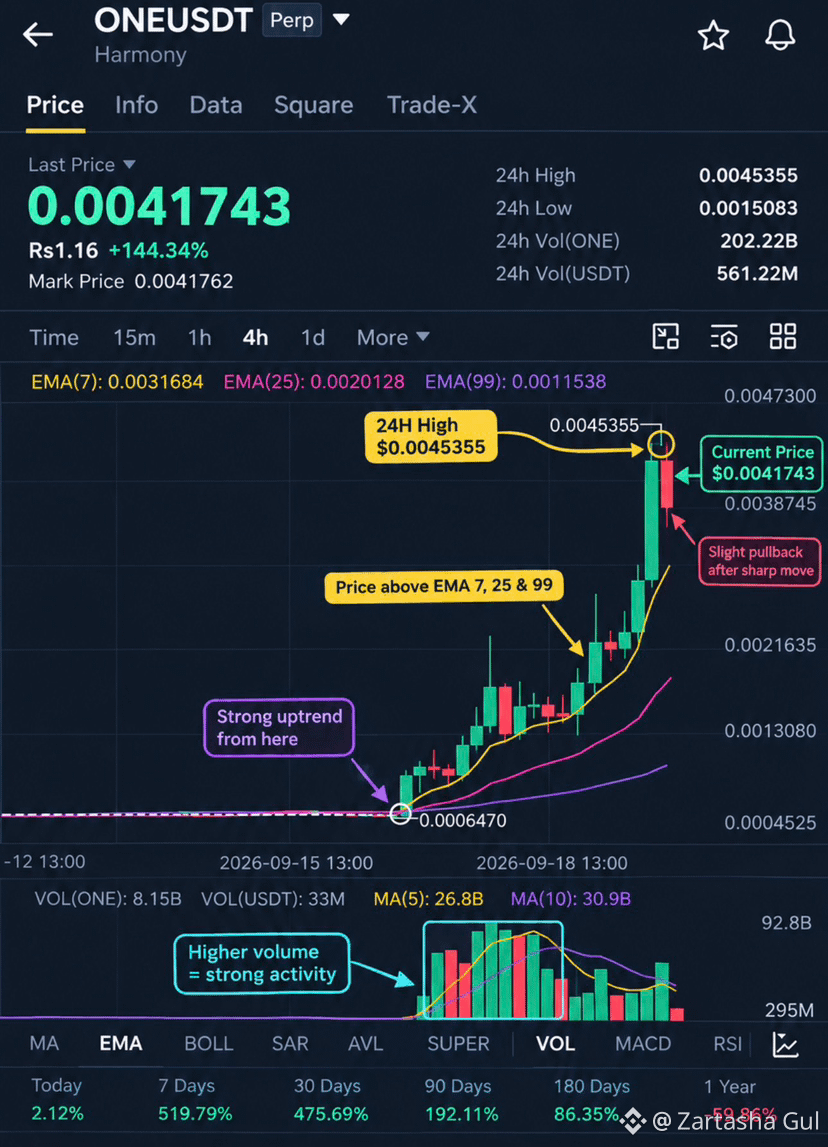
$ONE zeigt auf dem 4H-Chart starke Dynamik, derzeit bei etwa 0,00417 $, und ist in 24H um über 144% gestiegen.
Der Preis liegt über EMA 7, 25 & 99
24H-Hoch: 0,00453 $
Das Volumen ist erhöht und zeigt starke Aktivität
Der Preis zieht sich nach dem starken Anstieg leicht zurück
Der Trend ist stark, aber nach einem so schnellen Rally kann die Volatilität hoch bleiben. Zu beobachten, wie der Preis auf die jüngsten Hochs und EMAs reagiert, könnte hilfreich sein.
NFA — DYOR.
{future}(ONEUSDT)
#GulGains #FutureTradingSignals
$ONE zeigt auf dem 4H-Chart starke Dynamik, derzeit bei etwa 0,00417 $, und ist in 24H um über 144% gestiegen.
Der Preis liegt über EMA 7, 25 & 99
24H-Hoch: 0,00453 $
Das Volumen ist erhöht und zeigt starke Aktivität
Der Preis zieht sich nach dem starken Anstieg leicht zurück
Der Trend ist stark, aber nach einem so schnellen Rally kann die Volatilität hoch bleiben. Zu beobachten, wie der Preis auf die jüngsten Hochs und EMAs reagiert, könnte hilfreich sein.
NFA — DYOR.
#GulGains #FutureTradingSignals
Der Preis liegt über EMA 7, 25 & 99
24H-Hoch: 0,00453 $
Das Volumen ist erhöht und zeigt starke Aktivität
Der Preis zieht sich nach dem starken Anstieg leicht zurück
Der Trend ist stark, aber nach einem so schnellen Rally kann die Volatilität hoch bleiben. Zu beobachten, wie der Preis auf die jüngsten Hochs und EMAs reagiert, könnte hilfreich sein.
NFA — DYOR.
#GulGains #FutureTradingSignals
1
339
·
--
$BTC SHORT SETUP
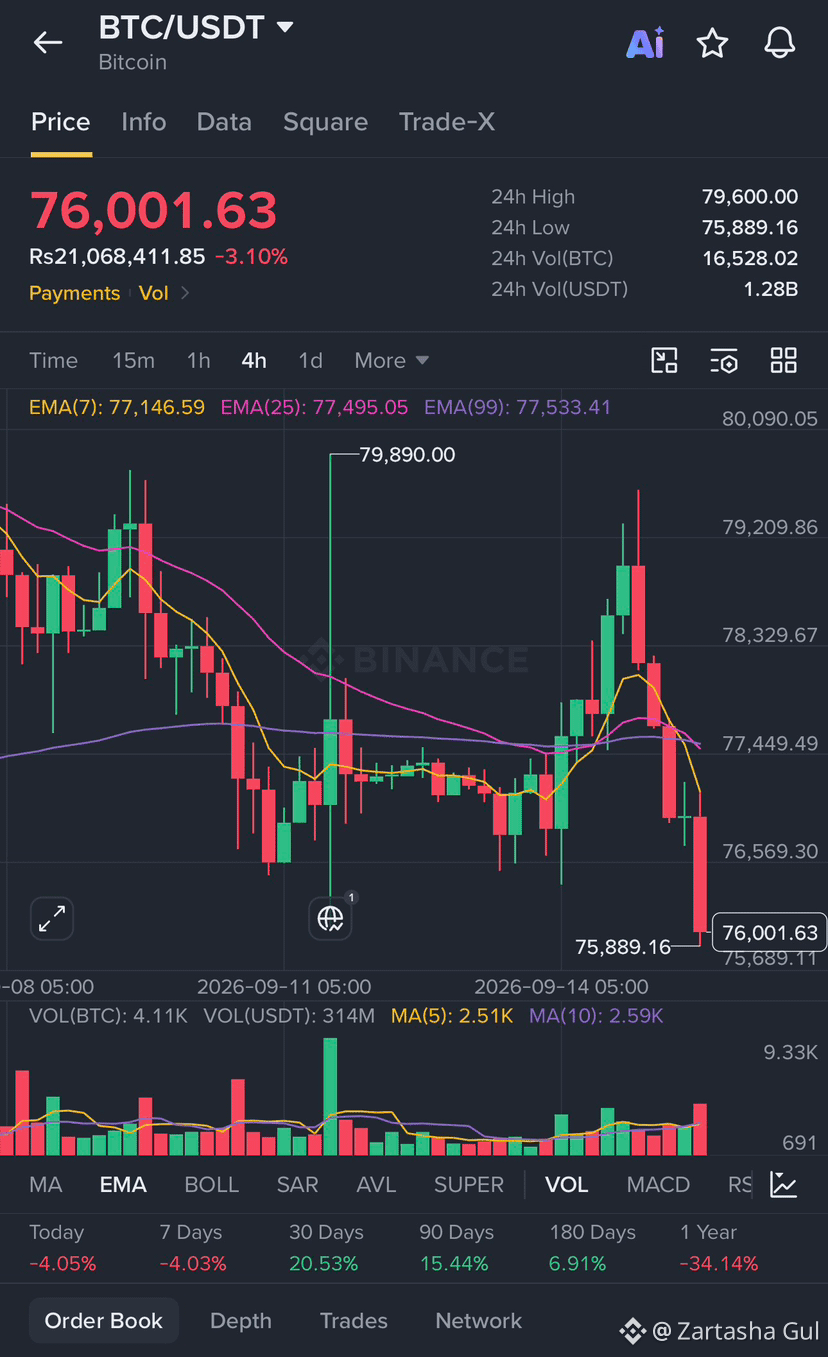
BTC nähert sich der Einstiegszone 76.100–76.900, in der ich auf eine mögliche Zurückweisung achte.
🎯 Einstieg: 76.100–76.900
🛑 SL: 77.200
📍 TP1: 75.600
📍 TP2: 75.000
Die entscheidende zu beobachtende Marke ist 77.200. Ein Anstieg darüber würde dieses Setup ungültig machen.
Beobachte die Kursaktion, bevor du irgendeine Bewegung machst.
DYOR
#GulGains #Write2Earn
{future}(BTCUSDT)
$BTC SHORT SETUP
BTC nähert sich der Einstiegszone 76.100–76.900, in der ich auf eine mögliche Zurückweisung achte.
🎯 Einstieg: 76.100–76.900
🛑 SL: 77.200
📍 TP1: 75.600
📍 TP2: 75.000
Die entscheidende zu beobachtende Marke ist 77.200. Ein Anstieg darüber würde dieses Setup ungültig machen.
Beobachte die Kursaktion, bevor du irgendeine Bewegung machst.
DYOR
#GulGains #Write2Earn
BTC nähert sich der Einstiegszone 76.100–76.900, in der ich auf eine mögliche Zurückweisung achte.
🎯 Einstieg: 76.100–76.900
🛑 SL: 77.200
📍 TP1: 75.600
📍 TP2: 75.000
Die entscheidende zu beobachtende Marke ist 77.200. Ein Anstieg darüber würde dieses Setup ungültig machen.
Beobachte die Kursaktion, bevor du irgendeine Bewegung machst.
DYOR
#GulGains #Write2Earn
1
110
·
--
Bullisch
FOMC SEPTEMBER: Die nächste Fed-Entscheidung könnte die Märkte ins Wanken bringen
Das September-Treffen der Federal Reserve steht an. Die geldpolitische Entscheidung ist für den 16. September angesetzt. Die Märkte neigen stark zu einer Erhöhung um 25 Basispunkte; die aktuelle Preissetzung bringt die Wahrscheinlichkeit inzwischen auf etwa 90 %+.
Warum hat sich der Ausblick so schnell verändert?
Der August-CPI zeigte, dass die Schlagzeilen-Inflation um 0,4 % im Monatsvergleich und um 3,4 % im Jahresvergleich gestiegen ist. Noch wichtiger: Der Kern-CPI stieg um 0,3 % monatlich und um 2,4 % jährlich und hält die Inflation damit weiterhin über dem 2%-Ziel der Fed.
Die größere Frage lautet: Was kommt nach der September-Entscheidung?
Eine Anhebung um 25 bp ist bereits weitgehend eingepreist, sodass die Märkte möglicherweise stärker auf die Kommentare von Fed-Vorsitzendem Kevin Warsh und auf die künftige Zinsanleitung reagieren als auf die Anhebung selbst. Einige große Institutionen erwarten nun eine weitere Erhöhung im Dezember.
Für Krypto-Trader ist das relevant, weil höhere Zinsen den Dollar stärken und risikoreiche Assets wie $BTC sowie Tech-Aktien unter Druck setzen können. Gleichzeitig bleiben $XAU empfindlich gegenüber Renditen und Inflationserwartungen.
Ist das nur eine einzelne Zinserhöhung – oder der Beginn eines längeren Straffungszyklus?
#FedRateWatch #FOMC #bitcoin #BTC
Wie lautet der nächste Schritt der Fed?
FOMC SEPTEMBER: Die nächste Fed-Entscheidung könnte die Märkte ins Wanken bringen
Das September-Treffen der Federal Reserve steht an. Die geldpolitische Entscheidung ist für den 16. September angesetzt. Die Märkte neigen stark zu einer Erhöhung um 25 Basispunkte; die aktuelle Preissetzung bringt die Wahrscheinlichkeit inzwischen auf etwa 90 %+.
Warum hat sich der Ausblick so schnell verändert?
Der August-CPI zeigte, dass die Schlagzeilen-Inflation um 0,4 % im Monatsvergleich und um 3,4 % im Jahresvergleich gestiegen ist. Noch wichtiger: Der Kern-CPI stieg um 0,3 % monatlich und um 2,4 % jährlich und hält die Inflation damit weiterhin über dem 2%-Ziel der Fed.
Die größere Frage lautet: Was kommt nach der September-Entscheidung?
Eine Anhebung um 25 bp ist bereits weitgehend eingepreist, sodass die Märkte möglicherweise stärker auf die Kommentare von Fed-Vorsitzendem Kevin Warsh und auf die künftige Zinsanleitung reagieren als auf die Anhebung selbst. Einige große Institutionen erwarten nun eine weitere Erhöhung im Dezember.
Für Krypto-Trader ist das relevant, weil höhere Zinsen den Dollar stärken und risikoreiche Assets wie $BTC sowie Tech-Aktien unter Druck setzen können. Gleichzeitig bleiben $XAU empfindlich gegenüber Renditen und Inflationserwartungen.
Ist das nur eine einzelne Zinserhöhung – oder der Beginn eines längeren Straffungszyklus?
#FedRateWatch #FOMC #bitcoin #BTC
Wie lautet der nächste Schritt der Fed?
Das September-Treffen der Federal Reserve steht an. Die geldpolitische Entscheidung ist für den 16. September angesetzt. Die Märkte neigen stark zu einer Erhöhung um 25 Basispunkte; die aktuelle Preissetzung bringt die Wahrscheinlichkeit inzwischen auf etwa 90 %+.
Warum hat sich der Ausblick so schnell verändert?
Der August-CPI zeigte, dass die Schlagzeilen-Inflation um 0,4 % im Monatsvergleich und um 3,4 % im Jahresvergleich gestiegen ist. Noch wichtiger: Der Kern-CPI stieg um 0,3 % monatlich und um 2,4 % jährlich und hält die Inflation damit weiterhin über dem 2%-Ziel der Fed.
Die größere Frage lautet: Was kommt nach der September-Entscheidung?
Eine Anhebung um 25 bp ist bereits weitgehend eingepreist, sodass die Märkte möglicherweise stärker auf die Kommentare von Fed-Vorsitzendem Kevin Warsh und auf die künftige Zinsanleitung reagieren als auf die Anhebung selbst. Einige große Institutionen erwarten nun eine weitere Erhöhung im Dezember.
Für Krypto-Trader ist das relevant, weil höhere Zinsen den Dollar stärken und risikoreiche Assets wie $BTC sowie Tech-Aktien unter Druck setzen können. Gleichzeitig bleiben $XAU empfindlich gegenüber Renditen und Inflationserwartungen.
Ist das nur eine einzelne Zinserhöhung – oder der Beginn eines längeren Straffungszyklus?
#FedRateWatch #FOMC #bitcoin #BTC
Wie lautet der nächste Schritt der Fed?
🟢 25bp hike — Bullish
57%
🔴 25bp hike — Bearish
22%
🟡 No hike — BTC pumps
21%
⚪ More hikes ahead
0%
14 Stimmen • Abstimmung beendet
1
417
·
--
Bullisch
Top Futures-Gewinner 🔥
Der Futures-Markt zeigt heute einige starke Bewegungen 👀
$AKE USDT: +71,16%
$AIN USDT: +70,55%
$POWER USDT: +39,53%
#IDOL USDT: +26,26%
#龙虾 USDT: +25,08%
Diese Zahlen zeigen, wie schnell sich Futures-Preise innerhalb kurzer Zeit bewegen können.
⚠️ Hohe Gewinne können jedoch auch mit hoher Volatilität einhergehen. Mach daher immer deine eigene Recherche, bevor du handelst.
#Binance #crypto #Futures
{future}(POWERUSDT)
{future}(AINUSDT)
{future}(AKEUSDT)
Welcher hat deine Aufmerksamkeit erregt? 👀
Top Futures-Gewinner 🔥
Der Futures-Markt zeigt heute einige starke Bewegungen 👀
$AKE USDT: +71,16%
$AIN USDT: +70,55%
$POWER USDT: +39,53%
#IDOL USDT: +26,26%
#龙虾 USDT: +25,08%
Diese Zahlen zeigen, wie schnell sich Futures-Preise innerhalb kurzer Zeit bewegen können.
⚠️ Hohe Gewinne können jedoch auch mit hoher Volatilität einhergehen. Mach daher immer deine eigene Recherche, bevor du handelst.
#Binance #crypto #Futures
Welcher hat deine Aufmerksamkeit erregt? 👀
Der Futures-Markt zeigt heute einige starke Bewegungen 👀
$AKE USDT: +71,16%
$AIN USDT: +70,55%
$POWER USDT: +39,53%
#IDOL USDT: +26,26%
#龙虾 USDT: +25,08%
Diese Zahlen zeigen, wie schnell sich Futures-Preise innerhalb kurzer Zeit bewegen können.
⚠️ Hohe Gewinne können jedoch auch mit hoher Volatilität einhergehen. Mach daher immer deine eigene Recherche, bevor du handelst.
#Binance #crypto #Futures
Welcher hat deine Aufmerksamkeit erregt? 👀
AKE 🚀
46%
AIN 🔥
31%
POWER ⚡
15%
IDOL 📈
8%
52 Stimmen • Abstimmung beendet
2
2k
·
--
Bärisch
Verifiziert
🇬🇧 UK blickt auf tokenisiertes Gold
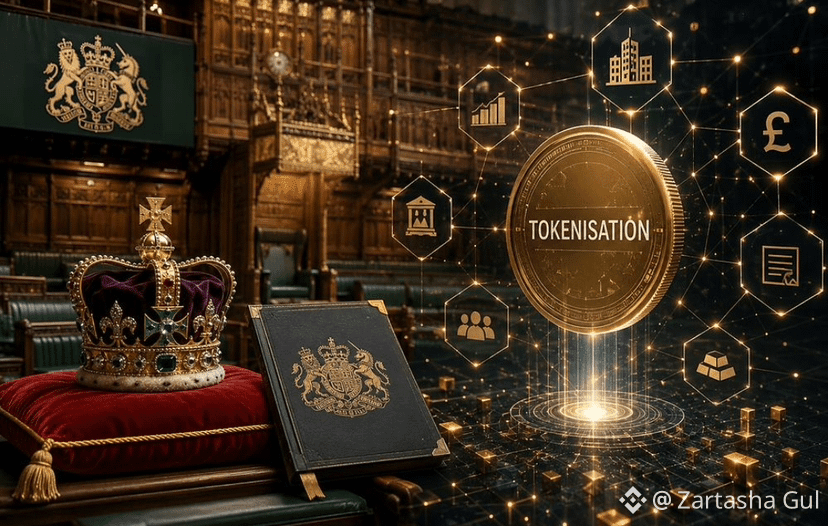
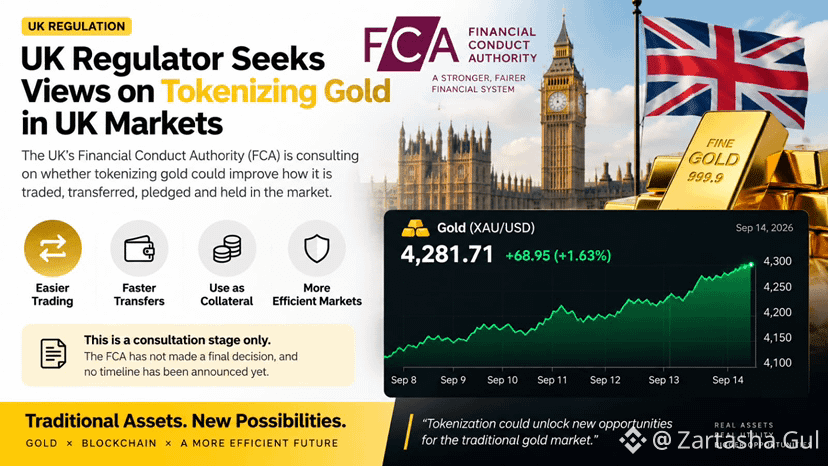
Die britische Finanzaufsichtsbehörde fordert nun Meinungen dazu, ob die Tokenisierung von Gold das Handeln, Übertragen, Halten und die Nutzung als Sicherheit erleichtern könnte.
Die Idee ist einfach: Physisches Gold könnte durch digitale Token abgebildet werden, während das zugrunde liegende Barrenmaterial weiterhin in Verwahrung bleibt.
Dies könnte den traditionellen Goldmarkt effizienter machen und ihn stärker mit dem digitalen Finanzwesen verknüpfen. Aber die FCA hat noch keine endgültige Entscheidung getroffen.
Gold + Blockchain wird zunehmend zu einem ernsthaften Gespräch auf dem Finanzmarkt.
#Tokenization #GulGains $XAUT $XAU
🇬🇧 UK blickt auf tokenisiertes Gold
Die britische Finanzaufsichtsbehörde fordert nun Meinungen dazu, ob die Tokenisierung von Gold das Handeln, Übertragen, Halten und die Nutzung als Sicherheit erleichtern könnte.
Die Idee ist einfach: Physisches Gold könnte durch digitale Token abgebildet werden, während das zugrunde liegende Barrenmaterial weiterhin in Verwahrung bleibt.
Dies könnte den traditionellen Goldmarkt effizienter machen und ihn stärker mit dem digitalen Finanzwesen verknüpfen. Aber die FCA hat noch keine endgültige Entscheidung getroffen.
Gold + Blockchain wird zunehmend zu einem ernsthaften Gespräch auf dem Finanzmarkt.
#Tokenization #GulGains $XAUT $XAU
Die britische Finanzaufsichtsbehörde fordert nun Meinungen dazu, ob die Tokenisierung von Gold das Handeln, Übertragen, Halten und die Nutzung als Sicherheit erleichtern könnte.
Die Idee ist einfach: Physisches Gold könnte durch digitale Token abgebildet werden, während das zugrunde liegende Barrenmaterial weiterhin in Verwahrung bleibt.
Dies könnte den traditionellen Goldmarkt effizienter machen und ihn stärker mit dem digitalen Finanzwesen verknüpfen. Aber die FCA hat noch keine endgültige Entscheidung getroffen.
Gold + Blockchain wird zunehmend zu einem ernsthaften Gespräch auf dem Finanzmarkt.
#Tokenization #GulGains $XAUT $XAU
2
597
·
--
Verifiziert

Artikel
NFP übertrifft die Erwartungen. Aber der CPI könnte alles entscheidenIch denke, der Markt betrachtet die falsche Hälfte der Geschichte.
Der neueste Bericht zu den Nonfarm Payrolls fiel stärker aus als erwartet: Es kamen 162.000 Jobs hinzu, und die Arbeitslosenquote blieb bei 4,1 %.
Auf den ersten Blick gibt das der Federal Reserve weniger Anlass, sich zu schnellen Zinssenkungen zu beeilen.
Aber der Arbeitsmarktbericht ist nur die halbe Gleichung.
Der CPI ist der Teil, den ich im Moment im Blick habe.
Ein starker Arbeitsmarkt verschafft der Fed Spielraum, restriktiv zu bleiben. Aber ob sie tatsächlich noch einmal erhöhen muss, hängt stark davon ab, was die Inflation unter der Schlagzeile macht.
NFP übertrifft die Erwartungen. Aber der CPI könnte alles entscheiden
Ich denke, der Markt betrachtet die falsche Hälfte der Geschichte.
Der neueste Bericht zu den Nonfarm Payrolls fiel stärker aus als erwartet: Es kamen 162.000 Jobs hinzu, und die Arbeitslosenquote blieb bei 4,1 %.
Auf den ersten Blick gibt das der Federal Reserve weniger Anlass, sich zu schnellen Zinssenkungen zu beeilen.
Aber der Arbeitsmarktbericht ist nur die halbe Gleichung.
Der CPI ist der Teil, den ich im Moment im Blick habe.
Ein starker Arbeitsmarkt verschafft der Fed Spielraum, restriktiv zu bleiben. Aber ob sie tatsächlich noch einmal erhöhen muss, hängt stark davon ab, was die Inflation unter der Schlagzeile macht.
Der neueste Bericht zu den Nonfarm Payrolls fiel stärker aus als erwartet: Es kamen 162.000 Jobs hinzu, und die Arbeitslosenquote blieb bei 4,1 %.
Auf den ersten Blick gibt das der Federal Reserve weniger Anlass, sich zu schnellen Zinssenkungen zu beeilen.
Aber der Arbeitsmarktbericht ist nur die halbe Gleichung.
Der CPI ist der Teil, den ich im Moment im Blick habe.
Ein starker Arbeitsmarkt verschafft der Fed Spielraum, restriktiv zu bleiben. Aber ob sie tatsächlich noch einmal erhöhen muss, hängt stark davon ab, was die Inflation unter der Schlagzeile macht.
2
1
4
274
·
--
Bullisch
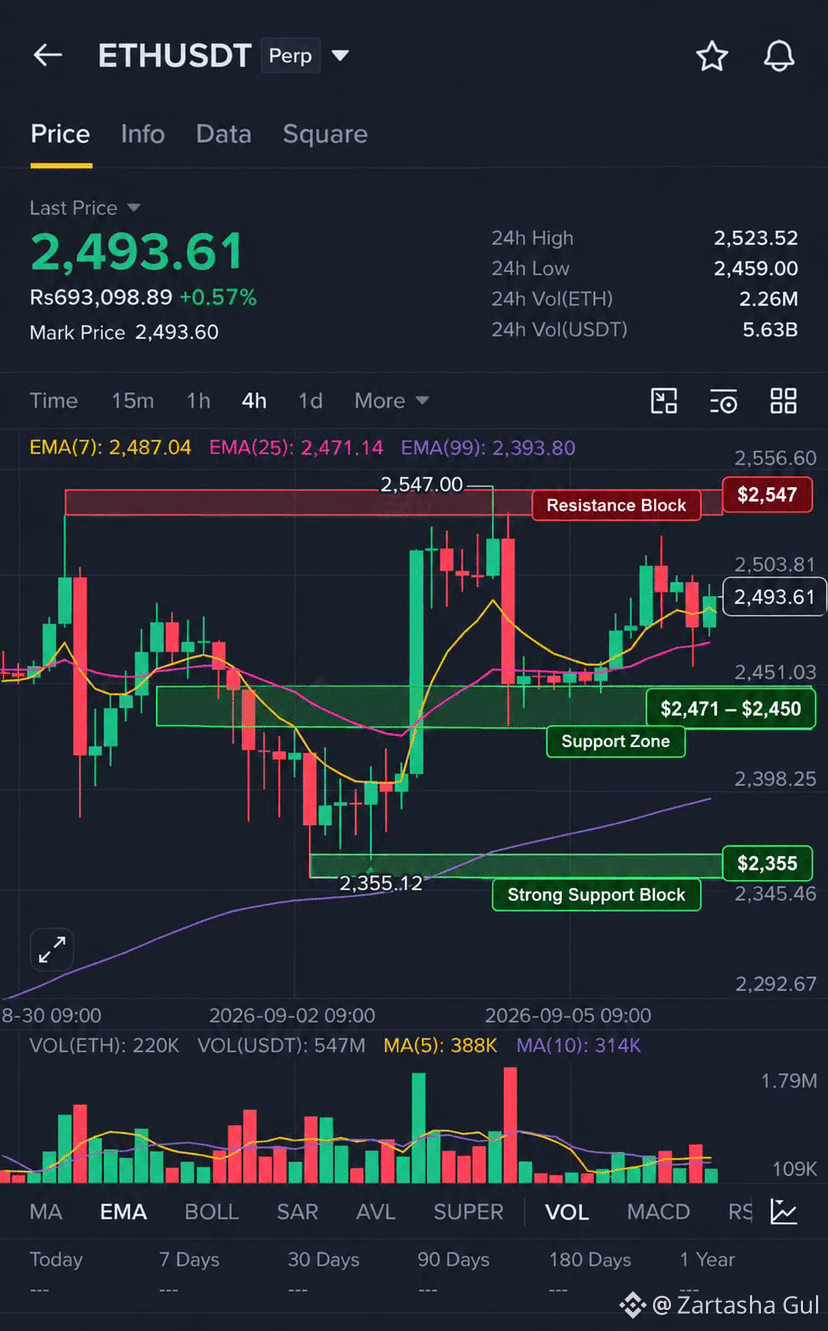
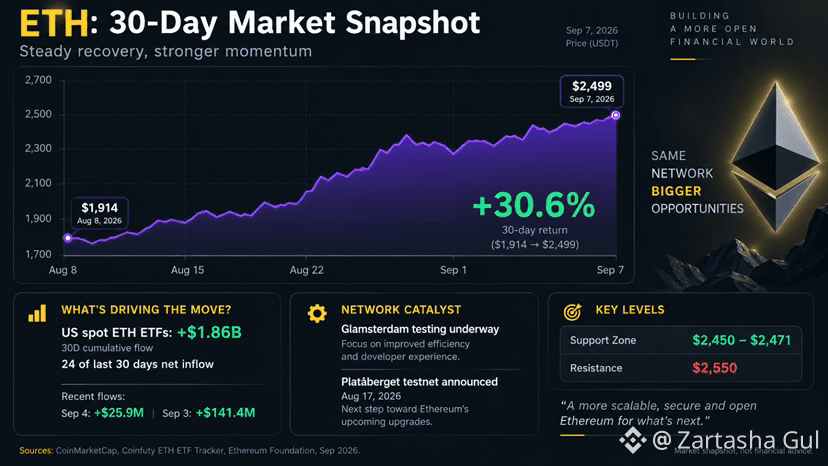
$ETH hält seine Erholung aufrecht, aber die eigentliche Bewährungsprobe steht noch bevor.
Im 4H-Chart liegt ETH nach einer Erholung von $2,355 bei etwa $2,494.
Einige Niveaus stechen hervor:
• 7 EMA: $2,487
• 25 EMA: $2,471
• 99 EMA: $2,394
• Widerstand: $2,547
ETH hält sich oberhalb seiner kurzfristigen EMAs, was die Struktur relativ stark hält.
Aber $2,547 ist das Schlüsselniveau.
Ein sauberer Ausbruch mit Volumen könnte eine weitere Aufwärtsbewegung signalisieren.
Falls abgelehnt, wird $2,471–$2,450 zu einer wichtigen Unterstützungszone.
Im Moment beobachte ich Kurs + Volumen + $2,547, statt der Bewegung hinterherzulaufen.
#ETH #GulGains #Write2Earn
{future}(ETHUSDT)
$ETH hält seine Erholung aufrecht, aber die eigentliche Bewährungsprobe steht noch bevor.
Im 4H-Chart liegt ETH nach einer Erholung von $2,355 bei etwa $2,494.
Einige Niveaus stechen hervor:
• 7 EMA: $2,487
• 25 EMA: $2,471
• 99 EMA: $2,394
• Widerstand: $2,547
ETH hält sich oberhalb seiner kurzfristigen EMAs, was die Struktur relativ stark hält.
Aber $2,547 ist das Schlüsselniveau.
Ein sauberer Ausbruch mit Volumen könnte eine weitere Aufwärtsbewegung signalisieren.
Falls abgelehnt, wird $2,471–$2,450 zu einer wichtigen Unterstützungszone.
Im Moment beobachte ich Kurs + Volumen + $2,547, statt der Bewegung hinterherzulaufen.
#ETH #GulGains #Write2Earn
Im 4H-Chart liegt ETH nach einer Erholung von $2,355 bei etwa $2,494.
Einige Niveaus stechen hervor:
• 7 EMA: $2,487
• 25 EMA: $2,471
• 99 EMA: $2,394
• Widerstand: $2,547
ETH hält sich oberhalb seiner kurzfristigen EMAs, was die Struktur relativ stark hält.
Aber $2,547 ist das Schlüsselniveau.
Ein sauberer Ausbruch mit Volumen könnte eine weitere Aufwärtsbewegung signalisieren.
Falls abgelehnt, wird $2,471–$2,450 zu einer wichtigen Unterstützungszone.
Im Moment beobachte ich Kurs + Volumen + $2,547, statt der Bewegung hinterherzulaufen.
#ETH #GulGains #Write2Earn
142
·
--
Bullisch
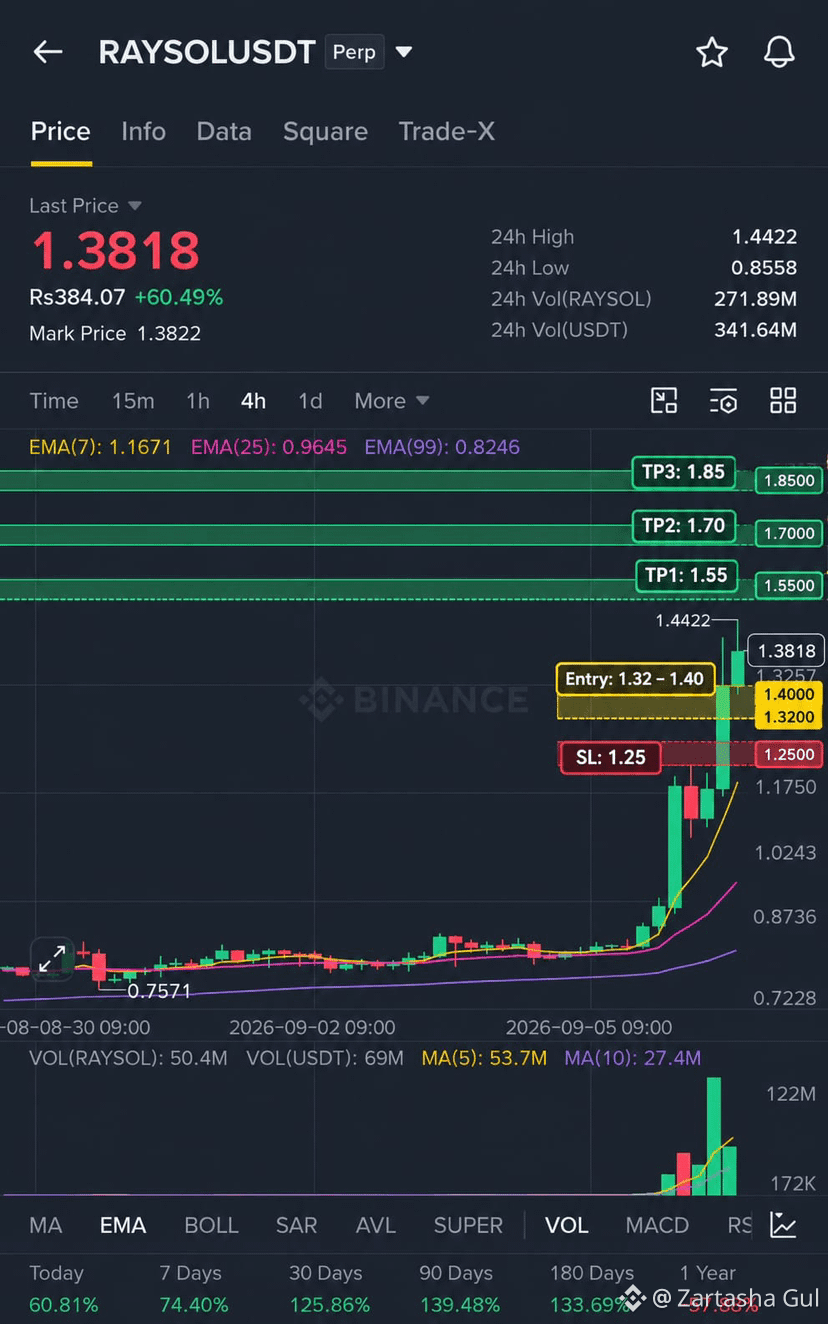
🚀 $RAYSOL ist in aller Munde!
$RAYSOL hält sich derzeit im Bereich um $1,30, während $1,44 die entscheidende Zone ist, die man im Blick haben sollte.
Wenn der Kurs ausbricht und oberhalb von $1,44 hält, wären die nächsten Levels, auf die ich achten würde:
$1,55
$1,70
$1,85
Mögliche Einstiegsszone: $1,32–$1,40
Invalidierung: unter $1,25
Die Bewegung war bereits stark, also vermeide es, einer großen grünen Kerze hinterherzulaufen. Lass den Kurs die Breakout-Bestätigung zuerst liefern.
Handel sicher und manage dein Risiko.
{future}(RAYSOLUSDT)
#GulGains #Write2Earn
🚀 $RAYSOL ist in aller Munde!
$RAYSOL hält sich derzeit im Bereich um $1,30, während $1,44 die entscheidende Zone ist, die man im Blick haben sollte.
Wenn der Kurs ausbricht und oberhalb von $1,44 hält, wären die nächsten Levels, auf die ich achten würde:
$1,55
$1,70
$1,85
Mögliche Einstiegsszone: $1,32–$1,40
Invalidierung: unter $1,25
Die Bewegung war bereits stark, also vermeide es, einer großen grünen Kerze hinterherzulaufen. Lass den Kurs die Breakout-Bestätigung zuerst liefern.
Handel sicher und manage dein Risiko.
#GulGains #Write2Earn
$RAYSOL hält sich derzeit im Bereich um $1,30, während $1,44 die entscheidende Zone ist, die man im Blick haben sollte.
Wenn der Kurs ausbricht und oberhalb von $1,44 hält, wären die nächsten Levels, auf die ich achten würde:
$1,55
$1,70
$1,85
Mögliche Einstiegsszone: $1,32–$1,40
Invalidierung: unter $1,25
Die Bewegung war bereits stark, also vermeide es, einer großen grünen Kerze hinterherzulaufen. Lass den Kurs die Breakout-Bestätigung zuerst liefern.
Handel sicher und manage dein Risiko.
#GulGains #Write2Earn
229
·
--
Bullisch
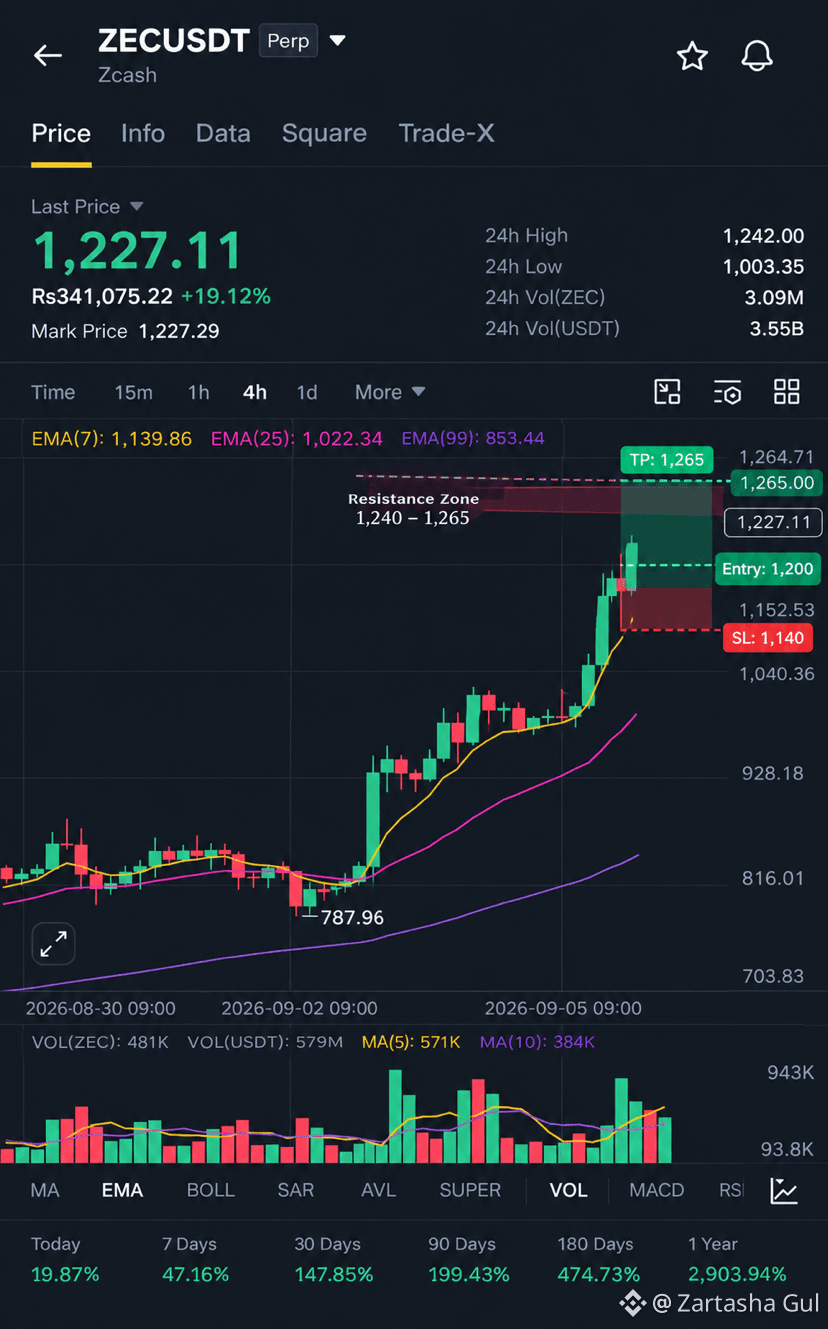
$ZEC zeigt nach dem Ausbruch über 1.200 $ eine starke Dynamik.
Der Preis liegt derzeit bei etwa 1.227 $, wobei 1.240–1.265 $ als wichtige Widerstandszone fungieren. Wenn die Käufer die Dynamik aufrechterhalten, könnte ein weiterer Anstieg möglich sein, aber eine Ablehnung könnte einen Rücksetzer in Richtung 1.200 $ oder 1.140 $ auslösen.
Für den Moment würde ich die Kursentwicklung und das Volumen genau beobachten. DYOR.
#GulGains #Write2Earn
{future}(ZECUSDT)
$ZEC zeigt nach dem Ausbruch über 1.200 $ eine starke Dynamik.
Der Preis liegt derzeit bei etwa 1.227 $, wobei 1.240–1.265 $ als wichtige Widerstandszone fungieren. Wenn die Käufer die Dynamik aufrechterhalten, könnte ein weiterer Anstieg möglich sein, aber eine Ablehnung könnte einen Rücksetzer in Richtung 1.200 $ oder 1.140 $ auslösen.
Für den Moment würde ich die Kursentwicklung und das Volumen genau beobachten. DYOR.
#GulGains #Write2Earn
Der Preis liegt derzeit bei etwa 1.227 $, wobei 1.240–1.265 $ als wichtige Widerstandszone fungieren. Wenn die Käufer die Dynamik aufrechterhalten, könnte ein weiterer Anstieg möglich sein, aber eine Ablehnung könnte einen Rücksetzer in Richtung 1.200 $ oder 1.140 $ auslösen.
Für den Moment würde ich die Kursentwicklung und das Volumen genau beobachten. DYOR.
#GulGains #Write2Earn
1
2
449
·
--

Artikel
Gold, KI und Öl: Warum sich globale Märkte in unterschiedliche Richtungen bewegenDie globalen Märkte starteten in eine gemischte Handelssitzung, als Anleger wirtschaftliche Unsicherheiten, geopolitische Entwicklungen und rasche Veränderungen im Technologiesektor gegeneinander abwogen. Während Bitcoin relativ stabil blieb, zogen klassische sichere Häfen wie Gold frische Käufe an, asiatische Tech-Aktien standen erneut unter Druck, und Ölmarktteilnehmer beobachteten weiterhin die Entwicklungen rund um die Straße von Hormus.
Das stach hervor.
Gold kehrt als sicherer Hafen zurück
Gold erholte sich stark, nachdem es eine über Monate andauernde Abwärtstendenz durchbrochen hatte. Anleger verlagerten ihre Käufe in Richtung defensiver Werte, da die Unsicherheit über das globale Wachstum und die Tech-Aktien zunahm.
Gold, KI und Öl: Warum sich globale Märkte in unterschiedliche Richtungen bewegen
Die globalen Märkte starteten in eine gemischte Handelssitzung, als Anleger wirtschaftliche Unsicherheiten, geopolitische Entwicklungen und rasche Veränderungen im Technologiesektor gegeneinander abwogen. Während Bitcoin relativ stabil blieb, zogen klassische sichere Häfen wie Gold frische Käufe an, asiatische Tech-Aktien standen erneut unter Druck, und Ölmarktteilnehmer beobachteten weiterhin die Entwicklungen rund um die Straße von Hormus.
Das stach hervor.
Gold kehrt als sicherer Hafen zurück
Gold erholte sich stark, nachdem es eine über Monate andauernde Abwärtstendenz durchbrochen hatte. Anleger verlagerten ihre Käufe in Richtung defensiver Werte, da die Unsicherheit über das globale Wachstum und die Tech-Aktien zunahm.
Das stach hervor.
Gold kehrt als sicherer Hafen zurück
Gold erholte sich stark, nachdem es eine über Monate andauernde Abwärtstendenz durchbrochen hatte. Anleger verlagerten ihre Käufe in Richtung defensiver Werte, da die Unsicherheit über das globale Wachstum und die Tech-Aktien zunahm.
2
347
·
--
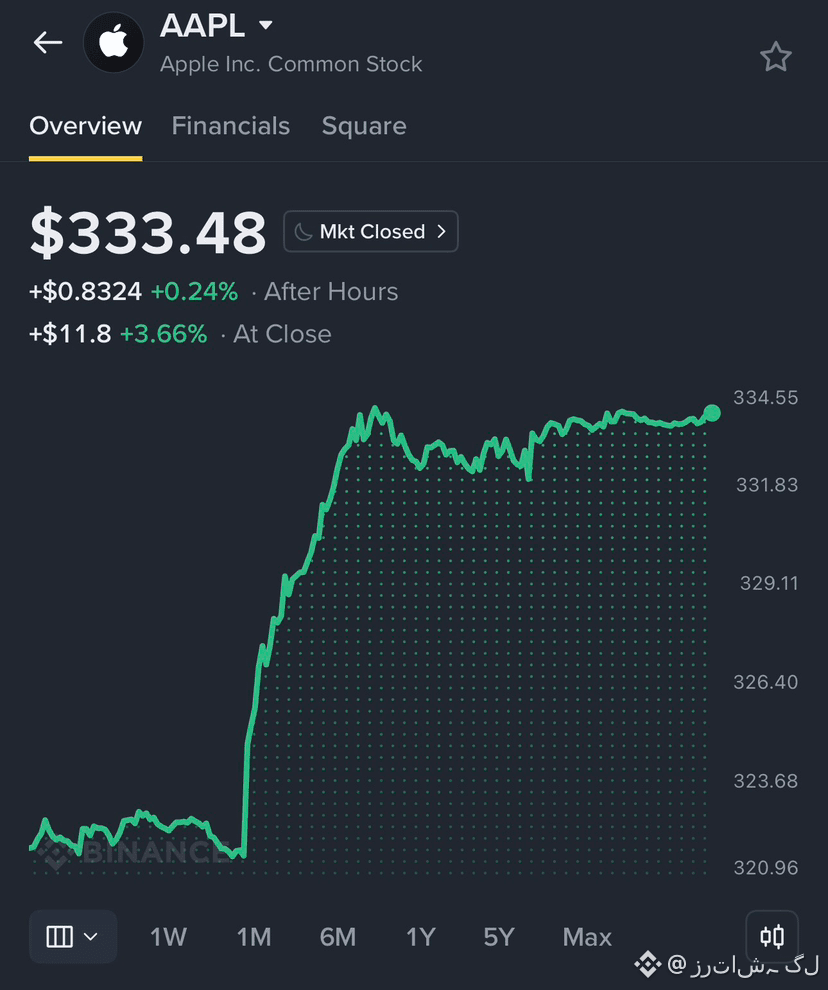
🍎 Apple ($AAPL ) startet eine Schlüsselwoche, während die nächste Berichtssaison beginnt.
Die AAPL-Aktien stiegen vor dem Treffen der US-Notenbank (Federal Reserve) um 3,57 % und zeigten ein erneutes Anlegerinteresse, da die Märkte sich auf einen der am stärksten beobachteten Quartalsberichte vorbereiten.
Apples Ergebnisse sind weit mehr als nur die Leistung eines einzelnen Unternehmens. Anleger suchen Antworten auf drei große Fragen:
• Ist die Verbrauchernachfrage nach iPhones, Macs und Services weiterhin stark?
• Kann Apple in einem schwierigen wirtschaftlichen Umfeld gesunde Gewinnmargen aufrechterhalten?
• Wie positioniert sich Apple im wachsenden AI-Wettrennen?
Da Big Tech Milliarden in KI-Infrastruktur investiert, wollen die Märkte echte Ergebnisse sehen – nicht nur zukünftige Versprechen. Apples starkes Ökosystem, das Services-Geschäft und die treue Kundschaft machen das Unternehmen zu einem wichtigen Indikator für den gesamten Technologiesektor.
Die Entscheidung der Federal Reserve in dieser Woche sowie globale Ereignisse, einschließlich Entwicklungen auf den Energiemärkten, könnten ebenfalls die Stimmung der Anleger und die Marktbewertungen beeinflussen.
Nun richten sich alle Augen auf den Quartalsbericht von Apple und die Konferenz am Donnerstag. Umsatzwachstum, die Entwicklung im Services-Bereich, Aktienrückkäufe und Updates zu KI-gestützten Produkten sind dabei die wichtigsten Punkte.
Ein solider Bericht könnte das Vertrauen stärken, dass die großen Tech-Werte die Märkte weiter antreiben können – auch wenn Anleger die KI-Ausgaben in der gesamten Branche neu bewerten.
#Apple #AAPL #stockmarket #TechStocks #AI
{future}(AAPLUSDT)
🍎 Apple ($AAPL ) startet eine Schlüsselwoche, während die nächste Berichtssaison beginnt.
Die AAPL-Aktien stiegen vor dem Treffen der US-Notenbank (Federal Reserve) um 3,57 % und zeigten ein erneutes Anlegerinteresse, da die Märkte sich auf einen der am stärksten beobachteten Quartalsberichte vorbereiten.
Apples Ergebnisse sind weit mehr als nur die Leistung eines einzelnen Unternehmens. Anleger suchen Antworten auf drei große Fragen:
• Ist die Verbrauchernachfrage nach iPhones, Macs und Services weiterhin stark?
• Kann Apple in einem schwierigen wirtschaftlichen Umfeld gesunde Gewinnmargen aufrechterhalten?
• Wie positioniert sich Apple im wachsenden AI-Wettrennen?
Da Big Tech Milliarden in KI-Infrastruktur investiert, wollen die Märkte echte Ergebnisse sehen – nicht nur zukünftige Versprechen. Apples starkes Ökosystem, das Services-Geschäft und die treue Kundschaft machen das Unternehmen zu einem wichtigen Indikator für den gesamten Technologiesektor.
Die Entscheidung der Federal Reserve in dieser Woche sowie globale Ereignisse, einschließlich Entwicklungen auf den Energiemärkten, könnten ebenfalls die Stimmung der Anleger und die Marktbewertungen beeinflussen.
Nun richten sich alle Augen auf den Quartalsbericht von Apple und die Konferenz am Donnerstag. Umsatzwachstum, die Entwicklung im Services-Bereich, Aktienrückkäufe und Updates zu KI-gestützten Produkten sind dabei die wichtigsten Punkte.
Ein solider Bericht könnte das Vertrauen stärken, dass die großen Tech-Werte die Märkte weiter antreiben können – auch wenn Anleger die KI-Ausgaben in der gesamten Branche neu bewerten.
#Apple #AAPL #stockmarket #TechStocks #AI
Die AAPL-Aktien stiegen vor dem Treffen der US-Notenbank (Federal Reserve) um 3,57 % und zeigten ein erneutes Anlegerinteresse, da die Märkte sich auf einen der am stärksten beobachteten Quartalsberichte vorbereiten.
Apples Ergebnisse sind weit mehr als nur die Leistung eines einzelnen Unternehmens. Anleger suchen Antworten auf drei große Fragen:
• Ist die Verbrauchernachfrage nach iPhones, Macs und Services weiterhin stark?
• Kann Apple in einem schwierigen wirtschaftlichen Umfeld gesunde Gewinnmargen aufrechterhalten?
• Wie positioniert sich Apple im wachsenden AI-Wettrennen?
Da Big Tech Milliarden in KI-Infrastruktur investiert, wollen die Märkte echte Ergebnisse sehen – nicht nur zukünftige Versprechen. Apples starkes Ökosystem, das Services-Geschäft und die treue Kundschaft machen das Unternehmen zu einem wichtigen Indikator für den gesamten Technologiesektor.
Die Entscheidung der Federal Reserve in dieser Woche sowie globale Ereignisse, einschließlich Entwicklungen auf den Energiemärkten, könnten ebenfalls die Stimmung der Anleger und die Marktbewertungen beeinflussen.
Nun richten sich alle Augen auf den Quartalsbericht von Apple und die Konferenz am Donnerstag. Umsatzwachstum, die Entwicklung im Services-Bereich, Aktienrückkäufe und Updates zu KI-gestützten Produkten sind dabei die wichtigsten Punkte.
Ein solider Bericht könnte das Vertrauen stärken, dass die großen Tech-Werte die Märkte weiter antreiben können – auch wenn Anleger die KI-Ausgaben in der gesamten Branche neu bewerten.
#Apple #AAPL #stockmarket #TechStocks #AI
1
217
·
--
Bullisch
$SUI erweitert sich in reale Infrastruktur, da Gorae das Laden von Elektrofahrzeugen mit der Blockchain verbindet
Blockchain bewegt sich über Finanzen hinaus hin zu alltäglicher Infrastruktur.
Gorae hat Pläne angekündigt, mehr als 50.000 Ladestationen für Elektrofahrzeuge (EV) in Südkorea mit dem Sui Network zu verbinden; Walrus stellt dabei dezentrale Speicherung für Ladeaufzeichnungen bereit. Der Rollout soll in der zweiten Hälfte des Jahres 2026 beginnen. Eine spätere Expansion ist für die Regionen Asien-Pazifik, Europa und Nordamerika geplant.
So wichtig ist das:
⚡ Smarte EV-Zahlungen: Das leistungsstarke Netzwerk von Sui ermöglicht schnelle, kostengünstige Zahlungen und nahezu sofortige Abwicklung zwischen Nutzern, Ladebetreibern und Dienstanbietern.
📊 Nachprüfbare Energiedaten: Jede Ladesitzung kann sicher über Walrus erfasst und gespeichert werden und schafft so eine unveränderliche Audit-Chain für Energieverbrauch, Abrechnung und Betriebsdaten.
🌍 Blockchain-Adoption in der realen Welt: Das ist mehr als eine weitere Web3-Partnerschaft. Es zeigt, wie Blockchain kritische Infrastruktur unterstützen kann, indem sie Transparenz, Automatisierung und Vertrauen im wachsenden EV-Ökosystem verbessert.
Während die weltweite Einführung von Elektrofahrzeugen beschleunigt, könnten die Kombination aus Blockchain, IoT und dezentraler Speicherung verändern, wie Lade-Netzwerke Zahlungen, CO₂-Berichte, Wartungsprotokolle und grenzüberschreitende Interoperabilität verwalten.
Wenn das Vorhaben erfolgreich umgesetzt wird, könnte es zu einem der stärksten Beispiele dafür werden, wie Blockchain einen Mehrwert außerhalb traditioneller Krypto-Märkte liefert.
Was denkst du: Ist Blockchain bereit, zum Fundament der nächsten Generation intelligenter Infrastruktur und Mobilität zu werden?
Dieser Beitrag dient nur zu Informationszwecken und stellt keine finanzielle oder Anlageberatung dar. Bitte führe stets deine eigene Recherche durch, bevor du Anlageentscheidungen triffst.
{future}(SUIUSDT)
$WAL
{future}(WALUSDT)
$DEXE
{future}(DEXEUSDT)
@SuiNetwork #sui #SUI🔥
$SUI erweitert sich in reale Infrastruktur, da Gorae das Laden von Elektrofahrzeugen mit der Blockchain verbindet
Blockchain bewegt sich über Finanzen hinaus hin zu alltäglicher Infrastruktur.
Gorae hat Pläne angekündigt, mehr als 50.000 Ladestationen für Elektrofahrzeuge (EV) in Südkorea mit dem Sui Network zu verbinden; Walrus stellt dabei dezentrale Speicherung für Ladeaufzeichnungen bereit. Der Rollout soll in der zweiten Hälfte des Jahres 2026 beginnen. Eine spätere Expansion ist für die Regionen Asien-Pazifik, Europa und Nordamerika geplant.
So wichtig ist das:
⚡ Smarte EV-Zahlungen: Das leistungsstarke Netzwerk von Sui ermöglicht schnelle, kostengünstige Zahlungen und nahezu sofortige Abwicklung zwischen Nutzern, Ladebetreibern und Dienstanbietern.
📊 Nachprüfbare Energiedaten: Jede Ladesitzung kann sicher über Walrus erfasst und gespeichert werden und schafft so eine unveränderliche Audit-Chain für Energieverbrauch, Abrechnung und Betriebsdaten.
🌍 Blockchain-Adoption in der realen Welt: Das ist mehr als eine weitere Web3-Partnerschaft. Es zeigt, wie Blockchain kritische Infrastruktur unterstützen kann, indem sie Transparenz, Automatisierung und Vertrauen im wachsenden EV-Ökosystem verbessert.
Während die weltweite Einführung von Elektrofahrzeugen beschleunigt, könnten die Kombination aus Blockchain, IoT und dezentraler Speicherung verändern, wie Lade-Netzwerke Zahlungen, CO₂-Berichte, Wartungsprotokolle und grenzüberschreitende Interoperabilität verwalten.
Wenn das Vorhaben erfolgreich umgesetzt wird, könnte es zu einem der stärksten Beispiele dafür werden, wie Blockchain einen Mehrwert außerhalb traditioneller Krypto-Märkte liefert.
Was denkst du: Ist Blockchain bereit, zum Fundament der nächsten Generation intelligenter Infrastruktur und Mobilität zu werden?
Dieser Beitrag dient nur zu Informationszwecken und stellt keine finanzielle oder Anlageberatung dar. Bitte führe stets deine eigene Recherche durch, bevor du Anlageentscheidungen triffst.
$WAL
$DEXE
@Sui #sui #SUI🔥
Blockchain bewegt sich über Finanzen hinaus hin zu alltäglicher Infrastruktur.
Gorae hat Pläne angekündigt, mehr als 50.000 Ladestationen für Elektrofahrzeuge (EV) in Südkorea mit dem Sui Network zu verbinden; Walrus stellt dabei dezentrale Speicherung für Ladeaufzeichnungen bereit. Der Rollout soll in der zweiten Hälfte des Jahres 2026 beginnen. Eine spätere Expansion ist für die Regionen Asien-Pazifik, Europa und Nordamerika geplant.
So wichtig ist das:
⚡ Smarte EV-Zahlungen: Das leistungsstarke Netzwerk von Sui ermöglicht schnelle, kostengünstige Zahlungen und nahezu sofortige Abwicklung zwischen Nutzern, Ladebetreibern und Dienstanbietern.
📊 Nachprüfbare Energiedaten: Jede Ladesitzung kann sicher über Walrus erfasst und gespeichert werden und schafft so eine unveränderliche Audit-Chain für Energieverbrauch, Abrechnung und Betriebsdaten.
🌍 Blockchain-Adoption in der realen Welt: Das ist mehr als eine weitere Web3-Partnerschaft. Es zeigt, wie Blockchain kritische Infrastruktur unterstützen kann, indem sie Transparenz, Automatisierung und Vertrauen im wachsenden EV-Ökosystem verbessert.
Während die weltweite Einführung von Elektrofahrzeugen beschleunigt, könnten die Kombination aus Blockchain, IoT und dezentraler Speicherung verändern, wie Lade-Netzwerke Zahlungen, CO₂-Berichte, Wartungsprotokolle und grenzüberschreitende Interoperabilität verwalten.
Wenn das Vorhaben erfolgreich umgesetzt wird, könnte es zu einem der stärksten Beispiele dafür werden, wie Blockchain einen Mehrwert außerhalb traditioneller Krypto-Märkte liefert.
Was denkst du: Ist Blockchain bereit, zum Fundament der nächsten Generation intelligenter Infrastruktur und Mobilität zu werden?
Dieser Beitrag dient nur zu Informationszwecken und stellt keine finanzielle oder Anlageberatung dar. Bitte führe stets deine eigene Recherche durch, bevor du Anlageentscheidungen triffst.
$WAL
$DEXE
@Sui #sui #SUI🔥

382
·
--
Bärisch
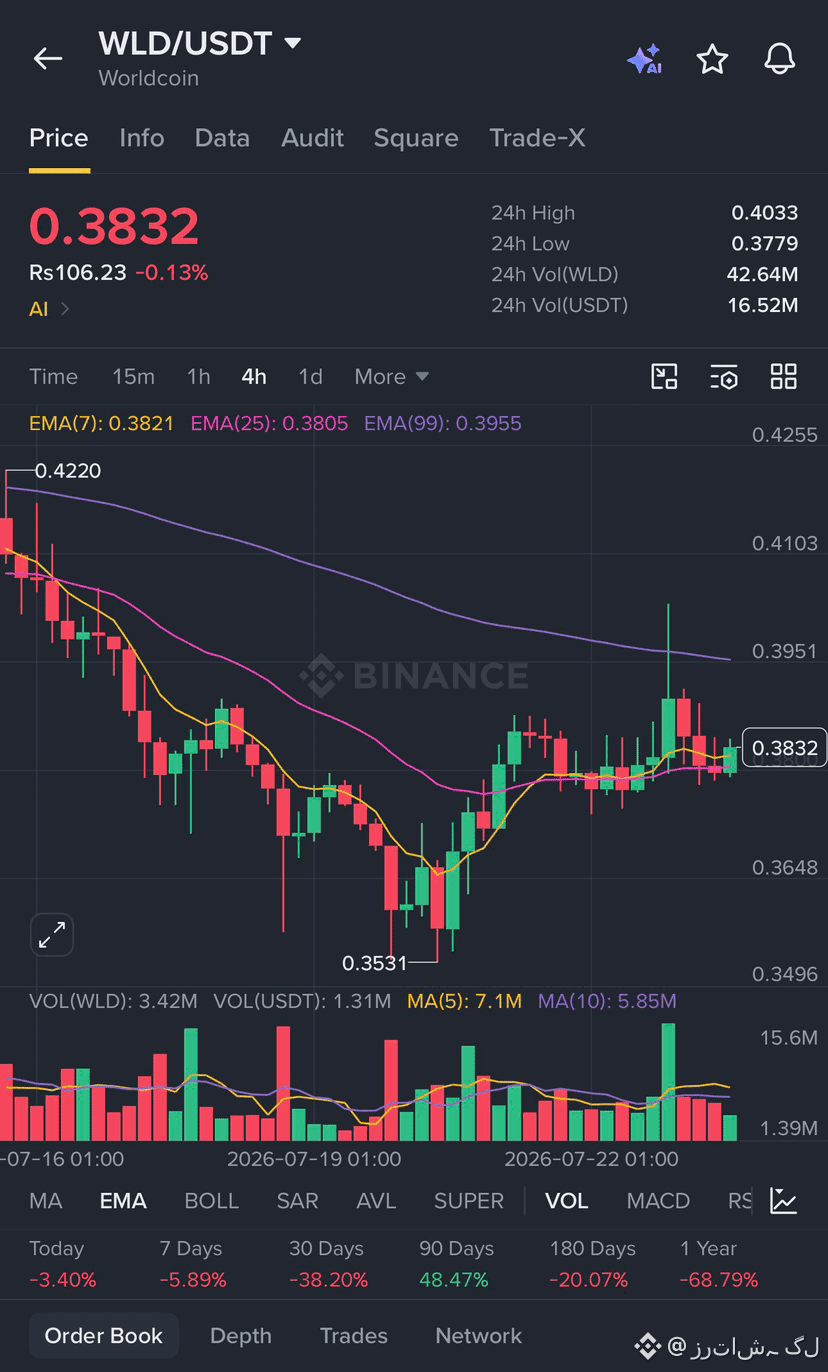
🚨 Worldcoin steht im Fokus
Die neueste SEC-Einreichung von Grayscale zeigt, dass etwa 90% der im Umlauf befindlichen WLD-Versorgung von nur 100 Wallets gehalten werden—und wirft damit erneut Fragen zur Token-Konzentration auf.
Für ein Projekt, das auf der Idee eines „Coins für jeden Menschen“ basiert, hat dieses Maß an Zentralisierung eine Debatte ausgelöst. In der Einreichung wird außerdem festgehalten, dass wichtige Teile des Netzwerks, darunter Governance und Infrastruktur, weiterhin auf eine zentrale Aufsicht angewiesen sind, da die Dezentralisierung noch im Aufbau ist.
Während $WLD weiterhin deutlich unter seinem Allzeithoch gehandelt wird, fragen sich Anleger, ob die langfristige Vision des Projekts mit seiner aktuellen Struktur mithalten kann.
Was ist dir wichtiger: innovative Identitätstechnologie oder wirklich dezentrales Token-Eigentum? 👇
Mach immer deine eigene Recherche. Das ist keine Finanzberatung.
{future}(WLDUSDT)
#WLD #WLD #WorldToken
🚨 Worldcoin steht im Fokus
Die neueste SEC-Einreichung von Grayscale zeigt, dass etwa 90% der im Umlauf befindlichen WLD-Versorgung von nur 100 Wallets gehalten werden—und wirft damit erneut Fragen zur Token-Konzentration auf.
Für ein Projekt, das auf der Idee eines „Coins für jeden Menschen“ basiert, hat dieses Maß an Zentralisierung eine Debatte ausgelöst. In der Einreichung wird außerdem festgehalten, dass wichtige Teile des Netzwerks, darunter Governance und Infrastruktur, weiterhin auf eine zentrale Aufsicht angewiesen sind, da die Dezentralisierung noch im Aufbau ist.
Während $WLD weiterhin deutlich unter seinem Allzeithoch gehandelt wird, fragen sich Anleger, ob die langfristige Vision des Projekts mit seiner aktuellen Struktur mithalten kann.
Was ist dir wichtiger: innovative Identitätstechnologie oder wirklich dezentrales Token-Eigentum? 👇
Mach immer deine eigene Recherche. Das ist keine Finanzberatung.
#WLD #WLD #WorldToken
Die neueste SEC-Einreichung von Grayscale zeigt, dass etwa 90% der im Umlauf befindlichen WLD-Versorgung von nur 100 Wallets gehalten werden—und wirft damit erneut Fragen zur Token-Konzentration auf.
Für ein Projekt, das auf der Idee eines „Coins für jeden Menschen“ basiert, hat dieses Maß an Zentralisierung eine Debatte ausgelöst. In der Einreichung wird außerdem festgehalten, dass wichtige Teile des Netzwerks, darunter Governance und Infrastruktur, weiterhin auf eine zentrale Aufsicht angewiesen sind, da die Dezentralisierung noch im Aufbau ist.
Während $WLD weiterhin deutlich unter seinem Allzeithoch gehandelt wird, fragen sich Anleger, ob die langfristige Vision des Projekts mit seiner aktuellen Struktur mithalten kann.
Was ist dir wichtiger: innovative Identitätstechnologie oder wirklich dezentrales Token-Eigentum? 👇
Mach immer deine eigene Recherche. Das ist keine Finanzberatung.
#WLD #WLD #WorldToken

1
3
341
Anmelden und weiter Inhalte entdecken
Krypto-Nutzer weltweit auf Binance Square kennenlernen
⚡️ Bleib in Sachen Krypto stets am Puls.
💬 Die weltgrößte Kryptobörse vertraut darauf.
👍 Erhalte verlässliche Einblicke von verifizierten Creators.
E-Mail-Adresse/Telefonnummer
Trendthemen
BitcoinParesGainsAfterRallyTo$86.5K
1,296 Aufrufe
33 Kommentare
$BTC sitzt genau auf der Messerkante bei $86k. Bullen haben 1.436 BTC gestapelt, um diese Marke zu verteidigen, während Bären 1.008 BTC als Mauer bei $86,5k geladen haben. Das ist reiner Liquidations-Treibstoff – wer diesen Kampf verliert, wird gnadenlos vernichtet.
Kurzfristiges Scalp-Territorium. Wenn Bullen mit Volumen durch $86,5k durchbrechen, laufen wir wahrscheinlich schnell Richtung $88k. Wenn Bären dagegen halten und nach unten drücken, ist $84k der nächste Stopp und Longs werden durchgespült.
Beobachte den Tape genau. Auf einer Seite steht die totale Vernichtung bevor, und die Bewegung wird in beide Richtungen brutal.
AI Market Brief
·4 Likes
·6.7k Aufrufe
CerebrasSinksNearly20%OnReportNvidiaToPowerOpenAI
6,055 Aufrufe
128 Kommentare
SECProposesCryptoCustodyRules
28,183 Aufrufe
279 Kommentare