

Millie Smitte
39 منشورات

Millie Smitte
إبلاغ
حظر المُستخدم
Binance square# square creator
12 تتابع
7 المتابعون
68 إعجاب
منشورات
PINNED
تمّ التحقق
لقد كنت أرى الناس يتحدثون عن "إلغاء/سحب الاستيكينغ السريع" في بابل (Babylon)، وكانت تقريبًا كل المناقشات تعتبره اختصارًا لتجاوز أمان بيتكوين. لم يكن هذا يبدو صحيحًا، لذلك قضيت بعض الوقت في قراءة وثائق @babylonlabs_io لفهم ما الذي تعنيه كلمة "سريع" فعليًا.
من السهل الوقوع في هذا التصور الخاطئ.
عندما يسمع الناس "إلغاء استيكينغ سريع"، غالبًا ما يتخيلون أن قواعد أمان بيتكوين يتم تجاوزها بطريقة ما. بعد التعمق أكثر، أدركت أن الأمر ليس كذلك على الإطلاق.
تفصل بابل بين السيولة الاقتصادية وتسوية بيتكوين. بدلًا من تغيير كيفية عمل بيتكوين نفسها، صُمم إلغاء الاستيكينغ السريع لتمكين المستخدمين المؤهلين من استعادة سيولة قابلة للاستخدام في وقت أبكر، بينما تستمر عملية أمان بيتكوين الأساسية في أن تُحترم. وبعبارة أخرى، ليس الهدف هو إضعاف حتمية/نهائية بيتكوين—بل تحسين تجربة المستخدم حول فترة الانتظار.
غيّر هذا الفرق تمامًا الطريقة التي نظرت بها إلى الموضوع. الهدف ليس جعل بيتكوين تُسَوّي بشكل أسرع. الهدف هو تقليل الاحتكاك العملي للمشاركة في استيكينغ بيتكوين دون أن يطلب من المستخدمين المساومة على الحيازة الذاتية (self-custody) أو افتراضات الثقة.
تفصيلة أخرى لفتت انتباهي هي حجم النظام البيئي. تؤمّن بابل الآن أكثر من 56,800 BTC ضمن منظومة الاستيكينغ الخاصة بها، وهو ما يمثل مليارات الدولارات من بيتكوين محفوظة ذاتيًا. يشير هذا المستوى من المشاركة إلى أن العديد من المستخدمين يقدّرون البنية التحتية التي تحسن قابلية الاستخدام دون تغيير جوهري في نموذج أمان بيتكوين.
دخلت في الأمر وأنا أظن أن إلغاء الاستيكينغ السريع مجرد ميزة لتسهيل الاستخدام. وبعد البحث، أعتقد أنه من الأفضل فهمه على أنه محاولة لحل مشكلة تتعلق بتجربة المستخدم مع الحفاظ على ضمانات أمان بيتكوين كما هي—وهو هدف أكثر تعقيدًا بكثير مما يوحي به الاسم في البداية.
#baby كيف يمكن لبنية بيتكوين التحتية أن توازن بين سهولة الاستخدام والحفاظ على خصائص الأمان التي تجعل بيتكوين ذات قيمة في المقام الأول؟
@babylonlabs_io $BABY #baby
لقد كنت أرى الناس يتحدثون عن "إلغاء/سحب الاستيكينغ السريع" في بابل (Babylon)، وكانت تقريبًا كل المناقشات تعتبره اختصارًا لتجاوز أمان بيتكوين. لم يكن هذا يبدو صحيحًا، لذلك قضيت بعض الوقت في قراءة وثائق @BabylonLabs_io لفهم ما الذي تعنيه كلمة "سريع" فعليًا.
من السهل الوقوع في هذا التصور الخاطئ.
عندما يسمع الناس "إلغاء استيكينغ سريع"، غالبًا ما يتخيلون أن قواعد أمان بيتكوين يتم تجاوزها بطريقة ما. بعد التعمق أكثر، أدركت أن الأمر ليس كذلك على الإطلاق.
تفصل بابل بين السيولة الاقتصادية وتسوية بيتكوين. بدلًا من تغيير كيفية عمل بيتكوين نفسها، صُمم إلغاء الاستيكينغ السريع لتمكين المستخدمين المؤهلين من استعادة سيولة قابلة للاستخدام في وقت أبكر، بينما تستمر عملية أمان بيتكوين الأساسية في أن تُحترم. وبعبارة أخرى، ليس الهدف هو إضعاف حتمية/نهائية بيتكوين—بل تحسين تجربة المستخدم حول فترة الانتظار.
غيّر هذا الفرق تمامًا الطريقة التي نظرت بها إلى الموضوع. الهدف ليس جعل بيتكوين تُسَوّي بشكل أسرع. الهدف هو تقليل الاحتكاك العملي للمشاركة في استيكينغ بيتكوين دون أن يطلب من المستخدمين المساومة على الحيازة الذاتية (self-custody) أو افتراضات الثقة.
تفصيلة أخرى لفتت انتباهي هي حجم النظام البيئي. تؤمّن بابل الآن أكثر من 56,800 BTC ضمن منظومة الاستيكينغ الخاصة بها، وهو ما يمثل مليارات الدولارات من بيتكوين محفوظة ذاتيًا. يشير هذا المستوى من المشاركة إلى أن العديد من المستخدمين يقدّرون البنية التحتية التي تحسن قابلية الاستخدام دون تغيير جوهري في نموذج أمان بيتكوين.
دخلت في الأمر وأنا أظن أن إلغاء الاستيكينغ السريع مجرد ميزة لتسهيل الاستخدام. وبعد البحث، أعتقد أنه من الأفضل فهمه على أنه محاولة لحل مشكلة تتعلق بتجربة المستخدم مع الحفاظ على ضمانات أمان بيتكوين كما هي—وهو هدف أكثر تعقيدًا بكثير مما يوحي به الاسم في البداية.
#baby كيف يمكن لبنية بيتكوين التحتية أن توازن بين سهولة الاستخدام والحفاظ على خصائص الأمان التي تجعل بيتكوين ذات قيمة في المقام الأول؟
@BabylonLabs_io $BABY #baby
من السهل الوقوع في هذا التصور الخاطئ.
عندما يسمع الناس "إلغاء استيكينغ سريع"، غالبًا ما يتخيلون أن قواعد أمان بيتكوين يتم تجاوزها بطريقة ما. بعد التعمق أكثر، أدركت أن الأمر ليس كذلك على الإطلاق.
تفصل بابل بين السيولة الاقتصادية وتسوية بيتكوين. بدلًا من تغيير كيفية عمل بيتكوين نفسها، صُمم إلغاء الاستيكينغ السريع لتمكين المستخدمين المؤهلين من استعادة سيولة قابلة للاستخدام في وقت أبكر، بينما تستمر عملية أمان بيتكوين الأساسية في أن تُحترم. وبعبارة أخرى، ليس الهدف هو إضعاف حتمية/نهائية بيتكوين—بل تحسين تجربة المستخدم حول فترة الانتظار.
غيّر هذا الفرق تمامًا الطريقة التي نظرت بها إلى الموضوع. الهدف ليس جعل بيتكوين تُسَوّي بشكل أسرع. الهدف هو تقليل الاحتكاك العملي للمشاركة في استيكينغ بيتكوين دون أن يطلب من المستخدمين المساومة على الحيازة الذاتية (self-custody) أو افتراضات الثقة.
تفصيلة أخرى لفتت انتباهي هي حجم النظام البيئي. تؤمّن بابل الآن أكثر من 56,800 BTC ضمن منظومة الاستيكينغ الخاصة بها، وهو ما يمثل مليارات الدولارات من بيتكوين محفوظة ذاتيًا. يشير هذا المستوى من المشاركة إلى أن العديد من المستخدمين يقدّرون البنية التحتية التي تحسن قابلية الاستخدام دون تغيير جوهري في نموذج أمان بيتكوين.
دخلت في الأمر وأنا أظن أن إلغاء الاستيكينغ السريع مجرد ميزة لتسهيل الاستخدام. وبعد البحث، أعتقد أنه من الأفضل فهمه على أنه محاولة لحل مشكلة تتعلق بتجربة المستخدم مع الحفاظ على ضمانات أمان بيتكوين كما هي—وهو هدف أكثر تعقيدًا بكثير مما يوحي به الاسم في البداية.
#baby كيف يمكن لبنية بيتكوين التحتية أن توازن بين سهولة الاستخدام والحفاظ على خصائص الأمان التي تجعل بيتكوين ذات قيمة في المقام الأول؟
@BabylonLabs_io $BABY #baby
A) Security should come first
0%
B) Better liquidity matters
0%
C) Both need equal priority
100%
D) It depends on the use case
0%
1 الأصوات • تمّ إغلاق التصويت
2
127
إن الاختبار الحقيقي لجدوى البنية التحتية المُخفَّضة الاعتماد على الثقة ليس خلال سوق صاعدة—بل عندما تصبح الأسواق متقلبة. عندها يكتشف المستخدمون ما إذا كانوا يتحكمون فعلاً بأصولهم أم أنهم كانوا يعتمدون على افتراضات لم يسبق لهم أن شككوا فيها.
إن الاختبار الحقيقي لجدوى البنية التحتية المُخفَّضة الاعتماد على الثقة ليس خلال سوق صاعدة—بل عندما تصبح الأسواق متقلبة. عندها يكتشف المستخدمون ما إذا كانوا يتحكمون فعلاً بأصولهم أم أنهم كانوا يعتمدون على افتراضات لم يسبق لهم أن شككوا فيها.
1
74
صحيح جزئيًا
🔘 Still accumulating
39%
🔘 Holding my bags
39%
🔘 Waiting for confirmation
17%
🔘 Already sold
5%
18 الأصوات • تمّ إغلاق التصويت
1
1.1k
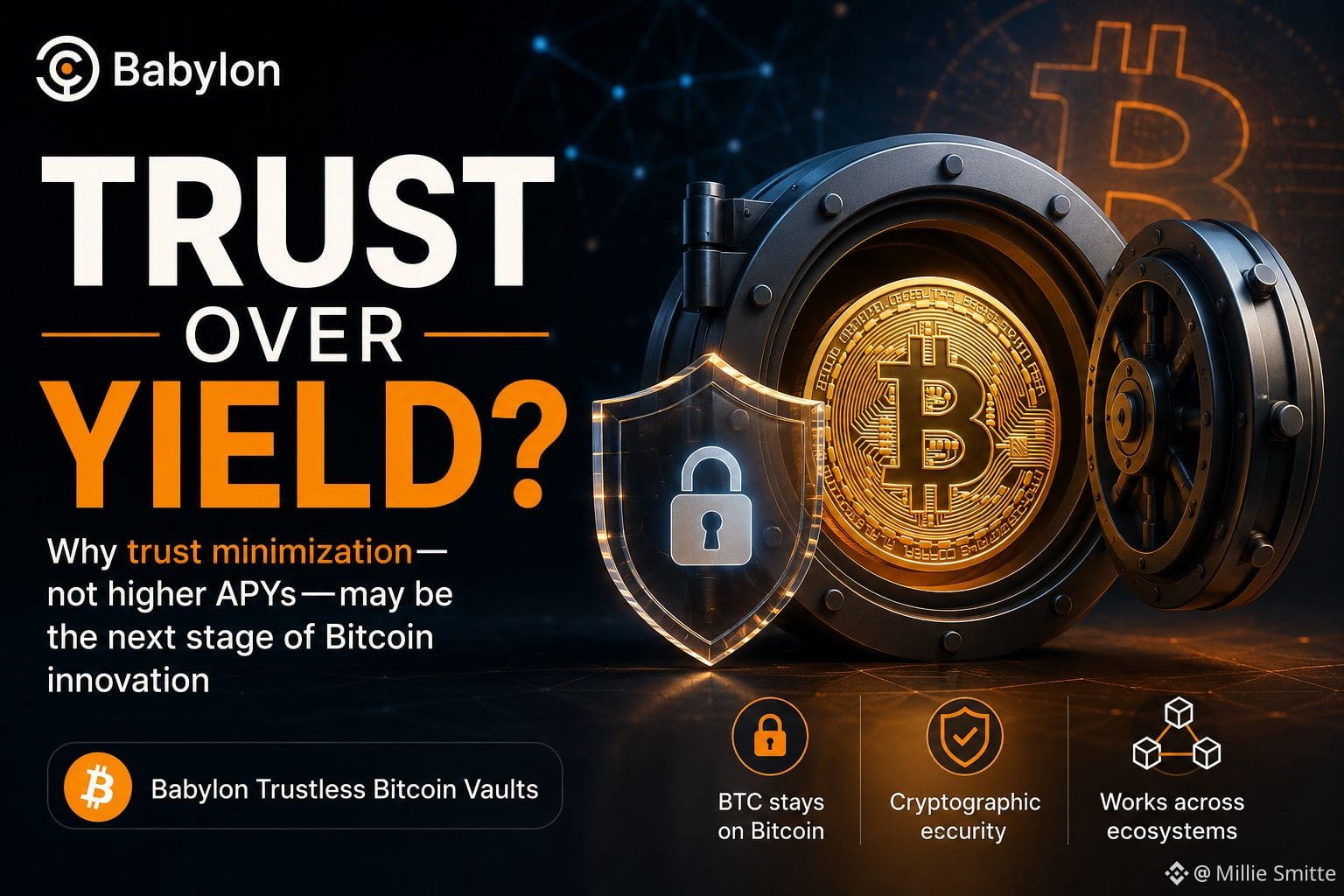
تعود معظم محادثات البيتكوين في النهاية لتساؤل العائد. كم يمكنني أن أكسب؟ وما المنصة التي تدفع أكثر؟ لكنني أعتقد أن السؤال الأهم هو: ماذا عليّ أن أثق به كي أحصل على ذلك العائد؟
بدلاً من مطالبة المستخدمين بتسليم عملاتهم البيتكوين إلى أمين حفظ أو الاعتماد على نسخة مغلّفة من البيتكوين، تقوم الفكرة على إبقاء بيتكوين الأصلية محبوسة على شبكة البيتكوين، بينما تقوم البراهين التشفيرية بالتنسيق لكيفية استخدامها في أماكن أخرى. الهدف هو تقليل الاعتماد على الوسطاء الموثوقين، وليس فقط إنشاء منتج آخر بعائد أعلى.
يشبه ذلك تشبيهًا بسيطًا بتخزين المستندات المهمة. يفضّل معظم الناس الاحتفاظ بالمستندات الأصلية في خزانة شخصية، وتقديم نسخ موثّقة فقط عند الحاجة، بدل إعطاء الأصول لشخص آخر. تقليل مستوى الثقة يتبع عقلية مماثلة: تقليل عدد الأطراف التي يمكن أن ترتكب خطأ—أو تستغل ثقتك.
شخصيًا، أعتقد أن هذا هو الاتجاه الذي قد تتجه إليه ابتكارات البيتكوين. قد تجذب APYs أكبر الانتباه دائمًا، لكن افتراضات الثقة غالبًا ما لا تصبح واضحة إلا عندما تتعرض الأسواق لضغوط.
إذا سمحت البنية التحتية لحاملي البيتكوين بالوصول إلى تطبيقات مالية أوسع دون التنازل عن السيطرة على أصولهم، فإن ذلك يغيّر الحوار من مطاردة العوائد إلى إدارة المخاطر بشكل أذكى.
@babylonlabs_io $BABY #baby
هل تعتقد أن الاختراق الكبير التالي في البيتكوين سيأتي من تقليل الثقة بدل زيادة العائد؟
#baby $BABY
تعود معظم محادثات البيتكوين في النهاية لتساؤل العائد. كم يمكنني أن أكسب؟ وما المنصة التي تدفع أكثر؟ لكنني أعتقد أن السؤال الأهم هو: ماذا عليّ أن أثق به كي أحصل على ذلك العائد؟
بدلاً من مطالبة المستخدمين بتسليم عملاتهم البيتكوين إلى أمين حفظ أو الاعتماد على نسخة مغلّفة من البيتكوين، تقوم الفكرة على إبقاء بيتكوين الأصلية محبوسة على شبكة البيتكوين، بينما تقوم البراهين التشفيرية بالتنسيق لكيفية استخدامها في أماكن أخرى. الهدف هو تقليل الاعتماد على الوسطاء الموثوقين، وليس فقط إنشاء منتج آخر بعائد أعلى.
يشبه ذلك تشبيهًا بسيطًا بتخزين المستندات المهمة. يفضّل معظم الناس الاحتفاظ بالمستندات الأصلية في خزانة شخصية، وتقديم نسخ موثّقة فقط عند الحاجة، بدل إعطاء الأصول لشخص آخر. تقليل مستوى الثقة يتبع عقلية مماثلة: تقليل عدد الأطراف التي يمكن أن ترتكب خطأ—أو تستغل ثقتك.
شخصيًا، أعتقد أن هذا هو الاتجاه الذي قد تتجه إليه ابتكارات البيتكوين. قد تجذب APYs أكبر الانتباه دائمًا، لكن افتراضات الثقة غالبًا ما لا تصبح واضحة إلا عندما تتعرض الأسواق لضغوط.
إذا سمحت البنية التحتية لحاملي البيتكوين بالوصول إلى تطبيقات مالية أوسع دون التنازل عن السيطرة على أصولهم، فإن ذلك يغيّر الحوار من مطاردة العوائد إلى إدارة المخاطر بشكل أذكى.
@BabylonLabs_io $BABY #baby
هل تعتقد أن الاختراق الكبير التالي في البيتكوين سيأتي من تقليل الثقة بدل زيادة العائد؟
#baby $BABY
بدلاً من مطالبة المستخدمين بتسليم عملاتهم البيتكوين إلى أمين حفظ أو الاعتماد على نسخة مغلّفة من البيتكوين، تقوم الفكرة على إبقاء بيتكوين الأصلية محبوسة على شبكة البيتكوين، بينما تقوم البراهين التشفيرية بالتنسيق لكيفية استخدامها في أماكن أخرى. الهدف هو تقليل الاعتماد على الوسطاء الموثوقين، وليس فقط إنشاء منتج آخر بعائد أعلى.
يشبه ذلك تشبيهًا بسيطًا بتخزين المستندات المهمة. يفضّل معظم الناس الاحتفاظ بالمستندات الأصلية في خزانة شخصية، وتقديم نسخ موثّقة فقط عند الحاجة، بدل إعطاء الأصول لشخص آخر. تقليل مستوى الثقة يتبع عقلية مماثلة: تقليل عدد الأطراف التي يمكن أن ترتكب خطأ—أو تستغل ثقتك.
شخصيًا، أعتقد أن هذا هو الاتجاه الذي قد تتجه إليه ابتكارات البيتكوين. قد تجذب APYs أكبر الانتباه دائمًا، لكن افتراضات الثقة غالبًا ما لا تصبح واضحة إلا عندما تتعرض الأسواق لضغوط.
إذا سمحت البنية التحتية لحاملي البيتكوين بالوصول إلى تطبيقات مالية أوسع دون التنازل عن السيطرة على أصولهم، فإن ذلك يغيّر الحوار من مطاردة العوائد إلى إدارة المخاطر بشكل أذكى.
@BabylonLabs_io $BABY #baby
هل تعتقد أن الاختراق الكبير التالي في البيتكوين سيأتي من تقليل الثقة بدل زيادة العائد؟
#baby $BABY
1
133
تُبرز شركة TBV فلسفة تصميم مثيرة للاهتمام: جعل البيتكوين أكثر فائدة عبر تقليل افتراضات الثقة بدلًا من إضافة وسطاء جدد. سيعتمد التبني على التنفيذ، لكن الاتجاه يستحق المتابعة.
تُبرز شركة TBV فلسفة تصميم مثيرة للاهتمام: جعل البيتكوين أكثر فائدة عبر تقليل افتراضات الثقة بدلًا من إضافة وسطاء جدد. سيعتمد التبني على التنفيذ، لكن الاتجاه يستحق المتابعة.
1
44
تمّ التحقق
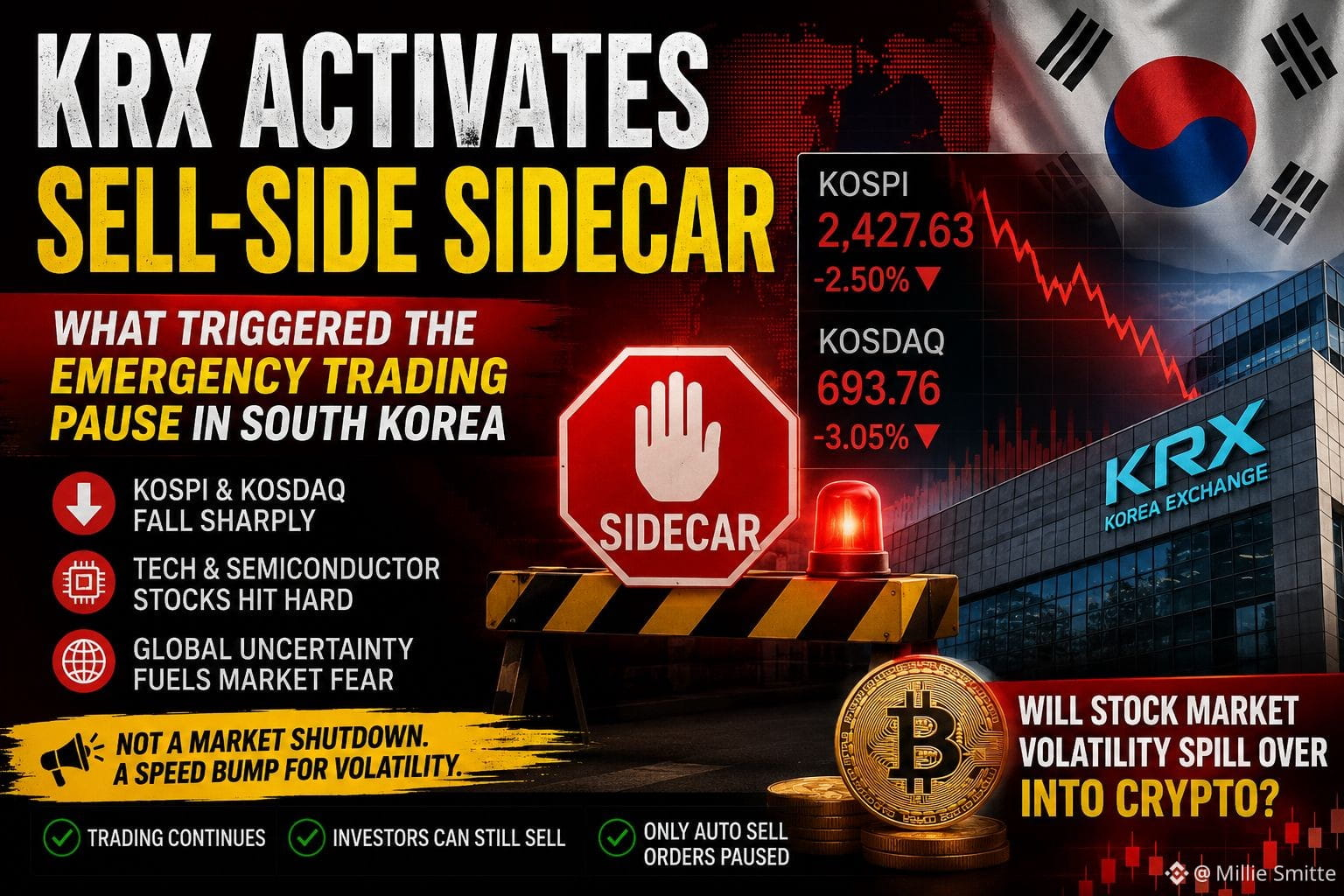
ذكّرت أسواق كوريا الجنوبية الجميع للتو بمدى سرعة انتشار الخوف. بعد الانخفاضات الحادة في مؤشر KOSPI وKOSDAQ، فعّلت بورصة كوريا تدبيرًا مؤقتًا من جانب البيع يُعرف باسم «sidecar» يوقف بعض أوامر البيع الآلية مؤقتًا لكبح الذعر، لا لإغلاق السوق.
وجاء هذا الإجراء بعد عمليات بيع مكثفة في قطاعات التكنولوجيا وشركات أشباه الموصلات، ما أثقل المعنويات العامة. ورغم أن المستثمرين لا يزال بإمكانهم التداول بشكل طبيعي، صُممت الإيقافة القصيرة لتقليل التقلبات المتطرفة ومنح السوق وقتًا ليستقر.
وبالنسبة لتجار العملات المشفرة، فإن هذا مهم لأن معنويات السوق غالبًا ما تنتقل عبر فئات الأصول. عندما تضعف شهية المخاطرة في الأسهم، قد تتعرض البيتكوين وغيرها من الأصول الرقمية أيضًا لضغط قصير الأجل مع تزايد حذر المستثمرين.
إن مراقبة الأسواق المالية التقليدية إلى جانب سوق العملات المشفرة يمكن أن يوفر سياقًا قيمًا لفهم سلوك المستثمرين بشكل أوسع.
هل تعتقد أن تقلبات سوق الأسهم ستتسرّب إلى عالم العملات المشفرة، أم أن الأصول الرقمية أصبحت أكثر استقلالية؟
#KRX #bitcoin #Trading #MarketSentimentToday
$SAMSUNG
$SKHYNIX
$SKYAI
{future}(SAMSUNGUSDT)
{future}(SKHYNIXUSDT)
{future}(SKYAIUSDT)
ذكّرت أسواق كوريا الجنوبية الجميع للتو بمدى سرعة انتشار الخوف. بعد الانخفاضات الحادة في مؤشر KOSPI وKOSDAQ، فعّلت بورصة كوريا تدبيرًا مؤقتًا من جانب البيع يُعرف باسم «sidecar» يوقف بعض أوامر البيع الآلية مؤقتًا لكبح الذعر، لا لإغلاق السوق.
وجاء هذا الإجراء بعد عمليات بيع مكثفة في قطاعات التكنولوجيا وشركات أشباه الموصلات، ما أثقل المعنويات العامة. ورغم أن المستثمرين لا يزال بإمكانهم التداول بشكل طبيعي، صُممت الإيقافة القصيرة لتقليل التقلبات المتطرفة ومنح السوق وقتًا ليستقر.
وبالنسبة لتجار العملات المشفرة، فإن هذا مهم لأن معنويات السوق غالبًا ما تنتقل عبر فئات الأصول. عندما تضعف شهية المخاطرة في الأسهم، قد تتعرض البيتكوين وغيرها من الأصول الرقمية أيضًا لضغط قصير الأجل مع تزايد حذر المستثمرين.
إن مراقبة الأسواق المالية التقليدية إلى جانب سوق العملات المشفرة يمكن أن يوفر سياقًا قيمًا لفهم سلوك المستثمرين بشكل أوسع.
هل تعتقد أن تقلبات سوق الأسهم ستتسرّب إلى عالم العملات المشفرة، أم أن الأصول الرقمية أصبحت أكثر استقلالية؟
#KRX #bitcoin #Trading #MarketSentimentToday
$SAMSUNG
$SKHYNIX
$SKYAI
وجاء هذا الإجراء بعد عمليات بيع مكثفة في قطاعات التكنولوجيا وشركات أشباه الموصلات، ما أثقل المعنويات العامة. ورغم أن المستثمرين لا يزال بإمكانهم التداول بشكل طبيعي، صُممت الإيقافة القصيرة لتقليل التقلبات المتطرفة ومنح السوق وقتًا ليستقر.
وبالنسبة لتجار العملات المشفرة، فإن هذا مهم لأن معنويات السوق غالبًا ما تنتقل عبر فئات الأصول. عندما تضعف شهية المخاطرة في الأسهم، قد تتعرض البيتكوين وغيرها من الأصول الرقمية أيضًا لضغط قصير الأجل مع تزايد حذر المستثمرين.
إن مراقبة الأسواق المالية التقليدية إلى جانب سوق العملات المشفرة يمكن أن يوفر سياقًا قيمًا لفهم سلوك المستثمرين بشكل أوسع.
هل تعتقد أن تقلبات سوق الأسهم ستتسرّب إلى عالم العملات المشفرة، أم أن الأصول الرقمية أصبحت أكثر استقلالية؟
#KRX #bitcoin #Trading #MarketSentimentToday
$SAMSUNG
$SKHYNIX
$SKYAI
1
207
تركّز معظم المحادثات حول بيتكوين ديفاي على العائد، لكنني أعتقد أن السؤال الأكثر إثارة للاهتمام هو: ماذا يتعين عليك التخلي عنه للمشاركة.
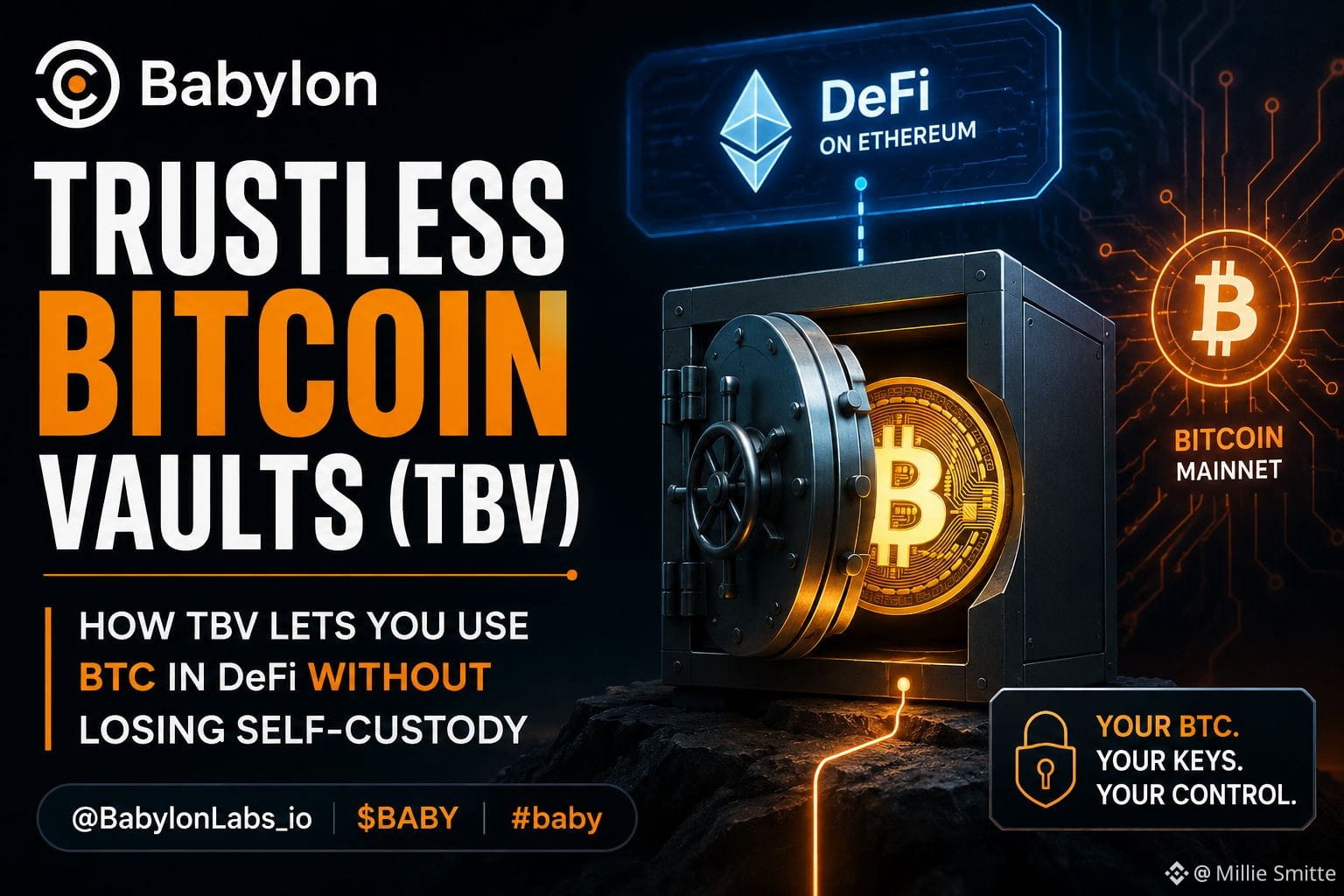
لهذا السبب كنت أقرأ عن @babylonlabs_io Trustless Bitcoin Vaults (TBV). بدلًا من سؤال المستخدمين إلى لفّ BTC أو ربطه بسلسلة أخرى، أو تسليمه إلى طرف ثالث، تم تصميم TBV بحيث يبقى بيتكوين الأصلي تحت سيطرة المالك، بينما يُستخدم كضمان لتطبيقات ديفاي المدعومة من خلال التحقق التشفيري.
منطق الاقتراض يعمل على Ethereum، بينما تبقى BTC نفسها مؤمنة على بيتكوين.
يمكن تشبيه ذلك ببساطة بتخزين مستند مهم في خزانة منزلِك الآمنة مع استخدامه لتأمين قرض من البنك. يعترف البنك بالمستند كضمان، لكنه لا يأخذ المستند منك أبدًا. هذا الفصل بين الملكية والمنفعة هو ما يجعل هذا النهج يستحق الاهتمام.
شخصيًا، أعتقد أن هذا يعالج ترددًا قائمًا منذ زمن طويل لدى حاملي بيتكوين. يهتم كثير من الناس بتوظيف BTC غير المُستخدمة، لكن ليس إذا كان ذلك يعني استبدال افتراضات الأمان في بيتكوين بمخاطر ثقة جديدة. ما إذا كانت TBV ستلقى اعتمادًا واسعًا سيعتمد على أدائها في الممارسة، لكن التصميم بحد ذاته يدفع المحادثة في اتجاه مثير للاهتمام: زيادة منفعة بيتكوين دون تغيير مبادئها الأساسية.
@babylonlabs_io $BABY #baby
هل تعتقد أن مستخدمي بيتكوين سيتبنون ديفاي فقط إذا ظلّ الاحتفاظ الذاتي غير مُختل، أم أن المقايضات الحالية مقبولة بالفعل؟
#baby $BABY
تركّز معظم المحادثات حول بيتكوين ديفاي على العائد، لكنني أعتقد أن السؤال الأكثر إثارة للاهتمام هو: ماذا يتعين عليك التخلي عنه للمشاركة.
لهذا السبب كنت أقرأ عن @BabylonLabs_io Trustless Bitcoin Vaults (TBV). بدلًا من سؤال المستخدمين إلى لفّ BTC أو ربطه بسلسلة أخرى، أو تسليمه إلى طرف ثالث، تم تصميم TBV بحيث يبقى بيتكوين الأصلي تحت سيطرة المالك، بينما يُستخدم كضمان لتطبيقات ديفاي المدعومة من خلال التحقق التشفيري.
منطق الاقتراض يعمل على Ethereum، بينما تبقى BTC نفسها مؤمنة على بيتكوين.
يمكن تشبيه ذلك ببساطة بتخزين مستند مهم في خزانة منزلِك الآمنة مع استخدامه لتأمين قرض من البنك. يعترف البنك بالمستند كضمان، لكنه لا يأخذ المستند منك أبدًا. هذا الفصل بين الملكية والمنفعة هو ما يجعل هذا النهج يستحق الاهتمام.
شخصيًا، أعتقد أن هذا يعالج ترددًا قائمًا منذ زمن طويل لدى حاملي بيتكوين. يهتم كثير من الناس بتوظيف BTC غير المُستخدمة، لكن ليس إذا كان ذلك يعني استبدال افتراضات الأمان في بيتكوين بمخاطر ثقة جديدة. ما إذا كانت TBV ستلقى اعتمادًا واسعًا سيعتمد على أدائها في الممارسة، لكن التصميم بحد ذاته يدفع المحادثة في اتجاه مثير للاهتمام: زيادة منفعة بيتكوين دون تغيير مبادئها الأساسية.
@BabylonLabs_io $BABY #baby
هل تعتقد أن مستخدمي بيتكوين سيتبنون ديفاي فقط إذا ظلّ الاحتفاظ الذاتي غير مُختل، أم أن المقايضات الحالية مقبولة بالفعل؟
#baby $BABY
لهذا السبب كنت أقرأ عن @BabylonLabs_io Trustless Bitcoin Vaults (TBV). بدلًا من سؤال المستخدمين إلى لفّ BTC أو ربطه بسلسلة أخرى، أو تسليمه إلى طرف ثالث، تم تصميم TBV بحيث يبقى بيتكوين الأصلي تحت سيطرة المالك، بينما يُستخدم كضمان لتطبيقات ديفاي المدعومة من خلال التحقق التشفيري.
منطق الاقتراض يعمل على Ethereum، بينما تبقى BTC نفسها مؤمنة على بيتكوين.
يمكن تشبيه ذلك ببساطة بتخزين مستند مهم في خزانة منزلِك الآمنة مع استخدامه لتأمين قرض من البنك. يعترف البنك بالمستند كضمان، لكنه لا يأخذ المستند منك أبدًا. هذا الفصل بين الملكية والمنفعة هو ما يجعل هذا النهج يستحق الاهتمام.
شخصيًا، أعتقد أن هذا يعالج ترددًا قائمًا منذ زمن طويل لدى حاملي بيتكوين. يهتم كثير من الناس بتوظيف BTC غير المُستخدمة، لكن ليس إذا كان ذلك يعني استبدال افتراضات الأمان في بيتكوين بمخاطر ثقة جديدة. ما إذا كانت TBV ستلقى اعتمادًا واسعًا سيعتمد على أدائها في الممارسة، لكن التصميم بحد ذاته يدفع المحادثة في اتجاه مثير للاهتمام: زيادة منفعة بيتكوين دون تغيير مبادئها الأساسية.
@BabylonLabs_io $BABY #baby
هل تعتقد أن مستخدمي بيتكوين سيتبنون ديفاي فقط إذا ظلّ الاحتفاظ الذاتي غير مُختل، أم أن المقايضات الحالية مقبولة بالفعل؟
#baby $BABY
4
3
250
صحيح جزئيًا
📊 ارتداد تقني أم ارتداد مؤقت؟
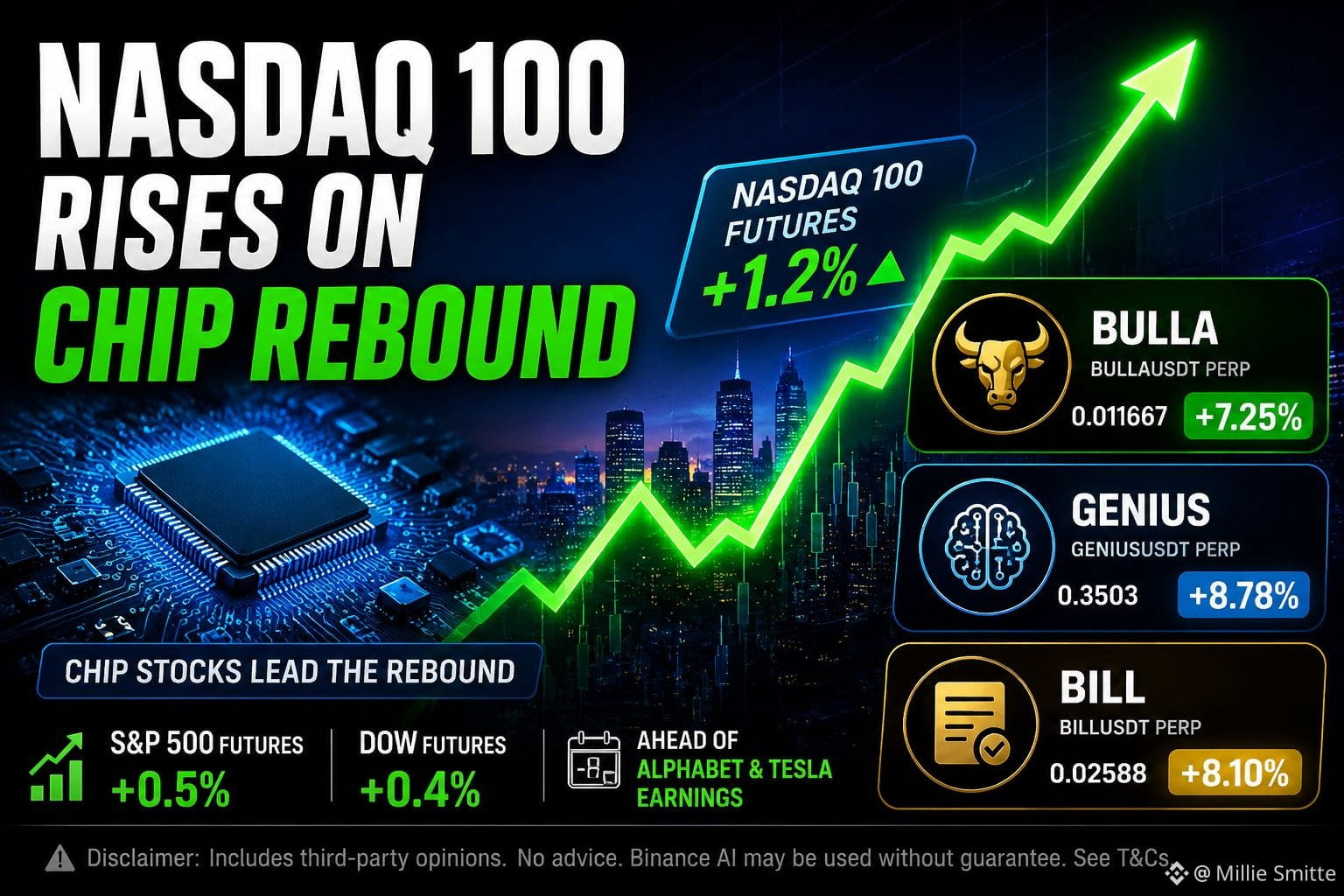
ترفع أسهم الرقائق (Chip) وول ستريت، حيث تشير عقود ناسداك 100 الآجلة إلى +1.2%، وS&P 500 إلى +0.5%، وداو إلى +0.4% قبل إعلانات أرباح Alphabet وTesla.
وفي الأثناء:
🟢 $BULLA +6.15%
🟢 $GENIUS +8.94%
🟢 $BILL +8.10%
ما الذي يدفع التحرك اليوم؟
📊 ارتداد تقني أم ارتداد مؤقت؟
ترفع أسهم الرقائق (Chip) وول ستريت، حيث تشير عقود ناسداك 100 الآجلة إلى +1.2%، وS&P 500 إلى +0.5%، وداو إلى +0.4% قبل إعلانات أرباح Alphabet وTesla.
وفي الأثناء:
🟢 $BULLA +6.15%
🟢 $GENIUS +8.94%
🟢 $BILL +8.10%
ما الذي يدفع التحرك اليوم؟
ترفع أسهم الرقائق (Chip) وول ستريت، حيث تشير عقود ناسداك 100 الآجلة إلى +1.2%، وS&P 500 إلى +0.5%، وداو إلى +0.4% قبل إعلانات أرباح Alphabet وTesla.
وفي الأثناء:
🟢 $BULLA +6.15%
🟢 $GENIUS +8.94%
🟢 $BILL +8.10%
ما الذي يدفع التحرك اليوم؟
🔘 Strong chip sector momentum
58%
🔘 Earnings optimism
17%
🔘 Ceasefire boosting assets
0%
🔘 Just a short-term relief
25%
12 الأصوات • تمّ إغلاق التصويت
3
4.5k
📈 تتصدر أسهم الرقائق موجة التعافي حيث ترتفع عقود ناسداك 100 بنسبة 1.2%، ما يعزز معنويات السوق الأوسع قبيل إعلانات أرباح ألفابت وتيسلا. وفي الوقت نفسه، فإن #BULLA و#GENIUS و#BILL تحقق جميعها مكاسب قوية. هل هذه بداية لحركة أوسع نطاقًا تفضّل المخاطرة، أم مجرد انتعاش مؤقت؟
#Nasdaq100
#BULLA
#GENIUS
#BILL
📈 تتصدر أسهم الرقائق موجة التعافي حيث ترتفع عقود ناسداك 100 بنسبة 1.2%، ما يعزز معنويات السوق الأوسع قبيل إعلانات أرباح ألفابت وتيسلا. وفي الوقت نفسه، فإن #BULLA و#GENIUS و#BILL تحقق جميعها مكاسب قوية. هل هذه بداية لحركة أوسع نطاقًا تفضّل المخاطرة، أم مجرد انتعاش مؤقت؟
#Nasdaq100
#BULLA
#GENIUS
#BILL
#Nasdaq100
#BULLA
#GENIUS
#BILL
1
338
🏴#England أنهِ إنهاء كأس العالم 2026 لكرة القدم بالفوز بالميدالية 🥉 البرونزية تحت قيادة توماس توخيل.
6 أهداف في مباراة تحديد المركز الثالث.
$29 مليون كجائزة من الاتحاد الدولي لكرة القدم.
لكن مع هذه المجموعة الموهوبة... هل كان ينبغي على إنجلترا الوصول إلى النهائي؟
🔥 هل كان هذا بطولًة ناجحة أم فرصة ضائعة؟
👇 صوّت وعلّل.
#FootballSeason2026 #England #WorldCup2026 $ARIA $PHA $ALLO
🏴#England أنهِ إنهاء كأس العالم 2026 لكرة القدم بالفوز بالميدالية 🥉 البرونزية تحت قيادة توماس توخيل.
6 أهداف في مباراة تحديد المركز الثالث.
$29 مليون كجائزة من الاتحاد الدولي لكرة القدم.
لكن مع هذه المجموعة الموهوبة... هل كان ينبغي على إنجلترا الوصول إلى النهائي؟
🔥 هل كان هذا بطولًة ناجحة أم فرصة ضائعة؟
👇 صوّت وعلّل.
#FootballSeason2026 #England #WorldCup2026 $ARIA $PHA $ALLO
6 أهداف في مباراة تحديد المركز الثالث.
$29 مليون كجائزة من الاتحاد الدولي لكرة القدم.
لكن مع هذه المجموعة الموهوبة... هل كان ينبغي على إنجلترا الوصول إلى النهائي؟
🔥 هل كان هذا بطولًة ناجحة أم فرصة ضائعة؟
👇 صوّت وعلّل.
#FootballSeason2026 #England #WorldCup2026 $ARIA $PHA $ALLO

1
312
✅ Yes, cut the loss
46%
📉 Bear trend still intact
31%
⏳ Exit was too early
8%
🤔 Need more confirmation
15%
13 الأصوات • تمّ إغلاق التصويت
1
537
تمّ التحقق
🚀 ظهرت الهارد فورك فان روسيم لكاردانو. هل ستُعزّز نسخة البروتوكول 11 طويلة الأمد للنظام البيئي لـ ADA؟
#Cardano #ADA #Voltaire #Blockchain
🚀 ظهرت الهارد فورك فان روسيم لكاردانو. هل ستُعزّز نسخة البروتوكول 11 طويلة الأمد للنظام البيئي لـ ADA؟
#Cardano #ADA #Voltaire #Blockchain
#Cardano #ADA #Voltaire #Blockchain
🟢 Major bullish catalyst
67%
🔵 Gradual impact
10%
🟡 Too early to tell
14%
🔴 Little effect
9%
21 الأصوات • تمّ إغلاق التصويت
2
421
تمّ التحقق
📊 شريحة SK Hynix وSamsung تراجعت في الأسواق الخارجية بعد موجة صعود قوية مدفوعة بالذكاء الاصطناعي. هل هذا جني أرباح صحي أم إنذار مبكر لأسهم رقائق الشرائح؟
#Semiconductors #Aİ #Samsung #SKHYNIX #stocks
📊 شريحة SK Hynix وSamsung تراجعت في الأسواق الخارجية بعد موجة صعود قوية مدفوعة بالذكاء الاصطناعي. هل هذا جني أرباح صحي أم إنذار مبكر لأسهم رقائق الشرائح؟
#Semiconductors #Aİ #Samsung #SKHYNIX #stocks
#Semiconductors #Aİ #Samsung #SKHYNIX #stocks
🔴 Buy the dip
66%
⚖️ Wait for confirmation
0%
📉 More downside ahead
17%
💎 Hold long-term
17%
18 الأصوات • تمّ إغلاق التصويت
1
3.4k
🔘 Sustainable bullish trend
30%
🔘 Bull trap before reversal
40%
🔘 Range before next move
10%
🔘 Need more confirmation
20%
10 الأصوات • تمّ إغلاق التصويت
2
400
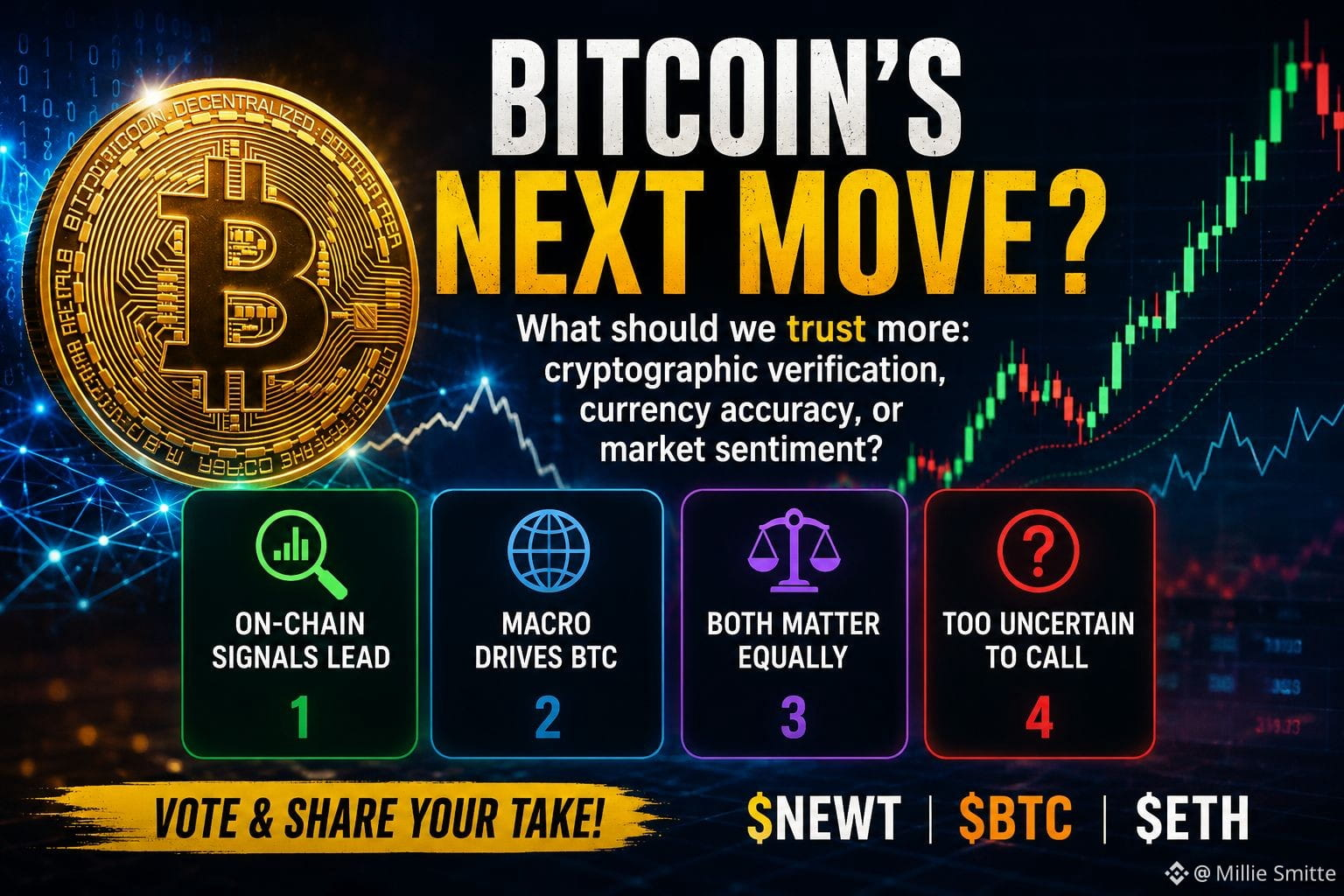
🧠 ما الذي يحدد الخطوة التالية لبيتكوين: قناعة السوق أم بيانات قابلة للتحقق؟ مع تحسن التحقق التشفيري ودقة الأسعار، ما الذي يجب أن يثق به المتداولون أكثر؟
الإشارات على السلسلة
العوامل الاقتصادية تدفع BTC
كلاهما مهم بالتساوي
غير مؤكد إلى حدّ كبير لاختيار إجابة
$NEWT $BTC $ETH #Bitcoin #Crypto
🧠 ما الذي يحدد الخطوة التالية لبيتكوين: قناعة السوق أم بيانات قابلة للتحقق؟ مع تحسن التحقق التشفيري ودقة الأسعار، ما الذي يجب أن يثق به المتداولون أكثر؟
الإشارات على السلسلة
العوامل الاقتصادية تدفع BTC
كلاهما مهم بالتساوي
غير مؤكد إلى حدّ كبير لاختيار إجابة
$NEWT $BTC $ETH #Bitcoin #Crypto
الإشارات على السلسلة
العوامل الاقتصادية تدفع BTC
كلاهما مهم بالتساوي
غير مؤكد إلى حدّ كبير لاختيار إجابة
$NEWT $BTC $ETH #Bitcoin #Crypto
1
128
🤔 إذا كانت كل إجراءات وكيل الذكاء الاصطناعي @NewtonProtocol DeFi قابلة للتحقق تشفيريًا، فما الذي قد يمنعك بعد ذلك من استخدام الأتمتة عبر السلسلة؟
• ثقة كاملة مع التحقق
• مقتصرة على المهام منخفضة المخاطر
• الإشراف البشري ضروري
• ما زلت لا أثق بالذكاء الاصطناعي مع الأموال
#Newt $NEWT $BTC $ETH
🤔 إذا كانت كل إجراءات وكيل الذكاء الاصطناعي @NewtonProtocol DeFi قابلة للتحقق تشفيريًا، فما الذي قد يمنعك بعد ذلك من استخدام الأتمتة عبر السلسلة؟
• ثقة كاملة مع التحقق
• مقتصرة على المهام منخفضة المخاطر
• الإشراف البشري ضروري
• ما زلت لا أثق بالذكاء الاصطناعي مع الأموال
#Newt $NEWT $BTC $ETH
• ثقة كاملة مع التحقق
• مقتصرة على المهام منخفضة المخاطر
• الإشراف البشري ضروري
• ما زلت لا أثق بالذكاء الاصطناعي مع الأموال
#Newt $NEWT $BTC $ETH
1
190
لا يؤثر التجزؤ على المستخدمين فقط—بل يقسم السيولة وموارد المطورين وآثار الشبكة. يمكن للمشاريع التي تقلل تكاليف التنسيق أن تخلق قيمة طويلة الأجل أكبر من المشاريع التي تركز فقط على ارتفاع TPS.
لا يؤثر التجزؤ على المستخدمين فقط—بل يقسم السيولة وموارد المطورين وآثار الشبكة. يمكن للمشاريع التي تقلل تكاليف التنسيق أن تخلق قيمة طويلة الأجل أكبر من المشاريع التي تركز فقط على ارتفاع TPS.
2
70
كل تقنية ناجحة تخفي في نهاية المطاف تعقيدها. لا يفكر الناس في TCP/IP أثناء تصفح الويب. وأعتقد أن التبنّي السائد للتقنيات التشفيرية لن يحدث إلا عندما يصبح البلوكشين غير مرئيًا للمستخدم النهائي بنفس قدر عدم الانتباه الذي يوليه الناس الآن لـ TCP/IP.
كل تقنية ناجحة تخفي في نهاية المطاف تعقيدها. لا يفكر الناس في TCP/IP أثناء تصفح الويب. وأعتقد أن التبنّي السائد للتقنيات التشفيرية لن يحدث إلا عندما يصبح البلوكشين غير مرئيًا للمستخدم النهائي بنفس قدر عدم الانتباه الذي يوليه الناس الآن لـ TCP/IP.
2
57
الاختبار الحقيقي لتجربة المستخدم في مجال العملات المشفّرة ليس إضافة المزيد من الميزات—بل تقليل عدد القرارات التي يتعين على المستخدمين اتخاذها دون تقليل مستوى الشفافية. وهذه مسألة هندسية أكثر صعوبة مما يدركه أغلب الناس.
الاختبار الحقيقي لتجربة المستخدم في مجال العملات المشفّرة ليس إضافة المزيد من الميزات—بل تقليل عدد القرارات التي يتعين على المستخدمين اتخاذها دون تقليل مستوى الشفافية. وهذه مسألة هندسية أكثر صعوبة مما يدركه أغلب الناس.
2
94
لماذا تُعدّ الأتمتة من دون محاسبة أمرًا خطيرًاقبل بضعة أيام، شاهدت آلة دفع ذاتية تُحمِّل العميل الخطأ مقابل مشتريات شخص آخر. لم يُجادل أحد مع الآلة في البداية لأن الجميع افترض أن الأتمتة يجب أن تكون على صواب. وفي النهاية، صحّح أحد الموظفين الخطأ، لكن ذلك ذكّرني بشيء أستمر في ملاحظته في عالم العملات المشفرة.
نقضي وقتًا طويلًا في التساؤل عما إذا كانت الأتمتة يمكن أن تفعل المزيد.
نقضي وقتًا أقل بكثير في التساؤل عمّن يتحمل المسؤولية عندما تُخطئ الأتمتة وتفعل شيئًا خاطئًا.
أصبح هذا السؤال أكثر إثارة للاهتمام بكثير عندما بحثت في @NewtonProtocol . توقعت نقاشًا آخر حول وكلاء الذكاء الاصطناعي والاستراتيجيات الآلية والتنفيذ الأسرع. لكنني وجدت نفسي أفكر في المحاسبة.
لماذا تُعدّ الأتمتة من دون محاسبة أمرًا خطيرًا
قبل بضعة أيام، شاهدت آلة دفع ذاتية تُحمِّل العميل الخطأ مقابل مشتريات شخص آخر. لم يُجادل أحد مع الآلة في البداية لأن الجميع افترض أن الأتمتة يجب أن تكون على صواب. وفي النهاية، صحّح أحد الموظفين الخطأ، لكن ذلك ذكّرني بشيء أستمر في ملاحظته في عالم العملات المشفرة.
نقضي وقتًا طويلًا في التساؤل عما إذا كانت الأتمتة يمكن أن تفعل المزيد.
نقضي وقتًا أقل بكثير في التساؤل عمّن يتحمل المسؤولية عندما تُخطئ الأتمتة وتفعل شيئًا خاطئًا.
أصبح هذا السؤال أكثر إثارة للاهتمام بكثير عندما بحثت في @NewtonProtocol . توقعت نقاشًا آخر حول وكلاء الذكاء الاصطناعي والاستراتيجيات الآلية والتنفيذ الأسرع. لكنني وجدت نفسي أفكر في المحاسبة.
نقضي وقتًا طويلًا في التساؤل عما إذا كانت الأتمتة يمكن أن تفعل المزيد.
نقضي وقتًا أقل بكثير في التساؤل عمّن يتحمل المسؤولية عندما تُخطئ الأتمتة وتفعل شيئًا خاطئًا.
أصبح هذا السؤال أكثر إثارة للاهتمام بكثير عندما بحثت في @NewtonProtocol . توقعت نقاشًا آخر حول وكلاء الذكاء الاصطناعي والاستراتيجيات الآلية والتنفيذ الأسرع. لكنني وجدت نفسي أفكر في المحاسبة.
2
3
169
سجّل الدخول لاستكشاف المزيد من المُحتوى
انضم إلى مُستخدمي العملات الرقمية حول العالم على Binance Square
⚡️ احصل على أحدث المعلومات المفيدة عن العملات الرقمية.
💬 موثوقة من قبل أكبر منصّة لتداول العملات الرقمية في العالم.
👍 اكتشف الرؤى الحقيقية من صنّاع المُحتوى الموثوقين.
البريد الإلكتروني / رقم الهاتف