
Hanan Goraya
223 منشورات

Hanan Goraya
إبلاغ
حظر المُستخدم
فتح تداول
مُتداول عرضي
27 أيام
8 تتابع
1 المتابعون
0 إعجاب
منشورات
الحافظة الاستثمارية
·
--
عرض الترجمة
Why Sustainable Crypto Growth Takes Time
Crypto can move incredibly fast.
But building a strong ecosystem usually doesn't happen overnight.
Long-term development requires:
👨💻 Consistent building
🛠️ Useful applications
👥 Growing communities
🔐 Security improvements
🌐 Real adoption
A project can attract attention quickly.
Building something people continue using is a much bigger challenge.
That's why when researching a crypto ecosystem, it can be useful to look beyond short-term excitement and ask:
“What is still being built when the hype becomes quiet?”
💬 What do you value more in a crypto project: Fast growth 🚀 or Consistent development 🛠️?
#Crypto #Blockchain #Web3 #CryptoResearch #CryptoEducation
Why Sustainable Crypto Growth Takes Time
Crypto can move incredibly fast.
But building a strong ecosystem usually doesn't happen overnight.
Long-term development requires:
👨💻 Consistent building
🛠️ Useful applications
👥 Growing communities
🔐 Security improvements
🌐 Real adoption
A project can attract attention quickly.
Building something people continue using is a much bigger challenge.
That's why when researching a crypto ecosystem, it can be useful to look beyond short-term excitement and ask:
“What is still being built when the hype becomes quiet?”
💬 What do you value more in a crypto project: Fast growth 🚀 or Consistent development 🛠️?
#Crypto #Blockchain #Web3 #CryptoResearch #CryptoEducation
Crypto can move incredibly fast.
But building a strong ecosystem usually doesn't happen overnight.
Long-term development requires:
👨💻 Consistent building
🛠️ Useful applications
👥 Growing communities
🔐 Security improvements
🌐 Real adoption
A project can attract attention quickly.
Building something people continue using is a much bigger challenge.
That's why when researching a crypto ecosystem, it can be useful to look beyond short-term excitement and ask:
“What is still being built when the hype becomes quiet?”
💬 What do you value more in a crypto project: Fast growth 🚀 or Consistent development 🛠️?
#Crypto #Blockchain #Web3 #CryptoResearch #CryptoEducation
1
·
--
عرض الترجمة
Why Blockchain State Is So Important
Every blockchain needs to keep track of its current state.
That can include information such as:
💰 Account balances
📝 Smart-contract data
🔄 Transaction results
📦 Network activity
As blockchain ecosystems grow, managing this state efficiently becomes an important technical challenge.
Developers are therefore working on ways to improve:
⚡ Access speed
💾 Storage efficiency
📊 Data management
🔧 Scalability
This may sound technical, but it affects something users care about:
How efficiently can the blockchain support applications at scale?
💬 Do you enjoy learning about the technical side of blockchain, or do you focus mainly on applications?
#Blockchain #CryptoTechnology #Web3 #CryptoEducation
Why Blockchain State Is So Important
Every blockchain needs to keep track of its current state.
That can include information such as:
💰 Account balances
📝 Smart-contract data
🔄 Transaction results
📦 Network activity
As blockchain ecosystems grow, managing this state efficiently becomes an important technical challenge.
Developers are therefore working on ways to improve:
⚡ Access speed
💾 Storage efficiency
📊 Data management
🔧 Scalability
This may sound technical, but it affects something users care about:
How efficiently can the blockchain support applications at scale?
💬 Do you enjoy learning about the technical side of blockchain, or do you focus mainly on applications?
#Blockchain #CryptoTechnology #Web3 #CryptoEducation
Every blockchain needs to keep track of its current state.
That can include information such as:
💰 Account balances
📝 Smart-contract data
🔄 Transaction results
📦 Network activity
As blockchain ecosystems grow, managing this state efficiently becomes an important technical challenge.
Developers are therefore working on ways to improve:
⚡ Access speed
💾 Storage efficiency
📊 Data management
🔧 Scalability
This may sound technical, but it affects something users care about:
How efficiently can the blockchain support applications at scale?
💬 Do you enjoy learning about the technical side of blockchain, or do you focus mainly on applications?
#Blockchain #CryptoTechnology #Web3 #CryptoEducation
28
·
--
لماذا تعدّ الارتباطات مهمّة في عالم العملات المشفّرة
لا تتحرك بيتكوين وإيثريوم وباقي العملات البديلة دائمًا بشكل مستقل.
أثناء ظروف معيّنة في السوق، قد تتحرك عدة أصول رقمية في الاتجاه نفسه.
وهنا تصبح أهمية الارتباطات واضحة.
فهم الارتباطات يمكن أن يساعد الباحثين على التفكير في:
📈 التعرض للّمحفظة
⚠️ المخاطر المركّزة
🌐 التحركات التي تشمل السوق بأكمله
📊 التنويع
امتلاك عدة عملات مختلفة لا يعني تلقائيًا أن تعرضك متنوّع إذا كانت هذه الأصول تميل إلى الاستجابة بشكل مماثل لنفس ظروف السوق.
المزيد من الأصول ≠ بالضرورة المزيد من التنويع.
💬 هل تعتقد أن الاحتفاظ بعدة أصول مشفّرة يقلّل المخاطر فعلًا؟
#Crypto #RiskManagement #Portfolio #CryptoEducation #MarketAnalysis
لماذا تعدّ الارتباطات مهمّة في عالم العملات المشفّرة
لا تتحرك بيتكوين وإيثريوم وباقي العملات البديلة دائمًا بشكل مستقل.
أثناء ظروف معيّنة في السوق، قد تتحرك عدة أصول رقمية في الاتجاه نفسه.
وهنا تصبح أهمية الارتباطات واضحة.
فهم الارتباطات يمكن أن يساعد الباحثين على التفكير في:
📈 التعرض للّمحفظة
⚠️ المخاطر المركّزة
🌐 التحركات التي تشمل السوق بأكمله
📊 التنويع
امتلاك عدة عملات مختلفة لا يعني تلقائيًا أن تعرضك متنوّع إذا كانت هذه الأصول تميل إلى الاستجابة بشكل مماثل لنفس ظروف السوق.
المزيد من الأصول ≠ بالضرورة المزيد من التنويع.
💬 هل تعتقد أن الاحتفاظ بعدة أصول مشفّرة يقلّل المخاطر فعلًا؟
#Crypto #RiskManagement #Portfolio #CryptoEducation #MarketAnalysis
لا تتحرك بيتكوين وإيثريوم وباقي العملات البديلة دائمًا بشكل مستقل.
أثناء ظروف معيّنة في السوق، قد تتحرك عدة أصول رقمية في الاتجاه نفسه.
وهنا تصبح أهمية الارتباطات واضحة.
فهم الارتباطات يمكن أن يساعد الباحثين على التفكير في:
📈 التعرض للّمحفظة
⚠️ المخاطر المركّزة
🌐 التحركات التي تشمل السوق بأكمله
📊 التنويع
امتلاك عدة عملات مختلفة لا يعني تلقائيًا أن تعرضك متنوّع إذا كانت هذه الأصول تميل إلى الاستجابة بشكل مماثل لنفس ظروف السوق.
المزيد من الأصول ≠ بالضرورة المزيد من التنويع.
💬 هل تعتقد أن الاحتفاظ بعدة أصول مشفّرة يقلّل المخاطر فعلًا؟
#Crypto #RiskManagement #Portfolio #CryptoEducation #MarketAnalysis
44
·
--
عرض الترجمة
Why Wallet Approvals Deserve Your Attention
When interacting with a decentralized application, users may be asked to approve token access.
Many people simply click Confirm.
But understanding what you're approving is an important part of Web3 security.
Before confirming, consider:
🔎 Which asset is involved?
📋 What permission is being requested?
⏱️ Is the approval temporary or ongoing?
🌐 Is the application legitimate?
A few seconds of checking can help you interact with Web3 more carefully.
In crypto, clicking “Confirm” is not just a button—it can be a permission.
💬 Do you read transaction details before approving them?
#CryptoSecurity #Web3 #DeFi #CryptoEducation #Blockchain
Why Wallet Approvals Deserve Your Attention
When interacting with a decentralized application, users may be asked to approve token access.
Many people simply click Confirm.
But understanding what you're approving is an important part of Web3 security.
Before confirming, consider:
🔎 Which asset is involved?
📋 What permission is being requested?
⏱️ Is the approval temporary or ongoing?
🌐 Is the application legitimate?
A few seconds of checking can help you interact with Web3 more carefully.
In crypto, clicking “Confirm” is not just a button—it can be a permission.
💬 Do you read transaction details before approving them?
#CryptoSecurity #Web3 #DeFi #CryptoEducation #Blockchain
When interacting with a decentralized application, users may be asked to approve token access.
Many people simply click Confirm.
But understanding what you're approving is an important part of Web3 security.
Before confirming, consider:
🔎 Which asset is involved?
📋 What permission is being requested?
⏱️ Is the approval temporary or ongoing?
🌐 Is the application legitimate?
A few seconds of checking can help you interact with Web3 more carefully.
In crypto, clicking “Confirm” is not just a button—it can be a permission.
💬 Do you read transaction details before approving them?
#CryptoSecurity #Web3 #DeFi #CryptoEducation #Blockchain
44
·
--
عرض الترجمة
Why Crypto Protocols Need Incentives
A decentralized network needs people to participate.
But why would users, validators, liquidity providers, or developers contribute their resources?
One answer is incentive design.
Protocols can use different mechanisms to encourage:
👥 Participation
🔐 Network security
💧 Liquidity
👨💻 Development
🌐 Ecosystem growth
But incentives need to be designed carefully.
If rewards are too dependent on short-term incentives, activity may disappear when rewards change.
A sustainable ecosystem needs more than rewards—it needs a reason for people to stay.
💬 What creates stronger communities: Rewards 🎁 or Real Utility 🛠️?
#DeFi #Blockchain #Tokenomics #Web3 #CryptoEducation
Why Crypto Protocols Need Incentives
A decentralized network needs people to participate.
But why would users, validators, liquidity providers, or developers contribute their resources?
One answer is incentive design.
Protocols can use different mechanisms to encourage:
👥 Participation
🔐 Network security
💧 Liquidity
👨💻 Development
🌐 Ecosystem growth
But incentives need to be designed carefully.
If rewards are too dependent on short-term incentives, activity may disappear when rewards change.
A sustainable ecosystem needs more than rewards—it needs a reason for people to stay.
💬 What creates stronger communities: Rewards 🎁 or Real Utility 🛠️?
#DeFi #Blockchain #Tokenomics #Web3 #CryptoEducation
A decentralized network needs people to participate.
But why would users, validators, liquidity providers, or developers contribute their resources?
One answer is incentive design.
Protocols can use different mechanisms to encourage:
👥 Participation
🔐 Network security
💧 Liquidity
👨💻 Development
🌐 Ecosystem growth
But incentives need to be designed carefully.
If rewards are too dependent on short-term incentives, activity may disappear when rewards change.
A sustainable ecosystem needs more than rewards—it needs a reason for people to stay.
💬 What creates stronger communities: Rewards 🎁 or Real Utility 🛠️?
#DeFi #Blockchain #Tokenomics #Web3 #CryptoEducation
59
·
--
عرض الترجمة
Why Crypto Liquidity Is More Than Trading Volume
A market can show impressive trading volume, but volume alone doesn't tell the complete liquidity story.
Liquidity is about how easily an asset can be traded without causing a large price impact.
Things worth observing include:
💧 Order-book depth
📊 Trading activity
↔️ Bid-ask spread
⚡ Market volatility
🌐 Number of active markets
This is why two assets with similar daily volume can still behave very differently during large trades.
Volume tells you how much was traded.
Liquidity helps you understand how easily the market can absorb trading.
💬 Which do you check more: Volume 📊 or Liquidity 💧?
#Crypto #Liquidity #Trading #MarketAnalysis #CryptoEducation
Why Crypto Liquidity Is More Than Trading Volume
A market can show impressive trading volume, but volume alone doesn't tell the complete liquidity story.
Liquidity is about how easily an asset can be traded without causing a large price impact.
Things worth observing include:
💧 Order-book depth
📊 Trading activity
↔️ Bid-ask spread
⚡ Market volatility
🌐 Number of active markets
This is why two assets with similar daily volume can still behave very differently during large trades.
Volume tells you how much was traded.
Liquidity helps you understand how easily the market can absorb trading.
💬 Which do you check more: Volume 📊 or Liquidity 💧?
#Crypto #Liquidity #Trading #MarketAnalysis #CryptoEducation
A market can show impressive trading volume, but volume alone doesn't tell the complete liquidity story.
Liquidity is about how easily an asset can be traded without causing a large price impact.
Things worth observing include:
💧 Order-book depth
📊 Trading activity
↔️ Bid-ask spread
⚡ Market volatility
🌐 Number of active markets
This is why two assets with similar daily volume can still behave very differently during large trades.
Volume tells you how much was traded.
Liquidity helps you understand how easily the market can absorb trading.
💬 Which do you check more: Volume 📊 or Liquidity 💧?
#Crypto #Liquidity #Trading #MarketAnalysis #CryptoEducation
70
·
--
مقالة
عرض الترجمة
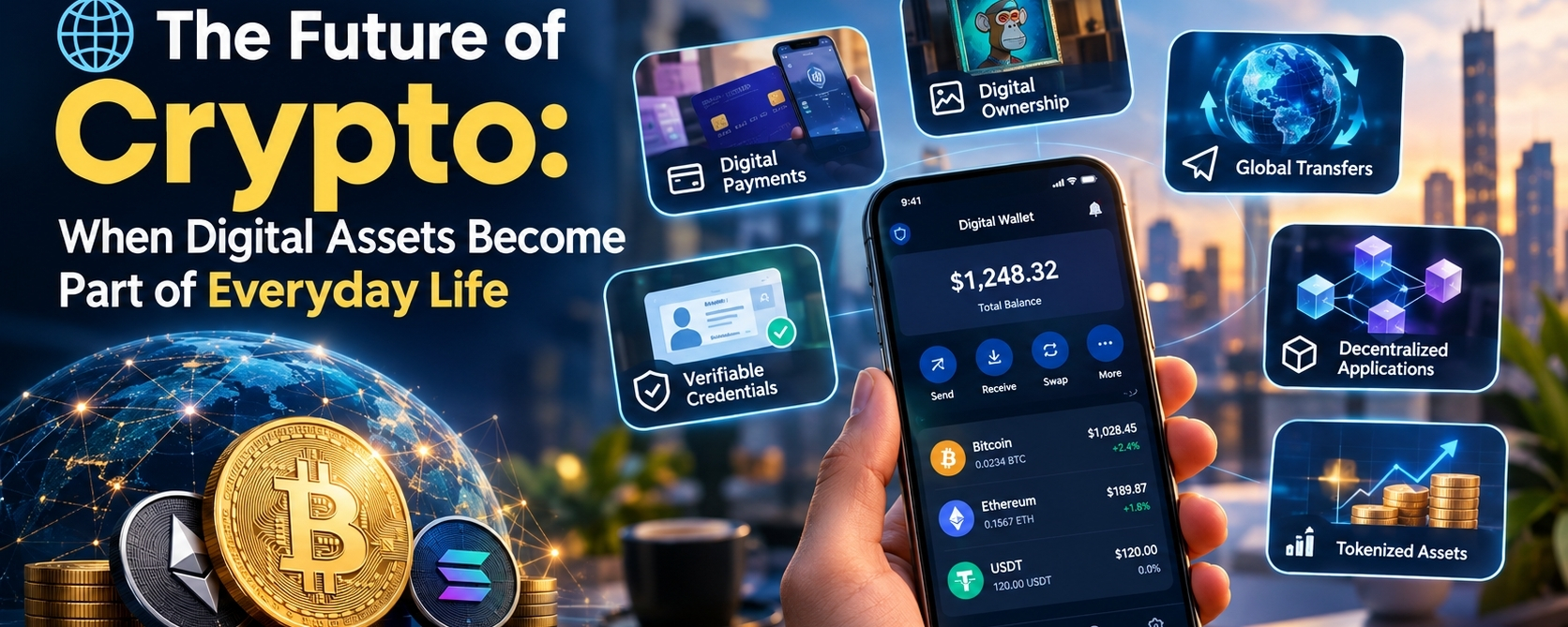
The Future of Crypto: When Digital Assets Become Part of Everyday LifeCrypto is often discussed through price charts, market cycles, and trading activity.
But the bigger question is:
What happens when blockchain becomes part of everyday digital life?
The next stage of crypto may not be about creating more tokens. It may be about making digital assets useful in ways people can understand and use without needing to become blockchain experts.
💳 From Trading to Real Utility
Today, people can use blockchain technology for much more than trading.
It can support:
💸 Digital payments
🎟️ Digital ownership
🌐 Global transfers
🪪 Verifiable credentials
🤝 Decentralized applications
📊 Tokenized assets
The important shift is from “What can I trade?” to “What can I actually use?”
📱 Simplicity Could Drive Adoption
One of the biggest challenges for Web3 is complexity.
New users may encounter wallets, network selection, transaction approvals, fees, and security considerations before completing a simple action.
For mainstream adoption, the experience needs to become much simpler.
Imagine:
Open app → choose action → confirm → done.
The blockchain can handle the complexity in the background.
That could make Web3 feel much more like the digital services people already use every day.
🔐 More Control, More Responsibility
Blockchain can give users greater control over digital assets.
But control comes with responsibility.
Users need to understand:
🔑 Wallet access
🛡️ Security
⚠️ Transaction approvals
🧠 Safe digital practices
The future of crypto isn't only about giving people more control.
It's about making that control safe and understandable.
🧩 The Ecosystem Matters
A blockchain becomes more interesting when different parts of its ecosystem work together.
Developers create applications.
Users create activity.
Infrastructure supports those applications.
Liquidity helps markets function.
And new integrations can create additional use cases.
That's why evaluating crypto based only on a token's price can miss the bigger picture.
The ecosystem tells a much larger story.
🚀 What Could the Next Era Look Like?
The most successful blockchain technology may eventually become almost invisible.
People may use blockchain-powered services without constantly thinking about:
“Which chain is this?”
“Where is the transaction being processed?”
“How does the infrastructure work?”
They'll simply care that the service is:
Fast. Secure. Useful. Easy.
And that could be one of the strongest signs of real adoption.
💡 Final Thought
Crypto's next major chapter may not be defined by the loudest narrative or the biggest price movement.
It may be defined by usefulness.
The projects and ecosystems that solve real problems, improve their technology, attract users, and create better experiences could have a much more meaningful role in the future digital economy.
Crypto started with digital assets.
The next chapter could be about digital utility.
💬 Your Opinion
What will drive the next stage of crypto adoption?
1️⃣ Real-world utility 🌍
2️⃣ Better user experience 📱
3️⃣ Stronger security 🔐
4️⃣ Better blockchain infrastructure ⚙️
Drop your choice below 👇
Educational content only. Not financial advice.
#Crypto #Blockchain #Web3 #CryptoEducation
#DigitalAssets #FutureOfFinance #BinanceSquare
The Future of Crypto: When Digital Assets Become Part of Everyday Life
Crypto is often discussed through price charts, market cycles, and trading activity.
But the bigger question is:
What happens when blockchain becomes part of everyday digital life?
The next stage of crypto may not be about creating more tokens. It may be about making digital assets useful in ways people can understand and use without needing to become blockchain experts.
💳 From Trading to Real Utility
Today, people can use blockchain technology for much more than trading.
It can support:
💸 Digital payments
🎟️ Digital ownership
🌐 Global transfers
🪪 Verifiable credentials
🤝 Decentralized applications
📊 Tokenized assets
The important shift is from “What can I trade?” to “What can I actually use?”
📱 Simplicity Could Drive Adoption
One of the biggest challenges for Web3 is complexity.
New users may encounter wallets, network selection, transaction approvals, fees, and security considerations before completing a simple action.
For mainstream adoption, the experience needs to become much simpler.
Imagine:
Open app → choose action → confirm → done.
The blockchain can handle the complexity in the background.
That could make Web3 feel much more like the digital services people already use every day.
🔐 More Control, More Responsibility
Blockchain can give users greater control over digital assets.
But control comes with responsibility.
Users need to understand:
🔑 Wallet access
🛡️ Security
⚠️ Transaction approvals
🧠 Safe digital practices
The future of crypto isn't only about giving people more control.
It's about making that control safe and understandable.
🧩 The Ecosystem Matters
A blockchain becomes more interesting when different parts of its ecosystem work together.
Developers create applications.
Users create activity.
Infrastructure supports those applications.
Liquidity helps markets function.
And new integrations can create additional use cases.
That's why evaluating crypto based only on a token's price can miss the bigger picture.
The ecosystem tells a much larger story.
🚀 What Could the Next Era Look Like?
The most successful blockchain technology may eventually become almost invisible.
People may use blockchain-powered services without constantly thinking about:
“Which chain is this?”
“Where is the transaction being processed?”
“How does the infrastructure work?”
They'll simply care that the service is:
Fast. Secure. Useful. Easy.
And that could be one of the strongest signs of real adoption.
💡 Final Thought
Crypto's next major chapter may not be defined by the loudest narrative or the biggest price movement.
It may be defined by usefulness.
The projects and ecosystems that solve real problems, improve their technology, attract users, and create better experiences could have a much more meaningful role in the future digital economy.
Crypto started with digital assets.
The next chapter could be about digital utility.
💬 Your Opinion
What will drive the next stage of crypto adoption?
1️⃣ Real-world utility 🌍
2️⃣ Better user experience 📱
3️⃣ Stronger security 🔐
4️⃣ Better blockchain infrastructure ⚙️
Drop your choice below 👇
Educational content only. Not financial advice.
#Crypto #Blockchain #Web3 #CryptoEducation
#DigitalAssets #FutureOfFinance #BinanceSquare
But the bigger question is:
What happens when blockchain becomes part of everyday digital life?
The next stage of crypto may not be about creating more tokens. It may be about making digital assets useful in ways people can understand and use without needing to become blockchain experts.
💳 From Trading to Real Utility
Today, people can use blockchain technology for much more than trading.
It can support:
💸 Digital payments
🎟️ Digital ownership
🌐 Global transfers
🪪 Verifiable credentials
🤝 Decentralized applications
📊 Tokenized assets
The important shift is from “What can I trade?” to “What can I actually use?”
📱 Simplicity Could Drive Adoption
One of the biggest challenges for Web3 is complexity.
New users may encounter wallets, network selection, transaction approvals, fees, and security considerations before completing a simple action.
For mainstream adoption, the experience needs to become much simpler.
Imagine:
Open app → choose action → confirm → done.
The blockchain can handle the complexity in the background.
That could make Web3 feel much more like the digital services people already use every day.
🔐 More Control, More Responsibility
Blockchain can give users greater control over digital assets.
But control comes with responsibility.
Users need to understand:
🔑 Wallet access
🛡️ Security
⚠️ Transaction approvals
🧠 Safe digital practices
The future of crypto isn't only about giving people more control.
It's about making that control safe and understandable.
🧩 The Ecosystem Matters
A blockchain becomes more interesting when different parts of its ecosystem work together.
Developers create applications.
Users create activity.
Infrastructure supports those applications.
Liquidity helps markets function.
And new integrations can create additional use cases.
That's why evaluating crypto based only on a token's price can miss the bigger picture.
The ecosystem tells a much larger story.
🚀 What Could the Next Era Look Like?
The most successful blockchain technology may eventually become almost invisible.
People may use blockchain-powered services without constantly thinking about:
“Which chain is this?”
“Where is the transaction being processed?”
“How does the infrastructure work?”
They'll simply care that the service is:
Fast. Secure. Useful. Easy.
And that could be one of the strongest signs of real adoption.
💡 Final Thought
Crypto's next major chapter may not be defined by the loudest narrative or the biggest price movement.
It may be defined by usefulness.
The projects and ecosystems that solve real problems, improve their technology, attract users, and create better experiences could have a much more meaningful role in the future digital economy.
Crypto started with digital assets.
The next chapter could be about digital utility.
💬 Your Opinion
What will drive the next stage of crypto adoption?
1️⃣ Real-world utility 🌍
2️⃣ Better user experience 📱
3️⃣ Stronger security 🔐
4️⃣ Better blockchain infrastructure ⚙️
Drop your choice below 👇
Educational content only. Not financial advice.
#Crypto #Blockchain #Web3 #CryptoEducation
#DigitalAssets #FutureOfFinance #BinanceSquare
2
·
--
لماذا يغيّر الحفظ الذاتي تجربة العملات الرقمية
أحد أكبر أفكار تقنية البلوكشين هو منح المستخدمين تحكمًا مباشرًا أكبر بأصولهم الرقمية.
مع الحفظ الذاتي، يصبح المستخدمون مسؤولين عن إدارة وصولهم إلى محافظهم.
قد يوفّر ذلك تحكمًا أكبر—لكنّه يعني أيضًا مسؤولية أكبر.
عليك التفكير في:
🔐 أمان المحفظة
🗝️ معلومات الاسترداد
⚠️ الموافقات على المعاملات
📱 أمان الأجهزة
🧠 عادات رقمية آمنة
الحفظ الذاتي ليس مجرد:
“ليست مفاتيحك، ليست عملاتك.”
بل هو أيضًا:
“المزيد من التحكم يعني مزيدًا من المسؤولية.”
💬 ما الأهم بالنسبة لك في عالم العملات الرقمية: الراحة أم التحكم؟
#CryptoSecurity #SelfCustody #Blockchain #Web3 #CryptoEducation
لماذا يغيّر الحفظ الذاتي تجربة العملات الرقمية
أحد أكبر أفكار تقنية البلوكشين هو منح المستخدمين تحكمًا مباشرًا أكبر بأصولهم الرقمية.
مع الحفظ الذاتي، يصبح المستخدمون مسؤولين عن إدارة وصولهم إلى محافظهم.
قد يوفّر ذلك تحكمًا أكبر—لكنّه يعني أيضًا مسؤولية أكبر.
عليك التفكير في:
🔐 أمان المحفظة
🗝️ معلومات الاسترداد
⚠️ الموافقات على المعاملات
📱 أمان الأجهزة
🧠 عادات رقمية آمنة
الحفظ الذاتي ليس مجرد:
“ليست مفاتيحك، ليست عملاتك.”
بل هو أيضًا:
“المزيد من التحكم يعني مزيدًا من المسؤولية.”
💬 ما الأهم بالنسبة لك في عالم العملات الرقمية: الراحة أم التحكم؟
#CryptoSecurity #SelfCustody #Blockchain #Web3 #CryptoEducation
أحد أكبر أفكار تقنية البلوكشين هو منح المستخدمين تحكمًا مباشرًا أكبر بأصولهم الرقمية.
مع الحفظ الذاتي، يصبح المستخدمون مسؤولين عن إدارة وصولهم إلى محافظهم.
قد يوفّر ذلك تحكمًا أكبر—لكنّه يعني أيضًا مسؤولية أكبر.
عليك التفكير في:
🔐 أمان المحفظة
🗝️ معلومات الاسترداد
⚠️ الموافقات على المعاملات
📱 أمان الأجهزة
🧠 عادات رقمية آمنة
الحفظ الذاتي ليس مجرد:
“ليست مفاتيحك، ليست عملاتك.”
بل هو أيضًا:
“المزيد من التحكم يعني مزيدًا من المسؤولية.”
💬 ما الأهم بالنسبة لك في عالم العملات الرقمية: الراحة أم التحكم؟
#CryptoSecurity #SelfCustody #Blockchain #Web3 #CryptoEducation
4
·
--
عرض الترجمة
Why Market Volatility Isn't Always a Signal
A sudden 5% move can grab everyone's attention.
But volatility itself doesn't tell you whether the market is becoming bullish or bearish.
Volatility simply tells us that price is moving significantly.
The important questions are:
🔎 What caused the move?
📊 How strong is participation?
🌐 Is the wider market moving too?
⏱️ Is the move holding or reversing?
A volatile market can create opportunities—but it can also create uncertainty.
Movement is information. Direction requires context.
💬 Do you prefer trading during high volatility or calmer markets?
#Crypto #Volatility #MarketAnalysis #Trading #CryptoEducation
Why Market Volatility Isn't Always a Signal
A sudden 5% move can grab everyone's attention.
But volatility itself doesn't tell you whether the market is becoming bullish or bearish.
Volatility simply tells us that price is moving significantly.
The important questions are:
🔎 What caused the move?
📊 How strong is participation?
🌐 Is the wider market moving too?
⏱️ Is the move holding or reversing?
A volatile market can create opportunities—but it can also create uncertainty.
Movement is information. Direction requires context.
💬 Do you prefer trading during high volatility or calmer markets?
#Crypto #Volatility #MarketAnalysis #Trading #CryptoEducation
A sudden 5% move can grab everyone's attention.
But volatility itself doesn't tell you whether the market is becoming bullish or bearish.
Volatility simply tells us that price is moving significantly.
The important questions are:
🔎 What caused the move?
📊 How strong is participation?
🌐 Is the wider market moving too?
⏱️ Is the move holding or reversing?
A volatile market can create opportunities—but it can also create uncertainty.
Movement is information. Direction requires context.
💬 Do you prefer trading during high volatility or calmer markets?
#Crypto #Volatility #MarketAnalysis #Trading #CryptoEducation
7
·
--
لماذا تُعد عقد البلوكشين مهمة
أنت تتعامل مع العملات المشفرة عبر تطبيق أو محفظة.
لكن خلف الكواليس، تساعد العقد في الحفاظ على شبكات البلوكشين والتحقق منها.
يمكن للعُقد المشاركة في مهام مثل:
🔎 التحقق من المعاملات
📚 الحفاظ على بيانات البلوكشين
🌐 التواصل مع المشاركين الآخرين في الشبكة
🛡️ فرض قواعد الشبكة
تُعد هذه البنية التحتية الموزعة أحد أسس تقنية البلوكشين.
في المرة القادمة التي تُجري فيها معاملة بالعملات المشفرة، تذكّر:
هناك شبكة كاملة تعمل خلف زر “تأكيد” البسيط هذا.
💬 هل تساءلت يومًا ماذا يحدث خلف الكواليس بعد أن تُرسل معاملة؟
#Blockchain #CryptoEducation #Web3 #CryptoTechnology
لماذا تُعد عقد البلوكشين مهمة
أنت تتعامل مع العملات المشفرة عبر تطبيق أو محفظة.
لكن خلف الكواليس، تساعد العقد في الحفاظ على شبكات البلوكشين والتحقق منها.
يمكن للعُقد المشاركة في مهام مثل:
🔎 التحقق من المعاملات
📚 الحفاظ على بيانات البلوكشين
🌐 التواصل مع المشاركين الآخرين في الشبكة
🛡️ فرض قواعد الشبكة
تُعد هذه البنية التحتية الموزعة أحد أسس تقنية البلوكشين.
في المرة القادمة التي تُجري فيها معاملة بالعملات المشفرة، تذكّر:
هناك شبكة كاملة تعمل خلف زر “تأكيد” البسيط هذا.
💬 هل تساءلت يومًا ماذا يحدث خلف الكواليس بعد أن تُرسل معاملة؟
#Blockchain #CryptoEducation #Web3 #CryptoTechnology
أنت تتعامل مع العملات المشفرة عبر تطبيق أو محفظة.
لكن خلف الكواليس، تساعد العقد في الحفاظ على شبكات البلوكشين والتحقق منها.
يمكن للعُقد المشاركة في مهام مثل:
🔎 التحقق من المعاملات
📚 الحفاظ على بيانات البلوكشين
🌐 التواصل مع المشاركين الآخرين في الشبكة
🛡️ فرض قواعد الشبكة
تُعد هذه البنية التحتية الموزعة أحد أسس تقنية البلوكشين.
في المرة القادمة التي تُجري فيها معاملة بالعملات المشفرة، تذكّر:
هناك شبكة كاملة تعمل خلف زر “تأكيد” البسيط هذا.
💬 هل تساءلت يومًا ماذا يحدث خلف الكواليس بعد أن تُرسل معاملة؟
#Blockchain #CryptoEducation #Web3 #CryptoTechnology
34
·
--
عرض الترجمة
Why Blockchain Nodes Matter
You interact with crypto through an app or wallet.
But behind the scenes, nodes help maintain and verify blockchain networks.
Nodes can participate in tasks such as:
🔎 Verifying transactions
📚 Maintaining blockchain data
🌐 Communicating with other network participants
🛡️ Enforcing network rules
This distributed infrastructure is one of the foundations of blockchain technology.
The next time you make a crypto transaction, remember:
There is an entire network working behind that simple “Confirm” button.
💬 Had you ever wondered what happens behind the scenes after you send a transaction?
#Blockchain #CryptoEducation #Web3 #CryptoTechnology
Why Blockchain Nodes Matter
You interact with crypto through an app or wallet.
But behind the scenes, nodes help maintain and verify blockchain networks.
Nodes can participate in tasks such as:
🔎 Verifying transactions
📚 Maintaining blockchain data
🌐 Communicating with other network participants
🛡️ Enforcing network rules
This distributed infrastructure is one of the foundations of blockchain technology.
The next time you make a crypto transaction, remember:
There is an entire network working behind that simple “Confirm” button.
💬 Had you ever wondered what happens behind the scenes after you send a transaction?
#Blockchain #CryptoEducation #Web3 #CryptoTechnology
You interact with crypto through an app or wallet.
But behind the scenes, nodes help maintain and verify blockchain networks.
Nodes can participate in tasks such as:
🔎 Verifying transactions
📚 Maintaining blockchain data
🌐 Communicating with other network participants
🛡️ Enforcing network rules
This distributed infrastructure is one of the foundations of blockchain technology.
The next time you make a crypto transaction, remember:
There is an entire network working behind that simple “Confirm” button.
💬 Had you ever wondered what happens behind the scenes after you send a transaction?
#Blockchain #CryptoEducation #Web3 #CryptoTechnology
27
·
--
عرض الترجمة
Why Confirmation Matters in Market Analysis
Seeing a coin break above a level can be exciting.
But a single move doesn't always tell the full story.
Traders often look for confirmation through multiple signals:
📊 Volume
📈 Follow-through
🧩 Market structure
⏱️ Timeframe context
🌐 Broader market conditions
The idea is simple:
Don't let one signal make the entire decision.
More evidence can help you distinguish between a meaningful move and temporary market noise.
💬 Do you wait for confirmation—or react immediately to a breakout?
#CryptoTrading #MarketAnalysis #PriceAction #CryptoEducation
Why Confirmation Matters in Market Analysis
Seeing a coin break above a level can be exciting.
But a single move doesn't always tell the full story.
Traders often look for confirmation through multiple signals:
📊 Volume
📈 Follow-through
🧩 Market structure
⏱️ Timeframe context
🌐 Broader market conditions
The idea is simple:
Don't let one signal make the entire decision.
More evidence can help you distinguish between a meaningful move and temporary market noise.
💬 Do you wait for confirmation—or react immediately to a breakout?
#CryptoTrading #MarketAnalysis #PriceAction #CryptoEducation
Seeing a coin break above a level can be exciting.
But a single move doesn't always tell the full story.
Traders often look for confirmation through multiple signals:
📊 Volume
📈 Follow-through
🧩 Market structure
⏱️ Timeframe context
🌐 Broader market conditions
The idea is simple:
Don't let one signal make the entire decision.
More evidence can help you distinguish between a meaningful move and temporary market noise.
💬 Do you wait for confirmation—or react immediately to a breakout?
#CryptoTrading #MarketAnalysis #PriceAction #CryptoEducation
50
·
--
لماذا تهمّ الإمدادات المتداولة
قد يكون لدى عملاتَين نفس السعر لكن بقيم سوقية مختلفة تمامًا.
لماذا؟
لأن إمداداتها المتداولة قد تكون مختلفة جدًا.
على سبيل المثال:
🪙 الرمز A = $1 × 1 مليار توكن
🪙 الرمز B = $1 × 10 مليارات توكن
كلاهما بسعر $1—لكن رأسمالَيهما السوقية مختلفة جدًا.
لهذا السبب لا ينبغي للبحث الاحترافي في عالم الكريبتو أن يركز على السعر وحده.
انظر إلى:
📊 القيمة السوقية
🪙 الإمداد المتداول
🔓 الإمداد المستقبلي
📅 جداول الإطلاق
سعر التوكن هو جزء واحد فقط من قصة تقييمه.
💬 هل سبق لك أن قارنت بين عملتَين فقط لأن أسعارهما بدت متشابهة؟
#Tokenomics #CryptoEducation #Altcoins #CryptoResearch
لماذا تهمّ الإمدادات المتداولة
قد يكون لدى عملاتَين نفس السعر لكن بقيم سوقية مختلفة تمامًا.
لماذا؟
لأن إمداداتها المتداولة قد تكون مختلفة جدًا.
على سبيل المثال:
🪙 الرمز A = $1 × 1 مليار توكن
🪙 الرمز B = $1 × 10 مليارات توكن
كلاهما بسعر $1—لكن رأسمالَيهما السوقية مختلفة جدًا.
لهذا السبب لا ينبغي للبحث الاحترافي في عالم الكريبتو أن يركز على السعر وحده.
انظر إلى:
📊 القيمة السوقية
🪙 الإمداد المتداول
🔓 الإمداد المستقبلي
📅 جداول الإطلاق
سعر التوكن هو جزء واحد فقط من قصة تقييمه.
💬 هل سبق لك أن قارنت بين عملتَين فقط لأن أسعارهما بدت متشابهة؟
#Tokenomics #CryptoEducation #Altcoins #CryptoResearch
قد يكون لدى عملاتَين نفس السعر لكن بقيم سوقية مختلفة تمامًا.
لماذا؟
لأن إمداداتها المتداولة قد تكون مختلفة جدًا.
على سبيل المثال:
🪙 الرمز A = $1 × 1 مليار توكن
🪙 الرمز B = $1 × 10 مليارات توكن
كلاهما بسعر $1—لكن رأسمالَيهما السوقية مختلفة جدًا.
لهذا السبب لا ينبغي للبحث الاحترافي في عالم الكريبتو أن يركز على السعر وحده.
انظر إلى:
📊 القيمة السوقية
🪙 الإمداد المتداول
🔓 الإمداد المستقبلي
📅 جداول الإطلاق
سعر التوكن هو جزء واحد فقط من قصة تقييمه.
💬 هل سبق لك أن قارنت بين عملتَين فقط لأن أسعارهما بدت متشابهة؟
#Tokenomics #CryptoEducation #Altcoins #CryptoResearch
73
·
--
لماذا يمكن أن تكون أحجام التداول في العملات الرقمية مضللة
يُعد حجم التداول واحدًا من أكثر الأرقام التي يتم مراقبتها في عالم العملات الرقمية.
لكن رقم حجم تداول مرتفع لا يعني تلقائيًا وجود اهتمام قوي بالشراء.
قد يزيد الحجم بسبب:
📈 شراء قوي
📉 بيع قوي
⚡ تقلبات عالية
🔄 نشاط المراجحة
📰 أحداث رئيسية في السوق
لذلك يجب قراءة حجم التداول جنبًا إلى جنب مع حركة السعر والسياق في السوق.
الشمعة ذات الحجم الكبير تخبرك أن شيئًا ما قد حدث.
مهمتك هي فهم ما الذي حدث فعليًا.
💬 عندما ترى ارتفاعًا مفاجئًا في حجم التداول، ماذا تراجع بعد ذلك؟
السعر 📊 أم الأخبار 📰؟
#Crypto #TradingVolume #MarketAnalysis #CryptoEducation #BinanceSquare
لماذا يمكن أن تكون أحجام التداول في العملات الرقمية مضللة
يُعد حجم التداول واحدًا من أكثر الأرقام التي يتم مراقبتها في عالم العملات الرقمية.
لكن رقم حجم تداول مرتفع لا يعني تلقائيًا وجود اهتمام قوي بالشراء.
قد يزيد الحجم بسبب:
📈 شراء قوي
📉 بيع قوي
⚡ تقلبات عالية
🔄 نشاط المراجحة
📰 أحداث رئيسية في السوق
لذلك يجب قراءة حجم التداول جنبًا إلى جنب مع حركة السعر والسياق في السوق.
الشمعة ذات الحجم الكبير تخبرك أن شيئًا ما قد حدث.
مهمتك هي فهم ما الذي حدث فعليًا.
💬 عندما ترى ارتفاعًا مفاجئًا في حجم التداول، ماذا تراجع بعد ذلك؟
السعر 📊 أم الأخبار 📰؟
#Crypto #TradingVolume #MarketAnalysis #CryptoEducation #BinanceSquare
يُعد حجم التداول واحدًا من أكثر الأرقام التي يتم مراقبتها في عالم العملات الرقمية.
لكن رقم حجم تداول مرتفع لا يعني تلقائيًا وجود اهتمام قوي بالشراء.
قد يزيد الحجم بسبب:
📈 شراء قوي
📉 بيع قوي
⚡ تقلبات عالية
🔄 نشاط المراجحة
📰 أحداث رئيسية في السوق
لذلك يجب قراءة حجم التداول جنبًا إلى جنب مع حركة السعر والسياق في السوق.
الشمعة ذات الحجم الكبير تخبرك أن شيئًا ما قد حدث.
مهمتك هي فهم ما الذي حدث فعليًا.
💬 عندما ترى ارتفاعًا مفاجئًا في حجم التداول، ماذا تراجع بعد ذلك؟
السعر 📊 أم الأخبار 📰؟
#Crypto #TradingVolume #MarketAnalysis #CryptoEducation #BinanceSquare
71
·
--
مقالة
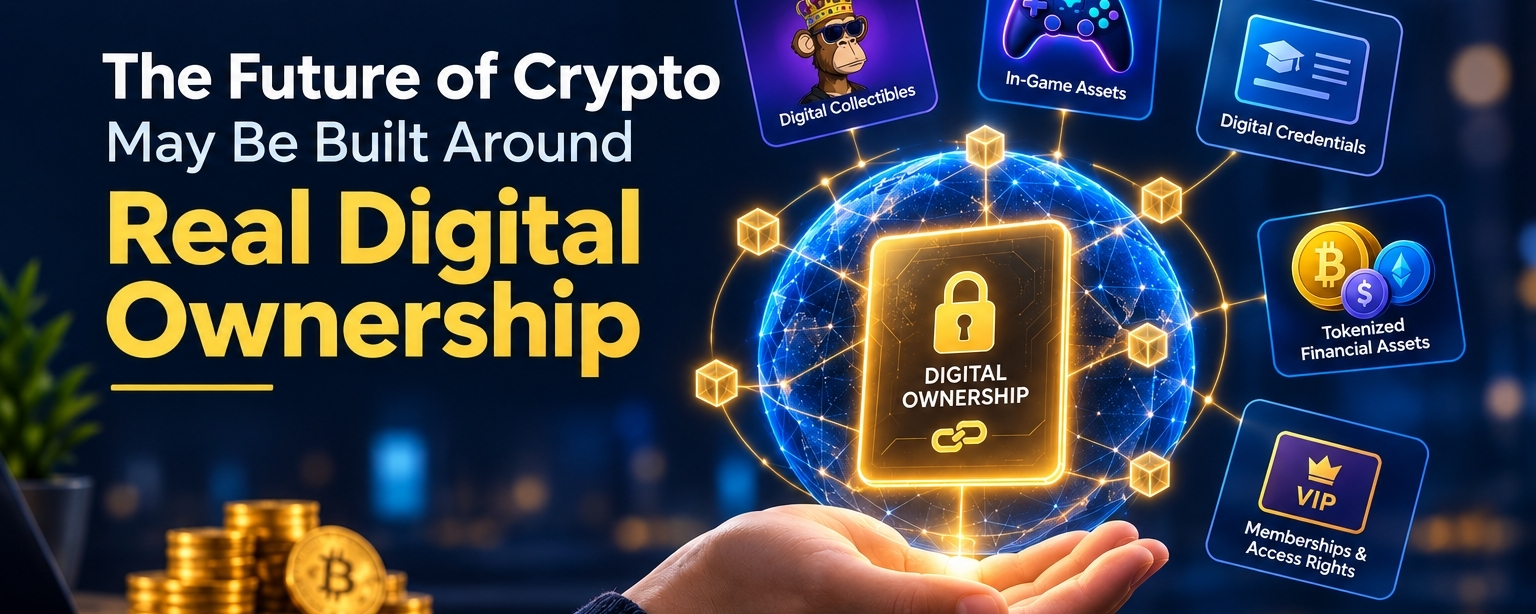
قد يكون مستقبل التشفير مبنيًا حول ملكية رقمية حقيقيةلفترة طويلة، ركّزت محادثة التشفير على التداول والسعر بشكل كبير.
لكن تقنية البلوك تشين طرحت فكرة أكبر بكثير:
الملكية الرقمية.
على الإنترنت، يمكننا إنشاء حسابات والوصول إلى خدمات رقمية—لكن غالبًا ما تتم إدارة الملكية والتحكم عبر منصات مركزية.
يمكن للبلوك تشين أن يقدم نموذجًا مختلفًا، حيث يمكن تسجيل ملكية بعض الأصول الرقمية والتحقق منها على شبكة عامة.
🪙 ماذا تعني الملكية الرقمية؟
يمكن تطبيق الملكية المبنية على البلوك تشين على أنواع مختلفة من الأصول والتجارب:
قد يكون مستقبل التشفير مبنيًا حول ملكية رقمية حقيقية
لفترة طويلة، ركّزت محادثة التشفير على التداول والسعر بشكل كبير.
لكن تقنية البلوك تشين طرحت فكرة أكبر بكثير:
الملكية الرقمية.
على الإنترنت، يمكننا إنشاء حسابات والوصول إلى خدمات رقمية—لكن غالبًا ما تتم إدارة الملكية والتحكم عبر منصات مركزية.
يمكن للبلوك تشين أن يقدم نموذجًا مختلفًا، حيث يمكن تسجيل ملكية بعض الأصول الرقمية والتحقق منها على شبكة عامة.
🪙 ماذا تعني الملكية الرقمية؟
يمكن تطبيق الملكية المبنية على البلوك تشين على أنواع مختلفة من الأصول والتجارب:
لكن تقنية البلوك تشين طرحت فكرة أكبر بكثير:
الملكية الرقمية.
على الإنترنت، يمكننا إنشاء حسابات والوصول إلى خدمات رقمية—لكن غالبًا ما تتم إدارة الملكية والتحكم عبر منصات مركزية.
يمكن للبلوك تشين أن يقدم نموذجًا مختلفًا، حيث يمكن تسجيل ملكية بعض الأصول الرقمية والتحقق منها على شبكة عامة.
🪙 ماذا تعني الملكية الرقمية؟
يمكن تطبيق الملكية المبنية على البلوك تشين على أنواع مختلفة من الأصول والتجارب:
2
·
--
عرض الترجمة
The Crypto Market Doesn't Move on Price Alone
When a cryptocurrency starts moving, many people immediately focus on the candle:
📈 Green = bullish
📉 Red = bearish
But price is only one part of the picture.
A stronger market analysis also looks at:
📊 Volume — Is participation increasing or decreasing?
💧 Liquidity — How much activity can the market absorb?
🌐 Market context — What is happening across the wider crypto market?
📰 Catalysts — Is there a meaningful development behind the move?
⚖️ Structure — Is the market trending or consolidating?
The important question isn't simply:
“Where is the price going?”
It's:
“What information is the market giving me right now?”
Sometimes the best analysis is not making a prediction—it's waiting for the market to provide clearer evidence.
💬 When you analyze crypto, what do you check first: Price 📈, Volume 📊, or News 📰?
#Crypto #MarketAnalysis #CryptoEducation #Trading #Blockchain #BinanceSquare
The Crypto Market Doesn't Move on Price Alone
When a cryptocurrency starts moving, many people immediately focus on the candle:
📈 Green = bullish
📉 Red = bearish
But price is only one part of the picture.
A stronger market analysis also looks at:
📊 Volume — Is participation increasing or decreasing?
💧 Liquidity — How much activity can the market absorb?
🌐 Market context — What is happening across the wider crypto market?
📰 Catalysts — Is there a meaningful development behind the move?
⚖️ Structure — Is the market trending or consolidating?
The important question isn't simply:
“Where is the price going?”
It's:
“What information is the market giving me right now?”
Sometimes the best analysis is not making a prediction—it's waiting for the market to provide clearer evidence.
💬 When you analyze crypto, what do you check first: Price 📈, Volume 📊, or News 📰?
#Crypto #MarketAnalysis #CryptoEducation #Trading #Blockchain #BinanceSquare
When a cryptocurrency starts moving, many people immediately focus on the candle:
📈 Green = bullish
📉 Red = bearish
But price is only one part of the picture.
A stronger market analysis also looks at:
📊 Volume — Is participation increasing or decreasing?
💧 Liquidity — How much activity can the market absorb?
🌐 Market context — What is happening across the wider crypto market?
📰 Catalysts — Is there a meaningful development behind the move?
⚖️ Structure — Is the market trending or consolidating?
The important question isn't simply:
“Where is the price going?”
It's:
“What information is the market giving me right now?”
Sometimes the best analysis is not making a prediction—it's waiting for the market to provide clearer evidence.
💬 When you analyze crypto, what do you check first: Price 📈, Volume 📊, or News 📰?
#Crypto #MarketAnalysis #CryptoEducation #Trading #Blockchain #BinanceSquare
3
·
--
يتجه التشفير نحو المال القابل للبرمجة
تقوم المدفوعات الرقمية التقليدية بنقل القيمة بشكل أساسي.
يمكن للسلسلة الكتلية أن تضيف شيئًا مختلفًا:
يمكن برمجة القواعد في كيفية انتقال القيمة.
قد يتيح ذلك تطبيقات تتفاعل فيها المعاملات مع البرامج تلقائيًا.
على سبيل المثال:
💰 مدفوعات آلية
🤝 معاملات مشروطة
📊 تطبيقات مالية على السلسلة
🔄 تسويات قابلة للبرمجة
⚙️ خدمات مبنية على العقود الذكية
لا يعني ذلك أن كل نظام مالي يحتاج إلى سلسلة كتلية.
لكنها توضح سبب كون البلوك تشين مثيرة للاهتمام فراترًا من مجرد إنشاء عملات رقمية.
قد تكون الابتكار الأكبر هو القيمة القابلة للبرمجة—وليس مجرد القيمة الرقمية.
💬 ما الذي يبدو أكثر أهمية للمستقبل: المال الرقمي 💰 أم المال القابل للبرمجة ⚙️؟
#Crypto #Blockchain #SmartContracts #Web3 #FutureOfFinance
يتجه التشفير نحو المال القابل للبرمجة
تقوم المدفوعات الرقمية التقليدية بنقل القيمة بشكل أساسي.
يمكن للسلسلة الكتلية أن تضيف شيئًا مختلفًا:
يمكن برمجة القواعد في كيفية انتقال القيمة.
قد يتيح ذلك تطبيقات تتفاعل فيها المعاملات مع البرامج تلقائيًا.
على سبيل المثال:
💰 مدفوعات آلية
🤝 معاملات مشروطة
📊 تطبيقات مالية على السلسلة
🔄 تسويات قابلة للبرمجة
⚙️ خدمات مبنية على العقود الذكية
لا يعني ذلك أن كل نظام مالي يحتاج إلى سلسلة كتلية.
لكنها توضح سبب كون البلوك تشين مثيرة للاهتمام فراترًا من مجرد إنشاء عملات رقمية.
قد تكون الابتكار الأكبر هو القيمة القابلة للبرمجة—وليس مجرد القيمة الرقمية.
💬 ما الذي يبدو أكثر أهمية للمستقبل: المال الرقمي 💰 أم المال القابل للبرمجة ⚙️؟
#Crypto #Blockchain #SmartContracts #Web3 #FutureOfFinance
تقوم المدفوعات الرقمية التقليدية بنقل القيمة بشكل أساسي.
يمكن للسلسلة الكتلية أن تضيف شيئًا مختلفًا:
يمكن برمجة القواعد في كيفية انتقال القيمة.
قد يتيح ذلك تطبيقات تتفاعل فيها المعاملات مع البرامج تلقائيًا.
على سبيل المثال:
💰 مدفوعات آلية
🤝 معاملات مشروطة
📊 تطبيقات مالية على السلسلة
🔄 تسويات قابلة للبرمجة
⚙️ خدمات مبنية على العقود الذكية
لا يعني ذلك أن كل نظام مالي يحتاج إلى سلسلة كتلية.
لكنها توضح سبب كون البلوك تشين مثيرة للاهتمام فراترًا من مجرد إنشاء عملات رقمية.
قد تكون الابتكار الأكبر هو القيمة القابلة للبرمجة—وليس مجرد القيمة الرقمية.
💬 ما الذي يبدو أكثر أهمية للمستقبل: المال الرقمي 💰 أم المال القابل للبرمجة ⚙️؟
#Crypto #Blockchain #SmartContracts #Web3 #FutureOfFinance
31
·
--
لماذا يمكن أن تخبرك رسوم البلوك تشين بشيء عن الطلب على الشبكة
رسوم المعاملات ليست مجرد تكلفة للمستخدمين.
يمكن أن توفر أيضًا معلومات عن نشاط الشبكة.
عندما يتغير الطلب على مساحة البلوكات، يمكن أن تتغير أسواق الرسوم أيضًا.
لهذا قد يراقب المحللون:
⛽ رسوم المعاملات
📊 نشاط الشبكة
👥 طلب المستخدمين
⚙️ استخدام مساحة البلوك
🔄 نشاط التطبيقات
ولكن تذكّر:
ارتفاع الرسوم ليس تلقائيًا أمرًا جيدًا، وانخفاض الرسوم ليس تلقائيًا أمرًا سيئًا.
السؤال الأهم هو لماذا تتغير الرسوم.
قد يشير الارتفاع المفاجئ إلى طلب قوي—أو إلى ازدحام مؤقت.
السياق مهم.
💬 هل تفضل استخدام شبكة برسوم منخفضة جدًا أم شبكة برسوم أعلى لكن بنشاط قوي؟
#Blockchain #CryptoEducation #NetworkActivity #Crypto #Web3
لماذا يمكن أن تخبرك رسوم البلوك تشين بشيء عن الطلب على الشبكة
رسوم المعاملات ليست مجرد تكلفة للمستخدمين.
يمكن أن توفر أيضًا معلومات عن نشاط الشبكة.
عندما يتغير الطلب على مساحة البلوكات، يمكن أن تتغير أسواق الرسوم أيضًا.
لهذا قد يراقب المحللون:
⛽ رسوم المعاملات
📊 نشاط الشبكة
👥 طلب المستخدمين
⚙️ استخدام مساحة البلوك
🔄 نشاط التطبيقات
ولكن تذكّر:
ارتفاع الرسوم ليس تلقائيًا أمرًا جيدًا، وانخفاض الرسوم ليس تلقائيًا أمرًا سيئًا.
السؤال الأهم هو لماذا تتغير الرسوم.
قد يشير الارتفاع المفاجئ إلى طلب قوي—أو إلى ازدحام مؤقت.
السياق مهم.
💬 هل تفضل استخدام شبكة برسوم منخفضة جدًا أم شبكة برسوم أعلى لكن بنشاط قوي؟
#Blockchain #CryptoEducation #NetworkActivity #Crypto #Web3
رسوم المعاملات ليست مجرد تكلفة للمستخدمين.
يمكن أن توفر أيضًا معلومات عن نشاط الشبكة.
عندما يتغير الطلب على مساحة البلوكات، يمكن أن تتغير أسواق الرسوم أيضًا.
لهذا قد يراقب المحللون:
⛽ رسوم المعاملات
📊 نشاط الشبكة
👥 طلب المستخدمين
⚙️ استخدام مساحة البلوك
🔄 نشاط التطبيقات
ولكن تذكّر:
ارتفاع الرسوم ليس تلقائيًا أمرًا جيدًا، وانخفاض الرسوم ليس تلقائيًا أمرًا سيئًا.
السؤال الأهم هو لماذا تتغير الرسوم.
قد يشير الارتفاع المفاجئ إلى طلب قوي—أو إلى ازدحام مؤقت.
السياق مهم.
💬 هل تفضل استخدام شبكة برسوم منخفضة جدًا أم شبكة برسوم أعلى لكن بنشاط قوي؟
#Blockchain #CryptoEducation #NetworkActivity #Crypto #Web3
31
·
--
يمكن لجدول فكّ الرمز أن يخبرك بالمزيد من سعره
قد يبدو مشروع كريبتو قويًا على المخطط، بينما تكون قصة الإمداد تحته مختلفة تمامًا.
لذلك تستحق عمليات فكّ الرمز اهتمامًا.
تأمل:
📅 تواريخ الفتح
🪙 عدد الرموز التي تم إطلاقها
👥 من يستلمها
📊 إجمالي المعروض المتداول حاليًا
⚖️ التغيّرات في ديناميكيات الإمداد
إن عملية الفتح لا تعني تلقائيًا تراجع السعر.
تأثيرها يعتمد على الطلب وظروف السوق وتوزيع الرمز وطريقة استجابة المشاركين.
الدرس الأهم:
لا تدرس طلب الرمز دون دراسة إمداده.
💬 هل تتحقق من عمليات فكّ الرموز قبل البحث عن عملة بديلة (altcoin)؟
#Tokenomics #CryptoEducation #Altcoins #CryptoResearch #Blockchain
يمكن لجدول فكّ الرمز أن يخبرك بالمزيد من سعره
قد يبدو مشروع كريبتو قويًا على المخطط، بينما تكون قصة الإمداد تحته مختلفة تمامًا.
لذلك تستحق عمليات فكّ الرمز اهتمامًا.
تأمل:
📅 تواريخ الفتح
🪙 عدد الرموز التي تم إطلاقها
👥 من يستلمها
📊 إجمالي المعروض المتداول حاليًا
⚖️ التغيّرات في ديناميكيات الإمداد
إن عملية الفتح لا تعني تلقائيًا تراجع السعر.
تأثيرها يعتمد على الطلب وظروف السوق وتوزيع الرمز وطريقة استجابة المشاركين.
الدرس الأهم:
لا تدرس طلب الرمز دون دراسة إمداده.
💬 هل تتحقق من عمليات فكّ الرموز قبل البحث عن عملة بديلة (altcoin)؟
#Tokenomics #CryptoEducation #Altcoins #CryptoResearch #Blockchain
قد يبدو مشروع كريبتو قويًا على المخطط، بينما تكون قصة الإمداد تحته مختلفة تمامًا.
لذلك تستحق عمليات فكّ الرمز اهتمامًا.
تأمل:
📅 تواريخ الفتح
🪙 عدد الرموز التي تم إطلاقها
👥 من يستلمها
📊 إجمالي المعروض المتداول حاليًا
⚖️ التغيّرات في ديناميكيات الإمداد
إن عملية الفتح لا تعني تلقائيًا تراجع السعر.
تأثيرها يعتمد على الطلب وظروف السوق وتوزيع الرمز وطريقة استجابة المشاركين.
الدرس الأهم:
لا تدرس طلب الرمز دون دراسة إمداده.
💬 هل تتحقق من عمليات فكّ الرموز قبل البحث عن عملة بديلة (altcoin)؟
#Tokenomics #CryptoEducation #Altcoins #CryptoResearch #Blockchain
43
·
--
أصبحت العملات المستقرة أكثر من مجرد أداة للتداول
غالبًا ما ترتبط العملات المستقرة بتداول العملات الرقمية.
لكن إمكاناتها تمتد إلى ما هو أبعد بكثير.
يمكنها دعم:
💸 المدفوعات الرقمية
🌍 التحويلات عبر الحدود
🔄 التسويات على السلسلة
💰 تطبيقات التمويل اللامركزي (DeFi)
📱 الخدمات المالية الرقمية
أكبر ميزة لها هي القدرة على نقل القيمة الرقمية عبر بنية سلاسل الكتل مع استهداف قيمة مستقرة نسبيًا.
لم يعد السؤال المثير للاهتمام مقتصرًا فقط على:
“ما حجم تداول العملات المستقرة؟”
بل أصبح:
“كم مقدار النشاط المالي الحقيقي الذي يمكن في النهاية أن ينتقل عبر بنية العملات المستقرة؟”
💬 هل ترى العملات المستقرة أساسًا كأداة تداول أم كتقنية دفع؟
#العملات_المستقرة #Crypto #Blockchain #Payments #Web3
أصبحت العملات المستقرة أكثر من مجرد أداة للتداول
غالبًا ما ترتبط العملات المستقرة بتداول العملات الرقمية.
لكن إمكاناتها تمتد إلى ما هو أبعد بكثير.
يمكنها دعم:
💸 المدفوعات الرقمية
🌍 التحويلات عبر الحدود
🔄 التسويات على السلسلة
💰 تطبيقات التمويل اللامركزي (DeFi)
📱 الخدمات المالية الرقمية
أكبر ميزة لها هي القدرة على نقل القيمة الرقمية عبر بنية سلاسل الكتل مع استهداف قيمة مستقرة نسبيًا.
لم يعد السؤال المثير للاهتمام مقتصرًا فقط على:
“ما حجم تداول العملات المستقرة؟”
بل أصبح:
“كم مقدار النشاط المالي الحقيقي الذي يمكن في النهاية أن ينتقل عبر بنية العملات المستقرة؟”
💬 هل ترى العملات المستقرة أساسًا كأداة تداول أم كتقنية دفع؟
#العملات_المستقرة #Crypto #Blockchain #Payments #Web3
غالبًا ما ترتبط العملات المستقرة بتداول العملات الرقمية.
لكن إمكاناتها تمتد إلى ما هو أبعد بكثير.
يمكنها دعم:
💸 المدفوعات الرقمية
🌍 التحويلات عبر الحدود
🔄 التسويات على السلسلة
💰 تطبيقات التمويل اللامركزي (DeFi)
📱 الخدمات المالية الرقمية
أكبر ميزة لها هي القدرة على نقل القيمة الرقمية عبر بنية سلاسل الكتل مع استهداف قيمة مستقرة نسبيًا.
لم يعد السؤال المثير للاهتمام مقتصرًا فقط على:
“ما حجم تداول العملات المستقرة؟”
بل أصبح:
“كم مقدار النشاط المالي الحقيقي الذي يمكن في النهاية أن ينتقل عبر بنية العملات المستقرة؟”
💬 هل ترى العملات المستقرة أساسًا كأداة تداول أم كتقنية دفع؟
#العملات_المستقرة #Crypto #Blockchain #Payments #Web3
51
سجّل الدخول لاستكشاف المزيد من المُحتوى
انضم إلى مُستخدمي العملات الرقمية حول العالم على Binance Square
⚡️ احصل على أحدث المعلومات المفيدة عن العملات الرقمية.
💬 موثوقة من قبل أكبر منصّة لتداول العملات الرقمية في العالم.
👍 اكتشف الرؤى الحقيقية من صنّاع المُحتوى الموثوقين.
البريد الإلكتروني / رقم الهاتف
المواضيع الرائجة
FedRateWatch
1.3M مشاهدات
6,115 يقومون بالنقاش
شارك واربح مكافأة حركة المرور في حملة الهاشتاغ الرائجة لدينا
✨الموضوع: سبتمبر FOMC، ما الخطوة التالية للاحتياطي الفيدرالي؟
👉كيفية الانضمام:
انشر منشورًا قصيرًا أو مقالًا باستخدام هاشتاغ #FedRateWatch
أنشئ محتوى بناءً على الزوايا التالية:
- ارتفع مؤشر أسعار المستهلكين الأساسي (CPI) في أغسطس بنسبة 0.3% على أساس شهري، وأصبحت احتمالات رفع الفائدة بمقدار 25 نقطة أساس هذا الأسبوع الآن قريبة من 90%. هل تتوقع رفع الفائدة هذا الأسبوع؟ هل هي حالة منفردة أم بداية دورة أطول لرفع الفائدة؟
- إذا حدثت الزيادة، كيف سيؤثر ذلك على البيتكوين (BTC) وأسهم التكنولوجيا والذهب؟ هل سيكون تأثيرًا صعوديًا أم هبوطيًا؟
- كيف تخطط للتداول بعد ذلك؟ شارك صفقاتك أو ممتلكاتك من BTC أو الأسهم أو الذهب عبر أداة مشاركة التداول لدينا.
⏰فترة الحملة:
- 2026-09-15 11:00 - 2026-09-17 3:00 بالتوقيت العالمي (UTC)
🎁المكافأة:
- سيتم مراجعة المشاركات المؤهلة التي تلتزم بالإرشادات المذكورة أعلاه وتحتوي على أكثر من 100 كلمة، وقد تحصل على دفعة عشوائية في حركة المرور تتراوح بين 500 و3,000 مشاهدة. ستتلقى إشعارًا من مسؤول موجز الأخبار إذا تم اختيار منشورك.
- احصل على فرصة لعرض مقالك على Binance Square Official
هل تحتاج إلى أفكار لمنشورك؟ قم بزيارة صفحة الموضوع #FedRateWatch أو Square Guide on How to Post for Better Reach.
Binance Square Official
·622 إعجاب
·1.5M مشاهدات
ZcashRises6%
24,179 مشاهدات
414 يقومون بالنقاش
XRPSinks10%
14,915 مشاهدات
276 يقومون بالنقاش