

Porter Armitage yPvl
19 منشورات

Porter Armitage yPvl
إبلاغ
حظر المُستخدم
7 تتابع
2 المتابعون
4 إعجاب
منشورات
🚀 تحويل DTC: جسور بين الأسهم التقليدية و Web3 🌐
الخط الفاصل بين وول ستريت والـكريبت يتلاشى أسرع من أي وقت مضى. تتيح تحويلات Depository Trust Company (DTC) مسارات إلكترونية مباشرة من وسيط إلى وسيط لربط المراكز في الأسهم التقليدية بالأنظمة البيئية الرقمية.
لماذا هذا مهم؟
* TradFi يلتقي بالترميز: يتيح تكاملًا سلسًا بين بنيات البنية التحتية للأسهم في العالم الحقيقي الخاضعة للتنظيم (RWAs) ومرونة البلوك تشين.
* توحيد المحفظة: يبسط تتبع الأصول عبر جمع التعرض للأسواق التقليدية والرقمية تحت رؤية أكثر توحيدًا.
* كفاءة التسوية: يستفيد من البنية التحتية الحديثة لإدارة الأصول بسلاسة وتقليل الاحتكاك عبر منصات متعددة.
مع نضج ترميز الأصول الواقعية (RWA)، فإن ربط معايير جهات المقاصة المؤسسية مثل DTC بمنصات Web3 يوضح الاتجاه الذي تتجه إليه المالية الحديثة—رقمية، عالمية، ومترابطة.
💡 سؤال المجتمع: هل تفضل إبقاء محفظتك 100% في الكريبت، أم أنك تتطلع إلى دمج أسهم تقليدية مُرمّزة إلى جانب أصولك الرقمية؟ شاركونا أفكاركم أدناه! 👇
#StocksToBinance #Tokenization #RWA #Crypto #BinanceSquare $BNB $BTC $ETH
🚀 تحويل DTC: جسور بين الأسهم التقليدية و Web3 🌐
الخط الفاصل بين وول ستريت والـكريبت يتلاشى أسرع من أي وقت مضى. تتيح تحويلات Depository Trust Company (DTC) مسارات إلكترونية مباشرة من وسيط إلى وسيط لربط المراكز في الأسهم التقليدية بالأنظمة البيئية الرقمية.
لماذا هذا مهم؟
* TradFi يلتقي بالترميز: يتيح تكاملًا سلسًا بين بنيات البنية التحتية للأسهم في العالم الحقيقي الخاضعة للتنظيم (RWAs) ومرونة البلوك تشين.
* توحيد المحفظة: يبسط تتبع الأصول عبر جمع التعرض للأسواق التقليدية والرقمية تحت رؤية أكثر توحيدًا.
* كفاءة التسوية: يستفيد من البنية التحتية الحديثة لإدارة الأصول بسلاسة وتقليل الاحتكاك عبر منصات متعددة.
مع نضج ترميز الأصول الواقعية (RWA)، فإن ربط معايير جهات المقاصة المؤسسية مثل DTC بمنصات Web3 يوضح الاتجاه الذي تتجه إليه المالية الحديثة—رقمية، عالمية، ومترابطة.
💡 سؤال المجتمع: هل تفضل إبقاء محفظتك 100% في الكريبت، أم أنك تتطلع إلى دمج أسهم تقليدية مُرمّزة إلى جانب أصولك الرقمية؟ شاركونا أفكاركم أدناه! 👇
#StocksToBinance #Tokenization #RWA #Crypto #BinanceSquare $BNB $BTC $ETH
الخط الفاصل بين وول ستريت والـكريبت يتلاشى أسرع من أي وقت مضى. تتيح تحويلات Depository Trust Company (DTC) مسارات إلكترونية مباشرة من وسيط إلى وسيط لربط المراكز في الأسهم التقليدية بالأنظمة البيئية الرقمية.
لماذا هذا مهم؟
* TradFi يلتقي بالترميز: يتيح تكاملًا سلسًا بين بنيات البنية التحتية للأسهم في العالم الحقيقي الخاضعة للتنظيم (RWAs) ومرونة البلوك تشين.
* توحيد المحفظة: يبسط تتبع الأصول عبر جمع التعرض للأسواق التقليدية والرقمية تحت رؤية أكثر توحيدًا.
* كفاءة التسوية: يستفيد من البنية التحتية الحديثة لإدارة الأصول بسلاسة وتقليل الاحتكاك عبر منصات متعددة.
مع نضج ترميز الأصول الواقعية (RWA)، فإن ربط معايير جهات المقاصة المؤسسية مثل DTC بمنصات Web3 يوضح الاتجاه الذي تتجه إليه المالية الحديثة—رقمية، عالمية، ومترابطة.
💡 سؤال المجتمع: هل تفضل إبقاء محفظتك 100% في الكريبت، أم أنك تتطلع إلى دمج أسهم تقليدية مُرمّزة إلى جانب أصولك الرقمية؟ شاركونا أفكاركم أدناه! 👇
#StocksToBinance #Tokenization #RWA #Crypto #BinanceSquare $BNB $BTC $ETH
109
🚀 يخترق البيتكوين 70,000 دولار — ما الخطوة التالية؟
لقد عاد البيتكوين رسميًا إلى ما فوق المستوى الحاسم 70,000 دولار. وبعد اجتياز تقلباتٍ حديثة، يشير هذا الاختراق النفسي الكبير إلى زخم متجدد وتغيّر في معنويات السوق على نطاقٍ واسع.
إليك ما يجب مراقبته في الأيام المقبلة:
ماذا تتوقع بعد ذلك:
* دعم مستقر: يركز المتداولون في الوقت الحالي على ما إذا كان $BTC يمكنه تحويل 70,000 دولار إلى مستوى دعمٍ ثابت. الحفاظ على هذا القاع أمرٌ أساسي لمنع حدوث اختراقٍ كاذب وتأسيس قاعدة سعرية أعلى.
* تذبذب محتمل & جني أرباح: غالبًا ما تجلب مستوياتٌ محورية تصفيات قصيرة الأجل وجني أرباح. توقع تقلبات حادة داخل اليوم مع زوال تأثير الرافعة.
* تدفقات مؤسسية & تدفقات صناديق ETF: راقب مؤشرات صناديق الاستثمار المتداولة الفورية عن كثب. قد يؤدي تزايد الشراء المؤسسي بعد هذا الاختراق إلى تسريع التحرك نحو مستويات المقاومة الرئيسية التالية.
* رد فعل العملات البديلة: غالبًا ما تتبع دورات انتقال رأس المال موجات الصعود الكبرى لـ $BTC . إذا استقر البيتكوين فوق 70 ألف دولار، فقد تتدفق الأموال إلى طبقات-1 الرئيسية وإلى عملات بديلة كبرى.
إخلاء المسؤولية: ليس نصيحة مالية. دائمًا أدِر مخاطرك وأجرِ بحثك الخاص (DYOR) قبل التداول.
ما هو هدفك السعري لـ $BTC هذا الشهر؟ أخبرنا أدناه! 👇
#BTC #bitcoin #CryptoMarket #BinanceSquare #CryptoNews
🚀 يخترق البيتكوين 70,000 دولار — ما الخطوة التالية؟
لقد عاد البيتكوين رسميًا إلى ما فوق المستوى الحاسم 70,000 دولار. وبعد اجتياز تقلباتٍ حديثة، يشير هذا الاختراق النفسي الكبير إلى زخم متجدد وتغيّر في معنويات السوق على نطاقٍ واسع.
إليك ما يجب مراقبته في الأيام المقبلة:
ماذا تتوقع بعد ذلك:
* دعم مستقر: يركز المتداولون في الوقت الحالي على ما إذا كان $BTC يمكنه تحويل 70,000 دولار إلى مستوى دعمٍ ثابت. الحفاظ على هذا القاع أمرٌ أساسي لمنع حدوث اختراقٍ كاذب وتأسيس قاعدة سعرية أعلى.
* تذبذب محتمل & جني أرباح: غالبًا ما تجلب مستوياتٌ محورية تصفيات قصيرة الأجل وجني أرباح. توقع تقلبات حادة داخل اليوم مع زوال تأثير الرافعة.
* تدفقات مؤسسية & تدفقات صناديق ETF: راقب مؤشرات صناديق الاستثمار المتداولة الفورية عن كثب. قد يؤدي تزايد الشراء المؤسسي بعد هذا الاختراق إلى تسريع التحرك نحو مستويات المقاومة الرئيسية التالية.
* رد فعل العملات البديلة: غالبًا ما تتبع دورات انتقال رأس المال موجات الصعود الكبرى لـ $BTC . إذا استقر البيتكوين فوق 70 ألف دولار، فقد تتدفق الأموال إلى طبقات-1 الرئيسية وإلى عملات بديلة كبرى.
إخلاء المسؤولية: ليس نصيحة مالية. دائمًا أدِر مخاطرك وأجرِ بحثك الخاص (DYOR) قبل التداول.
ما هو هدفك السعري لـ $BTC هذا الشهر؟ أخبرنا أدناه! 👇
#BTC #bitcoin #CryptoMarket #BinanceSquare #CryptoNews
لقد عاد البيتكوين رسميًا إلى ما فوق المستوى الحاسم 70,000 دولار. وبعد اجتياز تقلباتٍ حديثة، يشير هذا الاختراق النفسي الكبير إلى زخم متجدد وتغيّر في معنويات السوق على نطاقٍ واسع.
إليك ما يجب مراقبته في الأيام المقبلة:
ماذا تتوقع بعد ذلك:
* دعم مستقر: يركز المتداولون في الوقت الحالي على ما إذا كان $BTC يمكنه تحويل 70,000 دولار إلى مستوى دعمٍ ثابت. الحفاظ على هذا القاع أمرٌ أساسي لمنع حدوث اختراقٍ كاذب وتأسيس قاعدة سعرية أعلى.
* تذبذب محتمل & جني أرباح: غالبًا ما تجلب مستوياتٌ محورية تصفيات قصيرة الأجل وجني أرباح. توقع تقلبات حادة داخل اليوم مع زوال تأثير الرافعة.
* تدفقات مؤسسية & تدفقات صناديق ETF: راقب مؤشرات صناديق الاستثمار المتداولة الفورية عن كثب. قد يؤدي تزايد الشراء المؤسسي بعد هذا الاختراق إلى تسريع التحرك نحو مستويات المقاومة الرئيسية التالية.
* رد فعل العملات البديلة: غالبًا ما تتبع دورات انتقال رأس المال موجات الصعود الكبرى لـ $BTC . إذا استقر البيتكوين فوق 70 ألف دولار، فقد تتدفق الأموال إلى طبقات-1 الرئيسية وإلى عملات بديلة كبرى.
إخلاء المسؤولية: ليس نصيحة مالية. دائمًا أدِر مخاطرك وأجرِ بحثك الخاص (DYOR) قبل التداول.
ما هو هدفك السعري لـ $BTC هذا الشهر؟ أخبرنا أدناه! 👇
#BTC #bitcoin #CryptoMarket #BinanceSquare #CryptoNews
89
🚨 اندفاع البيتكوين: اختراق إلى قمم جديدة متعددة الأشهر! 🚀
انتهت فترة الانتظار—لقد حطّم البيتكوين اليوم مستويات مقاومة رئيسية، مستعيدًا علامة 69,000+ دولار لأول مرة منذ أشهر! 🔥
📈 ماذا حدث للتو؟
* موجة تصفية: الدفع المفاجئ عبر المقاومة أدى إلى تفعيل عمليات تصفية تجاوزت 1.3 مليار دولار عبر السوق خلال ساعة واحدة فقط، مما صدم المراكز القصيرة شديدة الرافعة تمامًا.
* استعادة مستويات على السلسلة: تجاوز 69,000 دولار وضع $BTC بشكل مريح فوق معالم تقنية محورية، بما في ذلك سعر أصحاب المدى القصير المحقق (~67,500 دولار).
* تحول في السوق: بعد أسابيع من التماسك ضمن نطاق قريب من 64,000 دولار، عادت قوة الصعود العنيفة إلى السوق.
🔍 أسئلة رئيسية يجب مراقبتها الآن:
* تأكيد الدعم: هل يمكن للثيران تحويل 68,500 - 69,000 دولار إلى دعم هيكلي ثابت عبر إغلاقات الشموع في الأطر الزمنية الأعلى؟
* دوران العملات البديلة: هل سيبدأ رأس المال بالتسرب إلى عملات بديلة كبرى، أم أن سيطرة $BTC ستستمر في الارتفاع خلال هذا الاختراق؟
* تنبيه بشأن التذبذب: غالبًا ما تُفضي تحركات الاختراق عالية التقلب إلى تصفية الرافعة على الجانبين—أدرِ مخاطرَك بعناية.
💡 تواصل مع المجتمع:
هل تقوم بجني الأرباح هنا، أم تمسك انتظارًا للموجة التالية للأعلى، أو تنتظر إعادة الاختبار للدخول؟ اترك مخططاتك وتوقعاتك أدناه! 👇
#Bitcoin #BTC #crypto #BİNANCESQUARE #CryptoNews
🚨 اندفاع البيتكوين: اختراق إلى قمم جديدة متعددة الأشهر! 🚀
انتهت فترة الانتظار—لقد حطّم البيتكوين اليوم مستويات مقاومة رئيسية، مستعيدًا علامة 69,000+ دولار لأول مرة منذ أشهر! 🔥
📈 ماذا حدث للتو؟
* موجة تصفية: الدفع المفاجئ عبر المقاومة أدى إلى تفعيل عمليات تصفية تجاوزت 1.3 مليار دولار عبر السوق خلال ساعة واحدة فقط، مما صدم المراكز القصيرة شديدة الرافعة تمامًا.
* استعادة مستويات على السلسلة: تجاوز 69,000 دولار وضع $BTC بشكل مريح فوق معالم تقنية محورية، بما في ذلك سعر أصحاب المدى القصير المحقق (~67,500 دولار).
* تحول في السوق: بعد أسابيع من التماسك ضمن نطاق قريب من 64,000 دولار، عادت قوة الصعود العنيفة إلى السوق.
🔍 أسئلة رئيسية يجب مراقبتها الآن:
* تأكيد الدعم: هل يمكن للثيران تحويل 68,500 - 69,000 دولار إلى دعم هيكلي ثابت عبر إغلاقات الشموع في الأطر الزمنية الأعلى؟
* دوران العملات البديلة: هل سيبدأ رأس المال بالتسرب إلى عملات بديلة كبرى، أم أن سيطرة $BTC ستستمر في الارتفاع خلال هذا الاختراق؟
* تنبيه بشأن التذبذب: غالبًا ما تُفضي تحركات الاختراق عالية التقلب إلى تصفية الرافعة على الجانبين—أدرِ مخاطرَك بعناية.
💡 تواصل مع المجتمع:
هل تقوم بجني الأرباح هنا، أم تمسك انتظارًا للموجة التالية للأعلى، أو تنتظر إعادة الاختبار للدخول؟ اترك مخططاتك وتوقعاتك أدناه! 👇
#Bitcoin #BTC #crypto #BİNANCESQUARE #CryptoNews
انتهت فترة الانتظار—لقد حطّم البيتكوين اليوم مستويات مقاومة رئيسية، مستعيدًا علامة 69,000+ دولار لأول مرة منذ أشهر! 🔥
📈 ماذا حدث للتو؟
* موجة تصفية: الدفع المفاجئ عبر المقاومة أدى إلى تفعيل عمليات تصفية تجاوزت 1.3 مليار دولار عبر السوق خلال ساعة واحدة فقط، مما صدم المراكز القصيرة شديدة الرافعة تمامًا.
* استعادة مستويات على السلسلة: تجاوز 69,000 دولار وضع $BTC بشكل مريح فوق معالم تقنية محورية، بما في ذلك سعر أصحاب المدى القصير المحقق (~67,500 دولار).
* تحول في السوق: بعد أسابيع من التماسك ضمن نطاق قريب من 64,000 دولار، عادت قوة الصعود العنيفة إلى السوق.
🔍 أسئلة رئيسية يجب مراقبتها الآن:
* تأكيد الدعم: هل يمكن للثيران تحويل 68,500 - 69,000 دولار إلى دعم هيكلي ثابت عبر إغلاقات الشموع في الأطر الزمنية الأعلى؟
* دوران العملات البديلة: هل سيبدأ رأس المال بالتسرب إلى عملات بديلة كبرى، أم أن سيطرة $BTC ستستمر في الارتفاع خلال هذا الاختراق؟
* تنبيه بشأن التذبذب: غالبًا ما تُفضي تحركات الاختراق عالية التقلب إلى تصفية الرافعة على الجانبين—أدرِ مخاطرَك بعناية.
💡 تواصل مع المجتمع:
هل تقوم بجني الأرباح هنا، أم تمسك انتظارًا للموجة التالية للأعلى، أو تنتظر إعادة الاختبار للدخول؟ اترك مخططاتك وتوقعاتك أدناه! 👇
#Bitcoin #BTC #crypto #BİNANCESQUARE #CryptoNews
68
·
--
صاعد
🚀 $BTC Crosses 66,000 دولار: اختراق أم فخّ سيولة؟
دفعت عملة البيتكوين إلى ما بعد مستوى المقاومة النفسي الرئيسي عند 66,000 دولار، لتكسر نطاقًا من عدة أسابيع من التذبذب بينما تمتصّ مشتريات السوق الفورية المعروض الكامن فوق السعر.
أهم المستويات الفنية:
* مقاومة فورية: 68,200 – 70,000 دولار (68.2 ألف دولار هو آخر حاجز قبل اختبار 70 ألف دولار).
* منطقة دعم جديدة: 65,000 – 65,500 دولار (كانت مقاومة سابقًا وتحول الآن إلى طلب رئيسي).
متابعة المشتقات والبَلوكتشين (On-Chain):
* ضغط مراكز البيع على المكشوف: كسر 66 ألف دولار فعّل عمليات تصفية فوق النطاق الأخير، ما عزز الزخم الصعودي.
* معدلات التمويل: راقب المراكز الطويلة المفرطة بالرافعة التي قد تعرضها لتصريف سريع قبل المحطة التالية صعودًا.
* الحجم: للحفاظ على هذا الاختراق يلزم استمرار نمو CVD للسوق الفورية وتدفقات صناديق ETF المؤسسية.
الخلاصة التداولية: راقب تحوّلًا على إطار 1H/4H لمستوى 65.5 ألف دولار إلى دعم قبل مطاردة المراكز الطويلة باتجاه 70 ألف دولار.
المحطة التالية 70 ألف دولار، أم إعادة اختبار 65 ألف دولار أولًا؟
أرسل توقعاتك! 👇
تنبيه: المحتوى تعليمي فقط وليس نصيحة مالية. قم بالبحث بنفسك (DYOR).
#bitcoin #CryptoMarkets #TradingCommunity
🚀 $BTC Crosses 66,000 دولار: اختراق أم فخّ سيولة؟
دفعت عملة البيتكوين إلى ما بعد مستوى المقاومة النفسي الرئيسي عند 66,000 دولار، لتكسر نطاقًا من عدة أسابيع من التذبذب بينما تمتصّ مشتريات السوق الفورية المعروض الكامن فوق السعر.
أهم المستويات الفنية:
* مقاومة فورية: 68,200 – 70,000 دولار (68.2 ألف دولار هو آخر حاجز قبل اختبار 70 ألف دولار).
* منطقة دعم جديدة: 65,000 – 65,500 دولار (كانت مقاومة سابقًا وتحول الآن إلى طلب رئيسي).
متابعة المشتقات والبَلوكتشين (On-Chain):
* ضغط مراكز البيع على المكشوف: كسر 66 ألف دولار فعّل عمليات تصفية فوق النطاق الأخير، ما عزز الزخم الصعودي.
* معدلات التمويل: راقب المراكز الطويلة المفرطة بالرافعة التي قد تعرضها لتصريف سريع قبل المحطة التالية صعودًا.
* الحجم: للحفاظ على هذا الاختراق يلزم استمرار نمو CVD للسوق الفورية وتدفقات صناديق ETF المؤسسية.
الخلاصة التداولية: راقب تحوّلًا على إطار 1H/4H لمستوى 65.5 ألف دولار إلى دعم قبل مطاردة المراكز الطويلة باتجاه 70 ألف دولار.
المحطة التالية 70 ألف دولار، أم إعادة اختبار 65 ألف دولار أولًا؟
أرسل توقعاتك! 👇
تنبيه: المحتوى تعليمي فقط وليس نصيحة مالية. قم بالبحث بنفسك (DYOR).
#bitcoin #CryptoMarkets #TradingCommunity
دفعت عملة البيتكوين إلى ما بعد مستوى المقاومة النفسي الرئيسي عند 66,000 دولار، لتكسر نطاقًا من عدة أسابيع من التذبذب بينما تمتصّ مشتريات السوق الفورية المعروض الكامن فوق السعر.
أهم المستويات الفنية:
* مقاومة فورية: 68,200 – 70,000 دولار (68.2 ألف دولار هو آخر حاجز قبل اختبار 70 ألف دولار).
* منطقة دعم جديدة: 65,000 – 65,500 دولار (كانت مقاومة سابقًا وتحول الآن إلى طلب رئيسي).
متابعة المشتقات والبَلوكتشين (On-Chain):
* ضغط مراكز البيع على المكشوف: كسر 66 ألف دولار فعّل عمليات تصفية فوق النطاق الأخير، ما عزز الزخم الصعودي.
* معدلات التمويل: راقب المراكز الطويلة المفرطة بالرافعة التي قد تعرضها لتصريف سريع قبل المحطة التالية صعودًا.
* الحجم: للحفاظ على هذا الاختراق يلزم استمرار نمو CVD للسوق الفورية وتدفقات صناديق ETF المؤسسية.
الخلاصة التداولية: راقب تحوّلًا على إطار 1H/4H لمستوى 65.5 ألف دولار إلى دعم قبل مطاردة المراكز الطويلة باتجاه 70 ألف دولار.
المحطة التالية 70 ألف دولار، أم إعادة اختبار 65 ألف دولار أولًا؟
أرسل توقعاتك! 👇
تنبيه: المحتوى تعليمي فقط وليس نصيحة مالية. قم بالبحث بنفسك (DYOR).
#bitcoin #CryptoMarkets #TradingCommunity
105
🌐 الأسهم التقليدية تلتقي بسلسلة الكتل (Blockchain): ما الذي تحتاج لمعرفته عن Binance bStocks
تعمل الأصول الواقعية المُرمّزة (RWAs) على تغيير طريقة تفكيرنا في تخصيص المحافظ. تتيح bStocks للمستخدمين المؤهلين تعرّضًا سلسًا لأسعار كبريات الشركات العالمية مباشرةً داخل منظومة Binance.
نقاط رئيسية يجب أخذها في الاعتبار:
* تعرّض مدعوم بنسبة 1:1: كل bStock مدعوم بنسبة 1:1 بأسهم مقابلة محتفظ بها لدى أمين حفظ منظّم. يُرجى ملاحظة أن امتلاك bStocks يمنحك أداء السعر والمزايا الاقتصادية—وليس حقوق التصويت المؤسسية المباشرة.
* استثمار كسري: لا حاجة لشراء سهم كامل. خصّص رأس المال بمبالغ أصغر وأكثر مرونة لبناء تعرّض لأفضل الشركات التقنية والأسهم العالمية.
* تداول فوري على مدار 24/7: تداوَل بسلاسة على Binance Spot دون تغيير المنصات أو انتظار ساعات عمل الأسواق التقليدية.
* تنويع المحفظة: نوازن بين حيازات العملات المشفرة عالية التقلب والتعرّض للأسهم الكلاسيكية—كل ذلك من محفظة واحدة.
تحقق دائمًا من أهلية ولايتك/منطقتك والرسوم ومخاطر المنتج قبل التداول.
ما ثنائي ترميز الأسهم الذي تتابعه عن كثب الآن؟ شارك أفكارك أدناه! 👇
#TokenizedStocks #RWA #Binance #TradFiVsCrypto $BNB
🌐 الأسهم التقليدية تلتقي بسلسلة الكتل (Blockchain): ما الذي تحتاج لمعرفته عن Binance bStocks
تعمل الأصول الواقعية المُرمّزة (RWAs) على تغيير طريقة تفكيرنا في تخصيص المحافظ. تتيح bStocks للمستخدمين المؤهلين تعرّضًا سلسًا لأسعار كبريات الشركات العالمية مباشرةً داخل منظومة Binance.
نقاط رئيسية يجب أخذها في الاعتبار:
* تعرّض مدعوم بنسبة 1:1: كل bStock مدعوم بنسبة 1:1 بأسهم مقابلة محتفظ بها لدى أمين حفظ منظّم. يُرجى ملاحظة أن امتلاك bStocks يمنحك أداء السعر والمزايا الاقتصادية—وليس حقوق التصويت المؤسسية المباشرة.
* استثمار كسري: لا حاجة لشراء سهم كامل. خصّص رأس المال بمبالغ أصغر وأكثر مرونة لبناء تعرّض لأفضل الشركات التقنية والأسهم العالمية.
* تداول فوري على مدار 24/7: تداوَل بسلاسة على Binance Spot دون تغيير المنصات أو انتظار ساعات عمل الأسواق التقليدية.
* تنويع المحفظة: نوازن بين حيازات العملات المشفرة عالية التقلب والتعرّض للأسهم الكلاسيكية—كل ذلك من محفظة واحدة.
تحقق دائمًا من أهلية ولايتك/منطقتك والرسوم ومخاطر المنتج قبل التداول.
ما ثنائي ترميز الأسهم الذي تتابعه عن كثب الآن؟ شارك أفكارك أدناه! 👇
#TokenizedStocks #RWA #Binance #TradFiVsCrypto $BNB
تعمل الأصول الواقعية المُرمّزة (RWAs) على تغيير طريقة تفكيرنا في تخصيص المحافظ. تتيح bStocks للمستخدمين المؤهلين تعرّضًا سلسًا لأسعار كبريات الشركات العالمية مباشرةً داخل منظومة Binance.
نقاط رئيسية يجب أخذها في الاعتبار:
* تعرّض مدعوم بنسبة 1:1: كل bStock مدعوم بنسبة 1:1 بأسهم مقابلة محتفظ بها لدى أمين حفظ منظّم. يُرجى ملاحظة أن امتلاك bStocks يمنحك أداء السعر والمزايا الاقتصادية—وليس حقوق التصويت المؤسسية المباشرة.
* استثمار كسري: لا حاجة لشراء سهم كامل. خصّص رأس المال بمبالغ أصغر وأكثر مرونة لبناء تعرّض لأفضل الشركات التقنية والأسهم العالمية.
* تداول فوري على مدار 24/7: تداوَل بسلاسة على Binance Spot دون تغيير المنصات أو انتظار ساعات عمل الأسواق التقليدية.
* تنويع المحفظة: نوازن بين حيازات العملات المشفرة عالية التقلب والتعرّض للأسهم الكلاسيكية—كل ذلك من محفظة واحدة.
تحقق دائمًا من أهلية ولايتك/منطقتك والرسوم ومخاطر المنتج قبل التداول.
ما ثنائي ترميز الأسهم الذي تتابعه عن كثب الآن؟ شارك أفكارك أدناه! 👇
#TokenizedStocks #RWA #Binance #TradFiVsCrypto $BNB
100
☀️ ملخص صباحي للعملات المشفرة: حركة محصورة بالنطاق & ما الذي يوصي به الخبراء
يبدأ سوق العملات المشفرة الجلسة بزخمٍ خفيف. $BTC تتحرك صعودًا تدريجيًا بالقرب من نطاق 64 ألف دولار، ما يرفع القيمة السوقية الإجمالية عالميًا بنحو ~0.4%. وفي حين تتداول أكبر العملات بتذبذب مختلط، لا تزال التقلبات الضمنية للخيارات مرتفعة، ما يشير إلى توقع تقلبات أعلى في الأفق.
ما الذي يوصي به المحللون الآن:
* اجمع فروقات/سلاسل جودة: يشير المحللون إلى أن $ETH يتفوق على BTC عبر النسب المحلية، ما يجعل استراتيجية متوسط التكلفة بالدولار (DCA) بشكلٍ بنيوي نحو رُقائق/شركات الطبقة الأولى (layer-1) خيارًا مفضلاً بدل مطاردة الاختراقات المتأخرة.
* احمِ حدود المخاطر: تؤدي التقلبات المرتفعة للخيارات مقابل تداول نطاق هادئ في السوق الفوري إلى أن التداول بالرافعة يكون شديد التعرض لموجات تصفية مفاجئة. حافظ على الرافعة منخفضة وحدد أوامر وقف خسارة ضيقة.
* راقب إشارات الاقتصاد الكلي: مع اقتراب قرارات أسعار الفائدة، تبقى التدفقات المؤسسية حذرة. توقّع دورانًا سريعًا نحو رموز رئيسية داخل النظام البيئي مثل $BNB بمجرد أن يرتفع حجم التداول.
ابقَ منضبطًا وتداول بأمان! 📈
#CryptoMarket #bitcoin #tradingtips #MarketUpdate #BinanceSquare
☀️ ملخص صباحي للعملات المشفرة: حركة محصورة بالنطاق & ما الذي يوصي به الخبراء
يبدأ سوق العملات المشفرة الجلسة بزخمٍ خفيف. $BTC تتحرك صعودًا تدريجيًا بالقرب من نطاق 64 ألف دولار، ما يرفع القيمة السوقية الإجمالية عالميًا بنحو ~0.4%. وفي حين تتداول أكبر العملات بتذبذب مختلط، لا تزال التقلبات الضمنية للخيارات مرتفعة، ما يشير إلى توقع تقلبات أعلى في الأفق.
ما الذي يوصي به المحللون الآن:
* اجمع فروقات/سلاسل جودة: يشير المحللون إلى أن $ETH يتفوق على BTC عبر النسب المحلية، ما يجعل استراتيجية متوسط التكلفة بالدولار (DCA) بشكلٍ بنيوي نحو رُقائق/شركات الطبقة الأولى (layer-1) خيارًا مفضلاً بدل مطاردة الاختراقات المتأخرة.
* احمِ حدود المخاطر: تؤدي التقلبات المرتفعة للخيارات مقابل تداول نطاق هادئ في السوق الفوري إلى أن التداول بالرافعة يكون شديد التعرض لموجات تصفية مفاجئة. حافظ على الرافعة منخفضة وحدد أوامر وقف خسارة ضيقة.
* راقب إشارات الاقتصاد الكلي: مع اقتراب قرارات أسعار الفائدة، تبقى التدفقات المؤسسية حذرة. توقّع دورانًا سريعًا نحو رموز رئيسية داخل النظام البيئي مثل $BNB بمجرد أن يرتفع حجم التداول.
ابقَ منضبطًا وتداول بأمان! 📈
#CryptoMarket #bitcoin #tradingtips #MarketUpdate #BinanceSquare
يبدأ سوق العملات المشفرة الجلسة بزخمٍ خفيف. $BTC تتحرك صعودًا تدريجيًا بالقرب من نطاق 64 ألف دولار، ما يرفع القيمة السوقية الإجمالية عالميًا بنحو ~0.4%. وفي حين تتداول أكبر العملات بتذبذب مختلط، لا تزال التقلبات الضمنية للخيارات مرتفعة، ما يشير إلى توقع تقلبات أعلى في الأفق.
ما الذي يوصي به المحللون الآن:
* اجمع فروقات/سلاسل جودة: يشير المحللون إلى أن $ETH يتفوق على BTC عبر النسب المحلية، ما يجعل استراتيجية متوسط التكلفة بالدولار (DCA) بشكلٍ بنيوي نحو رُقائق/شركات الطبقة الأولى (layer-1) خيارًا مفضلاً بدل مطاردة الاختراقات المتأخرة.
* احمِ حدود المخاطر: تؤدي التقلبات المرتفعة للخيارات مقابل تداول نطاق هادئ في السوق الفوري إلى أن التداول بالرافعة يكون شديد التعرض لموجات تصفية مفاجئة. حافظ على الرافعة منخفضة وحدد أوامر وقف خسارة ضيقة.
* راقب إشارات الاقتصاد الكلي: مع اقتراب قرارات أسعار الفائدة، تبقى التدفقات المؤسسية حذرة. توقّع دورانًا سريعًا نحو رموز رئيسية داخل النظام البيئي مثل $BNB بمجرد أن يرتفع حجم التداول.
ابقَ منضبطًا وتداول بأمان! 📈
#CryptoMarket #bitcoin #tradingtips #MarketUpdate #BinanceSquare
99
🚨 $BTC TODAY: ارتداد داخل اليوم مع تراكم النقاط يدافع عن مستوى الدعم 🚨
يُظهر <a>Bitcoin ($BTC )</a> علامات جديدة على الحياة اليوم، حيث يدفع السعر صعودًا مجددًا باتجاه منطقة $63,700–$64,000 بعد اختبار الدعم قرب أدنى نطاق التداول. تأتي هذه الحركة بينما يتدخل المشترون للدفاع عن المستويات البنيوية الأدنى، مدعومًا بتراكم النقاط (spot accumulation) وبنشاط محدود لتغطية المراكز القصيرة (short-covering).
إليك تفصيلًا لحركة سعر اليوم وأهم السيناريوهات التي يجب مراقبتها:
نظرة تقنية داخل اليوم
* 🟢 دفاع الدعم: حافظ $BTC على ثباته قرب منطقة الطلب البنيوية $62,500–$62,800 خلال الليل، ما جذب عروض شراء استراتيجية (spot bids) وأوقف ضغط خروج الصناديق المتداولة ETF مؤخرًا.
* 📊 المؤشرات: ما يزال مؤشر RSI عند مستويات متعادلة تقريبًا، بينما يحاول MACD على الأطر الزمنية الأقصر إشارة تقاطع صعودي.
* 🔴 المقاومة الفورية ($64,000–$64,500): يحتاج الصعود إلى إغلاق حاسم لمدة 4 ساعات فوق $64.2K لمسح سيولة دفتر الأوامر وبناء زخم نحو $65,500.
العوامل الرئيسية وراء حركة سعر اليوم
* دخول مشترين على Spot: يواصل المشترون الاستراتيجيون امتصاص ضغط البيع قرب دعم النطاق، ما يشير إلى تراكم فعلي رغم ضعف إجمالي حجم التداول.
* اندفاع تغطية المراكز القصيرة: دفعت مراكز المشتقات السعر للأعلى حيث أُجبر البائعون على المكاسب خلال حدود التوطيد الأدنى.
* تعطل/توقف ماكرو: تراقب الأسواق بإحكام توقعات أسعار الفائدة والأخبار التشريعية، ما يبقي حركة السعر مضغوطة داخل قناة ماكرو أوسع.
خطة التداول & نصائح
* تجنب مطاردة منتصف النطاق: دع السعر يختبر المستويات الرئيسية ($62.5K دعم أو $64.5K مقاومة) قبل تنفيذ صفقات عالية القناعة.
* راقب حجم التداول عند الاختراقات: تحرك فوق $64,000 دون زيادة واضحة في الحجم قد يتحول إلى اختراق كاذب/مسح سيولة.
* وقف خسارة صارم: حافظ على إدارة المخاطر بشكل محكم؛ إذ يمكن للتحولات المفاجئة في تدفقات ETF للـspot أن تؤدي سريعًا إلى ذيول حادة (sharp wicks).
👇 هل تحتفظ بـ spot أم تتداول هذا النطاق سكالبينج؟ هل سيدفع BTC بعد $64.5K قبل الإغلاق اليومي؟ شارك مخططاتك أدناه!
#bitcoin #BTC #Binance Square #CryptoTrading. #TechnicalAnalysis
🚨 $BTC TODAY: ارتداد داخل اليوم مع تراكم النقاط يدافع عن مستوى الدعم 🚨
يُظهر <a>Bitcoin ($BTC )</a> علامات جديدة على الحياة اليوم، حيث يدفع السعر صعودًا مجددًا باتجاه منطقة $63,700–$64,000 بعد اختبار الدعم قرب أدنى نطاق التداول. تأتي هذه الحركة بينما يتدخل المشترون للدفاع عن المستويات البنيوية الأدنى، مدعومًا بتراكم النقاط (spot accumulation) وبنشاط محدود لتغطية المراكز القصيرة (short-covering).
إليك تفصيلًا لحركة سعر اليوم وأهم السيناريوهات التي يجب مراقبتها:
نظرة تقنية داخل اليوم
* 🟢 دفاع الدعم: حافظ $BTC على ثباته قرب منطقة الطلب البنيوية $62,500–$62,800 خلال الليل، ما جذب عروض شراء استراتيجية (spot bids) وأوقف ضغط خروج الصناديق المتداولة ETF مؤخرًا.
* 📊 المؤشرات: ما يزال مؤشر RSI عند مستويات متعادلة تقريبًا، بينما يحاول MACD على الأطر الزمنية الأقصر إشارة تقاطع صعودي.
* 🔴 المقاومة الفورية ($64,000–$64,500): يحتاج الصعود إلى إغلاق حاسم لمدة 4 ساعات فوق $64.2K لمسح سيولة دفتر الأوامر وبناء زخم نحو $65,500.
العوامل الرئيسية وراء حركة سعر اليوم
* دخول مشترين على Spot: يواصل المشترون الاستراتيجيون امتصاص ضغط البيع قرب دعم النطاق، ما يشير إلى تراكم فعلي رغم ضعف إجمالي حجم التداول.
* اندفاع تغطية المراكز القصيرة: دفعت مراكز المشتقات السعر للأعلى حيث أُجبر البائعون على المكاسب خلال حدود التوطيد الأدنى.
* تعطل/توقف ماكرو: تراقب الأسواق بإحكام توقعات أسعار الفائدة والأخبار التشريعية، ما يبقي حركة السعر مضغوطة داخل قناة ماكرو أوسع.
خطة التداول & نصائح
* تجنب مطاردة منتصف النطاق: دع السعر يختبر المستويات الرئيسية ($62.5K دعم أو $64.5K مقاومة) قبل تنفيذ صفقات عالية القناعة.
* راقب حجم التداول عند الاختراقات: تحرك فوق $64,000 دون زيادة واضحة في الحجم قد يتحول إلى اختراق كاذب/مسح سيولة.
* وقف خسارة صارم: حافظ على إدارة المخاطر بشكل محكم؛ إذ يمكن للتحولات المفاجئة في تدفقات ETF للـspot أن تؤدي سريعًا إلى ذيول حادة (sharp wicks).
👇 هل تحتفظ بـ spot أم تتداول هذا النطاق سكالبينج؟ هل سيدفع BTC بعد $64.5K قبل الإغلاق اليومي؟ شارك مخططاتك أدناه!
#bitcoin #BTC #Binance Square #CryptoTrading. #TechnicalAnalysis
يُظهر <a>Bitcoin ($BTC )</a> علامات جديدة على الحياة اليوم، حيث يدفع السعر صعودًا مجددًا باتجاه منطقة $63,700–$64,000 بعد اختبار الدعم قرب أدنى نطاق التداول. تأتي هذه الحركة بينما يتدخل المشترون للدفاع عن المستويات البنيوية الأدنى، مدعومًا بتراكم النقاط (spot accumulation) وبنشاط محدود لتغطية المراكز القصيرة (short-covering).
إليك تفصيلًا لحركة سعر اليوم وأهم السيناريوهات التي يجب مراقبتها:
نظرة تقنية داخل اليوم
* 🟢 دفاع الدعم: حافظ $BTC على ثباته قرب منطقة الطلب البنيوية $62,500–$62,800 خلال الليل، ما جذب عروض شراء استراتيجية (spot bids) وأوقف ضغط خروج الصناديق المتداولة ETF مؤخرًا.
* 📊 المؤشرات: ما يزال مؤشر RSI عند مستويات متعادلة تقريبًا، بينما يحاول MACD على الأطر الزمنية الأقصر إشارة تقاطع صعودي.
* 🔴 المقاومة الفورية ($64,000–$64,500): يحتاج الصعود إلى إغلاق حاسم لمدة 4 ساعات فوق $64.2K لمسح سيولة دفتر الأوامر وبناء زخم نحو $65,500.
العوامل الرئيسية وراء حركة سعر اليوم
* دخول مشترين على Spot: يواصل المشترون الاستراتيجيون امتصاص ضغط البيع قرب دعم النطاق، ما يشير إلى تراكم فعلي رغم ضعف إجمالي حجم التداول.
* اندفاع تغطية المراكز القصيرة: دفعت مراكز المشتقات السعر للأعلى حيث أُجبر البائعون على المكاسب خلال حدود التوطيد الأدنى.
* تعطل/توقف ماكرو: تراقب الأسواق بإحكام توقعات أسعار الفائدة والأخبار التشريعية، ما يبقي حركة السعر مضغوطة داخل قناة ماكرو أوسع.
خطة التداول & نصائح
* تجنب مطاردة منتصف النطاق: دع السعر يختبر المستويات الرئيسية ($62.5K دعم أو $64.5K مقاومة) قبل تنفيذ صفقات عالية القناعة.
* راقب حجم التداول عند الاختراقات: تحرك فوق $64,000 دون زيادة واضحة في الحجم قد يتحول إلى اختراق كاذب/مسح سيولة.
* وقف خسارة صارم: حافظ على إدارة المخاطر بشكل محكم؛ إذ يمكن للتحولات المفاجئة في تدفقات ETF للـspot أن تؤدي سريعًا إلى ذيول حادة (sharp wicks).
👇 هل تحتفظ بـ spot أم تتداول هذا النطاق سكالبينج؟ هل سيدفع BTC بعد $64.5K قبل الإغلاق اليومي؟ شارك مخططاتك أدناه!
#bitcoin #BTC #Binance Square #CryptoTrading. #TechnicalAnalysis
103
🚨 يجعل بيتكوين قاعًا أدنى جديدًا: ما التالي لـ $BTC ؟ 🚨
لقد دخلت البيتكوين رسميًا في قاع أدنى جديد، ما يشير إلى أن الدببة ما زالت تسيطر على بنية السوق في المدى القصير.
عندما يطبع $BTC قاعًا أدنى جديدًا على الشارت، فهذا يؤكد أن الزخم الهبوطي لم يستنفد بالكامل بعد. إليك شرحًا تقنيًا سريعًا لما يعنيه ذلك وكيف تتعامل مع الإعداد الحالي 👇
📉 أبرز النقاط الفنية
* بنية السوق: يؤكد القاع الأدنى استمرار بنية سوق هبوطية على الأطر الأعلى (4H/1D). وحتى نرى مسحًا للسيولة يتبعه اختراق واضح لقمة أدنى-عالية، يبقى الاتجاه مائلًا للتحفظ.
* الحجم والسيولة: راقب عمليات البيع ذات الحجم المرتفع مقابل الانخفاضات ذات الحجم المنخفض. غالبًا ما تشير عملية تصريف بحجم كبير إلى سلاسل تصفية، بينما يشير هبوط بحجم منخفض إلى نزيف بطيء.
* مؤشر RSI والتباعد: تابع RSI على الإطار اليومي و4 ساعات عن كثب. إذا كوّن السعر قاعًا أدنى جديدًا لكن مؤشر RSI طبع قاعًا أدنى أعلى، فقد تكون هناك حالة تباعد صعودي—وغالبًا تكون مؤشرًا سابقًا لقاع محلي أو ارتداد/تعافٍ.
🛡️ الاستراتيجية وإدارة المخاطر
* تجنب ملاحقة الذعر: فتح صفقات بيع بالرافعة مباشرة بعد طباعة قاع أدنى جديد يحمل مخاطرة عالية، لأن عمليات ضغط الشورت غالبًا ما تُفاجئ المتأخرين من الدببة.
* راقب المستويات الرئيسية: حدّد منطقة الدعم الرئيسية التالية وانتظر تأكيد حركة سعر واضح (مثل شمعة ابتلاعية صعودية أو إغلاق شمعة يعود فوق الدعم السابق) قبل الدخولات الجديدة.
* DCA مقابل سبوت: للمؤمنين على المدى الطويل، توفر القيعان الأدنى فرصًا منضبطة لـ متوسط التكلفة بالدولار (DCA)—فقط تأكد من الحفاظ على رأس المال في حال حدوث إعادة اختبار أعمق.
💬 ما خطتك؟
هل تشتري هذا الهبوط، أم تنتظر انعكاسًا واضحًا لبنية السوق، أم تجلس بأمان في النقد/USDT؟ لنتحدث عن الاستراتيجية أدناه! 👇
#Bitcoin #CryptoMarket #TechnicalAnalysis #tradingtips #BinanceSquare
🚨 يجعل بيتكوين قاعًا أدنى جديدًا: ما التالي لـ $BTC ؟ 🚨
لقد دخلت البيتكوين رسميًا في قاع أدنى جديد، ما يشير إلى أن الدببة ما زالت تسيطر على بنية السوق في المدى القصير.
عندما يطبع $BTC قاعًا أدنى جديدًا على الشارت، فهذا يؤكد أن الزخم الهبوطي لم يستنفد بالكامل بعد. إليك شرحًا تقنيًا سريعًا لما يعنيه ذلك وكيف تتعامل مع الإعداد الحالي 👇
📉 أبرز النقاط الفنية
* بنية السوق: يؤكد القاع الأدنى استمرار بنية سوق هبوطية على الأطر الأعلى (4H/1D). وحتى نرى مسحًا للسيولة يتبعه اختراق واضح لقمة أدنى-عالية، يبقى الاتجاه مائلًا للتحفظ.
* الحجم والسيولة: راقب عمليات البيع ذات الحجم المرتفع مقابل الانخفاضات ذات الحجم المنخفض. غالبًا ما تشير عملية تصريف بحجم كبير إلى سلاسل تصفية، بينما يشير هبوط بحجم منخفض إلى نزيف بطيء.
* مؤشر RSI والتباعد: تابع RSI على الإطار اليومي و4 ساعات عن كثب. إذا كوّن السعر قاعًا أدنى جديدًا لكن مؤشر RSI طبع قاعًا أدنى أعلى، فقد تكون هناك حالة تباعد صعودي—وغالبًا تكون مؤشرًا سابقًا لقاع محلي أو ارتداد/تعافٍ.
🛡️ الاستراتيجية وإدارة المخاطر
* تجنب ملاحقة الذعر: فتح صفقات بيع بالرافعة مباشرة بعد طباعة قاع أدنى جديد يحمل مخاطرة عالية، لأن عمليات ضغط الشورت غالبًا ما تُفاجئ المتأخرين من الدببة.
* راقب المستويات الرئيسية: حدّد منطقة الدعم الرئيسية التالية وانتظر تأكيد حركة سعر واضح (مثل شمعة ابتلاعية صعودية أو إغلاق شمعة يعود فوق الدعم السابق) قبل الدخولات الجديدة.
* DCA مقابل سبوت: للمؤمنين على المدى الطويل، توفر القيعان الأدنى فرصًا منضبطة لـ متوسط التكلفة بالدولار (DCA)—فقط تأكد من الحفاظ على رأس المال في حال حدوث إعادة اختبار أعمق.
💬 ما خطتك؟
هل تشتري هذا الهبوط، أم تنتظر انعكاسًا واضحًا لبنية السوق، أم تجلس بأمان في النقد/USDT؟ لنتحدث عن الاستراتيجية أدناه! 👇
#Bitcoin #CryptoMarket #TechnicalAnalysis #tradingtips #BinanceSquare
لقد دخلت البيتكوين رسميًا في قاع أدنى جديد، ما يشير إلى أن الدببة ما زالت تسيطر على بنية السوق في المدى القصير.
عندما يطبع $BTC قاعًا أدنى جديدًا على الشارت، فهذا يؤكد أن الزخم الهبوطي لم يستنفد بالكامل بعد. إليك شرحًا تقنيًا سريعًا لما يعنيه ذلك وكيف تتعامل مع الإعداد الحالي 👇
📉 أبرز النقاط الفنية
* بنية السوق: يؤكد القاع الأدنى استمرار بنية سوق هبوطية على الأطر الأعلى (4H/1D). وحتى نرى مسحًا للسيولة يتبعه اختراق واضح لقمة أدنى-عالية، يبقى الاتجاه مائلًا للتحفظ.
* الحجم والسيولة: راقب عمليات البيع ذات الحجم المرتفع مقابل الانخفاضات ذات الحجم المنخفض. غالبًا ما تشير عملية تصريف بحجم كبير إلى سلاسل تصفية، بينما يشير هبوط بحجم منخفض إلى نزيف بطيء.
* مؤشر RSI والتباعد: تابع RSI على الإطار اليومي و4 ساعات عن كثب. إذا كوّن السعر قاعًا أدنى جديدًا لكن مؤشر RSI طبع قاعًا أدنى أعلى، فقد تكون هناك حالة تباعد صعودي—وغالبًا تكون مؤشرًا سابقًا لقاع محلي أو ارتداد/تعافٍ.
🛡️ الاستراتيجية وإدارة المخاطر
* تجنب ملاحقة الذعر: فتح صفقات بيع بالرافعة مباشرة بعد طباعة قاع أدنى جديد يحمل مخاطرة عالية، لأن عمليات ضغط الشورت غالبًا ما تُفاجئ المتأخرين من الدببة.
* راقب المستويات الرئيسية: حدّد منطقة الدعم الرئيسية التالية وانتظر تأكيد حركة سعر واضح (مثل شمعة ابتلاعية صعودية أو إغلاق شمعة يعود فوق الدعم السابق) قبل الدخولات الجديدة.
* DCA مقابل سبوت: للمؤمنين على المدى الطويل، توفر القيعان الأدنى فرصًا منضبطة لـ متوسط التكلفة بالدولار (DCA)—فقط تأكد من الحفاظ على رأس المال في حال حدوث إعادة اختبار أعمق.
💬 ما خطتك؟
هل تشتري هذا الهبوط، أم تنتظر انعكاسًا واضحًا لبنية السوق، أم تجلس بأمان في النقد/USDT؟ لنتحدث عن الاستراتيجية أدناه! 👇
#Bitcoin #CryptoMarket #TechnicalAnalysis #tradingtips #BinanceSquare
104
🚨 "نحن في سوق هابطة" — مايك ماكجلون من بلومبرغ يصدر تحذيرًا جريئًا بشأن البيتكوين 🚨
يُطلق مايك ماكجلون، كبير الاستراتيجيين في بلومبرغ إنتليجنس، إنذارًا جديدًا بشأن البيتكوين ($BTC )، ملتزمًا بثبات بأطروحته الكلية (الماكرو) الهبوطية.
ووفقًا لماكجلون، فإن البنية الحالية لسوق البيتكوين والإشارات الاقتصادية الكلية الأوسع تشير إلى استمرار سوق هابطة، مع احتمال حدوث ارتداد نحو مستويات الدعم التاريخية طويلة الأجل.
أهم النقاط من نظرة ماكجلون:
* 📉 إشارات فنية هبوطية: يشير ماكجلون إلى أن فشل الحفاظ على مستويات مقاومة عليا رئيسية يجعل البيتكوين عرضة لضغوط هبوطية مطوّلة.
* 🪙 تباين الذهب مقابل البيتكوين: في حين أن الملاذات الآمنة التقليدية مثل الذهب شهدت زخمًا قويًا، تواجه الأصول الرقمية رياحًا معاكسة بسبب تشديد السيولة وتزايد الترابط مع أداء سوق الأسهم.
* ⚠️ عوامل المخاطر على صعيد الماكرو: تظل تقلبات سوق الأسهم، وديناميكيات أسعار الفائدة، وتشابهات "فقاعة الدوت-كوم" تدفعه إلى توقعات سعرية محافظة.
انقسام رأي المجتمع
لقد أثارت مواقف ماكجلون الهبوطية المستمرة جدلًا حادًا داخل مجتمع الكريبتو. يشير المتداولون الصاعدون إلى تدفقات صناديق الاستثمار المتداولة (ETF) من المؤسسات، والأسس الجوهرية طويلة الأجل للشبكة، وديناميكيات حدث التنصيف (halving)، معتبرين أن توقعاته المنخفضة لا تعكس دورات تبنّي الكريبتو.
💬 ما رأيك؟
هل يقرأ ماكجلون البيئة الاقتصادية بشكل خاطئ، أم أن المتداولين يتجاهلون مخاطر هبوط محتملة؟ إلى أين تتوقع أن يتجه $BTC ؟ اترك أفكارك في الأسفل! 👇
#bitcoin #BTC #CryptoNews #BinanceSquare #MacroEconomy
🚨 "نحن في سوق هابطة" — مايك ماكجلون من بلومبرغ يصدر تحذيرًا جريئًا بشأن البيتكوين 🚨
يُطلق مايك ماكجلون، كبير الاستراتيجيين في بلومبرغ إنتليجنس، إنذارًا جديدًا بشأن البيتكوين ($BTC )، ملتزمًا بثبات بأطروحته الكلية (الماكرو) الهبوطية.
ووفقًا لماكجلون، فإن البنية الحالية لسوق البيتكوين والإشارات الاقتصادية الكلية الأوسع تشير إلى استمرار سوق هابطة، مع احتمال حدوث ارتداد نحو مستويات الدعم التاريخية طويلة الأجل.
أهم النقاط من نظرة ماكجلون:
* 📉 إشارات فنية هبوطية: يشير ماكجلون إلى أن فشل الحفاظ على مستويات مقاومة عليا رئيسية يجعل البيتكوين عرضة لضغوط هبوطية مطوّلة.
* 🪙 تباين الذهب مقابل البيتكوين: في حين أن الملاذات الآمنة التقليدية مثل الذهب شهدت زخمًا قويًا، تواجه الأصول الرقمية رياحًا معاكسة بسبب تشديد السيولة وتزايد الترابط مع أداء سوق الأسهم.
* ⚠️ عوامل المخاطر على صعيد الماكرو: تظل تقلبات سوق الأسهم، وديناميكيات أسعار الفائدة، وتشابهات "فقاعة الدوت-كوم" تدفعه إلى توقعات سعرية محافظة.
انقسام رأي المجتمع
لقد أثارت مواقف ماكجلون الهبوطية المستمرة جدلًا حادًا داخل مجتمع الكريبتو. يشير المتداولون الصاعدون إلى تدفقات صناديق الاستثمار المتداولة (ETF) من المؤسسات، والأسس الجوهرية طويلة الأجل للشبكة، وديناميكيات حدث التنصيف (halving)، معتبرين أن توقعاته المنخفضة لا تعكس دورات تبنّي الكريبتو.
💬 ما رأيك؟
هل يقرأ ماكجلون البيئة الاقتصادية بشكل خاطئ، أم أن المتداولين يتجاهلون مخاطر هبوط محتملة؟ إلى أين تتوقع أن يتجه $BTC ؟ اترك أفكارك في الأسفل! 👇
#bitcoin #BTC #CryptoNews #BinanceSquare #MacroEconomy
يُطلق مايك ماكجلون، كبير الاستراتيجيين في بلومبرغ إنتليجنس، إنذارًا جديدًا بشأن البيتكوين ($BTC )، ملتزمًا بثبات بأطروحته الكلية (الماكرو) الهبوطية.
ووفقًا لماكجلون، فإن البنية الحالية لسوق البيتكوين والإشارات الاقتصادية الكلية الأوسع تشير إلى استمرار سوق هابطة، مع احتمال حدوث ارتداد نحو مستويات الدعم التاريخية طويلة الأجل.
أهم النقاط من نظرة ماكجلون:
* 📉 إشارات فنية هبوطية: يشير ماكجلون إلى أن فشل الحفاظ على مستويات مقاومة عليا رئيسية يجعل البيتكوين عرضة لضغوط هبوطية مطوّلة.
* 🪙 تباين الذهب مقابل البيتكوين: في حين أن الملاذات الآمنة التقليدية مثل الذهب شهدت زخمًا قويًا، تواجه الأصول الرقمية رياحًا معاكسة بسبب تشديد السيولة وتزايد الترابط مع أداء سوق الأسهم.
* ⚠️ عوامل المخاطر على صعيد الماكرو: تظل تقلبات سوق الأسهم، وديناميكيات أسعار الفائدة، وتشابهات "فقاعة الدوت-كوم" تدفعه إلى توقعات سعرية محافظة.
انقسام رأي المجتمع
لقد أثارت مواقف ماكجلون الهبوطية المستمرة جدلًا حادًا داخل مجتمع الكريبتو. يشير المتداولون الصاعدون إلى تدفقات صناديق الاستثمار المتداولة (ETF) من المؤسسات، والأسس الجوهرية طويلة الأجل للشبكة، وديناميكيات حدث التنصيف (halving)، معتبرين أن توقعاته المنخفضة لا تعكس دورات تبنّي الكريبتو.
💬 ما رأيك؟
هل يقرأ ماكجلون البيئة الاقتصادية بشكل خاطئ، أم أن المتداولين يتجاهلون مخاطر هبوط محتملة؟ إلى أين تتوقع أن يتجه $BTC ؟ اترك أفكارك في الأسفل! 👇
#bitcoin #BTC #CryptoNews #BinanceSquare #MacroEconomy
68
🚀 أخبار اعتماد كبرى: تطبيق Samsung Wallet يضيف حسابات Stablecoin ومدفوعات عبر الحدود هذا العام!
إليك لماذا يُعد هذا قفزة هائلة نحو تبنّي Web3 على نطاق واسع 🧵👇
1️⃣ نقطة تواصل سائدة: تمتلك Samsung حصة ضخمة من سوق الهواتف الذكية عالميًا. إن دمج العملات المستقرة مباشرة داخل Samsung Wallet يمنح فائدة التشفير بشكل أصلي لملايين مستخدمي الهواتف المحمولة العاديين.
2️⃣ تحويلات عبر الحدود دون احتكاك: التحويلات البنكية التقليدية بطيئة ومكلفة. يتيح تكامل العملات المستقرة تحويلات فورية ومنخفضة التكلفة دوليًا مباشرة من جهاز Galaxy.
3️⃣ ربط التكنولوجيا المالية & التشفير: لن يحتاج المستخدمون إلى تجاوز حواجز تجربة المستخدم المعقدة لـ dApp—سيشعر التعامل مع الدولارات الرقمية بالسلاسة نفسها عند الدفع عبر الهاتف مثل استخدام الفيات التقليدية.
💡 الخلاصة: عندما تُضمّن شركات التكنولوجيا الأصول الرقمية مباشرة داخل بنية محافظ على مستوى نظام التشغيل، يصبح الخط بين التكنولوجيا المالية التقليدية وتمويل Web3 في طريقه للاندماج رسميًا.
ما العملة المستقرة التي تعتقد أنهم سيعتمدونها أولًا؟ $USDT , $USDC ، أم توكن محلي؟ لنتناقش أدناه! 👇
#Samsung #crypto #Stablecoins #web3_binance #BinanceSquareFamily
🚀 أخبار اعتماد كبرى: تطبيق Samsung Wallet يضيف حسابات Stablecoin ومدفوعات عبر الحدود هذا العام!
إليك لماذا يُعد هذا قفزة هائلة نحو تبنّي Web3 على نطاق واسع 🧵👇
1️⃣ نقطة تواصل سائدة: تمتلك Samsung حصة ضخمة من سوق الهواتف الذكية عالميًا. إن دمج العملات المستقرة مباشرة داخل Samsung Wallet يمنح فائدة التشفير بشكل أصلي لملايين مستخدمي الهواتف المحمولة العاديين.
2️⃣ تحويلات عبر الحدود دون احتكاك: التحويلات البنكية التقليدية بطيئة ومكلفة. يتيح تكامل العملات المستقرة تحويلات فورية ومنخفضة التكلفة دوليًا مباشرة من جهاز Galaxy.
3️⃣ ربط التكنولوجيا المالية & التشفير: لن يحتاج المستخدمون إلى تجاوز حواجز تجربة المستخدم المعقدة لـ dApp—سيشعر التعامل مع الدولارات الرقمية بالسلاسة نفسها عند الدفع عبر الهاتف مثل استخدام الفيات التقليدية.
💡 الخلاصة: عندما تُضمّن شركات التكنولوجيا الأصول الرقمية مباشرة داخل بنية محافظ على مستوى نظام التشغيل، يصبح الخط بين التكنولوجيا المالية التقليدية وتمويل Web3 في طريقه للاندماج رسميًا.
ما العملة المستقرة التي تعتقد أنهم سيعتمدونها أولًا؟ $USDT , $USDC ، أم توكن محلي؟ لنتناقش أدناه! 👇
#Samsung #crypto #Stablecoins #web3_binance #BinanceSquareFamily
إليك لماذا يُعد هذا قفزة هائلة نحو تبنّي Web3 على نطاق واسع 🧵👇
1️⃣ نقطة تواصل سائدة: تمتلك Samsung حصة ضخمة من سوق الهواتف الذكية عالميًا. إن دمج العملات المستقرة مباشرة داخل Samsung Wallet يمنح فائدة التشفير بشكل أصلي لملايين مستخدمي الهواتف المحمولة العاديين.
2️⃣ تحويلات عبر الحدود دون احتكاك: التحويلات البنكية التقليدية بطيئة ومكلفة. يتيح تكامل العملات المستقرة تحويلات فورية ومنخفضة التكلفة دوليًا مباشرة من جهاز Galaxy.
3️⃣ ربط التكنولوجيا المالية & التشفير: لن يحتاج المستخدمون إلى تجاوز حواجز تجربة المستخدم المعقدة لـ dApp—سيشعر التعامل مع الدولارات الرقمية بالسلاسة نفسها عند الدفع عبر الهاتف مثل استخدام الفيات التقليدية.
💡 الخلاصة: عندما تُضمّن شركات التكنولوجيا الأصول الرقمية مباشرة داخل بنية محافظ على مستوى نظام التشغيل، يصبح الخط بين التكنولوجيا المالية التقليدية وتمويل Web3 في طريقه للاندماج رسميًا.
ما العملة المستقرة التي تعتقد أنهم سيعتمدونها أولًا؟ $USDT , $USDC ، أم توكن محلي؟ لنتناقش أدناه! 👇
#Samsung #crypto #Stablecoins #web3_binance #BinanceSquareFamily
51
🚨 سحب Grayscale لطلبات صناديق تداول العملات البديلة (Altcoin ETF) — إليك ما تحتاج إلى معرفته 🚨
قدّمت Grayscale Investments رسميًا نماذج RW لدى هيئة الأوراق المالية والبورصات الأمريكية (SEC) بهدف سحب طوعي لبيانات تسجيل S-1 الخاصة بثلاثة صناديق رئيسية لعملات بديلة (Altcoin ETFs):
* 🔹 صندوق Grayscale Cardano Trust ETF ($ADA )
* 🔹 صندوق Grayscale Hedera Trust ETF ($HBAR )
* 🔹 صندوق Grayscale Polkadot Trust ETF ($DOT )
⏱️ السحب السريع خلال 190 ثانية
تم تقديم هذه الملفات تباعًا وبسرعة ضمن نافذة زمنية قدرها 190 ثانية:
* ADA: 4:33:37 مساءً بتوقيت شرق الولايات المتحدة
* HBAR: 4:34:55 مساءً بتوقيت شرق الولايات المتحدة
* DOT: 4:36:47 مساءً بتوقيت شرق الولايات المتحدة
🔍 رفض من هيئة SEC أم ترتيب استراتيجي؟
قبل أن تنتشر حالة الذعر في أرجاء السوق، من المهم قراءة التفاصيل الدقيقة:
* ليس رفضًا من هيئة SEC: كان هذا سحبًا طوعيًا بموجب القاعدة 477 من هيئة SEC (نموذج RW). لم تقم هيئة SEC برفض أو إسقاط هذه الطلبات.
* لم يتم إصدار أي أسهم: لم يتم إعلان بيانات التسجيل على أنها سارية، ولم تُباع أي أسهم أو يتم توزيعها.
* ملفات S-1 متروكة: كانت مقترحات إدراج البورصة 19b-4 الأساسية قد تم سحبها بالفعل من قِبل البورصات الشريكة قبل أشهر. إن الاحتفاظ بملفات S-1 اليتيمة دون إدراجات يوفر قيمة تشغيلية معدومة.
* ملفات أخرى لا تزال نشطة: تواصل Grayscale الحفاظ على ملفات نشطة أو تمهيدية لأصول رقمية أخرى.
💡 ماذا يعني ذلك بالنسبة للسوق؟
بدلًا من اعتباره تعثرًا أمام تبنّي العملات البديلة، يرى المحللون أن هذه الخطوة هي تحسين لمسار العمل (pipeline optimization). يعمل المُصدِرون على تبسيط الملفات القديمة غير النشطة للتركيز على الرموز التي لديها مسارات تنظيمية واضحة أو إمكانية طرح سريع.
وتحتفظ Grayscale بالقدرة على إعادة تقديم طلبات لهذه الأصول في أي وقت مستقبلًا.
💬 ما رأيك؟ هل تقوم Grayscale فقط بإفساح المجال لإعادة التقديم وفق معايير إدراج محدثة، أم أنها تحول تركيزها إلى عملات بديلة أخرى؟ شارك أفكارك أدناه! 👇
#Grayscale ale #etf #Crypto
🚨 سحب Grayscale لطلبات صناديق تداول العملات البديلة (Altcoin ETF) — إليك ما تحتاج إلى معرفته 🚨
قدّمت Grayscale Investments رسميًا نماذج RW لدى هيئة الأوراق المالية والبورصات الأمريكية (SEC) بهدف سحب طوعي لبيانات تسجيل S-1 الخاصة بثلاثة صناديق رئيسية لعملات بديلة (Altcoin ETFs):
* 🔹 صندوق Grayscale Cardano Trust ETF ($ADA )
* 🔹 صندوق Grayscale Hedera Trust ETF ($HBAR )
* 🔹 صندوق Grayscale Polkadot Trust ETF ($DOT )
⏱️ السحب السريع خلال 190 ثانية
تم تقديم هذه الملفات تباعًا وبسرعة ضمن نافذة زمنية قدرها 190 ثانية:
* ADA: 4:33:37 مساءً بتوقيت شرق الولايات المتحدة
* HBAR: 4:34:55 مساءً بتوقيت شرق الولايات المتحدة
* DOT: 4:36:47 مساءً بتوقيت شرق الولايات المتحدة
🔍 رفض من هيئة SEC أم ترتيب استراتيجي؟
قبل أن تنتشر حالة الذعر في أرجاء السوق، من المهم قراءة التفاصيل الدقيقة:
* ليس رفضًا من هيئة SEC: كان هذا سحبًا طوعيًا بموجب القاعدة 477 من هيئة SEC (نموذج RW). لم تقم هيئة SEC برفض أو إسقاط هذه الطلبات.
* لم يتم إصدار أي أسهم: لم يتم إعلان بيانات التسجيل على أنها سارية، ولم تُباع أي أسهم أو يتم توزيعها.
* ملفات S-1 متروكة: كانت مقترحات إدراج البورصة 19b-4 الأساسية قد تم سحبها بالفعل من قِبل البورصات الشريكة قبل أشهر. إن الاحتفاظ بملفات S-1 اليتيمة دون إدراجات يوفر قيمة تشغيلية معدومة.
* ملفات أخرى لا تزال نشطة: تواصل Grayscale الحفاظ على ملفات نشطة أو تمهيدية لأصول رقمية أخرى.
💡 ماذا يعني ذلك بالنسبة للسوق؟
بدلًا من اعتباره تعثرًا أمام تبنّي العملات البديلة، يرى المحللون أن هذه الخطوة هي تحسين لمسار العمل (pipeline optimization). يعمل المُصدِرون على تبسيط الملفات القديمة غير النشطة للتركيز على الرموز التي لديها مسارات تنظيمية واضحة أو إمكانية طرح سريع.
وتحتفظ Grayscale بالقدرة على إعادة تقديم طلبات لهذه الأصول في أي وقت مستقبلًا.
💬 ما رأيك؟ هل تقوم Grayscale فقط بإفساح المجال لإعادة التقديم وفق معايير إدراج محدثة، أم أنها تحول تركيزها إلى عملات بديلة أخرى؟ شارك أفكارك أدناه! 👇
#Grayscale ale #etf #Crypto
قدّمت Grayscale Investments رسميًا نماذج RW لدى هيئة الأوراق المالية والبورصات الأمريكية (SEC) بهدف سحب طوعي لبيانات تسجيل S-1 الخاصة بثلاثة صناديق رئيسية لعملات بديلة (Altcoin ETFs):
* 🔹 صندوق Grayscale Cardano Trust ETF ($ADA )
* 🔹 صندوق Grayscale Hedera Trust ETF ($HBAR )
* 🔹 صندوق Grayscale Polkadot Trust ETF ($DOT )
⏱️ السحب السريع خلال 190 ثانية
تم تقديم هذه الملفات تباعًا وبسرعة ضمن نافذة زمنية قدرها 190 ثانية:
* ADA: 4:33:37 مساءً بتوقيت شرق الولايات المتحدة
* HBAR: 4:34:55 مساءً بتوقيت شرق الولايات المتحدة
* DOT: 4:36:47 مساءً بتوقيت شرق الولايات المتحدة
🔍 رفض من هيئة SEC أم ترتيب استراتيجي؟
قبل أن تنتشر حالة الذعر في أرجاء السوق، من المهم قراءة التفاصيل الدقيقة:
* ليس رفضًا من هيئة SEC: كان هذا سحبًا طوعيًا بموجب القاعدة 477 من هيئة SEC (نموذج RW). لم تقم هيئة SEC برفض أو إسقاط هذه الطلبات.
* لم يتم إصدار أي أسهم: لم يتم إعلان بيانات التسجيل على أنها سارية، ولم تُباع أي أسهم أو يتم توزيعها.
* ملفات S-1 متروكة: كانت مقترحات إدراج البورصة 19b-4 الأساسية قد تم سحبها بالفعل من قِبل البورصات الشريكة قبل أشهر. إن الاحتفاظ بملفات S-1 اليتيمة دون إدراجات يوفر قيمة تشغيلية معدومة.
* ملفات أخرى لا تزال نشطة: تواصل Grayscale الحفاظ على ملفات نشطة أو تمهيدية لأصول رقمية أخرى.
💡 ماذا يعني ذلك بالنسبة للسوق؟
بدلًا من اعتباره تعثرًا أمام تبنّي العملات البديلة، يرى المحللون أن هذه الخطوة هي تحسين لمسار العمل (pipeline optimization). يعمل المُصدِرون على تبسيط الملفات القديمة غير النشطة للتركيز على الرموز التي لديها مسارات تنظيمية واضحة أو إمكانية طرح سريع.
وتحتفظ Grayscale بالقدرة على إعادة تقديم طلبات لهذه الأصول في أي وقت مستقبلًا.
💬 ما رأيك؟ هل تقوم Grayscale فقط بإفساح المجال لإعادة التقديم وفق معايير إدراج محدثة، أم أنها تحول تركيزها إلى عملات بديلة أخرى؟ شارك أفكارك أدناه! 👇
#Grayscale ale #etf #Crypto
117
مقالة
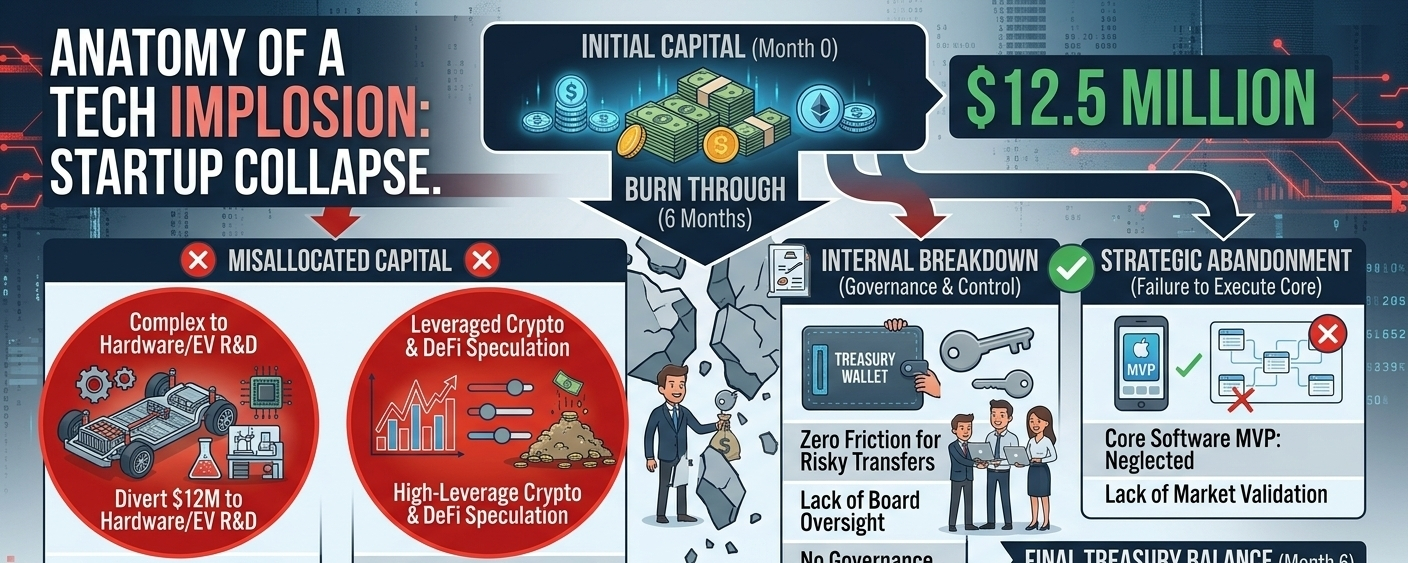
تشريح انهيار تقني: كيف أحرقَت شركة ناشئة في مجال الذكاء الاصطناعي والعملات المشفرة 12 مليون دولار خلال 6 أشهرتم تقديمه باعتباره التقاءً نهائيًا بين #Web3 والذكاء الاصطناعي—شركة ناشئة قبل تحقيق الإيرادات، تعد بنشر نماذج تعلم آلي على شبكات الحوسبة اللامركزية. لكن بعد ستة أشهر فقط من إغلاق جولة تمويل متعددة الملايين، تكاد خزانة الشركة تكون فارغة.
تكشف المستندات المالية الداخلية وإفصاحات المستثمرين أن المشروع قضى على 97% من احتياطياته النقدية خلال 180 يومًا. وقد نتجت الكارثة عن عاملين رئيسيين: تداول غير مصرح به في خزانة العملات المشفرة، وتحول مفاجئ إلى هندسة المركبات الكهربائية (EV).
تشريح انهيار تقني: كيف أحرقَت شركة ناشئة في مجال الذكاء الاصطناعي والعملات المشفرة 12 مليون دولار خلال 6 أشهر
تم تقديمه باعتباره التقاءً نهائيًا بين #Web3 والذكاء الاصطناعي—شركة ناشئة قبل تحقيق الإيرادات، تعد بنشر نماذج تعلم آلي على شبكات الحوسبة اللامركزية. لكن بعد ستة أشهر فقط من إغلاق جولة تمويل متعددة الملايين، تكاد خزانة الشركة تكون فارغة.
تكشف المستندات المالية الداخلية وإفصاحات المستثمرين أن المشروع قضى على 97% من احتياطياته النقدية خلال 180 يومًا. وقد نتجت الكارثة عن عاملين رئيسيين: تداول غير مصرح به في خزانة العملات المشفرة، وتحول مفاجئ إلى هندسة المركبات الكهربائية (EV).
تكشف المستندات المالية الداخلية وإفصاحات المستثمرين أن المشروع قضى على 97% من احتياطياته النقدية خلال 180 يومًا. وقد نتجت الكارثة عن عاملين رئيسيين: تداول غير مصرح به في خزانة العملات المشفرة، وتحول مفاجئ إلى هندسة المركبات الكهربائية (EV).
79
مقالة
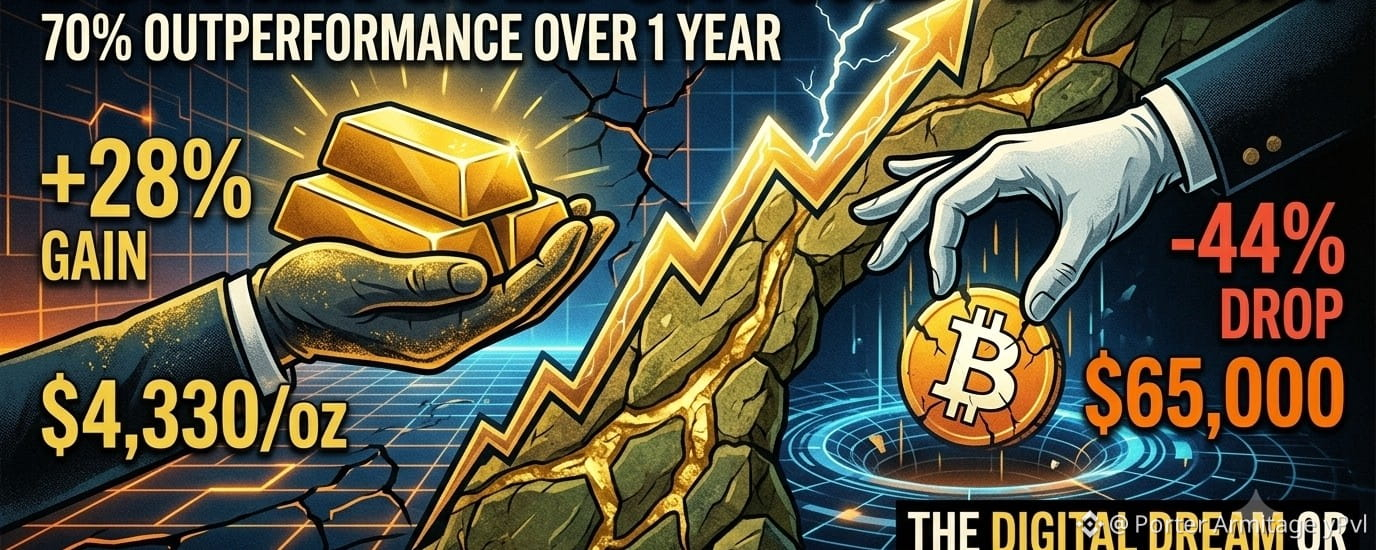
هل حُسم جدل «الذهب الرقمي»؟ كيف سحق الذهب المادي بيتكوين بنسبة 70% خلال العام الماضيعلى مدار الجزء الأكبر من عقد من الزمن، روّج دعاة التشفير بحماس لبيتكوين (BTC) على أنها «ذهب رقمي»—ملاذ حديث ومتفوق لقيمة بديل عن الآثار القديمة التي يفضّلها مواليد طفرة المواليد (Baby Boomers). ومع ذلك، فإن الأشهر الـ 12 الماضية قدّمت تدقيقًا قاسيًا لهذه الرواية.
بدلًا من الإطاحة بأصل الملاذ الآمن التقليدي، تعثّر بيتكوين، بينما شهد الذهب المادي انتعاشًا تاريخيًا. المحصلة النهائية خلال العام الماضي؟ تفوّق الذهب على بيتكوين بأكثر من 70 نقطة مئوية.
هل حُسم جدل «الذهب الرقمي»؟ كيف سحق الذهب المادي بيتكوين بنسبة 70% خلال العام الماضي
على مدار الجزء الأكبر من عقد من الزمن، روّج دعاة التشفير بحماس لبيتكوين (BTC) على أنها «ذهب رقمي»—ملاذ حديث ومتفوق لقيمة بديل عن الآثار القديمة التي يفضّلها مواليد طفرة المواليد (Baby Boomers). ومع ذلك، فإن الأشهر الـ 12 الماضية قدّمت تدقيقًا قاسيًا لهذه الرواية.
بدلًا من الإطاحة بأصل الملاذ الآمن التقليدي، تعثّر بيتكوين، بينما شهد الذهب المادي انتعاشًا تاريخيًا. المحصلة النهائية خلال العام الماضي؟ تفوّق الذهب على بيتكوين بأكثر من 70 نقطة مئوية.
بدلًا من الإطاحة بأصل الملاذ الآمن التقليدي، تعثّر بيتكوين، بينما شهد الذهب المادي انتعاشًا تاريخيًا. المحصلة النهائية خلال العام الماضي؟ تفوّق الذهب على بيتكوين بأكثر من 70 نقطة مئوية.
134
مقالة
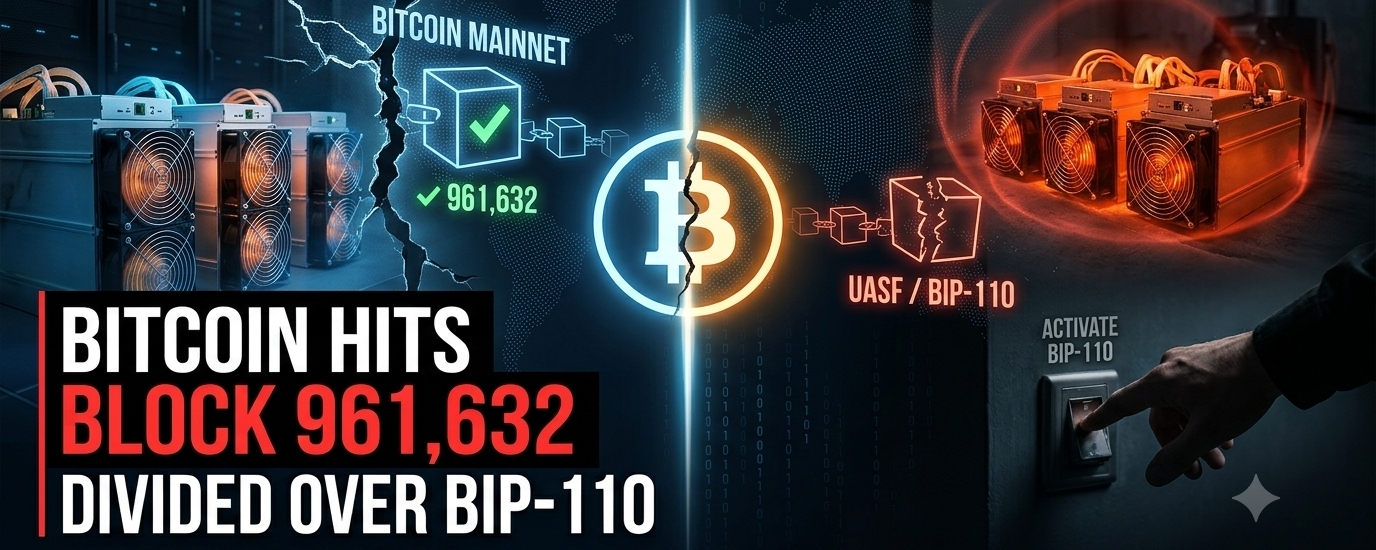
بيتكوين يصل إلى البلوك 961,632 مع بدء إشارة soft fork المثيرة للجدل BIP-1108 أغسطس 2026 — وصلت شبكة $BTC إلى البلوك 961,632، ما أدى إلى بدء فترة الإشارة الإلزامية لـ BIP-110—وهو اقتراح soft fork مثير للانقسام بشدة يهدف إلى تقييد البيانات غير المالية على blockchain.
يمثل محاولة التفعيل أحد أكثر لحظات الحوكمة جدلًا بالنسبة للشبكة منذ «حروب أحجام الكتل» وتفعيل SegWit في عام 2017.
ما هو BIP-110؟
تم تقديم BIP-110 كحلّ مؤقت لِـ soft fork (مُصمَّم ليدوم قرابة عام) للحدّ مما يصفه أنصاره بأنه «بريد إلكتروني/تشويش بالسلسلة»—وذلك بشكل أساسي نقوش Ordinals وRunes.
بيتكوين يصل إلى البلوك 961,632 مع بدء إشارة soft fork المثيرة للجدل BIP-110
8 أغسطس 2026 — وصلت شبكة $BTC إلى البلوك 961,632، ما أدى إلى بدء فترة الإشارة الإلزامية لـ BIP-110—وهو اقتراح soft fork مثير للانقسام بشدة يهدف إلى تقييد البيانات غير المالية على blockchain.
يمثل محاولة التفعيل أحد أكثر لحظات الحوكمة جدلًا بالنسبة للشبكة منذ «حروب أحجام الكتل» وتفعيل SegWit في عام 2017.
ما هو BIP-110؟
تم تقديم BIP-110 كحلّ مؤقت لِـ soft fork (مُصمَّم ليدوم قرابة عام) للحدّ مما يصفه أنصاره بأنه «بريد إلكتروني/تشويش بالسلسلة»—وذلك بشكل أساسي نقوش Ordinals وRunes.
يمثل محاولة التفعيل أحد أكثر لحظات الحوكمة جدلًا بالنسبة للشبكة منذ «حروب أحجام الكتل» وتفعيل SegWit في عام 2017.
ما هو BIP-110؟
تم تقديم BIP-110 كحلّ مؤقت لِـ soft fork (مُصمَّم ليدوم قرابة عام) للحدّ مما يصفه أنصاره بأنه «بريد إلكتروني/تشويش بالسلسلة»—وذلك بشكل أساسي نقوش Ordinals وRunes.
1
66
مقالة
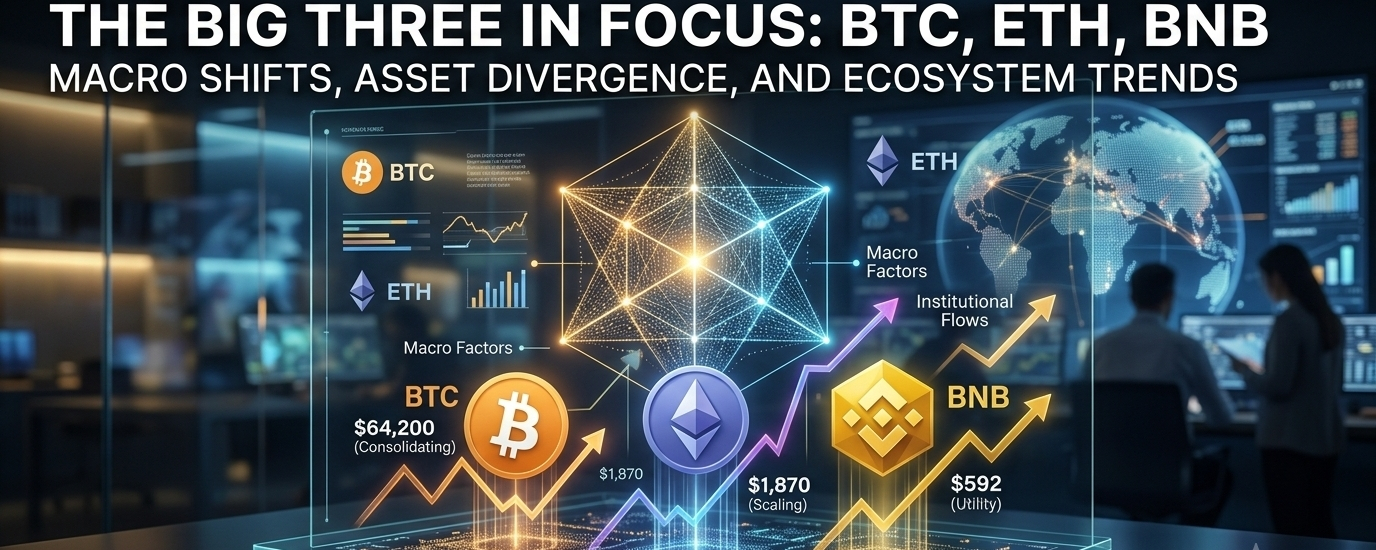
تحليل سوق العملات الرقمية: تحولات الاقتصاد الكلي، تباين الأصول، و«الثلاثة الكبار» (BTC, ETH, BNB)1/5
يستقر سوق العملات الرقمية عند نقطة انعطاف محورية قرب تقييم 2.2 تريليون دولار. لكن تحت السطح، فإن «الثلاثة الكبار» يتحركون وفق ديناميكيات مختلفة تمامًا:
• بيتكوين = مرساة ماكرو ⚓
• إيثريوم = معضلة التوسع ⚙️
• بي أن بي = عربة عمل المنفعة 🛠️
إليك التفصيل 🧵👇
2/5
1️⃣ بيتكوين ($BTC): الإسفنجة الماكرو
تتجمع قرب 64,000$، ويتداول <b>$BTC</b> وكأنه مؤشر مباشر على السيولة العالمية وسياسة الاحتياطي الفيدرالي.
توفر تدفقات صناديق الاستثمار المتداولة المؤسسية أرضية أمان قوية، لكن ضعف حجم التداول لدى التجزئة يقيّد السعر داخل نطاق. كل الأنظار تتجه نحو الخطوة القادمة لسعر الفائدة.
تحليل سوق العملات الرقمية: تحولات الاقتصاد الكلي، تباين الأصول، و«الثلاثة الكبار» (BTC, ETH, BNB)
1/5
يستقر سوق العملات الرقمية عند نقطة انعطاف محورية قرب تقييم 2.2 تريليون دولار. لكن تحت السطح، فإن «الثلاثة الكبار» يتحركون وفق ديناميكيات مختلفة تمامًا:
• بيتكوين = مرساة ماكرو ⚓
• إيثريوم = معضلة التوسع ⚙️
• بي أن بي = عربة عمل المنفعة 🛠️
إليك التفصيل 🧵👇
2/5
1️⃣ بيتكوين ($BTC): الإسفنجة الماكرو
تتجمع قرب 64,000$، ويتداول <b>$BTC</b> وكأنه مؤشر مباشر على السيولة العالمية وسياسة الاحتياطي الفيدرالي.
توفر تدفقات صناديق الاستثمار المتداولة المؤسسية أرضية أمان قوية، لكن ضعف حجم التداول لدى التجزئة يقيّد السعر داخل نطاق. كل الأنظار تتجه نحو الخطوة القادمة لسعر الفائدة.
يستقر سوق العملات الرقمية عند نقطة انعطاف محورية قرب تقييم 2.2 تريليون دولار. لكن تحت السطح، فإن «الثلاثة الكبار» يتحركون وفق ديناميكيات مختلفة تمامًا:
• بيتكوين = مرساة ماكرو ⚓
• إيثريوم = معضلة التوسع ⚙️
• بي أن بي = عربة عمل المنفعة 🛠️
إليك التفصيل 🧵👇
2/5
1️⃣ بيتكوين ($BTC): الإسفنجة الماكرو
تتجمع قرب 64,000$، ويتداول <b>$BTC</b> وكأنه مؤشر مباشر على السيولة العالمية وسياسة الاحتياطي الفيدرالي.
توفر تدفقات صناديق الاستثمار المتداولة المؤسسية أرضية أمان قوية، لكن ضعف حجم التداول لدى التجزئة يقيّد السعر داخل نطاق. كل الأنظار تتجه نحو الخطوة القادمة لسعر الفائدة.
1
124
سجّل الدخول لاستكشاف المزيد من المُحتوى
انضم إلى مُستخدمي العملات الرقمية حول العالم على Binance Square
⚡️ احصل على أحدث المعلومات المفيدة عن العملات الرقمية.
💬 موثوقة من قبل أكبر منصّة لتداول العملات الرقمية في العالم.
👍 اكتشف الرؤى الحقيقية من صنّاع المُحتوى الموثوقين.
البريد الإلكتروني / رقم الهاتف
المواضيع الرائجة
CircleTetherFreezeBitgetHackerWallet
18,748 مشاهدات
228 يقومون بالنقاش
#CircleTetherFreezeBitgetHackerWallet
🚨 عاجل: Circle و Tether يجمّدون محفظة هاكر Bitget!
#CircleTetherFreezeBitgetHackerWallet #Bitget #Tether #USDC
دفاع على السلسلة! 🛡️❄️
مُصدرو العملات المستقرة يجمدون الأموال المسروقة بعد استغلال ضخم في بورصة Bitget!
ماذا حدث؟
🔴 هاكر اخترق Bitget وسرق ملايين
🔵 Circle (USDC) و Tether (USDT) تحركوا فوراً
🧊 تم تجميد المحفظة: 0x9f...3A7D - الأموال مجمّدة بالكامل
🚫 لا يمكن تحويل أي دولار مسروق الآن!
هذا يثبت قوة المركزية في الحماية!
هل هذا أبطال خارقون يحمون السوق؟ أم طغاة مركزيون؟
النقاش الكبير:
هل تؤيد تجميد محافظ الهاكرز حتى لو كان يتعارض مع اللامركزية؟
1 = نعم أؤيد التجميد - أمان السوق أهم ✅
2 = لا، ضد اللامركزية - خطر كبير ❌
اكتب رأيك في التعليقات!
$ETH $USDC $CRCLB
#BinanceSquare #CryptoSecurity #BitgetHack #USDT #USDC
Mohammed _crypto sniper
·1 إعجاب
·80 مشاهدات
SECSaysTokenBuybacksNotAutoSecurities
2,189 مشاهدات
79 يقومون بالنقاش
ChinaUSAgreeOn$30BTariffCut
170 مشاهدات
3 يقومون بالنقاش