
mikeskcv
28 منشورات

mikeskcv
إبلاغ
حظر المُستخدم
5 تتابع
1 المتابعون
10 إعجاب
منشورات
·
--
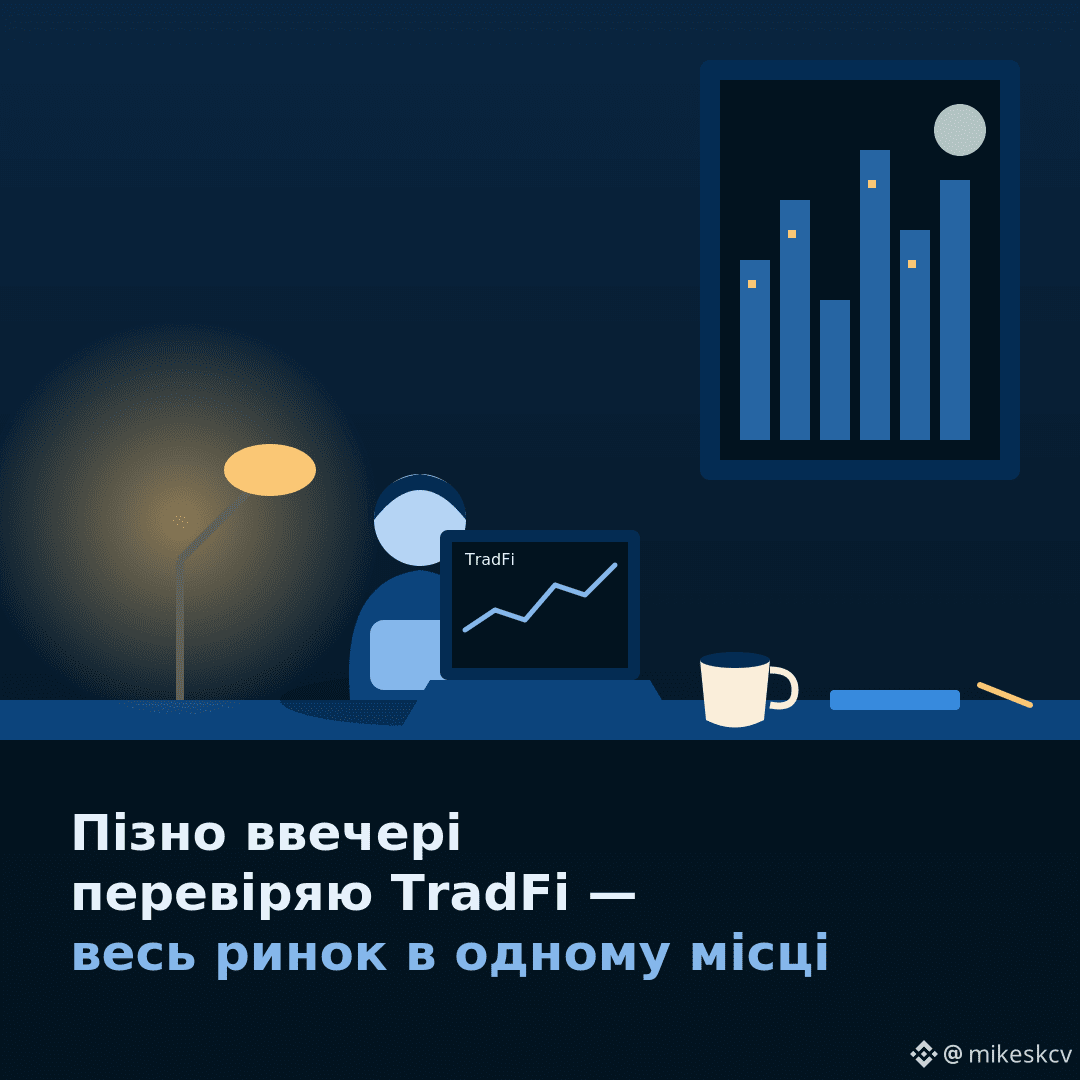
الأسعار/الرهانات لدى البنوك المركزية مجدداً في الأخبار، ومن المثير للاهتمام مراقبة كيف تستجيب الأصول التقليدية لذلك. تُعد TradFi على Binance مريحة تحديداً لأنها لا تتطلب إبقاء خمس علامات تبويب مفتوحة مع بورصات مختلفة — كل شيء في مكان واحد، ويتشكل مشهد السوق بشكل أسرع.
#TradFi #Binance #CreateWithBinance #ринок
الأسعار/الرهانات لدى البنوك المركزية مجدداً في الأخبار، ومن المثير للاهتمام مراقبة كيف تستجيب الأصول التقليدية لذلك. تُعد TradFi على Binance مريحة تحديداً لأنها لا تتطلب إبقاء خمس علامات تبويب مفتوحة مع بورصات مختلفة — كل شيء في مكان واحد، ويتشكل مشهد السوق بشكل أسرع.
#TradFi #Binance #CreateWithBinance #ринок
#TradFi #Binance #CreateWithBinance #ринок
114
·
--
عرض الترجمة
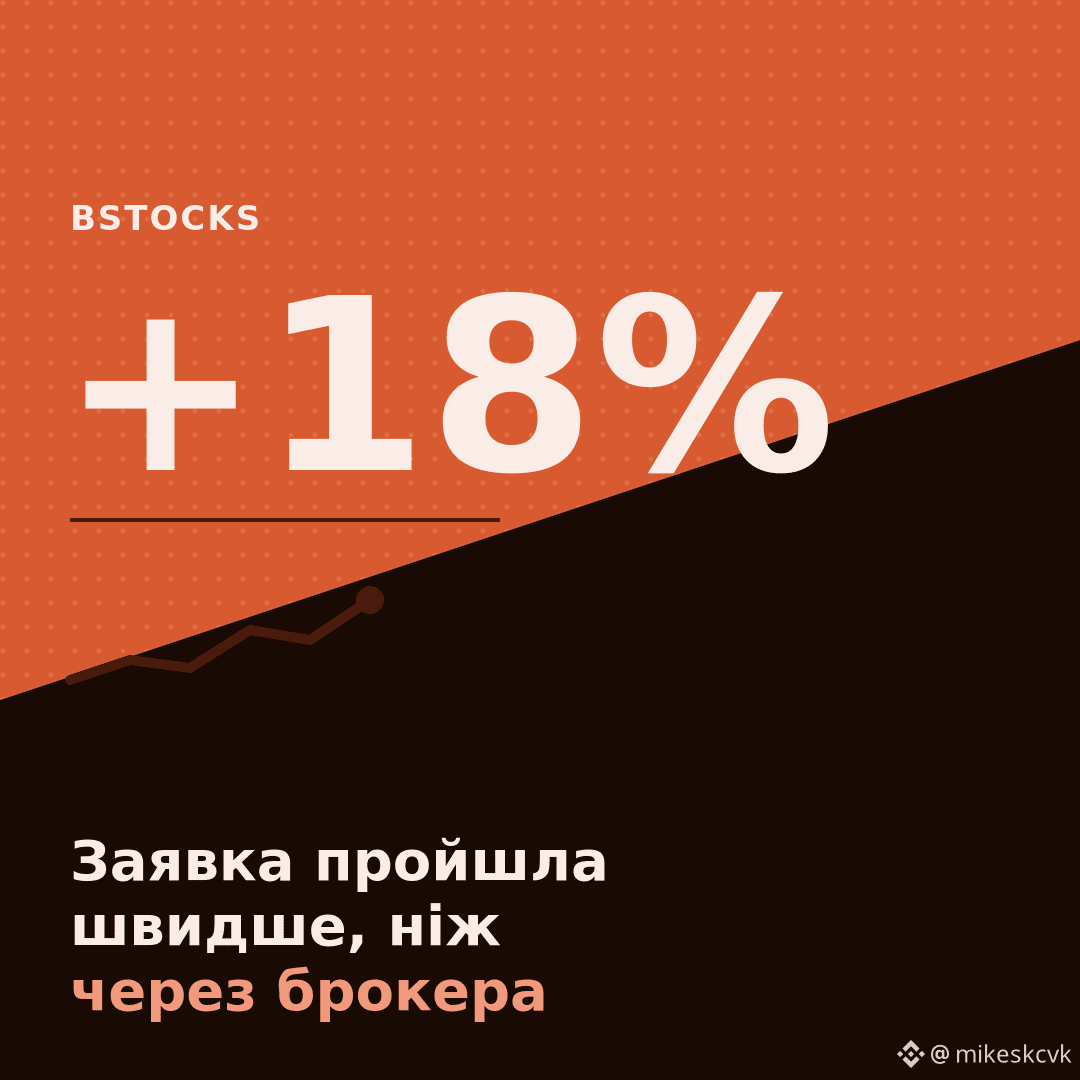
Спробував bStocks цього тижня. Купив невелику частку Apple — заявка пройшла швидше, ніж через звичайного брокера, і комісія приємно здивувала. Поки що плюс.
#bStocks #Binance #CreateWithBinance #інвестиції
Спробував bStocks цього тижня. Купив невелику частку Apple — заявка пройшла швидше, ніж через звичайного брокера, і комісія приємно здивувала. Поки що плюс.
#bStocks #Binance #CreateWithBinance #інвестиції
#bStocks #Binance #CreateWithBinance #інвестиції
181
·
--
عرض الترجمة
#termmax @termmax
What if the most interesting part of DeFi lending isn't the yield?
But who gets to choose the terms?
That's what I find interesting about TermMax.
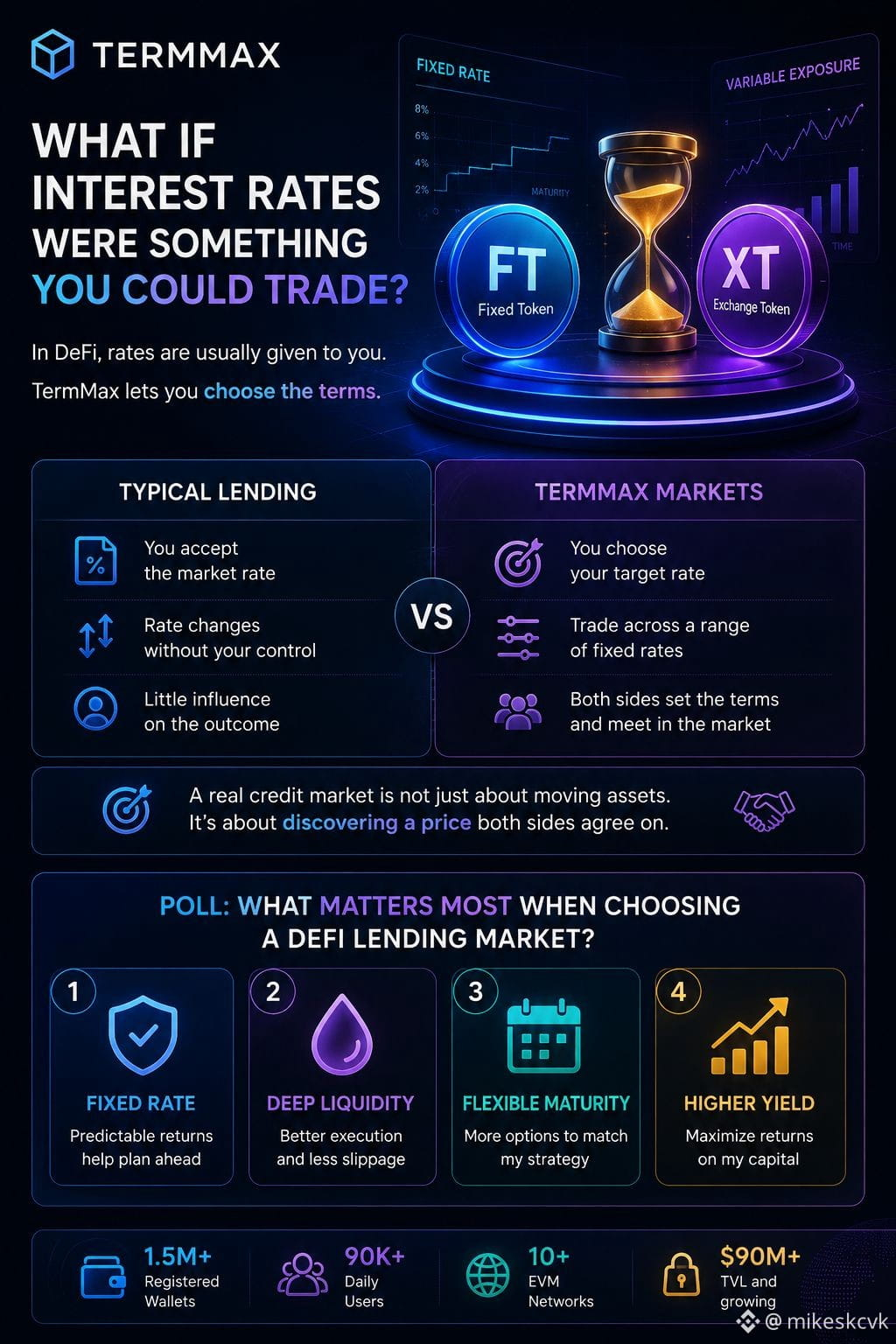
In a typical lending market, you mostly accept whatever rate the market is giving you.
But fixed-rate markets introduce another possibility.
A borrower can think:
“At what rate does this loan actually make sense for
me?”
And a lender can think:
“At what return am I comfortable locking my capital?”
Now the interest rate isn't just a number on a dashboard.
It's part of the negotiation.
That changes how I look at on-chain credit.
Because a real financial market isn't only about moving assets from A to B.
It's about discovering a price that both sides are willing to accept.
TermMax is experimenting with that idea on-chain.
And honestly, I think this is a more interesting question than chasing the highest APY:
Can DeFi create efficient markets for the price of time and capital?
That's what I'll be watching.
#termmax @TermMax
What if the most interesting part of DeFi lending isn't the yield?
But who gets to choose the terms?
That's what I find interesting about TermMax.
In a typical lending market, you mostly accept whatever rate the market is giving you.
But fixed-rate markets introduce another possibility.
A borrower can think:
“At what rate does this loan actually make sense for
me?”
And a lender can think:
“At what return am I comfortable locking my capital?”
Now the interest rate isn't just a number on a dashboard.
It's part of the negotiation.
That changes how I look at on-chain credit.
Because a real financial market isn't only about moving assets from A to B.
It's about discovering a price that both sides are willing to accept.
TermMax is experimenting with that idea on-chain.
And honestly, I think this is a more interesting question than chasing the highest APY:
Can DeFi create efficient markets for the price of time and capital?
That's what I'll be watching.
What if the most interesting part of DeFi lending isn't the yield?
But who gets to choose the terms?
That's what I find interesting about TermMax.
In a typical lending market, you mostly accept whatever rate the market is giving you.
But fixed-rate markets introduce another possibility.
A borrower can think:
“At what rate does this loan actually make sense for
me?”
And a lender can think:
“At what return am I comfortable locking my capital?”
Now the interest rate isn't just a number on a dashboard.
It's part of the negotiation.
That changes how I look at on-chain credit.
Because a real financial market isn't only about moving assets from A to B.
It's about discovering a price that both sides are willing to accept.
TermMax is experimenting with that idea on-chain.
And honestly, I think this is a more interesting question than chasing the highest APY:
Can DeFi create efficient markets for the price of time and capital?
That's what I'll be watching.
88
·
--
عرض الترجمة
#termmax @termmax
The most interesting TermMax update isn't the $TMX TGE.
It's something much less exciting at first glance:
App V2.
Why?
Because DeFi has a fragmentation problem.
One chain for this position.
Another chain for that vault.
Different interfaces.
Different orders.
Different liquidity.
You can have a great protocol and still make the user experience feel like managing five different accounts.
TermMax V2 is moving in the opposite direction.
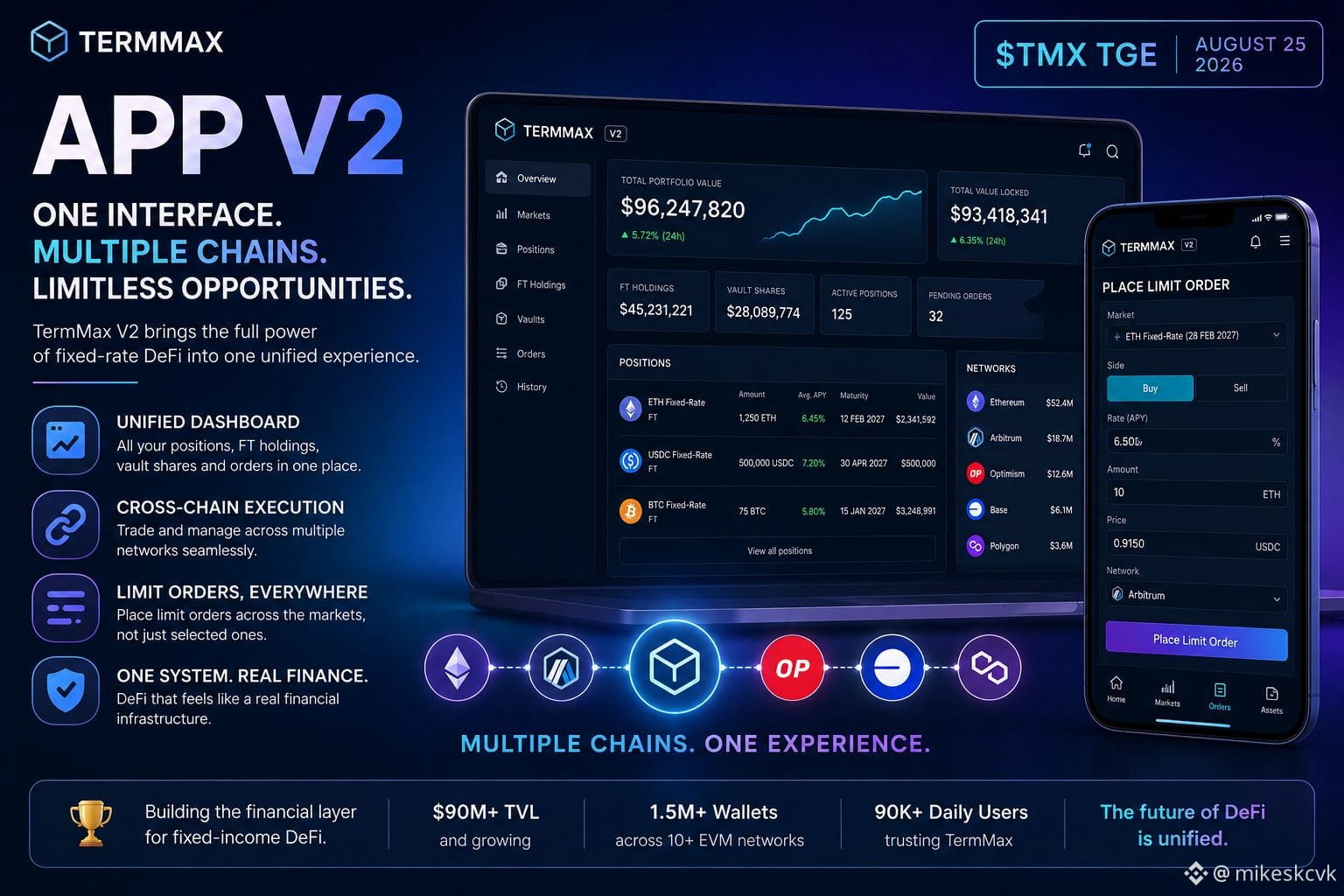
One interface for multiple chains.
One dashboard for positions, FT holdings, vault shares and orders.
And limit orders across the markets instead of restricting them to selected ones.
That might sound like a UX improvement.
I think it's more important than that.
If fixed-rate DeFi is supposed to become actual financial infrastructure, users shouldn't have to think about the underlying chain every time they make a transaction.
The chain should become the infrastructure.
The product should be the market.
And this is where TermMax gets interesting to me.
The next stage of DeFi may not be about adding more protocols.
It may be about making the protocols we already have feel like one financial system.
$TMX TGE is coming on August 25.
But I'm more interested in what happens after the infrastructure is already built.
#termmax @TermMax
The most interesting TermMax update isn't the $TMX TGE.
It's something much less exciting at first glance:
App V2.
Why?
Because DeFi has a fragmentation problem.
One chain for this position.
Another chain for that vault.
Different interfaces.
Different orders.
Different liquidity.
You can have a great protocol and still make the user experience feel like managing five different accounts.
TermMax V2 is moving in the opposite direction.
One interface for multiple chains.
One dashboard for positions, FT holdings, vault shares and orders.
And limit orders across the markets instead of restricting them to selected ones.
That might sound like a UX improvement.
I think it's more important than that.
If fixed-rate DeFi is supposed to become actual financial infrastructure, users shouldn't have to think about the underlying chain every time they make a transaction.
The chain should become the infrastructure.
The product should be the market.
And this is where TermMax gets interesting to me.
The next stage of DeFi may not be about adding more protocols.
It may be about making the protocols we already have feel like one financial system.
$TMX TGE is coming on August 25.
But I'm more interested in what happens after the infrastructure is already built.
The most interesting TermMax update isn't the $TMX TGE.
It's something much less exciting at first glance:
App V2.
Why?
Because DeFi has a fragmentation problem.
One chain for this position.
Another chain for that vault.
Different interfaces.
Different orders.
Different liquidity.
You can have a great protocol and still make the user experience feel like managing five different accounts.
TermMax V2 is moving in the opposite direction.
One interface for multiple chains.
One dashboard for positions, FT holdings, vault shares and orders.
And limit orders across the markets instead of restricting them to selected ones.
That might sound like a UX improvement.
I think it's more important than that.
If fixed-rate DeFi is supposed to become actual financial infrastructure, users shouldn't have to think about the underlying chain every time they make a transaction.
The chain should become the infrastructure.
The product should be the market.
And this is where TermMax gets interesting to me.
The next stage of DeFi may not be about adding more protocols.
It may be about making the protocols we already have feel like one financial system.
$TMX TGE is coming on August 25.
But I'm more interested in what happens after the infrastructure is already built.
1
82
·
--
صاعد
عرض الترجمة
#termmax @termmax
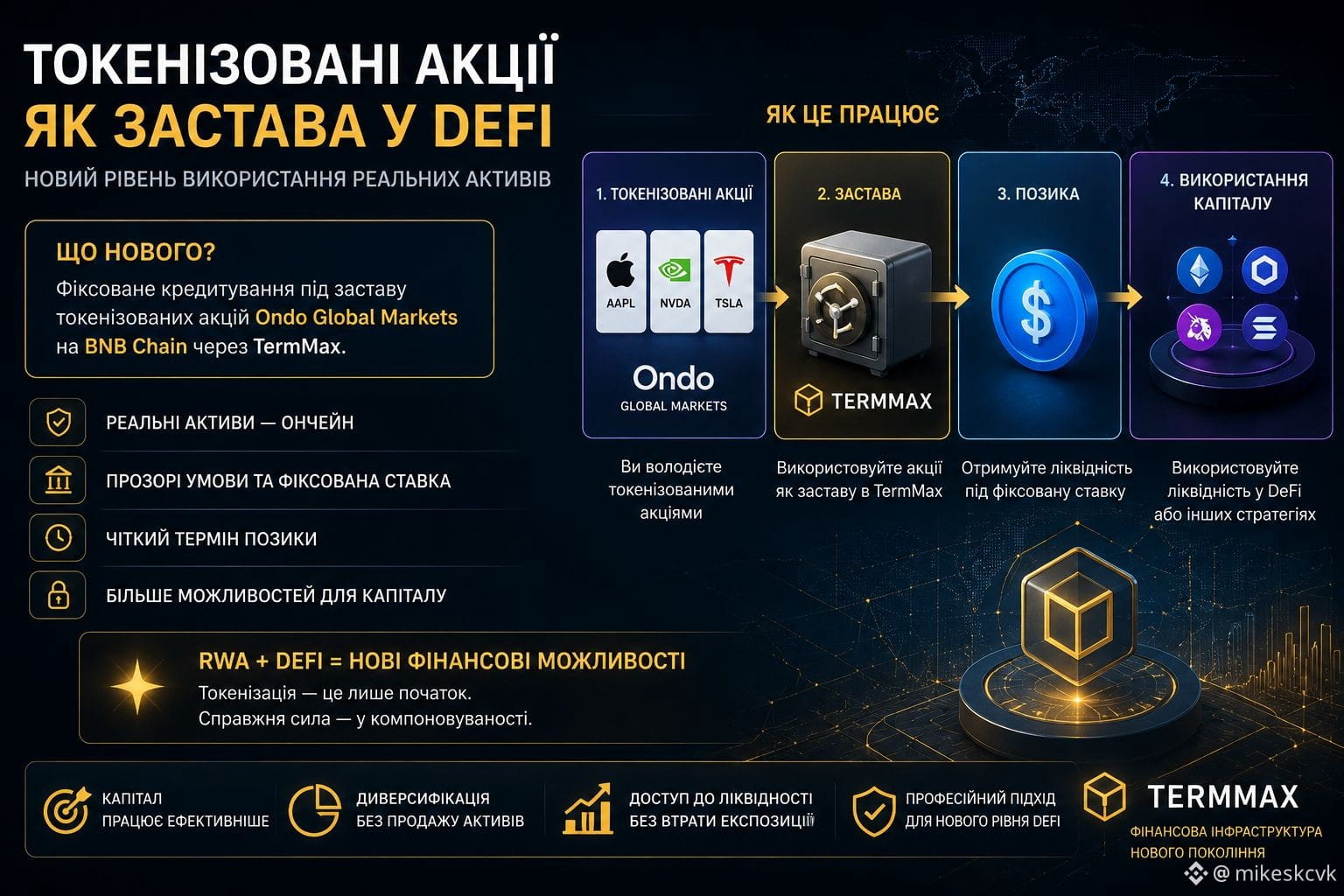
Більшість людей дивляться на токенізовані акції як на спосіб отримати доступ до традиційних ринків через блокчейн.
Але мені цікавіше інше питання.
Що, якщо такі активи можуть не просто лежати в портфелі?
Що, якщо вони можуть працювати як фінансовий інструмент?
Саме тут стає цікаво.
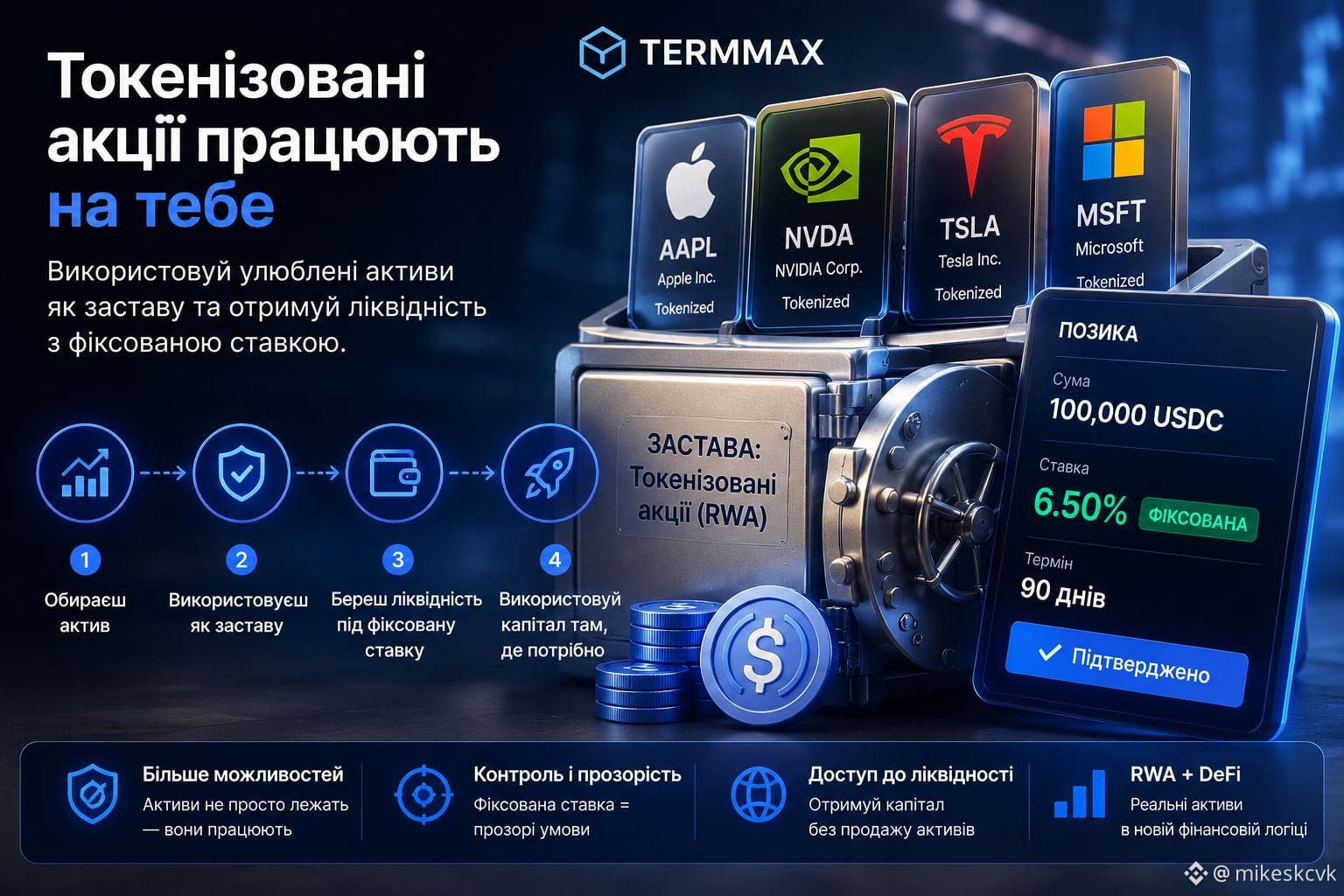
TermMax дозволяє використовувати токенізовані акції як заставу для отримання ліквідності під фіксовану ставку.
Тобто актив не просто відображає ціну акції.
Він стає частиною DeFi-екосистеми.
У результаті з'являється нова логіка:
📈 Тримаєш токенізовані акції
🔒 Використовуєш їх як заставу
💵 Отримуєш ліквідність
🚀 Використовуєш капітал в інших стратегіях
На мою думку, саме тут прихований справжній потенціал RWA.
Не в самій токенізації.
А в тому, що реальні активи починають взаємодіяти з DeFi так само гнучко, як криптоактиви.
І що більше таких сценаріїв з'являтиметься, то цікавішою ставатиме вся екосистема.
Токенізація — це лише перший крок.
Справжня цінність починається тоді, коли активи можна використовувати по-новому.
#termmax @TermMax
Більшість людей дивляться на токенізовані акції як на спосіб отримати доступ до традиційних ринків через блокчейн.
Але мені цікавіше інше питання.
Що, якщо такі активи можуть не просто лежати в портфелі?
Що, якщо вони можуть працювати як фінансовий інструмент?
Саме тут стає цікаво.
TermMax дозволяє використовувати токенізовані акції як заставу для отримання ліквідності під фіксовану ставку.
Тобто актив не просто відображає ціну акції.
Він стає частиною DeFi-екосистеми.
У результаті з'являється нова логіка:
📈 Тримаєш токенізовані акції
🔒 Використовуєш їх як заставу
💵 Отримуєш ліквідність
🚀 Використовуєш капітал в інших стратегіях
На мою думку, саме тут прихований справжній потенціал RWA.
Не в самій токенізації.
А в тому, що реальні активи починають взаємодіяти з DeFi так само гнучко, як криптоактиви.
І що більше таких сценаріїв з'являтиметься, то цікавішою ставатиме вся екосистема.
Токенізація — це лише перший крок.
Справжня цінність починається тоді, коли активи можна використовувати по-новому.
Більшість людей дивляться на токенізовані акції як на спосіб отримати доступ до традиційних ринків через блокчейн.
Але мені цікавіше інше питання.
Що, якщо такі активи можуть не просто лежати в портфелі?
Що, якщо вони можуть працювати як фінансовий інструмент?
Саме тут стає цікаво.
TermMax дозволяє використовувати токенізовані акції як заставу для отримання ліквідності під фіксовану ставку.
Тобто актив не просто відображає ціну акції.
Він стає частиною DeFi-екосистеми.
У результаті з'являється нова логіка:
📈 Тримаєш токенізовані акції
🔒 Використовуєш їх як заставу
💵 Отримуєш ліквідність
🚀 Використовуєш капітал в інших стратегіях
На мою думку, саме тут прихований справжній потенціал RWA.
Не в самій токенізації.
А в тому, що реальні активи починають взаємодіяти з DeFi так само гнучко, як криптоактиви.
І що більше таких сценаріїв з'являтиметься, то цікавішою ставатиме вся екосистема.
Токенізація — це лише перший крок.
Справжня цінність починається тоді, коли активи можна використовувати по-новому.
138
·
--
ينظر معظم الناس إلى بروتوكول للإقراض ويسألون:
“ما هي نسبة العائد السنوية؟”
أعتقد أن هذا يمثل نصف القصة فقط.
أما النصف الآخر فهو ما يحدث لرأس مالك أثناء كسب تلك النسبة.
هل يمكنك التنبؤ بموعد انتهاء المركز؟
هل تعرف بالضبط ما الذي تقوم بإقراضه؟
هل يمكنك بناء استراتيجية حول أجلٍ محدد؟
هذه هي الجزئية التي أجدها مثيرة في TermMax.
فنهجه يعامل الإقراض بشكل أقرب إلى أداة مالية فعلية: فالمركز له شروط محددة ونهاية أجل (maturity)، بدلًا من كونه مجرد إيداع آخر يجلس في تجمع.
وهذا الأمر يهم أيضًا خارج نطاق DeFi الخاص بالأفراد.
إذا كان الائتمان على السلسلة سيجذب يومًا ما رأس مالًا جادًا، فستحتاج استثمارات إلى أكثر من مجرد عوائد جذابة.
سوف يحتاجون إلى منتجات يمكنهم فهمها وتسعيرها والتخطيط حولها.
ربما لا تكون الترقية التالية في DeFi هي طريقة أخرى لمطاردة العائد.
ربما تتمثل في جعل الإقراض يبدو أقرب إلى سوق مالي حقيقي.
هذا اتجاه أكثر إثارة بالنسبة لي.
#termmax @termmax
استطلاع سريع لـ DeFi 👇
عندما تختار فرصة إقراض، ما الذي تهتم به أكثر شيء؟
ينظر معظم الناس إلى بروتوكول للإقراض ويسألون:
“ما هي نسبة العائد السنوية؟”
أعتقد أن هذا يمثل نصف القصة فقط.
أما النصف الآخر فهو ما يحدث لرأس مالك أثناء كسب تلك النسبة.
هل يمكنك التنبؤ بموعد انتهاء المركز؟
هل تعرف بالضبط ما الذي تقوم بإقراضه؟
هل يمكنك بناء استراتيجية حول أجلٍ محدد؟
هذه هي الجزئية التي أجدها مثيرة في TermMax.
فنهجه يعامل الإقراض بشكل أقرب إلى أداة مالية فعلية: فالمركز له شروط محددة ونهاية أجل (maturity)، بدلًا من كونه مجرد إيداع آخر يجلس في تجمع.
وهذا الأمر يهم أيضًا خارج نطاق DeFi الخاص بالأفراد.
إذا كان الائتمان على السلسلة سيجذب يومًا ما رأس مالًا جادًا، فستحتاج استثمارات إلى أكثر من مجرد عوائد جذابة.
سوف يحتاجون إلى منتجات يمكنهم فهمها وتسعيرها والتخطيط حولها.
ربما لا تكون الترقية التالية في DeFi هي طريقة أخرى لمطاردة العائد.
ربما تتمثل في جعل الإقراض يبدو أقرب إلى سوق مالي حقيقي.
هذا اتجاه أكثر إثارة بالنسبة لي.
#termmax @TermMax
استطلاع سريع لـ DeFi 👇
عندما تختار فرصة إقراض، ما الذي تهتم به أكثر شيء؟
“ما هي نسبة العائد السنوية؟”
أعتقد أن هذا يمثل نصف القصة فقط.
أما النصف الآخر فهو ما يحدث لرأس مالك أثناء كسب تلك النسبة.
هل يمكنك التنبؤ بموعد انتهاء المركز؟
هل تعرف بالضبط ما الذي تقوم بإقراضه؟
هل يمكنك بناء استراتيجية حول أجلٍ محدد؟
هذه هي الجزئية التي أجدها مثيرة في TermMax.
فنهجه يعامل الإقراض بشكل أقرب إلى أداة مالية فعلية: فالمركز له شروط محددة ونهاية أجل (maturity)، بدلًا من كونه مجرد إيداع آخر يجلس في تجمع.
وهذا الأمر يهم أيضًا خارج نطاق DeFi الخاص بالأفراد.
إذا كان الائتمان على السلسلة سيجذب يومًا ما رأس مالًا جادًا، فستحتاج استثمارات إلى أكثر من مجرد عوائد جذابة.
سوف يحتاجون إلى منتجات يمكنهم فهمها وتسعيرها والتخطيط حولها.
ربما لا تكون الترقية التالية في DeFi هي طريقة أخرى لمطاردة العائد.
ربما تتمثل في جعل الإقراض يبدو أقرب إلى سوق مالي حقيقي.
هذا اتجاه أكثر إثارة بالنسبة لي.
#termmax @TermMax
استطلاع سريع لـ DeFi 👇
عندما تختار فرصة إقراض، ما الذي تهتم به أكثر شيء؟
Higher APY
0%
Fixed maturity
0%
Liquidity
0%
Risk / security
0%
0 الأصوات • تمّ إغلاق التصويت
56
·
--
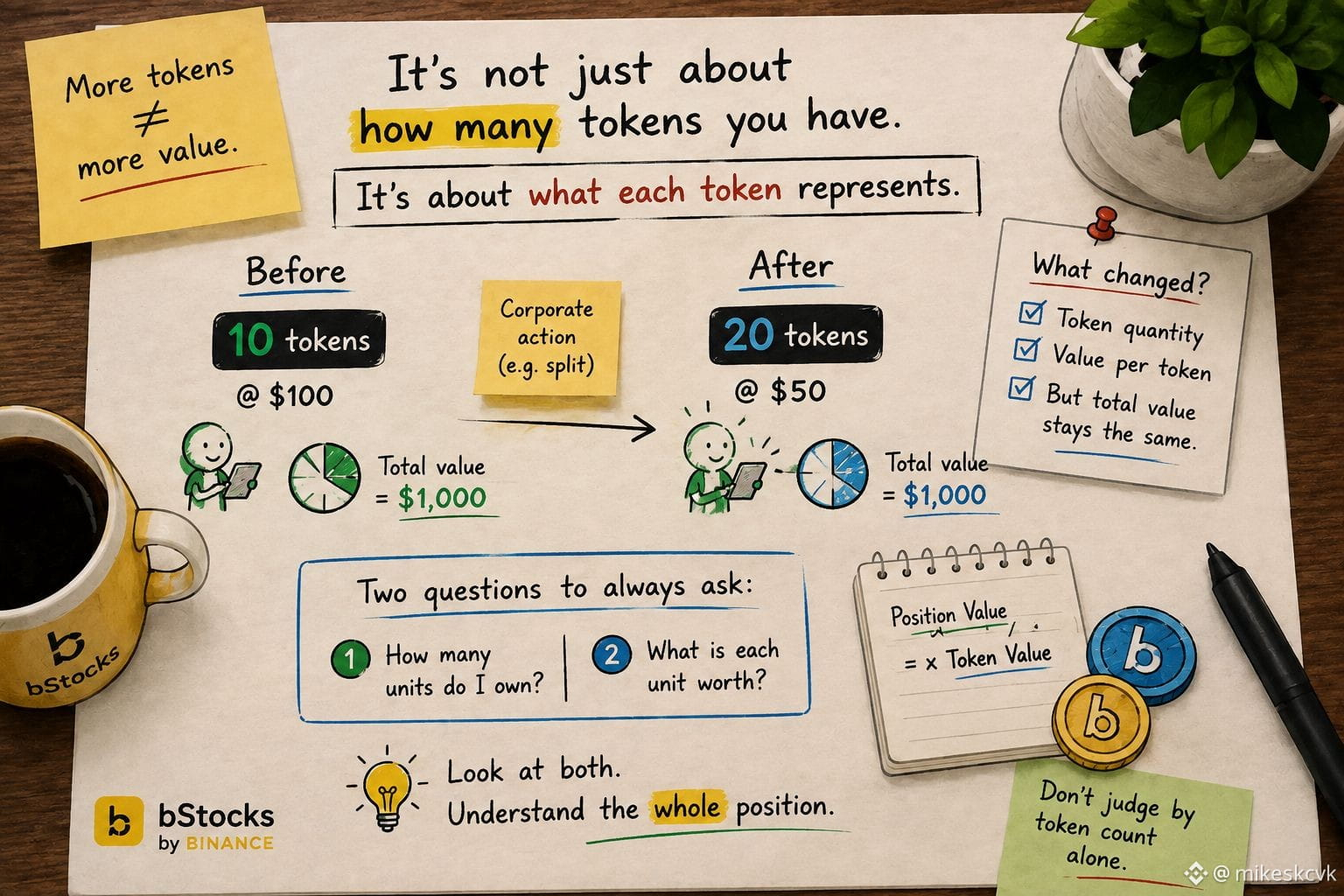
كنت أعتقد سابقًا أن الرصيد الأكبر يعني تلقائيًا مركزًا أكبر.
ثم بدأت أولي اهتمامًا أكبر بما يمثّله “وحدة” واحدة فعليًا.
تخيّل أن لدي 10 توكنات.
بعد ذلك، أعود للنظر فأرى 20.
غالبًا ستكون غريزتي الأولى:
“رائع. لقد ضاعفت موقعي.”
لكن هذا الاستنتاج قد يكون خاطئًا تمامًا.
إذا غيّر إجراء مؤسسي هيكل الوحدات، فقد تتغير أعداد التوكنات بينما يتم تعديل التعرض الاقتصادي في الوقت نفسه.
لذلك، الرصيد وحده لا يكفي.
أصبحت أنظر إليه الآن كأنه سؤالان منفصلان:
كم عدد الوحدات التي أمتلكها؟
و
كم قيمة كل وحدة؟
هاتان النمرتان تحتاجان إلى النظر إليهما معًا.
وإلا، فإن تغييرًا بسيطًا في الكمية يمكن أن يخلق انطباعًا مضلِّلًا جدًا.
هذا هو السبب نفسه الذي يجعلني لا أحكم على شركة من خلال عدد أسهمها وحده.
عدد الأسهم الأكبر لا يعني تلقائيًا قيمة أكبر.
العنصر/الوحدة مهم.
والسعر مهم.
والعلاقة بينهما أهم بكثير.
إنها تفصيل صغير، لكنه بالضبط النوع من التفاصيل التي قد تجعل أصلًا مُرمّزًا يبدو مربكًا عندما لم يحدث في الواقع شيء غير معتاد في الوضع الاقتصادي الأساسي.
هل ستتحقق من كمية التوكن أولًا، أم من قيمة المركز الإجمالية أولًا؟
#bstockscis @BinanceCIS
كنت أعتقد سابقًا أن الرصيد الأكبر يعني تلقائيًا مركزًا أكبر.
ثم بدأت أولي اهتمامًا أكبر بما يمثّله “وحدة” واحدة فعليًا.
تخيّل أن لدي 10 توكنات.
بعد ذلك، أعود للنظر فأرى 20.
غالبًا ستكون غريزتي الأولى:
“رائع. لقد ضاعفت موقعي.”
لكن هذا الاستنتاج قد يكون خاطئًا تمامًا.
إذا غيّر إجراء مؤسسي هيكل الوحدات، فقد تتغير أعداد التوكنات بينما يتم تعديل التعرض الاقتصادي في الوقت نفسه.
لذلك، الرصيد وحده لا يكفي.
أصبحت أنظر إليه الآن كأنه سؤالان منفصلان:
كم عدد الوحدات التي أمتلكها؟
و
كم قيمة كل وحدة؟
هاتان النمرتان تحتاجان إلى النظر إليهما معًا.
وإلا، فإن تغييرًا بسيطًا في الكمية يمكن أن يخلق انطباعًا مضلِّلًا جدًا.
هذا هو السبب نفسه الذي يجعلني لا أحكم على شركة من خلال عدد أسهمها وحده.
عدد الأسهم الأكبر لا يعني تلقائيًا قيمة أكبر.
العنصر/الوحدة مهم.
والسعر مهم.
والعلاقة بينهما أهم بكثير.
إنها تفصيل صغير، لكنه بالضبط النوع من التفاصيل التي قد تجعل أصلًا مُرمّزًا يبدو مربكًا عندما لم يحدث في الواقع شيء غير معتاد في الوضع الاقتصادي الأساسي.
هل ستتحقق من كمية التوكن أولًا، أم من قيمة المركز الإجمالية أولًا؟
#bstockscis @BinanceCIS
ثم بدأت أولي اهتمامًا أكبر بما يمثّله “وحدة” واحدة فعليًا.
تخيّل أن لدي 10 توكنات.
بعد ذلك، أعود للنظر فأرى 20.
غالبًا ستكون غريزتي الأولى:
“رائع. لقد ضاعفت موقعي.”
لكن هذا الاستنتاج قد يكون خاطئًا تمامًا.
إذا غيّر إجراء مؤسسي هيكل الوحدات، فقد تتغير أعداد التوكنات بينما يتم تعديل التعرض الاقتصادي في الوقت نفسه.
لذلك، الرصيد وحده لا يكفي.
أصبحت أنظر إليه الآن كأنه سؤالان منفصلان:
كم عدد الوحدات التي أمتلكها؟
و
كم قيمة كل وحدة؟
هاتان النمرتان تحتاجان إلى النظر إليهما معًا.
وإلا، فإن تغييرًا بسيطًا في الكمية يمكن أن يخلق انطباعًا مضلِّلًا جدًا.
هذا هو السبب نفسه الذي يجعلني لا أحكم على شركة من خلال عدد أسهمها وحده.
عدد الأسهم الأكبر لا يعني تلقائيًا قيمة أكبر.
العنصر/الوحدة مهم.
والسعر مهم.
والعلاقة بينهما أهم بكثير.
إنها تفصيل صغير، لكنه بالضبط النوع من التفاصيل التي قد تجعل أصلًا مُرمّزًا يبدو مربكًا عندما لم يحدث في الواقع شيء غير معتاد في الوضع الاقتصادي الأساسي.
هل ستتحقق من كمية التوكن أولًا، أم من قيمة المركز الإجمالية أولًا؟
#bstockscis @BinanceCIS
1
1
99
·
--
عرض الترجمة
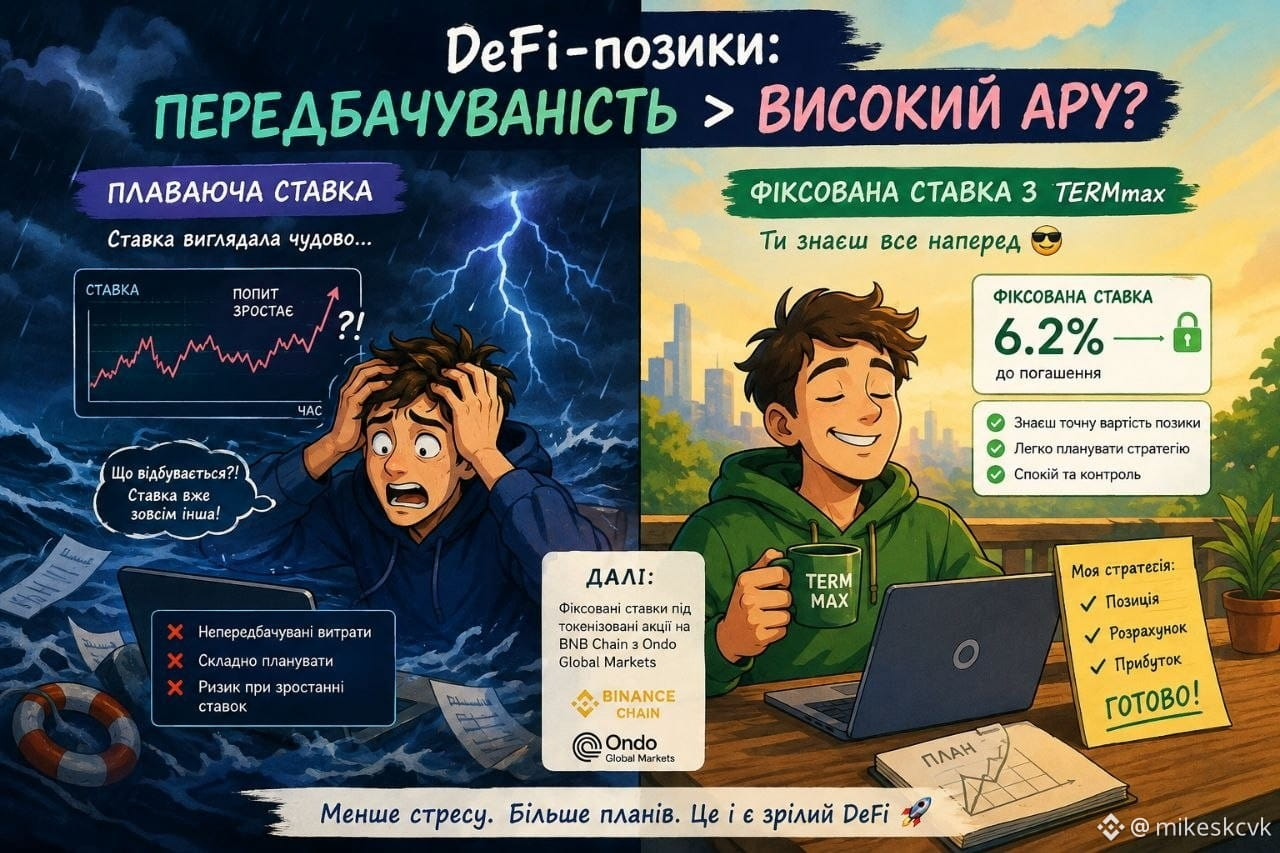
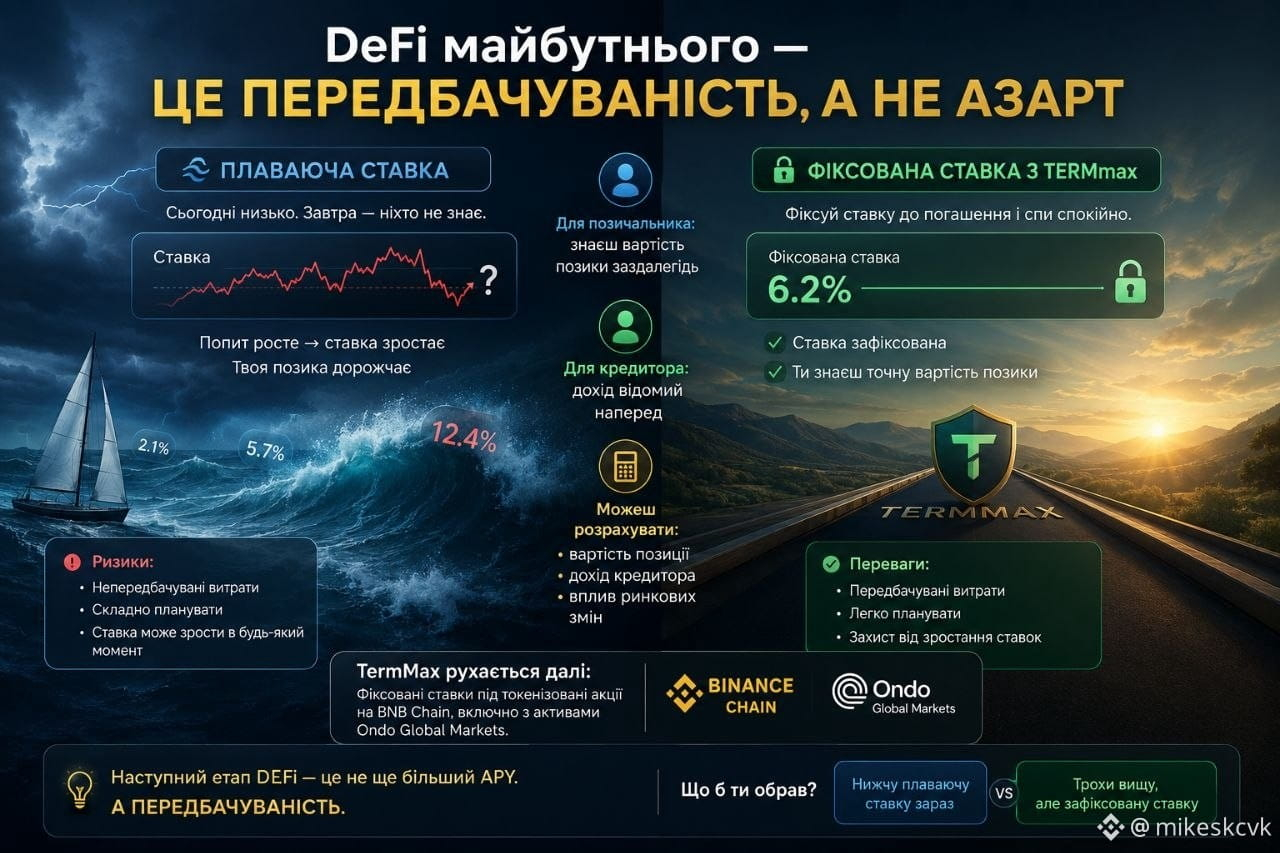
DeFi привчив нас до плаваючих ставок.
Поки тобі не знадобиться позика на кілька місяців.
Сьогодні ставка вигідна. Завтра через зміну попиту чи ліквідності вартість позики вже інша.
Саме тому мені цікавий TermMax.
Тут можна зафіксувати ставку до моменту погашення.
Для позичальника — зрозуміла вартість позики.
Для кредитора — прогнозований дохід.
І це особливо цікаво для більших стратегій, де важливо заздалегідь знати вартість капіталу.
Ще цікавіше, що TermMax рухається у бік RWA. Команда вже інтегрувала fixed-rate borrowing під токенізовані акції на BNB Chain.
Можливо, наступний етап DeFi — не максимальний APY.
А передбачуваність.
Що оберете: нижчу плаваючу ставку чи трохи вищу, але зафіксовану?
#termmax @termmax
DeFi привчив нас до плаваючих ставок.
Поки тобі не знадобиться позика на кілька місяців.
Сьогодні ставка вигідна. Завтра через зміну попиту чи ліквідності вартість позики вже інша.
Саме тому мені цікавий TermMax.
Тут можна зафіксувати ставку до моменту погашення.
Для позичальника — зрозуміла вартість позики.
Для кредитора — прогнозований дохід.
І це особливо цікаво для більших стратегій, де важливо заздалегідь знати вартість капіталу.
Ще цікавіше, що TermMax рухається у бік RWA. Команда вже інтегрувала fixed-rate borrowing під токенізовані акції на BNB Chain.
Можливо, наступний етап DeFi — не максимальний APY.
А передбачуваність.
Що оберете: нижчу плаваючу ставку чи трохи вищу, але зафіксовану?
#termmax @TermMax
Поки тобі не знадобиться позика на кілька місяців.
Сьогодні ставка вигідна. Завтра через зміну попиту чи ліквідності вартість позики вже інша.
Саме тому мені цікавий TermMax.
Тут можна зафіксувати ставку до моменту погашення.
Для позичальника — зрозуміла вартість позики.
Для кредитора — прогнозований дохід.
І це особливо цікаво для більших стратегій, де важливо заздалегідь знати вартість капіталу.
Ще цікавіше, що TermMax рухається у бік RWA. Команда вже інтегрувала fixed-rate borrowing під токенізовані акції на BNB Chain.
Можливо, наступний етап DeFi — не максимальний APY.
А передбачуваність.
Що оберете: нижчу плаваючу ставку чи трохи вищу, але зафіксовану?
#termmax @TermMax
131
·
--
عرض الترجمة
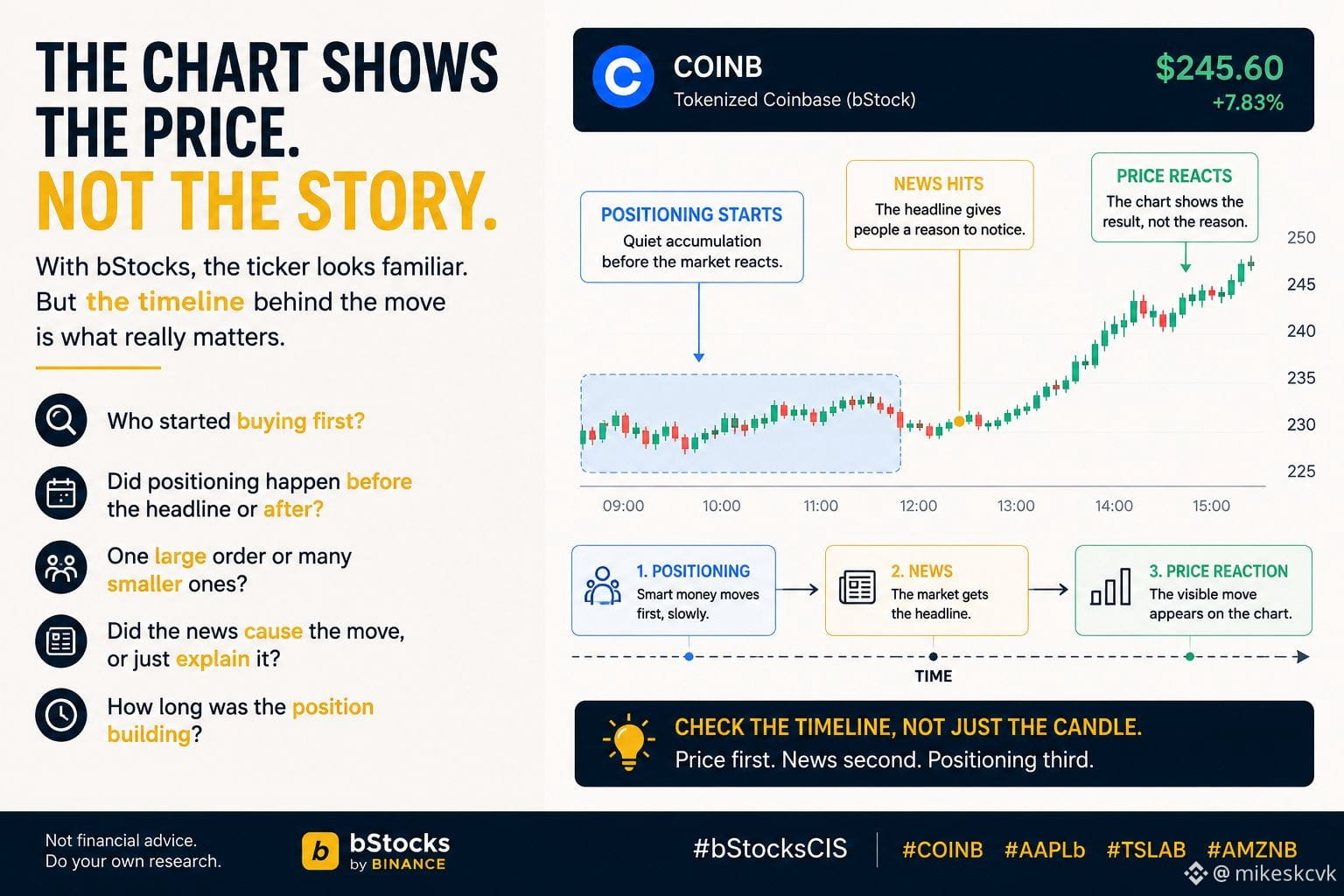
One thing I’ve started paying more attention to with tokenized stocks is the difference between what the chart shows and what actually happened before the chart moved.
Take #COINB as an example.
A sharp green candle can make it look like the market suddenly “decided” that the company was worth more.
But the candle only tells me where the market traded.
It doesn’t tell me: — who started buying first
— how long the position was building
— whether the move came from one large order or many smaller ones
— whether the price reaction happened before or after the headline
— or whether the headline simply gave traders a reason to notice the move.
That last part is easy to miss.
Sometimes the news is the explanation people remember, while the positioning happened much earlier.
And that changes how I read a chart.
Instead of asking:
“Why did #COINB go up today?”
I’d rather ask:
“What was already happening before today?”
For bStocks, I think this distinction is especially useful because the interface can make a traditional stock ticker feel very familiar. The familiar ticker doesn’t mean every piece of market information should be interpreted exactly like a normal brokerage position.
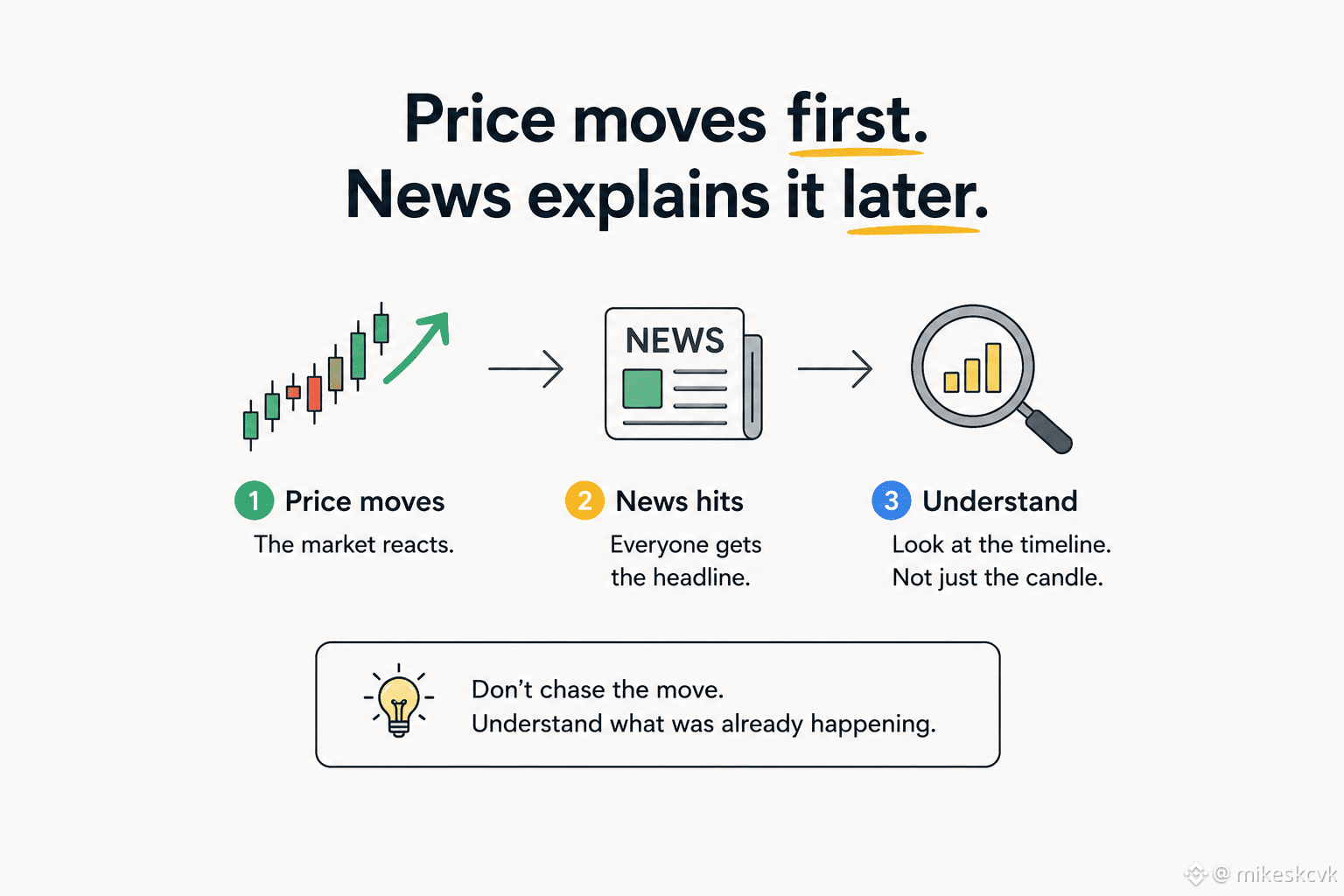
So now, when I see a big move, my first instinct isn’t to chase the candle.
I check the timeline.
Price first.
News second.
Positioning third.
The order matters more than I thought.
#bstockscis @BinanceCIS
One thing I’ve started paying more attention to with tokenized stocks is the difference between what the chart shows and what actually happened before the chart moved.
Take #COINB as an example.
A sharp green candle can make it look like the market suddenly “decided” that the company was worth more.
But the candle only tells me where the market traded.
It doesn’t tell me: — who started buying first
— how long the position was building
— whether the move came from one large order or many smaller ones
— whether the price reaction happened before or after the headline
— or whether the headline simply gave traders a reason to notice the move.
That last part is easy to miss.
Sometimes the news is the explanation people remember, while the positioning happened much earlier.
And that changes how I read a chart.
Instead of asking:
“Why did #COINB go up today?”
I’d rather ask:
“What was already happening before today?”
For bStocks, I think this distinction is especially useful because the interface can make a traditional stock ticker feel very familiar. The familiar ticker doesn’t mean every piece of market information should be interpreted exactly like a normal brokerage position.
So now, when I see a big move, my first instinct isn’t to chase the candle.
I check the timeline.
Price first.
News second.
Positioning third.
The order matters more than I thought.
#bstockscis @BinanceCIS
Take #COINB as an example.
A sharp green candle can make it look like the market suddenly “decided” that the company was worth more.
But the candle only tells me where the market traded.
It doesn’t tell me: — who started buying first
— how long the position was building
— whether the move came from one large order or many smaller ones
— whether the price reaction happened before or after the headline
— or whether the headline simply gave traders a reason to notice the move.
That last part is easy to miss.
Sometimes the news is the explanation people remember, while the positioning happened much earlier.
And that changes how I read a chart.
Instead of asking:
“Why did #COINB go up today?”
I’d rather ask:
“What was already happening before today?”
For bStocks, I think this distinction is especially useful because the interface can make a traditional stock ticker feel very familiar. The familiar ticker doesn’t mean every piece of market information should be interpreted exactly like a normal brokerage position.
So now, when I see a big move, my first instinct isn’t to chase the candle.
I check the timeline.
Price first.
News second.
Positioning third.
The order matters more than I thought.
#bstockscis @BinanceCIS
82
·
--
اعتدت أن أقرأ “تخفيض الهامش” (collateral haircut) كما لو كان خصمًا بسيطًا.
كان ذلك تصورًا ذهنيًا خاطئًا.
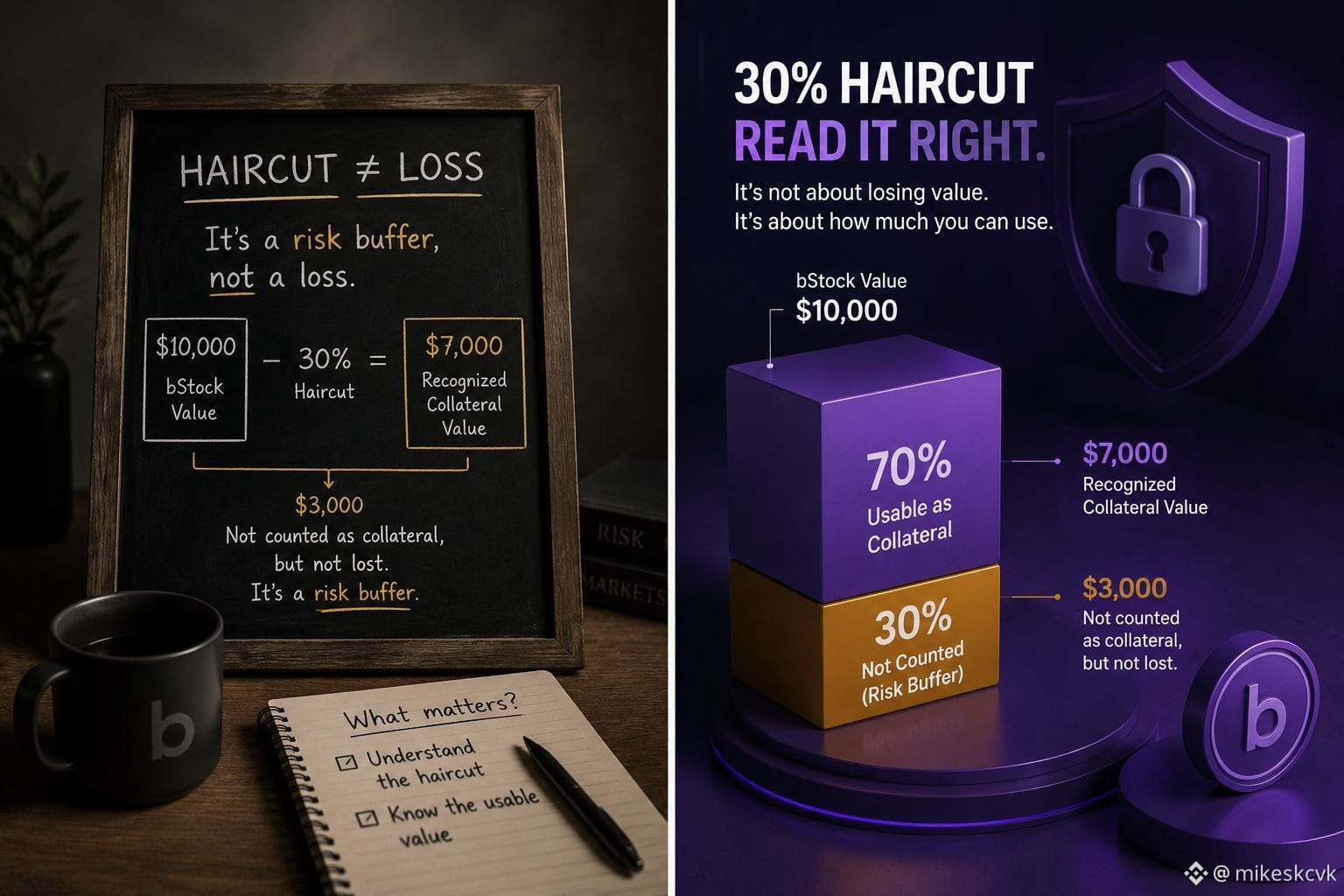
لنقل إن أصلًا مُرقمنًا (tokenized stock) لديه تخفيض هامش بنسبة 30%.
أول ما يخطر ببالي سيكون:
“حسنًا، إذن 30% من قيمة الأصل قد اختفت فعليًا.”
لكن هذا ليس ما يخبرك به الرقم.
السؤال الأكثر فائدة هو:
كم مقدار قيمة الأصل التي يمكن في الواقع الاعتراف بها كضمان؟
إذا كان لديك 10,000 دولار من bStock وكانت نسبة التخفيض المطبقة 30%، فإن قيمة الضمان المعترف بها هي 7,000 دولار.
أما الـ 3,000 المتبقية فلم تختفِ.
بل ببساطة لا تُحتسب ضمن قيمة الضمان وفق افتراض التخفيض ذلك.
تلك التفرقة مهمة لأن حسابات الضمان تتعلق بمخازن/هوامش الأمان (risk buffers)، لا بإعلان أن جزءًا من أصل ما لا قيمة له.
وهناك تفصيل آخر سأتحقق منه قبل إجراء أي حساب:
على ماذا يُطبَّق تخفيض الهامش تحديدًا؟
قد تعتمد الإجابة على نوع الأصل، واللوائح ذات الصلة، وإطار الضمان المحدد.
لذلك بدلًا من تذكّر:
“تخفيض هامش 30% = خسارة 30%،”
أني أتذكر الآن:
“تخفيض هامش 30% = قيمة ضمان مُعترف بها بنسبة 70%.”
اختلاف بسيط في الصياغة، لكنه طريقة مختلفة تمامًا لقراءة الرقم.
بالنسبة لي، هذه واحدة من مفاهيم bStocks التي تصبح أسهل بكثير عندما تتوقف عن التفكير في النسبة بوصفها “خسارة” وتبدأ في التفكير بها بوصفها قيمة ضمان مُعدلة بالمخاطر.
هل ستُفسِّر تخفيض هامش بنسبة 30% تفسيرًا صحيحًا دون إجراء الحساب؟
{spot}(NVDABUSDT)
$NVDAB
#bstockscis @BinanceCIS
اعتدت أن أقرأ “تخفيض الهامش” (collateral haircut) كما لو كان خصمًا بسيطًا.
كان ذلك تصورًا ذهنيًا خاطئًا.
لنقل إن أصلًا مُرقمنًا (tokenized stock) لديه تخفيض هامش بنسبة 30%.
أول ما يخطر ببالي سيكون:
“حسنًا، إذن 30% من قيمة الأصل قد اختفت فعليًا.”
لكن هذا ليس ما يخبرك به الرقم.
السؤال الأكثر فائدة هو:
كم مقدار قيمة الأصل التي يمكن في الواقع الاعتراف بها كضمان؟
إذا كان لديك 10,000 دولار من bStock وكانت نسبة التخفيض المطبقة 30%، فإن قيمة الضمان المعترف بها هي 7,000 دولار.
أما الـ 3,000 المتبقية فلم تختفِ.
بل ببساطة لا تُحتسب ضمن قيمة الضمان وفق افتراض التخفيض ذلك.
تلك التفرقة مهمة لأن حسابات الضمان تتعلق بمخازن/هوامش الأمان (risk buffers)، لا بإعلان أن جزءًا من أصل ما لا قيمة له.
وهناك تفصيل آخر سأتحقق منه قبل إجراء أي حساب:
على ماذا يُطبَّق تخفيض الهامش تحديدًا؟
قد تعتمد الإجابة على نوع الأصل، واللوائح ذات الصلة، وإطار الضمان المحدد.
لذلك بدلًا من تذكّر:
“تخفيض هامش 30% = خسارة 30%،”
أني أتذكر الآن:
“تخفيض هامش 30% = قيمة ضمان مُعترف بها بنسبة 70%.”
اختلاف بسيط في الصياغة، لكنه طريقة مختلفة تمامًا لقراءة الرقم.
بالنسبة لي، هذه واحدة من مفاهيم bStocks التي تصبح أسهل بكثير عندما تتوقف عن التفكير في النسبة بوصفها “خسارة” وتبدأ في التفكير بها بوصفها قيمة ضمان مُعدلة بالمخاطر.
هل ستُفسِّر تخفيض هامش بنسبة 30% تفسيرًا صحيحًا دون إجراء الحساب؟
$NVDAB
#bstockscis @BinanceCIS
كان ذلك تصورًا ذهنيًا خاطئًا.
لنقل إن أصلًا مُرقمنًا (tokenized stock) لديه تخفيض هامش بنسبة 30%.
أول ما يخطر ببالي سيكون:
“حسنًا، إذن 30% من قيمة الأصل قد اختفت فعليًا.”
لكن هذا ليس ما يخبرك به الرقم.
السؤال الأكثر فائدة هو:
كم مقدار قيمة الأصل التي يمكن في الواقع الاعتراف بها كضمان؟
إذا كان لديك 10,000 دولار من bStock وكانت نسبة التخفيض المطبقة 30%، فإن قيمة الضمان المعترف بها هي 7,000 دولار.
أما الـ 3,000 المتبقية فلم تختفِ.
بل ببساطة لا تُحتسب ضمن قيمة الضمان وفق افتراض التخفيض ذلك.
تلك التفرقة مهمة لأن حسابات الضمان تتعلق بمخازن/هوامش الأمان (risk buffers)، لا بإعلان أن جزءًا من أصل ما لا قيمة له.
وهناك تفصيل آخر سأتحقق منه قبل إجراء أي حساب:
على ماذا يُطبَّق تخفيض الهامش تحديدًا؟
قد تعتمد الإجابة على نوع الأصل، واللوائح ذات الصلة، وإطار الضمان المحدد.
لذلك بدلًا من تذكّر:
“تخفيض هامش 30% = خسارة 30%،”
أني أتذكر الآن:
“تخفيض هامش 30% = قيمة ضمان مُعترف بها بنسبة 70%.”
اختلاف بسيط في الصياغة، لكنه طريقة مختلفة تمامًا لقراءة الرقم.
بالنسبة لي، هذه واحدة من مفاهيم bStocks التي تصبح أسهل بكثير عندما تتوقف عن التفكير في النسبة بوصفها “خسارة” وتبدأ في التفكير بها بوصفها قيمة ضمان مُعدلة بالمخاطر.
هل ستُفسِّر تخفيض هامش بنسبة 30% تفسيرًا صحيحًا دون إجراء الحساب؟
$NVDAB
#bstockscis @BinanceCIS
96
·
--
عرض الترجمة
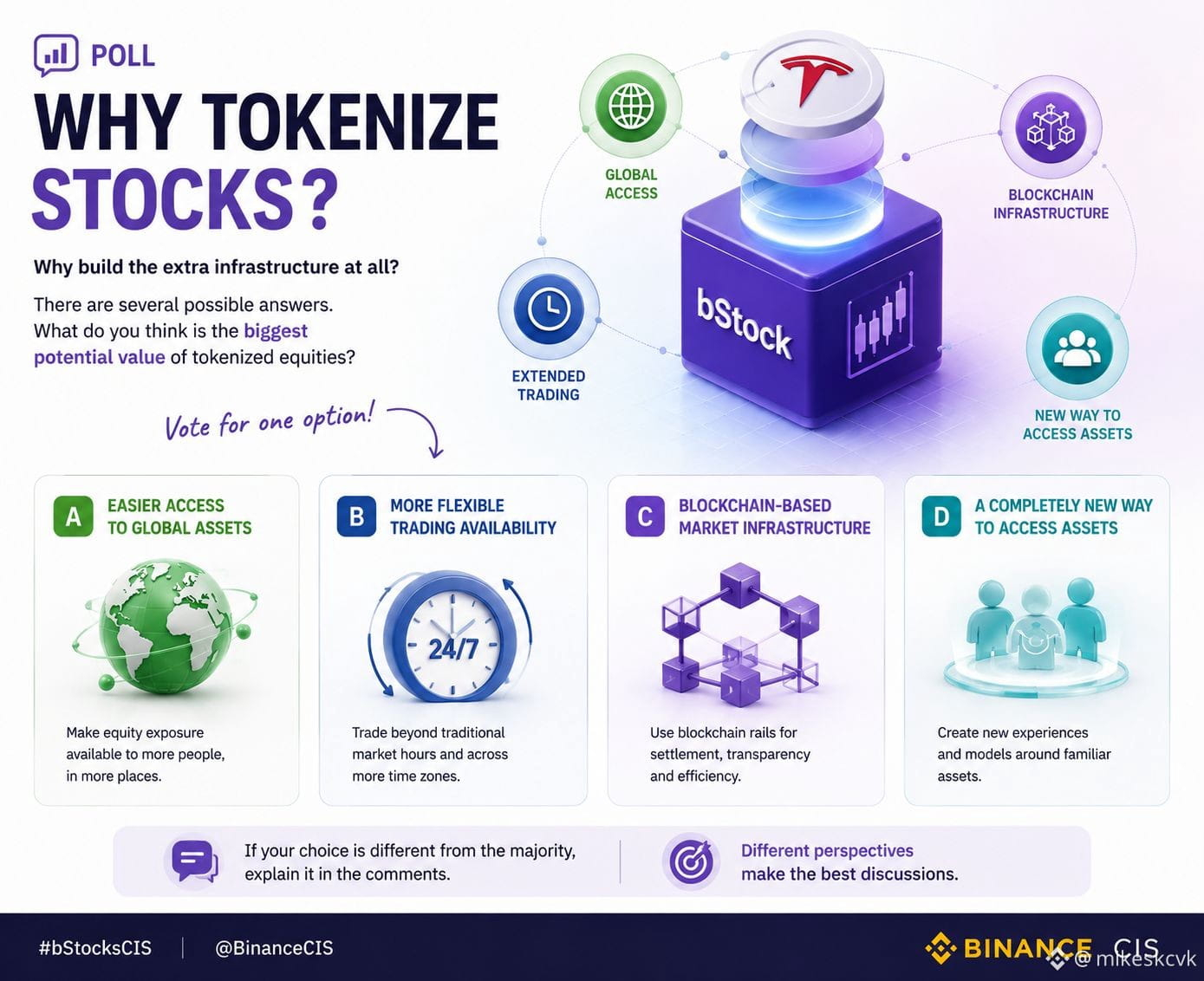
I keep seeing the same assumption:
“Tokenized stocks are just traditional stocks in another format.”
But if that were the whole point, the question becomes pretty simple:
Why build the extra infrastructure at all?
There are several possible answers.
Maybe the biggest value is making equity exposure more accessible.
Maybe it is the ability to interact with markets through blockchain infrastructure.
May$be extended trading availability matters more.
Or maybe the real advantage is simply creating a different way for people to access familiar assets.
I don't think there is one universal answer.
So I'm curious what the community actually thinks.
What is the biggest potential value of tokenized equities?
A — Easier access to global assets
B — More flexible trading availability
C — Blockchain-based market infrastructure
D — A completely new way to access familiar assets
Vote for one.
And if your choice is different from the majority, explain it — that's probably where the interesting discussion starts.
#bstockscis @BinanceCIS
I keep seeing the same assumption:
“Tokenized stocks are just traditional stocks in another format.”
But if that were the whole point, the question becomes pretty simple:
Why build the extra infrastructure at all?
There are several possible answers.
Maybe the biggest value is making equity exposure more accessible.
Maybe it is the ability to interact with markets through blockchain infrastructure.
May$be extended trading availability matters more.
Or maybe the real advantage is simply creating a different way for people to access familiar assets.
I don't think there is one universal answer.
So I'm curious what the community actually thinks.
What is the biggest potential value of tokenized equities?
A — Easier access to global assets
B — More flexible trading availability
C — Blockchain-based market infrastructure
D — A completely new way to access familiar assets
Vote for one.
And if your choice is different from the majority, explain it — that's probably where the interesting discussion starts.
#bstockscis @BinanceCIS
“Tokenized stocks are just traditional stocks in another format.”
But if that were the whole point, the question becomes pretty simple:
Why build the extra infrastructure at all?
There are several possible answers.
Maybe the biggest value is making equity exposure more accessible.
Maybe it is the ability to interact with markets through blockchain infrastructure.
May$be extended trading availability matters more.
Or maybe the real advantage is simply creating a different way for people to access familiar assets.
I don't think there is one universal answer.
So I'm curious what the community actually thinks.
What is the biggest potential value of tokenized equities?
A — Easier access to global assets
B — More flexible trading availability
C — Blockchain-based market infrastructure
D — A completely new way to access familiar assets
Vote for one.
And if your choice is different from the majority, explain it — that's probably where the interesting discussion starts.
#bstockscis @BinanceCIS
76
·
--
صاعد
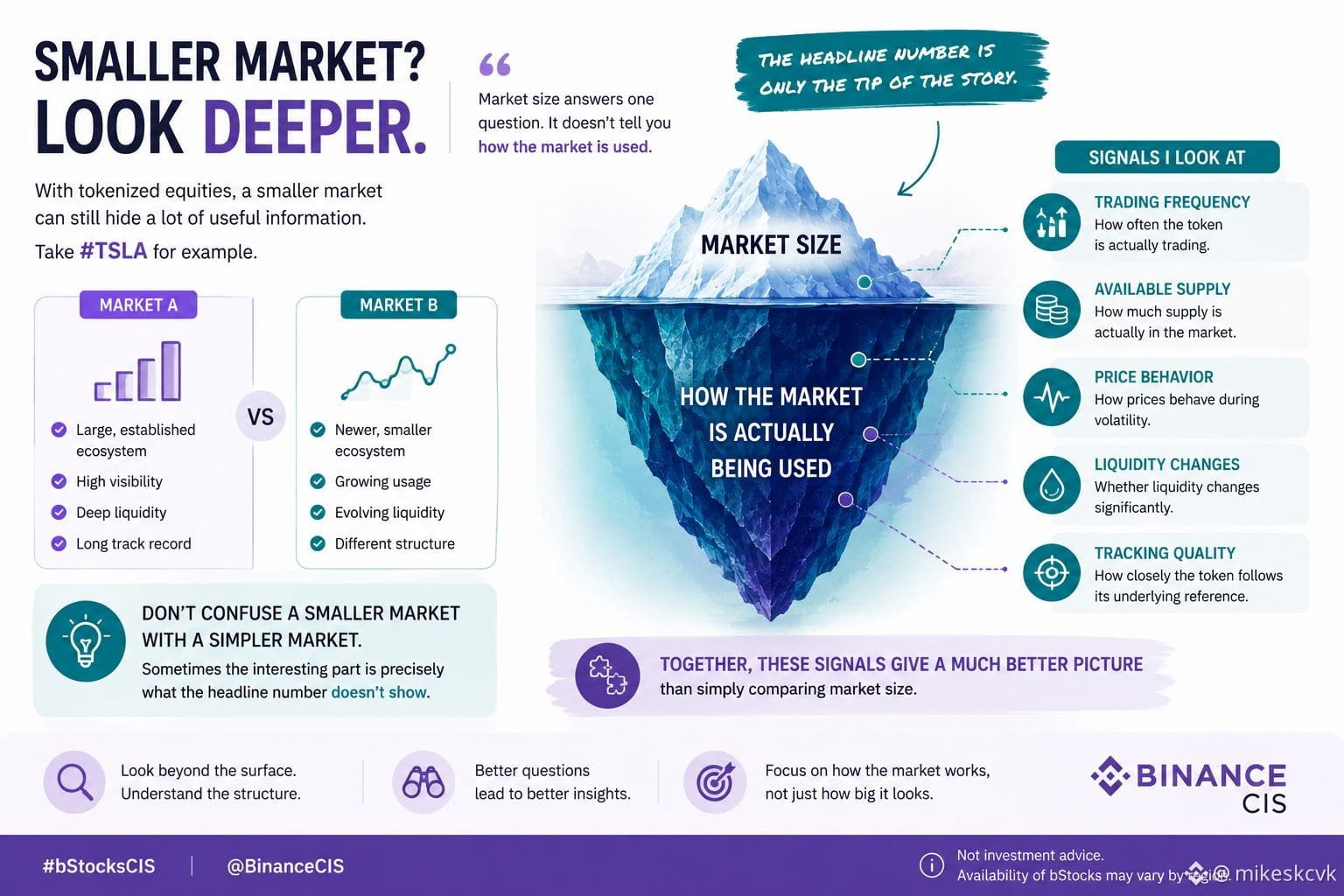
سوق أصغر لا يعني تلقائيًا أن السوق غير مثير للاهتمام.
هذا شيء أضعه في اعتباري عند النظر إلى الأسهم المرمّزة.
تخيّل سوقين يظهران أصولًا أساسية متشابهة تقريبًا.
أحدهما يمتلك نظامًا بيئيًا ضخمًا راسخًا.
والآخر أحدث، وأصغر، ومبني حول التعرض المرمّز.
قد يكون من السهل النظر إلى السوق الثاني والقول:
«صغير جدًا. انتقل.»
لكن الحجم يجيب عن سؤال واحد فقط.
ولا يخبرني بكيفية استخدام السوق.
على سبيل المثال، مع #TSLA سأفضّل النظر إلى عدة مؤشرات معًا:
→ مدى تكرار تداول الرمز
→ مقدار الإمداد المتاح فعليًا
→ كيفية تصرف الأسعار أثناء التقلبات
→ ما إذا كانت السيولة تتغير بشكل ملحوظ
→ مدى ارتباط الرمز بشكل وثيق بمؤشره المرجعي الأساسي
لا يقدم أيٌّ من هذه العناصر القصة كاملةً بمفرده.
لكن معًا، يمنحون صورة أدق بكثير من مجرد مقارنة حجم السوق.
وربما هذه هي أكبر نتيجة أستخلصها من دراسة bStocks:
لا تخلط بين سوق أصغر وسوق أبسط.
أحيانًا تكون الأجزاء المثيرة للاهتمام هي بالضبط ما لا تُظهره الأرقام الرئيسية.
#bstockscis @BinanceCIS
سوق أصغر لا يعني تلقائيًا أن السوق غير مثير للاهتمام.
هذا شيء أضعه في اعتباري عند النظر إلى الأسهم المرمّزة.
تخيّل سوقين يظهران أصولًا أساسية متشابهة تقريبًا.
أحدهما يمتلك نظامًا بيئيًا ضخمًا راسخًا.
والآخر أحدث، وأصغر، ومبني حول التعرض المرمّز.
قد يكون من السهل النظر إلى السوق الثاني والقول:
«صغير جدًا. انتقل.»
لكن الحجم يجيب عن سؤال واحد فقط.
ولا يخبرني بكيفية استخدام السوق.
على سبيل المثال، مع #TSLA سأفضّل النظر إلى عدة مؤشرات معًا:
→ مدى تكرار تداول الرمز
→ مقدار الإمداد المتاح فعليًا
→ كيفية تصرف الأسعار أثناء التقلبات
→ ما إذا كانت السيولة تتغير بشكل ملحوظ
→ مدى ارتباط الرمز بشكل وثيق بمؤشره المرجعي الأساسي
لا يقدم أيٌّ من هذه العناصر القصة كاملةً بمفرده.
لكن معًا، يمنحون صورة أدق بكثير من مجرد مقارنة حجم السوق.
وربما هذه هي أكبر نتيجة أستخلصها من دراسة bStocks:
لا تخلط بين سوق أصغر وسوق أبسط.
أحيانًا تكون الأجزاء المثيرة للاهتمام هي بالضبط ما لا تُظهره الأرقام الرئيسية.
#bstockscis @BinanceCIS
هذا شيء أضعه في اعتباري عند النظر إلى الأسهم المرمّزة.
تخيّل سوقين يظهران أصولًا أساسية متشابهة تقريبًا.
أحدهما يمتلك نظامًا بيئيًا ضخمًا راسخًا.
والآخر أحدث، وأصغر، ومبني حول التعرض المرمّز.
قد يكون من السهل النظر إلى السوق الثاني والقول:
«صغير جدًا. انتقل.»
لكن الحجم يجيب عن سؤال واحد فقط.
ولا يخبرني بكيفية استخدام السوق.
على سبيل المثال، مع #TSLA سأفضّل النظر إلى عدة مؤشرات معًا:
→ مدى تكرار تداول الرمز
→ مقدار الإمداد المتاح فعليًا
→ كيفية تصرف الأسعار أثناء التقلبات
→ ما إذا كانت السيولة تتغير بشكل ملحوظ
→ مدى ارتباط الرمز بشكل وثيق بمؤشره المرجعي الأساسي
لا يقدم أيٌّ من هذه العناصر القصة كاملةً بمفرده.
لكن معًا، يمنحون صورة أدق بكثير من مجرد مقارنة حجم السوق.
وربما هذه هي أكبر نتيجة أستخلصها من دراسة bStocks:
لا تخلط بين سوق أصغر وسوق أبسط.
أحيانًا تكون الأجزاء المثيرة للاهتمام هي بالضبط ما لا تُظهره الأرقام الرئيسية.
#bstockscis @BinanceCIS
1
80
·
--
عرض الترجمة
I used to think that when evaluating a new financial product, the most important thing was understanding what exactly you are buying.
Now I'd add another question:
What happens around that asset after you buy it?
That's where tokenized stocks become much more interesting than a simple comparison with traditional markets.
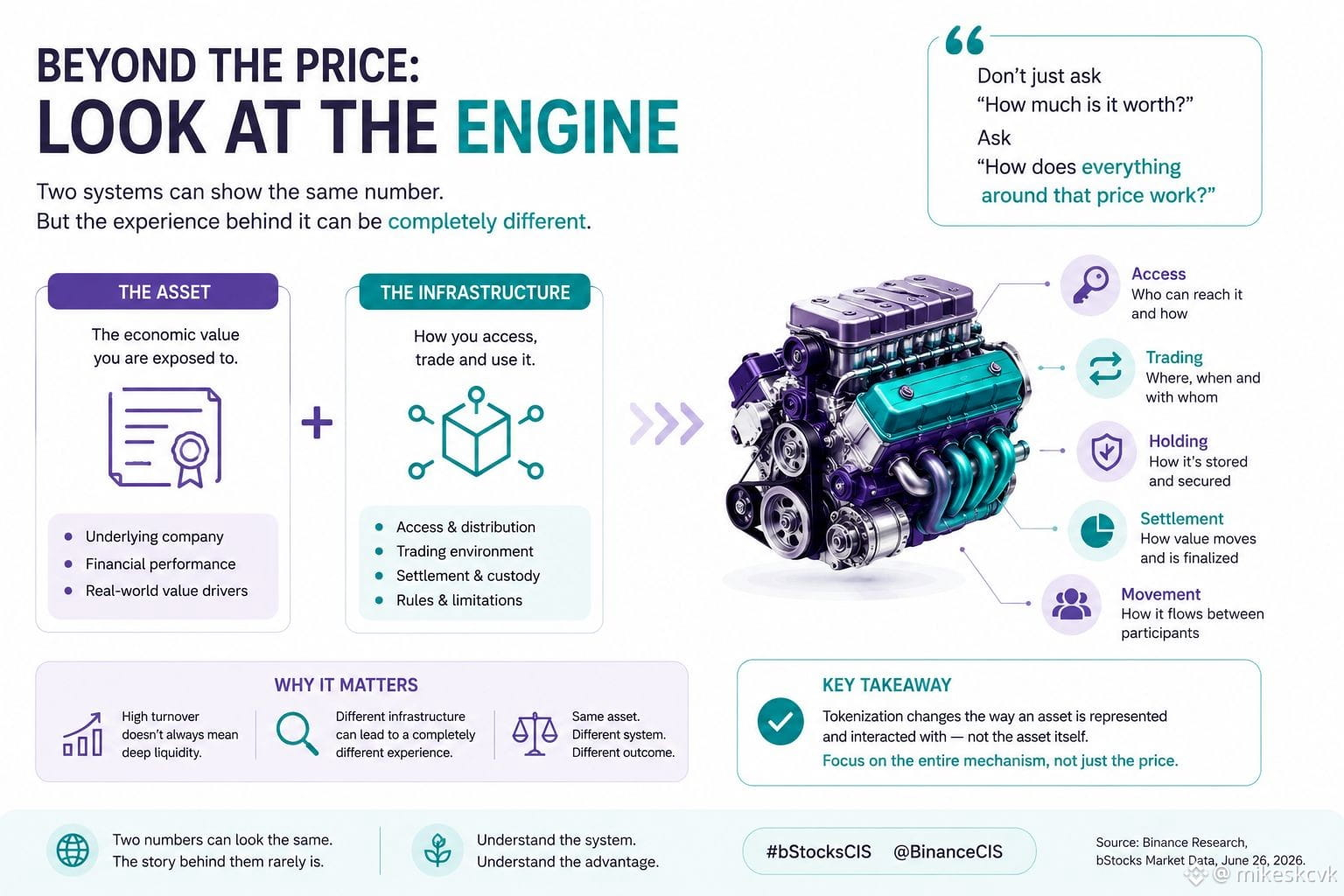
An asset isn't just a price.
There is an entire process around it:
access → trading → holding → settlement → movement between participants
If you only look at the price chart, most of that story disappears.
So I try to separate two things.
The asset — what the economic value is connected to.
The infrastructure — how that asset is represented and accessed by the user.
Those are not the same thing.
And that's one of the parts of bStocks I find most interesting.
Tokenization doesn't magically change the underlying asset.
It changes the way that asset is represented and interacted with inside a different financial environment.
So my main takeaway is simple:
Don't evaluate a tokenized product only by asking:
“How much is it worth?”
Ask:
“How does everything around that price actually work?”
Two systems can display a very similar number on a screen while providing a completely different experience underneath.
And that's the difference I'm most interested in watching with bStocks.
@BinanceCIS #bstockscis
I used to think that when evaluating a new financial product, the most important thing was understanding what exactly you are buying.
Now I'd add another question:
What happens around that asset after you buy it?
That's where tokenized stocks become much more interesting than a simple comparison with traditional markets.
An asset isn't just a price.
There is an entire process around it:
access → trading → holding → settlement → movement between participants
If you only look at the price chart, most of that story disappears.
So I try to separate two things.
The asset — what the economic value is connected to.
The infrastructure — how that asset is represented and accessed by the user.
Those are not the same thing.
And that's one of the parts of bStocks I find most interesting.
Tokenization doesn't magically change the underlying asset.
It changes the way that asset is represented and interacted with inside a different financial environment.
So my main takeaway is simple:
Don't evaluate a tokenized product only by asking:
“How much is it worth?”
Ask:
“How does everything around that price actually work?”
Two systems can display a very similar number on a screen while providing a completely different experience underneath.
And that's the difference I'm most interested in watching with bStocks.
@BinanceCIS #bstockscis
Now I'd add another question:
What happens around that asset after you buy it?
That's where tokenized stocks become much more interesting than a simple comparison with traditional markets.
An asset isn't just a price.
There is an entire process around it:
access → trading → holding → settlement → movement between participants
If you only look at the price chart, most of that story disappears.
So I try to separate two things.
The asset — what the economic value is connected to.
The infrastructure — how that asset is represented and accessed by the user.
Those are not the same thing.
And that's one of the parts of bStocks I find most interesting.
Tokenization doesn't magically change the underlying asset.
It changes the way that asset is represented and interacted with inside a different financial environment.
So my main takeaway is simple:
Don't evaluate a tokenized product only by asking:
“How much is it worth?”
Ask:
“How does everything around that price actually work?”
Two systems can display a very similar number on a screen while providing a completely different experience underneath.
And that's the difference I'm most interested in watching with bStocks.
@BinanceCIS #bstockscis
1
80
·
--
عرض الترجمة
I think one of the easiest ways to misunderstand tokenized stocks is to focus only on the word “stock”.
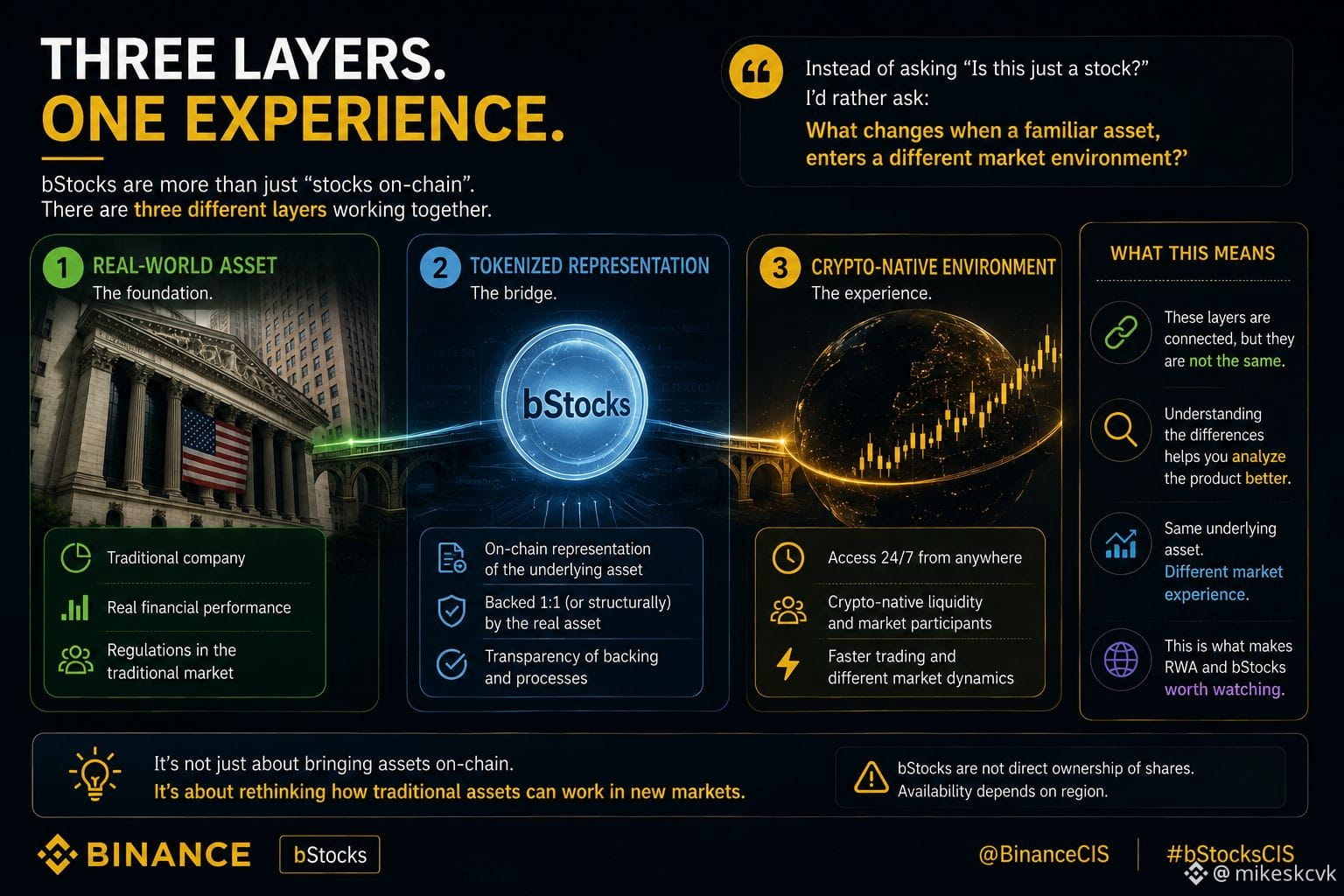
The more I look at bStocks, the more I see three different things happening at once.
There is the real-world asset.
Then there is the tokenized representation.
And finally, there is the crypto-native environment where the token can be traded.
Those three layers are connected, but they are not the same thing.
And that changes how I would look at the product.
Instead of asking:
“Is this just a stock?”
I'd rather ask:
“What changes when a familiar asset enters a different market environment?”
Trading hours, access, liquidity and the way people interact with the asset can all become part of the picture.
That shift in perspective makes much more sense to me than simply comparing a token to a traditional share.
Same underlying idea.
Different market experience. 🔎
That's what makes this space worth watching. 🌍@BinanceCIS 😀 #bstockscis
I think one of the easiest ways to misunderstand tokenized stocks is to focus only on the word “stock”.
The more I look at bStocks, the more I see three different things happening at once.
There is the real-world asset.
Then there is the tokenized representation.
And finally, there is the crypto-native environment where the token can be traded.
Those three layers are connected, but they are not the same thing.
And that changes how I would look at the product.
Instead of asking:
“Is this just a stock?”
I'd rather ask:
“What changes when a familiar asset enters a different market environment?”
Trading hours, access, liquidity and the way people interact with the asset can all become part of the picture.
That shift in perspective makes much more sense to me than simply comparing a token to a traditional share.
Same underlying idea.
Different market experience. 🔎
That's what makes this space worth watching. 🌍@BinanceCIS 😀 #bstockscis
The more I look at bStocks, the more I see three different things happening at once.
There is the real-world asset.
Then there is the tokenized representation.
And finally, there is the crypto-native environment where the token can be traded.
Those three layers are connected, but they are not the same thing.
And that changes how I would look at the product.
Instead of asking:
“Is this just a stock?”
I'd rather ask:
“What changes when a familiar asset enters a different market environment?”
Trading hours, access, liquidity and the way people interact with the asset can all become part of the picture.
That shift in perspective makes much more sense to me than simply comparing a token to a traditional share.
Same underlying idea.
Different market experience. 🔎
That's what makes this space worth watching. 🌍@BinanceCIS 😀 #bstockscis
73
·
--
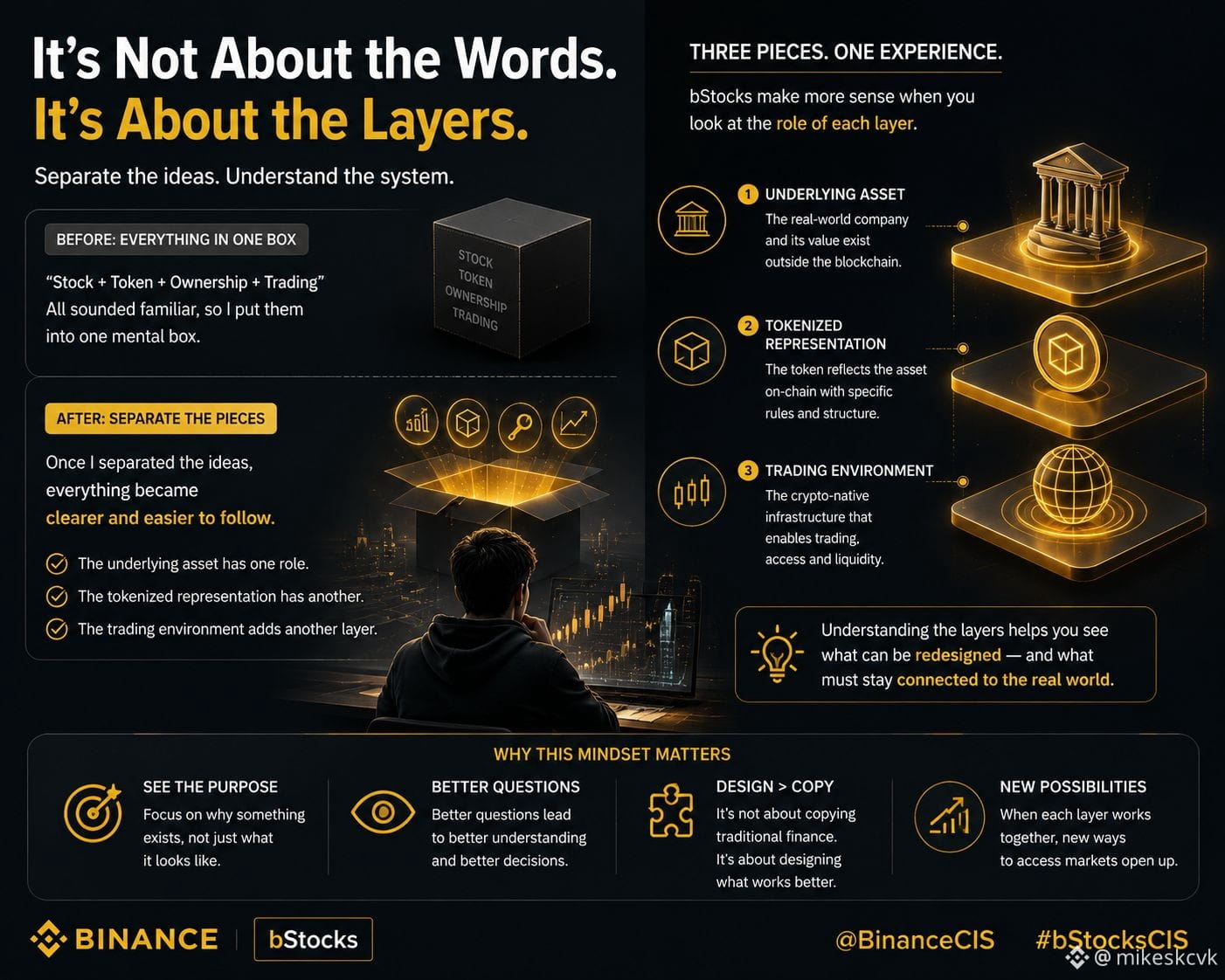
كنت أظن أن أصعب جزء في فهم الأسهم المرمّزة كان التكنولوجيا.
بصراحة، أعتقد أن الأمر يتعلق بالمصطلحات.
كلمات مثل “stock” و“token” و“ownership” و“trading” تبدو مألوفة، لذلك من السهل جدًا حصرها كلها في صندوق ذهني واحد.
لكن bStocks جعلتني أبطئ وأفصل بين تلك الأفكار.
الأصل المرمّز ليس مثيرًا للاهتمام فقط لأنه يبدو مألوفًا.
ما يثير الاهتمام هو البنية التحتية المحيطة به.
لدى الأصل الأساسي دور واحد.
أما التمثيل المرمّز فله دور آخر.
وبيئة التداول تضيف طبقة إضافية فوق ذلك.
بمجرد أن بدأت أفصل هذه الأجزاء، أصبح من السهل جدًا متابعة الفكرة كاملة.
ربما لهذا السبب أيضًا أن RWA تثير اهتمامي.
ليس الأمر مجرد نقل الأصول التقليدية إلى البلوك تشين.
بل يتعلق الأمر بمعرفة أي أجزاء من التجربة المالية القديمة يمكن إعادة تصميمها دون فقدان الارتباط بالأصل الأساسي.
ما زلت أتعلم، لكني بالتأكيد أنظر إلى عملية الترمّيز بشكل مختلف الآن. 🔎
@BinanceCIS #bstockscis
كنت أظن أن أصعب جزء في فهم الأسهم المرمّزة كان التكنولوجيا.
بصراحة، أعتقد أن الأمر يتعلق بالمصطلحات.
كلمات مثل “stock” و“token” و“ownership” و“trading” تبدو مألوفة، لذلك من السهل جدًا حصرها كلها في صندوق ذهني واحد.
لكن bStocks جعلتني أبطئ وأفصل بين تلك الأفكار.
الأصل المرمّز ليس مثيرًا للاهتمام فقط لأنه يبدو مألوفًا.
ما يثير الاهتمام هو البنية التحتية المحيطة به.
لدى الأصل الأساسي دور واحد.
أما التمثيل المرمّز فله دور آخر.
وبيئة التداول تضيف طبقة إضافية فوق ذلك.
بمجرد أن بدأت أفصل هذه الأجزاء، أصبح من السهل جدًا متابعة الفكرة كاملة.
ربما لهذا السبب أيضًا أن RWA تثير اهتمامي.
ليس الأمر مجرد نقل الأصول التقليدية إلى البلوك تشين.
بل يتعلق الأمر بمعرفة أي أجزاء من التجربة المالية القديمة يمكن إعادة تصميمها دون فقدان الارتباط بالأصل الأساسي.
ما زلت أتعلم، لكني بالتأكيد أنظر إلى عملية الترمّيز بشكل مختلف الآن. 🔎
@BinanceCIS #bstockscis
بصراحة، أعتقد أن الأمر يتعلق بالمصطلحات.
كلمات مثل “stock” و“token” و“ownership” و“trading” تبدو مألوفة، لذلك من السهل جدًا حصرها كلها في صندوق ذهني واحد.
لكن bStocks جعلتني أبطئ وأفصل بين تلك الأفكار.
الأصل المرمّز ليس مثيرًا للاهتمام فقط لأنه يبدو مألوفًا.
ما يثير الاهتمام هو البنية التحتية المحيطة به.
لدى الأصل الأساسي دور واحد.
أما التمثيل المرمّز فله دور آخر.
وبيئة التداول تضيف طبقة إضافية فوق ذلك.
بمجرد أن بدأت أفصل هذه الأجزاء، أصبح من السهل جدًا متابعة الفكرة كاملة.
ربما لهذا السبب أيضًا أن RWA تثير اهتمامي.
ليس الأمر مجرد نقل الأصول التقليدية إلى البلوك تشين.
بل يتعلق الأمر بمعرفة أي أجزاء من التجربة المالية القديمة يمكن إعادة تصميمها دون فقدان الارتباط بالأصل الأساسي.
ما زلت أتعلم، لكني بالتأكيد أنظر إلى عملية الترمّيز بشكل مختلف الآن. 🔎
@BinanceCIS #bstockscis
92
·
--
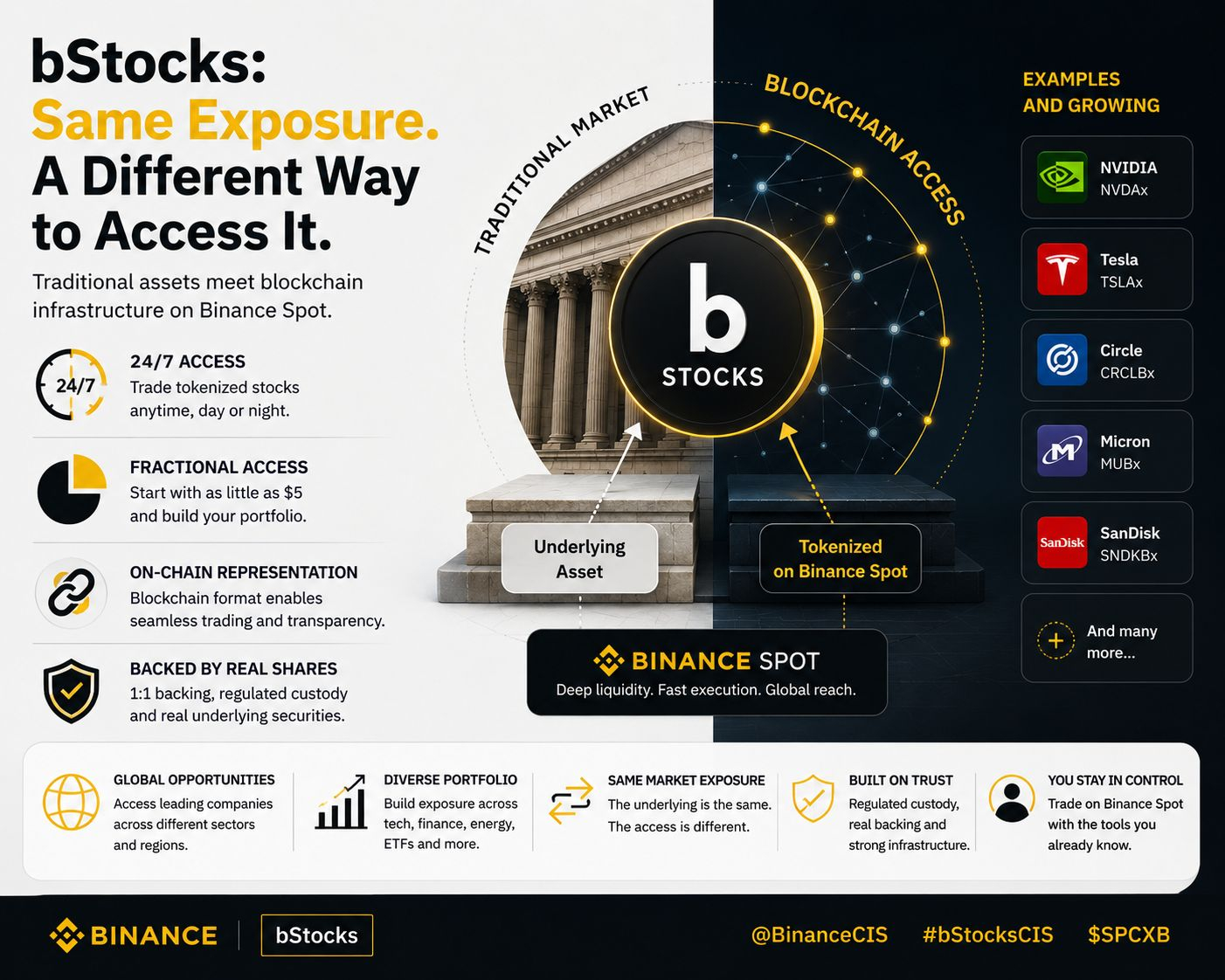
كنت أفكر اليوم في الأسهم (bStocks) من الاتجاه المعاكس.
بدلًا من السؤال: “أي سهم مُرقمن؟”، أعتقد أن السؤال الأفضل هو: “ما الذي يتغير عندما تتحول نفس الحصة السوقية إلى صيغة قائمة على البلوك تشين؟”
تحصل على بيئة تداول مختلفة، ووصول 24/7 على Binance Spot، وإتاحة مجزأة وتمثيلًا على السلسلة — مع بقاء البنية الأساسية تربط ذلك بالأصل التقليدي.
هذا المزيج ربما هو الجزء الأكثر إثارة للاهتمام بالنسبة لي.
الأمر ليس لاستبدال سوق الأسهم. إنه عن تجربة طريقة مختلفة للوصول إليه. 🔎🌍
@BinanceCIS #bStocksCIS $SPCXB
كنت أفكر اليوم في الأسهم (bStocks) من الاتجاه المعاكس.
بدلًا من السؤال: “أي سهم مُرقمن؟”، أعتقد أن السؤال الأفضل هو: “ما الذي يتغير عندما تتحول نفس الحصة السوقية إلى صيغة قائمة على البلوك تشين؟”
تحصل على بيئة تداول مختلفة، ووصول 24/7 على Binance Spot، وإتاحة مجزأة وتمثيلًا على السلسلة — مع بقاء البنية الأساسية تربط ذلك بالأصل التقليدي.
هذا المزيج ربما هو الجزء الأكثر إثارة للاهتمام بالنسبة لي.
الأمر ليس لاستبدال سوق الأسهم. إنه عن تجربة طريقة مختلفة للوصول إليه. 🔎🌍
@BinanceCIS #bStocksCIS $SPCXB
بدلًا من السؤال: “أي سهم مُرقمن؟”، أعتقد أن السؤال الأفضل هو: “ما الذي يتغير عندما تتحول نفس الحصة السوقية إلى صيغة قائمة على البلوك تشين؟”
تحصل على بيئة تداول مختلفة، ووصول 24/7 على Binance Spot، وإتاحة مجزأة وتمثيلًا على السلسلة — مع بقاء البنية الأساسية تربط ذلك بالأصل التقليدي.
هذا المزيج ربما هو الجزء الأكثر إثارة للاهتمام بالنسبة لي.
الأمر ليس لاستبدال سوق الأسهم. إنه عن تجربة طريقة مختلفة للوصول إليه. 🔎🌍
@BinanceCIS #bStocksCIS $SPCXB
162
·
--
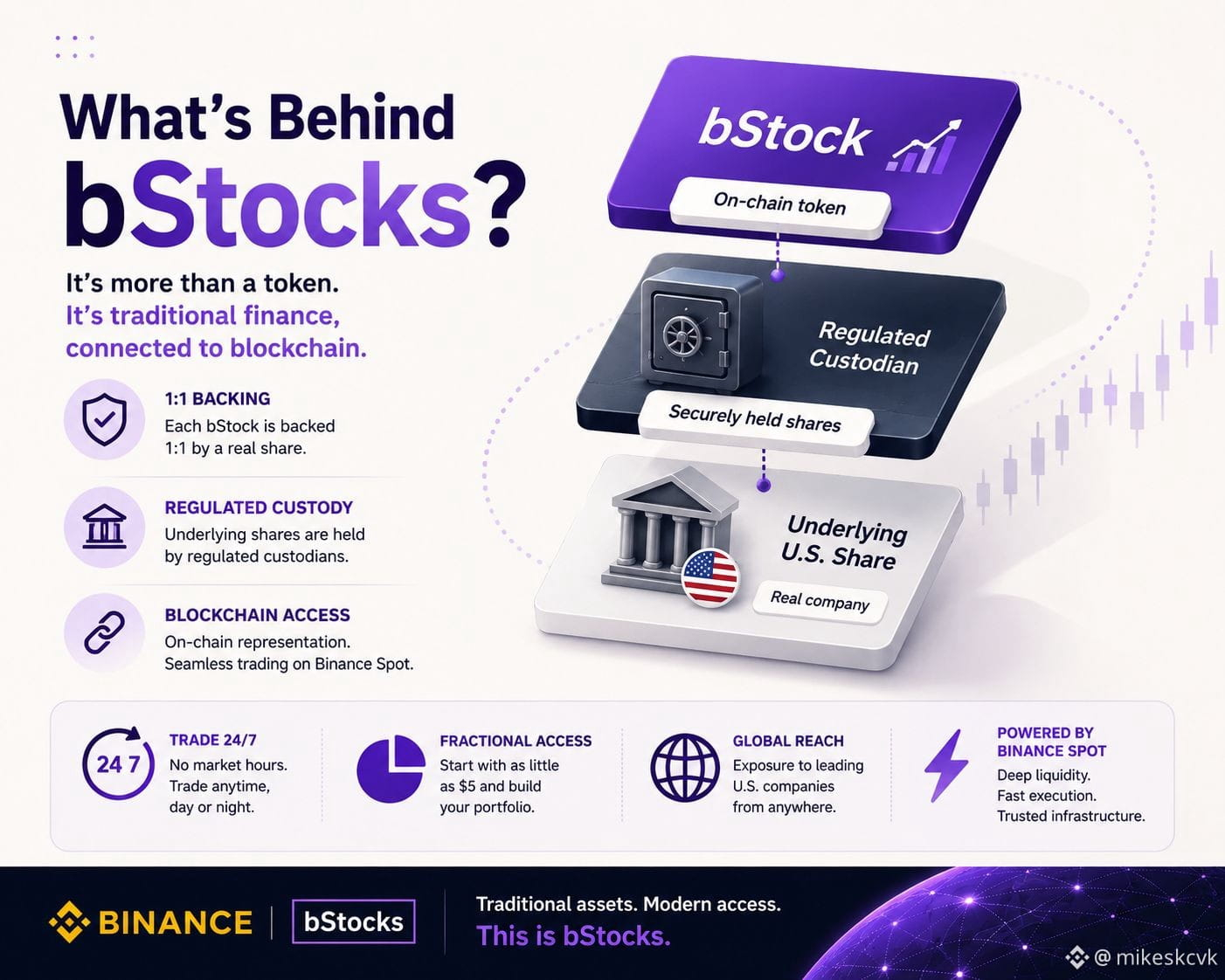
هناك شيء وجدته مثيرًا للاهتمام أثناء التعمق في bStocks وهو الفرق بين الأصل نفسه وطريقة الوصول إليه.
ما زال هناك ورقة مالية كامنة خلف هذا الهيكل، مع تغطية بنسبة 1:1 وحفظٍ منظّم.
جزء البلوكتشين يغيّر الطريقة التي يتم بها تمثيل التعرض للتداول.
لذلك لا أود وصف bStocks ببساطة على أنها “سهم تم وضعه على بلوكتشين”.
هناك الكثير مما يحدث تحت السطح — الحفظ، والترميز، وبنية التداول، والارتباط بـ Binance Spot.
بصراحة، هذا هو الجزء الذي أجده أكثر إثارة للاهتمام من مجرد النظر إلى مخطط السعر. 😅🔎
@BinanceCIS $SPCXB #bstockscis
هناك شيء وجدته مثيرًا للاهتمام أثناء التعمق في bStocks وهو الفرق بين الأصل نفسه وطريقة الوصول إليه.
ما زال هناك ورقة مالية كامنة خلف هذا الهيكل، مع تغطية بنسبة 1:1 وحفظٍ منظّم.
جزء البلوكتشين يغيّر الطريقة التي يتم بها تمثيل التعرض للتداول.
لذلك لا أود وصف bStocks ببساطة على أنها “سهم تم وضعه على بلوكتشين”.
هناك الكثير مما يحدث تحت السطح — الحفظ، والترميز، وبنية التداول، والارتباط بـ Binance Spot.
بصراحة، هذا هو الجزء الذي أجده أكثر إثارة للاهتمام من مجرد النظر إلى مخطط السعر. 😅🔎
@BinanceCIS $SPCXB #bstockscis
ما زال هناك ورقة مالية كامنة خلف هذا الهيكل، مع تغطية بنسبة 1:1 وحفظٍ منظّم.
جزء البلوكتشين يغيّر الطريقة التي يتم بها تمثيل التعرض للتداول.
لذلك لا أود وصف bStocks ببساطة على أنها “سهم تم وضعه على بلوكتشين”.
هناك الكثير مما يحدث تحت السطح — الحفظ، والترميز، وبنية التداول، والارتباط بـ Binance Spot.
بصراحة، هذا هو الجزء الذي أجده أكثر إثارة للاهتمام من مجرد النظر إلى مخطط السعر. 😅🔎
@BinanceCIS $SPCXB #bstockscis
1
114
·
--
عرض الترجمة
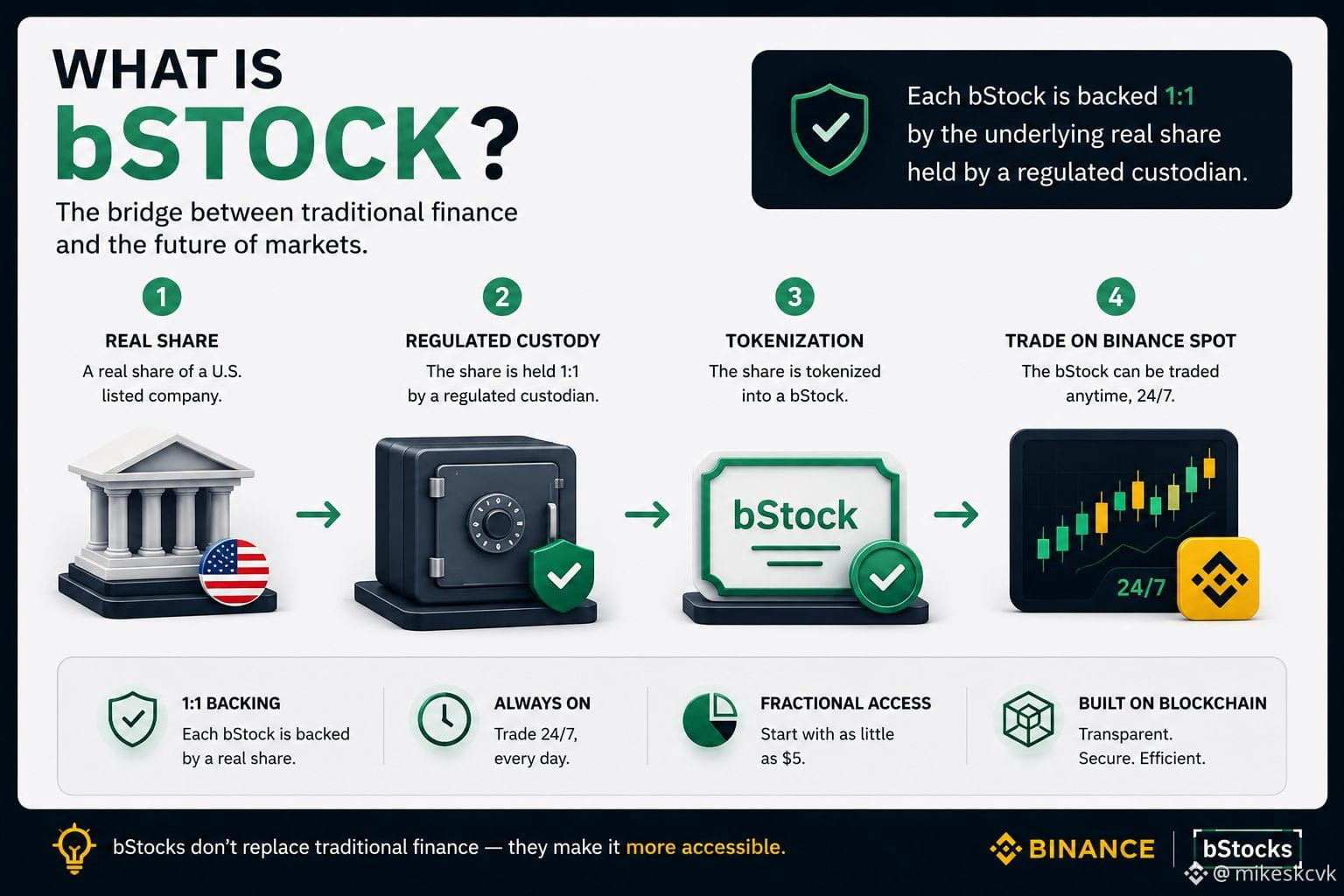
I used to think the value of bStocks was only about putting stocks on the blockchain.
After reading more about how they work, I think the real value is the structure behind them.
Binance explains that each bStock is backed 1:1 by an underlying share held by a regulated custodian. That connection between traditional finance and blockchain is what makes the concept interesting to me.
Sometimes understanding how a product works is more valuable than watching its price chart.
Have you spent more time learning the mechanics of bStocks, or are you mainly following the market? 📚💭
#bstockscis
I used to think the value of bStocks was only about putting stocks on the blockchain.
After reading more about how they work, I think the real value is the structure behind them.
Binance explains that each bStock is backed 1:1 by an underlying share held by a regulated custodian. That connection between traditional finance and blockchain is what makes the concept interesting to me.
Sometimes understanding how a product works is more valuable than watching its price chart.
Have you spent more time learning the mechanics of bStocks, or are you mainly following the market? 📚💭
#bstockscis
After reading more about how they work, I think the real value is the structure behind them.
Binance explains that each bStock is backed 1:1 by an underlying share held by a regulated custodian. That connection between traditional finance and blockchain is what makes the concept interesting to me.
Sometimes understanding how a product works is more valuable than watching its price chart.
Have you spent more time learning the mechanics of bStocks, or are you mainly following the market? 📚💭
#bstockscis
1
103
·
--
هناك شيء واحد يعجبني في تقنية البلوك تشين وهو أنها لم تعد تتعلق فقط بالعملات المشفرة.
مشاريع مثل bStocks تُظهر كيف يمكن استخدام التكنولوجيا لتمثيل الأصول المالية التقليدية بطريقة رقمية. سواء أصبح هذا النموذج سائدًا أم لا، فمن المثير للاهتمام متابعة كيفية تطور التمويل باستمرار.
أنا فضولي لمعرفة أين ستصل عملية «تجزئة الأصول» (tokenization) خلال السنوات القليلة القادمة.
ما هو الأصل الحقيقي برأيك الذي يمكن أن تتم «تجزئته» بعد ذلك؟ 💭🚀
@BinanceCIS $SPCXB #bstockscis
هناك شيء واحد يعجبني في تقنية البلوك تشين وهو أنها لم تعد تتعلق فقط بالعملات المشفرة.
مشاريع مثل bStocks تُظهر كيف يمكن استخدام التكنولوجيا لتمثيل الأصول المالية التقليدية بطريقة رقمية. سواء أصبح هذا النموذج سائدًا أم لا، فمن المثير للاهتمام متابعة كيفية تطور التمويل باستمرار.
أنا فضولي لمعرفة أين ستصل عملية «تجزئة الأصول» (tokenization) خلال السنوات القليلة القادمة.
ما هو الأصل الحقيقي برأيك الذي يمكن أن تتم «تجزئته» بعد ذلك؟ 💭🚀
@BinanceCIS $SPCXB #bstockscis
مشاريع مثل bStocks تُظهر كيف يمكن استخدام التكنولوجيا لتمثيل الأصول المالية التقليدية بطريقة رقمية. سواء أصبح هذا النموذج سائدًا أم لا، فمن المثير للاهتمام متابعة كيفية تطور التمويل باستمرار.
أنا فضولي لمعرفة أين ستصل عملية «تجزئة الأصول» (tokenization) خلال السنوات القليلة القادمة.
ما هو الأصل الحقيقي برأيك الذي يمكن أن تتم «تجزئته» بعد ذلك؟ 💭🚀
@BinanceCIS $SPCXB #bstockscis

1
1
109
·
--
عرض الترجمة
Я помітив цікаву особливість bStocks: найважливіше тут не лише сам актив, а спосіб його представлення.
Токенізація не створює нову компанію і не змінює базову цінну паперу. Вона дозволяє взаємодіяти з активом через блокчейн-інфраструктуру, зберігаючи зв'язок із реальним базовим активом.
Мені здається, саме такі рішення показують, як поступово поєднуються традиційні фінанси та Web3.
Як думаєте, які ще реальні активи можуть бути токенізовані в майбутньому?
@BinanceCIS #bStocksCIS $SPCXB #BinanceSquare
{spot}(SPCXBUSDT)
#bstockscis
Я помітив цікаву особливість bStocks: найважливіше тут не лише сам актив, а спосіб його представлення.
Токенізація не створює нову компанію і не змінює базову цінну паперу. Вона дозволяє взаємодіяти з активом через блокчейн-інфраструктуру, зберігаючи зв'язок із реальним базовим активом.
Мені здається, саме такі рішення показують, як поступово поєднуються традиційні фінанси та Web3.
Як думаєте, які ще реальні активи можуть бути токенізовані в майбутньому?
@BinanceCIS #bStocksCIS $SPCXB #BinanceSquare
#bstockscis
Токенізація не створює нову компанію і не змінює базову цінну паперу. Вона дозволяє взаємодіяти з активом через блокчейн-інфраструктуру, зберігаючи зв'язок із реальним базовим активом.
Мені здається, саме такі рішення показують, як поступово поєднуються традиційні фінанси та Web3.
Як думаєте, які ще реальні активи можуть бути токенізовані в майбутньому?
@BinanceCIS #bStocksCIS $SPCXB #BinanceSquare
#bstockscis

1
1
65
سجّل الدخول لاستكشاف المزيد من المُحتوى
انضم إلى مُستخدمي العملات الرقمية حول العالم على Binance Square
⚡️ احصل على أحدث المعلومات المفيدة عن العملات الرقمية.
💬 موثوقة من قبل أكبر منصّة لتداول العملات الرقمية في العالم.
👍 اكتشف الرؤى الحقيقية من صنّاع المُحتوى الموثوقين.
البريد الإلكتروني / رقم الهاتف
المواضيع الرائجة
StellarActivatesProtocol28At211TPS
1,289 مشاهدات
67 يقومون بالنقاش
Stellar ترفع السقف مع Protocol 28
فعّلت شبكة Stellar بروتوكول Protocol 28، بالتزامن مع تجاوزها 211 TPS عبر 100 كتلة متتالية.
التحديث يركز على تحسين كفاءة العقود الذكية، الإجماع وقابلية التوسع، في خطوة تدعم توجه الشبكة نحو المدفوعات، العملات المستقرة وRWA.
⚡ الرقم مهم، لكن الأهم هو قدرة الشبكة على التوسع مع الاستخدام الحقيقي.
$XLM
#StellarActivatesProtocol28At211TPS
yosreia
·1 إعجاب
·46 مشاهدات
SECGrantsInnovationExemptionForTokenizedStocks
1,014 مشاهدات
92 يقومون بالنقاش
XRPGains3%AsRippleAddsMPPSupport
583 مشاهدات
70 يقومون بالنقاش