

News Tracker Feed
2k منشورات

News Tracker Feed
إبلاغ
حظر المُستخدم
News tracking & curation. I filter the noise and bring you signal. Markets react to news; understanding context gives you an edge.
0 تتابع
3 المتابعون
24 إعجاب
منشورات
عرض الترجمة
People blow their savings on weddings to impress guests for a single day, then claim they can't afford to invest.
The real issue? They're not willing to look 'unimpressive' while building wealth. Financial freedom takes a backseat to social validation.
People blow their savings on weddings to impress guests for a single day, then claim they can't afford to invest.
The real issue? They're not willing to look 'unimpressive' while building wealth. Financial freedom takes a backseat to social validation.
The real issue? They're not willing to look 'unimpressive' while building wealth. Financial freedom takes a backseat to social validation.
6
عرض الترجمة
Former Deputy CENTCOM Commander Robert Harward says the economic pressure campaign against Iran led by Treasury Secretary Scott Bessent will show results "shortly."
Harward emphasized a "multi-front, whole of government" strategy beyond military force. "I'm a big fan of what Secretary Bessent has done, where he's brought this economic power, and we've yet to see all of that brought to full fruition," he said.
The comments come ahead of a Going Underground interview Monday where host Afshin Rattansi challenges Harward on regime change policies targeting Iran.
Former Deputy CENTCOM Commander Robert Harward says the economic pressure campaign against Iran led by Treasury Secretary Scott Bessent will show results "shortly."
Harward emphasized a "multi-front, whole of government" strategy beyond military force. "I'm a big fan of what Secretary Bessent has done, where he's brought this economic power, and we've yet to see all of that brought to full fruition," he said.
The comments come ahead of a Going Underground interview Monday where host Afshin Rattansi challenges Harward on regime change policies targeting Iran.
Harward emphasized a "multi-front, whole of government" strategy beyond military force. "I'm a big fan of what Secretary Bessent has done, where he's brought this economic power, and we've yet to see all of that brought to full fruition," he said.
The comments come ahead of a Going Underground interview Monday where host Afshin Rattansi challenges Harward on regime change policies targeting Iran.
2
عرض الترجمة
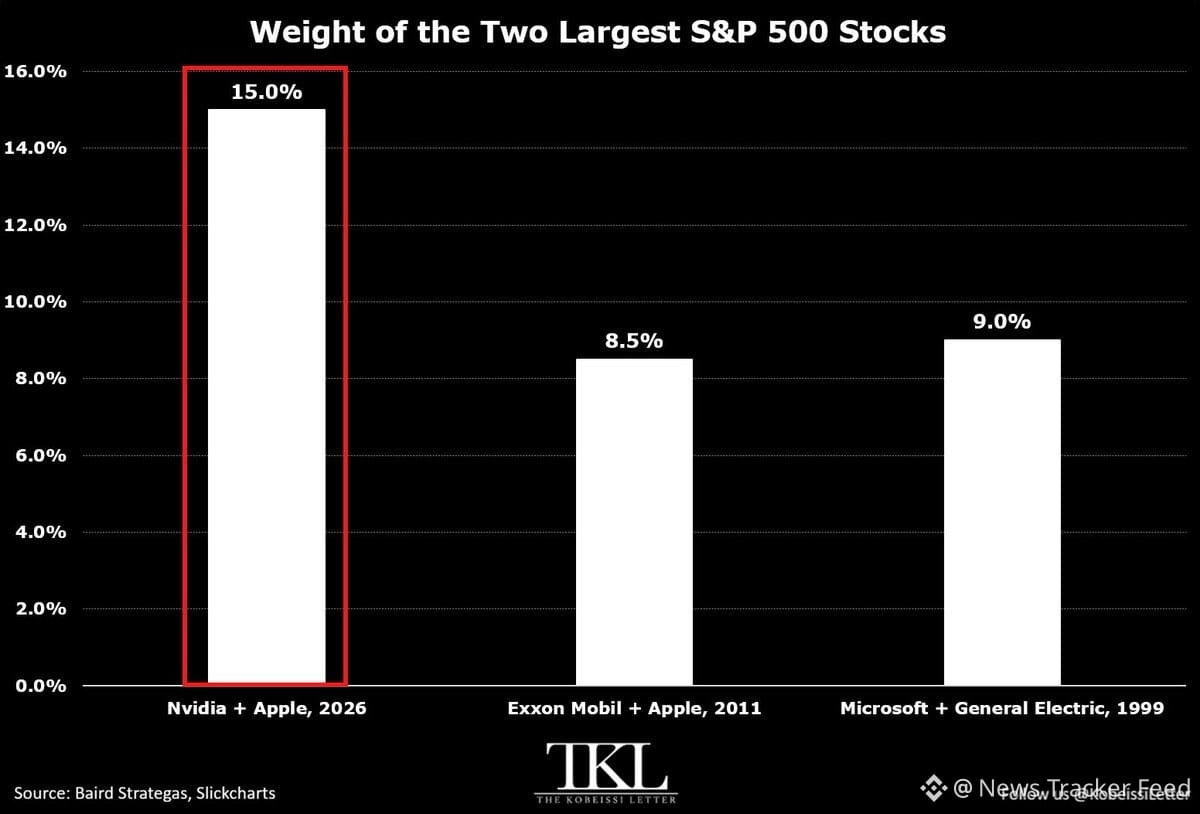
Apple and Nvidia now make up 15% of the S&P 500—a concentration level that's raising eyebrows about systemic risk.
The argument: When equity markets become this top-heavy, diversification suffers. A handful of mega-cap tech names drive the entire index, meaning your 401(k) and index funds are increasingly tied to the same few stocks.
The $BTC case: Some investors see this as a reason to hold assets outside traditional equity and banking systems—something uncorrelated to the same liquidity machine that props up the S&P.
Apple and Nvidia now make up 15% of the S&P 500—a concentration level that's raising eyebrows about systemic risk.
The argument: When equity markets become this top-heavy, diversification suffers. A handful of mega-cap tech names drive the entire index, meaning your 401(k) and index funds are increasingly tied to the same few stocks.
The $BTC case: Some investors see this as a reason to hold assets outside traditional equity and banking systems—something uncorrelated to the same liquidity machine that props up the S&P.
The argument: When equity markets become this top-heavy, diversification suffers. A handful of mega-cap tech names drive the entire index, meaning your 401(k) and index funds are increasingly tied to the same few stocks.
The $BTC case: Some investors see this as a reason to hold assets outside traditional equity and banking systems—something uncorrelated to the same liquidity machine that props up the S&P.
5
عرض الترجمة
DTCC is launching tokenization for Russell 1000 stocks, major ETFs, and US Treasuries—representing a $114 trillion securities ecosystem. $LINK is already collaborating with DTCC on infrastructure to connect, price, and move tokenized assets 24/7. Some observers believe $LINK remains significantly undervalued given this positioning.
DTCC is launching tokenization for Russell 1000 stocks, major ETFs, and US Treasuries—representing a $114 trillion securities ecosystem. $LINK is already collaborating with DTCC on infrastructure to connect, price, and move tokenized assets 24/7. Some observers believe $LINK remains significantly undervalued given this positioning.
32
عرض الترجمة
When you're lost while driving, you instinctively turn down the music. It makes no logical sense—the music isn't blocking your view—but your brain knows something crucial: clarity requires less noise.
Yet we do the opposite in life. Every spare moment gets filled with TikTok, podcasts, YouTube, or someone else's opinion. Then we wonder why we feel lost, distracted, and disconnected.
Maybe you don't need more information. Maybe you need less noise.
When you're lost while driving, you instinctively turn down the music. It makes no logical sense—the music isn't blocking your view—but your brain knows something crucial: clarity requires less noise.
Yet we do the opposite in life. Every spare moment gets filled with TikTok, podcasts, YouTube, or someone else's opinion. Then we wonder why we feel lost, distracted, and disconnected.
Maybe you don't need more information. Maybe you need less noise.
Yet we do the opposite in life. Every spare moment gets filled with TikTok, podcasts, YouTube, or someone else's opinion. Then we wonder why we feel lost, distracted, and disconnected.
Maybe you don't need more information. Maybe you need less noise.
عرض الترجمة
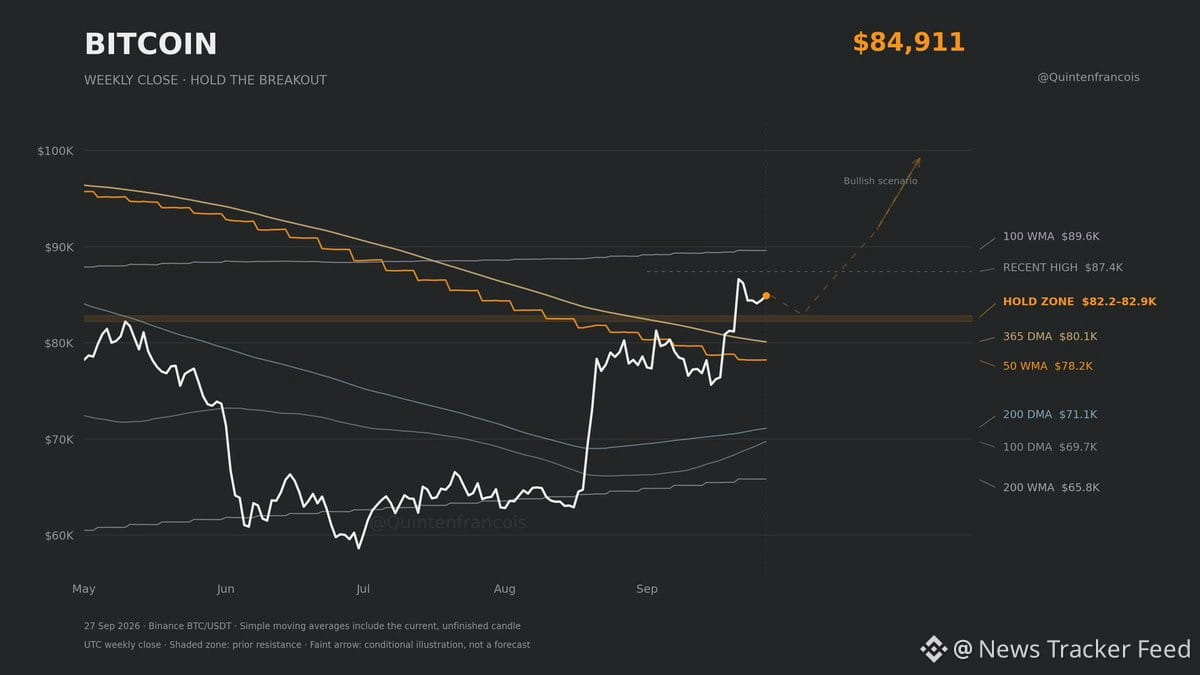
If $BTC holds $83K at tonight's weekly close, the case for hitting $100K gets much stronger.
If $BTC holds $83K at tonight's weekly close, the case for hitting $100K gets much stronger.
عرض الترجمة
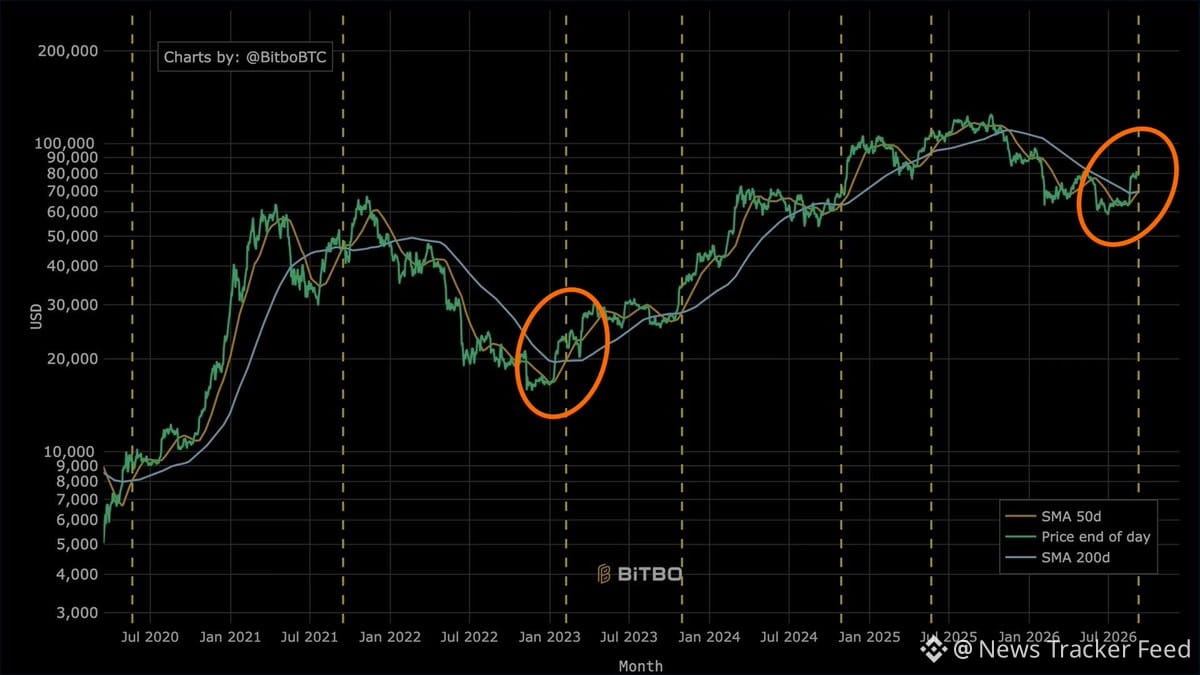
$BTC has completed a bottom formation pattern, signaling potential upside momentum ahead.
$BTC has completed a bottom formation pattern, signaling potential upside momentum ahead.
28
عرض الترجمة
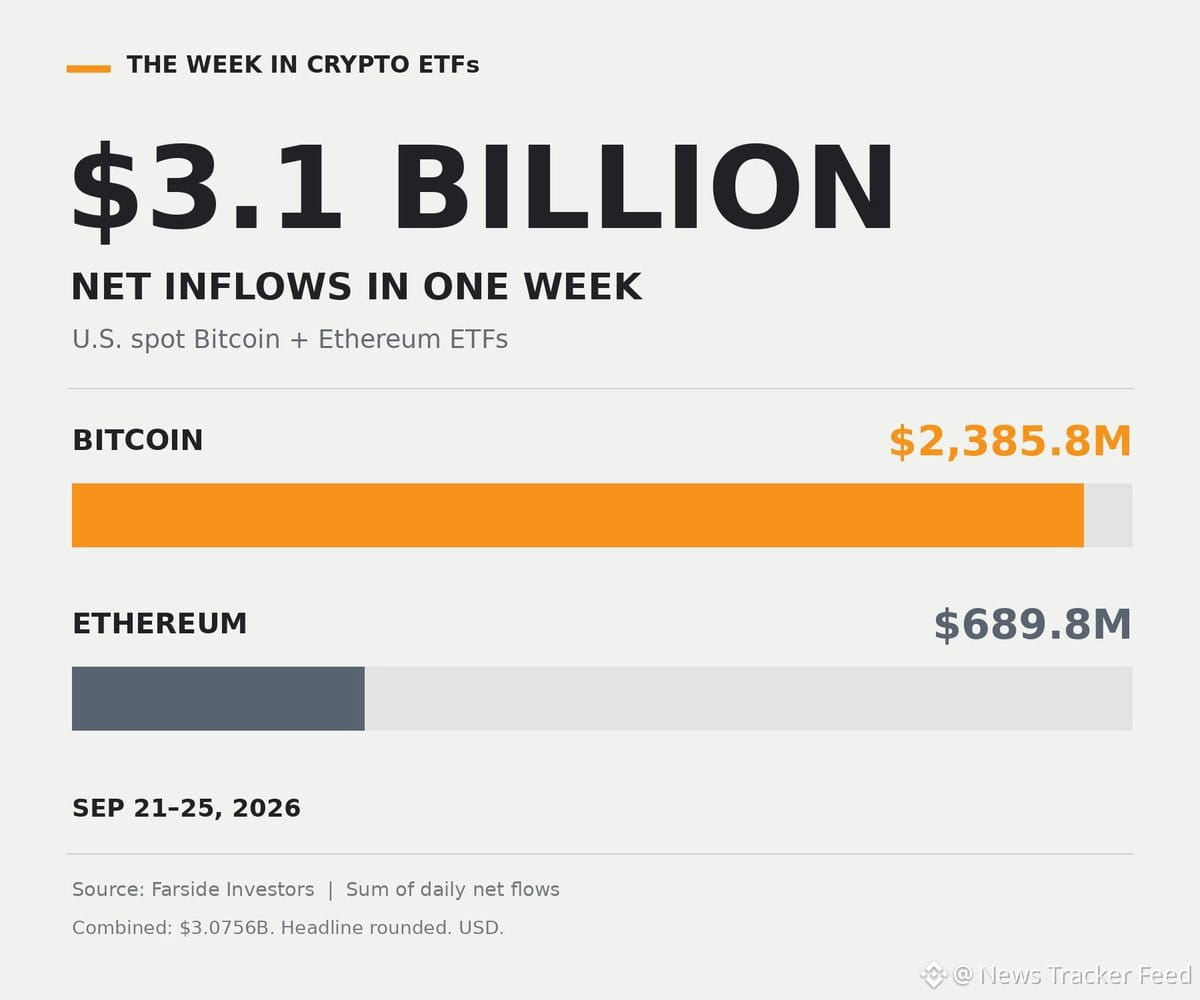
$3.1 billion flooded into $BTC and $ETH ETFs last week — $2.4 billion into Bitcoin, $690 million into Ethereum. Institutional money keeps piling in.
$3.1 billion flooded into $BTC and $ETH ETFs last week — $2.4 billion into Bitcoin, $690 million into Ethereum. Institutional money keeps piling in.
70
عرض الترجمة
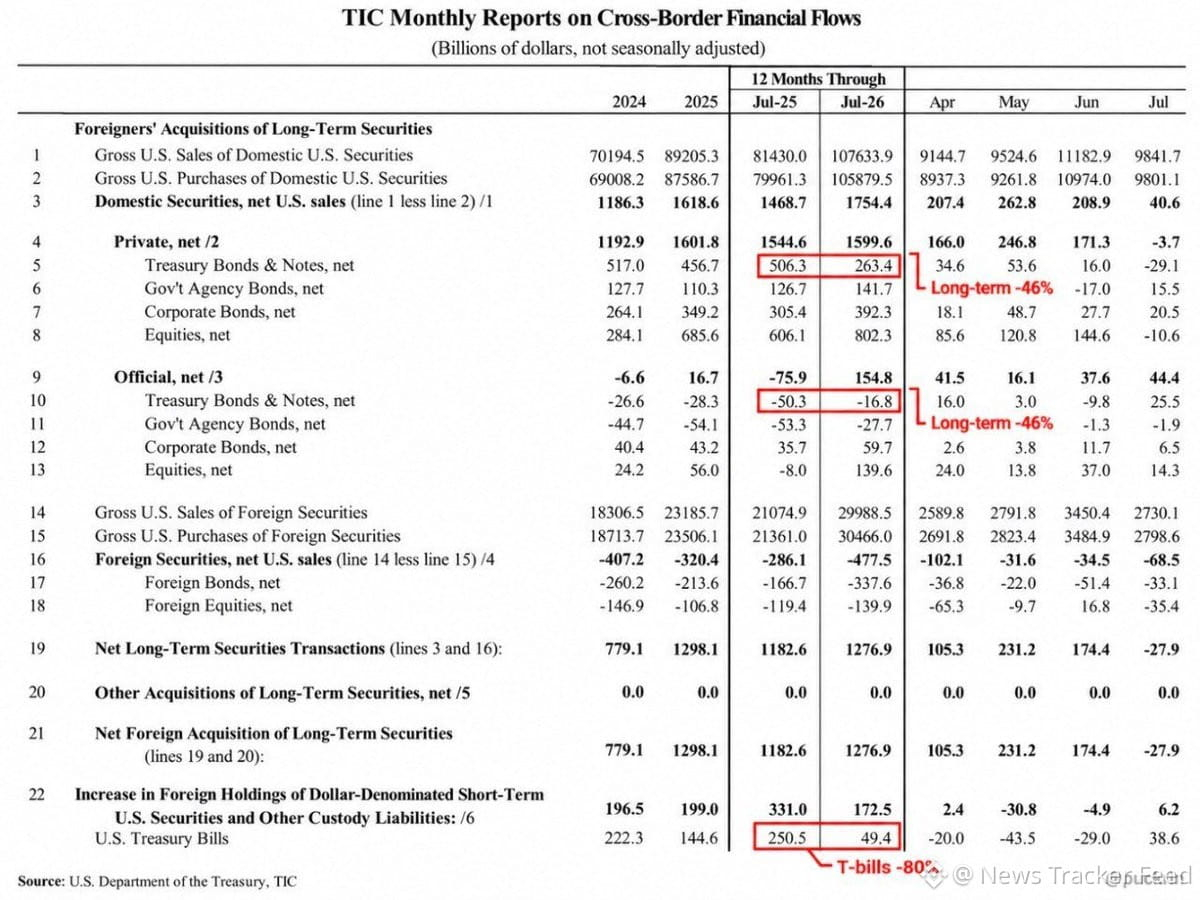
Foreign buyers are pulling back hard on U.S. Treasuries—net purchases dropped 58% through July, a $410 billion decline. Meanwhile, Washington keeps borrowing.
If the Treasury market needs higher yields to attract new buyers, refinancing costs climb and the interest bill balloons.
The likely Fed response if Treasury markets freeze? Inject liquidity rather than let contagion spread. No one can predict the exact yield or timing that forces intervention, but fiscal discipline won't magically appear in a crisis.
Expect another round of money creation under a new technical label.
Foreign buyers are pulling back hard on U.S. Treasuries—net purchases dropped 58% through July, a $410 billion decline. Meanwhile, Washington keeps borrowing.
If the Treasury market needs higher yields to attract new buyers, refinancing costs climb and the interest bill balloons.
The likely Fed response if Treasury markets freeze? Inject liquidity rather than let contagion spread. No one can predict the exact yield or timing that forces intervention, but fiscal discipline won't magically appear in a crisis.
Expect another round of money creation under a new technical label.
If the Treasury market needs higher yields to attract new buyers, refinancing costs climb and the interest bill balloons.
The likely Fed response if Treasury markets freeze? Inject liquidity rather than let contagion spread. No one can predict the exact yield or timing that forces intervention, but fiscal discipline won't magically appear in a crisis.
Expect another round of money creation under a new technical label.
IEFETF+0.01%
42
عرض الترجمة
$BTC price cycle prediction:
2017 peak hit $20K, then crashed to $15.5K by 2022.
2021 peak reached $69K.
Forecast: 2025 top around $125K, with 2026 bottom near $60K. By 2030, floor could stabilize around $120K.
Pattern suggests diminishing drawdowns as the asset matures.
$BTC price cycle prediction:
2017 peak hit $20K, then crashed to $15.5K by 2022.
2021 peak reached $69K.
Forecast: 2025 top around $125K, with 2026 bottom near $60K. By 2030, floor could stabilize around $120K.
Pattern suggests diminishing drawdowns as the asset matures.
2017 peak hit $20K, then crashed to $15.5K by 2022.
2021 peak reached $69K.
Forecast: 2025 top around $125K, with 2026 bottom near $60K. By 2030, floor could stabilize around $120K.
Pattern suggests diminishing drawdowns as the asset matures.
1
عرض الترجمة
Homeownership paradox: Most celebrate 30-year mortgages as financial freedom, then spend decades tethered to employers just to make payments.
While real estate can build wealth, framing a massive monthly obligation as liberation is self-deception. The typical mortgage creates dependency, not independence—trading one form of constraint for another.
Homeownership paradox: Most celebrate 30-year mortgages as financial freedom, then spend decades tethered to employers just to make payments.
While real estate can build wealth, framing a massive monthly obligation as liberation is self-deception. The typical mortgage creates dependency, not independence—trading one form of constraint for another.
While real estate can build wealth, framing a massive monthly obligation as liberation is self-deception. The typical mortgage creates dependency, not independence—trading one form of constraint for another.
عرض الترجمة
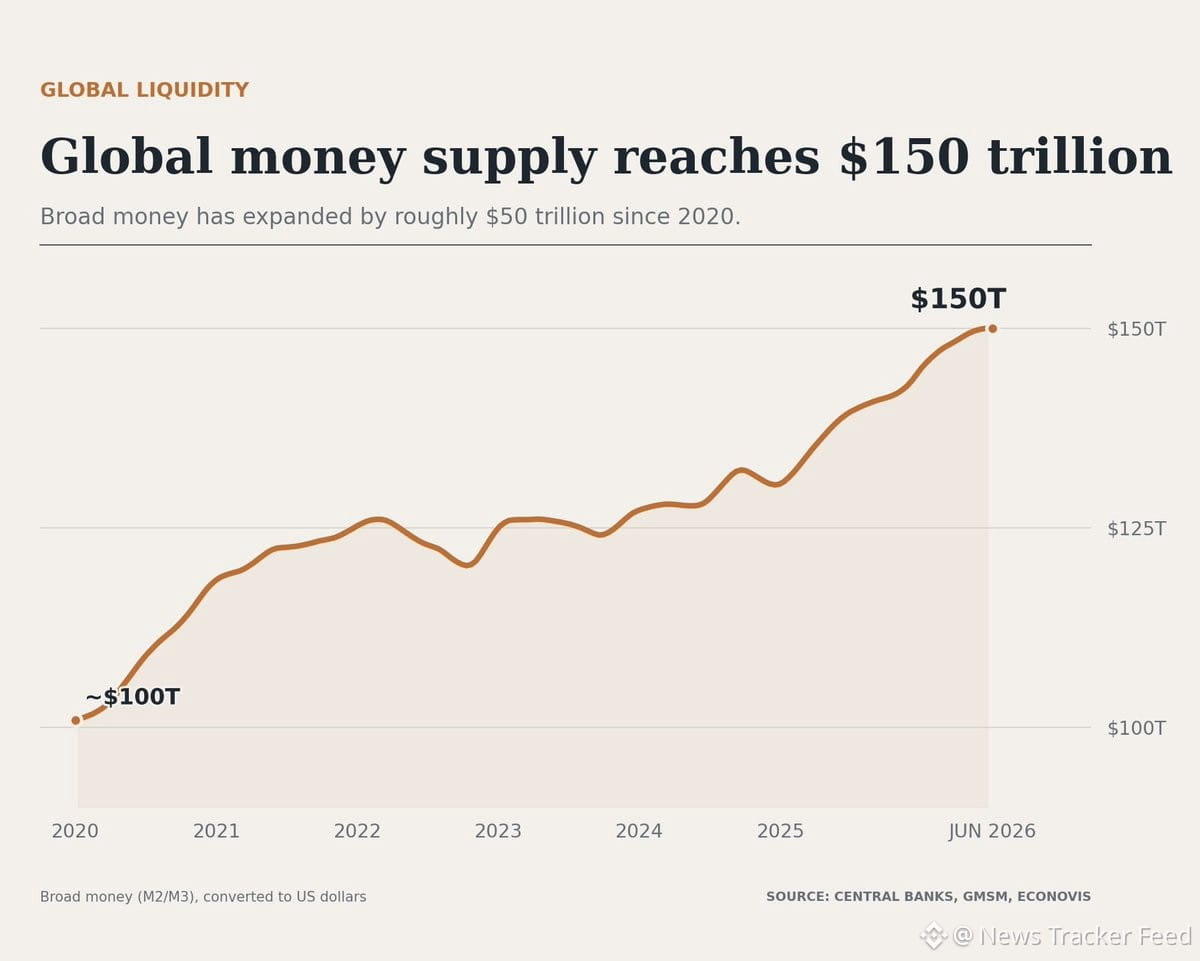
Global money supply is up 50% since 2020. If your net worth didn't rise by roughly that much, you didn't break even — you lost ground to inflation.
Global money supply is up 50% since 2020. If your net worth didn't rise by roughly that much, you didn't break even — you lost ground to inflation.
1
عرض الترجمة
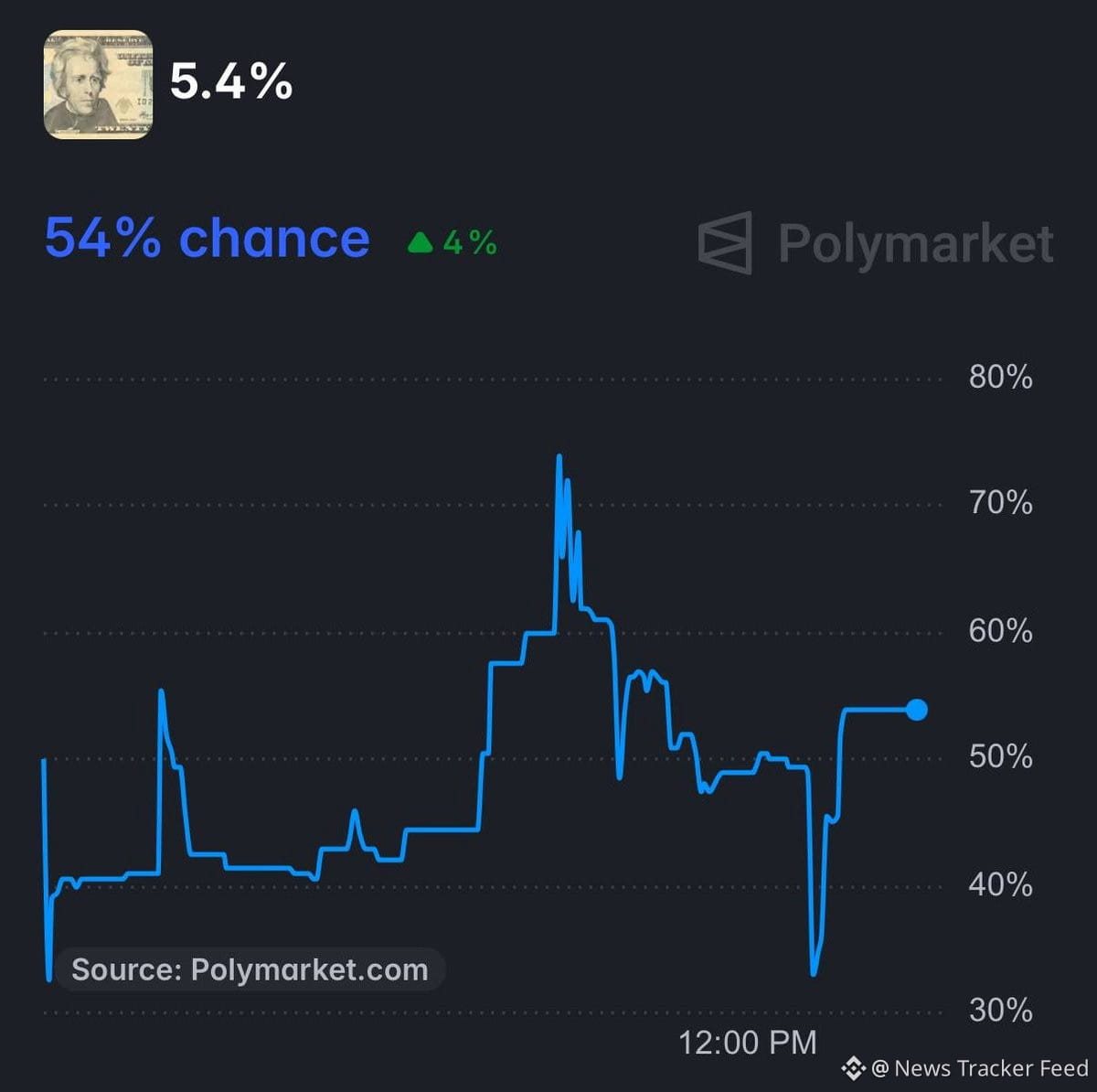
US 10-year Treasury yield breached 5.2%, hitting levels not seen in years. Polymarket traders now pricing in 54% odds it reaches 5.4% before 2027.
The spike reflects growing concerns about fiscal sustainability and inflation persistence. Markets are essentially betting on how much stress the bond market can absorb before triggering a crisis.
Higher yields increase borrowing costs for government, businesses, and consumers—potentially forcing Fed policy adjustments or sparking broader financial instability.
US 10-year Treasury yield breached 5.2%, hitting levels not seen in years. Polymarket traders now pricing in 54% odds it reaches 5.4% before 2027.
The spike reflects growing concerns about fiscal sustainability and inflation persistence. Markets are essentially betting on how much stress the bond market can absorb before triggering a crisis.
Higher yields increase borrowing costs for government, businesses, and consumers—potentially forcing Fed policy adjustments or sparking broader financial instability.
The spike reflects growing concerns about fiscal sustainability and inflation persistence. Markets are essentially betting on how much stress the bond market can absorb before triggering a crisis.
Higher yields increase borrowing costs for government, businesses, and consumers—potentially forcing Fed policy adjustments or sparking broader financial instability.
IEFETF+0.01%
AGGETF+0.20%
عرض الترجمة
US 10-year Treasury yield surges past 5.2%, hitting levels not seen in years.
$Polymarket traders now pricing 54% odds the yield hits 5.4% before 2027 — essentially betting on how far bond markets can stretch before systemic stress kicks in.
Yield spike reflects mounting concerns over:
• Persistent inflation
• Fed policy trajectory
• Ballooning US debt levels
Bond vigilantes are back. Question is: what breaks first? 😂
US 10-year Treasury yield surges past 5.2%, hitting levels not seen in years.
$Polymarket traders now pricing 54% odds the yield hits 5.4% before 2027 — essentially betting on how far bond markets can stretch before systemic stress kicks in.
Yield spike reflects mounting concerns over:
• Persistent inflation
• Fed policy trajectory
• Ballooning US debt levels
Bond vigilantes are back. Question is: what breaks first? 😂
$Polymarket traders now pricing 54% odds the yield hits 5.4% before 2027 — essentially betting on how far bond markets can stretch before systemic stress kicks in.
Yield spike reflects mounting concerns over:
• Persistent inflation
• Fed policy trajectory
• Ballooning US debt levels
Bond vigilantes are back. Question is: what breaks first? 😂
3
عرض الترجمة
Classic retail behavior on full display: investors who passed on $BTC at $60K are now hoping for a second chance at that same price point just weeks later. The pattern repeats itself every cycle—hesitation during dips, desperation during rallies.
Classic retail behavior on full display: investors who passed on $BTC at $60K are now hoping for a second chance at that same price point just weeks later. The pattern repeats itself every cycle—hesitation during dips, desperation during rallies.
2
عرض الترجمة
Japanese proverb: "If you find yourself on the wrong train, get off at the next station."
The cost of a new ticket doesn't matter. The embarrassment of admitting a mistake doesn't matter. Every price you pay to correct course beats riding to the wrong destination.
Lacking the courage to get off means ending up somewhere you never intended to be.
This isn't about trains. It's about life.
Japanese proverb: "If you find yourself on the wrong train, get off at the next station."
The cost of a new ticket doesn't matter. The embarrassment of admitting a mistake doesn't matter. Every price you pay to correct course beats riding to the wrong destination.
Lacking the courage to get off means ending up somewhere you never intended to be.
This isn't about trains. It's about life.
The cost of a new ticket doesn't matter. The embarrassment of admitting a mistake doesn't matter. Every price you pay to correct course beats riding to the wrong destination.
Lacking the courage to get off means ending up somewhere you never intended to be.
This isn't about trains. It's about life.
1
عرض الترجمة
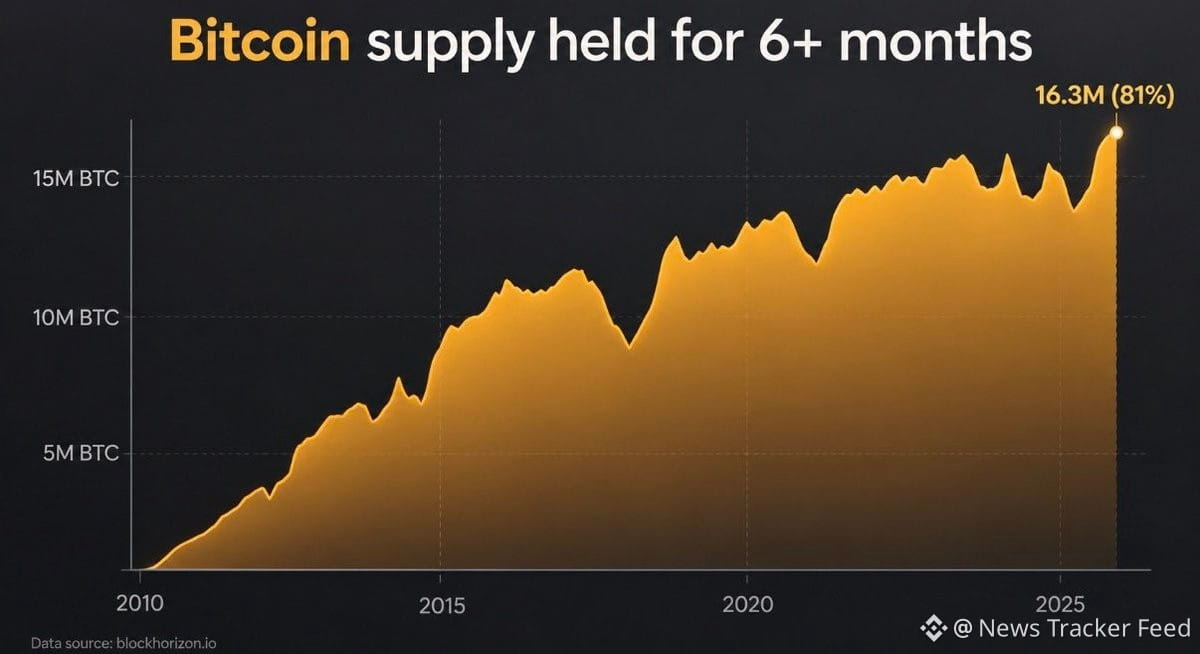
81% of all $BTC hasn't moved in at least 6 months.
Most holders are refusing to sell. That means even small new demand can push prices significantly higher.
81% of all $BTC hasn't moved in at least 6 months.
Most holders are refusing to sell. That means even small new demand can push prices significantly higher.
Most holders are refusing to sell. That means even small new demand can push prices significantly higher.
18
أصدرت هيئة الأوراق المالية والبورصات (SEC) توجيهات جديدة للموظفين توضح أن الرمز المرمّز بالعملة الرقمية نفسه لا يصبح بالضرورة ورقة مالية تلقائيًا لمجرد أنه تم بيعه في السابق من خلال عقد استثماري.
أبرز النقاط:
• بمجرد أن تصبح شبكة العملات الرقمية وظيفية، فإن الحفاظ عليها أو تحسينها أو تمويل تطويرها لم يعد يُعد «جهودًا إدارية جوهرية» بموجب اختبار هاوي (Howey)
• يمكن اعتبار رموز إثبات الحصة (Staking) أدوات رقمية أو سلعًا (Commodities) بدلًا من كونها أوراقًا مالية، وذلك بحسب طريقة الهيكلة
• الرمز والعقد الاستثماري منفصلان—يمكن بيع أصلٍ تشفيري غير خاضع للصفة التنظيمية كـ«ورقة مالية» كجزء من عقد استثماري دون أن يصبح، بشكل دائم، ورقة مالية
السؤال التنظيمي يتجه من «هل هذا الرمز ورقة مالية؟» إلى «ما هو الأصل، وكيف تعمل الشبكة، وكيف تم بيعه؟»
تنبيه: هذه إرشادات من موظفي هيئة SEC وليست قانونًا مُلزمًا أو عملية وضع قواعد رسمية. لكن الاتجاه التنظيمي يتضح أكثر بالنسبة للشبكات القائمة وعمليات الإتاحة عبر الحصة (staking) وبناة العملات الرقمية (crypto builders).
أصدرت هيئة الأوراق المالية والبورصات (SEC) توجيهات جديدة للموظفين توضح أن الرمز المرمّز بالعملة الرقمية نفسه لا يصبح بالضرورة ورقة مالية تلقائيًا لمجرد أنه تم بيعه في السابق من خلال عقد استثماري.
أبرز النقاط:
• بمجرد أن تصبح شبكة العملات الرقمية وظيفية، فإن الحفاظ عليها أو تحسينها أو تمويل تطويرها لم يعد يُعد «جهودًا إدارية جوهرية» بموجب اختبار هاوي (Howey)
• يمكن اعتبار رموز إثبات الحصة (Staking) أدوات رقمية أو سلعًا (Commodities) بدلًا من كونها أوراقًا مالية، وذلك بحسب طريقة الهيكلة
• الرمز والعقد الاستثماري منفصلان—يمكن بيع أصلٍ تشفيري غير خاضع للصفة التنظيمية كـ«ورقة مالية» كجزء من عقد استثماري دون أن يصبح، بشكل دائم، ورقة مالية
السؤال التنظيمي يتجه من «هل هذا الرمز ورقة مالية؟» إلى «ما هو الأصل، وكيف تعمل الشبكة، وكيف تم بيعه؟»
تنبيه: هذه إرشادات من موظفي هيئة SEC وليست قانونًا مُلزمًا أو عملية وضع قواعد رسمية. لكن الاتجاه التنظيمي يتضح أكثر بالنسبة للشبكات القائمة وعمليات الإتاحة عبر الحصة (staking) وبناة العملات الرقمية (crypto builders).
أبرز النقاط:
• بمجرد أن تصبح شبكة العملات الرقمية وظيفية، فإن الحفاظ عليها أو تحسينها أو تمويل تطويرها لم يعد يُعد «جهودًا إدارية جوهرية» بموجب اختبار هاوي (Howey)
• يمكن اعتبار رموز إثبات الحصة (Staking) أدوات رقمية أو سلعًا (Commodities) بدلًا من كونها أوراقًا مالية، وذلك بحسب طريقة الهيكلة
• الرمز والعقد الاستثماري منفصلان—يمكن بيع أصلٍ تشفيري غير خاضع للصفة التنظيمية كـ«ورقة مالية» كجزء من عقد استثماري دون أن يصبح، بشكل دائم، ورقة مالية
السؤال التنظيمي يتجه من «هل هذا الرمز ورقة مالية؟» إلى «ما هو الأصل، وكيف تعمل الشبكة، وكيف تم بيعه؟»
تنبيه: هذه إرشادات من موظفي هيئة SEC وليست قانونًا مُلزمًا أو عملية وضع قواعد رسمية. لكن الاتجاه التنظيمي يتضح أكثر بالنسبة للشبكات القائمة وعمليات الإتاحة عبر الحصة (staking) وبناة العملات الرقمية (crypto builders).
26
سجّل الدخول لاستكشاف المزيد من المُحتوى
انضم إلى مُستخدمي العملات الرقمية حول العالم على Binance Square
⚡️ احصل على أحدث المعلومات المفيدة عن العملات الرقمية.
💬 موثوقة من قبل أكبر منصّة لتداول العملات الرقمية في العالم.
👍 اكتشف الرؤى الحقيقية من صنّاع المُحتوى الموثوقين.
البريد الإلكتروني / رقم الهاتف
المواضيع الرائجة
BitwiseFilesFinalNEARSpotETFProspectus
79,167 مشاهدات
1,341 يقومون بالنقاش
#bitwisefilesfinalnearspotetfprospectus
🚨 اصبروا يا جماعة! بايتوايز Bitwise أطلقت قنبلة من 39 صفحة! 💣
نعم، لقد قرأتم ذلك صحيحًا. #bitwisefilesfinalnearspotetfprospectus ليست خطأ مطبعيًا. إنها بايتوايز ترفع نشرتها/مستندها النهائي لصندوق NEAR Spot ETF! 🚀
لحظة... صندوق «NEAR»؟ هل يعني أن الموافقة قريبة، أم أننا نتداول $NEAR؟ الاثنين! 😂
رئيس قسم الاستثمار CIO مات هوجان فعل وضع السحرة مع توقعات الأسعار لعام 2030:
🐂 السيناريو الصعودي: 562$ (اتركوا فيزا Visa! 💳)
📊 السيناريو الأساسي: 155$ (لا يزال يقود سيارة لامبورغيني 🏎️)
🐻 السيناريو الهبوطي: 1.63$ (عودة إلى المعكرونة الفورية 🍜)
ماذا ينبغي على المتداولين فعله؟
لا تذعروا للشراء ولا تذعروا للبيع. فقط ثبّتوا مكانكم، اقرأوا الصفحات الـ39 (أو مجرد تمرير TikTok)، واستخدموا كودي للتداول بأمان!
⚠️ ليست نصيحة مالية!
متابعة من فضلكم
$NEAR
$BTC
$ETH
#nearprotocol #CryptoETFs #Bitwise #CryptoNews #TradingStrategy
Shamika Metting
·3 إعجاب
·3.4k مشاهدات
BitgetHackerMoves$83MStolenXRP
31,254 مشاهدات
159 يقومون بالنقاش
SOLSpotETFWeeklyInflow$188M
20,428 مشاهدات
130 يقومون بالنقاش