
#dataavailability
dataavailability
22,644 مشاهدات
384 يقومون بالنقاش
رائج
جديد

·
--
عرض الترجمة
*0G تسجل 0.2085$ الآن على Binance*
اختراق 0.20$ + ترند AI Infra مولع 🔥
#### *📊 أهم النقاط:*
- *السعر الحالي*: 0.2085$ على Binance
- *الحركة*: كسر المقاومة النفسية 0.20$ بـ +12% اليوم
- *المنصة*: تداول SPOT
- *السياق*: 0G- Data Availability Layer للـ AI. بيقدم سرعة 50GB/s للبيانات. شراكات مع مشاريع AI كتير بتجهز للإطلاق
الفوليوم انفجر 3x و الـ Whales بتشتري فوق 0.205$
#### *📌 التوقعات*
$0G عند 0.2085$
- *الثبات فوق 0.205$* = استهداف 0.220$ → 0.235$ → 0.250$
- *إعادة اختبار 0.200$* = أفضل منطقة شراء لو حصل تصحيح
*الخلاصة*: كسر 0.20$ غير اللعبة. $0G دخلت قائمة مراقبة المؤسسات في قطاع AI. أي إعلان mainnet هيوديها 0.30$. دخول 0.2085$ - 0.2100$ | هدف 0.235$ | ستوب 0.1980$ 👇
$0G
{spot}(0GUSDT)
#Binance #Layer2 #breakouts #DataAvailability #Crypto_Jobs🎯
*0G تسجل 0.2085$ الآن على Binance*
اختراق 0.20$ + ترند AI Infra مولع 🔥
#### *📊 أهم النقاط:*
- *السعر الحالي*: 0.2085$ على Binance
- *الحركة*: كسر المقاومة النفسية 0.20$ بـ +12% اليوم
- *المنصة*: تداول SPOT
- *السياق*: 0G- Data Availability Layer للـ AI. بيقدم سرعة 50GB/s للبيانات. شراكات مع مشاريع AI كتير بتجهز للإطلاق
الفوليوم انفجر 3x و الـ Whales بتشتري فوق 0.205$
#### *📌 التوقعات*
$0G عند 0.2085$
- *الثبات فوق 0.205$* = استهداف 0.220$ → 0.235$ → 0.250$
- *إعادة اختبار 0.200$* = أفضل منطقة شراء لو حصل تصحيح
*الخلاصة*: كسر 0.20$ غير اللعبة. $0G دخلت قائمة مراقبة المؤسسات في قطاع AI. أي إعلان mainnet هيوديها 0.30$. دخول 0.2085$ - 0.2100$ | هدف 0.235$ | ستوب 0.1980$ 👇
$0G
#Binance #Layer2 #breakouts #DataAvailability #Crypto_Jobs🎯
اختراق 0.20$ + ترند AI Infra مولع 🔥
#### *📊 أهم النقاط:*
- *السعر الحالي*: 0.2085$ على Binance
- *الحركة*: كسر المقاومة النفسية 0.20$ بـ +12% اليوم
- *المنصة*: تداول SPOT
- *السياق*: 0G- Data Availability Layer للـ AI. بيقدم سرعة 50GB/s للبيانات. شراكات مع مشاريع AI كتير بتجهز للإطلاق
الفوليوم انفجر 3x و الـ Whales بتشتري فوق 0.205$
#### *📌 التوقعات*
$0G عند 0.2085$
- *الثبات فوق 0.205$* = استهداف 0.220$ → 0.235$ → 0.250$
- *إعادة اختبار 0.200$* = أفضل منطقة شراء لو حصل تصحيح
*الخلاصة*: كسر 0.20$ غير اللعبة. $0G دخلت قائمة مراقبة المؤسسات في قطاع AI. أي إعلان mainnet هيوديها 0.30$. دخول 0.2085$ - 0.2100$ | هدف 0.235$ | ستوب 0.1980$ 👇
$0G
#Binance #Layer2 #breakouts #DataAvailability #Crypto_Jobs🎯

1
71

·
--
إتاحة البيانات: السباق الصامت الذي يعيد تشكيل طبقة 1
معظم المستثمرين يتتبعون TPS أو TVL. قلة فقط تتابع إتاحة البيانات — والفجوة هناك هي حيث تتكشف الانحرافات الحقيقية بين طبقات 1.
إتاحة البيانات (DA) هي العمود الفقري للسلاسل الكتلية القابلة للتوسع. إنها تجيب عن سؤال واحد: هل يمكن لأي مشارك التحقق من أن البيانات الكامنة وراء كتلة ما موجودة فعلًا؟ بدون إتاحة بيانات قوية، تصبح الروول-أبز عمياء، وتنهار إثباتات الاحتيال، وتتحول اللامركزية إلى مجرد مسرحية.
$ETH أدرك ذلك مبكرًا. قدّمت EIP-4844 (proto-danksharding) معاملات البلوب — ممر بيانات مخصص وأرخص للروول-أبز. لم يعد الإيثريوم مجرد طبقة تسوية؛ بل يتنافس بنشاط ليصبح طبقة إتاحة البيانات المرجعية (الأساسية) لبيئة الروول-أبز بأكملها.
$SOL يسلك مسارًا مختلفًا: بنية أحادية حيث ترتبط التنفيذ والتوافق (consensus) وDA بإحكام. أداء عالٍ، لكن المقابل هو متطلبات عتاد المدققين التي تدفع تدريجيًا نحو المركزية.
$DOT ومع نموذج الأمان المشترك ومعمارية الباراشين (parachain) يقدم طوبولوجيا أخرى لإتاحة البيانات — حيث تُباع مساحة الكتل عبر سلسلة ترحيل (relay chain)، وتستمد كل باراشين ضمانات من مجموعة المدققين الأوسع.
لا توجد بنية واحدة تفوز بشكل مطلق. لكن مع اتساع اعتماد الروول-أبز، تصبح DA طبقة البنية التحتية الأعلى قيمة. راقب أين يختار البناؤون نشر البيانات — فهذا الاختيار، عندما يتكرر على نطاق واسع، سيحدد دورة تقييم طبقة 1 القادمة.
لم يعد السباق يتعلق بمن هو الأسرع. بل يتعلق بمن يصبح مرساة الثقة للبيانات القابلة للتحقق على نطاق الإنترنت.
#DataAvailability #Layer1 #CryptoInfrastructure #Web3
إتاحة البيانات: السباق الصامت الذي يعيد تشكيل طبقة 1
معظم المستثمرين يتتبعون TPS أو TVL. قلة فقط تتابع إتاحة البيانات — والفجوة هناك هي حيث تتكشف الانحرافات الحقيقية بين طبقات 1.
إتاحة البيانات (DA) هي العمود الفقري للسلاسل الكتلية القابلة للتوسع. إنها تجيب عن سؤال واحد: هل يمكن لأي مشارك التحقق من أن البيانات الكامنة وراء كتلة ما موجودة فعلًا؟ بدون إتاحة بيانات قوية، تصبح الروول-أبز عمياء، وتنهار إثباتات الاحتيال، وتتحول اللامركزية إلى مجرد مسرحية.
$ETH أدرك ذلك مبكرًا. قدّمت EIP-4844 (proto-danksharding) معاملات البلوب — ممر بيانات مخصص وأرخص للروول-أبز. لم يعد الإيثريوم مجرد طبقة تسوية؛ بل يتنافس بنشاط ليصبح طبقة إتاحة البيانات المرجعية (الأساسية) لبيئة الروول-أبز بأكملها.
$SOL يسلك مسارًا مختلفًا: بنية أحادية حيث ترتبط التنفيذ والتوافق (consensus) وDA بإحكام. أداء عالٍ، لكن المقابل هو متطلبات عتاد المدققين التي تدفع تدريجيًا نحو المركزية.
$DOT ومع نموذج الأمان المشترك ومعمارية الباراشين (parachain) يقدم طوبولوجيا أخرى لإتاحة البيانات — حيث تُباع مساحة الكتل عبر سلسلة ترحيل (relay chain)، وتستمد كل باراشين ضمانات من مجموعة المدققين الأوسع.
لا توجد بنية واحدة تفوز بشكل مطلق. لكن مع اتساع اعتماد الروول-أبز، تصبح DA طبقة البنية التحتية الأعلى قيمة. راقب أين يختار البناؤون نشر البيانات — فهذا الاختيار، عندما يتكرر على نطاق واسع، سيحدد دورة تقييم طبقة 1 القادمة.
لم يعد السباق يتعلق بمن هو الأسرع. بل يتعلق بمن يصبح مرساة الثقة للبيانات القابلة للتحقق على نطاق الإنترنت.
#DataAvailability #Layer1 #CryptoInfrastructure #Web3
معظم المستثمرين يتتبعون TPS أو TVL. قلة فقط تتابع إتاحة البيانات — والفجوة هناك هي حيث تتكشف الانحرافات الحقيقية بين طبقات 1.
إتاحة البيانات (DA) هي العمود الفقري للسلاسل الكتلية القابلة للتوسع. إنها تجيب عن سؤال واحد: هل يمكن لأي مشارك التحقق من أن البيانات الكامنة وراء كتلة ما موجودة فعلًا؟ بدون إتاحة بيانات قوية، تصبح الروول-أبز عمياء، وتنهار إثباتات الاحتيال، وتتحول اللامركزية إلى مجرد مسرحية.
$ETH أدرك ذلك مبكرًا. قدّمت EIP-4844 (proto-danksharding) معاملات البلوب — ممر بيانات مخصص وأرخص للروول-أبز. لم يعد الإيثريوم مجرد طبقة تسوية؛ بل يتنافس بنشاط ليصبح طبقة إتاحة البيانات المرجعية (الأساسية) لبيئة الروول-أبز بأكملها.
$SOL يسلك مسارًا مختلفًا: بنية أحادية حيث ترتبط التنفيذ والتوافق (consensus) وDA بإحكام. أداء عالٍ، لكن المقابل هو متطلبات عتاد المدققين التي تدفع تدريجيًا نحو المركزية.
$DOT ومع نموذج الأمان المشترك ومعمارية الباراشين (parachain) يقدم طوبولوجيا أخرى لإتاحة البيانات — حيث تُباع مساحة الكتل عبر سلسلة ترحيل (relay chain)، وتستمد كل باراشين ضمانات من مجموعة المدققين الأوسع.
لا توجد بنية واحدة تفوز بشكل مطلق. لكن مع اتساع اعتماد الروول-أبز، تصبح DA طبقة البنية التحتية الأعلى قيمة. راقب أين يختار البناؤون نشر البيانات — فهذا الاختيار، عندما يتكرر على نطاق واسع، سيحدد دورة تقييم طبقة 1 القادمة.
لم يعد السباق يتعلق بمن هو الأسرع. بل يتعلق بمن يصبح مرساة الثقة للبيانات القابلة للتحقق على نطاق الإنترنت.
#DataAvailability #Layer1 #CryptoInfrastructure #Web3
130


·
--
حروب توفر البيانات تتصاعد 🔥📊
تحتاج Layer 2 إلى أماكن رخيصة لتخزين بيانات المعاملات. المنافسة الشديدة بين Ethereum calldata و Celestia و EigenDA و Avail تدفع تكاليف المعاملات نحو الصفر.
#DataAvailability #Celestia #Layer2 #EthereumDA .
حروب توفر البيانات تتصاعد 🔥📊
تحتاج Layer 2 إلى أماكن رخيصة لتخزين بيانات المعاملات. المنافسة الشديدة بين Ethereum calldata و Celestia و EigenDA و Avail تدفع تكاليف المعاملات نحو الصفر.
#DataAvailability #Celestia #Layer2 #EthereumDA .
تحتاج Layer 2 إلى أماكن رخيصة لتخزين بيانات المعاملات. المنافسة الشديدة بين Ethereum calldata و Celestia و EigenDA و Avail تدفع تكاليف المعاملات نحو الصفر.
#DataAvailability #Celestia #Layer2 #EthereumDA .
186

·
--
صاعد
تمّ التحقق
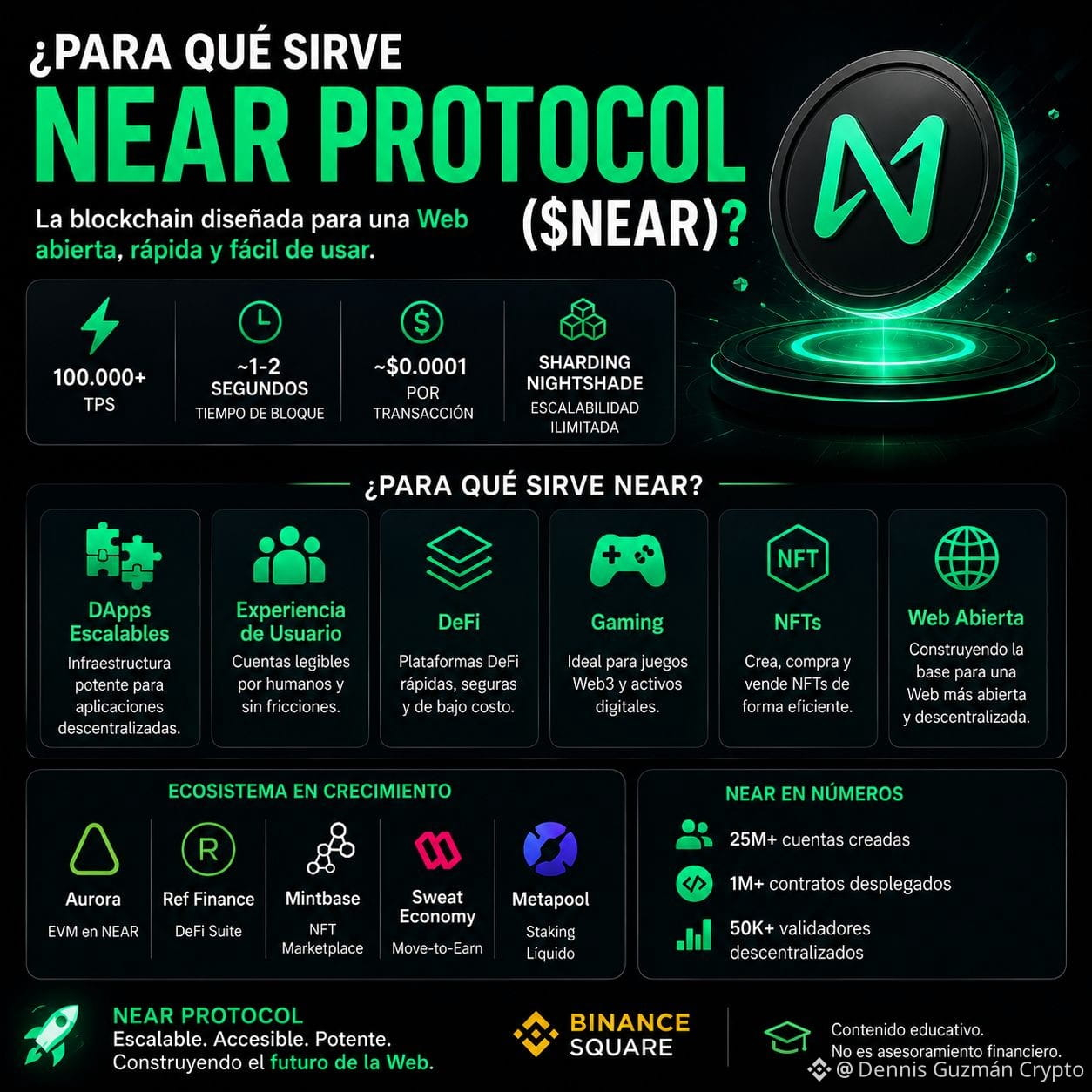
البنية التحتية لبروتوكول نير ($NEAR ) في تطوير الذكاء الاصطناعي؟ بعيدًا عن المضاربة، فإن الاستخدام الحقيقي لها هو العمل كطبقة لامركزية لتوفر البيانات والتخزين الضخم (توفر البيانات).
{future}(NEARUSDT)
رمز NEAR هو الوقود الضروري الذي تدفعه تطبيقات البرمجيات الذكية لتسجيل نماذج بياناتها التاريخية على السلسلة بطريقة آمنة وسريعة وبتكاليف منخفضة بشكل كبير مقارنة بالشبكات التقليدية الأخرى. #NEAR #DataAvailability #artificialintelligence
البنية التحتية لبروتوكول نير ($NEAR ) في تطوير الذكاء الاصطناعي؟ بعيدًا عن المضاربة، فإن الاستخدام الحقيقي لها هو العمل كطبقة لامركزية لتوفر البيانات والتخزين الضخم (توفر البيانات).
رمز NEAR هو الوقود الضروري الذي تدفعه تطبيقات البرمجيات الذكية لتسجيل نماذج بياناتها التاريخية على السلسلة بطريقة آمنة وسريعة وبتكاليف منخفضة بشكل كبير مقارنة بالشبكات التقليدية الأخرى. #NEAR #DataAvailability #artificialintelligence
رمز NEAR هو الوقود الضروري الذي تدفعه تطبيقات البرمجيات الذكية لتسجيل نماذج بياناتها التاريخية على السلسلة بطريقة آمنة وسريعة وبتكاليف منخفضة بشكل كبير مقارنة بالشبكات التقليدية الأخرى. #NEAR #DataAvailability #artificialintelligence
3
622

·
--
انظروا! $TIA قرر أن يفعل شيئًا! يقولون إنها «انطلاقة تقنية». وفي الوقت نفسه، ما زالت الدببة تجهش بالبكاء بسبب عمليات فتح الرموز، بينما الحيتان منشغلة بالتجميع. ترقية V9، كتل أسرع، بيانات أكثر — لكن لا تخبروا القطيع، فهم مشغولون جدًا بمراقبة 📉. ما زالوا بانتظار قمرهم، أليس كذلك؟ 🤡💅 #Modular #إتاحة_البيانات
انظروا! $TIA قرر أن يفعل شيئًا! يقولون إنها «انطلاقة تقنية». وفي الوقت نفسه، ما زالت الدببة تجهش بالبكاء بسبب عمليات فتح الرموز، بينما الحيتان منشغلة بالتجميع. ترقية V9، كتل أسرع، بيانات أكثر — لكن لا تخبروا القطيع، فهم مشغولون جدًا بمراقبة 📉. ما زالوا بانتظار قمرهم، أليس كذلك؟ 🤡💅 #Modular #إتاحة_البيانات
30
·
--
سلاسل بلوكشين معيارية تحل مشكلة بيانات الذكاء الاصطناعي بصمت
يشهد قطاع البنية التحتية للذكاء الاصطناعي طفرةً، لكن هناك عنق زجاجة خفي: توفر بيانات يمكن التحقق منها ومقاومة للتلاعب. لا تستطيع أنظمة السحابة التقليدية تقديم ضمانات تشفيرية بأن البيانات المستخدمة لتدريب نماذج الذكاء الاصطناعي أو لتشغيلها لم يتم العبث بها. تدخل سلاسل البلوكشين المعيارية بهدوء لمعالجة ذلك.
تفصل الأطروحة المعيارية بين التنفيذ والإجماع وتوفر البيانات في طبقات متخصصة. وهذا ليس مجرد طرح لتوسعة البلوكشين — بل هو بنية تحتية أساسية لسير عمل ذكاء اصطناعي قائم على الثقة دون طرف موثوق. عندما يستعلم وكيل ذكاء اصطناعي بيانات على السلسلة أو يبرم صفقة أو يطلق إجراءً آليًا، تصبح سلامة طبقة البيانات هذه كل شيء.
توسّع خارطة طريق $ETH لميزة Danksharding قابلية نقل الـ blobs تحديدًا لدعم النشر عالي التردد للبيانات — وهو شرط مسبق لعملاء/وكلاء الذكاء الاصطناعي على نطاق واسع. تجعل $SOL خاصية الحسم منخفضة التأخير هي طبقة التسوية المفضلة عندما يحتاج وكلاء الذكاء الاصطناعي إلى ضمانات تنفيذ دون ثانية واحدة. $AVAX subnets توفر بيئات تنفيذ معزولة ومصممة خصيصًا لأحمال عمل الذكاء الاصطناعي مع مجموعات مدققين مخصصة.
لن تشهد الأشهر/الـ24 شهرًا القادمة استخدام الذكاء الاصطناعي للعملات المشفرة كوسيلة دفع فقط. ستستخدم أنظمة الذكاء الاصطناعي السلاسل المعيارية كذاكرتها، وسجل تدقيقها، وطبقة التنسيق. البروتوكولات التي ستفوز لن تمتلك بالضرورة أكبر عدد من المستخدمين — بل سيكون لديها أكبر عدد من وكلاء الذكاء الاصطناعي الذين يبنون عليها.
البنية التحتية تُسعّر دائمًا في وقت متأخر. في هذه الدورة، قد تكون قابلية توفر البيانات المعيارية هي أكثر بدائية (primitive) مُسعّرة بأقل من قيمتها.
#Crypto #AI #ModularBlockchain #Web3 #DataAvailability
سلاسل بلوكشين معيارية تحل مشكلة بيانات الذكاء الاصطناعي بصمت
يشهد قطاع البنية التحتية للذكاء الاصطناعي طفرةً، لكن هناك عنق زجاجة خفي: توفر بيانات يمكن التحقق منها ومقاومة للتلاعب. لا تستطيع أنظمة السحابة التقليدية تقديم ضمانات تشفيرية بأن البيانات المستخدمة لتدريب نماذج الذكاء الاصطناعي أو لتشغيلها لم يتم العبث بها. تدخل سلاسل البلوكشين المعيارية بهدوء لمعالجة ذلك.
تفصل الأطروحة المعيارية بين التنفيذ والإجماع وتوفر البيانات في طبقات متخصصة. وهذا ليس مجرد طرح لتوسعة البلوكشين — بل هو بنية تحتية أساسية لسير عمل ذكاء اصطناعي قائم على الثقة دون طرف موثوق. عندما يستعلم وكيل ذكاء اصطناعي بيانات على السلسلة أو يبرم صفقة أو يطلق إجراءً آليًا، تصبح سلامة طبقة البيانات هذه كل شيء.
توسّع خارطة طريق $ETH لميزة Danksharding قابلية نقل الـ blobs تحديدًا لدعم النشر عالي التردد للبيانات — وهو شرط مسبق لعملاء/وكلاء الذكاء الاصطناعي على نطاق واسع. تجعل $SOL خاصية الحسم منخفضة التأخير هي طبقة التسوية المفضلة عندما يحتاج وكلاء الذكاء الاصطناعي إلى ضمانات تنفيذ دون ثانية واحدة. $AVAX subnets توفر بيئات تنفيذ معزولة ومصممة خصيصًا لأحمال عمل الذكاء الاصطناعي مع مجموعات مدققين مخصصة.
لن تشهد الأشهر/الـ24 شهرًا القادمة استخدام الذكاء الاصطناعي للعملات المشفرة كوسيلة دفع فقط. ستستخدم أنظمة الذكاء الاصطناعي السلاسل المعيارية كذاكرتها، وسجل تدقيقها، وطبقة التنسيق. البروتوكولات التي ستفوز لن تمتلك بالضرورة أكبر عدد من المستخدمين — بل سيكون لديها أكبر عدد من وكلاء الذكاء الاصطناعي الذين يبنون عليها.
البنية التحتية تُسعّر دائمًا في وقت متأخر. في هذه الدورة، قد تكون قابلية توفر البيانات المعيارية هي أكثر بدائية (primitive) مُسعّرة بأقل من قيمتها.
#Crypto #AI #ModularBlockchain #Web3 #DataAvailability
يشهد قطاع البنية التحتية للذكاء الاصطناعي طفرةً، لكن هناك عنق زجاجة خفي: توفر بيانات يمكن التحقق منها ومقاومة للتلاعب. لا تستطيع أنظمة السحابة التقليدية تقديم ضمانات تشفيرية بأن البيانات المستخدمة لتدريب نماذج الذكاء الاصطناعي أو لتشغيلها لم يتم العبث بها. تدخل سلاسل البلوكشين المعيارية بهدوء لمعالجة ذلك.
تفصل الأطروحة المعيارية بين التنفيذ والإجماع وتوفر البيانات في طبقات متخصصة. وهذا ليس مجرد طرح لتوسعة البلوكشين — بل هو بنية تحتية أساسية لسير عمل ذكاء اصطناعي قائم على الثقة دون طرف موثوق. عندما يستعلم وكيل ذكاء اصطناعي بيانات على السلسلة أو يبرم صفقة أو يطلق إجراءً آليًا، تصبح سلامة طبقة البيانات هذه كل شيء.
توسّع خارطة طريق $ETH لميزة Danksharding قابلية نقل الـ blobs تحديدًا لدعم النشر عالي التردد للبيانات — وهو شرط مسبق لعملاء/وكلاء الذكاء الاصطناعي على نطاق واسع. تجعل $SOL خاصية الحسم منخفضة التأخير هي طبقة التسوية المفضلة عندما يحتاج وكلاء الذكاء الاصطناعي إلى ضمانات تنفيذ دون ثانية واحدة. $AVAX subnets توفر بيئات تنفيذ معزولة ومصممة خصيصًا لأحمال عمل الذكاء الاصطناعي مع مجموعات مدققين مخصصة.
لن تشهد الأشهر/الـ24 شهرًا القادمة استخدام الذكاء الاصطناعي للعملات المشفرة كوسيلة دفع فقط. ستستخدم أنظمة الذكاء الاصطناعي السلاسل المعيارية كذاكرتها، وسجل تدقيقها، وطبقة التنسيق. البروتوكولات التي ستفوز لن تمتلك بالضرورة أكبر عدد من المستخدمين — بل سيكون لديها أكبر عدد من وكلاء الذكاء الاصطناعي الذين يبنون عليها.
البنية التحتية تُسعّر دائمًا في وقت متأخر. في هذه الدورة، قد تكون قابلية توفر البيانات المعيارية هي أكثر بدائية (primitive) مُسعّرة بأقل من قيمتها.
#Crypto #AI #ModularBlockchain #Web3 #DataAvailability
87

·
--
الهيكل الأساسي للإنترنت اللامركزي يمر بفصل هيكلي ضخم. النموذج الأحادي التقليدي—حيث تحاول طبقة أساسية واحدة إدارة التنفيذ، التسوية، التوافق، وتوافر البيانات في وقت واحد—أثبت أنه غير قابل للتوسع بشكل أساسي وعاجز رياضيًا للعبور العالمي.
رأس المال المؤسسي ينفذ تحولًا حاسمًا بعيدًا عن هذه الشبكات المحجوزة ويدخل مباشرة إلى هيكل البلوكشين المودولاري. نحن نتتبع دوران رأس المال الثقيل نحو طبقات توافر البيانات (DA) والبنية التحتية الخاصة بالـ رول أب.
من خلال إزالة الوزن الهائل للبيانات المعاملات الخام من طبقة التنفيذ واستخدام إثباتات تشفيرية للتحقق، فإن هذه البروتوكولات تقلل الاحتكاك بشكل كبير بينما تزيد سعة الشبكة بشكل أسي. الأموال الذكية لم تعد تتراهن على من سيفوز في حرب التنفيذ؛ بل يتنافسون بشراسة على احتكار البنية التحتية المودولارية الأساسية التي سيتعين على كل تطبيق مستقبلي استئجارها.
$TIA $DYM $ALT
#Write2Earn #ModularBlockchain #DataAvailability #Infrastructure
الهيكل الأساسي للإنترنت اللامركزي يمر بفصل هيكلي ضخم. النموذج الأحادي التقليدي—حيث تحاول طبقة أساسية واحدة إدارة التنفيذ، التسوية، التوافق، وتوافر البيانات في وقت واحد—أثبت أنه غير قابل للتوسع بشكل أساسي وعاجز رياضيًا للعبور العالمي.
رأس المال المؤسسي ينفذ تحولًا حاسمًا بعيدًا عن هذه الشبكات المحجوزة ويدخل مباشرة إلى هيكل البلوكشين المودولاري. نحن نتتبع دوران رأس المال الثقيل نحو طبقات توافر البيانات (DA) والبنية التحتية الخاصة بالـ رول أب.
من خلال إزالة الوزن الهائل للبيانات المعاملات الخام من طبقة التنفيذ واستخدام إثباتات تشفيرية للتحقق، فإن هذه البروتوكولات تقلل الاحتكاك بشكل كبير بينما تزيد سعة الشبكة بشكل أسي. الأموال الذكية لم تعد تتراهن على من سيفوز في حرب التنفيذ؛ بل يتنافسون بشراسة على احتكار البنية التحتية المودولارية الأساسية التي سيتعين على كل تطبيق مستقبلي استئجارها.
$TIA $DYM $ALT
#Write2Earn #ModularBlockchain #DataAvailability #Infrastructure
رأس المال المؤسسي ينفذ تحولًا حاسمًا بعيدًا عن هذه الشبكات المحجوزة ويدخل مباشرة إلى هيكل البلوكشين المودولاري. نحن نتتبع دوران رأس المال الثقيل نحو طبقات توافر البيانات (DA) والبنية التحتية الخاصة بالـ رول أب.
من خلال إزالة الوزن الهائل للبيانات المعاملات الخام من طبقة التنفيذ واستخدام إثباتات تشفيرية للتحقق، فإن هذه البروتوكولات تقلل الاحتكاك بشكل كبير بينما تزيد سعة الشبكة بشكل أسي. الأموال الذكية لم تعد تتراهن على من سيفوز في حرب التنفيذ؛ بل يتنافسون بشراسة على احتكار البنية التحتية المودولارية الأساسية التي سيتعين على كل تطبيق مستقبلي استئجارها.
$TIA $DYM $ALT
#Write2Earn #ModularBlockchain #DataAvailability #Infrastructure
739
·
--
تعمل طبقات توفر البيانات المودولارية على تحسين كيفية تخزين السلاسل الكتلية لسجلات المعاملات لزيادة قابلية التوسع وتقليل رسوم المستخدمين.
بدلاً من إجبار شبكة واحدة على التعامل مع كل من الحوسبة وتخزين البيانات، يقوم المطورون بنقل التخزين إلى سلاسل متخصصة، تستخدم هذه الطبقات أخذ عينات من توفر البيانات لإثبات أن بيانات المعاملات متاحة للجميع دون الحاجة إلى أن تقوم العقد بتنزيل مجموعات البيانات الكاملة.
هذا الفصل المعماري يقلل بشكل كبير من الأعباء ويسمح بتدوير الطبقة الثانية لمعالجة ملايين المعاملات بتكلفة منخفضة.
#DataAvailability #Celestia #ModularWeb3 #Scalability #RollupTech
تعمل طبقات توفر البيانات المودولارية على تحسين كيفية تخزين السلاسل الكتلية لسجلات المعاملات لزيادة قابلية التوسع وتقليل رسوم المستخدمين.
بدلاً من إجبار شبكة واحدة على التعامل مع كل من الحوسبة وتخزين البيانات، يقوم المطورون بنقل التخزين إلى سلاسل متخصصة، تستخدم هذه الطبقات أخذ عينات من توفر البيانات لإثبات أن بيانات المعاملات متاحة للجميع دون الحاجة إلى أن تقوم العقد بتنزيل مجموعات البيانات الكاملة.
هذا الفصل المعماري يقلل بشكل كبير من الأعباء ويسمح بتدوير الطبقة الثانية لمعالجة ملايين المعاملات بتكلفة منخفضة.
#DataAvailability #Celestia #ModularWeb3 #Scalability #RollupTech
بدلاً من إجبار شبكة واحدة على التعامل مع كل من الحوسبة وتخزين البيانات، يقوم المطورون بنقل التخزين إلى سلاسل متخصصة، تستخدم هذه الطبقات أخذ عينات من توفر البيانات لإثبات أن بيانات المعاملات متاحة للجميع دون الحاجة إلى أن تقوم العقد بتنزيل مجموعات البيانات الكاملة.
هذا الفصل المعماري يقلل بشكل كبير من الأعباء ويسمح بتدوير الطبقة الثانية لمعالجة ملايين المعاملات بتكلفة منخفضة.
#DataAvailability #Celestia #ModularWeb3 #Scalability #RollupTech
147

·
--
📡 توافر البيانات هو المحادثة الكبيرة القادمة
لا تتعلق قابلية التوسع بالمعالجة وحدها للمعاملات.
بل تتعلق أيضًا بإتاحة بيانات البلوكشين وقابليتها للتحقق.
تعمل مشاريع مثل Avail على بناء طبقات توافر البيانات التي تساعد سلاسل الكتل المستقبلية على أن تصبح أسرع وأخف وزنًا وأكثر كفاءة.
أحيانًا تكون أهم تقنية هي تلك التي لا يلاحظها المستخدمون أبدًا.
$AVAIL
#AVAI #Blockchain #DataAvailability #Web3 #Innovation
📡 توافر البيانات هو المحادثة الكبيرة القادمة
لا تتعلق قابلية التوسع بالمعالجة وحدها للمعاملات.
بل تتعلق أيضًا بإتاحة بيانات البلوكشين وقابليتها للتحقق.
تعمل مشاريع مثل Avail على بناء طبقات توافر البيانات التي تساعد سلاسل الكتل المستقبلية على أن تصبح أسرع وأخف وزنًا وأكثر كفاءة.
أحيانًا تكون أهم تقنية هي تلك التي لا يلاحظها المستخدمون أبدًا.
$AVAIL
#AVAI #Blockchain #DataAvailability #Web3 #Innovation
لا تتعلق قابلية التوسع بالمعالجة وحدها للمعاملات.
بل تتعلق أيضًا بإتاحة بيانات البلوكشين وقابليتها للتحقق.
تعمل مشاريع مثل Avail على بناء طبقات توافر البيانات التي تساعد سلاسل الكتل المستقبلية على أن تصبح أسرع وأخف وزنًا وأكثر كفاءة.
أحيانًا تكون أهم تقنية هي تلك التي لا يلاحظها المستخدمون أبدًا.
$AVAIL
#AVAI #Blockchain #DataAvailability #Web3 #Innovation

1
213

🌌 $0G Labs: العملاق الذي يبني البنية التحتية للذكاء الاصطناعي 🚀
إذا كنت تخاف من تحركات السوق، فذلك لأنك لا تعرف الأساسيات. اليوم أود أن ألخص لكم ما حققته Zero Gravity (0G) حتى الآن ولماذا هو مشروع يحدد عصرًا جديدًا.
ما هو 0G في بضع كلمات؟
إنه أول نظام تشغيل للذكاء الاصطناعي لامركزي. ليست مجرد تخزين؛ إنها شبكة مصممة لجعل الذكاء الاصطناعي سريعًا، ورخيصًا، وقبل كل شيء، سياديًا.
📌 الإنجازات الرئيسية حتى اليوم (أبريل 2026):
🤝 شراكات قوية (Alibaba Cloud): لم يكن الدمج مع بنية Alibaba التحتية مصادفة. 0G يثبت أن الشركات التقنية الكبرى تثق في طبقة توفر البيانات (DA) الخاصة به لتوسيع تطبيقات الذكاء الاصطناعي.
⚡ سرعة غير مسبوقة: تمكنت 0G من معالجة البيانات بسرعة 50 جيجابايت في الثانية. لتفهم، هذا أسرع بآلاف المرات من منافسين مثل Celestia أو EigenLayer. إنها بنية تحتية للذكاء الاصطناعي في العالم الحقيقي!
🏗️ نظام بيئي متوسع: منذ إطلاقه، أكثر من 100 مشروع قد بدأوا البناء على شبكة الاختبار والشبكة الرئيسية الخاصة به، مع التركيز على نماذج اللغة اللامركزية (LLM).
💰 دعم مؤسسي: مع أكثر من 35 مليون دولار تم جمعها في جولات ما قبل البذور والبذور من صناديق مثل Hack VC و OKX Ventures، فإن القوة المالية للاستمرار في التطوير ضخمة.
🤖 أمان مع الذكاء الاصطناعي: لقد قاموا بتنفيذ عقد توجيه الذكاء الاصطناعي التي تضمن أن البيانات ليست فقط محفوظة، بل أنها دقيقة، مما يعالج مشكلة "الأوهام" التي يسببها الذكاء الاصطناعي من قاعدة البيانات.
{spot}(0GUSDT)
هل أنت من الذين ينظرون إلى مخطط الـ 5 دقائق أم من الذين يفهمون البنية التحتية القادمة؟ 🤜🤛
#0GLabs #ZeroGravity #AI #CryptoInfrastructure #Web3 #BinanceSquare #AlibabaCloud #DataAvailability
🌌 $0G Labs: العملاق الذي يبني البنية التحتية للذكاء الاصطناعي 🚀
إذا كنت تخاف من تحركات السوق، فذلك لأنك لا تعرف الأساسيات. اليوم أود أن ألخص لكم ما حققته Zero Gravity (0G) حتى الآن ولماذا هو مشروع يحدد عصرًا جديدًا.
ما هو 0G في بضع كلمات؟
إنه أول نظام تشغيل للذكاء الاصطناعي لامركزي. ليست مجرد تخزين؛ إنها شبكة مصممة لجعل الذكاء الاصطناعي سريعًا، ورخيصًا، وقبل كل شيء، سياديًا.
📌 الإنجازات الرئيسية حتى اليوم (أبريل 2026):
🤝 شراكات قوية (Alibaba Cloud): لم يكن الدمج مع بنية Alibaba التحتية مصادفة. 0G يثبت أن الشركات التقنية الكبرى تثق في طبقة توفر البيانات (DA) الخاصة به لتوسيع تطبيقات الذكاء الاصطناعي.
⚡ سرعة غير مسبوقة: تمكنت 0G من معالجة البيانات بسرعة 50 جيجابايت في الثانية. لتفهم، هذا أسرع بآلاف المرات من منافسين مثل Celestia أو EigenLayer. إنها بنية تحتية للذكاء الاصطناعي في العالم الحقيقي!
🏗️ نظام بيئي متوسع: منذ إطلاقه، أكثر من 100 مشروع قد بدأوا البناء على شبكة الاختبار والشبكة الرئيسية الخاصة به، مع التركيز على نماذج اللغة اللامركزية (LLM).
💰 دعم مؤسسي: مع أكثر من 35 مليون دولار تم جمعها في جولات ما قبل البذور والبذور من صناديق مثل Hack VC و OKX Ventures، فإن القوة المالية للاستمرار في التطوير ضخمة.
🤖 أمان مع الذكاء الاصطناعي: لقد قاموا بتنفيذ عقد توجيه الذكاء الاصطناعي التي تضمن أن البيانات ليست فقط محفوظة، بل أنها دقيقة، مما يعالج مشكلة "الأوهام" التي يسببها الذكاء الاصطناعي من قاعدة البيانات.
هل أنت من الذين ينظرون إلى مخطط الـ 5 دقائق أم من الذين يفهمون البنية التحتية القادمة؟ 🤜🤛
#0GLabs #ZeroGravity #AI #CryptoInfrastructure #Web3 #BinanceSquare #AlibabaCloud #DataAvailability
إذا كنت تخاف من تحركات السوق، فذلك لأنك لا تعرف الأساسيات. اليوم أود أن ألخص لكم ما حققته Zero Gravity (0G) حتى الآن ولماذا هو مشروع يحدد عصرًا جديدًا.
ما هو 0G في بضع كلمات؟
إنه أول نظام تشغيل للذكاء الاصطناعي لامركزي. ليست مجرد تخزين؛ إنها شبكة مصممة لجعل الذكاء الاصطناعي سريعًا، ورخيصًا، وقبل كل شيء، سياديًا.
📌 الإنجازات الرئيسية حتى اليوم (أبريل 2026):
🤝 شراكات قوية (Alibaba Cloud): لم يكن الدمج مع بنية Alibaba التحتية مصادفة. 0G يثبت أن الشركات التقنية الكبرى تثق في طبقة توفر البيانات (DA) الخاصة به لتوسيع تطبيقات الذكاء الاصطناعي.
⚡ سرعة غير مسبوقة: تمكنت 0G من معالجة البيانات بسرعة 50 جيجابايت في الثانية. لتفهم، هذا أسرع بآلاف المرات من منافسين مثل Celestia أو EigenLayer. إنها بنية تحتية للذكاء الاصطناعي في العالم الحقيقي!
🏗️ نظام بيئي متوسع: منذ إطلاقه، أكثر من 100 مشروع قد بدأوا البناء على شبكة الاختبار والشبكة الرئيسية الخاصة به، مع التركيز على نماذج اللغة اللامركزية (LLM).
💰 دعم مؤسسي: مع أكثر من 35 مليون دولار تم جمعها في جولات ما قبل البذور والبذور من صناديق مثل Hack VC و OKX Ventures، فإن القوة المالية للاستمرار في التطوير ضخمة.
🤖 أمان مع الذكاء الاصطناعي: لقد قاموا بتنفيذ عقد توجيه الذكاء الاصطناعي التي تضمن أن البيانات ليست فقط محفوظة، بل أنها دقيقة، مما يعالج مشكلة "الأوهام" التي يسببها الذكاء الاصطناعي من قاعدة البيانات.
هل أنت من الذين ينظرون إلى مخطط الـ 5 دقائق أم من الذين يفهمون البنية التحتية القادمة؟ 🤜🤛
#0GLabs #ZeroGravity #AI #CryptoInfrastructure #Web3 #BinanceSquare #AlibabaCloud #DataAvailability

2
2
8
902

🦈 $TIA JUST DELIVERED ITS STRONGEST MONTHLY REPORT CARD OF 2025 SO FAR 💥
الدخول: 5.84 ⚡
الهدف: 7.85 🚀
وقف الخسارة: 5.10 ⚠️
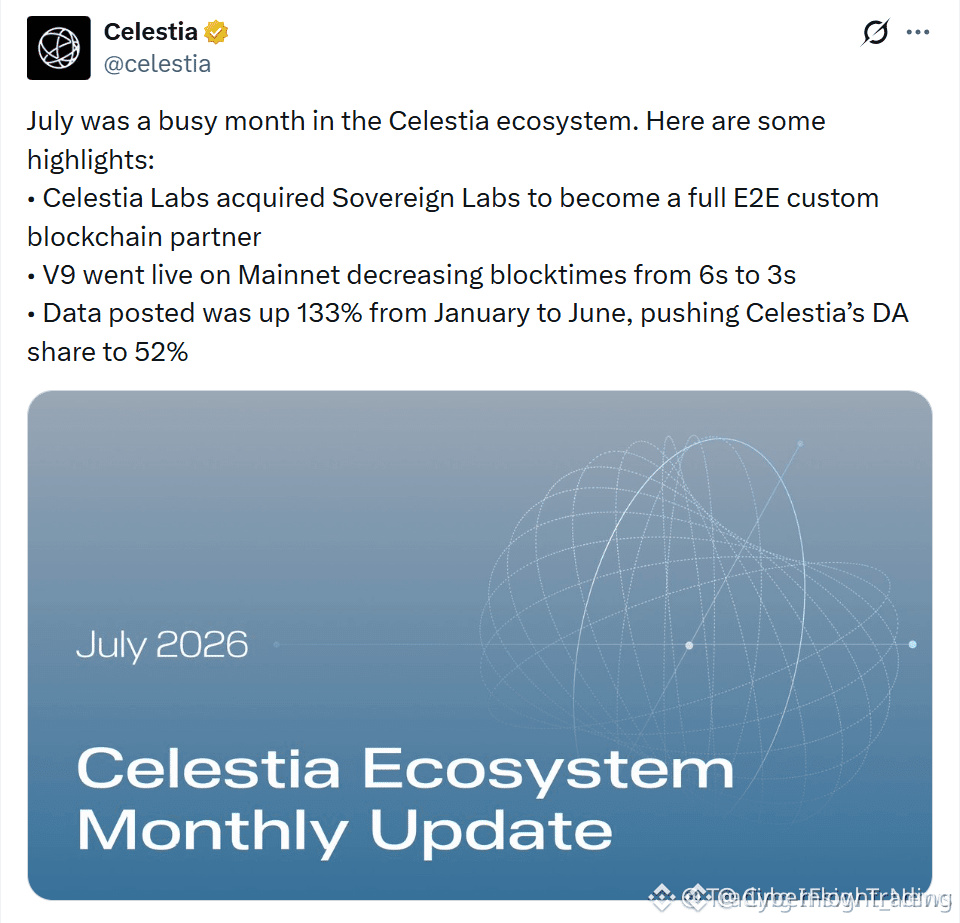
🚀 لم يكن شهر يوليو مجرد شهر عادي بالنسبة لـ Celestia — بل كان ترقية كاملة للبنية التحتية. توسّع استحواذ Sovereign Labs نطاقهم إلى rollups مخصّصة من البداية إلى النهاية، بينما أدى تقليص زمن الكتلة من 6 ثوانٍ إلى 3 ثوانٍ إلى مضاعفة سعة إنتاجية السلسلة بين عشية وضحاها. 📊 هذا النوع من ترقيات السرعة هو ما يميّز L1s التي تتراكم من تلك التي تتلاشى.
🦈 وهذه هي الأرقام التي شدّت انتباهي: حصة DA عند 52% تعني أن أكثر من نصف تدفقات سوق بيانات السلسلة تتم عبر Celestia، مدعومة بزيادة 133% في عمليات الرفع منذ يناير. 📌 عندما يكون المنتج الأساسي يستحوذ على حصة سوقية بهدوء بينما يتماسك السعر، غالبًا ما يلحق به الطلب. 💬 الأطروحة المعيارية تتكشف — هل أنت مهيّأ لتداول هيمنة DA؟ 👇
⚠️ ليست نصيحة مالية. دائمًا أدرِك مخاطرَك. 🛡️
🏷️ #TIA #Celestia #DataAvailability #ModularBlockchain #Crypto
🔥 💎
🦈 $TIA JUST DELIVERED ITS STRONGEST MONTHLY REPORT CARD OF 2025 SO FAR 💥
الدخول: 5.84 ⚡
الهدف: 7.85 🚀
وقف الخسارة: 5.10 ⚠️
🚀 لم يكن شهر يوليو مجرد شهر عادي بالنسبة لـ Celestia — بل كان ترقية كاملة للبنية التحتية. توسّع استحواذ Sovereign Labs نطاقهم إلى rollups مخصّصة من البداية إلى النهاية، بينما أدى تقليص زمن الكتلة من 6 ثوانٍ إلى 3 ثوانٍ إلى مضاعفة سعة إنتاجية السلسلة بين عشية وضحاها. 📊 هذا النوع من ترقيات السرعة هو ما يميّز L1s التي تتراكم من تلك التي تتلاشى.
🦈 وهذه هي الأرقام التي شدّت انتباهي: حصة DA عند 52% تعني أن أكثر من نصف تدفقات سوق بيانات السلسلة تتم عبر Celestia، مدعومة بزيادة 133% في عمليات الرفع منذ يناير. 📌 عندما يكون المنتج الأساسي يستحوذ على حصة سوقية بهدوء بينما يتماسك السعر، غالبًا ما يلحق به الطلب. 💬 الأطروحة المعيارية تتكشف — هل أنت مهيّأ لتداول هيمنة DA؟ 👇
⚠️ ليست نصيحة مالية. دائمًا أدرِك مخاطرَك. 🛡️
🏷️ #TIA #Celestia #DataAvailability #ModularBlockchain #Crypto
🔥 💎
الدخول: 5.84 ⚡
الهدف: 7.85 🚀
وقف الخسارة: 5.10 ⚠️
🚀 لم يكن شهر يوليو مجرد شهر عادي بالنسبة لـ Celestia — بل كان ترقية كاملة للبنية التحتية. توسّع استحواذ Sovereign Labs نطاقهم إلى rollups مخصّصة من البداية إلى النهاية، بينما أدى تقليص زمن الكتلة من 6 ثوانٍ إلى 3 ثوانٍ إلى مضاعفة سعة إنتاجية السلسلة بين عشية وضحاها. 📊 هذا النوع من ترقيات السرعة هو ما يميّز L1s التي تتراكم من تلك التي تتلاشى.
🦈 وهذه هي الأرقام التي شدّت انتباهي: حصة DA عند 52% تعني أن أكثر من نصف تدفقات سوق بيانات السلسلة تتم عبر Celestia، مدعومة بزيادة 133% في عمليات الرفع منذ يناير. 📌 عندما يكون المنتج الأساسي يستحوذ على حصة سوقية بهدوء بينما يتماسك السعر، غالبًا ما يلحق به الطلب. 💬 الأطروحة المعيارية تتكشف — هل أنت مهيّأ لتداول هيمنة DA؟ 👇
⚠️ ليست نصيحة مالية. دائمًا أدرِك مخاطرَك. 🛡️
🏷️ #TIA #Celestia #DataAvailability #ModularBlockchain #Crypto
🔥 💎
52

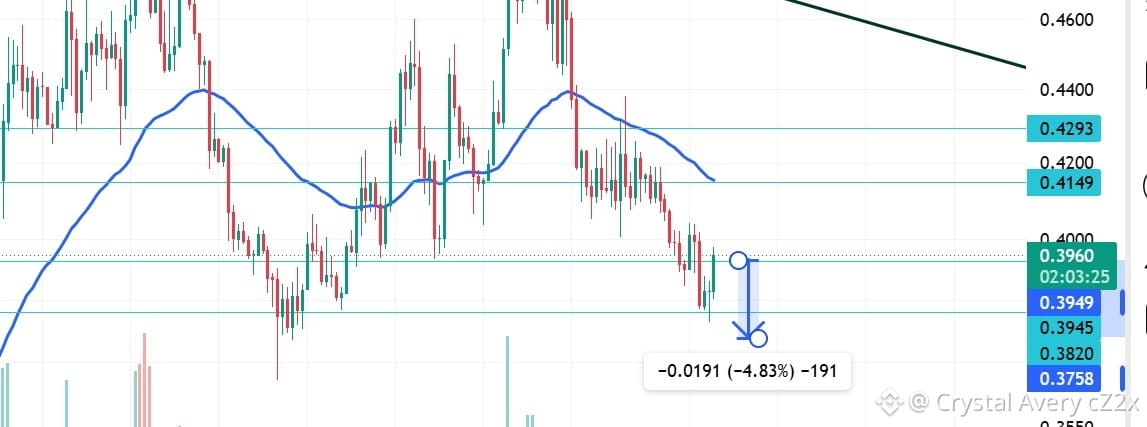
$TIA يبدو جيدًا لصفقة سريعة
Tia /usdt
اشترِ عند السعر الحالي
وقف الخسارة: 0.3755
جني الأرباح: 0.4125
بينما #DataAvailability #NarrativeMomentum
$TIA يبدو جيدًا لصفقة سريعة
Tia /usdt
اشترِ عند السعر الحالي
وقف الخسارة: 0.3755
جني الأرباح: 0.4125
بينما #DataAvailability #NarrativeMomentum
Tia /usdt
اشترِ عند السعر الحالي
وقف الخسارة: 0.3755
جني الأرباح: 0.4125
بينما #DataAvailability #NarrativeMomentum
1
175

·
--
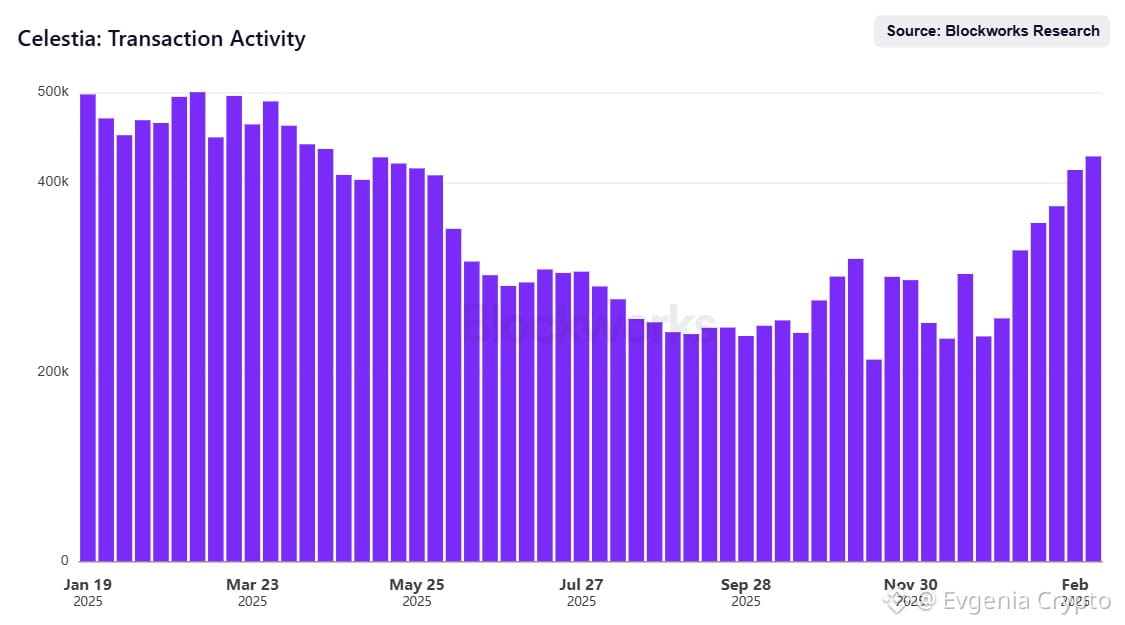
🤫 النمو الخفي ولماذا $TIA — هو عملاق نائم؟
بينما ينظر السوق إلى السعر، نحن ننظر إلى بيانات السلسلة. 👇🥳🥳🥳🥳
نمو المعاملات بنسبة 60% خلال شهرين يشير إلى أن نظام Celestia البيئي يصبح «طريقًا سريعة» لحلول L2.
عندما تتحول النشاطات إلى طلب على الرمز، سيكون من المتأخر الدخول. 💯💯💯
{future}(TIAUSDT)
#TIA #DataAvailability #Web3 #Ecosystem
🤫 النمو الخفي ولماذا $TIA — هو عملاق نائم؟
بينما ينظر السوق إلى السعر، نحن ننظر إلى بيانات السلسلة. 👇🥳🥳🥳🥳
نمو المعاملات بنسبة 60% خلال شهرين يشير إلى أن نظام Celestia البيئي يصبح «طريقًا سريعة» لحلول L2.
عندما تتحول النشاطات إلى طلب على الرمز، سيكون من المتأخر الدخول. 💯💯💯
#TIA #DataAvailability #Web3 #Ecosystem
بينما ينظر السوق إلى السعر، نحن ننظر إلى بيانات السلسلة. 👇🥳🥳🥳🥳
نمو المعاملات بنسبة 60% خلال شهرين يشير إلى أن نظام Celestia البيئي يصبح «طريقًا سريعة» لحلول L2.
عندما تتحول النشاطات إلى طلب على الرمز، سيكون من المتأخر الدخول. 💯💯💯
#TIA #DataAvailability #Web3 #Ecosystem
3
1.2k

·
--
#walrus $WAL الحوتةُ تُزعزع مفهوم التخزين اللامركزي عبر تقديم حلٍ قابل للتوسع وقابل للتحقق وجدوى اقتصادية لتوفّر البيانات في تطبيقات Web3. سواء كانت مجموعات بيانات الذكاء الاصطناعي أو وسائط الـNFT أو الـrollups، فهي الإجابة عن أكبر مشكلة في سلسلة الكتل: تخزين البيانات. البنية التحتية هي الطبقة الألفا الحقيقية.🧊📦🔐
#Walrus #Web3Storage #DataAvailability @WalrusProtocol $WAL
#walrus $WAL الحوتةُ تُزعزع مفهوم التخزين اللامركزي عبر تقديم حلٍ قابل للتوسع وقابل للتحقق وجدوى اقتصادية لتوفّر البيانات في تطبيقات Web3. سواء كانت مجموعات بيانات الذكاء الاصطناعي أو وسائط الـNFT أو الـrollups، فهي الإجابة عن أكبر مشكلة في سلسلة الكتل: تخزين البيانات. البنية التحتية هي الطبقة الألفا الحقيقية.🧊📦🔐
#Walrus #Web3Storage #DataAvailability @Walrus 🦭/acc $WAL
#Walrus #Web3Storage #DataAvailability @Walrus 🦭/acc $WAL
2
3
61
·
--
الهندسة المعمارية المونوليثية ماتت. إجبار سلسلة كتل واحدة على التعامل مع التنفيذ، والتوافق، وتخزين البيانات في نفس الوقت يخلق اختناقًا حاسوبيًا ضخمًا. عندما تزداد الطلبات على الشبكة، يختنق النظام بالكامل، مما يدفع رسوم الغاز إلى مستويات فلكية. لن يقوم رأس المال المؤسسي أبدًا بنشر مليارات الدولارات في طبقة بنية تحتية ستتوقف حتمًا تحت ضغط العالم الحقيقي. إنها تعادل هندسيًا تشغيل نظام مالي عالمي على خادم اتصال بطيء واحد.
نحن نتعقب دوران هيكلي لا يتوقف بقيمة مليارات الدولارات نحو الهندسة المعمارية لسلسلة الكتل المودولارية. بدلاً من إجبار شبكة واحدة على القيام بكل شيء، يقوم المال الذكي بتجميع البروتوكولات التي تفصل الرياضيات كومة التقنيات. يتم دفع التنفيذ إلى بيئات خارج السلسلة متخصصة وسريعة مثل البرق، بينما تعمل طبقات توفر البيانات اللامركزية (DA) كمرساة نهائية غير قابلة للتغيير، تضمن أن جميع بيانات المعاملات قابلة للتحقق بشكل دائم بتكلفة أقل بكثير من التكاليف التقليدية.
هذا الفصل الهيكلي هو الطريق الرياضي الوحيد إلى نطاق عالمي غير محدود دون التضحية بالأمان اللامركزي. البروتوكولات البنائية التي تبني هذه الطبقات العالمية DA ومحركات التسوية المتخصصة أصبحت بهدوء الطبقة الأساسية التأسيسية لآلاف من عمليات التجميع المستقبلية. لم تعد مجرد سلاسل كتل؛ بل إنها تبيع بنشاط عرض النطاق الترددي للكتل الأساسية التي يحتاجها الاقتصاد الرقمي من الجيل التالي للعمل.
$TIA $MANTA $DYM
#Write2Earn #ModularBlockchains #DataAvailability #Web3
الهندسة المعمارية المونوليثية ماتت. إجبار سلسلة كتل واحدة على التعامل مع التنفيذ، والتوافق، وتخزين البيانات في نفس الوقت يخلق اختناقًا حاسوبيًا ضخمًا. عندما تزداد الطلبات على الشبكة، يختنق النظام بالكامل، مما يدفع رسوم الغاز إلى مستويات فلكية. لن يقوم رأس المال المؤسسي أبدًا بنشر مليارات الدولارات في طبقة بنية تحتية ستتوقف حتمًا تحت ضغط العالم الحقيقي. إنها تعادل هندسيًا تشغيل نظام مالي عالمي على خادم اتصال بطيء واحد.
نحن نتعقب دوران هيكلي لا يتوقف بقيمة مليارات الدولارات نحو الهندسة المعمارية لسلسلة الكتل المودولارية. بدلاً من إجبار شبكة واحدة على القيام بكل شيء، يقوم المال الذكي بتجميع البروتوكولات التي تفصل الرياضيات كومة التقنيات. يتم دفع التنفيذ إلى بيئات خارج السلسلة متخصصة وسريعة مثل البرق، بينما تعمل طبقات توفر البيانات اللامركزية (DA) كمرساة نهائية غير قابلة للتغيير، تضمن أن جميع بيانات المعاملات قابلة للتحقق بشكل دائم بتكلفة أقل بكثير من التكاليف التقليدية.
هذا الفصل الهيكلي هو الطريق الرياضي الوحيد إلى نطاق عالمي غير محدود دون التضحية بالأمان اللامركزي. البروتوكولات البنائية التي تبني هذه الطبقات العالمية DA ومحركات التسوية المتخصصة أصبحت بهدوء الطبقة الأساسية التأسيسية لآلاف من عمليات التجميع المستقبلية. لم تعد مجرد سلاسل كتل؛ بل إنها تبيع بنشاط عرض النطاق الترددي للكتل الأساسية التي يحتاجها الاقتصاد الرقمي من الجيل التالي للعمل.
$TIA $MANTA $DYM
#Write2Earn #ModularBlockchains #DataAvailability #Web3
نحن نتعقب دوران هيكلي لا يتوقف بقيمة مليارات الدولارات نحو الهندسة المعمارية لسلسلة الكتل المودولارية. بدلاً من إجبار شبكة واحدة على القيام بكل شيء، يقوم المال الذكي بتجميع البروتوكولات التي تفصل الرياضيات كومة التقنيات. يتم دفع التنفيذ إلى بيئات خارج السلسلة متخصصة وسريعة مثل البرق، بينما تعمل طبقات توفر البيانات اللامركزية (DA) كمرساة نهائية غير قابلة للتغيير، تضمن أن جميع بيانات المعاملات قابلة للتحقق بشكل دائم بتكلفة أقل بكثير من التكاليف التقليدية.
هذا الفصل الهيكلي هو الطريق الرياضي الوحيد إلى نطاق عالمي غير محدود دون التضحية بالأمان اللامركزي. البروتوكولات البنائية التي تبني هذه الطبقات العالمية DA ومحركات التسوية المتخصصة أصبحت بهدوء الطبقة الأساسية التأسيسية لآلاف من عمليات التجميع المستقبلية. لم تعد مجرد سلاسل كتل؛ بل إنها تبيع بنشاط عرض النطاق الترددي للكتل الأساسية التي يحتاجها الاقتصاد الرقمي من الجيل التالي للعمل.
$TIA $MANTA $DYM
#Write2Earn #ModularBlockchains #DataAvailability #Web3

667

·
--
مقالة
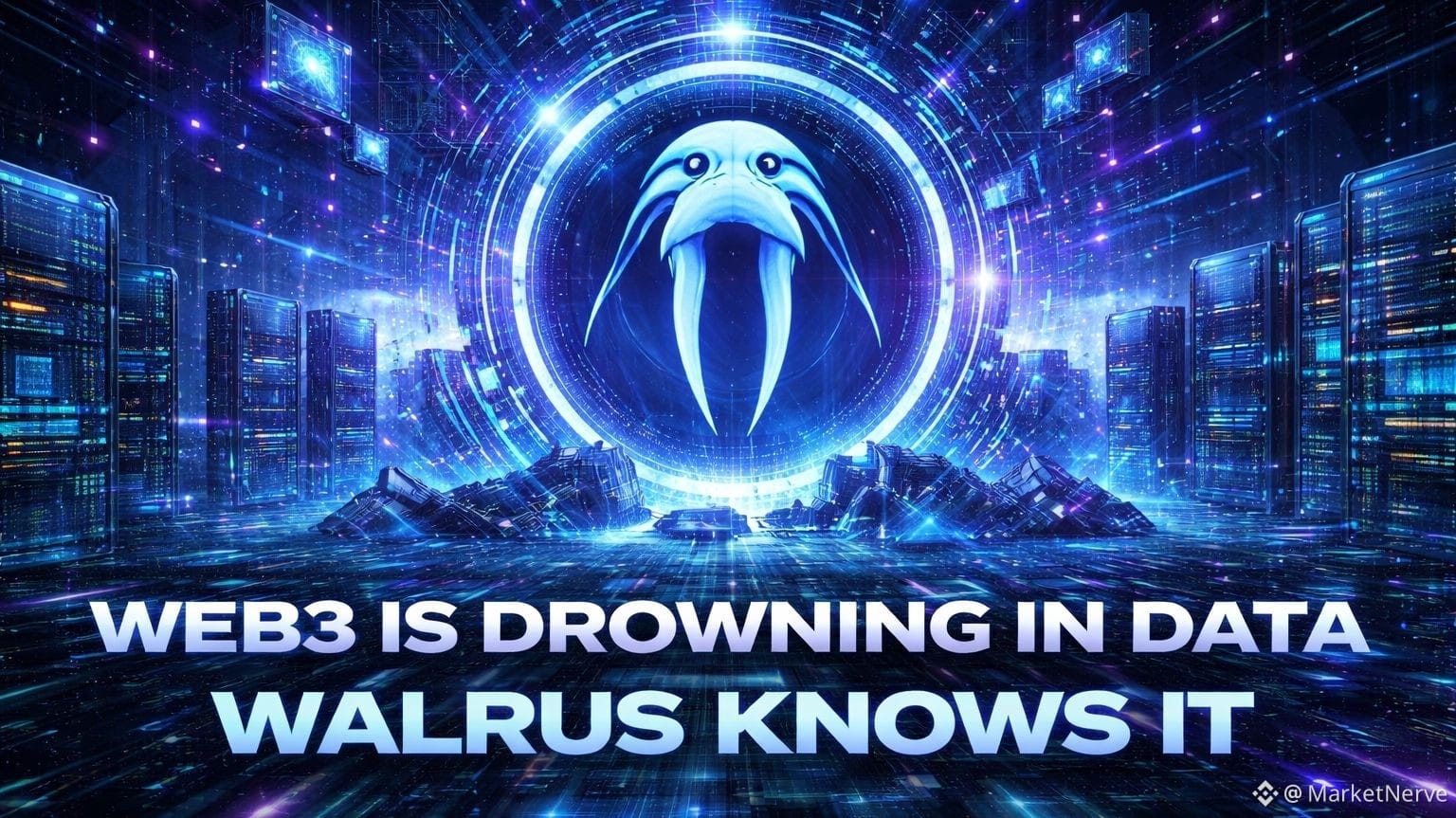
ويب 3 ليس بطيئاً — إنه يغرق في البيانات. وولروس يعرف ذلك.الجميع يستمر في الجدال حول السلاسل الكتلية الأسرع، والغاز الأرخص، وTPS الأعلى. لكن هناك مشكلة يفضل معظم الناس تجاهلها: ويب 3 تختنق ببياناتها الخاصة. المعاملات عديمة الفائدة إذا لم يكن من الممكن تخزين البيانات وراءها، واسترجاعها، والتحقق منها على نطاق واسع.
لهذا السبب لفتت انتباهي وولروس على الفور.
@WalrusProtocol ليس عرضاً آخر لـ “السحابة اللامركزية”. إنها طبقة تحتية مبنية خصيصاً لتوافر البيانات في ويب 3 — ملفات كبيرة، وسائل إعلام، أرشيفات، وبيانات سلسلة الكتل التاريخية التي لم تُصمم معظم الشبكات ببساطة للتعامل معها. بدلاً من إصلاح النماذج القديمة، تعالج وولروس البيانات الثقيلة كمواطن من الدرجة الأولى.
ويب 3 ليس بطيئاً — إنه يغرق في البيانات. وولروس يعرف ذلك.
الجميع يستمر في الجدال حول السلاسل الكتلية الأسرع، والغاز الأرخص، وTPS الأعلى. لكن هناك مشكلة يفضل معظم الناس تجاهلها: ويب 3 تختنق ببياناتها الخاصة. المعاملات عديمة الفائدة إذا لم يكن من الممكن تخزين البيانات وراءها، واسترجاعها، والتحقق منها على نطاق واسع.
لهذا السبب لفتت انتباهي وولروس على الفور.
@Walrus 🦭/acc ليس عرضاً آخر لـ “السحابة اللامركزية”. إنها طبقة تحتية مبنية خصيصاً لتوافر البيانات في ويب 3 — ملفات كبيرة، وسائل إعلام، أرشيفات، وبيانات سلسلة الكتل التاريخية التي لم تُصمم معظم الشبكات ببساطة للتعامل معها. بدلاً من إصلاح النماذج القديمة، تعالج وولروس البيانات الثقيلة كمواطن من الدرجة الأولى.
لهذا السبب لفتت انتباهي وولروس على الفور.
@Walrus 🦭/acc ليس عرضاً آخر لـ “السحابة اللامركزية”. إنها طبقة تحتية مبنية خصيصاً لتوافر البيانات في ويب 3 — ملفات كبيرة، وسائل إعلام، أرشيفات، وبيانات سلسلة الكتل التاريخية التي لم تُصمم معظم الشبكات ببساطة للتعامل معها. بدلاً من إصلاح النماذج القديمة، تعالج وولروس البيانات الثقيلة كمواطن من الدرجة الأولى.
1
2
411
سجّل الدخول لاستكشاف المزيد من المُحتوى
انضم إلى مُستخدمي العملات الرقمية حول العالم على Binance Square
⚡️ احصل على أحدث المعلومات المفيدة عن العملات الرقمية.
💬 موثوقة من قبل أكبر منصّة لتداول العملات الرقمية في العالم.
👍 اكتشف الرؤى الحقيقية من صنّاع المُحتوى الموثوقين.
البريد الإلكتروني / رقم الهاتف
المواضيع الرائجة
1
#ClarityActFacesProceduralVoteSept15
60,964 مشاهدات
821 يقومون بالنقاش
2
#US2YearYieldRisesTo4.61%
40,069 مشاهدات
715 يقومون بالنقاش
3
#US10YearTreasuryYieldNears5%
24,655 مشاهدات
427 يقومون بالنقاش
4
#CryptoLiquidations$674MIn24H
7,908 مشاهدات
92 يقومون بالنقاش
5
#TokenizedStockHoldersUp619.1%
27,113 مشاهدات
431 يقومون بالنقاش
6
#RevolutConfirmsFakeGovEmailDataBreach
49,227 مشاهدات
713 يقومون بالنقاش
7
#CanadaOSFISaysTokenizedDepositsEqualTraditionalDeposits
2,143 مشاهدات
64 يقومون بالنقاش
8
#USBankCompletesCrossBorderPaymentPilotOnStellar
48,040 مشاهدات
872 يقومون بالنقاش
9
#NvidiaInTalksToInvestUpTo$10BInAnthropicIPO
3,674 مشاهدات
69 يقومون بالنقاش
10
#EtherRalliesAsBearishBetsLiquidate
67,762 مشاهدات
1,093 يقومون بالنقاش