

Devraj Sigdel
507 貼文

Devraj Sigdel
舉報
封鎖用戶
Full-Time Futures Trader | Technical Analysis & Smart Money Concepts | Binance Square Verified
實盤交易
低頻交易者
3.5 年
423 關注
33 粉絲
30 點讚數
貼文
投資組合
全部
引用
直播
下一個加密敘事可能是 RWA
現實世界資產(RWA)正成爲加密領域中討論度最高的板塊之一。
爲什麼?
👉 傳統資產的代幣化
👉 機構興趣不斷增長
👉 DeFi 中的用例持續擴展
👉 區塊鏈基礎設施得到改善
無論 RWA 是否會成爲主導趨勢仍有待觀察,但這是一個值得密切關注的領域。
👇 RWA 會成爲下一個主要的加密趨勢嗎?還是你認爲將由其他敘事帶領市場?
#RWA #crypto #defi #blockchain #BinanceSquare
下一個加密敘事可能是 RWA
現實世界資產(RWA)正成爲加密領域中討論度最高的板塊之一。
爲什麼?
👉 傳統資產的代幣化
👉 機構興趣不斷增長
👉 DeFi 中的用例持續擴展
👉 區塊鏈基礎設施得到改善
無論 RWA 是否會成爲主導趨勢仍有待觀察,但這是一個值得密切關注的領域。
👇 RWA 會成爲下一個主要的加密趨勢嗎?還是你認爲將由其他敘事帶領市場?
#RWA #crypto #defi #blockchain #BinanceSquare
現實世界資產(RWA)正成爲加密領域中討論度最高的板塊之一。
爲什麼?
👉 傳統資產的代幣化
👉 機構興趣不斷增長
👉 DeFi 中的用例持續擴展
👉 區塊鏈基礎設施得到改善
無論 RWA 是否會成爲主導趨勢仍有待觀察,但這是一個值得密切關注的領域。
👇 RWA 會成爲下一個主要的加密趨勢嗎?還是你認爲將由其他敘事帶領市場?
#RWA #crypto #defi #blockchain #BinanceSquare
89
1. 比特幣是否正在爲下一次大行情做準備?
📈 比特幣仍在主導加密貨幣的討論。
當 BTC 開始走強時,市場的其他部分通常都會密切關注。無論你是看漲還是謹慎,現在都是一個專注以下內容的好時機:
👉 關鍵支撐位與阻力位
👉 交易量與市場情緒
👉 ETF 及機構活動
👉 比特幣市佔率
🤔記住:耐心往往比情緒化交易表現更好。
🫵 提問:你認爲 BTC 會在 2026 年結束前創下新的歷史新高嗎?
👍 如果你看漲就點贊。
#bitcoin #BTC #crypto #BinanceSquare #trading
1. 比特幣是否正在爲下一次大行情做準備?
📈 比特幣仍在主導加密貨幣的討論。
當 BTC 開始走強時,市場的其他部分通常都會密切關注。無論你是看漲還是謹慎,現在都是一個專注以下內容的好時機:
👉 關鍵支撐位與阻力位
👉 交易量與市場情緒
👉 ETF 及機構活動
👉 比特幣市佔率
🤔記住:耐心往往比情緒化交易表現更好。
🫵 提問:你認爲 BTC 會在 2026 年結束前創下新的歷史新高嗎?
👍 如果你看漲就點贊。
#bitcoin #BTC #crypto #BinanceSquare #trading
📈 比特幣仍在主導加密貨幣的討論。
當 BTC 開始走強時,市場的其他部分通常都會密切關注。無論你是看漲還是謹慎,現在都是一個專注以下內容的好時機:
👉 關鍵支撐位與阻力位
👉 交易量與市場情緒
👉 ETF 及機構活動
👉 比特幣市佔率
🤔記住:耐心往往比情緒化交易表現更好。
🫵 提問:你認爲 BTC 會在 2026 年結束前創下新的歷史新高嗎?
👍 如果你看漲就點贊。
#bitcoin #BTC #crypto #BinanceSquare #trading
97
文章
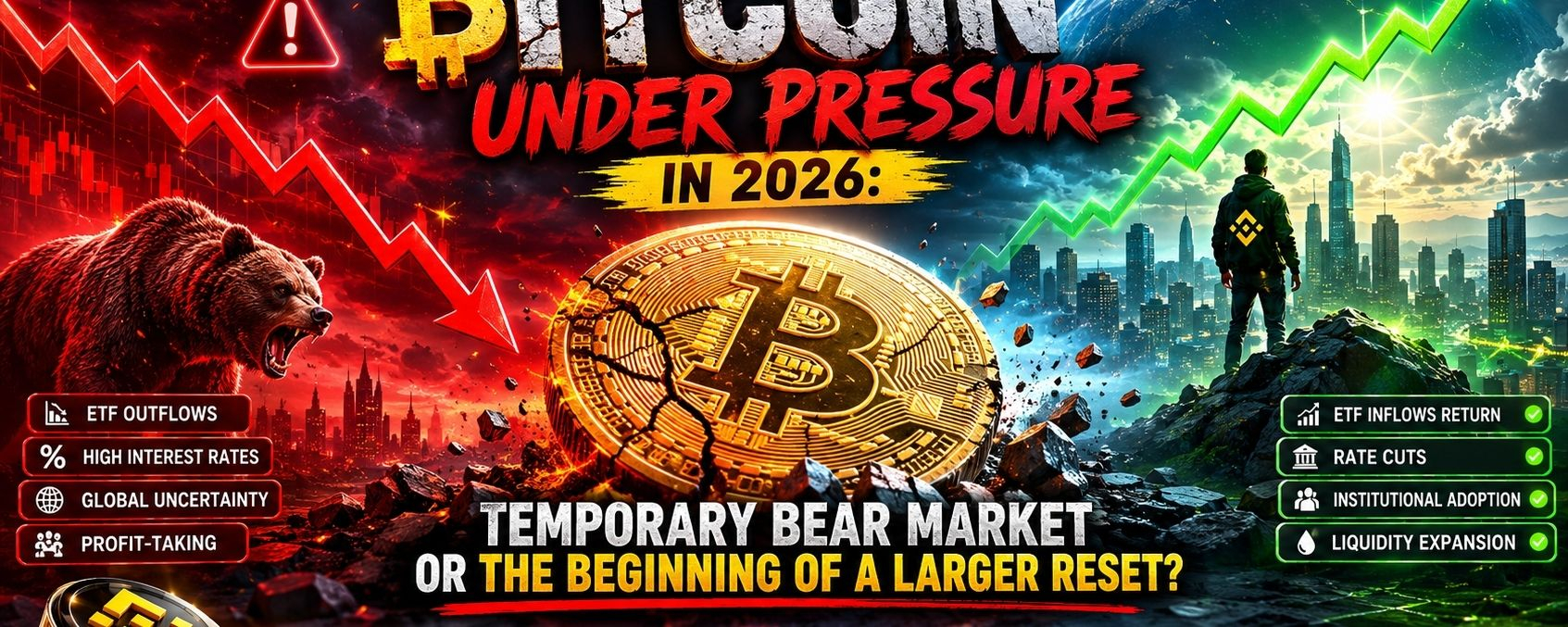
2026年比特幣承壓:暫時的熊市還是更大重置的開始?加密貨幣市場進入了另一個不確定性階段。比特幣,作爲整個數字資產生態系統的基準資產,面臨着持續的賣壓。隨着比特幣走弱,包括幣安在內的主要交易所交易活動下降,小型幣流動性降低,投資者恐慌加劇。
然而,關鍵問題並不是比特幣是否在下跌。
真正的問題是:
比特幣爲何下跌,接下來可能會去往何處,需要什麼條件才能恢復?
2026年比特幣承壓:暫時的熊市還是更大重置的開始?
加密貨幣市場進入了另一個不確定性階段。比特幣,作爲整個數字資產生態系統的基準資產,面臨着持續的賣壓。隨着比特幣走弱,包括幣安在內的主要交易所交易活動下降,小型幣流動性降低,投資者恐慌加劇。
然而,關鍵問題並不是比特幣是否在下跌。
真正的問題是:
比特幣爲何下跌,接下來可能會去往何處,需要什麼條件才能恢復?
然而,關鍵問題並不是比特幣是否在下跌。
真正的問題是:
比特幣爲何下跌,接下來可能會去往何處,需要什麼條件才能恢復?
117
#openledger $OPEN
探索區塊鏈互通性的未來,與 @OpenLedger 一同前行!
OpenLedger 的願景是創造一個更智能、更連結的去中心化生態系統,在這裡 AI、數據所有權與區塊鏈創新交融。隨著 Web3 採用率的提升,專注於透明度、可擴展基礎設施及社群驅動開發的項目,可能在下一輪加密周期中扮演重要角色。
去中心化 AI 與數據流動性的整合,正成為當前加密市場中最受討論的話題之一。關注像 OpenLedger 這樣的生態系統,可能會為對新興區塊鏈技術感興趣的交易者和投資者提供有價值的長期見解。
#openledger $OPEN
探索區塊鏈互通性的未來,與 @OpenLedger 一同前行!
OpenLedger 的願景是創造一個更智能、更連結的去中心化生態系統,在這裡 AI、數據所有權與區塊鏈創新交融。隨著 Web3 採用率的提升,專注於透明度、可擴展基礎設施及社群驅動開發的項目,可能在下一輪加密周期中扮演重要角色。
去中心化 AI 與數據流動性的整合,正成為當前加密市場中最受討論的話題之一。關注像 OpenLedger 這樣的生態系統,可能會為對新興區塊鏈技術感興趣的交易者和投資者提供有價值的長期見解。
探索區塊鏈互通性的未來,與 @OpenLedger 一同前行!
OpenLedger 的願景是創造一個更智能、更連結的去中心化生態系統,在這裡 AI、數據所有權與區塊鏈創新交融。隨著 Web3 採用率的提升,專注於透明度、可擴展基礎設施及社群驅動開發的項目,可能在下一輪加密周期中扮演重要角色。
去中心化 AI 與數據流動性的整合,正成為當前加密市場中最受討論的話題之一。關注像 OpenLedger 這樣的生態系統,可能會為對新興區塊鏈技術感興趣的交易者和投資者提供有價值的長期見解。
82
文章
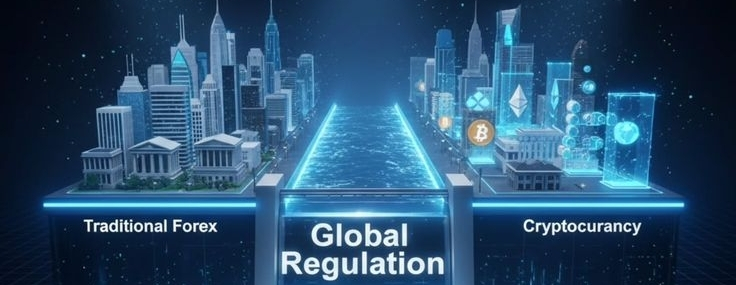
加密監管2026:清晰法案與下一個機構浪潮加密貨幣市場在2026年將進入一個完全不同的時代。機構資金首次不再等待“加密貨幣是否能夠生存”,而是準備在監管明確到位後,積極參與市場。
這一轉變背後的最大催化劑是美國數字資產市場清晰法案,這是一個具有里程碑意義的監管框架,旨在定義加密貨幣、交易所、穩定幣和數字資產在美國的法律地位。最近參議院銀行委員會以15-9的兩黨投票通過,顯著增強了機構對加密行業的信心。
加密監管2026:清晰法案與下一個機構浪潮
加密貨幣市場在2026年將進入一個完全不同的時代。機構資金首次不再等待“加密貨幣是否能夠生存”,而是準備在監管明確到位後,積極參與市場。
這一轉變背後的最大催化劑是美國數字資產市場清晰法案,這是一個具有里程碑意義的監管框架,旨在定義加密貨幣、交易所、穩定幣和數字資產在美國的法律地位。最近參議院銀行委員會以15-9的兩黨投票通過,顯著增強了機構對加密行業的信心。
這一轉變背後的最大催化劑是美國數字資產市場清晰法案,這是一個具有里程碑意義的監管框架,旨在定義加密貨幣、交易所、穩定幣和數字資產在美國的法律地位。最近參議院銀行委員會以15-9的兩黨投票通過,顯著增強了機構對加密行業的信心。
101
文章
儘管有利好消息,比特幣的牛市趨勢正在減弱,聰明的交易者正在關注這些爲什麼比特幣清算關聯性日漸下降
當前加密市場最大的誤解是:
利好消息 ≠ 立即的牛市價格動作。
在之前的週期中,利好消息瞬間會引發大規模清算和垂直拉昇。但在當前比特幣結構中,牛市情緒與清算擠壓之間的關係正在減弱。
這就是爲什麼專業交易者在長期牛市動能下變得更加謹慎。
當前市場不再僅由散戶交易者主導。
儘管有利好消息,比特幣的牛市趨勢正在減弱,聰明的交易者正在關注這些
爲什麼比特幣清算關聯性日漸下降
當前加密市場最大的誤解是:
利好消息 ≠ 立即的牛市價格動作。
在之前的週期中,利好消息瞬間會引發大規模清算和垂直拉昇。但在當前比特幣結構中,牛市情緒與清算擠壓之間的關係正在減弱。
這就是爲什麼專業交易者在長期牛市動能下變得更加謹慎。
當前市場不再僅由散戶交易者主導。
當前加密市場最大的誤解是:
利好消息 ≠ 立即的牛市價格動作。
在之前的週期中,利好消息瞬間會引發大規模清算和垂直拉昇。但在當前比特幣結構中,牛市情緒與清算擠壓之間的關係正在減弱。
這就是爲什麼專業交易者在長期牛市動能下變得更加謹慎。
當前市場不再僅由散戶交易者主導。
555

專業交易者在比特幣爆發前關注的隱藏指標💶💵💴🎁🧧大多數散戶交易者只關注比特幣的價格圖表。專業交易者則會在BTC爆發前很久就關注流動性、衍生品頭寸、宏觀流動、穩定幣動向和鏈上行爲。
比特幣的下一次重大突破不會隨機發生。聰明的錢已經在追蹤歷史上每次BTC大幅反彈前出現的隱藏指標。
1. 穩定幣流入是聰明的錢關注的第一個信號
在加密貨幣中,穩定幣流動性增長是最強的看漲指標之一。
專業交易者在比特幣爆發前關注的隱藏指標💶💵💴🎁🧧
大多數散戶交易者只關注比特幣的價格圖表。專業交易者則會在BTC爆發前很久就關注流動性、衍生品頭寸、宏觀流動、穩定幣動向和鏈上行爲。
比特幣的下一次重大突破不會隨機發生。聰明的錢已經在追蹤歷史上每次BTC大幅反彈前出現的隱藏指標。
1. 穩定幣流入是聰明的錢關注的第一個信號
在加密貨幣中,穩定幣流動性增長是最強的看漲指標之一。
比特幣的下一次重大突破不會隨機發生。聰明的錢已經在追蹤歷史上每次BTC大幅反彈前出現的隱藏指標。
1. 穩定幣流入是聰明的錢關注的第一個信號
在加密貨幣中,穩定幣流動性增長是最強的看漲指標之一。

➡️Like➡️Follow➡️Shar
來自 Devraj Sigdel
1
36
文章
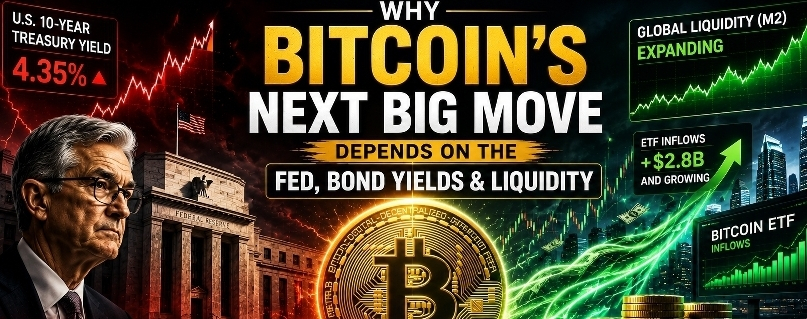
比特幣下一次重大走勢爲何依賴於美聯儲、債券收益率和流動性比特幣不再作爲孤立資產進行交易。在2026年,BTC與全球宏觀經濟深度關聯,尤其是美聯儲政策、美國國債收益率和全球流動性狀況。下一次比特幣的重大突破或修正可能更多地取決於資金如何流動於全球金融系統,而不是加密貨幣敘事。
1. 美聯儲控制全球風險偏好
美聯儲仍然是比特幣最重要的宏觀驅動因素。當美聯儲保持高利率時,投資者可以從美國國債中獲得有吸引力的“無風險”收益。這減少了對比特幣等非收益資產的需求。然而,當美聯儲發出未來降息或貨幣政策放鬆的信號時,流動性擴大,資金迅速回流到高貝塔資產,如BTC和山寨幣。
比特幣下一次重大走勢爲何依賴於美聯儲、債券收益率和流動性
比特幣不再作爲孤立資產進行交易。在2026年,BTC與全球宏觀經濟深度關聯,尤其是美聯儲政策、美國國債收益率和全球流動性狀況。下一次比特幣的重大突破或修正可能更多地取決於資金如何流動於全球金融系統,而不是加密貨幣敘事。
1. 美聯儲控制全球風險偏好
美聯儲仍然是比特幣最重要的宏觀驅動因素。當美聯儲保持高利率時,投資者可以從美國國債中獲得有吸引力的“無風險”收益。這減少了對比特幣等非收益資產的需求。然而,當美聯儲發出未來降息或貨幣政策放鬆的信號時,流動性擴大,資金迅速回流到高貝塔資產,如BTC和山寨幣。
1. 美聯儲控制全球風險偏好
美聯儲仍然是比特幣最重要的宏觀驅動因素。當美聯儲保持高利率時,投資者可以從美國國債中獲得有吸引力的“無風險”收益。這減少了對比特幣等非收益資產的需求。然而,當美聯儲發出未來降息或貨幣政策放鬆的信號時,流動性擴大,資金迅速回流到高貝塔資產,如BTC和山寨幣。
229
DoubleLine首席執行官排除美聯儲降息 這對比特幣、山寨幣和全球流動性意味着什麼被稱爲“債券之王”的傑弗裏·岡德拉赫的最新評論,在傳統金融和加密市場中引發了新的辯論。岡德拉赫最近表示,由於持續的通脹風險和不穩定的宏觀經濟條件,美聯儲不太可能很快降息。
對於加密交易者來說,這比許多人意識到的要重要得多。
因爲到2026年,比特幣不再單純依賴零售炒作,而是與流動性、機構頭寸、債券收益率和貨幣政策預期緊密相連。
DoubleLine首席執行官排除美聯儲降息 這對比特幣、山寨幣和全球流動性意味着什麼
被稱爲“債券之王”的傑弗裏·岡德拉赫的最新評論,在傳統金融和加密市場中引發了新的辯論。岡德拉赫最近表示,由於持續的通脹風險和不穩定的宏觀經濟條件,美聯儲不太可能很快降息。
對於加密交易者來說,這比許多人意識到的要重要得多。
因爲到2026年,比特幣不再單純依賴零售炒作,而是與流動性、機構頭寸、債券收益率和貨幣政策預期緊密相連。
對於加密交易者來說,這比許多人意識到的要重要得多。
因爲到2026年,比特幣不再單純依賴零售炒作,而是與流動性、機構頭寸、債券收益率和貨幣政策預期緊密相連。
23
文章
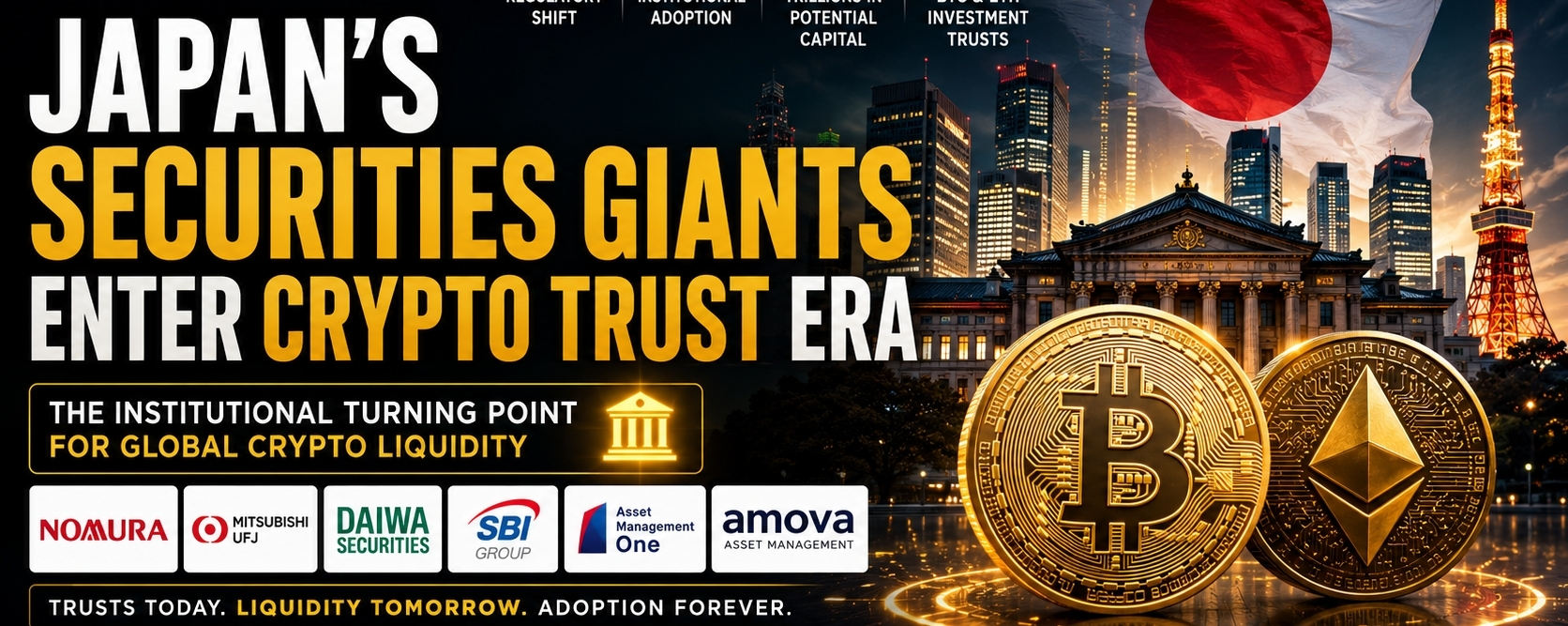
🇯🇵 #日本證券公司加密投資信託日本證券巨頭進入加密投資信託時代,全球加密流動性的機構轉折點
日本金融行業正在進入一個結構性轉型階段,全球加密市場無法忽視。領先的證券公司和資產管理公司正在積極準備受監管的加密投資信託和ETF風格的產品,標誌着從謹慎觀察到結構化資本投入數字資產的歷史性轉變。
從專業交易者的角度來看,這不是投機,而是在流動性進入市場之前構建的資本基礎設施。
🇯🇵 #日本證券公司加密投資信託
日本證券巨頭進入加密投資信託時代,全球加密流動性的機構轉折點
日本金融行業正在進入一個結構性轉型階段,全球加密市場無法忽視。領先的證券公司和資產管理公司正在積極準備受監管的加密投資信託和ETF風格的產品,標誌着從謹慎觀察到結構化資本投入數字資產的歷史性轉變。
從專業交易者的角度來看,這不是投機,而是在流動性進入市場之前構建的資本基礎設施。
日本金融行業正在進入一個結構性轉型階段,全球加密市場無法忽視。領先的證券公司和資產管理公司正在積極準備受監管的加密投資信託和ETF風格的產品,標誌着從謹慎觀察到結構化資本投入數字資產的歷史性轉變。
從專業交易者的角度來看,這不是投機,而是在流動性進入市場之前構建的資本基礎設施。
133
🇺🇸 CLARITY法案剛剛以15-9的兩黨投票通過了參議院銀行委員會,這是美國加密貨幣監管清晰度的重要一步。
聰明的錢不再關注炒作。他們關注的是政策、流動性和機構定位。
如果監管不確定性降低,機構的採納可能會比大多數散戶交易者預期的更快加速。
#BerkshireHeavilyIncreasesAlphabetStake #JapaneseSecuritiesFirmsCryptoInvestmentTrusts #TrumpDisclosesTradesIncludingMARAStock #VitalikMovesETHviaPrivacyPools #DuneCuts25%AmidAIEfficiencyPush $BTC $ETH $BNB
🇺🇸 CLARITY法案剛剛以15-9的兩黨投票通過了參議院銀行委員會,這是美國加密貨幣監管清晰度的重要一步。
聰明的錢不再關注炒作。他們關注的是政策、流動性和機構定位。
如果監管不確定性降低,機構的採納可能會比大多數散戶交易者預期的更快加速。
#BerkshireHeavilyIncreasesAlphabetStake #JapaneseSecuritiesFirmsCryptoInvestmentTrusts #TrumpDisclosesTradesIncludingMARAStock #VitalikMovesETHviaPrivacyPools #DuneCuts25%AmidAIEfficiencyPush $BTC $ETH $BNB
聰明的錢不再關注炒作。他們關注的是政策、流動性和機構定位。
如果監管不確定性降低,機構的採納可能會比大多數散戶交易者預期的更快加速。
#BerkshireHeavilyIncreasesAlphabetStake #JapaneseSecuritiesFirmsCryptoInvestmentTrusts #TrumpDisclosesTradesIncludingMARAStock #VitalikMovesETHviaPrivacyPools #DuneCuts25%AmidAIEfficiencyPush $BTC $ETH $BNB
2
1
87
文章
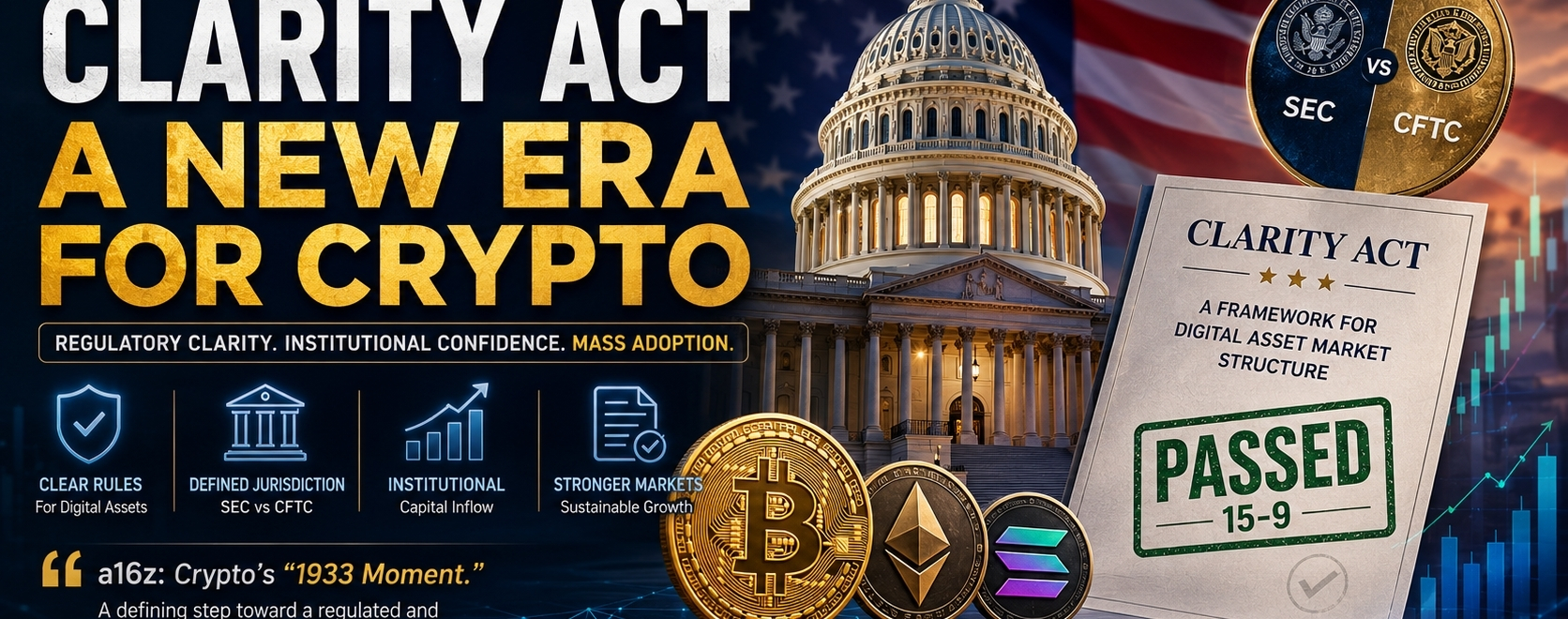
🇺🇸 CLARITY法案:加密的監管轉折點還是市場重新定價事件?美國的加密監管環境可能正在進入一個決定性階段,因爲CLARITY法案在參議院銀行委員會以15-9的兩黨投票推進,距離全體參議院的決定又近了一步。雖然最終的立法批准仍在等待中,但市場已經開始對數字資產領域結構化監管明確性的影響做出反應。
著名的風險投資聲音,包括安德森·霍洛維茨(a16z),將這一發展描述爲加密的潛在“1933時刻”,指的是大蕭條後美國證券監管框架的歷史性轉變。
🇺🇸 CLARITY法案:加密的監管轉折點還是市場重新定價事件?
美國的加密監管環境可能正在進入一個決定性階段,因爲CLARITY法案在參議院銀行委員會以15-9的兩黨投票推進,距離全體參議院的決定又近了一步。雖然最終的立法批准仍在等待中,但市場已經開始對數字資產領域結構化監管明確性的影響做出反應。
著名的風險投資聲音,包括安德森·霍洛維茨(a16z),將這一發展描述爲加密的潛在“1933時刻”,指的是大蕭條後美國證券監管框架的歷史性轉變。
著名的風險投資聲音,包括安德森·霍洛維茨(a16z),將這一發展描述爲加密的潛在“1933時刻”,指的是大蕭條後美國證券監管框架的歷史性轉變。
1
137
#100USDTFREE 是的,足球比賽不僅僅是比賽,它也是團隊精神的最佳選擇,通過這種方式,每個球員都能成功,更好地掌握與團隊的技能知識,運用團隊的激勵和奉獻精神,瞭解你能爲此得到什麼。 #FOOTBALLUSDT #Follow_Like_Comment
#100USDTFREE 是的,足球比賽不僅僅是比賽,它也是團隊精神的最佳選擇,通過這種方式,每個球員都能成功,更好地掌握與團隊的技能知識,運用團隊的激勵和奉獻精神,瞭解你能爲此得到什麼。 #FOOTBALLUSDT #Follow_Like_Comment
41
登入以探索更多內容
加入幣安廣場中的全球加密貨幣用戶
⚡️ 獲取加密貨幣的最新和實用資訊。
💬 受到全球最大加密貨幣交易所的信任。
👍 發掘來自經過驗證創作者的真實見解。
電子郵件 / 電話號碼