

Princi Chauhan
427 Bài đăng
Princi Chauhan
Báo cáo
Chặn người dùng
Follow For Follow. Crypto Ada
Trader thường xuyên
{thời gian} năm
409 Đang theo dõi
231 Người theo dõi
196 Đã thích
Bài đăng
Tất cả
Trích dẫn
#dusk $DUSK @Dusk_Foundation Dusk ($DUSK) đang trở thành một dự án đáng theo dõi khi ngành công nghiệp crypto tiến tới tương lai nơi quyền riêng tư và quy định pháp lý phải cùng tồn tại. Khi các cơ quan quản lý châu Âu đưa ra các quy định chặt chẽ hơn liên quan đến crypto, mixers (các dịch vụ trộn) và ví ẩn danh, những hình thức ẩn danh hoàn toàn trước đây đang ngày càng khó duy trì. Nhưng điều đó không nhất thiết có nghĩa là quyền riêng tư đang biến mất.
Dusk đang theo đuổi một hướng đi khác. Thay vì cố gắng đứng hoàn toàn ngoài hệ thống quản lý, công nghệ của họ nhằm mang lại quyền riêng tư cho doanh nghiệp trong khi vẫn cho phép thực hiện các kiểm tra tuân thủ (compliance) theo yêu cầu. Ý tưởng đằng sau giao thức Citadel đặc biệt thú vị vì các công ty có thể bảo vệ thông tin thương mại nhạy cảm khỏi đối thủ cạnh tranh và tin tặc mà không hoàn toàn phớt lờ các yêu cầu tuân thủ. Nói đơn giản, nó cố gắng tạo ra sự cân bằng giữa “quyền riêng tư” và “bằng chứng về sự tuân thủ”.
Điều này có thể quan trọng cho tương lai của Web3, bởi các doanh nghiệp khó có khả năng áp dụng công nghệ blockchain trên quy mô lớn nếu mọi giao dịch đều phơi bày công khai thông tin nhạy cảm. Đồng thời, các cơ quan quản lý cũng khó chấp nhận những hệ thống mà mọi thứ đều hoàn toàn bị che giấu. Cách tiếp cận của Dusk thực chất là cố gắng xây dựng một vùng trung dung, nơi quyền riêng tư có thể tồn tại trong một khuôn khổ được quản lý.
Câu hỏi thực sự là liệu người dùng crypto có chấp nhận mô hình mới này hay không. Crypto ban đầu được xây dựng dựa trên ý tưởng về tự do, phi tập trung và giám sát tối thiểu. Vậy người dùng có xem “quyền riêng tư tuân thủ” là tương lai, hay họ sẽ coi đó là một sự thỏa hiệp với triết lý crypto ban đầu?
Về cá nhân tôi, tôi cho rằng thị trường đang dần tiến tới sự cân bằng giữa quyền riêng tư, an ninh và tuân thủ. Các dự án có thể mang lại quyền riêng tư thực sự trong khi vẫn đáp ứng yêu cầu pháp lý có thể sẽ có vai trò quan trọng ở giai đoạn tiếp theo của Web3. Dusk chắc chắn là một dự án đáng đưa vào danh sách theo dõi; tuy nhiên, như mọi khi, thành công dài hạn sẽ phụ thuộc vào việc được áp dụng, công nghệ, quy định và nhu cầu thực tế.
Bạn nghĩ sao — quyền riêng tư được quản lý có phải là tương lai của Web3 không.
{spot}(DUSKUSDT)
#dusk $DUSK @Dusk Dusk ($DUSK ) đang trở thành một dự án đáng theo dõi khi ngành công nghiệp crypto tiến tới tương lai nơi quyền riêng tư và quy định pháp lý phải cùng tồn tại. Khi các cơ quan quản lý châu Âu đưa ra các quy định chặt chẽ hơn liên quan đến crypto, mixers (các dịch vụ trộn) và ví ẩn danh, những hình thức ẩn danh hoàn toàn trước đây đang ngày càng khó duy trì. Nhưng điều đó không nhất thiết có nghĩa là quyền riêng tư đang biến mất.
Dusk đang theo đuổi một hướng đi khác. Thay vì cố gắng đứng hoàn toàn ngoài hệ thống quản lý, công nghệ của họ nhằm mang lại quyền riêng tư cho doanh nghiệp trong khi vẫn cho phép thực hiện các kiểm tra tuân thủ (compliance) theo yêu cầu. Ý tưởng đằng sau giao thức Citadel đặc biệt thú vị vì các công ty có thể bảo vệ thông tin thương mại nhạy cảm khỏi đối thủ cạnh tranh và tin tặc mà không hoàn toàn phớt lờ các yêu cầu tuân thủ. Nói đơn giản, nó cố gắng tạo ra sự cân bằng giữa “quyền riêng tư” và “bằng chứng về sự tuân thủ”.
Điều này có thể quan trọng cho tương lai của Web3, bởi các doanh nghiệp khó có khả năng áp dụng công nghệ blockchain trên quy mô lớn nếu mọi giao dịch đều phơi bày công khai thông tin nhạy cảm. Đồng thời, các cơ quan quản lý cũng khó chấp nhận những hệ thống mà mọi thứ đều hoàn toàn bị che giấu. Cách tiếp cận của Dusk thực chất là cố gắng xây dựng một vùng trung dung, nơi quyền riêng tư có thể tồn tại trong một khuôn khổ được quản lý.
Câu hỏi thực sự là liệu người dùng crypto có chấp nhận mô hình mới này hay không. Crypto ban đầu được xây dựng dựa trên ý tưởng về tự do, phi tập trung và giám sát tối thiểu. Vậy người dùng có xem “quyền riêng tư tuân thủ” là tương lai, hay họ sẽ coi đó là một sự thỏa hiệp với triết lý crypto ban đầu?
Về cá nhân tôi, tôi cho rằng thị trường đang dần tiến tới sự cân bằng giữa quyền riêng tư, an ninh và tuân thủ. Các dự án có thể mang lại quyền riêng tư thực sự trong khi vẫn đáp ứng yêu cầu pháp lý có thể sẽ có vai trò quan trọng ở giai đoạn tiếp theo của Web3. Dusk chắc chắn là một dự án đáng đưa vào danh sách theo dõi; tuy nhiên, như mọi khi, thành công dài hạn sẽ phụ thuộc vào việc được áp dụng, công nghệ, quy định và nhu cầu thực tế.
Bạn nghĩ sao — quyền riêng tư được quản lý có phải là tương lai của Web3 không.
Dusk đang theo đuổi một hướng đi khác. Thay vì cố gắng đứng hoàn toàn ngoài hệ thống quản lý, công nghệ của họ nhằm mang lại quyền riêng tư cho doanh nghiệp trong khi vẫn cho phép thực hiện các kiểm tra tuân thủ (compliance) theo yêu cầu. Ý tưởng đằng sau giao thức Citadel đặc biệt thú vị vì các công ty có thể bảo vệ thông tin thương mại nhạy cảm khỏi đối thủ cạnh tranh và tin tặc mà không hoàn toàn phớt lờ các yêu cầu tuân thủ. Nói đơn giản, nó cố gắng tạo ra sự cân bằng giữa “quyền riêng tư” và “bằng chứng về sự tuân thủ”.
Điều này có thể quan trọng cho tương lai của Web3, bởi các doanh nghiệp khó có khả năng áp dụng công nghệ blockchain trên quy mô lớn nếu mọi giao dịch đều phơi bày công khai thông tin nhạy cảm. Đồng thời, các cơ quan quản lý cũng khó chấp nhận những hệ thống mà mọi thứ đều hoàn toàn bị che giấu. Cách tiếp cận của Dusk thực chất là cố gắng xây dựng một vùng trung dung, nơi quyền riêng tư có thể tồn tại trong một khuôn khổ được quản lý.
Câu hỏi thực sự là liệu người dùng crypto có chấp nhận mô hình mới này hay không. Crypto ban đầu được xây dựng dựa trên ý tưởng về tự do, phi tập trung và giám sát tối thiểu. Vậy người dùng có xem “quyền riêng tư tuân thủ” là tương lai, hay họ sẽ coi đó là một sự thỏa hiệp với triết lý crypto ban đầu?
Về cá nhân tôi, tôi cho rằng thị trường đang dần tiến tới sự cân bằng giữa quyền riêng tư, an ninh và tuân thủ. Các dự án có thể mang lại quyền riêng tư thực sự trong khi vẫn đáp ứng yêu cầu pháp lý có thể sẽ có vai trò quan trọng ở giai đoạn tiếp theo của Web3. Dusk chắc chắn là một dự án đáng đưa vào danh sách theo dõi; tuy nhiên, như mọi khi, thành công dài hạn sẽ phụ thuộc vào việc được áp dụng, công nghệ, quy định và nhu cầu thực tế.
Bạn nghĩ sao — quyền riêng tư được quản lý có phải là tương lai của Web3 không.
Agree
0%
Not Agree
0%
Don't know
0%
0 phiếu bầu • Cuộc bỏ phiếu đã kết thúc
92
#dusk $DUSK @Dusk_Foundation
Trước đây tôi từng nghĩ rằng nhiệm vụ của blockchain trong tài chính khá đơn giản: lấy các tài sản thực, biến chúng thành token, và mang đến cho người dùng một nơi minh bạch hơn để giao dịch chúng. Chỉ vậy thôi. Xong việc.
Nhưng càng đào sâu vào Dusk, tôi càng nhận ra rằng đó mới chỉ là một phần nhỏ trong những gì có thể làm được.
Hãy bắt đầu với DuskEVM. Nếu bạn là một nhà phát triển hoặc một công ty đã và đang xây dựng trên Ethereum, bạn không cần phải bỏ đi mọi thứ bạn đã biết. DuskEVM cho phép bạn tiếp tục sử dụng Solidity và các công cụ mà bạn đã quen thuộc. Nhưng bên dưới lớp bề mặt quen thuộc đó, điều thú vị hơn đang diễn ra thông qua một thành phần có tên là Hedger, chịu trách nhiệm xử lý các giao dịch EVM theo cách an toàn.
Đây là phần khiến tôi thực sự chú ý: quyền riêng tư trên Dusk không chỉ là che giấu thông tin khỏi thế giới. Mà là có thể *chứng minh* điều gì đó là đúng mà không cần phải lộ toàn bộ. Thông qua các cam kết mật mã và các bằng chứng không kiến thức (zero-knowledge proofs), bạn có thể xác minh rằng một giao dịch, một danh tính, hay một số dư là hợp lệ mà không phải phơi bày toàn bộ dữ liệu gốc.
Đó là ý mà người ta muốn nói khi nhắc đến "quyền riêng tư có thể lập trình". Nó không phải là một công tắc bật/tắt kiểu tất cả hoặc không gì cả. Dữ liệu sẽ được giữ riêng khi cần giữ riêng. Nó trở nên minh bạch khi tính minh bạch thực sự hữu ích. Và thông tin chỉ được chia sẻ cho đúng những người thực sự được phép xem. Đây là một cách tiếp cận trưởng thành hơn nhiều so với việc chỉ nói "mọi thứ đều bị che giấu" hay "mọi thứ đều công khai".
Bây giờ hãy nhìn rộng ra lớp ứng dụng, nơi Dusk Trade đang hoạt động. Hãy hình dung nó như một neobroker, nhưng dành cho các tài sản tài chính đã được token hóa. Điều này nói lên một điều quan trọng về tham vọng của Dusk: họ không chỉ xây dựng nền tảng blockchain và dừng lại ở đó. Họ thực sự muốn có tiếng nói về cách các tài sản tài chính vận hành sau khi chúng được đưa lên chuỗi đó.
#dusk $DUSK @Dusk
Trước đây tôi từng nghĩ rằng nhiệm vụ của blockchain trong tài chính khá đơn giản: lấy các tài sản thực, biến chúng thành token, và mang đến cho người dùng một nơi minh bạch hơn để giao dịch chúng. Chỉ vậy thôi. Xong việc.
Nhưng càng đào sâu vào Dusk, tôi càng nhận ra rằng đó mới chỉ là một phần nhỏ trong những gì có thể làm được.
Hãy bắt đầu với DuskEVM. Nếu bạn là một nhà phát triển hoặc một công ty đã và đang xây dựng trên Ethereum, bạn không cần phải bỏ đi mọi thứ bạn đã biết. DuskEVM cho phép bạn tiếp tục sử dụng Solidity và các công cụ mà bạn đã quen thuộc. Nhưng bên dưới lớp bề mặt quen thuộc đó, điều thú vị hơn đang diễn ra thông qua một thành phần có tên là Hedger, chịu trách nhiệm xử lý các giao dịch EVM theo cách an toàn.
Đây là phần khiến tôi thực sự chú ý: quyền riêng tư trên Dusk không chỉ là che giấu thông tin khỏi thế giới. Mà là có thể *chứng minh* điều gì đó là đúng mà không cần phải lộ toàn bộ. Thông qua các cam kết mật mã và các bằng chứng không kiến thức (zero-knowledge proofs), bạn có thể xác minh rằng một giao dịch, một danh tính, hay một số dư là hợp lệ mà không phải phơi bày toàn bộ dữ liệu gốc.
Đó là ý mà người ta muốn nói khi nhắc đến "quyền riêng tư có thể lập trình". Nó không phải là một công tắc bật/tắt kiểu tất cả hoặc không gì cả. Dữ liệu sẽ được giữ riêng khi cần giữ riêng. Nó trở nên minh bạch khi tính minh bạch thực sự hữu ích. Và thông tin chỉ được chia sẻ cho đúng những người thực sự được phép xem. Đây là một cách tiếp cận trưởng thành hơn nhiều so với việc chỉ nói "mọi thứ đều bị che giấu" hay "mọi thứ đều công khai".
Bây giờ hãy nhìn rộng ra lớp ứng dụng, nơi Dusk Trade đang hoạt động. Hãy hình dung nó như một neobroker, nhưng dành cho các tài sản tài chính đã được token hóa. Điều này nói lên một điều quan trọng về tham vọng của Dusk: họ không chỉ xây dựng nền tảng blockchain và dừng lại ở đó. Họ thực sự muốn có tiếng nói về cách các tài sản tài chính vận hành sau khi chúng được đưa lên chuỗi đó.
Trước đây tôi từng nghĩ rằng nhiệm vụ của blockchain trong tài chính khá đơn giản: lấy các tài sản thực, biến chúng thành token, và mang đến cho người dùng một nơi minh bạch hơn để giao dịch chúng. Chỉ vậy thôi. Xong việc.
Nhưng càng đào sâu vào Dusk, tôi càng nhận ra rằng đó mới chỉ là một phần nhỏ trong những gì có thể làm được.
Hãy bắt đầu với DuskEVM. Nếu bạn là một nhà phát triển hoặc một công ty đã và đang xây dựng trên Ethereum, bạn không cần phải bỏ đi mọi thứ bạn đã biết. DuskEVM cho phép bạn tiếp tục sử dụng Solidity và các công cụ mà bạn đã quen thuộc. Nhưng bên dưới lớp bề mặt quen thuộc đó, điều thú vị hơn đang diễn ra thông qua một thành phần có tên là Hedger, chịu trách nhiệm xử lý các giao dịch EVM theo cách an toàn.
Đây là phần khiến tôi thực sự chú ý: quyền riêng tư trên Dusk không chỉ là che giấu thông tin khỏi thế giới. Mà là có thể *chứng minh* điều gì đó là đúng mà không cần phải lộ toàn bộ. Thông qua các cam kết mật mã và các bằng chứng không kiến thức (zero-knowledge proofs), bạn có thể xác minh rằng một giao dịch, một danh tính, hay một số dư là hợp lệ mà không phải phơi bày toàn bộ dữ liệu gốc.
Đó là ý mà người ta muốn nói khi nhắc đến "quyền riêng tư có thể lập trình". Nó không phải là một công tắc bật/tắt kiểu tất cả hoặc không gì cả. Dữ liệu sẽ được giữ riêng khi cần giữ riêng. Nó trở nên minh bạch khi tính minh bạch thực sự hữu ích. Và thông tin chỉ được chia sẻ cho đúng những người thực sự được phép xem. Đây là một cách tiếp cận trưởng thành hơn nhiều so với việc chỉ nói "mọi thứ đều bị che giấu" hay "mọi thứ đều công khai".
Bây giờ hãy nhìn rộng ra lớp ứng dụng, nơi Dusk Trade đang hoạt động. Hãy hình dung nó như một neobroker, nhưng dành cho các tài sản tài chính đã được token hóa. Điều này nói lên một điều quan trọng về tham vọng của Dusk: họ không chỉ xây dựng nền tảng blockchain và dừng lại ở đó. Họ thực sự muốn có tiếng nói về cách các tài sản tài chính vận hành sau khi chúng được đưa lên chuỗi đó.
1
1
78
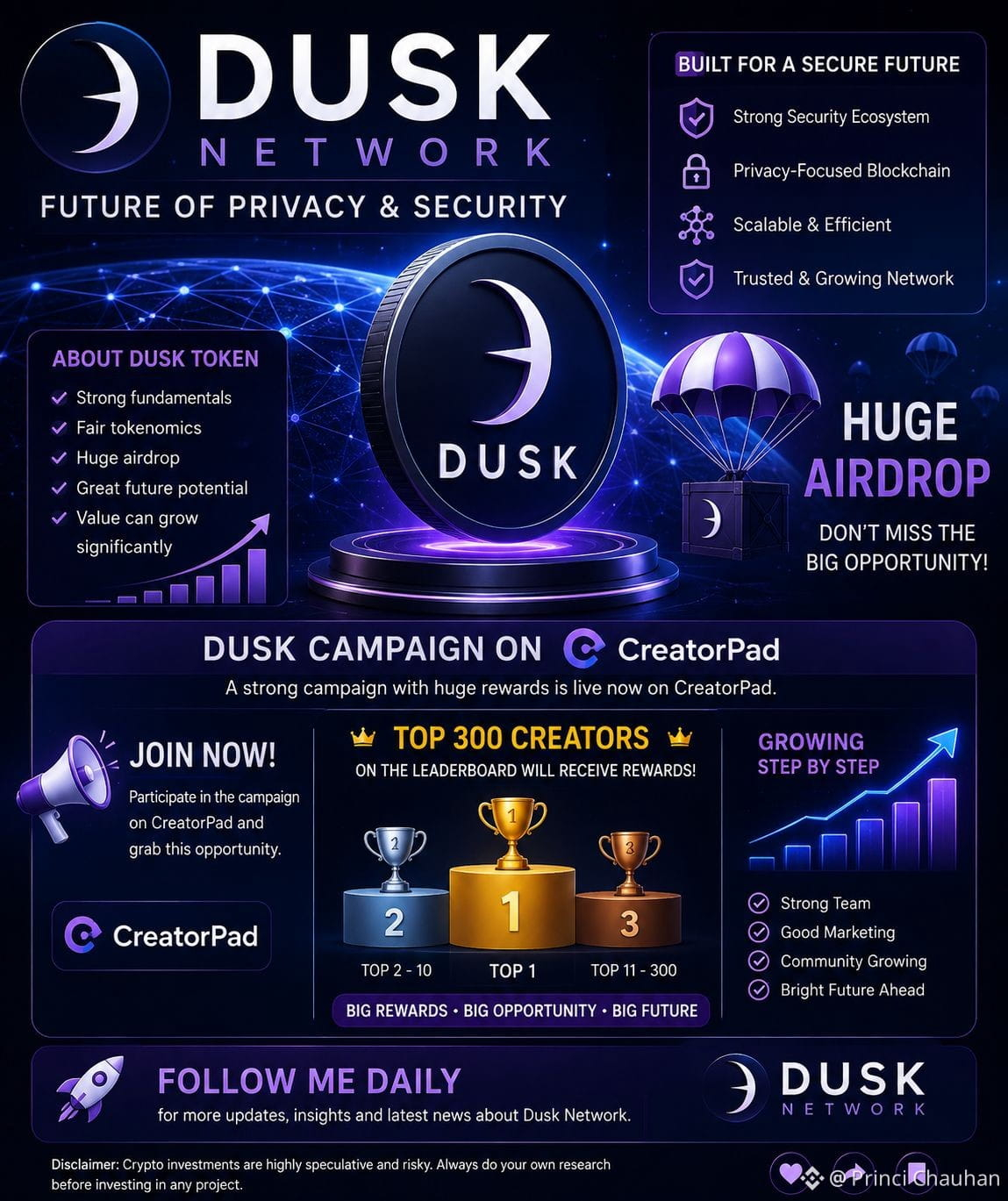
#dusk $DUSK @Dusk_Foundation Dusk Network: Vì sao tôi đang theo dõi nó
Dusk Network là một dự án crypto đầy hứa hẹn đang thu hút sự chú ý nhờ hệ sinh thái tập trung mạnh vào bảo mật và mạng lưới ngày càng phát triển.
Token DUSK cũng có tiềm năng đáng kể, và tôi tin rằng giá trị trong tương lai có thể tăng lên khi hệ sinh thái tiếp tục được phát triển. Đội ngũ đứng sau Dusk có vẻ vững mạnh, hoạt động marketing của dự án đang cải thiện và mạng lưới dần dần giành được nhiều sức hút hơn.
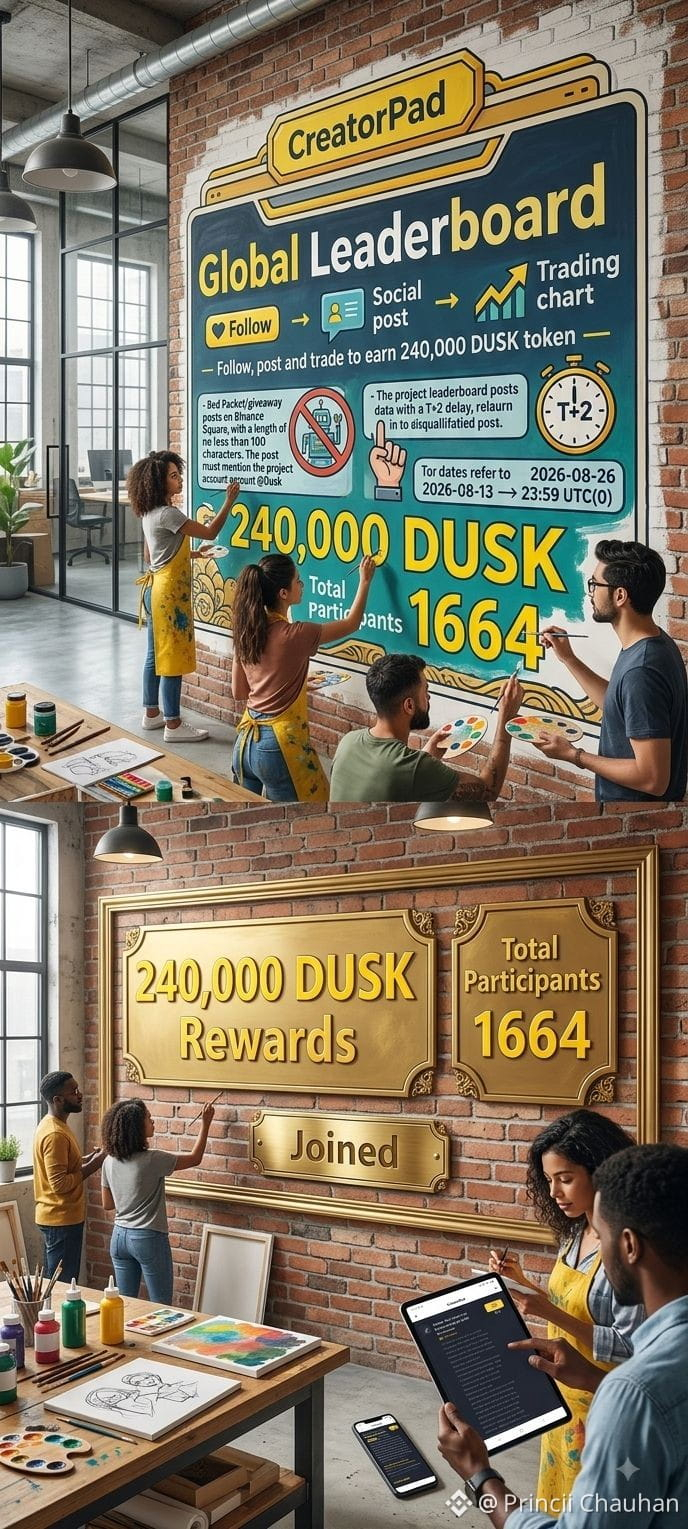
Một cơ hội thú vị khác ngay lúc này là chiến dịch Dusk đang diễn ra trên CreatorPad. Chiến dịch có quỹ thưởng lớn, và 300 nhà sáng tạo hàng đầu trên bảng xếp hạng sẽ nhận được phần thưởng.
Nếu bạn quan tâm đến việc tham gia, bạn có thể xem chiến dịch trên CreatorPad và tham gia ngay.
Tôi cũng sẽ chia sẻ thêm các cập nhật, thông tin và nội dung về Dusk Network, vì vậy hãy theo dõi tôi để nhận cập nhật hằng ngày và luôn kết nối với những diễn biến mới nhất.
Lưu ý: Đầu tư crypto và giá trị token là những yếu tố có tính suy đoán cao. Luôn tự nghiên cứu trước khi đưa ra bất kỳ quyết định tài chính nào.
$BTC $BNB
#dusk $DUSK @Dusk Dusk Network: Vì sao tôi đang theo dõi nó
Dusk Network là một dự án crypto đầy hứa hẹn đang thu hút sự chú ý nhờ hệ sinh thái tập trung mạnh vào bảo mật và mạng lưới ngày càng phát triển.
Token DUSK cũng có tiềm năng đáng kể, và tôi tin rằng giá trị trong tương lai có thể tăng lên khi hệ sinh thái tiếp tục được phát triển. Đội ngũ đứng sau Dusk có vẻ vững mạnh, hoạt động marketing của dự án đang cải thiện và mạng lưới dần dần giành được nhiều sức hút hơn.
Một cơ hội thú vị khác ngay lúc này là chiến dịch Dusk đang diễn ra trên CreatorPad. Chiến dịch có quỹ thưởng lớn, và 300 nhà sáng tạo hàng đầu trên bảng xếp hạng sẽ nhận được phần thưởng.
Nếu bạn quan tâm đến việc tham gia, bạn có thể xem chiến dịch trên CreatorPad và tham gia ngay.
Tôi cũng sẽ chia sẻ thêm các cập nhật, thông tin và nội dung về Dusk Network, vì vậy hãy theo dõi tôi để nhận cập nhật hằng ngày và luôn kết nối với những diễn biến mới nhất.
Lưu ý: Đầu tư crypto và giá trị token là những yếu tố có tính suy đoán cao. Luôn tự nghiên cứu trước khi đưa ra bất kỳ quyết định tài chính nào.
$BTC $BNB
Dusk Network là một dự án crypto đầy hứa hẹn đang thu hút sự chú ý nhờ hệ sinh thái tập trung mạnh vào bảo mật và mạng lưới ngày càng phát triển.
Token DUSK cũng có tiềm năng đáng kể, và tôi tin rằng giá trị trong tương lai có thể tăng lên khi hệ sinh thái tiếp tục được phát triển. Đội ngũ đứng sau Dusk có vẻ vững mạnh, hoạt động marketing của dự án đang cải thiện và mạng lưới dần dần giành được nhiều sức hút hơn.
Một cơ hội thú vị khác ngay lúc này là chiến dịch Dusk đang diễn ra trên CreatorPad. Chiến dịch có quỹ thưởng lớn, và 300 nhà sáng tạo hàng đầu trên bảng xếp hạng sẽ nhận được phần thưởng.
Nếu bạn quan tâm đến việc tham gia, bạn có thể xem chiến dịch trên CreatorPad và tham gia ngay.
Tôi cũng sẽ chia sẻ thêm các cập nhật, thông tin và nội dung về Dusk Network, vì vậy hãy theo dõi tôi để nhận cập nhật hằng ngày và luôn kết nối với những diễn biến mới nhất.
Lưu ý: Đầu tư crypto và giá trị token là những yếu tố có tính suy đoán cao. Luôn tự nghiên cứu trước khi đưa ra bất kỳ quyết định tài chính nào.
$BTC $BNB
105
Dự án blockchain Dusk@Dusk_Foundation #dusk $DUSK Trong thế giới crypto ngày nay, có hàng ngàn coin và các dự án blockchain, nhưng mỗi dự án lại có một định hướng riêng. Dusk cũng là một dự án blockchain như vậy: không chỉ nhằm tạo ra thêm một loại tiền mã hóa nữa, mà còn xây dựng một hạ tầng tốt hơn cho quyền riêng tư, tuân thủ và các ứng dụng tài chính trong thế giới thực. Token gốc của mạng Dusk là DUSK, được sử dụng cho các giao dịch và các hoạt động khác trong hệ sinh thái mạng.
Dự án blockchain Dusk
@Dusk #dusk $DUSK Trong thế giới crypto ngày nay, có hàng ngàn coin và các dự án blockchain, nhưng mỗi dự án lại có một định hướng riêng. Dusk cũng là một dự án blockchain như vậy: không chỉ nhằm tạo ra thêm một loại tiền mã hóa nữa, mà còn xây dựng một hạ tầng tốt hơn cho quyền riêng tư, tuân thủ và các ứng dụng tài chính trong thế giới thực. Token gốc của mạng Dusk là DUSK, được sử dụng cho các giao dịch và các hoạt động khác trong hệ sinh thái mạng.
63
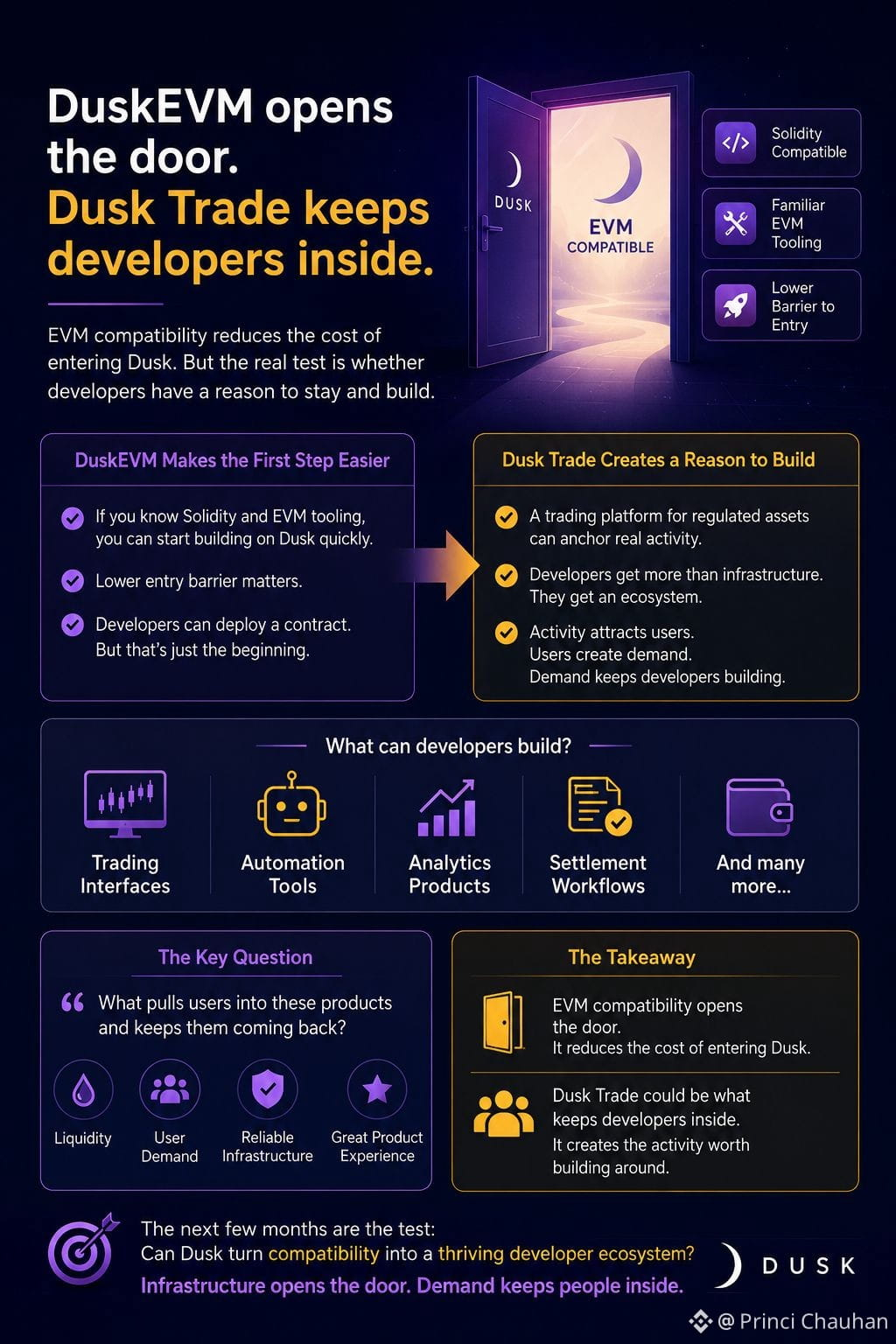
#dusk $DUSK @Dusk_Foundation Bình minh EVM có thể là một bước quan trọng cho hệ sinh thái Dusk, nhưng câu hỏi thực sự bắt đầu sau khi các nhà phát triển triển khai hợp đồng đầu tiên của họ. Khả năng tương thích với EVM giúp giảm đáng kể rào cản gia nhập, vì những nhà phát triển đã biết Solidity và sử dụng các công cụ quen thuộc của EVM có thể bắt đầu thử nghiệm với Dusk mà không cần học một môi trường phát triển mới.
Đó là một lợi thế thực sự. Tuy nhiên, chi phí gia nhập thấp không tự động tạo ra hoạt động phát triển dài hạn. Các nhà phát triển sẽ ở lại nơi có lý do vững chắc để tiếp tục xây dựng, phát hành và cải tiến sản phẩm. Đây là lúc Dusk Trade trở nên thú vị. Nếu Dusk muốn thu hút những người xây dựng, nó cần nhiều hơn là chỉ hạ tầng và khả năng tương thích.
Nó cần một hệ sinh thái nơi các ứng dụng có thể tìm thấy người dùng, tạo ra hoạt động và tạo cơ hội cho các nhà phát triển. Một nền tảng giao dịch tập trung vào tài sản được quản lý có thể trở thành một trong những “neo” như vậy. Hãy tưởng tượng các nhà phát triển xây dựng giao diện giao dịch, công cụ tự động hóa, bảng điều khiển phân tích, ứng dụng quản lý danh mục, quy trình thanh toán, hoặc các sản phẩm tài chính khác xoay quanh hoạt động đó. Câu hỏi quan trọng là: điều gì đưa người dùng đến với những ứng dụng này và khiến họ quay lại? Tính thanh khoản, các thị trường hữu ích, hạ tầng đáng tin cậy, nhu cầu thực sự và trải nghiệm sản phẩm rõ ràng đều quan trọng. DuskEVM có thể giảm chi phí khi gia nhập hệ sinh thái, nhưng Dusk Trade có thể tiềm năng giúp giảm chi phí để ở lại bằng cách tạo ra một môi trường đáng để xây dựng. Đây là bài kiểm tra mà tôi muốn theo dõi. Nếu các nhà phát triển có thể ra mắt nhanh chóng và sau đó tìm thấy hoạt động người dùng thực sự có ý nghĩa, thì Dusk có cơ hội cao hơn để biến khả năng tương thích thành lợi thế của cả hệ sinh thái. Nhưng nếu các nhà phát triển đến, triển khai hợp đồng và phát hiện rằng có rất ít hoạt động để xây dựng xung quanh, thì khả năng tương thích EVM có thể chỉ còn là một tính năng hỗ trợ onboarding. Vì vậy, vài tháng tới có thể ít liên quan đến việc có bao nhiêu nhà phát triển có thể xây dựng trên Dusk, và nhiều hơn về việc liệu Dusk có thể mang lại cho các nhà phát triển đó một lý do đủ thuyết phục để tiếp tục xây dựng tại đây hay không. Hạ tầng mở cánh cửa. Nhu cầu giữ chân mọi người trong cuộc.
{spot}(DUSKUSDT)
#dusk $DUSK @Dusk Bình minh EVM có thể là một bước quan trọng cho hệ sinh thái Dusk, nhưng câu hỏi thực sự bắt đầu sau khi các nhà phát triển triển khai hợp đồng đầu tiên của họ. Khả năng tương thích với EVM giúp giảm đáng kể rào cản gia nhập, vì những nhà phát triển đã biết Solidity và sử dụng các công cụ quen thuộc của EVM có thể bắt đầu thử nghiệm với Dusk mà không cần học một môi trường phát triển mới.
Đó là một lợi thế thực sự. Tuy nhiên, chi phí gia nhập thấp không tự động tạo ra hoạt động phát triển dài hạn. Các nhà phát triển sẽ ở lại nơi có lý do vững chắc để tiếp tục xây dựng, phát hành và cải tiến sản phẩm. Đây là lúc Dusk Trade trở nên thú vị. Nếu Dusk muốn thu hút những người xây dựng, nó cần nhiều hơn là chỉ hạ tầng và khả năng tương thích.
Nó cần một hệ sinh thái nơi các ứng dụng có thể tìm thấy người dùng, tạo ra hoạt động và tạo cơ hội cho các nhà phát triển. Một nền tảng giao dịch tập trung vào tài sản được quản lý có thể trở thành một trong những “neo” như vậy. Hãy tưởng tượng các nhà phát triển xây dựng giao diện giao dịch, công cụ tự động hóa, bảng điều khiển phân tích, ứng dụng quản lý danh mục, quy trình thanh toán, hoặc các sản phẩm tài chính khác xoay quanh hoạt động đó. Câu hỏi quan trọng là: điều gì đưa người dùng đến với những ứng dụng này và khiến họ quay lại? Tính thanh khoản, các thị trường hữu ích, hạ tầng đáng tin cậy, nhu cầu thực sự và trải nghiệm sản phẩm rõ ràng đều quan trọng. DuskEVM có thể giảm chi phí khi gia nhập hệ sinh thái, nhưng Dusk Trade có thể tiềm năng giúp giảm chi phí để ở lại bằng cách tạo ra một môi trường đáng để xây dựng. Đây là bài kiểm tra mà tôi muốn theo dõi. Nếu các nhà phát triển có thể ra mắt nhanh chóng và sau đó tìm thấy hoạt động người dùng thực sự có ý nghĩa, thì Dusk có cơ hội cao hơn để biến khả năng tương thích thành lợi thế của cả hệ sinh thái. Nhưng nếu các nhà phát triển đến, triển khai hợp đồng và phát hiện rằng có rất ít hoạt động để xây dựng xung quanh, thì khả năng tương thích EVM có thể chỉ còn là một tính năng hỗ trợ onboarding. Vì vậy, vài tháng tới có thể ít liên quan đến việc có bao nhiêu nhà phát triển có thể xây dựng trên Dusk, và nhiều hơn về việc liệu Dusk có thể mang lại cho các nhà phát triển đó một lý do đủ thuyết phục để tiếp tục xây dựng tại đây hay không. Hạ tầng mở cánh cửa. Nhu cầu giữ chân mọi người trong cuộc.
Đó là một lợi thế thực sự. Tuy nhiên, chi phí gia nhập thấp không tự động tạo ra hoạt động phát triển dài hạn. Các nhà phát triển sẽ ở lại nơi có lý do vững chắc để tiếp tục xây dựng, phát hành và cải tiến sản phẩm. Đây là lúc Dusk Trade trở nên thú vị. Nếu Dusk muốn thu hút những người xây dựng, nó cần nhiều hơn là chỉ hạ tầng và khả năng tương thích.
Nó cần một hệ sinh thái nơi các ứng dụng có thể tìm thấy người dùng, tạo ra hoạt động và tạo cơ hội cho các nhà phát triển. Một nền tảng giao dịch tập trung vào tài sản được quản lý có thể trở thành một trong những “neo” như vậy. Hãy tưởng tượng các nhà phát triển xây dựng giao diện giao dịch, công cụ tự động hóa, bảng điều khiển phân tích, ứng dụng quản lý danh mục, quy trình thanh toán, hoặc các sản phẩm tài chính khác xoay quanh hoạt động đó. Câu hỏi quan trọng là: điều gì đưa người dùng đến với những ứng dụng này và khiến họ quay lại? Tính thanh khoản, các thị trường hữu ích, hạ tầng đáng tin cậy, nhu cầu thực sự và trải nghiệm sản phẩm rõ ràng đều quan trọng. DuskEVM có thể giảm chi phí khi gia nhập hệ sinh thái, nhưng Dusk Trade có thể tiềm năng giúp giảm chi phí để ở lại bằng cách tạo ra một môi trường đáng để xây dựng. Đây là bài kiểm tra mà tôi muốn theo dõi. Nếu các nhà phát triển có thể ra mắt nhanh chóng và sau đó tìm thấy hoạt động người dùng thực sự có ý nghĩa, thì Dusk có cơ hội cao hơn để biến khả năng tương thích thành lợi thế của cả hệ sinh thái. Nhưng nếu các nhà phát triển đến, triển khai hợp đồng và phát hiện rằng có rất ít hoạt động để xây dựng xung quanh, thì khả năng tương thích EVM có thể chỉ còn là một tính năng hỗ trợ onboarding. Vì vậy, vài tháng tới có thể ít liên quan đến việc có bao nhiêu nhà phát triển có thể xây dựng trên Dusk, và nhiều hơn về việc liệu Dusk có thể mang lại cho các nhà phát triển đó một lý do đủ thuyết phục để tiếp tục xây dựng tại đây hay không. Hạ tầng mở cánh cửa. Nhu cầu giữ chân mọi người trong cuộc.
1
87
#dusk $DUSK @Dusk_Foundation Lịch sử, giả định phổ biến xoay quanh các blockchain Layer 1 tập trung vào tài chính là đơn giản: miễn là một mạng mang lại thông lượng giao dịch cao, phí gas thấp và khả năng token hóa cơ bản, thì phần việc nền tảng đã hoàn tất. Theo quan niệm đó, trở ngại chính là thời điểm hoàn tất (finality), và mọi thứ khác—từ tuân thủ đến quản lý người dùng—có thể chỉ cần đẩy lên tầng ứng dụng.
Tuy nhiên, nhìn kỹ hơn vào các mạng như Dusk cho thấy quan điểm này đã bị đơn giản hóa quá mức. Việc token hóa một tài sản thực tế (RWA) như trái phiếu doanh nghiệp hoặc quỹ cổ phần tư nhân (private equity) không chỉ đơn thuần là triển khai một smart contract lên chuỗi. Một tài sản không tự động trở nên khả thi về mặt thể chế hoặc có thể giao dịch hợp pháp chỉ vì nó tồn tại dưới dạng token kỹ thuật số. Các hoạt động tài chính trong thế giới thực đòi hỏi câu trả lời cho hàng loạt vấn đề pháp lý và vận hành phức tạp: Ai được ủy quyền để mua hoặc nắm giữ tài sản? Việc cân bằng giữa quyền riêng tư và các công bố công khai được thực hiện như thế nào? Các sự kiện doanh nghiệp và luồng thanh toán được phối hợp trơn tru ra sao cùng với việc chuyển nhượng tài sản?
Dusk giải quyết các thách thức này bằng cách nhúng quản lý tuân thủ và vòng đời tài sản trực tiếp vào khung kiến trúc của mình—bao gồm onboarding nhà đầu tư, ràng buộc ví, cơ chế kiểm soát chuyển giao và phối hợp đối soát/settlement. Thay vì coi việc thực thi và settlement là một quy trình đơn khối, Dusk tách rời chúng: sử dụng DuskEVM để tương thích với Solidity, DuskVM cho các tương tác chuyên biệt thuộc Layer 1, và DuskDS cho tính sẵn sàng dữ liệu (data availability) và settlement hoàn tất.
Mặc dù việc thêm các lớp mô-đun tạo ra nhiều thành phần hơn cần được chứng minh là bền vững theo thời gian, điều này lại nhắm thẳng vào điểm ma sát cốt lõi của tài chính truyền thống. Thử thách thực sự đối với các nền tảng như Dusk không chỉ dừng ở việc duy trì tốc độ cao hay phí thấp, mà là liệu họ có thể thành công trong việc hợp nhất các yêu cầu vốn phân mảnh của hệ thống cũ thành một quy trình on-chain thống nhất, tuân thủ quyền riêng tư hay không.
dusk
{spot}(DUSKUSDT)
#dusk $DUSK @Dusk Lịch sử, giả định phổ biến xoay quanh các blockchain Layer 1 tập trung vào tài chính là đơn giản: miễn là một mạng mang lại thông lượng giao dịch cao, phí gas thấp và khả năng token hóa cơ bản, thì phần việc nền tảng đã hoàn tất. Theo quan niệm đó, trở ngại chính là thời điểm hoàn tất (finality), và mọi thứ khác—từ tuân thủ đến quản lý người dùng—có thể chỉ cần đẩy lên tầng ứng dụng.
Tuy nhiên, nhìn kỹ hơn vào các mạng như Dusk cho thấy quan điểm này đã bị đơn giản hóa quá mức. Việc token hóa một tài sản thực tế (RWA) như trái phiếu doanh nghiệp hoặc quỹ cổ phần tư nhân (private equity) không chỉ đơn thuần là triển khai một smart contract lên chuỗi. Một tài sản không tự động trở nên khả thi về mặt thể chế hoặc có thể giao dịch hợp pháp chỉ vì nó tồn tại dưới dạng token kỹ thuật số. Các hoạt động tài chính trong thế giới thực đòi hỏi câu trả lời cho hàng loạt vấn đề pháp lý và vận hành phức tạp: Ai được ủy quyền để mua hoặc nắm giữ tài sản? Việc cân bằng giữa quyền riêng tư và các công bố công khai được thực hiện như thế nào? Các sự kiện doanh nghiệp và luồng thanh toán được phối hợp trơn tru ra sao cùng với việc chuyển nhượng tài sản?
Dusk giải quyết các thách thức này bằng cách nhúng quản lý tuân thủ và vòng đời tài sản trực tiếp vào khung kiến trúc của mình—bao gồm onboarding nhà đầu tư, ràng buộc ví, cơ chế kiểm soát chuyển giao và phối hợp đối soát/settlement. Thay vì coi việc thực thi và settlement là một quy trình đơn khối, Dusk tách rời chúng: sử dụng DuskEVM để tương thích với Solidity, DuskVM cho các tương tác chuyên biệt thuộc Layer 1, và DuskDS cho tính sẵn sàng dữ liệu (data availability) và settlement hoàn tất.
Mặc dù việc thêm các lớp mô-đun tạo ra nhiều thành phần hơn cần được chứng minh là bền vững theo thời gian, điều này lại nhắm thẳng vào điểm ma sát cốt lõi của tài chính truyền thống. Thử thách thực sự đối với các nền tảng như Dusk không chỉ dừng ở việc duy trì tốc độ cao hay phí thấp, mà là liệu họ có thể thành công trong việc hợp nhất các yêu cầu vốn phân mảnh của hệ thống cũ thành một quy trình on-chain thống nhất, tuân thủ quyền riêng tư hay không.
dusk
Tuy nhiên, nhìn kỹ hơn vào các mạng như Dusk cho thấy quan điểm này đã bị đơn giản hóa quá mức. Việc token hóa một tài sản thực tế (RWA) như trái phiếu doanh nghiệp hoặc quỹ cổ phần tư nhân (private equity) không chỉ đơn thuần là triển khai một smart contract lên chuỗi. Một tài sản không tự động trở nên khả thi về mặt thể chế hoặc có thể giao dịch hợp pháp chỉ vì nó tồn tại dưới dạng token kỹ thuật số. Các hoạt động tài chính trong thế giới thực đòi hỏi câu trả lời cho hàng loạt vấn đề pháp lý và vận hành phức tạp: Ai được ủy quyền để mua hoặc nắm giữ tài sản? Việc cân bằng giữa quyền riêng tư và các công bố công khai được thực hiện như thế nào? Các sự kiện doanh nghiệp và luồng thanh toán được phối hợp trơn tru ra sao cùng với việc chuyển nhượng tài sản?
Dusk giải quyết các thách thức này bằng cách nhúng quản lý tuân thủ và vòng đời tài sản trực tiếp vào khung kiến trúc của mình—bao gồm onboarding nhà đầu tư, ràng buộc ví, cơ chế kiểm soát chuyển giao và phối hợp đối soát/settlement. Thay vì coi việc thực thi và settlement là một quy trình đơn khối, Dusk tách rời chúng: sử dụng DuskEVM để tương thích với Solidity, DuskVM cho các tương tác chuyên biệt thuộc Layer 1, và DuskDS cho tính sẵn sàng dữ liệu (data availability) và settlement hoàn tất.
Mặc dù việc thêm các lớp mô-đun tạo ra nhiều thành phần hơn cần được chứng minh là bền vững theo thời gian, điều này lại nhắm thẳng vào điểm ma sát cốt lõi của tài chính truyền thống. Thử thách thực sự đối với các nền tảng như Dusk không chỉ dừng ở việc duy trì tốc độ cao hay phí thấp, mà là liệu họ có thể thành công trong việc hợp nhất các yêu cầu vốn phân mảnh của hệ thống cũ thành một quy trình on-chain thống nhất, tuân thủ quyền riêng tư hay không.
dusk
79
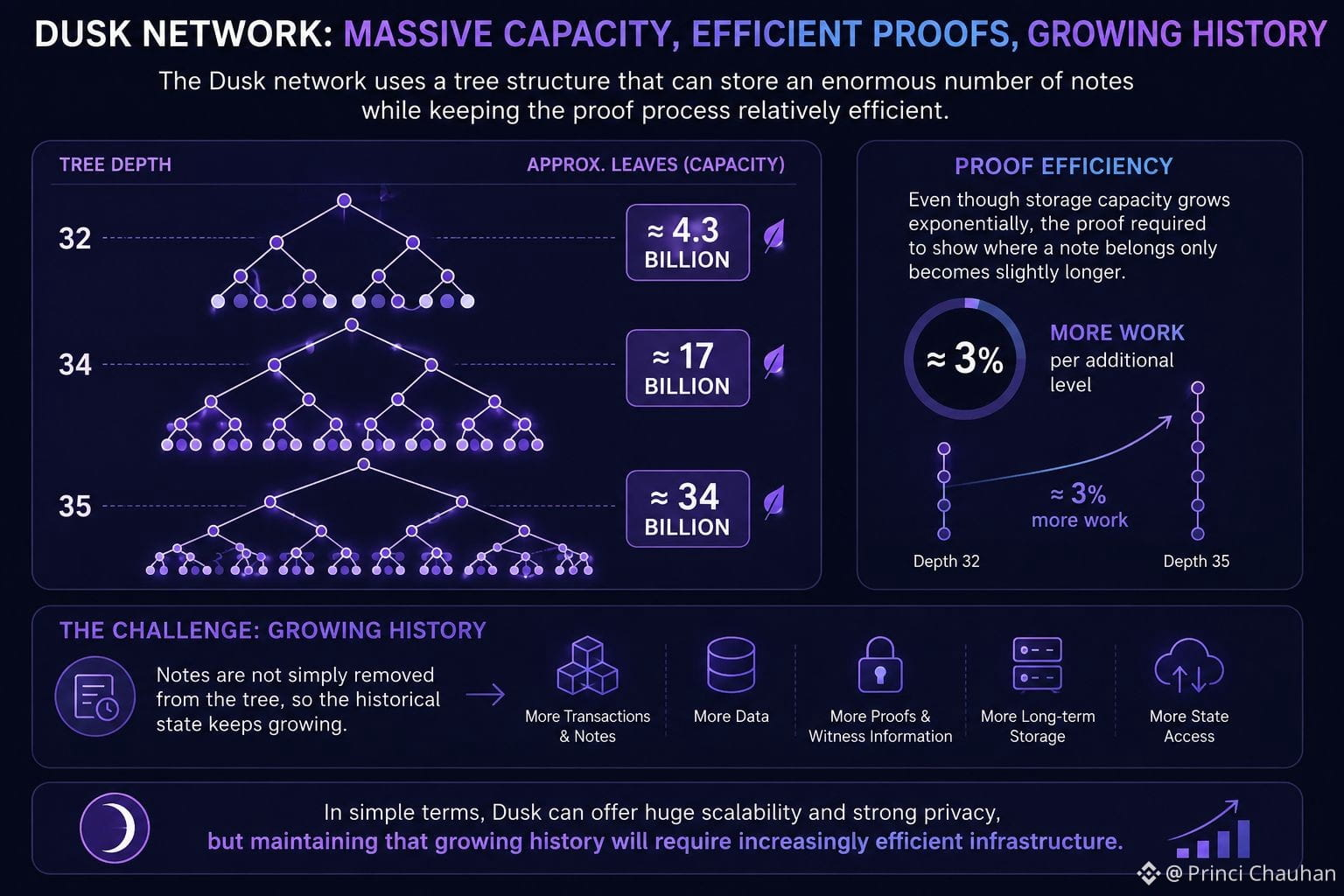
#dusk $DUSK @Dusk_Foundation Mạng Dusk sử dụng cấu trúc dạng cây có thể lưu trữ một lượng ghi chú khổng lồ trong khi vẫn giữ cho quá trình tạo bằng chứng tương đối hiệu quả. Ở độ sâu 32, hệ thống có thể xử lý khoảng 4,3 tỷ lá, trong khi tăng độ sâu lên 34 sẽ nâng khả năng lên xấp xỉ 17 tỷ. Lên thêm một mức nữa tới 35 sẽ lại nhân đôi. Phần thú vị là dù dung lượng lưu trữ tăng theo cấp số nhân, độ dài của bằng chứng cần để chứng minh vị trí một ghi chú thuộc về chỉ tăng nhẹ—khoảng 3% công việc nhiều hơn cho mỗi mức độ sâu bổ sung. Tuy nhiên, dung lượng khổng lồ này cũng tạo ra một thách thức: các ghi chú không chỉ đơn giản bị xóa khỏi cây, nên trạng thái lịch sử tiếp tục lớn dần. Khi ngày càng nhiều giao dịch và ghi chú được tạo ra, mạng phải quản lý nhiều dữ liệu hơn, các bằng chứng, thông tin nhân chứng (witness), lưu trữ dài hạn và khả năng truy cập trạng thái. Nói đơn giản, Dusk có thể mang lại khả năng mở rộng lớn và quyền riêng tư mạnh mẽ, nhưng để duy trì lịch sử ngày càng tăng này sẽ cần một hạ tầng hiệu quả hơn ngày càng nhiều.
{spot}(DUSKUSDT)
#dusk $DUSK @Dusk Mạng Dusk sử dụng cấu trúc dạng cây có thể lưu trữ một lượng ghi chú khổng lồ trong khi vẫn giữ cho quá trình tạo bằng chứng tương đối hiệu quả. Ở độ sâu 32, hệ thống có thể xử lý khoảng 4,3 tỷ lá, trong khi tăng độ sâu lên 34 sẽ nâng khả năng lên xấp xỉ 17 tỷ. Lên thêm một mức nữa tới 35 sẽ lại nhân đôi. Phần thú vị là dù dung lượng lưu trữ tăng theo cấp số nhân, độ dài của bằng chứng cần để chứng minh vị trí một ghi chú thuộc về chỉ tăng nhẹ—khoảng 3% công việc nhiều hơn cho mỗi mức độ sâu bổ sung. Tuy nhiên, dung lượng khổng lồ này cũng tạo ra một thách thức: các ghi chú không chỉ đơn giản bị xóa khỏi cây, nên trạng thái lịch sử tiếp tục lớn dần. Khi ngày càng nhiều giao dịch và ghi chú được tạo ra, mạng phải quản lý nhiều dữ liệu hơn, các bằng chứng, thông tin nhân chứng (witness), lưu trữ dài hạn và khả năng truy cập trạng thái. Nói đơn giản, Dusk có thể mang lại khả năng mở rộng lớn và quyền riêng tư mạnh mẽ, nhưng để duy trì lịch sử ngày càng tăng này sẽ cần một hạ tầng hiệu quả hơn ngày càng nhiều.
78
Bài viết
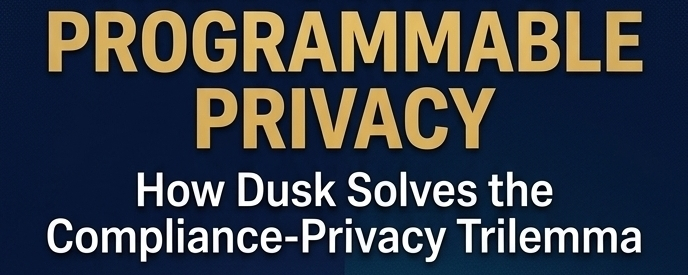
Tái hình dung quyền riêng tư của Blockchain: Quyền riêng tư có thể lập trình giải quyết “tam giác bất khả thi” của tổ chức<c-15/>#dusk $DUSK Tái hình dung quyền riêng tư của Blockchain: Quyền riêng tư có thể lập trình giải quyết “tam giác bất khả thi” của tổ chức
Trong nhiều năm, lĩnh vực crypto vận hành dựa trên một giả định nhị phân: một blockchain hoặc hoàn toàn minh bạch như Bitcoin và Ethereum, hoặc hoàn toàn ẩn danh như Monero. Mặc dù sự minh bạch triệt để đã tạo dựng niềm tin ban đầu cho các mạng phi tập trung, nó lại dựng lên một bức tường lớn ngăn cản các tổ chức tài chính truyền thống áp dụng các tài sản on-chain.
Các ngân hàng, quỹ và các bên tham gia thị trường được quản lý không thể công khai giao dịch, số dư tài khoản hoặc các chiến lược độc quyền của mình ra toàn thế giới. Đồng thời, họ cũng không thể sử dụng các mạng quyền riêng tư không thể truy vết nhằm lách các quy định Chống rửa tiền (AML) và Biết khách hàng của bạn (KYC). Mâu thuẫn này đã tạo nên “bài toán tam giác” giữa tuân thủ và quyền riêng tư—và để giải quyết nó, cần có một thay đổi căn bản trong cách chúng ta nghĩ về quyền riêng tư.
Tái hình dung quyền riêng tư của Blockchain: Quyền riêng tư có thể lập trình giải quyết “tam giác bất khả thi” của tổ chức
<c-15/>#dusk $DUSK Tái hình dung quyền riêng tư của Blockchain: Quyền riêng tư có thể lập trình giải quyết “tam giác bất khả thi” của tổ chức
Trong nhiều năm, lĩnh vực crypto vận hành dựa trên một giả định nhị phân: một blockchain hoặc hoàn toàn minh bạch như Bitcoin và Ethereum, hoặc hoàn toàn ẩn danh như Monero. Mặc dù sự minh bạch triệt để đã tạo dựng niềm tin ban đầu cho các mạng phi tập trung, nó lại dựng lên một bức tường lớn ngăn cản các tổ chức tài chính truyền thống áp dụng các tài sản on-chain.
Các ngân hàng, quỹ và các bên tham gia thị trường được quản lý không thể công khai giao dịch, số dư tài khoản hoặc các chiến lược độc quyền của mình ra toàn thế giới. Đồng thời, họ cũng không thể sử dụng các mạng quyền riêng tư không thể truy vết nhằm lách các quy định Chống rửa tiền (AML) và Biết khách hàng của bạn (KYC). Mâu thuẫn này đã tạo nên “bài toán tam giác” giữa tuân thủ và quyền riêng tư—và để giải quyết nó, cần có một thay đổi căn bản trong cách chúng ta nghĩ về quyền riêng tư.
Trong nhiều năm, lĩnh vực crypto vận hành dựa trên một giả định nhị phân: một blockchain hoặc hoàn toàn minh bạch như Bitcoin và Ethereum, hoặc hoàn toàn ẩn danh như Monero. Mặc dù sự minh bạch triệt để đã tạo dựng niềm tin ban đầu cho các mạng phi tập trung, nó lại dựng lên một bức tường lớn ngăn cản các tổ chức tài chính truyền thống áp dụng các tài sản on-chain.
Các ngân hàng, quỹ và các bên tham gia thị trường được quản lý không thể công khai giao dịch, số dư tài khoản hoặc các chiến lược độc quyền của mình ra toàn thế giới. Đồng thời, họ cũng không thể sử dụng các mạng quyền riêng tư không thể truy vết nhằm lách các quy định Chống rửa tiền (AML) và Biết khách hàng của bạn (KYC). Mâu thuẫn này đã tạo nên “bài toán tam giác” giữa tuân thủ và quyền riêng tư—và để giải quyết nó, cần có một thay đổi căn bản trong cách chúng ta nghĩ về quyền riêng tư.
71
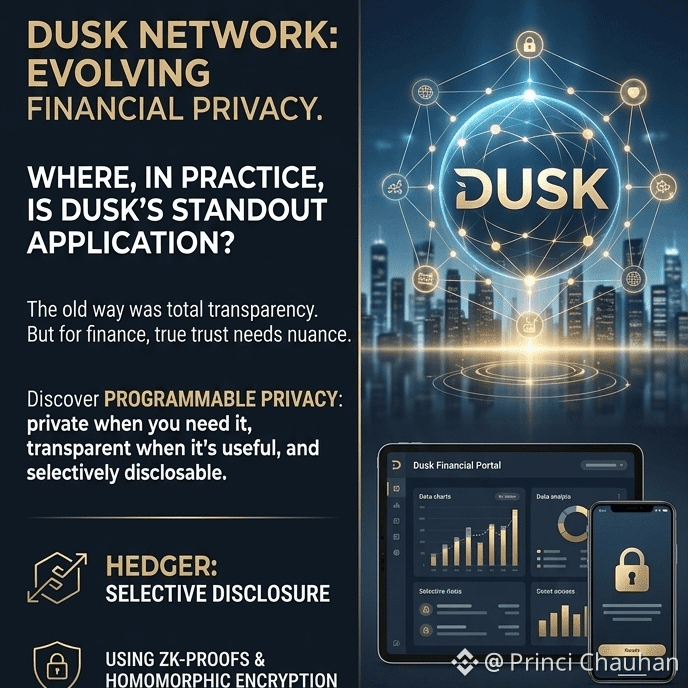
#dusk $DUSK @Dusk_Foundation Tôi từng cho rằng tính minh bạch hoàn toàn là “thánh tích” của blockchain trong lĩnh vực tài chính. Nếu mọi thứ đều nằm trên một sổ cái công khai thì sẽ đáng tin cậy, đúng không? Nhưng khi đi sâu vào Dusk, quan điểm của tôi đã thay đổi hoàn toàn.
Trong các thị trường được quản lý ngoài đời thực, việc công khai toàn bộ không hiệu quả—và ngay cả mật tối hoàn toàn cũng không phải giải pháp. Bạn cần một khoảng “vừa đủ”.
Đó là nơi quyền riêng tư có thể lập trình phát huy tác dụng:
Truy cập chọn lọc: Dữ liệu mặc định được giữ riêng tư, nhưng vẫn có thể hiển thị minh bạch khi cần thiết cho các bên được ủy quyền hoặc phục vụ tuân thủ.
Xác minh thông minh: Các công nghệ như bằng chứng không tri thức (zero-knowledge proofs) và mã hóa đồng cấu (homomorphic encryption) (thông qua các công cụ như Hedger) cho phép giao dịch được kiểm tra/audit mà không cần phát tán các chi tiết tài chính nhạy cảm cho toàn bộ thế giới.
Quyền kiểm soát việc che giấu: Không phải là “giấu hết”, mà là kiểm soát ai được xem cái gì.
Ý tưởng này giải quyết một rào cản lớn trong việc đưa các tài sản được quản lý lên on-chain, dù bài test thực sự sẽ là xem nó vận hành trơn tru đến mức nào khi các giao dịch trực tiếp bắt đầu chạy trên mạng ở quy mô lớn.
Bạn nghĩ sao về quyền riêng tư có thể lập trình so với minh bạch hoàn toàn?
#dusk $DUSK @Dusk_Foundation
{spot}(DUSKUSDT)
#dusk $DUSK @Dusk Tôi từng cho rằng tính minh bạch hoàn toàn là “thánh tích” của blockchain trong lĩnh vực tài chính. Nếu mọi thứ đều nằm trên một sổ cái công khai thì sẽ đáng tin cậy, đúng không? Nhưng khi đi sâu vào Dusk, quan điểm của tôi đã thay đổi hoàn toàn.
Trong các thị trường được quản lý ngoài đời thực, việc công khai toàn bộ không hiệu quả—và ngay cả mật tối hoàn toàn cũng không phải giải pháp. Bạn cần một khoảng “vừa đủ”.
Đó là nơi quyền riêng tư có thể lập trình phát huy tác dụng:
Truy cập chọn lọc: Dữ liệu mặc định được giữ riêng tư, nhưng vẫn có thể hiển thị minh bạch khi cần thiết cho các bên được ủy quyền hoặc phục vụ tuân thủ.
Xác minh thông minh: Các công nghệ như bằng chứng không tri thức (zero-knowledge proofs) và mã hóa đồng cấu (homomorphic encryption) (thông qua các công cụ như Hedger) cho phép giao dịch được kiểm tra/audit mà không cần phát tán các chi tiết tài chính nhạy cảm cho toàn bộ thế giới.
Quyền kiểm soát việc che giấu: Không phải là “giấu hết”, mà là kiểm soát ai được xem cái gì.
Ý tưởng này giải quyết một rào cản lớn trong việc đưa các tài sản được quản lý lên on-chain, dù bài test thực sự sẽ là xem nó vận hành trơn tru đến mức nào khi các giao dịch trực tiếp bắt đầu chạy trên mạng ở quy mô lớn.
Bạn nghĩ sao về quyền riêng tư có thể lập trình so với minh bạch hoàn toàn?
#dusk $DUSK @Dusk
Trong các thị trường được quản lý ngoài đời thực, việc công khai toàn bộ không hiệu quả—và ngay cả mật tối hoàn toàn cũng không phải giải pháp. Bạn cần một khoảng “vừa đủ”.
Đó là nơi quyền riêng tư có thể lập trình phát huy tác dụng:
Truy cập chọn lọc: Dữ liệu mặc định được giữ riêng tư, nhưng vẫn có thể hiển thị minh bạch khi cần thiết cho các bên được ủy quyền hoặc phục vụ tuân thủ.
Xác minh thông minh: Các công nghệ như bằng chứng không tri thức (zero-knowledge proofs) và mã hóa đồng cấu (homomorphic encryption) (thông qua các công cụ như Hedger) cho phép giao dịch được kiểm tra/audit mà không cần phát tán các chi tiết tài chính nhạy cảm cho toàn bộ thế giới.
Quyền kiểm soát việc che giấu: Không phải là “giấu hết”, mà là kiểm soát ai được xem cái gì.
Ý tưởng này giải quyết một rào cản lớn trong việc đưa các tài sản được quản lý lên on-chain, dù bài test thực sự sẽ là xem nó vận hành trơn tru đến mức nào khi các giao dịch trực tiếp bắt đầu chạy trên mạng ở quy mô lớn.
Bạn nghĩ sao về quyền riêng tư có thể lập trình so với minh bạch hoàn toàn?
#dusk $DUSK @Dusk
81
#dusk @Dusk_Foundation $DUSK Tôi từng cho rằng dữ liệu blockchain công khai tự động tốt hơn cho tài chính. Dusk hoàn toàn làm tôi đổi ý.
Minh bạch hoàn toàn nghe có vẻ tuyệt vời cho đến khi bạn thử vận hành tài chính tổ chức thực sự trên chuỗi. Các tổ chức cần sự riêng tư, nhưng cơ quan quản lý cần khả năng kiểm toán.
Đó là lý do Dusk có "quyền riêng tư lập trình":
Giữ dữ liệu nhạy cảm ở chế độ riêng tư theo mặc định
Chỉ chia sẻ thông tin với các bên được ủy quyền khi cần thiết
Dùng bằng chứng không kiến thức (zero-knowledge proofs) để xác minh giao dịch mà không làm lộ dữ liệu thô
Quyền riêng tư trong tài chính không phải để che giấu—mà là để kiểm soát quyền truy cập. Tôi vẫn đang chờ xem hiệu năng sẽ như thế nào khi khối lượng giao dịch thực sự tăng lên trên mạng, nhưng ý tưởng này rất vững.
Tôi đã suy nghĩ nhiều về việc Dusk thực sự phù hợp như thế nào trong bức tranh crypto rộng hơn.
Ban đầu, tôi tin vào giáo điều crypto rằng "100% minh bạch = 100% đáng tin cậy". Nhưng các thị trường tài chính ngoài đời không vận hành như vậy. Khả năng hiển thị hoàn toàn tạo ra vấn đề giao dịch đi trước (front-running), rò rỉ quyền riêng tư và gây nhiều rắc rối cho công tác quản lý.
Cách tiếp cận của Dusk về quyền riêng tư lập trình tạo ra một điểm cân bằng: giữ dữ liệu ở chế độ riêng tư khi cần, minh bạch khi có ích, và có thể tiết lộ có chọn lọc để tuân thủ.
Các công cụ như Hedger sử dụng công nghệ tiên tiến (mã hóa đồng cấu và ZK-proofs) không phải để khóa dữ liệu lại mãi mãi, mà để cho phép xác minh trong những điều kiện phù hợp.
Đây là một bài toán kỹ thuật khó hơn nhiều so với việc chỉ "che giấu mọi thứ". Nhưng nếu họ triển khai được cho tài sản thực tế và tài chính chịu quản lý, thì đó sẽ là một bước ngoặt. Tôi sẽ theo sát sát sao hiệu năng trên mainnet.
$DUSK
{spot}(DUSKUSDT)
#dusk @Dusk $DUSK Tôi từng cho rằng dữ liệu blockchain công khai tự động tốt hơn cho tài chính. Dusk hoàn toàn làm tôi đổi ý.
Minh bạch hoàn toàn nghe có vẻ tuyệt vời cho đến khi bạn thử vận hành tài chính tổ chức thực sự trên chuỗi. Các tổ chức cần sự riêng tư, nhưng cơ quan quản lý cần khả năng kiểm toán.
Đó là lý do Dusk có "quyền riêng tư lập trình":
Giữ dữ liệu nhạy cảm ở chế độ riêng tư theo mặc định
Chỉ chia sẻ thông tin với các bên được ủy quyền khi cần thiết
Dùng bằng chứng không kiến thức (zero-knowledge proofs) để xác minh giao dịch mà không làm lộ dữ liệu thô
Quyền riêng tư trong tài chính không phải để che giấu—mà là để kiểm soát quyền truy cập. Tôi vẫn đang chờ xem hiệu năng sẽ như thế nào khi khối lượng giao dịch thực sự tăng lên trên mạng, nhưng ý tưởng này rất vững.
Tôi đã suy nghĩ nhiều về việc Dusk thực sự phù hợp như thế nào trong bức tranh crypto rộng hơn.
Ban đầu, tôi tin vào giáo điều crypto rằng "100% minh bạch = 100% đáng tin cậy". Nhưng các thị trường tài chính ngoài đời không vận hành như vậy. Khả năng hiển thị hoàn toàn tạo ra vấn đề giao dịch đi trước (front-running), rò rỉ quyền riêng tư và gây nhiều rắc rối cho công tác quản lý.
Cách tiếp cận của Dusk về quyền riêng tư lập trình tạo ra một điểm cân bằng: giữ dữ liệu ở chế độ riêng tư khi cần, minh bạch khi có ích, và có thể tiết lộ có chọn lọc để tuân thủ.
Các công cụ như Hedger sử dụng công nghệ tiên tiến (mã hóa đồng cấu và ZK-proofs) không phải để khóa dữ liệu lại mãi mãi, mà để cho phép xác minh trong những điều kiện phù hợp.
Đây là một bài toán kỹ thuật khó hơn nhiều so với việc chỉ "che giấu mọi thứ". Nhưng nếu họ triển khai được cho tài sản thực tế và tài chính chịu quản lý, thì đó sẽ là một bước ngoặt. Tôi sẽ theo sát sát sao hiệu năng trên mainnet.
$DUSK
Minh bạch hoàn toàn nghe có vẻ tuyệt vời cho đến khi bạn thử vận hành tài chính tổ chức thực sự trên chuỗi. Các tổ chức cần sự riêng tư, nhưng cơ quan quản lý cần khả năng kiểm toán.
Đó là lý do Dusk có "quyền riêng tư lập trình":
Giữ dữ liệu nhạy cảm ở chế độ riêng tư theo mặc định
Chỉ chia sẻ thông tin với các bên được ủy quyền khi cần thiết
Dùng bằng chứng không kiến thức (zero-knowledge proofs) để xác minh giao dịch mà không làm lộ dữ liệu thô
Quyền riêng tư trong tài chính không phải để che giấu—mà là để kiểm soát quyền truy cập. Tôi vẫn đang chờ xem hiệu năng sẽ như thế nào khi khối lượng giao dịch thực sự tăng lên trên mạng, nhưng ý tưởng này rất vững.
Tôi đã suy nghĩ nhiều về việc Dusk thực sự phù hợp như thế nào trong bức tranh crypto rộng hơn.
Ban đầu, tôi tin vào giáo điều crypto rằng "100% minh bạch = 100% đáng tin cậy". Nhưng các thị trường tài chính ngoài đời không vận hành như vậy. Khả năng hiển thị hoàn toàn tạo ra vấn đề giao dịch đi trước (front-running), rò rỉ quyền riêng tư và gây nhiều rắc rối cho công tác quản lý.
Cách tiếp cận của Dusk về quyền riêng tư lập trình tạo ra một điểm cân bằng: giữ dữ liệu ở chế độ riêng tư khi cần, minh bạch khi có ích, và có thể tiết lộ có chọn lọc để tuân thủ.
Các công cụ như Hedger sử dụng công nghệ tiên tiến (mã hóa đồng cấu và ZK-proofs) không phải để khóa dữ liệu lại mãi mãi, mà để cho phép xác minh trong những điều kiện phù hợp.
Đây là một bài toán kỹ thuật khó hơn nhiều so với việc chỉ "che giấu mọi thứ". Nhưng nếu họ triển khai được cho tài sản thực tế và tài chính chịu quản lý, thì đó sẽ là một bước ngoặt. Tôi sẽ theo sát sát sao hiệu năng trên mainnet.
$DUSK
85
#dusk $DUSK @Dusk_Foundation Không gian Web3 liên tục phát triển, nhưng một thách thức lớn vẫn luôn nằm ở phía trước: làm thế nào để đưa tài chính thể chế trong thế giới thực lên blockchain mà không làm ảnh hưởng đến quyền riêng tư của người dùng hay tuân thủ quy định? Đây chính là nơi @Dusk xuất hiện để định nghĩa lại hệ sinh thái.
Dusk được thiết kế chuyên biệt như một blockchain lớp 1, tập trung cho các tài sản thực được token hóa (RWA) và các ứng dụng tài chính chú trọng quyền riêng tư. Trong khi các blockchain công khai tiêu chuẩn khiến mọi giao dịch trở nên hoàn toàn minh bạch, các tổ chức tài chính lớn đơn giản là không thể vận hành trong các điều kiện đó do các quy định nghiêm ngặt về bảo mật dữ liệu và yêu cầu bảo mật cạnh tranh. Ở chiều ngược lại, các mạng hoàn toàn ẩn danh thường gặp khó khăn trong việc đáp ứng các yêu cầu tuân thủ toàn cầu như KYC và AML.
Dusk giải quyết bài toán này bằng mật mã học không kiến thức (zero-knowledge) tiên phong. Bằng cách sử dụng công nghệ tạo bằng chứng ZK tiên tiến, Dusk cho phép người dùng và tổ chức có thể xác minh việc tuân thủ, quyền sở hữu và tính hợp lệ của giao dịch mà không công khai lộ dữ liệu nhạy cảm ở lớp nền. Điều này mở ra cánh cửa đưa hàng nghìn tỷ đô la tài sản truyền thống—như cổ phiếu, trái phiếu, bất động sản và các sản phẩm cấu trúc—lên chuỗi một cách gốc (natively) và hợp pháp.
Hơn nữa, Dusk không chỉ hướng đến quyền riêng tư; hệ thống còn được tối ưu cho thông lượng cao, thời gian hoàn tất giao dịch nhanh (fast settlement finality) và quy trình onboarding dành cho nhà phát triển mượt mà. Các nhà xây dựng có thể tận dụng hệ sinh thái của mình để triển khai các giao thức DeFi phi tập trung nhưng vẫn tuân thủ (decentralised finance) có thể tương tác an toàn với nguồn vốn truyền thống.
Khi các tổ chức ngày càng hướng đến công nghệ blockchain để hiện đại hóa hạ tầng tài chính, các giao thức hạ tầng như $DUSK chính là cầu nối thiết yếu giữa các chuẩn mực tuân thủ quy định nghiêm ngặt và sự đổi mới phi tập trung. Quyền riêng tư, tuân thủ và tính hữu dụng trong thế giới thực giờ đây không còn mâu thuẫn với nhau—chúng là những trụ cột nền tảng của hệ thống tài chính tương lai.
Bạn nghĩ gì về tương lai của các RWA tuân thủ quyền riêng tư trong crypto? Hãy cùng thảo luận trong phần bình luận! 👇
#dusk $DUSK @Dusk
#dusk $DUSK @Dusk Không gian Web3 liên tục phát triển, nhưng một thách thức lớn vẫn luôn nằm ở phía trước: làm thế nào để đưa tài chính thể chế trong thế giới thực lên blockchain mà không làm ảnh hưởng đến quyền riêng tư của người dùng hay tuân thủ quy định? Đây chính là nơi @Dusk xuất hiện để định nghĩa lại hệ sinh thái.
Dusk được thiết kế chuyên biệt như một blockchain lớp 1, tập trung cho các tài sản thực được token hóa (RWA) và các ứng dụng tài chính chú trọng quyền riêng tư. Trong khi các blockchain công khai tiêu chuẩn khiến mọi giao dịch trở nên hoàn toàn minh bạch, các tổ chức tài chính lớn đơn giản là không thể vận hành trong các điều kiện đó do các quy định nghiêm ngặt về bảo mật dữ liệu và yêu cầu bảo mật cạnh tranh. Ở chiều ngược lại, các mạng hoàn toàn ẩn danh thường gặp khó khăn trong việc đáp ứng các yêu cầu tuân thủ toàn cầu như KYC và AML.
Dusk giải quyết bài toán này bằng mật mã học không kiến thức (zero-knowledge) tiên phong. Bằng cách sử dụng công nghệ tạo bằng chứng ZK tiên tiến, Dusk cho phép người dùng và tổ chức có thể xác minh việc tuân thủ, quyền sở hữu và tính hợp lệ của giao dịch mà không công khai lộ dữ liệu nhạy cảm ở lớp nền. Điều này mở ra cánh cửa đưa hàng nghìn tỷ đô la tài sản truyền thống—như cổ phiếu, trái phiếu, bất động sản và các sản phẩm cấu trúc—lên chuỗi một cách gốc (natively) và hợp pháp.
Hơn nữa, Dusk không chỉ hướng đến quyền riêng tư; hệ thống còn được tối ưu cho thông lượng cao, thời gian hoàn tất giao dịch nhanh (fast settlement finality) và quy trình onboarding dành cho nhà phát triển mượt mà. Các nhà xây dựng có thể tận dụng hệ sinh thái của mình để triển khai các giao thức DeFi phi tập trung nhưng vẫn tuân thủ (decentralised finance) có thể tương tác an toàn với nguồn vốn truyền thống.
Khi các tổ chức ngày càng hướng đến công nghệ blockchain để hiện đại hóa hạ tầng tài chính, các giao thức hạ tầng như $DUSK chính là cầu nối thiết yếu giữa các chuẩn mực tuân thủ quy định nghiêm ngặt và sự đổi mới phi tập trung. Quyền riêng tư, tuân thủ và tính hữu dụng trong thế giới thực giờ đây không còn mâu thuẫn với nhau—chúng là những trụ cột nền tảng của hệ thống tài chính tương lai.
Bạn nghĩ gì về tương lai của các RWA tuân thủ quyền riêng tư trong crypto? Hãy cùng thảo luận trong phần bình luận! 👇
#dusk $DUSK @Dusk
Dusk được thiết kế chuyên biệt như một blockchain lớp 1, tập trung cho các tài sản thực được token hóa (RWA) và các ứng dụng tài chính chú trọng quyền riêng tư. Trong khi các blockchain công khai tiêu chuẩn khiến mọi giao dịch trở nên hoàn toàn minh bạch, các tổ chức tài chính lớn đơn giản là không thể vận hành trong các điều kiện đó do các quy định nghiêm ngặt về bảo mật dữ liệu và yêu cầu bảo mật cạnh tranh. Ở chiều ngược lại, các mạng hoàn toàn ẩn danh thường gặp khó khăn trong việc đáp ứng các yêu cầu tuân thủ toàn cầu như KYC và AML.
Dusk giải quyết bài toán này bằng mật mã học không kiến thức (zero-knowledge) tiên phong. Bằng cách sử dụng công nghệ tạo bằng chứng ZK tiên tiến, Dusk cho phép người dùng và tổ chức có thể xác minh việc tuân thủ, quyền sở hữu và tính hợp lệ của giao dịch mà không công khai lộ dữ liệu nhạy cảm ở lớp nền. Điều này mở ra cánh cửa đưa hàng nghìn tỷ đô la tài sản truyền thống—như cổ phiếu, trái phiếu, bất động sản và các sản phẩm cấu trúc—lên chuỗi một cách gốc (natively) và hợp pháp.
Hơn nữa, Dusk không chỉ hướng đến quyền riêng tư; hệ thống còn được tối ưu cho thông lượng cao, thời gian hoàn tất giao dịch nhanh (fast settlement finality) và quy trình onboarding dành cho nhà phát triển mượt mà. Các nhà xây dựng có thể tận dụng hệ sinh thái của mình để triển khai các giao thức DeFi phi tập trung nhưng vẫn tuân thủ (decentralised finance) có thể tương tác an toàn với nguồn vốn truyền thống.
Khi các tổ chức ngày càng hướng đến công nghệ blockchain để hiện đại hóa hạ tầng tài chính, các giao thức hạ tầng như $DUSK chính là cầu nối thiết yếu giữa các chuẩn mực tuân thủ quy định nghiêm ngặt và sự đổi mới phi tập trung. Quyền riêng tư, tuân thủ và tính hữu dụng trong thế giới thực giờ đây không còn mâu thuẫn với nhau—chúng là những trụ cột nền tảng của hệ thống tài chính tương lai.
Bạn nghĩ gì về tương lai của các RWA tuân thủ quyền riêng tư trong crypto? Hãy cùng thảo luận trong phần bình luận! 👇
#dusk $DUSK @Dusk
73
#dusk $DUSK @Dusk_Foundation Khi quyền riêng tư web3 trở nên thiết yếu, $DUSK đang định vị mình như một lớp nền tảng cho tài chính an toàn, đạt chuẩn cho các tổ chức. Điều khiến dự án nổi bật là tập trung đưa tài sản thế giới thực (RWA) lên chuỗi, đồng thời vẫn đảm bảo tuân thủ tuyệt đối và quyền riêng tư của người dùng thông qua mật mã mật danh (zero-knowledge). Bằng cách kết hợp kiến trúc ưu tiên quyền riêng tư với khả năng sẵn sàng về mặt quy định, họ đang thực sự thu hẹp khoảng cách giữa tài chính truyền thống và các hệ thống phi tập trung. Thật hứng thú khi theo dõi cách đội ngũ giải quyết các đánh đổi về khả năng mở rộng và quyền riêng tư vốn trước đây đã cản trở việc doanh nghiệp quy mô lớn áp dụng. Hãy tiếp tục theo sát các mốc quan trọng sắp tới của họ khi hệ sinh thái mở rộng. Bạn nghĩ gì về cách tiếp cận của họ đối với quyền riêng tư tuân thủ? @Dusk #dusk
#dusk $DUSK @Dusk Khi quyền riêng tư web3 trở nên thiết yếu, $DUSK đang định vị mình như một lớp nền tảng cho tài chính an toàn, đạt chuẩn cho các tổ chức. Điều khiến dự án nổi bật là tập trung đưa tài sản thế giới thực (RWA) lên chuỗi, đồng thời vẫn đảm bảo tuân thủ tuyệt đối và quyền riêng tư của người dùng thông qua mật mã mật danh (zero-knowledge). Bằng cách kết hợp kiến trúc ưu tiên quyền riêng tư với khả năng sẵn sàng về mặt quy định, họ đang thực sự thu hẹp khoảng cách giữa tài chính truyền thống và các hệ thống phi tập trung. Thật hứng thú khi theo dõi cách đội ngũ giải quyết các đánh đổi về khả năng mở rộng và quyền riêng tư vốn trước đây đã cản trở việc doanh nghiệp quy mô lớn áp dụng. Hãy tiếp tục theo sát các mốc quan trọng sắp tới của họ khi hệ sinh thái mở rộng. Bạn nghĩ gì về cách tiếp cận của họ đối với quyền riêng tư tuân thủ? @Dusk #dusk
78
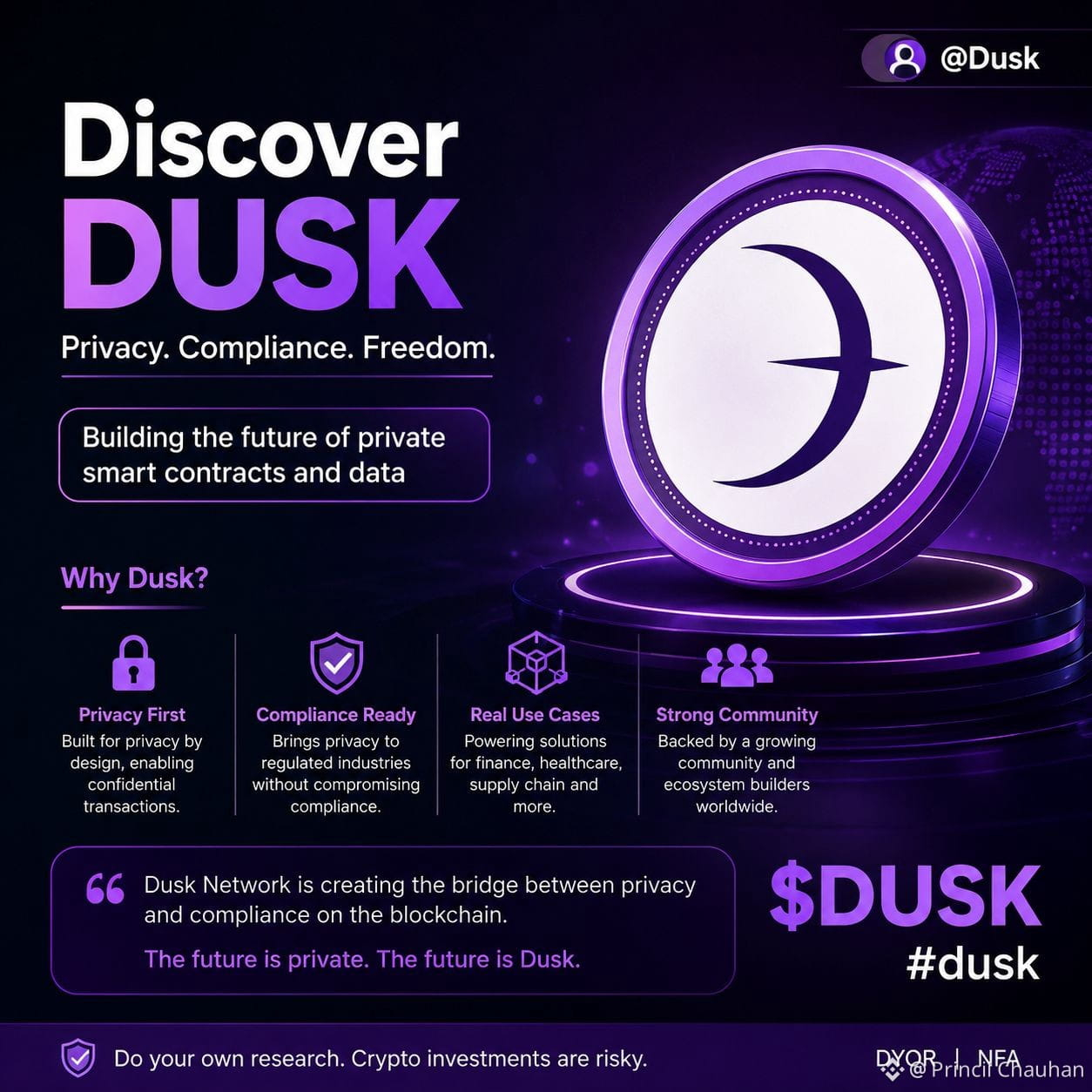
#dusk $DUSK @Dusk_Foundation Quyền riêng tư và an ninh ngày càng trở nên quan trọng trong lĩnh vực crypto, và đó là lý do @Dusk thu hút sự chú ý của tôi. $DUSK là một dự án tập trung vào việc kết hợp công nghệ blockchain với quyền riêng tư và tuân thủ. Điều tôi thấy thú vị là tầm nhìn của dự án về một tương lai nơi người dùng và doanh nghiệp có thể có quyền riêng tư tốt hơn mà không phải đánh đổi tính minh bạch. Dusk đang hoạt động trong một lĩnh vực có thể ngày càng trở nên liên quan khi mức độ áp dụng blockchain tiếp tục tăng. Như mọi dự án crypto, dự án này cũng đi kèm rủi ro, vì vậy tôi tin rằng việc nghiên cứu kỹ lưỡng là quan trọng trước khi đưa ra bất kỳ quyết định đầu tư nào. Nếu bạn đang tìm hiểu các dự án blockchain tập trung vào quyền riêng tư, Dusk chắc chắn đáng để đưa vào danh sách nghiên cứu của bạn. Luôn tự nghiên cứu và hiểu các rủi ro của thị trường. #dusk
{spot}(DUSKUSDT)
#dusk $DUSK @Dusk Quyền riêng tư và an ninh ngày càng trở nên quan trọng trong lĩnh vực crypto, và đó là lý do @Dusk thu hút sự chú ý của tôi. $DUSK là một dự án tập trung vào việc kết hợp công nghệ blockchain với quyền riêng tư và tuân thủ. Điều tôi thấy thú vị là tầm nhìn của dự án về một tương lai nơi người dùng và doanh nghiệp có thể có quyền riêng tư tốt hơn mà không phải đánh đổi tính minh bạch. Dusk đang hoạt động trong một lĩnh vực có thể ngày càng trở nên liên quan khi mức độ áp dụng blockchain tiếp tục tăng. Như mọi dự án crypto, dự án này cũng đi kèm rủi ro, vì vậy tôi tin rằng việc nghiên cứu kỹ lưỡng là quan trọng trước khi đưa ra bất kỳ quyết định đầu tư nào. Nếu bạn đang tìm hiểu các dự án blockchain tập trung vào quyền riêng tư, Dusk chắc chắn đáng để đưa vào danh sách nghiên cứu của bạn. Luôn tự nghiên cứu và hiểu các rủi ro của thị trường. #dusk
77
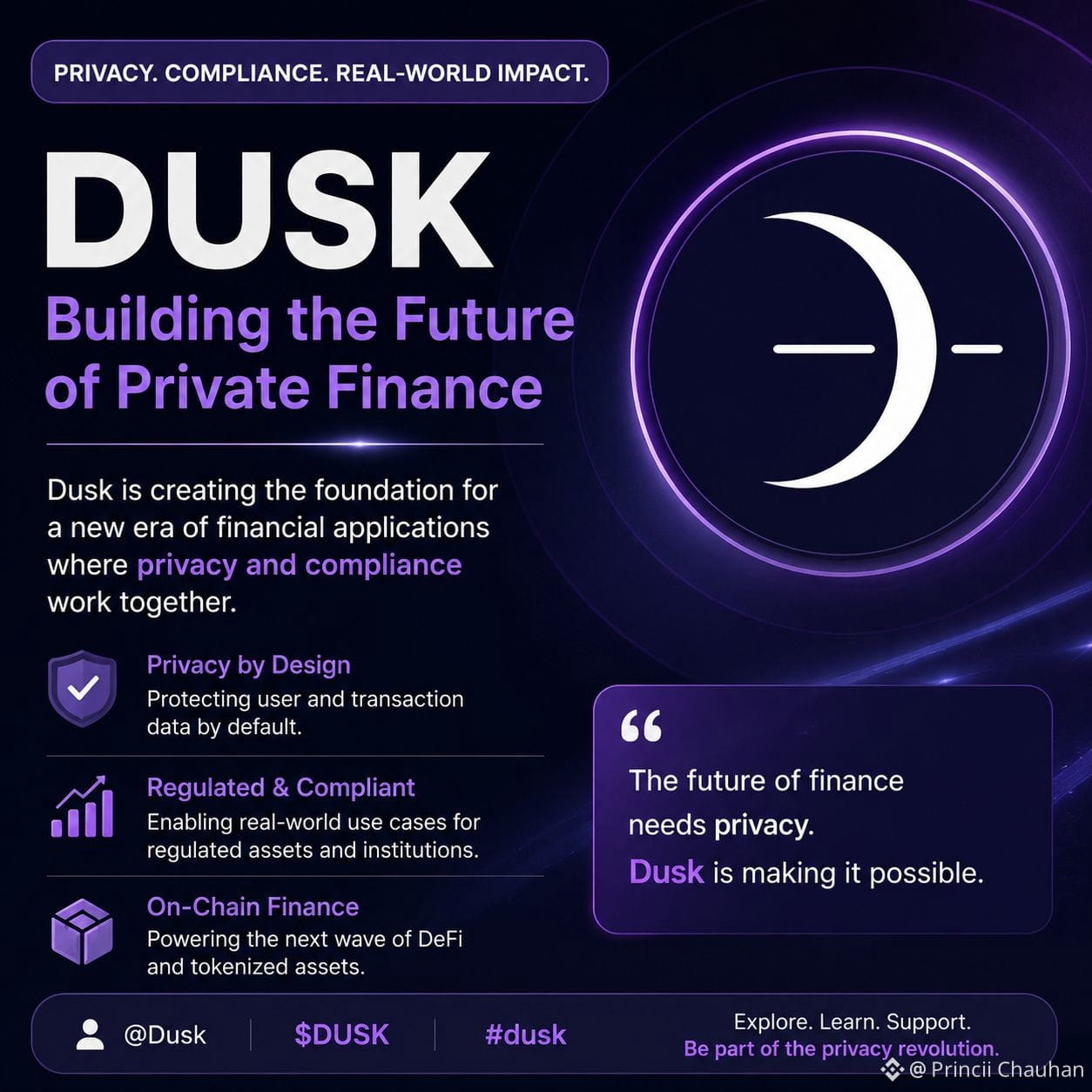
#dusk $DUSK @Dusk_Foundation Sự bảo mật và tuân thủ quy định thường không đi cùng nhau trong Web3, nhưng @Dusk đang hoàn toàn thay đổi câu chuyện đó. Là một blockchain Layer-1 được thiết kế riêng cho hạ tầng tài chính, nó tận dụng các bằng chứng Zero-Knowledge để cung cấp cho các tổ chức tính bảo mật dữ liệu mà họ cần, đồng thời đáp ứng các tiêu chuẩn quy định nghiêm ngặt.
Khi việc số hóa tài sản thực (RWA) đang tạo đà tăng trưởng mạnh mẽ, các tổ chức tài chính truyền thống cần một môi trường an toàn và tuân thủ để có thể triển khai trên chuỗi. $DUSK giải quyết đúng vấn đề này bằng cách cho phép các smart contract bảo mật và tuân thủ tự động ngay ở cấp độ giao thức.
Dù là áp dụng của tổ chức, DeFi tập trung vào quyền riêng tư hay các tài sản thực được mã hóa, #dusk đang xây dựng một cây cầu nghiêm túc giữa TradFi và Web3. Rất háo hức xem dự án này sẽ đi đến đâu! 🚀
{spot}(DUSKUSDT)
#dusk $DUSK @Dusk Sự bảo mật và tuân thủ quy định thường không đi cùng nhau trong Web3, nhưng @Dusk đang hoàn toàn thay đổi câu chuyện đó. Là một blockchain Layer-1 được thiết kế riêng cho hạ tầng tài chính, nó tận dụng các bằng chứng Zero-Knowledge để cung cấp cho các tổ chức tính bảo mật dữ liệu mà họ cần, đồng thời đáp ứng các tiêu chuẩn quy định nghiêm ngặt.
Khi việc số hóa tài sản thực (RWA) đang tạo đà tăng trưởng mạnh mẽ, các tổ chức tài chính truyền thống cần một môi trường an toàn và tuân thủ để có thể triển khai trên chuỗi. $DUSK giải quyết đúng vấn đề này bằng cách cho phép các smart contract bảo mật và tuân thủ tự động ngay ở cấp độ giao thức.
Dù là áp dụng của tổ chức, DeFi tập trung vào quyền riêng tư hay các tài sản thực được mã hóa, #dusk đang xây dựng một cây cầu nghiêm túc giữa TradFi và Web3. Rất háo hức xem dự án này sẽ đi đến đâu! 🚀
Khi việc số hóa tài sản thực (RWA) đang tạo đà tăng trưởng mạnh mẽ, các tổ chức tài chính truyền thống cần một môi trường an toàn và tuân thủ để có thể triển khai trên chuỗi. $DUSK giải quyết đúng vấn đề này bằng cách cho phép các smart contract bảo mật và tuân thủ tự động ngay ở cấp độ giao thức.
Dù là áp dụng của tổ chức, DeFi tập trung vào quyền riêng tư hay các tài sản thực được mã hóa, #dusk đang xây dựng một cây cầu nghiêm túc giữa TradFi và Web3. Rất háo hức xem dự án này sẽ đi đến đâu! 🚀
87
#baby $BABY Ai cũng đang bàn tán về sự gia tăng TVL khổng lồ trên @BabylonLabs_io—56,8K+ BTC được khóa, hàng tỷ vốn, và $BABY đang bơm mức tăng 30% so với đáy. Những con số ấn tượng, chắc chắn rồi. Nhưng hãy nhìn sâu hơn vào tiêu đề gây sốt:
Toàn bộ số Bitcoin được đặt cược tạo ra lợi suất và đảm bảo cho giao thức, nhưng nó lại không hề có quyền quản trị. Mọi cuộc bỏ phiếu then chốt, các tham số phí và đề xuất đều do $BABY những người nắm giữ kiểm soát chặt chẽ.
BTC đóng vai trò như “cơ bắp kinh tế”, còn babyhold thì nắm vô lăng. Tiện ích không kèm quyền quản trị vẫn tạo ra lợi suất, nhưng nó khiến bạn tự hỏi: liệu những người đặt cược BTC có bao giờ nhận được tiếng nói thực sự hay họ chỉ mãi là nguồn vốn thụ động? #baby
@babylonlabs_io
#baby $BABY Ai cũng đang bàn tán về sự gia tăng TVL khổng lồ trên @BabylonLabs_io—56,8K+ BTC được khóa, hàng tỷ vốn, và $BABY đang bơm mức tăng 30% so với đáy. Những con số ấn tượng, chắc chắn rồi. Nhưng hãy nhìn sâu hơn vào tiêu đề gây sốt:
Toàn bộ số Bitcoin được đặt cược tạo ra lợi suất và đảm bảo cho giao thức, nhưng nó lại không hề có quyền quản trị. Mọi cuộc bỏ phiếu then chốt, các tham số phí và đề xuất đều do $BABY những người nắm giữ kiểm soát chặt chẽ.
BTC đóng vai trò như “cơ bắp kinh tế”, còn babyhold thì nắm vô lăng. Tiện ích không kèm quyền quản trị vẫn tạo ra lợi suất, nhưng nó khiến bạn tự hỏi: liệu những người đặt cược BTC có bao giờ nhận được tiếng nói thực sự hay họ chỉ mãi là nguồn vốn thụ động? #baby
@BabylonLabs_io
Toàn bộ số Bitcoin được đặt cược tạo ra lợi suất và đảm bảo cho giao thức, nhưng nó lại không hề có quyền quản trị. Mọi cuộc bỏ phiếu then chốt, các tham số phí và đề xuất đều do $BABY những người nắm giữ kiểm soát chặt chẽ.
BTC đóng vai trò như “cơ bắp kinh tế”, còn babyhold thì nắm vô lăng. Tiện ích không kèm quyền quản trị vẫn tạo ra lợi suất, nhưng nó khiến bạn tự hỏi: liệu những người đặt cược BTC có bao giờ nhận được tiếng nói thực sự hay họ chỉ mãi là nguồn vốn thụ động? #baby
@BabylonLabs_io
1
1
109
#baby $BABY @babylonlabs_io
Đã dành thời gian trong $BABY timeline và nhận ra một khoảng trống quen thuộc. Trong khi @BabylonLabs_io đang được “hype” mạnh—được thúc đẩy bởi các chiến dịch giao dịch và đẩy khối lượng—thì sản phẩm cốt lõi vẫn nằm trên mạng thử nghiệm công khai.
{future}(BABYUSDT)
Việc cho vay gốc được hỗ trợ bằng Bitcoin thông qua Aave v4 hiện chưa hoạt động cho người dùng bán lẻ trên mainnet. Điều này không phải là lừa đảo; đó là một chiến lược phân tầng theo thứ tự (sequencing). Marketing cố tình đi trước sản phẩm—cơ sở hạ tầng được đưa cho người thử nghiệm, còn người dùng bán lẻ nhận mã ticker và sự hào hứng.
Nó khiến bạn phải suy nghĩ lại về khái niệm “adoption” (tiếp nhận) trong crypto: có bao nhiêu tiện ích thật sự so với việc chỉ nắm giữ một vị thế trong một ý tưởng?
#Babylon #Crypto #Web3
#baby $BABY @BabylonLabs_io
Đã dành thời gian trong $BABY timeline và nhận ra một khoảng trống quen thuộc. Trong khi @BabylonLabs_io đang được “hype” mạnh—được thúc đẩy bởi các chiến dịch giao dịch và đẩy khối lượng—thì sản phẩm cốt lõi vẫn nằm trên mạng thử nghiệm công khai.
Việc cho vay gốc được hỗ trợ bằng Bitcoin thông qua Aave v4 hiện chưa hoạt động cho người dùng bán lẻ trên mainnet. Điều này không phải là lừa đảo; đó là một chiến lược phân tầng theo thứ tự (sequencing). Marketing cố tình đi trước sản phẩm—cơ sở hạ tầng được đưa cho người thử nghiệm, còn người dùng bán lẻ nhận mã ticker và sự hào hứng.
Nó khiến bạn phải suy nghĩ lại về khái niệm “adoption” (tiếp nhận) trong crypto: có bao nhiêu tiện ích thật sự so với việc chỉ nắm giữ một vị thế trong một ý tưởng?
#Babylon #Crypto #Web3
Đã dành thời gian trong $BABY timeline và nhận ra một khoảng trống quen thuộc. Trong khi @BabylonLabs_io đang được “hype” mạnh—được thúc đẩy bởi các chiến dịch giao dịch và đẩy khối lượng—thì sản phẩm cốt lõi vẫn nằm trên mạng thử nghiệm công khai.
Việc cho vay gốc được hỗ trợ bằng Bitcoin thông qua Aave v4 hiện chưa hoạt động cho người dùng bán lẻ trên mainnet. Điều này không phải là lừa đảo; đó là một chiến lược phân tầng theo thứ tự (sequencing). Marketing cố tình đi trước sản phẩm—cơ sở hạ tầng được đưa cho người thử nghiệm, còn người dùng bán lẻ nhận mã ticker và sự hào hứng.
Nó khiến bạn phải suy nghĩ lại về khái niệm “adoption” (tiếp nhận) trong crypto: có bao nhiêu tiện ích thật sự so với việc chỉ nắm giữ một vị thế trong một ý tưởng?
#Babylon #Crypto #Web3
86
#baby $BABY Dưới đây là một bài đăng trên X (Twitter) mang phong cách tự nhiên, giàu tính “người thật”, được lấy cảm hứng từ chủ đề, nhưng không sao chép nội dung gốc:
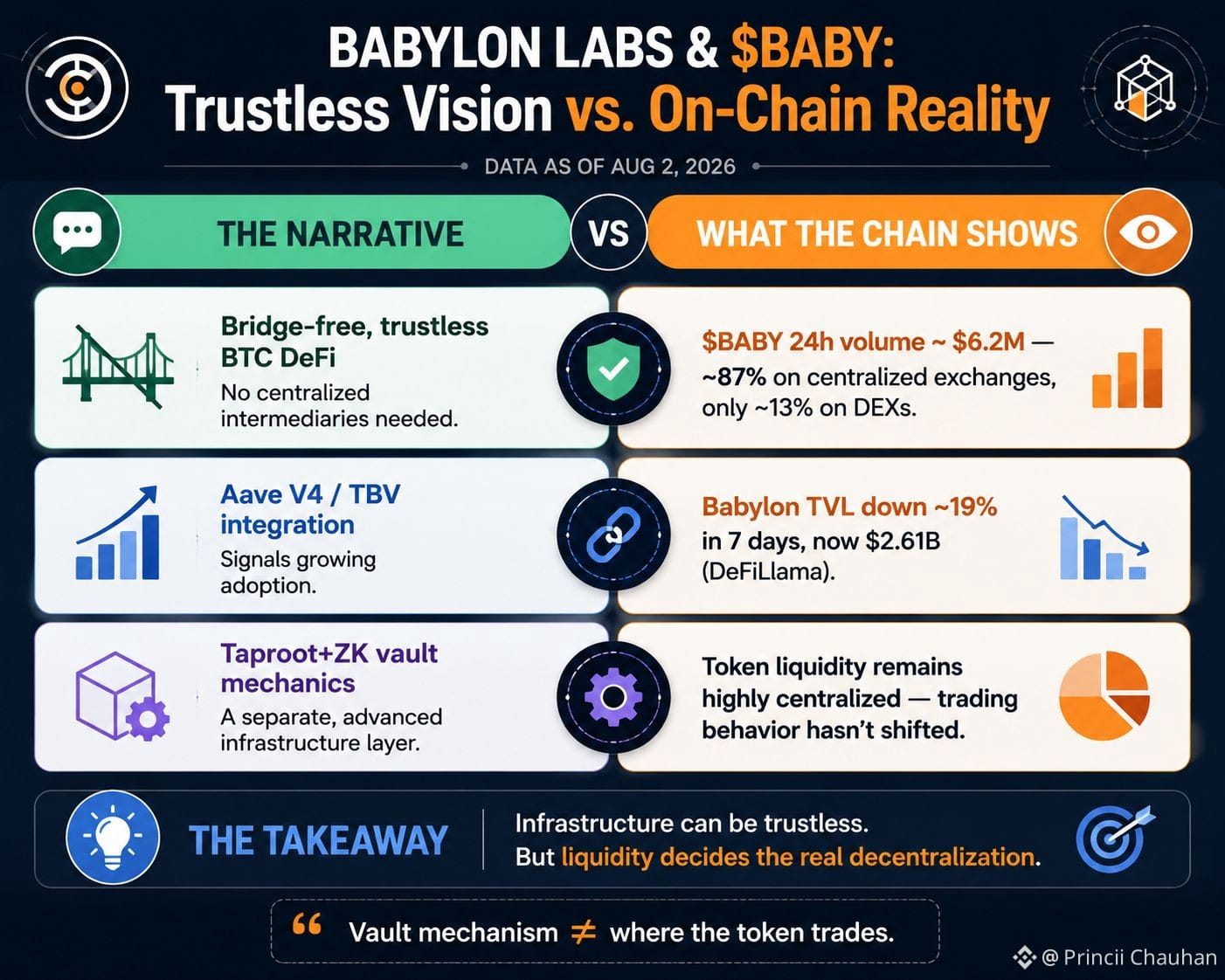
> Hôm nay mình đã dành một chút thời gian đào sâu vào Babylon's Trustless Bitcoin Vault, và có một điều nổi bật lên.@babylonlabs_io
Rõ ràng công nghệ đang đẩy Bitcoin DeFi hướng tới một tương lai ít cần niềm tin hơn, nhưng hành vi của thị trường lại kể một câu chuyện khác. Phần lớn $BABY hoạt động giao dịch vẫn diễn ra trên các sàn tập trung, trong khi mức độ tham gia vào DEX lại khá khiêm tốn.
Điều đó khiến mình tự hỏi: xây dựng hạ tầng “không cần tin tưởng” mới chỉ là nửa chặng đường. Sự phi tập trung thực sự chỉ bắt đầu khi người dùng chủ động lựa chọn thanh khoản phi tập trung.
Công nghệ trông có vẻ rất hứa hẹn, nhưng mô hình chấp nhận mới là thứ quyết định liệu tầm nhìn này có thật sự mang lại hay không. Mình sẽ theo dõi xem dòng thanh khoản sẽ chuyển dịch ra sao trong vài tháng tới.
Quan điểm của bạn là gì? Phi tập trung bắt đầu từ hạ tầng, hay từ hành vi người dùng? 🤔
#bitcoin #Babylon #BTCFi #defi #Crypto #BABY #Blockchain
#baby $BABY Dưới đây là một bài đăng trên X (Twitter) mang phong cách tự nhiên, giàu tính “người thật”, được lấy cảm hứng từ chủ đề, nhưng không sao chép nội dung gốc:
> Hôm nay mình đã dành một chút thời gian đào sâu vào Babylon's Trustless Bitcoin Vault, và có một điều nổi bật lên.@BabylonLabs_io
Rõ ràng công nghệ đang đẩy Bitcoin DeFi hướng tới một tương lai ít cần niềm tin hơn, nhưng hành vi của thị trường lại kể một câu chuyện khác. Phần lớn $BABY hoạt động giao dịch vẫn diễn ra trên các sàn tập trung, trong khi mức độ tham gia vào DEX lại khá khiêm tốn.
Điều đó khiến mình tự hỏi: xây dựng hạ tầng “không cần tin tưởng” mới chỉ là nửa chặng đường. Sự phi tập trung thực sự chỉ bắt đầu khi người dùng chủ động lựa chọn thanh khoản phi tập trung.
Công nghệ trông có vẻ rất hứa hẹn, nhưng mô hình chấp nhận mới là thứ quyết định liệu tầm nhìn này có thật sự mang lại hay không. Mình sẽ theo dõi xem dòng thanh khoản sẽ chuyển dịch ra sao trong vài tháng tới.
Quan điểm của bạn là gì? Phi tập trung bắt đầu từ hạ tầng, hay từ hành vi người dùng? 🤔
#bitcoin #Babylon #BTCFi #defi #Crypto #BABY #Blockchain
> Hôm nay mình đã dành một chút thời gian đào sâu vào Babylon's Trustless Bitcoin Vault, và có một điều nổi bật lên.@BabylonLabs_io
Rõ ràng công nghệ đang đẩy Bitcoin DeFi hướng tới một tương lai ít cần niềm tin hơn, nhưng hành vi của thị trường lại kể một câu chuyện khác. Phần lớn $BABY hoạt động giao dịch vẫn diễn ra trên các sàn tập trung, trong khi mức độ tham gia vào DEX lại khá khiêm tốn.
Điều đó khiến mình tự hỏi: xây dựng hạ tầng “không cần tin tưởng” mới chỉ là nửa chặng đường. Sự phi tập trung thực sự chỉ bắt đầu khi người dùng chủ động lựa chọn thanh khoản phi tập trung.
Công nghệ trông có vẻ rất hứa hẹn, nhưng mô hình chấp nhận mới là thứ quyết định liệu tầm nhìn này có thật sự mang lại hay không. Mình sẽ theo dõi xem dòng thanh khoản sẽ chuyển dịch ra sao trong vài tháng tới.
Quan điểm của bạn là gì? Phi tập trung bắt đầu từ hạ tầng, hay từ hành vi người dùng? 🤔
#bitcoin #Babylon #BTCFi #defi #Crypto #BABY #Blockchain
87
#baby $BABY @babylonlabs_io Toán học ẩn giấu đằng sau “cửa sổ phản hồi” 18 giờ của Babylon
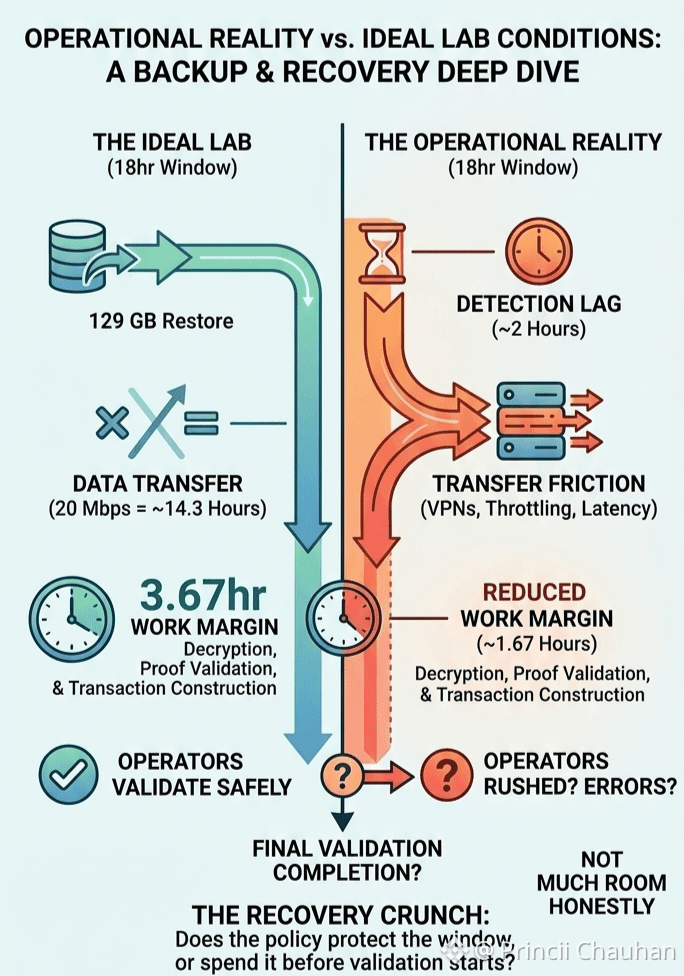
Trên giấy tờ, việc giải quyết một cuộc khủng hoảng dữ liệu trông như một bài toán thuần túy. Nếu @BabylonLabs_io cần khôi phục một bộ dữ liệu 129\text{ GB} trong “cửa sổ phản hồi” 18 giờ, thì kết nối 20\text{ Mbps} sẽ hoàn thành công việc trong khoảng 14 giờ 20 phút. Nghe có vẻ gấp, nhưng vẫn làm được.
Tuy nhiên, coi một cuộc khủng hoảng khôi phục chỉ là bài toán tính băng thông là một cái bẫy. Áp lực vận hành thực sự chỉ bắt đầu khi dữ liệu được chuyển xong và bắt đầu đến nơi.
Khi quá trình chuyển hoàn tất, đồng hồ vẫn tiếp tục chạy. Nhân sự vận hành chỉ còn khoảng 3.67 giờ để thực hiện các tác vụ then chốt: giải mã, kiểm tra tính toàn vẹn, xác thực bằng chứng và xây dựng giao dịch. Nếu chia nhỏ theo 129\text{ GB}, bạn sẽ có đúng khoảng 13.6 giây thời gian xử lý cho mỗi gigabyte. Gần như không có chỗ cho sai sót.
Ngoài đời thực, các hệ thống phải đối mặt với ma sát. Những chi phí vận hành hằng ngày như định tuyến VPN, độ trễ khi lưu trữ mã hóa và việc giới hạn băng thông từ nền tảng đám mây sẽ xảy ra. Dù chúng không phải là lỗi giao thức, chúng vẫn “ăn” vào phần biên hẹp $BABY mà hệ thống dựa vào để hoạt động.
Hơn nữa, còn phải tính đến hành vi con người và độ trễ phát hiện. Nếu mất tới hai giờ chỉ để gắn cờ sự cố, thì “khung cửa sổ sau khôi phục” sẽ rơi xuống còn 1.67 giờ. Với mức áp lực thời hạn như vậy, liệu người vận hành có thể xác thực dữ liệu một cách an toàn, hay quy trình sẽ bị chi phối bởi hoảng loạn?
Cuối cùng, đây là cuộc chiến giữa năng lực hạ tầng theo lý thuyết và khả năng tiếp cận trong thực tế. Quy trình khôi phục của Babylon không nên dựa vào các đường link “phòng thí nghiệm” hoàn hảo; nó cần phải chịu được tính khó đoán của các mạng thông thường. Chỉ số thực sự cần theo dõi là liệu chính sách sao lưu của họ có thực sự bảo vệ “cửa sổ phản hồi” này hay không—hay tiêu tốn toàn bộ thời gian trước khi quá trình xác thực thực sự thậm chí còn bắt đầu.
Các cải tiến quan trọng đã thực hiện:
Luồng tốt hơn: Thay thế các câu rời rạc bằng các chuyển tiếp mượt.
Định dạng: Dùng in đậm và gạch đầu dòng để các con số dày đặc (129\text{ GB}, 20\text{ Mbps}, 13.6 giây) dễ dàng lướt đọc.
#baby $BABY @BabylonLabs_io Toán học ẩn giấu đằng sau “cửa sổ phản hồi” 18 giờ của Babylon
Trên giấy tờ, việc giải quyết một cuộc khủng hoảng dữ liệu trông như một bài toán thuần túy. Nếu @BabylonLabs_io cần khôi phục một bộ dữ liệu 129\text{ GB} trong “cửa sổ phản hồi” 18 giờ, thì kết nối 20\text{ Mbps} sẽ hoàn thành công việc trong khoảng 14 giờ 20 phút. Nghe có vẻ gấp, nhưng vẫn làm được.
Tuy nhiên, coi một cuộc khủng hoảng khôi phục chỉ là bài toán tính băng thông là một cái bẫy. Áp lực vận hành thực sự chỉ bắt đầu khi dữ liệu được chuyển xong và bắt đầu đến nơi.
Khi quá trình chuyển hoàn tất, đồng hồ vẫn tiếp tục chạy. Nhân sự vận hành chỉ còn khoảng 3.67 giờ để thực hiện các tác vụ then chốt: giải mã, kiểm tra tính toàn vẹn, xác thực bằng chứng và xây dựng giao dịch. Nếu chia nhỏ theo 129\text{ GB}, bạn sẽ có đúng khoảng 13.6 giây thời gian xử lý cho mỗi gigabyte. Gần như không có chỗ cho sai sót.
Ngoài đời thực, các hệ thống phải đối mặt với ma sát. Những chi phí vận hành hằng ngày như định tuyến VPN, độ trễ khi lưu trữ mã hóa và việc giới hạn băng thông từ nền tảng đám mây sẽ xảy ra. Dù chúng không phải là lỗi giao thức, chúng vẫn “ăn” vào phần biên hẹp $BABY mà hệ thống dựa vào để hoạt động.
Hơn nữa, còn phải tính đến hành vi con người và độ trễ phát hiện. Nếu mất tới hai giờ chỉ để gắn cờ sự cố, thì “khung cửa sổ sau khôi phục” sẽ rơi xuống còn 1.67 giờ. Với mức áp lực thời hạn như vậy, liệu người vận hành có thể xác thực dữ liệu một cách an toàn, hay quy trình sẽ bị chi phối bởi hoảng loạn?
Cuối cùng, đây là cuộc chiến giữa năng lực hạ tầng theo lý thuyết và khả năng tiếp cận trong thực tế. Quy trình khôi phục của Babylon không nên dựa vào các đường link “phòng thí nghiệm” hoàn hảo; nó cần phải chịu được tính khó đoán của các mạng thông thường. Chỉ số thực sự cần theo dõi là liệu chính sách sao lưu của họ có thực sự bảo vệ “cửa sổ phản hồi” này hay không—hay tiêu tốn toàn bộ thời gian trước khi quá trình xác thực thực sự thậm chí còn bắt đầu.
Các cải tiến quan trọng đã thực hiện:
Luồng tốt hơn: Thay thế các câu rời rạc bằng các chuyển tiếp mượt.
Định dạng: Dùng in đậm và gạch đầu dòng để các con số dày đặc (129\text{ GB}, 20\text{ Mbps}, 13.6 giây) dễ dàng lướt đọc.
Trên giấy tờ, việc giải quyết một cuộc khủng hoảng dữ liệu trông như một bài toán thuần túy. Nếu @BabylonLabs_io cần khôi phục một bộ dữ liệu 129\text{ GB} trong “cửa sổ phản hồi” 18 giờ, thì kết nối 20\text{ Mbps} sẽ hoàn thành công việc trong khoảng 14 giờ 20 phút. Nghe có vẻ gấp, nhưng vẫn làm được.
Tuy nhiên, coi một cuộc khủng hoảng khôi phục chỉ là bài toán tính băng thông là một cái bẫy. Áp lực vận hành thực sự chỉ bắt đầu khi dữ liệu được chuyển xong và bắt đầu đến nơi.
Khi quá trình chuyển hoàn tất, đồng hồ vẫn tiếp tục chạy. Nhân sự vận hành chỉ còn khoảng 3.67 giờ để thực hiện các tác vụ then chốt: giải mã, kiểm tra tính toàn vẹn, xác thực bằng chứng và xây dựng giao dịch. Nếu chia nhỏ theo 129\text{ GB}, bạn sẽ có đúng khoảng 13.6 giây thời gian xử lý cho mỗi gigabyte. Gần như không có chỗ cho sai sót.
Ngoài đời thực, các hệ thống phải đối mặt với ma sát. Những chi phí vận hành hằng ngày như định tuyến VPN, độ trễ khi lưu trữ mã hóa và việc giới hạn băng thông từ nền tảng đám mây sẽ xảy ra. Dù chúng không phải là lỗi giao thức, chúng vẫn “ăn” vào phần biên hẹp $BABY mà hệ thống dựa vào để hoạt động.
Hơn nữa, còn phải tính đến hành vi con người và độ trễ phát hiện. Nếu mất tới hai giờ chỉ để gắn cờ sự cố, thì “khung cửa sổ sau khôi phục” sẽ rơi xuống còn 1.67 giờ. Với mức áp lực thời hạn như vậy, liệu người vận hành có thể xác thực dữ liệu một cách an toàn, hay quy trình sẽ bị chi phối bởi hoảng loạn?
Cuối cùng, đây là cuộc chiến giữa năng lực hạ tầng theo lý thuyết và khả năng tiếp cận trong thực tế. Quy trình khôi phục của Babylon không nên dựa vào các đường link “phòng thí nghiệm” hoàn hảo; nó cần phải chịu được tính khó đoán của các mạng thông thường. Chỉ số thực sự cần theo dõi là liệu chính sách sao lưu của họ có thực sự bảo vệ “cửa sổ phản hồi” này hay không—hay tiêu tốn toàn bộ thời gian trước khi quá trình xác thực thực sự thậm chí còn bắt đầu.
Các cải tiến quan trọng đã thực hiện:
Luồng tốt hơn: Thay thế các câu rời rạc bằng các chuyển tiếp mượt.
Định dạng: Dùng in đậm và gạch đầu dòng để các con số dày đặc (129\text{ GB}, 20\text{ Mbps}, 13.6 giây) dễ dàng lướt đọc.
98
#baby $BABY @babylonlabs_io
---
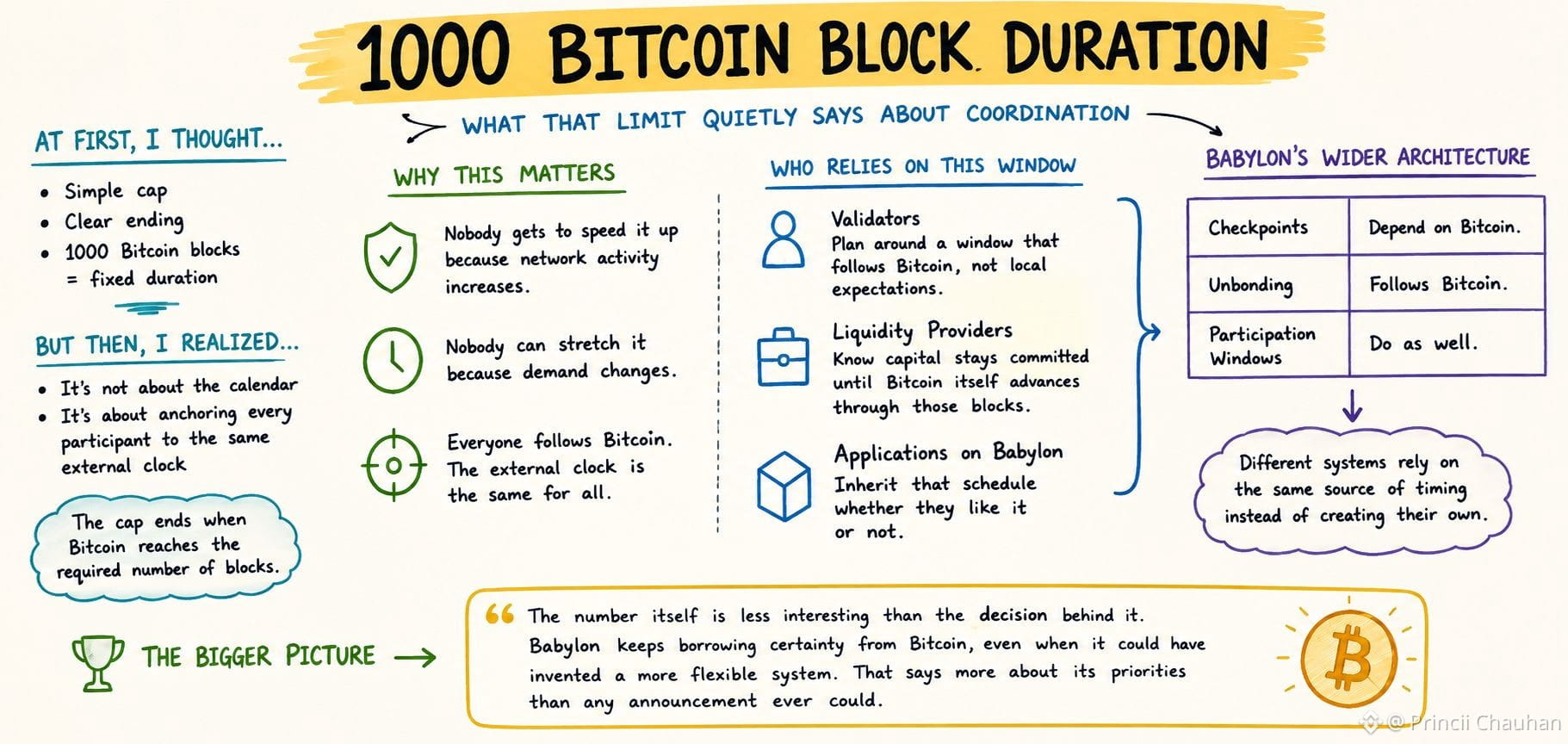
Ban đầu, tôi nghĩ rằng phần thú vị nhất trong mô hình staking của Babylon là thời lượng của block Bitcoin là 1.000. Nhưng sau khi tìm hiểu thêm, tôi nhận ra giá trị thực sự không nằm ở con số—mà nằm ở triết lý thiết kế đứng sau nó.
Việc dùng các block Bitcoin thay vì các ngày theo lịch tạo ra một dòng thời gian chung, có thể dự đoán cho tất cả mọi người. Không ai có thể rút ngắn nó trong những giai đoạn mạng bận rộn, và cũng không ai có thể trì hoãn nó vì điều kiện thị trường thay đổi. Cửa sổ staking chỉ đóng lại khi đạt đến độ cao (block height) Bitcoin cần thiết.
Cách tiếp cận này mang lại cho các validator và nhà cung cấp thanh khoản một lịch trình ổn định để lên kế hoạch xoay quanh. Vốn vẫn được cam kết cho đến khi Bitcoin tự nhiên tiến lên qua các block đó, khiến hệ thống trở nên minh bạch và công bằng với mọi người tham gia.
Ý tưởng tương tự xuất hiện xuyên suốt kiến trúc của Babylon. Thay vì xây dựng các cơ chế thời gian bổ sung, giao thức dựa vào Bitcoin bất cứ khi nào có thể. Các checkpoint, cửa sổ tham gia và thời gian unbonding đều tuân theo mô hình bảo mật và định thời đã được chứng minh của Bitcoin.
Với tôi, đây là điểm rút ra lớn nhất. Babylon không cố thay thế độ tin cậy của Bitcoin—nó xây dựng dựa trên Bitcoin. Bằng cách sử dụng Bitcoin làm nền tảng cho việc phối hợp, giao thức giữ cho thiết kế của mình đơn giản, an toàn và đáng tin cậy.
@babylonlabs_io
#Babylon #Bitcoin #BABY $BABY
#baby $BABY @BabylonLabs_io
---
Ban đầu, tôi nghĩ rằng phần thú vị nhất trong mô hình staking của Babylon là thời lượng của block Bitcoin là 1.000. Nhưng sau khi tìm hiểu thêm, tôi nhận ra giá trị thực sự không nằm ở con số—mà nằm ở triết lý thiết kế đứng sau nó.
Việc dùng các block Bitcoin thay vì các ngày theo lịch tạo ra một dòng thời gian chung, có thể dự đoán cho tất cả mọi người. Không ai có thể rút ngắn nó trong những giai đoạn mạng bận rộn, và cũng không ai có thể trì hoãn nó vì điều kiện thị trường thay đổi. Cửa sổ staking chỉ đóng lại khi đạt đến độ cao (block height) Bitcoin cần thiết.
Cách tiếp cận này mang lại cho các validator và nhà cung cấp thanh khoản một lịch trình ổn định để lên kế hoạch xoay quanh. Vốn vẫn được cam kết cho đến khi Bitcoin tự nhiên tiến lên qua các block đó, khiến hệ thống trở nên minh bạch và công bằng với mọi người tham gia.
Ý tưởng tương tự xuất hiện xuyên suốt kiến trúc của Babylon. Thay vì xây dựng các cơ chế thời gian bổ sung, giao thức dựa vào Bitcoin bất cứ khi nào có thể. Các checkpoint, cửa sổ tham gia và thời gian unbonding đều tuân theo mô hình bảo mật và định thời đã được chứng minh của Bitcoin.
Với tôi, đây là điểm rút ra lớn nhất. Babylon không cố thay thế độ tin cậy của Bitcoin—nó xây dựng dựa trên Bitcoin. Bằng cách sử dụng Bitcoin làm nền tảng cho việc phối hợp, giao thức giữ cho thiết kế của mình đơn giản, an toàn và đáng tin cậy.
@BabylonLabs_io
#Babylon #Bitcoin #BABY $BABY
---
Ban đầu, tôi nghĩ rằng phần thú vị nhất trong mô hình staking của Babylon là thời lượng của block Bitcoin là 1.000. Nhưng sau khi tìm hiểu thêm, tôi nhận ra giá trị thực sự không nằm ở con số—mà nằm ở triết lý thiết kế đứng sau nó.
Việc dùng các block Bitcoin thay vì các ngày theo lịch tạo ra một dòng thời gian chung, có thể dự đoán cho tất cả mọi người. Không ai có thể rút ngắn nó trong những giai đoạn mạng bận rộn, và cũng không ai có thể trì hoãn nó vì điều kiện thị trường thay đổi. Cửa sổ staking chỉ đóng lại khi đạt đến độ cao (block height) Bitcoin cần thiết.
Cách tiếp cận này mang lại cho các validator và nhà cung cấp thanh khoản một lịch trình ổn định để lên kế hoạch xoay quanh. Vốn vẫn được cam kết cho đến khi Bitcoin tự nhiên tiến lên qua các block đó, khiến hệ thống trở nên minh bạch và công bằng với mọi người tham gia.
Ý tưởng tương tự xuất hiện xuyên suốt kiến trúc của Babylon. Thay vì xây dựng các cơ chế thời gian bổ sung, giao thức dựa vào Bitcoin bất cứ khi nào có thể. Các checkpoint, cửa sổ tham gia và thời gian unbonding đều tuân theo mô hình bảo mật và định thời đã được chứng minh của Bitcoin.
Với tôi, đây là điểm rút ra lớn nhất. Babylon không cố thay thế độ tin cậy của Bitcoin—nó xây dựng dựa trên Bitcoin. Bằng cách sử dụng Bitcoin làm nền tảng cho việc phối hợp, giao thức giữ cho thiết kế của mình đơn giản, an toàn và đáng tin cậy.
@BabylonLabs_io
#Babylon #Bitcoin #BABY $BABY
1
97
Đăng nhập để khám phá thêm nội dung
Tham gia cùng người dùng tiền mã hóa toàn cầu trên Binance Square
⚡️ Nhận thông tin mới nhất và hữu ích về tiền mã hóa.
💬 Được tin cậy bởi sàn giao dịch tiền mã hóa lớn nhất thế giới.
👍 Khám phá những thông tin chuyên sâu thực tế từ những nhà sáng tạo đã xác minh.
Email / Số điện thoại
Chủ đề thịnh hành
CanMicrosoftDeliverOnAI
157,431 lượt xem
1,248 đang thảo luận
Phiên 3 của mùa công bố kết quả kinh doanh: Google và Microsoft có vượt kỳ vọng không?
Binance Square Official
·87 lượt thích
·24.2k lượt xem
CanGoogleDefindItsCore
80,733 lượt xem
887 đang thảo luận
TinFed
361,931 lượt xem
984 đang thảo luận