

Crypto Reporter
205 Bài đăng

Crypto Reporter
 Đã xác minh nâng cao trên Square
Báo cáo
Chặn người dùng
Crypto Reporter - Online magazine about cryptocurrencies, NFTs, DeFi, GameFi and other blockchain technologies.
1 Đang theo dõi
3.2K+ Người theo dõi
453 Đã thích
Bài đăng
Bài viết
Xem bản dịch
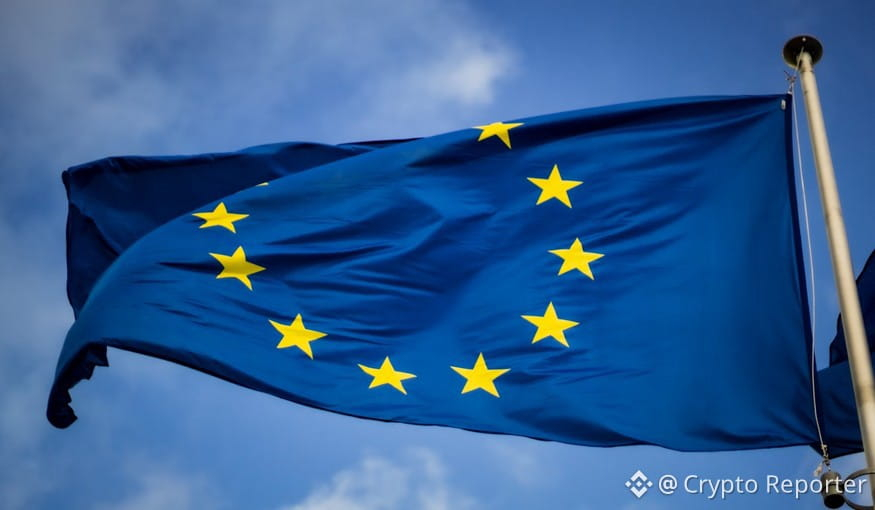
ECB Brings Central-bank Money Onto the Blockchain With New Pontes SystemThe European Central Bank has launched a new blockchain settlement system that allows banks and other eligible financial institutions to settle transactions involving tokenized assets directly in central-bank money, marking a major step in Europe’s effort to integrate blockchain with traditional financial infrastructure.
Called Pontes, the system connects distributed-ledger technology platforms used by financial-market participants with the Eurosystem’s existing TARGET Services. The ECB launched the service on Sept. 21 and said it represents the first operational step in its strategy for making central-bank money fit for a tokenized financial system. The ECB said the system will initially provide a core set of services before expanding its functionality and operating hours.
Deutsche Bank, Santander, Société Générale, the European Investment Bank and other major financial institutions are among the initial participants. The ECB said 13 market participants and four distributed-ledger operators had completed onboarding, with additional institutions expected to connect in the coming months. ECB data showed the initial group includes both banks and operators of blockchain-based financial infrastructure.
The initiative addresses a key issue for tokenized markets: how the cash leg of a blockchain-based securities transaction can be settled without relying exclusively on private stablecoins or commercial-bank deposits. Pontes allows the payment side of eligible wholesale transactions to settle in central-bank euros, which the ECB describes as a risk-free settlement asset.
The launch builds on the Eurosystem’s 2024 distributed-ledger technology experiments, when 64 market participants took part in more than 50 trials examining how transactions conducted on blockchain networks could be settled using central-bank money. The ECB said those experiments demonstrated the importance of central-bank money for the development of tokenized financial markets.
The ECB is also preparing to become an investor in tokenized securities. Reuters reported that the central bank plans to invest a small portion of its €23 billion own-funds portfolio in highly rated, euro-denominated blockchain securities. The move would give the ECB direct experience with tokenized financial instruments.
Pontes forms part of a broader ECB strategy known as Appia, which is focused on developing the infrastructure, standards and governance needed for a European tokenized financial ecosystem. The ECB plans to gradually extend Pontes’ operating hours and capabilities, with 24/7 availability targeted for 2028. The ECB’s Appia strategy sets out the longer-term framework for integrating tokenized markets with the Eurosystem.
The move puts the ECB among major central banks adapting their settlement infrastructure to blockchain-based financial markets. Rather than creating a separate cryptocurrency for settlement, the Eurosystem is using distributed-ledger technology to extend access to the euro’s existing central-bank settlement asset.
For Europe’s financial markets, the significance is broader than a blockchain pilot: central-bank money is becoming part of the infrastructure through which tokenized securities can settle.
The post ECB brings central-bank money onto the blockchain with new Pontes system appeared first on Crypto Reporter.
ECB Brings Central-bank Money Onto the Blockchain With New Pontes System
The European Central Bank has launched a new blockchain settlement system that allows banks and other eligible financial institutions to settle transactions involving tokenized assets directly in central-bank money, marking a major step in Europe’s effort to integrate blockchain with traditional financial infrastructure.
Called Pontes, the system connects distributed-ledger technology platforms used by financial-market participants with the Eurosystem’s existing TARGET Services. The ECB launched the service on Sept. 21 and said it represents the first operational step in its strategy for making central-bank money fit for a tokenized financial system. The ECB said the system will initially provide a core set of services before expanding its functionality and operating hours.
Deutsche Bank, Santander, Société Générale, the European Investment Bank and other major financial institutions are among the initial participants. The ECB said 13 market participants and four distributed-ledger operators had completed onboarding, with additional institutions expected to connect in the coming months. ECB data showed the initial group includes both banks and operators of blockchain-based financial infrastructure.
The initiative addresses a key issue for tokenized markets: how the cash leg of a blockchain-based securities transaction can be settled without relying exclusively on private stablecoins or commercial-bank deposits. Pontes allows the payment side of eligible wholesale transactions to settle in central-bank euros, which the ECB describes as a risk-free settlement asset.
The launch builds on the Eurosystem’s 2024 distributed-ledger technology experiments, when 64 market participants took part in more than 50 trials examining how transactions conducted on blockchain networks could be settled using central-bank money. The ECB said those experiments demonstrated the importance of central-bank money for the development of tokenized financial markets.
The ECB is also preparing to become an investor in tokenized securities. Reuters reported that the central bank plans to invest a small portion of its €23 billion own-funds portfolio in highly rated, euro-denominated blockchain securities. The move would give the ECB direct experience with tokenized financial instruments.
Pontes forms part of a broader ECB strategy known as Appia, which is focused on developing the infrastructure, standards and governance needed for a European tokenized financial ecosystem. The ECB plans to gradually extend Pontes’ operating hours and capabilities, with 24/7 availability targeted for 2028. The ECB’s Appia strategy sets out the longer-term framework for integrating tokenized markets with the Eurosystem.
The move puts the ECB among major central banks adapting their settlement infrastructure to blockchain-based financial markets. Rather than creating a separate cryptocurrency for settlement, the Eurosystem is using distributed-ledger technology to extend access to the euro’s existing central-bank settlement asset.
For Europe’s financial markets, the significance is broader than a blockchain pilot: central-bank money is becoming part of the infrastructure through which tokenized securities can settle.
The post ECB brings central-bank money onto the blockchain with new Pontes system appeared first on Crypto Reporter.
Called Pontes, the system connects distributed-ledger technology platforms used by financial-market participants with the Eurosystem’s existing TARGET Services. The ECB launched the service on Sept. 21 and said it represents the first operational step in its strategy for making central-bank money fit for a tokenized financial system. The ECB said the system will initially provide a core set of services before expanding its functionality and operating hours.
Deutsche Bank, Santander, Société Générale, the European Investment Bank and other major financial institutions are among the initial participants. The ECB said 13 market participants and four distributed-ledger operators had completed onboarding, with additional institutions expected to connect in the coming months. ECB data showed the initial group includes both banks and operators of blockchain-based financial infrastructure.
The initiative addresses a key issue for tokenized markets: how the cash leg of a blockchain-based securities transaction can be settled without relying exclusively on private stablecoins or commercial-bank deposits. Pontes allows the payment side of eligible wholesale transactions to settle in central-bank euros, which the ECB describes as a risk-free settlement asset.
The launch builds on the Eurosystem’s 2024 distributed-ledger technology experiments, when 64 market participants took part in more than 50 trials examining how transactions conducted on blockchain networks could be settled using central-bank money. The ECB said those experiments demonstrated the importance of central-bank money for the development of tokenized financial markets.
The ECB is also preparing to become an investor in tokenized securities. Reuters reported that the central bank plans to invest a small portion of its €23 billion own-funds portfolio in highly rated, euro-denominated blockchain securities. The move would give the ECB direct experience with tokenized financial instruments.
Pontes forms part of a broader ECB strategy known as Appia, which is focused on developing the infrastructure, standards and governance needed for a European tokenized financial ecosystem. The ECB plans to gradually extend Pontes’ operating hours and capabilities, with 24/7 availability targeted for 2028. The ECB’s Appia strategy sets out the longer-term framework for integrating tokenized markets with the Eurosystem.
The move puts the ECB among major central banks adapting their settlement infrastructure to blockchain-based financial markets. Rather than creating a separate cryptocurrency for settlement, the Eurosystem is using distributed-ledger technology to extend access to the euro’s existing central-bank settlement asset.
For Europe’s financial markets, the significance is broader than a blockchain pilot: central-bank money is becoming part of the infrastructure through which tokenized securities can settle.
The post ECB brings central-bank money onto the blockchain with new Pontes system appeared first on Crypto Reporter.
2

Bài viết
SEC và CFTC Tiến hành Quy định về Crypto Khi Quốc hội Bế TắcỦy ban Chứng khoán và Giao dịch Hoa Kỳ (SEC) và Ủy ban Giao dịch Hàng hóa Tương lai (CFTC) đang tiếp tục triển khai các sáng kiến riêng biệt nhằm định hình lại thị trường tài sản kỹ thuật số, vài ngày sau khi Thượng viện không thể thông qua một dự luật toàn diện về cấu trúc thị trường tiền mã hóa.
SEC vào ngày 17/9 đã cấp một miễn trừ có điều kiện trong thời hạn năm năm, cho phép các nền tảng dựa trên blockchain đủ điều kiện giao dịch một số cổ phiếu Hoa Kỳ được mã hóa mà không bị đối xử như các sàn giao dịch chứng khoán truyền thống theo các quy định hiện hành. Cơ quan này cũng đưa ra một mức nới lỏng có giới hạn cho một số nhà cung cấp thanh khoản nhất định khỏi các yêu cầu đăng ký đại lý. Reuters đưa tin về miễn trừ năm năm của SEC.
SEC và CFTC Tiến hành Quy định về Crypto Khi Quốc hội Bế Tắc
Ủy ban Chứng khoán và Giao dịch Hoa Kỳ (SEC) và Ủy ban Giao dịch Hàng hóa Tương lai (CFTC) đang tiếp tục triển khai các sáng kiến riêng biệt nhằm định hình lại thị trường tài sản kỹ thuật số, vài ngày sau khi Thượng viện không thể thông qua một dự luật toàn diện về cấu trúc thị trường tiền mã hóa.
SEC vào ngày 17/9 đã cấp một miễn trừ có điều kiện trong thời hạn năm năm, cho phép các nền tảng dựa trên blockchain đủ điều kiện giao dịch một số cổ phiếu Hoa Kỳ được mã hóa mà không bị đối xử như các sàn giao dịch chứng khoán truyền thống theo các quy định hiện hành. Cơ quan này cũng đưa ra một mức nới lỏng có giới hạn cho một số nhà cung cấp thanh khoản nhất định khỏi các yêu cầu đăng ký đại lý. Reuters đưa tin về miễn trừ năm năm của SEC.
SEC vào ngày 17/9 đã cấp một miễn trừ có điều kiện trong thời hạn năm năm, cho phép các nền tảng dựa trên blockchain đủ điều kiện giao dịch một số cổ phiếu Hoa Kỳ được mã hóa mà không bị đối xử như các sàn giao dịch chứng khoán truyền thống theo các quy định hiện hành. Cơ quan này cũng đưa ra một mức nới lỏng có giới hạn cho một số nhà cung cấp thanh khoản nhất định khỏi các yêu cầu đăng ký đại lý. Reuters đưa tin về miễn trừ năm năm của SEC.
1
3
2.9k
Bài viết
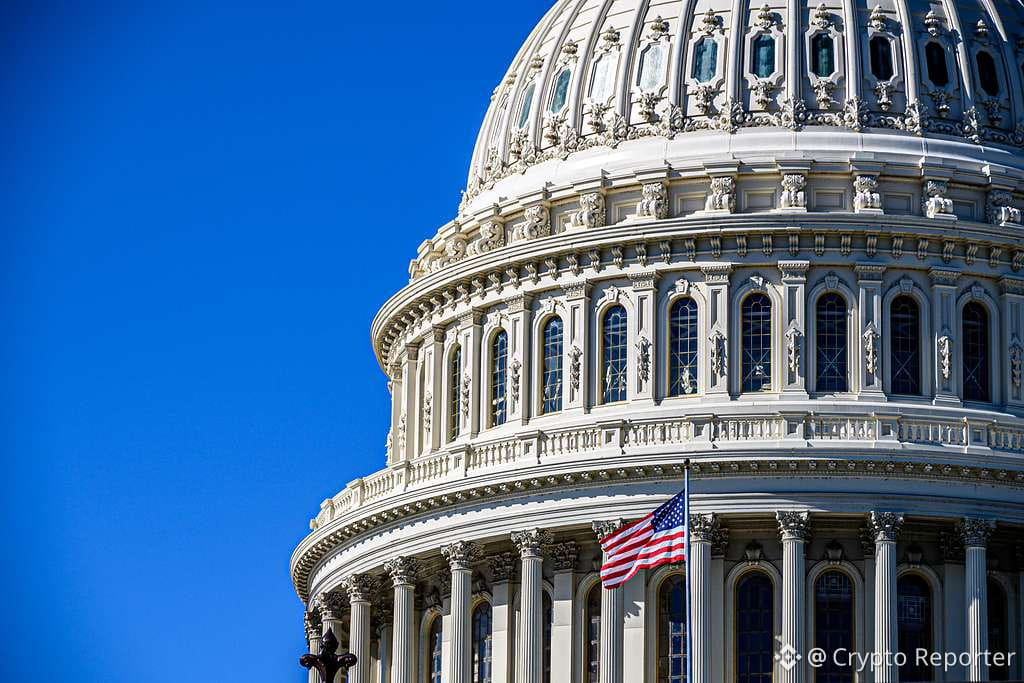
Thượng viện Mỹ Bác bỏ Đạo luật Clarity trong thất bại đối với quản lý tiền mã hóaThượng viện Mỹ hôm thứ Ba đã không thông qua Đạo luật Clarity, khiến nỗ lực toàn diện nhằm thiết lập một khung pháp lý liên bang cho tài sản kỹ thuật số bị đình trệ tại Quốc hội.
Đề nghị thủ tục nhận được 50 phiếu ủng hộ và 49 phiếu phản đối, với một thượng nghị sĩ không bỏ phiếu. Do quy định của Thượng viện yêu cầu 60 phiếu để đưa dự luật tiến lên, biện pháp này đã thiếu 10 phiếu so với ngưỡng. Cuộc bỏ phiếu là một bước thủ tục nhằm thúc đẩy dự luật, chứ không phải là bỏ phiếu cuối cùng về chính bản thân dự luật
Dự luật sẽ thiết lập một khuôn khổ liên bang rộng hơn cho tài sản kỹ thuật số, bao gồm các quy định điều chỉnh việc phát hành và giao dịch tiền mã hóa, cùng với việc phân chia trách nhiệm quản lý giữa Ủy ban Chứng khoán và Giao dịch (SEC) và Ủy ban Giao dịch Hàng hóa Tương lai (CFTC).
Thượng viện Mỹ Bác bỏ Đạo luật Clarity trong thất bại đối với quản lý tiền mã hóa
Thượng viện Mỹ hôm thứ Ba đã không thông qua Đạo luật Clarity, khiến nỗ lực toàn diện nhằm thiết lập một khung pháp lý liên bang cho tài sản kỹ thuật số bị đình trệ tại Quốc hội.
Đề nghị thủ tục nhận được 50 phiếu ủng hộ và 49 phiếu phản đối, với một thượng nghị sĩ không bỏ phiếu. Do quy định của Thượng viện yêu cầu 60 phiếu để đưa dự luật tiến lên, biện pháp này đã thiếu 10 phiếu so với ngưỡng. Cuộc bỏ phiếu là một bước thủ tục nhằm thúc đẩy dự luật, chứ không phải là bỏ phiếu cuối cùng về chính bản thân dự luật
Dự luật sẽ thiết lập một khuôn khổ liên bang rộng hơn cho tài sản kỹ thuật số, bao gồm các quy định điều chỉnh việc phát hành và giao dịch tiền mã hóa, cùng với việc phân chia trách nhiệm quản lý giữa Ủy ban Chứng khoán và Giao dịch (SEC) và Ủy ban Giao dịch Hàng hóa Tương lai (CFTC).
Đề nghị thủ tục nhận được 50 phiếu ủng hộ và 49 phiếu phản đối, với một thượng nghị sĩ không bỏ phiếu. Do quy định của Thượng viện yêu cầu 60 phiếu để đưa dự luật tiến lên, biện pháp này đã thiếu 10 phiếu so với ngưỡng. Cuộc bỏ phiếu là một bước thủ tục nhằm thúc đẩy dự luật, chứ không phải là bỏ phiếu cuối cùng về chính bản thân dự luật
Dự luật sẽ thiết lập một khuôn khổ liên bang rộng hơn cho tài sản kỹ thuật số, bao gồm các quy định điều chỉnh việc phát hành và giao dịch tiền mã hóa, cùng với việc phân chia trách nhiệm quản lý giữa Ủy ban Chứng khoán và Giao dịch (SEC) và Ủy ban Giao dịch Hàng hóa Tương lai (CFTC).
1k

Bài viết
Cơ quan quản lý của Vương quốc Anh khám phá vàng được token hoá cho các thị trường tài chínhCơ quan Quản lý Hành vi Tài chính (Financial Conduct Authority) của Anh đang xem xét liệu vàng có nên được đưa lên hạ tầng dựa trên blockchain hay không, đồng thời mở một cuộc tham vấn về khả năng sử dụng vàng được token hoá trong các thị trường tài chính của Vương quốc Anh.
Cơ quan FCA cho biết việc token hoá có thể giúp việc giao dịch, chuyển nhượng, nắm giữ và cầm cố vàng vật chất trở nên dễ dàng hơn bằng cách tạo ra các token kỹ thuật số đại diện cho quyền sở hữu đối với kim loại cơ bản.
Sáng kiến này đặc biệt tập trung vào các thị trường bán buôn. London vẫn là trung tâm lớn nhất thế giới về giao dịch vàng giao ngay, và cơ quan quản lý muốn xác định liệu công nghệ sổ cái phân tán có thể cải thiện hiệu quả mà không làm suy yếu tính toàn vẹn thị trường hay bảo vệ nhà đầu tư.
Cơ quan quản lý của Vương quốc Anh khám phá vàng được token hoá cho các thị trường tài chính
Cơ quan Quản lý Hành vi Tài chính (Financial Conduct Authority) của Anh đang xem xét liệu vàng có nên được đưa lên hạ tầng dựa trên blockchain hay không, đồng thời mở một cuộc tham vấn về khả năng sử dụng vàng được token hoá trong các thị trường tài chính của Vương quốc Anh.
Cơ quan FCA cho biết việc token hoá có thể giúp việc giao dịch, chuyển nhượng, nắm giữ và cầm cố vàng vật chất trở nên dễ dàng hơn bằng cách tạo ra các token kỹ thuật số đại diện cho quyền sở hữu đối với kim loại cơ bản.
Sáng kiến này đặc biệt tập trung vào các thị trường bán buôn. London vẫn là trung tâm lớn nhất thế giới về giao dịch vàng giao ngay, và cơ quan quản lý muốn xác định liệu công nghệ sổ cái phân tán có thể cải thiện hiệu quả mà không làm suy yếu tính toàn vẹn thị trường hay bảo vệ nhà đầu tư.
Cơ quan FCA cho biết việc token hoá có thể giúp việc giao dịch, chuyển nhượng, nắm giữ và cầm cố vàng vật chất trở nên dễ dàng hơn bằng cách tạo ra các token kỹ thuật số đại diện cho quyền sở hữu đối với kim loại cơ bản.
Sáng kiến này đặc biệt tập trung vào các thị trường bán buôn. London vẫn là trung tâm lớn nhất thế giới về giao dịch vàng giao ngay, và cơ quan quản lý muốn xác định liệu công nghệ sổ cái phân tán có thể cải thiện hiệu quả mà không làm suy yếu tính toàn vẹn thị trường hay bảo vệ nhà đầu tư.
88
Bài viết
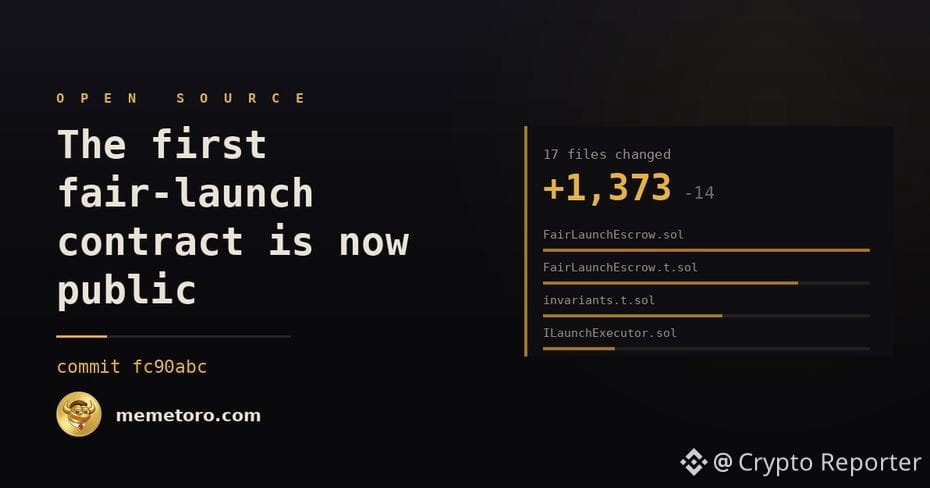
Tin tức Crypto mới nhất: MemeToro chuyển từ các đề xuất AI memecoin sang thực thi hợp đồng thông minh khi Cryp...MemeToro đã bắt đầu xây dựng lớp thực thi hợp đồng thông minh cho hệ thống ra mắt AI memecoin của mình, công bố bản nháp Solidity cho đợt phát hành công bằng (fair-launch) đầu tiên trong bối cảnh Bitcoin và nhiều altcoin lớn vẫn đang mắc kẹt trong một thị trường crypto thận trọng, do dự.
Việc phát hành này là một bước kỹ thuật quan trọng đối với dự án, bởi vì pipeline tác nhân hiện có của họ đã có thể biến tin tức và tín hiệu từ mạng xã hội thành các đề xuất ra mắt được cấu trúc.
Hợp đồng mới FairLaunchEscrow.sol bắt đầu giải quyết câu hỏi tiếp theo: làm thế nào những đề xuất đã được công bố có thể trở thành các vòng huy động vốn mà các quy tắc của chúng được thực thi bằng mã code.
Tin tức Crypto mới nhất: MemeToro chuyển từ các đề xuất AI memecoin sang thực thi hợp đồng thông minh khi Cryp...
MemeToro đã bắt đầu xây dựng lớp thực thi hợp đồng thông minh cho hệ thống ra mắt AI memecoin của mình, công bố bản nháp Solidity cho đợt phát hành công bằng (fair-launch) đầu tiên trong bối cảnh Bitcoin và nhiều altcoin lớn vẫn đang mắc kẹt trong một thị trường crypto thận trọng, do dự.
Việc phát hành này là một bước kỹ thuật quan trọng đối với dự án, bởi vì pipeline tác nhân hiện có của họ đã có thể biến tin tức và tín hiệu từ mạng xã hội thành các đề xuất ra mắt được cấu trúc.
Hợp đồng mới FairLaunchEscrow.sol bắt đầu giải quyết câu hỏi tiếp theo: làm thế nào những đề xuất đã được công bố có thể trở thành các vòng huy động vốn mà các quy tắc của chúng được thực thi bằng mã code.
Việc phát hành này là một bước kỹ thuật quan trọng đối với dự án, bởi vì pipeline tác nhân hiện có của họ đã có thể biến tin tức và tín hiệu từ mạng xã hội thành các đề xuất ra mắt được cấu trúc.
Hợp đồng mới FairLaunchEscrow.sol bắt đầu giải quyết câu hỏi tiếp theo: làm thế nào những đề xuất đã được công bố có thể trở thành các vòng huy động vốn mà các quy tắc của chúng được thực thi bằng mã code.
257

Bài viết
Block tìm kiếm giấy phép ngân hàng liên bang cho dịch vụ lưu ký Bitcoin và stablecoinBlock của Jack Dorsey đang tìm kiếm giấy phép ngân hàng liên bang để đưa mảng lưu ký Bitcoin và stablecoin của mình vào sự giám sát trực tiếp của cơ quan quản lý Hoa Kỳ, một dấu hiệu khác cho thấy các công ty tài sản số đang tiến sâu hơn vào hệ thống tài chính truyền thống.
Công ty fintech đã nộp đơn lên Văn phòng Kiểm soát viên Tiền tệ (Office of the Comptroller of the Currency) để thành lập Builders Bank & Trust, một ngân hàng tín thác quốc gia không nhận tiền gửi. Tổ chức dự kiến sẽ cung cấp dịch vụ lưu ký và ủy thác, bao gồm cả Bitcoin và stablecoin, nhưng sẽ không nhận tiền gửi hoặc cho vay.
Block tìm kiếm giấy phép ngân hàng liên bang cho dịch vụ lưu ký Bitcoin và stablecoin
Block của Jack Dorsey đang tìm kiếm giấy phép ngân hàng liên bang để đưa mảng lưu ký Bitcoin và stablecoin của mình vào sự giám sát trực tiếp của cơ quan quản lý Hoa Kỳ, một dấu hiệu khác cho thấy các công ty tài sản số đang tiến sâu hơn vào hệ thống tài chính truyền thống.
Công ty fintech đã nộp đơn lên Văn phòng Kiểm soát viên Tiền tệ (Office of the Comptroller of the Currency) để thành lập Builders Bank & Trust, một ngân hàng tín thác quốc gia không nhận tiền gửi. Tổ chức dự kiến sẽ cung cấp dịch vụ lưu ký và ủy thác, bao gồm cả Bitcoin và stablecoin, nhưng sẽ không nhận tiền gửi hoặc cho vay.
Công ty fintech đã nộp đơn lên Văn phòng Kiểm soát viên Tiền tệ (Office of the Comptroller of the Currency) để thành lập Builders Bank & Trust, một ngân hàng tín thác quốc gia không nhận tiền gửi. Tổ chức dự kiến sẽ cung cấp dịch vụ lưu ký và ủy thác, bao gồm cả Bitcoin và stablecoin, nhưng sẽ không nhận tiền gửi hoặc cho vay.
79
Bài viết
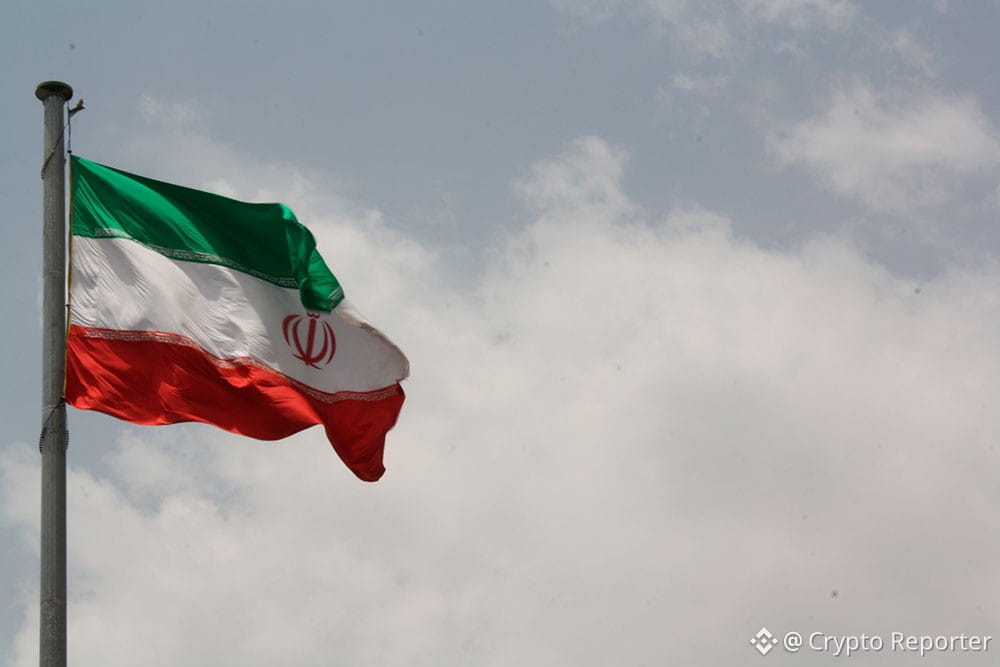
Iran Chuyển Sang Bitcoin, Tether Khi Lệnh Trừng Phạt Siết Chặt Hệ Thống Tài ChínhIran đang chuyển sang Bitcoin và Tether khi các lệnh trừng phạt và việc siết chặt lệnh phong tỏa kinh tế khiến ngày càng khó khăn để quốc gia này tiếp cận các mạng lưới tài chính quốc tế thông thường.
Ngân hàng trung ương Iran đã nới lỏng các biện pháp kiểm soát ngoại hối vốn được duy trì trong thời gian dài, cho phép các nhà xuất khẩu sử dụng Tether và Bitcoin để thực hiện các giao dịch xuyên biên giới thông qua các sàn giao dịch crypto trong nước. Sự thay đổi này mang lại cho doanh nghiệp một cách thức chuyển trực tiếp doanh thu xuất khẩu sang hàng nhập khẩu, đồng thời tránh một số hạn chế và tỷ giá do nhà nước áp đặt.
Iran Chuyển Sang Bitcoin, Tether Khi Lệnh Trừng Phạt Siết Chặt Hệ Thống Tài Chính
Iran đang chuyển sang Bitcoin và Tether khi các lệnh trừng phạt và việc siết chặt lệnh phong tỏa kinh tế khiến ngày càng khó khăn để quốc gia này tiếp cận các mạng lưới tài chính quốc tế thông thường.
Ngân hàng trung ương Iran đã nới lỏng các biện pháp kiểm soát ngoại hối vốn được duy trì trong thời gian dài, cho phép các nhà xuất khẩu sử dụng Tether và Bitcoin để thực hiện các giao dịch xuyên biên giới thông qua các sàn giao dịch crypto trong nước. Sự thay đổi này mang lại cho doanh nghiệp một cách thức chuyển trực tiếp doanh thu xuất khẩu sang hàng nhập khẩu, đồng thời tránh một số hạn chế và tỷ giá do nhà nước áp đặt.
Ngân hàng trung ương Iran đã nới lỏng các biện pháp kiểm soát ngoại hối vốn được duy trì trong thời gian dài, cho phép các nhà xuất khẩu sử dụng Tether và Bitcoin để thực hiện các giao dịch xuyên biên giới thông qua các sàn giao dịch crypto trong nước. Sự thay đổi này mang lại cho doanh nghiệp một cách thức chuyển trực tiếp doanh thu xuất khẩu sang hàng nhập khẩu, đồng thời tránh một số hạn chế và tỷ giá do nhà nước áp đặt.
92

Bài viết
Hàn Quốc Kế Hoạch Đưa Tất Cả Chứng Khoán Lên Mạng Từ Năm 2027Hàn Quốc đang chuẩn bị một trong những chương trình token hóa tham vọng nhất từng được thử nghiệm bởi một thị trường tài chính lớn.
Ủy ban Dịch vụ Tài chính của quốc gia đã công bố lộ trình ba giai đoạn nhằm mở rộng dần chứng khoán dựa trên blockchain từ các sản phẩm đầu tư ngách sang các tài sản thông thường bao gồm cổ phiếu, trái phiếu và quỹ.
Giai đoạn đầu dự kiến bắt đầu vào tháng 2 năm 2027, khi các sửa đổi đối với Đạo luật Đăng ký Điện tử của Hàn Quốc có hiệu lực và chính thức công nhận chứng khoán được token hóa là một dạng số hóa của chứng khoán truyền thống.
Hàn Quốc Kế Hoạch Đưa Tất Cả Chứng Khoán Lên Mạng Từ Năm 2027
Hàn Quốc đang chuẩn bị một trong những chương trình token hóa tham vọng nhất từng được thử nghiệm bởi một thị trường tài chính lớn.
Ủy ban Dịch vụ Tài chính của quốc gia đã công bố lộ trình ba giai đoạn nhằm mở rộng dần chứng khoán dựa trên blockchain từ các sản phẩm đầu tư ngách sang các tài sản thông thường bao gồm cổ phiếu, trái phiếu và quỹ.
Giai đoạn đầu dự kiến bắt đầu vào tháng 2 năm 2027, khi các sửa đổi đối với Đạo luật Đăng ký Điện tử của Hàn Quốc có hiệu lực và chính thức công nhận chứng khoán được token hóa là một dạng số hóa của chứng khoán truyền thống.
Ủy ban Dịch vụ Tài chính của quốc gia đã công bố lộ trình ba giai đoạn nhằm mở rộng dần chứng khoán dựa trên blockchain từ các sản phẩm đầu tư ngách sang các tài sản thông thường bao gồm cổ phiếu, trái phiếu và quỹ.
Giai đoạn đầu dự kiến bắt đầu vào tháng 2 năm 2027, khi các sửa đổi đối với Đạo luật Đăng ký Điện tử của Hàn Quốc có hiệu lực và chính thức công nhận chứng khoán được token hóa là một dạng số hóa của chứng khoán truyền thống.
77
Bài viết
Sở giao dịch chứng khoán London đưa cổ phiếu lên blockchainSở giao dịch chứng khoán London đang thực hiện một bước đi lớn hướng tới các thị trường dựa trên blockchain, dự kiến sẽ cung cấp các phiên bản được mã hóa của cổ phiếu Vương quốc Anh khi chuẩn bị ra mắt một sàn giao dịch giao dịch 24 giờ mới vào năm 2027.
Nhóm Sở giao dịch chứng khoán London (London Stock Exchange Group) sẽ hợp tác với Payward, công ty mẹ của sàn giao dịch tiền mã hóa Kraken, để giới thiệu các đại diện dựa trên blockchain cho các cổ phiếu niêm yết, được gọi là xStocks. Các token sẽ được bảo đảm theo tỷ lệ 1-1 bằng các cổ phiếu cơ sở, theo The Wall Street Journal.
Sáng kiến này được thiết kế để đưa một số tính năng của thị trường crypto — bao gồm quyền truy cập liên tục 24/7 và thanh toán nhanh hơn — vào giao dịch cổ phiếu được quản lý. Theo Reuters, LSEG dự kiến bắt đầu thử nghiệm nền tảng LSE 24 mới của mình vào cuối năm 2026, với kế hoạch ra mắt đầy đủ nhắm tới năm 2027, tùy thuộc vào phê duyệt của cơ quan quản lý.
Sở giao dịch chứng khoán London đưa cổ phiếu lên blockchain
Sở giao dịch chứng khoán London đang thực hiện một bước đi lớn hướng tới các thị trường dựa trên blockchain, dự kiến sẽ cung cấp các phiên bản được mã hóa của cổ phiếu Vương quốc Anh khi chuẩn bị ra mắt một sàn giao dịch giao dịch 24 giờ mới vào năm 2027.
Nhóm Sở giao dịch chứng khoán London (London Stock Exchange Group) sẽ hợp tác với Payward, công ty mẹ của sàn giao dịch tiền mã hóa Kraken, để giới thiệu các đại diện dựa trên blockchain cho các cổ phiếu niêm yết, được gọi là xStocks. Các token sẽ được bảo đảm theo tỷ lệ 1-1 bằng các cổ phiếu cơ sở, theo The Wall Street Journal.
Sáng kiến này được thiết kế để đưa một số tính năng của thị trường crypto — bao gồm quyền truy cập liên tục 24/7 và thanh toán nhanh hơn — vào giao dịch cổ phiếu được quản lý. Theo Reuters, LSEG dự kiến bắt đầu thử nghiệm nền tảng LSE 24 mới của mình vào cuối năm 2026, với kế hoạch ra mắt đầy đủ nhắm tới năm 2027, tùy thuộc vào phê duyệt của cơ quan quản lý.
Nhóm Sở giao dịch chứng khoán London (London Stock Exchange Group) sẽ hợp tác với Payward, công ty mẹ của sàn giao dịch tiền mã hóa Kraken, để giới thiệu các đại diện dựa trên blockchain cho các cổ phiếu niêm yết, được gọi là xStocks. Các token sẽ được bảo đảm theo tỷ lệ 1-1 bằng các cổ phiếu cơ sở, theo The Wall Street Journal.
Sáng kiến này được thiết kế để đưa một số tính năng của thị trường crypto — bao gồm quyền truy cập liên tục 24/7 và thanh toán nhanh hơn — vào giao dịch cổ phiếu được quản lý. Theo Reuters, LSEG dự kiến bắt đầu thử nghiệm nền tảng LSE 24 mới của mình vào cuối năm 2026, với kế hoạch ra mắt đầy đủ nhắm tới năm 2027, tùy thuộc vào phê duyệt của cơ quan quản lý.
83
Bài viết
Goldman Sachs, BofA và 19 Ngân hàng Bắt Tay Nhau Ra Mắt Stablecoin vào Năm 2027Một số ngân hàng lớn nhất thế giới đang liên kết với nhau để ra mắt một stablecoin được gắn với đồng USD trong nửa đầu năm 2027, thực hiện một bước nhảy tập thể vào thị trường mà phần lớn đã do các công ty tiền mã hóa thống trị.
Konsorsium 21 ngân hàng, bao gồm Goldman Sachs, Bank of America và Citigroup, dự kiến thành lập một công ty mới để phát triển và vận hành đồng tiền kỹ thuật số. Theo Reuters và The Wall Street Journal, sáng kiến này đã phát triển từ một nhóm ban đầu gồm 10 ngân hàng.
Ban đầu, stablecoin sẽ nhắm đến khách hàng doanh nghiệp và các khoản thanh toán xuyên biên giới, nơi các ngân hàng nhìn thấy tiềm năng giúp các giao dịch diễn ra nhanh hơn và hiệu quả hơn. Nhóm cũng đang cân nhắc, về lâu dài, việc phát hành các stablecoin gắn với các đồng tiền khác của G7, bao gồm đồng euro.
Goldman Sachs, BofA và 19 Ngân hàng Bắt Tay Nhau Ra Mắt Stablecoin vào Năm 2027
Một số ngân hàng lớn nhất thế giới đang liên kết với nhau để ra mắt một stablecoin được gắn với đồng USD trong nửa đầu năm 2027, thực hiện một bước nhảy tập thể vào thị trường mà phần lớn đã do các công ty tiền mã hóa thống trị.
Konsorsium 21 ngân hàng, bao gồm Goldman Sachs, Bank of America và Citigroup, dự kiến thành lập một công ty mới để phát triển và vận hành đồng tiền kỹ thuật số. Theo Reuters và The Wall Street Journal, sáng kiến này đã phát triển từ một nhóm ban đầu gồm 10 ngân hàng.
Ban đầu, stablecoin sẽ nhắm đến khách hàng doanh nghiệp và các khoản thanh toán xuyên biên giới, nơi các ngân hàng nhìn thấy tiềm năng giúp các giao dịch diễn ra nhanh hơn và hiệu quả hơn. Nhóm cũng đang cân nhắc, về lâu dài, việc phát hành các stablecoin gắn với các đồng tiền khác của G7, bao gồm đồng euro.
Konsorsium 21 ngân hàng, bao gồm Goldman Sachs, Bank of America và Citigroup, dự kiến thành lập một công ty mới để phát triển và vận hành đồng tiền kỹ thuật số. Theo Reuters và The Wall Street Journal, sáng kiến này đã phát triển từ một nhóm ban đầu gồm 10 ngân hàng.
Ban đầu, stablecoin sẽ nhắm đến khách hàng doanh nghiệp và các khoản thanh toán xuyên biên giới, nơi các ngân hàng nhìn thấy tiềm năng giúp các giao dịch diễn ra nhanh hơn và hiệu quả hơn. Nhóm cũng đang cân nhắc, về lâu dài, việc phát hành các stablecoin gắn với các đồng tiền khác của G7, bao gồm đồng euro.
120

Bài viết
Bitcoin Vượt Mốc 80.000 USD Khi Nhu Cầu Từ ETF Thúc Đẩy Cơn Sốt CryptoBitcoin đã vượt mốc 80.000 USD lần đầu tiên kể từ tháng 5, kéo dài đà tăng đã giúp giá trị tiền mã hóa này tăng xấp xỉ 25% trong một tuần và khơi lại sự thèm muốn của nhà đầu tư đối với các tài sản số.
Tiền mã hóa đã đạt khoảng 81.000 USD vào ngày 25/8, mức cao nhất kể từ giữa tháng 5, trước khi hoàn lại một phần lợi nhuận. Bitcoin đã tăng khoảng 28% trong tháng 8, đưa nó vào đà cho mức tăng theo tháng mạnh nhất kể từ tháng 11/2024, theo Reuters.
Diễn biến này đánh dấu sự đảo chiều mạnh so với đầu tháng, khi Bitcoin giao dịch quanh mức 64.000 USD. Đợt tăng ban đầu nhận được lực đẩy sau một làn sóng thanh lý vị thế short, nhưng đợt tăng mới nhất hiện đang được củng cố bởi bằng chứng về nhu cầu giao ngay (spot) quay trở lại từ các nhà đầu tư tổ chức.
Bitcoin Vượt Mốc 80.000 USD Khi Nhu Cầu Từ ETF Thúc Đẩy Cơn Sốt Crypto
Bitcoin đã vượt mốc 80.000 USD lần đầu tiên kể từ tháng 5, kéo dài đà tăng đã giúp giá trị tiền mã hóa này tăng xấp xỉ 25% trong một tuần và khơi lại sự thèm muốn của nhà đầu tư đối với các tài sản số.
Tiền mã hóa đã đạt khoảng 81.000 USD vào ngày 25/8, mức cao nhất kể từ giữa tháng 5, trước khi hoàn lại một phần lợi nhuận. Bitcoin đã tăng khoảng 28% trong tháng 8, đưa nó vào đà cho mức tăng theo tháng mạnh nhất kể từ tháng 11/2024, theo Reuters.
Diễn biến này đánh dấu sự đảo chiều mạnh so với đầu tháng, khi Bitcoin giao dịch quanh mức 64.000 USD. Đợt tăng ban đầu nhận được lực đẩy sau một làn sóng thanh lý vị thế short, nhưng đợt tăng mới nhất hiện đang được củng cố bởi bằng chứng về nhu cầu giao ngay (spot) quay trở lại từ các nhà đầu tư tổ chức.
Tiền mã hóa đã đạt khoảng 81.000 USD vào ngày 25/8, mức cao nhất kể từ giữa tháng 5, trước khi hoàn lại một phần lợi nhuận. Bitcoin đã tăng khoảng 28% trong tháng 8, đưa nó vào đà cho mức tăng theo tháng mạnh nhất kể từ tháng 11/2024, theo Reuters.
Diễn biến này đánh dấu sự đảo chiều mạnh so với đầu tháng, khi Bitcoin giao dịch quanh mức 64.000 USD. Đợt tăng ban đầu nhận được lực đẩy sau một làn sóng thanh lý vị thế short, nhưng đợt tăng mới nhất hiện đang được củng cố bởi bằng chứng về nhu cầu giao ngay (spot) quay trở lại từ các nhà đầu tư tổ chức.
68

Bài viết
Nhật Bản Lên Kế Hoạch Hệ Thống Blockchain để Tăng Tốc Thanh Toán Cổ Phiếu và Trái PhiếuCác cơ quan tài chính hàng đầu của Nhật Bản đang chuẩn bị một kế hoạch xây dựng hạ tầng dựa trên blockchain để thanh toán cổ phiếu và trái phiếu chính phủ Nhật Bản, một động thái có thể thay đổi căn bản cách các giao dịch chứng khoán được hoàn tất trên thị trường tài chính của nước này.
Theo Nikkei Asia, dẫn lời The Block, Cơ quan Dịch vụ Tài chính, Bộ Tài chính và Ngân hàng Trung ương Nhật Bản dự kiến sẽ phối hợp với các tổ chức tài chính trong nước bắt đầu từ mùa hè này để xây dựng kế hoạch phát triển cho hệ thống thanh toán thế hệ tiếp theo. Kế hoạch này có thể được hoàn tất sớm nhất vào đầu năm 2027 và sẽ xác định kiến trúc của blockchain, trách nhiệm của các cơ quan chính phủ và các tổ chức tài chính, cũng như lộ trình dài hạn của dự án.
Nhật Bản Lên Kế Hoạch Hệ Thống Blockchain để Tăng Tốc Thanh Toán Cổ Phiếu và Trái Phiếu
Các cơ quan tài chính hàng đầu của Nhật Bản đang chuẩn bị một kế hoạch xây dựng hạ tầng dựa trên blockchain để thanh toán cổ phiếu và trái phiếu chính phủ Nhật Bản, một động thái có thể thay đổi căn bản cách các giao dịch chứng khoán được hoàn tất trên thị trường tài chính của nước này.
Theo Nikkei Asia, dẫn lời The Block, Cơ quan Dịch vụ Tài chính, Bộ Tài chính và Ngân hàng Trung ương Nhật Bản dự kiến sẽ phối hợp với các tổ chức tài chính trong nước bắt đầu từ mùa hè này để xây dựng kế hoạch phát triển cho hệ thống thanh toán thế hệ tiếp theo. Kế hoạch này có thể được hoàn tất sớm nhất vào đầu năm 2027 và sẽ xác định kiến trúc của blockchain, trách nhiệm của các cơ quan chính phủ và các tổ chức tài chính, cũng như lộ trình dài hạn của dự án.
Theo Nikkei Asia, dẫn lời The Block, Cơ quan Dịch vụ Tài chính, Bộ Tài chính và Ngân hàng Trung ương Nhật Bản dự kiến sẽ phối hợp với các tổ chức tài chính trong nước bắt đầu từ mùa hè này để xây dựng kế hoạch phát triển cho hệ thống thanh toán thế hệ tiếp theo. Kế hoạch này có thể được hoàn tất sớm nhất vào đầu năm 2027 và sẽ xác định kiến trúc của blockchain, trách nhiệm của các cơ quan chính phủ và các tổ chức tài chính, cũng như lộ trình dài hạn của dự án.
83
Bài viết
Bitcoin Vượt Trên Mốc 71.000 USD Khi Đợt Siết Short Đẩy Thị Trường Crypto Tăng Cao HơnBitcoin đã tăng vọt vượt mốc 71.000 USD lần đầu tiên kể từ tháng 6, phá vỡ một biên độ giao dịch kéo dài sáu tuần khi làn sóng mua vào do bị ép buộc đã đẩy đồng tiền điện tử này tăng mạnh.
Bitcoin leo lên mức cao khoảng 72.400 USD vào thứ Năm, kéo dài đà tăng bắt đầu từ ngày hôm trước. Động thái này tương đương mức tăng khoảng 11% trong 24 giờ, theo báo cáo thị trường của CoinDesk.
Cuộc biểu tình được khuếch đại bởi một đợt siết thị trường phái sinh quy mô lớn. Theo CoinDesk, khoảng 3 tỷ USD vị thế short đã bị thanh lý trong vòng 24 giờ, so với khoảng 264 triệu USD trong các lệnh thanh lý long. Hơn 1 tỷ USD vị thế mang tính bi quan đã bị xóa sổ chỉ trong một giờ khi các nhà giao dịch bị buộc phải mua Bitcoin để đóng các cược thua lỗ
Bitcoin Vượt Trên Mốc 71.000 USD Khi Đợt Siết Short Đẩy Thị Trường Crypto Tăng Cao Hơn
Bitcoin đã tăng vọt vượt mốc 71.000 USD lần đầu tiên kể từ tháng 6, phá vỡ một biên độ giao dịch kéo dài sáu tuần khi làn sóng mua vào do bị ép buộc đã đẩy đồng tiền điện tử này tăng mạnh.
Bitcoin leo lên mức cao khoảng 72.400 USD vào thứ Năm, kéo dài đà tăng bắt đầu từ ngày hôm trước. Động thái này tương đương mức tăng khoảng 11% trong 24 giờ, theo báo cáo thị trường của CoinDesk.
Cuộc biểu tình được khuếch đại bởi một đợt siết thị trường phái sinh quy mô lớn. Theo CoinDesk, khoảng 3 tỷ USD vị thế short đã bị thanh lý trong vòng 24 giờ, so với khoảng 264 triệu USD trong các lệnh thanh lý long. Hơn 1 tỷ USD vị thế mang tính bi quan đã bị xóa sổ chỉ trong một giờ khi các nhà giao dịch bị buộc phải mua Bitcoin để đóng các cược thua lỗ
Bitcoin leo lên mức cao khoảng 72.400 USD vào thứ Năm, kéo dài đà tăng bắt đầu từ ngày hôm trước. Động thái này tương đương mức tăng khoảng 11% trong 24 giờ, theo báo cáo thị trường của CoinDesk.
Cuộc biểu tình được khuếch đại bởi một đợt siết thị trường phái sinh quy mô lớn. Theo CoinDesk, khoảng 3 tỷ USD vị thế short đã bị thanh lý trong vòng 24 giờ, so với khoảng 264 triệu USD trong các lệnh thanh lý long. Hơn 1 tỷ USD vị thế mang tính bi quan đã bị xóa sổ chỉ trong một giờ khi các nhà giao dịch bị buộc phải mua Bitcoin để đóng các cược thua lỗ
95
Bài viết
Tether Hoàn Tất Cuộc Kiểm Toán Toàn Diện Đầu Tiên Sau Nhiều Năm Bị Soi XétTether, tổ chức phát hành stablecoin lớn nhất thế giới, đã hoàn tất cuộc kiểm toán độc lập toàn diện đầu tiên đối với báo cáo tài chính của mình, khép lại nhiều năm lời hứa và sự soi xét liên quan đến các tài sản đứng sau token USDT.
KPMG Mỹ đã đưa ra “ý kiến kiểm toán không có điều kiện” đối với báo cáo tài chính của Tether International S.A. de C.V. cho năm kết thúc vào ngày 31 tháng 12 năm 2025, nghĩa là các báo cáo thể hiện một cách hợp lý tình hình tài chính, kết quả hoạt động và dòng tiền của công ty phù hợp với các nguyên tắc kế toán được chấp nhận chung tại Mỹ, theo thông báo của Tether.
Tether Hoàn Tất Cuộc Kiểm Toán Toàn Diện Đầu Tiên Sau Nhiều Năm Bị Soi Xét
Tether, tổ chức phát hành stablecoin lớn nhất thế giới, đã hoàn tất cuộc kiểm toán độc lập toàn diện đầu tiên đối với báo cáo tài chính của mình, khép lại nhiều năm lời hứa và sự soi xét liên quan đến các tài sản đứng sau token USDT.
KPMG Mỹ đã đưa ra “ý kiến kiểm toán không có điều kiện” đối với báo cáo tài chính của Tether International S.A. de C.V. cho năm kết thúc vào ngày 31 tháng 12 năm 2025, nghĩa là các báo cáo thể hiện một cách hợp lý tình hình tài chính, kết quả hoạt động và dòng tiền của công ty phù hợp với các nguyên tắc kế toán được chấp nhận chung tại Mỹ, theo thông báo của Tether.
KPMG Mỹ đã đưa ra “ý kiến kiểm toán không có điều kiện” đối với báo cáo tài chính của Tether International S.A. de C.V. cho năm kết thúc vào ngày 31 tháng 12 năm 2025, nghĩa là các báo cáo thể hiện một cách hợp lý tình hình tài chính, kết quả hoạt động và dòng tiền của công ty phù hợp với các nguyên tắc kế toán được chấp nhận chung tại Mỹ, theo thông báo của Tether.
360
Bài viết
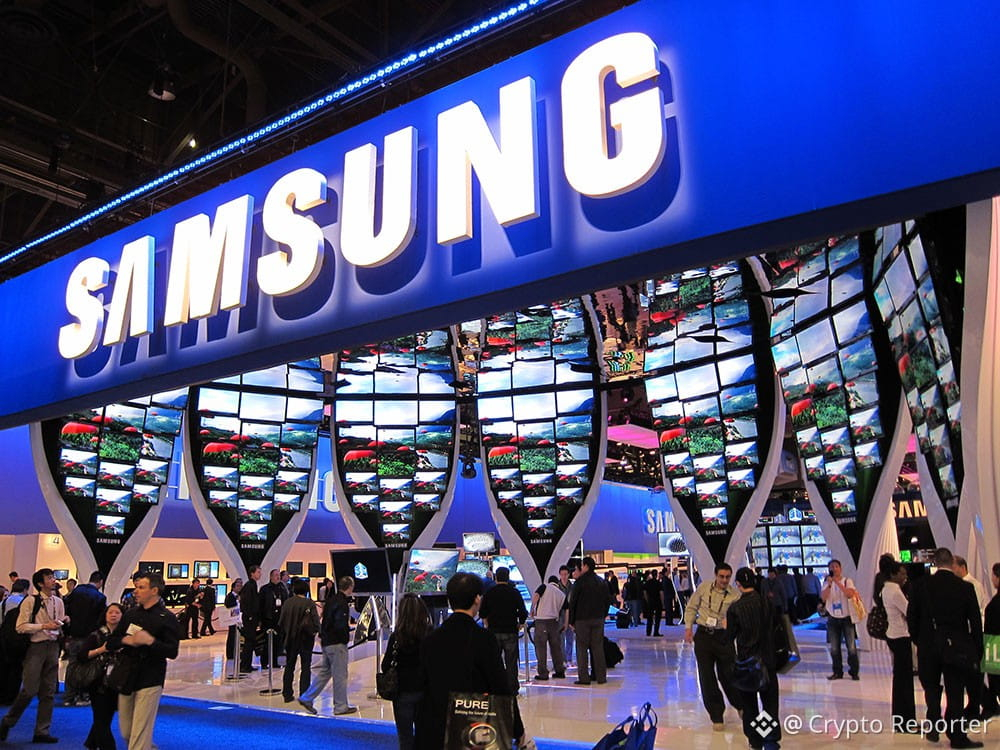
Samsung Nhắm Tới Phân Phối Stablecoin Trên Hàng Trăm Triệu Điện Thoại GalaxySamsung Electronics Co. đang chuyển hướng để đưa stablecoin trực tiếp vào Samsung Wallet, có khả năng tạo ra một kênh phân phối cho các đô la dựa trên blockchain trên phạm vi hàng trăm triệu thiết bị Galaxy.
Tại sự kiện Galaxy Unpacked ngày 22 tháng 7 ở London, Samsung cho biết Samsung Wallet sẽ hỗ trợ “những hình thức giá trị kỹ thuật số mới, bao gồm stablecoin”. Công ty đã trình chiếu một bản mockup có sử dụng USDC, token được neo theo đồng đô la do Circle Internet Financial Inc. phát hành, dù Samsung vẫn chưa xác nhận Circle là đối tác, chưa công bố ngày ra mắt và cũng chưa nêu rõ những mạng blockchain nào sẽ được hỗ trợ.
Samsung Nhắm Tới Phân Phối Stablecoin Trên Hàng Trăm Triệu Điện Thoại Galaxy
Samsung Electronics Co. đang chuyển hướng để đưa stablecoin trực tiếp vào Samsung Wallet, có khả năng tạo ra một kênh phân phối cho các đô la dựa trên blockchain trên phạm vi hàng trăm triệu thiết bị Galaxy.
Tại sự kiện Galaxy Unpacked ngày 22 tháng 7 ở London, Samsung cho biết Samsung Wallet sẽ hỗ trợ “những hình thức giá trị kỹ thuật số mới, bao gồm stablecoin”. Công ty đã trình chiếu một bản mockup có sử dụng USDC, token được neo theo đồng đô la do Circle Internet Financial Inc. phát hành, dù Samsung vẫn chưa xác nhận Circle là đối tác, chưa công bố ngày ra mắt và cũng chưa nêu rõ những mạng blockchain nào sẽ được hỗ trợ.
Tại sự kiện Galaxy Unpacked ngày 22 tháng 7 ở London, Samsung cho biết Samsung Wallet sẽ hỗ trợ “những hình thức giá trị kỹ thuật số mới, bao gồm stablecoin”. Công ty đã trình chiếu một bản mockup có sử dụng USDC, token được neo theo đồng đô la do Circle Internet Financial Inc. phát hành, dù Samsung vẫn chưa xác nhận Circle là đối tác, chưa công bố ngày ra mắt và cũng chưa nêu rõ những mạng blockchain nào sẽ được hỗ trợ.
90
Đạo luật Clarity bị đình trệ khi Thượng viện hết thời gian trước kỳ nghỉ tháng 8Ngành công nghiệp crypto của Mỹ đang nỗ lực thúc đẩy việc ban hành luật toàn diện về cấu trúc thị trường, nhưng đang đối mặt với một lần trì hoãn nữa khi Thượng viện tiến gần kỳ nghỉ tháng 8 mà vẫn chưa đạt được thỏa thuận cuối cùng đối với Đạo luật CLARITY.
Đạo luật Làm rõ Thị trường Tài sản Kỹ thuật số (Digital Asset Market Clarity Act) nhằm thiết lập khung pháp lý liên bang toàn diện đầu tiên điều chỉnh các thị trường crypto tại Hoa Kỳ, bao gồm việc phân định rõ hơn trách nhiệm giữa Ủy ban Chứng khoán và Giao dịch (SEC) và Ủy ban Giao dịch Hàng hóa Tương lai (CFTC).
Sau nhiều năm tranh luận về việc quản lý thông qua thực thi, dự luật đã giành được đà thúc đẩy đáng kể vào đầu năm nay.
Đạo luật Clarity bị đình trệ khi Thượng viện hết thời gian trước kỳ nghỉ tháng 8
Ngành công nghiệp crypto của Mỹ đang nỗ lực thúc đẩy việc ban hành luật toàn diện về cấu trúc thị trường, nhưng đang đối mặt với một lần trì hoãn nữa khi Thượng viện tiến gần kỳ nghỉ tháng 8 mà vẫn chưa đạt được thỏa thuận cuối cùng đối với Đạo luật CLARITY.
Đạo luật Làm rõ Thị trường Tài sản Kỹ thuật số (Digital Asset Market Clarity Act) nhằm thiết lập khung pháp lý liên bang toàn diện đầu tiên điều chỉnh các thị trường crypto tại Hoa Kỳ, bao gồm việc phân định rõ hơn trách nhiệm giữa Ủy ban Chứng khoán và Giao dịch (SEC) và Ủy ban Giao dịch Hàng hóa Tương lai (CFTC).
Sau nhiều năm tranh luận về việc quản lý thông qua thực thi, dự luật đã giành được đà thúc đẩy đáng kể vào đầu năm nay.
Đạo luật Làm rõ Thị trường Tài sản Kỹ thuật số (Digital Asset Market Clarity Act) nhằm thiết lập khung pháp lý liên bang toàn diện đầu tiên điều chỉnh các thị trường crypto tại Hoa Kỳ, bao gồm việc phân định rõ hơn trách nhiệm giữa Ủy ban Chứng khoán và Giao dịch (SEC) và Ủy ban Giao dịch Hàng hóa Tương lai (CFTC).
Sau nhiều năm tranh luận về việc quản lý thông qua thực thi, dự luật đã giành được đà thúc đẩy đáng kể vào đầu năm nay.
89
BlackRock Định Vị Tiền Mặt Được Mã Hóa Cho Kỷ Nguyên StablecoinBlackRock đang mở rộng sâu hơn vào lĩnh vực tài chính được mã hóa (tokenized finance), lần này nhắm tới một trong những cơ hội phát triển nhanh nhất do quy định stablecoin của Mỹ tạo ra: quản lý các tài sản đứng sau những đô la kỹ thuật số.
Nhà quản lý tài sản lớn nhất thế giới đã giới thiệu hai sản phẩm thị trường tiền tệ dựa trên blockchain, được thiết kế để đủ điều kiện trở thành tài sản dự trữ cho các tổ chức phát hành stablecoin thanh toán tại Mỹ được cho phép theo Đạo luật GENIUS.
Quỹ Thị phần thanh khoản dựa trên Kho bạc BlackRock Select Treasury Based Liquidity Fund đầu tiên, hay BSTBL, là một lớp cổ phần được mã hóa (tokenized) của một quỹ thị trường tiền tệ hiện có của BlackRock. Các cổ phiếu có sẵn trên Ethereum, mang lại cho nhà đầu tư tổ chức khả năng truy cập dựa trên blockchain vào một sản phẩm thanh khoản truyền thống tập trung vào Kho bạc.
BlackRock Định Vị Tiền Mặt Được Mã Hóa Cho Kỷ Nguyên Stablecoin
BlackRock đang mở rộng sâu hơn vào lĩnh vực tài chính được mã hóa (tokenized finance), lần này nhắm tới một trong những cơ hội phát triển nhanh nhất do quy định stablecoin của Mỹ tạo ra: quản lý các tài sản đứng sau những đô la kỹ thuật số.
Nhà quản lý tài sản lớn nhất thế giới đã giới thiệu hai sản phẩm thị trường tiền tệ dựa trên blockchain, được thiết kế để đủ điều kiện trở thành tài sản dự trữ cho các tổ chức phát hành stablecoin thanh toán tại Mỹ được cho phép theo Đạo luật GENIUS.
Quỹ Thị phần thanh khoản dựa trên Kho bạc BlackRock Select Treasury Based Liquidity Fund đầu tiên, hay BSTBL, là một lớp cổ phần được mã hóa (tokenized) của một quỹ thị trường tiền tệ hiện có của BlackRock. Các cổ phiếu có sẵn trên Ethereum, mang lại cho nhà đầu tư tổ chức khả năng truy cập dựa trên blockchain vào một sản phẩm thanh khoản truyền thống tập trung vào Kho bạc.
Nhà quản lý tài sản lớn nhất thế giới đã giới thiệu hai sản phẩm thị trường tiền tệ dựa trên blockchain, được thiết kế để đủ điều kiện trở thành tài sản dự trữ cho các tổ chức phát hành stablecoin thanh toán tại Mỹ được cho phép theo Đạo luật GENIUS.
Quỹ Thị phần thanh khoản dựa trên Kho bạc BlackRock Select Treasury Based Liquidity Fund đầu tiên, hay BSTBL, là một lớp cổ phần được mã hóa (tokenized) của một quỹ thị trường tiền tệ hiện có của BlackRock. Các cổ phiếu có sẵn trên Ethereum, mang lại cho nhà đầu tư tổ chức khả năng truy cập dựa trên blockchain vào một sản phẩm thanh khoản truyền thống tập trung vào Kho bạc.
97
Bài viết
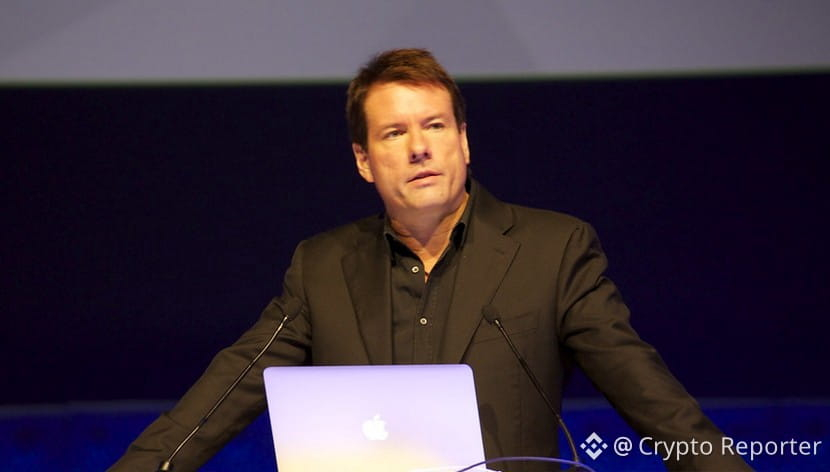
Strategy Báo Lỗ 8,2 Tỷ USD Ở Quý Hai Do Định Giá BitcoinStrategy Inc. báo lỗ ròng 8,2 tỷ USD trong quý hai, khi những biến động về giá trị thị trường của các khoản nắm giữ Bitcoin đã gây áp lực lên lợi nhuận theo các quy định kế toán giá trị hợp lý. Công ty, từng là một nhà cung cấp phần mềm doanh nghiệp và nay đã chuyển mình thành bên nắm giữ Bitcoin doanh nghiệp lớn nhất, cho biết họ tiếp tục coi tiền mã hóa này là tài sản dự trữ kho bạc chính. Theo kết quả kinh doanh theo quý, Strategy nắm giữ khoảng 843.775 Bitcoin vào cuối kỳ báo cáo.
Strategy Báo Lỗ 8,2 Tỷ USD Ở Quý Hai Do Định Giá Bitcoin
Strategy Inc. báo lỗ ròng 8,2 tỷ USD trong quý hai, khi những biến động về giá trị thị trường của các khoản nắm giữ Bitcoin đã gây áp lực lên lợi nhuận theo các quy định kế toán giá trị hợp lý. Công ty, từng là một nhà cung cấp phần mềm doanh nghiệp và nay đã chuyển mình thành bên nắm giữ Bitcoin doanh nghiệp lớn nhất, cho biết họ tiếp tục coi tiền mã hóa này là tài sản dự trữ kho bạc chính. Theo kết quả kinh doanh theo quý, Strategy nắm giữ khoảng 843.775 Bitcoin vào cuối kỳ báo cáo.
189
Bài viết
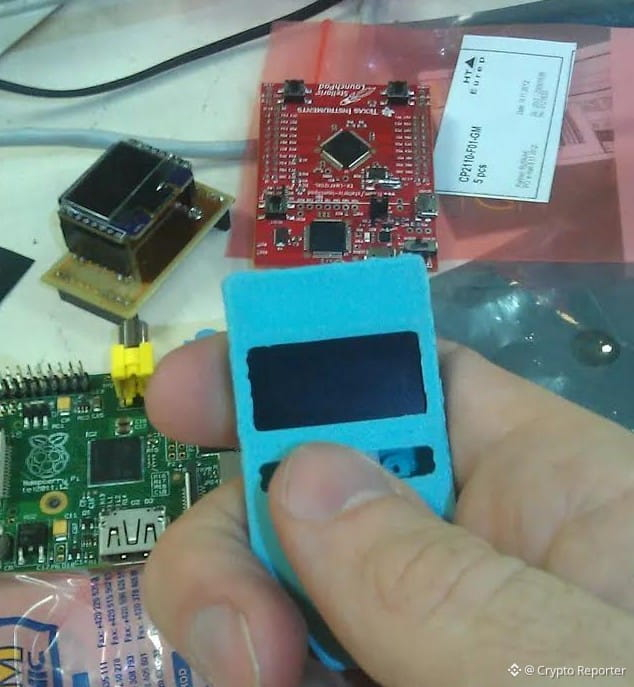
Ví phần cứng tròn mười hai tuổi: Hai người trong một không gian làm việc của các hacker ở Prague đã phát minh ra ngành công nghiệp này như thế nàoMười hai năm trước, chưa hề có thứ gọi là ví phần cứng. Để tự lưu giữ Bitcoin của mình một cách an toàn, bạn cần một máy tính dự phòng, kiến thức hoạt động về Linux và đủ can đảm để tin vào một hệ thống mà bạn tự mình đấu nối. Hầu hết mọi người không có cả ba yếu tố đó. Họ để tiền xu của mình trên các sàn giao dịch và hy vọng mọi chuyện sẽ diễn ra tốt đẹp.
Điều đó đã thay đổi vào ngày 29 tháng 7 năm 2014, khi Trezor ra mắt Model One. Đây là ví phần cứng đầu tiên từng được tạo ra, và nó đã hình thành nên một nhóm danh mục hiện nay đang bảo đảm cho một phần lớn tiền mã hóa của thế giới. Trezor đã phát minh ra ví phần cứng, và cùng với nó là một cách thực tế để những người bình thường có thể trở thành ngân hàng của chính họ.
Ví phần cứng tròn mười hai tuổi: Hai người trong một không gian làm việc của các hacker ở Prague đã phát minh ra ngành công nghiệp này như thế nào
Mười hai năm trước, chưa hề có thứ gọi là ví phần cứng. Để tự lưu giữ Bitcoin của mình một cách an toàn, bạn cần một máy tính dự phòng, kiến thức hoạt động về Linux và đủ can đảm để tin vào một hệ thống mà bạn tự mình đấu nối. Hầu hết mọi người không có cả ba yếu tố đó. Họ để tiền xu của mình trên các sàn giao dịch và hy vọng mọi chuyện sẽ diễn ra tốt đẹp.
Điều đó đã thay đổi vào ngày 29 tháng 7 năm 2014, khi Trezor ra mắt Model One. Đây là ví phần cứng đầu tiên từng được tạo ra, và nó đã hình thành nên một nhóm danh mục hiện nay đang bảo đảm cho một phần lớn tiền mã hóa của thế giới. Trezor đã phát minh ra ví phần cứng, và cùng với nó là một cách thực tế để những người bình thường có thể trở thành ngân hàng của chính họ.
Điều đó đã thay đổi vào ngày 29 tháng 7 năm 2014, khi Trezor ra mắt Model One. Đây là ví phần cứng đầu tiên từng được tạo ra, và nó đã hình thành nên một nhóm danh mục hiện nay đang bảo đảm cho một phần lớn tiền mã hóa của thế giới. Trezor đã phát minh ra ví phần cứng, và cùng với nó là một cách thực tế để những người bình thường có thể trở thành ngân hàng của chính họ.
195
Bài viết
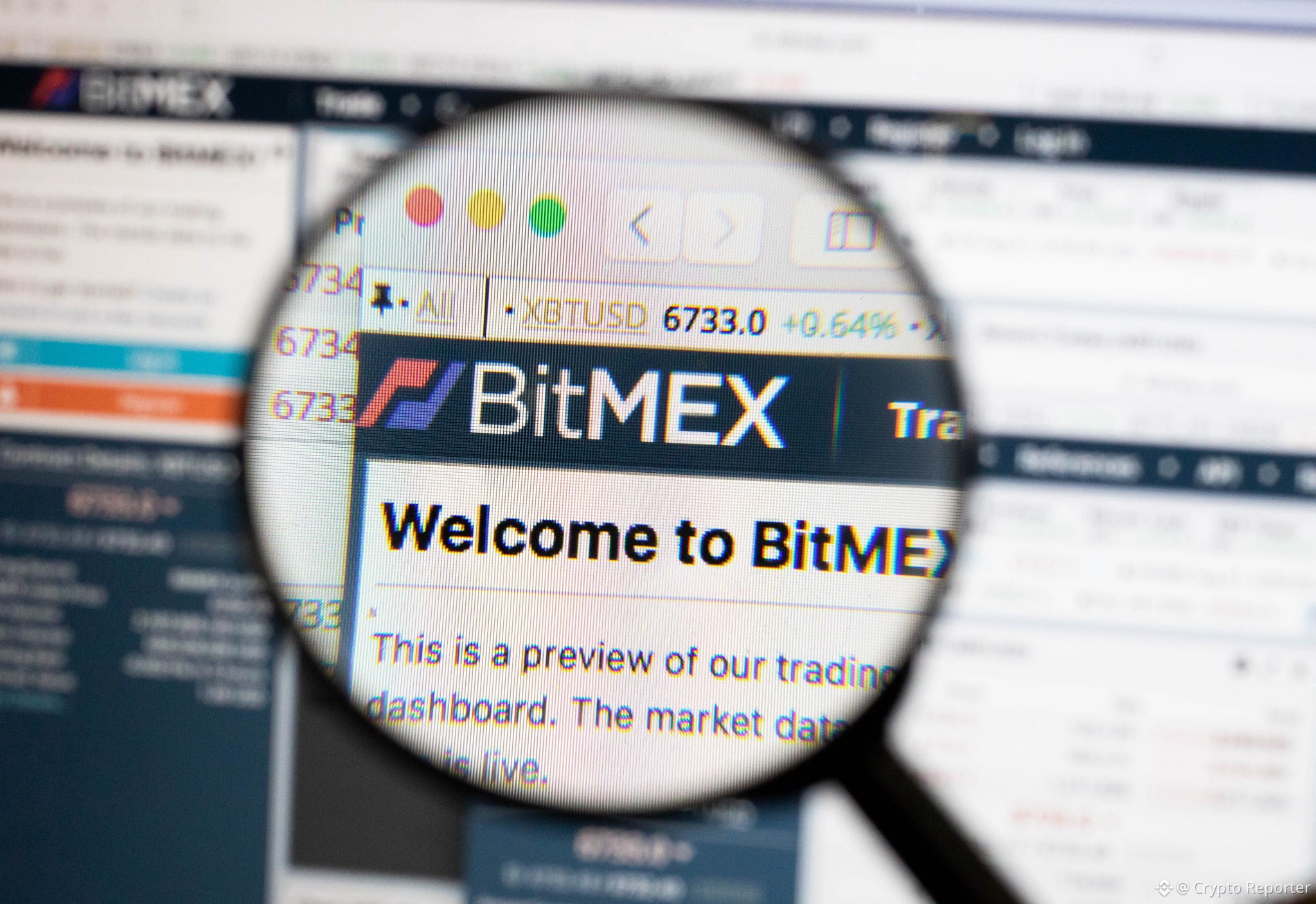
BitMEX Sẽ Ngừng Hoạt Động Sau 11 Năm Khi Cạnh Tranh Crypto Gia TăngBitMEX, một trong những sàn giao dịch phái sinh tiền mã hóa đầu tiên của ngành, sẽ ngừng hoạt động vào ngày 23/9, khép lại một chặng đường 11 năm đã góp phần định hình thị trường giao dịch tài sản kỹ thuật số nhờ đòn bẩy.
Nền tảng đặt tại Seychelles cho biết họ sẽ ngừng hoạt động sau khi được đơn vị mẹ HDR Global Trading tiến hành rà soát chiến lược. Người dùng đã được hướng dẫn đóng các vị thế đang mở và rút tài sản trước khi kết thúc giao dịch, dù công ty không nêu lý do cụ thể cho quyết định này. Reuters lần đầu đưa tin về việc đóng cửa này.
BitMEX Sẽ Ngừng Hoạt Động Sau 11 Năm Khi Cạnh Tranh Crypto Gia Tăng
BitMEX, một trong những sàn giao dịch phái sinh tiền mã hóa đầu tiên của ngành, sẽ ngừng hoạt động vào ngày 23/9, khép lại một chặng đường 11 năm đã góp phần định hình thị trường giao dịch tài sản kỹ thuật số nhờ đòn bẩy.
Nền tảng đặt tại Seychelles cho biết họ sẽ ngừng hoạt động sau khi được đơn vị mẹ HDR Global Trading tiến hành rà soát chiến lược. Người dùng đã được hướng dẫn đóng các vị thế đang mở và rút tài sản trước khi kết thúc giao dịch, dù công ty không nêu lý do cụ thể cho quyết định này. Reuters lần đầu đưa tin về việc đóng cửa này.
Nền tảng đặt tại Seychelles cho biết họ sẽ ngừng hoạt động sau khi được đơn vị mẹ HDR Global Trading tiến hành rà soát chiến lược. Người dùng đã được hướng dẫn đóng các vị thế đang mở và rút tài sản trước khi kết thúc giao dịch, dù công ty không nêu lý do cụ thể cho quyết định này. Reuters lần đầu đưa tin về việc đóng cửa này.
124
Đăng nhập để khám phá thêm nội dung
Tham gia cùng người dùng tiền mã hóa toàn cầu trên Binance Square
⚡️ Nhận thông tin mới nhất và hữu ích về tiền mã hóa.
💬 Được tin cậy bởi sàn giao dịch tiền mã hóa lớn nhất thế giới.
👍 Khám phá những thông tin chuyên sâu thực tế từ những nhà sáng tạo đã xác minh.
Email / Số điện thoại