

BitcoinKE
3.2k Bài đăng

BitcoinKE
 Đã xác minh nâng cao trên Square
Báo cáo
Chặn người dùng
BitKE is a leading crypto and Web3 focussed media outlet in Africa publishing daily informative and investment news and content.
1 Đang theo dõi
28.3K+ Người theo dõi
5.0K+ Đã thích
Bài đăng
Tất cả
Trích dẫn
·
--
MỐC ĐÁNH DẤU | Bộ Tài chính Nga lần đầu trả lương cho nhân viên bằng CBDC đồng RúpBộ Tài chính Nga đã thanh toán lương cho một số nhân viên bằng đồng rúp kỹ thuật số lần đầu tiên, đưa tiền tệ kỹ thuật số của ngân hàng trung ương vào bảng lương của chính phủ khi quốc gia này mở rộng việc sử dụng.
Các khoản thanh toán lương bắt đầu vào ngày 1 tháng 10 năm 2026 và mang tính tự nguyện, theo đó các nhân viên tham gia được yêu cầu mở tài khoản đồng Rúp kỹ thuật số trên nền tảng của Ngân hàng Nga, theo Bộ Tài chính cho biết.
Bộ không công bố số lượng nhân viên nhận lương bằng rúp kỹ thuật số hoặc tổng giá trị các khoản thanh toán.
MỐC ĐÁNH DẤU | Bộ Tài chính Nga lần đầu trả lương cho nhân viên bằng CBDC đồng Rúp
Bộ Tài chính Nga đã thanh toán lương cho một số nhân viên bằng đồng rúp kỹ thuật số lần đầu tiên, đưa tiền tệ kỹ thuật số của ngân hàng trung ương vào bảng lương của chính phủ khi quốc gia này mở rộng việc sử dụng.
Các khoản thanh toán lương bắt đầu vào ngày 1 tháng 10 năm 2026 và mang tính tự nguyện, theo đó các nhân viên tham gia được yêu cầu mở tài khoản đồng Rúp kỹ thuật số trên nền tảng của Ngân hàng Nga, theo Bộ Tài chính cho biết.
Bộ không công bố số lượng nhân viên nhận lương bằng rúp kỹ thuật số hoặc tổng giá trị các khoản thanh toán.
Các khoản thanh toán lương bắt đầu vào ngày 1 tháng 10 năm 2026 và mang tính tự nguyện, theo đó các nhân viên tham gia được yêu cầu mở tài khoản đồng Rúp kỹ thuật số trên nền tảng của Ngân hàng Nga, theo Bộ Tài chính cho biết.
Bộ không công bố số lượng nhân viên nhận lương bằng rúp kỹ thuật số hoặc tổng giá trị các khoản thanh toán.
63
·
--
TÌNH HUỐNG | Vì sao Ứng dụng phi tập trung, BitChat, tiếp tục bị các chính phủ đóng cửaẤn Độ đã yêu cầu Apple và Google gỡ Bitchat, một ứng dụng nhắn tin ngoại tuyến được phát triển bởi người đồng sáng lập Twitter Jack Dorsey, khỏi các cửa hàng ứng dụng tại Ấn Độ của họ theo Mục 69A của Luật Công nghệ Thông tin năm 2000, với lý do lo ngại rằng ứng dụng này có khả năng hỗ trợ các liên lạc ẩn danh bên ngoài các mạng viễn thông thông thường.
QUY ĐỊNH | Apple Gỡ BitChat của Jack Dorsey khỏi Cửa hàng ứng dụng Ấn Độ Sau Yêu cầu của Chính phủ
Nhóm phê duyệt ứng dụng của Apple đã nói với Dorsey trong một email vào thứ Bảy rằng Bitchat “sẽ bị gỡ khỏi Cửa hàng ứng dụng của Ấn Độ” sau yêu cầu từ Bộ Điện tử và Công nghệ Thông tin của Ấn Độ (MeitY), theo một bản sao do Dorsey đăng trên X.
TÌNH HUỐNG | Vì sao Ứng dụng phi tập trung, BitChat, tiếp tục bị các chính phủ đóng cửa
Ấn Độ đã yêu cầu Apple và Google gỡ Bitchat, một ứng dụng nhắn tin ngoại tuyến được phát triển bởi người đồng sáng lập Twitter Jack Dorsey, khỏi các cửa hàng ứng dụng tại Ấn Độ của họ theo Mục 69A của Luật Công nghệ Thông tin năm 2000, với lý do lo ngại rằng ứng dụng này có khả năng hỗ trợ các liên lạc ẩn danh bên ngoài các mạng viễn thông thông thường.
QUY ĐỊNH | Apple Gỡ BitChat của Jack Dorsey khỏi Cửa hàng ứng dụng Ấn Độ Sau Yêu cầu của Chính phủ
Nhóm phê duyệt ứng dụng của Apple đã nói với Dorsey trong một email vào thứ Bảy rằng Bitchat “sẽ bị gỡ khỏi Cửa hàng ứng dụng của Ấn Độ” sau yêu cầu từ Bộ Điện tử và Công nghệ Thông tin của Ấn Độ (MeitY), theo một bản sao do Dorsey đăng trên X.
QUY ĐỊNH | Apple Gỡ BitChat của Jack Dorsey khỏi Cửa hàng ứng dụng Ấn Độ Sau Yêu cầu của Chính phủ
Nhóm phê duyệt ứng dụng của Apple đã nói với Dorsey trong một email vào thứ Bảy rằng Bitchat “sẽ bị gỡ khỏi Cửa hàng ứng dụng của Ấn Độ” sau yêu cầu từ Bộ Điện tử và Công nghệ Thông tin của Ấn Độ (MeitY), theo một bản sao do Dorsey đăng trên X.
73
·
--
QUY ĐỊNH | Apple Gỡ BitChat của Jack Dorsey Khỏi App Store Ấn Độ Sau Yêu Cầu Từ Chính PhủApple đã gỡ ứng dụng nhắn tin ngoại tuyến, BitChat, khỏi App Store dành cho Ấn Độ sau yêu cầu từ Bộ Điện tử và Công nghệ thông tin của nước này (MeitY), Jack Dorsey cho biết trong một bài đăng trên X.
“Chính phủ Ấn Độ chính thức gỡ BitChat khỏi App Store,” nhà phát triển của ứng dụng và đồng sáng lập Twitter (nay là X), Jack Dorsey, đã viết trong bài đăng của mình, kèm theo một ảnh chụp màn hình trông giống như thông báo từ nhóm App Review của Apple.
chính phủ Ấn Độ chính thức gỡ bitchat khỏi App Store https://t.co/9oHHiwquec
QUY ĐỊNH | Apple Gỡ BitChat của Jack Dorsey Khỏi App Store Ấn Độ Sau Yêu Cầu Từ Chính Phủ
Apple đã gỡ ứng dụng nhắn tin ngoại tuyến, BitChat, khỏi App Store dành cho Ấn Độ sau yêu cầu từ Bộ Điện tử và Công nghệ thông tin của nước này (MeitY), Jack Dorsey cho biết trong một bài đăng trên X.
“Chính phủ Ấn Độ chính thức gỡ BitChat khỏi App Store,” nhà phát triển của ứng dụng và đồng sáng lập Twitter (nay là X), Jack Dorsey, đã viết trong bài đăng của mình, kèm theo một ảnh chụp màn hình trông giống như thông báo từ nhóm App Review của Apple.
chính phủ Ấn Độ chính thức gỡ bitchat khỏi App Store https://t.co/9oHHiwquec
“Chính phủ Ấn Độ chính thức gỡ BitChat khỏi App Store,” nhà phát triển của ứng dụng và đồng sáng lập Twitter (nay là X), Jack Dorsey, đã viết trong bài đăng của mình, kèm theo một ảnh chụp màn hình trông giống như thông báo từ nhóm App Review của Apple.
chính phủ Ấn Độ chính thức gỡ bitchat khỏi App Store https://t.co/9oHHiwquec
30
·
--
NGHIÊN CỨU TÌNH HUỐNG | Vụ Hack Này Đã Lộ Ra Lý Tưởng “Không Cần Xin Phép” Của CryptoMột tranh chấp giữa các giao thức liên chuỗi THORChain và NEAR Intents về cách xử lý số tiền bị đánh cắp trong vụ hack BitGet trị giá 387,7 triệu USD đã làm nổi bật sự gia tăng khoảng cách trong ngành công nghiệp crypto về mức độ mà các hệ thống không cần xin phép (permissionless) nên đi xa trong việc ngăn chặn các giao dịch phi pháp.
MỐC ĐÁNH DẤU | BitGet Cho Biết Số Tiền Bị Đánh Cắp Tiến Gần 400 Triệu USD Khi Vụ Rò Rỉ Bảo Mật Đang Diễn Ra
Khoảng 387,5 triệu USD tài sản bị đánh cắp đã bắt đầu di chuyển qua nhiều blockchain sau vụ vi phạm BitGet ngày 24/09/2026, trong đó có một số khoản tiền được chuyển qua THORChain. CEO của BitGet, Gracy Chen, đã kêu gọi THORChain chặn các địa chỉ liên quan đến kẻ tấn công nhưng giao thức này đã từ chối, cho rằng việc chặn có chọn lọc các giao dịch sẽ mâu thuẫn với thiết kế permissionless của mình.
NGHIÊN CỨU TÌNH HUỐNG | Vụ Hack Này Đã Lộ Ra Lý Tưởng “Không Cần Xin Phép” Của Crypto
Một tranh chấp giữa các giao thức liên chuỗi THORChain và NEAR Intents về cách xử lý số tiền bị đánh cắp trong vụ hack BitGet trị giá 387,7 triệu USD đã làm nổi bật sự gia tăng khoảng cách trong ngành công nghiệp crypto về mức độ mà các hệ thống không cần xin phép (permissionless) nên đi xa trong việc ngăn chặn các giao dịch phi pháp.
MỐC ĐÁNH DẤU | BitGet Cho Biết Số Tiền Bị Đánh Cắp Tiến Gần 400 Triệu USD Khi Vụ Rò Rỉ Bảo Mật Đang Diễn Ra
Khoảng 387,5 triệu USD tài sản bị đánh cắp đã bắt đầu di chuyển qua nhiều blockchain sau vụ vi phạm BitGet ngày 24/09/2026, trong đó có một số khoản tiền được chuyển qua THORChain. CEO của BitGet, Gracy Chen, đã kêu gọi THORChain chặn các địa chỉ liên quan đến kẻ tấn công nhưng giao thức này đã từ chối, cho rằng việc chặn có chọn lọc các giao dịch sẽ mâu thuẫn với thiết kế permissionless của mình.
MỐC ĐÁNH DẤU | BitGet Cho Biết Số Tiền Bị Đánh Cắp Tiến Gần 400 Triệu USD Khi Vụ Rò Rỉ Bảo Mật Đang Diễn Ra
Khoảng 387,5 triệu USD tài sản bị đánh cắp đã bắt đầu di chuyển qua nhiều blockchain sau vụ vi phạm BitGet ngày 24/09/2026, trong đó có một số khoản tiền được chuyển qua THORChain. CEO của BitGet, Gracy Chen, đã kêu gọi THORChain chặn các địa chỉ liên quan đến kẻ tấn công nhưng giao thức này đã từ chối, cho rằng việc chặn có chọn lọc các giao dịch sẽ mâu thuẫn với thiết kế permissionless của mình.
1
1.2k
·
--
Đã xác minh
Bài viết
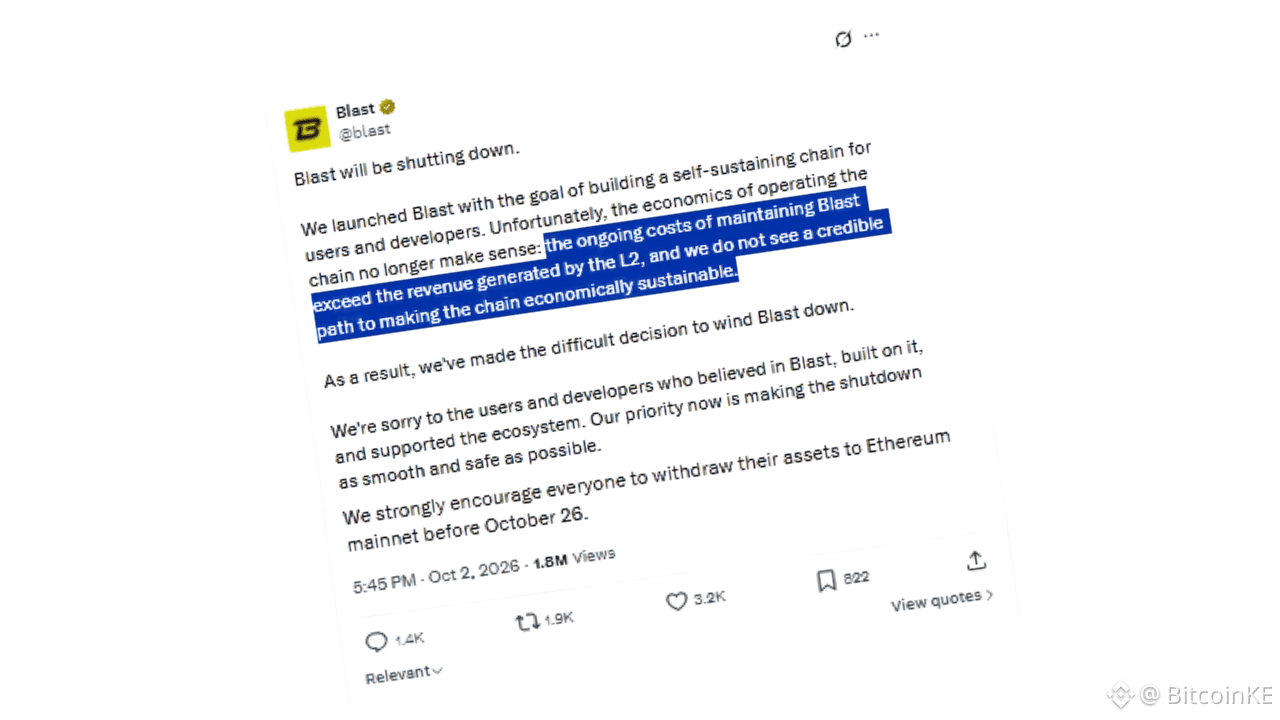
THỰC TẾ KIỂM TRA | Blast, Từng Là Mạng Ethereum Layer 2 Hàng Đầu, Sẽ Đóng Cửa Sau Khi TVL Giảm ~98%Mạng Ethereum layer-2 Blast sẽ ngừng hoạt động sau hơn hai năm vận hành, cho biết chi phí duy trì blockchain đã vượt quá doanh thu mà nó tạo ra.
Blast cho biết họ không thấy lối đi nào đủ thuyết phục để khiến mạng trở nên bền vững về mặt kinh tế và sẽ ngừng hoạt động. Theo dữ liệu của DeFiLlama, tổng giá trị bị khóa (TVL) đã giảm xuống khoảng 32 triệu USD từ mức đỉnh hơn 2,2 tỷ USD vào tháng 6/2024, tức giảm khoảng 98%.
Theo dữ liệu của DeFiLlama, doanh thu của mạng từ việc sử dụng đã giảm xuống còn khoảng 1.793 USD vào tháng 9/2026, từ mức đỉnh khoảng 3,5 triệu USD vào tháng 6/2024. Token BLAST đã giảm gần 50% sau thông báo ngừng hoạt động và hiện giảm khoảng 98% so với thời điểm ra mắt.
THỰC TẾ KIỂM TRA | Blast, Từng Là Mạng Ethereum Layer 2 Hàng Đầu, Sẽ Đóng Cửa Sau Khi TVL Giảm ~98%
Mạng Ethereum layer-2 Blast sẽ ngừng hoạt động sau hơn hai năm vận hành, cho biết chi phí duy trì blockchain đã vượt quá doanh thu mà nó tạo ra.
Blast cho biết họ không thấy lối đi nào đủ thuyết phục để khiến mạng trở nên bền vững về mặt kinh tế và sẽ ngừng hoạt động. Theo dữ liệu của DeFiLlama, tổng giá trị bị khóa (TVL) đã giảm xuống khoảng 32 triệu USD từ mức đỉnh hơn 2,2 tỷ USD vào tháng 6/2024, tức giảm khoảng 98%.
Theo dữ liệu của DeFiLlama, doanh thu của mạng từ việc sử dụng đã giảm xuống còn khoảng 1.793 USD vào tháng 9/2026, từ mức đỉnh khoảng 3,5 triệu USD vào tháng 6/2024. Token BLAST đã giảm gần 50% sau thông báo ngừng hoạt động và hiện giảm khoảng 98% so với thời điểm ra mắt.
Blast cho biết họ không thấy lối đi nào đủ thuyết phục để khiến mạng trở nên bền vững về mặt kinh tế và sẽ ngừng hoạt động. Theo dữ liệu của DeFiLlama, tổng giá trị bị khóa (TVL) đã giảm xuống khoảng 32 triệu USD từ mức đỉnh hơn 2,2 tỷ USD vào tháng 6/2024, tức giảm khoảng 98%.
Theo dữ liệu của DeFiLlama, doanh thu của mạng từ việc sử dụng đã giảm xuống còn khoảng 1.793 USD vào tháng 9/2026, từ mức đỉnh khoảng 3,5 triệu USD vào tháng 6/2024. Token BLAST đã giảm gần 50% sau thông báo ngừng hoạt động và hiện giảm khoảng 98% so với thời điểm ra mắt.
524
·
--
ĐIỀU HÀNH | Các Ngân hàng Cộng đồng Kiện Cơ quan Quản lý Hoa Kỳ Về Giấy phép Ngân hàng Tín thác CryptoMột hiệp hội thương mại đại diện cho các ngân hàng cộng đồng tại Mỹ đã kiện Cơ quan Kiểm soát Tiền tệ Hoa Kỳ (OCC), cho rằng cơ quan quản lý đã vượt quá thẩm quyền khi cho phép các công ty tiền mã hóa nhận giấy phép ngân hàng tín thác quốc gia.
Ngân hàng Cộng đồng Độc lập Hoa Kỳ (ICBA), tổ chức đại diện cho các ngân hàng thường nắm giữ dưới 10 tỷ USD tổng tài sản, đã nộp đơn kiện tại Tòa án Liên bang Hoa Kỳ khu vực Quận Columbia. Tổ chức này đang tìm cách lật lại một quy định của OCC và các hướng dẫn liên quan, nhằm tạo điều kiện cho các hồ sơ xin cấp giấy phép ngân hàng tín thác quốc gia đối với các công ty tiền mã hóa.
ĐIỀU HÀNH | Các Ngân hàng Cộng đồng Kiện Cơ quan Quản lý Hoa Kỳ Về Giấy phép Ngân hàng Tín thác Crypto
Một hiệp hội thương mại đại diện cho các ngân hàng cộng đồng tại Mỹ đã kiện Cơ quan Kiểm soát Tiền tệ Hoa Kỳ (OCC), cho rằng cơ quan quản lý đã vượt quá thẩm quyền khi cho phép các công ty tiền mã hóa nhận giấy phép ngân hàng tín thác quốc gia.
Ngân hàng Cộng đồng Độc lập Hoa Kỳ (ICBA), tổ chức đại diện cho các ngân hàng thường nắm giữ dưới 10 tỷ USD tổng tài sản, đã nộp đơn kiện tại Tòa án Liên bang Hoa Kỳ khu vực Quận Columbia. Tổ chức này đang tìm cách lật lại một quy định của OCC và các hướng dẫn liên quan, nhằm tạo điều kiện cho các hồ sơ xin cấp giấy phép ngân hàng tín thác quốc gia đối với các công ty tiền mã hóa.
Ngân hàng Cộng đồng Độc lập Hoa Kỳ (ICBA), tổ chức đại diện cho các ngân hàng thường nắm giữ dưới 10 tỷ USD tổng tài sản, đã nộp đơn kiện tại Tòa án Liên bang Hoa Kỳ khu vực Quận Columbia. Tổ chức này đang tìm cách lật lại một quy định của OCC và các hướng dẫn liên quan, nhằm tạo điều kiện cho các hồ sơ xin cấp giấy phép ngân hàng tín thác quốc gia đối với các công ty tiền mã hóa.
71
·
--
TỔ CHỨC | Hơn 70% các Tổ chức Tài chính Lớn Nhất của Vương quốc Anh Kỳ vọng Token hoá sẽ Tái định hình Fi...Lloyds Banking Group đã công bố một cuộc khảo sát cho thấy token hoá có thể tái định hình các dịch vụ tài chính khi các tổ chức tăng đầu tư vào hạ tầng chuỗi khối và tài sản kỹ thuật số.
71% các nhà ra quyết định cấp cao tại các tổ chức tài chính lớn nhất ở Vương quốc Anh kỳ vọng token hoá sẽ tái định hình tương lai của các dịch vụ tài chính, theo Khảo sát Cảm nhận về Tổ chức Tài chính hằng năm của Lloyds. Khảo sát đã khảo sát 100 giám đốc điều hành cấp cao trên
ngân hàng,
các công ty bảo hiểm,
các nhà tài trợ tài chính, và
các nhà quản lý tài sản và tài sản ròng.
TỔ CHỨC | Hơn 70% các Tổ chức Tài chính Lớn Nhất của Vương quốc Anh Kỳ vọng Token hoá sẽ Tái định hình Fi...
Lloyds Banking Group đã công bố một cuộc khảo sát cho thấy token hoá có thể tái định hình các dịch vụ tài chính khi các tổ chức tăng đầu tư vào hạ tầng chuỗi khối và tài sản kỹ thuật số.
71% các nhà ra quyết định cấp cao tại các tổ chức tài chính lớn nhất ở Vương quốc Anh kỳ vọng token hoá sẽ tái định hình tương lai của các dịch vụ tài chính, theo Khảo sát Cảm nhận về Tổ chức Tài chính hằng năm của Lloyds. Khảo sát đã khảo sát 100 giám đốc điều hành cấp cao trên
ngân hàng,
các công ty bảo hiểm,
các nhà tài trợ tài chính, và
các nhà quản lý tài sản và tài sản ròng.
71% các nhà ra quyết định cấp cao tại các tổ chức tài chính lớn nhất ở Vương quốc Anh kỳ vọng token hoá sẽ tái định hình tương lai của các dịch vụ tài chính, theo Khảo sát Cảm nhận về Tổ chức Tài chính hằng năm của Lloyds. Khảo sát đã khảo sát 100 giám đốc điều hành cấp cao trên
ngân hàng,
các công ty bảo hiểm,
các nhà tài trợ tài chính, và
các nhà quản lý tài sản và tài sản ròng.
77
·
--
Bài viết
MỐC CHUẨN | BNB Chain Trở Thành Blockchain Đầu Tiên Vượt 1 Tỷ USD về Cổ Phiếu, ETF Được Token HóaBNB Chain đã trở thành blockchain đầu tiên vượt mốc 1 tỷ USD về cổ phiếu và quỹ ETF được token hóa khi nhu cầu đối với các phiên bản on-chain của tài sản tài chính truyền thống tiếp tục tăng.
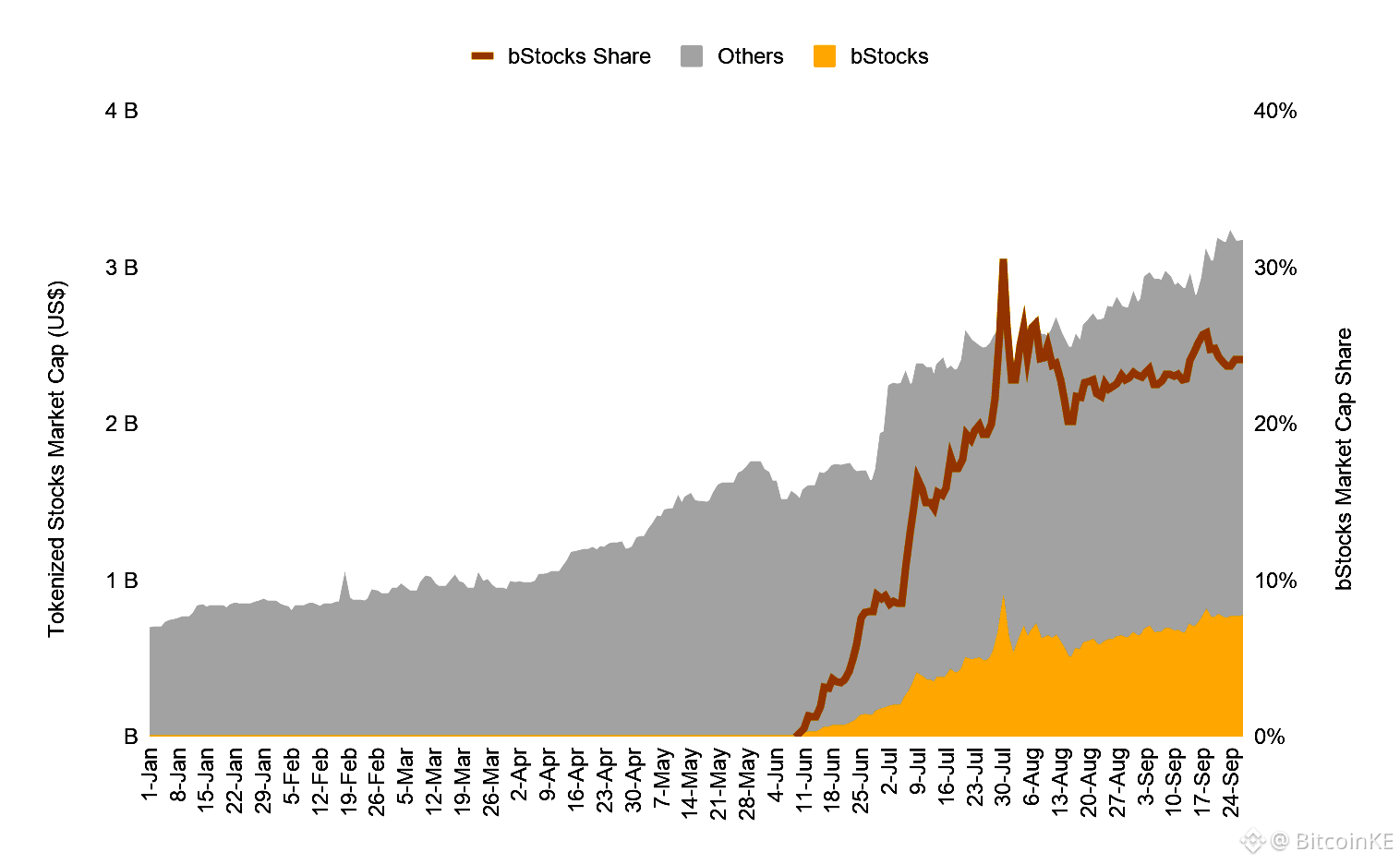
Cổ phiếu và ETF được token hóa trên BNB Chain đạt khoảng 1,1 tỷ USD, chiếm xấp xỉ 30% của thị trường rộng hơn trị giá 3,7 tỷ USD, theo dữ liệu từ Token Terminal.
Quy mô vốn hóa thị trường chung của các cổ phiếu và ETF được token hóa tăng khoảng 17% trong tháng 9/2026 lên 3,35 tỷ USD, từ 2,87 tỷ USD vào tháng 8/2026, theo dữ liệu của Token Terminal. Binance Research, sử dụng dữ liệu từ RWA.xyz, cho biết thị trường cổ phiếu được token hóa đã vượt mốc 3 tỷ USD vào cuối tháng 9/2026.
MỐC CHUẨN | BNB Chain Trở Thành Blockchain Đầu Tiên Vượt 1 Tỷ USD về Cổ Phiếu, ETF Được Token Hóa
BNB Chain đã trở thành blockchain đầu tiên vượt mốc 1 tỷ USD về cổ phiếu và quỹ ETF được token hóa khi nhu cầu đối với các phiên bản on-chain của tài sản tài chính truyền thống tiếp tục tăng.
Cổ phiếu và ETF được token hóa trên BNB Chain đạt khoảng 1,1 tỷ USD, chiếm xấp xỉ 30% của thị trường rộng hơn trị giá 3,7 tỷ USD, theo dữ liệu từ Token Terminal.
Quy mô vốn hóa thị trường chung của các cổ phiếu và ETF được token hóa tăng khoảng 17% trong tháng 9/2026 lên 3,35 tỷ USD, từ 2,87 tỷ USD vào tháng 8/2026, theo dữ liệu của Token Terminal. Binance Research, sử dụng dữ liệu từ RWA.xyz, cho biết thị trường cổ phiếu được token hóa đã vượt mốc 3 tỷ USD vào cuối tháng 9/2026.
Cổ phiếu và ETF được token hóa trên BNB Chain đạt khoảng 1,1 tỷ USD, chiếm xấp xỉ 30% của thị trường rộng hơn trị giá 3,7 tỷ USD, theo dữ liệu từ Token Terminal.
Quy mô vốn hóa thị trường chung của các cổ phiếu và ETF được token hóa tăng khoảng 17% trong tháng 9/2026 lên 3,35 tỷ USD, từ 2,87 tỷ USD vào tháng 8/2026, theo dữ liệu của Token Terminal. Binance Research, sử dụng dữ liệu từ RWA.xyz, cho biết thị trường cổ phiếu được token hóa đã vượt mốc 3 tỷ USD vào cuối tháng 9/2026.
1
666
·
--
TÌNH HUỐNG NGHIÊN CỨU | Vì Sao Ngân Hàng Lưu Ký Tài Sản Số Hoa Kỳ Được Quản Lý Đầu Tiên Vừa Cắt Giảm Hơn 15% Nhân Sự ...Anchorage Digital, ngân hàng tài sản số do liên bang cấp phép của Mỹ và đơn vị lưu ký tiền mã hóa, đã cắt giảm 17% lực lượng lao động khi đợt suy thoái kéo dài trong thị trường tiền mã hóa gây áp lực lên ngành này.
Giám đốc điều hành Nathan McCauley đã thông báo cho nhân viên về các đợt sa thải trong tuần này, theo The Information, dẫn lời những người am hiểu vấn đề. Anchorage có khoảng 400 nhân viên trên toàn cầu tính đến tháng 2/2026, nghĩa là mức cắt giảm sẽ tương đương xấp xỉ 68 vị trí nếu quy mô nhân sự của công ty vẫn giữ ở mức đó.
TÌNH HUỐNG NGHIÊN CỨU | Vì Sao Ngân Hàng Lưu Ký Tài Sản Số Hoa Kỳ Được Quản Lý Đầu Tiên Vừa Cắt Giảm Hơn 15% Nhân Sự ...
Anchorage Digital, ngân hàng tài sản số do liên bang cấp phép của Mỹ và đơn vị lưu ký tiền mã hóa, đã cắt giảm 17% lực lượng lao động khi đợt suy thoái kéo dài trong thị trường tiền mã hóa gây áp lực lên ngành này.
Giám đốc điều hành Nathan McCauley đã thông báo cho nhân viên về các đợt sa thải trong tuần này, theo The Information, dẫn lời những người am hiểu vấn đề. Anchorage có khoảng 400 nhân viên trên toàn cầu tính đến tháng 2/2026, nghĩa là mức cắt giảm sẽ tương đương xấp xỉ 68 vị trí nếu quy mô nhân sự của công ty vẫn giữ ở mức đó.
Giám đốc điều hành Nathan McCauley đã thông báo cho nhân viên về các đợt sa thải trong tuần này, theo The Information, dẫn lời những người am hiểu vấn đề. Anchorage có khoảng 400 nhân viên trên toàn cầu tính đến tháng 2/2026, nghĩa là mức cắt giảm sẽ tương đương xấp xỉ 68 vị trí nếu quy mô nhân sự của công ty vẫn giữ ở mức đó.
102
·
--
Bài viết
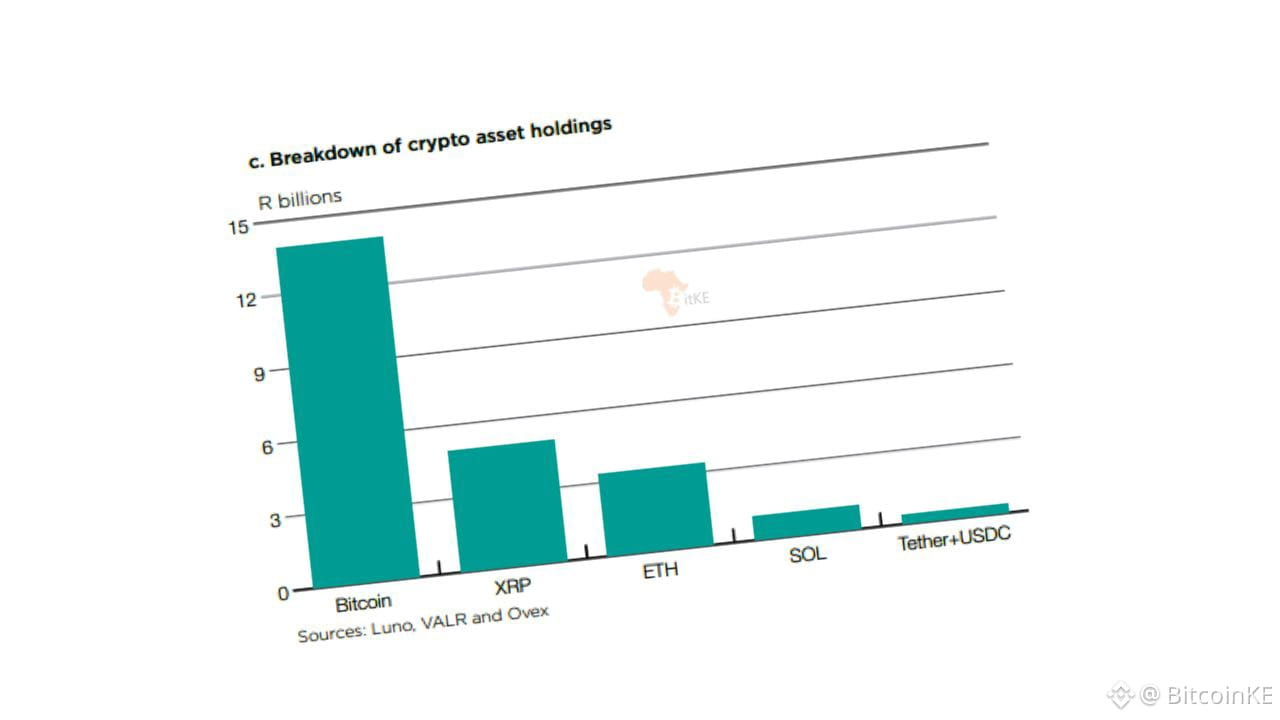
MỐC | ABSA Trở thành Ngân hàng Châu Phi Đầu tiên Cung cấp Lưu ký Tài sản CryptoABSA Group đã trở thành ngân hàng châu Phi đầu tiên cung cấp dịch vụ lưu ký tài sản số cho tổ chức, bước vào một thị trường đang thu hút khi các tổ chức tài chính truyền thống mở rộng sang tiền mã hóa và các tài sản được token hóa.
Người cho vay có trụ sở tại Johannesburg cho biết dịch vụ ABSA Digital Asset Custody của hãng ban đầu sẽ sẵn sàng cho các khách hàng tổ chức tại Nam Phi, bao gồm
các công ty quản lý tài sản,
các tổ chức tài chính phi ngân hàng và
các doanh nghiệp.
Dịch vụ cung cấp
việc lưu giữ an toàn,
quản trị và
chuyển giao
tài sản số trong môi trường ngân hàng được quản lý.
MỐC | ABSA Trở thành Ngân hàng Châu Phi Đầu tiên Cung cấp Lưu ký Tài sản Crypto
ABSA Group đã trở thành ngân hàng châu Phi đầu tiên cung cấp dịch vụ lưu ký tài sản số cho tổ chức, bước vào một thị trường đang thu hút khi các tổ chức tài chính truyền thống mở rộng sang tiền mã hóa và các tài sản được token hóa.
Người cho vay có trụ sở tại Johannesburg cho biết dịch vụ ABSA Digital Asset Custody của hãng ban đầu sẽ sẵn sàng cho các khách hàng tổ chức tại Nam Phi, bao gồm
các công ty quản lý tài sản,
các tổ chức tài chính phi ngân hàng và
các doanh nghiệp.
Dịch vụ cung cấp
việc lưu giữ an toàn,
quản trị và
chuyển giao
tài sản số trong môi trường ngân hàng được quản lý.
Người cho vay có trụ sở tại Johannesburg cho biết dịch vụ ABSA Digital Asset Custody của hãng ban đầu sẽ sẵn sàng cho các khách hàng tổ chức tại Nam Phi, bao gồm
các công ty quản lý tài sản,
các tổ chức tài chính phi ngân hàng và
các doanh nghiệp.
Dịch vụ cung cấp
việc lưu giữ an toàn,
quản trị và
chuyển giao
tài sản số trong môi trường ngân hàng được quản lý.
85
·
--
Bài viết
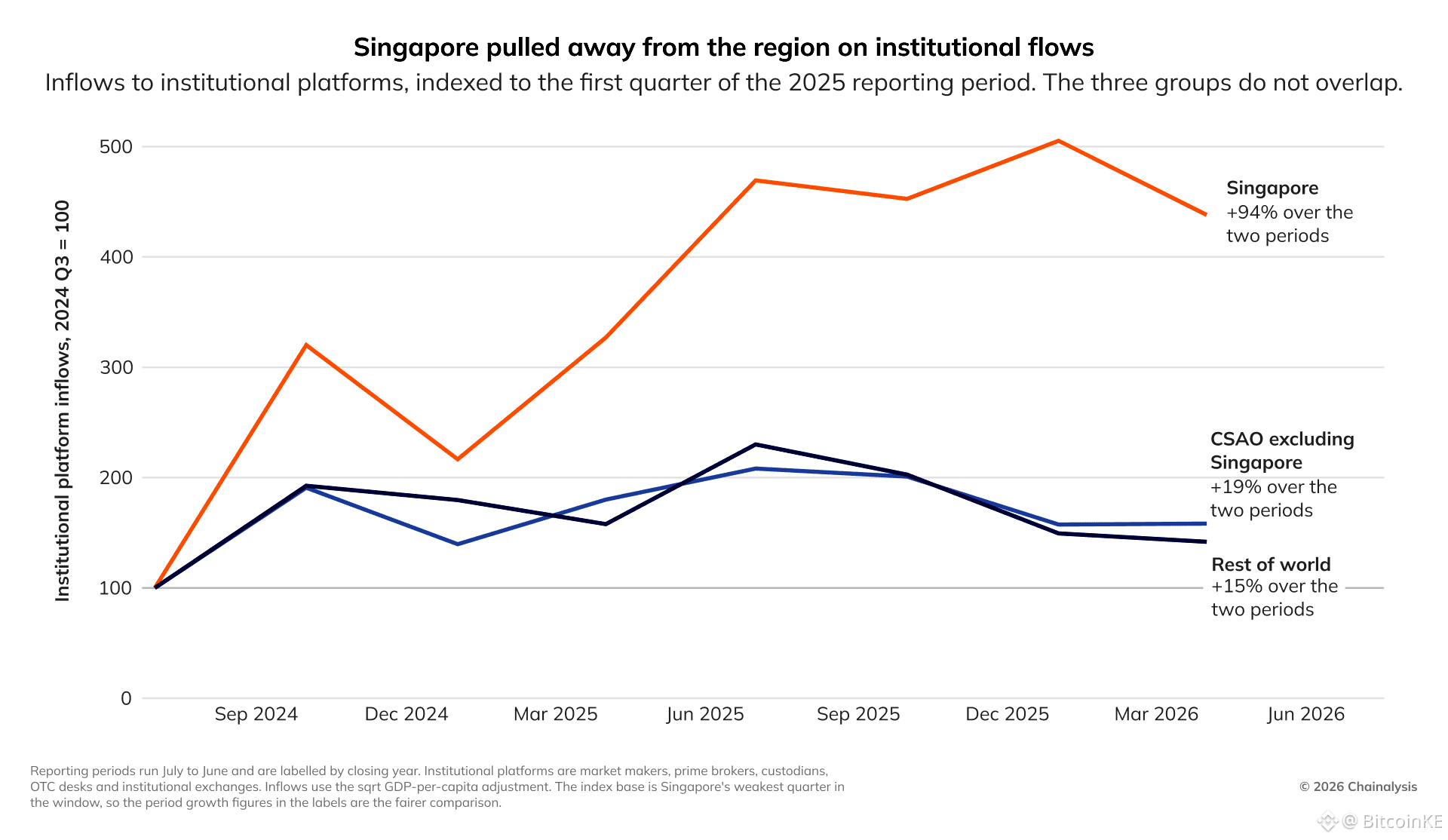
THỂ CHẾ | Nền kinh tế Crypto của Singapore Tăng Hơn 50% trong H1 2026, Được Dẫn Dắt Bởi Hoạt Động Thuộc Khu Vực Tổ ChứcNền kinh tế crypto của Singapore đã tăng 55,4% lên 284 tỷ USD trong năm kết thúc vào tháng 6/2026, khiến nước này trở thành thị trường crypto lớn nhất được đo lường ở Trung và Đông Nam Á cùng châu Đại Dương bất chấp việc khu vực rộng hơn bị co lại, theo công ty phân tích blockchain Chainalysis.
Sự tăng trưởng được dẫn dắt bởi các nền tảng thuộc khu vực tổ chức, nơi hoạt động tăng 94% lên 60 tỷ USD. Hoạt động được tập trung trong nhóm các nhà tạo lập thị trường, các công ty giao dịch phi tập trung qua quầy (OTC) và các công ty môi giới thuộc khu vực tổ chức, theo Chainalysis.
Khu vực Trung và Đông Nam Á cùng châu Đại Dương rộng hơn đã thu hẹp 6,8% trong giai đoạn này. Tuy nhiên, Singapore ghi nhận tăng trưởng trong nhiều lĩnh vực hoạt động crypto chính, bao gồm
THỂ CHẾ | Nền kinh tế Crypto của Singapore Tăng Hơn 50% trong H1 2026, Được Dẫn Dắt Bởi Hoạt Động Thuộc Khu Vực Tổ Chức
Nền kinh tế crypto của Singapore đã tăng 55,4% lên 284 tỷ USD trong năm kết thúc vào tháng 6/2026, khiến nước này trở thành thị trường crypto lớn nhất được đo lường ở Trung và Đông Nam Á cùng châu Đại Dương bất chấp việc khu vực rộng hơn bị co lại, theo công ty phân tích blockchain Chainalysis.
Sự tăng trưởng được dẫn dắt bởi các nền tảng thuộc khu vực tổ chức, nơi hoạt động tăng 94% lên 60 tỷ USD. Hoạt động được tập trung trong nhóm các nhà tạo lập thị trường, các công ty giao dịch phi tập trung qua quầy (OTC) và các công ty môi giới thuộc khu vực tổ chức, theo Chainalysis.
Khu vực Trung và Đông Nam Á cùng châu Đại Dương rộng hơn đã thu hẹp 6,8% trong giai đoạn này. Tuy nhiên, Singapore ghi nhận tăng trưởng trong nhiều lĩnh vực hoạt động crypto chính, bao gồm
Sự tăng trưởng được dẫn dắt bởi các nền tảng thuộc khu vực tổ chức, nơi hoạt động tăng 94% lên 60 tỷ USD. Hoạt động được tập trung trong nhóm các nhà tạo lập thị trường, các công ty giao dịch phi tập trung qua quầy (OTC) và các công ty môi giới thuộc khu vực tổ chức, theo Chainalysis.
Khu vực Trung và Đông Nam Á cùng châu Đại Dương rộng hơn đã thu hẹp 6,8% trong giai đoạn này. Tuy nhiên, Singapore ghi nhận tăng trưởng trong nhiều lĩnh vực hoạt động crypto chính, bao gồm
152
·
--
TÌNH HUỐNG | Một Vụ Đột Nhập Bạo Lực cho Thấy Chi Phí Con Người của “Các Vụ Tấn Công Bằng Wrench Tiền Mã Hóa”Một doanh nhân người Anh và vợ đang mang thai của ông đã bị bọn tấn công tại nhà hành hung bằng búa và đe dọa sẽ giết đứa con chưa chào đời của ông nếu ông không chuyển giao hàng trăm nghìn bảng Anh tiền điện tử.
Cặp đôi, vẫn ẩn danh, đã mô tả vụ việc với BBC là “kinh hoàng”.
Kẻ tấn công xông vào nhà, hành hung doanh nhân và đe dọa người vợ mang thai nặng nề của ông trước khi buộc ông chuyển tiền tiết kiệm tiền mã hóa. Chúng cũng lấy đi một số chiếc đồng hồ Rolex hạng sang trước khi tẩu thoát trên một chiếc xe ô tô.
TÌNH HUỐNG | Một Vụ Đột Nhập Bạo Lực cho Thấy Chi Phí Con Người của “Các Vụ Tấn Công Bằng Wrench Tiền Mã Hóa”
Một doanh nhân người Anh và vợ đang mang thai của ông đã bị bọn tấn công tại nhà hành hung bằng búa và đe dọa sẽ giết đứa con chưa chào đời của ông nếu ông không chuyển giao hàng trăm nghìn bảng Anh tiền điện tử.
Cặp đôi, vẫn ẩn danh, đã mô tả vụ việc với BBC là “kinh hoàng”.
Kẻ tấn công xông vào nhà, hành hung doanh nhân và đe dọa người vợ mang thai nặng nề của ông trước khi buộc ông chuyển tiền tiết kiệm tiền mã hóa. Chúng cũng lấy đi một số chiếc đồng hồ Rolex hạng sang trước khi tẩu thoát trên một chiếc xe ô tô.
Cặp đôi, vẫn ẩn danh, đã mô tả vụ việc với BBC là “kinh hoàng”.
Kẻ tấn công xông vào nhà, hành hung doanh nhân và đe dọa người vợ mang thai nặng nề của ông trước khi buộc ông chuyển tiền tiết kiệm tiền mã hóa. Chúng cũng lấy đi một số chiếc đồng hồ Rolex hạng sang trước khi tẩu thoát trên một chiếc xe ô tô.
20
·
--
KIỂM TRA THỰC TẾ | Lợi nhuận hoạt động của các sàn giao dịch crypto Hàn Quốc giảm ~80% trong H1 2026Lợi nhuận hoạt động tại các sàn giao dịch tiền mã hóa của Hàn Quốc đã giảm gần 78% trong nửa đầu năm 2026 khi
giá bitcoin thấp hơn,
hoạt động giao dịch yếu hơn, và
việc các nhà đầu tư cá nhân chuyển sang cổ phiếu trong nước
đã thu hẹp một trong những thị trường tài sản kỹ thuật số lớn nhất thế giới.
PHÂN TÍCH THỊ TRƯỜNG | “Không có nhu cầu của nhà đầu tư bán lẻ đối với crypto ngay lúc này”, các nhà phân tích cho biết
Dữ liệu được công bố bởi các cơ quan quản lý tài chính Hàn Quốc cho thấy tổng giá trị tài sản tiền mã hóa do các sàn giao dịch trong nước nắm giữ đã giảm 33% xuống còn 58,9 nghìn tỷ won (42 tỷ USD) vào cuối tháng 6 năm 2026, giảm so với mức 87,2 nghìn tỷ won vào cuối năm 2025. Khối lượng giao dịch trung bình hằng ngày cũng giảm xuống còn 3,1 nghìn tỷ won từ 5,4 nghìn tỷ won trong cùng giai đoạn.
KIỂM TRA THỰC TẾ | Lợi nhuận hoạt động của các sàn giao dịch crypto Hàn Quốc giảm ~80% trong H1 2026
Lợi nhuận hoạt động tại các sàn giao dịch tiền mã hóa của Hàn Quốc đã giảm gần 78% trong nửa đầu năm 2026 khi
giá bitcoin thấp hơn,
hoạt động giao dịch yếu hơn, và
việc các nhà đầu tư cá nhân chuyển sang cổ phiếu trong nước
đã thu hẹp một trong những thị trường tài sản kỹ thuật số lớn nhất thế giới.
PHÂN TÍCH THỊ TRƯỜNG | “Không có nhu cầu của nhà đầu tư bán lẻ đối với crypto ngay lúc này”, các nhà phân tích cho biết
Dữ liệu được công bố bởi các cơ quan quản lý tài chính Hàn Quốc cho thấy tổng giá trị tài sản tiền mã hóa do các sàn giao dịch trong nước nắm giữ đã giảm 33% xuống còn 58,9 nghìn tỷ won (42 tỷ USD) vào cuối tháng 6 năm 2026, giảm so với mức 87,2 nghìn tỷ won vào cuối năm 2025. Khối lượng giao dịch trung bình hằng ngày cũng giảm xuống còn 3,1 nghìn tỷ won từ 5,4 nghìn tỷ won trong cùng giai đoạn.
giá bitcoin thấp hơn,
hoạt động giao dịch yếu hơn, và
việc các nhà đầu tư cá nhân chuyển sang cổ phiếu trong nước
đã thu hẹp một trong những thị trường tài sản kỹ thuật số lớn nhất thế giới.
PHÂN TÍCH THỊ TRƯỜNG | “Không có nhu cầu của nhà đầu tư bán lẻ đối với crypto ngay lúc này”, các nhà phân tích cho biết
Dữ liệu được công bố bởi các cơ quan quản lý tài chính Hàn Quốc cho thấy tổng giá trị tài sản tiền mã hóa do các sàn giao dịch trong nước nắm giữ đã giảm 33% xuống còn 58,9 nghìn tỷ won (42 tỷ USD) vào cuối tháng 6 năm 2026, giảm so với mức 87,2 nghìn tỷ won vào cuối năm 2025. Khối lượng giao dịch trung bình hằng ngày cũng giảm xuống còn 3,1 nghìn tỷ won từ 5,4 nghìn tỷ won trong cùng giai đoạn.
46
·
--
TỘI ÁC CRYPTO | NEAR Intents Mất Gần 4 Triệu USD Do Lỗ Hổng Khai Thác Khi Các Vụ Hack Crypto Tiếp DiễnNEAR Intents, một giao thức giao dịch crypto đa chuỗi, đã mất khoảng 3,8 triệu USD tiền điện tử sau khi một kẻ tấn công khai thác lỗ hổng trong cơ sở hạ tầng của dự án, góp phần làm tăng danh sách các vụ tấn công hack crypto trong năm 2026.
Theo dự án, kẻ tấn công đã đánh cắp số tiền bằng cách khai thác một lỗi liên quan đến cơ sở hạ tầng nạp và rút Omni của NEAR Intents cũng như hợp đồng thông minh của dự án. Sau đó, NEAR Intents đã tạm dừng việc nạp và rút trên 11 mạng blockchain bao gồm BNB Chain, Polygon và Optimism, trong khi tiến hành điều tra sự cố.
TỘI ÁC CRYPTO | NEAR Intents Mất Gần 4 Triệu USD Do Lỗ Hổng Khai Thác Khi Các Vụ Hack Crypto Tiếp Diễn
NEAR Intents, một giao thức giao dịch crypto đa chuỗi, đã mất khoảng 3,8 triệu USD tiền điện tử sau khi một kẻ tấn công khai thác lỗ hổng trong cơ sở hạ tầng của dự án, góp phần làm tăng danh sách các vụ tấn công hack crypto trong năm 2026.
Theo dự án, kẻ tấn công đã đánh cắp số tiền bằng cách khai thác một lỗi liên quan đến cơ sở hạ tầng nạp và rút Omni của NEAR Intents cũng như hợp đồng thông minh của dự án. Sau đó, NEAR Intents đã tạm dừng việc nạp và rút trên 11 mạng blockchain bao gồm BNB Chain, Polygon và Optimism, trong khi tiến hành điều tra sự cố.
Theo dự án, kẻ tấn công đã đánh cắp số tiền bằng cách khai thác một lỗi liên quan đến cơ sở hạ tầng nạp và rút Omni của NEAR Intents cũng như hợp đồng thông minh của dự án. Sau đó, NEAR Intents đã tạm dừng việc nạp và rút trên 11 mạng blockchain bao gồm BNB Chain, Polygon và Optimism, trong khi tiến hành điều tra sự cố.
838
·
--
Bài viết
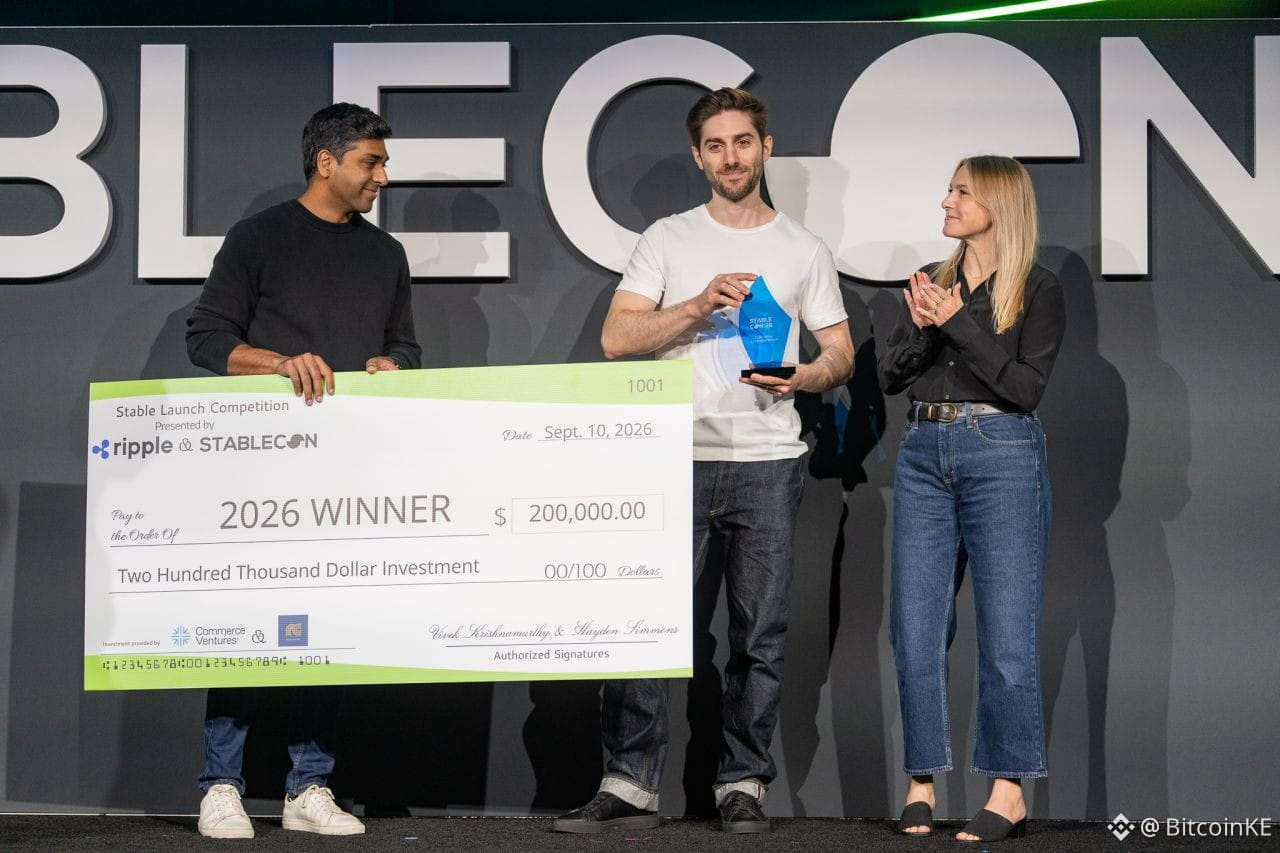
THÔNG CÁO BÁO CHÍ | Stablecoin Infra, WalaPay, Huy động 4,6 Triệu USD Vòng Seed Sau Khi Xử Lý Hơn $...Walapay, hạ tầng thanh toán toàn cầu cho phát hành tài khoản, thu tiền, FX và thanh toán, đã công bố vòng gọi vốn hạt giống trị giá 4,6 triệu USD do
Generative Ventures,
cùng với sự tham gia từ
Commerce Ventures,
Polygon,
Verda Ventures,
NGC Ventures,
FGV Capital,
AAF,
Jsquare,
Knollwood,
Big Brain Holdings
và những bên khác.
Được thành lập bởi hai anh em Tom và Dimitri Borgers, WalaPay cung cấp cho doanh nghiệp, fintech, nhà cung cấp dịch vụ thanh toán (PSP) và tổ chức tài chính một API duy nhất để chuyển tiền qua nhiều loại tiền tệ và địa lý, với các tích hợp đường ray địa phương trực tiếp trên
THÔNG CÁO BÁO CHÍ | Stablecoin Infra, WalaPay, Huy động 4,6 Triệu USD Vòng Seed Sau Khi Xử Lý Hơn $...
Walapay, hạ tầng thanh toán toàn cầu cho phát hành tài khoản, thu tiền, FX và thanh toán, đã công bố vòng gọi vốn hạt giống trị giá 4,6 triệu USD do
Generative Ventures,
cùng với sự tham gia từ
Commerce Ventures,
Polygon,
Verda Ventures,
NGC Ventures,
FGV Capital,
AAF,
Jsquare,
Knollwood,
Big Brain Holdings
và những bên khác.
Được thành lập bởi hai anh em Tom và Dimitri Borgers, WalaPay cung cấp cho doanh nghiệp, fintech, nhà cung cấp dịch vụ thanh toán (PSP) và tổ chức tài chính một API duy nhất để chuyển tiền qua nhiều loại tiền tệ và địa lý, với các tích hợp đường ray địa phương trực tiếp trên
Generative Ventures,
cùng với sự tham gia từ
Commerce Ventures,
Polygon,
Verda Ventures,
NGC Ventures,
FGV Capital,
AAF,
Jsquare,
Knollwood,
Big Brain Holdings
và những bên khác.
Được thành lập bởi hai anh em Tom và Dimitri Borgers, WalaPay cung cấp cho doanh nghiệp, fintech, nhà cung cấp dịch vụ thanh toán (PSP) và tổ chức tài chính một API duy nhất để chuyển tiền qua nhiều loại tiền tệ và địa lý, với các tích hợp đường ray địa phương trực tiếp trên
68
·
--
DANH SÁCH | 5 trong số 40 dự án được tài trợ mới nhất của Quỹ Cộng đồng Stellar #45 đang xây dựng cho châu PhiQuỹ Cộng đồng Stellar (SCF) đã trao khoảng 4,04 triệu USD giá trị XLM cho 40 dự án trong vòng tài trợ thứ 45, trong đó có 5 dự án được tập trung rõ ràng vào các thị trường châu Phi.
Các dự án tập trung vào châu Phi trải rộng trên
ngân hàng bằng stablecoin,
thanh toán xuyên biên giới,
tài trợ thương mại, và
quy đổi và thanh toán bằng nội tệ,
nhấn mạnh sự tiếp tục tập trung vào việc kết nối các tài sản số được định danh bằng đô la với hạ tầng tài chính hiện có của châu Phi.
Kotani Pay giành khoản tài trợ 100.000 USD từ Quỹ Phát triển Stellar
Dưới đây là các dự án chiến thắng:
DANH SÁCH | 5 trong số 40 dự án được tài trợ mới nhất của Quỹ Cộng đồng Stellar #45 đang xây dựng cho châu Phi
Quỹ Cộng đồng Stellar (SCF) đã trao khoảng 4,04 triệu USD giá trị XLM cho 40 dự án trong vòng tài trợ thứ 45, trong đó có 5 dự án được tập trung rõ ràng vào các thị trường châu Phi.
Các dự án tập trung vào châu Phi trải rộng trên
ngân hàng bằng stablecoin,
thanh toán xuyên biên giới,
tài trợ thương mại, và
quy đổi và thanh toán bằng nội tệ,
nhấn mạnh sự tiếp tục tập trung vào việc kết nối các tài sản số được định danh bằng đô la với hạ tầng tài chính hiện có của châu Phi.
Kotani Pay giành khoản tài trợ 100.000 USD từ Quỹ Phát triển Stellar
Dưới đây là các dự án chiến thắng:
Các dự án tập trung vào châu Phi trải rộng trên
ngân hàng bằng stablecoin,
thanh toán xuyên biên giới,
tài trợ thương mại, và
quy đổi và thanh toán bằng nội tệ,
nhấn mạnh sự tiếp tục tập trung vào việc kết nối các tài sản số được định danh bằng đô la với hạ tầng tài chính hiện có của châu Phi.
Kotani Pay giành khoản tài trợ 100.000 USD từ Quỹ Phát triển Stellar
Dưới đây là các dự án chiến thắng:
211
·
--
REALITY CHECK | Nhà đào tạo phát triển Web3 hàng đầu châu Phi “Pivot” báo hiệu thay đổi về kinh tế của ngành...Sau gần bảy năm đào tạo các nhà phát triển blockchain trên khắp châu Phi, Web3Bridge đang chuyển hướng sang việc xây dựng các nhà sáng lập, phản ánh một thay đổi rộng hơn trong kinh tế của ngành Web3 trên lục địa này.
Web3Bridge cho biết họ sẽ không ngừng hoạt động sau một thông báo ngày 29/9/2026 rằng công ty đã “đóng cửa tiệm”, điều này đã làm dấy lên các câu hỏi về số phận của chương trình đào tạo tại Nigeria. Thay vào đó, họ nói rằng mình đang chuyển sang chương trình Founders Residency (Cư trú dành cho nhà sáng lập) trong khi vẫn tiếp tục các khóa đào tạo dành cho nhà phát triển.
Tổ chức cho biết quyết định này được đưa ra sau những thay đổi trong hệ sinh thái, bao gồm
REALITY CHECK | Nhà đào tạo phát triển Web3 hàng đầu châu Phi “Pivot” báo hiệu thay đổi về kinh tế của ngành...
Sau gần bảy năm đào tạo các nhà phát triển blockchain trên khắp châu Phi, Web3Bridge đang chuyển hướng sang việc xây dựng các nhà sáng lập, phản ánh một thay đổi rộng hơn trong kinh tế của ngành Web3 trên lục địa này.
Web3Bridge cho biết họ sẽ không ngừng hoạt động sau một thông báo ngày 29/9/2026 rằng công ty đã “đóng cửa tiệm”, điều này đã làm dấy lên các câu hỏi về số phận của chương trình đào tạo tại Nigeria. Thay vào đó, họ nói rằng mình đang chuyển sang chương trình Founders Residency (Cư trú dành cho nhà sáng lập) trong khi vẫn tiếp tục các khóa đào tạo dành cho nhà phát triển.
Tổ chức cho biết quyết định này được đưa ra sau những thay đổi trong hệ sinh thái, bao gồm
Web3Bridge cho biết họ sẽ không ngừng hoạt động sau một thông báo ngày 29/9/2026 rằng công ty đã “đóng cửa tiệm”, điều này đã làm dấy lên các câu hỏi về số phận của chương trình đào tạo tại Nigeria. Thay vào đó, họ nói rằng mình đang chuyển sang chương trình Founders Residency (Cư trú dành cho nhà sáng lập) trong khi vẫn tiếp tục các khóa đào tạo dành cho nhà phát triển.
Tổ chức cho biết quyết định này được đưa ra sau những thay đổi trong hệ sinh thái, bao gồm
66
·
--
CASE STUDY | Khi một công ty phân tích blockchain “phản bội” – Vụ kiện chống lại ChainalysisMột thẩm phán của Mỹ đã bác bỏ phần lớn các yêu cầu mà khối tài sản phá sản của Celsius đưa ra chống lại công ty phân tích blockchain, Chainalysis, nhưng cho phép một yêu cầu cáo buộc rằng công ty này đã hỗ trợ hành vi vi phạm nghĩa vụ ủy thác liên quan đến việc tính toán tài sản trị giá 3,3 tỷ USD của Celsius vốn đang bị tranh chấp được tiếp tục.
Thẩm phán Tòa án Quận của Mỹ, Margaret Garnett, đã ra phán quyết vào ngày 29 tháng 9 năm 2026 rằng 12 yêu cầu sẽ bị bác bỏ với prejudice (không cho khởi kiện lại) trong khi ba yêu cầu theo hướng bảo vệ người tiêu dùng bị bác bỏ without prejudice (có thể khởi kiện lại) và có thể được sửa đổi trước ngày 20 tháng 10 năm 2026.
CASE STUDY | Khi một công ty phân tích blockchain “phản bội” – Vụ kiện chống lại Chainalysis
Một thẩm phán của Mỹ đã bác bỏ phần lớn các yêu cầu mà khối tài sản phá sản của Celsius đưa ra chống lại công ty phân tích blockchain, Chainalysis, nhưng cho phép một yêu cầu cáo buộc rằng công ty này đã hỗ trợ hành vi vi phạm nghĩa vụ ủy thác liên quan đến việc tính toán tài sản trị giá 3,3 tỷ USD của Celsius vốn đang bị tranh chấp được tiếp tục.
Thẩm phán Tòa án Quận của Mỹ, Margaret Garnett, đã ra phán quyết vào ngày 29 tháng 9 năm 2026 rằng 12 yêu cầu sẽ bị bác bỏ với prejudice (không cho khởi kiện lại) trong khi ba yêu cầu theo hướng bảo vệ người tiêu dùng bị bác bỏ without prejudice (có thể khởi kiện lại) và có thể được sửa đổi trước ngày 20 tháng 10 năm 2026.
Thẩm phán Tòa án Quận của Mỹ, Margaret Garnett, đã ra phán quyết vào ngày 29 tháng 9 năm 2026 rằng 12 yêu cầu sẽ bị bác bỏ với prejudice (không cho khởi kiện lại) trong khi ba yêu cầu theo hướng bảo vệ người tiêu dùng bị bác bỏ without prejudice (có thể khởi kiện lại) và có thể được sửa đổi trước ngày 20 tháng 10 năm 2026.
79
·
--
KIỂM TRA THỰC TẾ | “Khách hàng thích thanh toán bằng tiền mặt hoặc chuyển khoản ngân hàng hơn dù có giữ tiền mã hóa,” theo lời một...Các doanh nghiệp ở Nigeria chấp nhận Bitcoin vẫn đang thấy khách hàng chủ yếu dựa vào tiền mặt, qua đó nêu bật khoảng cách giữa việc chấp nhận tiền mã hóa và việc sử dụng nó như một phương thức thanh toán hằng ngày, theo một báo cáo của một kênh truyền thông địa phương.
Theo Iwu*, một doanh nhân trẻ ở Lagos, Nigeria:
“Những người có ví Bitcoin, họ đến. Họ sẽ cho tôi xem ví tiền mã hóa của họ và vẫn thanh toán cho tôi bằng tiền mặt hoặc chuyển khoản ngân hàng.
Một số người trong đó vẫn thanh toán bằng tiền mã hóa, nhưng nhiều người khác lại muốn dùng tiền mặt thay vì chuyển tiền mã hóa.”
KIỂM TRA THỰC TẾ | “Khách hàng thích thanh toán bằng tiền mặt hoặc chuyển khoản ngân hàng hơn dù có giữ tiền mã hóa,” theo lời một...
Các doanh nghiệp ở Nigeria chấp nhận Bitcoin vẫn đang thấy khách hàng chủ yếu dựa vào tiền mặt, qua đó nêu bật khoảng cách giữa việc chấp nhận tiền mã hóa và việc sử dụng nó như một phương thức thanh toán hằng ngày, theo một báo cáo của một kênh truyền thông địa phương.
Theo Iwu*, một doanh nhân trẻ ở Lagos, Nigeria:
“Những người có ví Bitcoin, họ đến. Họ sẽ cho tôi xem ví tiền mã hóa của họ và vẫn thanh toán cho tôi bằng tiền mặt hoặc chuyển khoản ngân hàng.
Một số người trong đó vẫn thanh toán bằng tiền mã hóa, nhưng nhiều người khác lại muốn dùng tiền mặt thay vì chuyển tiền mã hóa.”
Theo Iwu*, một doanh nhân trẻ ở Lagos, Nigeria:
“Những người có ví Bitcoin, họ đến. Họ sẽ cho tôi xem ví tiền mã hóa của họ và vẫn thanh toán cho tôi bằng tiền mặt hoặc chuyển khoản ngân hàng.
Một số người trong đó vẫn thanh toán bằng tiền mã hóa, nhưng nhiều người khác lại muốn dùng tiền mặt thay vì chuyển tiền mã hóa.”
197
·
--
STABLECOINS | 22% người làm nghề tự do ở châu Phi hạ Sahara đã nhận các khoản chi trả bằng stablecoin, tiết lộ...Người lao động trên khắp châu Phi hạ Sahara đang thể hiện nhu cầu mạnh mẽ về các khoản chi trả bằng stablecoin như
do hạn chế tiếp cận ngân hàng,
những nền kinh tế thiên về tiền mặt và
vướng mắc trong thanh toán xuyên biên giới
gây ra vấn đề cho người lao động số, theo Stripe.
KIỂM TRA THỰC TẾ | Vì sao tiền mặt vẫn thống trị nhiều nền kinh tế châu Phi
Khảo sát của Stripe với 2.303 người trên 20 thị trường mới nổi, bao gồm
Kenya,
Nigeria và
Nam Phi,
đã phát hiện rằng
68% lao động tự do độc lập ở châu Phi hạ Sahara sẽ chấp nhận các khoản chi trả bằng stablecoin, trong khi
22% đã nhận được chúng.
STABLECOINS | 22% người làm nghề tự do ở châu Phi hạ Sahara đã nhận các khoản chi trả bằng stablecoin, tiết lộ...
Người lao động trên khắp châu Phi hạ Sahara đang thể hiện nhu cầu mạnh mẽ về các khoản chi trả bằng stablecoin như
do hạn chế tiếp cận ngân hàng,
những nền kinh tế thiên về tiền mặt và
vướng mắc trong thanh toán xuyên biên giới
gây ra vấn đề cho người lao động số, theo Stripe.
KIỂM TRA THỰC TẾ | Vì sao tiền mặt vẫn thống trị nhiều nền kinh tế châu Phi
Khảo sát của Stripe với 2.303 người trên 20 thị trường mới nổi, bao gồm
Kenya,
Nigeria và
Nam Phi,
đã phát hiện rằng
68% lao động tự do độc lập ở châu Phi hạ Sahara sẽ chấp nhận các khoản chi trả bằng stablecoin, trong khi
22% đã nhận được chúng.
do hạn chế tiếp cận ngân hàng,
những nền kinh tế thiên về tiền mặt và
vướng mắc trong thanh toán xuyên biên giới
gây ra vấn đề cho người lao động số, theo Stripe.
KIỂM TRA THỰC TẾ | Vì sao tiền mặt vẫn thống trị nhiều nền kinh tế châu Phi
Khảo sát của Stripe với 2.303 người trên 20 thị trường mới nổi, bao gồm
Kenya,
Nigeria và
Nam Phi,
đã phát hiện rằng
68% lao động tự do độc lập ở châu Phi hạ Sahara sẽ chấp nhận các khoản chi trả bằng stablecoin, trong khi
22% đã nhận được chúng.
18
Đăng nhập để khám phá thêm nội dung
Tham gia cùng người dùng tiền mã hóa toàn cầu trên Binance Square
⚡️ Nhận thông tin mới nhất và hữu ích về tiền mã hóa.
💬 Được tin cậy bởi sàn giao dịch tiền mã hóa lớn nhất thế giới.
👍 Khám phá những thông tin chuyên sâu thực tế từ những nhà sáng tạo đã xác minh.
Email / Số điện thoại