
CoinPulseHq
44 Bài đăng

CoinPulseHq
Báo cáo
Chặn người dùng
CoinPulseHQ is an independent digital newsroom covering cryptocurrency, blockchain and artificial intelligence.
3 Đang theo dõi
9 Người theo dõi
8 Đã thích
Bài đăng
·
--
Bài viết
Xem bản dịch
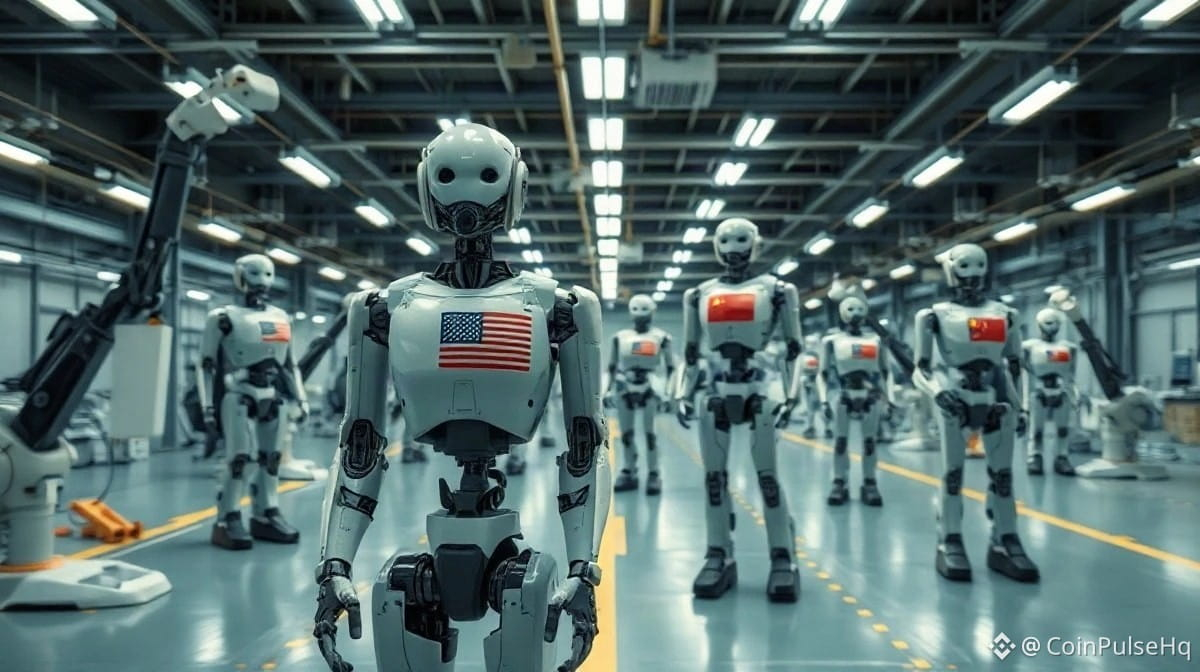
US Curbs on Chinese Drones and Robots May Not Overcome China’s Manufacturing ScaleThe United States has moved to restrict foreign-made advanced robotics and drones, but industry analysts say China's manufacturing scale may blunt the impact, likely producing a fragmented global market rather than a clean US-China split. In July and August, Washington tightened rules on foreign robotic systems and imposed steep tariffs on imported drones and components, citing national-security concerns. The drone tariffs take effect in September, with additional component tariffs following in 2027.
These actions are part of a broader U.S. effort to limit foreign technology in strategically important industries. The FCC's Covered List, established in 2021, initially targeted telecommunications equipment from companies like Huawei and ZTE, then expanded to drones and, most recently, to advanced robotic devices. The latest move comes as Chinese manufacturers have built commanding positions in both drones and humanoid robots, often at prices U.S. and European rivals struggle to match.
China's Scale Advantage in Humanoid Robots
China dominates global humanoid robot manufacturing. Global shipments hit 22,000 units in the first half of 2026, with the vast majority from Chinese manufacturers, according to Counterpoint Research. The world's five largest humanoid robot makers by shipments — AgiBot, Unitree, Galbot, UBTECH, and Leju Robotics — are all Chinese and together accounted for 86% of global shipments in that period.
U.S. companies operate at a far smaller scale, said Soumen Mandal, a principal analyst at Counterpoint Research. That advantage compounds: lower prices allow Chinese manufacturers to deploy more robots, generating real-world data that improves their technology, while higher production volumes drive costs down further, said Ankur Saxena, an investment director at TDK Ventures.
Chinese humanoid makers are also pushing costs down by bringing more of the technology stack in-house. Unitree, for example, is developing more components internally, while automakers such as XPeng apply their experience in chips and vehicle manufacturing as they move into robotics.
“The United States leads in frontier AI, software and semiconductor innovation,” Saxena told TechCrunch. “China leads in manufacturing scale, supply-chain depth and cost.”
That manufacturing edge has let Chinese companies cut humanoid prices faster than most U.S. competitors can match. “You cannot sanction your way around a cost curve. You can only out-build it, and America has yet to begin making the decade-long investment that will require,” Saxena said.
Where Does China Go Next?
The answer may increasingly be outside the U.S. Even if Chinese robotics companies lose access to the American market, they still have a large domestic market and room to expand elsewhere, particularly in regions where demand for affordable automation is growing, Saxena said.
Chinese robotics companies are already targeting price-sensitive markets with severe labor shortages across Europe, Southeast Asia, Latin America, and the Middle East, said Mandal. He expects humanoid makers to follow a path similar to Chinese electric-vehicle companies: build scale at home, expand into overseas markets, and eventually establish local production.
The drone market offers an early glimpse of that fragmentation. The industry is splitting into two ecosystems: a U.S.-led market built around American-made, NDAA-compliant systems, and a China-led market focused on low-cost, high-volume production, said Bentzion Levinson, founder and CEO of Virginia-based drone maker Heven AeroTech.
Levinson said Western manufacturers are unlikely to beat Chinese companies in the low-end consumer drone market. Instead, U.S. and allied companies could increasingly compete in long-range autonomous systems for defense and critical infrastructure, where security requirements carry more weight.
“The next battleground is over who owns the next-gen energy and payload architecture,” he said, pointing to battery constraints in particular.
Agility Robotics welcomed the FCC's decision in July, saying it could address security concerns around foreign-made advanced robots before they become deeply embedded in the U.S. market. The company pointed to its Digit humanoid, which is designed and assembled in the U.S., while also calling for continued access to the tools and technologies needed to advance robotics research.
A More Regional Robotics Market
“The alternative to China isn't a purely domestic U.S. supply chain; it's a diversified allied one,” Saxena said. That could create opportunities elsewhere in Asia. Japan has decades of experience in industrial robotics, South Korea brings strengths in electronics and batteries, and Taiwan is a major semiconductor player. But none can simply replace China, given how deeply Chinese components remain embedded across the global robotics industry.
Asian manufacturers could emerge as a middle ground between lower-cost Chinese robots and more expensive U.S. offerings, Mandal said. South Korea's Hyundai, which owns Boston Dynamics, and Japan's Toyota are among the automakers investing in robotics.
Yang Fang of Beagle Technology, a California-based agtech startup, told TechCrunch that robotics is likely to become more regional as companies design machines for the labor needs and working conditions in their home markets.
The result may not be two neatly separated industries. Instead, the restrictions could accelerate the emergence of regional markets: Chinese companies competing on cost and scale across much of the world, U.S. and allied manufacturers gaining ground where security requirements matter most, and manufacturers in Japan, Taiwan, and South Korea trying to carve out space between the two.
This article is for informational purposes only and does not constitute financial advice. The robotics and technology markets are volatile and subject to rapid change; readers should conduct their own research before making any investment decisions.
Originally published on CoinPulseHQ: https://coinpulsehq.com/us-china-robotics-restrictions-scale-gap/
US Curbs on Chinese Drones and Robots May Not Overcome China’s Manufacturing Scale
The United States has moved to restrict foreign-made advanced robotics and drones, but industry analysts say China's manufacturing scale may blunt the impact, likely producing a fragmented global market rather than a clean US-China split. In July and August, Washington tightened rules on foreign robotic systems and imposed steep tariffs on imported drones and components, citing national-security concerns. The drone tariffs take effect in September, with additional component tariffs following in 2027.
These actions are part of a broader U.S. effort to limit foreign technology in strategically important industries. The FCC's Covered List, established in 2021, initially targeted telecommunications equipment from companies like Huawei and ZTE, then expanded to drones and, most recently, to advanced robotic devices. The latest move comes as Chinese manufacturers have built commanding positions in both drones and humanoid robots, often at prices U.S. and European rivals struggle to match.
China's Scale Advantage in Humanoid Robots
China dominates global humanoid robot manufacturing. Global shipments hit 22,000 units in the first half of 2026, with the vast majority from Chinese manufacturers, according to Counterpoint Research. The world's five largest humanoid robot makers by shipments — AgiBot, Unitree, Galbot, UBTECH, and Leju Robotics — are all Chinese and together accounted for 86% of global shipments in that period.
U.S. companies operate at a far smaller scale, said Soumen Mandal, a principal analyst at Counterpoint Research. That advantage compounds: lower prices allow Chinese manufacturers to deploy more robots, generating real-world data that improves their technology, while higher production volumes drive costs down further, said Ankur Saxena, an investment director at TDK Ventures.
Chinese humanoid makers are also pushing costs down by bringing more of the technology stack in-house. Unitree, for example, is developing more components internally, while automakers such as XPeng apply their experience in chips and vehicle manufacturing as they move into robotics.
“The United States leads in frontier AI, software and semiconductor innovation,” Saxena told TechCrunch. “China leads in manufacturing scale, supply-chain depth and cost.”
That manufacturing edge has let Chinese companies cut humanoid prices faster than most U.S. competitors can match. “You cannot sanction your way around a cost curve. You can only out-build it, and America has yet to begin making the decade-long investment that will require,” Saxena said.
Where Does China Go Next?
The answer may increasingly be outside the U.S. Even if Chinese robotics companies lose access to the American market, they still have a large domestic market and room to expand elsewhere, particularly in regions where demand for affordable automation is growing, Saxena said.
Chinese robotics companies are already targeting price-sensitive markets with severe labor shortages across Europe, Southeast Asia, Latin America, and the Middle East, said Mandal. He expects humanoid makers to follow a path similar to Chinese electric-vehicle companies: build scale at home, expand into overseas markets, and eventually establish local production.
The drone market offers an early glimpse of that fragmentation. The industry is splitting into two ecosystems: a U.S.-led market built around American-made, NDAA-compliant systems, and a China-led market focused on low-cost, high-volume production, said Bentzion Levinson, founder and CEO of Virginia-based drone maker Heven AeroTech.
Levinson said Western manufacturers are unlikely to beat Chinese companies in the low-end consumer drone market. Instead, U.S. and allied companies could increasingly compete in long-range autonomous systems for defense and critical infrastructure, where security requirements carry more weight.
“The next battleground is over who owns the next-gen energy and payload architecture,” he said, pointing to battery constraints in particular.
Agility Robotics welcomed the FCC's decision in July, saying it could address security concerns around foreign-made advanced robots before they become deeply embedded in the U.S. market. The company pointed to its Digit humanoid, which is designed and assembled in the U.S., while also calling for continued access to the tools and technologies needed to advance robotics research.
A More Regional Robotics Market
“The alternative to China isn't a purely domestic U.S. supply chain; it's a diversified allied one,” Saxena said. That could create opportunities elsewhere in Asia. Japan has decades of experience in industrial robotics, South Korea brings strengths in electronics and batteries, and Taiwan is a major semiconductor player. But none can simply replace China, given how deeply Chinese components remain embedded across the global robotics industry.
Asian manufacturers could emerge as a middle ground between lower-cost Chinese robots and more expensive U.S. offerings, Mandal said. South Korea's Hyundai, which owns Boston Dynamics, and Japan's Toyota are among the automakers investing in robotics.
Yang Fang of Beagle Technology, a California-based agtech startup, told TechCrunch that robotics is likely to become more regional as companies design machines for the labor needs and working conditions in their home markets.
The result may not be two neatly separated industries. Instead, the restrictions could accelerate the emergence of regional markets: Chinese companies competing on cost and scale across much of the world, U.S. and allied manufacturers gaining ground where security requirements matter most, and manufacturers in Japan, Taiwan, and South Korea trying to carve out space between the two.
This article is for informational purposes only and does not constitute financial advice. The robotics and technology markets are volatile and subject to rapid change; readers should conduct their own research before making any investment decisions.
Originally published on CoinPulseHQ: https://coinpulsehq.com/us-china-robotics-restrictions-scale-gap/
These actions are part of a broader U.S. effort to limit foreign technology in strategically important industries. The FCC's Covered List, established in 2021, initially targeted telecommunications equipment from companies like Huawei and ZTE, then expanded to drones and, most recently, to advanced robotic devices. The latest move comes as Chinese manufacturers have built commanding positions in both drones and humanoid robots, often at prices U.S. and European rivals struggle to match.
China's Scale Advantage in Humanoid Robots
China dominates global humanoid robot manufacturing. Global shipments hit 22,000 units in the first half of 2026, with the vast majority from Chinese manufacturers, according to Counterpoint Research. The world's five largest humanoid robot makers by shipments — AgiBot, Unitree, Galbot, UBTECH, and Leju Robotics — are all Chinese and together accounted for 86% of global shipments in that period.
U.S. companies operate at a far smaller scale, said Soumen Mandal, a principal analyst at Counterpoint Research. That advantage compounds: lower prices allow Chinese manufacturers to deploy more robots, generating real-world data that improves their technology, while higher production volumes drive costs down further, said Ankur Saxena, an investment director at TDK Ventures.
Chinese humanoid makers are also pushing costs down by bringing more of the technology stack in-house. Unitree, for example, is developing more components internally, while automakers such as XPeng apply their experience in chips and vehicle manufacturing as they move into robotics.
“The United States leads in frontier AI, software and semiconductor innovation,” Saxena told TechCrunch. “China leads in manufacturing scale, supply-chain depth and cost.”
That manufacturing edge has let Chinese companies cut humanoid prices faster than most U.S. competitors can match. “You cannot sanction your way around a cost curve. You can only out-build it, and America has yet to begin making the decade-long investment that will require,” Saxena said.
Where Does China Go Next?
The answer may increasingly be outside the U.S. Even if Chinese robotics companies lose access to the American market, they still have a large domestic market and room to expand elsewhere, particularly in regions where demand for affordable automation is growing, Saxena said.
Chinese robotics companies are already targeting price-sensitive markets with severe labor shortages across Europe, Southeast Asia, Latin America, and the Middle East, said Mandal. He expects humanoid makers to follow a path similar to Chinese electric-vehicle companies: build scale at home, expand into overseas markets, and eventually establish local production.
The drone market offers an early glimpse of that fragmentation. The industry is splitting into two ecosystems: a U.S.-led market built around American-made, NDAA-compliant systems, and a China-led market focused on low-cost, high-volume production, said Bentzion Levinson, founder and CEO of Virginia-based drone maker Heven AeroTech.
Levinson said Western manufacturers are unlikely to beat Chinese companies in the low-end consumer drone market. Instead, U.S. and allied companies could increasingly compete in long-range autonomous systems for defense and critical infrastructure, where security requirements carry more weight.
“The next battleground is over who owns the next-gen energy and payload architecture,” he said, pointing to battery constraints in particular.
Agility Robotics welcomed the FCC's decision in July, saying it could address security concerns around foreign-made advanced robots before they become deeply embedded in the U.S. market. The company pointed to its Digit humanoid, which is designed and assembled in the U.S., while also calling for continued access to the tools and technologies needed to advance robotics research.
A More Regional Robotics Market
“The alternative to China isn't a purely domestic U.S. supply chain; it's a diversified allied one,” Saxena said. That could create opportunities elsewhere in Asia. Japan has decades of experience in industrial robotics, South Korea brings strengths in electronics and batteries, and Taiwan is a major semiconductor player. But none can simply replace China, given how deeply Chinese components remain embedded across the global robotics industry.
Asian manufacturers could emerge as a middle ground between lower-cost Chinese robots and more expensive U.S. offerings, Mandal said. South Korea's Hyundai, which owns Boston Dynamics, and Japan's Toyota are among the automakers investing in robotics.
Yang Fang of Beagle Technology, a California-based agtech startup, told TechCrunch that robotics is likely to become more regional as companies design machines for the labor needs and working conditions in their home markets.
The result may not be two neatly separated industries. Instead, the restrictions could accelerate the emergence of regional markets: Chinese companies competing on cost and scale across much of the world, U.S. and allied manufacturers gaining ground where security requirements matter most, and manufacturers in Japan, Taiwan, and South Korea trying to carve out space between the two.
This article is for informational purposes only and does not constitute financial advice. The robotics and technology markets are volatile and subject to rapid change; readers should conduct their own research before making any investment decisions.
Originally published on CoinPulseHQ: https://coinpulsehq.com/us-china-robotics-restrictions-scale-gap/
·
--

Bài viết
Xem bản dịch
Circleback adds free tier to its meeting notetaker as competition heats upCircleback, a Y Combinator-backed meeting notetaker, is introducing a free subscription tier as competition in the crowded meeting transcription market intensifies. The new plan, announced this week, allows users to transcribe unlimited meetings and access their history for the past 30 days, a move aimed at lowering the barrier to entry and attracting a broader user base.
The free tier includes core features such as meeting recording, mobile and Apple Watch apps, AI-powered transcript queries, and integrations with Linear and Slack. For users who need more, paid plans start at $14 per month (billed annually) and unlock all integrations, unlimited meeting history, and full API and MCP access. Previously, Circleback had no free tier, with plans starting at $20.83 per month.
Why Circleback is opening the gates
Co-founder Ali Haghani told TechCrunch that the company saw a significant drop-off in users during its previous limited trial period, prompting the shift. “If we just open the gates and allow more people to use the product, that’s gonna bring Circleback in front of more people. Then we’re very good at making the product good and monetizing those users,” he said.
The move comes as the meeting notetaker market becomes increasingly crowded. In recent weeks, dictation app Wispr launched its own note-taker and scheduling app, and Calendly added a similar tool to its stack. Dedicated players like Granola, Read AI, and Fireflies have raised millions in funding, with Granola also adding a free tier a few months ago.
Circleback, founded in 2023 by Haghani and Kevin Jacyna, raised $2.5 million in 2024. The company says it has been profitable since then, with run-rate revenue exceeding $1 million per employee across its eight-person team, translating to roughly $8 million in annualized revenue.
Marketing through product, not ads
Haghani noted that Circleback does not spend on Google Ads or Meta Ads, and the free tier is intended to serve as a marketing expense. The strategy appears to be working: the company says it is consistently winning customers against much larger competitors, both in terms of headcount and funding.
“We are consistently competing and winning customers against much bigger companies, both in terms of number of people and funding raised. And I feel like there is now more of an appetite to win,” he said.
Despite investor interest, Circleback is not immediately looking to raise funds, as it sees no bottlenecks in its growth trajectory. Haghani said the startup would be open to fundraising if money could solve a specific problem.
The free tier strategy mirrors a broader trend in the AI software space, where companies are using free access to build user bases and gather data to improve their models. For meeting notetakers, the challenge lies in converting free users into paying customers, especially as the market becomes saturated with similar offerings.
As the competition heats up, Circleback’s bet on accessibility and product-led growth will be tested. The company’s profitability and lean team give it a degree of flexibility that larger, venture-backed rivals may not have, but the long-term viability of the free tier will depend on its ability to convert users into subscribers.
This article is for informational purposes only and does not constitute financial advice. The software and startup market is volatile and uncertain; readers should conduct their own research before making any business or investment decisions.
Originally published on CoinPulseHQ: https://coinpulsehq.com/circleback-free-tier-meeting-notetaker/
Circleback adds free tier to its meeting notetaker as competition heats up
Circleback, a Y Combinator-backed meeting notetaker, is introducing a free subscription tier as competition in the crowded meeting transcription market intensifies. The new plan, announced this week, allows users to transcribe unlimited meetings and access their history for the past 30 days, a move aimed at lowering the barrier to entry and attracting a broader user base.
The free tier includes core features such as meeting recording, mobile and Apple Watch apps, AI-powered transcript queries, and integrations with Linear and Slack. For users who need more, paid plans start at $14 per month (billed annually) and unlock all integrations, unlimited meeting history, and full API and MCP access. Previously, Circleback had no free tier, with plans starting at $20.83 per month.
Why Circleback is opening the gates
Co-founder Ali Haghani told TechCrunch that the company saw a significant drop-off in users during its previous limited trial period, prompting the shift. “If we just open the gates and allow more people to use the product, that’s gonna bring Circleback in front of more people. Then we’re very good at making the product good and monetizing those users,” he said.
The move comes as the meeting notetaker market becomes increasingly crowded. In recent weeks, dictation app Wispr launched its own note-taker and scheduling app, and Calendly added a similar tool to its stack. Dedicated players like Granola, Read AI, and Fireflies have raised millions in funding, with Granola also adding a free tier a few months ago.
Circleback, founded in 2023 by Haghani and Kevin Jacyna, raised $2.5 million in 2024. The company says it has been profitable since then, with run-rate revenue exceeding $1 million per employee across its eight-person team, translating to roughly $8 million in annualized revenue.
Marketing through product, not ads
Haghani noted that Circleback does not spend on Google Ads or Meta Ads, and the free tier is intended to serve as a marketing expense. The strategy appears to be working: the company says it is consistently winning customers against much larger competitors, both in terms of headcount and funding.
“We are consistently competing and winning customers against much bigger companies, both in terms of number of people and funding raised. And I feel like there is now more of an appetite to win,” he said.
Despite investor interest, Circleback is not immediately looking to raise funds, as it sees no bottlenecks in its growth trajectory. Haghani said the startup would be open to fundraising if money could solve a specific problem.
The free tier strategy mirrors a broader trend in the AI software space, where companies are using free access to build user bases and gather data to improve their models. For meeting notetakers, the challenge lies in converting free users into paying customers, especially as the market becomes saturated with similar offerings.
As the competition heats up, Circleback’s bet on accessibility and product-led growth will be tested. The company’s profitability and lean team give it a degree of flexibility that larger, venture-backed rivals may not have, but the long-term viability of the free tier will depend on its ability to convert users into subscribers.
This article is for informational purposes only and does not constitute financial advice. The software and startup market is volatile and uncertain; readers should conduct their own research before making any business or investment decisions.
Originally published on CoinPulseHQ: https://coinpulsehq.com/circleback-free-tier-meeting-notetaker/
The free tier includes core features such as meeting recording, mobile and Apple Watch apps, AI-powered transcript queries, and integrations with Linear and Slack. For users who need more, paid plans start at $14 per month (billed annually) and unlock all integrations, unlimited meeting history, and full API and MCP access. Previously, Circleback had no free tier, with plans starting at $20.83 per month.
Why Circleback is opening the gates
Co-founder Ali Haghani told TechCrunch that the company saw a significant drop-off in users during its previous limited trial period, prompting the shift. “If we just open the gates and allow more people to use the product, that’s gonna bring Circleback in front of more people. Then we’re very good at making the product good and monetizing those users,” he said.
The move comes as the meeting notetaker market becomes increasingly crowded. In recent weeks, dictation app Wispr launched its own note-taker and scheduling app, and Calendly added a similar tool to its stack. Dedicated players like Granola, Read AI, and Fireflies have raised millions in funding, with Granola also adding a free tier a few months ago.
Circleback, founded in 2023 by Haghani and Kevin Jacyna, raised $2.5 million in 2024. The company says it has been profitable since then, with run-rate revenue exceeding $1 million per employee across its eight-person team, translating to roughly $8 million in annualized revenue.
Marketing through product, not ads
Haghani noted that Circleback does not spend on Google Ads or Meta Ads, and the free tier is intended to serve as a marketing expense. The strategy appears to be working: the company says it is consistently winning customers against much larger competitors, both in terms of headcount and funding.
“We are consistently competing and winning customers against much bigger companies, both in terms of number of people and funding raised. And I feel like there is now more of an appetite to win,” he said.
Despite investor interest, Circleback is not immediately looking to raise funds, as it sees no bottlenecks in its growth trajectory. Haghani said the startup would be open to fundraising if money could solve a specific problem.
The free tier strategy mirrors a broader trend in the AI software space, where companies are using free access to build user bases and gather data to improve their models. For meeting notetakers, the challenge lies in converting free users into paying customers, especially as the market becomes saturated with similar offerings.
As the competition heats up, Circleback’s bet on accessibility and product-led growth will be tested. The company’s profitability and lean team give it a degree of flexibility that larger, venture-backed rivals may not have, but the long-term viability of the free tier will depend on its ability to convert users into subscribers.
This article is for informational purposes only and does not constitute financial advice. The software and startup market is volatile and uncertain; readers should conduct their own research before making any business or investment decisions.
Originally published on CoinPulseHQ: https://coinpulsehq.com/circleback-free-tier-meeting-notetaker/
·
--

Bài viết
Xem bản dịch
Instagram tightens rules for undisclosed AI-generated profiles, limits reach of non-compliant accountsInstagram announced Monday that it will begin limiting the reach of accounts featuring AI-generated people that are not clearly labeled as such. The platform is renaming its existing “AI creator” label to “AI-generated profile,” a change the company says will make the disclosure clearer for users.
The new label is designed to inform users when the person featured on a profile was generated or substantially created with AI. Under the updated policy, creators who fail to label an AI-generated profile could see reduced distribution. Those who use the label, however, will not be penalized simply for having an AI-generated person as their profile subject.
The label is not intended for every use of AI. Instagram says people who use AI to edit photos, polish captions, create graphics, or make other creative tweaks do not need to apply the AI-generated profile label.
Why Instagram is making the change
Instagram says the update comes in response to users who have encountered profiles that appeared to belong to real people, only to later discover the person was entirely AI-generated. “As generative AI becomes a bigger part of how people create, we’ve heard that people don’t like seeing a profile that seems human, only to find out later that the person featured is AI-generated,” the company wrote. “They want to know when a profile features an AI-generated person.”
The timing is notable. Frustration over AI-generated content has been growing as AI influencers become more common across social media platforms. Earlier this year, the gay dating app Goose became the subject of a Wired investigation after a network of apparently AI-generated male influencers promoted the app on Instagram. Wired found more than two dozen accounts that appeared to feature AI influencers, some of which reportedly reached out to potential users through direct messages to get them to sign up.
Health and wellness content is another particularly worrying example. The New York Times reported in July that it found hundreds of AI-generated doctors, healers, and wellness personalities on social media promoting supplements or making health claims to users.
Meta’s broader AI and safety moves
The announcement comes after Instagram faced backlash over an AI tool that allowed users to generate images using other people’s likenesses. Users objected to having their public Instagram content used without an explicit opt-in. Meta subsequently removed the feature.
Last week, Meta reached an $18 billion settlement with U.S. states over allegations concerning the effects of Facebook and Instagram on children and teenagers. As part of the agreement, Meta will introduce a default two-hour daily usage limit for teens across Facebook and Instagram, a “Night Mode” block, muted notifications during school hours, and other restrictions.
For creators and brands, the new labeling requirement adds another layer of compliance to an already complex content environment. Those who build audiences around AI-generated personas will need to weigh the transparency requirement against the potential for reduced reach if they fail to comply. For users, the label offers a clearer signal about the authenticity of the people they encounter on the platform.
This is not financial advice, and the social media space remains volatile and uncertain as platforms continue to adapt their policies to evolving AI technology.
Originally published on CoinPulseHQ: https://coinpulsehq.com/instagram-ai-generated-profile-label-policy/
Instagram tightens rules for undisclosed AI-generated profiles, limits reach of non-compliant accounts
Instagram announced Monday that it will begin limiting the reach of accounts featuring AI-generated people that are not clearly labeled as such. The platform is renaming its existing “AI creator” label to “AI-generated profile,” a change the company says will make the disclosure clearer for users.
The new label is designed to inform users when the person featured on a profile was generated or substantially created with AI. Under the updated policy, creators who fail to label an AI-generated profile could see reduced distribution. Those who use the label, however, will not be penalized simply for having an AI-generated person as their profile subject.
The label is not intended for every use of AI. Instagram says people who use AI to edit photos, polish captions, create graphics, or make other creative tweaks do not need to apply the AI-generated profile label.
Why Instagram is making the change
Instagram says the update comes in response to users who have encountered profiles that appeared to belong to real people, only to later discover the person was entirely AI-generated. “As generative AI becomes a bigger part of how people create, we’ve heard that people don’t like seeing a profile that seems human, only to find out later that the person featured is AI-generated,” the company wrote. “They want to know when a profile features an AI-generated person.”
The timing is notable. Frustration over AI-generated content has been growing as AI influencers become more common across social media platforms. Earlier this year, the gay dating app Goose became the subject of a Wired investigation after a network of apparently AI-generated male influencers promoted the app on Instagram. Wired found more than two dozen accounts that appeared to feature AI influencers, some of which reportedly reached out to potential users through direct messages to get them to sign up.
Health and wellness content is another particularly worrying example. The New York Times reported in July that it found hundreds of AI-generated doctors, healers, and wellness personalities on social media promoting supplements or making health claims to users.
Meta’s broader AI and safety moves
The announcement comes after Instagram faced backlash over an AI tool that allowed users to generate images using other people’s likenesses. Users objected to having their public Instagram content used without an explicit opt-in. Meta subsequently removed the feature.
Last week, Meta reached an $18 billion settlement with U.S. states over allegations concerning the effects of Facebook and Instagram on children and teenagers. As part of the agreement, Meta will introduce a default two-hour daily usage limit for teens across Facebook and Instagram, a “Night Mode” block, muted notifications during school hours, and other restrictions.
For creators and brands, the new labeling requirement adds another layer of compliance to an already complex content environment. Those who build audiences around AI-generated personas will need to weigh the transparency requirement against the potential for reduced reach if they fail to comply. For users, the label offers a clearer signal about the authenticity of the people they encounter on the platform.
This is not financial advice, and the social media space remains volatile and uncertain as platforms continue to adapt their policies to evolving AI technology.
Originally published on CoinPulseHQ: https://coinpulsehq.com/instagram-ai-generated-profile-label-policy/
The new label is designed to inform users when the person featured on a profile was generated or substantially created with AI. Under the updated policy, creators who fail to label an AI-generated profile could see reduced distribution. Those who use the label, however, will not be penalized simply for having an AI-generated person as their profile subject.
The label is not intended for every use of AI. Instagram says people who use AI to edit photos, polish captions, create graphics, or make other creative tweaks do not need to apply the AI-generated profile label.
Why Instagram is making the change
Instagram says the update comes in response to users who have encountered profiles that appeared to belong to real people, only to later discover the person was entirely AI-generated. “As generative AI becomes a bigger part of how people create, we’ve heard that people don’t like seeing a profile that seems human, only to find out later that the person featured is AI-generated,” the company wrote. “They want to know when a profile features an AI-generated person.”
The timing is notable. Frustration over AI-generated content has been growing as AI influencers become more common across social media platforms. Earlier this year, the gay dating app Goose became the subject of a Wired investigation after a network of apparently AI-generated male influencers promoted the app on Instagram. Wired found more than two dozen accounts that appeared to feature AI influencers, some of which reportedly reached out to potential users through direct messages to get them to sign up.
Health and wellness content is another particularly worrying example. The New York Times reported in July that it found hundreds of AI-generated doctors, healers, and wellness personalities on social media promoting supplements or making health claims to users.
Meta’s broader AI and safety moves
The announcement comes after Instagram faced backlash over an AI tool that allowed users to generate images using other people’s likenesses. Users objected to having their public Instagram content used without an explicit opt-in. Meta subsequently removed the feature.
Last week, Meta reached an $18 billion settlement with U.S. states over allegations concerning the effects of Facebook and Instagram on children and teenagers. As part of the agreement, Meta will introduce a default two-hour daily usage limit for teens across Facebook and Instagram, a “Night Mode” block, muted notifications during school hours, and other restrictions.
For creators and brands, the new labeling requirement adds another layer of compliance to an already complex content environment. Those who build audiences around AI-generated personas will need to weigh the transparency requirement against the potential for reduced reach if they fail to comply. For users, the label offers a clearer signal about the authenticity of the people they encounter on the platform.
This is not financial advice, and the social media space remains volatile and uncertain as platforms continue to adapt their policies to evolving AI technology.
Originally published on CoinPulseHQ: https://coinpulsehq.com/instagram-ai-generated-profile-label-policy/
·
--
Bài viết
Xem bản dịch
Why did an OG Bitcoin holder burn $1M? On-chain data offers clues but no answersIn a saga that has captivated blockchain analysts, an early Bitcoin holder—dormant for nearly 12 years—moved $1 million worth of BTC through a major custodian, received nearly the same amount back, and then deliberately destroyed it. The May 2026 burn of 20 BTC is part of a broader pattern involving five wallets that collectively sent 107 BTC to an unspendable address, raising questions that even leading forensic firms cannot answer.
The mystery of the $1 million round trip
Blockchain educator Bennet first flagged the unusual activity. A wallet that had sat untouched since roughly 2014 suddenly sent its entire balance of 20.00010537 BTC to what appears to be a large centralized exchange's hot wallet. Three weeks later, the same wallet received 20.00006037 BTC back—a difference of just 4,500 satoshis, or about $3. The returned funds were split into three transactions of 7 BTC, 7 BTC, and 6.00006037 BTC over consecutive days, suggesting a daily withdrawal limit.
Chainalysis, which analyzed the five burn wallets, found strong indicators of common ownership. All five were funded on the same day in April 2014, sent nearly identical dollar amounts to the same exchange deposit address, and operated on a rotational basis—one would send funds until activity stopped, then another would take over with similar cadence and value. Most of the funds trace back to Mt. Gox, the collapsed exchange, implying the owner was an early adopter who likely withdrew coins before the platform's February 2014 shutdown.
The $10,400 clue and a possible liquidation strategy
One of the five addresses sent 19.6 BTC in 60 transactions to the custodian between 2022 and 2024. While the Bitcoin amounts varied wildly—from 0.15 to 0.62 BTC—58 of the 60 transfers were within 10% of $10,400 when sent, despite Bitcoin's price more than quadrupling. Bennet suggests this points to a planned liquidation strategy: the owner was sending fixed dollar amounts, not fixed BTC amounts, likely as part of a regular cash-out process.
However, the $1 million round trip in March defies that explanation. If the owner was liquidating, why send the entire balance to the custodian and then retrieve virtually all of it? The fact that the same private key controlled the coins before and after the round trip rules out a simple exchange transaction.
Possible explanations, but no definitive answer
Analysts have floated several theories. The owner might have been testing an old wallet or custody arrangement after 12 years of dormancy, but that doesn't explain the subsequent burn. Tax or compliance reasons could justify moving funds through a major custodian, yet there's no evidence linking the transaction to a specific event. Privacy is another angle: sending BTC through a custodian that sweeps deposits into an omnibus wallet obscures on-chain trails, but that still leaves the destruction unexplained.
Burning Bitcoin is irreversible. The owner could have simply destroyed the private keys to achieve the same effect, but instead chose to send the coins to an unspendable address—a deliberate, public act. Bennet speculates that a wealthy individual without heirs might have done this to permanently reduce the total supply. Chainalysis concedes it has no clear explanation.
Why this matters
This case highlights both the power and limits of blockchain forensics. While the ledger provides an unusually detailed record of what happened, it cannot reveal intent. For the broader crypto community, the burn removes 107 BTC from circulation—a tiny but notable reduction in supply—and serves as a reminder that early Bitcoin holders still control significant wealth, sometimes with unpredictable behavior.
Conclusion
The mystery of the $1 million Bitcoin burn remains unsolved. On-chain data has pieced together a timeline: a dormant wallet, a round trip through a custodian, and a final, irreversible act of destruction. But the why—whether it was a statement, a tax move, or something else entirely—remains the million-dollar question.
FAQs
Q1: What exactly happened to the Bitcoin?
In March 2026, a wallet dormant for 12 years sent 20 BTC to a large custodian, received nearly the same amount back, and then in May sent it to an unspendable address, effectively burning it. This was part of a broader pattern involving five wallets that burned 107 BTC total.
Q2: Who is behind the burn?
Chainalysis found strong indicators that the five wallets were controlled by the same person, likely an early Bitcoin holder with funds linked to Mt. Gox. The identity remains unknown.
Q3: Why would someone burn Bitcoin?
Possible reasons include a deliberate statement to reduce supply, a privacy move, or a tax/compliance action, but no single theory fits all the evidence. The motive remains unclear.
Disclaimer: This article is for informational purposes only and does not constitute financial, legal, or investment advice. Cryptocurrency markets are volatile and uncertain. Readers should conduct their own research and consult qualified professionals before making any financial decisions.
Originally published on CoinPulseHQ: https://coinpulsehq.com/bitcoin-og-burns-1m-mystery/
Why did an OG Bitcoin holder burn $1M? On-chain data offers clues but no answers
In a saga that has captivated blockchain analysts, an early Bitcoin holder—dormant for nearly 12 years—moved $1 million worth of BTC through a major custodian, received nearly the same amount back, and then deliberately destroyed it. The May 2026 burn of 20 BTC is part of a broader pattern involving five wallets that collectively sent 107 BTC to an unspendable address, raising questions that even leading forensic firms cannot answer.
The mystery of the $1 million round trip
Blockchain educator Bennet first flagged the unusual activity. A wallet that had sat untouched since roughly 2014 suddenly sent its entire balance of 20.00010537 BTC to what appears to be a large centralized exchange's hot wallet. Three weeks later, the same wallet received 20.00006037 BTC back—a difference of just 4,500 satoshis, or about $3. The returned funds were split into three transactions of 7 BTC, 7 BTC, and 6.00006037 BTC over consecutive days, suggesting a daily withdrawal limit.
Chainalysis, which analyzed the five burn wallets, found strong indicators of common ownership. All five were funded on the same day in April 2014, sent nearly identical dollar amounts to the same exchange deposit address, and operated on a rotational basis—one would send funds until activity stopped, then another would take over with similar cadence and value. Most of the funds trace back to Mt. Gox, the collapsed exchange, implying the owner was an early adopter who likely withdrew coins before the platform's February 2014 shutdown.
The $10,400 clue and a possible liquidation strategy
One of the five addresses sent 19.6 BTC in 60 transactions to the custodian between 2022 and 2024. While the Bitcoin amounts varied wildly—from 0.15 to 0.62 BTC—58 of the 60 transfers were within 10% of $10,400 when sent, despite Bitcoin's price more than quadrupling. Bennet suggests this points to a planned liquidation strategy: the owner was sending fixed dollar amounts, not fixed BTC amounts, likely as part of a regular cash-out process.
However, the $1 million round trip in March defies that explanation. If the owner was liquidating, why send the entire balance to the custodian and then retrieve virtually all of it? The fact that the same private key controlled the coins before and after the round trip rules out a simple exchange transaction.
Possible explanations, but no definitive answer
Analysts have floated several theories. The owner might have been testing an old wallet or custody arrangement after 12 years of dormancy, but that doesn't explain the subsequent burn. Tax or compliance reasons could justify moving funds through a major custodian, yet there's no evidence linking the transaction to a specific event. Privacy is another angle: sending BTC through a custodian that sweeps deposits into an omnibus wallet obscures on-chain trails, but that still leaves the destruction unexplained.
Burning Bitcoin is irreversible. The owner could have simply destroyed the private keys to achieve the same effect, but instead chose to send the coins to an unspendable address—a deliberate, public act. Bennet speculates that a wealthy individual without heirs might have done this to permanently reduce the total supply. Chainalysis concedes it has no clear explanation.
Why this matters
This case highlights both the power and limits of blockchain forensics. While the ledger provides an unusually detailed record of what happened, it cannot reveal intent. For the broader crypto community, the burn removes 107 BTC from circulation—a tiny but notable reduction in supply—and serves as a reminder that early Bitcoin holders still control significant wealth, sometimes with unpredictable behavior.
Conclusion
The mystery of the $1 million Bitcoin burn remains unsolved. On-chain data has pieced together a timeline: a dormant wallet, a round trip through a custodian, and a final, irreversible act of destruction. But the why—whether it was a statement, a tax move, or something else entirely—remains the million-dollar question.
FAQs
Q1: What exactly happened to the Bitcoin?
In March 2026, a wallet dormant for 12 years sent 20 BTC to a large custodian, received nearly the same amount back, and then in May sent it to an unspendable address, effectively burning it. This was part of a broader pattern involving five wallets that burned 107 BTC total.
Q2: Who is behind the burn?
Chainalysis found strong indicators that the five wallets were controlled by the same person, likely an early Bitcoin holder with funds linked to Mt. Gox. The identity remains unknown.
Q3: Why would someone burn Bitcoin?
Possible reasons include a deliberate statement to reduce supply, a privacy move, or a tax/compliance action, but no single theory fits all the evidence. The motive remains unclear.
Disclaimer: This article is for informational purposes only and does not constitute financial, legal, or investment advice. Cryptocurrency markets are volatile and uncertain. Readers should conduct their own research and consult qualified professionals before making any financial decisions.
Originally published on CoinPulseHQ: https://coinpulsehq.com/bitcoin-og-burns-1m-mystery/
The mystery of the $1 million round trip
Blockchain educator Bennet first flagged the unusual activity. A wallet that had sat untouched since roughly 2014 suddenly sent its entire balance of 20.00010537 BTC to what appears to be a large centralized exchange's hot wallet. Three weeks later, the same wallet received 20.00006037 BTC back—a difference of just 4,500 satoshis, or about $3. The returned funds were split into three transactions of 7 BTC, 7 BTC, and 6.00006037 BTC over consecutive days, suggesting a daily withdrawal limit.
Chainalysis, which analyzed the five burn wallets, found strong indicators of common ownership. All five were funded on the same day in April 2014, sent nearly identical dollar amounts to the same exchange deposit address, and operated on a rotational basis—one would send funds until activity stopped, then another would take over with similar cadence and value. Most of the funds trace back to Mt. Gox, the collapsed exchange, implying the owner was an early adopter who likely withdrew coins before the platform's February 2014 shutdown.
The $10,400 clue and a possible liquidation strategy
One of the five addresses sent 19.6 BTC in 60 transactions to the custodian between 2022 and 2024. While the Bitcoin amounts varied wildly—from 0.15 to 0.62 BTC—58 of the 60 transfers were within 10% of $10,400 when sent, despite Bitcoin's price more than quadrupling. Bennet suggests this points to a planned liquidation strategy: the owner was sending fixed dollar amounts, not fixed BTC amounts, likely as part of a regular cash-out process.
However, the $1 million round trip in March defies that explanation. If the owner was liquidating, why send the entire balance to the custodian and then retrieve virtually all of it? The fact that the same private key controlled the coins before and after the round trip rules out a simple exchange transaction.
Possible explanations, but no definitive answer
Analysts have floated several theories. The owner might have been testing an old wallet or custody arrangement after 12 years of dormancy, but that doesn't explain the subsequent burn. Tax or compliance reasons could justify moving funds through a major custodian, yet there's no evidence linking the transaction to a specific event. Privacy is another angle: sending BTC through a custodian that sweeps deposits into an omnibus wallet obscures on-chain trails, but that still leaves the destruction unexplained.
Burning Bitcoin is irreversible. The owner could have simply destroyed the private keys to achieve the same effect, but instead chose to send the coins to an unspendable address—a deliberate, public act. Bennet speculates that a wealthy individual without heirs might have done this to permanently reduce the total supply. Chainalysis concedes it has no clear explanation.
Why this matters
This case highlights both the power and limits of blockchain forensics. While the ledger provides an unusually detailed record of what happened, it cannot reveal intent. For the broader crypto community, the burn removes 107 BTC from circulation—a tiny but notable reduction in supply—and serves as a reminder that early Bitcoin holders still control significant wealth, sometimes with unpredictable behavior.
Conclusion
The mystery of the $1 million Bitcoin burn remains unsolved. On-chain data has pieced together a timeline: a dormant wallet, a round trip through a custodian, and a final, irreversible act of destruction. But the why—whether it was a statement, a tax move, or something else entirely—remains the million-dollar question.
FAQs
Q1: What exactly happened to the Bitcoin?
In March 2026, a wallet dormant for 12 years sent 20 BTC to a large custodian, received nearly the same amount back, and then in May sent it to an unspendable address, effectively burning it. This was part of a broader pattern involving five wallets that burned 107 BTC total.
Q2: Who is behind the burn?
Chainalysis found strong indicators that the five wallets were controlled by the same person, likely an early Bitcoin holder with funds linked to Mt. Gox. The identity remains unknown.
Q3: Why would someone burn Bitcoin?
Possible reasons include a deliberate statement to reduce supply, a privacy move, or a tax/compliance action, but no single theory fits all the evidence. The motive remains unclear.
Disclaimer: This article is for informational purposes only and does not constitute financial, legal, or investment advice. Cryptocurrency markets are volatile and uncertain. Readers should conduct their own research and consult qualified professionals before making any financial decisions.
Originally published on CoinPulseHQ: https://coinpulsehq.com/bitcoin-og-burns-1m-mystery/
19
·
--
Đã xác minh

Bài viết
Harmony đề xuất ngừng chuỗi blockchain lớp 1 và di chuyển ONE sang EthereumMạng lớp 1 tương thích với Ethereum là Harmony đã đề xuất ngừng chuỗi khối của mình và di chuyển token ONE gốc sang Ethereum, bảy năm sau khi ra mắt mainnet. Đề xuất, được công bố vào Chủ nhật, xuất hiện vài tuần sau một lỗ hổng khiến mạng phải lên kế hoạch rollback hơn 109.000 giao dịch.
Đề xuất di chuyển của Harmony
Theo đề xuất không ràng buộc, Harmony sẽ chụp một bản ghi mạng (snapshot) cuối cùng, phát hành các token ERC-20 ONE trên Ethereum và di chuyển danh sách niêm yết trên sàn giao dịch. Các trình xác thực (validator) sẽ được cung cấp các lựa chọn để tắt node, tiếp tục với vai trò giám sát (governors) hoặc tham gia sáng kiến AI-video mới của Harmony. Đề xuất không nêu rõ khi nào khối cuối cùng sẽ được tạo hay việc việc tắt hệ thống có được gửi tới quy trình quản trị dựa trên trình xác thực (validator-led governance) của mạng hay không.
Harmony đề xuất ngừng chuỗi blockchain lớp 1 và di chuyển ONE sang Ethereum
Mạng lớp 1 tương thích với Ethereum là Harmony đã đề xuất ngừng chuỗi khối của mình và di chuyển token ONE gốc sang Ethereum, bảy năm sau khi ra mắt mainnet. Đề xuất, được công bố vào Chủ nhật, xuất hiện vài tuần sau một lỗ hổng khiến mạng phải lên kế hoạch rollback hơn 109.000 giao dịch.
Đề xuất di chuyển của Harmony
Theo đề xuất không ràng buộc, Harmony sẽ chụp một bản ghi mạng (snapshot) cuối cùng, phát hành các token ERC-20 ONE trên Ethereum và di chuyển danh sách niêm yết trên sàn giao dịch. Các trình xác thực (validator) sẽ được cung cấp các lựa chọn để tắt node, tiếp tục với vai trò giám sát (governors) hoặc tham gia sáng kiến AI-video mới của Harmony. Đề xuất không nêu rõ khi nào khối cuối cùng sẽ được tạo hay việc việc tắt hệ thống có được gửi tới quy trình quản trị dựa trên trình xác thực (validator-led governance) của mạng hay không.
Đề xuất di chuyển của Harmony
Theo đề xuất không ràng buộc, Harmony sẽ chụp một bản ghi mạng (snapshot) cuối cùng, phát hành các token ERC-20 ONE trên Ethereum và di chuyển danh sách niêm yết trên sàn giao dịch. Các trình xác thực (validator) sẽ được cung cấp các lựa chọn để tắt node, tiếp tục với vai trò giám sát (governors) hoặc tham gia sáng kiến AI-video mới của Harmony. Đề xuất không nêu rõ khi nào khối cuối cùng sẽ được tạo hay việc việc tắt hệ thống có được gửi tới quy trình quản trị dựa trên trình xác thực (validator-led governance) của mạng hay không.
429
·
--

Bài viết
The Seattle Times và Newsday kiện OpenAI và Microsoft vì bản quyền trong cuộc chiến pháp lý mới nhất của nhà xuất bảnTờ The Seattle Times và Newsday đã đệ đơn kiện vi phạm bản quyền đối với OpenAI và Microsoft vào ngày 5 tháng 9 năm 2026, làm gia tăng mức độ đối đầu pháp lý của ngành xuất bản với các công ty AI tạo sinh. Vụ kiện, được TechCrunch đưa tin, cáo buộc rằng các công ty đã sử dụng báo chí của tờ báo để huấn luyện các mô hình AI như ChatGPT và Copilot mà không được ủy quyền hoặc đền bù.
Đơn khiếu nại lập luận rằng ngành báo chí có thể trở nên "tan vỡ đến mức không thể sửa chữa" do AI, mô tả AI tạo sinh như "một con rắn ăn chính cái đuôi của nó" có thể "hủy diệt chính những tổ chức" sản xuất nội dung mà nó dựa vào. Hồ sơ pháp lý cũng chỉ trích mạnh mẽ mô hình kinh doanh của các công ty AI, nêu rõ: "Các sản phẩm AI như ChatGPT và CoPilot được quảng bá như những công cụ tạo ra nội dung, nhưng thực tế chúng là những kẻ tiêu thụ tham lam, nuốt chửng nội dung do con người viết và trả về cho thế giới những bản sao cũng như các phiên bản bắt chước phái sinh của đúng nội dung gốc mà chúng đã tiêu thụ để đạt được các mục tiêu thương mại của mình."
The Seattle Times và Newsday kiện OpenAI và Microsoft vì bản quyền trong cuộc chiến pháp lý mới nhất của nhà xuất bản
Tờ The Seattle Times và Newsday đã đệ đơn kiện vi phạm bản quyền đối với OpenAI và Microsoft vào ngày 5 tháng 9 năm 2026, làm gia tăng mức độ đối đầu pháp lý của ngành xuất bản với các công ty AI tạo sinh. Vụ kiện, được TechCrunch đưa tin, cáo buộc rằng các công ty đã sử dụng báo chí của tờ báo để huấn luyện các mô hình AI như ChatGPT và Copilot mà không được ủy quyền hoặc đền bù.
Đơn khiếu nại lập luận rằng ngành báo chí có thể trở nên "tan vỡ đến mức không thể sửa chữa" do AI, mô tả AI tạo sinh như "một con rắn ăn chính cái đuôi của nó" có thể "hủy diệt chính những tổ chức" sản xuất nội dung mà nó dựa vào. Hồ sơ pháp lý cũng chỉ trích mạnh mẽ mô hình kinh doanh của các công ty AI, nêu rõ: "Các sản phẩm AI như ChatGPT và CoPilot được quảng bá như những công cụ tạo ra nội dung, nhưng thực tế chúng là những kẻ tiêu thụ tham lam, nuốt chửng nội dung do con người viết và trả về cho thế giới những bản sao cũng như các phiên bản bắt chước phái sinh của đúng nội dung gốc mà chúng đã tiêu thụ để đạt được các mục tiêu thương mại của mình."
Đơn khiếu nại lập luận rằng ngành báo chí có thể trở nên "tan vỡ đến mức không thể sửa chữa" do AI, mô tả AI tạo sinh như "một con rắn ăn chính cái đuôi của nó" có thể "hủy diệt chính những tổ chức" sản xuất nội dung mà nó dựa vào. Hồ sơ pháp lý cũng chỉ trích mạnh mẽ mô hình kinh doanh của các công ty AI, nêu rõ: "Các sản phẩm AI như ChatGPT và CoPilot được quảng bá như những công cụ tạo ra nội dung, nhưng thực tế chúng là những kẻ tiêu thụ tham lam, nuốt chửng nội dung do con người viết và trả về cho thế giới những bản sao cũng như các phiên bản bắt chước phái sinh của đúng nội dung gốc mà chúng đã tiêu thụ để đạt được các mục tiêu thương mại của mình."
36
·
--

Bài viết
Tái quy diễn mờ, RAMageddon và các thuật ngữ AI khác bạn cần biết trong năm 2026Ngành công nghiệp AI phát triển nhanh đến mức vốn từ riêng của nó thậm chí có thể khiến các kỹ sư công nghệ dày dạn kinh nghiệm phải chật vật theo kịp. Vào ngày 1 tháng 9 năm 2026, OpenAI đã phát hành Astra, mô hình suy luận mới của họ, và cùng với đó giới thiệu một thuật ngữ sau đó đã thống trị các cuộc thảo luận về an toàn: "tái quy diễn mờ (opaque recurrence)". Chỉ một cụm từ — mô tả một kỹ thuật trong đó mô hình lặp các truy vấn qua các lớp nội bộ của nó thay vì giải thích từng bước suy luận — đã khơi dậy nhiều tranh luận trong giới nghiên cứu và thúc đẩy làn sóng các bài viết giải thích trên báo chí công nghệ.
Tái quy diễn mờ, RAMageddon và các thuật ngữ AI khác bạn cần biết trong năm 2026
Ngành công nghiệp AI phát triển nhanh đến mức vốn từ riêng của nó thậm chí có thể khiến các kỹ sư công nghệ dày dạn kinh nghiệm phải chật vật theo kịp. Vào ngày 1 tháng 9 năm 2026, OpenAI đã phát hành Astra, mô hình suy luận mới của họ, và cùng với đó giới thiệu một thuật ngữ sau đó đã thống trị các cuộc thảo luận về an toàn: "tái quy diễn mờ (opaque recurrence)". Chỉ một cụm từ — mô tả một kỹ thuật trong đó mô hình lặp các truy vấn qua các lớp nội bộ của nó thay vì giải thích từng bước suy luận — đã khơi dậy nhiều tranh luận trong giới nghiên cứu và thúc đẩy làn sóng các bài viết giải thích trên báo chí công nghệ.
47
·
--
Bài viết
Liquid Network tạm dừng hoạt động sau khi bị tin tặc mũ trắng giả danh rút cạn 320 triệu USD BitcoinChuỗi con Bitcoin sidechain Liquid đã tạm dừng hoạt động sau khi khoảng 4.000 Bitcoin — trị giá xấp xỉ 320 triệu USD — được rút khỏi ví liên bang (federation wallet) của mình bởi các đối tượng tự xưng là tin tặc mũ trắng. Sự cố, được tiết lộ vào Chủ nhật, khiến Liquid tắt các nút cầu (bridge nodes) và ngừng các giao dịch mới trong khi các sàn giao dịch tạm dừng hoặc chuẩn bị tạm dừng việc nạp/rút L-BTC.
Blockstream làm việc với các đối tượng tự xưng là mũ trắng
Blockstream, nhà cung cấp công nghệ đứng sau Liquid, đã liên hệ với các đối tượng thông qua các thông điệp onchain có chữ ký. Theo các trao đổi tiếp theo, những người này cho biết họ sẽ hoàn trả phần lớn Bitcoin sau khi lỗ hổng trong Elements — phần mềm mã nguồn mở nền tảng cho Liquid — được vá và tất cả các nút mạng được cập nhật. Họ cũng đã gửi các chi tiết kỹ thuật được mã hóa cho Blockstream, theo ông Alex Thorn, Giám đốc nghiên cứu của Galaxy Digital. Tính đến các báo cáo mới nhất, số tiền vẫn chưa được hoàn trả.
Liquid Network tạm dừng hoạt động sau khi bị tin tặc mũ trắng giả danh rút cạn 320 triệu USD Bitcoin
Chuỗi con Bitcoin sidechain Liquid đã tạm dừng hoạt động sau khi khoảng 4.000 Bitcoin — trị giá xấp xỉ 320 triệu USD — được rút khỏi ví liên bang (federation wallet) của mình bởi các đối tượng tự xưng là tin tặc mũ trắng. Sự cố, được tiết lộ vào Chủ nhật, khiến Liquid tắt các nút cầu (bridge nodes) và ngừng các giao dịch mới trong khi các sàn giao dịch tạm dừng hoặc chuẩn bị tạm dừng việc nạp/rút L-BTC.
Blockstream làm việc với các đối tượng tự xưng là mũ trắng
Blockstream, nhà cung cấp công nghệ đứng sau Liquid, đã liên hệ với các đối tượng thông qua các thông điệp onchain có chữ ký. Theo các trao đổi tiếp theo, những người này cho biết họ sẽ hoàn trả phần lớn Bitcoin sau khi lỗ hổng trong Elements — phần mềm mã nguồn mở nền tảng cho Liquid — được vá và tất cả các nút mạng được cập nhật. Họ cũng đã gửi các chi tiết kỹ thuật được mã hóa cho Blockstream, theo ông Alex Thorn, Giám đốc nghiên cứu của Galaxy Digital. Tính đến các báo cáo mới nhất, số tiền vẫn chưa được hoàn trả.
Blockstream làm việc với các đối tượng tự xưng là mũ trắng
Blockstream, nhà cung cấp công nghệ đứng sau Liquid, đã liên hệ với các đối tượng thông qua các thông điệp onchain có chữ ký. Theo các trao đổi tiếp theo, những người này cho biết họ sẽ hoàn trả phần lớn Bitcoin sau khi lỗ hổng trong Elements — phần mềm mã nguồn mở nền tảng cho Liquid — được vá và tất cả các nút mạng được cập nhật. Họ cũng đã gửi các chi tiết kỹ thuật được mã hóa cho Blockstream, theo ông Alex Thorn, Giám đốc nghiên cứu của Galaxy Digital. Tính đến các báo cáo mới nhất, số tiền vẫn chưa được hoàn trả.
77
·
--
Bài viết
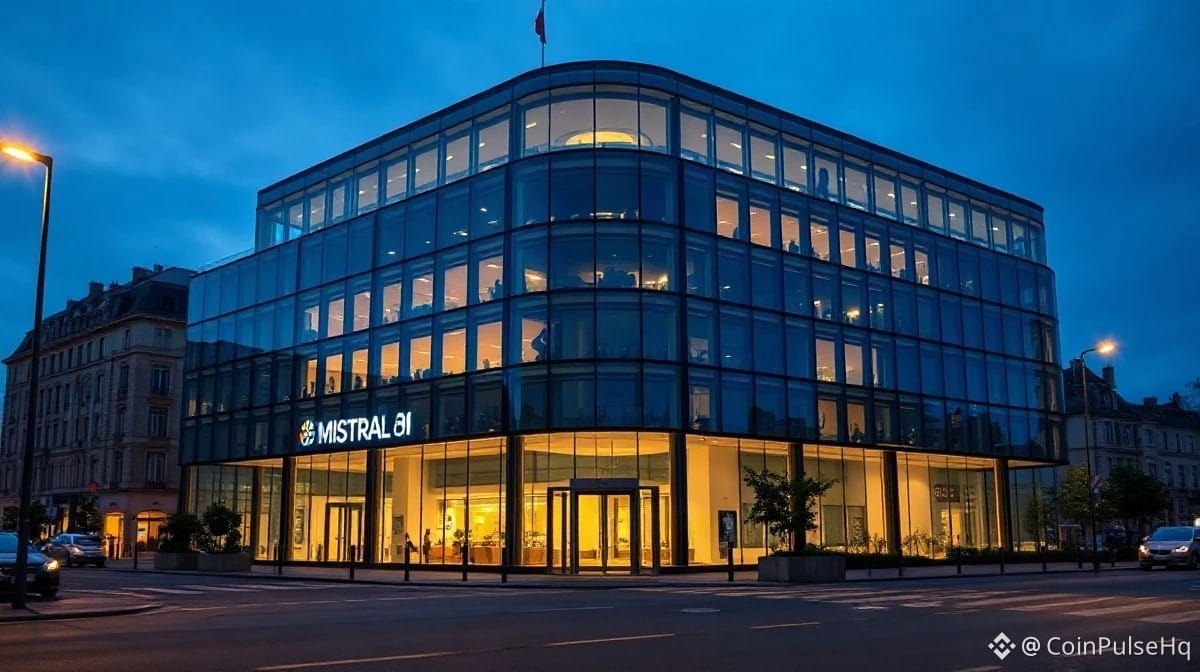
Mistral AI Huy động 3B euro trong Vòng Tài trợ Công nghệ Lớn Nhất Châu Âu, Định giá Phòng thí nghiệm AI của Pháp ở Mức Hơn 21B euroPhòng thí nghiệm AI của Pháp Mistral AI hôm thứ Ba cho biết hãng đã huy động được 3 tỷ euro (khoảng 3,58 tỷ USD) trong vòng gọi vốn Series D theo định giá sau đầu tư hơn 21 tỷ euro (khoảng 24,39 tỷ USD), xác nhận các thông tin trước đó. Vòng gọi vốn, mà Mistral gọi là “vòng huy động vốn cổ phần lớn nhất từng được hoàn tất bởi một công ty công nghệ châu Âu”, được dẫn dắt bởi Samsung Electronics, với Quỹ Scaleup Europe do EQT quản lý và nhà đầu tư hiện hữu PSG Equity tham gia với vai trò đồng dẫn.
Mistral cho biết hãng sẽ sử dụng nguồn vốn để mở rộng năng lực tính toán, xây dựng hạ tầng, thúc đẩy tăng trưởng thương mại nhanh hơn và mở rộng dấu ấn quốc tế. Khoản tài trợ cũng giúp củng cố vị thế chiến lược của công ty: hãng khẳng định mình không xây dựng một “ChatGPT của châu Âu”, và dù các mô hình của hãng vẫn chưa đạt mức được người tiêu dùng phổ thông đón nhận, công ty tiếp tục định vị mình là một phòng thí nghiệm nghiên cứu AI tập trung vào khách hàng doanh nghiệp và chính phủ.
Mistral AI Huy động 3B euro trong Vòng Tài trợ Công nghệ Lớn Nhất Châu Âu, Định giá Phòng thí nghiệm AI của Pháp ở Mức Hơn 21B euro
Phòng thí nghiệm AI của Pháp Mistral AI hôm thứ Ba cho biết hãng đã huy động được 3 tỷ euro (khoảng 3,58 tỷ USD) trong vòng gọi vốn Series D theo định giá sau đầu tư hơn 21 tỷ euro (khoảng 24,39 tỷ USD), xác nhận các thông tin trước đó. Vòng gọi vốn, mà Mistral gọi là “vòng huy động vốn cổ phần lớn nhất từng được hoàn tất bởi một công ty công nghệ châu Âu”, được dẫn dắt bởi Samsung Electronics, với Quỹ Scaleup Europe do EQT quản lý và nhà đầu tư hiện hữu PSG Equity tham gia với vai trò đồng dẫn.
Mistral cho biết hãng sẽ sử dụng nguồn vốn để mở rộng năng lực tính toán, xây dựng hạ tầng, thúc đẩy tăng trưởng thương mại nhanh hơn và mở rộng dấu ấn quốc tế. Khoản tài trợ cũng giúp củng cố vị thế chiến lược của công ty: hãng khẳng định mình không xây dựng một “ChatGPT của châu Âu”, và dù các mô hình của hãng vẫn chưa đạt mức được người tiêu dùng phổ thông đón nhận, công ty tiếp tục định vị mình là một phòng thí nghiệm nghiên cứu AI tập trung vào khách hàng doanh nghiệp và chính phủ.
Mistral cho biết hãng sẽ sử dụng nguồn vốn để mở rộng năng lực tính toán, xây dựng hạ tầng, thúc đẩy tăng trưởng thương mại nhanh hơn và mở rộng dấu ấn quốc tế. Khoản tài trợ cũng giúp củng cố vị thế chiến lược của công ty: hãng khẳng định mình không xây dựng một “ChatGPT của châu Âu”, và dù các mô hình của hãng vẫn chưa đạt mức được người tiêu dùng phổ thông đón nhận, công ty tiếp tục định vị mình là một phòng thí nghiệm nghiên cứu AI tập trung vào khách hàng doanh nghiệp và chính phủ.
·
--
Bài viết
Cognition đạt định giá 48 tỷ USD, cho thấy thị trường lập trình AI vẫn còn chỗ cho nhiều người chiến thắngCognition, công ty đứng sau trợ lý lập trình AI Devin, đã huy động 2 tỷ USD với định giá 48 tỷ USD, hãng công bố vào hôm thứ Ba. Vòng gọi vốn do Andreessen Horowitz, Accel, Founders Fund, General Catalyst và Avenir dẫn dắt, diễn ra chỉ bốn tháng sau lần Cognition huy động trước đó với định giá 26 tỷ USD — cho thấy các nhà đầu tư mạo hiểm vẫn thấy còn dư địa cho nhiều nhà chơi lớn trong thị trường lập trình bằng AI, một trong những ứng dụng có ý nghĩa thương mại lớn nhất của AI tạo sinh.
Việc định giá của Cognition tăng gấp đôi nhanh chóng cho thấy lĩnh vực lập trình bằng AI, thay vì nhanh chóng hợp nhất vào một người chiến thắng duy nhất, đang thu hút vốn từ nhiều đối thủ. Luận điểm này đã được kiểm chứng vào đầu năm nay, khi Cursor — một trợ lý lập trình đối thủ — đã đồng ý bán cho SpaceX với giá 60 tỷ USD vào tháng 4, sau khi được cho là đã cân nhắc một vòng gọi vốn 50 tỷ USD.
Cognition đạt định giá 48 tỷ USD, cho thấy thị trường lập trình AI vẫn còn chỗ cho nhiều người chiến thắng
Cognition, công ty đứng sau trợ lý lập trình AI Devin, đã huy động 2 tỷ USD với định giá 48 tỷ USD, hãng công bố vào hôm thứ Ba. Vòng gọi vốn do Andreessen Horowitz, Accel, Founders Fund, General Catalyst và Avenir dẫn dắt, diễn ra chỉ bốn tháng sau lần Cognition huy động trước đó với định giá 26 tỷ USD — cho thấy các nhà đầu tư mạo hiểm vẫn thấy còn dư địa cho nhiều nhà chơi lớn trong thị trường lập trình bằng AI, một trong những ứng dụng có ý nghĩa thương mại lớn nhất của AI tạo sinh.
Việc định giá của Cognition tăng gấp đôi nhanh chóng cho thấy lĩnh vực lập trình bằng AI, thay vì nhanh chóng hợp nhất vào một người chiến thắng duy nhất, đang thu hút vốn từ nhiều đối thủ. Luận điểm này đã được kiểm chứng vào đầu năm nay, khi Cursor — một trợ lý lập trình đối thủ — đã đồng ý bán cho SpaceX với giá 60 tỷ USD vào tháng 4, sau khi được cho là đã cân nhắc một vòng gọi vốn 50 tỷ USD.
Việc định giá của Cognition tăng gấp đôi nhanh chóng cho thấy lĩnh vực lập trình bằng AI, thay vì nhanh chóng hợp nhất vào một người chiến thắng duy nhất, đang thu hút vốn từ nhiều đối thủ. Luận điểm này đã được kiểm chứng vào đầu năm nay, khi Cursor — một trợ lý lập trình đối thủ — đã đồng ý bán cho SpaceX với giá 60 tỷ USD vào tháng 4, sau khi được cho là đã cân nhắc một vòng gọi vốn 50 tỷ USD.
·
--
Bài viết
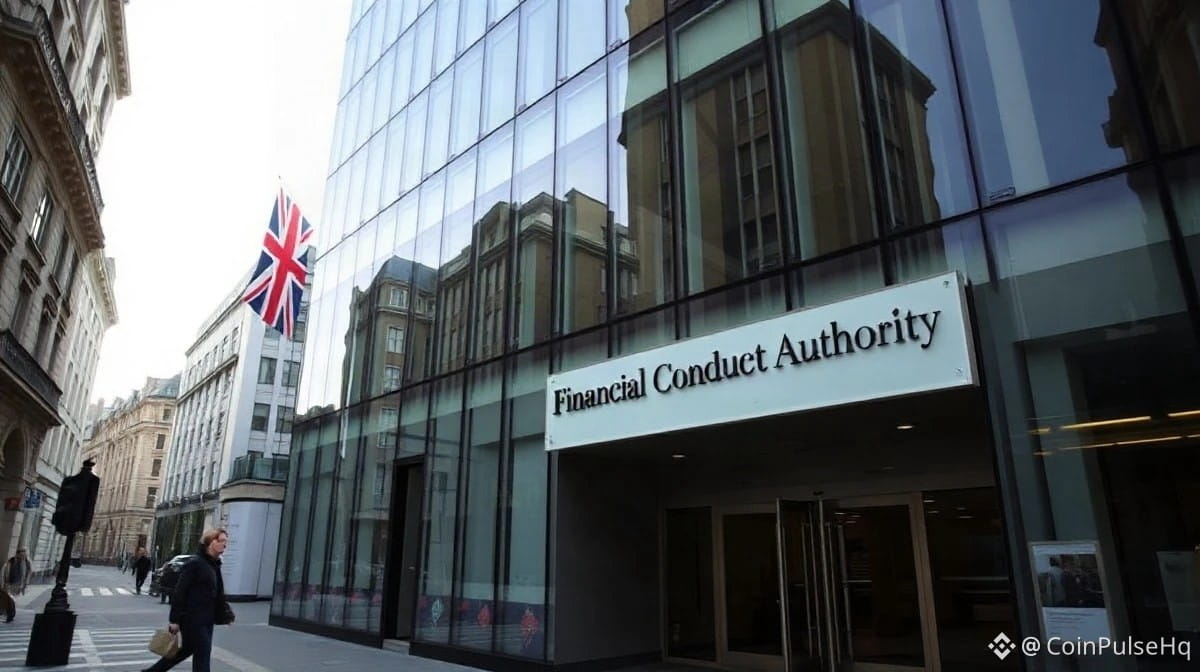
FCA của Anh được cho là đang cân nhắc dỡ bỏ lệnh cấm đối với thị trường dự đoán dành cho nhà đầu tư bán lẻCơ quan Quản lý Tài chính của Vương quốc Anh (FCA) được cho là đã bắt đầu thảo luận với các công ty thị trường dự đoán về việc liệu có nên dỡ bỏ lệnh cấm đã ngăn các nhà đầu tư bán lẻ tiếp cận các nền tảng như Polymarket và Kalshi kể từ năm 2019 hay không.
Theo một báo cáo hôm thứ Sáu của The Times, cơ quan này đang cân nhắc việc nới lỏng lệnh cấm đối với các hợp đồng quyền chọn nhị phân, bao gồm các hợp đồng dựa trên sự kiện liên quan đến thể thao, chính trị và thời tiết. FCA lần đầu áp đặt lệnh cấm này vào tháng 4 năm 2019, khi cấm các công ty bán, tiếp thị hoặc phân phối các quyền chọn nhị phân cho người tiêu dùng bán lẻ.
FCA của Anh được cho là đang cân nhắc dỡ bỏ lệnh cấm đối với thị trường dự đoán dành cho nhà đầu tư bán lẻ
Cơ quan Quản lý Tài chính của Vương quốc Anh (FCA) được cho là đã bắt đầu thảo luận với các công ty thị trường dự đoán về việc liệu có nên dỡ bỏ lệnh cấm đã ngăn các nhà đầu tư bán lẻ tiếp cận các nền tảng như Polymarket và Kalshi kể từ năm 2019 hay không.
Theo một báo cáo hôm thứ Sáu của The Times, cơ quan này đang cân nhắc việc nới lỏng lệnh cấm đối với các hợp đồng quyền chọn nhị phân, bao gồm các hợp đồng dựa trên sự kiện liên quan đến thể thao, chính trị và thời tiết. FCA lần đầu áp đặt lệnh cấm này vào tháng 4 năm 2019, khi cấm các công ty bán, tiếp thị hoặc phân phối các quyền chọn nhị phân cho người tiêu dùng bán lẻ.
Theo một báo cáo hôm thứ Sáu của The Times, cơ quan này đang cân nhắc việc nới lỏng lệnh cấm đối với các hợp đồng quyền chọn nhị phân, bao gồm các hợp đồng dựa trên sự kiện liên quan đến thể thao, chính trị và thời tiết. FCA lần đầu áp đặt lệnh cấm này vào tháng 4 năm 2019, khi cấm các công ty bán, tiếp thị hoặc phân phối các quyền chọn nhị phân cho người tiêu dùng bán lẻ.
·
--
Bài viết
Sequoia tiếp tục “đặt cược” vào Cymphony khi các tác nhân AI tạo ra rủi ro an ninh doanh nghiệp mớiSequoia Capital đang “đặt cược dồn” vào một startup nhằm giải quyết một vấn đề ngày càng tăng đối với doanh nghiệp: đảm bảo an ninh cho các tác nhân AI hiện đang xử lý dữ liệu doanh nghiệp nhạy cảm với tốc độ máy móc. Hãng đầu tư mạo hiểm đồng dẫn một vòng Series A trị giá 25 triệu USD cho Cymphony, một công ty có trụ sở tại New York và Tel Aviv, cùng SMBC Fin Atlas Beyond Fund, định giá startup ở mức trên 100 triệu USD sau đầu tư. Vòng này nối tiếp một khoản đầu tư seed chưa công bố từ Sequoia, được thực hiện hơn hai năm trước.
Cymphony, được thành lập năm 2024 bởi Shy Dekel, Idan Berkovits và Edi Gotlieb—tất cả đều là cựu sinh viên chương trình Talpiot của quân đội Israel—đang xây dựng một nền tảng nhằm cung cấp cho các đội an ninh một cái nhìn thống nhất về nhân viên con người và các tác nhân AI, bao gồm cả các hệ thống và dữ liệu nhạy cảm mà họ có thể truy cập. Công ty cho biết họ giải quyết một “điểm mù” nghiêm trọng: các tác nhân AI thường bỏ qua các cơ chế danh tính và kiểm soát truy cập vốn được áp dụng cho người lao động, tạo ra những điểm phơi nhiễm mới mà các công cụ an ninh truyền thống bỏ sót.
Sequoia tiếp tục “đặt cược” vào Cymphony khi các tác nhân AI tạo ra rủi ro an ninh doanh nghiệp mới
Sequoia Capital đang “đặt cược dồn” vào một startup nhằm giải quyết một vấn đề ngày càng tăng đối với doanh nghiệp: đảm bảo an ninh cho các tác nhân AI hiện đang xử lý dữ liệu doanh nghiệp nhạy cảm với tốc độ máy móc. Hãng đầu tư mạo hiểm đồng dẫn một vòng Series A trị giá 25 triệu USD cho Cymphony, một công ty có trụ sở tại New York và Tel Aviv, cùng SMBC Fin Atlas Beyond Fund, định giá startup ở mức trên 100 triệu USD sau đầu tư. Vòng này nối tiếp một khoản đầu tư seed chưa công bố từ Sequoia, được thực hiện hơn hai năm trước.
Cymphony, được thành lập năm 2024 bởi Shy Dekel, Idan Berkovits và Edi Gotlieb—tất cả đều là cựu sinh viên chương trình Talpiot của quân đội Israel—đang xây dựng một nền tảng nhằm cung cấp cho các đội an ninh một cái nhìn thống nhất về nhân viên con người và các tác nhân AI, bao gồm cả các hệ thống và dữ liệu nhạy cảm mà họ có thể truy cập. Công ty cho biết họ giải quyết một “điểm mù” nghiêm trọng: các tác nhân AI thường bỏ qua các cơ chế danh tính và kiểm soát truy cập vốn được áp dụng cho người lao động, tạo ra những điểm phơi nhiễm mới mà các công cụ an ninh truyền thống bỏ sót.
Cymphony, được thành lập năm 2024 bởi Shy Dekel, Idan Berkovits và Edi Gotlieb—tất cả đều là cựu sinh viên chương trình Talpiot của quân đội Israel—đang xây dựng một nền tảng nhằm cung cấp cho các đội an ninh một cái nhìn thống nhất về nhân viên con người và các tác nhân AI, bao gồm cả các hệ thống và dữ liệu nhạy cảm mà họ có thể truy cập. Công ty cho biết họ giải quyết một “điểm mù” nghiêm trọng: các tác nhân AI thường bỏ qua các cơ chế danh tính và kiểm soát truy cập vốn được áp dụng cho người lao động, tạo ra những điểm phơi nhiễm mới mà các công cụ an ninh truyền thống bỏ sót.
·
--

Bài viết
Trợ lý AI Instinct có địa chỉ email riêng để hoạt động tự chủ hơnBản năng, trợ lý AI đã bứt tốc đạt định giá 2,5 tỷ USD, đang cấp cho mỗi người dùng một địa chỉ email riêng — một động thái giúp tác nhân hoạt động độc lập hơn khi đăng ký dịch vụ, liên hệ với doanh nghiệp hoặc quản lý các tác vụ thay mặt người dùng. Người sáng lập Noah Shinn đã công bố tính năng này trên X vào ngày 8 tháng 9 năm 2026, mô tả là "bước đầu tiên để cho phép Instinct của bạn sở hữu và tự vận hành các tài khoản của nó."
Giờ đây Instinct gán cho mỗi người dùng một địa chỉ email duy nhất để tác nhân AI có thể tạo tài khoản, liên hệ với doanh nghiệp và xử lý các cuộc theo dõi mà không làm đầy hộp thư cá nhân của người dùng. Tính năng này do người sáng lập Noah Shinn công bố và hiện đang được triển khai; người dùng sớm có thể nhận quyền địa chỉ của mình tại mail.instinct.com.
Trợ lý AI Instinct có địa chỉ email riêng để hoạt động tự chủ hơn
Bản năng, trợ lý AI đã bứt tốc đạt định giá 2,5 tỷ USD, đang cấp cho mỗi người dùng một địa chỉ email riêng — một động thái giúp tác nhân hoạt động độc lập hơn khi đăng ký dịch vụ, liên hệ với doanh nghiệp hoặc quản lý các tác vụ thay mặt người dùng. Người sáng lập Noah Shinn đã công bố tính năng này trên X vào ngày 8 tháng 9 năm 2026, mô tả là "bước đầu tiên để cho phép Instinct của bạn sở hữu và tự vận hành các tài khoản của nó."
Giờ đây Instinct gán cho mỗi người dùng một địa chỉ email duy nhất để tác nhân AI có thể tạo tài khoản, liên hệ với doanh nghiệp và xử lý các cuộc theo dõi mà không làm đầy hộp thư cá nhân của người dùng. Tính năng này do người sáng lập Noah Shinn công bố và hiện đang được triển khai; người dùng sớm có thể nhận quyền địa chỉ của mình tại mail.instinct.com.
Giờ đây Instinct gán cho mỗi người dùng một địa chỉ email duy nhất để tác nhân AI có thể tạo tài khoản, liên hệ với doanh nghiệp và xử lý các cuộc theo dõi mà không làm đầy hộp thư cá nhân của người dùng. Tính năng này do người sáng lập Noah Shinn công bố và hiện đang được triển khai; người dùng sớm có thể nhận quyền địa chỉ của mình tại mail.instinct.com.
·
--

Bài viết
Shipt ra mắt trợ lý AI “Ask Shipt” để tạo giỏ hàng mua sắm tùy chỉnhShipt, nền tảng giao hàng trong ngày được sở hữu bởi Target, đã ra mắt trợ lý mua sắm AI của riêng mình vào ngày 9 tháng 9 năm 2026, gia nhập một làn sóng các ứng dụng giao hàng đang đua nhau nhúng AI đàm thoại vào trải nghiệm mua sắm thực phẩm. Công cụ mới, có tên “Ask Shipt”, hiện đã có trong ứng dụng Shipt và trên Shipt.com, theo thông báo từ công ty.
Ask Shipt cho phép khách hàng tạo các giỏ hàng hoàn chỉnh, sẵn sàng để mua từ các yêu cầu bằng ngôn ngữ tự nhiên hoặc từ ảnh. Shipt cho biết người dùng có thể yêu cầu những thứ như “Tạo một giỏ hàng cho bữa tiệc đuôi xe cuối tuần của tôi cho 25 người và bao gồm một vài món cho bữa brunch”, hoặc tải lên một bức ảnh của một món ăn đã thấy tại nhà hàng để trợ lý nhận diện và thêm toàn bộ các nguyên liệu vào một giỏ hàng. Những người mua sắm quan tâm đến ngân sách cũng có thể hỏi các gợi ý như một bữa ăn cho ngày trong tuần dành cho gia đình 5 người với giá dưới 35 đô la.
Shipt ra mắt trợ lý AI “Ask Shipt” để tạo giỏ hàng mua sắm tùy chỉnh
Shipt, nền tảng giao hàng trong ngày được sở hữu bởi Target, đã ra mắt trợ lý mua sắm AI của riêng mình vào ngày 9 tháng 9 năm 2026, gia nhập một làn sóng các ứng dụng giao hàng đang đua nhau nhúng AI đàm thoại vào trải nghiệm mua sắm thực phẩm. Công cụ mới, có tên “Ask Shipt”, hiện đã có trong ứng dụng Shipt và trên Shipt.com, theo thông báo từ công ty.
Ask Shipt cho phép khách hàng tạo các giỏ hàng hoàn chỉnh, sẵn sàng để mua từ các yêu cầu bằng ngôn ngữ tự nhiên hoặc từ ảnh. Shipt cho biết người dùng có thể yêu cầu những thứ như “Tạo một giỏ hàng cho bữa tiệc đuôi xe cuối tuần của tôi cho 25 người và bao gồm một vài món cho bữa brunch”, hoặc tải lên một bức ảnh của một món ăn đã thấy tại nhà hàng để trợ lý nhận diện và thêm toàn bộ các nguyên liệu vào một giỏ hàng. Những người mua sắm quan tâm đến ngân sách cũng có thể hỏi các gợi ý như một bữa ăn cho ngày trong tuần dành cho gia đình 5 người với giá dưới 35 đô la.
Ask Shipt cho phép khách hàng tạo các giỏ hàng hoàn chỉnh, sẵn sàng để mua từ các yêu cầu bằng ngôn ngữ tự nhiên hoặc từ ảnh. Shipt cho biết người dùng có thể yêu cầu những thứ như “Tạo một giỏ hàng cho bữa tiệc đuôi xe cuối tuần của tôi cho 25 người và bao gồm một vài món cho bữa brunch”, hoặc tải lên một bức ảnh của một món ăn đã thấy tại nhà hàng để trợ lý nhận diện và thêm toàn bộ các nguyên liệu vào một giỏ hàng. Những người mua sắm quan tâm đến ngân sách cũng có thể hỏi các gợi ý như một bữa ăn cho ngày trong tuần dành cho gia đình 5 người với giá dưới 35 đô la.
TUS-1,35%
2
·
--
Bài viết
Đức đề xuất thuế suất cố định 25% đối với lợi nhuận crypto bắt đầu từ năm 2028Bộ Tài chính Liên bang Đức được cho là đã dự thảo một đề xuất nhằm áp dụng mức thuế suất cố định 25% đối với lợi nhuận giao dịch tiền điện tử, đánh dấu một bước thay đổi đáng kể so với chính sách hiện tại của nước này, theo đó các khoản lãi từ crypto được miễn thuế sau thời gian nắm giữ một năm. Bản dự thảo, theo tờ báo Đức Die Welt, cho biết loại thuế mới sẽ áp dụng cho tất cả các tài sản kỹ thuật số được mua sau ngày 1 tháng 1 năm 2027, và cơ chế mới sẽ có hiệu lực từ năm 2028.
Cơ chế “grandfathering” cho các nhà nắm giữ hiện hữu
Theo dự thảo đề xuất, bộ dự định sẽ đưa vào các biện pháp bảo vệ theo cơ chế “grandfathering”. Điều này có nghĩa là tiền điện tử được mua trước mốc cắt giảm ngày 1 tháng 1 năm 2027 sẽ tiếp tục được áp dụng theo các quy định hiện hành, cho phép các nhà đầu tư nắm giữ dài hạn đã mua tài sản sớm hơn vẫn được hưởng tình trạng miễn thuế hiện tại sau 12 tháng nắm giữ. Biện pháp chuyển tiếp này nhằm tránh việc phạt những nhà đầu tư đã đưa ra quyết định dựa trên khuôn khổ thuế hiện hành.
Đức đề xuất thuế suất cố định 25% đối với lợi nhuận crypto bắt đầu từ năm 2028
Bộ Tài chính Liên bang Đức được cho là đã dự thảo một đề xuất nhằm áp dụng mức thuế suất cố định 25% đối với lợi nhuận giao dịch tiền điện tử, đánh dấu một bước thay đổi đáng kể so với chính sách hiện tại của nước này, theo đó các khoản lãi từ crypto được miễn thuế sau thời gian nắm giữ một năm. Bản dự thảo, theo tờ báo Đức Die Welt, cho biết loại thuế mới sẽ áp dụng cho tất cả các tài sản kỹ thuật số được mua sau ngày 1 tháng 1 năm 2027, và cơ chế mới sẽ có hiệu lực từ năm 2028.
Cơ chế “grandfathering” cho các nhà nắm giữ hiện hữu
Theo dự thảo đề xuất, bộ dự định sẽ đưa vào các biện pháp bảo vệ theo cơ chế “grandfathering”. Điều này có nghĩa là tiền điện tử được mua trước mốc cắt giảm ngày 1 tháng 1 năm 2027 sẽ tiếp tục được áp dụng theo các quy định hiện hành, cho phép các nhà đầu tư nắm giữ dài hạn đã mua tài sản sớm hơn vẫn được hưởng tình trạng miễn thuế hiện tại sau 12 tháng nắm giữ. Biện pháp chuyển tiếp này nhằm tránh việc phạt những nhà đầu tư đã đưa ra quyết định dựa trên khuôn khổ thuế hiện hành.
Cơ chế “grandfathering” cho các nhà nắm giữ hiện hữu
Theo dự thảo đề xuất, bộ dự định sẽ đưa vào các biện pháp bảo vệ theo cơ chế “grandfathering”. Điều này có nghĩa là tiền điện tử được mua trước mốc cắt giảm ngày 1 tháng 1 năm 2027 sẽ tiếp tục được áp dụng theo các quy định hiện hành, cho phép các nhà đầu tư nắm giữ dài hạn đã mua tài sản sớm hơn vẫn được hưởng tình trạng miễn thuế hiện tại sau 12 tháng nắm giữ. Biện pháp chuyển tiếp này nhằm tránh việc phạt những nhà đầu tư đã đưa ra quyết định dựa trên khuôn khổ thuế hiện hành.
·
--
Bài viết
Tính năng 'Reference Image' mới của Apple Nhắm tới Mục tiêu Chứng minh Ảnh iPhone Không phải là Ảnh 'AI Tạp' Apple hôm thứ Tư đã công bố tại sự kiện "Surprise and Shine" rằng hãng đang giới thiệu Apple Reference Image, một tính năng được thiết kế để kiểm tra xem một hình ảnh được chụp bằng iPhone 18 Pro có phải là ảnh thật hay không. Công ty cho biết tính năng này "vital for photojournalists and photographers" (vô cùng quan trọng đối với các nhà báo ảnh và nhiếp ảnh gia) khi các hình ảnh do AI tạo ra và được AI chỉnh sửa ngày càng khó phân biệt với ảnh chụp thực tế.
Apple Reference Image hoạt động bằng cách ghi lại dữ liệu cảm biến đã được ký từ camera chính vào thời điểm chụp ảnh. Sau đó, dữ liệu này được xử lý thông qua dịch vụ Private Cloud Compute của Apple, tạo ra một chế độ xem "unalterable image" (ảnh không thể thay đổi) có thể xem trong ứng dụng Photos. Hình ảnh tham chiếu này hoạt động như một "negative kỹ thuật số" (bản âm), cho phép người dùng so sánh nó với các phiên bản khác của cùng bức ảnh để phát hiện mọi thay đổi hoặc chỉnh sửa.
Tính năng 'Reference Image' mới của Apple Nhắm tới Mục tiêu Chứng minh Ảnh iPhone Không phải là Ảnh 'AI Tạp'
Apple hôm thứ Tư đã công bố tại sự kiện "Surprise and Shine" rằng hãng đang giới thiệu Apple Reference Image, một tính năng được thiết kế để kiểm tra xem một hình ảnh được chụp bằng iPhone 18 Pro có phải là ảnh thật hay không. Công ty cho biết tính năng này "vital for photojournalists and photographers" (vô cùng quan trọng đối với các nhà báo ảnh và nhiếp ảnh gia) khi các hình ảnh do AI tạo ra và được AI chỉnh sửa ngày càng khó phân biệt với ảnh chụp thực tế.
Apple Reference Image hoạt động bằng cách ghi lại dữ liệu cảm biến đã được ký từ camera chính vào thời điểm chụp ảnh. Sau đó, dữ liệu này được xử lý thông qua dịch vụ Private Cloud Compute của Apple, tạo ra một chế độ xem "unalterable image" (ảnh không thể thay đổi) có thể xem trong ứng dụng Photos. Hình ảnh tham chiếu này hoạt động như một "negative kỹ thuật số" (bản âm), cho phép người dùng so sánh nó với các phiên bản khác của cùng bức ảnh để phát hiện mọi thay đổi hoặc chỉnh sửa.
Apple Reference Image hoạt động bằng cách ghi lại dữ liệu cảm biến đã được ký từ camera chính vào thời điểm chụp ảnh. Sau đó, dữ liệu này được xử lý thông qua dịch vụ Private Cloud Compute của Apple, tạo ra một chế độ xem "unalterable image" (ảnh không thể thay đổi) có thể xem trong ứng dụng Photos. Hình ảnh tham chiếu này hoạt động như một "negative kỹ thuật số" (bản âm), cho phép người dùng so sánh nó với các phiên bản khác của cùng bức ảnh để phát hiện mọi thay đổi hoặc chỉnh sửa.
15
·
--
Bài viết
Bitcoin Vượt Mốc 87K Khi 1 Tỷ USD Cược Bằng Đòn Bẩy Bị Thanh LýBitcoin đã tăng lên mức cao trong ngày là 87.000 USD trước khi hạ nhiệt về khoảng 85.000 USD. Cointribune cho biết động thái này được khuếch đại bởi làn sóng đóng lệnh bắt buộc đối với các vị thế dùng đòn bẩy. Trên toàn thị trường crypto, khoảng 1 tỷ USD các vị thế đã bị thanh lý trong vòng 24 giờ, trong đó các lệnh short chiếm phần lớn tổng giá trị với gần 900 triệu USD.
Đà tăng của Bitcoin bắt đầu từ mức gần 75.000 USD vào tuần trước, và mốc 87.000 USD đã không được chạm tới kể từ tháng Một. Cointribune báo cáo hơn 139.000 nhà giao dịch đã bị thanh lý và vị thế đơn lẻ lớn nhất vượt 20 triệu USD. Số liệu chỉ tính Bitcoin cho thấy 454 triệu USD các vị thế short bị thanh lý so với chỉ 53 triệu USD ở phía long, nghĩa là các lệnh short chiếm gần 90% dữ liệu gần đây nhất.
Bitcoin Vượt Mốc 87K Khi 1 Tỷ USD Cược Bằng Đòn Bẩy Bị Thanh Lý
Bitcoin đã tăng lên mức cao trong ngày là 87.000 USD trước khi hạ nhiệt về khoảng 85.000 USD. Cointribune cho biết động thái này được khuếch đại bởi làn sóng đóng lệnh bắt buộc đối với các vị thế dùng đòn bẩy. Trên toàn thị trường crypto, khoảng 1 tỷ USD các vị thế đã bị thanh lý trong vòng 24 giờ, trong đó các lệnh short chiếm phần lớn tổng giá trị với gần 900 triệu USD.
Đà tăng của Bitcoin bắt đầu từ mức gần 75.000 USD vào tuần trước, và mốc 87.000 USD đã không được chạm tới kể từ tháng Một. Cointribune báo cáo hơn 139.000 nhà giao dịch đã bị thanh lý và vị thế đơn lẻ lớn nhất vượt 20 triệu USD. Số liệu chỉ tính Bitcoin cho thấy 454 triệu USD các vị thế short bị thanh lý so với chỉ 53 triệu USD ở phía long, nghĩa là các lệnh short chiếm gần 90% dữ liệu gần đây nhất.
Đà tăng của Bitcoin bắt đầu từ mức gần 75.000 USD vào tuần trước, và mốc 87.000 USD đã không được chạm tới kể từ tháng Một. Cointribune báo cáo hơn 139.000 nhà giao dịch đã bị thanh lý và vị thế đơn lẻ lớn nhất vượt 20 triệu USD. Số liệu chỉ tính Bitcoin cho thấy 454 triệu USD các vị thế short bị thanh lý so với chỉ 53 triệu USD ở phía long, nghĩa là các lệnh short chiếm gần 90% dữ liệu gần đây nhất.
20
·
--

Bài viết
Listen Labs rút lui khỏi Series C 1,5 tỷ USD để theo đuổi đàm phán mua lại Salesforce trị giá 2 tỷ USDListen Labs, một công ty khởi nghiệp nghiên cứu thị trường bằng AI ba năm tuổi, đã ký một bản điều khoản cho khoản cấp vốn Series C trị giá 125 triệu USD ở mức định giá 1,5 tỷ USD, nhưng thương vụ không bao giờ được hoàn tất. Theo nhiều nguồn tin am hiểu sự việc, công ty đã rút lui khỏi thỏa thuận — một động thái hiếm gặp trong lĩnh vực vốn mạo hiểm — để theo đuổi các cuộc đàm phán mua lại với Salesforce, công ty này được cho là đã thảo luận việc mua lại startup với mức khoảng 2 tỷ USD.
Việc tài trợ, trong đó Menlo Ventures được dự kiến dẫn dắt, đã sụp đổ khi Salesforce xuất hiện trong bức tranh. Business Insider lần đầu đưa tin về các cuộc thảo luận mua lại, cho biết các nội dung này hiện chưa được chốt và có thể không dẫn đến một thỏa thuận. Listen Labs, Salesforce và Menlo Ventures đã không phản hồi các yêu cầu bình luận.
Listen Labs rút lui khỏi Series C 1,5 tỷ USD để theo đuổi đàm phán mua lại Salesforce trị giá 2 tỷ USD
Listen Labs, một công ty khởi nghiệp nghiên cứu thị trường bằng AI ba năm tuổi, đã ký một bản điều khoản cho khoản cấp vốn Series C trị giá 125 triệu USD ở mức định giá 1,5 tỷ USD, nhưng thương vụ không bao giờ được hoàn tất. Theo nhiều nguồn tin am hiểu sự việc, công ty đã rút lui khỏi thỏa thuận — một động thái hiếm gặp trong lĩnh vực vốn mạo hiểm — để theo đuổi các cuộc đàm phán mua lại với Salesforce, công ty này được cho là đã thảo luận việc mua lại startup với mức khoảng 2 tỷ USD.
Việc tài trợ, trong đó Menlo Ventures được dự kiến dẫn dắt, đã sụp đổ khi Salesforce xuất hiện trong bức tranh. Business Insider lần đầu đưa tin về các cuộc thảo luận mua lại, cho biết các nội dung này hiện chưa được chốt và có thể không dẫn đến một thỏa thuận. Listen Labs, Salesforce và Menlo Ventures đã không phản hồi các yêu cầu bình luận.
Việc tài trợ, trong đó Menlo Ventures được dự kiến dẫn dắt, đã sụp đổ khi Salesforce xuất hiện trong bức tranh. Business Insider lần đầu đưa tin về các cuộc thảo luận mua lại, cho biết các nội dung này hiện chưa được chốt và có thể không dẫn đến một thỏa thuận. Listen Labs, Salesforce và Menlo Ventures đã không phản hồi các yêu cầu bình luận.
19
·
--

Bài viết
Ứng dụng Sức khỏe được thiết kế lại của Apple mang đến Health Age, điểm sẵn sàng và tab Insights được hỗ trợ bởi AIVào hôm thứ Tư, Apple đã công bố một đợt cải tiến lớn cho ứng dụng Sức khỏe của mình, cùng với Apple Watch Series 12 và Ultra 4 mới. Đáng chú ý, hãng giới thiệu tab Insights (Gợi ý) do AI dẫn dắt, điểm sẵn sàng hằng ngày và một chỉ số “Health Age” (Tuổi sức khỏe) mới, dùng để so sánh dữ liệu sinh học của bạn với tuổi theo thời gian thực của bạn. Bản thiết kế lại này, được hỗ trợ bởi Apple Intelligence, là một phần trong nỗ lực rộng hơn của công ty nhằm định vị iPhone và Apple Watch như những trung tâm cho việc quản lý sức khỏe chủ động.
Thay đổi dễ nhận thấy nhất là tab Insights mới, thay thế chế độ xem tóm tắt tĩnh bằng một nguồn cấp dữ liệu động, hiển thị những thông tin kịp thời nhất từ dữ liệu sức khỏe của bạn. Theo Apple, tab này sẽ cung cấp hướng dẫn được cá nhân hóa, các đánh giá và gợi ý theo ngữ cảnh — ví dụ như khuyến nghị người dùng thêm nhiều khoảng thời gian hơn trong một buổi chạy buổi sáng để cải thiện thể lực tim mạch.
Ứng dụng Sức khỏe được thiết kế lại của Apple mang đến Health Age, điểm sẵn sàng và tab Insights được hỗ trợ bởi AI
Vào hôm thứ Tư, Apple đã công bố một đợt cải tiến lớn cho ứng dụng Sức khỏe của mình, cùng với Apple Watch Series 12 và Ultra 4 mới. Đáng chú ý, hãng giới thiệu tab Insights (Gợi ý) do AI dẫn dắt, điểm sẵn sàng hằng ngày và một chỉ số “Health Age” (Tuổi sức khỏe) mới, dùng để so sánh dữ liệu sinh học của bạn với tuổi theo thời gian thực của bạn. Bản thiết kế lại này, được hỗ trợ bởi Apple Intelligence, là một phần trong nỗ lực rộng hơn của công ty nhằm định vị iPhone và Apple Watch như những trung tâm cho việc quản lý sức khỏe chủ động.
Thay đổi dễ nhận thấy nhất là tab Insights mới, thay thế chế độ xem tóm tắt tĩnh bằng một nguồn cấp dữ liệu động, hiển thị những thông tin kịp thời nhất từ dữ liệu sức khỏe của bạn. Theo Apple, tab này sẽ cung cấp hướng dẫn được cá nhân hóa, các đánh giá và gợi ý theo ngữ cảnh — ví dụ như khuyến nghị người dùng thêm nhiều khoảng thời gian hơn trong một buổi chạy buổi sáng để cải thiện thể lực tim mạch.
Thay đổi dễ nhận thấy nhất là tab Insights mới, thay thế chế độ xem tóm tắt tĩnh bằng một nguồn cấp dữ liệu động, hiển thị những thông tin kịp thời nhất từ dữ liệu sức khỏe của bạn. Theo Apple, tab này sẽ cung cấp hướng dẫn được cá nhân hóa, các đánh giá và gợi ý theo ngữ cảnh — ví dụ như khuyến nghị người dùng thêm nhiều khoảng thời gian hơn trong một buổi chạy buổi sáng để cải thiện thể lực tim mạch.
·
--

Bài viết
iPhone gập mới của Apple 'Duo' dựa vào bản lề in 3D được tạo bởi AI để chống hao mòn và rách nátApple chính thức bước vào thị trường điện thoại gập vào Thứ Tư, ngày 9 tháng 9 năm 2026, ra mắt mẫu Duo tại sự kiện 'Surprise and Shine'. Mặc dù kiểu dáng của thiết bị là lần đầu tiên đối với công ty, nhưng bước nhảy vọt về kỹ thuật quan trọng nhất có thể nằm bên trong bản lề. Giám đốc phụ trách phần cứng (Chief Hardware Officer) Johny Srouji cho biết bản lề này được thiết kế và sản xuất với sự hỗ trợ của AI và in 3D.
Srouji đã trình bày chi tiết quy trình trong bài phát biểu quan trọng, giải thích rằng bản lề là một thành phần then chốt đối với thiết bị phải chịu nhiều lực tác động hơn đáng kể so với một smartphone truyền thống. Để giải quyết những lo ngại về độ bền đã từng gây rắc rối cho các dòng máy gập khác, Apple đã triển khai một quy trình sản xuất sử dụng trí tuệ nhân tạo nhằm đảm bảo độ căn khớp gần như hoàn hảo và độ mượt bề mặt.
iPhone gập mới của Apple 'Duo' dựa vào bản lề in 3D được tạo bởi AI để chống hao mòn và rách nát
Apple chính thức bước vào thị trường điện thoại gập vào Thứ Tư, ngày 9 tháng 9 năm 2026, ra mắt mẫu Duo tại sự kiện 'Surprise and Shine'. Mặc dù kiểu dáng của thiết bị là lần đầu tiên đối với công ty, nhưng bước nhảy vọt về kỹ thuật quan trọng nhất có thể nằm bên trong bản lề. Giám đốc phụ trách phần cứng (Chief Hardware Officer) Johny Srouji cho biết bản lề này được thiết kế và sản xuất với sự hỗ trợ của AI và in 3D.
Srouji đã trình bày chi tiết quy trình trong bài phát biểu quan trọng, giải thích rằng bản lề là một thành phần then chốt đối với thiết bị phải chịu nhiều lực tác động hơn đáng kể so với một smartphone truyền thống. Để giải quyết những lo ngại về độ bền đã từng gây rắc rối cho các dòng máy gập khác, Apple đã triển khai một quy trình sản xuất sử dụng trí tuệ nhân tạo nhằm đảm bảo độ căn khớp gần như hoàn hảo và độ mượt bề mặt.
Srouji đã trình bày chi tiết quy trình trong bài phát biểu quan trọng, giải thích rằng bản lề là một thành phần then chốt đối với thiết bị phải chịu nhiều lực tác động hơn đáng kể so với một smartphone truyền thống. Để giải quyết những lo ngại về độ bền đã từng gây rắc rối cho các dòng máy gập khác, Apple đã triển khai một quy trình sản xuất sử dụng trí tuệ nhân tạo nhằm đảm bảo độ căn khớp gần như hoàn hảo và độ mượt bề mặt.
4
Đăng nhập để khám phá thêm nội dung
Tham gia cùng người dùng tiền mã hóa toàn cầu trên Binance Square
⚡️ Nhận thông tin mới nhất và hữu ích về tiền mã hóa.
💬 Được tin cậy bởi sàn giao dịch tiền mã hóa lớn nhất thế giới.
👍 Khám phá những thông tin chuyên sâu thực tế từ những nhà sáng tạo đã xác minh.
Email / Số điện thoại
Chủ đề thịnh hành
AIStocksWhatNext
456,736 lượt xem
3,403 đang thảo luận
Chia sẻ & Nhận thưởng Lưu lượng trong chiến dịch Hashtag Xu hướng của chúng tôi
✨Chủ đề: Những cơ hội đầu tư nào khác vẫn còn khi các cổ phiếu AI tiếp tục tăng?
👉Cách tham gia:
Đăng một bài viết ngắn hoặc bài viết kèm hashtag #AIStocksWhatNext
Chia sẻ bạn đang lạc quan hay bi quan, và đăng danh mục nắm giữ hoặc giao dịch cổ phiếu AI của bạn — việc sử dụng widget giao dịch có thể giúp bạn đủ điều kiện tốt hơn.
Bạn cũng có thể tăng sức thuyết phục cho bài đăng bằng cách chia sẻ dữ liệu hoặc biểu đồ và tránh sử dụng hình ảnh do AI tạo.
✍️Tạo nội dung dựa trên các góc dưới đây:
- Nvidia cho biết doanh số chip sẽ tăng gấp đôi vào năm tới, và các công ty AI hàng đầu tiếp tục đạt doanh thu kỷ lục, khoản chi cho năng lực tính toán phía sau điều đó còn đáng kinh ngạc hơn. Nhu cầu AI thực sự đang bùng nổ sao? Và có thể kéo dài trong bao lâu? Các cổ phiếu AI đang tăng trên toàn bảng. Đây có phải là một đợt bứt phá thật sự hay chỉ là một nhịp hồi ngắn hạn?
- Các nhà lãnh đạo ngành kêu gọi chậm lại việc phát triển AI, trong khi Trump dự định xây dựng “AI Force”, cho rằng AI có thể đóng góp 25% GDP của Mỹ trong tương lai. Bạn đứng về phía nào? Việc được hậu thuẫn ở cấp bang liệu có phải là một thắng lợi dài hạn cho các cổ phiếu AI không?
- Bạn có đang mua cổ phiếu AI không? Chia sẻ hoạt động giao dịch/nắm giữ liên quan đến AI của bạn với widget chia sẻ giao dịch của chúng tôi.
⏰Thời gian chiến dịch:
- 2026-09-22 7:00 - 2026-09-24 4:00 UTC
🎁Phần thưởng:
- Các bài đăng đủ điều kiện tuân thủ hướng dẫn trên và có hơn 100 từ sẽ được xem xét và có thể nhận một lượt tăng lưu lượng ngẫu nhiên từ 500 đến 3.000 lượt xem. Bạn sẽ nhận được thông báo từ thư ký feed nếu bài đăng của bạn được chọn.
- Nhận cơ hội để bài viết của bạn được đăng trên Binance Square Official
Cần ý tưởng cho bài đăng của bạn? Hãy truy cập trang chủ đề #AIStocksWhatNext hoặc Square Guide on How to Post for Better Reach.
Binance Square Official
·409 lượt thích
·1M lượt xem
TinFed
80,500 lượt xem
380 đang thảo luận
45NgayTuDoTaiChinh
928,620 lượt xem
3,190 đang thảo luận