

#cryptosecurity
cryptosecurity
8.8M lượt xem
13,075 đang thảo luận
Phổ biến
Mới nhất

·
--
Tăng giá
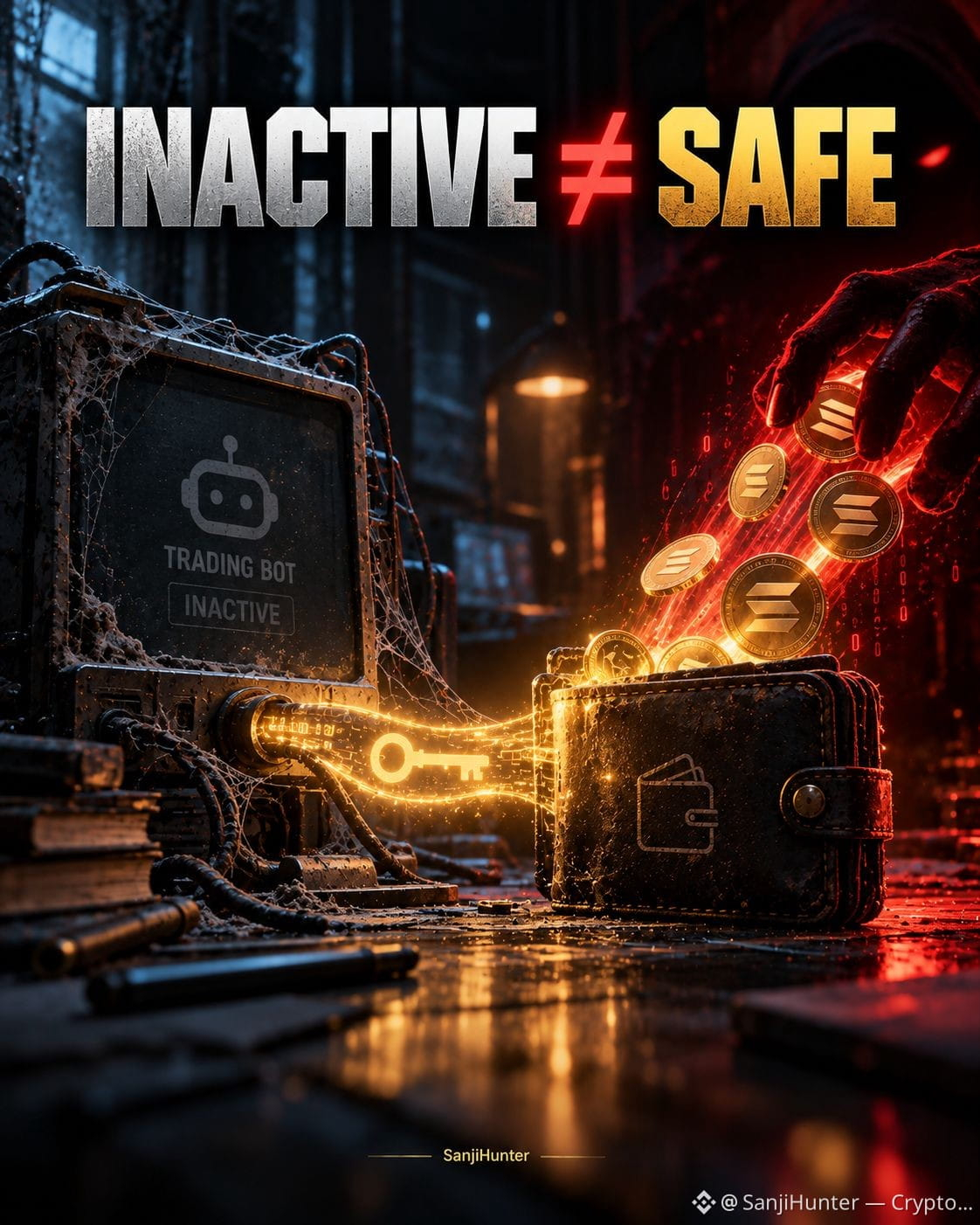
🔐 Ví đã không còn hoạt động — nhưng khóa riêng của nó vẫn dùng được
Theo cuộc điều tra trên chuỗi của Bitquery, ngày 26 tháng 10, 48 ví liên kết với Bloom Trading đã mất 9.408 SOL chỉ trong 94 giây
Năm ví chưa giao dịch trên Bloom kể từ đầu năm 2025
Đây mới là điều quan trọng 👇
$SOL
{future}(SOLUSDT)
Mọi giao dịch rút tiền đều được ký bằng chính khóa của ví bị ảnh hưởng — không cần phê duyệt token độc hại hay khai thác lỗ hổng hợp đồng thông minh
⚠️ Nguyên nhân làm lộ khóa vẫn chưa được xác nhận
Nhưng bài học bảo mật thì rất rõ ràng
Tắt bot không khiến khóa riêng từng được chia sẻ trở nên an toàn trở lại
{spot}(SOLUSDT)
📌 Nếu bot giao dịch từng nắm giữ khóa riêng của ví bạn, chuyển số tiền còn lại sang một ví mới với khóa mới sẽ an toàn hơn là chỉ ngắt kết nối bot
Ví không hoạt động chưa chắc đã là ví an toàn
#solana #CryptoSecurity
🔐 Ví đã không còn hoạt động — nhưng khóa riêng của nó vẫn dùng được
Theo cuộc điều tra trên chuỗi của Bitquery, ngày 26 tháng 10, 48 ví liên kết với Bloom Trading đã mất 9.408 SOL chỉ trong 94 giây
Năm ví chưa giao dịch trên Bloom kể từ đầu năm 2025
Đây mới là điều quan trọng 👇
$SOL
Mọi giao dịch rút tiền đều được ký bằng chính khóa của ví bị ảnh hưởng — không cần phê duyệt token độc hại hay khai thác lỗ hổng hợp đồng thông minh
⚠️ Nguyên nhân làm lộ khóa vẫn chưa được xác nhận
Nhưng bài học bảo mật thì rất rõ ràng
Tắt bot không khiến khóa riêng từng được chia sẻ trở nên an toàn trở lại
📌 Nếu bot giao dịch từng nắm giữ khóa riêng của ví bạn, chuyển số tiền còn lại sang một ví mới với khóa mới sẽ an toàn hơn là chỉ ngắt kết nối bot
Ví không hoạt động chưa chắc đã là ví an toàn
#solana #CryptoSecurity
Theo cuộc điều tra trên chuỗi của Bitquery, ngày 26 tháng 10, 48 ví liên kết với Bloom Trading đã mất 9.408 SOL chỉ trong 94 giây
Năm ví chưa giao dịch trên Bloom kể từ đầu năm 2025
Đây mới là điều quan trọng 👇
$SOL
Mọi giao dịch rút tiền đều được ký bằng chính khóa của ví bị ảnh hưởng — không cần phê duyệt token độc hại hay khai thác lỗ hổng hợp đồng thông minh
⚠️ Nguyên nhân làm lộ khóa vẫn chưa được xác nhận
Nhưng bài học bảo mật thì rất rõ ràng
Tắt bot không khiến khóa riêng từng được chia sẻ trở nên an toàn trở lại
📌 Nếu bot giao dịch từng nắm giữ khóa riêng của ví bạn, chuyển số tiền còn lại sang một ví mới với khóa mới sẽ an toàn hơn là chỉ ngắt kết nối bot
Ví không hoạt động chưa chắc đã là ví an toàn
#solana #CryptoSecurity
168

·
--
Giảm giá
Xem bản dịch
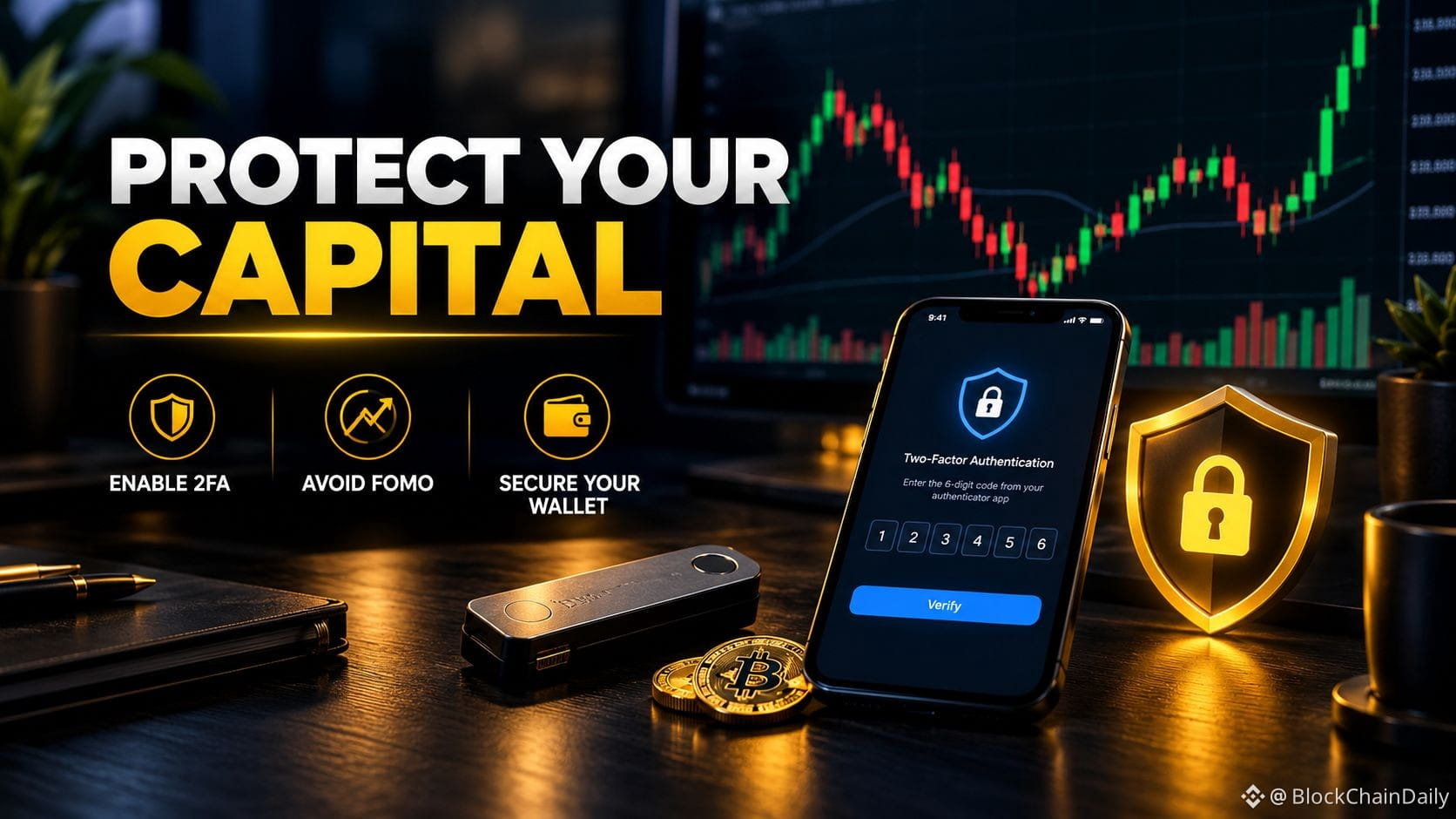
🛡️ Rule #1 of Crypto: Protect Your Capital!
In the $crypto world, security and risk management are far more important than chasing quick pumps.
💡 Quick Tips for Daily Traders: • Always enable 2FA on your accounts. • Never FOMO into a green candle without a plan. • Keep long-term holdings in a secure wallet.
💬 What is the biggest lesson you've learned in your crypto journey so far? Share your thoughts! 👇
#CryptoSecurity #TradingTips #BinanceSquare #HODL
🛡️ Rule #1 of Crypto: Protect Your Capital!
In the $crypto world, security and risk management are far more important than chasing quick pumps.
💡 Quick Tips for Daily Traders: • Always enable 2FA on your accounts. • Never FOMO into a green candle without a plan. • Keep long-term holdings in a secure wallet.
💬 What is the biggest lesson you've learned in your crypto journey so far? Share your thoughts! 👇
#CryptoSecurity #TradingTips #BinanceSquare #HODL
In the $crypto world, security and risk management are far more important than chasing quick pumps.
💡 Quick Tips for Daily Traders: • Always enable 2FA on your accounts. • Never FOMO into a green candle without a plan. • Keep long-term holdings in a secure wallet.
💬 What is the biggest lesson you've learned in your crypto journey so far? Share your thoughts! 👇
#CryptoSecurity #TradingTips #BinanceSquare #HODL

·
--
Xem bản dịch
Solana搞了个大新闻!为了防止AI垃圾报告刷屏安全团队,现在提交bug报告必须烧掉1个SOL!一个月内收到809个报告,据说几乎全是AI生成的。开发团队也是被整无语了,只能出此下策。以后薅羊毛没那么容易咯!
Solana's making researchers pay 1 SOL per bug report to combat AI spam! After getting flooded with 809 reports in a month, mostly AI-generated, they had to take action. No more free bug hunting!
#CryptoSecurity $SOL
Solana搞了个大新闻!为了防止AI垃圾报告刷屏安全团队,现在提交bug报告必须烧掉1个SOL!一个月内收到809个报告,据说几乎全是AI生成的。开发团队也是被整无语了,只能出此下策。以后薅羊毛没那么容易咯!
Solana's making researchers pay 1 SOL per bug report to combat AI spam! After getting flooded with 809 reports in a month, mostly AI-generated, they had to take action. No more free bug hunting!
#CryptoSecurity $SOL
Solana's making researchers pay 1 SOL per bug report to combat AI spam! After getting flooded with 809 reports in a month, mostly AI-generated, they had to take action. No more free bug hunting!
#CryptoSecurity $SOL
58

·
--
Xem bản dịch
🚨 SOL bug bounties now cost 1 SOL per report. AI spam overwhelmed security teams, forcing the permanent burn of 809 submissions in a single month. This move protects network integrity but signals extreme strain on Solana's developer infrastructure.
Market Implication: Increased operational costs may dampen short-term developer sentiment, but strengthens long-term network resilience.
Will this curb the AI influx or drive vulnerability research underground? #CryptoSecurity
$SOL #TradingSignal #CryptoAnalysis
🚨 SOL bug bounties now cost 1 SOL per report. AI spam overwhelmed security teams, forcing the permanent burn of 809 submissions in a single month. This move protects network integrity but signals extreme strain on Solana's developer infrastructure.
Market Implication: Increased operational costs may dampen short-term developer sentiment, but strengthens long-term network resilience.
Will this curb the AI influx or drive vulnerability research underground? #CryptoSecurity
$SOL #TradingSignal #CryptoAnalysis
Market Implication: Increased operational costs may dampen short-term developer sentiment, but strengthens long-term network resilience.
Will this curb the AI influx or drive vulnerability research underground? #CryptoSecurity
$SOL #TradingSignal #CryptoAnalysis

Xem bản dịch
Keystone раскрыл масштаб взлома: похищен ключ верификации аппаратных кошельков. Это означает, что злоумышленники могли подделывать устройства, которые пользователи считали подлинными. Удар по доверию к холодному хранению ETH и других активов — в момент, когда рынок и без того под давлением.
$BTC ETH #DriftHackVictimsBeginClaims #CryptoSecurity $LINK $XRP SOL
Keystone раскрыл масштаб взлома: похищен ключ верификации аппаратных кошельков. Это означает, что злоумышленники могли подделывать устройства, которые пользователи считали подлинными. Удар по доверию к холодному хранению ETH и других активов — в момент, когда рынок и без того под давлением.
$BTC ETH #DriftHackVictimsBeginClaims #CryptoSecurity $LINK $XRP SOL
$BTC ETH #DriftHackVictimsBeginClaims #CryptoSecurity $LINK $XRP SOL
44

·
--
🚨 LEDGER ĐỐI MẶT VỚI VỤ KIỆN TẬP THỂ KHI DỮ LIỆU BỊ RÒ RỈ ĐE DỌA TÀI SẢN $BTC ! 💣
Luật sư Ariel Givner vừa tiết lộ Ledger đang phải đối mặt với một vụ kiện tập thể ở New York sau những sự cố bảo mật không được công bố. Đơn kiện cáo buộc một vụ xâm phạm dữ liệu vào tháng 12 năm 2023 đã làm rò rỉ thông tin nhạy cảm của khách hàng, bao gồm email và số điện thoại, và những thông tin này nhanh chóng xuất hiện trên các kênh web đen. 🔍
Các đối tượng xấu đã sử dụng siêu dữ liệu bị đánh cắp này để thực hiện những cuộc tấn công thao túng tâm lý có chủ đích, giả mạo đại diện chính thức để rút sạch tiền trong các ví tự lưu ký. 🌊 Bảo vệ tài sản $BTC khỏi các sàn giao dịch mới chỉ là một nửa cuộc chiến, khi lỗ hổng dữ liệu cá nhân có thể tạo ra cửa hậu cho kẻ tấn công. 🛡️
Khi các chiêu trò lừa đảo qua mạng ngày càng nhắm mục tiêu cụ thể hơn, bạn đang thực hiện những bước nào để kiểm tra an ninh vận hành cá nhân của mình? 🤔
⚠️ Đây không phải lời khuyên tài chính. Hãy luôn tự quản lý rủi ro. 🛡️
🏷️ #BTC #CryptoSecurity #HardwareWallet #SelfCustody
🚨 🛡️
🚨 LEDGER ĐỐI MẶT VỚI VỤ KIỆN TẬP THỂ KHI DỮ LIỆU BỊ RÒ RỈ ĐE DỌA TÀI SẢN $BTC ! 💣
Luật sư Ariel Givner vừa tiết lộ Ledger đang phải đối mặt với một vụ kiện tập thể ở New York sau những sự cố bảo mật không được công bố. Đơn kiện cáo buộc một vụ xâm phạm dữ liệu vào tháng 12 năm 2023 đã làm rò rỉ thông tin nhạy cảm của khách hàng, bao gồm email và số điện thoại, và những thông tin này nhanh chóng xuất hiện trên các kênh web đen. 🔍
Các đối tượng xấu đã sử dụng siêu dữ liệu bị đánh cắp này để thực hiện những cuộc tấn công thao túng tâm lý có chủ đích, giả mạo đại diện chính thức để rút sạch tiền trong các ví tự lưu ký. 🌊 Bảo vệ tài sản $BTC khỏi các sàn giao dịch mới chỉ là một nửa cuộc chiến, khi lỗ hổng dữ liệu cá nhân có thể tạo ra cửa hậu cho kẻ tấn công. 🛡️
Khi các chiêu trò lừa đảo qua mạng ngày càng nhắm mục tiêu cụ thể hơn, bạn đang thực hiện những bước nào để kiểm tra an ninh vận hành cá nhân của mình? 🤔
⚠️ Đây không phải lời khuyên tài chính. Hãy luôn tự quản lý rủi ro. 🛡️
🏷️ #BTC #CryptoSecurity #HardwareWallet #SelfCustody
🚨 🛡️
Luật sư Ariel Givner vừa tiết lộ Ledger đang phải đối mặt với một vụ kiện tập thể ở New York sau những sự cố bảo mật không được công bố. Đơn kiện cáo buộc một vụ xâm phạm dữ liệu vào tháng 12 năm 2023 đã làm rò rỉ thông tin nhạy cảm của khách hàng, bao gồm email và số điện thoại, và những thông tin này nhanh chóng xuất hiện trên các kênh web đen. 🔍
Các đối tượng xấu đã sử dụng siêu dữ liệu bị đánh cắp này để thực hiện những cuộc tấn công thao túng tâm lý có chủ đích, giả mạo đại diện chính thức để rút sạch tiền trong các ví tự lưu ký. 🌊 Bảo vệ tài sản $BTC khỏi các sàn giao dịch mới chỉ là một nửa cuộc chiến, khi lỗ hổng dữ liệu cá nhân có thể tạo ra cửa hậu cho kẻ tấn công. 🛡️
Khi các chiêu trò lừa đảo qua mạng ngày càng nhắm mục tiêu cụ thể hơn, bạn đang thực hiện những bước nào để kiểm tra an ninh vận hành cá nhân của mình? 🤔
⚠️ Đây không phải lời khuyên tài chính. Hãy luôn tự quản lý rủi ro. 🛡️
🏷️ #BTC #CryptoSecurity #HardwareWallet #SelfCustody
🚨 🛡️
6

·
--
Ví đã ngừng sử dụng của CoinDCX tại Ấn Độ lại bị đánh cắp 16 triệu USD bằng USDT, CEO ban đầu nói là báo động giả
“Ví đã ngừng sử dụng” của sàn giao dịch một lần nữa trở thành mục tiêu tấn công, lần này là CoinDCX, nền tảng lâu đời tại Ấn Độ. Sự việc bắt đầu từ một cảnh báo mà CEO công khai gọi là “báo động giả”, nhưng cuối cùng được xác nhận là khoản thiệt hại thực tế khoảng 16 triệu USD bằng USDT, làm lộ rõ những rủi ro kiểm soát vốn đã bị xem nhẹ trong khâu lưu ký.
Theo Decrypt, sàn giao dịch có trụ sở tại Mumbai tiết lộ khoảng 15,99 triệu USDT đã bị chuyển khỏi một ví lạnh đã ngừng sử dụng. Số tài sản này bắt nguồn từ vụ tấn công mạng hồi năm ngoái, gây thiệt hại khoảng 44 triệu USD. Sau sự cố, số tài sản đáng lẽ phải được đưa vào trạng thái “ngừng sử dụng”, niêm phong dài hạn và xử lý dần, nhưng giờ đây lại tiếp tục bị thất thoát.
Điều đáng chú ý là độ trễ về thời gian: CEO từng công khai gọi đây là “báo động giả”, rồi sau đó mới xác nhận thiệt hại thực sự đã xảy ra. Sự chuyển biến từ phủ nhận sang xác nhận này tự nó còn đáng để thị trường cảnh giác hơn cả số tiền thiệt hại — nó cho thấy khi rủi ro vừa xuất hiện, việc công bố thông tin và đánh giá nội bộ có thể bị chậm trễ hoặc sai lệch.
Xét về dòng vốn, tài sản bị đánh cắp gần như hoàn toàn là USDT, ít liên quan đến biến động giá của các đồng tiền lớn như BTC và ETH, nên tác động trực tiếp đến thanh khoản chung của thị trường là hạn chế. Điều này khiến sự việc nghiêng về rủi ro riêng lẻ hơn là dấu hiệu của một cuộc khủng hoảng mang tính hệ thống. Tuy nhiên, stablecoin chính là phương tiện trọng tâm trong câu chuyện dòng vốn của chu kỳ này. Lỗ hổng trong khâu lưu ký USDT tại một sàn giao dịch lớn khó tránh khỏi việc tạo ra lực đối trọng với những cuộc thảo luận gần đây về dòng tiền stablecoin và độ tin cậy của dự trữ.
Phản ứng có thể có của thị trường tương đối dè dặt: vì thiệt hại được tính bằng USDT và quy mô vẫn trong tầm kiểm soát, tác động lan truyền đến thị trường chung trong ngắn hạn sẽ hạn chế; ảnh hưởng chủ yếu nằm ở tâm lý và niềm tin. Điều thực sự cần theo dõi là liệu CoinDCX có công bố đầy đủ dấu vết dòng tiền, có triển khai bồi thường hay không, và liệu quy trình quản lý các tài sản đã ngừng sử dụng tương tự có được xem xét lại hay không.
Yếu tố phản biện là các sự cố an ninh tại một sàn giao dịch riêng lẻ thường không lan rộng ra toàn ngành; hơn nữa, nguy cơ USDT mất neo chủ yếu phụ thuộc vào dự trữ của đơn vị phát hành, chứ không phải mức độ an toàn của ví tại một sàn giao dịch nào đó.
Điều cần theo dõi tiếp theo: Nếu quan tâm đến câu chuyện dòng vốn stablecoin, ở góc độ giao dịch, điều quan trọng hơn là xem liệu những sự cố như vậy có làm lung lay niềm tin của thị trường đối với dự trữ và hoạt động lưu ký USDT hay không, thay vì biến động giá trong ngắn hạn. Cần theo dõi mức độ đầy đủ trong các thông tin CoinDCX công bố tiếp theo, cũng như việc quy trình quản lý tài sản đã ngừng sử dụng có được xem xét lại hay không.
#CoinDCX #USDT #CryptoSecurity
Nội dung trên là tổng hợp thông tin và phân tích cá nhân, không cấu thành lời khuyên đầu tư.
Tôi sẽ tiếp tục theo dõi và cập nhật nếu có diễn biến quan trọng.
Ví đã ngừng sử dụng của CoinDCX tại Ấn Độ lại bị đánh cắp 16 triệu USD bằng USDT, CEO ban đầu nói là báo động giả
“Ví đã ngừng sử dụng” của sàn giao dịch một lần nữa trở thành mục tiêu tấn công, lần này là CoinDCX, nền tảng lâu đời tại Ấn Độ. Sự việc bắt đầu từ một cảnh báo mà CEO công khai gọi là “báo động giả”, nhưng cuối cùng được xác nhận là khoản thiệt hại thực tế khoảng 16 triệu USD bằng USDT, làm lộ rõ những rủi ro kiểm soát vốn đã bị xem nhẹ trong khâu lưu ký.
Theo Decrypt, sàn giao dịch có trụ sở tại Mumbai tiết lộ khoảng 15,99 triệu USDT đã bị chuyển khỏi một ví lạnh đã ngừng sử dụng. Số tài sản này bắt nguồn từ vụ tấn công mạng hồi năm ngoái, gây thiệt hại khoảng 44 triệu USD. Sau sự cố, số tài sản đáng lẽ phải được đưa vào trạng thái “ngừng sử dụng”, niêm phong dài hạn và xử lý dần, nhưng giờ đây lại tiếp tục bị thất thoát.
Điều đáng chú ý là độ trễ về thời gian: CEO từng công khai gọi đây là “báo động giả”, rồi sau đó mới xác nhận thiệt hại thực sự đã xảy ra. Sự chuyển biến từ phủ nhận sang xác nhận này tự nó còn đáng để thị trường cảnh giác hơn cả số tiền thiệt hại — nó cho thấy khi rủi ro vừa xuất hiện, việc công bố thông tin và đánh giá nội bộ có thể bị chậm trễ hoặc sai lệch.
Xét về dòng vốn, tài sản bị đánh cắp gần như hoàn toàn là USDT, ít liên quan đến biến động giá của các đồng tiền lớn như BTC và ETH, nên tác động trực tiếp đến thanh khoản chung của thị trường là hạn chế. Điều này khiến sự việc nghiêng về rủi ro riêng lẻ hơn là dấu hiệu của một cuộc khủng hoảng mang tính hệ thống. Tuy nhiên, stablecoin chính là phương tiện trọng tâm trong câu chuyện dòng vốn của chu kỳ này. Lỗ hổng trong khâu lưu ký USDT tại một sàn giao dịch lớn khó tránh khỏi việc tạo ra lực đối trọng với những cuộc thảo luận gần đây về dòng tiền stablecoin và độ tin cậy của dự trữ.
Phản ứng có thể có của thị trường tương đối dè dặt: vì thiệt hại được tính bằng USDT và quy mô vẫn trong tầm kiểm soát, tác động lan truyền đến thị trường chung trong ngắn hạn sẽ hạn chế; ảnh hưởng chủ yếu nằm ở tâm lý và niềm tin. Điều thực sự cần theo dõi là liệu CoinDCX có công bố đầy đủ dấu vết dòng tiền, có triển khai bồi thường hay không, và liệu quy trình quản lý các tài sản đã ngừng sử dụng tương tự có được xem xét lại hay không.
Yếu tố phản biện là các sự cố an ninh tại một sàn giao dịch riêng lẻ thường không lan rộng ra toàn ngành; hơn nữa, nguy cơ USDT mất neo chủ yếu phụ thuộc vào dự trữ của đơn vị phát hành, chứ không phải mức độ an toàn của ví tại một sàn giao dịch nào đó.
Điều cần theo dõi tiếp theo: Nếu quan tâm đến câu chuyện dòng vốn stablecoin, ở góc độ giao dịch, điều quan trọng hơn là xem liệu những sự cố như vậy có làm lung lay niềm tin của thị trường đối với dự trữ và hoạt động lưu ký USDT hay không, thay vì biến động giá trong ngắn hạn. Cần theo dõi mức độ đầy đủ trong các thông tin CoinDCX công bố tiếp theo, cũng như việc quy trình quản lý tài sản đã ngừng sử dụng có được xem xét lại hay không.
#CoinDCX #USDT #CryptoSecurity
Nội dung trên là tổng hợp thông tin và phân tích cá nhân, không cấu thành lời khuyên đầu tư.
Tôi sẽ tiếp tục theo dõi và cập nhật nếu có diễn biến quan trọng.
“Ví đã ngừng sử dụng” của sàn giao dịch một lần nữa trở thành mục tiêu tấn công, lần này là CoinDCX, nền tảng lâu đời tại Ấn Độ. Sự việc bắt đầu từ một cảnh báo mà CEO công khai gọi là “báo động giả”, nhưng cuối cùng được xác nhận là khoản thiệt hại thực tế khoảng 16 triệu USD bằng USDT, làm lộ rõ những rủi ro kiểm soát vốn đã bị xem nhẹ trong khâu lưu ký.
Theo Decrypt, sàn giao dịch có trụ sở tại Mumbai tiết lộ khoảng 15,99 triệu USDT đã bị chuyển khỏi một ví lạnh đã ngừng sử dụng. Số tài sản này bắt nguồn từ vụ tấn công mạng hồi năm ngoái, gây thiệt hại khoảng 44 triệu USD. Sau sự cố, số tài sản đáng lẽ phải được đưa vào trạng thái “ngừng sử dụng”, niêm phong dài hạn và xử lý dần, nhưng giờ đây lại tiếp tục bị thất thoát.
Điều đáng chú ý là độ trễ về thời gian: CEO từng công khai gọi đây là “báo động giả”, rồi sau đó mới xác nhận thiệt hại thực sự đã xảy ra. Sự chuyển biến từ phủ nhận sang xác nhận này tự nó còn đáng để thị trường cảnh giác hơn cả số tiền thiệt hại — nó cho thấy khi rủi ro vừa xuất hiện, việc công bố thông tin và đánh giá nội bộ có thể bị chậm trễ hoặc sai lệch.
Xét về dòng vốn, tài sản bị đánh cắp gần như hoàn toàn là USDT, ít liên quan đến biến động giá của các đồng tiền lớn như BTC và ETH, nên tác động trực tiếp đến thanh khoản chung của thị trường là hạn chế. Điều này khiến sự việc nghiêng về rủi ro riêng lẻ hơn là dấu hiệu của một cuộc khủng hoảng mang tính hệ thống. Tuy nhiên, stablecoin chính là phương tiện trọng tâm trong câu chuyện dòng vốn của chu kỳ này. Lỗ hổng trong khâu lưu ký USDT tại một sàn giao dịch lớn khó tránh khỏi việc tạo ra lực đối trọng với những cuộc thảo luận gần đây về dòng tiền stablecoin và độ tin cậy của dự trữ.
Phản ứng có thể có của thị trường tương đối dè dặt: vì thiệt hại được tính bằng USDT và quy mô vẫn trong tầm kiểm soát, tác động lan truyền đến thị trường chung trong ngắn hạn sẽ hạn chế; ảnh hưởng chủ yếu nằm ở tâm lý và niềm tin. Điều thực sự cần theo dõi là liệu CoinDCX có công bố đầy đủ dấu vết dòng tiền, có triển khai bồi thường hay không, và liệu quy trình quản lý các tài sản đã ngừng sử dụng tương tự có được xem xét lại hay không.
Yếu tố phản biện là các sự cố an ninh tại một sàn giao dịch riêng lẻ thường không lan rộng ra toàn ngành; hơn nữa, nguy cơ USDT mất neo chủ yếu phụ thuộc vào dự trữ của đơn vị phát hành, chứ không phải mức độ an toàn của ví tại một sàn giao dịch nào đó.
Điều cần theo dõi tiếp theo: Nếu quan tâm đến câu chuyện dòng vốn stablecoin, ở góc độ giao dịch, điều quan trọng hơn là xem liệu những sự cố như vậy có làm lung lay niềm tin của thị trường đối với dự trữ và hoạt động lưu ký USDT hay không, thay vì biến động giá trong ngắn hạn. Cần theo dõi mức độ đầy đủ trong các thông tin CoinDCX công bố tiếp theo, cũng như việc quy trình quản lý tài sản đã ngừng sử dụng có được xem xét lại hay không.
#CoinDCX #USDT #CryptoSecurity
Nội dung trên là tổng hợp thông tin và phân tích cá nhân, không cấu thành lời khuyên đầu tư.
Tôi sẽ tiếp tục theo dõi và cập nhật nếu có diễn biến quan trọng.
1
54
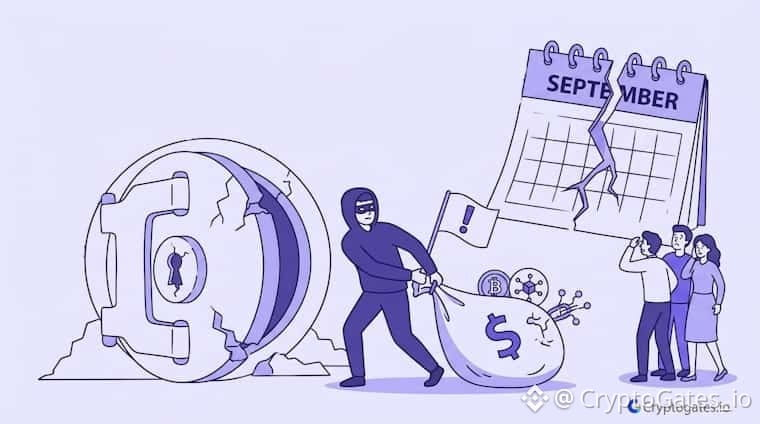
Thiệt hại do các vụ hack trong tháng 9/2026: khoảng 768 triệu USD. 🛡️
Hai sự cố chiếm phần lớn thiệt hại: Bitget (387,5 triệu USD, hệ thống ví bị xâm phạm) và Liquid Network (318,7 triệu USD, lỗi mã cho phép tạo ra tiền giả).
Bài học cho nhà giao dịch: quy mô sàn không đảm bảo an toàn. Tiền tập trung đồng nghĩa với rủi ro tập trung.
Danh sách kiểm tra nhanh để bảo vệ tài sản:
Chuyển số coin chưa dùng đến ví của riêng bạn.
Chia tiền ra nhiều nền tảng.
Bật xác thực hai yếu tố (2FA) và danh sách trắng địa chỉ rút tiền.
Chỉ giữ trên sàn số tiền bạn đang giao dịch.
Kiểm thử bằng dữ liệu quá khứ trước khi triển khai...
#CryptoSecurity #Bitcoin #CryptoTrading
Thiệt hại do các vụ hack trong tháng 9/2026: khoảng 768 triệu USD. 🛡️
Hai sự cố chiếm phần lớn thiệt hại: Bitget (387,5 triệu USD, hệ thống ví bị xâm phạm) và Liquid Network (318,7 triệu USD, lỗi mã cho phép tạo ra tiền giả).
Bài học cho nhà giao dịch: quy mô sàn không đảm bảo an toàn. Tiền tập trung đồng nghĩa với rủi ro tập trung.
Danh sách kiểm tra nhanh để bảo vệ tài sản:
Chuyển số coin chưa dùng đến ví của riêng bạn.
Chia tiền ra nhiều nền tảng.
Bật xác thực hai yếu tố (2FA) và danh sách trắng địa chỉ rút tiền.
Chỉ giữ trên sàn số tiền bạn đang giao dịch.
Kiểm thử bằng dữ liệu quá khứ trước khi triển khai...
#CryptoSecurity #Bitcoin #CryptoTrading
Hai sự cố chiếm phần lớn thiệt hại: Bitget (387,5 triệu USD, hệ thống ví bị xâm phạm) và Liquid Network (318,7 triệu USD, lỗi mã cho phép tạo ra tiền giả).
Bài học cho nhà giao dịch: quy mô sàn không đảm bảo an toàn. Tiền tập trung đồng nghĩa với rủi ro tập trung.
Danh sách kiểm tra nhanh để bảo vệ tài sản:
Chuyển số coin chưa dùng đến ví của riêng bạn.
Chia tiền ra nhiều nền tảng.
Bật xác thực hai yếu tố (2FA) và danh sách trắng địa chỉ rút tiền.
Chỉ giữ trên sàn số tiền bạn đang giao dịch.
Kiểm thử bằng dữ liệu quá khứ trước khi triển khai...
#CryptoSecurity #Bitcoin #CryptoTrading
75

·
--
Xem bản dịch
Keystone 密钥库再爆:验证密钥被盗,假钱包或可被认证为真
Keystone 的安全事件正在从「信息泄露」升级为「密钥被盗」,这是硬件钱包信任链条被击穿的又一标志性节点。
据 Cointelegraph 报道,Keystone 最初仅披露客户信息发生泄露,但随后更新称,黑客还盗走了一把用于验证钱包是否「真实」的密钥。这意味着理论上,攻击者可能利用该密钥将假钱包伪装成真钱包,从而绕过用户对设备真伪的判断。
为什么这件事比一般数据泄露更值得警惕?硬件钱包的核心价值在于「离线 + 可验证」。用户之所以愿意把大额资产交给它,前提是相信设备签名真实、来源可信。一旦验证密钥外泄,这套信任机制的底层就被动摇了——它影响的不再只是某个账号密码,而是整个产品「是否可信」的根基。
从事实层面看,目前披露仍处于滚动更新状态:被盗密钥的具体影响范围、是否已被实际滥用,官方尚未给出明确结论。因此需要区分「已发生的事实」与「尚未证实的推测」——密钥确实被盗是事实,但它是否已被用于伪造钱包、波及多少用户,目前仍不明确。
市场层面,此类安全事件通常首先冲击持币者的信任情绪,可能引发短期避险行为;但对硬件钱包本身而言,真正决定长期走势的,是厂商能否快速给出可验证的补救方案与透明通报。
反方因素同样存在:密钥泄露不等于资产被盗,硬件钱包的私钥仍离线存储,单凭一把验证密钥未必能直接转移资产;且事件仍在发展中,过度解读的风险不小。
接下来观察什么?一是官方对被盗密钥影响范围的后续说明,二是是否出现利用假钱包诈骗的实证案例,三是厂商的应急响应速度与方案可信度。交易层面,安全事件对硬件钱包相关标的的影响更多是情绪性与阶段性的,更重要的是等待后续披露确认实际损失程度,而非在信息不完整时提前下结论。
#Keystone #CryptoSecurity #HardwareWallet
以上为信息整理与个人分析,不构成投资建议。
后续如有重要进展,我会继续跟踪更新。
Keystone 密钥库再爆:验证密钥被盗,假钱包或可被认证为真
Keystone 的安全事件正在从「信息泄露」升级为「密钥被盗」,这是硬件钱包信任链条被击穿的又一标志性节点。
据 Cointelegraph 报道,Keystone 最初仅披露客户信息发生泄露,但随后更新称,黑客还盗走了一把用于验证钱包是否「真实」的密钥。这意味着理论上,攻击者可能利用该密钥将假钱包伪装成真钱包,从而绕过用户对设备真伪的判断。
为什么这件事比一般数据泄露更值得警惕?硬件钱包的核心价值在于「离线 + 可验证」。用户之所以愿意把大额资产交给它,前提是相信设备签名真实、来源可信。一旦验证密钥外泄,这套信任机制的底层就被动摇了——它影响的不再只是某个账号密码,而是整个产品「是否可信」的根基。
从事实层面看,目前披露仍处于滚动更新状态:被盗密钥的具体影响范围、是否已被实际滥用,官方尚未给出明确结论。因此需要区分「已发生的事实」与「尚未证实的推测」——密钥确实被盗是事实,但它是否已被用于伪造钱包、波及多少用户,目前仍不明确。
市场层面,此类安全事件通常首先冲击持币者的信任情绪,可能引发短期避险行为;但对硬件钱包本身而言,真正决定长期走势的,是厂商能否快速给出可验证的补救方案与透明通报。
反方因素同样存在:密钥泄露不等于资产被盗,硬件钱包的私钥仍离线存储,单凭一把验证密钥未必能直接转移资产;且事件仍在发展中,过度解读的风险不小。
接下来观察什么?一是官方对被盗密钥影响范围的后续说明,二是是否出现利用假钱包诈骗的实证案例,三是厂商的应急响应速度与方案可信度。交易层面,安全事件对硬件钱包相关标的的影响更多是情绪性与阶段性的,更重要的是等待后续披露确认实际损失程度,而非在信息不完整时提前下结论。
#Keystone #CryptoSecurity #HardwareWallet
以上为信息整理与个人分析,不构成投资建议。
后续如有重要进展,我会继续跟踪更新。
Keystone 的安全事件正在从「信息泄露」升级为「密钥被盗」,这是硬件钱包信任链条被击穿的又一标志性节点。
据 Cointelegraph 报道,Keystone 最初仅披露客户信息发生泄露,但随后更新称,黑客还盗走了一把用于验证钱包是否「真实」的密钥。这意味着理论上,攻击者可能利用该密钥将假钱包伪装成真钱包,从而绕过用户对设备真伪的判断。
为什么这件事比一般数据泄露更值得警惕?硬件钱包的核心价值在于「离线 + 可验证」。用户之所以愿意把大额资产交给它,前提是相信设备签名真实、来源可信。一旦验证密钥外泄,这套信任机制的底层就被动摇了——它影响的不再只是某个账号密码,而是整个产品「是否可信」的根基。
从事实层面看,目前披露仍处于滚动更新状态:被盗密钥的具体影响范围、是否已被实际滥用,官方尚未给出明确结论。因此需要区分「已发生的事实」与「尚未证实的推测」——密钥确实被盗是事实,但它是否已被用于伪造钱包、波及多少用户,目前仍不明确。
市场层面,此类安全事件通常首先冲击持币者的信任情绪,可能引发短期避险行为;但对硬件钱包本身而言,真正决定长期走势的,是厂商能否快速给出可验证的补救方案与透明通报。
反方因素同样存在:密钥泄露不等于资产被盗,硬件钱包的私钥仍离线存储,单凭一把验证密钥未必能直接转移资产;且事件仍在发展中,过度解读的风险不小。
接下来观察什么?一是官方对被盗密钥影响范围的后续说明,二是是否出现利用假钱包诈骗的实证案例,三是厂商的应急响应速度与方案可信度。交易层面,安全事件对硬件钱包相关标的的影响更多是情绪性与阶段性的,更重要的是等待后续披露确认实际损失程度,而非在信息不完整时提前下结论。
#Keystone #CryptoSecurity #HardwareWallet
以上为信息整理与个人分析,不构成投资建议。
后续如有重要进展,我会继续跟踪更新。
49
·
--
Xem bản dịch
Keystone钱包事件升级了!原来不只是信息泄露,黑客还盗走了验证钱包真实性的密钥!这意味着假钱包可能被验证为真品,你的资产可能面临风险。Keystone用户务必保持警惕,检查你的钱包是否受影响。安全第一啊!
Keystone wallet breach just got worse! Initially just customer data leak, now they admit hackers stole the key used to verify wallets as genuine. This means fake wallets could pass as authentic. If you're a Keystone user, stay vigilant and check if your wallet is affected. Security first!
#加密安全 #硬件钱包 $BTC
#CryptoSecurity #HardwareWallet $BTC
Keystone钱包事件升级了!原来不只是信息泄露,黑客还盗走了验证钱包真实性的密钥!这意味着假钱包可能被验证为真品,你的资产可能面临风险。Keystone用户务必保持警惕,检查你的钱包是否受影响。安全第一啊!
Keystone wallet breach just got worse! Initially just customer data leak, now they admit hackers stole the key used to verify wallets as genuine. This means fake wallets could pass as authentic. If you're a Keystone user, stay vigilant and check if your wallet is affected. Security first!
#加密安全 #硬件钱包 $BTC
#CryptoSecurity #HardwareWallet $BTC
Keystone wallet breach just got worse! Initially just customer data leak, now they admit hackers stole the key used to verify wallets as genuine. This means fake wallets could pass as authentic. If you're a Keystone user, stay vigilant and check if your wallet is affected. Security first!
#加密安全 #硬件钱包 $BTC
#CryptoSecurity #HardwareWallet $BTC
38

·
--
Bài viết
Xem bản dịch
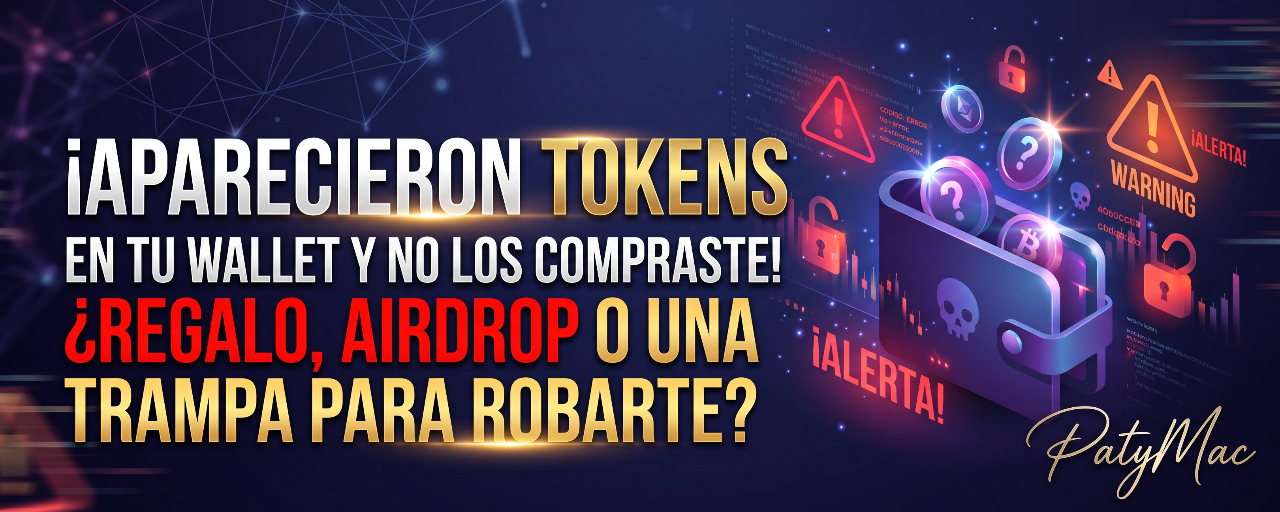
¡APARECIERON TOKENS EN TU WALLET Y NO LOS COMPRASTE! ¿REGALO, AIRDROP O UNA TRAMPA PARA ROBARTE?PATYMAC | SEGURIDAD CRIPTO Y DERECHO DIGITAL
Imagina abrir tu billetera de criptomonedas y descubrir que recibiste 50.000 tokens desconocidos.
No los compraste. No participaste en ningún proyecto. Tampoco recuerdas haber solicitado un airdrop.
Pero ahí están.
Incluso podría aparecer un valor estimado de cientos o miles de dólares.
La primera reacción probablemente sea:
«¿Y si los cambio por USDT?»
Cuidado. Esa curiosidad puede ser precisamente lo que buscan los estafadores.
🔎 Primero: ¿por qué aparecen tokens que nunca compraste?
En muchas blockchains, las direcciones públicas pueden recibir tokens enviados por terceros sin que el destinatario los haya solicitado.
Los proyectos legítimos pueden distribuir tokens mediante airdrops, por ejemplo, para recompensar usuarios o promocionar un ecosistema.
Pero los delincuentes también pueden utilizar ese mecanismo.
Buscan direcciones activas y envían tokens desconocidos de forma masiva.
Es parecido a recibir un correo electrónico publicitario no solicitado, pero dentro de una blockchain.
Recibir un token inesperado no significa automáticamente que tu wallet fue hackeada.
🍯 ¿Qué es un honeypot?
En español, honeypot significa «tarro de miel».
En las estafas con tokens, describe una trampa que atrae compradores con la expectativa de obtener ganancias, pero que contiene restricciones que impiden o dificultan vender.
Imaginemos un token que parece estar aumentando rápidamente de precio.
Los inversionistas compran.
Sin embargo, cuando intentan vender, la operación falla.
¿Por qué?
Porque su Smart Contract puede contener reglas que permiten comprar, pero bloquean la venta a determinadas direcciones.
En algunos casos, los creadores mantienen permisos especiales para vender mientras los demás usuarios quedan atrapados.
El precio puede subir en pantalla, pero eso no significa que todos puedan vender a ese precio.
⚠️ No todos los tokens sospechosos son honeypots
Es importante distinguir tres situaciones.
1. Honeypot: el token permite comprar, pero impide o restringe vender mediante reglas maliciosas.
2. Airdrop fraudulento: recibes tokens inesperados que intentan llevarte a una página falsa para reclamar premios, entregar datos o firmar autorizaciones.
3. Wallet drainer: una aplicación maliciosa intenta conseguir firmas o permisos que permitan transferir determinados activos de tu billetera.
Estos mecanismos pueden combinarse, pero no son idénticos.
💰 ¿Cómo funciona una estafa de falso airdrop?
Imaginemos este escenario:
Paso 1. Recibes 100.000 tokens desconocidos.
Paso 2. Tu wallet o un explorador muestra un valor estimado de USD 2.000.
Paso 3. Intentas intercambiarlos por USDT.
Paso 4. La operación falla o encuentras instrucciones que te dirigen a una página para «habilitar el retiro».
Paso 5. La página te pide conectar la wallet y firmar una autorización.
Paso 6. Sin comprenderlo, podrías conceder permisos sobre otros activos o autorizar una operación perjudicial.
También existen páginas fraudulentas que solicitan directamente la frase de recuperación.
La estafa no necesariamente está en recibir el token, sino en lo que te inducen a hacer después.
🔐 ¿Pueden robarte simplemente enviándote un token?
En condiciones normales, recibir un token estándar no les concede acceso a tus claves privadas ni autorización para retirar tus otros fondos.
El peligro aparece cuando interactúas con contratos o páginas maliciosas, revelas credenciales o firmas operaciones perjudiciales.
Por eso, si aparece un token desconocido, lo más prudente es no intentar venderlo, enviarlo, quemarlo ni reclamar supuestas recompensas.
Puedes ocultarlo de la interfaz de tu wallet, cuando esa función esté disponible.
🔍 ¿Cómo saber si un token puede ser malicioso?
No existe una herramienta que garantice detectar el 100% de las estafas.
Pero sí podemos investigar varios indicadores sin conectar nuestra billetera.
1. Identifica el contrato.
Busca la dirección exacta del contrato del token en el explorador de la red correspondiente.
No confíes únicamente en el nombre o el símbolo: los estafadores pueden imitarlos.
2. Revisa si el código está verificado.
Un contrato cuyo código fuente está publicado permite mayor inspección.
Pero que esté verificado no significa que sea seguro.
3. Investiga las restricciones de venta.
Algunos contratos incluyen funciones de listas negras, límites de transferencia o comisiones excesivas.
Estas características pueden utilizarse legítimamente en determinados diseños, pero también pueden facilitar abusos.
4. Observa las operaciones reales.
¿Hay compras y ventas realizadas por diferentes usuarios?
¿O aparecen muchas compras mientras prácticamente nadie consigue vender?
Es una señal que merece investigación, aunque por sí sola no demuestra una estafa.
5. Revisa la liquidez.
Un token puede mostrar una cotización atractiva y carecer de liquidez suficiente para convertirlo en otros activos.
6. Examina los permisos administrativos.
¿El creador puede modificar comisiones, bloquear direcciones, pausar transferencias o actualizar el contrato?
Cuanto mayor sea el control unilateral, mayor puede ser la exposición del usuario.
🛠️ Herramientas que pueden ayudarte
Block Explorers: permiten consultar contratos, titulares y transacciones.
GoPlus Security: analiza indicadores como honeypots, restricciones de venta, listas negras y determinadas funciones del contrato.
Token Sniffer: ofrece análisis automatizados de contratos compatibles.
Honeypot.is: permite consultar simulaciones e indicadores relacionados con la posibilidad de vender determinados tokens en redes compatibles.
Revoke.cash y los verificadores de aprobaciones: permiten revisar y revocar permisos concedidos a contratos en redes compatibles.
Importante: una herramienta que no detecta problemas no garantiza que el token sea seguro. Las simulaciones pueden fallar ante contratos modificables, restricciones selectivas o comportamientos que cambian con el tiempo.
🚨 ¿Qué hago si ya intenté intercambiar el token?
Depende de lo que ocurrió.
Si solo lo recibiste: no necesitas realizar una transacción para eliminarlo. Puedes dejarlo sin tocar y ocultarlo.
Si conectaste la wallet a una página sospechosa: desconéctala desde la interfaz y revisa si también firmaste alguna operación. Desconectar no elimina autorizaciones previamente concedidas.
Si aprobaste permisos: revisa y revoca las autorizaciones sospechosas mediante herramientas confiables. Revocar normalmente requiere una transacción y una comisión de red.
Si entregaste tu seed phrase: considera comprometida la wallet. Desde un dispositivo seguro, crea una nueva billetera y traslada los activos que todavía controles. No vuelvas a utilizar la frase expuesta.
Si ya perdiste fondos: conserva direcciones, hashes de transacciones, capturas y comunicaciones. Evita los supuestos recuperadores que prometen devolver criptomonedas a cambio de un pago anticipado.
⚖️ ¿Y qué ocurre jurídicamente?
Aquí debemos distinguir la existencia de un token de las conductas realizadas para engañar a los usuarios.
Un airdrop legítimo puede ser una estrategia comercial.
Pero cuando se utilizan representaciones falsas, mecanismos ocultos o autorizaciones obtenidas mediante engaño para apropiarse de activos, pueden surgir responsabilidades civiles o penales, según los hechos y la legislación aplicable.
La blockchain permite rastrear determinadas operaciones, pero identificar al responsable exige vincular direcciones y transacciones con personas concretas.
El contrato inteligente puede contener parte de la evidencia técnica. La responsabilidad jurídica requiere un análisis adicional.
🎯 Preguntas interesantes
¿Si aparecen tokens gratis significa que me hackearon? No necesariamente. Cualquiera puede enviar tokens a una dirección pública compatible.
¿Un honeypot siempre roba los fondos de mi wallet? No. Su mecanismo característico consiste en atrapar al comprador impidiéndole vender. Otras estafas buscan permisos para sustraer activos adicionales.
¿Si el token aparece en un explorador significa que es legítimo? No. Los exploradores también muestran contratos fraudulentos.
¿Puedo comprobar si es malicioso sin conectar mi wallet? Sí. Puedes investigar la dirección del contrato y consultar herramientas de análisis sin firmar operaciones.
¿Si una herramienta dice que es seguro puedo comprar? No existe garantía absoluta. Un resultado favorable solo reduce algunas incertidumbres.
💡 Reflexión final
En el mundo cripto, no todo lo que aparece en tu billetera es una oportunidad.
A veces, el supuesto regalo es solamente el anzuelo.
Un token que llegó sin que lo pidieras no merece automáticamente tu confianza, y mucho menos tu firma.
Antes de intentar convertirlo en dinero, pregúntate:
¿Quién lo envió, qué hace su contrato y qué me están pidiendo autorizar?
Porque en blockchain, proteger tus activos también significa aprender cuándo no interactuar.
$BTC
{future}(BTCUSDT)
$BNB
{future}(BNBUSDT)
$ETH
{future}(ETHUSDT)
#CryptoSecurity
#Honeypot
#AirdropScam
#WalletSecurity
#SmartContract
¡APARECIERON TOKENS EN TU WALLET Y NO LOS COMPRASTE! ¿REGALO, AIRDROP O UNA TRAMPA PARA ROBARTE?
PATYMAC | SEGURIDAD CRIPTO Y DERECHO DIGITAL
Imagina abrir tu billetera de criptomonedas y descubrir que recibiste 50.000 tokens desconocidos.
No los compraste. No participaste en ningún proyecto. Tampoco recuerdas haber solicitado un airdrop.
Pero ahí están.
Incluso podría aparecer un valor estimado de cientos o miles de dólares.
La primera reacción probablemente sea:
«¿Y si los cambio por USDT?»
Cuidado. Esa curiosidad puede ser precisamente lo que buscan los estafadores.
🔎 Primero: ¿por qué aparecen tokens que nunca compraste?
En muchas blockchains, las direcciones públicas pueden recibir tokens enviados por terceros sin que el destinatario los haya solicitado.
Los proyectos legítimos pueden distribuir tokens mediante airdrops, por ejemplo, para recompensar usuarios o promocionar un ecosistema.
Pero los delincuentes también pueden utilizar ese mecanismo.
Buscan direcciones activas y envían tokens desconocidos de forma masiva.
Es parecido a recibir un correo electrónico publicitario no solicitado, pero dentro de una blockchain.
Recibir un token inesperado no significa automáticamente que tu wallet fue hackeada.
🍯 ¿Qué es un honeypot?
En español, honeypot significa «tarro de miel».
En las estafas con tokens, describe una trampa que atrae compradores con la expectativa de obtener ganancias, pero que contiene restricciones que impiden o dificultan vender.
Imaginemos un token que parece estar aumentando rápidamente de precio.
Los inversionistas compran.
Sin embargo, cuando intentan vender, la operación falla.
¿Por qué?
Porque su Smart Contract puede contener reglas que permiten comprar, pero bloquean la venta a determinadas direcciones.
En algunos casos, los creadores mantienen permisos especiales para vender mientras los demás usuarios quedan atrapados.
El precio puede subir en pantalla, pero eso no significa que todos puedan vender a ese precio.
⚠️ No todos los tokens sospechosos son honeypots
Es importante distinguir tres situaciones.
1. Honeypot: el token permite comprar, pero impide o restringe vender mediante reglas maliciosas.
2. Airdrop fraudulento: recibes tokens inesperados que intentan llevarte a una página falsa para reclamar premios, entregar datos o firmar autorizaciones.
3. Wallet drainer: una aplicación maliciosa intenta conseguir firmas o permisos que permitan transferir determinados activos de tu billetera.
Estos mecanismos pueden combinarse, pero no son idénticos.
💰 ¿Cómo funciona una estafa de falso airdrop?
Imaginemos este escenario:
Paso 1. Recibes 100.000 tokens desconocidos.
Paso 2. Tu wallet o un explorador muestra un valor estimado de USD 2.000.
Paso 3. Intentas intercambiarlos por USDT.
Paso 4. La operación falla o encuentras instrucciones que te dirigen a una página para «habilitar el retiro».
Paso 5. La página te pide conectar la wallet y firmar una autorización.
Paso 6. Sin comprenderlo, podrías conceder permisos sobre otros activos o autorizar una operación perjudicial.
También existen páginas fraudulentas que solicitan directamente la frase de recuperación.
La estafa no necesariamente está en recibir el token, sino en lo que te inducen a hacer después.
🔐 ¿Pueden robarte simplemente enviándote un token?
En condiciones normales, recibir un token estándar no les concede acceso a tus claves privadas ni autorización para retirar tus otros fondos.
El peligro aparece cuando interactúas con contratos o páginas maliciosas, revelas credenciales o firmas operaciones perjudiciales.
Por eso, si aparece un token desconocido, lo más prudente es no intentar venderlo, enviarlo, quemarlo ni reclamar supuestas recompensas.
Puedes ocultarlo de la interfaz de tu wallet, cuando esa función esté disponible.
🔍 ¿Cómo saber si un token puede ser malicioso?
No existe una herramienta que garantice detectar el 100% de las estafas.
Pero sí podemos investigar varios indicadores sin conectar nuestra billetera.
1. Identifica el contrato.
Busca la dirección exacta del contrato del token en el explorador de la red correspondiente.
No confíes únicamente en el nombre o el símbolo: los estafadores pueden imitarlos.
2. Revisa si el código está verificado.
Un contrato cuyo código fuente está publicado permite mayor inspección.
Pero que esté verificado no significa que sea seguro.
3. Investiga las restricciones de venta.
Algunos contratos incluyen funciones de listas negras, límites de transferencia o comisiones excesivas.
Estas características pueden utilizarse legítimamente en determinados diseños, pero también pueden facilitar abusos.
4. Observa las operaciones reales.
¿Hay compras y ventas realizadas por diferentes usuarios?
¿O aparecen muchas compras mientras prácticamente nadie consigue vender?
Es una señal que merece investigación, aunque por sí sola no demuestra una estafa.
5. Revisa la liquidez.
Un token puede mostrar una cotización atractiva y carecer de liquidez suficiente para convertirlo en otros activos.
6. Examina los permisos administrativos.
¿El creador puede modificar comisiones, bloquear direcciones, pausar transferencias o actualizar el contrato?
Cuanto mayor sea el control unilateral, mayor puede ser la exposición del usuario.
🛠️ Herramientas que pueden ayudarte
Block Explorers: permiten consultar contratos, titulares y transacciones.
GoPlus Security: analiza indicadores como honeypots, restricciones de venta, listas negras y determinadas funciones del contrato.
Token Sniffer: ofrece análisis automatizados de contratos compatibles.
Honeypot.is: permite consultar simulaciones e indicadores relacionados con la posibilidad de vender determinados tokens en redes compatibles.
Revoke.cash y los verificadores de aprobaciones: permiten revisar y revocar permisos concedidos a contratos en redes compatibles.
Importante: una herramienta que no detecta problemas no garantiza que el token sea seguro. Las simulaciones pueden fallar ante contratos modificables, restricciones selectivas o comportamientos que cambian con el tiempo.
🚨 ¿Qué hago si ya intenté intercambiar el token?
Depende de lo que ocurrió.
Si solo lo recibiste: no necesitas realizar una transacción para eliminarlo. Puedes dejarlo sin tocar y ocultarlo.
Si conectaste la wallet a una página sospechosa: desconéctala desde la interfaz y revisa si también firmaste alguna operación. Desconectar no elimina autorizaciones previamente concedidas.
Si aprobaste permisos: revisa y revoca las autorizaciones sospechosas mediante herramientas confiables. Revocar normalmente requiere una transacción y una comisión de red.
Si entregaste tu seed phrase: considera comprometida la wallet. Desde un dispositivo seguro, crea una nueva billetera y traslada los activos que todavía controles. No vuelvas a utilizar la frase expuesta.
Si ya perdiste fondos: conserva direcciones, hashes de transacciones, capturas y comunicaciones. Evita los supuestos recuperadores que prometen devolver criptomonedas a cambio de un pago anticipado.
⚖️ ¿Y qué ocurre jurídicamente?
Aquí debemos distinguir la existencia de un token de las conductas realizadas para engañar a los usuarios.
Un airdrop legítimo puede ser una estrategia comercial.
Pero cuando se utilizan representaciones falsas, mecanismos ocultos o autorizaciones obtenidas mediante engaño para apropiarse de activos, pueden surgir responsabilidades civiles o penales, según los hechos y la legislación aplicable.
La blockchain permite rastrear determinadas operaciones, pero identificar al responsable exige vincular direcciones y transacciones con personas concretas.
El contrato inteligente puede contener parte de la evidencia técnica. La responsabilidad jurídica requiere un análisis adicional.
🎯 Preguntas interesantes
¿Si aparecen tokens gratis significa que me hackearon? No necesariamente. Cualquiera puede enviar tokens a una dirección pública compatible.
¿Un honeypot siempre roba los fondos de mi wallet? No. Su mecanismo característico consiste en atrapar al comprador impidiéndole vender. Otras estafas buscan permisos para sustraer activos adicionales.
¿Si el token aparece en un explorador significa que es legítimo? No. Los exploradores también muestran contratos fraudulentos.
¿Puedo comprobar si es malicioso sin conectar mi wallet? Sí. Puedes investigar la dirección del contrato y consultar herramientas de análisis sin firmar operaciones.
¿Si una herramienta dice que es seguro puedo comprar? No existe garantía absoluta. Un resultado favorable solo reduce algunas incertidumbres.
💡 Reflexión final
En el mundo cripto, no todo lo que aparece en tu billetera es una oportunidad.
A veces, el supuesto regalo es solamente el anzuelo.
Un token que llegó sin que lo pidieras no merece automáticamente tu confianza, y mucho menos tu firma.
Antes de intentar convertirlo en dinero, pregúntate:
¿Quién lo envió, qué hace su contrato y qué me están pidiendo autorizar?
Porque en blockchain, proteger tus activos también significa aprender cuándo no interactuar.
$BTC
$BNB
$ETH
#CryptoSecurity
#Honeypot
#AirdropScam
#WalletSecurity
#SmartContract
Imagina abrir tu billetera de criptomonedas y descubrir que recibiste 50.000 tokens desconocidos.
No los compraste. No participaste en ningún proyecto. Tampoco recuerdas haber solicitado un airdrop.
Pero ahí están.
Incluso podría aparecer un valor estimado de cientos o miles de dólares.
La primera reacción probablemente sea:
«¿Y si los cambio por USDT?»
Cuidado. Esa curiosidad puede ser precisamente lo que buscan los estafadores.
🔎 Primero: ¿por qué aparecen tokens que nunca compraste?
En muchas blockchains, las direcciones públicas pueden recibir tokens enviados por terceros sin que el destinatario los haya solicitado.
Los proyectos legítimos pueden distribuir tokens mediante airdrops, por ejemplo, para recompensar usuarios o promocionar un ecosistema.
Pero los delincuentes también pueden utilizar ese mecanismo.
Buscan direcciones activas y envían tokens desconocidos de forma masiva.
Es parecido a recibir un correo electrónico publicitario no solicitado, pero dentro de una blockchain.
Recibir un token inesperado no significa automáticamente que tu wallet fue hackeada.
🍯 ¿Qué es un honeypot?
En español, honeypot significa «tarro de miel».
En las estafas con tokens, describe una trampa que atrae compradores con la expectativa de obtener ganancias, pero que contiene restricciones que impiden o dificultan vender.
Imaginemos un token que parece estar aumentando rápidamente de precio.
Los inversionistas compran.
Sin embargo, cuando intentan vender, la operación falla.
¿Por qué?
Porque su Smart Contract puede contener reglas que permiten comprar, pero bloquean la venta a determinadas direcciones.
En algunos casos, los creadores mantienen permisos especiales para vender mientras los demás usuarios quedan atrapados.
El precio puede subir en pantalla, pero eso no significa que todos puedan vender a ese precio.
⚠️ No todos los tokens sospechosos son honeypots
Es importante distinguir tres situaciones.
1. Honeypot: el token permite comprar, pero impide o restringe vender mediante reglas maliciosas.
2. Airdrop fraudulento: recibes tokens inesperados que intentan llevarte a una página falsa para reclamar premios, entregar datos o firmar autorizaciones.
3. Wallet drainer: una aplicación maliciosa intenta conseguir firmas o permisos que permitan transferir determinados activos de tu billetera.
Estos mecanismos pueden combinarse, pero no son idénticos.
💰 ¿Cómo funciona una estafa de falso airdrop?
Imaginemos este escenario:
Paso 1. Recibes 100.000 tokens desconocidos.
Paso 2. Tu wallet o un explorador muestra un valor estimado de USD 2.000.
Paso 3. Intentas intercambiarlos por USDT.
Paso 4. La operación falla o encuentras instrucciones que te dirigen a una página para «habilitar el retiro».
Paso 5. La página te pide conectar la wallet y firmar una autorización.
Paso 6. Sin comprenderlo, podrías conceder permisos sobre otros activos o autorizar una operación perjudicial.
También existen páginas fraudulentas que solicitan directamente la frase de recuperación.
La estafa no necesariamente está en recibir el token, sino en lo que te inducen a hacer después.
🔐 ¿Pueden robarte simplemente enviándote un token?
En condiciones normales, recibir un token estándar no les concede acceso a tus claves privadas ni autorización para retirar tus otros fondos.
El peligro aparece cuando interactúas con contratos o páginas maliciosas, revelas credenciales o firmas operaciones perjudiciales.
Por eso, si aparece un token desconocido, lo más prudente es no intentar venderlo, enviarlo, quemarlo ni reclamar supuestas recompensas.
Puedes ocultarlo de la interfaz de tu wallet, cuando esa función esté disponible.
🔍 ¿Cómo saber si un token puede ser malicioso?
No existe una herramienta que garantice detectar el 100% de las estafas.
Pero sí podemos investigar varios indicadores sin conectar nuestra billetera.
1. Identifica el contrato.
Busca la dirección exacta del contrato del token en el explorador de la red correspondiente.
No confíes únicamente en el nombre o el símbolo: los estafadores pueden imitarlos.
2. Revisa si el código está verificado.
Un contrato cuyo código fuente está publicado permite mayor inspección.
Pero que esté verificado no significa que sea seguro.
3. Investiga las restricciones de venta.
Algunos contratos incluyen funciones de listas negras, límites de transferencia o comisiones excesivas.
Estas características pueden utilizarse legítimamente en determinados diseños, pero también pueden facilitar abusos.
4. Observa las operaciones reales.
¿Hay compras y ventas realizadas por diferentes usuarios?
¿O aparecen muchas compras mientras prácticamente nadie consigue vender?
Es una señal que merece investigación, aunque por sí sola no demuestra una estafa.
5. Revisa la liquidez.
Un token puede mostrar una cotización atractiva y carecer de liquidez suficiente para convertirlo en otros activos.
6. Examina los permisos administrativos.
¿El creador puede modificar comisiones, bloquear direcciones, pausar transferencias o actualizar el contrato?
Cuanto mayor sea el control unilateral, mayor puede ser la exposición del usuario.
🛠️ Herramientas que pueden ayudarte
Block Explorers: permiten consultar contratos, titulares y transacciones.
GoPlus Security: analiza indicadores como honeypots, restricciones de venta, listas negras y determinadas funciones del contrato.
Token Sniffer: ofrece análisis automatizados de contratos compatibles.
Honeypot.is: permite consultar simulaciones e indicadores relacionados con la posibilidad de vender determinados tokens en redes compatibles.
Revoke.cash y los verificadores de aprobaciones: permiten revisar y revocar permisos concedidos a contratos en redes compatibles.
Importante: una herramienta que no detecta problemas no garantiza que el token sea seguro. Las simulaciones pueden fallar ante contratos modificables, restricciones selectivas o comportamientos que cambian con el tiempo.
🚨 ¿Qué hago si ya intenté intercambiar el token?
Depende de lo que ocurrió.
Si solo lo recibiste: no necesitas realizar una transacción para eliminarlo. Puedes dejarlo sin tocar y ocultarlo.
Si conectaste la wallet a una página sospechosa: desconéctala desde la interfaz y revisa si también firmaste alguna operación. Desconectar no elimina autorizaciones previamente concedidas.
Si aprobaste permisos: revisa y revoca las autorizaciones sospechosas mediante herramientas confiables. Revocar normalmente requiere una transacción y una comisión de red.
Si entregaste tu seed phrase: considera comprometida la wallet. Desde un dispositivo seguro, crea una nueva billetera y traslada los activos que todavía controles. No vuelvas a utilizar la frase expuesta.
Si ya perdiste fondos: conserva direcciones, hashes de transacciones, capturas y comunicaciones. Evita los supuestos recuperadores que prometen devolver criptomonedas a cambio de un pago anticipado.
⚖️ ¿Y qué ocurre jurídicamente?
Aquí debemos distinguir la existencia de un token de las conductas realizadas para engañar a los usuarios.
Un airdrop legítimo puede ser una estrategia comercial.
Pero cuando se utilizan representaciones falsas, mecanismos ocultos o autorizaciones obtenidas mediante engaño para apropiarse de activos, pueden surgir responsabilidades civiles o penales, según los hechos y la legislación aplicable.
La blockchain permite rastrear determinadas operaciones, pero identificar al responsable exige vincular direcciones y transacciones con personas concretas.
El contrato inteligente puede contener parte de la evidencia técnica. La responsabilidad jurídica requiere un análisis adicional.
🎯 Preguntas interesantes
¿Si aparecen tokens gratis significa que me hackearon? No necesariamente. Cualquiera puede enviar tokens a una dirección pública compatible.
¿Un honeypot siempre roba los fondos de mi wallet? No. Su mecanismo característico consiste en atrapar al comprador impidiéndole vender. Otras estafas buscan permisos para sustraer activos adicionales.
¿Si el token aparece en un explorador significa que es legítimo? No. Los exploradores también muestran contratos fraudulentos.
¿Puedo comprobar si es malicioso sin conectar mi wallet? Sí. Puedes investigar la dirección del contrato y consultar herramientas de análisis sin firmar operaciones.
¿Si una herramienta dice que es seguro puedo comprar? No existe garantía absoluta. Un resultado favorable solo reduce algunas incertidumbres.
💡 Reflexión final
En el mundo cripto, no todo lo que aparece en tu billetera es una oportunidad.
A veces, el supuesto regalo es solamente el anzuelo.
Un token que llegó sin que lo pidieras no merece automáticamente tu confianza, y mucho menos tu firma.
Antes de intentar convertirlo en dinero, pregúntate:
¿Quién lo envió, qué hace su contrato y qué me están pidiendo autorizar?
Porque en blockchain, proteger tus activos también significa aprender cuándo no interactuar.
$BTC
$BNB
$ETH
#CryptoSecurity
#Honeypot
#AirdropScam
#WalletSecurity
#SmartContract
108

KHÔI PHỤC HOÀN TOÀN ĐÃ ĐƯỢC XÁC NHẬN SAU KHI $ETH VAULT BỊ KHAI THÁC, KHI CÁC HỢP ĐỒNG DEFI CỐT LÕI VẪN VỮNG VÀNG 🛡️
Tiền thông minh di chuyển rất nhanh khi khủng hoảng ập đến, nhưng khôi phục toàn bộ tài sản là một chiến thắng hiếm hoi trong các cuộc chiến bảo mật DeFi. 🏦 Term Labs vừa hoàn tất việc thu hồi đầy đủ các vị thế vault bị ảnh hưởng sau một vụ khai thác chậm trễ quản trị tinh vi trên các chiến lược ETH và USDC của họ. 📊
Điều quan trọng là, các hợp đồng cho vay trực tiếp cốt lõi, các giao thức V1/V2 và các công cụ thanh lý đều trụ vững mà không hề hấn gì, cho thấy sức bền cấu trúc thực sự. 🔍 Với việc hợp đồng đã được nâng cấp, các vault bị ảnh hưởng đã đóng lại, và các công ty bảo mật đang theo dõi dấu vết Tornado Cash của kẻ tấn công, niềm tin đang dần quay trở lại hệ sinh thái.
💬 Việc hoàn vốn 100% thành công có khôi phục lại hứng thú của bạn với lợi suất DeFi cố định hay bạn đang chờ các cuộc kiểm toán đầy đủ trước khi chuyển vốn? 👇
⚠️ Không phải lời khuyên tài chính. Luôn quản lý rủi ro của bạn. 🛡️
🏷️ #ETH #DeFi #CryptoSecurity #Crypto
🛡️ 🔍
KHÔI PHỤC HOÀN TOÀN ĐÃ ĐƯỢC XÁC NHẬN SAU KHI $ETH VAULT BỊ KHAI THÁC, KHI CÁC HỢP ĐỒNG DEFI CỐT LÕI VẪN VỮNG VÀNG 🛡️
Tiền thông minh di chuyển rất nhanh khi khủng hoảng ập đến, nhưng khôi phục toàn bộ tài sản là một chiến thắng hiếm hoi trong các cuộc chiến bảo mật DeFi. 🏦 Term Labs vừa hoàn tất việc thu hồi đầy đủ các vị thế vault bị ảnh hưởng sau một vụ khai thác chậm trễ quản trị tinh vi trên các chiến lược ETH và USDC của họ. 📊
Điều quan trọng là, các hợp đồng cho vay trực tiếp cốt lõi, các giao thức V1/V2 và các công cụ thanh lý đều trụ vững mà không hề hấn gì, cho thấy sức bền cấu trúc thực sự. 🔍 Với việc hợp đồng đã được nâng cấp, các vault bị ảnh hưởng đã đóng lại, và các công ty bảo mật đang theo dõi dấu vết Tornado Cash của kẻ tấn công, niềm tin đang dần quay trở lại hệ sinh thái.
💬 Việc hoàn vốn 100% thành công có khôi phục lại hứng thú của bạn với lợi suất DeFi cố định hay bạn đang chờ các cuộc kiểm toán đầy đủ trước khi chuyển vốn? 👇
⚠️ Không phải lời khuyên tài chính. Luôn quản lý rủi ro của bạn. 🛡️
🏷️ #ETH #DeFi #CryptoSecurity #Crypto
🛡️ 🔍
Tiền thông minh di chuyển rất nhanh khi khủng hoảng ập đến, nhưng khôi phục toàn bộ tài sản là một chiến thắng hiếm hoi trong các cuộc chiến bảo mật DeFi. 🏦 Term Labs vừa hoàn tất việc thu hồi đầy đủ các vị thế vault bị ảnh hưởng sau một vụ khai thác chậm trễ quản trị tinh vi trên các chiến lược ETH và USDC của họ. 📊
Điều quan trọng là, các hợp đồng cho vay trực tiếp cốt lõi, các giao thức V1/V2 và các công cụ thanh lý đều trụ vững mà không hề hấn gì, cho thấy sức bền cấu trúc thực sự. 🔍 Với việc hợp đồng đã được nâng cấp, các vault bị ảnh hưởng đã đóng lại, và các công ty bảo mật đang theo dõi dấu vết Tornado Cash của kẻ tấn công, niềm tin đang dần quay trở lại hệ sinh thái.
💬 Việc hoàn vốn 100% thành công có khôi phục lại hứng thú của bạn với lợi suất DeFi cố định hay bạn đang chờ các cuộc kiểm toán đầy đủ trước khi chuyển vốn? 👇
⚠️ Không phải lời khuyên tài chính. Luôn quản lý rủi ro của bạn. 🛡️
🏷️ #ETH #DeFi #CryptoSecurity #Crypto
🛡️ 🔍
31

·
--
Tăng giá
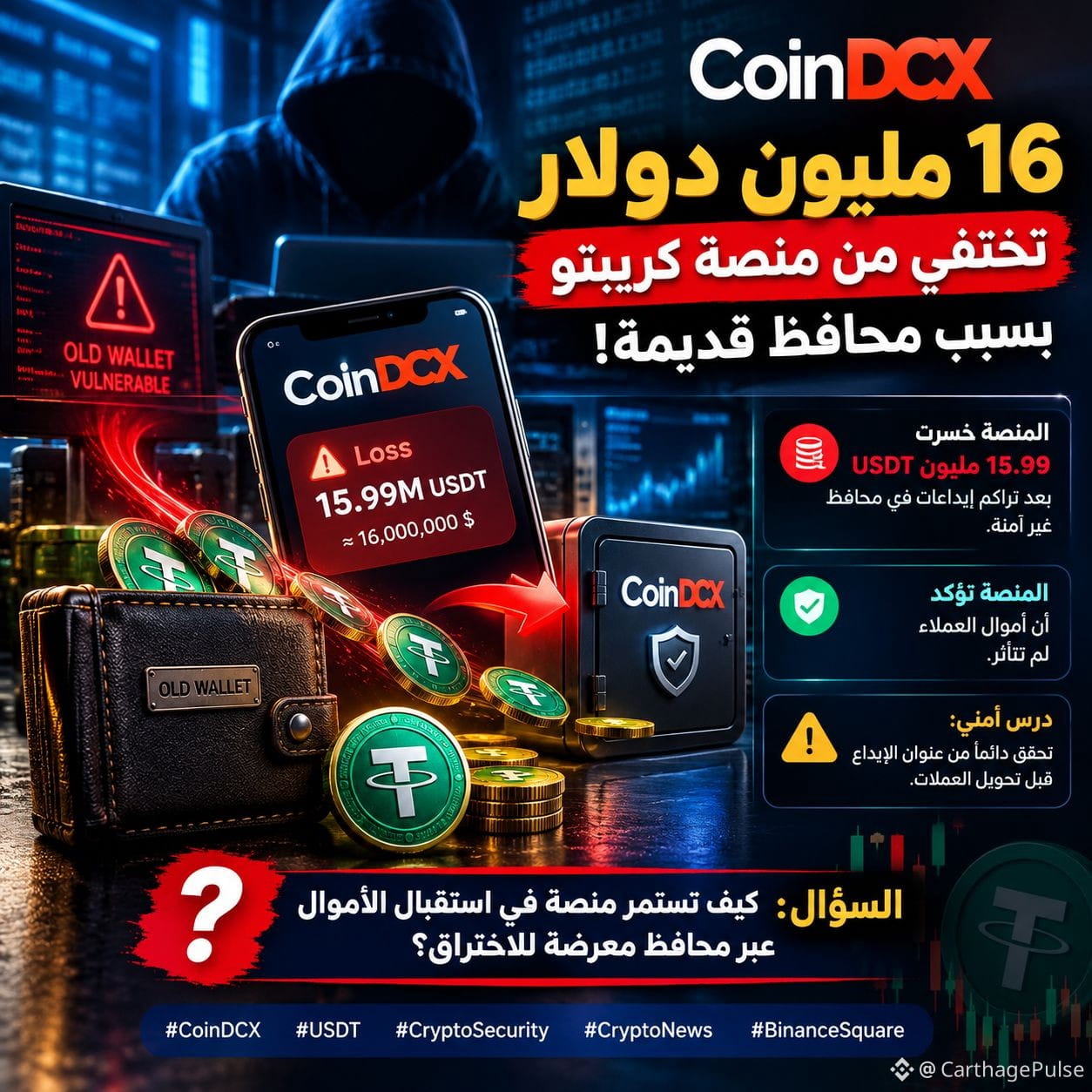
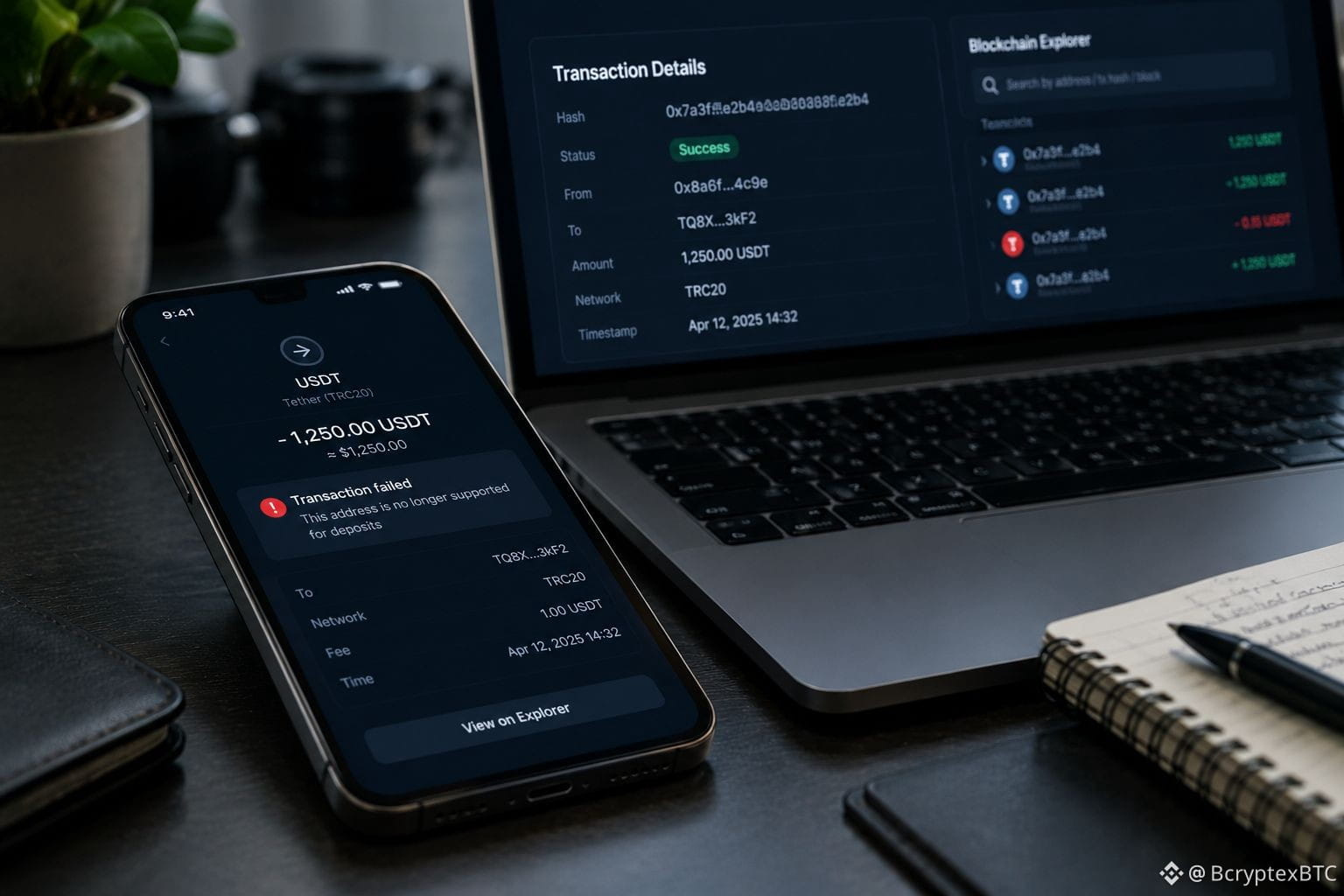
🚨 CoinDCX thiệt hại 16 triệu USD… ví cũ làm dấy lên vấn đề bảo mật nghiêm trọng! 🔥
🔴 Sàn giao dịch Ấn Độ CoinDCX thông báo bị thất thoát 15,99 triệu USDT sau khi hệ thống tự động chuyển tiền nạp từ các ví cũ sang ví chính của sàn gặp sự cố.
⚠️ Chuyện gì đã xảy ra?
▪️ Một số người dùng vẫn tiếp tục gửi tiền đến các địa chỉ nạp cũ.
▪️ Hệ thống chuyển tiền ngừng hoạt động, khiến tiền nạp tích tụ trong các ví dễ bị tấn công.
▪️ Theo thông báo của sàn, tiền đã bị rút khỏi các ví này.
🏦 Quan điểm của sàn: CoinDCX khẳng định sẽ chịu khoản lỗ này, số dư của khách hàng và các ví đang hoạt động không bị ảnh hưởng, đồng thời hoạt động giao dịch, rút tiền và nạp tiền vẫn diễn ra bình thường.
🔥 Câu hỏi được đặt ra:
Làm sao một hệ thống nạp tiền vẫn tiếp tục nhận tiền vào các địa chỉ cũ, trong khi hệ thống chịu trách nhiệm chuyển tiền sang các ví an toàn hơn lại ngừng hoạt động?
🛡️ Bài học cho mọi nhà giao dịch: Luôn kiểm tra địa chỉ nạp và mạng lưới ngay trong ứng dụng chính thức trước khi chuyển tiền, đừng dựa vào các địa chỉ cũ đã lưu.
💬 Bạn cho rằng sự việc này là một lỗi vận hành nghiêm trọng hay thất bại trong công tác quản lý bảo mật ví? Hãy chia sẻ ý kiến của bạn.
Theo dõi chúng tôi để cập nhật thêm tin tức và phân tích về tiền mã hóa.
#CoinDCX #USDT #CryptoSecurity #CryptoNews $TAG
{future}(TAGUSDT)
$CHIP
{future}(CHIPUSDT)
$Q
{future}(QUSDT)
#BinanceSquare
🚨 CoinDCX thiệt hại 16 triệu USD… ví cũ làm dấy lên vấn đề bảo mật nghiêm trọng! 🔥
🔴 Sàn giao dịch Ấn Độ CoinDCX thông báo bị thất thoát 15,99 triệu USDT sau khi hệ thống tự động chuyển tiền nạp từ các ví cũ sang ví chính của sàn gặp sự cố.
⚠️ Chuyện gì đã xảy ra?
▪️ Một số người dùng vẫn tiếp tục gửi tiền đến các địa chỉ nạp cũ.
▪️ Hệ thống chuyển tiền ngừng hoạt động, khiến tiền nạp tích tụ trong các ví dễ bị tấn công.
▪️ Theo thông báo của sàn, tiền đã bị rút khỏi các ví này.
🏦 Quan điểm của sàn: CoinDCX khẳng định sẽ chịu khoản lỗ này, số dư của khách hàng và các ví đang hoạt động không bị ảnh hưởng, đồng thời hoạt động giao dịch, rút tiền và nạp tiền vẫn diễn ra bình thường.
🔥 Câu hỏi được đặt ra:
Làm sao một hệ thống nạp tiền vẫn tiếp tục nhận tiền vào các địa chỉ cũ, trong khi hệ thống chịu trách nhiệm chuyển tiền sang các ví an toàn hơn lại ngừng hoạt động?
🛡️ Bài học cho mọi nhà giao dịch: Luôn kiểm tra địa chỉ nạp và mạng lưới ngay trong ứng dụng chính thức trước khi chuyển tiền, đừng dựa vào các địa chỉ cũ đã lưu.
💬 Bạn cho rằng sự việc này là một lỗi vận hành nghiêm trọng hay thất bại trong công tác quản lý bảo mật ví? Hãy chia sẻ ý kiến của bạn.
Theo dõi chúng tôi để cập nhật thêm tin tức và phân tích về tiền mã hóa.
#CoinDCX #USDT #CryptoSecurity #CryptoNews $TAG
$CHIP
$Q
#BinanceSquare
🔴 Sàn giao dịch Ấn Độ CoinDCX thông báo bị thất thoát 15,99 triệu USDT sau khi hệ thống tự động chuyển tiền nạp từ các ví cũ sang ví chính của sàn gặp sự cố.
⚠️ Chuyện gì đã xảy ra?
▪️ Một số người dùng vẫn tiếp tục gửi tiền đến các địa chỉ nạp cũ.
▪️ Hệ thống chuyển tiền ngừng hoạt động, khiến tiền nạp tích tụ trong các ví dễ bị tấn công.
▪️ Theo thông báo của sàn, tiền đã bị rút khỏi các ví này.
🏦 Quan điểm của sàn: CoinDCX khẳng định sẽ chịu khoản lỗ này, số dư của khách hàng và các ví đang hoạt động không bị ảnh hưởng, đồng thời hoạt động giao dịch, rút tiền và nạp tiền vẫn diễn ra bình thường.
🔥 Câu hỏi được đặt ra:
Làm sao một hệ thống nạp tiền vẫn tiếp tục nhận tiền vào các địa chỉ cũ, trong khi hệ thống chịu trách nhiệm chuyển tiền sang các ví an toàn hơn lại ngừng hoạt động?
🛡️ Bài học cho mọi nhà giao dịch: Luôn kiểm tra địa chỉ nạp và mạng lưới ngay trong ứng dụng chính thức trước khi chuyển tiền, đừng dựa vào các địa chỉ cũ đã lưu.
💬 Bạn cho rằng sự việc này là một lỗi vận hành nghiêm trọng hay thất bại trong công tác quản lý bảo mật ví? Hãy chia sẻ ý kiến của bạn.
Theo dõi chúng tôi để cập nhật thêm tin tức và phân tích về tiền mã hóa.
#CoinDCX #USDT #CryptoSecurity #CryptoNews $TAG
$CHIP
$Q
#BinanceSquare
331
·
--
Mất $16M — Ai Chịu Trách Nhiệm Khi Các Địa Chỉ Nạp Tiền Cũ Vẫn Hoạt Động?
Theo báo cáo, CoinDCX đã gánh chịu khoản lỗ $USDT trị giá $15.99M sau khi người dùng gửi tiền đến các địa chỉ nạp đã ngừng sử dụng sau vụ vi phạm an ninh năm 2025 của sàn. Số dư của khách hàng được cho là không bị ảnh hưởng.
Một địa chỉ đã ngừng sử dụng không biến mất khỏi blockchain. Người dùng vẫn có thể gửi tiền đến đó, ngay cả khi sàn giao dịch không còn hỗ trợ nạp qua địa chỉ đó.
Điều này cho thấy một lỗ hổng an ninh nghiêm trọng: người dùng phải xác minh chi tiết nạp tiền, trong khi các sàn giao dịch cần có cảnh báo rõ ràng và quy trình khôi phục hiệu quả.
Trách nhiệm nên thuộc về người dùng, sàn giao dịch, hay cả hai?
#CryptoSecurity #CoinDCX #Blockchain $BTC
Mất $16M — Ai Chịu Trách Nhiệm Khi Các Địa Chỉ Nạp Tiền Cũ Vẫn Hoạt Động?
Theo báo cáo, CoinDCX đã gánh chịu khoản lỗ $USDT trị giá $15.99M sau khi người dùng gửi tiền đến các địa chỉ nạp đã ngừng sử dụng sau vụ vi phạm an ninh năm 2025 của sàn. Số dư của khách hàng được cho là không bị ảnh hưởng.
Một địa chỉ đã ngừng sử dụng không biến mất khỏi blockchain. Người dùng vẫn có thể gửi tiền đến đó, ngay cả khi sàn giao dịch không còn hỗ trợ nạp qua địa chỉ đó.
Điều này cho thấy một lỗ hổng an ninh nghiêm trọng: người dùng phải xác minh chi tiết nạp tiền, trong khi các sàn giao dịch cần có cảnh báo rõ ràng và quy trình khôi phục hiệu quả.
Trách nhiệm nên thuộc về người dùng, sàn giao dịch, hay cả hai?
#CryptoSecurity #CoinDCX #Blockchain $BTC
Theo báo cáo, CoinDCX đã gánh chịu khoản lỗ $USDT trị giá $15.99M sau khi người dùng gửi tiền đến các địa chỉ nạp đã ngừng sử dụng sau vụ vi phạm an ninh năm 2025 của sàn. Số dư của khách hàng được cho là không bị ảnh hưởng.
Một địa chỉ đã ngừng sử dụng không biến mất khỏi blockchain. Người dùng vẫn có thể gửi tiền đến đó, ngay cả khi sàn giao dịch không còn hỗ trợ nạp qua địa chỉ đó.
Điều này cho thấy một lỗ hổng an ninh nghiêm trọng: người dùng phải xác minh chi tiết nạp tiền, trong khi các sàn giao dịch cần có cảnh báo rõ ràng và quy trình khôi phục hiệu quả.
Trách nhiệm nên thuộc về người dùng, sàn giao dịch, hay cả hai?
#CryptoSecurity #CoinDCX #Blockchain $BTC
1
112
Xem bản dịch
🔥 Social engineering attacks aren't just phishing—they're the new frontier for crypto theft.
📊 Ripple just released North Korea‑linked threat intel after the $280 million Drift hack, underscoring how criminal groups are moving from raw exploits to crafted lures. #CryptoSecurity #NorthKorea
💡 When attackers master human psychology, the whole market feels the pressure—Bitcoin slipped to $79,879 with RSI 38.2 and a bullish MACD crossover, while ETH sits at $2,308, RSI 37.3, highlighting that technical safeguards alone won’t protect assets. #MarketRisk #OnChain
🛠️ Start treating every unsolicited link or Discord invite as a potential trap; verify contracts on‑chain—smart wallets are already piling into Solana’s DNA (+4.1%) and BSC’s ZIG (+2.3%), proving that vigilant investors stay one step ahead.
❓ How are you adjusting your security habits now that social engineering is the hottest weapon in the crypto arsenal?
🔥 Social engineering attacks aren't just phishing—they're the new frontier for crypto theft.
📊 Ripple just released North Korea‑linked threat intel after the $280 million Drift hack, underscoring how criminal groups are moving from raw exploits to crafted lures. #CryptoSecurity #NorthKorea
💡 When attackers master human psychology, the whole market feels the pressure—Bitcoin slipped to $79,879 with RSI 38.2 and a bullish MACD crossover, while ETH sits at $2,308, RSI 37.3, highlighting that technical safeguards alone won’t protect assets. #MarketRisk #OnChain
🛠️ Start treating every unsolicited link or Discord invite as a potential trap; verify contracts on‑chain—smart wallets are already piling into Solana’s DNA (+4.1%) and BSC’s ZIG (+2.3%), proving that vigilant investors stay one step ahead.
❓ How are you adjusting your security habits now that social engineering is the hottest weapon in the crypto arsenal?
📊 Ripple just released North Korea‑linked threat intel after the $280 million Drift hack, underscoring how criminal groups are moving from raw exploits to crafted lures. #CryptoSecurity #NorthKorea
💡 When attackers master human psychology, the whole market feels the pressure—Bitcoin slipped to $79,879 with RSI 38.2 and a bullish MACD crossover, while ETH sits at $2,308, RSI 37.3, highlighting that technical safeguards alone won’t protect assets. #MarketRisk #OnChain
🛠️ Start treating every unsolicited link or Discord invite as a potential trap; verify contracts on‑chain—smart wallets are already piling into Solana’s DNA (+4.1%) and BSC’s ZIG (+2.3%), proving that vigilant investors stay one step ahead.
❓ How are you adjusting your security habits now that social engineering is the hottest weapon in the crypto arsenal?
2
·
--
Bài viết
Xem bản dịch
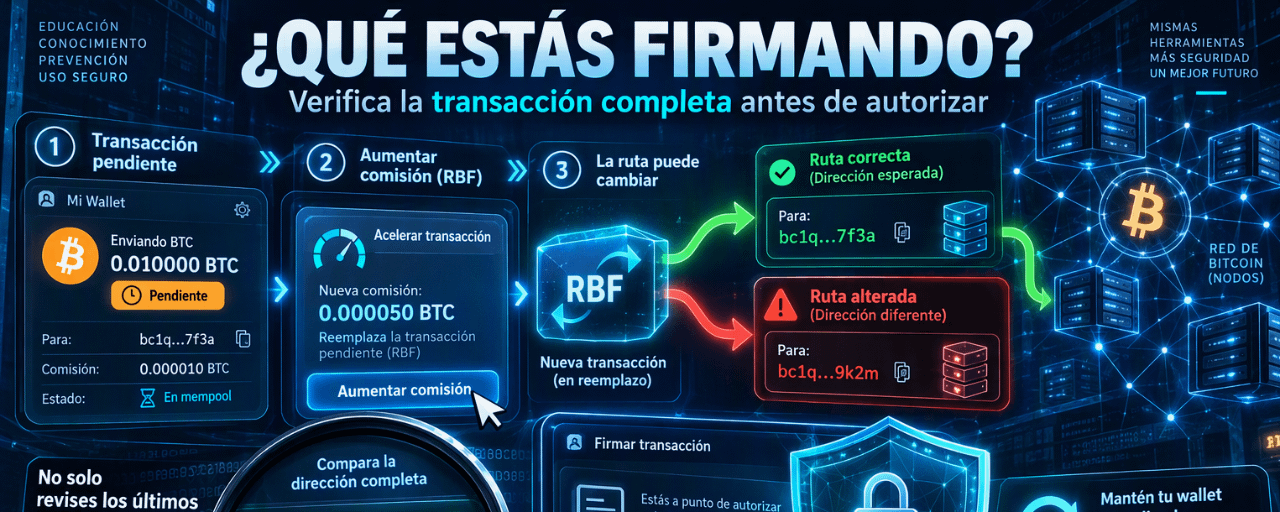
Una transacción “atascada” podía terminar enviando tus BTC a otra direcciónElectrum publicó la versión 4.8.3 para corregir una vulnerabilidad de gravedad alta relacionada con el aumento de comisión de transacciones pendientes, conocido como RBF.
El mecanismo era especialmente engañoso:
🔹 La wallet recibía de un servidor malicioso una versión falsa de una transacción pendiente.
🔹 Esa transacción aparecía con comisión cero y podía parecer atascada.
🔹 Al intentar aumentar la comisión, el usuario podía terminar firmando una nueva transacción que enviaba los fondos a una dirección controlada por el atacante.
Las claves privadas no eran necesariamente comprometidas.
El problema era que el propio usuario terminaba autorizando una transacción distinta de la que creía estar acelerando.
Además, los atacantes podían utilizar direcciones cuyos últimos caracteres coincidían con los del destinatario original. Esto aprovechaba una costumbre peligrosa: comprobar únicamente el principio o el final de una dirección.
La lección práctica:
✅ Si utilizas Electrum, actualiza a la versión 4.8.3 o posterior desde el sitio oficial.
✅ Comprueba la dirección completa, no solo cuatro caracteres.
✅ Revisa nuevamente destinatario, importe y comisión antes de firmar un RBF.
✅ Evita descargar wallets o actualizaciones desde anuncios y enlaces de terceros.
✅ No confundas este incidente con otras redes: Electrum es una wallet de Bitcoin. No afecta por este fallo a ETH o SOL.
La reflexión que me queda es sencilla:
una hardware wallet o una configuración multifirma pueden proteger las claves, pero no pueden corregir una transacción que el propio usuario autoriza sin verificarla completamente.
La seguridad no termina al guardar bien la seed.
También incluye comprender qué estamos firmando.
👇 ¿Cuando verificas una dirección, comparas toda la cadena o solamente los primeros y últimos caracteres?
ℹ️ Contenido educativo de seguridad. No compartas seeds, claves privadas ni credenciales con nadie.
$BTC
{spot}(BTCUSDT)
#Bitcoin #CryptoSecurity #CyberSecurity #Web3 #BinanceSquare
Una transacción “atascada” podía terminar enviando tus BTC a otra dirección
Electrum publicó la versión 4.8.3 para corregir una vulnerabilidad de gravedad alta relacionada con el aumento de comisión de transacciones pendientes, conocido como RBF.
El mecanismo era especialmente engañoso:
🔹 La wallet recibía de un servidor malicioso una versión falsa de una transacción pendiente.
🔹 Esa transacción aparecía con comisión cero y podía parecer atascada.
🔹 Al intentar aumentar la comisión, el usuario podía terminar firmando una nueva transacción que enviaba los fondos a una dirección controlada por el atacante.
Las claves privadas no eran necesariamente comprometidas.
El problema era que el propio usuario terminaba autorizando una transacción distinta de la que creía estar acelerando.
Además, los atacantes podían utilizar direcciones cuyos últimos caracteres coincidían con los del destinatario original. Esto aprovechaba una costumbre peligrosa: comprobar únicamente el principio o el final de una dirección.
La lección práctica:
✅ Si utilizas Electrum, actualiza a la versión 4.8.3 o posterior desde el sitio oficial.
✅ Comprueba la dirección completa, no solo cuatro caracteres.
✅ Revisa nuevamente destinatario, importe y comisión antes de firmar un RBF.
✅ Evita descargar wallets o actualizaciones desde anuncios y enlaces de terceros.
✅ No confundas este incidente con otras redes: Electrum es una wallet de Bitcoin. No afecta por este fallo a ETH o SOL.
La reflexión que me queda es sencilla:
una hardware wallet o una configuración multifirma pueden proteger las claves, pero no pueden corregir una transacción que el propio usuario autoriza sin verificarla completamente.
La seguridad no termina al guardar bien la seed.
También incluye comprender qué estamos firmando.
👇 ¿Cuando verificas una dirección, comparas toda la cadena o solamente los primeros y últimos caracteres?
ℹ️ Contenido educativo de seguridad. No compartas seeds, claves privadas ni credenciales con nadie.
$BTC
#Bitcoin #CryptoSecurity #CyberSecurity #Web3 #BinanceSquare
El mecanismo era especialmente engañoso:
🔹 La wallet recibía de un servidor malicioso una versión falsa de una transacción pendiente.
🔹 Esa transacción aparecía con comisión cero y podía parecer atascada.
🔹 Al intentar aumentar la comisión, el usuario podía terminar firmando una nueva transacción que enviaba los fondos a una dirección controlada por el atacante.
Las claves privadas no eran necesariamente comprometidas.
El problema era que el propio usuario terminaba autorizando una transacción distinta de la que creía estar acelerando.
Además, los atacantes podían utilizar direcciones cuyos últimos caracteres coincidían con los del destinatario original. Esto aprovechaba una costumbre peligrosa: comprobar únicamente el principio o el final de una dirección.
La lección práctica:
✅ Si utilizas Electrum, actualiza a la versión 4.8.3 o posterior desde el sitio oficial.
✅ Comprueba la dirección completa, no solo cuatro caracteres.
✅ Revisa nuevamente destinatario, importe y comisión antes de firmar un RBF.
✅ Evita descargar wallets o actualizaciones desde anuncios y enlaces de terceros.
✅ No confundas este incidente con otras redes: Electrum es una wallet de Bitcoin. No afecta por este fallo a ETH o SOL.
La reflexión que me queda es sencilla:
una hardware wallet o una configuración multifirma pueden proteger las claves, pero no pueden corregir una transacción que el propio usuario autoriza sin verificarla completamente.
La seguridad no termina al guardar bien la seed.
También incluye comprender qué estamos firmando.
👇 ¿Cuando verificas una dirección, comparas toda la cadena o solamente los primeros y últimos caracteres?
ℹ️ Contenido educativo de seguridad. No compartas seeds, claves privadas ni credenciales con nadie.
$BTC
#Bitcoin #CryptoSecurity #CyberSecurity #Web3 #BinanceSquare
34
🚨 $BTC MỐI ĐE DỌA LƯỢNG TỬ ĐANG CẬN KỀ: 6,4 TRIỆU BTC GẶP NGUY HIỂM 🦈
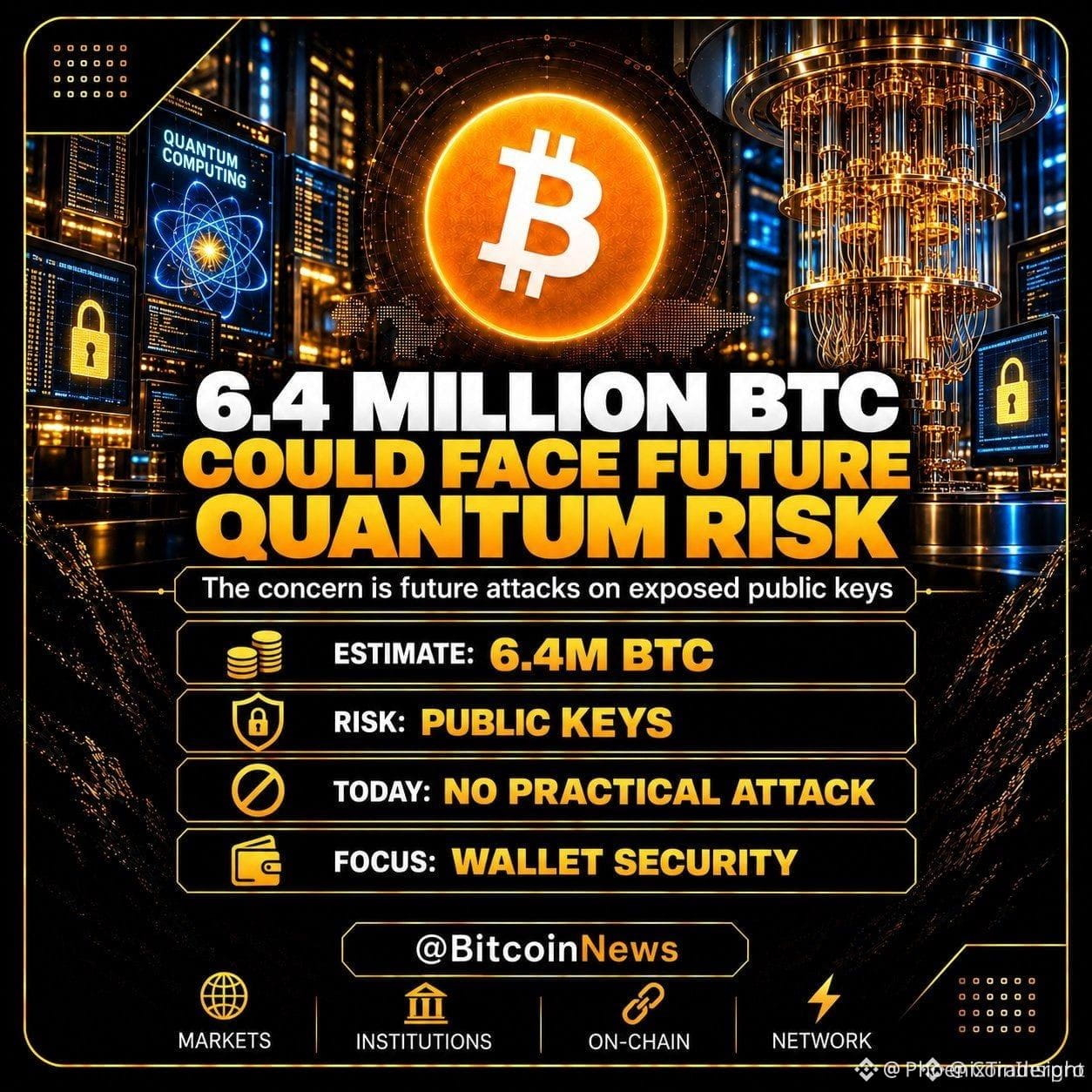
LIÊN MINH LƯỢNG TỬ mới thành lập – gồm chín phòng thí nghiệm hàng đầu hợp sức – đã bắt đầu vạch ra chiến trường tương lai, nơi máy tính lượng tử có thể phá vỡ mật mã khóa công khai. 📊 Khoảng 6,4 triệu $BTC BTC nằm trong các địa chỉ có khóa công khai bị lộ trên chuỗi, tạo thành một lượng tài sản âm thầm có thể trở thành món mồi béo bở nếu xuất hiện một cỗ máy lượng tử đủ mạnh. 🦈
Hiện nay, chưa có máy tính lượng tử nào có thể bẻ khóa Bitcoin, nhưng cuộc thảo luận đang chuyển từ “nếu” sang “khi nào”, làm dấy lên tranh luận về việc đóng băng ví, buộc người dùng chuyển tài sản sang ví khác hay giữ nguyên quyền sở hữu. ⚡ Nhận thức của thị trường về rủi ro mang tính sống còn này có thể làm thay đổi tâm lý, nhất là khi dòng tiền thông minh để mắt đến nhóm tài sản dễ tổn thương. 💡 Bạn sẽ chuẩn bị từ bây giờ hay chờ biện pháp bảo vệ từ giao thức? 💬
⚠️ Đây không phải lời khuyên tài chính. Hãy luôn quản lý rủi ro. 🛡️
🏷️ #BTC #QuantumRisk #CryptoSecurity #LongSetup
🚀 ⚡
🚨 $BTC MỐI ĐE DỌA LƯỢNG TỬ ĐANG CẬN KỀ: 6,4 TRIỆU BTC GẶP NGUY HIỂM 🦈
LIÊN MINH LƯỢNG TỬ mới thành lập – gồm chín phòng thí nghiệm hàng đầu hợp sức – đã bắt đầu vạch ra chiến trường tương lai, nơi máy tính lượng tử có thể phá vỡ mật mã khóa công khai. 📊 Khoảng 6,4 triệu $BTC BTC nằm trong các địa chỉ có khóa công khai bị lộ trên chuỗi, tạo thành một lượng tài sản âm thầm có thể trở thành món mồi béo bở nếu xuất hiện một cỗ máy lượng tử đủ mạnh. 🦈
Hiện nay, chưa có máy tính lượng tử nào có thể bẻ khóa Bitcoin, nhưng cuộc thảo luận đang chuyển từ “nếu” sang “khi nào”, làm dấy lên tranh luận về việc đóng băng ví, buộc người dùng chuyển tài sản sang ví khác hay giữ nguyên quyền sở hữu. ⚡ Nhận thức của thị trường về rủi ro mang tính sống còn này có thể làm thay đổi tâm lý, nhất là khi dòng tiền thông minh để mắt đến nhóm tài sản dễ tổn thương. 💡 Bạn sẽ chuẩn bị từ bây giờ hay chờ biện pháp bảo vệ từ giao thức? 💬
⚠️ Đây không phải lời khuyên tài chính. Hãy luôn quản lý rủi ro. 🛡️
🏷️ #BTC #QuantumRisk #CryptoSecurity #LongSetup
🚀 ⚡
LIÊN MINH LƯỢNG TỬ mới thành lập – gồm chín phòng thí nghiệm hàng đầu hợp sức – đã bắt đầu vạch ra chiến trường tương lai, nơi máy tính lượng tử có thể phá vỡ mật mã khóa công khai. 📊 Khoảng 6,4 triệu $BTC BTC nằm trong các địa chỉ có khóa công khai bị lộ trên chuỗi, tạo thành một lượng tài sản âm thầm có thể trở thành món mồi béo bở nếu xuất hiện một cỗ máy lượng tử đủ mạnh. 🦈
Hiện nay, chưa có máy tính lượng tử nào có thể bẻ khóa Bitcoin, nhưng cuộc thảo luận đang chuyển từ “nếu” sang “khi nào”, làm dấy lên tranh luận về việc đóng băng ví, buộc người dùng chuyển tài sản sang ví khác hay giữ nguyên quyền sở hữu. ⚡ Nhận thức của thị trường về rủi ro mang tính sống còn này có thể làm thay đổi tâm lý, nhất là khi dòng tiền thông minh để mắt đến nhóm tài sản dễ tổn thương. 💡 Bạn sẽ chuẩn bị từ bây giờ hay chờ biện pháp bảo vệ từ giao thức? 💬
⚠️ Đây không phải lời khuyên tài chính. Hãy luôn quản lý rủi ro. 🛡️
🏷️ #BTC #QuantumRisk #CryptoSecurity #LongSetup
🚀 ⚡
1

·
--
Xem bản dịch
🔐 YOUR SECURITY COMES FIRST!
Before joining any crypto airdrop, remember these rules:
✅ Use official websites and apps.
✅ Never share your password or OTP.
✅ Never send crypto to claim a promised reward without verifying the offer.
✅ Research unfamiliar projects carefully.
✅ Read all terms and conditions.
🚨 No guaranteed profits. No blind trust. Always DYOR!
Protect your assets. Protect your future. 💛
#CryptoSecurity #Binance #DYOR!!
🔐 YOUR SECURITY COMES FIRST!
Before joining any crypto airdrop, remember these rules:
✅ Use official websites and apps.
✅ Never share your password or OTP.
✅ Never send crypto to claim a promised reward without verifying the offer.
✅ Research unfamiliar projects carefully.
✅ Read all terms and conditions.
🚨 No guaranteed profits. No blind trust. Always DYOR!
Protect your assets. Protect your future. 💛
#CryptoSecurity #Binance #DYOR!!
Before joining any crypto airdrop, remember these rules:
✅ Use official websites and apps.
✅ Never share your password or OTP.
✅ Never send crypto to claim a promised reward without verifying the offer.
✅ Research unfamiliar projects carefully.
✅ Read all terms and conditions.
🚨 No guaranteed profits. No blind trust. Always DYOR!
Protect your assets. Protect your future. 💛
#CryptoSecurity #Binance #DYOR!!
47

·
--
- Không dùng markdown (văn bản thuần, không định dạng như **, *, #? Tuy nhiên, hashtag được phép ở cuối vì chúng là một phần của văn bản. Không dùng định dạng markdown như in đậm, in nghiêng hoặc khối mã.)
- 150–200 từ.
- Giọng điệu cảnh báo (nghiêm túc nhưng không gây hoảng sợ).
- Đưa ra 3 bước rõ ràng, có thể thực hiện.
- Kết thúc bằng: "Hãy chia sẻ điều này với người mới tham gia tiền mã hóa — điều đó có thể cứu họ!"
- Dòng cuối cùng: "#CryptoStrategy #TokenomicsExplained #CryptoSecurity #StaySafe"
- Bắt đầu ngay bằng từ đầu tiên, không có lời dẫn.
Chúng ta cần đếm số từ. Hãy nhắm đến khoảng 170 từ.
Cần đưa vào 3 bước có thể thực hiện, có thể trình bày bằng dấu đầu dòng nhưng không dùng dấu đầu dòng markdown? Có thể dùng số thứ tự kèm dấu chấm. Được.
Không được dùng markdown, vậy không dùng dấu gạch ngang làm dấu đầu dòng? Dấu gạch ngang vẫn ổn nhưng có thể bị xem là markdown? Có lẽ được. An toàn hơn là dùng các dòng "1." "2." "3.".
Số từ: Hãy đếm thủ công.
Bản nháp:
"Cảnh báo: nhiều dự án DeFi hứa hẹn lợi nhuận không tưởng nhưng che giấu mô hình Ponzi cổ điển. Hãy tìm những dấu hiệu cảnh báo sau trước khi đầu tư.
1. Xác minh mô hình doanh thu. Các giao thức hợp pháp tạo ra thu nhập từ hoạt động thực tế — phí, lãi cho vay hoặc phí dịch vụ. Nếu nguồn lợi nhuận duy nhất là tiền gửi của nhà đầu tư mới, hãy tránh xa.
2. Kiểm tra tính minh bạch của tokenomics. Một dự án đáng tin cậy công bố lịch phát hành rõ ràng, thời gian mở khóa token và báo cáo kiểm toán. Cơ chế cung ứng mập mờ hoặc quyền phát hành token vô hạn là những dấu hiệu cảnh báo nghiêm trọng.
3. Kiểm tra khả năng rút tiền linh hoạt. Hãy thử rút một khoản nhỏ khỏi nền tảng. Việc rút tiền bị trì hoãn hoặc chặn, yêu cầu khóa vốn bắt buộc hay phạt khi rút sớm cho thấy đơn vị vận hành đang xoay vòng vốn thay vì tạo ra lợi nhuận.
Luôn tìm hiểu về đội ngũ,"
- Không dùng markdown (văn bản thuần, không định dạng như **, *, #? Tuy nhiên, hashtag được phép ở cuối vì chúng là một phần của văn bản. Không dùng định dạng markdown như in đậm, in nghiêng hoặc khối mã.)
- 150–200 từ.
- Giọng điệu cảnh báo (nghiêm túc nhưng không gây hoảng sợ).
- Đưa ra 3 bước rõ ràng, có thể thực hiện.
- Kết thúc bằng: "Hãy chia sẻ điều này với người mới tham gia tiền mã hóa — điều đó có thể cứu họ!"
- Dòng cuối cùng: "#CryptoStrategy #TokenomicsExplained #CryptoSecurity #StaySafe"
- Bắt đầu ngay bằng từ đầu tiên, không có lời dẫn.
Chúng ta cần đếm số từ. Hãy nhắm đến khoảng 170 từ.
Cần đưa vào 3 bước có thể thực hiện, có thể trình bày bằng dấu đầu dòng nhưng không dùng dấu đầu dòng markdown? Có thể dùng số thứ tự kèm dấu chấm. Được.
Không được dùng markdown, vậy không dùng dấu gạch ngang làm dấu đầu dòng? Dấu gạch ngang vẫn ổn nhưng có thể bị xem là markdown? Có lẽ được. An toàn hơn là dùng các dòng "1." "2." "3.".
Số từ: Hãy đếm thủ công.
Bản nháp:
"Cảnh báo: nhiều dự án DeFi hứa hẹn lợi nhuận không tưởng nhưng che giấu mô hình Ponzi cổ điển. Hãy tìm những dấu hiệu cảnh báo sau trước khi đầu tư.
1. Xác minh mô hình doanh thu. Các giao thức hợp pháp tạo ra thu nhập từ hoạt động thực tế — phí, lãi cho vay hoặc phí dịch vụ. Nếu nguồn lợi nhuận duy nhất là tiền gửi của nhà đầu tư mới, hãy tránh xa.
2. Kiểm tra tính minh bạch của tokenomics. Một dự án đáng tin cậy công bố lịch phát hành rõ ràng, thời gian mở khóa token và báo cáo kiểm toán. Cơ chế cung ứng mập mờ hoặc quyền phát hành token vô hạn là những dấu hiệu cảnh báo nghiêm trọng.
3. Kiểm tra khả năng rút tiền linh hoạt. Hãy thử rút một khoản nhỏ khỏi nền tảng. Việc rút tiền bị trì hoãn hoặc chặn, yêu cầu khóa vốn bắt buộc hay phạt khi rút sớm cho thấy đơn vị vận hành đang xoay vòng vốn thay vì tạo ra lợi nhuận.
Luôn tìm hiểu về đội ngũ,"
- 150–200 từ.
- Giọng điệu cảnh báo (nghiêm túc nhưng không gây hoảng sợ).
- Đưa ra 3 bước rõ ràng, có thể thực hiện.
- Kết thúc bằng: "Hãy chia sẻ điều này với người mới tham gia tiền mã hóa — điều đó có thể cứu họ!"
- Dòng cuối cùng: "#CryptoStrategy #TokenomicsExplained #CryptoSecurity #StaySafe"
- Bắt đầu ngay bằng từ đầu tiên, không có lời dẫn.
Chúng ta cần đếm số từ. Hãy nhắm đến khoảng 170 từ.
Cần đưa vào 3 bước có thể thực hiện, có thể trình bày bằng dấu đầu dòng nhưng không dùng dấu đầu dòng markdown? Có thể dùng số thứ tự kèm dấu chấm. Được.
Không được dùng markdown, vậy không dùng dấu gạch ngang làm dấu đầu dòng? Dấu gạch ngang vẫn ổn nhưng có thể bị xem là markdown? Có lẽ được. An toàn hơn là dùng các dòng "1." "2." "3.".
Số từ: Hãy đếm thủ công.
Bản nháp:
"Cảnh báo: nhiều dự án DeFi hứa hẹn lợi nhuận không tưởng nhưng che giấu mô hình Ponzi cổ điển. Hãy tìm những dấu hiệu cảnh báo sau trước khi đầu tư.
1. Xác minh mô hình doanh thu. Các giao thức hợp pháp tạo ra thu nhập từ hoạt động thực tế — phí, lãi cho vay hoặc phí dịch vụ. Nếu nguồn lợi nhuận duy nhất là tiền gửi của nhà đầu tư mới, hãy tránh xa.
2. Kiểm tra tính minh bạch của tokenomics. Một dự án đáng tin cậy công bố lịch phát hành rõ ràng, thời gian mở khóa token và báo cáo kiểm toán. Cơ chế cung ứng mập mờ hoặc quyền phát hành token vô hạn là những dấu hiệu cảnh báo nghiêm trọng.
3. Kiểm tra khả năng rút tiền linh hoạt. Hãy thử rút một khoản nhỏ khỏi nền tảng. Việc rút tiền bị trì hoãn hoặc chặn, yêu cầu khóa vốn bắt buộc hay phạt khi rút sớm cho thấy đơn vị vận hành đang xoay vòng vốn thay vì tạo ra lợi nhuận.
Luôn tìm hiểu về đội ngũ,"
Một lần tăng phí Bitcoin tưởng chừng đơn giản đã khiến ai đó mất tiền. Đây là chuyện đã xảy ra.
Electrum, một ví Bitcoin phổ biến, đã vá một lỗ hổng bảo mật nghiêm trọng sau khi các máy chủ độc hại khai thác điểm yếu trong cách ví xử lý các giao dịch chưa được xác nhận.
Điều đáng lo ngại là gì? Người dùng không cần tiết lộ cụm từ hạt giống của mình.
Kẻ tấn công có thể thay thế giao dịch đang chờ xử lý hiển thị trong ví bằng một giao dịch giả mạo. Nếu người dùng cố đẩy nhanh giao dịch bằng cách tăng phí, họ có thể vô tình cho phép thanh toán cho kẻ tấn công.
Theo thông tin ghi nhận, ít nhất một người dùng đã mất Bitcoin.
Ba biện pháp phòng ngừa đáng ghi nhớ:
1. Nếu dùng Electrum, hãy nâng cấp lên phiên bản 4.8.3 từ trang web chính thức.
2. Hãy xác minh đầy đủ địa chỉ nhận và số tiền trước khi ký—even khi chỉ tăng phí giao dịch.
3. Đừng bao giờ tin vào các liên kết cập nhật ví bất ngờ hoặc chia sẻ cụm từ khôi phục của bạn.
Với các nhà đầu tư Hồi giáo, bảo vệ tài sản được giao phó cũng quan trọng không kém việc đánh giá liệu một cấu trúc đầu tư có được phép hay không.
Bảo mật không chỉ là bảo vệ khóa riêng tư. Đó còn là việc hiểu rõ những gì bạn đang ký.
Bạn đã kiểm tra lần gần nhất ví tiền mã hóa của mình được cập nhật là khi nào chưa?
#Bitcoin #CryptoSecurity #CryptoEducation #SelfCustody
Một lần tăng phí Bitcoin tưởng chừng đơn giản đã khiến ai đó mất tiền. Đây là chuyện đã xảy ra.
Electrum, một ví Bitcoin phổ biến, đã vá một lỗ hổng bảo mật nghiêm trọng sau khi các máy chủ độc hại khai thác điểm yếu trong cách ví xử lý các giao dịch chưa được xác nhận.
Điều đáng lo ngại là gì? Người dùng không cần tiết lộ cụm từ hạt giống của mình.
Kẻ tấn công có thể thay thế giao dịch đang chờ xử lý hiển thị trong ví bằng một giao dịch giả mạo. Nếu người dùng cố đẩy nhanh giao dịch bằng cách tăng phí, họ có thể vô tình cho phép thanh toán cho kẻ tấn công.
Theo thông tin ghi nhận, ít nhất một người dùng đã mất Bitcoin.
Ba biện pháp phòng ngừa đáng ghi nhớ:
1. Nếu dùng Electrum, hãy nâng cấp lên phiên bản 4.8.3 từ trang web chính thức.
2. Hãy xác minh đầy đủ địa chỉ nhận và số tiền trước khi ký—even khi chỉ tăng phí giao dịch.
3. Đừng bao giờ tin vào các liên kết cập nhật ví bất ngờ hoặc chia sẻ cụm từ khôi phục của bạn.
Với các nhà đầu tư Hồi giáo, bảo vệ tài sản được giao phó cũng quan trọng không kém việc đánh giá liệu một cấu trúc đầu tư có được phép hay không.
Bảo mật không chỉ là bảo vệ khóa riêng tư. Đó còn là việc hiểu rõ những gì bạn đang ký.
Bạn đã kiểm tra lần gần nhất ví tiền mã hóa của mình được cập nhật là khi nào chưa?
#Bitcoin #CryptoSecurity #CryptoEducation #SelfCustody
Electrum, một ví Bitcoin phổ biến, đã vá một lỗ hổng bảo mật nghiêm trọng sau khi các máy chủ độc hại khai thác điểm yếu trong cách ví xử lý các giao dịch chưa được xác nhận.
Điều đáng lo ngại là gì? Người dùng không cần tiết lộ cụm từ hạt giống của mình.
Kẻ tấn công có thể thay thế giao dịch đang chờ xử lý hiển thị trong ví bằng một giao dịch giả mạo. Nếu người dùng cố đẩy nhanh giao dịch bằng cách tăng phí, họ có thể vô tình cho phép thanh toán cho kẻ tấn công.
Theo thông tin ghi nhận, ít nhất một người dùng đã mất Bitcoin.
Ba biện pháp phòng ngừa đáng ghi nhớ:
1. Nếu dùng Electrum, hãy nâng cấp lên phiên bản 4.8.3 từ trang web chính thức.
2. Hãy xác minh đầy đủ địa chỉ nhận và số tiền trước khi ký—even khi chỉ tăng phí giao dịch.
3. Đừng bao giờ tin vào các liên kết cập nhật ví bất ngờ hoặc chia sẻ cụm từ khôi phục của bạn.
Với các nhà đầu tư Hồi giáo, bảo vệ tài sản được giao phó cũng quan trọng không kém việc đánh giá liệu một cấu trúc đầu tư có được phép hay không.
Bảo mật không chỉ là bảo vệ khóa riêng tư. Đó còn là việc hiểu rõ những gì bạn đang ký.
Bạn đã kiểm tra lần gần nhất ví tiền mã hóa của mình được cập nhật là khi nào chưa?
#Bitcoin #CryptoSecurity #CryptoEducation #SelfCustody
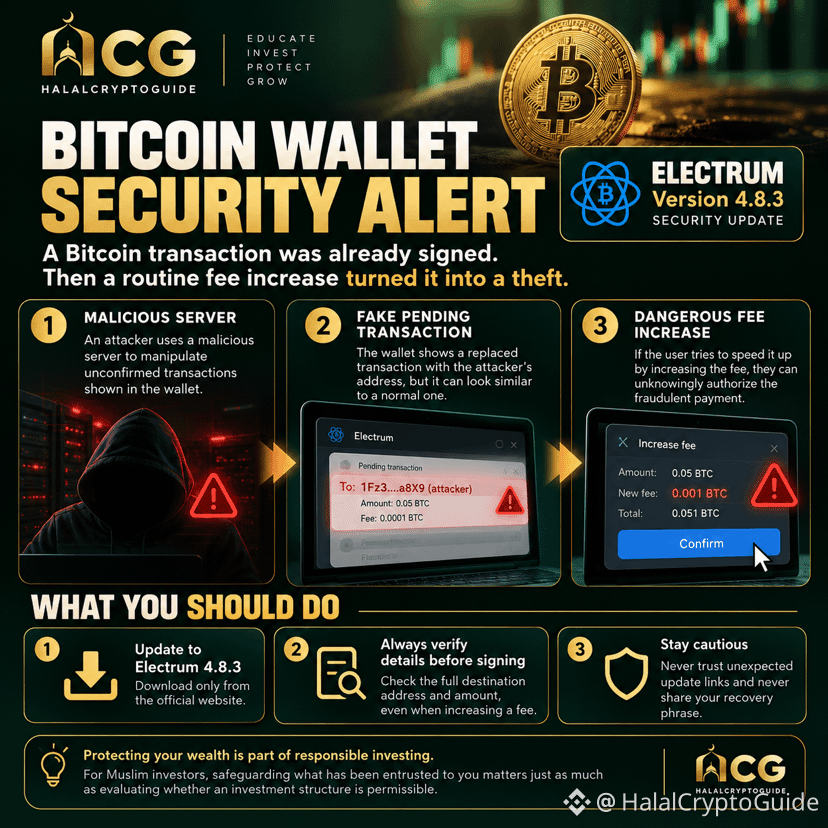
72
Đăng nhập để khám phá thêm nội dung
Tham gia cùng người dùng tiền mã hóa toàn cầu trên Binance Square
⚡️ Nhận thông tin mới nhất và hữu ích về tiền mã hóa.
💬 Được tin cậy bởi sàn giao dịch tiền mã hóa lớn nhất thế giới.
👍 Khám phá những thông tin chuyên sâu thực tế từ những nhà sáng tạo đã xác minh.
Email / Số điện thoại
Chủ đề thịnh hành
1
#TinFed
352,005 lượt xem
959 đang thảo luận
2
#TheoDõiFOMC
294,783 lượt xem
1,242 đang thảo luận
3
#BitcoinSlipsBelow$80KAgain
67 lượt xem
10 đang thảo luận
4
#ThailandLaunchesWORPTStablecoinToQRPaymentApp
0 lượt xem
0 đang thảo luận
5
#StrategySkipsBitcoinPurchasesSpends$205MOnSTRCBuybacks
2,659 lượt xem
64 đang thảo luận
6
#BitmineAdds10452ETH
24,521 lượt xem
456 đang thảo luận
7
#SouthKoreaConsidersEducationTaxOnCryptoExchanges
16,187 lượt xem
371 đang thảo luận
8
#OCCUrgesCommunityBanksToEnterStablecoinPayments
12,681 lượt xem
228 đang thảo luận
9
#RippleWinsFullApprovalAsNationalTrustBank
14,506 lượt xem
234 đang thảo luận
10
#AkashSelectsSolanaAsMigrationTarget
9,104 lượt xem
119 đang thảo luận