

minamium
11.8k Bài đăng

minamium
Báo cáo
Chặn người dùng
1 Đang theo dõi
99 Người theo dõi
375 Đã thích
Bài đăng
·
--
Những người nắm giữ Bitcoin dài hạn đang có khoản lợi nhuận khổng lồ nghe có vẻ như động lực thúc đẩy xu hướng tăng, nhưng thực ra điều đó che giấu một cái bẫy thanh khoản mà hầu hết nhà giao dịch nhỏ lẻ không bao giờ chuẩn bị trước. Nhiều người cứ mua vào mỗi khi giá điều chỉnh cục bộ vì nghĩ rằng vùng đáy đã vững chắc, rồi lại hoảng loạn bán tháo ngay vào tay những người nắm giữ kim cương, vốn quyết định rằng cuối cùng cũng đến lúc giảm rủi ro.
Khi những người nắm giữ dài hạn ($LTH) từ chối đầu hàng, cấu trúc khung thời gian lớn hơn của $BTC vẫn được duy trì qua những đợt biến động dữ dội. Trên lý thuyết, khả năng trụ vững đó có vẻ đáng yên tâm hơn so với những đợt bán tháo tàn khốc trong các thị trường giá xuống trước đây. Tuy nhiên, khi phần lớn nguồn cung vẫn đang có lợi nhuận chưa chốt, bất kỳ cú sốc vĩ mô đột ngột nào cũng có thể biến những người nắm giữ bình tĩnh ấy thành những người bán quyết liệt, tìm cách chốt lời trước tất cả những người khác.
Nếu các mức hỗ trợ quan trọng bị phá vỡ, việc trước đó chưa có đợt đầu hàng nào đồng nghĩa với việc đợt bán tháo thanh lọc thực sự thậm chí còn chưa bắt đầu, và có thể kéo theo các tài sản có tương quan như $ETH . Cấu trúc nắm giữ vững chắc trông có vẻ an toàn cho đến khi những ví lớn nhất quyết định rằng họ đã chờ đủ lâu để rút bớt vốn khỏi thị trường.
Bạn xem sự trụ vững này như một tấm lưới an toàn, hay đang giảm rủi ro phòng khi những người nắm giữ dài hạn bắt đầu phân phối?
#Bitcoin #CryptoAnalysis #OnChainData
Những người nắm giữ Bitcoin dài hạn đang có khoản lợi nhuận khổng lồ nghe có vẻ như động lực thúc đẩy xu hướng tăng, nhưng thực ra điều đó che giấu một cái bẫy thanh khoản mà hầu hết nhà giao dịch nhỏ lẻ không bao giờ chuẩn bị trước. Nhiều người cứ mua vào mỗi khi giá điều chỉnh cục bộ vì nghĩ rằng vùng đáy đã vững chắc, rồi lại hoảng loạn bán tháo ngay vào tay những người nắm giữ kim cương, vốn quyết định rằng cuối cùng cũng đến lúc giảm rủi ro.
Khi những người nắm giữ dài hạn ($LTH) từ chối đầu hàng, cấu trúc khung thời gian lớn hơn của $BTC vẫn được duy trì qua những đợt biến động dữ dội. Trên lý thuyết, khả năng trụ vững đó có vẻ đáng yên tâm hơn so với những đợt bán tháo tàn khốc trong các thị trường giá xuống trước đây. Tuy nhiên, khi phần lớn nguồn cung vẫn đang có lợi nhuận chưa chốt, bất kỳ cú sốc vĩ mô đột ngột nào cũng có thể biến những người nắm giữ bình tĩnh ấy thành những người bán quyết liệt, tìm cách chốt lời trước tất cả những người khác.
Nếu các mức hỗ trợ quan trọng bị phá vỡ, việc trước đó chưa có đợt đầu hàng nào đồng nghĩa với việc đợt bán tháo thanh lọc thực sự thậm chí còn chưa bắt đầu, và có thể kéo theo các tài sản có tương quan như $ETH . Cấu trúc nắm giữ vững chắc trông có vẻ an toàn cho đến khi những ví lớn nhất quyết định rằng họ đã chờ đủ lâu để rút bớt vốn khỏi thị trường.
Bạn xem sự trụ vững này như một tấm lưới an toàn, hay đang giảm rủi ro phòng khi những người nắm giữ dài hạn bắt đầu phân phối?
#Bitcoin #CryptoAnalysis #OnChainData
Khi những người nắm giữ dài hạn ($LTH) từ chối đầu hàng, cấu trúc khung thời gian lớn hơn của $BTC vẫn được duy trì qua những đợt biến động dữ dội. Trên lý thuyết, khả năng trụ vững đó có vẻ đáng yên tâm hơn so với những đợt bán tháo tàn khốc trong các thị trường giá xuống trước đây. Tuy nhiên, khi phần lớn nguồn cung vẫn đang có lợi nhuận chưa chốt, bất kỳ cú sốc vĩ mô đột ngột nào cũng có thể biến những người nắm giữ bình tĩnh ấy thành những người bán quyết liệt, tìm cách chốt lời trước tất cả những người khác.
Nếu các mức hỗ trợ quan trọng bị phá vỡ, việc trước đó chưa có đợt đầu hàng nào đồng nghĩa với việc đợt bán tháo thanh lọc thực sự thậm chí còn chưa bắt đầu, và có thể kéo theo các tài sản có tương quan như $ETH . Cấu trúc nắm giữ vững chắc trông có vẻ an toàn cho đến khi những ví lớn nhất quyết định rằng họ đã chờ đủ lâu để rút bớt vốn khỏi thị trường.
Bạn xem sự trụ vững này như một tấm lưới an toàn, hay đang giảm rủi ro phòng khi những người nắm giữ dài hạn bắt đầu phân phối?
#Bitcoin #CryptoAnalysis #OnChainData
19
·
--
ai cũng nghĩ $BTC vừa lập mức đóng cửa tuần cao nhất trong tám tháng, xác nhận một cú bứt phá thật sự, nhưng thực ra đây có vẻ lại là một cái bẫy khác sắp khiến những người vào lệnh mua muộn cháy tài khoản.
FOMO lao vào khi giá đóng cửa mạnh rồi chứng kiến giá đảo chiều và cháy tài khoản là chuyện quá thường gặp. Bạn mua lúc giá tăng vọt nhưng chẳng biết khi nào nên thoát, rồi giá lại lao dốc về vùng dao động.
$BTC vừa lập mức đóng cửa tuần cao nhất trong tám tháng. Nói thật nhé, nhìn trên giấy tờ thì các con số khá ổn, nhưng nghiên cứu tình huống này về biểu đồ hiện tại cho thấy tín hiệu trái chiều: $ETH không xác nhận đà tăng, còn $SOL thì tụt lại phía sau đáng kể.
Chúng ta từng thấy chính xác kiểu thiết lập quét thanh khoản này rồi. Khối lượng giao dịch cũng không ủng hộ một nhịp tiếp diễn rõ ràng.
Bạn nghĩ từ đây giá sẽ đi về đâu?
#Bitcoin #Crypto #Trading
ai cũng nghĩ $BTC vừa lập mức đóng cửa tuần cao nhất trong tám tháng, xác nhận một cú bứt phá thật sự, nhưng thực ra đây có vẻ lại là một cái bẫy khác sắp khiến những người vào lệnh mua muộn cháy tài khoản.
FOMO lao vào khi giá đóng cửa mạnh rồi chứng kiến giá đảo chiều và cháy tài khoản là chuyện quá thường gặp. Bạn mua lúc giá tăng vọt nhưng chẳng biết khi nào nên thoát, rồi giá lại lao dốc về vùng dao động.
$BTC vừa lập mức đóng cửa tuần cao nhất trong tám tháng. Nói thật nhé, nhìn trên giấy tờ thì các con số khá ổn, nhưng nghiên cứu tình huống này về biểu đồ hiện tại cho thấy tín hiệu trái chiều: $ETH không xác nhận đà tăng, còn $SOL thì tụt lại phía sau đáng kể.
Chúng ta từng thấy chính xác kiểu thiết lập quét thanh khoản này rồi. Khối lượng giao dịch cũng không ủng hộ một nhịp tiếp diễn rõ ràng.
Bạn nghĩ từ đây giá sẽ đi về đâu?
#Bitcoin #Crypto #Trading
FOMO lao vào khi giá đóng cửa mạnh rồi chứng kiến giá đảo chiều và cháy tài khoản là chuyện quá thường gặp. Bạn mua lúc giá tăng vọt nhưng chẳng biết khi nào nên thoát, rồi giá lại lao dốc về vùng dao động.
$BTC vừa lập mức đóng cửa tuần cao nhất trong tám tháng. Nói thật nhé, nhìn trên giấy tờ thì các con số khá ổn, nhưng nghiên cứu tình huống này về biểu đồ hiện tại cho thấy tín hiệu trái chiều: $ETH không xác nhận đà tăng, còn $SOL thì tụt lại phía sau đáng kể.
Chúng ta từng thấy chính xác kiểu thiết lập quét thanh khoản này rồi. Khối lượng giao dịch cũng không ủng hộ một nhịp tiếp diễn rõ ràng.
Bạn nghĩ từ đây giá sẽ đi về đâu?
#Bitcoin #Crypto #Trading

54
·
--
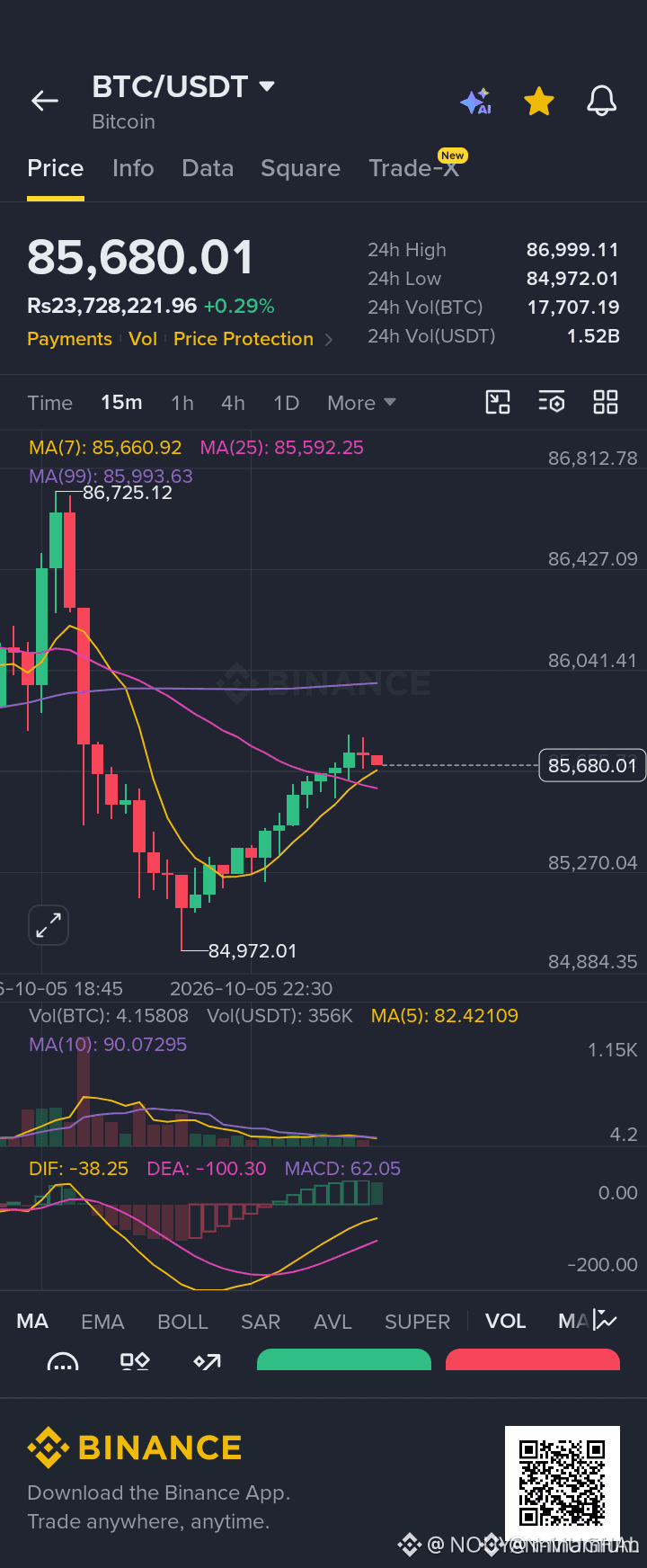
Nếu bạn vẫn đang chờ $BTC giảm sâu hơn nữa rồi mới mua, hãy dừng lại ngay.
Những nhà giao dịch do dự như vậy thường bỏ lỡ cơ hội thực sự và cuối cùng lại đuổi theo xu hướng sau khi nó bắt đầu, khiến họ phải mua với giá kém hơn.
Bộ dao động Định luật lũy thừa cho thấy $BTC đang giao dịch thấp hơn nhiều so với xu hướng hồi quy dài hạn. Với chỉ số gần +34.5K, Bitcoin có vẻ đang bị định giá thấp đáng kể so với quỹ đạo của mô hình.
Một số người sẽ cho rằng các mô hình định luật lũy thừa quá đơn giản để áp dụng trong điều kiện hiện tại và $BTC có thể tiếp tục bị định giá thấp trong thời gian dài hơn. Tôi nghiêng về hướng ngược lại vì trong lịch sử, những sai lệch cực đoan như vậy thường báo trước đà tăng mạnh hơn, điều này cũng có thể đẩy $ETH lên cao.
Bạn nghĩ từ đây thị trường sẽ đi về đâu?
#Bitcoin #BTC #Crypto
Nếu bạn vẫn đang chờ $BTC giảm sâu hơn nữa rồi mới mua, hãy dừng lại ngay.
Những nhà giao dịch do dự như vậy thường bỏ lỡ cơ hội thực sự và cuối cùng lại đuổi theo xu hướng sau khi nó bắt đầu, khiến họ phải mua với giá kém hơn.
Bộ dao động Định luật lũy thừa cho thấy $BTC đang giao dịch thấp hơn nhiều so với xu hướng hồi quy dài hạn. Với chỉ số gần +34.5K, Bitcoin có vẻ đang bị định giá thấp đáng kể so với quỹ đạo của mô hình.
Một số người sẽ cho rằng các mô hình định luật lũy thừa quá đơn giản để áp dụng trong điều kiện hiện tại và $BTC có thể tiếp tục bị định giá thấp trong thời gian dài hơn. Tôi nghiêng về hướng ngược lại vì trong lịch sử, những sai lệch cực đoan như vậy thường báo trước đà tăng mạnh hơn, điều này cũng có thể đẩy $ETH lên cao.
Bạn nghĩ từ đây thị trường sẽ đi về đâu?
#Bitcoin #BTC #Crypto
Những nhà giao dịch do dự như vậy thường bỏ lỡ cơ hội thực sự và cuối cùng lại đuổi theo xu hướng sau khi nó bắt đầu, khiến họ phải mua với giá kém hơn.
Bộ dao động Định luật lũy thừa cho thấy $BTC đang giao dịch thấp hơn nhiều so với xu hướng hồi quy dài hạn. Với chỉ số gần +34.5K, Bitcoin có vẻ đang bị định giá thấp đáng kể so với quỹ đạo của mô hình.
Một số người sẽ cho rằng các mô hình định luật lũy thừa quá đơn giản để áp dụng trong điều kiện hiện tại và $BTC có thể tiếp tục bị định giá thấp trong thời gian dài hơn. Tôi nghiêng về hướng ngược lại vì trong lịch sử, những sai lệch cực đoan như vậy thường báo trước đà tăng mạnh hơn, điều này cũng có thể đẩy $ETH lên cao.
Bạn nghĩ từ đây thị trường sẽ đi về đâu?
#Bitcoin #BTC #Crypto
79
·
--
ai cũng nghĩ chiến lược thực sự là săn các đồng vốn hóa siêu nhỏ tăng 50 lần trước khi chu kỳ kết thúc, nhưng thực ra bạn chỉ đang bào mòn danh mục của mình trong khi các tổ chức âm thầm thâu tóm nguồn cung thực sự.
hầu hết nhà giao dịch nhỏ lẻ đều bị vắt kiệt khi đuổi theo những cây nến xanh và xoay vòng sang các dự án sáo rỗng vì cảm thấy nắm giữ quá chậm, rồi cuối cùng ôm túi rỗng ngay trước cú bứt phá vĩ mô.
saylor vừa gọi 10 năm tới là cơn sốt vàng thực sự của $BTC, và nói thật thì các con số chứng minh điều đó đấy. trong khi mọi người mải mê đánh cược vào những cú tăng giá ngắn hạn, các quỹ ngân quỹ doanh nghiệp và tổ chức phát hành etf đang xem thập kỷ này là giai đoạn tích lũy mạnh mẽ. họ gom hết mỗi đợt giảm giá và khóa nguồn cung lưu thông nhanh hơn tốc độ các thợ đào có thể tạo ra.
nếu nhìn vào cách microstrategy xây dựng danh mục của họ, chiến lược chưa bao giờ là canh đỉnh cục bộ hay chớp lấy những cú bật nhanh vào $ETH hoặc $SOL. mà đơn thuần là nhận ra sớm cuộc thâu tóm của các tổ chức và không để biến động khiến mình lung lay. nhà đầu tư nhỏ lẻ cứ cố đánh bại thị trường thay vì đơn giản là đón đầu thương vụ vĩ mô dễ dàng nhất trong đời chúng ta.
bạn đang định vị danh mục giao ngay của mình thế nào cho giai đoạn 10 năm này?
#Bitcoin #Crypto #Binance
ai cũng nghĩ chiến lược thực sự là săn các đồng vốn hóa siêu nhỏ tăng 50 lần trước khi chu kỳ kết thúc, nhưng thực ra bạn chỉ đang bào mòn danh mục của mình trong khi các tổ chức âm thầm thâu tóm nguồn cung thực sự.
hầu hết nhà giao dịch nhỏ lẻ đều bị vắt kiệt khi đuổi theo những cây nến xanh và xoay vòng sang các dự án sáo rỗng vì cảm thấy nắm giữ quá chậm, rồi cuối cùng ôm túi rỗng ngay trước cú bứt phá vĩ mô.
saylor vừa gọi 10 năm tới là cơn sốt vàng thực sự của $BTC , và nói thật thì các con số chứng minh điều đó đấy. trong khi mọi người mải mê đánh cược vào những cú tăng giá ngắn hạn, các quỹ ngân quỹ doanh nghiệp và tổ chức phát hành etf đang xem thập kỷ này là giai đoạn tích lũy mạnh mẽ. họ gom hết mỗi đợt giảm giá và khóa nguồn cung lưu thông nhanh hơn tốc độ các thợ đào có thể tạo ra.
nếu nhìn vào cách microstrategy xây dựng danh mục của họ, chiến lược chưa bao giờ là canh đỉnh cục bộ hay chớp lấy những cú bật nhanh vào $ETH hoặc $SOL . mà đơn thuần là nhận ra sớm cuộc thâu tóm của các tổ chức và không để biến động khiến mình lung lay. nhà đầu tư nhỏ lẻ cứ cố đánh bại thị trường thay vì đơn giản là đón đầu thương vụ vĩ mô dễ dàng nhất trong đời chúng ta.
bạn đang định vị danh mục giao ngay của mình thế nào cho giai đoạn 10 năm này?
#Bitcoin #Crypto #Binance
hầu hết nhà giao dịch nhỏ lẻ đều bị vắt kiệt khi đuổi theo những cây nến xanh và xoay vòng sang các dự án sáo rỗng vì cảm thấy nắm giữ quá chậm, rồi cuối cùng ôm túi rỗng ngay trước cú bứt phá vĩ mô.
saylor vừa gọi 10 năm tới là cơn sốt vàng thực sự của $BTC , và nói thật thì các con số chứng minh điều đó đấy. trong khi mọi người mải mê đánh cược vào những cú tăng giá ngắn hạn, các quỹ ngân quỹ doanh nghiệp và tổ chức phát hành etf đang xem thập kỷ này là giai đoạn tích lũy mạnh mẽ. họ gom hết mỗi đợt giảm giá và khóa nguồn cung lưu thông nhanh hơn tốc độ các thợ đào có thể tạo ra.
nếu nhìn vào cách microstrategy xây dựng danh mục của họ, chiến lược chưa bao giờ là canh đỉnh cục bộ hay chớp lấy những cú bật nhanh vào $ETH hoặc $SOL . mà đơn thuần là nhận ra sớm cuộc thâu tóm của các tổ chức và không để biến động khiến mình lung lay. nhà đầu tư nhỏ lẻ cứ cố đánh bại thị trường thay vì đơn giản là đón đầu thương vụ vĩ mô dễ dàng nhất trong đời chúng ta.
bạn đang định vị danh mục giao ngay của mình thế nào cho giai đoạn 10 năm này?
#Bitcoin #Crypto #Binance

·
--
Bạn có để ý rằng các giao thức công bố mức tăng TVL 18.000% luôn thu hút mọi sự chú ý, trong khi những mức tăng thực tế hơn lại bị ngó lơ không?
Các nhà giao dịch cứ FOMO mua theo những câu chuyện này rồi cuối cùng mất tiền khi nhận ra vốn ban đầu quá nhỏ. Đây là cách chắc chắn để mắc kẹt trong những đợt bán tháo sau khi cơn sốt qua đi.
AllLayer $ALL chứng kiến TVL tăng 18.851% trong bảy ngày. Trước tiên, hãy nghi ngờ con số đó. Những cú nhảy cực lớn như vậy hầu như luôn bắt đầu từ một mức gần như bằng không, chứ không phải là dấu hiệu đảo chiều thực sự.
Shibarium $SHIB tăng 165% từ một nền tảng vững chắc hơn nhiều, điều này mới thực sự cho thấy đà phát triển. Khi thấy những tiêu đề như vậy, trước hết hãy kiểm tra TVL tuyệt đối. Mức tăng phần trăm khổng lồ từ vài nghìn đô la thì vẫn chỉ là số tiền nhỏ.
Sau đó, hãy xác nhận xem đó là nhu cầu thực hay chỉ là các khoản khuyến khích chảy qua $ETH. Sự khác biệt giữa cơn sốt và tín hiệu nằm ở những chi tiết đó.
Bạn nghĩ sao về những cú bùng nổ TVL này?
#DeFi #TVL #Crypto
Bạn có để ý rằng các giao thức công bố mức tăng TVL 18.000% luôn thu hút mọi sự chú ý, trong khi những mức tăng thực tế hơn lại bị ngó lơ không?
Các nhà giao dịch cứ FOMO mua theo những câu chuyện này rồi cuối cùng mất tiền khi nhận ra vốn ban đầu quá nhỏ. Đây là cách chắc chắn để mắc kẹt trong những đợt bán tháo sau khi cơn sốt qua đi.
AllLayer $ALL chứng kiến TVL tăng 18.851% trong bảy ngày. Trước tiên, hãy nghi ngờ con số đó. Những cú nhảy cực lớn như vậy hầu như luôn bắt đầu từ một mức gần như bằng không, chứ không phải là dấu hiệu đảo chiều thực sự.
Shibarium $SHIB tăng 165% từ một nền tảng vững chắc hơn nhiều, điều này mới thực sự cho thấy đà phát triển. Khi thấy những tiêu đề như vậy, trước hết hãy kiểm tra TVL tuyệt đối. Mức tăng phần trăm khổng lồ từ vài nghìn đô la thì vẫn chỉ là số tiền nhỏ.
Sau đó, hãy xác nhận xem đó là nhu cầu thực hay chỉ là các khoản khuyến khích chảy qua $ETH . Sự khác biệt giữa cơn sốt và tín hiệu nằm ở những chi tiết đó.
Bạn nghĩ sao về những cú bùng nổ TVL này?
#DeFi #TVL #Crypto
Các nhà giao dịch cứ FOMO mua theo những câu chuyện này rồi cuối cùng mất tiền khi nhận ra vốn ban đầu quá nhỏ. Đây là cách chắc chắn để mắc kẹt trong những đợt bán tháo sau khi cơn sốt qua đi.
AllLayer $ALL chứng kiến TVL tăng 18.851% trong bảy ngày. Trước tiên, hãy nghi ngờ con số đó. Những cú nhảy cực lớn như vậy hầu như luôn bắt đầu từ một mức gần như bằng không, chứ không phải là dấu hiệu đảo chiều thực sự.
Shibarium $SHIB tăng 165% từ một nền tảng vững chắc hơn nhiều, điều này mới thực sự cho thấy đà phát triển. Khi thấy những tiêu đề như vậy, trước hết hãy kiểm tra TVL tuyệt đối. Mức tăng phần trăm khổng lồ từ vài nghìn đô la thì vẫn chỉ là số tiền nhỏ.
Sau đó, hãy xác nhận xem đó là nhu cầu thực hay chỉ là các khoản khuyến khích chảy qua $ETH . Sự khác biệt giữa cơn sốt và tín hiệu nằm ở những chi tiết đó.
Bạn nghĩ sao về những cú bùng nổ TVL này?
#DeFi #TVL #Crypto
·
--
Tại sao chẳng ai bàn về việc các đợt sụt giảm của ETF Bitcoin giao ngay thực ra đang phơi bày niềm tin yếu ớt của nhà đầu tư cá nhân, chứ không phải sự rút lui của các tổ chức?
Hầu hết nhà giao dịch đều hoảng loạn bán tháo ngay khi thấy dòng tiền ròng chảy ra, rồi chỉ biết nhìn các tổ chức âm thầm gom hàng giá hời vài ngày sau đó. Bạn bị mua bán liên tục khi cố đoán những biến động nhiễu ngắn hạn, đồng thời quản lý rủi ro với các tài sản như $BTC và những khoản đầu tư có hệ số beta cao như $NEAR.
Câu chuyện phổ biến cho rằng dòng tiền rút khỏi ETF đồng nghĩa với sự đảo chiều của xu hướng vĩ mô. Hãy nhìn vào các dòng tiền gần đây: các tổ chức xem những đợt điều chỉnh này là cơ hội thanh khoản, lặng lẽ tái cân bằng danh mục trong khi tâm lý thị trường vẫn vững vàng ở vùng Tham lam. Nhà đầu tư cá nhân đổ thanh khoản vào sổ lệnh, còn các khoản phân bổ thụ động trên bảng cân đối kế toán hấp thụ khối lượng giao dịch qua các cặp $USDT mà chẳng hề vội vàng.
Khi các sản phẩm dành cho tổ chức sụt giảm, chúng thử thách xem những người nắm giữ tài sản giao ngay có thực sự hiểu cấu trúc thị trường hay chỉ chạy theo tiêu đề về dòng tiền ròng vào hằng ngày.
Bạn có tận dụng những nhịp giảm của ETF này để tích lũy, hay đang chờ tín hiệu xác nhận ở các mức giá cao hơn?
#BitcoinSpotETFsDraw #FedOctoberHoldOdds82 #Nikkei225Jumps2
Tại sao chẳng ai bàn về việc các đợt sụt giảm của ETF Bitcoin giao ngay thực ra đang phơi bày niềm tin yếu ớt của nhà đầu tư cá nhân, chứ không phải sự rút lui của các tổ chức?
Hầu hết nhà giao dịch đều hoảng loạn bán tháo ngay khi thấy dòng tiền ròng chảy ra, rồi chỉ biết nhìn các tổ chức âm thầm gom hàng giá hời vài ngày sau đó. Bạn bị mua bán liên tục khi cố đoán những biến động nhiễu ngắn hạn, đồng thời quản lý rủi ro với các tài sản như $BTC và những khoản đầu tư có hệ số beta cao như $NEAR .
Câu chuyện phổ biến cho rằng dòng tiền rút khỏi ETF đồng nghĩa với sự đảo chiều của xu hướng vĩ mô. Hãy nhìn vào các dòng tiền gần đây: các tổ chức xem những đợt điều chỉnh này là cơ hội thanh khoản, lặng lẽ tái cân bằng danh mục trong khi tâm lý thị trường vẫn vững vàng ở vùng Tham lam. Nhà đầu tư cá nhân đổ thanh khoản vào sổ lệnh, còn các khoản phân bổ thụ động trên bảng cân đối kế toán hấp thụ khối lượng giao dịch qua các cặp $USDT mà chẳng hề vội vàng.
Khi các sản phẩm dành cho tổ chức sụt giảm, chúng thử thách xem những người nắm giữ tài sản giao ngay có thực sự hiểu cấu trúc thị trường hay chỉ chạy theo tiêu đề về dòng tiền ròng vào hằng ngày.
Bạn có tận dụng những nhịp giảm của ETF này để tích lũy, hay đang chờ tín hiệu xác nhận ở các mức giá cao hơn?
#BitcoinSpotETFsDraw #FedOctoberHoldOdds82 #Nikkei225Jumps2
Hầu hết nhà giao dịch đều hoảng loạn bán tháo ngay khi thấy dòng tiền ròng chảy ra, rồi chỉ biết nhìn các tổ chức âm thầm gom hàng giá hời vài ngày sau đó. Bạn bị mua bán liên tục khi cố đoán những biến động nhiễu ngắn hạn, đồng thời quản lý rủi ro với các tài sản như $BTC và những khoản đầu tư có hệ số beta cao như $NEAR .
Câu chuyện phổ biến cho rằng dòng tiền rút khỏi ETF đồng nghĩa với sự đảo chiều của xu hướng vĩ mô. Hãy nhìn vào các dòng tiền gần đây: các tổ chức xem những đợt điều chỉnh này là cơ hội thanh khoản, lặng lẽ tái cân bằng danh mục trong khi tâm lý thị trường vẫn vững vàng ở vùng Tham lam. Nhà đầu tư cá nhân đổ thanh khoản vào sổ lệnh, còn các khoản phân bổ thụ động trên bảng cân đối kế toán hấp thụ khối lượng giao dịch qua các cặp $USDT mà chẳng hề vội vàng.
Khi các sản phẩm dành cho tổ chức sụt giảm, chúng thử thách xem những người nắm giữ tài sản giao ngay có thực sự hiểu cấu trúc thị trường hay chỉ chạy theo tiêu đề về dòng tiền ròng vào hằng ngày.
Bạn có tận dụng những nhịp giảm của ETF này để tích lũy, hay đang chờ tín hiệu xác nhận ở các mức giá cao hơn?
#BitcoinSpotETFsDraw #FedOctoberHoldOdds82 #Nikkei225Jumps2
1
·
--
Ai cũng nghĩ khả năng 82% Fed giữ nguyên lãi suất vào tháng 10 là tín hiệu bật đèn xanh cho tiền mã hóa, nhưng thực ra đây lại là lúc nhiều nhà giao dịch âm thầm thua lỗ nặng.
Bạn đã thấy kịch bản này rồi. Tỷ lệ tăng lên, mọi người dồn tiền vào $BTC và $ETH , kỳ vọng giá sẽ bật tăng nhờ tâm lý nhẹ nhõm, rồi kết quả thực tế hoặc buổi họp báo lại diễn biến trái ngược và thành quả tăng giá của nhiều tuần biến mất chỉ trong một phiên.
Giữ nguyên lãi suất không có nghĩa là cắt giảm. Hãy hình dung như chủ nhà quyết định tháng này không tăng tiền thuê. Khoản tiền bạn phải trả vẫn cao. Bạn đâu đột nhiên có thêm tiền mặt để đổ vào mọi altcoin. Lãi suất cao vẫn khiến việc nắm giữ $USDT có vẻ hợp lý hơn là chạy theo đợt bật tăng tiếp theo, nhất là khi chỉ số tham lam đã ở mức 67.
Cái bẫy thứ hai là coi mức 82% như tin mới. Đến khi con số cao đến vậy, các vị thế đã được thiết lập rồi. Mua theo tiêu đề cũng giống như đến bữa tối sau khi mọi người đã ăn xong. Sai lầm thứ ba là phớt lờ những lời lẽ xung quanh quyết định. Họ có thể giữ nguyên lãi suất nhưng vẫn phát tín hiệu cứng rắn, và giọng điệu đó thường tác động $BTC mạnh hơn chính việc giữ nguyên lãi suất.
Kế hoạch của bạn là gì nếu họ giữ nguyên lãi suất nhưng vẫn dùng ngôn từ cứng rắn?
#FedOctoberHoldOdds82 #BitcoinSpotETFsDraw #CircleMints
Ai cũng nghĩ khả năng 82% Fed giữ nguyên lãi suất vào tháng 10 là tín hiệu bật đèn xanh cho tiền mã hóa, nhưng thực ra đây lại là lúc nhiều nhà giao dịch âm thầm thua lỗ nặng.
Bạn đã thấy kịch bản này rồi. Tỷ lệ tăng lên, mọi người dồn tiền vào $BTC và $ETH , kỳ vọng giá sẽ bật tăng nhờ tâm lý nhẹ nhõm, rồi kết quả thực tế hoặc buổi họp báo lại diễn biến trái ngược và thành quả tăng giá của nhiều tuần biến mất chỉ trong một phiên.
Giữ nguyên lãi suất không có nghĩa là cắt giảm. Hãy hình dung như chủ nhà quyết định tháng này không tăng tiền thuê. Khoản tiền bạn phải trả vẫn cao. Bạn đâu đột nhiên có thêm tiền mặt để đổ vào mọi altcoin. Lãi suất cao vẫn khiến việc nắm giữ $USDT có vẻ hợp lý hơn là chạy theo đợt bật tăng tiếp theo, nhất là khi chỉ số tham lam đã ở mức 67.
Cái bẫy thứ hai là coi mức 82% như tin mới. Đến khi con số cao đến vậy, các vị thế đã được thiết lập rồi. Mua theo tiêu đề cũng giống như đến bữa tối sau khi mọi người đã ăn xong. Sai lầm thứ ba là phớt lờ những lời lẽ xung quanh quyết định. Họ có thể giữ nguyên lãi suất nhưng vẫn phát tín hiệu cứng rắn, và giọng điệu đó thường tác động $BTC mạnh hơn chính việc giữ nguyên lãi suất.
Kế hoạch của bạn là gì nếu họ giữ nguyên lãi suất nhưng vẫn dùng ngôn từ cứng rắn?
#FedOctoberHoldOdds82 #BitcoinSpotETFsDraw #CircleMints
Bạn đã thấy kịch bản này rồi. Tỷ lệ tăng lên, mọi người dồn tiền vào $BTC và $ETH , kỳ vọng giá sẽ bật tăng nhờ tâm lý nhẹ nhõm, rồi kết quả thực tế hoặc buổi họp báo lại diễn biến trái ngược và thành quả tăng giá của nhiều tuần biến mất chỉ trong một phiên.
Giữ nguyên lãi suất không có nghĩa là cắt giảm. Hãy hình dung như chủ nhà quyết định tháng này không tăng tiền thuê. Khoản tiền bạn phải trả vẫn cao. Bạn đâu đột nhiên có thêm tiền mặt để đổ vào mọi altcoin. Lãi suất cao vẫn khiến việc nắm giữ $USDT có vẻ hợp lý hơn là chạy theo đợt bật tăng tiếp theo, nhất là khi chỉ số tham lam đã ở mức 67.
Cái bẫy thứ hai là coi mức 82% như tin mới. Đến khi con số cao đến vậy, các vị thế đã được thiết lập rồi. Mua theo tiêu đề cũng giống như đến bữa tối sau khi mọi người đã ăn xong. Sai lầm thứ ba là phớt lờ những lời lẽ xung quanh quyết định. Họ có thể giữ nguyên lãi suất nhưng vẫn phát tín hiệu cứng rắn, và giọng điệu đó thường tác động $BTC mạnh hơn chính việc giữ nguyên lãi suất.
Kế hoạch của bạn là gì nếu họ giữ nguyên lãi suất nhưng vẫn dùng ngôn từ cứng rắn?
#FedOctoberHoldOdds82 #BitcoinSpotETFsDraw #CircleMints
2
·
--
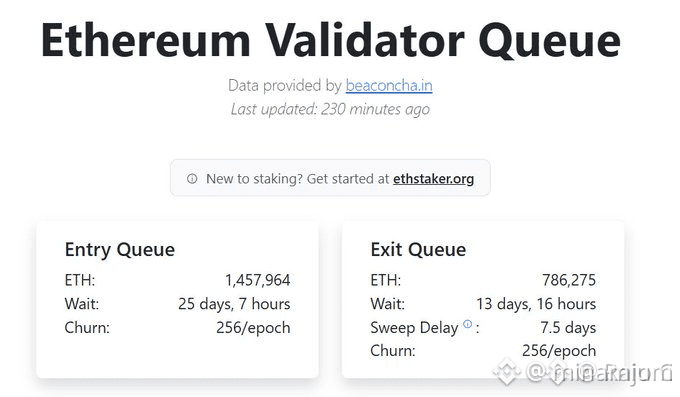
Tại sao mọi người lại hoảng loạn trước hàng đợi validator rút khỏi mạng đang tăng lên, trong khi đây có thể thực sự là đợt tái cân bằng lành mạnh nhất mà $ETH chứng kiến trong nhiều tháng?
Các nhà đầu tư cá nhân liên tục mắc phải cái bẫy bán tháo vì hoảng sợ mỗi khi các chỉ số validator trên chuỗi tăng đột biến, nhầm lẫn việc tái phân bổ vốn thường lệ với một sự sụp đổ thảm khốc.
Thay vì bán tháo lượng tài sản giao ngay của bạn chỉ vì những dòng tít, hãy nhìn vào những gì thực sự đang diễn ra bên dưới bề mặt. Các validator rút khỏi mạng vì hàng chục lý do vận hành, từ tái cân bằng sang các lựa chọn staking thanh khoản cho đến chuyển vốn sang những cơ hội tích cực trong hệ sinh thái như $NEAR và $ETC , trong khi tâm lý thị trường vẫn đang ở mức tham lam. Nước đi khôn ngoan ở đây rất đơn giản: theo dõi tỷ lệ tham gia so với rút khỏi mạng thay vì chỉ nhìn vào tổng số lượt rút, quan sát xem thanh khoản được giải phóng chảy thẳng vào sổ lệnh của các sàn giao dịch hay vẫn ở trên chuỗi, và tận dụng những đợt giảm giá tạm thời do FUD thúc đẩy để dần tăng vị thế cốt lõi.
Hàng đợi rút khỏi mạng là một đặc điểm tự nhiên trong thiết kế của Ethereum, không phải sự thất bại mang tính hệ thống. Bạn nghĩ dòng thanh khoản chưa được staking này sẽ đổ về đâu tiếp theo?
#EthStakingExitQueueHits2026High #EthereumValidatorExitQueueJumps392
Tại sao mọi người lại hoảng loạn trước hàng đợi validator rút khỏi mạng đang tăng lên, trong khi đây có thể thực sự là đợt tái cân bằng lành mạnh nhất mà $ETH chứng kiến trong nhiều tháng?
Các nhà đầu tư cá nhân liên tục mắc phải cái bẫy bán tháo vì hoảng sợ mỗi khi các chỉ số validator trên chuỗi tăng đột biến, nhầm lẫn việc tái phân bổ vốn thường lệ với một sự sụp đổ thảm khốc.
Thay vì bán tháo lượng tài sản giao ngay của bạn chỉ vì những dòng tít, hãy nhìn vào những gì thực sự đang diễn ra bên dưới bề mặt. Các validator rút khỏi mạng vì hàng chục lý do vận hành, từ tái cân bằng sang các lựa chọn staking thanh khoản cho đến chuyển vốn sang những cơ hội tích cực trong hệ sinh thái như $NEAR và $ETC , trong khi tâm lý thị trường vẫn đang ở mức tham lam. Nước đi khôn ngoan ở đây rất đơn giản: theo dõi tỷ lệ tham gia so với rút khỏi mạng thay vì chỉ nhìn vào tổng số lượt rút, quan sát xem thanh khoản được giải phóng chảy thẳng vào sổ lệnh của các sàn giao dịch hay vẫn ở trên chuỗi, và tận dụng những đợt giảm giá tạm thời do FUD thúc đẩy để dần tăng vị thế cốt lõi.
Hàng đợi rút khỏi mạng là một đặc điểm tự nhiên trong thiết kế của Ethereum, không phải sự thất bại mang tính hệ thống. Bạn nghĩ dòng thanh khoản chưa được staking này sẽ đổ về đâu tiếp theo?
#EthStakingExitQueueHits2026High #EthereumValidatorExitQueueJumps392
Các nhà đầu tư cá nhân liên tục mắc phải cái bẫy bán tháo vì hoảng sợ mỗi khi các chỉ số validator trên chuỗi tăng đột biến, nhầm lẫn việc tái phân bổ vốn thường lệ với một sự sụp đổ thảm khốc.
Thay vì bán tháo lượng tài sản giao ngay của bạn chỉ vì những dòng tít, hãy nhìn vào những gì thực sự đang diễn ra bên dưới bề mặt. Các validator rút khỏi mạng vì hàng chục lý do vận hành, từ tái cân bằng sang các lựa chọn staking thanh khoản cho đến chuyển vốn sang những cơ hội tích cực trong hệ sinh thái như $NEAR và $ETC , trong khi tâm lý thị trường vẫn đang ở mức tham lam. Nước đi khôn ngoan ở đây rất đơn giản: theo dõi tỷ lệ tham gia so với rút khỏi mạng thay vì chỉ nhìn vào tổng số lượt rút, quan sát xem thanh khoản được giải phóng chảy thẳng vào sổ lệnh của các sàn giao dịch hay vẫn ở trên chuỗi, và tận dụng những đợt giảm giá tạm thời do FUD thúc đẩy để dần tăng vị thế cốt lõi.
Hàng đợi rút khỏi mạng là một đặc điểm tự nhiên trong thiết kế của Ethereum, không phải sự thất bại mang tính hệ thống. Bạn nghĩ dòng thanh khoản chưa được staking này sẽ đổ về đâu tiếp theo?
#EthStakingExitQueueHits2026High #EthereumValidatorExitQueueJumps392
6
·
--
Những trader kiếm lời nhiều nhất trụ vững không phải nhờ thắng những kèo lớn, mà nhờ không tăng quy mô vị thế ngay cả khi một thiết lập trông có vẻ chắc thắng tuyệt đối.
Ai cũng biết cảm giác thót tim khi nhìn một mã đang tăng nóng như $BTW , vì lòng tham mà vào thêm vị thế quá lớn ở mức 0.8, rồi bị quét sạch chỉ bởi một cây nến rút chân.
Xem dữ liệu PnL của các trader hàng đầu trong 30 ngày, bạn sẽ nhận thấy một thói quen lặp lại ở những người chiến thắng ổn định. Một vị thế đã đóng mang về khoản lời +7,629.47 USDT nhờ bán khống $BTW trên thị trường hợp đồng vĩnh cửu, nhưng trader này nói rõ rằng họ đã không tăng quy mô vị thế dù mức 0.8 rất hấp dẫn. Khi giá gần như không nhúc nhích, chỉ biến động -0.01%, quản lý rủi ro chặt chẽ là điều duy nhất giúp hạn chế thua lỗ.
Khi biến động tăng mạnh ở các giao dịch theo đà như $BTC và các altcoin beta cao, đòn bẩy quá lớn có thể biến một nhịp điều chỉnh bình thường thành cháy tài khoản hoàn toàn. Bảo toàn vốn luôn quan trọng hơn việc cố vắt thêm từng đồng lợi nhuận từ một biến động đơn lẻ.
Bạn quản lý quy mô vị thế thế nào khi một thiết lập trông hấp dẫn đến mức khó có thể bỏ qua?
#CryptoTrading #RiskManagement #GiaoDichHopDongTuongLai
Những trader kiếm lời nhiều nhất trụ vững không phải nhờ thắng những kèo lớn, mà nhờ không tăng quy mô vị thế ngay cả khi một thiết lập trông có vẻ chắc thắng tuyệt đối.
Ai cũng biết cảm giác thót tim khi nhìn một mã đang tăng nóng như $BTW , vì lòng tham mà vào thêm vị thế quá lớn ở mức 0.8, rồi bị quét sạch chỉ bởi một cây nến rút chân.
Xem dữ liệu PnL của các trader hàng đầu trong 30 ngày, bạn sẽ nhận thấy một thói quen lặp lại ở những người chiến thắng ổn định. Một vị thế đã đóng mang về khoản lời +7,629.47 USDT nhờ bán khống $BTW trên thị trường hợp đồng vĩnh cửu, nhưng trader này nói rõ rằng họ đã không tăng quy mô vị thế dù mức 0.8 rất hấp dẫn. Khi giá gần như không nhúc nhích, chỉ biến động -0.01%, quản lý rủi ro chặt chẽ là điều duy nhất giúp hạn chế thua lỗ.
Khi biến động tăng mạnh ở các giao dịch theo đà như $BTC và các altcoin beta cao, đòn bẩy quá lớn có thể biến một nhịp điều chỉnh bình thường thành cháy tài khoản hoàn toàn. Bảo toàn vốn luôn quan trọng hơn việc cố vắt thêm từng đồng lợi nhuận từ một biến động đơn lẻ.
Bạn quản lý quy mô vị thế thế nào khi một thiết lập trông hấp dẫn đến mức khó có thể bỏ qua?
#CryptoTrading #RiskManagement #GiaoDichHopDongTuongLai
Ai cũng biết cảm giác thót tim khi nhìn một mã đang tăng nóng như $BTW , vì lòng tham mà vào thêm vị thế quá lớn ở mức 0.8, rồi bị quét sạch chỉ bởi một cây nến rút chân.
Xem dữ liệu PnL của các trader hàng đầu trong 30 ngày, bạn sẽ nhận thấy một thói quen lặp lại ở những người chiến thắng ổn định. Một vị thế đã đóng mang về khoản lời +7,629.47 USDT nhờ bán khống $BTW trên thị trường hợp đồng vĩnh cửu, nhưng trader này nói rõ rằng họ đã không tăng quy mô vị thế dù mức 0.8 rất hấp dẫn. Khi giá gần như không nhúc nhích, chỉ biến động -0.01%, quản lý rủi ro chặt chẽ là điều duy nhất giúp hạn chế thua lỗ.
Khi biến động tăng mạnh ở các giao dịch theo đà như $BTC và các altcoin beta cao, đòn bẩy quá lớn có thể biến một nhịp điều chỉnh bình thường thành cháy tài khoản hoàn toàn. Bảo toàn vốn luôn quan trọng hơn việc cố vắt thêm từng đồng lợi nhuận từ một biến động đơn lẻ.
Bạn quản lý quy mô vị thế thế nào khi một thiết lập trông hấp dẫn đến mức khó có thể bỏ qua?
#CryptoTrading #RiskManagement #GiaoDichHopDongTuongLai

9
·
--
Hãy tưởng tượng: bạn thức dậy, kiểm tra danh mục đầu tư và thấy Chỉ số Sợ hãi và Tham lam Crypto đang ở đúng mức 69.
Hầu hết trader nhìn thấy con số xanh đó là lập tức ngứa ngáy muốn lao vào những cây nến xanh, rồi cuối cùng mua đúng đỉnh cục bộ ngay trước một đợt điều chỉnh đau đớn. Ai trong chúng ta cũng từng trải qua cảm giác mắc kẹt giữa nỗi sợ bỏ lỡ cơ hội và nỗi lo trở thành thanh khoản thoát hàng.
Đầu năm 2024, khi chỉ số lần đầu dao động quanh vùng 69 đến 75 này, những người tham gia thị trường xem lòng tham như một tín hiệu bật đèn xanh tự động để dùng đòn bẩy mua lên. Nhưng điều thực sự xảy ra sau đó là nhiều tuần tích lũy biến động mạnh khi $BTC đi ngang, đồng thời thanh lý các vị thế quá nóng vội, trong lúc $ETH cố tìm động lực. Chỉ số ở mức 69 không có nghĩa là đợt tăng giá sẽ kết thúc vào ngày mai, nhưng theo lịch sử, đây là dấu hiệu cho thấy những người mua vào muộn đang trở nên tự tin, trong khi dòng tiền thông minh âm thầm đặt lệnh giới hạn ở các mức giá thấp hơn.
Khi nhìn lại những chu kỳ trước, lúc tâm lý thị trường chuyển sang vùng tham lam rõ rệt, chiến lược thường ít thay đổi. Thay vì đuổi theo các đợt tăng giá của những đồng vốn hóa lớn như $SOL, các nhà đầu tư giàu kinh nghiệm thường chờ tâm lý thị trường hạ nhiệt như điều tất yếu rồi mới vào lệnh với niềm tin cao.
Bạn đang điều chỉnh các vị thế hiện tại như thế nào khi tâm lý thị trường nóng lên đến những mức này?
#CryptoTrading #Bitcoin #MarketAnalysis
Hãy tưởng tượng: bạn thức dậy, kiểm tra danh mục đầu tư và thấy Chỉ số Sợ hãi và Tham lam Crypto đang ở đúng mức 69.
Hầu hết trader nhìn thấy con số xanh đó là lập tức ngứa ngáy muốn lao vào những cây nến xanh, rồi cuối cùng mua đúng đỉnh cục bộ ngay trước một đợt điều chỉnh đau đớn. Ai trong chúng ta cũng từng trải qua cảm giác mắc kẹt giữa nỗi sợ bỏ lỡ cơ hội và nỗi lo trở thành thanh khoản thoát hàng.
Đầu năm 2024, khi chỉ số lần đầu dao động quanh vùng 69 đến 75 này, những người tham gia thị trường xem lòng tham như một tín hiệu bật đèn xanh tự động để dùng đòn bẩy mua lên. Nhưng điều thực sự xảy ra sau đó là nhiều tuần tích lũy biến động mạnh khi $BTC đi ngang, đồng thời thanh lý các vị thế quá nóng vội, trong lúc $ETH cố tìm động lực. Chỉ số ở mức 69 không có nghĩa là đợt tăng giá sẽ kết thúc vào ngày mai, nhưng theo lịch sử, đây là dấu hiệu cho thấy những người mua vào muộn đang trở nên tự tin, trong khi dòng tiền thông minh âm thầm đặt lệnh giới hạn ở các mức giá thấp hơn.
Khi nhìn lại những chu kỳ trước, lúc tâm lý thị trường chuyển sang vùng tham lam rõ rệt, chiến lược thường ít thay đổi. Thay vì đuổi theo các đợt tăng giá của những đồng vốn hóa lớn như $SOL , các nhà đầu tư giàu kinh nghiệm thường chờ tâm lý thị trường hạ nhiệt như điều tất yếu rồi mới vào lệnh với niềm tin cao.
Bạn đang điều chỉnh các vị thế hiện tại như thế nào khi tâm lý thị trường nóng lên đến những mức này?
#CryptoTrading #Bitcoin #MarketAnalysis
Hầu hết trader nhìn thấy con số xanh đó là lập tức ngứa ngáy muốn lao vào những cây nến xanh, rồi cuối cùng mua đúng đỉnh cục bộ ngay trước một đợt điều chỉnh đau đớn. Ai trong chúng ta cũng từng trải qua cảm giác mắc kẹt giữa nỗi sợ bỏ lỡ cơ hội và nỗi lo trở thành thanh khoản thoát hàng.
Đầu năm 2024, khi chỉ số lần đầu dao động quanh vùng 69 đến 75 này, những người tham gia thị trường xem lòng tham như một tín hiệu bật đèn xanh tự động để dùng đòn bẩy mua lên. Nhưng điều thực sự xảy ra sau đó là nhiều tuần tích lũy biến động mạnh khi $BTC đi ngang, đồng thời thanh lý các vị thế quá nóng vội, trong lúc $ETH cố tìm động lực. Chỉ số ở mức 69 không có nghĩa là đợt tăng giá sẽ kết thúc vào ngày mai, nhưng theo lịch sử, đây là dấu hiệu cho thấy những người mua vào muộn đang trở nên tự tin, trong khi dòng tiền thông minh âm thầm đặt lệnh giới hạn ở các mức giá thấp hơn.
Khi nhìn lại những chu kỳ trước, lúc tâm lý thị trường chuyển sang vùng tham lam rõ rệt, chiến lược thường ít thay đổi. Thay vì đuổi theo các đợt tăng giá của những đồng vốn hóa lớn như $SOL , các nhà đầu tư giàu kinh nghiệm thường chờ tâm lý thị trường hạ nhiệt như điều tất yếu rồi mới vào lệnh với niềm tin cao.
Bạn đang điều chỉnh các vị thế hiện tại như thế nào khi tâm lý thị trường nóng lên đến những mức này?
#CryptoTrading #Bitcoin #MarketAnalysis
·
--
Hãy tưởng tượng: bảng xếp hạng phô bày lợi nhuận của những trader hàng đầu trong 30 ngày, trong khi token bên dưới âm thầm trượt xuống vùng thua lỗ.
Hầu hết trader đều mắc bẫy chạy theo bảng xếp hạng và lợi nhuận trên giấy, lao vào những kèo đang có đà tăng mạnh đúng lúc dòng tiền thông minh chuẩn bị thoát hàng. Đến khi nhà đầu tư nhỏ lẻ nhìn thấy ảnh chụp màn hình PnL xanh mướt, thanh khoản thường đã chuyển biến bất lợi cho họ.
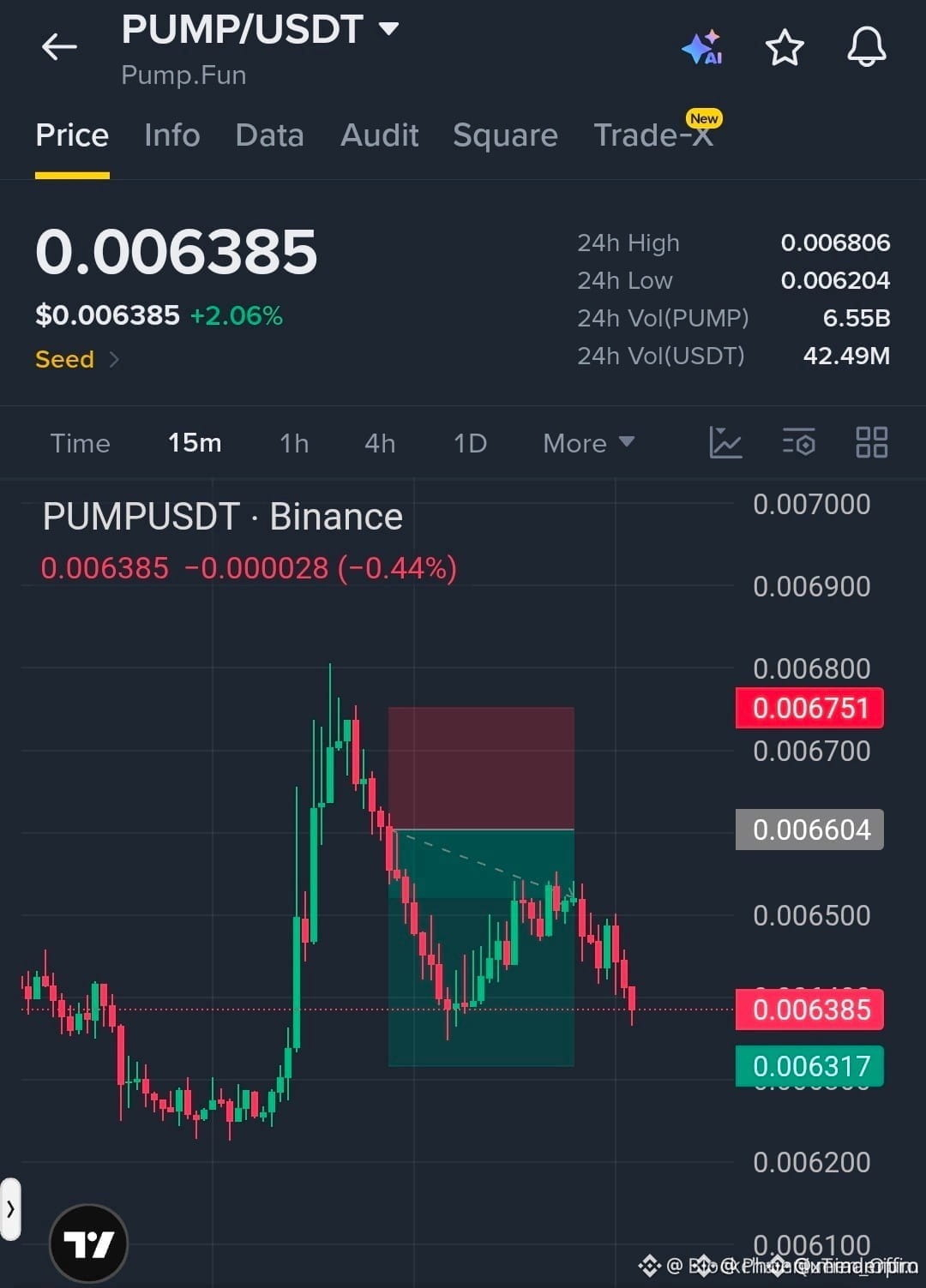
Xem kỹ các chỉ số gần đây của những trader hàng đầu trong 30 ngày, ta thấy khối lượng giao dịch lớn và lợi nhuận thực hiện mạnh quanh $PUMP, ngay cả khi giá giao ngay điều chỉnh -2.55%. Sự phân kỳ giữa lợi nhuận thực hiện của nhóm trader hàng đầu và áp lực giảm giá giao ngay thường là dấu hiệu cho thấy hoạt động phân phối mạnh khi giá đang tăng, chứ không phải tích lũy thực sự.
Khi các cá voi ghi nhận lợi nhuận khổng lồ trong 30 ngày với những token beta cao như $PUMP hoặc các đợt xoay vòng mang tính đầu cơ sang $SOL và $PEPE, họ cần thanh khoản thoát hàng để chốt lời. Nếu bạn vào lệnh chỉ vì bảng xếp hạng trông ấn tượng, có thể bạn đang giúp người khác tài trợ cho một tháng thắng lớn.
Bạn xem bảng xếp hạng trader là tín hiệu xác nhận, hay là một dấu hiệu cảnh báo tiềm ẩn?
#CryptoTrading #RiskManagement #BinanceSquare
Hãy tưởng tượng: bảng xếp hạng phô bày lợi nhuận của những trader hàng đầu trong 30 ngày, trong khi token bên dưới âm thầm trượt xuống vùng thua lỗ.
Hầu hết trader đều mắc bẫy chạy theo bảng xếp hạng và lợi nhuận trên giấy, lao vào những kèo đang có đà tăng mạnh đúng lúc dòng tiền thông minh chuẩn bị thoát hàng. Đến khi nhà đầu tư nhỏ lẻ nhìn thấy ảnh chụp màn hình PnL xanh mướt, thanh khoản thường đã chuyển biến bất lợi cho họ.
Xem kỹ các chỉ số gần đây của những trader hàng đầu trong 30 ngày, ta thấy khối lượng giao dịch lớn và lợi nhuận thực hiện mạnh quanh $PUMP , ngay cả khi giá giao ngay điều chỉnh -2.55%. Sự phân kỳ giữa lợi nhuận thực hiện của nhóm trader hàng đầu và áp lực giảm giá giao ngay thường là dấu hiệu cho thấy hoạt động phân phối mạnh khi giá đang tăng, chứ không phải tích lũy thực sự.
Khi các cá voi ghi nhận lợi nhuận khổng lồ trong 30 ngày với những token beta cao như $PUMP hoặc các đợt xoay vòng mang tính đầu cơ sang $SOL và $PEPE , họ cần thanh khoản thoát hàng để chốt lời. Nếu bạn vào lệnh chỉ vì bảng xếp hạng trông ấn tượng, có thể bạn đang giúp người khác tài trợ cho một tháng thắng lớn.
Bạn xem bảng xếp hạng trader là tín hiệu xác nhận, hay là một dấu hiệu cảnh báo tiềm ẩn?
#CryptoTrading #RiskManagement #BinanceSquare
Hầu hết trader đều mắc bẫy chạy theo bảng xếp hạng và lợi nhuận trên giấy, lao vào những kèo đang có đà tăng mạnh đúng lúc dòng tiền thông minh chuẩn bị thoát hàng. Đến khi nhà đầu tư nhỏ lẻ nhìn thấy ảnh chụp màn hình PnL xanh mướt, thanh khoản thường đã chuyển biến bất lợi cho họ.
Xem kỹ các chỉ số gần đây của những trader hàng đầu trong 30 ngày, ta thấy khối lượng giao dịch lớn và lợi nhuận thực hiện mạnh quanh $PUMP , ngay cả khi giá giao ngay điều chỉnh -2.55%. Sự phân kỳ giữa lợi nhuận thực hiện của nhóm trader hàng đầu và áp lực giảm giá giao ngay thường là dấu hiệu cho thấy hoạt động phân phối mạnh khi giá đang tăng, chứ không phải tích lũy thực sự.
Khi các cá voi ghi nhận lợi nhuận khổng lồ trong 30 ngày với những token beta cao như $PUMP hoặc các đợt xoay vòng mang tính đầu cơ sang $SOL và $PEPE , họ cần thanh khoản thoát hàng để chốt lời. Nếu bạn vào lệnh chỉ vì bảng xếp hạng trông ấn tượng, có thể bạn đang giúp người khác tài trợ cho một tháng thắng lớn.
Bạn xem bảng xếp hạng trader là tín hiệu xác nhận, hay là một dấu hiệu cảnh báo tiềm ẩn?
#CryptoTrading #RiskManagement #BinanceSquare
1
·
--
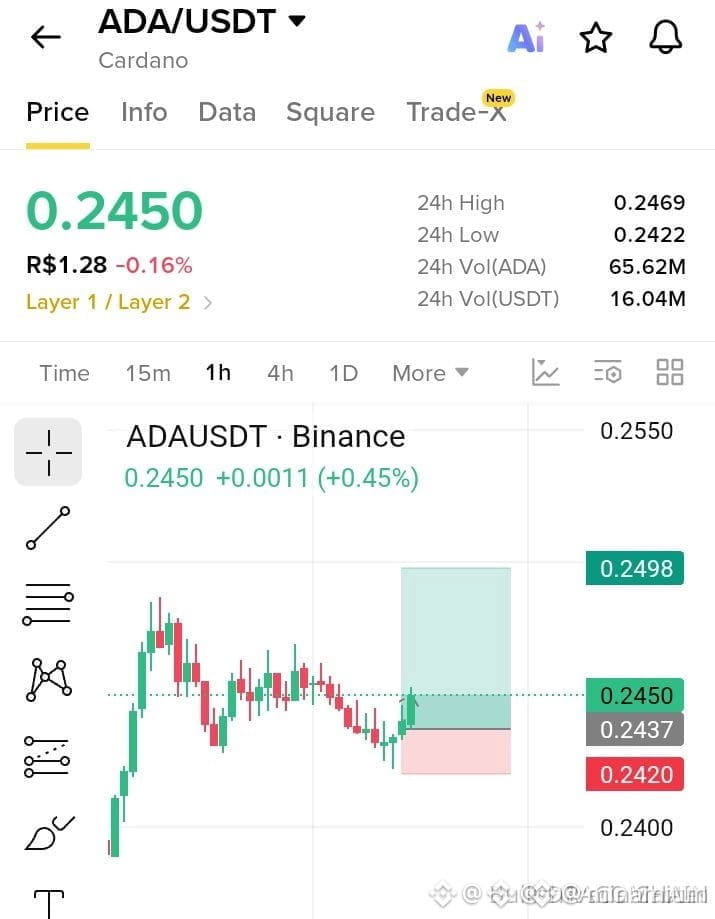
Nếu bạn vẫn mua $ADA mà không đặt lệnh dừng lỗ, hãy dừng lại ngay.
Cảm giác đau đớn khi bỏ lỡ điểm thoát hoặc thua lỗ nặng khi giá đảo chiều sẽ càng tệ hơn nếu bạn không có kế hoạch. FOMO sau khi giá tăng 7,3% thường kết thúc không mấy tốt đẹp.
Cuộc tranh luận về $ADA khá rõ ràng. Những người hoài nghi cho rằng đồng này thiếu chất xúc tác và $BTC sẽ tiếp tục kìm hãm các altcoin. Những người ủng hộ xem cú bật lên từ 0,27 là cơ hội mua, với mục tiêu 0,33.
Tôi ủng hộ việc mở vị thế mua. Vào lệnh ở mức 0,27–0,28, đặt mục tiêu ở 0,30 và 0,33, cùng mức dừng lỗ tại 0,22 sẽ giúp kiểm soát rủi ro. Những đợt tăng gần đây của $ETH thường dẫn đầu các đợt phục hồi này.
Bạn nghĩ $ADA sẽ đi về đâu từ đây?
#ADA #Cardano #GiaoDichCrypto
Nếu bạn vẫn mua $ADA mà không đặt lệnh dừng lỗ, hãy dừng lại ngay.
Cảm giác đau đớn khi bỏ lỡ điểm thoát hoặc thua lỗ nặng khi giá đảo chiều sẽ càng tệ hơn nếu bạn không có kế hoạch. FOMO sau khi giá tăng 7,3% thường kết thúc không mấy tốt đẹp.
Cuộc tranh luận về $ADA khá rõ ràng. Những người hoài nghi cho rằng đồng này thiếu chất xúc tác và $BTC sẽ tiếp tục kìm hãm các altcoin. Những người ủng hộ xem cú bật lên từ 0,27 là cơ hội mua, với mục tiêu 0,33.
Tôi ủng hộ việc mở vị thế mua. Vào lệnh ở mức 0,27–0,28, đặt mục tiêu ở 0,30 và 0,33, cùng mức dừng lỗ tại 0,22 sẽ giúp kiểm soát rủi ro. Những đợt tăng gần đây của $ETH thường dẫn đầu các đợt phục hồi này.
Bạn nghĩ $ADA sẽ đi về đâu từ đây?
#ADA #Cardano #GiaoDichCrypto
Cảm giác đau đớn khi bỏ lỡ điểm thoát hoặc thua lỗ nặng khi giá đảo chiều sẽ càng tệ hơn nếu bạn không có kế hoạch. FOMO sau khi giá tăng 7,3% thường kết thúc không mấy tốt đẹp.
Cuộc tranh luận về $ADA khá rõ ràng. Những người hoài nghi cho rằng đồng này thiếu chất xúc tác và $BTC sẽ tiếp tục kìm hãm các altcoin. Những người ủng hộ xem cú bật lên từ 0,27 là cơ hội mua, với mục tiêu 0,33.
Tôi ủng hộ việc mở vị thế mua. Vào lệnh ở mức 0,27–0,28, đặt mục tiêu ở 0,30 và 0,33, cùng mức dừng lỗ tại 0,22 sẽ giúp kiểm soát rủi ro. Những đợt tăng gần đây của $ETH thường dẫn đầu các đợt phục hồi này.
Bạn nghĩ $ADA sẽ đi về đâu từ đây?
#ADA #Cardano #GiaoDichCrypto
·
--
Ai cũng nghĩ đuổi theo các đợt tăng vọt khối lượng sẽ đảm bảo một cú breakout đẹp, nhưng thực tế là phần lớn dân degen chỉ kết thúc bằng việc bơm thanh khoản thoát hàng cho những người hô kèo từ sớm.
Ta thấy chuyện này liên tục xảy ra: trader mù quáng vào lệnh long theo những nhịp tăng xanh ngay sau một cú nhích nhẹ +1.32%, rồi cuối cùng ôm hàng khi đà tăng đột ngột tắt ngấm. FOMO mua theo những coin dẫn đầu về khối lượng được thổi phồng quá mức thường là con đường nhanh nhất để bị thị trường vả cho tơi tả.
Xem thử kèo kinh điển này với $4, coin đã đẩy khối lượng giao dịch của trader trong 30 ngày lên cao trên các bảng dữ liệu của binance. Một người hô kèo tung tin sắp có nến thần chỉ trong vài tiếng, đồng thời theo dõi hơn 111k lượt hiển thị, cược rằng chỉ riêng khối lượng khổng lồ cũng đủ đẩy giá đi lên. Nhưng nói thật nhé, khi một token chỉ nhích được 1% mà ai cũng bắt đầu đón đầu cùng một cú breakout quá rõ ràng, nhà đầu tư nhỏ lẻ vào muộn thường là người chịu trận.
Khối lượng cao mà chưa có sức mạnh cấu trúc được xác nhận thì cũng chỉ là nhiễu, nhất là khi các đồng coin lớn hơn như $BTC đang đi ngang giật cục. Dòng tiền thông minh tận dụng thanh khoản đó để giảm rủi ro, trong khi những người vào sau dán mắt vào màn hình, tự hỏi sao giá lại khựng lại.
Ngay lúc này bạn đang đặt lệnh đón breakout dựa trên các đợt tăng vọt khối lượng, hay chờ giá kiểm định lại cấu trúc?
#CryptoTrading #BinanceSquare #Altcoins
Ai cũng nghĩ đuổi theo các đợt tăng vọt khối lượng sẽ đảm bảo một cú breakout đẹp, nhưng thực tế là phần lớn dân degen chỉ kết thúc bằng việc bơm thanh khoản thoát hàng cho những người hô kèo từ sớm.
Ta thấy chuyện này liên tục xảy ra: trader mù quáng vào lệnh long theo những nhịp tăng xanh ngay sau một cú nhích nhẹ +1.32%, rồi cuối cùng ôm hàng khi đà tăng đột ngột tắt ngấm. FOMO mua theo những coin dẫn đầu về khối lượng được thổi phồng quá mức thường là con đường nhanh nhất để bị thị trường vả cho tơi tả.
Xem thử kèo kinh điển này với $4, coin đã đẩy khối lượng giao dịch của trader trong 30 ngày lên cao trên các bảng dữ liệu của binance. Một người hô kèo tung tin sắp có nến thần chỉ trong vài tiếng, đồng thời theo dõi hơn 111k lượt hiển thị, cược rằng chỉ riêng khối lượng khổng lồ cũng đủ đẩy giá đi lên. Nhưng nói thật nhé, khi một token chỉ nhích được 1% mà ai cũng bắt đầu đón đầu cùng một cú breakout quá rõ ràng, nhà đầu tư nhỏ lẻ vào muộn thường là người chịu trận.
Khối lượng cao mà chưa có sức mạnh cấu trúc được xác nhận thì cũng chỉ là nhiễu, nhất là khi các đồng coin lớn hơn như $BTC đang đi ngang giật cục. Dòng tiền thông minh tận dụng thanh khoản đó để giảm rủi ro, trong khi những người vào sau dán mắt vào màn hình, tự hỏi sao giá lại khựng lại.
Ngay lúc này bạn đang đặt lệnh đón breakout dựa trên các đợt tăng vọt khối lượng, hay chờ giá kiểm định lại cấu trúc?
#CryptoTrading #BinanceSquare #Altcoins
Ta thấy chuyện này liên tục xảy ra: trader mù quáng vào lệnh long theo những nhịp tăng xanh ngay sau một cú nhích nhẹ +1.32%, rồi cuối cùng ôm hàng khi đà tăng đột ngột tắt ngấm. FOMO mua theo những coin dẫn đầu về khối lượng được thổi phồng quá mức thường là con đường nhanh nhất để bị thị trường vả cho tơi tả.
Xem thử kèo kinh điển này với $4, coin đã đẩy khối lượng giao dịch của trader trong 30 ngày lên cao trên các bảng dữ liệu của binance. Một người hô kèo tung tin sắp có nến thần chỉ trong vài tiếng, đồng thời theo dõi hơn 111k lượt hiển thị, cược rằng chỉ riêng khối lượng khổng lồ cũng đủ đẩy giá đi lên. Nhưng nói thật nhé, khi một token chỉ nhích được 1% mà ai cũng bắt đầu đón đầu cùng một cú breakout quá rõ ràng, nhà đầu tư nhỏ lẻ vào muộn thường là người chịu trận.
Khối lượng cao mà chưa có sức mạnh cấu trúc được xác nhận thì cũng chỉ là nhiễu, nhất là khi các đồng coin lớn hơn như $BTC đang đi ngang giật cục. Dòng tiền thông minh tận dụng thanh khoản đó để giảm rủi ro, trong khi những người vào sau dán mắt vào màn hình, tự hỏi sao giá lại khựng lại.
Ngay lúc này bạn đang đặt lệnh đón breakout dựa trên các đợt tăng vọt khối lượng, hay chờ giá kiểm định lại cấu trúc?
#CryptoTrading #BinanceSquare #Altcoins
·
--
Tại sao chẳng ai nói về lý do thực sự khiến hầu hết nhà giao dịch cá nhân cháy tài khoản, trong khi dòng tiền thông minh âm thầm kiếm lời? Hầu hết mọi người vào lệnh mà chẳng có kế hoạch thoát lệnh nào, mạo hiểm một nửa danh mục chỉ vì chạy theo tin đồn rồi tự hỏi sao cuối cùng mình lại mắc kẹt với khoản lỗ.
Hãy xem cá voi thực sự tích lũy như thế nào ở các mô hình như $BTW trước khi đám đông nhận ra. Khi các ví lớn dành nhiều ngày hấp thụ nguồn cung tại những vùng giá quan trọng, chiến lược không phải là đoán đỉnh hay đáy. Mục tiêu hoàn toàn là tìm kiếm tỷ lệ lợi nhuận/rủi ro bất đối xứng — chính xác là cách một giao dịch gần đây trên $BTW mang về 2.504,94 USDT với mức thua lỗ được kiểm soát.
Phép tính rất đơn giản nhưng liên tục bị phớt lờ. Giới hạn rủi ro bằng lệnh cắt lỗ chặt ở mức 20% giúp bạn săn tìm những nhịp tăng 200% đến 1.000% ở các đồng biến động mạnh như $BTC hoặc những kèo beta cao như $SOL. Ngay cả khi tỷ lệ thắng thấp, thiết lập tỷ lệ rủi ro/lợi nhuận 1:10 vẫn giúp bảo toàn vốn, đồng thời đón được những nhịp bứt phá thực sự.
Bạn nghiêm túc đến mức nào với lệnh cắt lỗ khi vào các kèo được cá voi tích lũy?
#CryptoTrading #RiskManagement #Altcoins
Tại sao chẳng ai nói về lý do thực sự khiến hầu hết nhà giao dịch cá nhân cháy tài khoản, trong khi dòng tiền thông minh âm thầm kiếm lời? Hầu hết mọi người vào lệnh mà chẳng có kế hoạch thoát lệnh nào, mạo hiểm một nửa danh mục chỉ vì chạy theo tin đồn rồi tự hỏi sao cuối cùng mình lại mắc kẹt với khoản lỗ.
Hãy xem cá voi thực sự tích lũy như thế nào ở các mô hình như $BTW trước khi đám đông nhận ra. Khi các ví lớn dành nhiều ngày hấp thụ nguồn cung tại những vùng giá quan trọng, chiến lược không phải là đoán đỉnh hay đáy. Mục tiêu hoàn toàn là tìm kiếm tỷ lệ lợi nhuận/rủi ro bất đối xứng — chính xác là cách một giao dịch gần đây trên $BTW mang về 2.504,94 USDT với mức thua lỗ được kiểm soát.
Phép tính rất đơn giản nhưng liên tục bị phớt lờ. Giới hạn rủi ro bằng lệnh cắt lỗ chặt ở mức 20% giúp bạn săn tìm những nhịp tăng 200% đến 1.000% ở các đồng biến động mạnh như $BTC hoặc những kèo beta cao như $SOL . Ngay cả khi tỷ lệ thắng thấp, thiết lập tỷ lệ rủi ro/lợi nhuận 1:10 vẫn giúp bảo toàn vốn, đồng thời đón được những nhịp bứt phá thực sự.
Bạn nghiêm túc đến mức nào với lệnh cắt lỗ khi vào các kèo được cá voi tích lũy?
#CryptoTrading #RiskManagement #Altcoins
Hãy xem cá voi thực sự tích lũy như thế nào ở các mô hình như $BTW trước khi đám đông nhận ra. Khi các ví lớn dành nhiều ngày hấp thụ nguồn cung tại những vùng giá quan trọng, chiến lược không phải là đoán đỉnh hay đáy. Mục tiêu hoàn toàn là tìm kiếm tỷ lệ lợi nhuận/rủi ro bất đối xứng — chính xác là cách một giao dịch gần đây trên $BTW mang về 2.504,94 USDT với mức thua lỗ được kiểm soát.
Phép tính rất đơn giản nhưng liên tục bị phớt lờ. Giới hạn rủi ro bằng lệnh cắt lỗ chặt ở mức 20% giúp bạn săn tìm những nhịp tăng 200% đến 1.000% ở các đồng biến động mạnh như $BTC hoặc những kèo beta cao như $SOL . Ngay cả khi tỷ lệ thắng thấp, thiết lập tỷ lệ rủi ro/lợi nhuận 1:10 vẫn giúp bảo toàn vốn, đồng thời đón được những nhịp bứt phá thực sự.
Bạn nghiêm túc đến mức nào với lệnh cắt lỗ khi vào các kèo được cá voi tích lũy?
#CryptoTrading #RiskManagement #Altcoins

7
·
--
Thị trường vừa định giá xác suất Fed tăng lãi suất vào tháng 10 ở mức 17%, một cú sụt giảm mà vào năm 2019 đã xảy ra trước đợt tăng mạnh nhất của Bitcoin nhờ thanh khoản, trong khi phần lớn nhà giao dịch vẫn tranh luận rằng lãi suất chẳng liên quan gì đến crypto.
Quá nhiều người trong chúng ta đã FOMO mua những cây nến xanh đầu tiên của $SOL sau các tiêu đề tương tự, rồi phải ngồi chịu cảnh giá giằng co suốt nhiều tuần khi chính sách thực tế triển khai chậm hơn những gì câu chuyện thị trường dự báo.
Con số 17% này cho thấy thị trường thừa nhận chu kỳ thắt chặt có lẽ đã kết thúc. Theo lịch sử, điều đó làm dịu áp lực lên đồng đô la và đẩy dòng vốn vào các tài sản có hệ số beta cao — cùng mô hình từng giúp $FIL và $ARB tăng giá khi Fed tạm dừng trong các chu kỳ trước. Tôi đã chứng kiến phiên bản năm 2020 diễn ra, rồi đến đỉnh điểm tham lam năm 2021 sau đó. Tâm lý thị trường hiện đã ở mức 68, nên bối cảnh này có vẻ lặp lại, nhưng những người kỳ cựu mà tôi nể trọng không xem xác suất giảm là tín hiệu bật đèn xanh. Họ chờ xem liệu dòng vốn ETF và hoạt động on-chain có thực sự xác nhận thanh khoản quay trở lại hay chỉ mới được phản ánh vào giá.
Lợi thế thực sự trước giờ luôn là sống sót qua khoảng cách giữa tiêu đề và diễn biến tiếp theo.
Bạn nghĩ lực mua thực sự đầu tiên sẽ xuất hiện ở đâu nếu tình hình diễn biến như vậy, hay chúng ta lại sắp chứng kiến một cú đánh lừa đã được phản ánh vào giá trước tháng 10?
#FedOctoberRateHikeOddsFallTo17 #BitcoinSpotETFsDraw #KhốiLượngCổPhiếuTokenHóaSolanaDẫnĐầu
Thị trường vừa định giá xác suất Fed tăng lãi suất vào tháng 10 ở mức 17%, một cú sụt giảm mà vào năm 2019 đã xảy ra trước đợt tăng mạnh nhất của Bitcoin nhờ thanh khoản, trong khi phần lớn nhà giao dịch vẫn tranh luận rằng lãi suất chẳng liên quan gì đến crypto.
Quá nhiều người trong chúng ta đã FOMO mua những cây nến xanh đầu tiên của $SOL sau các tiêu đề tương tự, rồi phải ngồi chịu cảnh giá giằng co suốt nhiều tuần khi chính sách thực tế triển khai chậm hơn những gì câu chuyện thị trường dự báo.
Con số 17% này cho thấy thị trường thừa nhận chu kỳ thắt chặt có lẽ đã kết thúc. Theo lịch sử, điều đó làm dịu áp lực lên đồng đô la và đẩy dòng vốn vào các tài sản có hệ số beta cao — cùng mô hình từng giúp $FIL và $ARB tăng giá khi Fed tạm dừng trong các chu kỳ trước. Tôi đã chứng kiến phiên bản năm 2020 diễn ra, rồi đến đỉnh điểm tham lam năm 2021 sau đó. Tâm lý thị trường hiện đã ở mức 68, nên bối cảnh này có vẻ lặp lại, nhưng những người kỳ cựu mà tôi nể trọng không xem xác suất giảm là tín hiệu bật đèn xanh. Họ chờ xem liệu dòng vốn ETF và hoạt động on-chain có thực sự xác nhận thanh khoản quay trở lại hay chỉ mới được phản ánh vào giá.
Lợi thế thực sự trước giờ luôn là sống sót qua khoảng cách giữa tiêu đề và diễn biến tiếp theo.
Bạn nghĩ lực mua thực sự đầu tiên sẽ xuất hiện ở đâu nếu tình hình diễn biến như vậy, hay chúng ta lại sắp chứng kiến một cú đánh lừa đã được phản ánh vào giá trước tháng 10?
#FedOctoberRateHikeOddsFallTo17 #BitcoinSpotETFsDraw #KhốiLượngCổPhiếuTokenHóaSolanaDẫnĐầu
Quá nhiều người trong chúng ta đã FOMO mua những cây nến xanh đầu tiên của $SOL sau các tiêu đề tương tự, rồi phải ngồi chịu cảnh giá giằng co suốt nhiều tuần khi chính sách thực tế triển khai chậm hơn những gì câu chuyện thị trường dự báo.
Con số 17% này cho thấy thị trường thừa nhận chu kỳ thắt chặt có lẽ đã kết thúc. Theo lịch sử, điều đó làm dịu áp lực lên đồng đô la và đẩy dòng vốn vào các tài sản có hệ số beta cao — cùng mô hình từng giúp $FIL và $ARB tăng giá khi Fed tạm dừng trong các chu kỳ trước. Tôi đã chứng kiến phiên bản năm 2020 diễn ra, rồi đến đỉnh điểm tham lam năm 2021 sau đó. Tâm lý thị trường hiện đã ở mức 68, nên bối cảnh này có vẻ lặp lại, nhưng những người kỳ cựu mà tôi nể trọng không xem xác suất giảm là tín hiệu bật đèn xanh. Họ chờ xem liệu dòng vốn ETF và hoạt động on-chain có thực sự xác nhận thanh khoản quay trở lại hay chỉ mới được phản ánh vào giá.
Lợi thế thực sự trước giờ luôn là sống sót qua khoảng cách giữa tiêu đề và diễn biến tiếp theo.
Bạn nghĩ lực mua thực sự đầu tiên sẽ xuất hiện ở đâu nếu tình hình diễn biến như vậy, hay chúng ta lại sắp chứng kiến một cú đánh lừa đã được phản ánh vào giá trước tháng 10?
#FedOctoberRateHikeOddsFallTo17 #BitcoinSpotETFsDraw #KhốiLượngCổPhiếuTokenHóaSolanaDẫnĐầu

14
·
--
Hãy hình dung: bạn thức dậy và thấy những cây nến xanh liên tục đập vào vùng kháng cự mạnh, sổ lệnh nóng lên, còn nhà đầu tư nhỏ lẻ thì ồ ạt mua theo giá thị trường ở đỉnh vùng giá. Phần lớn trader cuối cùng đều mắc kẹt vì nhầm lẫn đà tăng đột ngột với sự xác nhận thực sự về cấu trúc, rồi chỉ biết nhìn vị thế của mình bị xóa sổ ngay khi giá bất ngờ lao dốc trở lại.
Chúng ta đã nhiều lần chứng kiến kịch bản này lặp lại qua các chu kỳ trước. Hồi các đợt mở rộng biên độ giao dịch vào giữa năm 2021, rồi một lần nữa trong những giai đoạn ETF gần đây hấp thụ nguồn cung, $BTC liên tục quét thanh khoản phía trên trước khi hạ nhiệt để đưa tỷ lệ funding về mức cân bằng. Khi Bitcoin chững lại tại những vùng cung phía trên mạnh như vậy, vốn hiếm khi rời khỏi toàn bộ hệ sinh thái; thay vào đó, thanh khoản thường luân chuyển sang các tài sản có beta cao như $SOL hoặc các mạng layer-2 như $ARB trong lúc trader chờ thị trường ổn định trở lại.
Bài học từ mọi đợt bị từ chối lớn là sổ lệnh giao ngay mới là yếu tố quyết định trần giá thực sự, chứ không phải sự phấn khích trên thị trường phái sinh. Khi khối lượng giao dịch giao ngay không đủ xác nhận đà tăng, một cú từ chối dứt khoát chỉ đơn giản là thị trường loại bỏ các vị thế đòn bẩy vào muộn trước khi xây dựng nền tảng vững chắc hơn cho nhịp tăng tiếp theo.
Bạn nghĩ giá sẽ tích lũy ở đâu trước lần thử sức thực sự tiếp theo?
#BitcoinRejectedAt #BitcoinSpotETFsDraw
Hãy hình dung: bạn thức dậy và thấy những cây nến xanh liên tục đập vào vùng kháng cự mạnh, sổ lệnh nóng lên, còn nhà đầu tư nhỏ lẻ thì ồ ạt mua theo giá thị trường ở đỉnh vùng giá. Phần lớn trader cuối cùng đều mắc kẹt vì nhầm lẫn đà tăng đột ngột với sự xác nhận thực sự về cấu trúc, rồi chỉ biết nhìn vị thế của mình bị xóa sổ ngay khi giá bất ngờ lao dốc trở lại.
Chúng ta đã nhiều lần chứng kiến kịch bản này lặp lại qua các chu kỳ trước. Hồi các đợt mở rộng biên độ giao dịch vào giữa năm 2021, rồi một lần nữa trong những giai đoạn ETF gần đây hấp thụ nguồn cung, $BTC liên tục quét thanh khoản phía trên trước khi hạ nhiệt để đưa tỷ lệ funding về mức cân bằng. Khi Bitcoin chững lại tại những vùng cung phía trên mạnh như vậy, vốn hiếm khi rời khỏi toàn bộ hệ sinh thái; thay vào đó, thanh khoản thường luân chuyển sang các tài sản có beta cao như $SOL hoặc các mạng layer-2 như $ARB trong lúc trader chờ thị trường ổn định trở lại.
Bài học từ mọi đợt bị từ chối lớn là sổ lệnh giao ngay mới là yếu tố quyết định trần giá thực sự, chứ không phải sự phấn khích trên thị trường phái sinh. Khi khối lượng giao dịch giao ngay không đủ xác nhận đà tăng, một cú từ chối dứt khoát chỉ đơn giản là thị trường loại bỏ các vị thế đòn bẩy vào muộn trước khi xây dựng nền tảng vững chắc hơn cho nhịp tăng tiếp theo.
Bạn nghĩ giá sẽ tích lũy ở đâu trước lần thử sức thực sự tiếp theo?
#BitcoinRejectedAt #BitcoinSpotETFsDraw
Chúng ta đã nhiều lần chứng kiến kịch bản này lặp lại qua các chu kỳ trước. Hồi các đợt mở rộng biên độ giao dịch vào giữa năm 2021, rồi một lần nữa trong những giai đoạn ETF gần đây hấp thụ nguồn cung, $BTC liên tục quét thanh khoản phía trên trước khi hạ nhiệt để đưa tỷ lệ funding về mức cân bằng. Khi Bitcoin chững lại tại những vùng cung phía trên mạnh như vậy, vốn hiếm khi rời khỏi toàn bộ hệ sinh thái; thay vào đó, thanh khoản thường luân chuyển sang các tài sản có beta cao như $SOL hoặc các mạng layer-2 như $ARB trong lúc trader chờ thị trường ổn định trở lại.
Bài học từ mọi đợt bị từ chối lớn là sổ lệnh giao ngay mới là yếu tố quyết định trần giá thực sự, chứ không phải sự phấn khích trên thị trường phái sinh. Khi khối lượng giao dịch giao ngay không đủ xác nhận đà tăng, một cú từ chối dứt khoát chỉ đơn giản là thị trường loại bỏ các vị thế đòn bẩy vào muộn trước khi xây dựng nền tảng vững chắc hơn cho nhịp tăng tiếp theo.
Bạn nghĩ giá sẽ tích lũy ở đâu trước lần thử sức thực sự tiếp theo?
#BitcoinRejectedAt #BitcoinSpotETFsDraw

2
·
--
Nếu bạn vẫn đang gửi $USDT vào những mô hình đầu tư hào nhoáng, lợi suất cao và hứa hẹn lợi nhuận hằng ngày được đảm bảo, hãy dừng lại ngay.
Chứng kiến danh mục đầu tư mà bạn vất vả mới có được biến mất vào một hố đen không được quản lý là cảm giác tồi tệ nhất trong web3, nhất là khi lòng tham che mờ những nguyên tắc quản lý rủi ro cơ bản. Chúng ta cứ mải săn tìm alpha ở khắp nơi, rồi lại giao vốn cho những tổ chức tinh vi vận hành bảng điều khiển giao dịch giả mạo và các chỉ số phù phiếm.
Giới chức Hy Lạp vừa triệt phá một mạng lưới lừa đảo quốc tế quy mô lớn, bắt giữ 17 kẻ điều hành các nền tảng đầu tư giả mạo phối hợp với nhau. Chuyện này gợi nhớ đến đáng sợ những hoạt động lừa đảo kiểu boiler room kinh điển từng xuất hiện trong thời kỳ ICO đầu tiên và các chiêu trò wash trading ở nước ngoài gần đây, nơi giao diện bóng bẩy che giấu những cái bẫy thanh khoản hoàn toàn. Trong khi các ứng dụng thực tế đang lan tỏa qua những blockchain như $SOL và các hệ sinh thái như $ARB, những kẻ xấu vẫn tiếp tục lợi dụng nhu cầu kiếm lợi suất thụ động của nhà đầu tư cá nhân bằng các chiêu trò Ponzi bài bản.
Chiêu trò gần như chẳng bao giờ thay đổi, vậy mà hàng nghìn người vẫn mắc đúng những cái bẫy ấy qua mỗi chu kỳ thị trường.
Theo bạn, tại sao các nhà giao dịch sành sỏi vẫn mắc bẫy những lời mời chào lợi suất cao này, bất chấp mọi lời cảnh báo?
#GreekPoliceBustCryptoScamRingArrest17 #DriftHackVictimsBeginClaims
Nếu bạn vẫn đang gửi $USDT vào những mô hình đầu tư hào nhoáng, lợi suất cao và hứa hẹn lợi nhuận hằng ngày được đảm bảo, hãy dừng lại ngay.
Chứng kiến danh mục đầu tư mà bạn vất vả mới có được biến mất vào một hố đen không được quản lý là cảm giác tồi tệ nhất trong web3, nhất là khi lòng tham che mờ những nguyên tắc quản lý rủi ro cơ bản. Chúng ta cứ mải săn tìm alpha ở khắp nơi, rồi lại giao vốn cho những tổ chức tinh vi vận hành bảng điều khiển giao dịch giả mạo và các chỉ số phù phiếm.
Giới chức Hy Lạp vừa triệt phá một mạng lưới lừa đảo quốc tế quy mô lớn, bắt giữ 17 kẻ điều hành các nền tảng đầu tư giả mạo phối hợp với nhau. Chuyện này gợi nhớ đến đáng sợ những hoạt động lừa đảo kiểu boiler room kinh điển từng xuất hiện trong thời kỳ ICO đầu tiên và các chiêu trò wash trading ở nước ngoài gần đây, nơi giao diện bóng bẩy che giấu những cái bẫy thanh khoản hoàn toàn. Trong khi các ứng dụng thực tế đang lan tỏa qua những blockchain như $SOL và các hệ sinh thái như $ARB , những kẻ xấu vẫn tiếp tục lợi dụng nhu cầu kiếm lợi suất thụ động của nhà đầu tư cá nhân bằng các chiêu trò Ponzi bài bản.
Chiêu trò gần như chẳng bao giờ thay đổi, vậy mà hàng nghìn người vẫn mắc đúng những cái bẫy ấy qua mỗi chu kỳ thị trường.
Theo bạn, tại sao các nhà giao dịch sành sỏi vẫn mắc bẫy những lời mời chào lợi suất cao này, bất chấp mọi lời cảnh báo?
#GreekPoliceBustCryptoScamRingArrest17 #DriftHackVictimsBeginClaims
Chứng kiến danh mục đầu tư mà bạn vất vả mới có được biến mất vào một hố đen không được quản lý là cảm giác tồi tệ nhất trong web3, nhất là khi lòng tham che mờ những nguyên tắc quản lý rủi ro cơ bản. Chúng ta cứ mải săn tìm alpha ở khắp nơi, rồi lại giao vốn cho những tổ chức tinh vi vận hành bảng điều khiển giao dịch giả mạo và các chỉ số phù phiếm.
Giới chức Hy Lạp vừa triệt phá một mạng lưới lừa đảo quốc tế quy mô lớn, bắt giữ 17 kẻ điều hành các nền tảng đầu tư giả mạo phối hợp với nhau. Chuyện này gợi nhớ đến đáng sợ những hoạt động lừa đảo kiểu boiler room kinh điển từng xuất hiện trong thời kỳ ICO đầu tiên và các chiêu trò wash trading ở nước ngoài gần đây, nơi giao diện bóng bẩy che giấu những cái bẫy thanh khoản hoàn toàn. Trong khi các ứng dụng thực tế đang lan tỏa qua những blockchain như $SOL và các hệ sinh thái như $ARB , những kẻ xấu vẫn tiếp tục lợi dụng nhu cầu kiếm lợi suất thụ động của nhà đầu tư cá nhân bằng các chiêu trò Ponzi bài bản.
Chiêu trò gần như chẳng bao giờ thay đổi, vậy mà hàng nghìn người vẫn mắc đúng những cái bẫy ấy qua mỗi chu kỳ thị trường.
Theo bạn, tại sao các nhà giao dịch sành sỏi vẫn mắc bẫy những lời mời chào lợi suất cao này, bất chấp mọi lời cảnh báo?
#GreekPoliceBustCryptoScamRingArrest17 #DriftHackVictimsBeginClaims

·
--
Đây là những gì đã xảy ra: họ bán 10.000 $BTC trong quý 3, sau đó gom thêm 11.000, kết thúc quý với mức tăng ròng 1.000 đồng coin.
Quá nhiều nhà giao dịch bán tháo vì sợ hãi rồi mua lại ở đỉnh, chốt lỗ thay vì tích lũy thêm. Sự kiện này cho thấy việc bỏ lỡ những điểm mua lại có thể khiến bạn còn ít coin hơn lúc ban đầu.
Họ không chỉ bán tháo rồi bỏ đi. Sau khi bán 10.000 $BTC, họ mua lại 11.000, thu về thêm 1.000 coin vào cuối quý. Thời điểm này cho thấy họ đã dùng các đợt bán để tái cơ cấu vị thế trong giai đoạn biến động của quý 3 — điều mà chúng ta không phải lúc nào cũng thấy ở những nhà nắm giữ lớn tương tự.
Hãy so sánh với các chu kỳ trước, khi các tổ chức bán $ETH hoặc thậm chí $SOL trong những đợt suy thoái rồi đứng ngoài cuộc, bỏ lỡ đà phục hồi. Năm ngoái, một số thợ đào đã làm đúng như vậy và phải hối tiếc khi giá bật tăng trở lại. Các dự án cạnh tranh thường thiếu sự linh hoạt này, chỉ nắm giữ hoặc bán tháo mà không mua lại.
Bài học rút ra là việc tích lũy ròng sau khi bán cho thấy niềm tin thực sự. Đây là dấu hiệu của việc quản lý ngân quỹ chủ động thay vì hoảng loạn — một chiến lược đã mang lại lợi ích cho những ai chú ý trong các đợt tăng giá $BTC trước đây.
Bạn nghĩ kiểu mua ròng này sẽ dẫn đến điều gì tiếp theo?
#Bitcoin #CryptoStrategy #InstitutionalFlows
Đây là những gì đã xảy ra: họ bán 10.000 $BTC trong quý 3, sau đó gom thêm 11.000, kết thúc quý với mức tăng ròng 1.000 đồng coin.
Quá nhiều nhà giao dịch bán tháo vì sợ hãi rồi mua lại ở đỉnh, chốt lỗ thay vì tích lũy thêm. Sự kiện này cho thấy việc bỏ lỡ những điểm mua lại có thể khiến bạn còn ít coin hơn lúc ban đầu.
Họ không chỉ bán tháo rồi bỏ đi. Sau khi bán 10.000 $BTC , họ mua lại 11.000, thu về thêm 1.000 coin vào cuối quý. Thời điểm này cho thấy họ đã dùng các đợt bán để tái cơ cấu vị thế trong giai đoạn biến động của quý 3 — điều mà chúng ta không phải lúc nào cũng thấy ở những nhà nắm giữ lớn tương tự.
Hãy so sánh với các chu kỳ trước, khi các tổ chức bán $ETH hoặc thậm chí $SOL trong những đợt suy thoái rồi đứng ngoài cuộc, bỏ lỡ đà phục hồi. Năm ngoái, một số thợ đào đã làm đúng như vậy và phải hối tiếc khi giá bật tăng trở lại. Các dự án cạnh tranh thường thiếu sự linh hoạt này, chỉ nắm giữ hoặc bán tháo mà không mua lại.
Bài học rút ra là việc tích lũy ròng sau khi bán cho thấy niềm tin thực sự. Đây là dấu hiệu của việc quản lý ngân quỹ chủ động thay vì hoảng loạn — một chiến lược đã mang lại lợi ích cho những ai chú ý trong các đợt tăng giá $BTC trước đây.
Bạn nghĩ kiểu mua ròng này sẽ dẫn đến điều gì tiếp theo?
#Bitcoin #CryptoStrategy #InstitutionalFlows
Quá nhiều nhà giao dịch bán tháo vì sợ hãi rồi mua lại ở đỉnh, chốt lỗ thay vì tích lũy thêm. Sự kiện này cho thấy việc bỏ lỡ những điểm mua lại có thể khiến bạn còn ít coin hơn lúc ban đầu.
Họ không chỉ bán tháo rồi bỏ đi. Sau khi bán 10.000 $BTC , họ mua lại 11.000, thu về thêm 1.000 coin vào cuối quý. Thời điểm này cho thấy họ đã dùng các đợt bán để tái cơ cấu vị thế trong giai đoạn biến động của quý 3 — điều mà chúng ta không phải lúc nào cũng thấy ở những nhà nắm giữ lớn tương tự.
Hãy so sánh với các chu kỳ trước, khi các tổ chức bán $ETH hoặc thậm chí $SOL trong những đợt suy thoái rồi đứng ngoài cuộc, bỏ lỡ đà phục hồi. Năm ngoái, một số thợ đào đã làm đúng như vậy và phải hối tiếc khi giá bật tăng trở lại. Các dự án cạnh tranh thường thiếu sự linh hoạt này, chỉ nắm giữ hoặc bán tháo mà không mua lại.
Bài học rút ra là việc tích lũy ròng sau khi bán cho thấy niềm tin thực sự. Đây là dấu hiệu của việc quản lý ngân quỹ chủ động thay vì hoảng loạn — một chiến lược đã mang lại lợi ích cho những ai chú ý trong các đợt tăng giá $BTC trước đây.
Bạn nghĩ kiểu mua ròng này sẽ dẫn đến điều gì tiếp theo?
#Bitcoin #CryptoStrategy #InstitutionalFlows

·
--
Hầu hết nhà giao dịch nhỏ lẻ xem những đợt bán tháo lớn của các tổ chức là dấu hiệu khởi đầu của thị trường giá xuống, nhưng dữ liệu lịch sử trên chuỗi cho thấy hoảng loạn thường chỉ là nguồn thanh khoản cho người khác.
Nhiều người hoảng sợ bán tháo khi thấy những cây nến đỏ khổng lồ, rồi lại mua vào với giá cao hơn khi thị trường bất ngờ phục hồi. Đây là cách dễ nhất để bào mòn danh mục đầu tư mà không nhận ra rằng mình chỉ đang giao dịch trong vùng giá biến động nhiễu.
Xét dòng vốn trong các quý gần đây, một người chơi lớn đã bán tháo khoảng 10,000 $BTC khi giá suy yếu, châm ngòi cho làn sóng giảm rủi ro trên diện rộng ở $ETH và các altcoin. Trong khi nhà đầu tư nhỏ lẻ mải phòng hộ và chờ giá giảm sâu hơn, chính thực thể đó âm thầm gom lại 11,000 $BTC vào bảng cân đối trước khi quý kết thúc.
Kết quả là họ nắm giữ thêm ròng 1,000 $BTC , trong khi những người bán muộn đã thực chất tài trợ cho toàn bộ vòng giao dịch khứ hồi. Cố giao dịch theo những tin tức bán tháo mà không kiểm tra số dư ví thực tế thường khiến bạn trở thành nguồn cung cấp điểm vào giá rẻ cho những người chơi có túi tiền sâu hơn nhiều.
Bạn thường quản lý rủi ro như thế nào khi chứng kiến những đợt luân chuyển ngân quỹ quy mô lớn đột ngột như thế này?
#Bitcoin #CryptoTrading #PhanTichOnChain
Hầu hết nhà giao dịch nhỏ lẻ xem những đợt bán tháo lớn của các tổ chức là dấu hiệu khởi đầu của thị trường giá xuống, nhưng dữ liệu lịch sử trên chuỗi cho thấy hoảng loạn thường chỉ là nguồn thanh khoản cho người khác.
Nhiều người hoảng sợ bán tháo khi thấy những cây nến đỏ khổng lồ, rồi lại mua vào với giá cao hơn khi thị trường bất ngờ phục hồi. Đây là cách dễ nhất để bào mòn danh mục đầu tư mà không nhận ra rằng mình chỉ đang giao dịch trong vùng giá biến động nhiễu.
Xét dòng vốn trong các quý gần đây, một người chơi lớn đã bán tháo khoảng 10,000 $BTC khi giá suy yếu, châm ngòi cho làn sóng giảm rủi ro trên diện rộng ở $ETH và các altcoin. Trong khi nhà đầu tư nhỏ lẻ mải phòng hộ và chờ giá giảm sâu hơn, chính thực thể đó âm thầm gom lại 11,000 $BTC vào bảng cân đối trước khi quý kết thúc.
Kết quả là họ nắm giữ thêm ròng 1,000 $BTC , trong khi những người bán muộn đã thực chất tài trợ cho toàn bộ vòng giao dịch khứ hồi. Cố giao dịch theo những tin tức bán tháo mà không kiểm tra số dư ví thực tế thường khiến bạn trở thành nguồn cung cấp điểm vào giá rẻ cho những người chơi có túi tiền sâu hơn nhiều.
Bạn thường quản lý rủi ro như thế nào khi chứng kiến những đợt luân chuyển ngân quỹ quy mô lớn đột ngột như thế này?
#Bitcoin #CryptoTrading #PhanTichOnChain
Nhiều người hoảng sợ bán tháo khi thấy những cây nến đỏ khổng lồ, rồi lại mua vào với giá cao hơn khi thị trường bất ngờ phục hồi. Đây là cách dễ nhất để bào mòn danh mục đầu tư mà không nhận ra rằng mình chỉ đang giao dịch trong vùng giá biến động nhiễu.
Xét dòng vốn trong các quý gần đây, một người chơi lớn đã bán tháo khoảng 10,000 $BTC khi giá suy yếu, châm ngòi cho làn sóng giảm rủi ro trên diện rộng ở $ETH và các altcoin. Trong khi nhà đầu tư nhỏ lẻ mải phòng hộ và chờ giá giảm sâu hơn, chính thực thể đó âm thầm gom lại 11,000 $BTC vào bảng cân đối trước khi quý kết thúc.
Kết quả là họ nắm giữ thêm ròng 1,000 $BTC , trong khi những người bán muộn đã thực chất tài trợ cho toàn bộ vòng giao dịch khứ hồi. Cố giao dịch theo những tin tức bán tháo mà không kiểm tra số dư ví thực tế thường khiến bạn trở thành nguồn cung cấp điểm vào giá rẻ cho những người chơi có túi tiền sâu hơn nhiều.
Bạn thường quản lý rủi ro như thế nào khi chứng kiến những đợt luân chuyển ngân quỹ quy mô lớn đột ngột như thế này?
#Bitcoin #CryptoTrading #PhanTichOnChain
1
·
--
Bạn có nhận thấy chẳng ai bàn về việc quy trình yêu cầu bồi thường của Drift có thể khiến nạn nhân lại bị thiệt thòi không?
Quá nhiều nhà giao dịch đã mất tiền trong vụ tấn công. Giờ đây, họ đang vội vàng gửi yêu cầu trong thời hạn tiếp nhận mà không kiểm tra các con số — và như vậy có thể khiến bạn bỏ lỡ khoản tiền thực sự được hoàn trả.
Câu chuyện chính thức là mọi việc rất đơn giản và bạn sẽ nhận lại được tiền. Tôi lại nhìn nhận khác. Các giao thức Solana như Drift thường có ảnh chụp dữ liệu không đầy đủ, bỏ qua một số giao dịch perpetual $SOL .
Bạn phải tự kiểm tra hoạt động trên chuỗi của mình và lập tức phản đối mọi điểm sai lệch. Với Chỉ số Sợ hãi và Tham lam ở mức 68, hầu hết mọi người quá bận theo dõi $USDT và $ARB nên chẳng buồn xem xét chi tiết.
Hãy lưu lại hồ sơ các lần gửi yêu cầu và tránh mở vị thế mới cho đến khi yêu cầu được giải quyết.
Bạn nghĩ chuyện này sẽ đi đến đâu?
#DriftHackVictimsBeginClaims #SolanaTokenizedStockVolumeTops
Bạn có nhận thấy chẳng ai bàn về việc quy trình yêu cầu bồi thường của Drift có thể khiến nạn nhân lại bị thiệt thòi không?
Quá nhiều nhà giao dịch đã mất tiền trong vụ tấn công. Giờ đây, họ đang vội vàng gửi yêu cầu trong thời hạn tiếp nhận mà không kiểm tra các con số — và như vậy có thể khiến bạn bỏ lỡ khoản tiền thực sự được hoàn trả.
Câu chuyện chính thức là mọi việc rất đơn giản và bạn sẽ nhận lại được tiền. Tôi lại nhìn nhận khác. Các giao thức Solana như Drift thường có ảnh chụp dữ liệu không đầy đủ, bỏ qua một số giao dịch perpetual $SOL .
Bạn phải tự kiểm tra hoạt động trên chuỗi của mình và lập tức phản đối mọi điểm sai lệch. Với Chỉ số Sợ hãi và Tham lam ở mức 68, hầu hết mọi người quá bận theo dõi $USDT và $ARB nên chẳng buồn xem xét chi tiết.
Hãy lưu lại hồ sơ các lần gửi yêu cầu và tránh mở vị thế mới cho đến khi yêu cầu được giải quyết.
Bạn nghĩ chuyện này sẽ đi đến đâu?
#DriftHackVictimsBeginClaims #SolanaTokenizedStockVolumeTops
Quá nhiều nhà giao dịch đã mất tiền trong vụ tấn công. Giờ đây, họ đang vội vàng gửi yêu cầu trong thời hạn tiếp nhận mà không kiểm tra các con số — và như vậy có thể khiến bạn bỏ lỡ khoản tiền thực sự được hoàn trả.
Câu chuyện chính thức là mọi việc rất đơn giản và bạn sẽ nhận lại được tiền. Tôi lại nhìn nhận khác. Các giao thức Solana như Drift thường có ảnh chụp dữ liệu không đầy đủ, bỏ qua một số giao dịch perpetual $SOL .
Bạn phải tự kiểm tra hoạt động trên chuỗi của mình và lập tức phản đối mọi điểm sai lệch. Với Chỉ số Sợ hãi và Tham lam ở mức 68, hầu hết mọi người quá bận theo dõi $USDT và $ARB nên chẳng buồn xem xét chi tiết.
Hãy lưu lại hồ sơ các lần gửi yêu cầu và tránh mở vị thế mới cho đến khi yêu cầu được giải quyết.
Bạn nghĩ chuyện này sẽ đi đến đâu?
#DriftHackVictimsBeginClaims #SolanaTokenizedStockVolumeTops

1
Đăng nhập để khám phá thêm nội dung
Tham gia cùng người dùng tiền mã hóa toàn cầu trên Binance Square
⚡️ Nhận thông tin mới nhất và hữu ích về tiền mã hóa.
💬 Được tin cậy bởi sàn giao dịch tiền mã hóa lớn nhất thế giới.
👍 Khám phá những thông tin chuyên sâu thực tế từ những nhà sáng tạo đã xác minh.
Email / Số điện thoại
Chủ đề thịnh hành
TheoDõiFOMC
134,399 lượt xem
696 đang thảo luận
#TheoDõiFOMC
🔥 FOMC lại bắt đầu trở thành tâm điểm của crypto
Bitcoin vừa bước vào tháng 10, nhưng câu chuyện lớn phía sau thị trường lúc này không chỉ là giá.
Các trader đang bắt đầu hướng sự chú ý về cuộc họp FOMC ngày 27–28/10. Sau một loạt phát biểu mới từ quan chức Fed, kỳ vọng về việc tăng lãi suất ngay trong tháng 10 đã giảm đáng kể.
Điều thú vị là trước đó thị trường từng đặt cược khá cao vào một đợt tăng tiếp theo.
Giờ thì mọi thứ lại quay sang chờ dữ liệu kinh tế và những phát biểu tiếp theo của Fed.
Với crypto, chỉ cần kỳ vọng lãi suất thay đổi mạnh là $BTC có thể lập tức biến động, rồi kéo theo cả thị trường altcoin.
Tháng 10 mới bắt đầu mà macro đã có chuyện để hóng rồi 👀
#Bitcoin #Crypto #Macro #Fed #BinanceSquare
X LEI
·0 lượt thích
·174 lượt xem
TinFed
119,220 lượt xem
499 đang thảo luận
BinanceLaunchesBinanceIntelligence
125,013 lượt xem
1,277 đang thảo luận