
AVI SETI
964 Postlar
AVI SETI
Shikoyat qilish
Foydalanuvchini bloklash
Synthosphere | Binance Square Creator
Delivering daily crypto content, analysis & real-time market insights.
5.6 oy
1 Kuzatilmoqda
94 Kuzatuvchilar
151 Yoqdi
Postlar
Barchasi
Videolar
QADAB QO‘YILGAN
·
--
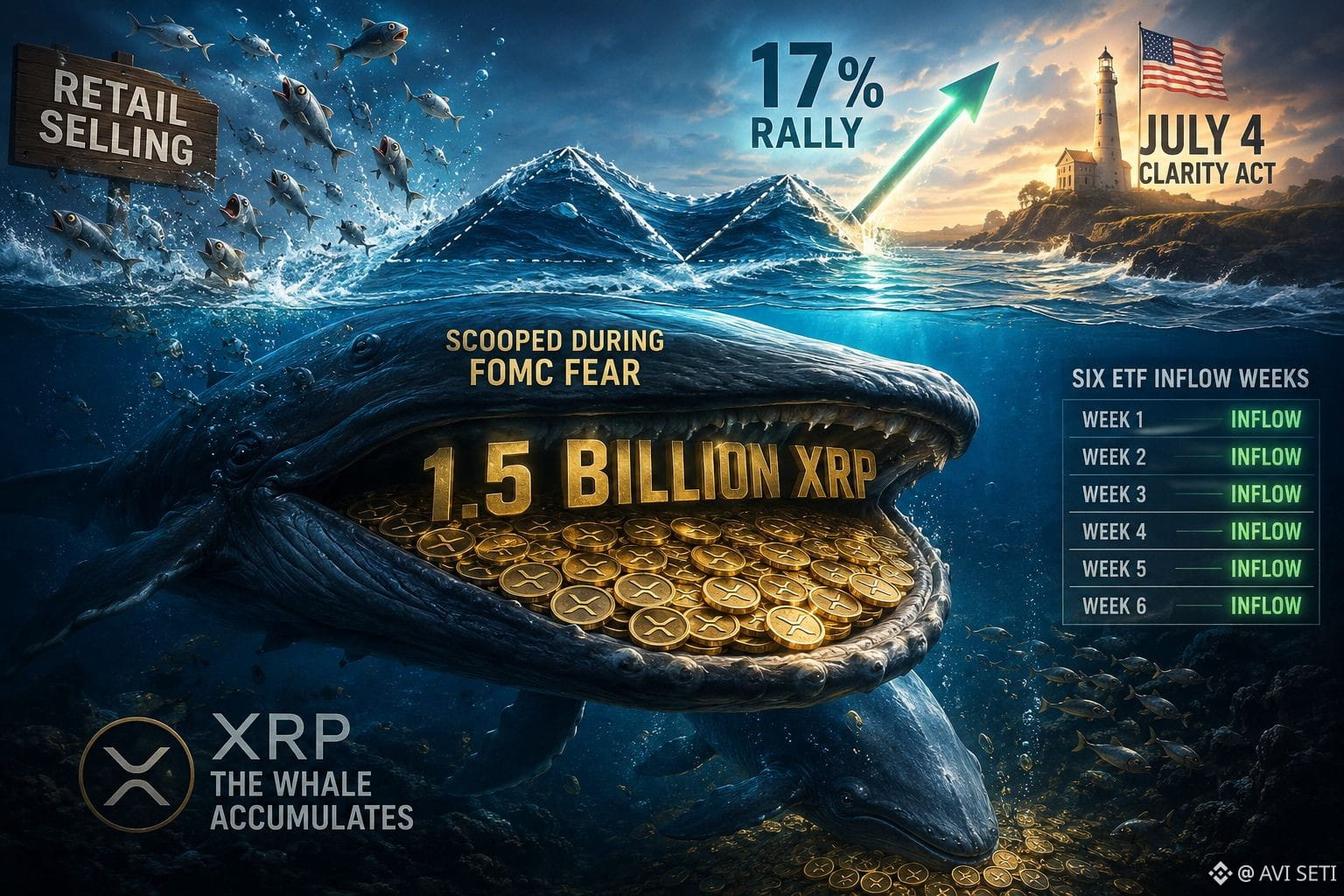
XRP kitlari 1,5 MILLIARD tokenni endigina yig‘ib oldi.
FOMC qo‘rquvi paytida. Bozor bosimi paytida.
Jim. Ataylab. Juda katta miqdorda.
XRP narxi prognozi: Uchburchak shakllanishi kitlar 1,5 mlrd tanga yig‘ayotgan bir paytda 17% lik o‘sish ehtimolini ko‘rsatmoqda.
1,5 milliard XRP. Hozirgi narxlarda — bu kitlar tomonidan $1.65-$1.77 MILLIARD miqdoridagi jamg‘arma degani.
Kontekstga qo‘yib aytay.
Bu hafta — chakana investorlar FOMCning qattiqroq signalini kuzatib, vahimaga tushayotgan paytda — kitlar 1,5 milliard XRP sotib olishdi.
Bu tasodif emas. Kitlar katalizatorlardan oldin jamg‘aradi. Keyin emas.
Ular oldindan jamg‘arayotgan katalizatorlar:
🕊️ AQSh-Eron Tinchlik Kelishuvi: ERTAGA — riskka moyil kayfiyat qaytadi
⚖️ CLARITY Qonuni 4-iyul: 16 kun — doimiy tovar maqomi
📊 XRP uchburchak shakllanishi: 17% lik rally signali texnik ko‘rsatkichlar bilan tasdiqlandi
🏦 XRP ETF oqimlari ketma-ket olti hafta: jami $1.44 milliard
🏦 Uchta AQSh banki tokenlashtirilgan tarmog‘i: kross-cheyn relslar kerak
1,5 milliard token. Kitlar tomonidan $1.65 milliardlik xarid.
Signal unchalik ham nozik emas.
📊 Bugungi XRP:
— Narx: ~$1.18-$1.23 — tiklanmoqda
— 1,5 mlrd kitlar jamg‘armasi: bu hafta ✅
— Uchburchak shakllanishi: 17% lik rally texnik signali ✅
— Olti haftalik ETF oqimlari: $1.44B ✅
— 4-iyul: 16 kun ✅
— Tinchlik kelishuvi ertaga: riskka moyil katalizator ✅
Chakana investorlar vahimaga tushgan paytda 1,5 milliard token yig‘ib olindi.
Aqlli pul harakatlar orqali gapiradi.
#XRP #Ripple #WhaleAccumulation #BinanceSquare #FedHawkishDotPlotFlattensYieldCurve
XRP kitlari 1,5 MILLIARD tokenni endigina yig‘ib oldi.
FOMC qo‘rquvi paytida. Bozor bosimi paytida.
Jim. Ataylab. Juda katta miqdorda.
XRP narxi prognozi: Uchburchak shakllanishi kitlar 1,5 mlrd tanga yig‘ayotgan bir paytda 17% lik o‘sish ehtimolini ko‘rsatmoqda.
1,5 milliard XRP. Hozirgi narxlarda — bu kitlar tomonidan $1.65-$1.77 MILLIARD miqdoridagi jamg‘arma degani.
Kontekstga qo‘yib aytay.
Bu hafta — chakana investorlar FOMCning qattiqroq signalini kuzatib, vahimaga tushayotgan paytda — kitlar 1,5 milliard XRP sotib olishdi.
Bu tasodif emas. Kitlar katalizatorlardan oldin jamg‘aradi. Keyin emas.
Ular oldindan jamg‘arayotgan katalizatorlar:
🕊️ AQSh-Eron Tinchlik Kelishuvi: ERTAGA — riskka moyil kayfiyat qaytadi
⚖️ CLARITY Qonuni 4-iyul: 16 kun — doimiy tovar maqomi
📊 XRP uchburchak shakllanishi: 17% lik rally signali texnik ko‘rsatkichlar bilan tasdiqlandi
🏦 XRP ETF oqimlari ketma-ket olti hafta: jami $1.44 milliard
🏦 Uchta AQSh banki tokenlashtirilgan tarmog‘i: kross-cheyn relslar kerak
1,5 milliard token. Kitlar tomonidan $1.65 milliardlik xarid.
Signal unchalik ham nozik emas.
📊 Bugungi XRP:
— Narx: ~$1.18-$1.23 — tiklanmoqda
— 1,5 mlrd kitlar jamg‘armasi: bu hafta ✅
— Uchburchak shakllanishi: 17% lik rally texnik signali ✅
— Olti haftalik ETF oqimlari: $1.44B ✅
— 4-iyul: 16 kun ✅
— Tinchlik kelishuvi ertaga: riskka moyil katalizator ✅
Chakana investorlar vahimaga tushgan paytda 1,5 milliard token yig‘ib olindi.
Aqlli pul harakatlar orqali gapiradi.
#XRP #Ripple #WhaleAccumulation #BinanceSquare #FedHawkishDotPlotFlattensYieldCurve
FOMC qo‘rquvi paytida. Bozor bosimi paytida.
Jim. Ataylab. Juda katta miqdorda.
XRP narxi prognozi: Uchburchak shakllanishi kitlar 1,5 mlrd tanga yig‘ayotgan bir paytda 17% lik o‘sish ehtimolini ko‘rsatmoqda.
1,5 milliard XRP. Hozirgi narxlarda — bu kitlar tomonidan $1.65-$1.77 MILLIARD miqdoridagi jamg‘arma degani.
Kontekstga qo‘yib aytay.
Bu hafta — chakana investorlar FOMCning qattiqroq signalini kuzatib, vahimaga tushayotgan paytda — kitlar 1,5 milliard XRP sotib olishdi.
Bu tasodif emas. Kitlar katalizatorlardan oldin jamg‘aradi. Keyin emas.
Ular oldindan jamg‘arayotgan katalizatorlar:
🕊️ AQSh-Eron Tinchlik Kelishuvi: ERTAGA — riskka moyil kayfiyat qaytadi
⚖️ CLARITY Qonuni 4-iyul: 16 kun — doimiy tovar maqomi
📊 XRP uchburchak shakllanishi: 17% lik rally signali texnik ko‘rsatkichlar bilan tasdiqlandi
🏦 XRP ETF oqimlari ketma-ket olti hafta: jami $1.44 milliard
🏦 Uchta AQSh banki tokenlashtirilgan tarmog‘i: kross-cheyn relslar kerak
1,5 milliard token. Kitlar tomonidan $1.65 milliardlik xarid.
Signal unchalik ham nozik emas.
📊 Bugungi XRP:
— Narx: ~$1.18-$1.23 — tiklanmoqda
— 1,5 mlrd kitlar jamg‘armasi: bu hafta ✅
— Uchburchak shakllanishi: 17% lik rally texnik signali ✅
— Olti haftalik ETF oqimlari: $1.44B ✅
— 4-iyul: 16 kun ✅
— Tinchlik kelishuvi ertaga: riskka moyil katalizator ✅
Chakana investorlar vahimaga tushgan paytda 1,5 milliard token yig‘ib olindi.
Aqlli pul harakatlar orqali gapiradi.
#XRP #Ripple #WhaleAccumulation #BinanceSquare #FedHawkishDotPlotFlattensYieldCurve
3
27
15.8k
QADAB QO‘YILGAN
·
--
Tasdiqlangan
2026-yil iyuniga xush kelibsiz.
Bu yilning eng muhim $XRP oyi bo‘lishi mumkin.
Mana buning uchta sababi.
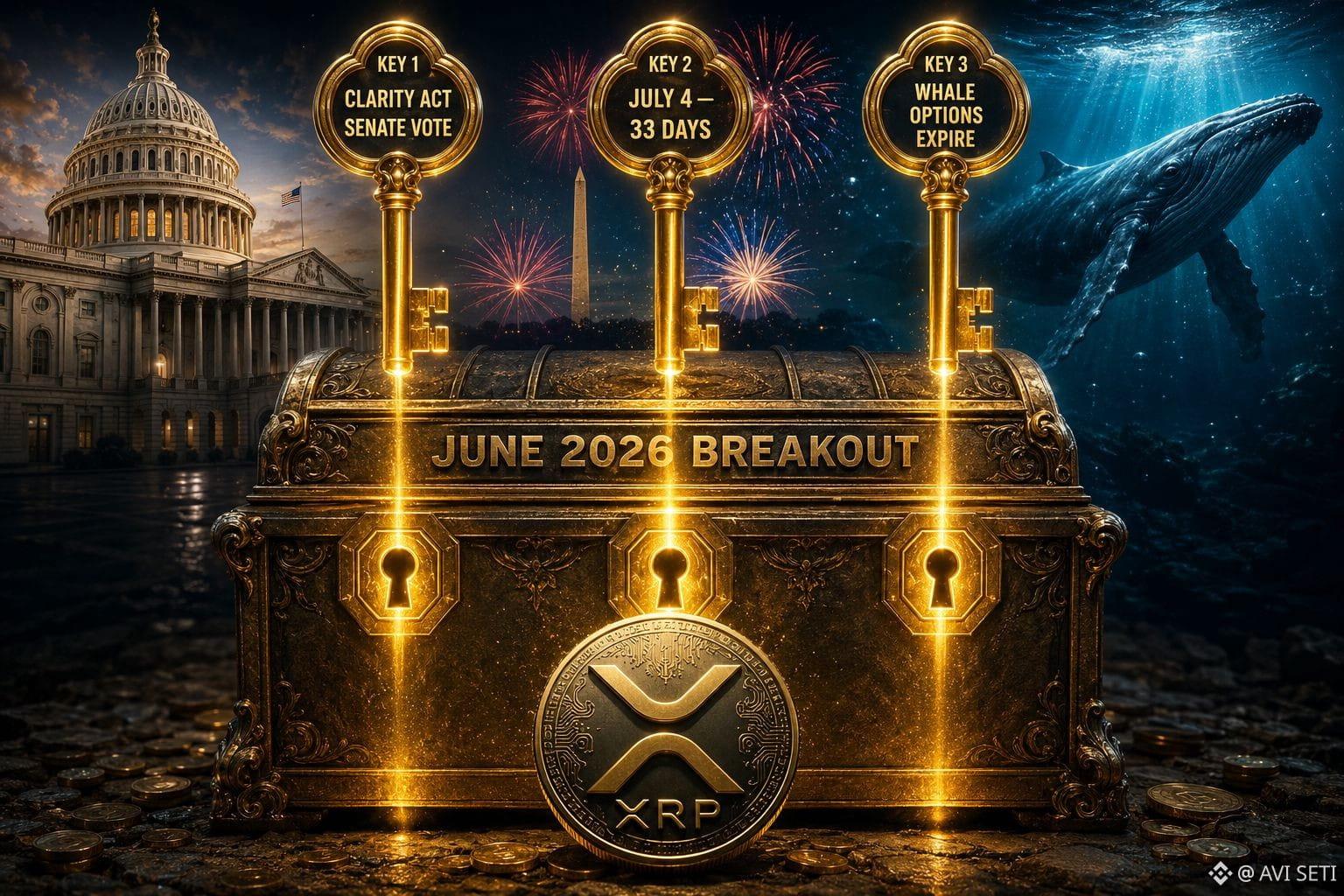
1-sabab: CLARITY Act bo‘yicha Senatning to‘liq ovozi
Qonun loyihasi may oyida qo‘mita bosqichidan 15-9 hisobida o‘tdi. Iyun — Senatning to‘liq zalida ovoz berish uchun mo‘ljallangan oy. Agar u qabul qilinsa — XRP doimiy federal tovar maqomini oladi. Institutlar yashil chiroq oladi.
2-sabab: 4-iyulgacha 33 kun qoldi
Oq uy 4-iyulni CLARITY Act imzolash marosimi uchun maqsad sana sifatida belgiladi. Iyun oyidagi har bir kun — XRPning huquqiy maqomi Amerika qonunlariga doimiy ravishda kiritilishiga bir kun yaqinlashish demakdir.
3-sabab: Kitning iyun oyidagi call opsiyasi muddati tugaydi
Iyun davomida XRP o‘zgarmas qoladi deb 224,000 dollar tikib, yig‘gan kitni eslaysizmi? Ularning opsiyalari shu oyda muddati tugaydi. Agar XRP iyun oyida 1.45 dollardan yuqoriga chiqsa — ular zarar ko‘radi. Ular diapazonni himoya qiladi. Va ularning himoyasi tugagach — harakat boshlanadi.
Bundan tashqari, asosiy omillar o‘zgarmadi:
🏦 JPMorgan XRPL hisob-kitobi: isbotlangan ✅
🏦 RLUSD: $1B+ ✅
🏦 Samsung Upbit: koreys chakana bozori o‘smoqda ✅
📊 Bugungi XRP:
— Narx: ~$1.30-$1.33 — 1-iyun ochilish narxi
— Qo‘llab-quvvatlash: $1.28-$1.30
— Iyun oyidagi to‘liq Senat ovozi: yaqinlashmoqda ✅
— 4-iyul: 33 kun ✅
— Kit opsiyalari: shu oy tugaydi ✅
— $1.45 dan yuqori yorib o‘tish → $1.60
Uchta sabab. Bitta oy. Iyun — XRP oyi.
#XRP #Ripple #JuneIsXRP #BinanceSquare #AaveSecuresUKFCARegistration
2026-yil iyuniga xush kelibsiz.
Bu yilning eng muhim $XRP oyi bo‘lishi mumkin.
Mana buning uchta sababi.
1-sabab: CLARITY Act bo‘yicha Senatning to‘liq ovozi
Qonun loyihasi may oyida qo‘mita bosqichidan 15-9 hisobida o‘tdi. Iyun — Senatning to‘liq zalida ovoz berish uchun mo‘ljallangan oy. Agar u qabul qilinsa — XRP doimiy federal tovar maqomini oladi. Institutlar yashil chiroq oladi.
2-sabab: 4-iyulgacha 33 kun qoldi
Oq uy 4-iyulni CLARITY Act imzolash marosimi uchun maqsad sana sifatida belgiladi. Iyun oyidagi har bir kun — XRPning huquqiy maqomi Amerika qonunlariga doimiy ravishda kiritilishiga bir kun yaqinlashish demakdir.
3-sabab: Kitning iyun oyidagi call opsiyasi muddati tugaydi
Iyun davomida XRP o‘zgarmas qoladi deb 224,000 dollar tikib, yig‘gan kitni eslaysizmi? Ularning opsiyalari shu oyda muddati tugaydi. Agar XRP iyun oyida 1.45 dollardan yuqoriga chiqsa — ular zarar ko‘radi. Ular diapazonni himoya qiladi. Va ularning himoyasi tugagach — harakat boshlanadi.
Bundan tashqari, asosiy omillar o‘zgarmadi:
🏦 JPMorgan XRPL hisob-kitobi: isbotlangan ✅
🏦 RLUSD: $1B+ ✅
🏦 Samsung Upbit: koreys chakana bozori o‘smoqda ✅
📊 Bugungi XRP:
— Narx: ~$1.30-$1.33 — 1-iyun ochilish narxi
— Qo‘llab-quvvatlash: $1.28-$1.30
— Iyun oyidagi to‘liq Senat ovozi: yaqinlashmoqda ✅
— 4-iyul: 33 kun ✅
— Kit opsiyalari: shu oy tugaydi ✅
— $1.45 dan yuqori yorib o‘tish → $1.60
Uchta sabab. Bitta oy. Iyun — XRP oyi.
#XRP #Ripple #JuneIsXRP #BinanceSquare #AaveSecuresUKFCARegistration
Bu yilning eng muhim $XRP oyi bo‘lishi mumkin.
Mana buning uchta sababi.
1-sabab: CLARITY Act bo‘yicha Senatning to‘liq ovozi
Qonun loyihasi may oyida qo‘mita bosqichidan 15-9 hisobida o‘tdi. Iyun — Senatning to‘liq zalida ovoz berish uchun mo‘ljallangan oy. Agar u qabul qilinsa — XRP doimiy federal tovar maqomini oladi. Institutlar yashil chiroq oladi.
2-sabab: 4-iyulgacha 33 kun qoldi
Oq uy 4-iyulni CLARITY Act imzolash marosimi uchun maqsad sana sifatida belgiladi. Iyun oyidagi har bir kun — XRPning huquqiy maqomi Amerika qonunlariga doimiy ravishda kiritilishiga bir kun yaqinlashish demakdir.
3-sabab: Kitning iyun oyidagi call opsiyasi muddati tugaydi
Iyun davomida XRP o‘zgarmas qoladi deb 224,000 dollar tikib, yig‘gan kitni eslaysizmi? Ularning opsiyalari shu oyda muddati tugaydi. Agar XRP iyun oyida 1.45 dollardan yuqoriga chiqsa — ular zarar ko‘radi. Ular diapazonni himoya qiladi. Va ularning himoyasi tugagach — harakat boshlanadi.
Bundan tashqari, asosiy omillar o‘zgarmadi:
🏦 JPMorgan XRPL hisob-kitobi: isbotlangan ✅
🏦 RLUSD: $1B+ ✅
🏦 Samsung Upbit: koreys chakana bozori o‘smoqda ✅
📊 Bugungi XRP:
— Narx: ~$1.30-$1.33 — 1-iyun ochilish narxi
— Qo‘llab-quvvatlash: $1.28-$1.30
— Iyun oyidagi to‘liq Senat ovozi: yaqinlashmoqda ✅
— 4-iyul: 33 kun ✅
— Kit opsiyalari: shu oy tugaydi ✅
— $1.45 dan yuqori yorib o‘tish → $1.60
Uchta sabab. Bitta oy. Iyun — XRP oyi.
#XRP #Ripple #JuneIsXRP #BinanceSquare #AaveSecuresUKFCARegistration
4
12
13.9k
·
--
Maqola
Bu Haftada Kripto Tartibga Solish Kongressga Muhtoj Emasligini IsbotladiXuk:
Uch kun oldin Senat CLARITY Act’ni bitta ovoz bilan rad etdi. Bugun esa Bitcoin 81 000 dollardan yuqorida savdo qilmoqda: bitta sessiyada 4% dan ko‘proq o‘sdi. Ethereum, XRP, Solana va Dogecoin hammasi bir vaqtning o‘zida, mukammal hamohanglikda miting qilyapti. Bu hafta bergan saboq shuki, kripto yomon xabardan “chetlab o‘tdi” degani emas — bozor Kongress hech qachon taqdim eta olmaganidan ko‘ra tezroq yo‘lni tartibga solish aniqligiga olib borishini kashf etdi.
Makro omillar: Ikki regulatory signal asosida qurilgan miting, bitta emas
Bitcoin bugun 81 256 dollargacha ko‘tarildi, sessiya davomida 4,20% ga o‘sdi va kripto ko‘rgan eng keskin bir haftalik qayrilishlardan birini yakunladi. CLARITY Act’ning Senatdagi muvaffaqiyatsizligi bu hafta boshida kayfiyatni qisqa muddat chayqatgan edi. Harakat ortidagi “katalizatorlar to‘plami” g‘oyat zich: chorshanba kuni Federal rezervning 25 bazis punktlik foiz stavkasini oshirishi — 2023-yildan beri ilk marta — bilan bir vaqtda, AQSh Commodity Futures Trading Commission (CFТC) kripto bo‘yicha yangi qoidalarni ishlab chiqish tashabbusini Oq uyga topshirgani qo‘shildi. Bozorlar buni, Kongressdagi tiqilinchga qaramay, tartibga solish bo‘yicha aniq yo‘nalishdagi haqiqiy oldinga siljish sifatida talqin qildi. Texnik manzara ham harakat kuchini mustahkamlaydi: Bitcoin’ning kunlik EMA tuzilmasi narx 20 kunlik (77 633 dollar), 50 kunlik (74 270 dollar) va 200 kunlik (72 424 dollar) eksponensial harakatlanuvchi o‘rtachalar ustida mustahkam ushlanib turganini ko‘rsatadi — bu standart, “stacked” bullish trend. Shunga qaramay, kunlik hamda soatbay vaqt oralig‘idagi momentum indikatorlari biroz sustlashishni namoyish etmoqda. Fear & Greed indeksi 71 ga ko‘tarildi va kripto bozorining umumiy kapitallashuvi hozir taxminan 2,78 trillion dollarni tashkil etmoqda.
Bu Haftada Kripto Tartibga Solish Kongressga Muhtoj Emasligini Isbotladi
Xuk:
Uch kun oldin Senat CLARITY Act’ni bitta ovoz bilan rad etdi. Bugun esa Bitcoin 81 000 dollardan yuqorida savdo qilmoqda: bitta sessiyada 4% dan ko‘proq o‘sdi. Ethereum, XRP, Solana va Dogecoin hammasi bir vaqtning o‘zida, mukammal hamohanglikda miting qilyapti. Bu hafta bergan saboq shuki, kripto yomon xabardan “chetlab o‘tdi” degani emas — bozor Kongress hech qachon taqdim eta olmaganidan ko‘ra tezroq yo‘lni tartibga solish aniqligiga olib borishini kashf etdi.
Makro omillar: Ikki regulatory signal asosida qurilgan miting, bitta emas
Bitcoin bugun 81 256 dollargacha ko‘tarildi, sessiya davomida 4,20% ga o‘sdi va kripto ko‘rgan eng keskin bir haftalik qayrilishlardan birini yakunladi. CLARITY Act’ning Senatdagi muvaffaqiyatsizligi bu hafta boshida kayfiyatni qisqa muddat chayqatgan edi. Harakat ortidagi “katalizatorlar to‘plami” g‘oyat zich: chorshanba kuni Federal rezervning 25 bazis punktlik foiz stavkasini oshirishi — 2023-yildan beri ilk marta — bilan bir vaqtda, AQSh Commodity Futures Trading Commission (CFТC) kripto bo‘yicha yangi qoidalarni ishlab chiqish tashabbusini Oq uyga topshirgani qo‘shildi. Bozorlar buni, Kongressdagi tiqilinchga qaramay, tartibga solish bo‘yicha aniq yo‘nalishdagi haqiqiy oldinga siljish sifatida talqin qildi. Texnik manzara ham harakat kuchini mustahkamlaydi: Bitcoin’ning kunlik EMA tuzilmasi narx 20 kunlik (77 633 dollar), 50 kunlik (74 270 dollar) va 200 kunlik (72 424 dollar) eksponensial harakatlanuvchi o‘rtachalar ustida mustahkam ushlanib turganini ko‘rsatadi — bu standart, “stacked” bullish trend. Shunga qaramay, kunlik hamda soatbay vaqt oralig‘idagi momentum indikatorlari biroz sustlashishni namoyish etmoqda. Fear & Greed indeksi 71 ga ko‘tarildi va kripto bozorining umumiy kapitallashuvi hozir taxminan 2,78 trillion dollarni tashkil etmoqda.
Uch kun oldin Senat CLARITY Act’ni bitta ovoz bilan rad etdi. Bugun esa Bitcoin 81 000 dollardan yuqorida savdo qilmoqda: bitta sessiyada 4% dan ko‘proq o‘sdi. Ethereum, XRP, Solana va Dogecoin hammasi bir vaqtning o‘zida, mukammal hamohanglikda miting qilyapti. Bu hafta bergan saboq shuki, kripto yomon xabardan “chetlab o‘tdi” degani emas — bozor Kongress hech qachon taqdim eta olmaganidan ko‘ra tezroq yo‘lni tartibga solish aniqligiga olib borishini kashf etdi.
Makro omillar: Ikki regulatory signal asosida qurilgan miting, bitta emas
Bitcoin bugun 81 256 dollargacha ko‘tarildi, sessiya davomida 4,20% ga o‘sdi va kripto ko‘rgan eng keskin bir haftalik qayrilishlardan birini yakunladi. CLARITY Act’ning Senatdagi muvaffaqiyatsizligi bu hafta boshida kayfiyatni qisqa muddat chayqatgan edi. Harakat ortidagi “katalizatorlar to‘plami” g‘oyat zich: chorshanba kuni Federal rezervning 25 bazis punktlik foiz stavkasini oshirishi — 2023-yildan beri ilk marta — bilan bir vaqtda, AQSh Commodity Futures Trading Commission (CFТC) kripto bo‘yicha yangi qoidalarni ishlab chiqish tashabbusini Oq uyga topshirgani qo‘shildi. Bozorlar buni, Kongressdagi tiqilinchga qaramay, tartibga solish bo‘yicha aniq yo‘nalishdagi haqiqiy oldinga siljish sifatida talqin qildi. Texnik manzara ham harakat kuchini mustahkamlaydi: Bitcoin’ning kunlik EMA tuzilmasi narx 20 kunlik (77 633 dollar), 50 kunlik (74 270 dollar) va 200 kunlik (72 424 dollar) eksponensial harakatlanuvchi o‘rtachalar ustida mustahkam ushlanib turganini ko‘rsatadi — bu standart, “stacked” bullish trend. Shunga qaramay, kunlik hamda soatbay vaqt oralig‘idagi momentum indikatorlari biroz sustlashishni namoyish etmoqda. Fear & Greed indeksi 71 ga ko‘tarildi va kripto bozorining umumiy kapitallashuvi hozir taxminan 2,78 trillion dollarni tashkil etmoqda.
77
·
--
Ethereum qariyb 2 635 AQSH dollarigacha ko‘tarildi, kun davomida 5,3% o‘sdi va juma kuni bo‘lib o‘tgan keng bozor ralliida Bitcoin’ning yutuqlaridan ham o‘zib ketdi. Treyderlar bu haftadagi Fed stavkasini oshirish hamda CFTC’ning yangi topshirilgan kripto bo‘yicha huquqiy-me’yoriy qoidalar ishlab chiqish asoslarining kombinatsiyasiga ijobiy munosabat bildirgani bu harakatga turtki bo‘ldi. Ushbu ko‘tarilish haftaning boshida Ethereum kuchli tiklanishini davom ettirmoqda: SEC’ning tokenlashtirilgan qimmatli qog‘ozlar uchun o‘z “innovatsion imtiyoz”ini ilk bor taqdim etishi blockchain asosidagi, tartibga solinadigan tokenlashtirilgan mahsulotlarni taklif qiluvchi maydonlarga nisbatan optimizmni birinchi bo‘lib uyg‘otgan edi.
ETH’ning ralli — alohida “pompa” emas, balki haqiqatan ham keng ko‘lamli harakatning bir qismi. Bitcoin, XRP, Solana va Dogecoin hammasi bir vaqtda ijobiy natijalar qayd etdi, kripto bozorining umumiy kapitallashuvi esa qariyb 2,78 trln. AQSH dollarigacha ko‘tarildi. Yetakchilar bo‘yicha hamohang ralli majorlar orasida ham institutsional, ham chakana investorlarning kayfiyati bu haftadagi tartibga solishdagi yangiliklarni umumiy ijobiy omil sifatida qabul qilayotganini ko‘rsatadi, hattoki haftaning boshida CLARITY Act’ning Senatda muvaffaqiyatsiz tugashi kayfiyatni qisqa muddatga susaytirgan bo‘lsa ham.
#Ethereum #ETH #CryptoRally #CFTC #ETHPrice
Ethereum qariyb 2 635 AQSH dollarigacha ko‘tarildi, kun davomida 5,3% o‘sdi va juma kuni bo‘lib o‘tgan keng bozor ralliida Bitcoin’ning yutuqlaridan ham o‘zib ketdi. Treyderlar bu haftadagi Fed stavkasini oshirish hamda CFTC’ning yangi topshirilgan kripto bo‘yicha huquqiy-me’yoriy qoidalar ishlab chiqish asoslarining kombinatsiyasiga ijobiy munosabat bildirgani bu harakatga turtki bo‘ldi. Ushbu ko‘tarilish haftaning boshida Ethereum kuchli tiklanishini davom ettirmoqda: SEC’ning tokenlashtirilgan qimmatli qog‘ozlar uchun o‘z “innovatsion imtiyoz”ini ilk bor taqdim etishi blockchain asosidagi, tartibga solinadigan tokenlashtirilgan mahsulotlarni taklif qiluvchi maydonlarga nisbatan optimizmni birinchi bo‘lib uyg‘otgan edi.
ETH’ning ralli — alohida “pompa” emas, balki haqiqatan ham keng ko‘lamli harakatning bir qismi. Bitcoin, XRP, Solana va Dogecoin hammasi bir vaqtda ijobiy natijalar qayd etdi, kripto bozorining umumiy kapitallashuvi esa qariyb 2,78 trln. AQSH dollarigacha ko‘tarildi. Yetakchilar bo‘yicha hamohang ralli majorlar orasida ham institutsional, ham chakana investorlarning kayfiyati bu haftadagi tartibga solishdagi yangiliklarni umumiy ijobiy omil sifatida qabul qilayotganini ko‘rsatadi, hattoki haftaning boshida CLARITY Act’ning Senatda muvaffaqiyatsiz tugashi kayfiyatni qisqa muddatga susaytirgan bo‘lsa ham.
#Ethereum #ETH #CryptoRally #CFTC #ETHPrice
ETH’ning ralli — alohida “pompa” emas, balki haqiqatan ham keng ko‘lamli harakatning bir qismi. Bitcoin, XRP, Solana va Dogecoin hammasi bir vaqtda ijobiy natijalar qayd etdi, kripto bozorining umumiy kapitallashuvi esa qariyb 2,78 trln. AQSH dollarigacha ko‘tarildi. Yetakchilar bo‘yicha hamohang ralli majorlar orasida ham institutsional, ham chakana investorlarning kayfiyati bu haftadagi tartibga solishdagi yangiliklarni umumiy ijobiy omil sifatida qabul qilayotganini ko‘rsatadi, hattoki haftaning boshida CLARITY Act’ning Senatda muvaffaqiyatsiz tugashi kayfiyatni qisqa muddatga susaytirgan bo‘lsa ham.
#Ethereum #ETH #CryptoRally #CFTC #ETHPrice

83
·
--
Bitcoin 81 000 dollardan qat’iy yuqoriga chiqdi, hozir taxminan 81 256 dollarda savdo qilmoqda va kun davomida 4,20% ga o‘sdi. Bu Fedning foiz stavkasi bo‘yicha qaroridan beri eng kuchli darajalaridir. Kunlik EMA tuzilmasi 20, 50 va 200 kunlik barcha asosiy o‘rtacha harakatlanuvchi ko‘rsatkichlar bo‘yicha bir-biriga “stacked” ko‘rinishdagi kuchli bullish trendni tasdiqlamoqda. Aksiya Fedning ayni hafta boshida amalga oshirgan 25 bazis punktlik oshirimi hamda CFTC tomonidan Oq uyga yangi kripto qoidalarini kiritish bo‘yicha ariza topshirilgani bilan bog‘liq. Bozorlarda bu “ketma-ket ikki zarba” tartibga solishdagi aniqlik tezlashayotgani sifatida talqin qilinmoqda — CLARITY Act bo‘lmaganda ham. Chunki CLARITY Act uch kun avval Senatdagi ovoz berishda muvaffaqiyatsizlikka uchragan.
Qo‘rquv va ochko‘zlik indeksi 71 ga (“Ochko‘zlik”) ko‘tarildi, kripto bozorining umumiy kapitalizatsiyasi esa qariyb 2,78 trillion dollarga yetdi. Shunga qaramay, kunlik va soatlik grafiklarda impuls (momentum) indikatorlari biroz sustlashishni ko‘rsatmoqda: asosiy qarshilik 81 711 dollarda, tayanch esa 80 815 dollarda — kuzatish kerak bo‘lgan navbatdagi chiziqlar. Bitcoin oktabr 2025 yildagi eng yuqori rekord darajasi 128 198 dollardan hali ham ancha pastda. Biroq bu hafta sodir bo‘lgan harakat CLARITY Act muvaffaqiyatsizligi bozorlarda chayqalish keltirganidan keyingi eng keskin tiklanishlardan birini anglatadi.
#Bitcoin #BTC #CryptoRally #CFTC #BitcoinPrice
Bitcoin 81 000 dollardan qat’iy yuqoriga chiqdi, hozir taxminan 81 256 dollarda savdo qilmoqda va kun davomida 4,20% ga o‘sdi. Bu Fedning foiz stavkasi bo‘yicha qaroridan beri eng kuchli darajalaridir. Kunlik EMA tuzilmasi 20, 50 va 200 kunlik barcha asosiy o‘rtacha harakatlanuvchi ko‘rsatkichlar bo‘yicha bir-biriga “stacked” ko‘rinishdagi kuchli bullish trendni tasdiqlamoqda. Aksiya Fedning ayni hafta boshida amalga oshirgan 25 bazis punktlik oshirimi hamda CFTC tomonidan Oq uyga yangi kripto qoidalarini kiritish bo‘yicha ariza topshirilgani bilan bog‘liq. Bozorlarda bu “ketma-ket ikki zarba” tartibga solishdagi aniqlik tezlashayotgani sifatida talqin qilinmoqda — CLARITY Act bo‘lmaganda ham. Chunki CLARITY Act uch kun avval Senatdagi ovoz berishda muvaffaqiyatsizlikka uchragan.
Qo‘rquv va ochko‘zlik indeksi 71 ga (“Ochko‘zlik”) ko‘tarildi, kripto bozorining umumiy kapitalizatsiyasi esa qariyb 2,78 trillion dollarga yetdi. Shunga qaramay, kunlik va soatlik grafiklarda impuls (momentum) indikatorlari biroz sustlashishni ko‘rsatmoqda: asosiy qarshilik 81 711 dollarda, tayanch esa 80 815 dollarda — kuzatish kerak bo‘lgan navbatdagi chiziqlar. Bitcoin oktabr 2025 yildagi eng yuqori rekord darajasi 128 198 dollardan hali ham ancha pastda. Biroq bu hafta sodir bo‘lgan harakat CLARITY Act muvaffaqiyatsizligi bozorlarda chayqalish keltirganidan keyingi eng keskin tiklanishlardan birini anglatadi.
#Bitcoin #BTC #CryptoRally #CFTC #BitcoinPrice
Qo‘rquv va ochko‘zlik indeksi 71 ga (“Ochko‘zlik”) ko‘tarildi, kripto bozorining umumiy kapitalizatsiyasi esa qariyb 2,78 trillion dollarga yetdi. Shunga qaramay, kunlik va soatlik grafiklarda impuls (momentum) indikatorlari biroz sustlashishni ko‘rsatmoqda: asosiy qarshilik 81 711 dollarda, tayanch esa 80 815 dollarda — kuzatish kerak bo‘lgan navbatdagi chiziqlar. Bitcoin oktabr 2025 yildagi eng yuqori rekord darajasi 128 198 dollardan hali ham ancha pastda. Biroq bu hafta sodir bo‘lgan harakat CLARITY Act muvaffaqiyatsizligi bozorlarda chayqalish keltirganidan keyingi eng keskin tiklanishlardan birini anglatadi.
#Bitcoin #BTC #CryptoRally #CFTC #BitcoinPrice
77
·
--
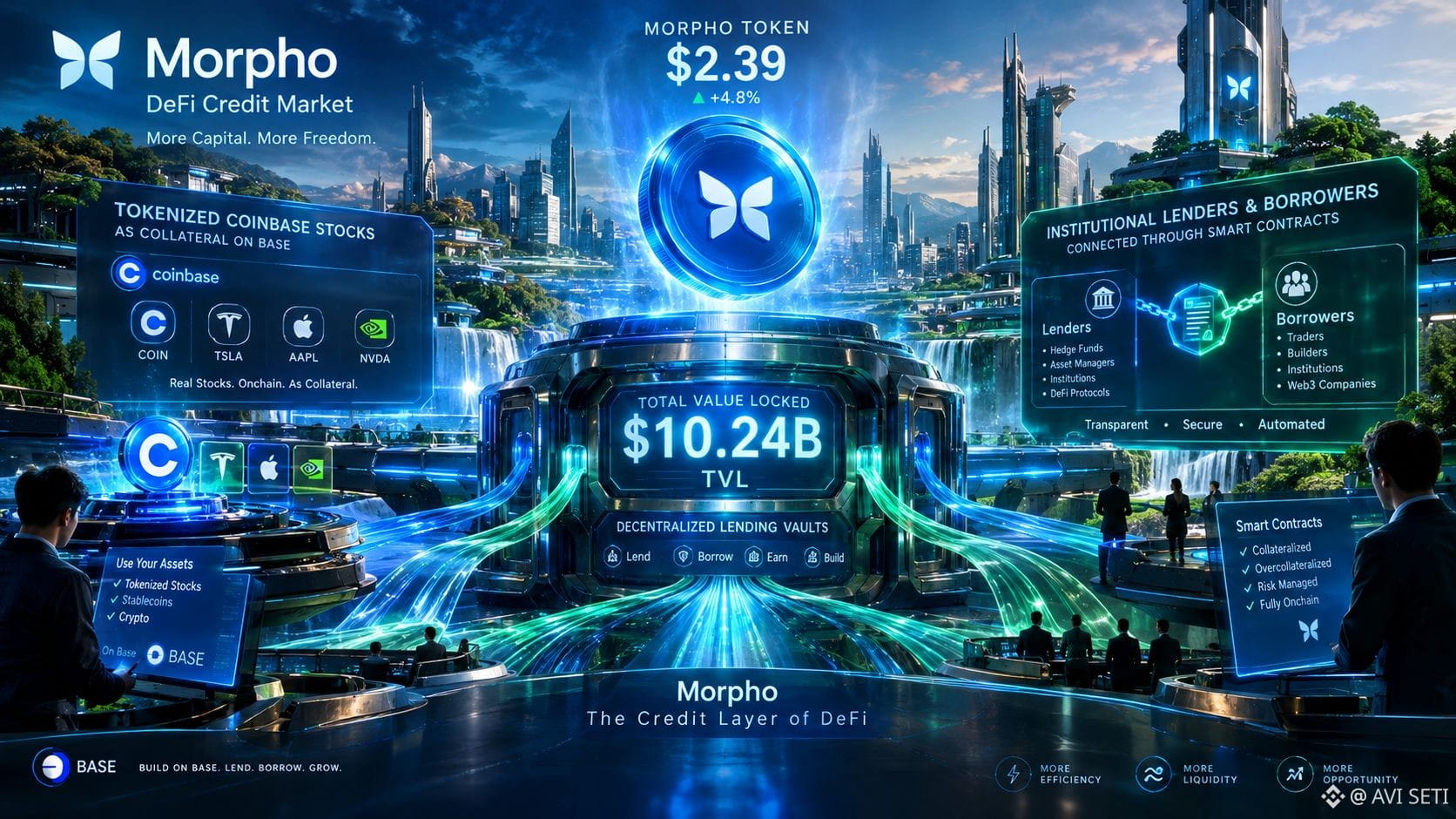
Morpho $2.39 atrofida savdo qilmoqda, so‘nggi 24 soatda taxminan 8.35% ga oshgan, OKX’da esa kunlik savdo hajmi 41 million dollardan yuqori. Morpho protokoli sezilarli likvidlikni jalb qildi: so‘nggi tahlillarga ko‘ra, umumiy qiymat “locked” (bloklangan) miqdori taxminan $10.24 milliardga teng. Shu bilan birga, seed-investorlar yana taxminan $19.76 millionga teng qo‘shimcha ajratma olishdi. Yaqinroq davrda Morpho tokenlashtirilgan-aktsiyalar garovga olingan lendingni ham kengaytirmoqda, jumladan Base’dagi Coinbase tokenlashtirilgan aksiyalari uchun bozorlar.
#MORPHO #Morpho #DeFi #TokenizedStocks #CryptoNews
Morpho $2.39 atrofida savdo qilmoqda, so‘nggi 24 soatda taxminan 8.35% ga oshgan, OKX’da esa kunlik savdo hajmi 41 million dollardan yuqori. Morpho protokoli sezilarli likvidlikni jalb qildi: so‘nggi tahlillarga ko‘ra, umumiy qiymat “locked” (bloklangan) miqdori taxminan $10.24 milliardga teng. Shu bilan birga, seed-investorlar yana taxminan $19.76 millionga teng qo‘shimcha ajratma olishdi. Yaqinroq davrda Morpho tokenlashtirilgan-aktsiyalar garovga olingan lendingni ham kengaytirmoqda, jumladan Base’dagi Coinbase tokenlashtirilgan aksiyalari uchun bozorlar.
#MORPHO #Morpho #DeFi #TokenizedStocks #CryptoNews
#MORPHO #Morpho #DeFi #TokenizedStocks #CryptoNews
14
·
--
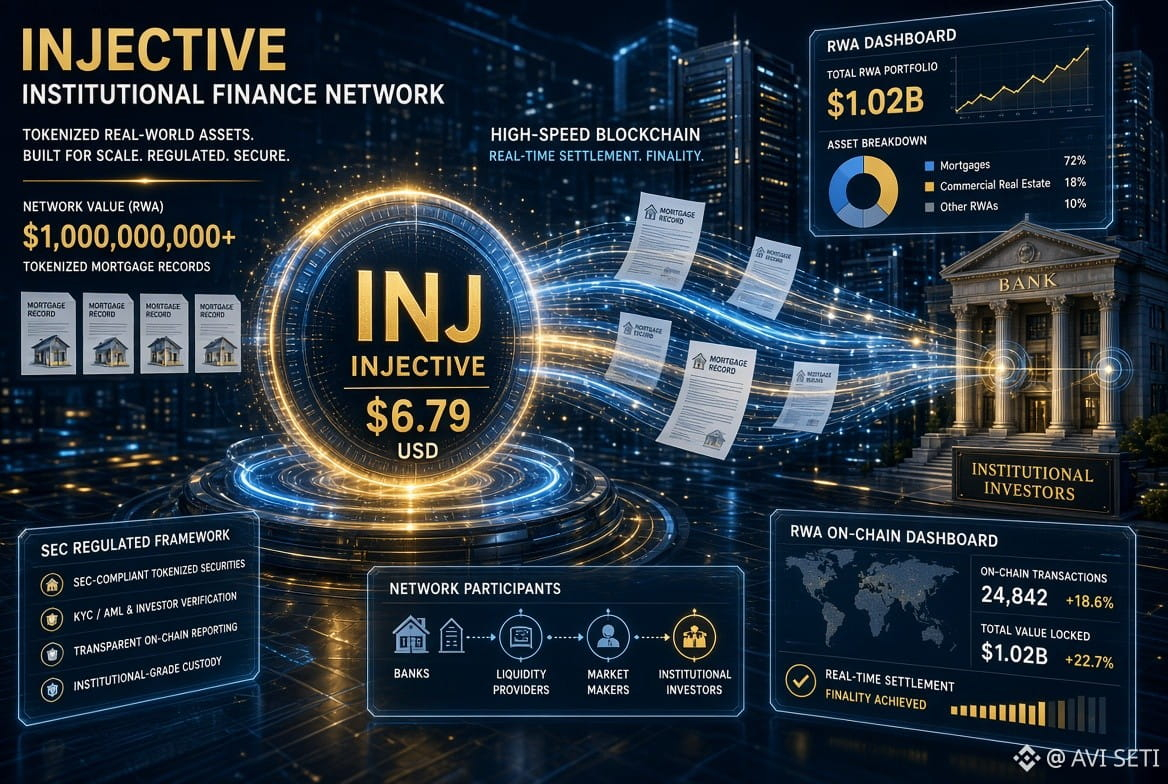
Injective taxminan 6.79 dollardan savdo qilmoqda, 24 soat ichida qariyb 16.4% ga o‘sgan, OKX’da esa kunlik savdo hajmi 213 million dollardan oshgan. Tarmoq shuningdek kuchli tokenizatsiya narrativi ustida ham ish olib boryapti: Pineapple Financial Injective’ga $1 milliarddan ortiq turar-joy ipoteka rekordlarini o‘tkazdi, allaqachon esa 2,000 dan ortiq onchain rekordlar aks ettirilgan. Injective’ning institutsional intilishi tokenizatsiya qilingan qimmatli qog‘ozlar uchun SEC transfer-agent ro‘yxatidan o‘tgan affilliatni ham o‘z ichiga oladi.
#INJ #Injective #Tokenization #RWA #CryptoNews
Injective taxminan 6.79 dollardan savdo qilmoqda, 24 soat ichida qariyb 16.4% ga o‘sgan, OKX’da esa kunlik savdo hajmi 213 million dollardan oshgan. Tarmoq shuningdek kuchli tokenizatsiya narrativi ustida ham ish olib boryapti: Pineapple Financial Injective’ga $1 milliarddan ortiq turar-joy ipoteka rekordlarini o‘tkazdi, allaqachon esa 2,000 dan ortiq onchain rekordlar aks ettirilgan. Injective’ning institutsional intilishi tokenizatsiya qilingan qimmatli qog‘ozlar uchun SEC transfer-agent ro‘yxatidan o‘tgan affilliatni ham o‘z ichiga oladi.
#INJ #Injective #Tokenization #RWA #CryptoNews
#INJ #Injective #Tokenization #RWA #CryptoNews
1
105
·
--
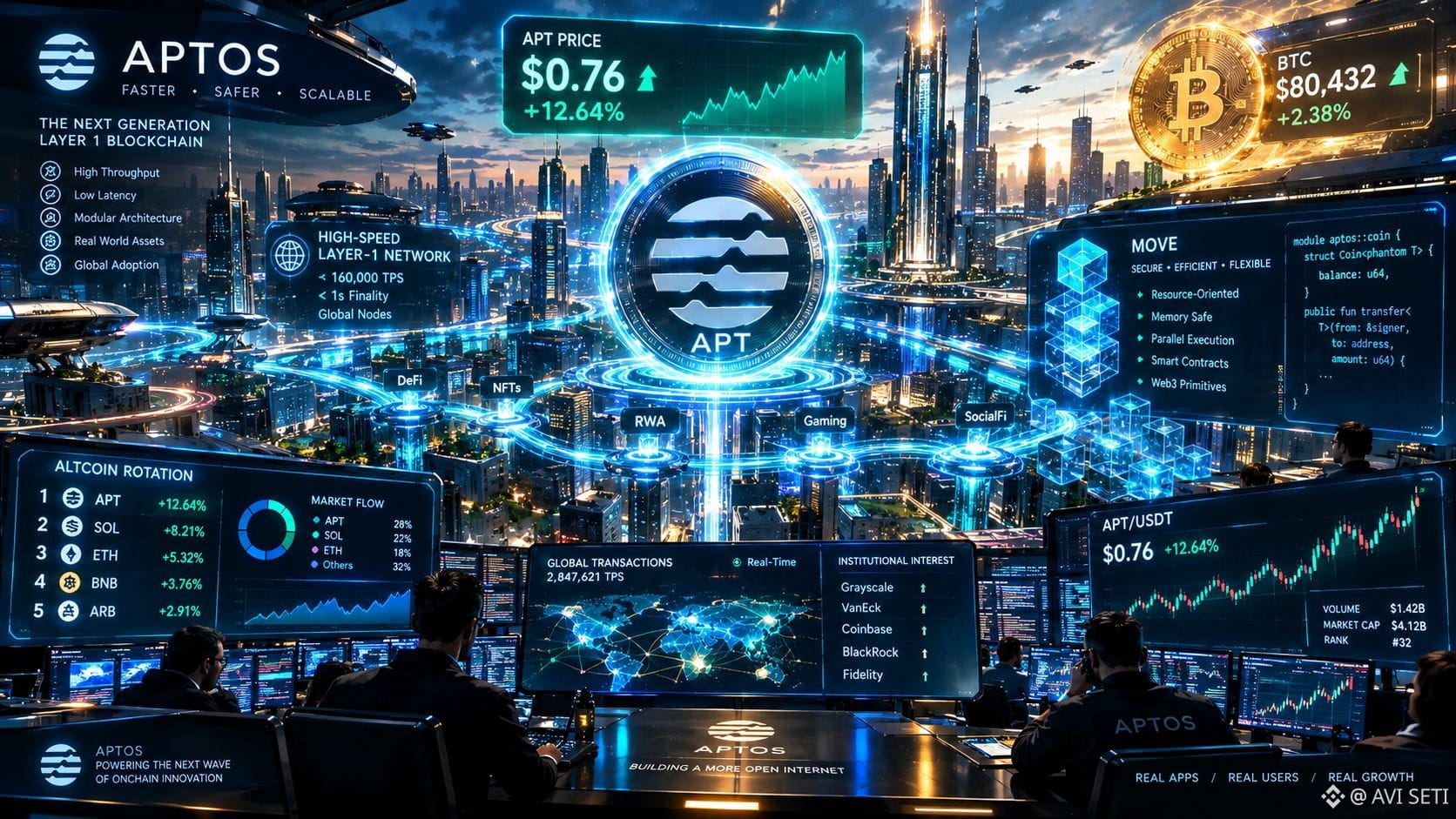
Aptos hozirgi altkoinlar tiklanishida eng kuchli harakat qilayotganlardan biriga aylandi: APT $0.76 atrofida savdo qilmoqda va 19-sentabr kuni 24 soat ichida 22% dan ko‘proqga o‘sdi. Tarixiy bozor ma’lumotlari APT 17-sentabr yopilishidagi qariyb $0.58 dan $0.76 atrofida ko‘tarilganini ko‘rsatadi va ikki kunlik o‘sish 30% dan oshib ketdi. Rally’ga kengroq altkoin rotatsiyasi va risk ishtahasi qayta ortgani hamroh bo‘lyapti; bu esa Bitcoin’ning $80,000 dan yuqoriga tiklanishidan keyin kuzatilmoqda.
#APT #Aptos #MoveLanguage #Layer1 #CryptoNews
Aptos hozirgi altkoinlar tiklanishida eng kuchli harakat qilayotganlardan biriga aylandi: APT $0.76 atrofida savdo qilmoqda va 19-sentabr kuni 24 soat ichida 22% dan ko‘proqga o‘sdi. Tarixiy bozor ma’lumotlari APT 17-sentabr yopilishidagi qariyb $0.58 dan $0.76 atrofida ko‘tarilganini ko‘rsatadi va ikki kunlik o‘sish 30% dan oshib ketdi. Rally’ga kengroq altkoin rotatsiyasi va risk ishtahasi qayta ortgani hamroh bo‘lyapti; bu esa Bitcoin’ning $80,000 dan yuqoriga tiklanishidan keyin kuzatilmoqda.
#APT #Aptos #MoveLanguage #Layer1 #CryptoNews
#APT #Aptos #MoveLanguage #Layer1 #CryptoNews
145
·
--
Maqola
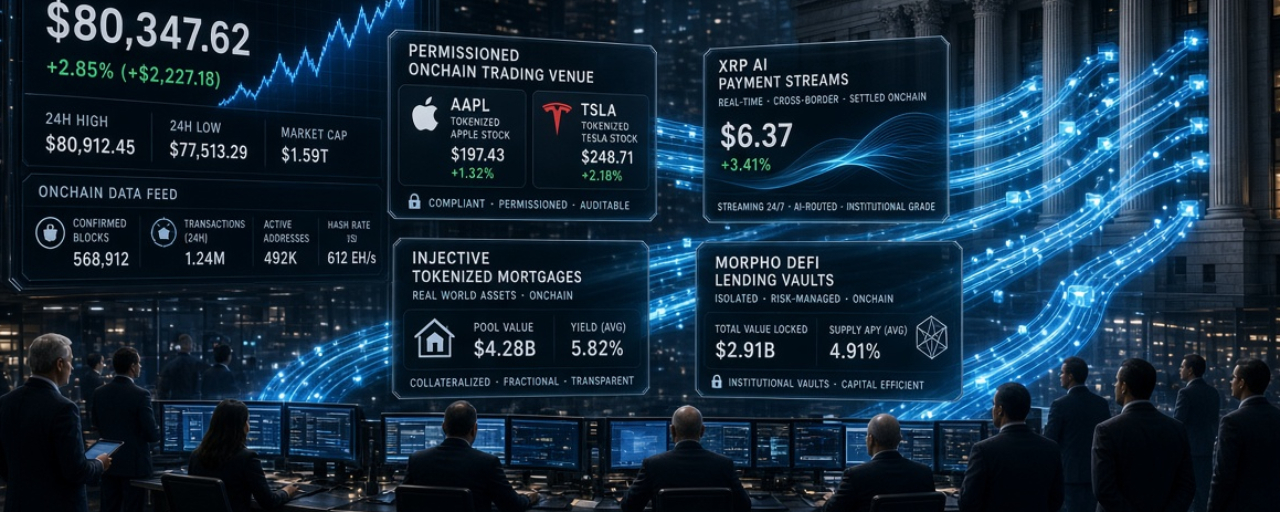
Bitcoin $80K ni qaytarib oldi: SEC tokenlashtirilgan aksiyalar uchun yangi eshikni ochdiKripto bozor 19-sentabrga bir necha kun avvalgidan juda farqli kayfiyat bilan kirdi.
Bitcoin $80 000 darajasini qaytarib oldi, Solana va Hyperliquid esa kuchli o‘sishlarni qayd etdi. Qaytish AQSh Senati CLARITY qonunini ilgari sura olmaganidan va Federal rezerv foiz stavkalarini 25 bazis punktga oshirganidan atigi bir necha kun o‘tib sodir bo‘ldi.
Biroq, kattaroq rivojlanish Bitcoin grafigi tashqarisida sodir bo‘layotgandek.
17-sentabr kuni AQSh Qimmatli qog‘ozlar va birjalar bo‘yicha komissiyasi (SEC) “Innovatsion imtiyoz”ni joriy etdi. U tasdiqlangan onchain platformalarda ayrim tokenlashtirilgan milliy bozor tizimi (national-market-system) aksiyalarini cheklangan hajmda savdo qilishga ruxsat beradi. Mazkur qadam SEC bozor ma’lumotlarini to‘plashi va uzoqroq muddatli qoidalarni ko‘rib chiqishi chog‘ida tokenlashtirilgan qimmatli qog‘ozlar bo‘yicha tajribalar o‘tkazish uchun tartibga solish tizimini yaratadi.
Bitcoin $80K ni qaytarib oldi: SEC tokenlashtirilgan aksiyalar uchun yangi eshikni ochdi
Kripto bozor 19-sentabrga bir necha kun avvalgidan juda farqli kayfiyat bilan kirdi.
Bitcoin $80 000 darajasini qaytarib oldi, Solana va Hyperliquid esa kuchli o‘sishlarni qayd etdi. Qaytish AQSh Senati CLARITY qonunini ilgari sura olmaganidan va Federal rezerv foiz stavkalarini 25 bazis punktga oshirganidan atigi bir necha kun o‘tib sodir bo‘ldi.
Biroq, kattaroq rivojlanish Bitcoin grafigi tashqarisida sodir bo‘layotgandek.
17-sentabr kuni AQSh Qimmatli qog‘ozlar va birjalar bo‘yicha komissiyasi (SEC) “Innovatsion imtiyoz”ni joriy etdi. U tasdiqlangan onchain platformalarda ayrim tokenlashtirilgan milliy bozor tizimi (national-market-system) aksiyalarini cheklangan hajmda savdo qilishga ruxsat beradi. Mazkur qadam SEC bozor ma’lumotlarini to‘plashi va uzoqroq muddatli qoidalarni ko‘rib chiqishi chog‘ida tokenlashtirilgan qimmatli qog‘ozlar bo‘yicha tajribalar o‘tkazish uchun tartibga solish tizimini yaratadi.
Bitcoin $80 000 darajasini qaytarib oldi, Solana va Hyperliquid esa kuchli o‘sishlarni qayd etdi. Qaytish AQSh Senati CLARITY qonunini ilgari sura olmaganidan va Federal rezerv foiz stavkalarini 25 bazis punktga oshirganidan atigi bir necha kun o‘tib sodir bo‘ldi.
Biroq, kattaroq rivojlanish Bitcoin grafigi tashqarisida sodir bo‘layotgandek.
17-sentabr kuni AQSh Qimmatli qog‘ozlar va birjalar bo‘yicha komissiyasi (SEC) “Innovatsion imtiyoz”ni joriy etdi. U tasdiqlangan onchain platformalarda ayrim tokenlashtirilgan milliy bozor tizimi (national-market-system) aksiyalarini cheklangan hajmda savdo qilishga ruxsat beradi. Mazkur qadam SEC bozor ma’lumotlarini to‘plashi va uzoqroq muddatli qoidalarni ko‘rib chiqishi chog‘ida tokenlashtirilgan qimmatli qog‘ozlar bo‘yicha tajribalar o‘tkazish uchun tartibga solish tizimini yaratadi.
231
·
--
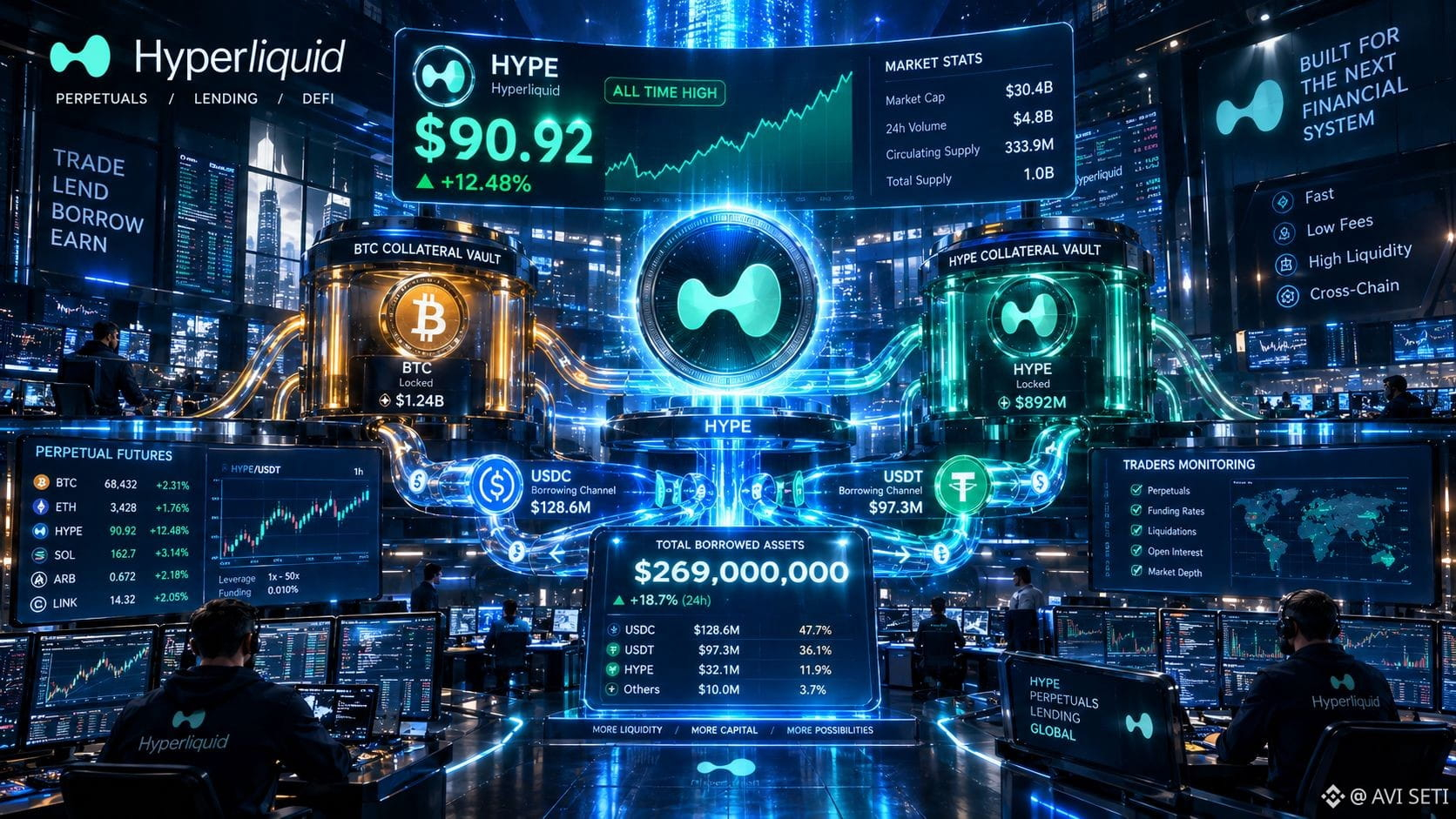
HYPE Hyperliquid HYPE va Bitcoin garovi asosida manual borrowing (qo‘lda qarz olish) ishga tushirgandan so‘ng $90.92 miqdorida tarixiy eng yuqori ko‘rsatkichga chiqdi. Endi foydalanuvchilar ushbu aktivlarga nisbatan to‘g‘ridan-to‘g‘ri USDC yoki USDT qarzga olishlari mumkin, Hyperliquid esa asosiy infratuzilma bo‘yicha jami taxminan $269 million qarz olinganini ma’lum qildi.
Bu qadam markazlashmagan trading ekotizimiga yana bir lending qatlamini qo‘shadi va Kraken AQSh uchun onchain perpetual futures (abadiy fyuchers) bozorlarida Hyperliquid’ning HIP-3 bozorlaridan foydalanishga tayyorlanayotgan paytga to‘g‘ri kelmoqda.
#HYPE #Hyperliquid #DeFi #CryptoTrading #CryptoNews
HYPE Hyperliquid HYPE va Bitcoin garovi asosida manual borrowing (qo‘lda qarz olish) ishga tushirgandan so‘ng $90.92 miqdorida tarixiy eng yuqori ko‘rsatkichga chiqdi. Endi foydalanuvchilar ushbu aktivlarga nisbatan to‘g‘ridan-to‘g‘ri USDC yoki USDT qarzga olishlari mumkin, Hyperliquid esa asosiy infratuzilma bo‘yicha jami taxminan $269 million qarz olinganini ma’lum qildi.
Bu qadam markazlashmagan trading ekotizimiga yana bir lending qatlamini qo‘shadi va Kraken AQSh uchun onchain perpetual futures (abadiy fyuchers) bozorlarida Hyperliquid’ning HIP-3 bozorlaridan foydalanishga tayyorlanayotgan paytga to‘g‘ri kelmoqda.
#HYPE #Hyperliquid #DeFi #CryptoTrading #CryptoNews
Bu qadam markazlashmagan trading ekotizimiga yana bir lending qatlamini qo‘shadi va Kraken AQSh uchun onchain perpetual futures (abadiy fyuchers) bozorlarida Hyperliquid’ning HIP-3 bozorlaridan foydalanishga tayyorlanayotgan paytga to‘g‘ri kelmoqda.
#HYPE #Hyperliquid #DeFi #CryptoTrading #CryptoNews
50
·
--
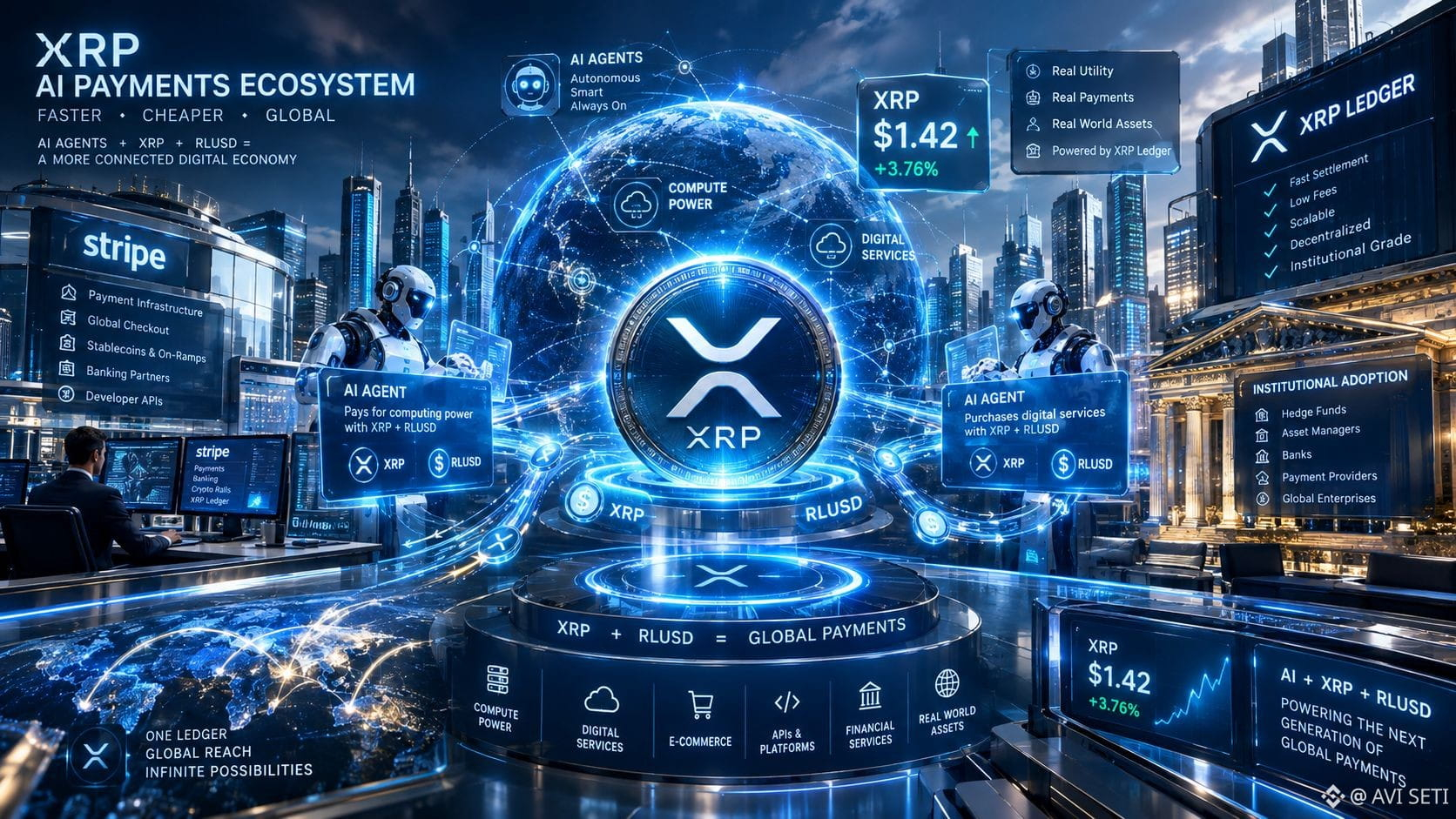
XRP $1.42 atrofida savdo qilmoqda, 24 soat ichida qariyb 7.6% ga o‘sdi va bozor kapitalizatsiyasi taxminan $89 mlrd. Ripple shuningdek, XRP Ledger’ning AI-to‘lov infratuzilmasini kengaytirib, Stripe hamda Tempo tomonidan qo‘llab-quvvatlanadigan Machine Payments Protocol (Mashina to‘lovlari protokoli) uchun integratsiya qo‘shdi. Bu AI agentlariga XRP va RLUSD yordamida avtomatlashtirilgan to‘lovlarni amalga oshirish imkonini beradi.
Ushbu ishlanma XRP’ni AI agentlar, mashina to‘lovlari va blokcheyn yechib berish (settlement) kesishgan hududidagi tez o‘sayotgan yo‘nalishga bevosita olib kiradi.
#XRP #Ripple #XRPL #CryptoPayments #CryptoNews
XRP $1.42 atrofida savdo qilmoqda, 24 soat ichida qariyb 7.6% ga o‘sdi va bozor kapitalizatsiyasi taxminan $89 mlrd. Ripple shuningdek, XRP Ledger’ning AI-to‘lov infratuzilmasini kengaytirib, Stripe hamda Tempo tomonidan qo‘llab-quvvatlanadigan Machine Payments Protocol (Mashina to‘lovlari protokoli) uchun integratsiya qo‘shdi. Bu AI agentlariga XRP va RLUSD yordamida avtomatlashtirilgan to‘lovlarni amalga oshirish imkonini beradi.
Ushbu ishlanma XRP’ni AI agentlar, mashina to‘lovlari va blokcheyn yechib berish (settlement) kesishgan hududidagi tez o‘sayotgan yo‘nalishga bevosita olib kiradi.
#XRP #Ripple #XRPL #CryptoPayments #CryptoNews
Ushbu ishlanma XRP’ni AI agentlar, mashina to‘lovlari va blokcheyn yechib berish (settlement) kesishgan hududidagi tez o‘sayotgan yo‘nalishga bevosita olib kiradi.
#XRP #Ripple #XRPL #CryptoPayments #CryptoNews
163
·
--
XRP qariyb 1% ga ko‘tarilib, 1.31 dollardan biroz yuqoriroq narxda savdo qila boshladi va Feddan keyingi keng ko‘lamli yengillik mitingiga qo‘shildi. Shu bilan birga, token hafta boshida CLARITY Act bo‘yicha Senatda o‘tishi uchun qilingan cloture ovoz berishidagi muvaffaqiyatsizlik oqibatlarini hali ham o‘zlashtirib boryapti: u 60 ta kerak bo‘lgan ovozdan 11 taga kam keldi, ya’ni 50 ga nisbatan 49 qarshi, 50 foydasiga. Federal qonunchilikdagi bu muvaffaqiyatsizlikka qaramay, XRP bozorning qolgan qismiga ham ta’sir qilayotgan tokenizatsiya shamolidan foyda ko‘ryapti: SEC yaqinda taqdim etgan “innovation exemption” (innovatsion imtiyoz) Kongress kompleks bozor tuzilmasi haqidagi qonunni qabul qiladimi-yo‘qmi, baribir blokcheinga asoslangan platformalarga tokenizatsiyalangan qimmatli qog‘ozlarni taklif qilish uchun yangi yo‘llar ochadi. CoinDesk 100 indeksi bo‘yicha savdo faolligi keng tiklanishni ko‘rsatdi: Fed qaroridan keyin 100 ta tarkibiy qismdan 94 tasi yuqoriroqda bo‘ldi. Bu esa XRPning mo‘’tadil o‘sishi har qanday XRPga xos katalizator emas, balki umumiy bozor kayfiyati yaxshilanayotganidan dalolat berishini anglatadi.
Xuddi shu sessiyada Tron narxi tekis turgani sababli, treyderlar bu hafta narx harakatini XRP kabi to‘lovga yo‘naltirilgan tokenlar tartibga solish haqidagi yangiliklar sikli tinchigach, mustaqil momentumni tiklay oladimi-yo‘qligini haqiqiy sinov sifatida ko‘rmoqda.
#XRP #Ripple #Tokenization #CryptoRecovery #CryptoNews
XRP qariyb 1% ga ko‘tarilib, 1.31 dollardan biroz yuqoriroq narxda savdo qila boshladi va Feddan keyingi keng ko‘lamli yengillik mitingiga qo‘shildi. Shu bilan birga, token hafta boshida CLARITY Act bo‘yicha Senatda o‘tishi uchun qilingan cloture ovoz berishidagi muvaffaqiyatsizlik oqibatlarini hali ham o‘zlashtirib boryapti: u 60 ta kerak bo‘lgan ovozdan 11 taga kam keldi, ya’ni 50 ga nisbatan 49 qarshi, 50 foydasiga. Federal qonunchilikdagi bu muvaffaqiyatsizlikka qaramay, XRP bozorning qolgan qismiga ham ta’sir qilayotgan tokenizatsiya shamolidan foyda ko‘ryapti: SEC yaqinda taqdim etgan “innovation exemption” (innovatsion imtiyoz) Kongress kompleks bozor tuzilmasi haqidagi qonunni qabul qiladimi-yo‘qmi, baribir blokcheinga asoslangan platformalarga tokenizatsiyalangan qimmatli qog‘ozlarni taklif qilish uchun yangi yo‘llar ochadi. CoinDesk 100 indeksi bo‘yicha savdo faolligi keng tiklanishni ko‘rsatdi: Fed qaroridan keyin 100 ta tarkibiy qismdan 94 tasi yuqoriroqda bo‘ldi. Bu esa XRPning mo‘’tadil o‘sishi har qanday XRPga xos katalizator emas, balki umumiy bozor kayfiyati yaxshilanayotganidan dalolat berishini anglatadi.
Xuddi shu sessiyada Tron narxi tekis turgani sababli, treyderlar bu hafta narx harakatini XRP kabi to‘lovga yo‘naltirilgan tokenlar tartibga solish haqidagi yangiliklar sikli tinchigach, mustaqil momentumni tiklay oladimi-yo‘qligini haqiqiy sinov sifatida ko‘rmoqda.
#XRP #Ripple #Tokenization #CryptoRecovery #CryptoNews
Xuddi shu sessiyada Tron narxi tekis turgani sababli, treyderlar bu hafta narx harakatini XRP kabi to‘lovga yo‘naltirilgan tokenlar tartibga solish haqidagi yangiliklar sikli tinchigach, mustaqil momentumni tiklay oladimi-yo‘qligini haqiqiy sinov sifatida ko‘rmoqda.
#XRP #Ripple #Tokenization #CryptoRecovery #CryptoNews
40
·
--
Solana $100.57 atrofida savdo qilmoqda, kun davomida 2% ga ko‘tarilgan va Feddan keyingi yengillik mitingida eng kuchli ijrochilardan biri hisoblanadi. Hyperliquid bilan birga ikkalasi ham taxminan 3% ga o‘sdi, investorlarning riskga bo‘lgan ishtahasi esa yuqori beta tokenlarga qaytgani bilan izohlanadi. Harakat SOL’ga 100 dollarga psixologik muhim bo‘lgan daraja tomon sirpanib ketgan noqulay ketma-ketlikdan keyin o‘z o‘rnini qaytarishiga yordam berdi; bu holat sentabr oyida ETF oqimlari «notinch» bo‘lganidan keyin yuz berdi, kuchli avgust esa 170 million dollardan ortiq sof tushum keltirgan edi. Solananing tiklanishi CoinDesk’da ta’riflangan kengroq “spekulyativ-end” mitingi bilan birga kechmoqda; u yerda kichikroq kapitalizatsiyali va yuqori beta tokenlar aynan Bitcoin’ni ortda qoldirmoqda. Buning sababi — Fedning dot plot ma’lumotlari bozorlarni bu ko‘tarilish yaqinlashib kelayotgan keskin siqish siklining boshlanishi emasligiga ishontirgani. BNB, Dogecoin va Ethereum ham ayni sessiyada qariyb 2% ga o‘sayotgan bir paytda, Solananing ko‘rsatkichi bozorda “risk-on” pozitsiyalariga qaytish borligini aks ettiradi; ya’ni darhol foiz stavkasi bilan bog‘liq noaniqlik bartaraf bo‘lgani sababli.
#Solana #SOL #CryptoRally #RiskOn #HKMAPlansWholesaleCBDCByYearEnd
Solana $100.57 atrofida savdo qilmoqda, kun davomida 2% ga ko‘tarilgan va Feddan keyingi yengillik mitingida eng kuchli ijrochilardan biri hisoblanadi. Hyperliquid bilan birga ikkalasi ham taxminan 3% ga o‘sdi, investorlarning riskga bo‘lgan ishtahasi esa yuqori beta tokenlarga qaytgani bilan izohlanadi. Harakat SOL’ga 100 dollarga psixologik muhim bo‘lgan daraja tomon sirpanib ketgan noqulay ketma-ketlikdan keyin o‘z o‘rnini qaytarishiga yordam berdi; bu holat sentabr oyida ETF oqimlari «notinch» bo‘lganidan keyin yuz berdi, kuchli avgust esa 170 million dollardan ortiq sof tushum keltirgan edi. Solananing tiklanishi CoinDesk’da ta’riflangan kengroq “spekulyativ-end” mitingi bilan birga kechmoqda; u yerda kichikroq kapitalizatsiyali va yuqori beta tokenlar aynan Bitcoin’ni ortda qoldirmoqda. Buning sababi — Fedning dot plot ma’lumotlari bozorlarni bu ko‘tarilish yaqinlashib kelayotgan keskin siqish siklining boshlanishi emasligiga ishontirgani. BNB, Dogecoin va Ethereum ham ayni sessiyada qariyb 2% ga o‘sayotgan bir paytda, Solananing ko‘rsatkichi bozorda “risk-on” pozitsiyalariga qaytish borligini aks ettiradi; ya’ni darhol foiz stavkasi bilan bog‘liq noaniqlik bartaraf bo‘lgani sababli.
#Solana #SOL #CryptoRally #RiskOn #HKMAPlansWholesaleCBDCByYearEnd
#Solana #SOL #CryptoRally #RiskOn #HKMAPlansWholesaleCBDCByYearEnd
45
·
--
Zcash bu haftaning tortishuvsiz asosiy hikoyasi: Paradigm asoschilaridan biri Mett Xuang o‘zining venchur kapital firmasi ZEC’ga egalik qilishini ommaviy tarzda oshkor qilganidan so‘ng u 23% gacha ko‘tarilib, 1,369 dollar atrofida yangi rekordga yaqinlashdi. Bu esa kriptodagi eng hurmatli investorlaridan birini maxfiylik (privacy) coin’iga bo‘lgan ijobiy katalizatorga aylantirdi. Harakat shunchalik keskin bo‘ldiki, javoban ZEC fyucherslari bo‘yicha open interest 37,84%ga sakradi, funding rates esa manfiy tomonga o‘tdi — bu odatda ehtiyotkorlik bilan yangi longlar paydo bo‘layotganidan ko‘ra, short sotuvchilar siqib chiqarilayotganini bildiradi.
Zcash’ning mitingi hozir bir necha haftadan beri boshqa barcha yirik kriptovalyutalardan sezilarli darajada oldinda ketmoqda. U avgust oxiridagi Grayscale ETF konvertatsiyasidan keyin kuchayib, privacy coin’larni 2025-yil oktyabr darajalaridan doimiy ravishda yuqorida savdo qilayotgan yagona sektor sifatida mustahkamladi. Shu bilan birga Bitcoin, Ethereum va aksariyat altcoin’lar o‘zining avvalgi eng yuqori nuqtalaridan ancha pastda qolmoqda. Paradigm’ning oshkor qilishi esa ayrim tahlilchilar ilgari faqat short squeeze natijasi sifatida rad etgan mitingga jiddiy institutsional vazn qo‘shadi va privacy-coin narrativi ortida haqiqiy “smart money” ishonchi shakllanayotganini anglatadi.
#Zcash #ZEC #Paradigm #PrivacyCoins #CryptoRally
Zcash bu haftaning tortishuvsiz asosiy hikoyasi: Paradigm asoschilaridan biri Mett Xuang o‘zining venchur kapital firmasi ZEC’ga egalik qilishini ommaviy tarzda oshkor qilganidan so‘ng u 23% gacha ko‘tarilib, 1,369 dollar atrofida yangi rekordga yaqinlashdi. Bu esa kriptodagi eng hurmatli investorlaridan birini maxfiylik (privacy) coin’iga bo‘lgan ijobiy katalizatorga aylantirdi. Harakat shunchalik keskin bo‘ldiki, javoban ZEC fyucherslari bo‘yicha open interest 37,84%ga sakradi, funding rates esa manfiy tomonga o‘tdi — bu odatda ehtiyotkorlik bilan yangi longlar paydo bo‘layotganidan ko‘ra, short sotuvchilar siqib chiqarilayotganini bildiradi.
Zcash’ning mitingi hozir bir necha haftadan beri boshqa barcha yirik kriptovalyutalardan sezilarli darajada oldinda ketmoqda. U avgust oxiridagi Grayscale ETF konvertatsiyasidan keyin kuchayib, privacy coin’larni 2025-yil oktyabr darajalaridan doimiy ravishda yuqorida savdo qilayotgan yagona sektor sifatida mustahkamladi. Shu bilan birga Bitcoin, Ethereum va aksariyat altcoin’lar o‘zining avvalgi eng yuqori nuqtalaridan ancha pastda qolmoqda. Paradigm’ning oshkor qilishi esa ayrim tahlilchilar ilgari faqat short squeeze natijasi sifatida rad etgan mitingga jiddiy institutsional vazn qo‘shadi va privacy-coin narrativi ortida haqiqiy “smart money” ishonchi shakllanayotganini anglatadi.
#Zcash #ZEC #Paradigm #PrivacyCoins #CryptoRally
Zcash’ning mitingi hozir bir necha haftadan beri boshqa barcha yirik kriptovalyutalardan sezilarli darajada oldinda ketmoqda. U avgust oxiridagi Grayscale ETF konvertatsiyasidan keyin kuchayib, privacy coin’larni 2025-yil oktyabr darajalaridan doimiy ravishda yuqorida savdo qilayotgan yagona sektor sifatida mustahkamladi. Shu bilan birga Bitcoin, Ethereum va aksariyat altcoin’lar o‘zining avvalgi eng yuqori nuqtalaridan ancha pastda qolmoqda. Paradigm’ning oshkor qilishi esa ayrim tahlilchilar ilgari faqat short squeeze natijasi sifatida rad etgan mitingga jiddiy institutsional vazn qo‘shadi va privacy-coin narrativi ortida haqiqiy “smart money” ishonchi shakllanayotganini anglatadi.
#Zcash #ZEC #Paradigm #PrivacyCoins #CryptoRally
261
·
--
Maqola
Zcash, Fed va hafta kriptosi o‘zining yomon xabariga beparvo bo‘lishni o‘rgandiIlova:
Federal zaxira tizimi uch yil ichida birinchi marta foiz stavkalarini oshirdi. Senat esa o‘n yil ichidagi eng yirik kripto loyihasini bekor qildi. Eski maktabdagi har qanday reja bo‘yicha, Bitcoin keskin qulab tushishi kerak edi. Lekin u aksincha, ko‘tarildi. Shu bilan birga, bir oy oldin hech kim gapirmagan bitta token bir kunda 23% ga sakradi — chunki mashhur venchur investor uni egalik qilayotganini tan oldi. 2026-yil sentabr oyida kriptoga xush kelibsiz: eng katta voqea hech kim kutganidek yomon yangilik emas — bozor kutilgan badxabarni qanchalik kam e’tibor qilgani.
Zcash, Fed va hafta kriptosi o‘zining yomon xabariga beparvo bo‘lishni o‘rgandi
Ilova:
Federal zaxira tizimi uch yil ichida birinchi marta foiz stavkalarini oshirdi. Senat esa o‘n yil ichidagi eng yirik kripto loyihasini bekor qildi. Eski maktabdagi har qanday reja bo‘yicha, Bitcoin keskin qulab tushishi kerak edi. Lekin u aksincha, ko‘tarildi. Shu bilan birga, bir oy oldin hech kim gapirmagan bitta token bir kunda 23% ga sakradi — chunki mashhur venchur investor uni egalik qilayotganini tan oldi. 2026-yil sentabr oyida kriptoga xush kelibsiz: eng katta voqea hech kim kutganidek yomon yangilik emas — bozor kutilgan badxabarni qanchalik kam e’tibor qilgani.
Federal zaxira tizimi uch yil ichida birinchi marta foiz stavkalarini oshirdi. Senat esa o‘n yil ichidagi eng yirik kripto loyihasini bekor qildi. Eski maktabdagi har qanday reja bo‘yicha, Bitcoin keskin qulab tushishi kerak edi. Lekin u aksincha, ko‘tarildi. Shu bilan birga, bir oy oldin hech kim gapirmagan bitta token bir kunda 23% ga sakradi — chunki mashhur venchur investor uni egalik qilayotganini tan oldi. 2026-yil sentabr oyida kriptoga xush kelibsiz: eng katta voqea hech kim kutganidek yomon yangilik emas — bozor kutilgan badxabarni qanchalik kam e’tibor qilgani.
357
·
--
Ethereum qariyb $2,428–$2,444 darajasiga ko‘tarildi, kripto umumiy bozori Fed foiz qarori atrofida keng tiklangani fonida taxminan 1,1% ga oshdi. Bu 24 soat ichida CoinDesk 100 tarkibidagi 100 ta kompaniyadan 94 tasi yuqoriroq savdo qilgan harakatga qo‘shildi. Qimmatlashuv muhim normativ yangilik bilan birga keldi: SEC bu hafta uzoq kutilgan “innovatsion imtiyoz”ni rasmiy tarzda taqdim etdi va blokcheinga asoslangan platformalarga tokenlashtirilgan qimmatli qog‘ozlarni taklif qilish uchun yangi baza yaratdi. Robinhood bosh direktori Vlad Tenev buni oddiy qilib, “Tokenizatsiya Amerikaga kelmoqda”, deb ta’rifladi; bu kayfiyat ekotizim bo‘ylab ham aks-sado berdi, chunki Ethereum ko‘pchilik tokenlashtirilgan aktivlar bo‘yicha asosiy hisob-kitob (settlement) qatlam bo‘lib qolmoqda.
Xususan, Fed qaroridan keyin kichik kapitalizatsiyadagi CoinDesk 80 indeksi — unda Ethereumga asoslangan ko‘plab DeFi va infratuzilma tokenlari mavjud — 4,7% ga sakradi; bu Bitcoin’ga og‘ir CoinDesk 5 dagi 1,2%lik o‘sishdan ancha yuqori bo‘lib, aynan yuqori beta, Ethereum bilan bog‘liq aktivlarga risk ishtahasi qaytayotganini ko‘rsatdi.
#Ethereum #ETH #Tokenization #SECRegulation #CryptoNews
Ethereum qariyb $2,428–$2,444 darajasiga ko‘tarildi, kripto umumiy bozori Fed foiz qarori atrofida keng tiklangani fonida taxminan 1,1% ga oshdi. Bu 24 soat ichida CoinDesk 100 tarkibidagi 100 ta kompaniyadan 94 tasi yuqoriroq savdo qilgan harakatga qo‘shildi. Qimmatlashuv muhim normativ yangilik bilan birga keldi: SEC bu hafta uzoq kutilgan “innovatsion imtiyoz”ni rasmiy tarzda taqdim etdi va blokcheinga asoslangan platformalarga tokenlashtirilgan qimmatli qog‘ozlarni taklif qilish uchun yangi baza yaratdi. Robinhood bosh direktori Vlad Tenev buni oddiy qilib, “Tokenizatsiya Amerikaga kelmoqda”, deb ta’rifladi; bu kayfiyat ekotizim bo‘ylab ham aks-sado berdi, chunki Ethereum ko‘pchilik tokenlashtirilgan aktivlar bo‘yicha asosiy hisob-kitob (settlement) qatlam bo‘lib qolmoqda.
Xususan, Fed qaroridan keyin kichik kapitalizatsiyadagi CoinDesk 80 indeksi — unda Ethereumga asoslangan ko‘plab DeFi va infratuzilma tokenlari mavjud — 4,7% ga sakradi; bu Bitcoin’ga og‘ir CoinDesk 5 dagi 1,2%lik o‘sishdan ancha yuqori bo‘lib, aynan yuqori beta, Ethereum bilan bog‘liq aktivlarga risk ishtahasi qaytayotganini ko‘rsatdi.
#Ethereum #ETH #Tokenization #SECRegulation #CryptoNews
Xususan, Fed qaroridan keyin kichik kapitalizatsiyadagi CoinDesk 80 indeksi — unda Ethereumga asoslangan ko‘plab DeFi va infratuzilma tokenlari mavjud — 4,7% ga sakradi; bu Bitcoin’ga og‘ir CoinDesk 5 dagi 1,2%lik o‘sishdan ancha yuqori bo‘lib, aynan yuqori beta, Ethereum bilan bog‘liq aktivlarga risk ishtahasi qaytayotganini ko‘rsatdi.
#Ethereum #ETH #Tokenization #SECRegulation #CryptoNews
65
·
--
Bitcoin Federal zaxira tizimi 2023-yildan beri birinchi marta foiz stavkasini oshirgandan so‘ng $76,600–$76,900 atrofida savdo qilmoqda: federal fondlar diapazoni 12-0 ovoz bilan (bir ovozdan) 25 bazaviy punktga ko‘tarildi va yil oxiriga kelib stavka 4,1% bo‘lishi prognoz qilindi. 18 nafar mansabdorning 16 nafari bu yil kamida yana bitta oshirish bo‘lishini kutmoqda. Qattiqroq (hawkish) ohangga qaramay, Bitcoin qaror ortidan aslida ko‘tarildi: risk aktivlari Fedning kelgusi yo‘riqnomasi (forward guidance)ga ko‘proq e’tibor qaratdi, stavka oshirilishining o‘zidan ko‘ra. Natijada Nasdaq 100 1,7% ga o‘sdi va oltin 1,02% ga qimmatlashdi, keng “mish-mishni soting, yangilikni sotib oling” ("sell the rumor, buy the news") reaksiyasida.
Biroq bu yengillik fondlar darajasida qisqa muddatli bo‘ldi: spot Bitcoin ETFlari stavka oshirilishidan oldingi kuni $450,4 mln yo‘qotdi, keyingi kuni esa yana $295,9 mln yo‘qotdi; ikki sessiya davomida jami $746,3 mln chiqim bo‘ldi — iyun oyidan beri eng katta bunday ketma-ketlik. Fed raisi Kevin Warsh qadam uchun kuchli iqtisodiyot, nishondan yuqori inflatsiya va Yaqin Sharqdagi keskinliklarni asos qilib keltirdi. Prognoz bozorlarida esa ikkinchi oshirish oktyabrga qadar keladimi-yo‘qmi degan masala bo‘yicha fikrlar ikkiga bo‘lingan.
#Bitcoin #BTC #FedRateHike #CryptoETF #CryptoMarket
Bitcoin Federal zaxira tizimi 2023-yildan beri birinchi marta foiz stavkasini oshirgandan so‘ng $76,600–$76,900 atrofida savdo qilmoqda: federal fondlar diapazoni 12-0 ovoz bilan (bir ovozdan) 25 bazaviy punktga ko‘tarildi va yil oxiriga kelib stavka 4,1% bo‘lishi prognoz qilindi. 18 nafar mansabdorning 16 nafari bu yil kamida yana bitta oshirish bo‘lishini kutmoqda. Qattiqroq (hawkish) ohangga qaramay, Bitcoin qaror ortidan aslida ko‘tarildi: risk aktivlari Fedning kelgusi yo‘riqnomasi (forward guidance)ga ko‘proq e’tibor qaratdi, stavka oshirilishining o‘zidan ko‘ra. Natijada Nasdaq 100 1,7% ga o‘sdi va oltin 1,02% ga qimmatlashdi, keng “mish-mishni soting, yangilikni sotib oling” ("sell the rumor, buy the news") reaksiyasida.
Biroq bu yengillik fondlar darajasida qisqa muddatli bo‘ldi: spot Bitcoin ETFlari stavka oshirilishidan oldingi kuni $450,4 mln yo‘qotdi, keyingi kuni esa yana $295,9 mln yo‘qotdi; ikki sessiya davomida jami $746,3 mln chiqim bo‘ldi — iyun oyidan beri eng katta bunday ketma-ketlik. Fed raisi Kevin Warsh qadam uchun kuchli iqtisodiyot, nishondan yuqori inflatsiya va Yaqin Sharqdagi keskinliklarni asos qilib keltirdi. Prognoz bozorlarida esa ikkinchi oshirish oktyabrga qadar keladimi-yo‘qmi degan masala bo‘yicha fikrlar ikkiga bo‘lingan.
#Bitcoin #BTC #FedRateHike #CryptoETF #CryptoMarket
Biroq bu yengillik fondlar darajasida qisqa muddatli bo‘ldi: spot Bitcoin ETFlari stavka oshirilishidan oldingi kuni $450,4 mln yo‘qotdi, keyingi kuni esa yana $295,9 mln yo‘qotdi; ikki sessiya davomida jami $746,3 mln chiqim bo‘ldi — iyun oyidan beri eng katta bunday ketma-ketlik. Fed raisi Kevin Warsh qadam uchun kuchli iqtisodiyot, nishondan yuqori inflatsiya va Yaqin Sharqdagi keskinliklarni asos qilib keltirdi. Prognoz bozorlarida esa ikkinchi oshirish oktyabrga qadar keladimi-yo‘qmi degan masala bo‘yicha fikrlar ikkiga bo‘lingan.
#Bitcoin #BTC #FedRateHike #CryptoETF #CryptoMarket
62
·
--
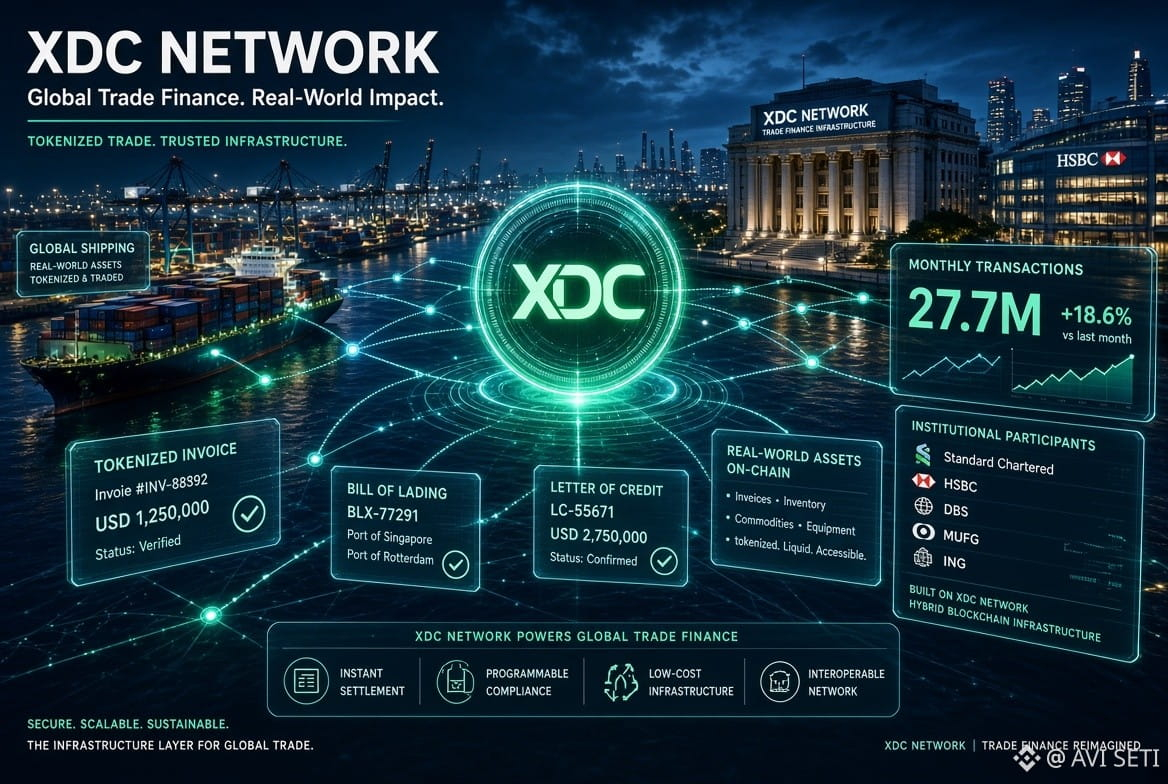
XDC $0.029 atrofida savdo qilmoqda, 17-sentabr ma’lumotlarida esa tarmoq o‘zining korxona va real hayotdagi aktivlar haqidagi narrativini rivojlantirishda davom etayotgani fonida kunlik pasayish faqat mo‘’tadil ekani ko‘rsatilgan. Xabar qilinishicha, XDC Network avgust oyida rekord 27,7 million tranzaksiyani qayta ishlagan, yangi institutsional validatorlar ko‘magida esa. So‘nggi ishlanmalar esa savdo moliyalashtirish va tokenlashtirilgan aktivlarga yo‘naltirilgan.
CoinMarketCap shuningdek, CLARITY Act sababli yuzaga kelgan beqarorlikdan so‘ng XDC’ni bozorning kuchliroq ko‘rsatkichi bo‘lgan aktivlari qatoriga kiritdi.
#XDC #XDCNetwork #RWA #TradeFinance #CryptoNews
XDC $0.029 atrofida savdo qilmoqda, 17-sentabr ma’lumotlarida esa tarmoq o‘zining korxona va real hayotdagi aktivlar haqidagi narrativini rivojlantirishda davom etayotgani fonida kunlik pasayish faqat mo‘’tadil ekani ko‘rsatilgan. Xabar qilinishicha, XDC Network avgust oyida rekord 27,7 million tranzaksiyani qayta ishlagan, yangi institutsional validatorlar ko‘magida esa. So‘nggi ishlanmalar esa savdo moliyalashtirish va tokenlashtirilgan aktivlarga yo‘naltirilgan.
CoinMarketCap shuningdek, CLARITY Act sababli yuzaga kelgan beqarorlikdan so‘ng XDC’ni bozorning kuchliroq ko‘rsatkichi bo‘lgan aktivlari qatoriga kiritdi.
#XDC #XDCNetwork #RWA #TradeFinance #CryptoNews
CoinMarketCap shuningdek, CLARITY Act sababli yuzaga kelgan beqarorlikdan so‘ng XDC’ni bozorning kuchliroq ko‘rsatkichi bo‘lgan aktivlari qatoriga kiritdi.
#XDC #XDCNetwork #RWA #TradeFinance #CryptoNews
1
·
--
Tasdiqlangan
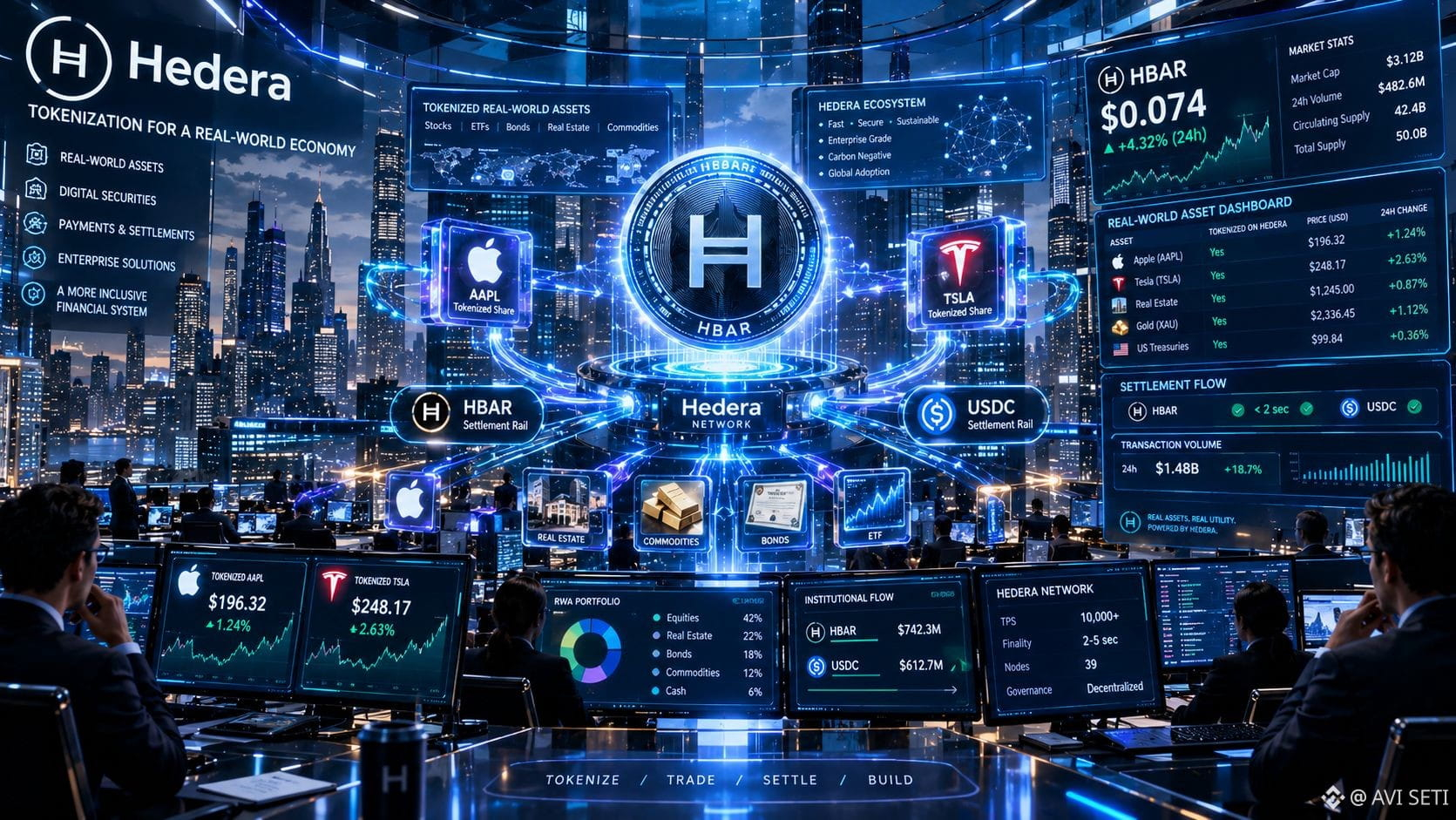
HBAR $0.074 atrofida savdo qilmoqda; yaqinda esa token texnik sotuvlar va kengroq kripto bozorining pasayishi bosimi ostida qoldi. CoinMarketCap 16-sentabr harakati davomida 24 soatlik sotuv hajmi 71%ga oshganini xabar qildi, shu bilan birga HBAR qisqa muddatli o‘rtacha ko‘rsatkichlardan pastga tushdi.
Ayni paytda, Hedera ekotizimi tokenlashtirilgan aktivlar atrofida rivojlanmoqda: HashPack SODAX bilan hamkorlik qilib, foydalanuvchilarga HBAR yoki USDC yordamida Apple va Tesla kabi tokenlashtirilgan aksiyalarni sotib olish, ushlab turish va savdo qilish imkonini berdi.
#HBAR #Hedera #Tokenization #RWA #CryptoNews
HBAR $0.074 atrofida savdo qilmoqda; yaqinda esa token texnik sotuvlar va kengroq kripto bozorining pasayishi bosimi ostida qoldi. CoinMarketCap 16-sentabr harakati davomida 24 soatlik sotuv hajmi 71%ga oshganini xabar qildi, shu bilan birga HBAR qisqa muddatli o‘rtacha ko‘rsatkichlardan pastga tushdi.
Ayni paytda, Hedera ekotizimi tokenlashtirilgan aktivlar atrofida rivojlanmoqda: HashPack SODAX bilan hamkorlik qilib, foydalanuvchilarga HBAR yoki USDC yordamida Apple va Tesla kabi tokenlashtirilgan aksiyalarni sotib olish, ushlab turish va savdo qilish imkonini berdi.
#HBAR #Hedera #Tokenization #RWA #CryptoNews
Ayni paytda, Hedera ekotizimi tokenlashtirilgan aktivlar atrofida rivojlanmoqda: HashPack SODAX bilan hamkorlik qilib, foydalanuvchilarga HBAR yoki USDC yordamida Apple va Tesla kabi tokenlashtirilgan aksiyalarni sotib olish, ushlab turish va savdo qilish imkonini berdi.
#HBAR #Hedera #Tokenization #RWA #CryptoNews
70
·
--
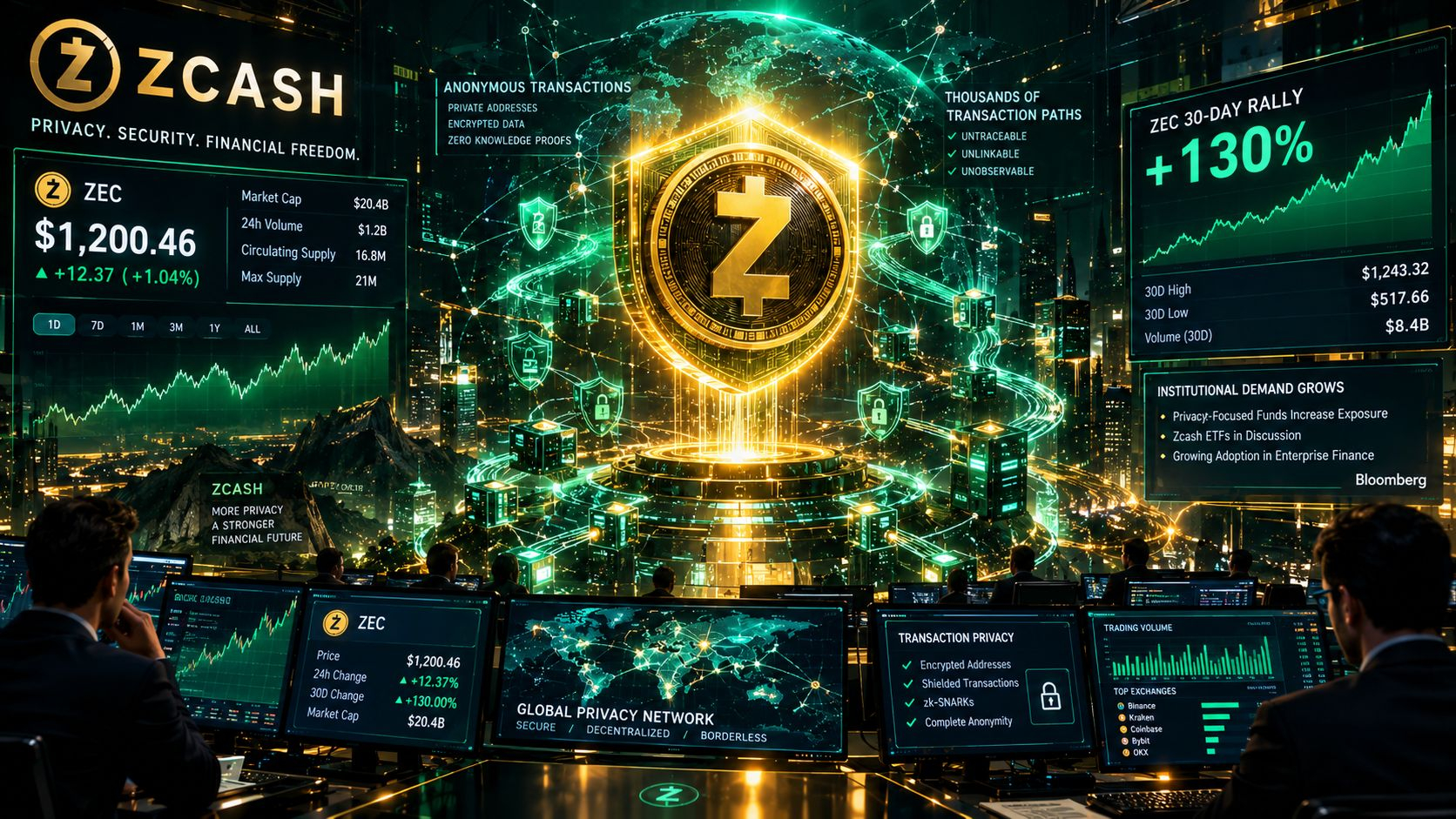
Zcash so‘nggi bozordagi yuqori volatillik davrida kripto bozoridagi eng kuchli ko‘rsatkichlardan birini namoyon qilgan: CoinDesk ma’lumotiga ko‘ra, 16-sentabr kuni ZEC $1,200 atrofida bo‘lgan, holbuki aksariyat yirik kriptovalyutalar bosim ostida edi. ZEC 30 kun ichida qariyb 130%ga oshib, maxfiylikka yo‘naltirilgan aktivni o‘zining ilk bozor tarixidagi kuzatilmagan eng yuqori darajalariga yaqinlashtirdi.
Ushbu harakat maxfiylik tangalariga bo‘lgan qiziqishning qayta jonlanishi bilan birga yuz berdi, biroq derivativlar pozitsiyalari va kengroq makroiqtisodiy muhit yaqin muddatda sezilarli volatillikni keltirib chiqarmoqda.
#ZEC #Zcash #PrivacyCoin #CryptoNews #Altcoins
Zcash so‘nggi bozordagi yuqori volatillik davrida kripto bozoridagi eng kuchli ko‘rsatkichlardan birini namoyon qilgan: CoinDesk ma’lumotiga ko‘ra, 16-sentabr kuni ZEC $1,200 atrofida bo‘lgan, holbuki aksariyat yirik kriptovalyutalar bosim ostida edi. ZEC 30 kun ichida qariyb 130%ga oshib, maxfiylikka yo‘naltirilgan aktivni o‘zining ilk bozor tarixidagi kuzatilmagan eng yuqori darajalariga yaqinlashtirdi.
Ushbu harakat maxfiylik tangalariga bo‘lgan qiziqishning qayta jonlanishi bilan birga yuz berdi, biroq derivativlar pozitsiyalari va kengroq makroiqtisodiy muhit yaqin muddatda sezilarli volatillikni keltirib chiqarmoqda.
#ZEC #Zcash #PrivacyCoin #CryptoNews #Altcoins
Ushbu harakat maxfiylik tangalariga bo‘lgan qiziqishning qayta jonlanishi bilan birga yuz berdi, biroq derivativlar pozitsiyalari va kengroq makroiqtisodiy muhit yaqin muddatda sezilarli volatillikni keltirib chiqarmoqda.
#ZEC #Zcash #PrivacyCoin #CryptoNews #Altcoins
135
Ko‘proq kontentni ko‘rish uchun tizimga kiring
Binance Square'da global kriptovalyuta foydalanuvchilariga qo‘shiling
⚡️ Kriptovalyuta haqida eng so‘nggi va foydali ma’lumotlarni oling.
💬 Dunyoning eng yirik kriptovalyuta birjasi tomonidan ishonchli deb topilgan.
👍 Tasdiqlangan mualliflardan haqiqiy tahlillarni kashf eting.
Email / telefon raqami
Trenddagi mavzular
BOJRaisesRatesTo31YearHigh
131,704 marta koʻrilgan
2,059 muhokama qilmoqda
#BOJRaisesRatesTo31YearHigh
#BOJRaisesRatesTo31YearHigh 🇯🇵📈
Yaponiya banki foiz stavkalarini 31 yildagi eng yuqori darajaga ko‘tarish orqali navbatdagi muhim qadamni tashladi va bu global bozorlarni hushyor holatga keltirdi. Bu qaror Yaponiyaning uzoq yillardan beri davom etib kelayotgan juda yumshoq pul-kredit siyosatidan chetlanish davom etayotganini ko‘rsatadi. Yaponiya bo‘yicha yuqoriroq foiz stavkalari iyenani mustahkamlashi, global obligatsiyalar rentabelligiga ta’sir qilishi va ehtimol moliyaviy bozorlar bo‘ylab kapital oqimlarini o‘zgartirishi mumkin. Kripto va riskli aktivlar ham investorlar likvidlik hamda risk ta’sirini qayta baholayotgan paytda munosabat bildirishi ehtimoli bor. Endi treyderlar kelgusidagi stavka qarorlari bo‘yicha ishoralarni topish uchun BOJning navbatdagi bayonotlarini diqqat bilan kuzatmoqda. Bozorlar siyosat o‘zgarishini va uning mumkin bo‘lgan global ta’sirini hazm qilgani sari volatillik kuchayishi mumkin. #BOJ #Japan #Crypto #Markets #InterestRates $NVDAB
maqsoodahmed1
·1 ta layk
·148 marta koʻrilgan
BuffettStepsDownAsBerkshireChairman
63,290 marta koʻrilgan
1,027 muhokama qilmoqda
XRPExchangeReservesHitSevenYearLow
66,998 marta koʻrilgan
951 muhokama qilmoqda