
Gourav-S
31.8k Postlar

Gourav-S
 Square Verified+
Shikoyat qilish
Foydalanuvchini bloklash
Exploring the crypto world with smart trading, learning,and growing. Focused on building a diversified portfolio.Join me on this exciting digital asset journey!
Tez-tez savdo qiluvchi
3.3 yil
1.3K+ Kuzatilmoqda
34.6K+ Kuzatuvchilar
76.6K+ Yoqdi
Postlar
Barchasi
Iqtiboslar
Videolar
Jonli
·
--
Tasdiqlangan
#ParadigmDisclosesZECHolding
Paradigm ZEC hamkorligini oshkor qildi — Zcash yana bir institutsional signal oldi
Paradigm asoschisi Matt Huang Paradigm nafaqat Zcash Open Development Lab (ZODL)ga investor ekanini, balki $ZEC ga ham egalik qilishini ma’lum qildi.
Oshkor etish 16-sentabr kuni bo‘lib, tezda bozor e’tiborini tortdi. ZEC 24 soat ichida qariyb 20%ga ko‘tarildi; harakat davomida u $1,338–$1,369 atrofida savdolanayotgani haqida xabarlar bor.
Buni yanada qiziqarli qiladigan narsa — katta manzara. Paradigm yil boshida ZODLning $25 mln+ seed bosqichini allaqachon qo‘llab-quvvatlagan edi, ammo bu tokenga to‘g‘ridan-to‘g‘ri ta’sir borligining ancha aniq tasdig‘idir.
Huang shuningdek Zcashni Bitcoinga nisbatan maxfiylik bo‘yicha qo‘shimcha sifatida ta’riflab, uzoq muddatli ishlab chiquvchilarni moliyalashtirish muhimligini ta’kidladi.
Muhim bir detali: Paradigm uning qancha miqdorda ZEC ushlashi haqida ma’lumot bermagan.
#zcash #ZEC #BinanceSquare
#ParadigmDisclosesZECHolding
Paradigm ZEC hamkorligini oshkor qildi — Zcash yana bir institutsional signal oldi
Paradigm asoschisi Matt Huang Paradigm nafaqat Zcash Open Development Lab (ZODL)ga investor ekanini, balki $ZEC ga ham egalik qilishini ma’lum qildi.
Oshkor etish 16-sentabr kuni bo‘lib, tezda bozor e’tiborini tortdi. ZEC 24 soat ichida qariyb 20%ga ko‘tarildi; harakat davomida u $1,338–$1,369 atrofida savdolanayotgani haqida xabarlar bor.
Buni yanada qiziqarli qiladigan narsa — katta manzara. Paradigm yil boshida ZODLning $25 mln+ seed bosqichini allaqachon qo‘llab-quvvatlagan edi, ammo bu tokenga to‘g‘ridan-to‘g‘ri ta’sir borligining ancha aniq tasdig‘idir.
Huang shuningdek Zcashni Bitcoinga nisbatan maxfiylik bo‘yicha qo‘shimcha sifatida ta’riflab, uzoq muddatli ishlab chiquvchilarni moliyalashtirish muhimligini ta’kidladi.
Muhim bir detali: Paradigm uning qancha miqdorda ZEC ushlashi haqida ma’lumot bermagan.
#zcash #ZEC #BinanceSquare
Paradigm ZEC hamkorligini oshkor qildi — Zcash yana bir institutsional signal oldi
Paradigm asoschisi Matt Huang Paradigm nafaqat Zcash Open Development Lab (ZODL)ga investor ekanini, balki $ZEC ga ham egalik qilishini ma’lum qildi.
Oshkor etish 16-sentabr kuni bo‘lib, tezda bozor e’tiborini tortdi. ZEC 24 soat ichida qariyb 20%ga ko‘tarildi; harakat davomida u $1,338–$1,369 atrofida savdolanayotgani haqida xabarlar bor.
Buni yanada qiziqarli qiladigan narsa — katta manzara. Paradigm yil boshida ZODLning $25 mln+ seed bosqichini allaqachon qo‘llab-quvvatlagan edi, ammo bu tokenga to‘g‘ridan-to‘g‘ri ta’sir borligining ancha aniq tasdig‘idir.
Huang shuningdek Zcashni Bitcoinga nisbatan maxfiylik bo‘yicha qo‘shimcha sifatida ta’riflab, uzoq muddatli ishlab chiquvchilarni moliyalashtirish muhimligini ta’kidladi.
Muhim bir detali: Paradigm uning qancha miqdorda ZEC ushlashi haqida ma’lumot bermagan.
#zcash #ZEC #BinanceSquare
1
1
606
·
--
Tasdiqlangan
Oltin yangilanishi: Qaytishmi yoki inkor qilinadimi? Mana Daily chart nimani aytyapti
$4,000 bazasidan to‘g‘ridan-to‘g‘ri $4,700 qarshilik zonasigacha bo‘lgan keskin ko‘tarilishdan so‘ng, XAUUSDT nafas rostlamoqda: hozir taxminan $4,623 atrofida kichik qizil sham ko‘rsatmoqda ($4,623, -0.73%).
Bu trend qaytishining boshlanishimi yoki ko‘tarilayotgan strukturaning oddiy “retest”imi? Mana aniq bo‘linish.
Hozirgi makro omillar
- Markaziy bank ishtahasi: Davom etayotgan institutsional xaridlar pasayishlar ostida makro qo‘llab-quvvatlashni ta’minlab turmoqda.
- Makro ma’lumotlar oqimi: AQShning kuchli iqtisodiy ma’lumotlari (Q2 GDP, Core PCE, Durable Goods) va Jekson Hole simpoziumi qisqa muddatli volatillikni kuchaytirmoqda.
- Dollar dinamikasi: AQSh Dollar indeksidagi keng ko‘lamli sustlik — qimmatbaho metallarning uzaygan bullish bosqichining asosiy drayveri bo‘lib qolmoqda.
Kuzatish kerak bo‘lgan muhim texnik zonalar
- Hozirgi holat: Narx $4,700 yaqinidagi mahalliy eng yuqori ko‘rsatkichdan (24h High: ~$4,694) rad etildi va $4,623 atrofida konsolidatsiyalanmoqda.
- Darhol qarshilik: Agar bir kunlik (daily) yopilish $4,700 dan yuqoriga chiqsa, $4,780 – $4,800 texnik nishonga davom etishni tasdiqlaydi.
- Asosiy tayanch: Faol ko‘tariluvchi trend chizig‘i birinchi himoya chizig‘i hisoblanadi. Agar trend chizig‘i ostidan qat’iy buzilish bo‘lsa, u $4,320 – $4,330 atrofidagi muhim gorizontal tayanchga tomon “pullback”ni ochib beradi.
Amalga oshirish strategiyasi
- Spot & uzoq muddatli akkumulyatorlar uchun: Yirik ustki (yuqoridagi) qarshilik yaqinida yashil sham quvib ketmang. Lump-sum (bir yo‘la) kirish o‘rniga Dollar-Cost Averaging (SIP / pasayishlarda xarid) usuli bilan kirishni bosqichma-bosqich taqsimlang.
- Faol treyderlar uchun: Yuqori ta’sirli makro yangiliklar atrofida kapitalingizni himoyalang. Daily shamning yopilishini kuzating: trend chizig‘idan aniq “qaytish” bo‘lguncha yoki $4,700 dan yuqorida tasdiqlangan breakout bo‘lgunga qadar yo‘nalishli leverajni qabul qilmang.
Bu yerda sizning qadam — $4,620 da dipni sotib olishmi, $4,330 ni kutishmi yoki $4,700 ustidagi breakoutni o‘ynashmi? Pastga fikringizni yozing! 👇
#XAU
$XAU
Oltin yangilanishi: Qaytishmi yoki inkor qilinadimi? Mana Daily chart nimani aytyapti
$4,000 bazasidan to‘g‘ridan-to‘g‘ri $4,700 qarshilik zonasigacha bo‘lgan keskin ko‘tarilishdan so‘ng, XAUUSDT nafas rostlamoqda: hozir taxminan $4,623 atrofida kichik qizil sham ko‘rsatmoqda ($4,623, -0.73%).
Bu trend qaytishining boshlanishimi yoki ko‘tarilayotgan strukturaning oddiy “retest”imi? Mana aniq bo‘linish.
Hozirgi makro omillar
- Markaziy bank ishtahasi: Davom etayotgan institutsional xaridlar pasayishlar ostida makro qo‘llab-quvvatlashni ta’minlab turmoqda.
- Makro ma’lumotlar oqimi: AQShning kuchli iqtisodiy ma’lumotlari (Q2 GDP, Core PCE, Durable Goods) va Jekson Hole simpoziumi qisqa muddatli volatillikni kuchaytirmoqda.
- Dollar dinamikasi: AQSh Dollar indeksidagi keng ko‘lamli sustlik — qimmatbaho metallarning uzaygan bullish bosqichining asosiy drayveri bo‘lib qolmoqda.
Kuzatish kerak bo‘lgan muhim texnik zonalar
- Hozirgi holat: Narx $4,700 yaqinidagi mahalliy eng yuqori ko‘rsatkichdan (24h High: ~$4,694) rad etildi va $4,623 atrofida konsolidatsiyalanmoqda.
- Darhol qarshilik: Agar bir kunlik (daily) yopilish $4,700 dan yuqoriga chiqsa, $4,780 – $4,800 texnik nishonga davom etishni tasdiqlaydi.
- Asosiy tayanch: Faol ko‘tariluvchi trend chizig‘i birinchi himoya chizig‘i hisoblanadi. Agar trend chizig‘i ostidan qat’iy buzilish bo‘lsa, u $4,320 – $4,330 atrofidagi muhim gorizontal tayanchga tomon “pullback”ni ochib beradi.
Amalga oshirish strategiyasi
- Spot & uzoq muddatli akkumulyatorlar uchun: Yirik ustki (yuqoridagi) qarshilik yaqinida yashil sham quvib ketmang. Lump-sum (bir yo‘la) kirish o‘rniga Dollar-Cost Averaging (SIP / pasayishlarda xarid) usuli bilan kirishni bosqichma-bosqich taqsimlang.
- Faol treyderlar uchun: Yuqori ta’sirli makro yangiliklar atrofida kapitalingizni himoyalang. Daily shamning yopilishini kuzating: trend chizig‘idan aniq “qaytish” bo‘lguncha yoki $4,700 dan yuqorida tasdiqlangan breakout bo‘lgunga qadar yo‘nalishli leverajni qabul qilmang.
Bu yerda sizning qadam — $4,620 da dipni sotib olishmi, $4,330 ni kutishmi yoki $4,700 ustidagi breakoutni o‘ynashmi? Pastga fikringizni yozing! 👇
#XAU
$XAU
$4,000 bazasidan to‘g‘ridan-to‘g‘ri $4,700 qarshilik zonasigacha bo‘lgan keskin ko‘tarilishdan so‘ng, XAUUSDT nafas rostlamoqda: hozir taxminan $4,623 atrofida kichik qizil sham ko‘rsatmoqda ($4,623, -0.73%).
Bu trend qaytishining boshlanishimi yoki ko‘tarilayotgan strukturaning oddiy “retest”imi? Mana aniq bo‘linish.
Hozirgi makro omillar
- Markaziy bank ishtahasi: Davom etayotgan institutsional xaridlar pasayishlar ostida makro qo‘llab-quvvatlashni ta’minlab turmoqda.
- Makro ma’lumotlar oqimi: AQShning kuchli iqtisodiy ma’lumotlari (Q2 GDP, Core PCE, Durable Goods) va Jekson Hole simpoziumi qisqa muddatli volatillikni kuchaytirmoqda.
- Dollar dinamikasi: AQSh Dollar indeksidagi keng ko‘lamli sustlik — qimmatbaho metallarning uzaygan bullish bosqichining asosiy drayveri bo‘lib qolmoqda.
Kuzatish kerak bo‘lgan muhim texnik zonalar
- Hozirgi holat: Narx $4,700 yaqinidagi mahalliy eng yuqori ko‘rsatkichdan (24h High: ~$4,694) rad etildi va $4,623 atrofida konsolidatsiyalanmoqda.
- Darhol qarshilik: Agar bir kunlik (daily) yopilish $4,700 dan yuqoriga chiqsa, $4,780 – $4,800 texnik nishonga davom etishni tasdiqlaydi.
- Asosiy tayanch: Faol ko‘tariluvchi trend chizig‘i birinchi himoya chizig‘i hisoblanadi. Agar trend chizig‘i ostidan qat’iy buzilish bo‘lsa, u $4,320 – $4,330 atrofidagi muhim gorizontal tayanchga tomon “pullback”ni ochib beradi.
Amalga oshirish strategiyasi
- Spot & uzoq muddatli akkumulyatorlar uchun: Yirik ustki (yuqoridagi) qarshilik yaqinida yashil sham quvib ketmang. Lump-sum (bir yo‘la) kirish o‘rniga Dollar-Cost Averaging (SIP / pasayishlarda xarid) usuli bilan kirishni bosqichma-bosqich taqsimlang.
- Faol treyderlar uchun: Yuqori ta’sirli makro yangiliklar atrofida kapitalingizni himoyalang. Daily shamning yopilishini kuzating: trend chizig‘idan aniq “qaytish” bo‘lguncha yoki $4,700 dan yuqorida tasdiqlangan breakout bo‘lgunga qadar yo‘nalishli leverajni qabul qilmang.
Bu yerda sizning qadam — $4,620 da dipni sotib olishmi, $4,330 ni kutishmi yoki $4,700 ustidagi breakoutni o‘ynashmi? Pastga fikringizni yozing! 👇
#XAU
$XAU
3
635
·
--
26-avgust BTC, oltin va kumush uchun katta kun bo‘lishi mumkin
Bozorlar 26-avgust kuni bo‘ladigan muhim makro voqea tomon ketmoqda. AQSh Q2 YaIMning ikkinchi bahosi hamda iyuldagi Shaxsiy daromad va xarajatlar (Personal Income & Outlays)ni, shu jumladan Fed’ning sevimli inflyatsiya indikatorlaridan biri bo‘lgan PCE inflyatsiya ma’lumotlarini e’lon qiladi. Bularning barchasi ET bo‘yicha soat 08:30 ga belgilangan.
Birinchi Q2 YaIM bahosi yillik hisobda 1.5% o‘sishni ko‘rsatgan, Q1 dagi 2.1%dan past. Shu sababli revision (qayta ko‘rib chiqish) bozorlar uchun AQSh iqtisodiyoti qanchalik kuchli ekaniga oid yana bir ishora bo‘lishi mumkin.
Ammo yanada kattaroq bozor harakatlantiruvchisi Core PCE bo‘lsa kerak.
Men buni shunday ko‘ryapman:
🟢 Zaif YaIM + yumshoqroq PCE
Bu osonroq Fed siyosati haqidagi kutishlarni kuchaytirishi mumkin. Dollar va Treasurylardagi daromadlilik pasayim bosimiga duch kelishi, natijada BTC, oltin va kumush uchun bullish (o‘sishga yo‘naltirilgan) setup paydo bo‘lishi ehtimol.
🟡 Kuchli YaIM + yumshoqroq PCE
Ehtimol, eng qiziqarli kombinatsiya. O‘sish sog‘lom bo‘lib qoladi, inflyatsiya esa pasayadi. Bu risk aktivlarini qo‘llab-quvvatlashi, shu bilan birga qimmatbaho metallarni ham jozibador tutib turishi mumkin.
🔴 Kuchli YaIM + issiqroq PCE
Bu stavkalarni pasaytirish haqidagi kutishlarni pastroqqa tushirishi mumkin. Kuchliroq dollar va yuqoriroq daromadlilik BTC, oltin va kumushga qisqa muddatli bosim o‘tkazishi mumkin.
⚠️ Zaif YaIM + issiqroq PCE
Bu eng qiyin ssenariy. O‘sish sekinlashadi, lekin inflyatsiya yopishqoq bo‘lib qoladi. Bozorlar juda beqaror bo‘lib qolishi mumkin, chunki Fed siyosatni yumshatish uchun kamroq imkoniyatga ega bo‘ladi.
Bundan tashqari, buningdan keyin darhol yana bir yirik voqea bor: Jekson Hole simpoziumi 27–29-avgust kunlari bo‘lib o‘tadi, shuning uchun Fed’ning izohlari keyingi qadam uchun ayniqsa muhim.
Mening fikrim: faqat sarlavha (headline) bo‘yicha savdo qilmang. YaIM + Core PCE + DXY + Treasurylardagi daromadlilikni birgalikda kuzating.
Reaksiya keskin bo‘lishi mumkin, ayniqsa yaqinda qimmatbaho metallar va kriptodagi harakatlardan keyin.
#BTC #Gold #Silver #FederalReserve #BinanceSquare
$BTC
{spot}(BTCUSDT)
$XAUT
{spot}(XAUTUSDT)
$XAG
{future}(XAGUSDT)
26-avgust BTC, oltin va kumush uchun katta kun bo‘lishi mumkin
Bozorlar 26-avgust kuni bo‘ladigan muhim makro voqea tomon ketmoqda. AQSh Q2 YaIMning ikkinchi bahosi hamda iyuldagi Shaxsiy daromad va xarajatlar (Personal Income & Outlays)ni, shu jumladan Fed’ning sevimli inflyatsiya indikatorlaridan biri bo‘lgan PCE inflyatsiya ma’lumotlarini e’lon qiladi. Bularning barchasi ET bo‘yicha soat 08:30 ga belgilangan.
Birinchi Q2 YaIM bahosi yillik hisobda 1.5% o‘sishni ko‘rsatgan, Q1 dagi 2.1%dan past. Shu sababli revision (qayta ko‘rib chiqish) bozorlar uchun AQSh iqtisodiyoti qanchalik kuchli ekaniga oid yana bir ishora bo‘lishi mumkin.
Ammo yanada kattaroq bozor harakatlantiruvchisi Core PCE bo‘lsa kerak.
Men buni shunday ko‘ryapman:
🟢 Zaif YaIM + yumshoqroq PCE
Bu osonroq Fed siyosati haqidagi kutishlarni kuchaytirishi mumkin. Dollar va Treasurylardagi daromadlilik pasayim bosimiga duch kelishi, natijada BTC, oltin va kumush uchun bullish (o‘sishga yo‘naltirilgan) setup paydo bo‘lishi ehtimol.
🟡 Kuchli YaIM + yumshoqroq PCE
Ehtimol, eng qiziqarli kombinatsiya. O‘sish sog‘lom bo‘lib qoladi, inflyatsiya esa pasayadi. Bu risk aktivlarini qo‘llab-quvvatlashi, shu bilan birga qimmatbaho metallarni ham jozibador tutib turishi mumkin.
🔴 Kuchli YaIM + issiqroq PCE
Bu stavkalarni pasaytirish haqidagi kutishlarni pastroqqa tushirishi mumkin. Kuchliroq dollar va yuqoriroq daromadlilik BTC, oltin va kumushga qisqa muddatli bosim o‘tkazishi mumkin.
⚠️ Zaif YaIM + issiqroq PCE
Bu eng qiyin ssenariy. O‘sish sekinlashadi, lekin inflyatsiya yopishqoq bo‘lib qoladi. Bozorlar juda beqaror bo‘lib qolishi mumkin, chunki Fed siyosatni yumshatish uchun kamroq imkoniyatga ega bo‘ladi.
Bundan tashqari, buningdan keyin darhol yana bir yirik voqea bor: Jekson Hole simpoziumi 27–29-avgust kunlari bo‘lib o‘tadi, shuning uchun Fed’ning izohlari keyingi qadam uchun ayniqsa muhim.
Mening fikrim: faqat sarlavha (headline) bo‘yicha savdo qilmang. YaIM + Core PCE + DXY + Treasurylardagi daromadlilikni birgalikda kuzating.
Reaksiya keskin bo‘lishi mumkin, ayniqsa yaqinda qimmatbaho metallar va kriptodagi harakatlardan keyin.
#BTC #Gold #Silver #FederalReserve #BinanceSquare
$BTC
$XAUT
$XAG
Bozorlar 26-avgust kuni bo‘ladigan muhim makro voqea tomon ketmoqda. AQSh Q2 YaIMning ikkinchi bahosi hamda iyuldagi Shaxsiy daromad va xarajatlar (Personal Income & Outlays)ni, shu jumladan Fed’ning sevimli inflyatsiya indikatorlaridan biri bo‘lgan PCE inflyatsiya ma’lumotlarini e’lon qiladi. Bularning barchasi ET bo‘yicha soat 08:30 ga belgilangan.
Birinchi Q2 YaIM bahosi yillik hisobda 1.5% o‘sishni ko‘rsatgan, Q1 dagi 2.1%dan past. Shu sababli revision (qayta ko‘rib chiqish) bozorlar uchun AQSh iqtisodiyoti qanchalik kuchli ekaniga oid yana bir ishora bo‘lishi mumkin.
Ammo yanada kattaroq bozor harakatlantiruvchisi Core PCE bo‘lsa kerak.
Men buni shunday ko‘ryapman:
🟢 Zaif YaIM + yumshoqroq PCE
Bu osonroq Fed siyosati haqidagi kutishlarni kuchaytirishi mumkin. Dollar va Treasurylardagi daromadlilik pasayim bosimiga duch kelishi, natijada BTC, oltin va kumush uchun bullish (o‘sishga yo‘naltirilgan) setup paydo bo‘lishi ehtimol.
🟡 Kuchli YaIM + yumshoqroq PCE
Ehtimol, eng qiziqarli kombinatsiya. O‘sish sog‘lom bo‘lib qoladi, inflyatsiya esa pasayadi. Bu risk aktivlarini qo‘llab-quvvatlashi, shu bilan birga qimmatbaho metallarni ham jozibador tutib turishi mumkin.
🔴 Kuchli YaIM + issiqroq PCE
Bu stavkalarni pasaytirish haqidagi kutishlarni pastroqqa tushirishi mumkin. Kuchliroq dollar va yuqoriroq daromadlilik BTC, oltin va kumushga qisqa muddatli bosim o‘tkazishi mumkin.
⚠️ Zaif YaIM + issiqroq PCE
Bu eng qiyin ssenariy. O‘sish sekinlashadi, lekin inflyatsiya yopishqoq bo‘lib qoladi. Bozorlar juda beqaror bo‘lib qolishi mumkin, chunki Fed siyosatni yumshatish uchun kamroq imkoniyatga ega bo‘ladi.
Bundan tashqari, buningdan keyin darhol yana bir yirik voqea bor: Jekson Hole simpoziumi 27–29-avgust kunlari bo‘lib o‘tadi, shuning uchun Fed’ning izohlari keyingi qadam uchun ayniqsa muhim.
Mening fikrim: faqat sarlavha (headline) bo‘yicha savdo qilmang. YaIM + Core PCE + DXY + Treasurylardagi daromadlilikni birgalikda kuzating.
Reaksiya keskin bo‘lishi mumkin, ayniqsa yaqinda qimmatbaho metallar va kriptodagi harakatlardan keyin.
#BTC #Gold #Silver #FederalReserve #BinanceSquare
$BTC
$XAUT
$XAG
2
296
·
--
Bitcoin’s Keyingi Katta Rally: Haqiqatmi yoki Oddiy Shov-shuvmi?
AQSH kripto qonun loyihalari, milliy zaxiralar va hukumatlar BTC’ni ushlab turgani sababli Bitcoin portlovchi rallyga tayyorlanayotgani haqida juda ko‘p gap-so‘zlar bor.
Ammo keling, faktlarni shov-shuvdan ajratamiz.
🇺🇸 AQSHning Bitcoin zaxirasi:
AQSH strategik Bitcoin zaxirasini qurishi haqidagi g‘oya real, lekin hukumat 1 million BTC sotib olishga allaqachon ruxsat bergan degan da’volar chalg‘ituvchi. 1 million BTC maqsadi — taklif qilingan qonun loyihasidan keladi, allaqachon to‘liq bajarilgan buyruq emas.
📜 AQSH kripto regulyatsiyasi:
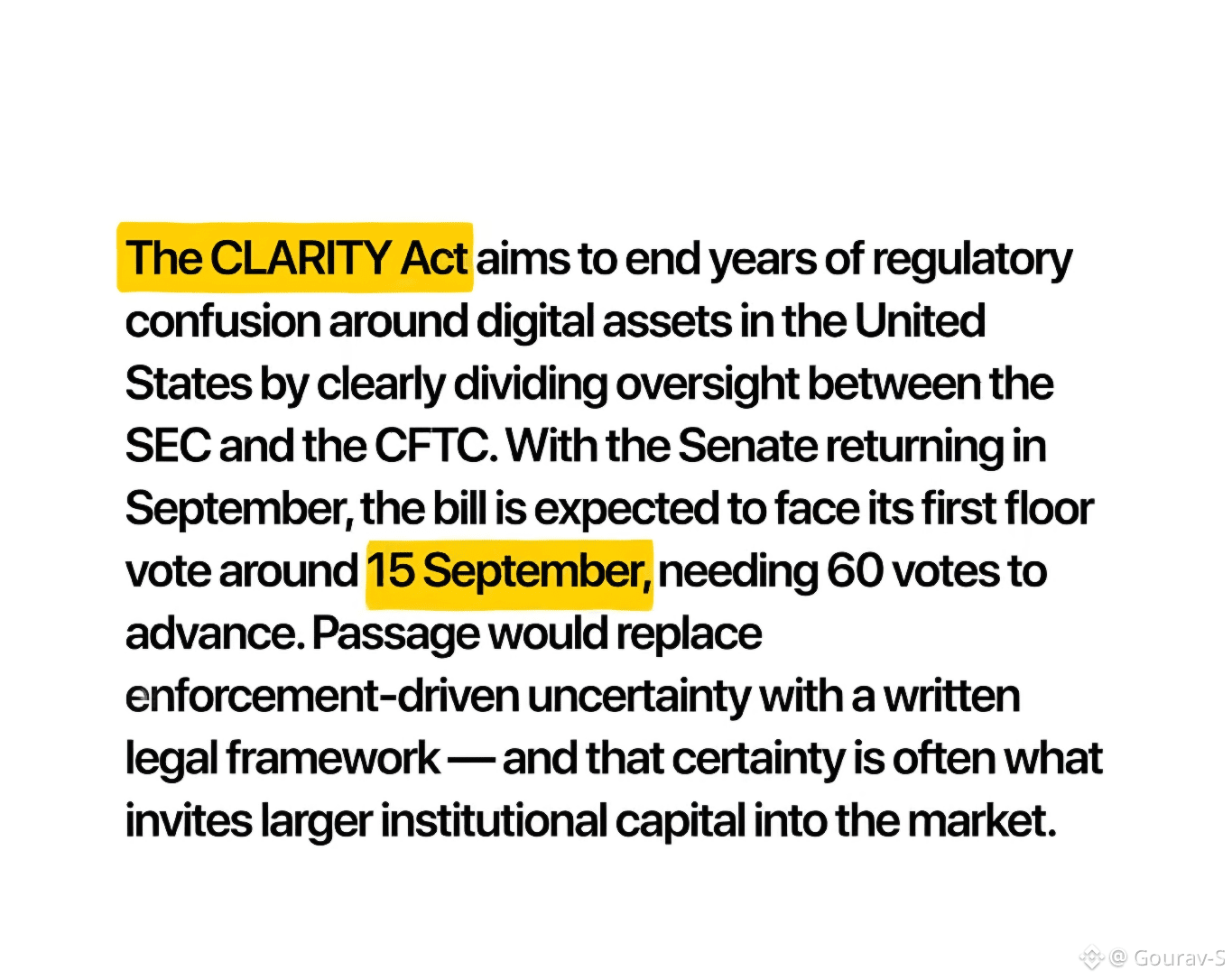
CLARITY kabi qonun loyihalari va boshqa bozor tuzilmasi bo‘yicha takliflar kripto uchun aniqroq qoidalarni berishi mumkin. Bu institutsional qabul uchun ijobiy bo‘ladi, lekin taklif qilingan qonun Bitcoin narxiga darhol katalizator bo‘la olmaydi.
🌍 BTC’ni ushlab turgan hukumatlar:
AQSH, Xitoy va boshqa hukumatlar katta miqdorda Bitcoin ushlab turadi, lekin ularning ko‘pi ataylab xarid qilishdan emas, balki jinoiy aktivlarni musodara qilishdan kelgan. Butan esa boshqacha — u gidroenergiya resurslari yordamida Bitcoin qazib olgan.
🇮🇳 Va Hindiston?
Kripto qabul qilinishi juda katta, ammo Hindistonda soliqqa tortish masalasi muhim bo‘lib qolmoqda: masalan, qo‘llaniladigan kripto daromadlariga 30% soliq va 1% TDS.
Demak, Bitcoin’ning uzoq muddatli hikoyasi kuchayib boryaptimi? Albatta.
Lekin taklif qilingan qonun loyihasi, sarlavha yoki ijtimoiy tarmoq prognozini amaldagi hukumat xaridi bilan adashtirmang.
Bitcoin haqidagi rivoyat kuchli. Shov-shuv esa undan ham balandroq. Savdo qilishdan oldin har doim faktlarni tekshiring.
Sizningcha, kelgusi bir necha yilda suveren Bitcoin zaxiralari oddiy holga aylanadimi? 👇
#bitcoin #BTC #BinanceSquare
$BTC
{spot}(BTCUSDT)
Bitcoin’s Keyingi Katta Rally: Haqiqatmi yoki Oddiy Shov-shuvmi?
AQSH kripto qonun loyihalari, milliy zaxiralar va hukumatlar BTC’ni ushlab turgani sababli Bitcoin portlovchi rallyga tayyorlanayotgani haqida juda ko‘p gap-so‘zlar bor.
Ammo keling, faktlarni shov-shuvdan ajratamiz.
🇺🇸 AQSHning Bitcoin zaxirasi:
AQSH strategik Bitcoin zaxirasini qurishi haqidagi g‘oya real, lekin hukumat 1 million BTC sotib olishga allaqachon ruxsat bergan degan da’volar chalg‘ituvchi. 1 million BTC maqsadi — taklif qilingan qonun loyihasidan keladi, allaqachon to‘liq bajarilgan buyruq emas.
📜 AQSH kripto regulyatsiyasi:
CLARITY kabi qonun loyihalari va boshqa bozor tuzilmasi bo‘yicha takliflar kripto uchun aniqroq qoidalarni berishi mumkin. Bu institutsional qabul uchun ijobiy bo‘ladi, lekin taklif qilingan qonun Bitcoin narxiga darhol katalizator bo‘la olmaydi.
🌍 BTC’ni ushlab turgan hukumatlar:
AQSH, Xitoy va boshqa hukumatlar katta miqdorda Bitcoin ushlab turadi, lekin ularning ko‘pi ataylab xarid qilishdan emas, balki jinoiy aktivlarni musodara qilishdan kelgan. Butan esa boshqacha — u gidroenergiya resurslari yordamida Bitcoin qazib olgan.
🇮🇳 Va Hindiston?
Kripto qabul qilinishi juda katta, ammo Hindistonda soliqqa tortish masalasi muhim bo‘lib qolmoqda: masalan, qo‘llaniladigan kripto daromadlariga 30% soliq va 1% TDS.
Demak, Bitcoin’ning uzoq muddatli hikoyasi kuchayib boryaptimi? Albatta.
Lekin taklif qilingan qonun loyihasi, sarlavha yoki ijtimoiy tarmoq prognozini amaldagi hukumat xaridi bilan adashtirmang.
Bitcoin haqidagi rivoyat kuchli. Shov-shuv esa undan ham balandroq. Savdo qilishdan oldin har doim faktlarni tekshiring.
Sizningcha, kelgusi bir necha yilda suveren Bitcoin zaxiralari oddiy holga aylanadimi? 👇
#bitcoin #BTC #BinanceSquare
$BTC
AQSH kripto qonun loyihalari, milliy zaxiralar va hukumatlar BTC’ni ushlab turgani sababli Bitcoin portlovchi rallyga tayyorlanayotgani haqida juda ko‘p gap-so‘zlar bor.
Ammo keling, faktlarni shov-shuvdan ajratamiz.
🇺🇸 AQSHning Bitcoin zaxirasi:
AQSH strategik Bitcoin zaxirasini qurishi haqidagi g‘oya real, lekin hukumat 1 million BTC sotib olishga allaqachon ruxsat bergan degan da’volar chalg‘ituvchi. 1 million BTC maqsadi — taklif qilingan qonun loyihasidan keladi, allaqachon to‘liq bajarilgan buyruq emas.
📜 AQSH kripto regulyatsiyasi:
CLARITY kabi qonun loyihalari va boshqa bozor tuzilmasi bo‘yicha takliflar kripto uchun aniqroq qoidalarni berishi mumkin. Bu institutsional qabul uchun ijobiy bo‘ladi, lekin taklif qilingan qonun Bitcoin narxiga darhol katalizator bo‘la olmaydi.
🌍 BTC’ni ushlab turgan hukumatlar:
AQSH, Xitoy va boshqa hukumatlar katta miqdorda Bitcoin ushlab turadi, lekin ularning ko‘pi ataylab xarid qilishdan emas, balki jinoiy aktivlarni musodara qilishdan kelgan. Butan esa boshqacha — u gidroenergiya resurslari yordamida Bitcoin qazib olgan.
🇮🇳 Va Hindiston?
Kripto qabul qilinishi juda katta, ammo Hindistonda soliqqa tortish masalasi muhim bo‘lib qolmoqda: masalan, qo‘llaniladigan kripto daromadlariga 30% soliq va 1% TDS.
Demak, Bitcoin’ning uzoq muddatli hikoyasi kuchayib boryaptimi? Albatta.
Lekin taklif qilingan qonun loyihasi, sarlavha yoki ijtimoiy tarmoq prognozini amaldagi hukumat xaridi bilan adashtirmang.
Bitcoin haqidagi rivoyat kuchli. Shov-shuv esa undan ham balandroq. Savdo qilishdan oldin har doim faktlarni tekshiring.
Sizningcha, kelgusi bir necha yilda suveren Bitcoin zaxiralari oddiy holga aylanadimi? 👇
#bitcoin #BTC #BinanceSquare
$BTC
2
1.1k
·
--
47 million dollarlik SOL sazi e’tiborni tortmoqda
Bitta kit Solana bo‘yicha juda tajovuzkor garov qilmoqda.
On-chain tahlilchi Ai Yi ma’lumotiga ko‘ra, hamyon 20x leverage qilingan long pozitsiyada taxminan 517 000 SOL ushlab turibdi. Pozitsiya qiymati qariyb 47 million dollarni tashkil etadi va ochilmagan foyda taxminan 6,3 million dollar atrofida.
Buni qiziqarli qiladigan narsa — kit pozitsiyani boshqarish usuli. 10-avgust kuni savdoni ochganidan so‘ng, xabar qilinishicha, u taxminan 475 ming dollar foyda bilan pozitsiyaning bir qismini yopgan, keyin esa yana taxminan $82 atrofida ta’sirni (ekspozitsiyani) qo‘shib qo‘ygan.
Bu bizga bitta narsani aytadi: bu kichik spekulyativ savdo emas. Kimdir SOL bo‘yicha muhim darajada leverage qilingan riskni o‘z zimmasiga olishga tayyor.
Lekin hikoyaning yana bir tomoni bor. 20x leverage har ikki tomonni ham kesib o‘tadi. Pozitsiyaga qarshi nisbatan kichik harakat katta ochilmagan foydani tezda yo‘qotishga aylantirishi mumkin.
Kitning faolligi kuzatish uchun foydali bo‘lishi mumkin, ammo uni ko‘r-ko‘rona ergashish uchun signal deb qabul qilmaslik kerak.
Katta pozitsiya. Katta ishonch. Va bundan ham kattaroq risk.
#Solana #SOL #altcoins #BinanceSquare
$SOL
{spot}(SOLUSDT)
47 million dollarlik SOL sazi e’tiborni tortmoqda
Bitta kit Solana bo‘yicha juda tajovuzkor garov qilmoqda.
On-chain tahlilchi Ai Yi ma’lumotiga ko‘ra, hamyon 20x leverage qilingan long pozitsiyada taxminan 517 000 SOL ushlab turibdi. Pozitsiya qiymati qariyb 47 million dollarni tashkil etadi va ochilmagan foyda taxminan 6,3 million dollar atrofida.
Buni qiziqarli qiladigan narsa — kit pozitsiyani boshqarish usuli. 10-avgust kuni savdoni ochganidan so‘ng, xabar qilinishicha, u taxminan 475 ming dollar foyda bilan pozitsiyaning bir qismini yopgan, keyin esa yana taxminan $82 atrofida ta’sirni (ekspozitsiyani) qo‘shib qo‘ygan.
Bu bizga bitta narsani aytadi: bu kichik spekulyativ savdo emas. Kimdir SOL bo‘yicha muhim darajada leverage qilingan riskni o‘z zimmasiga olishga tayyor.
Lekin hikoyaning yana bir tomoni bor. 20x leverage har ikki tomonni ham kesib o‘tadi. Pozitsiyaga qarshi nisbatan kichik harakat katta ochilmagan foydani tezda yo‘qotishga aylantirishi mumkin.
Kitning faolligi kuzatish uchun foydali bo‘lishi mumkin, ammo uni ko‘r-ko‘rona ergashish uchun signal deb qabul qilmaslik kerak.
Katta pozitsiya. Katta ishonch. Va bundan ham kattaroq risk.
#Solana #SOL #altcoins #BinanceSquare
$SOL
Bitta kit Solana bo‘yicha juda tajovuzkor garov qilmoqda.
On-chain tahlilchi Ai Yi ma’lumotiga ko‘ra, hamyon 20x leverage qilingan long pozitsiyada taxminan 517 000 SOL ushlab turibdi. Pozitsiya qiymati qariyb 47 million dollarni tashkil etadi va ochilmagan foyda taxminan 6,3 million dollar atrofida.
Buni qiziqarli qiladigan narsa — kit pozitsiyani boshqarish usuli. 10-avgust kuni savdoni ochganidan so‘ng, xabar qilinishicha, u taxminan 475 ming dollar foyda bilan pozitsiyaning bir qismini yopgan, keyin esa yana taxminan $82 atrofida ta’sirni (ekspozitsiyani) qo‘shib qo‘ygan.
Bu bizga bitta narsani aytadi: bu kichik spekulyativ savdo emas. Kimdir SOL bo‘yicha muhim darajada leverage qilingan riskni o‘z zimmasiga olishga tayyor.
Lekin hikoyaning yana bir tomoni bor. 20x leverage har ikki tomonni ham kesib o‘tadi. Pozitsiyaga qarshi nisbatan kichik harakat katta ochilmagan foydani tezda yo‘qotishga aylantirishi mumkin.
Kitning faolligi kuzatish uchun foydali bo‘lishi mumkin, ammo uni ko‘r-ko‘rona ergashish uchun signal deb qabul qilmaslik kerak.
Katta pozitsiya. Katta ishonch. Va bundan ham kattaroq risk.
#Solana #SOL #altcoins #BinanceSquare
$SOL


Binance News
·
--
Kit 517 000 SOL long pozitsiyasini 6,3 million dollarlik realizatsiya qilinmagan foyda bilan ushlab turibdi
Onlayn tahlilchi Ai Yi maʼlumotiga ko‘ra, bir kit 517 000 SOL bo‘yicha 20x leverage (kredit yelkasidan foydalanilgan) long pozitsiyasini ushlab turibdi; uning realizatsiya qilinmagan foydasi 6,3 million dollarni tashkil etadi. Odaily maʼlumotiga ko‘ra, pozitsiya qiymati 47,09 million dollar, o‘rtacha kirish narxi esa 79,3222 dollar.
10-avgust kuni kit pozitsiyani ochdi va eng yirik ulush egasiga aylandi. 19-avgust kuni u pozitsiyaning yarmini 475 000 dollarlik foyda bilan yopdi, so‘ng o‘sha kechqurun 82,16 dollardan o‘sha qismni yana qayta to‘ldirdi.
10-avgust kuni kit pozitsiyani ochdi va eng yirik ulush egasiga aylandi. 19-avgust kuni u pozitsiyaning yarmini 475 000 dollarlik foyda bilan yopdi, so‘ng o‘sha kechqurun 82,16 dollardan o‘sha qismni yana qayta to‘ldirdi.
1
394
·
--
Tasdiqlangan
HSBC Nvidia’ning prognozini oshirdi, lekin eng muhim jihat shunda
HSBC Nvidia ($NVDA ) uchun narx bo‘yicha maqsadli prognozni $325 dan $360 gacha oshirdi va Buy reytingini saqlab qoldi.
Birinchi qarashda bu shunchaki yana bir analitikning prognoz yangilanishidek ko‘rinadi. Ammo ortida kattaroq voqea bor.
Nvidia global AI “boom”ning eng yirik manfaatdorlaridan biriga aylandi. Kompaniyalar AI infratuzilmasiga jiddiy mablag‘ sarflayapti va Nvidia’ning GPU’lari o‘sha qurilishning markazida turibdi. HSBC’dan kelgan yuqoriroq prognoz bank hali ham Nvidia katta miting (aksiyalar keskin ko‘tarilgani)dan keyin ham o‘sish uchun joy bor deb hisoblayotganini anglatadi.
Lekin narx bo‘yicha prognoz — kafolat emas. Nvidia’ning bahosi (valuation) esa yana ham talabchan, shuning uchun kompaniya yuqoriroq narxlarni oqlash uchun kuchli daromad, foyda hamda AI bilan bog‘liq talabni etkazishda davom etishi kerak.
Men uchun qiziqarli qismi $360 raqamning o‘zi emas.
Muhimi — Nvidia katta hajmdagi AI sarf-xarajatlar siklini barqaror daromad o‘sishiga aylantirishda davom eta oladimi.
AIga talab kuchli. Endi bozor ijroni (execution) kutyapti.
#Nvidia #NVDA #AI #BinanceSquare $NVDA.US
{stock_us}(NVDA.US)
HSBC Nvidia’ning prognozini oshirdi, lekin eng muhim jihat shunda
HSBC Nvidia ($NVDA ) uchun narx bo‘yicha maqsadli prognozni $325 dan $360 gacha oshirdi va Buy reytingini saqlab qoldi.
Birinchi qarashda bu shunchaki yana bir analitikning prognoz yangilanishidek ko‘rinadi. Ammo ortida kattaroq voqea bor.
Nvidia global AI “boom”ning eng yirik manfaatdorlaridan biriga aylandi. Kompaniyalar AI infratuzilmasiga jiddiy mablag‘ sarflayapti va Nvidia’ning GPU’lari o‘sha qurilishning markazida turibdi. HSBC’dan kelgan yuqoriroq prognoz bank hali ham Nvidia katta miting (aksiyalar keskin ko‘tarilgani)dan keyin ham o‘sish uchun joy bor deb hisoblayotganini anglatadi.
Lekin narx bo‘yicha prognoz — kafolat emas. Nvidia’ning bahosi (valuation) esa yana ham talabchan, shuning uchun kompaniya yuqoriroq narxlarni oqlash uchun kuchli daromad, foyda hamda AI bilan bog‘liq talabni etkazishda davom etishi kerak.
Men uchun qiziqarli qismi $360 raqamning o‘zi emas.
Muhimi — Nvidia katta hajmdagi AI sarf-xarajatlar siklini barqaror daromad o‘sishiga aylantirishda davom eta oladimi.
AIga talab kuchli. Endi bozor ijroni (execution) kutyapti.
#Nvidia #NVDA #AI #BinanceSquare $NVDA.US
HSBC Nvidia ($NVDA ) uchun narx bo‘yicha maqsadli prognozni $325 dan $360 gacha oshirdi va Buy reytingini saqlab qoldi.
Birinchi qarashda bu shunchaki yana bir analitikning prognoz yangilanishidek ko‘rinadi. Ammo ortida kattaroq voqea bor.
Nvidia global AI “boom”ning eng yirik manfaatdorlaridan biriga aylandi. Kompaniyalar AI infratuzilmasiga jiddiy mablag‘ sarflayapti va Nvidia’ning GPU’lari o‘sha qurilishning markazida turibdi. HSBC’dan kelgan yuqoriroq prognoz bank hali ham Nvidia katta miting (aksiyalar keskin ko‘tarilgani)dan keyin ham o‘sish uchun joy bor deb hisoblayotganini anglatadi.
Lekin narx bo‘yicha prognoz — kafolat emas. Nvidia’ning bahosi (valuation) esa yana ham talabchan, shuning uchun kompaniya yuqoriroq narxlarni oqlash uchun kuchli daromad, foyda hamda AI bilan bog‘liq talabni etkazishda davom etishi kerak.
Men uchun qiziqarli qismi $360 raqamning o‘zi emas.
Muhimi — Nvidia katta hajmdagi AI sarf-xarajatlar siklini barqaror daromad o‘sishiga aylantirishda davom eta oladimi.
AIga talab kuchli. Endi bozor ijroni (execution) kutyapti.
#Nvidia #NVDA #AI #BinanceSquare $NVDA.US
Binance News
·
--
HSBC Nvidia’ning narx bo‘yicha prognozini $325 dan $360 gacha oshirdi
HSBC Nvidia uchun narx bo‘yicha prognozini $325 dan $360 gacha oshirdi. ChainCatcher ma’lumotiga ko‘ra, bank qo‘shimcha tafsilot bermasdan qisqa eslatmada tuzatish kiritgan.
NVDAUS+1,77%
2
654
·
--
Tasdiqlangan
Birinchi bStock’ingiz: qimmatli qog‘ozlar, ammo on-cheynda
Agar an’anaviy aksiyalar va kripto savdosi birlashsa, bu qanday ko‘rinishini o‘ylab ko‘rganmisiz?
Binance’ning yangi bStocks’lari ushbu tajribani ancha sodda qilish uchun yaratilgan.
bStock — bu tartibga solinadigan brokerda saqlanadigan haqiqiy aksiyaga 1:1 nisbatda tayanchlangan token. Ya’ni alohida brokerlik hisobini ochish o‘rniga, mos foydalanuvchilar Binance Spot’da USDT bilan to‘g‘ridan-to‘g‘ri bStocks sotib olishlari mumkin.
Qiziq tomoni? 👇
- 24/7 savdo — AQSh bozorining ochilishini kutish shart emas
- Atigi $5 dan — to‘liq aksiya narxini talab qilmasdan ulushli (fraksion) kirish
- T+1 hisob-kitob
- BNB Smart Chain — bStocks’larni self-custody (o‘zingizda saqlash) ga o‘tkazish va DeFi bo‘ylab ishlatish mumkin
- Dividendlar tegishli ushlab qolish solig‘idan keyin avtomatik qayta reinvest qilinadi
Masalan, NVIDIA’ning bStock’i NVDAB, Apple’niki esa AAPLB.
Jarayon juda sodda: bStock’ni toping → Market yoki Limit tanlang → miqdoringizni kiriting → tasdiqlang.
Men uchun eng qiziq tomoni shunchaki tokenizatsiya qilingan aksiyani sotib olish imkoniyati emas.
An’anaviy aksiyadorlik ekspozitsiyasini on-cheyn muhitiga olib kirish g‘oyasi — u yerda savdo sutka davomida mavjud va aktivlar potensial tarzda DeFi bilan o‘zaro ta’sir qilishi mumkin.
Agar siz bStocks’ga yangidan kirayotgan bo‘lsangiz, Binance ilovasida ko‘rsatiladigan “Your First bStock: A Quick Guide” (Birinchi bStock’ingiz: tezkor qo‘llanma) boshlash uchun yaxshi joy.
An’anaviy bozorlar tobora dasturlashtiriladigan bo‘lib bormoqda.
bStocks ham shu yo‘nalishdagi keyingi qadam bo‘lishi mumkin.
#Binance #TokenizedStocks #BNBChain #crypto #stocks
Birinchi bStock’ingiz: qimmatli qog‘ozlar, ammo on-cheynda
Agar an’anaviy aksiyalar va kripto savdosi birlashsa, bu qanday ko‘rinishini o‘ylab ko‘rganmisiz?
Binance’ning yangi bStocks’lari ushbu tajribani ancha sodda qilish uchun yaratilgan.
bStock — bu tartibga solinadigan brokerda saqlanadigan haqiqiy aksiyaga 1:1 nisbatda tayanchlangan token. Ya’ni alohida brokerlik hisobini ochish o‘rniga, mos foydalanuvchilar Binance Spot’da USDT bilan to‘g‘ridan-to‘g‘ri bStocks sotib olishlari mumkin.
Qiziq tomoni? 👇
- 24/7 savdo — AQSh bozorining ochilishini kutish shart emas
- Atigi $5 dan — to‘liq aksiya narxini talab qilmasdan ulushli (fraksion) kirish
- T+1 hisob-kitob
- BNB Smart Chain — bStocks’larni self-custody (o‘zingizda saqlash) ga o‘tkazish va DeFi bo‘ylab ishlatish mumkin
- Dividendlar tegishli ushlab qolish solig‘idan keyin avtomatik qayta reinvest qilinadi
Masalan, NVIDIA’ning bStock’i NVDAB, Apple’niki esa AAPLB.
Jarayon juda sodda: bStock’ni toping → Market yoki Limit tanlang → miqdoringizni kiriting → tasdiqlang.
Men uchun eng qiziq tomoni shunchaki tokenizatsiya qilingan aksiyani sotib olish imkoniyati emas.
An’anaviy aksiyadorlik ekspozitsiyasini on-cheyn muhitiga olib kirish g‘oyasi — u yerda savdo sutka davomida mavjud va aktivlar potensial tarzda DeFi bilan o‘zaro ta’sir qilishi mumkin.
Agar siz bStocks’ga yangidan kirayotgan bo‘lsangiz, Binance ilovasida ko‘rsatiladigan “Your First bStock: A Quick Guide” (Birinchi bStock’ingiz: tezkor qo‘llanma) boshlash uchun yaxshi joy.
An’anaviy bozorlar tobora dasturlashtiriladigan bo‘lib bormoqda.
bStocks ham shu yo‘nalishdagi keyingi qadam bo‘lishi mumkin.
#Binance #TokenizedStocks #BNBChain #crypto #stocks
Agar an’anaviy aksiyalar va kripto savdosi birlashsa, bu qanday ko‘rinishini o‘ylab ko‘rganmisiz?
Binance’ning yangi bStocks’lari ushbu tajribani ancha sodda qilish uchun yaratilgan.
bStock — bu tartibga solinadigan brokerda saqlanadigan haqiqiy aksiyaga 1:1 nisbatda tayanchlangan token. Ya’ni alohida brokerlik hisobini ochish o‘rniga, mos foydalanuvchilar Binance Spot’da USDT bilan to‘g‘ridan-to‘g‘ri bStocks sotib olishlari mumkin.
Qiziq tomoni? 👇
- 24/7 savdo — AQSh bozorining ochilishini kutish shart emas
- Atigi $5 dan — to‘liq aksiya narxini talab qilmasdan ulushli (fraksion) kirish
- T+1 hisob-kitob
- BNB Smart Chain — bStocks’larni self-custody (o‘zingizda saqlash) ga o‘tkazish va DeFi bo‘ylab ishlatish mumkin
- Dividendlar tegishli ushlab qolish solig‘idan keyin avtomatik qayta reinvest qilinadi
Masalan, NVIDIA’ning bStock’i NVDAB, Apple’niki esa AAPLB.
Jarayon juda sodda: bStock’ni toping → Market yoki Limit tanlang → miqdoringizni kiriting → tasdiqlang.
Men uchun eng qiziq tomoni shunchaki tokenizatsiya qilingan aksiyani sotib olish imkoniyati emas.
An’anaviy aksiyadorlik ekspozitsiyasini on-cheyn muhitiga olib kirish g‘oyasi — u yerda savdo sutka davomida mavjud va aktivlar potensial tarzda DeFi bilan o‘zaro ta’sir qilishi mumkin.
Agar siz bStocks’ga yangidan kirayotgan bo‘lsangiz, Binance ilovasida ko‘rsatiladigan “Your First bStock: A Quick Guide” (Birinchi bStock’ingiz: tezkor qo‘llanma) boshlash uchun yaxshi joy.
An’anaviy bozorlar tobora dasturlashtiriladigan bo‘lib bormoqda.
bStocks ham shu yo‘nalishdagi keyingi qadam bo‘lishi mumkin.
#Binance #TokenizedStocks #BNBChain #crypto #stocks
1
282
·
--
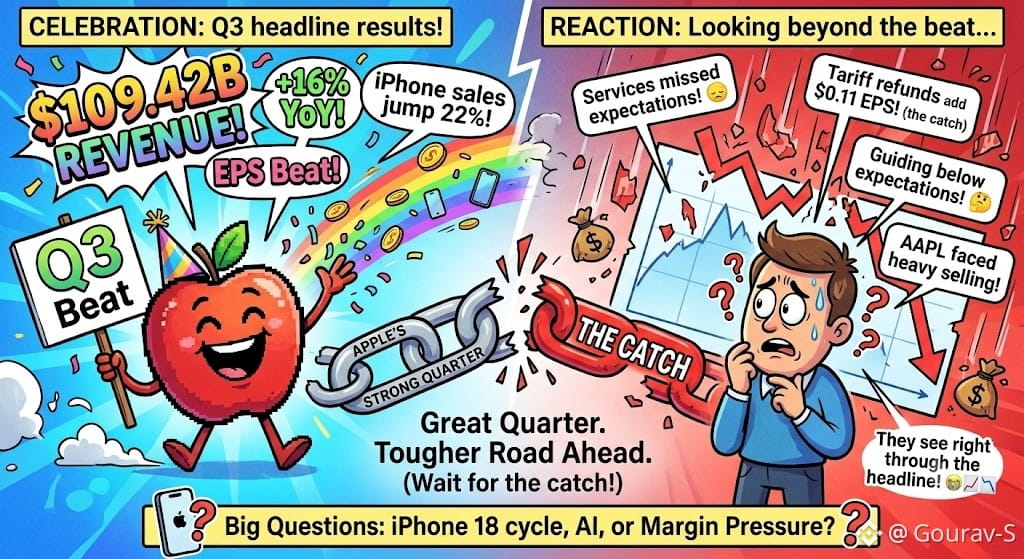
🍎 Apple’ning Kuchli Choragi Yechimi Bor
Apple kuchli fiskal Q3 taqdim etdi: daromad $109.42 mlrd (+16% YoY) va EPS $2.02. iPhone savdosi 22% ga oshib $54.25 mlrd bo‘ldi, Services esa $30.74 mlrd ga yetdi. Ko‘rinishidan, raqamlar juda yaxshi.
Lekin investorlar sarlavhadagi natijadan tashqariga qarashyapti. Tarif bo‘yicha qaytarimlar EPSga taxminan $0.11 qo‘shdi va yalpi marjaga qariyb 2 foiz band ta’sir qildi, Services esa prognozlardan orqada qoldi. Apple shuningdek, Q4 daromad o‘sishi atigi 9–11% bo‘lishini ko‘rsatdi, bu esa Wall Street kutganidan past.
Shuning uchun $AAPL kuchli natijalarga qaramay, og‘ir sotuvlar bilan duch keldi.
Endi katta savol: iPhone 18 sikli, AI rivoji va Services o‘sishi yana bir pog‘onaga ko‘tarishga qodirmi, yo bo‘lmasa marja bosimi aksiyaga bosimni davom ettiradimi.
Zo‘r chorak. Oldinda yanada qiyin yo‘l.
#Apple #AAPL #iPhone18 #AI #BinanceSquare
🍎 Apple’ning Kuchli Choragi Yechimi Bor
Apple kuchli fiskal Q3 taqdim etdi: daromad $109.42 mlrd (+16% YoY) va EPS $2.02. iPhone savdosi 22% ga oshib $54.25 mlrd bo‘ldi, Services esa $30.74 mlrd ga yetdi. Ko‘rinishidan, raqamlar juda yaxshi.
Lekin investorlar sarlavhadagi natijadan tashqariga qarashyapti. Tarif bo‘yicha qaytarimlar EPSga taxminan $0.11 qo‘shdi va yalpi marjaga qariyb 2 foiz band ta’sir qildi, Services esa prognozlardan orqada qoldi. Apple shuningdek, Q4 daromad o‘sishi atigi 9–11% bo‘lishini ko‘rsatdi, bu esa Wall Street kutganidan past.
Shuning uchun $AAPL kuchli natijalarga qaramay, og‘ir sotuvlar bilan duch keldi.
Endi katta savol: iPhone 18 sikli, AI rivoji va Services o‘sishi yana bir pog‘onaga ko‘tarishga qodirmi, yo bo‘lmasa marja bosimi aksiyaga bosimni davom ettiradimi.
Zo‘r chorak. Oldinda yanada qiyin yo‘l.
#Apple #AAPL #iPhone18 #AI #BinanceSquare
Apple kuchli fiskal Q3 taqdim etdi: daromad $109.42 mlrd (+16% YoY) va EPS $2.02. iPhone savdosi 22% ga oshib $54.25 mlrd bo‘ldi, Services esa $30.74 mlrd ga yetdi. Ko‘rinishidan, raqamlar juda yaxshi.
Lekin investorlar sarlavhadagi natijadan tashqariga qarashyapti. Tarif bo‘yicha qaytarimlar EPSga taxminan $0.11 qo‘shdi va yalpi marjaga qariyb 2 foiz band ta’sir qildi, Services esa prognozlardan orqada qoldi. Apple shuningdek, Q4 daromad o‘sishi atigi 9–11% bo‘lishini ko‘rsatdi, bu esa Wall Street kutganidan past.
Shuning uchun $AAPL kuchli natijalarga qaramay, og‘ir sotuvlar bilan duch keldi.
Endi katta savol: iPhone 18 sikli, AI rivoji va Services o‘sishi yana bir pog‘onaga ko‘tarishga qodirmi, yo bo‘lmasa marja bosimi aksiyaga bosimni davom ettiradimi.
Zo‘r chorak. Oldinda yanada qiyin yo‘l.
#Apple #AAPL #iPhone18 #AI #BinanceSquare
1
449
·
--
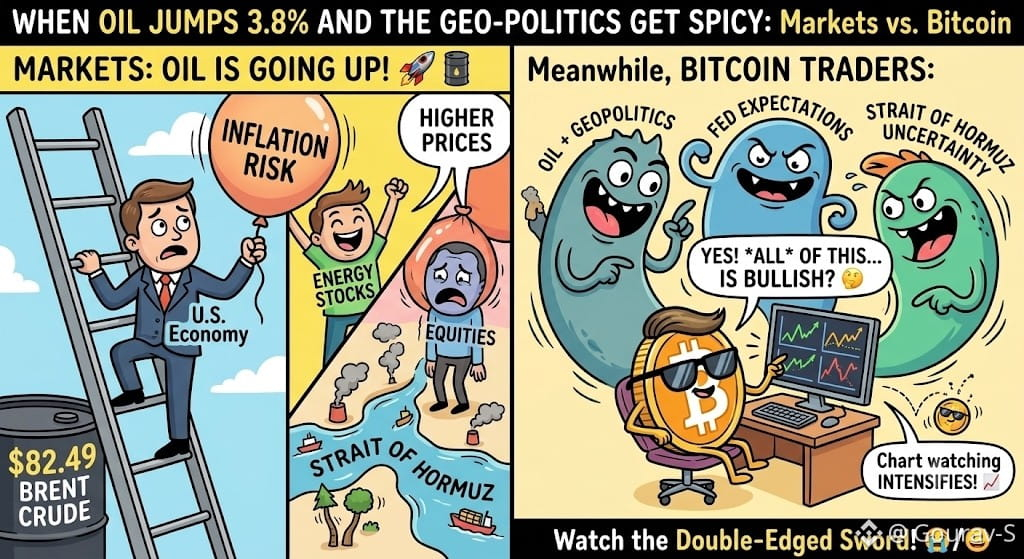
#BrentClimbs3.8%To$82.49
“Brent” xomashyosi bir barreli uchun 82,49 dollargacha 3,8%ga sakradi — bozorlar Gormuz bo‘g‘ozini qayta ochish bo‘yicha muayyan kelishuv ehtimoli atrofidagi noaniqlik qayta kuchaygani sababli reaksiyaga kirishdi. Harakat diplomatik sa’y-harakatlar davom etayotgan paytda ham yuz berdi: Eron va Ummon taklif qilingan dengiz yo‘nalishi bo‘yicha kelishib oldi. Biroq AQSh va Eron o‘rtasida yakuniy kelishuvga erishilmadi, shu bois ta’minot va tashish xatarlari yuqori darajada saqlanib qolmoqda.
Bozorlar uchun neft narxlarining yuqorilashi ikki qirrali qilich. U energetika aksiyalarini qo‘llab-quvvatlashi mumkin, ammo inflyatsiya xavotirlarini ham kuchaytiradi va agar harakat davom etsa, aksiyalar hamda kripto bosimga duchor bo‘lishi ehtimoli bor.
Bitcoin treyderlari uchun esa neft + geosiyosat + Fed kutilmalari yaqin kuzatishga arziydi.
#BrentCrude #Oil #Hormuz #Markets #BinanceSquare
#BrentClimbs3.8%To$82.49
“Brent” xomashyosi bir barreli uchun 82,49 dollargacha 3,8%ga sakradi — bozorlar Gormuz bo‘g‘ozini qayta ochish bo‘yicha muayyan kelishuv ehtimoli atrofidagi noaniqlik qayta kuchaygani sababli reaksiyaga kirishdi. Harakat diplomatik sa’y-harakatlar davom etayotgan paytda ham yuz berdi: Eron va Ummon taklif qilingan dengiz yo‘nalishi bo‘yicha kelishib oldi. Biroq AQSh va Eron o‘rtasida yakuniy kelishuvga erishilmadi, shu bois ta’minot va tashish xatarlari yuqori darajada saqlanib qolmoqda.
Bozorlar uchun neft narxlarining yuqorilashi ikki qirrali qilich. U energetika aksiyalarini qo‘llab-quvvatlashi mumkin, ammo inflyatsiya xavotirlarini ham kuchaytiradi va agar harakat davom etsa, aksiyalar hamda kripto bosimga duchor bo‘lishi ehtimoli bor.
Bitcoin treyderlari uchun esa neft + geosiyosat + Fed kutilmalari yaqin kuzatishga arziydi.
#BrentCrude #Oil #Hormuz #Markets #BinanceSquare
“Brent” xomashyosi bir barreli uchun 82,49 dollargacha 3,8%ga sakradi — bozorlar Gormuz bo‘g‘ozini qayta ochish bo‘yicha muayyan kelishuv ehtimoli atrofidagi noaniqlik qayta kuchaygani sababli reaksiyaga kirishdi. Harakat diplomatik sa’y-harakatlar davom etayotgan paytda ham yuz berdi: Eron va Ummon taklif qilingan dengiz yo‘nalishi bo‘yicha kelishib oldi. Biroq AQSh va Eron o‘rtasida yakuniy kelishuvga erishilmadi, shu bois ta’minot va tashish xatarlari yuqori darajada saqlanib qolmoqda.
Bozorlar uchun neft narxlarining yuqorilashi ikki qirrali qilich. U energetika aksiyalarini qo‘llab-quvvatlashi mumkin, ammo inflyatsiya xavotirlarini ham kuchaytiradi va agar harakat davom etsa, aksiyalar hamda kripto bosimga duchor bo‘lishi ehtimoli bor.
Bitcoin treyderlari uchun esa neft + geosiyosat + Fed kutilmalari yaqin kuzatishga arziydi.
#BrentCrude #Oil #Hormuz #Markets #BinanceSquare
1
275
·
--
Tasdiqlangan
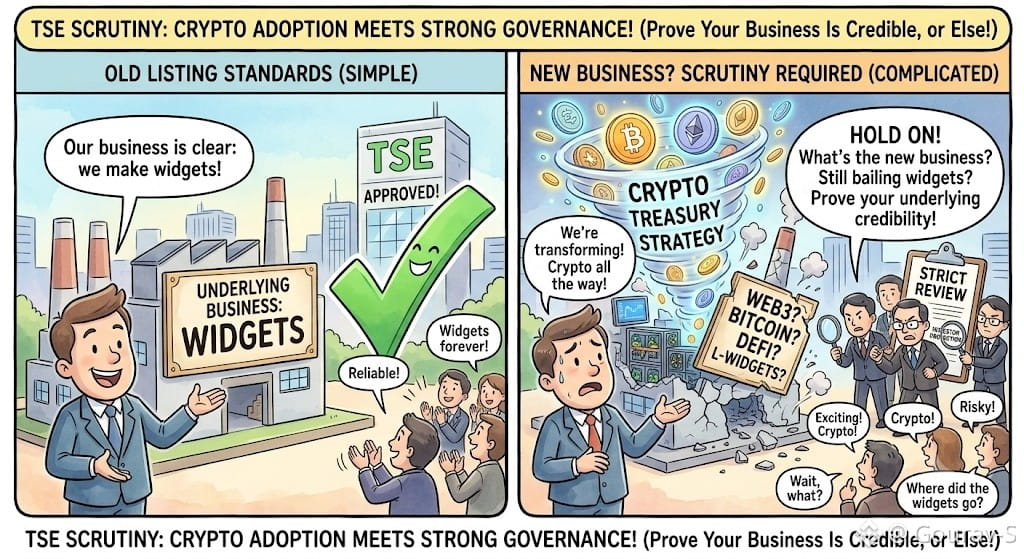
#TSEPlansReReviewForMajorBusinessChanges
Yaponiya Tokio fond birjasi (TSE) ro‘yxatdan o‘tgan kompaniyalar o‘zining asosiy faoliyatida katta o‘zgarishlar qilganda yanada qat’iyroq tekshiruvni ko‘zda tutmoqda. Muhokama, ayniqsa, kriptovalyuta treasury (xazina) strategiyalariga o‘tib olayotgan kompaniyalar uchun dolzarb: yangi yo‘nalish birja ro‘yxatidan o‘tkazish paytida ko‘rib chiqilgan dastlabki biznesdan juda farq qilishi mumkin.
G‘oya investorlarga himoya berish va kompaniyalar keskin biznes transformatsiyasi orqali birjaning dastlabki ro‘yxatga olish talablari chetlab o‘tilishining oldini olishdan iborat.
Kripto bozorlari uchun bu muhim yangilik. Yaponiya kriptovalyutani kengroq qabul qilish tomon harakatlanayotgandek, shu bilan birga korporativ boshqaruv va investorlarni himoya qilish bo‘yicha talablarni kuchaytirayotgani ko‘rinadi.
Xabar aniq: kriptoga ta’sir (ekspozitsiya) qabul qilinishi mumkin, lekin ro‘yxatdan o‘tgan kompaniyalar baribir ishonchli asosiy biznesga ega bo‘lishi kerak.
#Japan #crypto #stockmarket #BinanceSquare
#TSEPlansReReviewForMajorBusinessChanges
Yaponiya Tokio fond birjasi (TSE) ro‘yxatdan o‘tgan kompaniyalar o‘zining asosiy faoliyatida katta o‘zgarishlar qilganda yanada qat’iyroq tekshiruvni ko‘zda tutmoqda. Muhokama, ayniqsa, kriptovalyuta treasury (xazina) strategiyalariga o‘tib olayotgan kompaniyalar uchun dolzarb: yangi yo‘nalish birja ro‘yxatidan o‘tkazish paytida ko‘rib chiqilgan dastlabki biznesdan juda farq qilishi mumkin.
G‘oya investorlarga himoya berish va kompaniyalar keskin biznes transformatsiyasi orqali birjaning dastlabki ro‘yxatga olish talablari chetlab o‘tilishining oldini olishdan iborat.
Kripto bozorlari uchun bu muhim yangilik. Yaponiya kriptovalyutani kengroq qabul qilish tomon harakatlanayotgandek, shu bilan birga korporativ boshqaruv va investorlarni himoya qilish bo‘yicha talablarni kuchaytirayotgani ko‘rinadi.
Xabar aniq: kriptoga ta’sir (ekspozitsiya) qabul qilinishi mumkin, lekin ro‘yxatdan o‘tgan kompaniyalar baribir ishonchli asosiy biznesga ega bo‘lishi kerak.
#Japan #crypto #stockmarket #BinanceSquare
Yaponiya Tokio fond birjasi (TSE) ro‘yxatdan o‘tgan kompaniyalar o‘zining asosiy faoliyatida katta o‘zgarishlar qilganda yanada qat’iyroq tekshiruvni ko‘zda tutmoqda. Muhokama, ayniqsa, kriptovalyuta treasury (xazina) strategiyalariga o‘tib olayotgan kompaniyalar uchun dolzarb: yangi yo‘nalish birja ro‘yxatidan o‘tkazish paytida ko‘rib chiqilgan dastlabki biznesdan juda farq qilishi mumkin.
G‘oya investorlarga himoya berish va kompaniyalar keskin biznes transformatsiyasi orqali birjaning dastlabki ro‘yxatga olish talablari chetlab o‘tilishining oldini olishdan iborat.
Kripto bozorlari uchun bu muhim yangilik. Yaponiya kriptovalyutani kengroq qabul qilish tomon harakatlanayotgandek, shu bilan birga korporativ boshqaruv va investorlarni himoya qilish bo‘yicha talablarni kuchaytirayotgani ko‘rinadi.
Xabar aniq: kriptoga ta’sir (ekspozitsiya) qabul qilinishi mumkin, lekin ro‘yxatdan o‘tgan kompaniyalar baribir ishonchli asosiy biznesga ega bo‘lishi kerak.
#Japan #crypto #stockmarket #BinanceSquare
1
4
216
·
--
O‘suvchi
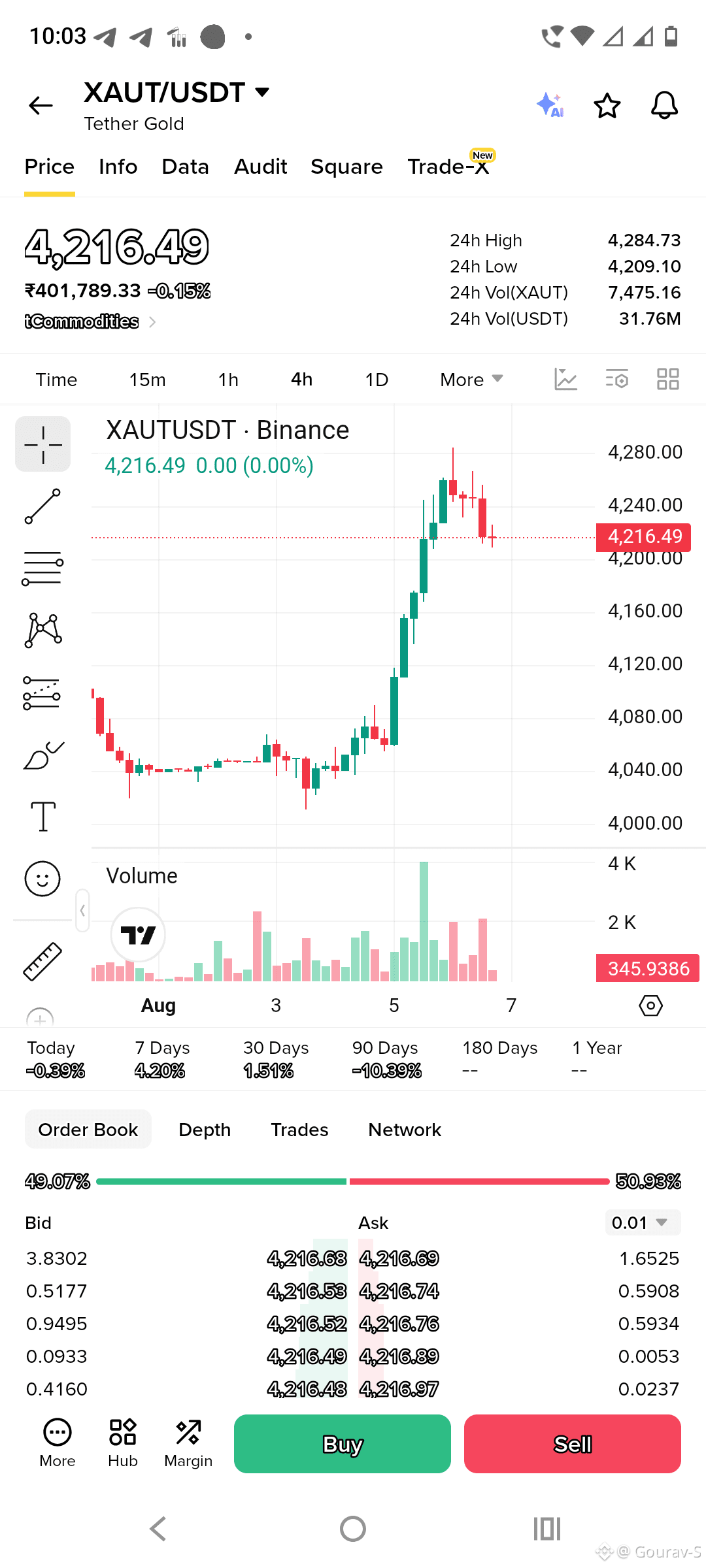
Savdo ko‘rinishi: Ko‘tarilish (bullish), ammo tasdiqni kuting
Diagrammada quyidagilar ko‘rinadi:
4,060 atrofidan 4,260+ gacha bo‘lgan kuchli impulsli yorilish bo‘lib, kuchli xarid momentumini tasdiqlaydi.
Hozir narx 4,216 atrofida orqaga chekinmoqda, bu trend qaytari emas, balki sog‘lom tuzatishga o‘xshaydi.
Yaqinda paydo bo‘lgan qizil shamlar mitingdan keyin foyda olishni ko‘rsatadi, ammo hali aniq ayiqchilik (bearish) buzilishi ko‘rinmayapti.
Savdo rejasi (yuqori ehtimollik)
Yo‘nalish: Bullish
Kirish: 4,210–4,220 (faqat xaridorlar ushbu zonani himoya qilsa)
1-maqsad: 4,245
2-maqsad: 4,275–4,285
Stop-loss: 4,195 dan past
Inkor qilish (Invalidation):
Agar 4H sham 4,195 dan pastda yopilsa, tuzatish 4,170–4,180 qo‘llab-quvvatlash zonasigacha chuqurlashishi mumkin, keyin esa xaridorlar qaytadi.
Kelayotgan AQSh makro voqealariga (Fed kutishlari, ish joylari ma’lumotlari va G‘aznachilik (Treasury) daromadliligi) e’tibor bering, chunki ular ko‘pincha oltin narxiga kuchli ta’sir qiladi. Kuchliroq AQSh dollari yoki o‘sayotgan daromadlilik oltin bosimiga sabab bo‘lishi mumkin, iqtisodiy ma’lumotlar zaif bo‘lsa esa uni qo‘llab-quvvatlashi mumkin.
#XAU #GOLD #BinanceSquare #singaurav9
$XAUT
{spot}(XAUTUSDT)
{future}(XAUUSDT)
Savdo ko‘rinishi: Ko‘tarilish (bullish), ammo tasdiqni kuting
Diagrammada quyidagilar ko‘rinadi:
4,060 atrofidan 4,260+ gacha bo‘lgan kuchli impulsli yorilish bo‘lib, kuchli xarid momentumini tasdiqlaydi.
Hozir narx 4,216 atrofida orqaga chekinmoqda, bu trend qaytari emas, balki sog‘lom tuzatishga o‘xshaydi.
Yaqinda paydo bo‘lgan qizil shamlar mitingdan keyin foyda olishni ko‘rsatadi, ammo hali aniq ayiqchilik (bearish) buzilishi ko‘rinmayapti.
Savdo rejasi (yuqori ehtimollik)
Yo‘nalish: Bullish
Kirish: 4,210–4,220 (faqat xaridorlar ushbu zonani himoya qilsa)
1-maqsad: 4,245
2-maqsad: 4,275–4,285
Stop-loss: 4,195 dan past
Inkor qilish (Invalidation):
Agar 4H sham 4,195 dan pastda yopilsa, tuzatish 4,170–4,180 qo‘llab-quvvatlash zonasigacha chuqurlashishi mumkin, keyin esa xaridorlar qaytadi.
Kelayotgan AQSh makro voqealariga (Fed kutishlari, ish joylari ma’lumotlari va G‘aznachilik (Treasury) daromadliligi) e’tibor bering, chunki ular ko‘pincha oltin narxiga kuchli ta’sir qiladi. Kuchliroq AQSh dollari yoki o‘sayotgan daromadlilik oltin bosimiga sabab bo‘lishi mumkin, iqtisodiy ma’lumotlar zaif bo‘lsa esa uni qo‘llab-quvvatlashi mumkin.
#XAU #GOLD #BinanceSquare #singaurav9
$XAUT
Diagrammada quyidagilar ko‘rinadi:
4,060 atrofidan 4,260+ gacha bo‘lgan kuchli impulsli yorilish bo‘lib, kuchli xarid momentumini tasdiqlaydi.
Hozir narx 4,216 atrofida orqaga chekinmoqda, bu trend qaytari emas, balki sog‘lom tuzatishga o‘xshaydi.
Yaqinda paydo bo‘lgan qizil shamlar mitingdan keyin foyda olishni ko‘rsatadi, ammo hali aniq ayiqchilik (bearish) buzilishi ko‘rinmayapti.
Savdo rejasi (yuqori ehtimollik)
Yo‘nalish: Bullish
Kirish: 4,210–4,220 (faqat xaridorlar ushbu zonani himoya qilsa)
1-maqsad: 4,245
2-maqsad: 4,275–4,285
Stop-loss: 4,195 dan past
Inkor qilish (Invalidation):
Agar 4H sham 4,195 dan pastda yopilsa, tuzatish 4,170–4,180 qo‘llab-quvvatlash zonasigacha chuqurlashishi mumkin, keyin esa xaridorlar qaytadi.
Kelayotgan AQSh makro voqealariga (Fed kutishlari, ish joylari ma’lumotlari va G‘aznachilik (Treasury) daromadliligi) e’tibor bering, chunki ular ko‘pincha oltin narxiga kuchli ta’sir qiladi. Kuchliroq AQSh dollari yoki o‘sayotgan daromadlilik oltin bosimiga sabab bo‘lishi mumkin, iqtisodiy ma’lumotlar zaif bo‘lsa esa uni qo‘llab-quvvatlashi mumkin.
#XAU #GOLD #BinanceSquare #singaurav9
$XAUT
1
345
·
--
#KospiFalls4.58%
Janubiy Koreyaning KOSPI indeksi 4,58% ga pasayib, kuchli sotuvlar yirik yarimo‘tkazgich aksiyalariga, jumladan Samsung Electronics va SK Hynix’ga bosim o‘tkazgani sabab, so‘nggi yutuqlarining ko‘p qismini qaytardi. Pasayish AI bilan bog‘liq baholash ko‘rsatkichlari bo‘yicha yana paydo bo‘lgan xavotirlar va global chiplar bozoridagi zaiflik fonida kuzatildi; kuchli mitingdan keyin investorlar foydani rasmiylashtirishga shoshildi.
Bu keskin chekinish, hatto eng kuchli bozorlar ham to‘satdan tuzatishlarga duch kelishi mumkinligini eslatadi. Kripto investorlar uchun esa, ayniqsa texnologiya sektoridagi aksiyalar bozorining kuchsizligi risk kayfiyatiga vaqtincha salbiy ta’sir ko‘rsatishi mumkin, garchi bu uzoq muddatli istiqbolni albatta o‘zgartirmaydi.
Hozir asosiy narsa xaridorlar orqaga qadam tashlayaptimi yoki global bozorlarda kengroq riskdan qochish kayfiyati tarqaladimi-yo‘qligini kuzatishdan iborat.
#KOSPI #SouthKorea #BinanceSquare
#KospiFalls4.58%
Janubiy Koreyaning KOSPI indeksi 4,58% ga pasayib, kuchli sotuvlar yirik yarimo‘tkazgich aksiyalariga, jumladan Samsung Electronics va SK Hynix’ga bosim o‘tkazgani sabab, so‘nggi yutuqlarining ko‘p qismini qaytardi. Pasayish AI bilan bog‘liq baholash ko‘rsatkichlari bo‘yicha yana paydo bo‘lgan xavotirlar va global chiplar bozoridagi zaiflik fonida kuzatildi; kuchli mitingdan keyin investorlar foydani rasmiylashtirishga shoshildi.
Bu keskin chekinish, hatto eng kuchli bozorlar ham to‘satdan tuzatishlarga duch kelishi mumkinligini eslatadi. Kripto investorlar uchun esa, ayniqsa texnologiya sektoridagi aksiyalar bozorining kuchsizligi risk kayfiyatiga vaqtincha salbiy ta’sir ko‘rsatishi mumkin, garchi bu uzoq muddatli istiqbolni albatta o‘zgartirmaydi.
Hozir asosiy narsa xaridorlar orqaga qadam tashlayaptimi yoki global bozorlarda kengroq riskdan qochish kayfiyati tarqaladimi-yo‘qligini kuzatishdan iborat.
#KOSPI #SouthKorea #BinanceSquare
Janubiy Koreyaning KOSPI indeksi 4,58% ga pasayib, kuchli sotuvlar yirik yarimo‘tkazgich aksiyalariga, jumladan Samsung Electronics va SK Hynix’ga bosim o‘tkazgani sabab, so‘nggi yutuqlarining ko‘p qismini qaytardi. Pasayish AI bilan bog‘liq baholash ko‘rsatkichlari bo‘yicha yana paydo bo‘lgan xavotirlar va global chiplar bozoridagi zaiflik fonida kuzatildi; kuchli mitingdan keyin investorlar foydani rasmiylashtirishga shoshildi.
Bu keskin chekinish, hatto eng kuchli bozorlar ham to‘satdan tuzatishlarga duch kelishi mumkinligini eslatadi. Kripto investorlar uchun esa, ayniqsa texnologiya sektoridagi aksiyalar bozorining kuchsizligi risk kayfiyatiga vaqtincha salbiy ta’sir ko‘rsatishi mumkin, garchi bu uzoq muddatli istiqbolni albatta o‘zgartirmaydi.
Hozir asosiy narsa xaridorlar orqaga qadam tashlayaptimi yoki global bozorlarda kengroq riskdan qochish kayfiyati tarqaladimi-yo‘qligini kuzatishdan iborat.
#KOSPI #SouthKorea #BinanceSquare
1
147
·
--
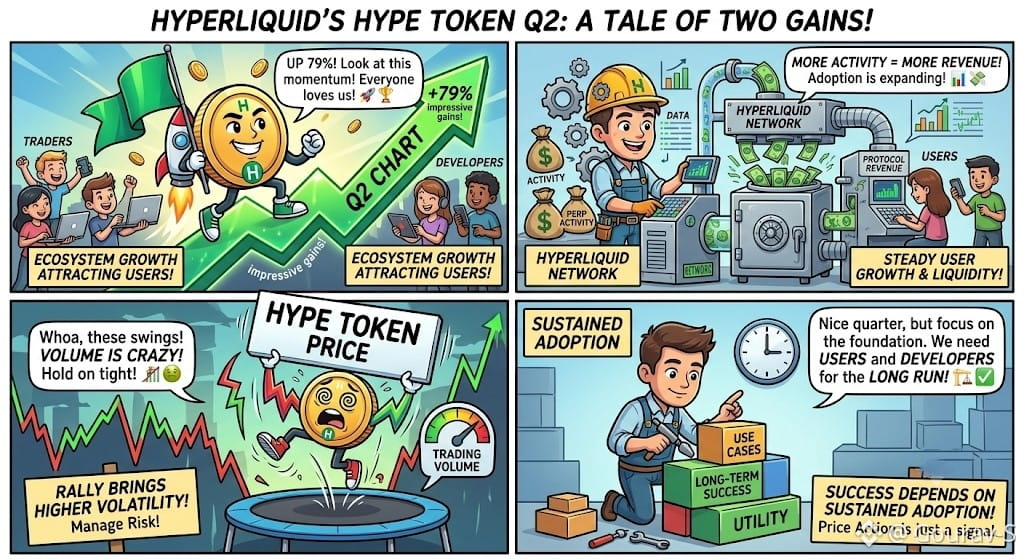
#HYPEGains79%InQ2
Hyperliquid’ning HYPE tokeni ikkinchi chorakda ajoyib natija ko‘rsatdi: kuchli ekotizim o‘sishi davom etgani treyderlar va ishlab chiquvchilarni jalb qilib, token 79% ga ko‘tarildi. Aksiyaning (mitingning) qo‘llab-quvvatlanishi yuqori perptual fyuchers savdo faolligi, protokol daromadining ortishi va Hyperliquid tarmog‘i bo‘ylab qabul qilinishining kengayishi bilan bog‘liq. So‘nggi bozor hisobotlari, shuningdek, foydalanuvchilar sonining barqaror o‘sishi va on-chain likvidlikning kengayishini ham ta’kidlab, ekotizimga bo‘lgan ishonchni mustahkamlaydi.
HYPE so‘nggi chorakda ko‘plab yirik kripto-aktivlardan aniq ustun kelgan bo‘lsa-da, investorlar kuchli mitinglar ko‘pincha yuqoriroq volatillik (narx tebranishi) olib kelishini yodda tutishlari kerak. Savdo hajmi, ekotizim faolligi va bozorning umumiy kayfiyati momentum davom etadimi yoki yo‘qmi, degan masalada asosiy omil bo‘ladi.
Kuchli chorak ruhlantiradi, ammo uzoq muddatli muvaffaqiyat nafaqat narx harakati, balki barqaror qabul (adoption)ga bog‘liq bo‘ladi.
#HYPE #DeFi #Crypto #BinanceSquare
{future}(HYPEUSDT)
#HYPEGains79%InQ2
Hyperliquid’ning HYPE tokeni ikkinchi chorakda ajoyib natija ko‘rsatdi: kuchli ekotizim o‘sishi davom etgani treyderlar va ishlab chiquvchilarni jalb qilib, token 79% ga ko‘tarildi. Aksiyaning (mitingning) qo‘llab-quvvatlanishi yuqori perptual fyuchers savdo faolligi, protokol daromadining ortishi va Hyperliquid tarmog‘i bo‘ylab qabul qilinishining kengayishi bilan bog‘liq. So‘nggi bozor hisobotlari, shuningdek, foydalanuvchilar sonining barqaror o‘sishi va on-chain likvidlikning kengayishini ham ta’kidlab, ekotizimga bo‘lgan ishonchni mustahkamlaydi.
HYPE so‘nggi chorakda ko‘plab yirik kripto-aktivlardan aniq ustun kelgan bo‘lsa-da, investorlar kuchli mitinglar ko‘pincha yuqoriroq volatillik (narx tebranishi) olib kelishini yodda tutishlari kerak. Savdo hajmi, ekotizim faolligi va bozorning umumiy kayfiyati momentum davom etadimi yoki yo‘qmi, degan masalada asosiy omil bo‘ladi.
Kuchli chorak ruhlantiradi, ammo uzoq muddatli muvaffaqiyat nafaqat narx harakati, balki barqaror qabul (adoption)ga bog‘liq bo‘ladi.
#HYPE #DeFi #Crypto #BinanceSquare
Hyperliquid’ning HYPE tokeni ikkinchi chorakda ajoyib natija ko‘rsatdi: kuchli ekotizim o‘sishi davom etgani treyderlar va ishlab chiquvchilarni jalb qilib, token 79% ga ko‘tarildi. Aksiyaning (mitingning) qo‘llab-quvvatlanishi yuqori perptual fyuchers savdo faolligi, protokol daromadining ortishi va Hyperliquid tarmog‘i bo‘ylab qabul qilinishining kengayishi bilan bog‘liq. So‘nggi bozor hisobotlari, shuningdek, foydalanuvchilar sonining barqaror o‘sishi va on-chain likvidlikning kengayishini ham ta’kidlab, ekotizimga bo‘lgan ishonchni mustahkamlaydi.
HYPE so‘nggi chorakda ko‘plab yirik kripto-aktivlardan aniq ustun kelgan bo‘lsa-da, investorlar kuchli mitinglar ko‘pincha yuqoriroq volatillik (narx tebranishi) olib kelishini yodda tutishlari kerak. Savdo hajmi, ekotizim faolligi va bozorning umumiy kayfiyati momentum davom etadimi yoki yo‘qmi, degan masalada asosiy omil bo‘ladi.
Kuchli chorak ruhlantiradi, ammo uzoq muddatli muvaffaqiyat nafaqat narx harakati, balki barqaror qabul (adoption)ga bog‘liq bo‘ladi.
#HYPE #DeFi #Crypto #BinanceSquare
1
367
·
--
#ChinaLaunchesBroadestTradeRetaliationOnUSFirms
AQSh va Xitoy o‘rtasidagi savdo ziddiyatlari yana kuchaymoqda. Xitoy bir qator AQSh kompaniyalariga nisbatan qaratilgan, o‘zining eng keng qamrovli javob choralaridan birini e’lon qildi; bu choralar dronlar va ularga bog‘liq texnologiyalar bo‘yicha eksport nazoratini kuchaytirish, shuningdek sertifikatlash jarayonining ayrim qismlarida AQSh agentliklarining rolini cheklashni o‘z ichiga oladi. Mazkur qadam Vashington Xitoyning texnologik firmalariga qo‘yilgan cheklovlarni kengaytirgani va o‘zining savdo qora ro‘yxatiga yana bir nechta Xitoy subyektlarini qo‘shgani ortidan amalga oshirildi.
Global bozorlar uchun bu geosiyosiy risklar beqarorlikning asosiy omili bo‘lib qolayotganini yana bir bor eslatadi. Har qanday keskinlashuv ta’minot zanjirlari, texnologiya aksiyalari va umuman investorlarning kayfiyatiga ta’sir qilishi mumkin. Kriptoda esa treyderlar makrodarajadagi noaniqlik fonida munosabat bildirgani sababli qisqa muddatli tebranishlar kuzatilishi ehtimol.
Savdo mojarosi hali tugagani yo‘q, shuning uchun xabardor bo‘lish treyd chartlarini kuzatish bilan barobar muhim.
#china #TradeWar #Crypto #BinanceSquare
#ChinaLaunchesBroadestTradeRetaliationOnUSFirms
AQSh va Xitoy o‘rtasidagi savdo ziddiyatlari yana kuchaymoqda. Xitoy bir qator AQSh kompaniyalariga nisbatan qaratilgan, o‘zining eng keng qamrovli javob choralaridan birini e’lon qildi; bu choralar dronlar va ularga bog‘liq texnologiyalar bo‘yicha eksport nazoratini kuchaytirish, shuningdek sertifikatlash jarayonining ayrim qismlarida AQSh agentliklarining rolini cheklashni o‘z ichiga oladi. Mazkur qadam Vashington Xitoyning texnologik firmalariga qo‘yilgan cheklovlarni kengaytirgani va o‘zining savdo qora ro‘yxatiga yana bir nechta Xitoy subyektlarini qo‘shgani ortidan amalga oshirildi.
Global bozorlar uchun bu geosiyosiy risklar beqarorlikning asosiy omili bo‘lib qolayotganini yana bir bor eslatadi. Har qanday keskinlashuv ta’minot zanjirlari, texnologiya aksiyalari va umuman investorlarning kayfiyatiga ta’sir qilishi mumkin. Kriptoda esa treyderlar makrodarajadagi noaniqlik fonida munosabat bildirgani sababli qisqa muddatli tebranishlar kuzatilishi ehtimol.
Savdo mojarosi hali tugagani yo‘q, shuning uchun xabardor bo‘lish treyd chartlarini kuzatish bilan barobar muhim.
#china #TradeWar #Crypto #BinanceSquare
AQSh va Xitoy o‘rtasidagi savdo ziddiyatlari yana kuchaymoqda. Xitoy bir qator AQSh kompaniyalariga nisbatan qaratilgan, o‘zining eng keng qamrovli javob choralaridan birini e’lon qildi; bu choralar dronlar va ularga bog‘liq texnologiyalar bo‘yicha eksport nazoratini kuchaytirish, shuningdek sertifikatlash jarayonining ayrim qismlarida AQSh agentliklarining rolini cheklashni o‘z ichiga oladi. Mazkur qadam Vashington Xitoyning texnologik firmalariga qo‘yilgan cheklovlarni kengaytirgani va o‘zining savdo qora ro‘yxatiga yana bir nechta Xitoy subyektlarini qo‘shgani ortidan amalga oshirildi.
Global bozorlar uchun bu geosiyosiy risklar beqarorlikning asosiy omili bo‘lib qolayotganini yana bir bor eslatadi. Har qanday keskinlashuv ta’minot zanjirlari, texnologiya aksiyalari va umuman investorlarning kayfiyatiga ta’sir qilishi mumkin. Kriptoda esa treyderlar makrodarajadagi noaniqlik fonida munosabat bildirgani sababli qisqa muddatli tebranishlar kuzatilishi ehtimol.
Savdo mojarosi hali tugagani yo‘q, shuning uchun xabardor bo‘lish treyd chartlarini kuzatish bilan barobar muhim.
#china #TradeWar #Crypto #BinanceSquare
1
2
248
·
--
Agar siz kelgusi 2 yil davomida faqat 3 ta kripto aktivni tanlab, tegmay ushlab turishga majbur bo‘lsangiz... qaysilarini kesib, o‘zingiznikiga olasiz? 👇
Agar mendan so‘rasangiz, mana mening TOP 3 tanlovim:
1. Bitcoin ($BTC ) – Yakuniy xavfsizlik va raqamli oltin. Bozor qanchalik tartibsiz bo‘lishidan qat’i nazar, BTC portfelning tayanchi bo‘lib qoladi...
2. Ethereum ($ETH ) – Ekotizim qudrati. DeFi, L2’lar va aqlli shartnomalarning tayanchi. Bozorning “dvigateli” undan ishlamaydi..
3. Solana ($SOL ) – Yuqori tezlik va qabul qilinish bo‘yicha yirtqich. Tengsiz tranzaksiya tezligi, katta chakana qabul, va jadal rivojlanayotgan ekotizim uzoq muddatli katta hajmni harakatlantirishda davom etadi..
Haqiqiy kripto boylik bir kechada qurilmaydi — u sabr va aqlli aktiv taqsimoti asosida yaratiladi....
Endi sizga navbat: Quyida TOP 3 talovingizni tashlang! Hozir hamjamiyat eng ko‘p ishonadigan tokenlar qaysilar ekanini ko‘ramiz.👇
#BinanceSquare #bitcoin #ETH #solana #singaurav9
{spot}(BTCUSDT)
{spot}(ETHUSDT)
{spot}(SOLUSDT)
Agar siz kelgusi 2 yil davomida faqat 3 ta kripto aktivni tanlab, tegmay ushlab turishga majbur bo‘lsangiz... qaysilarini kesib, o‘zingiznikiga olasiz? 👇
Agar mendan so‘rasangiz, mana mening TOP 3 tanlovim:
1. Bitcoin ($BTC ) – Yakuniy xavfsizlik va raqamli oltin. Bozor qanchalik tartibsiz bo‘lishidan qat’i nazar, BTC portfelning tayanchi bo‘lib qoladi...
2. Ethereum ($ETH ) – Ekotizim qudrati. DeFi, L2’lar va aqlli shartnomalarning tayanchi. Bozorning “dvigateli” undan ishlamaydi..
3. Solana ($SOL ) – Yuqori tezlik va qabul qilinish bo‘yicha yirtqich. Tengsiz tranzaksiya tezligi, katta chakana qabul, va jadal rivojlanayotgan ekotizim uzoq muddatli katta hajmni harakatlantirishda davom etadi..
Haqiqiy kripto boylik bir kechada qurilmaydi — u sabr va aqlli aktiv taqsimoti asosida yaratiladi....
Endi sizga navbat: Quyida TOP 3 talovingizni tashlang! Hozir hamjamiyat eng ko‘p ishonadigan tokenlar qaysilar ekanini ko‘ramiz.👇
#BinanceSquare #bitcoin #ETH #solana #singaurav9
Agar mendan so‘rasangiz, mana mening TOP 3 tanlovim:
1. Bitcoin ($BTC ) – Yakuniy xavfsizlik va raqamli oltin. Bozor qanchalik tartibsiz bo‘lishidan qat’i nazar, BTC portfelning tayanchi bo‘lib qoladi...
2. Ethereum ($ETH ) – Ekotizim qudrati. DeFi, L2’lar va aqlli shartnomalarning tayanchi. Bozorning “dvigateli” undan ishlamaydi..
3. Solana ($SOL ) – Yuqori tezlik va qabul qilinish bo‘yicha yirtqich. Tengsiz tranzaksiya tezligi, katta chakana qabul, va jadal rivojlanayotgan ekotizim uzoq muddatli katta hajmni harakatlantirishda davom etadi..
Haqiqiy kripto boylik bir kechada qurilmaydi — u sabr va aqlli aktiv taqsimoti asosida yaratiladi....
Endi sizga navbat: Quyida TOP 3 talovingizni tashlang! Hozir hamjamiyat eng ko‘p ishonadigan tokenlar qaysilar ekanini ko‘ramiz.👇
#BinanceSquare #bitcoin #ETH #solana #singaurav9

2
2
710
·
--
Tasdiqlangan
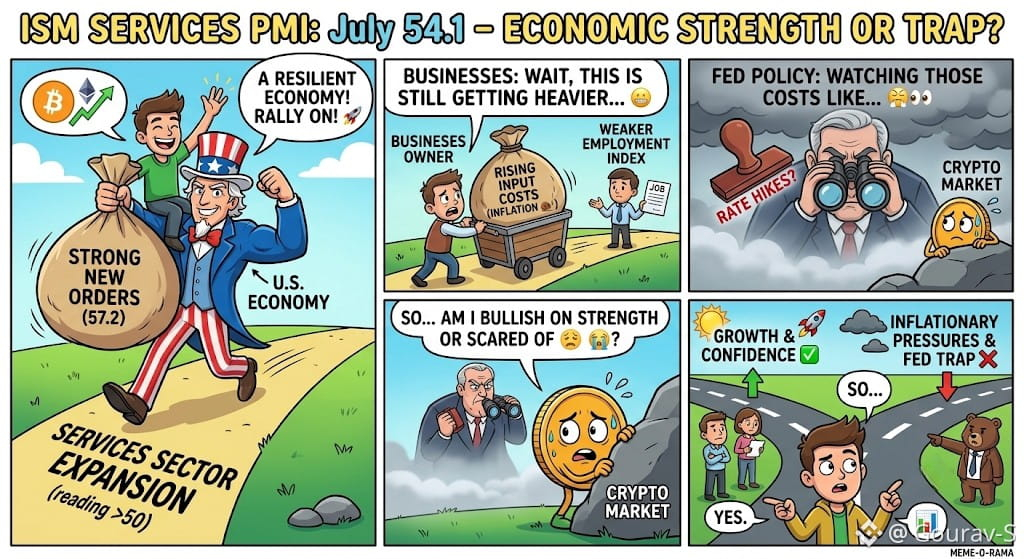
#USISMServicesIndexRisesTo54.1
AQSh ISM xizmatlar PMI iyul oyida 54.1 ga ko‘tarildi, iyundagi 54.0 dan, xizmatlar sektori kengayishda davom etayotganini ko‘rsatadi. Yangi buyurtmalarning kuchliroq bo‘lishi (57.2) barqaror talabni ta’kidladi, biroq kirish xarajatlari oshishi va bandlik indeksining zaiflashuvi korxonalar yollash borasida ehtiyotkor ekanini ko‘rsatdi. 50 dan yuqori ko‘rsatkich kengayishni bildirgani uchun, hisobot inflyatsion bosimlar bo‘lishiga qaramay, AQSh iqtisodiyoti hali ham o‘sayotganini anglatadi.
Kripto bozorlari uchun barqaror iqtisod investorlar ishonchini qo‘llab-quvvatlaydi, ammo inflyatsiya saqlanib qolishi kelajakdagi Federal rezerv siyosatiga ta’sir qilishi mumkin. Treyderlar keyingi bozor harakati uchun ishora bo‘ladigan yaqinlashib kelayotgan inflyatsiya va mehnat bo‘yicha ma’lumotlarni kuzatishi kerak.
Kuchli o‘sish, xarajatlar ortishi, makro tendensiyalar kripto uchun ham muhim.
#USEconomy #bitcoin #Crypto #BinanceSquare
#USISMServicesIndexRisesTo54.1
AQSh ISM xizmatlar PMI iyul oyida 54.1 ga ko‘tarildi, iyundagi 54.0 dan, xizmatlar sektori kengayishda davom etayotganini ko‘rsatadi. Yangi buyurtmalarning kuchliroq bo‘lishi (57.2) barqaror talabni ta’kidladi, biroq kirish xarajatlari oshishi va bandlik indeksining zaiflashuvi korxonalar yollash borasida ehtiyotkor ekanini ko‘rsatdi. 50 dan yuqori ko‘rsatkich kengayishni bildirgani uchun, hisobot inflyatsion bosimlar bo‘lishiga qaramay, AQSh iqtisodiyoti hali ham o‘sayotganini anglatadi.
Kripto bozorlari uchun barqaror iqtisod investorlar ishonchini qo‘llab-quvvatlaydi, ammo inflyatsiya saqlanib qolishi kelajakdagi Federal rezerv siyosatiga ta’sir qilishi mumkin. Treyderlar keyingi bozor harakati uchun ishora bo‘ladigan yaqinlashib kelayotgan inflyatsiya va mehnat bo‘yicha ma’lumotlarni kuzatishi kerak.
Kuchli o‘sish, xarajatlar ortishi, makro tendensiyalar kripto uchun ham muhim.
#USEconomy #bitcoin #Crypto #BinanceSquare
AQSh ISM xizmatlar PMI iyul oyida 54.1 ga ko‘tarildi, iyundagi 54.0 dan, xizmatlar sektori kengayishda davom etayotganini ko‘rsatadi. Yangi buyurtmalarning kuchliroq bo‘lishi (57.2) barqaror talabni ta’kidladi, biroq kirish xarajatlari oshishi va bandlik indeksining zaiflashuvi korxonalar yollash borasida ehtiyotkor ekanini ko‘rsatdi. 50 dan yuqori ko‘rsatkich kengayishni bildirgani uchun, hisobot inflyatsion bosimlar bo‘lishiga qaramay, AQSh iqtisodiyoti hali ham o‘sayotganini anglatadi.
Kripto bozorlari uchun barqaror iqtisod investorlar ishonchini qo‘llab-quvvatlaydi, ammo inflyatsiya saqlanib qolishi kelajakdagi Federal rezerv siyosatiga ta’sir qilishi mumkin. Treyderlar keyingi bozor harakati uchun ishora bo‘ladigan yaqinlashib kelayotgan inflyatsiya va mehnat bo‘yicha ma’lumotlarni kuzatishi kerak.
Kuchli o‘sish, xarajatlar ortishi, makro tendensiyalar kripto uchun ham muhim.
#USEconomy #bitcoin #Crypto #BinanceSquare
2
224
·
--
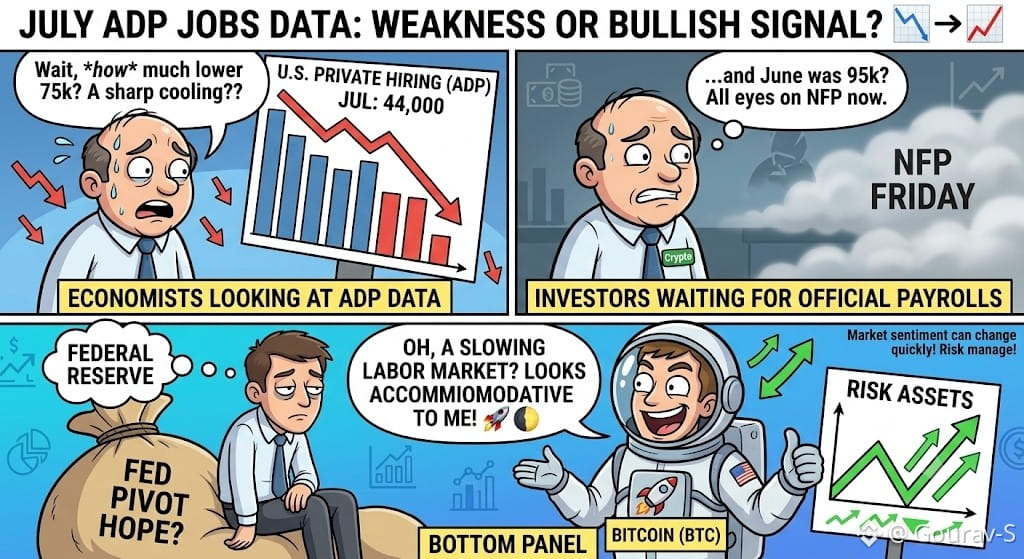
#ADPJulyPrivatePayrollsMissedExpectations
AQShda xususiy ishga yollash iyul oyida keskin sovidi: ADP Employment Report hisobotida 44 000 ta yangi ish o‘rni qayd etildi, bu bozor kutganlari atrofidagi 75 000 tadan ancha past va iyun oyidagi qayta ko‘rib chiqilgan 95 000 ko‘rsatkichidan ham past. Kutilgandan zaifroq bo‘lgan ma’lumotlar mehnat bozorining sekinlashayotganidan dalolat beradi, investorlar esa aniqroq tasavvur uchun rasmiy Nonfarm Payrolls (NFP) hisobotini kutmoqda.
Kripto bozorlari uchun bandlik haqidagi yumshoqroq ma’lumotlar iqtisodiy zaiflik davom etsa, Federal rezerv yanada moslashuvchan siyosatga o‘tishi mumkinligi haqidagi kutishlarni kuchaytirishi ehtimol. Bu esa Bitcoin kabi riskli aktivlarni qo‘llab-quvvatlashi mumkin, biroq NFP e’lonidan oldin volatillik kuchayishi kutiladi.
Makro ma’lumotlarni diqqat bilan kuzating — bozor kayfiyati tez o‘zgarishi mumkin.
#USJobs #FederalReserve #BinanceSquare #singaurav9
#ADPJulyPrivatePayrollsMissedExpectations
AQShda xususiy ishga yollash iyul oyida keskin sovidi: ADP Employment Report hisobotida 44 000 ta yangi ish o‘rni qayd etildi, bu bozor kutganlari atrofidagi 75 000 tadan ancha past va iyun oyidagi qayta ko‘rib chiqilgan 95 000 ko‘rsatkichidan ham past. Kutilgandan zaifroq bo‘lgan ma’lumotlar mehnat bozorining sekinlashayotganidan dalolat beradi, investorlar esa aniqroq tasavvur uchun rasmiy Nonfarm Payrolls (NFP) hisobotini kutmoqda.
Kripto bozorlari uchun bandlik haqidagi yumshoqroq ma’lumotlar iqtisodiy zaiflik davom etsa, Federal rezerv yanada moslashuvchan siyosatga o‘tishi mumkinligi haqidagi kutishlarni kuchaytirishi ehtimol. Bu esa Bitcoin kabi riskli aktivlarni qo‘llab-quvvatlashi mumkin, biroq NFP e’lonidan oldin volatillik kuchayishi kutiladi.
Makro ma’lumotlarni diqqat bilan kuzating — bozor kayfiyati tez o‘zgarishi mumkin.
#USJobs #FederalReserve #BinanceSquare #singaurav9
AQShda xususiy ishga yollash iyul oyida keskin sovidi: ADP Employment Report hisobotida 44 000 ta yangi ish o‘rni qayd etildi, bu bozor kutganlari atrofidagi 75 000 tadan ancha past va iyun oyidagi qayta ko‘rib chiqilgan 95 000 ko‘rsatkichidan ham past. Kutilgandan zaifroq bo‘lgan ma’lumotlar mehnat bozorining sekinlashayotganidan dalolat beradi, investorlar esa aniqroq tasavvur uchun rasmiy Nonfarm Payrolls (NFP) hisobotini kutmoqda.
Kripto bozorlari uchun bandlik haqidagi yumshoqroq ma’lumotlar iqtisodiy zaiflik davom etsa, Federal rezerv yanada moslashuvchan siyosatga o‘tishi mumkinligi haqidagi kutishlarni kuchaytirishi ehtimol. Bu esa Bitcoin kabi riskli aktivlarni qo‘llab-quvvatlashi mumkin, biroq NFP e’lonidan oldin volatillik kuchayishi kutiladi.
Makro ma’lumotlarni diqqat bilan kuzating — bozor kayfiyati tez o‘zgarishi mumkin.
#USJobs #FederalReserve #BinanceSquare #singaurav9
2
175
·
--
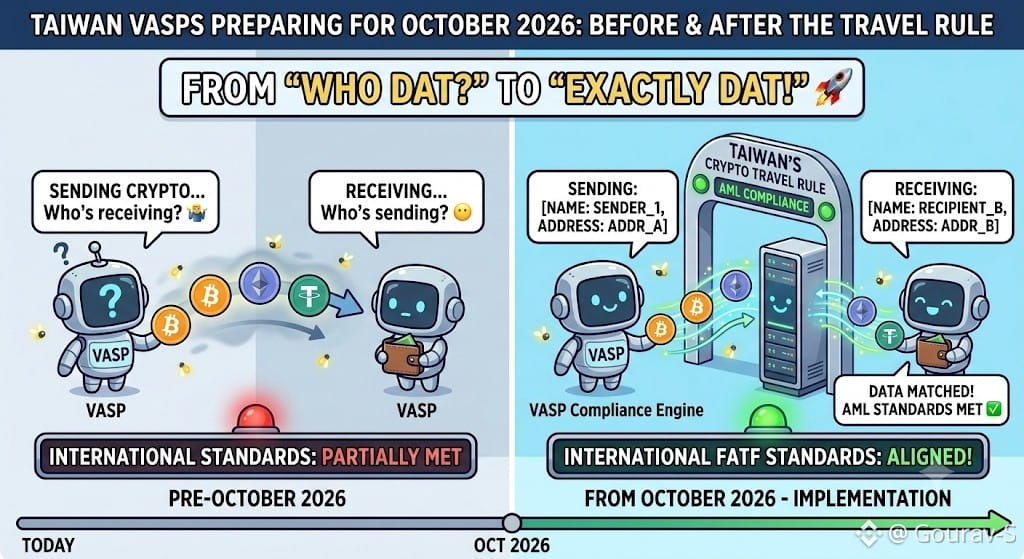
Tayvan 2026-yil oktyabridan boshlab “Crypto Travel Rule” (kriptosa’yohat qoidasi)ni joriy etishga tayyorgarlik ko‘rayapti, bu esa pul yuvishga qarshi (AML) muvofiqlikni mustahkamlash bo‘yicha yana bir muhim qadam hisoblanadi. Qoidaga ko‘ra, Kriptovirtual aktivlar bo‘yicha xizmat ko‘rsatuvchi provayderlar (VASPlar) muayyan kripto o‘tkazmalar uchun jo‘natuvchi va qabul qiluvchi haqidagi ma’lumotlarni almashishi talab etiladi; bu Tayvanni xalqaro FATF standartlariga yanada yaqinlashtiradi. Bu mamlakat yaqinda tasdiqlangan kripto bo‘yicha tartibga solish doirasi ortidan keladi: u birjalarga va stablecoin (stabilkoin) chiqaruvchilarga litsenziyalash talablarini joriy etdi.
Kripto sanoati uchun kuchliroq muvofiqlik institutsional ishonchni oshirishi va boshqa davlatlar o‘rtasidagi tranzaksiyalar bo‘yicha shaffoflikni kuchaytirishi mumkin. Muvofiqlik talablari qattiqlashsa-da, tartibga solishdagi aniqlik odatda uzoq muddatli bozor o‘sishi uchun ijobiy signal sifatida qaraladi.
Tartibga solish o‘zgarib bormoqda, muvaffaqiyatli investorlar erta moslashadi.
#Bitcoin #TaiwanPlansCryptoTravelRuleFromOctober #BinanceSquare #singaurav9
Tayvan 2026-yil oktyabridan boshlab “Crypto Travel Rule” (kriptosa’yohat qoidasi)ni joriy etishga tayyorgarlik ko‘rayapti, bu esa pul yuvishga qarshi (AML) muvofiqlikni mustahkamlash bo‘yicha yana bir muhim qadam hisoblanadi. Qoidaga ko‘ra, Kriptovirtual aktivlar bo‘yicha xizmat ko‘rsatuvchi provayderlar (VASPlar) muayyan kripto o‘tkazmalar uchun jo‘natuvchi va qabul qiluvchi haqidagi ma’lumotlarni almashishi talab etiladi; bu Tayvanni xalqaro FATF standartlariga yanada yaqinlashtiradi. Bu mamlakat yaqinda tasdiqlangan kripto bo‘yicha tartibga solish doirasi ortidan keladi: u birjalarga va stablecoin (stabilkoin) chiqaruvchilarga litsenziyalash talablarini joriy etdi.
Kripto sanoati uchun kuchliroq muvofiqlik institutsional ishonchni oshirishi va boshqa davlatlar o‘rtasidagi tranzaksiyalar bo‘yicha shaffoflikni kuchaytirishi mumkin. Muvofiqlik talablari qattiqlashsa-da, tartibga solishdagi aniqlik odatda uzoq muddatli bozor o‘sishi uchun ijobiy signal sifatida qaraladi.
Tartibga solish o‘zgarib bormoqda, muvaffaqiyatli investorlar erta moslashadi.
#Bitcoin #TaiwanPlansCryptoTravelRuleFromOctober #BinanceSquare #singaurav9
Kripto sanoati uchun kuchliroq muvofiqlik institutsional ishonchni oshirishi va boshqa davlatlar o‘rtasidagi tranzaksiyalar bo‘yicha shaffoflikni kuchaytirishi mumkin. Muvofiqlik talablari qattiqlashsa-da, tartibga solishdagi aniqlik odatda uzoq muddatli bozor o‘sishi uchun ijobiy signal sifatida qaraladi.
Tartibga solish o‘zgarib bormoqda, muvaffaqiyatli investorlar erta moslashadi.
#Bitcoin #TaiwanPlansCryptoTravelRuleFromOctober #BinanceSquare #singaurav9
1
4
219
·
--
Binance Wallet Squid (QUID) savdo bo‘yicha tanlovini ishga tushirdi!
Binance Wallet Binance Alpha’da yangi Squid (QUID) Savdo tanlovini taqdim etdi va u munosib foydalanuvchilarga QUID token mukofotlarini qo‘lga kiritish imkonini beradi. Aksiya 2026-yil 5-avgust–12-avgust va 12-avgust–19-avgust kunlari (UTC) ikki bosqichda davom etadi.
Har bir bosqichda jami QUID xarid hajmi bo‘yicha saralangan eng yaxshi 2 500 savdogar 925 000 QUIDni bo‘lib oladi, bunda har bir munosib g‘olibga 370 QUIDdan beriladi. Dastlabki ishtirok eng muhim, chunki Early Bird Boost 1-kunida 3.5×dan boshlanadi va yakuniy kunda asta-sekin 1.0×gacha pasayadi. Shuningdek, yangi ishtirokchilar 1.2× Rising Trader Boost’ni ham olishlari mumkin, bu esa ularning samarali savdo hajmini oshiradi.
Agar qo‘shilishni rejalashtirayotgan bo‘lsangiz, aksiyaning boshidaroq savdo qilish reytingingizni sezilarli darajada yaxshilashi mumkin.
#BinanceAlpha #QUID #CryptoRewards #Airdrop #BinanceSquare
$QUID
{alpha}(84530x1a44233fae8d50f1aeb3a5d58dd426ff4814cb53)
Binance Wallet Squid (QUID) savdo bo‘yicha tanlovini ishga tushirdi!
Binance Wallet Binance Alpha’da yangi Squid (QUID) Savdo tanlovini taqdim etdi va u munosib foydalanuvchilarga QUID token mukofotlarini qo‘lga kiritish imkonini beradi. Aksiya 2026-yil 5-avgust–12-avgust va 12-avgust–19-avgust kunlari (UTC) ikki bosqichda davom etadi.
Har bir bosqichda jami QUID xarid hajmi bo‘yicha saralangan eng yaxshi 2 500 savdogar 925 000 QUIDni bo‘lib oladi, bunda har bir munosib g‘olibga 370 QUIDdan beriladi. Dastlabki ishtirok eng muhim, chunki Early Bird Boost 1-kunida 3.5×dan boshlanadi va yakuniy kunda asta-sekin 1.0×gacha pasayadi. Shuningdek, yangi ishtirokchilar 1.2× Rising Trader Boost’ni ham olishlari mumkin, bu esa ularning samarali savdo hajmini oshiradi.
Agar qo‘shilishni rejalashtirayotgan bo‘lsangiz, aksiyaning boshidaroq savdo qilish reytingingizni sezilarli darajada yaxshilashi mumkin.
#BinanceAlpha #QUID #CryptoRewards #Airdrop #BinanceSquare
$QUID
Binance Wallet Binance Alpha’da yangi Squid (QUID) Savdo tanlovini taqdim etdi va u munosib foydalanuvchilarga QUID token mukofotlarini qo‘lga kiritish imkonini beradi. Aksiya 2026-yil 5-avgust–12-avgust va 12-avgust–19-avgust kunlari (UTC) ikki bosqichda davom etadi.
Har bir bosqichda jami QUID xarid hajmi bo‘yicha saralangan eng yaxshi 2 500 savdogar 925 000 QUIDni bo‘lib oladi, bunda har bir munosib g‘olibga 370 QUIDdan beriladi. Dastlabki ishtirok eng muhim, chunki Early Bird Boost 1-kunida 3.5×dan boshlanadi va yakuniy kunda asta-sekin 1.0×gacha pasayadi. Shuningdek, yangi ishtirokchilar 1.2× Rising Trader Boost’ni ham olishlari mumkin, bu esa ularning samarali savdo hajmini oshiradi.
Agar qo‘shilishni rejalashtirayotgan bo‘lsangiz, aksiyaning boshidaroq savdo qilish reytingingizni sezilarli darajada yaxshilashi mumkin.
#BinanceAlpha #QUID #CryptoRewards #Airdrop #BinanceSquare
$QUID
Binance News
·
--
Binance Wallet QUID mukofotlari uchun Squid Trading Competition’ni ishga tushiradi
Binans e’loniga ko‘ra, Binance Wallet Squid Trading Competition’ni Binance Alpha’da ishga tushiradi. Qatnashish uchun mos foydalanuvchilar Squid (QUID)ni Binance Wallet (Keyless)da yoki Binance Alpha orqali savdo qilib, token mukofotlari uchun bellashishlari mumkin. Tanlov ikki muddat davomida o‘tkaziladi: 2026-08-05 13:00 (UTC) dan 2026-08-12 13:00 (UTC) gacha va 2026-08-12 13:00 (UTC) dan 2026-08-19 13:00 (UTC) gacha. Binance Alpha tokenlarini savdo qilish huquqiga ega foydalanuvchilar qatnasha oladi. Reytinglar har bir promo-muddat davomida jami QUID xarid hajmiga ko‘ra belgilanadi va eng yaxshi 2 500 foydalanuvchi 925 000 QUID tokenni teng ulushda bo‘lishadi, ya’ni har bir foydalanuvchiga 370 QUID. E’londa mukofotlash tuzilmasi promo-muddat davomida erta savdo qilish va doimiy ishtirokga ko‘proq urg‘u berish uchun mo‘ljallangani aytilgan.
1
196
·
--
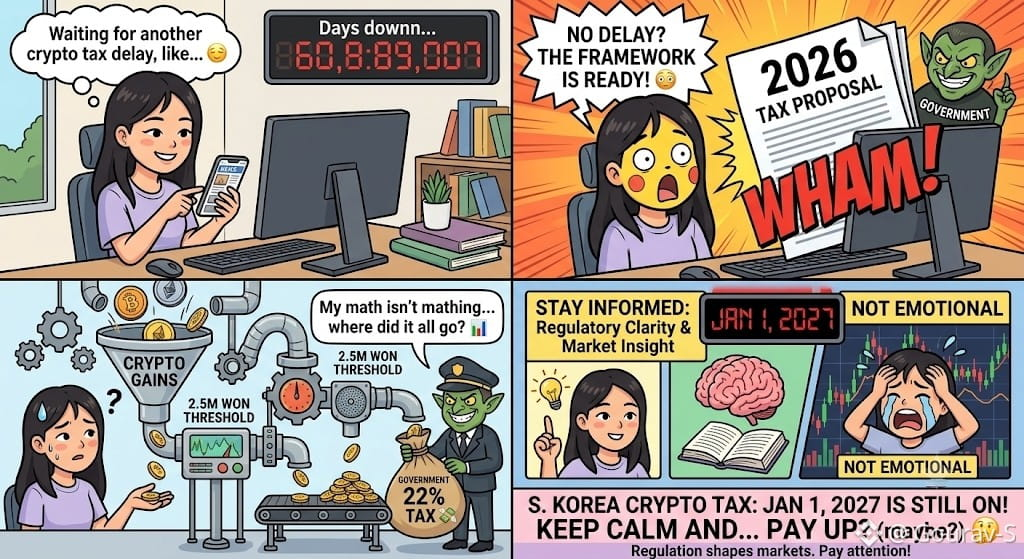
Jahon Janubiy Koreyaning 2026-yil uchun soliq taklifi kriptoga soliqqa tortishni yana kechiktirishni o‘z ichiga olmaydi, ya’ni rejalashtirilgan virtual aktivlar bo‘yicha daromadlarga soliq 2027-yil 1-yanvardan boshlab kuchga kirishi mo‘ljallangan (agar parlament tomonidan tasdiqlansa). Amaldagi rejaga ko‘ra, yillik kripto daromadlari 2,5 million vonadan oshadigan bo‘lsa, amalda 22% soliq (mahalliy soliqni ham qo‘shgan holda) qo‘llanadi. Qonunchilar baribir taklifga o‘zgartirish kiritishi mumkin, biroq hukumat o‘zining kripto soliq tizimi hozir tayyorligini bildirdi.
Kripto investorlar uchun bu Osiyodagi eng yirik raqamli aktivlar bozorlaridan birida tartibga solish bo‘yicha yanada aniqroq yo‘nalishga qadam bo‘ldi. Yakuniy tatbiqqa ta’sir qilishi mumkin bo‘lgan parlament muhokamalariga e’tibor bering.
Regulyatsiya bozorlarni shakllantiradi—xotirjam bo‘ling, hissiyotga berilmang.
#SouthKorea #Bitcoin #BinanceSquare
#SouthKoreaTaxPlanOmitsCryptoTaxDelay
Jahon Janubiy Koreyaning 2026-yil uchun soliq taklifi kriptoga soliqqa tortishni yana kechiktirishni o‘z ichiga olmaydi, ya’ni rejalashtirilgan virtual aktivlar bo‘yicha daromadlarga soliq 2027-yil 1-yanvardan boshlab kuchga kirishi mo‘ljallangan (agar parlament tomonidan tasdiqlansa). Amaldagi rejaga ko‘ra, yillik kripto daromadlari 2,5 million vonadan oshadigan bo‘lsa, amalda 22% soliq (mahalliy soliqni ham qo‘shgan holda) qo‘llanadi. Qonunchilar baribir taklifga o‘zgartirish kiritishi mumkin, biroq hukumat o‘zining kripto soliq tizimi hozir tayyorligini bildirdi.
Kripto investorlar uchun bu Osiyodagi eng yirik raqamli aktivlar bozorlaridan birida tartibga solish bo‘yicha yanada aniqroq yo‘nalishga qadam bo‘ldi. Yakuniy tatbiqqa ta’sir qilishi mumkin bo‘lgan parlament muhokamalariga e’tibor bering.
Regulyatsiya bozorlarni shakllantiradi—xotirjam bo‘ling, hissiyotga berilmang.
#SouthKorea #Bitcoin #BinanceSquare
#SouthKoreaTaxPlanOmitsCryptoTaxDelay
Kripto investorlar uchun bu Osiyodagi eng yirik raqamli aktivlar bozorlaridan birida tartibga solish bo‘yicha yanada aniqroq yo‘nalishga qadam bo‘ldi. Yakuniy tatbiqqa ta’sir qilishi mumkin bo‘lgan parlament muhokamalariga e’tibor bering.
Regulyatsiya bozorlarni shakllantiradi—xotirjam bo‘ling, hissiyotga berilmang.
#SouthKorea #Bitcoin #BinanceSquare
#SouthKoreaTaxPlanOmitsCryptoTaxDelay
1
191
Ko‘proq kontentni ko‘rish uchun tizimga kiring
Binance Square'da global kriptovalyuta foydalanuvchilariga qo‘shiling
⚡️ Kriptovalyuta haqida eng so‘nggi va foydali ma’lumotlarni oling.
💬 Dunyoning eng yirik kriptovalyuta birjasi tomonidan ishonchli deb topilgan.
👍 Tasdiqlangan mualliflardan haqiqiy tahlillarni kashf eting.
Email / telefon raqami
Trenddagi mavzular
SaylorHintsStrategyBitcoinBuy
2.3M marta koʻrilgan
12,490 muhokama qilmoqda
#saylorhintsstrategybitcoinbuy
🚨 SAYLOR YAKSHANBA $BTC ISHORASINI TASHLADI 👀
Maykl Saylor yana o‘zining odatiy Bitcoin grafigini qayta joyladi.
Agar tarix takrorlansa, u sariq nuqtalar boshqa Strategy BTC xarid kelayotganidan darak berishi mumkin. 🟠
Saylor sotib olganida esa bozor buni kuzatadi.
🐋 Katta miqdordagi BTC zaxiralari
💰 Akkumulyatsiya qilish bo‘yicha davomiy strategiya
📈 Qisqa muddatli kayfiyatga potensial ijobiy ta’sir
Lekin eng muhim joyi shunda:
Qayta joylash — xarid bo‘yicha tasdiq EMAS.
Haqiqiy signal Strategy rasmiy ravishda tranzaksiyani e’lon qilganda keladi.
🔥 Agar yana bir yirik BTC xarid e’lon qilinsa, bu safar bozor qanday reaksiya qiladi?
Yoki Saylor’ning to‘plashi shu qadar odatiy bo‘lib qoladiki, treyderlar endi deyarli sezmay qo‘yishadimi?
👀 E’longa qarang.
$MSTRB
#BTC #strategy #crypto #BitcoinNews
sdatta
·5 ta layk
·6.9k marta koʻrilgan
BOJRaisesRatesTo31YearHigh
262,299 marta koʻrilgan
3,308 muhokama qilmoqda
BuffettStepsDownAsBerkshireChairman
127,798 marta koʻrilgan
1,778 muhokama qilmoqda