
Robic_Vic
211 Postlar

Robic_Vic
Shikoyat qilish
Foydalanuvchini bloklash
If you don't believe in yourself nobody else will.
Ochiq savdo
Tez-tez savdo qiluvchi
3.2 yil
85 Kuzatilmoqda
4.2K+ Kuzatuvchilar
411 Yoqdi
Postlar
Portfel
Barchasi
Iqtiboslar
Videolar
Jonli
·
--
Tarjimani ko‘rish
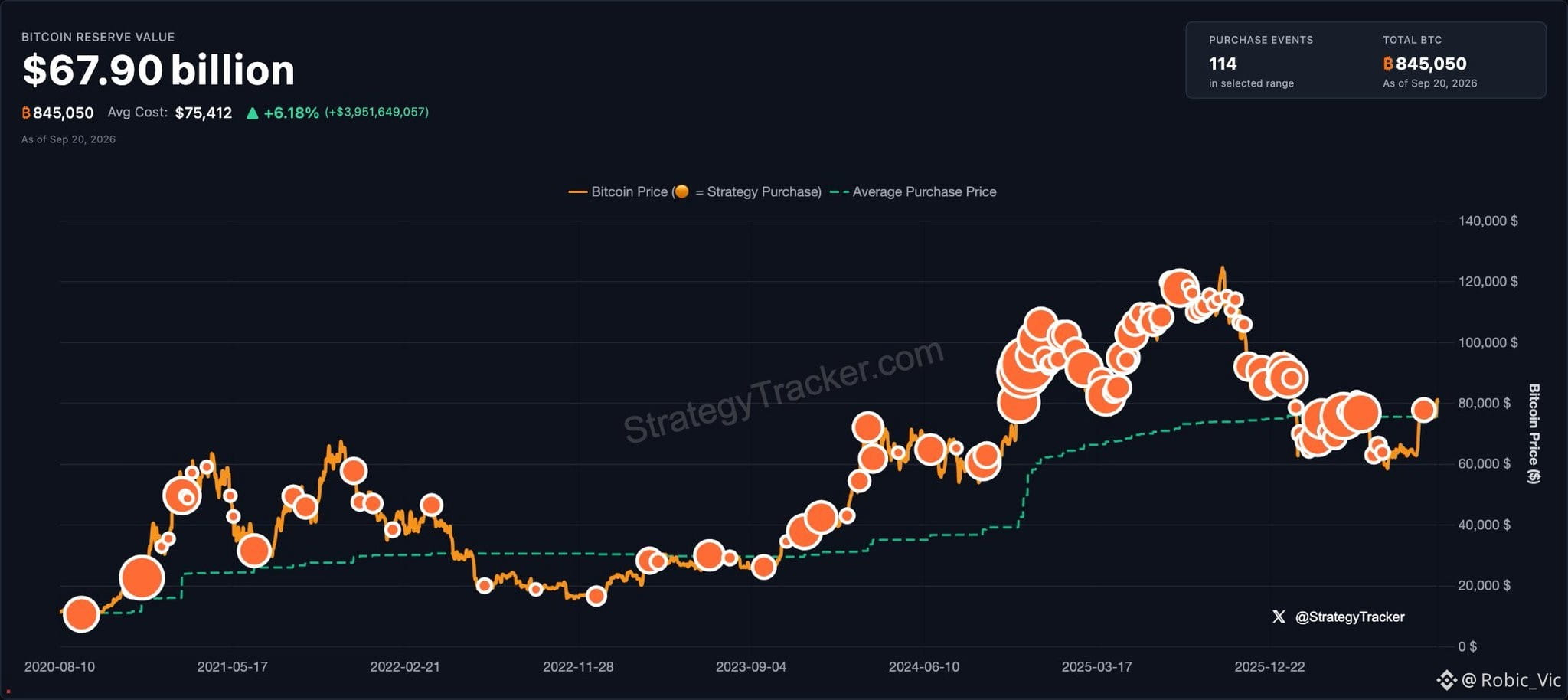
Strategy founder Michael Saylor has once again shared updates on the company’s Bitcoin tracker, stating, “A little more orange.” Following past patterns, the orange dots denote Strategy’s Bitcoin purchase records, so this move likely signals the firm will add to its BTC holdings. Strategy typically discloses changes in its Bitcoin holdings the day after such announcements.
#SaylorHintsStrategyBitcoinBuy $BTC
Strategy founder Michael Saylor has once again shared updates on the company’s Bitcoin tracker, stating, “A little more orange.” Following past patterns, the orange dots denote Strategy’s Bitcoin purchase records, so this move likely signals the firm will add to its BTC holdings. Strategy typically discloses changes in its Bitcoin holdings the day after such announcements.
#SaylorHintsStrategyBitcoinBuy $BTC
#SaylorHintsStrategyBitcoinBuy $BTC
2
57
·
--
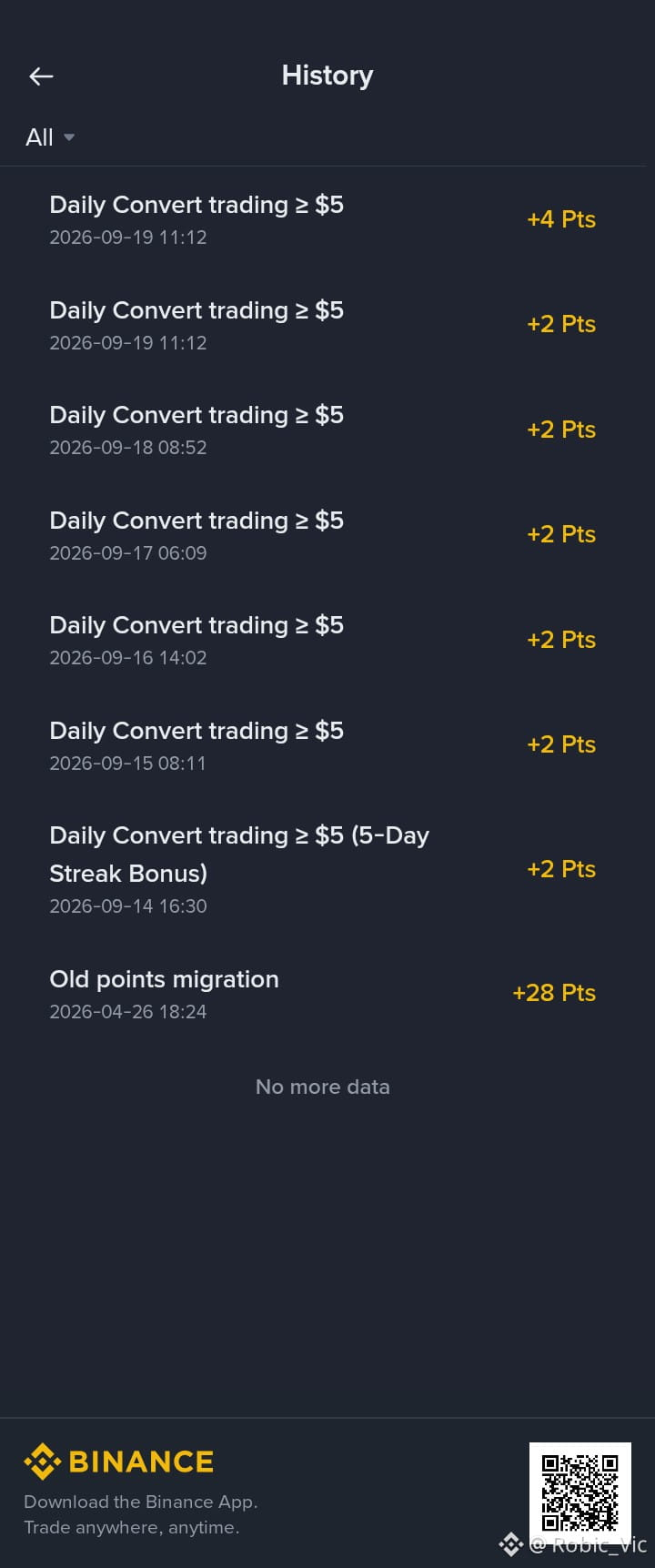
Binance Rewards hub’da yangi topshiriqni taqdim etdi. Bu siz trade’ingiz umumiy hajmi $5 yoki undan ko‘proqni aylantirganingizdan keyin Binance points (ballar) olishga yordam beradi. Hozirgacha daily tasks’larni bajarib, ma’lum miqdorda ball to‘plaganimni tekshirishingiz mumkin; agar hali qo‘shilmagan bo‘lsangiz, hoziroq kirib keting. Keling, o‘sha Binance points’larni yigamiz, FAM!
#binancepointreward
$BNB $USDC
Binance Rewards hub’da yangi topshiriqni taqdim etdi. Bu siz trade’ingiz umumiy hajmi $5 yoki undan ko‘proqni aylantirganingizdan keyin Binance points (ballar) olishga yordam beradi. Hozirgacha daily tasks’larni bajarib, ma’lum miqdorda ball to‘plaganimni tekshirishingiz mumkin; agar hali qo‘shilmagan bo‘lsangiz, hoziroq kirib keting. Keling, o‘sha Binance points’larni yigamiz, FAM!
#binancepointreward
$BNB $USDC
#binancepointreward
$BNB $USDC
5
854
·
--
Circle CEO Jeremey Allaire "kripto bo‘yicha tomosha davri tugadi" deb e’lon qildi, blokcheyn esa "ko‘rinmas infratuzilma"ga aylanayotganini aytdi.
"Tarixdagi eng muhim texnologiyalar fon sifatida yo‘qoladi." Bu aslida nimani anglatadi? 🤔
Bu kripto yangi bosqichga kirayotganini anglatishi mumkin.
Doim blokcheyn, hamyonlar, tokenlar va murakkab texnologiyalarni ko‘rish o‘rniga, blokcheyn orqada tinchgina quvvat berishi mumkin.
Xuddi biz internet qanday ishlashini o‘ylamasdan ishlatganimiz kabi, kripto ham oxir-oqibat har kuni shunchaki foydalanadigan infratuzilmaga aylanishi mumkin.
#blockchain #tech
Circle CEO Jeremey Allaire "kripto bo‘yicha tomosha davri tugadi" deb e’lon qildi, blokcheyn esa "ko‘rinmas infratuzilma"ga aylanayotganini aytdi.
"Tarixdagi eng muhim texnologiyalar fon sifatida yo‘qoladi." Bu aslida nimani anglatadi? 🤔
Bu kripto yangi bosqichga kirayotganini anglatishi mumkin.
Doim blokcheyn, hamyonlar, tokenlar va murakkab texnologiyalarni ko‘rish o‘rniga, blokcheyn orqada tinchgina quvvat berishi mumkin.
Xuddi biz internet qanday ishlashini o‘ylamasdan ishlatganimiz kabi, kripto ham oxir-oqibat har kuni shunchaki foydalanadigan infratuzilmaga aylanishi mumkin.
#blockchain #tech
"Tarixdagi eng muhim texnologiyalar fon sifatida yo‘qoladi." Bu aslida nimani anglatadi? 🤔
Bu kripto yangi bosqichga kirayotganini anglatishi mumkin.
Doim blokcheyn, hamyonlar, tokenlar va murakkab texnologiyalarni ko‘rish o‘rniga, blokcheyn orqada tinchgina quvvat berishi mumkin.
Xuddi biz internet qanday ishlashini o‘ylamasdan ishlatganimiz kabi, kripto ham oxir-oqibat har kuni shunchaki foydalanadigan infratuzilmaga aylanishi mumkin.
#blockchain #tech

3
156
·
--
Qisman to‘g‘ri
Binance hali ham birjalarning zaxiralarida yetakchilik qilmoqda, sentabr PoR esa joyiga tushdi
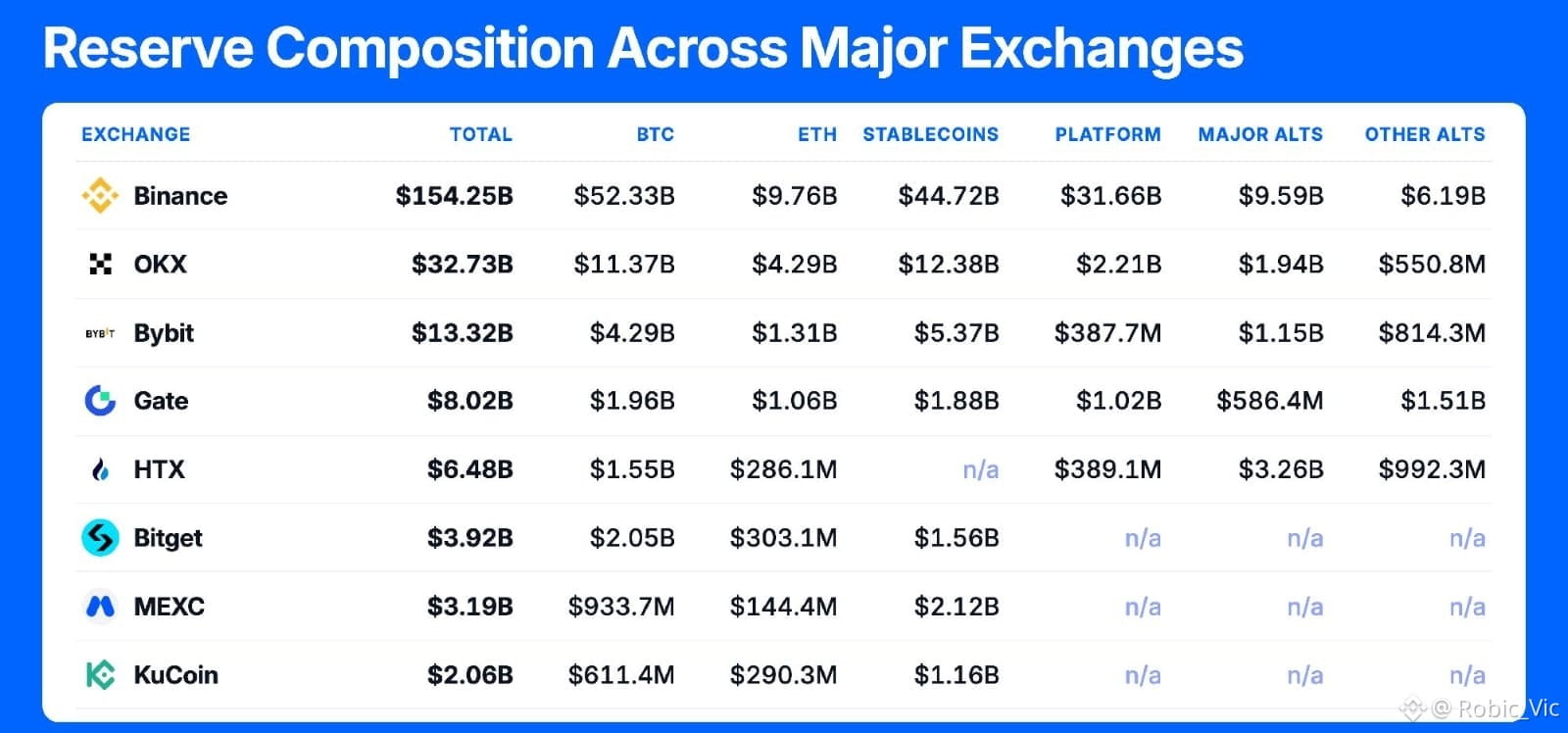
Binance sentabr uchun Zaxiralarni isbotlash (Proof of Reserves) hisobotini yangiladi va u yerda jami zaxiralar 154,3 mlrd dollarni tashkil etgani, bu yirik birjalar orasida eng kattasi ekanini ko‘rsatdi.
Avgust oylik birja hisobotimiz bilan solishtirganda, Binance’ning BTC ko‘rsatkichlari 25 155 BTC ga o‘sib (+3,8%) 683 448 BTC ga yetdi. Stablecoin zaxiralari asosan o‘zgarmay, 44,72 mlrd dollarni tashkil etdi; USDC 1,03 mlrd dollarga oshdi, USDT esa 861 mln dollarga kamaydi.
#BinanceProofOfReserves #proofofreserve
$BTC $USDC $USDT
Binance hali ham birjalarning zaxiralarida yetakchilik qilmoqda, sentabr PoR esa joyiga tushdi
Binance sentabr uchun Zaxiralarni isbotlash (Proof of Reserves) hisobotini yangiladi va u yerda jami zaxiralar 154,3 mlrd dollarni tashkil etgani, bu yirik birjalar orasida eng kattasi ekanini ko‘rsatdi.
Avgust oylik birja hisobotimiz bilan solishtirganda, Binance’ning BTC ko‘rsatkichlari 25 155 BTC ga o‘sib (+3,8%) 683 448 BTC ga yetdi. Stablecoin zaxiralari asosan o‘zgarmay, 44,72 mlrd dollarni tashkil etdi; USDC 1,03 mlrd dollarga oshdi, USDT esa 861 mln dollarga kamaydi.
#BinanceProofOfReserves #proofofreserve
$BTC $USDC $USDT
Binance sentabr uchun Zaxiralarni isbotlash (Proof of Reserves) hisobotini yangiladi va u yerda jami zaxiralar 154,3 mlrd dollarni tashkil etgani, bu yirik birjalar orasida eng kattasi ekanini ko‘rsatdi.
Avgust oylik birja hisobotimiz bilan solishtirganda, Binance’ning BTC ko‘rsatkichlari 25 155 BTC ga o‘sib (+3,8%) 683 448 BTC ga yetdi. Stablecoin zaxiralari asosan o‘zgarmay, 44,72 mlrd dollarni tashkil etdi; USDC 1,03 mlrd dollarga oshdi, USDT esa 861 mln dollarga kamaydi.
#BinanceProofOfReserves #proofofreserve
$BTC $USDC $USDT
2
3
192
·
--
Kripto aniqlik so‘radi. Senat esa “yo‘q” dedi.
ANIQLIK to‘g‘risidagi qonun loyihasi Senatda oldinga o‘tishi uchun 11 ovoz yetmadi.
XRP bozorning Vashington yanada kengroq kripto doirasi bo‘yicha imkonini baholashda ko‘rsatkichga aylandi.
BNBning barqarorligi himoyaviy edi. Unda yangi katalizator yo‘q edi va boshqa altkoinlar bozori ham ergashmadi. Shunchaki qaytarib berishga kamroq “siyosat bonusi” bor edi.
Haftadagi narx harakati bozor o‘zining tartibga solish bo‘yicha kutganlarini aynan qayerga qo‘yganini aniq ko‘rsatdi.
Coinbase — siyosat savdosi.
Muvaffaqiyatsiz ovoz berish Coinbase uchun tartibga solishdagi aniqlikni yanada uzoqqa surib yubordi.
Federal asos AQSh platformalarida aktivlar va xizmatlar qanday tartibga solinishini aniqlab berishi mumkin. To u paydo bo‘lmaguncha COIN Vashingtonning kripto siyosati xavfini ommaviy bozorda eng ravshan ifodalovchilardan biri bo‘lib qolmoqda.
Bugun 18:00 UTC da Fed qaror qiladi, egri chiziqning old qismi esa narxga kutilayotgan oshirilishlarni (rate hike) o‘zi bilan kiritib qo‘ygan. Va Bitcoin hozircha makroaktiv sifatida savdoni to‘xtatgandek.
#FedRateWatch
$BTC $XRP $BNB
Kripto aniqlik so‘radi. Senat esa “yo‘q” dedi.
ANIQLIK to‘g‘risidagi qonun loyihasi Senatda oldinga o‘tishi uchun 11 ovoz yetmadi.
XRP bozorning Vashington yanada kengroq kripto doirasi bo‘yicha imkonini baholashda ko‘rsatkichga aylandi.
BNBning barqarorligi himoyaviy edi. Unda yangi katalizator yo‘q edi va boshqa altkoinlar bozori ham ergashmadi. Shunchaki qaytarib berishga kamroq “siyosat bonusi” bor edi.
Haftadagi narx harakati bozor o‘zining tartibga solish bo‘yicha kutganlarini aynan qayerga qo‘yganini aniq ko‘rsatdi.
Coinbase — siyosat savdosi.
Muvaffaqiyatsiz ovoz berish Coinbase uchun tartibga solishdagi aniqlikni yanada uzoqqa surib yubordi.
Federal asos AQSh platformalarida aktivlar va xizmatlar qanday tartibga solinishini aniqlab berishi mumkin. To u paydo bo‘lmaguncha COIN Vashingtonning kripto siyosati xavfini ommaviy bozorda eng ravshan ifodalovchilardan biri bo‘lib qolmoqda.
Bugun 18:00 UTC da Fed qaror qiladi, egri chiziqning old qismi esa narxga kutilayotgan oshirilishlarni (rate hike) o‘zi bilan kiritib qo‘ygan. Va Bitcoin hozircha makroaktiv sifatida savdoni to‘xtatgandek.
#FedRateWatch
$BTC $XRP $BNB
ANIQLIK to‘g‘risidagi qonun loyihasi Senatda oldinga o‘tishi uchun 11 ovoz yetmadi.
XRP bozorning Vashington yanada kengroq kripto doirasi bo‘yicha imkonini baholashda ko‘rsatkichga aylandi.
BNBning barqarorligi himoyaviy edi. Unda yangi katalizator yo‘q edi va boshqa altkoinlar bozori ham ergashmadi. Shunchaki qaytarib berishga kamroq “siyosat bonusi” bor edi.
Haftadagi narx harakati bozor o‘zining tartibga solish bo‘yicha kutganlarini aynan qayerga qo‘yganini aniq ko‘rsatdi.
Coinbase — siyosat savdosi.
Muvaffaqiyatsiz ovoz berish Coinbase uchun tartibga solishdagi aniqlikni yanada uzoqqa surib yubordi.
Federal asos AQSh platformalarida aktivlar va xizmatlar qanday tartibga solinishini aniqlab berishi mumkin. To u paydo bo‘lmaguncha COIN Vashingtonning kripto siyosati xavfini ommaviy bozorda eng ravshan ifodalovchilardan biri bo‘lib qolmoqda.
Bugun 18:00 UTC da Fed qaror qiladi, egri chiziqning old qismi esa narxga kutilayotgan oshirilishlarni (rate hike) o‘zi bilan kiritib qo‘ygan. Va Bitcoin hozircha makroaktiv sifatida savdoni to‘xtatgandek.
#FedRateWatch
$BTC $XRP $BNB
3
262
·
--
Pasayuvchi
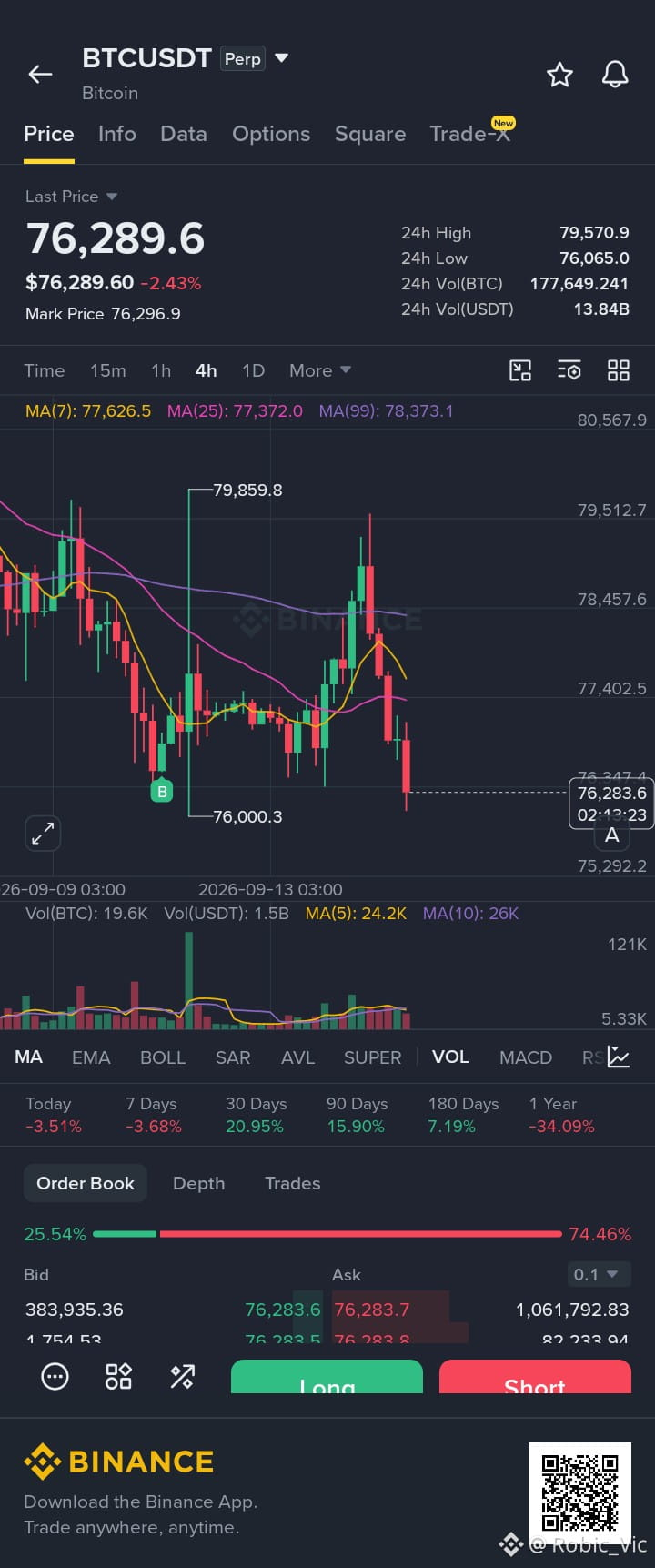
Qachon kirish va qachon chiqish kerakligini bilish treydingda eng kuchli ("goated") hisoblanadi, chunki qisqa vaqt ichida hamma narsa yuz berishi mumkin.
#FedRateCut
$BTC
Qachon kirish va qachon chiqish kerakligini bilish treydingda eng kuchli ("goated") hisoblanadi, chunki qisqa vaqt ichida hamma narsa yuz berishi mumkin.
#FedRateCut
$BTC
#FedRateCut
$BTC
4
199
·
--
Nufuzli treyder FOMCning kriptoga ta’siri haqida gapiradi: makro rivoyatlar ko‘pincha shov-shuv, Bitcoin narxlari esa odatda makro tendensiyalardan oldin harakat qiladi.
Nufuzli treyder Killa bu hafta kutilayotgan FOMC uchrashuvining kripto bozoriga mumkin bo‘lgan ta’siri haqida o‘z fikrlarini bildirdi. U, ko‘pchilik aktivlar harakatini bashorat qilish uchun makroiqtisodiyot, siyosatlar va iqtisodiy ma’lumotlarga tayanishini aytarkan, Killa esa “ko‘p makro rivoyatlar shunchaki chalg‘itish” deydi. Killa BTC ko‘pincha uni harakatga keltiruvchi sabab aniq bo‘lib ulgurmasidan oldin ham harakatni boshlashini tushuntirdi. Makro muhit o‘zgarganida va kengroq bozor buni payqagunga qadar Bitcoin odatda narx bo‘yicha harakatini deyarli tugatib bo‘ladi. Korrelatsiyalar odatda orqada qoladi; bozorlar ko‘pchilik ularni tushunganligi uchun harakat qilmaydi—ko‘pchilik ularni tushungani esa bozorda narxlar allaqachon o‘zgarganidan keyin bo‘ladi. 12-sentabr kuni Killa Bitcoin yaqinda takroriy konsolidatsiyada bo‘lganini tahlil qildi: bozor oldingi pastliklar ostida long pozitsiyalarni qayta-qayta “ovlab”, leverage’ni (likvidlik/qarzdorlikni) tozalaydi va long ushlovchilarning ishonchini bosqichma-bosqich yemiradi. Bunday uzluksiz “pastga supurish” xatti-harakati odatda bozorning longslarni mukofotlash bo‘yicha yakuniy niyatini bildiradi: oxirgi supurish mahalliy tubni ko‘rsatadi, undan keyin narxlar yuqoriga ko‘tariladi. BTCga yo‘naltirilgan kvant treyder Killa avvalroq ushbu bull (o‘sish) bozorining cho‘qqisini 2025-yil may oyida bo‘lishini bashorat qilgan va X’da 200 000 dan ortiq izdoshga ega. Aprel o‘rtalarida u Bitcoinni $74,688 narxda qisqa pozitsiyaga o‘tkazdi, keyin esa 5-iyun kuni keng bozor sell-off’idan so‘ng long pozitsiyalarga o‘tdi.
$BTC
#BitcoinCrosses78000
#ClarityActFacesProceduralVoteSep15
Nufuzli treyder FOMCning kriptoga ta’siri haqida gapiradi: makro rivoyatlar ko‘pincha shov-shuv, Bitcoin narxlari esa odatda makro tendensiyalardan oldin harakat qiladi.
Nufuzli treyder Killa bu hafta kutilayotgan FOMC uchrashuvining kripto bozoriga mumkin bo‘lgan ta’siri haqida o‘z fikrlarini bildirdi. U, ko‘pchilik aktivlar harakatini bashorat qilish uchun makroiqtisodiyot, siyosatlar va iqtisodiy ma’lumotlarga tayanishini aytarkan, Killa esa “ko‘p makro rivoyatlar shunchaki chalg‘itish” deydi. Killa BTC ko‘pincha uni harakatga keltiruvchi sabab aniq bo‘lib ulgurmasidan oldin ham harakatni boshlashini tushuntirdi. Makro muhit o‘zgarganida va kengroq bozor buni payqagunga qadar Bitcoin odatda narx bo‘yicha harakatini deyarli tugatib bo‘ladi. Korrelatsiyalar odatda orqada qoladi; bozorlar ko‘pchilik ularni tushunganligi uchun harakat qilmaydi—ko‘pchilik ularni tushungani esa bozorda narxlar allaqachon o‘zgarganidan keyin bo‘ladi. 12-sentabr kuni Killa Bitcoin yaqinda takroriy konsolidatsiyada bo‘lganini tahlil qildi: bozor oldingi pastliklar ostida long pozitsiyalarni qayta-qayta “ovlab”, leverage’ni (likvidlik/qarzdorlikni) tozalaydi va long ushlovchilarning ishonchini bosqichma-bosqich yemiradi. Bunday uzluksiz “pastga supurish” xatti-harakati odatda bozorning longslarni mukofotlash bo‘yicha yakuniy niyatini bildiradi: oxirgi supurish mahalliy tubni ko‘rsatadi, undan keyin narxlar yuqoriga ko‘tariladi. BTCga yo‘naltirilgan kvant treyder Killa avvalroq ushbu bull (o‘sish) bozorining cho‘qqisini 2025-yil may oyida bo‘lishini bashorat qilgan va X’da 200 000 dan ortiq izdoshga ega. Aprel o‘rtalarida u Bitcoinni $74,688 narxda qisqa pozitsiyaga o‘tkazdi, keyin esa 5-iyun kuni keng bozor sell-off’idan so‘ng long pozitsiyalarga o‘tdi.
$BTC
#BitcoinCrosses78000
#ClarityActFacesProceduralVoteSep15
Nufuzli treyder Killa bu hafta kutilayotgan FOMC uchrashuvining kripto bozoriga mumkin bo‘lgan ta’siri haqida o‘z fikrlarini bildirdi. U, ko‘pchilik aktivlar harakatini bashorat qilish uchun makroiqtisodiyot, siyosatlar va iqtisodiy ma’lumotlarga tayanishini aytarkan, Killa esa “ko‘p makro rivoyatlar shunchaki chalg‘itish” deydi. Killa BTC ko‘pincha uni harakatga keltiruvchi sabab aniq bo‘lib ulgurmasidan oldin ham harakatni boshlashini tushuntirdi. Makro muhit o‘zgarganida va kengroq bozor buni payqagunga qadar Bitcoin odatda narx bo‘yicha harakatini deyarli tugatib bo‘ladi. Korrelatsiyalar odatda orqada qoladi; bozorlar ko‘pchilik ularni tushunganligi uchun harakat qilmaydi—ko‘pchilik ularni tushungani esa bozorda narxlar allaqachon o‘zgarganidan keyin bo‘ladi. 12-sentabr kuni Killa Bitcoin yaqinda takroriy konsolidatsiyada bo‘lganini tahlil qildi: bozor oldingi pastliklar ostida long pozitsiyalarni qayta-qayta “ovlab”, leverage’ni (likvidlik/qarzdorlikni) tozalaydi va long ushlovchilarning ishonchini bosqichma-bosqich yemiradi. Bunday uzluksiz “pastga supurish” xatti-harakati odatda bozorning longslarni mukofotlash bo‘yicha yakuniy niyatini bildiradi: oxirgi supurish mahalliy tubni ko‘rsatadi, undan keyin narxlar yuqoriga ko‘tariladi. BTCga yo‘naltirilgan kvant treyder Killa avvalroq ushbu bull (o‘sish) bozorining cho‘qqisini 2025-yil may oyida bo‘lishini bashorat qilgan va X’da 200 000 dan ortiq izdoshga ega. Aprel o‘rtalarida u Bitcoinni $74,688 narxda qisqa pozitsiyaga o‘tkazdi, keyin esa 5-iyun kuni keng bozor sell-off’idan so‘ng long pozitsiyalarga o‘tdi.
$BTC
#BitcoinCrosses78000
#ClarityActFacesProceduralVoteSep15
2
112
·
--
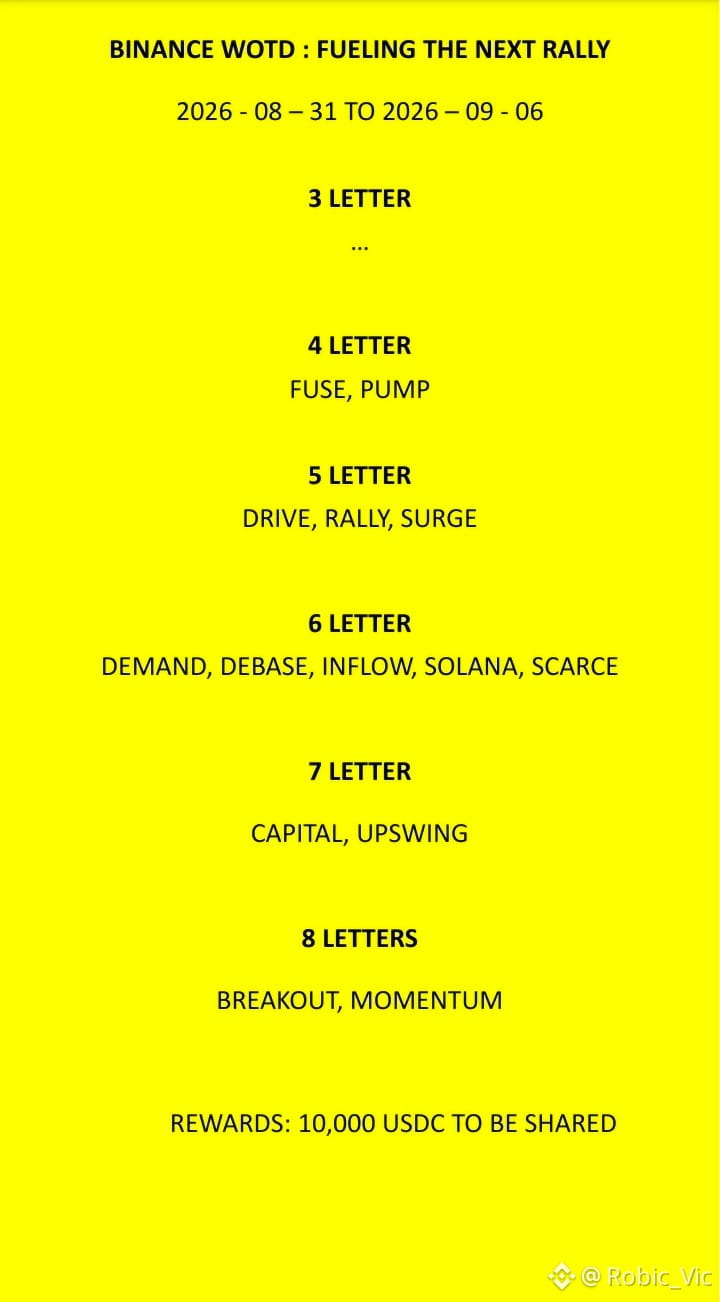
BINANCE WOTD : NAVBATDAGI RALLINI JADALLASHTIRISH
2026 - 08 - 31 dan 2026 - 09 - 06 gacha
#wotd
#binancewotd
#dyor
$USDC
BINANCE WOTD : NAVBATDAGI RALLINI JADALLASHTIRISH
2026 - 08 - 31 dan 2026 - 09 - 06 gacha
#wotd
#binancewotd
#dyor
$USDC
2026 - 08 - 31 dan 2026 - 09 - 06 gacha
#wotd
#binancewotd
#dyor
$USDC
5
66
·
--
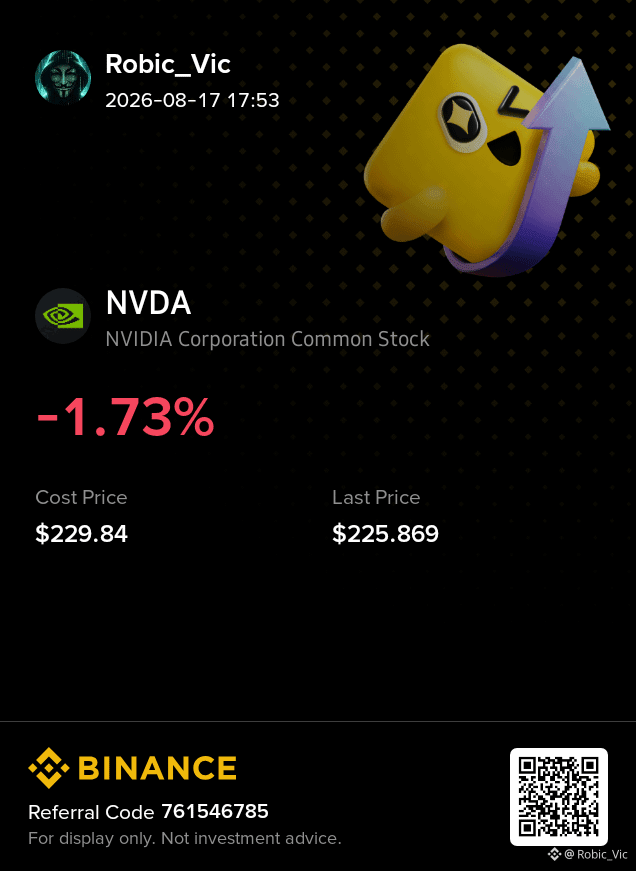
Endi men Binance’da 10 USDC qiymatidagi NVDA’ni endi sotib oldim. Binance haqiqatan ham superilova va bu sektor uchun o‘yin qoidalarini o‘zgartiradigan yangilik 🔥🔥🚀🚀https://www.binance.com/en/stocks/EQ_NVDA?ref=761546785
#TradebStocks #BinanceAfrica
Endi men Binance’da 10 USDC qiymatidagi NVDA’ni endi sotib oldim. Binance haqiqatan ham superilova va bu sektor uchun o‘yin qoidalarini o‘zgartiradigan yangilik 🔥🔥🚀🚀https://www.binance.com/en/stocks/EQ_NVDA?ref=761546785
#TradebStocks #BinanceAfrica
#TradebStocks #BinanceAfrica
3
101
·
--
Maqola
Dipni ko‘r-ko‘rona sotib olmang: avval Holders Distribution’ni tekshiring.Hammayoq "dipni sotib oling" deb baqiryapti, sen esa bitta narsani tekshirmasdan aping qilayapsan — eng muhimi: kim ta’minotni (supply) egallaydi?
Holders Distribution (Hamyonlar taqsimoti) tokenning ta’minoti hamyonlar bo‘yicha qanday bo‘linganini ko‘rsatadi. Kim haqiqatan ham sahnani boshqarayotganini ko‘rishning eng tez yo‘li.
Nega bu murosasiz:
Ta’minotning ko‘p qismini ushlab turgan bir hovuch hamyon borligi shuni anglatadiki, narxni bir hovuch odam boshqaradi. Ularga seni dump qilish uchun ayiq bozori shart emas — shunchaki sabab kerak. Bu tangacha emas, bu ularning chiqish likvidligi (exit liquidity).
Dipni ko‘r-ko‘rona sotib olmang: avval Holders Distribution’ni tekshiring.
Hammayoq "dipni sotib oling" deb baqiryapti, sen esa bitta narsani tekshirmasdan aping qilayapsan — eng muhimi: kim ta’minotni (supply) egallaydi?
Holders Distribution (Hamyonlar taqsimoti) tokenning ta’minoti hamyonlar bo‘yicha qanday bo‘linganini ko‘rsatadi. Kim haqiqatan ham sahnani boshqarayotganini ko‘rishning eng tez yo‘li.
Nega bu murosasiz:
Ta’minotning ko‘p qismini ushlab turgan bir hovuch hamyon borligi shuni anglatadiki, narxni bir hovuch odam boshqaradi. Ularga seni dump qilish uchun ayiq bozori shart emas — shunchaki sabab kerak. Bu tangacha emas, bu ularning chiqish likvidligi (exit liquidity).
Holders Distribution (Hamyonlar taqsimoti) tokenning ta’minoti hamyonlar bo‘yicha qanday bo‘linganini ko‘rsatadi. Kim haqiqatan ham sahnani boshqarayotganini ko‘rishning eng tez yo‘li.
Nega bu murosasiz:
Ta’minotning ko‘p qismini ushlab turgan bir hovuch hamyon borligi shuni anglatadiki, narxni bir hovuch odam boshqaradi. Ularga seni dump qilish uchun ayiq bozori shart emas — shunchaki sabab kerak. Bu tangacha emas, bu ularning chiqish likvidligi (exit liquidity).
4
139
·
--
Men ham qiziqib bilishni xohlayman 👀
Men ham qiziqib bilishni xohlayman 👀

Sunshine 🔶
·
--
👀
#ShineForBinance9
#ShineForBinance9
4
76
·
--
Maqola
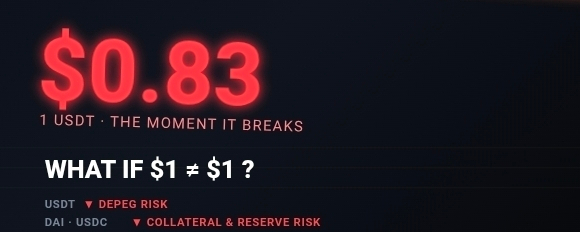
Stablecoin apokalipsi: agar USDT yoki DAI o‘z pegini yo‘qotsa nima bo‘ladi?Hamma so‘ramaydigan, lekin kech bo‘lguncha e’tibor berilmaydigan taxmin haqida gaplashaylik.
Siz USDTni ushlaysiz. Hamyoningizda “1000 USDT”ni ko‘rasiz va miyangiz buni “1000 dollar” deb o‘qiydi. DAI bilan ham shunday. USDC bilan ham shunday. Bu bank hisobidagi naqd puldek tuyuladi.
Mana noqulay haqiqat: Web3da hech narsa kafolatlanmagan. Hatto “stabil” deb ataladigan stablecoindan ham. Bu taxminiy qo‘rqitish emas — bu allaqachon bo‘lgan, bir necha bor.
Nega bizga umuman stablecoinlar kerak?
Stables mavjud, chunki kripto dollarga o‘xshash birlikka muhtoj bo‘lgan: tushlikgacha 10% tebranib ketmaydigan. Ular foyda va zararni kuzatish uchun oddiy yo‘l beradi. Ular CeFi va DeFi o‘rtasidagi ko‘prik — on-chain vositalarga kirishga imkon beradigan on-ramp, buni “dollar” ko‘rinishidagi narxlar qulayligidan chiqmasdan qilasiz. Va ular treyding, ferming va lendingning tayanchi — aks holda betartib bo‘ladigan bozorda “xavfsiz boshpana” aktividir.
Stablecoin apokalipsi: agar USDT yoki DAI o‘z pegini yo‘qotsa nima bo‘ladi?
Hamma so‘ramaydigan, lekin kech bo‘lguncha e’tibor berilmaydigan taxmin haqida gaplashaylik.
Siz USDTni ushlaysiz. Hamyoningizda “1000 USDT”ni ko‘rasiz va miyangiz buni “1000 dollar” deb o‘qiydi. DAI bilan ham shunday. USDC bilan ham shunday. Bu bank hisobidagi naqd puldek tuyuladi.
Mana noqulay haqiqat: Web3da hech narsa kafolatlanmagan. Hatto “stabil” deb ataladigan stablecoindan ham. Bu taxminiy qo‘rqitish emas — bu allaqachon bo‘lgan, bir necha bor.
Nega bizga umuman stablecoinlar kerak?
Stables mavjud, chunki kripto dollarga o‘xshash birlikka muhtoj bo‘lgan: tushlikgacha 10% tebranib ketmaydigan. Ular foyda va zararni kuzatish uchun oddiy yo‘l beradi. Ular CeFi va DeFi o‘rtasidagi ko‘prik — on-chain vositalarga kirishga imkon beradigan on-ramp, buni “dollar” ko‘rinishidagi narxlar qulayligidan chiqmasdan qilasiz. Va ular treyding, ferming va lendingning tayanchi — aks holda betartib bo‘ladigan bozorda “xavfsiz boshpana” aktividir.
Siz USDTni ushlaysiz. Hamyoningizda “1000 USDT”ni ko‘rasiz va miyangiz buni “1000 dollar” deb o‘qiydi. DAI bilan ham shunday. USDC bilan ham shunday. Bu bank hisobidagi naqd puldek tuyuladi.
Mana noqulay haqiqat: Web3da hech narsa kafolatlanmagan. Hatto “stabil” deb ataladigan stablecoindan ham. Bu taxminiy qo‘rqitish emas — bu allaqachon bo‘lgan, bir necha bor.
Nega bizga umuman stablecoinlar kerak?
Stables mavjud, chunki kripto dollarga o‘xshash birlikka muhtoj bo‘lgan: tushlikgacha 10% tebranib ketmaydigan. Ular foyda va zararni kuzatish uchun oddiy yo‘l beradi. Ular CeFi va DeFi o‘rtasidagi ko‘prik — on-chain vositalarga kirishga imkon beradigan on-ramp, buni “dollar” ko‘rinishidagi narxlar qulayligidan chiqmasdan qilasiz. Va ular treyding, ferming va lendingning tayanchi — aks holda betartib bo‘ladigan bozorda “xavfsiz boshpana” aktividir.
4
346
·
--
🎙️ Binancеdagi aktsiyalar va bAktsiyalar
Tugashi
01 soat 49 daqiqa 39 soniya
806
BNB/USDC
Bozor/Sotish
Bajarilgan
4
0
·
--
Nega USDT yechib olish tarmog‘iga qarab turlicha turadi?
Agar siz USDT yechib olganingizda faqat tarmoqni almashtirgansiz va to‘lov keskin o‘zgarganini payqagan bo‘lsangiz, bu sizning tasavvuringiz emas. Bu USDTning o‘ziga hech qanday aloqasi yo‘q — gap siz uni yuboradigan blokcheyn haqida.
USDT bitta zanjirga bog‘lanmagan. U TRON, Ethereum, BNB Chain, TON va yana bir nechta tarmoqlarda mavjud va ularning har biri tranzaksiya komissiyalarini hisoblashning o‘z usuliga ega. Ba’zilari tabiatan arzonroq qayta ishlanadi, ba’zilari esa tez-tez tirband bo‘lib qoladi — bu esa mablag‘ni ko‘chirish narxini bevosita ta’sir qiladi.
Yechib olish paytida aynan nima bo‘ladi: siz USDT ni tanlaysiz, tarmoqni tanlaysiz (masalan, TRON yoki Ethereum), va birja o‘sha aniq zanjirda tranzaksiya tuzadi. To‘lov birjaning o‘zi istagan qat’iy raqamiga emas, balki o‘sha tarmoq qoidalariga ko‘ra hisoblanadi. Tasdiqlaganingizdan keyin mablag‘lar harakatlanadi.
Nega raqamlar shunchalik farq qiladi? Bir nechta sabab bor — tarmoq bo‘yicha tranzaksiyani qayta ishlash xarajatlari turlicha, ba’zi zanjirlar boshqa paytda ko‘proq tirband bo‘ladi, to‘lov mexanizmlari esa o‘z boshqacha ishlaydi, shuningdek, birjalar ham real tarmoq sharoitlarini aks ettirish uchun yechib olish komissiyalarini vaqti-vaqti bilan yangilab turadi.
Masalan, Binance’da siz odatda USDT yechib olish uchun bir nechta tarmoq variantini ko‘rasiz, har birining o‘z to‘lovi tasdiqlashdan oldin ko‘rsatiladi. Ularni taqqoslashga bir necha soniya ketadi va siz sezilarli miqdorni tejashingiz mumkin — faqat tanlagan tarmoq qabul qiluvchining hamyoni yoki birjasi tomonidan haqiqatan ham qo‘llab-quvvatlanishi kerak.
Xulosa: komissiya tangaga emas, tarmoqga bog‘liq. Biror narsa yuborishdan oldin, qabul qiluvchi qaysi zanjirlarni qabul qila olishini yana bir bor tekshirib, ularning narxini avval taqqoslaganingiz ma’qul.
#USDT #Fee $USDT
Nega USDT yechib olish tarmog‘iga qarab turlicha turadi?
Agar siz USDT yechib olganingizda faqat tarmoqni almashtirgansiz va to‘lov keskin o‘zgarganini payqagan bo‘lsangiz, bu sizning tasavvuringiz emas. Bu USDTning o‘ziga hech qanday aloqasi yo‘q — gap siz uni yuboradigan blokcheyn haqida.
USDT bitta zanjirga bog‘lanmagan. U TRON, Ethereum, BNB Chain, TON va yana bir nechta tarmoqlarda mavjud va ularning har biri tranzaksiya komissiyalarini hisoblashning o‘z usuliga ega. Ba’zilari tabiatan arzonroq qayta ishlanadi, ba’zilari esa tez-tez tirband bo‘lib qoladi — bu esa mablag‘ni ko‘chirish narxini bevosita ta’sir qiladi.
Yechib olish paytida aynan nima bo‘ladi: siz USDT ni tanlaysiz, tarmoqni tanlaysiz (masalan, TRON yoki Ethereum), va birja o‘sha aniq zanjirda tranzaksiya tuzadi. To‘lov birjaning o‘zi istagan qat’iy raqamiga emas, balki o‘sha tarmoq qoidalariga ko‘ra hisoblanadi. Tasdiqlaganingizdan keyin mablag‘lar harakatlanadi.
Nega raqamlar shunchalik farq qiladi? Bir nechta sabab bor — tarmoq bo‘yicha tranzaksiyani qayta ishlash xarajatlari turlicha, ba’zi zanjirlar boshqa paytda ko‘proq tirband bo‘ladi, to‘lov mexanizmlari esa o‘z boshqacha ishlaydi, shuningdek, birjalar ham real tarmoq sharoitlarini aks ettirish uchun yechib olish komissiyalarini vaqti-vaqti bilan yangilab turadi.
Masalan, Binance’da siz odatda USDT yechib olish uchun bir nechta tarmoq variantini ko‘rasiz, har birining o‘z to‘lovi tasdiqlashdan oldin ko‘rsatiladi. Ularni taqqoslashga bir necha soniya ketadi va siz sezilarli miqdorni tejashingiz mumkin — faqat tanlagan tarmoq qabul qiluvchining hamyoni yoki birjasi tomonidan haqiqatan ham qo‘llab-quvvatlanishi kerak.
Xulosa: komissiya tangaga emas, tarmoqga bog‘liq. Biror narsa yuborishdan oldin, qabul qiluvchi qaysi zanjirlarni qabul qila olishini yana bir bor tekshirib, ularning narxini avval taqqoslaganingiz ma’qul.
#USDT #Fee $USDT
Agar siz USDT yechib olganingizda faqat tarmoqni almashtirgansiz va to‘lov keskin o‘zgarganini payqagan bo‘lsangiz, bu sizning tasavvuringiz emas. Bu USDTning o‘ziga hech qanday aloqasi yo‘q — gap siz uni yuboradigan blokcheyn haqida.
USDT bitta zanjirga bog‘lanmagan. U TRON, Ethereum, BNB Chain, TON va yana bir nechta tarmoqlarda mavjud va ularning har biri tranzaksiya komissiyalarini hisoblashning o‘z usuliga ega. Ba’zilari tabiatan arzonroq qayta ishlanadi, ba’zilari esa tez-tez tirband bo‘lib qoladi — bu esa mablag‘ni ko‘chirish narxini bevosita ta’sir qiladi.
Yechib olish paytida aynan nima bo‘ladi: siz USDT ni tanlaysiz, tarmoqni tanlaysiz (masalan, TRON yoki Ethereum), va birja o‘sha aniq zanjirda tranzaksiya tuzadi. To‘lov birjaning o‘zi istagan qat’iy raqamiga emas, balki o‘sha tarmoq qoidalariga ko‘ra hisoblanadi. Tasdiqlaganingizdan keyin mablag‘lar harakatlanadi.
Nega raqamlar shunchalik farq qiladi? Bir nechta sabab bor — tarmoq bo‘yicha tranzaksiyani qayta ishlash xarajatlari turlicha, ba’zi zanjirlar boshqa paytda ko‘proq tirband bo‘ladi, to‘lov mexanizmlari esa o‘z boshqacha ishlaydi, shuningdek, birjalar ham real tarmoq sharoitlarini aks ettirish uchun yechib olish komissiyalarini vaqti-vaqti bilan yangilab turadi.
Masalan, Binance’da siz odatda USDT yechib olish uchun bir nechta tarmoq variantini ko‘rasiz, har birining o‘z to‘lovi tasdiqlashdan oldin ko‘rsatiladi. Ularni taqqoslashga bir necha soniya ketadi va siz sezilarli miqdorni tejashingiz mumkin — faqat tanlagan tarmoq qabul qiluvchining hamyoni yoki birjasi tomonidan haqiqatan ham qo‘llab-quvvatlanishi kerak.
Xulosa: komissiya tangaga emas, tarmoqga bog‘liq. Biror narsa yuborishdan oldin, qabul qiluvchi qaysi zanjirlarni qabul qila olishini yana bir bor tekshirib, ularning narxini avval taqqoslaganingiz ma’qul.
#USDT #Fee $USDT
5
112
·
--
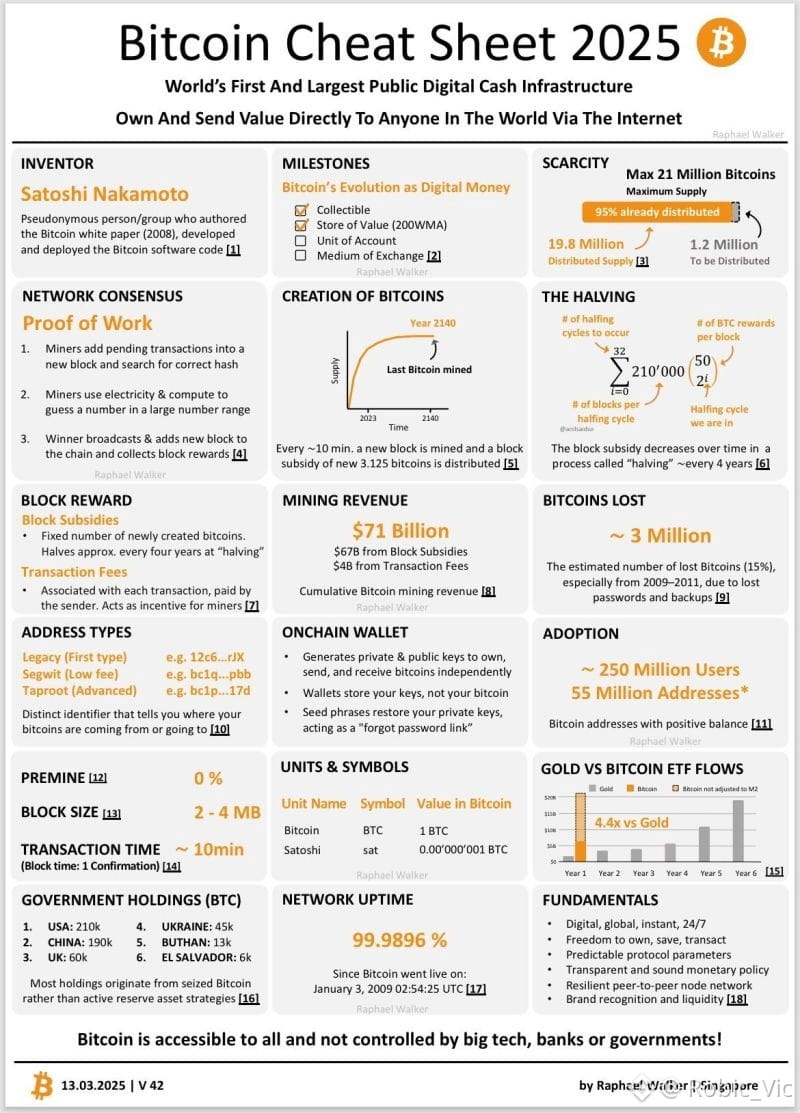
Kripto olami nega “halving” atrofida bunchalik hayajonga tushishini hech o‘ylab ko‘rganmisiz? Mana soddalashtirilgan javob.
Bitcoin halving mexanizmi protokolga o‘rnatilgan: taxminan har to‘rt yilda bir marta, yangi blokni tasdiqlash (konchilar tomonidan) uchun beriladigan mukofot yarmiga kamayadi. Nega bu muhim:
1. Taklif sekinlashadi. Konchilar ayni bir xil ish uchun endi BTC ning yarmi miqdorini oladi, demak, yangi tangalar muomalaga kamroq kiradi.
2. Inflyatsion bosim yumshaydi. Bozorga tushadigan yangi taklif kamroq bo‘lsa, talab esa bir xil yoki o‘sib boradi — bu kombinatsiya ko‘pincha vaqt o‘tishi bilan narxlarni yuqoriga itaradi.
3. Tarixda naqsh bor. Oxirgi uchta halvingdan keyin odatda bir necha oylar ichida jiddiy narxlar o‘sishi kuzatilgan — ba’zan yuz foizdan ham oshadigan (uch xonali) foiz ko‘tarilishlar. Shunga qaramay, hech bir sikl takrorlanishi kafolat emas.
Tezkor tarixiy tekshiruv: 2020-yilda konchilar blok uchun 6,25 BTC olgan. 2024-yildagi halvingdan so‘ng bu 3,125 BTC ga tushdi. Keyingisi, taxminan 2028-yil aprelida (1 050 000-blok atrofida) bo‘lishi kutiladi va u yana taxminan 1,5625 BTC ga qisqartiradi. Mukofotlar deyarli nolga yaqinlashguncha shunday davom etadi — prognozga ko‘ra 2140-yil atrofida.
Bozorda, shuningdek, hodisadan oldin kutilmalar narxga kirib ketadi, keyin esa yana hodisadan so‘ng reaksiya bo‘ladi — shuning uchun halving kunida bitta juda keskin “sakrash”ni kutmang. Odatda bu sekinroq davom etadigan jarayon.
Fiat valyutadan haqiqatan farq qiladigan narsa shuki, markaziy bank shunchaki ko‘proq Bitcoin “bosib chiqarishni” qaror qila olmaydi. Ta’minot cheklanganligi kodga kiritilgan: u oldindan bashorat qilinadi va uni bekor qilish mumkin emas.
Navbatdagi halvingni kuzating: 2028-yil aprel. Eslatma qo‘ying — bu kriptodagi aslida kelishi aniq bo‘lgan kam sonli sanalardan biri.
#bitcoin #Bitcoinhaving $BTC
Kripto olami nega “halving” atrofida bunchalik hayajonga tushishini hech o‘ylab ko‘rganmisiz? Mana soddalashtirilgan javob.
Bitcoin halving mexanizmi protokolga o‘rnatilgan: taxminan har to‘rt yilda bir marta, yangi blokni tasdiqlash (konchilar tomonidan) uchun beriladigan mukofot yarmiga kamayadi. Nega bu muhim:
1. Taklif sekinlashadi. Konchilar ayni bir xil ish uchun endi BTC ning yarmi miqdorini oladi, demak, yangi tangalar muomalaga kamroq kiradi.
2. Inflyatsion bosim yumshaydi. Bozorga tushadigan yangi taklif kamroq bo‘lsa, talab esa bir xil yoki o‘sib boradi — bu kombinatsiya ko‘pincha vaqt o‘tishi bilan narxlarni yuqoriga itaradi.
3. Tarixda naqsh bor. Oxirgi uchta halvingdan keyin odatda bir necha oylar ichida jiddiy narxlar o‘sishi kuzatilgan — ba’zan yuz foizdan ham oshadigan (uch xonali) foiz ko‘tarilishlar. Shunga qaramay, hech bir sikl takrorlanishi kafolat emas.
Tezkor tarixiy tekshiruv: 2020-yilda konchilar blok uchun 6,25 BTC olgan. 2024-yildagi halvingdan so‘ng bu 3,125 BTC ga tushdi. Keyingisi, taxminan 2028-yil aprelida (1 050 000-blok atrofida) bo‘lishi kutiladi va u yana taxminan 1,5625 BTC ga qisqartiradi. Mukofotlar deyarli nolga yaqinlashguncha shunday davom etadi — prognozga ko‘ra 2140-yil atrofida.
Bozorda, shuningdek, hodisadan oldin kutilmalar narxga kirib ketadi, keyin esa yana hodisadan so‘ng reaksiya bo‘ladi — shuning uchun halving kunida bitta juda keskin “sakrash”ni kutmang. Odatda bu sekinroq davom etadigan jarayon.
Fiat valyutadan haqiqatan farq qiladigan narsa shuki, markaziy bank shunchaki ko‘proq Bitcoin “bosib chiqarishni” qaror qila olmaydi. Ta’minot cheklanganligi kodga kiritilgan: u oldindan bashorat qilinadi va uni bekor qilish mumkin emas.
Navbatdagi halvingni kuzating: 2028-yil aprel. Eslatma qo‘ying — bu kriptodagi aslida kelishi aniq bo‘lgan kam sonli sanalardan biri.
#bitcoin #Bitcoinhaving $BTC
Bitcoin halving mexanizmi protokolga o‘rnatilgan: taxminan har to‘rt yilda bir marta, yangi blokni tasdiqlash (konchilar tomonidan) uchun beriladigan mukofot yarmiga kamayadi. Nega bu muhim:
1. Taklif sekinlashadi. Konchilar ayni bir xil ish uchun endi BTC ning yarmi miqdorini oladi, demak, yangi tangalar muomalaga kamroq kiradi.
2. Inflyatsion bosim yumshaydi. Bozorga tushadigan yangi taklif kamroq bo‘lsa, talab esa bir xil yoki o‘sib boradi — bu kombinatsiya ko‘pincha vaqt o‘tishi bilan narxlarni yuqoriga itaradi.
3. Tarixda naqsh bor. Oxirgi uchta halvingdan keyin odatda bir necha oylar ichida jiddiy narxlar o‘sishi kuzatilgan — ba’zan yuz foizdan ham oshadigan (uch xonali) foiz ko‘tarilishlar. Shunga qaramay, hech bir sikl takrorlanishi kafolat emas.
Tezkor tarixiy tekshiruv: 2020-yilda konchilar blok uchun 6,25 BTC olgan. 2024-yildagi halvingdan so‘ng bu 3,125 BTC ga tushdi. Keyingisi, taxminan 2028-yil aprelida (1 050 000-blok atrofida) bo‘lishi kutiladi va u yana taxminan 1,5625 BTC ga qisqartiradi. Mukofotlar deyarli nolga yaqinlashguncha shunday davom etadi — prognozga ko‘ra 2140-yil atrofida.
Bozorda, shuningdek, hodisadan oldin kutilmalar narxga kirib ketadi, keyin esa yana hodisadan so‘ng reaksiya bo‘ladi — shuning uchun halving kunida bitta juda keskin “sakrash”ni kutmang. Odatda bu sekinroq davom etadigan jarayon.
Fiat valyutadan haqiqatan farq qiladigan narsa shuki, markaziy bank shunchaki ko‘proq Bitcoin “bosib chiqarishni” qaror qila olmaydi. Ta’minot cheklanganligi kodga kiritilgan: u oldindan bashorat qilinadi va uni bekor qilish mumkin emas.
Navbatdagi halvingni kuzating: 2028-yil aprel. Eslatma qo‘ying — bu kriptodagi aslida kelishi aniq bo‘lgan kam sonli sanalardan biri.
#bitcoin #Bitcoinhaving $BTC
8
198
·
--
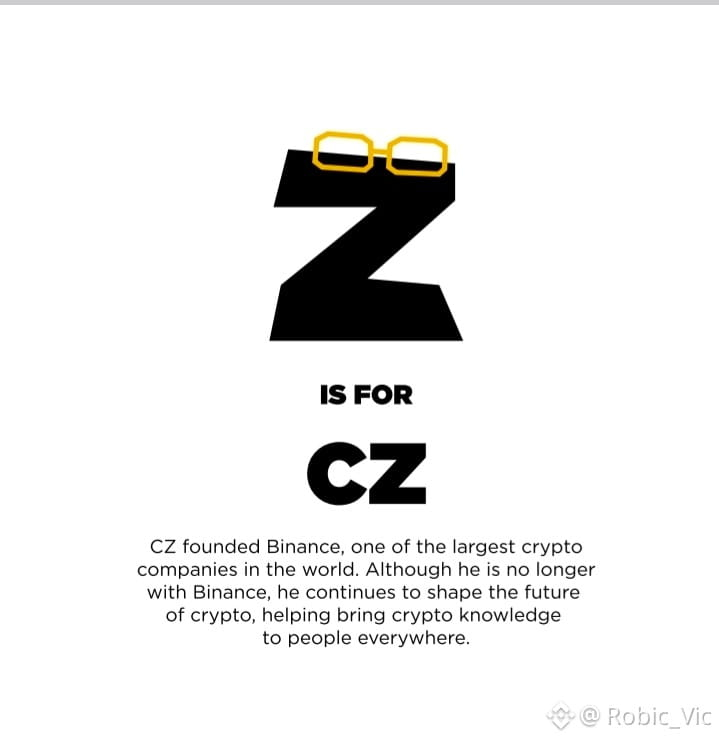
Kriptodagi ABC’larining Z-si uchun CZ nazarda tutiladi. Changpeng Zhao 2017-yilda Binance’ni asos solib, uni dunyodagi eng yirik kripto birjasiga aylantirdi. Yuqori chastotali savdo tizimlari bo‘yicha tajribaga ega bo‘lgan sobiq dasturchi CZ kriptoning eng taniqli ovozlaridan biriga aylandi: u kunlik operatsiyalardan chekinishidan oldin butun dunyo bo‘ylab blokcheynni qabul qilish va ta’limni targ‘ib qildi.
#ABCs #ABCofcrypto #beginners
Kriptodagi ABC’larining Z-si uchun CZ nazarda tutiladi. Changpeng Zhao 2017-yilda Binance’ni asos solib, uni dunyodagi eng yirik kripto birjasiga aylantirdi. Yuqori chastotali savdo tizimlari bo‘yicha tajribaga ega bo‘lgan sobiq dasturchi CZ kriptoning eng taniqli ovozlaridan biriga aylandi: u kunlik operatsiyalardan chekinishidan oldin butun dunyo bo‘ylab blokcheynni qabul qilish va ta’limni targ‘ib qildi.
#ABCs #ABCofcrypto #beginners
#ABCs #ABCofcrypto #beginners

5
117
·
--
Binance’ni 9 yillik yubileyi bilan tabriklaymiz! 💛 Moliya erkinligi va cheksiz imkoniyatlar olamini barpo qilganingiz uchun rahmat. Ushbu ajoyib safarning bir qismi bo‘lganimdan juda faxrlanaman va hayajondaman, yana ko‘plab yillarga birga qadam tashlaymiz 🎉.
#BinanceTurns9 #BinanceSquareTG
Binance’ni 9 yillik yubileyi bilan tabriklaymiz! 💛 Moliya erkinligi va cheksiz imkoniyatlar olamini barpo qilganingiz uchun rahmat. Ushbu ajoyib safarning bir qismi bo‘lganimdan juda faxrlanaman va hayajondaman, yana ko‘plab yillarga birga qadam tashlaymiz 🎉.
#BinanceTurns9 #BinanceSquareTG
#BinanceTurns9 #BinanceSquareTG
6
129
·
--
ABC-larida keyingi harfdagi Y va u YOLO uchun turadi.
Kriptoda YOLO — bu asosan "You Only Live Once" (bir marta yashaysan) degani: o‘ylab-tolishsiz treydga butunlay kirish. Faqat ishonch (yoki kayfiyat 😅) sabab portfelingizning katta qismini ajratib, tokenni bozorga “market” orqali sotib olgandek. Odatdagi DCA yoki risk-menejment yo‘riqnomalarini chetlab o‘tasiz. Bu juda yuqori risk, juda yuqori mukofot energiyasi. Ba’zi YOLOlar afsonaviy “flip”larga aylanadi, boshqalari esa guruh chatida ogohlantiruvchi hikoyaga. Qanday bo‘lmasin, bu bir dunyoqarash — dadil, biroz o‘ylamasdan, va juda “send it” 🚀. Faqat esda tuting: yo‘qotishga qodir bo‘lganingizdagina YOLO qiling. 💸
#ABCs #ABCofcrypto #begginers
ABC-larida keyingi harfdagi Y va u YOLO uchun turadi.
Kriptoda YOLO — bu asosan "You Only Live Once" (bir marta yashaysan) degani: o‘ylab-tolishsiz treydga butunlay kirish. Faqat ishonch (yoki kayfiyat 😅) sabab portfelingizning katta qismini ajratib, tokenni bozorga “market” orqali sotib olgandek. Odatdagi DCA yoki risk-menejment yo‘riqnomalarini chetlab o‘tasiz. Bu juda yuqori risk, juda yuqori mukofot energiyasi. Ba’zi YOLOlar afsonaviy “flip”larga aylanadi, boshqalari esa guruh chatida ogohlantiruvchi hikoyaga. Qanday bo‘lmasin, bu bir dunyoqarash — dadil, biroz o‘ylamasdan, va juda “send it” 🚀. Faqat esda tuting: yo‘qotishga qodir bo‘lganingizdagina YOLO qiling. 💸
#ABCs #ABCofcrypto #begginers
Kriptoda YOLO — bu asosan "You Only Live Once" (bir marta yashaysan) degani: o‘ylab-tolishsiz treydga butunlay kirish. Faqat ishonch (yoki kayfiyat 😅) sabab portfelingizning katta qismini ajratib, tokenni bozorga “market” orqali sotib olgandek. Odatdagi DCA yoki risk-menejment yo‘riqnomalarini chetlab o‘tasiz. Bu juda yuqori risk, juda yuqori mukofot energiyasi. Ba’zi YOLOlar afsonaviy “flip”larga aylanadi, boshqalari esa guruh chatida ogohlantiruvchi hikoyaga. Qanday bo‘lmasin, bu bir dunyoqarash — dadil, biroz o‘ylamasdan, va juda “send it” 🚀. Faqat esda tuting: yo‘qotishga qodir bo‘lganingizdagina YOLO qiling. 💸
#ABCs #ABCofcrypto #begginers


7
232
·
--
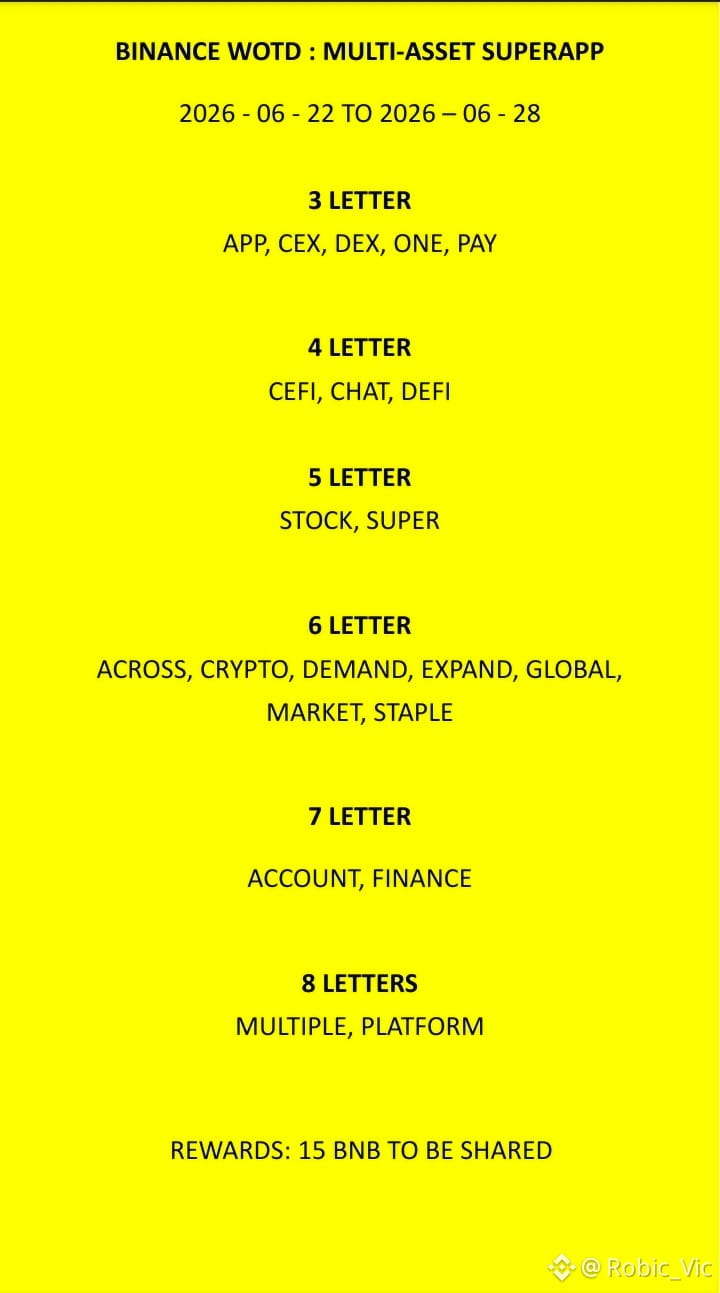
BINANCE WOTD : KO‘P AKTIVLI SUPERAPP
2026 - 06 - 22 dan 2026 - 06- 28 gacha
#Binance
#wotd
#binancewotd
#dyor
Menga qo‘shiling va WOTDni birga o‘ynaylik 👇👇
https://www.binance.com/activity/word-of-the-day/multi-asset-superapp?ref=CPA_00I6V42AZ5
BINANCE WOTD : KO‘P AKTIVLI SUPERAPP
2026 - 06 - 22 dan 2026 - 06- 28 gacha
#Binance
#wotd
#binancewotd
#dyor
Menga qo‘shiling va WOTDni birga o‘ynaylik 👇👇
https://www.binance.com/activity/word-of-the-day/multi-asset-superapp?ref=CPA_00I6V42AZ5
2026 - 06 - 22 dan 2026 - 06- 28 gacha
#Binance
#wotd
#binancewotd
#dyor
Menga qo‘shiling va WOTDni birga o‘ynaylik 👇👇
https://www.binance.com/activity/word-of-the-day/multi-asset-superapp?ref=CPA_00I6V42AZ5
6
43
Ko‘proq kontentni ko‘rish uchun tizimga kiring
Binance Square'da global kriptovalyuta foydalanuvchilariga qo‘shiling
⚡️ Kriptovalyuta haqida eng so‘nggi va foydali ma’lumotlarni oling.
💬 Dunyoning eng yirik kriptovalyuta birjasi tomonidan ishonchli deb topilgan.
👍 Tasdiqlangan mualliflardan haqiqiy tahlillarni kashf eting.
Email / telefon raqami
Trenddagi mavzular
SaylorHintsStrategyBitcoinBuy
2.2M marta koʻrilgan
12,082 muhokama qilmoqda
#saylorhintsstrategybitcoinbuy
🚨 SAYLOR YAKSHANBA $BTC ISHORASINI TASHLADI 👀
Maykl Saylor yana o‘zining odatiy Bitcoin grafigini qayta joyladi.
Agar tarix takrorlansa, u sariq nuqtalar boshqa Strategy BTC xarid kelayotganidan darak berishi mumkin. 🟠
Saylor sotib olganida esa bozor buni kuzatadi.
🐋 Katta miqdordagi BTC zaxiralari
💰 Akkumulyatsiya qilish bo‘yicha davomiy strategiya
📈 Qisqa muddatli kayfiyatga potensial ijobiy ta’sir
Lekin eng muhim joyi shunda:
Qayta joylash — xarid bo‘yicha tasdiq EMAS.
Haqiqiy signal Strategy rasmiy ravishda tranzaksiyani e’lon qilganda keladi.
🔥 Agar yana bir yirik BTC xarid e’lon qilinsa, bu safar bozor qanday reaksiya qiladi?
Yoki Saylor’ning to‘plashi shu qadar odatiy bo‘lib qoladiki, treyderlar endi deyarli sezmay qo‘yishadimi?
👀 E’longa qarang.
$MSTRB
#BTC #strategy #crypto #BitcoinNews
sdatta
·4 ta layk
·3.9k marta koʻrilgan
BOJRaisesRatesTo31YearHigh
219,946 marta koʻrilgan
3,080 muhokama qilmoqda
BuffettStepsDownAsBerkshireChairman
106,022 marta koʻrilgan
1,633 muhokama qilmoqda