

#defi
defi
56.7M marta koʻrilgan
297,540 muhokama qilmoqda
Ommabop
Eng so‘nggi

·
--
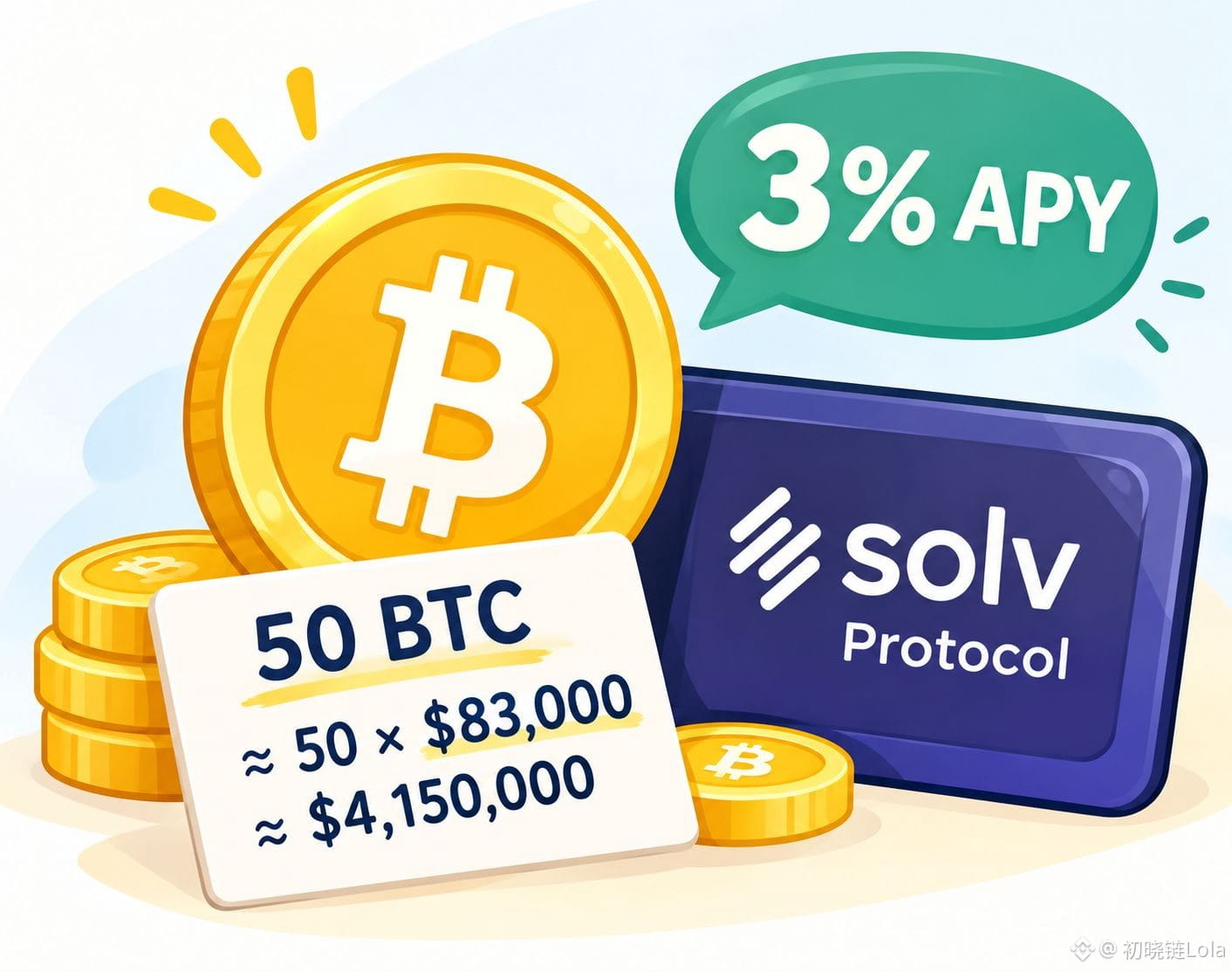
3% yillik rentabellik uchun 50 ta BTCni topshirib qo‘yishga arziydimi?
Bir DeFi o‘yinchisining o‘z hikoyasini ko‘rdim:
u 50 $BTC summani #SolvProtocol protokoliga kiritgan,
hozir esa yechib bo‘lmayapti.
U altkoinlar bilan savdo qilmaydi, qisqa muddatli operatsiyalar ham qilmaydi;
faqat 3% yillik foyda topishni xohlaydi.
BTC’lari passiv daromad topishini niyat qilgan,
lekin on-chain protokolining xavfsizligi noma’lum,
hamda noaniqlik xavfi bor.
3% uchun,
50 ta BTCni uchinchi tomonga berish haqiqatan ham arzimaydimi?
Iyul oyida Solv Protocol protokoli BTC+ bilan bog‘liq hodisalar bo‘lgan:
kovlash (minting), yechib olishni to‘xtatish va xavfsizlik voqeasi.
Keyin loyiha jamoasi tegishli funksiyalar qayta tiklanganini e’lon qildi.
Lekin bu o‘yinchining manzili baribir normal tarzda qaytarib yechib ololmayapti.
2 oydan ortiq aloqa va muloqot bo‘ldi, ammo natija yo‘q.
Hozir 50 ta BTC “tiqilib qolgan”.
U yordam so‘rab post joylab, o‘z aktivlarini qaytarib olish uchun
ommaviy muhokama va jamoatchilik e’tiboriga umid qilmoqda.
Axir bu kichik summa emas:
50 BTC — 27 milliondan ko‘proq so‘m!
Ko‘pchilik DeFi daromadini hisoblaganda,
albatta birinchi navbatda “bu protokolda APY qancha?” degan savol tug‘iladi.
Lekin aslida e’tibor berilishi kerak bo‘lgan narsa:
bir necha foiz punkt uchun qanday riskni o‘z zimmasiga olayapsiz?
Smart-kontrakt riski,
protokol xavfsizligi riski,
oracle riski,
likvidlik riski,
shuningdek muvofiqlik va risk-nazorat cheklovlari va boshqalar.
Kunlik hayotda ko‘rinmaydigan bu xavflar,
hayotda haqiqiy muammo yuz berganda o‘yinchining o‘ziga tushadi.
On-chain aktiv sizniki bo‘lsa ham,
uni bemalol qaytarib olish-olmaslik boshqa masala.
Asosiy kapitalni uchinchi tomonga topshirganingizda,
riskni nazorat qilish imkoniyati yo‘qoladi.
Kichik mablag‘ bilan DeFi protokoli sinab ko‘rish — o‘z-o‘zidan ruxsat,
lekin ma’lum miqdordagi BTCni ushlab tursangiz,
hali ham riskka bormaslik kerak.
Bir oz kamroq pul ishlashiga rozi bo‘ling, lekin pul nazoratini mahkam ushlang.
Ayniqsa 10 ta BTC va undan yuqori darajadagi mablag‘lar bo‘lsa,
bir necha foiz foyda uchun asosiy kapitalni protokolga kiritish shart emas.
Daromad cheklangan, asosiy kapital riski esa chiziqsiz bo‘lishi mumkin.
Bir necha foiz topishdan xursand bo‘lasiz,
agar asosiy kapital muammo ko‘rsa,
hamma daromadning ma’nosi qolmaydi.
Bitta “tiyin”dek bo‘lgan foyda uchun,
eng muhim asosiy kapitalni boshqa birovga bermang.
#定投BTC #defi #APY
3% yillik rentabellik uchun 50 ta BTCni topshirib qo‘yishga arziydimi?
Bir DeFi o‘yinchisining o‘z hikoyasini ko‘rdim:
u 50 $BTC summani #SolvProtocol protokoliga kiritgan,
hozir esa yechib bo‘lmayapti.
U altkoinlar bilan savdo qilmaydi, qisqa muddatli operatsiyalar ham qilmaydi;
faqat 3% yillik foyda topishni xohlaydi.
BTC’lari passiv daromad topishini niyat qilgan,
lekin on-chain protokolining xavfsizligi noma’lum,
hamda noaniqlik xavfi bor.
3% uchun,
50 ta BTCni uchinchi tomonga berish haqiqatan ham arzimaydimi?
Iyul oyida Solv Protocol protokoli BTC+ bilan bog‘liq hodisalar bo‘lgan:
kovlash (minting), yechib olishni to‘xtatish va xavfsizlik voqeasi.
Keyin loyiha jamoasi tegishli funksiyalar qayta tiklanganini e’lon qildi.
Lekin bu o‘yinchining manzili baribir normal tarzda qaytarib yechib ololmayapti.
2 oydan ortiq aloqa va muloqot bo‘ldi, ammo natija yo‘q.
Hozir 50 ta BTC “tiqilib qolgan”.
U yordam so‘rab post joylab, o‘z aktivlarini qaytarib olish uchun
ommaviy muhokama va jamoatchilik e’tiboriga umid qilmoqda.
Axir bu kichik summa emas:
50 BTC — 27 milliondan ko‘proq so‘m!
Ko‘pchilik DeFi daromadini hisoblaganda,
albatta birinchi navbatda “bu protokolda APY qancha?” degan savol tug‘iladi.
Lekin aslida e’tibor berilishi kerak bo‘lgan narsa:
bir necha foiz punkt uchun qanday riskni o‘z zimmasiga olayapsiz?
Smart-kontrakt riski,
protokol xavfsizligi riski,
oracle riski,
likvidlik riski,
shuningdek muvofiqlik va risk-nazorat cheklovlari va boshqalar.
Kunlik hayotda ko‘rinmaydigan bu xavflar,
hayotda haqiqiy muammo yuz berganda o‘yinchining o‘ziga tushadi.
On-chain aktiv sizniki bo‘lsa ham,
uni bemalol qaytarib olish-olmaslik boshqa masala.
Asosiy kapitalni uchinchi tomonga topshirganingizda,
riskni nazorat qilish imkoniyati yo‘qoladi.
Kichik mablag‘ bilan DeFi protokoli sinab ko‘rish — o‘z-o‘zidan ruxsat,
lekin ma’lum miqdordagi BTCni ushlab tursangiz,
hali ham riskka bormaslik kerak.
Bir oz kamroq pul ishlashiga rozi bo‘ling, lekin pul nazoratini mahkam ushlang.
Ayniqsa 10 ta BTC va undan yuqori darajadagi mablag‘lar bo‘lsa,
bir necha foiz foyda uchun asosiy kapitalni protokolga kiritish shart emas.
Daromad cheklangan, asosiy kapital riski esa chiziqsiz bo‘lishi mumkin.
Bir necha foiz topishdan xursand bo‘lasiz,
agar asosiy kapital muammo ko‘rsa,
hamma daromadning ma’nosi qolmaydi.
Bitta “tiyin”dek bo‘lgan foyda uchun,
eng muhim asosiy kapitalni boshqa birovga bermang.
#定投BTC #defi #APY
Bir DeFi o‘yinchisining o‘z hikoyasini ko‘rdim:
u 50 $BTC summani #SolvProtocol protokoliga kiritgan,
hozir esa yechib bo‘lmayapti.
U altkoinlar bilan savdo qilmaydi, qisqa muddatli operatsiyalar ham qilmaydi;
faqat 3% yillik foyda topishni xohlaydi.
BTC’lari passiv daromad topishini niyat qilgan,
lekin on-chain protokolining xavfsizligi noma’lum,
hamda noaniqlik xavfi bor.
3% uchun,
50 ta BTCni uchinchi tomonga berish haqiqatan ham arzimaydimi?
Iyul oyida Solv Protocol protokoli BTC+ bilan bog‘liq hodisalar bo‘lgan:
kovlash (minting), yechib olishni to‘xtatish va xavfsizlik voqeasi.
Keyin loyiha jamoasi tegishli funksiyalar qayta tiklanganini e’lon qildi.
Lekin bu o‘yinchining manzili baribir normal tarzda qaytarib yechib ololmayapti.
2 oydan ortiq aloqa va muloqot bo‘ldi, ammo natija yo‘q.
Hozir 50 ta BTC “tiqilib qolgan”.
U yordam so‘rab post joylab, o‘z aktivlarini qaytarib olish uchun
ommaviy muhokama va jamoatchilik e’tiboriga umid qilmoqda.
Axir bu kichik summa emas:
50 BTC — 27 milliondan ko‘proq so‘m!
Ko‘pchilik DeFi daromadini hisoblaganda,
albatta birinchi navbatda “bu protokolda APY qancha?” degan savol tug‘iladi.
Lekin aslida e’tibor berilishi kerak bo‘lgan narsa:
bir necha foiz punkt uchun qanday riskni o‘z zimmasiga olayapsiz?
Smart-kontrakt riski,
protokol xavfsizligi riski,
oracle riski,
likvidlik riski,
shuningdek muvofiqlik va risk-nazorat cheklovlari va boshqalar.
Kunlik hayotda ko‘rinmaydigan bu xavflar,
hayotda haqiqiy muammo yuz berganda o‘yinchining o‘ziga tushadi.
On-chain aktiv sizniki bo‘lsa ham,
uni bemalol qaytarib olish-olmaslik boshqa masala.
Asosiy kapitalni uchinchi tomonga topshirganingizda,
riskni nazorat qilish imkoniyati yo‘qoladi.
Kichik mablag‘ bilan DeFi protokoli sinab ko‘rish — o‘z-o‘zidan ruxsat,
lekin ma’lum miqdordagi BTCni ushlab tursangiz,
hali ham riskka bormaslik kerak.
Bir oz kamroq pul ishlashiga rozi bo‘ling, lekin pul nazoratini mahkam ushlang.
Ayniqsa 10 ta BTC va undan yuqori darajadagi mablag‘lar bo‘lsa,
bir necha foiz foyda uchun asosiy kapitalni protokolga kiritish shart emas.
Daromad cheklangan, asosiy kapital riski esa chiziqsiz bo‘lishi mumkin.
Bir necha foiz topishdan xursand bo‘lasiz,
agar asosiy kapital muammo ko‘rsa,
hamma daromadning ma’nosi qolmaydi.
Bitta “tiyin”dek bo‘lgan foyda uchun,
eng muhim asosiy kapitalni boshqa birovga bermang.
#定投BTC #defi #APY
買不起比特幣只能買比特犬:
我完全不信
2
3
2.1k


Maqola
Tarjimani ko‘rish
OÙ VA L'ARGENT ? La nouvelle rotation des capitaux que vous devez surveiller !
🔄Si vous ne regardez que le $BTC et l' ETH, vous passez à côté de la véritable action. En ce moment même, de gros portefeuilles transfèrent discrètement leurs gains vers des secteurs très spécifiques.
Deux narrations écrasent tout sur leur passage en ce moment :
1️⃣ L'Infrastructure IA décentralisée : Les besoins en puissance de calcul explosent à l'échelle mondiale. Des projets comme $RENDER captent d'énormes volumes sur Binance en fournissant de la puissance GPU décentralisée.
2️⃣ La DeFi institutionnelle & RWA : Les protocoles qui connectent la finance traditionnelle à la blockchain gagnent du terrain chaque jour.
Ne courez pas après les jetons qui ont déjà fait un x10. Cherchez ceux qui construisent l'infrastructure de demain.
👇 Suivez mon compte immédiatement pour ne pas manquer ma liste ultra-sélective des pépites IA sous-évaluées que je publie demain ! 📊✨
#CryptoAI #DeFi #Render #BinanceSquare
OÙ VA L'ARGENT ? La nouvelle rotation des capitaux que vous devez surveiller ! 🔄
Si vous ne regardez que le $BTC et l' ETH, vous passez à côté de la véritable action. En ce moment même, de gros portefeuilles transfèrent discrètement leurs gains vers des secteurs très spécifiques.
Deux narrations écrasent tout sur leur passage en ce moment :
1️⃣ L'Infrastructure IA décentralisée : Les besoins en puissance de calcul explosent à l'échelle mondiale. Des projets comme $RENDER captent d'énormes volumes sur Binance en fournissant de la puissance GPU décentralisée.
2️⃣ La DeFi institutionnelle & RWA : Les protocoles qui connectent la finance traditionnelle à la blockchain gagnent du terrain chaque jour.
Ne courez pas après les jetons qui ont déjà fait un x10. Cherchez ceux qui construisent l'infrastructure de demain.
👇 Suivez mon compte immédiatement pour ne pas manquer ma liste ultra-sélective des pépites IA sous-évaluées que je publie demain ! 📊✨
#CryptoAI #DeFi #Render #BinanceSquare
Deux narrations écrasent tout sur leur passage en ce moment :
1️⃣ L'Infrastructure IA décentralisée : Les besoins en puissance de calcul explosent à l'échelle mondiale. Des projets comme $RENDER captent d'énormes volumes sur Binance en fournissant de la puissance GPU décentralisée.
2️⃣ La DeFi institutionnelle & RWA : Les protocoles qui connectent la finance traditionnelle à la blockchain gagnent du terrain chaque jour.
Ne courez pas après les jetons qui ont déjà fait un x10. Cherchez ceux qui construisent l'infrastructure de demain.
👇 Suivez mon compte immédiatement pour ne pas manquer ma liste ultra-sélective des pépites IA sous-évaluées que je publie demain ! 📊✨
#CryptoAI #DeFi #Render #BinanceSquare
449


·
--
Tarjimani ko‘rish
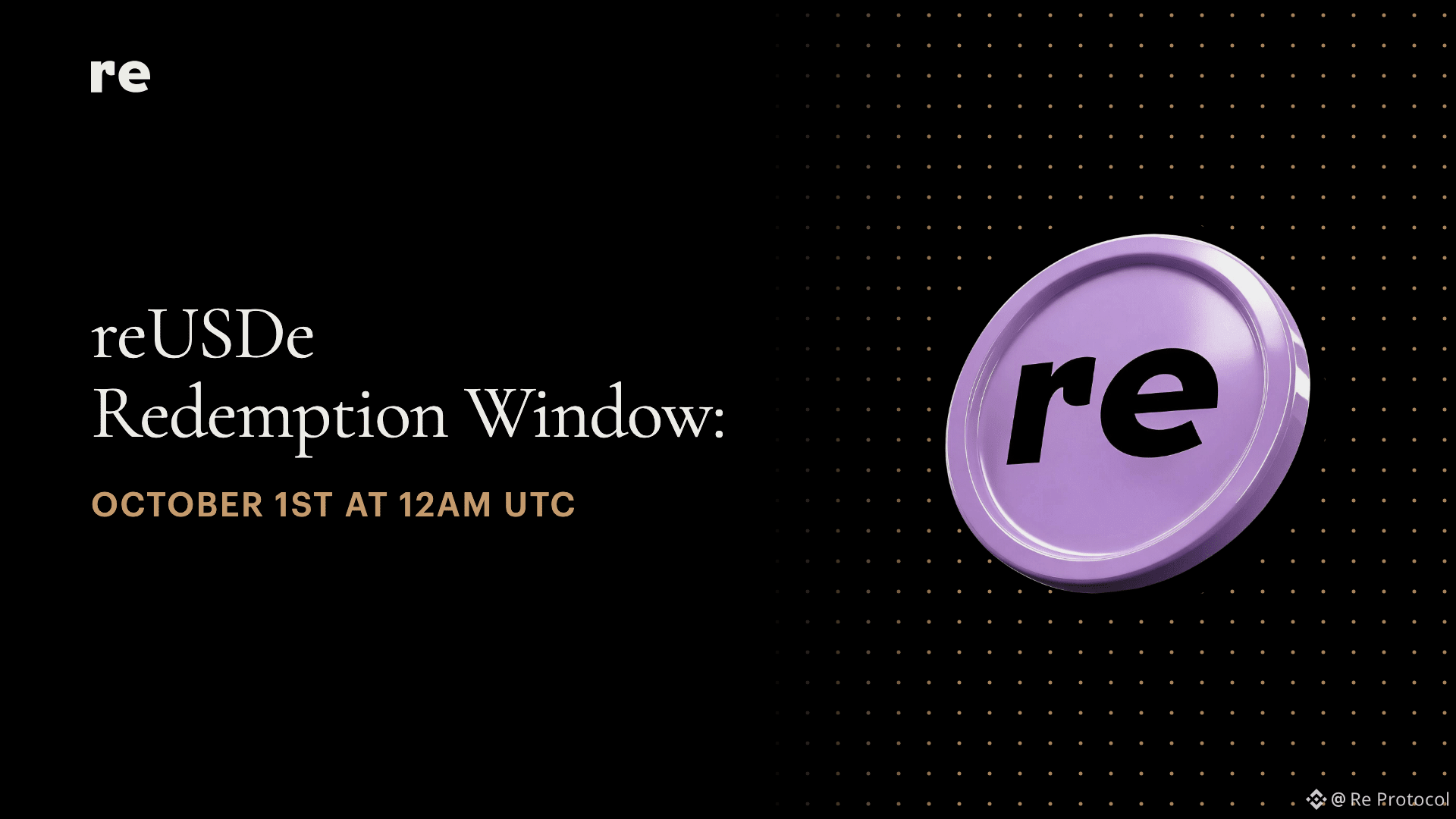
reUSDe redemptions are back. The next window opens October 1st at 12AM UTC.
How redemption works:
1. Submit between October 1 and October 14
2. Claim between October 15 and November 14
3. $1.5M pool, filled pro-rata if oversubscribed
4. Payout settles in sUSDe
↓
Note: If a redemption goes unclaimed within the 30-day claim period, the sUSDe payout is forfeited from this window and the original reUSDe is returned to the holder.
Learn more:
app.re.xyz/reusde
#reinsurance #RWA #DeFi
reUSDe redemptions are back. The next window opens October 1st at 12AM UTC.
How redemption works:
1. Submit between October 1 and October 14
2. Claim between October 15 and November 14
3. $1.5M pool, filled pro-rata if oversubscribed
4. Payout settles in sUSDe
↓
Note: If a redemption goes unclaimed within the 30-day claim period, the sUSDe payout is forfeited from this window and the original reUSDe is returned to the holder.
Learn more:
app.re.xyz/reusde
#reinsurance #RWA #DeFi
How redemption works:
1. Submit between October 1 and October 14
2. Claim between October 15 and November 14
3. $1.5M pool, filled pro-rata if oversubscribed
4. Payout settles in sUSDe
↓
Note: If a redemption goes unclaimed within the 30-day claim period, the sUSDe payout is forfeited from this window and the original reUSDe is returned to the holder.
Learn more:
app.re.xyz/reusde
#reinsurance #RWA #DeFi
2
2
340



·
--
Tarjimani ko‘rish
Liquidity Explained Simply: Why It Matters When You Trade on STON.fiWhen people first enter DeFi, they usually focus on one thing: swapping tokens.
You choose the token you have, select the token you want, check the amount, and confirm the transaction.
But behind that simple swap is something extremely important: liquidity.
Without enough liquidity, decentralized trading becomes difficult. Prices can move significantly when someone makes a trade, and users may receive a less favorable amount than expected.
So what exactly is liquidity, and why should an ordinary STON.fi user care about it?
What Does Liquidity Actually Mean?
In simple terms, liquidity refers to how easily an asset can be bought or sold without causing a large change in its price.
Think about a market where a shop has hundreds of bags of rice available. If you buy five bags, the price probably won't change much.
Now imagine another shop has only ten bags left. If you suddenly buy five, you've taken half of its available stock. The seller may need to adjust the price.
DeFi liquidity works differently from a traditional shop, but the basic idea is similar.
Liquidity is what helps decentralized exchanges facilitate trades between different tokens.
Where Does the Liquidity Come From?
In many decentralized exchanges, liquidity comes from liquidity providers.
Instead of relying on a traditional company or centralized order book to match every buyer and seller, users can deposit assets into liquidity pools.
Those pools then provide the assets needed for other users to trade.
For example, a liquidity pool might contain two different tokens. Traders interact with the pool when swapping between those assets, while liquidity providers supply the underlying tokens.
This creates an important relationship:
Traders need liquidity to swap efficiently, while liquidity providers supply the liquidity that makes those swaps possible.
Why Does Liquidity Matter to STON.fi Users?
Imagine you want to swap a relatively large amount of one token for another.
If the relevant pool has strong liquidity, your trade may have a smaller effect on the pool's price.
If liquidity is limited, however, the same trade can have a much larger effect.
This is where price impact becomes important.
Price impact is essentially the effect your own trade has on the price you receive.
It is different from normal market price movement because your transaction itself can influence the available exchange rate.
That's why checking the expected output and price impact before confirming a transaction is a useful habit.
Liquidity Providers Also Take Risks
Providing liquidity isn't simply a way to deposit tokens and forget about them.
There are risks involved.
One of the best-known is impermanent loss.
This can happen when the prices of the assets in a liquidity pool change significantly compared with when you deposited them.
The value of the assets you withdraw may therefore differ from what you might have had by simply holding the tokens separately.
The exact outcome depends on several factors, including the price movement of the assets, pool mechanics, fees earned, and the time involved.
So liquidity provision should not be viewed as guaranteed passive income.
What About Trading Fees?
Liquidity providers can potentially receive a share of trading fees generated by the pool, depending on the specific pool and protocol mechanics.
This is one reason people provide liquidity in the first place.
But fees should always be considered alongside the risks.
A pool generating trading fees doesn't automatically mean providing liquidity will be profitable. Changes in token prices, impermanent loss, smart-contract risks, and other factors can affect the final result.
What Should a Beginner Check First?
Before providing liquidity or making a swap, it helps to slow down and ask a few basic questions:
For a swap:
How much am I sending?
How much am I expected to receive?
What is the price impact?
What fees will I pay?
Am I using the correct token?
For liquidity provision:
What assets am I depositing?
How does the pool work?
What fees could I potentially earn?
What are the risks if token prices change?
Do I understand impermanent loss?
These questions may take only a few minutes, but they can prevent careless decisions.
Liquidity Is More Than Just a Technical Term
One thing I like about learning DeFi concepts is realizing how interconnected everything is.
A trader may only see a simple swap interface, but underneath that transaction are liquidity pools, liquidity providers, pricing mechanisms, fees, and smart contracts.
Understanding liquidity makes it easier to understand why a trade sometimes produces a different result from what you initially expected.
For anyone exploring STON.fi, learning the basics of liquidity is therefore worth the time.
You don't have to become a DeFi expert overnight.
Start with the fundamentals, understand what you're interacting with, and never deposit money into something you don't understand.
That is a much better starting point than simply chasing the highest numbers displayed on a screen.
STON.fi https://ston.fi
STON.fi documentation https://docs.ston.fi $GRAM #stonfi #defi
Liquidity Explained Simply: Why It Matters When You Trade on STON.fi
When people first enter DeFi, they usually focus on one thing: swapping tokens.
You choose the token you have, select the token you want, check the amount, and confirm the transaction.
But behind that simple swap is something extremely important: liquidity.
Without enough liquidity, decentralized trading becomes difficult. Prices can move significantly when someone makes a trade, and users may receive a less favorable amount than expected.
So what exactly is liquidity, and why should an ordinary STON.fi user care about it?
What Does Liquidity Actually Mean?
In simple terms, liquidity refers to how easily an asset can be bought or sold without causing a large change in its price.
Think about a market where a shop has hundreds of bags of rice available. If you buy five bags, the price probably won't change much.
Now imagine another shop has only ten bags left. If you suddenly buy five, you've taken half of its available stock. The seller may need to adjust the price.
DeFi liquidity works differently from a traditional shop, but the basic idea is similar.
Liquidity is what helps decentralized exchanges facilitate trades between different tokens.
Where Does the Liquidity Come From?
In many decentralized exchanges, liquidity comes from liquidity providers.
Instead of relying on a traditional company or centralized order book to match every buyer and seller, users can deposit assets into liquidity pools.
Those pools then provide the assets needed for other users to trade.
For example, a liquidity pool might contain two different tokens. Traders interact with the pool when swapping between those assets, while liquidity providers supply the underlying tokens.
This creates an important relationship:
Traders need liquidity to swap efficiently, while liquidity providers supply the liquidity that makes those swaps possible.
Why Does Liquidity Matter to STON.fi Users?
Imagine you want to swap a relatively large amount of one token for another.
If the relevant pool has strong liquidity, your trade may have a smaller effect on the pool's price.
If liquidity is limited, however, the same trade can have a much larger effect.
This is where price impact becomes important.
Price impact is essentially the effect your own trade has on the price you receive.
It is different from normal market price movement because your transaction itself can influence the available exchange rate.
That's why checking the expected output and price impact before confirming a transaction is a useful habit.
Liquidity Providers Also Take Risks
Providing liquidity isn't simply a way to deposit tokens and forget about them.
There are risks involved.
One of the best-known is impermanent loss.
This can happen when the prices of the assets in a liquidity pool change significantly compared with when you deposited them.
The value of the assets you withdraw may therefore differ from what you might have had by simply holding the tokens separately.
The exact outcome depends on several factors, including the price movement of the assets, pool mechanics, fees earned, and the time involved.
So liquidity provision should not be viewed as guaranteed passive income.
What About Trading Fees?
Liquidity providers can potentially receive a share of trading fees generated by the pool, depending on the specific pool and protocol mechanics.
This is one reason people provide liquidity in the first place.
But fees should always be considered alongside the risks.
A pool generating trading fees doesn't automatically mean providing liquidity will be profitable. Changes in token prices, impermanent loss, smart-contract risks, and other factors can affect the final result.
What Should a Beginner Check First?
Before providing liquidity or making a swap, it helps to slow down and ask a few basic questions:
For a swap:
How much am I sending?
How much am I expected to receive?
What is the price impact?
What fees will I pay?
Am I using the correct token?
For liquidity provision:
What assets am I depositing?
How does the pool work?
What fees could I potentially earn?
What are the risks if token prices change?
Do I understand impermanent loss?
These questions may take only a few minutes, but they can prevent careless decisions.
Liquidity Is More Than Just a Technical Term
One thing I like about learning DeFi concepts is realizing how interconnected everything is.
A trader may only see a simple swap interface, but underneath that transaction are liquidity pools, liquidity providers, pricing mechanisms, fees, and smart contracts.
Understanding liquidity makes it easier to understand why a trade sometimes produces a different result from what you initially expected.
For anyone exploring STON.fi, learning the basics of liquidity is therefore worth the time.
You don't have to become a DeFi expert overnight.
Start with the fundamentals, understand what you're interacting with, and never deposit money into something you don't understand.
That is a much better starting point than simply chasing the highest numbers displayed on a screen.
STON.fi https://ston.fi
STON.fi documentation https://docs.ston.fi $GRAM #stonfi #defi
You choose the token you have, select the token you want, check the amount, and confirm the transaction.
But behind that simple swap is something extremely important: liquidity.
Without enough liquidity, decentralized trading becomes difficult. Prices can move significantly when someone makes a trade, and users may receive a less favorable amount than expected.
So what exactly is liquidity, and why should an ordinary STON.fi user care about it?
What Does Liquidity Actually Mean?
In simple terms, liquidity refers to how easily an asset can be bought or sold without causing a large change in its price.
Think about a market where a shop has hundreds of bags of rice available. If you buy five bags, the price probably won't change much.
Now imagine another shop has only ten bags left. If you suddenly buy five, you've taken half of its available stock. The seller may need to adjust the price.
DeFi liquidity works differently from a traditional shop, but the basic idea is similar.
Liquidity is what helps decentralized exchanges facilitate trades between different tokens.
Where Does the Liquidity Come From?
In many decentralized exchanges, liquidity comes from liquidity providers.
Instead of relying on a traditional company or centralized order book to match every buyer and seller, users can deposit assets into liquidity pools.
Those pools then provide the assets needed for other users to trade.
For example, a liquidity pool might contain two different tokens. Traders interact with the pool when swapping between those assets, while liquidity providers supply the underlying tokens.
This creates an important relationship:
Traders need liquidity to swap efficiently, while liquidity providers supply the liquidity that makes those swaps possible.
Why Does Liquidity Matter to STON.fi Users?
Imagine you want to swap a relatively large amount of one token for another.
If the relevant pool has strong liquidity, your trade may have a smaller effect on the pool's price.
If liquidity is limited, however, the same trade can have a much larger effect.
This is where price impact becomes important.
Price impact is essentially the effect your own trade has on the price you receive.
It is different from normal market price movement because your transaction itself can influence the available exchange rate.
That's why checking the expected output and price impact before confirming a transaction is a useful habit.
Liquidity Providers Also Take Risks
Providing liquidity isn't simply a way to deposit tokens and forget about them.
There are risks involved.
One of the best-known is impermanent loss.
This can happen when the prices of the assets in a liquidity pool change significantly compared with when you deposited them.
The value of the assets you withdraw may therefore differ from what you might have had by simply holding the tokens separately.
The exact outcome depends on several factors, including the price movement of the assets, pool mechanics, fees earned, and the time involved.
So liquidity provision should not be viewed as guaranteed passive income.
What About Trading Fees?
Liquidity providers can potentially receive a share of trading fees generated by the pool, depending on the specific pool and protocol mechanics.
This is one reason people provide liquidity in the first place.
But fees should always be considered alongside the risks.
A pool generating trading fees doesn't automatically mean providing liquidity will be profitable. Changes in token prices, impermanent loss, smart-contract risks, and other factors can affect the final result.
What Should a Beginner Check First?
Before providing liquidity or making a swap, it helps to slow down and ask a few basic questions:
For a swap:
How much am I sending?
How much am I expected to receive?
What is the price impact?
What fees will I pay?
Am I using the correct token?
For liquidity provision:
What assets am I depositing?
How does the pool work?
What fees could I potentially earn?
What are the risks if token prices change?
Do I understand impermanent loss?
These questions may take only a few minutes, but they can prevent careless decisions.
Liquidity Is More Than Just a Technical Term
One thing I like about learning DeFi concepts is realizing how interconnected everything is.
A trader may only see a simple swap interface, but underneath that transaction are liquidity pools, liquidity providers, pricing mechanisms, fees, and smart contracts.
Understanding liquidity makes it easier to understand why a trade sometimes produces a different result from what you initially expected.
For anyone exploring STON.fi, learning the basics of liquidity is therefore worth the time.
You don't have to become a DeFi expert overnight.
Start with the fundamentals, understand what you're interacting with, and never deposit money into something you don't understand.
That is a much better starting point than simply chasing the highest numbers displayed on a screen.
STON.fi https://ston.fi
STON.fi documentation https://docs.ston.fi $GRAM #stonfi #defi
4
·
--
Tarjimani ko‘rish
The Future of DeFi on TON: Why STON.fi’s Evolution Is Worth WatchingDeFi has changed a lot in a relatively short period of time.
What started with simple token swaps and liquidity pools has gradually developed into a much broader ecosystem. Today, users expect more than just the ability to exchange one token for another. They want better liquidity, simpler interfaces, more connected ecosystems, and tools that make blockchain applications easier to use.
This is where the development of the TON ecosystem becomes interesting.
And within that ecosystem, STON.fi is one of the projects worth keeping an eye on.
DeFi Is Moving Beyond a Single Blockchain
One of the biggest challenges in crypto is fragmentation.
Different blockchains have their own tokens, applications, communities, and liquidity. Moving between these ecosystems can sometimes require several steps, different wallets, bridges, and additional transactions.
For ordinary users, this can make DeFi feel unnecessarily complicated.
The broader direction of cross-chain technology is aimed at reducing some of these barriers by allowing assets and liquidity to interact across different blockchain ecosystems.
For a platform operating within TON, developments in this area could have important implications for how users interact with decentralized markets.
Why Liquidity Matters
A decentralized exchange is only as useful as the trading experience it can provide.
Liquidity plays a major role in that experience.
When there is sufficient liquidity available for a trading pair, users can generally execute trades with less price impact than they might experience in a shallow pool.
This also creates opportunities for liquidity providers, who supply assets to pools and can potentially earn fees depending on the pool and protocol mechanics.
But liquidity isn't simply about chasing the highest numbers.
Users need to understand the risks involved, including market volatility and impermanent loss when providing liquidity.
Understanding these basics is becoming increasingly important as DeFi grows.
Cross-Chain Connectivity Could Expand the Conversation
One of the more interesting areas to watch around STON.fi is its cross-chain direction.
The idea is relatively straightforward: make it easier for users and liquidity to interact across different blockchain ecosystems rather than keeping everything isolated.
In practice, however, cross-chain systems involve significant technical and security considerations.
Users still need to think about the networks involved, transaction costs, supported assets, and the risks associated with the technology connecting different ecosystems.
So the important question isn't simply “Can assets move across chains?”
It's also:
“Can this be done in a way that is understandable, secure, and practical for ordinary users?”
That is where continued development will matter.
The User Experience Will Be Just as Important
Technology alone doesn't guarantee adoption.
If using a DeFi application requires users to understand ten different technical concepts before making a simple transaction, many beginners will simply walk away.
A smoother experience could make a significant difference.
Clear transaction information, understandable interfaces, reliable liquidity, straightforward wallet connections, and good educational resources all contribute to that experience.
For DeFi to reach more people, the technology needs to become easier to interact with without hiding the risks.
Education Will Become More Important Too
As the ecosystem grows, there will be more information for users to process.
New tokens.
New protocols.
New networks.
New liquidity opportunities.
New security risks.
That creates an important role for community members who can explain these developments in simple language.
This is also where Stonbassadors can contribute.
A good ambassador doesn't necessarily need to promote every new feature. They can help people understand what a feature does, how it works, what questions to ask, and what risks they should consider.
That type of content can be valuable even to someone who isn't ready to use the product yet.
What Could the Next Stage of TON DeFi Look Like?
It's difficult to predict exactly how DeFi on TON will develop.
But some areas are clearly worth watching: deeper liquidity, easier user experiences, greater interoperability, new financial applications, and stronger connections between different blockchain ecosystems.
The important thing is to separate development from speculation.
A new feature doesn't automatically guarantee adoption. A larger ecosystem doesn't automatically eliminate risk.
What matters is whether these technologies solve real problems for users.
Why STON.fi Is Worth Watching
For me, the interesting part isn't simply another DEX launching another feature.
It's the broader question of how decentralized trading can become easier, more connected, and more accessible while maintaining the transparency and user control that make DeFi attractive in the first place.
STON.fi's development within the TON ecosystem, together with its work toward broader interoperability, makes it an interesting project to follow.
But the future will ultimately depend on execution, adoption, liquidity, security, and how well these technologies solve real user problems.
For anyone interested in TON and DeFi, those are the developments worth paying attention to.
The future of decentralized finance won't be defined by one feature or one project.
It will be shaped by how well the ecosystem connects technology, liquidity, security, and ordinary users.
And that's why the evolution of STON.fi is worth watching.
STON.fi https://ston.fi/
STON.fi Stonbassadors https://ston.fi/stonbassadors $GRAM #STONfi #defi
The Future of DeFi on TON: Why STON.fi’s Evolution Is Worth Watching
DeFi has changed a lot in a relatively short period of time.
What started with simple token swaps and liquidity pools has gradually developed into a much broader ecosystem. Today, users expect more than just the ability to exchange one token for another. They want better liquidity, simpler interfaces, more connected ecosystems, and tools that make blockchain applications easier to use.
This is where the development of the TON ecosystem becomes interesting.
And within that ecosystem, STON.fi is one of the projects worth keeping an eye on.
DeFi Is Moving Beyond a Single Blockchain
One of the biggest challenges in crypto is fragmentation.
Different blockchains have their own tokens, applications, communities, and liquidity. Moving between these ecosystems can sometimes require several steps, different wallets, bridges, and additional transactions.
For ordinary users, this can make DeFi feel unnecessarily complicated.
The broader direction of cross-chain technology is aimed at reducing some of these barriers by allowing assets and liquidity to interact across different blockchain ecosystems.
For a platform operating within TON, developments in this area could have important implications for how users interact with decentralized markets.
Why Liquidity Matters
A decentralized exchange is only as useful as the trading experience it can provide.
Liquidity plays a major role in that experience.
When there is sufficient liquidity available for a trading pair, users can generally execute trades with less price impact than they might experience in a shallow pool.
This also creates opportunities for liquidity providers, who supply assets to pools and can potentially earn fees depending on the pool and protocol mechanics.
But liquidity isn't simply about chasing the highest numbers.
Users need to understand the risks involved, including market volatility and impermanent loss when providing liquidity.
Understanding these basics is becoming increasingly important as DeFi grows.
Cross-Chain Connectivity Could Expand the Conversation
One of the more interesting areas to watch around STON.fi is its cross-chain direction.
The idea is relatively straightforward: make it easier for users and liquidity to interact across different blockchain ecosystems rather than keeping everything isolated.
In practice, however, cross-chain systems involve significant technical and security considerations.
Users still need to think about the networks involved, transaction costs, supported assets, and the risks associated with the technology connecting different ecosystems.
So the important question isn't simply “Can assets move across chains?”
It's also:
“Can this be done in a way that is understandable, secure, and practical for ordinary users?”
That is where continued development will matter.
The User Experience Will Be Just as Important
Technology alone doesn't guarantee adoption.
If using a DeFi application requires users to understand ten different technical concepts before making a simple transaction, many beginners will simply walk away.
A smoother experience could make a significant difference.
Clear transaction information, understandable interfaces, reliable liquidity, straightforward wallet connections, and good educational resources all contribute to that experience.
For DeFi to reach more people, the technology needs to become easier to interact with without hiding the risks.
Education Will Become More Important Too
As the ecosystem grows, there will be more information for users to process.
New tokens.
New protocols.
New networks.
New liquidity opportunities.
New security risks.
That creates an important role for community members who can explain these developments in simple language.
This is also where Stonbassadors can contribute.
A good ambassador doesn't necessarily need to promote every new feature. They can help people understand what a feature does, how it works, what questions to ask, and what risks they should consider.
That type of content can be valuable even to someone who isn't ready to use the product yet.
What Could the Next Stage of TON DeFi Look Like?
It's difficult to predict exactly how DeFi on TON will develop.
But some areas are clearly worth watching: deeper liquidity, easier user experiences, greater interoperability, new financial applications, and stronger connections between different blockchain ecosystems.
The important thing is to separate development from speculation.
A new feature doesn't automatically guarantee adoption. A larger ecosystem doesn't automatically eliminate risk.
What matters is whether these technologies solve real problems for users.
Why STON.fi Is Worth Watching
For me, the interesting part isn't simply another DEX launching another feature.
It's the broader question of how decentralized trading can become easier, more connected, and more accessible while maintaining the transparency and user control that make DeFi attractive in the first place.
STON.fi's development within the TON ecosystem, together with its work toward broader interoperability, makes it an interesting project to follow.
But the future will ultimately depend on execution, adoption, liquidity, security, and how well these technologies solve real user problems.
For anyone interested in TON and DeFi, those are the developments worth paying attention to.
The future of decentralized finance won't be defined by one feature or one project.
It will be shaped by how well the ecosystem connects technology, liquidity, security, and ordinary users.
And that's why the evolution of STON.fi is worth watching.
STON.fi https://ston.fi/
STON.fi Stonbassadors https://ston.fi/stonbassadors $GRAM #STONfi #defi
What started with simple token swaps and liquidity pools has gradually developed into a much broader ecosystem. Today, users expect more than just the ability to exchange one token for another. They want better liquidity, simpler interfaces, more connected ecosystems, and tools that make blockchain applications easier to use.
This is where the development of the TON ecosystem becomes interesting.
And within that ecosystem, STON.fi is one of the projects worth keeping an eye on.
DeFi Is Moving Beyond a Single Blockchain
One of the biggest challenges in crypto is fragmentation.
Different blockchains have their own tokens, applications, communities, and liquidity. Moving between these ecosystems can sometimes require several steps, different wallets, bridges, and additional transactions.
For ordinary users, this can make DeFi feel unnecessarily complicated.
The broader direction of cross-chain technology is aimed at reducing some of these barriers by allowing assets and liquidity to interact across different blockchain ecosystems.
For a platform operating within TON, developments in this area could have important implications for how users interact with decentralized markets.
Why Liquidity Matters
A decentralized exchange is only as useful as the trading experience it can provide.
Liquidity plays a major role in that experience.
When there is sufficient liquidity available for a trading pair, users can generally execute trades with less price impact than they might experience in a shallow pool.
This also creates opportunities for liquidity providers, who supply assets to pools and can potentially earn fees depending on the pool and protocol mechanics.
But liquidity isn't simply about chasing the highest numbers.
Users need to understand the risks involved, including market volatility and impermanent loss when providing liquidity.
Understanding these basics is becoming increasingly important as DeFi grows.
Cross-Chain Connectivity Could Expand the Conversation
One of the more interesting areas to watch around STON.fi is its cross-chain direction.
The idea is relatively straightforward: make it easier for users and liquidity to interact across different blockchain ecosystems rather than keeping everything isolated.
In practice, however, cross-chain systems involve significant technical and security considerations.
Users still need to think about the networks involved, transaction costs, supported assets, and the risks associated with the technology connecting different ecosystems.
So the important question isn't simply “Can assets move across chains?”
It's also:
“Can this be done in a way that is understandable, secure, and practical for ordinary users?”
That is where continued development will matter.
The User Experience Will Be Just as Important
Technology alone doesn't guarantee adoption.
If using a DeFi application requires users to understand ten different technical concepts before making a simple transaction, many beginners will simply walk away.
A smoother experience could make a significant difference.
Clear transaction information, understandable interfaces, reliable liquidity, straightforward wallet connections, and good educational resources all contribute to that experience.
For DeFi to reach more people, the technology needs to become easier to interact with without hiding the risks.
Education Will Become More Important Too
As the ecosystem grows, there will be more information for users to process.
New tokens.
New protocols.
New networks.
New liquidity opportunities.
New security risks.
That creates an important role for community members who can explain these developments in simple language.
This is also where Stonbassadors can contribute.
A good ambassador doesn't necessarily need to promote every new feature. They can help people understand what a feature does, how it works, what questions to ask, and what risks they should consider.
That type of content can be valuable even to someone who isn't ready to use the product yet.
What Could the Next Stage of TON DeFi Look Like?
It's difficult to predict exactly how DeFi on TON will develop.
But some areas are clearly worth watching: deeper liquidity, easier user experiences, greater interoperability, new financial applications, and stronger connections between different blockchain ecosystems.
The important thing is to separate development from speculation.
A new feature doesn't automatically guarantee adoption. A larger ecosystem doesn't automatically eliminate risk.
What matters is whether these technologies solve real problems for users.
Why STON.fi Is Worth Watching
For me, the interesting part isn't simply another DEX launching another feature.
It's the broader question of how decentralized trading can become easier, more connected, and more accessible while maintaining the transparency and user control that make DeFi attractive in the first place.
STON.fi's development within the TON ecosystem, together with its work toward broader interoperability, makes it an interesting project to follow.
But the future will ultimately depend on execution, adoption, liquidity, security, and how well these technologies solve real user problems.
For anyone interested in TON and DeFi, those are the developments worth paying attention to.
The future of decentralized finance won't be defined by one feature or one project.
It will be shaped by how well the ecosystem connects technology, liquidity, security, and ordinary users.
And that's why the evolution of STON.fi is worth watching.
STON.fi https://ston.fi/
STON.fi Stonbassadors https://ston.fi/stonbassadors $GRAM #STONfi #defi
12
·
--
Tarjimani ko‘rish
Why You Don’t Need Thousands of Followers to Contribute to the STON.fi Community.When people hear the word “ambassador,” they often imagine someone with a huge audience, thousands of followers, and the ability to make a project trend on social media.
But that is not always what a strong community contributor looks like.
In Web3, some of the most useful contributions come from ordinary users who take the time to explain things clearly, answer questions, share their experiences, and help newcomers avoid common mistakes.
That is one reason the STON.fi Stonbassador community is interesting to me. You don’t necessarily need to be a major influencer before you can start contributing. What matters more is whether what you share is genuinely useful.
You Can Start With What You Already Know
You don't need to create complicated content from day one.
For example, if you understand how token swaps work, you could write a simple beginner-friendly guide explaining:
How to connect a wallet
How to select a token
What price impact means
Why transaction fees matter
Why users should verify token addresses
What to check before confirming a transaction
These may look like basic topics to an experienced DeFi user, but they can be confusing to someone making their first swap.
A clear explanation can therefore be more valuable than a post full of technical terms.
Your Audience Doesn't Have to Be Huge
Having a large following can certainly help information reach more people, but follower count isn't the only way to contribute to a community.
Someone with 300 followers who consistently produces useful guides may provide more practical value than someone with 30,000 followers who only posts promotional messages.
That is why I think smaller creators should not automatically assume that ambassador programs are “for influencers.”
There are different ways to contribute.
You could write articles, create short educational videos, design infographics, translate information for your local community, answer beginner questions, test features, provide useful feedback, or simply help make complicated DeFi concepts easier to understand.
Don't Copy What Everyone Else Is Posting
One important thing for anyone interested in an ambassador role is originality.
It can be tempting to look at popular posts, rewrite a few sentences, and publish something similar. But that doesn't really help the community grow.
Instead, find your own angle.
For example, rather than writing another generic post saying “STON.fi is great,” you could explain three things a beginner should check before making a swap on STON.fi.
That's more specific, more educational, and more likely to answer a real question.
Your content doesn't need to be complicated. It just needs to have a reason for existing.
You Can Learn While You Contribute
Another advantage of participating in a community like this is that creating educational content forces you to understand the subject better yourself.
Suppose you want to explain liquidity.
Before writing about it, you may need to understand liquidity pools, trading fees, price impact, liquidity providers, and impermanent loss.
By teaching others, you end up learning the topic more deeply.
This is especially useful in DeFi, where new features and concepts appear constantly.
Quality Should Come Before Promotion
If you want to build a reputation as a community contributor, try asking yourself one question before publishing:
“Would this post still be useful if I wasn't trying to promote anything?”
If the answer is yes, you're probably moving in the right direction.
Talk about the benefits, but also explain the risks. Share useful information, but don't pretend that DeFi transactions are completely risk-free. If you haven't personally tested something, don't present it as your personal experience.
That kind of honesty makes educational content much more credible.
Start Small and Stay Consistent
You don't need to produce a 2,000-word article every day.
Start with one useful post.
Then another.
Maybe create a short tutorial. Turn it into an infographic. Answer a question someone asked. Share a lesson you learned while exploring the platform.
Over time, these small contributions can become a recognizable body of work.
For anyone interested in becoming a Stonbassador, I think the best starting point is simple: learn the platform, understand the community, and create something genuinely useful.
You don't need to look like an influencer.
You just need to contribute something that another user can actually benefit from.
STON.fi Stonbassadors https://ston.fi/stonbassadors $GRAM #defi #STONfi
Why You Don’t Need Thousands of Followers to Contribute to the STON.fi Community.
When people hear the word “ambassador,” they often imagine someone with a huge audience, thousands of followers, and the ability to make a project trend on social media.
But that is not always what a strong community contributor looks like.
In Web3, some of the most useful contributions come from ordinary users who take the time to explain things clearly, answer questions, share their experiences, and help newcomers avoid common mistakes.
That is one reason the STON.fi Stonbassador community is interesting to me. You don’t necessarily need to be a major influencer before you can start contributing. What matters more is whether what you share is genuinely useful.
You Can Start With What You Already Know
You don't need to create complicated content from day one.
For example, if you understand how token swaps work, you could write a simple beginner-friendly guide explaining:
How to connect a wallet
How to select a token
What price impact means
Why transaction fees matter
Why users should verify token addresses
What to check before confirming a transaction
These may look like basic topics to an experienced DeFi user, but they can be confusing to someone making their first swap.
A clear explanation can therefore be more valuable than a post full of technical terms.
Your Audience Doesn't Have to Be Huge
Having a large following can certainly help information reach more people, but follower count isn't the only way to contribute to a community.
Someone with 300 followers who consistently produces useful guides may provide more practical value than someone with 30,000 followers who only posts promotional messages.
That is why I think smaller creators should not automatically assume that ambassador programs are “for influencers.”
There are different ways to contribute.
You could write articles, create short educational videos, design infographics, translate information for your local community, answer beginner questions, test features, provide useful feedback, or simply help make complicated DeFi concepts easier to understand.
Don't Copy What Everyone Else Is Posting
One important thing for anyone interested in an ambassador role is originality.
It can be tempting to look at popular posts, rewrite a few sentences, and publish something similar. But that doesn't really help the community grow.
Instead, find your own angle.
For example, rather than writing another generic post saying “STON.fi is great,” you could explain three things a beginner should check before making a swap on STON.fi.
That's more specific, more educational, and more likely to answer a real question.
Your content doesn't need to be complicated. It just needs to have a reason for existing.
You Can Learn While You Contribute
Another advantage of participating in a community like this is that creating educational content forces you to understand the subject better yourself.
Suppose you want to explain liquidity.
Before writing about it, you may need to understand liquidity pools, trading fees, price impact, liquidity providers, and impermanent loss.
By teaching others, you end up learning the topic more deeply.
This is especially useful in DeFi, where new features and concepts appear constantly.
Quality Should Come Before Promotion
If you want to build a reputation as a community contributor, try asking yourself one question before publishing:
“Would this post still be useful if I wasn't trying to promote anything?”
If the answer is yes, you're probably moving in the right direction.
Talk about the benefits, but also explain the risks. Share useful information, but don't pretend that DeFi transactions are completely risk-free. If you haven't personally tested something, don't present it as your personal experience.
That kind of honesty makes educational content much more credible.
Start Small and Stay Consistent
You don't need to produce a 2,000-word article every day.
Start with one useful post.
Then another.
Maybe create a short tutorial. Turn it into an infographic. Answer a question someone asked. Share a lesson you learned while exploring the platform.
Over time, these small contributions can become a recognizable body of work.
For anyone interested in becoming a Stonbassador, I think the best starting point is simple: learn the platform, understand the community, and create something genuinely useful.
You don't need to look like an influencer.
You just need to contribute something that another user can actually benefit from.
STON.fi Stonbassadors https://ston.fi/stonbassadors $GRAM #defi #STONfi
But that is not always what a strong community contributor looks like.
In Web3, some of the most useful contributions come from ordinary users who take the time to explain things clearly, answer questions, share their experiences, and help newcomers avoid common mistakes.
That is one reason the STON.fi Stonbassador community is interesting to me. You don’t necessarily need to be a major influencer before you can start contributing. What matters more is whether what you share is genuinely useful.
You Can Start With What You Already Know
You don't need to create complicated content from day one.
For example, if you understand how token swaps work, you could write a simple beginner-friendly guide explaining:
How to connect a wallet
How to select a token
What price impact means
Why transaction fees matter
Why users should verify token addresses
What to check before confirming a transaction
These may look like basic topics to an experienced DeFi user, but they can be confusing to someone making their first swap.
A clear explanation can therefore be more valuable than a post full of technical terms.
Your Audience Doesn't Have to Be Huge
Having a large following can certainly help information reach more people, but follower count isn't the only way to contribute to a community.
Someone with 300 followers who consistently produces useful guides may provide more practical value than someone with 30,000 followers who only posts promotional messages.
That is why I think smaller creators should not automatically assume that ambassador programs are “for influencers.”
There are different ways to contribute.
You could write articles, create short educational videos, design infographics, translate information for your local community, answer beginner questions, test features, provide useful feedback, or simply help make complicated DeFi concepts easier to understand.
Don't Copy What Everyone Else Is Posting
One important thing for anyone interested in an ambassador role is originality.
It can be tempting to look at popular posts, rewrite a few sentences, and publish something similar. But that doesn't really help the community grow.
Instead, find your own angle.
For example, rather than writing another generic post saying “STON.fi is great,” you could explain three things a beginner should check before making a swap on STON.fi.
That's more specific, more educational, and more likely to answer a real question.
Your content doesn't need to be complicated. It just needs to have a reason for existing.
You Can Learn While You Contribute
Another advantage of participating in a community like this is that creating educational content forces you to understand the subject better yourself.
Suppose you want to explain liquidity.
Before writing about it, you may need to understand liquidity pools, trading fees, price impact, liquidity providers, and impermanent loss.
By teaching others, you end up learning the topic more deeply.
This is especially useful in DeFi, where new features and concepts appear constantly.
Quality Should Come Before Promotion
If you want to build a reputation as a community contributor, try asking yourself one question before publishing:
“Would this post still be useful if I wasn't trying to promote anything?”
If the answer is yes, you're probably moving in the right direction.
Talk about the benefits, but also explain the risks. Share useful information, but don't pretend that DeFi transactions are completely risk-free. If you haven't personally tested something, don't present it as your personal experience.
That kind of honesty makes educational content much more credible.
Start Small and Stay Consistent
You don't need to produce a 2,000-word article every day.
Start with one useful post.
Then another.
Maybe create a short tutorial. Turn it into an infographic. Answer a question someone asked. Share a lesson you learned while exploring the platform.
Over time, these small contributions can become a recognizable body of work.
For anyone interested in becoming a Stonbassador, I think the best starting point is simple: learn the platform, understand the community, and create something genuinely useful.
You don't need to look like an influencer.
You just need to contribute something that another user can actually benefit from.
STON.fi Stonbassadors https://ston.fi/stonbassadors $GRAM #defi #STONfi
33

·
--
Tarjimani ko‘rish
🚨 AAVE创始人放风要"烧币",回撤7%后突然拉回,$180就在眼前?
群组:[点击进入玖玖的粉丝群](https://app.binance.com/uni-qr/YXXQJrPb)
📊 据Aave创始人Stani Kulechov透露,Aavenomics 3.0升级里,可能加入代币销毁机制;消息一出,AAVE周二盘中一度冲到$176,重新点燃了多头的情绪。如果落地,这会是Aave代币经济里最激进的一次改动。
🔥 在这之前,AAVE刚在周日到周一回撤了超过7%,看空的声音不小,结果周二买盘突然涌入;算上这一波,它这个月已经涨了超过38%,眼看要收出连续第4根月线阳线。同时,Aave还让用户能用代币化股票做抵押、借出USDC,生态在继续往外扩。
📌 更微妙的是,Aave本来就在做代币回购,如果再加一层销毁,等于把回购来的币直接移出流通,供给端的逻辑会被彻底改写,这是一个从发币激励转向收拢供给的信号。
💡 真正值得关注的不是烧不烧,而是烧完之后价值从哪来:销毁只有配上真实的协议收入才有意义,光靠叙事撑不起价格。
⚠️ 泼盆冷水:销毁目前还只是"可能的改动",并没有落地;$180是近期很明显的阻力位,冲不过去,这波情绪很容易退回去。
👀 你觉得代币销毁是利好还是利空?评论区站队👇
点击头像观看直播 + 加入玖玖聊天群获取每日策略🚀
#AAVE #DeFi #代币销毁
🚨 AAVE创始人放风要"烧币",回撤7%后突然拉回,$180就在眼前?
群组:点击进入玖玖的粉丝群
📊 据Aave创始人Stani Kulechov透露,Aavenomics 3.0升级里,可能加入代币销毁机制;消息一出,AAVE周二盘中一度冲到$176,重新点燃了多头的情绪。如果落地,这会是Aave代币经济里最激进的一次改动。
🔥 在这之前,AAVE刚在周日到周一回撤了超过7%,看空的声音不小,结果周二买盘突然涌入;算上这一波,它这个月已经涨了超过38%,眼看要收出连续第4根月线阳线。同时,Aave还让用户能用代币化股票做抵押、借出USDC,生态在继续往外扩。
📌 更微妙的是,Aave本来就在做代币回购,如果再加一层销毁,等于把回购来的币直接移出流通,供给端的逻辑会被彻底改写,这是一个从发币激励转向收拢供给的信号。
💡 真正值得关注的不是烧不烧,而是烧完之后价值从哪来:销毁只有配上真实的协议收入才有意义,光靠叙事撑不起价格。
⚠️ 泼盆冷水:销毁目前还只是"可能的改动",并没有落地;$180是近期很明显的阻力位,冲不过去,这波情绪很容易退回去。
👀 你觉得代币销毁是利好还是利空?评论区站队👇
点击头像观看直播 + 加入玖玖聊天群获取每日策略🚀
#AAVE #DeFi #代币销毁
群组:点击进入玖玖的粉丝群
📊 据Aave创始人Stani Kulechov透露,Aavenomics 3.0升级里,可能加入代币销毁机制;消息一出,AAVE周二盘中一度冲到$176,重新点燃了多头的情绪。如果落地,这会是Aave代币经济里最激进的一次改动。
🔥 在这之前,AAVE刚在周日到周一回撤了超过7%,看空的声音不小,结果周二买盘突然涌入;算上这一波,它这个月已经涨了超过38%,眼看要收出连续第4根月线阳线。同时,Aave还让用户能用代币化股票做抵押、借出USDC,生态在继续往外扩。
📌 更微妙的是,Aave本来就在做代币回购,如果再加一层销毁,等于把回购来的币直接移出流通,供给端的逻辑会被彻底改写,这是一个从发币激励转向收拢供给的信号。
💡 真正值得关注的不是烧不烧,而是烧完之后价值从哪来:销毁只有配上真实的协议收入才有意义,光靠叙事撑不起价格。
⚠️ 泼盆冷水:销毁目前还只是"可能的改动",并没有落地;$180是近期很明显的阻力位,冲不过去,这波情绪很容易退回去。
👀 你觉得代币销毁是利好还是利空?评论区站队👇
点击头像观看直播 + 加入玖玖聊天群获取每日策略🚀
#AAVE #DeFi #代币销毁
19

Tarjimani ko‘rish
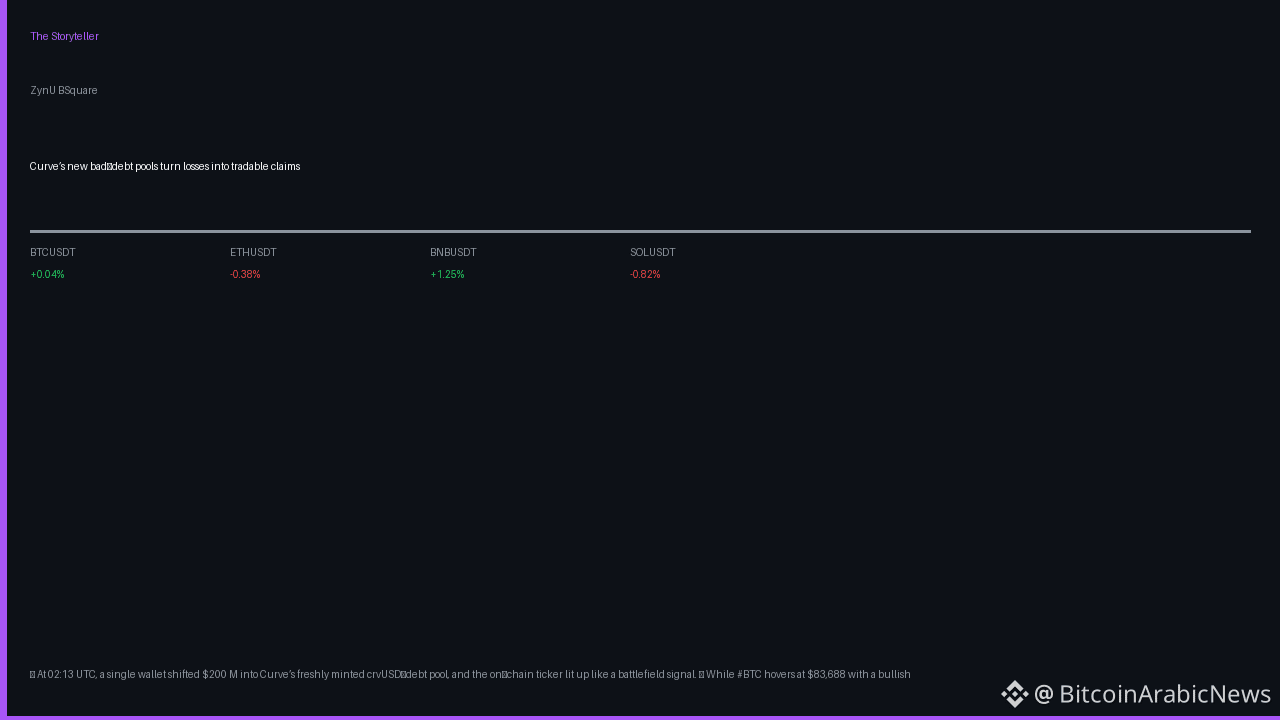
🔥 At 02:13 UTC, a single wallet shifted $200 M into Curve’s freshly minted crvUSD‑debt pool, and the on‑chain ticker lit up like a battlefield signal.
📊 While #BTC hovers at $83,688 with a bullish MACD crossover and longs enjoying a +0.0097 % funding rate, Curve is turning CRV‑linked bad debt into tradable claims, letting investors price losses instead of relying on a socialized bailout. Smart money on Solana—four wallets up +2.8 % and a 37.2 % inflow from DJT—has already snapped up these claims, betting the #DeFi rescue will outpace the #CryptoRecovery narrative. The move comes as BNB climbs 1.25 % to $767, hinting that capital is hunting new yield veins across the ecosystem.
💡 The twist? Those same Solana‑centric wallets that quietly amassed tokens are now the first to monetize Curve’s loss‑pool, effectively flipping a crisis into a market‑driven arbitrage opportunity.
❓ Will Curve’s debt‑to‑claim model become the new standard for rescuing over‑leveraged protocols, or will it spark a wave of speculative “loss‑flipping” that reshapes DeFi risk forever?
🔥 At 02:13 UTC, a single wallet shifted $200 M into Curve’s freshly minted crvUSD‑debt pool, and the on‑chain ticker lit up like a battlefield signal.
📊 While #BTC hovers at $83,688 with a bullish MACD crossover and longs enjoying a +0.0097 % funding rate, Curve is turning CRV‑linked bad debt into tradable claims, letting investors price losses instead of relying on a socialized bailout. Smart money on Solana—four wallets up +2.8 % and a 37.2 % inflow from DJT—has already snapped up these claims, betting the #DeFi rescue will outpace the #CryptoRecovery narrative. The move comes as BNB climbs 1.25 % to $767, hinting that capital is hunting new yield veins across the ecosystem.
💡 The twist? Those same Solana‑centric wallets that quietly amassed tokens are now the first to monetize Curve’s loss‑pool, effectively flipping a crisis into a market‑driven arbitrage opportunity.
❓ Will Curve’s debt‑to‑claim model become the new standard for rescuing over‑leveraged protocols, or will it spark a wave of speculative “loss‑flipping” that reshapes DeFi risk forever?
📊 While #BTC hovers at $83,688 with a bullish MACD crossover and longs enjoying a +0.0097 % funding rate, Curve is turning CRV‑linked bad debt into tradable claims, letting investors price losses instead of relying on a socialized bailout. Smart money on Solana—four wallets up +2.8 % and a 37.2 % inflow from DJT—has already snapped up these claims, betting the #DeFi rescue will outpace the #CryptoRecovery narrative. The move comes as BNB climbs 1.25 % to $767, hinting that capital is hunting new yield veins across the ecosystem.
💡 The twist? Those same Solana‑centric wallets that quietly amassed tokens are now the first to monetize Curve’s loss‑pool, effectively flipping a crisis into a market‑driven arbitrage opportunity.
❓ Will Curve’s debt‑to‑claim model become the new standard for rescuing over‑leveraged protocols, or will it spark a wave of speculative “loss‑flipping” that reshapes DeFi risk forever?
8

·
--
Tarjimani ko‘rish
🚨 Standard Chartered projects Ethena’s USDe could hit $40B by 2028, with ENA token potentially rising ~7x as supply scales and buybacks grow.
This signals long-term institutional confidence in Ethena’s synthetic dollar model and tokenomics.
Watch for ENAUSDT momentum as adoption expands.
Could this be a structural shift in decentralized finance?
#DeFi
$ENA #TradingSignal #CryptoAnalysis
🚨 Standard Chartered projects Ethena’s USDe could hit $40B by 2028, with ENA token potentially rising ~7x as supply scales and buybacks grow.
This signals long-term institutional confidence in Ethena’s synthetic dollar model and tokenomics.
Watch for ENAUSDT momentum as adoption expands.
Could this be a structural shift in decentralized finance?
#DeFi
$ENA #TradingSignal #CryptoAnalysis
This signals long-term institutional confidence in Ethena’s synthetic dollar model and tokenomics.
Watch for ENAUSDT momentum as adoption expands.
Could this be a structural shift in decentralized finance?
#DeFi
$ENA #TradingSignal #CryptoAnalysis

14
·
--
Tarjimani ko‘rish
How to Create Better STON.fi Ambassador Content Without Sounding Like an AdvertisementThere is a big difference between talking about a crypto project and actually creating content that people find useful.
If every post sounds like an advertisement, people eventually stop paying attention.
This is especially important when creating content for a community or ambassador program. You can mention the project, explain its features, and share updates without making every sentence sound promotional.
For anyone creating content around STON.fi, I think the simplest approach is to teach first and promote second.
Start With a Real Question
Good educational content usually starts with a question that someone actually wants answered.
For example:
What is price impact?
How does a token swap work?
What is liquidity?
Why can a transaction fail?
What should I check before connecting my wallet?
What does cross-chain trading actually mean?
These questions give you something specific to explain.
Instead of writing:
> “STON.fi is an amazing platform for DeFi.”
You could write:
> “Ever wondered why the amount you receive from a swap can change before you confirm the transaction?”
The second approach creates curiosity without immediately sounding like an advertisement.
Explain Things Like You're Talking to Another User
You don't need complicated language to demonstrate that you understand DeFi.
In fact, complicated terminology can sometimes make useful information harder to understand.
If you're explaining liquidity, for example, don't just throw definitions at the reader.
Use a simple example.
Explain what happens when there is plenty of liquidity compared with a pool that has limited liquidity. Then introduce concepts such as price impact and liquidity providers.
The goal should be that someone who has never used a DEX can finish your article and understand something they didn't understand before.
Don't Hide the Risks
One thing that can make crypto content feel like an advertisement is when it talks only about benefits.
DeFi has opportunities, but it also has risks.
Smart-contract vulnerabilities, phishing scams, token volatility, transaction errors, impermanent loss, and liquidity risks are all things users should understand.
Including these topics doesn't make your content less supportive of a project.
It makes the content more useful.
If you're explaining liquidity provision on STON.fi, for example, don't focus only on potential fees. Explain that liquidity providers also need to understand how price movements can affect their position.
Balanced information builds credibility.
Don't Pretend You Tested Something
This is particularly important for ambassador content.
If you haven't personally used a feature, don't write:
“I used this feature and it worked perfectly for me.”
Instead, say what you actually know.
You could explain how the feature works based on official documentation, or clearly state that you're sharing an educational overview.
Authenticity is more valuable than pretending to have experience you don't have.
Add Your Own Perspective
Originality doesn't mean you need to invent something completely new.
Sometimes it's simply about explaining a familiar topic in your own way.
For example, hundreds of people may have written about token swaps.
You could approach the subject from a beginner's perspective:
“Five things I would check before making my first DEX swap.”
Or you could create a short visual showing the steps from connecting a wallet to confirming a transaction.
The information may be familiar, but your presentation can make it easier to understand.
Make Your Content Practical
A useful post should ideally leave the reader with something they can do.
Instead of writing several paragraphs about wallet security, finish with a simple checklist:
Before connecting your wallet:
1. Check the website address.
2. Confirm you're using an official source.
3. Never share your seed phrase.
4. Read what you're being asked to approve.
5. Start with a small amount when testing something unfamiliar.
That's the kind of information people can save and return to later.
Visuals Can Help
Not every article needs a complicated graphic.
A simple screenshot, diagram, short video, or infographic can make technical concepts much easier to understand.
For example, an infographic could explain:
Wallet → Connect → Select tokens → Check price impact → Review transaction → Confirm
This is much easier for a beginner to follow than a wall of technical text.
Avoid Excessive Hype
Words like revolutionary, unstoppable, guaranteed, or the future of everything may grab attention, but they can also make your content look promotional.
Let the information speak for itself.
Explain what the platform does, show people how it works, discuss relevant risks, and allow readers to make their own conclusions.
That's a stronger foundation for long-term community content.
A Simple Test Before You Publish
Before posting your next STON.fi article or thread, ask yourself:
“If I removed the project name, would this still be useful to someone learning DeFi?”
If the answer is yes, you're probably creating educational content rather than simply advertising.
And that's the approach I would take with Stonbassador content: learn something, explain it clearly, add your own perspective, and give the reader a reason to come back.
Useful content doesn't need to shout.
Sometimes, simply helping someone understand DeFi a little better is enough.
STON.fi https://ston.fi
STON.fi Stonbassadors https://ston.fi/stonbassadors #DEFİ #defi #STONfi $GRAM
How to Create Better STON.fi Ambassador Content Without Sounding Like an Advertisement
There is a big difference between talking about a crypto project and actually creating content that people find useful.
If every post sounds like an advertisement, people eventually stop paying attention.
This is especially important when creating content for a community or ambassador program. You can mention the project, explain its features, and share updates without making every sentence sound promotional.
For anyone creating content around STON.fi, I think the simplest approach is to teach first and promote second.
Start With a Real Question
Good educational content usually starts with a question that someone actually wants answered.
For example:
What is price impact?
How does a token swap work?
What is liquidity?
Why can a transaction fail?
What should I check before connecting my wallet?
What does cross-chain trading actually mean?
These questions give you something specific to explain.
Instead of writing:
> “STON.fi is an amazing platform for DeFi.”
You could write:
> “Ever wondered why the amount you receive from a swap can change before you confirm the transaction?”
The second approach creates curiosity without immediately sounding like an advertisement.
Explain Things Like You're Talking to Another User
You don't need complicated language to demonstrate that you understand DeFi.
In fact, complicated terminology can sometimes make useful information harder to understand.
If you're explaining liquidity, for example, don't just throw definitions at the reader.
Use a simple example.
Explain what happens when there is plenty of liquidity compared with a pool that has limited liquidity. Then introduce concepts such as price impact and liquidity providers.
The goal should be that someone who has never used a DEX can finish your article and understand something they didn't understand before.
Don't Hide the Risks
One thing that can make crypto content feel like an advertisement is when it talks only about benefits.
DeFi has opportunities, but it also has risks.
Smart-contract vulnerabilities, phishing scams, token volatility, transaction errors, impermanent loss, and liquidity risks are all things users should understand.
Including these topics doesn't make your content less supportive of a project.
It makes the content more useful.
If you're explaining liquidity provision on STON.fi, for example, don't focus only on potential fees. Explain that liquidity providers also need to understand how price movements can affect their position.
Balanced information builds credibility.
Don't Pretend You Tested Something
This is particularly important for ambassador content.
If you haven't personally used a feature, don't write:
“I used this feature and it worked perfectly for me.”
Instead, say what you actually know.
You could explain how the feature works based on official documentation, or clearly state that you're sharing an educational overview.
Authenticity is more valuable than pretending to have experience you don't have.
Add Your Own Perspective
Originality doesn't mean you need to invent something completely new.
Sometimes it's simply about explaining a familiar topic in your own way.
For example, hundreds of people may have written about token swaps.
You could approach the subject from a beginner's perspective:
“Five things I would check before making my first DEX swap.”
Or you could create a short visual showing the steps from connecting a wallet to confirming a transaction.
The information may be familiar, but your presentation can make it easier to understand.
Make Your Content Practical
A useful post should ideally leave the reader with something they can do.
Instead of writing several paragraphs about wallet security, finish with a simple checklist:
Before connecting your wallet:
1. Check the website address.
2. Confirm you're using an official source.
3. Never share your seed phrase.
4. Read what you're being asked to approve.
5. Start with a small amount when testing something unfamiliar.
That's the kind of information people can save and return to later.
Visuals Can Help
Not every article needs a complicated graphic.
A simple screenshot, diagram, short video, or infographic can make technical concepts much easier to understand.
For example, an infographic could explain:
Wallet → Connect → Select tokens → Check price impact → Review transaction → Confirm
This is much easier for a beginner to follow than a wall of technical text.
Avoid Excessive Hype
Words like revolutionary, unstoppable, guaranteed, or the future of everything may grab attention, but they can also make your content look promotional.
Let the information speak for itself.
Explain what the platform does, show people how it works, discuss relevant risks, and allow readers to make their own conclusions.
That's a stronger foundation for long-term community content.
A Simple Test Before You Publish
Before posting your next STON.fi article or thread, ask yourself:
“If I removed the project name, would this still be useful to someone learning DeFi?”
If the answer is yes, you're probably creating educational content rather than simply advertising.
And that's the approach I would take with Stonbassador content: learn something, explain it clearly, add your own perspective, and give the reader a reason to come back.
Useful content doesn't need to shout.
Sometimes, simply helping someone understand DeFi a little better is enough.
STON.fi https://ston.fi
STON.fi Stonbassadors https://ston.fi/stonbassadors #DEFİ #defi #STONfi $GRAM
If every post sounds like an advertisement, people eventually stop paying attention.
This is especially important when creating content for a community or ambassador program. You can mention the project, explain its features, and share updates without making every sentence sound promotional.
For anyone creating content around STON.fi, I think the simplest approach is to teach first and promote second.
Start With a Real Question
Good educational content usually starts with a question that someone actually wants answered.
For example:
What is price impact?
How does a token swap work?
What is liquidity?
Why can a transaction fail?
What should I check before connecting my wallet?
What does cross-chain trading actually mean?
These questions give you something specific to explain.
Instead of writing:
> “STON.fi is an amazing platform for DeFi.”
You could write:
> “Ever wondered why the amount you receive from a swap can change before you confirm the transaction?”
The second approach creates curiosity without immediately sounding like an advertisement.
Explain Things Like You're Talking to Another User
You don't need complicated language to demonstrate that you understand DeFi.
In fact, complicated terminology can sometimes make useful information harder to understand.
If you're explaining liquidity, for example, don't just throw definitions at the reader.
Use a simple example.
Explain what happens when there is plenty of liquidity compared with a pool that has limited liquidity. Then introduce concepts such as price impact and liquidity providers.
The goal should be that someone who has never used a DEX can finish your article and understand something they didn't understand before.
Don't Hide the Risks
One thing that can make crypto content feel like an advertisement is when it talks only about benefits.
DeFi has opportunities, but it also has risks.
Smart-contract vulnerabilities, phishing scams, token volatility, transaction errors, impermanent loss, and liquidity risks are all things users should understand.
Including these topics doesn't make your content less supportive of a project.
It makes the content more useful.
If you're explaining liquidity provision on STON.fi, for example, don't focus only on potential fees. Explain that liquidity providers also need to understand how price movements can affect their position.
Balanced information builds credibility.
Don't Pretend You Tested Something
This is particularly important for ambassador content.
If you haven't personally used a feature, don't write:
“I used this feature and it worked perfectly for me.”
Instead, say what you actually know.
You could explain how the feature works based on official documentation, or clearly state that you're sharing an educational overview.
Authenticity is more valuable than pretending to have experience you don't have.
Add Your Own Perspective
Originality doesn't mean you need to invent something completely new.
Sometimes it's simply about explaining a familiar topic in your own way.
For example, hundreds of people may have written about token swaps.
You could approach the subject from a beginner's perspective:
“Five things I would check before making my first DEX swap.”
Or you could create a short visual showing the steps from connecting a wallet to confirming a transaction.
The information may be familiar, but your presentation can make it easier to understand.
Make Your Content Practical
A useful post should ideally leave the reader with something they can do.
Instead of writing several paragraphs about wallet security, finish with a simple checklist:
Before connecting your wallet:
1. Check the website address.
2. Confirm you're using an official source.
3. Never share your seed phrase.
4. Read what you're being asked to approve.
5. Start with a small amount when testing something unfamiliar.
That's the kind of information people can save and return to later.
Visuals Can Help
Not every article needs a complicated graphic.
A simple screenshot, diagram, short video, or infographic can make technical concepts much easier to understand.
For example, an infographic could explain:
Wallet → Connect → Select tokens → Check price impact → Review transaction → Confirm
This is much easier for a beginner to follow than a wall of technical text.
Avoid Excessive Hype
Words like revolutionary, unstoppable, guaranteed, or the future of everything may grab attention, but they can also make your content look promotional.
Let the information speak for itself.
Explain what the platform does, show people how it works, discuss relevant risks, and allow readers to make their own conclusions.
That's a stronger foundation for long-term community content.
A Simple Test Before You Publish
Before posting your next STON.fi article or thread, ask yourself:
“If I removed the project name, would this still be useful to someone learning DeFi?”
If the answer is yes, you're probably creating educational content rather than simply advertising.
And that's the approach I would take with Stonbassador content: learn something, explain it clearly, add your own perspective, and give the reader a reason to come back.
Useful content doesn't need to shout.
Sometimes, simply helping someone understand DeFi a little better is enough.
STON.fi https://ston.fi
STON.fi Stonbassadors https://ston.fi/stonbassadors #DEFİ #defi #STONfi $GRAM
5
·
--
Tarjimani ko‘rish
Practical Habits That Can Make Your STON.fi Experience Safer.Using a decentralized exchange is not particularly difficult once you understand the basics. The part that deserves more attention is making sure you do not make avoidable mistakes along the way.
In DeFi, a single wrong click can sometimes cost much more than expected. That is why I think developing a few simple habits is just as important as learning how to swap tokens.
Here are five habits that can make your experience with STON.fi safer and more comfortable.
1. Always verify the token
This is one of the simplest rules, but it is also one of the easiest to ignore.
A token's name or logo is not enough to prove that it is the asset you are looking for. Different tokens can have similar names, and scammers can deliberately create assets that look like legitimate projects.
Before swapping an unfamiliar token, take a moment to verify its contract information through a trusted or official source.
This is especially important when someone sends you a token address through Telegram, X, Discord or another social platform.
Do not assume that an address is genuine simply because somebody says it is.
2. Start with a small transaction
When using a new platform, wallet or feature for the first time, there is no need to start with a large amount.
A small transaction allows you to understand the process before increasing your exposure.
You can see how the wallet connection works, how the transaction approval appears, how long the transaction takes and how the received token appears afterward.
If everything works as expected, you can decide what to do next.
This is a much better approach than discovering a mistake after putting a significant amount of money into a transaction.
The same principle applies when trying something new on STON.fi.
Learn first.
Then increase your activity gradually.
3. Keep enough TON for transaction fees
Another mistake beginners sometimes make is spending almost all of their available TON without leaving enough for network fees.
You may have enough of the token you want to swap, but that does not necessarily mean you have enough to complete the transaction.
Keeping some TON available for network costs can prevent unnecessary problems.
It is a small habit, but it can make the difference between completing a transaction smoothly and having to stop because your wallet does not have enough funds for the required fee.
If you regularly interact with DeFi applications, keeping a small fee reserve in your wallet is worth considering.
4. Understand liquidity before providing it
STON.fi is not only about swapping tokens. Users can also explore liquidity provision.
This can be interesting because liquidity providers may earn a share of trading fees depending on the pool and applicable conditions.
But there is an important distinction between earning fees and making a guaranteed profit.
Providing liquidity involves risks.
One of the most important concepts to understand is impermanent loss. In simple terms, changes in the relative prices of the assets in a liquidity pool can affect the value of your position compared with simply holding those assets.
There can also be other risks depending on the assets, pool and wider market conditions.
So before depositing money into a liquidity pool, take time to understand how the pool works.
Look at the assets involved.
Check the trading activity.
Understand the fees.
Learn about impermanent loss.
And most importantly, never provide liquidity simply because you saw someone advertising a particular return.
The official STON.fi documentation provides resources to help users understand liquidity and impermanent loss, which is a good starting point for further research.
5. Use official links and protect your wallet
This may be the most important habit of all.
Crypto users are constantly exposed to fake websites, phishing links and impersonation accounts.
A scam website can sometimes look almost identical to the real thing.
You may see a familiar logo, similar colors and a page that asks you to connect your wallet.
That does not mean it is legitimate.
Whenever possible, access STON.fi through its official website and verified communication channels rather than clicking unknown links sent through private messages or social media replies.
And never share your seed phrase or private key with anyone.
Not with another user.
Not with someone claiming to be an administrator.
Not with someone promising rewards.
Not even with someone claiming to be STON.fi support.
Your recovery phrase is one of the most sensitive pieces of information connected to your wallet.
If someone obtains it, they may be able to gain control of your assets.
---
These five habits may sound basic, but basic security practices are often what protect users from serious mistakes.
There is also a lesson here for people creating content around STON.fi.
Good DeFi content should not only explain how to use a feature. It should also explain what users need to check before using it.
For example, instead of simply writing:
“Here is how to provide liquidity on STON.fi.”
A more useful article would also explain:
“Here is what you should understand before providing liquidity.”
That difference matters.
The goal should not be to convince people to use a product without thinking. The goal should be to help them understand the product well enough to make informed decisions for themselves.
That is also the type of approach that makes community content more valuable.
If you are participating in the Stonbassador program, focus on creating something that another user can genuinely learn from.
Explain a feature.
Share a lesson.
Point out a common mistake.
Create a simple guide.
Or break down a complicated DeFi concept into language a beginner can understand.
You do not need to make every post sound like an advertisement.
Sometimes the most useful thing you can tell another user is simply:
“Slow down and check before you confirm.”
In DeFi, that habit alone can save you from a lot of unnecessary trouble.
Official STON.fi: https://ston.fi/ $GRAM #defi #STONfi
Practical Habits That Can Make Your STON.fi Experience Safer.
Using a decentralized exchange is not particularly difficult once you understand the basics. The part that deserves more attention is making sure you do not make avoidable mistakes along the way.
In DeFi, a single wrong click can sometimes cost much more than expected. That is why I think developing a few simple habits is just as important as learning how to swap tokens.
Here are five habits that can make your experience with STON.fi safer and more comfortable.
1. Always verify the token
This is one of the simplest rules, but it is also one of the easiest to ignore.
A token's name or logo is not enough to prove that it is the asset you are looking for. Different tokens can have similar names, and scammers can deliberately create assets that look like legitimate projects.
Before swapping an unfamiliar token, take a moment to verify its contract information through a trusted or official source.
This is especially important when someone sends you a token address through Telegram, X, Discord or another social platform.
Do not assume that an address is genuine simply because somebody says it is.
2. Start with a small transaction
When using a new platform, wallet or feature for the first time, there is no need to start with a large amount.
A small transaction allows you to understand the process before increasing your exposure.
You can see how the wallet connection works, how the transaction approval appears, how long the transaction takes and how the received token appears afterward.
If everything works as expected, you can decide what to do next.
This is a much better approach than discovering a mistake after putting a significant amount of money into a transaction.
The same principle applies when trying something new on STON.fi.
Learn first.
Then increase your activity gradually.
3. Keep enough TON for transaction fees
Another mistake beginners sometimes make is spending almost all of their available TON without leaving enough for network fees.
You may have enough of the token you want to swap, but that does not necessarily mean you have enough to complete the transaction.
Keeping some TON available for network costs can prevent unnecessary problems.
It is a small habit, but it can make the difference between completing a transaction smoothly and having to stop because your wallet does not have enough funds for the required fee.
If you regularly interact with DeFi applications, keeping a small fee reserve in your wallet is worth considering.
4. Understand liquidity before providing it
STON.fi is not only about swapping tokens. Users can also explore liquidity provision.
This can be interesting because liquidity providers may earn a share of trading fees depending on the pool and applicable conditions.
But there is an important distinction between earning fees and making a guaranteed profit.
Providing liquidity involves risks.
One of the most important concepts to understand is impermanent loss. In simple terms, changes in the relative prices of the assets in a liquidity pool can affect the value of your position compared with simply holding those assets.
There can also be other risks depending on the assets, pool and wider market conditions.
So before depositing money into a liquidity pool, take time to understand how the pool works.
Look at the assets involved.
Check the trading activity.
Understand the fees.
Learn about impermanent loss.
And most importantly, never provide liquidity simply because you saw someone advertising a particular return.
The official STON.fi documentation provides resources to help users understand liquidity and impermanent loss, which is a good starting point for further research.
5. Use official links and protect your wallet
This may be the most important habit of all.
Crypto users are constantly exposed to fake websites, phishing links and impersonation accounts.
A scam website can sometimes look almost identical to the real thing.
You may see a familiar logo, similar colors and a page that asks you to connect your wallet.
That does not mean it is legitimate.
Whenever possible, access STON.fi through its official website and verified communication channels rather than clicking unknown links sent through private messages or social media replies.
And never share your seed phrase or private key with anyone.
Not with another user.
Not with someone claiming to be an administrator.
Not with someone promising rewards.
Not even with someone claiming to be STON.fi support.
Your recovery phrase is one of the most sensitive pieces of information connected to your wallet.
If someone obtains it, they may be able to gain control of your assets.
---
These five habits may sound basic, but basic security practices are often what protect users from serious mistakes.
There is also a lesson here for people creating content around STON.fi.
Good DeFi content should not only explain how to use a feature. It should also explain what users need to check before using it.
For example, instead of simply writing:
“Here is how to provide liquidity on STON.fi.”
A more useful article would also explain:
“Here is what you should understand before providing liquidity.”
That difference matters.
The goal should not be to convince people to use a product without thinking. The goal should be to help them understand the product well enough to make informed decisions for themselves.
That is also the type of approach that makes community content more valuable.
If you are participating in the Stonbassador program, focus on creating something that another user can genuinely learn from.
Explain a feature.
Share a lesson.
Point out a common mistake.
Create a simple guide.
Or break down a complicated DeFi concept into language a beginner can understand.
You do not need to make every post sound like an advertisement.
Sometimes the most useful thing you can tell another user is simply:
“Slow down and check before you confirm.”
In DeFi, that habit alone can save you from a lot of unnecessary trouble.
Official STON.fi: https://ston.fi/ $GRAM #defi #STONfi
In DeFi, a single wrong click can sometimes cost much more than expected. That is why I think developing a few simple habits is just as important as learning how to swap tokens.
Here are five habits that can make your experience with STON.fi safer and more comfortable.
1. Always verify the token
This is one of the simplest rules, but it is also one of the easiest to ignore.
A token's name or logo is not enough to prove that it is the asset you are looking for. Different tokens can have similar names, and scammers can deliberately create assets that look like legitimate projects.
Before swapping an unfamiliar token, take a moment to verify its contract information through a trusted or official source.
This is especially important when someone sends you a token address through Telegram, X, Discord or another social platform.
Do not assume that an address is genuine simply because somebody says it is.
2. Start with a small transaction
When using a new platform, wallet or feature for the first time, there is no need to start with a large amount.
A small transaction allows you to understand the process before increasing your exposure.
You can see how the wallet connection works, how the transaction approval appears, how long the transaction takes and how the received token appears afterward.
If everything works as expected, you can decide what to do next.
This is a much better approach than discovering a mistake after putting a significant amount of money into a transaction.
The same principle applies when trying something new on STON.fi.
Learn first.
Then increase your activity gradually.
3. Keep enough TON for transaction fees
Another mistake beginners sometimes make is spending almost all of their available TON without leaving enough for network fees.
You may have enough of the token you want to swap, but that does not necessarily mean you have enough to complete the transaction.
Keeping some TON available for network costs can prevent unnecessary problems.
It is a small habit, but it can make the difference between completing a transaction smoothly and having to stop because your wallet does not have enough funds for the required fee.
If you regularly interact with DeFi applications, keeping a small fee reserve in your wallet is worth considering.
4. Understand liquidity before providing it
STON.fi is not only about swapping tokens. Users can also explore liquidity provision.
This can be interesting because liquidity providers may earn a share of trading fees depending on the pool and applicable conditions.
But there is an important distinction between earning fees and making a guaranteed profit.
Providing liquidity involves risks.
One of the most important concepts to understand is impermanent loss. In simple terms, changes in the relative prices of the assets in a liquidity pool can affect the value of your position compared with simply holding those assets.
There can also be other risks depending on the assets, pool and wider market conditions.
So before depositing money into a liquidity pool, take time to understand how the pool works.
Look at the assets involved.
Check the trading activity.
Understand the fees.
Learn about impermanent loss.
And most importantly, never provide liquidity simply because you saw someone advertising a particular return.
The official STON.fi documentation provides resources to help users understand liquidity and impermanent loss, which is a good starting point for further research.
5. Use official links and protect your wallet
This may be the most important habit of all.
Crypto users are constantly exposed to fake websites, phishing links and impersonation accounts.
A scam website can sometimes look almost identical to the real thing.
You may see a familiar logo, similar colors and a page that asks you to connect your wallet.
That does not mean it is legitimate.
Whenever possible, access STON.fi through its official website and verified communication channels rather than clicking unknown links sent through private messages or social media replies.
And never share your seed phrase or private key with anyone.
Not with another user.
Not with someone claiming to be an administrator.
Not with someone promising rewards.
Not even with someone claiming to be STON.fi support.
Your recovery phrase is one of the most sensitive pieces of information connected to your wallet.
If someone obtains it, they may be able to gain control of your assets.
---
These five habits may sound basic, but basic security practices are often what protect users from serious mistakes.
There is also a lesson here for people creating content around STON.fi.
Good DeFi content should not only explain how to use a feature. It should also explain what users need to check before using it.
For example, instead of simply writing:
“Here is how to provide liquidity on STON.fi.”
A more useful article would also explain:
“Here is what you should understand before providing liquidity.”
That difference matters.
The goal should not be to convince people to use a product without thinking. The goal should be to help them understand the product well enough to make informed decisions for themselves.
That is also the type of approach that makes community content more valuable.
If you are participating in the Stonbassador program, focus on creating something that another user can genuinely learn from.
Explain a feature.
Share a lesson.
Point out a common mistake.
Create a simple guide.
Or break down a complicated DeFi concept into language a beginner can understand.
You do not need to make every post sound like an advertisement.
Sometimes the most useful thing you can tell another user is simply:
“Slow down and check before you confirm.”
In DeFi, that habit alone can save you from a lot of unnecessary trouble.
Official STON.fi: https://ston.fi/ $GRAM #defi #STONfi
28
·
--
Tarjimani ko‘rish
Choosing a Wallet for STON.fi: What Beginners Should KnowIf you're new to DeFi, one of the first things you'll encounter is the need for a crypto wallet.
At first, a wallet can seem like nothing more than an app where you keep your tokens. But in reality, it plays a much bigger role. Your wallet is what you use to connect with decentralized applications, approve transactions, and interact with blockchain networks.
That makes choosing and using the right wallet an important part of your STON.fi experience.
A Wallet Is More Than a Place to Store Tokens
With a traditional bank, you log in with a username and password and the bank manages your account.
A self-custodial crypto wallet works differently.
You control the wallet through cryptographic keys, usually protected by a recovery phrase. When you connect your wallet to a decentralized application such as STON.fi, you're allowing the application to interact with your wallet through blockchain transactions.
This is why your recovery phrase is extremely important.
Never share your seed phrase or private key with anyone.
Someone asking for your recovery phrase to “verify,” “activate,” or “fix” your wallet is a major warning sign.
What Should You Look for in a Wallet?
There isn't necessarily one wallet that is perfect for everyone.
Instead, beginners should consider a few practical things.
1. Network Compatibility
First, make sure the wallet supports the blockchain and assets you intend to use.
If you're using STON.fi within the TON ecosystem, your wallet needs to be compatible with the relevant TON assets and transaction flow.
Before connecting anything, check the current official documentation rather than relying on an old social-media post.
2. Security
Security should come before convenience.
Download wallets from their official sources and be careful with links shared through random Telegram groups, replies, or direct messages.
A fake wallet website can look surprisingly convincing.
Always double-check the website and never enter your recovery phrase into a website simply because someone tells you to.
3. Ease of Use
A wallet can be technically secure but still frustrating for a beginner.
Look for an interface that makes it easy to:
View your assets
Check transaction history
Connect to decentralized applications
Confirm transactions
Understand network fees
The easier it is to understand what you're approving, the less likely you are to make a careless mistake.
Don't Connect Your Main Wallet Immediately
This is a habit worth developing, especially when exploring unfamiliar DeFi applications.
If you're testing a new platform or feature, consider using a separate wallet with only a small amount of funds.
That way, you're not putting your entire crypto portfolio at risk while experimenting.
It also gives you a chance to understand how the application works before committing larger amounts.
Of course, using a separate wallet doesn't eliminate smart-contract or phishing risks. It simply limits the amount potentially exposed.
Pay Attention Before Signing Transactions
One common beginner mistake is clicking “Confirm” without understanding what they're approving.
Before signing a transaction, take a moment.
Check the token, amount, destination, network, and any relevant transaction details.
If something looks completely different from what you expected, stop and investigate before continuing.
A few seconds of caution can be more valuable than rushing through a transaction because you don't want to miss a trade.
Beware of Fake STON.fi Links
Popular crypto projects are often targeted by scammers because users are constantly searching for official websites and links.
You may encounter fake accounts, cloned websites, fake giveaways, or messages claiming that you need to connect your wallet to receive rewards.
Don't trust a link simply because it contains the STON.fi name.
Use official channels to verify where you're supposed to connect your wallet.
For example, you can start from the official STON.fi website:
[STON.fi official website](https://ston.fi/?utm_source=chatgpt.com)
Which Wallet Should You Choose?
Rather than asking, “Which wallet is the best?”, I think beginners should ask:
“Which wallet is compatible, secure, and easy for me to use correctly?”
That's a more useful question.
Wallet support can also change over time, so it's better to check STON.fi's current documentation for supported options instead of relying on an outdated list.
[STON.fi documentation](https://docs.ston.fi/?utm_source=chatgpt.com)
Final Thought
Your wallet is effectively your gateway into DeFi.
Choosing one is important, but learning how to use it safely is even more important.
Start small. Verify links. Protect your recovery phrase. Read transaction details before signing. And don't connect your wallet to something you don't understand.
The goal isn't simply to find a wallet that lets you trade on STON.fi.
The goal is to build habits that keep you safer every time you interact with DeFi. #defi #STONfi $GRAM
Choosing a Wallet for STON.fi: What Beginners Should Know
If you're new to DeFi, one of the first things you'll encounter is the need for a crypto wallet.
At first, a wallet can seem like nothing more than an app where you keep your tokens. But in reality, it plays a much bigger role. Your wallet is what you use to connect with decentralized applications, approve transactions, and interact with blockchain networks.
That makes choosing and using the right wallet an important part of your STON.fi experience.
A Wallet Is More Than a Place to Store Tokens
With a traditional bank, you log in with a username and password and the bank manages your account.
A self-custodial crypto wallet works differently.
You control the wallet through cryptographic keys, usually protected by a recovery phrase. When you connect your wallet to a decentralized application such as STON.fi, you're allowing the application to interact with your wallet through blockchain transactions.
This is why your recovery phrase is extremely important.
Never share your seed phrase or private key with anyone.
Someone asking for your recovery phrase to “verify,” “activate,” or “fix” your wallet is a major warning sign.
What Should You Look for in a Wallet?
There isn't necessarily one wallet that is perfect for everyone.
Instead, beginners should consider a few practical things.
1. Network Compatibility
First, make sure the wallet supports the blockchain and assets you intend to use.
If you're using STON.fi within the TON ecosystem, your wallet needs to be compatible with the relevant TON assets and transaction flow.
Before connecting anything, check the current official documentation rather than relying on an old social-media post.
2. Security
Security should come before convenience.
Download wallets from their official sources and be careful with links shared through random Telegram groups, replies, or direct messages.
A fake wallet website can look surprisingly convincing.
Always double-check the website and never enter your recovery phrase into a website simply because someone tells you to.
3. Ease of Use
A wallet can be technically secure but still frustrating for a beginner.
Look for an interface that makes it easy to:
View your assets
Check transaction history
Connect to decentralized applications
Confirm transactions
Understand network fees
The easier it is to understand what you're approving, the less likely you are to make a careless mistake.
Don't Connect Your Main Wallet Immediately
This is a habit worth developing, especially when exploring unfamiliar DeFi applications.
If you're testing a new platform or feature, consider using a separate wallet with only a small amount of funds.
That way, you're not putting your entire crypto portfolio at risk while experimenting.
It also gives you a chance to understand how the application works before committing larger amounts.
Of course, using a separate wallet doesn't eliminate smart-contract or phishing risks. It simply limits the amount potentially exposed.
Pay Attention Before Signing Transactions
One common beginner mistake is clicking “Confirm” without understanding what they're approving.
Before signing a transaction, take a moment.
Check the token, amount, destination, network, and any relevant transaction details.
If something looks completely different from what you expected, stop and investigate before continuing.
A few seconds of caution can be more valuable than rushing through a transaction because you don't want to miss a trade.
Beware of Fake STON.fi Links
Popular crypto projects are often targeted by scammers because users are constantly searching for official websites and links.
You may encounter fake accounts, cloned websites, fake giveaways, or messages claiming that you need to connect your wallet to receive rewards.
Don't trust a link simply because it contains the STON.fi name.
Use official channels to verify where you're supposed to connect your wallet.
For example, you can start from the official STON.fi website:
[STON.fi official website](https://ston.fi/?utm_source=chatgpt.com)
Which Wallet Should You Choose?
Rather than asking, “Which wallet is the best?”, I think beginners should ask:
“Which wallet is compatible, secure, and easy for me to use correctly?”
That's a more useful question.
Wallet support can also change over time, so it's better to check STON.fi's current documentation for supported options instead of relying on an outdated list.
[STON.fi documentation](https://docs.ston.fi/?utm_source=chatgpt.com)
Final Thought
Your wallet is effectively your gateway into DeFi.
Choosing one is important, but learning how to use it safely is even more important.
Start small. Verify links. Protect your recovery phrase. Read transaction details before signing. And don't connect your wallet to something you don't understand.
The goal isn't simply to find a wallet that lets you trade on STON.fi.
The goal is to build habits that keep you safer every time you interact with DeFi. #defi #STONfi $GRAM
At first, a wallet can seem like nothing more than an app where you keep your tokens. But in reality, it plays a much bigger role. Your wallet is what you use to connect with decentralized applications, approve transactions, and interact with blockchain networks.
That makes choosing and using the right wallet an important part of your STON.fi experience.
A Wallet Is More Than a Place to Store Tokens
With a traditional bank, you log in with a username and password and the bank manages your account.
A self-custodial crypto wallet works differently.
You control the wallet through cryptographic keys, usually protected by a recovery phrase. When you connect your wallet to a decentralized application such as STON.fi, you're allowing the application to interact with your wallet through blockchain transactions.
This is why your recovery phrase is extremely important.
Never share your seed phrase or private key with anyone.
Someone asking for your recovery phrase to “verify,” “activate,” or “fix” your wallet is a major warning sign.
What Should You Look for in a Wallet?
There isn't necessarily one wallet that is perfect for everyone.
Instead, beginners should consider a few practical things.
1. Network Compatibility
First, make sure the wallet supports the blockchain and assets you intend to use.
If you're using STON.fi within the TON ecosystem, your wallet needs to be compatible with the relevant TON assets and transaction flow.
Before connecting anything, check the current official documentation rather than relying on an old social-media post.
2. Security
Security should come before convenience.
Download wallets from their official sources and be careful with links shared through random Telegram groups, replies, or direct messages.
A fake wallet website can look surprisingly convincing.
Always double-check the website and never enter your recovery phrase into a website simply because someone tells you to.
3. Ease of Use
A wallet can be technically secure but still frustrating for a beginner.
Look for an interface that makes it easy to:
View your assets
Check transaction history
Connect to decentralized applications
Confirm transactions
Understand network fees
The easier it is to understand what you're approving, the less likely you are to make a careless mistake.
Don't Connect Your Main Wallet Immediately
This is a habit worth developing, especially when exploring unfamiliar DeFi applications.
If you're testing a new platform or feature, consider using a separate wallet with only a small amount of funds.
That way, you're not putting your entire crypto portfolio at risk while experimenting.
It also gives you a chance to understand how the application works before committing larger amounts.
Of course, using a separate wallet doesn't eliminate smart-contract or phishing risks. It simply limits the amount potentially exposed.
Pay Attention Before Signing Transactions
One common beginner mistake is clicking “Confirm” without understanding what they're approving.
Before signing a transaction, take a moment.
Check the token, amount, destination, network, and any relevant transaction details.
If something looks completely different from what you expected, stop and investigate before continuing.
A few seconds of caution can be more valuable than rushing through a transaction because you don't want to miss a trade.
Beware of Fake STON.fi Links
Popular crypto projects are often targeted by scammers because users are constantly searching for official websites and links.
You may encounter fake accounts, cloned websites, fake giveaways, or messages claiming that you need to connect your wallet to receive rewards.
Don't trust a link simply because it contains the STON.fi name.
Use official channels to verify where you're supposed to connect your wallet.
For example, you can start from the official STON.fi website:
[STON.fi official website](https://ston.fi/?utm_source=chatgpt.com)
Which Wallet Should You Choose?
Rather than asking, “Which wallet is the best?”, I think beginners should ask:
“Which wallet is compatible, secure, and easy for me to use correctly?”
That's a more useful question.
Wallet support can also change over time, so it's better to check STON.fi's current documentation for supported options instead of relying on an outdated list.
[STON.fi documentation](https://docs.ston.fi/?utm_source=chatgpt.com)
Final Thought
Your wallet is effectively your gateway into DeFi.
Choosing one is important, but learning how to use it safely is even more important.
Start small. Verify links. Protect your recovery phrase. Read transaction details before signing. And don't connect your wallet to something you don't understand.
The goal isn't simply to find a wallet that lets you trade on STON.fi.
The goal is to build habits that keep you safer every time you interact with DeFi. #defi #STONfi $GRAM
6
·
--
Tarjimani ko‘rish
🚨 交易所被盗3.875亿美元,一条公链却拒绝冻结赃款,这锅谁来背
群组:[点击进入玖玖的粉丝群](https://app.binance.com/uni-qr/YXXQJrPb)
📊 某头部交易所被黑后,CEO公开请求跨链协议THORChain拒绝处理黑客地址的转账,而THORChain直接拒绝了,理由很硬:我们和比特币、以太坊、BNB Chain一样,是去中心化、无需许可的网络。
🔥 它的反问大意是,比特币、以太坊、BNB Chain在处理已知赃款时又该承担什么责任?这话一出,旧账也被翻了出来:THORChain此前曾被用来兑换约12亿美元,资金与2025年另一家头部交易所被盗案相关;而它在案发前就废弃了管理员私钥,等于从架构上,堵死了手动拉黑某个地址这条路。
📌 更有意思的是,另一家走了完全相反的路线:NEAR Intents的SHIELD系统识别到涉案地址后,拦截了超过5000万美元的跨链转移,冻结约50.3万美元,只有约16.6万美元在限制生效前漏了过去,还拒了交易所开出的5%追回赏金。
💡 真正的分歧不是追不追赃,而是去中心化网络到底该不该保留"选择性冻结"的能力:能拦却不拦,和拦不了,在监管和用户眼里是两回事。
⚠️ 泼冷水:这不是谁对谁错的口水战,而是个真实的取舍;控制力越强,越容易引来监管、用户和法院,要求你在别的案子里,也用上同样的手段,抗审查的招牌,也可能因此被质疑。
👀 一派说抗审查是底线、协议不该当警察;另一派说能拦就该拦、不该给赃款让路。你觉得去中心化协议该不该配合冻结赃款?评论区站队👇
点击头像观看直播 + 加入玖玖聊天群获取每日策略🚀
#DeFi #THORChain #跨链
🚨 交易所被盗3.875亿美元,一条公链却拒绝冻结赃款,这锅谁来背
群组:点击进入玖玖的粉丝群
📊 某头部交易所被黑后,CEO公开请求跨链协议THORChain拒绝处理黑客地址的转账,而THORChain直接拒绝了,理由很硬:我们和比特币、以太坊、BNB Chain一样,是去中心化、无需许可的网络。
🔥 它的反问大意是,比特币、以太坊、BNB Chain在处理已知赃款时又该承担什么责任?这话一出,旧账也被翻了出来:THORChain此前曾被用来兑换约12亿美元,资金与2025年另一家头部交易所被盗案相关;而它在案发前就废弃了管理员私钥,等于从架构上,堵死了手动拉黑某个地址这条路。
📌 更有意思的是,另一家走了完全相反的路线:NEAR Intents的SHIELD系统识别到涉案地址后,拦截了超过5000万美元的跨链转移,冻结约50.3万美元,只有约16.6万美元在限制生效前漏了过去,还拒了交易所开出的5%追回赏金。
💡 真正的分歧不是追不追赃,而是去中心化网络到底该不该保留"选择性冻结"的能力:能拦却不拦,和拦不了,在监管和用户眼里是两回事。
⚠️ 泼冷水:这不是谁对谁错的口水战,而是个真实的取舍;控制力越强,越容易引来监管、用户和法院,要求你在别的案子里,也用上同样的手段,抗审查的招牌,也可能因此被质疑。
👀 一派说抗审查是底线、协议不该当警察;另一派说能拦就该拦、不该给赃款让路。你觉得去中心化协议该不该配合冻结赃款?评论区站队👇
点击头像观看直播 + 加入玖玖聊天群获取每日策略🚀
#DeFi #THORChain #跨链
群组:点击进入玖玖的粉丝群
📊 某头部交易所被黑后,CEO公开请求跨链协议THORChain拒绝处理黑客地址的转账,而THORChain直接拒绝了,理由很硬:我们和比特币、以太坊、BNB Chain一样,是去中心化、无需许可的网络。
🔥 它的反问大意是,比特币、以太坊、BNB Chain在处理已知赃款时又该承担什么责任?这话一出,旧账也被翻了出来:THORChain此前曾被用来兑换约12亿美元,资金与2025年另一家头部交易所被盗案相关;而它在案发前就废弃了管理员私钥,等于从架构上,堵死了手动拉黑某个地址这条路。
📌 更有意思的是,另一家走了完全相反的路线:NEAR Intents的SHIELD系统识别到涉案地址后,拦截了超过5000万美元的跨链转移,冻结约50.3万美元,只有约16.6万美元在限制生效前漏了过去,还拒了交易所开出的5%追回赏金。
💡 真正的分歧不是追不追赃,而是去中心化网络到底该不该保留"选择性冻结"的能力:能拦却不拦,和拦不了,在监管和用户眼里是两回事。
⚠️ 泼冷水:这不是谁对谁错的口水战,而是个真实的取舍;控制力越强,越容易引来监管、用户和法院,要求你在别的案子里,也用上同样的手段,抗审查的招牌,也可能因此被质疑。
👀 一派说抗审查是底线、协议不该当警察;另一派说能拦就该拦、不该给赃款让路。你觉得去中心化协议该不该配合冻结赃款?评论区站队👇
点击头像观看直播 + 加入玖玖聊天群获取每日策略🚀
#DeFi #THORChain #跨链

42
·
--
Tarjimani ko‘rish
How STON.fi’s Cross-Chain Direction Could Change the Way We Use DeFiOne of the biggest challenges in crypto is not the number of blockchains.
There are already plenty of them.
The bigger challenge is getting those different ecosystems to work together in a way that ordinary users can understand.
A person might hold assets on TON today, use an EVM network tomorrow and interact with another blockchain a few days later. Each network can have different wallets, applications, transaction fees and liquidity.
For experienced crypto users, moving between these ecosystems may be normal.
For beginners, it can be confusing.
This is where cross-chain technology becomes particularly interesting.
STON.fi has been expanding beyond the idea of simply being a place where users swap tokens on TON. Its current platform includes cross-chain swaps involving TON, TRON and EVM ecosystems.
At first glance, cross-chain swapping might sound like just another feature.
But there is a bigger idea behind it.
Imagine having assets on different networks and being able to access them through a more unified trading experience instead of constantly switching between different applications.
That could make decentralized finance easier to navigate.
Of course, making cross-chain transactions work properly is not as simple as adding a button to an interface.
Different blockchains operate differently. They have different transaction structures, confirmation mechanisms, assets and liquidity environments.
A cross-chain system therefore has to deal with several technical challenges at the same time.
From the user's perspective, however, the ideal experience is much simpler.
You should be able to choose what you have, choose what you want, review the transaction details and understand what will happen before confirming it.
The complicated technology should remain behind the interface as much as possible.
But simplicity does not mean users should stop paying attention.
Cross-chain transactions still require caution.
Before approving a transaction, users should verify the source and destination networks, the asset they will receive, the fees involved and the route being used.
This is especially important because crypto transactions are generally not like traditional bank transfers where a mistaken payment can sometimes be reversed by contacting the bank.
Once a blockchain transaction has been confirmed, recovering funds from a mistake can be extremely difficult or impossible.
This is why education needs to develop alongside technology.
A new cross-chain feature can be technically impressive, but if users do not understand what they are doing, the technology has not solved the entire problem.
This is where community contributors can make a real difference.
Instead of simply announcing that STON.fi has cross-chain functionality, a useful article could explain what cross-chain trading actually means.
For example, a beginner might ask:
Why would I need a cross-chain swap?
The answer can be quite practical.
Maybe you already own an asset on another blockchain and want to access the TON ecosystem.
Maybe you are holding assets across several networks and want a simpler way to manage your trades.
Maybe you want access to liquidity outside the network you normally use.
These are real problems that cross-chain infrastructure attempts to address.
STON.fi's cross-chain direction is therefore interesting not only because it adds another feature to the platform, but because it addresses one of the biggest sources of friction in the multi-chain world: fragmentation.
However, it is important to distinguish between what is currently available and what is still being developed or expanded.
Crypto products change quickly.
Features can be updated.
Supported networks can change.
Campaign conditions can change.
Fees and routes can also change.
For that reason, anyone writing about STON.fi should verify information through official sources before publishing.
This is especially important for ambassadors.
Good ambassador content should help readers understand what is actually happening rather than simply creating excitement around a project.
Personally, I think that is where the most interesting conversations about cross-chain technology will happen.
Not in exaggerated claims about “changing everything,” but in practical questions.
Does it save users time?
Does it reduce unnecessary steps?
Is the route easy to understand?
Are fees clearly displayed?
Can users maintain control of their assets?
How easy is it for someone new to crypto to understand?
These questions matter much more than simply adding another feature to a product page.
As the blockchain industry continues moving toward a multi-chain environment, interoperability will remain an important part of the conversation.
STON.fi's development in this area is therefore something worth following closely.
And for content creators, it provides an opportunity to do more than promote a product.
Explain the technology.
Show the process.
Discuss the risks.
Share what you learn.
That is how complex DeFi concepts become understandable to everyday users.
Official STON.fi: https://ston.fi/� $GRAM #defi #STONfi
How STON.fi’s Cross-Chain Direction Could Change the Way We Use DeFi
One of the biggest challenges in crypto is not the number of blockchains.
There are already plenty of them.
The bigger challenge is getting those different ecosystems to work together in a way that ordinary users can understand.
A person might hold assets on TON today, use an EVM network tomorrow and interact with another blockchain a few days later. Each network can have different wallets, applications, transaction fees and liquidity.
For experienced crypto users, moving between these ecosystems may be normal.
For beginners, it can be confusing.
This is where cross-chain technology becomes particularly interesting.
STON.fi has been expanding beyond the idea of simply being a place where users swap tokens on TON. Its current platform includes cross-chain swaps involving TON, TRON and EVM ecosystems.
At first glance, cross-chain swapping might sound like just another feature.
But there is a bigger idea behind it.
Imagine having assets on different networks and being able to access them through a more unified trading experience instead of constantly switching between different applications.
That could make decentralized finance easier to navigate.
Of course, making cross-chain transactions work properly is not as simple as adding a button to an interface.
Different blockchains operate differently. They have different transaction structures, confirmation mechanisms, assets and liquidity environments.
A cross-chain system therefore has to deal with several technical challenges at the same time.
From the user's perspective, however, the ideal experience is much simpler.
You should be able to choose what you have, choose what you want, review the transaction details and understand what will happen before confirming it.
The complicated technology should remain behind the interface as much as possible.
But simplicity does not mean users should stop paying attention.
Cross-chain transactions still require caution.
Before approving a transaction, users should verify the source and destination networks, the asset they will receive, the fees involved and the route being used.
This is especially important because crypto transactions are generally not like traditional bank transfers where a mistaken payment can sometimes be reversed by contacting the bank.
Once a blockchain transaction has been confirmed, recovering funds from a mistake can be extremely difficult or impossible.
This is why education needs to develop alongside technology.
A new cross-chain feature can be technically impressive, but if users do not understand what they are doing, the technology has not solved the entire problem.
This is where community contributors can make a real difference.
Instead of simply announcing that STON.fi has cross-chain functionality, a useful article could explain what cross-chain trading actually means.
For example, a beginner might ask:
Why would I need a cross-chain swap?
The answer can be quite practical.
Maybe you already own an asset on another blockchain and want to access the TON ecosystem.
Maybe you are holding assets across several networks and want a simpler way to manage your trades.
Maybe you want access to liquidity outside the network you normally use.
These are real problems that cross-chain infrastructure attempts to address.
STON.fi's cross-chain direction is therefore interesting not only because it adds another feature to the platform, but because it addresses one of the biggest sources of friction in the multi-chain world: fragmentation.
However, it is important to distinguish between what is currently available and what is still being developed or expanded.
Crypto products change quickly.
Features can be updated.
Supported networks can change.
Campaign conditions can change.
Fees and routes can also change.
For that reason, anyone writing about STON.fi should verify information through official sources before publishing.
This is especially important for ambassadors.
Good ambassador content should help readers understand what is actually happening rather than simply creating excitement around a project.
Personally, I think that is where the most interesting conversations about cross-chain technology will happen.
Not in exaggerated claims about “changing everything,” but in practical questions.
Does it save users time?
Does it reduce unnecessary steps?
Is the route easy to understand?
Are fees clearly displayed?
Can users maintain control of their assets?
How easy is it for someone new to crypto to understand?
These questions matter much more than simply adding another feature to a product page.
As the blockchain industry continues moving toward a multi-chain environment, interoperability will remain an important part of the conversation.
STON.fi's development in this area is therefore something worth following closely.
And for content creators, it provides an opportunity to do more than promote a product.
Explain the technology.
Show the process.
Discuss the risks.
Share what you learn.
That is how complex DeFi concepts become understandable to everyday users.
Official STON.fi: https://ston.fi/� $GRAM #defi #STONfi
There are already plenty of them.
The bigger challenge is getting those different ecosystems to work together in a way that ordinary users can understand.
A person might hold assets on TON today, use an EVM network tomorrow and interact with another blockchain a few days later. Each network can have different wallets, applications, transaction fees and liquidity.
For experienced crypto users, moving between these ecosystems may be normal.
For beginners, it can be confusing.
This is where cross-chain technology becomes particularly interesting.
STON.fi has been expanding beyond the idea of simply being a place where users swap tokens on TON. Its current platform includes cross-chain swaps involving TON, TRON and EVM ecosystems.
At first glance, cross-chain swapping might sound like just another feature.
But there is a bigger idea behind it.
Imagine having assets on different networks and being able to access them through a more unified trading experience instead of constantly switching between different applications.
That could make decentralized finance easier to navigate.
Of course, making cross-chain transactions work properly is not as simple as adding a button to an interface.
Different blockchains operate differently. They have different transaction structures, confirmation mechanisms, assets and liquidity environments.
A cross-chain system therefore has to deal with several technical challenges at the same time.
From the user's perspective, however, the ideal experience is much simpler.
You should be able to choose what you have, choose what you want, review the transaction details and understand what will happen before confirming it.
The complicated technology should remain behind the interface as much as possible.
But simplicity does not mean users should stop paying attention.
Cross-chain transactions still require caution.
Before approving a transaction, users should verify the source and destination networks, the asset they will receive, the fees involved and the route being used.
This is especially important because crypto transactions are generally not like traditional bank transfers where a mistaken payment can sometimes be reversed by contacting the bank.
Once a blockchain transaction has been confirmed, recovering funds from a mistake can be extremely difficult or impossible.
This is why education needs to develop alongside technology.
A new cross-chain feature can be technically impressive, but if users do not understand what they are doing, the technology has not solved the entire problem.
This is where community contributors can make a real difference.
Instead of simply announcing that STON.fi has cross-chain functionality, a useful article could explain what cross-chain trading actually means.
For example, a beginner might ask:
Why would I need a cross-chain swap?
The answer can be quite practical.
Maybe you already own an asset on another blockchain and want to access the TON ecosystem.
Maybe you are holding assets across several networks and want a simpler way to manage your trades.
Maybe you want access to liquidity outside the network you normally use.
These are real problems that cross-chain infrastructure attempts to address.
STON.fi's cross-chain direction is therefore interesting not only because it adds another feature to the platform, but because it addresses one of the biggest sources of friction in the multi-chain world: fragmentation.
However, it is important to distinguish between what is currently available and what is still being developed or expanded.
Crypto products change quickly.
Features can be updated.
Supported networks can change.
Campaign conditions can change.
Fees and routes can also change.
For that reason, anyone writing about STON.fi should verify information through official sources before publishing.
This is especially important for ambassadors.
Good ambassador content should help readers understand what is actually happening rather than simply creating excitement around a project.
Personally, I think that is where the most interesting conversations about cross-chain technology will happen.
Not in exaggerated claims about “changing everything,” but in practical questions.
Does it save users time?
Does it reduce unnecessary steps?
Is the route easy to understand?
Are fees clearly displayed?
Can users maintain control of their assets?
How easy is it for someone new to crypto to understand?
These questions matter much more than simply adding another feature to a product page.
As the blockchain industry continues moving toward a multi-chain environment, interoperability will remain an important part of the conversation.
STON.fi's development in this area is therefore something worth following closely.
And for content creators, it provides an opportunity to do more than promote a product.
Explain the technology.
Show the process.
Discuss the risks.
Share what you learn.
That is how complex DeFi concepts become understandable to everyday users.
Official STON.fi: https://ston.fi/� $GRAM #defi #STONfi
43
·
--
Tarjimani ko‘rish
My Experience Exploring STON.fi: What I Learned From Using the PlatformTrying a new DeFi platform is different from simply reading about it.
A description can tell you what a product is supposed to do, but actually using it gives you a better idea of how the platform feels, where the process is straightforward, and where a new user needs to be more careful.
That was the main reason I became interested in exploring STON.fi instead of judging it only from posts I had seen online.
The first thing I paid attention to was the wallet connection.
In decentralized finance, a wallet is much more than a way to log in. It is the tool through which you control your assets and approve transactions. That means understanding your wallet is just as important as understanding the DEX itself.
Once the wallet is connected, the basic swap process is relatively easy to follow.
You choose the token you want to swap, select the asset you want to receive, enter the amount and then review the transaction before approving it.
It sounds simple, but there is an important lesson here: never treat the final confirmation screen as something to click through automatically.
Before approving a transaction, I think every user should develop the habit of checking the amount, expected output, fees, price impact and the actual token involved.
This becomes particularly important when dealing with less familiar tokens.
A token can have a familiar-looking name or logo without necessarily being the legitimate asset you intended to purchase. Checking the correct contract information through reliable sources is therefore an important part of using any DEX safely.
Another area that made me look more closely at STON.fi was liquidity.
Liquidity is one of those DeFi concepts that beginners often hear about without fully understanding. In simple terms, liquidity helps make it possible for users to exchange one asset for another.
When a trading pool has sufficient liquidity, trades can generally be executed with less price impact. When liquidity is low, even a relatively modest trade can have a more noticeable effect on the price.
STON.fi also allows users to explore liquidity provision, but this is where beginners need to slow down.
Providing liquidity is not simply another way of holding tokens. There are risks involved, including impermanent loss and changes in the value of the assets in a pool.
That is why I would not recommend jumping into liquidity pools simply because you see a potential reward.
Understand the mechanism first.
Learn where the returns come from.
Understand what can happen when the price of one asset moves significantly against the other.
Then decide whether the risk makes sense for you.
Another thing that caught my attention was STON.fi's focus on cross-chain functionality.
The platform currently supports cross-chain swaps involving TON, TRON and EVM ecosystems. This is an interesting direction because crypto users increasingly hold assets across multiple networks.
Think about the problem from a user's perspective.
You might have one asset on TON, another on an EVM network and something else on TRON. Moving between those ecosystems can sometimes involve multiple platforms and several separate steps.
A smoother cross-chain experience could reduce some of that complexity.
But this also highlights another important lesson: convenience should never replace verification.
Before approving a cross-chain transaction, users should check the route, destination asset, fees and other transaction details carefully.
One thing I have come to appreciate about DeFi is that learning does not stop after completing your first transaction.
Every interaction can teach you something.
You learn how wallets work.
You understand transaction fees better.
You become familiar with liquidity.
You begin to recognize price impact.
You also become more aware of the security risks that come with interacting with decentralized applications.
That is why I think documenting the learning process can be more valuable than simply writing promotional content.
Instead of telling someone that STON.fi is “the future,” explain what you actually learned while using it.
Show beginners where they should pay attention.
Explain technical terms in simple language.
Talk about both the useful features and the things users need to be careful about.
That makes the content more practical.
It also creates a better contribution to the wider STON.fi community.
For anyone creating Stonbassador content, originality matters. Your article does not have to sound like a press release. It can simply be your explanation of something you genuinely explored and understood.
The more I explore DeFi platforms like STON.fi, the more I realize that good user experience is not only about how quickly a transaction goes through.
It is also about whether a beginner can understand what they are doing before they click “Confirm.”
That is the standard I now use when exploring any new DeFi product.
Learn first.
Start small.
Check everything.
And never let convenience make you careless with your assets.
Official STON.fi: https://ston.fi/� $GRAM #STONfi ##defi
My Experience Exploring STON.fi: What I Learned From Using the Platform
Trying a new DeFi platform is different from simply reading about it.
A description can tell you what a product is supposed to do, but actually using it gives you a better idea of how the platform feels, where the process is straightforward, and where a new user needs to be more careful.
That was the main reason I became interested in exploring STON.fi instead of judging it only from posts I had seen online.
The first thing I paid attention to was the wallet connection.
In decentralized finance, a wallet is much more than a way to log in. It is the tool through which you control your assets and approve transactions. That means understanding your wallet is just as important as understanding the DEX itself.
Once the wallet is connected, the basic swap process is relatively easy to follow.
You choose the token you want to swap, select the asset you want to receive, enter the amount and then review the transaction before approving it.
It sounds simple, but there is an important lesson here: never treat the final confirmation screen as something to click through automatically.
Before approving a transaction, I think every user should develop the habit of checking the amount, expected output, fees, price impact and the actual token involved.
This becomes particularly important when dealing with less familiar tokens.
A token can have a familiar-looking name or logo without necessarily being the legitimate asset you intended to purchase. Checking the correct contract information through reliable sources is therefore an important part of using any DEX safely.
Another area that made me look more closely at STON.fi was liquidity.
Liquidity is one of those DeFi concepts that beginners often hear about without fully understanding. In simple terms, liquidity helps make it possible for users to exchange one asset for another.
When a trading pool has sufficient liquidity, trades can generally be executed with less price impact. When liquidity is low, even a relatively modest trade can have a more noticeable effect on the price.
STON.fi also allows users to explore liquidity provision, but this is where beginners need to slow down.
Providing liquidity is not simply another way of holding tokens. There are risks involved, including impermanent loss and changes in the value of the assets in a pool.
That is why I would not recommend jumping into liquidity pools simply because you see a potential reward.
Understand the mechanism first.
Learn where the returns come from.
Understand what can happen when the price of one asset moves significantly against the other.
Then decide whether the risk makes sense for you.
Another thing that caught my attention was STON.fi's focus on cross-chain functionality.
The platform currently supports cross-chain swaps involving TON, TRON and EVM ecosystems. This is an interesting direction because crypto users increasingly hold assets across multiple networks.
Think about the problem from a user's perspective.
You might have one asset on TON, another on an EVM network and something else on TRON. Moving between those ecosystems can sometimes involve multiple platforms and several separate steps.
A smoother cross-chain experience could reduce some of that complexity.
But this also highlights another important lesson: convenience should never replace verification.
Before approving a cross-chain transaction, users should check the route, destination asset, fees and other transaction details carefully.
One thing I have come to appreciate about DeFi is that learning does not stop after completing your first transaction.
Every interaction can teach you something.
You learn how wallets work.
You understand transaction fees better.
You become familiar with liquidity.
You begin to recognize price impact.
You also become more aware of the security risks that come with interacting with decentralized applications.
That is why I think documenting the learning process can be more valuable than simply writing promotional content.
Instead of telling someone that STON.fi is “the future,” explain what you actually learned while using it.
Show beginners where they should pay attention.
Explain technical terms in simple language.
Talk about both the useful features and the things users need to be careful about.
That makes the content more practical.
It also creates a better contribution to the wider STON.fi community.
For anyone creating Stonbassador content, originality matters. Your article does not have to sound like a press release. It can simply be your explanation of something you genuinely explored and understood.
The more I explore DeFi platforms like STON.fi, the more I realize that good user experience is not only about how quickly a transaction goes through.
It is also about whether a beginner can understand what they are doing before they click “Confirm.”
That is the standard I now use when exploring any new DeFi product.
Learn first.
Start small.
Check everything.
And never let convenience make you careless with your assets.
Official STON.fi: https://ston.fi/� $GRAM #STONfi ##defi
A description can tell you what a product is supposed to do, but actually using it gives you a better idea of how the platform feels, where the process is straightforward, and where a new user needs to be more careful.
That was the main reason I became interested in exploring STON.fi instead of judging it only from posts I had seen online.
The first thing I paid attention to was the wallet connection.
In decentralized finance, a wallet is much more than a way to log in. It is the tool through which you control your assets and approve transactions. That means understanding your wallet is just as important as understanding the DEX itself.
Once the wallet is connected, the basic swap process is relatively easy to follow.
You choose the token you want to swap, select the asset you want to receive, enter the amount and then review the transaction before approving it.
It sounds simple, but there is an important lesson here: never treat the final confirmation screen as something to click through automatically.
Before approving a transaction, I think every user should develop the habit of checking the amount, expected output, fees, price impact and the actual token involved.
This becomes particularly important when dealing with less familiar tokens.
A token can have a familiar-looking name or logo without necessarily being the legitimate asset you intended to purchase. Checking the correct contract information through reliable sources is therefore an important part of using any DEX safely.
Another area that made me look more closely at STON.fi was liquidity.
Liquidity is one of those DeFi concepts that beginners often hear about without fully understanding. In simple terms, liquidity helps make it possible for users to exchange one asset for another.
When a trading pool has sufficient liquidity, trades can generally be executed with less price impact. When liquidity is low, even a relatively modest trade can have a more noticeable effect on the price.
STON.fi also allows users to explore liquidity provision, but this is where beginners need to slow down.
Providing liquidity is not simply another way of holding tokens. There are risks involved, including impermanent loss and changes in the value of the assets in a pool.
That is why I would not recommend jumping into liquidity pools simply because you see a potential reward.
Understand the mechanism first.
Learn where the returns come from.
Understand what can happen when the price of one asset moves significantly against the other.
Then decide whether the risk makes sense for you.
Another thing that caught my attention was STON.fi's focus on cross-chain functionality.
The platform currently supports cross-chain swaps involving TON, TRON and EVM ecosystems. This is an interesting direction because crypto users increasingly hold assets across multiple networks.
Think about the problem from a user's perspective.
You might have one asset on TON, another on an EVM network and something else on TRON. Moving between those ecosystems can sometimes involve multiple platforms and several separate steps.
A smoother cross-chain experience could reduce some of that complexity.
But this also highlights another important lesson: convenience should never replace verification.
Before approving a cross-chain transaction, users should check the route, destination asset, fees and other transaction details carefully.
One thing I have come to appreciate about DeFi is that learning does not stop after completing your first transaction.
Every interaction can teach you something.
You learn how wallets work.
You understand transaction fees better.
You become familiar with liquidity.
You begin to recognize price impact.
You also become more aware of the security risks that come with interacting with decentralized applications.
That is why I think documenting the learning process can be more valuable than simply writing promotional content.
Instead of telling someone that STON.fi is “the future,” explain what you actually learned while using it.
Show beginners where they should pay attention.
Explain technical terms in simple language.
Talk about both the useful features and the things users need to be careful about.
That makes the content more practical.
It also creates a better contribution to the wider STON.fi community.
For anyone creating Stonbassador content, originality matters. Your article does not have to sound like a press release. It can simply be your explanation of something you genuinely explored and understood.
The more I explore DeFi platforms like STON.fi, the more I realize that good user experience is not only about how quickly a transaction goes through.
It is also about whether a beginner can understand what they are doing before they click “Confirm.”
That is the standard I now use when exploring any new DeFi product.
Learn first.
Start small.
Check everything.
And never let convenience make you careless with your assets.
Official STON.fi: https://ston.fi/� $GRAM #STONfi ##defi
77

·
--
Tarjimani ko‘rish
TOKENIZED STOCKS ARE EATING MEMECOIN MARKET SHARE AS $BNB CHAIN LEADS RWA ROTATION 🚨 💥
Smart money is quietly rotating capital into real-world assets on-chain, with tokenized stocks exploding from near zero to 11% of total DEX volume this September. 📊 Quarterly transfer volume just shattered 100 billion dollars while market cap crossed 3 billion, shrinking the gap against memecoins to a razor-thin 6 percentage points.
With major ecosystems like $BNB commanding 34% of this institutional footprint, traditional equity trading is officially claiming permanent residence on 24/7 decentralised infrastructure. ⚡ This structural liquidity shift signals a massive paradigm evolution where real assets become prime DeFi collateral.
🤔 Will tokenized stocks completely flip memecoins in DEX dominance before year-end? 👇
⚠️ Not financial advice. Always manage your risk. 🛡️
🏷️ #BNB #RWA #DeFi #Crypto
🔥 💎
TOKENIZED STOCKS ARE EATING MEMECOIN MARKET SHARE AS $BNB CHAIN LEADS RWA ROTATION 🚨 💥
Smart money is quietly rotating capital into real-world assets on-chain, with tokenized stocks exploding from near zero to 11% of total DEX volume this September. 📊 Quarterly transfer volume just shattered 100 billion dollars while market cap crossed 3 billion, shrinking the gap against memecoins to a razor-thin 6 percentage points.
With major ecosystems like $BNB commanding 34% of this institutional footprint, traditional equity trading is officially claiming permanent residence on 24/7 decentralised infrastructure. ⚡ This structural liquidity shift signals a massive paradigm evolution where real assets become prime DeFi collateral.
🤔 Will tokenized stocks completely flip memecoins in DEX dominance before year-end? 👇
⚠️ Not financial advice. Always manage your risk. 🛡️
🏷️ #BNB #RWA #DeFi #Crypto
🔥 💎
Smart money is quietly rotating capital into real-world assets on-chain, with tokenized stocks exploding from near zero to 11% of total DEX volume this September. 📊 Quarterly transfer volume just shattered 100 billion dollars while market cap crossed 3 billion, shrinking the gap against memecoins to a razor-thin 6 percentage points.
With major ecosystems like $BNB commanding 34% of this institutional footprint, traditional equity trading is officially claiming permanent residence on 24/7 decentralised infrastructure. ⚡ This structural liquidity shift signals a massive paradigm evolution where real assets become prime DeFi collateral.
🤔 Will tokenized stocks completely flip memecoins in DEX dominance before year-end? 👇
⚠️ Not financial advice. Always manage your risk. 🛡️
🏷️ #BNB #RWA #DeFi #Crypto
🔥 💎
9

·
--
Tarjimani ko‘rish
🏦 AAVE’S $50M LENDING PLAN HAS A HIDDEN RISK..
Aave’s proposed institutional lending setup is interesting because the risk doesn’t necessarily require a borrower to default.
The structure would use BTC or ETH held in custody as borrower collateral, while separate DAO assets would support the stablecoin funding side.
That creates an important question: what happens if crypto prices fall sharply?
Even if borrowers continue making payments, a broader market decline could put pressure on both collateral and the assets backing the funding.
The proposed 6%–8% loan rates also aren’t guaranteed profit. If funding costs rise faster than loan rates can be repriced, the interest spread could get squeezed.
According to the proposal details, repricing may require around 90 days’ notice, which creates another layer of rate risk.
For me, the interesting part isn’t simply whether borrowers default. It’s whether the structure can maintain a healthy spread through a volatile crypto cycle.
Approval and actual drawdowns have not been reported yet.
$US $AGT $SOON
#AAVE #DeFi #Crypto #Ethereum #bitcoin
🏦 AAVE’S $50M LENDING PLAN HAS A HIDDEN RISK..
Aave’s proposed institutional lending setup is interesting because the risk doesn’t necessarily require a borrower to default.
The structure would use BTC or ETH held in custody as borrower collateral, while separate DAO assets would support the stablecoin funding side.
That creates an important question: what happens if crypto prices fall sharply?
Even if borrowers continue making payments, a broader market decline could put pressure on both collateral and the assets backing the funding.
The proposed 6%–8% loan rates also aren’t guaranteed profit. If funding costs rise faster than loan rates can be repriced, the interest spread could get squeezed.
According to the proposal details, repricing may require around 90 days’ notice, which creates another layer of rate risk.
For me, the interesting part isn’t simply whether borrowers default. It’s whether the structure can maintain a healthy spread through a volatile crypto cycle.
Approval and actual drawdowns have not been reported yet.
$US $AGT $SOON
#AAVE #DeFi #Crypto #Ethereum #bitcoin
Aave’s proposed institutional lending setup is interesting because the risk doesn’t necessarily require a borrower to default.
The structure would use BTC or ETH held in custody as borrower collateral, while separate DAO assets would support the stablecoin funding side.
That creates an important question: what happens if crypto prices fall sharply?
Even if borrowers continue making payments, a broader market decline could put pressure on both collateral and the assets backing the funding.
The proposed 6%–8% loan rates also aren’t guaranteed profit. If funding costs rise faster than loan rates can be repriced, the interest spread could get squeezed.
According to the proposal details, repricing may require around 90 days’ notice, which creates another layer of rate risk.
For me, the interesting part isn’t simply whether borrowers default. It’s whether the structure can maintain a healthy spread through a volatile crypto cycle.
Approval and actual drawdowns have not been reported yet.
$US $AGT $SOON
#AAVE #DeFi #Crypto #Ethereum #bitcoin
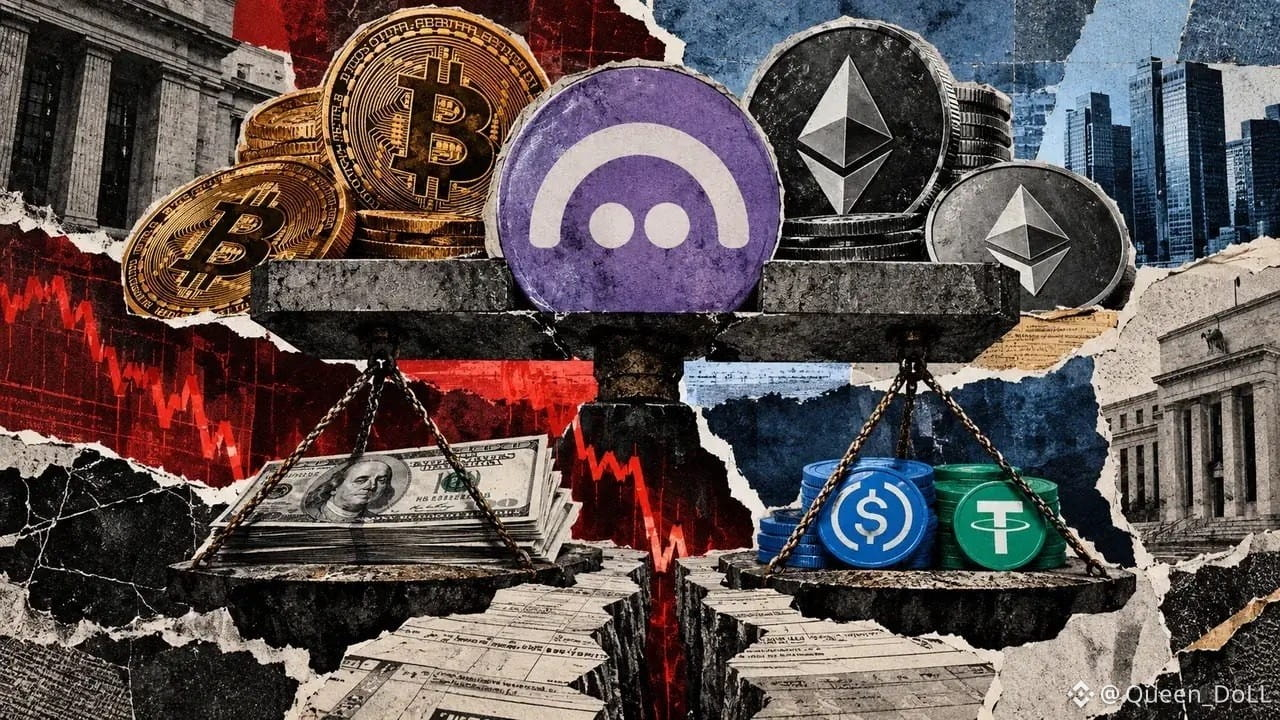
167

Tarjimani ko‘rish
DeFi Structure Taking Shape
$AAVE | $UNI | $PENDLE
AAVE, UNI, and PENDLE remain important DeFi names while liquidity continues rotating across the sector. Their different roles within decentralized finance provide multiple ways to track how risk appetite develops.
The next move will depend on whether current structures hold through volatility.
Key Takeaway: DeFi strength becomes clearer when key support levels remain defended.
#AAVE #UNI #PENDLE #DeFi #MarketStructure
{future}(AAVEUSDT)
{future}(UNIUSDT)
{future}(PENDLEUSDT)
DeFi Structure Taking Shape
$AAVE | $UNI | $PENDLE
AAVE, UNI, and PENDLE remain important DeFi names while liquidity continues rotating across the sector. Their different roles within decentralized finance provide multiple ways to track how risk appetite develops.
The next move will depend on whether current structures hold through volatility.
Key Takeaway: DeFi strength becomes clearer when key support levels remain defended.
#AAVE #UNI #PENDLE #DeFi #MarketStructure
$AAVE | $UNI | $PENDLE
AAVE, UNI, and PENDLE remain important DeFi names while liquidity continues rotating across the sector. Their different roles within decentralized finance provide multiple ways to track how risk appetite develops.
The next move will depend on whether current structures hold through volatility.
Key Takeaway: DeFi strength becomes clearer when key support levels remain defended.
#AAVE #UNI #PENDLE #DeFi #MarketStructure
1
82

·
--
Tarjimani ko‘rish
🟢 Bullish
🚨 Major Exchange Launches New DeFi Integration!
A top-tier exchange just announced seamless integration with a popular DeFi protocol, allowing users direct access to yield farming from their CEX accounts.
📊 Market Impact: This is huge for mainstream DeFi adoption! Could bring fresh capital into the ecosystem and boost related tokens.
#DeFi #CryptoNews
🟢 Bullish
🚨 Major Exchange Launches New DeFi Integration!
A top-tier exchange just announced seamless integration with a popular DeFi protocol, allowing users direct access to yield farming from their CEX accounts.
📊 Market Impact: This is huge for mainstream DeFi adoption! Could bring fresh capital into the ecosystem and boost related tokens.
#DeFi #CryptoNews
🚨 Major Exchange Launches New DeFi Integration!
A top-tier exchange just announced seamless integration with a popular DeFi protocol, allowing users direct access to yield farming from their CEX accounts.
📊 Market Impact: This is huge for mainstream DeFi adoption! Could bring fresh capital into the ecosystem and boost related tokens.
#DeFi #CryptoNews
Ko‘proq kontentni ko‘rish uchun tizimga kiring
Binance Square'da global kriptovalyuta foydalanuvchilariga qo‘shiling
⚡️ Kriptovalyuta haqida eng so‘nggi va foydali ma’lumotlarni oling.
💬 Dunyoning eng yirik kriptovalyuta birjasi tomonidan ishonchli deb topilgan.
👍 Tasdiqlangan mualliflardan haqiqiy tahlillarni kashf eting.
Email / telefon raqami
Trenddagi mavzular
1
#BitcoinClears$85200
13,308 marta koʻrilgan
218 muhokama qilmoqda
2
#AltcoinSeasonIndexHoldsAbove60For5Days
64,453 marta koʻrilgan
1,205 muhokama qilmoqda
3
#USADPAdds90000JobsInSeptember
29,959 marta koʻrilgan
675 muhokama qilmoqda
4
#USCorePCEEasesTo3%InAugust
21,475 marta koʻrilgan
506 muhokama qilmoqda
5
#KospiPostsWorstQuarterSince2020
15,003 marta koʻrilgan
487 muhokama qilmoqda
6
#SECToClarifyOnChainFundraisingRules
36,738 marta koʻrilgan
661 muhokama qilmoqda
7
#UKFCAOpensCryptoFirmAuthorization
35,976 marta koʻrilgan
559 muhokama qilmoqda
8
#JapanMOFStudyGroupOnTokenizedGovtBonds
21,711 marta koʻrilgan
423 muhokama qilmoqda
9
#QNTRises287%
102,892 marta koʻrilgan
913 muhokama qilmoqda
10
#TrumpRejectsAIRulesForVoluntaryAudits
59,400 marta koʻrilgan
798 muhokama qilmoqda