

#web3
web3
51.5M переглядів
306,233 обговорюють
Популярні
Найсвіжіші

·
--
🔥 Чотири монети. Чотири історії. Один переможець.
🛡️ $ZEC — Наратив цифрової валюти, орієнтованої на приватність.
⚡ $QNT — Бачення корпоративного блокчейну та інтероперабельності.
🏖️ $SAND — Екосистема метавсесвіту та геймінгу.
🌙 $MOVR — Гра на перетинних ланцюгах (cross-chain) Web3-інфраструктури.
━━━━━━━━━━━━━━
🗳️ ПРОГОЛОСУЙ ЗАРАЗ!
━━━━━━━━━━━━━━
🚨 НЕ ЛИШЕ ДИВИСЬ — ОБИРАЙ СВОГО ПЕРЕМОЖЦЯ!
💬 Коментуй лише:
🅰️ ZEC | 🅱️ QNT | 🅲 SAND | 🅳 MOVR
🔥 Захисти свій вибір. У якого співтовариства найсильніше переконання?
🏆 Нехай битва почнеться!
#Crypto #Altcoins #Web3 #DYOR
🔥 Чотири монети. Чотири історії. Один переможець.
🛡️ $ZEC — Наратив цифрової валюти, орієнтованої на приватність.
⚡ $QNT — Бачення корпоративного блокчейну та інтероперабельності.
🏖️ $SAND — Екосистема метавсесвіту та геймінгу.
🌙 $MOVR — Гра на перетинних ланцюгах (cross-chain) Web3-інфраструктури.
━━━━━━━━━━━━━━
🗳️ ПРОГОЛОСУЙ ЗАРАЗ!
━━━━━━━━━━━━━━
🚨 НЕ ЛИШЕ ДИВИСЬ — ОБИРАЙ СВОГО ПЕРЕМОЖЦЯ!
💬 Коментуй лише:
🅰️ ZEC | 🅱️ QNT | 🅲 SAND | 🅳 MOVR
🔥 Захисти свій вибір. У якого співтовариства найсильніше переконання?
🏆 Нехай битва почнеться!
#Crypto #Altcoins #Web3 #DYOR
🛡️ $ZEC — Наратив цифрової валюти, орієнтованої на приватність.
⚡ $QNT — Бачення корпоративного блокчейну та інтероперабельності.
🏖️ $SAND — Екосистема метавсесвіту та геймінгу.
🌙 $MOVR — Гра на перетинних ланцюгах (cross-chain) Web3-інфраструктури.
━━━━━━━━━━━━━━
🗳️ ПРОГОЛОСУЙ ЗАРАЗ!
━━━━━━━━━━━━━━
🚨 НЕ ЛИШЕ ДИВИСЬ — ОБИРАЙ СВОГО ПЕРЕМОЖЦЯ!
💬 Коментуй лише:
🅰️ ZEC | 🅱️ QNT | 🅲 SAND | 🅳 MOVR
🔥 Захисти свій вибір. У якого співтовариства найсильніше переконання?
🏆 Нехай битва почнеться!
#Crypto #Altcoins #Web3 #DYOR
🅰️ ZEC
🅱️ QNT
🅲 SAND
🅳 MOVR
18 год залишилося

Follow 🎁
Від MaheshJBG
1
8
3.9k

·
--

Стаття
Переглянути переклад
🎙️ 维塔利克:19岁写就以太坊白皮书📌 引言
如果有人告诉你,一个还在读大学的 19 岁少年,用一篇论文定义了一整个时代的金融基础设施,你大概率会觉得这是科幻小说的开头。但维塔利克·布特林(Vitalik Buterin)真的做到了——而且他做的不是"再做一个比特币",而是把区块链从"电子现金"升级成了"能跑程序的全球计算机"。今天这位 30 出头的加拿大程序员,依旧是加密世界最被信赖的那张"理性面孔"。
👤 他是谁
维塔利克 1994 年生于俄罗斯科洛姆纳,6 岁随家人移民加拿大。他从小就是那种"别人家的孩子":数学天才、编程神童,小学就能心算三位数乘三位数。2011 年,17 岁的他偶然接触比特币,从此一头扎进这个当时还被主流嘲笑的圈子,还和朋友一起创办了《比特币杂志》(Bitcoin Magazine),成了圈内最早的深度写手之一。
🧬 他之前的路
在写以太坊之前,维塔利克其实是比特币生态的"笔杆子"和深度观察者。2013 年,他为了全职投入加密世界,从滑铁卢大学退学,并拿到了彼得·蒂尔(Peter Thiel)设立的"蒂尔奖学金"——一笔 10 万美元、专门鼓励年轻人辍学创业的奖金。正是这段游走于比特币社区的经历,让他看到了比特币脚本系统的天花板:它太"笨"了,几乎只能做转账,做不了更复杂的事情。这个痛点,成了以太坊的起点。
🌟 最出名的事迹
① 2013 年底,他写下了以太坊白皮书《下一代智能合约与去中心化应用平台》,核心想法只有一句话:能不能让区块链上跑任意程序?这一句话,打开了"去中心化应用(DApp)"的整片天空。
② 2014 年,以太坊通过预售(加密世界最早的 ICO 雏形之一)募集启动资金,最终筹得约 3.15 万枚比特币,当时折合约 1800 万美元,撑起了项目早期开发。同年他正式从大学退学、全力投入。
③ 2015 年 7 月 30 日,以太坊主网(Frontier)正式上线。从此,"智能合约" 从一个概念变成了开发者每天在用的工具,DeFi、NFT、链上游戏全建立在这套地基上。
④ 2016 年,以太坊社区遭遇最大危机:明星项目 The DAO 通过众筹筹得约 1.5 亿美元,却在 6 月被黑客利用漏洞盗走约 360 万枚 ETH(当时价值约 5000 万美元)。维塔利克主导了硬分叉,把链"回滚"救回资金,由此分裂出 ETH(新链)与 ETC(以太坊经典,坚持不改账的原链)——这次事件也奠定了他"社区共识优先"的治理风格。
🗓️ 大事年表
· 1994 年:生于俄罗斯科洛姆纳
· 2011 年:17 岁接触比特币,参与创办《比特币杂志》
· 2014 年:以太坊白皮书发布、预售募资约 1800 万美元、获蒂尔奖学金辍学
· 2015 年:以太坊主网 Frontier 上线
· 2016 年:The DAO 被黑,硬分叉分出 ETH 与 ETC
· 2022 年:主导"合并(The Merge)",以太坊从工作量证明转向权益证明,能耗骤降约 99.95%
💡 为什么重要
维塔利克最了不起的地方,不是他一个人写了多少代码,而是他给出了一个"可编程价值"的范式。在比特币之后,是他把"区块链能用来做什么"的天花板一下子抬高了几个数量级。DeFi 让你无需银行也能借贷,NFT 让数字所有权第一次成立,无数创业者在他铺的地基上盖楼。他几乎成了加密世界的"首席思考者"——每逢行业关键节点,市场都在等他开口。
🏛️ 三层影响
· 技术层:智能合约 + 图灵完备,让区块链从记账机变成世界计算机。
· 经济层:代币经济、ICO、DeFi 流动性革命,重塑了早期项目融资与资本流动方式。
· 文化层:一个不坐办公室、不穿西装、常年一件黑色 T 恤的天才,成了"技术理想主义"的活招牌,也定义了"创始人即精神领袖"的加密叙事。
💬 公开言论与风格
维塔利克说话从不喊单,反而以理性著称。他反复强调"不要梭哈"、提醒散户注意风险,也长期公开自己的 ETH 持仓与捐赠。他推动的"公共物品资助(Public Goods Funding)"思路,试图让加密世界的财富反哺生态基础设施。他最出圈的一句话大概是:以太坊的目标不是让少数人暴富,而是让全世界的人都能用上更开放的金融。
⚖️ 争议与客观事实
围绕他的争议主要来自"影响力过于集中"——有人调侃他是以太坊的"仁慈独裁者",一条推文就能引发市场波动。2016 年的硬分叉也确实让社区永久分裂,ETC 支持者至今认为"代码即法律"不该被人为改写。这些都是公开、可核实的事实:他的话语权很大,而每一次大手一挥,都会有人赞同、也有人受伤。
📉 翻车与教训
The DAO 事件就是最深刻的"翻车"一课:一个被社区寄予厚望、筹了上亿美元的项目,因为一行合约漏洞被搬空半数资金。它给所有交易者的教训是——再华丽的叙事、再权威的背书,也架不住代码层面的风险。智能合约不是"写了就安全",链上世界"不可篡改"既是优点也是刀刃:出事之后,你要么接受损失,要么硬分叉改写历史(代价是信任分裂)。
🔭 对当下交易的映射
今天你玩的每个 DeFi 协议、每张 NFT、每条链上收益,地基都是维塔利克当年铺的。但别忘了他亲手演示的教训:把资产放在不透明的中心化平台、盲目相信"权威项目"、忽视合约与治理风险,都可能重演 DAO 式的踩坑。泡沫里也要留退路,这是他用上亿美元的学费换来的提醒。
📚 给交易者的启示
① 看不懂的技术叙事,先别急着下重注。维塔利克能成,是因为他先彻底想清楚了"区块链为什么需要可编程",而你进场前至少得搞懂自己在买什么。
② 别把"创始人光环"当安全垫。再牛的人也会翻车,再权威的项目也会出漏洞,仓位分寸永远比信任重要。
③ 长期主义有它的回报。从 2015 到今天,以太坊路线图中那些被嘲笑"太慢"的升级(PoS、Layer2),最终都成了护城河——耐得住迭代的人,才配得上结果。
④ 独立判断是基本功。当所有人都在等"大佬发话"时,真正赚到的人,早就把逻辑想明白了。
🗣️ 一句话点评
19 岁写白皮书,之后十年他几乎成了"加密界的首席思考者"——天才的稀缺,不在于聪明,而在于敢把整个世界重新想一遍。
🎉 发财祝福
祝各位账户多一个零,烦恼少一个零 🅾️
#币安广场 #Web3 🔥#以太坊
投资有风险,本文数据均为网络收集,不构成投资建议,请自行研究学习。
🎙️ 维塔利克:19岁写就以太坊白皮书
📌 引言
如果有人告诉你,一个还在读大学的 19 岁少年,用一篇论文定义了一整个时代的金融基础设施,你大概率会觉得这是科幻小说的开头。但维塔利克·布特林(Vitalik Buterin)真的做到了——而且他做的不是"再做一个比特币",而是把区块链从"电子现金"升级成了"能跑程序的全球计算机"。今天这位 30 出头的加拿大程序员,依旧是加密世界最被信赖的那张"理性面孔"。
👤 他是谁
维塔利克 1994 年生于俄罗斯科洛姆纳,6 岁随家人移民加拿大。他从小就是那种"别人家的孩子":数学天才、编程神童,小学就能心算三位数乘三位数。2011 年,17 岁的他偶然接触比特币,从此一头扎进这个当时还被主流嘲笑的圈子,还和朋友一起创办了《比特币杂志》(Bitcoin Magazine),成了圈内最早的深度写手之一。
🧬 他之前的路
在写以太坊之前,维塔利克其实是比特币生态的"笔杆子"和深度观察者。2013 年,他为了全职投入加密世界,从滑铁卢大学退学,并拿到了彼得·蒂尔(Peter Thiel)设立的"蒂尔奖学金"——一笔 10 万美元、专门鼓励年轻人辍学创业的奖金。正是这段游走于比特币社区的经历,让他看到了比特币脚本系统的天花板:它太"笨"了,几乎只能做转账,做不了更复杂的事情。这个痛点,成了以太坊的起点。
🌟 最出名的事迹
① 2013 年底,他写下了以太坊白皮书《下一代智能合约与去中心化应用平台》,核心想法只有一句话:能不能让区块链上跑任意程序?这一句话,打开了"去中心化应用(DApp)"的整片天空。
② 2014 年,以太坊通过预售(加密世界最早的 ICO 雏形之一)募集启动资金,最终筹得约 3.15 万枚比特币,当时折合约 1800 万美元,撑起了项目早期开发。同年他正式从大学退学、全力投入。
③ 2015 年 7 月 30 日,以太坊主网(Frontier)正式上线。从此,"智能合约" 从一个概念变成了开发者每天在用的工具,DeFi、NFT、链上游戏全建立在这套地基上。
④ 2016 年,以太坊社区遭遇最大危机:明星项目 The DAO 通过众筹筹得约 1.5 亿美元,却在 6 月被黑客利用漏洞盗走约 360 万枚 ETH(当时价值约 5000 万美元)。维塔利克主导了硬分叉,把链"回滚"救回资金,由此分裂出 ETH(新链)与 ETC(以太坊经典,坚持不改账的原链)——这次事件也奠定了他"社区共识优先"的治理风格。
🗓️ 大事年表
· 1994 年:生于俄罗斯科洛姆纳
· 2011 年:17 岁接触比特币,参与创办《比特币杂志》
· 2014 年:以太坊白皮书发布、预售募资约 1800 万美元、获蒂尔奖学金辍学
· 2015 年:以太坊主网 Frontier 上线
· 2016 年:The DAO 被黑,硬分叉分出 ETH 与 ETC
· 2022 年:主导"合并(The Merge)",以太坊从工作量证明转向权益证明,能耗骤降约 99.95%
💡 为什么重要
维塔利克最了不起的地方,不是他一个人写了多少代码,而是他给出了一个"可编程价值"的范式。在比特币之后,是他把"区块链能用来做什么"的天花板一下子抬高了几个数量级。DeFi 让你无需银行也能借贷,NFT 让数字所有权第一次成立,无数创业者在他铺的地基上盖楼。他几乎成了加密世界的"首席思考者"——每逢行业关键节点,市场都在等他开口。
🏛️ 三层影响
· 技术层:智能合约 + 图灵完备,让区块链从记账机变成世界计算机。
· 经济层:代币经济、ICO、DeFi 流动性革命,重塑了早期项目融资与资本流动方式。
· 文化层:一个不坐办公室、不穿西装、常年一件黑色 T 恤的天才,成了"技术理想主义"的活招牌,也定义了"创始人即精神领袖"的加密叙事。
💬 公开言论与风格
维塔利克说话从不喊单,反而以理性著称。他反复强调"不要梭哈"、提醒散户注意风险,也长期公开自己的 ETH 持仓与捐赠。他推动的"公共物品资助(Public Goods Funding)"思路,试图让加密世界的财富反哺生态基础设施。他最出圈的一句话大概是:以太坊的目标不是让少数人暴富,而是让全世界的人都能用上更开放的金融。
⚖️ 争议与客观事实
围绕他的争议主要来自"影响力过于集中"——有人调侃他是以太坊的"仁慈独裁者",一条推文就能引发市场波动。2016 年的硬分叉也确实让社区永久分裂,ETC 支持者至今认为"代码即法律"不该被人为改写。这些都是公开、可核实的事实:他的话语权很大,而每一次大手一挥,都会有人赞同、也有人受伤。
📉 翻车与教训
The DAO 事件就是最深刻的"翻车"一课:一个被社区寄予厚望、筹了上亿美元的项目,因为一行合约漏洞被搬空半数资金。它给所有交易者的教训是——再华丽的叙事、再权威的背书,也架不住代码层面的风险。智能合约不是"写了就安全",链上世界"不可篡改"既是优点也是刀刃:出事之后,你要么接受损失,要么硬分叉改写历史(代价是信任分裂)。
🔭 对当下交易的映射
今天你玩的每个 DeFi 协议、每张 NFT、每条链上收益,地基都是维塔利克当年铺的。但别忘了他亲手演示的教训:把资产放在不透明的中心化平台、盲目相信"权威项目"、忽视合约与治理风险,都可能重演 DAO 式的踩坑。泡沫里也要留退路,这是他用上亿美元的学费换来的提醒。
📚 给交易者的启示
① 看不懂的技术叙事,先别急着下重注。维塔利克能成,是因为他先彻底想清楚了"区块链为什么需要可编程",而你进场前至少得搞懂自己在买什么。
② 别把"创始人光环"当安全垫。再牛的人也会翻车,再权威的项目也会出漏洞,仓位分寸永远比信任重要。
③ 长期主义有它的回报。从 2015 到今天,以太坊路线图中那些被嘲笑"太慢"的升级(PoS、Layer2),最终都成了护城河——耐得住迭代的人,才配得上结果。
④ 独立判断是基本功。当所有人都在等"大佬发话"时,真正赚到的人,早就把逻辑想明白了。
🗣️ 一句话点评
19 岁写白皮书,之后十年他几乎成了"加密界的首席思考者"——天才的稀缺,不在于聪明,而在于敢把整个世界重新想一遍。
🎉 发财祝福
祝各位账户多一个零,烦恼少一个零 🅾️
#币安广场 #Web3 🔥#以太坊
投资有风险,本文数据均为网络收集,不构成投资建议,请自行研究学习。
如果有人告诉你,一个还在读大学的 19 岁少年,用一篇论文定义了一整个时代的金融基础设施,你大概率会觉得这是科幻小说的开头。但维塔利克·布特林(Vitalik Buterin)真的做到了——而且他做的不是"再做一个比特币",而是把区块链从"电子现金"升级成了"能跑程序的全球计算机"。今天这位 30 出头的加拿大程序员,依旧是加密世界最被信赖的那张"理性面孔"。
👤 他是谁
维塔利克 1994 年生于俄罗斯科洛姆纳,6 岁随家人移民加拿大。他从小就是那种"别人家的孩子":数学天才、编程神童,小学就能心算三位数乘三位数。2011 年,17 岁的他偶然接触比特币,从此一头扎进这个当时还被主流嘲笑的圈子,还和朋友一起创办了《比特币杂志》(Bitcoin Magazine),成了圈内最早的深度写手之一。
🧬 他之前的路
在写以太坊之前,维塔利克其实是比特币生态的"笔杆子"和深度观察者。2013 年,他为了全职投入加密世界,从滑铁卢大学退学,并拿到了彼得·蒂尔(Peter Thiel)设立的"蒂尔奖学金"——一笔 10 万美元、专门鼓励年轻人辍学创业的奖金。正是这段游走于比特币社区的经历,让他看到了比特币脚本系统的天花板:它太"笨"了,几乎只能做转账,做不了更复杂的事情。这个痛点,成了以太坊的起点。
🌟 最出名的事迹
① 2013 年底,他写下了以太坊白皮书《下一代智能合约与去中心化应用平台》,核心想法只有一句话:能不能让区块链上跑任意程序?这一句话,打开了"去中心化应用(DApp)"的整片天空。
② 2014 年,以太坊通过预售(加密世界最早的 ICO 雏形之一)募集启动资金,最终筹得约 3.15 万枚比特币,当时折合约 1800 万美元,撑起了项目早期开发。同年他正式从大学退学、全力投入。
③ 2015 年 7 月 30 日,以太坊主网(Frontier)正式上线。从此,"智能合约" 从一个概念变成了开发者每天在用的工具,DeFi、NFT、链上游戏全建立在这套地基上。
④ 2016 年,以太坊社区遭遇最大危机:明星项目 The DAO 通过众筹筹得约 1.5 亿美元,却在 6 月被黑客利用漏洞盗走约 360 万枚 ETH(当时价值约 5000 万美元)。维塔利克主导了硬分叉,把链"回滚"救回资金,由此分裂出 ETH(新链)与 ETC(以太坊经典,坚持不改账的原链)——这次事件也奠定了他"社区共识优先"的治理风格。
🗓️ 大事年表
· 1994 年:生于俄罗斯科洛姆纳
· 2011 年:17 岁接触比特币,参与创办《比特币杂志》
· 2014 年:以太坊白皮书发布、预售募资约 1800 万美元、获蒂尔奖学金辍学
· 2015 年:以太坊主网 Frontier 上线
· 2016 年:The DAO 被黑,硬分叉分出 ETH 与 ETC
· 2022 年:主导"合并(The Merge)",以太坊从工作量证明转向权益证明,能耗骤降约 99.95%
💡 为什么重要
维塔利克最了不起的地方,不是他一个人写了多少代码,而是他给出了一个"可编程价值"的范式。在比特币之后,是他把"区块链能用来做什么"的天花板一下子抬高了几个数量级。DeFi 让你无需银行也能借贷,NFT 让数字所有权第一次成立,无数创业者在他铺的地基上盖楼。他几乎成了加密世界的"首席思考者"——每逢行业关键节点,市场都在等他开口。
🏛️ 三层影响
· 技术层:智能合约 + 图灵完备,让区块链从记账机变成世界计算机。
· 经济层:代币经济、ICO、DeFi 流动性革命,重塑了早期项目融资与资本流动方式。
· 文化层:一个不坐办公室、不穿西装、常年一件黑色 T 恤的天才,成了"技术理想主义"的活招牌,也定义了"创始人即精神领袖"的加密叙事。
💬 公开言论与风格
维塔利克说话从不喊单,反而以理性著称。他反复强调"不要梭哈"、提醒散户注意风险,也长期公开自己的 ETH 持仓与捐赠。他推动的"公共物品资助(Public Goods Funding)"思路,试图让加密世界的财富反哺生态基础设施。他最出圈的一句话大概是:以太坊的目标不是让少数人暴富,而是让全世界的人都能用上更开放的金融。
⚖️ 争议与客观事实
围绕他的争议主要来自"影响力过于集中"——有人调侃他是以太坊的"仁慈独裁者",一条推文就能引发市场波动。2016 年的硬分叉也确实让社区永久分裂,ETC 支持者至今认为"代码即法律"不该被人为改写。这些都是公开、可核实的事实:他的话语权很大,而每一次大手一挥,都会有人赞同、也有人受伤。
📉 翻车与教训
The DAO 事件就是最深刻的"翻车"一课:一个被社区寄予厚望、筹了上亿美元的项目,因为一行合约漏洞被搬空半数资金。它给所有交易者的教训是——再华丽的叙事、再权威的背书,也架不住代码层面的风险。智能合约不是"写了就安全",链上世界"不可篡改"既是优点也是刀刃:出事之后,你要么接受损失,要么硬分叉改写历史(代价是信任分裂)。
🔭 对当下交易的映射
今天你玩的每个 DeFi 协议、每张 NFT、每条链上收益,地基都是维塔利克当年铺的。但别忘了他亲手演示的教训:把资产放在不透明的中心化平台、盲目相信"权威项目"、忽视合约与治理风险,都可能重演 DAO 式的踩坑。泡沫里也要留退路,这是他用上亿美元的学费换来的提醒。
📚 给交易者的启示
① 看不懂的技术叙事,先别急着下重注。维塔利克能成,是因为他先彻底想清楚了"区块链为什么需要可编程",而你进场前至少得搞懂自己在买什么。
② 别把"创始人光环"当安全垫。再牛的人也会翻车,再权威的项目也会出漏洞,仓位分寸永远比信任重要。
③ 长期主义有它的回报。从 2015 到今天,以太坊路线图中那些被嘲笑"太慢"的升级(PoS、Layer2),最终都成了护城河——耐得住迭代的人,才配得上结果。
④ 独立判断是基本功。当所有人都在等"大佬发话"时,真正赚到的人,早就把逻辑想明白了。
🗣️ 一句话点评
19 岁写白皮书,之后十年他几乎成了"加密界的首席思考者"——天才的稀缺,不在于聪明,而在于敢把整个世界重新想一遍。
🎉 发财祝福
祝各位账户多一个零,烦恼少一个零 🅾️
#币安广场 #Web3 🔥#以太坊
投资有风险,本文数据均为网络收集,不构成投资建议,请自行研究学习。
风中浪客:
V神19岁写出这东西确实离谱,但$ETH能走到今天也不只是白皮书,后面社区和开发者才是真护城河。天才开局很猛,能扛过几轮牛熊才是真本事。
1
202

Революція модульних ланцюгів: чому майбутні мережі не можуть обійтися без $TIA ? 🧱
Традиційні монолітні мережі стали повільними та дорогими. $TIA змінила правила гри, запропонувавши першу мережу з фрагментованою доступністю даних (Modular Data Availability). Простими словами: вона дозволяє будь-якому проєкту запускати мережу другого рівня (L2) за лічені хвилини та майже без комісій, знімаючи складний обсяг зберігання даних із основних мереж.
Чому купувати вже зараз?
Що більше вибухає мереж Layer 2 (Rollups), то вищим стає неминучий попит на спалення та споживання TIA. Це невидима інфраструктура майбутнього Web3.
⚠️ Поділися своєю думкою: чи ти вже робив Staking для TIA, щоб отримати майбутні аірдропи? Слідкуй за акаунтом, щоб дізнатися більше!
#celestia #ModularBlockchain #Web3
Революція модульних ланцюгів: чому майбутні мережі не можуть обійтися без $TIA ? 🧱
Традиційні монолітні мережі стали повільними та дорогими. $TIA змінила правила гри, запропонувавши першу мережу з фрагментованою доступністю даних (Modular Data Availability). Простими словами: вона дозволяє будь-якому проєкту запускати мережу другого рівня (L2) за лічені хвилини та майже без комісій, знімаючи складний обсяг зберігання даних із основних мереж.
Чому купувати вже зараз?
Що більше вибухає мереж Layer 2 (Rollups), то вищим стає неминучий попит на спалення та споживання TIA. Це невидима інфраструктура майбутнього Web3.
⚠️ Поділися своєю думкою: чи ти вже робив Staking для TIA, щоб отримати майбутні аірдропи? Слідкуй за акаунтом, щоб дізнатися більше!
#celestia #ModularBlockchain #Web3
Традиційні монолітні мережі стали повільними та дорогими. $TIA змінила правила гри, запропонувавши першу мережу з фрагментованою доступністю даних (Modular Data Availability). Простими словами: вона дозволяє будь-якому проєкту запускати мережу другого рівня (L2) за лічені хвилини та майже без комісій, знімаючи складний обсяг зберігання даних із основних мереж.
Чому купувати вже зараз?
Що більше вибухає мереж Layer 2 (Rollups), то вищим стає неминучий попит на спалення та споживання TIA. Це невидима інфраструктура майбутнього Web3.
⚠️ Поділися своєю думкою: чи ти вже робив Staking для TIA, щоб отримати майбутні аірдропи? Слідкуй за акаунтом, щоб дізнатися більше!
#celestia #ModularBlockchain #Web3
1
249

·
--
📰 BlockBeats Останні новини та зведення
1. Деяка адреса, що спала понад 13 років, прокинулась: на ній 801 BTC, прибуток за позицією понад 67 мільйонів доларів
2. І Лі Хуа: усе ще налаштований песимістично, але не відкриває шорт; якщо BTC втратить рівень $82 000, ймовірно спробує дістатися підтримки на $71 000
3. Meme-coin SI за короткий час виріс понад 22%, ринкова капіталізація перевищила 45 млн доларів
4. Маск: більше не вживає слово «AI», натомість використовує «SI» — так краще
5. Аналіз: довгострокові власники біткоїна в цьому циклі весь час перебувають у прибутку — вперше з 2015 року
6. Деякий кит відкрив лонг PUMP: дохідність за позицією приблизно 504%
7. Іран заявив, що вже відповів на американську пропозицію, наголошуючи на пріоритеті Гормузької протоки
8. Ethereum прорвав позначку $2700
9. У Білому домі створили робочу групу «Super Intellect», яка протягом 120 днів оцінить ризики та можливості AI
10. Benson Sun: у діапазоні $83 000–$84 000 для біткоїна є активне перехоплення коштів, реакція покупців помітна
#BlockBeats #加密货币 #快讯 #Web3
📰 BlockBeats Останні новини та зведення
1. Деяка адреса, що спала понад 13 років, прокинулась: на ній 801 BTC, прибуток за позицією понад 67 мільйонів доларів
2. І Лі Хуа: усе ще налаштований песимістично, але не відкриває шорт; якщо BTC втратить рівень $82 000, ймовірно спробує дістатися підтримки на $71 000
3. Meme-coin SI за короткий час виріс понад 22%, ринкова капіталізація перевищила 45 млн доларів
4. Маск: більше не вживає слово «AI», натомість використовує «SI» — так краще
5. Аналіз: довгострокові власники біткоїна в цьому циклі весь час перебувають у прибутку — вперше з 2015 року
6. Деякий кит відкрив лонг PUMP: дохідність за позицією приблизно 504%
7. Іран заявив, що вже відповів на американську пропозицію, наголошуючи на пріоритеті Гормузької протоки
8. Ethereum прорвав позначку $2700
9. У Білому домі створили робочу групу «Super Intellect», яка протягом 120 днів оцінить ризики та можливості AI
10. Benson Sun: у діапазоні $83 000–$84 000 для біткоїна є активне перехоплення коштів, реакція покупців помітна
#BlockBeats #加密货币 #快讯 #Web3
1. Деяка адреса, що спала понад 13 років, прокинулась: на ній 801 BTC, прибуток за позицією понад 67 мільйонів доларів
2. І Лі Хуа: усе ще налаштований песимістично, але не відкриває шорт; якщо BTC втратить рівень $82 000, ймовірно спробує дістатися підтримки на $71 000
3. Meme-coin SI за короткий час виріс понад 22%, ринкова капіталізація перевищила 45 млн доларів
4. Маск: більше не вживає слово «AI», натомість використовує «SI» — так краще
5. Аналіз: довгострокові власники біткоїна в цьому циклі весь час перебувають у прибутку — вперше з 2015 року
6. Деякий кит відкрив лонг PUMP: дохідність за позицією приблизно 504%
7. Іран заявив, що вже відповів на американську пропозицію, наголошуючи на пріоритеті Гормузької протоки
8. Ethereum прорвав позначку $2700
9. У Білому домі створили робочу групу «Super Intellect», яка протягом 120 днів оцінить ризики та можливості AI
10. Benson Sun: у діапазоні $83 000–$84 000 для біткоїна є активне перехоплення коштів, реакція покупців помітна
#BlockBeats #加密货币 #快讯 #Web3
672
Глибокий аналіз ринку Ethereum: накопичення та прорив у діапазоні 2700 доларів
I. Аналіз цінового руху
Станом на 4 жовтня 2026 року, спотова ціна Ethereum становить 2705 доларів США; за останні 24 години вона зросла приблизно на 0,77%. З огляду на годинні K-лінії, ETH протягом останніх п’яти годин демонструє модель вузького коливання з подальшим незначним підвищенням: ціна повільно піднімається з 2702 доларів до рівня близько 2706 доларів; максимум торкався 2710 доларів. Загальна амплітуда волатильності відносно обмежена, що вказує на стадію накопичення перед вибором напряму.
Щодо системи ковзних середніх: ціна Ethereum тримається вище 7-денної MA на рівні 2702 доларів, а також вища за 25-дневну MA на 2697 доларів і 99-дневну MA на 2696 доларів. Три ковзні середні демонструють помірно бичачу (вгору спрямовану) конфігурацію. Варто зазначити, що ціна вже пробила верхню межу смуг Боллінджера на 2707 доларів, але без значного імпульсу — це радше лише торкання верхньої межі. EMA7 на 2703 долари, EMA25 на 2698 доларів та EMA99 на 2694 долари також формують підтримувальну «сходинку» для бичачого тренду.
За обсягами торгів: у найближчій годині зафіксовано обсяг угод близько 6,55 млн доларів США, що нижче за приблизно 10,94 млн доларів США в попередній годині; це свідчить про ослаблення висхідного імпульсу. Водночас загальний обсяг торгів і надалі вищий, ніж на ранніх часових відрізках, тобто покупці (бики) все ще зберігають певний контроль над ринком.
II. Пояснення технічних індикаторів
MACD показує, що бичачий імпульс нарощується: лінія DIF 3,577 вища за сигнальну лінію 3,227; гiстограма збільшилась з нуль punto 2 59 до 0,350, і розширення тривало три послідовні періоди, що вказує на посилення висхідної тенденції. Хоча абсолютні значення менші, ніж масштаб MACD у Bitcoin, напрям розширення узгоджений і є бичачим.
RSI: за 6 періодів RSI досяг 71,10 — щойно увійшов на межу зони перекупленості; RSI за 12 періодів становить 64,37 — все ще в нейтрально-бичачій зоні; RSI за 24 періоди дорівнює 56,79 — у нейтральній зоні. Порівняно з екстремально перекупленим станом RSI у Bitcoin, структура RSI для Ethereum виглядає здоровішою, тож потенціал подальшого зростання відносно більший.
KDJ: значення K — 72,47, D — 64,97, J — 87,46; три лінії розходяться вгору, а короткострокова динаміка переважно бичача. Індикатор Вільямса WR дорівнює -23,42 — він у зоні відносної сили, але не досягає екстремальних значень. Випадковий RSI (Stochastic RSI) швидко зростає з 45,44 до 68,06: після пробою центральної осі продовжує рух угору, підтверджуючи перевагу короткострокових покупців.
Параболічний SAR: підтримка на рівні 2692 долари. Індикатор SuperTrend формує сильнішу підтримку на 2686 доларів. ATR (індикатор волатильності) близько 6,96: волатильність зараз низька, що натякає на можливий найближчий напрямний прорив.
III. Аналіз ринкових настроїв
Поточне середовище для Ethereum є доволі складним. З позитивних факторів: SEC схвалила продукт ETP на Ethereum із триразовим плечем, що додає впевненості ринку та дає інституційним інвесторам ширші інструменти деривативів. Щодо стейкінгу: нині в черзі на входи приблизно 1,51 млн ETH, що перевищує чергу на виходи; загальний стейк лишається на високому рівні близько 4,37 млн ETH, забезпечуючи підтримку знизу для ціни.
Втім, ризики теж не можна ігнорувати. Черга на вихід валідаторів різко розширилась приблизно на 392%, до рівня близько 850 тис. ETH. Це переважно спричинено тим, що MetaMask Staking оголосила про вихід із обслуговування приблизно 520 тис. ETH валідаторів. Велика кількість виходів зі стейкінгу збільшує циркулюючу пропозицію, створюючи потенційний тиск на ціну. Додатково, нещодавно інституційні ETF на Ethereum фіксували безперервні чисті відтоки: від’ємні 5,54 млн доларів США та від’ємні 1,73 млн доларів США відповідно, що свідчить про обережність інституційного капіталу в короткостроковій перспективі.
З точки зору ончейн-екосистеми: BNB Chain токенізований обсяг акцій перевищив 1,1 млрд доларів США, що становить близько 30% глобального ринку токенізованих акцій, демонструючи бурхливий розвиток тренду RWA. Продукт Ethereum Layer-2 Blast оголосив про закриття 26 жовтня, що відображає тиск на економічну сталість невеликих L2, але також означає, що ліквідність може повернутися на основну мережу Ethereum та в інші топові L2.
У підсумку, поєднання технічних і фундаментальних факторів вказує, що в короткостроковій перспективі Ethereum перебуває в фазі накопичення, а рівень у 2700 доларів — ключова психологічна зона. Якщо вдасться ефективно закріпитися вище 2710 доларів, є шанс на атаку в напрямку 2800 доларів; якщо ж відбудеться корекція, 2692 долари (рівень SAR) стане першою лінією оборони. Рекомендовано стежити за прогресом виходу валідаторів і за змінами в потоках коштів інституційних ETF.
Оголошення про популярні токени:
GTC поточна ціна 0,1570 долара США, приріст за 24 години 37,68%
BEAMX поточна ціна 0,002587 долара США, приріст за 24 години 21,80%
STRK поточна ціна 0,05936 долара США, приріст за 24 години 14,2%
#以太坊 #ETH #Web3
Глибокий аналіз ринку Ethereum: накопичення та прорив у діапазоні 2700 доларів
I. Аналіз цінового руху
Станом на 4 жовтня 2026 року, спотова ціна Ethereum становить 2705 доларів США; за останні 24 години вона зросла приблизно на 0,77%. З огляду на годинні K-лінії, ETH протягом останніх п’яти годин демонструє модель вузького коливання з подальшим незначним підвищенням: ціна повільно піднімається з 2702 доларів до рівня близько 2706 доларів; максимум торкався 2710 доларів. Загальна амплітуда волатильності відносно обмежена, що вказує на стадію накопичення перед вибором напряму.
Щодо системи ковзних середніх: ціна Ethereum тримається вище 7-денної MA на рівні 2702 доларів, а також вища за 25-дневну MA на 2697 доларів і 99-дневну MA на 2696 доларів. Три ковзні середні демонструють помірно бичачу (вгору спрямовану) конфігурацію. Варто зазначити, що ціна вже пробила верхню межу смуг Боллінджера на 2707 доларів, але без значного імпульсу — це радше лише торкання верхньої межі. EMA7 на 2703 долари, EMA25 на 2698 доларів та EMA99 на 2694 долари також формують підтримувальну «сходинку» для бичачого тренду.
За обсягами торгів: у найближчій годині зафіксовано обсяг угод близько 6,55 млн доларів США, що нижче за приблизно 10,94 млн доларів США в попередній годині; це свідчить про ослаблення висхідного імпульсу. Водночас загальний обсяг торгів і надалі вищий, ніж на ранніх часових відрізках, тобто покупці (бики) все ще зберігають певний контроль над ринком.
II. Пояснення технічних індикаторів
MACD показує, що бичачий імпульс нарощується: лінія DIF 3,577 вища за сигнальну лінію 3,227; гiстограма збільшилась з нуль punto 2 59 до 0,350, і розширення тривало три послідовні періоди, що вказує на посилення висхідної тенденції. Хоча абсолютні значення менші, ніж масштаб MACD у Bitcoin, напрям розширення узгоджений і є бичачим.
RSI: за 6 періодів RSI досяг 71,10 — щойно увійшов на межу зони перекупленості; RSI за 12 періодів становить 64,37 — все ще в нейтрально-бичачій зоні; RSI за 24 періоди дорівнює 56,79 — у нейтральній зоні. Порівняно з екстремально перекупленим станом RSI у Bitcoin, структура RSI для Ethereum виглядає здоровішою, тож потенціал подальшого зростання відносно більший.
KDJ: значення K — 72,47, D — 64,97, J — 87,46; три лінії розходяться вгору, а короткострокова динаміка переважно бичача. Індикатор Вільямса WR дорівнює -23,42 — він у зоні відносної сили, але не досягає екстремальних значень. Випадковий RSI (Stochastic RSI) швидко зростає з 45,44 до 68,06: після пробою центральної осі продовжує рух угору, підтверджуючи перевагу короткострокових покупців.
Параболічний SAR: підтримка на рівні 2692 долари. Індикатор SuperTrend формує сильнішу підтримку на 2686 доларів. ATR (індикатор волатильності) близько 6,96: волатильність зараз низька, що натякає на можливий найближчий напрямний прорив.
III. Аналіз ринкових настроїв
Поточне середовище для Ethereum є доволі складним. З позитивних факторів: SEC схвалила продукт ETP на Ethereum із триразовим плечем, що додає впевненості ринку та дає інституційним інвесторам ширші інструменти деривативів. Щодо стейкінгу: нині в черзі на входи приблизно 1,51 млн ETH, що перевищує чергу на виходи; загальний стейк лишається на високому рівні близько 4,37 млн ETH, забезпечуючи підтримку знизу для ціни.
Втім, ризики теж не можна ігнорувати. Черга на вихід валідаторів різко розширилась приблизно на 392%, до рівня близько 850 тис. ETH. Це переважно спричинено тим, що MetaMask Staking оголосила про вихід із обслуговування приблизно 520 тис. ETH валідаторів. Велика кількість виходів зі стейкінгу збільшує циркулюючу пропозицію, створюючи потенційний тиск на ціну. Додатково, нещодавно інституційні ETF на Ethereum фіксували безперервні чисті відтоки: від’ємні 5,54 млн доларів США та від’ємні 1,73 млн доларів США відповідно, що свідчить про обережність інституційного капіталу в короткостроковій перспективі.
З точки зору ончейн-екосистеми: BNB Chain токенізований обсяг акцій перевищив 1,1 млрд доларів США, що становить близько 30% глобального ринку токенізованих акцій, демонструючи бурхливий розвиток тренду RWA. Продукт Ethereum Layer-2 Blast оголосив про закриття 26 жовтня, що відображає тиск на економічну сталість невеликих L2, але також означає, що ліквідність може повернутися на основну мережу Ethereum та в інші топові L2.
У підсумку, поєднання технічних і фундаментальних факторів вказує, що в короткостроковій перспективі Ethereum перебуває в фазі накопичення, а рівень у 2700 доларів — ключова психологічна зона. Якщо вдасться ефективно закріпитися вище 2710 доларів, є шанс на атаку в напрямку 2800 доларів; якщо ж відбудеться корекція, 2692 долари (рівень SAR) стане першою лінією оборони. Рекомендовано стежити за прогресом виходу валідаторів і за змінами в потоках коштів інституційних ETF.
Оголошення про популярні токени:
GTC поточна ціна 0,1570 долара США, приріст за 24 години 37,68%
BEAMX поточна ціна 0,002587 долара США, приріст за 24 години 21,80%
STRK поточна ціна 0,05936 долара США, приріст за 24 години 14,2%
#以太坊 #ETH #Web3
I. Аналіз цінового руху
Станом на 4 жовтня 2026 року, спотова ціна Ethereum становить 2705 доларів США; за останні 24 години вона зросла приблизно на 0,77%. З огляду на годинні K-лінії, ETH протягом останніх п’яти годин демонструє модель вузького коливання з подальшим незначним підвищенням: ціна повільно піднімається з 2702 доларів до рівня близько 2706 доларів; максимум торкався 2710 доларів. Загальна амплітуда волатильності відносно обмежена, що вказує на стадію накопичення перед вибором напряму.
Щодо системи ковзних середніх: ціна Ethereum тримається вище 7-денної MA на рівні 2702 доларів, а також вища за 25-дневну MA на 2697 доларів і 99-дневну MA на 2696 доларів. Три ковзні середні демонструють помірно бичачу (вгору спрямовану) конфігурацію. Варто зазначити, що ціна вже пробила верхню межу смуг Боллінджера на 2707 доларів, але без значного імпульсу — це радше лише торкання верхньої межі. EMA7 на 2703 долари, EMA25 на 2698 доларів та EMA99 на 2694 долари також формують підтримувальну «сходинку» для бичачого тренду.
За обсягами торгів: у найближчій годині зафіксовано обсяг угод близько 6,55 млн доларів США, що нижче за приблизно 10,94 млн доларів США в попередній годині; це свідчить про ослаблення висхідного імпульсу. Водночас загальний обсяг торгів і надалі вищий, ніж на ранніх часових відрізках, тобто покупці (бики) все ще зберігають певний контроль над ринком.
II. Пояснення технічних індикаторів
MACD показує, що бичачий імпульс нарощується: лінія DIF 3,577 вища за сигнальну лінію 3,227; гiстограма збільшилась з нуль punto 2 59 до 0,350, і розширення тривало три послідовні періоди, що вказує на посилення висхідної тенденції. Хоча абсолютні значення менші, ніж масштаб MACD у Bitcoin, напрям розширення узгоджений і є бичачим.
RSI: за 6 періодів RSI досяг 71,10 — щойно увійшов на межу зони перекупленості; RSI за 12 періодів становить 64,37 — все ще в нейтрально-бичачій зоні; RSI за 24 періоди дорівнює 56,79 — у нейтральній зоні. Порівняно з екстремально перекупленим станом RSI у Bitcoin, структура RSI для Ethereum виглядає здоровішою, тож потенціал подальшого зростання відносно більший.
KDJ: значення K — 72,47, D — 64,97, J — 87,46; три лінії розходяться вгору, а короткострокова динаміка переважно бичача. Індикатор Вільямса WR дорівнює -23,42 — він у зоні відносної сили, але не досягає екстремальних значень. Випадковий RSI (Stochastic RSI) швидко зростає з 45,44 до 68,06: після пробою центральної осі продовжує рух угору, підтверджуючи перевагу короткострокових покупців.
Параболічний SAR: підтримка на рівні 2692 долари. Індикатор SuperTrend формує сильнішу підтримку на 2686 доларів. ATR (індикатор волатильності) близько 6,96: волатильність зараз низька, що натякає на можливий найближчий напрямний прорив.
III. Аналіз ринкових настроїв
Поточне середовище для Ethereum є доволі складним. З позитивних факторів: SEC схвалила продукт ETP на Ethereum із триразовим плечем, що додає впевненості ринку та дає інституційним інвесторам ширші інструменти деривативів. Щодо стейкінгу: нині в черзі на входи приблизно 1,51 млн ETH, що перевищує чергу на виходи; загальний стейк лишається на високому рівні близько 4,37 млн ETH, забезпечуючи підтримку знизу для ціни.
Втім, ризики теж не можна ігнорувати. Черга на вихід валідаторів різко розширилась приблизно на 392%, до рівня близько 850 тис. ETH. Це переважно спричинено тим, що MetaMask Staking оголосила про вихід із обслуговування приблизно 520 тис. ETH валідаторів. Велика кількість виходів зі стейкінгу збільшує циркулюючу пропозицію, створюючи потенційний тиск на ціну. Додатково, нещодавно інституційні ETF на Ethereum фіксували безперервні чисті відтоки: від’ємні 5,54 млн доларів США та від’ємні 1,73 млн доларів США відповідно, що свідчить про обережність інституційного капіталу в короткостроковій перспективі.
З точки зору ончейн-екосистеми: BNB Chain токенізований обсяг акцій перевищив 1,1 млрд доларів США, що становить близько 30% глобального ринку токенізованих акцій, демонструючи бурхливий розвиток тренду RWA. Продукт Ethereum Layer-2 Blast оголосив про закриття 26 жовтня, що відображає тиск на економічну сталість невеликих L2, але також означає, що ліквідність може повернутися на основну мережу Ethereum та в інші топові L2.
У підсумку, поєднання технічних і фундаментальних факторів вказує, що в короткостроковій перспективі Ethereum перебуває в фазі накопичення, а рівень у 2700 доларів — ключова психологічна зона. Якщо вдасться ефективно закріпитися вище 2710 доларів, є шанс на атаку в напрямку 2800 доларів; якщо ж відбудеться корекція, 2692 долари (рівень SAR) стане першою лінією оборони. Рекомендовано стежити за прогресом виходу валідаторів і за змінами в потоках коштів інституційних ETF.
Оголошення про популярні токени:
GTC поточна ціна 0,1570 долара США, приріст за 24 години 37,68%
BEAMX поточна ціна 0,002587 долара США, приріст за 24 години 21,80%
STRK поточна ціна 0,05936 долара США, приріст за 24 години 14,2%
#以太坊 #ETH #Web3
19
·
--
Оптимістично
Переглянути переклад
مشروع Portal يواصل تطوير بيئته الرقمية! 🔥
أطلق فريق Portal تحديثه الجديد Portal 2.0 مع دعم خاص لصنّاع المحتوى لإنشاء أصولهم الرقمية والمخصصة بسلاسة عبر Nexus قبل بداية الأسبوع.
💡 التأثير على عملة PORTAL:
هذه التحديثات تزيد من الاستخدام المباشر لشبكة Portal وتجذب المزيد من صناع المحتوى والمطوّرين لبيئة الـ Web3 Gaming الخاصة بها، مما يعزز الطلب والفائدة العملية (Utility) لرمز PORTAL على المدى المتوسط والبعيد مع توسع قاعدة المستخدمين.
ما هي توقعاتكم لرمز PORTAL مع إطلاق تحديثات Portal 2.0؟ 🚀
#Portal #Web3 #TopGainers #update
$PORTAL
{spot}(PORTALUSDT)
مشروع Portal يواصل تطوير بيئته الرقمية! 🔥
أطلق فريق Portal تحديثه الجديد Portal 2.0 مع دعم خاص لصنّاع المحتوى لإنشاء أصولهم الرقمية والمخصصة بسلاسة عبر Nexus قبل بداية الأسبوع.
💡 التأثير على عملة PORTAL:
هذه التحديثات تزيد من الاستخدام المباشر لشبكة Portal وتجذب المزيد من صناع المحتوى والمطوّرين لبيئة الـ Web3 Gaming الخاصة بها، مما يعزز الطلب والفائدة العملية (Utility) لرمز PORTAL على المدى المتوسط والبعيد مع توسع قاعدة المستخدمين.
ما هي توقعاتكم لرمز PORTAL مع إطلاق تحديثات Portal 2.0؟ 🚀
#Portal #Web3 #TopGainers #update
$PORTAL
أطلق فريق Portal تحديثه الجديد Portal 2.0 مع دعم خاص لصنّاع المحتوى لإنشاء أصولهم الرقمية والمخصصة بسلاسة عبر Nexus قبل بداية الأسبوع.
💡 التأثير على عملة PORTAL:
هذه التحديثات تزيد من الاستخدام المباشر لشبكة Portal وتجذب المزيد من صناع المحتوى والمطوّرين لبيئة الـ Web3 Gaming الخاصة بها، مما يعزز الطلب والفائدة العملية (Utility) لرمز PORTAL على المدى المتوسط والبعيد مع توسع قاعدة المستخدمين.
ما هي توقعاتكم لرمز PORTAL مع إطلاق تحديثات Portal 2.0؟ 🚀
#Portal #Web3 #TopGainers #update
$PORTAL

1
130
Чому інвестиція $ZRO — найрозумніше рішення для вирішення найбільшої проблеми в DeFi? 🌐
Роздроблення ліквідності між мережами блоків — головна перешкода для ефективності ринків. LayerZero не пропонує традиційний «міст», який часто стає мішенню для зломів: натомість це новаторський протокол зв’язку (Omnichain). Її стандарт OFT став улюбленим для великих проєктів, щоб об’єднувати ліквідність без загорнутих активів (Wrapped Tokens).
Чому купувати її й збирати саме зараз?
Монета на ранніх етапах, а токеноміка дозволяє власникам напряму отримувати вигоду від комісій за міжланцюгові транзакції. Коли ліквідність перестане розпорошуватися, найбільший виграш отримає ZRO.
⚠️ Питання для професіоналів: ви покладаєтеся на традиційні мости чи вже почали повний перехід до технологій Omnichain? Підписуйтесь на оновлення, щоб дізнатися більше!
#LayerZero #Web3 #defi
Чому інвестиція $ZRO — найрозумніше рішення для вирішення найбільшої проблеми в DeFi? 🌐
Роздроблення ліквідності між мережами блоків — головна перешкода для ефективності ринків. LayerZero не пропонує традиційний «міст», який часто стає мішенню для зломів: натомість це новаторський протокол зв’язку (Omnichain). Її стандарт OFT став улюбленим для великих проєктів, щоб об’єднувати ліквідність без загорнутих активів (Wrapped Tokens).
Чому купувати її й збирати саме зараз?
Монета на ранніх етапах, а токеноміка дозволяє власникам напряму отримувати вигоду від комісій за міжланцюгові транзакції. Коли ліквідність перестане розпорошуватися, найбільший виграш отримає ZRO.
⚠️ Питання для професіоналів: ви покладаєтеся на традиційні мости чи вже почали повний перехід до технологій Omnichain? Підписуйтесь на оновлення, щоб дізнатися більше!
#LayerZero #Web3 #defi
Роздроблення ліквідності між мережами блоків — головна перешкода для ефективності ринків. LayerZero не пропонує традиційний «міст», який часто стає мішенню для зломів: натомість це новаторський протокол зв’язку (Omnichain). Її стандарт OFT став улюбленим для великих проєктів, щоб об’єднувати ліквідність без загорнутих активів (Wrapped Tokens).
Чому купувати її й збирати саме зараз?
Монета на ранніх етапах, а токеноміка дозволяє власникам напряму отримувати вигоду від комісій за міжланцюгові транзакції. Коли ліквідність перестане розпорошуватися, найбільший виграш отримає ZRO.
⚠️ Питання для професіоналів: ви покладаєтеся на традиційні мости чи вже почали повний перехід до технологій Omnichain? Підписуйтесь на оновлення, щоб дізнатися більше!
#LayerZero #Web3 #defi
1
188


Частково правда

Стаття
🚗 DRIVX: Перетворення доходу від оренди на цінність у мережіКриптовалютні прекейли зазвичай продають історію. DRIVX продає доступ до діючого бізнесу з оренди автомобілів.
Ось що являє собою проєкт, як він працює та як узяти в ньому участь.
📌 Що таке DRIVX?
DRIVX — це службовий токен на BNB Smart Chain (BSC), який з’єднує реальну орендну операцію автомобілів із блокчейн-економікою. Модель працює так:
1. Інвестори купують DRIVX під час прекейлу.
2. Ці кошти фінансують реальний бізнес з оренди автомобілів: купівлю авто, налагодження операцій та розширення логістики.
3. Дохід від оренди повертається в токен через викуп і підсилення ліквідності.
🚗 DRIVX: Перетворення доходу від оренди на цінність у мережі
Криптовалютні прекейли зазвичай продають історію. DRIVX продає доступ до діючого бізнесу з оренди автомобілів.
Ось що являє собою проєкт, як він працює та як узяти в ньому участь.
📌 Що таке DRIVX?
DRIVX — це службовий токен на BNB Smart Chain (BSC), який з’єднує реальну орендну операцію автомобілів із блокчейн-економікою. Модель працює так:
1. Інвестори купують DRIVX під час прекейлу.
2. Ці кошти фінансують реальний бізнес з оренди автомобілів: купівлю авто, налагодження операцій та розширення логістики.
3. Дохід від оренди повертається в токен через викуп і підсилення ліквідності.
Ось що являє собою проєкт, як він працює та як узяти в ньому участь.
📌 Що таке DRIVX?
DRIVX — це службовий токен на BNB Smart Chain (BSC), який з’єднує реальну орендну операцію автомобілів із блокчейн-економікою. Модель працює так:
1. Інвестори купують DRIVX під час прекейлу.
2. Ці кошти фінансують реальний бізнес з оренди автомобілів: купівлю авто, налагодження операцій та розширення логістики.
3. Дохід від оренди повертається в токен через викуп і підсилення ліквідності.
2
658

·
--
Переглянути переклад
$LINK
{future}(LINKUSDT)
has gained attention as blockchain infrastructure remains a major crypto narrative. Chainlink’s role in connecting real-world data with blockchains keeps it important for the wider Web3 ecosystem.
#Chainlink #LINK #Web3
$LINK
has gained attention as blockchain infrastructure remains a major crypto narrative. Chainlink’s role in connecting real-world data with blockchains keeps it important for the wider Web3 ecosystem.
#Chainlink #LINK #Web3
has gained attention as blockchain infrastructure remains a major crypto narrative. Chainlink’s role in connecting real-world data with blockchains keeps it important for the wider Web3 ecosystem.
#Chainlink #LINK #Web3
25
·
--
Переглянути переклад
📰 BlockBeats 最新快讯汇总
1. Binance 11月起要求巴西用户跨境转账披露用途并识别对手方
2. DeGods持续买入19.1万美元EDEL,现浮盈9.45万美元
3. 港股AI应用板块走势分化,深演智能涨超10%
4. 知名交易员:比特币将于明年4月26日至8月2日期间突破此前高点
5. glassnode:比特币上方最大清算集群位于9万美元区间
6. Zcash倡导组织PGPZ提交华盛顿游说登记,聚焦《CLARITY法案》等议题
7. 或受彭博社币股meme专题报道影响,BONER逆势上涨,市值一度突破7000万美元接近历史高点
8. 也门政府宣布对胡塞武装发动全面反攻,誓言收复全部失地
9. POAP创始人向Gemini存入4000枚ETH,价值1079万美元
10. 安全机构Salus:Revenue涉恶意授权,攻击者利用permit签名盗取资产
#BlockBeats #加密货币 #快讯 #Web3
📰 BlockBeats 最新快讯汇总
1. Binance 11月起要求巴西用户跨境转账披露用途并识别对手方
2. DeGods持续买入19.1万美元EDEL,现浮盈9.45万美元
3. 港股AI应用板块走势分化,深演智能涨超10%
4. 知名交易员:比特币将于明年4月26日至8月2日期间突破此前高点
5. glassnode:比特币上方最大清算集群位于9万美元区间
6. Zcash倡导组织PGPZ提交华盛顿游说登记,聚焦《CLARITY法案》等议题
7. 或受彭博社币股meme专题报道影响,BONER逆势上涨,市值一度突破7000万美元接近历史高点
8. 也门政府宣布对胡塞武装发动全面反攻,誓言收复全部失地
9. POAP创始人向Gemini存入4000枚ETH,价值1079万美元
10. 安全机构Salus:Revenue涉恶意授权,攻击者利用permit签名盗取资产
#BlockBeats #加密货币 #快讯 #Web3
1. Binance 11月起要求巴西用户跨境转账披露用途并识别对手方
2. DeGods持续买入19.1万美元EDEL,现浮盈9.45万美元
3. 港股AI应用板块走势分化,深演智能涨超10%
4. 知名交易员:比特币将于明年4月26日至8月2日期间突破此前高点
5. glassnode:比特币上方最大清算集群位于9万美元区间
6. Zcash倡导组织PGPZ提交华盛顿游说登记,聚焦《CLARITY法案》等议题
7. 或受彭博社币股meme专题报道影响,BONER逆势上涨,市值一度突破7000万美元接近历史高点
8. 也门政府宣布对胡塞武装发动全面反攻,誓言收复全部失地
9. POAP创始人向Gemini存入4000枚ETH,价值1079万美元
10. 安全机构Salus:Revenue涉恶意授权,攻击者利用permit签名盗取资产
#BlockBeats #加密货币 #快讯 #Web3
338

Переглянути переклад
INSTITUTIONAL AI INFRASTRUCTURE IS RE-ENGINEERING THE $AI AND WEB3 ECOSYSTEM 🚨 ⚡
AI has evolved far beyond surface-level chatbots into core institutional infrastructure across Web3. Smart money is actively watching how automated execution layers will redefine market efficiency and order flow dynamics. 📊
As major structural updates unveil today at 12:00 UTC, institutional capital is positioning around key market efficiencies. 🔍 Watching how intelligence protocols absorb sell-side liquidity near high-density order blocks will be critical for the next trend leg. 💡
💬 Are you front-running this structural shift in AI tokens or waiting for confirmed breakout retests? 👇
⚠️ Not financial advice. Always manage your risk. 🛡️
🏷️ #AI #Web3 #Crypto #MarketStructure
🎯 🦈
INSTITUTIONAL AI INFRASTRUCTURE IS RE-ENGINEERING THE $AI AND WEB3 ECOSYSTEM 🚨 ⚡
AI has evolved far beyond surface-level chatbots into core institutional infrastructure across Web3. Smart money is actively watching how automated execution layers will redefine market efficiency and order flow dynamics. 📊
As major structural updates unveil today at 12:00 UTC, institutional capital is positioning around key market efficiencies. 🔍 Watching how intelligence protocols absorb sell-side liquidity near high-density order blocks will be critical for the next trend leg. 💡
💬 Are you front-running this structural shift in AI tokens or waiting for confirmed breakout retests? 👇
⚠️ Not financial advice. Always manage your risk. 🛡️
🏷️ #AI #Web3 #Crypto #MarketStructure
🎯 🦈
AI has evolved far beyond surface-level chatbots into core institutional infrastructure across Web3. Smart money is actively watching how automated execution layers will redefine market efficiency and order flow dynamics. 📊
As major structural updates unveil today at 12:00 UTC, institutional capital is positioning around key market efficiencies. 🔍 Watching how intelligence protocols absorb sell-side liquidity near high-density order blocks will be critical for the next trend leg. 💡
💬 Are you front-running this structural shift in AI tokens or waiting for confirmed breakout retests? 👇
⚠️ Not financial advice. Always manage your risk. 🛡️
🏷️ #AI #Web3 #Crypto #MarketStructure
🎯 🦈
116

Обережно: фейк. 🚨 Tavus стверджує, що понад половина учасників тесту стали жертвами її нового AI-моделі відео Griffin. 📉 Реалізм стрімко зростає, що породжує нові запитання щодо цифрової ідентичності та верифікації. 🔐 Слідкуйте за розвитком подій. $AI #Write2Earn #CryptoNews #TechTrends #Web3
Обережно: фейк. 🚨 Tavus стверджує, що понад половина учасників тесту стали жертвами її нового AI-моделі відео Griffin. 📉 Реалізм стрімко зростає, що породжує нові запитання щодо цифрової ідентичності та верифікації. 🔐 Слідкуйте за розвитком подій. $AI #Write2Earn #CryptoNews #TechTrends #Web3
31
·
--
📰 BlockBeats останні термінові новини
1. Ймовірне ескалація бойових дій на Близькому Сході: ф’ючерси на американські акції злегка зростають, біткоїн знову атакує позначку $87 тис.
2. За останні 24 години вся мережа ліквідувала позицій на 63,99 млн доларів США, основний обсяг — короткі (sell) ордери
3. Трейдер Loracle відкрив коротку позицію по SanDisk із 10-кратним плечем, зазнавши збитків приблизно на 3,7 млн доларів
4. Платформа для міркувань Prime Intellect запущена: щодня внутрішньо вже обробляє близько 1 трлн токенів
5. Європейська open-source модель Kolibri з’явилася: 3,46B активованих параметрів, підтримка контексту до 1M
6. CZ: фонд SAFU від Binance показує тимчасовий прибуток у 270 млн доларів, можливо, це просто везіння
7. Ansem: під час бичачого ринку дедалі частіше з’являтимуться сильні альткоїни-підробки; слід постійно шукати можливості для надприбутків
8. HyperLink завершив раунд фінансування на 2,5 млн доларів, прагне стати головним брокером Hyperliquid
9. Рання інвесткомпанія Safe Greenfield подала скаргу до швейцарських регуляторних органів, ставлячи під сумнів управління (governance) Safe Foundation
10. Непогашені позиції на вічних ф’ючерсах Hyperliquid збільшили ринкову частку до 11,8%, встановивши історичний максимум
#BlockBeats #加密货币 #快讯 #Web3
📰 BlockBeats останні термінові новини
1. Ймовірне ескалація бойових дій на Близькому Сході: ф’ючерси на американські акції злегка зростають, біткоїн знову атакує позначку $87 тис.
2. За останні 24 години вся мережа ліквідувала позицій на 63,99 млн доларів США, основний обсяг — короткі (sell) ордери
3. Трейдер Loracle відкрив коротку позицію по SanDisk із 10-кратним плечем, зазнавши збитків приблизно на 3,7 млн доларів
4. Платформа для міркувань Prime Intellect запущена: щодня внутрішньо вже обробляє близько 1 трлн токенів
5. Європейська open-source модель Kolibri з’явилася: 3,46B активованих параметрів, підтримка контексту до 1M
6. CZ: фонд SAFU від Binance показує тимчасовий прибуток у 270 млн доларів, можливо, це просто везіння
7. Ansem: під час бичачого ринку дедалі частіше з’являтимуться сильні альткоїни-підробки; слід постійно шукати можливості для надприбутків
8. HyperLink завершив раунд фінансування на 2,5 млн доларів, прагне стати головним брокером Hyperliquid
9. Рання інвесткомпанія Safe Greenfield подала скаргу до швейцарських регуляторних органів, ставлячи під сумнів управління (governance) Safe Foundation
10. Непогашені позиції на вічних ф’ючерсах Hyperliquid збільшили ринкову частку до 11,8%, встановивши історичний максимум
#BlockBeats #加密货币 #快讯 #Web3
1. Ймовірне ескалація бойових дій на Близькому Сході: ф’ючерси на американські акції злегка зростають, біткоїн знову атакує позначку $87 тис.
2. За останні 24 години вся мережа ліквідувала позицій на 63,99 млн доларів США, основний обсяг — короткі (sell) ордери
3. Трейдер Loracle відкрив коротку позицію по SanDisk із 10-кратним плечем, зазнавши збитків приблизно на 3,7 млн доларів
4. Платформа для міркувань Prime Intellect запущена: щодня внутрішньо вже обробляє близько 1 трлн токенів
5. Європейська open-source модель Kolibri з’явилася: 3,46B активованих параметрів, підтримка контексту до 1M
6. CZ: фонд SAFU від Binance показує тимчасовий прибуток у 270 млн доларів, можливо, це просто везіння
7. Ansem: під час бичачого ринку дедалі частіше з’являтимуться сильні альткоїни-підробки; слід постійно шукати можливості для надприбутків
8. HyperLink завершив раунд фінансування на 2,5 млн доларів, прагне стати головним брокером Hyperliquid
9. Рання інвесткомпанія Safe Greenfield подала скаргу до швейцарських регуляторних органів, ставлячи під сумнів управління (governance) Safe Foundation
10. Непогашені позиції на вічних ф’ючерсах Hyperliquid збільшили ринкову частку до 11,8%, встановивши історичний максимум
#BlockBeats #加密货币 #快讯 #Web3
819
·
--
📰 BlockBeats Останні новини
1. Уряд Ємену оголосив про повномасштабний наступ проти угруповання хуситів, пообіцявши повернути всі втрачені території
2. Засновник POAP вніс на Gemini 4000 ETH на суму 10,79 млн доларів
3. Служба безпеки Salus: Revenue причетний до зловмисної авторизації; атакувальники використали підпис permit, щоб викрасти активи
4. Огляд даних, що розблоковуються цього тижня: HYPE розблокує токени на суму понад 300 млн доларів
5. Голосування за пропозицією з управління в Aptos: увімкнення функції криптоторгівлі для зниження ризиків MEV
6. Індекс Nikkei 225 зріс на 2,00% протягом дня; лідирують акції електроніки та машинобудування
7. S&P Global Ratings опублікувало систему оцінки ризиків для ончейн-позик Vault
8. GoPlus: уразили контракт одного з казначейських сховищ на мережі Base; втрати становлять близько 6 млн доларів, а ще 31,7 млн доларів активів досі під ризиком
9. Команда Ethena: пов’язані мультипідписні адреси за останні майже 24 години вивели з CEX токени ENA на суму 27,96 млн доларів
10. Ймовірне загострення вогню на Близькому Сході: ф’ючерси на американські акції незначно зростають, а біткоїн знову атакує рівень 87 000
#BlockBeats #加密货币 #快讯 #Web3
📰 BlockBeats Останні новини
1. Уряд Ємену оголосив про повномасштабний наступ проти угруповання хуситів, пообіцявши повернути всі втрачені території
2. Засновник POAP вніс на Gemini 4000 ETH на суму 10,79 млн доларів
3. Служба безпеки Salus: Revenue причетний до зловмисної авторизації; атакувальники використали підпис permit, щоб викрасти активи
4. Огляд даних, що розблоковуються цього тижня: HYPE розблокує токени на суму понад 300 млн доларів
5. Голосування за пропозицією з управління в Aptos: увімкнення функції криптоторгівлі для зниження ризиків MEV
6. Індекс Nikkei 225 зріс на 2,00% протягом дня; лідирують акції електроніки та машинобудування
7. S&P Global Ratings опублікувало систему оцінки ризиків для ончейн-позик Vault
8. GoPlus: уразили контракт одного з казначейських сховищ на мережі Base; втрати становлять близько 6 млн доларів, а ще 31,7 млн доларів активів досі під ризиком
9. Команда Ethena: пов’язані мультипідписні адреси за останні майже 24 години вивели з CEX токени ENA на суму 27,96 млн доларів
10. Ймовірне загострення вогню на Близькому Сході: ф’ючерси на американські акції незначно зростають, а біткоїн знову атакує рівень 87 000
#BlockBeats #加密货币 #快讯 #Web3
1. Уряд Ємену оголосив про повномасштабний наступ проти угруповання хуситів, пообіцявши повернути всі втрачені території
2. Засновник POAP вніс на Gemini 4000 ETH на суму 10,79 млн доларів
3. Служба безпеки Salus: Revenue причетний до зловмисної авторизації; атакувальники використали підпис permit, щоб викрасти активи
4. Огляд даних, що розблоковуються цього тижня: HYPE розблокує токени на суму понад 300 млн доларів
5. Голосування за пропозицією з управління в Aptos: увімкнення функції криптоторгівлі для зниження ризиків MEV
6. Індекс Nikkei 225 зріс на 2,00% протягом дня; лідирують акції електроніки та машинобудування
7. S&P Global Ratings опублікувало систему оцінки ризиків для ончейн-позик Vault
8. GoPlus: уразили контракт одного з казначейських сховищ на мережі Base; втрати становлять близько 6 млн доларів, а ще 31,7 млн доларів активів досі під ризиком
9. Команда Ethena: пов’язані мультипідписні адреси за останні майже 24 години вивели з CEX токени ENA на суму 27,96 млн доларів
10. Ймовірне загострення вогню на Близькому Сході: ф’ючерси на американські акції незначно зростають, а біткоїн знову атакує рівень 87 000
#BlockBeats #加密货币 #快讯 #Web3
603
Стискання ринку праці в $BTC — це реально прямо зараз. Відкриті криптопозиції зросли утричі й перевищили 1 200 у вересні, тоді як кількість поданих заяв кандидатів фактично знизилася. Талант стає дефіцитним, доки розробники нарощують операції. 💼📉⚡️ #Write2Earn #CryptoJobs #Web3 #Hiring
Стискання ринку праці в $BTC — це реально прямо зараз. Відкриті криптопозиції зросли утричі й перевищили 1 200 у вересні, тоді як кількість поданих заяв кандидатів фактично знизилася. Талант стає дефіцитним, доки розробники нарощують операції. 💼📉⚡️ #Write2Earn #CryptoJobs #Web3 #Hiring

26

Переглянути переклад
Picture this: back during the early DeFi cycles, tracking exchange incentive pools was one of the most reliable ways to spot which assets had real momentum before the rest of the market caught on.
Most traders still burn capital chasing random micro-caps with zero liquidity, constantly getting caught on the wrong side of short-lived pumps. It is frustrating to realize you missed high-conviction setups simply because you were looking at noise rather than where volume was being actively subsidized.
We are seeing that familiar dynamic play out with the $BNB Reward Distribution rolling through its third week. Instead of scattering attention across dozens of illiquid pairs, the spotlight is concentrated on the BNB Stonks category, where the top 3 coins continue capturing both rewards and organic trading interest.
When you look back at how early liquidity programs used to incubate breakout assets, the logic is identical. Ecosystems use structured reward phases to stress-test real user activity and order book depth, giving active participants an early look at tokens demonstrating genuine traction alongside established assets like $CAKE.
Do you think tracking these reward categories is still the cleanest way to scout promising tokens early, or has market attention shifted to other signals?
#BNB #CryptoTrading #Web3
Picture this: back during the early DeFi cycles, tracking exchange incentive pools was one of the most reliable ways to spot which assets had real momentum before the rest of the market caught on.
Most traders still burn capital chasing random micro-caps with zero liquidity, constantly getting caught on the wrong side of short-lived pumps. It is frustrating to realize you missed high-conviction setups simply because you were looking at noise rather than where volume was being actively subsidized.
We are seeing that familiar dynamic play out with the $BNB Reward Distribution rolling through its third week. Instead of scattering attention across dozens of illiquid pairs, the spotlight is concentrated on the BNB Stonks category, where the top 3 coins continue capturing both rewards and organic trading interest.
When you look back at how early liquidity programs used to incubate breakout assets, the logic is identical. Ecosystems use structured reward phases to stress-test real user activity and order book depth, giving active participants an early look at tokens demonstrating genuine traction alongside established assets like $CAKE .
Do you think tracking these reward categories is still the cleanest way to scout promising tokens early, or has market attention shifted to other signals?
#BNB #CryptoTrading #Web3
Most traders still burn capital chasing random micro-caps with zero liquidity, constantly getting caught on the wrong side of short-lived pumps. It is frustrating to realize you missed high-conviction setups simply because you were looking at noise rather than where volume was being actively subsidized.
We are seeing that familiar dynamic play out with the $BNB Reward Distribution rolling through its third week. Instead of scattering attention across dozens of illiquid pairs, the spotlight is concentrated on the BNB Stonks category, where the top 3 coins continue capturing both rewards and organic trading interest.
When you look back at how early liquidity programs used to incubate breakout assets, the logic is identical. Ecosystems use structured reward phases to stress-test real user activity and order book depth, giving active participants an early look at tokens demonstrating genuine traction alongside established assets like $CAKE .
Do you think tracking these reward categories is still the cleanest way to scout promising tokens early, or has market attention shifted to other signals?
#BNB #CryptoTrading #Web3

7

·
--
Децентралізовані обчислювальні мережі та AI-інфраструктура
Моделям ШІ потрібна величезна обчислювальна потужність. Децентралізовані обчислювальні мережі заповнюють цю потребу, надаючи масштабовані ресурси GPU.
Чому децентралізована інфраструктура має значення
Ключові переваги:
💻 Розподілена обчислювальна потужність: Токенізовані GPU-ринки дозволяють розробникам навчати та запускати інференс із нижчими витратами.
🌐 Стійкість до цензури: Відкриті мережі гарантують безперервний час роботи без єдиних точок відмови в хмарі.
💰 Монетизація ресурсів: Власники обладнання отримують дохід, надаючи вільні обчислювальні потужності.
Синергія між обчисленнями та криптою Децентралізовані фізичні інфраструктурні мережі забезпечують відкритість, перевірюваність і бездозвільний доступ для всіх до наявності моделей ШІ.
Ви вже досліджували децентралізовані обчислювальні мережі?
#DePIN #CryptoAI #Web3 .
Децентралізовані обчислювальні мережі та AI-інфраструктура
Моделям ШІ потрібна величезна обчислювальна потужність. Децентралізовані обчислювальні мережі заповнюють цю потребу, надаючи масштабовані ресурси GPU.
Чому децентралізована інфраструктура має значення
Ключові переваги:
💻 Розподілена обчислювальна потужність: Токенізовані GPU-ринки дозволяють розробникам навчати та запускати інференс із нижчими витратами.
🌐 Стійкість до цензури: Відкриті мережі гарантують безперервний час роботи без єдиних точок відмови в хмарі.
💰 Монетизація ресурсів: Власники обладнання отримують дохід, надаючи вільні обчислювальні потужності.
Синергія між обчисленнями та криптою Децентралізовані фізичні інфраструктурні мережі забезпечують відкритість, перевірюваність і бездозвільний доступ для всіх до наявності моделей ШІ.
Ви вже досліджували децентралізовані обчислювальні мережі?
#DePIN #CryptoAI #Web3 .
Моделям ШІ потрібна величезна обчислювальна потужність. Децентралізовані обчислювальні мережі заповнюють цю потребу, надаючи масштабовані ресурси GPU.
Чому децентралізована інфраструктура має значення
Ключові переваги:
💻 Розподілена обчислювальна потужність: Токенізовані GPU-ринки дозволяють розробникам навчати та запускати інференс із нижчими витратами.
🌐 Стійкість до цензури: Відкриті мережі гарантують безперервний час роботи без єдиних точок відмови в хмарі.
💰 Монетизація ресурсів: Власники обладнання отримують дохід, надаючи вільні обчислювальні потужності.
Синергія між обчисленнями та криптою Децентралізовані фізичні інфраструктурні мережі забезпечують відкритість, перевірюваність і бездозвільний доступ для всіх до наявності моделей ШІ.
Ви вже досліджували децентралізовані обчислювальні мережі?
#DePIN #CryptoAI #Web3 .

189

·
--
Оптимістично
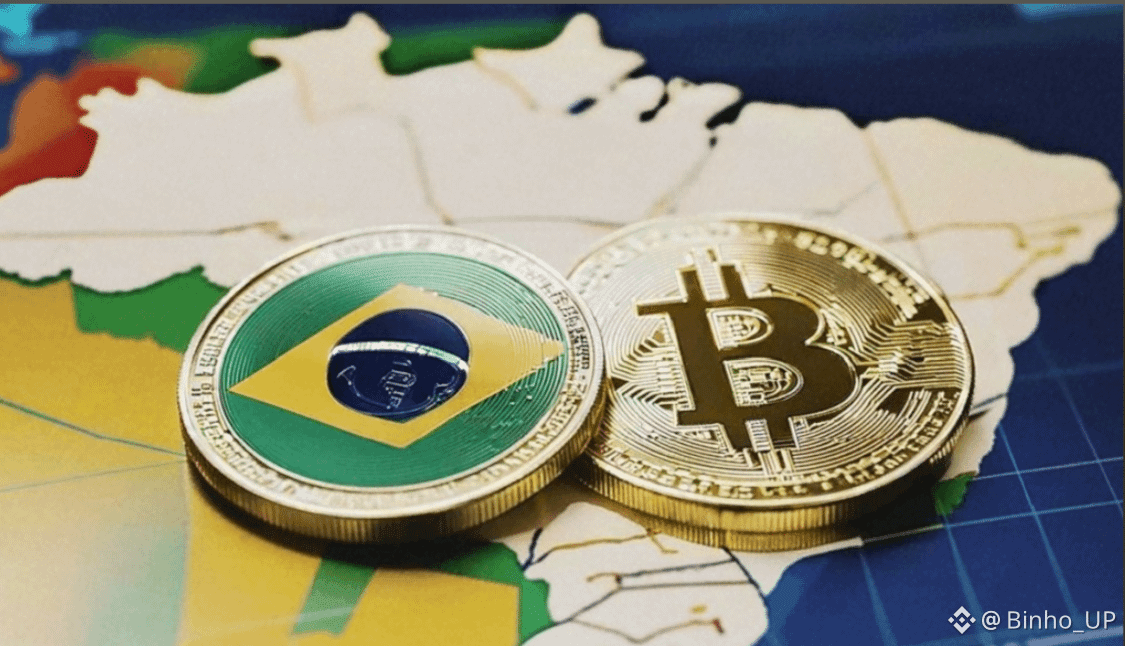
🗳 Стратегічний інтерес у Бразилії: що рухає глобальні держави?
Бразилія входить до топ-10 найбільших економік світу та привертає увагу міжнародних лідерів з трьох ключових стратегічних причин:
Продовольча безпека: бразильське агровиробництво (соя, м’ясо, кукурудза) забезпечує харчування приблизно 1 мільярда людей, тож є життєво важливим для світового постачання.
Геополітика та енергетика: боротьба за вплив між США та Китаєм щодо лідера БРІКС включає доступ до запасів нафти та критично важливих корисних копалин (літій і нікель), необхідних для технологій.
Клімат і сталий розвиток: з Амазонією та електричним балансом ~88% відновлюваних джерел країна є ключовою ланкою в глобальному порядку денному щодо декарбонізації та кредитів на вуглець.
З огляду на зростаючу вагу Бразилії у світовій арені, як ви вважаєте, чи стане вона також центром лідерства для впровадження криптоактивів і Web3?
👇 Напишіть свою думку в коментарях!
#Crypto #Brazil #Economy #Web3 $BTC $ETH $SOL
🗳 Стратегічний інтерес у Бразилії: що рухає глобальні держави?
Бразилія входить до топ-10 найбільших економік світу та привертає увагу міжнародних лідерів з трьох ключових стратегічних причин:
Продовольча безпека: бразильське агровиробництво (соя, м’ясо, кукурудза) забезпечує харчування приблизно 1 мільярда людей, тож є життєво важливим для світового постачання.
Геополітика та енергетика: боротьба за вплив між США та Китаєм щодо лідера БРІКС включає доступ до запасів нафти та критично важливих корисних копалин (літій і нікель), необхідних для технологій.
Клімат і сталий розвиток: з Амазонією та електричним балансом ~88% відновлюваних джерел країна є ключовою ланкою в глобальному порядку денному щодо декарбонізації та кредитів на вуглець.
З огляду на зростаючу вагу Бразилії у світовій арені, як ви вважаєте, чи стане вона також центром лідерства для впровадження криптоактивів і Web3?
👇 Напишіть свою думку в коментарях!
#Crypto #Brazil #Economy #Web3 $BTC $ETH $SOL
Бразилія входить до топ-10 найбільших економік світу та привертає увагу міжнародних лідерів з трьох ключових стратегічних причин:
Продовольча безпека: бразильське агровиробництво (соя, м’ясо, кукурудза) забезпечує харчування приблизно 1 мільярда людей, тож є життєво важливим для світового постачання.
Геополітика та енергетика: боротьба за вплив між США та Китаєм щодо лідера БРІКС включає доступ до запасів нафти та критично важливих корисних копалин (літій і нікель), необхідних для технологій.
Клімат і сталий розвиток: з Амазонією та електричним балансом ~88% відновлюваних джерел країна є ключовою ланкою в глобальному порядку денному щодо декарбонізації та кредитів на вуглець.
З огляду на зростаючу вагу Бразилії у світовій арені, як ви вважаєте, чи стане вона також центром лідерства для впровадження криптоактивів і Web3?
👇 Напишіть свою думку в коментарях!
#Crypto #Brazil #Economy #Web3 $BTC $ETH $SOL
BetoSquare-Creator-8e49b8197d5afba055aD:
As criptomoedas já estão se alastrando Brasil a fora...e o melhor existe pessoas com grande talento sobre criptoativos como por ex:;Daniel Fraga,Renato Trader 3OITAO e não esquecendo eu o Beto kkkkkkkkkkkk e vocês acham qye tem mais volta kkkkkkkkkkkk Santhander,Bradesco,Itaú ,bancos digitais tudo já aderiram as criptomoedas e não tem mais volta em nível mundial...
4
4
1.1k

·
--
Переглянути переклад
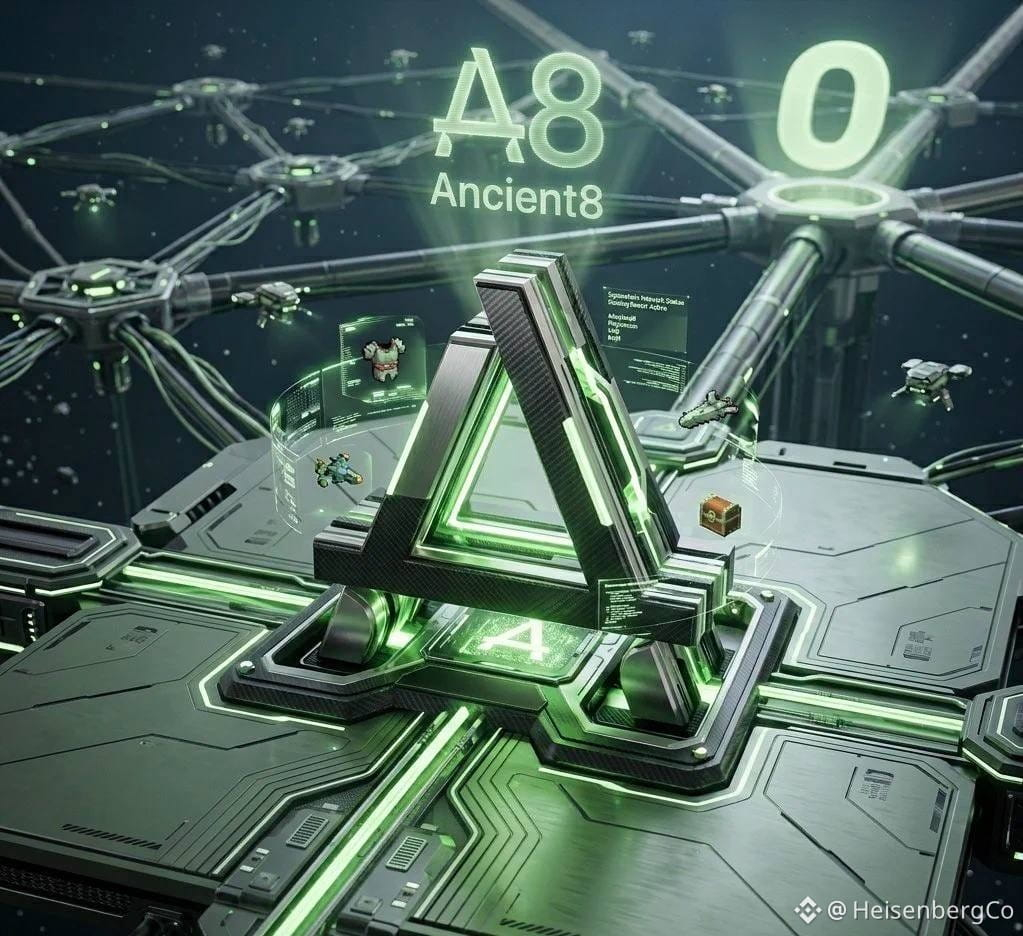
🔷 Почему тебе стоит смотреть на $A8
📋 Достижения:
• Игровой L2 на $ETH , построен на OP Stack
• Использует Celestia ($TIA ) для доступности данных (дешевле и быстрее)
• Совместим с виртуальной машиной Ethereum для лёгкого портирования игр
• Токен A8: газ, управление, стейкинг, внутриигровая валюта
• Фокус на Web3 игры и потребительские приложения
• Рыночная капитализация: ~$3.46M (очень маленькая)
• Управление через DAO с активным сообществом
🧠 Ancient8 занимает нишу игрового L2 с уникальным стеком: OP Stack для исполнения + Celestia для доступности данных. Это даёт низкие комиссии и высокую скорость, критичные для игр. Но капитализация в $3.46M показывает, что рынок пока не оценил проект. Конкуренция с Immutable X, Ronin и другими игровыми L2 жёсткая. Если Ancient8 привлечёт хитовые игры и покажет реальное принятие пользователями, потенциал роста может быть значительным из-за низкой оценки.
⚠️ Риски: очень низкая капитализация (микрокап); конкуренция с Immutable X/Ronin/Beam; зависимость от успеха игр; волатильность микрокапов.
❓ Привлечёт ли Ancient8 хитовые игры? 👇
#A8 #Web3
🔷 Почему тебе стоит смотреть на $A8
📋 Достижения:
• Игровой L2 на $ETH , построен на OP Stack
• Использует Celestia ($TIA ) для доступности данных (дешевле и быстрее)
• Совместим с виртуальной машиной Ethereum для лёгкого портирования игр
• Токен A8: газ, управление, стейкинг, внутриигровая валюта
• Фокус на Web3 игры и потребительские приложения
• Рыночная капитализация: ~$3.46M (очень маленькая)
• Управление через DAO с активным сообществом
🧠 Ancient8 занимает нишу игрового L2 с уникальным стеком: OP Stack для исполнения + Celestia для доступности данных. Это даёт низкие комиссии и высокую скорость, критичные для игр. Но капитализация в $3.46M показывает, что рынок пока не оценил проект. Конкуренция с Immutable X, Ronin и другими игровыми L2 жёсткая. Если Ancient8 привлечёт хитовые игры и покажет реальное принятие пользователями, потенциал роста может быть значительным из-за низкой оценки.
⚠️ Риски: очень низкая капитализация (микрокап); конкуренция с Immutable X/Ronin/Beam; зависимость от успеха игр; волатильность микрокапов.
❓ Привлечёт ли Ancient8 хитовые игры? 👇
#A8 #Web3
📋 Достижения:
• Игровой L2 на $ETH , построен на OP Stack
• Использует Celestia ($TIA ) для доступности данных (дешевле и быстрее)
• Совместим с виртуальной машиной Ethereum для лёгкого портирования игр
• Токен A8: газ, управление, стейкинг, внутриигровая валюта
• Фокус на Web3 игры и потребительские приложения
• Рыночная капитализация: ~$3.46M (очень маленькая)
• Управление через DAO с активным сообществом
🧠 Ancient8 занимает нишу игрового L2 с уникальным стеком: OP Stack для исполнения + Celestia для доступности данных. Это даёт низкие комиссии и высокую скорость, критичные для игр. Но капитализация в $3.46M показывает, что рынок пока не оценил проект. Конкуренция с Immutable X, Ronin и другими игровыми L2 жёсткая. Если Ancient8 привлечёт хитовые игры и покажет реальное принятие пользователями, потенциал роста может быть значительным из-за низкой оценки.
⚠️ Риски: очень низкая капитализация (микрокап); конкуренция с Immutable X/Ronin/Beam; зависимость от успеха игр; волатильность микрокапов.
❓ Привлечёт ли Ancient8 хитовые игры? 👇
#A8 #Web3
236

·
--
Переглянути переклад
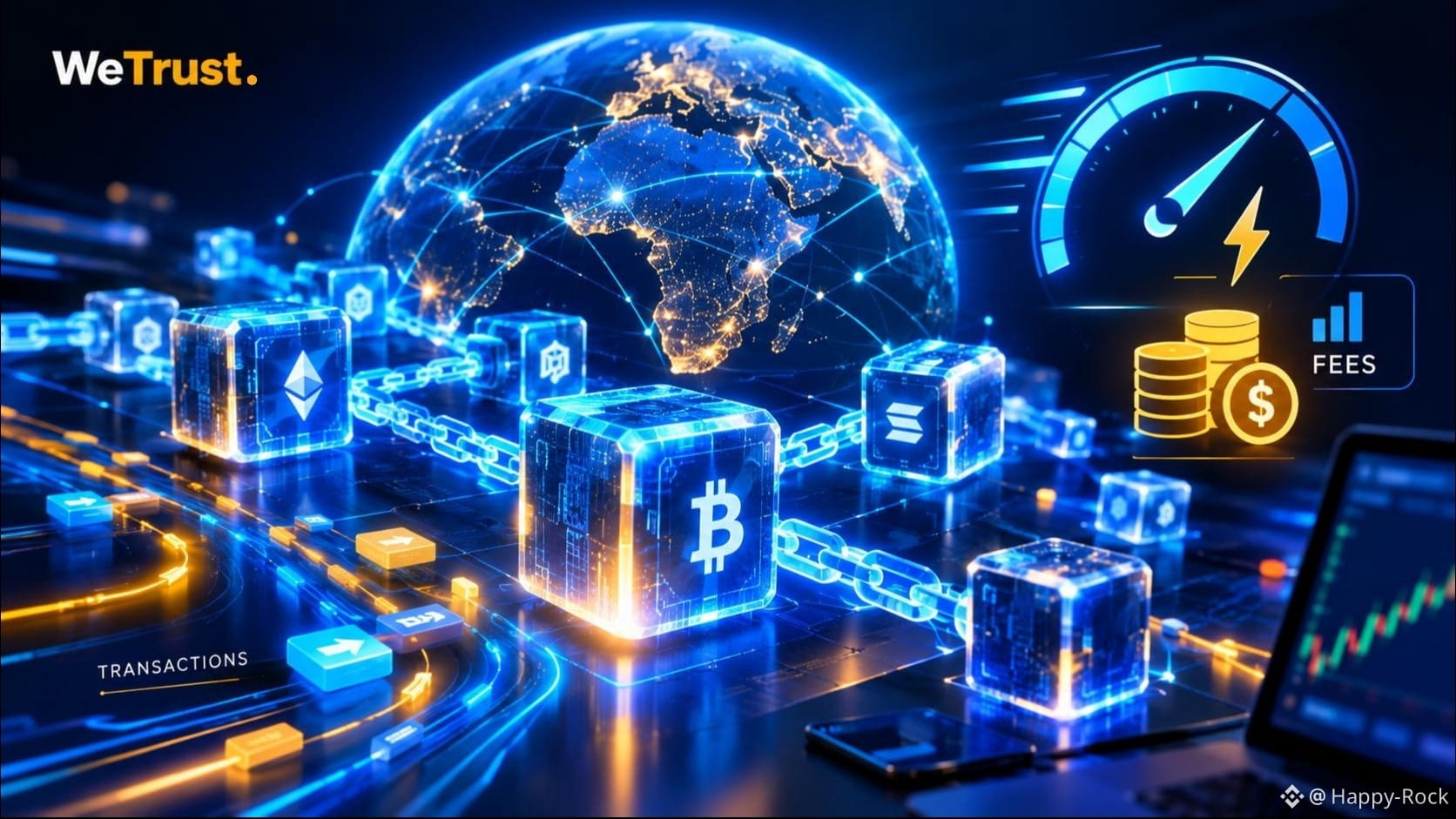
⚙️ Pourquoi une blockchain rapide peut-elle coûter cher ?
On entend souvent : « Cette blockchain est rapide, donc les transactions doivent être peu coûteuses. »
Pas forcément.
Une blockchain peut confirmer une transaction en quelques secondes tout en affichant des frais élevés.
Pourquoi ?
Parce que vitesse et capacité ne sont pas la même chose.
Chaque réseau dispose de ressources limitées : espace dans les blocs, capacité de traitement et ressources nécessaires aux validateurs.
Lorsque la demande augmente fortement, les utilisateurs peuvent se retrouver en concurrence pour faire enregistrer leurs transactions.
Résultat : une blockchain peut rester très rapide tout en devenant plus chère à utiliser.
👉 Rapide ne veut donc pas forcément dire bon marché.
C’est l’une des notions essentielles à comprendre avant de comparer les blockchains.
Selon vous, qu’est-ce qui compte le plus : la vitesse ou les frais ?
#blockchain #Crypto #Web3 #education
⚙️ Pourquoi une blockchain rapide peut-elle coûter cher ?
On entend souvent : « Cette blockchain est rapide, donc les transactions doivent être peu coûteuses. »
Pas forcément.
Une blockchain peut confirmer une transaction en quelques secondes tout en affichant des frais élevés.
Pourquoi ?
Parce que vitesse et capacité ne sont pas la même chose.
Chaque réseau dispose de ressources limitées : espace dans les blocs, capacité de traitement et ressources nécessaires aux validateurs.
Lorsque la demande augmente fortement, les utilisateurs peuvent se retrouver en concurrence pour faire enregistrer leurs transactions.
Résultat : une blockchain peut rester très rapide tout en devenant plus chère à utiliser.
👉 Rapide ne veut donc pas forcément dire bon marché.
C’est l’une des notions essentielles à comprendre avant de comparer les blockchains.
Selon vous, qu’est-ce qui compte le plus : la vitesse ou les frais ?
#blockchain #Crypto #Web3 #education
On entend souvent : « Cette blockchain est rapide, donc les transactions doivent être peu coûteuses. »
Pas forcément.
Une blockchain peut confirmer une transaction en quelques secondes tout en affichant des frais élevés.
Pourquoi ?
Parce que vitesse et capacité ne sont pas la même chose.
Chaque réseau dispose de ressources limitées : espace dans les blocs, capacité de traitement et ressources nécessaires aux validateurs.
Lorsque la demande augmente fortement, les utilisateurs peuvent se retrouver en concurrence pour faire enregistrer leurs transactions.
Résultat : une blockchain peut rester très rapide tout en devenant plus chère à utiliser.
👉 Rapide ne veut donc pas forcément dire bon marché.
C’est l’une des notions essentielles à comprendre avant de comparer les blockchains.
Selon vous, qu’est-ce qui compte le plus : la vitesse ou les frais ?
#blockchain #Crypto #Web3 #education
98
Увійдіть, щоб переглянути інший контент
Приєднуйтесь до користувачів криптовалют по всьому світу на Binance Square
⚡️ Отримуйте актуальну та корисну інформацію про криптовалюти.
💬 Приєднуйтесь до найбільшої у світі криптобіржі.
👍 Відкрийте справжні ідеї від перевірених авторів.
Електронна пошта / номер телефону
Трендові теми
1
#fomcвідстеження
56,765 переглядів
366 обговорюють
2
#BitcoinSpotETFsDraw$6.34BInflowsInQ3
7,267 переглядів
109 обговорюють
3
#EthereumValidatorExitQueueJumps392%
131,277 переглядів
1,090 обговорюють
4
#IMFApprovesElSalvador$138MWithBitcoinWaiver
15,043 переглядів
72 обговорюють
5
#SECHaltsCryptoETFReviewsAmidFundingLapse
282,151 переглядів
1,923 обговорюють
6
#ZcashETFPostsFirstWeeklyOutflow$93.6M
98,384 переглядів
257 обговорюють
7
#GreekPoliceBustCryptoScamRingArrest17
398,177 переглядів
2,541 обговорюють
8
#BitcoinRejectedAt$87K
229,680 переглядів
325 обговорюють
9
#FedOctoberRateHikeOddsFallTo17%
411,428 переглядів
2,662 обговорюють
10
#NvidiaHitsRecordHighUp2.4%
236,901 переглядів
1,492 обговорюють