
#marketorder
marketorder
6,463 views
48 Discussing
Hot
Latest

·
--
⚡What is a Market Order?
A Market Order is a type of order used to execute immediately at the best available prices in the current market.
When using a Market Order, you should be aware that the price you expected may differ from the price at which the order is actually executed.
Have you used a Market Order before? 👇
#MarketOrder #Trading #Crypto #Binance #RiskManagement
$BTC $BNB $DOGE
⚡What is a Market Order?
A Market Order is a type of order used to execute immediately at the best available prices in the current market.
When using a Market Order, you should be aware that the price you expected may differ from the price at which the order is actually executed.
Have you used a Market Order before? 👇
#MarketOrder #Trading #Crypto #Binance #RiskManagement
$BTC $BNB $DOGE
A Market Order is a type of order used to execute immediately at the best available prices in the current market.
When using a Market Order, you should be aware that the price you expected may differ from the price at which the order is actually executed.
Have you used a Market Order before? 👇
#MarketOrder #Trading #Crypto #Binance #RiskManagement
$BTC $BNB $DOGE
1
74

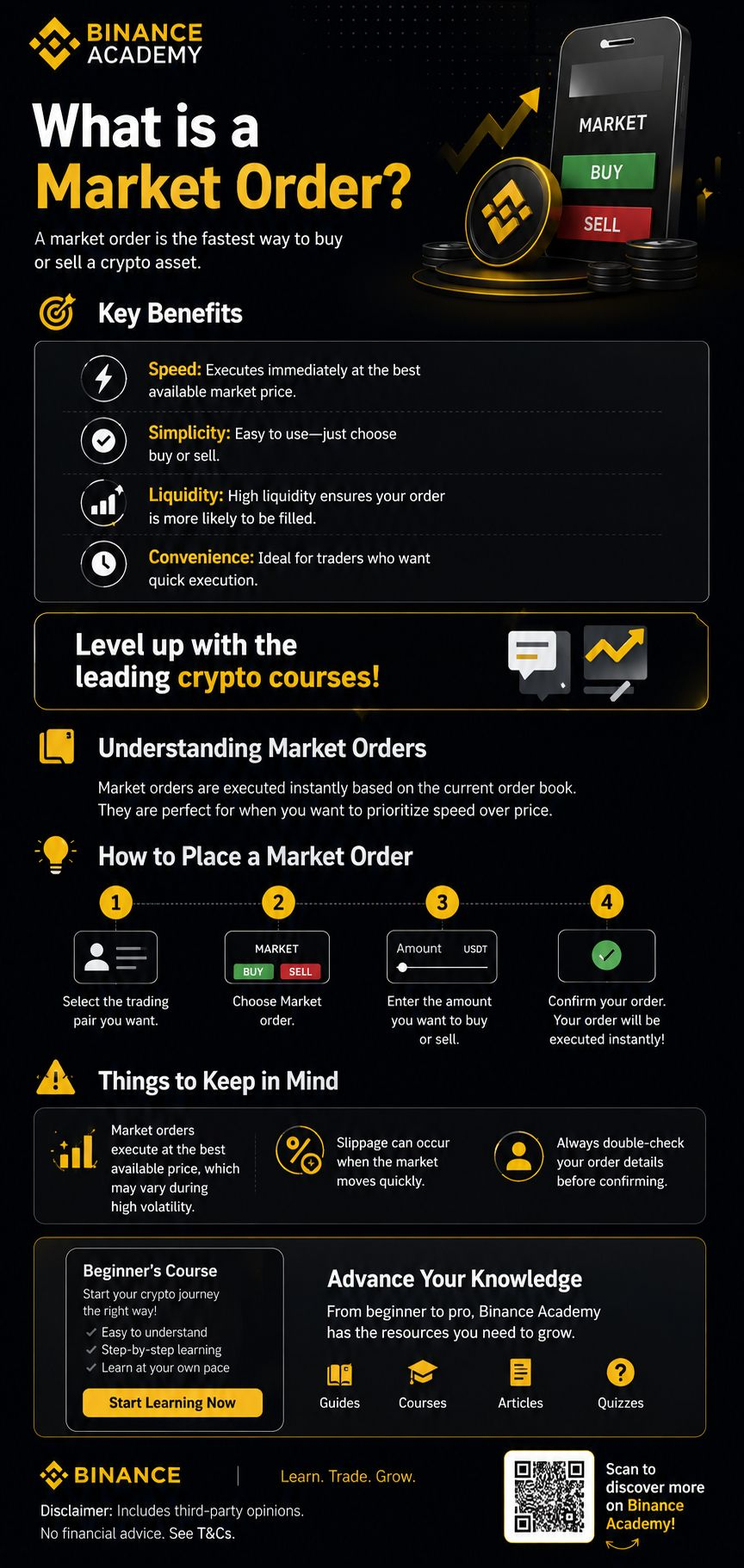
Ever wondered how trades get executed instantly? 👀 That's the power of a Market Order — the fastest way to buy or sell crypto at the best available price. No waiting, no guesswork, just speed + simplicity ⚡
✅ Executes immediately
✅ High liquidity = higher fill chance
✅ Perfect when speed matters more than price
⚠️ Just watch for slippage during volatile moves
Whether you're a beginner or leveling up your trading game, understanding order types is step one to trading smarter, not harder 📈
Which order type do you use most — Market or Limit? Drop it below 👇
#CryptoTrading #MarketOrder #BinanceAcademy
Ever wondered how trades get executed instantly? 👀 That's the power of a Market Order — the fastest way to buy or sell crypto at the best available price. No waiting, no guesswork, just speed + simplicity ⚡
✅ Executes immediately
✅ High liquidity = higher fill chance
✅ Perfect when speed matters more than price
⚠️ Just watch for slippage during volatile moves
Whether you're a beginner or leveling up your trading game, understanding order types is step one to trading smarter, not harder 📈
Which order type do you use most — Market or Limit? Drop it below 👇
#CryptoTrading #MarketOrder #BinanceAcademy
✅ Executes immediately
✅ High liquidity = higher fill chance
✅ Perfect when speed matters more than price
⚠️ Just watch for slippage during volatile moves
Whether you're a beginner or leveling up your trading game, understanding order types is step one to trading smarter, not harder 📈
Which order type do you use most — Market or Limit? Drop it below 👇
#CryptoTrading #MarketOrder #BinanceAcademy
33

·
--
Have you ever bought a cryptocurrency and ended up paying more than you expected? 🛑 It’s not bad luck—it’s not knowing the difference between the order types on the market.
To master trading (or simply buy your favorite crypto intelligently), you need to know how to give the market precise instructions.
Here’s the anatomy of your two most important tools:
⚡️ Market Order: The queen of speed. You buy or sell instantly at the best price available at that moment.
Best for: When you need to enter or exit a position right now, no matter if you end up paying a few extra cents.
Analogy: It’s like going to the supermarket—you pick up the item and pay the exact price shown on the label at that moment.
🎯 Limit Order: The master of precision. You set the exact price at which you want to buy or sell. The order stays in the “order book” and will only be executed if the market reaches your number.
Best for: When you have patience, have analyzed the chart, and want to secure the best possible deal.
Analogy: It’s like making an offer on a house—you put your price on the table and simply wait for the seller to accept it.
Knowing when to use speed (Market) or precision (Limit) is what separates beginners from profitable traders. 📊
Which one of the two do you use more often when trading on Binance? 👇 Leave your answer in the comments and follow me to keep learning how to master the crypto ecosystem! 🚀#Crypto #TradingTips #MarketOrder #LimitOrder #BinanceSquareTrader
Have you ever bought a cryptocurrency and ended up paying more than you expected? 🛑 It’s not bad luck—it’s not knowing the difference between the order types on the market.
To master trading (or simply buy your favorite crypto intelligently), you need to know how to give the market precise instructions.
Here’s the anatomy of your two most important tools:
⚡️ Market Order: The queen of speed. You buy or sell instantly at the best price available at that moment.
Best for: When you need to enter or exit a position right now, no matter if you end up paying a few extra cents.
Analogy: It’s like going to the supermarket—you pick up the item and pay the exact price shown on the label at that moment.
🎯 Limit Order: The master of precision. You set the exact price at which you want to buy or sell. The order stays in the “order book” and will only be executed if the market reaches your number.
Best for: When you have patience, have analyzed the chart, and want to secure the best possible deal.
Analogy: It’s like making an offer on a house—you put your price on the table and simply wait for the seller to accept it.
Knowing when to use speed (Market) or precision (Limit) is what separates beginners from profitable traders. 📊
Which one of the two do you use more often when trading on Binance? 👇 Leave your answer in the comments and follow me to keep learning how to master the crypto ecosystem! 🚀#Crypto #TradingTips #MarketOrder #LimitOrder #BinanceSquareTrader
To master trading (or simply buy your favorite crypto intelligently), you need to know how to give the market precise instructions.
Here’s the anatomy of your two most important tools:
⚡️ Market Order: The queen of speed. You buy or sell instantly at the best price available at that moment.
Best for: When you need to enter or exit a position right now, no matter if you end up paying a few extra cents.
Analogy: It’s like going to the supermarket—you pick up the item and pay the exact price shown on the label at that moment.
🎯 Limit Order: The master of precision. You set the exact price at which you want to buy or sell. The order stays in the “order book” and will only be executed if the market reaches your number.
Best for: When you have patience, have analyzed the chart, and want to secure the best possible deal.
Analogy: It’s like making an offer on a house—you put your price on the table and simply wait for the seller to accept it.
Knowing when to use speed (Market) or precision (Limit) is what separates beginners from profitable traders. 📊
Which one of the two do you use more often when trading on Binance? 👇 Leave your answer in the comments and follow me to keep learning how to master the crypto ecosystem! 🚀#Crypto #TradingTips #MarketOrder #LimitOrder #BinanceSquareTrader

124
What is a Market Order?
A Market Order means opening a trade at the current market price immediately.
💡 If Bitcoin is currently at $100,000 and you buy, the trade will execute close to that price.
📌 Market Order = Instant Entry
$BTC $ORDER
#MarketOrder #instantentry #Currentprice
{spot}(BTCUSDT)
{future}(ORDERUSDT)
What is a Market Order?
A Market Order means opening a trade at the current market price immediately.
💡 If Bitcoin is currently at $100,000 and you buy, the trade will execute close to that price.
📌 Market Order = Instant Entry
$BTC $ORDER
#MarketOrder #instantentry #Currentprice
A Market Order means opening a trade at the current market price immediately.
💡 If Bitcoin is currently at $100,000 and you buy, the trade will execute close to that price.
📌 Market Order = Instant Entry
$BTC $ORDER
#MarketOrder #instantentry #Currentprice
88

Binance Order Types Explained in a Simple Way#TakeProfits #limitorder #marketorder #iceberg itUnderstanding Binance Orders: The Simple Way I See It
When I started understanding the order book, one thing became clear: every trade needs a buyer and a seller.
If I place a market buy, it takes the lowest available sell order first. If that amount is finished and I still need more, it moves to the next lowest seller.
For a market sell, it works the opposite way. It takes the highest available buy order first, then moves to the next highest buyer.
This is why a big market order can move the price. If there are not enough sellers at one price, the order starts taking liquidity from higher prices.
A limit order is different. If I place a limit buy at $99,000, I am saying I will buy at $99,000 or lower, not above it. For a limit sell, I want $99,000 or higher.
Then comes the stop-limit order. The stop price is the trigger. Once the stop price is reached, the limit order becomes active. For a buy, setting the limit above the stop gives more room for the order to fill. For a sell, setting the limit below the stop gives more room.
A stop-market order is different because after the trigger it becomes a market order. It focuses more on getting the order executed, while the exact price is not guaranteed.
Take profit is simply a way to close a profitable position at a target, while stop loss is used to get out when the market moves against you.
And finally, the Iceberg order. If someone wants to buy or sell a very large amount without showing the full size in the order book, they can show only a small part at a time. This can help reduce the visible impact of a large order, although it cannot guarantee that the market will not move.
For me, the main thing to remember is:
Market order = execution first
Limit order = price first
Stop order = trigger first
Iceberg = hide the full order size
Once you understand how buyers and sellers match in the order book, Binance order types become much easier to understand.
Binance Order Types Explained in a Simple Way
#TakeProfits #limitorder #marketorder #iceberg itUnderstanding Binance Orders: The Simple Way I See It
When I started understanding the order book, one thing became clear: every trade needs a buyer and a seller.
If I place a market buy, it takes the lowest available sell order first. If that amount is finished and I still need more, it moves to the next lowest seller.
For a market sell, it works the opposite way. It takes the highest available buy order first, then moves to the next highest buyer.
This is why a big market order can move the price. If there are not enough sellers at one price, the order starts taking liquidity from higher prices.
A limit order is different. If I place a limit buy at $99,000, I am saying I will buy at $99,000 or lower, not above it. For a limit sell, I want $99,000 or higher.
Then comes the stop-limit order. The stop price is the trigger. Once the stop price is reached, the limit order becomes active. For a buy, setting the limit above the stop gives more room for the order to fill. For a sell, setting the limit below the stop gives more room.
A stop-market order is different because after the trigger it becomes a market order. It focuses more on getting the order executed, while the exact price is not guaranteed.
Take profit is simply a way to close a profitable position at a target, while stop loss is used to get out when the market moves against you.
And finally, the Iceberg order. If someone wants to buy or sell a very large amount without showing the full size in the order book, they can show only a small part at a time. This can help reduce the visible impact of a large order, although it cannot guarantee that the market will not move.
For me, the main thing to remember is:
Market order = execution first
Limit order = price first
Stop order = trigger first
Iceberg = hide the full order size
Once you understand how buyers and sellers match in the order book, Binance order types become much easier to understand.
When I started understanding the order book, one thing became clear: every trade needs a buyer and a seller.
If I place a market buy, it takes the lowest available sell order first. If that amount is finished and I still need more, it moves to the next lowest seller.
For a market sell, it works the opposite way. It takes the highest available buy order first, then moves to the next highest buyer.
This is why a big market order can move the price. If there are not enough sellers at one price, the order starts taking liquidity from higher prices.
A limit order is different. If I place a limit buy at $99,000, I am saying I will buy at $99,000 or lower, not above it. For a limit sell, I want $99,000 or higher.
Then comes the stop-limit order. The stop price is the trigger. Once the stop price is reached, the limit order becomes active. For a buy, setting the limit above the stop gives more room for the order to fill. For a sell, setting the limit below the stop gives more room.
A stop-market order is different because after the trigger it becomes a market order. It focuses more on getting the order executed, while the exact price is not guaranteed.
Take profit is simply a way to close a profitable position at a target, while stop loss is used to get out when the market moves against you.
And finally, the Iceberg order. If someone wants to buy or sell a very large amount without showing the full size in the order book, they can show only a small part at a time. This can help reduce the visible impact of a large order, although it cannot guarantee that the market will not move.
For me, the main thing to remember is:
Market order = execution first
Limit order = price first
Stop order = trigger first
Iceberg = hide the full order size
Once you understand how buyers and sellers match in the order book, Binance order types become much easier to understand.
95

·
--
📌 Limit vs Market Orders: Know the Difference Before You Trade
Not all buy/sell orders are the same. Using the wrong one can cost you. 👇
Market Order:
🔹 Buys/sells INSTANTLY at the current best available price
🔹 Guarantees execution, not price
🔹 Best for when you need in/out NOW
Limit Order:
🔹 You set the EXACT price you want to buy/sell at
🔹 Only executes if the market hits your price
🔹 Guarantees price, not execution (might never fill)
Example:
BTC is trading at $60,000.
📈 Market order = buy right now at ~$60,000 (whatever the current price is)
📉 Limit order = set to buy only if it drops to $58,000 — you wait, but you control the price
When to use which:
✅ Market order → fast-moving situations, high liquidity coins, urgency
✅ Limit order → patient entries, avoiding slippage, targeting specific price levels
Watch out for:
❌ Market orders in low-liquidity coins = slippage (you pay more than expected)
❌ Limit orders may never fill if price never reaches your target
Bottom line:
Market = speed. Limit = precision. Know your priority before you click buy.
Market order gang or limit order patience players? 👇
#BİNANCE $ #LimitOrder #MarketOrder #CryptoTrading. #cryptoeducation
📌 Limit vs Market Orders: Know the Difference Before You Trade
Not all buy/sell orders are the same. Using the wrong one can cost you. 👇
Market Order:
🔹 Buys/sells INSTANTLY at the current best available price
🔹 Guarantees execution, not price
🔹 Best for when you need in/out NOW
Limit Order:
🔹 You set the EXACT price you want to buy/sell at
🔹 Only executes if the market hits your price
🔹 Guarantees price, not execution (might never fill)
Example:
BTC is trading at $60,000.
📈 Market order = buy right now at ~$60,000 (whatever the current price is)
📉 Limit order = set to buy only if it drops to $58,000 — you wait, but you control the price
When to use which:
✅ Market order → fast-moving situations, high liquidity coins, urgency
✅ Limit order → patient entries, avoiding slippage, targeting specific price levels
Watch out for:
❌ Market orders in low-liquidity coins = slippage (you pay more than expected)
❌ Limit orders may never fill if price never reaches your target
Bottom line:
Market = speed. Limit = precision. Know your priority before you click buy.
Market order gang or limit order patience players? 👇
#BİNANCE $ #LimitOrder #MarketOrder #CryptoTrading. #cryptoeducation
Not all buy/sell orders are the same. Using the wrong one can cost you. 👇
Market Order:
🔹 Buys/sells INSTANTLY at the current best available price
🔹 Guarantees execution, not price
🔹 Best for when you need in/out NOW
Limit Order:
🔹 You set the EXACT price you want to buy/sell at
🔹 Only executes if the market hits your price
🔹 Guarantees price, not execution (might never fill)
Example:
BTC is trading at $60,000.
📈 Market order = buy right now at ~$60,000 (whatever the current price is)
📉 Limit order = set to buy only if it drops to $58,000 — you wait, but you control the price
When to use which:
✅ Market order → fast-moving situations, high liquidity coins, urgency
✅ Limit order → patient entries, avoiding slippage, targeting specific price levels
Watch out for:
❌ Market orders in low-liquidity coins = slippage (you pay more than expected)
❌ Limit orders may never fill if price never reaches your target
Bottom line:
Market = speed. Limit = precision. Know your priority before you click buy.
Market order gang or limit order patience players? 👇
#BİNANCE $ #LimitOrder #MarketOrder #CryptoTrading. #cryptoeducation
is it helpful
0%
bad news?
0%
post more
0%
0 votes • Voting closed
108

📚 Market Orders vs Limit Orders: Essential Trading Tools for Every Cryptocurrency Trader
On July 20, 2026, understanding order types is fundamental to trading on any cryptocurrency exchange. A market order executes immediately at the best available price, guaranteeing speed but not price certainty. A limit order sets a specific price and fills only when the market reaches that level, guaranteeing price but not execution.
Using the right order type depends on your goal: market orders for quick entries and exits, limit orders for precise price targets and reducing slippage on larger trades. Advanced traders often combine both strategies.
📌 Key Takeaway:
Market orders prioritize speed; limit orders prioritize price — using the right tool for each trade reduces unnecessary costs.
#CryptoTrading #OrderTypes #MarketOrder #CryptoEducation
#BinanceAlphaAlert
📚 Market Orders vs Limit Orders: Essential Trading Tools for Every Cryptocurrency Trader
On July 20, 2026, understanding order types is fundamental to trading on any cryptocurrency exchange. A market order executes immediately at the best available price, guaranteeing speed but not price certainty. A limit order sets a specific price and fills only when the market reaches that level, guaranteeing price but not execution.
Using the right order type depends on your goal: market orders for quick entries and exits, limit orders for precise price targets and reducing slippage on larger trades. Advanced traders often combine both strategies.
📌 Key Takeaway:
Market orders prioritize speed; limit orders prioritize price — using the right tool for each trade reduces unnecessary costs.
#CryptoTrading #OrderTypes #MarketOrder #CryptoEducation
#BinanceAlphaAlert
On July 20, 2026, understanding order types is fundamental to trading on any cryptocurrency exchange. A market order executes immediately at the best available price, guaranteeing speed but not price certainty. A limit order sets a specific price and fills only when the market reaches that level, guaranteeing price but not execution.
Using the right order type depends on your goal: market orders for quick entries and exits, limit orders for precise price targets and reducing slippage on larger trades. Advanced traders often combine both strategies.
📌 Key Takeaway:
Market orders prioritize speed; limit orders prioritize price — using the right tool for each trade reduces unnecessary costs.
#CryptoTrading #OrderTypes #MarketOrder #CryptoEducation
#BinanceAlphaAlert
11

Binance Term of the Day: Types of Orders 📝
In Binance Spot, there are 2 main types:
**1. Market Order = Market Order**
= "Buy now at whatever price is available". Fast but does not control the price. There is Slippage.
**2. Limit Order = Limit Order**
= "Buy only if the price reaches $60,000". Controls the price but may not be executed.
$ what I learned:
- I want to buy/sell now and it's urgent = Market
- I want a specific price and I'm not in a hurry = Limit
As a beginner, I only use Limit to avoid Slippage.
Do you use Market or Limit more?
#LimitOrder #MarketOrder $BTC #Kalshi’sDisputewithNevada $ETH #RheaFinanceReleasesAttackInvestigation #CharlesSchwabtoRollOutSpotCryptoTrading $USDC #BitcoinPriceTrends
Binance Term of the Day: Types of Orders 📝
In Binance Spot, there are 2 main types:
**1. Market Order = Market Order**
= "Buy now at whatever price is available". Fast but does not control the price. There is Slippage.
**2. Limit Order = Limit Order**
= "Buy only if the price reaches $60,000". Controls the price but may not be executed.
$ what I learned:
- I want to buy/sell now and it's urgent = Market
- I want a specific price and I'm not in a hurry = Limit
As a beginner, I only use Limit to avoid Slippage.
Do you use Market or Limit more?
#LimitOrder #MarketOrder $BTC #Kalshi’sDisputewithNevada $ETH #RheaFinanceReleasesAttackInvestigation #CharlesSchwabtoRollOutSpotCryptoTrading $USDC #BitcoinPriceTrends
In Binance Spot, there are 2 main types:
**1. Market Order = Market Order**
= "Buy now at whatever price is available". Fast but does not control the price. There is Slippage.
**2. Limit Order = Limit Order**
= "Buy only if the price reaches $60,000". Controls the price but may not be executed.
$ what I learned:
- I want to buy/sell now and it's urgent = Market
- I want a specific price and I'm not in a hurry = Limit
As a beginner, I only use Limit to avoid Slippage.
Do you use Market or Limit more?
#LimitOrder #MarketOrder $BTC #Kalshi’sDisputewithNevada $ETH #RheaFinanceReleasesAttackInvestigation #CharlesSchwabtoRollOutSpotCryptoTrading $USDC #BitcoinPriceTrends
1
122

·
--
Bearish
UD ☀️
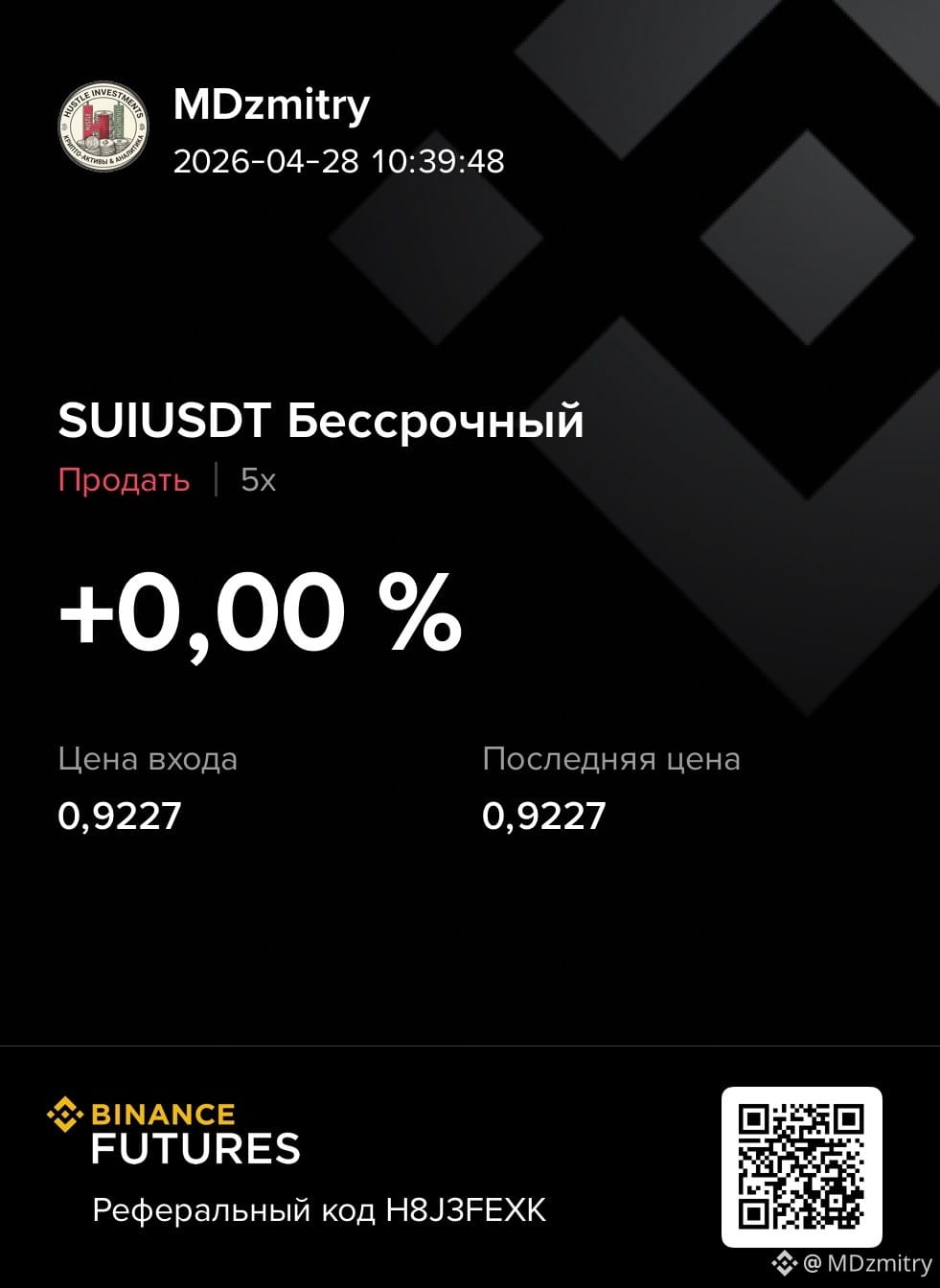
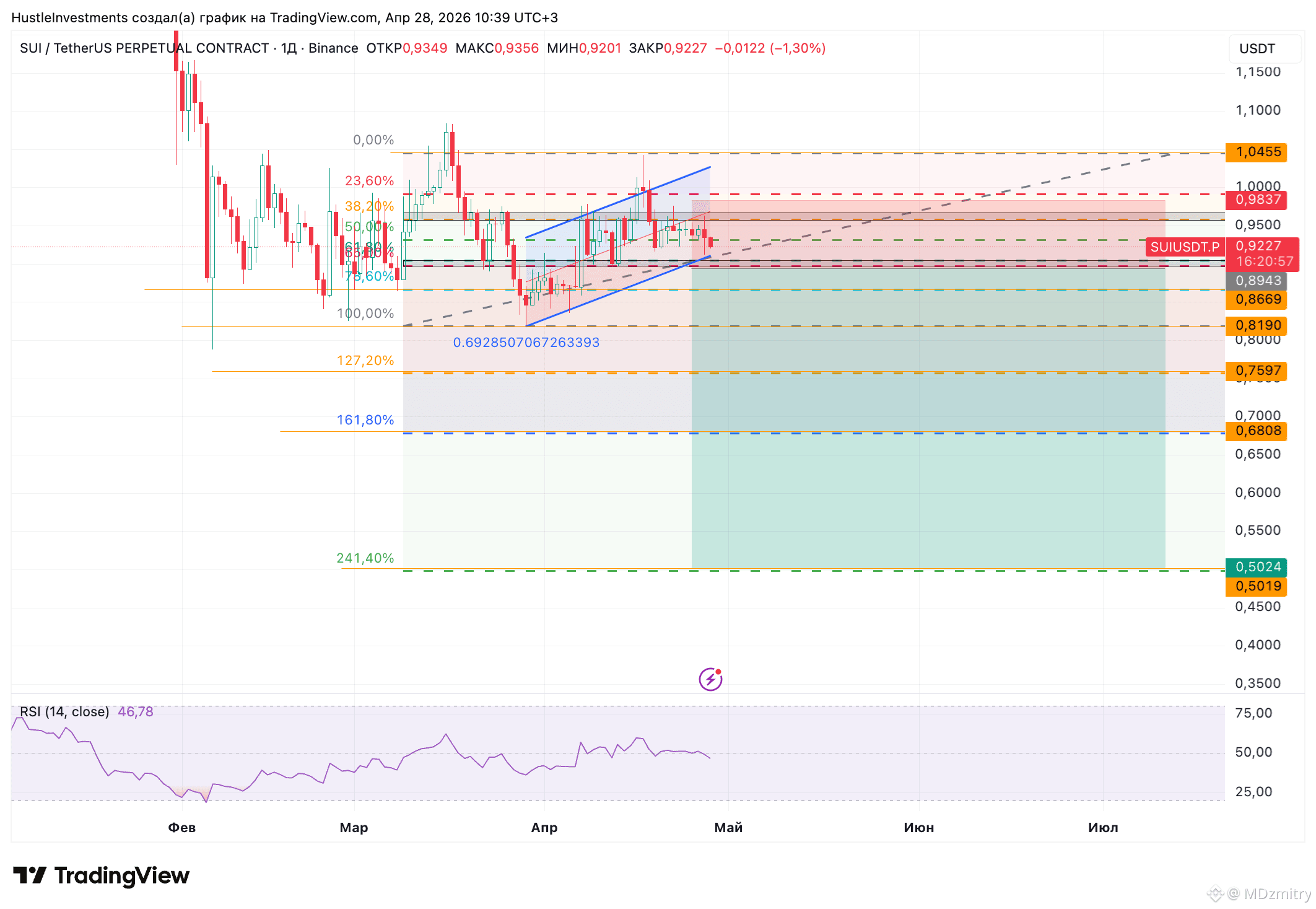
Let's try to work out the bearish scenario for #SUI
With stop losses, risk management, just how we like it.
Long-term.
#SUI SHORT⬇️
X10 MAX
➡️EP #MARKETORDER OR #TRIGGER 0.8934
⚠️SL 0.9838
✔️TP 1 - 0.8669
✔️TP 2 - 0.8181
✔️TP 3 - 0.7623
✔️TP 4 - 0.6835
✔️TP 5 - 0.5019
Profit to loss ratio 4.38\1
{future}(SUIUSDT)
UD ☀️
Let's try to work out the bearish scenario for #SUI
With stop losses, risk management, just how we like it.
Long-term.
#SUI SHORT⬇️
X10 MAX
➡️EP #MARKETORDER OR #TRIGGER 0.8934
⚠️SL 0.9838
✔️TP 1 - 0.8669
✔️TP 2 - 0.8181
✔️TP 3 - 0.7623
✔️TP 4 - 0.6835
✔️TP 5 - 0.5019
Profit to loss ratio 4.38\1
Let's try to work out the bearish scenario for #SUI
With stop losses, risk management, just how we like it.
Long-term.
#SUI SHORT⬇️
X10 MAX
➡️EP #MARKETORDER OR #TRIGGER 0.8934
⚠️SL 0.9838
✔️TP 1 - 0.8669
✔️TP 2 - 0.8181
✔️TP 3 - 0.7623
✔️TP 4 - 0.6835
✔️TP 5 - 0.5019
Profit to loss ratio 4.38\1
3
2.3k

Post 15 | 98.84% of My Fills Were Taker Trades. How Much Was Speed Really Worth?
Out of 9,938 fills in one month, only 115 were maker fills and 9,823 were taker fills. That means 98.84% of all executions actively consumed liquidity. The order records tell the same story: 1,922 of 2,025 orders were market orders, or about 94.91%.
In this specific account and period, common observed rates were 0.05% for USDT-margined taker fills and 0.02% for maker fills. For USDC-margined contracts, a common taker rate was 0.04%, while some maker fills showed zero fees. These are observations from this account and period, not universal or permanent rates.
But the difference is easy to see. On 10,000 USDT of notional turnover:
0.05% taker fee ≈ 5 USDT; 0.02% maker fee ≈ 2 USDT
If both entry and exit are taker trades, the friction occurs twice.
A market order buys immediate execution, and sometimes that speed is worth paying for. But if a strategy has no edge measured in seconds, making 98.84% of fills taker trades means automatically choosing higher friction almost every time. Use speed where speed has value; otherwise ask whether the order can rest in the book.
Account-specific fee review only. Check your current rates. Not financial advice.
This post uses $BTC
{future}(BTCUSDT)
#Maker #Taker #MarketOrder #LimitOrder #TradingCosts
Post 15 | 98.84% of My Fills Were Taker Trades. How Much Was Speed Really Worth?
Out of 9,938 fills in one month, only 115 were maker fills and 9,823 were taker fills. That means 98.84% of all executions actively consumed liquidity. The order records tell the same story: 1,922 of 2,025 orders were market orders, or about 94.91%.
In this specific account and period, common observed rates were 0.05% for USDT-margined taker fills and 0.02% for maker fills. For USDC-margined contracts, a common taker rate was 0.04%, while some maker fills showed zero fees. These are observations from this account and period, not universal or permanent rates.
But the difference is easy to see. On 10,000 USDT of notional turnover:
0.05% taker fee ≈ 5 USDT; 0.02% maker fee ≈ 2 USDT
If both entry and exit are taker trades, the friction occurs twice.
A market order buys immediate execution, and sometimes that speed is worth paying for. But if a strategy has no edge measured in seconds, making 98.84% of fills taker trades means automatically choosing higher friction almost every time. Use speed where speed has value; otherwise ask whether the order can rest in the book.
Account-specific fee review only. Check your current rates. Not financial advice.
This post uses $BTC
#Maker #Taker #MarketOrder #LimitOrder #TradingCosts
Out of 9,938 fills in one month, only 115 were maker fills and 9,823 were taker fills. That means 98.84% of all executions actively consumed liquidity. The order records tell the same story: 1,922 of 2,025 orders were market orders, or about 94.91%.
In this specific account and period, common observed rates were 0.05% for USDT-margined taker fills and 0.02% for maker fills. For USDC-margined contracts, a common taker rate was 0.04%, while some maker fills showed zero fees. These are observations from this account and period, not universal or permanent rates.
But the difference is easy to see. On 10,000 USDT of notional turnover:
0.05% taker fee ≈ 5 USDT; 0.02% maker fee ≈ 2 USDT
If both entry and exit are taker trades, the friction occurs twice.
A market order buys immediate execution, and sometimes that speed is worth paying for. But if a strategy has no edge measured in seconds, making 98.84% of fills taker trades means automatically choosing higher friction almost every time. Use speed where speed has value; otherwise ask whether the order can rest in the book.
Account-specific fee review only. Check your current rates. Not financial advice.
This post uses $BTC
#Maker #Taker #MarketOrder #LimitOrder #TradingCosts
34
·
--
Bearish
Stream setup
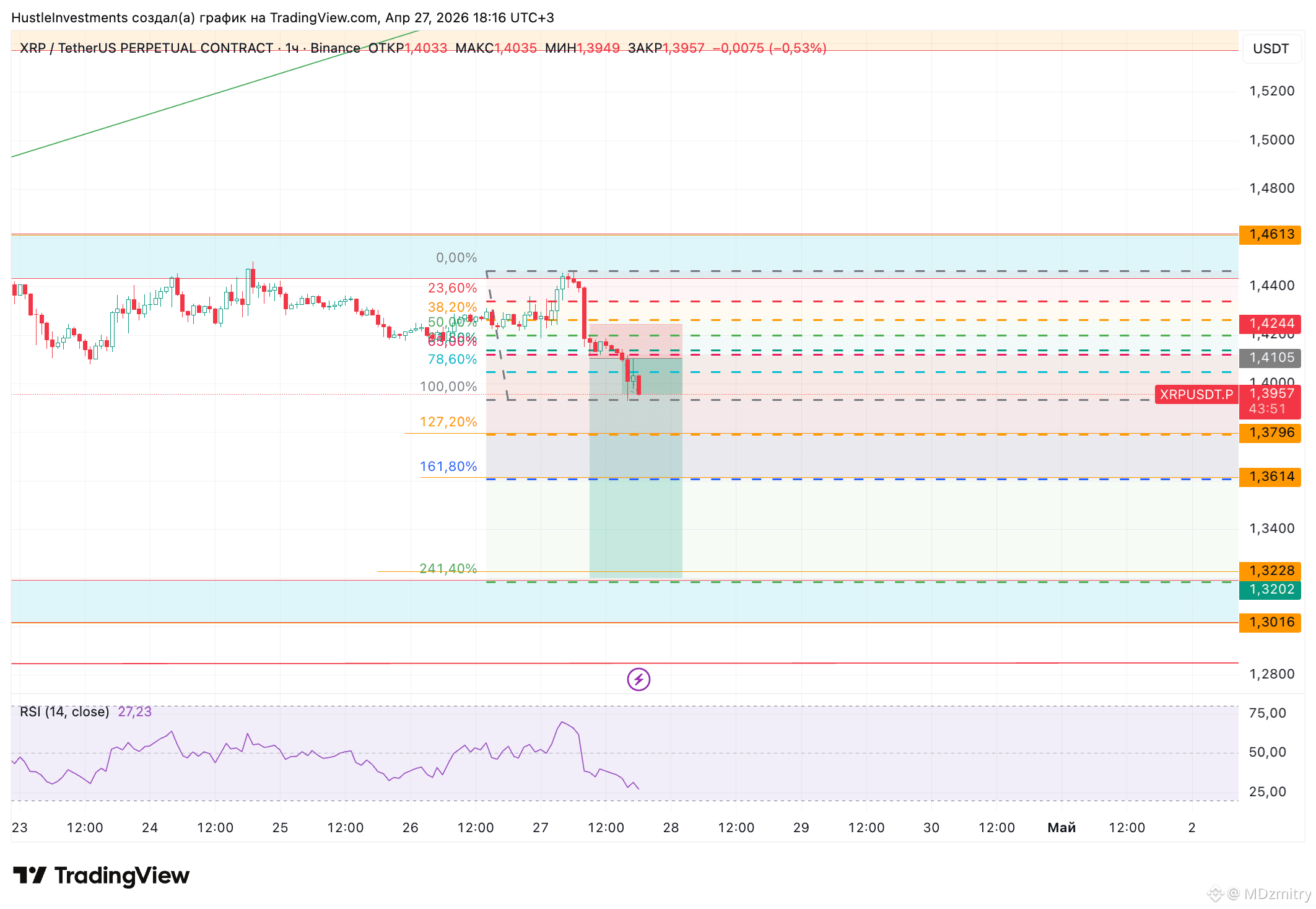
#XRP SHORT⬇️
X10 MAX
➡️EP #MARKETORDER
⚠️SL 1.4242
✔️TP 1 - 1.3929 ✅
✔️TP 2 - 1.3801
✔️TP 3 - 1.3617
✔️TP 4 - 1.3222
Risk to reward ratio 6.5\1
$XRP
{future}(XRPUSDT)
Stream setup
#XRP SHORT⬇️
X10 MAX
➡️EP #MARKETORDER
⚠️SL 1.4242
✔️TP 1 - 1.3929 ✅
✔️TP 2 - 1.3801
✔️TP 3 - 1.3617
✔️TP 4 - 1.3222
Risk to reward ratio 6.5\1
$XRP
#XRP SHORT⬇️
X10 MAX
➡️EP #MARKETORDER
⚠️SL 1.4242
✔️TP 1 - 1.3929 ✅
✔️TP 2 - 1.3801
✔️TP 3 - 1.3617
✔️TP 4 - 1.3222
Risk to reward ratio 6.5\1
$XRP
3
1
2.3k
Log in to explore more content
Join global crypto users on Binance Square
⚡️ Get latest and useful information about crypto.
💬 Trusted by the world’s largest crypto exchange.
👍 Discover real insights from verified creators.
Email / Phone number
Trending Topics
1
#MemeLaunchpads82%OfArcDayOneVolume
875 views
72 Discussing
2
#OstiumLoanDisputeHearingSetInNYFederalCourt
2,892 views
99 Discussing
3
#SKPoliceRefer18PolymarketUsersToProsecutors
3,949 views
166 Discussing
4
#FedSEPProjects2026RateAt4.1%
9,128 views
235 Discussing
5
#USHouseAdvancesBitcoinReserveBill
5,933 views
186 Discussing
6
#AmazonGetsWarrantsToBuyGeneracStock
6,622 views
195 Discussing
7
#DotPlotSignalsOneMoreHikeIn2026
28,335 views
556 Discussing
8
#RobinhoodToSupportCircleArcNetwork
9,765 views
197 Discussing
9
#FedHikes25BpsUSStocksClose
40,994 views
471 Discussing
10
#AaveToLaunchRWAMarketOnAvalanche
9,530 views
198 Discussing