

#hodler
hodler
987,758 views
774 Discussing
Hot
Latest
·
--
🔶 OpenGradient $OPG на Binance HODLer Airdrops
📆 Users who held their $BNB in Simple Earn (Flexible/Locked) and/or On-Chain Yields from 22.06.2026 00:00 (UTC) to 24.06.2026 23:59 (UTC) will receive an airdrop.
Allocated for HODLer Airdrops:
▫️ 6,400,000 $OPG
💭 [Посилання на джерело](https://www.binance.com/en/support/announcement/detail/b026c9829d28459cb1f1a95000960a08?utm_source=EnglishTelegram&utm_medium=GlobalCommunity&utm_campaign=AnnouncementBot)
#holdBNB #HODLer #binance #Airdrops
🔶 OpenGradient $OPG на Binance HODLer Airdrops
📆 Users who held their $BNB in Simple Earn (Flexible/Locked) and/or On-Chain Yields from 22.06.2026 00:00 (UTC) to 24.06.2026 23:59 (UTC) will receive an airdrop.
Allocated for HODLer Airdrops:
▫️ 6,400,000 $OPG
💭 Посилання на джерело
#holdBNB #HODLer #binance #Airdrops
📆 Users who held their $BNB in Simple Earn (Flexible/Locked) and/or On-Chain Yields from 22.06.2026 00:00 (UTC) to 24.06.2026 23:59 (UTC) will receive an airdrop.
Allocated for HODLer Airdrops:
▫️ 6,400,000 $OPG
💭 Посилання на джерело
#holdBNB #HODLer #binance #Airdrops
1
2
5.8k
·
--
🔶 Genius Terminal $GENIUS on Binance HODLer Airdrops
📆 Users who held their $BNB on Simple Earn (Flexible/Locked) and/or On-Chain Yields from 11.05.2026 00:00 (UTC) to 13.05.2026 23:59 (UTC) will receive an airdrop.
Allocated for HODLer Airdrops:
▫️ 10,000,000 $GENIUS (1% of the total token supply)
#holdBNB #HODLer #binance #Airdrops
🔶 Genius Terminal $GENIUS on Binance HODLer Airdrops
📆 Users who held their $BNB on Simple Earn (Flexible/Locked) and/or On-Chain Yields from 11.05.2026 00:00 (UTC) to 13.05.2026 23:59 (UTC) will receive an airdrop.
Allocated for HODLer Airdrops:
▫️ 10,000,000 $GENIUS (1% of the total token supply)
#holdBNB #HODLer #binance #Airdrops
📆 Users who held their $BNB on Simple Earn (Flexible/Locked) and/or On-Chain Yields from 11.05.2026 00:00 (UTC) to 13.05.2026 23:59 (UTC) will receive an airdrop.
Allocated for HODLer Airdrops:
▫️ 10,000,000 $GENIUS (1% of the total token supply)
#holdBNB #HODLer #binance #Airdrops
3
3.7k

·
--
Bullish
💥🚀NEW [HODLer Airdrops - AIGENSYN](https://www.binance.com/en/support/announcement/detail/8c6cfaeddbd04f1595f658ac1dfbd0e7?utm_source=EnglishTelegram&utm_medium=GlobalCommunity&utm_campaign=AnnouncementBot)
*HODLer Airdrops - when we stake our $BNB and in return, we receive FREE tokens from new projects. It's a really cool feature!
Unlike other earning methods where you need to constantly do something, HODLer Airdrops rewards users retroactively, meaning automatically (no extra clicks needed)
━━━━━━━━━━━━━
🎃So here’s the deal: users who staked BNB in Simple Earn and/or On-Chain Yields from 04.05.2026 to 06.05.2026 will receive their airdrop.
The drop will hit your spot wallet within 5 hours of this announcement.
━━━━━━━━━━━━━
Details of HODLer Airdrops $AIGENSYN :
🔸Token: Gensyn (AIGENSYN)
🔸Total Token Supply: 10,000,000,000 AIGENSYN
🔸Max Token Supply: 10,000,000,000 AIGENSYN
🔸Allocated for drop: 100,000,000 AIGENSYN
🔸Number of tokens on listing: 1,304,000,000 AIGENSYN (13.04% of Total Token Supply)
━━━━━━━━━━━━━
My take:
If you already have BNB or plan to buy for the long haul, then HODLer Airdrops is a fantastic way to snag some extra free cash. Just throw your BNB into Simple Earn and that's it, no extra steps needed.
You won’t become a millionaire, but there have been some pretty decent giveaways.
#hodler #bnb
💥🚀NEW HODLer Airdrops - AIGENSYN
*HODLer Airdrops - when we stake our $BNB and in return, we receive FREE tokens from new projects. It's a really cool feature!
Unlike other earning methods where you need to constantly do something, HODLer Airdrops rewards users retroactively, meaning automatically (no extra clicks needed)
━━━━━━━━━━━━━
🎃So here’s the deal: users who staked BNB in Simple Earn and/or On-Chain Yields from 04.05.2026 to 06.05.2026 will receive their airdrop.
The drop will hit your spot wallet within 5 hours of this announcement.
━━━━━━━━━━━━━
Details of HODLer Airdrops $AIGENSYN :
🔸Token: Gensyn (AIGENSYN)
🔸Total Token Supply: 10,000,000,000 AIGENSYN
🔸Max Token Supply: 10,000,000,000 AIGENSYN
🔸Allocated for drop: 100,000,000 AIGENSYN
🔸Number of tokens on listing: 1,304,000,000 AIGENSYN (13.04% of Total Token Supply)
━━━━━━━━━━━━━
My take:
If you already have BNB or plan to buy for the long haul, then HODLer Airdrops is a fantastic way to snag some extra free cash. Just throw your BNB into Simple Earn and that's it, no extra steps needed.
You won’t become a millionaire, but there have been some pretty decent giveaways.
#hodler #bnb
*HODLer Airdrops - when we stake our $BNB and in return, we receive FREE tokens from new projects. It's a really cool feature!
Unlike other earning methods where you need to constantly do something, HODLer Airdrops rewards users retroactively, meaning automatically (no extra clicks needed)
━━━━━━━━━━━━━
🎃So here’s the deal: users who staked BNB in Simple Earn and/or On-Chain Yields from 04.05.2026 to 06.05.2026 will receive their airdrop.
The drop will hit your spot wallet within 5 hours of this announcement.
━━━━━━━━━━━━━
Details of HODLer Airdrops $AIGENSYN :
🔸Token: Gensyn (AIGENSYN)
🔸Total Token Supply: 10,000,000,000 AIGENSYN
🔸Max Token Supply: 10,000,000,000 AIGENSYN
🔸Allocated for drop: 100,000,000 AIGENSYN
🔸Number of tokens on listing: 1,304,000,000 AIGENSYN (13.04% of Total Token Supply)
━━━━━━━━━━━━━
My take:
If you already have BNB or plan to buy for the long haul, then HODLer Airdrops is a fantastic way to snag some extra free cash. Just throw your BNB into Simple Earn and that's it, no extra steps needed.
You won’t become a millionaire, but there have been some pretty decent giveaways.
#hodler #bnb
6
1
8
3.5k

Article
What’s behind the transfer of 100 BTC from the “Satoshi era”
?₿ When the giants wake up: what’s behind the transfer of 100 BTC from the “Satoshi era”
DVA ANALYTICS • FACT → MECHANISM → RISK → DECISION
On October 7, 2026, the crypto community noticed a transaction that is small for Bitcoin by itself, but extremely interesting in terms of the coin’s age.
A wallet with 100.02 BTC that hadn’t moved for over 16 years is active again.
What’s behind the transfer of 100 BTC from the “Satoshi era” ?
₿ When the giants wake up: what’s behind the transfer of 100 BTC from the “Satoshi era”
DVA ANALYTICS • FACT → MECHANISM → RISK → DECISION
On October 7, 2026, the crypto community noticed a transaction that is small for Bitcoin by itself, but extremely interesting in terms of the coin’s age.
A wallet with 100.02 BTC that hadn’t moved for over 16 years is active again.
DVA ANALYTICS • FACT → MECHANISM → RISK → DECISION
On October 7, 2026, the crypto community noticed a transaction that is small for Bitcoin by itself, but extremely interesting in terms of the coin’s age.
A wallet with 100.02 BTC that hadn’t moved for over 16 years is active again.
2
27

·
--
The core logic behind OpenGradient ($OPG)’s short-term abnormal moves is actually very clear: Upbit lists the KRW trading pair + Binance HODLer airdrop expectations—two exchange catalysts combining, directly igniting FOMO sentiment on the capital side.
At the current price of $0.126, with a market cap of about $24.97 million and 24h trading volume of $16.13 million—the volume-to-market-cap ratio is already on the high side, indicating very active turnover of holdings. This is a typical event-driven pump.
My observations:
- When the KRW channel opens, it often brings a wave of “Korean kimchi premium,” but its sustainability depends on whether the local community keeps rallying
- HODLer airdrops are mostly a one-time release of sentiment; after the event is fulfilled, profit-taking often follows
- With a market cap under $30 million, the float is relatively small, so volatility gets amplified—be cautious in both directions
You can speculate in the short term, but don’t treat an event-driven market as value discovery. The moment the good news is realized is often when the sentiment turns.
#OpenGradient #Upbit #HODLer
The core logic behind OpenGradient ($OPG )’s short-term abnormal moves is actually very clear: Upbit lists the KRW trading pair + Binance HODLer airdrop expectations—two exchange catalysts combining, directly igniting FOMO sentiment on the capital side.
At the current price of $0.126, with a market cap of about $24.97 million and 24h trading volume of $16.13 million—the volume-to-market-cap ratio is already on the high side, indicating very active turnover of holdings. This is a typical event-driven pump.
My observations:
- When the KRW channel opens, it often brings a wave of “Korean kimchi premium,” but its sustainability depends on whether the local community keeps rallying
- HODLer airdrops are mostly a one-time release of sentiment; after the event is fulfilled, profit-taking often follows
- With a market cap under $30 million, the float is relatively small, so volatility gets amplified—be cautious in both directions
You can speculate in the short term, but don’t treat an event-driven market as value discovery. The moment the good news is realized is often when the sentiment turns.
#OpenGradient #Upbit #HODLer
At the current price of $0.126, with a market cap of about $24.97 million and 24h trading volume of $16.13 million—the volume-to-market-cap ratio is already on the high side, indicating very active turnover of holdings. This is a typical event-driven pump.
My observations:
- When the KRW channel opens, it often brings a wave of “Korean kimchi premium,” but its sustainability depends on whether the local community keeps rallying
- HODLer airdrops are mostly a one-time release of sentiment; after the event is fulfilled, profit-taking often follows
- With a market cap under $30 million, the float is relatively small, so volatility gets amplified—be cautious in both directions
You can speculate in the short term, but don’t treat an event-driven market as value discovery. The moment the good news is realized is often when the sentiment turns.
#OpenGradient #Upbit #HODLer
79

·
--
Genius Terminal caught attention after being selected for Binance's 65th HODLer Airdrop (10M $GENIUS distributed to BNB holders). The muted market reaction despite strong infrastructure buzz made it worth a small test position. The real appeal is its cross-chain UX — Ethereum, Solana, and BNB Chain feel unified inside the terminal. Still monitoring adoption, but Binance exposure + solid product design = interesting setup.
#GENIUS #GeniusTerminal #BinanceAirdrop #HODLer
Genius Terminal caught attention after being selected for Binance's 65th HODLer Airdrop (10M $GENIUS distributed to BNB holders). The muted market reaction despite strong infrastructure buzz made it worth a small test position. The real appeal is its cross-chain UX — Ethereum, Solana, and BNB Chain feel unified inside the terminal. Still monitoring adoption, but Binance exposure + solid product design = interesting setup.
#GENIUS #GeniusTerminal #BinanceAirdrop #HODLer
#GENIUS #GeniusTerminal #BinanceAirdrop #HODLer
199


·
--
If you were forced to put 100% of your portfolio into just ONE crypto asset for the next 12 months, what are you picking?
1️⃣ $BTC C (The Safe Haven)
2️⃣ $ETH (The Smart Contract King)
3️⃣ $BNB (The Ecosystem Utility)
4️⃣ A Layer-1 alternative like $SOL
No cheating—you can only pick one. Comment your choice and tell me why! 🧵👇
#BinanceTurns9 #hodler #PollPost #Write2Earn!
If you were forced to put 100% of your portfolio into just ONE crypto asset for the next 12 months, what are you picking?
1️⃣ $BTC C (The Safe Haven)
2️⃣ $ETH (The Smart Contract King)
3️⃣ $BNB (The Ecosystem Utility)
4️⃣ A Layer-1 alternative like $SOL
No cheating—you can only pick one. Comment your choice and tell me why! 🧵👇
#BinanceTurns9 #hodler #PollPost #Write2Earn!
1️⃣ $BTC C (The Safe Haven)
2️⃣ $ETH (The Smart Contract King)
3️⃣ $BNB (The Ecosystem Utility)
4️⃣ A Layer-1 alternative like $SOL
No cheating—you can only pick one. Comment your choice and tell me why! 🧵👇
#BinanceTurns9 #hodler #PollPost #Write2Earn!
Bitcoin
34%
Ethereum
33%
BNB
33%
Solana
0%
3 votes • Voting closed
1
135

·
--
🗞 Hodler's Digest has been released
Robinhood Chain takes off—so much so that even the fiercest critics of Ethereum say this is good news for ETH.
Also this week:
Saylor stirs things up
Traders lose $1 million due to a phishing token approval
Farage and Trump get pulled into a crypto scandal
Read the full edition of this week
👉 cointelegraph.com/features/ethereum-climbs-as-robinhood-l2-takes-off
#比特币 #Hodler #Robinhood
🗞 Hodler's Digest has been released
Robinhood Chain takes off—so much so that even the fiercest critics of Ethereum say this is good news for ETH.
Also this week:
Saylor stirs things up
Traders lose $1 million due to a phishing token approval
Farage and Trump get pulled into a crypto scandal
Read the full edition of this week
👉 cointelegraph.com/features/ethereum-climbs-as-robinhood-l2-takes-off
#比特币 #Hodler #Robinhood
Robinhood Chain takes off—so much so that even the fiercest critics of Ethereum say this is good news for ETH.
Also this week:
Saylor stirs things up
Traders lose $1 million due to a phishing token approval
Farage and Trump get pulled into a crypto scandal
Read the full edition of this week
👉 cointelegraph.com/features/ethereum-climbs-as-robinhood-l2-takes-off
#比特币 #Hodler #Robinhood
105

·
--
Bullish
#tradingtips
A price model that I see as the real “holy grail” in the literal sense.
Applying the 4H framework is the most suitable because if we’re wrong, the amount (loss) won’t be too large. And if it works, the risk/reward won’t be below 3.
In 2020, I caught BTC waves around 5k mainly because of this holy grail practice.
Then the Xan Xăn—FTX incident, I also cashed in BTC around 17k.
In a year, just 2 or 3 big winning trades are enough to last you for years without even fully exhausting the profits.
#Bitcoin
#Hodler
$BTC
{future}(BTCUSDT)
#tradingtips
A price model that I see as the real “holy grail” in the literal sense.
Applying the 4H framework is the most suitable because if we’re wrong, the amount (loss) won’t be too large. And if it works, the risk/reward won’t be below 3.
In 2020, I caught BTC waves around 5k mainly because of this holy grail practice.
Then the Xan Xăn—FTX incident, I also cashed in BTC around 17k.
In a year, just 2 or 3 big winning trades are enough to last you for years without even fully exhausting the profits.
#Bitcoin
#Hodler
$BTC
A price model that I see as the real “holy grail” in the literal sense.
Applying the 4H framework is the most suitable because if we’re wrong, the amount (loss) won’t be too large. And if it works, the risk/reward won’t be below 3.
In 2020, I caught BTC waves around 5k mainly because of this holy grail practice.
Then the Xan Xăn—FTX incident, I also cashed in BTC around 17k.
In a year, just 2 or 3 big winning trades are enough to last you for years without even fully exhausting the profits.
#Bitcoin
#Hodler
$BTC
354

Yes, I must express my deepest gratitude to BINANCE for providing diverse opportunities to work.♥️💛🖤
Subscribe, like, be more informed about cryptocurrencies, Thank you)))🖤💛🖤
#Binance
#BinanceSquareFamily
#hodler
#BinanceAnalysis
#Write2Earn
$BTC
$BNB
$OM
Yes, I must express my deepest gratitude to BINANCE for providing diverse opportunities to work.♥️💛🖤
Subscribe, like, be more informed about cryptocurrencies, Thank you)))🖤💛🖤
#Binance
#BinanceSquareFamily
#hodler
#BinanceAnalysis
#Write2Earn
$BTC
$BNB
$OM
Subscribe, like, be more informed about cryptocurrencies, Thank you)))🖤💛🖤
#Binance
#BinanceSquareFamily
#hodler
#BinanceAnalysis
#Write2Earn
$BTC
$BNB
$OM
2.1k
1.1k
255
2.1k

·
--
Bullish
🇺🇸 ETF FLOWS: Sept 22 saw heavy selling 3,228 $BTC & 18,290 $ETH dumped.
BTC ETFs: $363.17M net outflows
ETH ETFs: $75.95M net outflows
Source By : x.com/0xcryptosea
💬 Comment | 🔁 Share | ❤️ Like | 👤 follow #HODLer #BinanceHODLerBARD #eth #btc $ETH
{spot}(ETHUSDT)
🇺🇸 ETF FLOWS: Sept 22 saw heavy selling 3,228 $BTC & 18,290 $ETH dumped.
BTC ETFs: $363.17M net outflows
ETH ETFs: $75.95M net outflows
Source By : x.com/0xcryptosea
💬 Comment | 🔁 Share | ❤️ Like | 👤 follow #HODLer #BinanceHODLerBARD #eth #btc $ETH
BTC ETFs: $363.17M net outflows
ETH ETFs: $75.95M net outflows
Source By : x.com/0xcryptosea
💬 Comment | 🔁 Share | ❤️ Like | 👤 follow #HODLer #BinanceHODLerBARD #eth #btc $ETH
3
3.8k
·
--
Bullish
🚨 IG Group drops $117M to acquire Aussie exchange Independent Reserve.
$72M upfront for 70% stake (can rise to $82M on 2026 targets)
Option to scoop remaining 30% in ’27–’28
Revenues doubled to $23.9M, 60% YoY user growth
Unlocks regulated access to 🇦🇺 & 🇸🇬, fueling APAC + ME crypto push
Legacy finance keeps buying its way into Web3.
Source By : x.com/0xcryptosea
💬 Comment | 🔁 Share | ❤️ Like | 👤 follow #HODLer #BNBChainEcosystemRally #btc
🚨 IG Group drops $117M to acquire Aussie exchange Independent Reserve.
$72M upfront for 70% stake (can rise to $82M on 2026 targets)
Option to scoop remaining 30% in ’27–’28
Revenues doubled to $23.9M, 60% YoY user growth
Unlocks regulated access to 🇦🇺 & 🇸🇬, fueling APAC + ME crypto push
Legacy finance keeps buying its way into Web3.
Source By : x.com/0xcryptosea
💬 Comment | 🔁 Share | ❤️ Like | 👤 follow #HODLer #BNBChainEcosystemRally #btc
$72M upfront for 70% stake (can rise to $82M on 2026 targets)
Option to scoop remaining 30% in ’27–’28
Revenues doubled to $23.9M, 60% YoY user growth
Unlocks regulated access to 🇦🇺 & 🇸🇬, fueling APAC + ME crypto push
Legacy finance keeps buying its way into Web3.
Source By : x.com/0xcryptosea
💬 Comment | 🔁 Share | ❤️ Like | 👤 follow #HODLer #BNBChainEcosystemRally #btc
4
3.2k
·
--
Bearish
🚨 Willy Woo: “MicroStrategy won’t face liquidation in the next Bitcoin bear market.”
Analyst says MSTR’s debt, mainly in convertible notes, can be settled without selling BTC as long as the stock stays above $183.19, correlating to a BTC price near $91.5K.
Woo adds: “A partial liquidation could happen if Bitcoin underperforms in 2028’s bull run.”
MSTR currently holds 641,205 BTC worth ~$64B Saylor’s conviction remains unmatched 🔥
💬 Comment | 🔁 Share | ❤️ Like | 👤 Follow
#Bitcoin #MicroStrategy #MichaelSaylor #CryptoNews #HODLer $BTC
{spot}(BTCUSDT)
$ETH
{spot}(ETHUSDT)
🚨 Willy Woo: “MicroStrategy won’t face liquidation in the next Bitcoin bear market.”
Analyst says MSTR’s debt, mainly in convertible notes, can be settled without selling BTC as long as the stock stays above $183.19, correlating to a BTC price near $91.5K.
Woo adds: “A partial liquidation could happen if Bitcoin underperforms in 2028’s bull run.”
MSTR currently holds 641,205 BTC worth ~$64B Saylor’s conviction remains unmatched 🔥
💬 Comment | 🔁 Share | ❤️ Like | 👤 Follow
#Bitcoin #MicroStrategy #MichaelSaylor #CryptoNews #HODLer $BTC
$ETH
Analyst says MSTR’s debt, mainly in convertible notes, can be settled without selling BTC as long as the stock stays above $183.19, correlating to a BTC price near $91.5K.
Woo adds: “A partial liquidation could happen if Bitcoin underperforms in 2028’s bull run.”
MSTR currently holds 641,205 BTC worth ~$64B Saylor’s conviction remains unmatched 🔥
💬 Comment | 🔁 Share | ❤️ Like | 👤 Follow
#Bitcoin #MicroStrategy #MichaelSaylor #CryptoNews #HODLer $BTC
$ETH
1
1
3
3.1k
·
--
🔶 Just to make sure the community doesn't forget what BNB is, Binance tossed a few crumbs from the table for HODLers with Airdrops from USD AI featuring the token $CHIP 😄
📆 Users who held their $BNB on Simple Earn (Flexible/Locked) and/or On-Chain Yields from 13.03.2026 00:00 (UTC) to 15.03.2026 23:59 (UTC) will snag an airdrop.
Allocated for HODLer Airdrops:
▫️ 25,000,000 $CHIP (0.25% of the total token supply)
#holdBNB #HODLer #binance #Airdrops
🔶 Just to make sure the community doesn't forget what BNB is, Binance tossed a few crumbs from the table for HODLers with Airdrops from USD AI featuring the token $CHIP 😄
📆 Users who held their $BNB on Simple Earn (Flexible/Locked) and/or On-Chain Yields from 13.03.2026 00:00 (UTC) to 15.03.2026 23:59 (UTC) will snag an airdrop.
Allocated for HODLer Airdrops:
▫️ 25,000,000 $CHIP (0.25% of the total token supply)
#holdBNB #HODLer #binance #Airdrops
📆 Users who held their $BNB on Simple Earn (Flexible/Locked) and/or On-Chain Yields from 13.03.2026 00:00 (UTC) to 15.03.2026 23:59 (UTC) will snag an airdrop.
Allocated for HODLer Airdrops:
▫️ 25,000,000 $CHIP (0.25% of the total token supply)
#holdBNB #HODLer #binance #Airdrops
1
1
7
7.4k
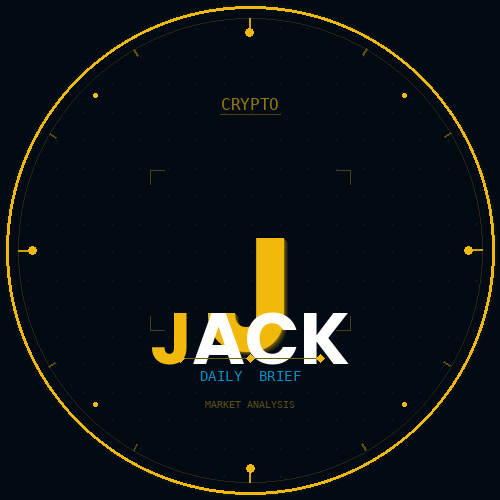
💡 DID YOU KNOW?
A Bitcoin wallet that has been
dormant for 12 YEARS just moved.
500 BTC worth approximately $40M.
This wallet last moved in 2014.
At that time Bitcoin was worth
approximately $400-$700 per coin.
Today those same coins are worth
$80,611 each.
If the wallet holder bought at
$500 in 2014 and held until today:
. Original investment: $250,000
. Value today: ~$40 million
. Return: 16,000%
This is why long-term holders
are called "HODLers."
The ones who held Bitcoin from
2014 through two 80%+ crashes
(2018 and 2022) and multiple
50%+ corrections —
— are now sitting on 16,000% gains.
Every crash felt permanent.
None of them were.
The 12-year wallet waking up
in May 2026 is a reminder that
patience has always been the most
profitable strategy in crypto.
Where were you in 2014? 📊
⚠️ Educational only. Not financial advice. DYOR.
#bitcoin #BTC #HODLer #DidYouKnow
#CryptoFacts #JackDailyBrief
#BinanceSquare #Crypto2026
#LongTerm #CryptoHistory
$SOL
{spot}(SOLUSDT)
$XRP
{spot}(XRPUSDT)
$BTC
{spot}(BTCUSDT)
💡 DID YOU KNOW?
A Bitcoin wallet that has been
dormant for 12 YEARS just moved.
500 BTC worth approximately $40M.
This wallet last moved in 2014.
At that time Bitcoin was worth
approximately $400-$700 per coin.
Today those same coins are worth
$80,611 each.
If the wallet holder bought at
$500 in 2014 and held until today:
. Original investment: $250,000
. Value today: ~$40 million
. Return: 16,000%
This is why long-term holders
are called "HODLers."
The ones who held Bitcoin from
2014 through two 80%+ crashes
(2018 and 2022) and multiple
50%+ corrections —
— are now sitting on 16,000% gains.
Every crash felt permanent.
None of them were.
The 12-year wallet waking up
in May 2026 is a reminder that
patience has always been the most
profitable strategy in crypto.
Where were you in 2014? 📊
⚠️ Educational only. Not financial advice. DYOR.
#bitcoin #BTC #HODLer #DidYouKnow
#CryptoFacts #JackDailyBrief
#BinanceSquare #Crypto2026
#LongTerm #CryptoHistory
$SOL
$XRP
$BTC
A Bitcoin wallet that has been
dormant for 12 YEARS just moved.
500 BTC worth approximately $40M.
This wallet last moved in 2014.
At that time Bitcoin was worth
approximately $400-$700 per coin.
Today those same coins are worth
$80,611 each.
If the wallet holder bought at
$500 in 2014 and held until today:
. Original investment: $250,000
. Value today: ~$40 million
. Return: 16,000%
This is why long-term holders
are called "HODLers."
The ones who held Bitcoin from
2014 through two 80%+ crashes
(2018 and 2022) and multiple
50%+ corrections —
— are now sitting on 16,000% gains.
Every crash felt permanent.
None of them were.
The 12-year wallet waking up
in May 2026 is a reminder that
patience has always been the most
profitable strategy in crypto.
Where were you in 2014? 📊
⚠️ Educational only. Not financial advice. DYOR.
#bitcoin #BTC #HODLer #DidYouKnow
#CryptoFacts #JackDailyBrief
#BinanceSquare #Crypto2026
#LongTerm #CryptoHistory
$SOL
$XRP
$BTC
30
·
--
What's the mind is going on BLACK ROCK ?
BITCOIN Physical hodlers...
#blackrock BlackRock buys Bitcoin, but it does so on behalf of investors purchasing shares in its #ISHAREBITCOINTRUST (IBIT). When clients buy shares of the #exchange-traded fund, BlackRock uses that capital to acquire and hold the physical Bitcoin required to back the shares.
TODAY ETF outflows 3% .
#BTCDrops3.4%To$77383
#BitcoinSpotETFEnds9DayInflowStreak
{spot}(BTCUSDT)
LARY FINk ! Manage over 11.3 trillion dollars - Bitcoin#hodler $NVDAB
What's the mind is going on BLACK ROCK ?
BITCOIN Physical hodlers...
#blackrock BlackRock buys Bitcoin, but it does so on behalf of investors purchasing shares in its #ISHAREBITCOINTRUST (IBIT). When clients buy shares of the #exchange-traded fund, BlackRock uses that capital to acquire and hold the physical Bitcoin required to back the shares.
TODAY ETF outflows 3% .
#BTCDrops3.4%To$77383
#BitcoinSpotETFEnds9DayInflowStreak
LARY FINk ! Manage over 11.3 trillion dollars - Bitcoin#hodler $NVDAB
BITCOIN Physical hodlers...
#blackrock BlackRock buys Bitcoin, but it does so on behalf of investors purchasing shares in its #ISHAREBITCOINTRUST (IBIT). When clients buy shares of the #exchange-traded fund, BlackRock uses that capital to acquire and hold the physical Bitcoin required to back the shares.
TODAY ETF outflows 3% .
#BTCDrops3.4%To$77383
#BitcoinSpotETFEnds9DayInflowStreak
LARY FINk ! Manage over 11.3 trillion dollars - Bitcoin#hodler $NVDAB
85
·
--
Bearish
🚨 UPDATE: Franklin Templeton eyes XRP ETF launch this month
Franklin Templeton has updated its XRP ETF S-1 filing, trimming the 8(a) registration language a key step hinting at a November launch, per Bloomberg’s James Seyffart.
If approved, this would mark a major milestone for XRP, signaling deeper institutional entry into Ripple’s ecosystem and expanding the crypto ETF landscape beyond BTC and ETH.
Is XRP about to join the ETF elite? 👀
💬 Comment | 🔁 Share | ❤️ Like | 👤 Follow
#XRP #ETFs #CryptoNews #Ripple #HODLer
$XRP
{spot}(XRPUSDT)
$BTC
{spot}(BTCUSDT)
🚨 UPDATE: Franklin Templeton eyes XRP ETF launch this month
Franklin Templeton has updated its XRP ETF S-1 filing, trimming the 8(a) registration language a key step hinting at a November launch, per Bloomberg’s James Seyffart.
If approved, this would mark a major milestone for XRP, signaling deeper institutional entry into Ripple’s ecosystem and expanding the crypto ETF landscape beyond BTC and ETH.
Is XRP about to join the ETF elite? 👀
💬 Comment | 🔁 Share | ❤️ Like | 👤 Follow
#XRP #ETFs #CryptoNews #Ripple #HODLer
$XRP
$BTC
Franklin Templeton has updated its XRP ETF S-1 filing, trimming the 8(a) registration language a key step hinting at a November launch, per Bloomberg’s James Seyffart.
If approved, this would mark a major milestone for XRP, signaling deeper institutional entry into Ripple’s ecosystem and expanding the crypto ETF landscape beyond BTC and ETH.
Is XRP about to join the ETF elite? 👀
💬 Comment | 🔁 Share | ❤️ Like | 👤 Follow
#XRP #ETFs #CryptoNews #Ripple #HODLer
$XRP
$BTC
2
3.9k


·
--
Verified
This morning I was reading the @NewtonProtocol documentation and saw a design line that made me pause for 10 seconds: $NEWT a token that simultaneously plays 4 roles—staking collateral, fuel fees, on-chain governance voting, and network incentive distribution.
This design goes against conventional wisdom. In most public chain projects, they split the staking token and the fuel token—fearing that inflation pressure might concentrate, fearing governance could be captured by big holders, fearing fee increases would push retail users out. Newton compresses 4 functions into 1 token, effectively tying the 4 risk points into a single risk point: if the price drops, all 4 functions wobble at the same time.
But on the flip side, binding 4 roles to 1 token also has advantages. People who stake $NEWT naturally have motivation to participate in governance (because voting affects the fuel mechanism). People who participate in governance naturally use the token to pay fees (without holding the token there’s no voting power). And people who pay fees will also receive network incentives flowing back. As the whole token-economics loop runs end to end, the 4 functions interlock instead of becoming a single-point game.
Most crucially, @NewtonProtocol’s 2025 HODLer exchange airdrop has already delivered this mechanism to 10 million+ wallet addresses—essentially, the token isn’t launched from 0 with a cold start; decentralization is naturally high.
From what I’ve seen, the token economics of $NEWT doesn’t look like a “whitepaper promise,” but more like “first think through the risk points, then use mechanism design to hedge against them.” This is the underlying reason the project can get through mainnet public testing and keep iterating.
I’ve always felt that to see whether a token truly does work, you look at 3 things: whether there are real consumption scenarios, whether token holders continuously lock their positions, and whether there is a governance implementation mechanism. This token checks all three—fuel fees are real consumption, staking is real locking, and governance is real voting. The 10 million+ address HODLer airdrop isn’t a free-loot “feed and leave” scheme; it’s a real user base.
If you’re interested, you can look at the official documentation. VaultKit enforces vault rules on-chain by design, Rego ensures cross-chain strategy consistency, and on-chain proofs provide proactive security before transactions. These three components are complementary with the token economics—none of them, if taken alone, is complete.
@NewtonProtocol didn’t rely on shouting “buy/sell signals” this time. It relies on mechanism design. Token holders are naturally four-layer identities: staker / governor / payer / incentive recipient. This is one of the cleanest designs I’ve seen.
#Newt #NewtonProtocol #代币经济 #公链 #HODLer
This morning I was reading the @NewtonProtocol documentation and saw a design line that made me pause for 10 seconds: $NEWT a token that simultaneously plays 4 roles—staking collateral, fuel fees, on-chain governance voting, and network incentive distribution.
This design goes against conventional wisdom. In most public chain projects, they split the staking token and the fuel token—fearing that inflation pressure might concentrate, fearing governance could be captured by big holders, fearing fee increases would push retail users out. Newton compresses 4 functions into 1 token, effectively tying the 4 risk points into a single risk point: if the price drops, all 4 functions wobble at the same time.
But on the flip side, binding 4 roles to 1 token also has advantages. People who stake $NEWT naturally have motivation to participate in governance (because voting affects the fuel mechanism). People who participate in governance naturally use the token to pay fees (without holding the token there’s no voting power). And people who pay fees will also receive network incentives flowing back. As the whole token-economics loop runs end to end, the 4 functions interlock instead of becoming a single-point game.
Most crucially, @NewtonProtocol’s 2025 HODLer exchange airdrop has already delivered this mechanism to 10 million+ wallet addresses—essentially, the token isn’t launched from 0 with a cold start; decentralization is naturally high.
From what I’ve seen, the token economics of $NEWT doesn’t look like a “whitepaper promise,” but more like “first think through the risk points, then use mechanism design to hedge against them.” This is the underlying reason the project can get through mainnet public testing and keep iterating.
I’ve always felt that to see whether a token truly does work, you look at 3 things: whether there are real consumption scenarios, whether token holders continuously lock their positions, and whether there is a governance implementation mechanism. This token checks all three—fuel fees are real consumption, staking is real locking, and governance is real voting. The 10 million+ address HODLer airdrop isn’t a free-loot “feed and leave” scheme; it’s a real user base.
If you’re interested, you can look at the official documentation. VaultKit enforces vault rules on-chain by design, Rego ensures cross-chain strategy consistency, and on-chain proofs provide proactive security before transactions. These three components are complementary with the token economics—none of them, if taken alone, is complete.
@NewtonProtocol didn’t rely on shouting “buy/sell signals” this time. It relies on mechanism design. Token holders are naturally four-layer identities: staker / governor / payer / incentive recipient. This is one of the cleanest designs I’ve seen.
#Newt #NewtonProtocol #代币经济 #公链 #HODLer
This design goes against conventional wisdom. In most public chain projects, they split the staking token and the fuel token—fearing that inflation pressure might concentrate, fearing governance could be captured by big holders, fearing fee increases would push retail users out. Newton compresses 4 functions into 1 token, effectively tying the 4 risk points into a single risk point: if the price drops, all 4 functions wobble at the same time.
But on the flip side, binding 4 roles to 1 token also has advantages. People who stake $NEWT naturally have motivation to participate in governance (because voting affects the fuel mechanism). People who participate in governance naturally use the token to pay fees (without holding the token there’s no voting power). And people who pay fees will also receive network incentives flowing back. As the whole token-economics loop runs end to end, the 4 functions interlock instead of becoming a single-point game.
Most crucially, @NewtonProtocol’s 2025 HODLer exchange airdrop has already delivered this mechanism to 10 million+ wallet addresses—essentially, the token isn’t launched from 0 with a cold start; decentralization is naturally high.
From what I’ve seen, the token economics of $NEWT doesn’t look like a “whitepaper promise,” but more like “first think through the risk points, then use mechanism design to hedge against them.” This is the underlying reason the project can get through mainnet public testing and keep iterating.
I’ve always felt that to see whether a token truly does work, you look at 3 things: whether there are real consumption scenarios, whether token holders continuously lock their positions, and whether there is a governance implementation mechanism. This token checks all three—fuel fees are real consumption, staking is real locking, and governance is real voting. The 10 million+ address HODLer airdrop isn’t a free-loot “feed and leave” scheme; it’s a real user base.
If you’re interested, you can look at the official documentation. VaultKit enforces vault rules on-chain by design, Rego ensures cross-chain strategy consistency, and on-chain proofs provide proactive security before transactions. These three components are complementary with the token economics—none of them, if taken alone, is complete.
@NewtonProtocol didn’t rely on shouting “buy/sell signals” this time. It relies on mechanism design. Token holders are naturally four-layer identities: staker / governor / payer / incentive recipient. This is one of the cleanest designs I’ve seen.
#Newt #NewtonProtocol #代币经济 #公链 #HODLer
3
3
1k

·
--
$OPG HODLER AIRDROP IS LIVE – 6.4M TOKENS SET FOR DISTRIBUTION 🎯
Eligible BNB holders from June 22-24 can claim 6.4M OPG tokens in the next five hours. Only 19% of total supply is circulating at listing — that’s a tight float with the research report dropping within 48 hours. These Binance airdrop plays have historically seen early bids pressure the ask side hard.
Are you holding BNB for this drop or flipping your allocation at market open?
Not financial advice. Always manage your risk.
#OPG #Airdrop #Binance #HODLer #Crypto
🔥
$OPG HODLER AIRDROP IS LIVE – 6.4M TOKENS SET FOR DISTRIBUTION 🎯
Eligible BNB holders from June 22-24 can claim 6.4M OPG tokens in the next five hours. Only 19% of total supply is circulating at listing — that’s a tight float with the research report dropping within 48 hours. These Binance airdrop plays have historically seen early bids pressure the ask side hard.
Are you holding BNB for this drop or flipping your allocation at market open?
Not financial advice. Always manage your risk.
#OPG #Airdrop #Binance #HODLer #Crypto
🔥
Eligible BNB holders from June 22-24 can claim 6.4M OPG tokens in the next five hours. Only 19% of total supply is circulating at listing — that’s a tight float with the research report dropping within 48 hours. These Binance airdrop plays have historically seen early bids pressure the ask side hard.
Are you holding BNB for this drop or flipping your allocation at market open?
Not financial advice. Always manage your risk.
#OPG #Airdrop #Binance #HODLer #Crypto
🔥
5
1
58
Log in to explore more content
Join global crypto users on Binance Square
⚡️ Get latest and useful information about crypto.
💬 Trusted by the world’s largest crypto exchange.
👍 Discover real insights from verified creators.
Email / Phone number
Trending Topics
1
#SkyAISellsAllSOLAndLaunchesCashTenderOffer
6 views
14 Discussing
2
#USBitcoinETFsRecord$527MInflows
698 views
35 Discussing
3
#ArbitrumProposalSeeks100MillionARBToBoostUSDGAdoption
0 views
3 Discussing
4
#KOSPIFallsMoreThan2%
50,348 views
601 Discussing
5
#ElicePlunges33%InKoreanIPODebut
14,118 views
350 Discussing
6
#GoogleSetsUAELicensingRulesForCryptoAds
9,633 views
282 Discussing
7
#BlockchainAssociationSubmitsGENIUSActComments
6,793 views
228 Discussing
8
#BitMineAdds12535ETH
10,866 views
247 Discussing
9
#StrategyBuys267BTC
11,892 views
214 Discussing
10
#CFTCRebutsCMELegalStanceInPerpetualFuturesFight
13,507 views
197 Discussing