

#cryptowallet
cryptowallet
109,583 views
649 Discussing
Hot
Latest

·
--
How Crypto Wallets Actually WorkMany beginners think a crypto wallet stores cryptocurrency.
It doesn’t.
Your cryptocurrency remains on the blockchain.
A wallet stores your keys.
🔑 Public Key:
Like your account number. You can share it to receive funds.
🔐 Private Key:
Like the master password to your assets. Never share it.
Types of wallets:
📱 Hot Wallets (Connected to the internet)
💾 Cold Wallets (Offline storage)
Golden Rule:
“Not your keys, not your crypto.”
Understanding wallet security is one of the most important lessons in crypto.
#CryptoWallet #Blockchain #CryptoSecurity #Web3 #BinanceSquare
How Crypto Wallets Actually Work
Many beginners think a crypto wallet stores cryptocurrency.
It doesn’t.
Your cryptocurrency remains on the blockchain.
A wallet stores your keys.
🔑 Public Key:
Like your account number. You can share it to receive funds.
🔐 Private Key:
Like the master password to your assets. Never share it.
Types of wallets:
📱 Hot Wallets (Connected to the internet)
💾 Cold Wallets (Offline storage)
Golden Rule:
“Not your keys, not your crypto.”
Understanding wallet security is one of the most important lessons in crypto.
#CryptoWallet #Blockchain #CryptoSecurity #Web3 #BinanceSquare
It doesn’t.
Your cryptocurrency remains on the blockchain.
A wallet stores your keys.
🔑 Public Key:
Like your account number. You can share it to receive funds.
🔐 Private Key:
Like the master password to your assets. Never share it.
Types of wallets:
📱 Hot Wallets (Connected to the internet)
💾 Cold Wallets (Offline storage)
Golden Rule:
“Not your keys, not your crypto.”
Understanding wallet security is one of the most important lessons in crypto.
#CryptoWallet #Blockchain #CryptoSecurity #Web3 #BinanceSquare
70

·
--
🔥 Europol Warns Crypto Wallets Are 'Primary Risk' for Quantum Attacks.
Europol Warns Crypto Wallets Are 'Primary Risk' for Quantum Attacks BTC$83,720.00-2.78%ETH$2,579.37-4.91%SOL$117.67-2.11%XRP$1.45-3.72%HYPE$89.47-4.15%BNB$766.90-2.12%USDC$0.999937-0.01%TRX$0.333204-0.67%FIGR_HELOC$1.0390.00%ZEC$1,306.43-4.10%DOGE$0.089403-6.23%XMR$554.91-0.14%USDS$0.999076-0.04%LINK$13.48-3.80%WBT$83.25-3.21%ADA$0.255249-7.58%LEO$8.88-0.17%RAIN$0.01112625-2.71%XLM$0.203528-5.80%N
The EU police agency expects blockchains to adapt to the threat, while a second report weighs the risk of data stolen now and cracked later.
❓ What's your take is this the start of a bigger move or just noise? Drop it below.
$BTC $ETH
#StablecoinLiquidity #AICryptoIntegration #CryptoWallet
🔥 Europol Warns Crypto Wallets Are 'Primary Risk' for Quantum Attacks.
Europol Warns Crypto Wallets Are 'Primary Risk' for Quantum Attacks BTC$83,720.00-2.78%ETH$2,579.37-4.91%SOL$117.67-2.11%XRP$1.45-3.72%HYPE$89.47-4.15%BNB$766.90-2.12%USDC$0.999937-0.01%TRX$0.333204-0.67%FIGR_HELOC$1.0390.00%ZEC$1,306.43-4.10%DOGE$0.089403-6.23%XMR$554.91-0.14%USDS$0.999076-0.04%LINK$13.48-3.80%WBT$83.25-3.21%ADA$0.255249-7.58%LEO$8.88-0.17%RAIN$0.01112625-2.71%XLM$0.203528-5.80%N
The EU police agency expects blockchains to adapt to the threat, while a second report weighs the risk of data stolen now and cracked later.
❓ What's your take is this the start of a bigger move or just noise? Drop it below.
$BTC $ETH
#StablecoinLiquidity #AICryptoIntegration #CryptoWallet
Europol Warns Crypto Wallets Are 'Primary Risk' for Quantum Attacks BTC$83,720.00-2.78%ETH$2,579.37-4.91%SOL$117.67-2.11%XRP$1.45-3.72%HYPE$89.47-4.15%BNB$766.90-2.12%USDC$0.999937-0.01%TRX$0.333204-0.67%FIGR_HELOC$1.0390.00%ZEC$1,306.43-4.10%DOGE$0.089403-6.23%XMR$554.91-0.14%USDS$0.999076-0.04%LINK$13.48-3.80%WBT$83.25-3.21%ADA$0.255249-7.58%LEO$8.88-0.17%RAIN$0.01112625-2.71%XLM$0.203528-5.80%N
The EU police agency expects blockchains to adapt to the threat, while a second report weighs the risk of data stolen now and cracked later.
❓ What's your take is this the start of a bigger move or just noise? Drop it below.
$BTC $ETH
#StablecoinLiquidity #AICryptoIntegration #CryptoWallet
43
·
--
🔥 Treasury Kills Crypto 'Unhosted Wallet' and Mixer Surveillance Rules.
Treasury Kills Crypto 'Unhosted Wallet' and Mixer Surveillance Rules BTC$85,798.00+0.39%ETH$2,711.48+0.35%SOL$120.32-0.49%XRP$1.51-0.03%HYPE$94.61+4.66%BNB$787.83-0.28%USDC$0.9999350.00%TRX$0.336432+0.27%FIGR_HELOC$1.0430.00%ZEC$1,340.75+0.71%DOGE$0.09592+0.36%XMR$555.79+1.89%LINK$13.96-1.30%WBT$85.75+0.94%ADA$0.268227+6.62%USDS$0.9998680.00%LEO$8.93-0.62%RAIN$0.011429-0.24%XLM$0.215134-2.20%NEAR$
FinCEN withdrew a 2020 proposal to track transactions with self-custodial crypto wallets and a 2023 plan to designate crypto mixing as a primary money laundering concern.
❓ What's your take is this the start of a bigger move or just noise? Drop it below.
$BTC $ETH
#StablecoinLiquidity #AICryptoIntegration #CryptoWallet
🔥 Treasury Kills Crypto 'Unhosted Wallet' and Mixer Surveillance Rules.
Treasury Kills Crypto 'Unhosted Wallet' and Mixer Surveillance Rules BTC$85,798.00+0.39%ETH$2,711.48+0.35%SOL$120.32-0.49%XRP$1.51-0.03%HYPE$94.61+4.66%BNB$787.83-0.28%USDC$0.9999350.00%TRX$0.336432+0.27%FIGR_HELOC$1.0430.00%ZEC$1,340.75+0.71%DOGE$0.09592+0.36%XMR$555.79+1.89%LINK$13.96-1.30%WBT$85.75+0.94%ADA$0.268227+6.62%USDS$0.9998680.00%LEO$8.93-0.62%RAIN$0.011429-0.24%XLM$0.215134-2.20%NEAR$
FinCEN withdrew a 2020 proposal to track transactions with self-custodial crypto wallets and a 2023 plan to designate crypto mixing as a primary money laundering concern.
❓ What's your take is this the start of a bigger move or just noise? Drop it below.
$BTC $ETH
#StablecoinLiquidity #AICryptoIntegration #CryptoWallet
Treasury Kills Crypto 'Unhosted Wallet' and Mixer Surveillance Rules BTC$85,798.00+0.39%ETH$2,711.48+0.35%SOL$120.32-0.49%XRP$1.51-0.03%HYPE$94.61+4.66%BNB$787.83-0.28%USDC$0.9999350.00%TRX$0.336432+0.27%FIGR_HELOC$1.0430.00%ZEC$1,340.75+0.71%DOGE$0.09592+0.36%XMR$555.79+1.89%LINK$13.96-1.30%WBT$85.75+0.94%ADA$0.268227+6.62%USDS$0.9998680.00%LEO$8.93-0.62%RAIN$0.011429-0.24%XLM$0.215134-2.20%NEAR$
FinCEN withdrew a 2020 proposal to track transactions with self-custodial crypto wallets and a 2023 plan to designate crypto mixing as a primary money laundering concern.
❓ What's your take is this the start of a bigger move or just noise? Drop it below.
$BTC $ETH
#StablecoinLiquidity #AICryptoIntegration #CryptoWallet
123

·
--
🔐 WHAT IS A CRYPTO WALLET?
A crypto wallet helps you manage your digital assets and interact with blockchain networks.
⚠️ Your private keys and seed phrase are extremely sensitive.
Never share your seed phrase with anyone.
Not even someone claiming to be “support.”
#CryptoWallet #cryptowallets #bitcoin #BinanceSquareTalks
🔐 WHAT IS A CRYPTO WALLET?
A crypto wallet helps you manage your digital assets and interact with blockchain networks.
⚠️ Your private keys and seed phrase are extremely sensitive.
Never share your seed phrase with anyone.
Not even someone claiming to be “support.”
#CryptoWallet #cryptowallets #bitcoin #BinanceSquareTalks
A crypto wallet helps you manage your digital assets and interact with blockchain networks.
⚠️ Your private keys and seed phrase are extremely sensitive.
Never share your seed phrase with anyone.
Not even someone claiming to be “support.”
#CryptoWallet #cryptowallets #bitcoin #BinanceSquareTalks
4
·
--
🔐 Understanding Crypto Wallets: Your Gateway to Digital Assets
A crypto wallet is a tool that allows you to manage your digital assets and interact with blockchain networks.
There are two common types:
🟢 Hot Wallet — Connected to the internet and convenient for frequent transactions.
🔵 Cold Wallet — Kept offline and generally used for longer-term storage.
One important thing to remember: your private key or recovery phrase should always be kept secure and never shared with anyone.
💡 Learn the basics, protect your wallet, and always think about security before making a transaction.
#Binance #Crypto #CryptoWallet #Blockchain #DigitalAssets
🔐 Understanding Crypto Wallets: Your Gateway to Digital Assets
A crypto wallet is a tool that allows you to manage your digital assets and interact with blockchain networks.
There are two common types:
🟢 Hot Wallet — Connected to the internet and convenient for frequent transactions.
🔵 Cold Wallet — Kept offline and generally used for longer-term storage.
One important thing to remember: your private key or recovery phrase should always be kept secure and never shared with anyone.
💡 Learn the basics, protect your wallet, and always think about security before making a transaction.
#Binance #Crypto #CryptoWallet #Blockchain #DigitalAssets
A crypto wallet is a tool that allows you to manage your digital assets and interact with blockchain networks.
There are two common types:
🟢 Hot Wallet — Connected to the internet and convenient for frequent transactions.
🔵 Cold Wallet — Kept offline and generally used for longer-term storage.
One important thing to remember: your private key or recovery phrase should always be kept secure and never shared with anyone.
💡 Learn the basics, protect your wallet, and always think about security before making a transaction.
#Binance #Crypto #CryptoWallet #Blockchain #DigitalAssets
6
51

Article
Bilibit: Putting the Wallet at the Centre of the Crypto ConversationBilibit: Putting the Wallet at the Centre of the Crypto Conversation
Crypto discussions often begin with prices. Yet the wallet is where people encounter the practical side of digital assets: addresses, networks and transaction confirmations.
Bilibit, presented as a cryptocurrency wallet at bilibit.io, provides a starting point for exploring that everyday experience.
What should a useful wallet make clear? Which asset is being handled, which network is involved and what a transaction will cost. These details deserve as much attention as the balance displayed on screen.
For Bilibit, this is a meaningful product discussion: how can a wallet help people understand each action they take?
The most useful conversation goes beyond appearance to the information available at the moment of a decision.
What is the first thing you look for when exploring a crypto wallet?
#crypto #CryptoWallet #DigitalAssets #blockchain #CryptoCommunity
Bilibit: Putting the Wallet at the Centre of the Crypto Conversation
Bilibit: Putting the Wallet at the Centre of the Crypto Conversation
Crypto discussions often begin with prices. Yet the wallet is where people encounter the practical side of digital assets: addresses, networks and transaction confirmations.
Bilibit, presented as a cryptocurrency wallet at bilibit.io, provides a starting point for exploring that everyday experience.
What should a useful wallet make clear? Which asset is being handled, which network is involved and what a transaction will cost. These details deserve as much attention as the balance displayed on screen.
For Bilibit, this is a meaningful product discussion: how can a wallet help people understand each action they take?
The most useful conversation goes beyond appearance to the information available at the moment of a decision.
What is the first thing you look for when exploring a crypto wallet?
#crypto #CryptoWallet #DigitalAssets #blockchain #CryptoCommunity
Crypto discussions often begin with prices. Yet the wallet is where people encounter the practical side of digital assets: addresses, networks and transaction confirmations.
Bilibit, presented as a cryptocurrency wallet at bilibit.io, provides a starting point for exploring that everyday experience.
What should a useful wallet make clear? Which asset is being handled, which network is involved and what a transaction will cost. These details deserve as much attention as the balance displayed on screen.
For Bilibit, this is a meaningful product discussion: how can a wallet help people understand each action they take?
The most useful conversation goes beyond appearance to the information available at the moment of a decision.
What is the first thing you look for when exploring a crypto wallet?
#crypto #CryptoWallet #DigitalAssets #blockchain #CryptoCommunity
73

🔐 Your Crypto Isn’t “Inside” Your Wallet.Most beginners get this wrong. $AAPLB
But understanding where your crypto actually lives can help you protect your funds.$NVDAB
Your crypto assets are recorded on the blockchain. Your wallet gives you the keys needed to access and manage them.
In the next slides, we'll break down Hot vs Cold and Custodial vs Non-Custodial wallets.
💬 Which wallet do you use?
🔥 Hot Wallet or ❄️ Cold Wallet?
📌 Save this — you'll want to remember it.
📤 Share it with someone learning crypto.
#crypto #bitcoin #blockchain #CryptoWallet #Binance
🔐 Your Crypto Isn’t “Inside” Your Wallet.
Most beginners get this wrong. $AAPLB
But understanding where your crypto actually lives can help you protect your funds.$NVDAB
Your crypto assets are recorded on the blockchain. Your wallet gives you the keys needed to access and manage them.
In the next slides, we'll break down Hot vs Cold and Custodial vs Non-Custodial wallets.
💬 Which wallet do you use?
🔥 Hot Wallet or ❄️ Cold Wallet?
📌 Save this — you'll want to remember it.
📤 Share it with someone learning crypto.
#crypto #bitcoin #blockchain #CryptoWallet #Binance
But understanding where your crypto actually lives can help you protect your funds.$NVDAB
Your crypto assets are recorded on the blockchain. Your wallet gives you the keys needed to access and manage them.
In the next slides, we'll break down Hot vs Cold and Custodial vs Non-Custodial wallets.
💬 Which wallet do you use?
🔥 Hot Wallet or ❄️ Cold Wallet?
📌 Save this — you'll want to remember it.
📤 Share it with someone learning crypto.
#crypto #bitcoin #blockchain #CryptoWallet #Binance
1
1
1
81
·
--
🔥 Bitcoin Wallet Maker Trezor Says Hackers Breached Its Email Provider.
Please be aware that the email named Critical Security Alert: STM32 Entropy Vulnerability is not coming from us, and its a phishing attempt. Do not click on any link, Trezor wrote on X. Trezor said it took down the domain used in the attack and is investigating how hackers gained access to its legitimate domain. The fake Trezor email claims the company's engineers discovered a critical hardware-level vulnerability in STM32 microcontrollers used in its devices.
It then falsely claims the defect affects an estimated one in four devices and could leave recovery phrases with insufficient randomness, or entropy, likely playing on fears related to the recent Coldcard exploit that cost users over $130 million in Bitcoin. Trezor issued a statement calling the email fraudulent and warning its users just after 4:30 p.m. Easter Time, but it came hours after several users reported receiving the phishing scam from what appeared to be a legitimate Trezor email address. Casa co-founder and CEO Nick Neuman said the campaign may extend beyond Trezor, adding hed heard the same from Bitbox users as well.
❓ What's your take is this the start of a bigger move or just noise? Drop it below.
$BTC $ETH
#SECryptoRegulation #AICryptoIntegration #CryptoWallet
🔥 Bitcoin Wallet Maker Trezor Says Hackers Breached Its Email Provider.
Please be aware that the email named Critical Security Alert: STM32 Entropy Vulnerability is not coming from us, and its a phishing attempt. Do not click on any link, Trezor wrote on X. Trezor said it took down the domain used in the attack and is investigating how hackers gained access to its legitimate domain. The fake Trezor email claims the company's engineers discovered a critical hardware-level vulnerability in STM32 microcontrollers used in its devices.
It then falsely claims the defect affects an estimated one in four devices and could leave recovery phrases with insufficient randomness, or entropy, likely playing on fears related to the recent Coldcard exploit that cost users over $130 million in Bitcoin. Trezor issued a statement calling the email fraudulent and warning its users just after 4:30 p.m. Easter Time, but it came hours after several users reported receiving the phishing scam from what appeared to be a legitimate Trezor email address. Casa co-founder and CEO Nick Neuman said the campaign may extend beyond Trezor, adding hed heard the same from Bitbox users as well.
❓ What's your take is this the start of a bigger move or just noise? Drop it below.
$BTC $ETH
#SECryptoRegulation #AICryptoIntegration #CryptoWallet
Please be aware that the email named Critical Security Alert: STM32 Entropy Vulnerability is not coming from us, and its a phishing attempt. Do not click on any link, Trezor wrote on X. Trezor said it took down the domain used in the attack and is investigating how hackers gained access to its legitimate domain. The fake Trezor email claims the company's engineers discovered a critical hardware-level vulnerability in STM32 microcontrollers used in its devices.
It then falsely claims the defect affects an estimated one in four devices and could leave recovery phrases with insufficient randomness, or entropy, likely playing on fears related to the recent Coldcard exploit that cost users over $130 million in Bitcoin. Trezor issued a statement calling the email fraudulent and warning its users just after 4:30 p.m. Easter Time, but it came hours after several users reported receiving the phishing scam from what appeared to be a legitimate Trezor email address. Casa co-founder and CEO Nick Neuman said the campaign may extend beyond Trezor, adding hed heard the same from Bitbox users as well.
❓ What's your take is this the start of a bigger move or just noise? Drop it below.
$BTC $ETH
#SECryptoRegulation #AICryptoIntegration #CryptoWallet
67
·
--
🔥 Mexican Musician and Family Killed Over Bitcoin Cold Wallet Believed to Hold Millions.
According to a report by IBTimes UK, Melndez, his pregnant wife Ana Paula Barragn, their three-year-old daughter Sofa, and 21-year-old domestic worker Aleyda Romero were found dead at the familys home in Atizapn de Zaragoza, State of Mexico, on September 1. The couples six-year-old son survived. State prosecutors said the suspects allegedly entered the home searching for a cold wallet they believed contained million-dollar amounts in Bitcoin. Authorities identified the suspects as Diego Sebastin and Gerardo, using N in place of their surnames in accordance with Mexican privacy rules for criminal proceedings. Diego Sebastin, a business associate of Melndez, allegedly used their relationship to gain access and offered Gerardo 2 million pesos, about $118,000, to help obtain the crypto.
Both were arrested on September 2. Cold wallets dont store Bitcoin itself; instead, they are typically devices also known as hardware wallets, like the popular Ledger, Trezor, or the air-gapped Coldcard, that store the private keys that control access to the funds. While cold wallets protect against many online attacks, they do not eliminate physical threats, as criminals can target holders directly to gain access to their wallets. The killings are the latest in an increase in physical attacks targeting crypto holders.
❓ What's your take is this the start of a bigger move or just noise? Drop it below.
$BTC $ETH
#SECryptoRegulation #AICryptoIntegration #CryptoWallet
🔥 Mexican Musician and Family Killed Over Bitcoin Cold Wallet Believed to Hold Millions.
According to a report by IBTimes UK, Melndez, his pregnant wife Ana Paula Barragn, their three-year-old daughter Sofa, and 21-year-old domestic worker Aleyda Romero were found dead at the familys home in Atizapn de Zaragoza, State of Mexico, on September 1. The couples six-year-old son survived. State prosecutors said the suspects allegedly entered the home searching for a cold wallet they believed contained million-dollar amounts in Bitcoin. Authorities identified the suspects as Diego Sebastin and Gerardo, using N in place of their surnames in accordance with Mexican privacy rules for criminal proceedings. Diego Sebastin, a business associate of Melndez, allegedly used their relationship to gain access and offered Gerardo 2 million pesos, about $118,000, to help obtain the crypto.
Both were arrested on September 2. Cold wallets dont store Bitcoin itself; instead, they are typically devices also known as hardware wallets, like the popular Ledger, Trezor, or the air-gapped Coldcard, that store the private keys that control access to the funds. While cold wallets protect against many online attacks, they do not eliminate physical threats, as criminals can target holders directly to gain access to their wallets. The killings are the latest in an increase in physical attacks targeting crypto holders.
❓ What's your take is this the start of a bigger move or just noise? Drop it below.
$BTC $ETH
#SECryptoRegulation #AICryptoIntegration #CryptoWallet
According to a report by IBTimes UK, Melndez, his pregnant wife Ana Paula Barragn, their three-year-old daughter Sofa, and 21-year-old domestic worker Aleyda Romero were found dead at the familys home in Atizapn de Zaragoza, State of Mexico, on September 1. The couples six-year-old son survived. State prosecutors said the suspects allegedly entered the home searching for a cold wallet they believed contained million-dollar amounts in Bitcoin. Authorities identified the suspects as Diego Sebastin and Gerardo, using N in place of their surnames in accordance with Mexican privacy rules for criminal proceedings. Diego Sebastin, a business associate of Melndez, allegedly used their relationship to gain access and offered Gerardo 2 million pesos, about $118,000, to help obtain the crypto.
Both were arrested on September 2. Cold wallets dont store Bitcoin itself; instead, they are typically devices also known as hardware wallets, like the popular Ledger, Trezor, or the air-gapped Coldcard, that store the private keys that control access to the funds. While cold wallets protect against many online attacks, they do not eliminate physical threats, as criminals can target holders directly to gain access to their wallets. The killings are the latest in an increase in physical attacks targeting crypto holders.
❓ What's your take is this the start of a bigger move or just noise? Drop it below.
$BTC $ETH
#SECryptoRegulation #AICryptoIntegration #CryptoWallet
29

Overview of the TRON wallet ecosystem
TRON wallets operate as non-custodial software or hardware gateways to manage $TRX and TRC-20 tokens, especially USDT-TRC20, and to interact with TRON’s native dApps.
Resource model (energy and bandwidth): Unlike conventional fee structures, TRON wallets allow users to store $TRX to generate bandwidth (for regular transfers) and energy (to execute smart contracts such as USDT), which significantly reduces or even eliminates gas fees.
Key native features: Non-custodial wallets enable direct voting for TRON’s Super Representatives (SRs) to earn storage rewards, participate in governance, and manage multi-signature accounts.
Highlights of the ecosystem options:
TronLink: the main native TRON browser extension and mobile wallet, providing full resource management and access to Web3 applications.
Klever Wallet: a popular mobile-focused option that supports multiple chains, offering built-in storage and token swapping.
MetaMask and multi-chain support: Non-custodial wallets with broader support, including MetaMask, native TRON accounts, and cross-chain transactions for TRC-20 tokens.
#TRON #TRX #TronLink #TRC20 #CryptoWallet
Overview of the TRON wallet ecosystem
TRON wallets operate as non-custodial software or hardware gateways to manage $TRX and TRC-20 tokens, especially USDT-TRC20, and to interact with TRON’s native dApps.
Resource model (energy and bandwidth): Unlike conventional fee structures, TRON wallets allow users to store $TRX to generate bandwidth (for regular transfers) and energy (to execute smart contracts such as USDT), which significantly reduces or even eliminates gas fees.
Key native features: Non-custodial wallets enable direct voting for TRON’s Super Representatives (SRs) to earn storage rewards, participate in governance, and manage multi-signature accounts.
Highlights of the ecosystem options:
TronLink: the main native TRON browser extension and mobile wallet, providing full resource management and access to Web3 applications.
Klever Wallet: a popular mobile-focused option that supports multiple chains, offering built-in storage and token swapping.
MetaMask and multi-chain support: Non-custodial wallets with broader support, including MetaMask, native TRON accounts, and cross-chain transactions for TRC-20 tokens.
#TRON #TRX #TronLink #TRC20 #CryptoWallet
TRON wallets operate as non-custodial software or hardware gateways to manage $TRX and TRC-20 tokens, especially USDT-TRC20, and to interact with TRON’s native dApps.
Resource model (energy and bandwidth): Unlike conventional fee structures, TRON wallets allow users to store $TRX to generate bandwidth (for regular transfers) and energy (to execute smart contracts such as USDT), which significantly reduces or even eliminates gas fees.
Key native features: Non-custodial wallets enable direct voting for TRON’s Super Representatives (SRs) to earn storage rewards, participate in governance, and manage multi-signature accounts.
Highlights of the ecosystem options:
TronLink: the main native TRON browser extension and mobile wallet, providing full resource management and access to Web3 applications.
Klever Wallet: a popular mobile-focused option that supports multiple chains, offering built-in storage and token swapping.
MetaMask and multi-chain support: Non-custodial wallets with broader support, including MetaMask, native TRON accounts, and cross-chain transactions for TRC-20 tokens.
#TRON #TRX #TronLink #TRC20 #CryptoWallet
54
·
--
🔥 Coldcard Hacker Moves $7.7M, Nearly Half of Third-Wave Bitcoin Haul.
Image: DecryptCreate an account to save your articles.Add on GoogleAdd Decrypt as your preferred source to see more of our stories on Google.In brief Galaxy Research said Monday that 97.09 BTC, worth about $7.7 million, has left the Wave 3 vaults. The coins went out through THORChain on September 2 and into CoinJoin rounds over the weekend. Across the whole Coldcard exploit, 82% of the stolen Bitcoin has still not moved. The attacker behind the third wave of thefts from Coldcard hardware wallets has moved 97.09 BTC, roughly 45% of that wave's haul and about $7.7 million at Monday's prices, according to Galaxy Research. The first exit came on September 2, when around 20.5 BTC from the largest vault went through THORChain and came out as Ethereum.
The coins spent on Sunday night went into CoinJoin rounds instead, a Bitcoin privacy technique that pools transactions from multiple users to break the trail between inputs and outputs. Only 20.56 BTC actually reached Ethereum. Another 57.24 BTC is sitting unspent as CoinJoin change in a single address, and Galaxy says its trail ends on roughly 19 BTC more. Coldcard Wave 3 exploiter continues to move funds In wave 3, the exploiter created 293 2-of-2 multisig vaults for each victims coins. The first movements on 9/2 sent coins over THORChain to Ethereum.
❓ What's your take is this the start of a bigger move or just noise? Drop it below.
$BTC $ETH
#EthereumUpgrade #AICryptoIntegration #CryptoWallet
🔥 Coldcard Hacker Moves $7.7M, Nearly Half of Third-Wave Bitcoin Haul.
Image: DecryptCreate an account to save your articles.Add on GoogleAdd Decrypt as your preferred source to see more of our stories on Google.In brief Galaxy Research said Monday that 97.09 BTC, worth about $7.7 million, has left the Wave 3 vaults. The coins went out through THORChain on September 2 and into CoinJoin rounds over the weekend. Across the whole Coldcard exploit, 82% of the stolen Bitcoin has still not moved. The attacker behind the third wave of thefts from Coldcard hardware wallets has moved 97.09 BTC, roughly 45% of that wave's haul and about $7.7 million at Monday's prices, according to Galaxy Research. The first exit came on September 2, when around 20.5 BTC from the largest vault went through THORChain and came out as Ethereum.
The coins spent on Sunday night went into CoinJoin rounds instead, a Bitcoin privacy technique that pools transactions from multiple users to break the trail between inputs and outputs. Only 20.56 BTC actually reached Ethereum. Another 57.24 BTC is sitting unspent as CoinJoin change in a single address, and Galaxy says its trail ends on roughly 19 BTC more. Coldcard Wave 3 exploiter continues to move funds In wave 3, the exploiter created 293 2-of-2 multisig vaults for each victims coins. The first movements on 9/2 sent coins over THORChain to Ethereum.
❓ What's your take is this the start of a bigger move or just noise? Drop it below.
$BTC $ETH
#EthereumUpgrade #AICryptoIntegration #CryptoWallet
Image: DecryptCreate an account to save your articles.Add on GoogleAdd Decrypt as your preferred source to see more of our stories on Google.In brief Galaxy Research said Monday that 97.09 BTC, worth about $7.7 million, has left the Wave 3 vaults. The coins went out through THORChain on September 2 and into CoinJoin rounds over the weekend. Across the whole Coldcard exploit, 82% of the stolen Bitcoin has still not moved. The attacker behind the third wave of thefts from Coldcard hardware wallets has moved 97.09 BTC, roughly 45% of that wave's haul and about $7.7 million at Monday's prices, according to Galaxy Research. The first exit came on September 2, when around 20.5 BTC from the largest vault went through THORChain and came out as Ethereum.
The coins spent on Sunday night went into CoinJoin rounds instead, a Bitcoin privacy technique that pools transactions from multiple users to break the trail between inputs and outputs. Only 20.56 BTC actually reached Ethereum. Another 57.24 BTC is sitting unspent as CoinJoin change in a single address, and Galaxy says its trail ends on roughly 19 BTC more. Coldcard Wave 3 exploiter continues to move funds In wave 3, the exploiter created 293 2-of-2 multisig vaults for each victims coins. The first movements on 9/2 sent coins over THORChain to Ethereum.
❓ What's your take is this the start of a bigger move or just noise? Drop it below.
$BTC $ETH
#EthereumUpgrade #AICryptoIntegration #CryptoWallet
74

·
--
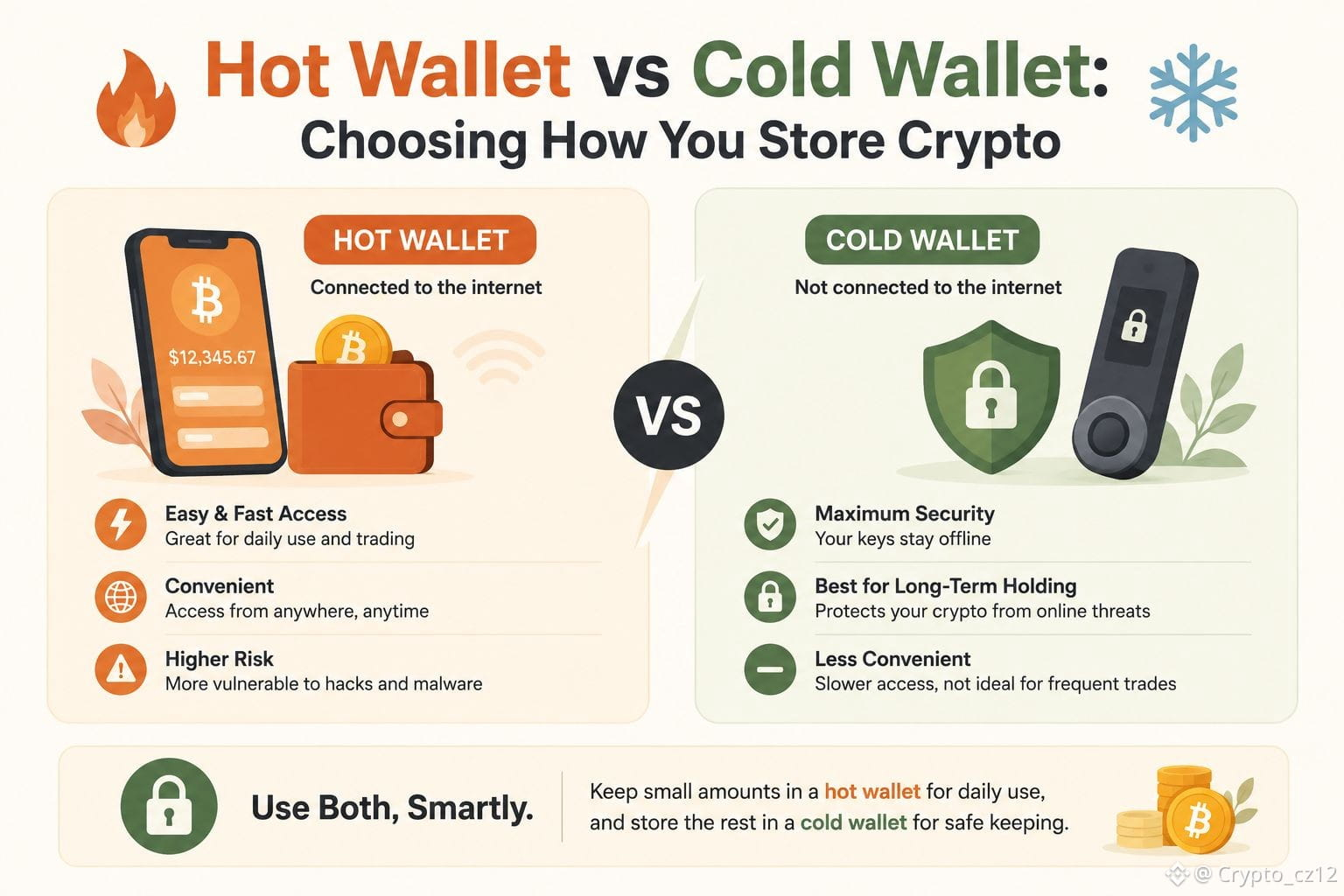
Hot Wallet vs Cold Wallet: Choosing How You Store Crypto
Hot = convenient, more exposed; cold = offline hardware, safer for long-term holding; match tool to use case
#CryptoWallet #cryptowallets
$NVDAB
$AAPLB
{spot}(AAPLBUSDT)
Hot Wallet vs Cold Wallet: Choosing How You Store Crypto
Hot = convenient, more exposed; cold = offline hardware, safer for long-term holding; match tool to use case
#CryptoWallet #cryptowallets
$NVDAB
$AAPLB
Hot = convenient, more exposed; cold = offline hardware, safer for long-term holding; match tool to use case
#CryptoWallet #cryptowallets
$NVDAB
$AAPLB
75


·
--
$BTC - UK Man Recovers 5,500 BTC Worth 4.5M USDT From 2012 Mistake
a British investor who thought he lost 2,000 USDT in bitcoin back in 2012 just recovered the haul, now worth roughly 4.5M USDT.
CEL Solicitors confirmed it located the wallet holding over 5,500 BTC tied to former Intersango users.
Funds sat dormant for 13 years before the discovery. BTC trades near 79,754 USDT, up 0.6%.
Old wallets waking up is a recurring theme this cycle. Worth double-checking any early addresses you may have abandoned.
$BTC
#Bitcoin #BTC #CryptoWallet
$BTC - UK Man Recovers 5,500 BTC Worth 4.5M USDT From 2012 Mistake
a British investor who thought he lost 2,000 USDT in bitcoin back in 2012 just recovered the haul, now worth roughly 4.5M USDT.
CEL Solicitors confirmed it located the wallet holding over 5,500 BTC tied to former Intersango users.
Funds sat dormant for 13 years before the discovery. BTC trades near 79,754 USDT, up 0.6%.
Old wallets waking up is a recurring theme this cycle. Worth double-checking any early addresses you may have abandoned.
$BTC
#Bitcoin #BTC #CryptoWallet
a British investor who thought he lost 2,000 USDT in bitcoin back in 2012 just recovered the haul, now worth roughly 4.5M USDT.
CEL Solicitors confirmed it located the wallet holding over 5,500 BTC tied to former Intersango users.
Funds sat dormant for 13 years before the discovery. BTC trades near 79,754 USDT, up 0.6%.
Old wallets waking up is a recurring theme this cycle. Worth double-checking any early addresses you may have abandoned.
$BTC
#Bitcoin #BTC #CryptoWallet
1
59
·
--
🔥 SparkKitty Malware Found in App Stores Targets Crypto Wallet Seed Phrases.
The malware was distributed through malicious apps on Apple's App Store, Google Play, and third-party app stores. Researchers warn that storing wallet recovery phrases as screenshots can expose crypto assets to theft. A new report from cybersecurity firm Check Point details how the SparkKitty malware campaign targeted cryptocurrency users by scanning photos stored on infected Android and iPhone devices for wallet recovery phrases and other sensitive information.
First discovered by Kaspersky in June 2025, Check Point's analysis detailed how the malware spread through Apple's App Store, Google Play, and third-party app stores. What makes SparkKitty particularly notable is its presence on both the Apple App Store and Google Play, giving it a wide attack surface, Check Point wrote. The threat actor behind SparkKitty distributed trojanized applications disguised as legitimate cryptocurrency tools, messaging platforms, and even entertainment appsgreatly increasing the likelihood of installation by unsuspecting users. After users granted access to their photo libraries, the malware scanned stored images for wallet recovery phrases and other sensitive information before uploading the data to attacker-controlled servers.
❓ What's your take is this the start of a bigger move or just noise? Drop it below.
$BTC $ETH
#SECryptoRegulation #AICryptoIntegration #CryptoWallet
🔥 SparkKitty Malware Found in App Stores Targets Crypto Wallet Seed Phrases.
The malware was distributed through malicious apps on Apple's App Store, Google Play, and third-party app stores. Researchers warn that storing wallet recovery phrases as screenshots can expose crypto assets to theft. A new report from cybersecurity firm Check Point details how the SparkKitty malware campaign targeted cryptocurrency users by scanning photos stored on infected Android and iPhone devices for wallet recovery phrases and other sensitive information.
First discovered by Kaspersky in June 2025, Check Point's analysis detailed how the malware spread through Apple's App Store, Google Play, and third-party app stores. What makes SparkKitty particularly notable is its presence on both the Apple App Store and Google Play, giving it a wide attack surface, Check Point wrote. The threat actor behind SparkKitty distributed trojanized applications disguised as legitimate cryptocurrency tools, messaging platforms, and even entertainment appsgreatly increasing the likelihood of installation by unsuspecting users. After users granted access to their photo libraries, the malware scanned stored images for wallet recovery phrases and other sensitive information before uploading the data to attacker-controlled servers.
❓ What's your take is this the start of a bigger move or just noise? Drop it below.
$BTC $ETH
#SECryptoRegulation #AICryptoIntegration #CryptoWallet
The malware was distributed through malicious apps on Apple's App Store, Google Play, and third-party app stores. Researchers warn that storing wallet recovery phrases as screenshots can expose crypto assets to theft. A new report from cybersecurity firm Check Point details how the SparkKitty malware campaign targeted cryptocurrency users by scanning photos stored on infected Android and iPhone devices for wallet recovery phrases and other sensitive information.
First discovered by Kaspersky in June 2025, Check Point's analysis detailed how the malware spread through Apple's App Store, Google Play, and third-party app stores. What makes SparkKitty particularly notable is its presence on both the Apple App Store and Google Play, giving it a wide attack surface, Check Point wrote. The threat actor behind SparkKitty distributed trojanized applications disguised as legitimate cryptocurrency tools, messaging platforms, and even entertainment appsgreatly increasing the likelihood of installation by unsuspecting users. After users granted access to their photo libraries, the malware scanned stored images for wallet recovery phrases and other sensitive information before uploading the data to attacker-controlled servers.
❓ What's your take is this the start of a bigger move or just noise? Drop it below.
$BTC $ETH
#SECryptoRegulation #AICryptoIntegration #CryptoWallet
43
·
--
🔥 Ledger Says Coldcard Exploit Shows Bitcoin Wallet Security Must Adapt to AI.
Image: Shutterstock/BitcoinCreate an account to save your articles.Add on GoogleAdd Decrypt as your preferred source to see more of our stories on Google.In brief Ledger says the Coldcard exploit is a warning for the hardware Bitcoin wallet industry but says its own devices were not affected. The company argues independently certified hardware random number generators are essential for securely creating wallet recovery phrases. Ledger says AI is accelerating vulnerability discovery and forcing security teams to defend at machine speed. Hardware wallet maker Ledger says the recent Coldcard exploit should serve as a warning for the cryptocurrency industry. According to Ledger CTO Charles Guillemet, the incident exposed weaknesses in how some devices, in this case hardware cryptocurrency wallets, generate cryptographic randomness while showing how artificial intelligence is reshaping both cyberattacks and digital defenses.
We're treating this as a serious reminder of how the whole security model of a hardware wallet lives or dies on randomness, Guillemet told Decrypt. Cryptography is hard and implementing it securely is harder. This week's Coldcard incident made that visible in the most expensive way possible. The comments come as the fallout from the Coldcard exploit continues to grow. Last week, Coldcard maker Coinkite disclosed a flaw in the air-gapped Coldcard Bitcoin hardware wallet that traces back to a March 2021 firmware build.
❓ What's your take is this the start of a bigger move or just noise? Drop it below.
$BTC $ETH
#SECryptoRegulation #AICryptoIntegration #CryptoWallet
🔥 Ledger Says Coldcard Exploit Shows Bitcoin Wallet Security Must Adapt to AI.
Image: Shutterstock/BitcoinCreate an account to save your articles.Add on GoogleAdd Decrypt as your preferred source to see more of our stories on Google.In brief Ledger says the Coldcard exploit is a warning for the hardware Bitcoin wallet industry but says its own devices were not affected. The company argues independently certified hardware random number generators are essential for securely creating wallet recovery phrases. Ledger says AI is accelerating vulnerability discovery and forcing security teams to defend at machine speed. Hardware wallet maker Ledger says the recent Coldcard exploit should serve as a warning for the cryptocurrency industry. According to Ledger CTO Charles Guillemet, the incident exposed weaknesses in how some devices, in this case hardware cryptocurrency wallets, generate cryptographic randomness while showing how artificial intelligence is reshaping both cyberattacks and digital defenses.
We're treating this as a serious reminder of how the whole security model of a hardware wallet lives or dies on randomness, Guillemet told Decrypt. Cryptography is hard and implementing it securely is harder. This week's Coldcard incident made that visible in the most expensive way possible. The comments come as the fallout from the Coldcard exploit continues to grow. Last week, Coldcard maker Coinkite disclosed a flaw in the air-gapped Coldcard Bitcoin hardware wallet that traces back to a March 2021 firmware build.
❓ What's your take is this the start of a bigger move or just noise? Drop it below.
$BTC $ETH
#SECryptoRegulation #AICryptoIntegration #CryptoWallet
Image: Shutterstock/BitcoinCreate an account to save your articles.Add on GoogleAdd Decrypt as your preferred source to see more of our stories on Google.In brief Ledger says the Coldcard exploit is a warning for the hardware Bitcoin wallet industry but says its own devices were not affected. The company argues independently certified hardware random number generators are essential for securely creating wallet recovery phrases. Ledger says AI is accelerating vulnerability discovery and forcing security teams to defend at machine speed. Hardware wallet maker Ledger says the recent Coldcard exploit should serve as a warning for the cryptocurrency industry. According to Ledger CTO Charles Guillemet, the incident exposed weaknesses in how some devices, in this case hardware cryptocurrency wallets, generate cryptographic randomness while showing how artificial intelligence is reshaping both cyberattacks and digital defenses.
We're treating this as a serious reminder of how the whole security model of a hardware wallet lives or dies on randomness, Guillemet told Decrypt. Cryptography is hard and implementing it securely is harder. This week's Coldcard incident made that visible in the most expensive way possible. The comments come as the fallout from the Coldcard exploit continues to grow. Last week, Coldcard maker Coinkite disclosed a flaw in the air-gapped Coldcard Bitcoin hardware wallet that traces back to a March 2021 firmware build.
❓ What's your take is this the start of a bigger move or just noise? Drop it below.
$BTC $ETH
#SECryptoRegulation #AICryptoIntegration #CryptoWallet
40

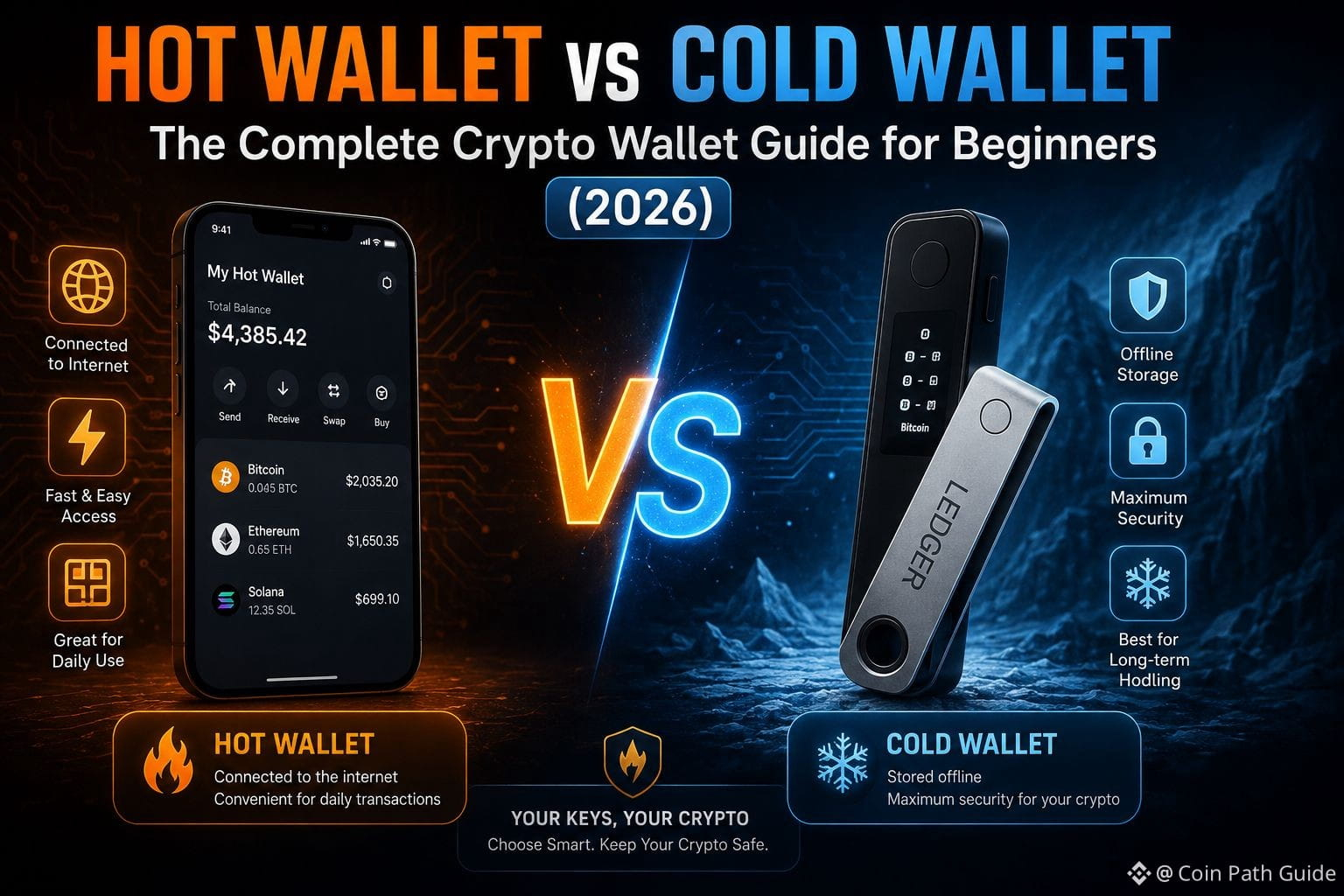
🔐 Hot Wallet vs Cold Wallet — Which One Do YOU Need?
90% of new crypto users make this mistake: leaving all their coins on an exchange. But why does "Not your keys, not your coins" actually matter?
🔥 Hot Wallet → Great for active trading, but higher risk
❄️ Cold Wallet → The safest choice for long-term holding
I broke down exactly when to use each (with real examples) on the blog 👇
https://coinpathguide.blogspot.com/2026/08/hot-wallet-vs-cold-wallet-guide.html
Which one do YOU use right now? Drop it in the comments 👇
$BTC $ETH $BNB
#Crypto #BTC #Binance #CryptoWallet
🔐 Hot Wallet vs Cold Wallet — Which One Do YOU Need?
90% of new crypto users make this mistake: leaving all their coins on an exchange. But why does "Not your keys, not your coins" actually matter?
🔥 Hot Wallet → Great for active trading, but higher risk
❄️ Cold Wallet → The safest choice for long-term holding
I broke down exactly when to use each (with real examples) on the blog 👇
https://coinpathguide.blogspot.com/2026/08/hot-wallet-vs-cold-wallet-guide.html
Which one do YOU use right now? Drop it in the comments 👇
$BTC $ETH $BNB
#Crypto #BTC #Binance #CryptoWallet
90% of new crypto users make this mistake: leaving all their coins on an exchange. But why does "Not your keys, not your coins" actually matter?
🔥 Hot Wallet → Great for active trading, but higher risk
❄️ Cold Wallet → The safest choice for long-term holding
I broke down exactly when to use each (with real examples) on the blog 👇
https://coinpathguide.blogspot.com/2026/08/hot-wallet-vs-cold-wallet-guide.html
Which one do YOU use right now? Drop it in the comments 👇
$BTC $ETH $BNB
#Crypto #BTC #Binance #CryptoWallet
2
116

⚡ #OnChainSwap powered by #1inch is now LIVE on #FutureWallet
Experience lightning-fast token swaps with smart routing, best market rates, and seamless multi-chain execution — all within a secure non-custodial ecosystem.
🔹 Best Rate Aggregation
🔹 Fast & Secure Swaps
🔹 Multi-Chain Support
🔹 Built for Web3 Efficiency
Swap smarter. Trade faster. Stay decentralized. 🚀
X @MyfWallet
#FutureWallet #1inch #DeFi #Web3 #Crypto #Blockchain #DEX #MultiChain #CryptoWallet $NEIRO
⚡ #OnChainSwap powered by #1inch is now LIVE on #FutureWallet
Experience lightning-fast token swaps with smart routing, best market rates, and seamless multi-chain execution — all within a secure non-custodial ecosystem.
🔹 Best Rate Aggregation
🔹 Fast & Secure Swaps
🔹 Multi-Chain Support
🔹 Built for Web3 Efficiency
Swap smarter. Trade faster. Stay decentralized. 🚀
X @MyfWallet
#FutureWallet #1inch #DeFi #Web3 #Crypto #Blockchain #DEX #MultiChain #CryptoWallet $NEIRO
Experience lightning-fast token swaps with smart routing, best market rates, and seamless multi-chain execution — all within a secure non-custodial ecosystem.
🔹 Best Rate Aggregation
🔹 Fast & Secure Swaps
🔹 Multi-Chain Support
🔹 Built for Web3 Efficiency
Swap smarter. Trade faster. Stay decentralized. 🚀
X @MyfWallet
#FutureWallet #1inch #DeFi #Web3 #Crypto #Blockchain #DEX #MultiChain #CryptoWallet $NEIRO

224

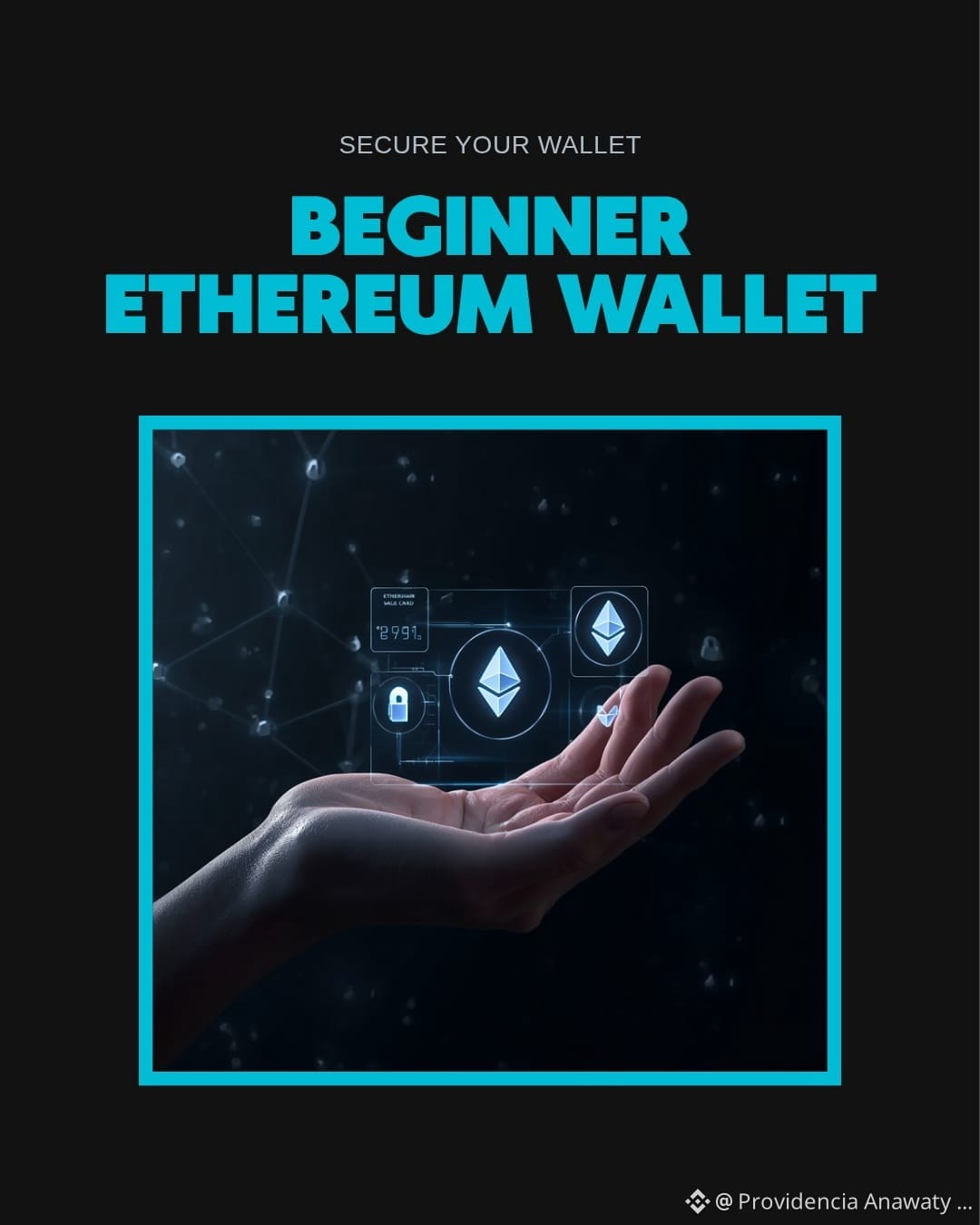
Crypto Wallets Explained: Why $ETH Makes It Easy to Understand
{spot}(ETHUSDT)
A crypto wallet is not a place where your coins “sit.” It is the tool that lets you control your blockchain account, sign transactions, and protect access to your funds
If you are new to crypto, this is one of the most important ideas to understand early.
On Ethereum, a wallet is your window into your account. It lets you view your balance, send transactions, connect to apps, and manage your assets without giving custody to a third party.
Here is the simple version:
Public address: safe to share, used to receive crypto
Private key: secret, used to sign transactions and prove control
Seed phrase: your recovery backup, and it must be kept offline and private
That means your wallet is powerful, but it also comes with responsibility.
A few beginner rules that matter a lot:
Never share your seed phrase or private key .
Bookmark official wallet sites to avoid phishing scams
Keep large balances in stronger storage options when possible
Test with a small transaction before sending a larger amount.
The biggest mistake beginners make is thinking a wallet is the same as an exchange. It is not. An exchange can hold funds for you, but a self-custody wallet puts you in control
That control is the real value of crypto, but it only works if you protect your keys properly.
Educational disclaimer: This post is for learning only and is not financial advice.
#CryptoWallet #Ethereum #SeedPhrase #CryptoEducation #BinanceSquare
Crypto Wallets Explained: Why $ETH Makes It Easy to Understand
A crypto wallet is not a place where your coins “sit.” It is the tool that lets you control your blockchain account, sign transactions, and protect access to your funds
If you are new to crypto, this is one of the most important ideas to understand early.
On Ethereum, a wallet is your window into your account. It lets you view your balance, send transactions, connect to apps, and manage your assets without giving custody to a third party.
Here is the simple version:
Public address: safe to share, used to receive crypto
Private key: secret, used to sign transactions and prove control
Seed phrase: your recovery backup, and it must be kept offline and private
That means your wallet is powerful, but it also comes with responsibility.
A few beginner rules that matter a lot:
Never share your seed phrase or private key .
Bookmark official wallet sites to avoid phishing scams
Keep large balances in stronger storage options when possible
Test with a small transaction before sending a larger amount.
The biggest mistake beginners make is thinking a wallet is the same as an exchange. It is not. An exchange can hold funds for you, but a self-custody wallet puts you in control
That control is the real value of crypto, but it only works if you protect your keys properly.
Educational disclaimer: This post is for learning only and is not financial advice.
#CryptoWallet #Ethereum #SeedPhrase #CryptoEducation #BinanceSquare
A crypto wallet is not a place where your coins “sit.” It is the tool that lets you control your blockchain account, sign transactions, and protect access to your funds
If you are new to crypto, this is one of the most important ideas to understand early.
On Ethereum, a wallet is your window into your account. It lets you view your balance, send transactions, connect to apps, and manage your assets without giving custody to a third party.
Here is the simple version:
Public address: safe to share, used to receive crypto
Private key: secret, used to sign transactions and prove control
Seed phrase: your recovery backup, and it must be kept offline and private
That means your wallet is powerful, but it also comes with responsibility.
A few beginner rules that matter a lot:
Never share your seed phrase or private key .
Bookmark official wallet sites to avoid phishing scams
Keep large balances in stronger storage options when possible
Test with a small transaction before sending a larger amount.
The biggest mistake beginners make is thinking a wallet is the same as an exchange. It is not. An exchange can hold funds for you, but a self-custody wallet puts you in control
That control is the real value of crypto, but it only works if you protect your keys properly.
Educational disclaimer: This post is for learning only and is not financial advice.
#CryptoWallet #Ethereum #SeedPhrase #CryptoEducation #BinanceSquare
117
·
--
🔥 Coldcard Bitcoin Thefts Slow, But Losses Could Top $150 Million: Galaxy.
Image: Shutterstock/DecryptCreate an account to save your articles.Add on GoogleAdd Decrypt as your preferred source to see more of our stories on Google.In brief Galaxy Research now puts the Coldcard exploit's confirmed haul above 1,778 BTC (about $112 million), with a suspected fourth wave that would lift it to 2,417 BTC. No confirmed attacker activity has appeared after August 6, across three major waves and more than 30 smaller footprints. Galaxy has spoken to 190-plus victims directly and still tells single-signature Coldcard holders to move funds to fresh addresses. Stolen Bitcoin losses from the massive Coldcard wallet exploit have begun to slow, but the total amount of BTC swiped continues to climband the worst may not be over just yet.
Thats the latest from Galaxy Research, the crypto research firm thats been tracking the exploit from the start. The company said Thursday that the Coldcard seed-recreation exploit has now drained more than 1,778 BTCroughly $112 millionand the final figure will likely be higher. Galaxy said it has very high confidence in the tally, which counts confirmed, owner-attributed thefts since the attack opened on July 30, per its running thread on X. Attackers have been executing this attack since at least early morning July 30, 2026, systematically recreating Coldcard-generated seeds and sweeping the funds onchain, Galaxy Research wrote.
❓ What's your take is this the start of a bigger move or just noise? Drop it below.
$BTC $ETH
#AICryptoIntegration #CryptoWallet #TonEcosystem
🔥 Coldcard Bitcoin Thefts Slow, But Losses Could Top $150 Million: Galaxy.
Image: Shutterstock/DecryptCreate an account to save your articles.Add on GoogleAdd Decrypt as your preferred source to see more of our stories on Google.In brief Galaxy Research now puts the Coldcard exploit's confirmed haul above 1,778 BTC (about $112 million), with a suspected fourth wave that would lift it to 2,417 BTC. No confirmed attacker activity has appeared after August 6, across three major waves and more than 30 smaller footprints. Galaxy has spoken to 190-plus victims directly and still tells single-signature Coldcard holders to move funds to fresh addresses. Stolen Bitcoin losses from the massive Coldcard wallet exploit have begun to slow, but the total amount of BTC swiped continues to climband the worst may not be over just yet.
Thats the latest from Galaxy Research, the crypto research firm thats been tracking the exploit from the start. The company said Thursday that the Coldcard seed-recreation exploit has now drained more than 1,778 BTCroughly $112 millionand the final figure will likely be higher. Galaxy said it has very high confidence in the tally, which counts confirmed, owner-attributed thefts since the attack opened on July 30, per its running thread on X. Attackers have been executing this attack since at least early morning July 30, 2026, systematically recreating Coldcard-generated seeds and sweeping the funds onchain, Galaxy Research wrote.
❓ What's your take is this the start of a bigger move or just noise? Drop it below.
$BTC $ETH
#AICryptoIntegration #CryptoWallet #TonEcosystem
Image: Shutterstock/DecryptCreate an account to save your articles.Add on GoogleAdd Decrypt as your preferred source to see more of our stories on Google.In brief Galaxy Research now puts the Coldcard exploit's confirmed haul above 1,778 BTC (about $112 million), with a suspected fourth wave that would lift it to 2,417 BTC. No confirmed attacker activity has appeared after August 6, across three major waves and more than 30 smaller footprints. Galaxy has spoken to 190-plus victims directly and still tells single-signature Coldcard holders to move funds to fresh addresses. Stolen Bitcoin losses from the massive Coldcard wallet exploit have begun to slow, but the total amount of BTC swiped continues to climband the worst may not be over just yet.
Thats the latest from Galaxy Research, the crypto research firm thats been tracking the exploit from the start. The company said Thursday that the Coldcard seed-recreation exploit has now drained more than 1,778 BTCroughly $112 millionand the final figure will likely be higher. Galaxy said it has very high confidence in the tally, which counts confirmed, owner-attributed thefts since the attack opened on July 30, per its running thread on X. Attackers have been executing this attack since at least early morning July 30, 2026, systematically recreating Coldcard-generated seeds and sweeping the funds onchain, Galaxy Research wrote.
❓ What's your take is this the start of a bigger move or just noise? Drop it below.
$BTC $ETH
#AICryptoIntegration #CryptoWallet #TonEcosystem
20
·
--
🔥 Another Dormant Bitcoin Wallet Holding Millions Wakes Up After 12 Years.
Image: Shutterstock/DecryptCreate an account to save your articles.Add on GoogleAdd Decrypt as your preferred source to see more of our stories on Google.In brief The coins were first received on January 31, 2014, and moved in block 961845 at 07:03 UTC on August 10, 2026. Galaxy Research tracked the move; the position carries a potential realized gain of roughly $1.73 million, up 7,975% on an ~$803 average cost. It's the second old-coin awakening flagged this month, after a 2011 wallet moved 49.97 BTC on August 6. Another long-time dormant Bitcoin address just woke upthis one after 12 and a half years of inactivity.
The Bitcoin wallet beginning in 14vMEC first took in BTC on January 31, 2014, when BTC traded well under $1,000. It held for 12.5 years before a single transaction swept the balance to a fresh address in block 961845 at 07:03 UTC on August 10. The move could potentially realize a gain of about $1.73 million, a 7,975% return on an average basis near $803 per coin. That return profile is specific to Bitcoin's early years, when the asset was a thinly traded experiment rather than a $1.3 trillion market.
❓ What's your take is this the start of a bigger move or just noise? Drop it below.
$BTC $ETH
#SECryptoRegulation #AICryptoIntegration #CryptoWallet
🔥 Another Dormant Bitcoin Wallet Holding Millions Wakes Up After 12 Years.
Image: Shutterstock/DecryptCreate an account to save your articles.Add on GoogleAdd Decrypt as your preferred source to see more of our stories on Google.In brief The coins were first received on January 31, 2014, and moved in block 961845 at 07:03 UTC on August 10, 2026. Galaxy Research tracked the move; the position carries a potential realized gain of roughly $1.73 million, up 7,975% on an ~$803 average cost. It's the second old-coin awakening flagged this month, after a 2011 wallet moved 49.97 BTC on August 6. Another long-time dormant Bitcoin address just woke upthis one after 12 and a half years of inactivity.
The Bitcoin wallet beginning in 14vMEC first took in BTC on January 31, 2014, when BTC traded well under $1,000. It held for 12.5 years before a single transaction swept the balance to a fresh address in block 961845 at 07:03 UTC on August 10. The move could potentially realize a gain of about $1.73 million, a 7,975% return on an average basis near $803 per coin. That return profile is specific to Bitcoin's early years, when the asset was a thinly traded experiment rather than a $1.3 trillion market.
❓ What's your take is this the start of a bigger move or just noise? Drop it below.
$BTC $ETH
#SECryptoRegulation #AICryptoIntegration #CryptoWallet
Image: Shutterstock/DecryptCreate an account to save your articles.Add on GoogleAdd Decrypt as your preferred source to see more of our stories on Google.In brief The coins were first received on January 31, 2014, and moved in block 961845 at 07:03 UTC on August 10, 2026. Galaxy Research tracked the move; the position carries a potential realized gain of roughly $1.73 million, up 7,975% on an ~$803 average cost. It's the second old-coin awakening flagged this month, after a 2011 wallet moved 49.97 BTC on August 6. Another long-time dormant Bitcoin address just woke upthis one after 12 and a half years of inactivity.
The Bitcoin wallet beginning in 14vMEC first took in BTC on January 31, 2014, when BTC traded well under $1,000. It held for 12.5 years before a single transaction swept the balance to a fresh address in block 961845 at 07:03 UTC on August 10. The move could potentially realize a gain of about $1.73 million, a 7,975% return on an average basis near $803 per coin. That return profile is specific to Bitcoin's early years, when the asset was a thinly traded experiment rather than a $1.3 trillion market.
❓ What's your take is this the start of a bigger move or just noise? Drop it below.
$BTC $ETH
#SECryptoRegulation #AICryptoIntegration #CryptoWallet
43
Log in to explore more content
Join global crypto users on Binance Square
⚡️ Get latest and useful information about crypto.
💬 Trusted by the world’s largest crypto exchange.
👍 Discover real insights from verified creators.
Email / Phone number
Trending Topics
1
#FedMinutesFocusOnOctoberPause
12,992 views
335 Discussing
2
#BinanceLaunchesBinanceIntelligence
921,714 views
5,605 Discussing
3
#RobinhoodAdds$25MInBitcoinToBalanceSheet
724 views
28 Discussing
4
#SP500AndNasdaqHitRecordHighs
4,238 views
178 Discussing
5
#USMortgageRatesRiseTo7.49%
4,193 views
157 Discussing
6
#BTCFallsBelow$84K
72,174 views
191 Discussing
7
#DubaiVARAIssuesReserveAssetAuditCircular
28,189 views
764 Discussing
8
#SECApproves3XBitcoinETF
27,292 views
622 Discussing
9
#WinklevossFilesSpotZcashETFApplication
35,581 views
735 Discussing
10
#SouthKoreaAITradeLiftsWorldcoinTo$7.41B
3,821 views
52 Discussing