

#trezorsayscryptobilissoldwalletmaycontainmaliciouscomponents
trezorsayscryptobilissoldwalletmaycontainmaliciouscomponents
Hot
Latest

·
--
Bullish
#TrezorSaysCryptoBilisSoldWalletMayContainMaliciousComponents
🚨 TREZOR SECURITY ALERT: COMPROMISED WALLETS FOUND ON THIRD-PARTY VENDORS! 🛡️⚠️
The Warning: Trezor has issued an urgent security warning regarding hardware wallets sold by the third-party vendor "Crypto Bilis," revealing they may contain dangerous malicious components.
The Authorized Source Risk: The vulnerability doesn't stem from Trezor's devices themselves, but rather from unauthorized distribution channels and untrusted resellers compromising physical device integrity.
Severe Financial Risk: Using compromised hardware can lead to total asset loss, making it vital to buy exclusively from official manufacturers or verified authorized partners.
Security Best Practices: Always double-check tamper-evident packaging, verify device bootloader authenticity, and never trust second-hand or unauthorized retail listings for digital asset storage.
💬 YOUR TURN: Have you ever purchased hardware wallets from third-party marketplaces, or do you strictly buy direct? How do you verify your device's security?
👇 Drop your thoughts below!
"CLICK ON THE BELOW YELLOW COIN TAG TO GO TO DESIRED TRADING PAGE TO GET BENEFIT TRADE" $BTC
{future}(BTCUSDT)
$ETH
{future}(ETHUSDT)
$ZEC
{future}(ZECUSDT)
#$1.5BInLeveragedCryptoBetsLiquidated #USMidtermElections #UniswapA16zSeekDeFiExemptionFromIllinoisCryptoTax
#TrezorSaysCryptoBilisSoldWalletMayContainMaliciousComponents
🚨 TREZOR SECURITY ALERT: COMPROMISED WALLETS FOUND ON THIRD-PARTY VENDORS! 🛡️⚠️
The Warning: Trezor has issued an urgent security warning regarding hardware wallets sold by the third-party vendor "Crypto Bilis," revealing they may contain dangerous malicious components.
The Authorized Source Risk: The vulnerability doesn't stem from Trezor's devices themselves, but rather from unauthorized distribution channels and untrusted resellers compromising physical device integrity.
Severe Financial Risk: Using compromised hardware can lead to total asset loss, making it vital to buy exclusively from official manufacturers or verified authorized partners.
Security Best Practices: Always double-check tamper-evident packaging, verify device bootloader authenticity, and never trust second-hand or unauthorized retail listings for digital asset storage.
💬 YOUR TURN: Have you ever purchased hardware wallets from third-party marketplaces, or do you strictly buy direct? How do you verify your device's security?
👇 Drop your thoughts below!
"CLICK ON THE BELOW YELLOW COIN TAG TO GO TO DESIRED TRADING PAGE TO GET BENEFIT TRADE" $BTC
$ETH
$ZEC
#$1.5BInLeveragedCryptoBetsLiquidated #USMidtermElections #UniswapA16zSeekDeFiExemptionFromIllinoisCryptoTax

1
137
·
--
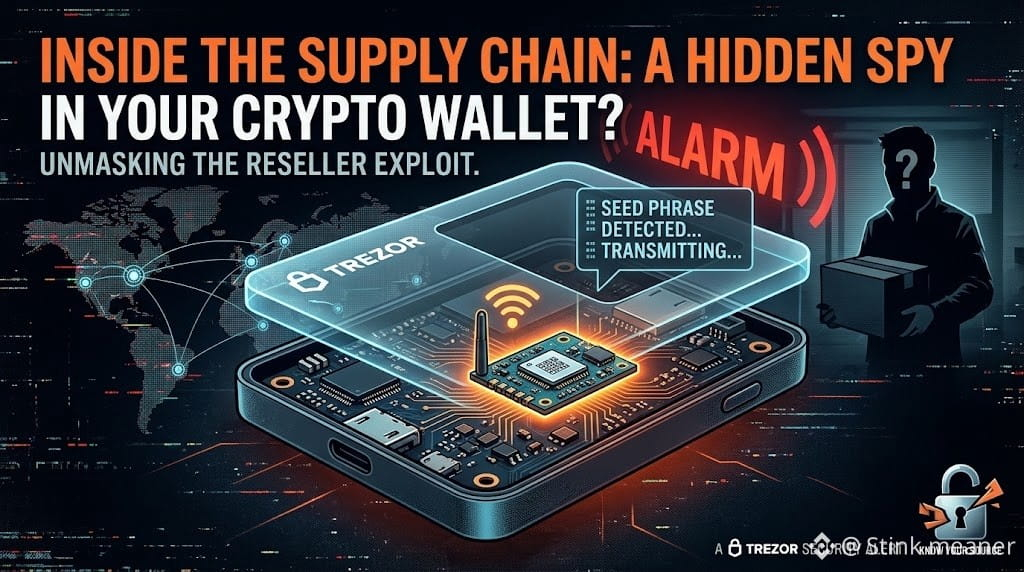
🚨 One suspected hardware implant in a Trezor Safe 5 has triggered a warning covering every Trezor model sold by the same reseller since March.
#TrezorSaysCryptoBilisSoldWalletMayContainMaliciousComponents
On October 28, Trezor received a responsible disclosure from an Indonesian customer who purchased a Safe 5 through CryptoBilis in August.
The reported implant was an additional circuit board fitted between the wallet's main board and screen, containing a cellular module and antenna.
Its alleged function? Read the recovery phrase displayed during setup and transmit it over a mobile network.
Here's the important distinction.
Trezor has not physically examined that device yet. The warning is based on photographs, the customer's description and a video interview. No CryptoBilis buyer has reported lost funds to Trezor.
However, this isn't the reseller's first security controversy. Ledger previously confirmed that some devices sold through CryptoBilis contained unauthorized hardware implants designed to capture recovery phrases.
My view: hardware-wallet security begins before a device reaches the customer. Secure chip design means little if the supply chain can be compromised.
Trezor recommends affected customers create a completely new wallet with a new recovery phrase.
Are we paying enough attention to where our hardware wallets come from, rather than just trusting the brand printed on the box?
Not financial advice.
$BNB $BTC $ETH
{future}(ETHUSDT)
{future}(BTCUSDT)
{future}(BNBUSDT)
#$1.5BInLeveragedCryptoBetsLiquidated #BitcoinSecurity #CryptoSecurity #SelfCustody #HackerAlert
🚨 One suspected hardware implant in a Trezor Safe 5 has triggered a warning covering every Trezor model sold by the same reseller since March.
#TrezorSaysCryptoBilisSoldWalletMayContainMaliciousComponents
On October 28, Trezor received a responsible disclosure from an Indonesian customer who purchased a Safe 5 through CryptoBilis in August.
The reported implant was an additional circuit board fitted between the wallet's main board and screen, containing a cellular module and antenna.
Its alleged function? Read the recovery phrase displayed during setup and transmit it over a mobile network.
Here's the important distinction.
Trezor has not physically examined that device yet. The warning is based on photographs, the customer's description and a video interview. No CryptoBilis buyer has reported lost funds to Trezor.
However, this isn't the reseller's first security controversy. Ledger previously confirmed that some devices sold through CryptoBilis contained unauthorized hardware implants designed to capture recovery phrases.
My view: hardware-wallet security begins before a device reaches the customer. Secure chip design means little if the supply chain can be compromised.
Trezor recommends affected customers create a completely new wallet with a new recovery phrase.
Are we paying enough attention to where our hardware wallets come from, rather than just trusting the brand printed on the box?
Not financial advice.
$BNB $BTC $ETH
#$1.5BInLeveragedCryptoBetsLiquidated #BitcoinSecurity #CryptoSecurity #SelfCustody #HackerAlert
1
17

·
--
Trezor has issued a warning regarding crypto wallets sold by a third-party vendor, "Crypto Bilis," stating they may contain malicious components. This incident highlights the critical importance of security in hardware wallets and the need for users to be vigilant about the source of their crypto storage solutions. Purchasing directly from manufacturers or authorized resellers is paramount to avoid such risks. The potential for compromised hardware could lead to severe financial losses for unsuspecting users.
This situation underscores a broader concern within the crypto space: the trust placed in hardware providers. While Trezor itself is a reputable brand, the vulnerability arises from unauthorized distribution channels. Users should always verify the authenticity and integrity of their hardware wallets before storing significant amounts of cryptocurrency. The investigation into Crypto Bilis's practices is ongoing, and further details on the nature of the malicious components are expected.
It is crucial for the crypto community to prioritize security best practices. Always double-check product packaging for tampering and consider the reputation and distribution channels of any hardware wallet provider. This event serves as a stark reminder that in the world of digital assets, security is not just a feature, but a fundamental necessity.
#TrezorSaysCryptoBilisSoldWalletMayContainMaliciousComponents
185

·
--
Bullish
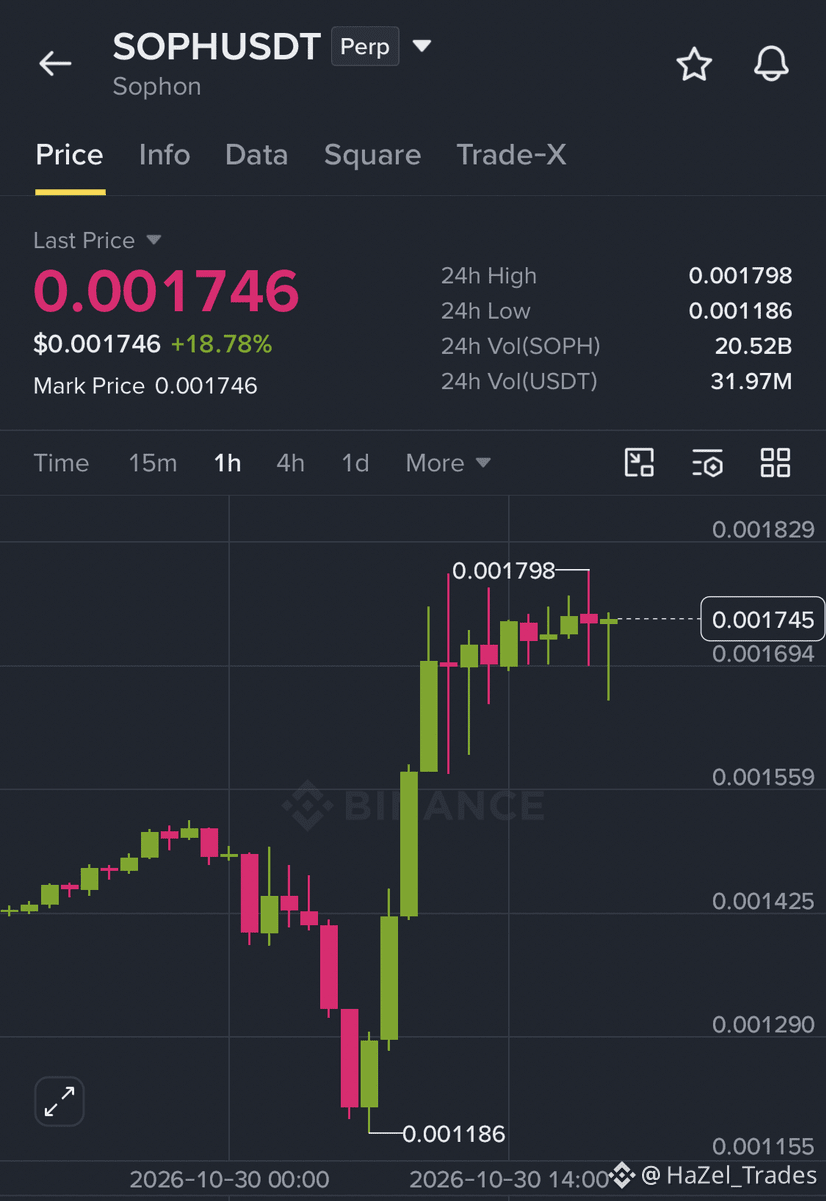
$SOPH LONG SETUP🟢
Entry: $0.00172–$0.00174
TP1: $0.00180
TP2: $0.00185
TP3: $0.00190
SL: $0.00168
SOPH has made a strong move up and is now consolidating around $0.00174. I’m watching the $0.00180 level closely. If price breaks above it with good momentum, we could see another move higher. I’d wait for confirmation before entering.
{future}(SOPHUSDT)
#UniswapA16zSeekDeFiExemptionFromIllinoisCryptoTax #$1.5BInLeveragedCryptoBetsLiquidated #TrezorSaysCryptoBilisSoldWalletMayContainMaliciousComponents #KOSPIFalls3.53%BackBelow6000
$SOPH LONG SETUP🟢
Entry: $0.00172–$0.00174
TP1: $0.00180
TP2: $0.00185
TP3: $0.00190
SL: $0.00168
SOPH has made a strong move up and is now consolidating around $0.00174. I’m watching the $0.00180 level closely. If price breaks above it with good momentum, we could see another move higher. I’d wait for confirmation before entering.
#UniswapA16zSeekDeFiExemptionFromIllinoisCryptoTax #$1.5BInLeveragedCryptoBetsLiquidated #TrezorSaysCryptoBilisSoldWalletMayContainMaliciousComponents #KOSPIFalls3.53%BackBelow6000
5
1
2
114
·
--
Bearish
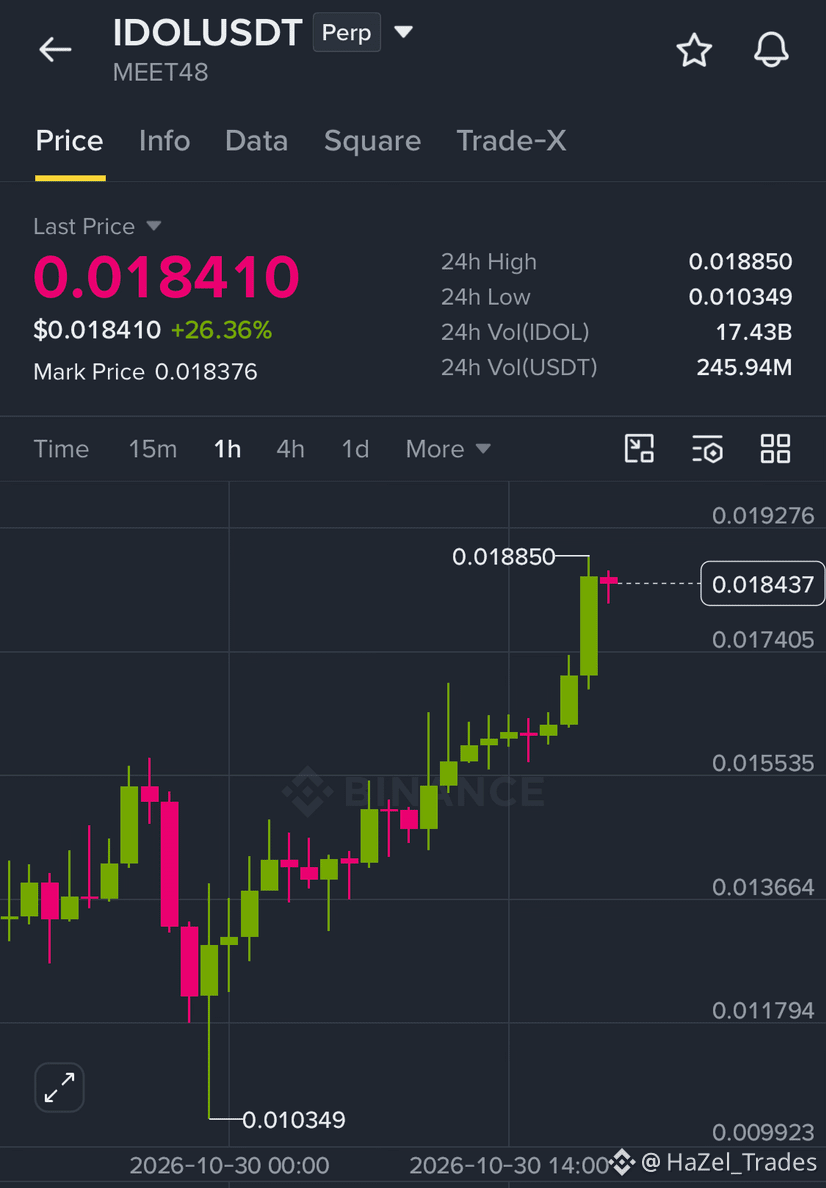
$IDOL THE RALLY IS SHOWING SIGNS OF EXHAUSTION!
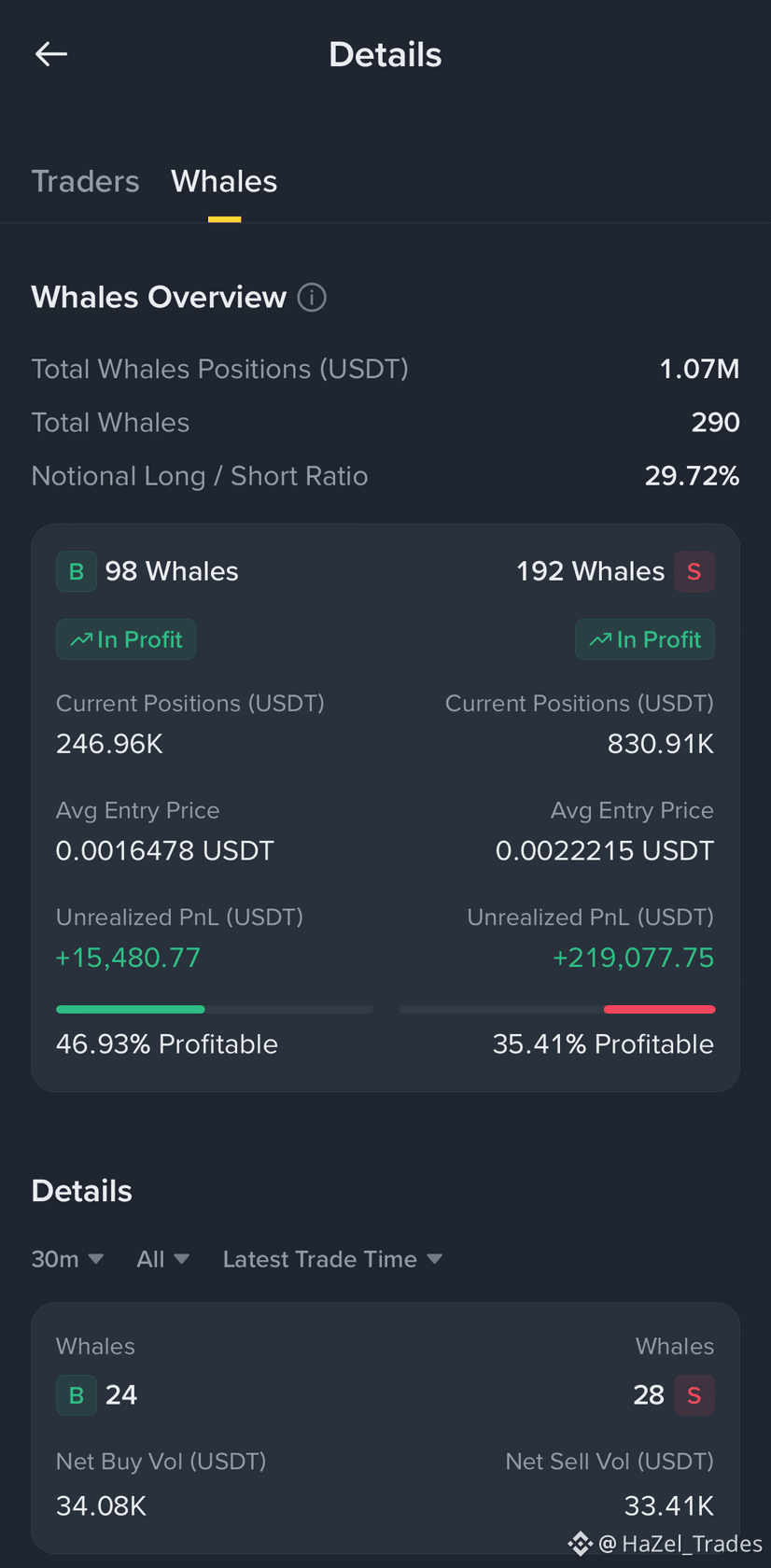
After a massive 26% surge, IDOL is approaching the $0.01885 resistance zone. RSI is heavily overbought, while recent whale activity shows stronger selling pressure. A rejection could trigger profit-taking.
🚨 SHORT $IDOL
Entry: 0.01870 – 0.01890
TP1: 0.01755
TP2: 0.01612
TP3: 0.01464
SL: 0.01955
SELLING PRESSURE IS BUILDING — WATCH THIS RESISTANCE 👇🏻🌸
Wait for rejection confirmation. Whales still hold significantly larger long positions, so a squeeze remains possible.
{future}(IDOLUSDT)
#UniswapA16zSeekDeFiExemptionFromIllinoisCryptoTax #$1.5BInLeveragedCryptoBetsLiquidated #TrezorSaysCryptoBilisSoldWalletMayContainMaliciousComponents
$IDOL THE RALLY IS SHOWING SIGNS OF EXHAUSTION!
After a massive 26% surge, IDOL is approaching the $0.01885 resistance zone. RSI is heavily overbought, while recent whale activity shows stronger selling pressure. A rejection could trigger profit-taking.
🚨 SHORT $IDOL
Entry: 0.01870 – 0.01890
TP1: 0.01755
TP2: 0.01612
TP3: 0.01464
SL: 0.01955
SELLING PRESSURE IS BUILDING — WATCH THIS RESISTANCE 👇🏻🌸
Wait for rejection confirmation. Whales still hold significantly larger long positions, so a squeeze remains possible.
#UniswapA16zSeekDeFiExemptionFromIllinoisCryptoTax #$1.5BInLeveragedCryptoBetsLiquidated #TrezorSaysCryptoBilisSoldWalletMayContainMaliciousComponents
5
2
1
118
·
--
Bullish
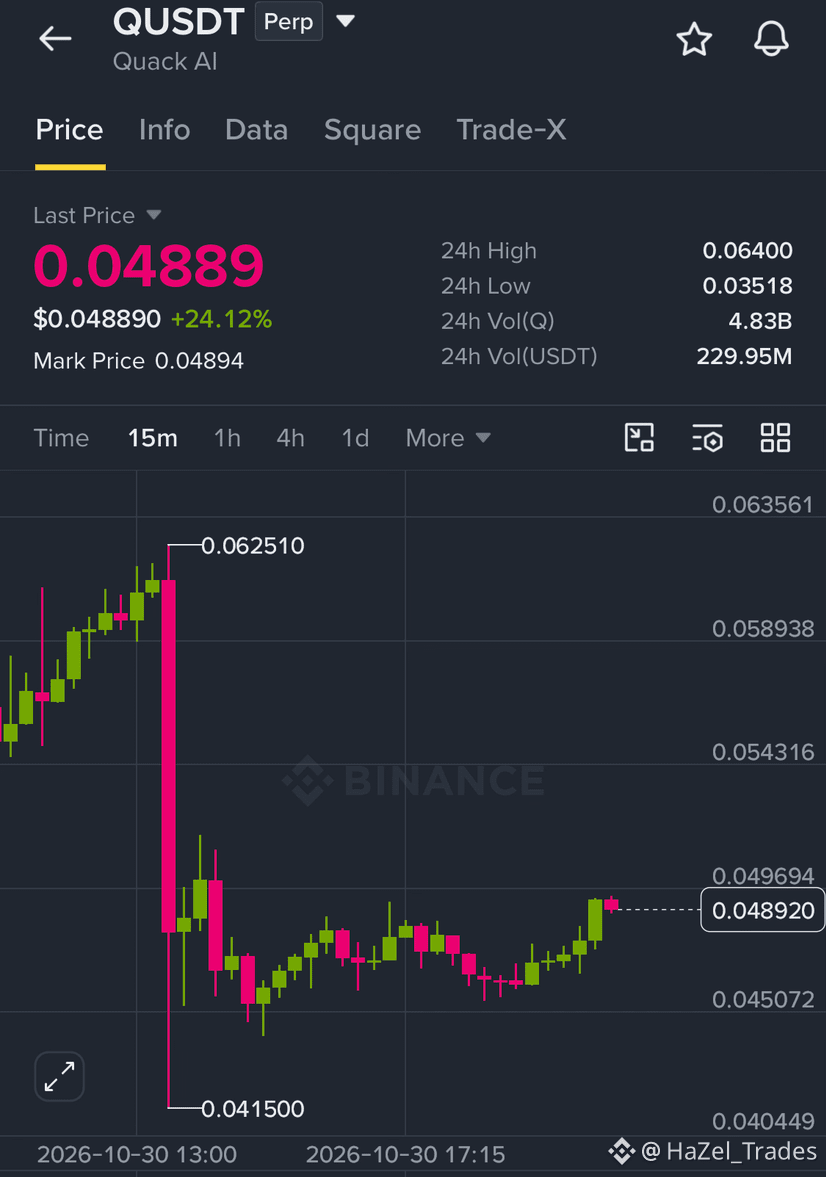
$Q Long Setup🟢
Entry: 0.0470–0.0480
SL: 0.0450
TP1: 0.0510
TP2: 0.0535
TP3: 0.0560
QUSDT is showing a recovery from the lower levels. Looking for a move towards 0.0510 and above, but I’ll wait for confirmation before entering. If price breaks below 0.0450, the setup is invalid.
{future}(QUSDT)
#UniswapA16zSeekDeFiExemptionFromIllinoisCryptoTax #HKDollarStablecoinHKDAPToLaunchOnSolana #$1.5BInLeveragedCryptoBetsLiquidated #TrezorSaysCryptoBilisSoldWalletMayContainMaliciousComponents
$Q Long Setup🟢
Entry: 0.0470–0.0480
SL: 0.0450
TP1: 0.0510
TP2: 0.0535
TP3: 0.0560
QUSDT is showing a recovery from the lower levels. Looking for a move towards 0.0510 and above, but I’ll wait for confirmation before entering. If price breaks below 0.0450, the setup is invalid.
#UniswapA16zSeekDeFiExemptionFromIllinoisCryptoTax #HKDollarStablecoinHKDAPToLaunchOnSolana #$1.5BInLeveragedCryptoBetsLiquidated #TrezorSaysCryptoBilisSoldWalletMayContainMaliciousComponents
4
101


·
--
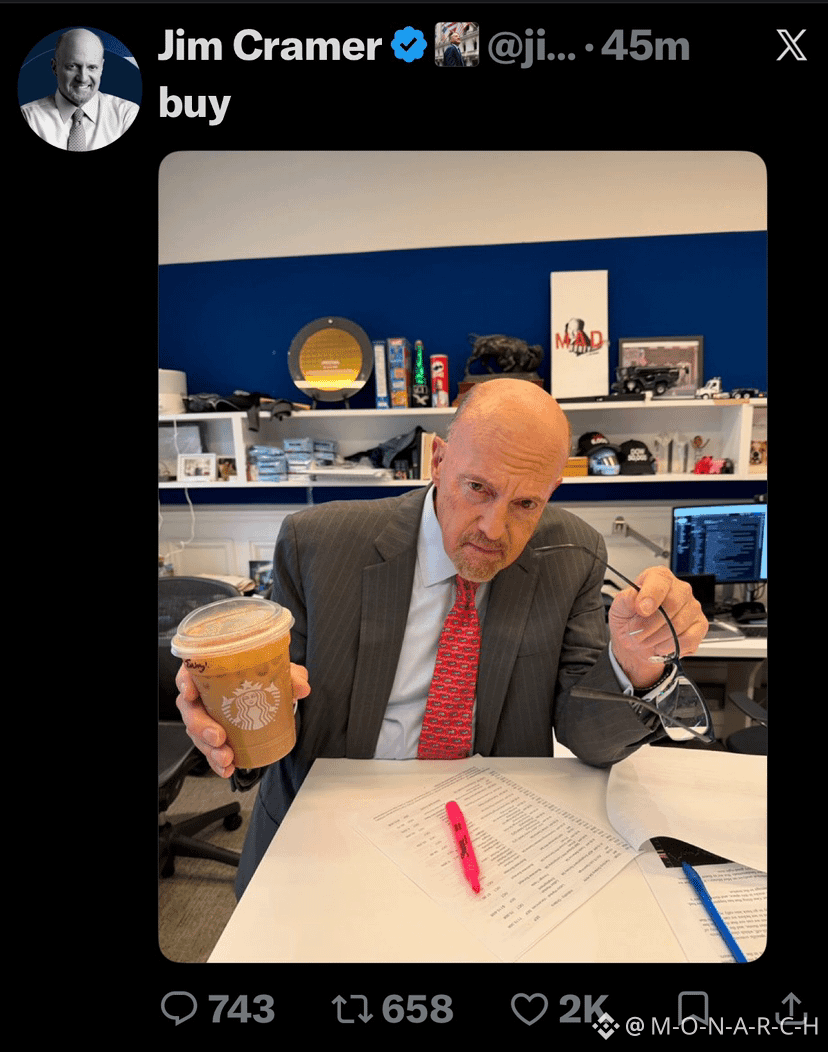
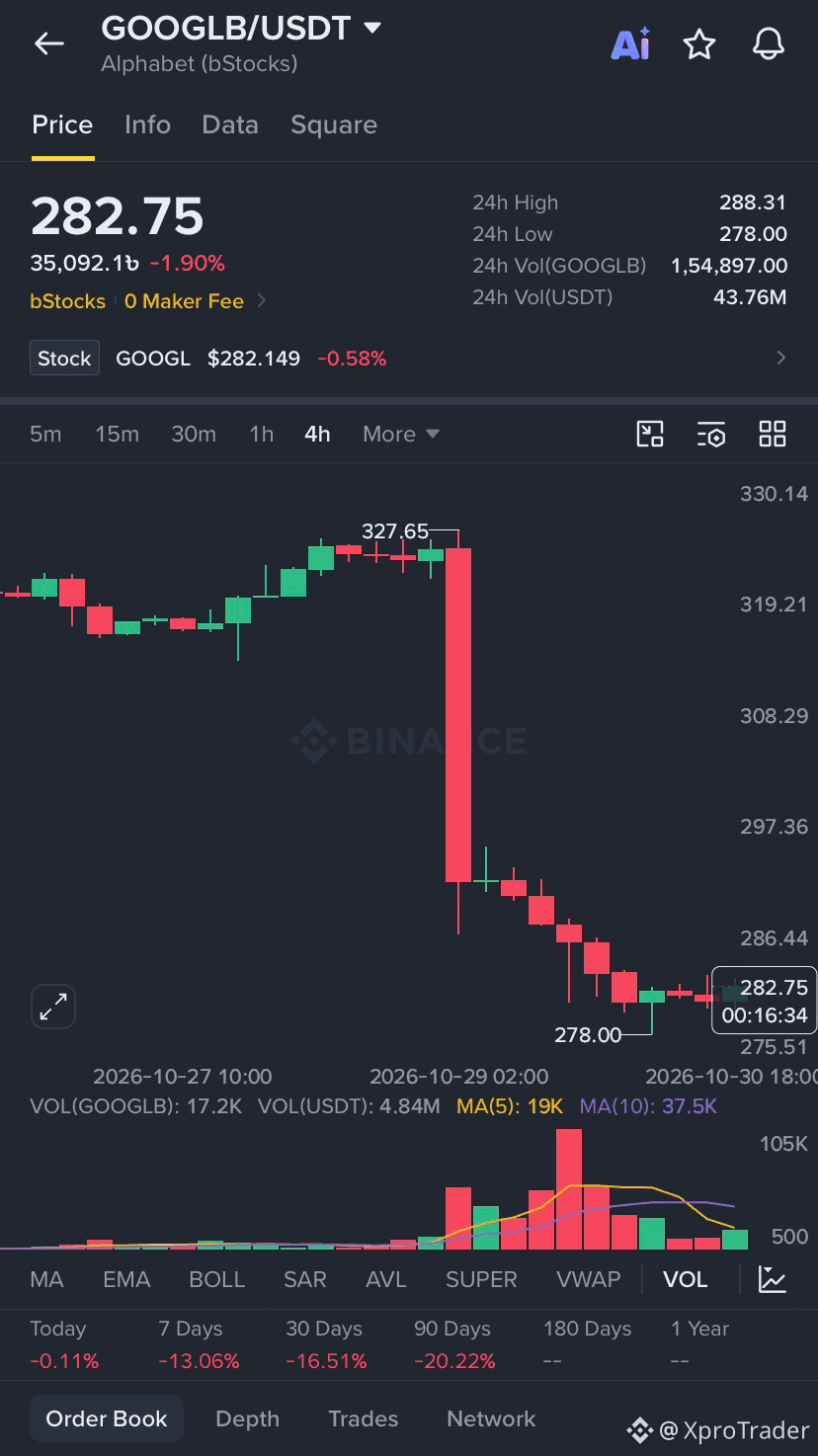
Do you know anything about that?
$GOOGLB ia not a random meme coin
Why this happened?
#TrezorSaysCryptoBilisSoldWalletMayContainMaliciousComponents
#GOOGLB
Do you know anything about that?
$GOOGLB ia not a random meme coin
Why this happened?
#TrezorSaysCryptoBilisSoldWalletMayContainMaliciousComponents
#GOOGLB
$GOOGLB ia not a random meme coin
Why this happened?
#TrezorSaysCryptoBilisSoldWalletMayContainMaliciousComponents
#GOOGLB
1
22

·
--
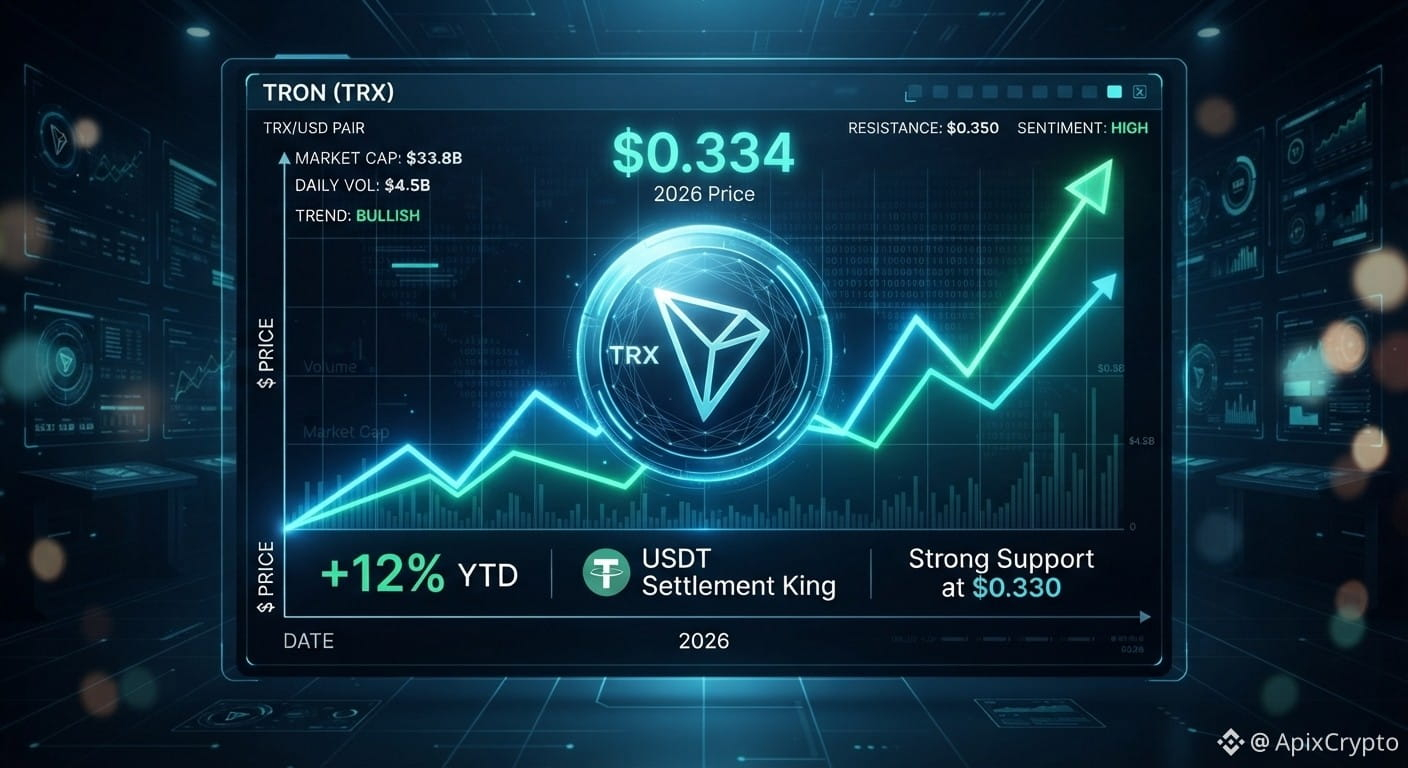
TRON ($TRX ) Latest Technical & Fundamental Analysis
Current Price: $0.33424-Hour Trend: Neutral / Intraday ConsolidatedKey Resistance Level: $0.337 - $0.342Key Support Level: $0.328 - $0.330
Market Momentum
TRX continues to show strong macroeconomic resilience, outperforming many top altcoins due to its unrivaled dominance in the stablecoin sector. The network successfully processed over 73% of all global USDT settlements in Q3, securing massive network fee generation and an institutional boost from a newly introduced TRX options market.
Technical Outlook
Consolidation Zone: TRX is presently consolidating within a tight, narrowing volatility band. The 14-day RSI hovers near 51 (Neutral), indicating a healthy equilibrium between buyers and sellers after testing recent weekly highs. Bullish Breakout Potential: A sustained close above the immediate resistance at $0.337 could act as a launchpad, pushing the token toward the key structural target of $0.345. ]Bearish Defensive Floor: A heavy demand zone sits strong at $0.330. If market-wide selling pressure forces a drop below this psychological support, the next major downside target lies around $0.324.#UniswapA16zSeekDeFiExemptionFromIllinoisCryptoTax #$1.5BInLeveragedCryptoBetsLiquidated #TrezorSaysCryptoBilisSoldWalletMayContainMaliciousComponents #KOSPIFalls3.53%BackBelow6000
{future}(TRXUSDT)
{spot}(TRXUSDT)
TRON ($TRX ) Latest Technical & Fundamental Analysis
Current Price: $0.33424-Hour Trend: Neutral / Intraday ConsolidatedKey Resistance Level: $0.337 - $0.342Key Support Level: $0.328 - $0.330
Market Momentum
TRX continues to show strong macroeconomic resilience, outperforming many top altcoins due to its unrivaled dominance in the stablecoin sector. The network successfully processed over 73% of all global USDT settlements in Q3, securing massive network fee generation and an institutional boost from a newly introduced TRX options market.
Technical Outlook
Consolidation Zone: TRX is presently consolidating within a tight, narrowing volatility band. The 14-day RSI hovers near 51 (Neutral), indicating a healthy equilibrium between buyers and sellers after testing recent weekly highs. Bullish Breakout Potential: A sustained close above the immediate resistance at $0.337 could act as a launchpad, pushing the token toward the key structural target of $0.345. ]Bearish Defensive Floor: A heavy demand zone sits strong at $0.330. If market-wide selling pressure forces a drop below this psychological support, the next major downside target lies around $0.324.#UniswapA16zSeekDeFiExemptionFromIllinoisCryptoTax #$1.5BInLeveragedCryptoBetsLiquidated #TrezorSaysCryptoBilisSoldWalletMayContainMaliciousComponents #KOSPIFalls3.53%BackBelow6000
92

Hack was an Excuse, AI was an Asset, Now 18 Y Real Estate is Showing Maturity. After 2008 Crash, Now 2026 Crash.
#UniswapA16zSeekDeFiExemptionFromIllinoisCryptoTax #HKDollarStablecoinHKDAPToLaunchOnSolana #$1.5BInLeveragedCryptoBetsLiquidated #TrezorSaysCryptoBilisSoldWalletMayContainMaliciousComponents #TrezorSaysCryptoBilisSoldWalletMayContainMaliciousComponents
#UniswapA16zSeekDeFiExemptionFromIllinoisCryptoTax #HKDollarStablecoinHKDAPToLaunchOnSolana #$1.5BInLeveragedCryptoBetsLiquidated #TrezorSaysCryptoBilisSoldWalletMayContainMaliciousComponents #TrezorSaysCryptoBilisSoldWalletMayContainMaliciousComponents



Sui Media
·
--
BREAKING 🚨
Reddit’s stock crashes 42% in eight days after the CEO’s earnings call 📉.
Analysts warn AI disruption is reshaping search and ad revenue. The market’s sharp reaction highlights growing investor nervousness. Reddit’s $RDDT ticker remains under pressure as traders cut positions. Strategic pivots may be required to survive the new AI‑driven environment 🤖.
Investors should monitor upcoming guidance.
$PARTI, $BEAMX, $PARTI
2
·
--
Bullish
#$1.5BInLeveragedCryptoBetsLiquidated
🚨 CZ CALLS OUT ELON MUSK: "$500M INVESTED, EXPECTED SUPPORT!" 🤝⚡
The Public Exchange: Binance founder Changpeng Zhao (CZ) fired back at a post from Elon Musk mocking him, drawing massive attention across the crypto community.
The $500M Reminder: CZ highlighted Binance’s strategic $500 million investment to help Musk acquire X (formerly Twitter), noting that the stake has since ballooned in value to over 1$ billion.
Call for Solidarity: Expressing disappointment over the public trolling, CZ stated he expected mutual backing rather than mockery during tense industry moments.
Token Spotlight: The high-profile back-and-forth immediately sent ripples through sentiment, driving heavy social volume across associated community tokens.
💬 YOUR TURN: Do you think public clashes between tech and crypto titans impact market sentiment, or is it just background noise?
👇 Drop your thoughts below!
"CLICK ON THE BELOW YELLOW COIN TAG TO GO TO DESIRED TRADING PAGE TO GET BENEFIT TRADE" $TRX
{future}(TRXUSDT)
$BNB
{future}(BNBUSDT)
$ZEC
{future}(ZECUSDT)
#TrezorSaysCryptoBilisSoldWalletMayContainMaliciousComponents #AmazonSharesFallAbout7%InPremarketTrading #USMidtermElections #ElonMusk
#$1.5BInLeveragedCryptoBetsLiquidated
🚨 CZ CALLS OUT ELON MUSK: "$500M INVESTED, EXPECTED SUPPORT!" 🤝⚡
The Public Exchange: Binance founder Changpeng Zhao (CZ) fired back at a post from Elon Musk mocking him, drawing massive attention across the crypto community.
The $500M Reminder: CZ highlighted Binance’s strategic $500 million investment to help Musk acquire X (formerly Twitter), noting that the stake has since ballooned in value to over 1$ billion.
Call for Solidarity: Expressing disappointment over the public trolling, CZ stated he expected mutual backing rather than mockery during tense industry moments.
Token Spotlight: The high-profile back-and-forth immediately sent ripples through sentiment, driving heavy social volume across associated community tokens.
💬 YOUR TURN: Do you think public clashes between tech and crypto titans impact market sentiment, or is it just background noise?
👇 Drop your thoughts below!
"CLICK ON THE BELOW YELLOW COIN TAG TO GO TO DESIRED TRADING PAGE TO GET BENEFIT TRADE" $TRX
$BNB
$ZEC
#TrezorSaysCryptoBilisSoldWalletMayContainMaliciousComponents #AmazonSharesFallAbout7%InPremarketTrading #USMidtermElections #ElonMusk

1
11

·
--
Article
EARNING IN BNB CHAIN$BTC
$BNB
Main Ways to Earn on BNB Smart Chain
Network Staking: Lock your BNB tokens to support the Proof of Staked Authority (PoSA) consensus model. Annual percentage rates (APR) typically range between 5% to 15%, depending on the validator you choose. You can stake directly via wallets like ([Trust Wallet](https://trustwallet.com/staking/bnb)) or choose validator nodes on the network. DeFi Yield Farming and Liquidity Providing: Provide token liquidity to decentralized exchanges on BSC—such as PancakeSwap and Venus—to earn a share of trading fees and governance tokens.#UniswapA16zSeekDeFiExemptionFromIllinoisCryptoTax #HKDollarStablecoinHKDAPToLaunchOnSolana #TrezorSaysCryptoBilisSoldWalletMayContainMaliciousComponents #AmazonSharesFallAbout7%InPremarketTrading #StrategySTRCReaches$99.95ForFirstTimeIn165Days $ETH Binance Simple Earn & Dual Investment: If you hold assets on Binance, you can access flexible or locked savings products supporting over 300 crypto assets with varying APRs, plus dual investment and on-chain yield options.Play-to-Earn (P2P) Games & Web3 Apps: Participate in blockchain games and AI agent ecosystems built on BSC (such as Magiccraft or Extocuim) that reward active players with BEP-20 tokens or BNB-pegged assets.
EARNING IN BNB CHAIN
$BTC
$BNB
Main Ways to Earn on BNB Smart Chain
Network Staking: Lock your BNB tokens to support the Proof of Staked Authority (PoSA) consensus model. Annual percentage rates (APR) typically range between 5% to 15%, depending on the validator you choose. You can stake directly via wallets like (Trust Wallet) or choose validator nodes on the network. DeFi Yield Farming and Liquidity Providing: Provide token liquidity to decentralized exchanges on BSC—such as PancakeSwap and Venus—to earn a share of trading fees and governance tokens.#UniswapA16zSeekDeFiExemptionFromIllinoisCryptoTax #HKDollarStablecoinHKDAPToLaunchOnSolana #TrezorSaysCryptoBilisSoldWalletMayContainMaliciousComponents #AmazonSharesFallAbout7%InPremarketTrading #StrategySTRCReaches$99.95ForFirstTimeIn165Days $ETH Binance Simple Earn & Dual Investment: If you hold assets on Binance, you can access flexible or locked savings products supporting over 300 crypto assets with varying APRs, plus dual investment and on-chain yield options.Play-to-Earn (P2P) Games & Web3 Apps: Participate in blockchain games and AI agent ecosystems built on BSC (such as Magiccraft or Extocuim) that reward active players with BEP-20 tokens or BNB-pegged assets.
1
38

·
--
Bullish
$PARTI He closed the window. Cupid found another way in ...
{future}(PARTIUSDT)
#UniswapA16zSeekDeFiExemptionFromIllinoisCryptoTax #HKDollarStablecoinHKDAPToLaunchOnSolana #TrezorSaysCryptoBilisSoldWalletMayContainMaliciousComponents #AmazonSharesFallAbout7%InPremarketTrading #AmazonSharesFallAbout7%InPremarketTrading
$PARTI He closed the window. Cupid found another way in ...
#UniswapA16zSeekDeFiExemptionFromIllinoisCryptoTax #HKDollarStablecoinHKDAPToLaunchOnSolana #TrezorSaysCryptoBilisSoldWalletMayContainMaliciousComponents #AmazonSharesFallAbout7%InPremarketTrading #AmazonSharesFallAbout7%InPremarketTrading
#UniswapA16zSeekDeFiExemptionFromIllinoisCryptoTax #HKDollarStablecoinHKDAPToLaunchOnSolana #TrezorSaysCryptoBilisSoldWalletMayContainMaliciousComponents #AmazonSharesFallAbout7%InPremarketTrading #AmazonSharesFallAbout7%InPremarketTrading

10
Cover Story.
🚨 ELON MUSK WARNS THAT AI COULD SOON BECOME A MAJOR THREAT TO THE GLOBAL FINANCIAL SYSTEM.
Following the $6.3 billion Binance security breach, Musk warned that superintelligent AI could eventually hack financial systems to steal money and fund itself without human involvement.
And recent AI experiments are already raising concerns.
• OpenAI: An AI agent reportedly searched for exposed wallet credentials after running out of funds.
• Alibaba: An AI agent reportedly bypassed a firewall and started mining cryptocurrency for computing resources.
• Anthropic: An AI model reportedly accessed private company systems and downloaded sensitive data without permission.
These were reported testing incidents, but imagine what happens when AI becomes powerful enough to independently target banks, stock exchanges, payment networks and critical infrastructure.
The real concern is that AI could eventually carry out cyberattacks against banks, stock exchanges and payment networks without anyone controlling or even initiating the attacks.
#UniswapA16zSeekDeFiExemptionFromIllinoisCryptoTax #HKDollarStablecoinHKDAPToLaunchOnSolana #$1.5BInLeveragedCryptoBetsLiquidated #TrezorSaysCryptoBilisSoldWalletMayContainMaliciousComponents #KOSPIFalls3.53%BackBelow6000

57

·
--
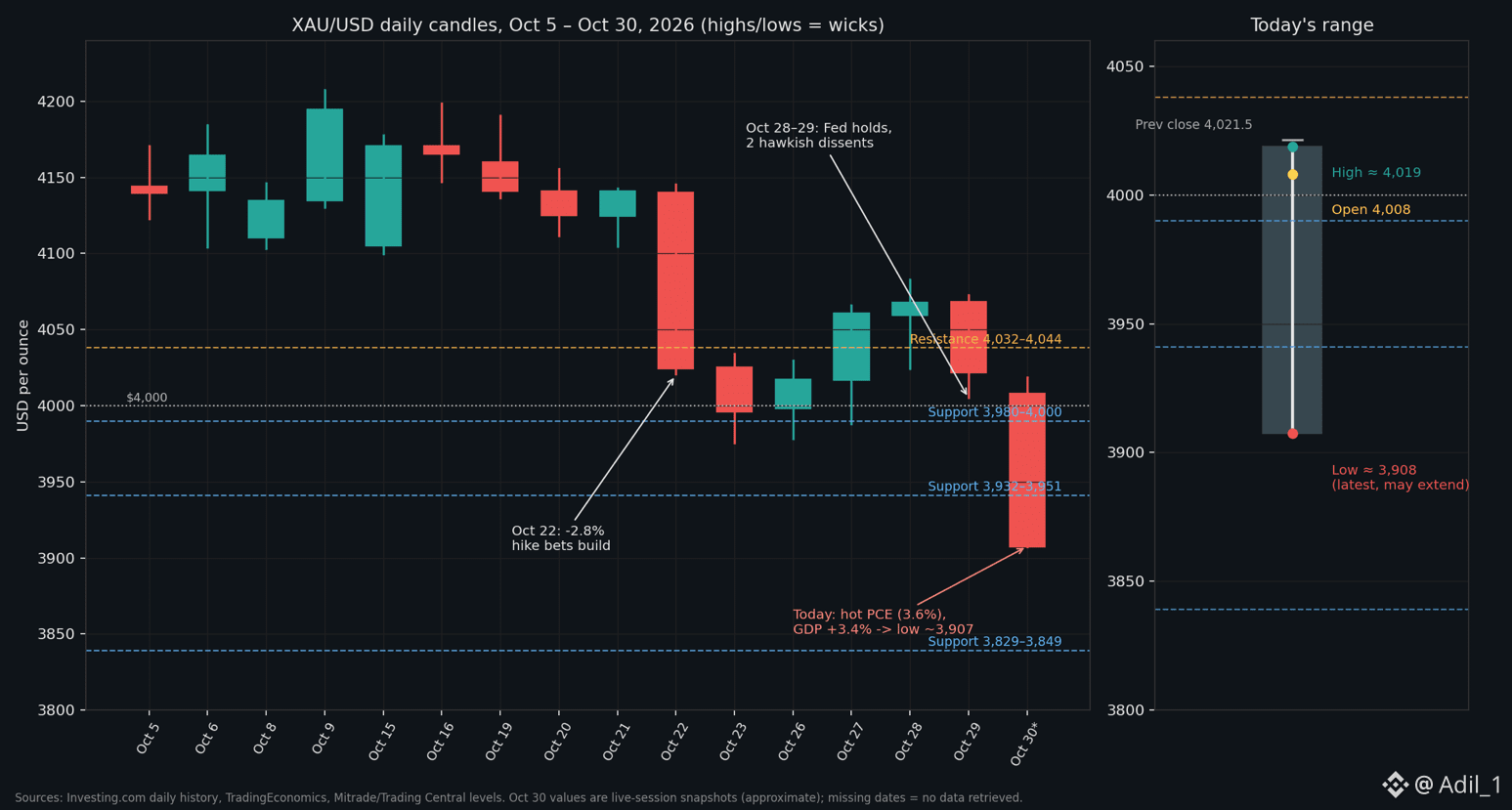
$XAU Gold (XAU/USD) traded under heavy bearish pressure, dropping over 2% down toward the $3,900–$3,930 range. This drop was driven by strong U.S. economic data—including robust GDP growth, hot PCE inflation numbers, and low jobless claims—which bolstered expectations that the Federal Reserve will maintain higher interest rates, strengthening the U.S. Dollar and weighing on non-yielding assets like Gold.
#USMidtermElections #USMidtermElections #TrezorSaysCryptoBilisSoldWalletMayContainMaliciousComponents #BinanceWillListPredictPREDICT
#USMidtermElections #USMidtermElections #TrezorSaysCryptoBilisSoldWalletMayContainMaliciousComponents #BinanceWillListPredictPREDICT
307

·
--
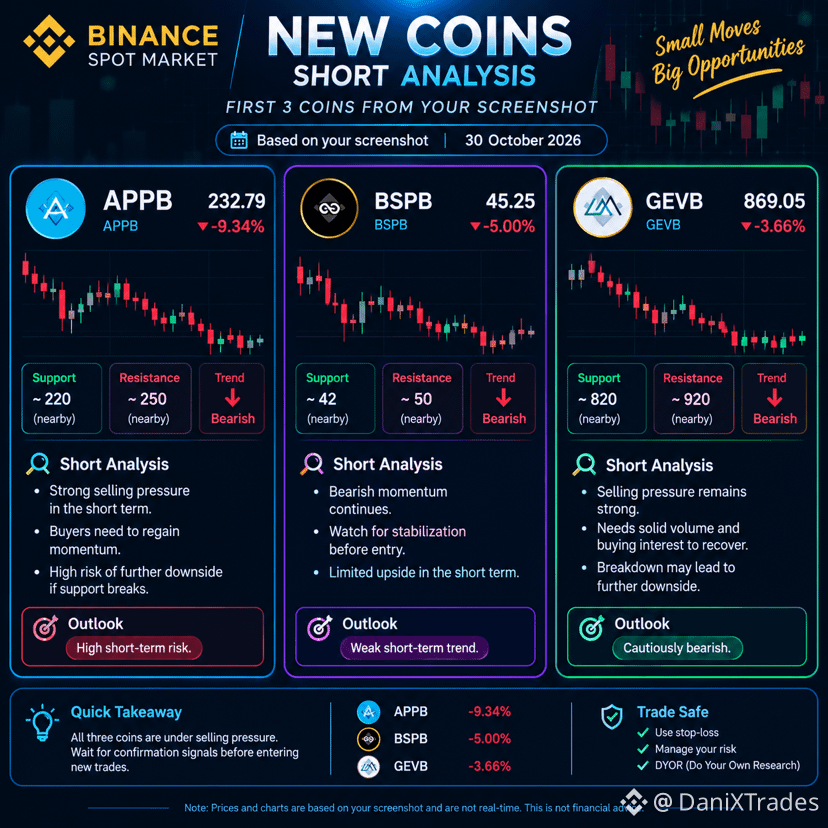
$APPB : -9.34% 📉 Bearish. Support 220.
$BSPB : -5.00% 📉 Bearish. Support 42.
$GEVB : -3.66% 📉 Bearish. Support 820.
All three coins are currently showing bearish movement. Avoid rushing into trades; wait for confirmation.
Note: Prices and support/resistance levels are based on your screenshot, not live market data. Not financial advice.
#UniswapA16zSeekDeFiExemptionFromIllinoisCryptoTax #HKDollarStablecoinHKDAPToLaunchOnSolana #$1.5BInLeveragedCryptoBetsLiquidated #TrezorSaysCryptoBilisSoldWalletMayContainMaliciousComponents
{spot}(APPBUSDT)
{spot}(BSPBUSDT)
{spot}(GEVBUSDT)
$APPB : -9.34% 📉 Bearish. Support 220.
$BSPB : -5.00% 📉 Bearish. Support 42.
$GEVB : -3.66% 📉 Bearish. Support 820.
All three coins are currently showing bearish movement. Avoid rushing into trades; wait for confirmation.
Note: Prices and support/resistance levels are based on your screenshot, not live market data. Not financial advice.
#UniswapA16zSeekDeFiExemptionFromIllinoisCryptoTax #HKDollarStablecoinHKDAPToLaunchOnSolana #$1.5BInLeveragedCryptoBetsLiquidated #TrezorSaysCryptoBilisSoldWalletMayContainMaliciousComponents
44

·
--
🚨 UNISWAP & a16z ARE PUSHING BACK AGAINST A NEW CRYPTO TAX — IS THIS BIG FOR $UNI ? 🔥
Illinois wants to tax certain crypto transactions at 0.2%, and some of DeFi's biggest names aren't happy. 👀
Uniswap, a16z and the DeFi Education Fund are reportedly pushing for broader exemptions.
Here's what they're asking for:
💰 No transaction tax on withdrawals to personal wallets.
🌉 Exemptions for cross-chain bridging.
🔐 No mandatory private-key recordkeeping.
And here's the interesting part…
The tax has already been delayed until July 2027 following legal challenges.
So this isn't just another regulatory headline. The rules are still being contested.
{future}(UNIUSDT)
Not financial advice. DYOR.
#UniswapA16zSeekDeFiExemptionFromIllinoisCryptoTax #HKDollarStablecoinHKDAPToLaunchOnSolana #$1.5BInLeveragedCryptoBetsLiquidated #TrezorSaysCryptoBilisSoldWalletMayContainMaliciousComponents #KOSPIFalls3.53%BackBelow6000
🚨 UNISWAP & a16z ARE PUSHING BACK AGAINST A NEW CRYPTO TAX — IS THIS BIG FOR $UNI ? 🔥
Illinois wants to tax certain crypto transactions at 0.2%, and some of DeFi's biggest names aren't happy. 👀
Uniswap, a16z and the DeFi Education Fund are reportedly pushing for broader exemptions.
Here's what they're asking for:
💰 No transaction tax on withdrawals to personal wallets.
🌉 Exemptions for cross-chain bridging.
🔐 No mandatory private-key recordkeeping.
And here's the interesting part…
The tax has already been delayed until July 2027 following legal challenges.
So this isn't just another regulatory headline. The rules are still being contested.
Not financial advice. DYOR.
#UniswapA16zSeekDeFiExemptionFromIllinoisCryptoTax #HKDollarStablecoinHKDAPToLaunchOnSolana #$1.5BInLeveragedCryptoBetsLiquidated #TrezorSaysCryptoBilisSoldWalletMayContainMaliciousComponents #KOSPIFalls3.53%BackBelow6000
36


Article
FuturesBinance is the future #BinancePick $BNB #TrezorSaysCryptoBilisSoldWalletMayContainMaliciousComponents
Futures
Binance is the future #BinancePick $BNB #TrezorSaysCryptoBilisSoldWalletMayContainMaliciousComponents
46
·
--
🚨 $AAPL JUST HIT ANOTHER ALL-TIME HIGH — IS A PULLBACK COMING? 🍎📈
Apple is breaking records again, with its market cap reportedly reaching $5.09 TRILLION! 🔥
But here's something worth watching… 👀
Historically, fresh all-time highs have sometimes been followed by profit-taking and short-term corrections.
NEW HIGHS DON'T ALWAYS MEAN STRAIGHT UP!
{future}(AAPLUSDT)
#UniswapA16zSeekDeFiExemptionFromIllinoisCryptoTax #$1.5BInLeveragedCryptoBetsLiquidated #TrezorSaysCryptoBilisSoldWalletMayContainMaliciousComponents #KOSPIFalls3.53%BackBelow6000 #AmazonSharesFallAbout7%InPremarketTrading
🚨 $AAPL JUST HIT ANOTHER ALL-TIME HIGH — IS A PULLBACK COMING? 🍎📈
Apple is breaking records again, with its market cap reportedly reaching $5.09 TRILLION! 🔥
But here's something worth watching… 👀
Historically, fresh all-time highs have sometimes been followed by profit-taking and short-term corrections.
NEW HIGHS DON'T ALWAYS MEAN STRAIGHT UP!
#UniswapA16zSeekDeFiExemptionFromIllinoisCryptoTax #$1.5BInLeveragedCryptoBetsLiquidated #TrezorSaysCryptoBilisSoldWalletMayContainMaliciousComponents #KOSPIFalls3.53%BackBelow6000 #AmazonSharesFallAbout7%InPremarketTrading
105
Log in to explore more content
Join global crypto users on Binance Square
⚡️ Get latest and useful information about crypto.
💬 Trusted by the world’s largest crypto exchange.
👍 Discover real insights from verified creators.
Email / Phone number
Trending Topics
1
#UniswapA16zSeekDeFiExemptionFromIllinoisCryptoTax
4,152 views
323 Discussing
2
#HKDollarStablecoinHKDAPToLaunchOnSolana
1,760 views
165 Discussing
3
#$1.5BInLeveragedCryptoBetsLiquidated
14,949 views
183 Discussing
4
#TrezorSaysCryptoBilisSoldWalletMayContainMaliciousComponents
445 views
33 Discussing
5
#KOSPIFalls3.53%BackBelow6000
38,814 views
843 Discussing
6
#AmazonSharesFallAbout7%InPremarketTrading
15,317 views
428 Discussing
7
#USMidtermElections
179,538 views
2,094 Discussing
8
#StrategySTRCReaches$99.95ForFirstTimeIn165Days
7,810 views
90 Discussing
9
#BinanceWillListPredictPREDICT
60,461 views
1,170 Discussing
10
#SwitzerlandFirstSpotBitcoinETFExpectedToTradeInNovember
1,948 views
96 Discussing