

#opecraisesaugustoutputby188000bpd
opecraisesaugustoutputby188000bpd
18,305 views
230 Discussing
Hot
Latest

·
--
Bullish
Verified
#opecraisesaugustoutputby188000bpd
🚨 OPEC Raises August Output by 188,000 BPD — More Oil Coming to the Market!
OPEC+ has decided to increase production in August by 188,000 barrels per day.
This move comes as the group continues its gradual return of supply, potentially easing some pressure on global oil prices in the short term.
What this means:
More supply hitting the market Possible downward pressure on crude prices Energy stocks and oil-related assets may react
Oil market watchers are paying close attention — will this cool the recent rally or is demand strong enough to absorb it?
Your take? Bearish for oil prices or still bullish long-term?
Drop comments 👇
#OPECRaisesAugustOutputBy188000Bpd #OPEC #oil #crudeoil
#opecraisesaugustoutputby188000bpd
🚨 OPEC Raises August Output by 188,000 BPD — More Oil Coming to the Market!
OPEC+ has decided to increase production in August by 188,000 barrels per day.
This move comes as the group continues its gradual return of supply, potentially easing some pressure on global oil prices in the short term.
What this means:
More supply hitting the market Possible downward pressure on crude prices Energy stocks and oil-related assets may react
Oil market watchers are paying close attention — will this cool the recent rally or is demand strong enough to absorb it?
Your take? Bearish for oil prices or still bullish long-term?
Drop comments 👇
#OPECRaisesAugustOutputBy188000Bpd #OPEC #oil #crudeoil
🚨 OPEC Raises August Output by 188,000 BPD — More Oil Coming to the Market!
OPEC+ has decided to increase production in August by 188,000 barrels per day.
This move comes as the group continues its gradual return of supply, potentially easing some pressure on global oil prices in the short term.
What this means:
More supply hitting the market Possible downward pressure on crude prices Energy stocks and oil-related assets may react
Oil market watchers are paying close attention — will this cool the recent rally or is demand strong enough to absorb it?
Your take? Bearish for oil prices or still bullish long-term?
Drop comments 👇
#OPECRaisesAugustOutputBy188000Bpd #OPEC #oil #crudeoil
2
3
2.1k

#OPECRaisesAugustOutputBy188000Bpd That headline means:
OPEC+ is increasing oil production for August by 188,000 barrels per day.
In plain English
This means the producer group is planning to put a bit more oil into the market next month.
Why they would do that
Usually for one or more reasons:
demand looks strong enough to absorb more supply
they want to prevent prices from rising too fast
they are gradually unwinding earlier production cuts
they want to balance market share with price stability
Why it matters
Oil prices
More supply is usually:
bearish or cooling for crude prices
but the actual effect depends on whether traders were expecting an even bigger or smaller increase
Inflation
Oil feeds into:
gasoline
transport costs
industrial input costs
So more supply can help ease inflation pressure at the margin.
Energy stocks and oil exporters
Lower oil prices can pressure producer margins
Higher volumes can partly offset that
Countries dependent on oil revenue watch these moves closely
Important nuance
The market reaction depends less on the number alone and more on:
what was already expected
whether members actually comply
global demand conditions
U.S. shale output
geopolitical disruptions
So even though +188,000 bpd sounds bearish, oil prices could still rise if:
demand is stronger than expected
supply elsewhere is disrupted
traders expected a larger increase
Bottom line
The takeaway is:
OPEC+ is modestly loosening supply, which could help cool oil prices, but the real market impact depends on expectations and broader supply-demand conditions.
If you want, I can also explain this from:
an inflation angle
a stock market angle
an oil trader angle$CL
{future}(CLUSDT)
$BZ
{future}(BZUSDT)
$SPCXB
{spot}(SPCXBUSDT)
@Binance_News @Binance_Announcement @Binance_Square_Official
#OPECRaisesAugustOutputBy188000Bpd That headline means:
OPEC+ is increasing oil production for August by 188,000 barrels per day.
In plain English
This means the producer group is planning to put a bit more oil into the market next month.
Why they would do that
Usually for one or more reasons:
demand looks strong enough to absorb more supply
they want to prevent prices from rising too fast
they are gradually unwinding earlier production cuts
they want to balance market share with price stability
Why it matters
Oil prices
More supply is usually:
bearish or cooling for crude prices
but the actual effect depends on whether traders were expecting an even bigger or smaller increase
Inflation
Oil feeds into:
gasoline
transport costs
industrial input costs
So more supply can help ease inflation pressure at the margin.
Energy stocks and oil exporters
Lower oil prices can pressure producer margins
Higher volumes can partly offset that
Countries dependent on oil revenue watch these moves closely
Important nuance
The market reaction depends less on the number alone and more on:
what was already expected
whether members actually comply
global demand conditions
U.S. shale output
geopolitical disruptions
So even though +188,000 bpd sounds bearish, oil prices could still rise if:
demand is stronger than expected
supply elsewhere is disrupted
traders expected a larger increase
Bottom line
The takeaway is:
OPEC+ is modestly loosening supply, which could help cool oil prices, but the real market impact depends on expectations and broader supply-demand conditions.
If you want, I can also explain this from:
an inflation angle
a stock market angle
an oil trader angle$CL
$BZ
$SPCXB
@Binance News @Binance Announcement @Binance Square Official
OPEC+ is increasing oil production for August by 188,000 barrels per day.
In plain English
This means the producer group is planning to put a bit more oil into the market next month.
Why they would do that
Usually for one or more reasons:
demand looks strong enough to absorb more supply
they want to prevent prices from rising too fast
they are gradually unwinding earlier production cuts
they want to balance market share with price stability
Why it matters
Oil prices
More supply is usually:
bearish or cooling for crude prices
but the actual effect depends on whether traders were expecting an even bigger or smaller increase
Inflation
Oil feeds into:
gasoline
transport costs
industrial input costs
So more supply can help ease inflation pressure at the margin.
Energy stocks and oil exporters
Lower oil prices can pressure producer margins
Higher volumes can partly offset that
Countries dependent on oil revenue watch these moves closely
Important nuance
The market reaction depends less on the number alone and more on:
what was already expected
whether members actually comply
global demand conditions
U.S. shale output
geopolitical disruptions
So even though +188,000 bpd sounds bearish, oil prices could still rise if:
demand is stronger than expected
supply elsewhere is disrupted
traders expected a larger increase
Bottom line
The takeaway is:
OPEC+ is modestly loosening supply, which could help cool oil prices, but the real market impact depends on expectations and broader supply-demand conditions.
If you want, I can also explain this from:
an inflation angle
a stock market angle
an oil trader angle$CL
$BZ
$SPCXB
@Binance News @Binance Announcement @Binance Square Official
2
36

#OPECRaisesAugustOutputBy188000Bpd #OPECRaisesAugustOutputBy188000Bpd
OPEC+ has agreed to increase oil production by 188,000 barrels per day (bpd) in August, continuing its gradual supply expansion. The move aims to balance global oil markets while responding to steady demand, though traders remain focused on the potential impact of higher output on crude prices.
#OPECRaisesAugustOutputBy188000Bpd #OPECRaisesAugustOutputBy188000Bpd
OPEC+ has agreed to increase oil production by 188,000 barrels per day (bpd) in August, continuing its gradual supply expansion. The move aims to balance global oil markets while responding to steady demand, though traders remain focused on the potential impact of higher output on crude prices.
OPEC+ has agreed to increase oil production by 188,000 barrels per day (bpd) in August, continuing its gradual supply expansion. The move aims to balance global oil markets while responding to steady demand, though traders remain focused on the potential impact of higher output on crude prices.
14

·
--
Bearish
Verified
#opecraisesaugustoutputby188000bpd
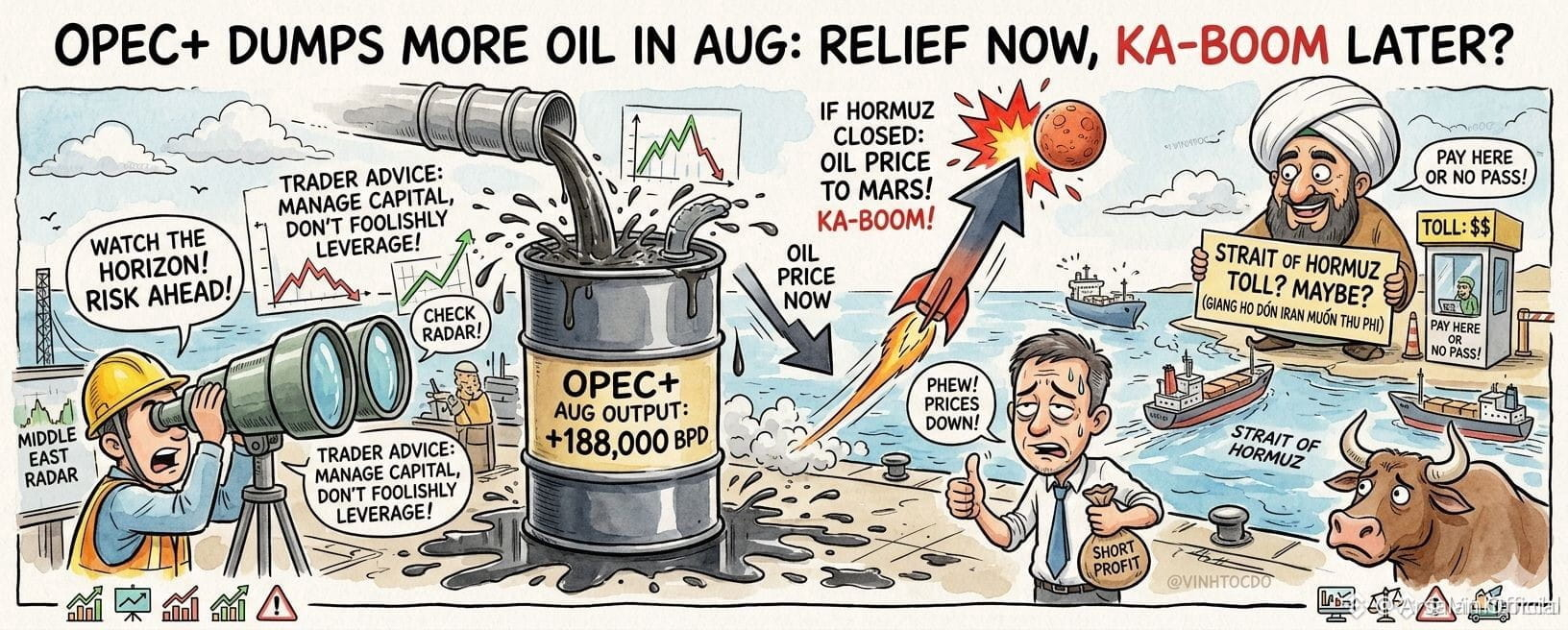
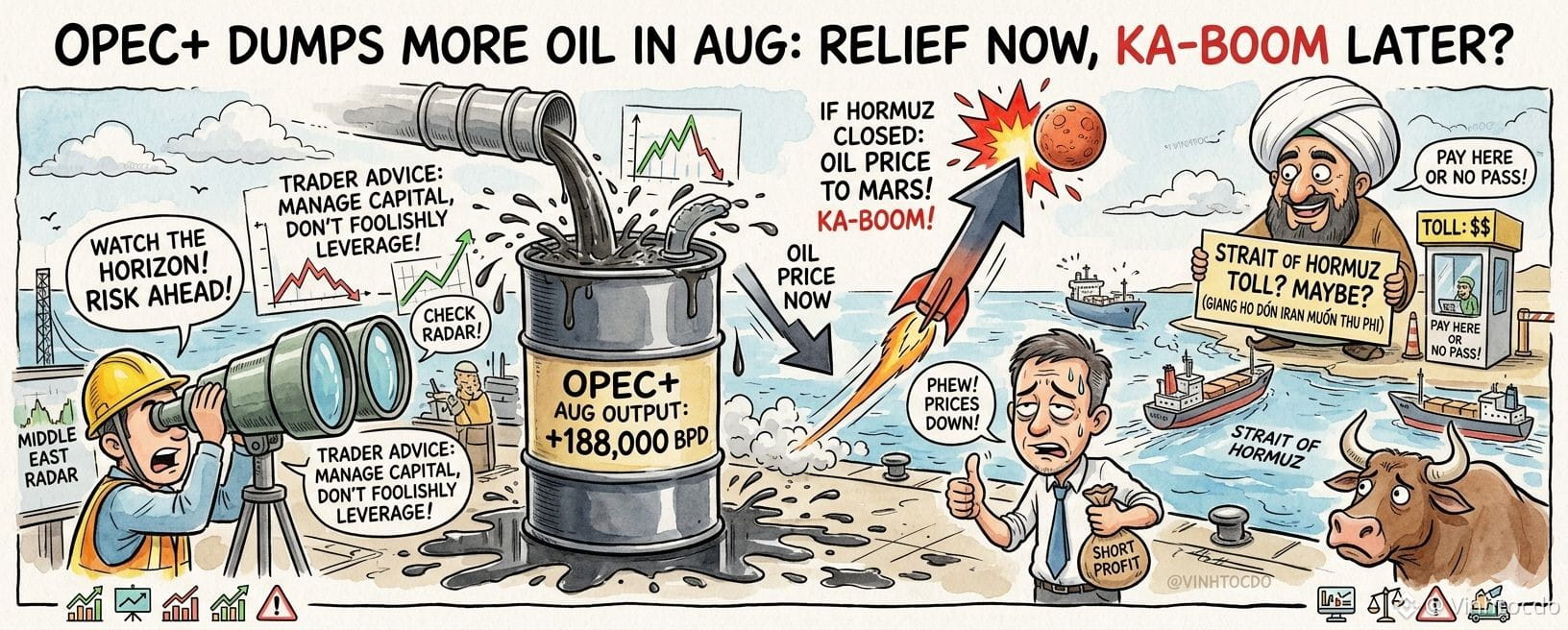
🛢️ OPEC+ ADDS MORE OIL IN AUGUST: GOOD NEWS—OR A POTENTIAL RETURN OF ESCALATION?
OPEC+ has just agreed to increase supply by 188k barrels/day in August, and the oil price “turns back” with a slight drop right away—too good of news for the short-sellers, right? But wait, don’t celebrate yet: people are saying that Iran may be looking to cause trouble by demanding fees in the Strait of Hormuz. If, come August, this strait gets closed or tensions escalate, then oil prices will likely skyrocket to Mars immediately!
What should traders do? Keep your radar on and continuously monitor Middle East developments—manage your capital tightly, because just seeing the price fall is not a reason to recklessly chase longs/shorts!
⚠️ This is not financial advice. Use the referral code VINHTOCDO to stay tuned for the developments!
#OPEC #OilPrice #Hormuz #VINHTOCDO
$CL
{future}(CLUSDT)
$BZ
{future}(BZUSDT)
#opecraisesaugustoutputby188000bpd
🛢️ OPEC+ ADDS MORE OIL IN AUGUST: GOOD NEWS—OR A POTENTIAL RETURN OF ESCALATION?
OPEC+ has just agreed to increase supply by 188k barrels/day in August, and the oil price “turns back” with a slight drop right away—too good of news for the short-sellers, right? But wait, don’t celebrate yet: people are saying that Iran may be looking to cause trouble by demanding fees in the Strait of Hormuz. If, come August, this strait gets closed or tensions escalate, then oil prices will likely skyrocket to Mars immediately!
What should traders do? Keep your radar on and continuously monitor Middle East developments—manage your capital tightly, because just seeing the price fall is not a reason to recklessly chase longs/shorts!
⚠️ This is not financial advice. Use the referral code VINHTOCDO to stay tuned for the developments!
#OPEC #OilPrice #Hormuz #VINHTOCDO
$CL
$BZ
🛢️ OPEC+ ADDS MORE OIL IN AUGUST: GOOD NEWS—OR A POTENTIAL RETURN OF ESCALATION?
OPEC+ has just agreed to increase supply by 188k barrels/day in August, and the oil price “turns back” with a slight drop right away—too good of news for the short-sellers, right? But wait, don’t celebrate yet: people are saying that Iran may be looking to cause trouble by demanding fees in the Strait of Hormuz. If, come August, this strait gets closed or tensions escalate, then oil prices will likely skyrocket to Mars immediately!
What should traders do? Keep your radar on and continuously monitor Middle East developments—manage your capital tightly, because just seeing the price fall is not a reason to recklessly chase longs/shorts!
⚠️ This is not financial advice. Use the referral code VINHTOCDO to stay tuned for the developments!
#OPEC #OilPrice #Hormuz #VINHTOCDO
$CL
$BZ
7
928

Article
OIL PRICES AND CRYPTO## Trading the Barrel: Market Strategy and Oil Pricing Signals for a Global Audience
Oil pricing is still one of the world’s clearest “macro mood meters.” For anyone discussing markets on Binance Square, the goal is not to predict every spike, but to build a repeatable strategy around the signals crude oil sends to currencies, inflation, and risk assets.
A quick anecdote: in early 2022, a trader I know kept losing on “news trades” because he reacted after headlines. He switched to a checklist: watch Brent/WTI trend, the dollar index, and inventories before placing any position. He stopped chasing candles and started managing probabilities.
Core drivers of oil pricing:
- Supply coordination: OPEC+ cuts or increases change the floor and ceiling.
- Geopolitics and shipping: disruptions in key routes add a “risk premium.”
- Demand cycles: China/US growth data and airline/trucking demand move futures.
- USD strength: oil is dollar-priced; a stronger USD often pressures crude.
Practical market strategy framework:
- Use oil as a macro filter: rising crude can signal inflation persistence and tighter policy risk.
- Track calendar events: EIA inventory reports, OPEC meetings, CPI and rate decisions.
- Trade the reaction, not the rumor: wait for confirmation (breakout/structure shift).
- Risk rules first: position sizing, invalidation levels, and avoiding over-leverage.
Oil does not just move on barrels; it moves on expectations. A disciplined checklist turns oil volatility into structured opportunity.
For Binance Square readers: educational, not financial advice.
#OPECRaisesAugustOutputBy188000Bpd
#BTC☀️
{spot}(BTCUSDT)
{etf_us}(OILK.ETF)
OIL PRICES AND CRYPTO
## Trading the Barrel: Market Strategy and Oil Pricing Signals for a Global Audience
Oil pricing is still one of the world’s clearest “macro mood meters.” For anyone discussing markets on Binance Square, the goal is not to predict every spike, but to build a repeatable strategy around the signals crude oil sends to currencies, inflation, and risk assets.
A quick anecdote: in early 2022, a trader I know kept losing on “news trades” because he reacted after headlines. He switched to a checklist: watch Brent/WTI trend, the dollar index, and inventories before placing any position. He stopped chasing candles and started managing probabilities.
Core drivers of oil pricing:
- Supply coordination: OPEC+ cuts or increases change the floor and ceiling.
- Geopolitics and shipping: disruptions in key routes add a “risk premium.”
- Demand cycles: China/US growth data and airline/trucking demand move futures.
- USD strength: oil is dollar-priced; a stronger USD often pressures crude.
Practical market strategy framework:
- Use oil as a macro filter: rising crude can signal inflation persistence and tighter policy risk.
- Track calendar events: EIA inventory reports, OPEC meetings, CPI and rate decisions.
- Trade the reaction, not the rumor: wait for confirmation (breakout/structure shift).
- Risk rules first: position sizing, invalidation levels, and avoiding over-leverage.
Oil does not just move on barrels; it moves on expectations. A disciplined checklist turns oil volatility into structured opportunity.
For Binance Square readers: educational, not financial advice.
#OPECRaisesAugustOutputBy188000Bpd
#BTC☀️
Oil pricing is still one of the world’s clearest “macro mood meters.” For anyone discussing markets on Binance Square, the goal is not to predict every spike, but to build a repeatable strategy around the signals crude oil sends to currencies, inflation, and risk assets.
A quick anecdote: in early 2022, a trader I know kept losing on “news trades” because he reacted after headlines. He switched to a checklist: watch Brent/WTI trend, the dollar index, and inventories before placing any position. He stopped chasing candles and started managing probabilities.
Core drivers of oil pricing:
- Supply coordination: OPEC+ cuts or increases change the floor and ceiling.
- Geopolitics and shipping: disruptions in key routes add a “risk premium.”
- Demand cycles: China/US growth data and airline/trucking demand move futures.
- USD strength: oil is dollar-priced; a stronger USD often pressures crude.
Practical market strategy framework:
- Use oil as a macro filter: rising crude can signal inflation persistence and tighter policy risk.
- Track calendar events: EIA inventory reports, OPEC meetings, CPI and rate decisions.
- Trade the reaction, not the rumor: wait for confirmation (breakout/structure shift).
- Risk rules first: position sizing, invalidation levels, and avoiding over-leverage.
Oil does not just move on barrels; it moves on expectations. A disciplined checklist turns oil volatility into structured opportunity.
For Binance Square readers: educational, not financial advice.
#OPECRaisesAugustOutputBy188000Bpd
#BTC☀️
BTC+0.56%
OILKETF-0.23%
91

·
--
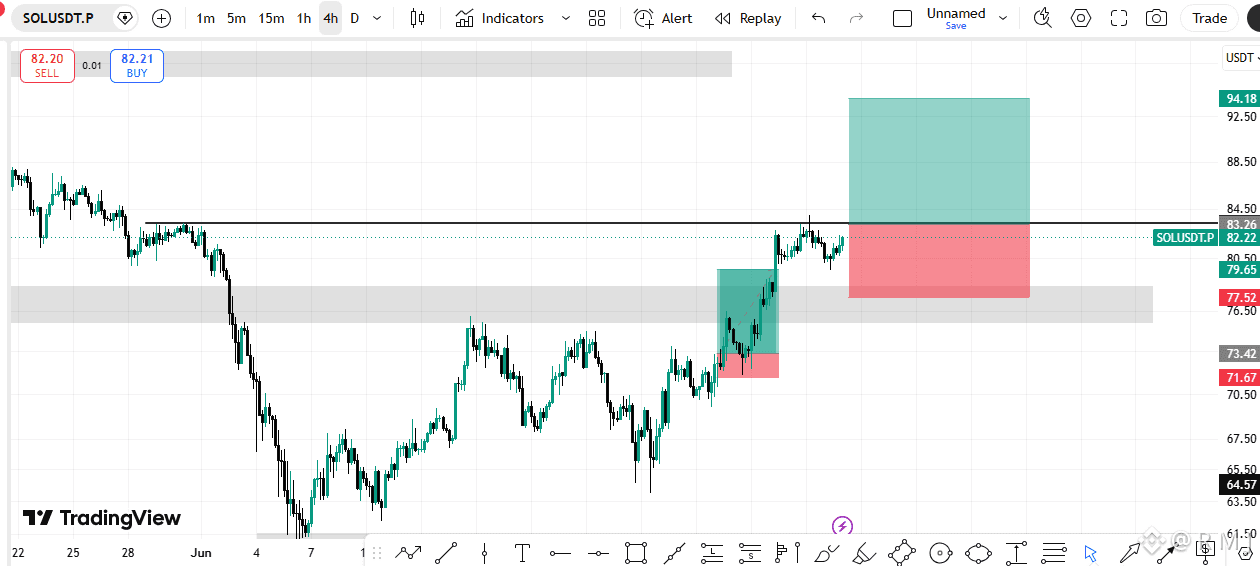
$SOL Approaching a Critical Breakout Zone
$SOL has been respecting a higher-low structure on the daily timeframe since its low around $64, indicating that buyers continue to defend the trend. Momentum has strengthened significantly, and price is now testing a key resistance area.
The $83.30–$83.50 zone has rejected price twice already, making it the level to watch. A decisive breakout above this resistance, supported by strong volume, could trigger a move toward the $90–$95 range.
There is also a concentration of liquidity above the current resistance, which could accelerate price if bulls regain control. While the overall market sentiment has improved, confirmation remains essential before expecting further upside.
Key Resistance: $83.30–$83.50
Bullish Target: $90–$95+ (on a confirmed breakout)
$SOL
{spot}(SOLUSDT)
#RMJ_trades
#USTechStockFuturesRise
#SKHynixToIssue177.9MillionADSs
#OPECRaisesAugustOutputBy188000Bpd
#BinanceTurns9
$SOL Approaching a Critical Breakout Zone
$SOL has been respecting a higher-low structure on the daily timeframe since its low around $64, indicating that buyers continue to defend the trend. Momentum has strengthened significantly, and price is now testing a key resistance area.
The $83.30–$83.50 zone has rejected price twice already, making it the level to watch. A decisive breakout above this resistance, supported by strong volume, could trigger a move toward the $90–$95 range.
There is also a concentration of liquidity above the current resistance, which could accelerate price if bulls regain control. While the overall market sentiment has improved, confirmation remains essential before expecting further upside.
Key Resistance: $83.30–$83.50
Bullish Target: $90–$95+ (on a confirmed breakout)
$SOL
#RMJ_trades
#USTechStockFuturesRise
#SKHynixToIssue177.9MillionADSs
#OPECRaisesAugustOutputBy188000Bpd
#BinanceTurns9
$SOL has been respecting a higher-low structure on the daily timeframe since its low around $64, indicating that buyers continue to defend the trend. Momentum has strengthened significantly, and price is now testing a key resistance area.
The $83.30–$83.50 zone has rejected price twice already, making it the level to watch. A decisive breakout above this resistance, supported by strong volume, could trigger a move toward the $90–$95 range.
There is also a concentration of liquidity above the current resistance, which could accelerate price if bulls regain control. While the overall market sentiment has improved, confirmation remains essential before expecting further upside.
Key Resistance: $83.30–$83.50
Bullish Target: $90–$95+ (on a confirmed breakout)
$SOL
#RMJ_trades
#USTechStockFuturesRise
#SKHynixToIssue177.9MillionADSs
#OPECRaisesAugustOutputBy188000Bpd
#BinanceTurns9
1
47
·
--
Bullish
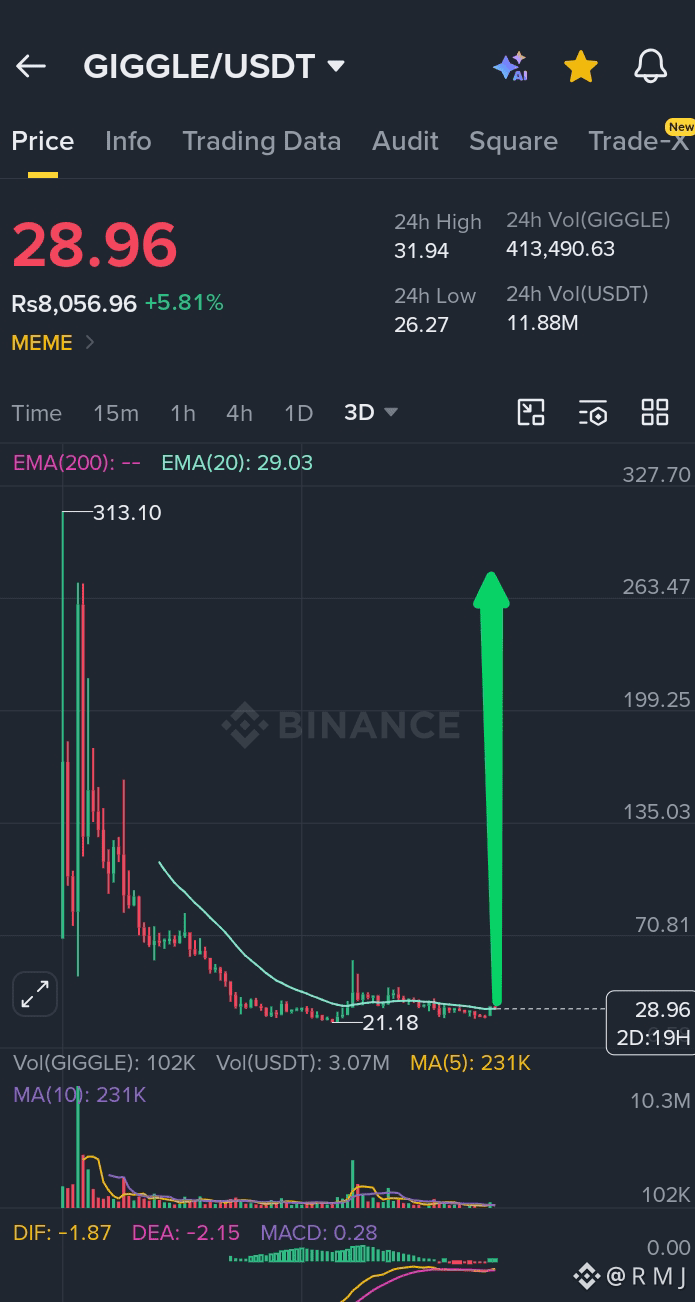
$GIGGLE Has an Interesting Long-Term Supply Narrative
With a total supply of just 1 million tokens, $GIGGLE stands out from many other projects. If market conditions remain favorable during the next bull cycle and adoption continues to grow, a significant revaluation is possible.
A move toward $200 would require strong demand, sustained liquidity, and continued market momentum, so it's a level to watch rather than a certainty.
As always, manage risk and do your own research before making any investment decisions.
$GIGGLE
{spot}(GIGGLEUSDT)
#RMJ_trades
#USTechStockFuturesRise
#SKHynixToIssue177.9MillionADSs
#OPECRaisesAugustOutputBy188000Bpd
#BinanceTurns9
$GIGGLE Has an Interesting Long-Term Supply Narrative
With a total supply of just 1 million tokens, $GIGGLE stands out from many other projects. If market conditions remain favorable during the next bull cycle and adoption continues to grow, a significant revaluation is possible.
A move toward $200 would require strong demand, sustained liquidity, and continued market momentum, so it's a level to watch rather than a certainty.
As always, manage risk and do your own research before making any investment decisions.
$GIGGLE
#RMJ_trades
#USTechStockFuturesRise
#SKHynixToIssue177.9MillionADSs
#OPECRaisesAugustOutputBy188000Bpd
#BinanceTurns9
With a total supply of just 1 million tokens, $GIGGLE stands out from many other projects. If market conditions remain favorable during the next bull cycle and adoption continues to grow, a significant revaluation is possible.
A move toward $200 would require strong demand, sustained liquidity, and continued market momentum, so it's a level to watch rather than a certainty.
As always, manage risk and do your own research before making any investment decisions.
$GIGGLE
#RMJ_trades
#USTechStockFuturesRise
#SKHynixToIssue177.9MillionADSs
#OPECRaisesAugustOutputBy188000Bpd
#BinanceTurns9
1
250
·
--
Bullish


LIT BOSS
·
--
Bitcoin Just Proved Everyone Wrong About June
Nobody was expecting this from Bitcoin. June had been brutal, one of the worst monthly closes in years, and by the time July opened the coin was sitting near fifty eight thousand dollars, its lowest level in almost two years. Traders were nervous, ETF outflows were piling up, and even people who normally stay calm during dips were starting to talk about fifty thousand as the next real support. Then something shifted. Within days Bitcoin clawed back above sixty one thousand, then sixty three thousand, and the mood across crypto twitter changed almost overnight. It is one of those moves that reminds you why this market never really settles down for long.
A big part of the recovery traces back to the Federal Reserve. Comments from the Fed chair suggesting inflation risks were finally easing gave investors room to breathe, and that softer tone did more for Bitcoin in a single day than weeks of on chain data ever could. Add a weaker than expected US jobs report into the mix, and suddenly the market started pricing in a real chance the Fed stays away from further hikes. Bitcoin does not trade in isolation anymore. It reacts to Jerome Powell adjacent headlines almost as fast as it reacts to its own halving cycle, and this past week was a clean example of that.
The ETF side of the story matters just as much. After more than ten straight days of outflows, spot Bitcoin ETFs finally turned green again, with Fidelity leading the inflows while BlackRock’s IBIT was oddly the one fund still bleeding for a day. That kind of split is worth watching because it tells you institutional conviction is not uniform right now, some funds are buying the dip aggressively while others are still cautious. When ETF flows flip positive after such a long dry spell, it usually signals that the bigger allocators are starting to see value at these levels rather than fear.
There is also a corporate accumulation angle running quietly in the background. Metaplanet added over two thousand eight hundred more coins to its treasury this week, pushing its total holdings past forty three thousand BTC, even while its own bitcoin income business saw revenue drop sharply. That is a strange combination, a company losing money on one bitcoin related business line while still doubling down on holding the asset itself. It says something about how corporate treasuries are starting to treat Bitcoin less like a speculative bet and more like a long term reserve position, regardless of short term earnings noise.
Then there is the policy side, which honestly might end up being the bigger story by the end of July. The US is reportedly finalizing the framework for a Strategic Bitcoin Reserve, expected to be released before the twenty second of this month. If that actually goes through in a serious form, it would be one of the clearest signals yet that a national government is willing to treat Bitcoin as a reserve asset rather than just a speculative instrument. Markets tend to front run this kind of news, so even the anticipation of the announcement has been feeding into the current bounce.
Not everything is smooth though. A separate and slightly odd debate has been brewing around Satoshi Nakamoto’s original coins, with some voices in the industry pushing for those wallets to be frozen as a precaution against future quantum computing threats. It is not a mainstream position, and plenty of long time Bitcoiners see it as a dangerous precedent, but it shows how seriously the space is starting to take quantum risk. Bitcoin Core developers have already been working on quantum resistant address formats, and this argument over Satoshi’s coins is really just the most dramatic version of a conversation that is going to keep getting louder over the next few years.
$BTC
A big part of the recovery traces back to the Federal Reserve. Comments from the Fed chair suggesting inflation risks were finally easing gave investors room to breathe, and that softer tone did more for Bitcoin in a single day than weeks of on chain data ever could. Add a weaker than expected US jobs report into the mix, and suddenly the market started pricing in a real chance the Fed stays away from further hikes. Bitcoin does not trade in isolation anymore. It reacts to Jerome Powell adjacent headlines almost as fast as it reacts to its own halving cycle, and this past week was a clean example of that.
The ETF side of the story matters just as much. After more than ten straight days of outflows, spot Bitcoin ETFs finally turned green again, with Fidelity leading the inflows while BlackRock’s IBIT was oddly the one fund still bleeding for a day. That kind of split is worth watching because it tells you institutional conviction is not uniform right now, some funds are buying the dip aggressively while others are still cautious. When ETF flows flip positive after such a long dry spell, it usually signals that the bigger allocators are starting to see value at these levels rather than fear.
There is also a corporate accumulation angle running quietly in the background. Metaplanet added over two thousand eight hundred more coins to its treasury this week, pushing its total holdings past forty three thousand BTC, even while its own bitcoin income business saw revenue drop sharply. That is a strange combination, a company losing money on one bitcoin related business line while still doubling down on holding the asset itself. It says something about how corporate treasuries are starting to treat Bitcoin less like a speculative bet and more like a long term reserve position, regardless of short term earnings noise.
Then there is the policy side, which honestly might end up being the bigger story by the end of July. The US is reportedly finalizing the framework for a Strategic Bitcoin Reserve, expected to be released before the twenty second of this month. If that actually goes through in a serious form, it would be one of the clearest signals yet that a national government is willing to treat Bitcoin as a reserve asset rather than just a speculative instrument. Markets tend to front run this kind of news, so even the anticipation of the announcement has been feeding into the current bounce.
Not everything is smooth though. A separate and slightly odd debate has been brewing around Satoshi Nakamoto’s original coins, with some voices in the industry pushing for those wallets to be frozen as a precaution against future quantum computing threats. It is not a mainstream position, and plenty of long time Bitcoiners see it as a dangerous precedent, but it shows how seriously the space is starting to take quantum risk. Bitcoin Core developers have already been working on quantum resistant address formats, and this argument over Satoshi’s coins is really just the most dramatic version of a conversation that is going to keep getting louder over the next few years.
$BTC
197
·
--
Bearish
$KSM Bearish Outlook Remains Intact
I highlighted a potential short setup on $KSM around the $3.50 level, and the recent bearish candle has strengthened that outlook.
If selling pressure continues and key support fails to hold, the $3.00 region could become the next downside target. Rather than chasing the move, wait for confirmation and manage your risk accordingly.
Key Level to Watch: $3.00
$KSM
{spot}(KSMUSDT)
#RMJ_trades
#USTechStockFuturesRise
#SKHynixToIssue177.9MillionADSs
#OPECRaisesAugustOutputBy188000Bpd
#BinanceTurns9
$KSM Bearish Outlook Remains Intact
I highlighted a potential short setup on $KSM around the $3.50 level, and the recent bearish candle has strengthened that outlook.
If selling pressure continues and key support fails to hold, the $3.00 region could become the next downside target. Rather than chasing the move, wait for confirmation and manage your risk accordingly.
Key Level to Watch: $3.00
$KSM
#RMJ_trades
#USTechStockFuturesRise
#SKHynixToIssue177.9MillionADSs
#OPECRaisesAugustOutputBy188000Bpd
#BinanceTurns9
I highlighted a potential short setup on $KSM around the $3.50 level, and the recent bearish candle has strengthened that outlook.
If selling pressure continues and key support fails to hold, the $3.00 region could become the next downside target. Rather than chasing the move, wait for confirmation and manage your risk accordingly.
Key Level to Watch: $3.00
$KSM
#RMJ_trades
#USTechStockFuturesRise
#SKHynixToIssue177.9MillionADSs
#OPECRaisesAugustOutputBy188000Bpd
#BinanceTurns9
R M J
·
--
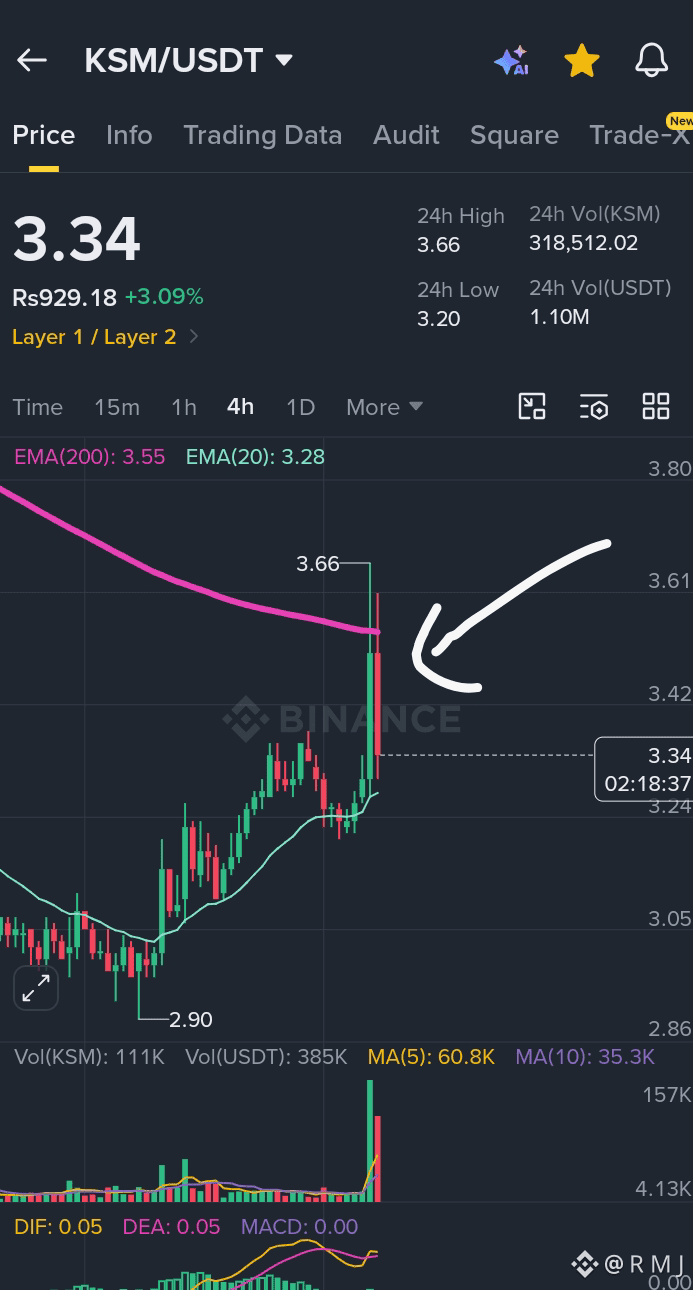
Bearish$KSM has reacted from the 200 EMA on the 4-hour timeframe, with price showing signs of rejection after testing this dynamic resistance. If sellers maintain control, the current structure favors a move lower.
Trade Setup
Entry: Current Market Price
Take Profit: $3.00
Stop Loss: $3.70
This setup is based on the expectation that the rejection from the 200 EMA will lead to continued downside. Wait for confirmation and manage your position size according to your risk plan.
$KSM
#RMJ_trades
#USTechStockFuturesRise
#SKHynixToIssue177.9MillionADSs
#OPECRaisesAugustOutputBy188000Bpd
#BinanceTurns9
Trade Setup
Entry: Current Market Price
Take Profit: $3.00
Stop Loss: $3.70
This setup is based on the expectation that the rejection from the 200 EMA will lead to continued downside. Wait for confirmation and manage your position size according to your risk plan.
$KSM
#RMJ_trades
#USTechStockFuturesRise
#SKHynixToIssue177.9MillionADSs
#OPECRaisesAugustOutputBy188000Bpd
#BinanceTurns9
1
142
·
--
Bearish
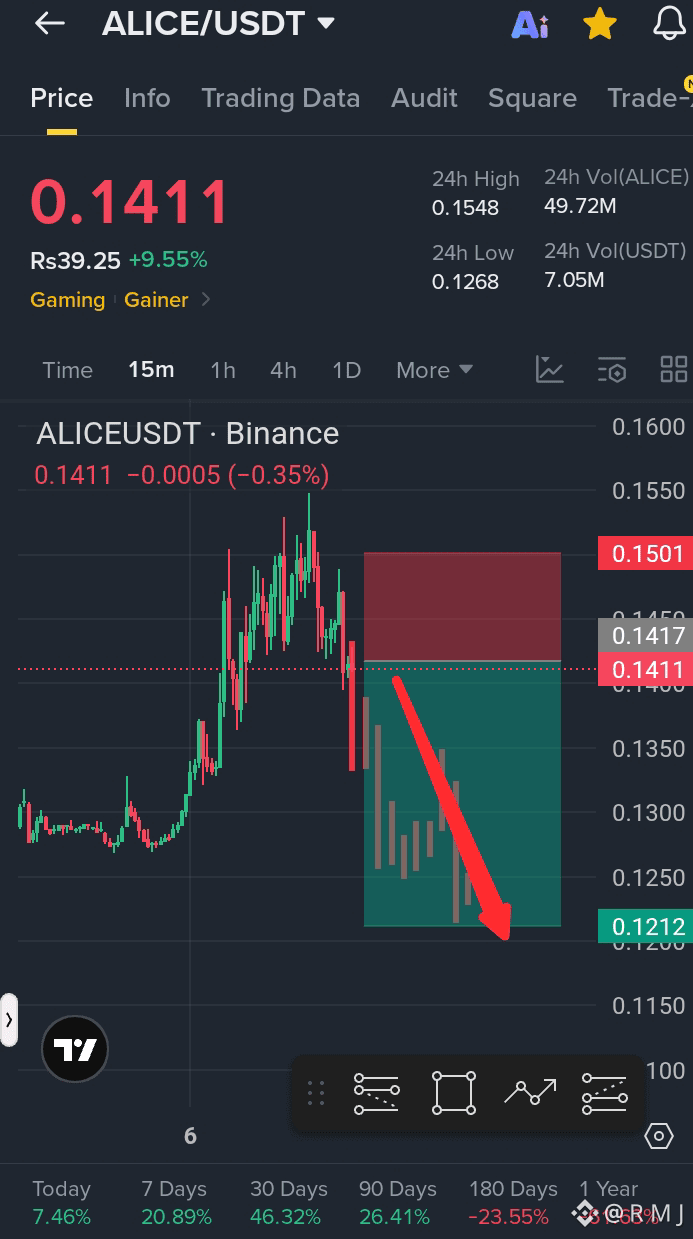
The current price structure on $ALICE continues to favor the bearish side, with sellers maintaining control below key resistance.
Trade Setup
Entry: Current Market Price
Take Profit 1: $0.1325
Take Profit 2: $0.1200
Stop Loss: $0.1500
Maintain disciplined risk management and only take the setup if it aligns with your trading strategy. Always wait for confirmation and avoid overleveraging.
$ALICE
{spot}(ALICEUSDT)
#RMJ_trades
#USTechStockFuturesRise
#SKHynixToIssue177.9MillionADSs
#OPECRaisesAugustOutputBy188000Bpd
#BinanceTurns9
The current price structure on $ALICE continues to favor the bearish side, with sellers maintaining control below key resistance.
Trade Setup
Entry: Current Market Price
Take Profit 1: $0.1325
Take Profit 2: $0.1200
Stop Loss: $0.1500
Maintain disciplined risk management and only take the setup if it aligns with your trading strategy. Always wait for confirmation and avoid overleveraging.
$ALICE
#RMJ_trades
#USTechStockFuturesRise
#SKHynixToIssue177.9MillionADSs
#OPECRaisesAugustOutputBy188000Bpd
#BinanceTurns9
Trade Setup
Entry: Current Market Price
Take Profit 1: $0.1325
Take Profit 2: $0.1200
Stop Loss: $0.1500
Maintain disciplined risk management and only take the setup if it aligns with your trading strategy. Always wait for confirmation and avoid overleveraging.
$ALICE
#RMJ_trades
#USTechStockFuturesRise
#SKHynixToIssue177.9MillionADSs
#OPECRaisesAugustOutputBy188000Bpd
#BinanceTurns9
1
1
156
·
--
$LAB Is Compressing Near Resistance
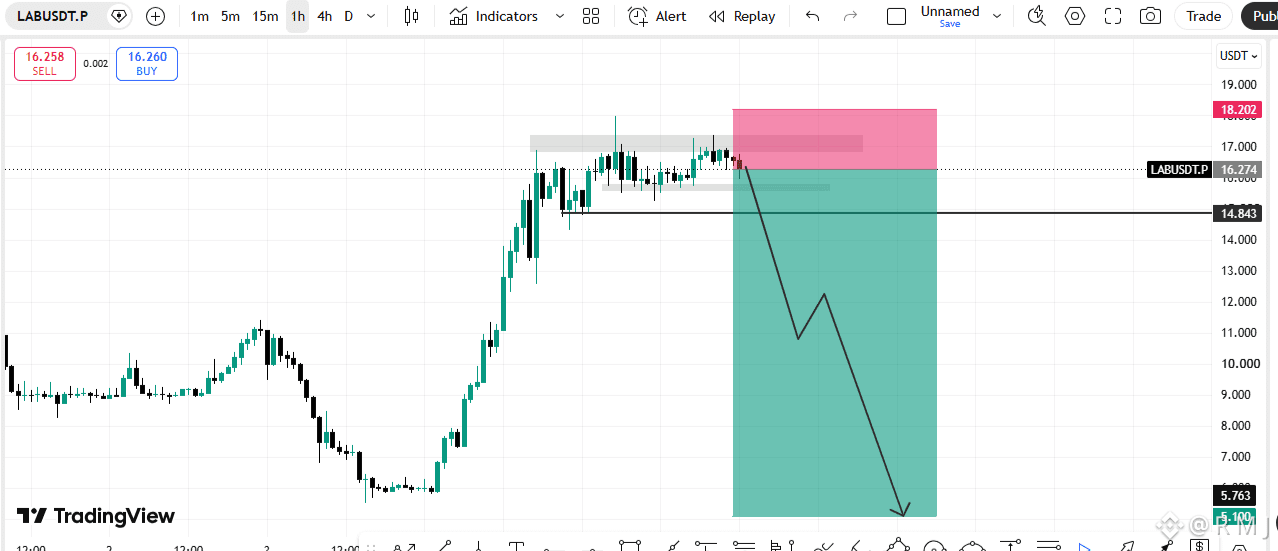
$LAB has been trading in a tight $16.00–$16.60 range since yesterday, with price continuing to consolidate below resistance. Prolonged sideways movement often precedes a sharp move, making this an important area to watch.
From my perspective, the current structure still favors the downside. Unless bulls reclaim higher levels with conviction, the probability of a bearish breakdown remains elevated.
Patience is key—wait for confirmation rather than chasing either direction. If the range breaks to the downside, it could trigger a strong bearish move.
$LAB
{alpha}(560x7ec43cf65f1663f820427c62a5780b8f2e25593a)
#RMJ_trades
#USTechStockFuturesRise
#SKHynixToIssue177.9MillionADSs
#OPECRaisesAugustOutputBy188000Bpd
#BinanceTurns9
$LAB Is Compressing Near Resistance
$LAB has been trading in a tight $16.00–$16.60 range since yesterday, with price continuing to consolidate below resistance. Prolonged sideways movement often precedes a sharp move, making this an important area to watch.
From my perspective, the current structure still favors the downside. Unless bulls reclaim higher levels with conviction, the probability of a bearish breakdown remains elevated.
Patience is key—wait for confirmation rather than chasing either direction. If the range breaks to the downside, it could trigger a strong bearish move.
$LAB
#RMJ_trades
#USTechStockFuturesRise
#SKHynixToIssue177.9MillionADSs
#OPECRaisesAugustOutputBy188000Bpd
#BinanceTurns9
$LAB has been trading in a tight $16.00–$16.60 range since yesterday, with price continuing to consolidate below resistance. Prolonged sideways movement often precedes a sharp move, making this an important area to watch.
From my perspective, the current structure still favors the downside. Unless bulls reclaim higher levels with conviction, the probability of a bearish breakdown remains elevated.
Patience is key—wait for confirmation rather than chasing either direction. If the range breaks to the downside, it could trigger a strong bearish move.
$LAB
#RMJ_trades
#USTechStockFuturesRise
#SKHynixToIssue177.9MillionADSs
#OPECRaisesAugustOutputBy188000Bpd
#BinanceTurns9
1
255

·
--
#imfwarnstokenizationshiftsrisktocode — Speed Kills the Old Safety Net
IMF dropped a warning on July 2: Tokenization collapses execution, clearing, and settlement into simultaneity — removing the time buffers that let the old system catch errors. Faster settlement means risk migrates from bank balance sheets to code and platforms that have no capital buffers, no lender-of-last-resort, and no resolution framework.
4 red flags from the IMF: Code governance (who audits/pauses smart contracts?), legal certainty (which jurisdiction owns a cross-chain token?), liquidity backstops (no Fed window on weekends), and interoperability (fragmented standards = broken markets).
"Risks that once were borne by individual institutions become increasingly concentrated in the platforms and code that govern these transactions."
The IMF isn't anti-tokenization — it acknowledges the benefits (cheaper payments, instant settlement, programmable assets). The warning is that the old regulatory playbook is obsolete. Banks are already building tokenized deposit networks through The Clearing House, while Ondo and Securitize push RWAs on-chain. The code is writing rules faster than regulators can read them.
{future}(ONDOUSDT)
Old system: slow but safe. New system: instant but fragile. Pick your poison. 🔔
$ONDO $BTC #SamsungToRaiseDRAMPricesAbout20%InQ3 #SKHynixLaunches$28BNasdaqADRListing #SpotGoldTops$4200 #OPECRaisesAugustOutputBy188000Bpd
#imfwarnstokenizationshiftsrisktocode — Speed Kills the Old Safety Net
IMF dropped a warning on July 2: Tokenization collapses execution, clearing, and settlement into simultaneity — removing the time buffers that let the old system catch errors. Faster settlement means risk migrates from bank balance sheets to code and platforms that have no capital buffers, no lender-of-last-resort, and no resolution framework.
4 red flags from the IMF: Code governance (who audits/pauses smart contracts?), legal certainty (which jurisdiction owns a cross-chain token?), liquidity backstops (no Fed window on weekends), and interoperability (fragmented standards = broken markets).
"Risks that once were borne by individual institutions become increasingly concentrated in the platforms and code that govern these transactions."
The IMF isn't anti-tokenization — it acknowledges the benefits (cheaper payments, instant settlement, programmable assets). The warning is that the old regulatory playbook is obsolete. Banks are already building tokenized deposit networks through The Clearing House, while Ondo and Securitize push RWAs on-chain. The code is writing rules faster than regulators can read them.
Old system: slow but safe. New system: instant but fragile. Pick your poison. 🔔
$ONDO $BTC #SamsungToRaiseDRAMPricesAbout20%InQ3 #SKHynixLaunches$28BNasdaqADRListing #SpotGoldTops$4200 #OPECRaisesAugustOutputBy188000Bpd
IMF dropped a warning on July 2: Tokenization collapses execution, clearing, and settlement into simultaneity — removing the time buffers that let the old system catch errors. Faster settlement means risk migrates from bank balance sheets to code and platforms that have no capital buffers, no lender-of-last-resort, and no resolution framework.
4 red flags from the IMF: Code governance (who audits/pauses smart contracts?), legal certainty (which jurisdiction owns a cross-chain token?), liquidity backstops (no Fed window on weekends), and interoperability (fragmented standards = broken markets).
"Risks that once were borne by individual institutions become increasingly concentrated in the platforms and code that govern these transactions."
The IMF isn't anti-tokenization — it acknowledges the benefits (cheaper payments, instant settlement, programmable assets). The warning is that the old regulatory playbook is obsolete. Banks are already building tokenized deposit networks through The Clearing House, while Ondo and Securitize push RWAs on-chain. The code is writing rules faster than regulators can read them.
Old system: slow but safe. New system: instant but fragile. Pick your poison. 🔔
$ONDO $BTC #SamsungToRaiseDRAMPricesAbout20%InQ3 #SKHynixLaunches$28BNasdaqADRListing #SpotGoldTops$4200 #OPECRaisesAugustOutputBy188000Bpd
3
5
2k

·
--
Brothers with less than 1,500 USD in capital—really, don’t rush in first. Stop for a moment: this market isn’t as “gentle” as you think.
Crypto doesn’t look like a casino, but in essence it tests one thing above all: whether you can survive.
I once mentored a beginner who started with only 1,100 USD. After two months, he reached close to 20,000 USD—and in the middle, he never got liquidated. It sounds like luck, but it was really just three very simple rules.
Rule one: Your capital must be split up—don’t put it all in at once.
He divided his 1,100 USDT into three parts:
One part was for short-term trading—small position entries and exits, take a little profit and leave, don’t get greedy or linger;
One part was for swing trading—only trade when the trend is clear, hold for a while and then exit;
And the last part stayed completely untouched as a safety cushion.
The smaller your capital is, the less you can “bet it all”—you need to leave yourself room to experiment.
Rule two: Only trade big moves—don’t touch small fluctuations.
Many people don’t lose because they chose the wrong direction; they lose because they enter and exit too often and get ground down by chop.
No trend? Don’t trade.
There is a trend? Follow it for a segment, then exit—don’t cling to squeeze out the very last bit.
For small capital, what’s most dangerous isn’t missing out—it’s being repeatedly consumed.
Rule three: Execute by the rules, not by emotion.
If the stop-loss triggers, you leave—no dragging it out;
When you’re in profit, take it in batches—don’t fantasize;
If the direction is wrong, don’t add to the position—never average down.
Trading should be like an execution system, not an on-the-spot decision.
After a while, you’ll find that the most dangerous point for small capital is never “not making money,” but ending up wiped out in one shot.
Whether you can get out of 1,100 USD depends less on the market and more on whether you can stick to these three rules—simple in appearance, but hardest to actually do.
The market is always there, but only those who can stay in the game have the right to wait for the next opportunity.$ETH #SKHynixLaunches$28BNasdaqADRListing #OPECRaisesAugustOutputBy188000Bpd
Brothers with less than 1,500 USD in capital—really, don’t rush in first. Stop for a moment: this market isn’t as “gentle” as you think.
Crypto doesn’t look like a casino, but in essence it tests one thing above all: whether you can survive.
I once mentored a beginner who started with only 1,100 USD. After two months, he reached close to 20,000 USD—and in the middle, he never got liquidated. It sounds like luck, but it was really just three very simple rules.
Rule one: Your capital must be split up—don’t put it all in at once.
He divided his 1,100 USDT into three parts:
One part was for short-term trading—small position entries and exits, take a little profit and leave, don’t get greedy or linger;
One part was for swing trading—only trade when the trend is clear, hold for a while and then exit;
And the last part stayed completely untouched as a safety cushion.
The smaller your capital is, the less you can “bet it all”—you need to leave yourself room to experiment.
Rule two: Only trade big moves—don’t touch small fluctuations.
Many people don’t lose because they chose the wrong direction; they lose because they enter and exit too often and get ground down by chop.
No trend? Don’t trade.
There is a trend? Follow it for a segment, then exit—don’t cling to squeeze out the very last bit.
For small capital, what’s most dangerous isn’t missing out—it’s being repeatedly consumed.
Rule three: Execute by the rules, not by emotion.
If the stop-loss triggers, you leave—no dragging it out;
When you’re in profit, take it in batches—don’t fantasize;
If the direction is wrong, don’t add to the position—never average down.
Trading should be like an execution system, not an on-the-spot decision.
After a while, you’ll find that the most dangerous point for small capital is never “not making money,” but ending up wiped out in one shot.
Whether you can get out of 1,100 USD depends less on the market and more on whether you can stick to these three rules—simple in appearance, but hardest to actually do.
The market is always there, but only those who can stay in the game have the right to wait for the next opportunity.$ETH #SKHynixLaunches$28BNasdaqADRListing #OPECRaisesAugustOutputBy188000Bpd
Crypto doesn’t look like a casino, but in essence it tests one thing above all: whether you can survive.
I once mentored a beginner who started with only 1,100 USD. After two months, he reached close to 20,000 USD—and in the middle, he never got liquidated. It sounds like luck, but it was really just three very simple rules.
Rule one: Your capital must be split up—don’t put it all in at once.
He divided his 1,100 USDT into three parts:
One part was for short-term trading—small position entries and exits, take a little profit and leave, don’t get greedy or linger;
One part was for swing trading—only trade when the trend is clear, hold for a while and then exit;
And the last part stayed completely untouched as a safety cushion.
The smaller your capital is, the less you can “bet it all”—you need to leave yourself room to experiment.
Rule two: Only trade big moves—don’t touch small fluctuations.
Many people don’t lose because they chose the wrong direction; they lose because they enter and exit too often and get ground down by chop.
No trend? Don’t trade.
There is a trend? Follow it for a segment, then exit—don’t cling to squeeze out the very last bit.
For small capital, what’s most dangerous isn’t missing out—it’s being repeatedly consumed.
Rule three: Execute by the rules, not by emotion.
If the stop-loss triggers, you leave—no dragging it out;
When you’re in profit, take it in batches—don’t fantasize;
If the direction is wrong, don’t add to the position—never average down.
Trading should be like an execution system, not an on-the-spot decision.
After a while, you’ll find that the most dangerous point for small capital is never “not making money,” but ending up wiped out in one shot.
Whether you can get out of 1,100 USD depends less on the market and more on whether you can stick to these three rules—simple in appearance, but hardest to actually do.
The market is always there, but only those who can stay in the game have the right to wait for the next opportunity.$ETH #SKHynixLaunches$28BNasdaqADRListing #OPECRaisesAugustOutputBy188000Bpd

23

·
--
#OPECRaisesAugustOutputBy188000Bpd SKHynixLaunches$28BNasdaqADRListingSpotGoldTops$4200#SamsungToRaiseDRAMPricesAbout20%InQ3 $SPCXB
{spot}(BTCUSDT)
#OPECRaisesAugustOutputBy188000Bpd SKHynixLaunches$28BNasdaqADRListingSpotGoldTops$4200#SamsungToRaiseDRAMPricesAbout20%InQ3 $SPCXB
9

·
--
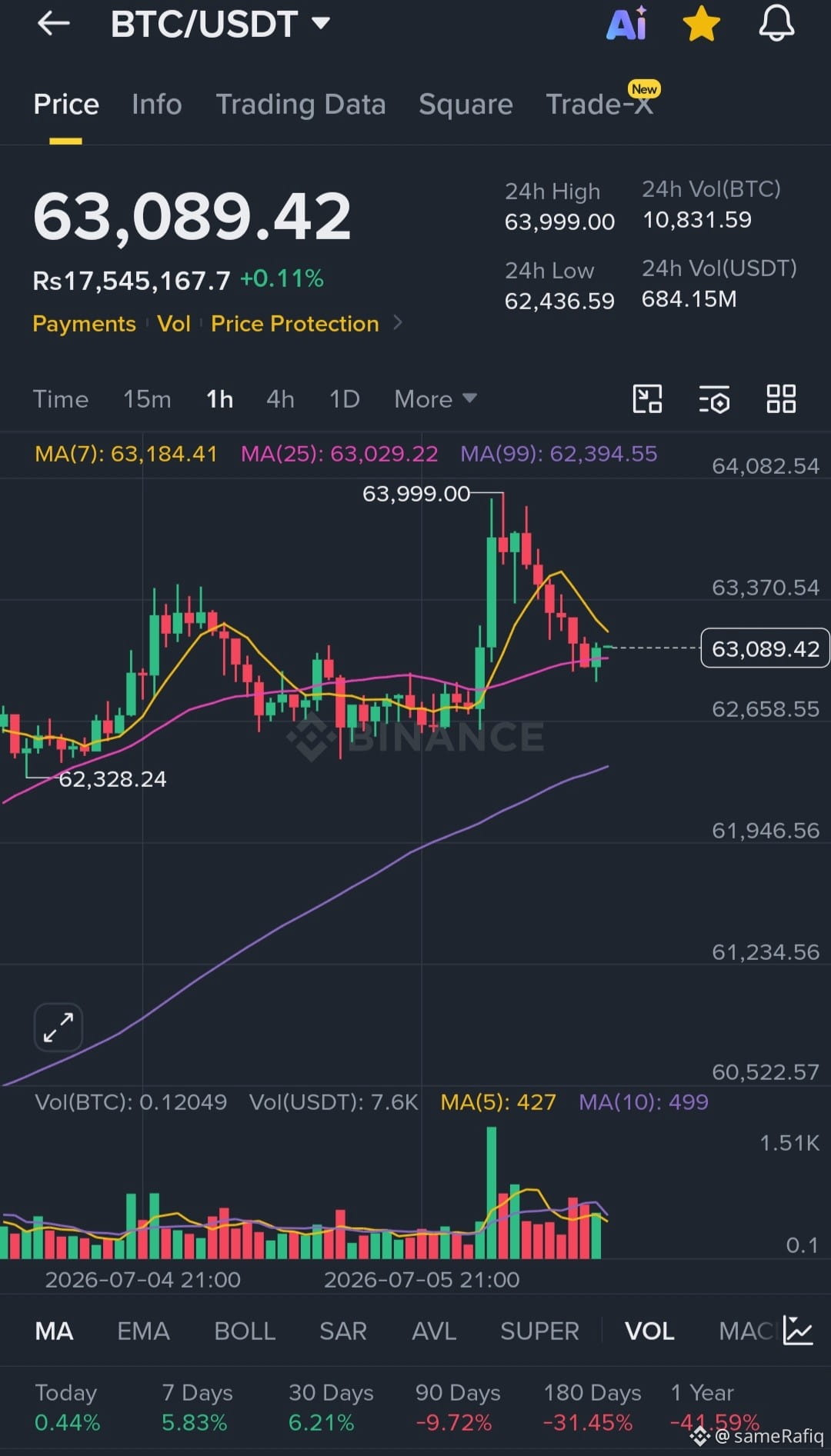
Short $BTC
Entry: 62,994.8–63,373.2
TP: 61.2K / 60.4K
SL: 64,006.9
Momentum is weakening below the MAs. 📉$BTC
{spot}(BTCUSDT)
#KoreaToImplementVirtualAssetEnforcementRulesOct1 #IMFWarnsTokenizationShiftsRiskToCode #SamsungToRaiseDRAMPricesAbout20%InQ3 #OPECRaisesAugustOutputBy188000Bpd #KospiRises2.7%OnChipRally
Short $BTC
Entry: 62,994.8–63,373.2
TP: 61.2K / 60.4K
SL: 64,006.9
Momentum is weakening below the MAs. 📉$BTC
#KoreaToImplementVirtualAssetEnforcementRulesOct1 #IMFWarnsTokenizationShiftsRiskToCode #SamsungToRaiseDRAMPricesAbout20%InQ3 #OPECRaisesAugustOutputBy188000Bpd #KospiRises2.7%OnChipRally
Entry: 62,994.8–63,373.2
TP: 61.2K / 60.4K
SL: 64,006.9
Momentum is weakening below the MAs. 📉$BTC
#KoreaToImplementVirtualAssetEnforcementRulesOct1 #IMFWarnsTokenizationShiftsRiskToCode #SamsungToRaiseDRAMPricesAbout20%InQ3 #OPECRaisesAugustOutputBy188000Bpd #KospiRises2.7%OnChipRally
1
102
·
--
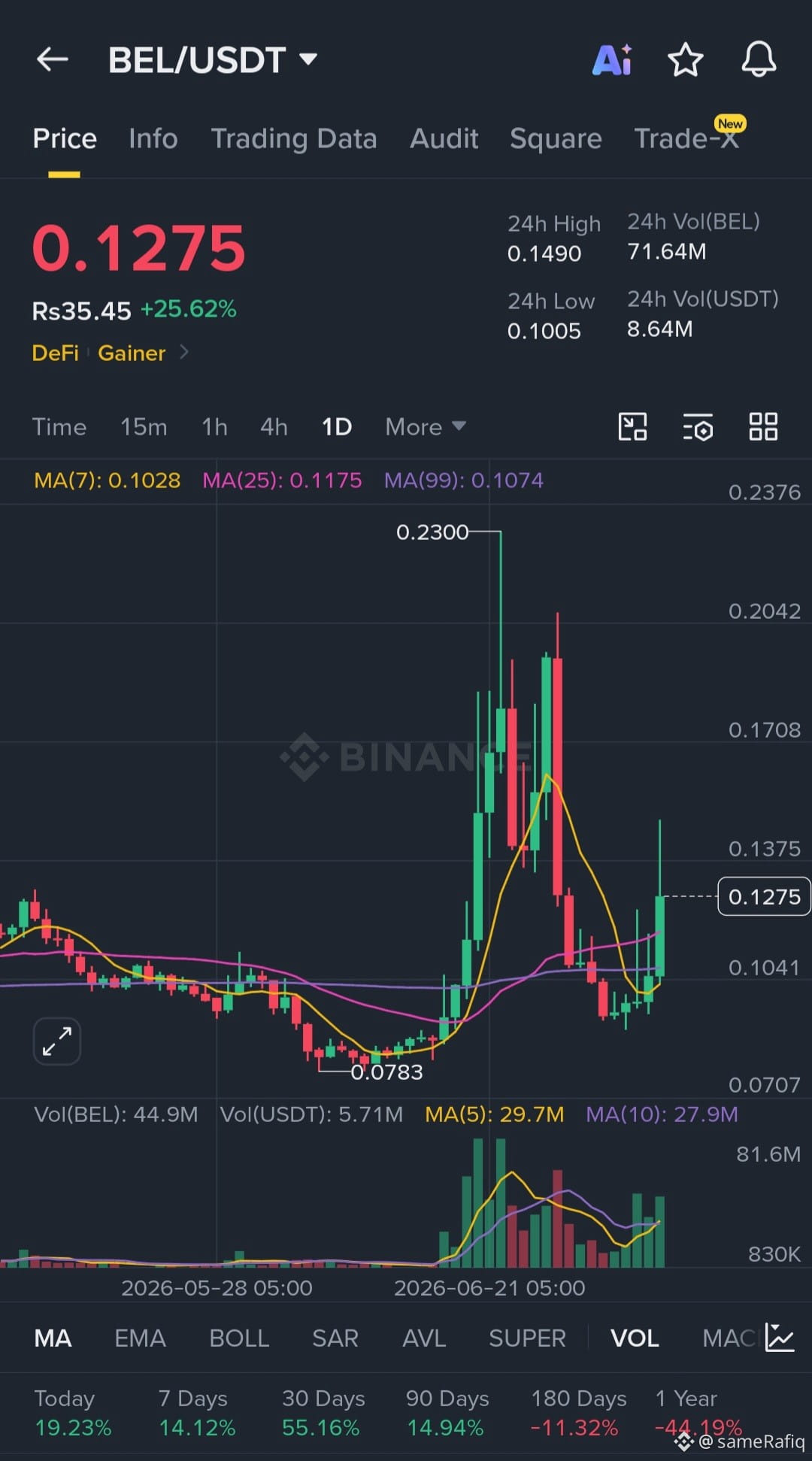
Longing $BEL from the current zone.
Entry: $0.1280 – $0.1295
TP1: $0.1330
TP2: $0.1380
TP3: $0.1450
SL: $0.1235
$BEL is holding above the breakout level with solid buying pressure. If the current support remains intact, the trend favors another move to the upside. 📈$BEL
{spot}(BELUSDT)
#KoreaToImplementVirtualAssetEnforcementRulesOct1 #IMFWarnsTokenizationShiftsRiskToCode #SamsungToRaiseDRAMPricesAbout20%InQ3 #OPECRaisesAugustOutputBy188000Bpd #SpaceXToJoinNasdaq100OnJuly7
Longing $BEL from the current zone.
Entry: $0.1280 – $0.1295
TP1: $0.1330
TP2: $0.1380
TP3: $0.1450
SL: $0.1235
$BEL is holding above the breakout level with solid buying pressure. If the current support remains intact, the trend favors another move to the upside. 📈$BEL
#KoreaToImplementVirtualAssetEnforcementRulesOct1 #IMFWarnsTokenizationShiftsRiskToCode #SamsungToRaiseDRAMPricesAbout20%InQ3 #OPECRaisesAugustOutputBy188000Bpd #SpaceXToJoinNasdaq100OnJuly7
Entry: $0.1280 – $0.1295
TP1: $0.1330
TP2: $0.1380
TP3: $0.1450
SL: $0.1235
$BEL is holding above the breakout level with solid buying pressure. If the current support remains intact, the trend favors another move to the upside. 📈$BEL
#KoreaToImplementVirtualAssetEnforcementRulesOct1 #IMFWarnsTokenizationShiftsRiskToCode #SamsungToRaiseDRAMPricesAbout20%InQ3 #OPECRaisesAugustOutputBy188000Bpd #SpaceXToJoinNasdaq100OnJuly7
1
133

·
--
#OPECRaisesAugustOutputBy188000Bpd
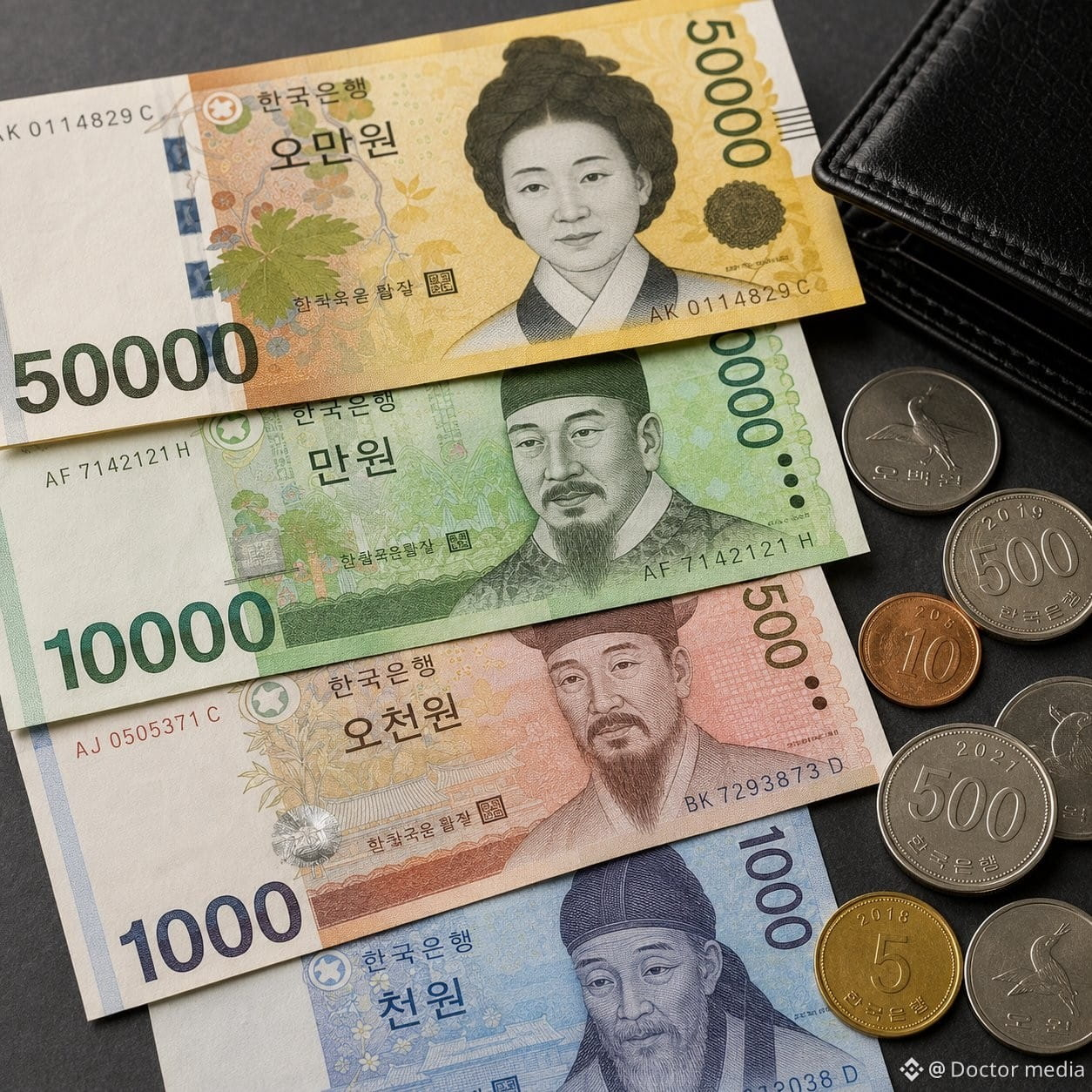
🇰🇷 **Won-derful news!** South Korea’s currency just shattered tradition, launching its first-ever 24-hour trading window. The Won is already flexing, nudging 0.2% higher to 1,527.80 per dollar. The sun never sets on this market!
**Would you like me to keep you updated on how this new 24-hour cycle affects the volatility of the Korean Won over the coming week?**
$TLM $LIT $SYN
#OPECRaisesAugustOutputBy188000Bpd
🇰🇷 **Won-derful news!** South Korea’s currency just shattered tradition, launching its first-ever 24-hour trading window. The Won is already flexing, nudging 0.2% higher to 1,527.80 per dollar. The sun never sets on this market!
**Would you like me to keep you updated on how this new 24-hour cycle affects the volatility of the Korean Won over the coming week?**
$TLM $LIT $SYN
🇰🇷 **Won-derful news!** South Korea’s currency just shattered tradition, launching its first-ever 24-hour trading window. The Won is already flexing, nudging 0.2% higher to 1,527.80 per dollar. The sun never sets on this market!
**Would you like me to keep you updated on how this new 24-hour cycle affects the volatility of the Korean Won over the coming week?**
$TLM $LIT $SYN

1
81

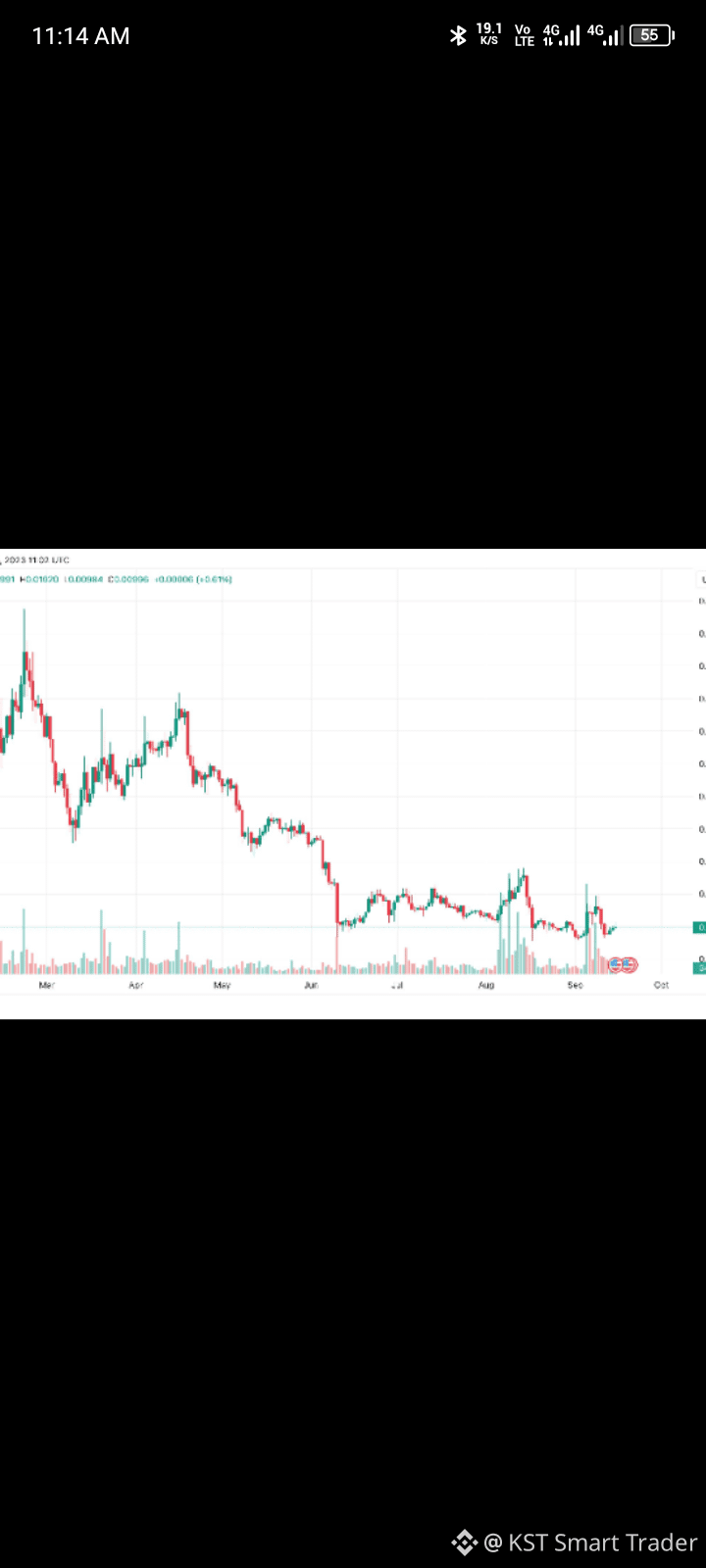
$TLM $TLM 100 lucky My follower💸🎁
{future}(TLMUSDT)
M (Alien Worlds)#OPECRaisesAugustOutputBy188000Bpd
📈 Next Price: $0.00355 – $0.00370
🎯 Next Move: If bullish momentum continues and resistance breaks, TLM could extend toward $0.0039 – $0.0042 in the short term. If rejected, a pullba#OPECRaisesAugustOutputBy188000Bpd ck toward $0.0030 is possible due to recent volatility. #SamsungToRaiseDRAMPricesAbout20%InQ3
Like & Follow for more updates#IMFWarnsTokenizationShiftsRiskToCode SKHynixLaunches$28BNasdaqADRListing
$TLM $TLM 100 lucky My follower💸🎁
M (Alien Worlds)#OPECRaisesAugustOutputBy188000Bpd
📈 Next Price: $0.00355 – $0.00370
🎯 Next Move: If bullish momentum continues and resistance breaks, TLM could extend toward $0.0039 – $0.0042 in the short term. If rejected, a pullba#OPECRaisesAugustOutputBy188000Bpd ck toward $0.0030 is possible due to recent volatility. #SamsungToRaiseDRAMPricesAbout20%InQ3
Like & Follow for more updates#IMFWarnsTokenizationShiftsRiskToCode SKHynixLaunches$28BNasdaqADRListing
M (Alien Worlds)#OPECRaisesAugustOutputBy188000Bpd
📈 Next Price: $0.00355 – $0.00370
🎯 Next Move: If bullish momentum continues and resistance breaks, TLM could extend toward $0.0039 – $0.0042 in the short term. If rejected, a pullba#OPECRaisesAugustOutputBy188000Bpd ck toward $0.0030 is possible due to recent volatility. #SamsungToRaiseDRAMPricesAbout20%InQ3
Like & Follow for more updates#IMFWarnsTokenizationShiftsRiskToCode SKHynixLaunches$28BNasdaqADRListing

next reward follow🤑
From KST Smart Trader
1
104

·
--
Bullish
$SOL
🚨 Breaking News Bulletin - Solana (SOL) Coin
Date: July 6, 2026
Current price:
About $80 - $81 USD (slight rise over the past 24 hours, with notable weekly gains).270950
Market cap: About $46.5 - $47 billion (ranked among the top 10 digital currencies).955cc1
Trading volume (24 hours): More than $1.7 - $1.8 billion.
Top headlines:
Unprecedented usage peak: The Solana network has reached its highest activity levels ever, with a significant increase in transactions and active user addresses, supported by the growth of tokenized real-world assets (RWAs), whose total value reached $3.62 billion (a new all-time high).a4d744
Governance development: Solana launched an on-chain governance system, enabling validators and investors to participate in network decisions (minimum 100,000 SOL).11ad5e
Strong growth in stablecoins and tokenized assets, with increased trading volume and institutional adoption (such as partnerships with Securitize and listings on the NYSE).75653d
Brief technical analysis:
SOL is defending the support level at $73 - $75 and is attempting to stabilize above $80.
Analysts are watching for a potential bullish breakout toward $90 - $120 if momentum continues, especially with strong activity across #OPECRaisesAugustOutputBy188000Bpd potGoldTops$4200#OPECRaisesAugustOutputBy188000Bpd
$SOL
🚨 Breaking News Bulletin - Solana (SOL) Coin
Date: July 6, 2026
Current price:
About $80 - $81 USD (slight rise over the past 24 hours, with notable weekly gains).270950
Market cap: About $46.5 - $47 billion (ranked among the top 10 digital currencies).955cc1
Trading volume (24 hours): More than $1.7 - $1.8 billion.
Top headlines:
Unprecedented usage peak: The Solana network has reached its highest activity levels ever, with a significant increase in transactions and active user addresses, supported by the growth of tokenized real-world assets (RWAs), whose total value reached $3.62 billion (a new all-time high).a4d744
Governance development: Solana launched an on-chain governance system, enabling validators and investors to participate in network decisions (minimum 100,000 SOL).11ad5e
Strong growth in stablecoins and tokenized assets, with increased trading volume and institutional adoption (such as partnerships with Securitize and listings on the NYSE).75653d
Brief technical analysis:
SOL is defending the support level at $73 - $75 and is attempting to stabilize above $80.
Analysts are watching for a potential bullish breakout toward $90 - $120 if momentum continues, especially with strong activity across #OPECRaisesAugustOutputBy188000Bpd potGoldTops$4200#OPECRaisesAugustOutputBy188000Bpd
🚨 Breaking News Bulletin - Solana (SOL) Coin
Date: July 6, 2026
Current price:
About $80 - $81 USD (slight rise over the past 24 hours, with notable weekly gains).270950
Market cap: About $46.5 - $47 billion (ranked among the top 10 digital currencies).955cc1
Trading volume (24 hours): More than $1.7 - $1.8 billion.
Top headlines:
Unprecedented usage peak: The Solana network has reached its highest activity levels ever, with a significant increase in transactions and active user addresses, supported by the growth of tokenized real-world assets (RWAs), whose total value reached $3.62 billion (a new all-time high).a4d744
Governance development: Solana launched an on-chain governance system, enabling validators and investors to participate in network decisions (minimum 100,000 SOL).11ad5e
Strong growth in stablecoins and tokenized assets, with increased trading volume and institutional adoption (such as partnerships with Securitize and listings on the NYSE).75653d
Brief technical analysis:
SOL is defending the support level at $73 - $75 and is attempting to stabilize above $80.
Analysts are watching for a potential bullish breakout toward $90 - $120 if momentum continues, especially with strong activity across #OPECRaisesAugustOutputBy188000Bpd potGoldTops$4200#OPECRaisesAugustOutputBy188000Bpd
154

·
--
Bearish
$TLM
{spot}(TLMUSDT)
Trede now 👆👆👆👆👆👆👆👆
- SHORT
Trade Plan:
Entry: 0.0030010 – 0.0030570
SL: 0.0040002
TP1: 0.0023006
TP2: 0.0018150
TP3: 0.0010865
#OilFalls #AsianPCBStocksSlideOnNvidiaAIServerDelay #IMFWarnsTokenizationShiftsRiskToCode #SamsungToRaiseDRAMPricesAbout20%InQ3 #OPECRaisesAugustOutputBy188000Bpd $VANRY
{spot}(VANRYUSDT)
$POL
{spot}(POLUSDT)
$TLM
Trede now 👆👆👆👆👆👆👆👆
- SHORT
Trade Plan:
Entry: 0.0030010 – 0.0030570
SL: 0.0040002
TP1: 0.0023006
TP2: 0.0018150
TP3: 0.0010865
#OilFalls #AsianPCBStocksSlideOnNvidiaAIServerDelay #IMFWarnsTokenizationShiftsRiskToCode #SamsungToRaiseDRAMPricesAbout20%InQ3 #OPECRaisesAugustOutputBy188000Bpd $VANRY
$POL
Trede now 👆👆👆👆👆👆👆👆
- SHORT
Trade Plan:
Entry: 0.0030010 – 0.0030570
SL: 0.0040002
TP1: 0.0023006
TP2: 0.0018150
TP3: 0.0010865
#OilFalls #AsianPCBStocksSlideOnNvidiaAIServerDelay #IMFWarnsTokenizationShiftsRiskToCode #SamsungToRaiseDRAMPricesAbout20%InQ3 #OPECRaisesAugustOutputBy188000Bpd $VANRY
$POL
9
Log in to explore more content
Join global crypto users on Binance Square
⚡️ Get latest and useful information about crypto.
💬 Trusted by the world’s largest crypto exchange.
👍 Discover real insights from verified creators.
Email / Phone number
Trending Topics
1
#BNBSurpasses$790
3,528 views
59 Discussing
2
#ZamaRises15.99%ToIntradayHigh$0.09
1,448 views
56 Discussing
3
#BitcoinSpotETFsDraw$6.34BInflowsInQ3
2,170 views
46 Discussing
4
#EthereumValidatorExitQueueJumps392%
36,654 views
457 Discussing
5
#IMFApprovesElSalvador$138MWithBitcoinWaiver
4,106 views
33 Discussing
6
#SECHaltsCryptoETFReviewsAmidFundingLapse
178,440 views
1,375 Discussing
7
#ZcashETFPostsFirstWeeklyOutflow$93.6M
82,015 views
239 Discussing
8
#GreekPoliceBustCryptoScamRingArrest17
307,305 views
2,050 Discussing
9
#BitcoinRejectedAt$87K
194,861 views
293 Discussing
10
#FedOctoberRateHikeOddsFallTo17%
306,672 views
2,194 Discussing