

#hormuztrafficrises
hormuztrafficrises
163,594 views
1,269 Discussing
Hot
Latest

·
--
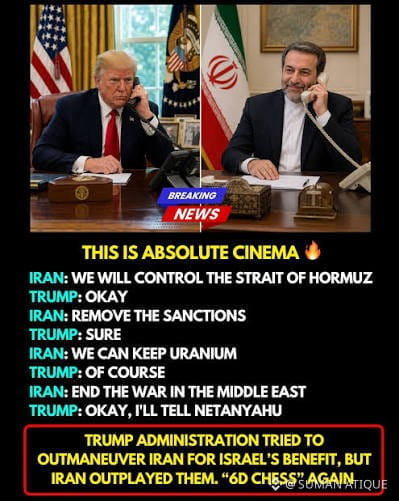
🔥 THIS IS ABSOLUTE CINEMA 🔥
🇺🇸 Trump at 5 PM: "Ships are flowing through the Strait of Hormuz like nobody has ever seen before."
🇮🇷 IRGC at 6 PM: "Due to Israel's actions in Lebanon, the Strait of Hormuz is closed. Proceed at your own risk. Trump won't save you."
🎬 One hour. 🌍 One chokepoint. 🛢️ Trillions in global trade at stake.
Markets are being whipsawed by headlines as the Hormuz situation remains highly uncertain, with conflicting signals on shipping activity and regional tensions. Oil traders, crypto investors, and global markets are all watching every update.
👀 What happens next? 📈 Oil explosion higher? 📉 Risk assets under pressure? 🚀 Or another surprise twist in the Middle East?
$RESOLV $TNSR $STRAX
#BREAKING #Iran #HormuzTrafficRises #Trump #OilMarkets #Hormuz #Crypto #News
🔥 THIS IS ABSOLUTE CINEMA 🔥
🇺🇸 Trump at 5 PM: "Ships are flowing through the Strait of Hormuz like nobody has ever seen before."
🇮🇷 IRGC at 6 PM: "Due to Israel's actions in Lebanon, the Strait of Hormuz is closed. Proceed at your own risk. Trump won't save you."
🎬 One hour. 🌍 One chokepoint. 🛢️ Trillions in global trade at stake.
Markets are being whipsawed by headlines as the Hormuz situation remains highly uncertain, with conflicting signals on shipping activity and regional tensions. Oil traders, crypto investors, and global markets are all watching every update.
👀 What happens next? 📈 Oil explosion higher? 📉 Risk assets under pressure? 🚀 Or another surprise twist in the Middle East?
$RESOLV $TNSR $STRAX
#BREAKING #Iran #HormuzTrafficRises #Trump #OilMarkets #Hormuz #Crypto #News
🇺🇸 Trump at 5 PM: "Ships are flowing through the Strait of Hormuz like nobody has ever seen before."
🇮🇷 IRGC at 6 PM: "Due to Israel's actions in Lebanon, the Strait of Hormuz is closed. Proceed at your own risk. Trump won't save you."
🎬 One hour. 🌍 One chokepoint. 🛢️ Trillions in global trade at stake.
Markets are being whipsawed by headlines as the Hormuz situation remains highly uncertain, with conflicting signals on shipping activity and regional tensions. Oil traders, crypto investors, and global markets are all watching every update.
👀 What happens next? 📈 Oil explosion higher? 📉 Risk assets under pressure? 🚀 Or another surprise twist in the Middle East?
$RESOLV $TNSR $STRAX
#BREAKING #Iran #HormuzTrafficRises #Trump #OilMarkets #Hormuz #Crypto #News
92

#HormuzTrafficRises Despite growing geopolitical tensions, vessel activity through the Strait of Hormuz is showing resilience. Increased traffic signals that global energy supply chains remain active, but traders should stay alert — any disruption in this key shipping route could trigger volatility across oil, commodities, and crypto markets.
🔍 Key Points:
• Higher tanker movement indicates continued demand for energy exports.
• Oil price fluctuations can influence inflation expectations.
• Market uncertainty often drives investors toward alternative assets, including Bitcoin.
📊 What’s your view?
Will rising Hormuz traffic help stabilize global markets, or are we still at risk of major volatility ahead?
👇 Share your thoughts below!
#HormuzTrafficRises Despite growing geopolitical tensions, vessel activity through the Strait of Hormuz is showing resilience. Increased traffic signals that global energy supply chains remain active, but traders should stay alert — any disruption in this key shipping route could trigger volatility across oil, commodities, and crypto markets.
🔍 Key Points:
• Higher tanker movement indicates continued demand for energy exports.
• Oil price fluctuations can influence inflation expectations.
• Market uncertainty often drives investors toward alternative assets, including Bitcoin.
📊 What’s your view?
Will rising Hormuz traffic help stabilize global markets, or are we still at risk of major volatility ahead?
👇 Share your thoughts below!
🔍 Key Points:
• Higher tanker movement indicates continued demand for energy exports.
• Oil price fluctuations can influence inflation expectations.
• Market uncertainty often drives investors toward alternative assets, including Bitcoin.
📊 What’s your view?
Will rising Hormuz traffic help stabilize global markets, or are we still at risk of major volatility ahead?
👇 Share your thoughts below!
161

#HormuzTrafficRises #HormuzTrafficRises means there is a measurable increase in ships transiting the Strait of Hormuz, one of the world’s most critical oil chokepoints.
🚢 What’s happening right now
Recent maritime data shows:
📈 More oil tankers and cargo vessels are moving through the Strait
🚢 Several supertankers carrying millions of barrels have entered transit routes
🛳️ South Korean and Gulf-linked vessels have resumed crossings after earlier disruptions
⚓ Traffic is still far below normal pre-conflict levels, but clearly recovering
For context, the Strait normally handles about ~20% of global oil trade.
---
🧭 Why traffic is rising
1. Temporary security easing Recent US–Iran understandings and de-escalation signals have encouraged some shipping firms to re-enter the route.
2. Insurance + risk recalibration War-risk insurance remains high, but slightly improved predictability has allowed some voyages to resume.
3. Supply pressure Global buyers (India, China, Europe) need crude flows, forcing gradual re-engagement despite risks.
4. Fleet backlog release Hundreds of ships had been waiting in or near the Gulf—some are now being cleared through.
---
⚠️ But it’s not “normal yet”
Even with the rise:
Traffic is still well below pre-crisis levels
Many ships remain anchored or rerouting via Oman/UAE bypass routes
Risk of disruption still exists due to:
mines / naval risk zones
insurance uncertainty
sudden political escalations
---
📊 Market interpretation
Oil markets typically read this as:
🟢 Slightly bearish for crude (more supply flow expected)
🟡 Neutral overall (because risk premium still exists)
🔁 Volatility remains high due to fragile geopolitics
---
🧠 Simple takeaway
More ships are moving through Hormuz again, but it’s a cautious reopening phase—not a full return to normal global oil logistics.
---
If you want, I can map this directly to oil price impact scenarios (Brent $70 vs $90 case), , or shipping insurance costs.BTC/crypto correlation with oil shocks
#HormuzTrafficRises #HormuzTrafficRises means there is a measurable increase in ships transiting the Strait of Hormuz, one of the world’s most critical oil chokepoints.
🚢 What’s happening right now
Recent maritime data shows:
📈 More oil tankers and cargo vessels are moving through the Strait
🚢 Several supertankers carrying millions of barrels have entered transit routes
🛳️ South Korean and Gulf-linked vessels have resumed crossings after earlier disruptions
⚓ Traffic is still far below normal pre-conflict levels, but clearly recovering
For context, the Strait normally handles about ~20% of global oil trade.
---
🧭 Why traffic is rising
1. Temporary security easing Recent US–Iran understandings and de-escalation signals have encouraged some shipping firms to re-enter the route.
2. Insurance + risk recalibration War-risk insurance remains high, but slightly improved predictability has allowed some voyages to resume.
3. Supply pressure Global buyers (India, China, Europe) need crude flows, forcing gradual re-engagement despite risks.
4. Fleet backlog release Hundreds of ships had been waiting in or near the Gulf—some are now being cleared through.
---
⚠️ But it’s not “normal yet”
Even with the rise:
Traffic is still well below pre-crisis levels
Many ships remain anchored or rerouting via Oman/UAE bypass routes
Risk of disruption still exists due to:
mines / naval risk zones
insurance uncertainty
sudden political escalations
---
📊 Market interpretation
Oil markets typically read this as:
🟢 Slightly bearish for crude (more supply flow expected)
🟡 Neutral overall (because risk premium still exists)
🔁 Volatility remains high due to fragile geopolitics
---
🧠 Simple takeaway
More ships are moving through Hormuz again, but it’s a cautious reopening phase—not a full return to normal global oil logistics.
---
If you want, I can map this directly to oil price impact scenarios (Brent $70 vs $90 case), , or shipping insurance costs.BTC/crypto correlation with oil shocks
🚢 What’s happening right now
Recent maritime data shows:
📈 More oil tankers and cargo vessels are moving through the Strait
🚢 Several supertankers carrying millions of barrels have entered transit routes
🛳️ South Korean and Gulf-linked vessels have resumed crossings after earlier disruptions
⚓ Traffic is still far below normal pre-conflict levels, but clearly recovering
For context, the Strait normally handles about ~20% of global oil trade.
---
🧭 Why traffic is rising
1. Temporary security easing Recent US–Iran understandings and de-escalation signals have encouraged some shipping firms to re-enter the route.
2. Insurance + risk recalibration War-risk insurance remains high, but slightly improved predictability has allowed some voyages to resume.
3. Supply pressure Global buyers (India, China, Europe) need crude flows, forcing gradual re-engagement despite risks.
4. Fleet backlog release Hundreds of ships had been waiting in or near the Gulf—some are now being cleared through.
---
⚠️ But it’s not “normal yet”
Even with the rise:
Traffic is still well below pre-crisis levels
Many ships remain anchored or rerouting via Oman/UAE bypass routes
Risk of disruption still exists due to:
mines / naval risk zones
insurance uncertainty
sudden political escalations
---
📊 Market interpretation
Oil markets typically read this as:
🟢 Slightly bearish for crude (more supply flow expected)
🟡 Neutral overall (because risk premium still exists)
🔁 Volatility remains high due to fragile geopolitics
---
🧠 Simple takeaway
More ships are moving through Hormuz again, but it’s a cautious reopening phase—not a full return to normal global oil logistics.
---
If you want, I can map this directly to oil price impact scenarios (Brent $70 vs $90 case), , or shipping insurance costs.BTC/crypto correlation with oil shocks
92

Article
HORMUZ TRAFFIC REBOUNDS!🚨 HORMUZ TRAFFIC REBOUNDS! 🚢🛢️
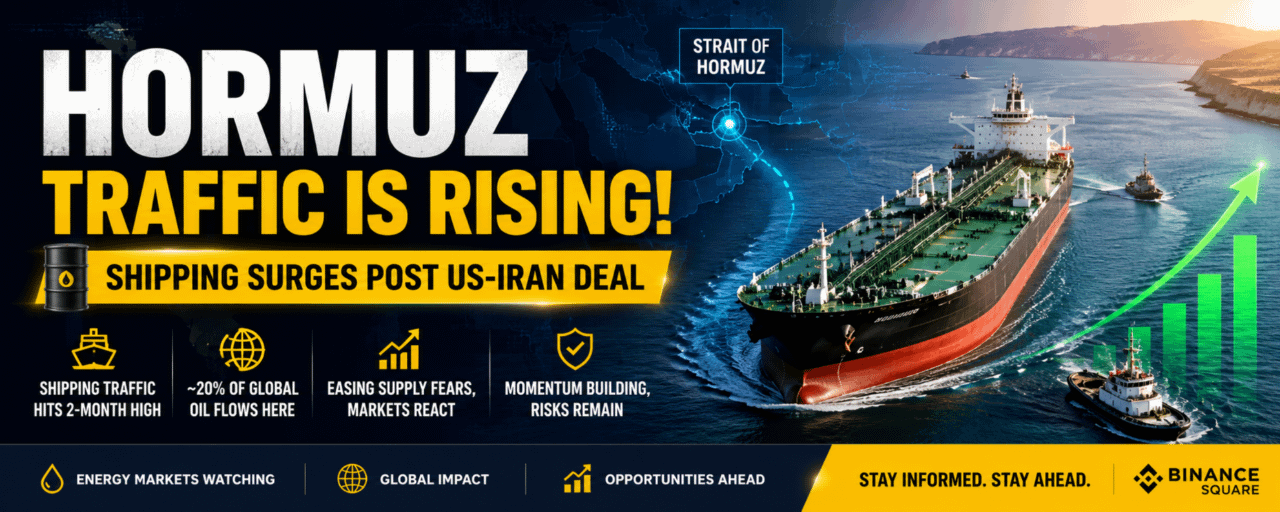
The Strait of Hormuz is showing strong signs of recovery as shipping activity climbs following recent US-Iran diplomatic progress.
According to vessel tracking data, commercial traffic through the vital oil corridor has surged to its highest level in months, with dozens of ships safely transiting the waterway as confidence gradually returns.
Why it matters 👇
🔹 Nearly 20% of the world's oil supply passes through Hormuz.
🔹 Increased shipping activity helps reduce fears of supply disruptions.
🔹 A more stable energy market could ease pressure on oil prices.
🔹 Lower geopolitical tensions may improve sentiment across global markets, including crypto.
While traffic remains below normal pre-conflict levels, the latest increase suggests that trade routes are gradually reopening and energy flows are recovering.
However, risks remain. Security concerns, elevated insurance costs, and regional tensions could still create volatility in the weeks ahead.
📊 Markets are watching closely:
• Oil traders are monitoring supply trends.
• Energy stocks could benefit from improved shipping conditions.
• Crypto investors are assessing whether easing geopolitical risk supports broader risk assets.
What do you think, Binance Square?
🚀 Bullish on global market recovery?
🛢️ Expecting oil prices to stabilize?
₿ Using Bitcoin as a hedge against uncertainty?
Drop your thoughts below! 👇
$BTC $ETH $SOL
{future}(SOLUSDT)
#hormuztrafficrises #StraitOfHormuz #OilMarkets
HORMUZ TRAFFIC REBOUNDS!
🚨 HORMUZ TRAFFIC REBOUNDS! 🚢🛢️
The Strait of Hormuz is showing strong signs of recovery as shipping activity climbs following recent US-Iran diplomatic progress.
According to vessel tracking data, commercial traffic through the vital oil corridor has surged to its highest level in months, with dozens of ships safely transiting the waterway as confidence gradually returns.
Why it matters 👇
🔹 Nearly 20% of the world's oil supply passes through Hormuz.
🔹 Increased shipping activity helps reduce fears of supply disruptions.
🔹 A more stable energy market could ease pressure on oil prices.
🔹 Lower geopolitical tensions may improve sentiment across global markets, including crypto.
While traffic remains below normal pre-conflict levels, the latest increase suggests that trade routes are gradually reopening and energy flows are recovering.
However, risks remain. Security concerns, elevated insurance costs, and regional tensions could still create volatility in the weeks ahead.
📊 Markets are watching closely:
• Oil traders are monitoring supply trends.
• Energy stocks could benefit from improved shipping conditions.
• Crypto investors are assessing whether easing geopolitical risk supports broader risk assets.
What do you think, Binance Square?
🚀 Bullish on global market recovery?
🛢️ Expecting oil prices to stabilize?
₿ Using Bitcoin as a hedge against uncertainty?
Drop your thoughts below! 👇
$BTC $ETH $SOL
#hormuztrafficrises #StraitOfHormuz #OilMarkets
The Strait of Hormuz is showing strong signs of recovery as shipping activity climbs following recent US-Iran diplomatic progress.
According to vessel tracking data, commercial traffic through the vital oil corridor has surged to its highest level in months, with dozens of ships safely transiting the waterway as confidence gradually returns.
Why it matters 👇
🔹 Nearly 20% of the world's oil supply passes through Hormuz.
🔹 Increased shipping activity helps reduce fears of supply disruptions.
🔹 A more stable energy market could ease pressure on oil prices.
🔹 Lower geopolitical tensions may improve sentiment across global markets, including crypto.
While traffic remains below normal pre-conflict levels, the latest increase suggests that trade routes are gradually reopening and energy flows are recovering.
However, risks remain. Security concerns, elevated insurance costs, and regional tensions could still create volatility in the weeks ahead.
📊 Markets are watching closely:
• Oil traders are monitoring supply trends.
• Energy stocks could benefit from improved shipping conditions.
• Crypto investors are assessing whether easing geopolitical risk supports broader risk assets.
What do you think, Binance Square?
🚀 Bullish on global market recovery?
🛢️ Expecting oil prices to stabilize?
₿ Using Bitcoin as a hedge against uncertainty?
Drop your thoughts below! 👇
$BTC $ETH $SOL
#hormuztrafficrises #StraitOfHormuz #OilMarkets
232
·
--
#HormuzTrafficRises
The recent traffic through the Strait of Hormuz hit its most intense day in two months, but the situation remains shaky with significant risks and new rules for transporters.
📈 Traffic spikes after the ceasefire
After an agreement between the United States and Iran to end their conflict, trade crossings surged to 25 on June 18, the highest level since mid-April and more than five times the early June average. This uptick suggests a possible thaw, but traffic is still far below the pre-war norm of around 120 crossings daily.
🚧 Ongoing risks and new rules
Safety and mines: despite the political agreement, physical risks are severe. The strait remains mined, forcing vessels to navigate through narrow "coastal traffic zones" and ongoing naval clearance operations.
New Iranian permit system: Iran now requires ships to submit transit applications 48 hours in advance and has stated that no vessel can pass without a permit from its "Persian Gulf Authority." The authority has also waived certain fees and insurance payments for a 60-day period, though uncertainties about future fees remain.
⏳ A slow recovery is expected
A significant exodus of the estimated 500+ commercial vessels trapped in the Gulf has not materialized, as a "wait and see" mentality prevails. Concerns about mines, unclear procedures, and the potential for tensions to flare up again are preventing many captains and owners from making the first move.
The reopening is underway, but cautiously, in a step-by-step process. For now, it remains a complex and high-risk transit zone.
#HormuzTrafficRises
The recent traffic through the Strait of Hormuz hit its most intense day in two months, but the situation remains shaky with significant risks and new rules for transporters.
📈 Traffic spikes after the ceasefire
After an agreement between the United States and Iran to end their conflict, trade crossings surged to 25 on June 18, the highest level since mid-April and more than five times the early June average. This uptick suggests a possible thaw, but traffic is still far below the pre-war norm of around 120 crossings daily.
🚧 Ongoing risks and new rules
Safety and mines: despite the political agreement, physical risks are severe. The strait remains mined, forcing vessels to navigate through narrow "coastal traffic zones" and ongoing naval clearance operations.
New Iranian permit system: Iran now requires ships to submit transit applications 48 hours in advance and has stated that no vessel can pass without a permit from its "Persian Gulf Authority." The authority has also waived certain fees and insurance payments for a 60-day period, though uncertainties about future fees remain.
⏳ A slow recovery is expected
A significant exodus of the estimated 500+ commercial vessels trapped in the Gulf has not materialized, as a "wait and see" mentality prevails. Concerns about mines, unclear procedures, and the potential for tensions to flare up again are preventing many captains and owners from making the first move.
The reopening is underway, but cautiously, in a step-by-step process. For now, it remains a complex and high-risk transit zone.
The recent traffic through the Strait of Hormuz hit its most intense day in two months, but the situation remains shaky with significant risks and new rules for transporters.
📈 Traffic spikes after the ceasefire
After an agreement between the United States and Iran to end their conflict, trade crossings surged to 25 on June 18, the highest level since mid-April and more than five times the early June average. This uptick suggests a possible thaw, but traffic is still far below the pre-war norm of around 120 crossings daily.
🚧 Ongoing risks and new rules
Safety and mines: despite the political agreement, physical risks are severe. The strait remains mined, forcing vessels to navigate through narrow "coastal traffic zones" and ongoing naval clearance operations.
New Iranian permit system: Iran now requires ships to submit transit applications 48 hours in advance and has stated that no vessel can pass without a permit from its "Persian Gulf Authority." The authority has also waived certain fees and insurance payments for a 60-day period, though uncertainties about future fees remain.
⏳ A slow recovery is expected
A significant exodus of the estimated 500+ commercial vessels trapped in the Gulf has not materialized, as a "wait and see" mentality prevails. Concerns about mines, unclear procedures, and the potential for tensions to flare up again are preventing many captains and owners from making the first move.
The reopening is underway, but cautiously, in a step-by-step process. For now, it remains a complex and high-risk transit zone.
98

·
--
Bullish
#hormuztrafficrises
🚨 HORMUZ TRAFFIC IS RISING: Strait of Hormuz Shipping Surges Post US-Iran Deal! 🛢️🚢💥
#BinanceSquare fam, signs of life in the world’s most critical oil chokepoint! Shipping traffic through the Strait of Hormuz has jumped to its highest level in two months after the US-Iran framework deal to reopen the waterway.
Trackers report 25 commercial vessels crossed in a single day — more than 3x the daily average since early March. Still far below pre-war norms of 100+ ships, but momentum is building with safe-passage agreements and US support.
Why this matters for markets:
~20% of global oil flows through Hormuz daily — more traffic = easing supply fears. Oil price impact: Brent reacting with volatility; stabilization could cool energy prices. Broader ripple: Relief for Asia/Europe importers, potential boost to tanker stocks, and a macro tailwind for risk assets like crypto if tensions ease further.
From near-blockade to gradual recovery — geopolitics delivering another twist. But risks remain: insurance costs high, full normalization could take weeks/months.
Square, what’s your play?
Bullish on this de-escalation calming oil and lifting markets or watching for any flare-ups that could send prices parabolic again? How are you positioning — long oil, energy plays, or BTC as hedge?
Drop your thoughts below 👇 Let’s discuss!
#HormuzTrafficRises #StraitOfHormuz #OilMarkets
$BTC $ETH $SOL
{future}(SOLUSDT)
#hormuztrafficrises
🚨 HORMUZ TRAFFIC IS RISING: Strait of Hormuz Shipping Surges Post US-Iran Deal! 🛢️🚢💥
#BinanceSquare fam, signs of life in the world’s most critical oil chokepoint! Shipping traffic through the Strait of Hormuz has jumped to its highest level in two months after the US-Iran framework deal to reopen the waterway.
Trackers report 25 commercial vessels crossed in a single day — more than 3x the daily average since early March. Still far below pre-war norms of 100+ ships, but momentum is building with safe-passage agreements and US support.
Why this matters for markets:
~20% of global oil flows through Hormuz daily — more traffic = easing supply fears. Oil price impact: Brent reacting with volatility; stabilization could cool energy prices. Broader ripple: Relief for Asia/Europe importers, potential boost to tanker stocks, and a macro tailwind for risk assets like crypto if tensions ease further.
From near-blockade to gradual recovery — geopolitics delivering another twist. But risks remain: insurance costs high, full normalization could take weeks/months.
Square, what’s your play?
Bullish on this de-escalation calming oil and lifting markets or watching for any flare-ups that could send prices parabolic again? How are you positioning — long oil, energy plays, or BTC as hedge?
Drop your thoughts below 👇 Let’s discuss!
#HormuzTrafficRises #StraitOfHormuz #OilMarkets
$BTC $ETH $SOL
🚨 HORMUZ TRAFFIC IS RISING: Strait of Hormuz Shipping Surges Post US-Iran Deal! 🛢️🚢💥
#BinanceSquare fam, signs of life in the world’s most critical oil chokepoint! Shipping traffic through the Strait of Hormuz has jumped to its highest level in two months after the US-Iran framework deal to reopen the waterway.
Trackers report 25 commercial vessels crossed in a single day — more than 3x the daily average since early March. Still far below pre-war norms of 100+ ships, but momentum is building with safe-passage agreements and US support.
Why this matters for markets:
~20% of global oil flows through Hormuz daily — more traffic = easing supply fears. Oil price impact: Brent reacting with volatility; stabilization could cool energy prices. Broader ripple: Relief for Asia/Europe importers, potential boost to tanker stocks, and a macro tailwind for risk assets like crypto if tensions ease further.
From near-blockade to gradual recovery — geopolitics delivering another twist. But risks remain: insurance costs high, full normalization could take weeks/months.
Square, what’s your play?
Bullish on this de-escalation calming oil and lifting markets or watching for any flare-ups that could send prices parabolic again? How are you positioning — long oil, energy plays, or BTC as hedge?
Drop your thoughts below 👇 Let’s discuss!
#HormuzTrafficRises #StraitOfHormuz #OilMarkets
$BTC $ETH $SOL
1
1
6
6.9k

·
--
🚨 Strait of Hormuz Traffic Is Rising Why Crypto Traders Should Pay Attention
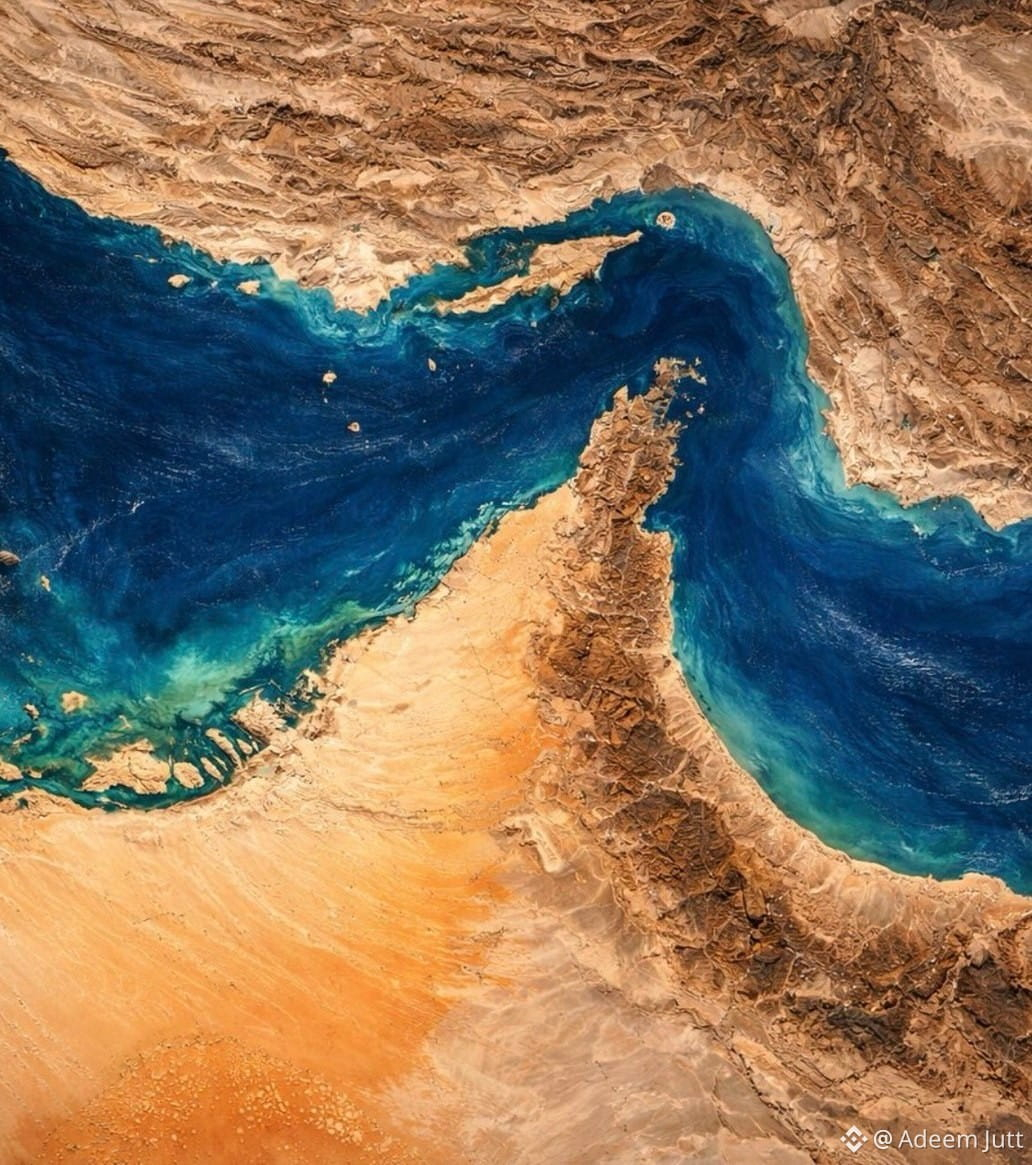
The Strait of Hormuz is coming back to life.
After months of severe disruption, ship traffic through one of the world's most important energy corridors is increasing again, signaling a potential easing of supply chain stress and energy market uncertainty. Reports indicate vessel movements are recovering as shipping activity gradually resumes.
Why does this matter for crypto?
📈 Lower geopolitical risk often reduces panic across global markets.
🛢️ More oil and LNG shipments can help stabilize energy prices, easing inflation concerns that have pressured risk assets.
💰 When macro uncertainty declines, capital tends to flow back into growth assets — including Bitcoin and the broader crypto market.
However, traders shouldn't get too comfortable.
The situation remains fragile. Shipping activity is improving, but security risks, regional tensions, and logistical bottlenecks continue to threaten a full recovery. One unexpected escalation could quickly shake global markets again.
Smart money is watching macro developments closely.
While most traders focus only on charts, major geopolitical shifts often become the catalyst for the next big move in crypto.
The question is:
Will improving global trade conditions fuel the next leg of the crypto bull market, or is the market underestimating the risks still ahead?
👇 Share your view below.
$TAIKO | $SYN | $BULLA
#HormuzTrafficRises #OilPriceFalls #AsiaStocksRise #iran
🚨 Strait of Hormuz Traffic Is Rising Why Crypto Traders Should Pay Attention
The Strait of Hormuz is coming back to life.
After months of severe disruption, ship traffic through one of the world's most important energy corridors is increasing again, signaling a potential easing of supply chain stress and energy market uncertainty. Reports indicate vessel movements are recovering as shipping activity gradually resumes.
Why does this matter for crypto?
📈 Lower geopolitical risk often reduces panic across global markets.
🛢️ More oil and LNG shipments can help stabilize energy prices, easing inflation concerns that have pressured risk assets.
💰 When macro uncertainty declines, capital tends to flow back into growth assets — including Bitcoin and the broader crypto market.
However, traders shouldn't get too comfortable.
The situation remains fragile. Shipping activity is improving, but security risks, regional tensions, and logistical bottlenecks continue to threaten a full recovery. One unexpected escalation could quickly shake global markets again.
Smart money is watching macro developments closely.
While most traders focus only on charts, major geopolitical shifts often become the catalyst for the next big move in crypto.
The question is:
Will improving global trade conditions fuel the next leg of the crypto bull market, or is the market underestimating the risks still ahead?
👇 Share your view below.
$TAIKO | $SYN | $BULLA
#HormuzTrafficRises #OilPriceFalls #AsiaStocksRise #iran
The Strait of Hormuz is coming back to life.
After months of severe disruption, ship traffic through one of the world's most important energy corridors is increasing again, signaling a potential easing of supply chain stress and energy market uncertainty. Reports indicate vessel movements are recovering as shipping activity gradually resumes.
Why does this matter for crypto?
📈 Lower geopolitical risk often reduces panic across global markets.
🛢️ More oil and LNG shipments can help stabilize energy prices, easing inflation concerns that have pressured risk assets.
💰 When macro uncertainty declines, capital tends to flow back into growth assets — including Bitcoin and the broader crypto market.
However, traders shouldn't get too comfortable.
The situation remains fragile. Shipping activity is improving, but security risks, regional tensions, and logistical bottlenecks continue to threaten a full recovery. One unexpected escalation could quickly shake global markets again.
Smart money is watching macro developments closely.
While most traders focus only on charts, major geopolitical shifts often become the catalyst for the next big move in crypto.
The question is:
Will improving global trade conditions fuel the next leg of the crypto bull market, or is the market underestimating the risks still ahead?
👇 Share your view below.
$TAIKO | $SYN | $BULLA
#HormuzTrafficRises #OilPriceFalls #AsiaStocksRise #iran
2
2
212

·
--
#HormuzTrafficRises with the advanced of technology one will have to ask if the world leaders work together won't they be an alternative to this trade route instead of having about 80-90% ship 🚢 movement going through the Hormuz
#HormuzTrafficRises with the advanced of technology one will have to ask if the world leaders work together won't they be an alternative to this trade route instead of having about 80-90% ship 🚢 movement going through the Hormuz
56

·
--
#HormuzTrafficRises Yep — Hormuz traffic is rising after the US-Iran interim deal.
What’s happening right now:
1. Traffic spike
25 commercial vessels crossed on June 18 — highest daily count since mid-April. That’s 5x the average of early June
US Central Command: 55 merchant ships delivered ∼17M barrels through the strait on Saturday alone
Nearly 80M barrels of crude are queued in the Persian Gulf waiting to transit. About 40 VLCCs loaded with non-sanctioned Gulf crude are waiting 5ffedf9369ebdd91
2. Who’s moving
3 Indian tankers carrying 860,000+ metric tons cleared Hormuz over the weekend — Desh Vaibhav, Desh Vibhor, Sanmar Herald
4 Qatar LNG tankers entered Monday: Wadi Al Sail, Mekaines, Al Sadd, Mesaimeer
3 Saudi + 1 Emirati supertankers crossed Thursday, each carrying ∼2M barrels
Japanese-owned crude tanker exited after war delays, bound for Japan 44cca1ca249c107f
3. But it’s still limited
Pre-war: 100-120 tankers/day. Now we’re at ∼25/day max
Iran declared Hormuz “closed again” Saturday after Israel strikes in Lebanon. Friday traffic dropped to single digits
∼500 ships still trapped in the Gulf, including 220 oil tankers. Analysts say weeks to clear the ∼120 loaded tankers 63f95ffe69eb
4. Why it matters for oil
This traffic uptick is exactly why crude futures sank ∼4% to 3-month lows. Banks like Goldman, Morgan Stanley, Citi cut oil forecasts on Hormuz reopening hopes
Catch: Iran set terms — 60-day toll-free transit, but Trump warned he’ll resume attacks if commitments aren’t honored. Plus de-mining and ship insurance issues remain 249c44cc
So traffic is up, but “not material” yet vs normal. It’s a trickle, not a flood. 63f9
Want me to track VLCC movements or Brent/WTI reaction to Hormuz flows daily?
#HormuzTrafficRises Yep — Hormuz traffic is rising after the US-Iran interim deal.
What’s happening right now:
1. Traffic spike
25 commercial vessels crossed on June 18 — highest daily count since mid-April. That’s 5x the average of early June
US Central Command: 55 merchant ships delivered ∼17M barrels through the strait on Saturday alone
Nearly 80M barrels of crude are queued in the Persian Gulf waiting to transit. About 40 VLCCs loaded with non-sanctioned Gulf crude are waiting 5ffedf9369ebdd91
2. Who’s moving
3 Indian tankers carrying 860,000+ metric tons cleared Hormuz over the weekend — Desh Vaibhav, Desh Vibhor, Sanmar Herald
4 Qatar LNG tankers entered Monday: Wadi Al Sail, Mekaines, Al Sadd, Mesaimeer
3 Saudi + 1 Emirati supertankers crossed Thursday, each carrying ∼2M barrels
Japanese-owned crude tanker exited after war delays, bound for Japan 44cca1ca249c107f
3. But it’s still limited
Pre-war: 100-120 tankers/day. Now we’re at ∼25/day max
Iran declared Hormuz “closed again” Saturday after Israel strikes in Lebanon. Friday traffic dropped to single digits
∼500 ships still trapped in the Gulf, including 220 oil tankers. Analysts say weeks to clear the ∼120 loaded tankers 63f95ffe69eb
4. Why it matters for oil
This traffic uptick is exactly why crude futures sank ∼4% to 3-month lows. Banks like Goldman, Morgan Stanley, Citi cut oil forecasts on Hormuz reopening hopes
Catch: Iran set terms — 60-day toll-free transit, but Trump warned he’ll resume attacks if commitments aren’t honored. Plus de-mining and ship insurance issues remain 249c44cc
So traffic is up, but “not material” yet vs normal. It’s a trickle, not a flood. 63f9
Want me to track VLCC movements or Brent/WTI reaction to Hormuz flows daily?
What’s happening right now:
1. Traffic spike
25 commercial vessels crossed on June 18 — highest daily count since mid-April. That’s 5x the average of early June
US Central Command: 55 merchant ships delivered ∼17M barrels through the strait on Saturday alone
Nearly 80M barrels of crude are queued in the Persian Gulf waiting to transit. About 40 VLCCs loaded with non-sanctioned Gulf crude are waiting 5ffedf9369ebdd91
2. Who’s moving
3 Indian tankers carrying 860,000+ metric tons cleared Hormuz over the weekend — Desh Vaibhav, Desh Vibhor, Sanmar Herald
4 Qatar LNG tankers entered Monday: Wadi Al Sail, Mekaines, Al Sadd, Mesaimeer
3 Saudi + 1 Emirati supertankers crossed Thursday, each carrying ∼2M barrels
Japanese-owned crude tanker exited after war delays, bound for Japan 44cca1ca249c107f
3. But it’s still limited
Pre-war: 100-120 tankers/day. Now we’re at ∼25/day max
Iran declared Hormuz “closed again” Saturday after Israel strikes in Lebanon. Friday traffic dropped to single digits
∼500 ships still trapped in the Gulf, including 220 oil tankers. Analysts say weeks to clear the ∼120 loaded tankers 63f95ffe69eb
4. Why it matters for oil
This traffic uptick is exactly why crude futures sank ∼4% to 3-month lows. Banks like Goldman, Morgan Stanley, Citi cut oil forecasts on Hormuz reopening hopes
Catch: Iran set terms — 60-day toll-free transit, but Trump warned he’ll resume attacks if commitments aren’t honored. Plus de-mining and ship insurance issues remain 249c44cc
So traffic is up, but “not material” yet vs normal. It’s a trickle, not a flood. 63f9
Want me to track VLCC movements or Brent/WTI reaction to Hormuz flows daily?
128
#HormuzTrafficRises #HormuzTrafficRises
🚢 Shipping activity through the Strait of Hormuz has increased in recent days as vessel operators respond to signs of progress in U.S.-Iran negotiations and attempts to restore normal energy flows. Several tankers and cargo ships that had been waiting outside the Gulf have resumed transit, while oil shipments have begun recovering from earlier disruptions.
Key developments:
📈 Tanker traffic is rising compared with earlier weeks, with more crude and LNG cargoes moving through the waterway.
🚢 South Korean-operated vessels and other commercial ships have successfully transited the strait following diplomatic progress.
⛽ Oil exporters in the Gulf are gradually increasing shipments as confidence improves, though activity remains below normal pre-crisis levels.
⚠️ Despite the rebound, hundreds of vessels are still waiting nearby for greater clarity on long-term access and security conditions.
Market Impact
🛢️ Higher traffic reduces fears of severe supply shortages.
📉 Improved shipping flows can ease pressure on oil prices, although geopolitical headlines continue to create volatility.
🌍 Because roughly one-fifth of global oil trade passes through Hormuz, even small changes in traffic are closely watched by energy markets.
📌 Bottom line: Traffic through the Strait of Hormuz is recovering as more vessels resume transit, but shipping volumes remain sensitive to ongoing negotiations and regional security developments.
#HormuzTrafficRises #HormuzTrafficRises
🚢 Shipping activity through the Strait of Hormuz has increased in recent days as vessel operators respond to signs of progress in U.S.-Iran negotiations and attempts to restore normal energy flows. Several tankers and cargo ships that had been waiting outside the Gulf have resumed transit, while oil shipments have begun recovering from earlier disruptions.
Key developments:
📈 Tanker traffic is rising compared with earlier weeks, with more crude and LNG cargoes moving through the waterway.
🚢 South Korean-operated vessels and other commercial ships have successfully transited the strait following diplomatic progress.
⛽ Oil exporters in the Gulf are gradually increasing shipments as confidence improves, though activity remains below normal pre-crisis levels.
⚠️ Despite the rebound, hundreds of vessels are still waiting nearby for greater clarity on long-term access and security conditions.
Market Impact
🛢️ Higher traffic reduces fears of severe supply shortages.
📉 Improved shipping flows can ease pressure on oil prices, although geopolitical headlines continue to create volatility.
🌍 Because roughly one-fifth of global oil trade passes through Hormuz, even small changes in traffic are closely watched by energy markets.
📌 Bottom line: Traffic through the Strait of Hormuz is recovering as more vessels resume transit, but shipping volumes remain sensitive to ongoing negotiations and regional security developments.
🚢 Shipping activity through the Strait of Hormuz has increased in recent days as vessel operators respond to signs of progress in U.S.-Iran negotiations and attempts to restore normal energy flows. Several tankers and cargo ships that had been waiting outside the Gulf have resumed transit, while oil shipments have begun recovering from earlier disruptions.
Key developments:
📈 Tanker traffic is rising compared with earlier weeks, with more crude and LNG cargoes moving through the waterway.
🚢 South Korean-operated vessels and other commercial ships have successfully transited the strait following diplomatic progress.
⛽ Oil exporters in the Gulf are gradually increasing shipments as confidence improves, though activity remains below normal pre-crisis levels.
⚠️ Despite the rebound, hundreds of vessels are still waiting nearby for greater clarity on long-term access and security conditions.
Market Impact
🛢️ Higher traffic reduces fears of severe supply shortages.
📉 Improved shipping flows can ease pressure on oil prices, although geopolitical headlines continue to create volatility.
🌍 Because roughly one-fifth of global oil trade passes through Hormuz, even small changes in traffic are closely watched by energy markets.
📌 Bottom line: Traffic through the Strait of Hormuz is recovering as more vessels resume transit, but shipping volumes remain sensitive to ongoing negotiations and regional security developments.
83
·
--
🚨 MARKET ALERT 🚨
Iran’s oil exports through the Strait of Hormuz have surged to their highest level since the conflict began. 🇮🇷⛽
This is a significant development for global energy markets, as the Strait of Hormuz remains one of the world's most critical oil transit routes.
Despite ongoing geopolitical tensions, export activity is accelerating, signaling strong supply flows and potentially reshaping market expectations in the weeks ahead.
Traders and investors should keep a close eye on energy prices, inflation trends, and broader market reactions as this story continues to unfold. 📈🌍
When oil moves, global markets pay attention.
$CL $BZ $XAU
{future}(CLUSDT)
{future}(BZUSDT)
{future}(XAUUSDT)
#OilPriceFalls #HormuzTrafficRises #iran #OilMarket
🚨 MARKET ALERT 🚨
Iran’s oil exports through the Strait of Hormuz have surged to their highest level since the conflict began. 🇮🇷⛽
This is a significant development for global energy markets, as the Strait of Hormuz remains one of the world's most critical oil transit routes.
Despite ongoing geopolitical tensions, export activity is accelerating, signaling strong supply flows and potentially reshaping market expectations in the weeks ahead.
Traders and investors should keep a close eye on energy prices, inflation trends, and broader market reactions as this story continues to unfold. 📈🌍
When oil moves, global markets pay attention.
$CL $BZ $XAU
#OilPriceFalls #HormuzTrafficRises #iran #OilMarket
Iran’s oil exports through the Strait of Hormuz have surged to their highest level since the conflict began. 🇮🇷⛽
This is a significant development for global energy markets, as the Strait of Hormuz remains one of the world's most critical oil transit routes.
Despite ongoing geopolitical tensions, export activity is accelerating, signaling strong supply flows and potentially reshaping market expectations in the weeks ahead.
Traders and investors should keep a close eye on energy prices, inflation trends, and broader market reactions as this story continues to unfold. 📈🌍
When oil moves, global markets pay attention.
$CL $BZ $XAU
#OilPriceFalls #HormuzTrafficRises #iran #OilMarket
3
2
324

·
--
#HormuzTrafficRises
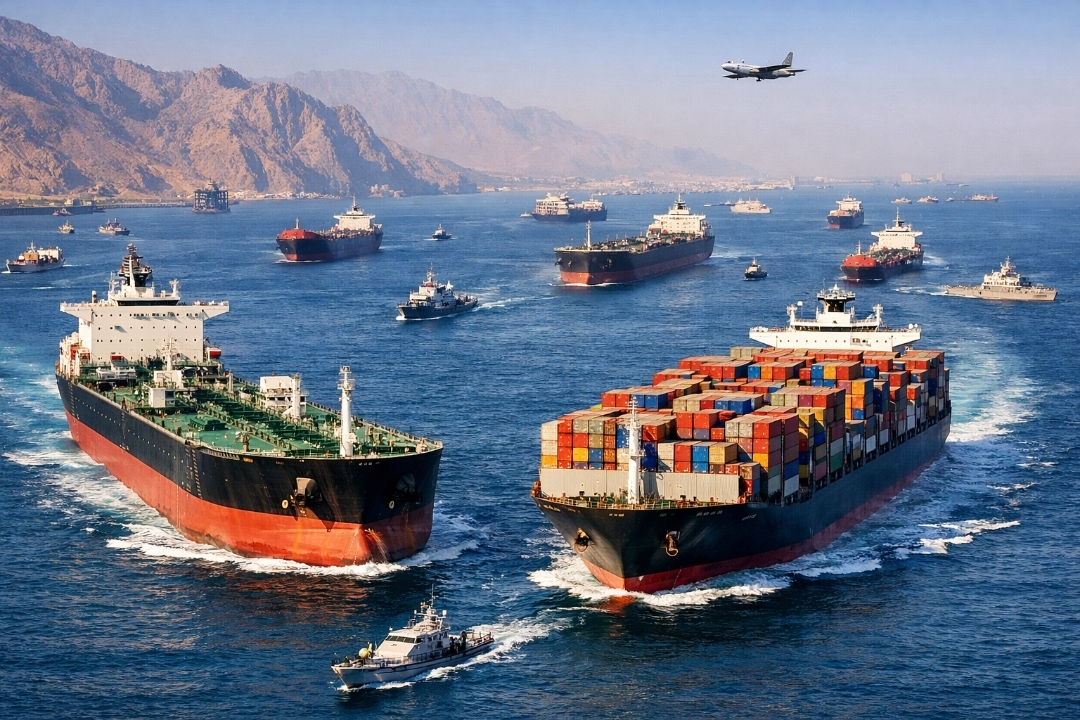
Global supply chains are seeing a vital sign of life as shipping traffic through the Strait of Hormuz rises.
Following the landmark Islamabad MoU signed between the US and Iran to halt military operations maritime activity has spiked to its highest single-day count in months.
While commercial transit is still adapting to a highly controlled 48-hour pre-clearance process under the new Strait Authority, the initial surge in crude tankers and container ships marks a critical step toward normalizing global energy trade and stabilizing market pressures...
$RIVER
{future}(RIVERUSDT)
$LAB
{future}(LABUSDT)
$SIREN
{future}(SIRENUSDT)
#HormuzTrafficRises
Global supply chains are seeing a vital sign of life as shipping traffic through the Strait of Hormuz rises.
Following the landmark Islamabad MoU signed between the US and Iran to halt military operations maritime activity has spiked to its highest single-day count in months.
While commercial transit is still adapting to a highly controlled 48-hour pre-clearance process under the new Strait Authority, the initial surge in crude tankers and container ships marks a critical step toward normalizing global energy trade and stabilizing market pressures...
$RIVER
$LAB
$SIREN
Global supply chains are seeing a vital sign of life as shipping traffic through the Strait of Hormuz rises.
Following the landmark Islamabad MoU signed between the US and Iran to halt military operations maritime activity has spiked to its highest single-day count in months.
While commercial transit is still adapting to a highly controlled 48-hour pre-clearance process under the new Strait Authority, the initial surge in crude tankers and container ships marks a critical step toward normalizing global energy trade and stabilizing market pressures...
$RIVER
$LAB
$SIREN
3
378

#HormuzTrafficRises
Prediction: Strait of Hormuz Traffic Recovery
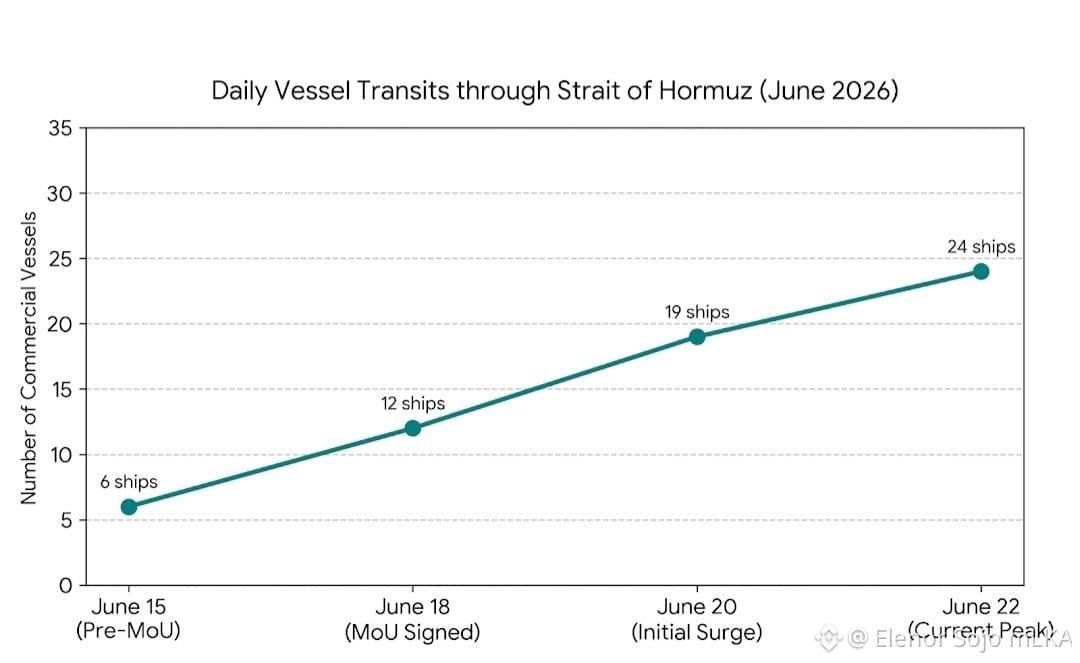
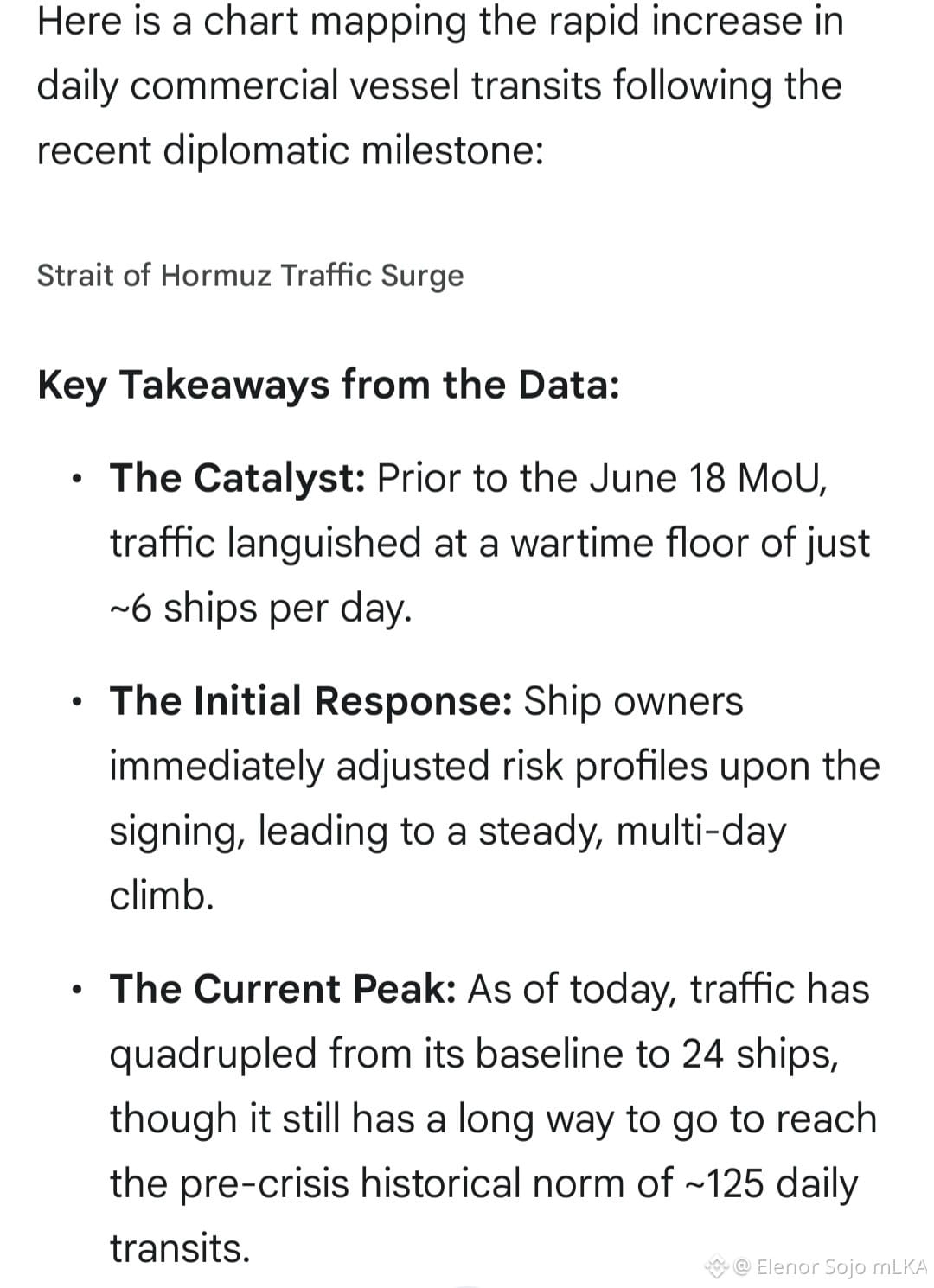
Following the US-Iran Memorandum of Understanding (MoU) signed on June 18, 2026, maritime traffic through the Strait of Hormuz has spiked to its highest level in over two months. Daily transits have recently jumped from a wartime baseline of 5–7 ships to peaks of 20–25+ commercial vessels.
The short-term market and operational outlook indicates:
Volatile, Incremental Recovery: While the lifting of the US naval blockade and Iran's safe-passage agreements provide massive momentum, total daily volumes remain well below the pre-war norm of roughly 125 vessels. Expect traffic to rise steadily but hit structural caps in the coming weeks.
The "Mine Factor" Delay: A rapid return to full capacity is highly unlikely due to severe maritime hazards. Approximately 80 Iranian naval mines remain littering the primary International Traffic Separation Scheme lanes. While the southern transit route via Oman's coast is clear, shipping lines will remain highly cautious until military mine-clearing operations are finalized.
Market Skepticism & Energy Premium: Energy and financial markets (including crypto risk assets) are tracking this data closely. Because the geopolitical landscape remains fragile—highlighted by ongoing diplomatic friction in Switzerland and data discrepancies between official US reports and independent maritime trackers—crude benchmarks (Brent and WTI) will maintain a risk premium.
Summary: Traffic will continue to rise gradually, but expect a true normalization to take at least 30 to 60 days as physical mine sweeping and geopolitical trust-building catch up to policy agreements.
#HormuzTrafficRises
Prediction: Strait of Hormuz Traffic Recovery
Following the US-Iran Memorandum of Understanding (MoU) signed on June 18, 2026, maritime traffic through the Strait of Hormuz has spiked to its highest level in over two months. Daily transits have recently jumped from a wartime baseline of 5–7 ships to peaks of 20–25+ commercial vessels.
The short-term market and operational outlook indicates:
Volatile, Incremental Recovery: While the lifting of the US naval blockade and Iran's safe-passage agreements provide massive momentum, total daily volumes remain well below the pre-war norm of roughly 125 vessels. Expect traffic to rise steadily but hit structural caps in the coming weeks.
The "Mine Factor" Delay: A rapid return to full capacity is highly unlikely due to severe maritime hazards. Approximately 80 Iranian naval mines remain littering the primary International Traffic Separation Scheme lanes. While the southern transit route via Oman's coast is clear, shipping lines will remain highly cautious until military mine-clearing operations are finalized.
Market Skepticism & Energy Premium: Energy and financial markets (including crypto risk assets) are tracking this data closely. Because the geopolitical landscape remains fragile—highlighted by ongoing diplomatic friction in Switzerland and data discrepancies between official US reports and independent maritime trackers—crude benchmarks (Brent and WTI) will maintain a risk premium.
Summary: Traffic will continue to rise gradually, but expect a true normalization to take at least 30 to 60 days as physical mine sweeping and geopolitical trust-building catch up to policy agreements.
Prediction: Strait of Hormuz Traffic Recovery
Following the US-Iran Memorandum of Understanding (MoU) signed on June 18, 2026, maritime traffic through the Strait of Hormuz has spiked to its highest level in over two months. Daily transits have recently jumped from a wartime baseline of 5–7 ships to peaks of 20–25+ commercial vessels.
The short-term market and operational outlook indicates:
Volatile, Incremental Recovery: While the lifting of the US naval blockade and Iran's safe-passage agreements provide massive momentum, total daily volumes remain well below the pre-war norm of roughly 125 vessels. Expect traffic to rise steadily but hit structural caps in the coming weeks.
The "Mine Factor" Delay: A rapid return to full capacity is highly unlikely due to severe maritime hazards. Approximately 80 Iranian naval mines remain littering the primary International Traffic Separation Scheme lanes. While the southern transit route via Oman's coast is clear, shipping lines will remain highly cautious until military mine-clearing operations are finalized.
Market Skepticism & Energy Premium: Energy and financial markets (including crypto risk assets) are tracking this data closely. Because the geopolitical landscape remains fragile—highlighted by ongoing diplomatic friction in Switzerland and data discrepancies between official US reports and independent maritime trackers—crude benchmarks (Brent and WTI) will maintain a risk premium.
Summary: Traffic will continue to rise gradually, but expect a true normalization to take at least 30 to 60 days as physical mine sweeping and geopolitical trust-building catch up to policy agreements.
174

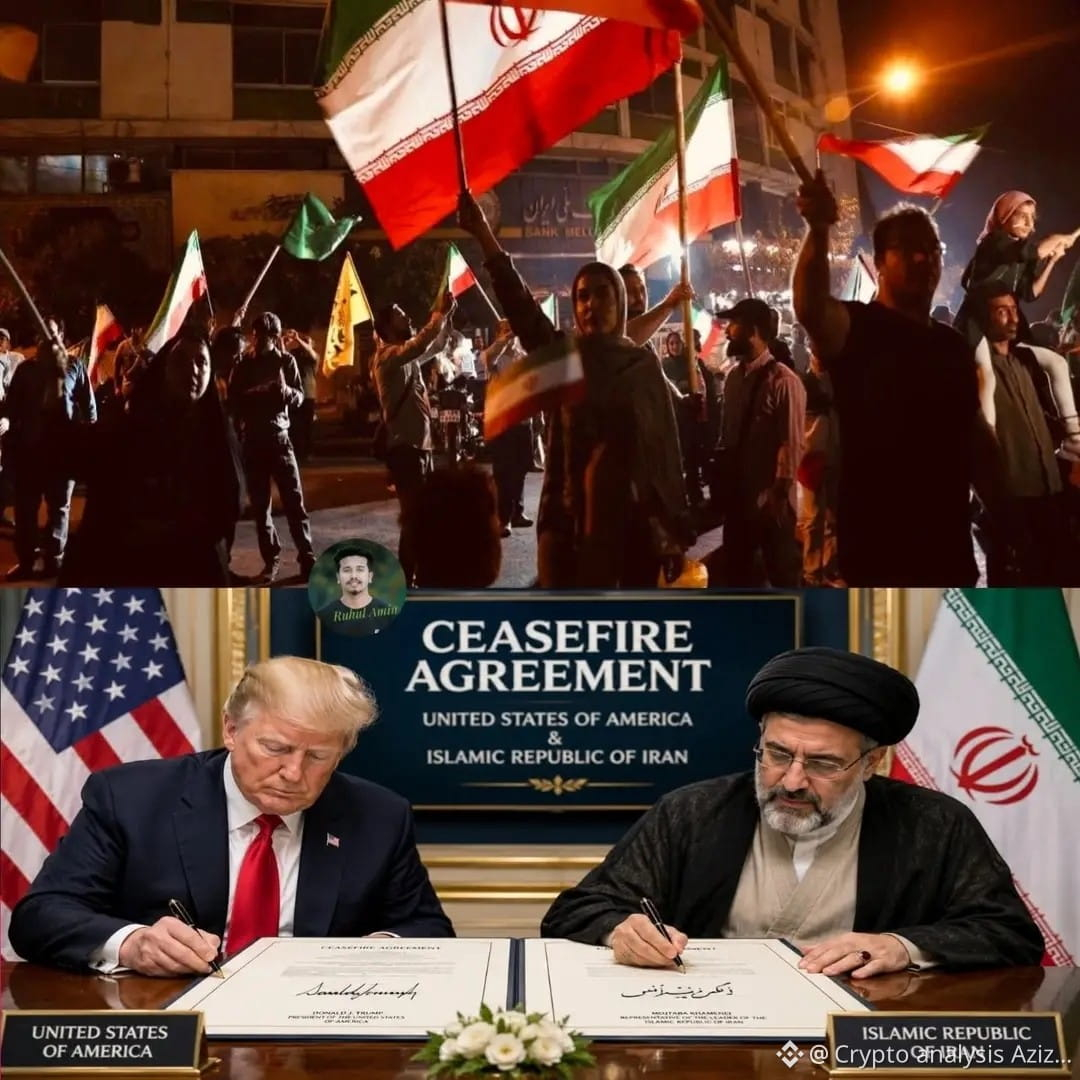
**"Trump has threatened to 'assassinate' the members of the Iranian negotiation team. He reportedly claimed that if the Strait of Hormuz isn't opened, the US will seize control of it and destroy Iran.**
**Iran knows very well that these threats are, in reality, completely hollow."**
#SpaceXPremarketFalls4.6% #BankOfEnglandSoftensStablecoinRules #MorganStanleyToLaunchEthSolETFsAt0.14% #HormuzTrafficRises
**"Trump has threatened to 'assassinate' the members of the Iranian negotiation team. He reportedly claimed that if the Strait of Hormuz isn't opened, the US will seize control of it and destroy Iran.**
**Iran knows very well that these threats are, in reality, completely hollow."**
#SpaceXPremarketFalls4.6% #BankOfEnglandSoftensStablecoinRules #MorganStanleyToLaunchEthSolETFsAt0.14% #HormuzTrafficRises
**Iran knows very well that these threats are, in reality, completely hollow."**
#SpaceXPremarketFalls4.6% #BankOfEnglandSoftensStablecoinRules #MorganStanleyToLaunchEthSolETFsAt0.14% #HormuzTrafficRises
1
50
#HormuzTrafficRises #HormuzTrafficRises
Shipping activity through the Strait of Hormuz is increasing as tanker operators gradually return to the route following recent geopolitical developments. However, traffic remains well below pre-conflict levels, indicating that shipping companies are still proceeding cautiously.
Key developments
Oil tanker and LNG vessel movements have picked up in recent days.
More than 50 merchant ships reportedly transited the strait over the weekend, carrying over 17 million barrels of oil.
Several supertankers have resumed Gulf voyages, including vessels headed to Iraq and Qatar.
Why it matters
The Strait of Hormuz handles a significant share of global oil and LNG trade.
Rising traffic signals improving confidence among shipowners and insurers.
Increased vessel movements reduce the risk of severe supply disruptions and help stabilize energy markets.
Market impact
🟢 Bearish for oil prices if traffic continues normalizing, as more supply can reach global markets.
🟢 Positive for shipping and trade flows across the Gulf region.
🟢 Supports risk assets by reducing fears of a prolonged energy shock.
Market takeaway:
The trend is improving, but Hormuz traffic remains far below historical norms. Traders are watching whether the recent recovery accelerates toward normal shipping volumes or stalls due to renewed regional tensions.
#HormuzTrafficRises #HormuzTrafficRises
Shipping activity through the Strait of Hormuz is increasing as tanker operators gradually return to the route following recent geopolitical developments. However, traffic remains well below pre-conflict levels, indicating that shipping companies are still proceeding cautiously.
Key developments
Oil tanker and LNG vessel movements have picked up in recent days.
More than 50 merchant ships reportedly transited the strait over the weekend, carrying over 17 million barrels of oil.
Several supertankers have resumed Gulf voyages, including vessels headed to Iraq and Qatar.
Why it matters
The Strait of Hormuz handles a significant share of global oil and LNG trade.
Rising traffic signals improving confidence among shipowners and insurers.
Increased vessel movements reduce the risk of severe supply disruptions and help stabilize energy markets.
Market impact
🟢 Bearish for oil prices if traffic continues normalizing, as more supply can reach global markets.
🟢 Positive for shipping and trade flows across the Gulf region.
🟢 Supports risk assets by reducing fears of a prolonged energy shock.
Market takeaway:
The trend is improving, but Hormuz traffic remains far below historical norms. Traders are watching whether the recent recovery accelerates toward normal shipping volumes or stalls due to renewed regional tensions.
Shipping activity through the Strait of Hormuz is increasing as tanker operators gradually return to the route following recent geopolitical developments. However, traffic remains well below pre-conflict levels, indicating that shipping companies are still proceeding cautiously.
Key developments
Oil tanker and LNG vessel movements have picked up in recent days.
More than 50 merchant ships reportedly transited the strait over the weekend, carrying over 17 million barrels of oil.
Several supertankers have resumed Gulf voyages, including vessels headed to Iraq and Qatar.
Why it matters
The Strait of Hormuz handles a significant share of global oil and LNG trade.
Rising traffic signals improving confidence among shipowners and insurers.
Increased vessel movements reduce the risk of severe supply disruptions and help stabilize energy markets.
Market impact
🟢 Bearish for oil prices if traffic continues normalizing, as more supply can reach global markets.
🟢 Positive for shipping and trade flows across the Gulf region.
🟢 Supports risk assets by reducing fears of a prolonged energy shock.
Market takeaway:
The trend is improving, but Hormuz traffic remains far below historical norms. Traders are watching whether the recent recovery accelerates toward normal shipping volumes or stalls due to renewed regional tensions.
17

·
--
Verified
#hormuztrafficrises
🚢 Homuz Traffic Rises— Who's Counting, and Whose Numbers Count?
The Strait of Hormuz is the most contested 21 miles of water on earth right now. And the traffic numbers coming out of it look like two different realities.
US Energy Secretary Chris Wright said Sunday that shipping through Hormuz had "nearly normalized" — 67 ships Saturday, 55 Friday, with oil volumes "about equal to pre-war." CENTCOM confirmed the same line: 55 merchant ships transiting, 17 million barrels of oil.
But the trackers disagree — sharply.
1. Windward (maritime intelligence) recorded just 32 vessels on Saturday — less than half the US figure — with only 11 tankers.
2. Kpler counted only 5 vessels on Sunday, a collapse from 26 on Thursday, after Iran announced it had again closed the strait over US/Israeli violations in Lebanon.
3. Pre-war baseline: ~ 125 ships/day , including dozens of tankers.
The gap isn't just a tracking error. Iranian tankers historically sail with AIS transponders off — so any count depends on who you trust and what signals you're willing to believe. When US officials cite high numbers, they may be including vessels Iran sent through after announcing a closure, or counting ships that navigated contested minefields that still litter both shipping lanes.
Reality check: The June 22 Switzerland talks produced a 60-day roadmap and a maritime communications line — but Iran's delegation refused to return to the table after Trump's "you won't have a country" threat on Truth Social. Mediators Qatar and Pakistan are now shuttling messages between separate rooms.
The market isn't buying the normalization narrative. Brent jumped to $81.11 (+0.67%) and WTI surged 2.64% to $78.62 on Monday, as traders priced the risk that Iran's on-again-off-again closure pattern is now the new normal , not a bug to be fixed. Sourcex.com
Not financial advice. The 60-day roadmap has more exit ramps than a Los Angeles freeway — trade oil exposure with position sizing that survives headline whiplash.
#hormuztrafficrises
🚢 Homuz Traffic Rises— Who's Counting, and Whose Numbers Count?
The Strait of Hormuz is the most contested 21 miles of water on earth right now. And the traffic numbers coming out of it look like two different realities.
US Energy Secretary Chris Wright said Sunday that shipping through Hormuz had "nearly normalized" — 67 ships Saturday, 55 Friday, with oil volumes "about equal to pre-war." CENTCOM confirmed the same line: 55 merchant ships transiting, 17 million barrels of oil.
But the trackers disagree — sharply.
1. Windward (maritime intelligence) recorded just 32 vessels on Saturday — less than half the US figure — with only 11 tankers.
2. Kpler counted only 5 vessels on Sunday, a collapse from 26 on Thursday, after Iran announced it had again closed the strait over US/Israeli violations in Lebanon.
3. Pre-war baseline: ~ 125 ships/day , including dozens of tankers.
The gap isn't just a tracking error. Iranian tankers historically sail with AIS transponders off — so any count depends on who you trust and what signals you're willing to believe. When US officials cite high numbers, they may be including vessels Iran sent through after announcing a closure, or counting ships that navigated contested minefields that still litter both shipping lanes.
Reality check: The June 22 Switzerland talks produced a 60-day roadmap and a maritime communications line — but Iran's delegation refused to return to the table after Trump's "you won't have a country" threat on Truth Social. Mediators Qatar and Pakistan are now shuttling messages between separate rooms.
The market isn't buying the normalization narrative. Brent jumped to $81.11 (+0.67%) and WTI surged 2.64% to $78.62 on Monday, as traders priced the risk that Iran's on-again-off-again closure pattern is now the new normal , not a bug to be fixed. Sourcex.com
Not financial advice. The 60-day roadmap has more exit ramps than a Los Angeles freeway — trade oil exposure with position sizing that survives headline whiplash.
🚢 Homuz Traffic Rises— Who's Counting, and Whose Numbers Count?
The Strait of Hormuz is the most contested 21 miles of water on earth right now. And the traffic numbers coming out of it look like two different realities.
US Energy Secretary Chris Wright said Sunday that shipping through Hormuz had "nearly normalized" — 67 ships Saturday, 55 Friday, with oil volumes "about equal to pre-war." CENTCOM confirmed the same line: 55 merchant ships transiting, 17 million barrels of oil.
But the trackers disagree — sharply.
1. Windward (maritime intelligence) recorded just 32 vessels on Saturday — less than half the US figure — with only 11 tankers.
2. Kpler counted only 5 vessels on Sunday, a collapse from 26 on Thursday, after Iran announced it had again closed the strait over US/Israeli violations in Lebanon.
3. Pre-war baseline: ~ 125 ships/day , including dozens of tankers.
The gap isn't just a tracking error. Iranian tankers historically sail with AIS transponders off — so any count depends on who you trust and what signals you're willing to believe. When US officials cite high numbers, they may be including vessels Iran sent through after announcing a closure, or counting ships that navigated contested minefields that still litter both shipping lanes.
Reality check: The June 22 Switzerland talks produced a 60-day roadmap and a maritime communications line — but Iran's delegation refused to return to the table after Trump's "you won't have a country" threat on Truth Social. Mediators Qatar and Pakistan are now shuttling messages between separate rooms.
The market isn't buying the normalization narrative. Brent jumped to $81.11 (+0.67%) and WTI surged 2.64% to $78.62 on Monday, as traders priced the risk that Iran's on-again-off-again closure pattern is now the new normal , not a bug to be fixed. Sourcex.com
Not financial advice. The 60-day roadmap has more exit ramps than a Los Angeles freeway — trade oil exposure with position sizing that survives headline whiplash.
1
2.1k

·
--
Bearish
Disputed
#hormuztrafficrises
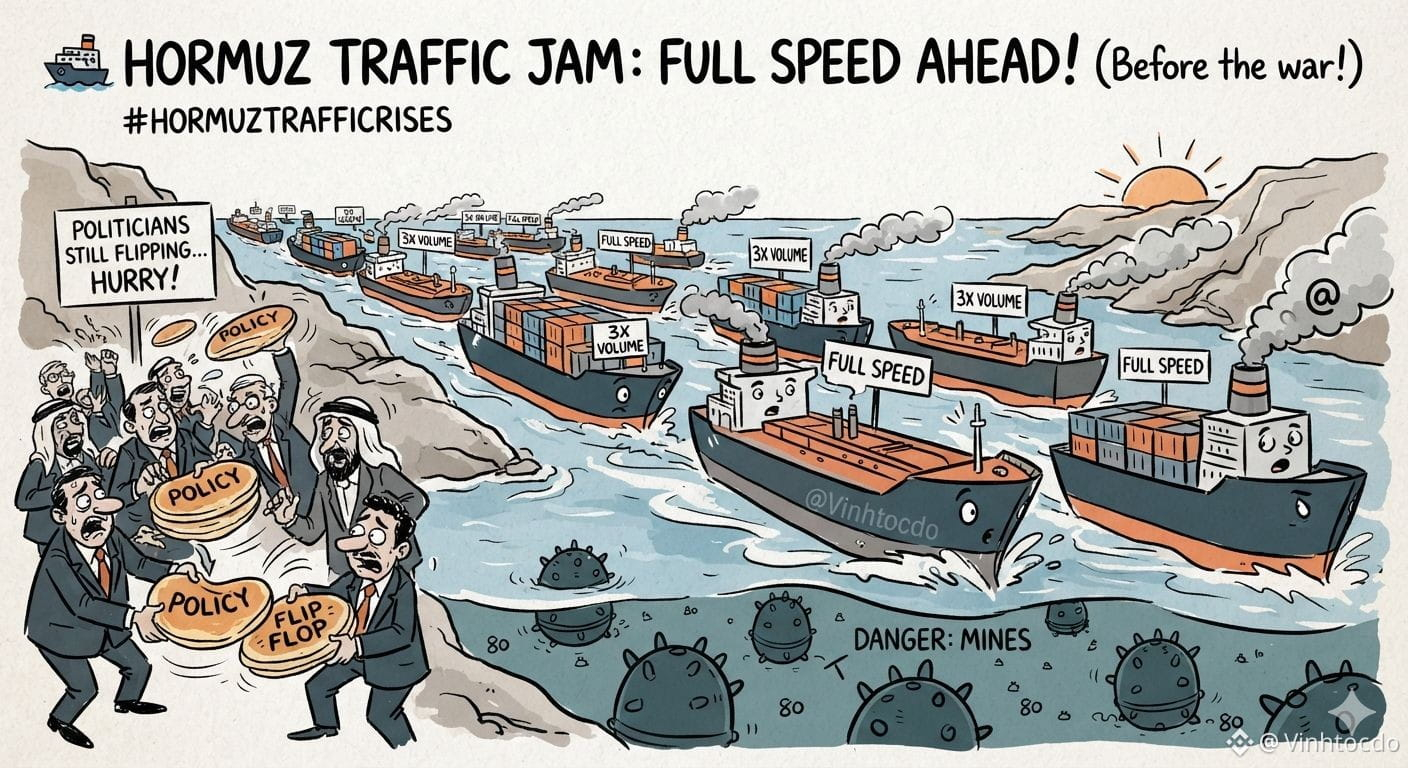
🚢 The Strait of Hormuz is suddenly "clogged" due to excessive traffic!
While politicians are still scrambling and haven't had a chance to "flip the pancake," super oil tankers are flooring it through the strait at three times the usual amount. This is a golden opportunity to dodge war!
But hold up, the drama isn't over: Underwater, there are still 80 mines lurking, ready to "blow up"—one wrong move and both the ship and oil could go up in smoke.
What should investors do?
Don't "all-in" with the pancake flippers.
Add the oil and shipping sector to your watchlist.
Input code VINHTOCDO to stay updated safely!
⚠️ This is not financial advice.
#hormuzopen #MiddleEast #USIranTalks #VINHTOCDO
$CL
{future}(CLUSDT)
$BZ
{future}(BZUSDT)
#hormuztrafficrises
🚢 The Strait of Hormuz is suddenly "clogged" due to excessive traffic!
While politicians are still scrambling and haven't had a chance to "flip the pancake," super oil tankers are flooring it through the strait at three times the usual amount. This is a golden opportunity to dodge war!
But hold up, the drama isn't over: Underwater, there are still 80 mines lurking, ready to "blow up"—one wrong move and both the ship and oil could go up in smoke.
What should investors do?
Don't "all-in" with the pancake flippers.
Add the oil and shipping sector to your watchlist.
Input code VINHTOCDO to stay updated safely!
⚠️ This is not financial advice.
#hormuzopen #MiddleEast #USIranTalks #VINHTOCDO
$CL
$BZ
🚢 The Strait of Hormuz is suddenly "clogged" due to excessive traffic!
While politicians are still scrambling and haven't had a chance to "flip the pancake," super oil tankers are flooring it through the strait at three times the usual amount. This is a golden opportunity to dodge war!
But hold up, the drama isn't over: Underwater, there are still 80 mines lurking, ready to "blow up"—one wrong move and both the ship and oil could go up in smoke.
What should investors do?
Don't "all-in" with the pancake flippers.
Add the oil and shipping sector to your watchlist.
Input code VINHTOCDO to stay updated safely!
⚠️ This is not financial advice.
#hormuzopen #MiddleEast #USIranTalks #VINHTOCDO
$CL
$BZ
81

#HormuzTrafficRises
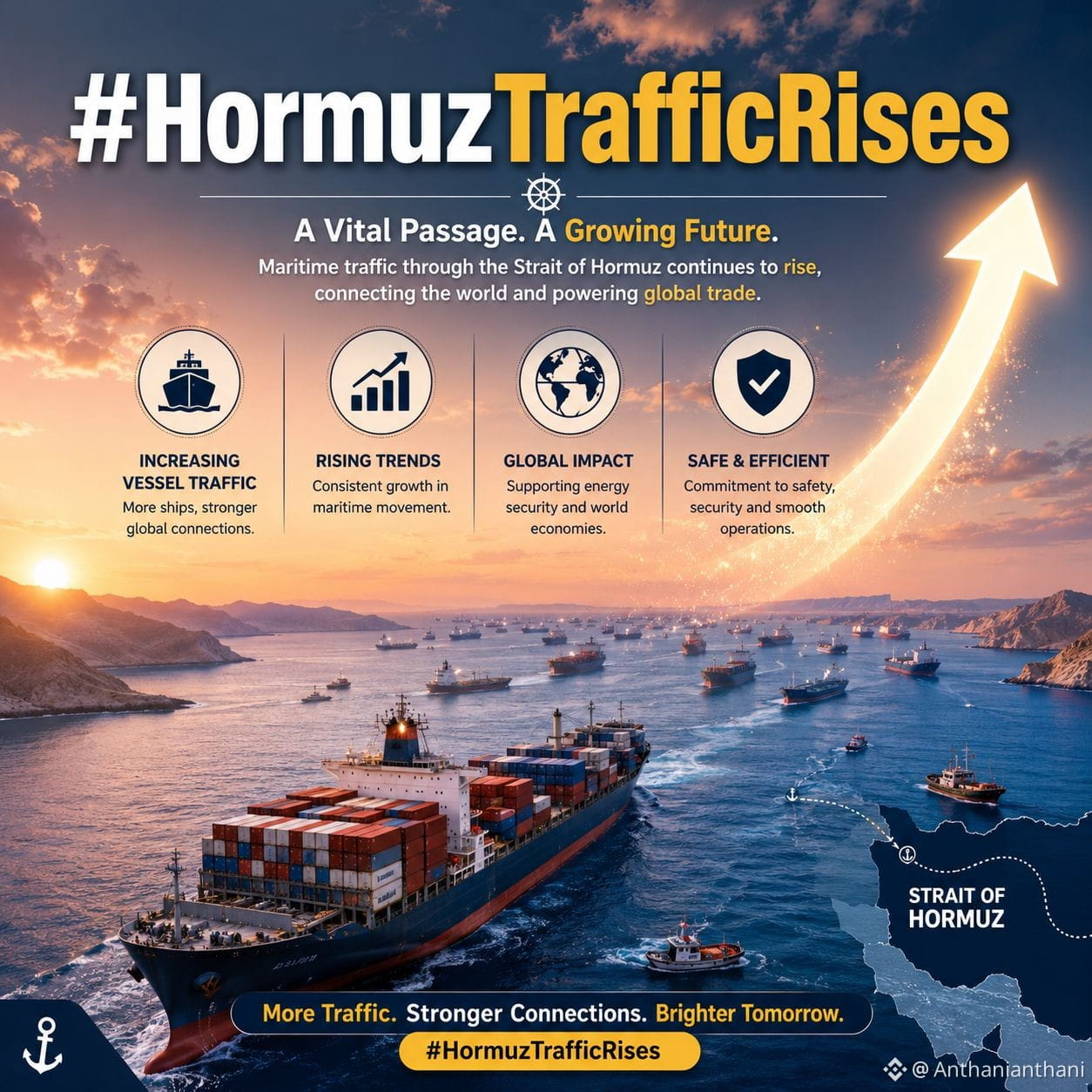
Global attention is back on the Strait of Hormuz as shipping traffic, energy security concerns, and geopolitical risk move into focus. Any increase in activity through this chokepoint matters far beyond the region, because a large share of the world’s oil and LNG flows through it. Markets are watching closely, traders are staying alert, and every vessel movement now carries wider economic significance.
Rising Hormuz traffic doesn’t just signal movement at sea — it signals pressure, positioning, and potential volatility across energy and risk assets.
StraitOfHormuz #OilMarket #ShippingNews #EnergySecurity #Geopolitics #MarketWatch #GlobalTrade #BreakingNews
#HormuzTrafficRises
Global attention is back on the Strait of Hormuz as shipping traffic, energy security concerns, and geopolitical risk move into focus. Any increase in activity through this chokepoint matters far beyond the region, because a large share of the world’s oil and LNG flows through it. Markets are watching closely, traders are staying alert, and every vessel movement now carries wider economic significance.
Rising Hormuz traffic doesn’t just signal movement at sea — it signals pressure, positioning, and potential volatility across energy and risk assets.
StraitOfHormuz #OilMarket #ShippingNews #EnergySecurity #Geopolitics #MarketWatch #GlobalTrade #BreakingNews
Global attention is back on the Strait of Hormuz as shipping traffic, energy security concerns, and geopolitical risk move into focus. Any increase in activity through this chokepoint matters far beyond the region, because a large share of the world’s oil and LNG flows through it. Markets are watching closely, traders are staying alert, and every vessel movement now carries wider economic significance.
Rising Hormuz traffic doesn’t just signal movement at sea — it signals pressure, positioning, and potential volatility across energy and risk assets.
StraitOfHormuz #OilMarket #ShippingNews #EnergySecurity #Geopolitics #MarketWatch #GlobalTrade #BreakingNews
118

·
--
The recovery of Hormuz shipping and SK Hynix surpassing BTC point to the same conclusion
Today, Binance's trending search has a new face: #HormuzTrafficRises enters the top ten.
Along with the previous event of SK Hynix's market cap surpassing BTC, we've seen two landmark occurrences within two days.
They may seem unrelated, but they're actually pointing in the same direction — the traditional market is repricing risk.
Hormuz shipping recovery → easing oil supply worries → oil prices under pressure → reduced inflow of Middle Eastern safe-haven funds into crypto
SK Hynix's market cap surpassing BTC → semiconductor certainty taking precedence over crypto uncertainty → capital preferring tech stocks over digital assets
These two events, combined with F&G 22, create a triple pressure.
But there's another side to the coin:
CoinRadar's quant system shows that Alpha and the spot market still have 15 coins with gains exceeding 44%, with the highest at DN +352.7%. Professional funds haven't exited; they've just switched to more obscure targets.
The overall market (BTC) is under pressure, but local trends continue. Instead of trading BTC swings, it's better to use small positions to rotate with Alpha.
$RIVER went from $1 to $10 and made it to trending articles — a 10x coin surfacing during panic indicates that opportunities are still out there, you just haven't found them.
Are you still fixated on BTC's $61k, or have you turned your attention to Alpha?
This does not constitute investment advice. The market carries risks; trade cautiously.
#Hormuz #SKHynix #RIVER #CoinRadar
The recovery of Hormuz shipping and SK Hynix surpassing BTC point to the same conclusion
Today, Binance's trending search has a new face: #HormuzTrafficRises enters the top ten.
Along with the previous event of SK Hynix's market cap surpassing BTC, we've seen two landmark occurrences within two days.
They may seem unrelated, but they're actually pointing in the same direction — the traditional market is repricing risk.
Hormuz shipping recovery → easing oil supply worries → oil prices under pressure → reduced inflow of Middle Eastern safe-haven funds into crypto
SK Hynix's market cap surpassing BTC → semiconductor certainty taking precedence over crypto uncertainty → capital preferring tech stocks over digital assets
These two events, combined with F&G 22, create a triple pressure.
But there's another side to the coin:
CoinRadar's quant system shows that Alpha and the spot market still have 15 coins with gains exceeding 44%, with the highest at DN +352.7%. Professional funds haven't exited; they've just switched to more obscure targets.
The overall market (BTC) is under pressure, but local trends continue. Instead of trading BTC swings, it's better to use small positions to rotate with Alpha.
$RIVER went from $1 to $10 and made it to trending articles — a 10x coin surfacing during panic indicates that opportunities are still out there, you just haven't found them.
Are you still fixated on BTC's $61k, or have you turned your attention to Alpha?
This does not constitute investment advice. The market carries risks; trade cautiously.
#Hormuz #SKHynix #RIVER #CoinRadar
Today, Binance's trending search has a new face: #HormuzTrafficRises enters the top ten.
Along with the previous event of SK Hynix's market cap surpassing BTC, we've seen two landmark occurrences within two days.
They may seem unrelated, but they're actually pointing in the same direction — the traditional market is repricing risk.
Hormuz shipping recovery → easing oil supply worries → oil prices under pressure → reduced inflow of Middle Eastern safe-haven funds into crypto
SK Hynix's market cap surpassing BTC → semiconductor certainty taking precedence over crypto uncertainty → capital preferring tech stocks over digital assets
These two events, combined with F&G 22, create a triple pressure.
But there's another side to the coin:
CoinRadar's quant system shows that Alpha and the spot market still have 15 coins with gains exceeding 44%, with the highest at DN +352.7%. Professional funds haven't exited; they've just switched to more obscure targets.
The overall market (BTC) is under pressure, but local trends continue. Instead of trading BTC swings, it's better to use small positions to rotate with Alpha.
$RIVER went from $1 to $10 and made it to trending articles — a 10x coin surfacing during panic indicates that opportunities are still out there, you just haven't found them.
Are you still fixated on BTC's $61k, or have you turned your attention to Alpha?
This does not constitute investment advice. The market carries risks; trade cautiously.
#Hormuz #SKHynix #RIVER #CoinRadar
202
·
--
#HormuzTrafficRises
🚨 STRAIT OF HORMUZ IS COMING BACK TO LIFE 🚢🛢️
Shipping activity through the Strait of Hormuz has surged to its highest level in two months following the US-Iran framework agreement to reopen the critical waterway.
📈 Around 25 commercial vessels reportedly crossed in a single day — more than 3x the average seen since early March. While still below the normal 100+ daily ships before the conflict, it's a strong sign that confidence is slowly returning.
Why markets are watching:
🛢️ Nearly 20% of global oil supply moves through Hormuz. 📉 Increased traffic could ease supply concerns and reduce pressure on oil prices. 🌍 Import-dependent economies in Asia and Europe may benefit from improved energy flows. 🚀 Lower geopolitical risk could also support broader risk assets, including crypto.
The recovery has started, but challenges remain. High insurance costs and regional uncertainty mean full normalization could still take weeks or even months.
Are we witnessing the beginning of a major de-escalation, or is another market-moving surprise around the corner?
👇 What's your strategy? Bullish on oil, energy stocks, or loading up on $BTC , $ETH , and $SOL ?
{future}(SOLUSDT)
#StraitOfHormuz #OilMarkets #Crypto #BinanceSquare
#HormuzTrafficRises
🚨 STRAIT OF HORMUZ IS COMING BACK TO LIFE 🚢🛢️
Shipping activity through the Strait of Hormuz has surged to its highest level in two months following the US-Iran framework agreement to reopen the critical waterway.
📈 Around 25 commercial vessels reportedly crossed in a single day — more than 3x the average seen since early March. While still below the normal 100+ daily ships before the conflict, it's a strong sign that confidence is slowly returning.
Why markets are watching:
🛢️ Nearly 20% of global oil supply moves through Hormuz. 📉 Increased traffic could ease supply concerns and reduce pressure on oil prices. 🌍 Import-dependent economies in Asia and Europe may benefit from improved energy flows. 🚀 Lower geopolitical risk could also support broader risk assets, including crypto.
The recovery has started, but challenges remain. High insurance costs and regional uncertainty mean full normalization could still take weeks or even months.
Are we witnessing the beginning of a major de-escalation, or is another market-moving surprise around the corner?
👇 What's your strategy? Bullish on oil, energy stocks, or loading up on $BTC , $ETH , and $SOL ?
#StraitOfHormuz #OilMarkets #Crypto #BinanceSquare
🚨 STRAIT OF HORMUZ IS COMING BACK TO LIFE 🚢🛢️
Shipping activity through the Strait of Hormuz has surged to its highest level in two months following the US-Iran framework agreement to reopen the critical waterway.
📈 Around 25 commercial vessels reportedly crossed in a single day — more than 3x the average seen since early March. While still below the normal 100+ daily ships before the conflict, it's a strong sign that confidence is slowly returning.
Why markets are watching:
🛢️ Nearly 20% of global oil supply moves through Hormuz. 📉 Increased traffic could ease supply concerns and reduce pressure on oil prices. 🌍 Import-dependent economies in Asia and Europe may benefit from improved energy flows. 🚀 Lower geopolitical risk could also support broader risk assets, including crypto.
The recovery has started, but challenges remain. High insurance costs and regional uncertainty mean full normalization could still take weeks or even months.
Are we witnessing the beginning of a major de-escalation, or is another market-moving surprise around the corner?
👇 What's your strategy? Bullish on oil, energy stocks, or loading up on $BTC , $ETH , and $SOL ?
#StraitOfHormuz #OilMarkets #Crypto #BinanceSquare
160
Log in to explore more content
Join global crypto users on Binance Square
⚡️ Get latest and useful information about crypto.
💬 Trusted by the world’s largest crypto exchange.
👍 Discover real insights from verified creators.
Email / Phone number
Trending Topics
1
#BinanceWillListHyperliquid(HYPE)
35,517 views
949 Discussing
2
#FedOctoberRateHikeOddsRiseTo69.7%
2,374 views
176 Discussing
3
#BitcoinFallsBelow$83,000
1,536 views
20 Discussing
4
#BitcoinFallsToAround$84,600ThisWeek
0 views
0 Discussing
5
#US30YearYieldHighestSince2004
6,797 views
211 Discussing
6
#ETHBreaksAbove$2,700
821 views
20 Discussing
7
#USWeighsPromotingDollarStablecoinsAbroad
33,150 views
1,047 Discussing
8
#US10YTreasuryYieldHits19YearHigh
31,410 views
804 Discussing
9
#SpotBitcoinETFsInflow$2.31BInFourDays
4,361 views
59 Discussing
10
#BitcoinRejectedAt$87,300Twice
0 views
0 Discussing