

#hashi
hashi
5,196 views
26 Discussing
Hot
Latest

⚡️ Hashi launches its experimental network on Sui: Bitcoin as collateral in DeFi!
Hashi announced the launch of its testnet on the Sui blockchain, enabling institutions to use native Bitcoin as collateral in decentralized finance (DeFi) applications. This comes with the introduction of a new Guardian Layer security layer, aiming to enhance trust and safety in using hBTC to fund DeFi.
━━━━━━━━━━━━━━
📊 Impact: 📈 High
🏷️ DEFI
#Hashi #SuiNetwork #DeFi #Bitcoin #Crypto
🔗 Source: https://cryptobriefing.com/hashi-testnet-guardian-layer-btc-collateral-sui/
⚡️ Hashi launches its experimental network on Sui: Bitcoin as collateral in DeFi!
Hashi announced the launch of its testnet on the Sui blockchain, enabling institutions to use native Bitcoin as collateral in decentralized finance (DeFi) applications. This comes with the introduction of a new Guardian Layer security layer, aiming to enhance trust and safety in using hBTC to fund DeFi.
━━━━━━━━━━━━━━
📊 Impact: 📈 High
🏷️ DEFI
#Hashi #SuiNetwork #DeFi #Bitcoin #Crypto
🔗 Source: https://cryptobriefing.com/hashi-testnet-guardian-layer-btc-collateral-sui/
Hashi announced the launch of its testnet on the Sui blockchain, enabling institutions to use native Bitcoin as collateral in decentralized finance (DeFi) applications. This comes with the introduction of a new Guardian Layer security layer, aiming to enhance trust and safety in using hBTC to fund DeFi.
━━━━━━━━━━━━━━
📊 Impact: 📈 High
🏷️ DEFI
#Hashi #SuiNetwork #DeFi #Bitcoin #Crypto
🔗 Source: https://cryptobriefing.com/hashi-testnet-guardian-layer-btc-collateral-sui/
66


🏦 Sui already has Hashi. Now tZERO is joining the party.
Sui has already been building the rails for Bitcoin on-chain.
Hashi is bringing native BTC programmable collateral to Sui, while the Bitcoin itself stays on its own chain.
And the numbers are already interesting:
⚡ 2M+ BTC deposits on testnet
⚡ Mainnet next
Now Sui is adding another major piece.
tZERO Group has announced a strategic integration with Sui to support regulated digital securities across:
⚡ Issuance
⚡ Transfer agency
⚡ Custody
⚡ Trading
⚡ Compliance
⚡ Settlement
So the picture is starting to look pretty interesting:
BTC liquidity → Hashi
Regulated securities → tZERO
DeFi + RWA infrastructure → Sui
Sui isn't just trying to make transactions faster.
It's quietly building a place where Bitcoin, tokenized securities and regulated financial infrastructure can meet on-chain. 👀
And honestly:
Hashi + tZERO on Sui is a much more interesting combination than it looks at first glance.
Sui is quietly building the RWA stack while everyone is watching the token price? 👀
$SUI
{spot}(SUIUSDT)
#SUİ #HASHI #BTC走势分析 #RWA #Tokenization
🏦 Sui already has Hashi. Now tZERO is joining the party.
Sui has already been building the rails for Bitcoin on-chain.
Hashi is bringing native BTC programmable collateral to Sui, while the Bitcoin itself stays on its own chain.
And the numbers are already interesting:
⚡ 2M+ BTC deposits on testnet
⚡ Mainnet next
Now Sui is adding another major piece.
tZERO Group has announced a strategic integration with Sui to support regulated digital securities across:
⚡ Issuance
⚡ Transfer agency
⚡ Custody
⚡ Trading
⚡ Compliance
⚡ Settlement
So the picture is starting to look pretty interesting:
BTC liquidity → Hashi
Regulated securities → tZERO
DeFi + RWA infrastructure → Sui
Sui isn't just trying to make transactions faster.
It's quietly building a place where Bitcoin, tokenized securities and regulated financial infrastructure can meet on-chain. 👀
And honestly:
Hashi + tZERO on Sui is a much more interesting combination than it looks at first glance.
Sui is quietly building the RWA stack while everyone is watching the token price? 👀
$SUI
#SUİ #HASHI #BTC走势分析 #RWA #Tokenization
Sui has already been building the rails for Bitcoin on-chain.
Hashi is bringing native BTC programmable collateral to Sui, while the Bitcoin itself stays on its own chain.
And the numbers are already interesting:
⚡ 2M+ BTC deposits on testnet
⚡ Mainnet next
Now Sui is adding another major piece.
tZERO Group has announced a strategic integration with Sui to support regulated digital securities across:
⚡ Issuance
⚡ Transfer agency
⚡ Custody
⚡ Trading
⚡ Compliance
⚡ Settlement
So the picture is starting to look pretty interesting:
BTC liquidity → Hashi
Regulated securities → tZERO
DeFi + RWA infrastructure → Sui
Sui isn't just trying to make transactions faster.
It's quietly building a place where Bitcoin, tokenized securities and regulated financial infrastructure can meet on-chain. 👀
And honestly:
Hashi + tZERO on Sui is a much more interesting combination than it looks at first glance.
Sui is quietly building the RWA stack while everyone is watching the token price? 👀
$SUI
#SUİ #HASHI #BTC走势分析 #RWA #Tokenization
318

·
--
Sui is set to play with BTC cross-chain in style; Hashi is launching tests in July, and companies like Cumberland, Fluid, and SwissBorg are backing it. Institutional support is familiar with this playbook, but whether BTCFi can actually unlock dormant funds depends on if cross-chain security can withstand the initial wave of hackers. Let's hope it's not just another PPT pitch. #BTCFi #Hashi $SUI
{future}(SUIUSDT)
Sui is set to play with BTC cross-chain in style; Hashi is launching tests in July, and companies like Cumberland, Fluid, and SwissBorg are backing it. Institutional support is familiar with this playbook, but whether BTCFi can actually unlock dormant funds depends on if cross-chain security can withstand the initial wave of hackers. Let's hope it's not just another PPT pitch. #BTCFi #Hashi $SUI

152

·
--
Verified
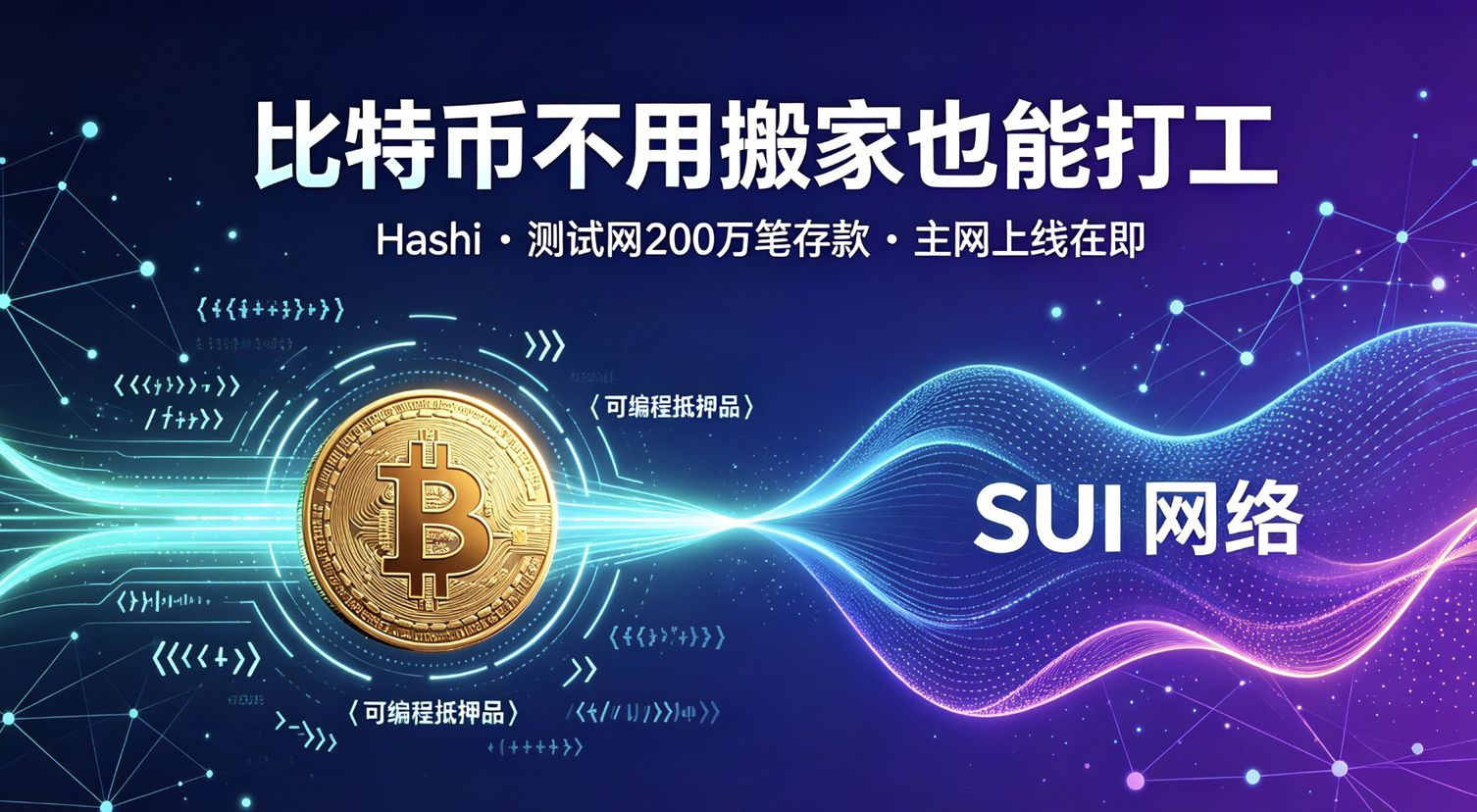
Bitcoin finally doesn’t have to “run away from home” to go to work 🤔
SUI has just officially announced Hashi, which lets native BTC stay on the Bitcoin network while directly becoming a programmable collateral asset on SUI—no cross-chain bridges, no wrapped coins, and the coins remain on their own chain.
The number of deposits on the testnet has already surpassed 2 million, and the mainnet is about to launch.
Before, Bitcoin was kept in a box as digital gold—now you can just lie back and still go to work in DeFi.
This is what Bitcoin Layer 2 should look like.
What do you think about this? Let’s chat in the comments 😄
$SUI $BTC #HASHI #SUİ #比特币 #DeFi
{future}(SUIUSDT)
{future}(BTCUSDT)
Bitcoin finally doesn’t have to “run away from home” to go to work 🤔
SUI has just officially announced Hashi, which lets native BTC stay on the Bitcoin network while directly becoming a programmable collateral asset on SUI—no cross-chain bridges, no wrapped coins, and the coins remain on their own chain.
The number of deposits on the testnet has already surpassed 2 million, and the mainnet is about to launch.
Before, Bitcoin was kept in a box as digital gold—now you can just lie back and still go to work in DeFi.
This is what Bitcoin Layer 2 should look like.
What do you think about this? Let’s chat in the comments 😄
$SUI $BTC #HASHI #SUİ #比特币 #DeFi
SUI has just officially announced Hashi, which lets native BTC stay on the Bitcoin network while directly becoming a programmable collateral asset on SUI—no cross-chain bridges, no wrapped coins, and the coins remain on their own chain.
The number of deposits on the testnet has already surpassed 2 million, and the mainnet is about to launch.
Before, Bitcoin was kept in a box as digital gold—now you can just lie back and still go to work in DeFi.
This is what Bitcoin Layer 2 should look like.
What do you think about this? Let’s chat in the comments 😄
$SUI $BTC #HASHI #SUİ #比特币 #DeFi
1
696
Verified
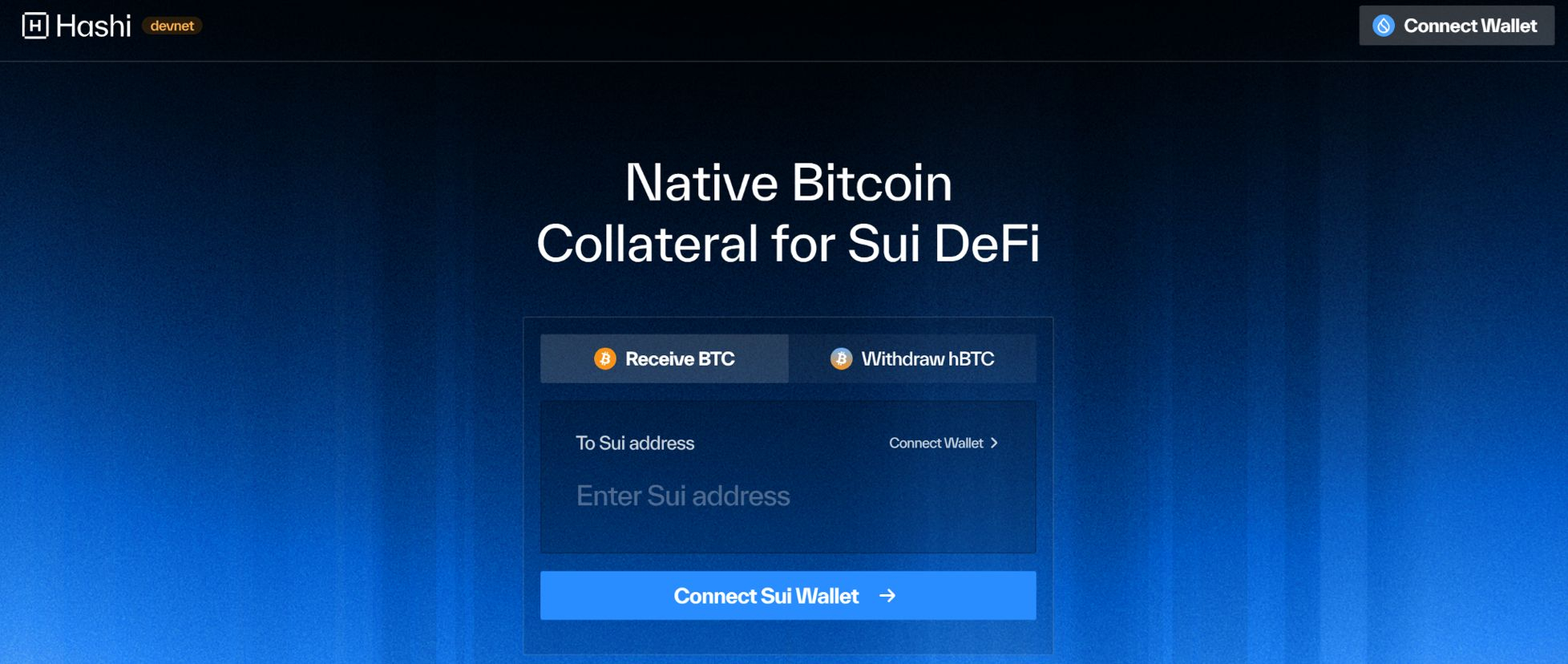
🔥 SUI IS BRINGING NATIVE BITCOIN TO DEFI.
The Hashi protocol allows native BTC to remain on the Bitcoin network, while also becoming a programmable collateral asset on Sui—moving very close to the mainnet.
According to Sui, the Hashi testnet program has already surpassed 2 million deposits.
That’s a pretty wild number. 👀
Bitcoin stays on Bitcoin.
But now it can work on Sui.
I find Hashi noteworthy because it’s trying to turn the enormous amount of BTC sitting idle into collateral that can be used in lending, credit, and DeFi, instead of relying entirely on traditional wrapped BTC.
With the upcoming mainnet, is BTCFi on Sui about to go big?
Fellow friends, how much BTC do you think Hashi could pull into DeFi once the official mainnet goes live?
$SUI #HASHI #bitcoin #BTCFi #defi
🔥 SUI IS BRINGING NATIVE BITCOIN TO DEFI.
The Hashi protocol allows native BTC to remain on the Bitcoin network, while also becoming a programmable collateral asset on Sui—moving very close to the mainnet.
According to Sui, the Hashi testnet program has already surpassed 2 million deposits.
That’s a pretty wild number. 👀
Bitcoin stays on Bitcoin.
But now it can work on Sui.
I find Hashi noteworthy because it’s trying to turn the enormous amount of BTC sitting idle into collateral that can be used in lending, credit, and DeFi, instead of relying entirely on traditional wrapped BTC.
With the upcoming mainnet, is BTCFi on Sui about to go big?
Fellow friends, how much BTC do you think Hashi could pull into DeFi once the official mainnet goes live?
$SUI #HASHI #bitcoin #BTCFi #defi
The Hashi protocol allows native BTC to remain on the Bitcoin network, while also becoming a programmable collateral asset on Sui—moving very close to the mainnet.
According to Sui, the Hashi testnet program has already surpassed 2 million deposits.
That’s a pretty wild number. 👀
Bitcoin stays on Bitcoin.
But now it can work on Sui.
I find Hashi noteworthy because it’s trying to turn the enormous amount of BTC sitting idle into collateral that can be used in lending, credit, and DeFi, instead of relying entirely on traditional wrapped BTC.
With the upcoming mainnet, is BTCFi on Sui about to go big?
Fellow friends, how much BTC do you think Hashi could pull into DeFi once the official mainnet goes live?
$SUI #HASHI #bitcoin #BTCFi #defi
697

·
--
There's $1.28 trillion in Bitcoin sitting in wallets, but 99% of that capital is just chilling.
The issue is that DeFi solutions require handing over assets to custodians, which creates centralization risks.
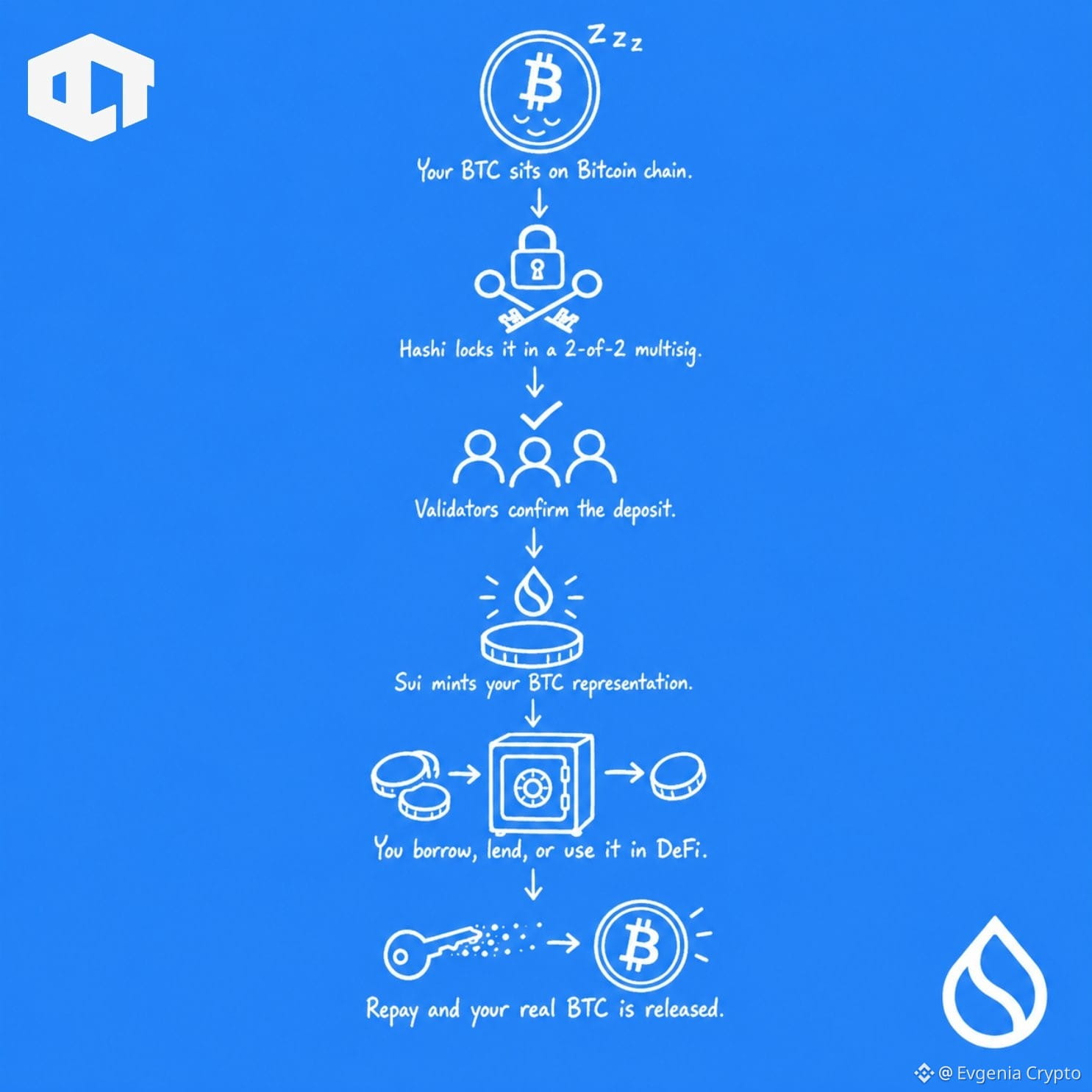
The Hashi project at $SUI changes this — your $BTC stays on the native network protected by smart contracts and multisigs.
No wrapped tokens or middlemen — just pure math and control over your assets.
With institutional players coming in, this is the biggest shift in DeFi. Testnet launching soon. #Bitcoin #Sui #DeFi #BTC #Hashi
There's $1.28 trillion in Bitcoin sitting in wallets, but 99% of that capital is just chilling.
The issue is that DeFi solutions require handing over assets to custodians, which creates centralization risks.
The Hashi project at $SUI changes this — your $BTC stays on the native network protected by smart contracts and multisigs.
No wrapped tokens or middlemen — just pure math and control over your assets.
With institutional players coming in, this is the biggest shift in DeFi. Testnet launching soon. #Bitcoin #Sui #DeFi #BTC #Hashi
The issue is that DeFi solutions require handing over assets to custodians, which creates centralization risks.
The Hashi project at $SUI changes this — your $BTC stays on the native network protected by smart contracts and multisigs.
No wrapped tokens or middlemen — just pure math and control over your assets.
With institutional players coming in, this is the biggest shift in DeFi. Testnet launching soon. #Bitcoin #Sui #DeFi #BTC #Hashi
1
219

·
--
Verified
Brothers, the Sui Hashi testnet is live!
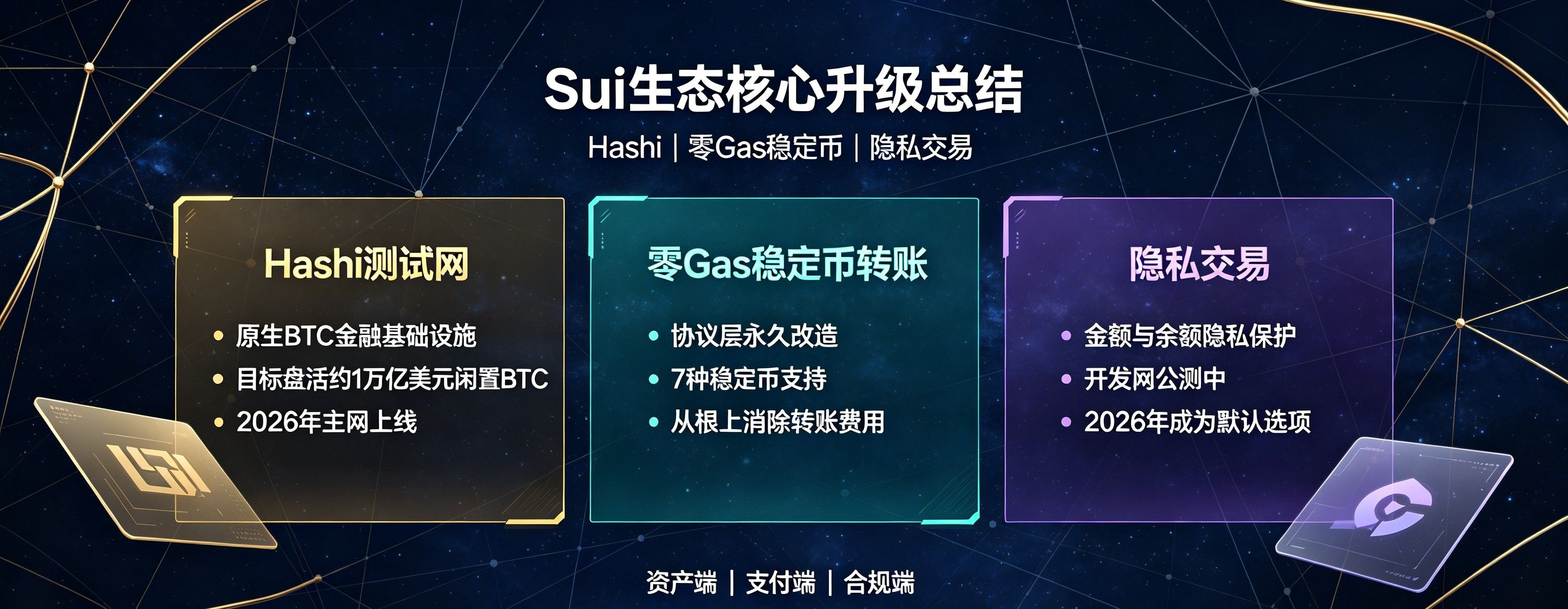
I. Hashi: Native BTC financial infrastructure (core main line)
Hashi has officially launched the testnet. It is the native Bitcoin financial infrastructure introduced by $SUI . The mainnet is planned to go live in 2026, with the goal of activating about $1 trillion worth of dormant Bitcoin, connecting BTC on-chain lending and the credit market.
Market core pain points
1. BTC accounts for nearly 60% of the total crypto market cap, but the current DeFi participation is less than 0.37% (about $5.2 billion). The vast majority of Bitcoin has long been idle, resulting in extremely low capital efficiency.
2. Existing solutions rely on wrapped tokens such as WBTC and centralized custody institutions. These come with risks such as custodians running away and cross-chain bridges being stolen. For compliance and risk-control reasons, institutions do not dare to enter BTC lending at scale.
Hashi core advantages
1. No cross-chain migration for BTC: Native Bitcoin stays on the Bitcoin mainnet continuously, and only corresponding credentials are generated on Sui—eliminating trust risks associated with wrapped assets.
2. MPC + Guardian dual-layer security architecture: Threshold signatures have no single point private keys. Large withdrawals add an additional guardian layer for risk-control verification to meet institutional risk and audit requirements.
3. Institution-friendly and modular/composable: More than 20 custody/asset management institutions—including BitGo, Ledger, Cumberland, and others—participate in building the system. Lending, stablecoin, and RWA projects can all connect directly to this standardized underlying layer.
II. Zero-Gas stablecoin transfers: A bottom-layer innovation for the payment layer
Sui has completed a native protocol-layer upgrade. This is not short-term subsidies—it permanently supports zero-gas transfers for 7 mainstream stablecoins (USDC, USDE, etc.).
Users do not need to hold SUI tokens to pay gas fees. They can transfer directly using stablecoins; aimed at SWIFT and PayPal, it fundamentally eliminates payment friction at the source.
For enterprise settlement, AI Agent automated payments, and cross-border fund flows, it greatly lowers the threshold for traditional on-chain payments and helps stablecoins become a universal settlement tool.
III. Privacy transactions: Compliant confidential transfers
The developer test network public testing is now open. It supports encryption protection for transaction amounts and account balances.
Balancing privacy and auditability: Zero-knowledge encryption hides transaction details while preserving a compliant traceability channel. It meets institutional and large-holder needs to keep asset information confidential.
By addressing the shortcomings of DeFi and institutional payments, it resolves the issues of preemptive arbitrage and information leakage caused by the transparency of positions and trading strategies on a public ledger.
@SuiNetwork #SUI🔥 #sui #sui链 #HASHI #SUI生态
Brothers, the Sui Hashi testnet is live!
I. Hashi: Native BTC financial infrastructure (core main line)
Hashi has officially launched the testnet. It is the native Bitcoin financial infrastructure introduced by $SUI . The mainnet is planned to go live in 2026, with the goal of activating about $1 trillion worth of dormant Bitcoin, connecting BTC on-chain lending and the credit market.
Market core pain points
1. BTC accounts for nearly 60% of the total crypto market cap, but the current DeFi participation is less than 0.37% (about $5.2 billion). The vast majority of Bitcoin has long been idle, resulting in extremely low capital efficiency.
2. Existing solutions rely on wrapped tokens such as WBTC and centralized custody institutions. These come with risks such as custodians running away and cross-chain bridges being stolen. For compliance and risk-control reasons, institutions do not dare to enter BTC lending at scale.
Hashi core advantages
1. No cross-chain migration for BTC: Native Bitcoin stays on the Bitcoin mainnet continuously, and only corresponding credentials are generated on Sui—eliminating trust risks associated with wrapped assets.
2. MPC + Guardian dual-layer security architecture: Threshold signatures have no single point private keys. Large withdrawals add an additional guardian layer for risk-control verification to meet institutional risk and audit requirements.
3. Institution-friendly and modular/composable: More than 20 custody/asset management institutions—including BitGo, Ledger, Cumberland, and others—participate in building the system. Lending, stablecoin, and RWA projects can all connect directly to this standardized underlying layer.
II. Zero-Gas stablecoin transfers: A bottom-layer innovation for the payment layer
Sui has completed a native protocol-layer upgrade. This is not short-term subsidies—it permanently supports zero-gas transfers for 7 mainstream stablecoins (USDC, USDE, etc.).
Users do not need to hold SUI tokens to pay gas fees. They can transfer directly using stablecoins; aimed at SWIFT and PayPal, it fundamentally eliminates payment friction at the source.
For enterprise settlement, AI Agent automated payments, and cross-border fund flows, it greatly lowers the threshold for traditional on-chain payments and helps stablecoins become a universal settlement tool.
III. Privacy transactions: Compliant confidential transfers
The developer test network public testing is now open. It supports encryption protection for transaction amounts and account balances.
Balancing privacy and auditability: Zero-knowledge encryption hides transaction details while preserving a compliant traceability channel. It meets institutional and large-holder needs to keep asset information confidential.
By addressing the shortcomings of DeFi and institutional payments, it resolves the issues of preemptive arbitrage and information leakage caused by the transparency of positions and trading strategies on a public ledger.
@Sui #SUI🔥 #sui #sui链 #HASHI #SUI生态
I. Hashi: Native BTC financial infrastructure (core main line)
Hashi has officially launched the testnet. It is the native Bitcoin financial infrastructure introduced by $SUI . The mainnet is planned to go live in 2026, with the goal of activating about $1 trillion worth of dormant Bitcoin, connecting BTC on-chain lending and the credit market.
Market core pain points
1. BTC accounts for nearly 60% of the total crypto market cap, but the current DeFi participation is less than 0.37% (about $5.2 billion). The vast majority of Bitcoin has long been idle, resulting in extremely low capital efficiency.
2. Existing solutions rely on wrapped tokens such as WBTC and centralized custody institutions. These come with risks such as custodians running away and cross-chain bridges being stolen. For compliance and risk-control reasons, institutions do not dare to enter BTC lending at scale.
Hashi core advantages
1. No cross-chain migration for BTC: Native Bitcoin stays on the Bitcoin mainnet continuously, and only corresponding credentials are generated on Sui—eliminating trust risks associated with wrapped assets.
2. MPC + Guardian dual-layer security architecture: Threshold signatures have no single point private keys. Large withdrawals add an additional guardian layer for risk-control verification to meet institutional risk and audit requirements.
3. Institution-friendly and modular/composable: More than 20 custody/asset management institutions—including BitGo, Ledger, Cumberland, and others—participate in building the system. Lending, stablecoin, and RWA projects can all connect directly to this standardized underlying layer.
II. Zero-Gas stablecoin transfers: A bottom-layer innovation for the payment layer
Sui has completed a native protocol-layer upgrade. This is not short-term subsidies—it permanently supports zero-gas transfers for 7 mainstream stablecoins (USDC, USDE, etc.).
Users do not need to hold SUI tokens to pay gas fees. They can transfer directly using stablecoins; aimed at SWIFT and PayPal, it fundamentally eliminates payment friction at the source.
For enterprise settlement, AI Agent automated payments, and cross-border fund flows, it greatly lowers the threshold for traditional on-chain payments and helps stablecoins become a universal settlement tool.
III. Privacy transactions: Compliant confidential transfers
The developer test network public testing is now open. It supports encryption protection for transaction amounts and account balances.
Balancing privacy and auditability: Zero-knowledge encryption hides transaction details while preserving a compliant traceability channel. It meets institutional and large-holder needs to keep asset information confidential.
By addressing the shortcomings of DeFi and institutional payments, it resolves the issues of preemptive arbitrage and information leakage caused by the transparency of positions and trading strategies on a public ledger.
@Sui #SUI🔥 #sui #sui链 #HASHI #SUI生态
13
18
7k

·
--
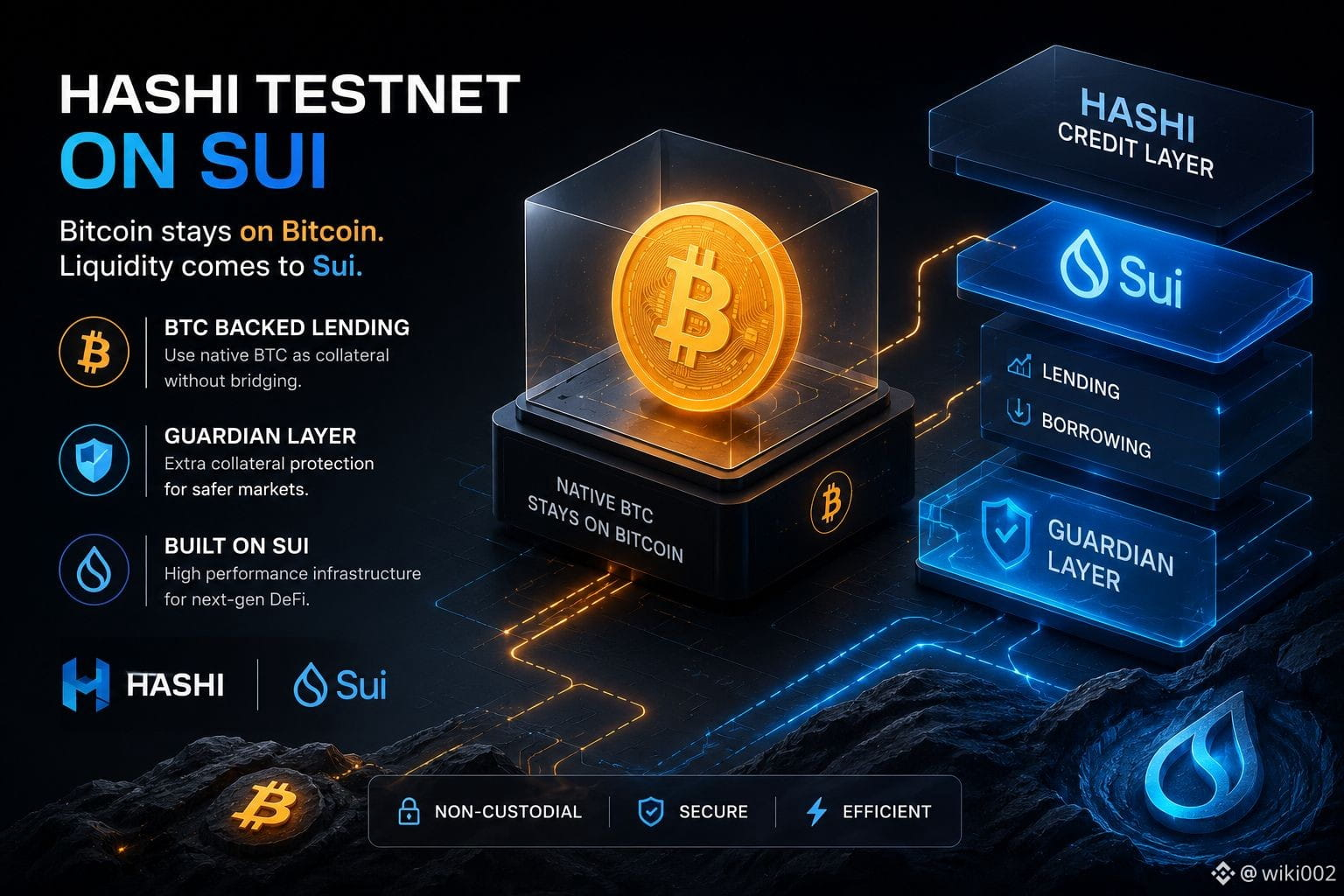
Hashi’s strongest advantage is the custody model: It lets Bitcoin stay on Bitcoin while becoming collateral in a Sui-native credit layer. That is cleaner than wrapped-BTC systems that add bridge risk before they reach a loan market.
The harder question is whether the Guardian Layer becomes a safety boundary or just another trust assumption with branding. Extra collateral checks help, but they do not remove the core problem of cross-domain liquidations: when BTC moves slowly, leverage, oracle timing, and borrower behavior can diverge fast. That matters because the weakest link in BTC DeFi is usually not collateral quality, but the speed at which risk is enforced.
If Hashi can keep settlement honest without turning governance into a bottleneck, it has value. The debate now is whether this model scales through market stress, or only looks elegant while conditions stay calm. What would make this design resilient under a BTC drawdown?🤔
#Sui
#Bitcoin
#BTCFi
#DeFi
#Hashi
@SuiNetwork
$SUI
$BTC
$XRP
Hashi’s strongest advantage is the custody model: It lets Bitcoin stay on Bitcoin while becoming collateral in a Sui-native credit layer. That is cleaner than wrapped-BTC systems that add bridge risk before they reach a loan market.
The harder question is whether the Guardian Layer becomes a safety boundary or just another trust assumption with branding. Extra collateral checks help, but they do not remove the core problem of cross-domain liquidations: when BTC moves slowly, leverage, oracle timing, and borrower behavior can diverge fast. That matters because the weakest link in BTC DeFi is usually not collateral quality, but the speed at which risk is enforced.
If Hashi can keep settlement honest without turning governance into a bottleneck, it has value. The debate now is whether this model scales through market stress, or only looks elegant while conditions stay calm. What would make this design resilient under a BTC drawdown?🤔
#Sui
#Bitcoin
#BTCFi
#DeFi
#Hashi
@Sui
$SUI
$BTC
$XRP
The harder question is whether the Guardian Layer becomes a safety boundary or just another trust assumption with branding. Extra collateral checks help, but they do not remove the core problem of cross-domain liquidations: when BTC moves slowly, leverage, oracle timing, and borrower behavior can diverge fast. That matters because the weakest link in BTC DeFi is usually not collateral quality, but the speed at which risk is enforced.
If Hashi can keep settlement honest without turning governance into a bottleneck, it has value. The debate now is whether this model scales through market stress, or only looks elegant while conditions stay calm. What would make this design resilient under a BTC drawdown?🤔
#Sui
#Bitcoin
#BTCFi
#DeFi
#Hashi
@Sui
$SUI
$BTC
$XRP
3
346

$SUI UNLOCKS BITCOIN LIQUIDITY — NO BRIDGE NEEDED 🚀
Hashi testnet is live. Bitcoin can now flow into Sui without leaving the native chain. 🐂
This isn’t just another L1 integration. Hashi removes the traditional bridge — the biggest attack vector in crypto — and lets BTC settle on Sui natively through a decentralized security model. 🔍 That means Sui taps directly into $1T+ Bitcoin liquidity without exposing users to bridge hacks or custodial risk. Smart money has been watching this since March, and now execution begins.
If Hashi proves resilient, Sui becomes one of the few Layer 1s that can host real Bitcoin DeFi at scale. The race to attract BTC liquidity just got a serious new contender. 💬 Do you think this is the catalyst that finally pulls Sui ahead of competing L1s? 👇
⚠️ Not financial advice. Always manage your risk. 🛡️
🏷️ #SUI #BTC #DeFi #Layer1 #Hashi
🔥 🚀
$SUI UNLOCKS BITCOIN LIQUIDITY — NO BRIDGE NEEDED 🚀
Hashi testnet is live. Bitcoin can now flow into Sui without leaving the native chain. 🐂
This isn’t just another L1 integration. Hashi removes the traditional bridge — the biggest attack vector in crypto — and lets BTC settle on Sui natively through a decentralized security model. 🔍 That means Sui taps directly into $1T+ Bitcoin liquidity without exposing users to bridge hacks or custodial risk. Smart money has been watching this since March, and now execution begins.
If Hashi proves resilient, Sui becomes one of the few Layer 1s that can host real Bitcoin DeFi at scale. The race to attract BTC liquidity just got a serious new contender. 💬 Do you think this is the catalyst that finally pulls Sui ahead of competing L1s? 👇
⚠️ Not financial advice. Always manage your risk. 🛡️
🏷️ #SUI #BTC #DeFi #Layer1 #Hashi
🔥 🚀
Hashi testnet is live. Bitcoin can now flow into Sui without leaving the native chain. 🐂
This isn’t just another L1 integration. Hashi removes the traditional bridge — the biggest attack vector in crypto — and lets BTC settle on Sui natively through a decentralized security model. 🔍 That means Sui taps directly into $1T+ Bitcoin liquidity without exposing users to bridge hacks or custodial risk. Smart money has been watching this since March, and now execution begins.
If Hashi proves resilient, Sui becomes one of the few Layer 1s that can host real Bitcoin DeFi at scale. The race to attract BTC liquidity just got a serious new contender. 💬 Do you think this is the catalyst that finally pulls Sui ahead of competing L1s? 👇
⚠️ Not financial advice. Always manage your risk. 🛡️
🏷️ #SUI #BTC #DeFi #Layer1 #Hashi
🔥 🚀

53
Log in to explore more content
Join global crypto users on Binance Square
⚡️ Get latest and useful information about crypto.
💬 Trusted by the world’s largest crypto exchange.
👍 Discover real insights from verified creators.
Email / Phone number
Trending Topics
1
#BNBSurpasses$790
19,529 views
148 Discussing
2
#ZamaRises15.99%ToIntradayHigh$0.09
17,821 views
106 Discussing
3
#BitcoinSpotETFsDraw$6.34BInflowsInQ3
6,101 views
91 Discussing
4
#EthereumValidatorExitQueueJumps392%
96,967 views
936 Discussing
5
#IMFApprovesElSalvador$138MWithBitcoinWaiver
13,852 views
63 Discussing
6
#SECHaltsCryptoETFReviewsAmidFundingLapse
261,738 views
1,801 Discussing
7
#ZcashETFPostsFirstWeeklyOutflow$93.6M
95,809 views
254 Discussing
8
#GreekPoliceBustCryptoScamRingArrest17
380,909 views
2,442 Discussing
9
#BitcoinRejectedAt$87K
224,984 views
321 Discussing
10
#FedOctoberRateHikeOddsFallTo17%
388,711 views
2,564 Discussing