

#bitcoinrisestoward
bitcoinrisestoward
731 views
45 Discussing
Hot
Latest

Everyone thinks a breakout means it is time to market buy with both hands, but actually, that is usually when retail ends up paying for the exit liquidity of patient money.
When you see green candles pushing past major resistance levels, the instinct to chase takes over and you end up buying the exact top of an overcrowded trade, only to panic when a sudden pullback hits your portfolio.
Think of an aggressive rally like stepping onto a speeding train: you either board early at the platform or wait for the next station, because leaping while it is in full motion rarely ends well. Right now, with market sentiment sitting firmly in greed, there are three classic mistakes unfolding. First, open interest builds up rapidly as late longs pile into $BTC, making sharp liquidation wicks almost inevitable. Second, capital rotates prematurely into alts like $ADA before the primary trend even establishes clear support. Third, holding cash like $USDT suddenly feels like a mistake, forcing undisciplined trades without any invalidation plan.
Real profitability in this space is built on the calm discipline of waiting for confirmed pullbacks rather than chasing green candles.
How are you managing your exposure during this move?
#BitcoinSurpasses #BitcoinFundingRateTriplesTo10 #BitcoinRisesToward
Everyone thinks a breakout means it is time to market buy with both hands, but actually, that is usually when retail ends up paying for the exit liquidity of patient money.
When you see green candles pushing past major resistance levels, the instinct to chase takes over and you end up buying the exact top of an overcrowded trade, only to panic when a sudden pullback hits your portfolio.
Think of an aggressive rally like stepping onto a speeding train: you either board early at the platform or wait for the next station, because leaping while it is in full motion rarely ends well. Right now, with market sentiment sitting firmly in greed, there are three classic mistakes unfolding. First, open interest builds up rapidly as late longs pile into $BTC , making sharp liquidation wicks almost inevitable. Second, capital rotates prematurely into alts like $ADA before the primary trend even establishes clear support. Third, holding cash like $USDT suddenly feels like a mistake, forcing undisciplined trades without any invalidation plan.
Real profitability in this space is built on the calm discipline of waiting for confirmed pullbacks rather than chasing green candles.
How are you managing your exposure during this move?
#BitcoinSurpasses #BitcoinFundingRateTriplesTo10 #BitcoinRisesToward
When you see green candles pushing past major resistance levels, the instinct to chase takes over and you end up buying the exact top of an overcrowded trade, only to panic when a sudden pullback hits your portfolio.
Think of an aggressive rally like stepping onto a speeding train: you either board early at the platform or wait for the next station, because leaping while it is in full motion rarely ends well. Right now, with market sentiment sitting firmly in greed, there are three classic mistakes unfolding. First, open interest builds up rapidly as late longs pile into $BTC , making sharp liquidation wicks almost inevitable. Second, capital rotates prematurely into alts like $ADA before the primary trend even establishes clear support. Third, holding cash like $USDT suddenly feels like a mistake, forcing undisciplined trades without any invalidation plan.
Real profitability in this space is built on the calm discipline of waiting for confirmed pullbacks rather than chasing green candles.
How are you managing your exposure during this move?
#BitcoinSurpasses #BitcoinFundingRateTriplesTo10 #BitcoinRisesToward
21

·
--
Here's what happened when $BTC last surpassed the level everyone had circled on their charts.
Traders who sat out the grind higher felt that familiar panic of being left behind, then bought the breakout with leverage they couldn't stomach on a red candle. That's how you turn a confirmation into a liquidation.
The pattern is almost mechanical. Price clears a key zone, social volume spikes, and positioning gets one-sided fast. Right now Fear and Greed is sitting at 69 and the feed is full of people treating the move as settled. What most missed last time was the funding. It stretched, open interest piled in, and the first real dip didn't look like a dip until $USDT started catching a bid and late longs were gone. Names like $ADA barely participated, which is usually a tell that the move is more crowded than it is broad.
Surpassing a number doesn't mean the risk disappeared. It often means the easy part of the trade is over and the people who arrived last are now the exit. I've seen this setup enough times to treat the celebration as a warning, not a green light.
Anyone else watching how thin this breakout actually looks under the surface?
#BitcoinSurpasses #BitcoinFundingRateTriplesTo10 #BitcoinRisesToward
Here's what happened when $BTC last surpassed the level everyone had circled on their charts.
Traders who sat out the grind higher felt that familiar panic of being left behind, then bought the breakout with leverage they couldn't stomach on a red candle. That's how you turn a confirmation into a liquidation.
The pattern is almost mechanical. Price clears a key zone, social volume spikes, and positioning gets one-sided fast. Right now Fear and Greed is sitting at 69 and the feed is full of people treating the move as settled. What most missed last time was the funding. It stretched, open interest piled in, and the first real dip didn't look like a dip until $USDT started catching a bid and late longs were gone. Names like $ADA barely participated, which is usually a tell that the move is more crowded than it is broad.
Surpassing a number doesn't mean the risk disappeared. It often means the easy part of the trade is over and the people who arrived last are now the exit. I've seen this setup enough times to treat the celebration as a warning, not a green light.
Anyone else watching how thin this breakout actually looks under the surface?
#BitcoinSurpasses #BitcoinFundingRateTriplesTo10 #BitcoinRisesToward
Traders who sat out the grind higher felt that familiar panic of being left behind, then bought the breakout with leverage they couldn't stomach on a red candle. That's how you turn a confirmation into a liquidation.
The pattern is almost mechanical. Price clears a key zone, social volume spikes, and positioning gets one-sided fast. Right now Fear and Greed is sitting at 69 and the feed is full of people treating the move as settled. What most missed last time was the funding. It stretched, open interest piled in, and the first real dip didn't look like a dip until $USDT started catching a bid and late longs were gone. Names like $ADA barely participated, which is usually a tell that the move is more crowded than it is broad.
Surpassing a number doesn't mean the risk disappeared. It often means the easy part of the trade is over and the people who arrived last are now the exit. I've seen this setup enough times to treat the celebration as a warning, not a green light.
Anyone else watching how thin this breakout actually looks under the surface?
#BitcoinSurpasses #BitcoinFundingRateTriplesTo10 #BitcoinRisesToward
21
Picture this: a retail trader watches $BTC push toward new local highs, sees the Fear & Greed index creeping past 70, and market buys on leverage thinking the breakout is guaranteed.
The hardest part about these runs isn't finding an entry, but avoiding the trap of late FOMO right before liquidity grabs wipe out over-leveraged long positions. When spot volume thins out and derivatives drive the momentum, sharp pullbacks often catch aggressive buyers off guard before any true continuation happens.
Looking closely at the recent order book dynamics, open interest has spiked aggressively while stablecoin reserves on exchanges like $USDT show mixed signals. Most market participants celebrate the green candles, yet few notice how spot CVD fails to confirm the aggressive moves in perps. If funding rates continue to overheat without genuine spot absorption, the probability of a cascade liquidation sweep increases significantly.
Smart capital usually waits for retests and confirmed structure rather than chasing green candles near overhead resistance. Managing downside exposure remains far more critical than capturing the absolute top of the move.
Are you protecting capital here, or still adding to longs on every push?
#BitcoinRisesToward #SECProposesCryptoCustodyFramework
Picture this: a retail trader watches $BTC push toward new local highs, sees the Fear & Greed index creeping past 70, and market buys on leverage thinking the breakout is guaranteed.
The hardest part about these runs isn't finding an entry, but avoiding the trap of late FOMO right before liquidity grabs wipe out over-leveraged long positions. When spot volume thins out and derivatives drive the momentum, sharp pullbacks often catch aggressive buyers off guard before any true continuation happens.
Looking closely at the recent order book dynamics, open interest has spiked aggressively while stablecoin reserves on exchanges like $USDT show mixed signals. Most market participants celebrate the green candles, yet few notice how spot CVD fails to confirm the aggressive moves in perps. If funding rates continue to overheat without genuine spot absorption, the probability of a cascade liquidation sweep increases significantly.
Smart capital usually waits for retests and confirmed structure rather than chasing green candles near overhead resistance. Managing downside exposure remains far more critical than capturing the absolute top of the move.
Are you protecting capital here, or still adding to longs on every push?
#BitcoinRisesToward #SECProposesCryptoCustodyFramework
The hardest part about these runs isn't finding an entry, but avoiding the trap of late FOMO right before liquidity grabs wipe out over-leveraged long positions. When spot volume thins out and derivatives drive the momentum, sharp pullbacks often catch aggressive buyers off guard before any true continuation happens.
Looking closely at the recent order book dynamics, open interest has spiked aggressively while stablecoin reserves on exchanges like $USDT show mixed signals. Most market participants celebrate the green candles, yet few notice how spot CVD fails to confirm the aggressive moves in perps. If funding rates continue to overheat without genuine spot absorption, the probability of a cascade liquidation sweep increases significantly.
Smart capital usually waits for retests and confirmed structure rather than chasing green candles near overhead resistance. Managing downside exposure remains far more critical than capturing the absolute top of the move.
Are you protecting capital here, or still adding to longs on every push?
#BitcoinRisesToward #SECProposesCryptoCustodyFramework

9

·
--
Bitcoin is showing strong upward momentum, with traders and analysts eyeing the significant psychological and technical level of $85,000. This surge reflects growing investor confidence and potentially a broader market recovery. The current price action suggests that the market is digesting recent positive developments and is poised for further gains. Investors should closely monitor key resistance and support levels as $BTC navigates this exciting territory. The path to $85K could see increased volatility, offering both opportunities and risks.
Disclaimer: This is not investment advice. Always do your own research.
#BitcoinRisesToward$85K $BTC
{future}(BTCUSDT)
Bitcoin is showing strong upward momentum, with traders and analysts eyeing the significant psychological and technical level of $85,000. This surge reflects growing investor confidence and potentially a broader market recovery. The current price action suggests that the market is digesting recent positive developments and is poised for further gains. Investors should closely monitor key resistance and support levels as $BTC navigates this exciting territory. The path to $85K could see increased volatility, offering both opportunities and risks.
Disclaimer: This is not investment advice. Always do your own research.
#BitcoinRisesToward$85K $BTC
Disclaimer: This is not investment advice. Always do your own research.
#BitcoinRisesToward$85K $BTC

1
54

·
--
Everyone staring at eighty fivek is missing the real trap 🛑
Attention is locked on that one round number right now
Traders keep chasing every small push on pure emotion
This sudden noise usually clears out the patient ones first
Real positioning happens when the timeline stops screaming
I am sitting on my hands until the dust settles completely
A fast break past that level with heavy volume proves me wrong
Bullish or bearish
#BitcoinRisesToward$85K #CryptoNews
Everyone staring at eighty fivek is missing the real trap 🛑
Attention is locked on that one round number right now
Traders keep chasing every small push on pure emotion
This sudden noise usually clears out the patient ones first
Real positioning happens when the timeline stops screaming
I am sitting on my hands until the dust settles completely
A fast break past that level with heavy volume proves me wrong
Bullish or bearish
#BitcoinRisesToward$85K #CryptoNews
Attention is locked on that one round number right now
Traders keep chasing every small push on pure emotion
This sudden noise usually clears out the patient ones first
Real positioning happens when the timeline stops screaming
I am sitting on my hands until the dust settles completely
A fast break past that level with heavy volume proves me wrong
Bullish or bearish
#BitcoinRisesToward$85K #CryptoNews
4
·
--
If you're still fading $BTC every time payrolls miss, stop now.
Watching traders get chopped on NFP days never gets old. They dump thinking recession just arrived or they FOMO the bounce after the cut narrative takes over.
This September number adding only 29K while unemployment ticks higher is the same setup we saw in 2023. Bears celebrated then too. Crypto didn't care. It rallied once easier policy got priced. The Fed just received another reason to ease. Sitting at 69 on greed, this data confirms rather than scares.
Weak labor used to mean risk-off. These days it means $USDT waiting on the sidelines and names like $ADA catching a bid on liquidity hopes. We've seen the competing recession story lose to the more-money-coming story more than once.
Where do you think this goes from here?
#USSeptemberPayrollsAdd29KUnemploymentRises4 #NFPWatch #BitcoinRisesToward
If you're still fading $BTC every time payrolls miss, stop now.
Watching traders get chopped on NFP days never gets old. They dump thinking recession just arrived or they FOMO the bounce after the cut narrative takes over.
This September number adding only 29K while unemployment ticks higher is the same setup we saw in 2023. Bears celebrated then too. Crypto didn't care. It rallied once easier policy got priced. The Fed just received another reason to ease. Sitting at 69 on greed, this data confirms rather than scares.
Weak labor used to mean risk-off. These days it means $USDT waiting on the sidelines and names like $ADA catching a bid on liquidity hopes. We've seen the competing recession story lose to the more-money-coming story more than once.
Where do you think this goes from here?
#USSeptemberPayrollsAdd29KUnemploymentRises4 #NFPWatch #BitcoinRisesToward
Watching traders get chopped on NFP days never gets old. They dump thinking recession just arrived or they FOMO the bounce after the cut narrative takes over.
This September number adding only 29K while unemployment ticks higher is the same setup we saw in 2023. Bears celebrated then too. Crypto didn't care. It rallied once easier policy got priced. The Fed just received another reason to ease. Sitting at 69 on greed, this data confirms rather than scares.
Weak labor used to mean risk-off. These days it means $USDT waiting on the sidelines and names like $ADA catching a bid on liquidity hopes. We've seen the competing recession story lose to the more-money-coming story more than once.
Where do you think this goes from here?
#USSeptemberPayrollsAdd29KUnemploymentRises4 #NFPWatch #BitcoinRisesToward

1.3k
Weak labor data often sparks the sharpest rallies in crypto, even when common sense tells you the economy is in trouble.
Most traders watch unemployment climb to 4.4% alongside a dismal 29k payroll print and immediately panic-sell their positions into $USDT. It is painful watching the green candles wipe out your short positions minutes after you convinced yourself the sky was falling.
I have traded through three cycles now, and the macro playbook rarely changes. When the job market cools this aggressively, markets stop caring about current economic weakness and instantly start pricing in aggressive monetary easing. Liquidity is the true driver of this market, and bad macro prints have historically been the very catalyst that forces central banks to turn the taps back on.
We are already seeing capital absorb the shock, stabilizing $BTC and trickling down into majors like $ADA while retail is still frozen in confusion. The smart money never waits for the headlines to look safe; it positions where liquidity has to flow next.
Are you positioning for faster rate cuts here, or do you think recession fears will drag us down first?
#USSeptemberPayrollsAdd29KUnemploymentRises4 #NFPWatch #BitcoinRisesToward
Weak labor data often sparks the sharpest rallies in crypto, even when common sense tells you the economy is in trouble.
Most traders watch unemployment climb to 4.4% alongside a dismal 29k payroll print and immediately panic-sell their positions into $USDT. It is painful watching the green candles wipe out your short positions minutes after you convinced yourself the sky was falling.
I have traded through three cycles now, and the macro playbook rarely changes. When the job market cools this aggressively, markets stop caring about current economic weakness and instantly start pricing in aggressive monetary easing. Liquidity is the true driver of this market, and bad macro prints have historically been the very catalyst that forces central banks to turn the taps back on.
We are already seeing capital absorb the shock, stabilizing $BTC and trickling down into majors like $ADA while retail is still frozen in confusion. The smart money never waits for the headlines to look safe; it positions where liquidity has to flow next.
Are you positioning for faster rate cuts here, or do you think recession fears will drag us down first?
#USSeptemberPayrollsAdd29KUnemploymentRises4 #NFPWatch #BitcoinRisesToward
Most traders watch unemployment climb to 4.4% alongside a dismal 29k payroll print and immediately panic-sell their positions into $USDT. It is painful watching the green candles wipe out your short positions minutes after you convinced yourself the sky was falling.
I have traded through three cycles now, and the macro playbook rarely changes. When the job market cools this aggressively, markets stop caring about current economic weakness and instantly start pricing in aggressive monetary easing. Liquidity is the true driver of this market, and bad macro prints have historically been the very catalyst that forces central banks to turn the taps back on.
We are already seeing capital absorb the shock, stabilizing $BTC and trickling down into majors like $ADA while retail is still frozen in confusion. The smart money never waits for the headlines to look safe; it positions where liquidity has to flow next.
Are you positioning for faster rate cuts here, or do you think recession fears will drag us down first?
#USSeptemberPayrollsAdd29KUnemploymentRises4 #NFPWatch #BitcoinRisesToward

90
·
--
If you're still piling into leveraged $BTC longs after the funding rate tripled, stop now.
Too many traders ignore how quickly these fees compound and how fast a crowded trade can reverse. One sharp move lower and you're paying to hold a losing position while getting liquidated.
Some see the spike as bullish because paying elevated rates shows real conviction in $BTC. Price can still grind higher and squeeze the shorts. I disagree. Rates jumping this fast usually mean the longs are overcrowded, especially with greed already at 69 on the index. Similar setups in the past led to 8-10 percent pullbacks as $USDT-margined positions unwound.
This looks more like a warning than confirmation of the next rally.
Where do you stand on fading versus riding this funding spike?
#BitcoinFundingRateTriplesTo10 #BitcoinRisesToward
If you're still piling into leveraged $BTC longs after the funding rate tripled, stop now.
Too many traders ignore how quickly these fees compound and how fast a crowded trade can reverse. One sharp move lower and you're paying to hold a losing position while getting liquidated.
Some see the spike as bullish because paying elevated rates shows real conviction in $BTC . Price can still grind higher and squeeze the shorts. I disagree. Rates jumping this fast usually mean the longs are overcrowded, especially with greed already at 69 on the index. Similar setups in the past led to 8-10 percent pullbacks as $USDT-margined positions unwound.
This looks more like a warning than confirmation of the next rally.
Where do you stand on fading versus riding this funding spike?
#BitcoinFundingRateTriplesTo10 #BitcoinRisesToward
Too many traders ignore how quickly these fees compound and how fast a crowded trade can reverse. One sharp move lower and you're paying to hold a losing position while getting liquidated.
Some see the spike as bullish because paying elevated rates shows real conviction in $BTC . Price can still grind higher and squeeze the shorts. I disagree. Rates jumping this fast usually mean the longs are overcrowded, especially with greed already at 69 on the index. Similar setups in the past led to 8-10 percent pullbacks as $USDT-margined positions unwound.
This looks more like a warning than confirmation of the next rally.
Where do you stand on fading versus riding this funding spike?
#BitcoinFundingRateTriplesTo10 #BitcoinRisesToward
7
·
--
Have you noticed how traders only build the courage to jump into $BTC right when everyone else is already screaming greed?
Watching green candles from the sidelines hurts, but panic-buying near resistance and getting chopped up on the inevitable flush hurts significantly more.
Chasing rallies without a structured plan is the fastest way to hand your capital over to smarter players. The real edge during these expansion phases is having the discipline to keep your $USDT parked in limit orders at verified structural retests rather than market-buying green impulses.
Instead of obsessing over every short-term candle, focus on a repeatable process. Map your higher-timeframe demand zones, scale out partial profits into momentum bursts, and secure your risk before rotating profits into high-beta names like $FIL.
What is your strategy for managing entries during runs like this?
#BitcoinRisesToward #NFPWatch #SECProposesCryptoCustodyFramework
Have you noticed how traders only build the courage to jump into $BTC right when everyone else is already screaming greed?
Watching green candles from the sidelines hurts, but panic-buying near resistance and getting chopped up on the inevitable flush hurts significantly more.
Chasing rallies without a structured plan is the fastest way to hand your capital over to smarter players. The real edge during these expansion phases is having the discipline to keep your $USDT parked in limit orders at verified structural retests rather than market-buying green impulses.
Instead of obsessing over every short-term candle, focus on a repeatable process. Map your higher-timeframe demand zones, scale out partial profits into momentum bursts, and secure your risk before rotating profits into high-beta names like $FIL .
What is your strategy for managing entries during runs like this?
#BitcoinRisesToward #NFPWatch #SECProposesCryptoCustodyFramework
Watching green candles from the sidelines hurts, but panic-buying near resistance and getting chopped up on the inevitable flush hurts significantly more.
Chasing rallies without a structured plan is the fastest way to hand your capital over to smarter players. The real edge during these expansion phases is having the discipline to keep your $USDT parked in limit orders at verified structural retests rather than market-buying green impulses.
Instead of obsessing over every short-term candle, focus on a repeatable process. Map your higher-timeframe demand zones, scale out partial profits into momentum bursts, and secure your risk before rotating profits into high-beta names like $FIL .
What is your strategy for managing entries during runs like this?
#BitcoinRisesToward #NFPWatch #SECProposesCryptoCustodyFramework

11
Tokenization of U.S. stocks surges 390% in a breakout, as traditional finance and the crypto market accelerate their integration
October 2, 2026 | Binance Square Quick News
1. Tokenized U.S. stocks reach a historic milestone
According to Binance Research Institute’s latest report, tokenized stock assets in 2026 grew an astonishing 390%. The current market capitalization is about $4.43 billion. Although this figure accounts for only 0.0029% compared with the global $151.9 trillion listed stock market, its growth rate has already drawn intense attention from Wall Street. Binance Co-CEO Richard Teng said publicly that it is expected that the tokenized stock market will expand to $349 billion by the 2030s, indicating significant room for growth.
At present, the Binance Web3 platform has launched multiple tokenized U.S. stock products, covering well-known underlying assets such as Moderna (MRNA) and MercadoLibre (EEM). Investors can hold and trade traditional U.S. stock assets on-chain, greatly lowering the barrier to cross-border investing. At the same time, platforms such as Robinhood are also speeding up the process of bringing stocks on-chain; tokenized securities are moving from concept toward mainstream application.
2. The Federal Reserve releases a “pause-hiking” signal, risk assets surge across the board
This week’s biggest macro variable comes from the Federal Reserve. Vice Chair Jefferson and Board Member Bowman both stated that there is currently no need for further emergency rate hikes. This dovish signal quickly boosted market sentiment. Although Dallas Fed President Logan still argues that at least 50 basis points of additional tightening may be necessary, the market has largely priced in expectations for a rate-hike pause in October.
Driven by this, U.S. 10-year Treasury yields rebounded off multi-year highs near 5.30%, and the Bitcoin price quickly broke through the $84,000–$86,000 range, with risk assets rising broadly. Over the past 24 hours, activity in the crypto market has spiked. Bitcoin, with more than 21,000 mentions, topped the Binance Square discussion leaderboard, while BNB and SOL followed with roughly 18,000 mentions each. Overall bullish sentiment clearly dominates.
3. Citi sharply raises its Bitcoin target price; institutions move faster to enter
This week, Citigroup raised its 12-month Bitcoin target price from $82,000 to $113,000, and increased its Ethereum target price from $2,240 to $3,028. Citi analysts noted that rising activity in the crypto market, an improving macro environment, and continued inflows attracted by ETFs are the core logic behind the upward revision. The firm expects net inflows into crypto ETFs over the next 12 months to reach roughly $5 billion.
Another important institutional development is the SEC’s proposal for a new crypto asset custody framework, driven by Chair Paul Atkins. The framework would allow registered investment advisers and regulated funds, under specific conditions, to custody crypto assets themselves. This proposal could remove a key obstacle for institutional investors entering the crypto market, marking an important step in U.S. crypto regulation moving from restriction toward normalization.
4. The XRP Treasury Company lists on Nasdaq; the trend toward securitizing alternative assets becomes evident
Evernorth, a treasury company holding 473 million XRP, has gone through shareholder voting and is set to list on Nasdaq under the ticker XRPN. Trading is expected to take place from October 7 to 8. This event shows that, following Bitcoin, institutional investors’ demand for securitization of alternative crypto assets is rapidly growing. However, it is worth noting that XRP’s current price is about $1.49, far below the $2.37 at the time the acquisition agreement was signed—investors should watch for the risk of valuation discount.
5. Market outlook and risk warnings
Overall, the explosive growth in tokenized U.S. stocks, the Federal Reserve’s policy shift, accelerating institutional capital inflows, and a gradually clearer regulatory framework are jointly driving deeper integration between the crypto market and traditional finance. Binance Square data shows that discussion heat for major assets such as BTC, SOL, and BNB remains very high, with the bullish ratio far exceeding the bearish one. However, investors should also remain alert to security risks. NEAR Intents this week suffered a loss of $3.8 million due to a hack; the incident was traced back to North Korea’s Lazarus Group, again underscoring that the safety of on-chain assets cannot be overlooked.
In the current macro environment, investors are advised to focus on medium- to long-term opportunities in the tokenized U.S. stocks sector, while also managing position sizes appropriately and diversifying risk.
#NFPWatch #BitcoinRisesToward$85K #TokenizedUSStocks
Tokenization of U.S. stocks surges 390% in a breakout, as traditional finance and the crypto market accelerate their integration
October 2, 2026 | Binance Square Quick News
1. Tokenized U.S. stocks reach a historic milestone
According to Binance Research Institute’s latest report, tokenized stock assets in 2026 grew an astonishing 390%. The current market capitalization is about $4.43 billion. Although this figure accounts for only 0.0029% compared with the global $151.9 trillion listed stock market, its growth rate has already drawn intense attention from Wall Street. Binance Co-CEO Richard Teng said publicly that it is expected that the tokenized stock market will expand to $349 billion by the 2030s, indicating significant room for growth.
At present, the Binance Web3 platform has launched multiple tokenized U.S. stock products, covering well-known underlying assets such as Moderna (MRNA) and MercadoLibre (EEM). Investors can hold and trade traditional U.S. stock assets on-chain, greatly lowering the barrier to cross-border investing. At the same time, platforms such as Robinhood are also speeding up the process of bringing stocks on-chain; tokenized securities are moving from concept toward mainstream application.
2. The Federal Reserve releases a “pause-hiking” signal, risk assets surge across the board
This week’s biggest macro variable comes from the Federal Reserve. Vice Chair Jefferson and Board Member Bowman both stated that there is currently no need for further emergency rate hikes. This dovish signal quickly boosted market sentiment. Although Dallas Fed President Logan still argues that at least 50 basis points of additional tightening may be necessary, the market has largely priced in expectations for a rate-hike pause in October.
Driven by this, U.S. 10-year Treasury yields rebounded off multi-year highs near 5.30%, and the Bitcoin price quickly broke through the $84,000–$86,000 range, with risk assets rising broadly. Over the past 24 hours, activity in the crypto market has spiked. Bitcoin, with more than 21,000 mentions, topped the Binance Square discussion leaderboard, while BNB and SOL followed with roughly 18,000 mentions each. Overall bullish sentiment clearly dominates.
3. Citi sharply raises its Bitcoin target price; institutions move faster to enter
This week, Citigroup raised its 12-month Bitcoin target price from $82,000 to $113,000, and increased its Ethereum target price from $2,240 to $3,028. Citi analysts noted that rising activity in the crypto market, an improving macro environment, and continued inflows attracted by ETFs are the core logic behind the upward revision. The firm expects net inflows into crypto ETFs over the next 12 months to reach roughly $5 billion.
Another important institutional development is the SEC’s proposal for a new crypto asset custody framework, driven by Chair Paul Atkins. The framework would allow registered investment advisers and regulated funds, under specific conditions, to custody crypto assets themselves. This proposal could remove a key obstacle for institutional investors entering the crypto market, marking an important step in U.S. crypto regulation moving from restriction toward normalization.
4. The XRP Treasury Company lists on Nasdaq; the trend toward securitizing alternative assets becomes evident
Evernorth, a treasury company holding 473 million XRP, has gone through shareholder voting and is set to list on Nasdaq under the ticker XRPN. Trading is expected to take place from October 7 to 8. This event shows that, following Bitcoin, institutional investors’ demand for securitization of alternative crypto assets is rapidly growing. However, it is worth noting that XRP’s current price is about $1.49, far below the $2.37 at the time the acquisition agreement was signed—investors should watch for the risk of valuation discount.
5. Market outlook and risk warnings
Overall, the explosive growth in tokenized U.S. stocks, the Federal Reserve’s policy shift, accelerating institutional capital inflows, and a gradually clearer regulatory framework are jointly driving deeper integration between the crypto market and traditional finance. Binance Square data shows that discussion heat for major assets such as BTC, SOL, and BNB remains very high, with the bullish ratio far exceeding the bearish one. However, investors should also remain alert to security risks. NEAR Intents this week suffered a loss of $3.8 million due to a hack; the incident was traced back to North Korea’s Lazarus Group, again underscoring that the safety of on-chain assets cannot be overlooked.
In the current macro environment, investors are advised to focus on medium- to long-term opportunities in the tokenized U.S. stocks sector, while also managing position sizes appropriately and diversifying risk.
#NFPWatch #BitcoinRisesToward$85K #TokenizedUSStocks
October 2, 2026 | Binance Square Quick News
1. Tokenized U.S. stocks reach a historic milestone
According to Binance Research Institute’s latest report, tokenized stock assets in 2026 grew an astonishing 390%. The current market capitalization is about $4.43 billion. Although this figure accounts for only 0.0029% compared with the global $151.9 trillion listed stock market, its growth rate has already drawn intense attention from Wall Street. Binance Co-CEO Richard Teng said publicly that it is expected that the tokenized stock market will expand to $349 billion by the 2030s, indicating significant room for growth.
At present, the Binance Web3 platform has launched multiple tokenized U.S. stock products, covering well-known underlying assets such as Moderna (MRNA) and MercadoLibre (EEM). Investors can hold and trade traditional U.S. stock assets on-chain, greatly lowering the barrier to cross-border investing. At the same time, platforms such as Robinhood are also speeding up the process of bringing stocks on-chain; tokenized securities are moving from concept toward mainstream application.
2. The Federal Reserve releases a “pause-hiking” signal, risk assets surge across the board
This week’s biggest macro variable comes from the Federal Reserve. Vice Chair Jefferson and Board Member Bowman both stated that there is currently no need for further emergency rate hikes. This dovish signal quickly boosted market sentiment. Although Dallas Fed President Logan still argues that at least 50 basis points of additional tightening may be necessary, the market has largely priced in expectations for a rate-hike pause in October.
Driven by this, U.S. 10-year Treasury yields rebounded off multi-year highs near 5.30%, and the Bitcoin price quickly broke through the $84,000–$86,000 range, with risk assets rising broadly. Over the past 24 hours, activity in the crypto market has spiked. Bitcoin, with more than 21,000 mentions, topped the Binance Square discussion leaderboard, while BNB and SOL followed with roughly 18,000 mentions each. Overall bullish sentiment clearly dominates.
3. Citi sharply raises its Bitcoin target price; institutions move faster to enter
This week, Citigroup raised its 12-month Bitcoin target price from $82,000 to $113,000, and increased its Ethereum target price from $2,240 to $3,028. Citi analysts noted that rising activity in the crypto market, an improving macro environment, and continued inflows attracted by ETFs are the core logic behind the upward revision. The firm expects net inflows into crypto ETFs over the next 12 months to reach roughly $5 billion.
Another important institutional development is the SEC’s proposal for a new crypto asset custody framework, driven by Chair Paul Atkins. The framework would allow registered investment advisers and regulated funds, under specific conditions, to custody crypto assets themselves. This proposal could remove a key obstacle for institutional investors entering the crypto market, marking an important step in U.S. crypto regulation moving from restriction toward normalization.
4. The XRP Treasury Company lists on Nasdaq; the trend toward securitizing alternative assets becomes evident
Evernorth, a treasury company holding 473 million XRP, has gone through shareholder voting and is set to list on Nasdaq under the ticker XRPN. Trading is expected to take place from October 7 to 8. This event shows that, following Bitcoin, institutional investors’ demand for securitization of alternative crypto assets is rapidly growing. However, it is worth noting that XRP’s current price is about $1.49, far below the $2.37 at the time the acquisition agreement was signed—investors should watch for the risk of valuation discount.
5. Market outlook and risk warnings
Overall, the explosive growth in tokenized U.S. stocks, the Federal Reserve’s policy shift, accelerating institutional capital inflows, and a gradually clearer regulatory framework are jointly driving deeper integration between the crypto market and traditional finance. Binance Square data shows that discussion heat for major assets such as BTC, SOL, and BNB remains very high, with the bullish ratio far exceeding the bearish one. However, investors should also remain alert to security risks. NEAR Intents this week suffered a loss of $3.8 million due to a hack; the incident was traced back to North Korea’s Lazarus Group, again underscoring that the safety of on-chain assets cannot be overlooked.
In the current macro environment, investors are advised to focus on medium- to long-term opportunities in the tokenized U.S. stocks sector, while also managing position sizes appropriately and diversifying risk.
#NFPWatch #BitcoinRisesToward$85K #TokenizedUSStocks
11
If you are still opening high-leverage positions minutes before the Non-Farm Payrolls release, stop now.
Most retail traders get wiped out not because their directional bias was wrong, but because the initial wick clears liquidity on both sides before the real move even begins. Watching margin evaporate on a split-second spread blowout is a painful cycle that catches people every single month.
The market is currently divided into two clear camps. One side believes a softer jobs print will immediately ignite the next risk-on leg, sending $BTC straight through overhead resistance. The other side argues that persistent labor strength gives central banks no reason to ease, making any sudden spike a trap designed to offload into liquid $USDT pools.
Chasing the initial candle reaction is almost always a trap. That first burst of volatility is dominated by automated order execution fishing for stop losses. The high-probability trade almost never happens in the opening minutes, but rather when spot absorption settles the order book across majors and high-beta assets like $FIL.
Are you taking a position before the data drops or waiting for the hourly close to confirm the real trend?
#NFPWatch #BitcoinRisesToward
If you are still opening high-leverage positions minutes before the Non-Farm Payrolls release, stop now.
Most retail traders get wiped out not because their directional bias was wrong, but because the initial wick clears liquidity on both sides before the real move even begins. Watching margin evaporate on a split-second spread blowout is a painful cycle that catches people every single month.
The market is currently divided into two clear camps. One side believes a softer jobs print will immediately ignite the next risk-on leg, sending $BTC straight through overhead resistance. The other side argues that persistent labor strength gives central banks no reason to ease, making any sudden spike a trap designed to offload into liquid $USDT pools.
Chasing the initial candle reaction is almost always a trap. That first burst of volatility is dominated by automated order execution fishing for stop losses. The high-probability trade almost never happens in the opening minutes, but rather when spot absorption settles the order book across majors and high-beta assets like $FIL .
Are you taking a position before the data drops or waiting for the hourly close to confirm the real trend?
#NFPWatch #BitcoinRisesToward
Most retail traders get wiped out not because their directional bias was wrong, but because the initial wick clears liquidity on both sides before the real move even begins. Watching margin evaporate on a split-second spread blowout is a painful cycle that catches people every single month.
The market is currently divided into two clear camps. One side believes a softer jobs print will immediately ignite the next risk-on leg, sending $BTC straight through overhead resistance. The other side argues that persistent labor strength gives central banks no reason to ease, making any sudden spike a trap designed to offload into liquid $USDT pools.
Chasing the initial candle reaction is almost always a trap. That first burst of volatility is dominated by automated order execution fishing for stop losses. The high-probability trade almost never happens in the opening minutes, but rather when spot absorption settles the order book across majors and high-beta assets like $FIL .
Are you taking a position before the data drops or waiting for the hourly close to confirm the real trend?
#NFPWatch #BitcoinRisesToward
1
139
·
--
Picture this: while everyone was distracted chasing short-term pumps last quarter, Ripple quietly logged three consecutive green monthly closes for the first time in Q3 history.
Most altcoin traders have spent years enduring painful sideways chop, often capitulating right before structural momentum finally shifts. It is the classic dilemma of holding an asset that feels stagnant until the broader market suddenly wakes up to its quiet strength.
Looking back at previous market cycles, we saw a nearly identical setup where $BTC led the initial macro expansion while large caps like $XRP lagged behind in prolonged accumulation ranges. When sustained quarterly strength finally materialized back then, it caught sidelined capital off guard, much like how $ADA experienced explosive catch-up rallies once liquidity rotated across major networks.
The takeaway from this case study is less about chasing green candles and more about recognizing accumulation regimes. Sustained monthly closes on legacy assets typically signal institutional repositioning rather than retail speculation, shifting the landscape from defensive chop to structured trend continuation.
Where do you think this goes from here?
#XRPPostsFirstThreeGreenMonthsInQ3 #BitcoinRisesToward
Picture this: while everyone was distracted chasing short-term pumps last quarter, Ripple quietly logged three consecutive green monthly closes for the first time in Q3 history.
Most altcoin traders have spent years enduring painful sideways chop, often capitulating right before structural momentum finally shifts. It is the classic dilemma of holding an asset that feels stagnant until the broader market suddenly wakes up to its quiet strength.
Looking back at previous market cycles, we saw a nearly identical setup where $BTC led the initial macro expansion while large caps like $XRP lagged behind in prolonged accumulation ranges. When sustained quarterly strength finally materialized back then, it caught sidelined capital off guard, much like how $ADA experienced explosive catch-up rallies once liquidity rotated across major networks.
The takeaway from this case study is less about chasing green candles and more about recognizing accumulation regimes. Sustained monthly closes on legacy assets typically signal institutional repositioning rather than retail speculation, shifting the landscape from defensive chop to structured trend continuation.
Where do you think this goes from here?
#XRPPostsFirstThreeGreenMonthsInQ3 #BitcoinRisesToward
Most altcoin traders have spent years enduring painful sideways chop, often capitulating right before structural momentum finally shifts. It is the classic dilemma of holding an asset that feels stagnant until the broader market suddenly wakes up to its quiet strength.
Looking back at previous market cycles, we saw a nearly identical setup where $BTC led the initial macro expansion while large caps like $XRP lagged behind in prolonged accumulation ranges. When sustained quarterly strength finally materialized back then, it caught sidelined capital off guard, much like how $ADA experienced explosive catch-up rallies once liquidity rotated across major networks.
The takeaway from this case study is less about chasing green candles and more about recognizing accumulation regimes. Sustained monthly closes on legacy assets typically signal institutional repositioning rather than retail speculation, shifting the landscape from defensive chop to structured trend continuation.
Where do you think this goes from here?
#XRPPostsFirstThreeGreenMonthsInQ3 #BitcoinRisesToward

100
Why is everyone celebrating overleveraged longs when $BTC funding rates just spiked to extreme highs?
Most retail traders do not lose money because their macro thesis was wrong, but because they enter right when the perpetual market becomes unsustainably crowded. You end up bleeding capital on funding payments or getting wicked out during the inevitable leverage flush before the actual continuation happens.
The mainstream consensus treats soaring funding as pure bullish momentum, but smart money sees it as an overextended trade waiting to reset. When holding a leveraged long becomes this expensive, the risk-to-reward ratio flips against aggressive buyers. Instead of blindly chasing green candles at peak greed, you need a structured game plan.
Start by monitoring the perpetual premium and consider shifting heavy derivative exposure into spot holdings or parking liquidity in $USDT until funding normalizes. If you are tracking setups across major altcoins like $ADA, let the leverage wash out first before building new swing positions. Surviving these overheating phases with your capital intact is how you catch the real trend on favorable terms.
How are you managing your leverage exposure during this funding spike?
#BitcoinFundingRateTriplesTo10 #BitcoinRisesToward #BitcoinSurpasses
Why is everyone celebrating overleveraged longs when $BTC funding rates just spiked to extreme highs?
Most retail traders do not lose money because their macro thesis was wrong, but because they enter right when the perpetual market becomes unsustainably crowded. You end up bleeding capital on funding payments or getting wicked out during the inevitable leverage flush before the actual continuation happens.
The mainstream consensus treats soaring funding as pure bullish momentum, but smart money sees it as an overextended trade waiting to reset. When holding a leveraged long becomes this expensive, the risk-to-reward ratio flips against aggressive buyers. Instead of blindly chasing green candles at peak greed, you need a structured game plan.
Start by monitoring the perpetual premium and consider shifting heavy derivative exposure into spot holdings or parking liquidity in $USDT until funding normalizes. If you are tracking setups across major altcoins like $ADA , let the leverage wash out first before building new swing positions. Surviving these overheating phases with your capital intact is how you catch the real trend on favorable terms.
How are you managing your leverage exposure during this funding spike?
#BitcoinFundingRateTriplesTo10 #BitcoinRisesToward #BitcoinSurpasses
Most retail traders do not lose money because their macro thesis was wrong, but because they enter right when the perpetual market becomes unsustainably crowded. You end up bleeding capital on funding payments or getting wicked out during the inevitable leverage flush before the actual continuation happens.
The mainstream consensus treats soaring funding as pure bullish momentum, but smart money sees it as an overextended trade waiting to reset. When holding a leveraged long becomes this expensive, the risk-to-reward ratio flips against aggressive buyers. Instead of blindly chasing green candles at peak greed, you need a structured game plan.
Start by monitoring the perpetual premium and consider shifting heavy derivative exposure into spot holdings or parking liquidity in $USDT until funding normalizes. If you are tracking setups across major altcoins like $ADA , let the leverage wash out first before building new swing positions. Surviving these overheating phases with your capital intact is how you catch the real trend on favorable terms.
How are you managing your leverage exposure during this funding spike?
#BitcoinFundingRateTriplesTo10 #BitcoinRisesToward #BitcoinSurpasses
9
·
--
Over 70% of liquidation spikes on major derivative exchanges occur within four minutes of the Non-Farm Payrolls print, regardless of whether the headline numbers beat or miss expectations.
Most retail traders see an instant green candle on $BTC and rush to market-buy, only to watch market makers hunt liquidity in both directions and wipe out their positions before the true direction even forms.
When the NFP numbers drop, order book depth temporarily evaporates because algorithmic market makers pull their bids to avoid toxic flow. That sudden drop in liquidity creates violent wick sweeps on pairs like $BTC against $USDT, triggering stop losses on high-leverage longs and shorts almost simultaneously. The initial knee-jerk move is almost always a liquidity grab designed to fill institutional size rather than a sustainable trend.
If you are trading volatile altcoins like $FIL, opening market orders during the first ten minutes is essentially handing edge to high-frequency trading bots. The safest play is always waiting for the 15-minute candle close and watching spot volume confirm the real macro bias after the initial noise settles.
Are you sitting in stables through this print, or do you already have limit orders placed below the wick levels?
#NFPWatch #BitcoinRisesToward #SECProposesCryptoCustodyFramework
Over 70% of liquidation spikes on major derivative exchanges occur within four minutes of the Non-Farm Payrolls print, regardless of whether the headline numbers beat or miss expectations.
Most retail traders see an instant green candle on $BTC and rush to market-buy, only to watch market makers hunt liquidity in both directions and wipe out their positions before the true direction even forms.
When the NFP numbers drop, order book depth temporarily evaporates because algorithmic market makers pull their bids to avoid toxic flow. That sudden drop in liquidity creates violent wick sweeps on pairs like $BTC against $USDT, triggering stop losses on high-leverage longs and shorts almost simultaneously. The initial knee-jerk move is almost always a liquidity grab designed to fill institutional size rather than a sustainable trend.
If you are trading volatile altcoins like $FIL , opening market orders during the first ten minutes is essentially handing edge to high-frequency trading bots. The safest play is always waiting for the 15-minute candle close and watching spot volume confirm the real macro bias after the initial noise settles.
Are you sitting in stables through this print, or do you already have limit orders placed below the wick levels?
#NFPWatch #BitcoinRisesToward #SECProposesCryptoCustodyFramework
Most retail traders see an instant green candle on $BTC and rush to market-buy, only to watch market makers hunt liquidity in both directions and wipe out their positions before the true direction even forms.
When the NFP numbers drop, order book depth temporarily evaporates because algorithmic market makers pull their bids to avoid toxic flow. That sudden drop in liquidity creates violent wick sweeps on pairs like $BTC against $USDT, triggering stop losses on high-leverage longs and shorts almost simultaneously. The initial knee-jerk move is almost always a liquidity grab designed to fill institutional size rather than a sustainable trend.
If you are trading volatile altcoins like $FIL , opening market orders during the first ten minutes is essentially handing edge to high-frequency trading bots. The safest play is always waiting for the 15-minute candle close and watching spot volume confirm the real macro bias after the initial noise settles.
Are you sitting in stables through this print, or do you already have limit orders placed below the wick levels?
#NFPWatch #BitcoinRisesToward #SECProposesCryptoCustodyFramework

36
·
--
You can now hold real Tesla or Apple exposure that trades through the weekend, and most of this market still treats it like a sideshow.
I've watched traders sit in $USDT for weeks waiting on $BTC, then chase whatever is trending. The real pain is missing the rails while you were looking at the noise.
Tokenized stocks on BNB Chain are not another wrapper for speculation. They are on-chain claims on real equities, often fully backed, that settle 24/7 and let you size in fractions without waiting for a broker to open. I learned the hard way in past cycles that the products that look slow and regulated are the ones still standing when the easy money leaves. People ignored that lesson in DeFi, then again when RWAs first showed up.
Greed is back and it is staring at the same charts. This is how traditional size actually arrives on $BNB.
Where do you think this sits once the next payroll print hits the tape?
#BNBChainTokenizedStocksTop #NFPWatch #BitcoinRisesToward
You can now hold real Tesla or Apple exposure that trades through the weekend, and most of this market still treats it like a sideshow.
I've watched traders sit in $USDT for weeks waiting on $BTC , then chase whatever is trending. The real pain is missing the rails while you were looking at the noise.
Tokenized stocks on BNB Chain are not another wrapper for speculation. They are on-chain claims on real equities, often fully backed, that settle 24/7 and let you size in fractions without waiting for a broker to open. I learned the hard way in past cycles that the products that look slow and regulated are the ones still standing when the easy money leaves. People ignored that lesson in DeFi, then again when RWAs first showed up.
Greed is back and it is staring at the same charts. This is how traditional size actually arrives on $BNB .
Where do you think this sits once the next payroll print hits the tape?
#BNBChainTokenizedStocksTop #NFPWatch #BitcoinRisesToward
I've watched traders sit in $USDT for weeks waiting on $BTC , then chase whatever is trending. The real pain is missing the rails while you were looking at the noise.
Tokenized stocks on BNB Chain are not another wrapper for speculation. They are on-chain claims on real equities, often fully backed, that settle 24/7 and let you size in fractions without waiting for a broker to open. I learned the hard way in past cycles that the products that look slow and regulated are the ones still standing when the easy money leaves. People ignored that lesson in DeFi, then again when RWAs first showed up.
Greed is back and it is staring at the same charts. This is how traditional size actually arrives on $BNB .
Where do you think this sits once the next payroll print hits the tape?
#BNBChainTokenizedStocksTop #NFPWatch #BitcoinRisesToward

78
Everyone thinks $XRP posting its first three green months in Q3 means it is time to load up, but actually that is when overconfidence often leads to buying the top.
Traders watch the streak and jump in fearing they will miss more gains, only to get wrecked on a sudden dump. That FOMO cycle is how many lose money they cannot afford.
It is like a restaurant that has been packed every night for three months. People assume it will stay that way forever and invest accordingly, but one bad review or change in taste and the crowd thins out. $XRP has done well, yet with greed at 69 it is easy to ignore how $BTC could pull the whole market down. Elevated funding rates on Bitcoin have a way of spilling over to alts.
The real risk is not seeing the streak as a possible exhaustion point. Instead of chasing, some wait for confirmation or use $USDT to stay liquid until a better setup appears. Markets reward patience more than they reward excitement.
Where do you think $XRP goes from here after this Q3 run?
#XRPPostsFirstThreeGreenMonthsInQ3 #BitcoinFundingRateTriplesTo10 #BitcoinRisesToward
Everyone thinks $XRP posting its first three green months in Q3 means it is time to load up, but actually that is when overconfidence often leads to buying the top.
Traders watch the streak and jump in fearing they will miss more gains, only to get wrecked on a sudden dump. That FOMO cycle is how many lose money they cannot afford.
It is like a restaurant that has been packed every night for three months. People assume it will stay that way forever and invest accordingly, but one bad review or change in taste and the crowd thins out. $XRP has done well, yet with greed at 69 it is easy to ignore how $BTC could pull the whole market down. Elevated funding rates on Bitcoin have a way of spilling over to alts.
The real risk is not seeing the streak as a possible exhaustion point. Instead of chasing, some wait for confirmation or use $USDT to stay liquid until a better setup appears. Markets reward patience more than they reward excitement.
Where do you think $XRP goes from here after this Q3 run?
#XRPPostsFirstThreeGreenMonthsInQ3 #BitcoinFundingRateTriplesTo10 #BitcoinRisesToward
Traders watch the streak and jump in fearing they will miss more gains, only to get wrecked on a sudden dump. That FOMO cycle is how many lose money they cannot afford.
It is like a restaurant that has been packed every night for three months. People assume it will stay that way forever and invest accordingly, but one bad review or change in taste and the crowd thins out. $XRP has done well, yet with greed at 69 it is easy to ignore how $BTC could pull the whole market down. Elevated funding rates on Bitcoin have a way of spilling over to alts.
The real risk is not seeing the streak as a possible exhaustion point. Instead of chasing, some wait for confirmation or use $USDT to stay liquid until a better setup appears. Markets reward patience more than they reward excitement.
Where do you think $XRP goes from here after this Q3 run?
#XRPPostsFirstThreeGreenMonthsInQ3 #BitcoinFundingRateTriplesTo10 #BitcoinRisesToward

111
·
--
Why is nobody talking about what this 21% $ZEC drop really signals while greed is still running the tape?
Traders who bought the privacy pitch are staring at a sudden hole in their stack and cannot decide whether to sell, hold, or add. That freeze is how people lock in the worst exit of the move.
The easy take is that Zcash is finished and privacy coins are dead money. I don't buy it. Fear and Greed is sitting at 69, so capital is crowding into $BTC and whatever is already green. $ZEC gets treated like leftover inventory until demand for shielded transfers shows up again. A flush this sharp looks like leverage getting cleaned out, not the protocol collapsing.
Don't make it an all-or-nothing panic. Let the candle stop bleeding and see if support actually holds. If your thesis is still intact, scale any add with $USDT instead of throwing size at the wick. Watch how $BTC funding behaves when it gets stretched. That is often when names that got left behind get a second look.
Where do you think $ZEC goes from here after this kind of wipe?
#ZcashFalls21 #BitcoinFundingRateTriplesTo10 #BitcoinRisesToward
Why is nobody talking about what this 21% $ZEC drop really signals while greed is still running the tape?
Traders who bought the privacy pitch are staring at a sudden hole in their stack and cannot decide whether to sell, hold, or add. That freeze is how people lock in the worst exit of the move.
The easy take is that Zcash is finished and privacy coins are dead money. I don't buy it. Fear and Greed is sitting at 69, so capital is crowding into $BTC and whatever is already green. $ZEC gets treated like leftover inventory until demand for shielded transfers shows up again. A flush this sharp looks like leverage getting cleaned out, not the protocol collapsing.
Don't make it an all-or-nothing panic. Let the candle stop bleeding and see if support actually holds. If your thesis is still intact, scale any add with $USDT instead of throwing size at the wick. Watch how $BTC funding behaves when it gets stretched. That is often when names that got left behind get a second look.
Where do you think $ZEC goes from here after this kind of wipe?
#ZcashFalls21 #BitcoinFundingRateTriplesTo10 #BitcoinRisesToward
Traders who bought the privacy pitch are staring at a sudden hole in their stack and cannot decide whether to sell, hold, or add. That freeze is how people lock in the worst exit of the move.
The easy take is that Zcash is finished and privacy coins are dead money. I don't buy it. Fear and Greed is sitting at 69, so capital is crowding into $BTC and whatever is already green. $ZEC gets treated like leftover inventory until demand for shielded transfers shows up again. A flush this sharp looks like leverage getting cleaned out, not the protocol collapsing.
Don't make it an all-or-nothing panic. Let the candle stop bleeding and see if support actually holds. If your thesis is still intact, scale any add with $USDT instead of throwing size at the wick. Watch how $BTC funding behaves when it gets stretched. That is often when names that got left behind get a second look.
Where do you think $ZEC goes from here after this kind of wipe?
#ZcashFalls21 #BitcoinFundingRateTriplesTo10 #BitcoinRisesToward
106
·
--
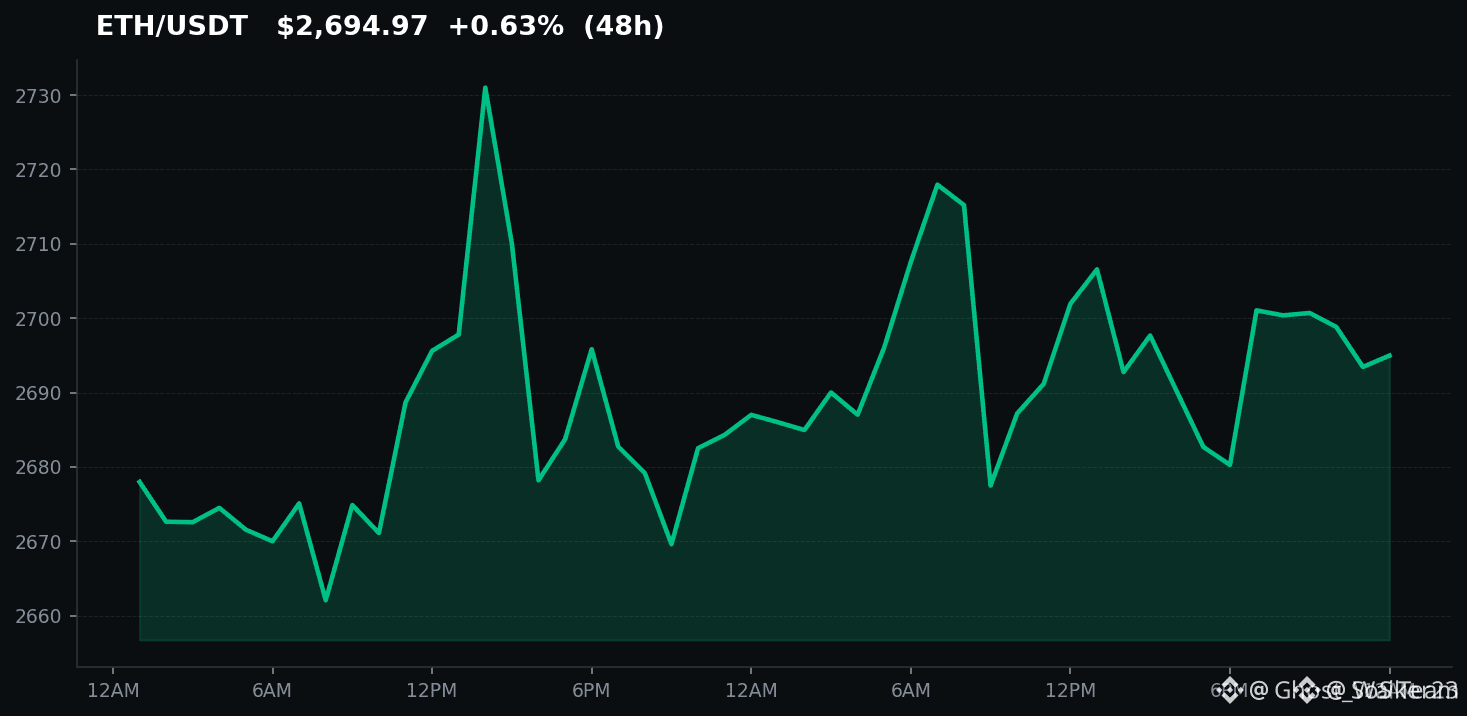
Everyone thinks Ethereum's 70 percent gains mean the easy money is still coming, but actually that's the moment most traders get trapped.
The pain of buying $ETH high after a run and then sitting through a pullback is something too many know too well. Greed at 70 on the index makes it worse.
Think of it as a crowded restaurant. When the line is out the door, the food might already be running out. $ETH looks strong but $BTC often needs to keep pushing for alts to follow. If that doesn't happen, the crowd thins fast.
A simple analogy is watering a plant. Too much at once after a dry spell can drown it. Taking partial profits into $USDT keeps you in the game for the next opportunity instead of hoping it never dips.
Volume and search trends for coins like FIL can hint at rotation.
What's your plan if $ETH cools off from here?
#EtherGains70 #BitcoinRisesToward #EthereumFoundationLaunchesZkAPIOnMainnet
Everyone thinks Ethereum's 70 percent gains mean the easy money is still coming, but actually that's the moment most traders get trapped.
The pain of buying $ETH high after a run and then sitting through a pullback is something too many know too well. Greed at 70 on the index makes it worse.
Think of it as a crowded restaurant. When the line is out the door, the food might already be running out. $ETH looks strong but $BTC often needs to keep pushing for alts to follow. If that doesn't happen, the crowd thins fast.
A simple analogy is watering a plant. Too much at once after a dry spell can drown it. Taking partial profits into $USDT keeps you in the game for the next opportunity instead of hoping it never dips.
Volume and search trends for coins like FIL can hint at rotation.
What's your plan if $ETH cools off from here?
#EtherGains70 #BitcoinRisesToward #EthereumFoundationLaunchesZkAPIOnMainnet
The pain of buying $ETH high after a run and then sitting through a pullback is something too many know too well. Greed at 70 on the index makes it worse.
Think of it as a crowded restaurant. When the line is out the door, the food might already be running out. $ETH looks strong but $BTC often needs to keep pushing for alts to follow. If that doesn't happen, the crowd thins fast.
A simple analogy is watering a plant. Too much at once after a dry spell can drown it. Taking partial profits into $USDT keeps you in the game for the next opportunity instead of hoping it never dips.
Volume and search trends for coins like FIL can hint at rotation.
What's your plan if $ETH cools off from here?
#EtherGains70 #BitcoinRisesToward #EthereumFoundationLaunchesZkAPIOnMainnet
24
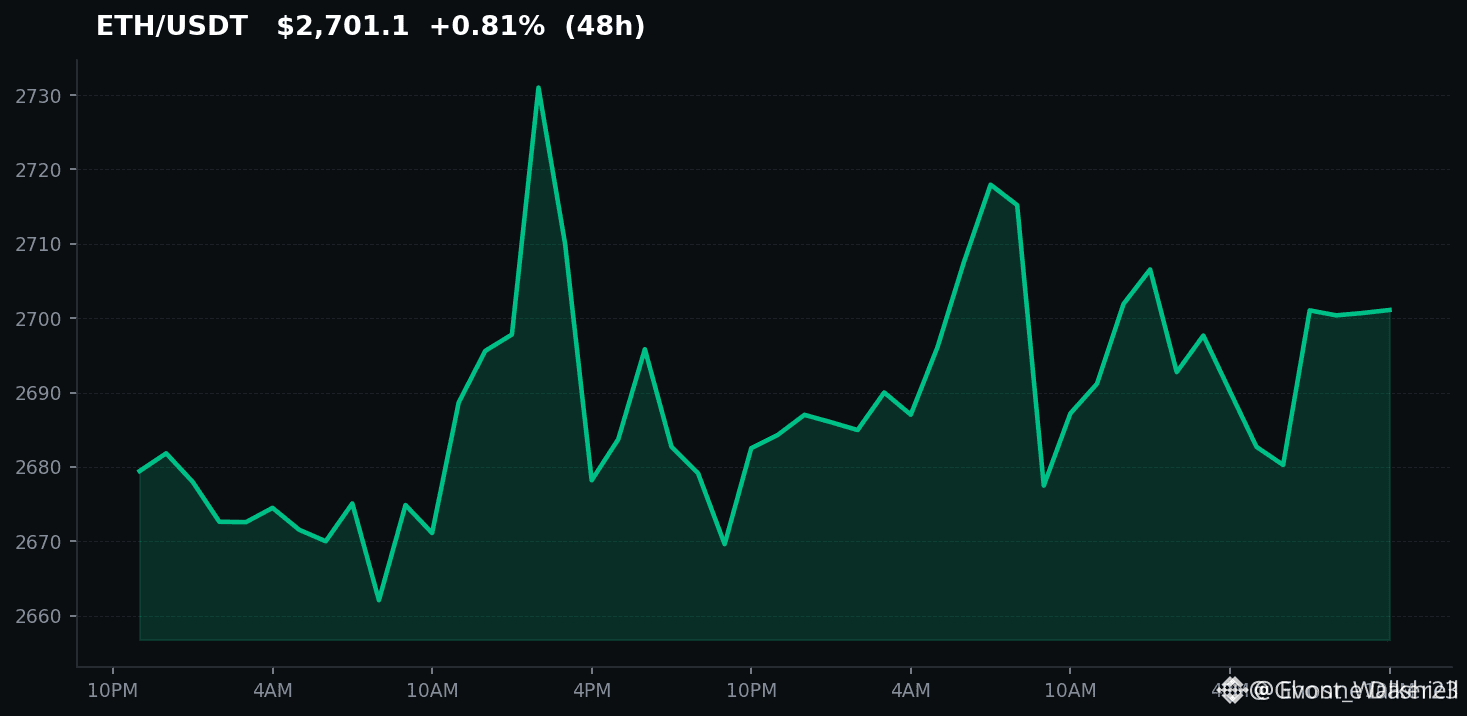
Most rallies look completely unstoppable right until funding rates overheat and spot volume quietly dries up.
Watching $ETH push aggressive green candles makes almost everyone want to chase leverage at local highs, only to end up providing exit liquidity the second the order book thins out.
When market greed creeps up toward 70 and $BTC consolidates, capital naturally rotates into major ecosystem pairs like $ETC. But if you look under the hood during this Ether surge, open interest is expanding significantly faster than spot spot-market accumulation. That usually means late market participants are piling into leveraged long positions rather than securing spot bags.
On-chain history shows that when perpetual premiums detach from spot reality during fast moves, even a tiny liquidity sweep can trigger cascading long liquidations. Chasing green candles right into resistance offers an awful risk-to-reward ratio because the market gets heavily incentivized to flush excessive leverage before any sustainable continuation.
Are you de-risking some positions up here, or holding through the volatility?
#EtherGains70 #BitcoinRisesToward #EthereumFoundationLaunchesZkAPIOnMainnet
Most rallies look completely unstoppable right until funding rates overheat and spot volume quietly dries up.
Watching $ETH push aggressive green candles makes almost everyone want to chase leverage at local highs, only to end up providing exit liquidity the second the order book thins out.
When market greed creeps up toward 70 and $BTC consolidates, capital naturally rotates into major ecosystem pairs like $ETC . But if you look under the hood during this Ether surge, open interest is expanding significantly faster than spot spot-market accumulation. That usually means late market participants are piling into leveraged long positions rather than securing spot bags.
On-chain history shows that when perpetual premiums detach from spot reality during fast moves, even a tiny liquidity sweep can trigger cascading long liquidations. Chasing green candles right into resistance offers an awful risk-to-reward ratio because the market gets heavily incentivized to flush excessive leverage before any sustainable continuation.
Are you de-risking some positions up here, or holding through the volatility?
#EtherGains70 #BitcoinRisesToward #EthereumFoundationLaunchesZkAPIOnMainnet
Watching $ETH push aggressive green candles makes almost everyone want to chase leverage at local highs, only to end up providing exit liquidity the second the order book thins out.
When market greed creeps up toward 70 and $BTC consolidates, capital naturally rotates into major ecosystem pairs like $ETC . But if you look under the hood during this Ether surge, open interest is expanding significantly faster than spot spot-market accumulation. That usually means late market participants are piling into leveraged long positions rather than securing spot bags.
On-chain history shows that when perpetual premiums detach from spot reality during fast moves, even a tiny liquidity sweep can trigger cascading long liquidations. Chasing green candles right into resistance offers an awful risk-to-reward ratio because the market gets heavily incentivized to flush excessive leverage before any sustainable continuation.
Are you de-risking some positions up here, or holding through the volatility?
#EtherGains70 #BitcoinRisesToward #EthereumFoundationLaunchesZkAPIOnMainnet
37
Log in to explore more content
Join global crypto users on Binance Square
⚡️ Get latest and useful information about crypto.
💬 Trusted by the world’s largest crypto exchange.
👍 Discover real insights from verified creators.
Email / Phone number
Trending Topics
1
#CerebrasSinksNearly20%OnReportNvidiaToPowerOpenAI
5 views
16 Discussing
2
#SECProposesCryptoCustodyRules
11,716 views
173 Discussing
3
#SECApproves3xLongCryptoCommodityETPs
12,950 views
186 Discussing
4
#G7PlansToReleaseUpTo100MBarrelsOilDiesel
14,182 views
223 Discussing
5
#ICBASuesOCCOverCryptoBankCharters
12,109 views
151 Discussing
6
#USStocksCloseHigherOnWeakJobsData
11,625 views
136 Discussing
7
#AnchorageReportedlyCuts17%Workforce
869 views
50 Discussing
8
#NFPWatch
11M views
19,625 Discussing
9
#NEARIntentsRecovers$3.8MAfterAttack
0 views
0 Discussing
10
#BlastToGraduallyShutDownItsL2Network
630 views
42 Discussing