binanceincidentreport

Binance Blog
·
--
Article
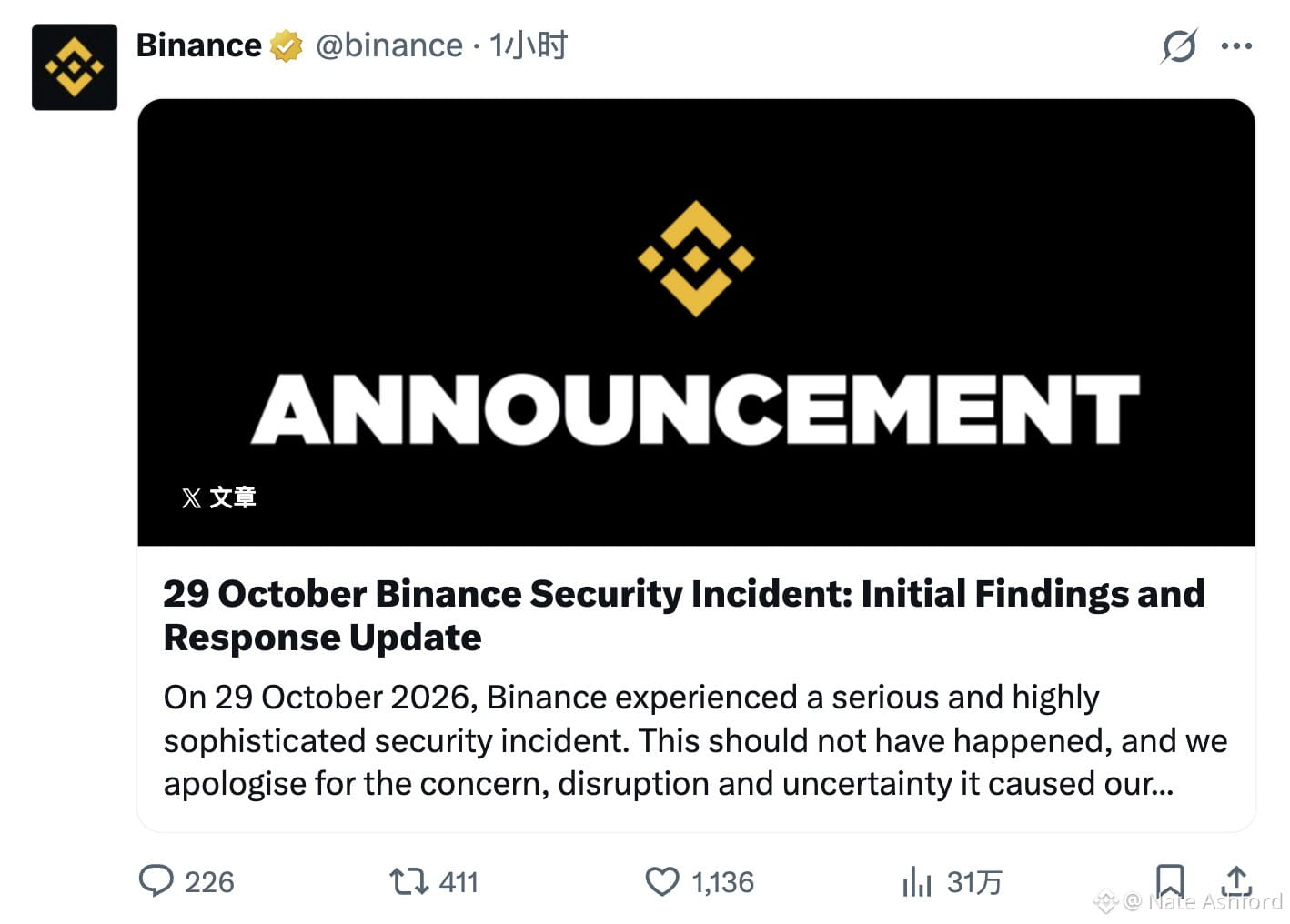
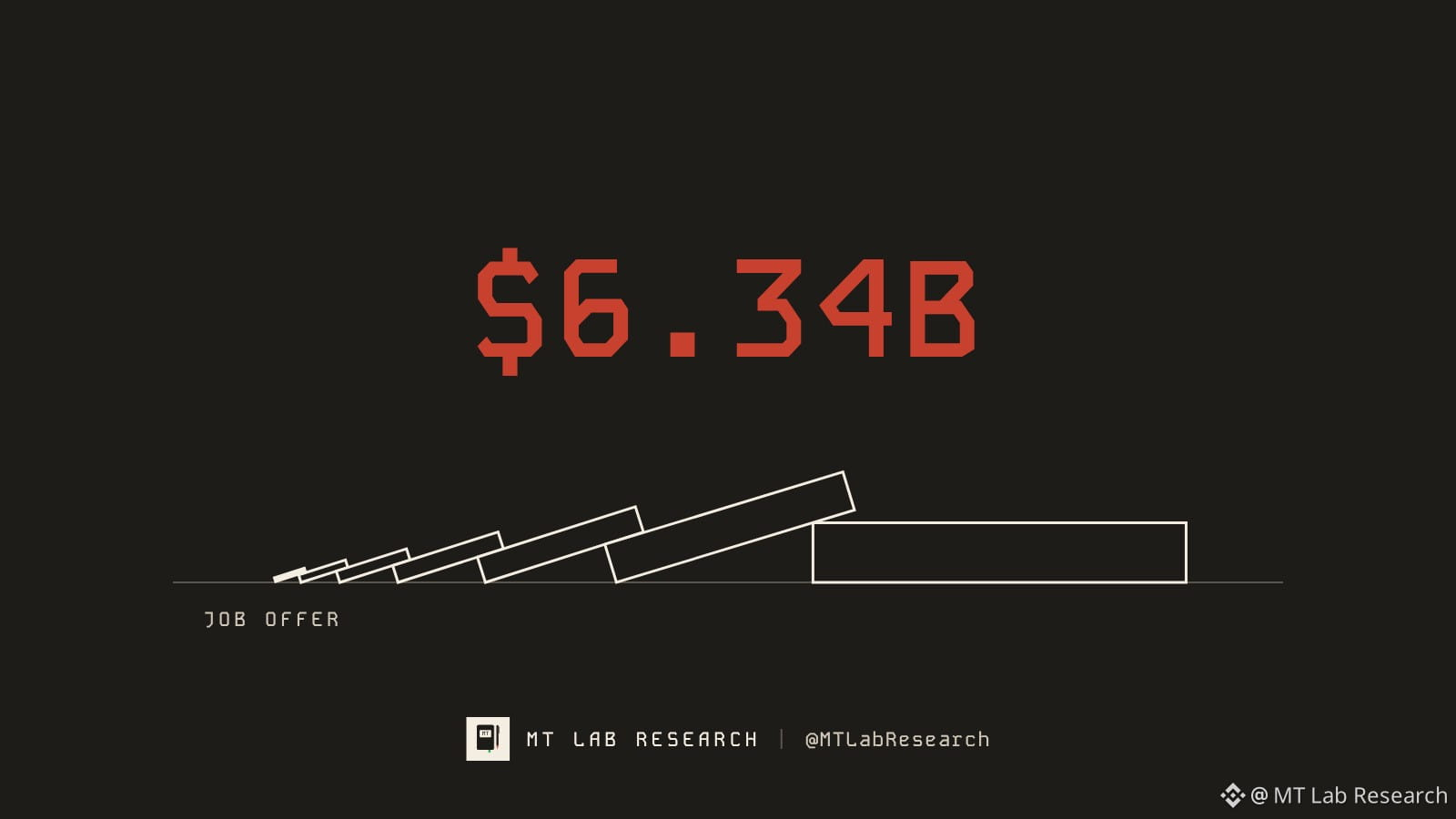
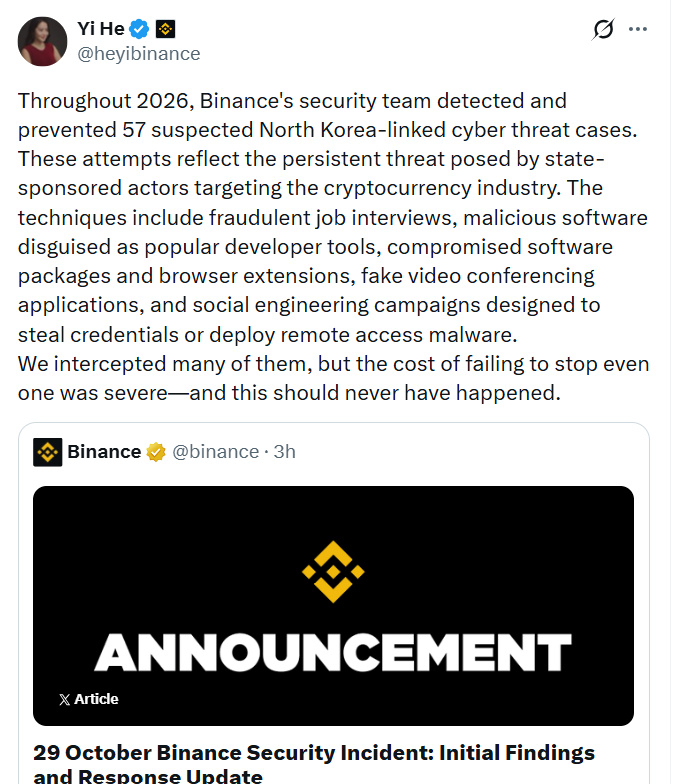
29 October 2026 Binance Security Incident: Initial Findings and Response UpdateOn 29 October 2026, Binance experienced a serious and highly sophisticated security incident. This should not have happened, and we apologise for the concern, disruption and uncertainty it caused our users, partners and the wider industry.Our first responsibility is to protect users. Binance will absorb the financial impact of the stolen funds, not our users. We have already set aside more than 100% of the funds required to cover the loss. As of 31 October 2026, 98% of the impacted token assets have been replenished and are verifiable on our Proof of Reserves page. We are in the process of purchasing the outstanding, more illiquid assets.Approximately USD 6.34 billion in digital assets were impacted by the incident. As of this update, approximately USD 2.85 billion in digital assets have been frozen or intercepted, subject to reconciliation and market price volatility.We have taken immediate action to contain the incident and strengthen the systems involved. The entry points identified as having been used in the attack have been closed. Systems touched in the attack path have been rebuilt or replaced. We have also implemented tighter device controls, enhanced wallet-service risk controls and expanded AI-based behavioural anomaly detection.This is our initial report. It covers what we know today and what we have already improved. The investigation remains ongoing and our findings will be subject to further independent review. Some technical details will remain confidential to prevent malicious actors from using them to plan attacks. We are engaging independent security firms for further review. The latest information released by the Federal Bureau of Investigation indicates that the Democratic People’s Republic of Korea is responsible for this incident.We are sharing this initial report because security improves when the industry learns together.What happened on 29 OctoberThe attack unfolded quickly across several networks.The attacker exploited unauthorized access to an internal wallet signing service to initiate transactions outside the normal withdrawal process.Between 20:05 UTC and 20:09 UTC, five Binance hot wallets sent 233.46 million XRP to an attacker-controlled address.Binance hot wallets on Solana and Optimism sent approximately 970,500 SOL and 44.2 million OP to attacker-controlled addresses.Binance then received an internal alert regarding large-volume transfers and immediately began investigating.Binance hot wallet sent 18,270 BTC to an attacker-controlled address. The attacker then used the signing service to exploit Ethereum’s EIP-7702 authorization mechanism. EIP-7702 allows an account to delegate certain execution rights to a smart contract without exposing the private key. In this case, the attacker used that mechanism to give an attacker-controlled smart contract partial execution rights over a Binance hot wallet. Binance immediately initiated multiple containment measures, including suspending withdrawals to restrict further outflows, coordinating with partners to freeze affected tokens, and taking steps to revoke unauthorized permissions. These efforts froze a total of $2.85 billion in assets.However, suspending withdrawals alone could not stop all unauthorized asset movements. The malicious EIP-7702 authorizations existed on-chain and operated independently of Binance’s normal withdrawal infrastructure.The attackers submitted 50 signing transactions to manipulate the account nonce and establish malicious delegation authorizations. Once established, these authorizations enabled the attackers to continue moving assets independently of Binance's normal withdrawal infrastructure. Binance needed additional transactions to revoke these on-chain authorizations.The containment process involved additional technical complexities. Because the hot wallet used Multi-Party Computation (MPC), there was no single private key that could be used to immediately revoke the malicious EIP-7702 authorizations. The team therefore developed and executed a specialized procedure to revoke these authorizations, which required additional time. Furthermore, suspending withdrawals and shutting down hot wallet services did not automatically invalidate existing on-chain authorizations.These challenges extended the time required to fully contain the unauthorized asset movements. We are reviewing the incident response process, signing policy coverage, hot wallet controls and identifying opportunities to further strengthen our ability to respond rapidly to threats in the future.The final unauthorized transfer of 2,961.9 ETH finalised on-chain at 23:56 UTC. The transaction had previously been broadcast and remained pending before subsequently finalising. No further unauthorised transfers were observed after.At 00:10 UTC on 30 October 2026, Binance executed a new authorization from the Binance14 hot wallet to the zero address, clearing the EIP-7702 delegation code.Attack Preparation Our current investigation indicates that this was a sophisticated, multi-stage campaign. It was not a single isolated breach or a simple phishing incident. The attackers combined a range of techniques, including social engineering by fake recruitment interviews, malicious software downloads, compromised internal AI tooling, endpoint compromise, and an advanced transaction-authorisation method.June 2026 — Supply chain attack. Engineer A from Wallet DevOps downloaded a tampered Homebrew installation in order to install a popular AI coding tool after searching for it on a search engine. Our security team detected the anomaly, replaced the device, and rotated all related credentials as a proactive security action. However, Engineer A’s role and his related colleagues on our wallet infrastructure team was exposed to the hacker. Throughout 2026, Binance's security team detected and prevented 57 suspected North Korea-linked cyber threat cases. These attempts reflect the persistent threat posed by state-sponsored actors targeting the cryptocurrency industry. The techniques include fraudulent job interviews, malicious software disguised as popular developer tools, compromised software packages and browser extensions, fake video conferencing applications, and social engineering campaigns designed to steal credentials or deploy remote access malware.September 2026 — social engineering. Software Engineer B was contacted through a legitimate job-hunting platform by an individual posing as a Project Director. Software Engineer B had a profile on the platform that referenced his experience at Binance. The purported Project Director arranged a first-round interview with a HR representative, followed by a second-round interview with an individual claiming to be the CEO of a fictitious company.In the first round, the purported HR representative conducted a live video interview with Software Engineer B. The interviewer shared a social media account with him, including personal photos and videos posted on the platform, in order to build trust. This was more advanced and deceptive than previously seen social engineering approaches. The second interview was conducted in a popular social chat app, near the end of the interview, Engineer B was instructed to download an “assignment” containing a malicious code repository onto his work computer. The repository contained malicious code that executed during the setup process, initiating a series of unauthorized activities.The malware employed sophisticated obfuscation and evasion techniques, including replacing a legitimate development tool component with a malicious version to execute commands and establish communication with an attacker-controlled external server. The 0-day malware was not detected by the endpoint security protection tools at the time. The attacker also took steps to conceal the malicious activity and remove traces of the compromise, making detection and subsequent investigation more challenging.The script executed the below steps by applying obfuscation techniques to evade security detection.CREATE  /opt/homebrew/Cellar/pyenv/2.8.0/libexec/pyenv_  MODIFY  pyenv_ → 3,414 B  DELETE  .../libexec/pyenv  (3,344 B)      ← remove the valid pyenvRENAME  pyenv_ → pyenv  (3,414 B)  ← replace it with a malicious version DELETE  /opt/homebrew/bin/pyenv  (3,414 B)ln  (create a new symlink)  +  spawn zsh20 October, 2026 — use of an internal AI tool as a springboard. The attacker leveraged the compromised computer of engineer B and used an internal AI tool to gain control over the Wallet DevOps Engineer A and another Wallet Software Engineer C. The attacker soon discovered Wallet DevOps Engineer A had a container deployment permission token on his computer.29 October, 2026 — reach into wallet signing operations. On 29 October between 17:15 and 19:56, the attacker logged onto Software Engineer C’s computer, used the credentials stolen from Wallet DevOps Engineer A, deployed a container, and triggered a malicious script to launch the attack.What we have doneAs of Nov 3, 2026, we have taken the following actions:Rebuilt the affected wallet system in a new environment.Rebuilt the affected internal AI tool and access controls.Replaced affected devices.Decommissioned credentials and tokens related to affected engineers.Completed enhanced security scans across all employee devices.Enhanced AI-based behavioural anomaly detection.Strengthened wallet-service risk controls.Worked with law enforcement, blockchain intelligence firms and industry partners to trace and freeze affected assets.We will continue to strengthen our measures as the investigation progresses. There are a number of security measures we have implemented and are implementing that will remain private to prevent malicious actors from compromising our security.Further actionsWe are taking the following steps immediately.1. Independent cybersecurity reviewWe are engaging independent third-party cybersecurity experts to conduct a comprehensive review of the incident, validate our findings and recommend additional measures. The scope and findings of that review will inform our continuing remediation work.2. Expanded investment in AI security and preventionWe are increasing investment in AI-enabled detection, endpoint protection, developer-environment security and behavioural anomaly monitoring.3. Security research fund and industry initiativesWe are working on establishing a security research fund and targeted initiatives with leading AI companies, industry participants and security firms focused on AI security in blockchain environments.We will continue to proactively share information as and when we have it.

29 October 2026 Binance Security Incident: Initial Findings and Response Update

On 29 October 2026, Binance experienced a serious and highly sophisticated security incident. This should not have happened, and we apologise for the concern, disruption and uncertainty it caused our users, partners and the wider industry.Our first responsibility is to protect users. Binance will absorb the financial impact of the stolen funds, not our users. We have already set aside more than 100% of the funds required to cover the loss. As of 31 October 2026, 98% of the impacted token assets have been replenished and are verifiable on our Proof of Reserves page. We are in the process of purchasing the outstanding, more illiquid assets.Approximately USD 6.34 billion in digital assets were impacted by the incident. As of this update, approximately USD 2.85 billion in digital assets have been frozen or intercepted, subject to reconciliation and market price volatility.We have taken immediate action to contain the incident and strengthen the systems involved. The entry points identified as having been used in the attack have been closed. Systems touched in the attack path have been rebuilt or replaced. We have also implemented tighter device controls, enhanced wallet-service risk controls and expanded AI-based behavioural anomaly detection.This is our initial report. It covers what we know today and what we have already improved. The investigation remains ongoing and our findings will be subject to further independent review. Some technical details will remain confidential to prevent malicious actors from using them to plan attacks. We are engaging independent security firms for further review. The latest information released by the Federal Bureau of Investigation indicates that the Democratic People’s Republic of Korea is responsible for this incident.We are sharing this initial report because security improves when the industry learns together.What happened on 29 OctoberThe attack unfolded quickly across several networks.The attacker exploited unauthorized access to an internal wallet signing service to initiate transactions outside the normal withdrawal process.Between 20:05 UTC and 20:09 UTC, five Binance hot wallets sent 233.46 million XRP to an attacker-controlled address.Binance hot wallets on Solana and Optimism sent approximately 970,500 SOL and 44.2 million OP to attacker-controlled addresses.Binance then received an internal alert regarding large-volume transfers and immediately began investigating.Binance hot wallet sent 18,270 BTC to an attacker-controlled address. The attacker then used the signing service to exploit Ethereum’s EIP-7702 authorization mechanism. EIP-7702 allows an account to delegate certain execution rights to a smart contract without exposing the private key. In this case, the attacker used that mechanism to give an attacker-controlled smart contract partial execution rights over a Binance hot wallet. Binance immediately initiated multiple containment measures, including suspending withdrawals to restrict further outflows, coordinating with partners to freeze affected tokens, and taking steps to revoke unauthorized permissions. These efforts froze a total of $2.85 billion in assets.However, suspending withdrawals alone could not stop all unauthorized asset movements. The malicious EIP-7702 authorizations existed on-chain and operated independently of Binance’s normal withdrawal infrastructure.The attackers submitted 50 signing transactions to manipulate the account nonce and establish malicious delegation authorizations. Once established, these authorizations enabled the attackers to continue moving assets independently of Binance's normal withdrawal infrastructure. Binance needed additional transactions to revoke these on-chain authorizations.The containment process involved additional technical complexities. Because the hot wallet used Multi-Party Computation (MPC), there was no single private key that could be used to immediately revoke the malicious EIP-7702 authorizations. The team therefore developed and executed a specialized procedure to revoke these authorizations, which required additional time. Furthermore, suspending withdrawals and shutting down hot wallet services did not automatically invalidate existing on-chain authorizations.These challenges extended the time required to fully contain the unauthorized asset movements. We are reviewing the incident response process, signing policy coverage, hot wallet controls and identifying opportunities to further strengthen our ability to respond rapidly to threats in the future.The final unauthorized transfer of 2,961.9 ETH finalised on-chain at 23:56 UTC. The transaction had previously been broadcast and remained pending before subsequently finalising. No further unauthorised transfers were observed after.At 00:10 UTC on 30 October 2026, Binance executed a new authorization from the Binance14 hot wallet to the zero address, clearing the EIP-7702 delegation code.Attack Preparation Our current investigation indicates that this was a sophisticated, multi-stage campaign. It was not a single isolated breach or a simple phishing incident. The attackers combined a range of techniques, including social engineering by fake recruitment interviews, malicious software downloads, compromised internal AI tooling, endpoint compromise, and an advanced transaction-authorisation method.June 2026 — Supply chain attack. Engineer A from Wallet DevOps downloaded a tampered Homebrew installation in order to install a popular AI coding tool after searching for it on a search engine. Our security team detected the anomaly, replaced the device, and rotated all related credentials as a proactive security action. However, Engineer A’s role and his related colleagues on our wallet infrastructure team was exposed to the hacker. Throughout 2026, Binance's security team detected and prevented 57 suspected North Korea-linked cyber threat cases. These attempts reflect the persistent threat posed by state-sponsored actors targeting the cryptocurrency industry. The techniques include fraudulent job interviews, malicious software disguised as popular developer tools, compromised software packages and browser extensions, fake video conferencing applications, and social engineering campaigns designed to steal credentials or deploy remote access malware.September 2026 — social engineering. Software Engineer B was contacted through a legitimate job-hunting platform by an individual posing as a Project Director. Software Engineer B had a profile on the platform that referenced his experience at Binance. The purported Project Director arranged a first-round interview with a HR representative, followed by a second-round interview with an individual claiming to be the CEO of a fictitious company.In the first round, the purported HR representative conducted a live video interview with Software Engineer B. The interviewer shared a social media account with him, including personal photos and videos posted on the platform, in order to build trust. This was more advanced and deceptive than previously seen social engineering approaches. The second interview was conducted in a popular social chat app, near the end of the interview, Engineer B was instructed to download an “assignment” containing a malicious code repository onto his work computer. The repository contained malicious code that executed during the setup process, initiating a series of unauthorized activities.The malware employed sophisticated obfuscation and evasion techniques, including replacing a legitimate development tool component with a malicious version to execute commands and establish communication with an attacker-controlled external server. The 0-day malware was not detected by the endpoint security protection tools at the time. The attacker also took steps to conceal the malicious activity and remove traces of the compromise, making detection and subsequent investigation more challenging.The script executed the below steps by applying obfuscation techniques to evade security detection.CREATE /opt/homebrew/Cellar/pyenv/2.8.0/libexec/pyenv_ MODIFY pyenv_ → 3,414 B DELETE .../libexec/pyenv (3,344 B) ← remove the valid pyenvRENAME pyenv_ → pyenv (3,414 B) ← replace it with a malicious version DELETE /opt/homebrew/bin/pyenv (3,414 B)ln (create a new symlink) + spawn zsh20 October, 2026 — use of an internal AI tool as a springboard. The attacker leveraged the compromised computer of engineer B and used an internal AI tool to gain control over the Wallet DevOps Engineer A and another Wallet Software Engineer C. The attacker soon discovered Wallet DevOps Engineer A had a container deployment permission token on his computer.29 October, 2026 — reach into wallet signing operations. On 29 October between 17:15 and 19:56, the attacker logged onto Software Engineer C’s computer, used the credentials stolen from Wallet DevOps Engineer A, deployed a container, and triggered a malicious script to launch the attack.What we have doneAs of Nov 3, 2026, we have taken the following actions:Rebuilt the affected wallet system in a new environment.Rebuilt the affected internal AI tool and access controls.Replaced affected devices.Decommissioned credentials and tokens related to affected engineers.Completed enhanced security scans across all employee devices.Enhanced AI-based behavioural anomaly detection.Strengthened wallet-service risk controls.Worked with law enforcement, blockchain intelligence firms and industry partners to trace and freeze affected assets.We will continue to strengthen our measures as the investigation progresses. There are a number of security measures we have implemented and are implementing that will remain private to prevent malicious actors from compromising our security.Further actionsWe are taking the following steps immediately.1. Independent cybersecurity reviewWe are engaging independent third-party cybersecurity experts to conduct a comprehensive review of the incident, validate our findings and recommend additional measures. The scope and findings of that review will inform our continuing remediation work.2. Expanded investment in AI security and preventionWe are increasing investment in AI-enabled detection, endpoint protection, developer-environment security and behavioural anomaly monitoring.3. Security research fund and industry initiativesWe are working on establishing a security research fund and targeted initiatives with leading AI companies, industry participants and security firms focused on AI security in blockchain environments.We will continue to proactively share information as and when we have it.
Rohaan042:
ii was deposited 15.42 USDC from Bitgate to Binance Exchange from morph network to Binance Exchange. unfortunately didn't check the that binance not supporting morph network, there for my usdc are no showing in binance exch approach binance help and support but he has not helped me to recover, request to help me, if a huge amount can be recovered from hackers so why my capital can not recovered?

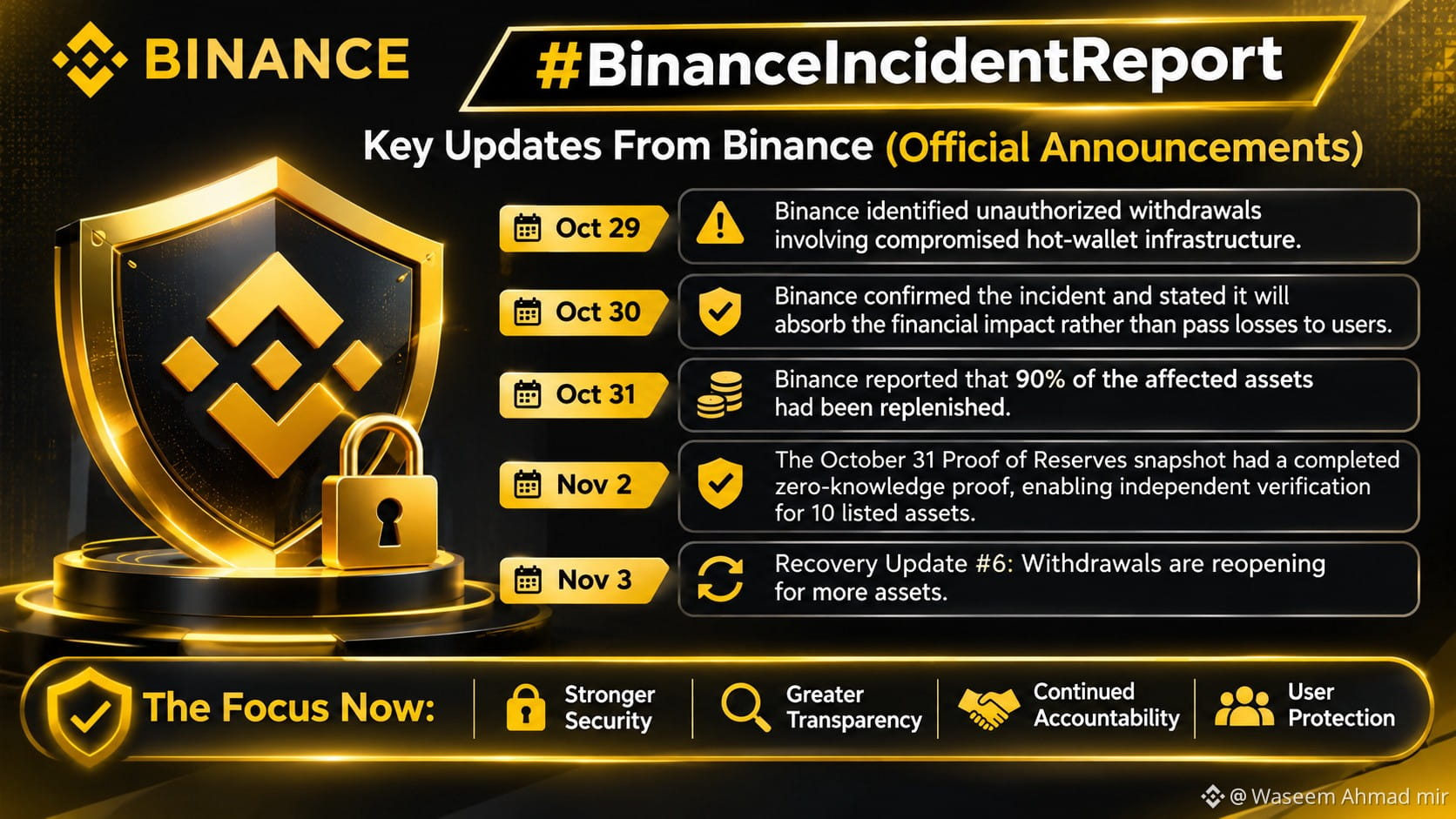
A difficult moment for Binance. A critical lesson for the entire crypto industry. The recent security incident involving approximately $6.3 billion in token assets is a reminder that security, transparency, and accountability must remain at the centre of every crypto exchange. But the important part is what happens next. Binance has published several recovery updates, and its latest announcement on November 3 confirms that withdrawals are reopening for more assets. Here are some important developments from Binance's official updates: - October 29: Binance identified unauthorized withdrawals involving compromised hot-wallet infrastructure. - October 30: Binance confirmed the incident and stated that it would absorb the financial impact rather than pass the losses to users. - October 31: Binance reported that 90% of the affected assets had been replenished. - November 2: Binance confirmed that the October 31 Proof of Reserves snapshot had a completed zero-knowledge proof, enabling independent verification for ten listed assets. - November 3: Binance published Recovery Update #6, announcing that withdrawals were reopening for more assets. My personal take: In crypto, trust should never depend only on a company's reputation. It should be supported by verifiable information, transparent communication, strong security measures, and accountability. I believe this incident should encourage every exchange to review its security infrastructure and improve its transparency standards. The most important thing now is continued progress, clear communication, and a comprehensive technical explanation of what happened and how similar incidents can be prevented. The crypto industry grows stronger when security is treated as a responsibility, not an option. What is your biggest takeaway from this incident? #BinanceIncidentReport #CryptoSecurity #ProofOfReserves
A difficult moment for Binance. A critical lesson for the entire crypto industry.

The recent security incident involving approximately $6.3 billion in token assets is a reminder that security, transparency, and accountability must remain at the centre of every crypto exchange.

But the important part is what happens next.

Binance has published several recovery updates, and its latest announcement on November 3 confirms that withdrawals are reopening for more assets.

Here are some important developments from Binance's official updates:

- October 29: Binance identified unauthorized withdrawals involving compromised hot-wallet infrastructure.
- October 30: Binance confirmed the incident and stated that it would absorb the financial impact rather than pass the losses to users.
- October 31: Binance reported that 90% of the affected assets had been replenished.
- November 2: Binance confirmed that the October 31 Proof of Reserves snapshot had a completed zero-knowledge proof, enabling independent verification for ten listed assets.
- November 3: Binance published Recovery Update #6, announcing that withdrawals were reopening for more assets.

My personal take:

In crypto, trust should never depend only on a company's reputation. It should be supported by verifiable information, transparent communication, strong security measures, and accountability.

I believe this incident should encourage every exchange to review its security infrastructure and improve its transparency standards.

The most important thing now is continued progress, clear communication, and a comprehensive technical explanation of what happened and how similar incidents can be prevented.

The crypto industry grows stronger when security is treated as a responsibility, not an option.

What is your biggest takeaway from this incident?

#BinanceIncidentReport #CryptoSecurity #ProofOfReserves
·
--
Bullish
Long $ETH 165 USDT
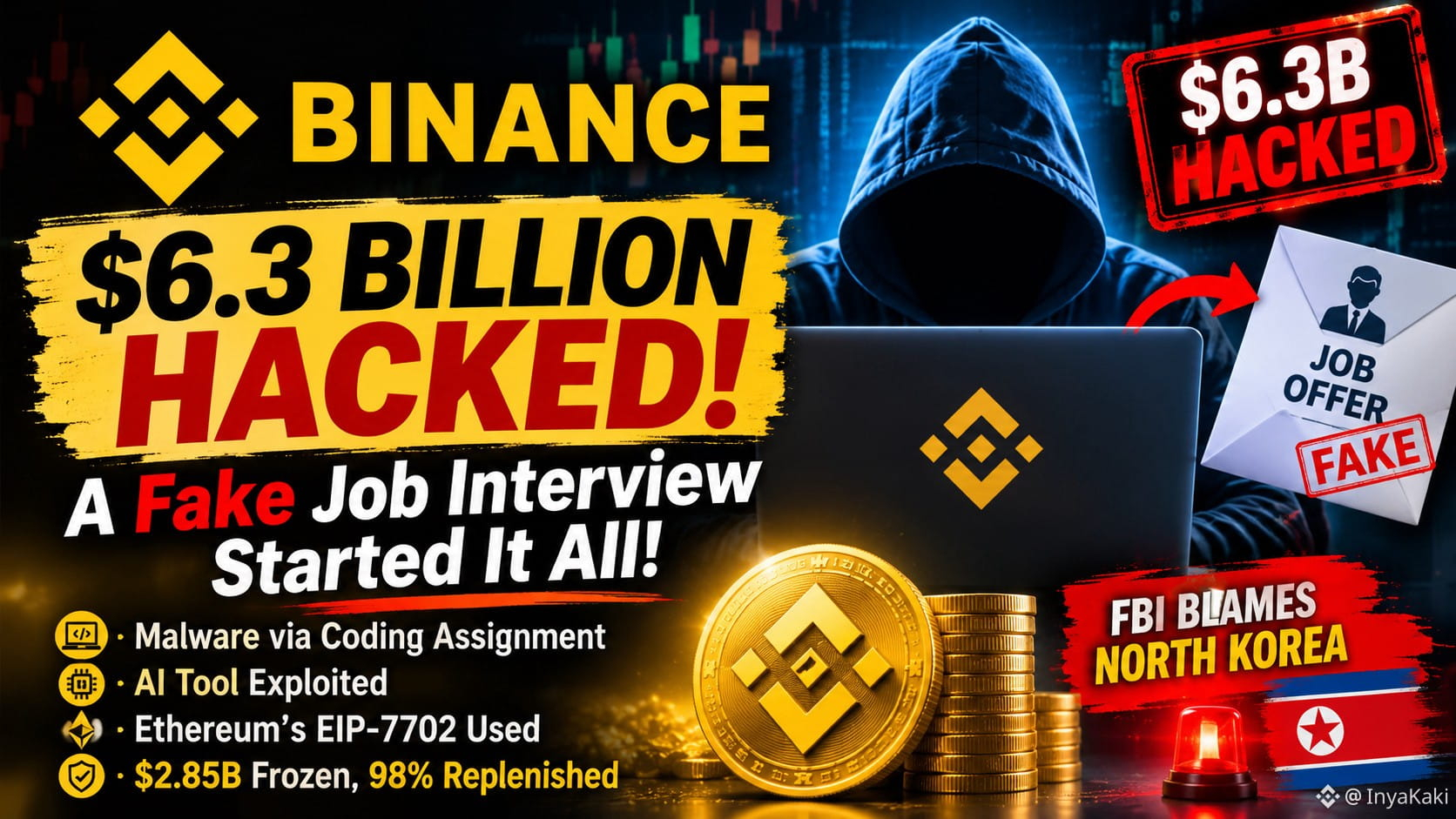
⚡️UPDATE: $6.3 BILLION Binance hack began with a FAKE job interview. An engineer downloaded a coding assignment containing malware onto his work computer after attackers posed as recruiters, per CoinDesk. - Attackers later used an internal AI tool to reach two wallet engineers’ computers. - Stolen credentials let them run a malicious script on October 29. - They exploited $ETH Ethereum’s EIP-7702 feature to gain control over a hot wallet. Containment took about four hours. Binance says $2.85 BILLION has been frozen and 98% of affected tokens replenished with company funds. Users will not bear the losses. The FBI attributed the attack to North Korea. #BinanceIncidentReport #BinanceReopensWithdrawalsForMoreAssets #USMidtermElections
⚡️UPDATE: $6.3 BILLION Binance hack began with a FAKE job interview.

An engineer downloaded a coding assignment containing malware onto his work computer after attackers posed as recruiters, per CoinDesk.

- Attackers later used an internal AI tool to reach two wallet engineers’ computers.

- Stolen credentials let them run a malicious script on October 29.

- They exploited $ETH Ethereum’s EIP-7702 feature to gain control over a hot wallet. Containment took about four hours.

Binance says $2.85 BILLION has been frozen and 98% of affected tokens replenished with company funds. Users will not bear the losses.

The FBI attributed the attack to North Korea.

#BinanceIncidentReport
#BinanceReopensWithdrawalsForMoreAssets
#USMidtermElections
Villain Bear:
Useless South African scammer you are!
Understanding the Recent Binance Security Incident: What You Need to KnowOn October 29, 2026, the cryptocurrency industry witnessed one of its most significant security challenges to date. Binance experienced a major security breach involving unauthorized withdrawals from its hot wallet infrastructure, with total affected assets estimated at approximately $6.34 billion. ​If you are an investor or user on the platform, here is a clear breakdown of how the incident unfolded, the immediate actions taken, and what it means for your funds. ​How the Breach Occurred Following an initial investigation, Binance disclosed that the breach was a sophisticated, multistage campaign. The attackers utilized social engineering tactics—including a fake job interview—targeting a DevOps engineer. By compromising the engineer's device and exploiting an internal AI tool, the malicious actors were able to access a service container and authorize unauthorized withdrawal transactions across multiple blockchain networks. ​Importantly, Binance confirmed that there is no evidence of any wallet private keys being leaked. Blockchain intelligence firms, including TRM Labs and the FBI, have attributed the attack with high confidence to the North Korea-linked hacking group known as TraderTraitor. ​Binance’s Immediate Response and Fund Security The most critical takeaway for retail and institutional users is that user funds are safe. Binance has committed to covering all financial losses entirely through its Secure Asset Fund for Users (SAFU) and corporate treasury reserves. ​To contain the fallout, Binance immediately: ​Temporarily suspended withdrawals to conduct comprehensive security checks. ​Partnered with blockchain intelligence firms and law enforcement to track and freeze stolen funds, successfully freezing roughly $3 billion on-chain so far. ​Rebuilt affected systems, replaced compromised devices, and revoked the relevant credentials and tokens. ​What Happens Next? Binance is currently restoring withdrawal services in phased rollouts for various assets. The exchange has also pledged to publish a highly detailed technical post-mortem and an updated Proof of Reserves once the remediation process and independent cybersecurity reviews are complete. Moving forward, the company plans to heavily increase its investments in AI-enabled security infrastructure and industry-wide research initiatives to prevent future exploits. ​While an incident of this scale is a stark reminder of the sophisticated cyber threats facing the digital asset space, Binance’s rapid containment, transparency, and full financial backing demonstrate the resilience required to protect user trust. ​Stay tuned to official Binance announcements for the most accurate and up-to-date information regarding your specific assets. $BNB {future}(BNBUSDT) ​#binanceincidentreport #Binance #Hack

Understanding the Recent Binance Security Incident: What You Need to Know

On October 29, 2026, the cryptocurrency industry witnessed one of its most significant security challenges to date. Binance experienced a major security breach involving unauthorized withdrawals from its hot wallet infrastructure, with total affected assets estimated at approximately $6.34 billion.
​If you are an investor or user on the platform, here is a clear breakdown of how the incident unfolded, the immediate actions taken, and what it means for your funds.
​How the Breach Occurred
Following an initial investigation, Binance disclosed that the breach was a sophisticated, multistage campaign. The attackers utilized social engineering tactics—including a fake job interview—targeting a DevOps engineer. By compromising the engineer's device and exploiting an internal AI tool, the malicious actors were able to access a service container and authorize unauthorized withdrawal transactions across multiple blockchain networks.
​Importantly, Binance confirmed that there is no evidence of any wallet private keys being leaked. Blockchain intelligence firms, including TRM Labs and the FBI, have attributed the attack with high confidence to the North Korea-linked hacking group known as TraderTraitor.
​Binance’s Immediate Response and Fund Security
The most critical takeaway for retail and institutional users is that user funds are safe. Binance has committed to covering all financial losses entirely through its Secure Asset Fund for Users (SAFU) and corporate treasury reserves.
​To contain the fallout, Binance immediately:
​Temporarily suspended withdrawals to conduct comprehensive security checks.
​Partnered with blockchain intelligence firms and law enforcement to track and freeze stolen funds, successfully freezing roughly $3 billion on-chain so far.
​Rebuilt affected systems, replaced compromised devices, and revoked the relevant credentials and tokens.
​What Happens Next?
Binance is currently restoring withdrawal services in phased rollouts for various assets. The exchange has also pledged to publish a highly detailed technical post-mortem and an updated Proof of Reserves once the remediation process and independent cybersecurity reviews are complete. Moving forward, the company plans to heavily increase its investments in AI-enabled security infrastructure and industry-wide research initiatives to prevent future exploits.
​While an incident of this scale is a stark reminder of the sophisticated cyber threats facing the digital asset space, Binance’s rapid containment, transparency, and full financial backing demonstrate the resilience required to protect user trust.
​Stay tuned to official Binance announcements for the most accurate and up-to-date information regarding your specific assets.
$BNB
​#binanceincidentreport #Binance #Hack
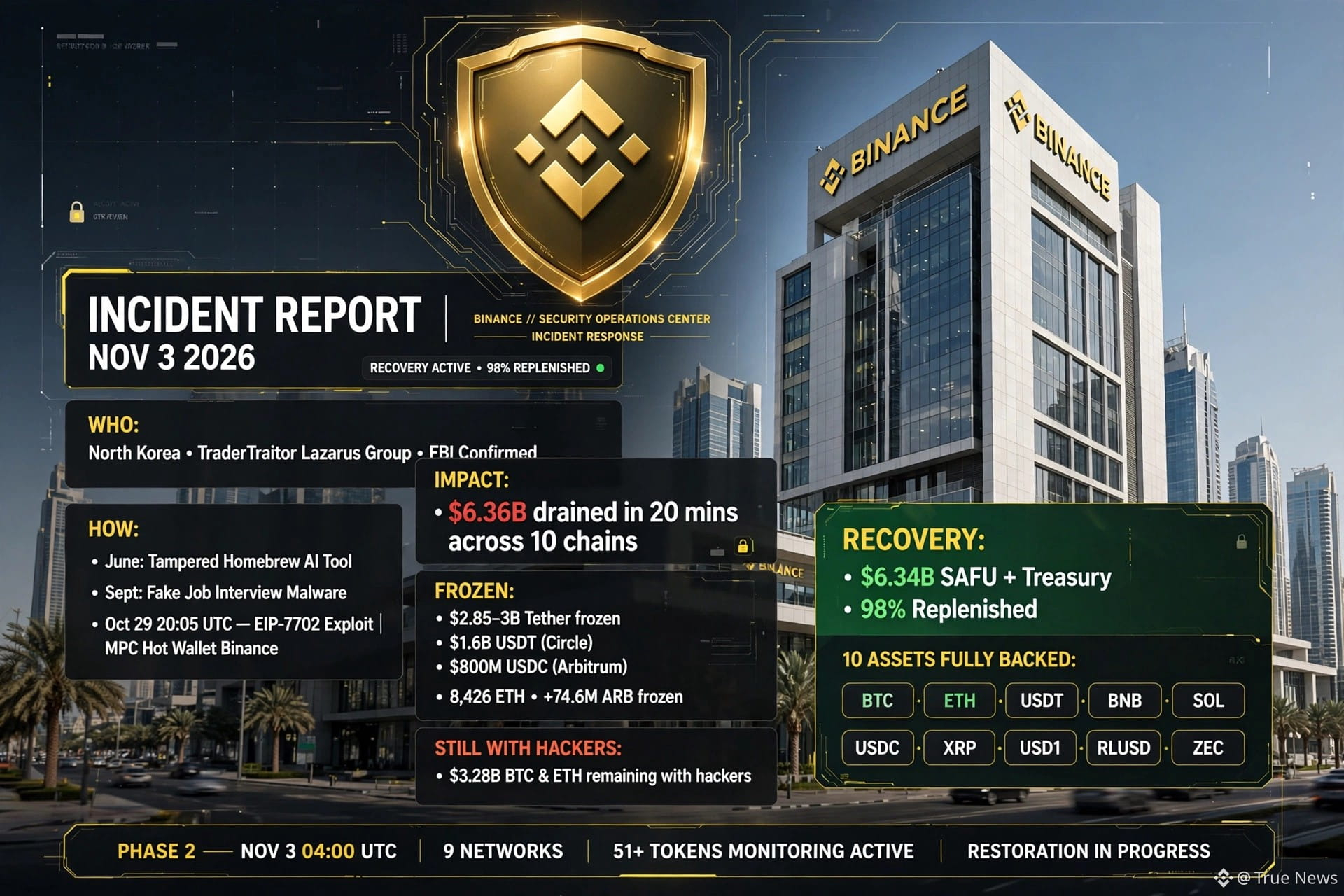
#binanceincidentreport OFFICIAL Nov 3 2026 — the $6.36B hack was a 5-month nation-state campaign, not a quick bug. WHO: North Korea TraderTraitor Lazarus Group, FBI confirmed high confidence, TRM Labs and Chainalysis same attribution. HOW: June Wallet DevOps engineer installed tampered Homebrew AI coding tool — first silent compromise. September same engineer lured via legit job platform fake Project Director interview, malware fully took device. Oct 20 attackers used compromised machine plus internal AI tool to pivot to 2 wallet engineers, stole container deployment permission. Oct 29 20:05 UTC deployed malicious container exploiting EIP-7702 to gain execution over MPC hot wallet Binance 14, no single key could revoke, $6.36B drained in 20 mins across 10 chains, containment 00:10 UTC Oct 30. IMPACT & FROZEN: Tether froze $1.6B $USDT, Circle $800M USDC, Arbitrum Council 8,426 ETH + 74.6M ARB, total frozen $2.85-3B, still with hackers $3.28B mostly BTC ETH. RECOVERY WIN: $6.34B $SAFU + Treasury now 98% replenished, 10 assets fully backed $BTC $ETH $USDT $BNB $SOL $USDC $XRP $USD1 $RLUSD $ZEC, Phase 2 Nov 3 04:00 UTC 9 networks 51+ tokens, blocked 57 NK attacks in 2026, users bear zero loss. BNB, BTC, ETH showing strongest comeback. #binanceincidentreport ecurity #SAFU #TraderTraitor
#binanceincidentreport OFFICIAL Nov 3 2026 — the $6.36B hack was a 5-month nation-state campaign, not a quick bug.

WHO: North Korea TraderTraitor Lazarus Group, FBI confirmed high confidence, TRM Labs and Chainalysis same attribution.

HOW: June Wallet DevOps engineer installed tampered Homebrew AI coding tool — first silent compromise. September same engineer lured via legit job platform fake Project Director interview, malware fully took device.
Oct 20 attackers used compromised machine plus internal AI tool to pivot to 2 wallet engineers, stole container deployment permission.

Oct 29 20:05 UTC deployed malicious container exploiting EIP-7702 to gain execution over MPC hot wallet Binance 14, no single key could revoke, $6.36B drained in 20 mins across 10 chains, containment 00:10 UTC Oct 30.

IMPACT & FROZEN: Tether froze $1.6B $USDT, Circle $800M USDC, Arbitrum Council 8,426 ETH + 74.6M ARB, total frozen $2.85-3B, still with hackers $3.28B mostly BTC ETH.

RECOVERY WIN: $6.34B $SAFU + Treasury now 98% replenished, 10 assets fully backed $BTC $ETH $USDT $BNB $SOL $USDC $XRP $USD1 $RLUSD $ZEC, Phase 2 Nov 3 04:00 UTC 9 networks 51+ tokens, blocked 57 NK attacks in 2026, users bear zero loss. BNB, BTC, ETH showing strongest comeback.
#binanceincidentreport ecurity #SAFU #TraderTraitor
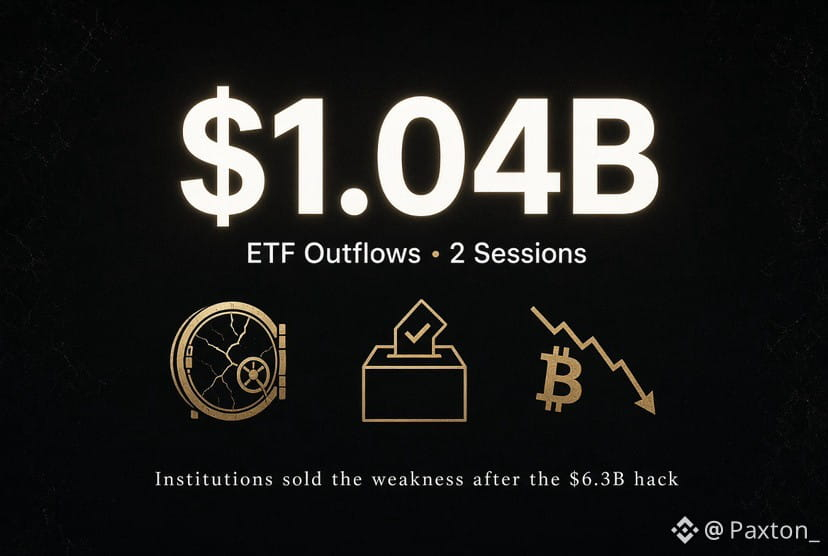
Bitcoin ETFs dumped $1.04B in two days. Friday was the big one at $643M, biggest single day since June. Monday added another $399M. IBIT led both. Not some big structural shift. Just institutions hitting the sell button after the Binance hack. $6.3B gone in minutes, largest ever, North Korea linked. First full trading session after that and people wanted out. Binance is covering losses and withdrawals are back but the damage to confidence was already done. Midterms today don’t help. Policy noise is still hanging over everything and $BTC was already soft around $77k. Classic de-risking into known bad news. #BinanceIncidentReport #BTC走势分析
Bitcoin ETFs dumped $1.04B in two days.

Friday was the big one at $643M, biggest single day since June. Monday added another $399M. IBIT led both.

Not some big structural shift. Just institutions hitting the sell button after the Binance hack.

$6.3B gone in minutes, largest ever, North Korea linked. First full trading session after that and people wanted out.

Binance is covering losses and withdrawals are back but the damage to confidence was already done.

Midterms today don’t help. Policy noise is still hanging over everything and $BTC was already soft around $77k.

Classic de-risking into known bad news.

#BinanceIncidentReport #BTC走势分析
BTC+1.23%
IBITETF-0.04%
MIST MUSFIKA AKTAR:
good
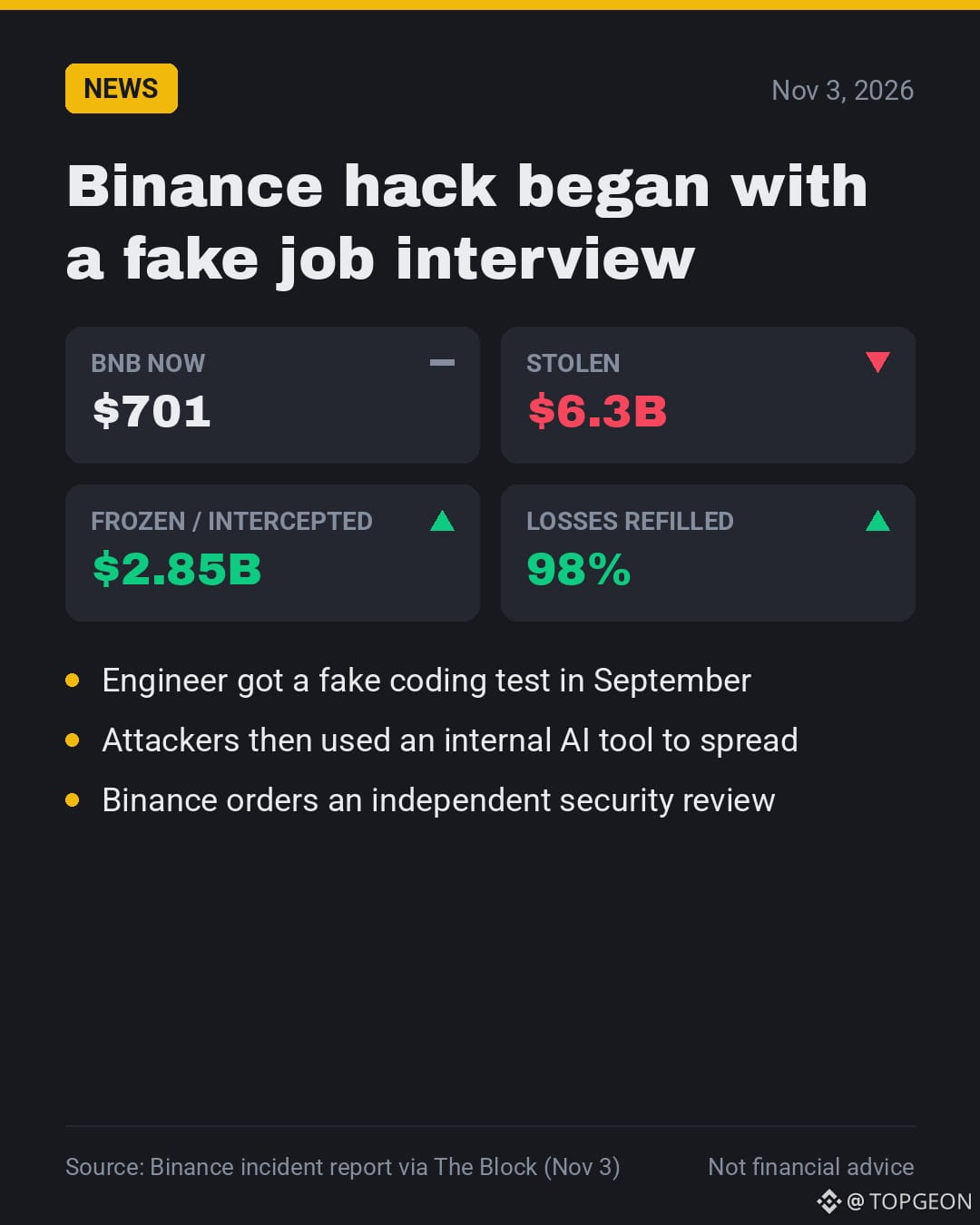
🕵️ The $6.3B $BNB hack started with a fake job interview. 📰 An engineer opened a "coding test" that hid malware, Binance's new report says. 🤔 Why it matters: the hackers never needed a single private key. 👀 BNB sits near $700, still boxed since hack night. 🎯 My take: a full report calms nerves more than any bounce. 💬 Would you have spotted the fake interview? 👇 #BinanceIncidentReport #BNB
🕵️ The $6.3B $BNB hack started with a fake job interview.
📰 An engineer opened a "coding test" that hid malware, Binance's new report says.
🤔 Why it matters: the hackers never needed a single private key.
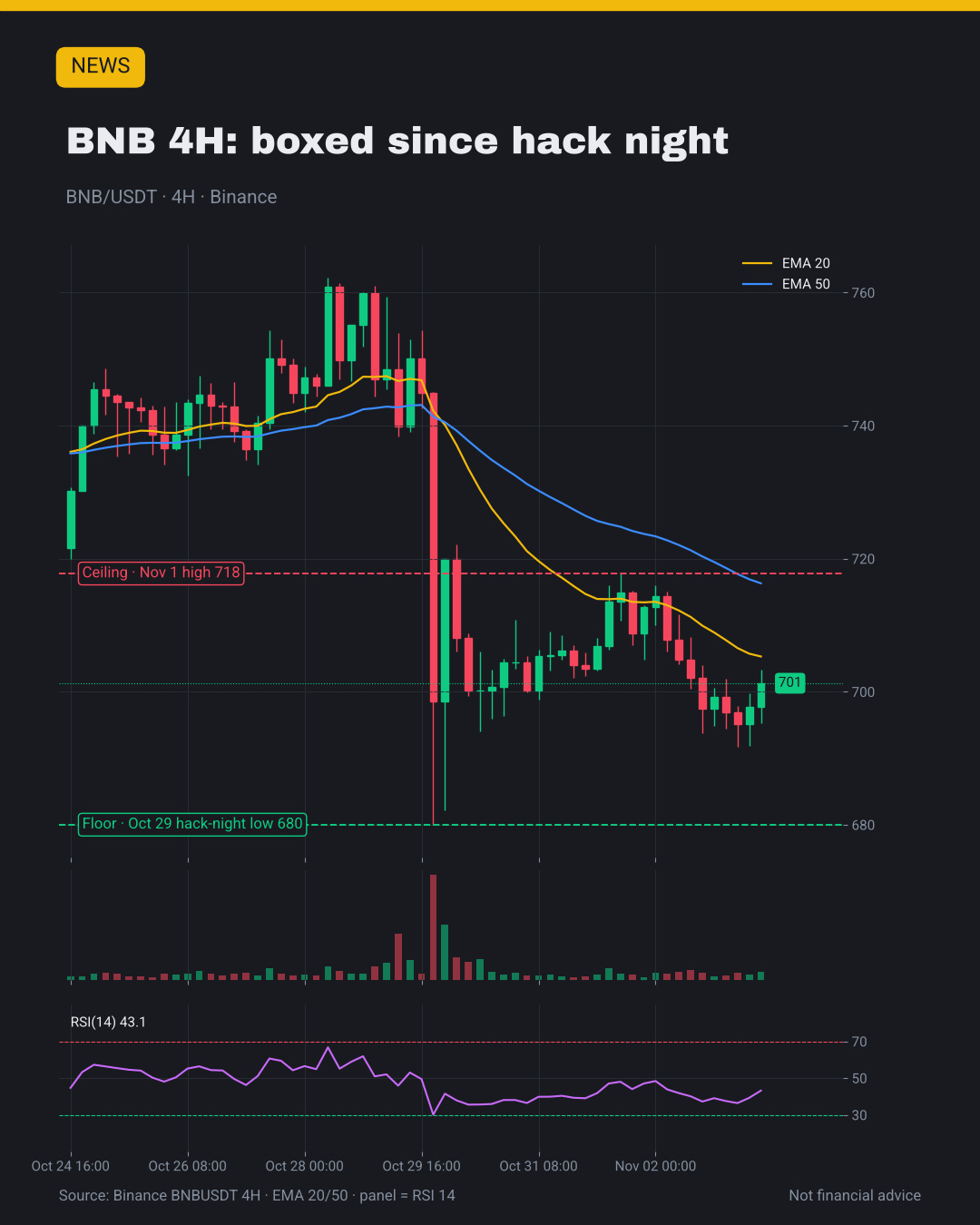
👀 BNB sits near $700, still boxed since hack night.
🎯 My take: a full report calms nerves more than any bounce.
💬 Would you have spotted the fake interview? 👇
#BinanceIncidentReport #BNB
#binanceincidentreport Binance has released its initial incident report following the major October security breach. The crypto exchange confirmed that hackers used advanced social engineering and a compromised engineer laptop to access hot wallets, stealing about $6.3 billion. Binance stated that user funds remain fully protected as the company is covering all losses from its own treasury. Withdrawals are gradually reopening for users after security checks, and officials point to state-sponsored actors behind the attack. $BTC $ETH $XRP {future}(XRPUSDT) {future}(ETHUSDT) {future}(BTCUSDT)
#binanceincidentreport
Binance has released its initial incident report following the major October security breach. The crypto exchange confirmed that hackers used advanced social engineering and a compromised engineer laptop to access hot wallets, stealing about $6.3 billion. Binance stated that user funds remain fully protected as the company is covering all losses from its own treasury. Withdrawals are gradually reopening for users after security checks, and officials point to state-sponsored actors behind the attack.
$BTC $ETH $XRP
RaicesGI:
si Usa.
·
--
Bullish
#BinanceIncidentReport ⚡Binance Hack Recovery Update ⚠️📈 Co-CEO Richard Teng confirms 98% of $6.34B impacted tokens replenished after sophisticated months-long attack; user funds protected via SAFU; remaining 2% being completed with OTC partners; withdrawals broadly resumed. $ZEC $IDOL $Q
#BinanceIncidentReport
⚡Binance Hack Recovery Update ⚠️📈
Co-CEO Richard Teng confirms 98% of $6.34B impacted tokens replenished after sophisticated months-long attack; user funds protected via SAFU; remaining 2% being completed with OTC partners; withdrawals broadly resumed.
$ZEC $IDOL $Q
#BinanceIncidentReport A $6B+ hack that started with a fake job interview🚨😢Binance just dropped its initial report on how North Korean hackers pulled this off, and it's wild. A Binance engineer had his résumé up on a job site. Someone posing as a project director reached out about a role. Round one: a video call with "HR." Real face, on camera. She even sent him her social media, full of everyday photos and videos. Looked like a totally normal person. Round two moved to a regular chat app with the company's "CEO." Except the company didn't exist. Near the end, they asked him to download a coding test. That test quietly ran during setup, swapped out pyenv (a normal dev tool) for a trojanized version, phoned home to the hackers' server, and cleaned up after itself. It was 0-day malware, so the security tools out there at the time couldn't catch it yet. From that one laptop, the hackers used an internal AI tool as a stepping stone and worked their way into the wallet signing system. Then they used EIP-7702 to give their own contract partial control over a hot wallet, right on-chain. Thankfully Binance moved fast. Withdrawals were paused, partners helped freeze funds, and about $2.85B has been frozen or intercepted. North Korea isn't just going after one exchange. They're going after the whole industry. Binance putting all the details out there gives everyone a chance to get ahead of it #Binance #Hack
#BinanceIncidentReport A $6B+ hack that started with a fake job interview🚨😢Binance just dropped its initial report on how North Korean hackers pulled this off, and it's wild.

A Binance engineer had his résumé up on a job site. Someone posing as a project director reached out about a role.

Round one: a video call with "HR." Real face, on camera. She even sent him her social media, full of everyday photos and videos. Looked like a totally normal person.

Round two moved to a regular chat app with the company's "CEO." Except the company didn't exist. Near the end, they asked him to download a coding test.

That test quietly ran during setup, swapped out pyenv (a normal dev tool) for a trojanized version, phoned home to the hackers' server, and cleaned up after itself. It was 0-day malware, so the security tools out there at the time couldn't catch it yet.

From that one laptop, the hackers used an internal AI tool as a stepping stone and worked their way into the wallet signing system. Then they used EIP-7702 to give their own contract partial control over a hot wallet, right on-chain.

Thankfully Binance moved fast. Withdrawals were paused, partners helped freeze funds, and about $2.85B has been frozen or intercepted.

North Korea isn't just going after one exchange. They're going after the whole industry. Binance putting all the details out there gives everyone a chance to get ahead of it #Binance #Hack
·
--
🚨💰 BINANCE HACKED! When Hackers Come Knocking, Even Crypto Giants Must Answer! 🔐🤖The crypto world received another uncomfortable reminder on October 29: even the biggest players aren't bulletproof! 😳 Binance has published its initial findings and response following a massive security incident that exposed vulnerabilities in its internal infrastructure. 🔍 According to the investigation, attackers allegedly exploited compromised employee infrastructure to gain access to internal systems and authorize malicious transactions. Even more interesting, reports suggest a fake job interview played a role in compromising a computer before internal AI tools were allegedly exploited. Talk about a job interview from hell! 😂💻 💰 Binance says it has mobilized substantial financial resources to absorb the impact, while working with security experts, blockchain investigators and law enforcement to contain the incident and freeze affected assets. 🛡️ The exchange has also promised stronger security controls, improved threat detection and greater transparency through updated Proof of Reserves reporting. 🤔 But here's the bigger lesson: Blockchain technology may be decentralized, transparent and incredibly sophisticated, but the companies operating within the ecosystem still have very human vulnerabilities. An exchange can build digital fortresses, deploy armies of cybersecurity experts and invest millions in technology, yet one compromised laptop can potentially open doors that should have remained locked! 🔑 And this is another reminder of why self-custody matters. Not your keys, not your coins! Of course, holding your own keys also means becoming your own security department. No customer support hotline can magically recover a forgotten seed phrase! 🤣 🌍 Ultimately, Binance's response will be judged not just by how much money it can cover, but by how transparently it explains what happened and prevents a repeat. 🚀 Crypto promises financial freedom. Protecting that freedom requires security, accountability and constant vigilance! #BinanceIncidentReport $BNB $BTC {spot}(BTCUSDT) {spot}(BNBUSDT)

🚨💰 BINANCE HACKED! When Hackers Come Knocking, Even Crypto Giants Must Answer! 🔐🤖

The crypto world received another uncomfortable reminder on October 29: even the biggest players aren't bulletproof! 😳 Binance has published its initial findings and response following a massive security incident that exposed vulnerabilities in its internal infrastructure.
🔍 According to the investigation, attackers allegedly exploited compromised employee infrastructure to gain access to internal systems and authorize malicious transactions. Even more interesting, reports suggest a fake job interview played a role in compromising a computer before internal AI tools were allegedly exploited. Talk about a job interview from hell! 😂💻
💰 Binance says it has mobilized substantial financial resources to absorb the impact, while working with security experts, blockchain investigators and law enforcement to contain the incident and freeze affected assets.
🛡️ The exchange has also promised stronger security controls, improved threat detection and greater transparency through updated Proof of Reserves reporting.
🤔 But here's the bigger lesson: Blockchain technology may be decentralized, transparent and incredibly sophisticated, but the companies operating within the ecosystem still have very human vulnerabilities.
An exchange can build digital fortresses, deploy armies of cybersecurity experts and invest millions in technology, yet one compromised laptop can potentially open doors that should have remained locked!
🔑 And this is another reminder of why self-custody matters. Not your keys, not your coins! Of course, holding your own keys also means becoming your own security department. No customer support hotline can magically recover a forgotten seed phrase! 🤣
🌍 Ultimately, Binance's response will be judged not just by how much money it can cover, but by how transparently it explains what happened and prevents a repeat.
🚀 Crypto promises financial freedom. Protecting that freedom requires security, accountability and constant vigilance!
#BinanceIncidentReport
$BNB $BTC
🚨 $6.3 BILLION BINANCE HACK: A FAKE JOB INTERVIEW STARTED IT ALL! A sophisticated cyberattack reportedly targeting Binance began with a fake job interview. Attackers allegedly posed as recruiters and tricked an engineer into downloading a malware-infected coding assignment onto a work computer. 🔴 How the attack happened: - Hackers used a fake recruitment process to infect an engineer's computer. - They reportedly exploited an internal AI tool to reach two wallet engineers' systems. - Stolen credentials were used to execute a malicious script on October 29. - Attackers exploited Ethereum's EIP-7702 feature to gain control of a hot wallet. - Binance reportedly took around four hours to contain the incident. 💰 Binance's response: - $2.85 BILLION reportedly frozen. - 98% of affected tokens replenished using company funds. - Binance says users will not bear the losses. 🇰🇵 The FBI attributed the attack to North Korea. ⚠️ IMPORTANT SECURITY REMINDER: Fake job offers, malicious coding assignments, and stolen credentials can become major entry points for cyberattacks. Always verify recruiters and never run unknown code on work devices. #Binance #CryptoSecurity #CyberAttack #Ethereum #ETH #Blockchain #NorthKorea #CryptoNews #BinanceIncidentReport
🚨 $6.3 BILLION BINANCE HACK: A FAKE JOB INTERVIEW STARTED IT ALL!

A sophisticated cyberattack reportedly targeting Binance began with a fake job interview. Attackers allegedly posed as recruiters and tricked an engineer into downloading a malware-infected coding assignment onto a work computer.

🔴 How the attack happened:

- Hackers used a fake recruitment process to infect an engineer's computer.
- They reportedly exploited an internal AI tool to reach two wallet engineers' systems.
- Stolen credentials were used to execute a malicious script on October 29.
- Attackers exploited Ethereum's EIP-7702 feature to gain control of a hot wallet.
- Binance reportedly took around four hours to contain the incident.

💰 Binance's response:

- $2.85 BILLION reportedly frozen.
- 98% of affected tokens replenished using company funds.
- Binance says users will not bear the losses.

🇰🇵 The FBI attributed the attack to North Korea.

⚠️ IMPORTANT SECURITY REMINDER: Fake job offers, malicious coding assignments, and stolen credentials can become major entry points for cyberattacks. Always verify recruiters and never run unknown code on work devices.

#Binance #CryptoSecurity #CyberAttack #Ethereum #ETH #Blockchain #NorthKorea #CryptoNews #BinanceIncidentReport
#BinanceIncidentReport Binance Reveals How the $6.34 Billion Security Incident Happened : North Korea Linked by FBI! Binance has released its initial investigation report on the October 29 security incident, revealing a sophisticated multi-stage attack that went far beyond a typical phishing attempt. The investigation highlights how attackers exploited compromised employee devices and internal systems to gain unauthorized access to wallet signing operations. Here are the most important findings: - $6.34 Billion Impact: Digital assets across multiple networks were affected. - $2.85 Billion Frozen: Binance and its industry partners froze or intercepted approximately $2.85 billion in assets. - 98% Replenished: As of October 31, Binance says 98% of impacted token assets had been replenished and were verifiable through Proof of Reserves. - Attack Method: Hackers used fake recruitment interviews, malicious software disguised as developer tools, compromised employee devices and internal AI tooling. - Technical Exploit: Attackers abused Ethereum's EIP-7702 authorization mechanism to give a malicious smart contract partial execution rights over a Binance hot wallet. - Attribution: Binance says the latest information from the FBI identifies North Korea as responsible. The biggest lesson here is that crypto security cannot focus only on private keys and smart contracts. Employee devices, developer tools, AI systems and transaction-signing permissions are equally important parts of the security chain. Binance has rebuilt affected systems, revoked compromised credentials and announced independent cybersecurity reviews. However, the investigation is still ongoing, and independent validation will be important. Do you think AI-assisted security monitoring can become essential for protecting crypto exchanges against increasingly sophisticated attacks? #Binance #CryptoSecurity #BlockchainSecurity #CyberSecurity
#BinanceIncidentReport

Binance Reveals How the $6.34 Billion Security Incident Happened : North Korea Linked by FBI!

Binance has released its initial investigation report on the October 29 security incident, revealing a sophisticated multi-stage attack that went far beyond a typical phishing attempt.

The investigation highlights how attackers exploited compromised employee devices and internal systems to gain unauthorized access to wallet signing operations.

Here are the most important findings:

- $6.34 Billion Impact: Digital assets across multiple networks were affected.

- $2.85 Billion Frozen: Binance and its industry partners froze or intercepted approximately $2.85 billion in assets.

- 98% Replenished: As of October 31, Binance says 98% of impacted token assets had been replenished and were verifiable through Proof of Reserves.

- Attack Method: Hackers used fake recruitment interviews, malicious software disguised as developer tools, compromised employee devices and internal AI tooling.

- Technical Exploit: Attackers abused Ethereum's EIP-7702 authorization mechanism to give a malicious smart contract partial execution rights over a Binance hot wallet.

- Attribution: Binance says the latest information from the FBI identifies North Korea as responsible.

The biggest lesson here is that crypto security cannot focus only on private keys and smart contracts. Employee devices, developer tools, AI systems and transaction-signing permissions are equally important parts of the security chain.

Binance has rebuilt affected systems, revoked compromised credentials and announced independent cybersecurity reviews. However, the investigation is still ongoing, and independent validation will be important.

Do you think AI-assisted security monitoring can become essential for protecting crypto exchanges against increasingly sophisticated attacks?

#Binance #CryptoSecurity #BlockchainSecurity #CyberSecurity
Binance BiBi:
I see! The post claims Binance shared initial findings and a response update about an Oct 29, 2026 security incident, says it’s investigating the issue while strengthening security measures to protect user assets, and emphasizes the importance of security and transparency for crypto users. Also, quick safety note: there is NO official cryptocurrency token on behalf of BiBi or Binance AI—any such tokens are scams, so please verify Binance-related info via official Binance channels only.

Article
1. BINANCE SAYS 95% OF AFFECTED ASSETS RESTORED#binanceincidentreport After the reported $6.3 billion security incident, Binance says 95% of affected assets have been replenished. 👀 Withdrawals are reportedly stabilizing. 🔐 The exchange says customer losses are covered. But one question remains: Can Binance fully restore investor confidence? 💬 Would you still trust a centralized exchange? #Binance #CryptoSecurity #CryptoNews #BinanceSquare

1. BINANCE SAYS 95% OF AFFECTED ASSETS RESTORED

#binanceincidentreport
After the reported $6.3 billion security incident, Binance says 95% of affected assets have been replenished.
👀 Withdrawals are reportedly stabilizing.
🔐 The exchange says customer losses are covered.
But one question remains:
Can Binance fully restore investor confidence?
💬 Would you still trust a centralized exchange?
#Binance #CryptoSecurity #CryptoNews #BinanceSquare
The biggest heist in crypto history started with a job interview! 😲 Binance just released its first report on the Oct 29 hack. Here's the chain: > June: an engineer searched for an AI coding tool and installed a tampered download > September: another engineer got a "job offer" on a real hiring site. Two rounds of interviews. A friendly HR who shared personal photos to build trust. Then: "Download this assignment." On his work laptop. > Oct 29, 20:05 UTC: $6.34B left Binance hot wallets, most of it in about 20 minutes. 4x the old record. They didn't break the code. They tricked people. I've been on Binance since January 2018. I was there for the May 2019 hack (7,000 BTC), and my balance came through untouched. This one was about 150x bigger. Seeing "withdrawals suspended" again still made my stomach drop. Here's what happened next: > $2.85B frozen with help from Tether, Circle and others > 98% of the stolen tokens replaced by Oct 31 > Withdrawals back from Nov 1 in phases, $BTC first {future}(BTCUSDT) Binance says users won't pay for any of it. But be honest about why. The hack was a security failure. The recovery was a balance sheet win. Very few exchanges could write a $6B check. The same tricks work on us: - Get software from the official site, not the first search result - Treat any "assignment", "update" or "refund" file as a trap - After big hacks, fake refund messages flood in. Trust official channels only - Check your balance in the new Proof of Reserves (Oct 31 snapshot) - Spread your funds. One place is one point of failure Binance stopped 57 North Korea-linked attempts this year. It only takes one. Experience, not financial advice. #BinanceIncidentReport
The biggest heist in crypto history started with a job interview!
😲

Binance just released its first report on the Oct 29 hack. Here's the chain:
> June: an engineer searched for an AI coding tool and installed a tampered download
> September: another engineer got a "job offer" on a real hiring site. Two rounds of interviews. A friendly HR who shared personal photos to build trust. Then: "Download this assignment." On his work laptop.
> Oct 29, 20:05 UTC: $6.34B left Binance hot wallets, most of it in about 20 minutes. 4x the old record.

They didn't break the code. They tricked people.

I've been on Binance since January 2018. I was there for the May 2019 hack (7,000 BTC), and my balance came through untouched. This one was about 150x bigger. Seeing "withdrawals suspended" again still made my stomach drop.

Here's what happened next:
> $2.85B frozen with help from Tether, Circle and others
> 98% of the stolen tokens replaced by Oct 31
> Withdrawals back from Nov 1 in phases, $BTC first
Binance says users won't pay for any of it. But be honest about why. The hack was a security failure. The recovery was a balance sheet win. Very few exchanges could write a $6B check.

The same tricks work on us:
- Get software from the official site, not the first search result
- Treat any "assignment", "update" or "refund" file as a trap
- After big hacks, fake refund messages flood in. Trust official channels only
- Check your balance in the new Proof of Reserves (Oct 31 snapshot)
- Spread your funds. One place is one point of failure

Binance stopped 57 North Korea-linked attempts this year. It only takes one.

Experience, not financial advice.
#BinanceIncidentReport
Binance Blog
·
--
29 October 2026 Binance Security Incident: Initial Findings and Response Update
On 29 October 2026, Binance experienced a serious and highly sophisticated security incident. This should not have happened, and we apologise for the concern, disruption and uncertainty it caused our users, partners and the wider industry.Our first responsibility is to protect users. Binance will absorb the financial impact of the stolen funds, not our users. We have already set aside more than 100% of the funds required to cover the loss. As of 31 October 2026, 98% of the impacted token assets have been replenished and are verifiable on our Proof of Reserves page. We are in the process of purchasing the outstanding, more illiquid assets.Approximately USD 6.34 billion in digital assets were impacted by the incident. As of this update, approximately USD 2.85 billion in digital assets have been frozen or intercepted, subject to reconciliation and market price volatility.We have taken immediate action to contain the incident and strengthen the systems involved. The entry points identified as having been used in the attack have been closed. Systems touched in the attack path have been rebuilt or replaced. We have also implemented tighter device controls, enhanced wallet-service risk controls and expanded AI-based behavioural anomaly detection.This is our initial report. It covers what we know today and what we have already improved. The investigation remains ongoing and our findings will be subject to further independent review. Some technical details will remain confidential to prevent malicious actors from using them to plan attacks. We are engaging independent security firms for further review. The latest information released by the Federal Bureau of Investigation indicates that the Democratic People’s Republic of Korea is responsible for this incident.We are sharing this initial report because security improves when the industry learns together.What happened on 29 OctoberThe attack unfolded quickly across several networks.The attacker exploited unauthorized access to an internal wallet signing service to initiate transactions outside the normal withdrawal process.Between 20:05 UTC and 20:09 UTC, five Binance hot wallets sent 233.46 million XRP to an attacker-controlled address.Binance hot wallets on Solana and Optimism sent approximately 970,500 SOL and 44.2 million OP to attacker-controlled addresses.Binance then received an internal alert regarding large-volume transfers and immediately began investigating.Binance hot wallet sent 18,270 BTC to an attacker-controlled address. The attacker then used the signing service to exploit Ethereum’s EIP-7702 authorization mechanism. EIP-7702 allows an account to delegate certain execution rights to a smart contract without exposing the private key. In this case, the attacker used that mechanism to give an attacker-controlled smart contract partial execution rights over a Binance hot wallet. Binance immediately initiated multiple containment measures, including suspending withdrawals to restrict further outflows, coordinating with partners to freeze affected tokens, and taking steps to revoke unauthorized permissions. These efforts froze a total of $2.85 billion in assets.However, suspending withdrawals alone could not stop all unauthorized asset movements. The malicious EIP-7702 authorizations existed on-chain and operated independently of Binance’s normal withdrawal infrastructure.The attackers submitted 50 signing transactions to manipulate the account nonce and establish malicious delegation authorizations. Once established, these authorizations enabled the attackers to continue moving assets independently of Binance's normal withdrawal infrastructure. Binance needed additional transactions to revoke these on-chain authorizations.The containment process involved additional technical complexities. Because the hot wallet used Multi-Party Computation (MPC), there was no single private key that could be used to immediately revoke the malicious EIP-7702 authorizations. The team therefore developed and executed a specialized procedure to revoke these authorizations, which required additional time. Furthermore, suspending withdrawals and shutting down hot wallet services did not automatically invalidate existing on-chain authorizations.These challenges extended the time required to fully contain the unauthorized asset movements. We are reviewing the incident response process, signing policy coverage, hot wallet controls and identifying opportunities to further strengthen our ability to respond rapidly to threats in the future.The final unauthorized transfer of 2,961.9 ETH finalised on-chain at 23:56 UTC. The transaction had previously been broadcast and remained pending before subsequently finalising. No further unauthorised transfers were observed after.At 00:10 UTC on 30 October 2026, Binance executed a new authorization from the Binance14 hot wallet to the zero address, clearing the EIP-7702 delegation code.Attack Preparation Our current investigation indicates that this was a sophisticated, multi-stage campaign. It was not a single isolated breach or a simple phishing incident. The attackers combined a range of techniques, including social engineering by fake recruitment interviews, malicious software downloads, compromised internal AI tooling, endpoint compromise, and an advanced transaction-authorisation method.June 2026 — Supply chain attack. Engineer A from Wallet DevOps downloaded a tampered Homebrew installation in order to install a popular AI coding tool after searching for it on a search engine. Our security team detected the anomaly, replaced the device, and rotated all related credentials as a proactive security action. However, Engineer A’s role and his related colleagues on our wallet infrastructure team was exposed to the hacker. Throughout 2026, Binance's security team detected and prevented 57 suspected North Korea-linked cyber threat cases. These attempts reflect the persistent threat posed by state-sponsored actors targeting the cryptocurrency industry. The techniques include fraudulent job interviews, malicious software disguised as popular developer tools, compromised software packages and browser extensions, fake video conferencing applications, and social engineering campaigns designed to steal credentials or deploy remote access malware.September 2026 — social engineering. Software Engineer B was contacted through a legitimate job-hunting platform by an individual posing as a Project Director. Software Engineer B had a profile on the platform that referenced his experience at Binance. The purported Project Director arranged a first-round interview with a HR representative, followed by a second-round interview with an individual claiming to be the CEO of a fictitious company.In the first round, the purported HR representative conducted a live video interview with Software Engineer B. The interviewer shared a social media account with him, including personal photos and videos posted on the platform, in order to build trust. This was more advanced and deceptive than previously seen social engineering approaches. The second interview was conducted in a popular social chat app, near the end of the interview, Engineer B was instructed to download an “assignment” containing a malicious code repository onto his work computer. The repository contained malicious code that executed during the setup process, initiating a series of unauthorized activities.The malware employed sophisticated obfuscation and evasion techniques, including replacing a legitimate development tool component with a malicious version to execute commands and establish communication with an attacker-controlled external server. The 0-day malware was not detected by the endpoint security protection tools at the time. The attacker also took steps to conceal the malicious activity and remove traces of the compromise, making detection and subsequent investigation more challenging.The script executed the below steps by applying obfuscation techniques to evade security detection.CREATE  /opt/homebrew/Cellar/pyenv/2.8.0/libexec/pyenv_  MODIFY  pyenv_ → 3,414 B  DELETE  .../libexec/pyenv  (3,344 B)      ← remove the valid pyenvRENAME  pyenv_ → pyenv  (3,414 B)  ← replace it with a malicious version DELETE  /opt/homebrew/bin/pyenv  (3,414 B)ln  (create a new symlink)  +  spawn zsh20 October, 2026 — use of an internal AI tool as a springboard. The attacker leveraged the compromised computer of engineer B and used an internal AI tool to gain control over the Wallet DevOps Engineer A and another Wallet Software Engineer C. The attacker soon discovered Wallet DevOps Engineer A had a container deployment permission token on his computer.29 October, 2026 — reach into wallet signing operations. On 29 October between 17:15 and 19:56, the attacker logged onto Software Engineer C’s computer, used the credentials stolen from Wallet DevOps Engineer A, deployed a container, and triggered a malicious script to launch the attack.What we have doneAs of Nov 3, 2026, we have taken the following actions:Rebuilt the affected wallet system in a new environment.Rebuilt the affected internal AI tool and access controls.Replaced affected devices.Decommissioned credentials and tokens related to affected engineers.Completed enhanced security scans across all employee devices.Enhanced AI-based behavioural anomaly detection.Strengthened wallet-service risk controls.Worked with law enforcement, blockchain intelligence firms and industry partners to trace and freeze affected assets.We will continue to strengthen our measures as the investigation progresses. There are a number of security measures we have implemented and are implementing that will remain private to prevent malicious actors from compromising our security.Further actionsWe are taking the following steps immediately.1. Independent cybersecurity reviewWe are engaging independent third-party cybersecurity experts to conduct a comprehensive review of the incident, validate our findings and recommend additional measures. The scope and findings of that review will inform our continuing remediation work.2. Expanded investment in AI security and preventionWe are increasing investment in AI-enabled detection, endpoint protection, developer-environment security and behavioural anomaly monitoring.3. Security research fund and industry initiativesWe are working on establishing a security research fund and targeted initiatives with leading AI companies, industry participants and security firms focused on AI security in blockchain environments.We will continue to proactively share information as and when we have it.

#binanceincidentreport 🚨 #Binance says it has replaced 98% of the assets affected by its October 29 breach and is purchasing the remaining, less-liquid tokens. Co-CEO Yi He also revealed that the exchange blocked 57 suspected cyber threats in 2026, including fake job interviews, malicious software, fraudulent browser extensions, and credential-stealing campaigns. Fake video conferencing apps were another route. So were campaigns to steal credentials. Some aimed to install malware for remote computer access. How a fake interview reached an employee Binance’s initial findings describe one case. A software engineer was approached in September. Someone posing as a project director used a legitimate job platform. A supposed HR representative conducted a video interview. They shared a social media profile with personal photos. A second interviewer posed as a chief executive. That person instructed the engineer to download an assignment. Binance said the assignment contained malicious code. It ran during setup and evaded endpoint security tools. On October 20, the attacker used the compromised computer. An internal AI tool helped reach two wallet engineers. Credentials from that intrusion enabled access to wallet signing. Yi’s post did not break down how many of the 57 cases involved recruitment lures. #Write2Earn $BTC $XRP $BNB
#binanceincidentreport

🚨 #Binance says it has replaced 98% of the assets affected by its October 29 breach and is purchasing the remaining, less-liquid tokens.

Co-CEO Yi He also revealed that the exchange blocked 57 suspected cyber threats in 2026, including fake job interviews, malicious software, fraudulent browser extensions, and credential-stealing campaigns.

Fake video conferencing apps were another route. So were campaigns to steal credentials. Some aimed to install malware for remote computer access.

How a fake interview reached an employee

Binance’s initial findings describe one case. A software engineer was approached in September. Someone posing as a project director used a legitimate job platform.

A supposed HR representative conducted a video interview. They shared a social media profile with personal photos. A second interviewer posed as a chief executive. That person instructed the engineer to download an assignment.

Binance said the assignment contained malicious code. It ran during setup and evaded endpoint security tools. On October 20, the attacker used the compromised computer. An internal AI tool helped reach two wallet engineers. Credentials from that intrusion enabled access to wallet signing.

Yi’s post did not break down how many of the 57 cases involved recruitment lures.
#Write2Earn $BTC $XRP $BNB
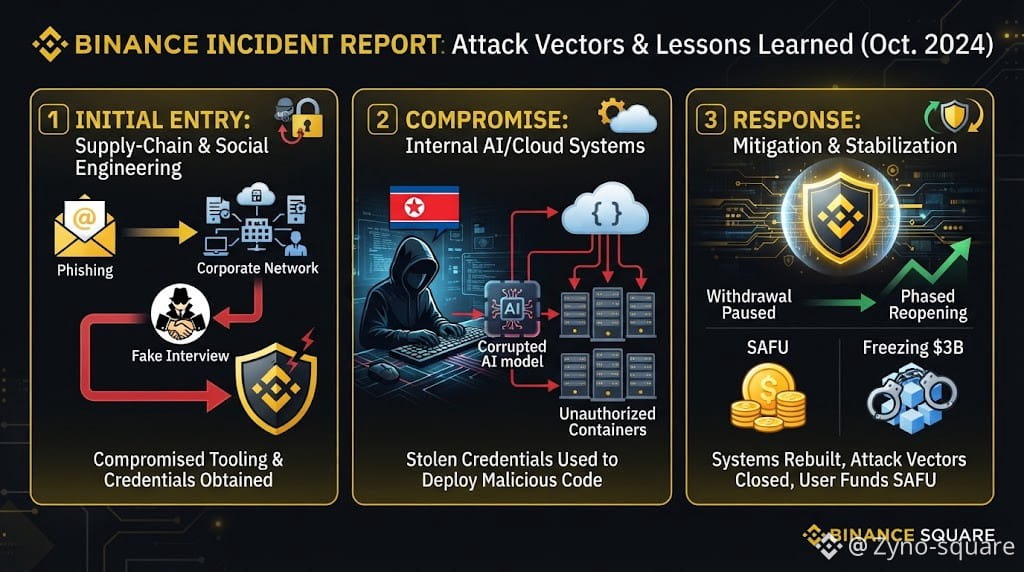
#binanceincidentreport 🧠 How the Binance Incident Happened (Official Report) Binance's investigation into the October security breach revealed a sophisticated multi-stage campaign: Binance 1️⃣ Supply-chain entry & fake job interviews targeting engineers. 2️⃣ Compromised internal AI tooling & endpoints. 3️⃣ Unauthorized container deployment using stolen credentials. Binance+ 2 FBI attributes the attack to North Korea-linked actors. Exchanges must level up AI-driven security defenses now more than ever. Thoughts? 💭 Binance {future}(BTCUSDT) {future}(BNBUSDT) #BinanceSquare #CyberSecurity #Blockchain $BNB
#binanceincidentreport 🧠 How the Binance Incident Happened (Official Report)
Binance's investigation into the October security breach revealed a sophisticated multi-stage campaign:
Binance

1️⃣ Supply-chain entry & fake job interviews targeting engineers. 2️⃣ Compromised internal AI tooling & endpoints. 3️⃣ Unauthorized container deployment using stolen credentials.
Binance+ 2

FBI attributes the attack to North Korea-linked actors. Exchanges must level up AI-driven security defenses now more than ever. Thoughts? 💭
Binance

#BinanceSquare #CyberSecurity #Blockchain $BNB
🚨 Binance Incident Report is getting attention Only 2 people are discussing it right now — but incidents like this can move fast once more users start paying attention. If you're a Binance user, don't ignore unusual account activity. Check your balances, withdrawal history, and security settings. 🔐 Stay alert. 📊 Verify before you react. ⚠️ Don't spread unconfirmed claims. $AGT {future}(AGTUSDT) #BinanceIncidentReport
🚨 Binance Incident Report is getting attention

Only 2 people are discussing it right now — but incidents like this can move fast once more users start paying attention.

If you're a Binance user, don't ignore unusual account activity. Check your balances, withdrawal history, and security settings.

🔐 Stay alert.
📊 Verify before you react.
⚠️ Don't spread unconfirmed claims.
$AGT

#BinanceIncidentReport
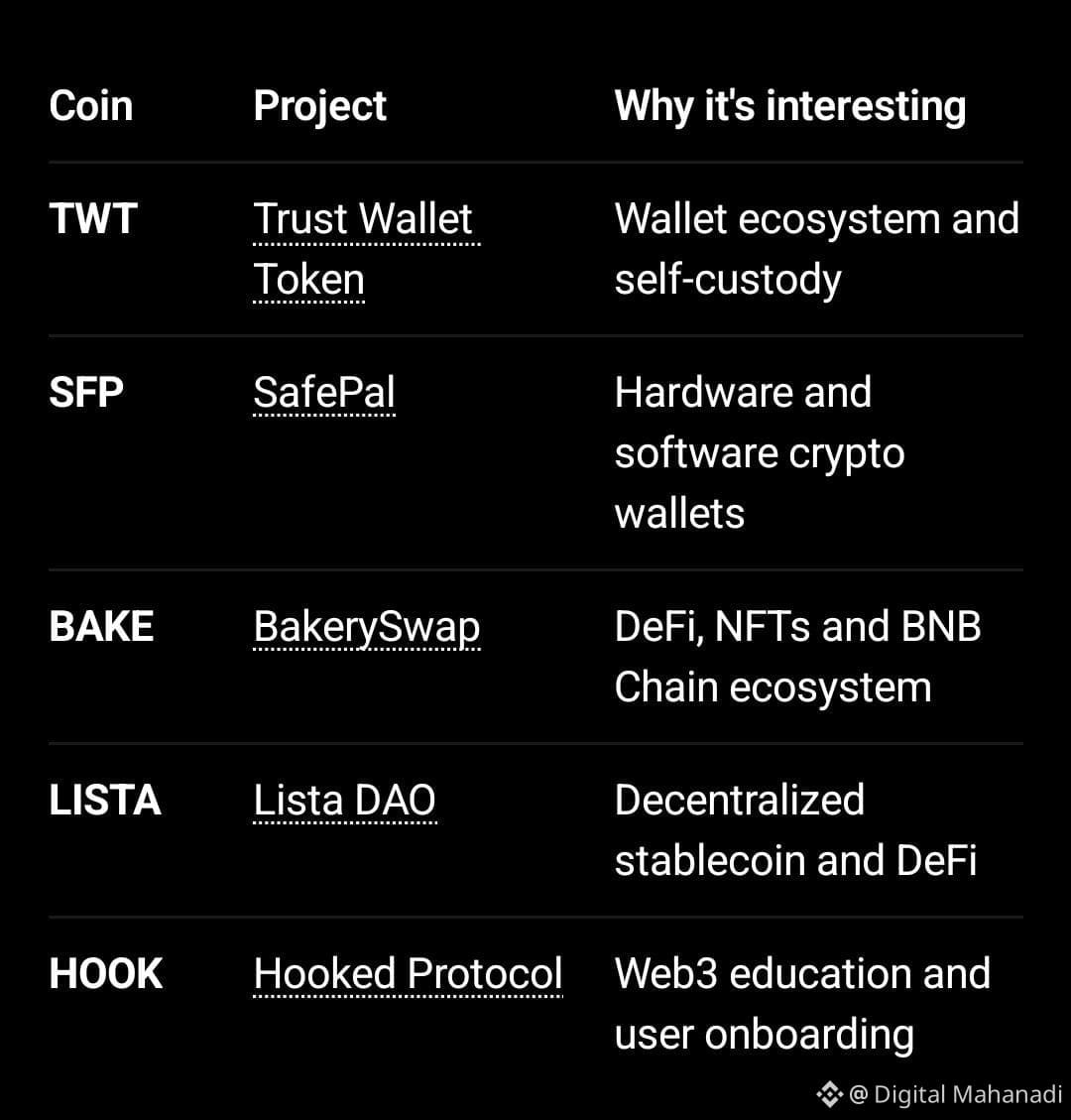
#BinanceIncidentReport 🫡 Binance has released its incident report detailing the recent security incident, the assets affected, and the recovery measures taken. The report highlights efforts to protect user funds, strengthen security infrastructure, and improve monitoring systems. $BNB This incident reminds us that security in crypto requires continuous improvement. Transparency, accountability, and independent verification are essential to maintaining user trust. #SAFU🙏 🫰 🙏#Mahanadi Binance Ecosystem 👇 check it👇 {future}(TWTUSDT) {future}(LISTAUSDT) {future}(SFPUSDT)
#BinanceIncidentReport 🫡
Binance has released its incident report detailing the recent security incident, the assets affected, and the recovery measures taken. The report highlights efforts to protect user funds, strengthen security infrastructure, and improve monitoring systems. $BNB

This incident reminds us that security in crypto requires continuous improvement. Transparency, accountability, and independent verification are essential to maintaining user trust.
#SAFU🙏 🫰 🙏#Mahanadi

Binance Ecosystem 👇 check it👇
red envelope
Binance 💛
From Digital Mahanadi
#binanceincidentreport Binance recently suffered a massive security incident involving unauthorized withdrawals from its hot wallets. Hackers used fake job interviews and compromised internal developer tools to breach the system. Binance confirmed user funds remain safe, covering all losses through its SAFU reserve and company treasury. Authorities frozen billions in stolen crypto on-chain, while Binance completed major security upgrades and began safely reopening withdrawals for users across multiple networks. $BTC $ETH $SOL {future}(SOLUSDT) {future}(ETHUSDT) {future}(BTCUSDT)
#binanceincidentreport
Binance recently suffered a massive security incident involving unauthorized withdrawals from its hot wallets. Hackers used fake job interviews and compromised internal developer tools to breach the system.

Binance confirmed user funds remain safe, covering all losses through its SAFU reserve and company treasury. Authorities frozen billions in stolen crypto on-chain, while Binance completed major security upgrades and began safely reopening withdrawals for users across multiple networks.
$BTC $ETH $SOL
Log in to explore more content
Join global crypto users on Binance Square
⚡️ Get latest and useful information about crypto.
💬 Trusted by the world’s largest crypto exchange.
👍 Discover real insights from verified creators.
Email / Phone number