
The OnChain Voice
219 පෝස්ටු

The OnChain Voice
වාර්තා කරන්න
පරිශීලක අවහිර කරන්න
Your voice for digital assets, DeFi & the on-chain economy.
විවෘත වෙළෙඳාම
ඉඳහිට වෙළෙන්දා
{වේලාව} වසර
174 හඹා යමින්
22 හඹා යන්නන්
199 කැමති විය
පෝස්ටු
ආයෝජන කළඹ
සියල්ල
උපුටා දැක්වීම්
Decentralization isn't simply a YES or NO question. It's a spectrum. 🌐⛓️
Not every blockchain protocol offers the same level of decentralization. Some rely on a handful of validators, while others distribute control across a much broader network.
The real question isn't just “Is this protocol decentralized?” but rather “How decentralized is it, and who actually holds the power?”
Understanding decentralization means looking beyond the buzzwords. Examine validator distribution, governance, network control, transparency, and potential points of failure.
💡 Your turn: What matters most when evaluating a decentralized protocol — validator diversity, community governance, or censorship resistance?
👇 Drop your thoughts in the comments, share this post with someone exploring Web3, and FOLLOW @onchainvoice for more practical blockchain and crypto education.
Stay informed. Stay curious. Stay OnChain! 🔊
$AMZNB $TSMB $SPCXB
#theonchainvoice #decentralization #blockchaineducation #web3 #defi
1
77
💧 LIQUIDITY HAS A COST, KNOW THE RISKS BEFORE YOU PROVIDE IT!
Providing liquidity in DeFi can create opportunities to earn rewards, but it's not simply free money. Behind every potential return are risks you need to understand.
From impermanent loss and smart contract vulnerabilities to market volatility and changing pool ratios, liquidity providers must know exactly what they're getting into.
Remember: High rewards mean little if you don't understand the risks attached.
🔍 Before providing liquidity, ask yourself:
* Where do the rewards actually come from?
* What happens if token prices change?
* Could impermanent loss affect my returns?
* How secure is the liquidity pool?
🚀 Your next move: Don't chase APYs blindly. Learn, research, assess the risks, and make informed DeFi decisions.
💬 Have you ever provided liquidity in a DeFi pool? Share your experience in the comments!
📌 Save this post and share it with someone exploring DeFi.
Stay informed. Stay secure. STAY ON CHAIN! 🔗
$TSMB $MSFTB
#theonchainvoice #defi #decentralizedfinance #liquiditypools
1
94
🔍 DON'T JUST TRUST THE PROTOCOL. VERIFY IT.
In decentralized finance (DeFi), transparency is powerful, but transparency alone doesn't guarantee security.
A project may publish its smart contract code, display impressive statistics, and promise an open financial ecosystem. But have you taken the time to verify what is actually happening behind the scenes?
Before trusting a DeFi protocol with your digital assets, consider:
🔹 Smart contract audits: Has the code been independently reviewed for vulnerabilities?
🔹 On-chain activity: Can you verify transactions, liquidity, and protocol activity on the blockchain?
🔹 Team transparency: Is there credible information about the people or organization behind the project?
🔹 Protocol permissions: Are there administrative controls that could affect your funds?
🔹 Security history: Has the protocol experienced exploits, suspicious activity, or unresolved vulnerabilities?
💡 The golden rule: Don't confuse visibility with verification. Learn to investigate, question assumptions, and verify information independently.
👇 LET'S TALK!
When evaluating a DeFi project, what gives you greater confidence: a third-party security audit, transparent on-chain data, or a proven track record?
Drop your thoughts in the comments! 💬
📌 Save this post as a reminder to verify before you invest.
🔁 Share it with someone exploring DeFi.
🚀 Follow @onchainvoice for more practical blockchain, cryptocurrency, and Web3 education.
Don't blindly trust. Verify. Stay informed. Stay on chain.
$MSFTB $GEVB
#theonchainvoice #defi #blockchainsecurity #smartcontracts #cryptoeducation
1
170
A smart contract can work exactly as programmed, but that doesn't automatically make an investment smart. ⚠️🔗
In crypto, technology and investment quality are two different things. Before putting your money into any DeFi project, look beyond the code. Understand the project's fundamentals, tokenomics, risks, utility, and long-term sustainability.
Remember: A functioning smart contract doesn't guarantee a profitable investment.
💡 Don't confuse automation with opportunity. Research first, evaluate carefully, and make informed decisions.
👇 Your turn: What do you investigate first before investing in a DeFi project? Share your thoughts in the comments!
🔔 Follow @onchainvoice for more practical crypto, blockchain, and DeFi insights.
$AMZNB $TSLAB
#theonchainvoice #cryptoeducation #smartcontracts #defi #blockchaintechnology

94
The market belongs to the creators, not the spectators. 💡
True innovation happens when you stop competing in existing spaces and start creating new ones.
As an entrepreneur, your role is to:
-Innovate beyond current limitations
-Map out the grand strategy
-Build new methods to capture untapped markets
Save this post to keep your entrepreneurial mindset sharp when building! 📌
Share this with a fellow founder who is building the future! 📲
$AMZNB $AAPLB $NVDAB
#entrepreneurship #businessstrategy #web3business #innovation #founders

57
📖 READ BEFORE YOU SIGN. APPROVE BEFORE YOU UNDERSTAND? NEVER.
In DeFi, every transaction you authorize is a decision that could affect your digital assets.
Connecting your wallet, swapping tokens, staking, or interacting with a smart contract often requires you to approve specific actions. But clicking Confirm without understanding what you're authorizing can expose your funds to unnecessary risks.
Before signing any blockchain transaction, take a moment to check:
🔐 Permissions: What access are you granting to the smart contract?
💰 Token approvals: Are you allowing limited spending or unlimited token access?
📜 Transaction details: Do you understand what the transaction will execute?
🔍 Contract authenticity: Are you interacting with the legitimate protocol?
⚠️ Potential risks: Could this approval expose your wallet to malicious contracts or unauthorized spending?
Remember, blockchain transactions are often irreversible. A few seconds of careful reading can save you from costly mistakes.
👇 LET'S TEST YOUR AWARENESS!
Do you usually read every transaction detail before clicking Confirm, or do you rely on the platform's reputation?
Share your answer in the comments! 💬
📌 Save this post as your DeFi safety reminder.
🔁 Share it with someone navigating Web3.
🚀 Follow @onchainvoice for practical crypto education, blockchain insights, and smarter on-chain decisions.
Don't just sign. Understand what you're signing. Stay informed. Stay on chain.
$AMZNB $NVDAB $TSMB
#theonchainvoice #defisecurity #cryptosafety #smartcontracts #blockchainsecurity

62
💻 CODE CAN MOVE VALUE. UNDERSTANDING IT GIVES YOU THE ADVANTAGE.
Smart contracts are transforming how financial agreements work. Instead of relying entirely on intermediaries, blockchain technology allows rules to be written into code and executed automatically when predefined conditions are met.
From DeFi lending to automated payments, programmable money is reshaping the financial landscape.
But remember: smart contracts are only as reliable as their design, code, and security.
👇 Let's hear your thoughts: Do you believe smart contracts will eventually replace many traditional financial intermediaries? Why or why not?
💬 Drop your thoughts below!
📌 Save, share, and follow @onchainvoice for more insights into blockchain, Web3, and the future of digital finance.
$MSFTB $NVDAB $AMZNB
#theonchainvoice #smartcontracts #blockchaintechnology #web3 #defi
60
🌐 WHAT IF FINANCE COULD RUN ON CODE?
Decentralized Finance (DeFi) is challenging traditional financial systems by making financial services more open, transparent, and programmable.
From lending and borrowing to trading and earning yields, smart contracts are changing how people interact with money.
But innovation also comes with risks. Understanding the technology, protocols, and security matters.
👇 Let's discuss: Do you believe DeFi could become a major part of the future financial system, or will traditional finance remain dominant?
💬 Share your perspective in the comments!
📌 Save this post, share it with someone exploring Web3, and follow @onchainvoice for more blockchain and crypto insights.
$AMZNB $TSLAB $BTC
#theonchainvoice #defi #decentralizedfinance #blockchain #web3
1
195
💧 LIQUIDITY IS EVERYTHING. A GREAT PROJECT MEANS LITTLE IF YOU CAN'T EXIT WHEN YOU NEED TO.
In crypto, it's not just about what a token is worth on paper. It's also about how easily you can buy or sell it without significantly affecting its price.
Before investing, look beyond the hype. Examine trading volume, market depth, liquidity pools, and potential exit risks.
💡 Remember: Buying is only half the equation. Knowing how you'll exit matters too.
👇 Let's talk: Have you ever encountered a token with great potential but very low liquidity? Share your experience in the comments!
📌 Save this post, share it with a fellow crypto enthusiast, and follow @onchainvoice for more insights into blockchain, digital assets, and smarter crypto decisions.
$IBMB
#theonchainvoice #cryptoliquidity #defi #cryptoeducation #blockchain

1
209
🧠 BEFORE YOU BUY A TOKEN, KNOW WHAT YOU OWN.
Hype can attract attention, but understanding builds confidence. Every crypto asset has a story its purpose, utility, tokenomics, risks, and the problem it aims to solve.
Don't invest just because everyone else is talking about it. 🔍 Do your research, ask questions, and understand what you're putting your money into.
👇 Your turn: Can you explain the purpose of your favourite crypto token in one sentence? Drop the token name and its utility in the comments!
📌 Save this post as your reminder to DYOR, share it with a crypto beginner, and follow @onchainvoice for more practical crypto education.
$AAPLB $METAB $LLYB
#theonchainvoice #cryptoeducation #dyor #tokenutility #tokenomics
1
200
🔐 YOUR WALLET IS MORE THAN AN ACCOUNT, IT'S YOUR GATEWAY TO WEB3.
A blockchain wallet can open doors to digital assets, DeFi, NFTs, and an entire on-chain financial ecosystem. But greater access comes with greater responsibility.
💡 Remember: protect your private keys or recovery phrase, verify transactions, and never sign what you don't understand.
👇 Let's hear from you: What was the first thing you learned to do with a crypto wallet? Share your experience in the comments!
📌 Save this post, share it with someone entering Web3, and follow @onchainvoice for more practical blockchain and crypto education.
$AAPLB $METAB
#theonchainvoice #cryptowallet #blockchain #web3 #cryptoeducation

1
169
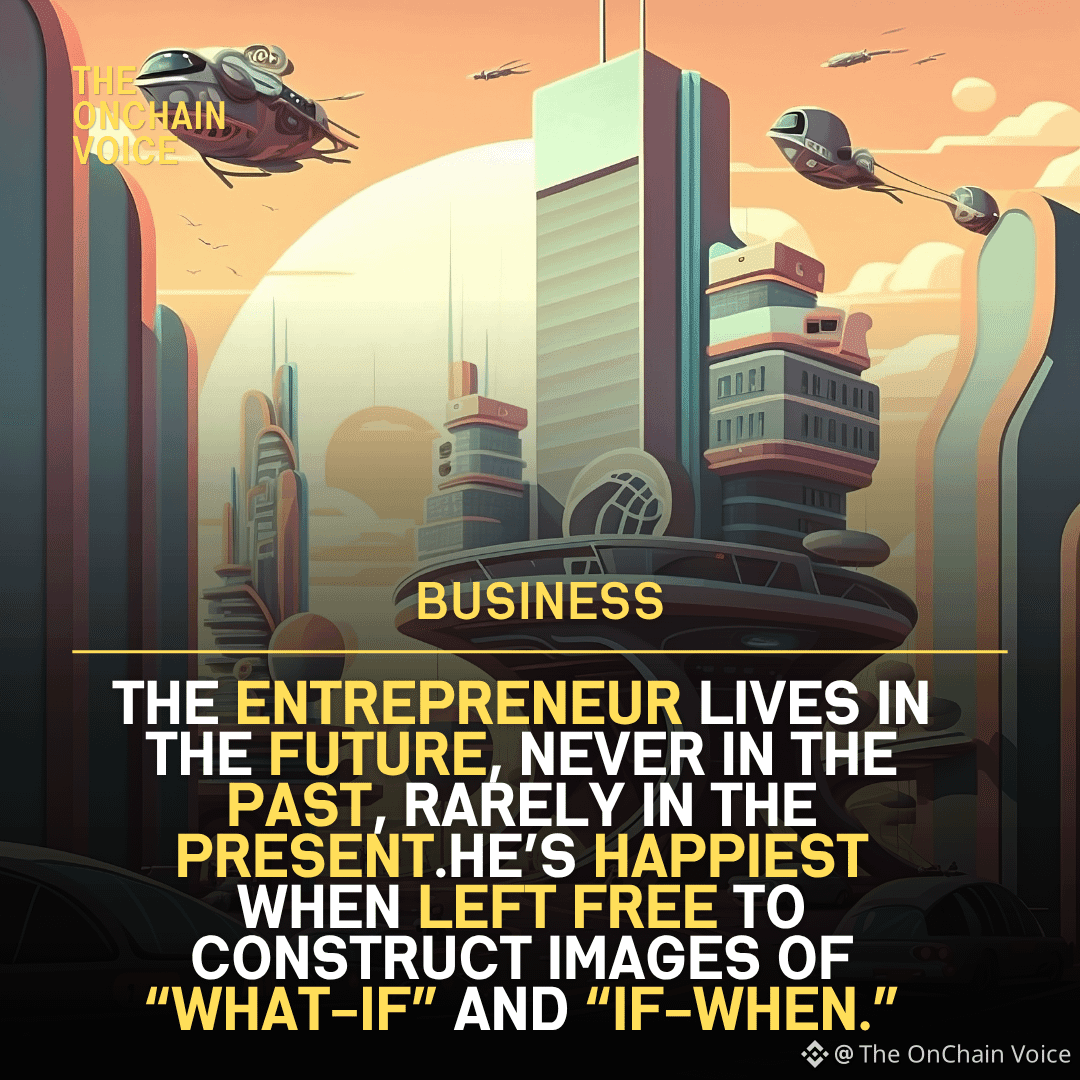
🚀 THE FUTURE BELONGS TO THOSE WHO DARE TO IMAGINE IT.
Entrepreneurship starts with a vision of what could be not just what already exists. The boldest ideas often begin with one question: “What if?”
Whether you're building a business, exploring Web3, or creating the next big innovation, never stop thinking ahead. 💡
💬 Your turn: What’s one “What if?” idea you believe could change the future of business or technology?
👇 Share your vision in the comments, tag an ambitious entrepreneur, and save this post for your next dose of inspiration!
📲 Follow @onchainvoice for insights on business, blockchain, digital assets, and the future of innovation.
$AMZNB $AAPLB $NVDAB
#theonchainvoice #entrepreneurship #futurethinking #innovation #businessmindset
1
208
🔗 OWNERSHIP IS EVOLVING. ARE YOU READY?
Digital assets and blockchain technology are changing how we prove, transfer, and manage ownership.
On-chain records can make transactions more transparent and verifiable but understanding what you own, the rights attached to it, and the risks involved matters just as much.
💡 The future isn't just about owning digital assets; it's about understanding the technology behind them.
👇 Let's hear from you: What do you think will be the biggest impact of digital ownership greater transparency, faster transactions, or new investment opportunities?
💬 Comment your thoughts, save this post for later, and share it with someone exploring Web3!
📲 Follow @onchainvoice for more insights into blockchain, digital assets, and the future of finance.
$AMZNB $AAPLB $SPCXB
#digitalownership #blockchaintechnology #web3 #cryptoeducation #digitalassets
1
178
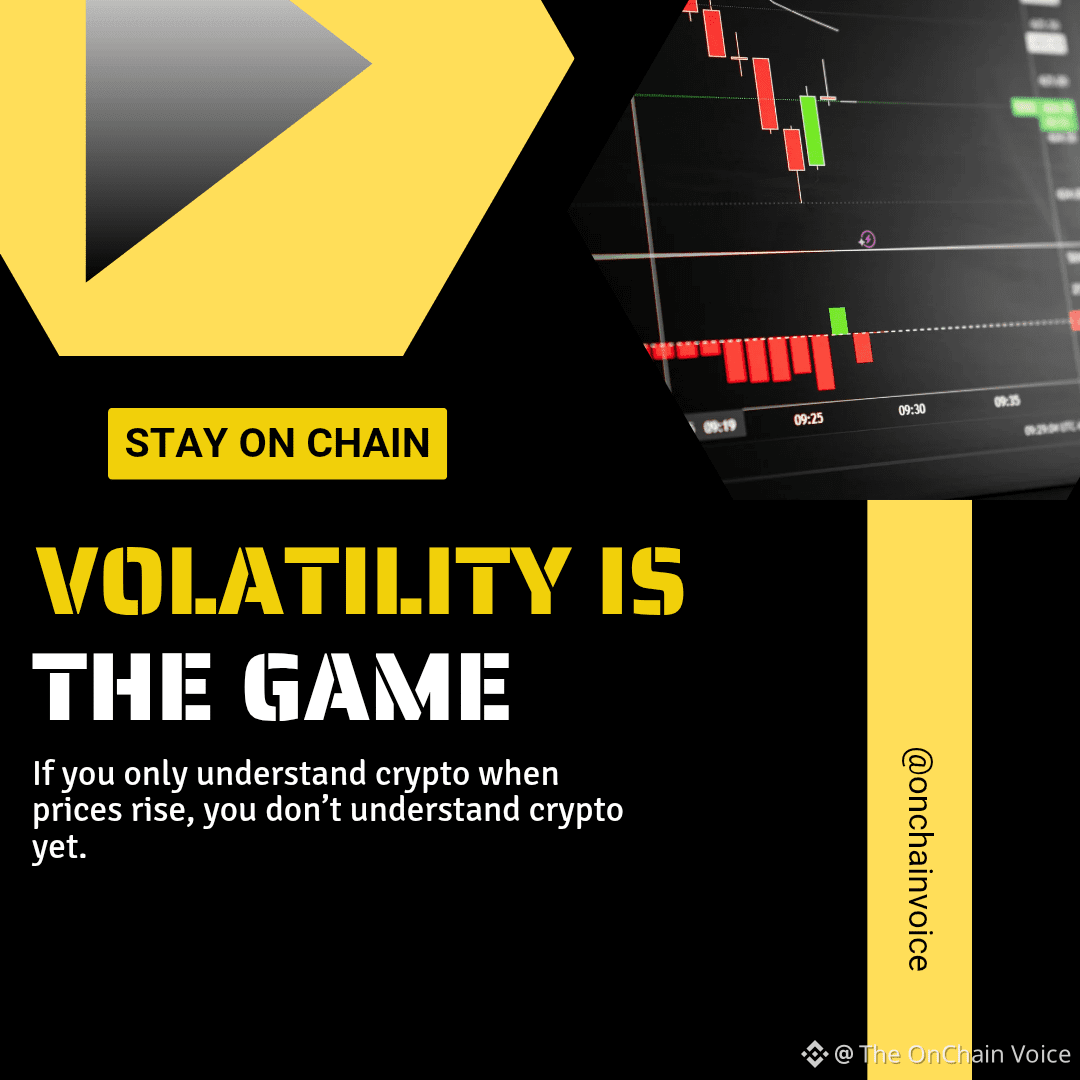
📉📈 VOLATILITY IS THE GAME. KNOWLEDGE IS YOUR EDGE.
Crypto markets don't move in one direction forever. Prices rise, prices fall, and emotions can cloud your judgment. Understanding volatility means learning to manage risk, stay disciplined, and make decisions based on research not hype. 🧠
💬 Let's talk: How do you handle crypto market volatility research, patience, risk management, or a combination of all three?
👇 Drop your answer in the comments, save this post as a reminder, and share it with someone learning about crypto!
📲 Follow @onchainvoice for more insights that help you understand digital assets beyond the price charts.
$AMZNB $MSFTB $TSLAB
#theonchainvoice #cryptoeducation #cryptovolatility #blockchain #web3
1
151
Don't chase green candles! 🕯️📈
A green candle is valuable information, not an invitation to jump in blindly without a plan. Chasing FOMO green candles often leaves traders holding top-heavy positions when momentum cools down.
Instead of reacting emotionally to momentum, zoom out, analyze the on-chain data, and wait for structured setups.
Have you ever learned this lesson the hard way in your trading journey? Drop your experience in the comments below! 👇
$BRKBB $CRMB
#cryptotrading #cryptostrategy #onchaindata #fomo #tradingpsychology

1
126
⚡ UTILITY OVER HYPE. PURPOSE OVER SPECULATION.
A token should offer more than a name and a price chart. Its real value starts with its purpose, the problem it solves, and the utility it delivers to its users. Before you get caught up in the excitement, look beyond the market noise and ask the right questions. 🔍
💬 Your turn: What matters most to you when evaluating a crypto token — utility, technology, adoption, or tokenomics?
👇 Drop your answer in the comments and share this post with someone exploring Web3!
📲 Follow @onchainvoice for practical insights into blockchain, digital assets, and the technology shaping our financial future.
$MSFTB $CRWDB
#theonchainvoice #cryptoeducation #web3 #blockchain #cryptoutility
1
125
🚀 BUSY DOESN’T ALWAYS MEAN PRODUCTIVE.
Small business success isn't just about working harder; it's about working strategically. The right priorities, understanding your customers, managing resources, and making informed decisions can make the difference between constant struggle and sustainable growth.
💡 Entrepreneurs, it's time to work smarter, not just harder!
👇 What do you think is the biggest challenge small business owners face today? Share your thoughts in the comments!
📲 Follow @onchainvoice for more insights on business, technology, and the principles shaping tomorrow's economy.
$MSFTB $BTC
#theonchainvoice #smallbusiness #entrepreneurship #businessgrowth #worksmarter
2
119
Creating a token takes minutes, but building sustainable value takes real utility, adoption, and time. 🛠️
In Web3, it’s easy to get distracted by shiny new tokens, but long-term winners are built on real-world utility and sustainable economic models. Don't confuse launch hype with lasting value!
What is one crypto project you think is building real long-term value right now? Drop your thoughts in the comments below! 👇
$MSFTB $TSMB
#tokenomics #cryptofundamentals #web3 #onchaindata #cryptoinvesting
1
56
Before asking how high a token price can go, ask how much of it actually exists! 📉
Supply equals dilution, while true scarcity drives long-term value creation.
Tokenomics matters way more than market hype.
Always check circulating supply vs. total supply before jumping into a position! 🔍
What token in your portfolio has the best tokenomics model? Let us know in the comments below! 👇
$MSFTB $TSMB
#tokenomics #cryptoscarcity #onchaindata #cryptoinvesting #web3

1
10
Stop trading based on price charts alone! 💡
Price is just one data point in a much bigger picture.
If you want to make smarter decisions in Web3, looking at true fundamentals and staying on-chain is where the edge is.
Save this post to remind yourself during the next market run! 📌
Share this with a friend who needs to focus more on fundamentals! 📲
$AAPLB $TSLAB $MSTRB
#crypto #blockchain #web3 #cryptonews #cryptoinvesting

1
25
තවත් අන්තර්ගතයන් ගවේෂණය කිරීමට ඇතුල් වන්න
Binance චතුරශ්රය හි ගෝලීය ක්රිප්ටෝ පරිශීලකයින් හා එක්වන්න
⚡️ ක්රිප්ටෝ පිළිබඳ නවතම සහ ප්රයෝජනවත් තොරතුරු ලබා ගන්න.
💬 ලොව විශාලතම ක්රිප්ටෝ හුවමාරුව මගින් විශ්වාස කෙරේ.
👍 සත්යායනය කරන ලද නිර්මාණකරුවන්ගෙන් සැබෑ විදසුන් සොයා ගන්න.
විද්යුත් තැපෑල / දුරකථන අංකය
නැගී එන මාතෘකා
NvidiaInvestigatesAfterHuang’sAffairApology
77,592 නැරඹීම්
844 සාකච්ඡා කරමින්
Nvidia Board Opens Probe Into Whether Huang Was Target of Foreign Intelligence Effort
Binance News
·12 කැමත්ත දැක්වීම්
·38.9k නැරඹීම්
BitcoinFiveWeeklyLosses
96,532 නැරඹීම්
1,296 සාකච්ඡා කරමින්
AIChipSlumpNasdaq
48,949 නැරඹීම්
792 සාකච්ඡා කරමින්