

Aeri 艾瑞
@Aeshiha
430 හඹා යමින්
18.4K+ හඹා යන්නන්
12.0K+ කැමති විය
පෝස්ටු
සියල්ල
උපුටා දැක්වීම්
සජීවි
අමුණා ඇත
අමුණා ඇත

Crypto Market BD22
·
--
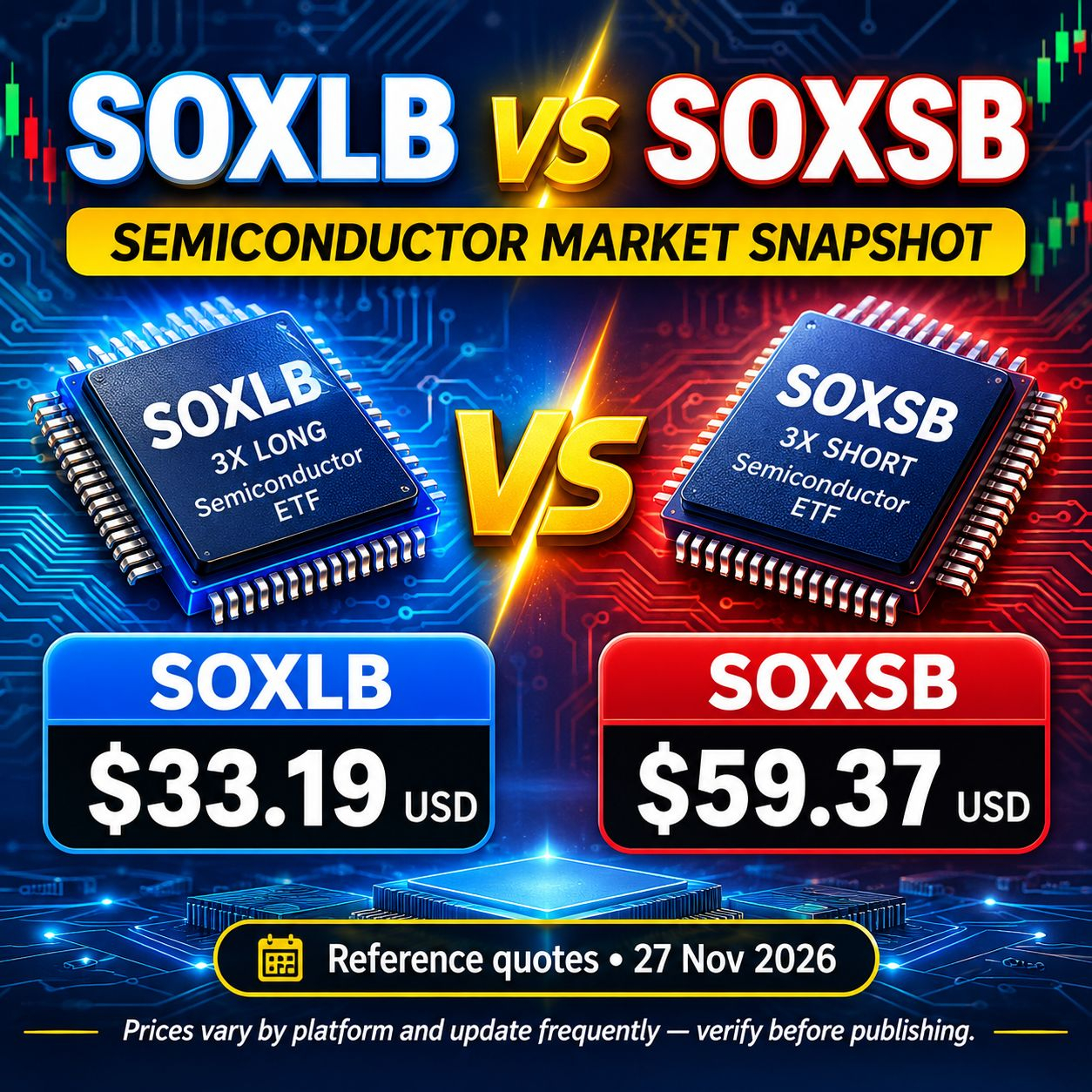
#SOXSBUSDT #SOXLBUSDT $BTC 🚨 SOXLB vs SOXSB: Semiconductor Market – Bulls or Bears?
The semiconductor market is facing a critical moment, with both opportunities and risks for traders.
🟢 Bullish Factors (Good News)
AI and data center demand remain important long-term growth drivers.
Strong semiconductor earnings could support a market recovery.
A rebound in NVIDIA, AMD and other chip stocks could benefit SOXLB.
A recovery in the Nasdaq may improve overall market sentiment.
🔴 Bearish Factors (Bad News)
Recent weakness in semiconductor stocks has increased market uncertainty.
Inflation and higher interest-rate expectations may pressure technology stocks.
Further declines in NVIDIA and other major chip companies could hurt SOXLB.
Continued selling pressure may benefit SOXSB.
📊 Market Outlook
SOXLB: Could benefit if semiconductor stocks recover.
SOXSB: Could benefit if semiconductor stocks continue declining.
⚠️ My View: The market is highly volatile. Neither bullish nor bearish momentum is confirmed. Watch semiconductor stocks, Nasdaq movements and upcoming economic news before drawing conclusions.
💬 What do you think? Are you Bullish on SOXLB or Bearish on SOXSB?
Share your thoughts in the comments! 👇
#SOXLB #SOXSB #Semiconductor #NVIDIA #Nasdaq #CryptoMarketBD #MarketUpdate


Syco 疯子
·
--
✨ GOOD EVENING TO YOU ALL✨
I hope you had a beautiful sunny day.
I wish you a sweet evening and a cosmic night.
Kindly ✨
@Syco 疯子 $BNB
I hope you had a beautiful sunny day.
I wish you a sweet evening and a cosmic night.
Kindly ✨
@Syco 疯子 $BNB


正乾--四条2
·
--
今天这个消息真的很炸裂🔥
宝子们:
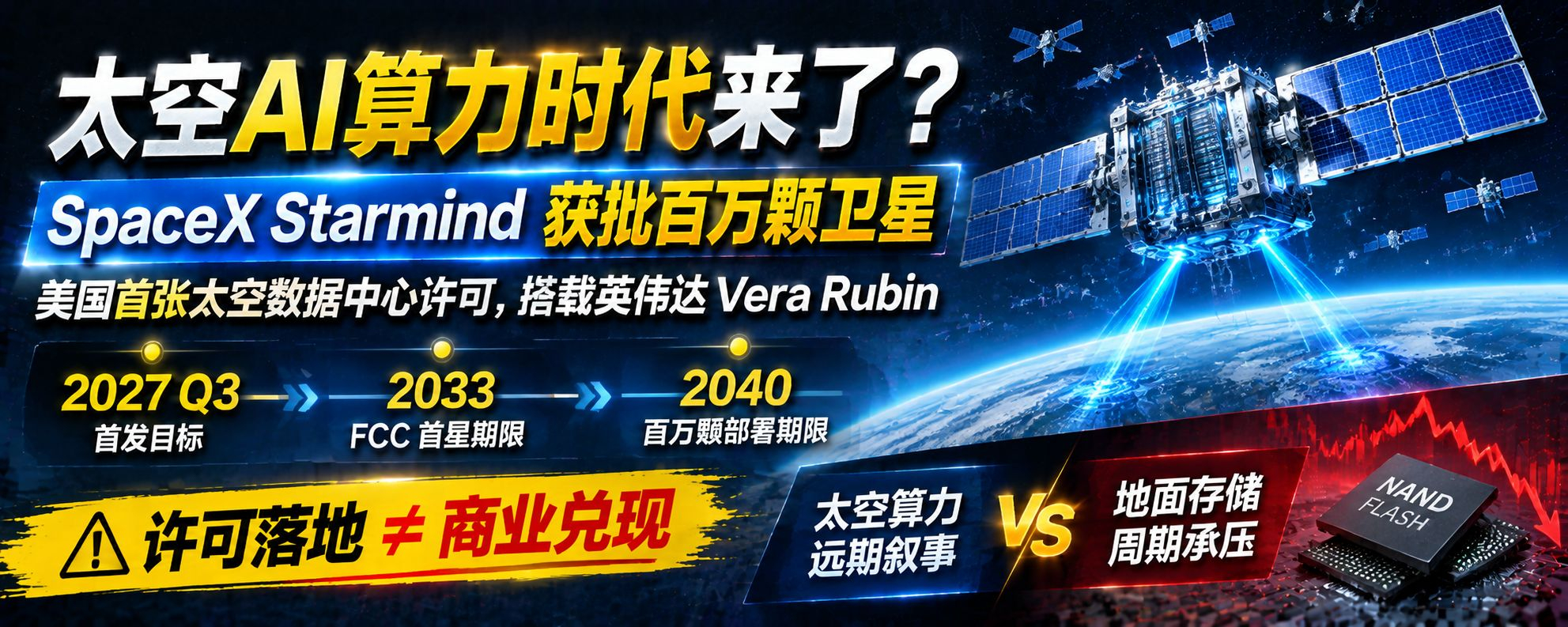
11月25号, FCC 批了 SpaceX 的 Starmind!美国第一张太空 AI 数据中心许可证,上限 100 万颗算力卫星,搭载英伟达 Vera Rubin,单颗 120kW,满配理论 120GW 算力。 地面机房还在被电力、散热、土地卡脖子,马斯克已经盯上太空太阳能算力这条路线了。
⚠️但一定要看清时间线,别被宏大叙事冲昏头: FCC 合规底线:最迟 2033 首星、2035 年 10 万颗、2040 年才完成 100 万颗; SpaceX 自己的目标:2027Q3 首批发射、2028 年上量。两个时间表差了整整 6 年。 消息当天 SPCX 盘中一度跌超 9%,收盘只拉回 + 1.3%,至今还低于 135 发行价。利好是远期故事,短期利润根本兑现不了。
另一边,同一天集邦下调预期:2027 年 NAND 闪存进入下行周期,存储需求承压。 一边是太空算力的星辰大海,一边是地面存储产业先踩刹车。
再加宏观风险压顶:12.8-9 加息概率 95.8%,12.1-3 黄仁勋还要连续三场国会问询,市场风险偏好大概率收缩,这种远期叙事很容易被资金后置。
灵魂拷问来了: 你是打算等首星真上天再动手,还是现在博弈 2027 年的预期? 到底是下一代算力革命,还是又一个万亿大饼?
欢迎加入正乾研习社
#AI算力 #Space #Starmind #太空算力

Vyz13
·
--
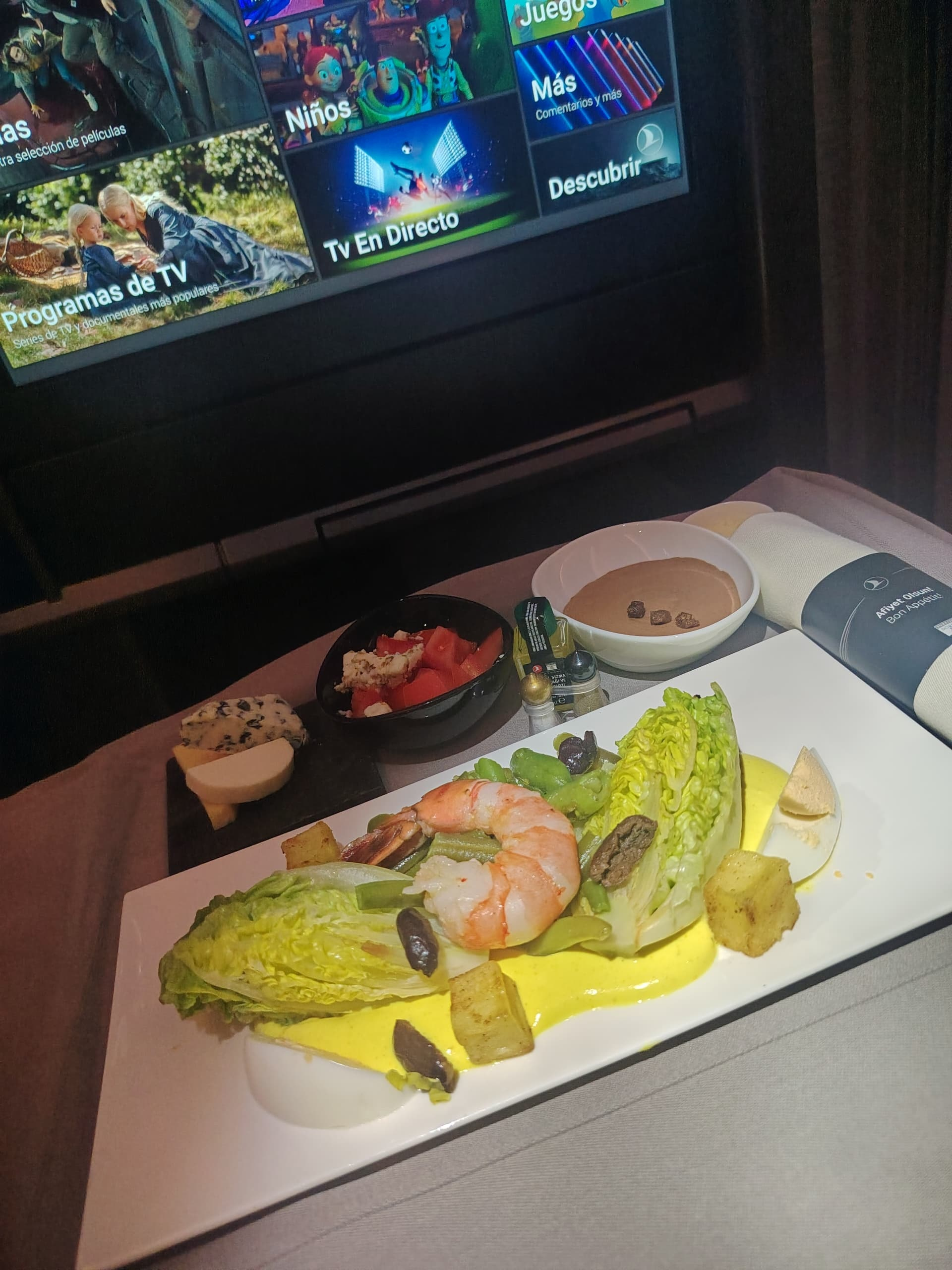
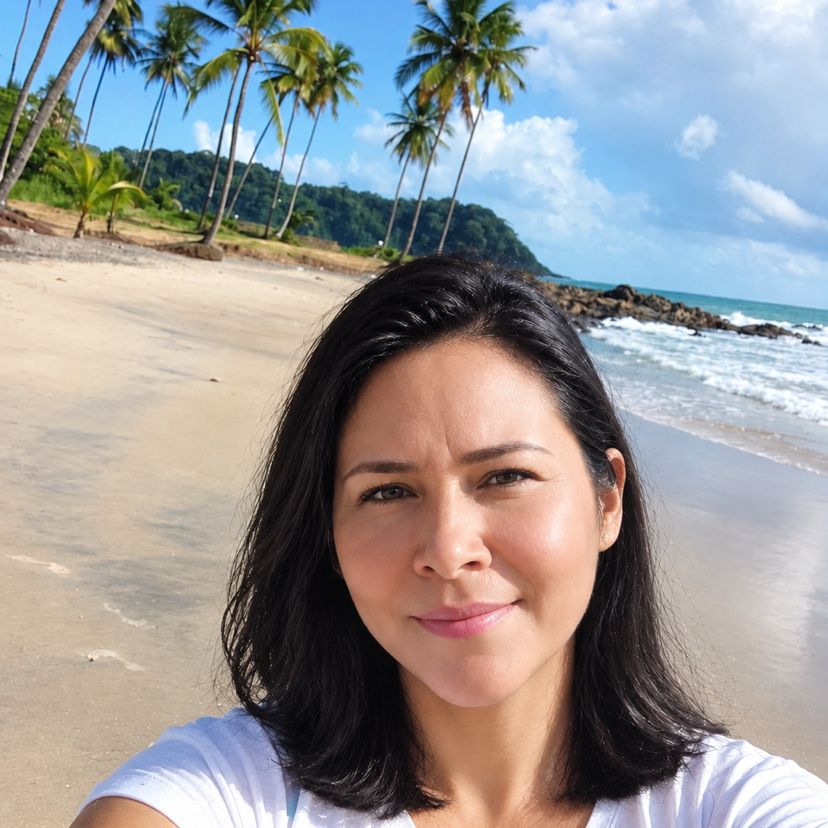
Viajar es vivir ✈️✈️✈️💖
Ve el mundo. Es más fantástico que cualquier sueño.
¿Próximo Vuelo de Sol ?
Ve el mundo. Es más fantástico que cualquier sueño.
¿Próximo Vuelo de Sol ?


Fabi_4043
·
--
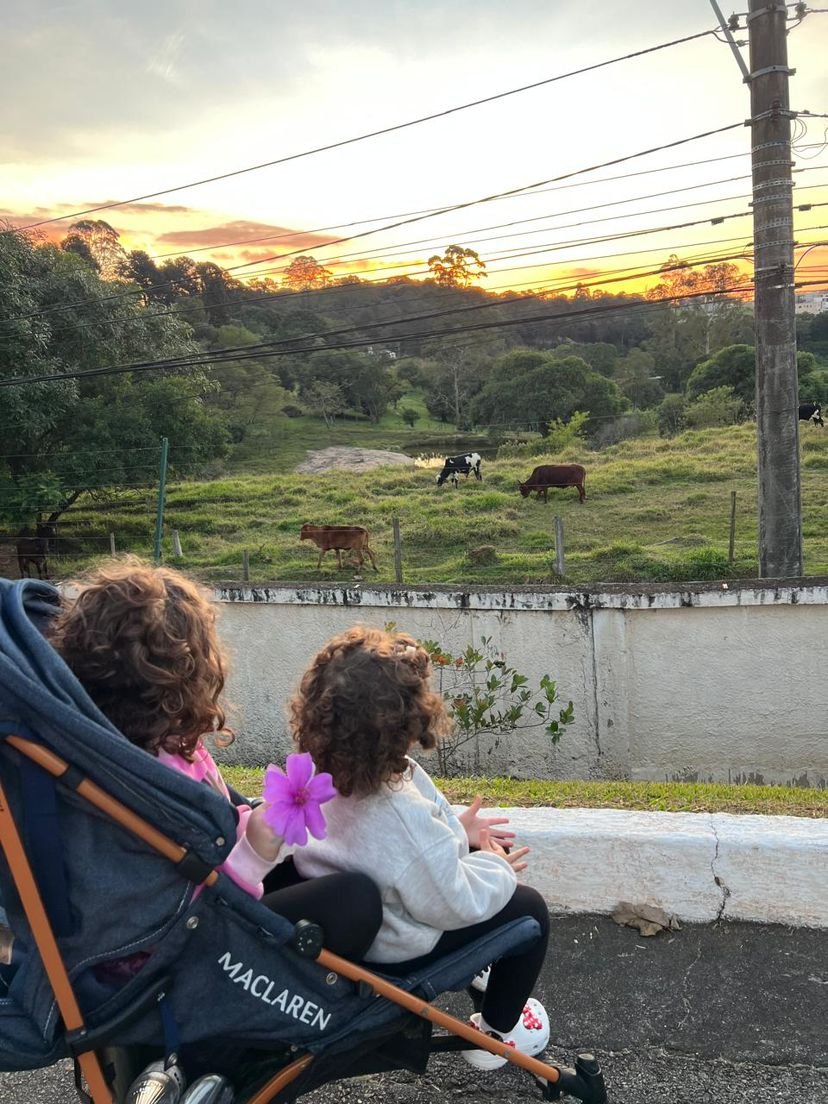
Ótima sexta-feira 🥰🥰
Siga,curta e compartilhe 🧧🧧
$LUNC
#CanMarketsReboundAfterThanksgiving?
Siga,curta e compartilhe 🧧🧧
$LUNC
#CanMarketsReboundAfterThanksgiving?



ENTRY HUNTER⁷⁸⁹
·
--
උසබ තත්ත්වය$PEPE REDPACKETS FOR ALL.
CLAIM and REPOST.
JOIN our CHATGROUP !
THANKS ALL .
CLAIM and REPOST.
JOIN our CHATGROUP !
THANKS ALL .




S U L E M A N 特币
·
--
උසබ තත්ත්වය🎁 LINEA TOKEN GIVEAWAY IS HERE! 🚀
A special giveaway for the community!
🔥 6,000 LINEA Tokens
👥 5,000 Lucky Participants
Don't miss this opportunity! Head over and claim your share of the LINEA token giveaway.
The sooner you participate, the better. Let's go, LINEA community! 💙
#LINEA #Giveaway #Crypto #AirdropAlert #Suleman特币
$BIGTIME $LINEA $ZEC


Binance TG Community
·
--
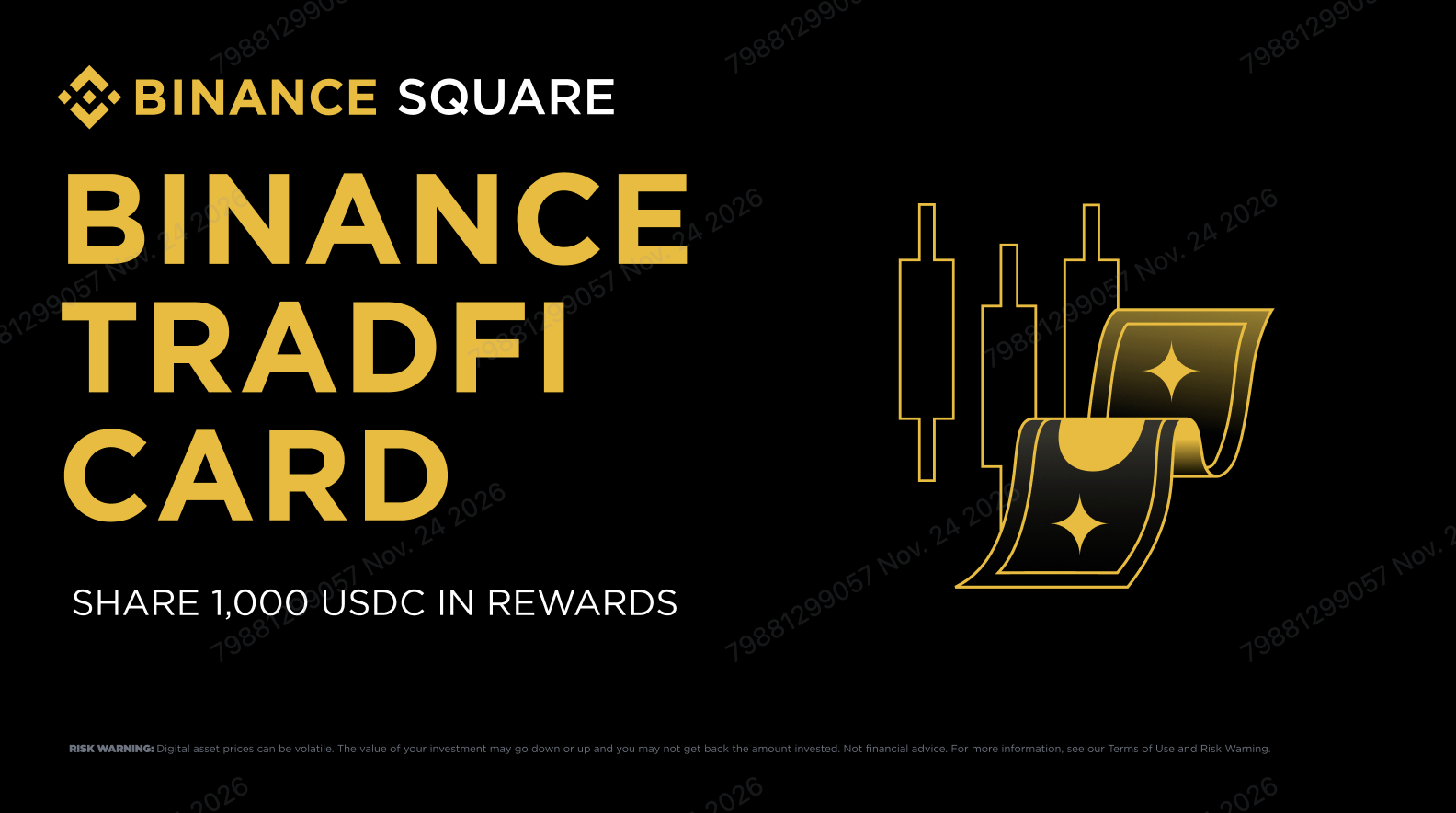
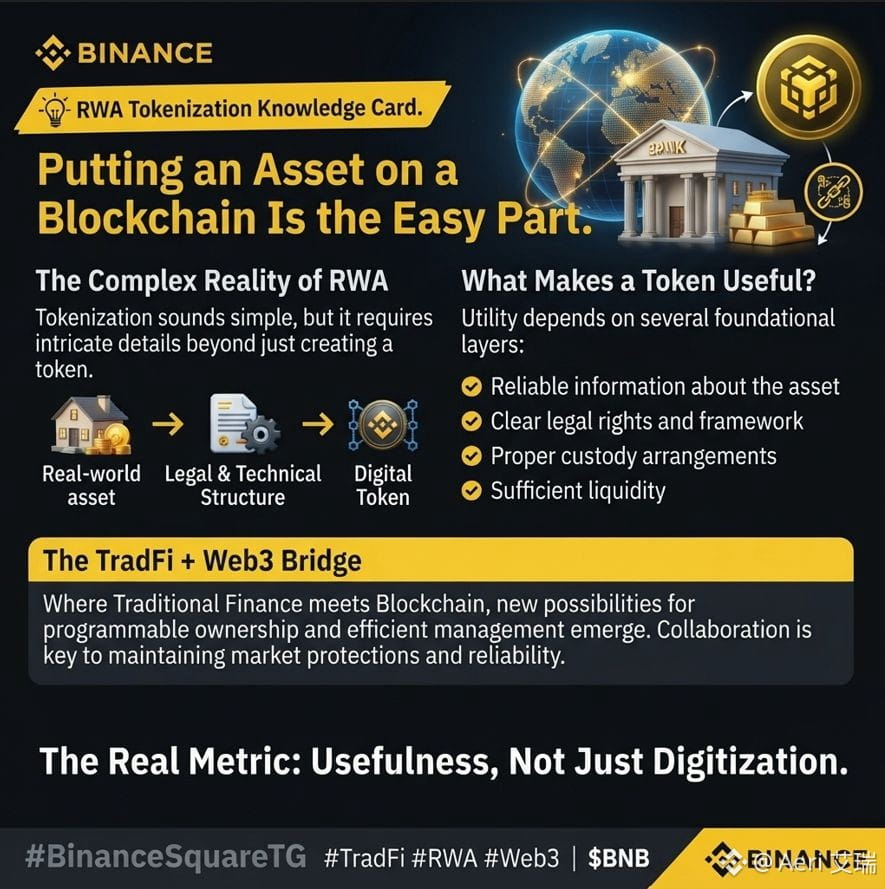
Design a TradFI knowledge card 💛 and win your share of $1,000 in USDC.
🔸 Follow @Binance TG Community ( Square )
🔸 Follow @Binance Blockchain Week ( Square )
🔸 🏷️Make your Binance Branded TradFI knowledge card on Square with 💛#BinanceSquareTG and make a separate post. Like+RT
🔸 add your TradFI token ticker to your post ( example $BNB )
🔸 Fill out the survey: here
🔸 subscribe to our next live stream here
📅 Campaign Period: November 24, 2026, 10:00 UTC – December 4th, 2026, 17:00 UTC.
තවත් අන්තර්ගතයන් ගවේෂණය කිරීමට ඇතුල් වන්න