

#miranetwork
miranetwork
88,927 views
1,207 සාකච්ඡා කරමින්
උණුසුම්
නවතම


·
--
ලිපිය
Mira Network: Building the Verification Layer for Trustless AIThe Core Problem: AI Can Generate Answers—But Who Verifies Them?
The next major bottleneck for AI adoption may not be model intelligence. It may be trust.
Large language models can produce convincing answers while still generating hallucinations, factual errors, or outputs influenced by a model's own biases. Human review can mitigate these problems, but it becomes expensive and difficult to scale when AI agents are expected to operate continuously and autonomously.
This creates a fundamental Web3-style infrastructure problem: how can an application verify an AI output without trusting a single model, company, or human reviewer?
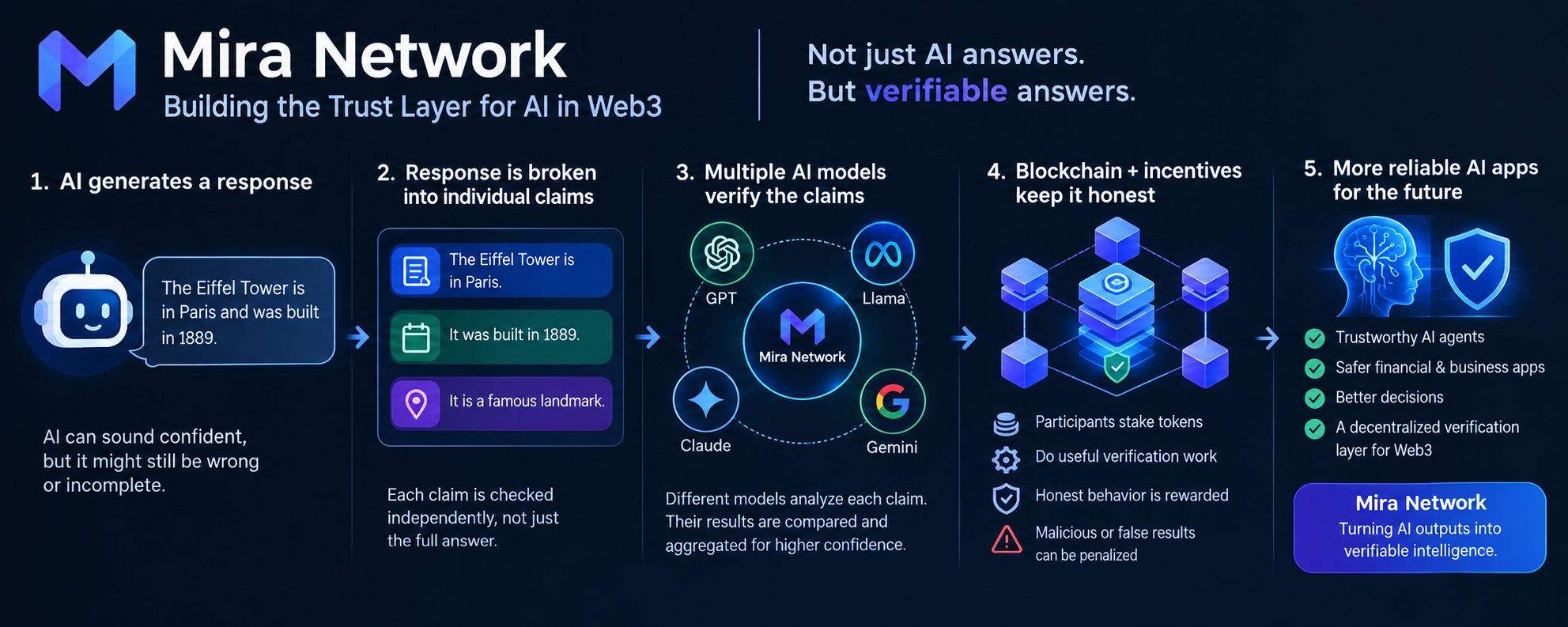
Mira Network approaches this problem by positioning itself as a decentralized verification layer for AI. Instead of assuming that one model is correct, Mira breaks AI outputs into individual claims and distributes those claims across multiple independent AI models for verification.
The objective is straightforward but significant: make AI outputs verifiable rather than merely plausible.
Architecture & Mechanics: Consensus for AI Inference
Mira's architecture centers on a process the project describes as binarization. A complex AI response is decomposed into smaller, independently verifiable claims. Those claims can then be assessed by specialized models operating across the network.
This matters because verification becomes more granular. Rather than asking another AI model, "Is this entire answer correct?", the network can evaluate individual statements and aggregate the results.
The verification process is designed around distributed model diversity. Multiple models independently analyze claims, reducing reliance on the strengths and weaknesses of any single model. Mira describes this as collective intelligence: agreement among diverse verifiers can provide stronger confidence than self-validation by the model that produced the original answer.
The economic layer is equally important. Mira's published documentation describes a hybrid Proof-of-Stake and Proof-of-Work mechanism. Node operators stake tokens to participate, while computational work is used to demonstrate that verification actually occurred. Honest participation is rewarded, while incorrect or malicious verification can expose participants to slashing.
That creates a crypto-native security model: verification is not simply a software feature—it becomes an economically incentivized network activity.
For developers, this infrastructure can be accessed through verification APIs, allowing AI applications to integrate multi-model validation without building the entire verification network themselves. Mira's current Verify product also emphasizes auditable verification certificates and independent model cross-checking.
Why It Matters / Market Value
The significance of Mira becomes clearer as AI moves from chatbots toward autonomous agents.
A chatbot producing an incorrect answer is inconvenient. An autonomous agent making an incorrect financial, legal, operational, or technical decision can be materially damaging.
This is where decentralized verification becomes potentially valuable. If AI agents are going to execute actions without continuous human supervision, applications need infrastructure that can evaluate outputs before those outputs become decisions.
Mira is therefore targeting a layer that sits between AI generation and autonomous execution.
Its potential market is broader than simply reducing hallucinations. A verification network could become useful wherever AI-generated information needs an independent trust mechanism: financial applications, research systems, enterprise automation, autonomous agents, and other high-stakes workflows.
The project's own ecosystem already reflects this direction. Mira has developed products such as Klok and a verification API, while its network architecture is designed around integrating multiple AI models rather than replacing them with one proprietary model.
That distinction is important. Mira's thesis is not necessarily that one model will become universally superior. Instead, the network can turn model diversity into a verification mechanism.
If this architecture scales, the value proposition could extend beyond AI accuracy toward something more fundamental: a decentralized trust layer for machine-generated intelligence.
Conclusion: From AI Generation to Verifiable Intelligence
Mira Network is addressing a problem that becomes increasingly important as AI becomes more autonomous: intelligence without verification is difficult to trust at scale.
Its architecture combines claim-level decomposition, distributed multi-model verification, cryptoeconomic incentives, and computational proof to create a framework where AI outputs can be independently evaluated rather than accepted at face value.
The long-term opportunity is therefore not simply to build another AI application. It is to provide infrastructure that other AI applications can use when correctness, neutrality, and auditability matter.
If autonomous AI is the next computing paradigm, Mira is betting that verification will become one of its foundational infrastructure layers.
#MiraNetwork
Mira Network: Building the Verification Layer for Trustless AI
The Core Problem: AI Can Generate Answers—But Who Verifies Them?
The next major bottleneck for AI adoption may not be model intelligence. It may be trust.
Large language models can produce convincing answers while still generating hallucinations, factual errors, or outputs influenced by a model's own biases. Human review can mitigate these problems, but it becomes expensive and difficult to scale when AI agents are expected to operate continuously and autonomously.
This creates a fundamental Web3-style infrastructure problem: how can an application verify an AI output without trusting a single model, company, or human reviewer?
Mira Network approaches this problem by positioning itself as a decentralized verification layer for AI. Instead of assuming that one model is correct, Mira breaks AI outputs into individual claims and distributes those claims across multiple independent AI models for verification.
The objective is straightforward but significant: make AI outputs verifiable rather than merely plausible.
Architecture & Mechanics: Consensus for AI Inference
Mira's architecture centers on a process the project describes as binarization. A complex AI response is decomposed into smaller, independently verifiable claims. Those claims can then be assessed by specialized models operating across the network.
This matters because verification becomes more granular. Rather than asking another AI model, "Is this entire answer correct?", the network can evaluate individual statements and aggregate the results.
The verification process is designed around distributed model diversity. Multiple models independently analyze claims, reducing reliance on the strengths and weaknesses of any single model. Mira describes this as collective intelligence: agreement among diverse verifiers can provide stronger confidence than self-validation by the model that produced the original answer.
The economic layer is equally important. Mira's published documentation describes a hybrid Proof-of-Stake and Proof-of-Work mechanism. Node operators stake tokens to participate, while computational work is used to demonstrate that verification actually occurred. Honest participation is rewarded, while incorrect or malicious verification can expose participants to slashing.
That creates a crypto-native security model: verification is not simply a software feature—it becomes an economically incentivized network activity.
For developers, this infrastructure can be accessed through verification APIs, allowing AI applications to integrate multi-model validation without building the entire verification network themselves. Mira's current Verify product also emphasizes auditable verification certificates and independent model cross-checking.
Why It Matters / Market Value
The significance of Mira becomes clearer as AI moves from chatbots toward autonomous agents.
A chatbot producing an incorrect answer is inconvenient. An autonomous agent making an incorrect financial, legal, operational, or technical decision can be materially damaging.
This is where decentralized verification becomes potentially valuable. If AI agents are going to execute actions without continuous human supervision, applications need infrastructure that can evaluate outputs before those outputs become decisions.
Mira is therefore targeting a layer that sits between AI generation and autonomous execution.
Its potential market is broader than simply reducing hallucinations. A verification network could become useful wherever AI-generated information needs an independent trust mechanism: financial applications, research systems, enterprise automation, autonomous agents, and other high-stakes workflows.
The project's own ecosystem already reflects this direction. Mira has developed products such as Klok and a verification API, while its network architecture is designed around integrating multiple AI models rather than replacing them with one proprietary model.
That distinction is important. Mira's thesis is not necessarily that one model will become universally superior. Instead, the network can turn model diversity into a verification mechanism.
If this architecture scales, the value proposition could extend beyond AI accuracy toward something more fundamental: a decentralized trust layer for machine-generated intelligence.
Conclusion: From AI Generation to Verifiable Intelligence
Mira Network is addressing a problem that becomes increasingly important as AI becomes more autonomous: intelligence without verification is difficult to trust at scale.
Its architecture combines claim-level decomposition, distributed multi-model verification, cryptoeconomic incentives, and computational proof to create a framework where AI outputs can be independently evaluated rather than accepted at face value.
The long-term opportunity is therefore not simply to build another AI application. It is to provide infrastructure that other AI applications can use when correctness, neutrality, and auditability matter.
If autonomous AI is the next computing paradigm, Mira is betting that verification will become one of its foundational infrastructure layers.
#MiraNetwork
The next major bottleneck for AI adoption may not be model intelligence. It may be trust.
Large language models can produce convincing answers while still generating hallucinations, factual errors, or outputs influenced by a model's own biases. Human review can mitigate these problems, but it becomes expensive and difficult to scale when AI agents are expected to operate continuously and autonomously.
This creates a fundamental Web3-style infrastructure problem: how can an application verify an AI output without trusting a single model, company, or human reviewer?
Mira Network approaches this problem by positioning itself as a decentralized verification layer for AI. Instead of assuming that one model is correct, Mira breaks AI outputs into individual claims and distributes those claims across multiple independent AI models for verification.
The objective is straightforward but significant: make AI outputs verifiable rather than merely plausible.
Architecture & Mechanics: Consensus for AI Inference
Mira's architecture centers on a process the project describes as binarization. A complex AI response is decomposed into smaller, independently verifiable claims. Those claims can then be assessed by specialized models operating across the network.
This matters because verification becomes more granular. Rather than asking another AI model, "Is this entire answer correct?", the network can evaluate individual statements and aggregate the results.
The verification process is designed around distributed model diversity. Multiple models independently analyze claims, reducing reliance on the strengths and weaknesses of any single model. Mira describes this as collective intelligence: agreement among diverse verifiers can provide stronger confidence than self-validation by the model that produced the original answer.
The economic layer is equally important. Mira's published documentation describes a hybrid Proof-of-Stake and Proof-of-Work mechanism. Node operators stake tokens to participate, while computational work is used to demonstrate that verification actually occurred. Honest participation is rewarded, while incorrect or malicious verification can expose participants to slashing.
That creates a crypto-native security model: verification is not simply a software feature—it becomes an economically incentivized network activity.
For developers, this infrastructure can be accessed through verification APIs, allowing AI applications to integrate multi-model validation without building the entire verification network themselves. Mira's current Verify product also emphasizes auditable verification certificates and independent model cross-checking.
Why It Matters / Market Value
The significance of Mira becomes clearer as AI moves from chatbots toward autonomous agents.
A chatbot producing an incorrect answer is inconvenient. An autonomous agent making an incorrect financial, legal, operational, or technical decision can be materially damaging.
This is where decentralized verification becomes potentially valuable. If AI agents are going to execute actions without continuous human supervision, applications need infrastructure that can evaluate outputs before those outputs become decisions.
Mira is therefore targeting a layer that sits between AI generation and autonomous execution.
Its potential market is broader than simply reducing hallucinations. A verification network could become useful wherever AI-generated information needs an independent trust mechanism: financial applications, research systems, enterprise automation, autonomous agents, and other high-stakes workflows.
The project's own ecosystem already reflects this direction. Mira has developed products such as Klok and a verification API, while its network architecture is designed around integrating multiple AI models rather than replacing them with one proprietary model.
That distinction is important. Mira's thesis is not necessarily that one model will become universally superior. Instead, the network can turn model diversity into a verification mechanism.
If this architecture scales, the value proposition could extend beyond AI accuracy toward something more fundamental: a decentralized trust layer for machine-generated intelligence.
Conclusion: From AI Generation to Verifiable Intelligence
Mira Network is addressing a problem that becomes increasingly important as AI becomes more autonomous: intelligence without verification is difficult to trust at scale.
Its architecture combines claim-level decomposition, distributed multi-model verification, cryptoeconomic incentives, and computational proof to create a framework where AI outputs can be independently evaluated rather than accepted at face value.
The long-term opportunity is therefore not simply to build another AI application. It is to provide infrastructure that other AI applications can use when correctness, neutrality, and auditability matter.
If autonomous AI is the next computing paradigm, Mira is betting that verification will become one of its foundational infrastructure layers.
#MiraNetwork
98

·
--
උසබ තත්ත්වය
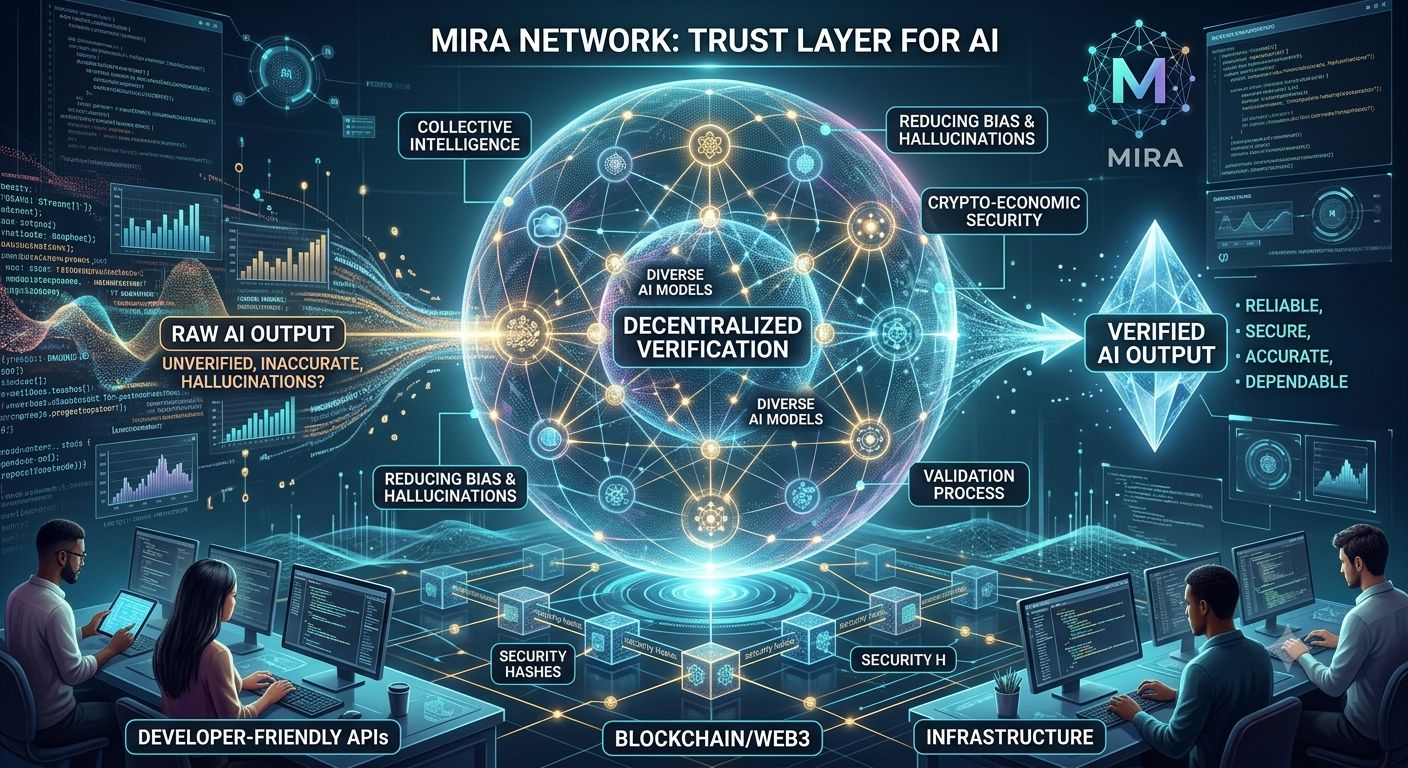
Mira Network is building the trust layer for AI by making AI outputs verifiable, reliable, and secure through decentralized verification.
Instead of relying on a single AI model, Mira uses a network of diverse AI models to validate responses, helping reduce hallucinations, bias, and inaccurate results. This enables developers to build AI applications that can operate with greater confidence and less human oversight.
Key Highlights: • Decentralized AI verification network • Verifies AI outputs using collective intelligence • Reduces AI hallucinations and improves reliability • Crypto-economic security for trustworthy validation • Developer-friendly APIs and infrastructure for AI applications • Vision of enabling fully autonomous, verifiable AI systems
As AI adoption accelerates, trust and verification will become essential. Mira Network is focused on providing the infrastructure that helps make AI outputs dependable for developers, businesses, and users.
#MiraNetwork #MIRA #Blockchain $MIRA
Mira Network is building the trust layer for AI by making AI outputs verifiable, reliable, and secure through decentralized verification.
Instead of relying on a single AI model, Mira uses a network of diverse AI models to validate responses, helping reduce hallucinations, bias, and inaccurate results. This enables developers to build AI applications that can operate with greater confidence and less human oversight.
Key Highlights: • Decentralized AI verification network • Verifies AI outputs using collective intelligence • Reduces AI hallucinations and improves reliability • Crypto-economic security for trustworthy validation • Developer-friendly APIs and infrastructure for AI applications • Vision of enabling fully autonomous, verifiable AI systems
As AI adoption accelerates, trust and verification will become essential. Mira Network is focused on providing the infrastructure that helps make AI outputs dependable for developers, businesses, and users.
#MiraNetwork #MIRA #Blockchain $MIRA
Instead of relying on a single AI model, Mira uses a network of diverse AI models to validate responses, helping reduce hallucinations, bias, and inaccurate results. This enables developers to build AI applications that can operate with greater confidence and less human oversight.
Key Highlights: • Decentralized AI verification network • Verifies AI outputs using collective intelligence • Reduces AI hallucinations and improves reliability • Crypto-economic security for trustworthy validation • Developer-friendly APIs and infrastructure for AI applications • Vision of enabling fully autonomous, verifiable AI systems
As AI adoption accelerates, trust and verification will become essential. Mira Network is focused on providing the infrastructure that helps make AI outputs dependable for developers, businesses, and users.
#MiraNetwork #MIRA #Blockchain $MIRA
123

·
--
උසබ තත්ත්වය
$MIRA #MiraNetwork
Hi there! 👋
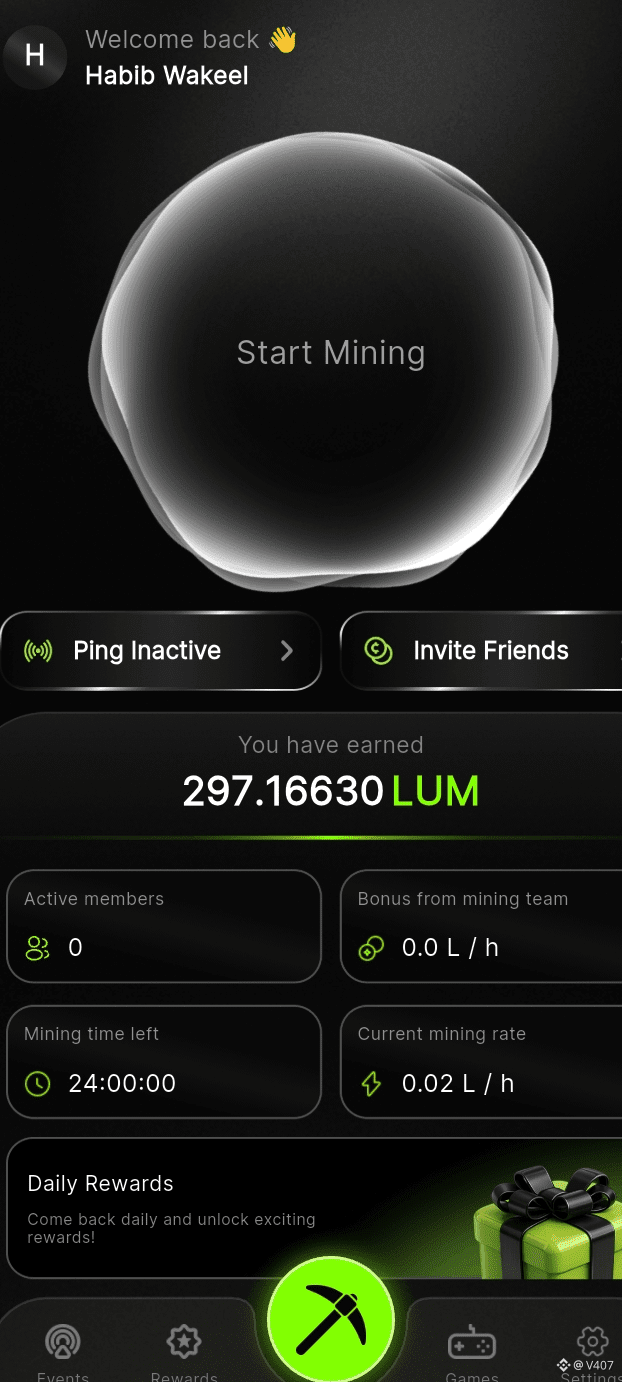
I’m currently mining Lumira Coins for free using the Mirex Network application.
✅Sign up with my referral code to earn +1 Lumira: V407
🌐Website: https://miranetwork.io
Mirex Network is an emerging crypto company based in Switzerland, specialising in tokenizing real-world asset (RWA) businesses. Its unique platform enables community members to become shareholders in tokenized companies.
💰A portion of each company’s profits is allocated to the liquidity pool of Lumira Coins. The more active you are on the app, the more value Lumira Coin can gain.
Join us now and earn your share of the future of tokenization.
{spot}(MIRAUSDT)
$MIRA #MiraNetwork
Hi there! 👋
I’m currently mining Lumira Coins for free using the Mirex Network application.
✅Sign up with my referral code to earn +1 Lumira: V407
🌐Website: https://miranetwork.io
Mirex Network is an emerging crypto company based in Switzerland, specialising in tokenizing real-world asset (RWA) businesses. Its unique platform enables community members to become shareholders in tokenized companies.
💰A portion of each company’s profits is allocated to the liquidity pool of Lumira Coins. The more active you are on the app, the more value Lumira Coin can gain.
Join us now and earn your share of the future of tokenization.
Hi there! 👋
I’m currently mining Lumira Coins for free using the Mirex Network application.
✅Sign up with my referral code to earn +1 Lumira: V407
🌐Website: https://miranetwork.io
Mirex Network is an emerging crypto company based in Switzerland, specialising in tokenizing real-world asset (RWA) businesses. Its unique platform enables community members to become shareholders in tokenized companies.
💰A portion of each company’s profits is allocated to the liquidity pool of Lumira Coins. The more active you are on the app, the more value Lumira Coin can gain.
Join us now and earn your share of the future of tokenization.
4
2
1
246

·
--
𝗪𝗵𝗶𝗹𝗲 𝗲𝘃𝗲𝗿𝘆𝗼𝗻𝗲 𝗶𝘀 𝘀𝗹𝗲𝗲𝗽𝗶𝗻𝗴 𝗼𝗻 𝗔𝗜 𝗵𝘆𝗽𝗲, 𝘁𝗵𝗲 𝗿𝗲𝗮𝗹 𝘀𝗺𝗮𝗿𝘁 𝗺𝗼𝗻𝗲𝘆 𝗶𝘀 𝗾𝘂𝗶𝗲𝘁𝗹𝘆 𝘃𝗲𝗿𝗶𝗳𝘆𝗶𝗻𝗴 𝘁𝗵𝗲 𝘁𝗿𝘂𝘁𝗵.
Most AI agents are just guessing with style. @miranetwork is flipping the script by building the decentralized trust layer, turning hallucinations into auditable facts.
Ignition sequence started. 🚀💎
#MiraNetwork #AI #Web3 #CryptoTrading
𝗪𝗵𝗶𝗹𝗲 𝗲𝘃𝗲𝗿𝘆𝗼𝗻𝗲 𝗶𝘀 𝘀𝗹𝗲𝗲𝗽𝗶𝗻𝗴 𝗼𝗻 𝗔𝗜 𝗵𝘆𝗽𝗲, 𝘁𝗵𝗲 𝗿𝗲𝗮𝗹 𝘀𝗺𝗮𝗿𝘁 𝗺𝗼𝗻𝗲𝘆 𝗶𝘀 𝗾𝘂𝗶𝗲𝘁𝗹𝘆 𝘃𝗲𝗿𝗶𝗳𝘆𝗶𝗻𝗴 𝘁𝗵𝗲 𝘁𝗿𝘂𝘁𝗵.
Most AI agents are just guessing with style. @miranetwork is flipping the script by building the decentralized trust layer, turning hallucinations into auditable facts.
Ignition sequence started. 🚀💎
#MiraNetwork #AI #Web3 #CryptoTrading
Most AI agents are just guessing with style. @miranetwork is flipping the script by building the decentralized trust layer, turning hallucinations into auditable facts.
Ignition sequence started. 🚀💎
#MiraNetwork #AI #Web3 #CryptoTrading
194

·
--
\$MIRA | Mira Network — Decentralized AI Inference Protocol
Friday, August 28, 2026 | Market Snapshot
━━━━━━━━━━━━━━━━━━━━━━
📊 LIVE PRICE DATA (MIRAUSDT)
━━━━━━━━━━━━━━━━━━━━━━
💰 Price: \$0.04137
📉 24h Change: -4.63%
📦 24h Volume: 13,840,402 MIRA (~\$585,352 USDT)
🕯️ 24h Range: \$0.04043 – \$0.04381
━━━━━━━━━━━━━━━━━━━━━━
🌐 TODAY'S MARKET NARRATIVE
━━━━━━━━━━━━━━━━━━━━━━
Mira pulled back ~4.6% on Friday as broader AI-token sentiment softened heading into the weekend. After a strong Monday spike to \$0.0464, the token has been grinding lower in a controlled step-down pattern — each daily close finding temporary equilibrium before sellers re-emerge. Volume is declining alongside price (today's vol is the lightest of the past 7 days), which can signal exhaustion of selling pressure. The key question: does \$0.0404 hold as a demand zone, or does MIRA revisit the \$0.039 structural base? The decentralized AI inference narrative remains intact fundamentally, but macro risk-off mood and profit-taking are weighing short-term.
━━━━━━━━━━━━━━━━━━━━━━
📌 KEY LEVELS TO WATCH
━━━━━━━━━━━━━━━━━━━━━━
🟢 SUPPORT
S1: \$0.0404 — Today's intraday low / week demand zone
S2: \$0.0394 — Prior consolidation base (strong buyer interest)
🔴 RESISTANCE
R1: \$0.0438 — Yesterday's high / near-term ceiling
R2: \$0.0464 — This week's peak / breakout line to watch
━━━━━━━━━━━━━━━━━━━━━━
⚠️ MAIN RISK
━━━━━━━━━━━━━━━━━━━━━━
If \$0.0404 support breaks on elevated volume, the next meaningful floor is ~\$0.039. A close below that level would invalidate the short-term bullish structure and could trigger a wider correction toward \$0.035. AI-sector tokens remain highly sensitive to macro shifts and sentiment changes — position sizing matters.
━━━━━━━━━━━━━━━━━━━━━━
🗳️ QUICK POLL — What's your \$MIRA outlook for the next 7 days?
━━━━━━━━━━━━━━━━━━━━━━
A) 🚀 Bullish — bounce from support, back above \$0.045
B) 😐 Neutral — sideways chop between \$0.040–\$0.044
C) 🐻 Bearish — breakdown below \$0.040, deeper correction
Drop your vote below! 👇
#MIRA #MiraNetwork #DecentralizedAI
\$MIRA | Mira Network — Decentralized AI Inference Protocol
Friday, August 28, 2026 | Market Snapshot
━━━━━━━━━━━━━━━━━━━━━━
📊 LIVE PRICE DATA (MIRAUSDT)
━━━━━━━━━━━━━━━━━━━━━━
💰 Price: \$0.04137
📉 24h Change: -4.63%
📦 24h Volume: 13,840,402 MIRA (~\$585,352 USDT)
🕯️ 24h Range: \$0.04043 – \$0.04381
━━━━━━━━━━━━━━━━━━━━━━
🌐 TODAY'S MARKET NARRATIVE
━━━━━━━━━━━━━━━━━━━━━━
Mira pulled back ~4.6% on Friday as broader AI-token sentiment softened heading into the weekend. After a strong Monday spike to \$0.0464, the token has been grinding lower in a controlled step-down pattern — each daily close finding temporary equilibrium before sellers re-emerge. Volume is declining alongside price (today's vol is the lightest of the past 7 days), which can signal exhaustion of selling pressure. The key question: does \$0.0404 hold as a demand zone, or does MIRA revisit the \$0.039 structural base? The decentralized AI inference narrative remains intact fundamentally, but macro risk-off mood and profit-taking are weighing short-term.
━━━━━━━━━━━━━━━━━━━━━━
📌 KEY LEVELS TO WATCH
━━━━━━━━━━━━━━━━━━━━━━
🟢 SUPPORT
S1: \$0.0404 — Today's intraday low / week demand zone
S2: \$0.0394 — Prior consolidation base (strong buyer interest)
🔴 RESISTANCE
R1: \$0.0438 — Yesterday's high / near-term ceiling
R2: \$0.0464 — This week's peak / breakout line to watch
━━━━━━━━━━━━━━━━━━━━━━
⚠️ MAIN RISK
━━━━━━━━━━━━━━━━━━━━━━
If \$0.0404 support breaks on elevated volume, the next meaningful floor is ~\$0.039. A close below that level would invalidate the short-term bullish structure and could trigger a wider correction toward \$0.035. AI-sector tokens remain highly sensitive to macro shifts and sentiment changes — position sizing matters.
━━━━━━━━━━━━━━━━━━━━━━
🗳️ QUICK POLL — What's your \$MIRA outlook for the next 7 days?
━━━━━━━━━━━━━━━━━━━━━━
A) 🚀 Bullish — bounce from support, back above \$0.045
B) 😐 Neutral — sideways chop between \$0.040–\$0.044
C) 🐻 Bearish — breakdown below \$0.040, deeper correction
Drop your vote below! 👇
#MIRA #MiraNetwork #DecentralizedAI
Friday, August 28, 2026 | Market Snapshot
━━━━━━━━━━━━━━━━━━━━━━
📊 LIVE PRICE DATA (MIRAUSDT)
━━━━━━━━━━━━━━━━━━━━━━
💰 Price: \$0.04137
📉 24h Change: -4.63%
📦 24h Volume: 13,840,402 MIRA (~\$585,352 USDT)
🕯️ 24h Range: \$0.04043 – \$0.04381
━━━━━━━━━━━━━━━━━━━━━━
🌐 TODAY'S MARKET NARRATIVE
━━━━━━━━━━━━━━━━━━━━━━
Mira pulled back ~4.6% on Friday as broader AI-token sentiment softened heading into the weekend. After a strong Monday spike to \$0.0464, the token has been grinding lower in a controlled step-down pattern — each daily close finding temporary equilibrium before sellers re-emerge. Volume is declining alongside price (today's vol is the lightest of the past 7 days), which can signal exhaustion of selling pressure. The key question: does \$0.0404 hold as a demand zone, or does MIRA revisit the \$0.039 structural base? The decentralized AI inference narrative remains intact fundamentally, but macro risk-off mood and profit-taking are weighing short-term.
━━━━━━━━━━━━━━━━━━━━━━
📌 KEY LEVELS TO WATCH
━━━━━━━━━━━━━━━━━━━━━━
🟢 SUPPORT
S1: \$0.0404 — Today's intraday low / week demand zone
S2: \$0.0394 — Prior consolidation base (strong buyer interest)
🔴 RESISTANCE
R1: \$0.0438 — Yesterday's high / near-term ceiling
R2: \$0.0464 — This week's peak / breakout line to watch
━━━━━━━━━━━━━━━━━━━━━━
⚠️ MAIN RISK
━━━━━━━━━━━━━━━━━━━━━━
If \$0.0404 support breaks on elevated volume, the next meaningful floor is ~\$0.039. A close below that level would invalidate the short-term bullish structure and could trigger a wider correction toward \$0.035. AI-sector tokens remain highly sensitive to macro shifts and sentiment changes — position sizing matters.
━━━━━━━━━━━━━━━━━━━━━━
🗳️ QUICK POLL — What's your \$MIRA outlook for the next 7 days?
━━━━━━━━━━━━━━━━━━━━━━
A) 🚀 Bullish — bounce from support, back above \$0.045
B) 😐 Neutral — sideways chop between \$0.040–\$0.044
C) 🐻 Bearish — breakdown below \$0.040, deeper correction
Drop your vote below! 👇
#MIRA #MiraNetwork #DecentralizedAI
178

#mira $MIRA A la hora de en encontrar una red confiable ,veridico e decentralizados #miranetwork es una tecnología nueva y diseñada para facilitar la veracidad de datos tomando en cuenta tanto las tecnologías de blockchain antiguas como la IA, $MIRA es una salida y adaptación de las antiguas blockchain a las implementación de la IA para la seguridad y la a estabilidad de mundo de las cripto moneda .
Tanto la IA como las tecnologías de blockchain son herramientas de altísimo nivel que nos facilitan , tanto en movilidad como en seguridad
ya que al ser decentralizados tenemos más control en nuestro activos con #MİRA nuestro control es aún más seguro ya dicha plataforma opera con tecnología de punta .
#mira $MIRA A la hora de en encontrar una red confiable ,veridico e decentralizados #miranetwork es una tecnología nueva y diseñada para facilitar la veracidad de datos tomando en cuenta tanto las tecnologías de blockchain antiguas como la IA, $MIRA es una salida y adaptación de las antiguas blockchain a las implementación de la IA para la seguridad y la a estabilidad de mundo de las cripto moneda .
Tanto la IA como las tecnologías de blockchain son herramientas de altísimo nivel que nos facilitan , tanto en movilidad como en seguridad
ya que al ser decentralizados tenemos más control en nuestro activos con #MİRA nuestro control es aún más seguro ya dicha plataforma opera con tecnología de punta .
Tanto la IA como las tecnologías de blockchain son herramientas de altísimo nivel que nos facilitan , tanto en movilidad como en seguridad
ya que al ser decentralizados tenemos más control en nuestro activos con #MİRA nuestro control es aún más seguro ya dicha plataforma opera con tecnología de punta .
1
107

·
--
AI 代理的未来:为什么 Mira Network 的验证机制是 2026 年的核心标准?在当前的 Web3 世界中,我们正见证着从简单的聊天机器人向全自动化 AI 代理(AI Agents)的巨大飞跃。然而,一个核心痛点始终存在:如果错误决策会导致真实的资产损失,我们该如何信任 AI 的输出?@mira_network _network 通过构建去中心化的 AI 信任层,为这一难题提供了根本性的解决方案。
为什么生态系统需要 Mira?
传统的 AI 模型往往伴随着“幻觉”和算法偏见,这在金融和去中心化场景中是不可接受的。通过引入 $MIRA 代币,该项目实现了一种创新的混合共识模型,验证节点在经济利益的驱动下,确保数据的准确性与真实性。
核心技术优势:
去中心化验证:AI 生成的结果被拆解为原子级陈述,由独立节点网络进行交叉验证。$MIRA 代币经济学:代币不仅是支付媒介,更是安全抵押品。质押 $MIRA 可有效防止网络中的恶意行为。基于 Base 链的高效性:得益于 Layer 2 方案,项目在保证安全性的同时,实现了极低成本的高频交易,完美适配大规模 AI 调用需求。
到 2026 年,“经验证的 AI”将像“审计过的智能合约”一样,成为 DeFi 领域的标准配置。如果没有 @mira_network 正在构建的这种基础设施,AI 代理在区块链商业中的大规模应用将无从谈起。
AI 的未来不仅仅在于算力,更在于每一步推论的透明度。关注生态发展,让我们共同步入受验证的智能时代。
#Mira #AI #Web3 #Blockchain #Miranetwork
AI 代理的未来:为什么 Mira Network 的验证机制是 2026 年的核心标准?
在当前的 Web3 世界中,我们正见证着从简单的聊天机器人向全自动化 AI 代理(AI Agents)的巨大飞跃。然而,一个核心痛点始终存在:如果错误决策会导致真实的资产损失,我们该如何信任 AI 的输出?@Mira - Trust Layer of AI _network 通过构建去中心化的 AI 信任层,为这一难题提供了根本性的解决方案。
为什么生态系统需要 Mira?
传统的 AI 模型往往伴随着“幻觉”和算法偏见,这在金融和去中心化场景中是不可接受的。通过引入 $MIRA 代币,该项目实现了一种创新的混合共识模型,验证节点在经济利益的驱动下,确保数据的准确性与真实性。
核心技术优势:
去中心化验证:AI 生成的结果被拆解为原子级陈述,由独立节点网络进行交叉验证。$MIRA 代币经济学:代币不仅是支付媒介,更是安全抵押品。质押 $MIRA 可有效防止网络中的恶意行为。基于 Base 链的高效性:得益于 Layer 2 方案,项目在保证安全性的同时,实现了极低成本的高频交易,完美适配大规模 AI 调用需求。
到 2026 年,“经验证的 AI”将像“审计过的智能合约”一样,成为 DeFi 领域的标准配置。如果没有 @Mira - Trust Layer of AI 正在构建的这种基础设施,AI 代理在区块链商业中的大规模应用将无从谈起。
AI 的未来不仅仅在于算力,更在于每一步推论的透明度。关注生态发展,让我们共同步入受验证的智能时代。
#Mira #AI #Web3 #Blockchain #Miranetwork
为什么生态系统需要 Mira?
传统的 AI 模型往往伴随着“幻觉”和算法偏见,这在金融和去中心化场景中是不可接受的。通过引入 $MIRA 代币,该项目实现了一种创新的混合共识模型,验证节点在经济利益的驱动下,确保数据的准确性与真实性。
核心技术优势:
去中心化验证:AI 生成的结果被拆解为原子级陈述,由独立节点网络进行交叉验证。$MIRA 代币经济学:代币不仅是支付媒介,更是安全抵押品。质押 $MIRA 可有效防止网络中的恶意行为。基于 Base 链的高效性:得益于 Layer 2 方案,项目在保证安全性的同时,实现了极低成本的高频交易,完美适配大规模 AI 调用需求。
到 2026 年,“经验证的 AI”将像“审计过的智能合约”一样,成为 DeFi 领域的标准配置。如果没有 @Mira - Trust Layer of AI 正在构建的这种基础设施,AI 代理在区块链商业中的大规模应用将无从谈起。
AI 的未来不仅仅在于算力,更在于每一步推论的透明度。关注生态发展,让我们共同步入受验证的智能时代。
#Mira #AI #Web3 #Blockchain #Miranetwork
7
79
ලිපිය
Future of Digital CryptoI've been thinking a lot about MiraNetwork lately, 🤔
Many see it simply as a blockchain.
To me, that's too narrow.
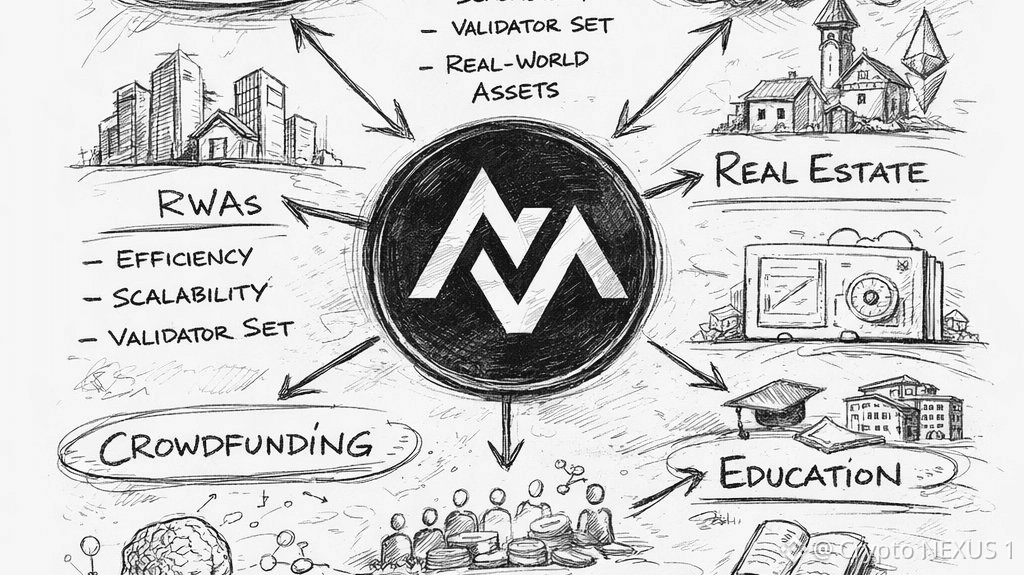
MiraNetwork is an ecosystem, and it doesn't stop at a single use case.
MIRA-20, with its PoSa (Proof of Stake Authority) consensus, felt different from the start.
This isn't a chain for light experimentation.
Its architecture is built to support the weight of the real economy:
real estate, RWAs, and large-scale crowdfunding things that can't afford to fail.
Often unseen, MiraNetwork moves quickly behind the scenes.
Its focus isn't on the noise, but on the foundation.
Its approach is built on international regulatory standards, with a clear path to long-term compliance.
On the infrastructure side, MiraNetwork isn't operating alone either.
It's supported by the right partners;
Dysnix → supports the stability and management of network infrastructure.
OVHcloud → provides reliable and scalable global cloud services.
This choice isn't about popularity, but about accuracy.
The ecosystem is evolving naturally:
education,
gaming, and AI.
Not to appear busy,
but to build a mutually reinforcing circle of utility.
Will this align with Solana?
The approach is similar:
efficiency, low fees, and readiness for scale.
But MiraNetwork has chosen a more conservative and durable focus: real assets and a long-term structure.
Will this align with Ethereum?
Ethereum built the foundation of smart contracts and digital finance.
MiraNetwork is trying to bring that foundation closer to the real world
real assets, clear ownership, and accountable liquidity.
Then there's the matter of value.
BTC grew because it became the foundation of trust in its era.
I see a logical possibility of RWAs becoming the next cycle.
The assets are real.
The liquidity is on-chain.
And the framework is reinforced by Swiss law and regulations 🇨🇭.
Such a foundation is not easily destroyed.
This isn't a grand claim.
It's a rational observation, in my opinion.
And frankly, it's fascinating to watch.
For those who don't want to be mere spectators,
MiraNetwork is paving the way for early participation.
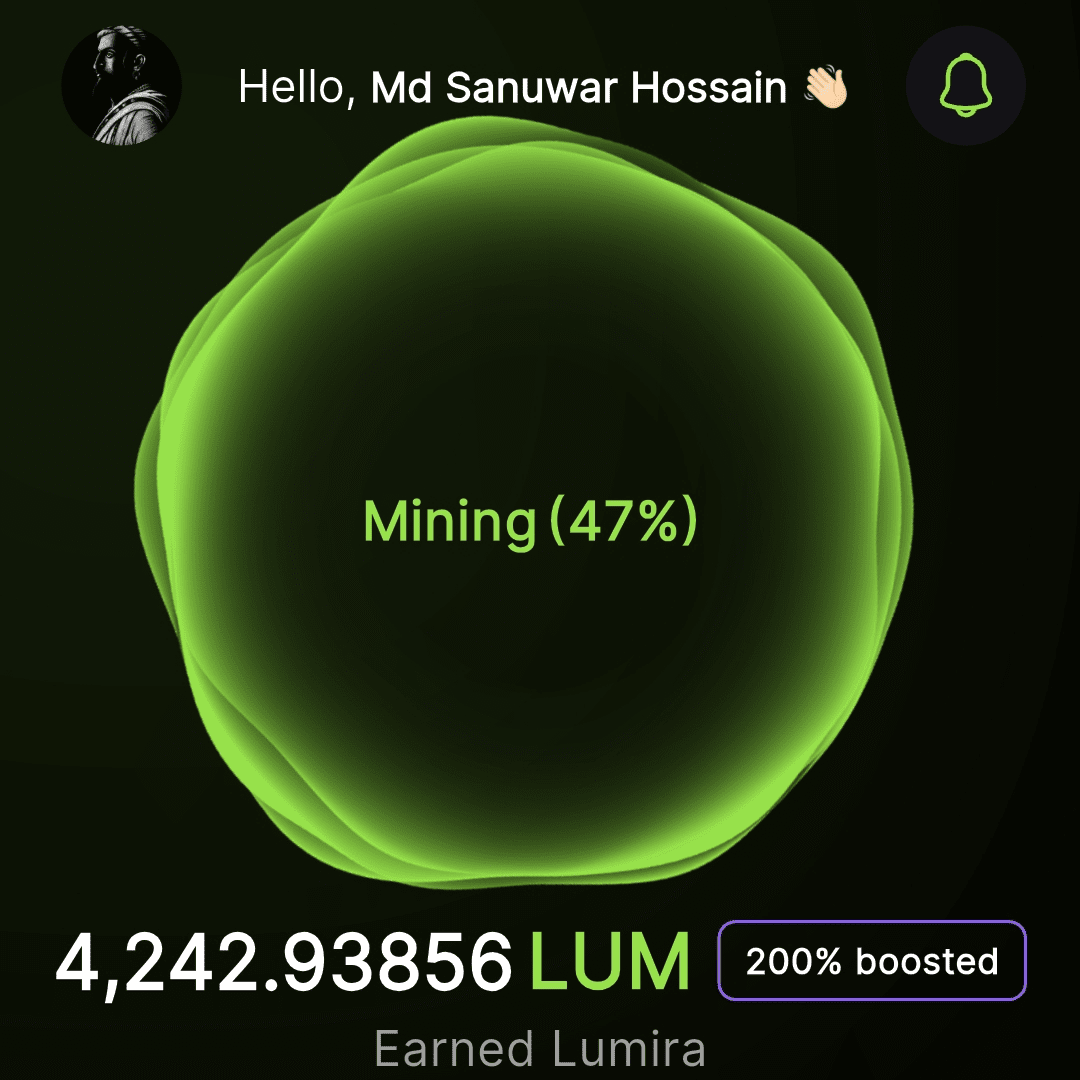
Mining the $LUM stablecoin,
live on the MIRANetwork apps,
🔹LUMIRA is launched with an initial supply of 250 million,
while
🔸 MIREX is designed with a fixed supply of only 27 million.
a structure that prioritizes balance, scarcity, and long-term sustainability.
🌐 miranetwork.io
Referral Code-Sanuwar47
I believe the next cycle won’t be about who makes the most noise,
but about who is most prepared when the real world truly enters the blockchain🍻
#Blockchain #Dysnix #ovhcloud #MiraNetwork #Airdrops #RWAs #Tokenization #lumira #mirexcoin #mira20
Future of Digital Crypto
I've been thinking a lot about MiraNetwork lately, 🤔
Many see it simply as a blockchain.
To me, that's too narrow.
MiraNetwork is an ecosystem, and it doesn't stop at a single use case.
MIRA-20, with its PoSa (Proof of Stake Authority) consensus, felt different from the start.
This isn't a chain for light experimentation.
Its architecture is built to support the weight of the real economy:
real estate, RWAs, and large-scale crowdfunding things that can't afford to fail.
Often unseen, MiraNetwork moves quickly behind the scenes.
Its focus isn't on the noise, but on the foundation.
Its approach is built on international regulatory standards, with a clear path to long-term compliance.
On the infrastructure side, MiraNetwork isn't operating alone either.
It's supported by the right partners;
Dysnix → supports the stability and management of network infrastructure.
OVHcloud → provides reliable and scalable global cloud services.
This choice isn't about popularity, but about accuracy.
The ecosystem is evolving naturally:
education,
gaming, and AI.
Not to appear busy,
but to build a mutually reinforcing circle of utility.
Will this align with Solana?
The approach is similar:
efficiency, low fees, and readiness for scale.
But MiraNetwork has chosen a more conservative and durable focus: real assets and a long-term structure.
Will this align with Ethereum?
Ethereum built the foundation of smart contracts and digital finance.
MiraNetwork is trying to bring that foundation closer to the real world
real assets, clear ownership, and accountable liquidity.
Then there's the matter of value.
BTC grew because it became the foundation of trust in its era.
I see a logical possibility of RWAs becoming the next cycle.
The assets are real.
The liquidity is on-chain.
And the framework is reinforced by Swiss law and regulations 🇨🇭.
Such a foundation is not easily destroyed.
This isn't a grand claim.
It's a rational observation, in my opinion.
And frankly, it's fascinating to watch.
For those who don't want to be mere spectators,
MiraNetwork is paving the way for early participation.
Mining the $LUM stablecoin,
live on the MIRANetwork apps,
🔹LUMIRA is launched with an initial supply of 250 million,
while
🔸 MIREX is designed with a fixed supply of only 27 million.
a structure that prioritizes balance, scarcity, and long-term sustainability.
🌐 miranetwork.io
Referral Code-Sanuwar47
I believe the next cycle won’t be about who makes the most noise,
but about who is most prepared when the real world truly enters the blockchain🍻
#Blockchain #Dysnix #ovhcloud #MiraNetwork #Airdrops #RWAs #Tokenization #lumira #mirexcoin #mira20
Many see it simply as a blockchain.
To me, that's too narrow.
MiraNetwork is an ecosystem, and it doesn't stop at a single use case.
MIRA-20, with its PoSa (Proof of Stake Authority) consensus, felt different from the start.
This isn't a chain for light experimentation.
Its architecture is built to support the weight of the real economy:
real estate, RWAs, and large-scale crowdfunding things that can't afford to fail.
Often unseen, MiraNetwork moves quickly behind the scenes.
Its focus isn't on the noise, but on the foundation.
Its approach is built on international regulatory standards, with a clear path to long-term compliance.
On the infrastructure side, MiraNetwork isn't operating alone either.
It's supported by the right partners;
Dysnix → supports the stability and management of network infrastructure.
OVHcloud → provides reliable and scalable global cloud services.
This choice isn't about popularity, but about accuracy.
The ecosystem is evolving naturally:
education,
gaming, and AI.
Not to appear busy,
but to build a mutually reinforcing circle of utility.
Will this align with Solana?
The approach is similar:
efficiency, low fees, and readiness for scale.
But MiraNetwork has chosen a more conservative and durable focus: real assets and a long-term structure.
Will this align with Ethereum?
Ethereum built the foundation of smart contracts and digital finance.
MiraNetwork is trying to bring that foundation closer to the real world
real assets, clear ownership, and accountable liquidity.
Then there's the matter of value.
BTC grew because it became the foundation of trust in its era.
I see a logical possibility of RWAs becoming the next cycle.
The assets are real.
The liquidity is on-chain.
And the framework is reinforced by Swiss law and regulations 🇨🇭.
Such a foundation is not easily destroyed.
This isn't a grand claim.
It's a rational observation, in my opinion.
And frankly, it's fascinating to watch.
For those who don't want to be mere spectators,
MiraNetwork is paving the way for early participation.
Mining the $LUM stablecoin,
live on the MIRANetwork apps,
🔹LUMIRA is launched with an initial supply of 250 million,
while
🔸 MIREX is designed with a fixed supply of only 27 million.
a structure that prioritizes balance, scarcity, and long-term sustainability.
🌐 miranetwork.io
Referral Code-Sanuwar47
I believe the next cycle won’t be about who makes the most noise,
but about who is most prepared when the real world truly enters the blockchain🍻
#Blockchain #Dysnix #ovhcloud #MiraNetwork #Airdrops #RWAs #Tokenization #lumira #mirexcoin #mira20
81

·
--
رغم أن النماذج اللغوية الضخمة قادرة على توليد محتوى إبداعي ومقنع، إلا أنها كثيراً ما تقع في فخ “الهلاوس” أو الأخطاء الناتجة عن التحيز. من هنا برزت عملة MIRA كأحد المشاريع الرائدة التي تسعى إلى تقديم حل جذري لهذه المشكلة من خلال دمج تقنيات البلوكشين مع الذكاء الاصطناعي، لتأسيس شبكة تحقق لا مركزية تضمن مصداقية المخرجات.#miranetworK #Mira #mira $MIRA #Binance #Write2Earn! $MIRA
{spot}(MIRAUSDT)
رغم أن النماذج اللغوية الضخمة قادرة على توليد محتوى إبداعي ومقنع، إلا أنها كثيراً ما تقع في فخ “الهلاوس” أو الأخطاء الناتجة عن التحيز. من هنا برزت عملة MIRA كأحد المشاريع الرائدة التي تسعى إلى تقديم حل جذري لهذه المشكلة من خلال دمج تقنيات البلوكشين مع الذكاء الاصطناعي، لتأسيس شبكة تحقق لا مركزية تضمن مصداقية المخرجات.#miranetworK #Mira #mira $MIRA #Binance #Write2Earn! $MIRA
37
623

·
--
MIRA TOKEN is trading around 0.093 USD today. It is up 5-6% today, and the volume is also very good in 24 hours. Market cap is around 23 million dollars, rank is like #613. ATH was 2.61 dollars (September 2025), now it is much lower but has been on the rise again in the last few days.
What is this? Mira Network is the trust layer of AI. It means that whatever AI says or does, it verifies it in a decentralized way. It verifies it with multiple LLMs, locks it in the blockchain. Mainnet has been launched, staking, governance, verification fee — all are done with MIRA tokens. In the era of AI, there is a need for such projects, brother!
What will the future be like? I think the long term is solid. AI hype is growing, many places predict that it will go up to $0.19-0.25 by 2027 if it is adopted. Some say $1 is possible in 2-3 years if v2.0 + big partnerships come. But the short term is very volatile, if the market dumps, it will go down. I myself am holding a little, in a small amount. Because the combo of AI + crypto is hot now. But 100% DYOR it, bro.
#MIRA #MiraNetwork #CryptoBD #AIToken #BangladeshCrypto
MIRA TOKEN is trading around 0.093 USD today. It is up 5-6% today, and the volume is also very good in 24 hours. Market cap is around 23 million dollars, rank is like #613. ATH was 2.61 dollars (September 2025), now it is much lower but has been on the rise again in the last few days.
What is this? Mira Network is the trust layer of AI. It means that whatever AI says or does, it verifies it in a decentralized way. It verifies it with multiple LLMs, locks it in the blockchain. Mainnet has been launched, staking, governance, verification fee — all are done with MIRA tokens. In the era of AI, there is a need for such projects, brother!
What will the future be like? I think the long term is solid. AI hype is growing, many places predict that it will go up to $0.19-0.25 by 2027 if it is adopted. Some say $1 is possible in 2-3 years if v2.0 + big partnerships come. But the short term is very volatile, if the market dumps, it will go down. I myself am holding a little, in a small amount. Because the combo of AI + crypto is hot now. But 100% DYOR it, bro.
#MIRA #MiraNetwork #CryptoBD #AIToken #BangladeshCrypto
What is this? Mira Network is the trust layer of AI. It means that whatever AI says or does, it verifies it in a decentralized way. It verifies it with multiple LLMs, locks it in the blockchain. Mainnet has been launched, staking, governance, verification fee — all are done with MIRA tokens. In the era of AI, there is a need for such projects, brother!
What will the future be like? I think the long term is solid. AI hype is growing, many places predict that it will go up to $0.19-0.25 by 2027 if it is adopted. Some say $1 is possible in 2-3 years if v2.0 + big partnerships come. But the short term is very volatile, if the market dumps, it will go down. I myself am holding a little, in a small amount. Because the combo of AI + crypto is hot now. But 100% DYOR it, bro.
#MIRA #MiraNetwork #CryptoBD #AIToken #BangladeshCrypto
3
362

·
--
උසබ තත්ත්වය
#mira $MIRA MIRA Network: The Next Big Frontier in Modular AI?
Modular Ecosystem ka naya king MIRA Network ab limelight mein hai! Agar aapne miss kiya hai, toh ye raha quick breakdown kyun ye project $MIRA tokens ke liye itna bullish lag raha hai:
🔹 What is MIRA?
MIRA ek AI-driven modular network hai jo developers ko decentralized AI apps build karne ke liye scalable aur efficient infrastructure deta hai.
🔹 Why the Hype?
Scalability: Iska modular architecture speed aur low cost ka perfect combo hai.
Community Growth: MIRA ki community aur testnet participation tezi se grow kar rahi hai.
Binance Potential: Log expect kar rahe hain ki iska ecosystem jaldi hi bade exchanges par dhamaal machayega.
Is it the next 10x? 📈
AI aur Modular tech ka trend 2024-25 mein top par hai, aur MIRA dono ko hit karta hai.
👇 Kya aapne $MIRA ke airdrop ya testnet mein participate kiya? Comment mein batao!
#MIRA #MiraNetwork #CryptoNews🔒📰🚫 #ModularBlockchain #BinanceSquare #CryptoIndia
#mira $MIRA MIRA Network: The Next Big Frontier in Modular AI?
Modular Ecosystem ka naya king MIRA Network ab limelight mein hai! Agar aapne miss kiya hai, toh ye raha quick breakdown kyun ye project $MIRA tokens ke liye itna bullish lag raha hai:
🔹 What is MIRA?
MIRA ek AI-driven modular network hai jo developers ko decentralized AI apps build karne ke liye scalable aur efficient infrastructure deta hai.
🔹 Why the Hype?
Scalability: Iska modular architecture speed aur low cost ka perfect combo hai.
Community Growth: MIRA ki community aur testnet participation tezi se grow kar rahi hai.
Binance Potential: Log expect kar rahe hain ki iska ecosystem jaldi hi bade exchanges par dhamaal machayega.
Is it the next 10x? 📈
AI aur Modular tech ka trend 2024-25 mein top par hai, aur MIRA dono ko hit karta hai.
👇 Kya aapne $MIRA ke airdrop ya testnet mein participate kiya? Comment mein batao!
#MIRA #MiraNetwork #CryptoNews🔒📰🚫 #ModularBlockchain #BinanceSquare #CryptoIndia
Modular Ecosystem ka naya king MIRA Network ab limelight mein hai! Agar aapne miss kiya hai, toh ye raha quick breakdown kyun ye project $MIRA tokens ke liye itna bullish lag raha hai:
🔹 What is MIRA?
MIRA ek AI-driven modular network hai jo developers ko decentralized AI apps build karne ke liye scalable aur efficient infrastructure deta hai.
🔹 Why the Hype?
Scalability: Iska modular architecture speed aur low cost ka perfect combo hai.
Community Growth: MIRA ki community aur testnet participation tezi se grow kar rahi hai.
Binance Potential: Log expect kar rahe hain ki iska ecosystem jaldi hi bade exchanges par dhamaal machayega.
Is it the next 10x? 📈
AI aur Modular tech ka trend 2024-25 mein top par hai, aur MIRA dono ko hit karta hai.
👇 Kya aapne $MIRA ke airdrop ya testnet mein participate kiya? Comment mein batao!
#MIRA #MiraNetwork #CryptoNews🔒📰🚫 #ModularBlockchain #BinanceSquare #CryptoIndia

1
7

Mira Network Verifying the Future of AI
AI is powerful.
But power without verification is risk.
Mira Network is building the trust layer for AI.
1️⃣ What It Solves
AI hallucinations and unverified outputs in high-stakes environments like finance, research, and automation.
2️⃣ How It Works
AI outputs are broken into structured claims.
Each claim is independently verified through decentralized validator consensus.
3️⃣ Why It Matters
No blind trust.
No centralized gatekeeper.
Transparent, cryptographic proof of correctness.
4️⃣ Incentive Model
Validators stake MIRA tokens.
Accurate verification earns rewards.
Dishonest behavior risks slashing.
5️⃣ MIRA Token Utility
• Staking
• Verification rewards
• Governance
• Network security
Smarter AI isn’t enough.
Verifiable AI is the future.
Always do your own research.
#MiraNetwork #AIVerification #CryptoInfrastructure #Mira $MIRA
Mira Network Verifying the Future of AI
AI is powerful.
But power without verification is risk.
Mira Network is building the trust layer for AI.
1️⃣ What It Solves
AI hallucinations and unverified outputs in high-stakes environments like finance, research, and automation.
2️⃣ How It Works
AI outputs are broken into structured claims.
Each claim is independently verified through decentralized validator consensus.
3️⃣ Why It Matters
No blind trust.
No centralized gatekeeper.
Transparent, cryptographic proof of correctness.
4️⃣ Incentive Model
Validators stake MIRA tokens.
Accurate verification earns rewards.
Dishonest behavior risks slashing.
5️⃣ MIRA Token Utility
• Staking
• Verification rewards
• Governance
• Network security
Smarter AI isn’t enough.
Verifiable AI is the future.
Always do your own research.
#MiraNetwork #AIVerification #CryptoInfrastructure #Mira $MIRA
AI is powerful.
But power without verification is risk.
Mira Network is building the trust layer for AI.
1️⃣ What It Solves
AI hallucinations and unverified outputs in high-stakes environments like finance, research, and automation.
2️⃣ How It Works
AI outputs are broken into structured claims.
Each claim is independently verified through decentralized validator consensus.
3️⃣ Why It Matters
No blind trust.
No centralized gatekeeper.
Transparent, cryptographic proof of correctness.
4️⃣ Incentive Model
Validators stake MIRA tokens.
Accurate verification earns rewards.
Dishonest behavior risks slashing.
5️⃣ MIRA Token Utility
• Staking
• Verification rewards
• Governance
• Network security
Smarter AI isn’t enough.
Verifiable AI is the future.
Always do your own research.
#MiraNetwork #AIVerification #CryptoInfrastructure #Mira $MIRA
1
1
8
96

ලිපිය
From Trustless Money to Trustless Intelligence: Why Does Mira Fit the Web3 Vision?Web3 began with a simple idea. Eliminate the need to trust a central authority.
Bitcoin demonstrated that money can be transferred without the need for banks. Ethereum showed that agreements can work without middlemen. Over time, the main idea became clear: systems should run on rules and incentives, not just trust in one company.
People often call this idea “trustless.” It doesn’t mean there’s no trust at all. Instead, trust shifts to open systems instead of big institutions.
Now a new question is emerging.
If Web3 aims to decentralize money and infrastructure, what happens when intelligence itself becomes part of the system?
Artificial intelligence is increasingly being used across digital platforms. But most AI systems today are centralized. They are controlled by a small number of companies. When you use them, you are trusting the provider behind the model.
That creates a gap between AI and Web3 philosophy.
This is where @mira_network positions itself.
Mira is built around the idea that AI outputs should not rely on a single source of authority. Instead of trusting one model, Mira introduces a system where multiple independent validators review and confirm AI responses.
The concept mirrors blockchain validation.
In Bitcoin, no single miner decides which transaction is valid. In Ethereum, no single node controls the network. Consensus emerges from many participants following shared rules.
Mira applies a similar structure to AI verification.
When an AI generates a response, Mira distributes smaller claims from that response across a network of validators. Each validator checks the claims independently. If enough agreement exists, the output passes verification.
The goal is simple. Reduce reliance on one centralised intelligence provider.
This approach aligns closely with Web3 principles.
Web3 focuses on decentralization, transparency, and incentive alignment. Mira introduces economic incentives into AI verification. Validators must stake $MIRA tokens to participate, creating accountability. Honest behavior is rewarded. Dishonest behavior carries risk.
Instead of trusting a company’s reputation, the system relies on structured rules and economic consequences.
It’s important to be clear that Mira is not replacing AI models. It is adding a decentralized verification layer on top of them. The focus is not on building smarter AI but on reducing dependence on a single source of truth.
As AI becomes more integrated into digital systems, especially those connected to blockchain infrastructure, the question of reliability becomes more important. If decisions, automation, or analysis depend on AI outputs, the method of verification matters.
Web3 began by making money trustless. Projects like Mira explore whether intelligence can follow a similar path.
The broader vision is consistent. Systems that function through transparent processes and shared validation, rather than centralized control.
That alignment is why Mira fits naturally into the Web3 conversation.
#Mira #TrustlessAI #MiraNetwork
From Trustless Money to Trustless Intelligence: Why Does Mira Fit the Web3 Vision?
Web3 began with a simple idea. Eliminate the need to trust a central authority.
Bitcoin demonstrated that money can be transferred without the need for banks. Ethereum showed that agreements can work without middlemen. Over time, the main idea became clear: systems should run on rules and incentives, not just trust in one company.
People often call this idea “trustless.” It doesn’t mean there’s no trust at all. Instead, trust shifts to open systems instead of big institutions.
Now a new question is emerging.
If Web3 aims to decentralize money and infrastructure, what happens when intelligence itself becomes part of the system?
Artificial intelligence is increasingly being used across digital platforms. But most AI systems today are centralized. They are controlled by a small number of companies. When you use them, you are trusting the provider behind the model.
That creates a gap between AI and Web3 philosophy.
This is where @Mira - Trust Layer of AI positions itself.
Mira is built around the idea that AI outputs should not rely on a single source of authority. Instead of trusting one model, Mira introduces a system where multiple independent validators review and confirm AI responses.
The concept mirrors blockchain validation.
In Bitcoin, no single miner decides which transaction is valid. In Ethereum, no single node controls the network. Consensus emerges from many participants following shared rules.
Mira applies a similar structure to AI verification.
When an AI generates a response, Mira distributes smaller claims from that response across a network of validators. Each validator checks the claims independently. If enough agreement exists, the output passes verification.
The goal is simple. Reduce reliance on one centralised intelligence provider.
This approach aligns closely with Web3 principles.
Web3 focuses on decentralization, transparency, and incentive alignment. Mira introduces economic incentives into AI verification. Validators must stake $MIRA tokens to participate, creating accountability. Honest behavior is rewarded. Dishonest behavior carries risk.
Instead of trusting a company’s reputation, the system relies on structured rules and economic consequences.
It’s important to be clear that Mira is not replacing AI models. It is adding a decentralized verification layer on top of them. The focus is not on building smarter AI but on reducing dependence on a single source of truth.
As AI becomes more integrated into digital systems, especially those connected to blockchain infrastructure, the question of reliability becomes more important. If decisions, automation, or analysis depend on AI outputs, the method of verification matters.
Web3 began by making money trustless. Projects like Mira explore whether intelligence can follow a similar path.
The broader vision is consistent. Systems that function through transparent processes and shared validation, rather than centralized control.
That alignment is why Mira fits naturally into the Web3 conversation.
#Mira #TrustlessAI #MiraNetwork
Bitcoin demonstrated that money can be transferred without the need for banks. Ethereum showed that agreements can work without middlemen. Over time, the main idea became clear: systems should run on rules and incentives, not just trust in one company.
People often call this idea “trustless.” It doesn’t mean there’s no trust at all. Instead, trust shifts to open systems instead of big institutions.
Now a new question is emerging.
If Web3 aims to decentralize money and infrastructure, what happens when intelligence itself becomes part of the system?
Artificial intelligence is increasingly being used across digital platforms. But most AI systems today are centralized. They are controlled by a small number of companies. When you use them, you are trusting the provider behind the model.
That creates a gap between AI and Web3 philosophy.
This is where @Mira - Trust Layer of AI positions itself.
Mira is built around the idea that AI outputs should not rely on a single source of authority. Instead of trusting one model, Mira introduces a system where multiple independent validators review and confirm AI responses.
The concept mirrors blockchain validation.
In Bitcoin, no single miner decides which transaction is valid. In Ethereum, no single node controls the network. Consensus emerges from many participants following shared rules.
Mira applies a similar structure to AI verification.
When an AI generates a response, Mira distributes smaller claims from that response across a network of validators. Each validator checks the claims independently. If enough agreement exists, the output passes verification.
The goal is simple. Reduce reliance on one centralised intelligence provider.
This approach aligns closely with Web3 principles.
Web3 focuses on decentralization, transparency, and incentive alignment. Mira introduces economic incentives into AI verification. Validators must stake $MIRA tokens to participate, creating accountability. Honest behavior is rewarded. Dishonest behavior carries risk.
Instead of trusting a company’s reputation, the system relies on structured rules and economic consequences.
It’s important to be clear that Mira is not replacing AI models. It is adding a decentralized verification layer on top of them. The focus is not on building smarter AI but on reducing dependence on a single source of truth.
As AI becomes more integrated into digital systems, especially those connected to blockchain infrastructure, the question of reliability becomes more important. If decisions, automation, or analysis depend on AI outputs, the method of verification matters.
Web3 began by making money trustless. Projects like Mira explore whether intelligence can follow a similar path.
The broader vision is consistent. Systems that function through transparent processes and shared validation, rather than centralized control.
That alignment is why Mira fits naturally into the Web3 conversation.
#Mira #TrustlessAI #MiraNetwork
3
2
255

·
--
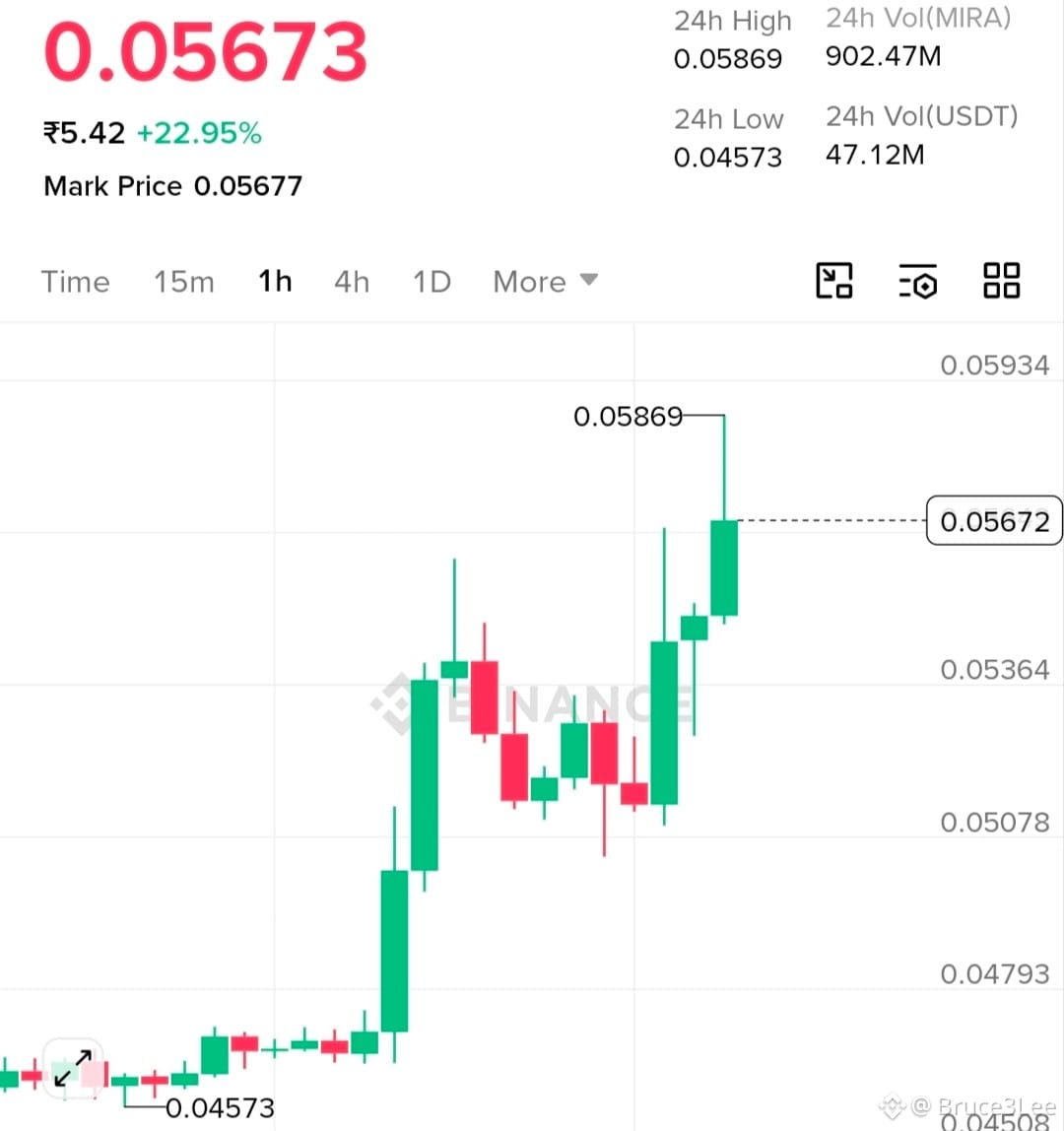
📈 $MIRA Technical View – 1H Chart
MIRA is showing a healthy bullish structure after bouncing from 0.0457 and steadily printing higher highs and higher lows. Unlike many pump-and-dump moves, this rally has developed through multiple candles, which is generally a stronger signal.
🔹 Resistance: 0.0587 (recent high)
🔹 Breakout Zone: 0.0590–0.0600
🔹 First Support: 0.0535–0.0540
🔹 Strong Support: 0.0505–0.0510
✅ Buyers remain in control while price holds above 0.0535.
🚀 A clean break above 0.0587 could target the psychological 0.0600+ region.
⚠️ Rejection at resistance may lead to a retest of 0.054 before the next move.
What stands out is the strong recovery after the consolidation phase. The market absorbed selling pressure and continued pushing upward, suggesting accumulation rather than pure speculation.
Trend: Bullish 🟢
Momentum: Increasing 📊
Key Level to Watch: 0.0587
#MIRA #MiraNetwork #CryptoTrading #Altcoins #Binance $LAB $HMSTR 🚀📈
📈 $MIRA Technical View – 1H Chart
MIRA is showing a healthy bullish structure after bouncing from 0.0457 and steadily printing higher highs and higher lows. Unlike many pump-and-dump moves, this rally has developed through multiple candles, which is generally a stronger signal.
🔹 Resistance: 0.0587 (recent high)
🔹 Breakout Zone: 0.0590–0.0600
🔹 First Support: 0.0535–0.0540
🔹 Strong Support: 0.0505–0.0510
✅ Buyers remain in control while price holds above 0.0535.
🚀 A clean break above 0.0587 could target the psychological 0.0600+ region.
⚠️ Rejection at resistance may lead to a retest of 0.054 before the next move.
What stands out is the strong recovery after the consolidation phase. The market absorbed selling pressure and continued pushing upward, suggesting accumulation rather than pure speculation.
Trend: Bullish 🟢
Momentum: Increasing 📊
Key Level to Watch: 0.0587
#MIRA #MiraNetwork #CryptoTrading #Altcoins #Binance $LAB $HMSTR 🚀📈
MIRA is showing a healthy bullish structure after bouncing from 0.0457 and steadily printing higher highs and higher lows. Unlike many pump-and-dump moves, this rally has developed through multiple candles, which is generally a stronger signal.
🔹 Resistance: 0.0587 (recent high)
🔹 Breakout Zone: 0.0590–0.0600
🔹 First Support: 0.0535–0.0540
🔹 Strong Support: 0.0505–0.0510
✅ Buyers remain in control while price holds above 0.0535.
🚀 A clean break above 0.0587 could target the psychological 0.0600+ region.
⚠️ Rejection at resistance may lead to a retest of 0.054 before the next move.
What stands out is the strong recovery after the consolidation phase. The market absorbed selling pressure and continued pushing upward, suggesting accumulation rather than pure speculation.
Trend: Bullish 🟢
Momentum: Increasing 📊
Key Level to Watch: 0.0587
#MIRA #MiraNetwork #CryptoTrading #Altcoins #Binance $LAB $HMSTR 🚀📈
1
3
432

·
--
ලිපිය
Mira Network – Building the Future of Decentralized AI InfrastructureThe rapid growth of Web3 technology is transforming how digital systems operate, and innovative projects are leading this evolution. One project that is gaining increasing attention in the blockchain space is @mira_network. Mira aims to build a powerful decentralized infrastructure that connects artificial intelligence, data processing, and blockchain technology into a single scalable ecosystem. With the rise of AI-driven applications, the need for secure, transparent, and decentralized data networks has become more important than ever.
@Mira_network is focused on solving key challenges related to trust, scalability, and efficiency in decentralized environments. By combining blockchain security with intelligent data systems, the project is working to create a reliable framework that can support advanced Web3 applications. Developers, researchers, and blockchain enthusiasts are paying close attention to the potential of $MIRA as the ecosystem continues to grow.
One of the most interesting aspects of Mira is its vision to bridge the gap between artificial intelligence and decentralized infrastructure. In traditional systems, data and AI models are often controlled by centralized entities, which raises concerns about privacy, transparency, and control. Mira aims to address these issues by providing a decentralized environment where data and computational resources can be shared securely across the network.
The $MIRA token plays an important role in supporting the ecosystem. It is designed to help facilitate transactions, reward participants, and maintain the overall efficiency of the network. As more users and developers join the platform, the utility of the token may continue to expand, strengthening the entire ecosystem.
Another key factor behind the growing interest in Mira is its community-driven approach. Strong communities often play a critical role in the success of blockchain projects. Through active participation, discussions, and collaboration, the Mira community helps drive awareness and innovation around the project. This growing support base is one reason why many people in the crypto space are closely watching the development of the Mira ecosystem.
In addition, Mira’s focus on long-term innovation sets it apart from many short-term hype projects in the cryptocurrency industry. Instead of focusing only on quick market trends, the project appears to be building a foundation for sustainable technological development. This approach can help position Mira as an important part of the future decentralized digital infrastructure.
As Web3 continues to evolve, projects that combine artificial intelligence, blockchain security, and decentralized data systems will likely become increasingly valuable. @mira_network represents one of these emerging innovations that could contribute to shaping the future of decentralized intelligence.
For crypto enthusiasts, developers, and investors who are interested in the next generation of blockchain technology, keeping an eye on the progress of $MIRA and the broader #Mira ecosystem could be very worthwhile. The coming years may reveal how powerful decentralized AI networks can become and what role Mira will play in that transformation.
#MiraNetwork
#Aİ
#Web3Innovation
#FutureOfAI
Mira Network – Building the Future of Decentralized AI Infrastructure
The rapid growth of Web3 technology is transforming how digital systems operate, and innovative projects are leading this evolution. One project that is gaining increasing attention in the blockchain space is @mira_network. Mira aims to build a powerful decentralized infrastructure that connects artificial intelligence, data processing, and blockchain technology into a single scalable ecosystem. With the rise of AI-driven applications, the need for secure, transparent, and decentralized data networks has become more important than ever.
@Mira_network is focused on solving key challenges related to trust, scalability, and efficiency in decentralized environments. By combining blockchain security with intelligent data systems, the project is working to create a reliable framework that can support advanced Web3 applications. Developers, researchers, and blockchain enthusiasts are paying close attention to the potential of $MIRA as the ecosystem continues to grow.
One of the most interesting aspects of Mira is its vision to bridge the gap between artificial intelligence and decentralized infrastructure. In traditional systems, data and AI models are often controlled by centralized entities, which raises concerns about privacy, transparency, and control. Mira aims to address these issues by providing a decentralized environment where data and computational resources can be shared securely across the network.
The $MIRA token plays an important role in supporting the ecosystem. It is designed to help facilitate transactions, reward participants, and maintain the overall efficiency of the network. As more users and developers join the platform, the utility of the token may continue to expand, strengthening the entire ecosystem.
Another key factor behind the growing interest in Mira is its community-driven approach. Strong communities often play a critical role in the success of blockchain projects. Through active participation, discussions, and collaboration, the Mira community helps drive awareness and innovation around the project. This growing support base is one reason why many people in the crypto space are closely watching the development of the Mira ecosystem.
In addition, Mira’s focus on long-term innovation sets it apart from many short-term hype projects in the cryptocurrency industry. Instead of focusing only on quick market trends, the project appears to be building a foundation for sustainable technological development. This approach can help position Mira as an important part of the future decentralized digital infrastructure.
As Web3 continues to evolve, projects that combine artificial intelligence, blockchain security, and decentralized data systems will likely become increasingly valuable. @mira_network represents one of these emerging innovations that could contribute to shaping the future of decentralized intelligence.
For crypto enthusiasts, developers, and investors who are interested in the next generation of blockchain technology, keeping an eye on the progress of $MIRA and the broader #Mira ecosystem could be very worthwhile. The coming years may reveal how powerful decentralized AI networks can become and what role Mira will play in that transformation.
#MiraNetwork
#Aİ
#Web3Innovation
#FutureOfAI
@Mira_network is focused on solving key challenges related to trust, scalability, and efficiency in decentralized environments. By combining blockchain security with intelligent data systems, the project is working to create a reliable framework that can support advanced Web3 applications. Developers, researchers, and blockchain enthusiasts are paying close attention to the potential of $MIRA as the ecosystem continues to grow.
One of the most interesting aspects of Mira is its vision to bridge the gap between artificial intelligence and decentralized infrastructure. In traditional systems, data and AI models are often controlled by centralized entities, which raises concerns about privacy, transparency, and control. Mira aims to address these issues by providing a decentralized environment where data and computational resources can be shared securely across the network.
The $MIRA token plays an important role in supporting the ecosystem. It is designed to help facilitate transactions, reward participants, and maintain the overall efficiency of the network. As more users and developers join the platform, the utility of the token may continue to expand, strengthening the entire ecosystem.
Another key factor behind the growing interest in Mira is its community-driven approach. Strong communities often play a critical role in the success of blockchain projects. Through active participation, discussions, and collaboration, the Mira community helps drive awareness and innovation around the project. This growing support base is one reason why many people in the crypto space are closely watching the development of the Mira ecosystem.
In addition, Mira’s focus on long-term innovation sets it apart from many short-term hype projects in the cryptocurrency industry. Instead of focusing only on quick market trends, the project appears to be building a foundation for sustainable technological development. This approach can help position Mira as an important part of the future decentralized digital infrastructure.
As Web3 continues to evolve, projects that combine artificial intelligence, blockchain security, and decentralized data systems will likely become increasingly valuable. @mira_network represents one of these emerging innovations that could contribute to shaping the future of decentralized intelligence.
For crypto enthusiasts, developers, and investors who are interested in the next generation of blockchain technology, keeping an eye on the progress of $MIRA and the broader #Mira ecosystem could be very worthwhile. The coming years may reveal how powerful decentralized AI networks can become and what role Mira will play in that transformation.
#MiraNetwork
#Aİ
#Web3Innovation
#FutureOfAI
1
4
28
ලිපිය
Inside Mira’s Consensus Model: How Multi-Model AI Verification Actually Works.@mira_network 's main goal is to verify AI outputs. The real question is how this verification works in practice.
To understand this, it helps to break the process into simple steps.
Most AI systems today work in isolation. You ask a question. One model generates a response, and that response is delivered directly to you. There is no independent review step built into the process.
Mira introduces a second layer, a verification layer that sits between AI generation and final acceptance.
When an AI produces an answer, Mira Network does not simply approve or reject the full response as one block. Instead, it separates the output into smaller, structured claims. These claims might include factual statements, logical steps, or specific assertions made within the answer.
Each of these claims is then distributed across a network of validators.
Validators in the network run independently. They evaluate claims using predefined verification methods. This may involve checking consistency, cross-referencing information, or running more model evaluations. The key point is that no single validator controls the outcome.
Once validators send their evaluations, the system aggregates the results. If a sufficient level of agreement is reached, the claim is considered verified. If disagreement is too high, the claim may be flagged or rejected.
This is where consensus comes in.
Consensus in Mira works similarly to decentralized blockchain systems; however, it is essential to understand how it differs from a simple majority vote. In a blockchain, transactions are not confirmed by one authority. Instead, multiple participants confirm validity based on shared rules. Agreement across the network decides acceptance. Mira’s consensus does not rely on just 51 percent of validators agreeing. Instead, a higher threshold, such as two-thirds or more, must confirm a claim before it is accepted as verified.
This stricter standard reduces the chances that a small group can manipulate results. Disagreement is quantified by analyzing the distribution of validator responses. If excessive divergence is detected among validators, the system can flag claims for further review or reject them. By requiring broad agreement rather than a simple majority, Mira's consensus model is more resistant to collusion and helps ensure that only claims with strong, widespread support are verified.
Mira applies this same principle to AI outputs.
The term “multi-model verification” refers to the fact that verification does not depend on a single AI model. Different models, nodes, or validation strategies can take part in the checking process. This reduces the risk that one model’s bias or mistake decides the result.
Economic incentives are also part of the design.
Validators must stake $MIRA tokens to take part. By staking, they commit value to the network. If they behave honestly and follow protocol rules, they can earn rewards. If they try to manipulate outcomes or repeatedly approve incorrect claims, they risk penalties.
This structure encourages careful participation rather than careless validation.
It is important to note that consensus does not mean perfection. Disagreement can still occur. The system is designed to reduce the likelihood of unchecked errors, not drop all mistakes.
The strength of the model lies in distributed evaluation. Instead of trusting one source of intelligence, trust appears from a structured agreement among multiple independent participants.
In simple terms, Mira’s consensus model works by breaking AI outputs into pieces, having multiple validators check those pieces, and relying on network agreement before marking them as verified.
It is a process built around shared validation rather than a single point of authority.
#Mira #miranetwork #AIVerification #AI
{future}(MIRAUSDT)
Inside Mira’s Consensus Model: How Multi-Model AI Verification Actually Works.
@Mira - Trust Layer of AI 's main goal is to verify AI outputs. The real question is how this verification works in practice.
To understand this, it helps to break the process into simple steps.
Most AI systems today work in isolation. You ask a question. One model generates a response, and that response is delivered directly to you. There is no independent review step built into the process.
Mira introduces a second layer, a verification layer that sits between AI generation and final acceptance.
When an AI produces an answer, Mira Network does not simply approve or reject the full response as one block. Instead, it separates the output into smaller, structured claims. These claims might include factual statements, logical steps, or specific assertions made within the answer.
Each of these claims is then distributed across a network of validators.
Validators in the network run independently. They evaluate claims using predefined verification methods. This may involve checking consistency, cross-referencing information, or running more model evaluations. The key point is that no single validator controls the outcome.
Once validators send their evaluations, the system aggregates the results. If a sufficient level of agreement is reached, the claim is considered verified. If disagreement is too high, the claim may be flagged or rejected.
This is where consensus comes in.
Consensus in Mira works similarly to decentralized blockchain systems; however, it is essential to understand how it differs from a simple majority vote. In a blockchain, transactions are not confirmed by one authority. Instead, multiple participants confirm validity based on shared rules. Agreement across the network decides acceptance. Mira’s consensus does not rely on just 51 percent of validators agreeing. Instead, a higher threshold, such as two-thirds or more, must confirm a claim before it is accepted as verified.
This stricter standard reduces the chances that a small group can manipulate results. Disagreement is quantified by analyzing the distribution of validator responses. If excessive divergence is detected among validators, the system can flag claims for further review or reject them. By requiring broad agreement rather than a simple majority, Mira's consensus model is more resistant to collusion and helps ensure that only claims with strong, widespread support are verified.
Mira applies this same principle to AI outputs.
The term “multi-model verification” refers to the fact that verification does not depend on a single AI model. Different models, nodes, or validation strategies can take part in the checking process. This reduces the risk that one model’s bias or mistake decides the result.
Economic incentives are also part of the design.
Validators must stake $MIRA tokens to take part. By staking, they commit value to the network. If they behave honestly and follow protocol rules, they can earn rewards. If they try to manipulate outcomes or repeatedly approve incorrect claims, they risk penalties.
This structure encourages careful participation rather than careless validation.
It is important to note that consensus does not mean perfection. Disagreement can still occur. The system is designed to reduce the likelihood of unchecked errors, not drop all mistakes.
The strength of the model lies in distributed evaluation. Instead of trusting one source of intelligence, trust appears from a structured agreement among multiple independent participants.
In simple terms, Mira’s consensus model works by breaking AI outputs into pieces, having multiple validators check those pieces, and relying on network agreement before marking them as verified.
It is a process built around shared validation rather than a single point of authority.
#Mira #miranetwork #AIVerification #AI
To understand this, it helps to break the process into simple steps.
Most AI systems today work in isolation. You ask a question. One model generates a response, and that response is delivered directly to you. There is no independent review step built into the process.
Mira introduces a second layer, a verification layer that sits between AI generation and final acceptance.
When an AI produces an answer, Mira Network does not simply approve or reject the full response as one block. Instead, it separates the output into smaller, structured claims. These claims might include factual statements, logical steps, or specific assertions made within the answer.
Each of these claims is then distributed across a network of validators.
Validators in the network run independently. They evaluate claims using predefined verification methods. This may involve checking consistency, cross-referencing information, or running more model evaluations. The key point is that no single validator controls the outcome.
Once validators send their evaluations, the system aggregates the results. If a sufficient level of agreement is reached, the claim is considered verified. If disagreement is too high, the claim may be flagged or rejected.
This is where consensus comes in.
Consensus in Mira works similarly to decentralized blockchain systems; however, it is essential to understand how it differs from a simple majority vote. In a blockchain, transactions are not confirmed by one authority. Instead, multiple participants confirm validity based on shared rules. Agreement across the network decides acceptance. Mira’s consensus does not rely on just 51 percent of validators agreeing. Instead, a higher threshold, such as two-thirds or more, must confirm a claim before it is accepted as verified.
This stricter standard reduces the chances that a small group can manipulate results. Disagreement is quantified by analyzing the distribution of validator responses. If excessive divergence is detected among validators, the system can flag claims for further review or reject them. By requiring broad agreement rather than a simple majority, Mira's consensus model is more resistant to collusion and helps ensure that only claims with strong, widespread support are verified.
Mira applies this same principle to AI outputs.
The term “multi-model verification” refers to the fact that verification does not depend on a single AI model. Different models, nodes, or validation strategies can take part in the checking process. This reduces the risk that one model’s bias or mistake decides the result.
Economic incentives are also part of the design.
Validators must stake $MIRA tokens to take part. By staking, they commit value to the network. If they behave honestly and follow protocol rules, they can earn rewards. If they try to manipulate outcomes or repeatedly approve incorrect claims, they risk penalties.
This structure encourages careful participation rather than careless validation.
It is important to note that consensus does not mean perfection. Disagreement can still occur. The system is designed to reduce the likelihood of unchecked errors, not drop all mistakes.
The strength of the model lies in distributed evaluation. Instead of trusting one source of intelligence, trust appears from a structured agreement among multiple independent participants.
In simple terms, Mira’s consensus model works by breaking AI outputs into pieces, having multiple validators check those pieces, and relying on network agreement before marking them as verified.
It is a process built around shared validation rather than a single point of authority.
#Mira #miranetwork #AIVerification #AI
3
185

$MIRA Why AI is not 100% safe yet! 🚨
Most AI models today make mistakes called "Hallucinations." This means they can give you wrong or fake information very confidently.
Mira Network fixes this! It uses Blockchain to double-check AI answers. If the info is not verified, it doesn't pass. This makes AI reliable for big businesses.
@mira_network What do you think? Can we trust AI with our money yet? Let me know in the comments! 👇
#Mira #MiraNetwork #BinanceSquare #CryptoNews #AI
$MIRA Why AI is not 100% safe yet! 🚨
Most AI models today make mistakes called "Hallucinations." This means they can give you wrong or fake information very confidently.
Mira Network fixes this! It uses Blockchain to double-check AI answers. If the info is not verified, it doesn't pass. This makes AI reliable for big businesses.
@Mira - Trust Layer of AI What do you think? Can we trust AI with our money yet? Let me know in the comments! 👇
#Mira #MiraNetwork #BinanceSquare #CryptoNews #AI
Most AI models today make mistakes called "Hallucinations." This means they can give you wrong or fake information very confidently.
Mira Network fixes this! It uses Blockchain to double-check AI answers. If the info is not verified, it doesn't pass. This makes AI reliable for big businesses.
@Mira - Trust Layer of AI What do you think? Can we trust AI with our money yet? Let me know in the comments! 👇
#Mira #MiraNetwork #BinanceSquare #CryptoNews #AI
5
503

·
--
🌐 Mira Network Update – What’s Next for This Emerging Project?
🔍 Overview of Mira Network
Mira Network is gaining attention in the Web3 and decentralized infrastructure space, focusing on scalable, efficient, and next-generation blockchain solutions. The project aims to enhance data processing, interoperability, and decentralized applications (dApps).
🚀 Latest Updates & Developments
🔹 1. Ecosystem Expansion
Mira Network is expanding its ecosystem with new developer tools and integrations
Increased focus on AI + Blockchain synergy
🔹 2. Growing Community
Rapid increase in user adoption and social engagement
More visibility across crypto exchanges and research platforms
🔹 3. Technology Advancements
Improvements in network speed and scalability
Enhanced security protocols for decentralized systems
📊 Market Sentiment
📈 Interest Level: Rising
💡 Narrative: AI + Web3 + Infrastructure
⚖️ Risk Level: Medium (early-stage project)
👉 Investors are closely watching Mira as part of the next wave of innovative blockchain networks.
🔮 Future Outlook
🌟 Bullish Factors
Strong positioning in AI-driven blockchain solutions
Potential partnerships and ecosystem growth
Increasing developer adoption
⚠️ Risks
Still in early development stage
Market volatility may impact price performance
Competition with established networks
🧠 Strategic Insight
Short-term: Watch for announcements & listings
Mid-term: Ecosystem growth is key driver
Long-term: Success depends on real-world adoption
📢 Conclusion
Mira Network is shaping up to be an emerging player in the Web3 + AI narrative. While still early, its innovation and ecosystem growth make it a project worth watching closely in 2026.
🔥 Hashtags for Binance Discover
#MiraNetwork #CryptoNewss #Web3 #blockchain #AIBlockchain
🌐 Mira Network Update – What’s Next for This Emerging Project?
🔍 Overview of Mira Network
Mira Network is gaining attention in the Web3 and decentralized infrastructure space, focusing on scalable, efficient, and next-generation blockchain solutions. The project aims to enhance data processing, interoperability, and decentralized applications (dApps).
🚀 Latest Updates & Developments
🔹 1. Ecosystem Expansion
Mira Network is expanding its ecosystem with new developer tools and integrations
Increased focus on AI + Blockchain synergy
🔹 2. Growing Community
Rapid increase in user adoption and social engagement
More visibility across crypto exchanges and research platforms
🔹 3. Technology Advancements
Improvements in network speed and scalability
Enhanced security protocols for decentralized systems
📊 Market Sentiment
📈 Interest Level: Rising
💡 Narrative: AI + Web3 + Infrastructure
⚖️ Risk Level: Medium (early-stage project)
👉 Investors are closely watching Mira as part of the next wave of innovative blockchain networks.
🔮 Future Outlook
🌟 Bullish Factors
Strong positioning in AI-driven blockchain solutions
Potential partnerships and ecosystem growth
Increasing developer adoption
⚠️ Risks
Still in early development stage
Market volatility may impact price performance
Competition with established networks
🧠 Strategic Insight
Short-term: Watch for announcements & listings
Mid-term: Ecosystem growth is key driver
Long-term: Success depends on real-world adoption
📢 Conclusion
Mira Network is shaping up to be an emerging player in the Web3 + AI narrative. While still early, its innovation and ecosystem growth make it a project worth watching closely in 2026.
🔥 Hashtags for Binance Discover
#MiraNetwork #CryptoNewss #Web3 #blockchain #AIBlockchain
🔍 Overview of Mira Network
Mira Network is gaining attention in the Web3 and decentralized infrastructure space, focusing on scalable, efficient, and next-generation blockchain solutions. The project aims to enhance data processing, interoperability, and decentralized applications (dApps).
🚀 Latest Updates & Developments
🔹 1. Ecosystem Expansion
Mira Network is expanding its ecosystem with new developer tools and integrations
Increased focus on AI + Blockchain synergy
🔹 2. Growing Community
Rapid increase in user adoption and social engagement
More visibility across crypto exchanges and research platforms
🔹 3. Technology Advancements
Improvements in network speed and scalability
Enhanced security protocols for decentralized systems
📊 Market Sentiment
📈 Interest Level: Rising
💡 Narrative: AI + Web3 + Infrastructure
⚖️ Risk Level: Medium (early-stage project)
👉 Investors are closely watching Mira as part of the next wave of innovative blockchain networks.
🔮 Future Outlook
🌟 Bullish Factors
Strong positioning in AI-driven blockchain solutions
Potential partnerships and ecosystem growth
Increasing developer adoption
⚠️ Risks
Still in early development stage
Market volatility may impact price performance
Competition with established networks
🧠 Strategic Insight
Short-term: Watch for announcements & listings
Mid-term: Ecosystem growth is key driver
Long-term: Success depends on real-world adoption
📢 Conclusion
Mira Network is shaping up to be an emerging player in the Web3 + AI narrative. While still early, its innovation and ecosystem growth make it a project worth watching closely in 2026.
🔥 Hashtags for Binance Discover
#MiraNetwork #CryptoNewss #Web3 #blockchain #AIBlockchain
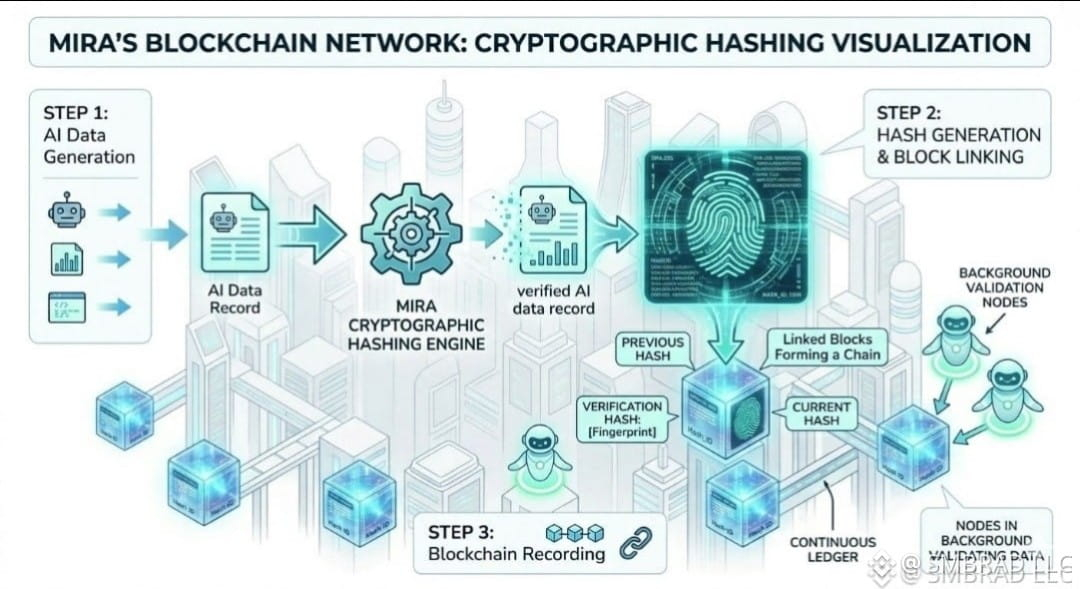
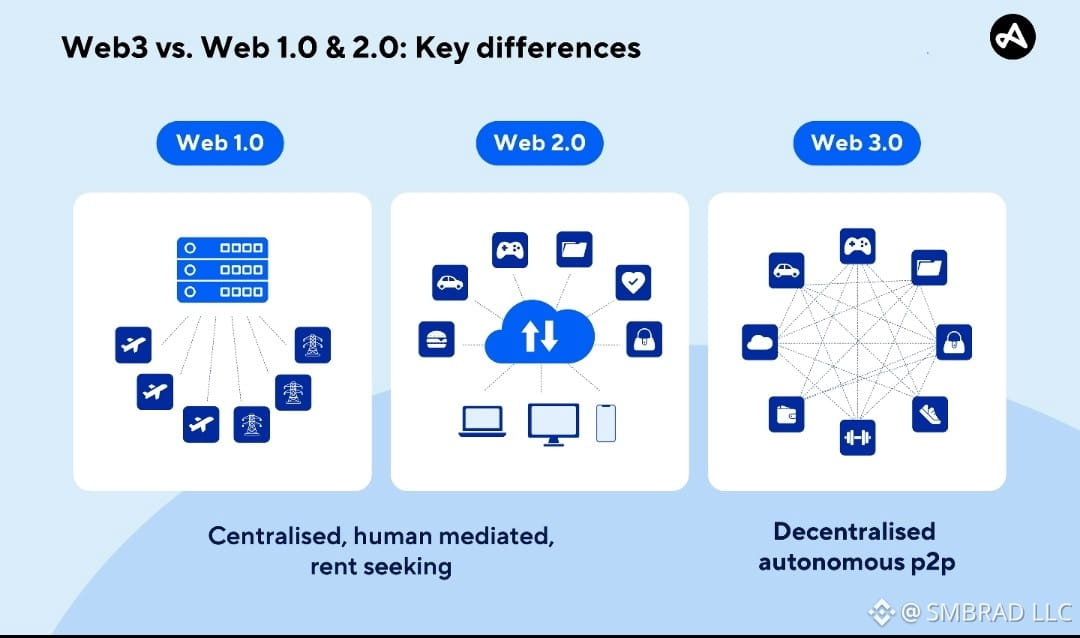
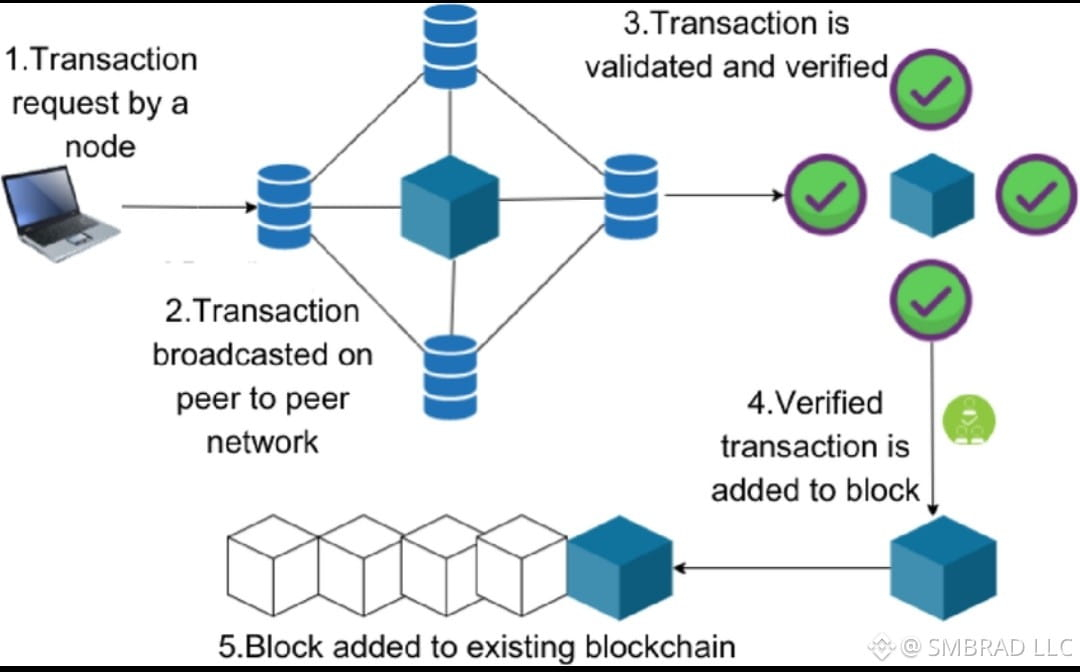
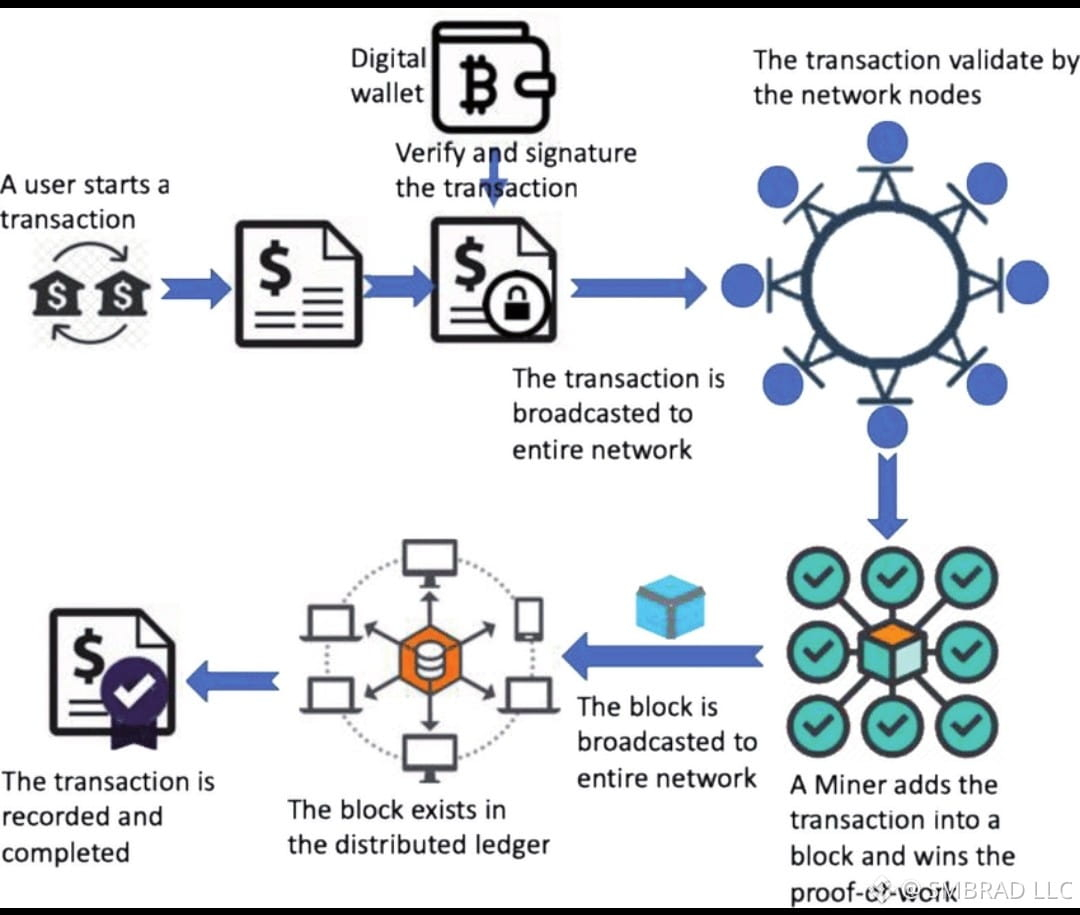
1
121

·
--

ලිපිය
CRYPTO 🌏The evolution of Web3 is moving toward smarter and more reliable systems, and @mira_network is helping lead that transformation. By combining artificial intelligence with decentralized blockchain infrastructure, Mira is creating a powerful ecosystem designed to improve trust, data validation, and transparency across the crypto space.
One of the biggest challenges in Web3 is verifying information and preventing manipulation. Through AI-powered validation technology, $MIRA helps ensure that data within the network remains accurate and secure. This approach could significantly improve how decentralized applications operate in the future.
As the demand for intelligent blockchain solutions grows, projects that integrate AI will likely play a major role in the next phase of crypto innovation. @mira_network is building the foundation for this new era, where automation, verification, and decentralization work together to create a stronger ecosystem.
The potential for AI-driven blockchain networks is massive, and $MIRA is positioning itself as a key player in this space. Keep an eye on #Mira as the project continues to grow and bring new opportunities to the Web3 world.
#Mira #MIRANetwork #AI #Web3 #BinanceSquareFamily $MIRA
{spot}(MIRAUSDT)
CRYPTO 🌏
The evolution of Web3 is moving toward smarter and more reliable systems, and @mira_network is helping lead that transformation. By combining artificial intelligence with decentralized blockchain infrastructure, Mira is creating a powerful ecosystem designed to improve trust, data validation, and transparency across the crypto space.
One of the biggest challenges in Web3 is verifying information and preventing manipulation. Through AI-powered validation technology, $MIRA helps ensure that data within the network remains accurate and secure. This approach could significantly improve how decentralized applications operate in the future.
As the demand for intelligent blockchain solutions grows, projects that integrate AI will likely play a major role in the next phase of crypto innovation. @mira_network is building the foundation for this new era, where automation, verification, and decentralization work together to create a stronger ecosystem.
The potential for AI-driven blockchain networks is massive, and $MIRA is positioning itself as a key player in this space. Keep an eye on #Mira as the project continues to grow and bring new opportunities to the Web3 world.
#Mira #MIRANetwork #AI #Web3 #BinanceSquareFamily $MIRA
One of the biggest challenges in Web3 is verifying information and preventing manipulation. Through AI-powered validation technology, $MIRA helps ensure that data within the network remains accurate and secure. This approach could significantly improve how decentralized applications operate in the future.
As the demand for intelligent blockchain solutions grows, projects that integrate AI will likely play a major role in the next phase of crypto innovation. @mira_network is building the foundation for this new era, where automation, verification, and decentralization work together to create a stronger ecosystem.
The potential for AI-driven blockchain networks is massive, and $MIRA is positioning itself as a key player in this space. Keep an eye on #Mira as the project continues to grow and bring new opportunities to the Web3 world.
#Mira #MIRANetwork #AI #Web3 #BinanceSquareFamily $MIRA
627
9
59
627

·
--
$MIRA
A few days ago, while scrolling through Binance Square, I kept seeing @mira_network network in CreatorPad posts. Instead of just following the hype, I spent some time looking into how it actually works. What really stood out to me is how Mira breaks AI outputs into smaller claims that can be independently verified. For someone like me who often uses AI for research or trading insights, it instantly felt more reliable. The token also seems tied to participating in this verification process, giving it a clear role beyond speculation.
I’ve noticed that posts where people explain $MIRA in their own words spark much better discussions than simple promotional posts. For me, projects that focus on making AI-generated information trustworthy are quietly shaping the future of crypto.
#MiraNetwork #CryptoResearch #AIBlockchain #CreatorPad
#mira $MIRA
$MIRA
A few days ago, while scrolling through Binance Square, I kept seeing @Mira - Trust Layer of AI network in CreatorPad posts. Instead of just following the hype, I spent some time looking into how it actually works. What really stood out to me is how Mira breaks AI outputs into smaller claims that can be independently verified. For someone like me who often uses AI for research or trading insights, it instantly felt more reliable. The token also seems tied to participating in this verification process, giving it a clear role beyond speculation.
I’ve noticed that posts where people explain $MIRA in their own words spark much better discussions than simple promotional posts. For me, projects that focus on making AI-generated information trustworthy are quietly shaping the future of crypto.
#MiraNetwork #CryptoResearch #AIBlockchain #CreatorPad
#mira $MIRA
A few days ago, while scrolling through Binance Square, I kept seeing @Mira - Trust Layer of AI network in CreatorPad posts. Instead of just following the hype, I spent some time looking into how it actually works. What really stood out to me is how Mira breaks AI outputs into smaller claims that can be independently verified. For someone like me who often uses AI for research or trading insights, it instantly felt more reliable. The token also seems tied to participating in this verification process, giving it a clear role beyond speculation.
I’ve noticed that posts where people explain $MIRA in their own words spark much better discussions than simple promotional posts. For me, projects that focus on making AI-generated information trustworthy are quietly shaping the future of crypto.
#MiraNetwork #CryptoResearch #AIBlockchain #CreatorPad
#mira $MIRA
3
23
1.1k
තවත් අන්තර්ගතයන් ගවේෂණය කිරීමට ඇතුල් වන්න
Binance චතුරශ්රය හි ගෝලීය ක්රිප්ටෝ පරිශීලකයින් හා එක්වන්න
⚡️ ක්රිප්ටෝ පිළිබඳ නවතම සහ ප්රයෝජනවත් තොරතුරු ලබා ගන්න.
💬 ලොව විශාලතම ක්රිප්ටෝ හුවමාරුව මගින් විශ්වාස කෙරේ.
👍 සත්යායනය කරන ලද නිර්මාණකරුවන්ගෙන් සැබෑ විදසුන් සොයා ගන්න.
විද්යුත් තැපෑල / දුරකථන අංකය
නැගී එන මාතෘකා
1
#BinanceLaunchesBinanceIntelligence
235,926 views
2,098 සාකච්ඡා කරමින්
2
#BitcoinTargets2026OpenAt$87570
0 views
2 සාකච්ඡා කරමින්
3
#BitcoinRejectedAt$87KThirdTime
4 views
20 සාකච්ඡා කරමින්
4
#StrategyMarketCapSurpassesRumble
4 views
6 සාකච්ඡා කරමින්
5
#StriveBuys2000BTCFor$169M
10,422 views
100 සාකච්ඡා කරමින්
6
#EvernorthXRPTreasuryCompletesSPACMerger
125,472 views
1,239 සාකච්ඡා කරමින්
7
#ADAGains10%Above$0.27
54,438 views
253 සාකච්ඡා කරමින්
8
#ETHUp70%InQ3ButLiquidityFalls
319,764 views
2,243 සාකච්ඡා කරමින්
9
#EthStakingExitQueueHits2026High
127,322 views
1,480 සාකච්ඡා කරමින්
10
#FedOctoberHoldOdds82.3%
137,653 views
1,415 සාකච්ඡා කරමින්