
#distributedledger
distributedledger
851 views
13 සාකච්ඡා කරමින්
උණුසුම්
නවතම

පරිවර්තනය බලන්න
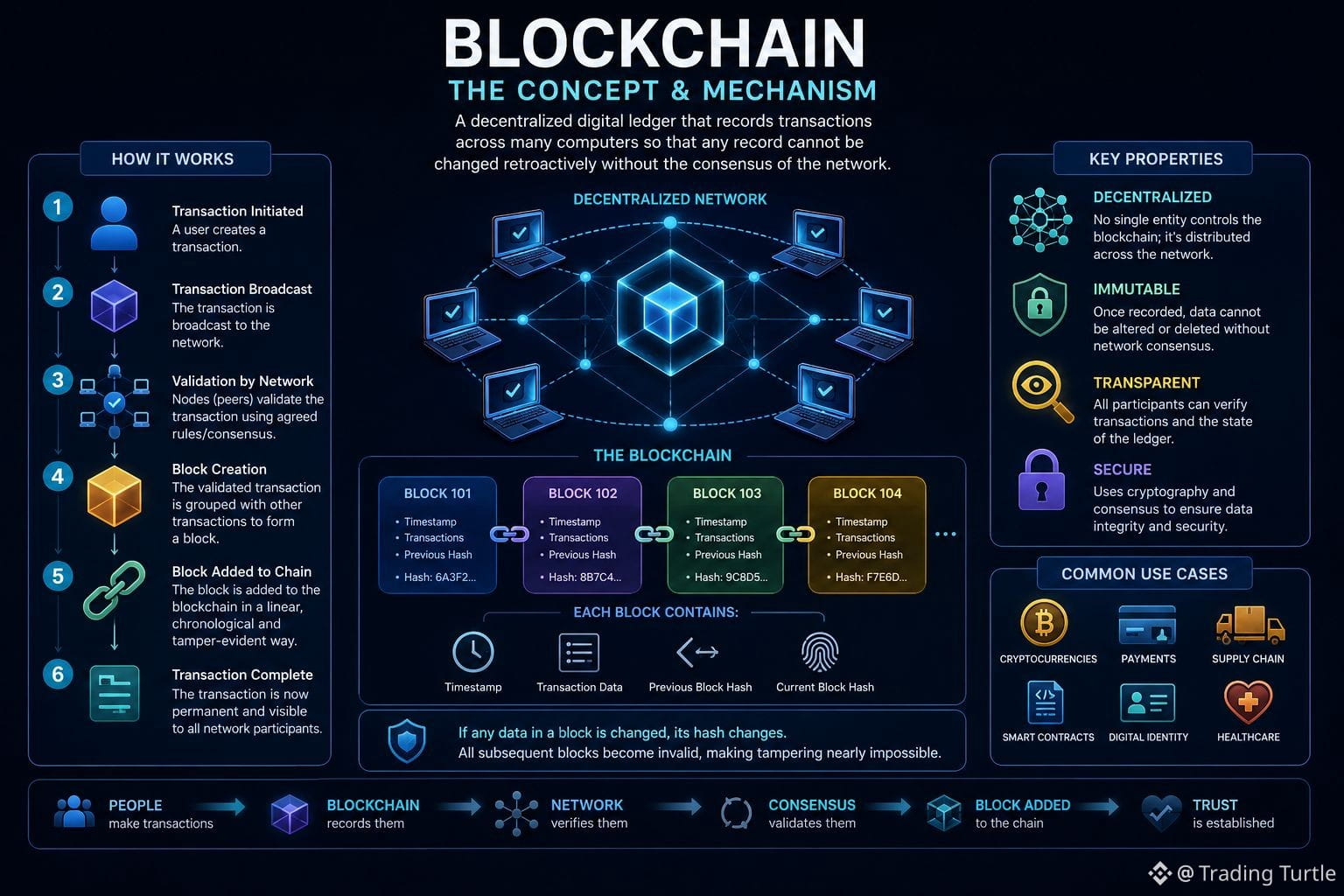
Concept: Managing online financial transactions usually requires trusting centralized entities like banks or credit card processors, which introduces intermediaries, added costs, and structural complexity.
A distributed ledger offers an alternative network structure where no single company, country, or third party exercises central control over the record.
Mechanism: Instead of relying on a central institution, an open peer-to-peer network running open-source software maintains the shared balance sheet. Users receive a public key to receive funds and use a private key to digitally sign transfers.
The global network continuously checks and verifies every transaction, grouping data into chronological blocks added to a growing chain. Participants who contribute computing power to maintain and secure this public ledger receive small amounts of digital currency.
Example: When transferring Bitcoin ($BTC ), the decentralized network constantly verifies transaction history to solve the double-spending problem without needing a bank. Every transaction is permanently published, allowing anyone to review the open-source code and inspect the public ledger. Limitation: As network activity grows, the database expands significantly, which can lead to slower transaction times and higher network fees alongside ongoing regulatory uncertainty.
#Blockchain #DistributedLedger #Bitcoin #Web3
Concept: Managing online financial transactions usually requires trusting centralized entities like banks or credit card processors, which introduces intermediaries, added costs, and structural complexity.
A distributed ledger offers an alternative network structure where no single company, country, or third party exercises central control over the record.
Mechanism: Instead of relying on a central institution, an open peer-to-peer network running open-source software maintains the shared balance sheet. Users receive a public key to receive funds and use a private key to digitally sign transfers.
The global network continuously checks and verifies every transaction, grouping data into chronological blocks added to a growing chain. Participants who contribute computing power to maintain and secure this public ledger receive small amounts of digital currency.
Example: When transferring Bitcoin ($BTC ), the decentralized network constantly verifies transaction history to solve the double-spending problem without needing a bank. Every transaction is permanently published, allowing anyone to review the open-source code and inspect the public ledger. Limitation: As network activity grows, the database expands significantly, which can lead to slower transaction times and higher network fees alongside ongoing regulatory uncertainty.
#Blockchain #DistributedLedger #Bitcoin #Web3
A distributed ledger offers an alternative network structure where no single company, country, or third party exercises central control over the record.
Mechanism: Instead of relying on a central institution, an open peer-to-peer network running open-source software maintains the shared balance sheet. Users receive a public key to receive funds and use a private key to digitally sign transfers.
The global network continuously checks and verifies every transaction, grouping data into chronological blocks added to a growing chain. Participants who contribute computing power to maintain and secure this public ledger receive small amounts of digital currency.
Example: When transferring Bitcoin ($BTC ), the decentralized network constantly verifies transaction history to solve the double-spending problem without needing a bank. Every transaction is permanently published, allowing anyone to review the open-source code and inspect the public ledger. Limitation: As network activity grows, the database expands significantly, which can lead to slower transaction times and higher network fees alongside ongoing regulatory uncertainty.
#Blockchain #DistributedLedger #Bitcoin #Web3
46

📚 බ්ලොක්චේන් මූලික කරුණු: බෙදාහැරුණු ලෙජර් ක්රියාකරන ආකාරය: ඩිජිටල් වත්කම් සඳහා බලය ලබාදෙන තාක්ෂණය අවබෝධ කරගැනීම
2026 ජූලි 29 වන දින ගෝලීය ක්රිප්ටෝ වෙළඳපොළ $2.27T ලෙසත්, සක්රීය කාසි 17,868ක් ලෙසත් පවතී — ඒවායින් සෑම එකක්ම බ්ලොක්චේන් තාක්ෂණය මත ගොඩනගා ඇත. බ්ලොක්චේන් යනු බෙදාහැරුණු ලෙජර් පද්ධතියක් වන අතර, ගනුදෙනු කාලානුපිළිවෙලින් බ්ලොක් වලට සටහන් කර, එම බ්ලොක් ක්රිප්ටෝග්රැෆික් ලෙස සම්බන්ධ කර අතිවර්ජන කළ නොහැකි (immutable) දාමයක් ලෙස නිර්මාණය කරයි.
ජාලයේ සෑම සහභාගිවුවෙක්ම ලෙජර් එකේ පිටපතක් සතුව තබාගනී; එමඟින් මධ්යගත බලධාරියෙක් අවශ්ය වීම ඉවත් කරයි. මෙම විකේන්ද්රීකෘත ව්යුහය පාරදෘශ්යතාව සහතික කරයි, මන්ද තෙවන පාර්ශ්වයකට විශ්වාසය තැබීමකින් තොරව ඕනෑම කෙනෙකුට ගනුදෙනු සනාථ කළ හැක. බිට්කොයින් ජාලය මෙම ආකෘතිය ආරම්භ කළ අතර අද එය මුළු ක්රිප්ටෝ වෙළඳපොළෙන් 56.5%ක් නියෝජනය කරයි.
📌 ප්රධාන කරුණ:
බ්ලොක්චේන් තාක්ෂණය ජාලයක් තුළ ස්වාධීන සහභාගිවන්නන් අතරින් විශ්වාසය බෙදාහැරීම හරහා මැදිහත්කරුවන් ඉවත් කරයි; ඒ නිසා පාරදෘශ්ය සහ වෙනස් කළ නොහැකි (tamper-resistant) වාර්තා තබාගැනීමක් නිර්මාණය වේ.
#BlockchainBasics #DistributedLedger #CryptoEducation
#BinanceAlphaAlert
📚 බ්ලොක්චේන් මූලික කරුණු: බෙදාහැරුණු ලෙජර් ක්රියාකරන ආකාරය: ඩිජිටල් වත්කම් සඳහා බලය ලබාදෙන තාක්ෂණය අවබෝධ කරගැනීම
2026 ජූලි 29 වන දින ගෝලීය ක්රිප්ටෝ වෙළඳපොළ $2.27T ලෙසත්, සක්රීය කාසි 17,868ක් ලෙසත් පවතී — ඒවායින් සෑම එකක්ම බ්ලොක්චේන් තාක්ෂණය මත ගොඩනගා ඇත. බ්ලොක්චේන් යනු බෙදාහැරුණු ලෙජර් පද්ධතියක් වන අතර, ගනුදෙනු කාලානුපිළිවෙලින් බ්ලොක් වලට සටහන් කර, එම බ්ලොක් ක්රිප්ටෝග්රැෆික් ලෙස සම්බන්ධ කර අතිවර්ජන කළ නොහැකි (immutable) දාමයක් ලෙස නිර්මාණය කරයි.
ජාලයේ සෑම සහභාගිවුවෙක්ම ලෙජර් එකේ පිටපතක් සතුව තබාගනී; එමඟින් මධ්යගත බලධාරියෙක් අවශ්ය වීම ඉවත් කරයි. මෙම විකේන්ද්රීකෘත ව්යුහය පාරදෘශ්යතාව සහතික කරයි, මන්ද තෙවන පාර්ශ්වයකට විශ්වාසය තැබීමකින් තොරව ඕනෑම කෙනෙකුට ගනුදෙනු සනාථ කළ හැක. බිට්කොයින් ජාලය මෙම ආකෘතිය ආරම්භ කළ අතර අද එය මුළු ක්රිප්ටෝ වෙළඳපොළෙන් 56.5%ක් නියෝජනය කරයි.
📌 ප්රධාන කරුණ:
බ්ලොක්චේන් තාක්ෂණය ජාලයක් තුළ ස්වාධීන සහභාගිවන්නන් අතරින් විශ්වාසය බෙදාහැරීම හරහා මැදිහත්කරුවන් ඉවත් කරයි; ඒ නිසා පාරදෘශ්ය සහ වෙනස් කළ නොහැකි (tamper-resistant) වාර්තා තබාගැනීමක් නිර්මාණය වේ.
#BlockchainBasics #DistributedLedger #CryptoEducation
#BinanceAlphaAlert
2026 ජූලි 29 වන දින ගෝලීය ක්රිප්ටෝ වෙළඳපොළ $2.27T ලෙසත්, සක්රීය කාසි 17,868ක් ලෙසත් පවතී — ඒවායින් සෑම එකක්ම බ්ලොක්චේන් තාක්ෂණය මත ගොඩනගා ඇත. බ්ලොක්චේන් යනු බෙදාහැරුණු ලෙජර් පද්ධතියක් වන අතර, ගනුදෙනු කාලානුපිළිවෙලින් බ්ලොක් වලට සටහන් කර, එම බ්ලොක් ක්රිප්ටෝග්රැෆික් ලෙස සම්බන්ධ කර අතිවර්ජන කළ නොහැකි (immutable) දාමයක් ලෙස නිර්මාණය කරයි.
ජාලයේ සෑම සහභාගිවුවෙක්ම ලෙජර් එකේ පිටපතක් සතුව තබාගනී; එමඟින් මධ්යගත බලධාරියෙක් අවශ්ය වීම ඉවත් කරයි. මෙම විකේන්ද්රීකෘත ව්යුහය පාරදෘශ්යතාව සහතික කරයි, මන්ද තෙවන පාර්ශ්වයකට විශ්වාසය තැබීමකින් තොරව ඕනෑම කෙනෙකුට ගනුදෙනු සනාථ කළ හැක. බිට්කොයින් ජාලය මෙම ආකෘතිය ආරම්භ කළ අතර අද එය මුළු ක්රිප්ටෝ වෙළඳපොළෙන් 56.5%ක් නියෝජනය කරයි.
📌 ප්රධාන කරුණ:
බ්ලොක්චේන් තාක්ෂණය ජාලයක් තුළ ස්වාධීන සහභාගිවන්නන් අතරින් විශ්වාසය බෙදාහැරීම හරහා මැදිහත්කරුවන් ඉවත් කරයි; ඒ නිසා පාරදෘශ්ය සහ වෙනස් කළ නොහැකි (tamper-resistant) වාර්තා තබාගැනීමක් නිර්මාණය වේ.
#BlockchainBasics #DistributedLedger #CryptoEducation
#BinanceAlphaAlert
23
පරිවර්තනය බලන්න
📚 What Is Blockchain? The Technology Behind Cryptocurrency: How distributed ledgers enable trustless peer-to-peer transactions
On July 17, 2026, A blockchain is a distributed digital ledger that records transactions across many computers simultaneously. Each block contains a set of transactions, and blocks are linked cryptographically to form an immutable chain that cannot be altered retroactively.
The key innovation is decentralization — no single entity controls the ledger. Consensus mechanisms like proof-of-work and proof-of-stake ensure all participants agree on the state of the ledger without needing a trusted intermediary.
Beyond cryptocurrency, blockchain technology is being applied to supply chain tracking, digital identity, voting systems, and asset tokenization, demonstrating its versatility as a trust infrastructure.
📌 Key Takeaway:
Blockchain is a decentralized digital ledger where transactions are recorded immutably across a network of computers without intermediaries.
#Blockchain #DistributedLedger #CryptoTechnology
#BinanceAlphaAlert
📚 What Is Blockchain? The Technology Behind Cryptocurrency: How distributed ledgers enable trustless peer-to-peer transactions
On July 17, 2026, A blockchain is a distributed digital ledger that records transactions across many computers simultaneously. Each block contains a set of transactions, and blocks are linked cryptographically to form an immutable chain that cannot be altered retroactively.
The key innovation is decentralization — no single entity controls the ledger. Consensus mechanisms like proof-of-work and proof-of-stake ensure all participants agree on the state of the ledger without needing a trusted intermediary.
Beyond cryptocurrency, blockchain technology is being applied to supply chain tracking, digital identity, voting systems, and asset tokenization, demonstrating its versatility as a trust infrastructure.
📌 Key Takeaway:
Blockchain is a decentralized digital ledger where transactions are recorded immutably across a network of computers without intermediaries.
#Blockchain #DistributedLedger #CryptoTechnology
#BinanceAlphaAlert
On July 17, 2026, A blockchain is a distributed digital ledger that records transactions across many computers simultaneously. Each block contains a set of transactions, and blocks are linked cryptographically to form an immutable chain that cannot be altered retroactively.
The key innovation is decentralization — no single entity controls the ledger. Consensus mechanisms like proof-of-work and proof-of-stake ensure all participants agree on the state of the ledger without needing a trusted intermediary.
Beyond cryptocurrency, blockchain technology is being applied to supply chain tracking, digital identity, voting systems, and asset tokenization, demonstrating its versatility as a trust infrastructure.
📌 Key Takeaway:
Blockchain is a decentralized digital ledger where transactions are recorded immutably across a network of computers without intermediaries.
#Blockchain #DistributedLedger #CryptoTechnology
#BinanceAlphaAlert
11
තවත් අන්තර්ගතයන් ගවේෂණය කිරීමට ඇතුල් වන්න
Binance චතුරශ්රය හි ගෝලීය ක්රිප්ටෝ පරිශීලකයින් හා එක්වන්න
⚡️ ක්රිප්ටෝ පිළිබඳ නවතම සහ ප්රයෝජනවත් තොරතුරු ලබා ගන්න.
💬 ලොව විශාලතම ක්රිප්ටෝ හුවමාරුව මගින් විශ්වාස කෙරේ.
👍 සත්යායනය කරන ලද නිර්මාණකරුවන්ගෙන් සැබෑ විදසුන් සොයා ගන්න.
විද්යුත් තැපෑල / දුරකථන අංකය
නැගී එන මාතෘකා
1
#USAugustPPIRisesLessThanExpected
45,600 views
786 සාකච්ඡා කරමින්
2
#SECApprovesNasdaqTexasCommodityTrustRule
26,075 views
575 සාකච්ඡා කරමින්
3
#ECBRaisesRatesSecondTimeTo2.5%
23,719 views
416 සාකච්ඡා කරමින්
4
#USContinuingJoblessClaims1.774M
30,506 views
511 සාකච්ඡා කරමින්
5
#USAugustPPIYoYRisesTo5.4%
30,594 views
393 සාකච්ඡා කරමින්
6
#AppleDebutsFoldablePhone
107,366 views
1,526 සාකච්ඡා කරමින්
7
#TSMCAugustRevenueUp53.3%YoY
26,481 views
555 සාකච්ඡා කරමින්
8
#IranSaysReadyToEscalateWarWithUS
38,002 views
537 සාකච්ඡා කරමින්
9
#EUExtendsCentralContactPointToCASPs
32,843 views
548 සාකච්ඡා කරමින්
10
#US10YTreasuryYieldHitsHighestSinceNov2023
70,412 views
850 සාකච්ඡා කරමින්