

#solanacutstargetslottimeto250ms
solanacutstargetslottimeto250ms
169,505 views
916 සාකච්ඡා කරමින්
උණුසුම්
නවතම

Picture this: you are trying to snipe a breakout on an order book DEX, but your transaction takes just long enough to confirm that arbitrage bots frontrun your entry and leave you holding the bag.
Every on-chain trader knows that sinking feeling of watching a profitable setup vanish into slippage simply because the network could not settle blocks fast enough.
Here is why Solana reducing its target slot time to 250ms is a massive engineering case study. Historically, high-throughput alternatives like $AVAX with subnet architecture or $ARB handling L2 rollups proved that sub-second finality is the holy grail for DeFi adoption. When Solana pushed its slot time down from the typical 400ms benchmark, it fundamentally attacked latency at the validator consensus layer rather than outsourcing execution off-chain.
Looking back at how Ethereum Layer 2s wrestled with sequencer speed, raw Layer 1 optimization always carries higher stakes. By shaving confirmation windows in half, $SOL is effectively trying to bridge the gap between centralized exchange responsiveness and decentralized liquidity pools, making automated market making far tighter without blowing up node synchronization requirements.
Do you think sub-second L1 slots will render traditional Layer 2 execution speed advantages obsolete?
#SolanaCutsTargetSlotTimeTo250ms #ZetaChainVotesToMigrateZETAToSolana
Picture this: you are trying to snipe a breakout on an order book DEX, but your transaction takes just long enough to confirm that arbitrage bots frontrun your entry and leave you holding the bag.
Every on-chain trader knows that sinking feeling of watching a profitable setup vanish into slippage simply because the network could not settle blocks fast enough.
Here is why Solana reducing its target slot time to 250ms is a massive engineering case study. Historically, high-throughput alternatives like $AVAX with subnet architecture or $ARB handling L2 rollups proved that sub-second finality is the holy grail for DeFi adoption. When Solana pushed its slot time down from the typical 400ms benchmark, it fundamentally attacked latency at the validator consensus layer rather than outsourcing execution off-chain.
Looking back at how Ethereum Layer 2s wrestled with sequencer speed, raw Layer 1 optimization always carries higher stakes. By shaving confirmation windows in half, $SOL is effectively trying to bridge the gap between centralized exchange responsiveness and decentralized liquidity pools, making automated market making far tighter without blowing up node synchronization requirements.
Do you think sub-second L1 slots will render traditional Layer 2 execution speed advantages obsolete?
#SolanaCutsTargetSlotTimeTo250ms #ZetaChainVotesToMigrateZETAToSolana
Every on-chain trader knows that sinking feeling of watching a profitable setup vanish into slippage simply because the network could not settle blocks fast enough.
Here is why Solana reducing its target slot time to 250ms is a massive engineering case study. Historically, high-throughput alternatives like $AVAX with subnet architecture or $ARB handling L2 rollups proved that sub-second finality is the holy grail for DeFi adoption. When Solana pushed its slot time down from the typical 400ms benchmark, it fundamentally attacked latency at the validator consensus layer rather than outsourcing execution off-chain.
Looking back at how Ethereum Layer 2s wrestled with sequencer speed, raw Layer 1 optimization always carries higher stakes. By shaving confirmation windows in half, $SOL is effectively trying to bridge the gap between centralized exchange responsiveness and decentralized liquidity pools, making automated market making far tighter without blowing up node synchronization requirements.
Do you think sub-second L1 slots will render traditional Layer 2 execution speed advantages obsolete?
#SolanaCutsTargetSlotTimeTo250ms #ZetaChainVotesToMigrateZETAToSolana

242

Most traders think faster block times simply mean quicker swaps, but shaving network latency by more than half fundamentally rewires how liquidations and arbitrage execute during extreme volatility.
We have all lived through cycles where trying to exit a crashing position on-chain resulted in failed transactions and severe slippage while bots front-ran every block. When congestion traps your capital, having the right trade thesis means nothing if the underlying infrastructure cannot settle your order in time.
The move toward cutting target slot times down to 250 milliseconds is less about retail bragging rights and far more about closing the performance gap with centralized order books. In high-frequency environments, $SOL processing blocks at sub-second speeds drastically compresses the latency window for MEV searchers to extract value from everyday participants. Having traded through both the 2021 mania and the brutal 2022 drawdowns across networks like $AVAX and $ARB, you realize that network execution speed is actually risk management in disguise.
When state updates happen multiple times per second, oracle price feeds refresh almost instantaneously. This allows lending protocols to clear undercollateralized loans smoothly instead of letting bad debt pile up into massive, cascade-inducing chunks. It also tightens liquidity spreads across decentralized exchanges, bringing on-chain trading much closer to institutional standards.
Do you think reducing slot latency this aggressively will solve network congestion during peak bull runs, or does it just push validator hardware requirements too far?
#SolanaCutsTargetSlotTimeTo250ms #ZetaChainVotesToMigrateZETAToSolana
Most traders think faster block times simply mean quicker swaps, but shaving network latency by more than half fundamentally rewires how liquidations and arbitrage execute during extreme volatility.
We have all lived through cycles where trying to exit a crashing position on-chain resulted in failed transactions and severe slippage while bots front-ran every block. When congestion traps your capital, having the right trade thesis means nothing if the underlying infrastructure cannot settle your order in time.
The move toward cutting target slot times down to 250 milliseconds is less about retail bragging rights and far more about closing the performance gap with centralized order books. In high-frequency environments, $SOL processing blocks at sub-second speeds drastically compresses the latency window for MEV searchers to extract value from everyday participants. Having traded through both the 2021 mania and the brutal 2022 drawdowns across networks like $AVAX and $ARB , you realize that network execution speed is actually risk management in disguise.
When state updates happen multiple times per second, oracle price feeds refresh almost instantaneously. This allows lending protocols to clear undercollateralized loans smoothly instead of letting bad debt pile up into massive, cascade-inducing chunks. It also tightens liquidity spreads across decentralized exchanges, bringing on-chain trading much closer to institutional standards.
Do you think reducing slot latency this aggressively will solve network congestion during peak bull runs, or does it just push validator hardware requirements too far?
#SolanaCutsTargetSlotTimeTo250ms #ZetaChainVotesToMigrateZETAToSolana
We have all lived through cycles where trying to exit a crashing position on-chain resulted in failed transactions and severe slippage while bots front-ran every block. When congestion traps your capital, having the right trade thesis means nothing if the underlying infrastructure cannot settle your order in time.
The move toward cutting target slot times down to 250 milliseconds is less about retail bragging rights and far more about closing the performance gap with centralized order books. In high-frequency environments, $SOL processing blocks at sub-second speeds drastically compresses the latency window for MEV searchers to extract value from everyday participants. Having traded through both the 2021 mania and the brutal 2022 drawdowns across networks like $AVAX and $ARB , you realize that network execution speed is actually risk management in disguise.
When state updates happen multiple times per second, oracle price feeds refresh almost instantaneously. This allows lending protocols to clear undercollateralized loans smoothly instead of letting bad debt pile up into massive, cascade-inducing chunks. It also tightens liquidity spreads across decentralized exchanges, bringing on-chain trading much closer to institutional standards.
Do you think reducing slot latency this aggressively will solve network congestion during peak bull runs, or does it just push validator hardware requirements too far?
#SolanaCutsTargetSlotTimeTo250ms #ZetaChainVotesToMigrateZETAToSolana

109

·
--
everyone thinks faster slots on solana is a guaranteed $SOL pump but actually this is the exact setup that keeps wrecking people who buy the headline.
you see the upgrade and ape in then freeze when it starts fading. not knowing when to exit these narrative trades is how most of us actually lose money.
solana cutting target slot time to 250ms from around 400ms is a real move if they actually ship it. more slots per second, higher throughput, snappier chain. we've been here though. every time they drop a performance target like firedancer or alpenglow, $SOL rips on the announcement then fades while the work is still months out. greed sitting at 80 means everyone's already long. $AVAX and $ARB both ran the same speed story this cycle and neither held those highs. that's the case study. interesting tech, crowded trade.
ngl pushing slots that low isn't free either. previous times they stretched performance we got congestion and downtime. that's the part people skip.
what's your take on this one?
#SolanaCutsTargetSlotTimeTo250ms #ZetaChainVotesToMigrateZETAToSolana #NEARRisesNearly80
everyone thinks faster slots on solana is a guaranteed $SOL pump but actually this is the exact setup that keeps wrecking people who buy the headline.
you see the upgrade and ape in then freeze when it starts fading. not knowing when to exit these narrative trades is how most of us actually lose money.
solana cutting target slot time to 250ms from around 400ms is a real move if they actually ship it. more slots per second, higher throughput, snappier chain. we've been here though. every time they drop a performance target like firedancer or alpenglow, $SOL rips on the announcement then fades while the work is still months out. greed sitting at 80 means everyone's already long. $AVAX and $ARB both ran the same speed story this cycle and neither held those highs. that's the case study. interesting tech, crowded trade.
ngl pushing slots that low isn't free either. previous times they stretched performance we got congestion and downtime. that's the part people skip.
what's your take on this one?
#SolanaCutsTargetSlotTimeTo250ms #ZetaChainVotesToMigrateZETAToSolana #NEARRisesNearly80
you see the upgrade and ape in then freeze when it starts fading. not knowing when to exit these narrative trades is how most of us actually lose money.
solana cutting target slot time to 250ms from around 400ms is a real move if they actually ship it. more slots per second, higher throughput, snappier chain. we've been here though. every time they drop a performance target like firedancer or alpenglow, $SOL rips on the announcement then fades while the work is still months out. greed sitting at 80 means everyone's already long. $AVAX and $ARB both ran the same speed story this cycle and neither held those highs. that's the case study. interesting tech, crowded trade.
ngl pushing slots that low isn't free either. previous times they stretched performance we got congestion and downtime. that's the part people skip.
what's your take on this one?
#SolanaCutsTargetSlotTimeTo250ms #ZetaChainVotesToMigrateZETAToSolana #NEARRisesNearly80

155

·
--
Why is nobody talking about how slashing block times might actually create a worse trading experience for retail?
Every time network upgrades get hyped, traders rush in expecting instant execution, only to end up paying higher slippage and losing money to sophisticated MEV bots that front-run their orders.
The mainstream narrative treats $SOL cutting its target slot time down to 250ms as a pure scalability victory. Faster throughput sounds great on paper, but looking at this as a live case study reveals a different reality for decentralized order books. When you push block speeds this low, node requirements spike and the hardware race intensifies. That naturally concentrates block production into fewer institutional validators, giving algorithmic traders an even larger edge over everyday users trying to swap $USDT for their favorite tokens.
We have already seen alternative ecosystems like $AVAX navigate these trade-offs by balancing subnet finality with validator decentralization. Pushing raw execution speed without addressing priority fee dynamics does not solve congestion during peak market volatility, it just makes failed transactions happen faster.
Are sub-second slot times truly the future of DeFi adoption, or are we just optimizing chains for high-frequency bots?
#SolanaCutsTargetSlotTimeTo250ms #ZetaChainVotesToMigrateZETAToSolana
Why is nobody talking about how slashing block times might actually create a worse trading experience for retail?
Every time network upgrades get hyped, traders rush in expecting instant execution, only to end up paying higher slippage and losing money to sophisticated MEV bots that front-run their orders.
The mainstream narrative treats $SOL cutting its target slot time down to 250ms as a pure scalability victory. Faster throughput sounds great on paper, but looking at this as a live case study reveals a different reality for decentralized order books. When you push block speeds this low, node requirements spike and the hardware race intensifies. That naturally concentrates block production into fewer institutional validators, giving algorithmic traders an even larger edge over everyday users trying to swap $USDT for their favorite tokens.
We have already seen alternative ecosystems like $AVAX navigate these trade-offs by balancing subnet finality with validator decentralization. Pushing raw execution speed without addressing priority fee dynamics does not solve congestion during peak market volatility, it just makes failed transactions happen faster.
Are sub-second slot times truly the future of DeFi adoption, or are we just optimizing chains for high-frequency bots?
#SolanaCutsTargetSlotTimeTo250ms #ZetaChainVotesToMigrateZETAToSolana
Every time network upgrades get hyped, traders rush in expecting instant execution, only to end up paying higher slippage and losing money to sophisticated MEV bots that front-run their orders.
The mainstream narrative treats $SOL cutting its target slot time down to 250ms as a pure scalability victory. Faster throughput sounds great on paper, but looking at this as a live case study reveals a different reality for decentralized order books. When you push block speeds this low, node requirements spike and the hardware race intensifies. That naturally concentrates block production into fewer institutional validators, giving algorithmic traders an even larger edge over everyday users trying to swap $USDT for their favorite tokens.
We have already seen alternative ecosystems like $AVAX navigate these trade-offs by balancing subnet finality with validator decentralization. Pushing raw execution speed without addressing priority fee dynamics does not solve congestion during peak market volatility, it just makes failed transactions happen faster.
Are sub-second slot times truly the future of DeFi adoption, or are we just optimizing chains for high-frequency bots?
#SolanaCutsTargetSlotTimeTo250ms #ZetaChainVotesToMigrateZETAToSolana

97

·
--
If you are still judging layer 1 networks by raw marketing TPS rather than block finality, stop now.
Traders lose serious capital every week getting front-run during market volatility while waiting for confirmations. Missing a critical entry or watching a slippage blowout because of latency is one of the most frustrating experiences in on-chain trading.
Solana developers are now proposing to cut target slot times from 400ms down to 250ms. Sceptics argue this change will significantly increase hardware demands on validators, potentially worsening decentralization concerns and widening the gap with networks like $AVAX or modular ecosystems like $ARB. That is a fair critique, as validator bandwidth requirements are already steep for everyday operators.
However, reducing latency to 250ms is exactly the edge on-chain liquidity needs. As decentralized exchanges compete directly with centralized order books, shaving nearly 40% off slot times makes $SOL infrastructure far more resilient against transaction spam while improving price discovery across decentralized finance.
Do you think pushing validator hardware to the limit is worth the performance gains, or does this sacrifice too much decentralization?
#SolanaCutsTargetSlotTimeTo250ms #ZetaChainVotesToMigrateZETAToSolana
If you are still judging layer 1 networks by raw marketing TPS rather than block finality, stop now.
Traders lose serious capital every week getting front-run during market volatility while waiting for confirmations. Missing a critical entry or watching a slippage blowout because of latency is one of the most frustrating experiences in on-chain trading.
Solana developers are now proposing to cut target slot times from 400ms down to 250ms. Sceptics argue this change will significantly increase hardware demands on validators, potentially worsening decentralization concerns and widening the gap with networks like $AVAX or modular ecosystems like $ARB . That is a fair critique, as validator bandwidth requirements are already steep for everyday operators.
However, reducing latency to 250ms is exactly the edge on-chain liquidity needs. As decentralized exchanges compete directly with centralized order books, shaving nearly 40% off slot times makes $SOL infrastructure far more resilient against transaction spam while improving price discovery across decentralized finance.
Do you think pushing validator hardware to the limit is worth the performance gains, or does this sacrifice too much decentralization?
#SolanaCutsTargetSlotTimeTo250ms #ZetaChainVotesToMigrateZETAToSolana
Traders lose serious capital every week getting front-run during market volatility while waiting for confirmations. Missing a critical entry or watching a slippage blowout because of latency is one of the most frustrating experiences in on-chain trading.
Solana developers are now proposing to cut target slot times from 400ms down to 250ms. Sceptics argue this change will significantly increase hardware demands on validators, potentially worsening decentralization concerns and widening the gap with networks like $AVAX or modular ecosystems like $ARB . That is a fair critique, as validator bandwidth requirements are already steep for everyday operators.
However, reducing latency to 250ms is exactly the edge on-chain liquidity needs. As decentralized exchanges compete directly with centralized order books, shaving nearly 40% off slot times makes $SOL infrastructure far more resilient against transaction spam while improving price discovery across decentralized finance.
Do you think pushing validator hardware to the limit is worth the performance gains, or does this sacrifice too much decentralization?
#SolanaCutsTargetSlotTimeTo250ms #ZetaChainVotesToMigrateZETAToSolana

1
258

සත්යායනය කළ
#solanacutstargetslottimeto250ms 🚨 SOLANA اكتسبت سرعة للتو. يوجد فخ! ⚡️ $SOL
قامت SOLANA رسميًا بتخفيض زمن الفتحة المستهدف من 300 مللي ثانية إلى 250 مللي ثانية، ما يرفع تكرار إنتاج الكتل بنسبة 17 بالمئة. أصبحت هذه الترقية فعّالة في 18 سبتمبر ضمن SIMD-0525. ([Solana][1])
ومع ذلك، لا يعني هذا التغيير زيادة بنسبة 17 بالمئة في عدد المعاملات في الثانية. فكل فتحة أصبحت تحتوي على حساب وبيانات أقل، لذلك تبقى السعة الإجمالية للمعالجة تقريبًا كما هي.
🔥 أسباب تجعل على المتداولين الاهتمام:
• تحديثات أسرع للبيانات على السلسلة
• لم يعد بإمكان المُتحققين التحكم بالكتل إلا لمدة ثانية واحدة بدلًا من نقطة اثنتين ثانية
• تقل مدد العهود من حوالي ستة وثلاثين ساعة إلى قرابة ثلاثين ساعة
• قد تفيد الاستجابة الأسرع مزودي بيانات DeFi أوَرَكلز وأنظمة التداول الآلي.
لا تزال لدى Solana تغييرات أخرى قادمة.
🎯 الهدف التالي هو مئتا مللي ثانية. لا توجد حتى الآن تواريخ تفعيل على الشبكة الرئيسية. سيتم رصد معدلات تخطي المُتحققين أولًا.
👀 **هل تُعزّز الكمون الأسرع موقع SOLANA في DeFi والتداول عالي السرعة؟
متابعة من فضلكم
#solana #crypto #cryptotrading
$SOL
#solanacutstargetslottimeto250ms 🚨 SOLANA اكتسبت سرعة للتو. يوجد فخ! ⚡️ $SOL
قامت SOLANA رسميًا بتخفيض زمن الفتحة المستهدف من 300 مللي ثانية إلى 250 مللي ثانية، ما يرفع تكرار إنتاج الكتل بنسبة 17 بالمئة. أصبحت هذه الترقية فعّالة في 18 سبتمبر ضمن SIMD-0525. ([Solana][1])
ومع ذلك، لا يعني هذا التغيير زيادة بنسبة 17 بالمئة في عدد المعاملات في الثانية. فكل فتحة أصبحت تحتوي على حساب وبيانات أقل، لذلك تبقى السعة الإجمالية للمعالجة تقريبًا كما هي.
🔥 أسباب تجعل على المتداولين الاهتمام:
• تحديثات أسرع للبيانات على السلسلة
• لم يعد بإمكان المُتحققين التحكم بالكتل إلا لمدة ثانية واحدة بدلًا من نقطة اثنتين ثانية
• تقل مدد العهود من حوالي ستة وثلاثين ساعة إلى قرابة ثلاثين ساعة
• قد تفيد الاستجابة الأسرع مزودي بيانات DeFi أوَرَكلز وأنظمة التداول الآلي.
لا تزال لدى Solana تغييرات أخرى قادمة.
🎯 الهدف التالي هو مئتا مللي ثانية. لا توجد حتى الآن تواريخ تفعيل على الشبكة الرئيسية. سيتم رصد معدلات تخطي المُتحققين أولًا.
👀 **هل تُعزّز الكمون الأسرع موقع SOLANA في DeFi والتداول عالي السرعة؟
متابعة من فضلكم
#solana #crypto #cryptotrading
$SOL
قامت SOLANA رسميًا بتخفيض زمن الفتحة المستهدف من 300 مللي ثانية إلى 250 مللي ثانية، ما يرفع تكرار إنتاج الكتل بنسبة 17 بالمئة. أصبحت هذه الترقية فعّالة في 18 سبتمبر ضمن SIMD-0525. ([Solana][1])
ومع ذلك، لا يعني هذا التغيير زيادة بنسبة 17 بالمئة في عدد المعاملات في الثانية. فكل فتحة أصبحت تحتوي على حساب وبيانات أقل، لذلك تبقى السعة الإجمالية للمعالجة تقريبًا كما هي.
🔥 أسباب تجعل على المتداولين الاهتمام:
• تحديثات أسرع للبيانات على السلسلة
• لم يعد بإمكان المُتحققين التحكم بالكتل إلا لمدة ثانية واحدة بدلًا من نقطة اثنتين ثانية
• تقل مدد العهود من حوالي ستة وثلاثين ساعة إلى قرابة ثلاثين ساعة
• قد تفيد الاستجابة الأسرع مزودي بيانات DeFi أوَرَكلز وأنظمة التداول الآلي.
لا تزال لدى Solana تغييرات أخرى قادمة.
🎯 الهدف التالي هو مئتا مللي ثانية. لا توجد حتى الآن تواريخ تفعيل على الشبكة الرئيسية. سيتم رصد معدلات تخطي المُتحققين أولًا.
👀 **هل تُعزّز الكمون الأسرع موقع SOLANA في DeFi والتداول عالي السرعة؟
متابعة من فضلكم
#solana #crypto #cryptotrading
$SOL
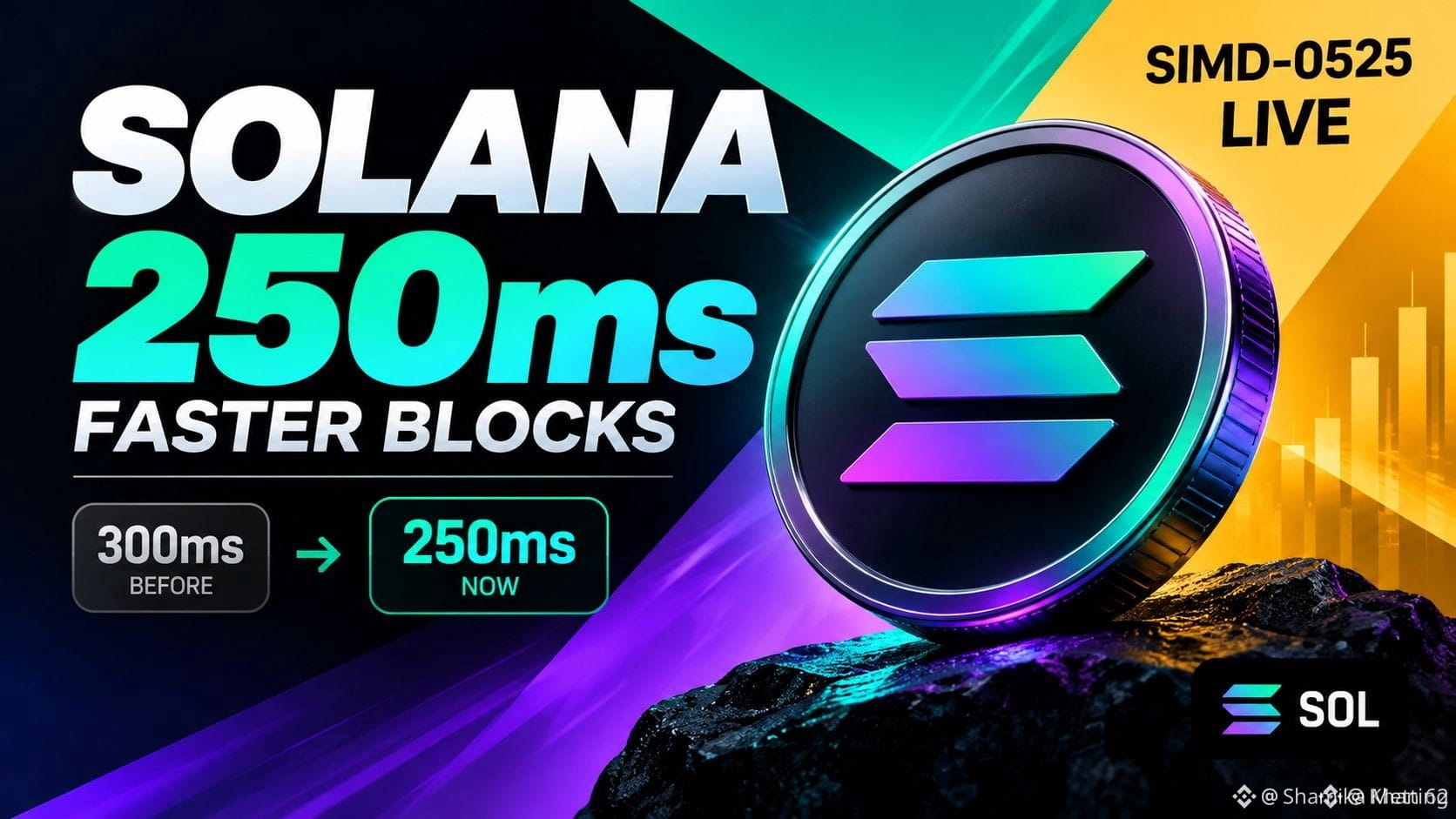
2
3.3k

Solana has successfully reduced its target slot time to 250 milliseconds. This significant technical achievement demonstrates the network's ongoing commitment to enhancing performance and efficiency. Faster block production times can lead to improved transaction speeds and a more responsive user experience, potentially attracting more developers and users to the ecosystem. This upgrade is a positive signal for the network's scalability and its ability to handle increased demand in the future.
Disclaimer: This is not investment advice.
#SolanaCutsTargetSlotTimeTo250ms $SOL
Solana has successfully reduced its target slot time to 250 milliseconds. This significant technical achievement demonstrates the network's ongoing commitment to enhancing performance and efficiency. Faster block production times can lead to improved transaction speeds and a more responsive user experience, potentially attracting more developers and users to the ecosystem. This upgrade is a positive signal for the network's scalability and its ability to handle increased demand in the future.
Disclaimer: This is not investment advice.
#SolanaCutsTargetSlotTimeTo250ms $SOL
Disclaimer: This is not investment advice.
#SolanaCutsTargetSlotTimeTo250ms $SOL
160

·
--
#SolanaCutsTargetSlotTimeTo250ms SOLANA SHORTENS SLOT TIME TO 250MS: BOOSTS NETWORK SPEED BY AN ADDITIONAL 17%!
Solana has just officially activated a major upgrade, reducing the target slot time from 300ms to 250ms!
👉Key highlights of the upgrade:
=> Blazing clock speed: The network hits the threshold of creating ~4 blocks/second (a ~17% increase in block production speed).
=> Transaction capacity: Short-term basic transaction processing capacity remains largely unchanged, with a focus on optimizing latency.
👉 Next goal: A solid step forward toward the ambitious 200ms/slot milestone on Mainnet.
Solana's edge in ultra-fast response times continues to widen, solidifying its leading position in the High-Performance L1 space!
👉What do you guys think— is the current Solana experience smooth enough, or should we overclock it all the way down to 200ms?$SOL
#SolanaCutsTargetSlotTimeTo250ms SOLANA SHORTENS SLOT TIME TO 250MS: BOOSTS NETWORK SPEED BY AN ADDITIONAL 17%!
Solana has just officially activated a major upgrade, reducing the target slot time from 300ms to 250ms!
👉Key highlights of the upgrade:
=> Blazing clock speed: The network hits the threshold of creating ~4 blocks/second (a ~17% increase in block production speed).
=> Transaction capacity: Short-term basic transaction processing capacity remains largely unchanged, with a focus on optimizing latency.
👉 Next goal: A solid step forward toward the ambitious 200ms/slot milestone on Mainnet.
Solana's edge in ultra-fast response times continues to widen, solidifying its leading position in the High-Performance L1 space!
👉What do you guys think— is the current Solana experience smooth enough, or should we overclock it all the way down to 200ms?$SOL
Solana has just officially activated a major upgrade, reducing the target slot time from 300ms to 250ms!
👉Key highlights of the upgrade:
=> Blazing clock speed: The network hits the threshold of creating ~4 blocks/second (a ~17% increase in block production speed).
=> Transaction capacity: Short-term basic transaction processing capacity remains largely unchanged, with a focus on optimizing latency.
👉 Next goal: A solid step forward toward the ambitious 200ms/slot milestone on Mainnet.
Solana's edge in ultra-fast response times continues to widen, solidifying its leading position in the High-Performance L1 space!
👉What do you guys think— is the current Solana experience smooth enough, or should we overclock it all the way down to 200ms?$SOL

196
#solanacutstargetslottimeto250ms
⚡ تستهدف سولا $SOL ضربة وقت الفتحة (Slot) إلى 250 مللي ثانية ⚡
تخيّل ساعة شبكة تدق بسرعة لدرجة أن تعديلًا بسيطًا واحدًا يغيّر مدى سرعة حركة النظام بأكمله. على سولا، وصلت تلك اللحظة الآن.
فعّلت سولا هدف وقت فتحة 250 مللي ثانية في 18 سبتمبر، بدلًا من 300 مللي ثانية. يأتي هذا التغيير كمرحلة ثالثة من SIMD-0525، وهو اقتراح يهدف إلى خفض أزمنة الفتحات تدريجيًا باتجاه 200 مللي ثانية.
عند 250 مللي ثانية، تستهدف سولا أربع فتحات كل ثانية بدلًا من حوالي 3.3. وهذا يُضيّق نافذة قيادة القائمين (validator leadership window) المكونة من أربع فتحات من 1.2 ثانية إلى نحو 1 ثانية، بينما تقصر العصور (epochs) من حوالي 36 ساعة إلى 30 ساعة.
لكن إليك التفصيلة التي قد تفوّتـها العديد من العناوين: الفتحات الأسرع لا تعني تلقائيًا زيادةً متناسبة في إجمالي سعة المعالجة. إذ إنّ الاقتراح يقلّل حدود العمل لكل فتحة بالتزامن مع تغيير التوقيت، ما يحافظ على سقف معالجة قريب من حيث “الحدّ الأقصى على الساعة الفعلية” (wall-clock) دون تغيير كبير.
❓ هل تفضّل أن تعطي سولا أولوية لفتحات أسرع حتى، أم أقصى استقرار عند 250 مللي ثانية؟
إخلاء مسؤولية: هذا محتوى تعليمي وليس نصيحة مالية.
متابعة من فضلكم
#Solana #CryptoNews #GrowWithSAC $SAGA $FTT
#SolanaCutsTargetSlotTimeTo250ms
#solanacutstargetslottimeto250ms
⚡ تستهدف سولا $SOL ضربة وقت الفتحة (Slot) إلى 250 مللي ثانية ⚡
تخيّل ساعة شبكة تدق بسرعة لدرجة أن تعديلًا بسيطًا واحدًا يغيّر مدى سرعة حركة النظام بأكمله. على سولا، وصلت تلك اللحظة الآن.
فعّلت سولا هدف وقت فتحة 250 مللي ثانية في 18 سبتمبر، بدلًا من 300 مللي ثانية. يأتي هذا التغيير كمرحلة ثالثة من SIMD-0525، وهو اقتراح يهدف إلى خفض أزمنة الفتحات تدريجيًا باتجاه 200 مللي ثانية.
عند 250 مللي ثانية، تستهدف سولا أربع فتحات كل ثانية بدلًا من حوالي 3.3. وهذا يُضيّق نافذة قيادة القائمين (validator leadership window) المكونة من أربع فتحات من 1.2 ثانية إلى نحو 1 ثانية، بينما تقصر العصور (epochs) من حوالي 36 ساعة إلى 30 ساعة.
لكن إليك التفصيلة التي قد تفوّتـها العديد من العناوين: الفتحات الأسرع لا تعني تلقائيًا زيادةً متناسبة في إجمالي سعة المعالجة. إذ إنّ الاقتراح يقلّل حدود العمل لكل فتحة بالتزامن مع تغيير التوقيت، ما يحافظ على سقف معالجة قريب من حيث “الحدّ الأقصى على الساعة الفعلية” (wall-clock) دون تغيير كبير.
❓ هل تفضّل أن تعطي سولا أولوية لفتحات أسرع حتى، أم أقصى استقرار عند 250 مللي ثانية؟
إخلاء مسؤولية: هذا محتوى تعليمي وليس نصيحة مالية.
متابعة من فضلكم
#Solana #CryptoNews #GrowWithSAC $SAGA $FTT
#SolanaCutsTargetSlotTimeTo250ms
⚡ تستهدف سولا $SOL ضربة وقت الفتحة (Slot) إلى 250 مللي ثانية ⚡
تخيّل ساعة شبكة تدق بسرعة لدرجة أن تعديلًا بسيطًا واحدًا يغيّر مدى سرعة حركة النظام بأكمله. على سولا، وصلت تلك اللحظة الآن.
فعّلت سولا هدف وقت فتحة 250 مللي ثانية في 18 سبتمبر، بدلًا من 300 مللي ثانية. يأتي هذا التغيير كمرحلة ثالثة من SIMD-0525، وهو اقتراح يهدف إلى خفض أزمنة الفتحات تدريجيًا باتجاه 200 مللي ثانية.
عند 250 مللي ثانية، تستهدف سولا أربع فتحات كل ثانية بدلًا من حوالي 3.3. وهذا يُضيّق نافذة قيادة القائمين (validator leadership window) المكونة من أربع فتحات من 1.2 ثانية إلى نحو 1 ثانية، بينما تقصر العصور (epochs) من حوالي 36 ساعة إلى 30 ساعة.
لكن إليك التفصيلة التي قد تفوّتـها العديد من العناوين: الفتحات الأسرع لا تعني تلقائيًا زيادةً متناسبة في إجمالي سعة المعالجة. إذ إنّ الاقتراح يقلّل حدود العمل لكل فتحة بالتزامن مع تغيير التوقيت، ما يحافظ على سقف معالجة قريب من حيث “الحدّ الأقصى على الساعة الفعلية” (wall-clock) دون تغيير كبير.
❓ هل تفضّل أن تعطي سولا أولوية لفتحات أسرع حتى، أم أقصى استقرار عند 250 مللي ثانية؟
إخلاء مسؤولية: هذا محتوى تعليمي وليس نصيحة مالية.
متابعة من فضلكم
#Solana #CryptoNews #GrowWithSAC $SAGA $FTT
#SolanaCutsTargetSlotTimeTo250ms

1
330

·
--
උසබ තත්ත්වය
සත්යායනය කළ
#solanacutstargetslottimeto250ms ⚡ $SOL JUST CUT SLOT TIME TO 250MS! 👀🚀
Solana has officially activated its 250-millisecond target slot time on mainnet-beta, marking another step toward its planned 200ms milestone.
📅 Activation: September 18, 2026
🔹 Epoch: 1037
🔹 Upgrade: SIMD-0525
🔹 Previous Target: 300ms
🔹 New Target: 250ms
🔹 Future Goal: 200ms
This upgrade means Solana is targeting approximately 4 slots per second, compared with around 3.3 slots per second at 300ms.
But the real story isn't simply about speed. ⚙️
🔍 WHAT DOES THIS CHANGE?
Shorter slot times mean block production operates on a tighter schedule. Validators have less time within each slot to coordinate and propagate data.
To maintain a similar overall execution budget, the upgrade also adjusts per-slot resource limits. Faster slots don't automatically mean a proportional increase in TPS.
The 250ms milestone is part of a phased rollout under SIMD-0525, which moves Solana from its original 400ms target toward 200ms.
📉 400ms → 350ms → 300ms → 250ms → 200ms
🧠 MY TAKE
The most important question isn't just how fast Solana can produce blocks.
It's whether the network can maintain reliable validator coordination, data propagation, and stable performance as timing becomes tighter.
The final 200ms target remains ahead, and its mainnet activation date has not been announced.
⚡ Speed matters. But speed with stability matters even more.
❓Do you think Solana's 200ms target could become its next major performance milestone?
👇 Share your thoughts in the comments!
Disclaimer: This content is for informational purposes only and is not financial advice.
#Solana #SOL #CryptoNews #Blockchain #Web3 #CryptoUpdates #SIMD0525 #GrowWithSAC
#solanacutstargetslottimeto250ms ⚡ $SOL JUST CUT SLOT TIME TO 250MS! 👀🚀
Solana has officially activated its 250-millisecond target slot time on mainnet-beta, marking another step toward its planned 200ms milestone.
📅 Activation: September 18, 2026
🔹 Epoch: 1037
🔹 Upgrade: SIMD-0525
🔹 Previous Target: 300ms
🔹 New Target: 250ms
🔹 Future Goal: 200ms
This upgrade means Solana is targeting approximately 4 slots per second, compared with around 3.3 slots per second at 300ms.
But the real story isn't simply about speed. ⚙️
🔍 WHAT DOES THIS CHANGE?
Shorter slot times mean block production operates on a tighter schedule. Validators have less time within each slot to coordinate and propagate data.
To maintain a similar overall execution budget, the upgrade also adjusts per-slot resource limits. Faster slots don't automatically mean a proportional increase in TPS.
The 250ms milestone is part of a phased rollout under SIMD-0525, which moves Solana from its original 400ms target toward 200ms.
📉 400ms → 350ms → 300ms → 250ms → 200ms
🧠 MY TAKE
The most important question isn't just how fast Solana can produce blocks.
It's whether the network can maintain reliable validator coordination, data propagation, and stable performance as timing becomes tighter.
The final 200ms target remains ahead, and its mainnet activation date has not been announced.
⚡ Speed matters. But speed with stability matters even more.
❓Do you think Solana's 200ms target could become its next major performance milestone?
👇 Share your thoughts in the comments!
Disclaimer: This content is for informational purposes only and is not financial advice.
#Solana #SOL #CryptoNews #Blockchain #Web3 #CryptoUpdates #SIMD0525 #GrowWithSAC
Solana has officially activated its 250-millisecond target slot time on mainnet-beta, marking another step toward its planned 200ms milestone.
📅 Activation: September 18, 2026
🔹 Epoch: 1037
🔹 Upgrade: SIMD-0525
🔹 Previous Target: 300ms
🔹 New Target: 250ms
🔹 Future Goal: 200ms
This upgrade means Solana is targeting approximately 4 slots per second, compared with around 3.3 slots per second at 300ms.
But the real story isn't simply about speed. ⚙️
🔍 WHAT DOES THIS CHANGE?
Shorter slot times mean block production operates on a tighter schedule. Validators have less time within each slot to coordinate and propagate data.
To maintain a similar overall execution budget, the upgrade also adjusts per-slot resource limits. Faster slots don't automatically mean a proportional increase in TPS.
The 250ms milestone is part of a phased rollout under SIMD-0525, which moves Solana from its original 400ms target toward 200ms.
📉 400ms → 350ms → 300ms → 250ms → 200ms
🧠 MY TAKE
The most important question isn't just how fast Solana can produce blocks.
It's whether the network can maintain reliable validator coordination, data propagation, and stable performance as timing becomes tighter.
The final 200ms target remains ahead, and its mainnet activation date has not been announced.
⚡ Speed matters. But speed with stability matters even more.
❓Do you think Solana's 200ms target could become its next major performance milestone?
👇 Share your thoughts in the comments!
Disclaimer: This content is for informational purposes only and is not financial advice.
#Solana #SOL #CryptoNews #Blockchain #Web3 #CryptoUpdates #SIMD0525 #GrowWithSAC

2
4k
සත්යායනය කළ
#solanacutstargetslottimeto250ms
250ms مباشر الآن. الآن تواجه سولا ناقوس الـ200ms كالسؤال الحقيقي
لقد وصلت سولا إلى 250ms—لكن القصة الهندسية الحقيقية قد تكون فيما يحدث بعد ذلك.
يمثل تفعيل 18 سبتمبر خطوة بارزة أخرى ضمن طرح SIMD-0525 في سولا. لقد انتقلت الشبكة عبر 350ms و300ms قبل الوصول إلى الهدف الحالي عند 250ms، مع بقاء 200ms كمرحلة نهائية مقترحة.
عند 250ms، يحدد تصميم سولا تقريبًا أربعة فتحات مستهدفة في الثانية ومدة عصر متوقعة تبلغ نحو 30 ساعة، بافتراض أن بنية العصر المكوّنة من 432,000 مقطع تظل دون تغيير. عند 200ms، يتوقع الاقتراح عصورًا بمدد تقارب 24 ساعة.
لكن دفع الساعة للأمام بسرعة أكبر يعني أيضًا ترك مدّت زمنية أقل للمدققين (validators) من حيث وقت الساعة الفعلي لإنتاج الكتل والتصويت والشبكات وتبادل المهام.
ولهذا السبب لا تُعد خطوة 200ms مجرد تبديل مفتاح آخر. تم تصميم الاقتراح بشكل صريح كطرح تدريجي بحيث يمكن ملاحظة مسائل التنفيذ والمشكلات التشغيلية في كل مرحلة.
250ms هو أحدث معلم. 200ms هو السؤال التالي.
متابعة من فضلكم
$ZETA
{alpha}(10xf091867ec603a6628ed83d274e835539d82e9cc8)
#solanacutstargetslottimeto250ms
250ms مباشر الآن. الآن تواجه سولا ناقوس الـ200ms كالسؤال الحقيقي
لقد وصلت سولا إلى 250ms—لكن القصة الهندسية الحقيقية قد تكون فيما يحدث بعد ذلك.
يمثل تفعيل 18 سبتمبر خطوة بارزة أخرى ضمن طرح SIMD-0525 في سولا. لقد انتقلت الشبكة عبر 350ms و300ms قبل الوصول إلى الهدف الحالي عند 250ms، مع بقاء 200ms كمرحلة نهائية مقترحة.
عند 250ms، يحدد تصميم سولا تقريبًا أربعة فتحات مستهدفة في الثانية ومدة عصر متوقعة تبلغ نحو 30 ساعة، بافتراض أن بنية العصر المكوّنة من 432,000 مقطع تظل دون تغيير. عند 200ms، يتوقع الاقتراح عصورًا بمدد تقارب 24 ساعة.
لكن دفع الساعة للأمام بسرعة أكبر يعني أيضًا ترك مدّت زمنية أقل للمدققين (validators) من حيث وقت الساعة الفعلي لإنتاج الكتل والتصويت والشبكات وتبادل المهام.
ولهذا السبب لا تُعد خطوة 200ms مجرد تبديل مفتاح آخر. تم تصميم الاقتراح بشكل صريح كطرح تدريجي بحيث يمكن ملاحظة مسائل التنفيذ والمشكلات التشغيلية في كل مرحلة.
250ms هو أحدث معلم. 200ms هو السؤال التالي.
متابعة من فضلكم
$ZETA
250ms مباشر الآن. الآن تواجه سولا ناقوس الـ200ms كالسؤال الحقيقي
لقد وصلت سولا إلى 250ms—لكن القصة الهندسية الحقيقية قد تكون فيما يحدث بعد ذلك.
يمثل تفعيل 18 سبتمبر خطوة بارزة أخرى ضمن طرح SIMD-0525 في سولا. لقد انتقلت الشبكة عبر 350ms و300ms قبل الوصول إلى الهدف الحالي عند 250ms، مع بقاء 200ms كمرحلة نهائية مقترحة.
عند 250ms، يحدد تصميم سولا تقريبًا أربعة فتحات مستهدفة في الثانية ومدة عصر متوقعة تبلغ نحو 30 ساعة، بافتراض أن بنية العصر المكوّنة من 432,000 مقطع تظل دون تغيير. عند 200ms، يتوقع الاقتراح عصورًا بمدد تقارب 24 ساعة.
لكن دفع الساعة للأمام بسرعة أكبر يعني أيضًا ترك مدّت زمنية أقل للمدققين (validators) من حيث وقت الساعة الفعلي لإنتاج الكتل والتصويت والشبكات وتبادل المهام.
ولهذا السبب لا تُعد خطوة 200ms مجرد تبديل مفتاح آخر. تم تصميم الاقتراح بشكل صريح كطرح تدريجي بحيث يمكن ملاحظة مسائل التنفيذ والمشكلات التشغيلية في كل مرحلة.
250ms هو أحدث معلم. 200ms هو السؤال التالي.
متابعة من فضلكم
$ZETA
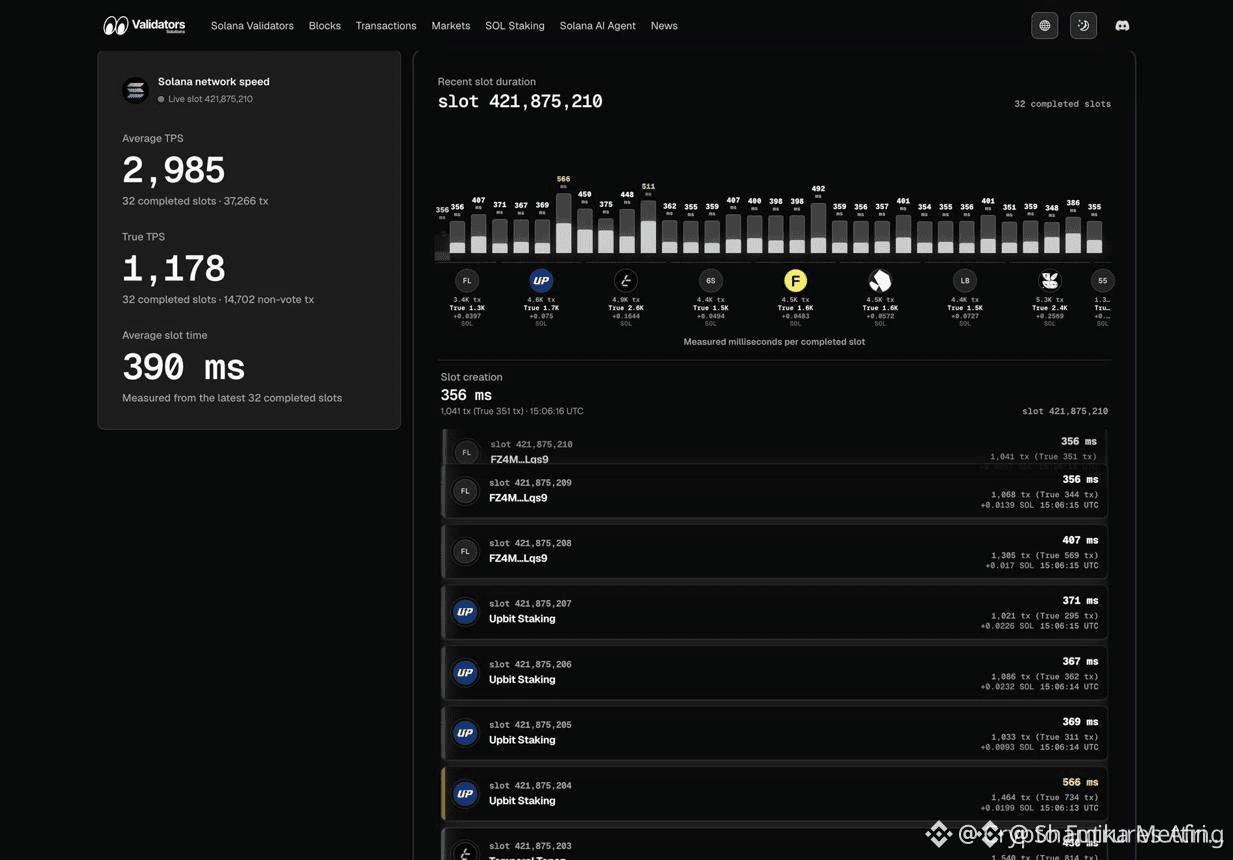
dieciochok:
👌
1
1
2.8k
සත්යායනය කළ
#solanacutstargetslottimeto250ms
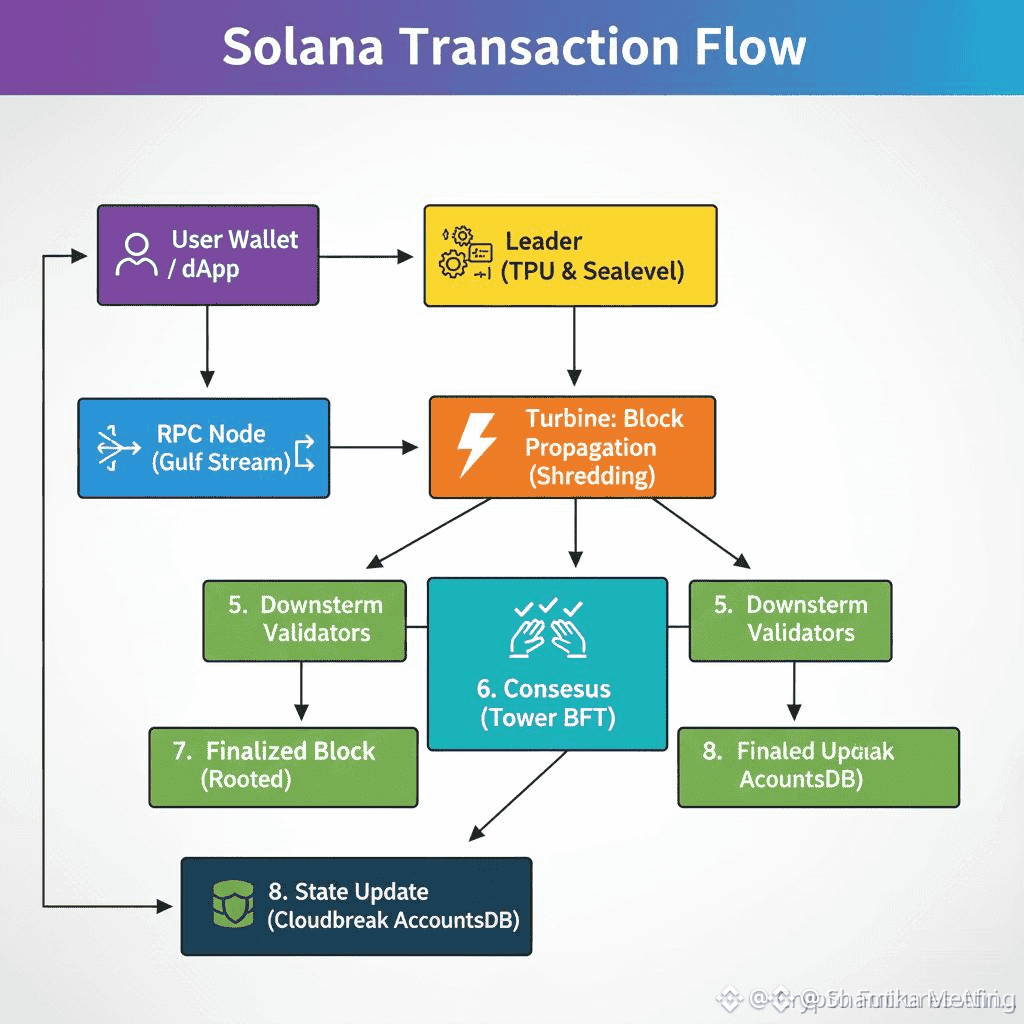
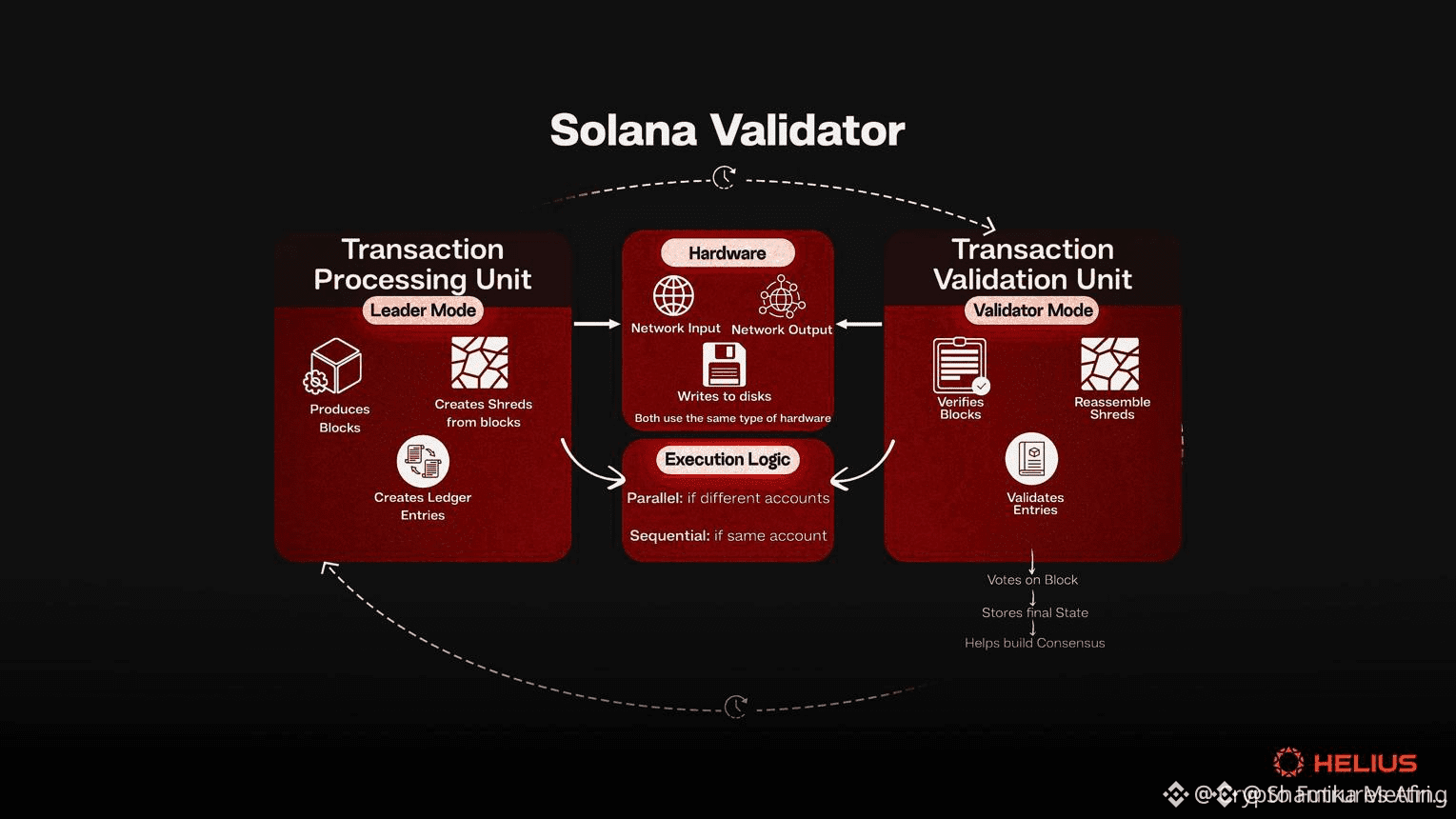
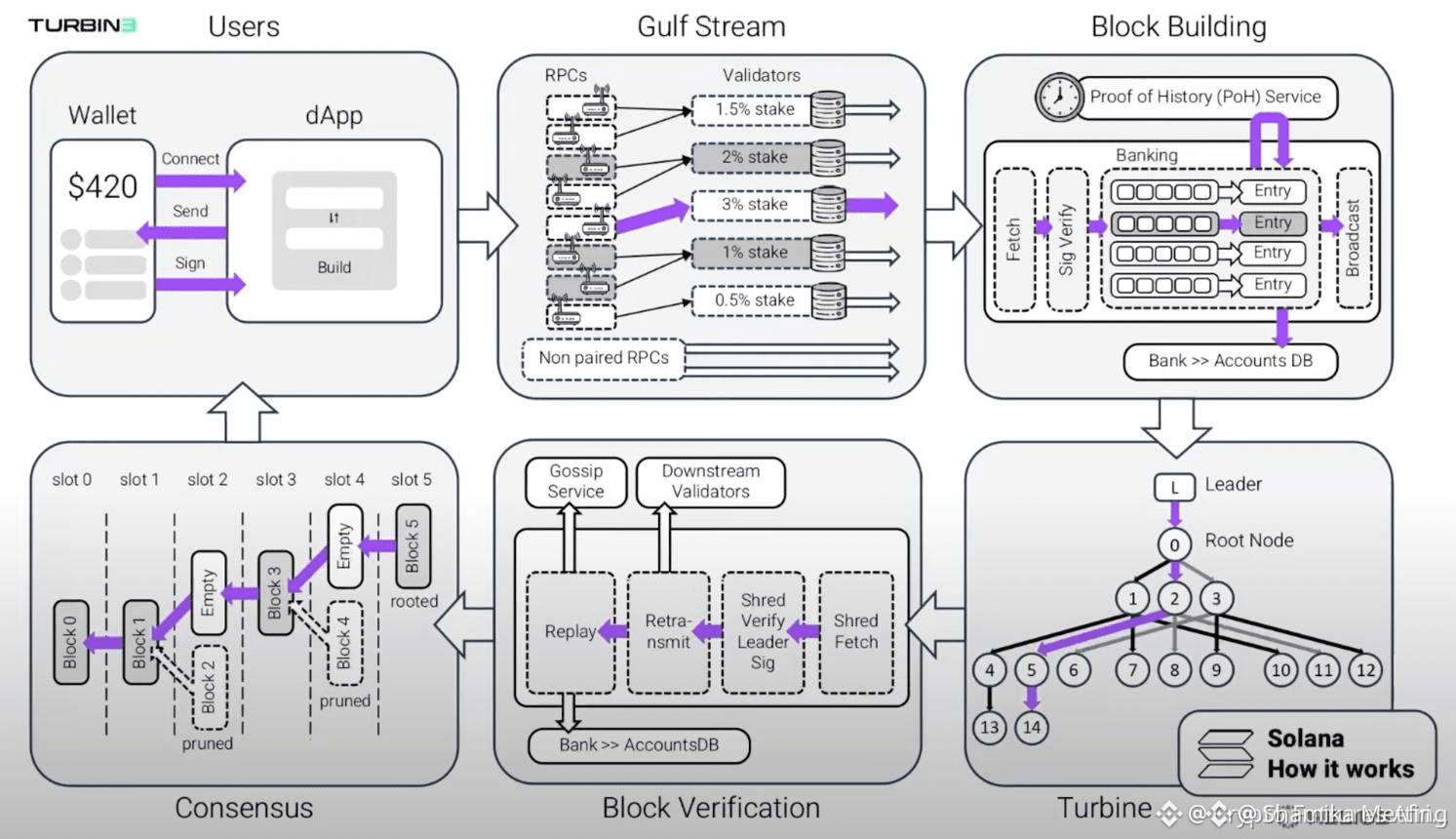
من 400 مللي ثانية إلى 250 مللي ثانية: استراتيجية سولانا متعددة المراحل للسرعة
لم تقفز سولانا من 400 مللي ثانية إلى 250 مللي ثانية بين ليلة وضحاها. بل بنت طريقًا على مراحل للوصول إلى ذلك.
تُعرّف SIMD-0525 أربع تخفيضات: 350 مللي ثانية، 300 مللي ثانية، 250 مللي ثانية، وفي النهاية 200 مللي ثانية. كل مرحلة مقيّدة بميزات محددة، ما يتيح للشبكة ولمُتحققيها التكيف قبل التخفيض التالي.
مرحلة 250 مللي ثانية أصبحت الآن فعّالة على شبكة سولانا الرئيسية (mainnet)، بينما لم يتم بعد تأكيد تاريخ تفعيل المرحلة النهائية عند 200 مللي ثانية على mainnet. وقد أفادت Binance News بأن الخطوة الأخيرة ستعتمد على أداء الشبكة، بما في ذلك استقرار المُتحققين.
كما تغيّر المقاربة على مراحل معلمات تقنية أخرى. عند 250 مللي ثانية، يحدد الاقتراح نافذة قائد من أربع فترات (أربع سلوطات) بمعدل ثانية واحدة اسميًا، مقارنةً بـ 1.6 ثانية عند 400 مللي ثانية.
وهذا يجعل الترقية أقل ارتباطًا برقم رئيسي واحد وأكثر تركيزًا على تغيير معمارية توقيت سولانا تدريجيًا دون القيام بقفزة هائلة واحدة.
المعلم التالي بسيط: ما إذا كانت الشبكة تستطيع الحفاظ على توقيت أكثر إحكامًا على نطاق واسع.
متابعة من فضلكم
$ZETA
{alpha}(10xf091867ec603a6628ed83d274e835539d82e9cc8)
#solanacutstargetslottimeto250ms
من 400 مللي ثانية إلى 250 مللي ثانية: استراتيجية سولانا متعددة المراحل للسرعة
لم تقفز سولانا من 400 مللي ثانية إلى 250 مللي ثانية بين ليلة وضحاها. بل بنت طريقًا على مراحل للوصول إلى ذلك.
تُعرّف SIMD-0525 أربع تخفيضات: 350 مللي ثانية، 300 مللي ثانية، 250 مللي ثانية، وفي النهاية 200 مللي ثانية. كل مرحلة مقيّدة بميزات محددة، ما يتيح للشبكة ولمُتحققيها التكيف قبل التخفيض التالي.
مرحلة 250 مللي ثانية أصبحت الآن فعّالة على شبكة سولانا الرئيسية (mainnet)، بينما لم يتم بعد تأكيد تاريخ تفعيل المرحلة النهائية عند 200 مللي ثانية على mainnet. وقد أفادت Binance News بأن الخطوة الأخيرة ستعتمد على أداء الشبكة، بما في ذلك استقرار المُتحققين.
كما تغيّر المقاربة على مراحل معلمات تقنية أخرى. عند 250 مللي ثانية، يحدد الاقتراح نافذة قائد من أربع فترات (أربع سلوطات) بمعدل ثانية واحدة اسميًا، مقارنةً بـ 1.6 ثانية عند 400 مللي ثانية.
وهذا يجعل الترقية أقل ارتباطًا برقم رئيسي واحد وأكثر تركيزًا على تغيير معمارية توقيت سولانا تدريجيًا دون القيام بقفزة هائلة واحدة.
المعلم التالي بسيط: ما إذا كانت الشبكة تستطيع الحفاظ على توقيت أكثر إحكامًا على نطاق واسع.
متابعة من فضلكم
$ZETA
من 400 مللي ثانية إلى 250 مللي ثانية: استراتيجية سولانا متعددة المراحل للسرعة
لم تقفز سولانا من 400 مللي ثانية إلى 250 مللي ثانية بين ليلة وضحاها. بل بنت طريقًا على مراحل للوصول إلى ذلك.
تُعرّف SIMD-0525 أربع تخفيضات: 350 مللي ثانية، 300 مللي ثانية، 250 مللي ثانية، وفي النهاية 200 مللي ثانية. كل مرحلة مقيّدة بميزات محددة، ما يتيح للشبكة ولمُتحققيها التكيف قبل التخفيض التالي.
مرحلة 250 مللي ثانية أصبحت الآن فعّالة على شبكة سولانا الرئيسية (mainnet)، بينما لم يتم بعد تأكيد تاريخ تفعيل المرحلة النهائية عند 200 مللي ثانية على mainnet. وقد أفادت Binance News بأن الخطوة الأخيرة ستعتمد على أداء الشبكة، بما في ذلك استقرار المُتحققين.
كما تغيّر المقاربة على مراحل معلمات تقنية أخرى. عند 250 مللي ثانية، يحدد الاقتراح نافذة قائد من أربع فترات (أربع سلوطات) بمعدل ثانية واحدة اسميًا، مقارنةً بـ 1.6 ثانية عند 400 مللي ثانية.
وهذا يجعل الترقية أقل ارتباطًا برقم رئيسي واحد وأكثر تركيزًا على تغيير معمارية توقيت سولانا تدريجيًا دون القيام بقفزة هائلة واحدة.
المعلم التالي بسيط: ما إذا كانت الشبكة تستطيع الحفاظ على توقيت أكثر إحكامًا على نطاق واسع.
متابعة من فضلكم
$ZETA
1
3
4.8k
සත්යායනය කළ
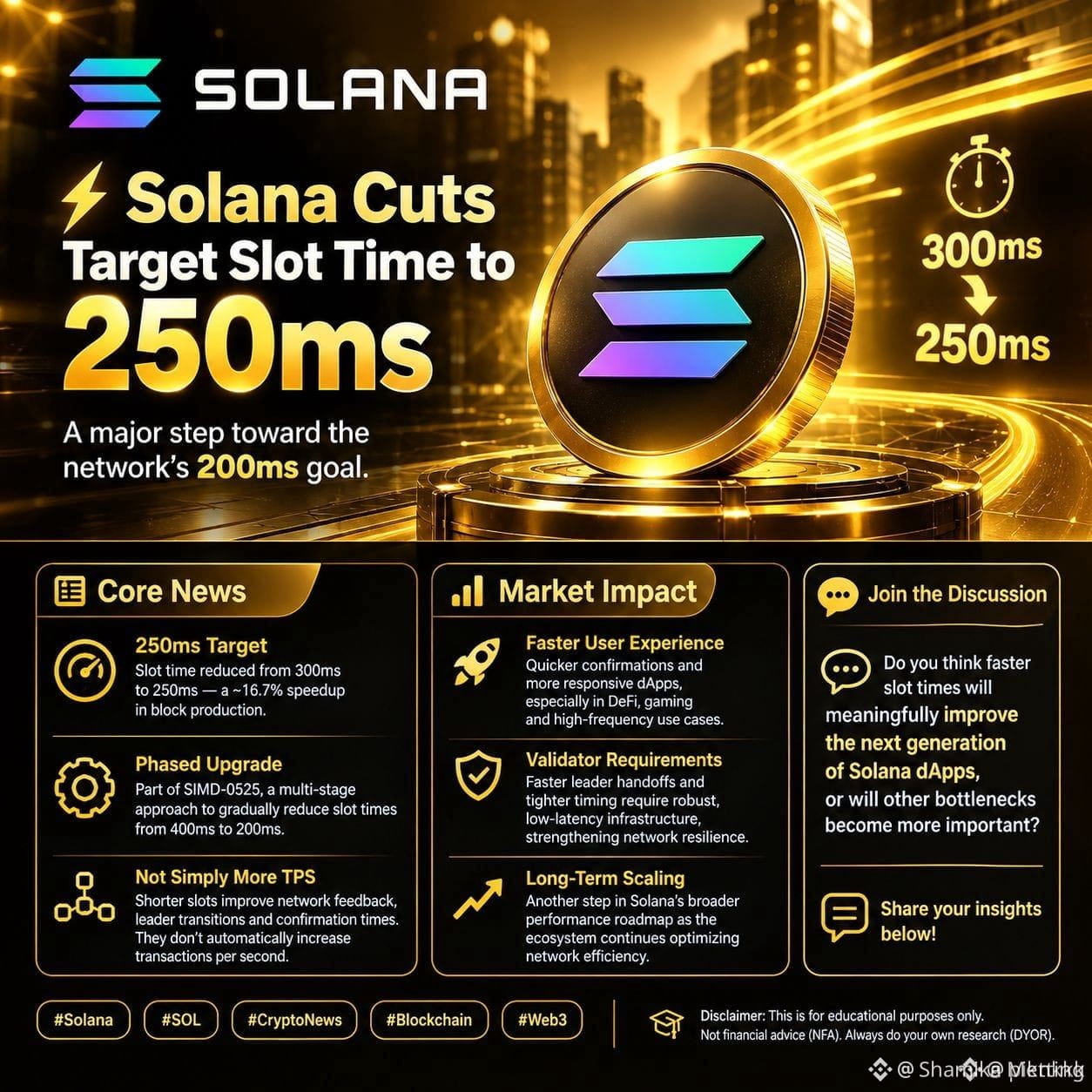
#solanacutstargetslottimeto250ms ⚡ ترقية شبكة سولانا: تقليل زمن الفتحة المستهدَف إلى 250 مللي ثانية
تواصل سولانا تحسين شبكتها تدريجيًا، ونجحت في تقليل زمن الفتحة المستهدَف إلى 250 مللي ثانية. ويُعد هذا خطوة مهمة أخرى نحو الهدف النهائي للشبكة البالغ 200 مللي ثانية.
📰 أخبار أساسية
• تمت الترقية قامت سولانا رسميًا بتخفيض زمن الفتحة المستهدَف من 300 مللي ثانية إلى 250 مللي ثانية، محققة تسريعًا يقارب 17% في إنتاج الكتل [[1]].
• نهج مرحلي يأتي هذا التغيير ضمن SIMD-0525، وهو مسار ترقية منظم متعدد المراحل مصمم لنقل الشبكة بأمان من 400 مللي ثانية إلى هدف نهائي يبلغ 200 مللي ثانية [[16]].
• تفاصيل تقنية بينما تزيد سرعة الساعة، تبقى السعة الإجمالية لمعالجة المعاملات في الثانية دون تغيير واسع النطاق، مع التركيز بدلًا من ذلك على ردود فعل أسرع من الشبكة وأزمنة تأكيد أقصر [[5]].
📊 أثر السوق
• كفاءة النظام البيئي تعني أزمنة الفتح الأقصر حسمًا أسرع للمعاملات وتحسينًا لتجربة المستخدم لتطبيقات dApps اللامركزية، خصوصًا في القطاعات عالية التكرار مثل DeFi والألعاب [[14]].
#Solana #SOL #CryptoNews #Blockchain #Web3
هذا المحتوى لأغراض تعليمية فقط. ليس نصيحة مالية (NFA). قم دائمًا بإجراء بحثك الخاص (DYOR).
متابعة من فضلكم
$FF $REQ $INUV.US
#solanacutstargetslottimeto250ms ⚡ ترقية شبكة سولانا: تقليل زمن الفتحة المستهدَف إلى 250 مللي ثانية
تواصل سولانا تحسين شبكتها تدريجيًا، ونجحت في تقليل زمن الفتحة المستهدَف إلى 250 مللي ثانية. ويُعد هذا خطوة مهمة أخرى نحو الهدف النهائي للشبكة البالغ 200 مللي ثانية.
📰 أخبار أساسية
• تمت الترقية قامت سولانا رسميًا بتخفيض زمن الفتحة المستهدَف من 300 مللي ثانية إلى 250 مللي ثانية، محققة تسريعًا يقارب 17% في إنتاج الكتل [[1]].
• نهج مرحلي يأتي هذا التغيير ضمن SIMD-0525، وهو مسار ترقية منظم متعدد المراحل مصمم لنقل الشبكة بأمان من 400 مللي ثانية إلى هدف نهائي يبلغ 200 مللي ثانية [[16]].
• تفاصيل تقنية بينما تزيد سرعة الساعة، تبقى السعة الإجمالية لمعالجة المعاملات في الثانية دون تغيير واسع النطاق، مع التركيز بدلًا من ذلك على ردود فعل أسرع من الشبكة وأزمنة تأكيد أقصر [[5]].
📊 أثر السوق
• كفاءة النظام البيئي تعني أزمنة الفتح الأقصر حسمًا أسرع للمعاملات وتحسينًا لتجربة المستخدم لتطبيقات dApps اللامركزية، خصوصًا في القطاعات عالية التكرار مثل DeFi والألعاب [[14]].
#Solana #SOL #CryptoNews #Blockchain #Web3
هذا المحتوى لأغراض تعليمية فقط. ليس نصيحة مالية (NFA). قم دائمًا بإجراء بحثك الخاص (DYOR).
متابعة من فضلكم
$FF $REQ $INUV.US
تواصل سولانا تحسين شبكتها تدريجيًا، ونجحت في تقليل زمن الفتحة المستهدَف إلى 250 مللي ثانية. ويُعد هذا خطوة مهمة أخرى نحو الهدف النهائي للشبكة البالغ 200 مللي ثانية.
📰 أخبار أساسية
• تمت الترقية قامت سولانا رسميًا بتخفيض زمن الفتحة المستهدَف من 300 مللي ثانية إلى 250 مللي ثانية، محققة تسريعًا يقارب 17% في إنتاج الكتل [[1]].
• نهج مرحلي يأتي هذا التغيير ضمن SIMD-0525، وهو مسار ترقية منظم متعدد المراحل مصمم لنقل الشبكة بأمان من 400 مللي ثانية إلى هدف نهائي يبلغ 200 مللي ثانية [[16]].
• تفاصيل تقنية بينما تزيد سرعة الساعة، تبقى السعة الإجمالية لمعالجة المعاملات في الثانية دون تغيير واسع النطاق، مع التركيز بدلًا من ذلك على ردود فعل أسرع من الشبكة وأزمنة تأكيد أقصر [[5]].
📊 أثر السوق
• كفاءة النظام البيئي تعني أزمنة الفتح الأقصر حسمًا أسرع للمعاملات وتحسينًا لتجربة المستخدم لتطبيقات dApps اللامركزية، خصوصًا في القطاعات عالية التكرار مثل DeFi والألعاب [[14]].
#Solana #SOL #CryptoNews #Blockchain #Web3
هذا المحتوى لأغراض تعليمية فقط. ليس نصيحة مالية (NFA). قم دائمًا بإجراء بحثك الخاص (DYOR).
متابعة من فضلكم
$FF $REQ $INUV.US
2
1.6k

#SolanaCutsTargetSlotTimeTo250ms
Solana has cut its target slot time from 300ms to 250ms under proposal SIMD-0525, boosting block production cadence by nearly 17%.
Key highlights of the update:
* Faster Cadence: The network now targets four slots per second instead of ~3.3, delivering quicker block production and fresher data.
* Capacity Preserved: Per-slot compute limits are proportionally reduced, preserving overall throughput while increasing block frequency.
* Shorter Epochs: An epoch (432,000 slots) now completes in roughly 30 hours instead of 36.
* Roadmap: This marks the third phase down from 400ms, with a final target of 200ms.
$SOL
{spot}(SOLUSDT)
#SolanaCutsTargetSlotTimeTo250ms
Solana has cut its target slot time from 300ms to 250ms under proposal SIMD-0525, boosting block production cadence by nearly 17%.
Key highlights of the update:
* Faster Cadence: The network now targets four slots per second instead of ~3.3, delivering quicker block production and fresher data.
* Capacity Preserved: Per-slot compute limits are proportionally reduced, preserving overall throughput while increasing block frequency.
* Shorter Epochs: An epoch (432,000 slots) now completes in roughly 30 hours instead of 36.
* Roadmap: This marks the third phase down from 400ms, with a final target of 200ms.
$SOL
Solana has cut its target slot time from 300ms to 250ms under proposal SIMD-0525, boosting block production cadence by nearly 17%.
Key highlights of the update:
* Faster Cadence: The network now targets four slots per second instead of ~3.3, delivering quicker block production and fresher data.
* Capacity Preserved: Per-slot compute limits are proportionally reduced, preserving overall throughput while increasing block frequency.
* Shorter Epochs: An epoch (432,000 slots) now completes in roughly 30 hours instead of 36.
* Roadmap: This marks the third phase down from 400ms, with a final target of 200ms.
$SOL
141
සත්යායනය කළ
#solanacutstargetslottimeto250ms
ترقية سولا نَصيب 250 مللي ثانية تضع بيانات جديدة في دائرة الضوء
قد تكون سرعة ساعة البلوكشين أسرع أهم ما تكون عندما تكون الدقة الزمنية حاسمة: الأسواق.
إن انتقال سولانا من هدف 300 مللي ثانية لزمن الفتحة إلى 250 مللي ثانية يمنح التطبيقات رؤية أدق للوقت داخل السلسلة. يأتي هذا التغيير ضمن SIMD-0525، الذي يحافظ على أربع فتحات متتالية داخل نافذة القائد بينما يقصر النافذة الإجمالية إلى نحو ثانية واحدة.
وهذا يهم للتبادلات اللامركزية، ومستهلكي الواجهات/البيانات (oracles) وأنظمة صناع السوق، حيث يمكن لاختلافات صغيرة في حداثة البيانات أن تؤثر على التنفيذ.
وتشير وثائق سولانا الفنية نفسها إلى أن الفتحات الأقصر يمكن أن تقلل الوقت بين الأحداث المتعلقة بالإجماع وتوفر للتطبيقات دقة زمنية أدق.
لكن توجد نقطة تمييز مهمة: لا تقوم الترقية تلقائيًا بخلق مساحة بلوكات إضافية. إذ يتم تقليل حدود الحوسبة والبيانات لكل فتحة بنسبة تتناسب مع قِصر الفتحة.
لذا فالعنوان ليس ببساطة «سولانا تصبح أسرع».
الأدق أن نقول: إن سولانا تجعل ساعة شبكتها أكثر استجابة مع الحفاظ بعناية على ميزانية المعالجة تحت السيطرة.
متابعة من فضلكم
$ZETA
{alpha}(10xf091867ec603a6628ed83d274e835539d82e9cc8)
#solanacutstargetslottimeto250ms
ترقية سولا نَصيب 250 مللي ثانية تضع بيانات جديدة في دائرة الضوء
قد تكون سرعة ساعة البلوكشين أسرع أهم ما تكون عندما تكون الدقة الزمنية حاسمة: الأسواق.
إن انتقال سولانا من هدف 300 مللي ثانية لزمن الفتحة إلى 250 مللي ثانية يمنح التطبيقات رؤية أدق للوقت داخل السلسلة. يأتي هذا التغيير ضمن SIMD-0525، الذي يحافظ على أربع فتحات متتالية داخل نافذة القائد بينما يقصر النافذة الإجمالية إلى نحو ثانية واحدة.
وهذا يهم للتبادلات اللامركزية، ومستهلكي الواجهات/البيانات (oracles) وأنظمة صناع السوق، حيث يمكن لاختلافات صغيرة في حداثة البيانات أن تؤثر على التنفيذ.
وتشير وثائق سولانا الفنية نفسها إلى أن الفتحات الأقصر يمكن أن تقلل الوقت بين الأحداث المتعلقة بالإجماع وتوفر للتطبيقات دقة زمنية أدق.
لكن توجد نقطة تمييز مهمة: لا تقوم الترقية تلقائيًا بخلق مساحة بلوكات إضافية. إذ يتم تقليل حدود الحوسبة والبيانات لكل فتحة بنسبة تتناسب مع قِصر الفتحة.
لذا فالعنوان ليس ببساطة «سولانا تصبح أسرع».
الأدق أن نقول: إن سولانا تجعل ساعة شبكتها أكثر استجابة مع الحفاظ بعناية على ميزانية المعالجة تحت السيطرة.
متابعة من فضلكم
$ZETA
ترقية سولا نَصيب 250 مللي ثانية تضع بيانات جديدة في دائرة الضوء
قد تكون سرعة ساعة البلوكشين أسرع أهم ما تكون عندما تكون الدقة الزمنية حاسمة: الأسواق.
إن انتقال سولانا من هدف 300 مللي ثانية لزمن الفتحة إلى 250 مللي ثانية يمنح التطبيقات رؤية أدق للوقت داخل السلسلة. يأتي هذا التغيير ضمن SIMD-0525، الذي يحافظ على أربع فتحات متتالية داخل نافذة القائد بينما يقصر النافذة الإجمالية إلى نحو ثانية واحدة.
وهذا يهم للتبادلات اللامركزية، ومستهلكي الواجهات/البيانات (oracles) وأنظمة صناع السوق، حيث يمكن لاختلافات صغيرة في حداثة البيانات أن تؤثر على التنفيذ.
وتشير وثائق سولانا الفنية نفسها إلى أن الفتحات الأقصر يمكن أن تقلل الوقت بين الأحداث المتعلقة بالإجماع وتوفر للتطبيقات دقة زمنية أدق.
لكن توجد نقطة تمييز مهمة: لا تقوم الترقية تلقائيًا بخلق مساحة بلوكات إضافية. إذ يتم تقليل حدود الحوسبة والبيانات لكل فتحة بنسبة تتناسب مع قِصر الفتحة.
لذا فالعنوان ليس ببساطة «سولانا تصبح أسرع».
الأدق أن نقول: إن سولانا تجعل ساعة شبكتها أكثر استجابة مع الحفاظ بعناية على ميزانية المعالجة تحت السيطرة.
متابعة من فضلكم
$ZETA
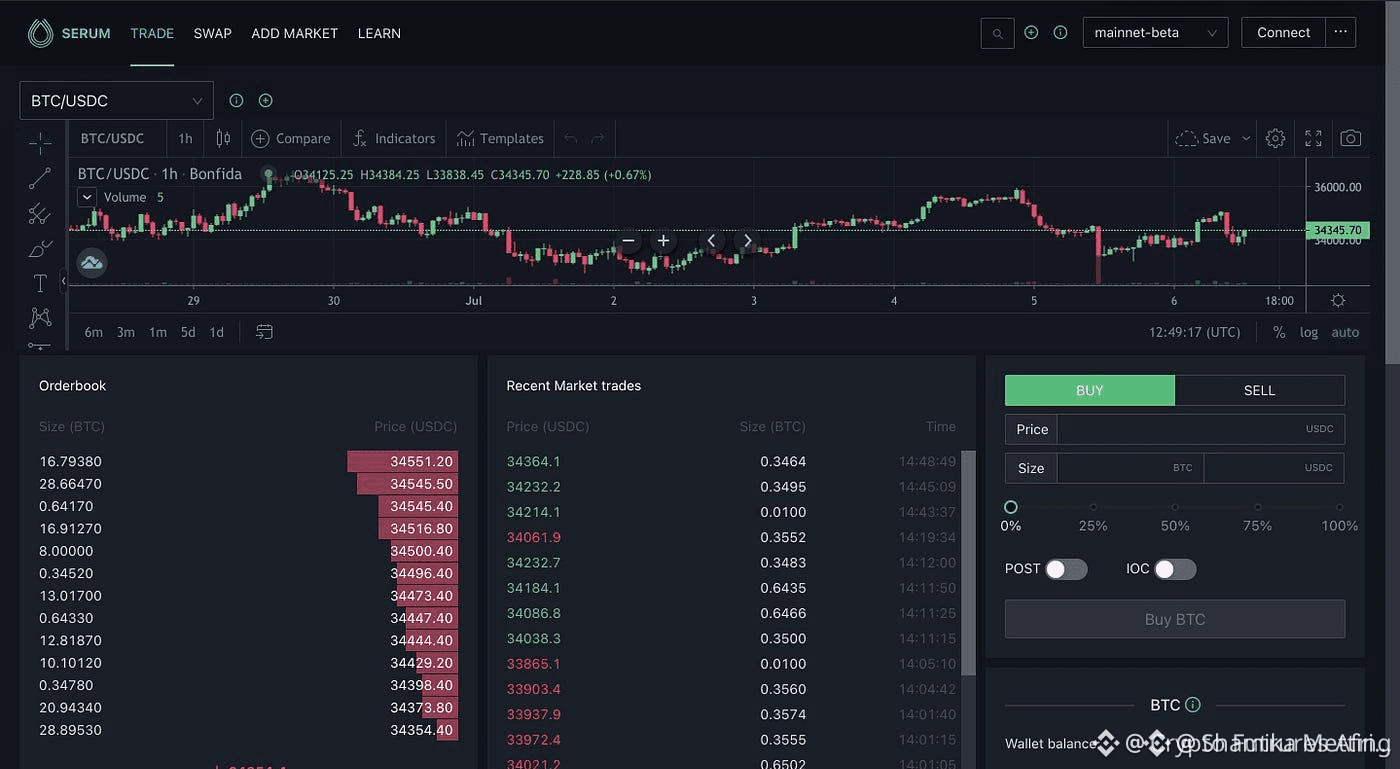
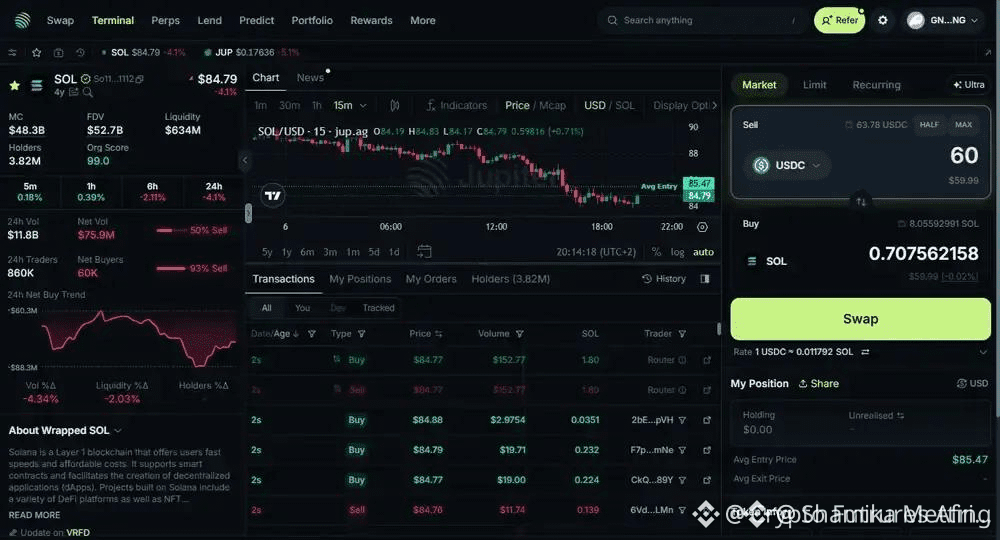
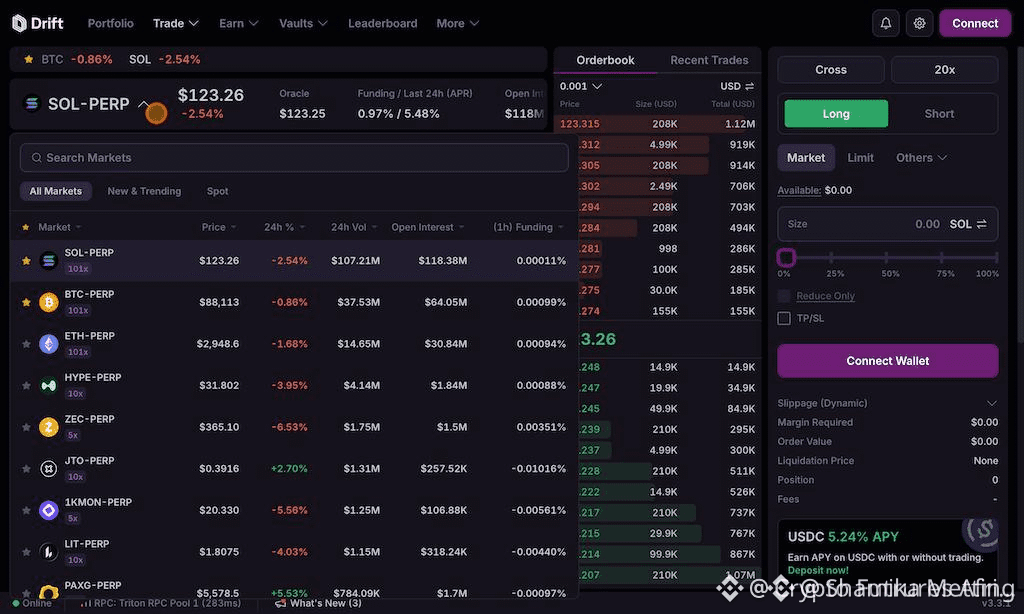
1
6.9k

#SolanaCutsTargetSlotTimeTo250ms
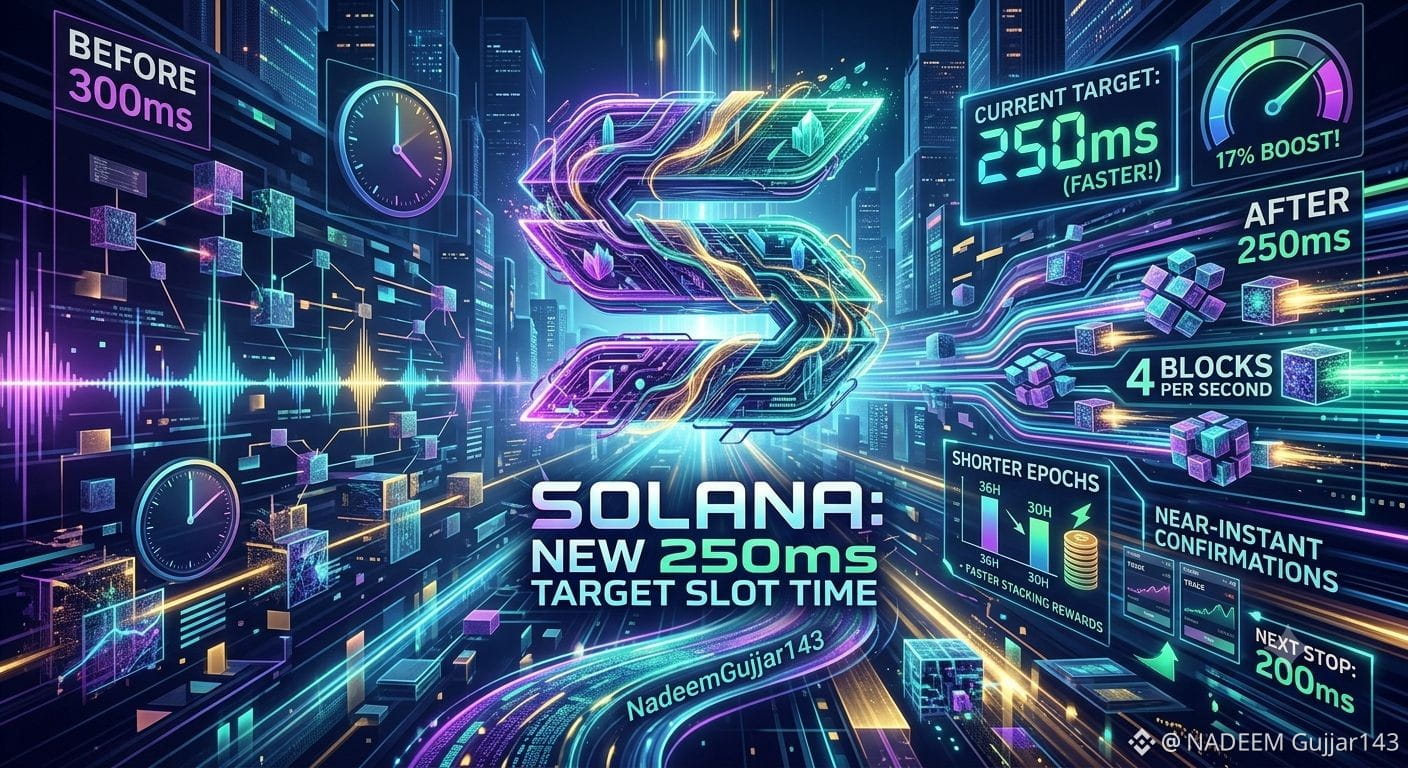
Solana Just Got 17% Faster! ⚡️
Solana has official cut its target slot time from 300ms down to 250ms! The clock is ticking faster on mainnet, and the ecosystem is feeling the speed boost.
Here is what you need to know 🧵👇
⚡ 4 Blocks Per Second: The network now targets 4 slots every single second.
📉 Shorter Epochs: Epochs dropped from ~36 hours down to ~30 hours. Staking rewards arrive faster!
🎯 Near-Instant Confirmations: Reduced price drift and latency for traders, DeFi, and oracles.
🏁 Next Stop: 200ms is the final target on the SIMD-0525 roadmap!
Solana keeps setting the standard for high-performance Web3. Are you holding $SOL? 🚀#Solana #DeFiDominance #BinanceSquareFamily
#Nadeemgujjar143
@Square-Creator-f3ffb6967ae3 @Square-Creator-82298398aad82
@1O69852872 @Square-Creator-4b9004503
$SOL
{spot}(SOLUSDT)
$SOLV
{spot}(SOLVUSDT)
$SOMI
{future}(SOMIUSDT)
#SolanaCutsTargetSlotTimeTo250ms
Solana Just Got 17% Faster! ⚡️
Solana has official cut its target slot time from 300ms down to 250ms! The clock is ticking faster on mainnet, and the ecosystem is feeling the speed boost.
Here is what you need to know 🧵👇
⚡ 4 Blocks Per Second: The network now targets 4 slots every single second.
📉 Shorter Epochs: Epochs dropped from ~36 hours down to ~30 hours. Staking rewards arrive faster!
🎯 Near-Instant Confirmations: Reduced price drift and latency for traders, DeFi, and oracles.
🏁 Next Stop: 200ms is the final target on the SIMD-0525 roadmap!
Solana keeps setting the standard for high-performance Web3. Are you holding $SOL ? 🚀#Solana #DeFiDominance #BinanceSquareFamily
#Nadeemgujjar143
@aasho @AYESHA ABID 阿伊莎 阿比德
@Fatima_Tariq @FATIMA
$SOL
$SOLV
$SOMI
Solana Just Got 17% Faster! ⚡️
Solana has official cut its target slot time from 300ms down to 250ms! The clock is ticking faster on mainnet, and the ecosystem is feeling the speed boost.
Here is what you need to know 🧵👇
⚡ 4 Blocks Per Second: The network now targets 4 slots every single second.
📉 Shorter Epochs: Epochs dropped from ~36 hours down to ~30 hours. Staking rewards arrive faster!
🎯 Near-Instant Confirmations: Reduced price drift and latency for traders, DeFi, and oracles.
🏁 Next Stop: 200ms is the final target on the SIMD-0525 roadmap!
Solana keeps setting the standard for high-performance Web3. Are you holding $SOL ? 🚀#Solana #DeFiDominance #BinanceSquareFamily
#Nadeemgujjar143
@aasho @AYESHA ABID 阿伊莎 阿比德
@Fatima_Tariq @FATIMA
$SOL
$SOLV
$SOMI
aasho:
Solana has official cut its target slot time from 300ms down to 250ms! The clock is ticking faster on mainnet, and the ecosystem is feeling the speed boost.
$SOL
1
2
72
Everyone thinks faster block times automatically mean easier trading profits, but actually it creates a dangerous trap for retail execution.
Most traders lose money chasing high-speed volatility, getting front-run or trapped by failed transactions before their wallet even updates. When latency drops this drastically, clicking buy on market orders becomes a costly gamble.
Think of it like upgrading a highway speed limit from sixty to two hundred miles per hour. While Solana cutting target slot time down to 250ms makes the network remarkably fast, it also widens the gap between high-frequency trading bots and everyday users. If you are actively trading $SOL or rotating capital across high-throughput networks like $SUI, your default slippage settings need immediate attention to prevent poor fills.
First, your order routing requires tighter slippage tolerances because liquidity pools rebalance before standard confirmations finish processing. Second, chasing sudden green candles with market orders will simply feed latency arbitrage bots. Third, priority fee spikes will happen in fractions of a second, meaning underpaid transfers can get dropped while the price moves away from your entry.
Chains like $NEAR and Solana are built for peak performance, but speed without disciplined order management will drain your balance faster than network fees ever could.
How are you adjusting your execution strategy as block times continue to drop?
#SolanaCutsTargetSlotTimeTo250ms #EthereumSurpasses
Everyone thinks faster block times automatically mean easier trading profits, but actually it creates a dangerous trap for retail execution.
Most traders lose money chasing high-speed volatility, getting front-run or trapped by failed transactions before their wallet even updates. When latency drops this drastically, clicking buy on market orders becomes a costly gamble.
Think of it like upgrading a highway speed limit from sixty to two hundred miles per hour. While Solana cutting target slot time down to 250ms makes the network remarkably fast, it also widens the gap between high-frequency trading bots and everyday users. If you are actively trading $SOL or rotating capital across high-throughput networks like $SUI , your default slippage settings need immediate attention to prevent poor fills.
First, your order routing requires tighter slippage tolerances because liquidity pools rebalance before standard confirmations finish processing. Second, chasing sudden green candles with market orders will simply feed latency arbitrage bots. Third, priority fee spikes will happen in fractions of a second, meaning underpaid transfers can get dropped while the price moves away from your entry.
Chains like $NEAR and Solana are built for peak performance, but speed without disciplined order management will drain your balance faster than network fees ever could.
How are you adjusting your execution strategy as block times continue to drop?
#SolanaCutsTargetSlotTimeTo250ms #EthereumSurpasses
Most traders lose money chasing high-speed volatility, getting front-run or trapped by failed transactions before their wallet even updates. When latency drops this drastically, clicking buy on market orders becomes a costly gamble.
Think of it like upgrading a highway speed limit from sixty to two hundred miles per hour. While Solana cutting target slot time down to 250ms makes the network remarkably fast, it also widens the gap between high-frequency trading bots and everyday users. If you are actively trading $SOL or rotating capital across high-throughput networks like $SUI , your default slippage settings need immediate attention to prevent poor fills.
First, your order routing requires tighter slippage tolerances because liquidity pools rebalance before standard confirmations finish processing. Second, chasing sudden green candles with market orders will simply feed latency arbitrage bots. Third, priority fee spikes will happen in fractions of a second, meaning underpaid transfers can get dropped while the price moves away from your entry.
Chains like $NEAR and Solana are built for peak performance, but speed without disciplined order management will drain your balance faster than network fees ever could.
How are you adjusting your execution strategy as block times continue to drop?
#SolanaCutsTargetSlotTimeTo250ms #EthereumSurpasses

2
123
·
--
If you are still evaluating Layer 1 speed based on theoretical whitepapers rather than live execution latency, stop now.
Most traders lose money on fast-moving momentum plays simply because their transactions get stuck in mempool congestion while MEV bots frontrun the exact exit they needed. Watching a green candle evaporate into slippage because the network lagged is a pain every on-chain trader knows too well.
Solana pushing target slot times down to 250ms is fundamentally changing how execution wars play out across high-throughput networks. We watched $SUI and $NEAR force the speed narrative with sub-second finality, but seeing $SOL double down on raw block propagation changes the competitive math. Faster slots do not just mean snappier swaps for retail; they squeeze the arbitrage window for liquidators and drastically reduce stale state errors during violent volatility.
The trade-off, as always in distributed systems, lands squarely on validator hardware requirements and bandwidth overhead. Cutting slot times in half creates intense synchronization demands, reminding everyone of the historic trade-offs between pure decentralization and peak execution efficiency.
Do you think pushing sub-second slot times is the right path to win the throughput race, or does it risk pushing validator decentralization too far?
#SolanaCutsTargetSlotTimeTo250ms #EthereumSurpasses
If you are still evaluating Layer 1 speed based on theoretical whitepapers rather than live execution latency, stop now.
Most traders lose money on fast-moving momentum plays simply because their transactions get stuck in mempool congestion while MEV bots frontrun the exact exit they needed. Watching a green candle evaporate into slippage because the network lagged is a pain every on-chain trader knows too well.
Solana pushing target slot times down to 250ms is fundamentally changing how execution wars play out across high-throughput networks. We watched $SUI and $NEAR force the speed narrative with sub-second finality, but seeing $SOL double down on raw block propagation changes the competitive math. Faster slots do not just mean snappier swaps for retail; they squeeze the arbitrage window for liquidators and drastically reduce stale state errors during violent volatility.
The trade-off, as always in distributed systems, lands squarely on validator hardware requirements and bandwidth overhead. Cutting slot times in half creates intense synchronization demands, reminding everyone of the historic trade-offs between pure decentralization and peak execution efficiency.
Do you think pushing sub-second slot times is the right path to win the throughput race, or does it risk pushing validator decentralization too far?
#SolanaCutsTargetSlotTimeTo250ms #EthereumSurpasses
Most traders lose money on fast-moving momentum plays simply because their transactions get stuck in mempool congestion while MEV bots frontrun the exact exit they needed. Watching a green candle evaporate into slippage because the network lagged is a pain every on-chain trader knows too well.
Solana pushing target slot times down to 250ms is fundamentally changing how execution wars play out across high-throughput networks. We watched $SUI and $NEAR force the speed narrative with sub-second finality, but seeing $SOL double down on raw block propagation changes the competitive math. Faster slots do not just mean snappier swaps for retail; they squeeze the arbitrage window for liquidators and drastically reduce stale state errors during violent volatility.
The trade-off, as always in distributed systems, lands squarely on validator hardware requirements and bandwidth overhead. Cutting slot times in half creates intense synchronization demands, reminding everyone of the historic trade-offs between pure decentralization and peak execution efficiency.
Do you think pushing sub-second slot times is the right path to win the throughput race, or does it risk pushing validator decentralization too far?
#SolanaCutsTargetSlotTimeTo250ms #EthereumSurpasses

110


250ms slots are a latency story, not a throughput one. It changes how fast the chain confirms what you already sent — which is what orderbook-style apps on-chain actually live on.
The trade-off nobody puts in the headline: shorter slots raise the hardware floor for validators. Faster chains tend toward more concentrated validator sets, and that's the cost being paid here.
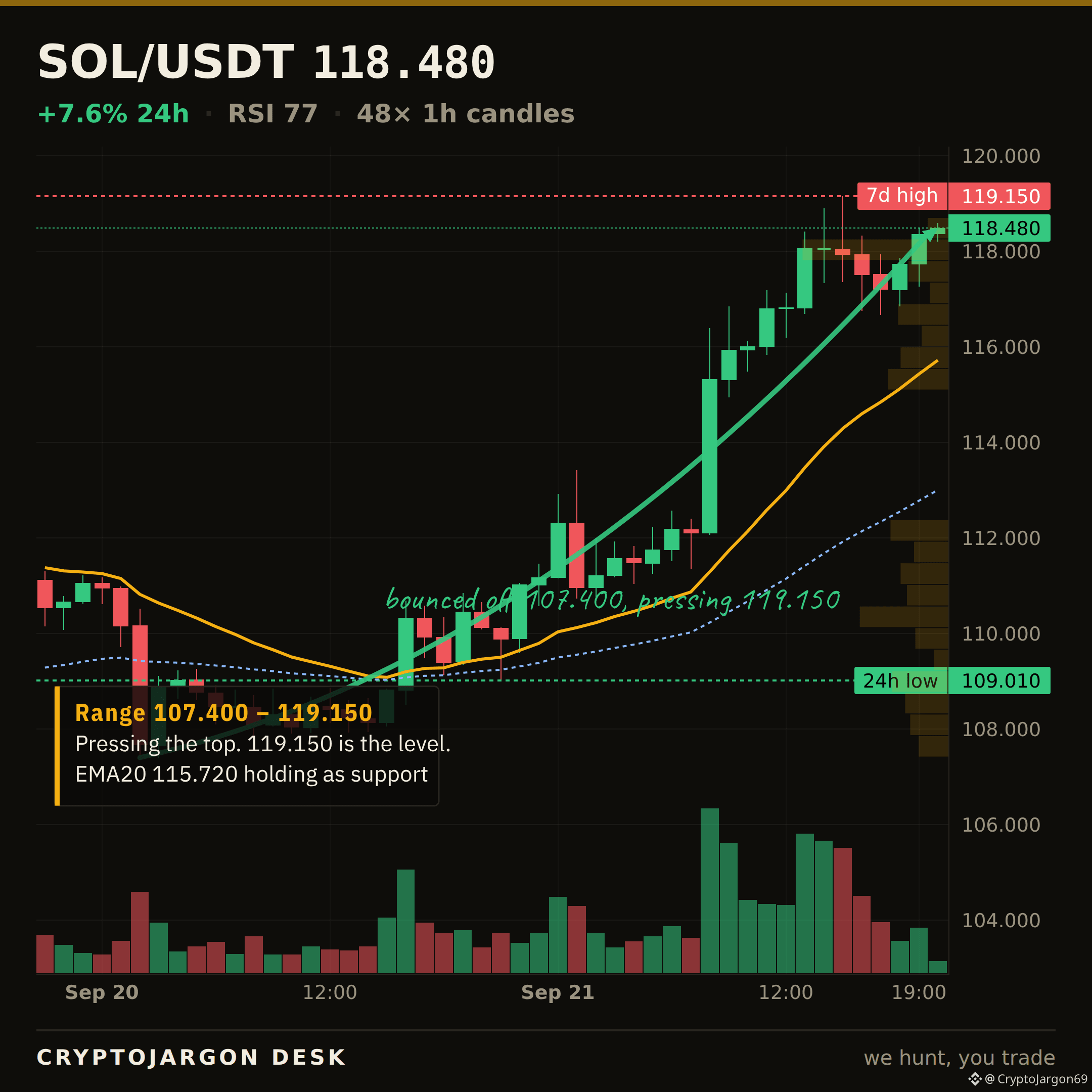
$SOL is at $118.42, +7.3% on the day, on $512M of volume.
Is sub-second finality worth a higher hardware bar for the people running the network? #SolanaCutsTargetSlotTimeTo250ms $SOL
250ms slots are a latency story, not a throughput one. It changes how fast the chain confirms what you already sent — which is what orderbook-style apps on-chain actually live on.
The trade-off nobody puts in the headline: shorter slots raise the hardware floor for validators. Faster chains tend toward more concentrated validator sets, and that's the cost being paid here.
$SOL is at $118.42, +7.3% on the day, on $512M of volume.
Is sub-second finality worth a higher hardware bar for the people running the network? #SolanaCutsTargetSlotTimeTo250ms $SOL
The trade-off nobody puts in the headline: shorter slots raise the hardware floor for validators. Faster chains tend toward more concentrated validator sets, and that's the cost being paid here.
$SOL is at $118.42, +7.3% on the day, on $512M of volume.
Is sub-second finality worth a higher hardware bar for the people running the network? #SolanaCutsTargetSlotTimeTo250ms $SOL
132
·
--
Picture this: you click swap on a DEX right before a breakout candle closes, only to watch your order fail because the network slot was already congested.
Every on-chain trader knows that brutal sinking feeling when slippage eats your profit margin or a delayed block leaves you trapped in a crashing trade. Execution speed is not just a vanity metric in high-frequency DeFi; it is the difference between catching liquidity and losing capital to arbitrage bots.
Solana is now testing a reduction in target slot times from 400 milliseconds down to 250 milliseconds. When we look back at how previous throughput optimizations shaped DeFi volume, slashing network latency this drastically is a direct shot across the bow of fast monolithic competitors like $SUI and $NEAR. By compressing block production intervals, $SOL aims to narrow the performance gap with centralized exchanges, giving decentralized order books the responsiveness needed for institutional liquidity.
Of course, faster block generation comes with serious trade-offs in validator synchronization and hardware overhead. When Ethereum rollups push sub-second finality, they rely on centralized sequencers, whereas cutting slot times across a globally distributed validator set tests the absolute physical limits of internet propagation. If the network maintains stability under this pace, it could redefine standard user expectations for on-chain execution.
Do you think cutting slot times will eliminate failed transactions during peak volatility, or will it just put heavier strain on smaller node operators?
#SolanaCutsTargetSlotTimeTo250ms #EthereumSurpasses
Picture this: you click swap on a DEX right before a breakout candle closes, only to watch your order fail because the network slot was already congested.
Every on-chain trader knows that brutal sinking feeling when slippage eats your profit margin or a delayed block leaves you trapped in a crashing trade. Execution speed is not just a vanity metric in high-frequency DeFi; it is the difference between catching liquidity and losing capital to arbitrage bots.
Solana is now testing a reduction in target slot times from 400 milliseconds down to 250 milliseconds. When we look back at how previous throughput optimizations shaped DeFi volume, slashing network latency this drastically is a direct shot across the bow of fast monolithic competitors like $SUI and $NEAR . By compressing block production intervals, $SOL aims to narrow the performance gap with centralized exchanges, giving decentralized order books the responsiveness needed for institutional liquidity.
Of course, faster block generation comes with serious trade-offs in validator synchronization and hardware overhead. When Ethereum rollups push sub-second finality, they rely on centralized sequencers, whereas cutting slot times across a globally distributed validator set tests the absolute physical limits of internet propagation. If the network maintains stability under this pace, it could redefine standard user expectations for on-chain execution.
Do you think cutting slot times will eliminate failed transactions during peak volatility, or will it just put heavier strain on smaller node operators?
#SolanaCutsTargetSlotTimeTo250ms #EthereumSurpasses
Every on-chain trader knows that brutal sinking feeling when slippage eats your profit margin or a delayed block leaves you trapped in a crashing trade. Execution speed is not just a vanity metric in high-frequency DeFi; it is the difference between catching liquidity and losing capital to arbitrage bots.
Solana is now testing a reduction in target slot times from 400 milliseconds down to 250 milliseconds. When we look back at how previous throughput optimizations shaped DeFi volume, slashing network latency this drastically is a direct shot across the bow of fast monolithic competitors like $SUI and $NEAR . By compressing block production intervals, $SOL aims to narrow the performance gap with centralized exchanges, giving decentralized order books the responsiveness needed for institutional liquidity.
Of course, faster block generation comes with serious trade-offs in validator synchronization and hardware overhead. When Ethereum rollups push sub-second finality, they rely on centralized sequencers, whereas cutting slot times across a globally distributed validator set tests the absolute physical limits of internet propagation. If the network maintains stability under this pace, it could redefine standard user expectations for on-chain execution.
Do you think cutting slot times will eliminate failed transactions during peak volatility, or will it just put heavier strain on smaller node operators?
#SolanaCutsTargetSlotTimeTo250ms #EthereumSurpasses

120
තවත් අන්තර්ගතයන් ගවේෂණය කිරීමට ඇතුල් වන්න
Binance චතුරශ්රය හි ගෝලීය ක්රිප්ටෝ පරිශීලකයින් හා එක්වන්න
⚡️ ක්රිප්ටෝ පිළිබඳ නවතම සහ ප්රයෝජනවත් තොරතුරු ලබා ගන්න.
💬 ලොව විශාලතම ක්රිප්ටෝ හුවමාරුව මගින් විශ්වාස කෙරේ.
👍 සත්යායනය කරන ලද නිර්මාණකරුවන්ගෙන් සැබෑ විදසුන් සොයා ගන්න.
විද්යුත් තැපෑල / දුරකථන අංකය
නැගී එන මාතෘකා
1
#BinanceWillListHyperliquid(HYPE)
141,196 views
2,481 සාකච්ඡා කරමින්
2
#BrazilOrdersReportingOf$10KSelfCustodyTransfers
1 views
2 සාකච්ඡා කරමින්
3
#FedProposesRulesForBankIssuedStablecoins
87 views
25 සාකච්ඡා කරමින්
4
#OndoFinanceSoughtSaleAfterFoundersDeath
69 views
16 සාකච්ඡා කරමින්
5
#FedOctoberRateHikeOddsRiseTo69.7%
46,327 views
1,014 සාකච්ඡා කරමින්
6
#BitcoinFallsBelow$83,000
4,032 views
20 සාකච්ඡා කරමින්
7
#BitcoinFallsToAround$84,600ThisWeek
0 views
0 සාකච්ඡා කරමින්
8
#US30YearYieldHighestSince2004
36,179 views
788 සාකච්ඡා කරමින්
9
#ETHBreaksAbove$2,700
1,671 views
19 සාකච්ඡා කරමින්
10
#USWeighsPromotingDollarStablecoinsAbroad
71,892 views
1,685 සාකච්ඡා කරමින්