

minamium
11.7k පෝස්ටු

minamium
වාර්තා කරන්න
පරිශීලක අවහිර කරන්න
1 හඹා යමින්
99 හඹා යන්නන්
375 කැමති විය
පෝස්ටු
·
--
Why is nobody talking about $USDT quietly returning to Bitcoin after more than a decade away?
Crypto traders have been bleeding money on Ethereum gas fees for years just to transfer stablecoins. Meanwhile they miss out on using Bitcoin as the original settlement layer it was meant to be.
USDT launched on $BTC back in 2014 via the Omni Layer. Slow confirmation times and rising fees during the 2017 boom forced it onto Ethereum. Tron later became the go-to cheap highway starting around 2019. Tether officially ended Omni support in 2023, killing native USDT on Bitcoin for good at the time.
Now Utexo is set to start issuing $USDT directly on Bitcoin in October 2026 under an official Tether license, built on the RGB protocol. Paolo Ardoino even called it coming home.
This is a real case study in how technology evolves. RGB lets you issue assets on Bitcoin without clogging the main chain, which could finally give $BTC the stablecoin utility it lost years ago and challenge the $ETH dominance in this space.
Where do you think this goes from here?
#Bitcoin #USDT #Tether
Why is nobody talking about $USDT quietly returning to Bitcoin after more than a decade away?
Crypto traders have been bleeding money on Ethereum gas fees for years just to transfer stablecoins. Meanwhile they miss out on using Bitcoin as the original settlement layer it was meant to be.
USDT launched on $BTC back in 2014 via the Omni Layer. Slow confirmation times and rising fees during the 2017 boom forced it onto Ethereum. Tron later became the go-to cheap highway starting around 2019. Tether officially ended Omni support in 2023, killing native USDT on Bitcoin for good at the time.
Now Utexo is set to start issuing $USDT directly on Bitcoin in October 2026 under an official Tether license, built on the RGB protocol. Paolo Ardoino even called it coming home.
This is a real case study in how technology evolves. RGB lets you issue assets on Bitcoin without clogging the main chain, which could finally give $BTC the stablecoin utility it lost years ago and challenge the $ETH dominance in this space.
Where do you think this goes from here?
#Bitcoin #USDT #Tether
Crypto traders have been bleeding money on Ethereum gas fees for years just to transfer stablecoins. Meanwhile they miss out on using Bitcoin as the original settlement layer it was meant to be.
USDT launched on $BTC back in 2014 via the Omni Layer. Slow confirmation times and rising fees during the 2017 boom forced it onto Ethereum. Tron later became the go-to cheap highway starting around 2019. Tether officially ended Omni support in 2023, killing native USDT on Bitcoin for good at the time.
Now Utexo is set to start issuing $USDT directly on Bitcoin in October 2026 under an official Tether license, built on the RGB protocol. Paolo Ardoino even called it coming home.
This is a real case study in how technology evolves. RGB lets you issue assets on Bitcoin without clogging the main chain, which could finally give $BTC the stablecoin utility it lost years ago and challenge the $ETH dominance in this space.
Where do you think this goes from here?
#Bitcoin #USDT #Tether
·
--
Tether did not start on Ethereum or Tron, it was actually born directly on Bitcoin back in 2014 before rising network congestion forced it into exile.
Most traders today constantly bleed capital chasing shiny new Layer 1 narratives and burning money on bridge fees, forgetting that liquidity always moves in generational cycles. If you lived through the fee spikes of 2017, you know the sinking feeling of watching your profits get eaten alive by transfer bottlenecks while waiting for confirmations.
When $USDT first launched via the Omni Layer over a decade ago, Bitcoin block times simply could not handle high-volume settlement. That friction sparked the massive migration to Ethereum between 2017 and 2019, followed by an explosion of cheap transfers over $TRX as volume chased pure speed. By 2023, Tether had officially discontinued Omni support, which felt like the permanent end of an era.
Now, history is coming full circle as Utexo prepares to issue $USDT back on $BTC using RGB infrastructure under an official Tether license. Watching deep dollar liquidity return to the bedrock asset after years of fragmentation is a classic reminder that foundational tech always finds its way back to where it started once scaling catches up.
Do you think native Bitcoin stablecoin settlement can realistically take market share back from faster smart contract networks this time?
#Bitcoin #USDT #CryptoTrading
Tether did not start on Ethereum or Tron, it was actually born directly on Bitcoin back in 2014 before rising network congestion forced it into exile.
Most traders today constantly bleed capital chasing shiny new Layer 1 narratives and burning money on bridge fees, forgetting that liquidity always moves in generational cycles. If you lived through the fee spikes of 2017, you know the sinking feeling of watching your profits get eaten alive by transfer bottlenecks while waiting for confirmations.
When $USDT first launched via the Omni Layer over a decade ago, Bitcoin block times simply could not handle high-volume settlement. That friction sparked the massive migration to Ethereum between 2017 and 2019, followed by an explosion of cheap transfers over $TRX as volume chased pure speed. By 2023, Tether had officially discontinued Omni support, which felt like the permanent end of an era.
Now, history is coming full circle as Utexo prepares to issue $USDT back on $BTC using RGB infrastructure under an official Tether license. Watching deep dollar liquidity return to the bedrock asset after years of fragmentation is a classic reminder that foundational tech always finds its way back to where it started once scaling catches up.
Do you think native Bitcoin stablecoin settlement can realistically take market share back from faster smart contract networks this time?
#Bitcoin #USDT #CryptoTrading
Most traders today constantly bleed capital chasing shiny new Layer 1 narratives and burning money on bridge fees, forgetting that liquidity always moves in generational cycles. If you lived through the fee spikes of 2017, you know the sinking feeling of watching your profits get eaten alive by transfer bottlenecks while waiting for confirmations.
When $USDT first launched via the Omni Layer over a decade ago, Bitcoin block times simply could not handle high-volume settlement. That friction sparked the massive migration to Ethereum between 2017 and 2019, followed by an explosion of cheap transfers over $TRX as volume chased pure speed. By 2023, Tether had officially discontinued Omni support, which felt like the permanent end of an era.
Now, history is coming full circle as Utexo prepares to issue $USDT back on $BTC using RGB infrastructure under an official Tether license. Watching deep dollar liquidity return to the bedrock asset after years of fragmentation is a classic reminder that foundational tech always finds its way back to where it started once scaling catches up.
Do you think native Bitcoin stablecoin settlement can realistically take market share back from faster smart contract networks this time?
#Bitcoin #USDT #CryptoTrading

·
--
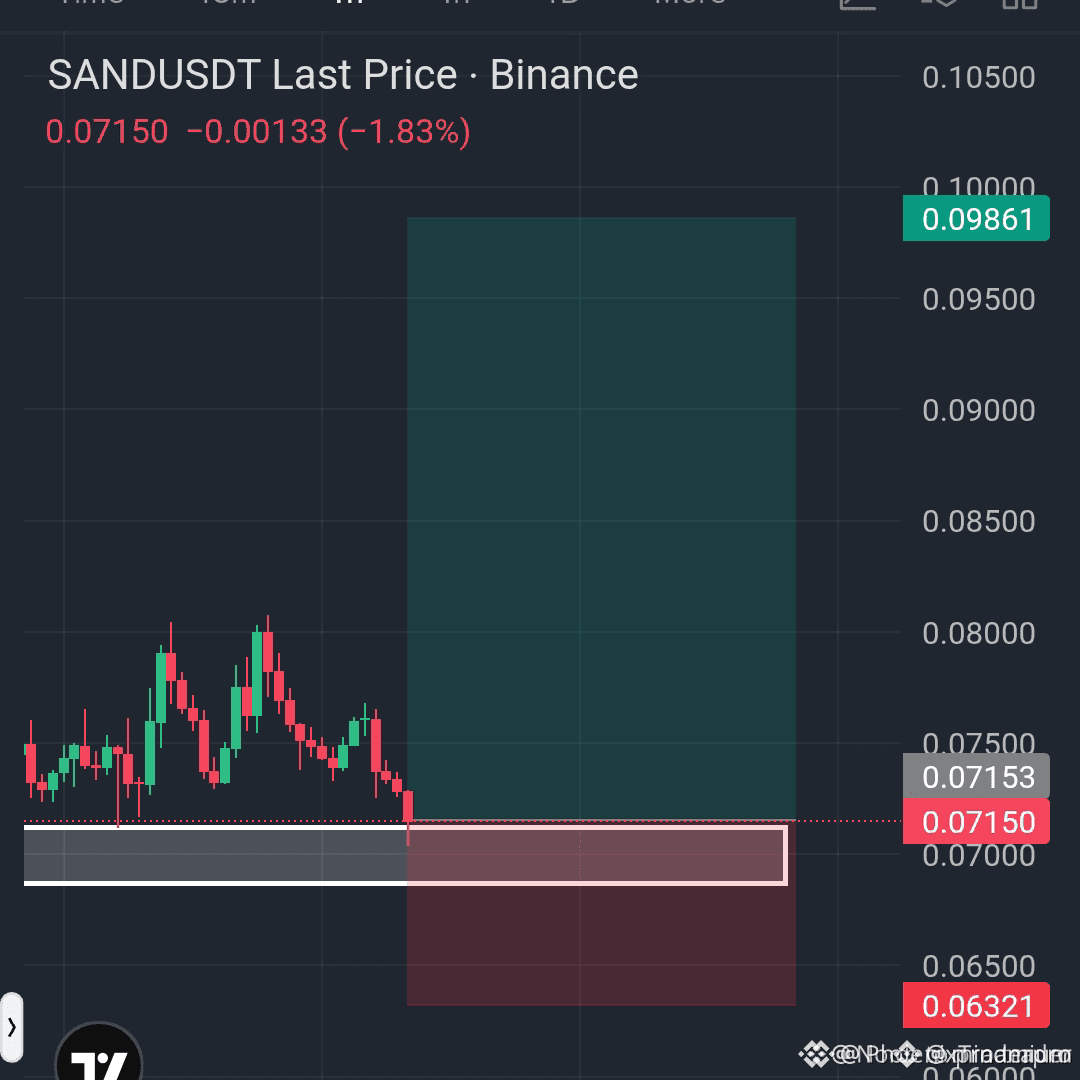
Picture this: you wake up, open your charts, and see $SAND surging 70% in a single trading session with zero news anywhere on the timeline.
Most traders instantly assume there is a massive partnership brewing and chase the green candles, only to end up holding the bag when the liquidity vanishes. It is the classic trap where emotional excitement overtakes market reality.
When you dig into the data, this was not fundamental growth. Over 900 million in trading volume changed hands, turning the entire circulating float over four times in twenty-four hours. There were no ecosystem updates or roadmap milestones, just raw speculative capital passing tokens back and forth at lightning speed.
We saw this exact dynamic play out during previous gaming runs with tokens like $MANA and $AXS when sudden volume spikes masked aggressive distribution. Organic rallies build sustained order books over weeks, whereas these demon-level turnover spikes usually signal fast capital manufacturing volatility to scalp liquidity.
How do you tell the difference between real accumulation and exit liquidity games when these pumps happen?
#CryptoTrading #Altcoins #TheSandbox
Picture this: you wake up, open your charts, and see $SAND surging 70% in a single trading session with zero news anywhere on the timeline.
Most traders instantly assume there is a massive partnership brewing and chase the green candles, only to end up holding the bag when the liquidity vanishes. It is the classic trap where emotional excitement overtakes market reality.
When you dig into the data, this was not fundamental growth. Over 900 million in trading volume changed hands, turning the entire circulating float over four times in twenty-four hours. There were no ecosystem updates or roadmap milestones, just raw speculative capital passing tokens back and forth at lightning speed.
We saw this exact dynamic play out during previous gaming runs with tokens like $MANA and $AXS when sudden volume spikes masked aggressive distribution. Organic rallies build sustained order books over weeks, whereas these demon-level turnover spikes usually signal fast capital manufacturing volatility to scalp liquidity.
How do you tell the difference between real accumulation and exit liquidity games when these pumps happen?
#CryptoTrading #Altcoins #TheSandbox
Most traders instantly assume there is a massive partnership brewing and chase the green candles, only to end up holding the bag when the liquidity vanishes. It is the classic trap where emotional excitement overtakes market reality.
When you dig into the data, this was not fundamental growth. Over 900 million in trading volume changed hands, turning the entire circulating float over four times in twenty-four hours. There were no ecosystem updates or roadmap milestones, just raw speculative capital passing tokens back and forth at lightning speed.
We saw this exact dynamic play out during previous gaming runs with tokens like $MANA and $AXS when sudden volume spikes masked aggressive distribution. Organic rallies build sustained order books over weeks, whereas these demon-level turnover spikes usually signal fast capital manufacturing volatility to scalp liquidity.
How do you tell the difference between real accumulation and exit liquidity games when these pumps happen?
#CryptoTrading #Altcoins #TheSandbox
1
·
--
If you are still chasing green candles instead of tracking smart money flow, stop now.
Most retail traders end up as exit liquidity because they buy the hype near local tops while seasoned wallets quietly accumulate or take profits on early momentum.
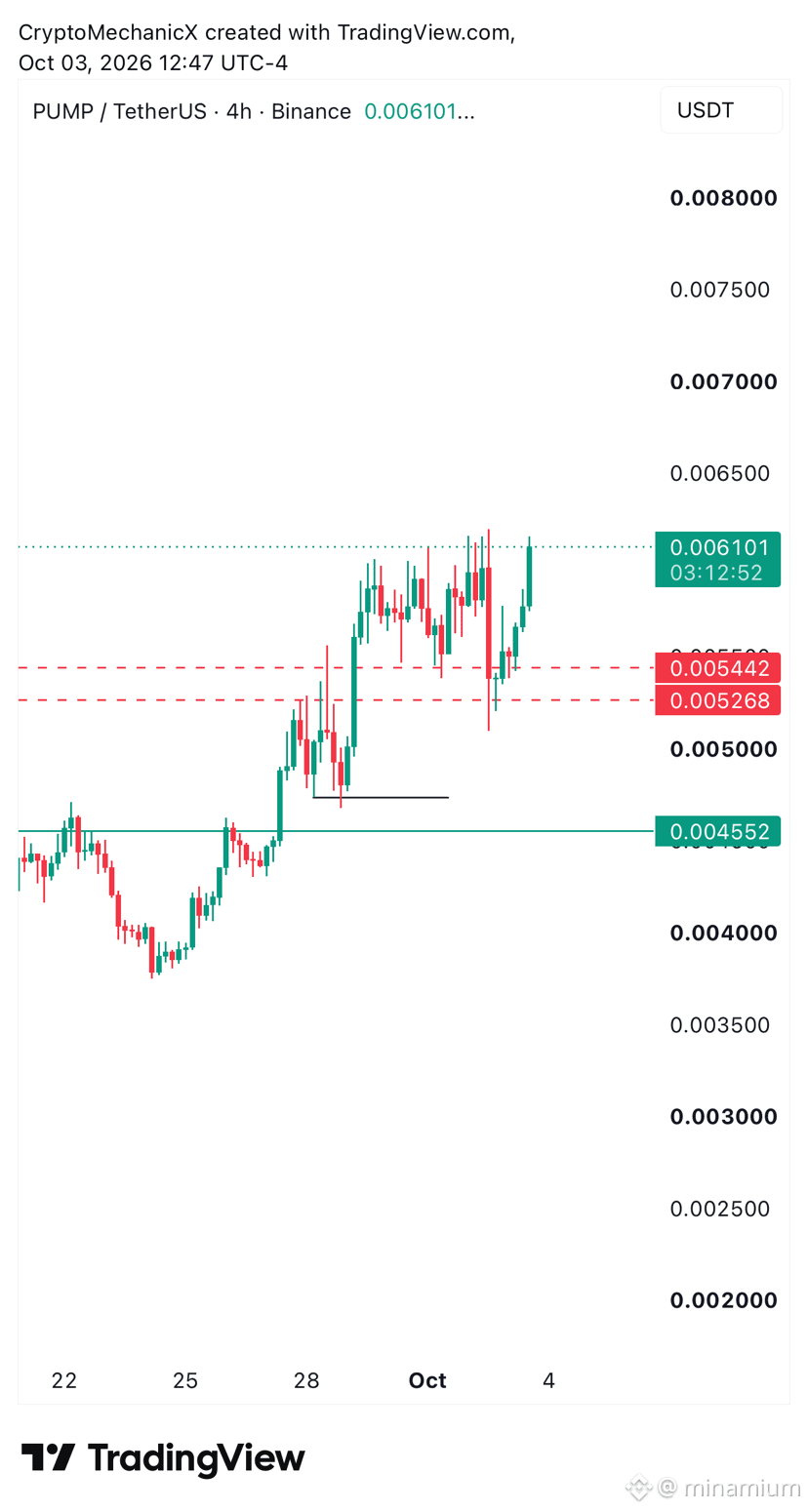
Looking at the 30-day top trader leaderboard, $PUMP is flashing some serious relative strength despite a minor 0.27% dip on the day. We saw this exact setup earlier this cycle with $SOL ecosystem plays and previous runs on $PEPE, where top-performing wallets held steady through flat price action before a major expansion phase.
When high-PnL wallets concentrate positions during low-volatility pullbacks, it usually signals accumulation rather than distribution.
Are the top traders front-running the next leg up, or is this just another trap before lower levels?
#CryptoTrading #BinanceSquare #Altcoins
If you are still chasing green candles instead of tracking smart money flow, stop now.
Most retail traders end up as exit liquidity because they buy the hype near local tops while seasoned wallets quietly accumulate or take profits on early momentum.
Looking at the 30-day top trader leaderboard, $PUMP is flashing some serious relative strength despite a minor 0.27% dip on the day. We saw this exact setup earlier this cycle with $SOL ecosystem plays and previous runs on $PEPE , where top-performing wallets held steady through flat price action before a major expansion phase.
When high-PnL wallets concentrate positions during low-volatility pullbacks, it usually signals accumulation rather than distribution.
Are the top traders front-running the next leg up, or is this just another trap before lower levels?
#CryptoTrading #BinanceSquare #Altcoins
Most retail traders end up as exit liquidity because they buy the hype near local tops while seasoned wallets quietly accumulate or take profits on early momentum.
Looking at the 30-day top trader leaderboard, $PUMP is flashing some serious relative strength despite a minor 0.27% dip on the day. We saw this exact setup earlier this cycle with $SOL ecosystem plays and previous runs on $PEPE , where top-performing wallets held steady through flat price action before a major expansion phase.
When high-PnL wallets concentrate positions during low-volatility pullbacks, it usually signals accumulation rather than distribution.
Are the top traders front-running the next leg up, or is this just another trap before lower levels?
#CryptoTrading #BinanceSquare #Altcoins
·
--
Everyone thinks staking rewards are guaranteed passive income with zero friction, but actually, the exit door can get crowded when you least expect it.
Most investors assume they can liquidate their staked assets instantly during market shifts, only to get trapped watching prices drop while waiting days for their funds to clear. Think of it like trying to leave a stadium through a single revolving door after the game ends.
Right now, the Ethereum validator exit queue has surged by 392%, leaving roughly 850,000 $ETH waiting in line to exit the validator set. That translates to an estimated wait time of around 14.8 days before validators can access their underlying tokens. A significant driver behind this sudden bottleneck traces back to recent infrastructure adjustments tied to major staking providers, creating a ripple effect across liquid staking tokens like $LDO.
When supply unlocks on such a massive scale, it forces us to rethink how liquidity really behaves under stress.
Where do you think the price heads once this unlock wave clears?
#Ethereum #Staking #CryptoTrading
Everyone thinks staking rewards are guaranteed passive income with zero friction, but actually, the exit door can get crowded when you least expect it.
Most investors assume they can liquidate their staked assets instantly during market shifts, only to get trapped watching prices drop while waiting days for their funds to clear. Think of it like trying to leave a stadium through a single revolving door after the game ends.
Right now, the Ethereum validator exit queue has surged by 392%, leaving roughly 850,000 $ETH waiting in line to exit the validator set. That translates to an estimated wait time of around 14.8 days before validators can access their underlying tokens. A significant driver behind this sudden bottleneck traces back to recent infrastructure adjustments tied to major staking providers, creating a ripple effect across liquid staking tokens like $LDO .
When supply unlocks on such a massive scale, it forces us to rethink how liquidity really behaves under stress.
Where do you think the price heads once this unlock wave clears?
#Ethereum #Staking #CryptoTrading
Most investors assume they can liquidate their staked assets instantly during market shifts, only to get trapped watching prices drop while waiting days for their funds to clear. Think of it like trying to leave a stadium through a single revolving door after the game ends.
Right now, the Ethereum validator exit queue has surged by 392%, leaving roughly 850,000 $ETH waiting in line to exit the validator set. That translates to an estimated wait time of around 14.8 days before validators can access their underlying tokens. A significant driver behind this sudden bottleneck traces back to recent infrastructure adjustments tied to major staking providers, creating a ripple effect across liquid staking tokens like $LDO .
When supply unlocks on such a massive scale, it forces us to rethink how liquidity really behaves under stress.
Where do you think the price heads once this unlock wave clears?
#Ethereum #Staking #CryptoTrading

·
--
Have you noticed how retail panic sells the exact dips that top traders quietly accumulate?
Most people get trapped buying green candles, only to panic close at the bottom when a pullback hits. Watching the market chop away your balance while you hesitate on solid setups is the quickest way to bleed your portfolio.
Smart money plays the game completely differently. While $WLD printed a -2.89% dip on the session, top 30-day profit leaders were opening heavy long positions on WLDUSDT perpetuals, already sitting on over +13,570.50 in unrealized $USDT profit. They do not wait for the breakout confirmation that everyone else chases.
If you want to catch these setups, build a systematic framework. Start tracking smart money positioning during local retracements instead of chasing intraday pumps. Define tight invalidation levels below structure and scale gradually before liquidity rotates into related tokens like $FET.
Are you positioning on these dips or waiting for higher confirmation?
#CryptoTrading #Altcoins #FuturesTrading
Have you noticed how retail panic sells the exact dips that top traders quietly accumulate?
Most people get trapped buying green candles, only to panic close at the bottom when a pullback hits. Watching the market chop away your balance while you hesitate on solid setups is the quickest way to bleed your portfolio.
Smart money plays the game completely differently. While $WLD printed a -2.89% dip on the session, top 30-day profit leaders were opening heavy long positions on WLDUSDT perpetuals, already sitting on over +13,570.50 in unrealized $USDT profit. They do not wait for the breakout confirmation that everyone else chases.
If you want to catch these setups, build a systematic framework. Start tracking smart money positioning during local retracements instead of chasing intraday pumps. Define tight invalidation levels below structure and scale gradually before liquidity rotates into related tokens like $FET .
Are you positioning on these dips or waiting for higher confirmation?
#CryptoTrading #Altcoins #FuturesTrading
Most people get trapped buying green candles, only to panic close at the bottom when a pullback hits. Watching the market chop away your balance while you hesitate on solid setups is the quickest way to bleed your portfolio.
Smart money plays the game completely differently. While $WLD printed a -2.89% dip on the session, top 30-day profit leaders were opening heavy long positions on WLDUSDT perpetuals, already sitting on over +13,570.50 in unrealized $USDT profit. They do not wait for the breakout confirmation that everyone else chases.
If you want to catch these setups, build a systematic framework. Start tracking smart money positioning during local retracements instead of chasing intraday pumps. Define tight invalidation levels below structure and scale gradually before liquidity rotates into related tokens like $FET .
Are you positioning on these dips or waiting for higher confirmation?
#CryptoTrading #Altcoins #FuturesTrading

·
--
everyone thinks $BTC and $ETH are just gearing up for an easy breakout this week, but actually most degens are walking straight into a massive liquidity trap.
you spend all weekend staring at charts waiting for the green candle, only to fomo buy the exact local top and watch your margin get wiped in minutes.
ngl ser, looking at the order books right now, the overhead resistance on $SOL and the majors is thicker than people realize. we keep hitting the exact same ceiling levels, volume is drying up on every push, and late longers are basically donating exit liquidity to market makers.
if you look at the last rejection from this exact price cluster, spot buyers vanished the second open interest spiked, leaving perps holding heavy bags. chasing breakouts before key resistance actually flips to support has been the easiest way to bleed your portfolio dry this month.
are you playing the breakout here or waiting for the sweep below support?
#CryptoTrading #Bitcoin #Altcoins
everyone thinks $BTC and $ETH are just gearing up for an easy breakout this week, but actually most degens are walking straight into a massive liquidity trap.
you spend all weekend staring at charts waiting for the green candle, only to fomo buy the exact local top and watch your margin get wiped in minutes.
ngl ser, looking at the order books right now, the overhead resistance on $SOL and the majors is thicker than people realize. we keep hitting the exact same ceiling levels, volume is drying up on every push, and late longers are basically donating exit liquidity to market makers.
if you look at the last rejection from this exact price cluster, spot buyers vanished the second open interest spiked, leaving perps holding heavy bags. chasing breakouts before key resistance actually flips to support has been the easiest way to bleed your portfolio dry this month.
are you playing the breakout here or waiting for the sweep below support?
#CryptoTrading #Bitcoin #Altcoins
you spend all weekend staring at charts waiting for the green candle, only to fomo buy the exact local top and watch your margin get wiped in minutes.
ngl ser, looking at the order books right now, the overhead resistance on $SOL and the majors is thicker than people realize. we keep hitting the exact same ceiling levels, volume is drying up on every push, and late longers are basically donating exit liquidity to market makers.
if you look at the last rejection from this exact price cluster, spot buyers vanished the second open interest spiked, leaving perps holding heavy bags. chasing breakouts before key resistance actually flips to support has been the easiest way to bleed your portfolio dry this month.
are you playing the breakout here or waiting for the sweep below support?
#CryptoTrading #Bitcoin #Altcoins
1
·
--
Most traders think slapping AI onto market data will instantly guarantee green PnL, but automated intelligence layers often create dangerous blind spots when people stop doing basic verification.
We have all watched friends blow up their portfolios by blindly front-running algorithmic signals on $BTC, only to realize the model could not account for sudden liquidity sweeps. Getting trapped at local tops because a dashboard told you momentum was strong is one of the fastest ways to bleed capital.
Binance is rolling out their own smart layer with Binance Intelligence, previewing what they have built in a livestream on Oct 5 at 12:00 UTC. They are running a community preview with 5 winners taking a share of a 20 $USDC pool, but the bigger story is how retail traders will actually utilize these tools.
If you are managing spot $BNB or watching cross-market rotations, an intelligence feed is only as good as your risk framework. Leaning too heavily on automated insights without checking order book depth or macro context will always leave you exposed to sharp reversals.
Where do you think the line between helpful machine intelligence and dangerous over-reliance will be drawn?
#Binance #CryptoAI #RiskManagement
Most traders think slapping AI onto market data will instantly guarantee green PnL, but automated intelligence layers often create dangerous blind spots when people stop doing basic verification.
We have all watched friends blow up their portfolios by blindly front-running algorithmic signals on $BTC , only to realize the model could not account for sudden liquidity sweeps. Getting trapped at local tops because a dashboard told you momentum was strong is one of the fastest ways to bleed capital.
Binance is rolling out their own smart layer with Binance Intelligence, previewing what they have built in a livestream on Oct 5 at 12:00 UTC. They are running a community preview with 5 winners taking a share of a 20 $USDC pool, but the bigger story is how retail traders will actually utilize these tools.
If you are managing spot $BNB or watching cross-market rotations, an intelligence feed is only as good as your risk framework. Leaning too heavily on automated insights without checking order book depth or macro context will always leave you exposed to sharp reversals.
Where do you think the line between helpful machine intelligence and dangerous over-reliance will be drawn?
#Binance #CryptoAI #RiskManagement
We have all watched friends blow up their portfolios by blindly front-running algorithmic signals on $BTC , only to realize the model could not account for sudden liquidity sweeps. Getting trapped at local tops because a dashboard told you momentum was strong is one of the fastest ways to bleed capital.
Binance is rolling out their own smart layer with Binance Intelligence, previewing what they have built in a livestream on Oct 5 at 12:00 UTC. They are running a community preview with 5 winners taking a share of a 20 $USDC pool, but the bigger story is how retail traders will actually utilize these tools.
If you are managing spot $BNB or watching cross-market rotations, an intelligence feed is only as good as your risk framework. Leaning too heavily on automated insights without checking order book depth or macro context will always leave you exposed to sharp reversals.
Where do you think the line between helpful machine intelligence and dangerous over-reliance will be drawn?
#Binance #CryptoAI #RiskManagement

·
--
Picture this: you position heavy into altcoins expecting a swift regulatory green light, only for the entire approval pipeline to freeze overnight due to a government funding lapse.
Most traders price in timeline certainty during greedy market phases, completely forgetting how quickly bureaucratic friction can trap liquidity. When expected ETF catalysts stall, open interest gets flushed and late breakout buyers end up holding underwater positions.
A classic case in point is unfolding right now. While $BTC and $ETH spot products already enjoy market dominance, a wave of next-tier crypto index filings just ground to a halt. When the SEC pauses staff reviews during a federal budget freeze, the countdown timers on pending filings simply stop ticking. The market was front-running structural inflows, but institutions rarely chase assets when filing windows turn indefinite.
The hidden risk here is not an outright rejection, but the extended dead zone. Capital that rotated into assets like $XLM anticipating rapid institutional access is suddenly stuck in limbo. Historically, when regulatory clarity gets delayed without a hard deadline, momentum decays and market makers pull liquidity from mid-caps back to safety.
How are you managing your exposure while these filing deadlines remain in limbo?
#SECHaltsCryptoETFReviewsAmidFundingLapse #BitcoinSpotETFsDraw
Picture this: you position heavy into altcoins expecting a swift regulatory green light, only for the entire approval pipeline to freeze overnight due to a government funding lapse.
Most traders price in timeline certainty during greedy market phases, completely forgetting how quickly bureaucratic friction can trap liquidity. When expected ETF catalysts stall, open interest gets flushed and late breakout buyers end up holding underwater positions.
A classic case in point is unfolding right now. While $BTC and $ETH spot products already enjoy market dominance, a wave of next-tier crypto index filings just ground to a halt. When the SEC pauses staff reviews during a federal budget freeze, the countdown timers on pending filings simply stop ticking. The market was front-running structural inflows, but institutions rarely chase assets when filing windows turn indefinite.
The hidden risk here is not an outright rejection, but the extended dead zone. Capital that rotated into assets like $XLM anticipating rapid institutional access is suddenly stuck in limbo. Historically, when regulatory clarity gets delayed without a hard deadline, momentum decays and market makers pull liquidity from mid-caps back to safety.
How are you managing your exposure while these filing deadlines remain in limbo?
#SECHaltsCryptoETFReviewsAmidFundingLapse #BitcoinSpotETFsDraw
Most traders price in timeline certainty during greedy market phases, completely forgetting how quickly bureaucratic friction can trap liquidity. When expected ETF catalysts stall, open interest gets flushed and late breakout buyers end up holding underwater positions.
A classic case in point is unfolding right now. While $BTC and $ETH spot products already enjoy market dominance, a wave of next-tier crypto index filings just ground to a halt. When the SEC pauses staff reviews during a federal budget freeze, the countdown timers on pending filings simply stop ticking. The market was front-running structural inflows, but institutions rarely chase assets when filing windows turn indefinite.
The hidden risk here is not an outright rejection, but the extended dead zone. Capital that rotated into assets like $XLM anticipating rapid institutional access is suddenly stuck in limbo. Historically, when regulatory clarity gets delayed without a hard deadline, momentum decays and market makers pull liquidity from mid-caps back to safety.
How are you managing your exposure while these filing deadlines remain in limbo?
#SECHaltsCryptoETFReviewsAmidFundingLapse #BitcoinSpotETFsDraw

2
·
--
If you're still chasing every green candle to the top, stop now.
Chasing these pumps is how traders lose money to FOMO. You buy the high, miss the exit, and get left holding the bag when it reverses.
There's two camps watching this $BTC move. Some are all in, riding the green all the way and expecting $ETH to catch up. Others, myself included, are waiting for a pullback.
The numbers don't lie. In the last major pump, over 60% of late entries on $SOL ended up 20% down within a day.
Better entries come after the initial spike cools off. That's just how these markets work.
Where do you think this goes from here?
#Bitcoin #Trading #Crypto
If you're still chasing every green candle to the top, stop now.
Chasing these pumps is how traders lose money to FOMO. You buy the high, miss the exit, and get left holding the bag when it reverses.
There's two camps watching this $BTC move. Some are all in, riding the green all the way and expecting $ETH to catch up. Others, myself included, are waiting for a pullback.
The numbers don't lie. In the last major pump, over 60% of late entries on $SOL ended up 20% down within a day.
Better entries come after the initial spike cools off. That's just how these markets work.
Where do you think this goes from here?
#Bitcoin #Trading #Crypto
Chasing these pumps is how traders lose money to FOMO. You buy the high, miss the exit, and get left holding the bag when it reverses.
There's two camps watching this $BTC move. Some are all in, riding the green all the way and expecting $ETH to catch up. Others, myself included, are waiting for a pullback.
The numbers don't lie. In the last major pump, over 60% of late entries on $SOL ended up 20% down within a day.
Better entries come after the initial spike cools off. That's just how these markets work.
Where do you think this goes from here?
#Bitcoin #Trading #Crypto

1
·
--
everyone thinks every breakout is an instant ticket to valhalla, but actually most degens get wrecked longing the exact top of the first green candle.
you sit there watching the chart pump, fomo takes over, you market buy at resistance, and then get instantly liquidated on the retest.
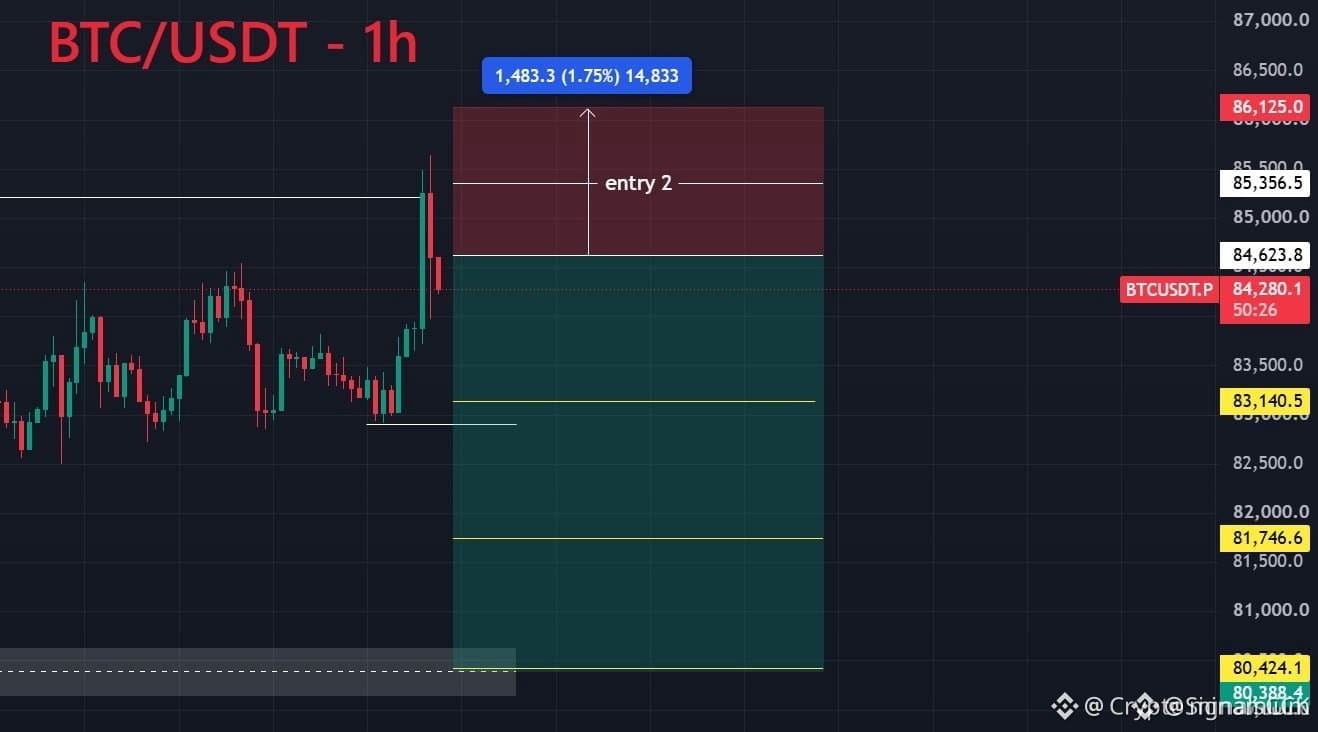
ngl we just saw this play out with $BTC after holding that tight $84.5k floor. it looked like full bull mode aggressively slicing through resistance on the 1H chart, but the trap is assuming it goes straight up without wiping out late leverage first.
smart money usually waits for the liquidity sweep before rotating size into majors like $ETH or $SOL. if you are chasing green 1H candles without watching how volume reacts around key levels, you are just providing exit liquidity for whales taking quick profits off the bounce.
are you longing this breakout here or waiting for the pullback to confirm?
#Bitcoin #CryptoTrading #PriceAction
everyone thinks every breakout is an instant ticket to valhalla, but actually most degens get wrecked longing the exact top of the first green candle.
you sit there watching the chart pump, fomo takes over, you market buy at resistance, and then get instantly liquidated on the retest.
ngl we just saw this play out with $BTC after holding that tight $84.5k floor. it looked like full bull mode aggressively slicing through resistance on the 1H chart, but the trap is assuming it goes straight up without wiping out late leverage first.
smart money usually waits for the liquidity sweep before rotating size into majors like $ETH or $SOL . if you are chasing green 1H candles without watching how volume reacts around key levels, you are just providing exit liquidity for whales taking quick profits off the bounce.
are you longing this breakout here or waiting for the pullback to confirm?
#Bitcoin #CryptoTrading #PriceAction
you sit there watching the chart pump, fomo takes over, you market buy at resistance, and then get instantly liquidated on the retest.
ngl we just saw this play out with $BTC after holding that tight $84.5k floor. it looked like full bull mode aggressively slicing through resistance on the 1H chart, but the trap is assuming it goes straight up without wiping out late leverage first.
smart money usually waits for the liquidity sweep before rotating size into majors like $ETH or $SOL . if you are chasing green 1H candles without watching how volume reacts around key levels, you are just providing exit liquidity for whales taking quick profits off the bounce.
are you longing this breakout here or waiting for the pullback to confirm?
#Bitcoin #CryptoTrading #PriceAction
·
--
Have you noticed how most retail traders only rush to buy after a massive breakout candle already prints?
Most people end up getting chopped up because they chase green candles near local tops instead of mapping structured levels before the move happens. Missing a clean entry hurts, but jumping in with zero risk management hurts far worse.
Look at how $BTC played out after defending the $84.5K floor on the 1H timeframe. The aggressive push past $86K caught everyone off guard, but the actual technical play is entering the retest zone around $86,650 to $86,800. Setting a tight invalidation stop loss below $85,900 keeps downside capped while giving plenty of room for $ETH and broader altcoins to follow the momentum.
From a risk-reward perspective, taking partial profits near $87,900 lets you de-risk early before targeting the extended parabolic run toward $89,500. Chasing highs without clear boundaries is a classic trap, especially when capital efficiency around key $SOL and major liquidity levels matters most.
Are you taking entries on the momentum right now, or patiently waiting for a pullback to confirm support?
#Bitcoin #CryptoTrading #PriceAction
Have you noticed how most retail traders only rush to buy after a massive breakout candle already prints?
Most people end up getting chopped up because they chase green candles near local tops instead of mapping structured levels before the move happens. Missing a clean entry hurts, but jumping in with zero risk management hurts far worse.
Look at how $BTC played out after defending the $84.5K floor on the 1H timeframe. The aggressive push past $86K caught everyone off guard, but the actual technical play is entering the retest zone around $86,650 to $86,800. Setting a tight invalidation stop loss below $85,900 keeps downside capped while giving plenty of room for $ETH and broader altcoins to follow the momentum.
From a risk-reward perspective, taking partial profits near $87,900 lets you de-risk early before targeting the extended parabolic run toward $89,500. Chasing highs without clear boundaries is a classic trap, especially when capital efficiency around key $SOL and major liquidity levels matters most.
Are you taking entries on the momentum right now, or patiently waiting for a pullback to confirm support?
#Bitcoin #CryptoTrading #PriceAction
Most people end up getting chopped up because they chase green candles near local tops instead of mapping structured levels before the move happens. Missing a clean entry hurts, but jumping in with zero risk management hurts far worse.
Look at how $BTC played out after defending the $84.5K floor on the 1H timeframe. The aggressive push past $86K caught everyone off guard, but the actual technical play is entering the retest zone around $86,650 to $86,800. Setting a tight invalidation stop loss below $85,900 keeps downside capped while giving plenty of room for $ETH and broader altcoins to follow the momentum.
From a risk-reward perspective, taking partial profits near $87,900 lets you de-risk early before targeting the extended parabolic run toward $89,500. Chasing highs without clear boundaries is a classic trap, especially when capital efficiency around key $SOL and major liquidity levels matters most.
Are you taking entries on the momentum right now, or patiently waiting for a pullback to confirm support?
#Bitcoin #CryptoTrading #PriceAction
·
--
Have you noticed that the traders waiting for a $BTC pullback are usually the ones who miss the entire move?
The real pain is not picking the wrong coin. It is watching 86K get smashed, freezing up, then chasing after the easy part is gone and having no plan for the exit.
This latest breakout is a clean case study. Bitcoin held the $84.5K floor and then pushed through resistance on the 1-hour chart. Entry sat between $86,650 and $86,800 with a stop at $85,900. First target $87,900, extended run toward $89,500. Those levels were not hidden. The market simply refused to give a discount.
Mainstream chatter still says wait for a retest. Sometimes that retest never shows. Sitting out this candle because you wanted $84.5K again already cost the first leg. $ETH typically lags then follows once $BTC prints the higher high. Calling for a crash at every round number is how people stay underinvested through a bull.
Where do you think this goes from here?
#Bitcoin #CryptoTrading #BTC
Have you noticed that the traders waiting for a $BTC pullback are usually the ones who miss the entire move?
The real pain is not picking the wrong coin. It is watching 86K get smashed, freezing up, then chasing after the easy part is gone and having no plan for the exit.
This latest breakout is a clean case study. Bitcoin held the $84.5K floor and then pushed through resistance on the 1-hour chart. Entry sat between $86,650 and $86,800 with a stop at $85,900. First target $87,900, extended run toward $89,500. Those levels were not hidden. The market simply refused to give a discount.
Mainstream chatter still says wait for a retest. Sometimes that retest never shows. Sitting out this candle because you wanted $84.5K again already cost the first leg. $ETH typically lags then follows once $BTC prints the higher high. Calling for a crash at every round number is how people stay underinvested through a bull.
Where do you think this goes from here?
#Bitcoin #CryptoTrading #BTC
The real pain is not picking the wrong coin. It is watching 86K get smashed, freezing up, then chasing after the easy part is gone and having no plan for the exit.
This latest breakout is a clean case study. Bitcoin held the $84.5K floor and then pushed through resistance on the 1-hour chart. Entry sat between $86,650 and $86,800 with a stop at $85,900. First target $87,900, extended run toward $89,500. Those levels were not hidden. The market simply refused to give a discount.
Mainstream chatter still says wait for a retest. Sometimes that retest never shows. Sitting out this candle because you wanted $84.5K again already cost the first leg. $ETH typically lags then follows once $BTC prints the higher high. Calling for a crash at every round number is how people stay underinvested through a bull.
Where do you think this goes from here?
#Bitcoin #CryptoTrading #BTC

1
·
--
Most retail traders lose money chasing parabolic green candles, yet the most profitable wallets over the last 30 days are doing the exact opposite by quietly accumulating strength during tight ranges.
We have all felt that sickening knot in our stomach after buying the top of an impulsive move, only to watch our balance bleed out on the immediate retracement. It is exhausting to feel like you are always one step behind the market, constantly trapped between the fear of missing out and the pain of taking another avoidable loss.
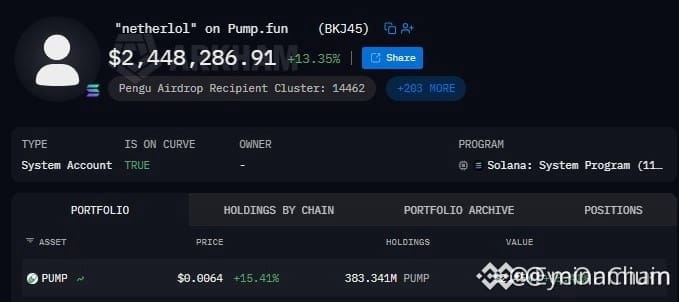
Back in previous cycles, the easiest way to identify real momentum was watching where smart money parked capital during dull market conditions. Looking at the 30-day leaderboard data right now, assets like $PUMP printing a steady +3.40% gain while holding structural strength show calculated accumulation rather than random hype. The veteran players are not gambling on erratic intraday spikes; they are methodically building positions where relative strength proves resilient.
Survival in this game has never been about catching every sudden breakout across $BTC or high-beta setups like $SOL. It comes down to patience, observing where capital naturally flows, and letting the broader market confirm strength before you commit your hard-earned size.
How are you currently filtering out noise to spot genuine strength in this market?
#CryptoTrading #Altcoins #TradingStrategy
Most retail traders lose money chasing parabolic green candles, yet the most profitable wallets over the last 30 days are doing the exact opposite by quietly accumulating strength during tight ranges.
We have all felt that sickening knot in our stomach after buying the top of an impulsive move, only to watch our balance bleed out on the immediate retracement. It is exhausting to feel like you are always one step behind the market, constantly trapped between the fear of missing out and the pain of taking another avoidable loss.
Back in previous cycles, the easiest way to identify real momentum was watching where smart money parked capital during dull market conditions. Looking at the 30-day leaderboard data right now, assets like $PUMP printing a steady +3.40% gain while holding structural strength show calculated accumulation rather than random hype. The veteran players are not gambling on erratic intraday spikes; they are methodically building positions where relative strength proves resilient.
Survival in this game has never been about catching every sudden breakout across $BTC or high-beta setups like $SOL . It comes down to patience, observing where capital naturally flows, and letting the broader market confirm strength before you commit your hard-earned size.
How are you currently filtering out noise to spot genuine strength in this market?
#CryptoTrading #Altcoins #TradingStrategy
We have all felt that sickening knot in our stomach after buying the top of an impulsive move, only to watch our balance bleed out on the immediate retracement. It is exhausting to feel like you are always one step behind the market, constantly trapped between the fear of missing out and the pain of taking another avoidable loss.
Back in previous cycles, the easiest way to identify real momentum was watching where smart money parked capital during dull market conditions. Looking at the 30-day leaderboard data right now, assets like $PUMP printing a steady +3.40% gain while holding structural strength show calculated accumulation rather than random hype. The veteran players are not gambling on erratic intraday spikes; they are methodically building positions where relative strength proves resilient.
Survival in this game has never been about catching every sudden breakout across $BTC or high-beta setups like $SOL . It comes down to patience, observing where capital naturally flows, and letting the broader market confirm strength before you commit your hard-earned size.
How are you currently filtering out noise to spot genuine strength in this market?
#CryptoTrading #Altcoins #TradingStrategy
34
·
--
Picture this: while the rest of the market gets nervous over every red candle, top-tier leaderboard traders are quietly building massive positions into local pullbacks.
Most retail traders suffer from buying the exact top out of FOMO, only to panic sell the second a chart dips 2% to 3%. They wait for green confirmation candles instead of accumulating when leverage is cheap and open interest resets.
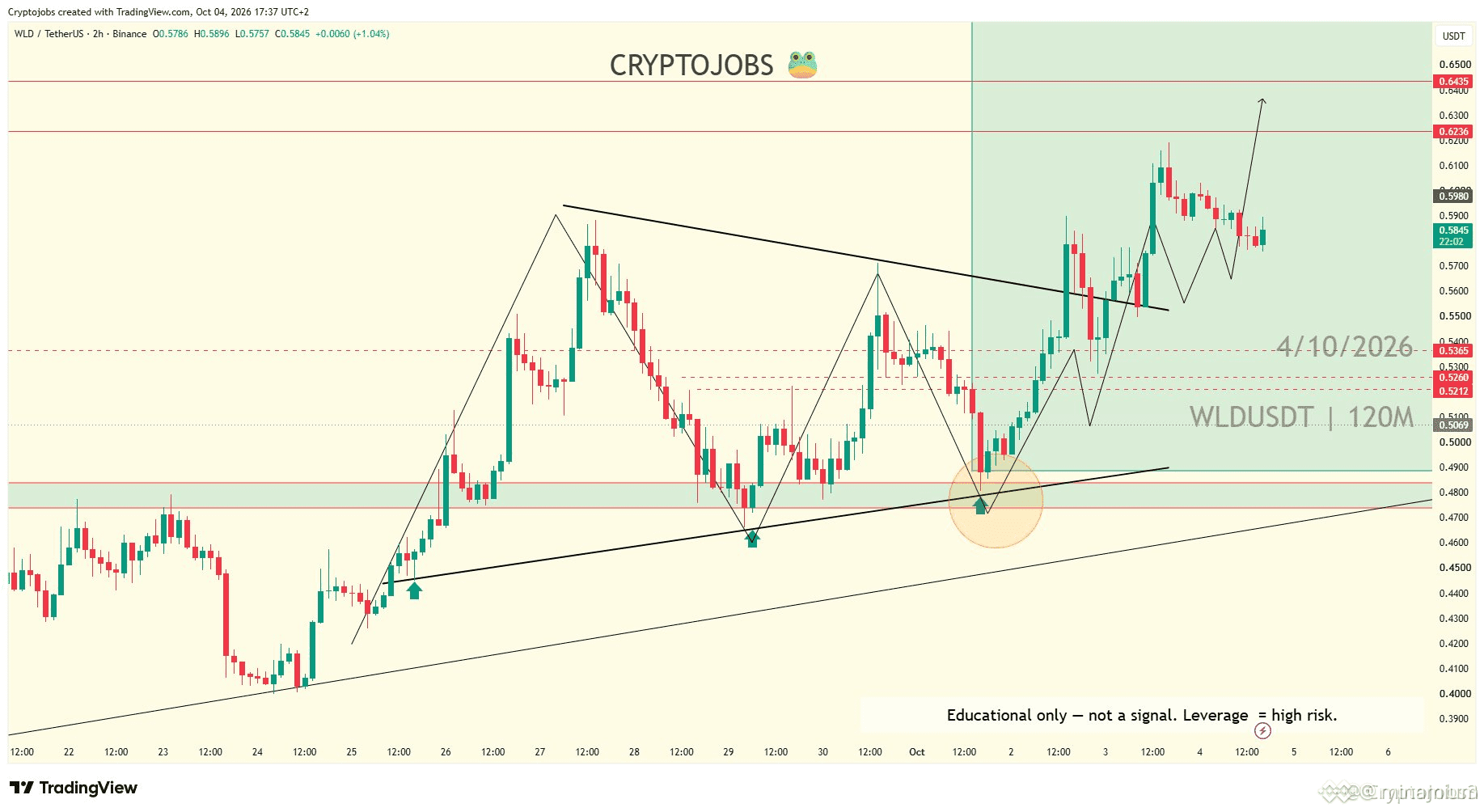
Looking at recent 30-day top trader data, an opening perp long on $WLD was sitting on over +14,122 USDT in unrealized profit even while the token dropped -2.69% on the session. It feels very similar to how smart money accumulated $FET and other AI sector leaders during previous mid-cycle cool-offs right before sudden momentum shifts. When high-volume perp players scale into dips on high-beta assets like $NEAR or Worldcoin, they are positioning for liquidity squeezes rather than quick scalp exits.
The big difference between retail and consistent leaderboard traders comes down to entry patience and managing drawdowns without panicking. While casual participants see a red day and assume a breakdown, larger capital treats these controlled pullbacks as discount entry zones to ride the next leg up.
Do you think these smart money dip-buyers will trigger the next major AI squeeze, or are we heading for deeper downside first?
#CryptoTrading #Altcoins #Worldcoin
Picture this: while the rest of the market gets nervous over every red candle, top-tier leaderboard traders are quietly building massive positions into local pullbacks.
Most retail traders suffer from buying the exact top out of FOMO, only to panic sell the second a chart dips 2% to 3%. They wait for green confirmation candles instead of accumulating when leverage is cheap and open interest resets.
Looking at recent 30-day top trader data, an opening perp long on $WLD was sitting on over +14,122 USDT in unrealized profit even while the token dropped -2.69% on the session. It feels very similar to how smart money accumulated $FET and other AI sector leaders during previous mid-cycle cool-offs right before sudden momentum shifts. When high-volume perp players scale into dips on high-beta assets like $NEAR or Worldcoin, they are positioning for liquidity squeezes rather than quick scalp exits.
The big difference between retail and consistent leaderboard traders comes down to entry patience and managing drawdowns without panicking. While casual participants see a red day and assume a breakdown, larger capital treats these controlled pullbacks as discount entry zones to ride the next leg up.
Do you think these smart money dip-buyers will trigger the next major AI squeeze, or are we heading for deeper downside first?
#CryptoTrading #Altcoins #Worldcoin
Most retail traders suffer from buying the exact top out of FOMO, only to panic sell the second a chart dips 2% to 3%. They wait for green confirmation candles instead of accumulating when leverage is cheap and open interest resets.
Looking at recent 30-day top trader data, an opening perp long on $WLD was sitting on over +14,122 USDT in unrealized profit even while the token dropped -2.69% on the session. It feels very similar to how smart money accumulated $FET and other AI sector leaders during previous mid-cycle cool-offs right before sudden momentum shifts. When high-volume perp players scale into dips on high-beta assets like $NEAR or Worldcoin, they are positioning for liquidity squeezes rather than quick scalp exits.
The big difference between retail and consistent leaderboard traders comes down to entry patience and managing drawdowns without panicking. While casual participants see a red day and assume a breakdown, larger capital treats these controlled pullbacks as discount entry zones to ride the next leg up.
Do you think these smart money dip-buyers will trigger the next major AI squeeze, or are we heading for deeper downside first?
#CryptoTrading #Altcoins #Worldcoin
31
·
--
Everyone thinks more charts and indicators make you a better trader, but actually, information overload is why most people lose money. Most traders spend hours drowning in noisy feeds and fragmented analytics, only to make panic moves on $BTC or mistime their entries when market volatility spikes.
Think of raw market data like crude oil; having barrels of it in your backyard will not help you drive your car until it is refined into clean fuel. The real shift happening right now is turning massive on-chain data into actionable intelligence so you stop second-guessing every $BNB rotation. The upcoming Binance Intelligence launch livestream on October 5 at 12:00 UTC is giving an early preview of how automated analytics will filter the noise before costly mistakes happen. Five community members sharing their insights also get selected for a 20 $USDC reward during the reveal.
How do you currently filter out the market noise before entering a trade?
#BinanceIntelligence #CryptoTrading #SmartInvesting
Everyone thinks more charts and indicators make you a better trader, but actually, information overload is why most people lose money. Most traders spend hours drowning in noisy feeds and fragmented analytics, only to make panic moves on $BTC or mistime their entries when market volatility spikes.
Think of raw market data like crude oil; having barrels of it in your backyard will not help you drive your car until it is refined into clean fuel. The real shift happening right now is turning massive on-chain data into actionable intelligence so you stop second-guessing every $BNB rotation. The upcoming Binance Intelligence launch livestream on October 5 at 12:00 UTC is giving an early preview of how automated analytics will filter the noise before costly mistakes happen. Five community members sharing their insights also get selected for a 20 $USDC reward during the reveal.
How do you currently filter out the market noise before entering a trade?
#BinanceIntelligence #CryptoTrading #SmartInvesting
Think of raw market data like crude oil; having barrels of it in your backyard will not help you drive your car until it is refined into clean fuel. The real shift happening right now is turning massive on-chain data into actionable intelligence so you stop second-guessing every $BNB rotation. The upcoming Binance Intelligence launch livestream on October 5 at 12:00 UTC is giving an early preview of how automated analytics will filter the noise before costly mistakes happen. Five community members sharing their insights also get selected for a 20 $USDC reward during the reveal.
How do you currently filter out the market noise before entering a trade?
#BinanceIntelligence #CryptoTrading #SmartInvesting

41
·
--
Altcoin trading volume just hit around 4 times Bitcoin's, and that's usually when things start getting messy.
Most traders see those alt pumps and pile in with leverage, only to get wrecked when the rotation reverses and liquidations hit. It's the classic FOMO trap that turns a potential winner into a painful loss.
Right now we're seeing altcoin volume sitting at 4x $BTC, with liquidity clearly shifting toward names like $ETH and $SOL.
This can look like fresh capital entering the market and a broader rotation kicking off. But it can also mean traders are getting way too speculative, loading up on leverage and getting ready to dump at the first opportunity.
Alts have been outperforming Bitcoin lately, which feels bullish until you factor in how these volume spikes often precede sharp pullbacks. High leverage in the alt space means even a small dip can trigger cascading liquidations that wipe out late buyers. We've seen this movie before where the outperformance doesn't last once profit taking starts.
Where do you think this volume imbalance goes from here?
#Bitcoin #Altcoins #Crypto
Altcoin trading volume just hit around 4 times Bitcoin's, and that's usually when things start getting messy.
Most traders see those alt pumps and pile in with leverage, only to get wrecked when the rotation reverses and liquidations hit. It's the classic FOMO trap that turns a potential winner into a painful loss.
Right now we're seeing altcoin volume sitting at 4x $BTC , with liquidity clearly shifting toward names like $ETH and $SOL .
This can look like fresh capital entering the market and a broader rotation kicking off. But it can also mean traders are getting way too speculative, loading up on leverage and getting ready to dump at the first opportunity.
Alts have been outperforming Bitcoin lately, which feels bullish until you factor in how these volume spikes often precede sharp pullbacks. High leverage in the alt space means even a small dip can trigger cascading liquidations that wipe out late buyers. We've seen this movie before where the outperformance doesn't last once profit taking starts.
Where do you think this volume imbalance goes from here?
#Bitcoin #Altcoins #Crypto
Most traders see those alt pumps and pile in with leverage, only to get wrecked when the rotation reverses and liquidations hit. It's the classic FOMO trap that turns a potential winner into a painful loss.
Right now we're seeing altcoin volume sitting at 4x $BTC , with liquidity clearly shifting toward names like $ETH and $SOL .
This can look like fresh capital entering the market and a broader rotation kicking off. But it can also mean traders are getting way too speculative, loading up on leverage and getting ready to dump at the first opportunity.
Alts have been outperforming Bitcoin lately, which feels bullish until you factor in how these volume spikes often precede sharp pullbacks. High leverage in the alt space means even a small dip can trigger cascading liquidations that wipe out late buyers. We've seen this movie before where the outperformance doesn't last once profit taking starts.
Where do you think this volume imbalance goes from here?
#Bitcoin #Altcoins #Crypto

59
·
--
Everyone thinks institutional inflows from spot ETFs guarantee an uninterrupted rally, but actually, they can create a false sense of security that traps retail investors.
Watching headlines about institutional buying makes it tempting to jump in with high leverage, only to get wiped out during routine liquidity flushes. When the market leans into Greed territory, many traders mistake steady accumulation for immediate upward momentum and end up overleveraged right before a drawdown.
Think of spot ETF activity like big freight ships loading cargo at a dock. They do not sprint like speedboats; they move slowly, rebalance methodically, and often cause temporary price dips while absorbing supply. While assets like $BTC take center stage, capital quietly rotates across major ecosystems such as $ADA and $DOT as liquidity spreads.
If you treat institutional accumulation as a trigger for short-term speculative bets, you are essentially trying to outrun a market designed to test your patience. The real edge lies in managing risk and recognizing when paper demand outpaces spot absorption.
How are you adjusting your spot accumulation strategy during these institutional draw phases?
#BitcoinSpotETFsDraw #SECHaltsCryptoETFReviewsAmidFundingLapse
Everyone thinks institutional inflows from spot ETFs guarantee an uninterrupted rally, but actually, they can create a false sense of security that traps retail investors.
Watching headlines about institutional buying makes it tempting to jump in with high leverage, only to get wiped out during routine liquidity flushes. When the market leans into Greed territory, many traders mistake steady accumulation for immediate upward momentum and end up overleveraged right before a drawdown.
Think of spot ETF activity like big freight ships loading cargo at a dock. They do not sprint like speedboats; they move slowly, rebalance methodically, and often cause temporary price dips while absorbing supply. While assets like $BTC take center stage, capital quietly rotates across major ecosystems such as $ADA and $DOT as liquidity spreads.
If you treat institutional accumulation as a trigger for short-term speculative bets, you are essentially trying to outrun a market designed to test your patience. The real edge lies in managing risk and recognizing when paper demand outpaces spot absorption.
How are you adjusting your spot accumulation strategy during these institutional draw phases?
#BitcoinSpotETFsDraw #SECHaltsCryptoETFReviewsAmidFundingLapse
Watching headlines about institutional buying makes it tempting to jump in with high leverage, only to get wiped out during routine liquidity flushes. When the market leans into Greed territory, many traders mistake steady accumulation for immediate upward momentum and end up overleveraged right before a drawdown.
Think of spot ETF activity like big freight ships loading cargo at a dock. They do not sprint like speedboats; they move slowly, rebalance methodically, and often cause temporary price dips while absorbing supply. While assets like $BTC take center stage, capital quietly rotates across major ecosystems such as $ADA and $DOT as liquidity spreads.
If you treat institutional accumulation as a trigger for short-term speculative bets, you are essentially trying to outrun a market designed to test your patience. The real edge lies in managing risk and recognizing when paper demand outpaces spot absorption.
How are you adjusting your spot accumulation strategy during these institutional draw phases?
#BitcoinSpotETFsDraw #SECHaltsCryptoETFReviewsAmidFundingLapse

79
·
--
Why is everyone chasing short-term price spikes while ignoring the fundamental shift happening in on-chain privacy right now?
Most traders end up buying the top after a sudden double-digit rally, only to get trapped when liquidity dries up because they never understood the underlying catalyst in the first place.
The recent 15% move around Zama highlights how quickly capital rotates when confidential smart contracts and fully homomorphic encryption start gaining traction. Instead of chasing the green candle on impulse, the first step is separating infrastructure value from speculative noise by tracking actual developer adoption rather than social volume. While legacy privacy assets like $ZEC navigate shifting institutional flows, programmable confidential compute represents a completely distinct market sector.
The next step is monitoring how this liquidity connects with broader interoperable ecosystems like $DOT and scalable execution layers. If you want to position effectively, focus on protocols that are actively integrating encryption libraries into live environments rather than teams that only mention privacy in their marketing decks.
Where do you think confidential computing goes from here?
#ZamaRises15 #ZcashETFPostsFirstWeeklyOutflow
Why is everyone chasing short-term price spikes while ignoring the fundamental shift happening in on-chain privacy right now?
Most traders end up buying the top after a sudden double-digit rally, only to get trapped when liquidity dries up because they never understood the underlying catalyst in the first place.
The recent 15% move around Zama highlights how quickly capital rotates when confidential smart contracts and fully homomorphic encryption start gaining traction. Instead of chasing the green candle on impulse, the first step is separating infrastructure value from speculative noise by tracking actual developer adoption rather than social volume. While legacy privacy assets like $ZEC navigate shifting institutional flows, programmable confidential compute represents a completely distinct market sector.
The next step is monitoring how this liquidity connects with broader interoperable ecosystems like $DOT and scalable execution layers. If you want to position effectively, focus on protocols that are actively integrating encryption libraries into live environments rather than teams that only mention privacy in their marketing decks.
Where do you think confidential computing goes from here?
#ZamaRises15 #ZcashETFPostsFirstWeeklyOutflow
Most traders end up buying the top after a sudden double-digit rally, only to get trapped when liquidity dries up because they never understood the underlying catalyst in the first place.
The recent 15% move around Zama highlights how quickly capital rotates when confidential smart contracts and fully homomorphic encryption start gaining traction. Instead of chasing the green candle on impulse, the first step is separating infrastructure value from speculative noise by tracking actual developer adoption rather than social volume. While legacy privacy assets like $ZEC navigate shifting institutional flows, programmable confidential compute represents a completely distinct market sector.
The next step is monitoring how this liquidity connects with broader interoperable ecosystems like $DOT and scalable execution layers. If you want to position effectively, focus on protocols that are actively integrating encryption libraries into live environments rather than teams that only mention privacy in their marketing decks.
Where do you think confidential computing goes from here?
#ZamaRises15 #ZcashETFPostsFirstWeeklyOutflow
4
·
--
Most major breakout rallies on large-cap assets actually trap more retail capital in drawdown than slow grind markets ever do.
Whenever a milestone breakout makes headlines, the instinct is to market-buy into the green candles, only to get caught when liquidity abruptly rotates. It is painfully easy to mistake an aggressive leverage expansion for sustainable spot accumulation.
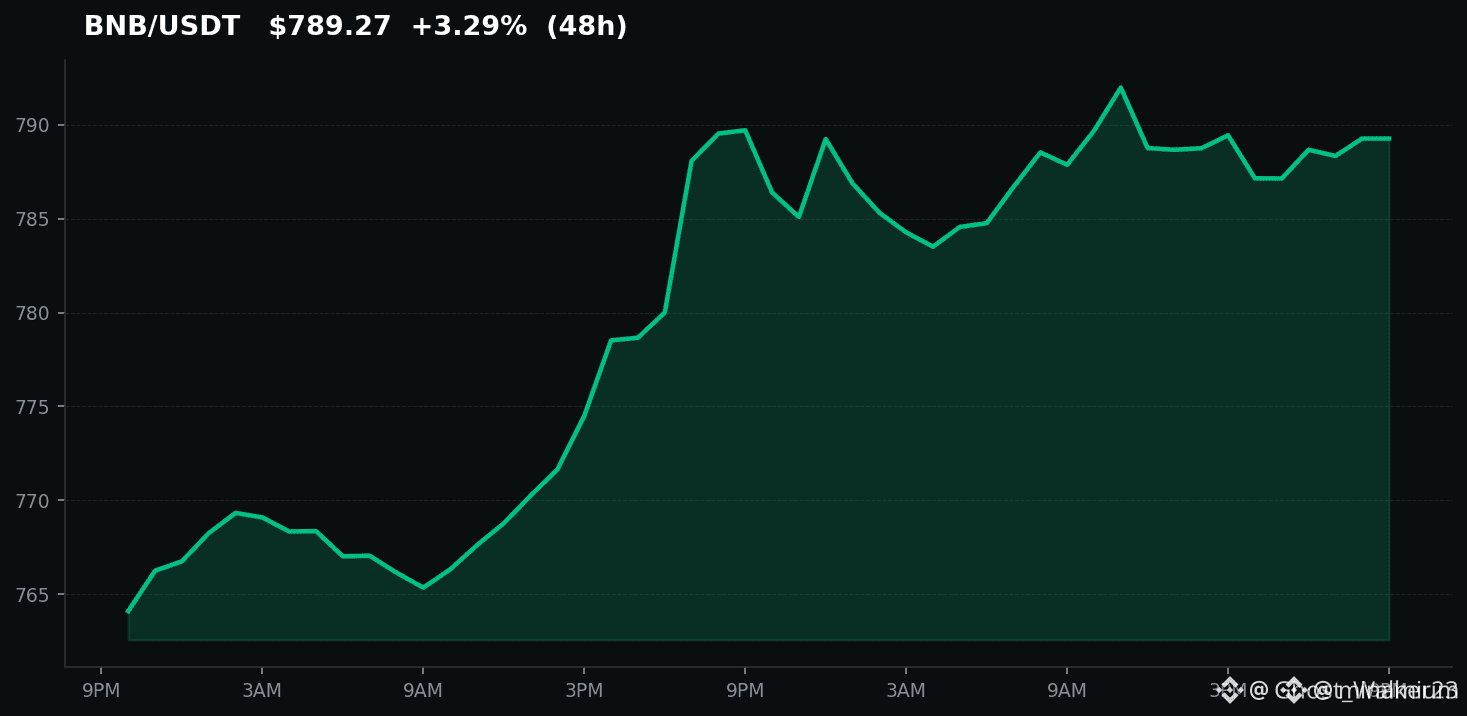
Looking at recent order book depth during the run where $BNB pushed past key resistance bands, derivatives open interest climbed significantly faster than organic spot volume. When sentiment sits firmly in greed territory, aggressive margin longs create dense liquidation clusters right under local support. We have seen similar rotation behavior across large alts like $ADA, where sudden spikes in $USDT denominated open interest leave the order book thin during pullbacks.
Trading these high-momentum phases requires paying close attention to spot volume delta and funding rates rather than chasing green candles. If derivative desks are driving the price action while spot bids fail to absorb selling pressure, a sudden long squeeze can wipe out weeks of gains in a single four-hour candle.
Are you taking chips off the table during these expansion moves, or are you holding through the volatility?
#BNBSurpasses #BitcoinSpotETFsDraw
Most major breakout rallies on large-cap assets actually trap more retail capital in drawdown than slow grind markets ever do.
Whenever a milestone breakout makes headlines, the instinct is to market-buy into the green candles, only to get caught when liquidity abruptly rotates. It is painfully easy to mistake an aggressive leverage expansion for sustainable spot accumulation.
Looking at recent order book depth during the run where $BNB pushed past key resistance bands, derivatives open interest climbed significantly faster than organic spot volume. When sentiment sits firmly in greed territory, aggressive margin longs create dense liquidation clusters right under local support. We have seen similar rotation behavior across large alts like $ADA , where sudden spikes in $USDT denominated open interest leave the order book thin during pullbacks.
Trading these high-momentum phases requires paying close attention to spot volume delta and funding rates rather than chasing green candles. If derivative desks are driving the price action while spot bids fail to absorb selling pressure, a sudden long squeeze can wipe out weeks of gains in a single four-hour candle.
Are you taking chips off the table during these expansion moves, or are you holding through the volatility?
#BNBSurpasses #BitcoinSpotETFsDraw
Whenever a milestone breakout makes headlines, the instinct is to market-buy into the green candles, only to get caught when liquidity abruptly rotates. It is painfully easy to mistake an aggressive leverage expansion for sustainable spot accumulation.
Looking at recent order book depth during the run where $BNB pushed past key resistance bands, derivatives open interest climbed significantly faster than organic spot volume. When sentiment sits firmly in greed territory, aggressive margin longs create dense liquidation clusters right under local support. We have seen similar rotation behavior across large alts like $ADA , where sudden spikes in $USDT denominated open interest leave the order book thin during pullbacks.
Trading these high-momentum phases requires paying close attention to spot volume delta and funding rates rather than chasing green candles. If derivative desks are driving the price action while spot bids fail to absorb selling pressure, a sudden long squeeze can wipe out weeks of gains in a single four-hour candle.
Are you taking chips off the table during these expansion moves, or are you holding through the volatility?
#BNBSurpasses #BitcoinSpotETFsDraw
තවත් අන්තර්ගතයන් ගවේෂණය කිරීමට ඇතුල් වන්න
Binance චතුරශ්රය හි ගෝලීය ක්රිප්ටෝ පරිශීලකයින් හා එක්වන්න
⚡️ ක්රිප්ටෝ පිළිබඳ නවතම සහ ප්රයෝජනවත් තොරතුරු ලබා ගන්න.
💬 ලොව විශාලතම ක්රිප්ටෝ හුවමාරුව මගින් විශ්වාස කෙරේ.
👍 සත්යායනය කරන ලද නිර්මාණකරුවන්ගෙන් සැබෑ විදසුන් සොයා ගන්න.
විද්යුත් තැපෑල / දුරකථන අංකය
නැගී එන මාතෘකා
DriftHackVictimsBeginClaims
11,560 views
203 සාකච්ඡා කරමින්
#DriftHackVictimsBeginClaims
El Drift Protocol, el destacado intercambio de futuros perpetuos descentralizado basado en Solana, abrió oficialmente su portal de reclamaciones y redenciones para el token de recuperación DFX. Esta medida busca compensar a los usuarios afectados por el devastador hackeo masivo del 1 de abril, que drenó aproximadamente 295.4 millones de dólares de la plataforma en un ataque perpetrado por actores vinculados a Corea del Norte. Los afectados recibirán un token DFX por cada USDT de pérdida verificada en la instantánea (snapshot) de ese día. Sin embargo, la asignación inicial del fondo de recuperación, que cuenta con unos 3.11 millones de USDT, sitúa la tasa de redención inicial en apenas 0.0104 USDT por cada DFX; es decir, los usuarios recibirán aproximadamente un centavo por cada dólar perdido en esta primera fase. Los afectados tienen hasta el 1 de enero de 2028 para reclamar sus tokens a través del portal oficial, fecha tras la cual todo el suministro de DFX que no haya sido reclamado será quemado de forma permanente.
A continuación se presentan imágenes reales relacionadas con portales y anuncios de alertas financieras digitales:
WorldWideWeb The World ARPANET Archie EFF
·2 කැමත්ත දැක්වීම්
·298 views
SolanaTokenizedStockVolumeTops$4.4BInSeptember
1,915 views
29 සාකච්ඡා කරමින්
BitcoinSpotETFsDraw$6.34BInflowsInQ3
10,403 views
143 සාකච්ඡා කරමින්