
Sunny3555
32 Публикации

Sunny3555
Отправить жалобу
Заблокировать пользователя
Открытая сделка

Владелец BNB
Случайный трейдер
2.1 г
5 подписок(и/а)
29 подписчиков(а)
43 понравилось
Посты
Портфель
Все
Цитирования
·
--
Падение
#CanBTCReboundAfterFallingBelow60K? $BTC #CanGTA6'sLaunchLiftTTWOShares?
Это возможно в одной игре? Или BTC вырастет? Совсем запутался из-за изменений времени.
#CanBTCReboundAfterFallingBelow60K? $BTC #CanGTA6'sLaunchLiftTTWOShares?
Это возможно в одной игре? Или BTC вырастет? Совсем запутался из-за изменений времени.
Это возможно в одной игре? Или BTC вырастет? Совсем запутался из-за изменений времени.
45
·
--

Статья
Над рынком#XPL $XPL
Сегодня мне не хочется ничего писать, потому что я застрял с прошлой ночи, наблюдая за взлетами и падениями на рынке, и внезапно осознал, что риск и удача делают вас сильнее и занимают своё место и часть вашей жизни между ними. Также одно остается неизменным — это стратегия. Человек, который думает, планирует и действует, это основа его знаний, и ожидание в этот период, когда он сталкивается с этими двумя вещами, называется риском и удачей. Когда эти вещи объединяются, и он получает результаты, позвольте мне задать один вопрос: кто выигрывает — удача, риск или планы? Это была моя мысль, которой я делюсь с вами. Пожалуйста, дайте мне знать ваше мнение. $XPL $XRP @Plasma
Над рынком
#XPL $XPL
Сегодня мне не хочется ничего писать, потому что я застрял с прошлой ночи, наблюдая за взлетами и падениями на рынке, и внезапно осознал, что риск и удача делают вас сильнее и занимают своё место и часть вашей жизни между ними. Также одно остается неизменным — это стратегия. Человек, который думает, планирует и действует, это основа его знаний, и ожидание в этот период, когда он сталкивается с этими двумя вещами, называется риском и удачей. Когда эти вещи объединяются, и он получает результаты, позвольте мне задать один вопрос: кто выигрывает — удача, риск или планы? Это была моя мысль, которой я делюсь с вами. Пожалуйста, дайте мне знать ваше мнение. $XPL $XRP @Plasma
Сегодня мне не хочется ничего писать, потому что я застрял с прошлой ночи, наблюдая за взлетами и падениями на рынке, и внезапно осознал, что риск и удача делают вас сильнее и занимают своё место и часть вашей жизни между ними. Также одно остается неизменным — это стратегия. Человек, который думает, планирует и действует, это основа его знаний, и ожидание в этот период, когда он сталкивается с этими двумя вещами, называется риском и удачей. Когда эти вещи объединяются, и он получает результаты, позвольте мне задать один вопрос: кто выигрывает — удача, риск или планы? Это была моя мысль, которой я делюсь с вами. Пожалуйста, дайте мне знать ваше мнение. $XPL $XRP @Plasma
41

·
--
Статья
Новости сбивают меня с толку@Plasma #plasm $XPL
Новая глобальная финансовая система здесь. Пока я наблюдал и испытывал во время своего торгового пути, с течением времени я понял, что это может быть радостным или болезненным, все зависит от вашей способности или навыков, если вы можете контролировать свои эмоции или принимать решения в нужный момент, вы будете будущим героем, конечно, удача существует, но тяжелая работа занимает свое место, так что не беспокойтесь, принимайте решения, верьте в себя и получайте правильные знания в нужное время, вы никогда не потеряете $XPL #Plasma @Plasma . В конце хочу поделиться своим способом торговли, я не эксперт, просто имею небольшое чувство, которое было дано мне Аллахом, я также не знаю, использую ли я это неправильно или правильно, так что обратите внимание, я начинаю с плазмы, вот некоторые моменты.
Новости сбивают меня с толку
@Plasma #plasm $XPL
Новая глобальная финансовая система здесь. Пока я наблюдал и испытывал во время своего торгового пути, с течением времени я понял, что это может быть радостным или болезненным, все зависит от вашей способности или навыков, если вы можете контролировать свои эмоции или принимать решения в нужный момент, вы будете будущим героем, конечно, удача существует, но тяжелая работа занимает свое место, так что не беспокойтесь, принимайте решения, верьте в себя и получайте правильные знания в нужное время, вы никогда не потеряете $XPL #Plasma @Plasma . В конце хочу поделиться своим способом торговли, я не эксперт, просто имею небольшое чувство, которое было дано мне Аллахом, я также не знаю, использую ли я это неправильно или правильно, так что обратите внимание, я начинаю с плазмы, вот некоторые моменты.
Новая глобальная финансовая система здесь. Пока я наблюдал и испытывал во время своего торгового пути, с течением времени я понял, что это может быть радостным или болезненным, все зависит от вашей способности или навыков, если вы можете контролировать свои эмоции или принимать решения в нужный момент, вы будете будущим героем, конечно, удача существует, но тяжелая работа занимает свое место, так что не беспокойтесь, принимайте решения, верьте в себя и получайте правильные знания в нужное время, вы никогда не потеряете $XPL #Plasma @Plasma . В конце хочу поделиться своим способом торговли, я не эксперт, просто имею небольшое чувство, которое было дано мне Аллахом, я также не знаю, использую ли я это неправильно или правильно, так что обратите внимание, я начинаю с плазмы, вот некоторые моменты.
1
22
·
--
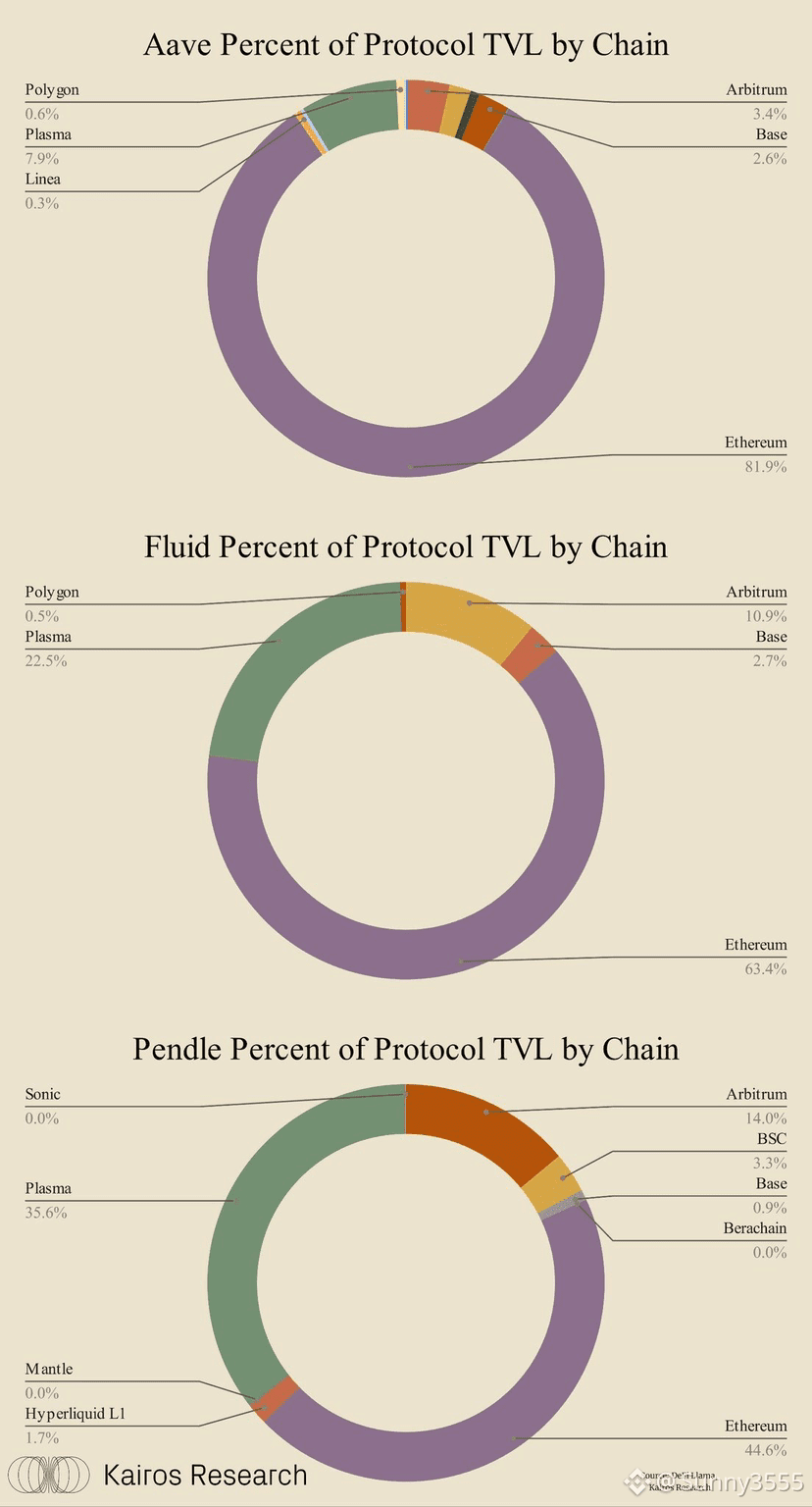
#plasma $XPL @Plasma Во время этого я присоединился к XPL и достиг последней цели, но не упомянул, что она завершена, даже когда я совершил 2 сделки. Может кто-нибудь сказать мне здесь о какой-либо проблеме или о чем-то, что я пропустил для завершения, также ниже упомянута моя сделка, я надеюсь, что я буду частью этого, берегите себя $XPL @Plasma #plasma
#plasma $XPL @Plasma Во время этого я присоединился к XPL и достиг последней цели, но не упомянул, что она завершена, даже когда я совершил 2 сделки. Может кто-нибудь сказать мне здесь о какой-либо проблеме или о чем-то, что я пропустил для завершения, также ниже упомянута моя сделка, я надеюсь, что я буду частью этого, берегите себя $XPL @Plasma #plasma
1
36
·
--
@Plasma #BinanceSquareTalks это было хорошее решение, дайте мне ваше мнение, я новый, спасибо
@Plasma #BinanceSquareTalks это было хорошее решение, дайте мне ваше мнение, я новый, спасибо
20
·
--
Статья
Будущее? Спросите себя@Plasma #Plasma $XPL
Глубокая ликвидность стейблкоинов — это то, что нужно каждому платежному бизнесу, эмитенту карт и финтеху.
Люди и бизнесы, хранящие доллары, получают доступ к арбитражной доходности институционального уровня на тех же путях, которые передвигают их деньги. Глубокая ликвидность является основой реальных платежей.
Когда стейблкоины легко и надежно перемещаются, разработчики могут сосредоточиться на создании отличных продуктов, а не на борьбе с путями.
Вот такой фундамент, который, я думаю, соответствует масштабируемости, эффективности и предназначен для реального использования. Вот как выглядит реальное соответствие продукту на рынке в DeFi.
Будущее? Спросите себя
@Plasma #Plasma $XPL
Глубокая ликвидность стейблкоинов — это то, что нужно каждому платежному бизнесу, эмитенту карт и финтеху.
Люди и бизнесы, хранящие доллары, получают доступ к арбитражной доходности институционального уровня на тех же путях, которые передвигают их деньги. Глубокая ликвидность является основой реальных платежей.
Когда стейблкоины легко и надежно перемещаются, разработчики могут сосредоточиться на создании отличных продуктов, а не на борьбе с путями.
Вот такой фундамент, который, я думаю, соответствует масштабируемости, эффективности и предназначен для реального использования. Вот как выглядит реальное соответствие продукту на рынке в DeFi.
19
·
--
См. перевод
@Plasma #plasma $XPL Are you a creator looking to get rewarded for your content? …..$XPL #Plasma Deep liquidity is the backbone of real payments.
When stablecoins move easily and reliably, builders can focus on creating great products instead of fighting rails.
That’s the kind of foundation we’re aligned with scalable, efficient, and built for real-world usage.
When stablecoins move easily and reliably, builders can focus on creating great products instead of fighting rails.
That’s the kind of foundation we’re aligned with scalable, efficient, and built for real-world usage.
27
·
--
@LorenzoProtocol $BANK время держать монету для будущего, вы скоро получите вознаграждение, так что принимайте мудрое решение☺️
@Lorenzo Protocol $BANK время держать монету для будущего, вы скоро получите вознаграждение, так что принимайте мудрое решение☺️

2
331
·
--

Статья
См. перевод
The Future.@WalrusProtocol $WAL #Walrus
{spot}(WALUSDT)
The digital world is heavy. Every day, humanity generates roughly 328.77 million terabytes of data. We are no longer just sending text emails; we are training massive Artificial Intelligence (AI) models, streaming 4K video, and building complex 3D metaverses.For the last decade, the solution to this data explosion has been simple but flawed: The Cloud. We handed our digital lives over to Amazon (AWS), Google, and Microsoft. While convenient, this centralization has created a fragile internet. These tech giants act as gatekeepers—they can censor content, raise prices unilaterally, and introduce single points of failure.Web3 promised a better way: decentralized storage. Networks like Filecoin and Arweave showed us that a distributed network of hard drives could work. However, they struggled with the "Blockchain Trilemma," often sacrificing speed or low costs to achieve decentralization.Now, a new contender has emerged to solve these legacy issues. Built on the blazing-fast Sui blockchain, the Walrus Protocol is redefining what it means to store data on-chain. It is not just a "Dropbox for crypto"; it is a programmable, cryptographically secure data layer designed for the AI era.The Architecture of Efficiency: Understanding "Red Stuff"To understand why Walrus is a game-changer, you have to look at the math. Traditional decentralized storage often relies on "full replication." If you want to store a 1GB file securely on a legacy network, that network might copy your file 50 to 100 times across different nodes. This is secure, but it is incredibly wasteful and expensive.Walrus takes a different approach. It utilizes a novel implementation of 2D erasure coding affectionately named "Red Stuff" (based on RaptorQ fountain codes).When a user uploads a "Blob" (Binary Large Object) to Walrus, the protocol does not store the file in one piece. Instead, it breaks the file into a mathematical grid of "slivers." These slivers are then distributed across a vast network of storage nodes. Efficiency: Because of this advanced math, Walrus achieves extreme durability with a replication factor of only 4x to 5x. This means storing 1GB of data only uses about 4GB of network capacity, compared to the hundreds of gigabytes required by older competitors. Robustness: The network is "Byzantine Fault Tolerant." Even if a significant portion of the nodes go offline or turn malicious, the original file can be perfectly reconstructed from the remaining slivers.The Sui Advantage: Speed Meets StorageWalrus is unique because it separates the "Control Plane" from the "Data Plane."Most blockchains try to do everything at once—process transactions and store data—which leads to congestion and high fees. Walrus uses the Sui blockchain strictly for management. The metadata (who owns the file, how big it is, and the proof that it exists) lives on Sui. The actual heavy data lives on the specialized Walrus nodes.This synergy allows Walrus to inherit the lightning-fast speed of Sui. Managing your storage, transferring ownership of a dataset, or updating permissions feels instant. It transforms storage from a static "hard drive" into a dynamic, programmable asset that can interact with smart contracts in real-time.The $WAL Token EconomyA decentralized network is only as strong as its incentives. The Walrus economy is designed to align the interests of users, storage providers, and token holders using the native $WAL token. Storage Payments: To store data, users must pay in $WAL. This creates a direct correlation between the network's adoption and the demand for the token. Staking and Security: Storage nodes operate on a Delegated Proof-of-Stake (DPoS) model. They must stake WAL to participate. If they lose data or go offline, they face slashing penalties. This financial stake ensures that providers are motivated to keep their servers running 24/7. * The Storage Fund: Perhaps the most innovative feature is the "Storage Fund." When a user pays for storage (e.g., for 5 years), the WAL tokens are not paid to the provider all at once. Instead, they are locked in a smart contract and released slowly over time. This mechanism guarantees that providers have a long-term incentive to host the data, while also removing tokens from the circulating supply, creating deflationary pressure as the network grows.Use Cases: Why the World Needs WalrusWalrus is not building technology for technology's sake. It is solving critical problems for the next generation of the internet.1. The AI Data CrisisTraining Large Language Models (LLMs) requires petabytes of text and imagery. Storing this on AWS is prohibitively expensive for open-source researchers. Walrus provides a decentralized "Data Lake" where researchers can store massive datasets cheaply. Because the metadata is on-chain, data can be cryptographically signed, proving its origin—a crucial feature in an era of deepfakes and AI-generated misinformation.2. Unstoppable "Walrus Sites"One of the most exciting developer tools is "Walrus Sites." Currently, most Decentralized Applications (dApps) still rely on centralized servers (like Vercel or AWS) for their frontend websites. If those servers go down, the dApp is inaccessible. Walrus allows developers to host their entire website—HTML, CSS, and JavaScript—directly on the decentralized network. This creates truly "unstoppable applications" that are resistant to censorship and platform de-risking.3. Dynamic NFTsThe NFT market has a dirty secret: many high-value digital collectibles are just links pointing to a centralized server. If the startup behind the project goes bankrupt, the image disappears. Walrus solves this by storing the actual media asset on-chain. Furthermore, because Walrus integrates with Sui Move, these assets can be dynamic. Imagine a gaming sword that changes its appearance as you use it in-game, with the visual updates permanently written to the storage layer.ConclusionWe are witnessing the transition from the "Cloud Era" to the "Fog Era." The centralized cloud served us well, but its limitations in privacy, cost, and censorship resistance are becoming undeniable.The Walrus Protocol represents the maturation of decentralized storage. By solving the efficiency problems of the past with "Red Stuff" and leveraging the speed of Sui, it offers a solution that is finally ready for mass adoption. It is cheaper than the competition, faster than the legacy chains, and more secure than the centralized giants.As we build a world of autonomous AI agents, censorship-resistant media, and true digital ownership, we need a foundation that can hold the weight of our digital future. Walrus is that foundation.@Walrus 🦭/acc $WAL #walrus
The Future.
@Walrus 🦭/acc $WAL #Walrus
The digital world is heavy. Every day, humanity generates roughly 328.77 million terabytes of data. We are no longer just sending text emails; we are training massive Artificial Intelligence (AI) models, streaming 4K video, and building complex 3D metaverses.For the last decade, the solution to this data explosion has been simple but flawed: The Cloud. We handed our digital lives over to Amazon (AWS), Google, and Microsoft. While convenient, this centralization has created a fragile internet. These tech giants act as gatekeepers—they can censor content, raise prices unilaterally, and introduce single points of failure.Web3 promised a better way: decentralized storage. Networks like Filecoin and Arweave showed us that a distributed network of hard drives could work. However, they struggled with the "Blockchain Trilemma," often sacrificing speed or low costs to achieve decentralization.Now, a new contender has emerged to solve these legacy issues. Built on the blazing-fast Sui blockchain, the Walrus Protocol is redefining what it means to store data on-chain. It is not just a "Dropbox for crypto"; it is a programmable, cryptographically secure data layer designed for the AI era.The Architecture of Efficiency: Understanding "Red Stuff"To understand why Walrus is a game-changer, you have to look at the math. Traditional decentralized storage often relies on "full replication." If you want to store a 1GB file securely on a legacy network, that network might copy your file 50 to 100 times across different nodes. This is secure, but it is incredibly wasteful and expensive.Walrus takes a different approach. It utilizes a novel implementation of 2D erasure coding affectionately named "Red Stuff" (based on RaptorQ fountain codes).When a user uploads a "Blob" (Binary Large Object) to Walrus, the protocol does not store the file in one piece. Instead, it breaks the file into a mathematical grid of "slivers." These slivers are then distributed across a vast network of storage nodes. Efficiency: Because of this advanced math, Walrus achieves extreme durability with a replication factor of only 4x to 5x. This means storing 1GB of data only uses about 4GB of network capacity, compared to the hundreds of gigabytes required by older competitors. Robustness: The network is "Byzantine Fault Tolerant." Even if a significant portion of the nodes go offline or turn malicious, the original file can be perfectly reconstructed from the remaining slivers.The Sui Advantage: Speed Meets StorageWalrus is unique because it separates the "Control Plane" from the "Data Plane."Most blockchains try to do everything at once—process transactions and store data—which leads to congestion and high fees. Walrus uses the Sui blockchain strictly for management. The metadata (who owns the file, how big it is, and the proof that it exists) lives on Sui. The actual heavy data lives on the specialized Walrus nodes.This synergy allows Walrus to inherit the lightning-fast speed of Sui. Managing your storage, transferring ownership of a dataset, or updating permissions feels instant. It transforms storage from a static "hard drive" into a dynamic, programmable asset that can interact with smart contracts in real-time.The $WAL Token EconomyA decentralized network is only as strong as its incentives. The Walrus economy is designed to align the interests of users, storage providers, and token holders using the native $WAL token. Storage Payments: To store data, users must pay in $WAL . This creates a direct correlation between the network's adoption and the demand for the token. Staking and Security: Storage nodes operate on a Delegated Proof-of-Stake (DPoS) model. They must stake WAL to participate. If they lose data or go offline, they face slashing penalties. This financial stake ensures that providers are motivated to keep their servers running 24/7. * The Storage Fund: Perhaps the most innovative feature is the "Storage Fund." When a user pays for storage (e.g., for 5 years), the WAL tokens are not paid to the provider all at once. Instead, they are locked in a smart contract and released slowly over time. This mechanism guarantees that providers have a long-term incentive to host the data, while also removing tokens from the circulating supply, creating deflationary pressure as the network grows.Use Cases: Why the World Needs WalrusWalrus is not building technology for technology's sake. It is solving critical problems for the next generation of the internet.1. The AI Data CrisisTraining Large Language Models (LLMs) requires petabytes of text and imagery. Storing this on AWS is prohibitively expensive for open-source researchers. Walrus provides a decentralized "Data Lake" where researchers can store massive datasets cheaply. Because the metadata is on-chain, data can be cryptographically signed, proving its origin—a crucial feature in an era of deepfakes and AI-generated misinformation.2. Unstoppable "Walrus Sites"One of the most exciting developer tools is "Walrus Sites." Currently, most Decentralized Applications (dApps) still rely on centralized servers (like Vercel or AWS) for their frontend websites. If those servers go down, the dApp is inaccessible. Walrus allows developers to host their entire website—HTML, CSS, and JavaScript—directly on the decentralized network. This creates truly "unstoppable applications" that are resistant to censorship and platform de-risking.3. Dynamic NFTsThe NFT market has a dirty secret: many high-value digital collectibles are just links pointing to a centralized server. If the startup behind the project goes bankrupt, the image disappears. Walrus solves this by storing the actual media asset on-chain. Furthermore, because Walrus integrates with Sui Move, these assets can be dynamic. Imagine a gaming sword that changes its appearance as you use it in-game, with the visual updates permanently written to the storage layer.ConclusionWe are witnessing the transition from the "Cloud Era" to the "Fog Era." The centralized cloud served us well, but its limitations in privacy, cost, and censorship resistance are becoming undeniable.The Walrus Protocol represents the maturation of decentralized storage. By solving the efficiency problems of the past with "Red Stuff" and leveraging the speed of Sui, it offers a solution that is finally ready for mass adoption. It is cheaper than the competition, faster than the legacy chains, and more secure than the centralized giants.As we build a world of autonomous AI agents, censorship-resistant media, and true digital ownership, we need a foundation that can hold the weight of our digital future. Walrus is that foundation.@Walrus 🦭/acc $WAL #walrus
The digital world is heavy. Every day, humanity generates roughly 328.77 million terabytes of data. We are no longer just sending text emails; we are training massive Artificial Intelligence (AI) models, streaming 4K video, and building complex 3D metaverses.For the last decade, the solution to this data explosion has been simple but flawed: The Cloud. We handed our digital lives over to Amazon (AWS), Google, and Microsoft. While convenient, this centralization has created a fragile internet. These tech giants act as gatekeepers—they can censor content, raise prices unilaterally, and introduce single points of failure.Web3 promised a better way: decentralized storage. Networks like Filecoin and Arweave showed us that a distributed network of hard drives could work. However, they struggled with the "Blockchain Trilemma," often sacrificing speed or low costs to achieve decentralization.Now, a new contender has emerged to solve these legacy issues. Built on the blazing-fast Sui blockchain, the Walrus Protocol is redefining what it means to store data on-chain. It is not just a "Dropbox for crypto"; it is a programmable, cryptographically secure data layer designed for the AI era.The Architecture of Efficiency: Understanding "Red Stuff"To understand why Walrus is a game-changer, you have to look at the math. Traditional decentralized storage often relies on "full replication." If you want to store a 1GB file securely on a legacy network, that network might copy your file 50 to 100 times across different nodes. This is secure, but it is incredibly wasteful and expensive.Walrus takes a different approach. It utilizes a novel implementation of 2D erasure coding affectionately named "Red Stuff" (based on RaptorQ fountain codes).When a user uploads a "Blob" (Binary Large Object) to Walrus, the protocol does not store the file in one piece. Instead, it breaks the file into a mathematical grid of "slivers." These slivers are then distributed across a vast network of storage nodes. Efficiency: Because of this advanced math, Walrus achieves extreme durability with a replication factor of only 4x to 5x. This means storing 1GB of data only uses about 4GB of network capacity, compared to the hundreds of gigabytes required by older competitors. Robustness: The network is "Byzantine Fault Tolerant." Even if a significant portion of the nodes go offline or turn malicious, the original file can be perfectly reconstructed from the remaining slivers.The Sui Advantage: Speed Meets StorageWalrus is unique because it separates the "Control Plane" from the "Data Plane."Most blockchains try to do everything at once—process transactions and store data—which leads to congestion and high fees. Walrus uses the Sui blockchain strictly for management. The metadata (who owns the file, how big it is, and the proof that it exists) lives on Sui. The actual heavy data lives on the specialized Walrus nodes.This synergy allows Walrus to inherit the lightning-fast speed of Sui. Managing your storage, transferring ownership of a dataset, or updating permissions feels instant. It transforms storage from a static "hard drive" into a dynamic, programmable asset that can interact with smart contracts in real-time.The $WAL Token EconomyA decentralized network is only as strong as its incentives. The Walrus economy is designed to align the interests of users, storage providers, and token holders using the native $WAL token. Storage Payments: To store data, users must pay in $WAL . This creates a direct correlation between the network's adoption and the demand for the token. Staking and Security: Storage nodes operate on a Delegated Proof-of-Stake (DPoS) model. They must stake WAL to participate. If they lose data or go offline, they face slashing penalties. This financial stake ensures that providers are motivated to keep their servers running 24/7. * The Storage Fund: Perhaps the most innovative feature is the "Storage Fund." When a user pays for storage (e.g., for 5 years), the WAL tokens are not paid to the provider all at once. Instead, they are locked in a smart contract and released slowly over time. This mechanism guarantees that providers have a long-term incentive to host the data, while also removing tokens from the circulating supply, creating deflationary pressure as the network grows.Use Cases: Why the World Needs WalrusWalrus is not building technology for technology's sake. It is solving critical problems for the next generation of the internet.1. The AI Data CrisisTraining Large Language Models (LLMs) requires petabytes of text and imagery. Storing this on AWS is prohibitively expensive for open-source researchers. Walrus provides a decentralized "Data Lake" where researchers can store massive datasets cheaply. Because the metadata is on-chain, data can be cryptographically signed, proving its origin—a crucial feature in an era of deepfakes and AI-generated misinformation.2. Unstoppable "Walrus Sites"One of the most exciting developer tools is "Walrus Sites." Currently, most Decentralized Applications (dApps) still rely on centralized servers (like Vercel or AWS) for their frontend websites. If those servers go down, the dApp is inaccessible. Walrus allows developers to host their entire website—HTML, CSS, and JavaScript—directly on the decentralized network. This creates truly "unstoppable applications" that are resistant to censorship and platform de-risking.3. Dynamic NFTsThe NFT market has a dirty secret: many high-value digital collectibles are just links pointing to a centralized server. If the startup behind the project goes bankrupt, the image disappears. Walrus solves this by storing the actual media asset on-chain. Furthermore, because Walrus integrates with Sui Move, these assets can be dynamic. Imagine a gaming sword that changes its appearance as you use it in-game, with the visual updates permanently written to the storage layer.ConclusionWe are witnessing the transition from the "Cloud Era" to the "Fog Era." The centralized cloud served us well, but its limitations in privacy, cost, and censorship resistance are becoming undeniable.The Walrus Protocol represents the maturation of decentralized storage. By solving the efficiency problems of the past with "Red Stuff" and leveraging the speed of Sui, it offers a solution that is finally ready for mass adoption. It is cheaper than the competition, faster than the legacy chains, and more secure than the centralized giants.As we build a world of autonomous AI agents, censorship-resistant media, and true digital ownership, we need a foundation that can hold the weight of our digital future. Walrus is that foundation.@Walrus 🦭/acc $WAL #walrus
·
--

Статья
См. перевод
FutureThe digital world is heavy. Every day, humanity generates roughly 328.77 million terabytes of data. We are no longer just sending text emails; we are training massive Artificial Intelligence (AI) models, streaming 4K video, and building complex 3D metaverses.For the last decade, the solution to this data explosion has been simple but flawed: The Cloud. We handed our digital lives over to Amazon (AWS), Google, and Microsoft. While convenient, this centralization has created a fragile internet. These tech giants act as gatekeepers—they can censor content, raise prices unilaterally, and introduce single points of failure.Web3 promised a better way: decentralized storage. Networks like Filecoin and Arweave showed us that a distributed network of hard drives could work. However, they struggled with the "Blockchain Trilemma," often sacrificing speed or low costs to achieve decentralization.Now, a new contender has emerged to solve these legacy issues. Built on the blazing-fast Sui blockchain, the Walrus Protocol is redefining what it means to store data on-chain. It is not just a "Dropbox for crypto"; it is a programmable, cryptographically secure data layer designed for the AI era.The Architecture of Efficiency: Understanding "Red Stuff"To understand why Walrus is a game-changer, you have to look at the math. Traditional decentralized storage often relies on "full replication." If you want to store a 1GB file securely on a legacy network, that network might copy your file 50 to 100 times across different nodes. This is secure, but it is incredibly wasteful and expensive.Walrus takes a different approach. It utilizes a novel implementation of 2D erasure coding affectionately named "Red Stuff" (based on RaptorQ fountain codes).When a user uploads a "Blob" (Binary Large Object) to Walrus, the protocol does not store the file in one piece. Instead, it breaks the file into a mathematical grid of "slivers." These slivers are then distributed across a vast network of storage nodes. Efficiency: Because of this advanced math, Walrus achieves extreme durability with a replication factor of only 4x to 5x. This means storing 1GB of data only uses about 4GB of network capacity, compared to the hundreds of gigabytes required by older competitors. Robustness: The network is "Byzantine Fault Tolerant." Even if a significant portion of the nodes go offline or turn malicious, the original file can be perfectly reconstructed from the remaining slivers.The Sui Advantage: Speed Meets StorageWalrus is unique because it separates the "Control Plane" from the "Data Plane."Most blockchains try to do everything at once—process transactions and store data—which leads to congestion and high fees. Walrus uses the Sui blockchain strictly for management. The metadata (who owns the file, how big it is, and the proof that it exists) lives on Sui. The actual heavy data lives on the specialized Walrus nodes.This synergy allows Walrus to inherit the lightning-fast speed of Sui. Managing your storage, transferring ownership of a dataset, or updating permissions feels instant. It transforms storage from a static "hard drive" into a dynamic, programmable asset that can interact with smart contracts in real-time.The $WAL Token EconomyA decentralized network is only as strong as its incentives. The Walrus economy is designed to align the interests of users, storage providers, and token holders using the native $WAL token. Storage Payments: To store data, users must pay in $WAL. This creates a direct correlation between the network's adoption and the demand for the token. Staking and Security: Storage nodes operate on a Delegated Proof-of-Stake (DPoS) model. They must stake WAL to participate. If they lose data or go offline, they face slashing penalties. This financial stake ensures that providers are motivated to keep their servers running 24/7. * The Storage Fund: Perhaps the most innovative feature is the "Storage Fund." When a user pays for storage (e.g., for 5 years), the WAL tokens are not paid to the provider all at once. Instead, they are locked in a smart contract and released slowly over time. This mechanism guarantees that providers have a long-term incentive to host the data, while also removing tokens from the circulating supply, creating deflationary pressure as the network grows.Use Cases: Why the World Needs WalrusWalrus is not building technology for technology's sake. It is solving critical problems for the next generation of the internet.1. The AI Data CrisisTraining Large Language Models (LLMs) requires petabytes of text and imagery. Storing this on AWS is prohibitively expensive for open-source researchers. Walrus provides a decentralized "Data Lake" where researchers can store massive datasets cheaply. Because the metadata is on-chain, data can be cryptographically signed, proving its origin—a crucial feature in an era of deepfakes and AI-generated misinformation.2. Unstoppable "Walrus Sites"One of the most exciting developer tools is "Walrus Sites." Currently, most Decentralized Applications (dApps) still rely on centralized servers (like Vercel or AWS) for their frontend websites. If those servers go down, the dApp is inaccessible. Walrus allows developers to host their entire website—HTML, CSS, and JavaScript—directly on the decentralized network. This creates truly "unstoppable applications" that are resistant to censorship and platform de-risking.3. Dynamic NFTsThe NFT market has a dirty secret: many high-value digital collectibles are just links pointing to a centralized server. If the startup behind the project goes bankrupt, the image disappears. Walrus solves this by storing the actual media asset on-chain. Furthermore, because Walrus integrates with Sui Move, these assets can be dynamic. Imagine a gaming sword that changes its appearance as you use it in-game, with the visual updates permanently written to the storage layer.ConclusionWe are witnessing the transition from the "Cloud Era" to the "Fog Era." The centralized cloud served us well, but its limitations in privacy, cost, and censorship resistance are becoming undeniable.The Walrus Protocol represents the maturation of decentralized storage. By solving the efficiency problems of the past with "Red Stuff" and leveraging the speed of Sui, it offers a solution that is finally ready for mass adoption. It is cheaper than the competition, faster than the legacy chains, and more secure than the centralized giants.As we build a world of autonomous AI agents, censorship-resistant media, and true digital ownership, we need a foundation that can hold the weight of our digital future. Walrus is that foundation.@Walrus 🦭/acc $WAL @WalrusProtocol #Walrus
Future
The digital world is heavy. Every day, humanity generates roughly 328.77 million terabytes of data. We are no longer just sending text emails; we are training massive Artificial Intelligence (AI) models, streaming 4K video, and building complex 3D metaverses.For the last decade, the solution to this data explosion has been simple but flawed: The Cloud. We handed our digital lives over to Amazon (AWS), Google, and Microsoft. While convenient, this centralization has created a fragile internet. These tech giants act as gatekeepers—they can censor content, raise prices unilaterally, and introduce single points of failure.Web3 promised a better way: decentralized storage. Networks like Filecoin and Arweave showed us that a distributed network of hard drives could work. However, they struggled with the "Blockchain Trilemma," often sacrificing speed or low costs to achieve decentralization.Now, a new contender has emerged to solve these legacy issues. Built on the blazing-fast Sui blockchain, the Walrus Protocol is redefining what it means to store data on-chain. It is not just a "Dropbox for crypto"; it is a programmable, cryptographically secure data layer designed for the AI era.The Architecture of Efficiency: Understanding "Red Stuff"To understand why Walrus is a game-changer, you have to look at the math. Traditional decentralized storage often relies on "full replication." If you want to store a 1GB file securely on a legacy network, that network might copy your file 50 to 100 times across different nodes. This is secure, but it is incredibly wasteful and expensive.Walrus takes a different approach. It utilizes a novel implementation of 2D erasure coding affectionately named "Red Stuff" (based on RaptorQ fountain codes).When a user uploads a "Blob" (Binary Large Object) to Walrus, the protocol does not store the file in one piece. Instead, it breaks the file into a mathematical grid of "slivers." These slivers are then distributed across a vast network of storage nodes. Efficiency: Because of this advanced math, Walrus achieves extreme durability with a replication factor of only 4x to 5x. This means storing 1GB of data only uses about 4GB of network capacity, compared to the hundreds of gigabytes required by older competitors. Robustness: The network is "Byzantine Fault Tolerant." Even if a significant portion of the nodes go offline or turn malicious, the original file can be perfectly reconstructed from the remaining slivers.The Sui Advantage: Speed Meets StorageWalrus is unique because it separates the "Control Plane" from the "Data Plane."Most blockchains try to do everything at once—process transactions and store data—which leads to congestion and high fees. Walrus uses the Sui blockchain strictly for management. The metadata (who owns the file, how big it is, and the proof that it exists) lives on Sui. The actual heavy data lives on the specialized Walrus nodes.This synergy allows Walrus to inherit the lightning-fast speed of Sui. Managing your storage, transferring ownership of a dataset, or updating permissions feels instant. It transforms storage from a static "hard drive" into a dynamic, programmable asset that can interact with smart contracts in real-time.The $WAL Token EconomyA decentralized network is only as strong as its incentives. The Walrus economy is designed to align the interests of users, storage providers, and token holders using the native $WAL token. Storage Payments: To store data, users must pay in $WAL . This creates a direct correlation between the network's adoption and the demand for the token. Staking and Security: Storage nodes operate on a Delegated Proof-of-Stake (DPoS) model. They must stake WAL to participate. If they lose data or go offline, they face slashing penalties. This financial stake ensures that providers are motivated to keep their servers running 24/7. * The Storage Fund: Perhaps the most innovative feature is the "Storage Fund." When a user pays for storage (e.g., for 5 years), the WAL tokens are not paid to the provider all at once. Instead, they are locked in a smart contract and released slowly over time. This mechanism guarantees that providers have a long-term incentive to host the data, while also removing tokens from the circulating supply, creating deflationary pressure as the network grows.Use Cases: Why the World Needs WalrusWalrus is not building technology for technology's sake. It is solving critical problems for the next generation of the internet.1. The AI Data CrisisTraining Large Language Models (LLMs) requires petabytes of text and imagery. Storing this on AWS is prohibitively expensive for open-source researchers. Walrus provides a decentralized "Data Lake" where researchers can store massive datasets cheaply. Because the metadata is on-chain, data can be cryptographically signed, proving its origin—a crucial feature in an era of deepfakes and AI-generated misinformation.2. Unstoppable "Walrus Sites"One of the most exciting developer tools is "Walrus Sites." Currently, most Decentralized Applications (dApps) still rely on centralized servers (like Vercel or AWS) for their frontend websites. If those servers go down, the dApp is inaccessible. Walrus allows developers to host their entire website—HTML, CSS, and JavaScript—directly on the decentralized network. This creates truly "unstoppable applications" that are resistant to censorship and platform de-risking.3. Dynamic NFTsThe NFT market has a dirty secret: many high-value digital collectibles are just links pointing to a centralized server. If the startup behind the project goes bankrupt, the image disappears. Walrus solves this by storing the actual media asset on-chain. Furthermore, because Walrus integrates with Sui Move, these assets can be dynamic. Imagine a gaming sword that changes its appearance as you use it in-game, with the visual updates permanently written to the storage layer.ConclusionWe are witnessing the transition from the "Cloud Era" to the "Fog Era." The centralized cloud served us well, but its limitations in privacy, cost, and censorship resistance are becoming undeniable.The Walrus Protocol represents the maturation of decentralized storage. By solving the efficiency problems of the past with "Red Stuff" and leveraging the speed of Sui, it offers a solution that is finally ready for mass adoption. It is cheaper than the competition, faster than the legacy chains, and more secure than the centralized giants.As we build a world of autonomous AI agents, censorship-resistant media, and true digital ownership, we need a foundation that can hold the weight of our digital future. Walrus is that foundation.@Walrus 🦭/acc $WAL @Walrus 🦭/acc #Walrus
1
·
--

Статья
что вы говоритеЦифровой мир тяжел. Каждый день человечество генерирует примерно 328,77 миллиона терабайт данных. Мы больше не просто отправляем текстовые электронные письма; мы тренируем массивные модели Искусственного Интеллекта (ИИ), стримим видео в 4K и строим сложные 3D метавселенные. На протяжении последнего десятилетия решение этой взрывной ситуации с данными было простым, но несовершенным: Облако. Мы передали наши цифровые жизни таким компаниям, как Amazon (AWS), Google и Microsoft. Хотя это удобно, такая централизация создала хрупкий интернет. Эти технологические гиганты действуют как хранители — они могут цензурировать контент, повышать цены в одностороннем порядке и вводить единые точки сбоя. Web3 обещал лучший способ: децентрализованное хранение. Сети, такие как Filecoin и Arweave, показали нам, что распределенная сеть жестких дисков может работать. Однако они столкнулись с "Трилеммой Блокчейна", часто жертвуя скоростью или низкими затратами для достижения децентрализации. Теперь появился новый претендент, чтобы решить эти наследственные проблемы. Построенный на сверхбыстром блокчейне Sui, Протокол Walrus переопределяет, что значит хранить данные в цепочке. Это не просто "Dropbox для криптовалюты"; это программируемый, криптографически безопасный уровень данных, разработанный для эры ИИ. Архитектура эффективности: Понимание "Красной вещи" Чтобы понять, почему Walrus является изменяющим правила игры, вы должны взглянуть на математику. Традиционное децентрализованное хранение часто полагается на "полную репликацию". Если вы хотите надежно хранить файл размером 1 ГБ в наследственной сети, эта сеть может скопировать ваш файл от 50 до 100 раз на разных узлах. Это безопасно, но невероятно расточительно и дорого. Walrus принимает другой подход. Он использует новую реализацию 2D-кодирования с удалением, любя названную "Красной вещью" (основанной на кодах фонтанов RaptorQ). Когда пользователь загружает "Blob" (бинарный большой объект) в Walrus, протокол не хранит файл целиком. Вместо этого он разбивает файл на математическую сетку "слоев". Эти слои затем распределяются по обширной сети узлов хранения. Эффективность: Благодаря этой продвинутой математике Walrus достигает экстремальной прочности с коэффициентом репликации всего 4x до 5x. Это означает, что хранение 1 ГБ данных использует только около 4 ГБ сетевой емкости, по сравнению с сотнями гигабайт, необходимых более старыми конкурентами. Надежность: Сеть "Устойчивость к византийским сбоям". Даже если значительная часть узлов отключится или станет злонамеренной, оригинальный файл может быть идеально восстановлен из оставшихся слоев. Преимущество Sui: Скорость встречает хранилище Walrus уникален тем, что он отделяет "Управляющий уровень" от "Уровня данных". Большинство блокчейнов пытаются делать все сразу — обрабатывать транзакции и хранить данные — что приводит к перегрузке и высоким сборам. Walrus использует блокчейн Sui строго для управления. Метаданные (кто владеет файлом, насколько он велик и доказательство его существования) находятся на Sui. Фактические тяжелые данные находятся на специализированных узлах Walrus. Эта синергия позволяет Walrus унаследовать молниеносную скорость Sui. Управление вашим хранилищем, передача прав собственности на набор данных или обновление разрешений ощущается мгновенно. Это превращает хранение из статического "жесткого диска" в динамический, программируемый актив, который может взаимодействовать с смарт-контрактами в реальном времени. Экономика токенов $WAL Децентрализованная сеть так же сильна, как и ее стимулы. Экономика Walrus разработана для того, чтобы согласовать интересы пользователей, поставщиков хранилища и держателей токенов, используя родной токен $WAL. Платежи за хранение: Для хранения данных пользователи должны платить в $WAL. Это создает прямую корреляцию между принятием сети и спросом на токен. Стейкинг и безопасность: Узлы хранения работают по модели Делегированного Доказательства Участия (DPoS). Они должны ставить WAL, чтобы участвовать. Если они теряют данные или отключаются, они сталкиваются с штрафами за срезание. Эта финансовая ставка гарантирует, что поставщики мотивированы поддерживать свои серверы в рабочем состоянии 24/7. * Фонд хранения: Возможно, самой инновационной функцией является "Фонд хранения". Когда пользователь платит за хранение (например, на 5 лет), токены WAL не выплачиваются поставщику сразу. Вместо этого они блокируются в смарт-контракте и медленно освобождаются с течением времени. Этот механизм гарантирует, что у поставщиков есть долгосрочный стимул хостить данные, одновременно убирая токены из обращения, создавая дефляционное давление по мере роста сети. Случаи использования: Почему миру нужен Walrus Walrus не создает технологии ради самой технологии. Он решает критические проблемы для следующего поколения интернета. 1. Кризис данных ИИ Обучение больших языковых моделей (LLM) требует петабайтов текста и изображений. Хранение этого на AWS чрезмерно дорого для исследователей с открытым исходным кодом. Walrus предоставляет децентрализованный "Озеро данных", где исследователи могут хранить огромные наборы данных дешево. Поскольку метаданные находятся в цепочке, данные могут быть криптографически подписаны, подтверждая их происхождение — важная особенность в эпоху дипфейков и дезинформации, сгенерированной ИИ. 2. Непреодолимые "Сайты Walrus" Одним из самых захватывающих инструментов для разработчиков являются "Сайты Walrus". В настоящее время большинство децентрализованных приложений (dApps) по-прежнему полагаются на централизованные серверы (такие как Vercel или AWS) для своих фронтенд-вебсайтов. Если эти серверы выходят из строя, dApp становится недоступным. Walrus позволяет разработчикам хостить весь свой вебсайт — HTML, CSS и JavaScript — прямо в децентрализованной сети. Это создает поистине "непрекращающиеся приложения", которые устойчивы к цензуре и снижению рисков платформы. 3. Динамические NFT Рынок NFT имеет грязный секрет: многие высокоценные цифровые коллекции — это просто ссылки на централизованный сервер. Если стартап, стоящий за проектом, обанкротится, изображение исчезает. Walrus решает эту проблему, храня реальные медиа-активы в цепочке. Более того, поскольку Walrus интегрируется с Sui Move, эти активы могут быть динамическими. Представьте себе игровой меч, который меняет свой внешний вид по мере использования в игре, с визуальными обновлениями, постоянно записанными в уровень хранения. Заключение Мы становимся свидетелями перехода от "Эры Облаков" к "Эре Тумана". Централизованное облако хорошо служило нам, но его ограничения в области конфиденциальности, стоимости и устойчивости к цензуре становятся неоспоримыми. Протокол Walrus представляет собой зрелость децентрализованного хранения. Решая проблемы эффективности прошлого с помощью "Красной вещи" и используя скорость Sui, он предлагает решение, которое наконец готово к массовому принятию. Он дешевле, чем конкуренты, быстрее, чем наследственные сети, и безопаснее, чем централизованные гиганты. Строя мир автономных агентов ИИ, устойчивых к цензуре медиа и истинной цифровой собственности, нам нужен фундамент, который сможет выдержать вес нашего цифрового будущего. Walrus — это тот самый фундамент.@Walrus 🦭/acc $WAL #walrus
что вы говорите
Цифровой мир тяжел. Каждый день человечество генерирует примерно 328,77 миллиона терабайт данных. Мы больше не просто отправляем текстовые электронные письма; мы тренируем массивные модели Искусственного Интеллекта (ИИ), стримим видео в 4K и строим сложные 3D метавселенные. На протяжении последнего десятилетия решение этой взрывной ситуации с данными было простым, но несовершенным: Облако. Мы передали наши цифровые жизни таким компаниям, как Amazon (AWS), Google и Microsoft. Хотя это удобно, такая централизация создала хрупкий интернет. Эти технологические гиганты действуют как хранители — они могут цензурировать контент, повышать цены в одностороннем порядке и вводить единые точки сбоя. Web3 обещал лучший способ: децентрализованное хранение. Сети, такие как Filecoin и Arweave, показали нам, что распределенная сеть жестких дисков может работать. Однако они столкнулись с "Трилеммой Блокчейна", часто жертвуя скоростью или низкими затратами для достижения децентрализации. Теперь появился новый претендент, чтобы решить эти наследственные проблемы. Построенный на сверхбыстром блокчейне Sui, Протокол Walrus переопределяет, что значит хранить данные в цепочке. Это не просто "Dropbox для криптовалюты"; это программируемый, криптографически безопасный уровень данных, разработанный для эры ИИ. Архитектура эффективности: Понимание "Красной вещи" Чтобы понять, почему Walrus является изменяющим правила игры, вы должны взглянуть на математику. Традиционное децентрализованное хранение часто полагается на "полную репликацию". Если вы хотите надежно хранить файл размером 1 ГБ в наследственной сети, эта сеть может скопировать ваш файл от 50 до 100 раз на разных узлах. Это безопасно, но невероятно расточительно и дорого. Walrus принимает другой подход. Он использует новую реализацию 2D-кодирования с удалением, любя названную "Красной вещью" (основанной на кодах фонтанов RaptorQ). Когда пользователь загружает "Blob" (бинарный большой объект) в Walrus, протокол не хранит файл целиком. Вместо этого он разбивает файл на математическую сетку "слоев". Эти слои затем распределяются по обширной сети узлов хранения. Эффективность: Благодаря этой продвинутой математике Walrus достигает экстремальной прочности с коэффициентом репликации всего 4x до 5x. Это означает, что хранение 1 ГБ данных использует только около 4 ГБ сетевой емкости, по сравнению с сотнями гигабайт, необходимых более старыми конкурентами. Надежность: Сеть "Устойчивость к византийским сбоям". Даже если значительная часть узлов отключится или станет злонамеренной, оригинальный файл может быть идеально восстановлен из оставшихся слоев. Преимущество Sui: Скорость встречает хранилище Walrus уникален тем, что он отделяет "Управляющий уровень" от "Уровня данных". Большинство блокчейнов пытаются делать все сразу — обрабатывать транзакции и хранить данные — что приводит к перегрузке и высоким сборам. Walrus использует блокчейн Sui строго для управления. Метаданные (кто владеет файлом, насколько он велик и доказательство его существования) находятся на Sui. Фактические тяжелые данные находятся на специализированных узлах Walrus. Эта синергия позволяет Walrus унаследовать молниеносную скорость Sui. Управление вашим хранилищем, передача прав собственности на набор данных или обновление разрешений ощущается мгновенно. Это превращает хранение из статического "жесткого диска" в динамический, программируемый актив, который может взаимодействовать с смарт-контрактами в реальном времени. Экономика токенов $WAL Децентрализованная сеть так же сильна, как и ее стимулы. Экономика Walrus разработана для того, чтобы согласовать интересы пользователей, поставщиков хранилища и держателей токенов, используя родной токен $WAL. Платежи за хранение: Для хранения данных пользователи должны платить в $WAL. Это создает прямую корреляцию между принятием сети и спросом на токен. Стейкинг и безопасность: Узлы хранения работают по модели Делегированного Доказательства Участия (DPoS). Они должны ставить WAL, чтобы участвовать. Если они теряют данные или отключаются, они сталкиваются с штрафами за срезание. Эта финансовая ставка гарантирует, что поставщики мотивированы поддерживать свои серверы в рабочем состоянии 24/7. * Фонд хранения: Возможно, самой инновационной функцией является "Фонд хранения". Когда пользователь платит за хранение (например, на 5 лет), токены WAL не выплачиваются поставщику сразу. Вместо этого они блокируются в смарт-контракте и медленно освобождаются с течением времени. Этот механизм гарантирует, что у поставщиков есть долгосрочный стимул хостить данные, одновременно убирая токены из обращения, создавая дефляционное давление по мере роста сети. Случаи использования: Почему миру нужен Walrus Walrus не создает технологии ради самой технологии. Он решает критические проблемы для следующего поколения интернета. 1. Кризис данных ИИ Обучение больших языковых моделей (LLM) требует петабайтов текста и изображений. Хранение этого на AWS чрезмерно дорого для исследователей с открытым исходным кодом. Walrus предоставляет децентрализованный "Озеро данных", где исследователи могут хранить огромные наборы данных дешево. Поскольку метаданные находятся в цепочке, данные могут быть криптографически подписаны, подтверждая их происхождение — важная особенность в эпоху дипфейков и дезинформации, сгенерированной ИИ. 2. Непреодолимые "Сайты Walrus" Одним из самых захватывающих инструментов для разработчиков являются "Сайты Walrus". В настоящее время большинство децентрализованных приложений (dApps) по-прежнему полагаются на централизованные серверы (такие как Vercel или AWS) для своих фронтенд-вебсайтов. Если эти серверы выходят из строя, dApp становится недоступным. Walrus позволяет разработчикам хостить весь свой вебсайт — HTML, CSS и JavaScript — прямо в децентрализованной сети. Это создает поистине "непрекращающиеся приложения", которые устойчивы к цензуре и снижению рисков платформы. 3. Динамические NFT Рынок NFT имеет грязный секрет: многие высокоценные цифровые коллекции — это просто ссылки на централизованный сервер. Если стартап, стоящий за проектом, обанкротится, изображение исчезает. Walrus решает эту проблему, храня реальные медиа-активы в цепочке. Более того, поскольку Walrus интегрируется с Sui Move, эти активы могут быть динамическими. Представьте себе игровой меч, который меняет свой внешний вид по мере использования в игре, с визуальными обновлениями, постоянно записанными в уровень хранения. Заключение Мы становимся свидетелями перехода от "Эры Облаков" к "Эре Тумана". Централизованное облако хорошо служило нам, но его ограничения в области конфиденциальности, стоимости и устойчивости к цензуре становятся неоспоримыми. Протокол Walrus представляет собой зрелость децентрализованного хранения. Решая проблемы эффективности прошлого с помощью "Красной вещи" и используя скорость Sui, он предлагает решение, которое наконец готово к массовому принятию. Он дешевле, чем конкуренты, быстрее, чем наследственные сети, и безопаснее, чем централизованные гиганты. Строя мир автономных агентов ИИ, устойчивых к цензуре медиа и истинной цифровой собственности, нам нужен фундамент, который сможет выдержать вес нашего цифрового будущего. Walrus — это тот самый фундамент.@Walrus 🦭/acc $WAL #walrus
25
·
--
#walrus $WAL @WalrusProtocol привет всем, пришло время зарабатывать очки, чтобы присоединиться к моржам и выполнить его задание и получить очки, может быть, это будет полезно в будущем для торговли или сбережений, поэтому пожалуйста, дайте мне также ваше лучшее мнение, спасибо и наилучшие пожелания для наилучшего.
#walrus $WAL @Walrus 🦭/acc привет всем, пришло время зарабатывать очки, чтобы присоединиться к моржам и выполнить его задание и получить очки, может быть, это будет полезно в будущем для торговли или сбережений, поэтому пожалуйста, дайте мне также ваше лучшее мнение, спасибо и наилучшие пожелания для наилучшего.

1
2
18
·
--

Статья
См. перевод
(WAL) what u think…?Walrus (WAL) is a native cryptocurrency token used within the Walrus protocol, a decentralized finance (DeFi) platform that focuses on secure and private blockchain-based interactions. The protocol supports private transactions and provides tools for users to engage with decentralized applications (dApps), governance, and staking activities. The Walrus protocol is designed to facilitate decentralized and privacy-preserving data storage and transactions. It operates on the Sui blockchain and utilizes a combination of erasure coding and blob storage to distribute large files across a decentralized network. This infrastructure is intended to offer cost-efficient, censorship-resistant storage suitable for applications, enterprises, and individuals seeking decentralized alternatives to traditional cloud solutions.
Event Period
2026-01-06 - 2026-02-09
Total participants
(WAL) what u think…?
Walrus (WAL) is a native cryptocurrency token used within the Walrus protocol, a decentralized finance (DeFi) platform that focuses on secure and private blockchain-based interactions. The protocol supports private transactions and provides tools for users to engage with decentralized applications (dApps), governance, and staking activities. The Walrus protocol is designed to facilitate decentralized and privacy-preserving data storage and transactions. It operates on the Sui blockchain and utilizes a combination of erasure coding and blob storage to distribute large files across a decentralized network. This infrastructure is intended to offer cost-efficient, censorship-resistant storage suitable for applications, enterprises, and individuals seeking decentralized alternatives to traditional cloud solutions.
Event Period
2026-01-06 - 2026-02-09
Total participants
Event Period
2026-01-06 - 2026-02-09
Total participants
·
--
См. перевод
#walrus $WAL hi everyone is time to learn how we get the point
#walrus $WAL hi everyone is time to learn how we get the point


·
--

Статья
прибыльный ли этот проект?🔥 Основная сеть запущена. Разработчики начали строить. Приватность стала программируемой.
2025 был только началом.
прибыльный ли этот проект?
🔥 Основная сеть запущена. Разработчики начали строить. Приватность стала программируемой.
2025 был только началом.
2025 был только началом.
1
124
·
--
#walrus $WAL 🔥 Основная сеть запущена. Разработчики начали создавать. Приватность стала программно управляемой.
2025 год стал лишь началом.
#walrus $WAL 🔥 Основная сеть запущена. Разработчики начали создавать. Приватность стала программно управляемой.
2025 год стал лишь началом.
2025 год стал лишь началом.

1
36
·
--
Рост
См. перевод
https://stocks.apple.com/symbol/BANK36296-USD
https://stocks.apple.com/symbol/BANK36296-USD

1
·
--
Рост
$BNB $Lorenzo
$BNB $Lorenzo


Lorenzo Protocol
·
--
2025 год стал годом значительных вех для Lorenzo Protocol $BANK .
Мы успешно завершили наше событие генерации токенов (TGE) в апреле, запустив $BANK через @Binance Wallet , после чего последовали листинги на ведущих биржах, включая @Binance, @Bitget, @PancakeSwap и другие — обеспечивая исключительную ликвидность и глобальную доступность.
Ключевые вехи включали запуск нашей продуктовой линии торгуемого на блокчейне фонда (OTF), возглавляемой sUSD1+ OTF — нашим флагманским продуктом доходности, использующим USD1 от @WorldLibertyFi в качестве расчетного актива, что знаменует начало продуктового набора OTF Lorenzo, с более разнообразными OTF впереди, наряду с постоянным прогрессом в нашей основной инфраструктуре, реальных и устойчивых стратегиях доходности и стратегических партнерствах в экосистеме.
Наша стратегия приоритизировала сосредоточенное, целенаправленное строительство с долгосрочной перспективой.
Смотря в будущее на 2026 год, наша приверженность остается сильной: масштабировать управление активами на блокчейне уровня институциональных стандартов и предоставлять реальные, устойчивые решения по доходности, которые способствуют более широкому принятию в пространстве DeFi.
Глубочайшая благодарность нашим невероятным партнерам по экосистеме и сообществу за ваше продолжающееся доверие и поддержку. Давайте строить будущее вместе. 🚀

Войдите, чтобы посмотреть больше материала
Присоединяйтесь к пользователям криптовалют по всему миру на Binance Square
⚡️ Получайте новейшую и полезную информацию о криптоактивах.
💬 Нам доверяет крупнейшая в мире криптобиржа.
👍 Получите достоверные аналитические данные от верифицированных создателей контента.
Эл. почта/номер телефона
В тренде
ПротоколFOMC
Просмотров: 146,888
349 обсуждают
Сейчас всё внимание приковано к решениям ФРС 🇺🇸
Рынок внимательно следит за сигналами от FOMC, ведь даже одно изменение в риторике представителей ФРС может повлиять на настроение инвесторов.
Особенно интересно наблюдать за реакцией BTC и ETH. Иногда рынок начинает двигаться ещё до официальных заявлений, а после публикации протокола волатильность может заметно вырасти.
$BTC
$ETH
Я бы сейчас не торопился с выводами. Лучше следить за новостями, объёмами и реакцией цены, чем пытаться угадать направление заранее.
А вы как думаете, чего сейчас больше ждёт рынок — снижения ставки или сохранения текущей политики?
#fomcотслеживание #ПротоколFOMC
Saymontop20
·Лайков: 0
·Просмотров: 104
fomcотслеживание
Просмотров: 122,262
600 обсуждают
CanBTCReboundAfterFallingBelow60K?
Просмотров: 0
63 обсуждают