

#solanaresourcebasedfeemodelproposal
solanaresourcebasedfeemodelproposal
Просмотров: 36,342
402 обсуждают
Популярные
Новые

#SolanaResourceBasedFeeModelProposal 🚀
Solana ecosystem is discussing a new proposal called the Resource-Based Fee Model (SIMD-547).
The main idea is simple: users who consume more network resources should pay higher fees, while normal users can continue enjoying low transaction costs.
📌 Potential Benefits: • Reduced network congestion • Fairer fee distribution • Better scalability during peak demand • Improved user experience
📈 If implemented successfully, this could strengthen Solana's position as one of the fastest and most efficient blockchain networks.
What do you think? Will a resource-based fee model make Solana stronger in the long run?
$SOL
{spot}(SOLUSDT)
#Solana #blockchain #SolanaResourceBasedFeeModelProposal
#SolanaResourceBasedFeeModelProposal 🚀
Solana ecosystem is discussing a new proposal called the Resource-Based Fee Model (SIMD-547).
The main idea is simple: users who consume more network resources should pay higher fees, while normal users can continue enjoying low transaction costs.
📌 Potential Benefits: • Reduced network congestion • Fairer fee distribution • Better scalability during peak demand • Improved user experience
📈 If implemented successfully, this could strengthen Solana's position as one of the fastest and most efficient blockchain networks.
What do you think? Will a resource-based fee model make Solana stronger in the long run?
$SOL
#Solana #blockchain #SolanaResourceBasedFeeModelProposal
114

Проверено
Solana Resource Based Fee Model ProposalA new Solana governance proposal, SIMD-547, is gaining major attention after introducing a resource-based fee model designed to improve SOL tokenomics and reduce inefficient network usage. The proposal would charge fees according to actual computational and network resources consumed — including compute units, account writes, and data loads — instead of relying mostly on Solana’s ultra-low flat fee structure.
The key feature is that 100% of the additional resource fee would be burned, permanently removing SOL from circulation. This could significantly increase SOL scarcity during periods of heavy network activity. Solana co-founder Anatoly Yakovenko has reportedly shown support for the proposal, signaling that core ecosystem leaders see the model as a long-term economic upgrade.
Why This Matters
Solana has historically struggled with a mismatch between:
massive transaction throughput,
extremely low fees,
and relatively weak value capture for SOL holders.
Recent network data showed Solana processing hundreds of millions of daily transactions while protocol fee capture remained comparatively small.
The proposed model attempts to fix that by:
aligning fees with actual resource consumption,
discouraging spam and low-value transactions,
improving validator economics,
and increasing SOL burn during demand spikes.
The proposal specifically mentions charging approximately:
0.1
lamport per cost unit
0.1 lamport per cost unit
According to the draft, most market makers would only see a modest fee increase, while resource-heavy applications would contribute more to network costs.
Bullish Implications for SOL
If implemented successfully, the model could become one of Solana’s most important tokenomic upgrades since the network launched.
Potential bullish effects include:
higher SOL burn rates during peak activity,
reduced circulating supply growth,
stronger institutional confidence,
improved sustainability for validators,
and healthier long-term ecosystem economics.
Some analysts estimate the mechanism could increase daily SOL burns dramatically under high activity conditions.
This is especially important because Solana has faced criticism for high inflation and relatively weak fee capture compared with network usage.
Risks and Concerns
Despite the positive reaction, there are still concerns:
higher fees could impact retail users and bots,
DeFi applications may need optimization,
governance approval is not guaranteed,
and overly aggressive fee scaling could hurt Solana’s competitive advantage versus low-cost chains.
There is also debate over whether the model could unintentionally favor larger validators and sophisticated infrastructure operators.
Market Outlook
Short term, the proposal is being viewed as a structurally bullish narrative for SOL because it strengthens the connection between network growth and token value accrual.
Medium to long term, the impact depends on:
governance approval,
final fee calibration,
network adoption trends,
and whether Solana continues improving reliability and validator diversity.
Overall sentiment across crypto markets currently sees SIMD-547 as a serious attempt to transition Solana from a “high-speed cheap chain” into a more economically sustainable settlement layer for institutional-scale usage.
#SolanaResourceBasedFeeModelProposal #ECBHighlightsStablecoinRisks #RippleUnlocks500MillionXRP #OverlayPhantomTargetsCryptoApps #levelsabovemagical
$PORTAL
{future}(PORTALUSDT)
$H
{future}(HUSDT)
$SOL
{future}(SOLUSDT)
Solana Resource Based Fee Model Proposal
A new Solana governance proposal, SIMD-547, is gaining major attention after introducing a resource-based fee model designed to improve SOL tokenomics and reduce inefficient network usage. The proposal would charge fees according to actual computational and network resources consumed — including compute units, account writes, and data loads — instead of relying mostly on Solana’s ultra-low flat fee structure.
The key feature is that 100% of the additional resource fee would be burned, permanently removing SOL from circulation. This could significantly increase SOL scarcity during periods of heavy network activity. Solana co-founder Anatoly Yakovenko has reportedly shown support for the proposal, signaling that core ecosystem leaders see the model as a long-term economic upgrade.
Why This Matters
Solana has historically struggled with a mismatch between:
massive transaction throughput,
extremely low fees,
and relatively weak value capture for SOL holders.
Recent network data showed Solana processing hundreds of millions of daily transactions while protocol fee capture remained comparatively small.
The proposed model attempts to fix that by:
aligning fees with actual resource consumption,
discouraging spam and low-value transactions,
improving validator economics,
and increasing SOL burn during demand spikes.
The proposal specifically mentions charging approximately:
0.1
lamport per cost unit
0.1 lamport per cost unit
According to the draft, most market makers would only see a modest fee increase, while resource-heavy applications would contribute more to network costs.
Bullish Implications for SOL
If implemented successfully, the model could become one of Solana’s most important tokenomic upgrades since the network launched.
Potential bullish effects include:
higher SOL burn rates during peak activity,
reduced circulating supply growth,
stronger institutional confidence,
improved sustainability for validators,
and healthier long-term ecosystem economics.
Some analysts estimate the mechanism could increase daily SOL burns dramatically under high activity conditions.
This is especially important because Solana has faced criticism for high inflation and relatively weak fee capture compared with network usage.
Risks and Concerns
Despite the positive reaction, there are still concerns:
higher fees could impact retail users and bots,
DeFi applications may need optimization,
governance approval is not guaranteed,
and overly aggressive fee scaling could hurt Solana’s competitive advantage versus low-cost chains.
There is also debate over whether the model could unintentionally favor larger validators and sophisticated infrastructure operators.
Market Outlook
Short term, the proposal is being viewed as a structurally bullish narrative for SOL because it strengthens the connection between network growth and token value accrual.
Medium to long term, the impact depends on:
governance approval,
final fee calibration,
network adoption trends,
and whether Solana continues improving reliability and validator diversity.
Overall sentiment across crypto markets currently sees SIMD-547 as a serious attempt to transition Solana from a “high-speed cheap chain” into a more economically sustainable settlement layer for institutional-scale usage.
#SolanaResourceBasedFeeModelProposal #ECBHighlightsStablecoinRisks #RippleUnlocks500MillionXRP #OverlayPhantomTargetsCryptoApps #levelsabovemagical
$PORTAL
$H
$SOL
1
1
603

#SolanaResourceBasedFeeModelProposal is an interesting direction: pricing fees by actual resource usage could make costs fairer, reduce spam, and improve predictability during congestion.
If implemented well, it may help Solana keep throughput high while protecting users from sudden fee spikes. I’ll be watching the details—how resources are measured, how wallets display fees, and whether it changes MEV/spam dynamics.
#SolanaResourceBasedFeeModelProposal $SOL $USDT
If implemented well, it may help Solana keep throughput high while protecting users from sudden fee spikes. I’ll be watching the details—how resources are measured, how wallets display fees, and whether it changes MEV/spam dynamics.
#SolanaResourceBasedFeeModelProposal $SOL $USDT
92

·
--
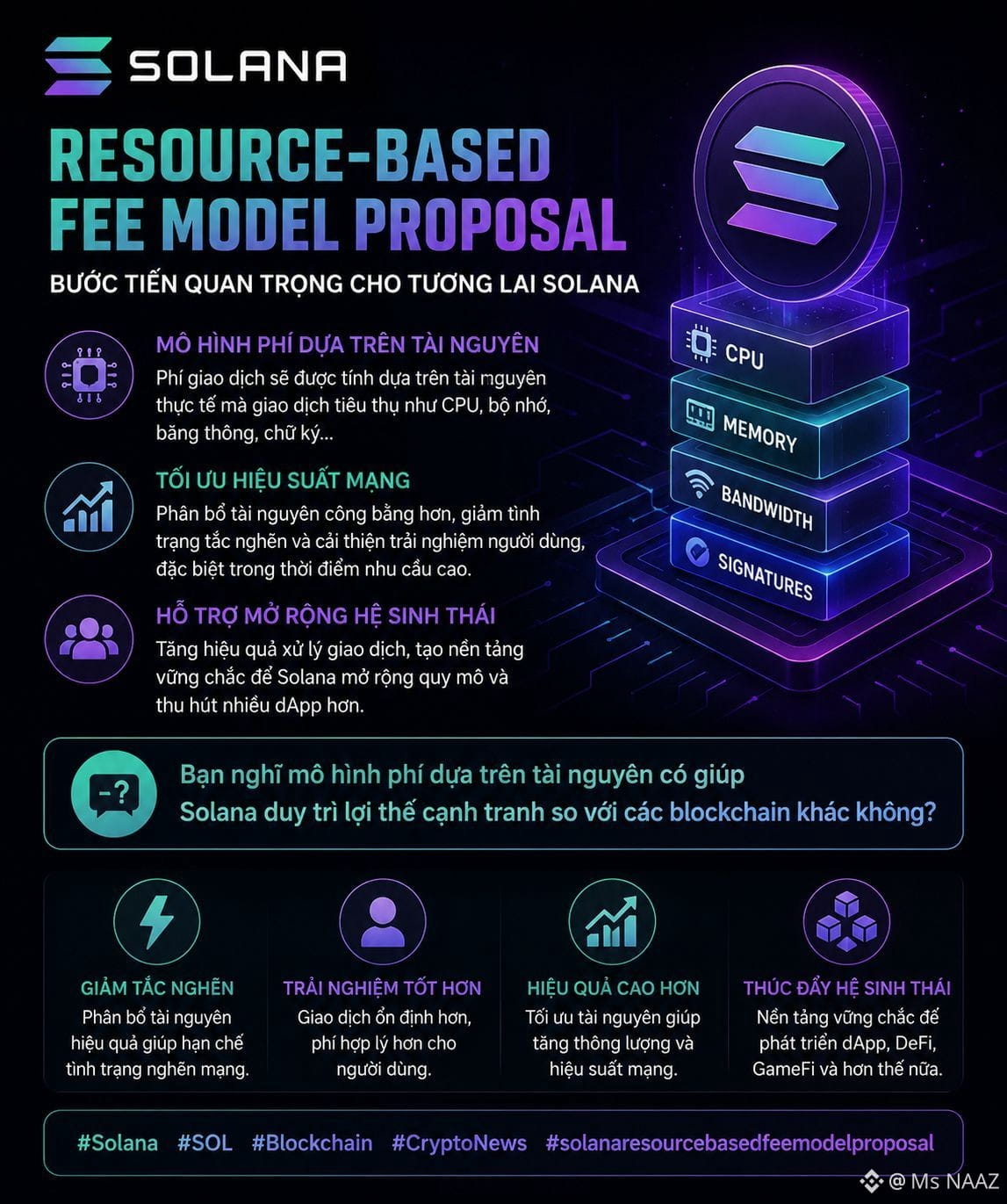
#solanaresourcebasedfeemodelproposal ⚡ Solana is chatting about a Resource-Based Fee Model to optimize network performance and allocate resources more fairly.
This proposal could help ease congestion, enhance user experience, and boost transaction processing efficiency during peak demand.
If successfully rolled out, this could be a significant leap forward in scaling the Solana ecosystem.
Do you think the resource-based fee model will help Solana maintain its competitive edge against other blockchains?
#Solana
#SOL
#Blockchain
#CryptoNews #solanaresourcebasedfeemodelproposal
1
44

·
--
Рост
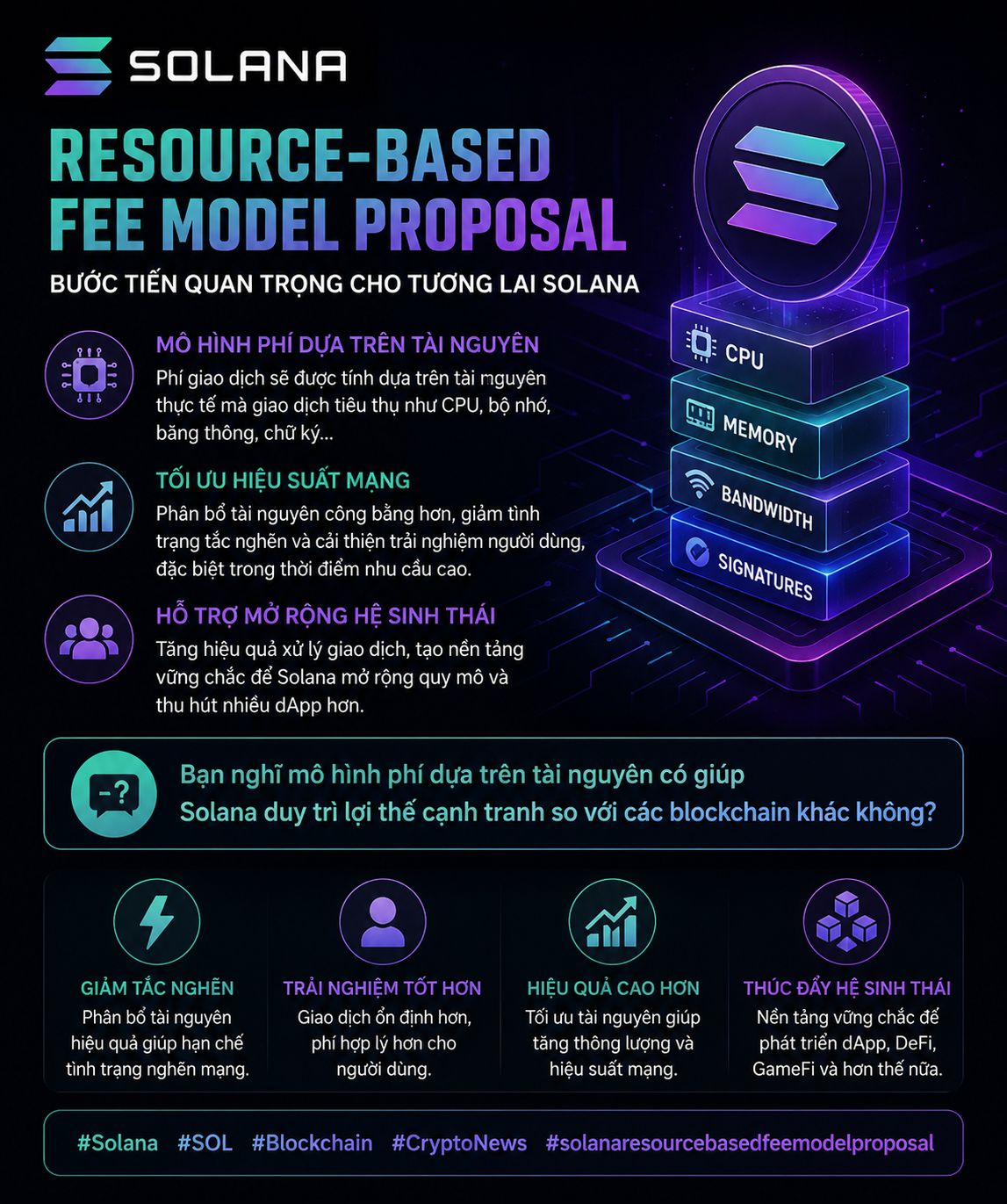
#solanaresourcebasedfeemodelproposal ⚡ Solana đang thảo luận về mô hình phí dựa trên tài nguyên (Resource-Based Fee Model) nhằm tối ưu hóa hiệu suất mạng và phân bổ tài nguyên công bằng hơn.
Đề xuất này có thể giúp giảm tình trạng tắc nghẽn, cải thiện trải nghiệm người dùng và tăng hiệu quả xử lý giao dịch trong những thời điểm nhu cầu cao.
Nếu được triển khai thành công, đây có thể là một bước tiến quan trọng trong việc mở rộng quy mô hệ sinh thái Solana.
Bạn nghĩ mô hình phí dựa trên tài nguyên có giúp Solana duy trì lợi thế cạnh tranh so với các blockchain khác không?
#Solana #SOL #Blockchain #CryptoNews #solanaresourcebasedfeemodelproposal
1
228

·
--
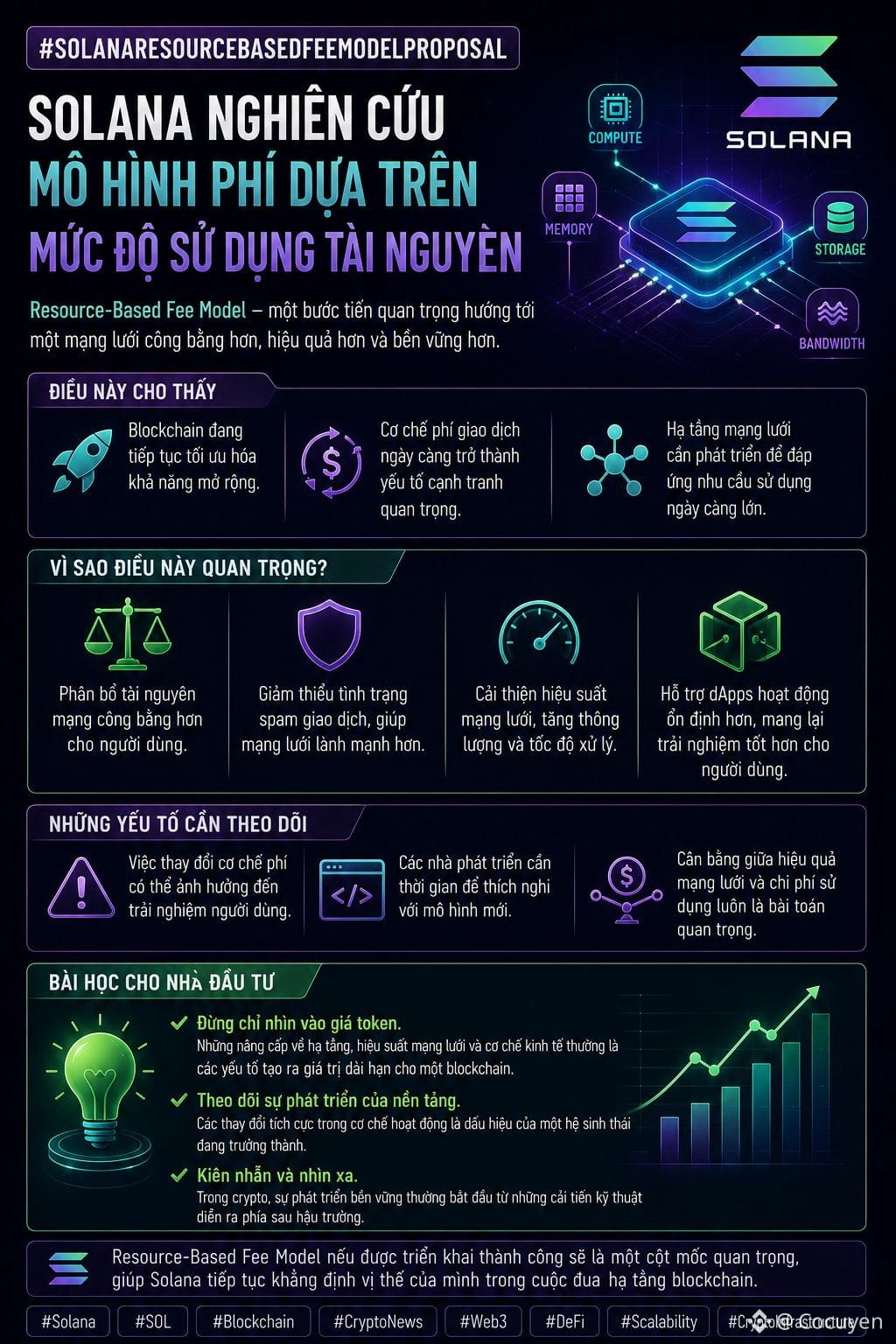
#solanaresourcebasedfeemodelproposal Một đề xuất đáng chú ý trong hệ sinh thái Solana là việc nghiên cứu mô hình phí dựa trên mức độ sử dụng tài nguyên (Resource-Based Fee Model).
📌 Điều này cho thấy:
✅ Blockchain đang tiếp tục tối ưu hóa khả năng mở rộng.
✅ Cơ chế phí giao dịch ngày càng trở thành yếu tố cạnh tranh quan trọng.
✅ Hạ tầng mạng lưới cần phát triển để đáp ứng nhu cầu sử dụng ngày càng lớn.
🌍 Vì sao điều này quan trọng?
Khi phí giao dịch phản ánh chính xác mức độ sử dụng tài nguyên:
📈 Người dùng có thể được phân bổ tài nguyên mạng công bằng hơn.
📈 Tình trạng spam giao dịch có thể được giảm thiểu.
📈 Hiệu suất mạng lưới có thể được cải thiện.
📈 Hệ sinh thái ứng dụng phi tập trung (dApps) có cơ hội hoạt động ổn định hơn.
Tuy nhiên, vẫn có những yếu tố cần theo dõi:
⚠️ Việc thay đổi cơ chế phí có thể ảnh hưởng đến trải nghiệm người dùng.
⚠️ Các nhà phát triển cần thời gian để thích nghi với mô hình mới.
⚠️ Cân bằng giữa hiệu quả mạng lưới và chi phí sử dụng luôn là bài toán quan trọng.
💡 Bài học cho nhà đầu tư:
Đừng chỉ nhìn vào giá token.
Những nâng cấp về hạ tầng, hiệu suất mạng lưới và cơ chế kinh tế thường là các yếu tố tạo ra giá trị dài hạn cho một blockchain.
Trong crypto, sự phát triển bền vững thường bắt đầu từ những cải tiến kỹ thuật diễn ra phía sau hậu trường. #SolanaResourceBasedFeeModelProposal #CryptoInfrastructure #Solana #SOL
146

·
--

Статья
Solana Proposal Introduces Resource-Based Fee Model to Improve Network EconomicsA new Solana ( $SOL ) Improvement Proposal (SIMD-547) is gaining attention after introducing a resource-based base fee model aimed at improving how network fees reflect actual computation usage.
The proposal suggests adding a base fee tied to resource consumption, where fees are calculated based on compute usage and then fully burned, rather than partially distributed to validators.
Key idea of the proposal
Instead of relying only on Solana’s current structure:
Base fee per signatureOptional priority feeLocal fee markets
The proposal introduces a new layer where:
Transactions pay a resource-based base feeFee scales with compute units consumedThe fee is burned entirely to improve tokenomics
Why this proposal matters
Solana currently uses:
Base fee (fixed per signature)Prioritization fee (market-driven bidding)
But this can lead to:
Unpredictable fee estimationCongestion during high-demand eventsInefficient pricing of compute resources
The new proposal tries to solve this by shifting toward:
“Pay for actual resource usage, not just transaction presence”
This aligns with broader blockchain research trends on:
Multi-dimensional fee marketsDynamic pricing of compute/storage/bandwidth resources
Potential impact on Solana ecosystem
1) Better tokenomics (deflationary pressure)
If fees are burned:
SOL supply pressure increasesLong-term scarcity narrative strengthens
2) More predictable fee structure
Resource-based pricing could:
Reduce fee randomnessImprove UX for developersStabilize cost estimation
3) Impact on DeFi & high-frequency trading
High-frequency actors (market makers, bots):
May face more precise cost scalingNeed better fee optimization strategies
Assets most impacted
• Solana
• SOL staking ecosystem
• Solana DeFi infrastructure
Big picture narrative
This proposal reflects a larger trend across blockchains:
Instead of “who bids higher wins blockspace”…
Networks are moving toward:
“Who consumes resources, pays proportionally”
Similar research has already explored dynamic multi-resource fee markets as a way to improve scalability and efficiency in blockchain systems.
Source: Solana Foundation SIMD proposal + GitHub discussion + blockchain fee market research papers
Like And Follow For More Information
{spot}(SOLUSDT)
{spot}(JUPUSDT)
{spot}(RAYUSDT)
#SolanaResourceBasedFeeModelProposal
Solana Proposal Introduces Resource-Based Fee Model to Improve Network Economics
A new Solana ( $SOL ) Improvement Proposal (SIMD-547) is gaining attention after introducing a resource-based base fee model aimed at improving how network fees reflect actual computation usage.
The proposal suggests adding a base fee tied to resource consumption, where fees are calculated based on compute usage and then fully burned, rather than partially distributed to validators.
Key idea of the proposal
Instead of relying only on Solana’s current structure:
Base fee per signatureOptional priority feeLocal fee markets
The proposal introduces a new layer where:
Transactions pay a resource-based base feeFee scales with compute units consumedThe fee is burned entirely to improve tokenomics
Why this proposal matters
Solana currently uses:
Base fee (fixed per signature)Prioritization fee (market-driven bidding)
But this can lead to:
Unpredictable fee estimationCongestion during high-demand eventsInefficient pricing of compute resources
The new proposal tries to solve this by shifting toward:
“Pay for actual resource usage, not just transaction presence”
This aligns with broader blockchain research trends on:
Multi-dimensional fee marketsDynamic pricing of compute/storage/bandwidth resources
Potential impact on Solana ecosystem
1) Better tokenomics (deflationary pressure)
If fees are burned:
SOL supply pressure increasesLong-term scarcity narrative strengthens
2) More predictable fee structure
Resource-based pricing could:
Reduce fee randomnessImprove UX for developersStabilize cost estimation
3) Impact on DeFi & high-frequency trading
High-frequency actors (market makers, bots):
May face more precise cost scalingNeed better fee optimization strategies
Assets most impacted
• Solana
• SOL staking ecosystem
• Solana DeFi infrastructure
Big picture narrative
This proposal reflects a larger trend across blockchains:
Instead of “who bids higher wins blockspace”…
Networks are moving toward:
“Who consumes resources, pays proportionally”
Similar research has already explored dynamic multi-resource fee markets as a way to improve scalability and efficiency in blockchain systems.
Source: Solana Foundation SIMD proposal + GitHub discussion + blockchain fee market research papers
Like And Follow For More Information
#SolanaResourceBasedFeeModelProposal

1.000 Followers
От Wan_OnChain
2
284

·
--
#SolanaResourceBasedFeeModelProposal
Solana’s Resource-Based Fee Model Proposal – What It Means for Traders
Solana’s devs dropped a new "Resource-Based Fee Model" proposal on governance forums in 2025-2026. Instead of flat fees, fees will now depend on actual network resources used: CPU, memory, and storage per transaction. For traders using Binance + Solana pairs like SOL/USDT, this could change transaction costs and network congestion.
1. What’s the “Resource-Based Fee” Model? Current Solana = flat fee ∼0.000005 SOL per tx. New model = fee = base fee + resource cost.
Heavy transactions like complex DeFi swaps will pay more. Simple SOL transfers stay cheap. Goal: stop spam + make fees fair.
2. Why “IP Proposal” Matters
"IP" = Improvement Proposal. If passed, validators vote it in. For Binance users:
1. Cheaper micro-trades:Small SOL/USDT trades get lower fees during low congestion
2. Expensive DeFi moves:Multi-step arbitrage/jupiter swaps cost more
3. Less network spam: Fewer failed transactions = smoother price action on candles
3. Impact on SOL/USDT Candles on Binance Fee changes → bot behavior changes → volume changes. If spam drops, we may see cleaner candles with less fake wicks. During congestion, gas wars on Ethereum cause crazy wicks. Solana’s model aims to avoid that.
4. What Traders Should Watch
1. Validator vote date:* Watch Solana governance Twitter/Discord
2. Binance SOL funding rate: Fee model changes can affect perp funding
3. Transaction failure rate: If it drops from 30% to 5%, expect more stable trend candles
Resource-Based Fees = Solana trying to scale without Ethereum-like gas wars. Short term: little change for basic Binance spot trades. Long term: better network health = more reliable SOL price action.
128

#SolanaResourceBasedFeeModelProposal
#SolanaResourceBasedFeeModelPr... (247 Discussing)
🔥 SOLANA JUST PROPOSED THE BIGGEST TOKENOMICS UPGRADE OF 2026
This could change SOL's value forever 👇
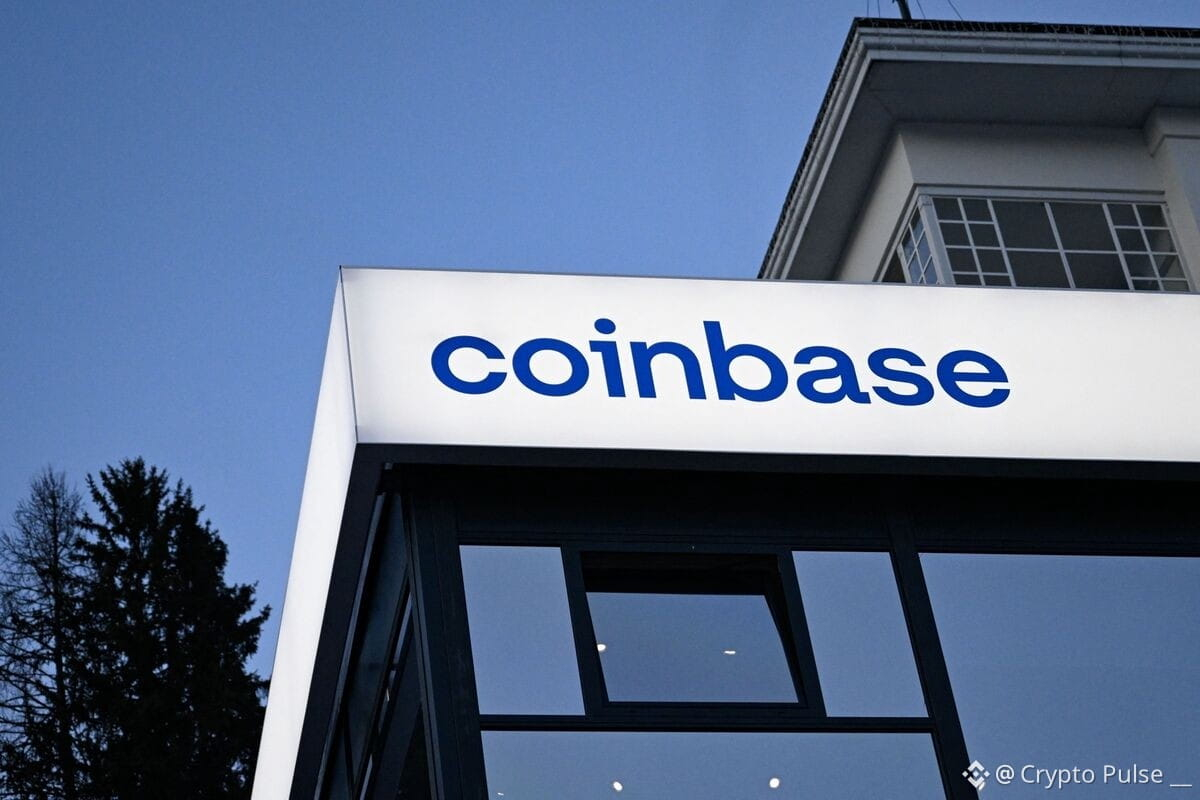
Solana co-founder Anatoly Yakovenko just backed a new proposal — SIMD-547 — that would burn SOL based on actual network resource usage. Daily SOL burns could jump from 648 $SOL to as much as 64,800 SOL — a 100x increase. (Coinbase)
Why does this matter? Solana processed 10.1 billion non-vote transactions in Q1 2026 alone — keeping median fees at just $0.0005. The chain isn't waiting for usage. It's already there. (Binance)
The math is simple:
More burns → less supply → more value per SOL 🔥
The proposal burns fees proportional to compute units requested — keeping costs ultra-low for regular users while dramatically increasing deflationary pressure on SOL supply. (Coinbase)
This is Solana's version of Ethereum's EIP-1559 — but faster, cheaper, and at 100x the scale.
Are you bullish on SOL after this?
Drop below 👇
#SolanaResourceBasedFeeModelPr #Solana #SOL #CryptoWolf_MM #Binance
⚠️ Not financial advice. DYOR.
103

Binance listed six U.S. stock perpetual futures (Nokia, BlackBerry, iShares MSCI Taiwan ETF etc.) with up to 20x leverage, starting today at 21:30 UTC+8, and launched its June Earn Challenge where new users can earn 33.65% APR on Dual Investment. The CFTC finalized 24/7 guidance to officially open the U.S. crypto perpetual futures market, signaling a shift toward regulated derivatives—Kraken plans to launch CFTC-regulated contracts within 30 days. Solana devs proposed SIMD-547 for burn-based fee model, while Hyperliquid's $HYPE surged 68.9% in 30 days and now ranks in top 10 by market cap. Request Network announced a new crypto payment approach for iGaming, and BlackRock moved $237M BTC/ETH to Coinbase likely for ETF redemptions. France gave crypto firms until June 30 to obtain MiCA licenses or cease operations, and SpaceX holds 18,712 BTC ($1.3B) on its balance sheet.
#ARKInvestSells352MCircleShares #ECBDigitalEuroStablecoinAnswer #SolanaResourceBasedFeeModelProposal #ECBHighlightsStablecoinRisks #XRPETF15.2MWeeklyInflow
#ARKInvestSells352MCircleShares #ECBDigitalEuroStablecoinAnswer #SolanaResourceBasedFeeModelProposal #ECBHighlightsStablecoinRisks #XRPETF15.2MWeeklyInflow

1
1
397

·
--
Рост
FAM… have you noticed this yet? 👀🚀
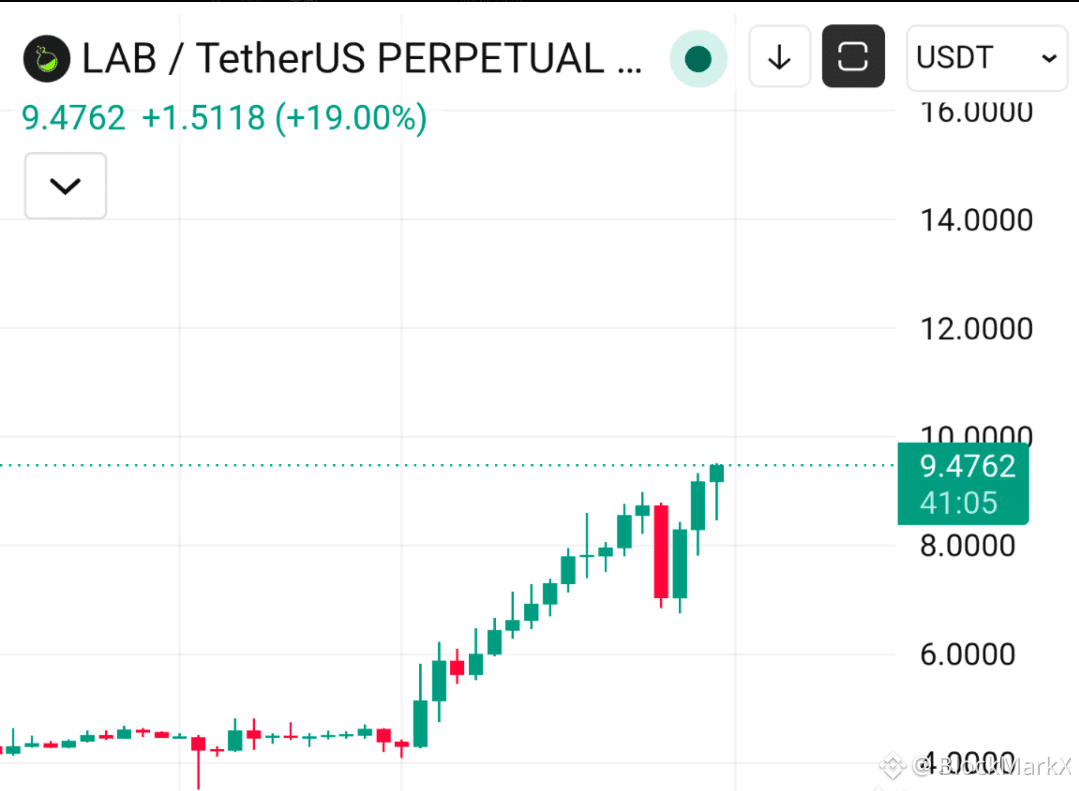
$LAB is climbing steadily again and showing strong continuation momentum 💙
Long Setup Active 👇🏻
Buy: $9.2
Stop Loss: $8.8
🎯 Targets:
TP1 → $9.8
TP2 → $10.4
TP3 → $11.0
Max Leverage: 20x
{future}(LABUSDT)
{future}(PLAYUSDT)
{future}(PORTALUSDT)
#SolanaResourceBasedFeeModelProposal #Cardano2026SummitCanceled
FAM… have you noticed this yet? 👀🚀
$LAB is climbing steadily again and showing strong continuation momentum 💙
Long Setup Active 👇🏻
Buy: $9.2
Stop Loss: $8.8
🎯 Targets:
TP1 → $9.8
TP2 → $10.4
TP3 → $11.0
Max Leverage: 20x
#SolanaResourceBasedFeeModelProposal #Cardano2026SummitCanceled
$LAB is climbing steadily again and showing strong continuation momentum 💙
Long Setup Active 👇🏻
Buy: $9.2
Stop Loss: $8.8
🎯 Targets:
TP1 → $9.8
TP2 → $10.4
TP3 → $11.0
Max Leverage: 20x
#SolanaResourceBasedFeeModelProposal #Cardano2026SummitCanceled
3
468

·
--
$BNB remains one of the strongest large-cap cryptocurrencies, supported by activity on the BNB Chain ecosystem and regular token-burning events that help reduce supply. Recent price action shows BNB consolidating after a strong rally, with buyers defending key support levels and maintaining a bullish medium-term structure.
Short-term outlook: Bullish to neutral
Key support: $620–$650
Key resistance: $720–$750
Bullish catalyst: Increased on-chain activity, exchange demand, and continued token burns.
Risk factor: Broader crypto market weakness or regulatory pressure on exchanges
{spot}(BNBUSDT)
#SolanaResourceBasedFeeModelProposal #ECBHighlightsStablecoinRisks #RippleUnlocks500MillionXRP #OverlayPhantomTargetsCryptoApps #Cardano2026SummitCanceled
$BNB remains one of the strongest large-cap cryptocurrencies, supported by activity on the BNB Chain ecosystem and regular token-burning events that help reduce supply. Recent price action shows BNB consolidating after a strong rally, with buyers defending key support levels and maintaining a bullish medium-term structure.
Short-term outlook: Bullish to neutral
Key support: $620–$650
Key resistance: $720–$750
Bullish catalyst: Increased on-chain activity, exchange demand, and continued token burns.
Risk factor: Broader crypto market weakness or regulatory pressure on exchanges
#SolanaResourceBasedFeeModelProposal #ECBHighlightsStablecoinRisks #RippleUnlocks500MillionXRP #OverlayPhantomTargetsCryptoApps #Cardano2026SummitCanceled
1
64
·
--
SUI Market Update — Strong Momentum Building in Layer-1 Space! 🚨
#SUI is once again attracting strong attention in the crypto market as trading activity and ecosystem growth continue to rise. Many traders are watching closely as SUI shows signs of renewed strength after recent consolidation.
📈 The Sui blockchain ecosystem is expanding rapidly with new DeFi platforms, gaming projects, and AI-based applications launching on the network. This growing development activity is helping increase long-term investor confidence in SUI.
💰 Market data shows increasing interest from both retail and large investors, while whale activity is also being closely monitored. Analysts believe SUI could react strongly if the overall crypto market remains bullish.
🔥 Fast performance, low fees, and strong scalability are making SUI one of the most watched Layer-1 projects right now.
⚡ Will SUI be one of the top breakout altcoins in this cycle?
#SUI #SuiNetwork #Crypto #Altcoins #BullRun #Blockchain #DeFi #Web3 #CryptoNews #Trading #BinanceSquare #AImodel #ECBHighlightsStablecoinRisks #SolanaResourceBasedFeeModelProposal #OverlayPhantomTargetsCryptoApps #Cardano2026SummitCanceled $BTC $ETH
{spot}(BTCUSDT)
{spot}(ETHUSDT)
$SUI
{spot}(SUIUSDT)
SUI Market Update — Strong Momentum Building in Layer-1 Space! 🚨
#SUI is once again attracting strong attention in the crypto market as trading activity and ecosystem growth continue to rise. Many traders are watching closely as SUI shows signs of renewed strength after recent consolidation.
📈 The Sui blockchain ecosystem is expanding rapidly with new DeFi platforms, gaming projects, and AI-based applications launching on the network. This growing development activity is helping increase long-term investor confidence in SUI.
💰 Market data shows increasing interest from both retail and large investors, while whale activity is also being closely monitored. Analysts believe SUI could react strongly if the overall crypto market remains bullish.
🔥 Fast performance, low fees, and strong scalability are making SUI one of the most watched Layer-1 projects right now.
⚡ Will SUI be one of the top breakout altcoins in this cycle?
#SUI #SuiNetwork #Crypto #Altcoins #BullRun #Blockchain #DeFi #Web3 #CryptoNews #Trading #BinanceSquare #AImodel #ECBHighlightsStablecoinRisks #SolanaResourceBasedFeeModelProposal #OverlayPhantomTargetsCryptoApps #Cardano2026SummitCanceled $BTC $ETH
$SUI

49

·
--
Рост
$LAB they give me to funding fee every 1 hour 🥰🔥
#SolanaResourceBasedFeeModelProposal #ECBHighlightsStablecoinRisks #RippleUnlocks500MillionXRP #OverlayPhantomTargetsCryptoApps #Cardano2026SummitCanceled $BTC $ETH
$LAB they give me to funding fee every 1 hour 🥰🔥
#SolanaResourceBasedFeeModelProposal #ECBHighlightsStablecoinRisks #RippleUnlocks500MillionXRP #OverlayPhantomTargetsCryptoApps #Cardano2026SummitCanceled $BTC $ETH
#SolanaResourceBasedFeeModelProposal #ECBHighlightsStablecoinRisks #RippleUnlocks500MillionXRP #OverlayPhantomTargetsCryptoApps #Cardano2026SummitCanceled $BTC $ETH
339

·
--

Статья
## Binance Expands Futures Offering with New TradFi Perpetual Contracts
Binance has announced a sign## Binance Expands Futures Offering with New TradFi Perpetual Contracts
Binance has announced a significant expansion of its futures trading platform, launching six new USDⓈ-Margined perpetual contracts that track traditional financial (TradFi) assets. This move is designed to provide traders with greater flexibility and access to equity and ETF markets directly through the Binance ecosystem.
The new contracts, which are set to launch sequentially on June 1, 2026, beginning at 13:30 UTC, include a mix of major pharmaceutical companies, technology firms, and an index-based ETF.
### New Listing Details
The following contracts will be available for trading 24/7 with up to 20x leverage:
| Contract Symbol | Underlying Asset | Launch Time (UTC) |
|---|---|---|
| LLYUSDT | Eli Lilly and Company (LLY) | 13:30 |
| NVOUSDT | Novo Nordisk A/S (NVO) | 13:35 |
| BBXUSDT | BlackBerry Limited (BB) | 13:40 |
| NOKUSDT | Nokia Corporation (NOK) | 13:45 |
| EWTUSDT | iShares MSCI Taiwan ETF (EWT) | 13:50 |
| ASTSUSDT | AST SpaceMobile, Inc. (ASTS) | 13:55 |
### Key Contract Specifications
* Settlement Asset: All contracts are settled in USDT.
* Funding Frequency: Fees will be settled every eight hours.
* Funding Rate: Capped at +2.00% / -2.00% with an interest rate of 0%.
* Margin Mode: Multi-Assets Mode is fully supported for these pairs.
* Exemption: These specific contracts are exempt from the 8.1 Adjustment of Funding Interval rules, meaning the funding interval will remain fixed at eight hours regardless of rate caps or floors.
### Visualizing the Trading Experience
While I cannot provide a live screenshot of the Binance platform, the user experience for these new TradFi perpetuals follows the standard professional trading interface:
> [Conceptual Layout: Binance Futures Terminal]
> * Header: Displays real-time price index for the chosen asset (e.g., LLY/USD).
> * Order Book: Shows depth of market for the specific TradFi asset vs. USDT.
> * Leverage Slider: Set to a default, capped at 20x for these specific assets.
> * Asset Badge: A "TradFi" label will appear next to the ticker symbol to differentiate these from standard crypto-native perpetuals.
>
### Important Considerations for Traders
Binance has noted that market conditions may necessitate adjustments to contract specifications, such as tick size, leverage, or margin requirements. Traders are encouraged to monitor the official Binance Futures Contract Specifications page for the most current data.
Risk Warning: Trading futures, especially on traditional assets via a crypto exchange, involves significant risks. The volatility of the underlying stocks and ETFs, combined with the use of leverage, can result in the loss of your entire margin. Please ensure you fully understand the mechanics of funding rates and liquidation prices before entering a position.
Disclaimer: Binance reserves the right to modify these offerings at any time. Availability of these products may be restricted in certain jurisdictions.
#Cardano2026SummitCanceled #ECBHighlightsStablecoinRisks #SolanaResourceBasedFeeModelProposal $BTC $BNB $ETH
{spot}(BTCUSDT)
## Binance Expands Futures Offering with New TradFi Perpetual Contracts Binance has announced a sign
## Binance Expands Futures Offering with New TradFi Perpetual Contracts
Binance has announced a significant expansion of its futures trading platform, launching six new USDⓈ-Margined perpetual contracts that track traditional financial (TradFi) assets. This move is designed to provide traders with greater flexibility and access to equity and ETF markets directly through the Binance ecosystem.
The new contracts, which are set to launch sequentially on June 1, 2026, beginning at 13:30 UTC, include a mix of major pharmaceutical companies, technology firms, and an index-based ETF.
### New Listing Details
The following contracts will be available for trading 24/7 with up to 20x leverage:
| Contract Symbol | Underlying Asset | Launch Time (UTC) |
|---|---|---|
| LLYUSDT | Eli Lilly and Company (LLY) | 13:30 |
| NVOUSDT | Novo Nordisk A/S (NVO) | 13:35 |
| BBXUSDT | BlackBerry Limited (BB) | 13:40 |
| NOKUSDT | Nokia Corporation (NOK) | 13:45 |
| EWTUSDT | iShares MSCI Taiwan ETF (EWT) | 13:50 |
| ASTSUSDT | AST SpaceMobile, Inc. (ASTS) | 13:55 |
### Key Contract Specifications
* Settlement Asset: All contracts are settled in USDT.
* Funding Frequency: Fees will be settled every eight hours.
* Funding Rate: Capped at +2.00% / -2.00% with an interest rate of 0%.
* Margin Mode: Multi-Assets Mode is fully supported for these pairs.
* Exemption: These specific contracts are exempt from the 8.1 Adjustment of Funding Interval rules, meaning the funding interval will remain fixed at eight hours regardless of rate caps or floors.
### Visualizing the Trading Experience
While I cannot provide a live screenshot of the Binance platform, the user experience for these new TradFi perpetuals follows the standard professional trading interface:
> [Conceptual Layout: Binance Futures Terminal]
> * Header: Displays real-time price index for the chosen asset (e.g., LLY/USD).
> * Order Book: Shows depth of market for the specific TradFi asset vs. USDT.
> * Leverage Slider: Set to a default, capped at 20x for these specific assets.
> * Asset Badge: A "TradFi" label will appear next to the ticker symbol to differentiate these from standard crypto-native perpetuals.
>
### Important Considerations for Traders
Binance has noted that market conditions may necessitate adjustments to contract specifications, such as tick size, leverage, or margin requirements. Traders are encouraged to monitor the official Binance Futures Contract Specifications page for the most current data.
Risk Warning: Trading futures, especially on traditional assets via a crypto exchange, involves significant risks. The volatility of the underlying stocks and ETFs, combined with the use of leverage, can result in the loss of your entire margin. Please ensure you fully understand the mechanics of funding rates and liquidation prices before entering a position.
Disclaimer: Binance reserves the right to modify these offerings at any time. Availability of these products may be restricted in certain jurisdictions.
#Cardano2026SummitCanceled #ECBHighlightsStablecoinRisks #SolanaResourceBasedFeeModelProposal $BTC $BNB $ETH
1
227

·
--

Статья
AI Rewards Platforms. But Who Rewards The People Behind The Data?I’ve been thinking about something strange lately.
AI companies keep getting smarter.
AI tools keep improving.
AI models keep becoming more powerful.
But the people helping these systems improve every single day?
Most of them remain invisible.
That feels backwards.
Because if we look closely, AI growth doesn’t happen in isolation.
Every prompt teaches patterns.
Every interaction creates feedback.
Every correction improves outputs.
Every community discussion generates valuable signals.
In other words:
AI grows because people participate.
Yet the economics around AI still feel heavily centralized.
Platforms collect data.
Platforms monetize models.
Platforms capture value.
Contributors usually move on without ownership.
This is the exact reason OpenLedger caught my attention.
Not because it claims to build the smartest AI.
But because it seems focused on fixing the incentive layer behind AI itself.
And honestly, incentives decide whether ecosystems survive.
The more I explored OpenLedger, the more I realized the project is approaching AI from an economic perspective rather than only a technological one.
That distinction matters.
Most people focus on models.
Few people focus on value flow.
OpenLedger’s approach around contributor attribution, decentralized participation, and economic incentives creates a different possibility:
What if contribution itself becomes measurable?
And more importantly—
What if contribution becomes valuable?
Think about how future AI ecosystems might work.
Millions of micro-actions happen constantly.
Small feedback loops.
Tiny improvements.
Data validation.
Model refinement.
Community participation.
Separately, these actions feel small.
Together, they create enormous value.
The challenge is that most systems still struggle to reward small contributions fairly.
That’s where infrastructure starts becoming more important than hype.
Because sustainable ecosystems are rarely built through marketing alone.
They’re built through incentives.
And contributors stay where participation creates upside.
Another thing I keep coming back to is this:
AI adoption is accelerating much faster than ownership models are evolving.
That gap could become one of the biggest problems in the next phase of AI.
If contributors continue creating value without participating in rewards, eventually people start questioning the system itself.
Maybe that’s the bigger opportunity OpenLedger sees.
Not simply building AI infrastructure.
Building economic infrastructure around AI participation.
Because intelligence creates value.
But incentives decide where that value stays.
Curious what others think:
As AI economies grow larger, should contributors remain invisible — or should ownership become part of participation?
$PORTAL $H $PLAY #Cardano2026SummitCanceled #ECBHighlightsStablecoinRisks #SolanaResourceBasedFeeModelProposal #Binance #HotTrends
AI Rewards Platforms. But Who Rewards The People Behind The Data?
I’ve been thinking about something strange lately.
AI companies keep getting smarter.
AI tools keep improving.
AI models keep becoming more powerful.
But the people helping these systems improve every single day?
Most of them remain invisible.
That feels backwards.
Because if we look closely, AI growth doesn’t happen in isolation.
Every prompt teaches patterns.
Every interaction creates feedback.
Every correction improves outputs.
Every community discussion generates valuable signals.
In other words:
AI grows because people participate.
Yet the economics around AI still feel heavily centralized.
Platforms collect data.
Platforms monetize models.
Platforms capture value.
Contributors usually move on without ownership.
This is the exact reason OpenLedger caught my attention.
Not because it claims to build the smartest AI.
But because it seems focused on fixing the incentive layer behind AI itself.
And honestly, incentives decide whether ecosystems survive.
The more I explored OpenLedger, the more I realized the project is approaching AI from an economic perspective rather than only a technological one.
That distinction matters.
Most people focus on models.
Few people focus on value flow.
OpenLedger’s approach around contributor attribution, decentralized participation, and economic incentives creates a different possibility:
What if contribution itself becomes measurable?
And more importantly—
What if contribution becomes valuable?
Think about how future AI ecosystems might work.
Millions of micro-actions happen constantly.
Small feedback loops.
Tiny improvements.
Data validation.
Model refinement.
Community participation.
Separately, these actions feel small.
Together, they create enormous value.
The challenge is that most systems still struggle to reward small contributions fairly.
That’s where infrastructure starts becoming more important than hype.
Because sustainable ecosystems are rarely built through marketing alone.
They’re built through incentives.
And contributors stay where participation creates upside.
Another thing I keep coming back to is this:
AI adoption is accelerating much faster than ownership models are evolving.
That gap could become one of the biggest problems in the next phase of AI.
If contributors continue creating value without participating in rewards, eventually people start questioning the system itself.
Maybe that’s the bigger opportunity OpenLedger sees.
Not simply building AI infrastructure.
Building economic infrastructure around AI participation.
Because intelligence creates value.
But incentives decide where that value stays.
Curious what others think:
As AI economies grow larger, should contributors remain invisible — or should ownership become part of participation?
$PORTAL $H $PLAY #Cardano2026SummitCanceled #ECBHighlightsStablecoinRisks #SolanaResourceBasedFeeModelProposal #Binance #HotTrends
11
7
503

·
--
Рост
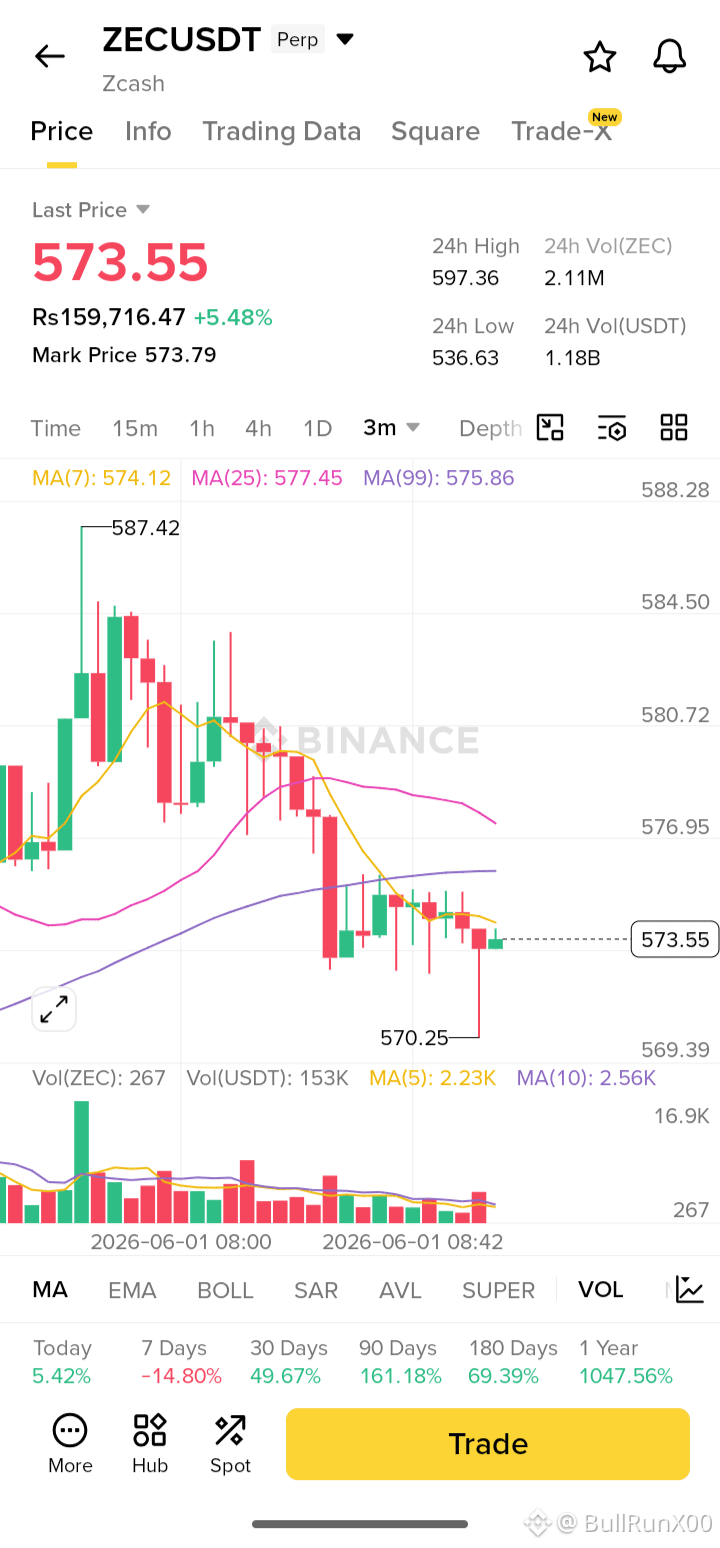
$ZEC showing strong momentum as privacy-focused cryptocurrencies regain market attention. Recent trading activity suggests bullish sentiment, with analysts watching key resistance zones after sharp price movement. �
CryptoRank
📈 Bullish Case:
Growing interest in privacy coins
Rising trading volume and stronger market momentum
Some forecasts expect higher upside if major resistance levels break. �
CoinDCX
📉 Risk Factors:
High volatility remains a major concern
Regulatory pressure on privacy coins could affect adoption and exchange listings. �
Coin Bureau
Short Outlook:
If buyers maintain momentum, ZEC could continue testing higher price zones in the near term. However, traders should watch support levels closely because crypto markets can reverse quickly.
#SolanaResourceBasedFeeModelProposal #ECBHighlightsStablecoinRisks #RippleUnlocks500MillionXRP #OverlayPhantomTargetsCryptoApps #Cardano2026SummitCanceled
{future}(ZECUSDT)
$ZEC showing strong momentum as privacy-focused cryptocurrencies regain market attention. Recent trading activity suggests bullish sentiment, with analysts watching key resistance zones after sharp price movement. �
CryptoRank
📈 Bullish Case:
Growing interest in privacy coins
Rising trading volume and stronger market momentum
Some forecasts expect higher upside if major resistance levels break. �
CoinDCX
📉 Risk Factors:
High volatility remains a major concern
Regulatory pressure on privacy coins could affect adoption and exchange listings. �
Coin Bureau
Short Outlook:
If buyers maintain momentum, ZEC could continue testing higher price zones in the near term. However, traders should watch support levels closely because crypto markets can reverse quickly.
#SolanaResourceBasedFeeModelProposal #ECBHighlightsStablecoinRisks #RippleUnlocks500MillionXRP #OverlayPhantomTargetsCryptoApps #Cardano2026SummitCanceled
228

·
--
Падение
$SUI Down #Alert🔴
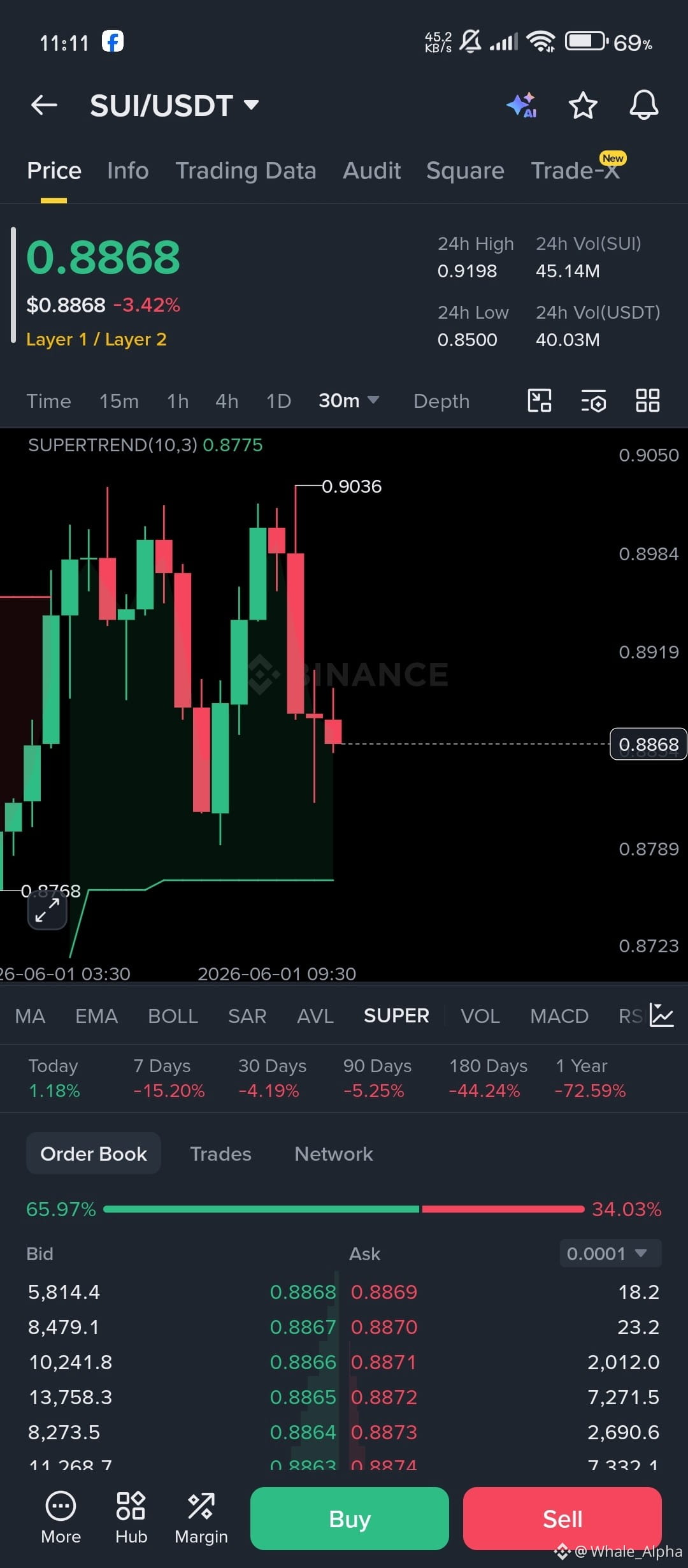
SUI/USDT has locked into a clear short-term distribution pattern on the frame after its recovery attempt printed a sharp lower high rejection below the previous 0.9036 structural resistance.
{future}(SUIUSDT)
📍 Entry: 0.8868 — 0.8919
🛑 SL: 0.8990
🎯 TP1: 0.8800
🎯 TP2: 0.8775
🎯 TP3: 0.8768
🎯 TP4: 0.8723
Technical View: The chart reveals a distinct bearish rollover structure at the local top, with sequential red candles confirming expanding distribution. While the advanced trailing Supertrend support floor has shifted up to 0.8775, the short-term momentum favors a continuation lower toward the key structural baselines. Order book metrics display a 65.97% volume concentration on the Bid side, but this buy-side depth is strictly passive and will likely get chewed through easily as active market selling accelerates a direct breakdown below the 0.8768 local support floor.
#Write2Earn #ECBHighlightsStablecoinRisks #SolanaResourceBasedFeeModelProposal #Cardano2026SummitCanceled $PORTAL
{future}(PORTALUSDT)
$LAB
{future}(LABUSDT)
$SUI Down #Alert🔴
SUI/USDT has locked into a clear short-term distribution pattern on the frame after its recovery attempt printed a sharp lower high rejection below the previous 0.9036 structural resistance.
📍 Entry: 0.8868 — 0.8919
🛑 SL: 0.8990
🎯 TP1: 0.8800
🎯 TP2: 0.8775
🎯 TP3: 0.8768
🎯 TP4: 0.8723
Technical View: The chart reveals a distinct bearish rollover structure at the local top, with sequential red candles confirming expanding distribution. While the advanced trailing Supertrend support floor has shifted up to 0.8775, the short-term momentum favors a continuation lower toward the key structural baselines. Order book metrics display a 65.97% volume concentration on the Bid side, but this buy-side depth is strictly passive and will likely get chewed through easily as active market selling accelerates a direct breakdown below the 0.8768 local support floor.
#Write2Earn #ECBHighlightsStablecoinRisks #SolanaResourceBasedFeeModelProposal #Cardano2026SummitCanceled $PORTAL
$LAB
2
536

·
--
Падение
$PUNDIX
{spot}(PUNDIXUSDT)
— Quietly Building a Reversal?
PUNDIX is down heavily, but experienced traders understand that some of the strongest rallies begin when nobody wants to buy.
Price is approaching an area where buyers historically become more active. Whether this becomes a true reversal or another temporary bounce depends on volume.
Market Overview
Trend remains bearish, but downside momentum is losing intensity.
Key Levels
🟢 Support: $0.135 – $0.140
🔴 Resistance: $0.155 – $0.170
#SolanaResourceBasedFeeModelProposal #Cardano2026SummitCanceled
$PUNDIX
— Quietly Building a Reversal?
PUNDIX is down heavily, but experienced traders understand that some of the strongest rallies begin when nobody wants to buy.
Price is approaching an area where buyers historically become more active. Whether this becomes a true reversal or another temporary bounce depends on volume.
Market Overview
Trend remains bearish, but downside momentum is losing intensity.
Key Levels
🟢 Support: $0.135 – $0.140
🔴 Resistance: $0.155 – $0.170
#SolanaResourceBasedFeeModelProposal #Cardano2026SummitCanceled
2
297

$BTC
{spot}(BTCUSDT)
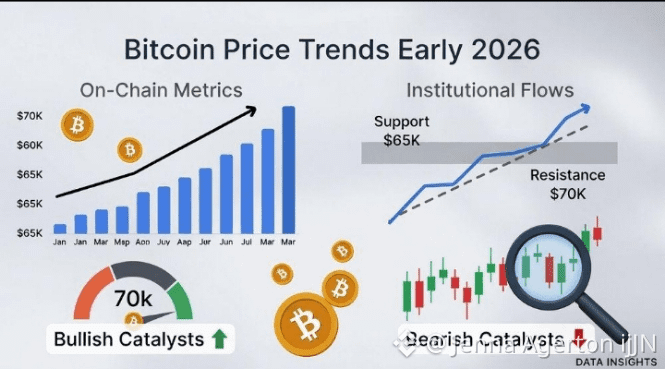
Bitcoin is trading in a volatile range around the mid-$70,000 area after failing to hold recent highs above $80,000. Market sentiment has turned cautious due to ETF outflows, whale selling activity, and macroeconomic uncertainty. �
The Economic Times +1
Key Technical Levels
Support: $72,000–$74,000
Major Support: $68,000
Resistance: $78,000–$80,000
Bullish Target: $88,000–$92,000 if resistance breaks with strong volume. �
Coin Gabbar +1
Market Outlook
📉 Bearish factors
Large Bitcoin holders ("whales") have increased outflows.
Bitcoin ETFs have seen notable withdrawals.
Higher inflation and interest-rate uncertainty continue to pressure risk assets. �
The Economic Times +2
📈 Bullish factors
Long-term institutional adoption remains intact.
Some analysts still project six-figure Bitcoin prices over the next 12 months if macro conditions improve.
Regulatory clarity and stable interest rates could attract new capital. �
CoinGecko +1
Quick Take
Bitcoin remains in a consolidation phase. As long as BTC stays above the low-$70,000 support zone, the broader trend can remain constructive. A decisive move above $80,000 would strengthen the bullish case, while a break below $72,000 could trigger deeper downside toward the upper-$60,000 range. �
Coin Gabbar +1#SolanaResourceBasedFeeModelProposal #ECBHighlightsStablecoinRisks #RippleUnlocks500MillionXRP #OverlayPhantomTargetsCryptoApps #Cardano2026SummitCanceled
$BTC
Bitcoin is trading in a volatile range around the mid-$70,000 area after failing to hold recent highs above $80,000. Market sentiment has turned cautious due to ETF outflows, whale selling activity, and macroeconomic uncertainty. �
The Economic Times +1
Key Technical Levels
Support: $72,000–$74,000
Major Support: $68,000
Resistance: $78,000–$80,000
Bullish Target: $88,000–$92,000 if resistance breaks with strong volume. �
Coin Gabbar +1
Market Outlook
📉 Bearish factors
Large Bitcoin holders ("whales") have increased outflows.
Bitcoin ETFs have seen notable withdrawals.
Higher inflation and interest-rate uncertainty continue to pressure risk assets. �
The Economic Times +2
📈 Bullish factors
Long-term institutional adoption remains intact.
Some analysts still project six-figure Bitcoin prices over the next 12 months if macro conditions improve.
Regulatory clarity and stable interest rates could attract new capital. �
CoinGecko +1
Quick Take
Bitcoin remains in a consolidation phase. As long as BTC stays above the low-$70,000 support zone, the broader trend can remain constructive. A decisive move above $80,000 would strengthen the bullish case, while a break below $72,000 could trigger deeper downside toward the upper-$60,000 range. �
Coin Gabbar +1#SolanaResourceBasedFeeModelProposal #ECBHighlightsStablecoinRisks #RippleUnlocks500MillionXRP #OverlayPhantomTargetsCryptoApps #Cardano2026SummitCanceled
134
Войдите, чтобы посмотреть больше материала
Присоединяйтесь к пользователям криптовалют по всему миру на Binance Square
⚡️ Получайте новейшую и полезную информацию о криптоактивах.
💬 Нам доверяет крупнейшая в мире криптобиржа.
👍 Получите достоверные аналитические данные от верифицированных создателей контента.
Эл. почта/номер телефона
В тренде
1
#BinanceReports80%Recoveryof$6.3BillioninLossesfromHackIncident
Просмотров: 0
0 обсуждают
2
#TRMCambodianCasinosReceived$1.07BInCrypto
Просмотров: 31
10 обсуждают
3
#IolePlansToSellAll151.21Bitcoin
Просмотров: 1,251
90 обсуждают
4
#SuspectedNorthKoreaAttacksAccountForNearly89%OfCryptoHackLosses
Просмотров: 3,172
50 обсуждают
5
#OpenAICutsFundraisingTargetBy$10B
Просмотров: 793
48 обсуждают
6
#ASICHasReceivedNoPredictionMarketApplications
Просмотров: 12,142
369 обсуждают
7
#RecallAnnouncesLiquidationPlansToBurn35.86%OfSupply
Просмотров: 482
21 обсуждают
8
#TetherReports$191.5BInQ3Reserves
Просмотров: 170
17 обсуждают
9
#UniswapA16zSeekDeFiExemptionFromIllinoisCryptoTax
Просмотров: 70,310
1,306 обсуждают
10
#HKDollarStablecoinHKDAPToLaunchOnSolana
Просмотров: 53,933
882 обсуждают