

BcryptexBTC
9k Публикации

BcryptexBTC
Отправить жалобу
Заблокировать пользователя
Bitcoin market structure & fractal analysis | Macro behavior | Risk-aware scenarios. Data-driven insights, no hype.
Открытая сделка
Случайный трейдер
4.8 г
400 подписок(и/а)
701 подписчиков(а)
4.5K+ понравилось
Посты
Портфель
Все
Цитирования
Активно
PINNED
·
--
Частичная правда
$BNB 's Move Today Is About More Than Price
Yes, Binance teased a June 1 announcement.
Yes, CZ posted a cryptic comment.
And yes, BNB surged above $710.
But one of the most discussed narratives today was not the breakout itself.
It was AI agents.
Most AI systems still depend on humans for payments, API access, and compute infrastructure.
BNB Chain offers something important for that future:
fast settlement, low fees, and smart contracts capable of autonomous transactions.
That is why some traders are starting to look at BNB as infrastructure — not just an exchange token.
#BNB #Binance #AI

18
4
67
59.1k
·
--
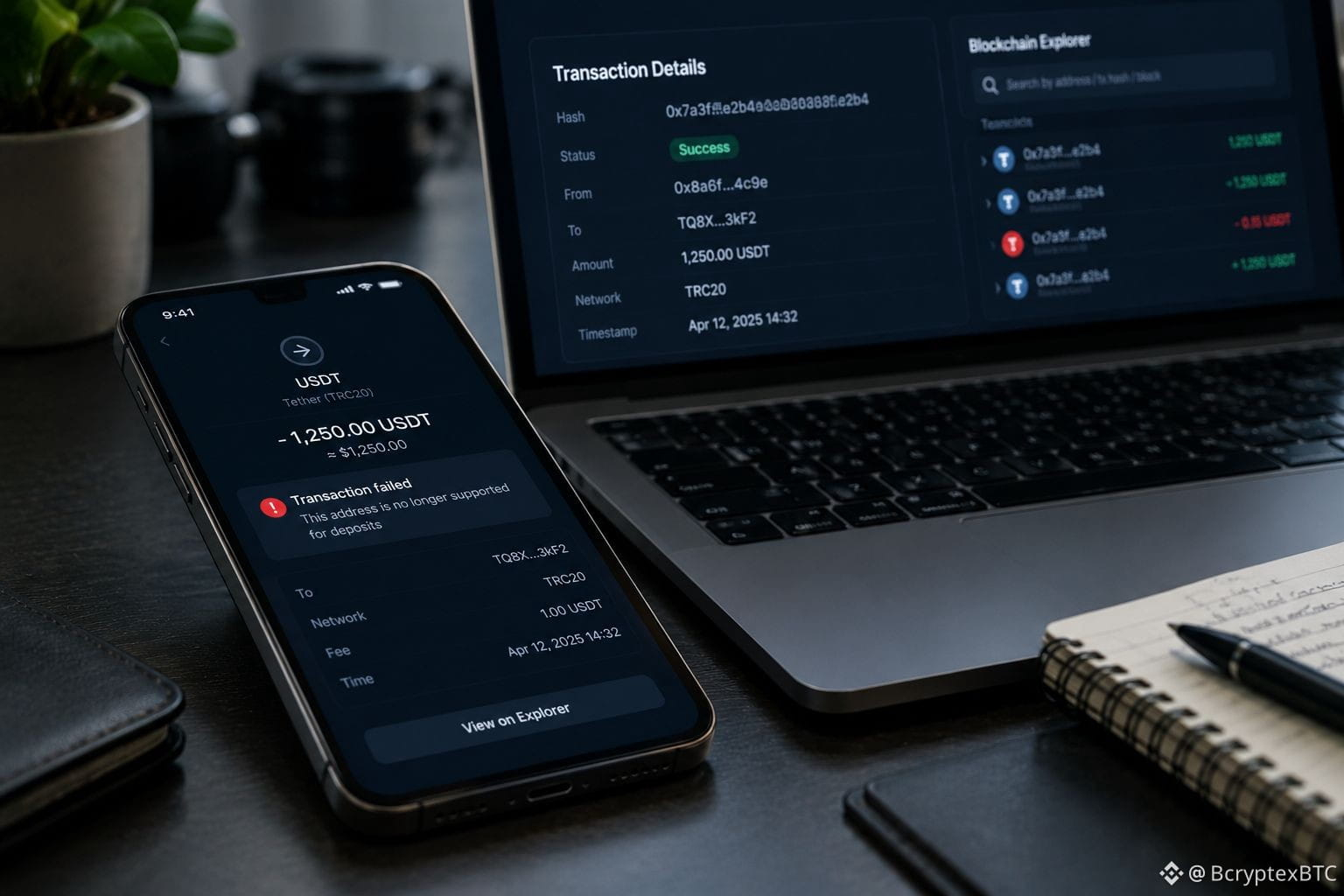
$16M Lost — Who Is Responsible When Old Deposit Addresses Still Work?
CoinDCX reportedly absorbed a $15.99M $USDT loss after users sent funds to retired deposit addresses following its 2025 security breach. Customer balances reportedly remain unaffected.
A retired address doesn’t disappear from the blockchain. Users may still send funds to it, even when an exchange no longer supports deposits through that address.
This highlights a critical security gap: users must verify deposit details, while exchanges need clear warnings and effective recovery procedures.
Should the responsibility fall on the user, the exchange, or both?
#CryptoSecurity #CoinDCX #Blockchain $BTC
1
82
·
--
$Q A Sharp Rally Is Easy. Sustaining It Is the Real Challenge.
Quack AI gained strong momentum in October, but the sharp pullback shows why a rally alone doesn’t confirm a trend reversal.
The key now is whether buyers can defend support and absorb selling pressure. If they fail, another bounce could become an opportunity for sellers rather than the start of a recovery.
Volume attracts attention, but sustained demand is what matters.
What would convince you that $Q is recovering — stronger support or a confirmed breakout?
#QuackAI #CryptoAnalysis #Altcoins

1
449
·
--
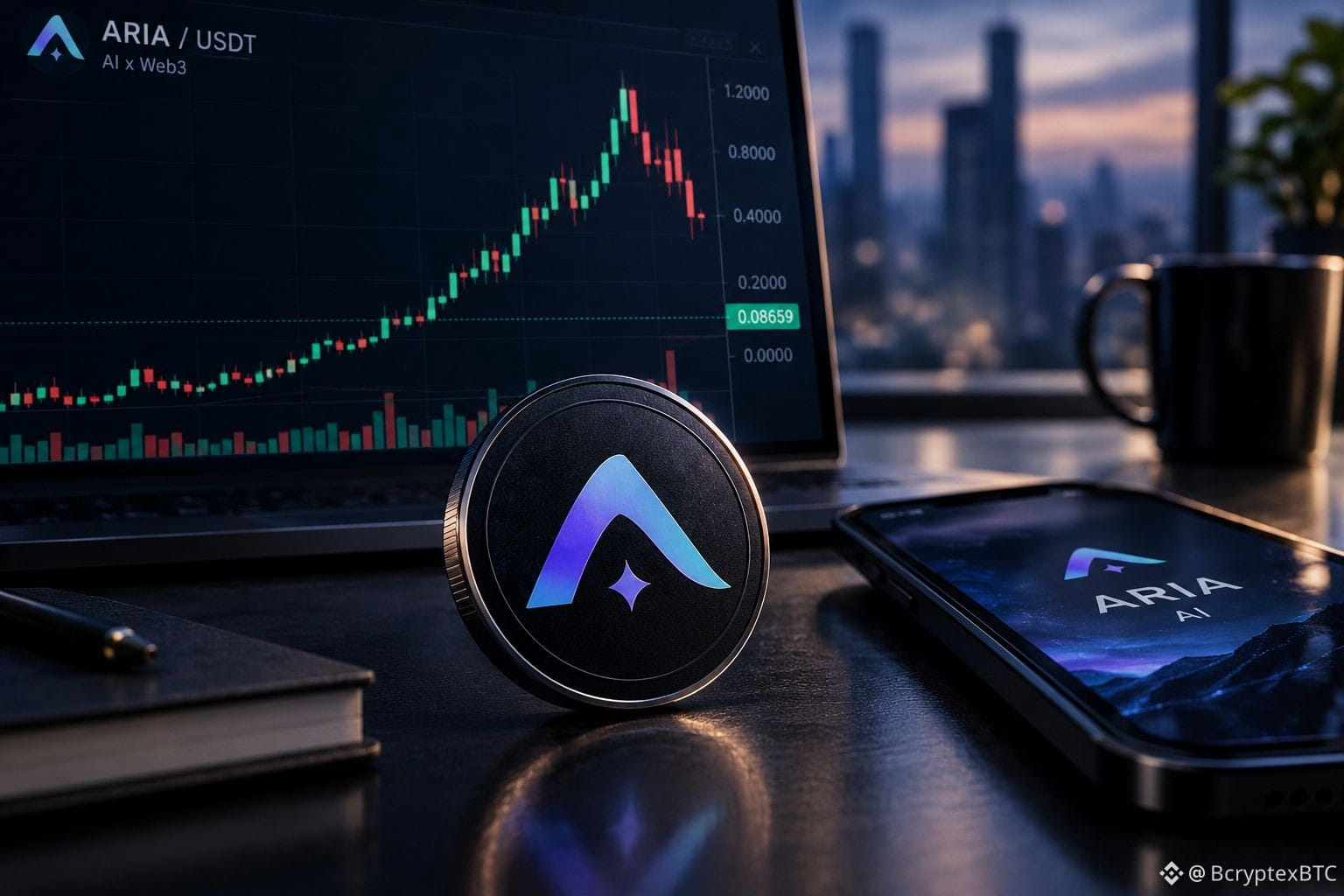
$ARIA A Green Candle Is Not a Confirmed Reversal
ARIA gained 18.8% in 24 hours, with $24.14M in trading volume against a $38.02M market cap. Strong activity is worth watching, but it doesn’t automatically mean sustainable buying pressure.
Liquidity stands at $1.63M, making slippage and sharp price swings important risks. After such extreme volatility, the key question is whether $ARIA can hold its gains when momentum cools.
A real recovery needs sustained demand, not just a short-lived rally.
Would you enter now, or wait for stronger confirmation?
#ARIA #CryptoAnalysis #Altcoins
1
292
·
--
$QNT The Technology May Win — But What About the Token?
Quant’s involvement in The Clearing House’s On-Chain Money Initiative puts institutional blockchain infrastructure in the spotlight, with rollout targeted for the first half of 2027.
But institutional adoption alone doesn’t guarantee demand for $QNT . The key question is whether real network usage will create a measurable economic role for the token.
Until implementation progresses and that link becomes clearer, the long-term opportunity remains a thesis — not a certainty.
Is the market getting ahead of the fundamentals, or recognizing Quant’s long-term potential?
#QNT #Quant #CryptoAnalysis

1
214
·
--
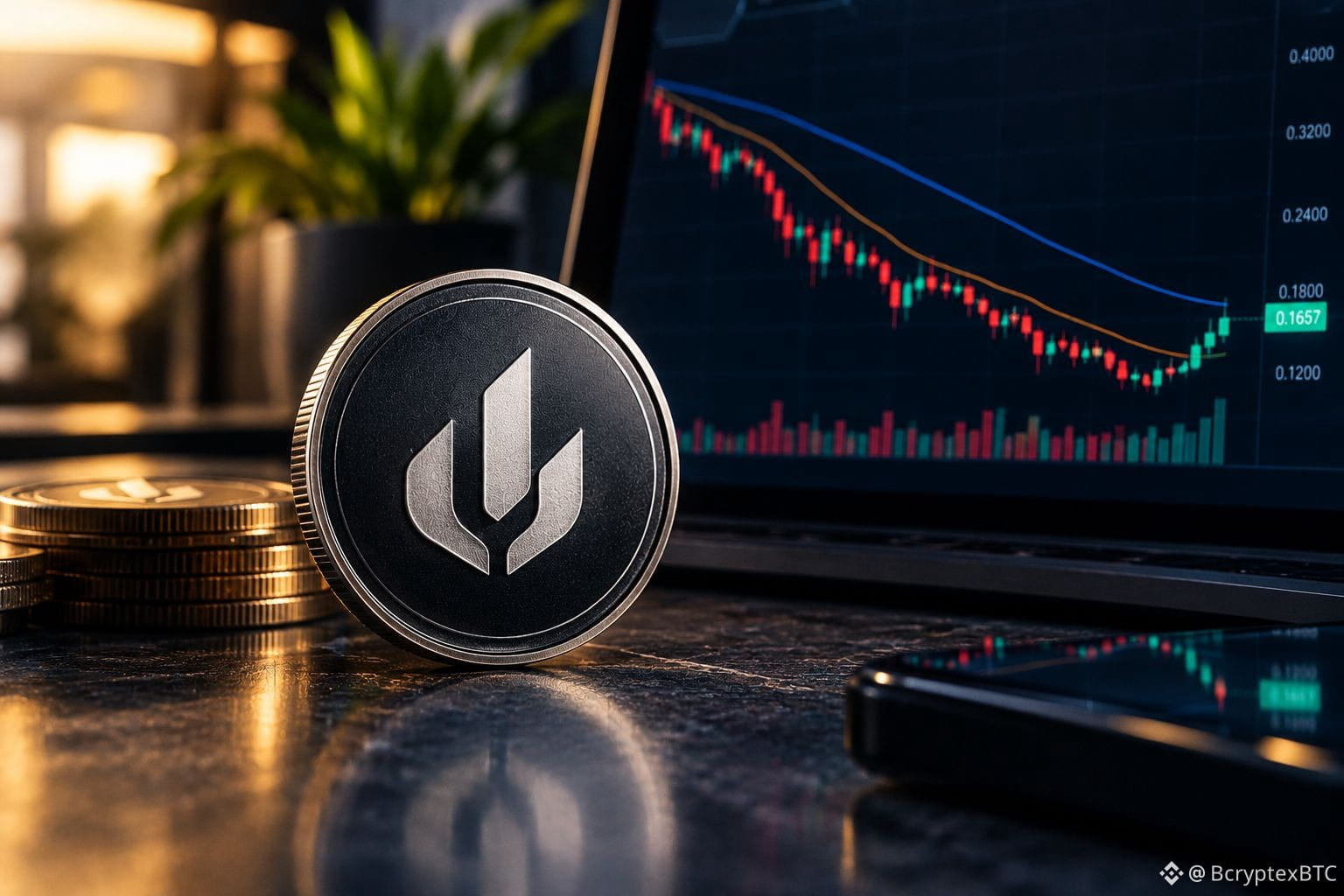
$UP A 13% Bounce Is Easy — Sustaining It Is the Real Test
$UP climbed 13.44% to $0.1657 after rebounding from $0.1228. But a sharp recovery doesn't automatically mean the downtrend is over.
The key level to watch is $0.1858, the 30-day moving average shown in the chart. A sustained reclaim could strengthen the recovery case, while rejection may signal another relief rally.
Liquidity is also worth watching: $1.31M against $11.26M in reported 24-hour volume leaves room for volatility and slippage.
The question isn't whether $UP can bounce — it's whether buyers can hold their ground.
Would you wait for confirmation, or is this rebound worth watching closely?
#Unitas #CryptoAnalysis #Altcoins
1
184
·
--
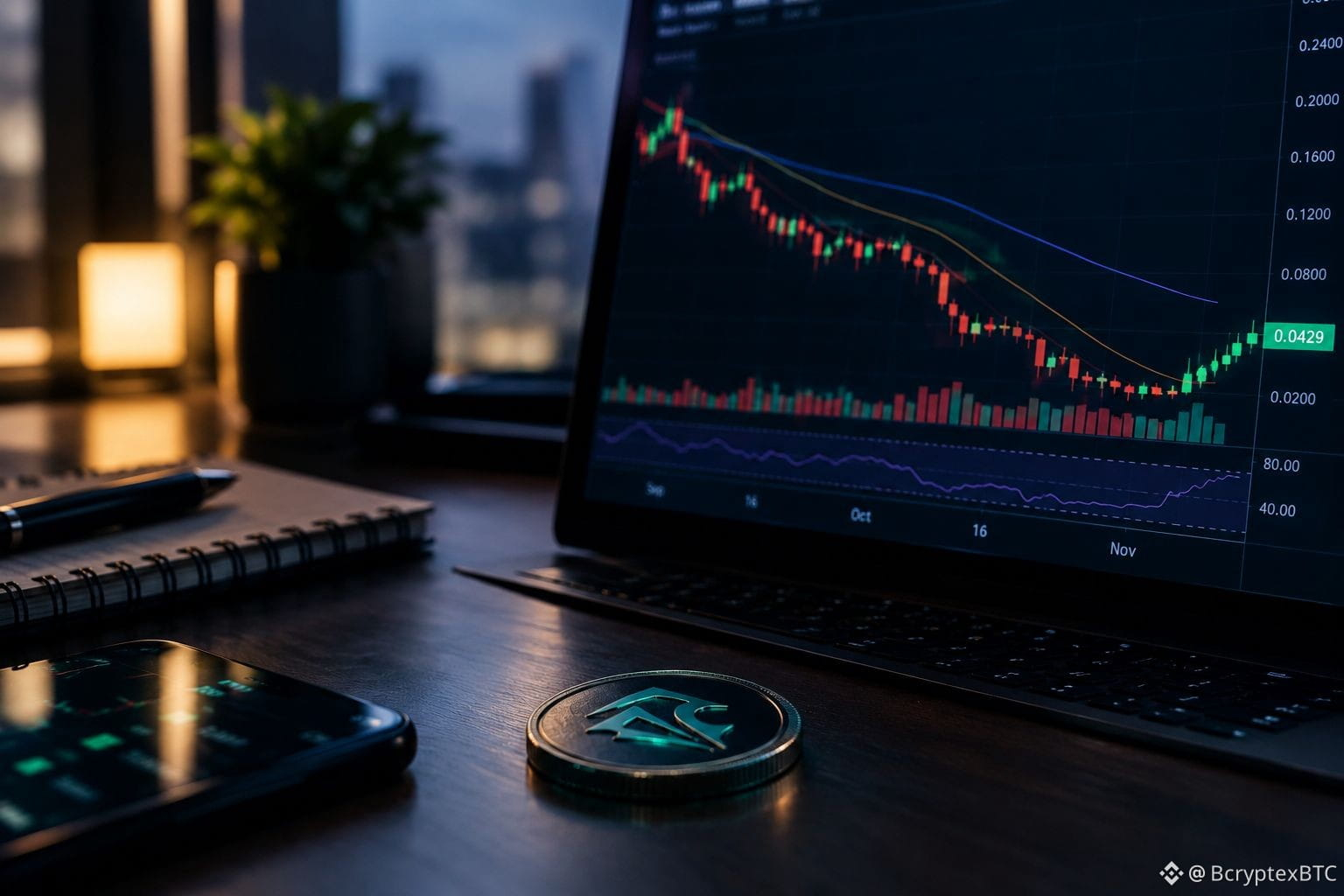
$APR Is the 70% Rally Sustainable?
APR jumped 70% in 24 hours, with $53M in trading volume against a $17.4M market cap. But liquidity remains thin at just $296K.
After a prolonged downtrend, one sharp rebound doesn’t confirm a trend reversal. Buyers still need to reclaim key moving averages and sustain demand.
Recent token unlocks are worth monitoring, but they don’t automatically mean selling pressure.
The key question: can buyers defend this recovery when momentum cools?
#APR #CryptoAnalysis #Altcoins
1
268
·
--
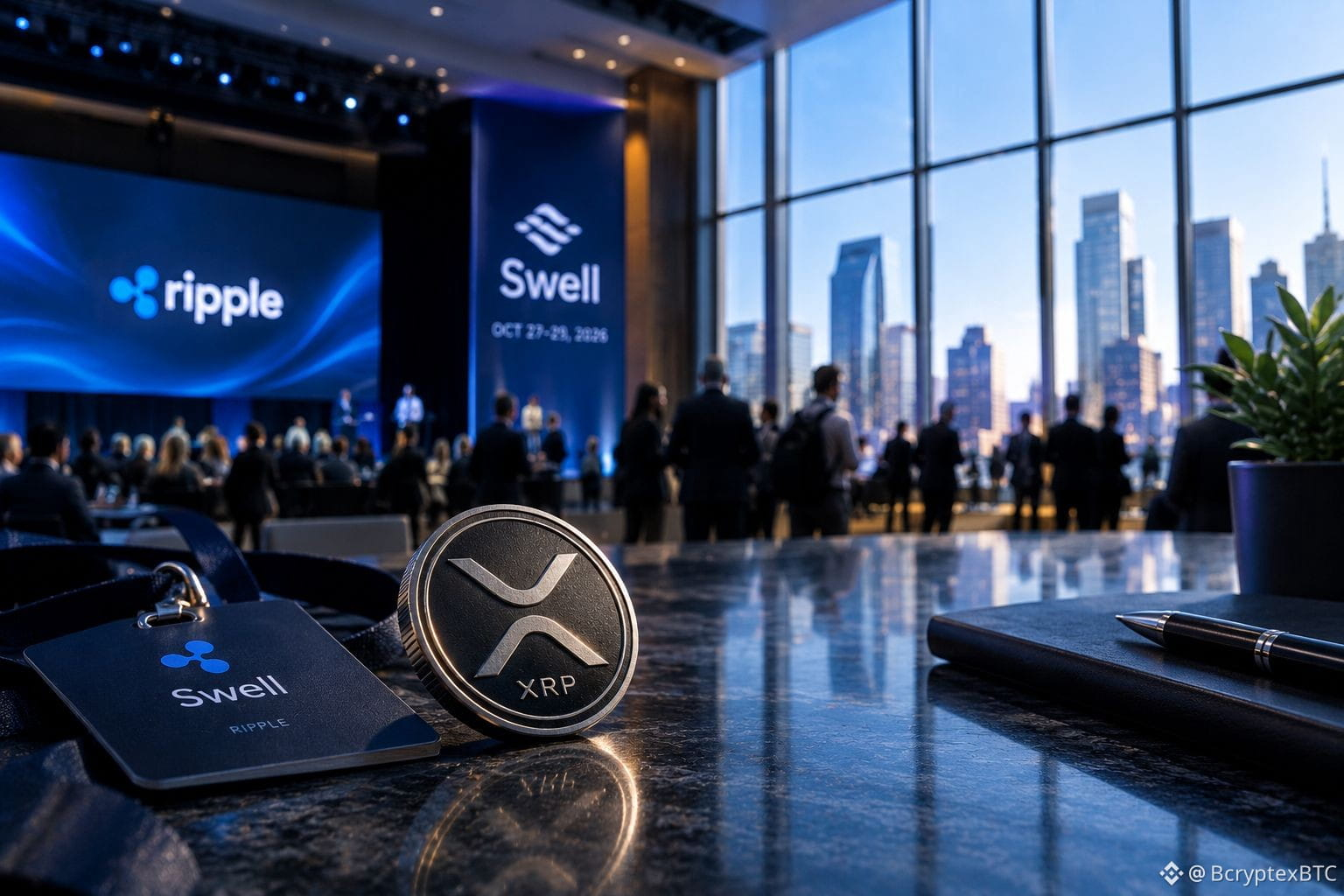
$XRP What Will Ripple Swell Actually Change?
Ripple Swell 2026 begins October 27, and expectations are building around a potential major announcement.
But the real impact won’t be measured by headlines alone.
The key is whether new developments translate into stronger institutional adoption, practical XRPL use cases, and sustained demand for $XRP .
A major announcement can attract attention. Lasting utility is what matters next.
What would be the strongest signal of real progress for XRP?
#XRP #Ripple #Crypto
1
548
·
--
$CAP A 44% Surge — But Can It Hold?
CAP is gaining momentum, with $75.7M in 24h trading volume. Yet reported liquidity of $1.33M makes volatility and slippage important risks.
The bigger picture matters: if price rises while protocol TVL declines, the divergence deserves attention. High volume alone doesn’t confirm sustained buying demand.
The key signal now is whether buyers defend the breakout while protocol activity stabilizes.
Is $CAP building a stronger trend, or is price running ahead of fundamentals?
#CAP #DeFi #CryptoAnalysis
1
395
·
--
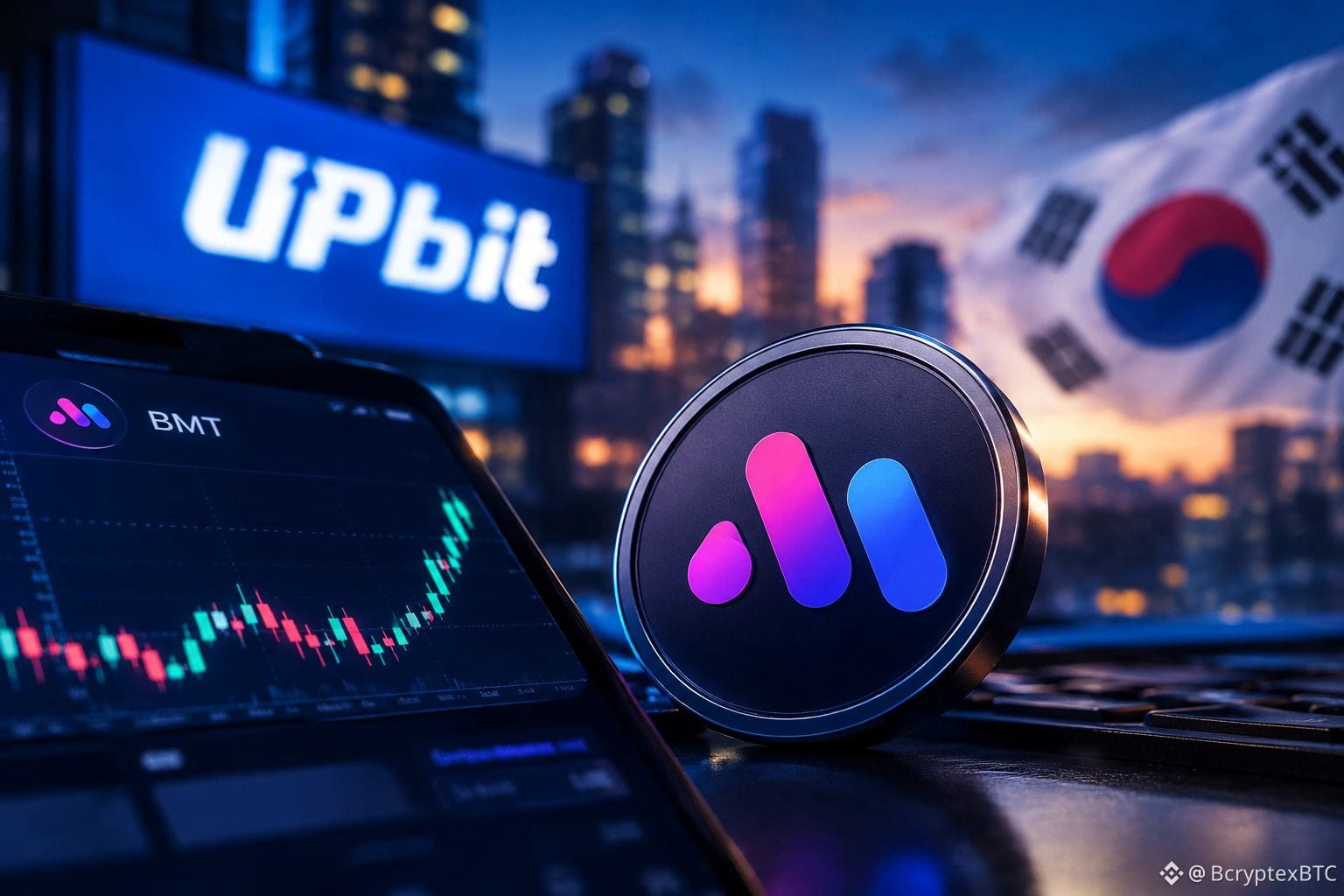
$BMT Record Trading Activity. But Is Demand Holding Up?
Upbit’s new BMT/KRW market triggered a sharp burst of activity, with BMT briefly reaching 98.1 KRW before pulling back.
The bigger signal is what happens after the launch rush. Heavy volume can reflect aggressive buying and selling — not necessarily sustained accumulation.
For $BMT , the next test is whether buyers can stabilize price and absorb profit-taking once the initial excitement fades.
Will this listing create lasting demand, or will the post-launch momentum continue to cool?
#BMT #Bubblemaps #CryptoAnalysis
2
2
252
·
--
$JCT A Rally Is Easy. Sustaining It Is the Hard Part.
$JCT gained 39% in 24 hours, with $87M in trading volume. But high volume alone doesn’t confirm lasting demand.
With reported liquidity at $1.12M, volatility and slippage remain important risks.
The key signal now is whether buyers can hold the breakout after momentum cools.
Sustainable growth or speculation-driven rally?
#JCT #Crypto #Altcoins

2
769
·
--
$BTC A Green Candle Doesn’t Mean the Sell-Off Is Over
After a sharp market decline, one rebound isn’t enough to confirm a recovery.
BTC needs to stabilize, with sustained buying volume providing stronger evidence that selling pressure is easing. If Bitcoin remains weak, $SOL and $AVAX could struggle to recover.
The key is not catching the first bounce — it’s confirming that buyers are taking control.
What matters more right now: price stability or rising buying volume?
#Bitcoin #CryptoMarket #Altcoins

1
226
·
--
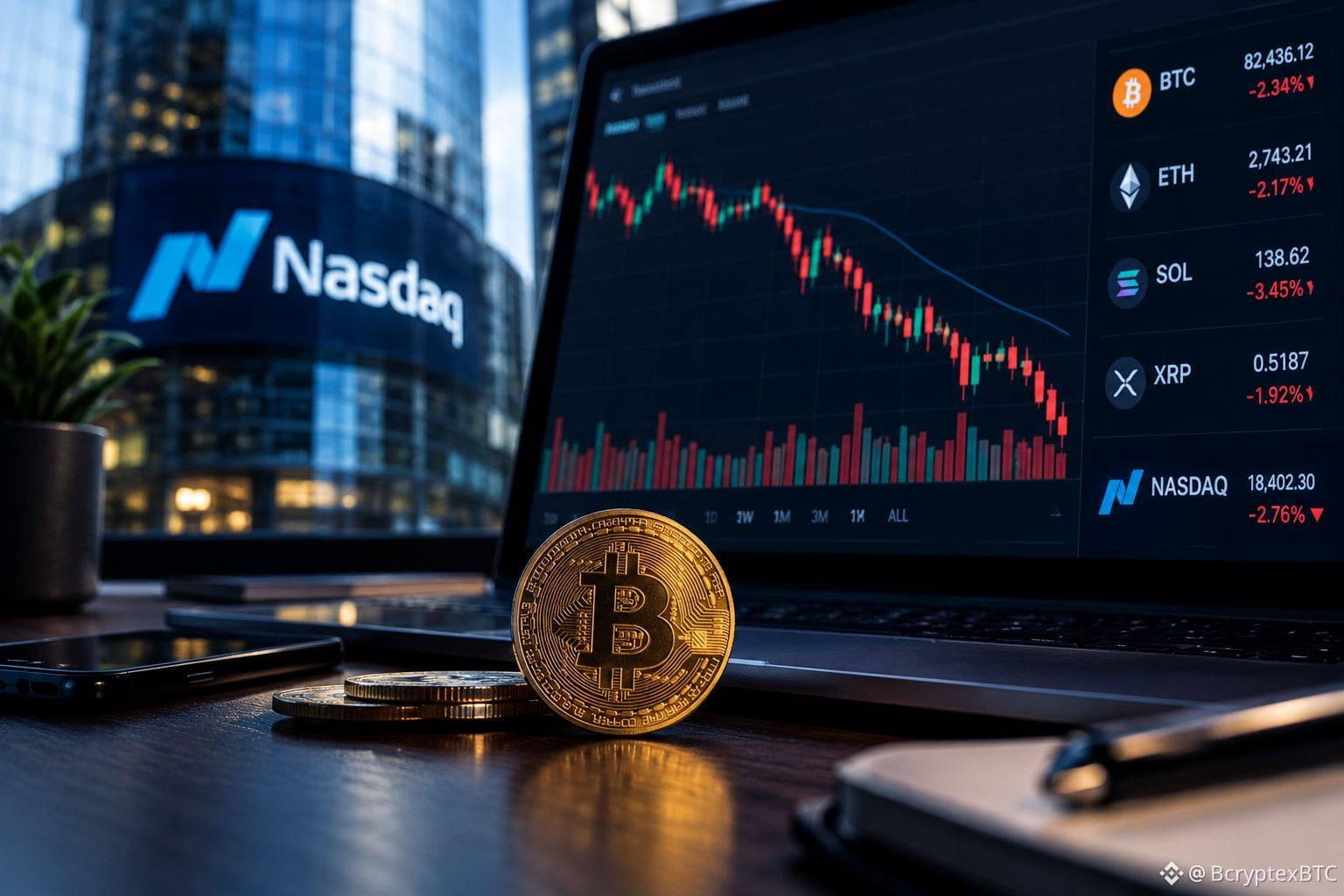
$BTC The Next Nasdaq Sell-Off Could Test Bitcoin’s Strength
Bitcoin’s real test isn’t just surviving a market sell-off — it’s showing whether crypto demand can withstand pressure from traditional markets.
Historical analysis cited in the original discussion found that $BTC traded at least 1.9% lower over the following 7 days in 76% of cases after Nasdaq Composite drops of 2.5% or more since 2021.
That’s a warning signal, not a guaranteed outcome. Liquidity, positioning, and spot demand will determine whether Bitcoin follows tech stocks lower or shows resilience.
If Nasdaq drops sharply again, will $BTC follow or decouple?
#Bitcoin #BTC #CryptoMarket
2
1
350
·
--
$IRYS A 600% Rally Is Only the First Test
IRYS has surged over 600% in 24 hours, with trading volume approaching $1B in the market snapshot.
But extreme volume doesn’t automatically mean sustainable demand. After a move this sharp, the key signals are whether buyers stay active, liquidity holds up, and price can consolidate without a major sell-off.
The real test isn’t how fast $IRYS rises — it’s whether the market can sustain the move.
Momentum building into a stronger trend, or a rally at risk of fading?
#IRYS #Crypto #Altcoins

1
704
·
--
$BTC 61,800 Bitcoin — Real Supply Risk or Market Fear?
Seized doesn’t mean sold. The 61,800 $BTC remain subject to legal proceedings, so an immediate market dump is not confirmed.
The key question is whether these coins eventually reach the market or traders are pricing in a risk before it materializes.
Is this a genuine supply threat or an overreaction to the headline?
#Bitcoin #BTC #CryptoMarket

1
128
·
--
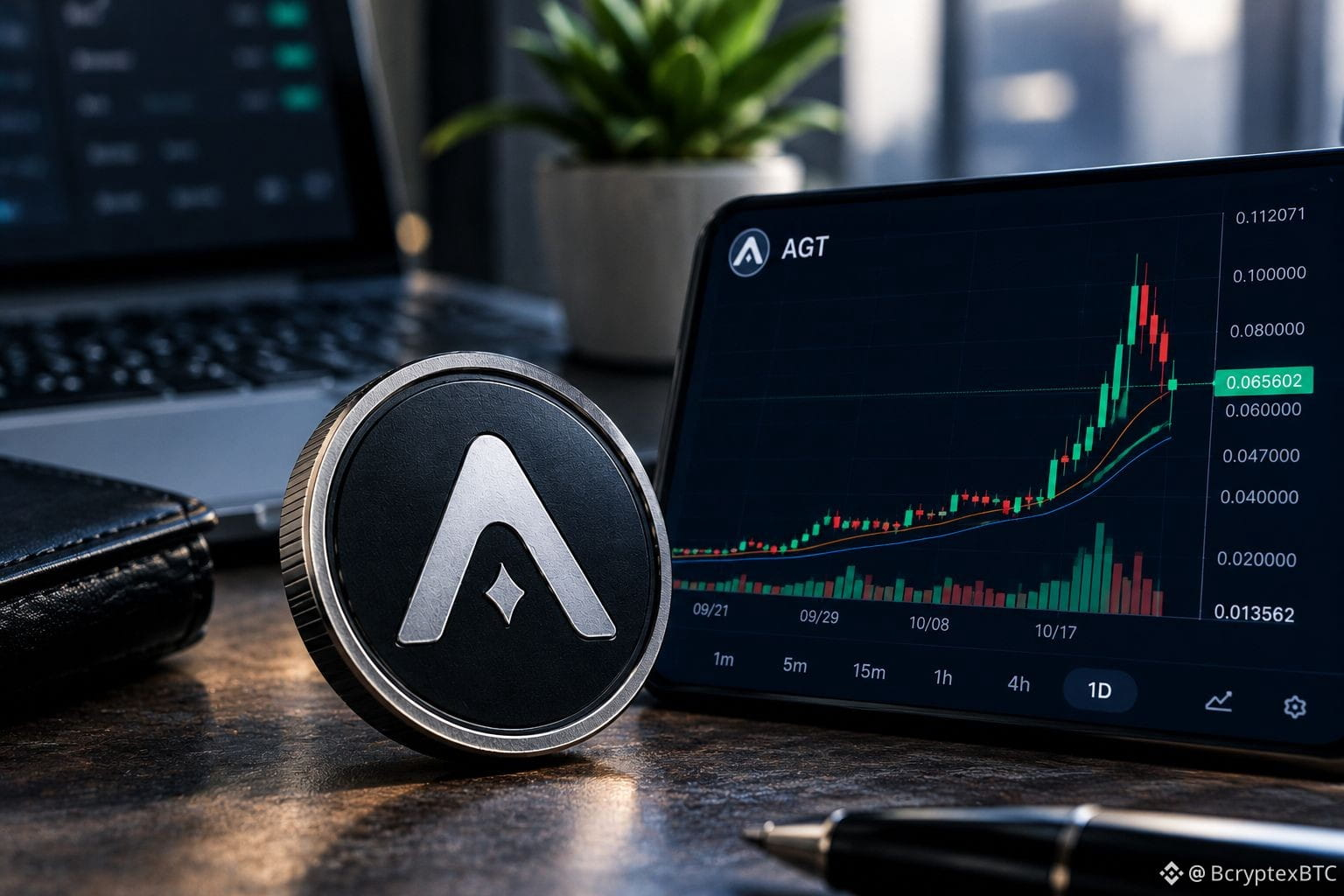
$AGT The Rally Is Strong. The Real Test Starts Now.
AGT surged from ~$0.014 to $0.112 before pulling back sharply. With $48.66M in 24H volume, market activity is significant — but volume alone doesn't prove buyers are in control.
📊 Key levels to watch:
$0.080 — resistance to reclaim
$0.047 — support to defend
The next move depends on whether $AGT can stabilize and rebuild momentum, or whether selling pressure continues.
A breakout matters. Holding it matters more.
#AGT #AlayaAI #CryptoAnalysis
2
333
·
--
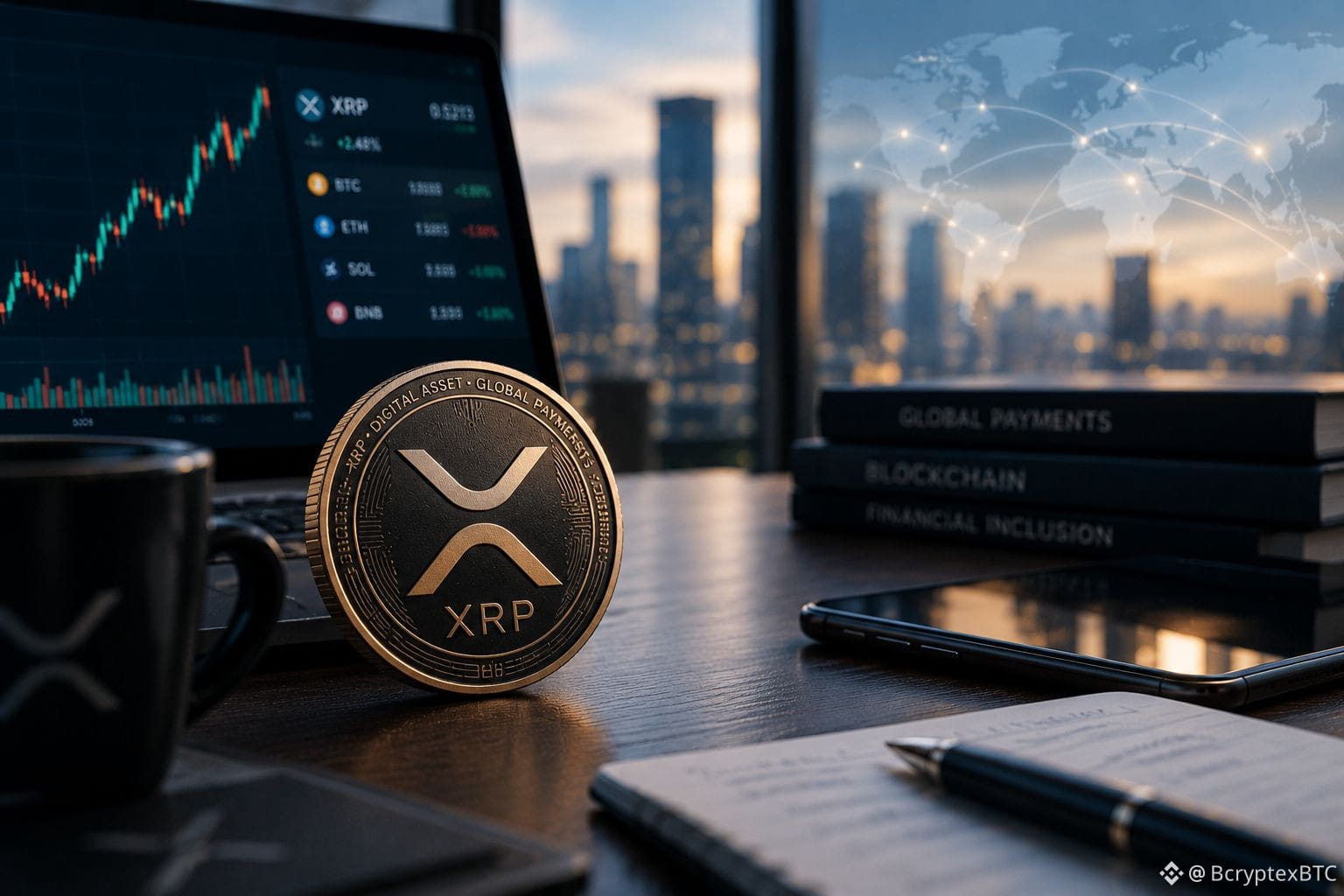
$XRP Adoption Is Only Half the Story
More institutions using Ripple’s technology could expand its reach, but that doesn’t automatically create demand for $XRP.
The real catalyst is whether cross-border payments and growing network activity translate into sustained $XRP usage and deeper liquidity.
Burns alone won’t drive value without meaningful growth in demand.
The key question: Will institutional adoption create real demand for XRP, or mainly strengthen the ecosystem around it?
#XRP #Crypto #Blockchain
$XRP Adoption Is Only Half the Story
More institutions using Ripple’s technology could expand its reach, but that doesn’t automatically create demand for $XRP .
The real catalyst is whether cross-border payments and growing network activity translate into sustained $XRP usage and deeper liquidity.
Burns alone won’t drive value without meaningful growth in demand.
The key question: Will institutional adoption create real demand for XRP, or mainly strengthen the ecosystem around it?
#XRP #Crypto #Blockchain
3
520
·
--
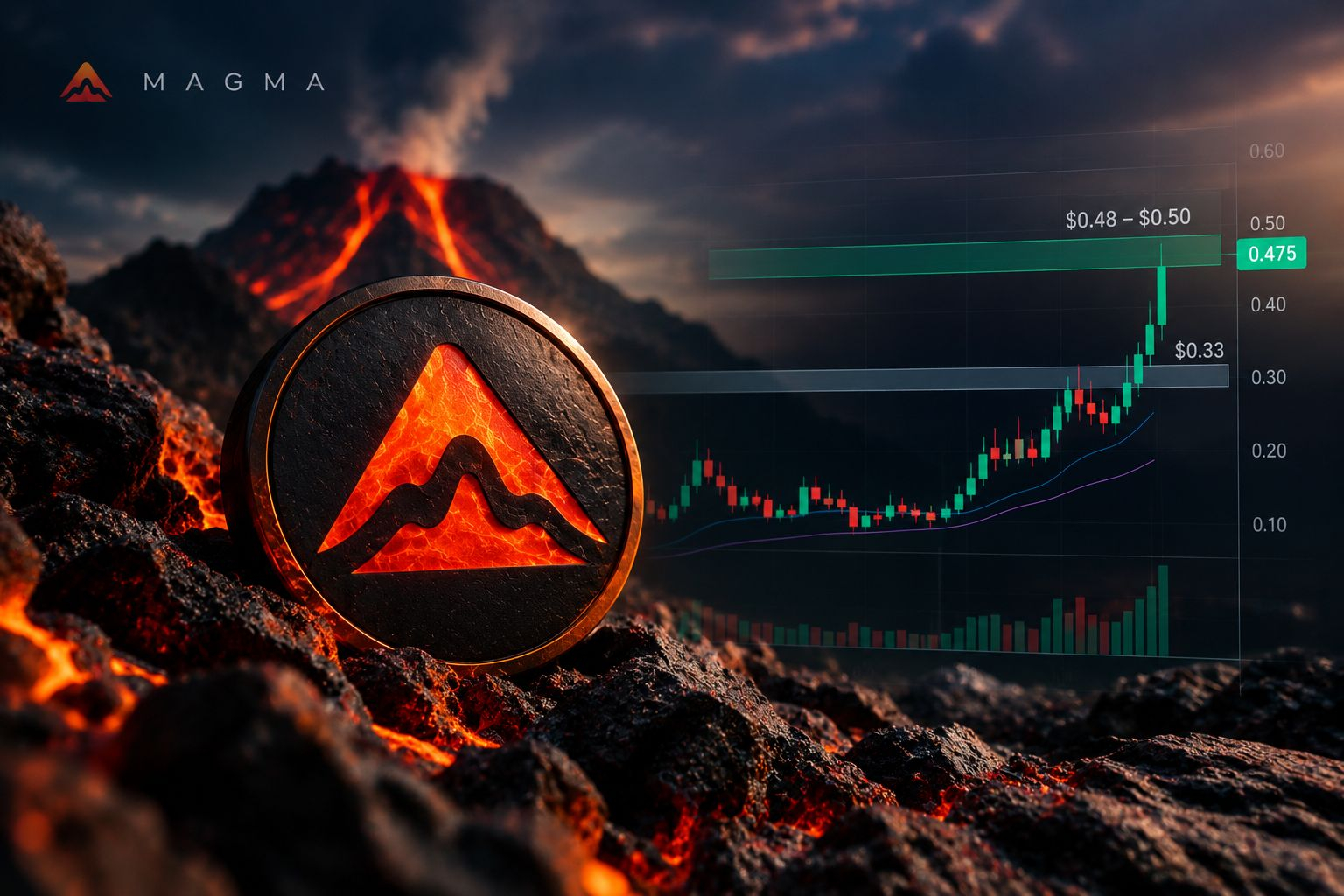
$MAGMA The Breakout Is Only Half the Story
MAGMA surged 32.79% to $0.475, breaking out of a long consolidation range. But can buyers sustain the momentum?
📊 Key levels to watch:
- $0.48–$0.50: Resistance
- $0.33: Potential retest zone
With $9.5M in 24H volume against $2M in liquidity, volatility remains a key risk.
The real signal is whether $MAGMA can hold above its breakout zone after the initial excitement fades.
Would you enter here or wait for a confirmed retest?
#MAGMA #CryptoMarket #TechnicalAnalysis
1
408
·
--
$BTC Bigger Holdings Don’t Mean More Buying
Tesla and SpaceX’s proposed merger could combine 30,221 BTC, creating a significant corporate Bitcoin treasury.
But Strategy holds over 848,000 $BTC — a huge difference.
The key point: combining existing holdings doesn’t create new demand. The real catalyst would be fresh BTC purchases or more companies adding Bitcoin to their balance sheets.
Could Musk’s move inspire more corporate Bitcoin adoption, or is the market getting ahead of the facts?
#Bitcoin #BTC #Crypto

2
117
·
--
$AERO Expansion Is Not the Same as Value Creation
Aerodrome and Velodrome’s proposed merger into a unified, multi-chain Aero ecosystem could expand liquidity access across 7 chains.
But broader reach alone doesn’t guarantee stronger demand for $AERO.
The real test is whether the expansion delivers deeper liquidity, sustained fee growth, and measurable demand after launch speculation fades.
More chains create opportunity. Execution determines whether that opportunity translates into value.
What matters more for $AERO multi-chain expansion or measurable growth in protocol revenue?
#AERO #DeFi #Crypto
$AERO Expansion Is Not the Same as Value Creation
Aerodrome and Velodrome’s proposed merger into a unified, multi-chain Aero ecosystem could expand liquidity access across 7 chains.
But broader reach alone doesn’t guarantee stronger demand for $AERO .
The real test is whether the expansion delivers deeper liquidity, sustained fee growth, and measurable demand after launch speculation fades.
More chains create opportunity. Execution determines whether that opportunity translates into value.
What matters more for $AERO multi-chain expansion or measurable growth in protocol revenue?
#AERO #DeFi #Crypto

1
169
Войдите, чтобы посмотреть больше материала
Присоединяйтесь к пользователям криптовалют по всему миру на Binance Square
⚡️ Получайте новейшую и полезную информацию о криптоактивах.
💬 Нам доверяет крупнейшая в мире криптобиржа.
👍 Получите достоверные аналитические данные от верифицированных создателей контента.
Эл. почта/номер телефона
В тренде
BinancePick
Просмотров: 3.1M
153,091 обсуждают
Join #EarningsSeason: Predict Earnings on Binance Pick, Share Your Take on Binance Square!
Binance Square Official
·Лайков: 412
·Просмотров: 343.3k
EarningsSeason
Просмотров: 5.3M
26,032 обсуждают
AnthropicTTMRevenueGrewAbout1200%
Просмотров: 32,993
436 обсуждают