

ORIONPLAY official
4.7k Публикации

ORIONPLAY official
 Square Verified
Отправить жалобу
Заблокировать пользователя
Join me on Binance Square for insightful discussions. Twitter: @Orionplay007

Level 1 Creator
Открытая сделка
Случайный трейдер
5.2 г
47 подписок(и/а)
57.2K+ подписчиков(а)
29.8K+ понравилось
1 Значки
Посты
Портфель
Все
Цитирования
Видео
Активно
PINNED
Проверено
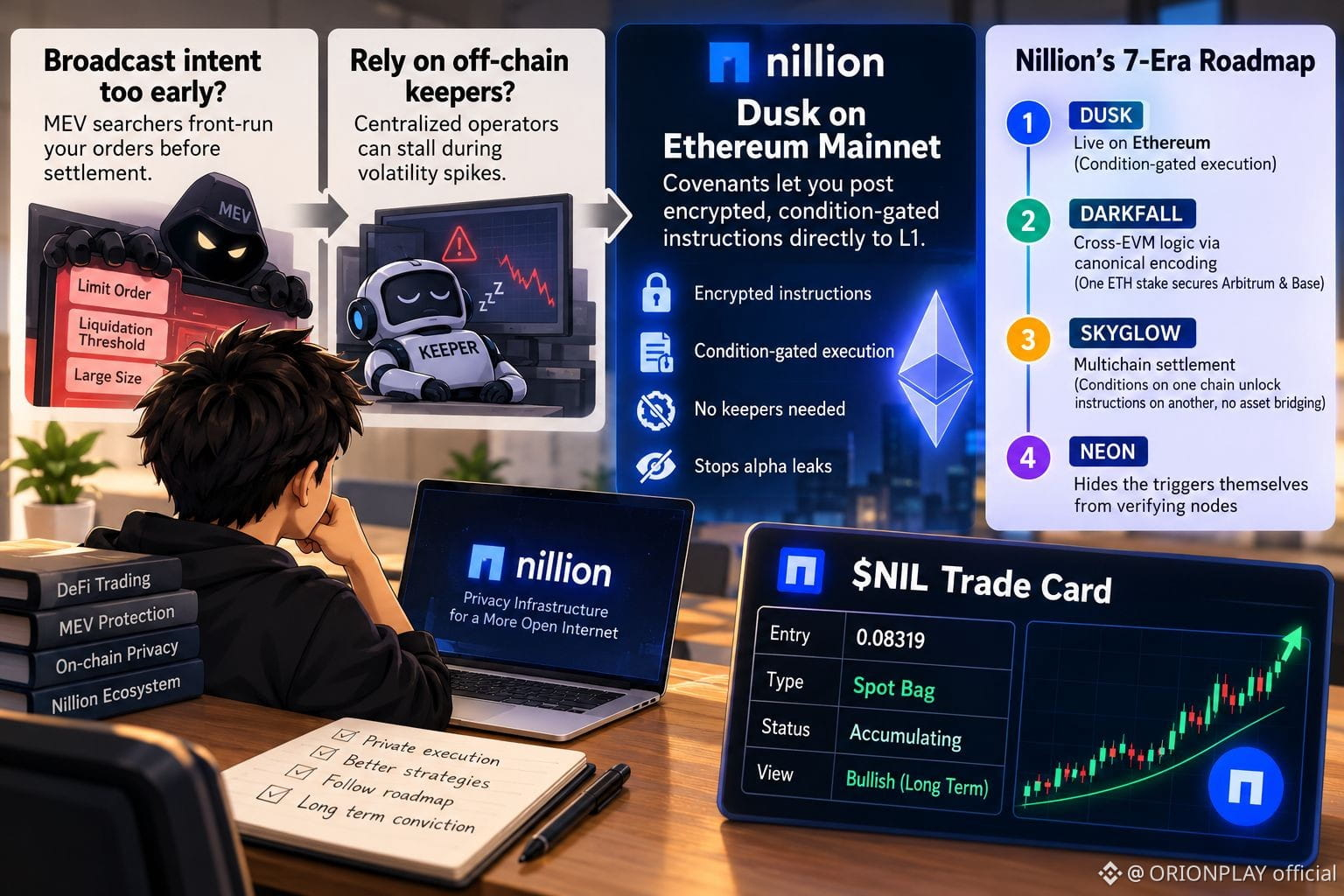
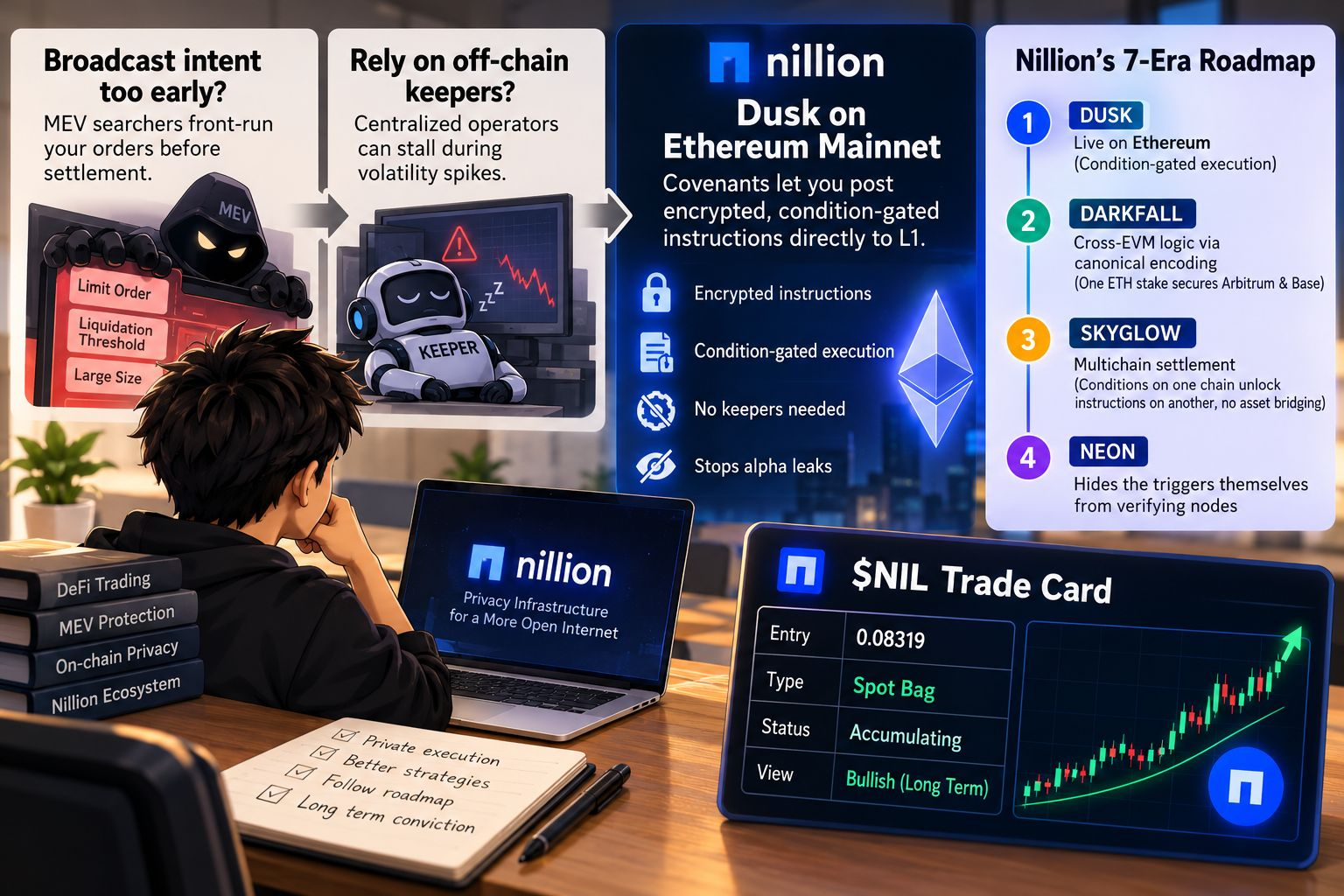
Every DeFi trader knows the cost of broadcasting intent too early. Put a limit order or liquidation threshold on-chain, and MEV searchers front-run your size before settlement. Rely on off-chain keeper bots, and you're trusting centralized operators that stall during volatility spikes.
That's why I've been tracking what @nillionnetwork shipped with its Dusk release on Ethereum Mainnet. Instead of exposing orders in the public mempool, Covenants let you post encrypted, condition-gated instructions directly to L1. Nodes staking $NIL only reconstruct the decryption key when live feeds prove your trigger hit. It doesn't need keepers, and it stops alpha leaks cold.
What's even better is how Nillion's 7-era roadmap scales this primitive. Darkfall brings cross-EVM logic via canonical encoding so one Ethereum stake secures Arbitrum and Base. Next, Skyglow enables multichain settlement without asset bridging: conditions met on one chain unlock instructions on another using only a proof and key, leaving zero wrapped TVL to exploit. Later, Neon hides the triggers themselves from verifying nodes.
I grabbed a spot bag at [0.08319] after seeing how Dusk handles L1 execution—check my attached NIL trade card below and let's discuss: which DeFi strategy needs private execution first? #NIL
Every DeFi trader knows the cost of broadcasting intent too early. Put a limit order or liquidation threshold on-chain, and MEV searchers front-run your size before settlement. Rely on off-chain keeper bots, and you're trusting centralized operators that stall during volatility spikes.
That's why I've been tracking what @Nillion shipped with its Dusk release on Ethereum Mainnet. Instead of exposing orders in the public mempool, Covenants let you post encrypted, condition-gated instructions directly to L1. Nodes staking $NIL only reconstruct the decryption key when live feeds prove your trigger hit. It doesn't need keepers, and it stops alpha leaks cold.
What's even better is how Nillion's 7-era roadmap scales this primitive. Darkfall brings cross-EVM logic via canonical encoding so one Ethereum stake secures Arbitrum and Base. Next, Skyglow enables multichain settlement without asset bridging: conditions met on one chain unlock instructions on another using only a proof and key, leaving zero wrapped TVL to exploit. Later, Neon hides the triggers themselves from verifying nodes.
I grabbed a spot bag at [0.08319] after seeing how Dusk handles L1 execution—check my attached NIL trade card below and let's discuss: which DeFi strategy needs private execution first? #NIL
4
1
6
2k
PINNED
🎬 The 12th Word — Can You Spot the Deepfake Glitch Before Leo Does? 👀
(⚠️ Disclaimer: AI-generated, fictional. No real assets or financial advice involved.)
When a late-night emergency hologram warns Leo that his digital vault is seconds away from being wiped, he has 60 seconds to input his 12th recovery word... or is the rescue shield the actual trap?
💬 Drop your comment below!:
1️⃣Did you catch the exact second the hologram glitched in Scene 3?
2️⃣Have you ever encountered a "fake urgency" phishing attempt in Web3?
📍Should we drop Part 2 where Vex tries to get revenge?
1
211
Why Over-Optimization is Killing Your Edge
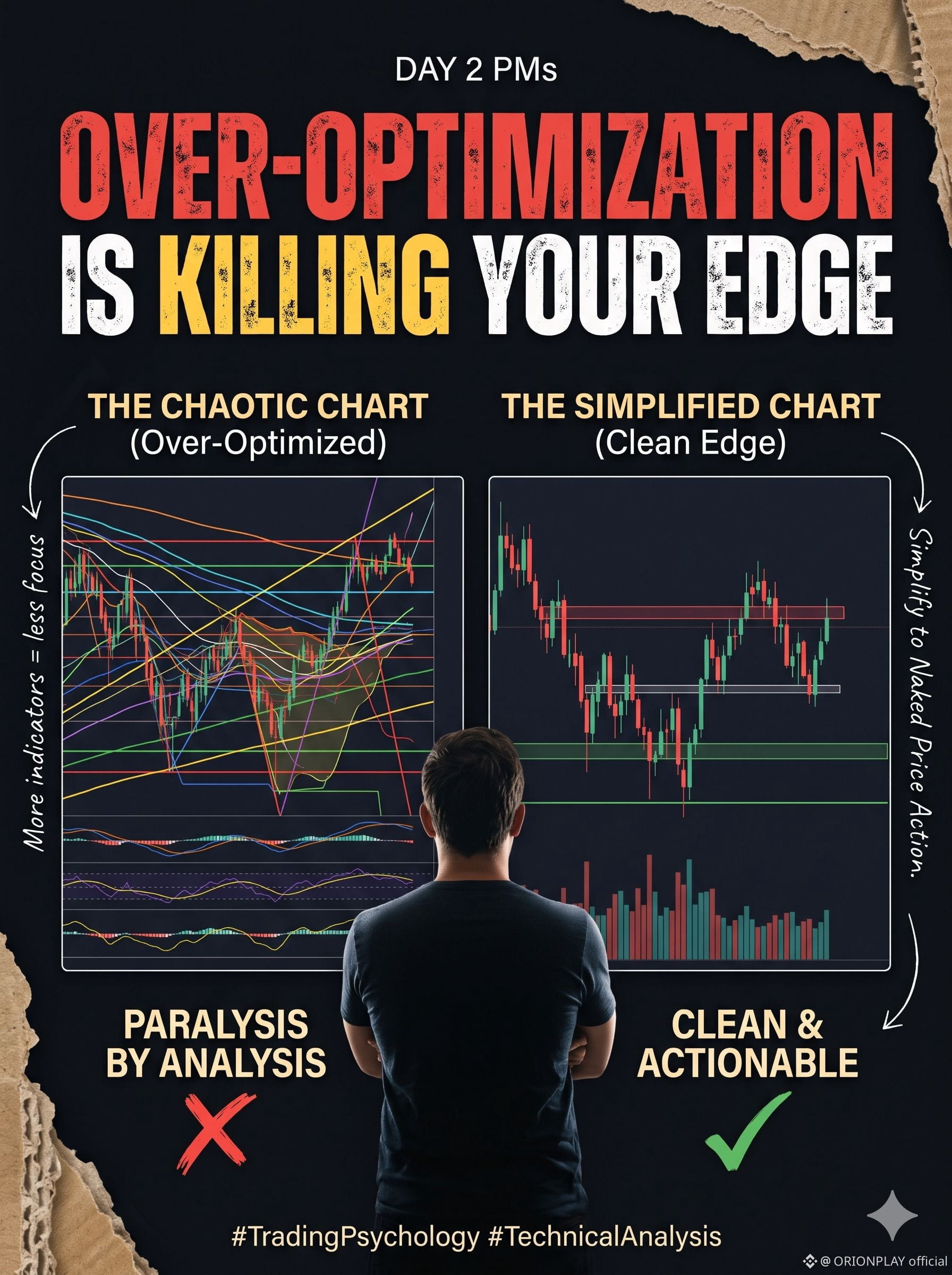
There’s a silent disease in crypto trading, and it’s called "indicator fatigue." New traders keep searching for the holy grail of trading setups—combining EMAs, RSI, MACD, Fibonacci retracements, and five other overlays until their chart looks like a Jackson Pollock painting.
Here’s the cold truth: the more variables you add to your system, the more fragile it becomes. When you over-optimize a strategy to fit past price action perfectly, you’re not building a better edge—you’re just backtesting a fantasy. In live trading, that level of complexity leads to "paralysis by analysis," making you hesitate when you need to act, or worse, hallucinate confirmations that aren't there.
Your edge shouldn’t look like a complex formula. It should be simple enough that you can execute it without hesitation during high-volatility sessions. Cut three indicators off your chart tonight. Simplify your view to naked price action, horizontal levels, and volume. Let the indicators go and watch your execution get faster, cleaner, and less stressful.
#TradingPsychology #TechnicalAnalysis #Simplification #BinanceSquare
128
Tracking Friction, Not Your P&L
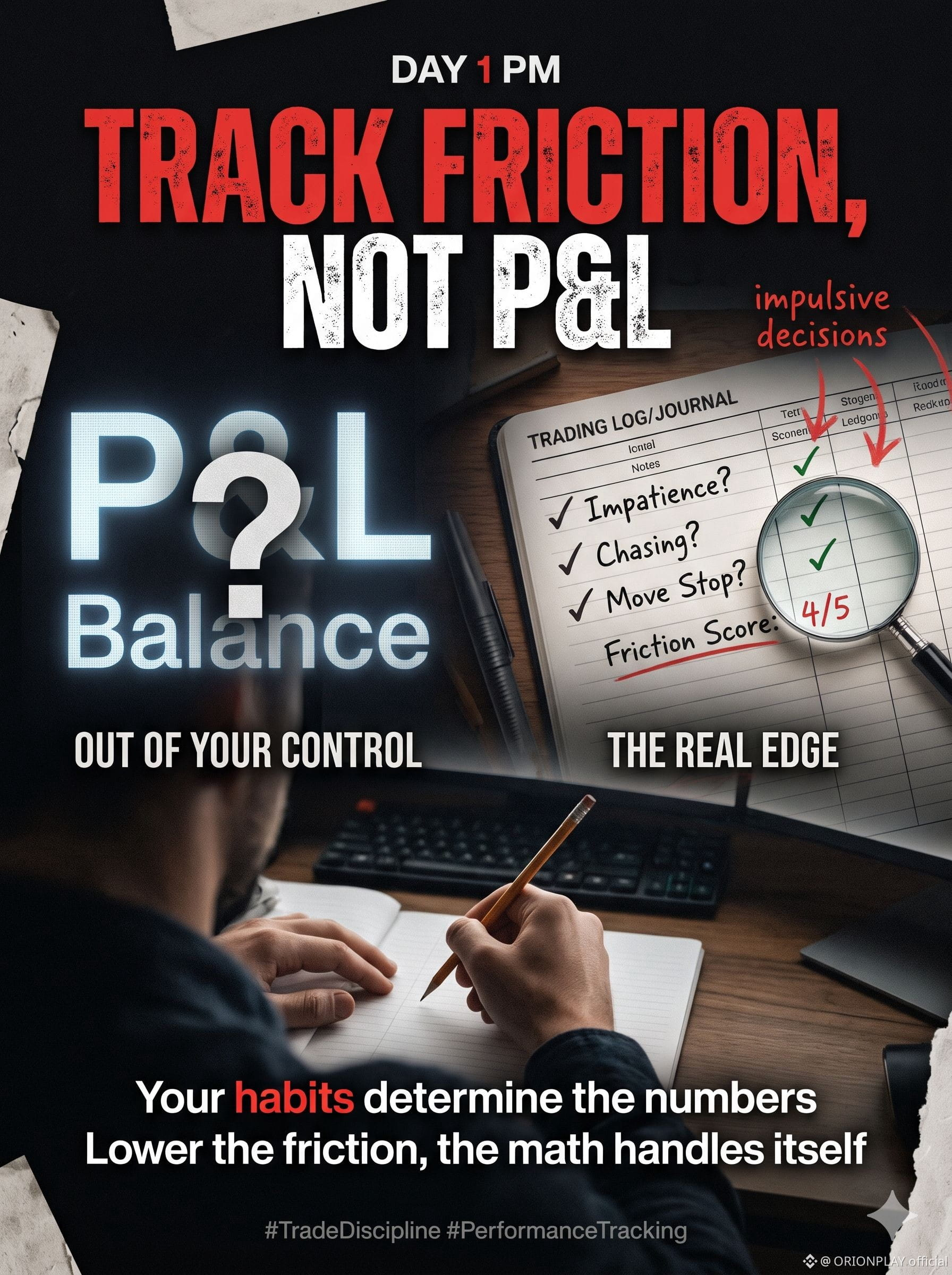
Ask any trader how they assess their performance, and they will point to a positive or negative dollar amount. Measuring your trading ability purely by profit and loss is like judging a poker player solely by whether they won the last hand—it completely ignores the quality of play.
When you're trying to spot what's actually dragging on your execution, you have to track 'friction metrics'. Every time you feel hesitation to place an exit, manually move a stop-loss because "it feels too close," or get impatient and execute before your parameters confirm—that's trading friction.
Even if you end up green, those tiny behavioral slips are a silent Tax. When the market shift hits, that poor risk management will catch up to you fast.
Build yourself a friction score from 1 to 5 for every trade. Keep it simple: mark down when you took a trade out of boredom or skipped your routine. When you begin aiming to lower your friction score instead of just pushing your P&L, consistency often takes care of itself. Have you ever tried grading the execution of your trades instead of just the final return?
#TradeDiscipline #CryptoTrading #PerformanceTracking #BinanceSquare
161
The Illusion of the Perfect Strategy
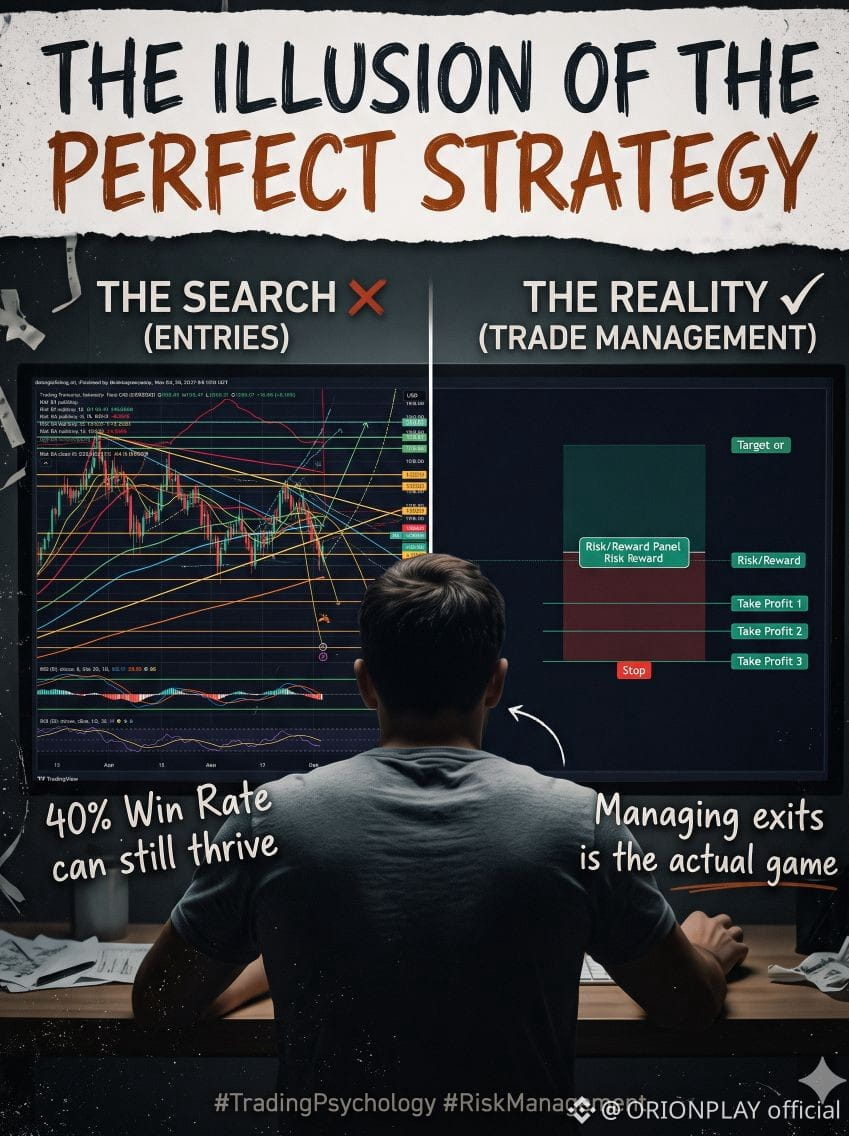
The biggest lie sold in this space is that profitable traders possess some master, all-knowing strategy that operates with a 90% win rate. Let’s address the math: you can make substantial gains with a 40% win rate, and you can absolutely drain your wallet with a 75% win rate.
We obsess over entries. We look at indicators, overlays, and pattern confirmations, and then treat the entry like it’s the climax of the trade. It’s actually just the start. When a trade goes live, your ability to read where the trend loses steam, manage a partial take-profit schedule, and adapt your risk to shifting intraday volume is what determines your success.
The secret isn’t uncovering a hidden pattern. It’s the mechanics of "trade management." Are you adjusting your risk when market volatility drops, or are you hoping a stagnating move somehow catches its second wind? Focus less on hunting for the perfect entrance and focus more on how you actually plan your exit once the volatility kicks in.
#TradingPsychology #RiskManagement #CryptoMarkets #BinanceSquare
227
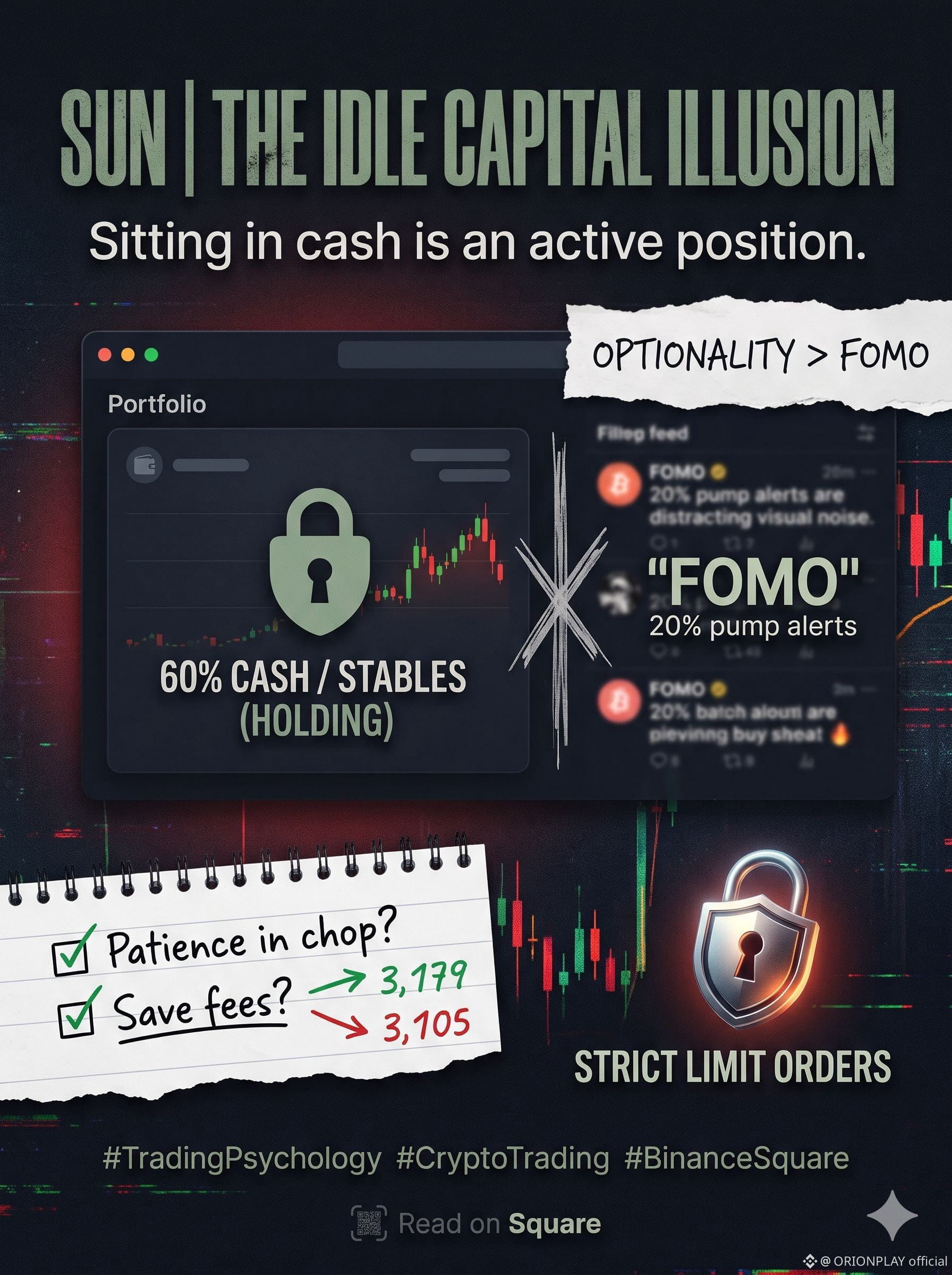
The hardest skill to learn in this market isn’t reading order flow or spotting divergences. It’s sitting in 60% stablecoins for four days without convincing yourself you’re falling behind.
Whenever my portfolio sits mostly in cash during a choppy weekend, I feel this subtle, nagging pressure to "put the money to work." Scrolling through feeds seeing screenshots of random 20% green candles makes idle stablecoins feel like dead weight.
That mindset is a trap. Cash in a sideways market isn't dead capital—it’s optionality. When you force capital into low-conviction setups just to be in a position, two things happen: you take on unnecessary drawdown, and your mental energy is tied up nursing a losing trade when a genuine high-volume setup finally shows up on Monday or Tuesday.
Being flat is an active position. Paying zero fees and taking zero drawdown while 80% of the market chops itself to pieces is how you quietly outperform over a quarter.
Going into next week's open, what percentage of your portfolio are you keeping on the sidelines right now?
#PortfolioManagement #TradingMindset #CryptoMarkets #BinanceSquare
272
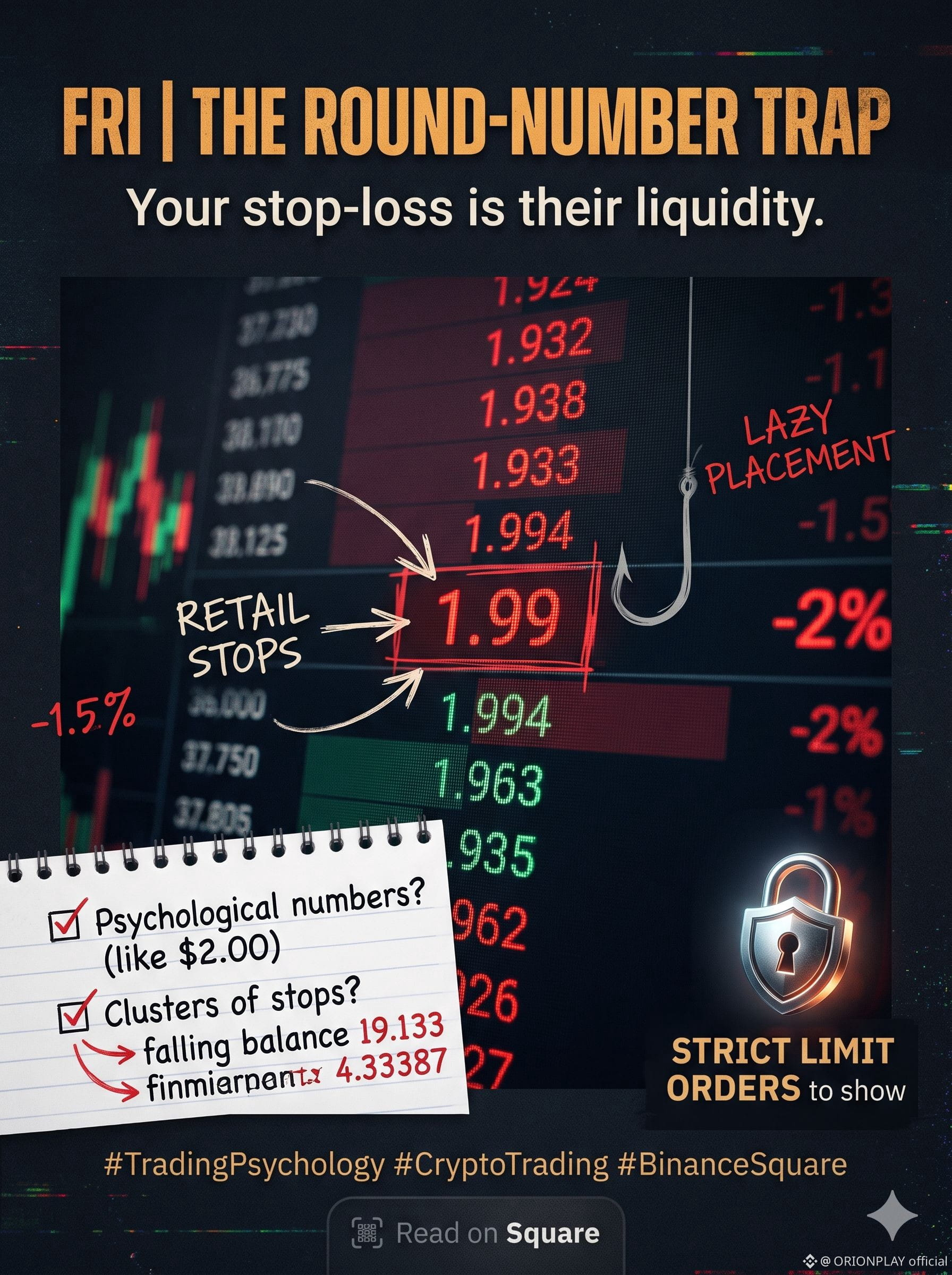
Why do you keep getting wicked out right before the move actually happens? Nine times out of ten, it’s not "market manipulation"—it’s lazy stop-loss placement.
Go look at any order book around a major psychological number, like $2.00 or $50.00. Retail traders love clean, round numbers. When they buy a support level at $2.05, almost everyone parks their stop-loss at $1.99 or $1.98 because it looks neat on the chart and fits a tight risk-to-reward ratio on paper.
Market makers and larger players don't need to guess where your stops are; the liquidity pools are sitting in plain sight. In thin markets, price naturally gravitates toward pockets of resting orders to fill larger institutional bids. If your stop is sitting in the exact same cluster as five thousand other impatient traders, you are the liquidity.
Stop sizing your positions around how tight you want your stop to be. Place your invalidation behind actual structural volatility—even if it’s an ugly number like $1.934—and reduce your position size so the dollar risk stays the same.
Do you use hard stops in the book, or do you wait for candle closes?
#OrderFlow #MarketMechanics #CryptoTrading #BinanceSquare
322
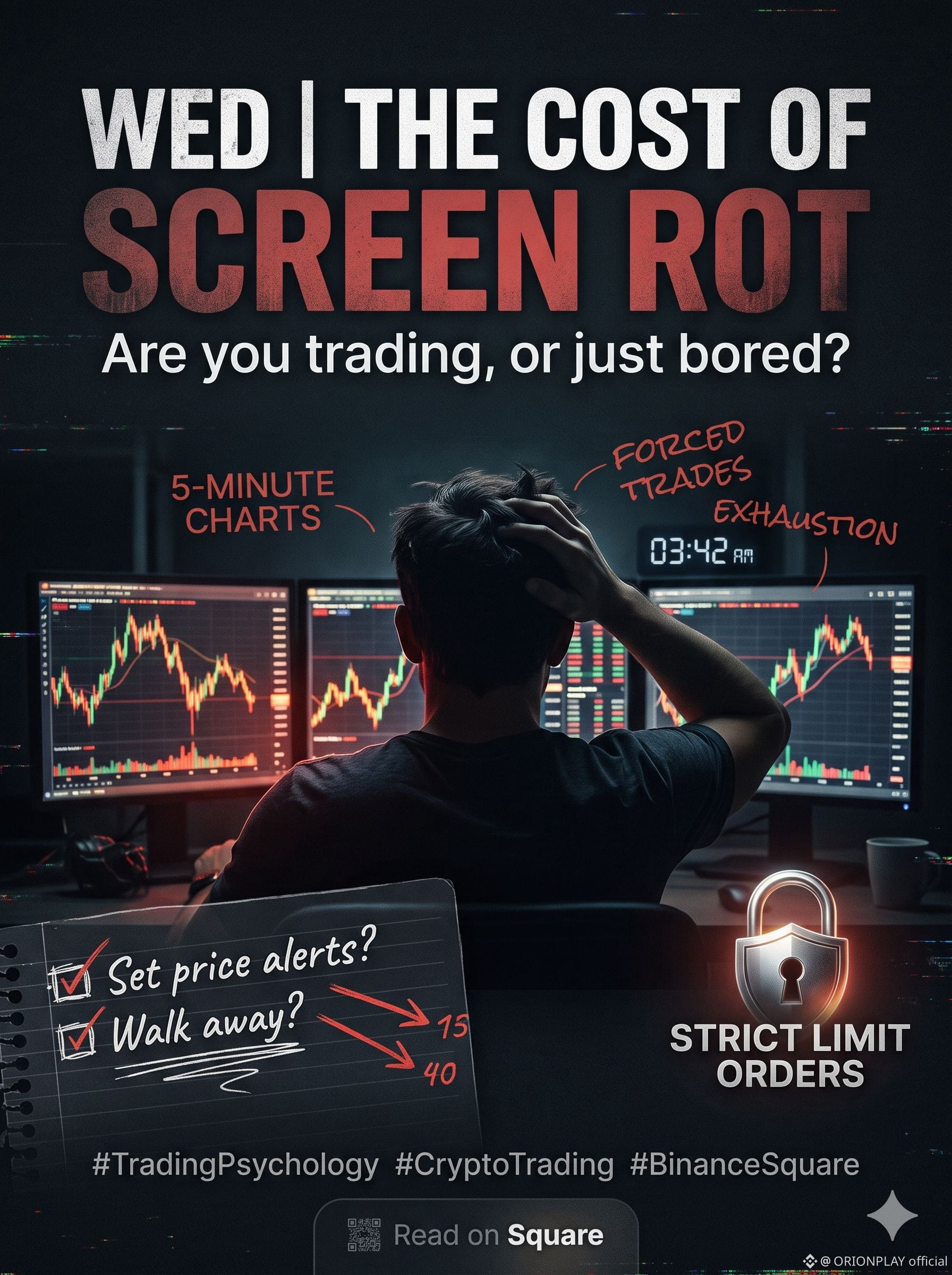
Let’s talk about the most expensive habit in crypto that never shows up on a P&L sheet: screen rot.
Yesterday, I caught myself staring at a 5-minute chart for three hours straight, waiting for a clean liquidity sweep that never came. By the time London session closed, my brain was so fried that I forced a mediocre entry on an altcoin just to feel like those three hours weren't wasted. Unsurprisingly, I got stopped out within twenty minutes.
We treat trading like a factory job where more hours automatically equal more output. In reality, decision fatigue destroys your edge faster than a bad strategy. Your brain only has so much bandwidth to weigh probabilities objectively before it defaults to impulse and boredom.
Look at your trade history and sort it by time of day. I guarantee your worst losses happen at the tail end of a long session when your patience is depleted.
Set price alerts at your actual invalidation and entry levels, close the tab, and walk away. If the market needs you, your phone will buzz. How many hours of active screen time do you cap yourself at per day?
#TradingPsychology #CryptoTrading #RiskManagement #BinanceSquare
2
390
Spend five minutes scrolling the feed today and it’s the exact same recycled noise: endless arguments over whether $BTC breaks $82k, or which narrative is about to pump next.
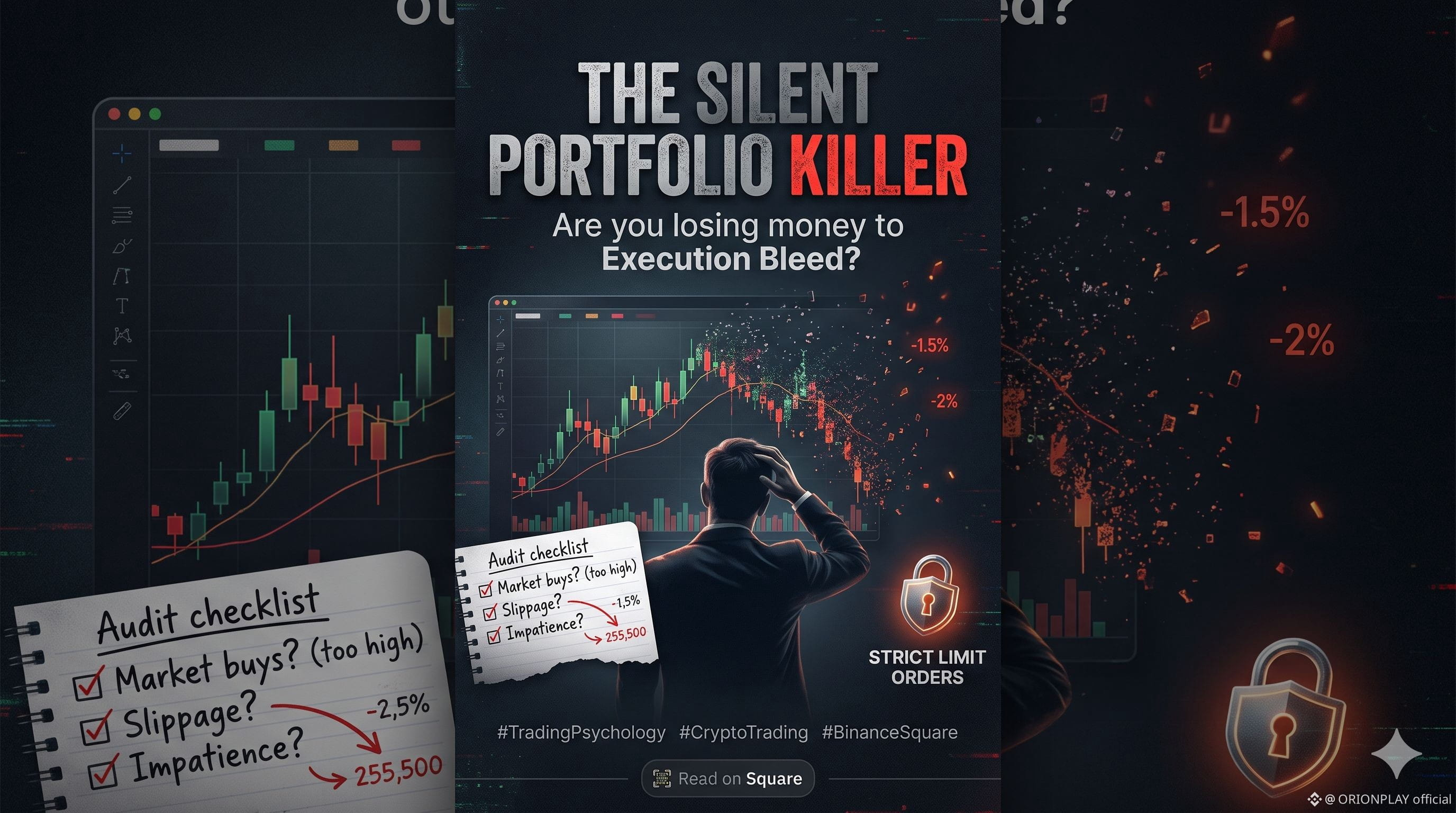
Almost nobody is talking about the quietest portfolio killer in sideways markets: execution bleed.
Over the past month, I went back and audited my own trading journal. My directional bias was actually decent, yet my net returns were noticeably lagging. The culprit wasn't bad chart analysis—it was impatience. Hitting "market buy" on mid-cap pairs during low-liquidity hours and over-rotating every time a 15-minute candle looked weak was quietly shaving 1.5% to 2% off my stack every single week.
When the broader market chops around waiting for macro clarity, your edge doesn't come from predicting the next breakout. It comes from basic mechanics. Using strict limit orders, checking order book depth before sizing in, and sitting on your hands when volume dries up will save you more money than any indicator ever will.
Stop trying to outsmart the chop. Audit your last ten trades and check how much you gave away purely to impatience and slippage. How are you managing your trade execution this week?
#TradingPsychology #CryptoTrading #MarketMechanics #BinanceSquare
1
261
read this post and share your thoughts 💭💭💭
read this post and share your thoughts 💭💭💭
ORIONPLAY official
·
--
Every DeFi trader knows the cost of broadcasting intent too early. Put a limit order or liquidation threshold on-chain, and MEV searchers front-run your size before settlement. Rely on off-chain keeper bots, and you're trusting centralized operators that stall during volatility spikes.
That's why I've been tracking what @Nillion shipped with its Dusk release on Ethereum Mainnet. Instead of exposing orders in the public mempool, Covenants let you post encrypted, condition-gated instructions directly to L1. Nodes staking $NIL only reconstruct the decryption key when live feeds prove your trigger hit. It doesn't need keepers, and it stops alpha leaks cold.
What's even better is how Nillion's 7-era roadmap scales this primitive. Darkfall brings cross-EVM logic via canonical encoding so one Ethereum stake secures Arbitrum and Base. Next, Skyglow enables multichain settlement without asset bridging: conditions met on one chain unlock instructions on another using only a proof and key, leaving zero wrapped TVL to exploit. Later, Neon hides the triggers themselves from verifying nodes.
I grabbed a spot bag at [0.08319] after seeing how Dusk handles L1 execution—check my attached NIL trade card below and let's discuss: which DeFi strategy needs private execution first? #NIL
That's why I've been tracking what @Nillion shipped with its Dusk release on Ethereum Mainnet. Instead of exposing orders in the public mempool, Covenants let you post encrypted, condition-gated instructions directly to L1. Nodes staking $NIL only reconstruct the decryption key when live feeds prove your trigger hit. It doesn't need keepers, and it stops alpha leaks cold.
What's even better is how Nillion's 7-era roadmap scales this primitive. Darkfall brings cross-EVM logic via canonical encoding so one Ethereum stake secures Arbitrum and Base. Next, Skyglow enables multichain settlement without asset bridging: conditions met on one chain unlock instructions on another using only a proof and key, leaving zero wrapped TVL to exploit. Later, Neon hides the triggers themselves from verifying nodes.
I grabbed a spot bag at [0.08319] after seeing how Dusk handles L1 execution—check my attached NIL trade card below and let's discuss: which DeFi strategy needs private execution first? #NIL
1
301
·
--
Рост
The Crypto Metric I Think Traders Should Pay More Attention To
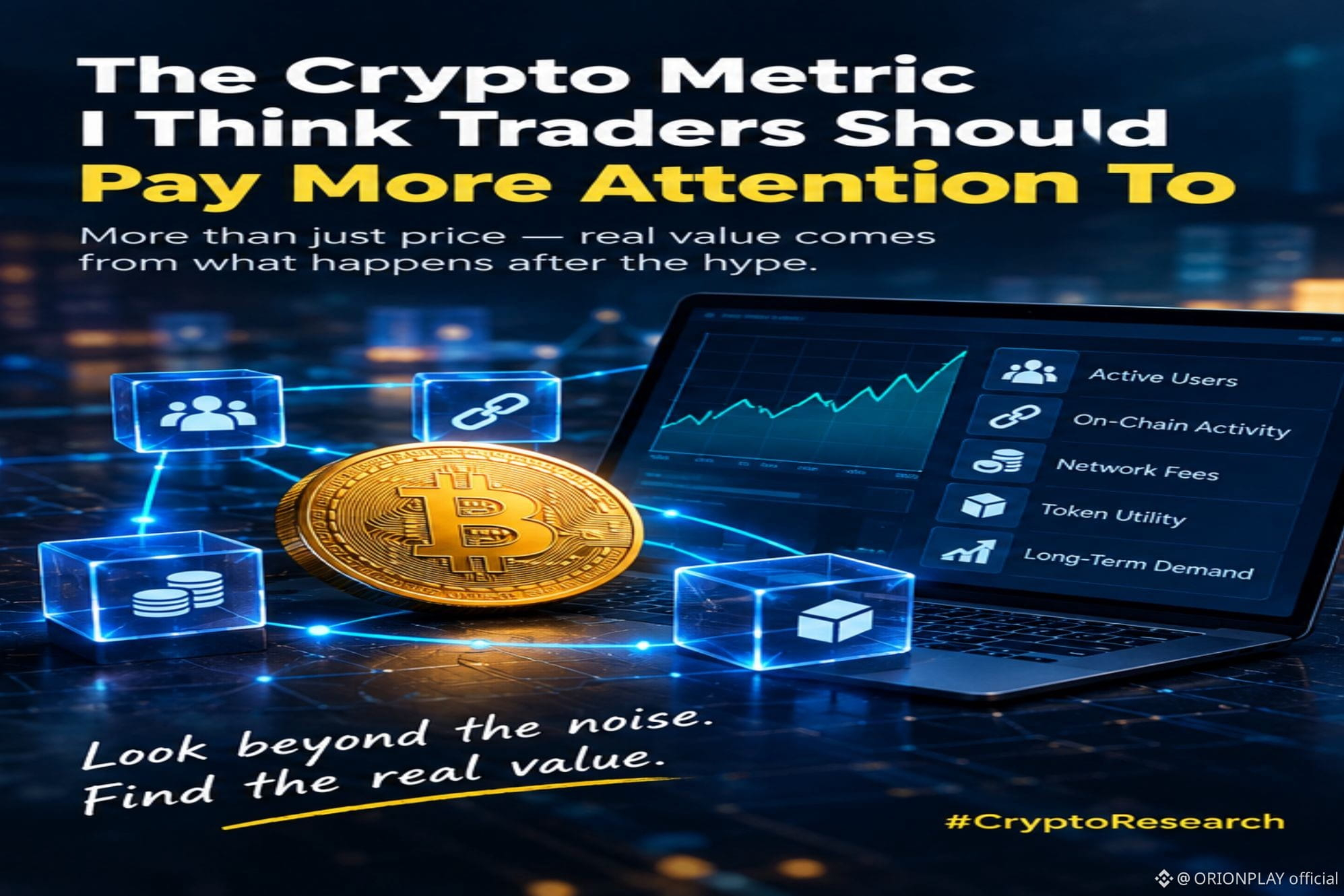
One thing I’ve started thinking about differently in crypto is what happens after the excitement disappears.
A token can attract attention for days, sometimes weeks. The timeline gets busy, trading activity picks up, and everyone seems to have a strong opinion. But I find a more interesting question is what remains when the conversation moves elsewhere.
Are people still using the project? Is there a genuine reason for demand to continue? And does the token have a clear economic role beyond being traded?
These questions may sound simple, but they can change how we evaluate a crypto asset.
I also think there’s a difference between a project being popular and a project becoming useful. Popularity can change quickly with sentiment. Useful products have a better opportunity to build repeat users, although that still doesn’t guarantee token price appreciation.
Personally, I would rather spend time understanding how a project works than trying to predict its next sudden move. I want to know where demand comes from, what could weaken it, and which assumptions might already be reflected in the price.
Crypto rewards curiosity, but it also punishes overconfidence.
Sometimes, the most valuable research isn't finding the next trending token. It's discovering a reason not to buy one.
What do you investigate first: token utility, user activity, or market structure?
#CryptoResearch #TokenUtility #Blockchain #CryptoMarkets
320
Crypto’s Hidden Risk: When Network Activity Doesn’t Translate Into Value
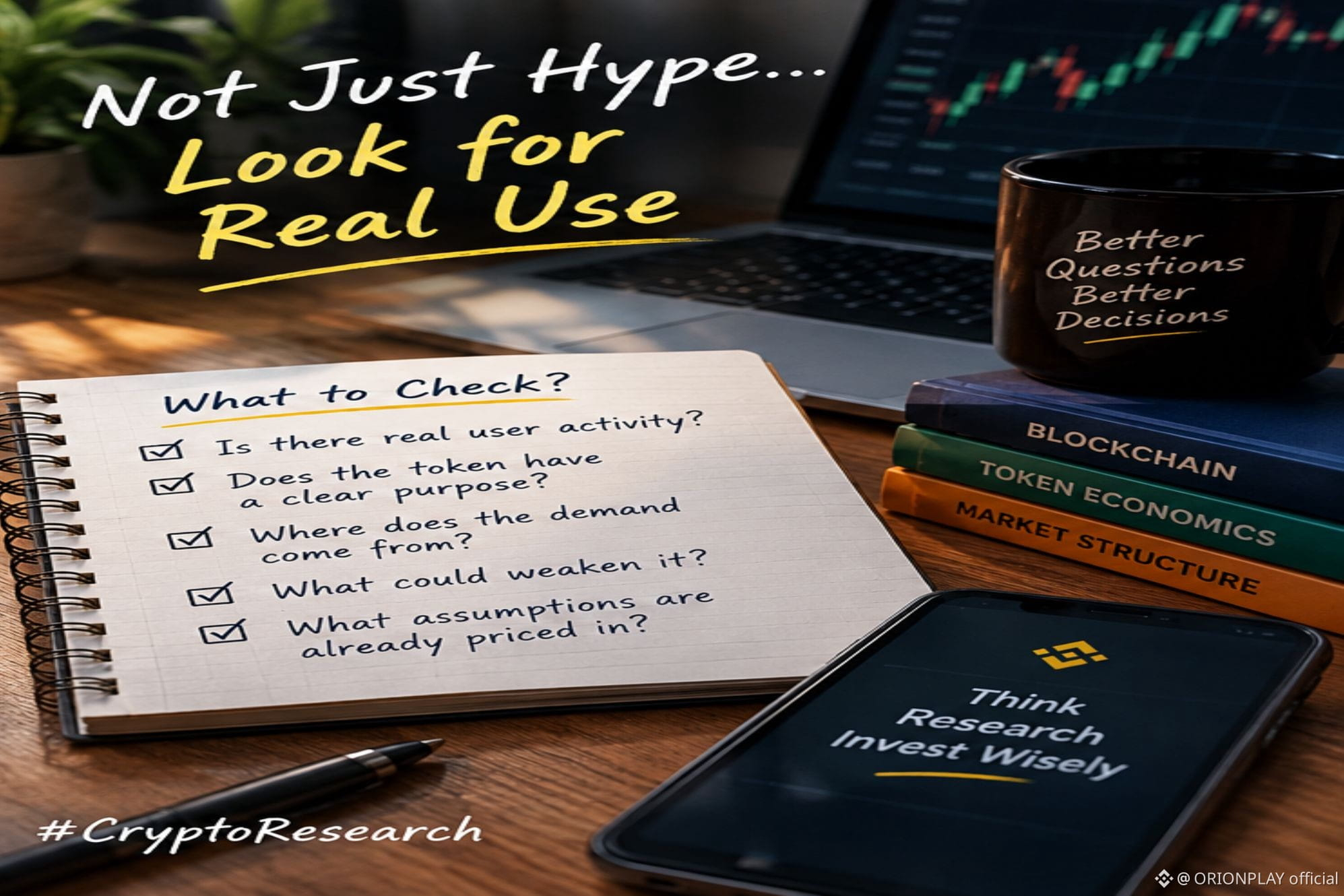
A blockchain can be busy, transaction counts can rise, and users can keep interacting with applications — yet its token may still struggle to capture meaningful value.
This is one of the most overlooked questions in crypto research: who actually benefits economically when a network grows?
Transaction activity alone does not answer it. Some networks collect fees directly, while others rely on incentives to attract users. In certain ecosystems, activity may be driven by short-term rewards rather than lasting demand.
I prefer to examine three layers before forming a view.
First, organic demand: Are users returning because the product solves a real problem, or mainly because rewards are available?
Second, value capture: Do network fees, token utility or other economic mechanisms create a credible reason to hold the asset?
Third, sustainability: Can activity continue if incentives decline or market conditions become less favorable?
These questions matter because network adoption and token performance are not automatically the same thing. A technically successful protocol does not guarantee an attractive token valuation.
My research approach is simple: follow the economic flows, question the incentives and separate measurable usage from assumptions about future demand.
In crypto, the more useful question may not be how fast a network is growing, but how that growth becomes durable economic value.
What metric do you trust most when evaluating a blockchain?
#CryptoResearch #Blockchain #TokenEconomics #DigitalAssets
206
Проверено
#cpiwatch #CPIWatch: The Real Inflation Test Is What Happens After Oil
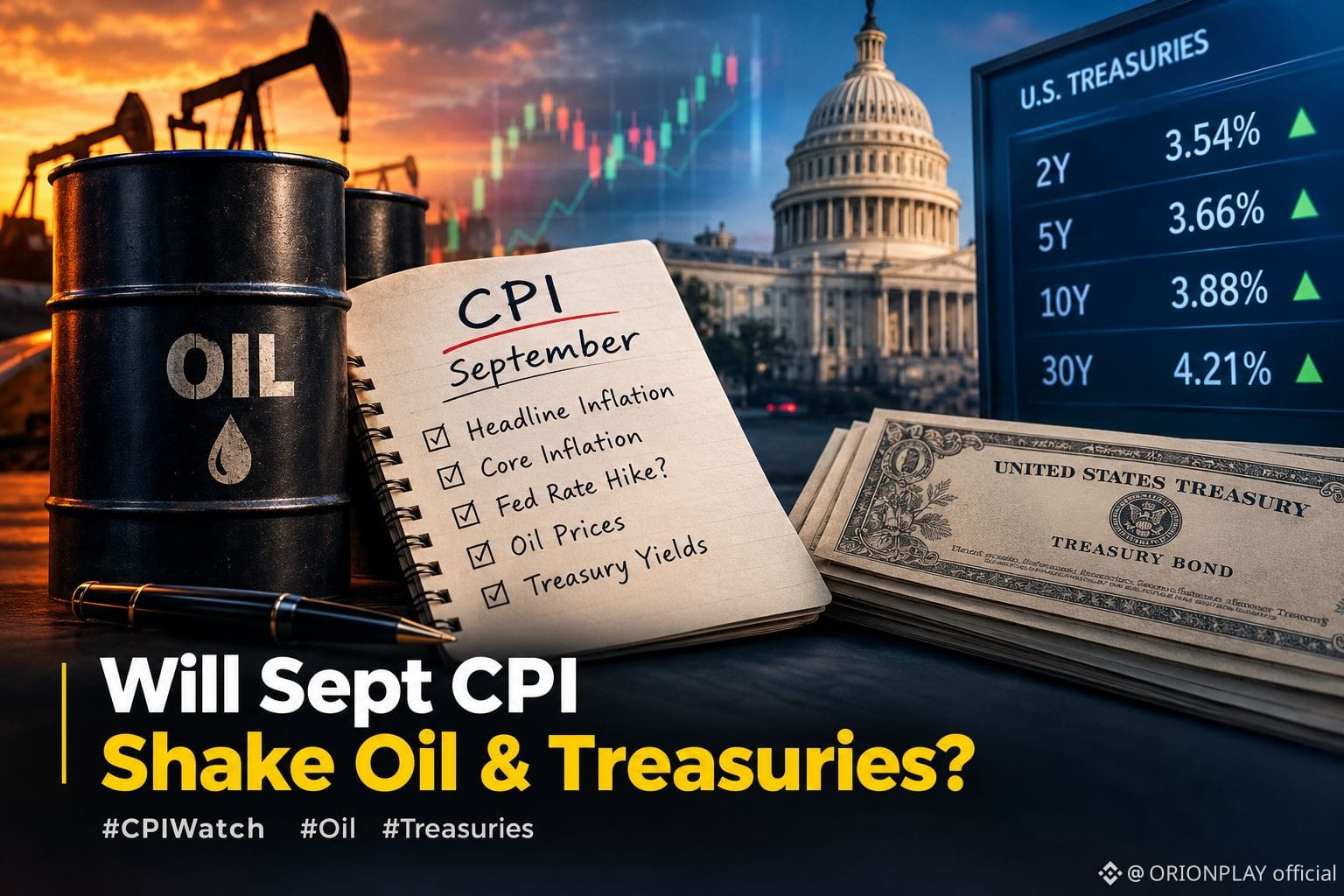
The September CPI report could reveal something important: whether higher energy costs are staying at the petrol pump or beginning to spread across the wider economy.
August’s US headline inflation stood at 3.4% year over year, while core CPI was 2.4%. Ahead of Wednesday’s release, forecasts point to a higher headline reading, largely reflecting energy pressure. But one distinction matters: expensive oil can lift headline inflation without automatically triggering a lasting rise in core prices.
My view? A hotter headline print is a real possibility, but I wouldn’t automatically interpret it as proof that another Fed hike is inevitable. I would watch monthly core CPI, transport-related costs and whether energy prices remain elevated after the initial geopolitical shock.
Oil is equally complicated. Supply disruptions can push prices higher quickly, but alternative supply and weaker demand can reverse that move just as quickly. Chasing a sudden spike is not the same as identifying a sustainable trend.
For Treasuries, I’m watching the yield reaction rather than making an aggressive directional bet before the data. A stronger-than-expected core reading could pressure bond prices as yields rise. A softer core number could offer relief, even if headline inflation remains uncomfortable.
My approach is patience, smaller risk exposure and clearly defined exit levels. One CPI release can change expectations; it cannot guarantee the Fed’s next decision.
What matters more to you: headline CPI or core CPI?
#CPIWatch #Oil #Treasuries
870
I am hosting a livestream "Full Gameplay With @Orionplay #JoinUs on our Continuous gameplay😤🤯🎁" on Binance Square, come and check it out!
[https://app.binance.com/uni-qr/cspa/46888967551938?r=MKPRU4Q6&l=en&source=host_share&uc=app_square_share_link&us=copylink](https://app.binance.com/uni-qr/cspa/46888967551938?r=MKPRU4Q6&l=en&source=host_share&uc=app_square_share_link&us=copylink)
I am hosting a livestream "Full Gameplay With @Orionplay #JoinUs on our Continuous gameplay😤🤯🎁" on Binance Square, come and check it out!
https://app.binance.com/uni-qr/cspa/46888967551938?r=MKPRU4Q6&l=en&source=host_share&uc=app_square_share_link&us=copylink
https://app.binance.com/uni-qr/cspa/46888967551938?r=MKPRU4Q6&l=en&source=host_share&uc=app_square_share_link&us=copylink
162
I will be hosting a livestream "Full Gameplay With @Orionplay #JoinUs on our Continuous gameplay😤🤯🎁" at Binance Square, come check it out!
[https://app.binance.com/uni-qr/cspa/46888967551938?r=MKPRU4Q6&l=en&source=host_share&uc=app_square_share_link&us=copylink](https://app.binance.com/uni-qr/cspa/46888967551938?r=MKPRU4Q6&l=en&source=host_share&uc=app_square_share_link&us=copylink)
I will be hosting a livestream "Full Gameplay With @Orionplay #JoinUs on our Continuous gameplay😤🤯🎁" at Binance Square, come check it out!
https://app.binance.com/uni-qr/cspa/46888967551938?r=MKPRU4Q6&l=en&source=host_share&uc=app_square_share_link&us=copylink
https://app.binance.com/uni-qr/cspa/46888967551938?r=MKPRU4Q6&l=en&source=host_share&uc=app_square_share_link&us=copylink
126
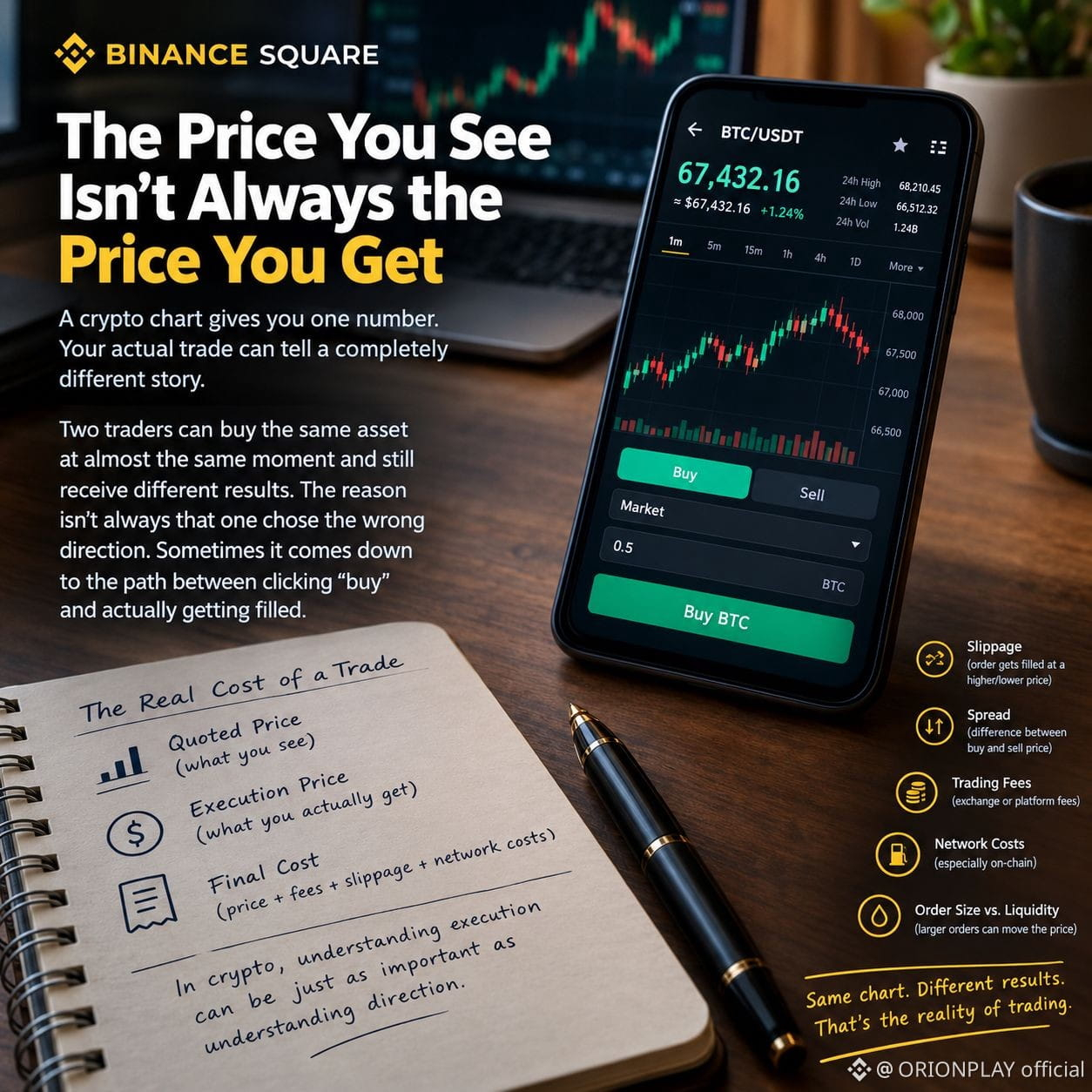
A crypto chart gives you one number.
Your actual trade can tell a completely different story.
Two traders can buy the same asset at almost the same moment and still receive noticeably different results. The reason isn’t always that one chose the wrong direction. Sometimes it comes down to the path between clicking “buy” and actually getting filled.
Consider a simple trade.
You see an asset quoted at $1.00 and place a market order. But the available orders near $1.00 may not be large enough to fill everything at that price. Your remaining order gets matched slightly higher.
That difference is slippage.
Now add the spread between buyers and sellers, trading fees, network costs on-chain, and the size of your order relative to available liquidity. The final execution can look very different from the price displayed on the screen.
This is why a chart alone doesn't describe the complete trading experience.
A useful habit is to separate three questions:
What is the quoted price?
What is the executable price?
What is the final cost?
Those are not necessarily identical.
In crypto, understanding execution can be just as important as understanding direction. A good-looking setup can still produce a poor result if the transaction itself is inefficient.
Sometimes the difference between a good trade and a disappointing one happens after the decision is already made.
#Crypto #Trading #Slippage #MarketMicrostructure #Blockchain #BinanceSquare
503
Everyone is obsessing over the headline CPI print dropping today, but most of the timeline is missing the actual mechanics draining liquidity from crypto right now.
Yes, July’s CPI was sticky at 3.4%, and today’s August data is the final puzzle piece before the September 15 FOMC meeting. But the real story isn't just the inflation percentage—it's the bond market's reaction to energy.
With crude oil surging past $100 this week, the 10-year Treasury yield is pushing dangerously close to 5%. That yield spike acts as a massive vacuum, sucking capital away from risk-on assets. When risk-free rates climb this high, the institutional opportunity cost of holding non-yielding assets like Bitcoin (currently fighting around $77k) becomes too heavy to ignore.
The broader market has entirely flipped its script. Forget the pivot narrative—traders are now pricing in a 70% probability of another Fed rate hike by December.
If today's core CPI comes in hot, driven by lingering shelter costs and that recent energy spike, expect immediate turbulence.
Don't just stare at the CPI release today at 8:30 AM ET. Watch the 2-year Treasury yield. That’s where the smart money will reveal its true directional bias.
#CPIWatch #Macro #Crypto #Bitcoin #Yields
1
1k
The Quiet Signal Most Traders Miss
There’s something interesting about crypto markets that doesn’t show up clearly on a green or red candle: what people stop doing.
When traders become confident, they usually talk more. Every small move gets a prediction, every token has a target, and timelines become full of certainty.
But sometimes the more useful signal is the opposite.
Watch what happens when price moves sideways for days. Are trading volumes gradually drying up? Are traders rotating into fewer assets? Are people holding positions longer instead of chasing every move?
That behaviour can tell us more about market conviction than a single price spike.
Another thing I like watching is the distance between a token’s price movement and its actual activity. A coin can jump 15% while participation remains thin. That move may look impressive on the chart, but it deserves a different level of confidence than a move supported by consistently increasing activity.
Crypto rewards attention, but attention alone isn’t analysis.
Before reacting to the next big candle, I’d rather ask one simple question:
Who is actually participating in this move—and are they still there when the excitement fades?
#Crypto #trading #MarketPsychology #dyor
587
The part of crypto nobody talks about enough
I was thinking about something simple today: when we send crypto, we usually care about only two things — “Did it arrive?” and “How much did it cost?”
But there is a whole layer between those two questions that is easy to ignore.
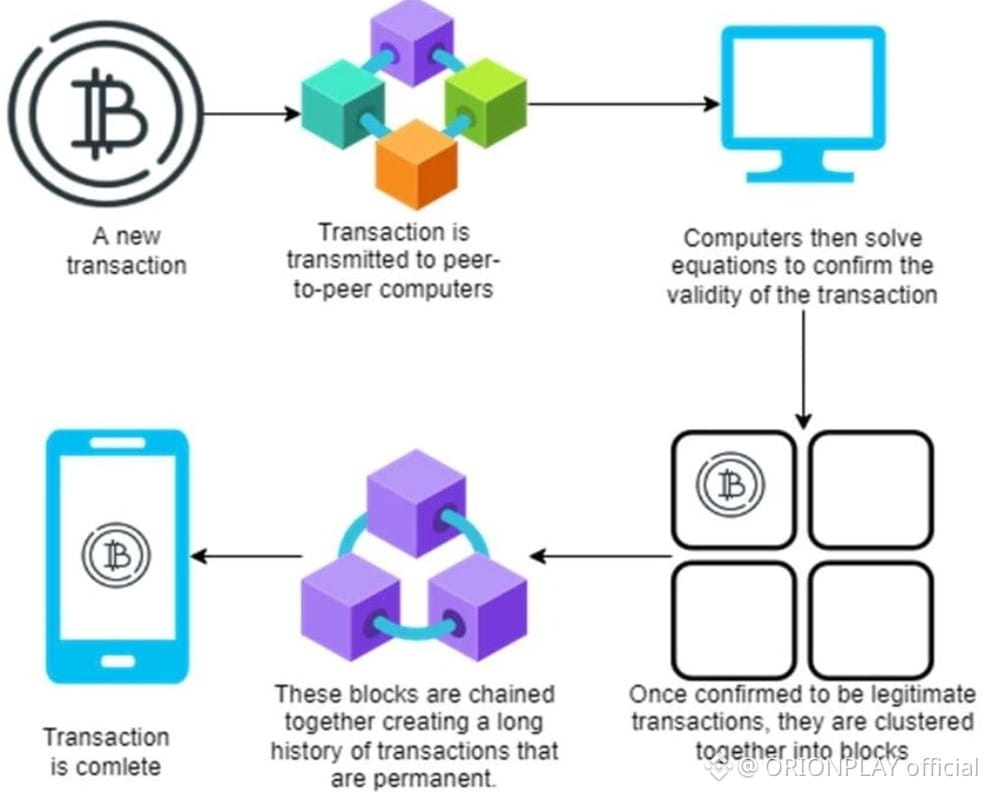
A blockchain transaction is not just money moving from A to B. There is a small process happening underneath: the transaction gets broadcast, picked up by the network, included in a block, and eventually becomes harder to reverse as the network adds more blocks or reaches finality.
That matters in everyday use.
Imagine paying someone and seeing “pending.” You might start wondering whether to send it again. That second transaction could create an entirely different problem.
For me, this is one reason crypto UX still has plenty of room to improve. The technology can be extremely sophisticated, while the user experience can still feel confusing.
Maybe the next big improvement in crypto won't simply be faster chains or cheaper fees.
Maybe it will be making blockchain activity feel as normal and understandable as sending a regular payment.
Sometimes the biggest innovation is the part users don't even notice.
What crypto feature do you think should become completely invisible to the average user?
#Crypto #Blockchain #Web3 #BinanceSquare
435
Войдите, чтобы посмотреть больше материала
Присоединяйтесь к пользователям криптовалют по всему миру на Binance Square
⚡️ Получайте новейшую и полезную информацию о криптоактивах.
💬 Нам доверяет крупнейшая в мире криптобиржа.
👍 Получите достоверные аналитические данные от верифицированных создателей контента.
Эл. почта/номер телефона