

Askanda
1.2k Публикации
Askanda
 Square Verified
Отправить жалобу
Заблокировать пользователя
Travel Crypto Trader, Signals Provider. Teach trading

Level 1 Creator
Трейдер с регулярными сделками
7 г
6 подписок(и/а)
31.6K+ подписчиков(а)
13.0K+ понравилось
1 Значки
Посты
Все
Цитирования
Видео
PINNED
·
--
Рост
Last year. you remembered in the telegram group.
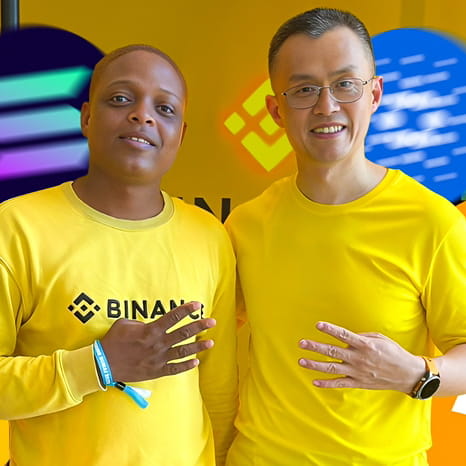
I told you guys, I wanted to meet CEO of Binance and ask him some questions.
Yesterday Isha Allah. I did
It was like a dream. I was not sure 🤔. This morning I think it actually happened
God is God. Just keep moving forward
Small wins sustains growth.
You will thank me later.
@CZ
@richardteng
#BinanceAlphaAlert
#AirdropSafetyGuide
#Trump100Days
$BTC
$BNB
$ETH
Last year. you remembered in the telegram group.
I told you guys, I wanted to meet CEO of Binance and ask him some questions.
Yesterday Isha Allah. I did
It was like a dream. I was not sure 🤔. This morning I think it actually happened
God is God. Just keep moving forward
Small wins sustains growth.
You will thank me later.
@CZ
@Richard Teng
#BinanceAlphaAlert
#AirdropSafetyGuide
#Trump100Days
$BTC
$BNB
$ETH
I told you guys, I wanted to meet CEO of Binance and ask him some questions.
Yesterday Isha Allah. I did
It was like a dream. I was not sure 🤔. This morning I think it actually happened
God is God. Just keep moving forward
Small wins sustains growth.
You will thank me later.
@CZ
@Richard Teng
#BinanceAlphaAlert
#AirdropSafetyGuide
#Trump100Days
$BTC
$BNB
$ETH
14
9
75
1.3k
PINNED
·
--
Падение
Don’t do this ever again…
When I first started day trading, I was trading all day, every day.
It seemed logical, right? More trades = more opportunities for profit.
This approach was actually costing me money.
The real game-changer came when I shifted my perspective on how much I should actually trade.
Instead of chasing the market, I learned to let the market come to me.
You don’t need so many trades. Just 2-3 trades per week is more than enough.
It’s about quality, not quantity.
You wait for the price to hit your predetermined levels - these are the moments the market presents real opportunities.
Many traders fall into the trap of forcing trades in between these key levels. Why?
Because they're addicted to the action of trading, not because the market is signaling a clear opportunity. It's a subtle but crucial difference.
Trading isn't about being active all the time. It's about being patient, and strategic.
So next time, before you jump into a trade, ask yourself: "Am I trading from a key level, or am I just feeding my addiction to trade?"
Your wallet will thank you later.
Less can truly be more in trading.
#USTariffs
#CzechBitcoinReserve?
#BitcoinReserveWave
$SOL
$BTC
$XRP
Don’t do this ever again…
When I first started day trading, I was trading all day, every day.
It seemed logical, right? More trades = more opportunities for profit.
This approach was actually costing me money.
The real game-changer came when I shifted my perspective on how much I should actually trade.
Instead of chasing the market, I learned to let the market come to me.
You don’t need so many trades. Just 2-3 trades per week is more than enough.
It’s about quality, not quantity.
You wait for the price to hit your predetermined levels - these are the moments the market presents real opportunities.
Many traders fall into the trap of forcing trades in between these key levels. Why?
Because they're addicted to the action of trading, not because the market is signaling a clear opportunity. It's a subtle but crucial difference.
Trading isn't about being active all the time. It's about being patient, and strategic.
So next time, before you jump into a trade, ask yourself: "Am I trading from a key level, or am I just feeding my addiction to trade?"
Your wallet will thank you later.
Less can truly be more in trading.
#USTariffs
#CzechBitcoinReserve?
#BitcoinReserveWave
$SOL
$BTC
$XRP
When I first started day trading, I was trading all day, every day.
It seemed logical, right? More trades = more opportunities for profit.
This approach was actually costing me money.
The real game-changer came when I shifted my perspective on how much I should actually trade.
Instead of chasing the market, I learned to let the market come to me.
You don’t need so many trades. Just 2-3 trades per week is more than enough.
It’s about quality, not quantity.
You wait for the price to hit your predetermined levels - these are the moments the market presents real opportunities.
Many traders fall into the trap of forcing trades in between these key levels. Why?
Because they're addicted to the action of trading, not because the market is signaling a clear opportunity. It's a subtle but crucial difference.
Trading isn't about being active all the time. It's about being patient, and strategic.
So next time, before you jump into a trade, ask yourself: "Am I trading from a key level, or am I just feeding my addiction to trade?"
Your wallet will thank you later.
Less can truly be more in trading.
#USTariffs
#CzechBitcoinReserve?
#BitcoinReserveWave
$SOL
$BTC
$XRP
83
46
227
145.6k
·
--
8
684
·
--
Best signals groups for beginners in trading
Copy trading is good if you understand what the trading method
This for educational and training purposes only
#crypto #forex #daytrading daytrading #TradingSignal signals #tradingview
Best signals groups for beginners in trading
Copy trading is good if you understand what the trading method
This for educational and training purposes only
#crypto #forex #daytrading daytrading #TradingSignal signals #tradingview
Copy trading is good if you understand what the trading method
This for educational and training purposes only
#crypto #forex #daytrading daytrading #TradingSignal signals #tradingview
2
337
·
--
Best crypto mobile friendly apps @Binance_Margin ??
#trading #xauusd #SignalGroups #TradingTok #TradingTips @Binance_Square_Official
Best crypto mobile friendly apps @Binance Margin ??
#trading #xauusd #SignalGroups #TradingTok #TradingTips @Binance Square Official
#trading #xauusd #SignalGroups #TradingTok #TradingTips @Binance Square Official
5
738
Войдите, чтобы посмотреть больше материала
Присоединяйтесь к пользователям криптовалют по всему миру на Binance Square
⚡️ Получайте новейшую и полезную информацию о криптоактивах.
💬 Нам доверяет крупнейшая в мире криптобиржа.
👍 Получите достоверные аналитические данные от верифицированных создателей контента.
Эл. почта/номер телефона