

#api
api
Просмотров: 60,843
268 обсуждают
Популярные
Новые
$NFP GETS A DATA BOOST WITH CRYPTORANK API V3 🔥
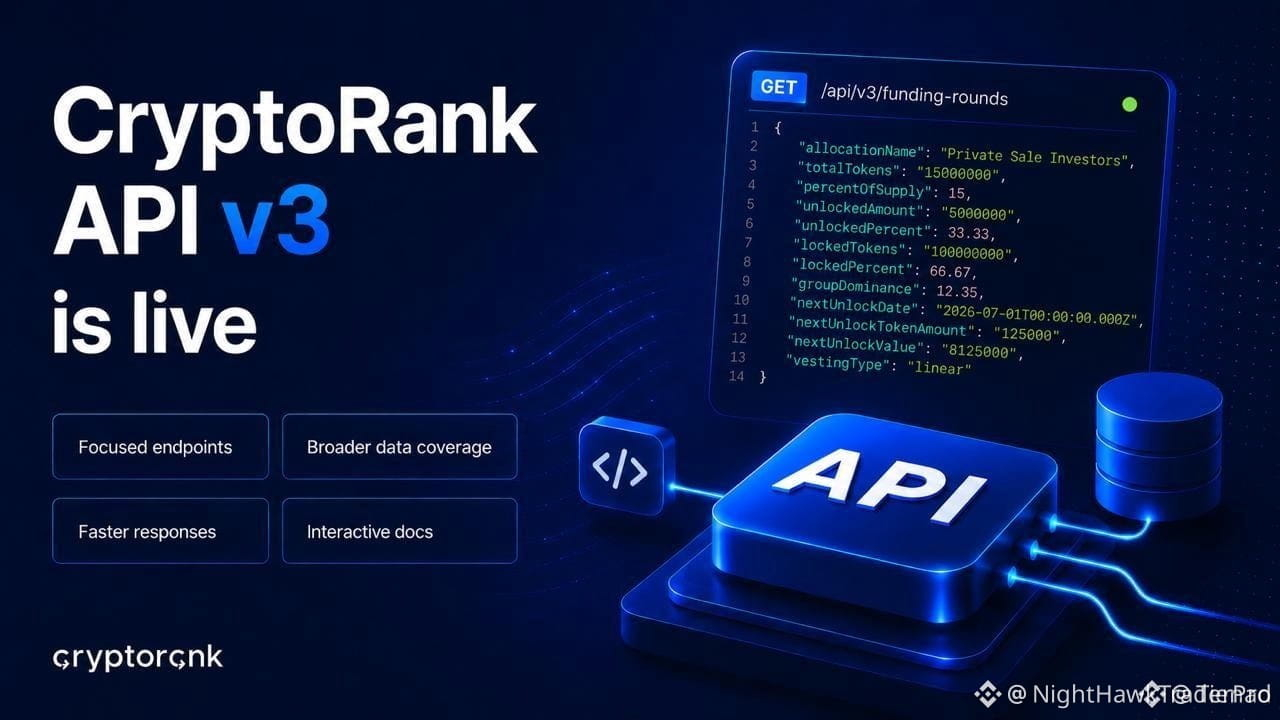
CryptoRank just dropped API v3 — faster endpoints, broader coverage, and the kind of efficiency that attracts serious capital. This is the infrastructure layer that smart money watches before they move.
Lower latency means tighter spreads on data-driven plays, and tokens like $NFP and $ZBT often lead when the info flow improves. The community's already voting on impact — are you buying the upgrade or waiting for confirmation?
Not financial advice. Always manage your risk.
#NFP #ZBT #CryptoNews #API #Bullish
🔥
$NFP GETS A DATA BOOST WITH CRYPTORANK API V3 🔥
CryptoRank just dropped API v3 — faster endpoints, broader coverage, and the kind of efficiency that attracts serious capital. This is the infrastructure layer that smart money watches before they move.
Lower latency means tighter spreads on data-driven plays, and tokens like $NFP and $ZBT often lead when the info flow improves. The community's already voting on impact — are you buying the upgrade or waiting for confirmation?
Not financial advice. Always manage your risk.
#NFP #ZBT #CryptoNews #API #Bullish
🔥
CryptoRank just dropped API v3 — faster endpoints, broader coverage, and the kind of efficiency that attracts serious capital. This is the infrastructure layer that smart money watches before they move.
Lower latency means tighter spreads on data-driven plays, and tokens like $NFP and $ZBT often lead when the info flow improves. The community's already voting on impact — are you buying the upgrade or waiting for confirmation?
Not financial advice. Always manage your risk.
#NFP #ZBT #CryptoNews #API #Bullish
🔥
294
DeepSeek V4 Pro 正式版上线了,APP、网页端和 API 已经全面同步更新。想体验新模型的话,打开 APP 或网页端切到「专家模式」就能直接用,API 模型名保持不变。
这次更值得关注的是 API 定价机制调整。DeepSeek 首次引入峰谷定价:高峰时段(北京时间 9:00-12:00、14:00-18:00)按标准价收费,闲时价格直接砍半,相当于给非高峰使用场景打了五折。新价格 2026 年 8 月 17 日 0 时正式生效。
对于做量化交易、跑批量任务的用户来说,错峰调用能省下一笔不小的成本;对于个人开发者来说,晚上和凌晨跑推理任务性价比明显提升。
有意思的是,DeepSeek-V4-Pro-0813 的发布通知此前曾被撤回,静默上线不到 24 小时就下架,如今又以「正式版」名义重新推出。这波操作背后是技术问题还是策略调整,值得继续观察。
#DeepSeek #AI #API
DeepSeek V4 Pro 正式版上线了,APP、网页端和 API 已经全面同步更新。想体验新模型的话,打开 APP 或网页端切到「专家模式」就能直接用,API 模型名保持不变。
这次更值得关注的是 API 定价机制调整。DeepSeek 首次引入峰谷定价:高峰时段(北京时间 9:00-12:00、14:00-18:00)按标准价收费,闲时价格直接砍半,相当于给非高峰使用场景打了五折。新价格 2026 年 8 月 17 日 0 时正式生效。
对于做量化交易、跑批量任务的用户来说,错峰调用能省下一笔不小的成本;对于个人开发者来说,晚上和凌晨跑推理任务性价比明显提升。
有意思的是,DeepSeek-V4-Pro-0813 的发布通知此前曾被撤回,静默上线不到 24 小时就下架,如今又以「正式版」名义重新推出。这波操作背后是技术问题还是策略调整,值得继续观察。
#DeepSeek #AI #API
这次更值得关注的是 API 定价机制调整。DeepSeek 首次引入峰谷定价:高峰时段(北京时间 9:00-12:00、14:00-18:00)按标准价收费,闲时价格直接砍半,相当于给非高峰使用场景打了五折。新价格 2026 年 8 月 17 日 0 时正式生效。
对于做量化交易、跑批量任务的用户来说,错峰调用能省下一笔不小的成本;对于个人开发者来说,晚上和凌晨跑推理任务性价比明显提升。
有意思的是,DeepSeek-V4-Pro-0813 的发布通知此前曾被撤回,静默上线不到 24 小时就下架,如今又以「正式版」名义重新推出。这波操作背后是技术问题还是策略调整,值得继续观察。
#DeepSeek #AI #API
143


·
--
📰 DeepSeek 开放平台公告:北京时间 9 月 10 日 12 时起,Flash 系列模型调用价格下调。
这次不是简单统一打折,缓存命中、缓存未命中和输出价格分别调整。
🔥 说实话,缓存命中这一项降得最明显。对于重复调用相似内容的场景,成本变化会更直接;未命中价格和输出价格也有下调,只是幅度没有那么大。
其实这类 API 价格调整,影响的不只是开发者账单,也会让大家重新计算模型调用的使用方式:哪些请求适合缓存,哪些内容值得交给 Flash 处理,都会变得更容易比较。
💡 公告给出的生效时间是明天中午 12 时,距离现在已经很近。做 AI 工具、机器人或自动化服务的团队,估计会先去核对自己的调用结构和成本。
🤔 你会因为这次降价,增加 DeepSeek Flash 的调用量吗?
#DeepSeek #AI #API #加密行业
📰 DeepSeek 开放平台公告:北京时间 9 月 10 日 12 时起,Flash 系列模型调用价格下调。
这次不是简单统一打折,缓存命中、缓存未命中和输出价格分别调整。
🔥 说实话,缓存命中这一项降得最明显。对于重复调用相似内容的场景,成本变化会更直接;未命中价格和输出价格也有下调,只是幅度没有那么大。
其实这类 API 价格调整,影响的不只是开发者账单,也会让大家重新计算模型调用的使用方式:哪些请求适合缓存,哪些内容值得交给 Flash 处理,都会变得更容易比较。
💡 公告给出的生效时间是明天中午 12 时,距离现在已经很近。做 AI 工具、机器人或自动化服务的团队,估计会先去核对自己的调用结构和成本。
🤔 你会因为这次降价,增加 DeepSeek Flash 的调用量吗?
#DeepSeek #AI #API #加密行业
这次不是简单统一打折,缓存命中、缓存未命中和输出价格分别调整。
🔥 说实话,缓存命中这一项降得最明显。对于重复调用相似内容的场景,成本变化会更直接;未命中价格和输出价格也有下调,只是幅度没有那么大。
其实这类 API 价格调整,影响的不只是开发者账单,也会让大家重新计算模型调用的使用方式:哪些请求适合缓存,哪些内容值得交给 Flash 处理,都会变得更容易比较。
💡 公告给出的生效时间是明天中午 12 时,距离现在已经很近。做 AI 工具、机器人或自动化服务的团队,估计会先去核对自己的调用结构和成本。
🤔 你会因为这次降价,增加 DeepSeek Flash 的调用量吗?
#DeepSeek #AI #API #加密行业

1
306

SOLANA PUSHES 80M TXNS DAILY — NOW THE API LAYER BECOMES THE BOTTLENECK. $EDEN $ACE $AKE IN FOCUS ⚡
Solana moves like a runaway freight train — 80M+ transactions hammering the rails every single day. But the real battleground isn't the chain itself; it's the API layer. That's the choke point where momentum meets friction, and right now everyone's watching who can hold the line ⚡
$EDEN , $ACE , and $AKE are suddenly under the microscope. If their infrastructure can keep data flowing at Solana's velocity, they become the unsung heroes of this narrative. If they crack under pressure, the whole trade flips faster than a panic sell 📊
The market is pricing the unknown right now. Which API stack absorbs this scale first — the battle-tested veterans or the fresh challengers? 🔥
⚠️ Not financial advice. Always manage your risk. 🛡️
🏷️ $EDEN #Solana #API #Infrastructure #Crypto
🔥⚡
SOLANA PUSHES 80M TXNS DAILY — NOW THE API LAYER BECOMES THE BOTTLENECK. $EDEN $ACE $AKE IN FOCUS ⚡
Solana moves like a runaway freight train — 80M+ transactions hammering the rails every single day. But the real battleground isn't the chain itself; it's the API layer. That's the choke point where momentum meets friction, and right now everyone's watching who can hold the line ⚡
$EDEN , $ACE , and $AKE are suddenly under the microscope. If their infrastructure can keep data flowing at Solana's velocity, they become the unsung heroes of this narrative. If they crack under pressure, the whole trade flips faster than a panic sell 📊
The market is pricing the unknown right now. Which API stack absorbs this scale first — the battle-tested veterans or the fresh challengers? 🔥
⚠️ Not financial advice. Always manage your risk. 🛡️
🏷️ $EDEN #Solana #API #Infrastructure #Crypto
🔥⚡
Solana moves like a runaway freight train — 80M+ transactions hammering the rails every single day. But the real battleground isn't the chain itself; it's the API layer. That's the choke point where momentum meets friction, and right now everyone's watching who can hold the line ⚡
$EDEN , $ACE , and $AKE are suddenly under the microscope. If their infrastructure can keep data flowing at Solana's velocity, they become the unsung heroes of this narrative. If they crack under pressure, the whole trade flips faster than a panic sell 📊
The market is pricing the unknown right now. Which API stack absorbs this scale first — the battle-tested veterans or the fresh challengers? 🔥
⚠️ Not financial advice. Always manage your risk. 🛡️
🏷️ $EDEN #Solana #API #Infrastructure #Crypto
🔥⚡
222

·
--
#API
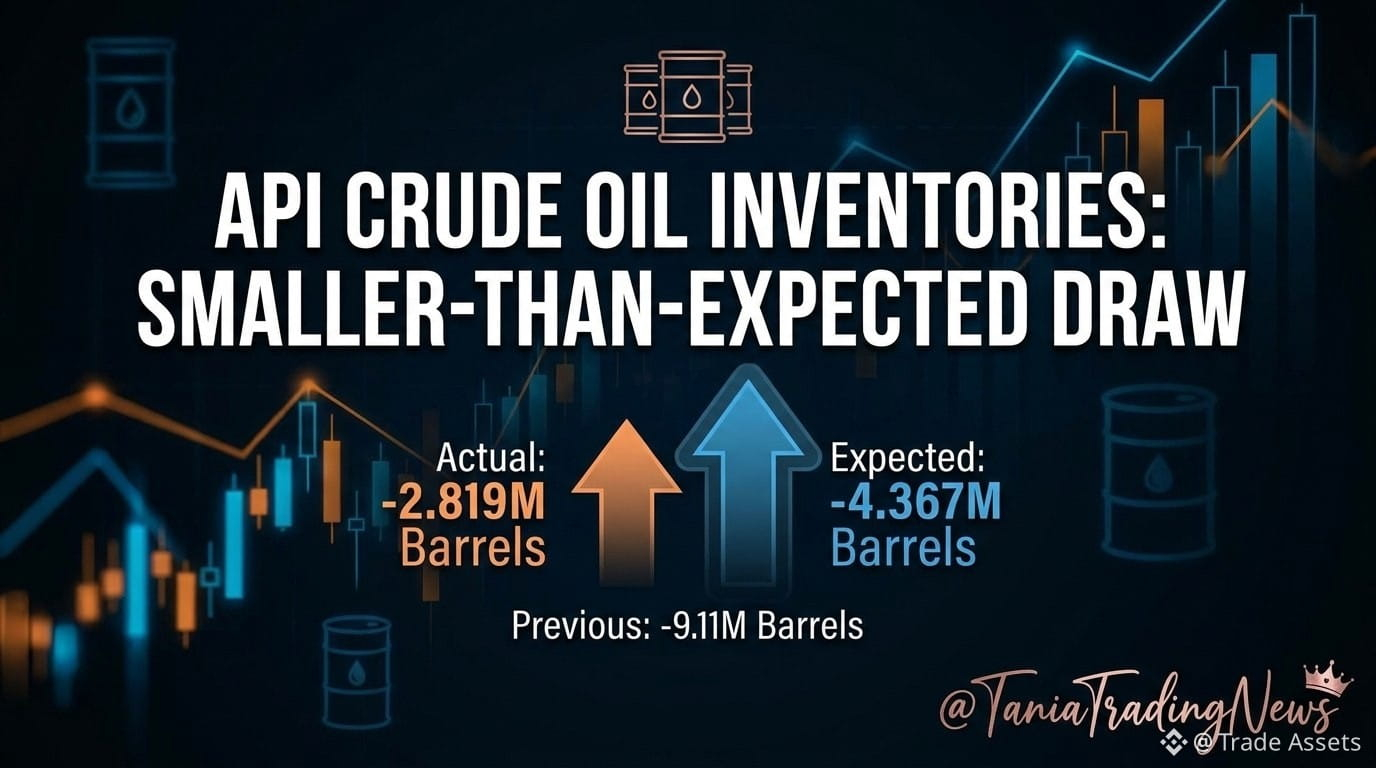
The most recent API data indicates that crude oil inventories dropped by 2.819 million barrels, which is less than the expected decrease of 4.367 million barrels. In the previous week, inventories had declined by 9.11 million barrels.
#API
The most recent API data indicates that crude oil inventories dropped by 2.819 million barrels, which is less than the expected decrease of 4.367 million barrels. In the previous week, inventories had declined by 9.11 million barrels.
The most recent API data indicates that crude oil inventories dropped by 2.819 million barrels, which is less than the expected decrease of 4.367 million barrels. In the previous week, inventories had declined by 9.11 million barrels.
1
255

·
--
Рост
Ever wondered what happens after you click "Pay"? 🤔
Think of an API like the ordering system in a restaurant.
🍽️ You place an order.
👨🍳 The kitchen prepares it.
📲 The system connects both sides and brings the result back.
Crypto payments work the same way.
When a user clicks Pay, the API sends the request, processes the transaction, confirms the payment, and returns the result—all within seconds.
That's why APIs matter.
They aren't just code.
They're the invisible infrastructure powering every smooth payment experience.
With UPay Business API, developers can integrate:
• Crypto Pay-In
• Payment confirmation
• Settlement
• Payment status updates
…without building the entire payment infrastructure from scratch.
The best payment experience is the one users never have to think about. 💚
#Crypto #API #Web3 #CryptoPayments #Fintech
Ever wondered what happens after you click "Pay"? 🤔
Think of an API like the ordering system in a restaurant.
🍽️ You place an order.
👨🍳 The kitchen prepares it.
📲 The system connects both sides and brings the result back.
Crypto payments work the same way.
When a user clicks Pay, the API sends the request, processes the transaction, confirms the payment, and returns the result—all within seconds.
That's why APIs matter.
They aren't just code.
They're the invisible infrastructure powering every smooth payment experience.
With UPay Business API, developers can integrate:
• Crypto Pay-In
• Payment confirmation
• Settlement
• Payment status updates
…without building the entire payment infrastructure from scratch.
The best payment experience is the one users never have to think about. 💚
#Crypto #API #Web3 #CryptoPayments #Fintech
Think of an API like the ordering system in a restaurant.
🍽️ You place an order.
👨🍳 The kitchen prepares it.
📲 The system connects both sides and brings the result back.
Crypto payments work the same way.
When a user clicks Pay, the API sends the request, processes the transaction, confirms the payment, and returns the result—all within seconds.
That's why APIs matter.
They aren't just code.
They're the invisible infrastructure powering every smooth payment experience.
With UPay Business API, developers can integrate:
• Crypto Pay-In
• Payment confirmation
• Settlement
• Payment status updates
…without building the entire payment infrastructure from scratch.
The best payment experience is the one users never have to think about. 💚
#Crypto #API #Web3 #CryptoPayments #Fintech

116

·
--
Рост
🟢 P2P-мерчанты, а вы используете P2P API или всё ещё обновляете объявления вручную? 👀
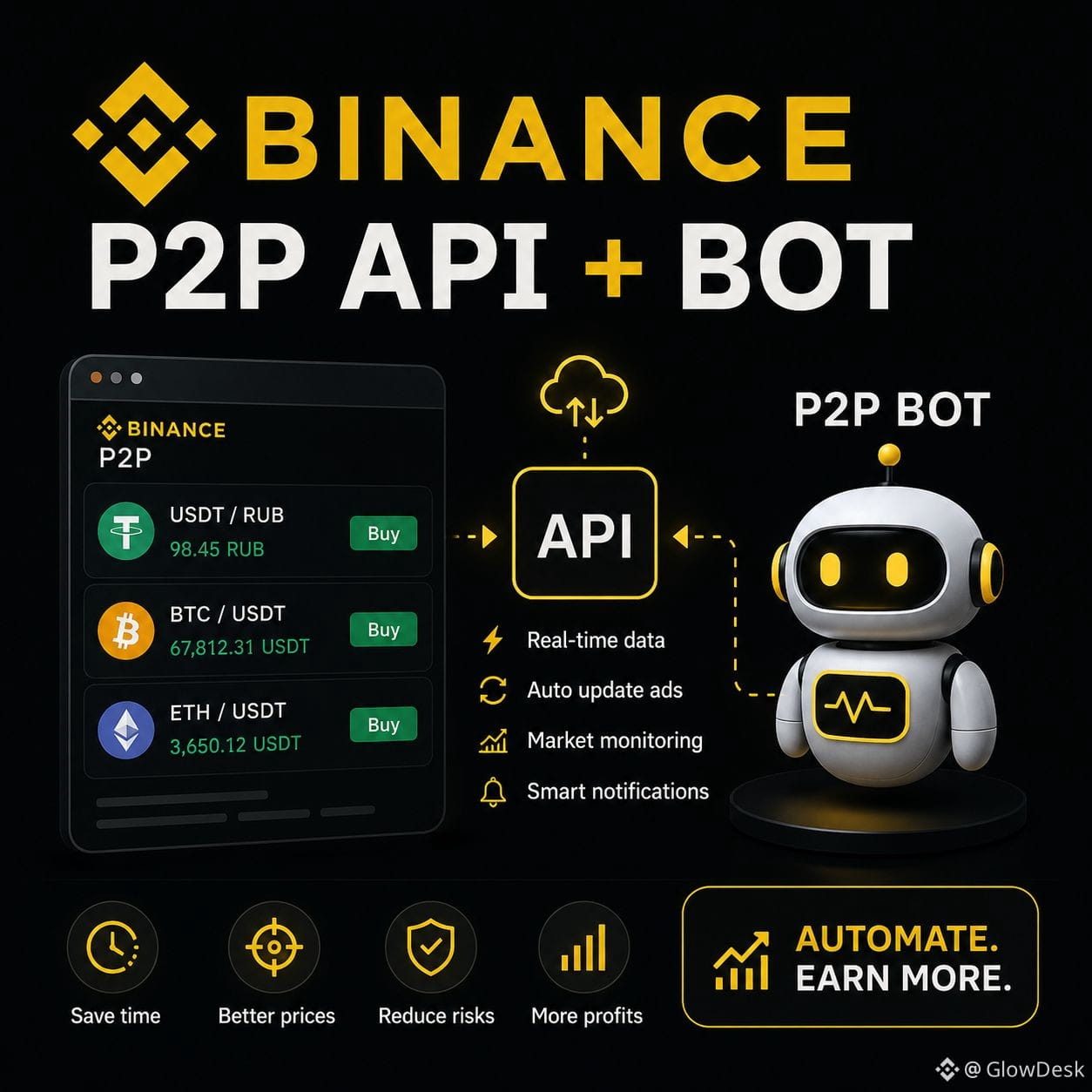
Для тех, кто не в теме — P2P API позволяет автоматизировать часть рутинных процессов при работе с P2P.
Что это даёт на практике:
⚡ Быстрое обновление цен в объявлениях.
📊 Получение актуальных данных по рынку в режиме реального времени.
🔄 Автоматическая реакция на изменения цен конкурентов.
⏳ Экономия времени на постоянном мониторинге.
Чем активнее рынок, тем сложнее успевать следить за всеми изменениями вручную. Особенно когда цены могут меняться несколько раз за час.
Именно поэтому многие мерчанты постепенно переходят на автоматизацию и работу через API.
🤖 Кстати, данные через P2P API можно подключить к PricePulseBot и получать ещё больше возможностей для мониторинга рынка и отслеживания изменений цен в одном месте.
Технологии не заменяют опыт, но точно помогают использовать его эффективнее.
Пользуетесь P2P API или пока работаете полностью вручную? 👇
#P2PTrading #API
🟢 P2P-мерчанты, а вы используете P2P API или всё ещё обновляете объявления вручную? 👀
Для тех, кто не в теме — P2P API позволяет автоматизировать часть рутинных процессов при работе с P2P.
Что это даёт на практике:
⚡ Быстрое обновление цен в объявлениях.
📊 Получение актуальных данных по рынку в режиме реального времени.
🔄 Автоматическая реакция на изменения цен конкурентов.
⏳ Экономия времени на постоянном мониторинге.
Чем активнее рынок, тем сложнее успевать следить за всеми изменениями вручную. Особенно когда цены могут меняться несколько раз за час.
Именно поэтому многие мерчанты постепенно переходят на автоматизацию и работу через API.
🤖 Кстати, данные через P2P API можно подключить к PricePulseBot и получать ещё больше возможностей для мониторинга рынка и отслеживания изменений цен в одном месте.
Технологии не заменяют опыт, но точно помогают использовать его эффективнее.
Пользуетесь P2P API или пока работаете полностью вручную? 👇
#P2PTrading #API
Для тех, кто не в теме — P2P API позволяет автоматизировать часть рутинных процессов при работе с P2P.
Что это даёт на практике:
⚡ Быстрое обновление цен в объявлениях.
📊 Получение актуальных данных по рынку в режиме реального времени.
🔄 Автоматическая реакция на изменения цен конкурентов.
⏳ Экономия времени на постоянном мониторинге.
Чем активнее рынок, тем сложнее успевать следить за всеми изменениями вручную. Особенно когда цены могут меняться несколько раз за час.
Именно поэтому многие мерчанты постепенно переходят на автоматизацию и работу через API.
🤖 Кстати, данные через P2P API можно подключить к PricePulseBot и получать ещё больше возможностей для мониторинга рынка и отслеживания изменений цен в одном месте.
Технологии не заменяют опыт, но точно помогают использовать его эффективнее.
Пользуетесь P2P API или пока работаете полностью вручную? 👇
#P2PTrading #API
1
261

·
--
سلسلة كن ذكيا مع بينانس
3 إعدادات تحمي أموالك 🛡️
قائمة السحب البيضاء: لا يُسمح بالسحب إلا إلى عناوين أضفتها مسبقًا.
إدارة الأجهزة: راجع الأجهزة المتصلة بحسابك واحذف ما لا تعرفه.
مفاتيح API: إذا استخدمت بوتات تداول، عطّل صلاحية السحب وقيّد المفتاح بعنوان IP محدد.
❓ متى آخر مرة راجعت أجهزة حسابك؟
#API #SecurityAlert #BinanceAcademy
سلسلة كن ذكيا مع بينانس
3 إعدادات تحمي أموالك 🛡️
قائمة السحب البيضاء: لا يُسمح بالسحب إلا إلى عناوين أضفتها مسبقًا.
إدارة الأجهزة: راجع الأجهزة المتصلة بحسابك واحذف ما لا تعرفه.
مفاتيح API: إذا استخدمت بوتات تداول، عطّل صلاحية السحب وقيّد المفتاح بعنوان IP محدد.
❓ متى آخر مرة راجعت أجهزة حسابك؟
#API #SecurityAlert #BinanceAcademy
3 إعدادات تحمي أموالك 🛡️
قائمة السحب البيضاء: لا يُسمح بالسحب إلا إلى عناوين أضفتها مسبقًا.
إدارة الأجهزة: راجع الأجهزة المتصلة بحسابك واحذف ما لا تعرفه.
مفاتيح API: إذا استخدمت بوتات تداول، عطّل صلاحية السحب وقيّد المفتاح بعنوان IP محدد.
❓ متى آخر مرة راجعت أجهزة حسابك؟
#API #SecurityAlert #BinanceAcademy
94

·
--
El ecosistema de la API Web3 de Binance sigue creciendo 🚀
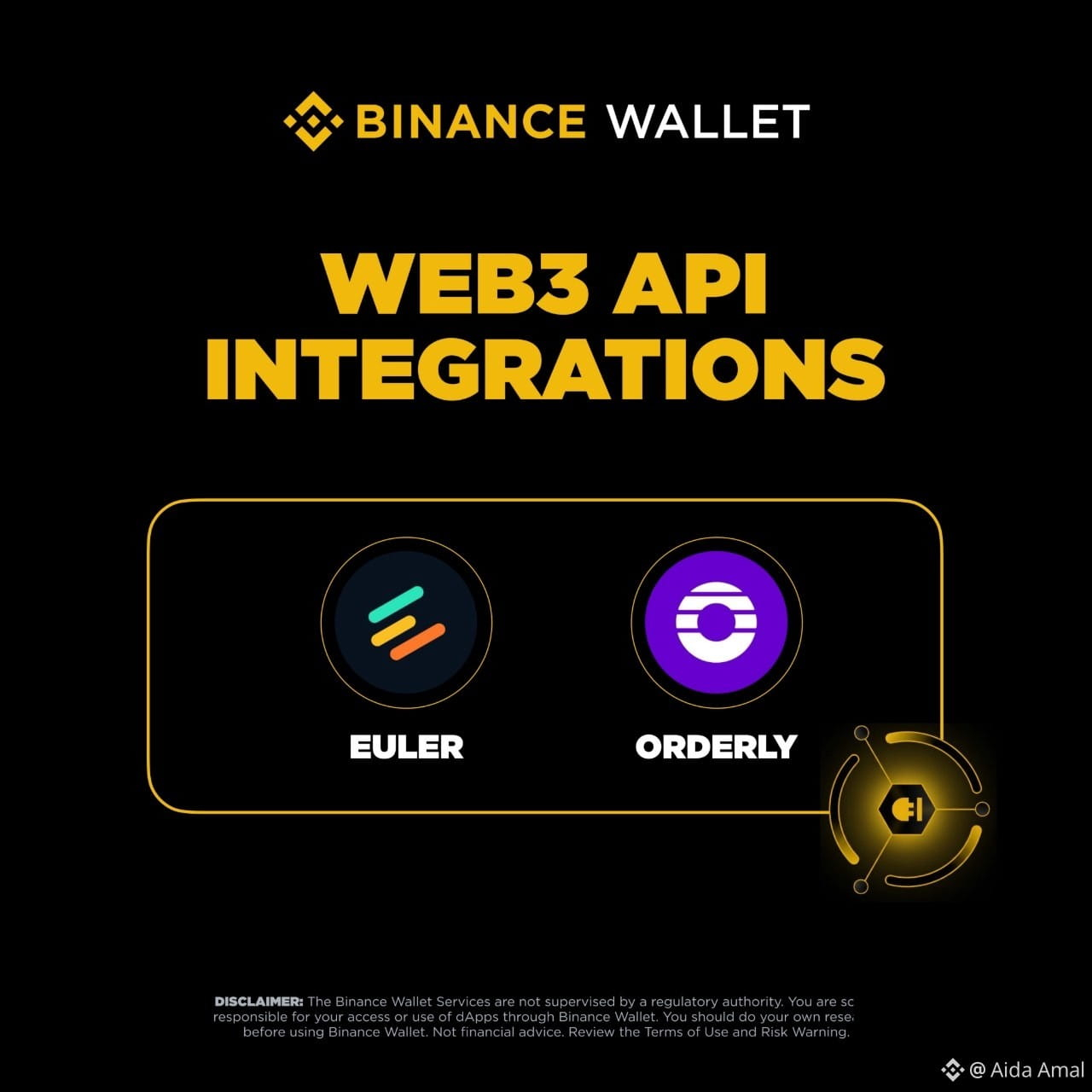
Cada vez más proyectos están utilizando la API Web3 de Binance:
✅ Euler
✅ Orderly
Estas aplicaciones ahora utilizan la API Web3 de Binance para proporcionar datos del mercado y facilitar el intercambio de tokens con precios competitivos, agregados de múltiples DEX.#binanceWeb3 #API #Euler #orderlynetwork
El ecosistema de la API Web3 de Binance sigue creciendo 🚀
Cada vez más proyectos están utilizando la API Web3 de Binance:
✅ Euler
✅ Orderly
Estas aplicaciones ahora utilizan la API Web3 de Binance para proporcionar datos del mercado y facilitar el intercambio de tokens con precios competitivos, agregados de múltiples DEX.#binanceWeb3 #API #Euler #orderlynetwork
Cada vez más proyectos están utilizando la API Web3 de Binance:
✅ Euler
✅ Orderly
Estas aplicaciones ahora utilizan la API Web3 de Binance para proporcionar datos del mercado y facilitar el intercambio de tokens con precios competitivos, agregados de múltiples DEX.#binanceWeb3 #API #Euler #orderlynetwork
1
95

🚀 $AI API UPGRADE UNLEASHES NEXT‑GEN DEV POWER! 📈
Anthropic just dropped Claude API v2026‑10‑21, the first official version bump since June 2023, and developers are already feeling the ripple. 📊 The new SDK defaults to this release, forcing a clean slate on legacy parameters.
Temperature, top_p and top_k are gone—any lingering calls now throw errors, so smart‑money engineers are scrambling to refactor code and lock in future‑proof liquidity. ⚡🦈 This shift trims noise and sharpens model predictability.
The old 2023‑06‑01 endpoint still runs, but the upgrade path is clear for anyone eyeing the next wave of AI‑driven dApps. 💡 💬 Are you ready to re‑engineer your pipelines before the new standard locks in?
⚠️ Not financial advice. Always manage your risk. 🛡️
🏷️ #AI #TechUpdate #Claude #API #Crypto
🔥 💎
🚀 $AI API UPGRADE UNLEASHES NEXT‑GEN DEV POWER! 📈
Anthropic just dropped Claude API v2026‑10‑21, the first official version bump since June 2023, and developers are already feeling the ripple. 📊 The new SDK defaults to this release, forcing a clean slate on legacy parameters.
Temperature, top_p and top_k are gone—any lingering calls now throw errors, so smart‑money engineers are scrambling to refactor code and lock in future‑proof liquidity. ⚡🦈 This shift trims noise and sharpens model predictability.
The old 2023‑06‑01 endpoint still runs, but the upgrade path is clear for anyone eyeing the next wave of AI‑driven dApps. 💡 💬 Are you ready to re‑engineer your pipelines before the new standard locks in?
⚠️ Not financial advice. Always manage your risk. 🛡️
🏷️ #AI #TechUpdate #Claude #API #Crypto
🔥 💎
Anthropic just dropped Claude API v2026‑10‑21, the first official version bump since June 2023, and developers are already feeling the ripple. 📊 The new SDK defaults to this release, forcing a clean slate on legacy parameters.
Temperature, top_p and top_k are gone—any lingering calls now throw errors, so smart‑money engineers are scrambling to refactor code and lock in future‑proof liquidity. ⚡🦈 This shift trims noise and sharpens model predictability.
The old 2023‑06‑01 endpoint still runs, but the upgrade path is clear for anyone eyeing the next wave of AI‑driven dApps. 💡 💬 Are you ready to re‑engineer your pipelines before the new standard locks in?
⚠️ Not financial advice. Always manage your risk. 🛡️
🏷️ #AI #TechUpdate #Claude #API #Crypto
🔥 💎
14

·
--
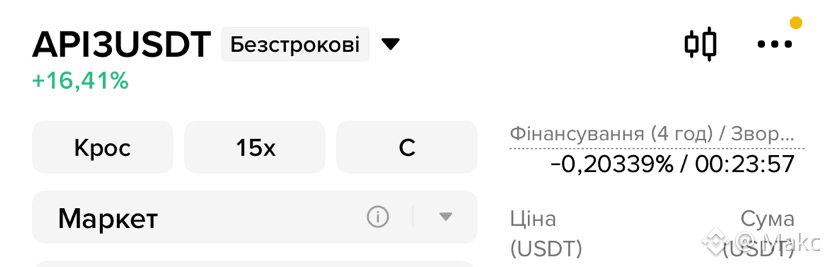
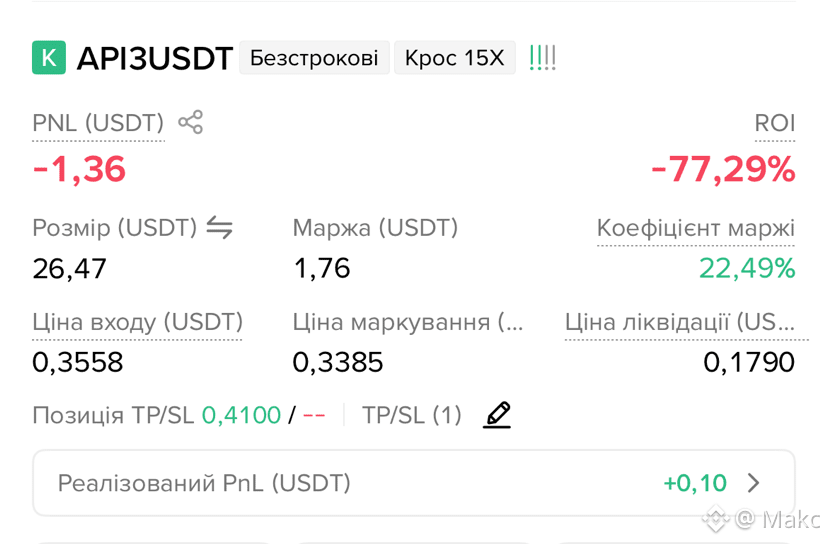
#api зніму покищо ст. хочу подивитись що буде після розрахунку по фандінгу.
#api зніму покищо ст. хочу подивитись що буде після розрахунку по фандінгу.
2
1
572

Tech scan (4H) 🔍
Looking at High Volume:
🟢 $RLC: LONG (12/15)
🟢 $NMR: LONG (12/15)
🟢 $RAD: LONG (12/15)
🟢 ORCA: LONG (12/15)
🟢 API3: LONG (12/15)
🟢 DIA: LONG (12/15)
🟢 C98: LONG (12/15)
🟢 ZRO: LONG (12/15)
Strong signals: 8 | Weak: 0
How are you positioning?
#ORCA #RAD #API #TA #Signals
📱 Follow @PoorCryptoMan
Tech scan (4H) 🔍
Looking at High Volume:
🟢 $RLC : LONG (12/15)
🟢 $NMR : LONG (12/15)
🟢 $RAD : LONG (12/15)
🟢 ORCA: LONG (12/15)
🟢 API3: LONG (12/15)
🟢 DIA: LONG (12/15)
🟢 C98: LONG (12/15)
🟢 ZRO: LONG (12/15)
Strong signals: 8 | Weak: 0
How are you positioning?
#ORCA #RAD #API #TA #Signals
📱 Follow @PoorCryptoMan
Looking at High Volume:
🟢 $RLC : LONG (12/15)
🟢 $NMR : LONG (12/15)
🟢 $RAD : LONG (12/15)
🟢 ORCA: LONG (12/15)
🟢 API3: LONG (12/15)
🟢 DIA: LONG (12/15)
🟢 C98: LONG (12/15)
🟢 ZRO: LONG (12/15)
Strong signals: 8 | Weak: 0
How are you positioning?
#ORCA #RAD #API #TA #Signals
📱 Follow @PoorCryptoMan
25
Here's your free alpha...
Tech scan (4H) 🔍
Looking at Top Gainers:
🟢 $RLC: LONG (12/15)
🟢 $RAD: LONG (12/15)
🟢 $API3: LONG (12/15)
🟢 ORCA: LONG (12/15)
🟢 C98: LONG (12/15)
🟢 DIA: LONG (12/15)
🟢 VTHO: LONG (12/15)
🟢 FIL: LONG (12/15)
Strong signals: 8 | Weak: 0
What's on your watchlist?
#ORCA #RAD #API #Signals #TA
📱 Follow @PoorCryptoMan
Here's your free alpha...
Tech scan (4H) 🔍
Looking at Top Gainers:
🟢 $RLC : LONG (12/15)
🟢 $RAD : LONG (12/15)
🟢 $API3 : LONG (12/15)
🟢 ORCA: LONG (12/15)
🟢 C98: LONG (12/15)
🟢 DIA: LONG (12/15)
🟢 VTHO: LONG (12/15)
🟢 FIL: LONG (12/15)
Strong signals: 8 | Weak: 0
What's on your watchlist?
#ORCA #RAD #API #Signals #TA
📱 Follow @PoorCryptoMan
Tech scan (4H) 🔍
Looking at Top Gainers:
🟢 $RLC : LONG (12/15)
🟢 $RAD : LONG (12/15)
🟢 $API3 : LONG (12/15)
🟢 ORCA: LONG (12/15)
🟢 C98: LONG (12/15)
🟢 DIA: LONG (12/15)
🟢 VTHO: LONG (12/15)
🟢 FIL: LONG (12/15)
Strong signals: 8 | Weak: 0
What's on your watchlist?
#ORCA #RAD #API #Signals #TA
📱 Follow @PoorCryptoMan
141

$GPS /USDT — 🔴 SHORT · Conf 72%
📍 Entry: 0.0103389 – 0.0104011
🛑 SL: 0.0111200
🎯 TP1: 0.0098515
✅ TP2: 0.0094367
🏆 TP3: 0.0088145
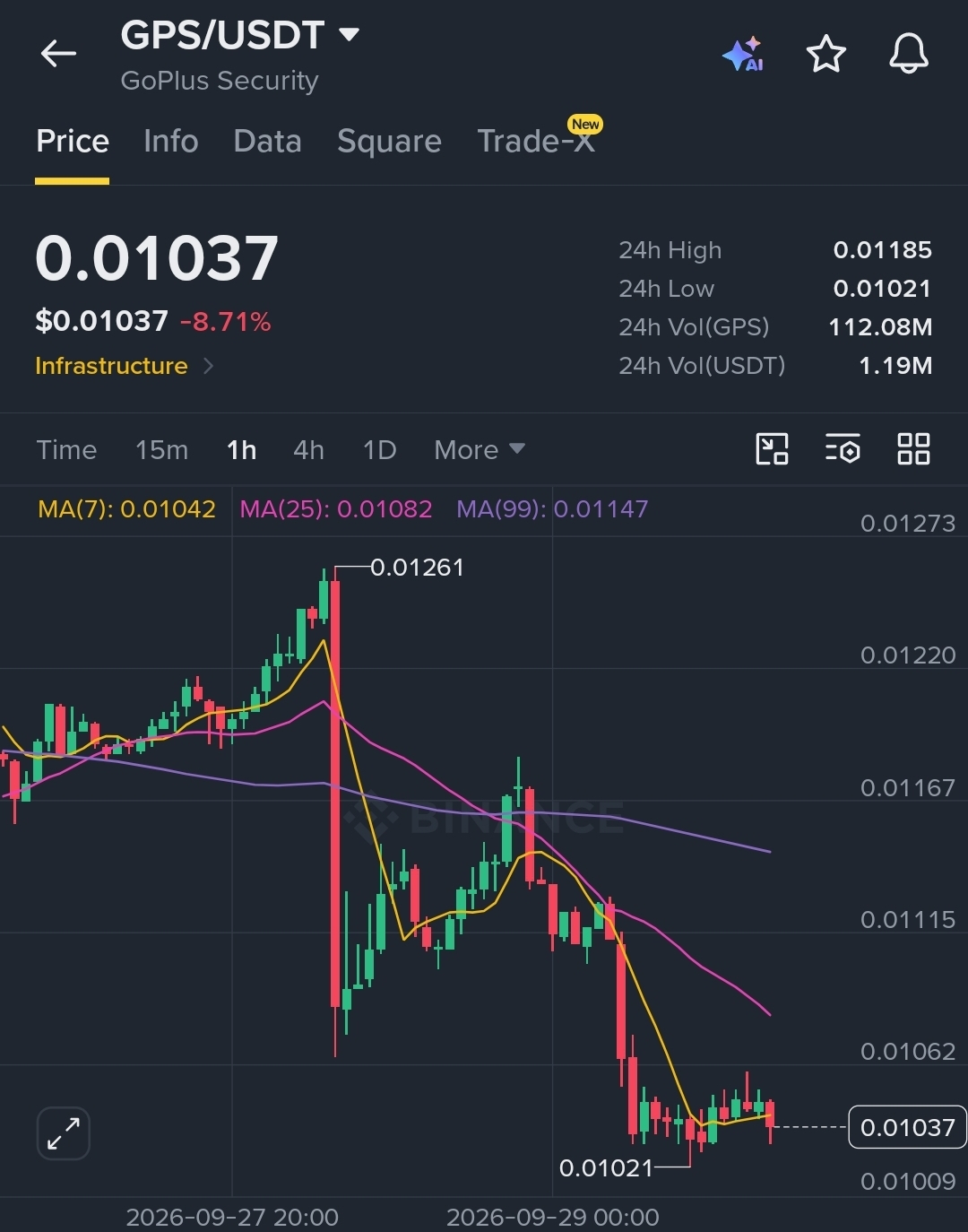
Price is stuck under a falling MA25 (0.01082) and MA99 (0.01147) with MA7 flat, so the 1H bias stays down.
$GPS : GoPlus Security provides a security data layer for scanning tokens and contracts; the risk is that usage is hard to tie to token value, and 24H volume is only ~1.19M USDT.
Does a security API earn token value from usage, or is it a public good wallets just consume for free?
#GPS #GoPlusSecurity #GoPlusFoundation #Data #API
{future}(GPSUSDT)
$GPS /USDT — 🔴 SHORT · Conf 72%
📍 Entry: 0.0103389 – 0.0104011
🛑 SL: 0.0111200
🎯 TP1: 0.0098515
✅ TP2: 0.0094367
🏆 TP3: 0.0088145
Price is stuck under a falling MA25 (0.01082) and MA99 (0.01147) with MA7 flat, so the 1H bias stays down.
$GPS : GoPlus Security provides a security data layer for scanning tokens and contracts; the risk is that usage is hard to tie to token value, and 24H volume is only ~1.19M USDT.
Does a security API earn token value from usage, or is it a public good wallets just consume for free?
#GPS #GoPlusSecurity #GoPlusFoundation #Data #API
📍 Entry: 0.0103389 – 0.0104011
🛑 SL: 0.0111200
🎯 TP1: 0.0098515
✅ TP2: 0.0094367
🏆 TP3: 0.0088145
Price is stuck under a falling MA25 (0.01082) and MA99 (0.01147) with MA7 flat, so the 1H bias stays down.
$GPS : GoPlus Security provides a security data layer for scanning tokens and contracts; the risk is that usage is hard to tie to token value, and 24H volume is only ~1.19M USDT.
Does a security API earn token value from usage, or is it a public good wallets just consume for free?
#GPS #GoPlusSecurity #GoPlusFoundation #Data #API

1
160

·
--
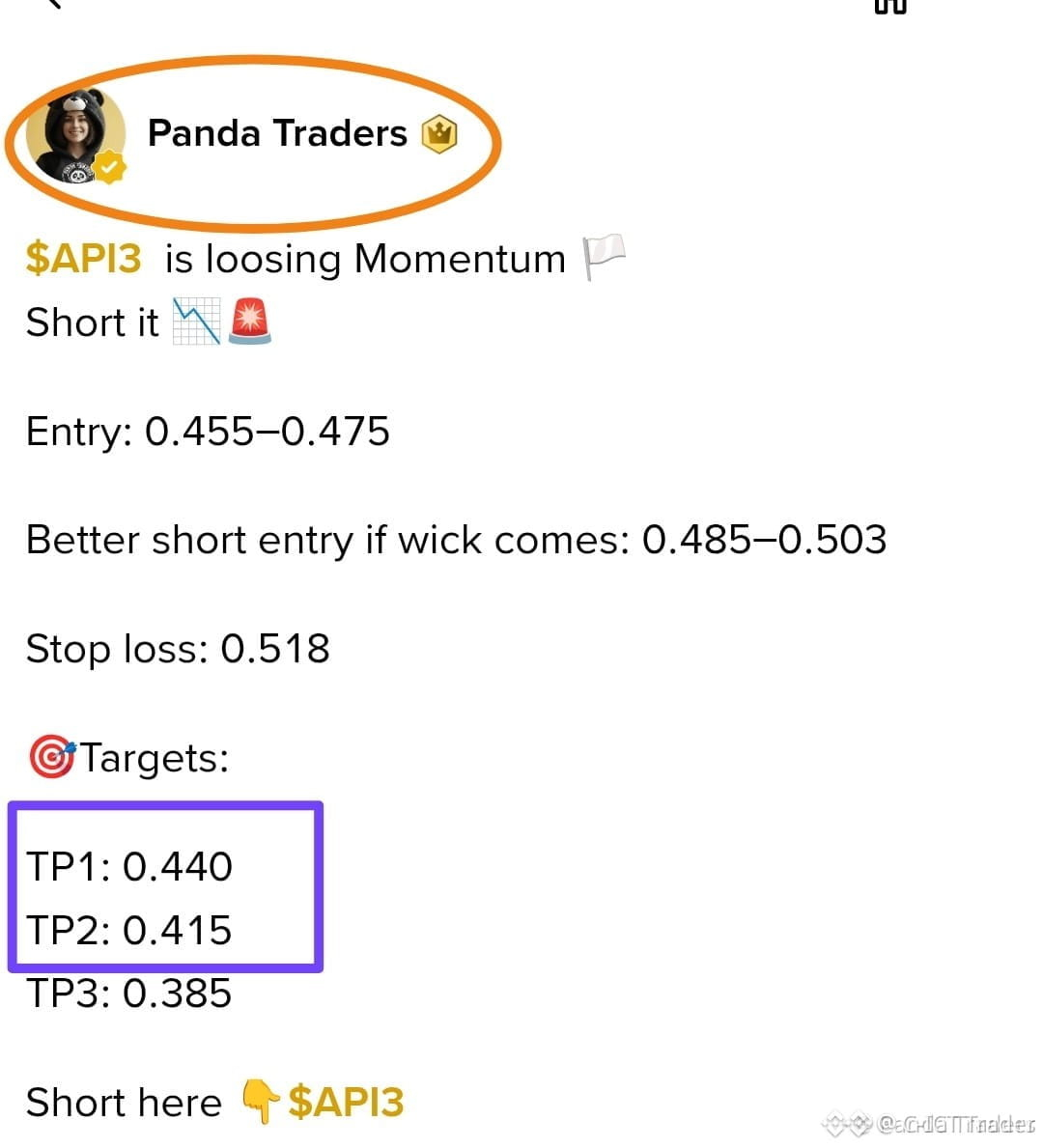
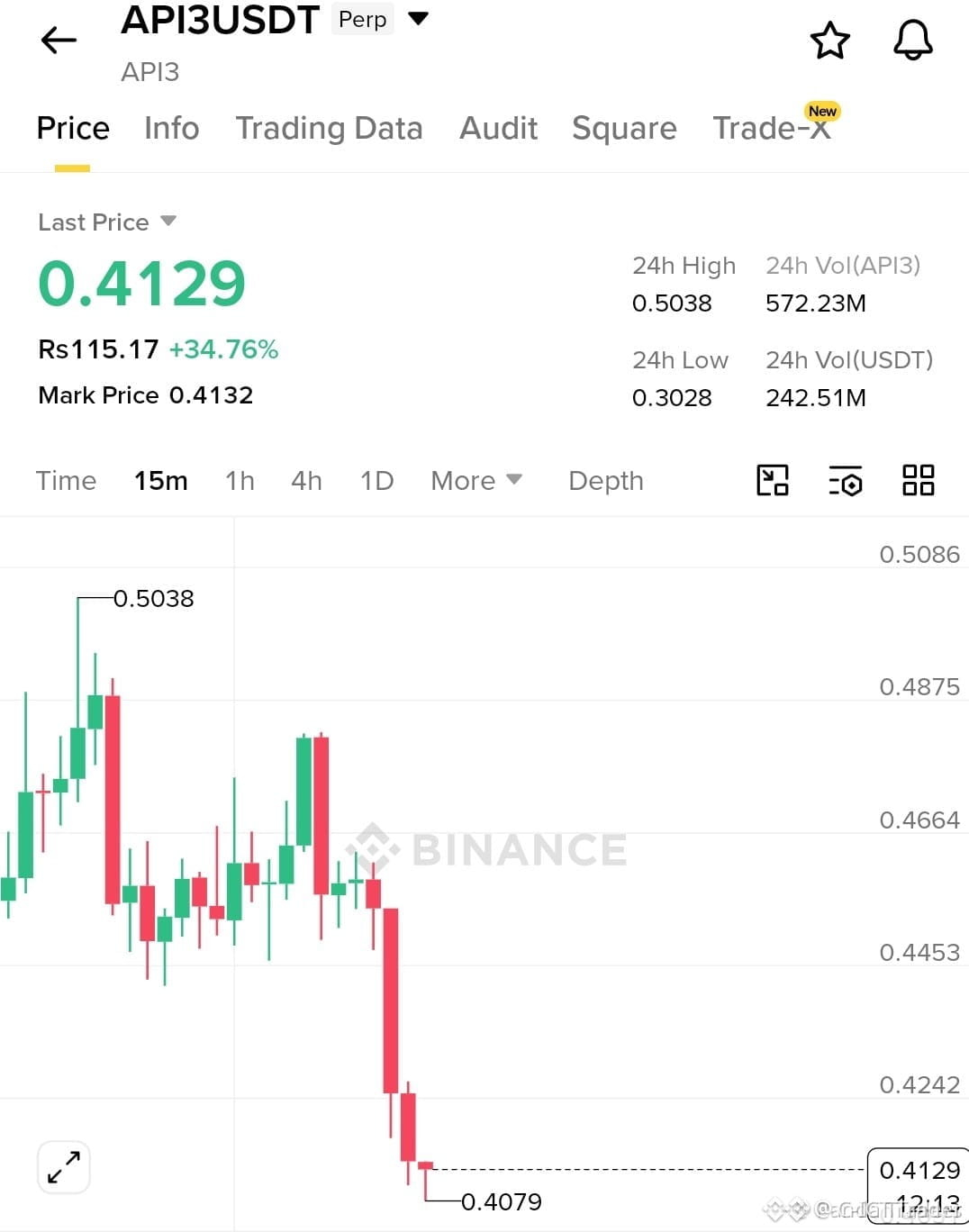
$API3 is breaking down fast after the second target print 🔻
The tape looks like profit-taking is taking over while bids fade and liquidity thins out. That kind of move usually tells you larger players are unloading into strength, while late buyers get forced to chase the slide. The clean read here is simple: the market is breathing out, not building a base yet.
Not financial advice. Manage your risk and protect your capital.
#API #Crypto #Altcoins #DeFi #Trading
✌️
{future}(API3USDT)
$API3 is breaking down fast after the second target print 🔻
The tape looks like profit-taking is taking over while bids fade and liquidity thins out. That kind of move usually tells you larger players are unloading into strength, while late buyers get forced to chase the slide. The clean read here is simple: the market is breathing out, not building a base yet.
Not financial advice. Manage your risk and protect your capital.
#API #Crypto #Altcoins #DeFi #Trading
✌️
The tape looks like profit-taking is taking over while bids fade and liquidity thins out. That kind of move usually tells you larger players are unloading into strength, while late buyers get forced to chase the slide. The clean read here is simple: the market is breathing out, not building a base yet.
Not financial advice. Manage your risk and protect your capital.
#API #Crypto #Altcoins #DeFi #Trading
✌️
79

⚙️ تحديث مكتبة CCXT لدعم أكثر من 100 منصة تداول
صدر تحديث جديد للمكتبة البرمجية CCXT، الإصدار 4.5.71، التي توفر واجهة برمجة تطبيقات (API) موحدة للتداول في العملات الرقمية. تدعم المكتبة الآن أكثر من 100 منصة تداول للعملات الرقمية، وهي متوفرة بعدة لغات برمجة مثل JavaScript وPython.
━━━━━━━━━━━━━━
📊 التأثير: 📊 متوسط
🏷️ EXCHANGE
#CCXT #API #Cryptocurrency #Trading #Development
📰 المصدر: pypi.org
⚙️ تحديث مكتبة CCXT لدعم أكثر من 100 منصة تداول
صدر تحديث جديد للمكتبة البرمجية CCXT، الإصدار 4.5.71، التي توفر واجهة برمجة تطبيقات (API) موحدة للتداول في العملات الرقمية. تدعم المكتبة الآن أكثر من 100 منصة تداول للعملات الرقمية، وهي متوفرة بعدة لغات برمجة مثل JavaScript وPython.
━━━━━━━━━━━━━━
📊 التأثير: 📊 متوسط
🏷️ EXCHANGE
#CCXT #API #Cryptocurrency #Trading #Development
📰 المصدر: pypi.org
صدر تحديث جديد للمكتبة البرمجية CCXT، الإصدار 4.5.71، التي توفر واجهة برمجة تطبيقات (API) موحدة للتداول في العملات الرقمية. تدعم المكتبة الآن أكثر من 100 منصة تداول للعملات الرقمية، وهي متوفرة بعدة لغات برمجة مثل JavaScript وPython.
━━━━━━━━━━━━━━
📊 التأثير: 📊 متوسط
🏷️ EXCHANGE
#CCXT #API #Cryptocurrency #Trading #Development
📰 المصدر: pypi.org
1
55


El debate sobre la situación actual de Bitcoin gira en torno a señales técnicas y métricas on-chain muy claras que respaldan el inicio o la confirmación de una nueva fase alcista, con la mirada puesta en la resistencia clave de los US$90.000. Históricamente, que BTC cotice y cierre de forma sostenida por encima de su media móvil de 365 días, ubicada en torno a los US$80.500, ha sido el indicador fundamental que marca la transición oficial hacia un mercado alcista.
La franja situada entre los US$88.000 y los US$91.000 coincide con el límite superior de la banda de precios realizados por los traders. Esto significa que existe un cúmulo importante de inversores que compraron en rangos anteriores y podrían buscar recuperar capital o asegurar beneficios. Cuando BTC se acerca a zonas de resistencia significativas, los inversores a corto plazo suelen optar por la toma de beneficios, lo que incrementa la probabilidad de correcciones temporales o fases de consolidación antes de un intento de ruptura definitiva.
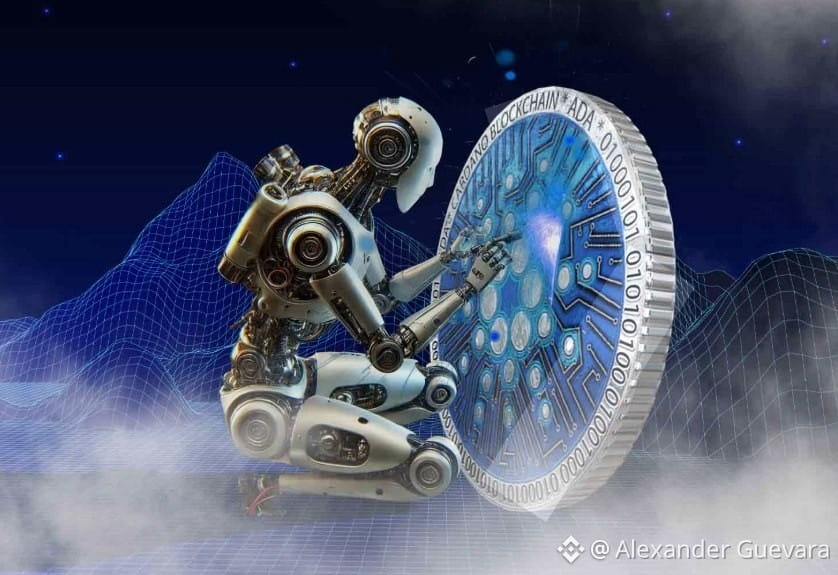
La red monetaria de Cardano se ha unido al kit oficial x402, permitiendo a los desarrolladores crear aplicaciones y agentes de IA que pagan por servicios en línea utilizando el token ADA o tokens emitidos por Cardano. La incorporación oficial del estándar x402 al ecosistema de Cardano marca un hito importante para el desarrollo de aplicaciones descentralizadas y la economía de agentes de inteligencia artificial.
El protocolo rescata el código de estado web Payment Required, permitiendo que las aplicaciones y los agentes de IA paguen por servicios y llamadas a APIs por cada solicitud de forma automatizada, sin necesidad de cuentas previas, tarjetas de crédito ni suscripciones. Esta actualización facilita la creación de agentes autónomos capaces de alquilar potencia de cálculo, comprar bases de datos en tiempo real o ejecutar microservicios web de forma completamente independiente.
#AI #API #Cardano #BTC #x402 $BTC $ADA
El debate sobre la situación actual de Bitcoin gira en torno a señales técnicas y métricas on-chain muy claras que respaldan el inicio o la confirmación de una nueva fase alcista, con la mirada puesta en la resistencia clave de los US$90.000. Históricamente, que BTC cotice y cierre de forma sostenida por encima de su media móvil de 365 días, ubicada en torno a los US$80.500, ha sido el indicador fundamental que marca la transición oficial hacia un mercado alcista.
La franja situada entre los US$88.000 y los US$91.000 coincide con el límite superior de la banda de precios realizados por los traders. Esto significa que existe un cúmulo importante de inversores que compraron en rangos anteriores y podrían buscar recuperar capital o asegurar beneficios. Cuando BTC se acerca a zonas de resistencia significativas, los inversores a corto plazo suelen optar por la toma de beneficios, lo que incrementa la probabilidad de correcciones temporales o fases de consolidación antes de un intento de ruptura definitiva.
La red monetaria de Cardano se ha unido al kit oficial x402, permitiendo a los desarrolladores crear aplicaciones y agentes de IA que pagan por servicios en línea utilizando el token ADA o tokens emitidos por Cardano. La incorporación oficial del estándar x402 al ecosistema de Cardano marca un hito importante para el desarrollo de aplicaciones descentralizadas y la economía de agentes de inteligencia artificial.
El protocolo rescata el código de estado web Payment Required, permitiendo que las aplicaciones y los agentes de IA paguen por servicios y llamadas a APIs por cada solicitud de forma automatizada, sin necesidad de cuentas previas, tarjetas de crédito ni suscripciones. Esta actualización facilita la creación de agentes autónomos capaces de alquilar potencia de cálculo, comprar bases de datos en tiempo real o ejecutar microservicios web de forma completamente independiente.
#AI #API #Cardano #BTC #x402 $BTC $ADA
La franja situada entre los US$88.000 y los US$91.000 coincide con el límite superior de la banda de precios realizados por los traders. Esto significa que existe un cúmulo importante de inversores que compraron en rangos anteriores y podrían buscar recuperar capital o asegurar beneficios. Cuando BTC se acerca a zonas de resistencia significativas, los inversores a corto plazo suelen optar por la toma de beneficios, lo que incrementa la probabilidad de correcciones temporales o fases de consolidación antes de un intento de ruptura definitiva.
La red monetaria de Cardano se ha unido al kit oficial x402, permitiendo a los desarrolladores crear aplicaciones y agentes de IA que pagan por servicios en línea utilizando el token ADA o tokens emitidos por Cardano. La incorporación oficial del estándar x402 al ecosistema de Cardano marca un hito importante para el desarrollo de aplicaciones descentralizadas y la economía de agentes de inteligencia artificial.
El protocolo rescata el código de estado web Payment Required, permitiendo que las aplicaciones y los agentes de IA paguen por servicios y llamadas a APIs por cada solicitud de forma automatizada, sin necesidad de cuentas previas, tarjetas de crédito ni suscripciones. Esta actualización facilita la creación de agentes autónomos capaces de alquilar potencia de cálculo, comprar bases de datos en tiempo real o ejecutar microservicios web de forma completamente independiente.
#AI #API #Cardano #BTC #x402 $BTC $ADA

92

8 API Stablecoin tốt nhất năm 2026 cho thanh toán và hạ tầng
- Stablecoin API là công cụ dành cho nhà phát triển, cho phép doanh nghiệp gửi, nhận, chuyển đổi, nắm giữ, phát hành hoặc thanh toán stablecoin bằng lập trình.
- Các trường hợp sử dụng bao gồm: thanh toán vào, thanh toán ra, ví, fiat ramp, chuyển tiền kho bạc, thanh toán cho merchant, kiều hối, trả lương và tài chính nhúng.
- Việc lựa chọn API stablecoin phù hợp phụ thuộc vào nhu cầu cụ thể của từng doanh nghiệp.
- Nguồn RSS chưa cung cấp thêm chi tiết về danh sách 8 API cụ thể.
#Stablecoin #API #CryptoNews #BinanceSquare
$btc $eth
#vlikevn Titanbot
Nguồn: CoinGape
8 API Stablecoin tốt nhất năm 2026 cho thanh toán và hạ tầng
- Stablecoin API là công cụ dành cho nhà phát triển, cho phép doanh nghiệp gửi, nhận, chuyển đổi, nắm giữ, phát hành hoặc thanh toán stablecoin bằng lập trình.
- Các trường hợp sử dụng bao gồm: thanh toán vào, thanh toán ra, ví, fiat ramp, chuyển tiền kho bạc, thanh toán cho merchant, kiều hối, trả lương và tài chính nhúng.
- Việc lựa chọn API stablecoin phù hợp phụ thuộc vào nhu cầu cụ thể của từng doanh nghiệp.
- Nguồn RSS chưa cung cấp thêm chi tiết về danh sách 8 API cụ thể.
#Stablecoin #API #CryptoNews #BinanceSquare
$btc $eth
#vlikevn Titanbot
Nguồn: CoinGape
- Stablecoin API là công cụ dành cho nhà phát triển, cho phép doanh nghiệp gửi, nhận, chuyển đổi, nắm giữ, phát hành hoặc thanh toán stablecoin bằng lập trình.
- Các trường hợp sử dụng bao gồm: thanh toán vào, thanh toán ra, ví, fiat ramp, chuyển tiền kho bạc, thanh toán cho merchant, kiều hối, trả lương và tài chính nhúng.
- Việc lựa chọn API stablecoin phù hợp phụ thuộc vào nhu cầu cụ thể của từng doanh nghiệp.
- Nguồn RSS chưa cung cấp thêm chi tiết về danh sách 8 API cụ thể.
#Stablecoin #API #CryptoNews #BinanceSquare
$btc $eth
#vlikevn Titanbot
Nguồn: CoinGape
80
Войдите, чтобы посмотреть больше материала
Присоединяйтесь к пользователям криптовалют по всему миру на Binance Square
⚡️ Получайте новейшую и полезную информацию о криптоактивах.
💬 Нам доверяет крупнейшая в мире криптобиржа.
👍 Получите достоверные аналитические данные от верифицированных создателей контента.
Эл. почта/номер телефона
В тренде
1
#BinancePick
Просмотров: 3.1M
153,244 обсуждают
2
#EarningsSeason
Просмотров: 5.3M
26,056 обсуждают
3
#AnthropicTTMRevenueGrewAbout1200%
Просмотров: 35,426
442 обсуждают
4
#AnthropicS1ExpectedToday
Просмотров: 29,243
360 обсуждают
5
#SouthKoreaReportedlyWeighsFourthCryptoTaxDelay
Просмотров: 32,785
489 обсуждают
6
#FranklinTempletonFilesForTwoDividendToBitcoinETFs
Просмотров: 43,562
557 обсуждают
7
#StrategyMSTRSurpassesNasdaqInMarketCap
Просмотров: 33,467
399 обсуждают
8
#CanadaProposesStablecoinRedemptionWithin3BusinessDays
Просмотров: 1,402
36 обсуждают
9
#ElectrumWalletBugLetRogueServersStealFunds
Просмотров: 32,874
479 обсуждают
10
#ArgentineCourtDismissesLIBRACaseAgainstMilei
Просмотров: 49,045
599 обсуждают