

#cryptorisk
cryptorisk
Просмотров: 1.6M
2,622 обсуждают
Популярные
Новые

·
--
Qubic弱种子致1.4K钱包被盗,机构资金信任面临考验
据Cointelegraph报道,Qubic因攻击者利用弱种子短语盗取1.4K个钱包后冻结了链上网络,目前87.1%的被盗资金仍留在链上,其余部分已在MEXC交易所被冻结。
这一事件的核心风险不在于资金损失规模,而在于它暴露了新兴公链在安全审计与供应链环节中的脆弱性。对于正在评估链上基础设施的机构资金而言,一次由“弱种子”引发的批量盗取,可能比单纯的黑客攻击更令人担忧——它指向的是开发流程、密钥生成机制或第三方依赖中是否存在系统性短板。
从资金流角度看,Qubic并非主流资产,此次事件对整体加密市场流动性的直接影响有限。但机构资金的决策逻辑往往基于“尾部风险”:当一条新链出现可复现的安全漏洞时,资金方可能重新审视其审计标准、验证节点配置以及跨链桥接方案。这种信任折价未必立即反映在价格上,却可能影响后续机构配置节奏。
需要观察的是,Qubic后续是否公布完整的技术归因报告,以及87.1%链上资金的处置路径。若资金能顺利追回或补偿机制明确,事件影响或趋于收敛;若归因模糊或处置拖延,则可能强化市场对“新链=高风险”的刻板印象,间接抑制机构对中小公链的试水意愿。
接下来更值得关注的,是类似事件是否会在其他新兴链上重复出现,以及主流审计机构是否会因此调整对种子短语生成与验证节点安全性的评估权重。对资金面而言,风险信号的出现往往先于价格反应,观察这类结构性隐患的演变,比追踪单一事件的价格波动更具参考意义。
#CryptoRisk #Qubic
以上为信息整理与个人分析,不构成投资建议。
后续如有重要进展,我会继续跟踪更新。
Qubic弱种子致1.4K钱包被盗,机构资金信任面临考验
据Cointelegraph报道,Qubic因攻击者利用弱种子短语盗取1.4K个钱包后冻结了链上网络,目前87.1%的被盗资金仍留在链上,其余部分已在MEXC交易所被冻结。
这一事件的核心风险不在于资金损失规模,而在于它暴露了新兴公链在安全审计与供应链环节中的脆弱性。对于正在评估链上基础设施的机构资金而言,一次由“弱种子”引发的批量盗取,可能比单纯的黑客攻击更令人担忧——它指向的是开发流程、密钥生成机制或第三方依赖中是否存在系统性短板。
从资金流角度看,Qubic并非主流资产,此次事件对整体加密市场流动性的直接影响有限。但机构资金的决策逻辑往往基于“尾部风险”:当一条新链出现可复现的安全漏洞时,资金方可能重新审视其审计标准、验证节点配置以及跨链桥接方案。这种信任折价未必立即反映在价格上,却可能影响后续机构配置节奏。
需要观察的是,Qubic后续是否公布完整的技术归因报告,以及87.1%链上资金的处置路径。若资金能顺利追回或补偿机制明确,事件影响或趋于收敛;若归因模糊或处置拖延,则可能强化市场对“新链=高风险”的刻板印象,间接抑制机构对中小公链的试水意愿。
接下来更值得关注的,是类似事件是否会在其他新兴链上重复出现,以及主流审计机构是否会因此调整对种子短语生成与验证节点安全性的评估权重。对资金面而言,风险信号的出现往往先于价格反应,观察这类结构性隐患的演变,比追踪单一事件的价格波动更具参考意义。
#CryptoRisk #Qubic
以上为信息整理与个人分析,不构成投资建议。
后续如有重要进展,我会继续跟踪更新。
据Cointelegraph报道,Qubic因攻击者利用弱种子短语盗取1.4K个钱包后冻结了链上网络,目前87.1%的被盗资金仍留在链上,其余部分已在MEXC交易所被冻结。
这一事件的核心风险不在于资金损失规模,而在于它暴露了新兴公链在安全审计与供应链环节中的脆弱性。对于正在评估链上基础设施的机构资金而言,一次由“弱种子”引发的批量盗取,可能比单纯的黑客攻击更令人担忧——它指向的是开发流程、密钥生成机制或第三方依赖中是否存在系统性短板。
从资金流角度看,Qubic并非主流资产,此次事件对整体加密市场流动性的直接影响有限。但机构资金的决策逻辑往往基于“尾部风险”:当一条新链出现可复现的安全漏洞时,资金方可能重新审视其审计标准、验证节点配置以及跨链桥接方案。这种信任折价未必立即反映在价格上,却可能影响后续机构配置节奏。
需要观察的是,Qubic后续是否公布完整的技术归因报告,以及87.1%链上资金的处置路径。若资金能顺利追回或补偿机制明确,事件影响或趋于收敛;若归因模糊或处置拖延,则可能强化市场对“新链=高风险”的刻板印象,间接抑制机构对中小公链的试水意愿。
接下来更值得关注的,是类似事件是否会在其他新兴链上重复出现,以及主流审计机构是否会因此调整对种子短语生成与验证节点安全性的评估权重。对资金面而言,风险信号的出现往往先于价格反应,观察这类结构性隐患的演变,比追踪单一事件的价格波动更具参考意义。
#CryptoRisk #Qubic
以上为信息整理与个人分析,不构成投资建议。
后续如有重要进展,我会继续跟踪更新。
43

⚠️ HOW CAN A SMALL PRICE MOVE CAUSE A HUGE LOSS IN CRYPTO?
The answer is often LEVERAGE. 👇
🔹 1️⃣ It Magnifies Exposure
With 10x leverage, $100 of margin controls a $1,000 position.
🔹 2️⃣ Losses Grow Faster
A 2% adverse move on that $1,000 position means approximately $20 lost, before fees and funding.
🔹 3️⃣ Liquidation Becomes a Risk
A sufficiently large adverse move can cause your position to be liquidated.
🔹 4️⃣ Stop-Losses Aren't Perfect
Slippage and fast market conditions can affect your exit price.
🔹 5️⃣ More Leverage Isn't More Skill
Higher leverage increases risk; it doesn't make your analysis more accurate.
💡 Remember: You don't need extreme leverage to learn how markets work.
Understand the risk before opening a position.
👇 Do you trade spot or futures?
$BTC
{spot}(BTCUSDT)
$ETH
{spot}(ETHUSDT)
#BinanceSquare #CryptoRisk #bitcoin #FuturesTrading #cryptoeducation
⚠️ HOW CAN A SMALL PRICE MOVE CAUSE A HUGE LOSS IN CRYPTO?
The answer is often LEVERAGE. 👇
🔹 1️⃣ It Magnifies Exposure
With 10x leverage, $100 of margin controls a $1,000 position.
🔹 2️⃣ Losses Grow Faster
A 2% adverse move on that $1,000 position means approximately $20 lost, before fees and funding.
🔹 3️⃣ Liquidation Becomes a Risk
A sufficiently large adverse move can cause your position to be liquidated.
🔹 4️⃣ Stop-Losses Aren't Perfect
Slippage and fast market conditions can affect your exit price.
🔹 5️⃣ More Leverage Isn't More Skill
Higher leverage increases risk; it doesn't make your analysis more accurate.
💡 Remember: You don't need extreme leverage to learn how markets work.
Understand the risk before opening a position.
👇 Do you trade spot or futures?
$BTC
$ETH
#BinanceSquare #CryptoRisk #bitcoin #FuturesTrading #cryptoeducation
The answer is often LEVERAGE. 👇
🔹 1️⃣ It Magnifies Exposure
With 10x leverage, $100 of margin controls a $1,000 position.
🔹 2️⃣ Losses Grow Faster
A 2% adverse move on that $1,000 position means approximately $20 lost, before fees and funding.
🔹 3️⃣ Liquidation Becomes a Risk
A sufficiently large adverse move can cause your position to be liquidated.
🔹 4️⃣ Stop-Losses Aren't Perfect
Slippage and fast market conditions can affect your exit price.
🔹 5️⃣ More Leverage Isn't More Skill
Higher leverage increases risk; it doesn't make your analysis more accurate.
💡 Remember: You don't need extreme leverage to learn how markets work.
Understand the risk before opening a position.
👇 Do you trade spot or futures?
$BTC
$ETH
#BinanceSquare #CryptoRisk #bitcoin #FuturesTrading #cryptoeducation
9

·
--
Рост
🚨 $AGT واحد من أقبح الرسوم البيانية في العالم! 📉💀
اليوم، سنلقي نظرة على $AGT ، الذي ارتفع بأكثر من 140% 🚀📈. العنوان يعكس رأيي الصريح، لكن دعونا نتعمق في التفاصيل قليلًا.
هذا رسم بياني يومي، أي أن كل شمعة تمثل يومًا واحدًا. 🕯️ وبصراحة، يبدو وكأنه نمط أسنان المنشار الحقيقي! 🪚 على مدار الأشهر الثلاثة الماضية، لم نرَ تقريبًا سوى عمليات ضخ للسعر يعقبها انهيار. 🎢💥
في كل مرة تعتقد فيها أن السعر لن ينهار هذه المرة، يتكرر الأمر من جديد! 😵💫 عندما يتكرر هذا النمط نحو 10 مرات، فإن الرهان على عدم حدوثه للمرة الحادية عشرة يُعد مخاطرة كبيرة.
في رأيي، المخاطر واضحة: حتى لو واصل $AGT
{future}(AGTUSDT)
الصعود ليوم أو يومين إضافيين 📈، فقد يعقبه في النهاية انهيار حاد. 💣📉
شخصيًا، أتجنب تداول عملات من هذا النوع. ⚠️ فهذه العملات قد تستهدف حتى أصغر المبالغ المالية. احمِ رأس مالك ولا تدع الخوف من تفويت الفرصة (FOMO) يتحكم في قراراتك! 🛡️🧠
#Crypto #AGT #Trading #CryptoRisk 🚀
🚨 $AGT واحد من أقبح الرسوم البيانية في العالم! 📉💀
اليوم، سنلقي نظرة على $AGT ، الذي ارتفع بأكثر من 140% 🚀📈. العنوان يعكس رأيي الصريح، لكن دعونا نتعمق في التفاصيل قليلًا.
هذا رسم بياني يومي، أي أن كل شمعة تمثل يومًا واحدًا. 🕯️ وبصراحة، يبدو وكأنه نمط أسنان المنشار الحقيقي! 🪚 على مدار الأشهر الثلاثة الماضية، لم نرَ تقريبًا سوى عمليات ضخ للسعر يعقبها انهيار. 🎢💥
في كل مرة تعتقد فيها أن السعر لن ينهار هذه المرة، يتكرر الأمر من جديد! 😵💫 عندما يتكرر هذا النمط نحو 10 مرات، فإن الرهان على عدم حدوثه للمرة الحادية عشرة يُعد مخاطرة كبيرة.
في رأيي، المخاطر واضحة: حتى لو واصل $AGT
الصعود ليوم أو يومين إضافيين 📈، فقد يعقبه في النهاية انهيار حاد. 💣📉
شخصيًا، أتجنب تداول عملات من هذا النوع. ⚠️ فهذه العملات قد تستهدف حتى أصغر المبالغ المالية. احمِ رأس مالك ولا تدع الخوف من تفويت الفرصة (FOMO) يتحكم في قراراتك! 🛡️🧠
#Crypto #AGT #Trading #CryptoRisk 🚀
اليوم، سنلقي نظرة على $AGT ، الذي ارتفع بأكثر من 140% 🚀📈. العنوان يعكس رأيي الصريح، لكن دعونا نتعمق في التفاصيل قليلًا.
هذا رسم بياني يومي، أي أن كل شمعة تمثل يومًا واحدًا. 🕯️ وبصراحة، يبدو وكأنه نمط أسنان المنشار الحقيقي! 🪚 على مدار الأشهر الثلاثة الماضية، لم نرَ تقريبًا سوى عمليات ضخ للسعر يعقبها انهيار. 🎢💥
في كل مرة تعتقد فيها أن السعر لن ينهار هذه المرة، يتكرر الأمر من جديد! 😵💫 عندما يتكرر هذا النمط نحو 10 مرات، فإن الرهان على عدم حدوثه للمرة الحادية عشرة يُعد مخاطرة كبيرة.
في رأيي، المخاطر واضحة: حتى لو واصل $AGT
الصعود ليوم أو يومين إضافيين 📈، فقد يعقبه في النهاية انهيار حاد. 💣📉
شخصيًا، أتجنب تداول عملات من هذا النوع. ⚠️ فهذه العملات قد تستهدف حتى أصغر المبالغ المالية. احمِ رأس مالك ولا تدع الخوف من تفويت الفرصة (FOMO) يتحكم في قراراتك! 🛡️🧠
#Crypto #AGT #Trading #CryptoRisk 🚀
40

·
--
$PEPE Milionário… Bloqueado! 💀💰
Uma carteira transformou $27 em $67 MILHÕES com #pepe . Mas eles não conseguem acessar um único dólar. Por quê? Os desenvolvedores colocaram a carteira na lista negra, impedindo qualquer venda, transferência ou troca.
Isso é um lembrete brutal: no crypto, controlar o contrato significa controlar seus fundos. Se você não fizer isso, seu dinheiro pode ser congelado indefinidamente. 🚨
Sempre verifique contratos inteligentes antes de mergulhar em moedas meme. Não deixe isso acontecer com você. Isso destaca os riscos envolvidos em projetos onde os desenvolvedores retêm controle excessivo. Considere projetos como $ZEC e $SUI I que priorizam a descentralização.
#pepe #memecoin s🤑🤑 #cryptorisk
$PEPE Milionário… Bloqueado! 💀💰
Uma carteira transformou $27 em $67 MILHÕES com #pepe . Mas eles não conseguem acessar um único dólar. Por quê? Os desenvolvedores colocaram a carteira na lista negra, impedindo qualquer venda, transferência ou troca.
Isso é um lembrete brutal: no crypto, controlar o contrato significa controlar seus fundos. Se você não fizer isso, seu dinheiro pode ser congelado indefinidamente. 🚨
Sempre verifique contratos inteligentes antes de mergulhar em moedas meme. Não deixe isso acontecer com você. Isso destaca os riscos envolvidos em projetos onde os desenvolvedores retêm controle excessivo. Considere projetos como $ZEC e $SUI I que priorizam a descentralização.
#pepe #memecoin s🤑🤑 #cryptorisk
Uma carteira transformou $27 em $67 MILHÕES com #pepe . Mas eles não conseguem acessar um único dólar. Por quê? Os desenvolvedores colocaram a carteira na lista negra, impedindo qualquer venda, transferência ou troca.
Isso é um lembrete brutal: no crypto, controlar o contrato significa controlar seus fundos. Se você não fizer isso, seu dinheiro pode ser congelado indefinidamente. 🚨
Sempre verifique contratos inteligentes antes de mergulhar em moedas meme. Não deixe isso acontecer com você. Isso destaca os riscos envolvidos em projetos onde os desenvolvedores retêm controle excessivo. Considere projetos como $ZEC e $SUI I que priorizam a descentralização.
#pepe #memecoin s🤑🤑 #cryptorisk
CLERISTON_2022:
misericórdia Senhor. Complicado perder tudo isso .
1
4
4.3k

🚨 NEARLY $1 BILLION IN CRYPTO POSITIONS LIQUIDATED — MOST WERE BETTING ON HIGHER PRICES!
Crypto markets came under heavy pressure today.
📉 Bitcoin dropped below $81,000.
📉 Ethereum fell more than 6%.
⚠️ Around $951 million in leveraged positions were liquidated over 24 hours, including approximately $876 million in longs.
HERE'S WHAT MATTERS:
A trader can correctly believe in a project's long-term future and still lose their entire leveraged position during a short-term price move.
Liquidations can also accelerate a market decline as exchanges automatically close positions.
🕌 FOR MUSLIM INVESTORS:
Leverage, borrowing arrangements, funding payments and derivative contracts require careful Shariah examination. Avoid assuming that access through a major exchange establishes permissibility.
📌 SAVE THIS: Liquidation totals measure the value of positions closed, not necessarily traders' cash losses.
💬 Do you think beginners understand the real risks of leverage?
#Bitcoin #CryptoRisk #IslamicFinance #HalalCryptoGuide
🚨 NEARLY $1 BILLION IN CRYPTO POSITIONS LIQUIDATED — MOST WERE BETTING ON HIGHER PRICES!
Crypto markets came under heavy pressure today.
📉 Bitcoin dropped below $81,000.
📉 Ethereum fell more than 6%.
⚠️ Around $951 million in leveraged positions were liquidated over 24 hours, including approximately $876 million in longs.
HERE'S WHAT MATTERS:
A trader can correctly believe in a project's long-term future and still lose their entire leveraged position during a short-term price move.
Liquidations can also accelerate a market decline as exchanges automatically close positions.
🕌 FOR MUSLIM INVESTORS:
Leverage, borrowing arrangements, funding payments and derivative contracts require careful Shariah examination. Avoid assuming that access through a major exchange establishes permissibility.
📌 SAVE THIS: Liquidation totals measure the value of positions closed, not necessarily traders' cash losses.
💬 Do you think beginners understand the real risks of leverage?
#Bitcoin #CryptoRisk #IslamicFinance #HalalCryptoGuide
Crypto markets came under heavy pressure today.
📉 Bitcoin dropped below $81,000.
📉 Ethereum fell more than 6%.
⚠️ Around $951 million in leveraged positions were liquidated over 24 hours, including approximately $876 million in longs.
HERE'S WHAT MATTERS:
A trader can correctly believe in a project's long-term future and still lose their entire leveraged position during a short-term price move.
Liquidations can also accelerate a market decline as exchanges automatically close positions.
🕌 FOR MUSLIM INVESTORS:
Leverage, borrowing arrangements, funding payments and derivative contracts require careful Shariah examination. Avoid assuming that access through a major exchange establishes permissibility.
📌 SAVE THIS: Liquidation totals measure the value of positions closed, not necessarily traders' cash losses.
💬 Do you think beginners understand the real risks of leverage?
#Bitcoin #CryptoRisk #IslamicFinance #HalalCryptoGuide
73

·
--
🚨 $DEFI DeFi Isn’t Risk-Free — Smart Investors Know Why!
Decentralized Finance opens new opportunities, but higher potential returns can come with serious risks. 📊
🔍 4 risks every investor should understand:
• Smart contract hacks 🛡️
• Project team exit scams ⚠️
• Oracle errors 📉
• Liquidity problems during extreme market conditions 🌊
💡 My strategy: Research the protocol, understand where the yield comes from, and never invest more than you can afford to lose. High APY means nothing if you ignore the risks.
📊 Remember: Protecting your capital comes before chasing profits.
👇 Question for the community:
Which DeFi risk concerns you the most — smart contract hacks, rug pulls, or liquidity issues? Share your thoughts!?
PLZ answere short but meaningful based on youre knowladge and understanding.
#Binance #BinanceSquare #DeFi #CryptoEducation #CryptoRisk #Web3
🚨 $DEFI DeFi Isn’t Risk-Free — Smart Investors Know Why!
Decentralized Finance opens new opportunities, but higher potential returns can come with serious risks. 📊
🔍 4 risks every investor should understand:
• Smart contract hacks 🛡️
• Project team exit scams ⚠️
• Oracle errors 📉
• Liquidity problems during extreme market conditions 🌊
💡 My strategy: Research the protocol, understand where the yield comes from, and never invest more than you can afford to lose. High APY means nothing if you ignore the risks.
📊 Remember: Protecting your capital comes before chasing profits.
👇 Question for the community:
Which DeFi risk concerns you the most — smart contract hacks, rug pulls, or liquidity issues? Share your thoughts!?
PLZ answere short but meaningful based on youre knowladge and understanding.
#Binance #BinanceSquare #DeFi #CryptoEducation #CryptoRisk #Web3
Decentralized Finance opens new opportunities, but higher potential returns can come with serious risks. 📊
🔍 4 risks every investor should understand:
• Smart contract hacks 🛡️
• Project team exit scams ⚠️
• Oracle errors 📉
• Liquidity problems during extreme market conditions 🌊
💡 My strategy: Research the protocol, understand where the yield comes from, and never invest more than you can afford to lose. High APY means nothing if you ignore the risks.
📊 Remember: Protecting your capital comes before chasing profits.
👇 Question for the community:
Which DeFi risk concerns you the most — smart contract hacks, rug pulls, or liquidity issues? Share your thoughts!?
PLZ answere short but meaningful based on youre knowladge and understanding.
#Binance #BinanceSquare #DeFi #CryptoEducation #CryptoRisk #Web3
75

·
--
🐸 Memecoins: Hype Can Be Powerful — and Dangerous!
A trending meme can attract thousands of traders in hours. But popularity doesn't guarantee lasting value.
Before jumping in, check liquidity, token concentration, project credibility, and how much you can afford to lose.
⚡ Honest question: Are memecoins an opportunity, pure speculation, or a little of both?
$BTTC
#Memecoins #CryptoRisk #altcoins #BinanceSquare
🐸 Memecoins: Hype Can Be Powerful — and Dangerous!
A trending meme can attract thousands of traders in hours. But popularity doesn't guarantee lasting value.
Before jumping in, check liquidity, token concentration, project credibility, and how much you can afford to lose.
⚡ Honest question: Are memecoins an opportunity, pure speculation, or a little of both?
$BTTC
#Memecoins #CryptoRisk #altcoins #BinanceSquare
A trending meme can attract thousands of traders in hours. But popularity doesn't guarantee lasting value.
Before jumping in, check liquidity, token concentration, project credibility, and how much you can afford to lose.
⚡ Honest question: Are memecoins an opportunity, pure speculation, or a little of both?
$BTTC
#Memecoins #CryptoRisk #altcoins #BinanceSquare
1
457

⚡ Crypto Leverage: Higher Exposure Means Higher Risk
Leverage allows traders to control a position larger than the margin they provide.
For example, with 10x leverage, a $100 margin can provide exposure to a $1,000 position, before fees and other requirements.
This does not mean you have earned $1,000 or that your potential profit is guaranteed.
A 1% adverse price movement on that position represents approximately $10 in losses before fees, funding, and other costs.
That is 10% of the original $100 margin.
Larger adverse movements can lead to liquidation, depending on the exchange s rules and the position s margin requirements.
Beginners should understand these risks before using futures trading.
Never assume that higher leverage is the same as higher trading skill.
#Binance #FuturesTrading #Leverage #CryptoRisk
⚡ Crypto Leverage: Higher Exposure Means Higher Risk
Leverage allows traders to control a position larger than the margin they provide.
For example, with 10x leverage, a $100 margin can provide exposure to a $1,000 position, before fees and other requirements.
This does not mean you have earned $1,000 or that your potential profit is guaranteed.
A 1% adverse price movement on that position represents approximately $10 in losses before fees, funding, and other costs.
That is 10% of the original $100 margin.
Larger adverse movements can lead to liquidation, depending on the exchange s rules and the position s margin requirements.
Beginners should understand these risks before using futures trading.
Never assume that higher leverage is the same as higher trading skill.
#Binance #FuturesTrading #Leverage #CryptoRisk
Leverage allows traders to control a position larger than the margin they provide.
For example, with 10x leverage, a $100 margin can provide exposure to a $1,000 position, before fees and other requirements.
This does not mean you have earned $1,000 or that your potential profit is guaranteed.
A 1% adverse price movement on that position represents approximately $10 in losses before fees, funding, and other costs.
That is 10% of the original $100 margin.
Larger adverse movements can lead to liquidation, depending on the exchange s rules and the position s margin requirements.
Beginners should understand these risks before using futures trading.
Never assume that higher leverage is the same as higher trading skill.
#Binance #FuturesTrading #Leverage #CryptoRisk
27


Flash update. A $19 billion market shock one year ago forced traders to rethink risk management. Did the industry actually adapt? 1. Liquidity crunch exposed hidden leverage across desks. 2. Risk controls tightened globally after the dust settled. 3. Volatility remains king as $BTC tests new ranges. Stay sharp and manage exposure. #Write2Earn #CryptoRisk #Bitcoin #Trading
Flash update. A $19 billion market shock one year ago forced traders to rethink risk management. Did the industry actually adapt? 1. Liquidity crunch exposed hidden leverage across desks. 2. Risk controls tightened globally after the dust settled. 3. Volatility remains king as $BTC tests new ranges. Stay sharp and manage exposure. #Write2Earn #CryptoRisk #Bitcoin #Trading
1
33

·
--
BTC波动率骤降,为何极端行情反而更频繁?
据CoinDesk最新分析,2026年$BTC出现了10个异常大波动交易日,数量显著高于2018年水平。这一数据揭示出当前市场风险结构的深层变化:表面波动率指标持续走低,但尾部风险事件的发生频率却在上升。
这种背离现象挑战了传统风险度量框架的有效性。常规波动率指标往往基于历史价格波动的标准差计算,容易低估极端行情的发生概率。当市场流动性结构发生变化时,价格可能在大部分时间保持平稳,却在特定触发条件下出现剧烈波动,形成“低波动率、高尾部风险”的特征组合。
从市场反应角度看,这种结构变化可能影响持仓策略与风控参数设置。依赖传统波动率指标进行仓位管理的投资者,可能面临风险敞口被低估的情况。极端行情频率上升意味着止损设置、对冲比例等风控参数需要重新校准,以适应新的市场特征。
需要观察的反方因素包括:样本仅覆盖2026年,极端日定义标准未完全公开,波动率下降也可能反映流动性结构变化而非真实风险降低。此外,市场参与者对尾部风险的定价效率仍在提升过程中,当前数据是否代表长期趋势仍需更多时间验证。
接下来值得关注的指标包括:极端波动日的具体分布特征、流动性深度变化与波动率指标的关联性、以及市场在极端行情后的恢复速度。如果正在关注$BTC,短线更值得观察波动率指标与极端行情频率的背离程度是否持续扩大,以及流动性结构变化是否得到确认,而不是单纯依赖传统波动率水平判断风险。
$BTC #Bitcoin #CryptoRisk
以上为信息整理与个人分析,不构成投资建议。
后续如有重要进展,我会继续跟踪更新。
BTC波动率骤降,为何极端行情反而更频繁?
据CoinDesk最新分析,2026年$BTC 出现了10个异常大波动交易日,数量显著高于2018年水平。这一数据揭示出当前市场风险结构的深层变化:表面波动率指标持续走低,但尾部风险事件的发生频率却在上升。
这种背离现象挑战了传统风险度量框架的有效性。常规波动率指标往往基于历史价格波动的标准差计算,容易低估极端行情的发生概率。当市场流动性结构发生变化时,价格可能在大部分时间保持平稳,却在特定触发条件下出现剧烈波动,形成“低波动率、高尾部风险”的特征组合。
从市场反应角度看,这种结构变化可能影响持仓策略与风控参数设置。依赖传统波动率指标进行仓位管理的投资者,可能面临风险敞口被低估的情况。极端行情频率上升意味着止损设置、对冲比例等风控参数需要重新校准,以适应新的市场特征。
需要观察的反方因素包括:样本仅覆盖2026年,极端日定义标准未完全公开,波动率下降也可能反映流动性结构变化而非真实风险降低。此外,市场参与者对尾部风险的定价效率仍在提升过程中,当前数据是否代表长期趋势仍需更多时间验证。
接下来值得关注的指标包括:极端波动日的具体分布特征、流动性深度变化与波动率指标的关联性、以及市场在极端行情后的恢复速度。如果正在关注$BTC ,短线更值得观察波动率指标与极端行情频率的背离程度是否持续扩大,以及流动性结构变化是否得到确认,而不是单纯依赖传统波动率水平判断风险。
$BTC #Bitcoin #CryptoRisk
以上为信息整理与个人分析,不构成投资建议。
后续如有重要进展,我会继续跟踪更新。
据CoinDesk最新分析,2026年$BTC 出现了10个异常大波动交易日,数量显著高于2018年水平。这一数据揭示出当前市场风险结构的深层变化:表面波动率指标持续走低,但尾部风险事件的发生频率却在上升。
这种背离现象挑战了传统风险度量框架的有效性。常规波动率指标往往基于历史价格波动的标准差计算,容易低估极端行情的发生概率。当市场流动性结构发生变化时,价格可能在大部分时间保持平稳,却在特定触发条件下出现剧烈波动,形成“低波动率、高尾部风险”的特征组合。
从市场反应角度看,这种结构变化可能影响持仓策略与风控参数设置。依赖传统波动率指标进行仓位管理的投资者,可能面临风险敞口被低估的情况。极端行情频率上升意味着止损设置、对冲比例等风控参数需要重新校准,以适应新的市场特征。
需要观察的反方因素包括:样本仅覆盖2026年,极端日定义标准未完全公开,波动率下降也可能反映流动性结构变化而非真实风险降低。此外,市场参与者对尾部风险的定价效率仍在提升过程中,当前数据是否代表长期趋势仍需更多时间验证。
接下来值得关注的指标包括:极端波动日的具体分布特征、流动性深度变化与波动率指标的关联性、以及市场在极端行情后的恢复速度。如果正在关注$BTC ,短线更值得观察波动率指标与极端行情频率的背离程度是否持续扩大,以及流动性结构变化是否得到确认,而不是单纯依赖传统波动率水平判断风险。
$BTC #Bitcoin #CryptoRisk
以上为信息整理与个人分析,不构成投资建议。
后续如有重要进展,我会继续跟踪更新。
42
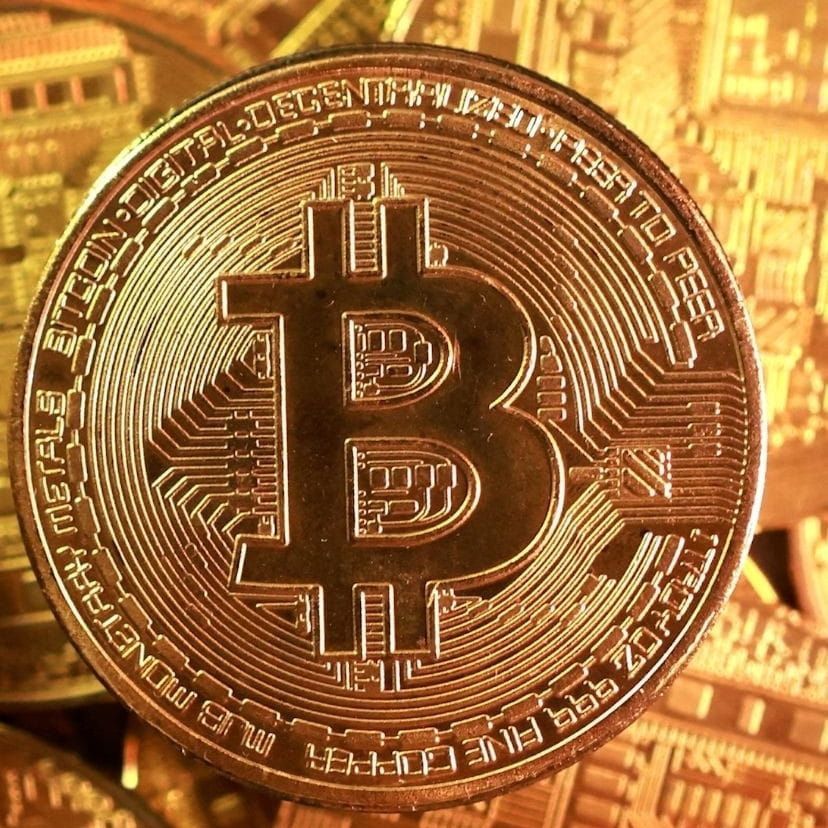
🚨 BE CAREFUL WITH $HEMI, $TUT & $ONE! ⚠️
These coins can test your patience and drain your portfolio before making a comeback when frustrated investors have already sold. 😡📉
Many holders feel trapped in these painful cycles, watching their money shrink while waiting for a recovery that may never come.
💀 My warning to traders:
🔻 Don't blindly trust any coin.
🔻 Never invest more than you can afford to lose.
🔻 Avoid emotional buying and holding without a plan.
🔻 Always do your own research before investing.
Sometimes, the biggest loss isn't just your money — it's the time you waste waiting for a recovery.
Have you lost money on $HEMI, $TUT, or $ONE? 👇🔥 Share your experience and warn other traders!
{spot}(TUTUSDT)
#Crypto #Altcoins #CryptoRisk $TUT
🚨 BE CAREFUL WITH $HEMI, $TUT & $ONE! ⚠️
These coins can test your patience and drain your portfolio before making a comeback when frustrated investors have already sold. 😡📉
Many holders feel trapped in these painful cycles, watching their money shrink while waiting for a recovery that may never come.
💀 My warning to traders:
🔻 Don't blindly trust any coin.
🔻 Never invest more than you can afford to lose.
🔻 Avoid emotional buying and holding without a plan.
🔻 Always do your own research before investing.
Sometimes, the biggest loss isn't just your money — it's the time you waste waiting for a recovery.
Have you lost money on $HEMI, $TUT , or $ONE? 👇🔥 Share your experience and warn other traders!
#Crypto #Altcoins #CryptoRisk $TUT
These coins can test your patience and drain your portfolio before making a comeback when frustrated investors have already sold. 😡📉
Many holders feel trapped in these painful cycles, watching their money shrink while waiting for a recovery that may never come.
💀 My warning to traders:
🔻 Don't blindly trust any coin.
🔻 Never invest more than you can afford to lose.
🔻 Avoid emotional buying and holding without a plan.
🔻 Always do your own research before investing.
Sometimes, the biggest loss isn't just your money — it's the time you waste waiting for a recovery.
Have you lost money on $HEMI, $TUT , or $ONE? 👇🔥 Share your experience and warn other traders!
#Crypto #Altcoins #CryptoRisk $TUT
136
🚨 BINANCE RISK ALERT: BICO & CVC
Binance announced today that two tokens are being added to its Monitoring Tag list:
🔸 Biconomy ($BICO )
🔸 Civic ($CVC )
⚠️ Does this mean they’re getting delisted?
NO. Not automatically.
But it means Binance considers these assets higher-risk and will continue reviewing them.
Binance evaluates factors including:
🔍 Project development and team activity
📊 Trading volume and liquidity
🔐 Network security
📉 Tokenomics and supply changes
If a project fails to meet Binance’s listing standards, delisting becomes a possibility.
🕌 For Muslim crypto investors:
Researching a project’s Shariah compatibility is important, but financial risk deserves separate attention.
A token isn’t automatically a sound investment simply because its business model appears acceptable.
📌 Save this reminder: Monitoring Tag ≠ Delisting, but it is a warning worth investigating.
Do you currently hold BICO or CVC?
#Binance #CryptoRisk #CryptoEducation #HalalCryptoGuide
🚨 BINANCE RISK ALERT: BICO & CVC
Binance announced today that two tokens are being added to its Monitoring Tag list:
🔸 Biconomy ($BICO )
🔸 Civic ($CVC )
⚠️ Does this mean they’re getting delisted?
NO. Not automatically.
But it means Binance considers these assets higher-risk and will continue reviewing them.
Binance evaluates factors including:
🔍 Project development and team activity
📊 Trading volume and liquidity
🔐 Network security
📉 Tokenomics and supply changes
If a project fails to meet Binance’s listing standards, delisting becomes a possibility.
🕌 For Muslim crypto investors:
Researching a project’s Shariah compatibility is important, but financial risk deserves separate attention.
A token isn’t automatically a sound investment simply because its business model appears acceptable.
📌 Save this reminder: Monitoring Tag ≠ Delisting, but it is a warning worth investigating.
Do you currently hold BICO or CVC?
#Binance #CryptoRisk #CryptoEducation #HalalCryptoGuide
Binance announced today that two tokens are being added to its Monitoring Tag list:
🔸 Biconomy ($BICO )
🔸 Civic ($CVC )
⚠️ Does this mean they’re getting delisted?
NO. Not automatically.
But it means Binance considers these assets higher-risk and will continue reviewing them.
Binance evaluates factors including:
🔍 Project development and team activity
📊 Trading volume and liquidity
🔐 Network security
📉 Tokenomics and supply changes
If a project fails to meet Binance’s listing standards, delisting becomes a possibility.
🕌 For Muslim crypto investors:
Researching a project’s Shariah compatibility is important, but financial risk deserves separate attention.
A token isn’t automatically a sound investment simply because its business model appears acceptable.
📌 Save this reminder: Monitoring Tag ≠ Delisting, but it is a warning worth investigating.
Do you currently hold BICO or CVC?
#Binance #CryptoRisk #CryptoEducation #HalalCryptoGuide
قناص القيعان Bottom Huters 2027:
افضل عملي لدي واملك منها مليون وسامتلك ملاين أخرى منها حتى لو حذفتها المنصه يوجد مئات المنصات الأخرى التي امتلك منها الكثير
4
1
607

·
--
Institutional funds bought $2.4B worth of $BTC in a single week, yet over $330M in leveraged bets got wiped out in just a few days.
Most traders get caught trying to front-run institutional momentum, only to get crushed by sudden macro ripples like oil spiking over $100. It is easy to assume big inflows mean an instant breakout, but in reality, volatility often shakes out retail long before any sustained move happens.
Here is where many traders slip up when trying to automate their risk. A lot of folks are setting up automated AI bots to route idle capital and manage liquidity between assets like $ETH and $USDT during high-volatility events. The catch is that an automated script has zero context for macro shocks. It strictly executes rules without emotion, meaning if your parameters do not account for sharp wick-downs, it will systematically deploy liquidity straight into a falling knife.
Automating your crypto stack saves time, but relying on bots during volatile macro swings can quietly amplify your downside if you are not watching closely.
How are you adjusting your automated strategies when sudden macro events hit the tape?
#Bitcoin #TradingStrategy #CryptoRisk
Institutional funds bought $2.4B worth of $BTC in a single week, yet over $330M in leveraged bets got wiped out in just a few days.
Most traders get caught trying to front-run institutional momentum, only to get crushed by sudden macro ripples like oil spiking over $100. It is easy to assume big inflows mean an instant breakout, but in reality, volatility often shakes out retail long before any sustained move happens.
Here is where many traders slip up when trying to automate their risk. A lot of folks are setting up automated AI bots to route idle capital and manage liquidity between assets like $ETH and $USDT during high-volatility events. The catch is that an automated script has zero context for macro shocks. It strictly executes rules without emotion, meaning if your parameters do not account for sharp wick-downs, it will systematically deploy liquidity straight into a falling knife.
Automating your crypto stack saves time, but relying on bots during volatile macro swings can quietly amplify your downside if you are not watching closely.
How are you adjusting your automated strategies when sudden macro events hit the tape?
#Bitcoin #TradingStrategy #CryptoRisk
Most traders get caught trying to front-run institutional momentum, only to get crushed by sudden macro ripples like oil spiking over $100. It is easy to assume big inflows mean an instant breakout, but in reality, volatility often shakes out retail long before any sustained move happens.
Here is where many traders slip up when trying to automate their risk. A lot of folks are setting up automated AI bots to route idle capital and manage liquidity between assets like $ETH and $USDT during high-volatility events. The catch is that an automated script has zero context for macro shocks. It strictly executes rules without emotion, meaning if your parameters do not account for sharp wick-downs, it will systematically deploy liquidity straight into a falling knife.
Automating your crypto stack saves time, but relying on bots during volatile macro swings can quietly amplify your downside if you are not watching closely.
How are you adjusting your automated strategies when sudden macro events hit the tape?
#Bitcoin #TradingStrategy #CryptoRisk
25
·
--
Picture this: a single corporate treasury posts an astonishing $21B paper gain in one quarter, and the entire market treats it as pure bullish confirmation.
Most retail investors get blinded by these massive headline numbers, chasing momentum without understanding the structural risks brewing beneath the surface. When corporate balance sheet expansion becomes the primary market driver, the margin for error disappears.
Strategy just reported their Q3 figures showing that $21B gain with total holdings reaching 848,000 $BTC, while quietly scooping up another 334 coins and repurchasing $176M of $STRC. On paper, it looks like an unstoppable flywheel where debt-funded accumulation simply drives price higher indefinitely.
The part people tend to overlook is the reflexive risk of this setup. Concentrating nearly a million coins into a single corporate vehicle creates artificial supply shock on the way up, but it also ties market health directly to one entity's financing stability. If liquidity dries up or debt servicing costs become strained during a macro drawdown, that concentration shifts from a catalyst into a systemic vulnerability.
Where do you think this level of supply concentration leads if macro conditions tighten?
#Bitcoin #CryptoRisk #MarketAnalysis
Picture this: a single corporate treasury posts an astonishing $21B paper gain in one quarter, and the entire market treats it as pure bullish confirmation.
Most retail investors get blinded by these massive headline numbers, chasing momentum without understanding the structural risks brewing beneath the surface. When corporate balance sheet expansion becomes the primary market driver, the margin for error disappears.
Strategy just reported their Q3 figures showing that $21B gain with total holdings reaching 848,000 $BTC , while quietly scooping up another 334 coins and repurchasing $176M of $STRC . On paper, it looks like an unstoppable flywheel where debt-funded accumulation simply drives price higher indefinitely.
The part people tend to overlook is the reflexive risk of this setup. Concentrating nearly a million coins into a single corporate vehicle creates artificial supply shock on the way up, but it also ties market health directly to one entity's financing stability. If liquidity dries up or debt servicing costs become strained during a macro drawdown, that concentration shifts from a catalyst into a systemic vulnerability.
Where do you think this level of supply concentration leads if macro conditions tighten?
#Bitcoin #CryptoRisk #MarketAnalysis
Most retail investors get blinded by these massive headline numbers, chasing momentum without understanding the structural risks brewing beneath the surface. When corporate balance sheet expansion becomes the primary market driver, the margin for error disappears.
Strategy just reported their Q3 figures showing that $21B gain with total holdings reaching 848,000 $BTC , while quietly scooping up another 334 coins and repurchasing $176M of $STRC . On paper, it looks like an unstoppable flywheel where debt-funded accumulation simply drives price higher indefinitely.
The part people tend to overlook is the reflexive risk of this setup. Concentrating nearly a million coins into a single corporate vehicle creates artificial supply shock on the way up, but it also ties market health directly to one entity's financing stability. If liquidity dries up or debt servicing costs become strained during a macro drawdown, that concentration shifts from a catalyst into a systemic vulnerability.
Where do you think this level of supply concentration leads if macro conditions tighten?
#Bitcoin #CryptoRisk #MarketAnalysis
54
·
--
The hardest lesson DeFi teaches you isn't how to take profit, but how to handle the aftermath of an exploit.
Watching funds vanish is painful enough, but the real agony comes when the recovery portal finally goes live and forces you to gamble on the timeline of your own restitution. That gut-wrenching dilemma is playing out right now across the $SOL ecosystem as the claims process opens for affected users.
Victims holding DFX now face a brutal mathematical trade-off. You can choose to redeem immediately or sell your allocation on the open market, but redeeming permanently burns those claim tokens, cutting you off from any additional recovery funds that might flow into the pool later. On the flip side, holding out means banking on future distributions that may take months or years to materialize.
I have seen this exact playbook in previous cycles with protocol insolvency and hack resolutions. Rushing to cash out often locks in heavy haircuts at the worst possible valuation, yet waiting tied up in illiquid claims exposes you to brutal opportunity cost while assets like $DRIFT continue to trade.
If you were caught in this position, would you take the immediate exit liquidity or hold out for full recovery?
#DeFi #Solana #CryptoRisk
The hardest lesson DeFi teaches you isn't how to take profit, but how to handle the aftermath of an exploit.
Watching funds vanish is painful enough, but the real agony comes when the recovery portal finally goes live and forces you to gamble on the timeline of your own restitution. That gut-wrenching dilemma is playing out right now across the $SOL ecosystem as the claims process opens for affected users.
Victims holding DFX now face a brutal mathematical trade-off. You can choose to redeem immediately or sell your allocation on the open market, but redeeming permanently burns those claim tokens, cutting you off from any additional recovery funds that might flow into the pool later. On the flip side, holding out means banking on future distributions that may take months or years to materialize.
I have seen this exact playbook in previous cycles with protocol insolvency and hack resolutions. Rushing to cash out often locks in heavy haircuts at the worst possible valuation, yet waiting tied up in illiquid claims exposes you to brutal opportunity cost while assets like $DRIFT continue to trade.
If you were caught in this position, would you take the immediate exit liquidity or hold out for full recovery?
#DeFi #Solana #CryptoRisk
Watching funds vanish is painful enough, but the real agony comes when the recovery portal finally goes live and forces you to gamble on the timeline of your own restitution. That gut-wrenching dilemma is playing out right now across the $SOL ecosystem as the claims process opens for affected users.
Victims holding DFX now face a brutal mathematical trade-off. You can choose to redeem immediately or sell your allocation on the open market, but redeeming permanently burns those claim tokens, cutting you off from any additional recovery funds that might flow into the pool later. On the flip side, holding out means banking on future distributions that may take months or years to materialize.
I have seen this exact playbook in previous cycles with protocol insolvency and hack resolutions. Rushing to cash out often locks in heavy haircuts at the worst possible valuation, yet waiting tied up in illiquid claims exposes you to brutal opportunity cost while assets like $DRIFT continue to trade.
If you were caught in this position, would you take the immediate exit liquidity or hold out for full recovery?
#DeFi #Solana #CryptoRisk
27
·
--
Picture this: a project suddenly releases millions of locked tokens and the chart collapses in a single session.
That's the risk most traders miss while they're glued to $BTC. You ride a rally only to watch your bags get dumped on by unlocks you never tracked.
When massive amounts of locked tokens enter circulation, sudden sell pressure and price swings usually follow. People watch macro trends and $BTC, yet these cliffs hit $ETH and $SOL just as violently.
Supply jumps and the market has to absorb it, often at the worst possible time. It's the kind of event that separates those paying attention from everyone else.
What's your take on tracking these unlocks going forward?
#TokenUnlocks #CryptoRisk #MarketDumps
Picture this: a project suddenly releases millions of locked tokens and the chart collapses in a single session.
That's the risk most traders miss while they're glued to $BTC . You ride a rally only to watch your bags get dumped on by unlocks you never tracked.
When massive amounts of locked tokens enter circulation, sudden sell pressure and price swings usually follow. People watch macro trends and $BTC , yet these cliffs hit $ETH and $SOL just as violently.
Supply jumps and the market has to absorb it, often at the worst possible time. It's the kind of event that separates those paying attention from everyone else.
What's your take on tracking these unlocks going forward?
#TokenUnlocks #CryptoRisk #MarketDumps
That's the risk most traders miss while they're glued to $BTC . You ride a rally only to watch your bags get dumped on by unlocks you never tracked.
When massive amounts of locked tokens enter circulation, sudden sell pressure and price swings usually follow. People watch macro trends and $BTC , yet these cliffs hit $ETH and $SOL just as violently.
Supply jumps and the market has to absorb it, often at the worst possible time. It's the kind of event that separates those paying attention from everyone else.
What's your take on tracking these unlocks going forward?
#TokenUnlocks #CryptoRisk #MarketDumps
32
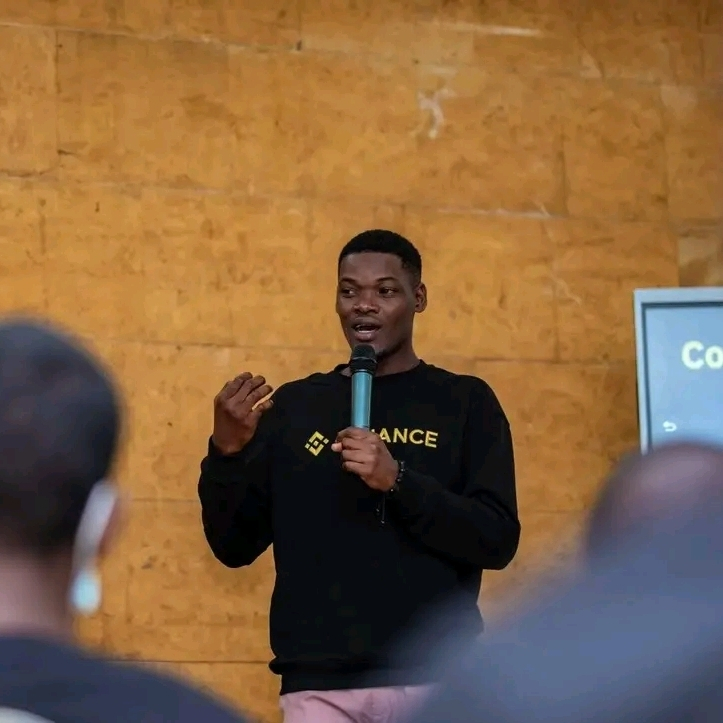
Most beginners lose money in crypto, and it's not because of the market.
The 3 most common mistakes:
1️⃣ Putting everything into one coin
2️⃣ Trading without a stop-loss
3️⃣ Buying out of FOMO after a big pump
✅ Better habits:
- Only invest what you can afford to lose
- Diversify
- Set your max loss BEFORE entering a trade
$BTC $ETH #CryptoRisk #RiskManagement #Binance
What's your golden rule for managing risk?
Not financial advice. Crypto is volatile, always DYOR.
Most beginners lose money in crypto, and it's not because of the market.
The 3 most common mistakes:
1️⃣ Putting everything into one coin
2️⃣ Trading without a stop-loss
3️⃣ Buying out of FOMO after a big pump
✅ Better habits:
- Only invest what you can afford to lose
- Diversify
- Set your max loss BEFORE entering a trade
$BTC $ETH #CryptoRisk #RiskManagement #Binance
What's your golden rule for managing risk?
Not financial advice. Crypto is volatile, always DYOR.
The 3 most common mistakes:
1️⃣ Putting everything into one coin
2️⃣ Trading without a stop-loss
3️⃣ Buying out of FOMO after a big pump
✅ Better habits:
- Only invest what you can afford to lose
- Diversify
- Set your max loss BEFORE entering a trade
$BTC $ETH #CryptoRisk #RiskManagement #Binance
What's your golden rule for managing risk?
Not financial advice. Crypto is volatile, always DYOR.
3
213

10月1日,俄罗斯总统普京在第23届瓦尔代国际辩论俱乐部全体会议上公开表示,如果波罗的海沿岸的飞地加里宁格勒或俄其他领土遭到攻击,莫斯科将考虑动用其军火库中的所有武器。近期北约针对加里宁格勒频繁开展军事演习,俄方此前已多次就封锁威胁发出升级对抗的严正警告。
这番表态标志着地缘政治对抗烈度再度上升。加里宁格勒作为俄罗斯深嵌欧洲腹地的战略支点,其安全局势直接牵动北约与俄方的红线。随着演习与核威慑言论交织,战略误判与摩擦升级的概率显著放大,全球供应链及能源通道面临更深的不确定性。
在地缘冲突风险溢价回升的背景下,传统避险资产通常受到资金追捧。原油等大宗商品易受供给担忧推升,而美元与黄金的避险属性可能进一步凸显。与此同时,债券收益率波动加剧,全球风险资产的估值扩张空间将受到实质性压制。
对于加密市场而言,极端地缘事件往往在短期内引发避险去杠杆,导致以 $BTC 为首的风险资产遭遇流动性抽离。在宏观不确定性持续发酵的阶段,投资者应保持高度谨慎,警惕局部冲突恶化对加密生态造成的连锁溢出风险。⚠️
#Geopolitics #GlobalMacro #CryptoRisk
10月1日,俄罗斯总统普京在第23届瓦尔代国际辩论俱乐部全体会议上公开表示,如果波罗的海沿岸的飞地加里宁格勒或俄其他领土遭到攻击,莫斯科将考虑动用其军火库中的所有武器。近期北约针对加里宁格勒频繁开展军事演习,俄方此前已多次就封锁威胁发出升级对抗的严正警告。
这番表态标志着地缘政治对抗烈度再度上升。加里宁格勒作为俄罗斯深嵌欧洲腹地的战略支点,其安全局势直接牵动北约与俄方的红线。随着演习与核威慑言论交织,战略误判与摩擦升级的概率显著放大,全球供应链及能源通道面临更深的不确定性。
在地缘冲突风险溢价回升的背景下,传统避险资产通常受到资金追捧。原油等大宗商品易受供给担忧推升,而美元与黄金的避险属性可能进一步凸显。与此同时,债券收益率波动加剧,全球风险资产的估值扩张空间将受到实质性压制。
对于加密市场而言,极端地缘事件往往在短期内引发避险去杠杆,导致以 $BTC 为首的风险资产遭遇流动性抽离。在宏观不确定性持续发酵的阶段,投资者应保持高度谨慎,警惕局部冲突恶化对加密生态造成的连锁溢出风险。⚠️
#Geopolitics #GlobalMacro #CryptoRisk
这番表态标志着地缘政治对抗烈度再度上升。加里宁格勒作为俄罗斯深嵌欧洲腹地的战略支点,其安全局势直接牵动北约与俄方的红线。随着演习与核威慑言论交织,战略误判与摩擦升级的概率显著放大,全球供应链及能源通道面临更深的不确定性。
在地缘冲突风险溢价回升的背景下,传统避险资产通常受到资金追捧。原油等大宗商品易受供给担忧推升,而美元与黄金的避险属性可能进一步凸显。与此同时,债券收益率波动加剧,全球风险资产的估值扩张空间将受到实质性压制。
对于加密市场而言,极端地缘事件往往在短期内引发避险去杠杆,导致以 $BTC 为首的风险资产遭遇流动性抽离。在宏观不确定性持续发酵的阶段,投资者应保持高度谨慎,警惕局部冲突恶化对加密生态造成的连锁溢出风险。⚠️
#Geopolitics #GlobalMacro #CryptoRisk
24

·
--
⚠️ $TRUMPCoin — Important Risk Warning
Before buying TRUMP, please do your own research. $TRUMP is a highly volatile meme coin, and its price can rise or fall sharply in a short period of time.
📌 Never invest money you cannot afford to lose.
📌 Don’t buy just because the price is pumping.
📌 Avoid FOMO and emotional trading.
📌 Check the project, token supply, liquidity, market conditions, and recent news before making a decision.
📌 Always set your own risk limits and consider using a stop-loss strategy.
There is no guaranteed profit in crypto. Trade responsibly and protect your capital. DYOR. ⚠️
#tobeempire #Crypto # #DYOR* R #CryptoRisk
⚠️ $TRUMPCoin — Important Risk Warning
Before buying TRUMP, please do your own research. $TRUMP is a highly volatile meme coin, and its price can rise or fall sharply in a short period of time.
📌 Never invest money you cannot afford to lose.
📌 Don’t buy just because the price is pumping.
📌 Avoid FOMO and emotional trading.
📌 Check the project, token supply, liquidity, market conditions, and recent news before making a decision.
📌 Always set your own risk limits and consider using a stop-loss strategy.
There is no guaranteed profit in crypto. Trade responsibly and protect your capital. DYOR. ⚠️
#tobeempire #Crypto # #DYOR* R #CryptoRisk
Before buying TRUMP, please do your own research. $TRUMP is a highly volatile meme coin, and its price can rise or fall sharply in a short period of time.
📌 Never invest money you cannot afford to lose.
📌 Don’t buy just because the price is pumping.
📌 Avoid FOMO and emotional trading.
📌 Check the project, token supply, liquidity, market conditions, and recent news before making a decision.
📌 Always set your own risk limits and consider using a stop-loss strategy.
There is no guaranteed profit in crypto. Trade responsibly and protect your capital. DYOR. ⚠️
#tobeempire #Crypto # #DYOR* R #CryptoRisk
353

·
--
🚨 $BTC ALERT: CAMELOT OF CAMBODIA'S FRAUD HUB EXPOSED, IMPACT ON CRYPTO FLOW 🦈
📊 The newly unveiled “Park 8” spans 120 ha, housing up to 20 k forced workers and a full‑stack crypto service desk – Huione Pay – that funneled fiat and digital assets for illicit ops. 🏦 Elliptic’s intel ties its operator, Legend Innovation, to U.S./U.K.‑sanctioned Prince Group, flashing a red flag on any token pipelines touching this ecosystem. ⚡
🦈 Smart‑money eyes are already scrubbing exposure; a crackdown could yank liquidity and spark a short‑bias across related altcoins. 📈 Keep tabs on on‑ramps and watch for sudden sell pressure as regulators tighten the net. 💡
💬 How are you adjusting your exposure to tokens linked to shady on‑ramps? 👇
⚠️ Not financial advice. Always manage your risk. 🛡️
🏷️ #BTC #Regulation #CryptoRisk #ScamAlert
🔥 💎
🚨 $BTC ALERT: CAMELOT OF CAMBODIA'S FRAUD HUB EXPOSED, IMPACT ON CRYPTO FLOW 🦈
📊 The newly unveiled “Park 8” spans 120 ha, housing up to 20 k forced workers and a full‑stack crypto service desk – Huione Pay – that funneled fiat and digital assets for illicit ops. 🏦 Elliptic’s intel ties its operator, Legend Innovation, to U.S./U.K.‑sanctioned Prince Group, flashing a red flag on any token pipelines touching this ecosystem. ⚡
🦈 Smart‑money eyes are already scrubbing exposure; a crackdown could yank liquidity and spark a short‑bias across related altcoins. 📈 Keep tabs on on‑ramps and watch for sudden sell pressure as regulators tighten the net. 💡
💬 How are you adjusting your exposure to tokens linked to shady on‑ramps? 👇
⚠️ Not financial advice. Always manage your risk. 🛡️
🏷️ #BTC #Regulation #CryptoRisk #ScamAlert
🔥 💎
📊 The newly unveiled “Park 8” spans 120 ha, housing up to 20 k forced workers and a full‑stack crypto service desk – Huione Pay – that funneled fiat and digital assets for illicit ops. 🏦 Elliptic’s intel ties its operator, Legend Innovation, to U.S./U.K.‑sanctioned Prince Group, flashing a red flag on any token pipelines touching this ecosystem. ⚡
🦈 Smart‑money eyes are already scrubbing exposure; a crackdown could yank liquidity and spark a short‑bias across related altcoins. 📈 Keep tabs on on‑ramps and watch for sudden sell pressure as regulators tighten the net. 💡
💬 How are you adjusting your exposure to tokens linked to shady on‑ramps? 👇
⚠️ Not financial advice. Always manage your risk. 🛡️
🏷️ #BTC #Regulation #CryptoRisk #ScamAlert
🔥 💎
46
Войдите, чтобы посмотреть больше материала
Присоединяйтесь к пользователям криптовалют по всему миру на Binance Square
⚡️ Получайте новейшую и полезную информацию о криптоактивах.
💬 Нам доверяет крупнейшая в мире криптобиржа.
👍 Получите достоверные аналитические данные от верифицированных создателей контента.
Эл. почта/номер телефона
В тренде
1
#BinancekzWin
Просмотров: 24,402
61 обсуждают
2
#BitcoinSurpasses$83,000
Просмотров: 655
20 обсуждают
3
#BitcoinReboundsAbove$82,000
Просмотров: 1,888
19 обсуждают
4
#BankOfRussiaSaysSelfCustodyBanStartsJuly2027
Просмотров: 8,621
170 обсуждают
5
#CFTCAdvancesVoluntaryRegCAMFramework
Просмотров: 32,360
426 обсуждают
6
#ChinaQ3GDPGrowthQuickensTo4.5%
Просмотров: 16,962
315 обсуждают
7
#ZcashNU7ProposalWouldFreezeSproutSpending
Просмотров: 25,913
357 обсуждают
8
#KOSPIOpens3.17%Lower
Просмотров: 21,592
285 обсуждают
9
#GrayscaleAndRepublicLaunchThreeCryptoFunds
Просмотров: 298,842
1,756 обсуждают
10
#ElSalvadorBitcoinHoldingsSurpass7800BTC
Просмотров: 119,242
1,345 обсуждают